



Metal Oxides for Heterogeneous Catalysis
A special issue of Materials (ISSN 1996-1944). This special issue belongs to the section "Energy Materials".
Deadline for manuscript submissions: closed (10 August 2022) | Viewed by 11613
Special Issue Editors

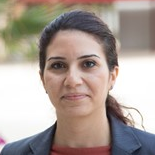
Interests: catalyst synthesis and characterization; CO2 hydrogenation; reforming reactions; hydrodeoxygenation reactions
Special Issues, Collections and Topics in MDPI journals
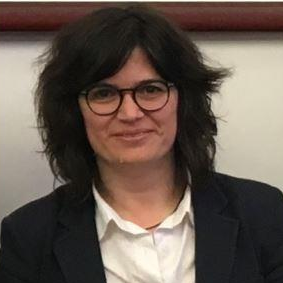
Interests: catalyst synthesis; porous materials; reforming; CO2 sequestration; H2 production and storage
Special Issues, Collections and Topics in MDPI journals
Special Issue Information
Dear Colleagues,
Catalysis plays a key role in chemical, physical, and biological sciences and is one of the most important fields in industrial chemistry; it is used globally in the manufacture of over 10,000 products worth over $10 trillion per year, accounting for 15% of the world GDP. Thus, it would not be hyperbole to argue that the development of active, selective, and energy‐efficient heterogeneous catalytic processes will play the role of protagonist in humanity’s transition into a carbon‐neutral society as well as avoidance of the catastrophic consequences of climate change on the biosphere.
For the majority of different industrial catalytic reactions, the use of metal oxide catalysts is essential; these materials find uses in the majority of refining and petrochemical processes, the synthesis of chemicals, biomass transformation reactions, and the abatement and control of environmental pollution. These catalysts include simple or mixed metal oxides such as alumina, silica, ceria, titania, zirconia, lantana ZnO and CuO, silica–alumina, fluorite-structured ceria- or zirconia-based oxides, perovskites, hydrotalcites, layered clays, zeolites, metal organic frameworks (MOFs), complex oxides such as polyoxometalates (POMs) of Keggin or Dawson type, phosphates, multicomponent mixed oxides (e.g., molybdates, antimonates and tungstates), hexaaluminates, and high-entropy oxides. In particular, MOFs—a relatively new type of material with potential for rational design, intrinsic hybrid organic−inorganic nature, uncoordinated metal sites, readily accessible organic struts, structural diversity, and well defined porosity—are attracting increasing interest for heterogeneous catalysis applications.
This Special Issue invites contributions that focus on the development of solid metal‐oxide‐type catalysts for use in gas or liquid phase heterogeneous catalytic or photoelectrocatalytic reactions. Novel methods for the preparation of metal oxides, for example, soft chemistry, hydrothermal synthesis of zeolitic and microporous materials, ultrasound (US)- or microwave (MW)-assisted methods, ball milling, and electro- or photoactivated processes are especially welcome.
Dr. Nikolaos D. Charisiou
Dr. Kyriaki Polychronopoulou
Dr. Maguy Abi Jaoude
Guest Editors
Manuscript Submission Information
Manuscripts should be submitted online at www.mdpi.com by registering and logging in to this website. Once you are registered, click here to go to the submission form. Manuscripts can be submitted until the deadline. All submissions that pass pre-check are peer-reviewed. Accepted papers will be published continuously in the journal (as soon as accepted) and will be listed together on the special issue website. Research articles, review articles as well as short communications are invited. For planned papers, a title and short abstract (about 250 words) can be sent to the Editorial Office for assessment.
Submitted manuscripts should not have been published previously, nor be under consideration for publication elsewhere (except conference proceedings papers). All manuscripts are thoroughly refereed through a single-blind peer-review process. A guide for authors and other relevant information for submission of manuscripts is available on the Instructions for Authors page. Materials is an international peer-reviewed open access semimonthly journal published by MDPI.
Please visit the Instructions for Authors page before submitting a manuscript. The Article Processing Charge (APC) for publication in this open access journal is 2600 CHF (Swiss Francs). Submitted papers should be well formatted and use good English. Authors may use MDPI's English editing service prior to publication or during author revisions.
Keywords
- heterogeneous catalysis
- catalyst synthesis
- metal oxides
- MOFs
Benefits of Publishing in a Special Issue
- Ease of navigation: Grouping papers by topic helps scholars navigate broad scope journals more efficiently.
- Greater discoverability: Special Issues support the reach and impact of scientific research. Articles in Special Issues are more discoverable and cited more frequently.
- Expansion of research network: Special Issues facilitate connections among authors, fostering scientific collaborations.
- External promotion: Articles in Special Issues are often promoted through the journal's social media, increasing their visibility.
- Reprint: MDPI Books provides the opportunity to republish successful Special Issues in book format, both online and in print.
Further information on MDPI's Special Issue policies can be found here.
