Journal Description
Economies
Economies
is an international, peer-reviewed, open access journal on development economics and macroeconomics, published monthly online by MDPI.
- Open Access— free for readers, with article processing charges (APC) paid by authors or their institutions.
- High Visibility: indexed within Scopus, ESCI (Web of Science), EconLit, EconBiz, RePEc, and other databases.
- Journal Rank: JCR - Q2 (Economics) / CiteScore - Q1 (Economics, Econometrics and Finance (miscellaneous))
- Rapid Publication: manuscripts are peer-reviewed and a first decision is provided to authors approximately 23.1 days after submission; acceptance to publication is undertaken in 6.5 days (median values for papers published in this journal in the second half of 2025).
- Recognition of Reviewers: reviewers who provide timely, thorough peer-review reports receive vouchers entitling them to a discount on the APC of their next publication in any MDPI journal, in appreciation of the work done.
Impact Factor:
2.1 (2024);
5-Year Impact Factor:
2.3 (2024)
Latest Articles
Economic Growth in the Next-11 Economies: The Roles of Structural, Institutional, and Human Capital Factors with Evidence on FDI Effects
Economies 2026, 14(5), 183; https://doi.org/10.3390/economies14050183 - 14 May 2026
Abstract
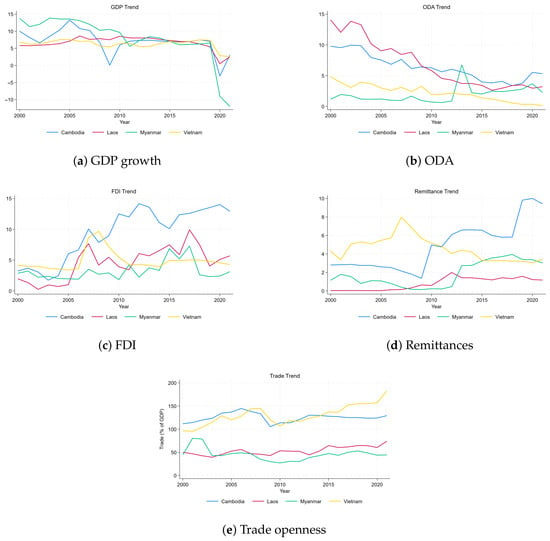
This study investigates the determinants of economic growth in the Next-11 economies over the period 1996–2024, with particular emphasis on the roles of structural, institutional, and human capital factors. Using a comprehensive panel dataset for eleven emerging economies, the analysis employs three robust
[...] Read more.
This study investigates the determinants of economic growth in the Next-11 economies over the period 1996–2024, with particular emphasis on the roles of structural, institutional, and human capital factors. Using a comprehensive panel dataset for eleven emerging economies, the analysis employs three robust estimation techniques—Driscoll–Kraay Standard Errors (DKSEs), Feasible Generalized Least Squares (FGLSs), and Panel-Corrected Standard Errors (PCSEs)- to address common econometric issues such as heteroskedasticity, serial correlation, and cross-sectional dependence. The empirical results reveal that industrial output, energy consumption, human capital, institutional quality, and foreign direct investment significantly contribute to economic growth. Among these factors, industrial output and energy consumption exhibit particularly strong and consistent positive effects across all estimation methods, highlighting the importance of structural transformation and energy availability in supporting economic expansion. In contrast, trade openness shows a negative and statistically significant relationship with economic growth in most model specifications, suggesting that structural constraints, import dependence, and limited domestic productive capacity may restrict the growth benefits of external integration in these economies. The study also explores the conditional effects of foreign direct investment through interaction terms with human capital and institutional quality. The findings indicate that the growth-enhancing impact of foreign investment depends significantly on domestic absorptive capacity, particularly the availability of skilled labor and effective governance structures. These results emphasize the importance of complementary policies aimed at strengthening education systems, improving institutional quality, and enhancing regulatory effectiveness. From a policy perspective, the findings suggest that the Next-11 economies should prioritize industrial development, energy infrastructure expansion, human capital investment, and institutional reforms to maximize the benefits of globalization and foreign investment. Overall, the study contributes to the literature by providing robust empirical evidence on the interconnected roles of structural, institutional, and human capital factors in shaping economic growth in emerging economies.
Full article
(This article belongs to the Special Issue Institutions, Structural Change, and Inclusive Growth in Developing Economies)
Open AccessArticle
Refinement of Signaling Theory in Labor Markets: Informational Frictions, Educational Overinvestment, and Equilibrium Fragility
by
Monem Abidi and Adel Benhamed
Economies 2026, 14(5), 182; https://doi.org/10.3390/economies14050182 - 14 May 2026
Abstract
This paper develops a dynamic signaling framework to analyze how educational investment evolves under imperfect information and how the informational value of credentials changes over time. It addresses a central question: under what conditions do signaling equilibria become fragile, and how does this
[...] Read more.
This paper develops a dynamic signaling framework to analyze how educational investment evolves under imperfect information and how the informational value of credentials changes over time. It addresses a central question: under what conditions do signaling equilibria become fragile, and how does this fragility generate educational overinvestment and credential inflation in equilibrium? The model features heterogeneous productivity groups and endogenous educational choices, in which education plays both a signaling and a productive role. Informational frictions and wage-setting mechanisms jointly determine equilibrium configurations, allowing for separation, pooling, and mixed equilibria. The analysis shows that separating equilibria are inherently fragile: when signaling costs decline or when the share of lower-productivity workers becomes sufficiently small, incentives for imitation intensify, progressively eroding informational differentiation. This fragility gives rise to a cascade mechanism of overinvestment, whereby individuals increase educational attainment beyond efficient levels to preserve relative positioning. As a result, signaling distortions propagate across educational levels, generating persistent credential inflation and weakening the informational content of degrees. The framework also identifies conditions under which mixed equilibria may dominate separating equilibria in terms of aggregate welfare, particularly when the proportion of low-productivity workers is limited. By incorporating a productive dimension of education, the model distinguishes between pure signaling rents and genuine productivity gains, providing a unified interpretation of overeducation, declining returns to credentials, and persistent wage dispersion. Finally, the analysis characterizes an optimal taxation scheme that eliminates inefficient signaling rents while preserving incentives for productivity-enhancing investment. Taken together, the results highlight how equilibrium fragility, informational distortions, and strategic educational measures provide a unified explanation for diploma inflation, equilibrium segmentation, and persistent deviations from socially optimal investment levels.
Full article
(This article belongs to the Special Issue Macroeconomics of the Labour Market)
Open AccessArticle
Digital Trade Liberalization Under Low Tariff Regimes: Heterogeneous Effects of Information and Communication Technologies in Vietnam
by
Dang Thi-Huyen-Anh
Economies 2026, 14(5), 181; https://doi.org/10.3390/economies14050181 - 14 May 2026
Abstract
This paper examines how the composition of digital trade liberalization shapes trade adjustment patterns in a low-tariff environment. While digital technologies are often treated as a unified category, different components may generate distinct economic effects and policy implications. Using Vietnam as a case
[...] Read more.
This paper examines how the composition of digital trade liberalization shapes trade adjustment patterns in a low-tariff environment. While digital technologies are often treated as a unified category, different components may generate distinct economic effects and policy implications. Using Vietnam as a case study, the analysis distinguishes between information technologies (ITs), which are embedded in production processes, and communication technologies (CTs), which primarily reduce coordination costs. A partial equilibrium simulation is conducted using the WITS-SMART model based on 2023 trade and tariff data. The results show that tariff elimination in IT products leads to a substantially stronger import response and a larger reduction in tariff revenue compared to CT. However, the overall magnitude of these effects remains modest, reflecting Vietnam’s already low tariff structure. The findings highlight the importance of accounting for heterogeneity within digital technologies when assessing trade liberalization in emerging economies.
Full article
Open AccessArticle
One Policy Rate, Uneven Provincial Inflation: Shelter, Household Debt, and Provincial Structure in Canada
by
Constantin Colonescu
Economies 2026, 14(5), 180; https://doi.org/10.3390/economies14050180 - 14 May 2026
Abstract
This article studies why the same Bank of Canada tightening is reflected differently in provincial CPI inflation. It combines monthly provincial data from January 1991 to December 2024 with interacted local projections and public-data measures of common national monetary movements. The design estimates
[...] Read more.
This article studies why the same Bank of Canada tightening is reflected differently in provincial CPI inflation. It combines monthly provincial data from January 1991 to December 2024 with interacted local projections and public-data measures of common national monetary movements. The design estimates reduced-form provincial loadings in a common monetary environment, rather than structural responses to a single externally identified surprise. The main result is a housing-sensitive gap between headline inflation and inflation excluding shelter. Provinces with larger shelter weights and higher household debt–service exposure show a stronger headline response than non-shelter response after a common tightening. The evidence does not reduce to rent or to basket arithmetic alone: debt–service exposure is the more stable standalone component, while shelter weights tie the differential to measured CPI. Outside shelter, no single provincial characteristic dominates. Internal trade integration is associated with smaller baseline deviations from the national non-shelter response, but energy-related provincial composition is at least as informative in the competing-factor specifications. The paper therefore identifies shelter and household debt as the clearest sources of provincial incidence under one policy rate, while treating non-housing deviations from the national response as a broader provincial-structure result.
Full article
(This article belongs to the Special Issue Monetary Policy and Inflation Dynamics)
Open AccessArticle
Revisiting the EKC Hypothesis for Environmental Quality in BRICS Countries: The Role of Energy Risk Improvement
by
Sardorbek Makhmudov, Nodir Jumaev, Ulugbek Urinboev, Zokir Mamadiyarov, Jurabek Kuralbaev, Feruz Kurbanov and Sitora Xasanova
Economies 2026, 14(5), 179; https://doi.org/10.3390/economies14050179 - 14 May 2026
Abstract
This study examines the impact of energy risk on environmental quality in BRICS economies (Brazil, Russia, India, China, and South Africa) from 2000 to 2024, including economic growth, renewable energy, institutional quality, urbanization and energy usage. Specifically, this study uses Fully Modified Ordinary
[...] Read more.
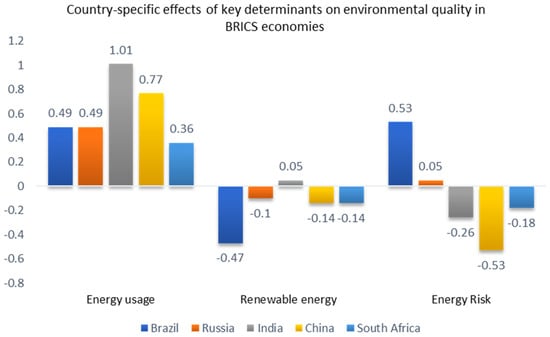
This study examines the impact of energy risk on environmental quality in BRICS economies (Brazil, Russia, India, China, and South Africa) from 2000 to 2024, including economic growth, renewable energy, institutional quality, urbanization and energy usage. Specifically, this study uses Fully Modified Ordinary Least Squares (FMOLS) under the Environmental Kuznets Curve (EKC) hypothesis to estimate long-run relationships in countries, assessing robustness through Driscoll–Kraay Standard Errors to address heteroskedasticity, serial correlation, and cross-sectional dependence. The empirical findings provide strong support for the EKC hypothesis, as evidenced by the positive and significant coefficient of economic growth and the negative and significant coefficient of its squared term. Energy consumption and urbanization are found to significantly increase environmental degradation, indicating their substantial contribution to emissions. In contrast, renewable energy consumption significantly reduces emissions, highlighting its role in improving environmental sustainability. Importantly, energy risk does not exhibit a statistically significant impact on environmental quality, suggesting that energy security vulnerabilities have not directly translated into measurable environmental effects in the long run across BRICS countries. Institutional quality shows a positive and significant relationship with emissions, implying that governance improvements alone have not yet effectively supported environmental sustainability and decarbonization efforts. Overall, the findings underscore the need for integrated policy frameworks that promote renewable energy adoption, manage urban expansion, and enhance the effectiveness of institutional mechanisms to achieve sustainable environmental outcomes in BRICS economies.
Full article
(This article belongs to the Special Issue Energy Consumption, Financial Development and Economic Growth)
►▼
Show Figures

Figure 1
Open AccessArticle
BRICS Property Returns and Geopolitical Risk: A Dynamic Connectedness and Transmission Analysis of Events
by
Babatunde Lawrence and Fabian Moodley
Economies 2026, 14(5), 178; https://doi.org/10.3390/economies14050178 - 13 May 2026
Abstract
This study examines the network dynamics and shock transmission in the relationship between BRICS property market returns and geopolitical risk indicators, applying a time-varying parameter vector autoregression (TVP-VAR) method. The goal of this study is to investigate the dynamic connectedness and shock transmission
[...] Read more.
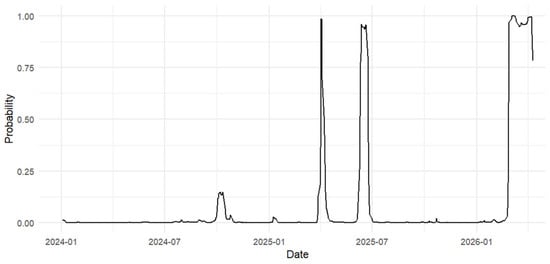
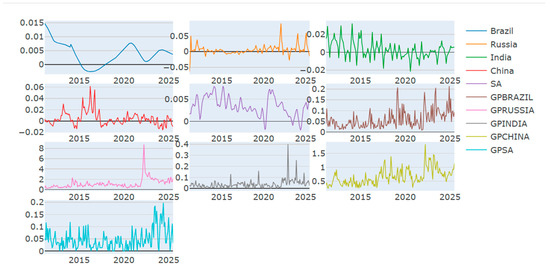
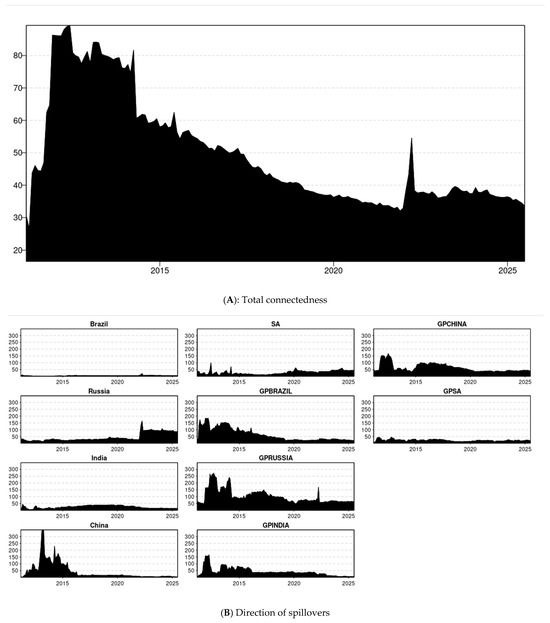
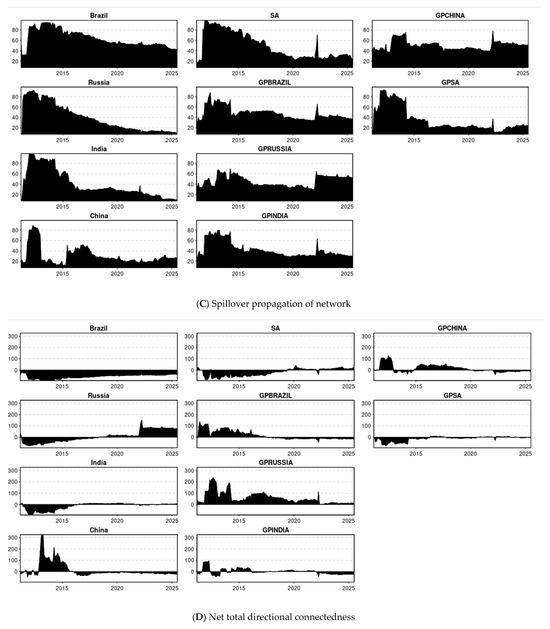
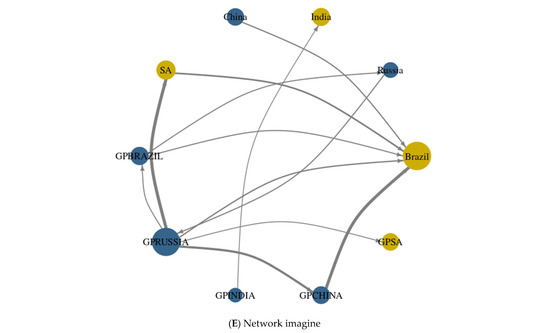
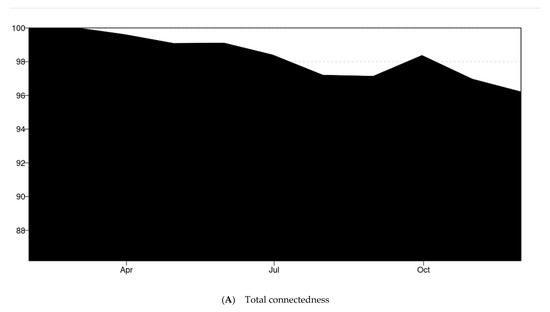
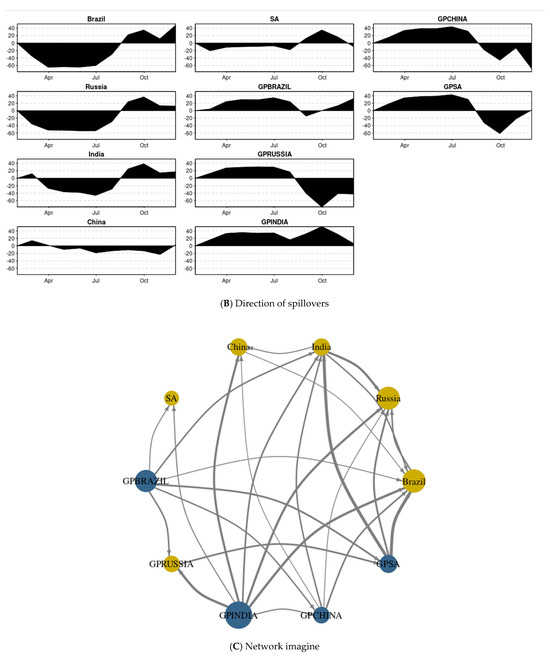
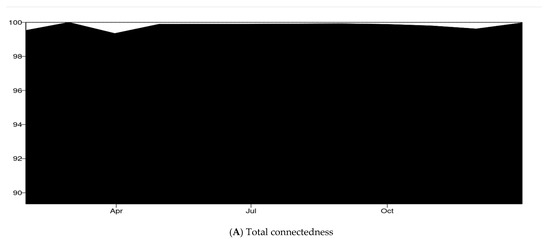
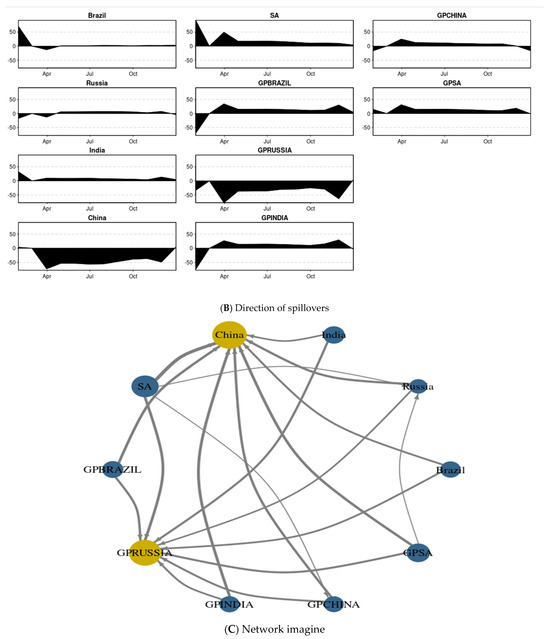
This study examines the network dynamics and shock transmission in the relationship between BRICS property market returns and geopolitical risk indicators, applying a time-varying parameter vector autoregression (TVP-VAR) method. The goal of this study is to investigate the dynamic connectedness and shock transmission between geopolitical risk and property returns in BRICS countries, with further insight into how geopolitical events lead to risk transmission. Using monthly data from February 2011 through June 2025 and isolating two tension periods after COVID-19, 2022 and 2024, we investigate geopolitical events and their shock transmissions. The findings illustrates the complexity of shifting geopolitical tensions and their effects on cross-market spillovers. That being, there exists moderate but economically significant systemic interconnectedness, with approximately half of the forecast error variance explained by cross-market shocks. This study further provides robust empirical evidence on the direct effects of geopolitical risk on BRICS property markets and their dynamic interconnectedness. Geopolitical risk especially originating from Russia and China, is found to be the key net transmitter of shocks to the region, whereas Brazil, India, and South Africa are the main net receivers. The results add to the evidence of regime-dependent spillovers, magnified by major geopolitical episodes such as the Russia–Ukraine war and the 2024 expansion of BRICS. Property markets are more vulnerable to geopolitical instability, showing their susceptibility to external risk spread. This study has implications for the sustainability and financial stability literature by emphasising the systemic nature of geopolitical risk in property markets, and it provides practical guidance for portfolio diversification, risk management and policy coordination in the BRICS bloc.
Full article
(This article belongs to the Special Issue Navigating Global Economic Shifts: Empirical Evidence in International Macroeconomics)
►▼
Show Figures

Figure 1

Open AccessArticle
Governance Quality and Outbound Tourism Expenditure: Evidence from Symmetric and Asymmetric Panel ARDL Models
by
Ateeq Ullah, Supanika Leurcharusmee and Woraphon Yamaka
Economies 2026, 14(5), 177; https://doi.org/10.3390/economies14050177 - 13 May 2026
Abstract
This study examines the relationship between governance quality and outbound tourism expenditure. Annual panel data for 54 countries over the period 1996–2023 are analyzed using symmetric and asymmetric panel ARDL models. The results highlight the existence of a long-run relationship between governance quality
[...] Read more.
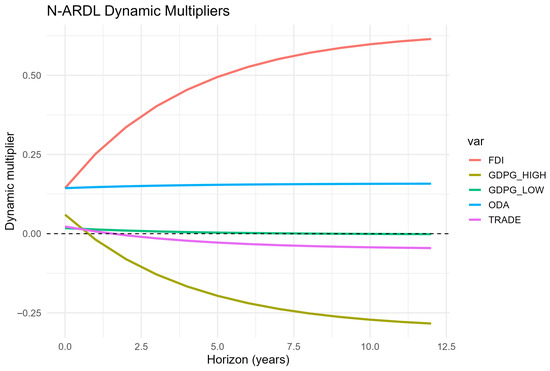
This study examines the relationship between governance quality and outbound tourism expenditure. Annual panel data for 54 countries over the period 1996–2023 are analyzed using symmetric and asymmetric panel ARDL models. The results highlight the existence of a long-run relationship between governance quality and outbound tourism expenditure. The symmetric ARDL results indicate that governance quality exhibits a significant negative long-run effect on outbound tourism expenditure, suggesting that improvements in governance quality reduce residents’ spending on international travel. The effect remains significant only in low-governance countries when the sample is separated into low- and high-governance countries. The asymmetric ARDL results further reveal that positive governance shocks significantly reduce outbound tourism expenditure, while negative shocks increase it only in high-governance countries. Overall, the findings highlight the important role of institutional quality in shaping tourism consumption behavior and provide policy insights for managing tourism-related outbound expenditures.
Full article
Open AccessArticle
Sustaining Growth Under Demographic Decline: A Minimum AI Investment Threshold for OECD Economies
by
Jingshuang Gu and Jinghong Gu
Economies 2026, 14(5), 176; https://doi.org/10.3390/economies14050176 - 13 May 2026
Abstract
Population aging weakens the research base for growth in Organisation for Economic Co-operation and Development (OECD) economies. This paper develops a balanced-growth benchmark with semi-endogenous knowledge production, human-capital deepening, and artificial intelligence (AI) research capital to derive in closed form the minimum AI-investment
[...] Read more.
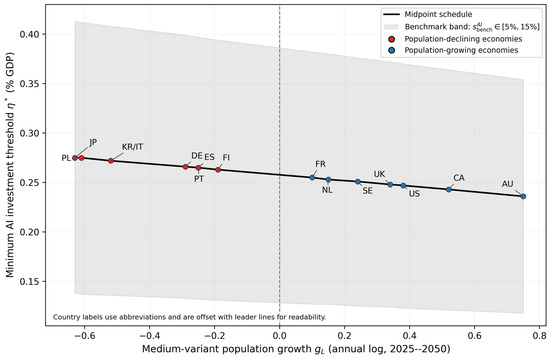
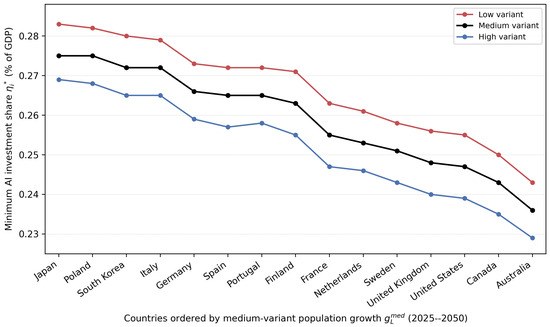
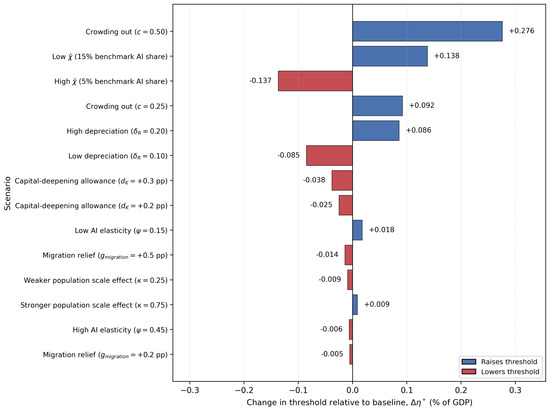
Population aging weakens the research base for growth in Organisation for Economic Co-operation and Development (OECD) economies. This paper develops a balanced-growth benchmark with semi-endogenous knowledge production, human-capital deepening, and artificial intelligence (AI) research capital to derive in closed form the minimum AI-investment share consistent with non-negative per capita growth. Calibrated to an illustrative 15-country OECD sample spanning contrasting demographic regimes and gross expenditure on research and development (GERD)-intensity profiles, using United Nations World Population Prospects 2024 and OECD Main Science and Technology Indicators data, the formula yields midpoint thresholds of 0.236–0.275% of gross domestic product (GDP) when 10% of GERD is assumed to be AI-designated. The midpoint normalization is anchored to the best currently available OECD/European Commission (EC) measurement evidence, which places the AI-designated share of aggregate research and development (R&D) at 8.8% for the EU27, 9.9% for the United States, and 7.9% for Japan—all within the 5–15% window used here. Although this range is narrow in GDP-point terms, it implies research requirements from about 5–7% of GERD in South Korea and the United States to about 18–20% in Italy, Poland, and Spain. The common normalization shifts levels but not the cross-country ranking. These results favor demographically adjusted, country-specific AI-investment benchmarks over an OECD-wide target and imply that migration and research-base expansion can partly substitute for higher AI spending in high-pressure economies.
Full article
(This article belongs to the Section Economic Development)
►▼
Show Figures

Figure 1
Open AccessArticle
Does Technology Adoption Improve Agricultural Productivity? Evidence from Smallholder Arabica Coffee Farming in Indonesia
by
Heppi Syofya, Haryadi Haryadi, Junaidi Junaidi and Siti Hodijah
Economies 2026, 14(5), 175; https://doi.org/10.3390/economies14050175 - 12 May 2026
Abstract
This study seeks to explain how structural factors, farmers’ capacity, technology adoption, and market orientation jointly shape productivity in smallholder Arabica coffee farming. Primary data were collected from 152 Arabica coffee farmers in Kerinci Regency, Jambi Province, Indonesia, between June and August 2025
[...] Read more.
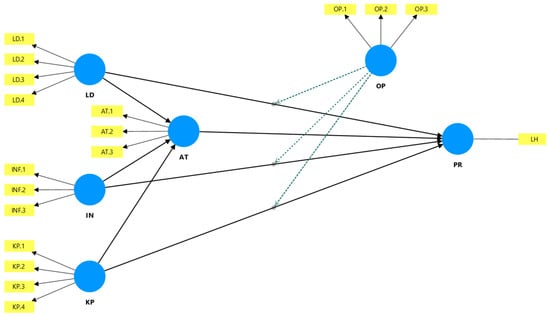
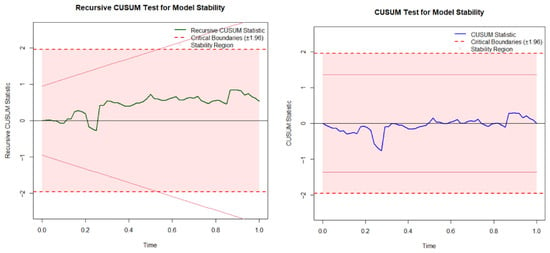
This study seeks to explain how structural factors, farmers’ capacity, technology adoption, and market orientation jointly shape productivity in smallholder Arabica coffee farming. Primary data were collected from 152 Arabica coffee farmers in Kerinci Regency, Jambi Province, Indonesia, between June and August 2025 and analyzed using Partial Least Squares Structural Equation Modeling (PLS-SEM). The results show that infrastructure and government policy have positive and significant effects on technology adoption. However, infrastructure does not directly affect productivity, whereas government policy shows a negative, significant effect on productivity, suggesting a possible misalignment between policy support and farmers’ practical production needs. In contrast, digital literacy and market orientation are found to be the main determinants that significantly enhance productivity. Technology adoption does not have a significant effect, either directly or as a mediating variable, suggesting a gap between adoption and utilization at the farm level. The moderation analysis reveals that market orientation strengthens the relationship between digital literacy and productivity. Overall, these findings emphasize that productivity improvement is not solely determined by technology, but is more strongly influenced by farmers’ capacity and market orientation.
Full article
(This article belongs to the Special Issue Economic Indicators Relating to Rural Development (2nd Edition))
►▼
Show Figures

Figure 1
Open AccessArticle
Financial Markets and the Economic Development Index in South Africa: An Econometric Approach
by
Dintuku Maggie Kgomo and Thobeka Ncanywa
Economies 2026, 14(5), 174; https://doi.org/10.3390/economies14050174 - 12 May 2026
Abstract
Economic development is a phenomenon that involves the financial stability and standard of living of a nation’s population. To achieve economic prosperity, sound financial development, as a fundamental basis for economic development, is important. The effect of financial markets on economic development in
[...] Read more.
Economic development is a phenomenon that involves the financial stability and standard of living of a nation’s population. To achieve economic prosperity, sound financial development, as a fundamental basis for economic development, is important. The effect of financial markets on economic development in South Africa is considered for the period 1998 to 2021. The economic development index (EDI) was used as the response variable as an indicator for economic development; financial markets were used as the explanatory variables, namely the foreign exchange (forex) markets, stock markets and money markets. The autoregressive distributed-lag econometric approach was applied. The stock market and money market were found to have a positive effect on the EDI, although only the stock market was statistically significant in terms of the probability value. The causality test showed that there exist unidirectional relationships between the stock market and the EDI; the EDI and the money market; and the forex market and the EDI. Sound financial markets and financial institutions make up a stable financial system, which makes the economy resilient to adverse shocks. Hence, unstable financial systems will have an adverse effect on the functioning of the economy by increasing the likelihood of a financial crisis.
Full article
(This article belongs to the Special Issue Advances in Financial Market Phenomenology)
Open AccessArticle
Capital Mobility in the APEC Region: A Consumption-Based Approach and New Empirical Evidence
by
Mohammad Alawin
Economies 2026, 14(5), 173; https://doi.org/10.3390/economies14050173 - 11 May 2026
Abstract
This study explores the degree of capital mobility in selected APEC economies over the period 2000–2023, using a consumption-based approach. The motivation stems from the well-known limitations of the traditional investment–saving framework associated with the Feldstein–Horioka puzzle, which may not fully capture how
[...] Read more.
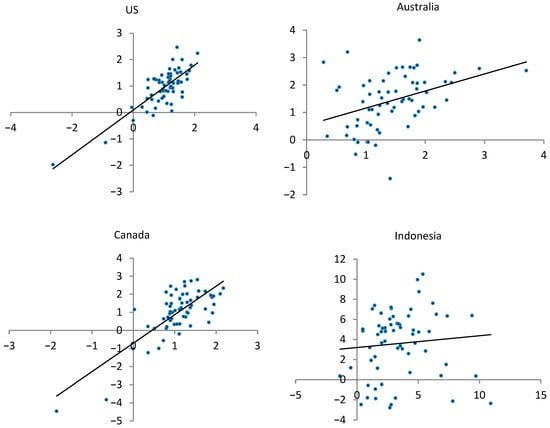
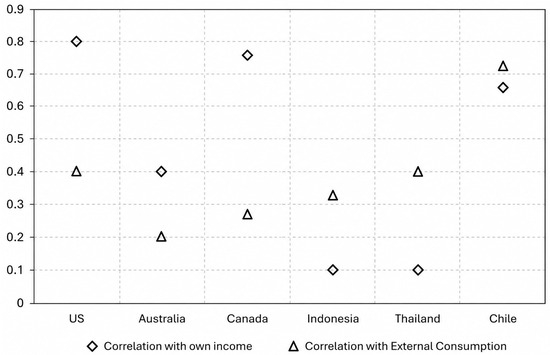
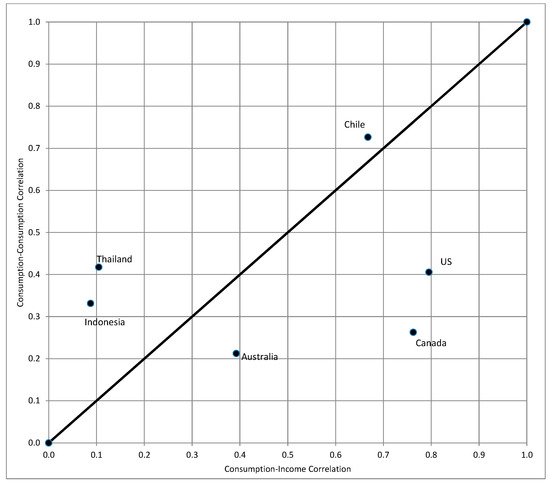
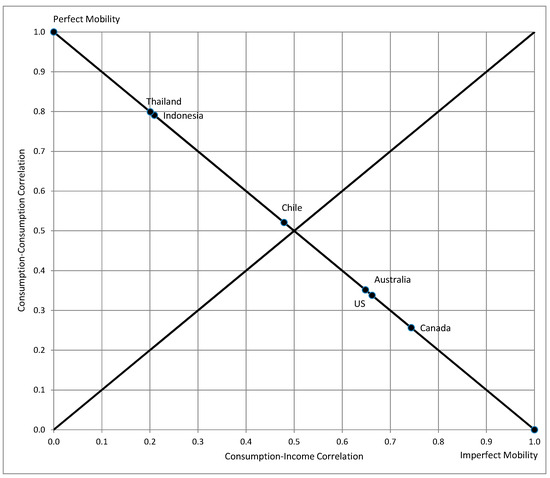
This study explores the degree of capital mobility in selected APEC economies over the period 2000–2023, using a consumption-based approach. The motivation stems from the well-known limitations of the traditional investment–saving framework associated with the Feldstein–Horioka puzzle, which may not fully capture how capital actually moves across borders. To address this issue, the paper adopts an alternative perspective by examining how domestic consumption responds to external consumption patterns relative to domestic income. The analysis focuses on six economies, including both developed countries (the United States, Canada, and Australia) and developing countries (Chile, Thailand, and Indonesia), allowing for a meaningful comparison across different levels of economic development. The findings indicate that capital is indeed mobile, but not perfectly so. More notably, the results suggest that capital mobility tends to be stronger in developing economies than in developed ones. This outcome challenges conventional expectations based on standard measures of financial openness and highlights the gap between formal financial liberalization and actual capital movement in practice. Overall, the study provides a deeper understanding of capital mobility and offers useful insights for policymakers seeking to enhance financial integration and improve the effectiveness of capital flow management, particularly in developing economies.
Full article
(This article belongs to the Section Macroeconomics, Monetary Economics, and Financial Markets)
►▼
Show Figures

Figure 1
Open AccessArticle
Explaining Global Happiness: Evidence from Decision Trees and Necessary Condition Analysis
by
Teresa Torres-Coronas and Jorge de Andrés-Sánchez
Economies 2026, 14(5), 172; https://doi.org/10.3390/economies14050172 - 11 May 2026
Abstract
In this paper, the factors linked to happiness are analyzed on the basis of the World Happiness Report (WHR) model, introducing a methodological approach that differs from traditional econometric techniques. More specifically, this study examines how the core variables of the WHR model
[...] Read more.
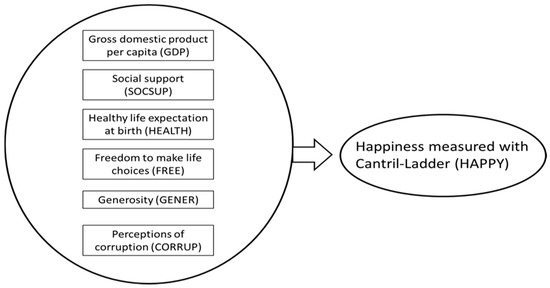
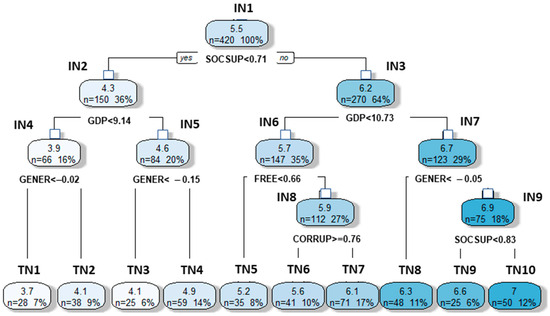
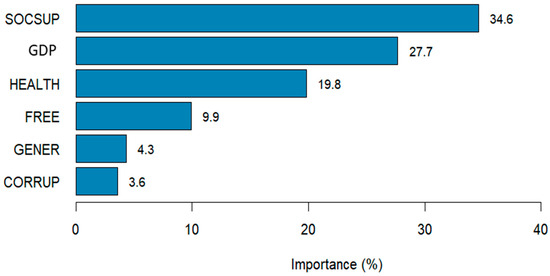
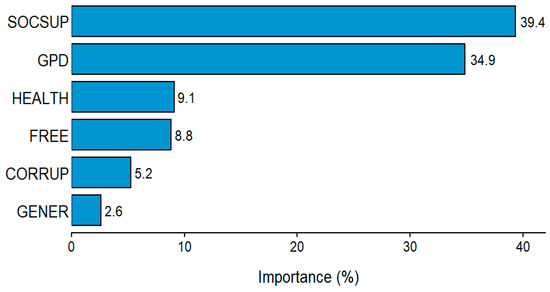
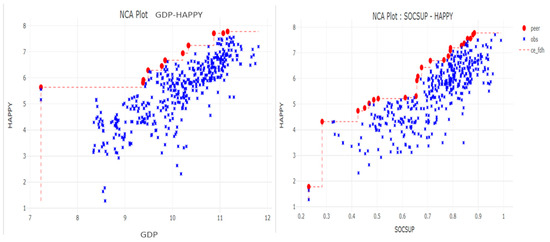
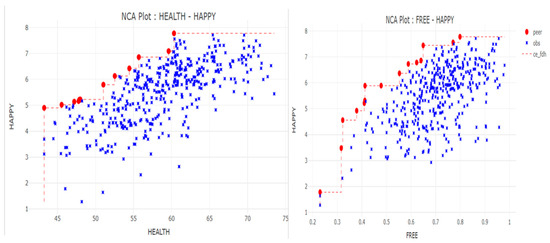
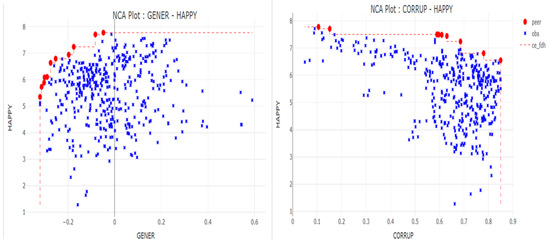
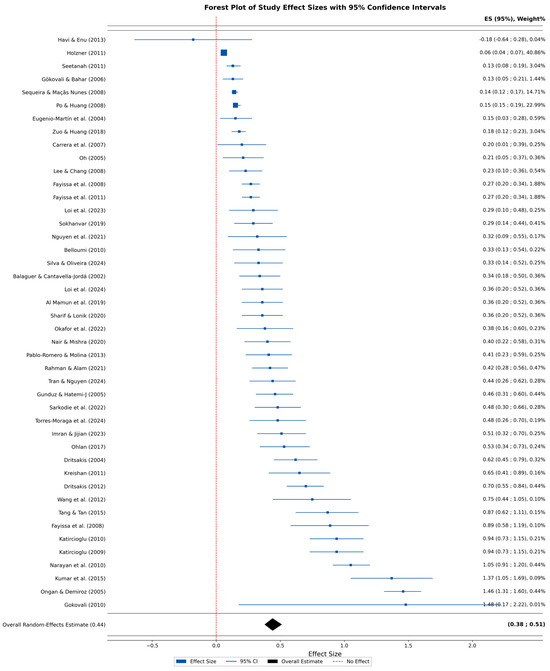
In this paper, the factors linked to happiness are analyzed on the basis of the World Happiness Report (WHR) model, introducing a methodological approach that differs from traditional econometric techniques. More specifically, this study examines how the core variables of the WHR model interact in relation to happiness and whether some of them also emerge as necessary conditions within the framework of necessary condition analysis (NCA) for attaining higher happiness levels. Using Gallup World Poll data for the 2022–2024 period, the Cantril Ladder is employed as a measure of subjective well-being, and gross domestic product (GDP) per capita, social support, healthy life expectancy, freedom, generosity, and perceived corruption are considered explanatory variables. This study makes two contributions. First, it applies a decision tree regression model to identify interactions among the correlates of happiness while also facilitating the classification of countries into homogeneous groups according to their well-being configurations. This approach improves interpretability relative to linear models because it does not require prior specification of those interactions. Second, this paper incorporates necessary condition analysis to distinguish between factors that are merely influential and those that emerge as necessary conditions for attaining certain levels of happiness. These assessments make it possible to identify minimum thresholds in key variables, introducing a necessary-condition logic. The results show that social support and GDP per capita emerge as the main structuring variables in the tree and are strongly associated with differences in happiness, whereas freedom emerges as a prominent condition in the NCA results. The findings also show that some factors with low correlation may still play a relevant role in specific contexts because of nonlinear effects and interactions. Overall, the results of this study offer an analytical reinterpretation of the WHR model by combining structural segmentation and threshold identification, advancing the understanding of happiness as a multidimensional, nonlinear phenomenon associated with specific configurations of factors.
Full article
(This article belongs to the Section Health Economics)
►▼
Show Figures

Figure 1
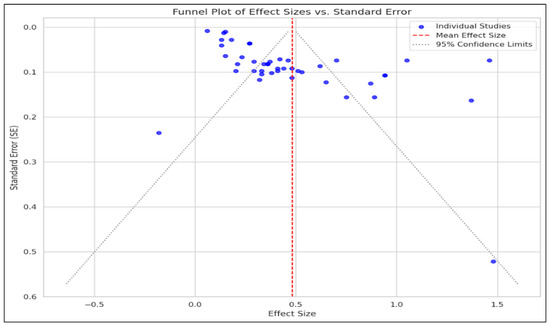
Open AccessArticle
Do Fiscal Contractions Shocks Trigger Investment Collapses: Evidence from a Global Panel
by
Prashanth Kumar AC, Mukund Sharma and Santhosh Venugopal
Economies 2026, 14(5), 171; https://doi.org/10.3390/economies14050171 - 11 May 2026
Abstract
This study investigates the impact of fiscal contractions on investment dynamics, with a particular focus on the risk of “investment collapses.” Using an unbalanced panel of 107 countries over the period 1960–2023, we construct an investment-collapse indicator based on extreme declines in investment
[...] Read more.
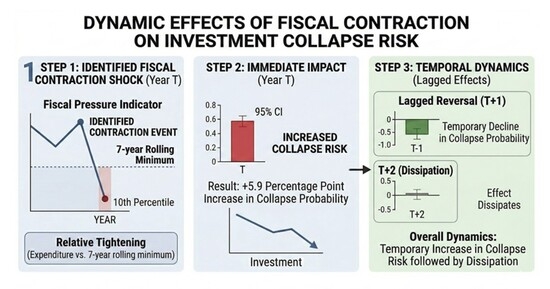
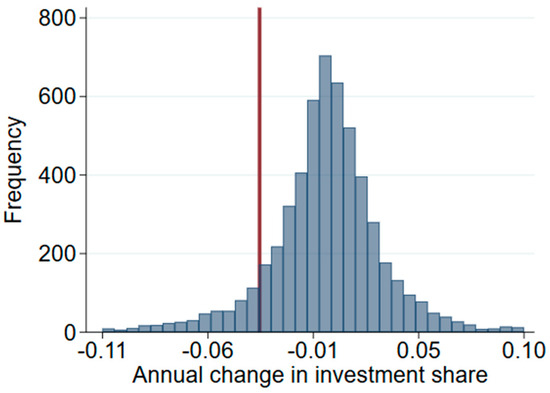
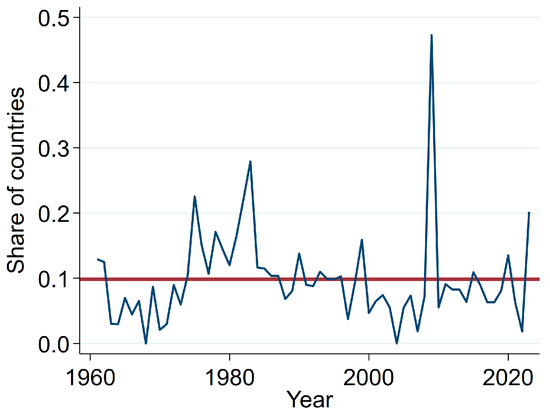
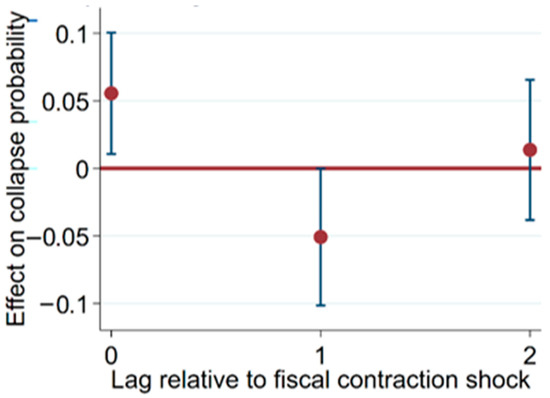
This study investigates the impact of fiscal contractions on investment dynamics, with a particular focus on the risk of “investment collapses.” Using an unbalanced panel of 107 countries over the period 1960–2023, we construct an investment-collapse indicator based on extreme declines in investment share and identify fiscal contraction shocks based on movements in government spending relative to its historical floor. This study uses a distributed lag framework with Driscoll–Kraay robust standard errors to account for spatial and temporal dependencies while controlling for human capital, institutional quality, and output growth. We find evidence of intertemporal trade-offs, whereby fiscal contractions are associated with an increased likelihood of sharp declines in investment in the impact year. This collapse is followed by a reversal in the subsequent year, suggesting a stabilizing effect that prevents the persistence of extreme downside risk. The results are robust to conditional fixed-effects-based logit specifications and when subjected to stricter shock thresholds.
Full article
(This article belongs to the Special Issue Studies on Fiscal Policy in Times of High Debt)
►▼
Show Figures

Graphical abstract
Open AccessArticle
Synergistic and Threshold Role of Institutional Quality in the Sensitivity of Citizens’ Happiness to Natural Resource Rents in Resource-Rich African Countries
by
Clement Olalekan Olaniyi
Economies 2026, 14(5), 170; https://doi.org/10.3390/economies14050170 - 10 May 2026
Abstract
This study examines how institutional quality (INST) affects the contribution of natural resource endowments (NREs) to citizens’ happiness and life satisfaction. It also identifies the INST threshold above which NREs enhance citizens’ life satisfaction and happiness. Consistent with challenges of low happiness levels,
[...] Read more.
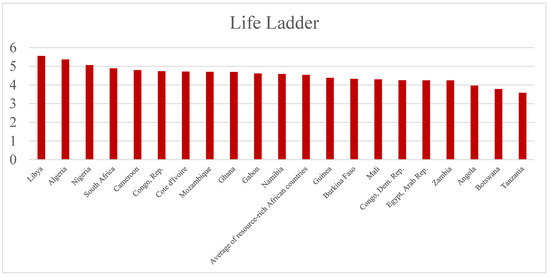
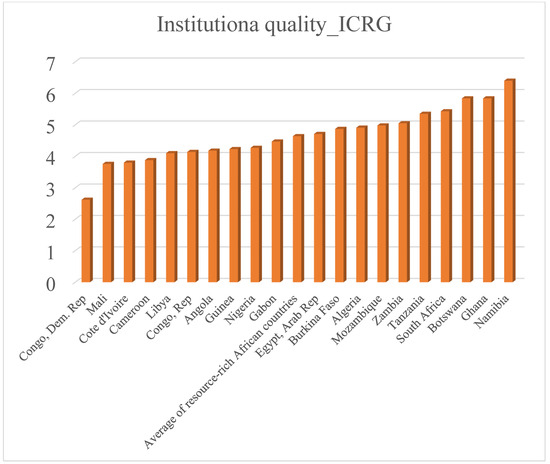
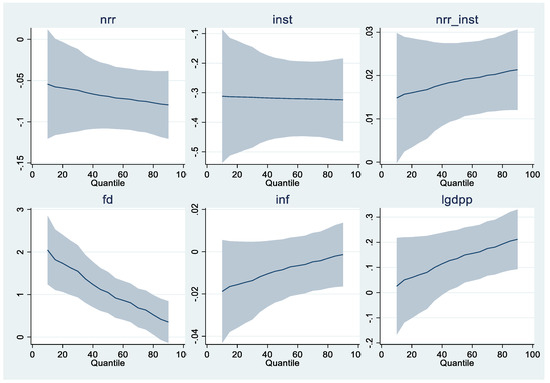
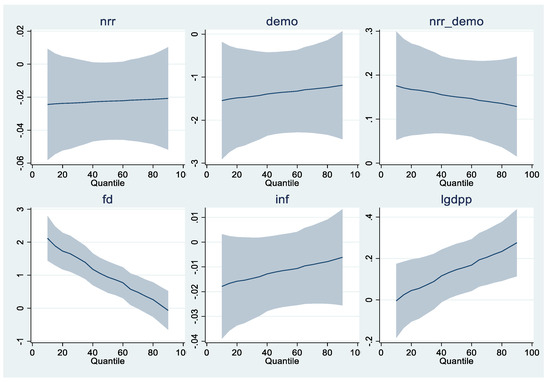
This study examines how institutional quality (INST) affects the contribution of natural resource endowments (NREs) to citizens’ happiness and life satisfaction. It also identifies the INST threshold above which NREs enhance citizens’ life satisfaction and happiness. Consistent with challenges of low happiness levels, weak institutions, and the pervasive resource curse in Africa’s resource-rich economies, we analyse a dataset of these economies from 2012 to 2022. This study employs a robust standard-error Driscoll–Kraay nonparametric covariance matrix, dynamic common correlated effects, fully modified least squares, the method-of-moments quantile regression, and a dynamic panel threshold estimator. The findings suggest that natural resource endowment is a curse that lowers life satisfaction. Meanwhile, threshold analysis indicates that most resource-rich African countries fall short of the institutional development required to transform this curse into a blessing by encouraging the efficient allocation of resource earnings to initiatives that increase people’s happiness. Most of Africa’s resource-rich economies operate below this threshold. This study concludes that in Africa’s resource-rich countries, institutions are vital to incentivise the effective distribution of the proceeds from these resources to initiatives that enhance citizens’ happiness.
Full article
(This article belongs to the Topic Bridging Socio-Economic Inequalities in Health: Addressing Access Gaps in Low-Income and Vulnerable Populations)
►▼
Show Figures

Figure 1
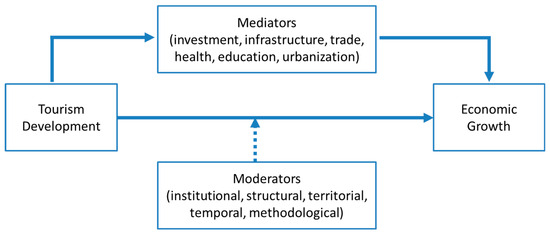
Open AccessArticle
The Effects of Disability on Household Income and Poverty in Thailand: Evidence from the Socioeconomic Survey
by
Bhagaporn Wattanadumrong, Chukiat Chaiboonsri and Wittawat Kadthan
Economies 2026, 14(5), 169; https://doi.org/10.3390/economies14050169 - 9 May 2026
Abstract
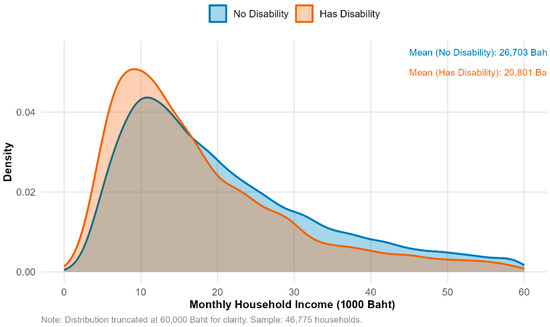
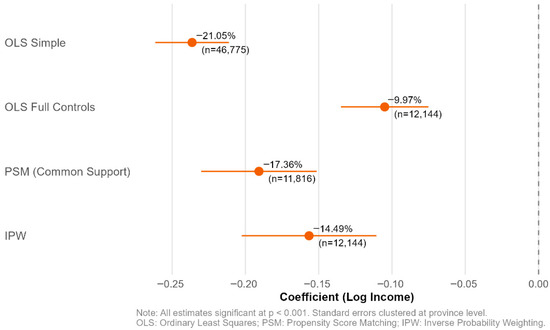
This study aims to estimate the effect of disability on household income in Thailand using different econometric approaches and to examine heterogeneity across the income distribution. We analyze data from Thailand’s 2021 Socioeconomic Survey covering 46,775 households, of which 4255 (9.1%) report having
[...] Read more.
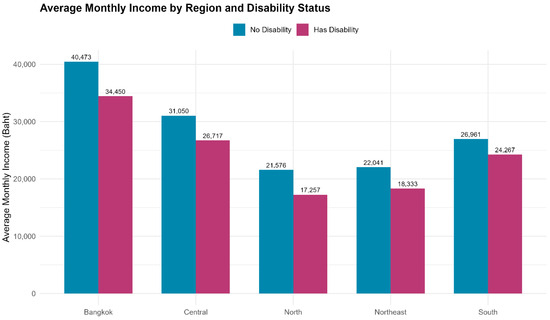
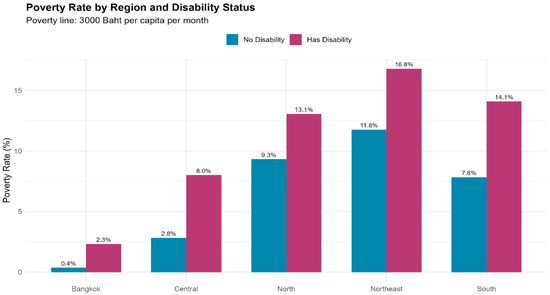
This study aims to estimate the effect of disability on household income in Thailand using different econometric approaches and to examine heterogeneity across the income distribution. We analyze data from Thailand’s 2021 Socioeconomic Survey covering 46,775 households, of which 4255 (9.1%) report having at least one disabled member. Employing three complementary methods—ordinary least squares regression, propensity score matching, and quantile regression—we find that households with disabled members experience significant income penalties. The OLS estimate with full controls shows a 10.0% income penalty, while propensity score matching yields 17.4%, suggesting that standard regression underestimates the true effect. Quantile regression reveals striking heterogeneity: the disability effect ranges from 4.8% at the 10th percentile to 30.5% at the 90th percentile. This pattern suggests that among Thailand’s poorest households, both disabled and non-disabled families face universal constraints; leaving minimal scope for disability is strongly associated with reduced household income, while at higher income levels disability creates barriers to advancement. Decomposition analysis indicates disability affects income through both reduced hourly wages (8.2% lower) and fewer work hours (12.4% reduction). These findings reveal that Thailand’s disability allowance of 800 baht per month—representing only 29% of the poverty line—is grossly inadequate, covering merely 17% of the observed income gap. The results highlight urgent needs for allowance increases with inflation indexation, differentiated support across the income distribution, improved employment quota enforcement, and streamlined registration to address the 46% unregistered rate. Policymakers should prioritize raising the monthly allowance to a level commensurate with the national poverty line, implementing tiered benefit structures based on disability severity, and strengthening employment quota enforcement mechanisms to reduce disability-related income inequality.
Full article
(This article belongs to the Section Economic Development)
►▼
Show Figures

Figure 1
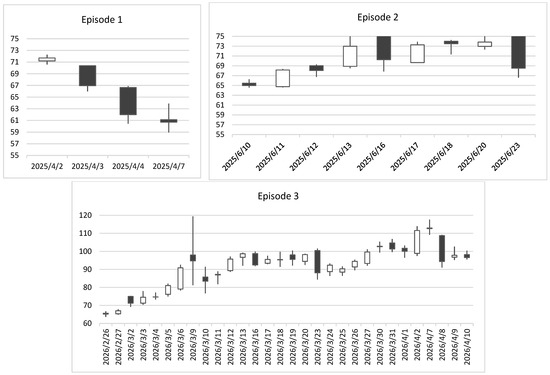
Open AccessArticle
Do Value Added Tax Class Rulings Matter in Universities?
by
Predashni Naidoo, Jean Damascene Mvunabandi and Masibulele Phesa
Economies 2026, 14(5), 168; https://doi.org/10.3390/economies14050168 - 8 May 2026
Abstract
This study empirically analysed the class ruling at two South African universities. The principles underpinning the Canons of Taxation, Consumption Theory, and the Principle of Neutrality were reviewed as analytical benchmarks. The literature review synthesised prior studies that examined the ruling or explored
[...] Read more.
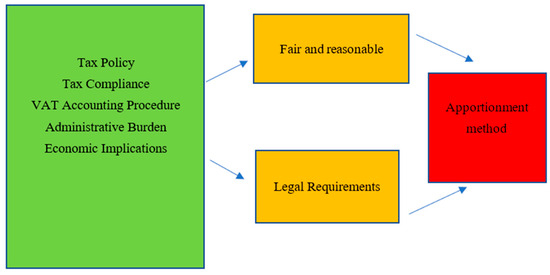
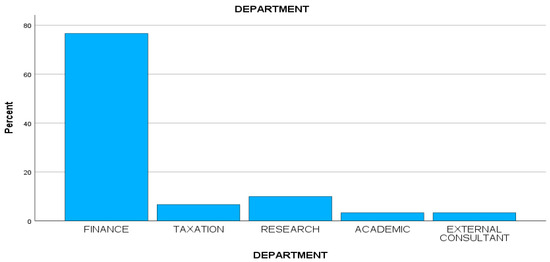
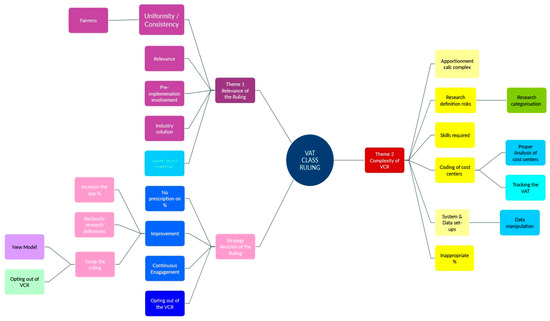
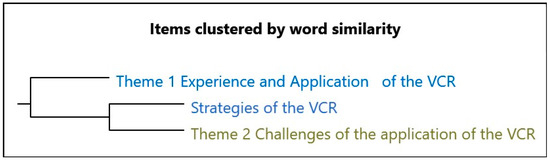
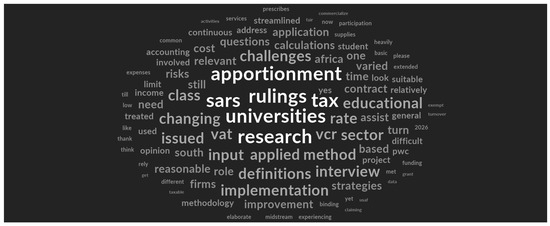
This study empirically analysed the class ruling at two South African universities. The principles underpinning the Canons of Taxation, Consumption Theory, and the Principle of Neutrality were reviewed as analytical benchmarks. The literature review synthesised prior studies that examined the ruling or explored apportionment practices within universities. A sequential mixed-methods approach was adopted, beginning with a quantitative phase followed by a qualitative phase. Quantitative data were collected from thirty (37) university staff members through an online questionnaire, and descriptive statistical analysis was conducted using SPSS (version 29). The qualitative phase involved online interviews with ten (10) tax and finance professionals engaged in apportionment practices at universities, capturing their experiences, perspectives, and insights. The data were analysed using thematic and transcript analysis with the aid of NVivo (version 20). The findings indicate that respondents believe the South African Revenue Service should revisit and improve the existing ruling. Concerns were raised regarding the lack of continuous training at universities, cost implications, and the complexity of Value-Added Tax apportionment. In the context of a rapidly evolving higher education sector, the VAT Act and the definition of educational services appear to require reform. Based on these findings, the study recommends that SARS consider revising the ruling by removing a prescribed apportionment rate and allowing universities to adopt methods that are practical and aligned with their operational contexts. Consistent with prior research, the study also finds that the input-based method remains complex, and that the definition of Value-Added Tax within the educational sector is overly broad.
Full article
(This article belongs to the Special Issue Taxation Policies and Their Economic Effects)
►▼
Show Figures

Figure 1
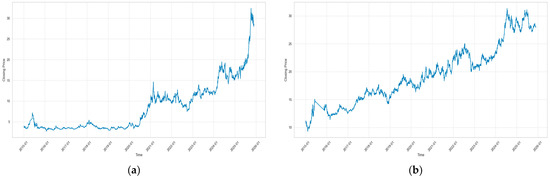
Open AccessArticle
The Redistributive Transformation of Fiscal Policy in Times of High Debt in Belgium (1912–2024): From Ability-to-Pay Taxation to Competitive Adjustment
by
Lucien Rigaux
Economies 2026, 14(5), 167; https://doi.org/10.3390/economies14050167 - 8 May 2026
Abstract
This article examines how the redistributive design of crisis-time fiscal policy shaped Belgian federal public debt trajectories from 1912 to 2024. Drawing on a reconstructed debt-to-GDP series and historical–institutional analysis, it identifies a secular transformation in the distributive logic of fiscal adjustment. From
[...] Read more.
This article examines how the redistributive design of crisis-time fiscal policy shaped Belgian federal public debt trajectories from 1912 to 2024. Drawing on a reconstructed debt-to-GDP series and historical–institutional analysis, it identifies a secular transformation in the distributive logic of fiscal adjustment. From 1912 to the late 1970s, broadly speaking, debt surges were addressed through explicitly progressive instruments grounded in the ability-to-pay principle, and on the view that capital should be taxed at least as heavily as labour. From the 1980s onward, this paradigm gave way to a competitiveness-oriented model that eroded tax progressivity, detached capital from the global tax base, and shifted the fiscal burden onto consumption and labour—disproportionately affecting middle-income earners. The evidence presented in this article points to three plausible determinants of this transformation: the role of mass warfare in legitimising progressive taxation; the ideological shift from Keynesian interventionism to supply-side orthodoxy; and the twin constraints of internal federalisation and external Europeanisation. Furthermore, the timing and modalities of these adjustments appear to have been significantly shaped by linguistic party fragmentation and the recurrent use of emergency executive powers—a pattern that was increasingly mirrored in the European Union’s own governance. Ultimately, since 2020, crisis management has relied almost exclusively on debt-financed expenditure. While the EU has temporarily acted as a redistributive counterweight to domestic fiscal paralysis, these ad hoc supranational interventions have left Belgium’s underlying debt trajectory unchanged.
Full article
(This article belongs to the Special Issue Studies on Fiscal Policy in Times of High Debt)
►▼
Show Figures

Figure 1
Open AccessArticle
Economic Spillover Effects of Environmental Industries in ASEAN: An Input-Output and Panel Analysis
by
Yoomi Kim, Yoosun Kim and Bongchul Kim
Economies 2026, 14(5), 166; https://doi.org/10.3390/economies14050166 - 7 May 2026
Abstract
This study examines the economic role of environmental industries in the major Association of Southeast Asian Nations (ASEAN) economies using the environmental input-output (EIO) framework and multiregional input-output (MRIO) tables provided by the Asian Development Bank (ADB). It evaluates the production-inducement effects, value-added
[...] Read more.
This study examines the economic role of environmental industries in the major Association of Southeast Asian Nations (ASEAN) economies using the environmental input-output (EIO) framework and multiregional input-output (MRIO) tables provided by the Asian Development Bank (ADB). It evaluates the production-inducement effects, value-added inducement effects, and inter-industry linkage structures of environmental industries in the five ASEAN countries: Indonesia, Malaysia, the Philippines, Thailand, and Vietnam. The results reveal three main findings. First, infrastructure-related environmental sectors, particularly the electricity, gas, and water supply sectors, exhibit strong inter-industry linkages and generate substantial production spillover effects across the ASEAN economies. Second, significant cross-country heterogeneity exists in value-added inducement effects, reflecting differences in industrial maturity, domestic value-chain depth, and institutional capacity. Third, the economic effectiveness of environmental industries depends not only on their scale, but also on their structural integration within national and global production networks. These findings suggest that environmental industries in ASEAN function not only as environmental management tools, but also as strategic drivers of economic growth.
Full article
Open AccessArticle
Corporate Concentration and Labour Conditions in Hungary’s Food Industry: Evidence on Wages, Bonuses, Working Time, and Workers’ Rights (1993–2022)
by
Mahdi Imani Bashokoh, Kinfemichael Nigussie, Carol Wangari Maina and Gergely Tóth
Economies 2026, 14(5), 165; https://doi.org/10.3390/economies14050165 - 7 May 2026
Abstract
This study examines the relationship between corporate concentration and labour market conditions in Hungary’s food industry over the period 1993–2022. Using industry-level panel data for the four most highly concentrated subsectors, cereals, food processing, oils and fats, and sugar and confectionery, corporate concentration
[...] Read more.
This study examines the relationship between corporate concentration and labour market conditions in Hungary’s food industry over the period 1993–2022. Using industry-level panel data for the four most highly concentrated subsectors, cereals, food processing, oils and fats, and sugar and confectionery, corporate concentration is measured using the Herfindahl–Hirschman Index (HHI), and a two-way fixed-effects panel regression model is employed to assess its association with wage structures, working-time arrangements, and employment composition. The results reveal a statistically significant negative relationship between corporate concentration and both gross monthly earnings and base hourly wages. A 1000-point increase in the HHI is associated with an approximately 10 percent decline in base wages. Higher concentration is also positively associated with greater reliance on part-time employment and increased overtime intensity, alongside a significant reduction in paid leave provision. Importantly, when variables capturing working-time arrangements and employment structure are incorporated into the earnings model, the direct effect of concentration becomes statistically insignificant. This pattern likely reflects the fact that these variables are directly embedded in the determination of gross monthly earnings, suggesting that the effect of concentration operates indirectly through adjustments in working time and employment composition rather than through a purely independent channel. This finding suggests that the impact of concentration on wages operates partly through structural adjustments in compensation systems and increased labour flexibility. Overall, the evidence indicates that corporate concentration in Hungary’s food manufacturing sector does not necessarily reduce nominal earnings but instead reshapes their composition. The role of base wages weakens, while regular bonuses emerge as the primary mechanism of income adjustment, increasing managerial discretion and income volatility. These findings contribute to the literature on labour market monopsony in transition economies and underscore the importance of integrating labour market considerations into competition policy frameworks.
Full article
(This article belongs to the Special Issue Labour Market Dynamics in European Countries)
►▼
Show Figures

Figure 1
Open AccessArticle
Political Party Influence on Renewable Portfolio Standards: A Panel Data Analysis of U.S. States (2001–2024)
by
Doochun Kim
Economies 2026, 14(5), 164; https://doi.org/10.3390/economies14050164 - 5 May 2026
Abstract
This study examines the role of political partisanship in shaping state-level renewable energy policy, with a particular focus on the temporal dynamics of Renewable Portfolio Standard (RPS) adoption. It addresses a critical gap in the existing literature by asking whether political ideology affects
[...] Read more.
This study examines the role of political partisanship in shaping state-level renewable energy policy, with a particular focus on the temporal dynamics of Renewable Portfolio Standard (RPS) adoption. It addresses a critical gap in the existing literature by asking whether political ideology affects RPS adoption immediately or only after delayed institutional responses. Using panel data for all 50 U.S. states from 2001 to 2024, this study contributes to the literature by identifying policy lags and structural shifts in renewable energy policy development. Employing fixed-effects panel regression with clustered standard errors, this study finds that contemporaneous Democratic control is statistically insignificant, whereas the two-year lag of Democratic control is positively and significantly associated with a higher probability of RPS adoption. The three-year lag also remains positive, although it is only marginally significant in the preferred specification. These findings support the policy lag hypothesis, suggesting that political influence is mediated by institutional inertia. Electricity prices are positively associated with RPS adoption in some specifications, whereas GDP per capita remains statistically insignificant. In addition, the Hausman test supports the fixed-effects specification, and the Bai–Perron multiple breakpoint test identifies significant structural breaks in 2007 and 2015. Overall, the findings indicate that partisan influence is better understood as a delayed rather than an immediate process. Accordingly, policymakers and stakeholders should account for institutional and regulatory lags when designing long-term energy transition strategies.
Full article
(This article belongs to the Section Economic Development)
►▼
Show Figures

Graphical abstract
Highly Accessed Articles
Latest Books
E-Mail Alert
News
Topics
Topic in
Economies, IJFS, JRFM, Risks, Sustainability
Insurance and Risk Management Advances in the 4A Era—AI, Aging, Abruptions, and Adoptions
Topic Editors: Xiaojun Shi, Lingyan Suo, Feng Gao, Baorui DuDeadline: 30 May 2026
Topic in
Atmosphere, Economies, Energies, Land, Sustainability, Earth, World
Digital Intelligence Leads Environmental Regulation: A New Paradigm for Green Sustainable Development
Topic Editors: Da Gao, Kun DuanDeadline: 20 June 2026
Topic in
Economies, Sustainability, World, Digital, Logistics
Sustainable Supply Chain Practices in A Digital Age
Topic Editors: Atour Taghipour, Youssef Tliche, Jomana Leroux, Hamdi RadhouiDeadline: 30 June 2026
Topic in
Businesses, Economies, Humanities, Land, Sustainability, Tourism and Hospitality, Urban Science
Human–Environmental Relations: Ecotourism and Sustainability
Topic Editors: Tamara Gajić, Minja Bolesnikov, Aleksandar ErcegDeadline: 15 July 2026
Special Issues
Special Issue in
Economies
The Macroeconomics of Energy Transition: Policy, Growth, and Structural Change
Guest Editors: António Marques, Diogo Santos Pereira, Luís Miguel MarquesDeadline: 31 May 2026
Special Issue in
Economies
Macroeconomics of the Labour Market
Guest Editor: Ángel Martín-RománDeadline: 31 May 2026
Special Issue in
Economies
Global Trade in Motion—How Migration Shapes and Responds to Trade Dynamics
Guest Editors: Bedassa Tadesse, Roger WhiteDeadline: 30 June 2026
Special Issue in
Economies
The Impact of Macroeconomic and Financial Factors on Real Estate Markets
Guest Editor: Mustapha BanguraDeadline: 30 June 2026
Topical Collections
Topical Collection in
Economies
Agricultural and Natural Resource Economics
Collection Editor: Sanzidur Rahman
Topical Collection in
Economies
International Financial Markets and Monetary Policy
Collection Editor: Robert Czudaj