


Journal Description
DNA
DNA
is an international, peer-reviewed, open access journal on DNA and DNA-related technologies published quarterly online by MDPI.
- Open Access— free for readers, with article processing charges (APC) paid by authors or their institutions.
- High Visibility: indexed within ESCI (Web of Science), Scopus and other databases.
- Rapid Publication: manuscripts are peer-reviewed and a first decision is provided to authors approximately 37.7 days after submission; acceptance to publication is undertaken in 19.9 days (median values for papers published in this journal in the first half of 2026).
- Recognition of Reviewers: APC discount vouchers, optional signed peer review, and reviewer names published annually in the journal.
Latest Articles
DNA Aneuploidy and Abnormal DNA Ploidy Status as Predictors of Malignant Transformation in Oral Leukoplakia: A Narrative Review
DNA 2026, 6(3), 44; https://doi.org/10.3390/dna6030044 - 2 Sep 2026
Abstract
Background: Oral leukoplakia is a clinically important oral potentially malignant disorder with variable risk of progression to oral squamous cell carcinoma. Histopathological grading of oral epithelial dysplasia remains the primary method for risk assessment; however, its predictive accuracy is limited by sampling variability,
[...] Read more.
Background: Oral leukoplakia is a clinically important oral potentially malignant disorder with variable risk of progression to oral squamous cell carcinoma. Histopathological grading of oral epithelial dysplasia remains the primary method for risk assessment; however, its predictive accuracy is limited by sampling variability, lesion heterogeneity, and interobserver variation. DNA aneuploidy and abnormal DNA ploidy status have therefore been investigated as objective biomarkers of genomic instability and potential predictors of malignant transformation. Aim: This narrative review evaluates whether DNA aneuploidy or abnormal DNA ploidy status predicts malignant transformation of oral leukoplakia to oral squamous cell carcinoma compared with diploid DNA status, and whether DNA ploidy should be interpreted as a stand-alone prognostic marker or as part of combined risk-assessment models. Materials and Methods: A structured PubMed/MEDLINE search (last performed on 12 July 2026) identified 162 records using terms related to oral leukoplakia, oral potentially malignant disorders, DNA ploidy, DNA aneuploidy, cytometry, malignant transformation, and oral squamous cell carcinoma. After screening and full-text eligibility assessment, 45 studies were included and organised according to their evidential role as core prognostic studies, PVL-specific subgroup evidence, and supporting/background evidence addressing diagnostic relevance, dysplasia correlation, treatment monitoring, genomic instability, and methodological development. Results: Most core prognostic studies showed that DNA aneuploidy, abnormal DNA content, or chromosomal instability was associated with increased malignant transformation risk compared with diploid or non-aneuploid status. Several studies reported higher transformation rates, hazard ratios, or improved prediction when DNA ploidy was combined with dysplasia grading, lesion site, clinical heterogeneity, or other biomarkers. However, predictive performance varied across studies, and DNA ploidy alone often showed modest sensitivity, specificity, or positive predictive value. Diploid or non-aneuploid status appeared more useful for identifying lower-risk lesions, although it did not completely exclude malignant transformation. PVL evidence suggested frequent aneuploidy and aggressive genomic behaviour, but DNA ploidy appeared less reliable for discriminating risk within PVL. Conclusions: DNA aneuploidy and abnormal DNA ploidy status are meaningful markers of genomic instability and are associated with increased malignant transformation risk in oral leukoplakia. However, when used alone, DNA ploidy often shows only modest predictive performance, and prediction improves consistently when it is combined with dysplasia grading and other clinicopathological factors. Their strongest clinical value is therefore as adjunctive biomarkers within combined clinicopathological and molecular risk models, rather than as stand-alone replacements for histopathological assessment; routine clinical implementation is not yet supported by the current evidence.
Full article
Open AccessArticle
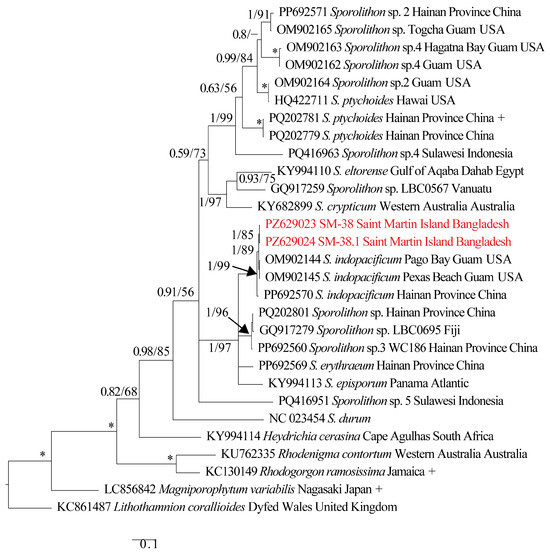
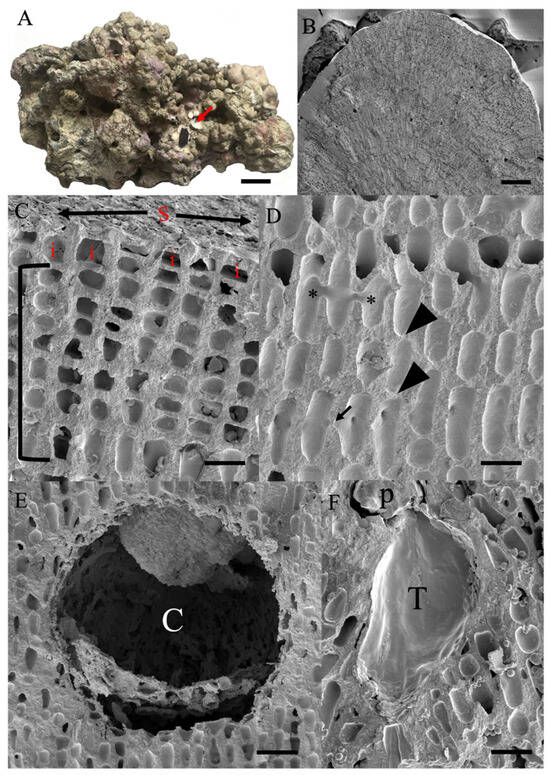
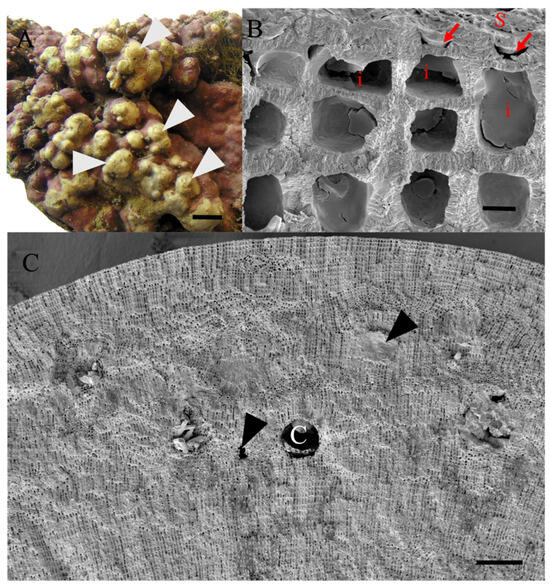
Multi-Locus DNA Barcoding and Ultrastructural Analyses Reveal the First Record of Sporolithon (Sporolithales, Rhodophyta) from the Northeastern Bay of Bengal
by
Md. Ariful Islam, Joseph L. Richards, William E. Schmidt, Mohammad Khairul Alam Sobuj, Shafiqur Rahman and Suzanne Fredericq
DNA 2026, 6(3), 43; https://doi.org/10.3390/dna6030043 - 1 Sep 2026
Abstract
►▼
Show Figures
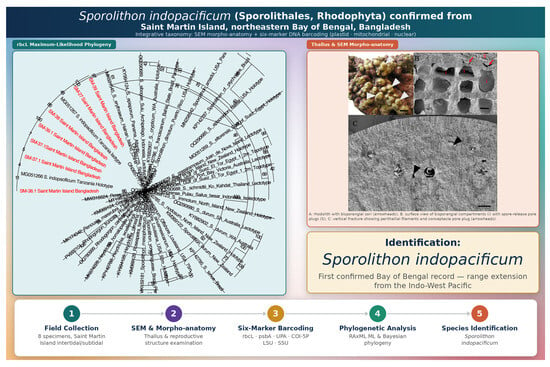
Background/Objectives: Non-geniculate coralline red algae of the order Sporolithales are ecologically important calcium carbonate producers in tropical and subtropical seas globally; however, molecular surveys of this group in the Bay of Bengal (BoB) are entirely lacking, and no species of Sporolithon Heydrich
[...] Read more.
Background/Objectives: Non-geniculate coralline red algae of the order Sporolithales are ecologically important calcium carbonate producers in tropical and subtropical seas globally; however, molecular surveys of this group in the Bay of Bengal (BoB) are entirely lacking, and no species of Sporolithon Heydrich has been documented from this embayment. Here we report the first occurrence of Sporolithon from Saint Martin Island, the sole coral island of Bangladesh, at the northernmost margin of the BoB. Methods: Seven specimens encompassing free-living rhodoliths to encrusting growth forms were collected from intertidal and shallow subtidal habitats in March 2024. Species identification was assessed by combining scanning electron microscopy (SEM) images with a six-locus molecular dataset comprising three plastid-encoded markers (rbcL, psbA, and UPA), the mitochondrial cytochrome c oxidase subunit I 5′ region (COI-5P), and two nuclear-encoded ribosomal markers (LSU and SSU). Results: Both maximum likelihood and Bayesian phylogenetic analyses resolved all BoB specimens within a well-supported clade of Sporolithon indopacificum Maneveldt, Gabrielson & Kangwe, with 0.00–0.20% concatenated rbcL + psbA sequence divergence from type specimens from Tanzania and previously published sequences from Fiji, China, and Guam (USA). SEM confirmed morpho-anatomical features concordant with the original species description, including a free-living rhodolith habit, monomerous construction, and tetrasporangial compartments with apical pore plugs. Conclusions: This record extends the confirmed range of S. indopacificum into the northeastern Indian Ocean, represents the first documented Sporolithon occurrence in Bangladeshi waters, and highlights the value of combining SEM with multi-locus barcoding for coralline algal surveys in undersampled tropical regions.
Full article

Graphical abstract
Open AccessReview
Overview of Genetic and Genomic Research Related to Stingless Bees (Meliponini): An AI-Assisted Science Mapping and Structural Topic Modeling Analysis
by
Larissa de Oliveira Rosa Marques, Jamira Dias Rocha, Leonardo Carlos Jeronimo Corvalán, Júllia Costa dos Reis, Cíntia Pelegrineti Targueta, Pedro Vale de Azevedo Brito, Carlos de Melo e Silva Neto, Thiago Mafra Batista, Mariana Pires de Campos Telles, Renata de Oliveira Dias and Rhewter Nunes
DNA 2026, 6(3), 42; https://doi.org/10.3390/dna6030042 - 26 Aug 2026
Abstract
►▼
Show Figures
Background/Objectives: Stingless bees (tribe Meliponini) are the most species-rich group of eusocial bees and critical pollinators across tropical ecosystems. Over the past seven decades, a growing number of studies have addressed their genetics and genomics, but coverage of the tribe remains taxonomically and
[...] Read more.
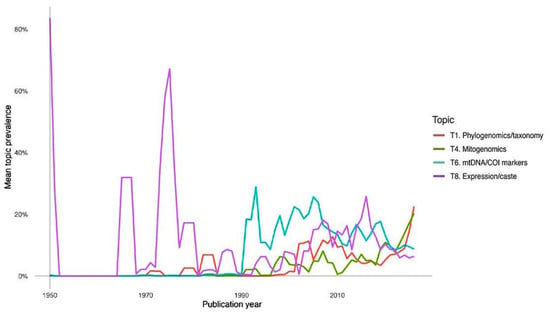
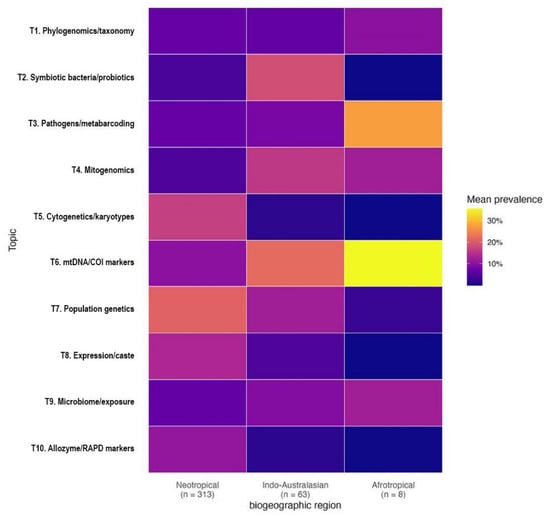
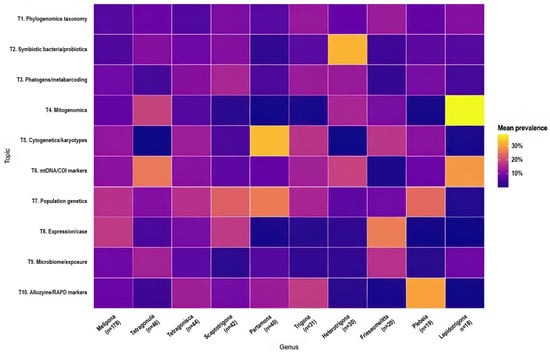
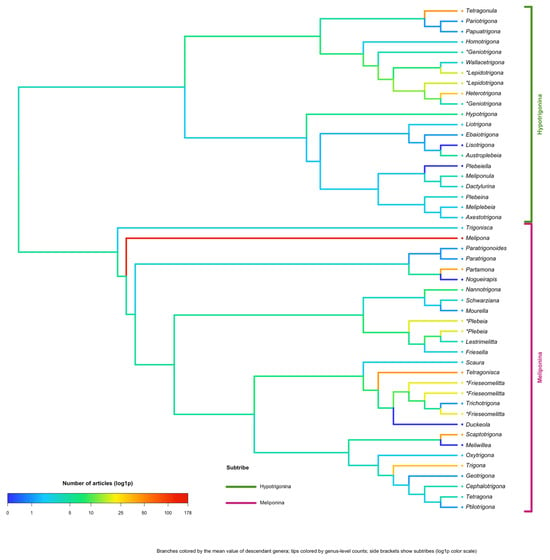
Background/Objectives: Stingless bees (tribe Meliponini) are the most species-rich group of eusocial bees and critical pollinators across tropical ecosystems. Over the past seven decades, a growing number of studies have addressed their genetics and genomics, but coverage of the tribe remains taxonomically and geographically uneven. Here, we present a systematic evidence map and bibliometric science-mapping synthesis of this literature. Methods: We searched Scopus and Web of Science, retained 410 peer-reviewed articles published between 1950 and 2026, and applied structural topic modeling (STM) to characterize the thematic, temporal, taxonomic, and biogeographic structure of the corpus. Results: STM with K = 10 topics identified ten research themes, ranging from classical marker-based genetics and cytogenetics to phylogenomics, mitochondrial genomics, microbiome, and functional genomics. The estimated prevalence of phylogenomics/taxonomy and mitogenomics increased most steeply in recent years, a publication pattern consistent with—although not proof of—a shift toward genome-scale comparative approaches. Topic prevalence differed across biogeographic regions and subtribes: Neotropical and Meliponina-dominated studies were concentrated in population genetics, cytogenetics, and gene expression, whereas Indo-Australasian and Hypotrigonina-associated studies showed higher relative representation of DNA barcoding, mitogenomics, and microbiome research. Taxonomic representation was strongly skewed toward a few genera, with Melipona alone accounting for 43% of the corpus and most lineages across the Meliponini phylogeny remaining poorly studied. Conclusions: The principal contribution is a reproducible quantitative map of publication patterns; proposed research and conservation priorities are evidence-informed interpretations rather than direct outputs of STM.
Full article

Figure 1
Open AccessReview
Pharmacogenomics in Primary Care: A Narrative Review of DNA-Guided Prescribing in Multimorbidity and Polypharmacy
by
Luis E. Martínez-Tittonel
DNA 2026, 6(3), 41; https://doi.org/10.3390/dna6030041 - 26 Aug 2026
Abstract
►▼
Show Figures
Pharmacogenomics can convert stable DNA variation into prescribing information, but its value in primary care depends on whether a result changes a decision at the right moment. This narrative review critically examines selected actionable gene–drug pairs, implementation models, conflicting evidence, and unresolved questions
[...] Read more.
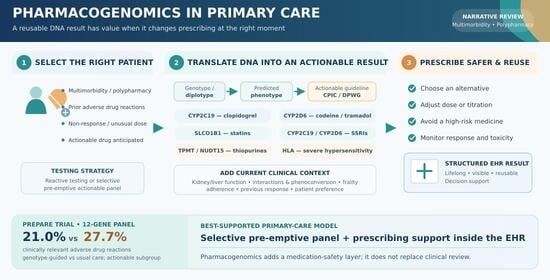
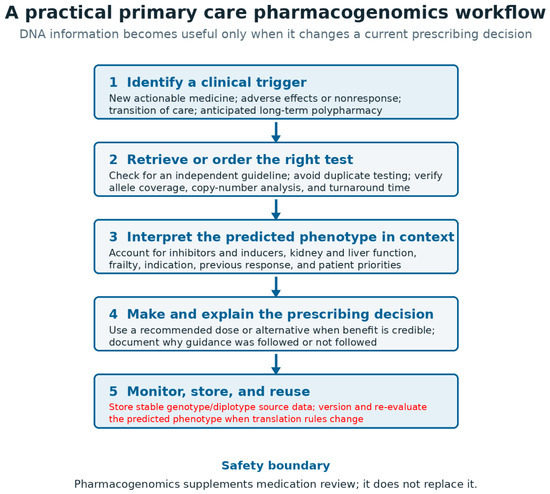
Pharmacogenomics can convert stable DNA variation into prescribing information, but its value in primary care depends on whether a result changes a decision at the right moment. This narrative review critically examines selected actionable gene–drug pairs, implementation models, conflicting evidence, and unresolved questions for family physicians managing multimorbidity and polypharmacy. A targeted search of PubMed/MEDLINE and current pharmacogenomic guideline resources was updated through 14 August 2026, prioritizing clinical guidelines, randomized and pragmatic trials, implementation studies, and primary-care evidence. Guideline actionability describes how an available result can guide treatment; it does not by itself establish that testing should be ordered. Selected examples include clopidogrel, statins, metoprolol, antidepressants, codeine and tramadol, proton-pump inhibitors, nonsteroidal anti-inflammatory drugs, and warfarin, together with shared-care medicines such as thiopurines and carbamazepine. In PREPARE, a defined 12-gene panel linked to prescribing recommendations reduced clinically relevant adverse drug reactions within a specific European workflow. Other trials showed that benefit is drug-, population-, comparator-, and workflow-dependent. Pharmacogenomics does not replace assessment of organ function, interactions, adherence, frailty, or patient preference. This review proposes selective, clinically triggered panel testing as a pragmatic model for primary care, with structured, reusable results and concise decision support. Future work should define who benefits, improve ancestry representation, account for phenoconversion, and demonstrate health-system-specific cost-effectiveness. Pharmacogenomics is best understood as an additional medication-safety input rather than a stand-alone precision-medicine solution.
Full article

Graphical abstract
Open AccessReview
Sphingolipid Regulation of Genome Stability: Stress Signaling, Chromatin Control, and Organelle Dysfunction
by
Lauren Kupec, Karyme Garcia Lopez, Shashank Nadimpalli, Santiago Lima and Jason Newton
DNA 2026, 6(3), 40; https://doi.org/10.3390/dna6030040 - 21 Aug 2026
Abstract
►▼
Show Figures
Sphingolipid metabolism has emerged as a regulatory interface between lipid homeostasis, organelle stress, and genome maintenance. Although sphingolipids are essential structural components of cellular membranes, specific metabolites also function as bioactive mediators that shape cellular responses to genotoxic stress. In this review, we
[...] Read more.
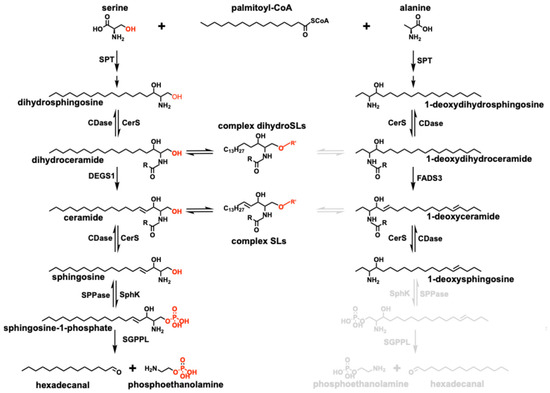
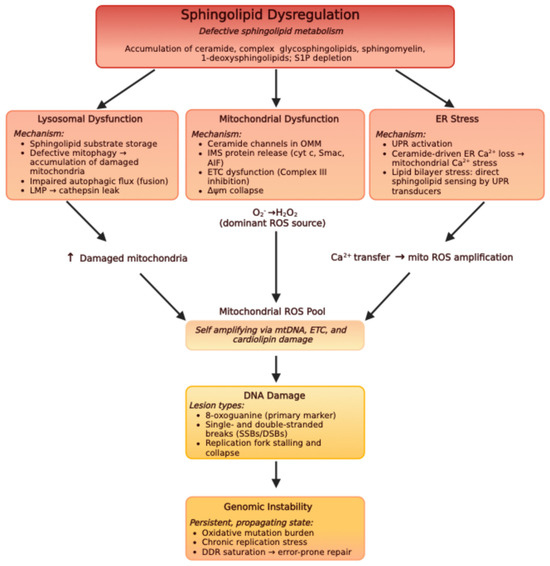
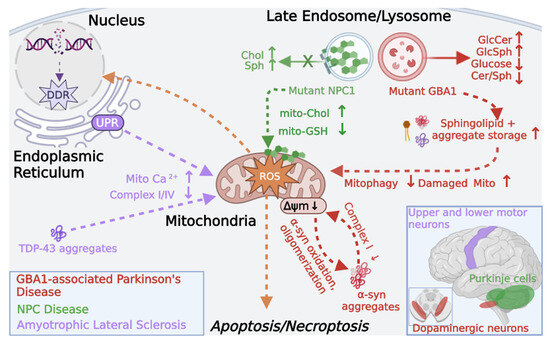
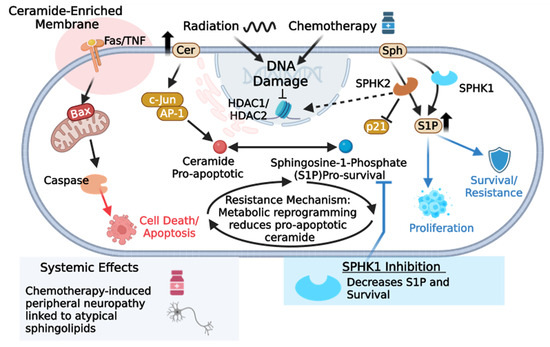
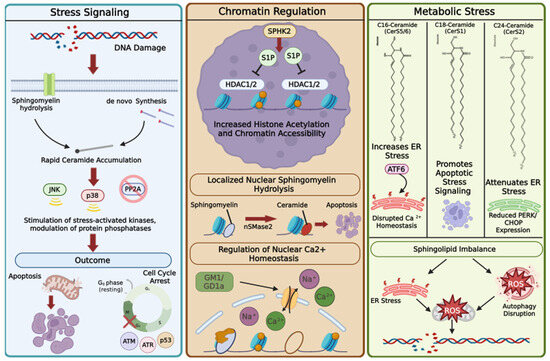
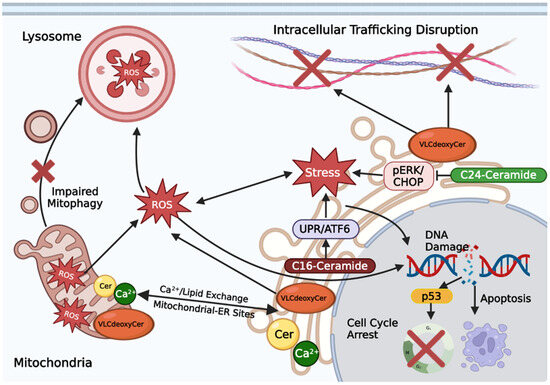
Sphingolipid metabolism has emerged as a regulatory interface between lipid homeostasis, organelle stress, and genome maintenance. Although sphingolipids are essential structural components of cellular membranes, specific metabolites also function as bioactive mediators that shape cellular responses to genotoxic stress. In this review, we examine how canonical and atypical sphingolipid pathways influence the DNA damage response through three mechanistic axes. First, ceramide-centered stress signaling links radiation, chemotherapy, and inflammatory injury to kinase and phosphatase pathways, mitochondrial apoptosis, and checkpoint-associated cell-fate decisions. Second, nuclear sphingolipid metabolism, particularly sphingosine kinase 2-dependent production of sphingosine-1-phosphate, regulates chromatin-associated transcriptional programs through modulation of histone deacetylase activity. Third, persistent sphingolipid imbalance promotes metabolic stress by disrupting lysosomal turnover, mitochondrial function, endoplasmic reticulum homeostasis, and redox balance, thereby increasing endogenous oxidative DNA damage. We also discuss atypical sphingolipids, including 1-deoxysphingolipids generated through altered serine palmitoyltransferase substrate utilization, as emerging mediators of mitochondrial dysfunction and genome instability. Finally, we consider the relevance of these mechanisms to cancer, lysosomal storage disorders, and neurodegenerative diseases, where sphingolipid dysregulation may influence therapeutic responses and disease progression. Together, these position sphingolipid metabolism as an integrated regulatory network connecting cellular stress signaling, chromatin regulation, organelle dysfunction, and genome stability.
Full article

Figure 1
Open AccessArticle
Telomerase-Related Gene Expression Networks Predicting Survival in Hepatocellular Carcinoma and Renal Clear Cell Carcinoma
by
Axel Guthart, Ednah Ooko, Thomas Efferth and Mona Dawood
DNA 2026, 6(3), 39; https://doi.org/10.3390/dna6030039 - 18 Aug 2026
Abstract
►▼
Show Figures
Background: Telomerase is a ribonucleic multimeric reverse transcriptase complex protecting the chromosomal ends from erosion and thereby from cellular senescence. The prognostic value of the components of this complex and their interrelationships with the immune system are not well understood. Objectives: We aimed
[...] Read more.
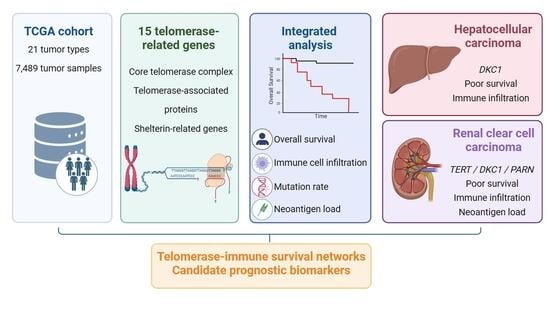
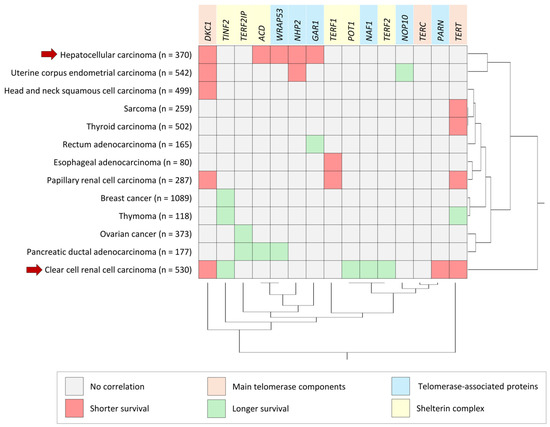
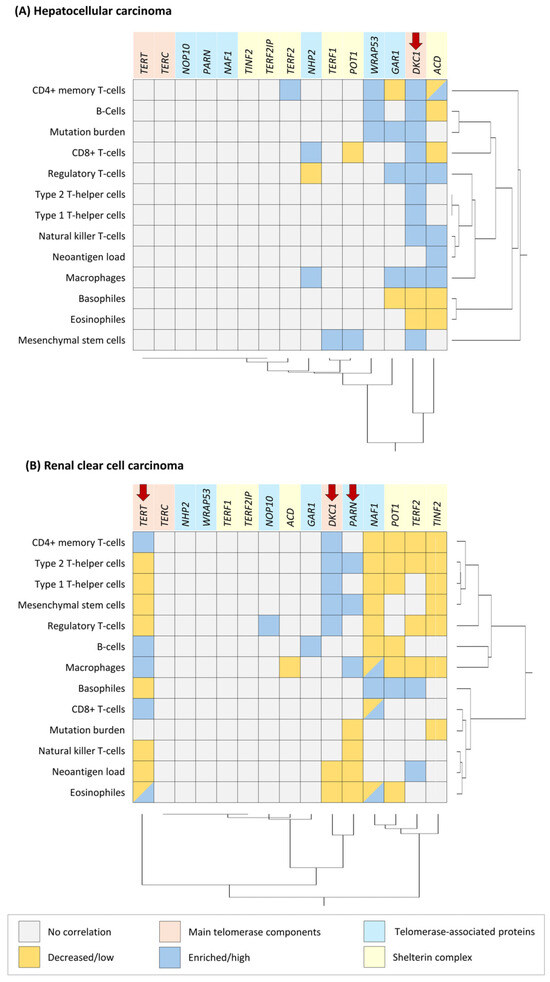
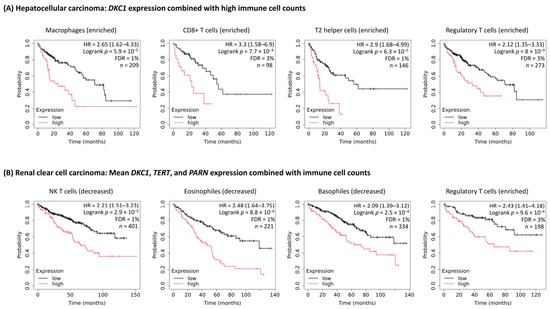
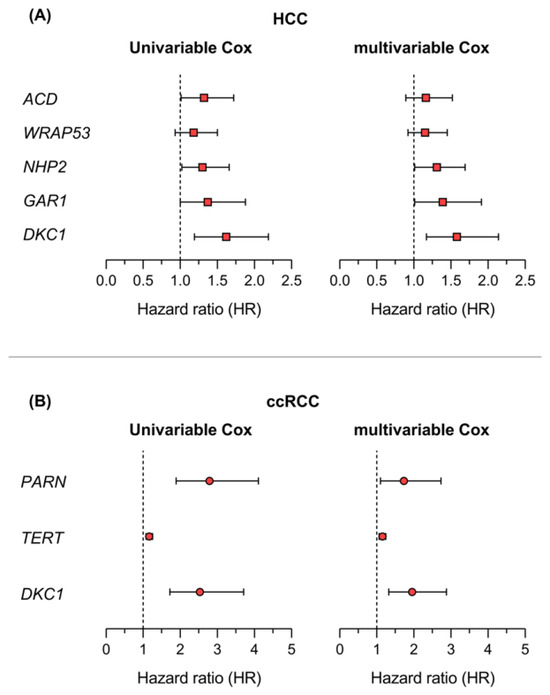
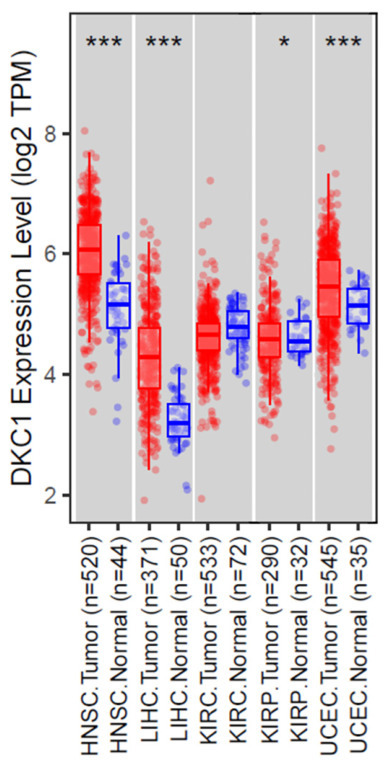
Background: Telomerase is a ribonucleic multimeric reverse transcriptase complex protecting the chromosomal ends from erosion and thereby from cellular senescence. The prognostic value of the components of this complex and their interrelationships with the immune system are not well understood. Objectives: We aimed to examine 15 telomerase-related genes across 7489 tumor samples from the TCGA database. Methods: The mRNA expression of these genes was analyzed using Kaplan–Meier statistics and hierarchical clustering analyses, alone or in combination with tumor infiltration counts for 11 immune cell types. As an additional analysis, univariable and multivariable Cox regression analyses have been performed. Results: Thirteen of 21 tumor types showed significant associations between gene expression in tumors and survival times of patients. Most gene correlations were found in hepatocellular carcinoma and renal clear cell carcinoma. In hepatocellular carcinoma, a high expression of DKC1, NHP2, GAR1, WRAP53, and ACD was associated with shorter survival. In renal clear cell carcinoma, TERT, DKC1, and PARN correlated with shorter survival, and NAF1, TERF2, POT1, and TINF2 with longer survival. DKC1 was the only gene significantly associated with poor prognosis in both tumor types. The telomerase-related genes correlated with patterns of immune cell infiltration, which influenced the survival of patients. The associations of mutation burden and neoantigen load with survival varied depending on the gene and patient groups. In renal clear cell carcinoma, TERT, DKC1, and PARN showed strong interactions with immune cell infiltration and neoantigen load. Conclusions: The combination of telomerase-related gene expression and immune-cell infiltration was associated with overall survival in hepatocellular carcinoma and renal clear cell carcinoma and warrants further evaluation as prognostic markers.
Full article

Graphical abstract
Open AccessArticle
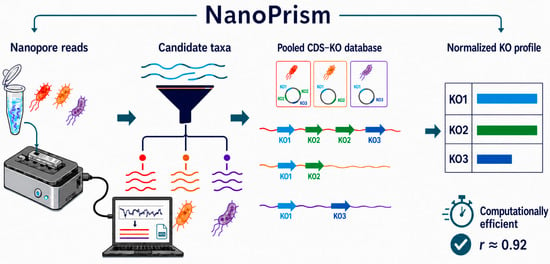
NanoPrism: A Taxonomy-Guided Pipeline for Rapid Functional Profiling of Oxford Nanopore Long-Read Metagenomes
by
Jiwoong Kim, Shuheng Gan, Harish Jawahar, Ruheng Wang, Dajiang Liu, David E. Greenberg, Yang Xie and Xiaowei Zhan
DNA 2026, 6(3), 38; https://doi.org/10.3390/dna6030038 - 14 Aug 2026
Abstract
►▼
Show Figures
Background/Objectives: Oxford Nanopore sequencing produces long reads quickly, but most functional profiling tools were developed for short reads or rely on assembly pipelines that are computationally costly and sensitive to long-read error rates. We present NanoPrism, a taxonomy-guided pipeline for rapid functional profiling
[...] Read more.
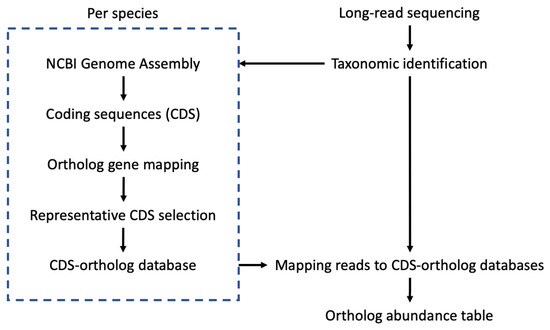
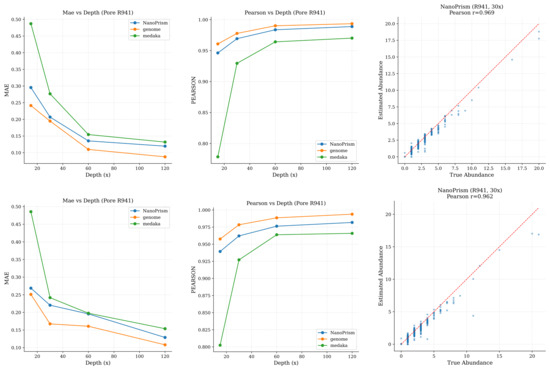
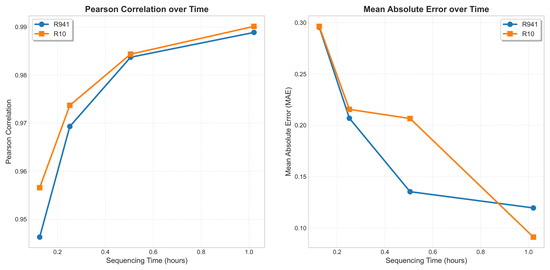
Background/Objectives: Oxford Nanopore sequencing produces long reads quickly, but most functional profiling tools were developed for short reads or rely on assembly pipelines that are computationally costly and sensitive to long-read error rates. We present NanoPrism, a taxonomy-guided pipeline for rapid functional profiling of long-read metagenomes. Methods: NanoPrism (i) identifies sample composition with Kraken2, (ii) constructs compact species-specific coding sequence (CDS)–KEGG ortholog databases, and (iii) estimates ortholog abundances by direct minimap2 alignment of nanopore reads with single-copy marker normalization. We evaluated NanoPrism on simulated Pseudomonas aeruginosa PAO1 and PA14 reads and on ZymoBIOMICS mock-community datasets sequenced on GridION and PromethION platforms. Results: On the Zymo long-read datasets, NanoPrism achieved Pearson correlations of 0.917–0.922 against independent expected ortholog profiles under unit-sum normalization. On matched one-million-read subsets, NanoPrism achieved higher correlations and lower Jensen–Shannon distances and mean absolute errors than the evaluated DIAMOND-based MEGAN-LR workflow. Experiments that omitted one species at a time from the reference database showed that omission of low-abundance community members had limited effects on the aggregate KO profile, whereas omission of the dominant Listeria monocytogenes reference from the Log community reduced Pearson correlation from approximately 0.92 to 0.29. Conclusions: NanoPrism offers a computationally efficient option for taxonomy-guided functional profiling of bacterial isolates and defined microbial communities. Validation on complex clinical and environmental metagenomes, broader forms of taxonomic-classification error, and dedicated fungal benchmarks remain necessary.
Full article

Graphical abstract
Open AccessArticle
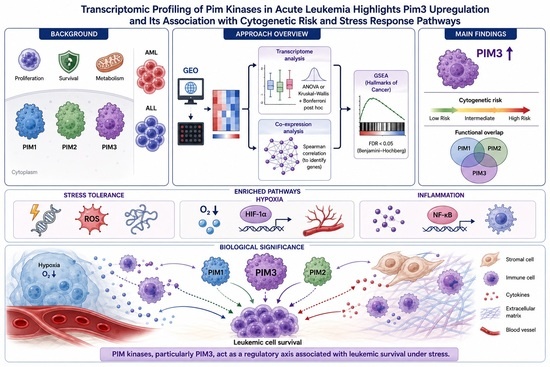
Transcriptomic Profiling of Pim Kinases in Acute Leukemia Highlights Pim3 Upregulation and Its Association with Cytogenetic Risk and Stress Response Pathways
by
Isabelle Magalhães Farias, Guilherme Passos De Morais, Deivide De Sousa Oliveira, Beatriz Maria Dias Nogueira, Caio Bezerra Machado, Flávia Melo Cunha De Pinho Pessoa, Anna Karolyna Da Costa Machado, Leidivan Sousa Da Cunha, Igor Valentim Barreto, Giulia Freire Sampaio, Maria Elisabete Amaral De Moraes and Caroline Aquino Moreira-Nunes
DNA 2026, 6(3), 37; https://doi.org/10.3390/dna6030037 - 12 Aug 2026
Abstract
►▼
Show Figures
Background/Objectives: The PIM kinase family, comprising three serine/threonine kinase isoforms (PIM1, PIM2, and PIM3), plays a fundamental role in various cancer types, where they are frequently described as regulators of proliferation, survival, and metabolic pathways. Acute leukemia is a group of hematological malignancies
[...] Read more.
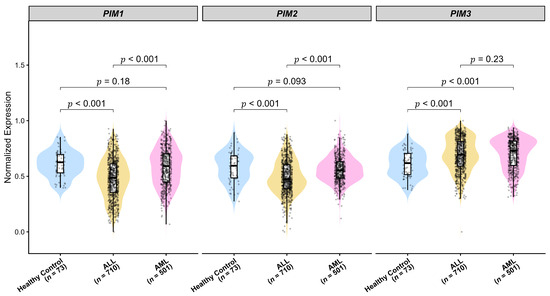
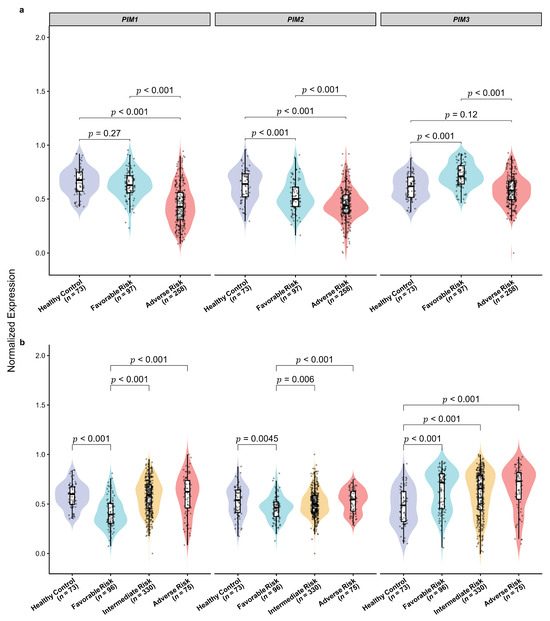
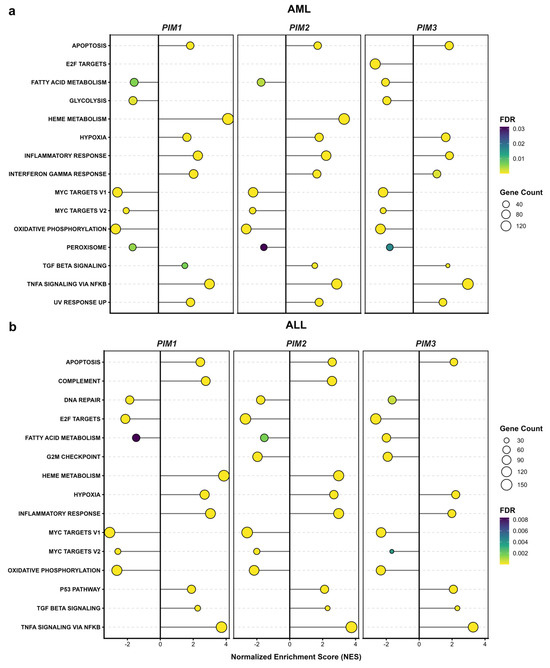
Background/Objectives: The PIM kinase family, comprising three serine/threonine kinase isoforms (PIM1, PIM2, and PIM3), plays a fundamental role in various cancer types, where they are frequently described as regulators of proliferation, survival, and metabolic pathways. Acute leukemia is a group of hematological malignancies characterized by the uncontrolled clonal proliferation of hematopoietic stem cells, encompassing myeloid (AML) and lymphoblastic (ALL) lineages, which together present limited therapeutic options and poor clinical outcomes. This study investigated the correlation between PIM kinase signaling pathways and the clinicopathological features, molecular pathway interactions, and cytogenetic risk stratification of patients with acute leukemia. Methods: Microarray data and clinical information from AML and ALL patients were retrieved from the Gene Expression Omnibus database. The expression levels of PIM1, PIM2, and PIM3 were assessed across leukemia subtypes and cytogenetic risk groups using ANOVA or Kruskal–Wallis tests, with Bonferroni post hoc correction, performed in R (v4.5.1). A transcriptome-wide co-expression analysis was conducted using Spearman’s rank correlation to identify genes correlated with each PIM isoform. Subsequently, Gene Set Enrichment Analysis (GSEA) was performed on pre-ranked gene lists using the clusterProfiler (v4.16.0) package and Hallmarks of Cancer gene signatures, with pathway significance determined by Benjamini–Hochberg-adjusted FDR < 0.05. Results: Transcriptomic analysis revealed distinct expression patterns of the PIM kinase family between AML and ALL subtypes, identifying PIM3 as the predominantly dysregulated isoform, marked by significant overexpression across both lineages. Risk-stratified analysis further demonstrated that PIM expression is highly context-dependent, exhibiting dynamic variation across cytogenetic risk groups. Functional enrichment analysis highlighted a potential functional redundancy and compensatory mechanisms among PIM isoforms, with enriched pathways predominantly associated with stress tolerance, hypoxia adaptation, and inflammatory signaling, rather than classical proliferative signatures. Conclusions: Collectively, these findings position the PIM kinase family as a dynamically regulated axis in acute leukemia, deeply integrated with cytogenetic risk profiles and stress-adaptation mechanisms. The consistent upregulation of PIM3 and its correlation with inflammatory and hypoxic signatures suggest a potential role in facilitating tumor survival within adverse microenvironments.
Full article

Graphical abstract
Open AccessArticle
A Saccharomyces cerevisiae Model for the Overexpression of the Base Excision DNA Repair Protein Ntg1 Reveals Novel Genetic Interactions
by
Annie J. McPherson, Ziad M. Jowhar, Paul W. Doetsch and Anita H. Corbett
DNA 2026, 6(3), 36; https://doi.org/10.3390/dna6030036 - 30 Jul 2026
Abstract
►▼
Show Figures
Background/Objectives: The base excision repair (BER) pathway repairs oxidative DNA damage, a common and detrimental form of damage to the genome. Although biochemical steps in BER have been well defined, little is understood about how the pathway is regulated. Such regulation is critical,
[...] Read more.
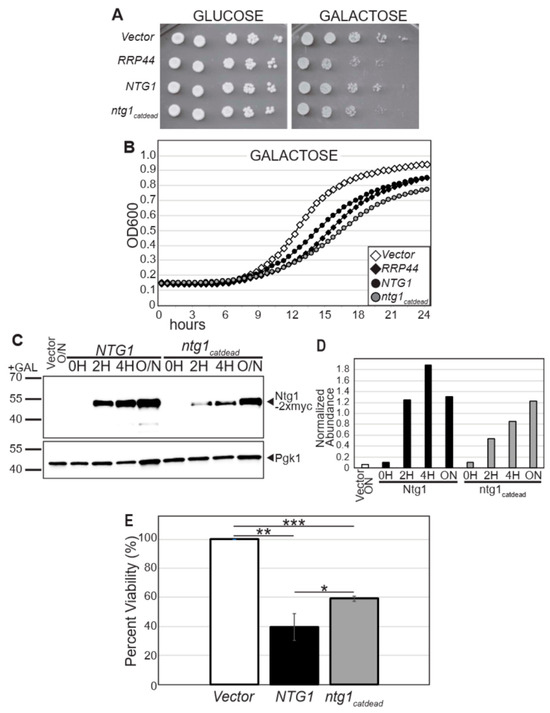
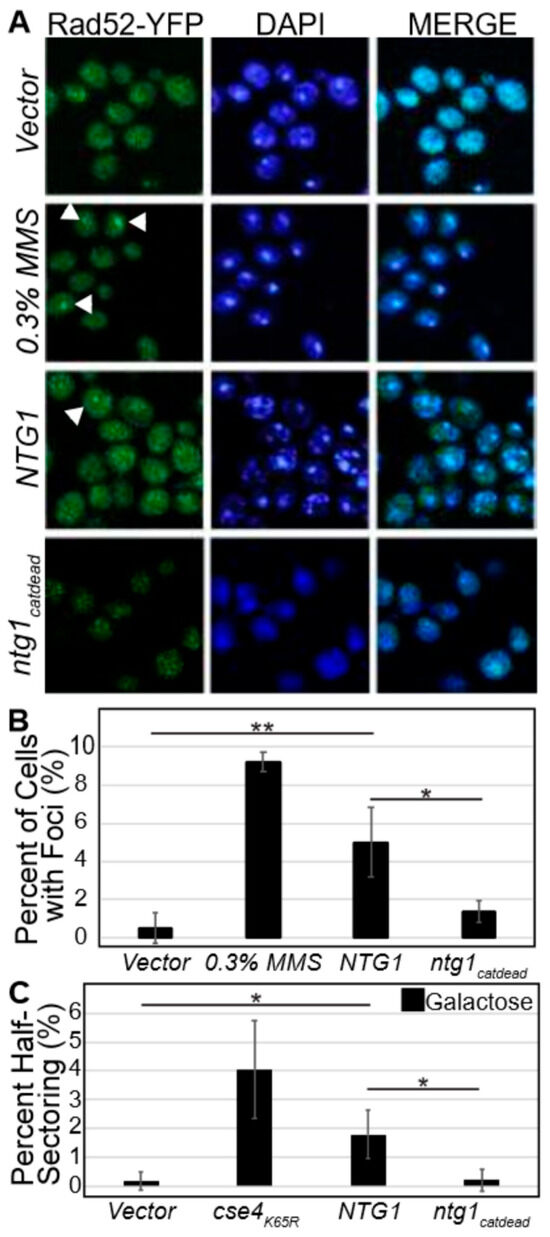
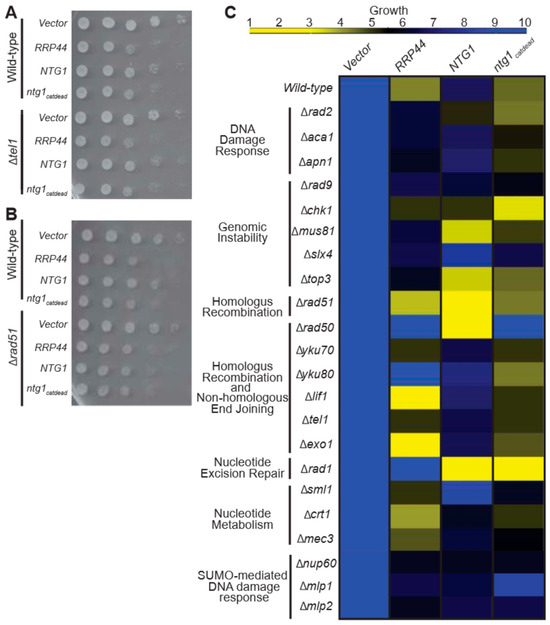
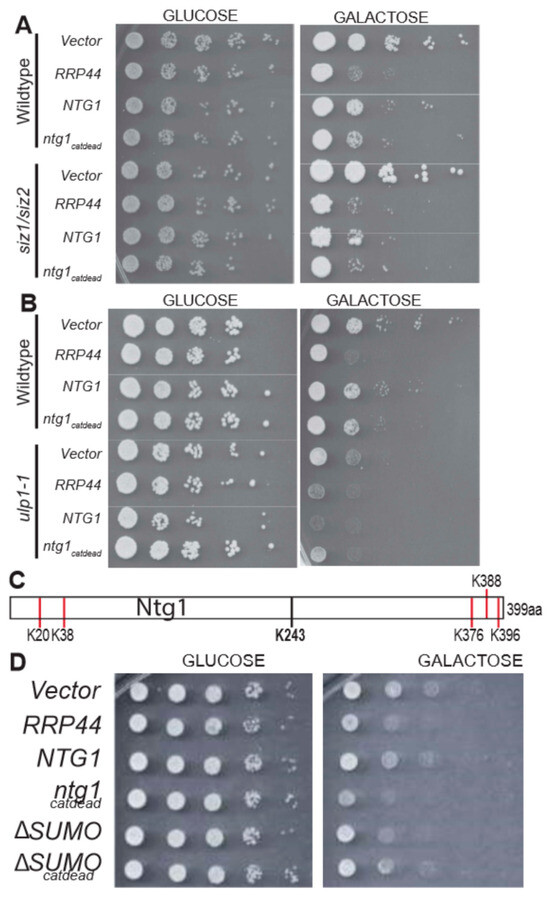
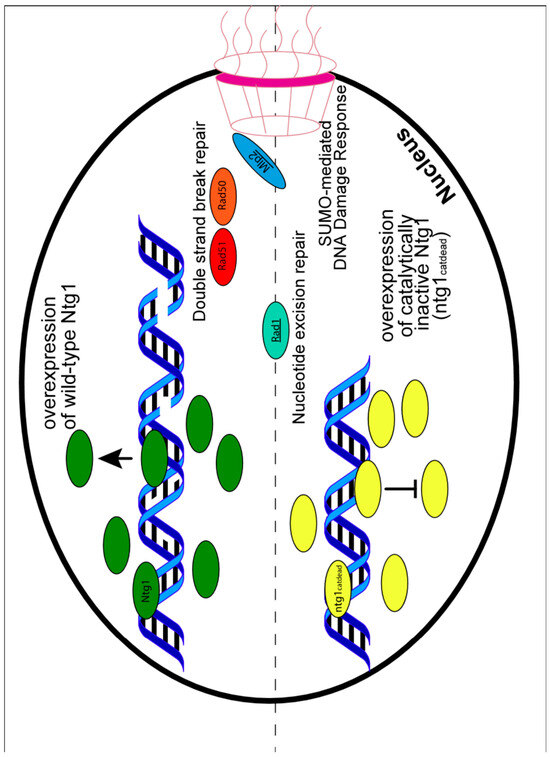
Background/Objectives: The base excision repair (BER) pathway repairs oxidative DNA damage, a common and detrimental form of damage to the genome. Although biochemical steps in BER have been well defined, little is understood about how the pathway is regulated. Such regulation is critical, as cells must respond rapidly to DNA damage while avoiding aberrant activation of repair proteins that can produce DNA damage as intermediates in the repair pathway. Indeed, overexpression of the human BER protein NTHL1, a DNA N-glycosylase, can cause genomic instability and early cellular hallmarks of cancer. Methods: We developed a Saccharomyces cerevisiae model to explore how overexpression of NTHL1 may impair cellular function. Results: Overexpression of Ntg1, the budding yeast orthologue of NTHL1, impairs cell growth. To dissect mechanisms underlying this growth defect, we overexpressed either wild-type Ntg1 or a catalytically inactive variant of Ntg1 (ntg1catdead). Consistent with results obtained for NTHL1, both variants of Ntg1 impair cell growth, but only the wild-type protein causes accumulation of double-strand breaks and chromosome loss. We screened a panel of DNA repair mutants for resistance/sensitivity to overexpression of wild-type Ntg1 or ntg1catdead. This analysis identified several cellular pathways that protect cells from Ntg1-induced damage, providing insight into the interplay between DNA repair pathways. Finally, we identified a link to SUMOylation and probed into how this post-translational modification could contribute to regulation of Ntg1 function. Conclusions: This study describes a budding yeast system to understand how cells regulate and respond to dysregulation of the BER pathway.
Full article

Figure 1
Open AccessEditor’s ChoiceArticle
Genotyping of the River Shad (Tenualosa ilisha) Revealed Female Heterogametic Sex Determination System and a Single Genetic Stock in Bangladesh
by
Md. Nuruzzaman Khan, Wasim Akram, Foyez Shams, M. Niamul Naser, David A Hurwood, Tariq Ezaz and Md. Lifat Rahi
DNA 2026, 6(3), 35; https://doi.org/10.3390/dna6030035 - 28 Jul 2026
Abstract
►▼
Show Figures
The migratory shad, Hilsa (Tenualosa ilisha) is an iconic species of profound economic and cultural value across the Indian sub-continent due to its delicious taste and significant contributions to gross domestic product (GDP). Lack of fundamental genomic data regarding sex determination,
[...] Read more.
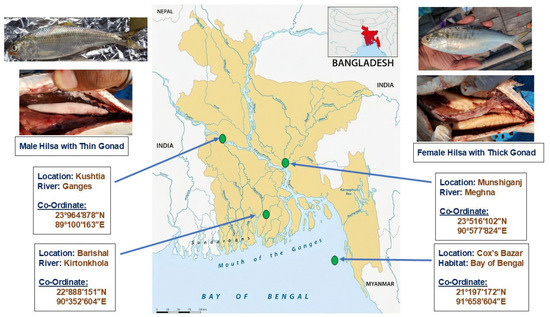
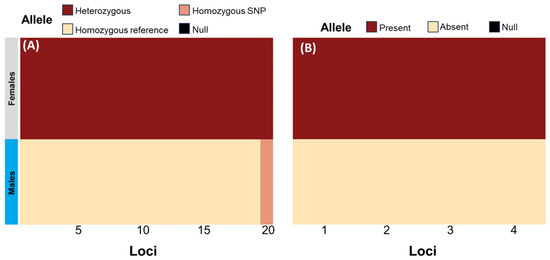
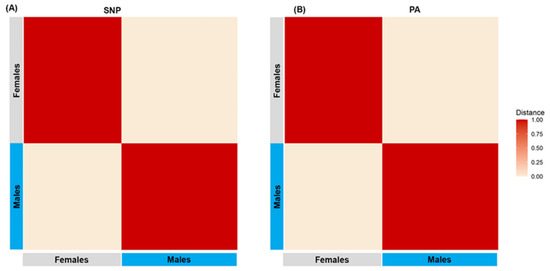
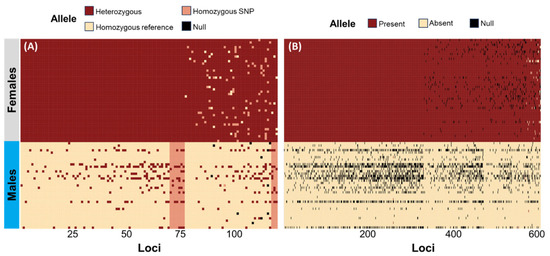
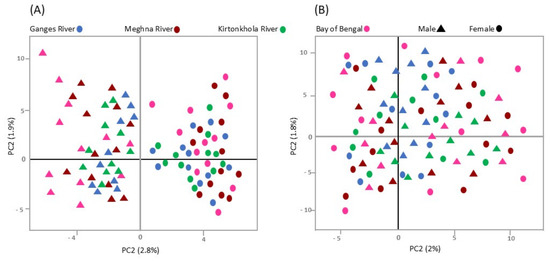
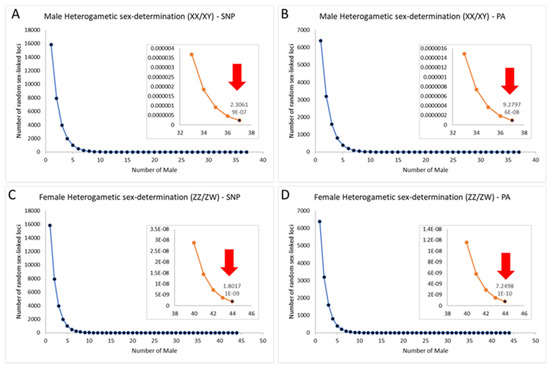
The migratory shad, Hilsa (Tenualosa ilisha) is an iconic species of profound economic and cultural value across the Indian sub-continent due to its delicious taste and significant contributions to gross domestic product (GDP). Lack of fundamental genomic data regarding sex determination, impedes development of optimized breeding techniques and target conservation goals. In this study, a next-generation sequencing (NGS)-based genotyping technique was applied to identify sex-linked markers, modes of sex determination, putative sex-determining genes and the population genomic structure of Hilsa. Genotyping of 94 Hilsa individuals (46 males and 48 females) collected from four distinct locations of Bangladesh (three different river systems and Bay of Bengal as a marine site) revealed 31,696 single-nucleotide polymorphisms (SNPs) and 12,754 presence/absence (PA) loci. Among these SNPs and PA, we identified 20 SNPs that were heterozygous in females but homozygous in males and 4 PA loci which were only present in females. Therefore, this study conclusively identifies a female heterogametic (ZZ/ZW) sex determination system in Hilsa. Comparative BLAST analysis using sex-linked loci against Hilsa genomes resulted in the identification of five candidate genes potentially involved in sex-determination pathways. Moreover, population genetic analysis revealed low spatial genetic differentiation among the four sampling sites but notable divergence between males and females (minimum 1.8–2.8% variation in principal coordinate analysis). For most of the sampling sites, higher observed heterozygosity (Ho) compared to expected heterozygosity (He) is the indicative of a robust population status with minimal evidence of inbreeding. Our study provides a baseline for further improving the management and conservation of the wild populations of the species.
Full article

Figure 1
Open AccessEditor’s ChoiceArticle
New WC-Type DNA/RNA Microhelices Determined by a DFT Study with the Comparison of Their Structural Geometric Parameters and Their Intra-/Intermolecular H-Bonds
by
Mauricio Alcolea Palafox and Josefa Isasi
DNA 2026, 6(3), 34; https://doi.org/10.3390/dna6030034 - 21 Jul 2026
Abstract
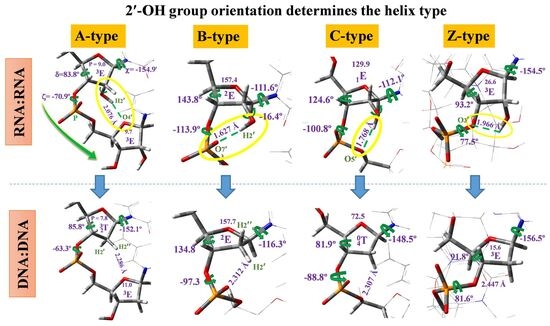
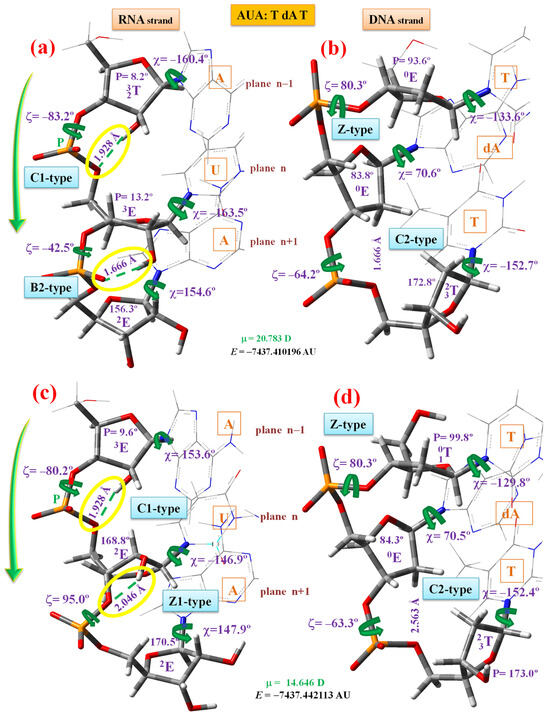
Background: The computation of DNA is a field of growing interest, primarily focused on studying its individual constituents, but a few authors have gone further by analyzing standard microhelices with DFT methods. Objective: Because these studies did not consider that, at the atomic
[...] Read more.
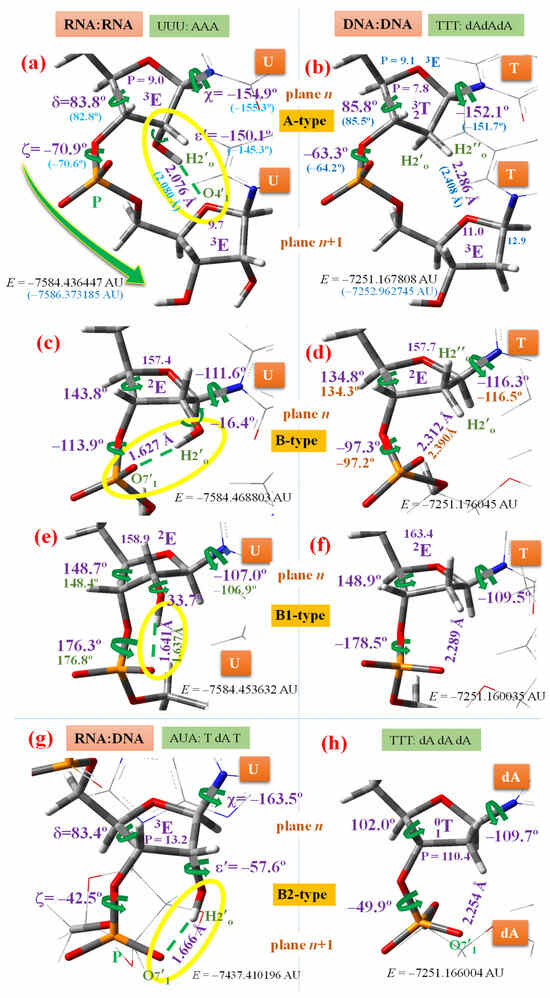
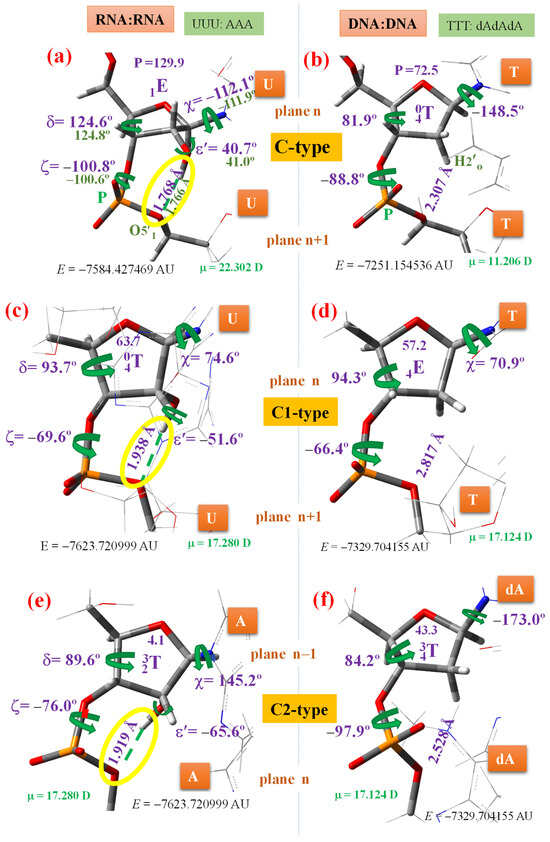
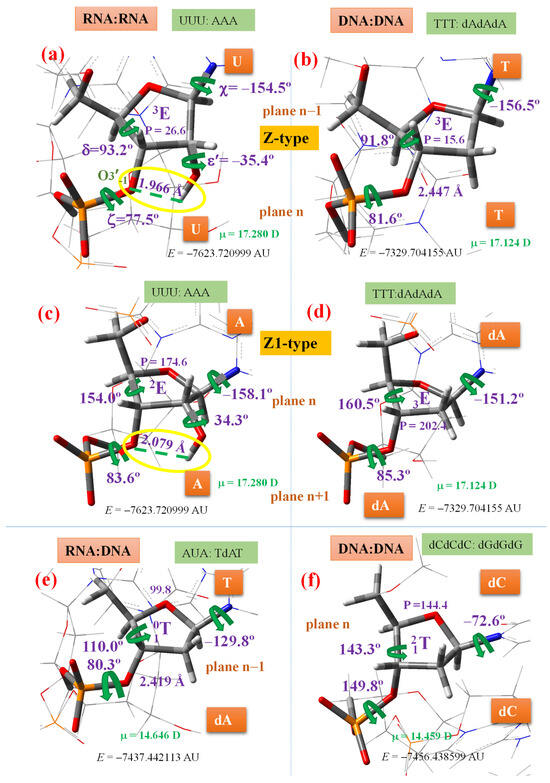
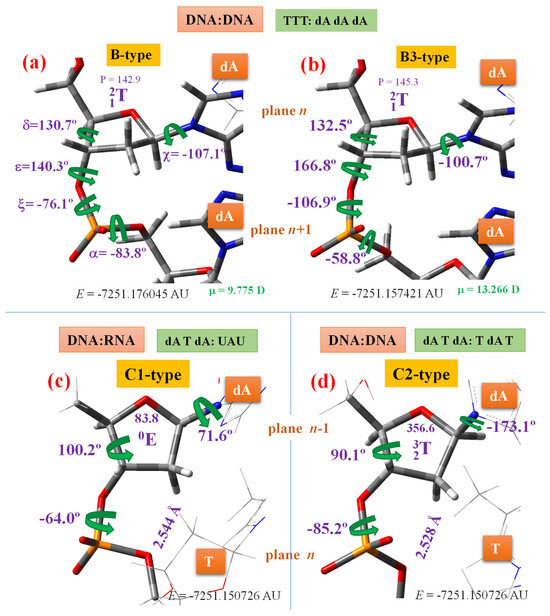
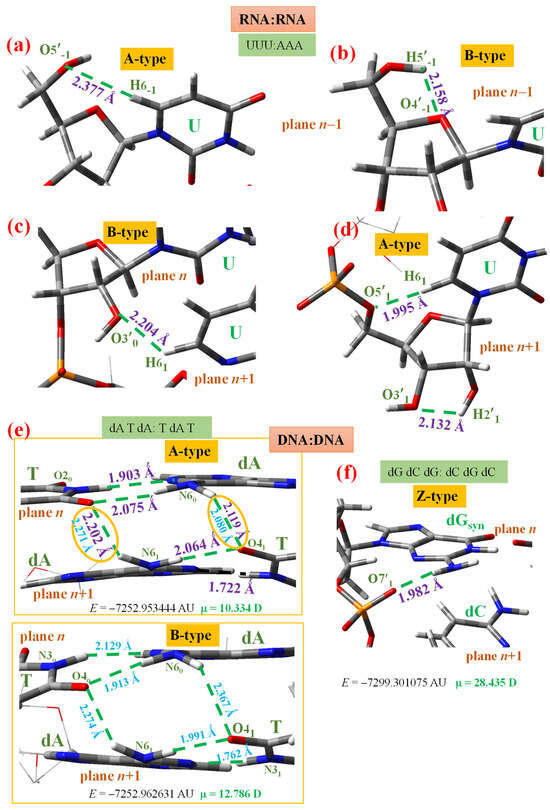
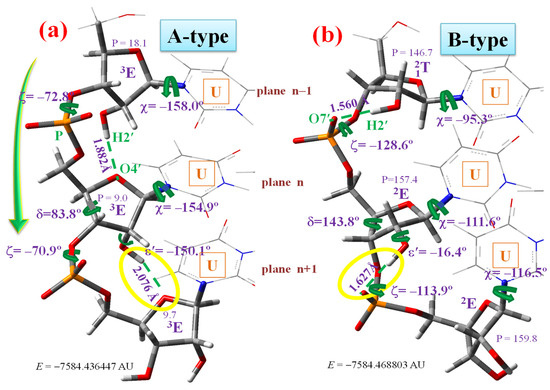
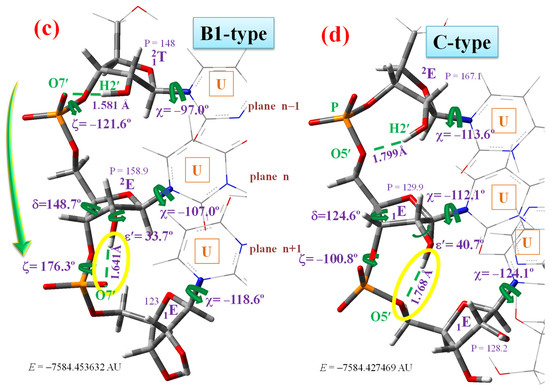
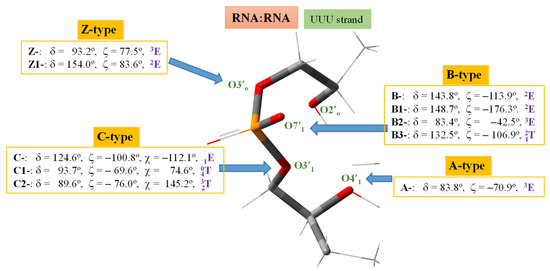
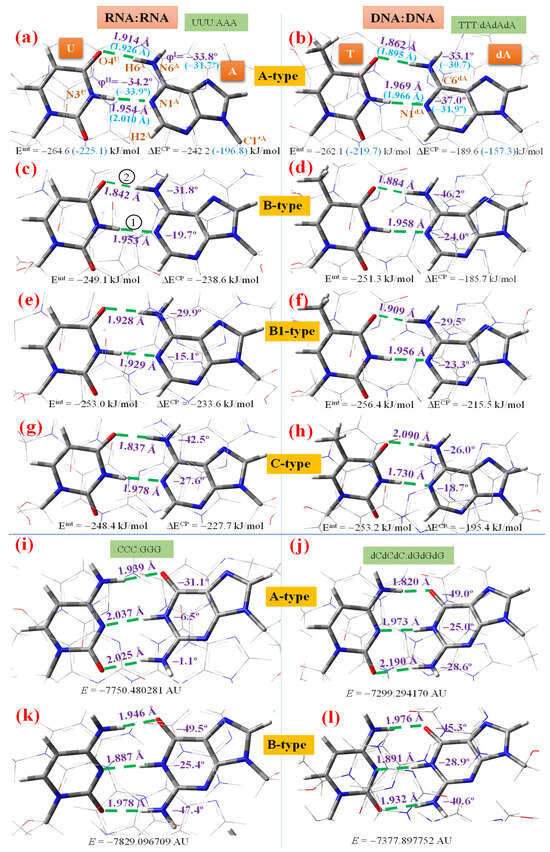
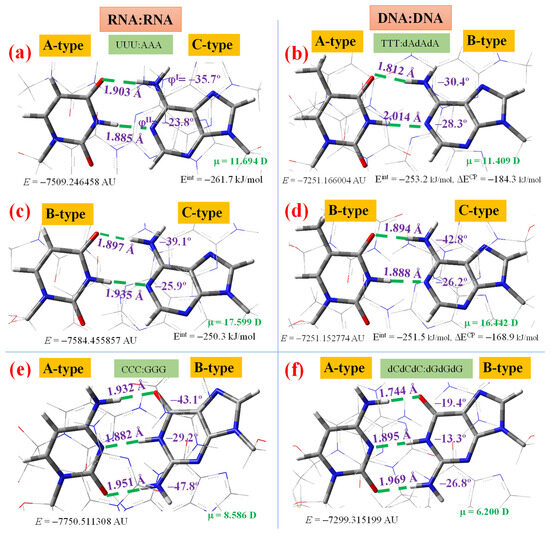
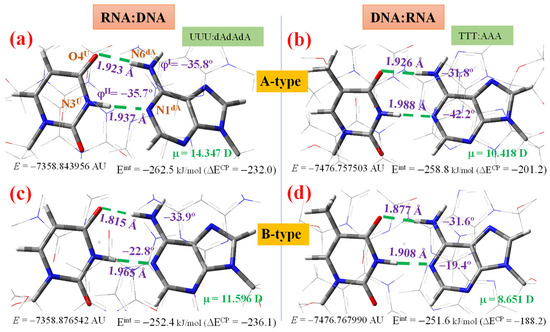
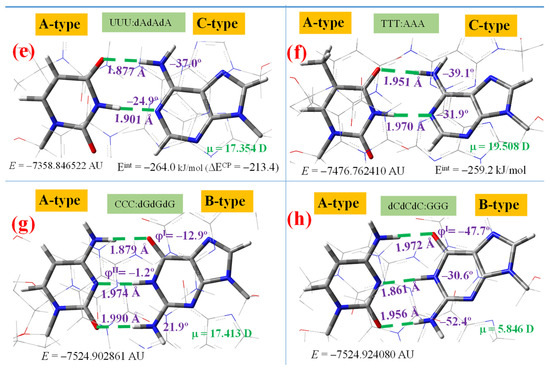
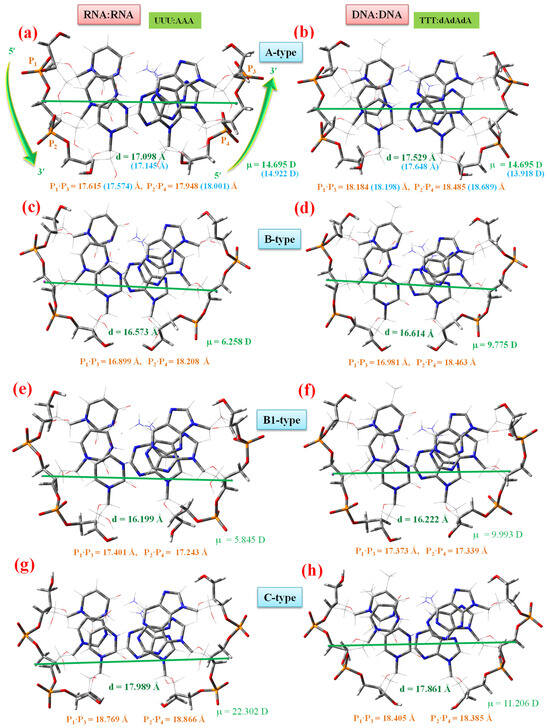
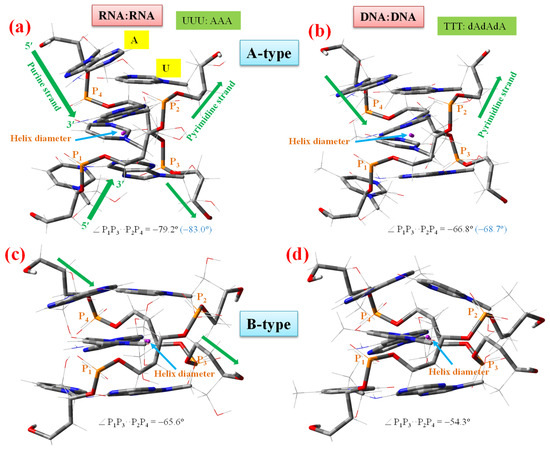
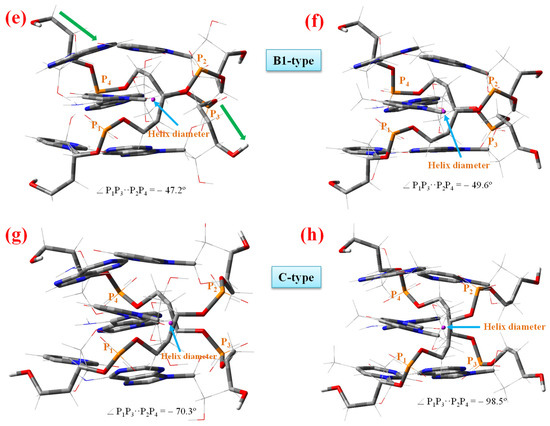
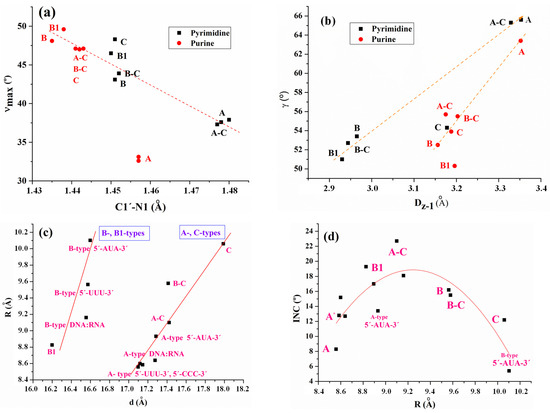
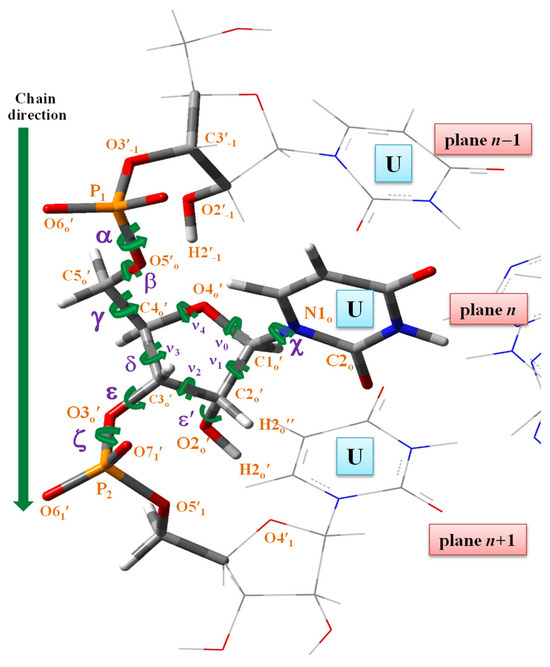
Background: The computation of DNA is a field of growing interest, primarily focused on studying its individual constituents, but a few authors have gone further by analyzing standard microhelices with DFT methods. Objective: Because these studies did not consider that, at the atomic level, other possible DNA and RNA helices with the WC-type arrangement are also stable, this is the main objective here. Methods: Therefore, forty microhelices were optimized in a simple model with three WC base pairs composed of nucleosides using the M06-2X DFT method. Results: Based on the spatial arrangement of the intramolecular H-bond with the 2′-OH group, five types of RNA:RNA double microhelices were obtained; by this arrangement, they were related to the corresponding DNA:DNA ones. In addition to A-type and B-type microhelices, two new types were found, conveniently named B1-type and C-type. The structural geometric parameters of all these optimized microhelices in an isolated state were compared and analyzed in detail. The total counterpoise-corrected interaction energies were determined in these microhelices. RNA microhelices with different types of intramolecular H-bond arrangements involving the 2′-OH group in each single strand were also optimized, as well as their corresponding DNA helices having the same spatial arrangement. Different DNA:RNA hybrid microhelices were also considered, and their structural geometric parameters were compared to those of other microhelices. Conclusions: the identification and detailed characterization, for the first time, of ten main stable spatial geometric shapes with different exocyclic and endocyclic torsional angles. Several relationships among the structural geometric parameters of these microhelices were also established. Although the new DNA/RNA helix types containing theoretically obtained WC pairs have not been found in biological helices, they could be synthesized and they may open the possibility of being used for other purposes.
Full article
(This article belongs to the Special Issue Molecular Structure and Dynamics of DNA/RNA Helices)
►▼
Show Figures

Graphical abstract
Open AccessEditor’s ChoiceArticle
Beyond the Test Result: A Two-Year Real-World Characterization of Quantitative Aspergillus PCR in a Tertiary Pulmonology Center
by
Madalina (Preda) Solomon, Cristina Luciana Neacșu, Oana Popescu and Loredana Sabina Cornelia Manolescu
DNA 2026, 6(3), 33; https://doi.org/10.3390/dna6030033 - 14 Jul 2026
Abstract
►▼
Show Figures
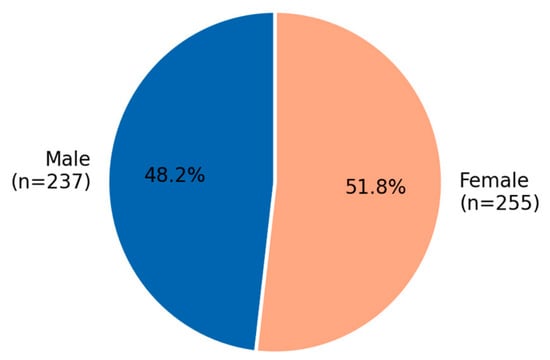
Background: Pulmonary aspergillosis remains underdiagnosed in patients with structural lung disease, as conventional methods might miss a part of cases. There are few real-world data on quantitative PCR performance outside immunocompromised populations. We evaluated the Aspergillus ELITe MGB Kit across two years of
[...] Read more.
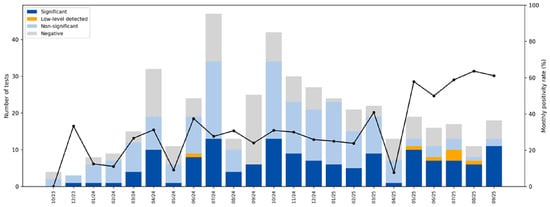
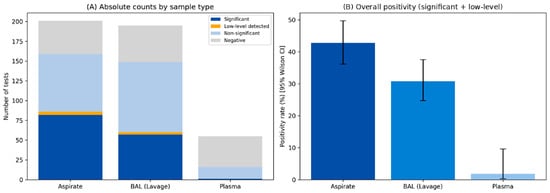
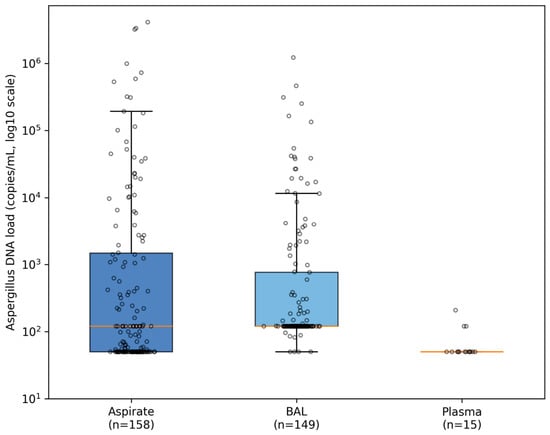
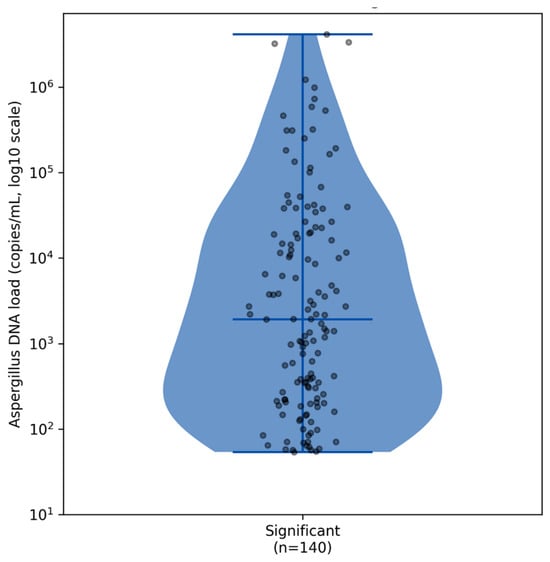
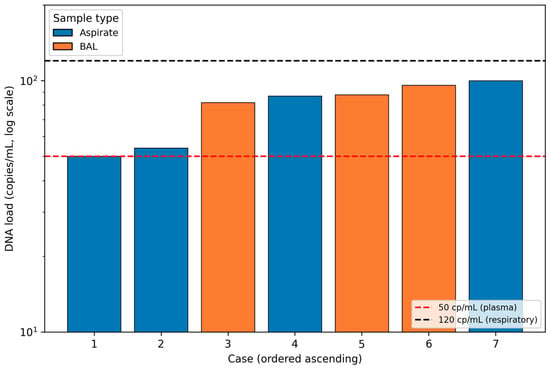
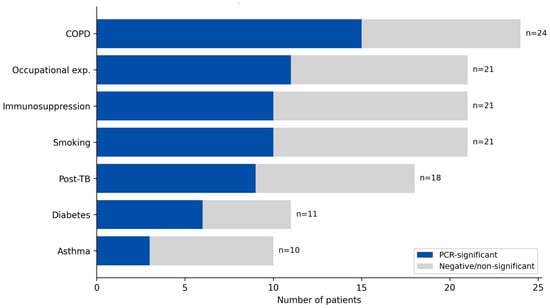
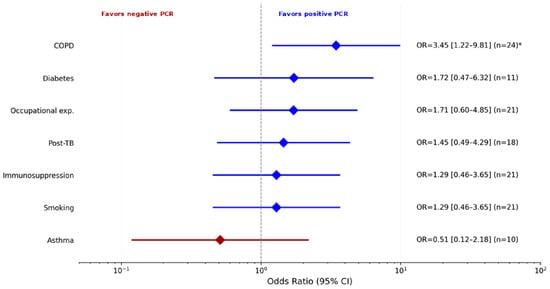
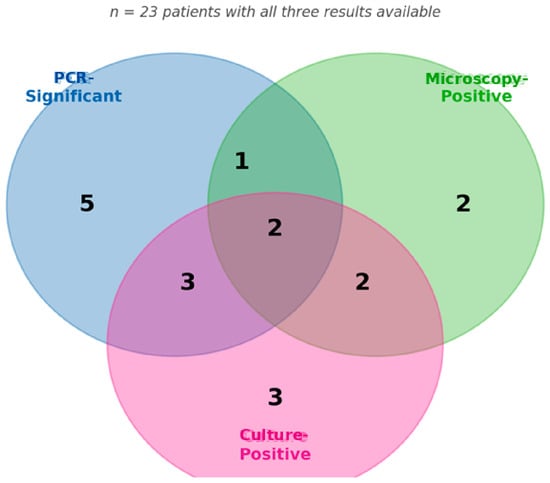
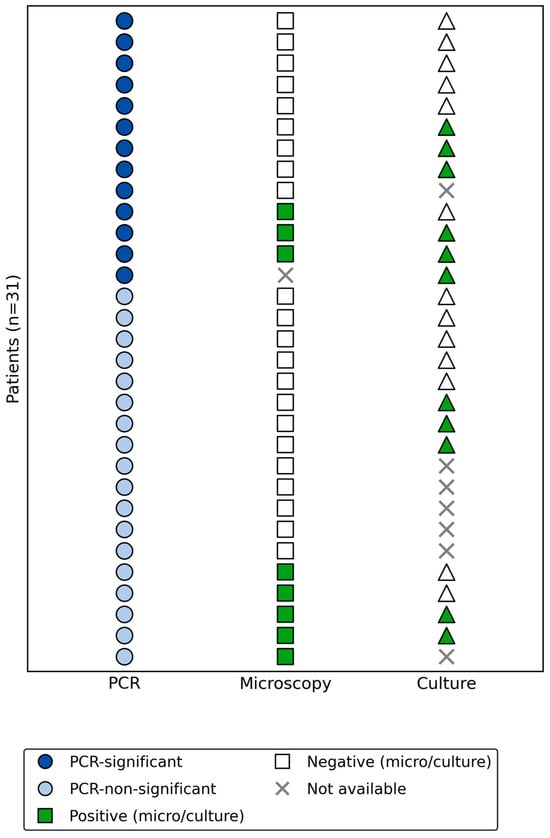
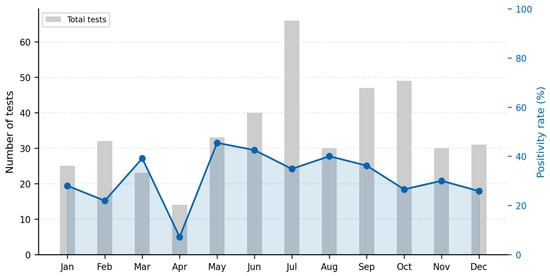
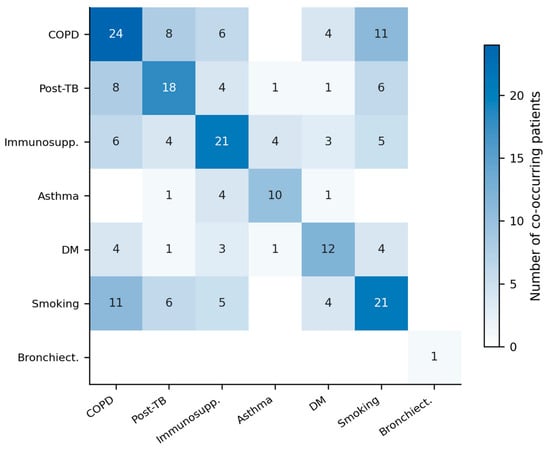
Background: Pulmonary aspergillosis remains underdiagnosed in patients with structural lung disease, as conventional methods might miss a part of cases. There are few real-world data on quantitative PCR performance outside immunocompromised populations. We evaluated the Aspergillus ELITe MGB Kit across two years of routine clinical practice at a tertiary pulmonology center. Methods: We retrospectively analyzed 492 consecutive ELITe MGB PCR tests (October 2023–September 2025) at the Marius Nasta Institute of Pneumology, Bucharest, Romania, performed on bronchoalveolar aspirate (n = 219), lavage (BAL; n = 202), and plasma (n = 65). Results were correlated with microscopy, fungal culture, imaging, and host risk factors where available. Results: Of 451 evaluable tests, 140 (31.0%) were significant, 7 (1.6%) low-level detected, and 304 (67.4%) non-significant or negative. Combined positivity was 32.6%. Aspirate outperformed BAL in positivity rate (42.8% vs. 30.8%; p ≈ 0.013); aspirate and BAL had similar median DNA loads (120 copies/mL each) but aspirate showed a longer tail toward very high loads (p < 0.001); raw median DNA loads (67 vs. 120 copies/mL) were not directly comparable between matrices due to differing matrix-specific lower limits of quantification (50 vs. 120 copies/mL, reflecting BAL dilution). Plasma positivity was 1.8%. Positivity peaked in May–June (42.5–45.5%), contrasting with the classical autumn pattern. Chronic obstructive pulmonary disease (COPD) was the dominant risk factor (OR = 3.45). PCR exclusively detected Aspergillus in the majority of cases where microscopy and culture were negative. Conclusions: The ELITe MGB kit demonstrates clinically meaningful diagnostic yield in a real-world pulmonology cohort. Aspirate consistently outperforms BAL, and the low-level detected category identifies a borderline population warranting prospective validation. The unexpected spring–summer positivity peak suggests a greater role for post-viral aspergillosis than previously recognized in this setting.
Full article

Figure 1
Open AccessEditor’s ChoiceReview
The Genomic Revolution in Pulmonary Medicine: A Comprehensive Narrative Review of Genomic and Multi-Omic Technologies in Respiratory Conditions
by
Arihant Surana and Aditya Singh
DNA 2026, 6(3), 32; https://doi.org/10.3390/dna6030032 - 2 Jul 2026
Abstract
►▼
Show Figures
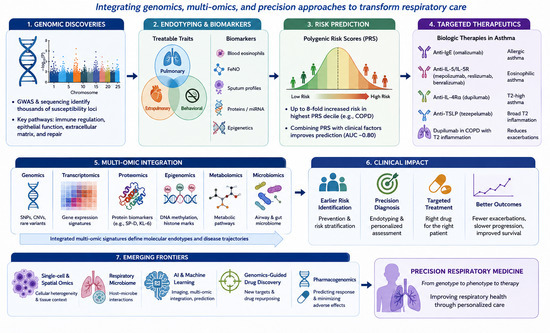
Chronic respiratory diseases, including chronic obstructive pulmonary disease (COPD), asthma, and interstitial lung diseases (ILDs), represent a major global health burden. Their significant clinical and biological heterogeneity complicates diagnosis and limits the efficacy of traditional, one-size-fits-all management approaches. The advent of high-throughput genomic
[...] Read more.
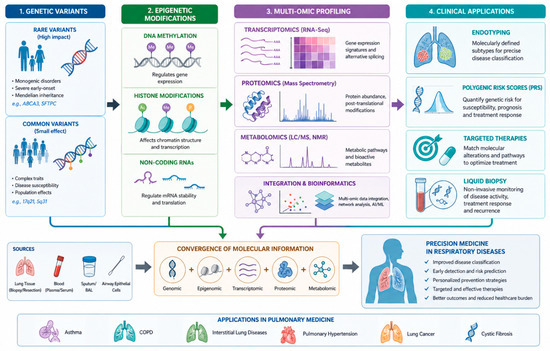
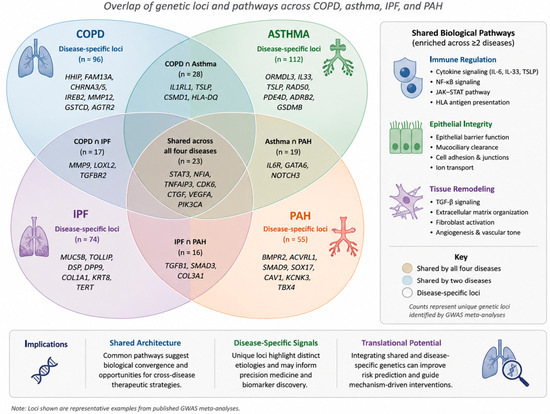
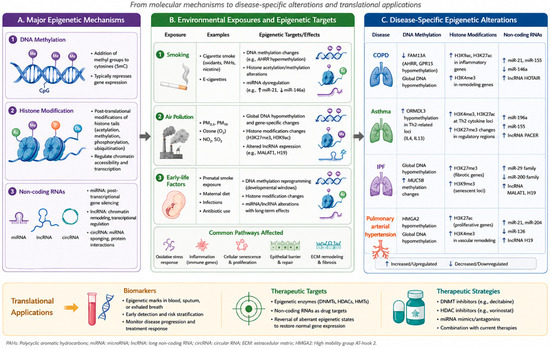
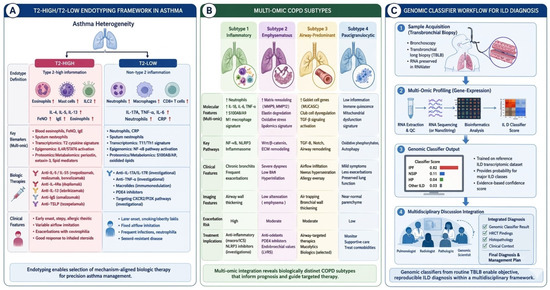
Chronic respiratory diseases, including chronic obstructive pulmonary disease (COPD), asthma, and interstitial lung diseases (ILDs), represent a major global health burden. Their significant clinical and biological heterogeneity complicates diagnosis and limits the efficacy of traditional, one-size-fits-all management approaches. The advent of high-throughput genomic and multi-omic technologies has initiated a paradigm shift from syndromic classification to molecular-based endotyping. A narrative review of the literature was performed, synthesising foundational and recent research in the genomics, epigenomics, and multi-omics of chronic respiratory diseases. Key studies were selected based on their relevance to genetic architecture, biomarker development, and translational applications in precision medicine. We discuss the complex genetic architecture of pulmonary conditions, highlighting the contribution of both rare, high-penetrance variants, such as SERPINA1, CFTR, and BMPR2, and polygenic risk from many common variants, such as HHIP, FAM13A, and IL33. We provide detailed analyses of polygenic risk scores (PRSs) for COPD and asthma, including their construction, validation across ancestries, and predictive performance. We detail how integrative multi-omic approaches, including transcriptomics, proteomics, and metabolomics, are successfully defining molecular endotypes, such as Type 2-high asthma, which, in turn, inform the use of targeted biologic therapies. Finally, we review the development of molecular diagnostics, including metagenomic sequencing of infections and liquid biopsies for lung cancer and the development of prognostic biomarkers. The genomic revolution is transforming pulmonary medicine through the discovery of novel disease pathways, precise molecular classification, and the recognition of new therapeutic targets. Despite major challenges in functional interpretation, data integration, and clinical–translational equity, these technologies hold the key to a new era of personalised respiratory health and precision medicine.
Full article

Graphical abstract
Open AccessEditor’s ChoiceArticle
Computational Analysis of Missense Single Nucleotide Variants (SNVs) in the GHSR Gene Linked to Obesity
by
Bruno Fonseca Nunes, Lau Pontaldi Brandão and Fabíola Branco Filippin-Monteiro
DNA 2026, 6(3), 31; https://doi.org/10.3390/dna6030031 - 29 Jun 2026
Abstract
►▼
Show Figures
Background/Objectives: In recent years, efforts to understand obesity’s pathophysiology have focused on satiety signals in the hypothalamus and hormonal signalling in orexigenic and anorexigenic neurons. These signals, linked to hunger, satiety, and energy expenditure, are influenced by peptides that activate or suppress specific
[...] Read more.
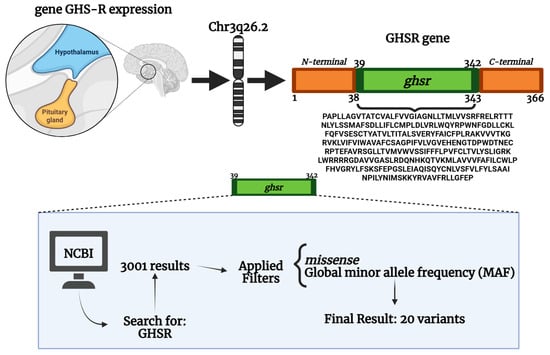
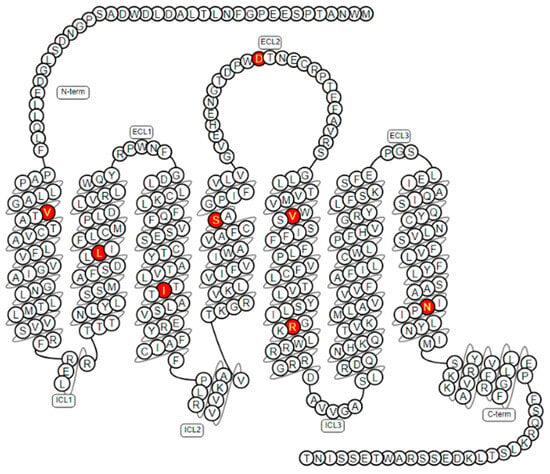
Background/Objectives: In recent years, efforts to understand obesity’s pathophysiology have focused on satiety signals in the hypothalamus and hormonal signalling in orexigenic and anorexigenic neurons. These signals, linked to hunger, satiety, and energy expenditure, are influenced by peptides that activate or suppress specific pathways. However, different phenotypes related to body composition result from mutations (allelic variants) in genes that encode these proteins, particularly peptide receptors. Specifically, the hormone receptor ghrelin (GHSR), located on the surface of orexigenic neurons, has been linked to the regulation of hunger. Additionally, the production and secretion of ghrelin, a peptide hormone produced by the stomach, may exhibit varying sensitivity in its receptor based on an individual’s nutritional status. Moreover, allelic variants of the GHSR gene may potentially lead to significant alterations in signalling provided by the GHSR receptor, resulting in modified hormone-binding phenotypes. In this context, the search for allelic variants that can account for diverse phenotypes, whether thinness or overweight/obesity, can aid in comprehending the pathway and defining new strategies for early laboratory diagnosis or target peptides for treatment. Methods: Initial mining produced 373 non-random SNPs located in missense regions. A total of 373 missense variants were initially identified in the GHSR gene. After applying a global minor allele frequency (MAF) filter of <1%, 20 rare missense variants remained. Results: These variants were subsequently analyzed using nine in silico pathogenicity prediction tools, resulting in the prioritization of eight variants predicted as deleterious by at least four algorithms. These variants were further analysed using the HOPE project web server and the SwissModel database. Conclusions: Through these analyses and future investigations into these mutations, we may gain a more comprehensive understanding of the implications of these mutations and their potential correlation with the pathophysiology of obesity.
Full article

Figure 1
Open AccessEditor’s ChoiceReview
Eosinophilic Esophagitis and Inflammatory Bowel Disease: Genetic Susceptibility, Epigenetic Overlap, and Immune Dysregulation in Dual Diagnosis
by
Fares Jamal, Alejandro J. Gonzalez, Sandra Elmasry, Amani Elshaer, Fangfang Wang, Allon Kahn and Talha A. Malik
DNA 2026, 6(2), 30; https://doi.org/10.3390/dna6020030 - 17 Jun 2026
Abstract
►▼
Show Figures
Eosinophilic esophagitis (EoE) and inflammatory bowel disease (IBD) are immune-mediated disorders of the gastrointestinal (GI) tract that, despite involving different tissues, are increasingly recognized to coexist. Epidemiologic studies demonstrate a bidirectional association, with patients affected by one condition showing a higher-than-expected prevalence of
[...] Read more.
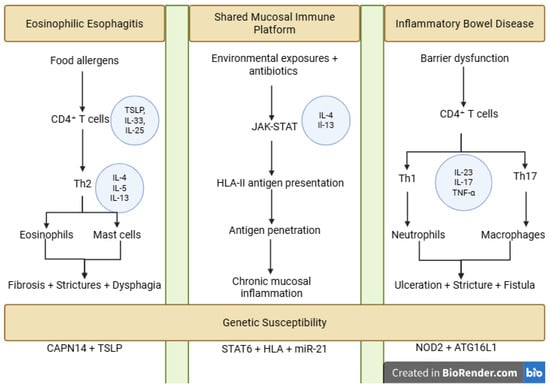
Eosinophilic esophagitis (EoE) and inflammatory bowel disease (IBD) are immune-mediated disorders of the gastrointestinal (GI) tract that, despite involving different tissues, are increasingly recognized to coexist. Epidemiologic studies demonstrate a bidirectional association, with patients affected by one condition showing a higher-than-expected prevalence of the other, suggesting shared susceptibility rather than incidental overlap. Genetic and epigenetic data support partial convergence in immune regulatory pathways, while epithelial barrier dysfunction and antigen-driven immune activation emerge as common upstream features. Overlapping cytokine networks, including IL-4, IL-13, and IL-23 signaling, contribute to chronic inflammation in both diseases, although differences in tissue environment and immune dominance give rise to distinct inflammatory phenotypes and clinical behavior. Clinical outcomes in patients with dual diagnoses appear heterogeneous, with available data suggesting neither uniformly worsened nor clearly protective disease courses, underscoring the complexity of shared immune mechanisms operating within different anatomic contexts. Beyond inflammatory activity, coexistence of EoE and IBD poses important nutritional and quality-of-life challenges, as overlapping dietary restrictions and chronic symptoms increase the risk of malnutrition, micronutrient deficiencies, and psychosocial burden. Current therapies remain disease-specific, with strong evidence supporting proton pump inhibitors, swallowed topical steroids, dietary therapy, and dupilumab in EoE, and biologics and small molecules targeting TNF-α, IL-12/23, IL-23, integrins, and JAK–STAT signaling in IBD, while evidence guiding treatment in patients with dual diagnosis remains limited. Together, current evidence supports a framework of shared immune machinery with tissue-specific expression that explains coexistence while preserving the distinct identities of EoE and IBD. By integrating emerging genetic, immunologic, and clinical evidence, this review aims to provide a framework for understanding and managing patients with coexisting EoE and IBD.
Full article
Figure 1
Open AccessEditor’s ChoiceArticle
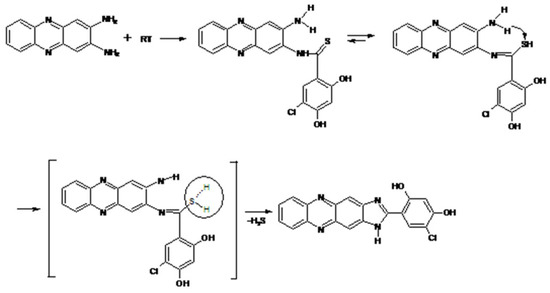
Interactions of Potential Anticancer Drug 4-chloro-6-(1H-imidazo[4,5-b]phenazine-2-yl)benzene-1,3-diol with Supercoiled and Linear Plasmid DNAs
by
Dominika Janiszek, Anna Banasiak, Monika M. Karpinska, Andrzej Niewiadomy, Agnieszka Girstun, Hanna Elzanowska, Magdalena Maj-Zurawska and Pawel J. Kulesza
DNA 2026, 6(2), 29; https://doi.org/10.3390/dna6020029 - 3 Jun 2026
Abstract
►▼
Show Figures
Introduction: Does DNA superhelicity effect nucleic acid interactions with drugs? To test such a possibility, the interactions of the linear and superhelical forms of the pGEX-4T-2 plasmid have been investigated with a newly synthesized compound, 4-chloro-6-(1H-imidazo [4,5-b]phenazine-2-yl)benzene-1,3-diol, positively tested for the
[...] Read more.
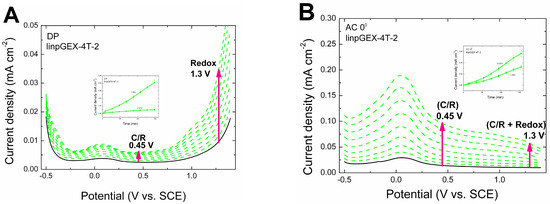
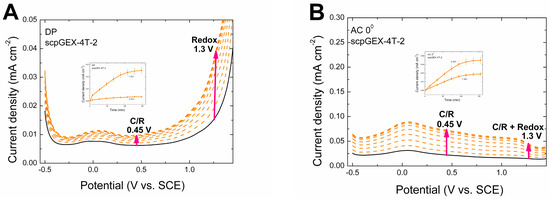
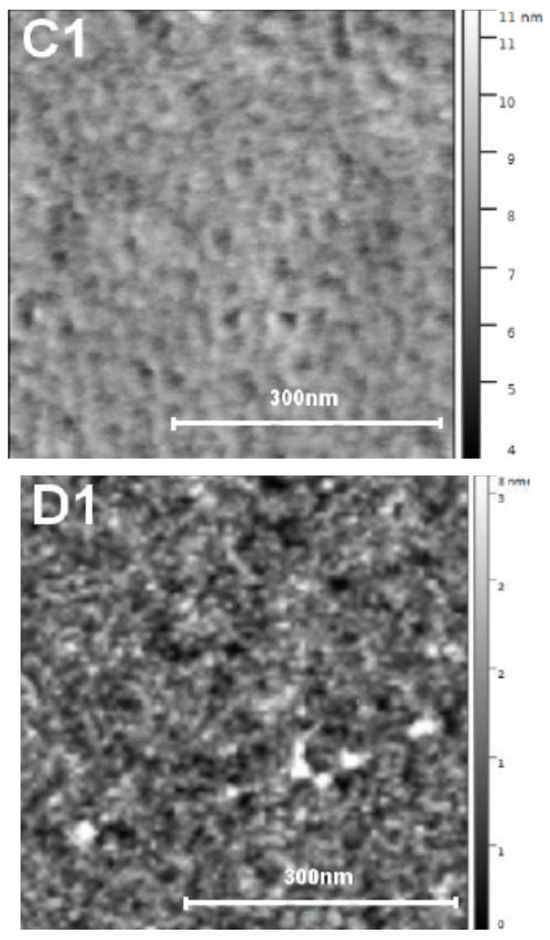
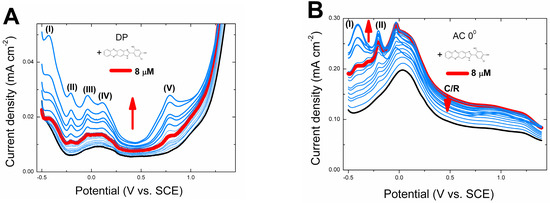
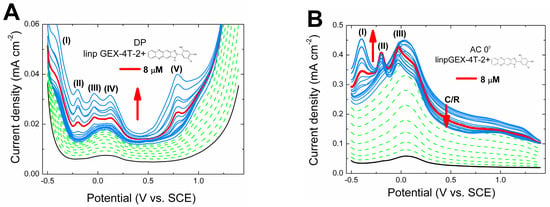
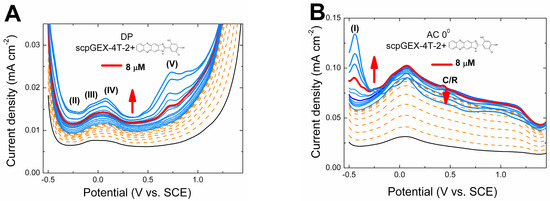
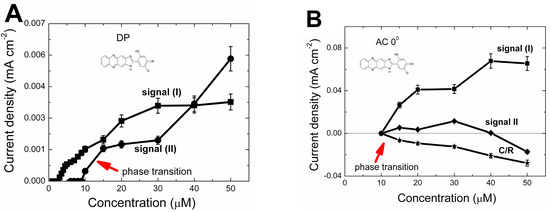
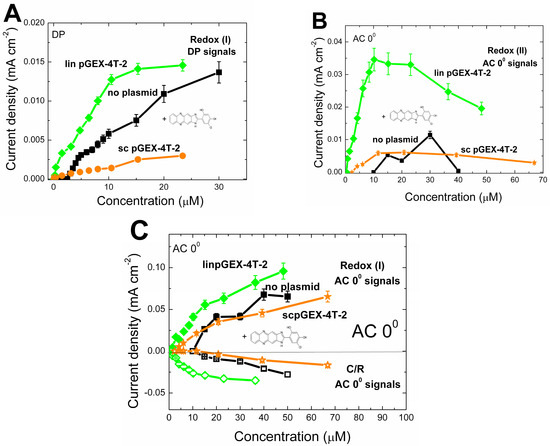
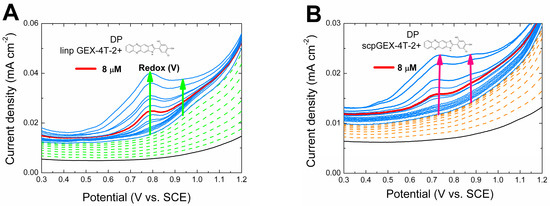
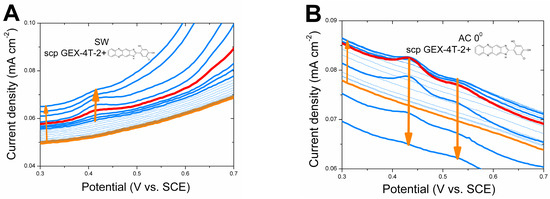
Introduction: Does DNA superhelicity effect nucleic acid interactions with drugs? To test such a possibility, the interactions of the linear and superhelical forms of the pGEX-4T-2 plasmid have been investigated with a newly synthesized compound, 4-chloro-6-(1H-imidazo [4,5-b]phenazine-2-yl)benzene-1,3-diol, positively tested for the antiproliferative (cell growth-limiting) properties, important for the development of anticancer drugs. Methods: The accumulation of the compound, and its possible reorientation (phase transition) within the plasmid layer adsorbed on a Glassy Carbon (GC) electrode has been monitored in 5 min. intervals using alternatively two voltammetric methods—Differential Pulse (DP), showing redox properties and—Alternating Current (AC), reflecting both redox and structural properties (capacity/resistance change related to DNA condensation) of the DNA-drug layers. Results and Discussion: The accumulation plots of the compound in plasmid layers are different for superhelical and linear pGEX-4T-2 and also depend on the DNA coverage by the compound. The reorientation (phase transition) occurs at a compound concentration 2 µM for the superhelical plasmid and 1.5 µM for the linear one, as compared to 8 µM for the compound layer formed on bare GC, thus proving the existence of the DNA–compound interactions. Interestingly, the phase transition is redox-sensitive, e.g., AC redox signal II is visible for the linear, but not for the superhelical plasmid, thus reflecting different orientation of the compound in these two types of pGEX-4T-2 plasmid, related to the condensation in the DNA–compound layer and seen as a decrease in the C/R signal. Conclusions: The results suggest that the reorientation of the compound leading to plasmid condensation occurs differently in supercoiled and linear pGEX-4T-2 (redox specific accumulation and condensation).
Full article
Figure 1
Open AccessEditor’s ChoiceReview
Beyond Mutation Detection: Cell-Free DNA for Functional Inference and Adaptive Oncology
by
Tetiana Zaichuk
DNA 2026, 6(2), 28; https://doi.org/10.3390/dna6020028 - 2 Jun 2026
Abstract
►▼
Show Figures
Liquid biopsy has evolved beyond its original role as a minimally invasive approach for mutation detection and is now being developed as a broader analytical framework for cancer detection, stratification, and longitudinal monitoring. Improvements in next-generation sequencing, assay chemistry, and computational analysis have
[...] Read more.
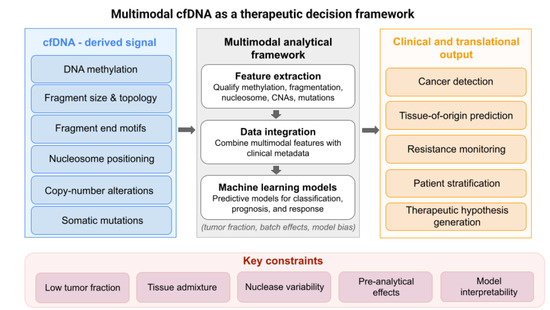
Liquid biopsy has evolved beyond its original role as a minimally invasive approach for mutation detection and is now being developed as a broader analytical framework for cancer detection, stratification, and longitudinal monitoring. Improvements in next-generation sequencing, assay chemistry, and computational analysis have increased analytical sensitivity, including in settings with low tumor fraction and very low variant allele abundance. These advances have expanded the utility of cfDNA analysis in measurable residual disease assessment and in the detection of low-abundance tumor-derived signals across multiple clinical contexts. At the same time, the field has shifted toward interpreting cfDNA as a carrier of higher-order biological information rather than solely a substrate for mutation calling. Fragmentation profiles, nucleosome positioning, and chromatin accessibility patterns derived from plasma DNA have been used to infer transcriptional and regulatory states, raising the possibility that cfDNA may capture functional tumor states not readily accessible through genotype-focused assays alone. These developments have prompted growing interest in chromatin-informed cfDNA analysis as a means of identifying pathway activity, enhancer usage, transcription factor occupancy, and potentially actionable biological dependencies. However, the translational relevance of many such inferences remains incompletely established, and preanalytical variability, limited cross-cohort generalizability, and the gap between analytical performance and clinical utility continue to constrain clinical translation. This review examines the role of cfDNA in adaptive oncology, highlighting recent analytical advances, assessing the current evidence supporting their biological and clinical utility, and considering the extent to which cfDNA-derived regulatory inference may contribute to adaptive oncology and therapeutic decision-making.
Full article
Graphical abstract
Open AccessEditor’s ChoiceArticle
Effective Complementary Islands (ECIs) for Multiplex Room-Temperature DNA Probe Design—A Practical Topology Heuristic and 39-Target HPV Specificity Benchmark
by
Ivan Brukner and Maja Krajinovic
DNA 2026, 6(2), 27; https://doi.org/10.3390/dna6020027 - 2 Jun 2026
Abstract
►▼
Show Figures
Background/Objectives: Multiplex and point-of-care (POC) diagnostics require each probe to detect one intended target while rejecting many closely related sequences under shared room-temperature conditions. The conventional focus on mismatch count is incomplete: two alignments with the same number of matches and mismatches can
[...] Read more.
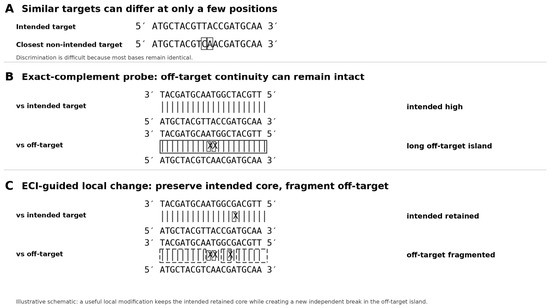
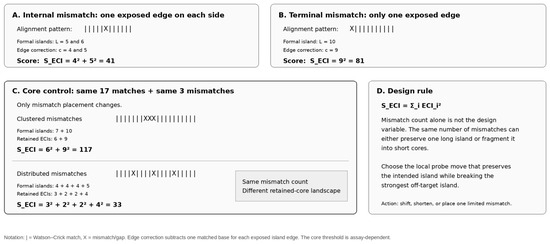
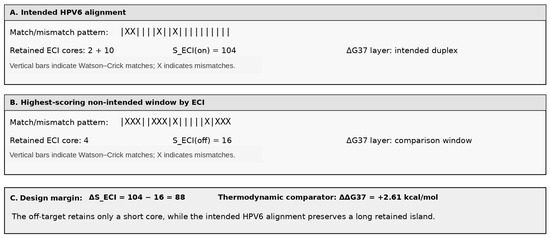
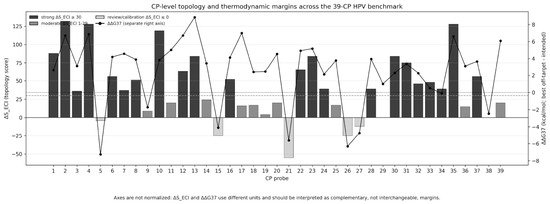
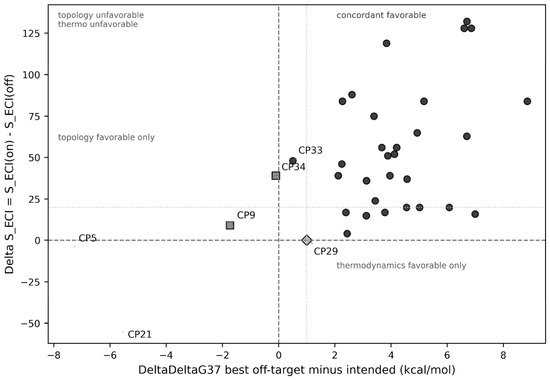
Background/Objectives: Multiplex and point-of-care (POC) diagnostics require each probe to detect one intended target while rejecting many closely related sequences under shared room-temperature conditions. The conventional focus on mismatch count is incomplete: two alignments with the same number of matches and mismatches can have very different off-target risks depending on whether mismatches are clustered or distributed. We introduce a simple visual heuristic that scores mismatch placement rather than mismatch count alone. Methods: Effective complementary island (ECI) score retained matched continuity after subtracting one base for each mismatch- or gap-exposed edge. The score is S_ECI = Σ_i ECI_i^2, and the design margin is ΔS_ECI = S_ECI (intended) − S_ECI (highest-scoring non-intended alignment by ECI). ECI is not a thermodynamic model; thermodynamics (ΔG37) is used separately to verify an adequate sensitivity floor. We retrospectively applied ECI to a fixed 39-target HPV capture-probe benchmark and to a public Affymetrix dataset contrasting clustered versus distributed mismatches at identical or near-identical mismatch counts. Results: In the HPV benchmark, ECI separated intended from off-target in 32/39 panels; ΔG37 favored the intended duplex in 31/39 panels; both layers were concordant in 36/39 panels. In the Affymetrix dataset (n = 8 probes, 2–4 mismatches), S_ECI correlated with reported log2 hybridization intensity (Pearson r = 0.92, p = 0.0014). Within the strict three-mismatch subset (n = 5), S_ECI remained correlated with intensity (r = 0.96; p = 0.010), while ΔG37 was uncorrelated (r = −0.04; p = 0.95), supporting the narrower claim that mismatch placement can affect signal even when mismatch count is fixed. Conclusions: ECI is not a replacement for thermodynamics, BLAST, target-accessibility analysis, empirical optimization, or machine-learning prediction. It adds one actionable readout: where to shift, shorten, or place a limited intentional mismatch so that intended retained continuity stays above the assay floor while the highest-scoring off-target island by ECI is fragmented. We provide a bench-ready workflow for multiplex, room-temperature, and POC probe design.
Full article
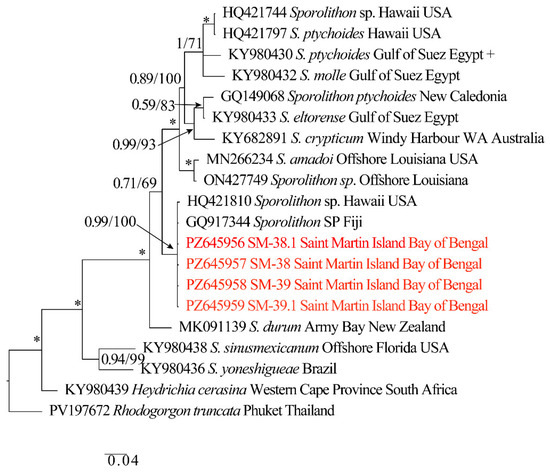
Figure 1
Open AccessEditor’s ChoiceArticle
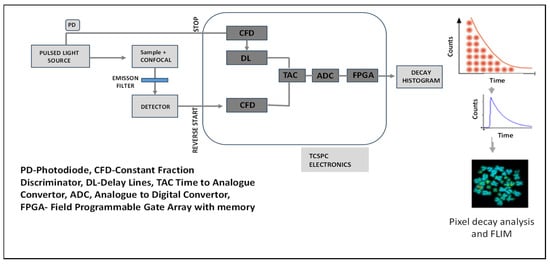
The Use of FLIM for Characterising Chromosomes and Their Structure in Response to Low-Dose X-Ray Irradiation
by
Mohammed Yusuf, Sarah L. Berger, Rosie Sanders, Archana Bhartiya, Rinyaporn Phengchat, Stephen Barnard, Benji Bateman, Ian K. Robinson and Stanley W. Botchway
DNA 2026, 6(2), 26; https://doi.org/10.3390/dna6020026 - 25 May 2026
Abstract
►▼
Show Figures
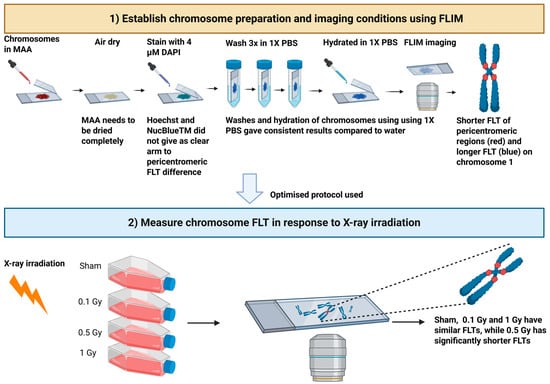
Background/Objectives: Chromosome research is essential for advancing our understanding of cytogenetics, gene regulation and numerous aspects of organismal health. Staining chromosomes with 4′,6-diamidino-2-phenylindole (DAPI) and applying Fluorescence Lifetime Imaging Microscopy (FLIM) enables the assessment of structural changes in pericentromeric and heterochromatin-rich region of
[...] Read more.
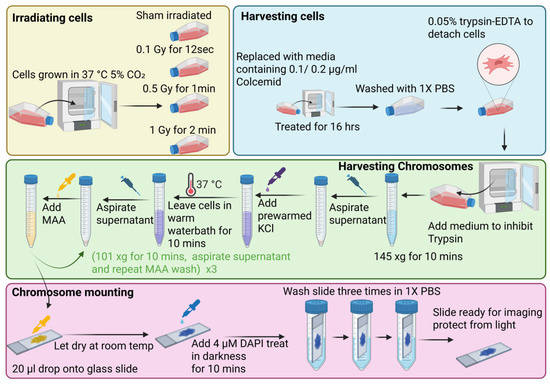
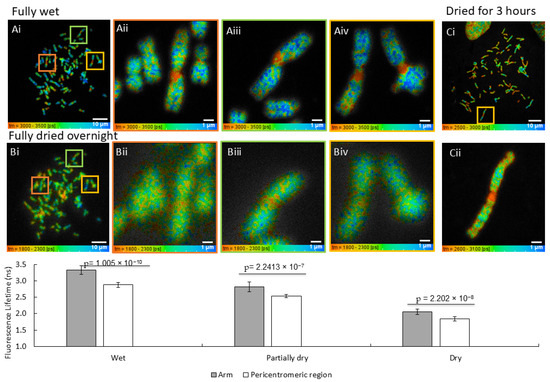
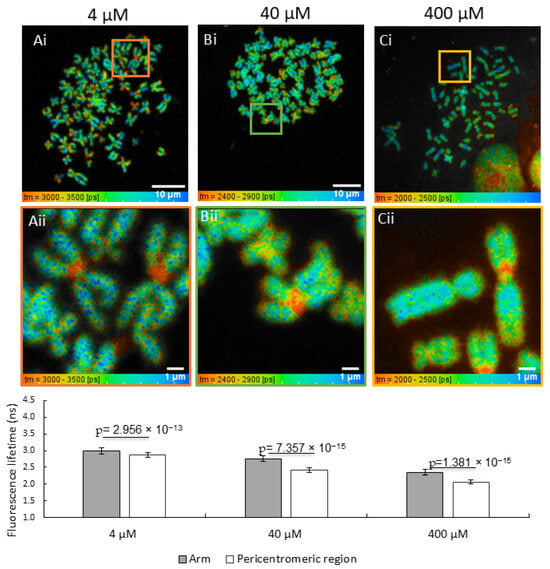
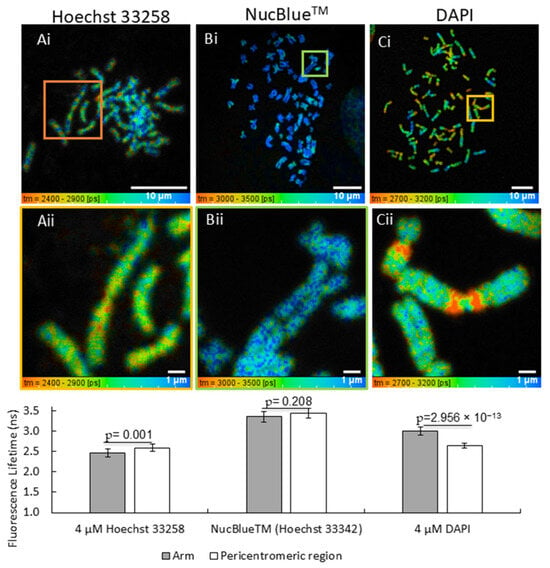
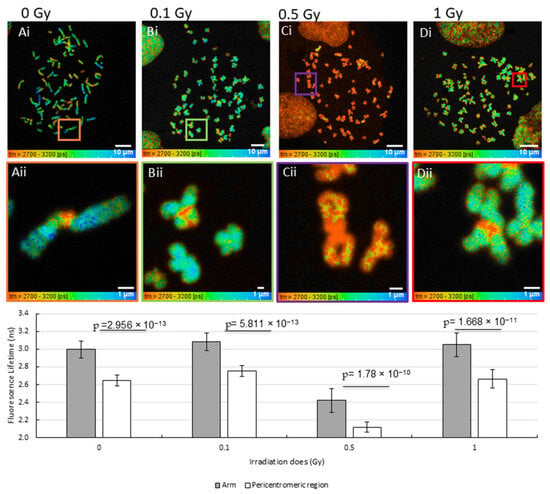
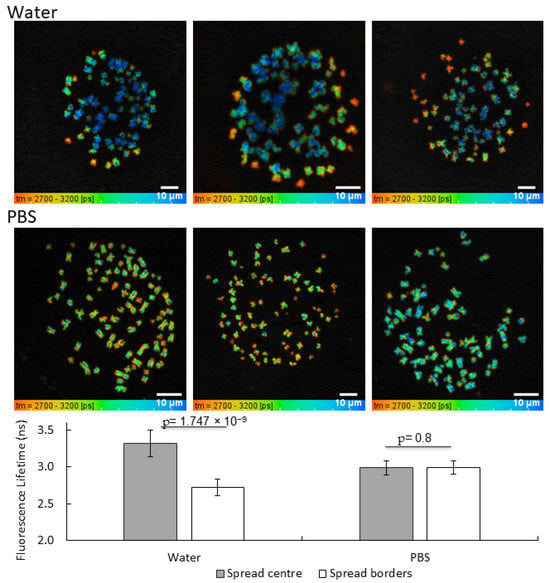
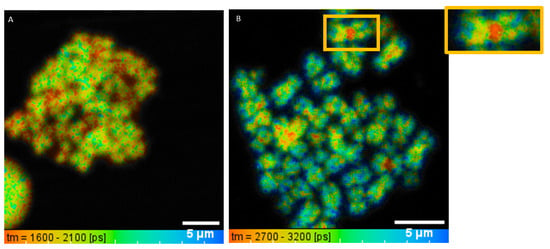
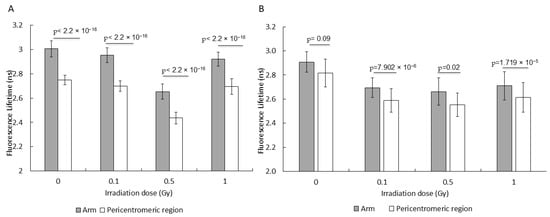
Background/Objectives: Chromosome research is essential for advancing our understanding of cytogenetics, gene regulation and numerous aspects of organismal health. Staining chromosomes with 4′,6-diamidino-2-phenylindole (DAPI) and applying Fluorescence Lifetime Imaging Microscopy (FLIM) enables the assessment of structural changes in pericentromeric and heterochromatin-rich region of chromosomes 1, with a shorter fluorescence lifetime (FLT) in the pericentromeric regions compared to the arms. Methods: We used FLIM to optimise sample preparation conditions for more robust imaging and furthermore to measure the impact of low-dose X-ray ionising radiation on chromosome structure when labelled with DAPI. Results: We applied this method to different DNA stains bound to chromosomes where only DAPI led to a clear FLT difference between the chromosome arms (p,q) with 2.98 ± 0.12 ns and 2.65 ± 0.07 ns at the pericentromeric region, while similar stains, such as Hoechst 33258 and NucBlueTM did not highlight these regions as clearly following FLIM analysis. Our data showed that chromosomes of cells irradiated with 0.1 Gy and 1 Gy did not show a significant change in FLTs (2.94 ± 0.09 ns on the arms and 2.60 ± 0.06 ns on the pericentromeric region) of chromosome 1. Whilst irradiation with 0.5 Gy led to a noticeable and significant reduction in FLT with 2.42 ± 0.13 ns on the arms and 2.12 ± 0.06 ns on the pericentromeric region of HeLa chromosomes. The same pattern could also be seen on X-ray-irradiated T-cell chromosomes. Conclusions: These findings indicate that DAPI FLT may be a useful tool to measure chromosomal structural changes and further suggests that chromosomes undergo distinct structural changes at the pericentromeric region following low-dose irradiation.
Full article
Graphical abstract
Open AccessEditor’s ChoiceReview
Nucleotide Metabolism and DNA Repair: Implications in Cancer Treatments
by
Nitesh Priyadarshi, Fatima Elhag Abbas, Deepali Thakur, Shagun Thakur and Rahul Dilawari
DNA 2026, 6(2), 25; https://doi.org/10.3390/dna6020025 - 15 May 2026
Abstract
►▼
Show Figures
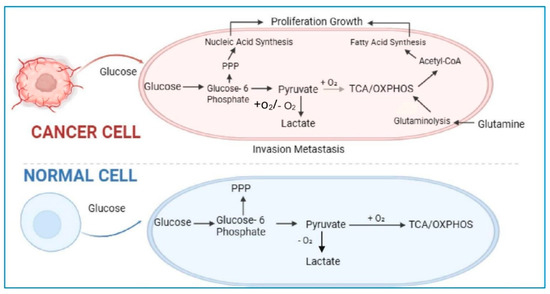
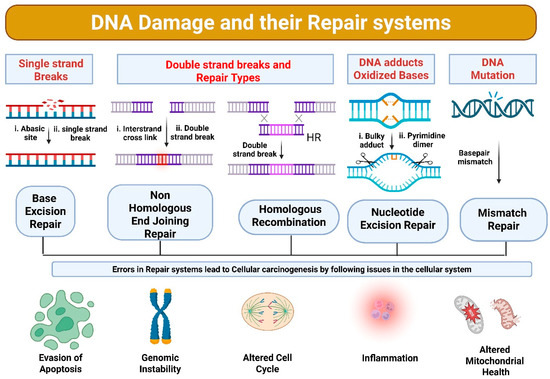
Cancer cells have many derailed processes due to which they have a higher proliferative capacity. The rewiring is continuously taking place to meet their metabolic demands. The demands depend on the stage of cancer, and these differences create challenges in curing them. Nucleotide
[...] Read more.
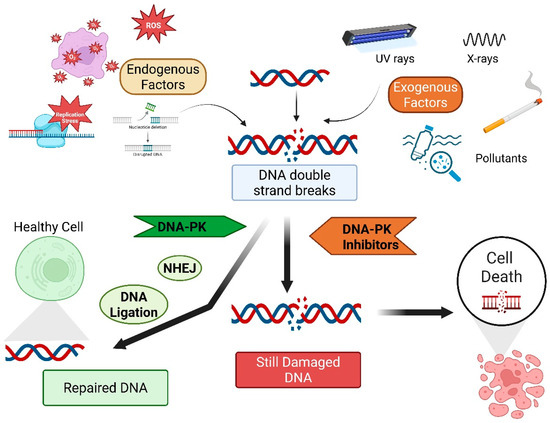
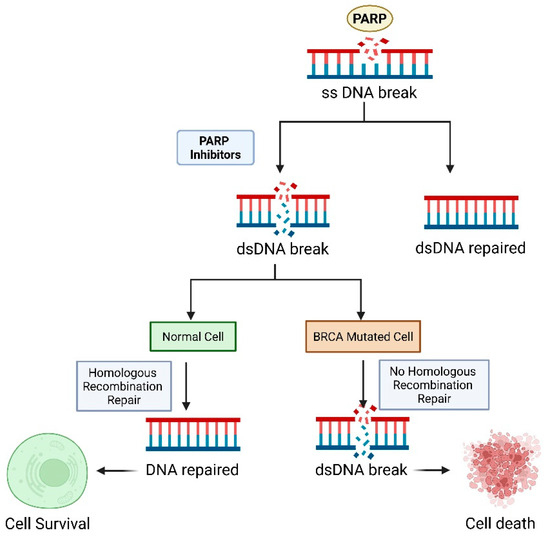
Cancer cells have many derailed processes due to which they have a higher proliferative capacity. The rewiring is continuously taking place to meet their metabolic demands. The demands depend on the stage of cancer, and these differences create challenges in curing them. Nucleotide metabolism plays a pivotal role in shaping cancer fate. DNA repair and other damage pathways also play a key role in cancer progression, genomic instability, errors in genetic material etc. These are discussed in this mini review so that researchers can take the lead to make an effort to combat cancer and design new therapeutics.
Full article
Graphical abstract
Highly Accessed Articles
Latest Books
E-Mail Alert
News
28 October 2025
Meet Us Virtually at the 3rd International Online Conference on Genes (IOCGE 2026), 2–4 December 2026
1 September 2026
MDPI INSIGHTS: The CEO’s Letter #38 – 2 Million Published Articles, Outstanding Reviewers, Michele Parrinello Award, AIS 2026 & WSF-12
Topics
Topic in
Animals, CIMB, DNA, Genes, IJMS, Biology
Advances in Molecular Genetics and Breeding of Cattle, Sheep, and Goats, 2nd Edition
Topic Editors: Xiukai Cao, Hui Li, Huitong ZhouDeadline: 31 December 2026
Topic in
Agriculture, Agronomy, Crops, Genes, Plants, DNA
Vegetable Breeding, Genetics and Genomics, 2nd Volume
Topic Editors: Padma Nimmakayala, Georgia Ntatsi, Umesh K. Reddy, Yan R. TomasonDeadline: 5 February 2027
Topic in
Brain Sciences, CIMB, Epigenomes, Genes, IJMS, DNA
Genetics and Epigenetics of Substance Use Disorders
Topic Editors: Aleksandra Suchanecka, Anna Maria Grzywacz, Kszysztof ChmielowiecDeadline: 14 April 2027
Conferences
Special Issues
Special Issue in
DNA
Mechanisms of DNA Lesion Formation: Applications in Radiotherapy, Space Exploration, and Nuclear Triage
Guest Editor: Amitava AdhikaryDeadline: 25 May 2027