Journal Description
Technologies
Technologies
is an international, peer-reviewed, open access journal singularly focusing on emerging scientific and technological trends, published monthly online by MDPI.
- Open Access— free for readers, with article processing charges (APC) paid by authors or their institutions.
- High Visibility: indexed within ESCI (Web of Science), Scopus, Inspec, Ei Compendex, INSPIRE, and other databases.
- Journal Rank: JCR - Q1 (Engineering, Multidisciplinary) / CiteScore - Q1 (Computer Science (miscellaneous))
- Rapid Publication: manuscripts are peer-reviewed and a first decision is provided to authors approximately 19.1 days after submission; acceptance to publication is undertaken in 3.6 days (median values for papers published in this journal in the second half of 2025).
- Recognition of Reviewers: reviewers who provide timely, thorough peer-review reports receive vouchers entitling them to a discount on the APC of their next publication in any MDPI journal, in appreciation of the work done.
- Testimonials: See what our editors and authors say about Technologies.
- Journal Cluster of Mechanical Manufacturing and Automation Control: Aerospace, Automation, Drones, Journal of Manufacturing and Materials Processing, Machines, Robotics and Technologies.
Impact Factor:
3.6 (2024);
5-Year Impact Factor:
4.2 (2024)
Latest Articles
Data-Driven Sliding Mode Coordinated Control for Air Flow Rate and Cathode Pressure in PEMFC Air Supply Systems
Technologies 2026, 14(6), 335; https://doi.org/10.3390/technologies14060335 (registering DOI) - 30 May 2026
Abstract
Accurate regulation of air flow rate and cathode pressure is crucial for enhancing the efficiency and durability of proton exchange membrane fuel cell (PEMFC) systems. However, the PEMFC air supply system exhibits strong nonlinearity, multivariable coupling, and sensitivity to parameter variations and external
[...] Read more.
Accurate regulation of air flow rate and cathode pressure is crucial for enhancing the efficiency and durability of proton exchange membrane fuel cell (PEMFC) systems. However, the PEMFC air supply system exhibits strong nonlinearity, multivariable coupling, and sensitivity to parameter variations and external disturbances, which make precise mathematical modeling extremely challenging and consequently limit the effectiveness of conventional model-based control approaches. To address these issues, a data-driven sliding mode control strategy that requires neither prior model information nor structural knowledge is developed. First, a dynamic linearized data model capable of describing both separable and inseparable disturbances is constructed, and its dynamic equivalence to the original nonlinear system is rigorously established. A wavelet neural network is then employed to estimate the unknown parameters online, thereby improving estimation accuracy. Based on these data models, a data-driven sliding mode controller is designed for the coordinated regulation of air flow rate and cathode pressure. Furthermore, a novel hyperbolic reaching law is introduced to adaptively adjust the convergence rate and effectively alleviate chattering. Theoretical analysis proves that the proposed control scheme guarantees convergence to a quasi-sliding mode. Finally, comparative simulations with benchmark controllers demonstrate the effectiveness and superiority of the proposed method.
Full article
Open AccessArticle
Vision-Based Trajectory Generation and Kinematic Modeling for Human-like Grasp Reproduction in a Robotic Prosthetic Hand
by
Renzo Fernández, Néstor Zamora, Victor Coloma, Nino Vega and Tomás Gavilánez
Technologies 2026, 14(6), 334; https://doi.org/10.3390/technologies14060334 (registering DOI) - 30 May 2026
Abstract
The use of prosthetic devices can significantly improve the quality of life of individuals with limb amputations. However, existing prosthetic hands face multiple engineering and manufacturing challenges, making them economically inaccessible to a large portion of the population. This study focuses on the
[...] Read more.
The use of prosthetic devices can significantly improve the quality of life of individuals with limb amputations. However, existing prosthetic hands face multiple engineering and manufacturing challenges, making them economically inaccessible to a large portion of the population. This study focuses on the design and analysis of a cost-effective prosthetic hand capable of performing five fundamental grasp types: tripod, cylindrical, spherical, lateral, and pinch. The development process began with a biomechanical analysis of the human hand, followed by the derivation of a kinematic model. To ensure anthropomorphic fidelity, finger trajectories were synthesized using a computer vision-based algorithm that captured natural human motion. These trajectories were then mapped to the prosthetic control system. Experimental validation was conducted through rigorous goniometric analysis of the prototype’s execution. The results demonstrated the system’s effectiveness in replicating functional grasps, with a Root Mean Square Error (RMSE) within acceptable thresholds for assistive tasks. While the prototype achieved high motion correspondence, higher deviations were observed in distal joints due to mechanical transmission resistance and spring-return torque requirements. This work provides a scalable framework for tendon-driven prostheses, balancing advanced trajectory synthesis with a robust and accessible mechanical architecture.
Full article
(This article belongs to the Special Issue Innovations in Design, Development and Evaluation of Assistive Technologies)
Open AccessArticle
Transformer- and GRU-Based Identification of Open-Chain Robot Kinematics Using Product-of-Exponentials Coordinates
by
Cesar Solis, Jorge Morales, Carlos Montelongo and Sergio Palomino
Technologies 2026, 14(6), 333; https://doi.org/10.3390/technologies14060333 (registering DOI) - 30 May 2026
Abstract
This paper addresses the data-driven identification of open-chain robot morphology from finite windows of heterogeneous signals, including commanded joint references, measured joint states, and end-effector pose observations. Unlike conventional calibration procedures that assume a known kinematic topology, the proposed formulation estimates both discrete
[...] Read more.
This paper addresses the data-driven identification of open-chain robot morphology from finite windows of heterogeneous signals, including commanded joint references, measured joint states, and end-effector pose observations. Unlike conventional calibration procedures that assume a known kinematic topology, the proposed formulation estimates both discrete structural quantities and continuous kinematic coordinates: the number of active joints, the revolute/prismatic token sequence, Product-of-Exponentials (POE) screw axes, and the home pose of the end effector. A temporal transformer encoder is used as the main estimator and compared with a gated recurrent unit (GRU) baseline on the same dataset, with the same output heads and a multitask physics-aware objective. The continuous target is expressed in POE coordinates rather than as a Denavit–Hartenberg table because POE directly represents spatial joint axes and avoids several frame-assignment ambiguities. Simulated results on a noisy benchmark of 48 serial-robot families show that both sequence models recover the discrete structure on the tested in-library trajectories, while their continuous reconstruction errors reveal different trade-offs in screw-axis, home-pose, and trajectory reconstruction accuracy. The study also discusses inactive-slot masking, out-of-library behavior, synthetic-to-real limitations, persistent excitation, and the role of the learned model as an initialization for subsequent calibration refinement.
Full article
Open AccessArticle
Multi-Contextual State Representation for Industrial Robots: A Hypergraph-Based Modeling Framework
by
Zoltán Szilágyi, Csaba Hajdu, Bálint Farkas, Péter Galambos and Károly Széll
Technologies 2026, 14(6), 332; https://doi.org/10.3390/technologies14060332 (registering DOI) - 30 May 2026
Abstract
Industrial robotic systems increasingly operate as heterogeneous ecosystems in which production, maintenance, quality assurance, safety, and human–machine interaction are coupled through shared data and cross-layer constraints. Existing modeling approaches remain structurally fragmented: hierarchical taxonomies support decomposition, graph-based models primarily encode pairwise relations, and
[...] Read more.
Industrial robotic systems increasingly operate as heterogeneous ecosystems in which production, maintenance, quality assurance, safety, and human–machine interaction are coupled through shared data and cross-layer constraints. Existing modeling approaches remain structurally fragmented: hierarchical taxonomies support decomposition, graph-based models primarily encode pairwise relations, and analytical layers are commonly attached as external pipelines. This paper proposes a hypergraph-based framework for the multi-contextual state representation of industrial robotic systems. The framework combines a multi-layer problem taxonomy, a formal definition of context as an active semantic processing unit, and a directed hypergraph model with signed incidence for representing dependency, interpretative, compositional, and cross-layer constraint relations without binary decomposition. The model is instantiated on grasping and maintenance examples and translated into a numerical interface for downstream analytical processing. Quantitative results are also reported. Benchmarking shows near-linear compile-time and star-expansion scaling, while comparison with pairwise encodings confirms lower representational overhead for higher-order relations. In a canonical grasping scenario, one-cycle hypergraph-grounded inference remains in the microsecond range on CPU, with a median latency of 2.264 µs. These results indicate that the proposed framework is computationally tractable as a representational substrate for context-aware analysis. The contribution of the paper is not a new control algorithm, but a formal representation and numerical translation layer for future learning-based and rule-based analytical methods.
Full article

(This article belongs to the Special Issue Emerging Paradigms in AI, Autonomous Systems, and Intelligent Technologies)
Open AccessArticle
Stateless Hierarchical Deterministic Wallet Custody for Institutional Blockchain Adoption
by
Juan Minango, Alberto Paradisi, Silvia Marion and Andreza Lona
Technologies 2026, 14(6), 331; https://doi.org/10.3390/technologies14060331 - 29 May 2026
Abstract
Institutional adoption of blockchain technology in supply chains, healthcare, and public administration remains constrained. Organizations that manage digital assets on behalf of large numbers of non-technical users lack custody architectures suited to their scale. Existing approaches either require users to manage private keys
[...] Read more.
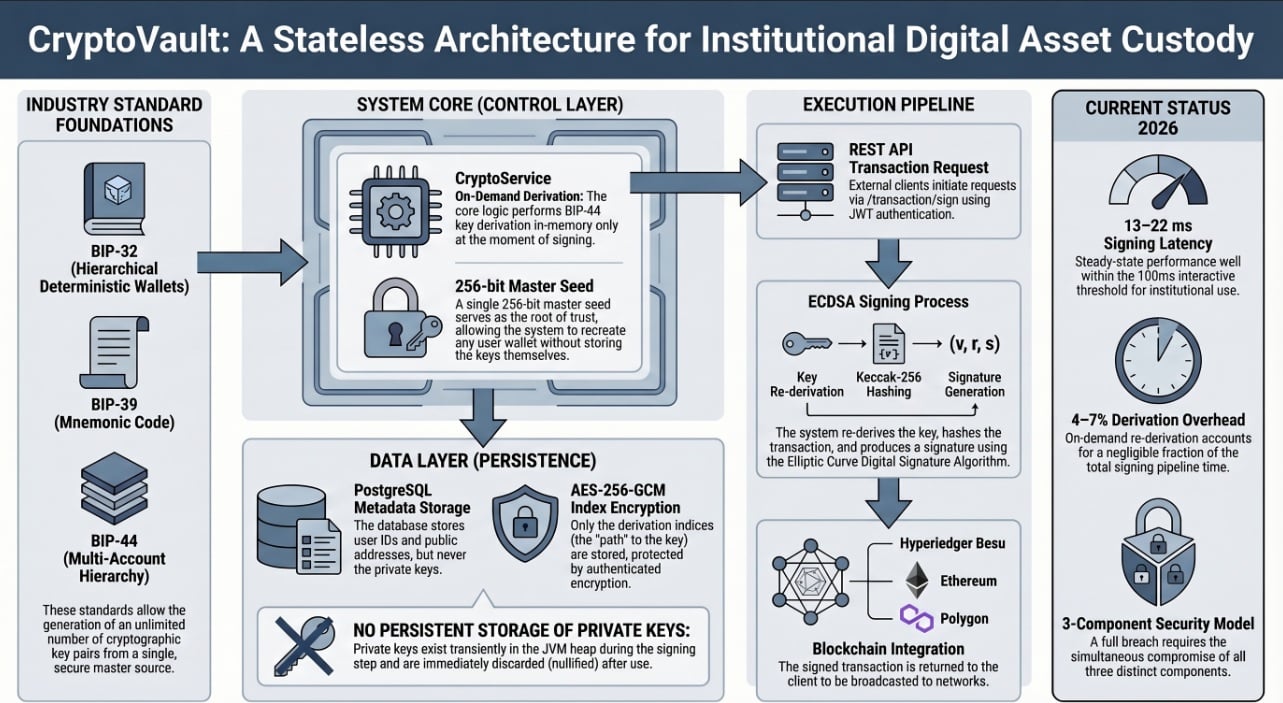
Institutional adoption of blockchain technology in supply chains, healthcare, and public administration remains constrained. Organizations that manage digital assets on behalf of large numbers of non-technical users lack custody architectures suited to their scale. Existing approaches either require users to manage private keys directly; rely on centralized custodians that store encrypted keys; or depend on distributed protocols such as multi-party computation, which impose substantial infrastructure and coordination overhead. This paper presents CryptoVault, a stateless custody architecture for institutional blockchain deployments that derives private keys on demand from a single master seed using BIP-44 hierarchical deterministic (HD) wallets, eliminating persistent storage entirely. Only an AES-256-GCM-encrypted derivation index is persisted per wallet; the corresponding private key is re-derived at signing time and discarded immediately after use, ensuring no private key material ever rests on disk. The security model requires the simultaneous compromise of three independent components (the encrypted derivation index, the encryption key, and the master seed) for full key recovery, compared to two components in custody systems that persist encrypted private keys. An empirical evaluation under concurrent load demonstrates 13 to 22 ms steady-state signing latency on development hardware, with re-derivation accounting for approximately 4 to 7% of that total, confirming that on-demand derivation introduces negligible overhead. Thus, CryptoVault has been validated against an agricultural cooperative deployment as a representative institutional scenario, with an architecture that generalizes to any organization managing wallets on behalf of users who have no direct interaction with cryptographic material. A reference implementation is available as open-source software.
Full article
(This article belongs to the Topic Blockchain for Sustainable Supply Chains: Enhancing Transparency from Producer to Consumer)
►▼
Show Figures

Graphical abstract
Open AccessArticle
Static and Dynamic Analysis of a Novel Quasi-Zero-Stiffness Vibration Isolator Based on Flexural–Torsional Buckling
by
Shuquan Peng, Mingxi Li, Ling Fan and Jiehui Lu
Technologies 2026, 14(6), 330; https://doi.org/10.3390/technologies14060330 - 28 May 2026
Abstract
Quasi-zero stiffness (QZS) isolators provide excellent vibration isolation performance at low frequency. This paper presents an innovative flexural–torsional buckling QZS isolator, which depends on its linear negative stiffness to provide a more stable dynamic response than other QZS isolators. First, the force and
[...] Read more.
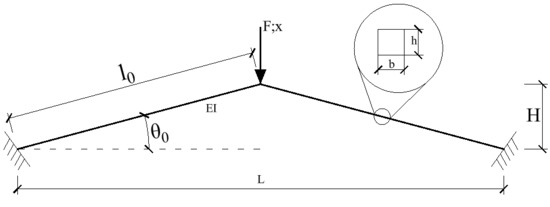
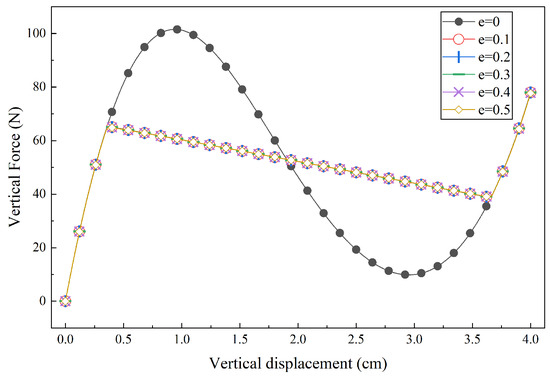
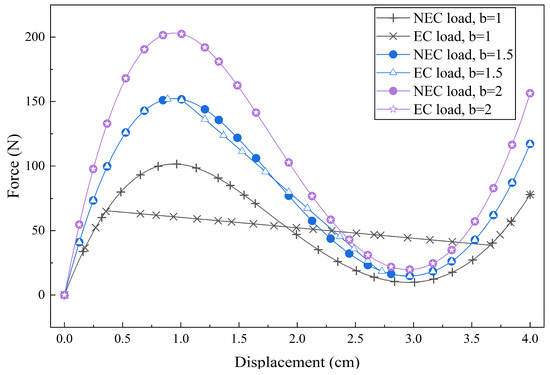
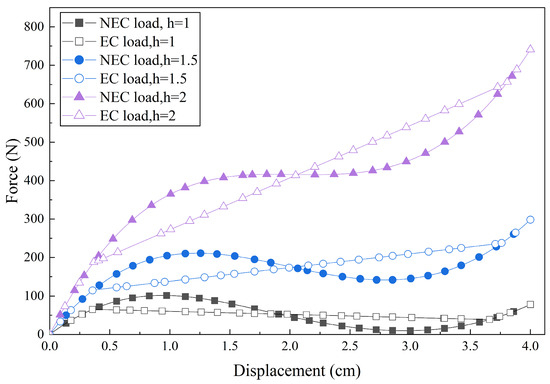
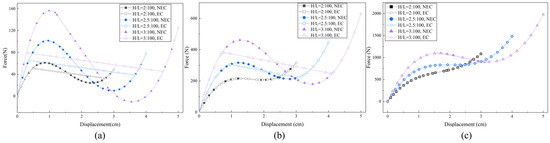
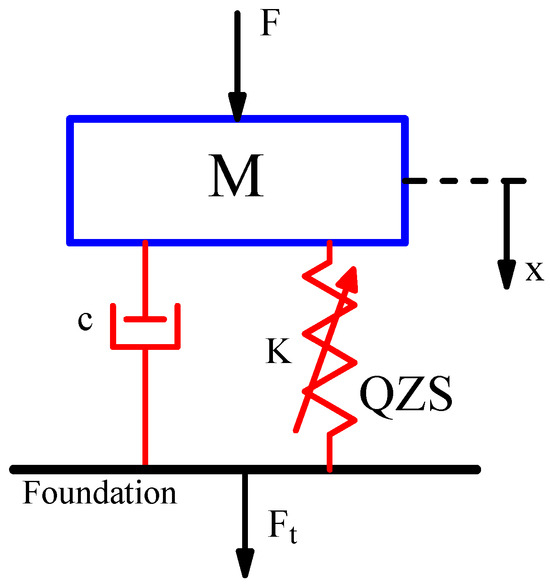
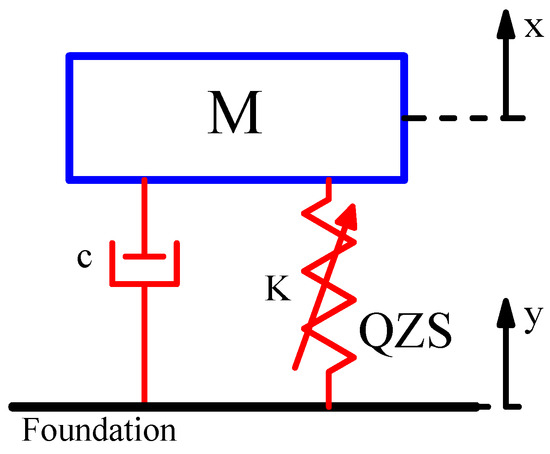
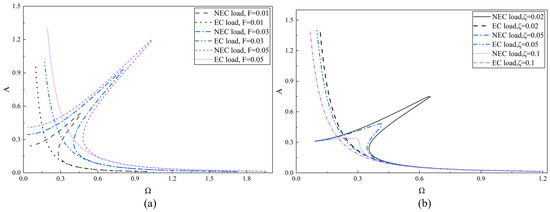
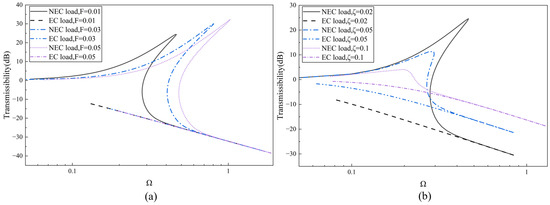
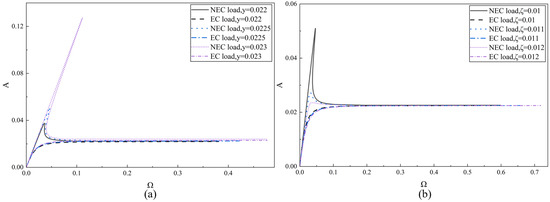
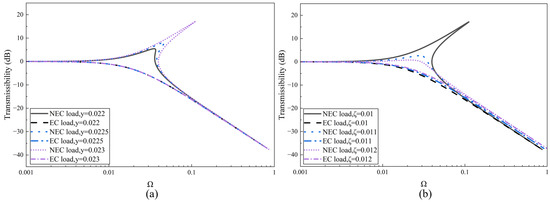
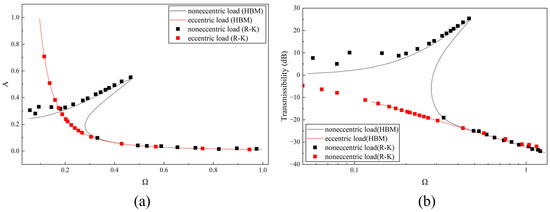
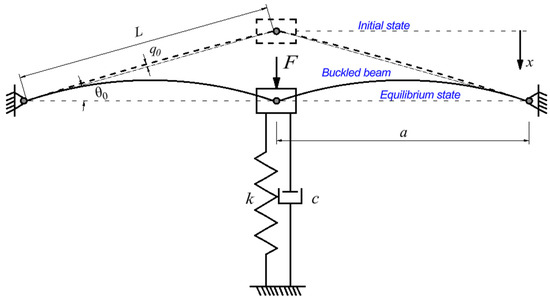
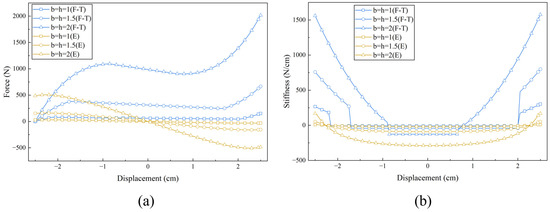
Quasi-zero stiffness (QZS) isolators provide excellent vibration isolation performance at low frequency. This paper presents an innovative flexural–torsional buckling QZS isolator, which depends on its linear negative stiffness to provide a more stable dynamic response than other QZS isolators. First, the force and stiffness characteristics of the flexural–torsional buckling toggle under vertical load are simulated, and it is proposed that they can be fitted with a piecewise function and its derivative. Next, the cross-sectional dimensions, and height-to-span ratios are discussed to determine their contributions to the static characteristics. Then the dynamic model of the QZS isolator is established and analyzed by a harmonic balanced method and the solutions are validated by numerical analysis. Finally, the comparison with an ordinary QZS isolator shows that the advantages of the proposed isolator are the linear negative stiffness and a certain load-bearing capacity at equilibrium position rather than the zero capacity of common isolators. The static characteristics of the proposed QZS isolator indicate that the negative stiffness is significantly influenced by the cross-sectional width, with the slope k increasing by 8.6 times as the width increases from 1 cm to 1.5 cm. The proposed mechanism exhibits an approximately linear negative stiffness with a maximum static bearing capacity of about 1000 N at the equilibrium position, contrasting with the nonlinear, non-capable negative stiffness of the ordinary Euler buckled beam model. The dynamic characteristics demonstrate excellent performance, operating effectively with ultra-low transmissibility. This study provides an innovative negative stiffness mechanism and a corresponding isolator based on flexural–torsional buckling, offering a potential solution for a wide range of large-scale engineering vibration problems.
Full article
(This article belongs to the Section Construction Technologies)
►▼
Show Figures

Figure 1
Open AccessArticle
Multi-Stage Probabilistic Transmission Expansion Planning Under Generation Uncertainty and N-1 Security Using the Pack-Based Grey Wolf Optimizer
by
Edimar José de Oliveira, Lucas Santiago Nepomuceno, Arthur Neves de Paula, Raphael Paulo Braga Poubel and Leonardo Willer de Oliveira
Technologies 2026, 14(6), 329; https://doi.org/10.3390/technologies14060329 - 28 May 2026
Abstract
Multi-Stage Transmission Network Expansion Planning (MS-TNEP) is critical for adapting power grids to long-term renewable integration. However, the simultaneous incorporation of N-1 security, active power losses, and uncertainties regarding the spatial and temporal growth of power generation capacity imposes prohibitive computational complexity. This
[...] Read more.
Multi-Stage Transmission Network Expansion Planning (MS-TNEP) is critical for adapting power grids to long-term renewable integration. However, the simultaneous incorporation of N-1 security, active power losses, and uncertainties regarding the spatial and temporal growth of power generation capacity imposes prohibitive computational complexity. This paper proposes a probabilistic MS-TNEP model evaluated over a 20-year horizon. To overcome this computational intractability, a hybrid decomposition framework is employed. The investment subproblem determines the discrete decisions for network investment via a metaheuristic, while the probabilistic operation subproblem utilizes linear programming to assess the operational feasibility of these decisions under multiple spatial and temporal growth of power generation capacity scenarios, active power losses, and N-1 contingencies. Furthermore, a novel Pack-Based Grey Wolf Optimizer (PBGWO) is introduced. The approach is validated on the Garver and the Southern Brazilian equivalent systems under multiple scenarios for the growth of both wind and conventional power generation capacity. Comparative analysis against the Genetic Algorithm, the standard Grey Wolf Optimizer, and the Whale Optimization Algorithm reveals that PBGWO is a highly competitive approach for MS-TNEP problems, consistently identifying the most cost-effective expansion plan.
Full article
(This article belongs to the Special Issue Innovative Power System Technologies—Second Edition)
Open AccessArticle
Analysis of Lubrication Characteristics and Bearing Structure Optimization for a Multi−Stage Planetary Transmission System
by
Peng Jin and Xiaozhou Hu
Technologies 2026, 14(6), 328; https://doi.org/10.3390/technologies14060328 - 28 May 2026
Abstract
The research investigates lubrication characteristics of a three−stage planetary transmission system under first and second gear conditions. A whole−system CFD model and a planetary carrier bearing CFD model are established. Oil distribution is simulated using a UDF dynamic mesh technique. A dedicated test
[...] Read more.
The research investigates lubrication characteristics of a three−stage planetary transmission system under first and second gear conditions. A whole−system CFD model and a planetary carrier bearing CFD model are established. Oil distribution is simulated using a UDF dynamic mesh technique. A dedicated test bench is designed and built for a multi−stage planetary transmission system to measure oil flow data at the outlets of each planetary stage. By comparing the simulation and experimental results, the CFD model is confirmed. The oil distribution in the planetary transmission system is followed. In the first gear condition, the oil distribution within the second stage is significantly lower than that in the other two stages, and mainly converges onto the meshing surfaces of gears. In the second gear condition, the planetary carrier remained stationary, resulting in limited oil distribution in the first stage. Meanwhile, the third−stage planetary carrier bearings exhibit insufficient oil distribution across different gear conditions. To address this issue, several structural optimization structures for the numerical model of the third−stage planetary carrier bearings are compared in terms of theoretical oil supply rates and oil volume fraction distribution characteristics. Among these, constrained by the fixed positions between the oil inlet and oil holes, the structures with different numbers of oil holes in the planetary carrier lead to an oil flow rate reduction due to flow division and pressure loss induced by turbulence at high rotational speed, failing to meet the oil demand. Optimization of oil−hole diameter enlargement, the oil flow rate increases proportionally with the hole diameter. A diameter of 5 mm satisfies the theoretical oil flow rate demand, yet an asymmetric oil distribution is observed between the two inner bearings. Building upon the initial design with two oil holes, a 5 mm diameter design, a 1 mm axial leftward offset of the oil hole position, and a 20° oil−guiding inclination on the outer hub reduce the oil distribution asymmetry between the two inner bearings from 64.5% to 13%. The oil volume fraction increases from 0.005 to 0.069 in the inner bearing and from 0.001 to 0.013 in the outer bearing, resulting in a substantial improvement in overall bearing lubrication performance.
Full article
Open AccessArticle
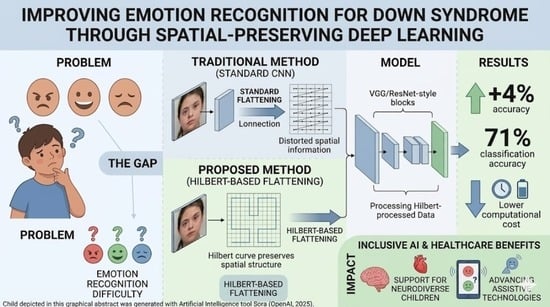
Hilbert Space-Filling Curves for Assistive Emotion Recognition: A Spatial Locality Approach for Children with Down Syndrome
by
Mauro Daniel Castillo Pérez, Jesús Jaime Moreno Escobar, Hugo Quintana Espinosa and Erika Yolanda Aguilar del Villar
Technologies 2026, 14(6), 327; https://doi.org/10.3390/technologies14060327 - 28 May 2026
Abstract
Since many children with Down syndrome have difficulties with emotion recognition, there is a significant application gap in assistive technologies and affective computing that could be addressed. Conventional deep learning methods, which depend on the standard raster-scan flattening operation, achieve limited accuracy in
[...] Read more.
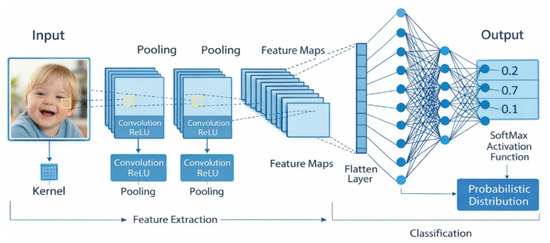
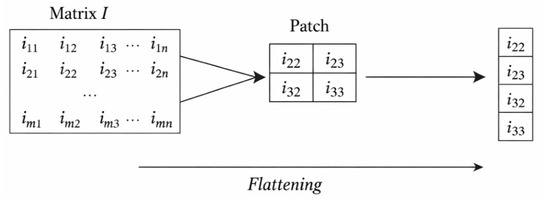
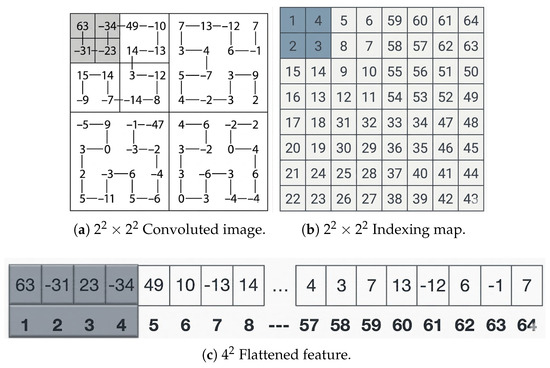
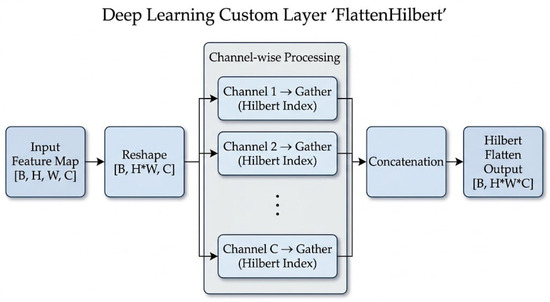
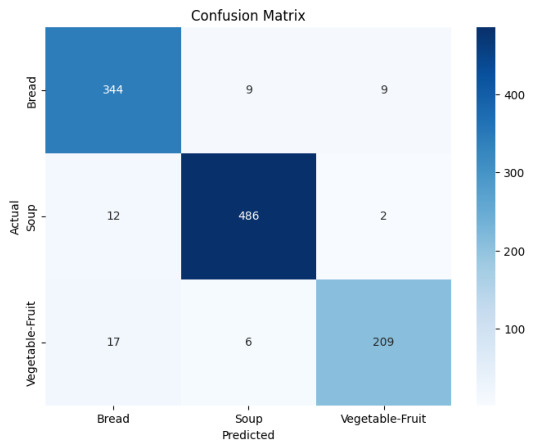
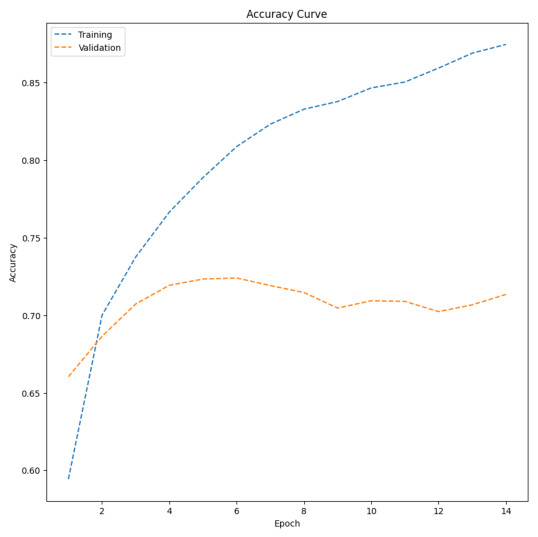
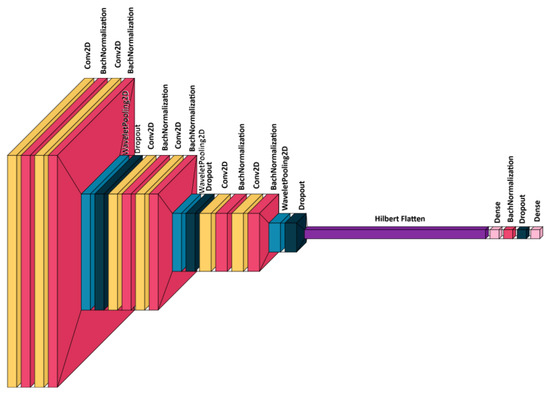
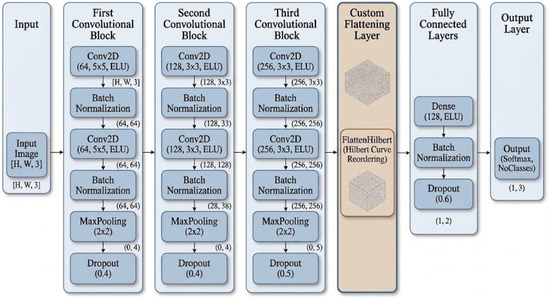
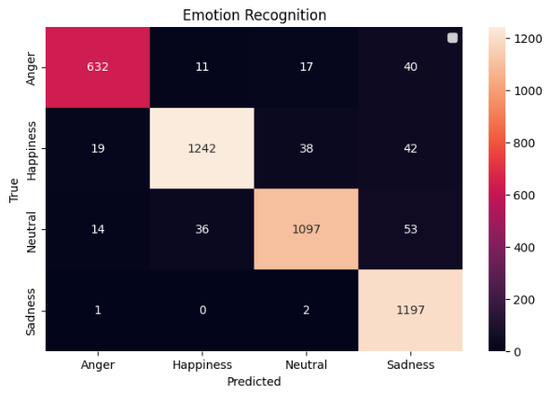
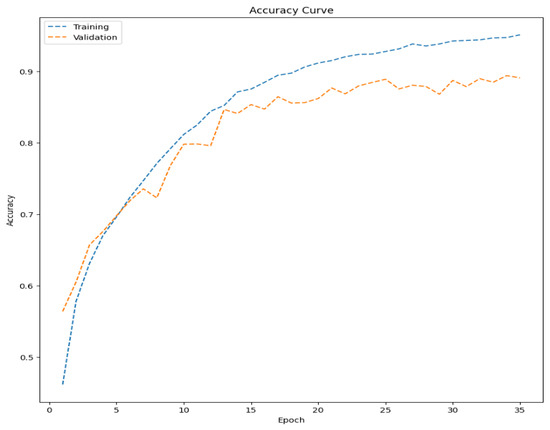
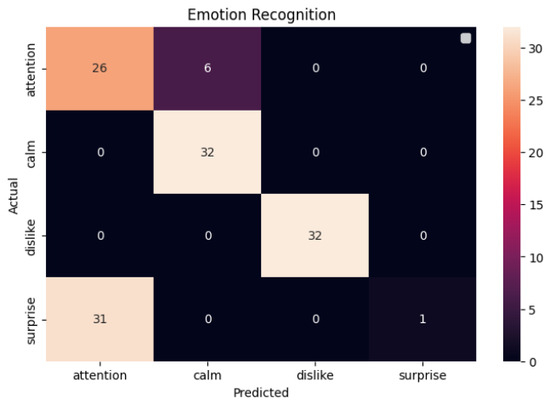
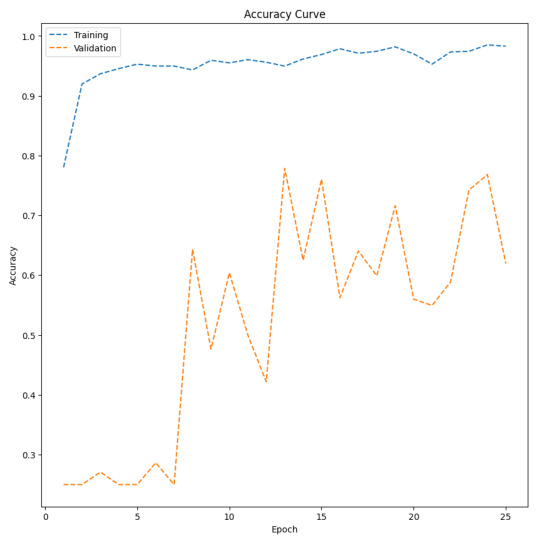
Since many children with Down syndrome have difficulties with emotion recognition, there is a significant application gap in assistive technologies and affective computing that could be addressed. Conventional deep learning methods, which depend on the standard raster-scan flattening operation, achieve limited accuracy in this population because they fail to preserve spatial locality. In this paper, we propose a novel Hilbert space-filling curve optimization for neural network flattening layers, specifically designed not only to address these gaps in assistive technologies for this vulnerable group who are currently underserved by affective computing, but also to provide a framework for researchers seeking to fine-tune the architecture of artificial neural networks. Our approach retains spatial coherence using Hilbert indexing, implemented as flexible Keraslayers that are compatible with standard architectures such as VGG16 and ResNet50. A comprehensive analysis across multiple datasets reveals a 4% improvement in emotion recognition accuracy compared to Hilbert. The Hilbert optimization achieves 71% precision in Down syndrome emotion classification while reducing processing overhead by approximately 5%. By closing the emotion recognition gap with spatial-aware deep learning, our work contributes to more equitable AI for healthcare and advances the development of assistive technologies for neurodiverse populations, with near-term clinical utility in pediatrics and broader applications in affective computing.
Full article
(This article belongs to the Special Issue Advancements in Medical and Assistive Technologies Using Artificial Intelligence and Deep Learning Techniques)
►▼
Show Figures

Graphical abstract
Open AccessArticle
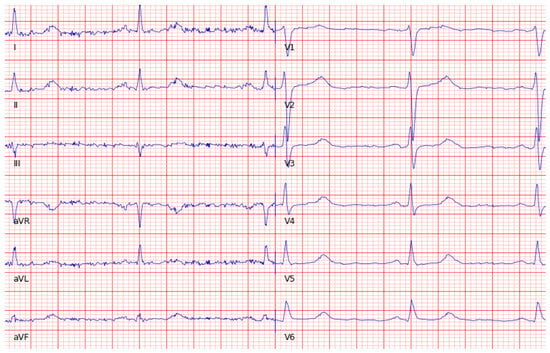
A Lightweight Multiscale Deep Learning Framework for Automated Cardiovascular Disease Classification from Standard 12-Lead ECG Images
by
Chotirose Prathom, Ryoga Sato, Shinya Watanabe, Satoshi Kondo, Kazuhiko Sato and Yoshifumi Okada
Technologies 2026, 14(6), 326; https://doi.org/10.3390/technologies14060326 - 28 May 2026
Abstract
Cardiovascular diseases (CVDs) are the leading cause of global mortality, highlighting the need for efficient and reliable automated electrocardiogram (ECG) analysis. While deep learning methods have achieved high classification accuracy, their large model sizes and computational demands limit clinical deployment. This study proposes
[...] Read more.
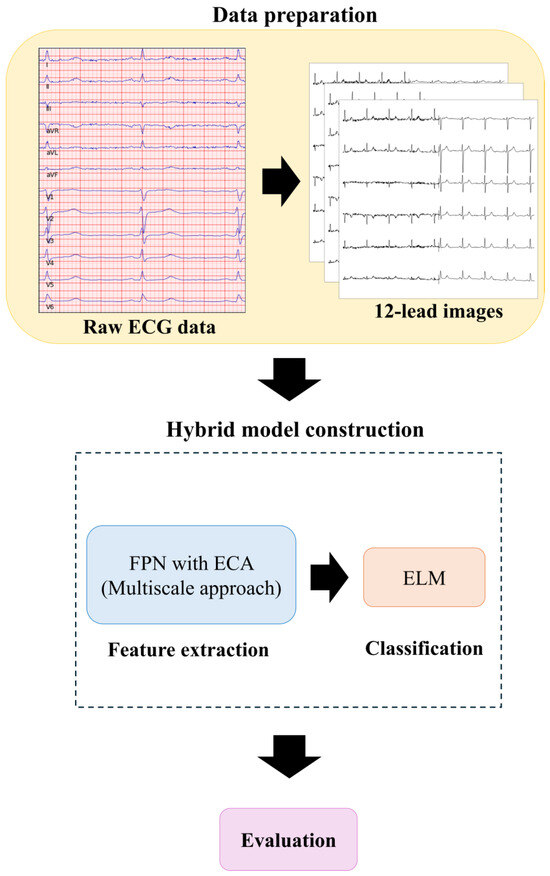
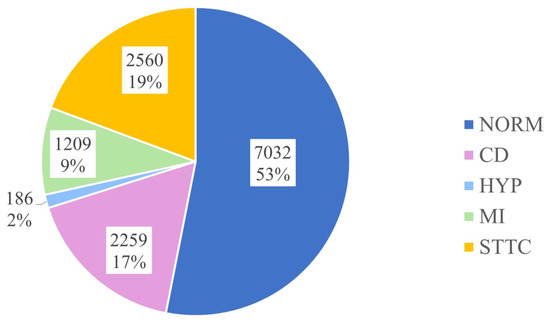
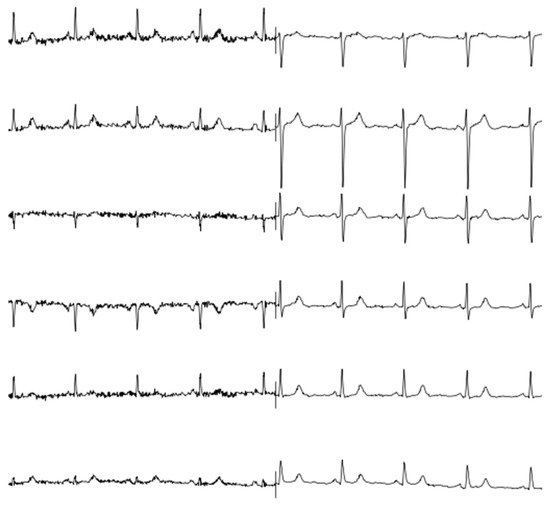
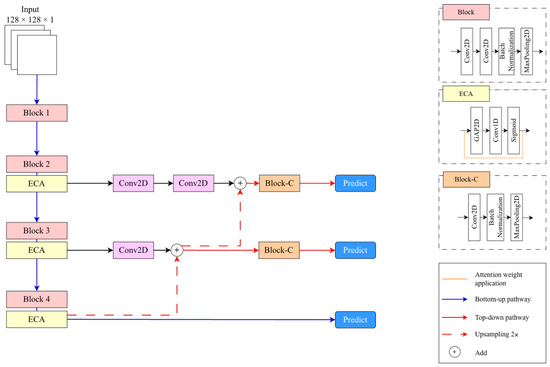
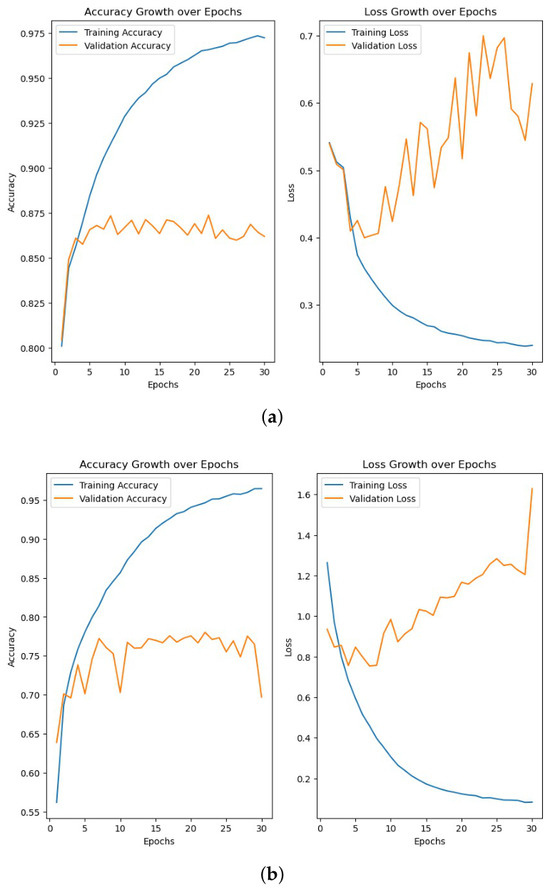
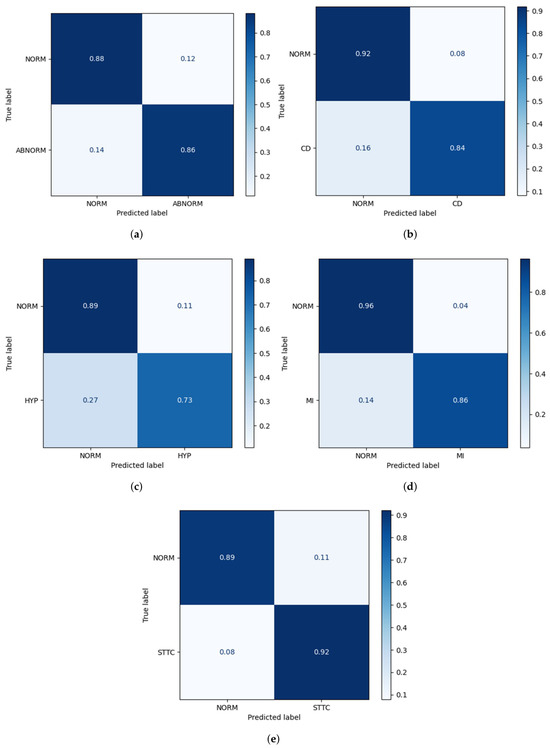
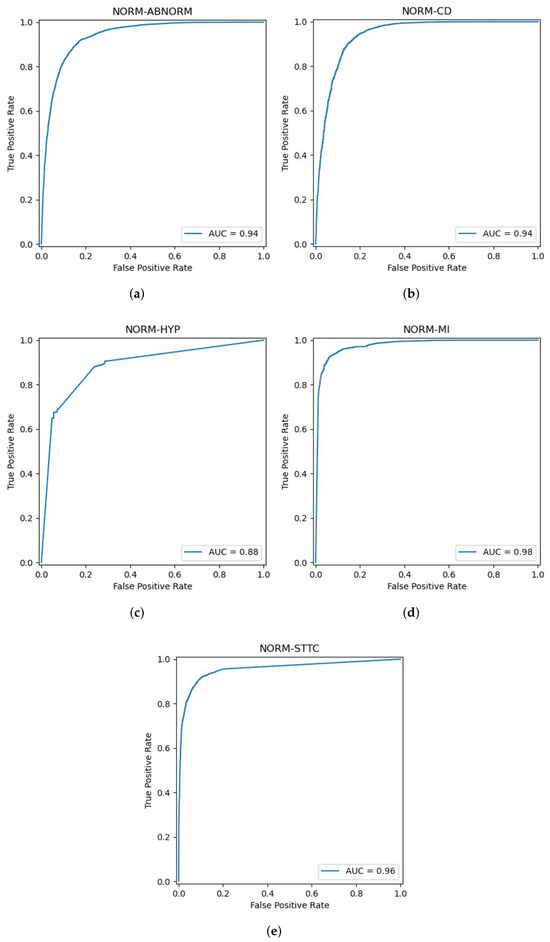
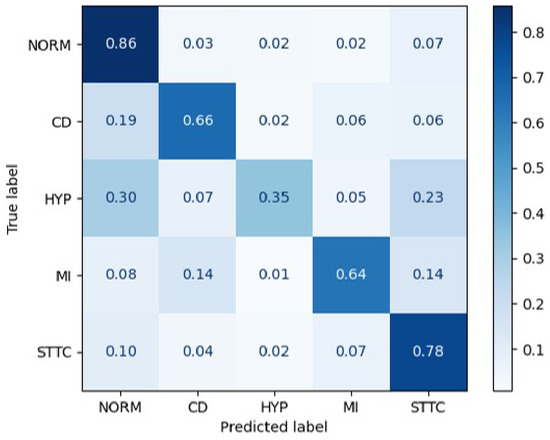
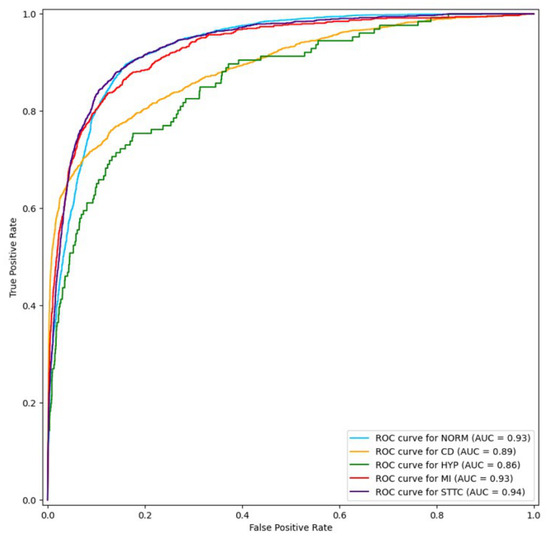
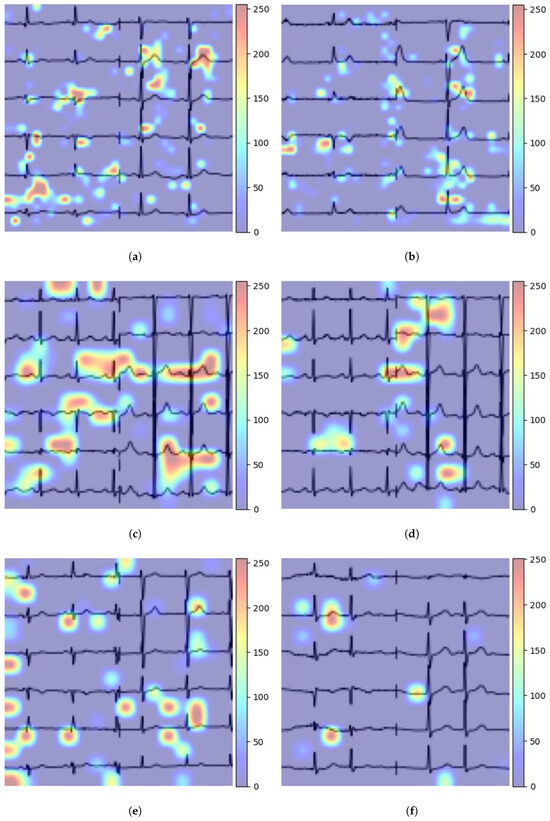
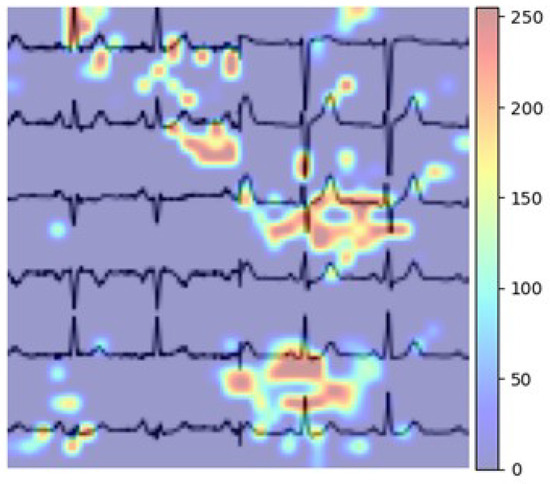
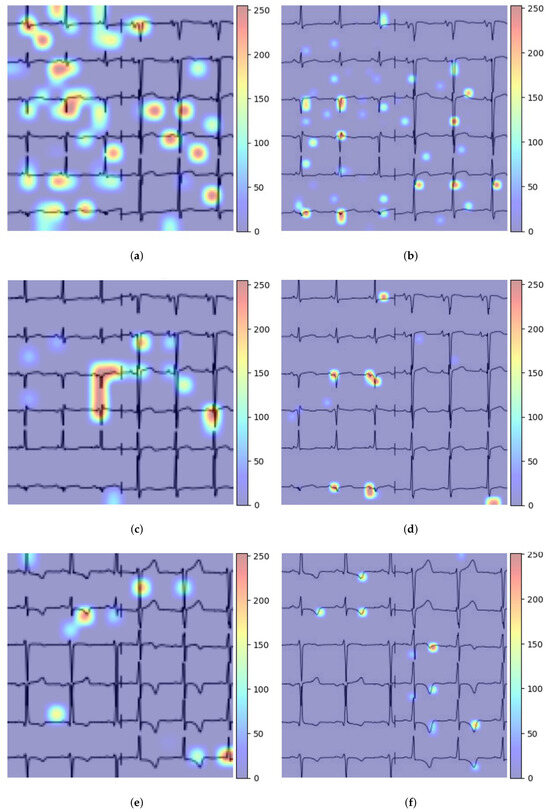
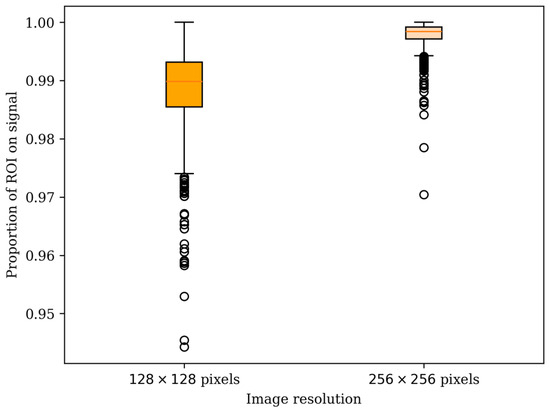
Cardiovascular diseases (CVDs) are the leading cause of global mortality, highlighting the need for efficient and reliable automated electrocardiogram (ECG) analysis. While deep learning methods have achieved high classification accuracy, their large model sizes and computational demands limit clinical deployment. This study proposes a lightweight multiscale framework, the FPN–ECA–ELM, integrating a feature pyramid network (FPN), efficient channel attention (ECA), and an extreme learning machine (ELM) for automated CVD classification using standard 12-lead ECG images. The FPN enables efficient multiscale feature fusion by combining feature maps from different network depths to generate high-resolution semantically enriched representations. ECA performs channel-wise feature recalibration, and the ELM replaces conventional fully connected layers, further reducing computational cost. Under an inter-patient evaluation protocol, the model achieved 87.08% accuracy and 87.07% weighted F1-score for binary classification, and 78.06% accuracy and 78.34% weighted F1-score for five-class classification, demonstrating competitive classification performance. The model contains only 1.73 million parameters, with a size of 6.59 MB, requiring 0.21 GFLOPs, and achieves an inference time of 0.69 ms per sample. These results illustrate a favorable balance between accuracy and efficiency, supporting practical deployment in resource-constrained clinical and edge-computing environments.
Full article
(This article belongs to the Special Issue Applications of Artificial Intelligence in Healthcare and Information Processing)
►▼
Show Figures

Figure 1
Open AccessArticle
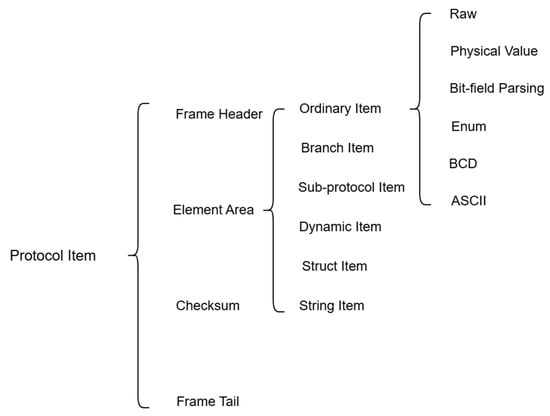
Intelligent Construction of LVC Resource Interface Protocol Templates Using Large Language Models
by
Dongfang Wang, Yusheng Zhang, Guobao Dong, Yonghui Xu, Yu Huang, Baodi Xie and Changan Wei
Technologies 2026, 14(6), 325; https://doi.org/10.3390/technologies14060325 - 28 May 2026
Abstract
The construction of resource interface protocol templates is a key prerequisite for the unified integration of live, virtual, and constructive (LVC) resources in complex simulation and test environments. However, real-world protocol documents are usually heterogeneous in format, inconsistent in description, and rich in
[...] Read more.
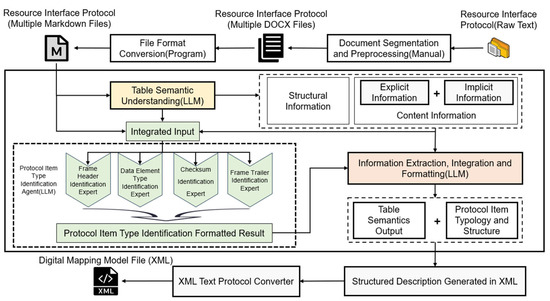
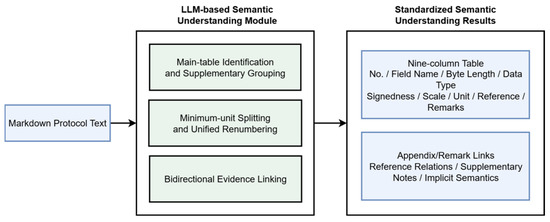
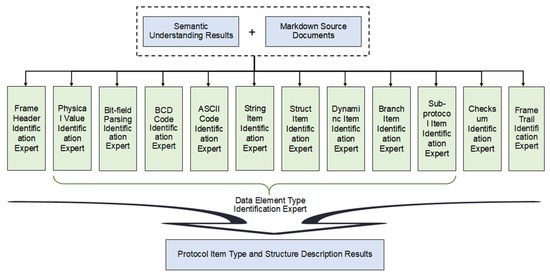
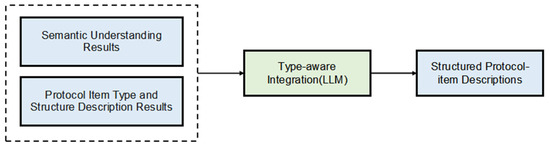
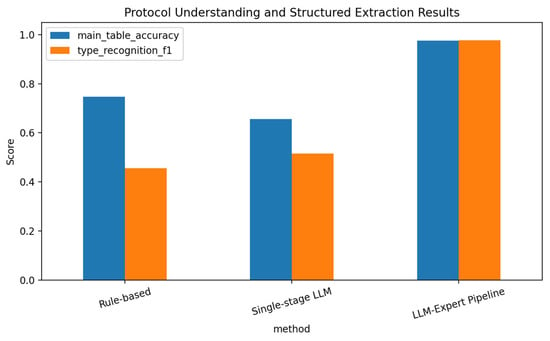
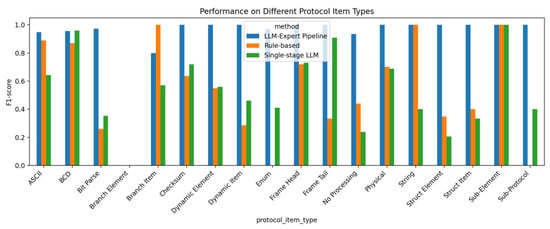
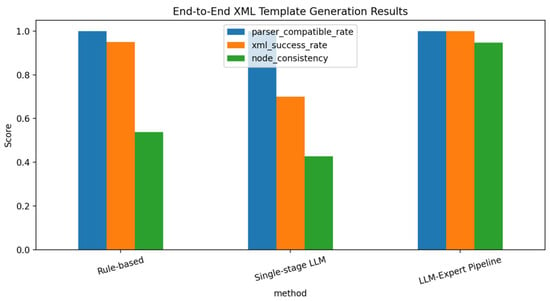
The construction of resource interface protocol templates is a key prerequisite for the unified integration of live, virtual, and constructive (LVC) resources in complex simulation and test environments. However, real-world protocol documents are usually heterogeneous in format, inconsistent in description, and rich in nested structures and implicit semantics, which makes manual analysis inefficient and error-prone. To address this issue, this paper proposes an intelligent construction method for LVC resource interface protocol templates based on large language models. First, raw protocol documents are converted into a unified Markdown representation, and a semantic understanding module is used for main-table identification, minimum-unit splitting, and auxiliary-table association. Then, a protocol item type identification expert module is designed to recognize complex structures such as frame headers, ordinary items, dynamic items, struct items, branch items, sub-protocol items, and checksum items. Finally, the extracted information is integrated into structured intermediate results for automatic XML template generation. Experiments on a representative test set composed of 20 protocol tables from real-world LVC resource interface documents show that the proposed method achieves a main-table extraction accuracy of 0.9761, a type recognition F1-score of 0.9769, an XML generation success rate of 1.0, and a node consistency of 0.9478. These results demonstrate that the proposed method can effectively improve the automation and engineering applicability of protocol template construction.
Full article
(This article belongs to the Special Issue Emerging Paradigms in AI, Autonomous Systems, and Intelligent Technologies)
►▼
Show Figures

Figure 1
Open AccessArticle
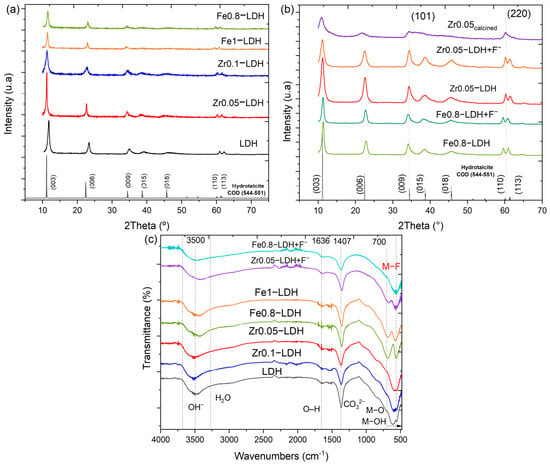
Ultrasound-Assisted Synthesis of Fe3+/Zr4+-Modified Layered Double Hydroxides for RSM-Optimized Fluoride Remediation: Structural Insights and Evaluation in Groundwater
by
Gloribel Vázquez-Cornejo, Sasirot Khamkure, Prócoro Gamero-Melo, Victoria Bustos-Terrones, Ulises Carrasco-Dehesa, Audberto Reyes-Rosas, Arely M. López-Martínez, Carlos D. Silva-Luna, María L. Rivera-Huerta, Edson B. Estrada-Arriaga and Juan G. Garcia-Maldonado
Technologies 2026, 14(6), 324; https://doi.org/10.3390/technologies14060324 - 28 May 2026
Abstract
This study investigates the structure–performance relationship of Fe3+- and Zr4+-modified layered double hydroxides (LDHs) for fluoride removal from water. Mg–Al LDHs with different metal loadings (Zr0.05, Zr0.1, Fe0.8, and Fe1) were synthesized via ultrasound-assisted coprecipitation and characterized using XRD,
[...] Read more.
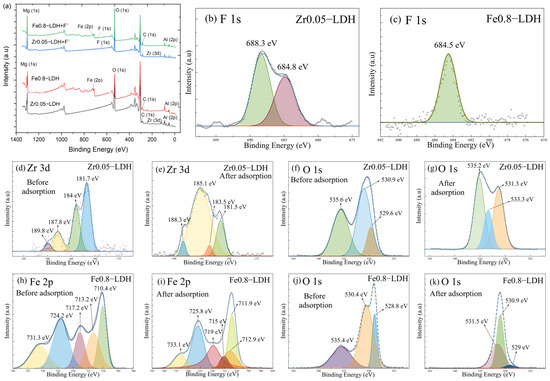
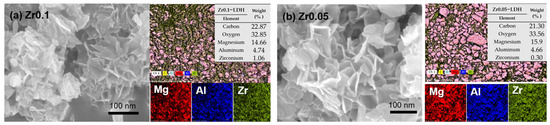
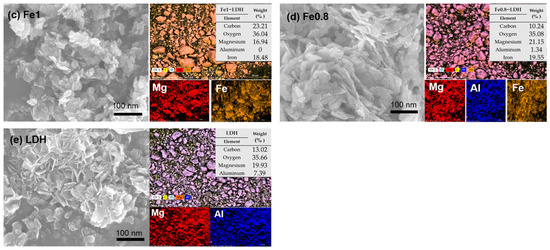
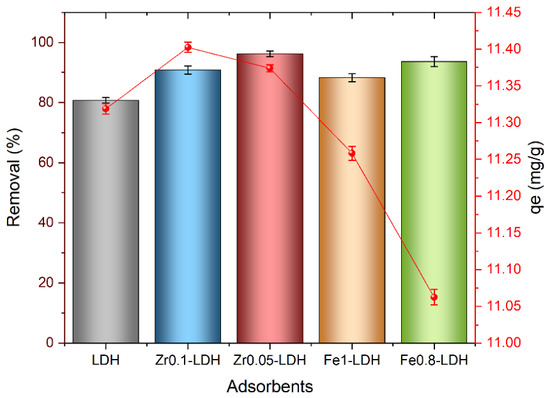
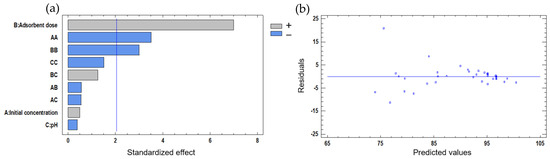
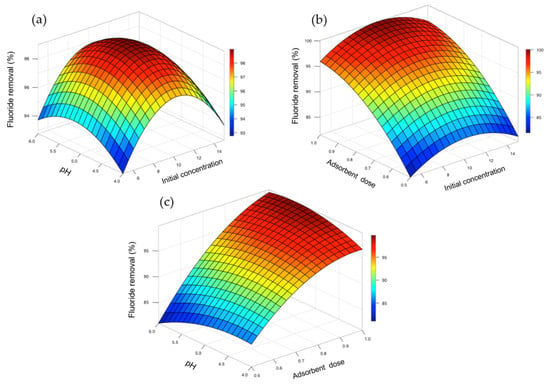
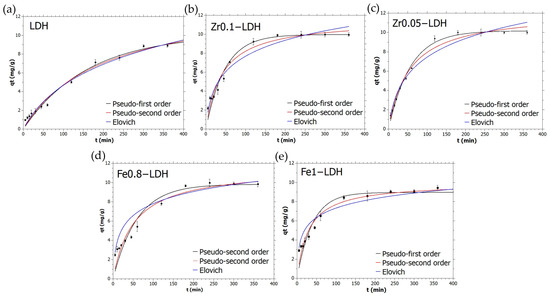
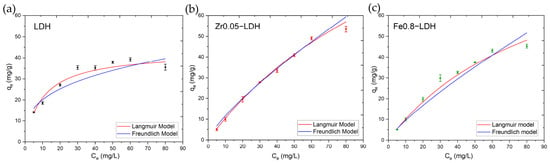
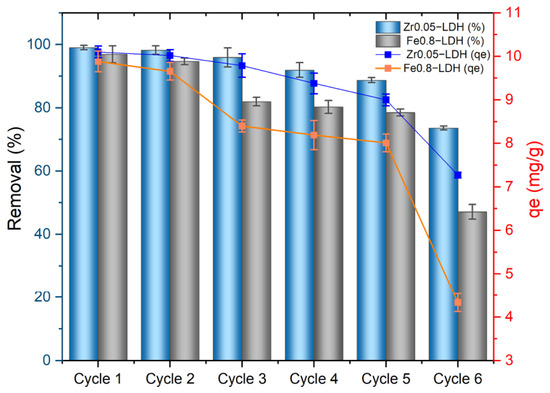
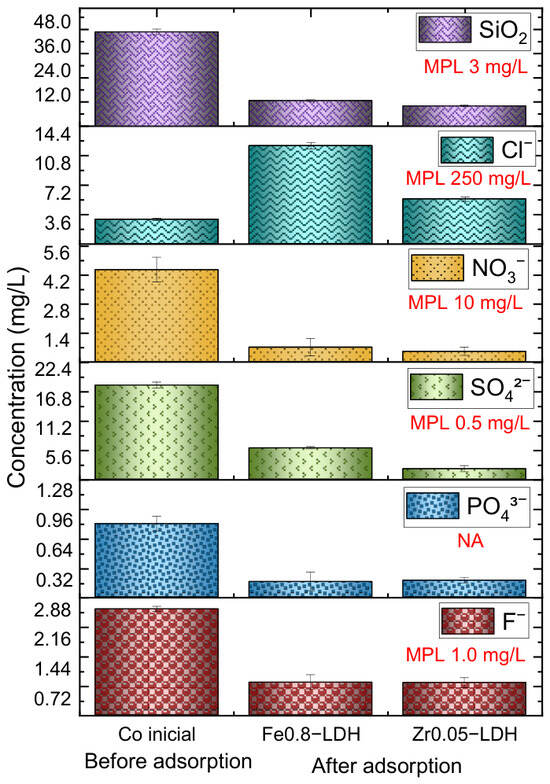
This study investigates the structure–performance relationship of Fe3+- and Zr4+-modified layered double hydroxides (LDHs) for fluoride removal from water. Mg–Al LDHs with different metal loadings (Zr0.05, Zr0.1, Fe0.8, and Fe1) were synthesized via ultrasound-assisted coprecipitation and characterized using XRD, SEM–EDS, FTIR, XPS, and N2 physisorption. Among the synthesized materials, Zr0.05-LDH exhibited the highest adsorption performance. Response surface methodology identified adsorbent dosage as the most influential parameter, achieving a maximum fluoride removal efficiency of 98.17% under optimal conditions (pH ≈ 5, adsorbent dose of 0.88 g/L, and initial fluoride concentration of 12.6 mg/L). Zr0.05-LDH showed the largest specific surface area (261 m2/g) and a maximum adsorption capacity of 137 mg/g, as described by the Langmuir isotherm model. Kinetic studies indicated rapid adsorption, with equilibrium reached at approximately 180 min. Fluoride removal was governed primarily by inner-sphere complexation at Zr4+ and Fe3+ sites, accompanied by anion exchange and electrostatic interactions. The adsorbent retained 89% of its capacity after five regeneration cycles. Groundwater tests from Durango, Mexico, demonstrated effective fluoride reduction below Mexican and WHO guideline limits despite competing anions. These results demonstrate the potential of modified LDHs for fluoride-contaminated groundwater treatment.
Full article
(This article belongs to the Special Issue Sustainable Water and Environmental Technologies of Global Relevance)
►▼
Show Figures

Figure 1
Open AccessArticle
Admittance Prediction for PMSG via Dimensionality-Reduced Equivalent Circuits and Support Vector Machines
by
Zicheng Wang, Duange Guo, Xingyu Shi, Haoren Luo, Yanjian Peng and Shuaihu Li
Technologies 2026, 14(6), 323; https://doi.org/10.3390/technologies14060323 - 27 May 2026
Abstract
Admittance-based analysis of wind farm-integrated power systems is inaccurate across varying operating points (OPs) resulting from wind speed fluctuations and shifting grid conditions. Existing methods can be classified as model-driven, which require detailed system modeling and struggle with parameter extraction, and as data-driven,
[...] Read more.
Admittance-based analysis of wind farm-integrated power systems is inaccurate across varying operating points (OPs) resulting from wind speed fluctuations and shifting grid conditions. Existing methods can be classified as model-driven, which require detailed system modeling and struggle with parameter extraction, and as data-driven, which often lack physical interpretability, suffer from high dimensionality, and provide insufficient coverage of training frequency points. This study introduces an AM reconstruction framework that integrates equivalent circuits with a support vector machine (SVM). The approach first applies vector fitting and an equivalent-circuit transformation to decompose the admittance response into first- and second-order subcircuits, thereby representing the frequency-domain characteristics with low-dimensional, more physically interpretable parameters. Subsequently, an SVM establishes a nonlinear mapping between OPs and equivalent-circuit parameters, enabling the reconstruction of continuous admittance transfer functions for new OPs. This framework transforms the modeling of high-dimensional frequency-domain data into a low-dimensional physical parameter prediction problem, thereby avoiding error accumulation from interpolation over discrete frequency points. The proposed method is validated using a direct-drive permanent magnet synchronous generator (PMSG) wind turbine model connected to the IEEE 14-bus test system. Frequency-domain simulations and error analyses under previously unseen OPs confirm the method’s high prediction accuracy and strong generalization capability.
Full article
Open AccessArticle
CMF-Net: A Novel Deep Learning Framework for High-Precision and Robust Detection of Foreign Objects on Railway Tracks
by
Zhao Sheng
Technologies 2026, 14(6), 322; https://doi.org/10.3390/technologies14060322 - 26 May 2026
Abstract
►▼
Show Figures
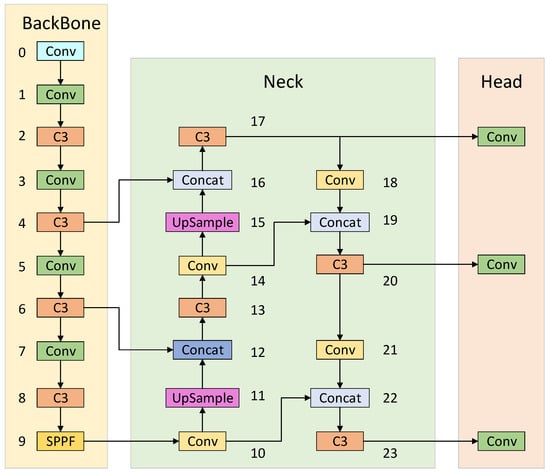
With the rapid expansion of rail transit networks and increasing operational density, foreign object intrusion on tracks has emerged as a critical threat to train safety. Conventional manual inspection methods suffer from low efficiency, high miss rates, and inadequate real-time performance, failing to
[...] Read more.
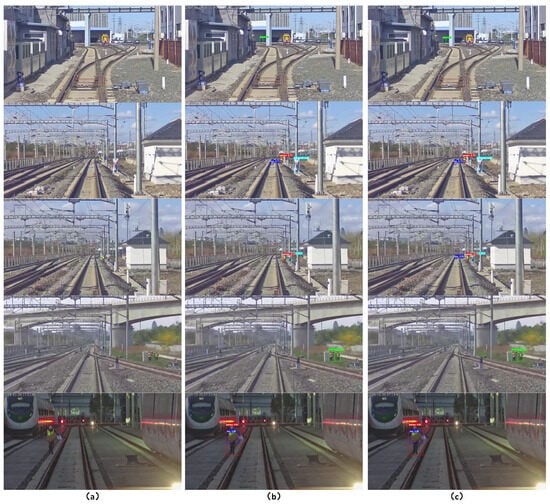
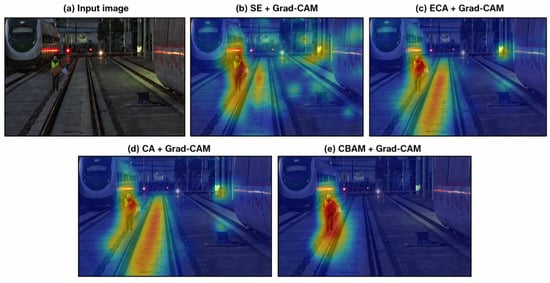
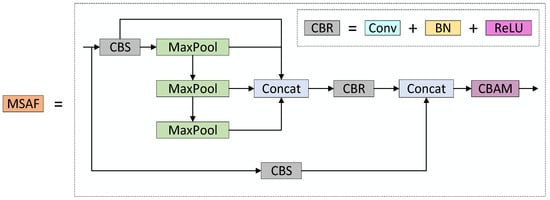
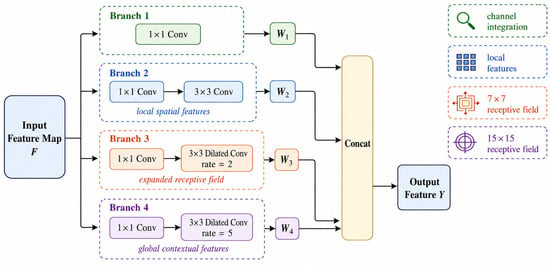
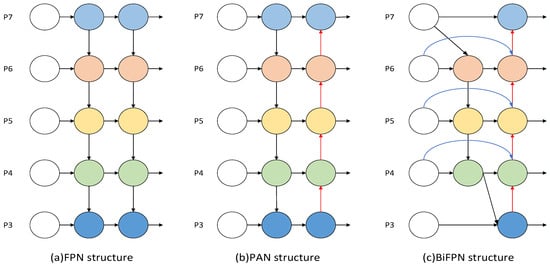
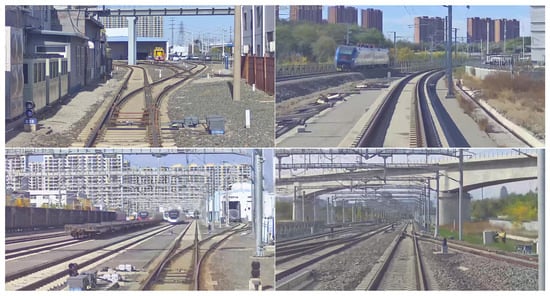
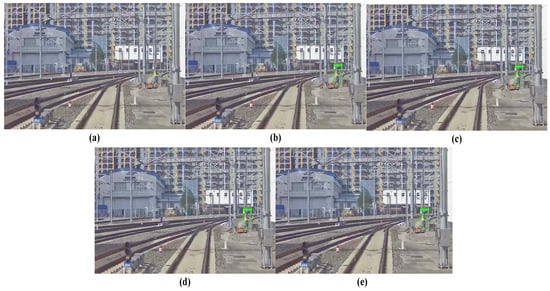
With the rapid expansion of rail transit networks and increasing operational density, foreign object intrusion on tracks has emerged as a critical threat to train safety. Conventional manual inspection methods suffer from low efficiency, high miss rates, and inadequate real-time performance, failing to meet the stringent requirements of modern intelligent railway maintenance. While deep learning offers a promising paradigm shift, existing models often struggle with complex background interference and multi-scale target detection in railway scenarios. To address these challenges, this paper proposes CMF-Net, a unified detection framework for railway track foreign object detection. The CGG module serves as a lightweight feature extraction unit in the backbone, mitigating gradient vanishing and overfitting. The MSAF module enables adaptive multi-scale feature fusion via dual attention (CBAM), enhancing small-object detectability. The FGAF module captures fine-grained edges and textures through a four-branch decomposed convolution and fine-grained attention, suppressing complex background interference. The BiFPN module restructures the neck for efficient bidirectional cross-scale feature fusion. Furthermore, the TPSA module injects explicit railway-domain prior knowledge by fusing a learnable rail-centerline distance-decay field with the CBAM spatial attention map, guiding the detector to focus on operational danger zones and reducing false positives. Experiments on the OFBDs dataset demonstrate that CMF-Net achieves a mean Average Precision (mAP50) of 89.2% and an mAP50:95 of 64.5%, surpassing the baseline YOLOv5s by 4.8 pp and 5.3 pp, respectively. The model maintains a compact parameter size of 5.4 M, a computational cost of 15.2 GFLOPs, and real-time inference capability (56.2 FPS). Edge-deployment feasibility is validated via on-device benchmarking on three Jetson platforms (Nano, Xavier NX, and Orin Nano), where INT8 TensorRT inference achieves 16.2, 108.7, and 153.8 FPS, respectively, under one-hour continuous-inference soak tests with peak power below 16 W and steady-state junction temperatures within safe thermal margins. Statistical significance testing (p < 0.05) confirms the stability of these performance gains. These results indicate that CMF-Net provides rapid and accurate detection of various track intrusions, enabling robust real-time monitoring in dynamic railway environments and enhancing operational safety and intelligence.
Full article
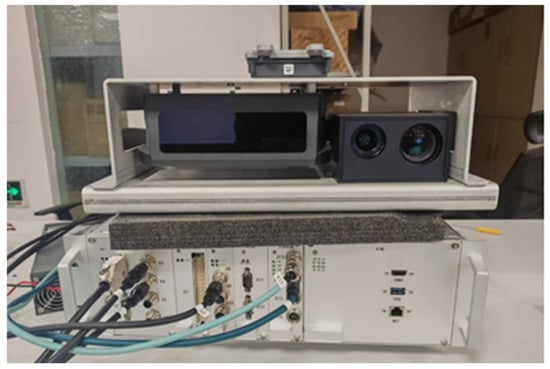
Figure 1
Open AccessArticle
Time-Varying Biological Time-Series Prediction and Pattern Recognition Using Koopman Theory and Large Language Models
by
Yujie You, Yuzhu Ji, Salavat Gumerovich Mudarisov, Ilnur Rinatovich Miftakhov, Feixiang Zhao, Ming Xiao and Le Zhang
Technologies 2026, 14(6), 321; https://doi.org/10.3390/technologies14060321 - 25 May 2026
Abstract
►▼
Show Figures
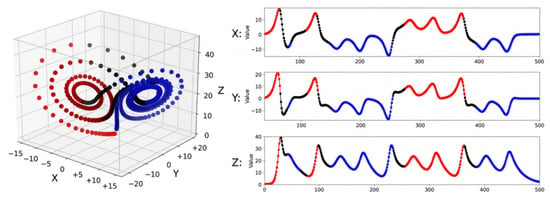
Biologically related time-series data characterize the dynamic evolution of biological systems, including genetic inheritance, disease diagnosis, and the biological microenvironment. However, accurate prediction of these data remains challenging due to their pronounced time-varying, non-stationary, and noisy characteristics. Existing approaches often fail to capture
[...] Read more.
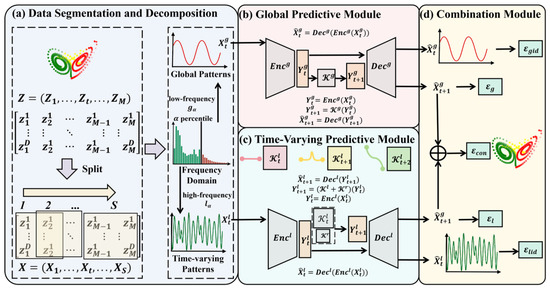
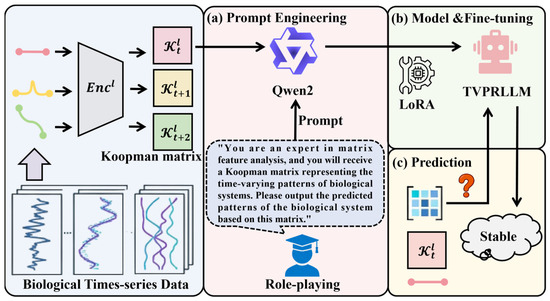
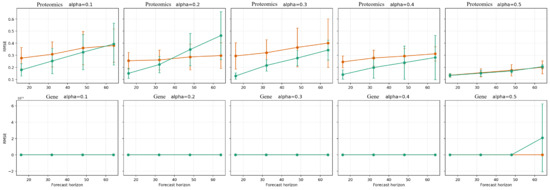
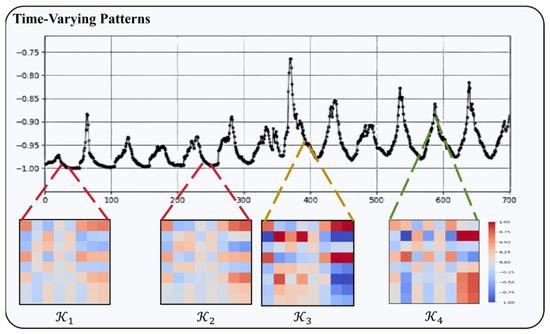
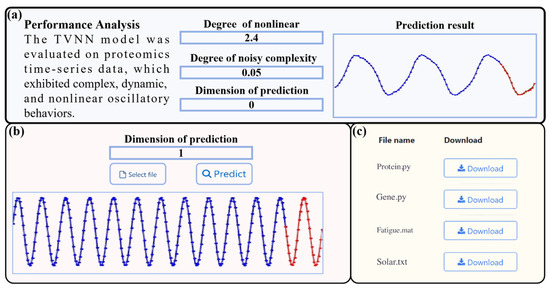
Biologically related time-series data characterize the dynamic evolution of biological systems, including genetic inheritance, disease diagnosis, and the biological microenvironment. However, accurate prediction of these data remains challenging due to their pronounced time-varying, non-stationary, and noisy characteristics. Existing approaches often fail to capture latent shifts of biologically related time series, limiting both predictive performance and time-varying pattern recognition capability. Thus, in this study, we first propose a time-varying neural network (TVNN) model that combines frequency-domain information with Koopman theory. TVNN-model Koopman transition matrices are used to model global dynamics and local time-varying behaviors for pattern extraction. Secondly, a time-varying pattern recognition large language model (TVPRLLM) is introduced to recognize and classify the extracted time-varying patterns, enabling the identification of potential pattern categories. Thirdly, we have developed a biology-related time-series predictive platform that can offer visualization, data analysis, and predictive services. Experimental results demonstrate that the TVNN model outperforms existing mainstream methods in predicting biology-related time-varying time series, and that it achieves competitive forecasting performance, though its behavior depends strongly on the design of the frequency-domain decomposition. Additional robustness analyses reveal that the choice of Fourier masking strategy can materially affect both RMSE and long-horizon stability. We further show that Koopman-derived time-varying representations are highly discriminative for dynamic state recognition.
Full article
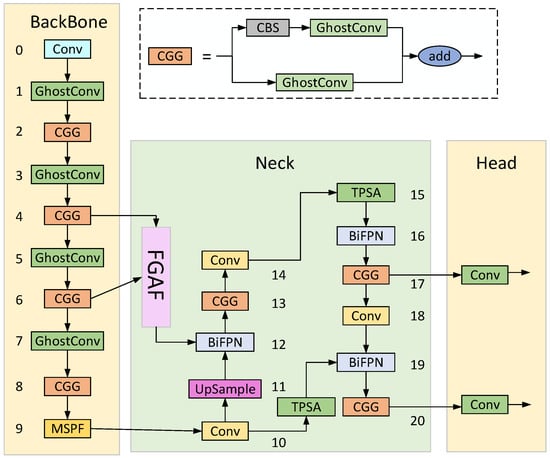
Figure 1
Open AccessArticle
DSBANet: Deep Supervision Boundary-Aware Network for Multi-Class Prostate Segmentation in MRI
by
Petar Nakić, Marija Habijan, Danijel Marinčić and Marko Martinović
Technologies 2026, 14(6), 320; https://doi.org/10.3390/technologies14060320 - 25 May 2026
Abstract
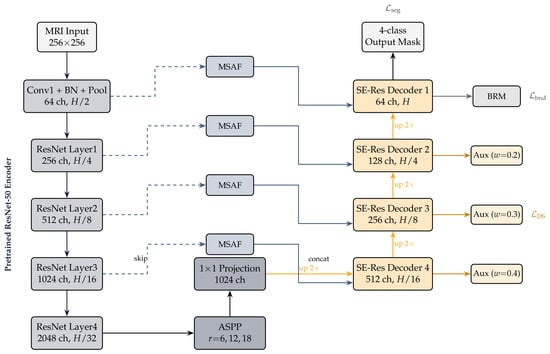
Accurate multi-class segmentation of the prostate in T2-weighted magnetic resonance imaging (MRI) into the peripheral zone (PZ), central gland (CG) and tumour is essential for targeted biopsy guidance and treatment planning. We present DSBANet, an encoder–decoder architecture that combines a pretrained ResNet-50 encoder,
[...] Read more.
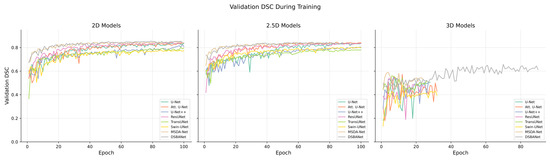
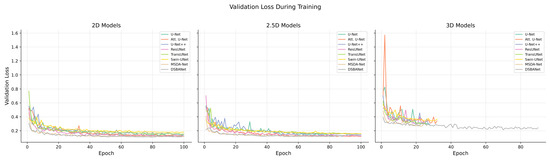
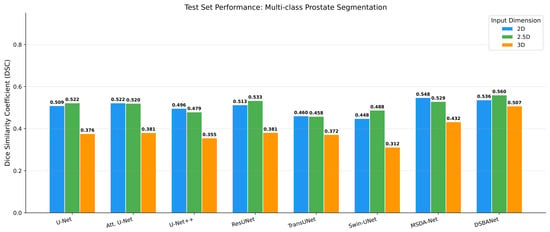
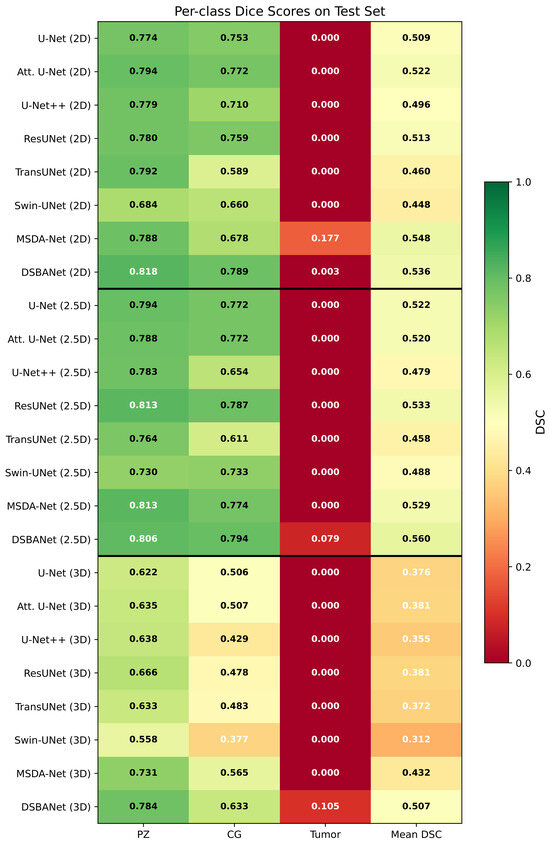
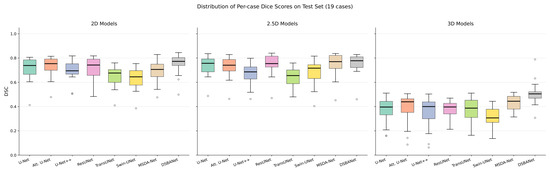
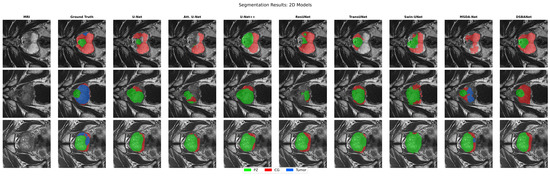
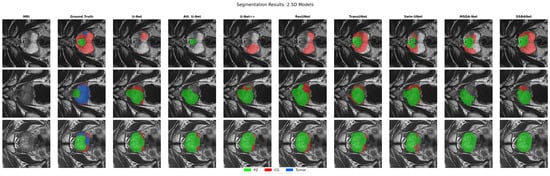
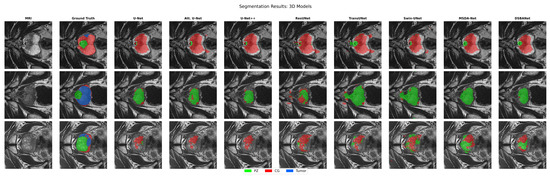
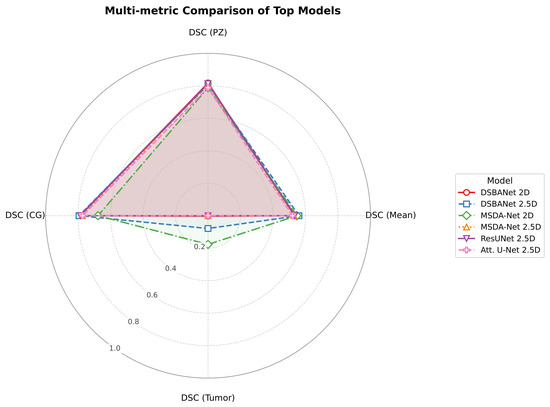
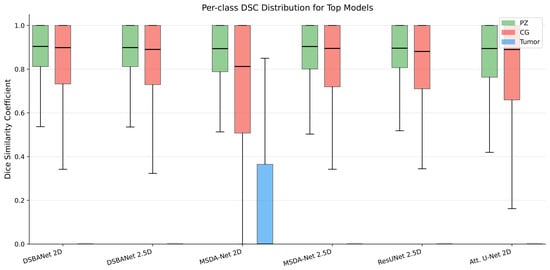
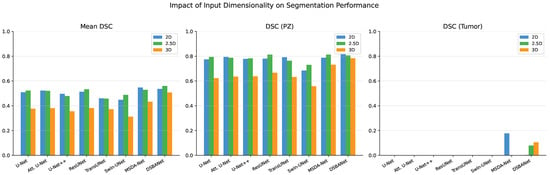
Accurate multi-class segmentation of the prostate in T2-weighted magnetic resonance imaging (MRI) into the peripheral zone (PZ), central gland (CG) and tumour is essential for targeted biopsy guidance and treatment planning. We present DSBANet, an encoder–decoder architecture that combines a pretrained ResNet-50 encoder, Atrous Spatial Pyramid Pooling, Multi-Scale Attention Fusion on skip connections, a Feature Fusion Module, deep supervision and boundary refinement. We evaluate eight architectures across three input dimensionalities (2D, 2.5D, 3D), yielding 24 models trained under identical conditions on the Prostate158 dataset. DSBANet achieves the best anatomy segmentation with PZ DSC of 0.8176 and CG DSC of 0.7888 among 2D models. To address the severe class imbalance of the tumour class, we further train DSBANet 2D with a class-weighted cross-entropy term and tumour-positive slice oversampling, raising per-case tumour DSC from 0.003 to 0.170 (a sixty-fold absolute improvement). A systematic eight-variant ablation study, evaluated under matched-pairs effect-size analysis, identifies the SE-Residual blocks and skip-connection attention as the largest contributors to tumour segmentation, while every architectural component contributes a directionally consistent gain.
Full article
(This article belongs to the Special Issue Application of Artificial Intelligence in Medical Image Analysis)
►▼
Show Figures

Figure 1
Open AccessArticle
Effect of Structural Parameters on Performance of Dissolvable Metal Ball Seat Sealing Rings in Frac Plug
by
Shunzuo Qiu, Zhaoliang Zhu, Yan Yang, Qin Liu, Yan Jiang and Caixia Xian
Technologies 2026, 14(6), 319; https://doi.org/10.3390/technologies14060319 - 25 May 2026
Abstract
►▼
Show Figures
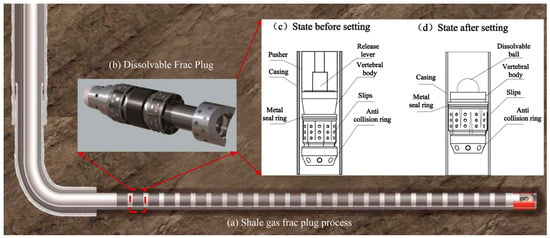
Aiming at the problems of insufficiently tight sealing of all-metal dissolvable frac plugs and the poor fracturing effect in the extraction of shale gas, the effects of structural parameters on the performance of metal dissolvable ball seat sealing rings was analyzed using numerical
[...] Read more.
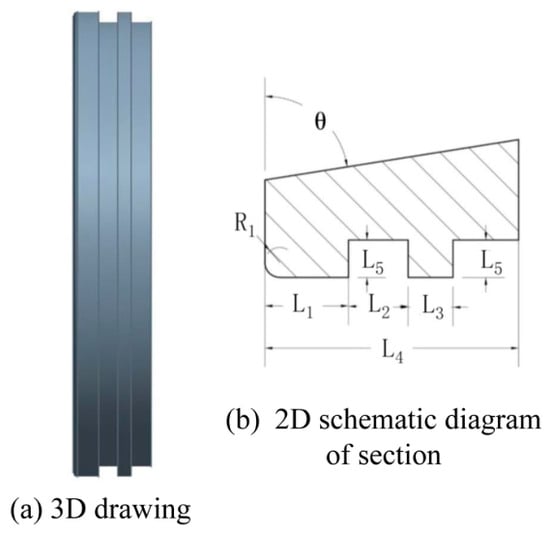
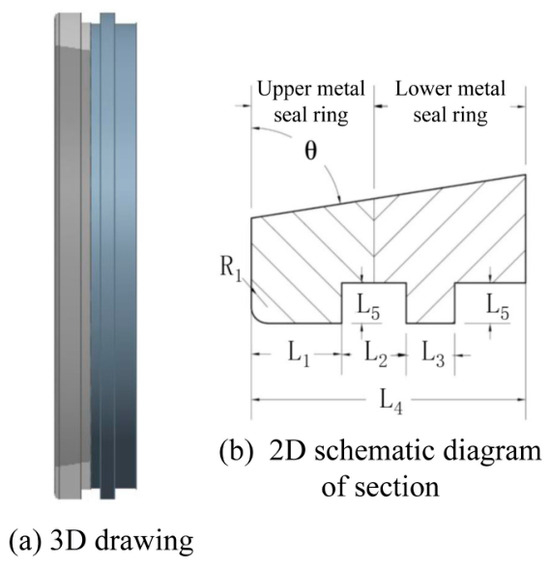
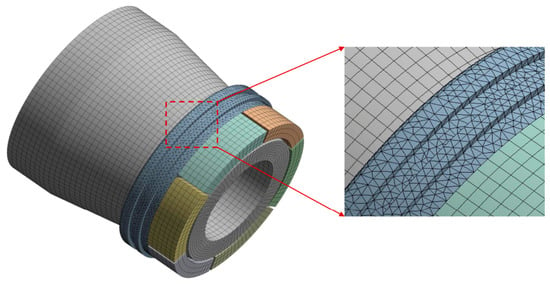
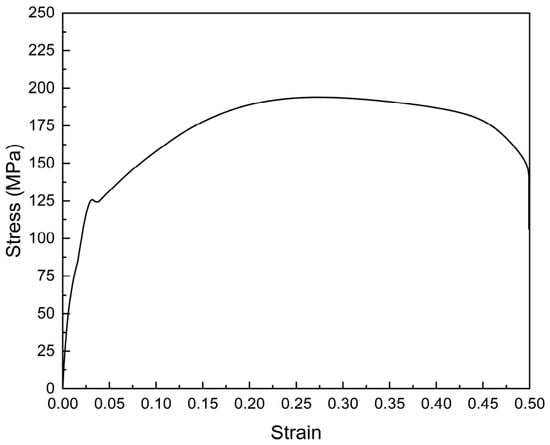
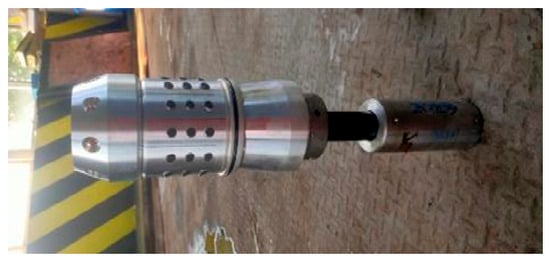
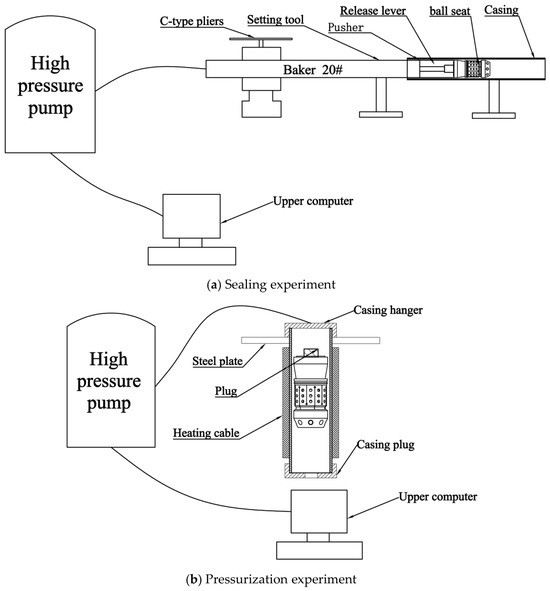
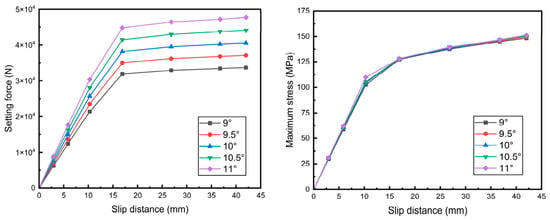
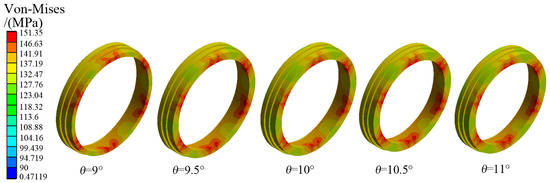
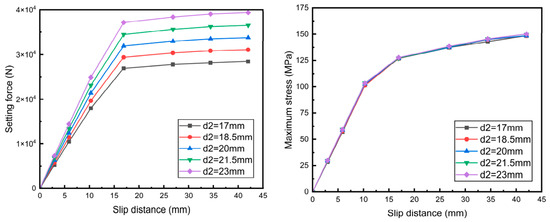
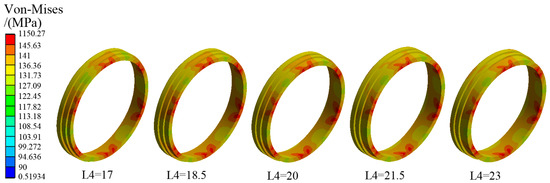
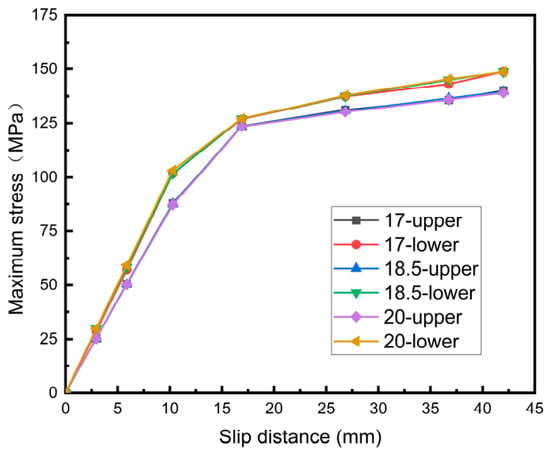
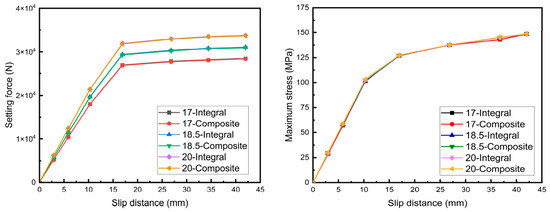
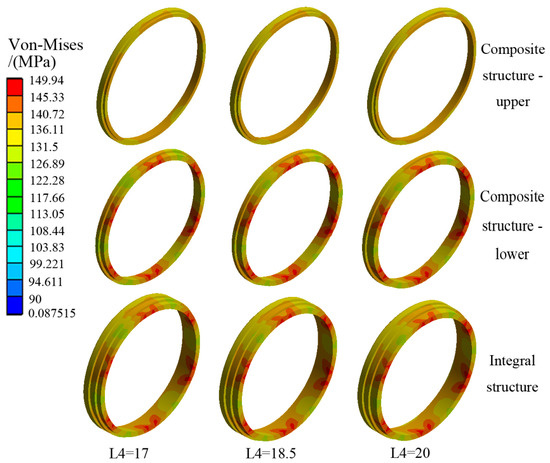
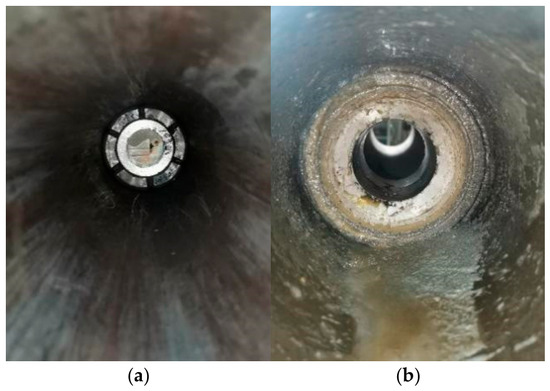
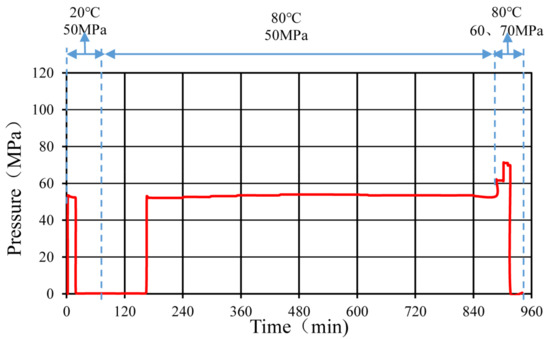
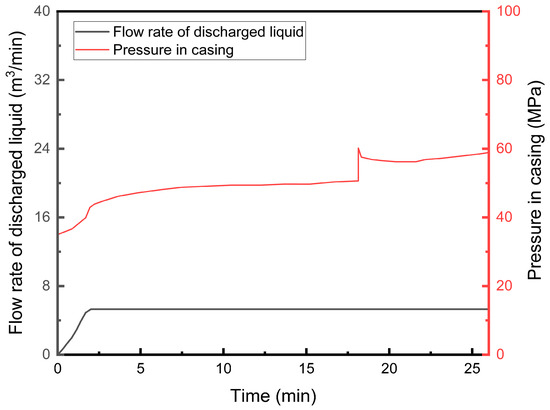
Aiming at the problems of insufficiently tight sealing of all-metal dissolvable frac plugs and the poor fracturing effect in the extraction of shale gas, the effects of structural parameters on the performance of metal dissolvable ball seat sealing rings was analyzed using numerical simulation and an experimental method. The key structural factors affecting performance were identified. The problem of stress concentration at the contact position between the sealing ring and the slip of the existing structure was discovered. To solve the above problems, a combination structure sealing ring was designed. Then the performance comparison analysis of the two structures and optimal structural parameters were carried out. Under the same sealing force, the combination structure sealing ring can be smoothly sealed, and the stress distribution of the upper sealing ring is uniform. This indicates that the performance of the combination structure sealing ring is superior, and the optimal cone angle and thickness obtained are 9° and 17 mm, respectively. Based on the optimized structural parameters, experiments were conducted. After being pressurized at room temperature to 51 MPa and stabilized for 15 min, the pressure gradually decreased to 47.4 MPa, indicating a secondary setting. After unloading, the lower end face of the dissolvable ball seat has no liquid leakage. Under high temperature, a pressure of 51 Mpa was applied; the pressure inside the wellbore remained basically unchanged. During the process of applying pressures of 60 MPa and 70 MPa, there was also a decrease in pressure, indicating the presence of secondary sealing. The above results indicate that the optimized combined metal sealing ring has strict sealing and good pressure-bearing performance. At the same time, the reliability of the simulation results was verified. The designed sealing ring was applied to the shale gas horizontal well deployed in Changning block, China. The application results show that when the displacement remains unchanged, the casing pressure increases from 51 MPa to 60 MPa, and continues to maintain the displacement. The pressure did not fall back to 51 MPa, proving that the formation pressure is released. The successful on-site application once again verifies the safe and reliable performance of the all-metal sealing ring.
Full article
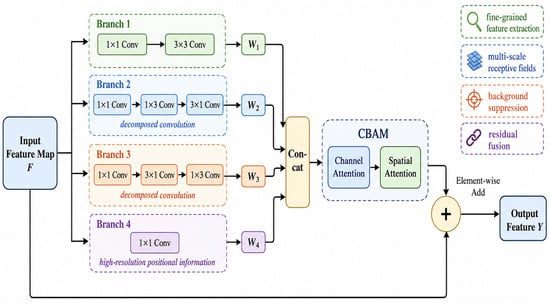
Figure 1
Open AccessArticle
Resolution-Robust Dental Mesh Segmentation via PSNet and Asymmetric Assessment
by
Qi-Qin Xie, Shi-Jian Liu and Zheng Zou
Technologies 2026, 14(6), 318; https://doi.org/10.3390/technologies14060318 - 24 May 2026
Abstract
►▼
Show Figures
Tooth segmentation from dental meshes is a fundamental step in clinical applications such as computer-aided orthodontics and dental implantation. Compared with mature image segmentation, deep learning-based mesh segmentation research is currently in a high-speed development stage. This study follows a dual-flow personalized feature
[...] Read more.
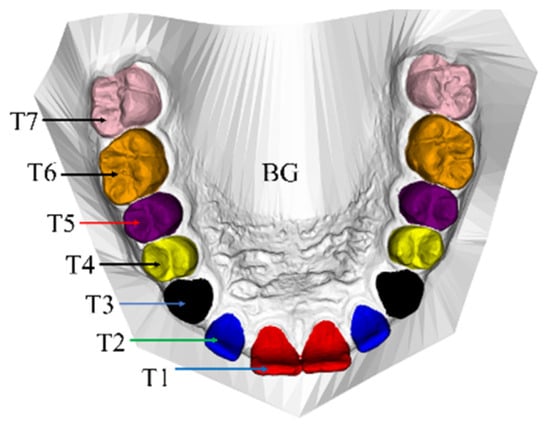
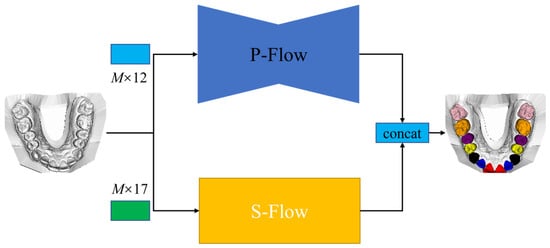
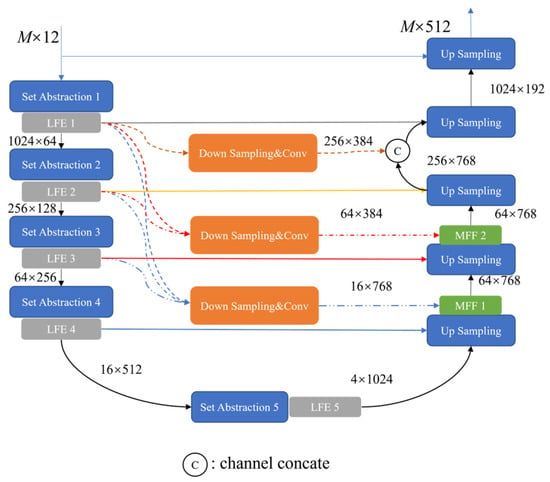
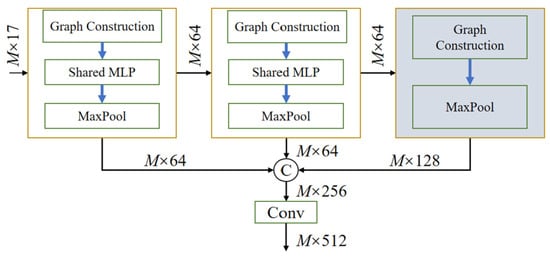
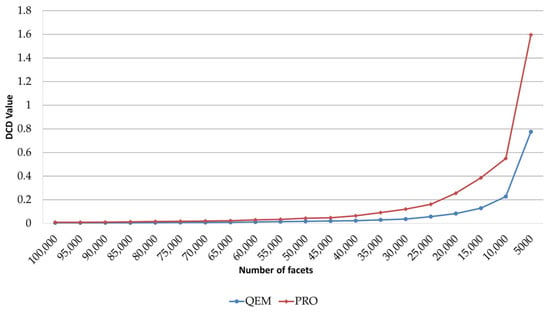
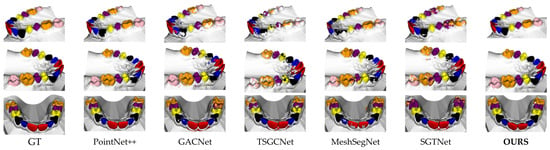
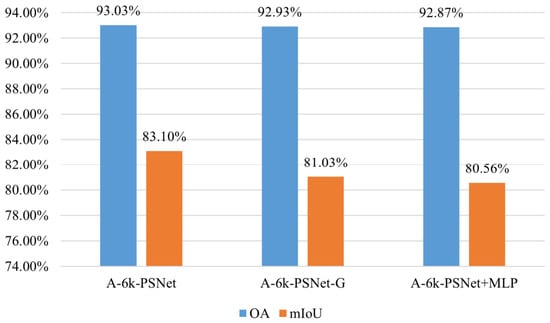
Tooth segmentation from dental meshes is a fundamental step in clinical applications such as computer-aided orthodontics and dental implantation. Compared with mature image segmentation, deep learning-based mesh segmentation research is currently in a high-speed development stage. This study follows a dual-flow personalized feature learning scheme based on meshes and researches high-resolution mesh segmentation problems for clinical needs, proposing a dual-flow deep learning architecture called Position Shape Network (PSNet). Its basic idea includes continuously adjusting the feature map size in the network layer to enhance the model’s generalization ability and designing a reasonable branch structure to personalize the learning of position attributes represented by coordinates and shape attributes represented by surface perimeter area. In addition, it is proposed that the resolution of the validation set should be determined by comprehensively analyzing and simplifying errors to ensure the credibility of the model evaluation. Under this evaluation system, PSNet was compared with relevant authoritative methods in experiments, and the results verified the rationality and efficiency of the method and viewpoint proposed in this paper.
Full article
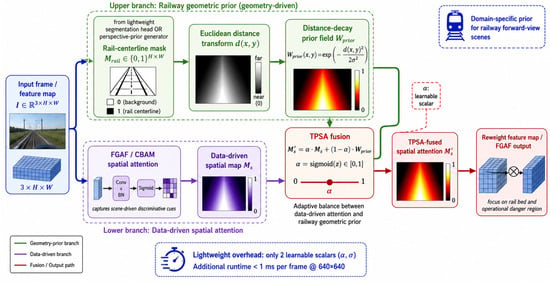
Figure 1
Open AccessArticle
Experimental Validation and Gain Selection of Classical Controllers for Current Regulation in IPT-Based BESS Chargers
by
Fernando Quiroz-Vazquez, Victor Cardenas, Mario Gonzalez-Garcia, Gerardo Espinosa-Pérez and Manuel A. Barrios
Technologies 2026, 14(6), 317; https://doi.org/10.3390/technologies14060317 - 24 May 2026
Abstract
The increasing adoption of energy storage systems has driven the development of inductive power transfer (IPT) chargers operating under static and dynamic current references, while maintaining robust performance in the presence of disturbances such as misalignment. This article presents an experimental and analytical
[...] Read more.
The increasing adoption of energy storage systems has driven the development of inductive power transfer (IPT) chargers operating under static and dynamic current references, while maintaining robust performance in the presence of disturbances such as misalignment. This article presents an experimental and analytical comparison of three classical current controllers—PI, PI with feed-forward loop (PI+FF), and integral (I)—applied to a low-power inductive power transfer charger (BC-IPT). In addition, a simple and practical criterion for controller gain selection is proposed and evaluated under identical operating conditions, using a 164 W experimental platform with unidirectional power transfer. The controllers (PI, PI+FF, and I) are compared in terms of settling time, overshoot, phase margin, gain margin, and disturbance rejection capability. The experimental results show that adjustable settling times between 1 and 12 ms can be achieved for static and dynamic current references. An overshoot below 8% was obtained, along with stable performance under the evaluated variations in input voltage and coupling factor. The settling time can be directly adjusted using the proposed gain-selection criterion. Overall, the results demonstrate that, under the studied operating conditions (including a 164 W platform, unidirectional power flow, and the selected topology), classical controllers provide an appropriate balance among dynamic performance, robustness, and tuning simplicity for current-regulated IPT battery charging applications.
Full article
Open AccessArticle
MiniLM-CNN-LSTM: A Lightweight Hybrid Transformer Model for Malicious URL Detection
by
Emad-ul-Haq Qazi, Muhammad Hamza Faheem and Abdulrazaq Almorjan
Technologies 2026, 14(6), 316; https://doi.org/10.3390/technologies14060316 - 24 May 2026
Abstract
Phishing and malicious websites are a serious threat on the internet. Attackers use fake links to trick users and steal their private information. Detecting these links is difficult because attackers change their tricks often. Many old methods cannot detect new or hidden threats.
[...] Read more.
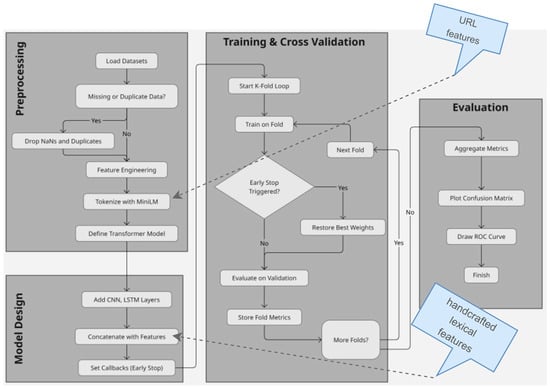
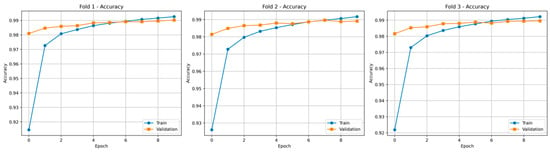
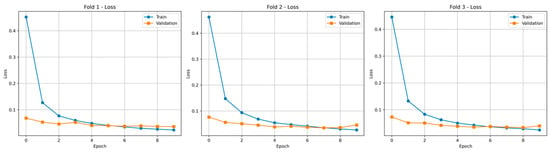
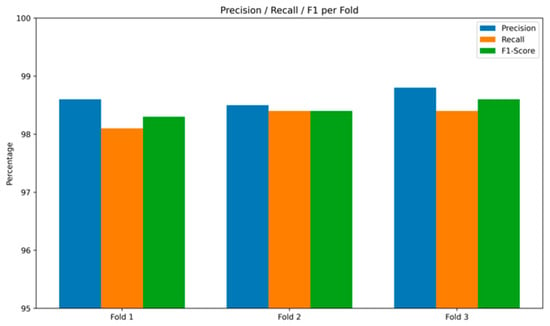
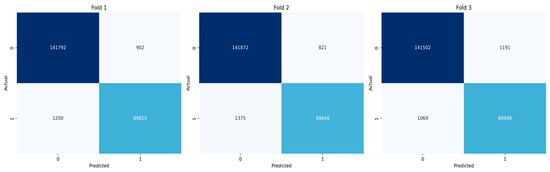
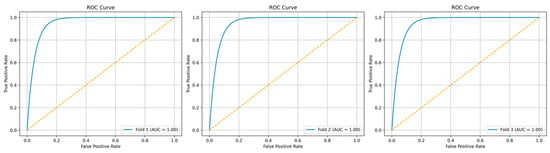
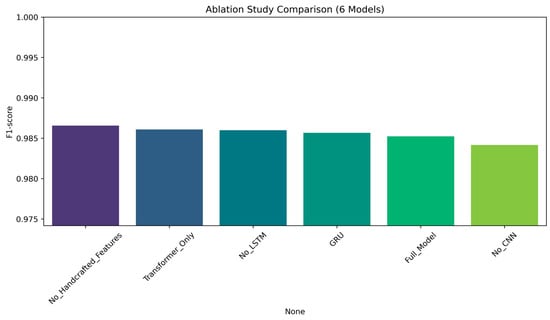
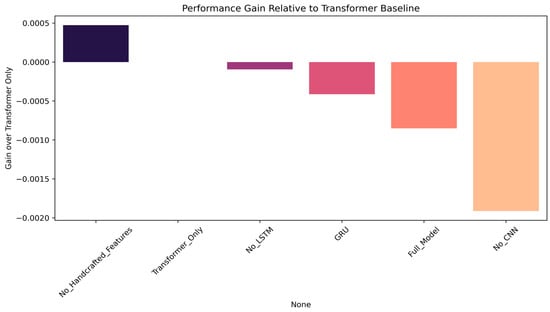
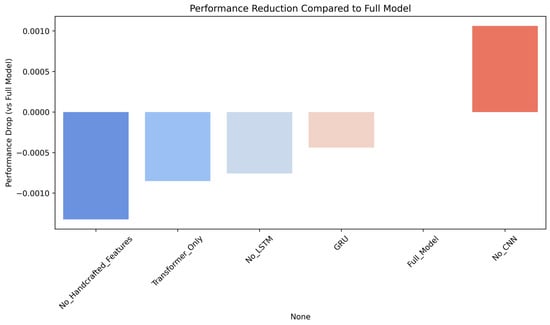
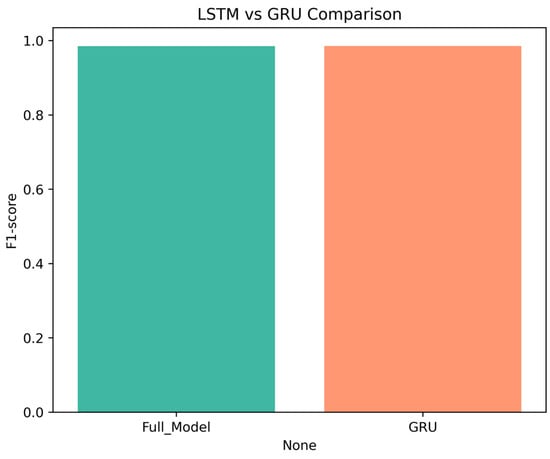
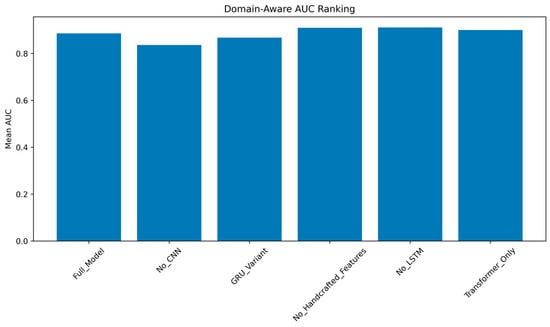
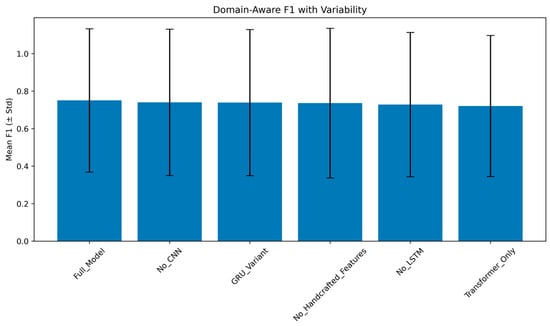
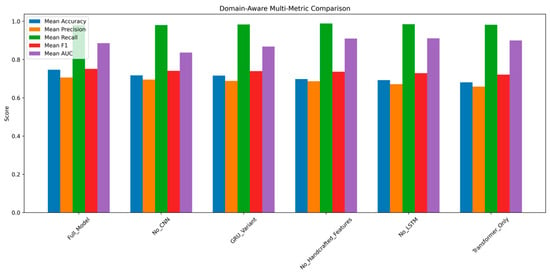
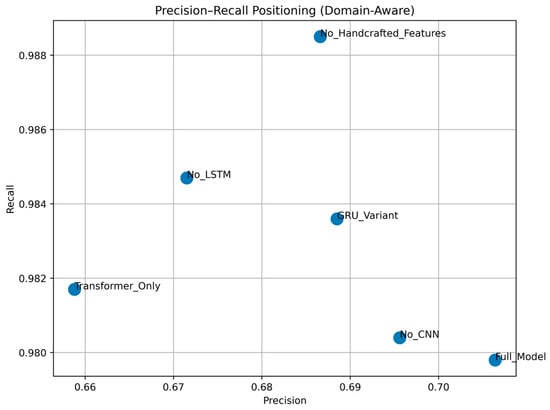
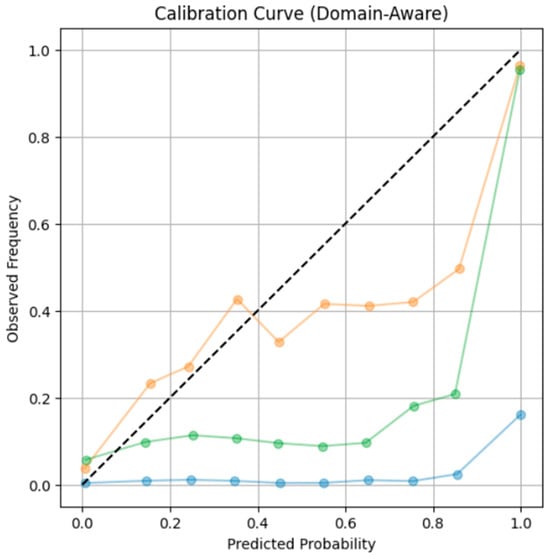
Phishing and malicious websites are a serious threat on the internet. Attackers use fake links to trick users and steal their private information. Detecting these links is difficult because attackers change their tricks often. Many old methods cannot detect new or hidden threats. Some recent models use deep learning (DL), but they are large, slow, and hard to use in real-time systems. In this paper, we present a lightweight and accurate model called MiniLM-CNNLSTM. It combines a small transformer model (MiniLM) with a hybrid DL network using Convolutional Neural Network (CNN) and Long Short-Term Memory (LSTM) layers. The transformer learns the meaning of URLs. The CNN finds important patterns. The LSTM captures the order of characters. We also add handcrafted features that help the model detect tricky URLs. We test our method on two public datasets: the Phishing Site URLs dataset and the Malicious URLs dataset from Kaggle. We use 3-fold cross-validation and early stopping to ensure fair and stable results. The MiniLM-CNN-LSTM model outperformed previous benchmarks by achieving an average three-fold cross-validation accuracy of 98.98%, a precision of 98.63%, a recall of 98.29%, an F1-score of 98.46%, and a false positive rate of 0.68%. The proposed model has a higher accuracy, precision, recall, F1-score and a lower false positive rate, which enhances the accuracy by 1.88, precision by 3.77, recall by 4.17 and decreases the false positive rate by 61.58% compared with the strongest baseline (Distil BERT + CNN-LSTM), showing significant practical improvements. The results show that our approach is fast, small, and highly effective. It can detect phishing and malicious links with high accuracy. This makes it a good choice for real-time security systems like browsers, email filters, or firewalls.
Full article
(This article belongs to the Special Issue Research on Security and Privacy of Data and Networks)
►▼
Show Figures

Figure 1
Journal Menu
► ▼ Journal Menu-
- Technologies Home
- Aims & Scope
- Editorial Board
- Reviewer Board
- Topical Advisory Panel
- Instructions for Authors
- Special Issues
- Topics
- Sections & Collections
- Article Processing Charge
- Indexing & Archiving
- Editor’s Choice Articles
- Most Cited & Viewed
- Journal Statistics
- Journal History
- Journal Awards
- Conferences
- Editorial Office
Journal Browser
► ▼ Journal BrowserHighly Accessed Articles
Latest Books
E-Mail Alert
News
Topics
Topic in
Electronics, Future Internet, Technologies, Telecom, Network, Microwave, Information, Signals
Advanced Propagation Channel Estimation Techniques for Sixth-Generation (6G) Wireless Communications
Topic Editors: Han Wang, Fangqing Wen, Xianpeng WangDeadline: 31 May 2026
Topic in
ChemEngineering, Chemistry, Energies, Processes, Sustainability, Technologies
Advances in Green Energy and Energy Derivatives
Topic Editors: Muhammad Sajid, Nisar Ali, Muhammad Farooq, Mairui ZhangDeadline: 20 June 2026
Topic in
Energies, Machines, Modelling, Vehicles, Applied Mechanics, Future Transportation, Technologies
Dynamics, Control and Simulation of Electric Vehicles
Topic Editors: Xiang Chen, Xiangyu Wang, Congzhi LiuDeadline: 30 June 2026
Topic in
AI, Computers, Education Sciences, Societies, Future Internet, Technologies
AI Trends in Teacher and Student Training
Topic Editors: José Fernández-Cerero, Marta Montenegro-RuedaDeadline: 11 July 2026
Conferences
Special Issues
Special Issue in
Technologies
Sustainable Water and Environmental Technologies of Global Relevance
Guest Editor: Miklas ScholzDeadline: 30 May 2026
Special Issue in
Technologies
Application and Management of Blockchain Technologies
Guest Editors: Aref Meddeb, Bacem MbarekDeadline: 31 May 2026
Special Issue in
Technologies
Smart Technologies Shaping the Future of Tourism and Hospitality
Guest Editor: Tamara GajićDeadline: 31 May 2026
Special Issue in
Technologies
Application of Artificial Intelligence in Medical Image Analysis
Guest Editors: Masateru Kawakubo, Tamás HaideggerDeadline: 31 May 2026
Topical Collections
Topical Collection in
Technologies
Selected Papers from the PETRA Conference Series
Collection Editor: Fillia Makedon
Topical Collection in
Technologies
Technology Advances in IoT Learning and Teaching
Collection Editors: Sergio Martin Gutiérrez, George F. Fragulis
Topical Collection in
Technologies
Electrical Technologies
Collection Editors: Valeri Mladenov, Vasiliki Vita
Topical Collection in
Technologies
Review Papers Collection for Advanced Technologies
Collection Editor: Manoj Gupta