Journal Description
Journal of Interdisciplinary Research Applied to Medicine
(JDReAM) is an international, peer-reviewed, open access journal on health-related researches coming from different scientific sectors—such as biology, biotechnology, biomedicine as well as physics and statistics, informatics, technologies, computer engineering, nano-biomaterials, as well as neuroscience, psychology, pedagogy and human sciences—published quarterly online by MDPI (since Volume 6, Issue 1 - 2026).
- Open Access— free for readers, with article processing charges (APC) paid by authors or their institutions.
- Rapid Publication: first decisions in 19 days; acceptance to publication in 8 days (median values for MDPI journals in the second half of 2025).
- Recognition of Reviewers: APC discount vouchers, optional signed peer review, and reviewer names published annually in the journal.
Latest Articles
Compact Propagation and Morphology-Based EEG Features for Real-Time Seizure Detection Using Machine Learning
J. Interdiscip. Res. Appl. Med. 2026, 6(2), 8; https://doi.org/10.3390/jdream6020008 (registering DOI) - 12 May 2026
Abstract
►
Show Figures
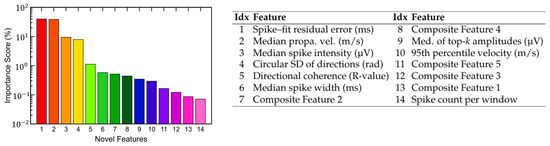
Accurate and efficient seizure detection remains a major challenge for portable EEG-based monitoring systems, where computational and power limitations restrict the use of deep learning approaches. We introduce a compact set of fourteen propagation-based EEG features that quantify spike directionality, propagation velocity, and
[...] Read more.
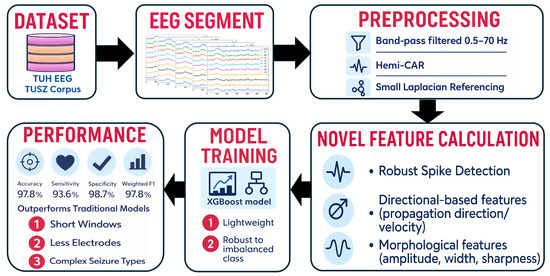
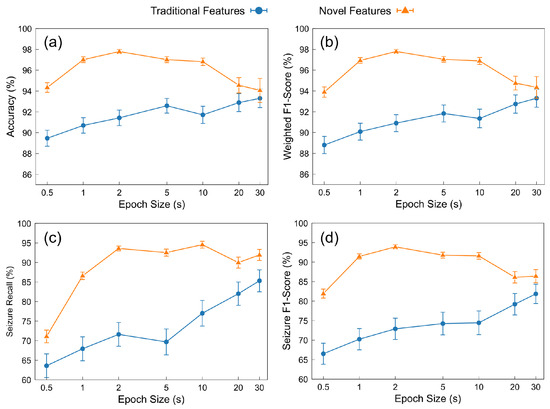
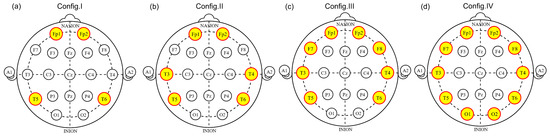
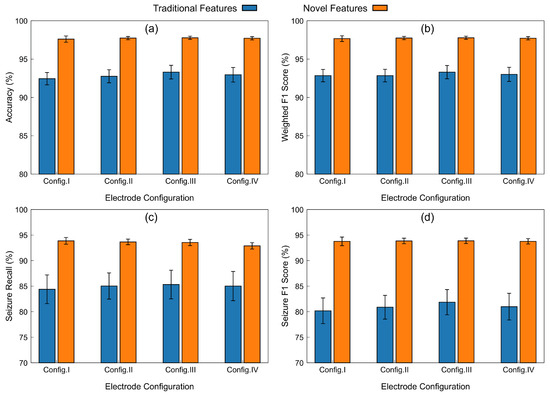
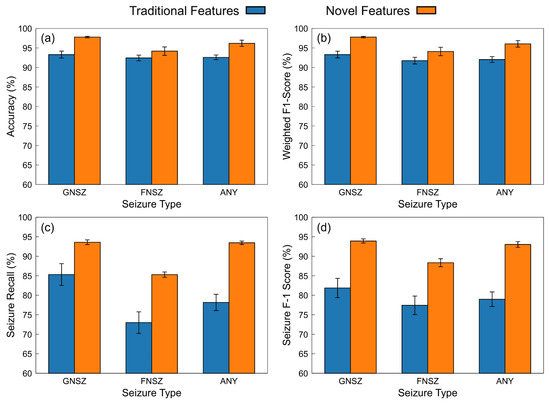
Accurate and efficient seizure detection remains a major challenge for portable EEG-based monitoring systems, where computational and power limitations restrict the use of deep learning approaches. We introduce a compact set of fourteen propagation-based EEG features that quantify spike directionality, propagation velocity, and spatial coherence across channels. These physiologically interpretable features were evaluated using a gradient-boosted XGBoost classifier on the TUH Seizure Corpus under a leave-one-subject-out cross-validation framework. The proposed model achieved 97.8% accuracy, 98.7% specificity, 93.6% sensitivity, and a weighted F1 score of 97.8% using 2 s epochs and eight electrodes. The framework remained robust across generalized, focal, and complex partial seizure types and maintained consistent short-window performance. The compact 14-feature representation enables efficient, accurate, and interpretable seizure detection with strong potential for real-time wearable EEG-based applications. The proposed gradient-boosting approach demonstrates that shallow, interpretable architectures can achieve performance comparable to deep learning methods while offering improved computational efficiency, making them promising for low-power embedded implementations.
Full article
Open AccessCase Report
Symptomatic Pedicle Ossification Following Fibular Free Flap Reconstruction: Case Report and Review of the Literature
by
Mattie Rosi-Schumacher, Susan Karki, Ayham Al Afif and Ryan McSpadden
J. Interdiscip. Res. Appl. Med. 2026, 6(2), 7; https://doi.org/10.3390/jdream6020007 - 24 Apr 2026
Abstract
►▼
Show Figures
Ossification of the vascular pedicle following fibula free flap (FFF) reconstruction is an uncommon and typically asymptomatic complication. Symptomatic cases requiring intervention are rare. We report a 29-year-old man with anterior maxillary osteosarcoma who underwent tumor resection followed by reconstruction with an osteocutaneous
[...] Read more.
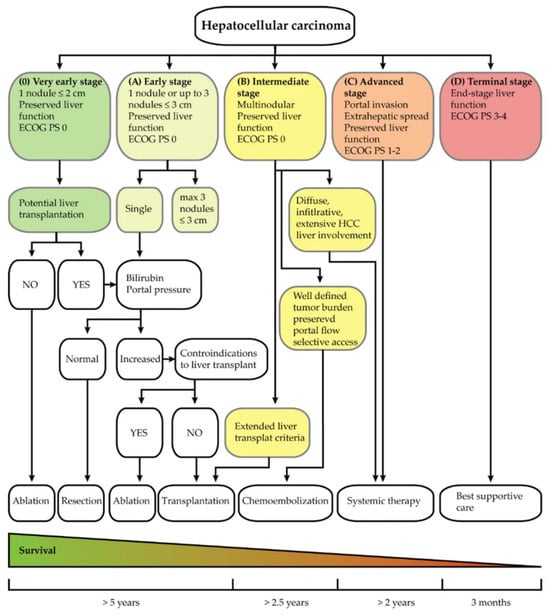
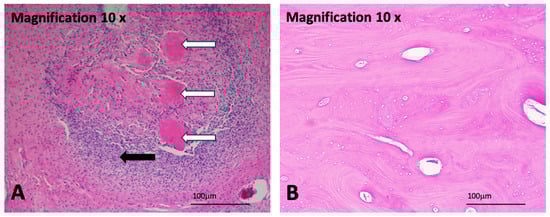
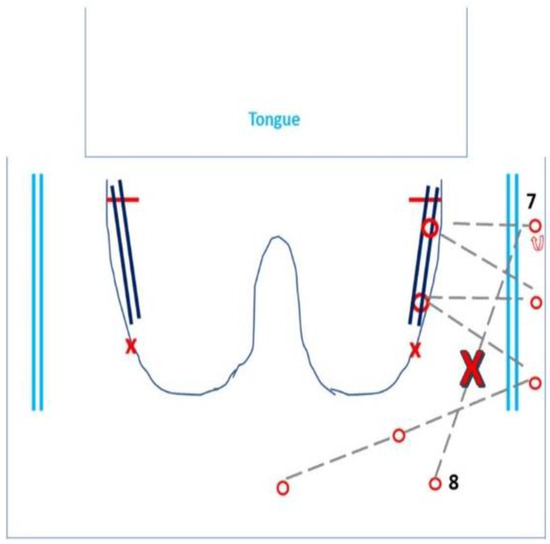
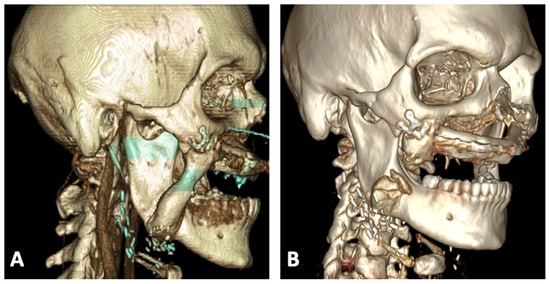
Ossification of the vascular pedicle following fibula free flap (FFF) reconstruction is an uncommon and typically asymptomatic complication. Symptomatic cases requiring intervention are rare. We report a 29-year-old man with anterior maxillary osteosarcoma who underwent tumor resection followed by reconstruction with an osteocutaneous FFF. Calcification within the surgical site region was noted on imaging at two months after fibular reconstruction. By five months, he developed progressive trismus and pain with mastication. Computed tomography demonstrated a calcified structure extending from the mandible to the reconstructed maxilla along the flap pedicle, raising concern for tumor recurrence. Surgical excision was performed, and histopathology revealed benign woven bone without evidence of malignancy. Postoperatively, trismus improved, and flap viability was preserved. Retained periosteum during FFF harvest maintains osteogenic potential and may result in pedicle ossification. In symptomatic patients, particularly when recurrence is suspected, surgical resection is both diagnostic and therapeutic.
Full article

Figure 1

Open AccessArticle
SNAP: A Multidimensional Tool for Psychotherapeutic Process Analysis—Development and Pilot Study of Perceived Clinical Utility
by
Roberta Stanzione, Chiara Scognamiglio, Lucia Luciana Mosca, Simona Verniti, Valeria Cioffi, Enrica Tortora and Enrico Moretto
J. Interdiscip. Res. Appl. Med. 2026, 6(2), 6; https://doi.org/10.3390/jdream6020006 - 16 Apr 2026
Abstract
►▼
Show Figures
This paper introduces SNAP (Structure, Narrative, Activation, Process, Next), a multidimensional clinical reflection tool supporting psychotherapists in systematically attending to phenomenological, relational, and process-oriented dimensions. SNAP integrates Gestalt therapy, complex systems theory, and the Research Domain Criteria (RDoC) framework, comprising 73 items across
[...] Read more.
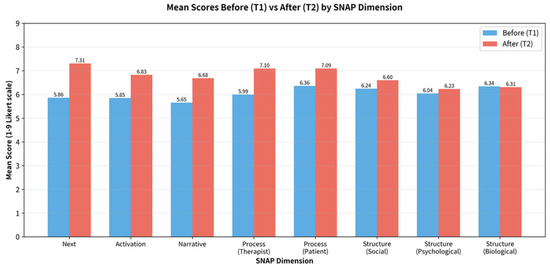
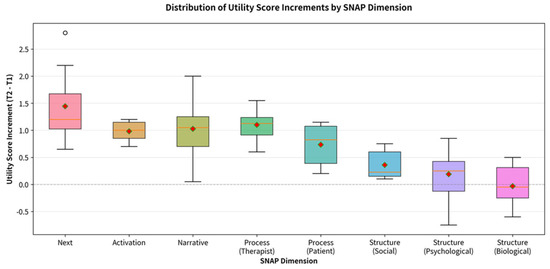
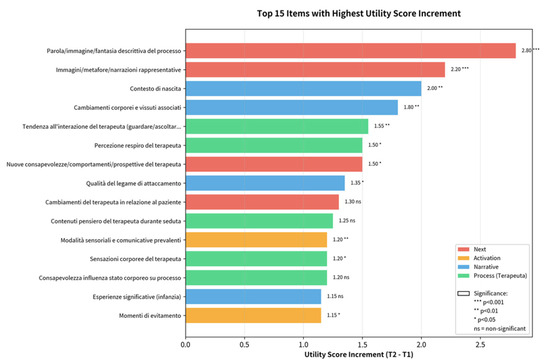
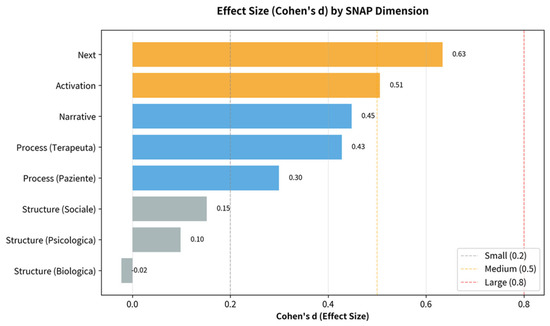
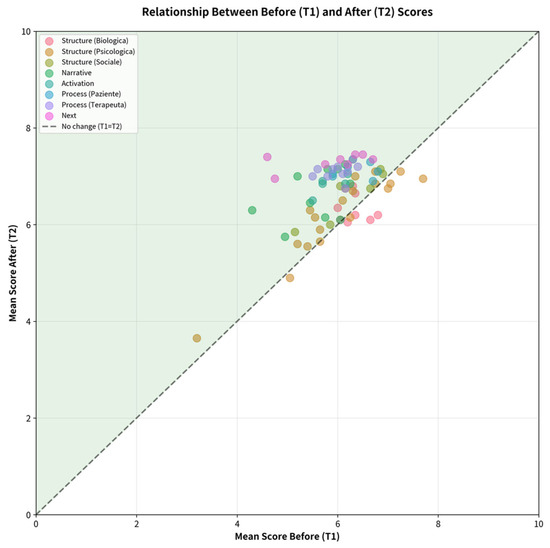
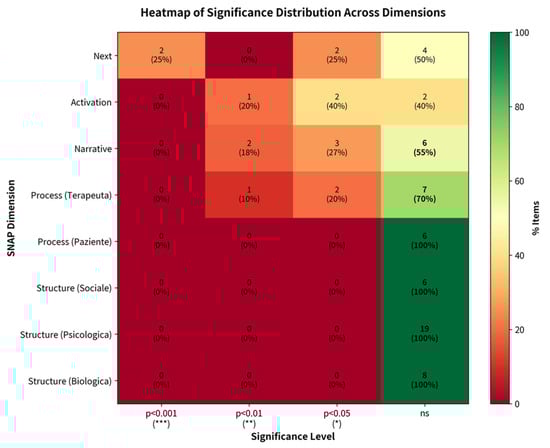
This paper introduces SNAP (Structure, Narrative, Activation, Process, Next), a multidimensional clinical reflection tool supporting psychotherapists in systematically attending to phenomenological, relational, and process-oriented dimensions. SNAP integrates Gestalt therapy, complex systems theory, and the Research Domain Criteria (RDoC) framework, comprising 73 items across five dimensions. A pilot acceptability and perceived utility study (N = 20 psychotherapists) used a retrospective pre-post design in which participants provided retrospective pre-exposure and post-exposure ratings for each item. Post-exposure ratings were higher overall than retrospective pre-exposure ratings (T2: M = 6.69, SD = 0.54 vs. T1: M = 6.02, SD = 0.70; mean difference +0.67; Hedges’ g = 0.28, Cohen’s d = 0.29; 15/73 items p < 0.05 uncorrected; 2/73 after Benjamini-Hochberg FDR correction). The largest descriptive contrasts were observed in phenomenological dimensions: Next (g = 0.61), Activation (g = 0.49), Narrative (g = 0.43), and Process-Therapist (g = 0.41). Structural bio-psycho-social dimensions showed minimal contrasts (d = −0.02 to 0.15). Absolute post-exposure ratings were high across items (89% rated 6/9 or above), supporting good acceptability and perceived usefulness within this sample. These preliminary findings support SNAP as a promising, positively perceived framework for clinical reflection. Larger-sample psychometric validation is warranted.
Full article

Figure 1

Open AccessFeature PaperArticle
Facial Beauty According to AI: Algorithmic Aesthetics and the Transformation of Contemporary Beauty
by
Nitzan Kenig, Aina Muntaner Vives and Javier Montón Echeverría
J. Interdiscip. Res. Appl. Med. 2026, 6(2), 5; https://doi.org/10.3390/jdream6020005 - 15 Apr 2026
Abstract
►▼
Show Figures
Background: Generative artificial intelligence (AI) can produce realistic human faces that are shared on social media, from where younger generations often derive body image norms. Aesthetic bias in these systems may promote unrealistic standards of beauty. This study examines whether generative AI produces
[...] Read more.
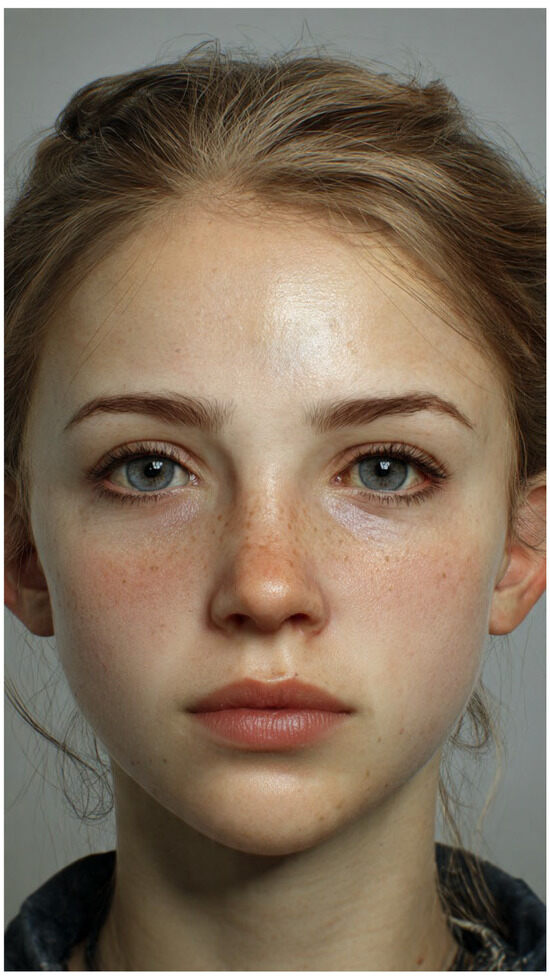
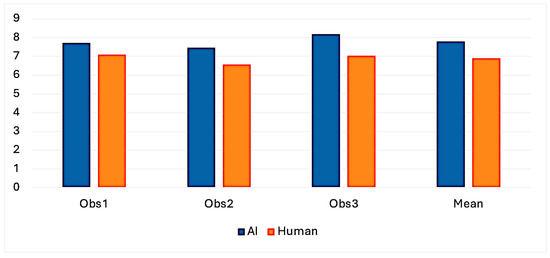
Background: Generative artificial intelligence (AI) can produce realistic human faces that are shared on social media, from where younger generations often derive body image norms. Aesthetic bias in these systems may promote unrealistic standards of beauty. This study examines whether generative AI produces facial images that are perceived by humans as more attractive than real human faces. Thus, we examine AI-generated facial imagery as a contemporary site of consumer culture, where beauty may become biased, unrealistic, and commodified: generating an algorithmically optimized product circulating through social media and digital platforms without proper regulation. Methods: Fifty AI-generated female faces were prospectively compared with 50 photographs of female models from a model agency. Facial attractiveness was rated by plastic surgeons, using a Likert scale and Mann–Whitney U for analysis. Results: AI-generated images received higher mean aesthetic scores than real photographs (7.79 vs. 6.88, p < 0.05), despite prompts requesting unattractive features. Conclusions: The AI model showed a small but consistent bias toward enhanced facial attractiveness. As AI-generated imagery increasingly shapes visual culture, this bias may contribute to unrealistic beauty standards, highlighting the need for AI literacy, responsible use of AI, and ethical oversight, especially when shared on social media.
Full article

Figure 1

Open AccessArticle
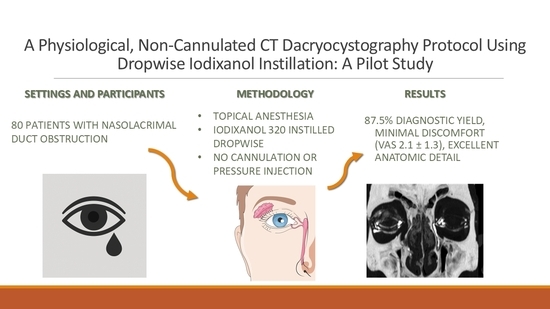
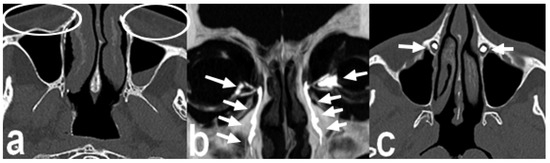
A Physiological, Non-Cannulated CT–Dacryocystography Protocol Using Dropwise Iodixanol Instillation: A Pilot Study
by
Flavio Cassano, Giovanni Leo Tomacelli, Costa Maria Carmela, Besozzi Gianluca, Rizzo Tiziana, Paladini Adriana and Guglielmo Sticchi
J. Interdiscip. Res. Appl. Med. 2026, 6(1), 4; https://doi.org/10.3390/jdream6010004 - 9 Feb 2026
Abstract
►▼
Show Figures
Background: Conventional CT–dacryocystography (CT-DCG) requires canalicular cannulation and forced contrast injection, which may distort anatomy and cause discomfort. This study describes a non-cannulated CT-DCG protocol using dropwise iodixanol 320 instillation designed to simulate physiological tear drainage. Methods: We retrospectively reviewed 80 patients (25
[...] Read more.
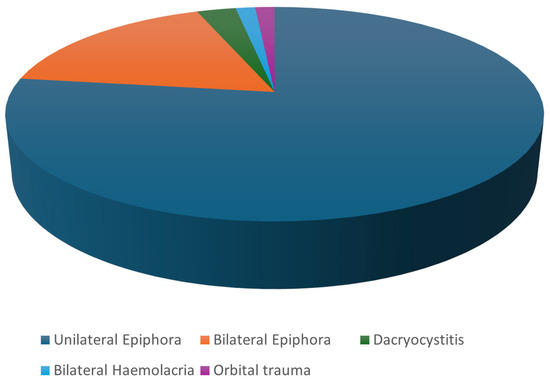
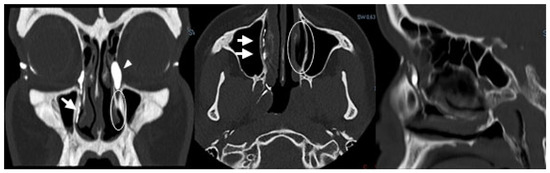
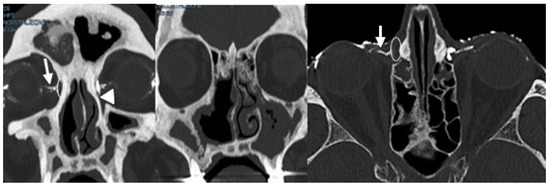
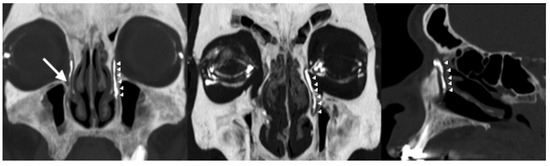
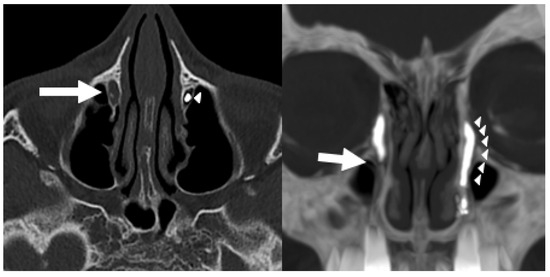
Background: Conventional CT–dacryocystography (CT-DCG) requires canalicular cannulation and forced contrast injection, which may distort anatomy and cause discomfort. This study describes a non-cannulated CT-DCG protocol using dropwise iodixanol 320 instillation designed to simulate physiological tear drainage. Methods: We retrospectively reviewed 80 patients (25 males, 55 females; mean age 64.3 ± 8.9 years) with suspected nasolacrimal duct obstruction. Iodixanol 320 was instilled at 2 drops/min for 10 min without cannulation. Imaging was performed on a low-dose 128-slice CT system with multiplanar reconstructions. Lacrimal patency, obstruction site, and patient discomfort (10-point VAS) were evaluated by a blinded radiologist. Results: Adequate contrast opacification was achieved in all cases. Obstruction was detected in 70/80 (87.5%) patients. Mean patient discomfort was 2.1 ± 1.3 VAS scale, lower than the values reported in the literature for conventional CT-DCG. No adverse reactions occurred. Conclusions: Non-cannulated CT-DCG with dropwise iodixanol instillation is a feasible and well-tolerated imaging technique that provides high diagnostic yield while preserving physiological tear flow. Further prospective, comparative studies are warranted to validate these findings.
Full article

Graphical abstract
Open AccessArticle
University Dental Internship Mastery: From Training Evaluation to the Development of a Competency Framework: A Pilot Study
by
Hervé Becquet, Carole Nagot, Guillaume Savard, Matthieu Renaud, Nathalie Magneron and Frédéric Denis
J. Interdiscip. Res. Appl. Med. 2026, 6(1), 3; https://doi.org/10.3390/jdream6010003 - 4 Feb 2026
Abstract
►▼
Show Figures
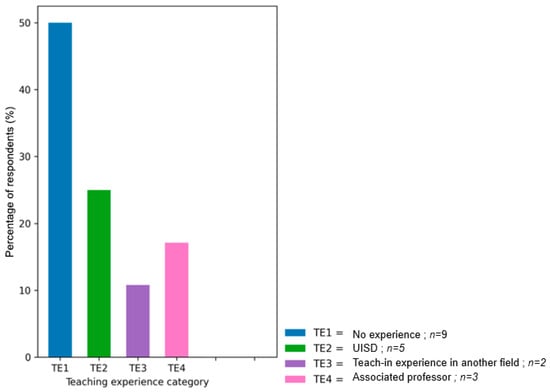
Background: A training program for University Internship Supervisors in Dentistry (UISD) was created from scratch in 2022 at the Faculty of Dentistry in Tours. Designed to prepare practitioners for the role of UISD, it is structured into three distinct modules, each with specific
[...] Read more.
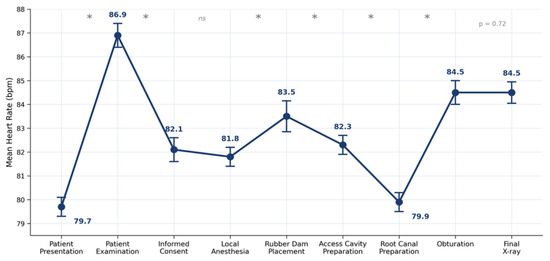
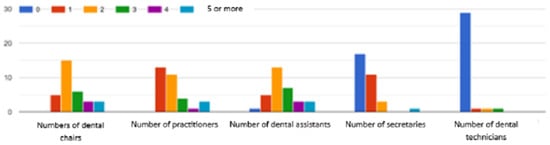
Background: A training program for University Internship Supervisors in Dentistry (UISD) was created from scratch in 2022 at the Faculty of Dentistry in Tours. Designed to prepare practitioners for the role of UISD, it is structured into three distinct modules, each with specific educational objectives. The first module, dedicated to the supervision of students during observation internships, has been delivered for three years. Aim: To assess the experience of UISDs as trainers, to identify their perceptions of their role, and to assess their expectations regarding the future development of this training. The study also aimed to propose a knowledge and competency framework that could serve as a basis for this first module. Methods: A qualitative approach was used, based on semi-structured individual interviews with trained UISDs who had supervised students during observation internships. Interviews were coded and analyzed inductively. Results: A total of 19 UISDs participated in the study. The mean age was 49.4 years, with an average of 23.9 years of private practice experience. Providing high-quality supervision to students in their offices was considered a major priority. Based on these results, the UISD training program was revised to identify four structuring themes for a competency framework: the internship environment, required knowledge, interpersonal skills (soft skills), and practical skills (know-how). Conclusions: The UISD training program in dentistry, designed for observation internships, has been adapted to meet practitioners’ expectations and has evolved into an initial structured framework of competencies and knowledge for supervising students during observation internships. This framework will require ongoing refinement.
Full article

Figure 1
Open AccessEditorial
Publisher’s Note: A Warm Welcome to the Journal of Interdisciplinary Research Applied to Medicine
by
Carla Aloè
J. Interdiscip. Res. Appl. Med. 2026, 6(1), 2; https://doi.org/10.3390/jdream6010002 - 31 Dec 2025
Abstract
We are delighted to welcome the Journal of Interdisciplinary Research Applied to Medicine (JDReAM) [...]
Full article
Open AccessEditorial
Knowledge Transfer Exchange (KTE): The Challenge of Communicating Evidence-Based Information from Scientists to Citizens and Decision Makers—JDReAM’s Renewed Vision for Interdisciplinary Research in Science and Humanities for Health
by
Prisco Piscitelli and Michele Maffia
J. Interdiscip. Res. Appl. Med. 2026, 6(1), 1; https://doi.org/10.3390/jdream6010001 - 30 Dec 2025
Abstract
The current challenge for scientists, regardless of their research field or area of activity, consists in presenting the evidence emerging from studies carried out at the local, national, or even international level to the public and decision makers [...]
Full article
Open AccessArticle
Attitudes, perceptions, and knowledge of the population on End-of-Life and Advance Treatment Declaration: an observational study in Southern Italy
by
Antonino Calabro, Roberto Lupo, Ilaria Bernardini, Ornella De Mitri, Cosimo Caldararo, Marcello Antonazzo, Carmen Donadio, Maicol Carvello, Federica Ilari, Maria Chiara Carriero and Luana Conte
J. Interdiscip. Res. Appl. Med. 2021, 5(1), 49-59; https://doi.org/10.1285/i25327518v5i1p49 - 30 Jun 2021
Abstract
In an advanced scientific and technological context, where it is now tangible the possibility of interfering indefinitely in the process of dying, it becomes necessary to disseminate knowledge about end of life that, for the great variety of areas that it invests, presents
[...] Read more.
In an advanced scientific and technological context, where it is now tangible the possibility of interfering indefinitely in the process of dying, it becomes necessary to disseminate knowledge about end of life that, for the great variety of areas that it invests, presents many controversial aspects. With the Law no. 219/2017, the right of self-determination and freedom of treatment of the patient is enshrined, aspects that to date still remain too little discussed. An online survey was conducted from December 2019 to February 2020, among the population residing in the provinces of Lecce and Brindisi, spread thanks to the collaboration of local authorities. A large part of the sample (82.4%, N=333) claims the right to self-determination, stating that therapeutic decisions are up to the patient who has signed his advance treatment dispositions, declared absolutely binding for 50% (N=205) of the sample. However, there is still a lack of information about how to draw up advance treatment agreements (AADs). 12.6% (N=51) of those interviewed stated that they knew nothing about it and only 32.9% (N=133) felt ready and adequately informed to make their own declarations. Another peculiar aspect is that topics such as euthanasia and assisted suicide seem to be considered at the margins of acceptability among End-of-Life instances. The results of the study show that knowledge on the subject has definitely improved over the years and that in most of the issues addressed, the population has an adequate degree of preparedness even though there is still some skepticism in dealing with issues such as assisted suicide and euthanasia. Future research could explore the possibility of identifying effective training tools and communication strategies that can be used by the widest possible segment of the population.
Full article
Open AccessArticle
The rhythms of language: an overview of linguistic processes and neural oscillations
by
Cosimo Iaia, Barbara Gili Fivela, Francesco Sigona and Mirko Grimaldi
J. Interdiscip. Res. Appl. Med. 2021, 5(1), 37-48; https://doi.org/10.1285/i25327518v5i1p37 - 30 Jun 2021
Abstract
For the last decades neuroscientists have grown interest in the analysis of the rhythmic activity of the brain syn- chronized at temporal and spatial level. These neural oscillations, grouped by their frequency, have been pro- posed to govern all cognitive processes. In the
[...] Read more.
For the last decades neuroscientists have grown interest in the analysis of the rhythmic activity of the brain syn- chronized at temporal and spatial level. These neural oscillations, grouped by their frequency, have been pro- posed to govern all cognitive processes. In the field of the neurobiology of language, considerable research has linked speech processing and language comprehension to neural oscillations. On one hand, neural rhythmic ac- tivity is thought to synchronize to relevant spectral information of speech on three-time scales – which physically reflect phoneme, syllable and phrase processing. On the other hand, syntactic and semantic processing is sub- served by faster oscillatory patterns not necessarily related to the acoustic properties of speech. For each linguistic process, this article summarizes the neural oscillations involved. Further evidence comes from studies on language-related pathologies.
Full article
Open AccessArticle
How is suspected transthyretin-related cardiac amyloidosis diagnosed? Role 99mTc-HDMP scintigraphy: a substitute for biopsy?
by
Alessandra Cimino, Elisa Rizza, Luca Luongo and Angelo Mita
J. Interdiscip. Res. Appl. Med. 2021, 5(1), 33-36; https://doi.org/10.1285/i25327518v5i1p33 - 30 Jun 2021
Abstract
►▼
Show Figures
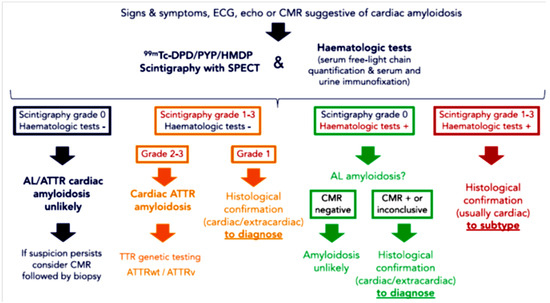
Cardiac amyloidosis (CA) is characterized by extracellular deposition of protein-derived fibrils and lead to heart failure. Gold standard for its etiological diagnosis is endomyocardial biopsy and laboratory tests, both high-cost and invasive procedures. Technetium- 99m hydroxymethylene diphosphonate (99mTc-HMDP) scintigraphy is important tool for
[...] Read more.
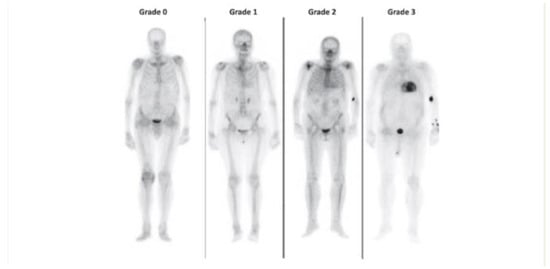
Cardiac amyloidosis (CA) is characterized by extracellular deposition of protein-derived fibrils and lead to heart failure. Gold standard for its etiological diagnosis is endomyocardial biopsy and laboratory tests, both high-cost and invasive procedures. Technetium- 99m hydroxymethylene diphosphonate (99mTc-HMDP) scintigraphy is important tool for defining CA, specifically transthyretin subtype (ATTR). From July 2020 to February 2021, we retrospectively analyzed 18 pts [14 males, 4 females; aged 32-86y] with suspected ATTR, underwent to scintigraphy 150 min after iv administration of 740 MBq 99mTc-HMDP.Myocardial uptake was assessed optically based on Perugini Score (0- 3). Biopsy confirmed diagnosis. Intense (Score 3) and moderate (Score 2) myocardial uptake verified in 8 patients by 99mTc-HDMP scintigraphy, was consistent with ATTR suspect. In 10 patient’s cardiac radiotracer uptake was absent (Score 0) avoiding biopsy. Our data indicate a 99mTc-HDMP scintigraphy key role in the early diagnosis but even more in the exclusion of patients with ATTR subtype, optimizing the management of pts who do not require high costs and invasive procedures.
Full article

Figure 1

Open AccessArticle
Adenoid Cystic Carcinoma of the Bartholin Gland. A Morphological and Immunohistochemical study of a rare case
by
Alessandro D’Amuri, Federica Floccari, Marcello Filotico, Ottavia D’Oria, Gaetano Panese and Andrea Tinelli
J. Interdiscip. Res. Appl. Med. 2021, 5(1), 27-32; https://doi.org/10.1285/i25327518v5i1p27 - 30 Jun 2021
Abstract
►▼
Show Figures
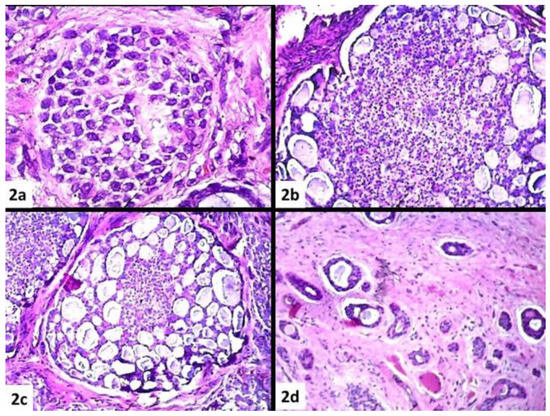
Adenoid cystic carcinoma of the Bartholin gland (BG-ACC) is a rare form of vulvar cancer. Literature reported approximately 350 cases of BG-ACC since 1864. Literature data and case reports suggested an aggressive nature with protracted clinical symptoms and a tendency for local recurrence
[...] Read more.
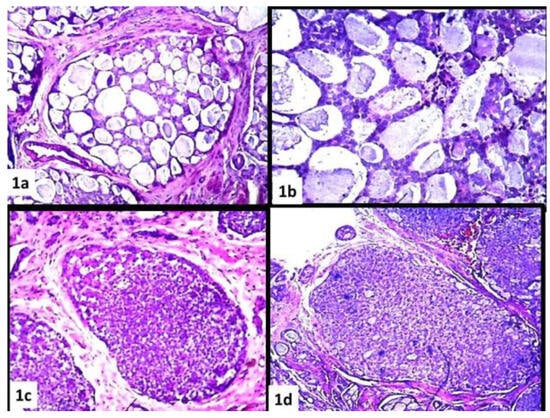
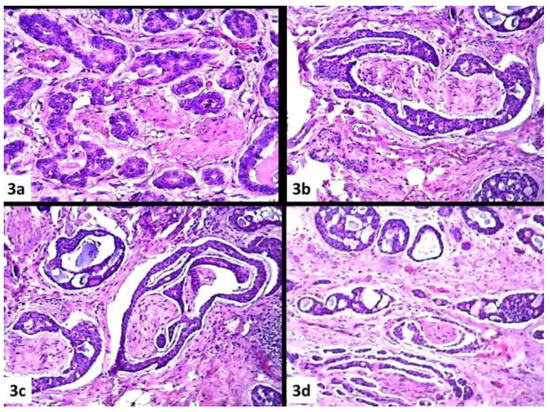
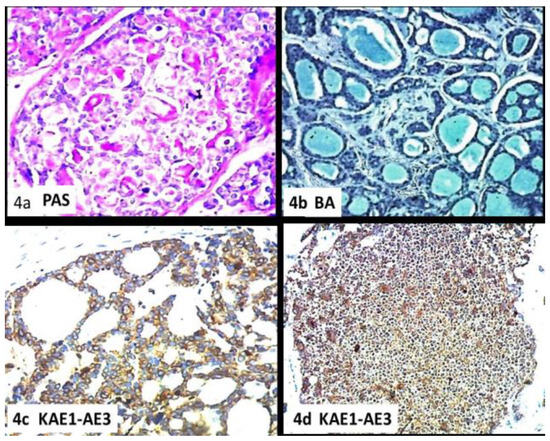
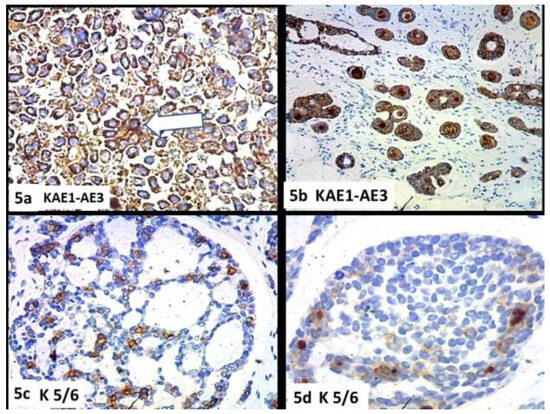
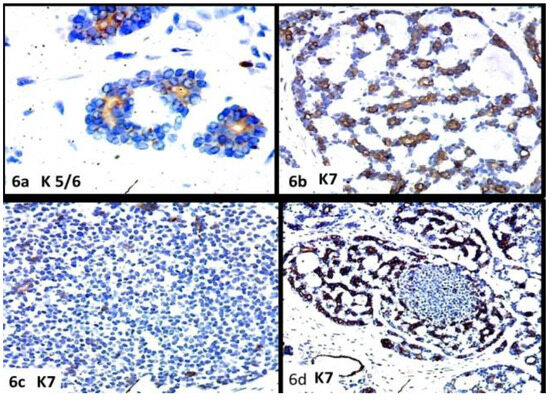
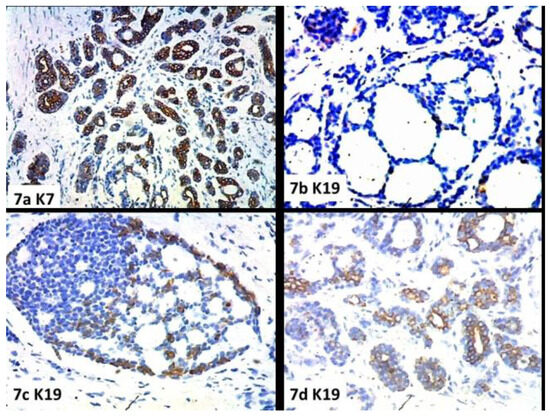
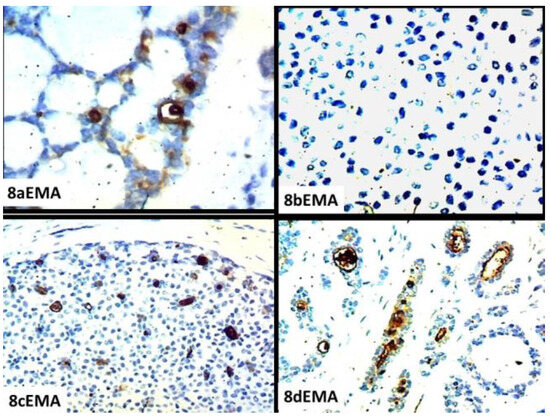
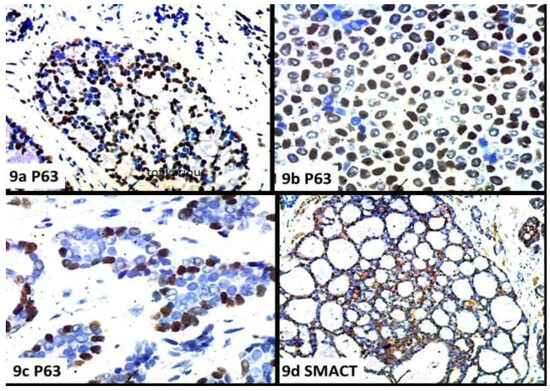
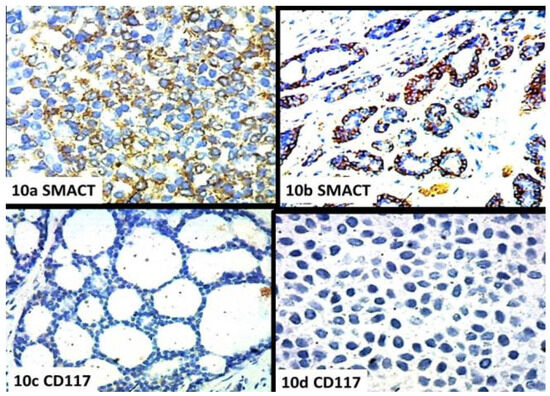
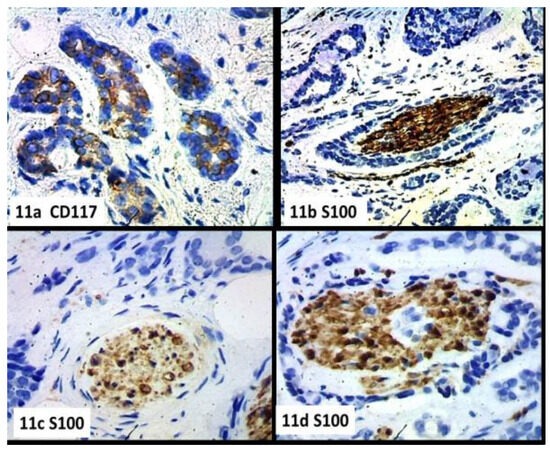
Adenoid cystic carcinoma of the Bartholin gland (BG-ACC) is a rare form of vulvar cancer. Literature reported approximately 350 cases of BG-ACC since 1864. Literature data and case reports suggested an aggressive nature with protracted clinical symptoms and a tendency for local recurrence despite adequate surgical excision with or without adjuvant radiotherapy. Survival rates of 71% and 59% are reported, respectively, at five and ten years. A comparative analysis of the immunohistochemical profile was performed with the homologous tumor of the salivary glands, and it was observed that the expression of various antigen in different morphological patterns of this neoplasia allowed some considerations about on its histogenesis that was hitherto never proposed.
Full article

Figure 1
Open AccessArticle
Polygraphic findings in simplified Barbed Reposition Pharyngoplasty (BRP) as a treatment for OSA patients
by
Caterina Arigliani, Michele Arigliani, Enrico Ciavolino, Luana Conte, Domenico Maurizio Toraldo, Silvia Passariello, Serena Arima, Paola Angelelli, Luigi Macchitella, Antonio Palumbo and Michele De Benedetto
J. Interdiscip. Res. Appl. Med. 2021, 5(1), 19-26; https://doi.org/10.1285/i25327518v5i1p19 - 30 Jun 2021
Abstract
►▼
Show Figures
This study aims to compare polygraphic data in patients with OSA treated with Barbed Reposition Pharyn-goplasty (BRP) performed with a simplified technique compared to the standard method. Variations of tech-nique were performed and tested with the purpose of promoting tolerability and diffusion of
[...] Read more.
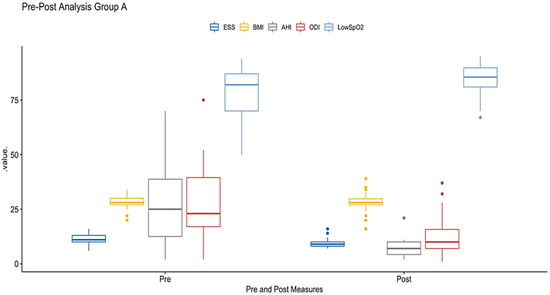
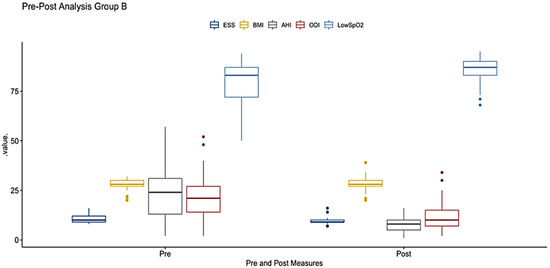
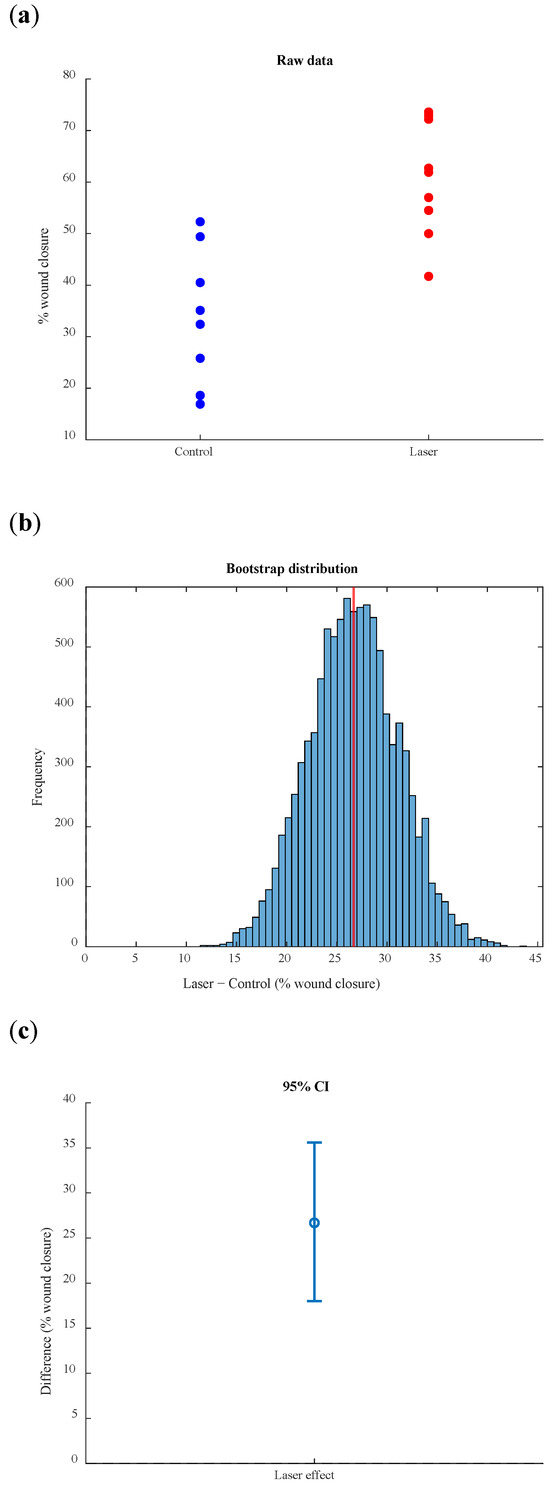
This study aims to compare polygraphic data in patients with OSA treated with Barbed Reposition Pharyn-goplasty (BRP) performed with a simplified technique compared to the standard method. Variations of tech-nique were performed and tested with the purpose of promoting tolerability and diffusion of this simplified technique. To evaluate the efficacy of the simplified BRP method, a sample of 99 patients was divided into two groups: Group A was treated with BRP (BRP group) and Group B was treated with simplified BRP (sBRP group). The results obtained on the two groups were compared with the two sample Bootstrap t-tests method, showing a substantial overlap in polygraphic results recorded 6 months after surgery.
Full article

Figure 1
Open AccessArticle
The Eye-tracking technology in the healthcare settings: an observational, cross sectional, multicenter study
by
Luana Conte, Alessia Lezzi, Roberto Lupo, Simone Zacchino, Antonino Calabrò, Cosimo Petrelli, Cosimo Caldararo, Antonietta Abate, Alessandra Rizzo, Fiorella Fabrizio, Maicol Carvello and Maria Chiara Carriero
J. Interdiscip. Res. Appl. Med. 2021, 5(1), 11-18; https://doi.org/10.1285/i25327518v5i1p11 - 30 Jun 2021
Abstract
Successful communication is considered an essential component of the quality of care and safety of the patient with Amyotrophic Lateral Sclerosis (ALS). Recent technology has provided alternative communication systems, including the Eye-tracking technology, which enables interaction with others in the more advanced stages
[...] Read more.
Successful communication is considered an essential component of the quality of care and safety of the patient with Amyotrophic Lateral Sclerosis (ALS). Recent technology has provided alternative communication systems, including the Eye-tracking technology, which enables interaction with others in the more advanced stages of the disease. The aim of the study is to investigate patients' difficulties in using the eye tracker, their problem in ob-taining the device and the clinical complications resulting from it. A “snowball sampling” method study was conducted from April to September 2020 until sample saturation. The results of the study demonstrate the countless difficulties in obtaining the eye- tracker, with long waiting times, which are not followed by adequate training in its correct use. Among the consequences linked to the use of this device, the most frequent were nys-tagmus (8.8%), onset of eyelid ptosis (16.2%) and the appearance of increased fatigue. 56.1% of the sample used the eye tracker to surf the Internet whereas 9.1% used it to write e-mails. Overall, the use of the eye tracker led to an improvement in overall quality of life (24%). In Conclusions, the Eye-tracking technology is a valuable de-vice for Alternative Augmentative Communication (AAC) in ALS patients and can be used with good perfor-mance, therefore the need for information, training and improvement on this topic is essential.
Full article
Open AccessArticle
The bidirectional interaction between our gut flora and drugs
by
Luana Conte, Cosimo Caldararo and Roberto Lupo
J. Interdiscip. Res. Appl. Med. 2021, 5(1), 7-10; https://doi.org/10.1285/i25327518v5i1p7 - 30 Jun 2021
Abstract
The term "pharmacogenetics" refers to the study of individual genetic variations that give rise to different re-sponses to the intake of a drug. Recently, however, it has begun to think that an important role in this sense can also be played by our
[...] Read more.
The term "pharmacogenetics" refers to the study of individual genetic variations that give rise to different re-sponses to the intake of a drug. Recently, however, it has begun to think that an important role in this sense can also be played by our microbiota. The interaction between our gut microbial flora and drugs is actually bidirec-tional: evidence has accumulated that some drugs, in addition to classical antibiotics, have a strong impact on the composition of the microbiota.
Full article
Open AccessArticle
The mechanobiology of the nucleus
by
Marina Damato and Michele Maffia
J. Interdiscip. Res. Appl. Med. 2020, 4(2), 7-14; https://doi.org/10.1285/i25327518v4i2p7 (registering DOI) - 31 Dec 2020
Abstract
►▼
Show Figures
In addition to biochemical and molecular signals coming from the microenvironment, cells are able to sense and integrate mechanical stresses, additional fundamental regulators of cell behaviour. Emerging demonstrations in-dicate that mechanical cues go far beyond the plasma membrane and the cytoskeleton, since, exerting
[...] Read more.
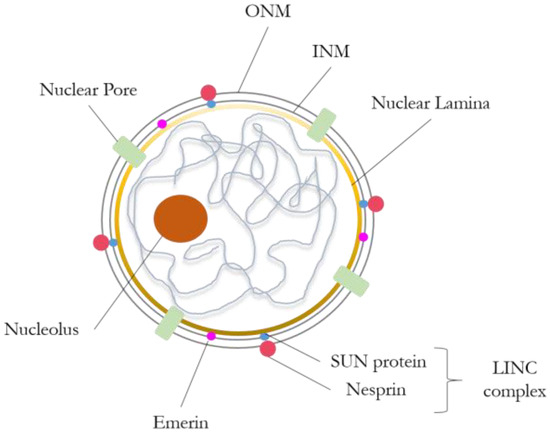
In addition to biochemical and molecular signals coming from the microenvironment, cells are able to sense and integrate mechanical stresses, additional fundamental regulators of cell behaviour. Emerging demonstrations in-dicate that mechanical cues go far beyond the plasma membrane and the cytoskeleton, since, exerting tension on the outside local microenvironment via adhesions, cells develop an equal cytoskeletal stress on the nucleus inside, leading to 3D nuclear modifications. In this context, dynamic changes in nuclear lamina and the surrounding cy-toskeleton modify mechanical properties of the nucleus affecting its structural arrangement, chromatin anchor-ing, 3D chromosome conformation and gene expression. Here we discuss findings supporting the role of the nucleus in cellular mechanosensing, ranging from how mechanical cues are transduced to the nucleus to how ge-nome organization is influenced by cell mechanics.
Full article

Figure 1
Open AccessArticle
Automatic detection of Voice Disorders: recent literature advancements
by
Francesco Sigona
J. Interdiscip. Res. Appl. Med. 2020, 4(2), 21-30; https://doi.org/10.1285/i25327518v4i2p21 - 31 Dec 2020
Abstract
A short review of some recent findings in the field of automatic voice disorders detection and classification is provided in this article. The matter is getting more and more interest due to appealing non-invasiveness of the methods as well as the good achievable
[...] Read more.
A short review of some recent findings in the field of automatic voice disorders detection and classification is provided in this article. The matter is getting more and more interest due to appealing non-invasiveness of the methods as well as the good achievable performances. An increasing role is played by Artificial Neural Networks (ANN), especially Deep ones, despite the need for large amounts of data for such networks, that are not always available for the task in question. The research in this field is directed in other directions too, including the inves-tigation of new features and the capability to process running speech other than sustained sounds.
Full article
Open AccessArticle
The impact of COVID- 19 in women with intimate partner violence (IPV): a psy-chological and psychophysiological study.
by
Giulia Piraino, Marialuisa Toto and Sara Invitto
J. Interdiscip. Res. Appl. Med. 2020, 4(2), 15-20; https://doi.org/10.1285/i25327518v4i2p15 - 31 Dec 2020
Abstract
►▼
Show Figures
Domestic violence is characterized by coercive actions of various kinds (psychological, physical, sexual and eco-nomic) that persist over time; the chronicity of these same actions implies the development of short, medium and long term consequences that compromise the daily functioning of the woman.
[...] Read more.
Domestic violence is characterized by coercive actions of various kinds (psychological, physical, sexual and eco-nomic) that persist over time; the chronicity of these same actions implies the development of short, medium and long term consequences that compromise the daily functioning of the woman. The aim of this study was to investigate, through a web Survey based on psychophysiological assessments, the relationship between the stress perceived with intimate partner violence and the dysfunctional coping strategies used during the pandemic phase 1 of the health emergency in Italy. The results highlighted a greater sensitivity to perceived stress, resulting in the use of dysfunctional strategies in the management of emergency situations. The levels of perceived anxiety are decreased. High levels of perceived stress produced effects in the management of the health emergency situation, consequences of behavioral, emotional, perceptual and psychophysiological nature (i.e, pain perception, sensory perception, sleep habits).
Full article

Figure 1
Open AccessArticle
Habeas data and patient self-determination
by
Gianpasquale Preite and Matteo Jacopo Zaterini
J. Interdiscip. Res. Appl. Med. 2020, 4(2), 49-54; https://doi.org/10.1285/i25327518v4i2p49 - 31 Dec 2020
Abstract
In the digital era, the rising of new rights that redefine the very integrity of the person and legitimize their protec-tion, especially in the field of health, calls for a reflection on the transition from habeas corpus to habeas data. The ancient habeas
[...] Read more.
In the digital era, the rising of new rights that redefine the very integrity of the person and legitimize their protec-tion, especially in the field of health, calls for a reflection on the transition from habeas corpus to habeas data. The ancient habeas corpus, personal freedom understood as physical freedom, is now also a habeas data, in terms of dig-ital freedom and the protection of personal information about the physical body. In this passage, the traditional legal culture clashes with the emergence of an information and knowledge society in which full and objective corre-spondence with constitutional concepts and rules is lacking. This is also happening in the health sector. Information in the medical field is an essential element, indispensable to be able to prepare the right treatment. The physician can collect, organize, and interpret patient data for the most correct diagnosis possible. Medical science, therefore, is in-formation “from” the patient and “about” the patient, which is objectified through the computerised aggregation of the data of everyone undergoing medical treatment. Medical information becomes health data when it is processed, transforming it into a documental element of a digital nature. This article aims to give a theoretical contextualization of the concepts of habeas data, self-determination in the digital field and the issues related to informed consent and access to personal data.
Full article
Open AccessArticle
A Case of Retroperitoneal Fibroid and Literature Review
by
Alessandro D’Amuri, Federica Floccari, Ottavia D’Oria, Sarah Gustapane and Andrea Tinelli
J. Interdiscip. Res. Appl. Med. 2020, 4(2), 45-48; https://doi.org/10.1285/i25327518v4i2p45 - 31 Dec 2020
Abstract
►▼
Show Figures
Uterine fibroids or leiomyomas are the most common benign female genital tumors, although this pathology can also manifest itself outside the uterus, as in the case we present, with a retroperitoneal development. In this article, authors showed a rare case of 81-year-old women,
[...] Read more.
Uterine fibroids or leiomyomas are the most common benign female genital tumors, although this pathology can also manifest itself outside the uterus, as in the case we present, with a retroperitoneal development. In this article, authors showed a rare case of 81-year-old women, with a right pelvic mass and lower abdominal discomfort. Basing on a preoperative radiological imaging, clinicians oriented to a provisional diagnosis of mesenchymal neoplasm of an uncertain origin. During surgery in the retroperitoneal space, it was detected a huge mass close to the uterus, beneath the right broad ligament. After the opening of the retroperitoneal spaces, surgeons enucleated a well-demarcated tumor, measuring 12 x 7 cm in diameter and histopathological findings demonstrated a rare retroper-itoneal uterine leiomyoma.
Full article

Figure 1
Journal Menu
► ▼ Journal MenuJournal Browser
► ▼ Journal Browser-
arrow_forward_ios
Forthcoming issue
arrow_forward_ios Current issue - Volumes not published by MDPI
Highly Accessed Articles
Latest Books
E-Mail Alert
News
Topics
Conferences
Special Issues
Special Issue in
JDReAM
Innovative Therapeutic Strategies in Cancer: From Molecular Targets to Drug Development
Guest Editors: Prisco Piscitelli, Michele MaffiaDeadline: 31 October 2027