Next Article in Journal
How is suspected transthyretin-related cardiac amyloidosis diagnosed? Role 99mTc-HDMP scintigraphy: a substitute for biopsy?
Previous Article in Journal
Polygraphic findings in simplified Barbed Reposition Pharyngoplasty (BRP) as a treatment for OSA patients
 
 
Journal of Interdisciplinary Research Applied to Medicine is published by MDPI from Volume 6 Issue 1 (2026). Previous articles were published by another publisher in Open Access under a CC-BY (or CC-BY-NC-ND) licence, and they are hosted by MDPI on mdpi.com as a courtesy and upon agreement with University of Salento.
Article

Adenoid Cystic Carcinoma of the Bartholin Gland. A Morphological and Immunohistochemical study of a rare case

by
Alessandro D’Amuri
1,
Federica Floccari
2,
Marcello Filotico
3,
Ottavia D’Oria
4,5,
Gaetano Panese
4 and
Andrea Tinelli
4,6,7,*
1
Anatomic Pathology Unit, “A. Perrino” Hospital, Brindisi, Italy
2
Clinic Pathology Unit, "L. Bonomo" Hospital, Andria (BT) – Italy
3
Anatomic Pathology Unit, “G. Panico” Hospital, Tricase, Lecce, Italy
4
Department of Obstetrics and Gynecology, “Veris delli Ponti” Hospital, Scorrano, Lecce, Italy
5
Department of Medical and Surgical Sciences and Translational Medicine, PhD Course in “Translational Medicine and Oncology”, Sapi-enza University, Rome, Italy
6
Division of Experimental, Endoscopic Surgery, Imaging, Technology and Minimally Invasive Therapy, Vito Fazzi Hospital, Lecce, Italy
7
Laboratory of Human Physiology, Phystech BioMed School, Faculty of Biological & Medical Physics, Moscow Institute of Physics and Technology (State University), Dolgoprudny, Moscow Region, Russia
*
Author to whom correspondence should be addressed.
J. Interdiscip. Res. Appl. Med. 2021, 5(1), 27-32; https://doi.org/10.1285/i25327518v5i1p27
Published: 30 June 2021

Abstract

Adenoid cystic carcinoma of the Bartholin gland (BG-ACC) is a rare form of vulvar cancer. Literature reported approximately 350 cases of BG-ACC since 1864. Literature data and case reports suggested an aggressive nature with protracted clinical symptoms and a tendency for local recurrence despite adequate surgical excision with or without adjuvant radiotherapy. Survival rates of 71% and 59% are reported, respectively, at five and ten years. A comparative analysis of the immunohistochemical profile was performed with the homologous tumor of the salivary glands, and it was observed that the expression of various antigen in different morphological patterns of this neoplasia allowed some considerations about on its histogenesis that was hitherto never proposed.

1. Introduction

The primary carcinoma of the Bartholin gland (BG) is a rare female genital tumor, accounting for less than 1% of all malignant tumors of the female genital tract. The rare frequency and the difficult macroscopic diagnosis, during a clinical evaluation, make it a mysterious object, given its rarity (Crum et al. 2014). The scientific literature reports very few cases studied and published, even if the ACC-BG at early stage can be treated by wide local excision as a primary surgery (Khan and Abbasi 2020). Most commonly, generally ACC-BG has a propensity for perineural invasion and is therefore associated with high local recurrence rates (Nieuwenhuyzen-de Boer et al. 2020). The wide local excision and radical vulvectomy with or without lymph node dissection, are performed (Khan and Abbasi 2020). More long-term follow up is recommended to evaluate optimal primary treatment and roles of radio-therapy and chemotherapy because ACC-BG recurs and metastasizes long after primary treatment (Şahin Aker, Cansız Ersöz, and Ortaç 2020). In our experience, authors report a case of adenoid cystic carcinoma of the Bartholin gland (BG-ACC) in their practice, discussing histopathology and its histogenesis.

2. Case Report

A 66-year-old woman, with no previous gynecological history, for about two years, presented a perineal painless swelling, corresponding with the posterior third of the left labium minus, considered in a first time as a Bartholin cyst. The patient was scheduled for surgical marsupialization. During perineal surgery, a solitary solid and mobile mass was noted in the BG, with lobulated margins of 30 x 27 mm, extending into subcutaneous and muscle tissue. An excisional biopsy was performed. The surgical sample was a nodular formation of 30 x 20 mm, with pink color, with a granular and shiny surface, of sustained consistency. The specimen was fixed in formalin and in paraffin embedded.
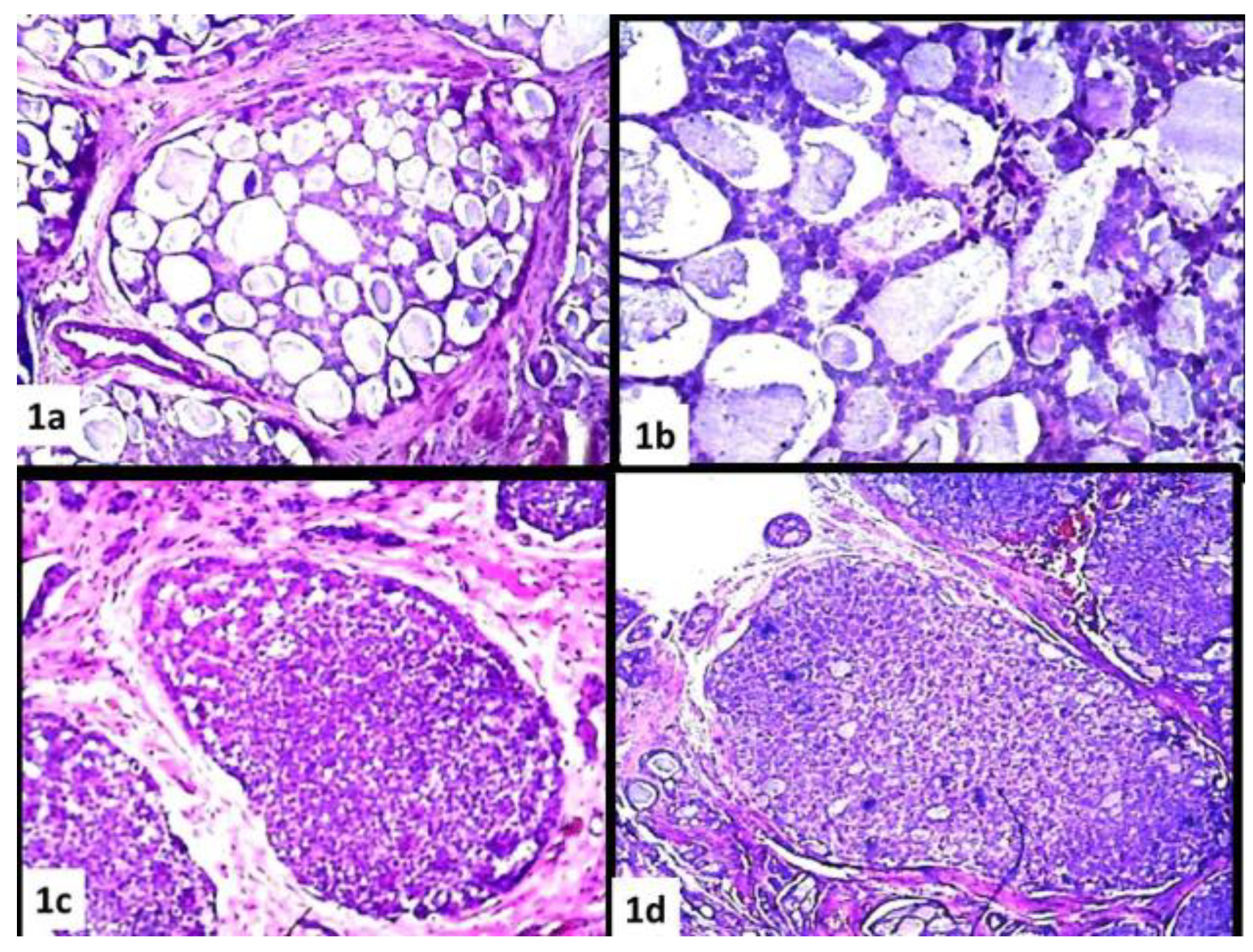
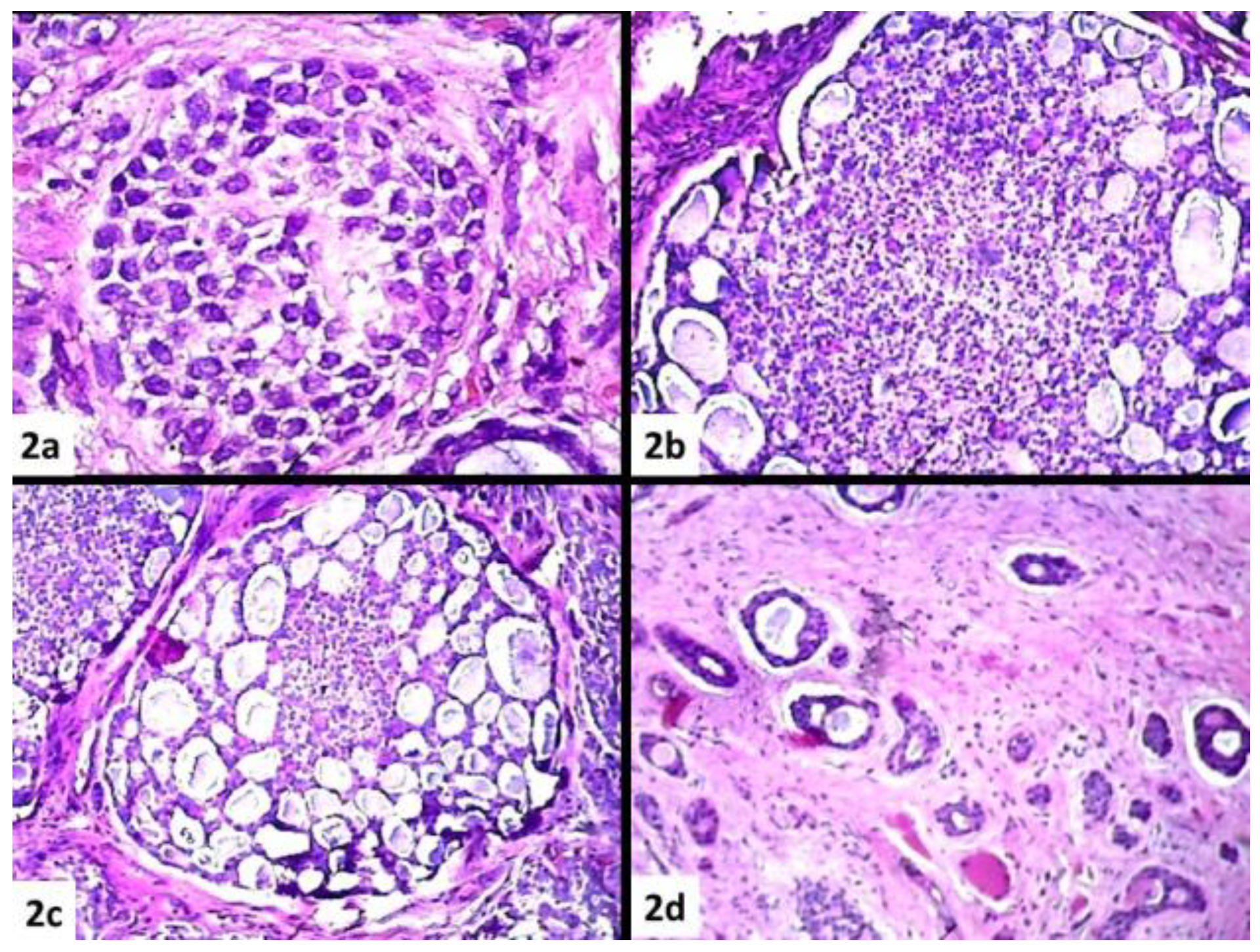
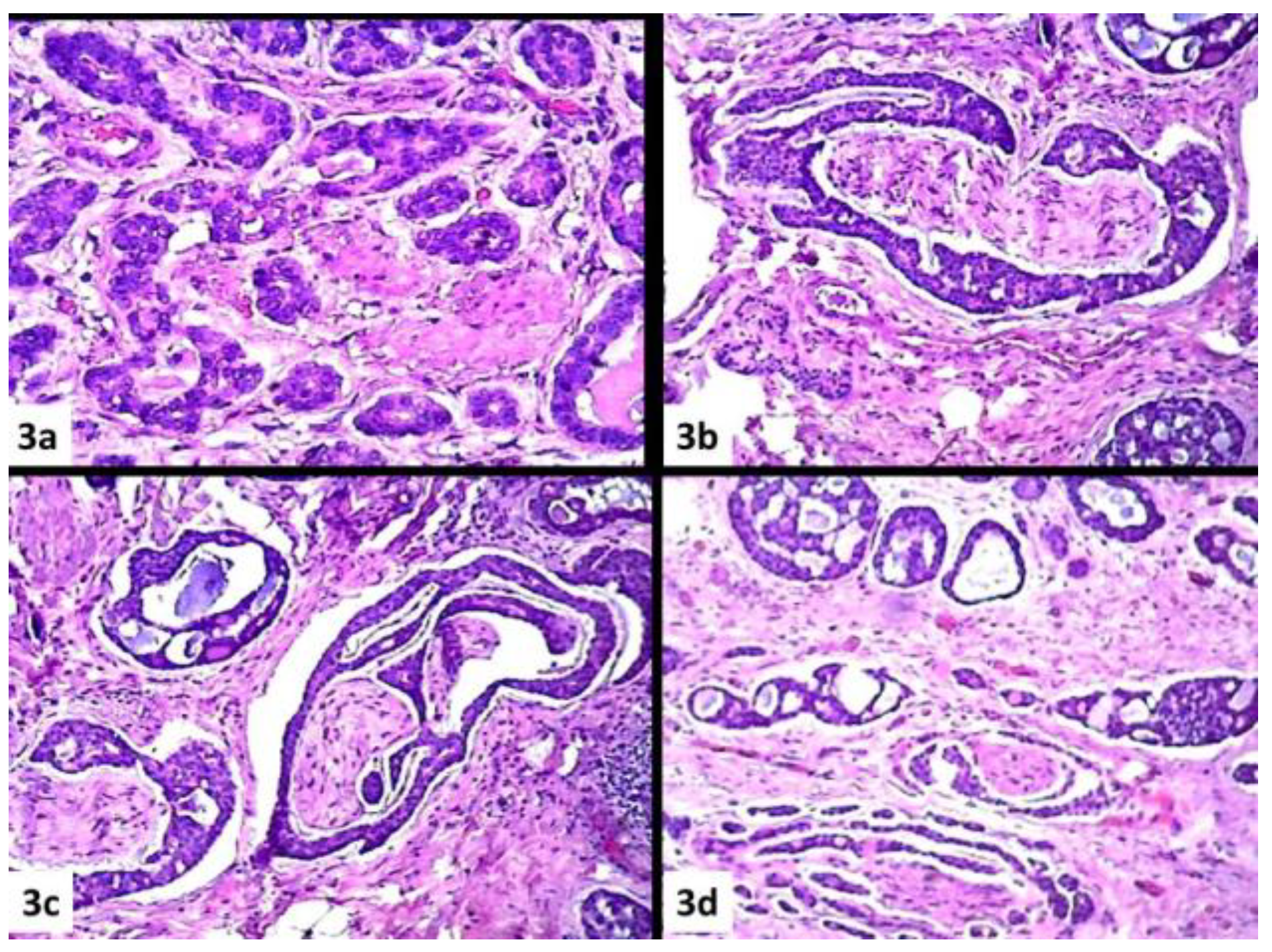
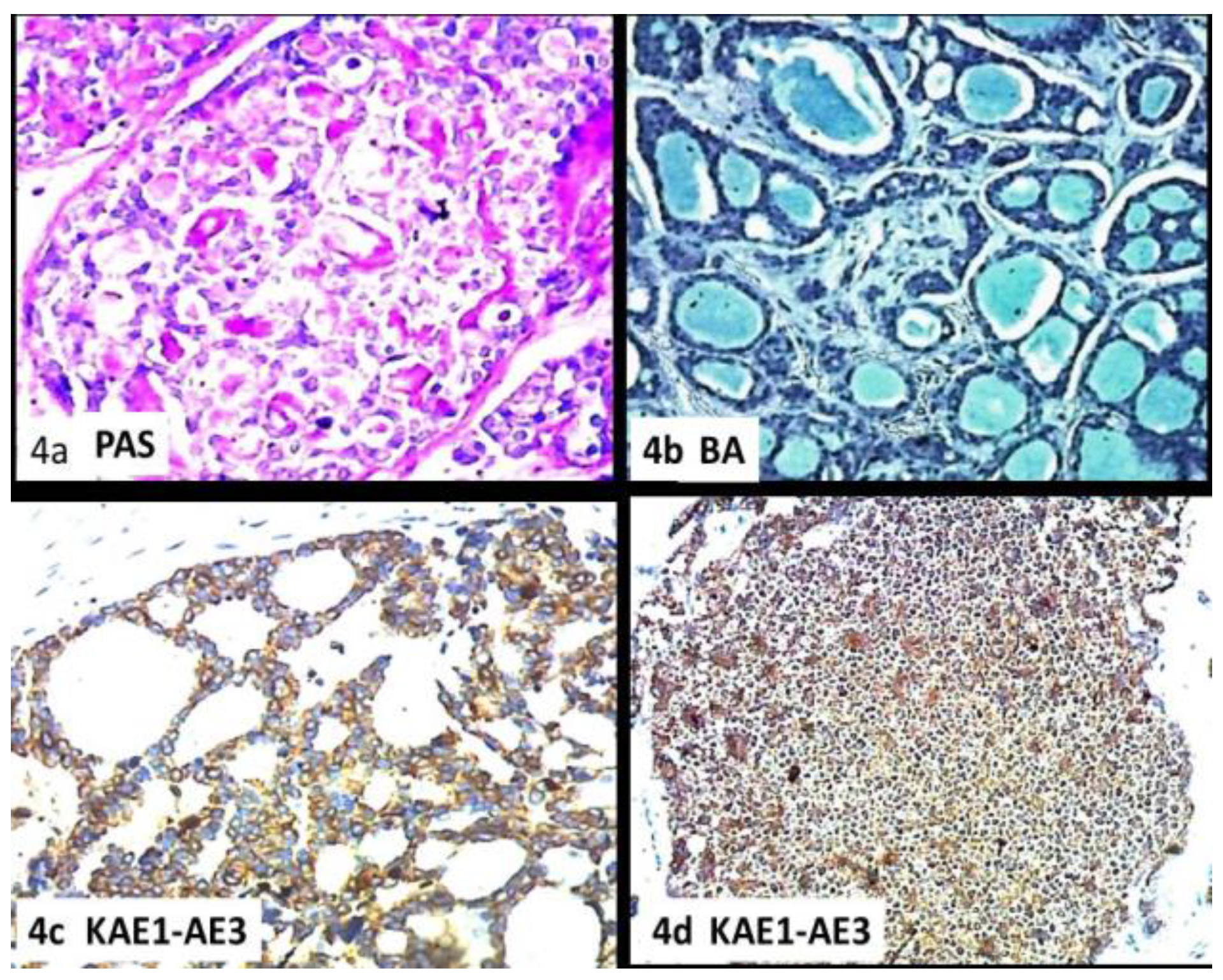
The sections stained with hematoxylin and eosin, and histochemical stains with PAS and Blu Alcian. The tissue was submitted to a panel of a several immunohistochemical antibodies: CKAE1/AE3, CK5/6, CK7, CK19, CK20, EMA, p63, SMACT, calponin, S-100, CD10, CD34, CD117, ER, PgR, mammaglobin, GCDFP-15, CEA, p53 and Ki67. The morphological finding of the lesion was detected as neoplastic. Lesion was largely represented by acinar structures of cribriform appearance, in which the holes were delimited by small, flattened cells (Figure 1a) and were occupied by a dense, weakly basophilic material (Figure 1b), PAS and Blue-Alcian positive (Figure 4a and Figure 4b). Solid, nodular-looking cell agglomerates were scattered in mass samples. They consisted of small roundish, mononuclear cells with poor cytoplasm and a hyperchromatic nucleus (Figure 1c, Figure 1d and Figure 2a). Some of these agglomerates had an entirely solid appearance, while others showed a mixed aspect, in which the cribriform component was also represented in varying degrees. The latter started from the periphery of the nodule progressing, in a centripetal direction, until it was completely occupied (Figure 2d and Figure 3a). Neoplastic proliferation also occurred in the form of tubular structures, delimited by a monolayer cylinder-cubic epithelium above a basal layer consisting of small-medium roundish mononuclear elements. This component, however, was completely minor, accounting for no more than 10% of the proliferation. It was also detected a diffuse perineural permeation and infiltration of periglandular structures (Figure 3b, Figure 3c and Figure 3d). The results of immunohistochemical research were in cribriform pattern (CKAE1/AE3 +, CK5/6 +, CK7 +, CK19 -/+, CK20 -, EMA +, CEA -, p63 +, SMACT +, S-100 + in neural structures, CD10 -, CD34 -, CD117 -, ER -, PgR - , p53 -/+ and Ki67 >5%), in solid pattern (CKAE1/AE3 +, CK5/6 -, CK7 -, CK19 -, CK20 -, EMA -/+, CEA -, p63 +, SMACT +, S-100 -, CD10 -, CD34 -, CD117 - , ER -, PgR - , p53 -/+ and Ki67 >5%), and in tubular pattern (CKAE1/AE3 +, CK5/6 + luminal, CK7 +, CK19 + luminal, CK20 + luminal, EMA -, CEA +, p63 +, SMACT +, S-100 -, CD10 -, CD34 -, CD117 - , ER -, PgR - , p53 -/+ and Ki67 >5%). The diagnosis of BG-ACC tumor, involving surgical margins with perineural invasion, was finally performed by pathologist. A radiological staging, by computer tomography (CT), scanning chest, abdomen, and pelvis, revealed no metastatic evidence. Patient underwent radical local vulvectomy with bilateral inguinal lymph node dissection. Final diagnosis was a FIGO Stage 1b vulvar cancer. Patient completed six cycles of adjuvant radiotherapy, 63 Gy/33 fractions to her vulva using VMAT (Vaginal Sparing with Volumetric Modulated Arc Therapy), and she remained disease-free at 9 months (the short follow up permitted to clinicians).
Figure 1. a) Acinar cribriform structure (HE); b) cribri containing inspissated basophilic material (HE); c) d) solid nodules.
Jdream 05 00027 g001
Figure 2. a) Solid nodule, particular (HE); b) c) solid nodules in acinar differentiation (HE); d) tubular structures (HE).
Jdream 05 00027 g002
Figure 3. a) Tubular structures (HE); b) c) d) Infiltration of nervous trunks (HE).
Jdream 05 00027 g003
Figure 4. a) PAS b) Blu-Alcian c) d) Keratin AE1-AE3, cribriform acinus and solid nodule.
Jdream 05 00027 g004

3. Discussion

In a study of 2011 (Alsan et al. 2011), 79 cases of ACC were recorded in literature, with an incidence of about 15% of all tumors of BG gland. Then, in a subsequent paper of 2017 (Di Donato et al. 2017), on 275 cases of primary tumors of BG 77 were ACC, with an incidence of about 30%. In this investigation, tumors were classified by histotype: 80 squamous cell carcinoma (30.7%), 77 ACC (29.6%), 65 adenocarcinoma (25%), 7 transitional cell carcinoma (2.6%), 7 sarcoma (2.6%), 3 neuroendocrine carcinoma (1.1%), 3 adenosquamous tumors (1.1%), 2 epithelioid-myoepithelial carcinoma (0.7%), 16 rare tumors as others (6.1%).
The ACC-BG accounts for only 0.30% of all female genital tract cancers, is considered as a rare malignancy and, therefore, worthy of further analysis and literature signaling. Like all BG neoplasms, the ACC has no specific perineal characteristics and is often clinically confused with the most frequent abscesses or cysts of the gland (Goh, McCully, and Wagner 2018). In the many literature reports, the most frequent sign during its perineal presentation was a vulvar mass in 147 cases (53.5%). Nevertheless, despite its indolent course, it has a high rate of local recurrence and hematogenous metastatization, especially to the lungs. A typical characteristic of this neoplasm is the perineural penetration, explaining the high recurrence rate, even after complete tumor excision (Anaf et al. 1999).
To better understand this rare neoplastic entity, it is opportune to discuss on the structure and immunohistochemical characteristics of Bartholin gland. The Bartholin gland contains three types of epithelium. The glandular acini are lined by mucinous columnar epithelium, emerging in the ducts with a transitional epithelium and becoming squamous epithelium at the ostia opening on the vestibule vaginalis. The different histological types of tumors present in BG would be linked to the cell line from which it would take origin. Squamous carcinomas would originate from squamous orificial cells, transitional carcinomas from transitional cells of the excretory duct, adenocarcinoma from acinar cells (Tsukahara et al. 1991).
More complex, instead, the histogenesis of the ACC like that of morphologically similar tumors frequently arising in other locations, such as the salivary glands, in the first line, followed by upper respiratory tract, nasopharynx, breast, uterine cervix and brain (Tsukahara et al. 1991).
Authors hypothesized that such neoplasms may originate from the reserve cells present in the intercalated small ducts of Bartholin gland that may have the potential to differentiate into two cell types, myoepithelial and luminal cells. As already recorded by other authors, as in our case, this histotype presents three morphological variously intermingled patterns: 1) one acinar cribriform (Figure 1a, Figure 1b, Figure 1c and Figure 1d); 2) one solid, consisting of small mononuclear cells with a poor cytoplasmic halo (Figure 2a, Figure 2b, Figure 2c and Figure 2d); 3) another tubular, consisting of luminal cubic cylinder elements below, which a layer of basal cells of small volume is present (Figure 3a, Figure 3b, Figure 3c and Figure 3d) (Tsukahara et al. 1991).
In the mentioned case, the three patterns are irregularly mixed, with a clear prevalence of that acinar/cribriform, so authors separately evaluated the immunohistochemical profile of the three patterns:
a)
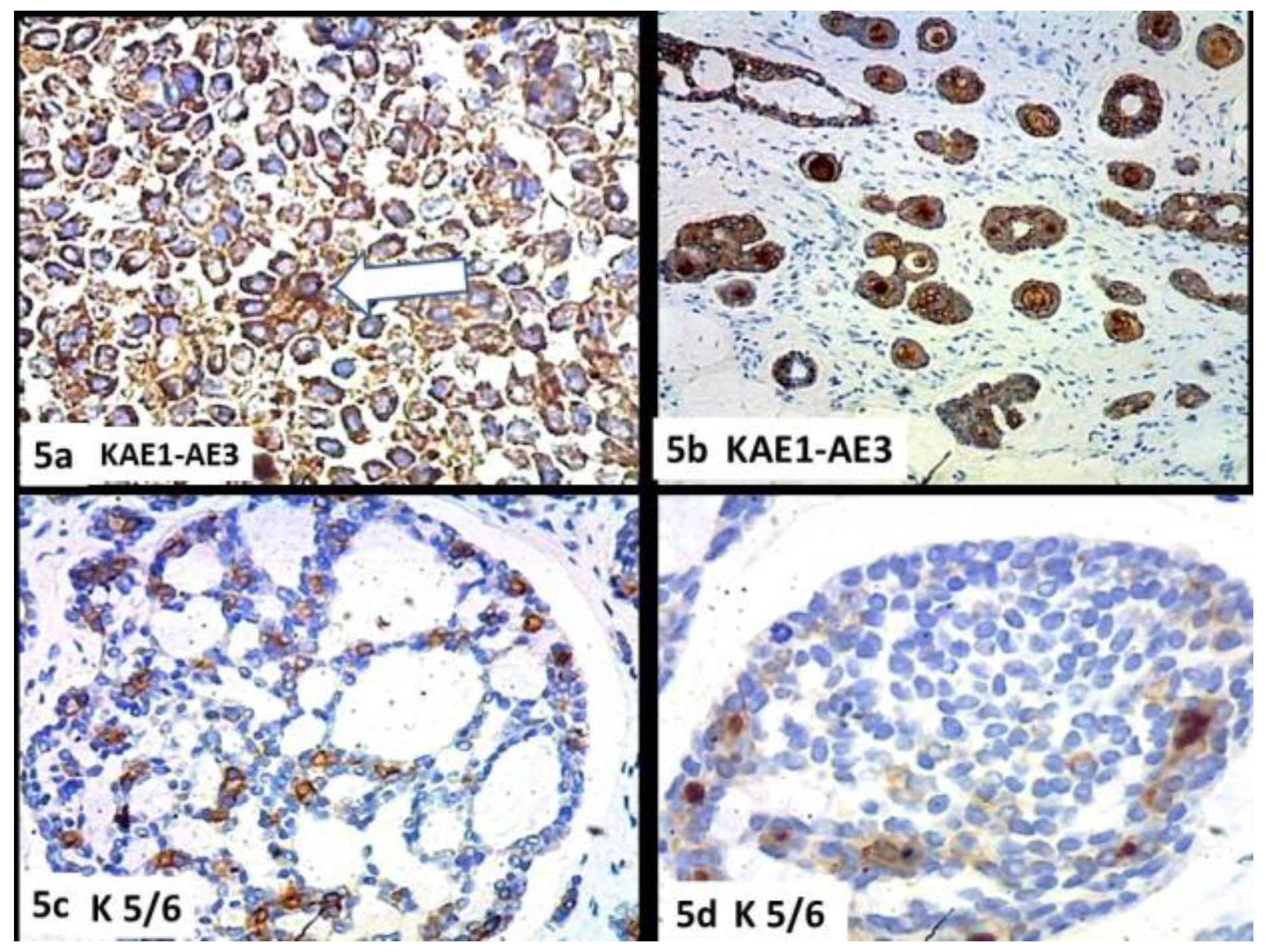
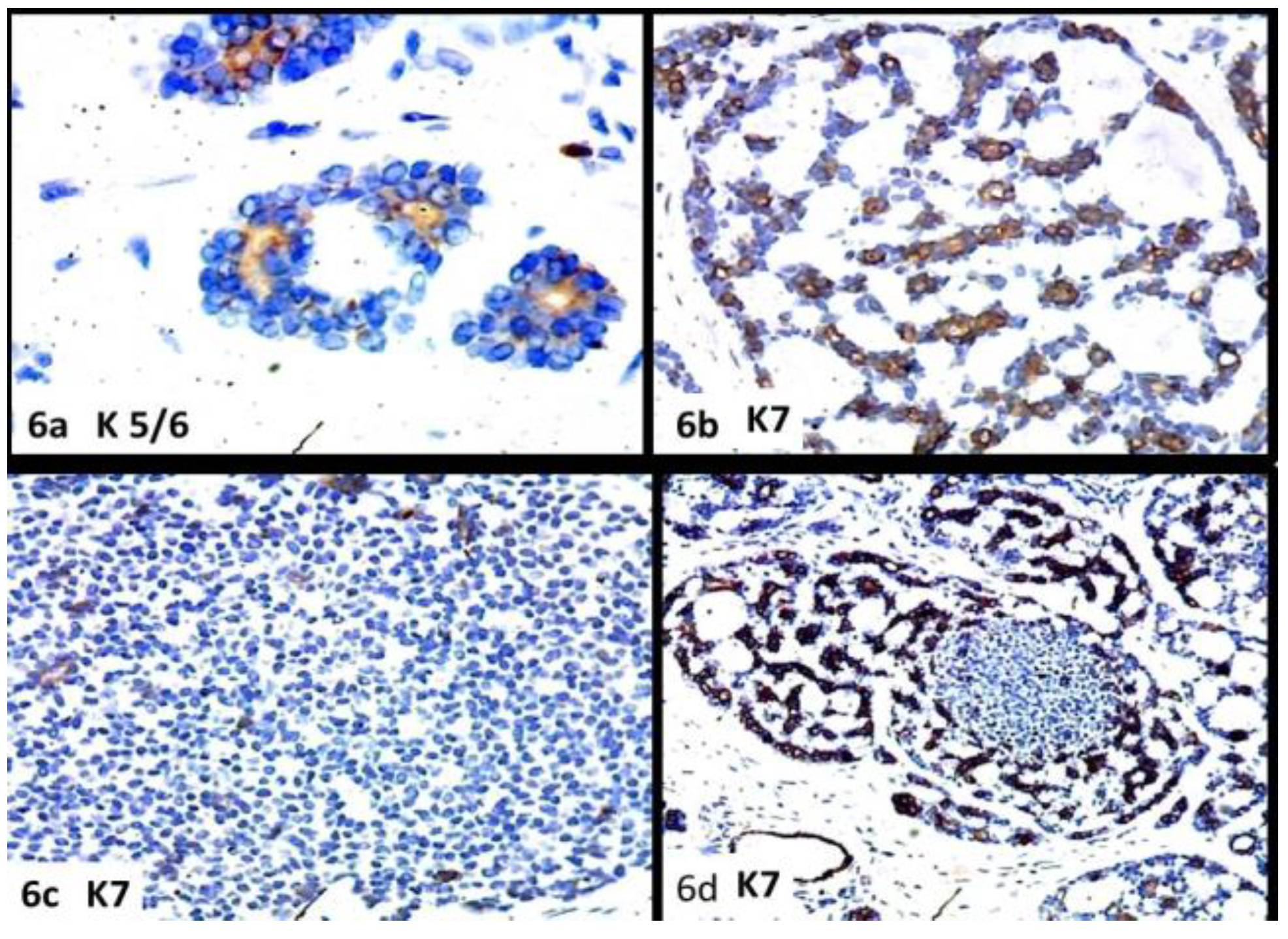
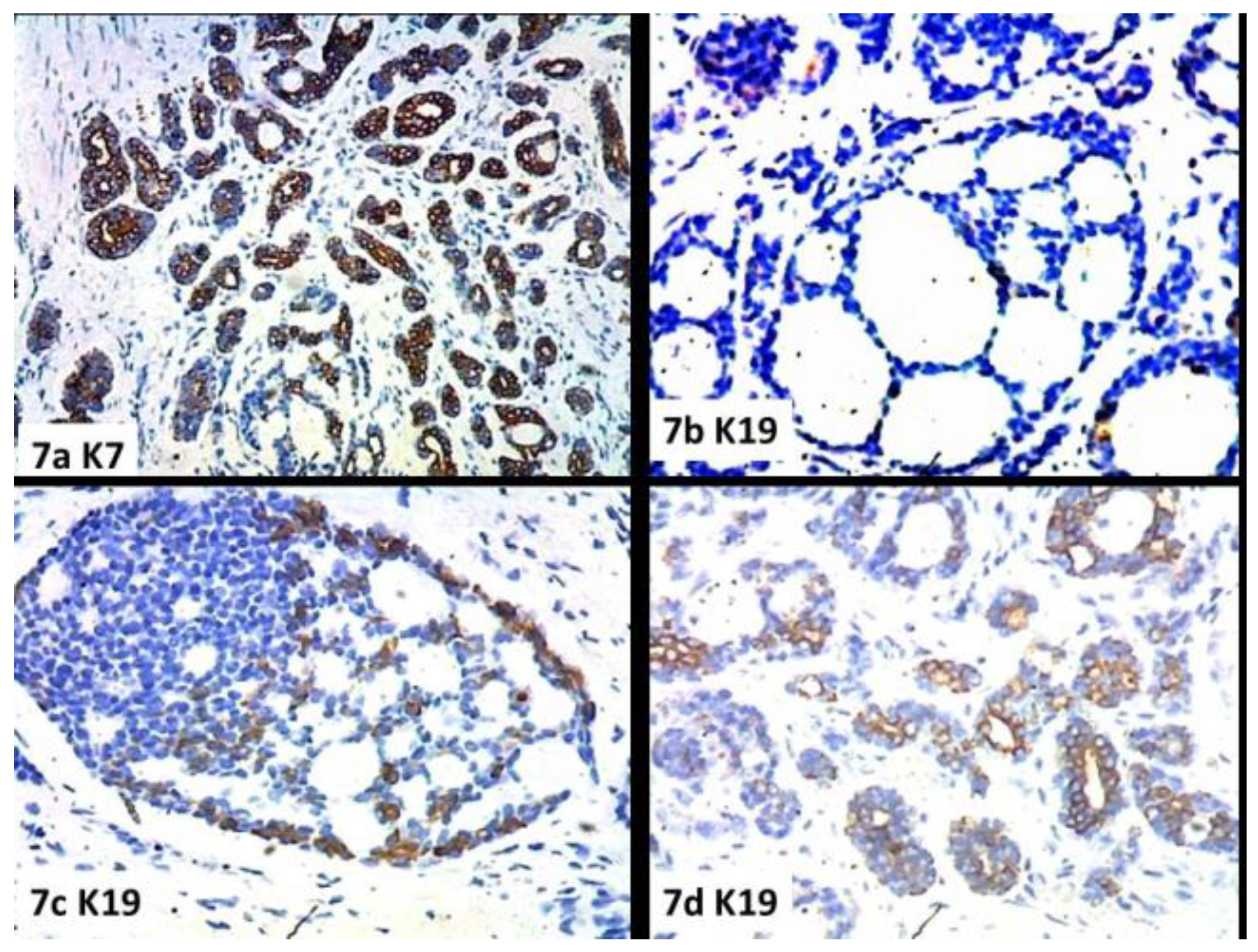
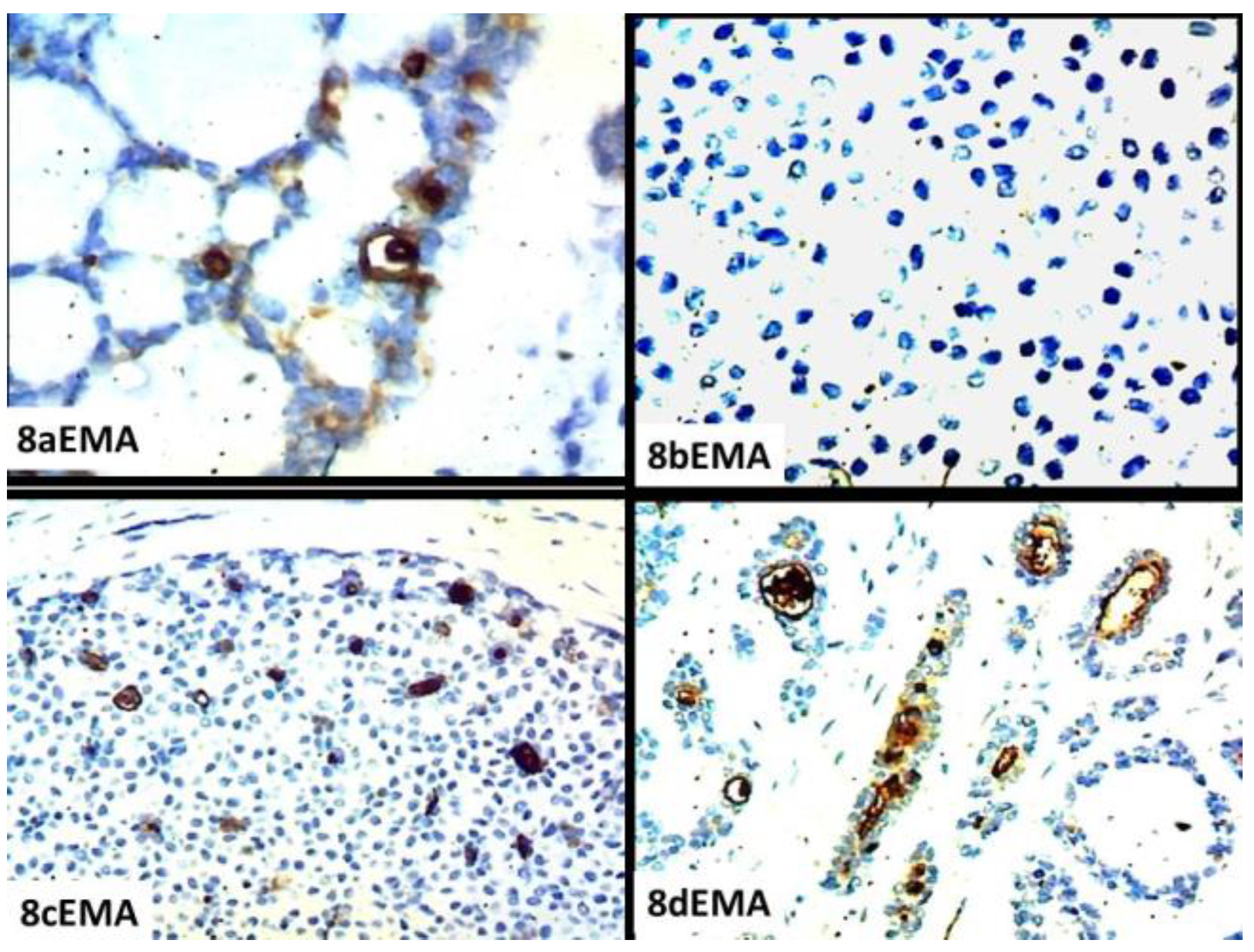
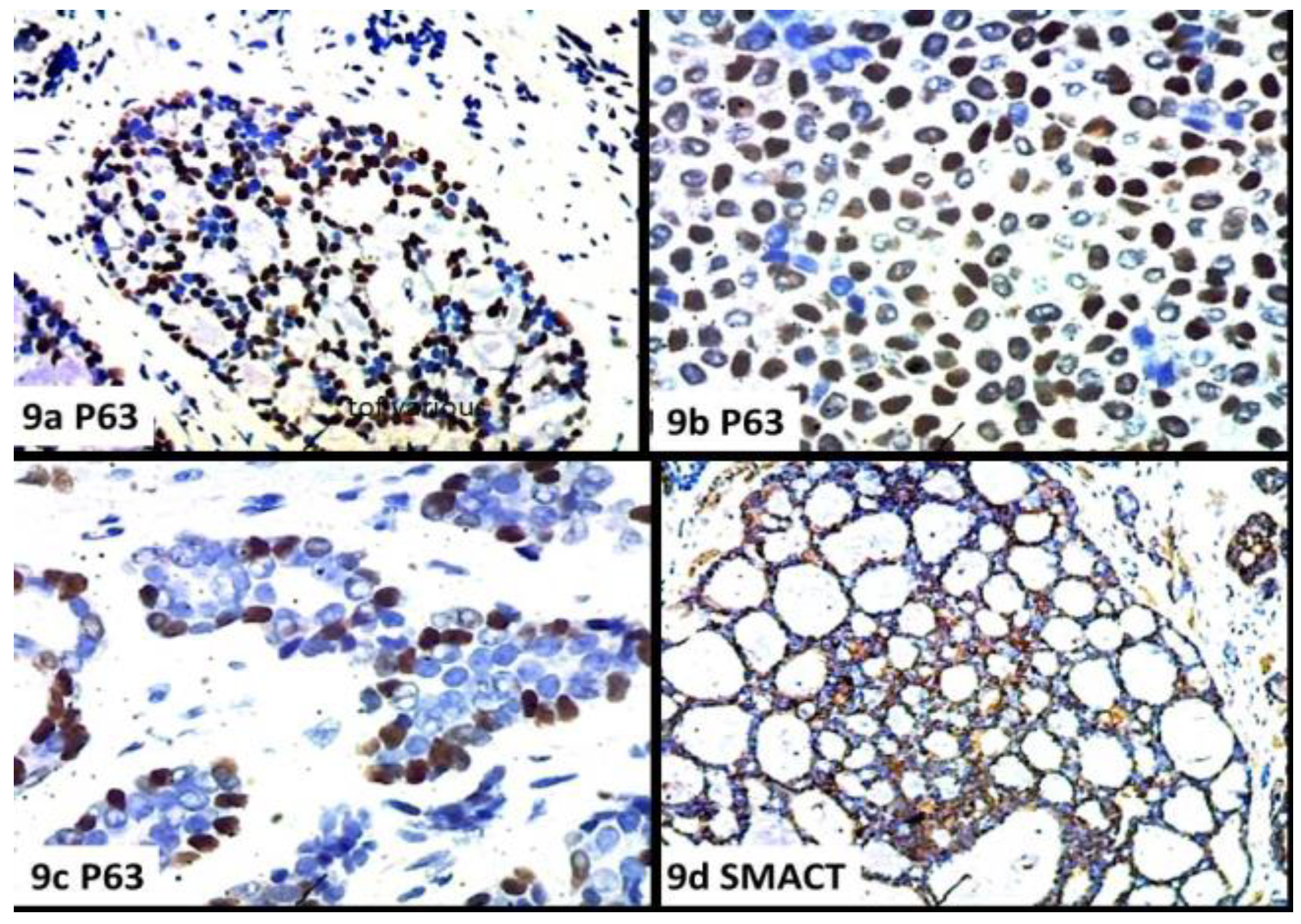
the acinar / cribriform pattern presented positivity for almost all the cytokeratins tested, even with varying intensities and distribution. CKAE1/AE3 intense and diffuse (Figure 4a, Figure 4b, Figure 4c and Figure 4d), CK5/6 expressed by the cells located in the nodal points of the cribriform (Figure 5c), Ki67 intense and diffuse (Figure 6b), CK19 presented only in some acini in marginal place (Figure 7b) and EMA expressed in single elements in the nodal points of the cribri (Figure 8a), positive p63 (Figure 9a) and SMACT (Figure 9d), negatives S100, CD34, CD117, CEA, ER, PGR, p53, Ki67 <5%;
b)
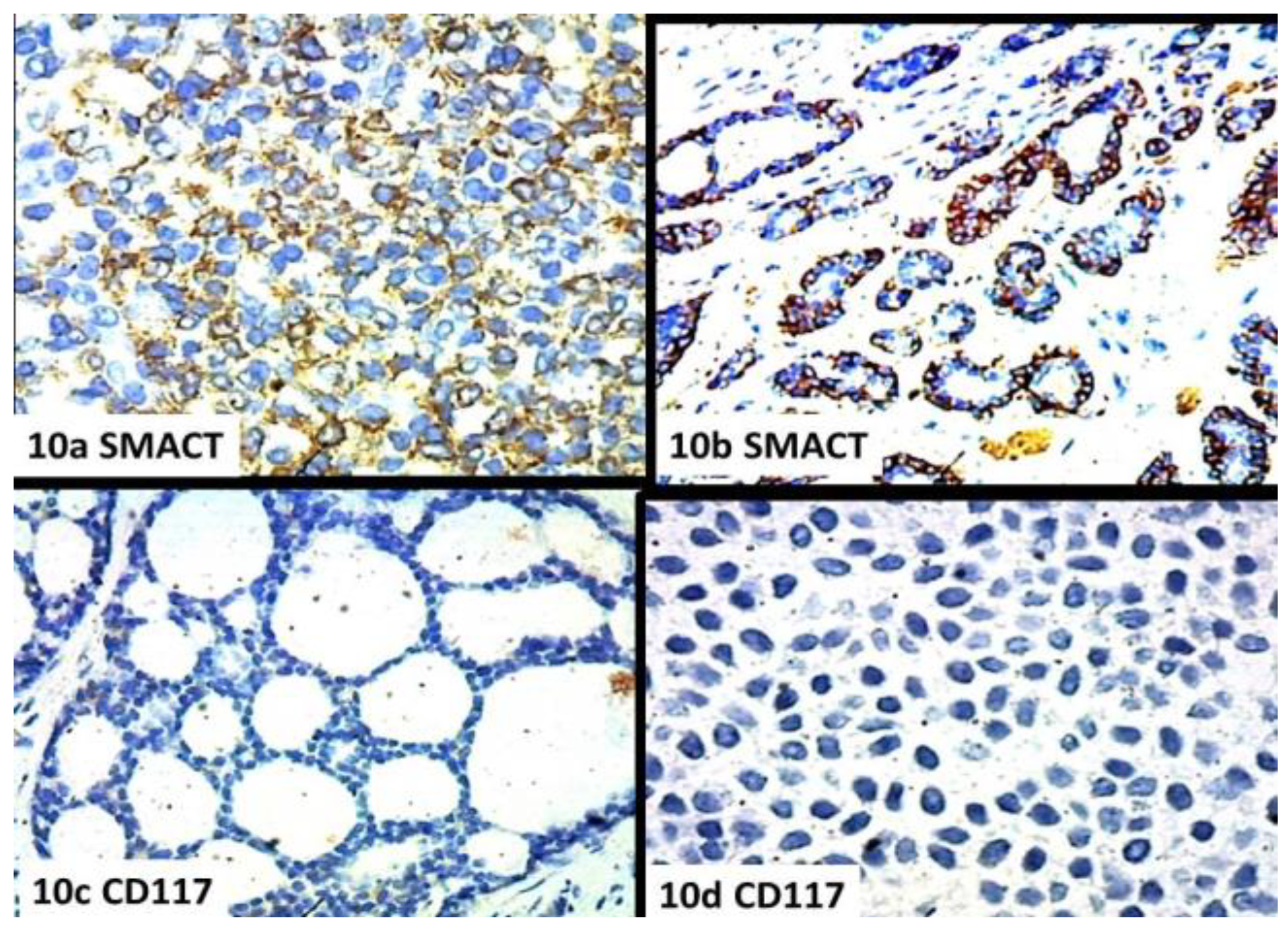
the solid pattern presented positivity for CKAE/AE3 (Figure 4d), p63 (Figure 9b) and SMACT (Figure 10a). Concerning to the nodules, scattered groups of larger elements in a floret-like arrangement were noticed, expressing cytokeratin more intensely (Figure 5a) and, additionally, these elements expressed EMA (Figure 8b and Figure 8c). Transitional aspects were present in significant number, wherein the formation of the cribriform begins from the periphery of the nodules up to completely replace the solid component, with a subsequent expression of the different types of cytokeratin (Figure 6d).
c)
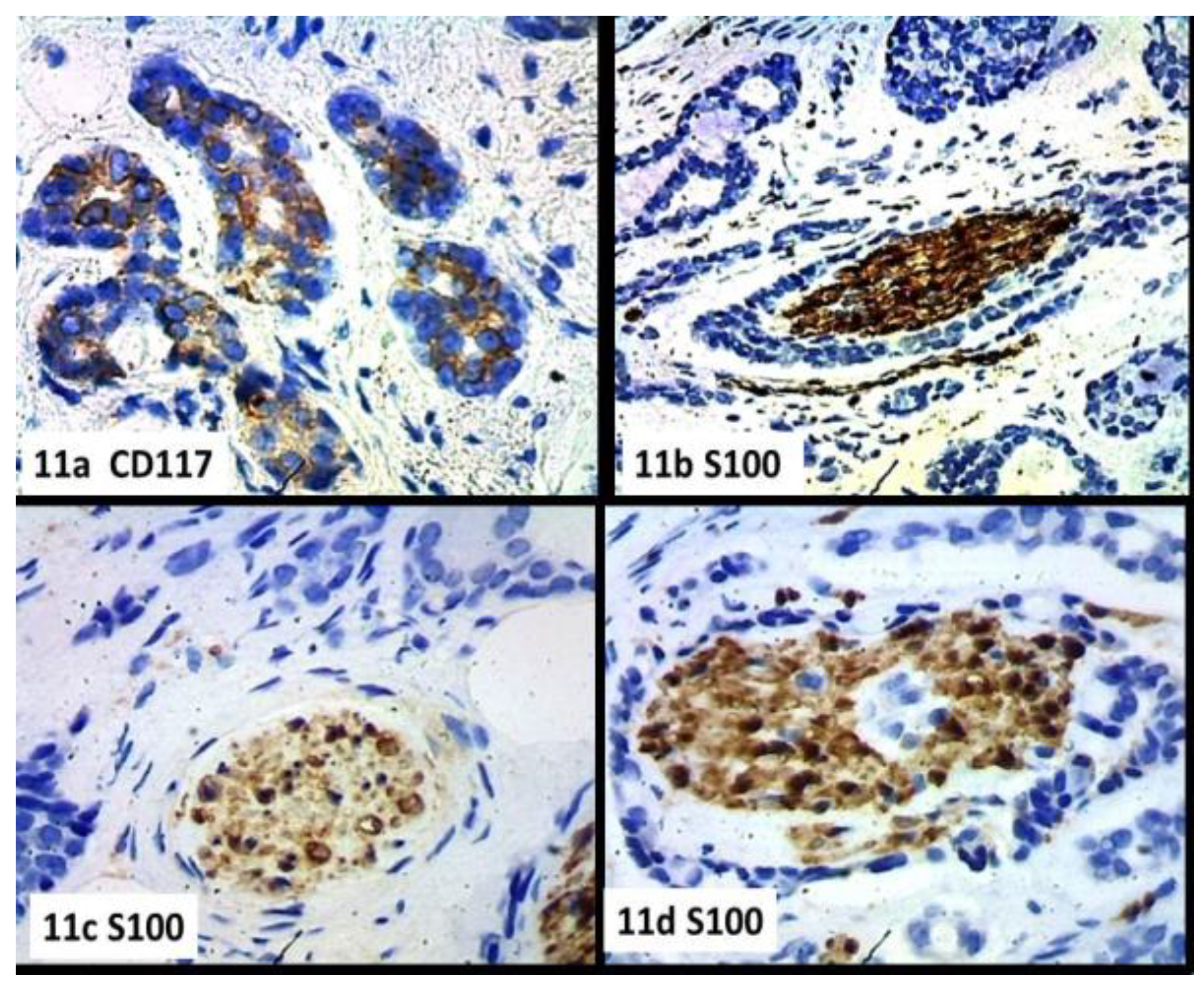
the tubular pattern, the less represented in the proliferation, expressed almost all cytokeratins, except for CK20, with a diffuse character, the CKAE1-AE3 (Figure 5b) and 7 (Figure 7a), the 5/6 (luminal) (Figure 6a) and CK19 (luminal) (Figure 7d), EMA (luminal) (Figure 8d), p63 (Figure 8c) and SMACT (Figure 10b) (basal). In a similar vein, CD117 (luminal) was also positive (Figure 11a), S100 was positive only in the nervous trunks infiltrated by the neoplasm (Figure 11b, Figure 11c and Figure 11d).
An article on the BG tumors, reported for the ACC the following immunohistochemical profile: CKAE1/AE3 +, CK8/18 +, SMA +, SMM +, p63 +, S-100 + and EMA + (Goh, McCully, and Wagner 2018).
Overall, the immunophenotypic profile of our case is in line with the data reported in the literature. The expression of many antigens in different morphological patterns allowed us some histogenetic considerations hitherto never advanced. The "primum movens" would be identified in the solid nodules generated by the proliferation of elements with a morphologic and immunophenotypic myoepithelial profile. From the periphery of these nodules begins the morphological and immunohistochemical epithelial differentiation that leads to the formation of the cribriform acinar structures and to the tubular ones. In the above-mentioned case, there are evidence of the nerve structures permeation phenomena in surrounding tissues, that made the neoplasms prognosis very severe, as several times reported in literature.

4. Conclusions

The primary ACC-BG is a rare vulval cancer, characterized by slow growth, local invasion, and sometimes distant metastasis. Available literature suggests an aggressive nature with protracted clinical symptoms and local recurrence despite adequate surgical excision with or without adjuvant radiotherapy. Local recurrences are common and often precede distant metastases (Yoon et al. 2015). The recommended primary treatment is vulvectomy, obtaining clear margins and bilateral inguinofemoral node dissection. Despite being diagnosed at a more advanced stage, patients with primary carcinoma of the Bartholin gland seem to have similar oncologic outcomes and survival rates to patients with non-Bartholin gland-related vulvar carcinoma (Zhan et al. 2014).

References

  1. Alsan, Cetin I, V Vinh-Hung, F Eren, and U Abacioğlu. 2011. Adenoid Cystic Carcinoma of the Bartholin’s Gland: Case Report and Systematic Review of the Literature. European Journal of Gynaecological Oncology 32, 5: 567–72. [Google Scholar] [PubMed]
  2. Anaf, V., F. Buxant, F. Rodesch, P. Simon, J. van de Stadt, J.- C. Noel, and J. van Geertruyden. 1999. Adenoid Cystic Carcinoma of Bartholin’s Gland:What Is the Optimal Approach? European Journal of Surgical Oncology (EJSO) 25, 4: 406–9. [Google Scholar] [CrossRef] [PubMed]
  3. Crum, CP, WG McCluggage, CS Herrington, S Regauer, and EJ Wilkinson. 2014. Tumours of the Vulva; Epithelial Tumors. In WHO Classification of Tumours of Female Reproductive Organs. Edited by RH Young, RJ Kurman, ML Carcangiu and CS Herrington. Lyon: International Agency for Research on Cancer. [Google Scholar]
  4. Donato, Violante Di, Assunta Casorelli, Erlisa Bardhi, Flaminia Vena, Claudia Marchetti, Ludovico Muzii, and Pierluigi Benedetti Panici. 2017. Bartholin Gland Cancer. Critical Reviews in Oncology/Hematology 117: 1–11. [Google Scholar] [CrossRef] [PubMed]
  5. Goh, Siew Pei, Brian McCully, and Matthew Kyle Wagner. 2018. A Case of Adenoid Cystic Carcinoma Mimicking a Bartholin Cyst and Literature Review. Case Reports in Obstetrics and Gynecology, 1–3. [Google Scholar] [CrossRef] [PubMed]
  6. Khan, Rozilla Sadia, and Huda Saleem Abbasi. 2020. A Different Strategy for Management of a Case of Adenoid Cystic Carcinoma of Bartholin Gland. JPMA. The Journal of the Pakistan Medical Association 70, 8: 1445–47. [Google Scholar] [CrossRef] [PubMed]
  7. Nieuwenhuyzen-de Boer, Gatske M., Shatavisha Dasgupta, Patricia C. Ewing-Graham, and Mieke R. Van Bockstal. 2020. Adenoid Cystic Carcinoma of the Bartholin Gland Is Not HPV-Related: A Case Report and Review of Literature. Pathology - Research and Practice 216, 6: 152968. [Google Scholar] [CrossRef] [PubMed]
  8. Şahin Aker, Seda, Cevriye Cansız Ersöz, and Fırat Ortaç. 2020. Adenoid Cystic Carcinoma of Bartholin’s Gland Diagnosed after Lung Lobectomy: Review of the Literature and a Case Presentation. Journal of Turkish Society of Obstetric and Gynecology 17, 4: 310–13. [Google Scholar] [CrossRef] [PubMed]
  9. Tsukahara, Yoshiharu, Atsushi Mori, Toru Fukuta, Tsutomu Katsuyama, and Osamu Yamagami. 1991. Adenoid Cystic Carcinoma of Bartholin&amp;Rsquo;s Gland: A Clinical, Immunohistochemical and Ultrastructural Study of a Case with Regard to Its Histogenesis. Gynecologic and Obstetric Investigation 31, 2: 110–13. [Google Scholar] [CrossRef] [PubMed]
  10. Yoon, Gun, Hyun-Soo Kim, Yoo-Young Lee, Tae-Joong Kim, Chel Hun Choi, Sang Yong Song, Byoung-Gie Kim, Duk-Soo Bae, and Jeong-Won Lee. 2015. Analysis of Clinical Outcomes of Patients with Adenoid Cystic Carcinoma of Bartholin Glands. International Journal of Clinical and Experimental Pathology 8, 5: 5688–94. [Google Scholar] [PubMed]
  11. Zhan, Ping, Gang Li, Bin Liu, and Xi-guang Mao. 2014. Bartholin Gland Carcinoma: A Case Report. Oncology Letters 8, 2: 849–51. [Google Scholar] [CrossRef] [PubMed]
Figure 5. a) KAE1-AE3, floret-like cellular groups in a solid nodule; b) KAE1-AE3, tubular structures; c) d) K 5/6 in cribriform acinus and in solid nodule.
Jdream 05 00027 g005
Figure 6. a) K 5/6 in tubular structures (luminal); b) c) d) K7 in a cribriform acinus, solid nodule, nodule undergoing differentiation.
Jdream 05 00027 g006
Figure 7. a) K7 Tubular structures; b) c) d) K19 in a cribriform acinus, solid nodule, tubular structures.
Jdream 05 00027 g007
Figure 8. a) EMA a cribriform acinus; b) c) in a solid nodule, floret-like-cellular groups d) tubular structures (luminal).
Jdream 05 00027 g008
Figure 9. a) b) c) P63 in a cribriform acinus, solid nodule, tubular d) SMACT in a cribriform acinus.
Jdream 05 00027 g009
Figure 10. a) b) SMACT in a solid nodule and tubular structures c) d) CD117 in a cribriform acinus and in a solid nodule.
Jdream 05 00027 g010
Figure 11. a) CD117 in tubular structures (luminal) b) c) d) S100, nerve trunks permeated by neoplastic proliferation.
Jdream 05 00027 g011