

Journal Description
Hematology Reports
Hematology Reports
- formerly Hematology Reviews - is an international, peer-reviewed, open access journal on all aspects of prevention, diagnosis and management of disorders of the blood, and is published bimonthly online by MDPI (from Volume 14, Issue 1 - 2022). The Society of Hematologic Oncology Italy (SOHO Italy) is affiliated with Hematology Reports, serving as its official journal. Society members receive discounts on the article processing charges.
- Open Access— free for readers, with article processing charges (APC) paid by authors or their institutions.
- High Visibility: indexed within Scopus, ESCI (Web of Science), PMC, PubMed, Embase, and other databases.
- Rapid Publication: manuscripts are peer-reviewed and a first decision is provided to authors approximately 29.4 days after submission; acceptance to publication is undertaken in 4.6 days (median values for papers published in this journal in the second half of 2025).
- Recognition of Reviewers: APC discount vouchers, optional signed peer review, and reviewer names published annually in the journal.
- Journal Clusters of Hematology: Hemato, Hematology Reports, Thalassemia Reports and Journal of Clinical Medicine.
Impact Factor:
1.2 (2024);
5-Year Impact Factor:
1.2 (2024)
Latest Articles
A Review of Patient-Reported Outcomes and Clinical Outcomes in Acute and Chronic Myeloid and Lymphoid Leukemias
Hematol. Rep. 2026, 18(1), 15; https://doi.org/10.3390/hematolrep18010015 - 6 Feb 2026
Abstract
►
Show Figures
Introduction: This review specifically focuses on interventional clinical trials in leukemias and myelodysplastic syndromes (MDS), summarizing how patient-reported outcome measures (PROMs) have been implemented to evaluate treatment effects rather than to directly influence clinical outcomes. Objective: Clinical outcomes of interest typically include response
[...] Read more.
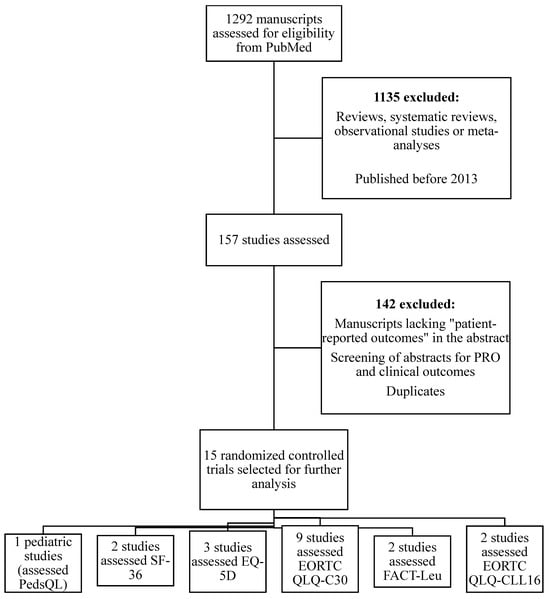
Introduction: This review specifically focuses on interventional clinical trials in leukemias and myelodysplastic syndromes (MDS), summarizing how patient-reported outcome measures (PROMs) have been implemented to evaluate treatment effects rather than to directly influence clinical outcomes. Objective: Clinical outcomes of interest typically include response rates, disease-free survival (DFS), and overall survival (OS). Patient-reported outcome measures (PROMs) are standardized questionnaires that collect information regarding health outcomes directly from the patient and are used to evaluate new treatments and healthcare quality. In addition, the use of PROMs in cancer care has been shown to improve patient-provider communication and patient satisfaction. Material and Methods: This is a qualitative, narrative synthesis and review structured around PROMs focused on six critical themes: symptoms/symptom burden, physical, emotional, social/role, and functional status, and global health status measurement. Results: PROMs that are assessed in oncologic research include the EORTC QLQ-C30, FACT-Leu, QLQ-CLL16, and EQ-5D. PROs are associated with clinical outcomes such as DFS and OS, and the FACT-Leu scales, HRQOL and physical functioning scores were independent prognosticators of OS in patients with AML. Conclusions: Through our review, notable trends were identified that further highlight the importance of greater incorporation of PRO measures in future clinical trials, particularly in the understudied realm of hematologic malignancies, in order to better delineate the link between survival and HRQOL.
Full article
Open AccessReview
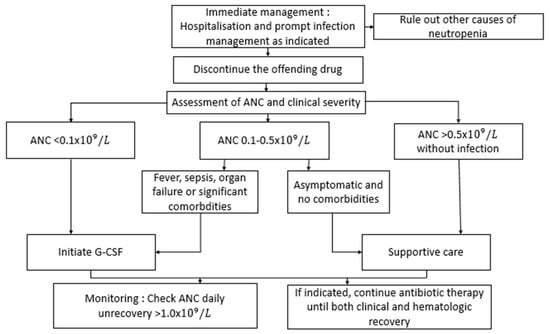
Factors Influencing the Use of G-CSF in Drug-Induced Agranulocytosis
by
Emmanuel Andrès, Jean-Edouard Terrade, Xavier Jannot and Noel Lorenzo-Villalba
Hematol. Rep. 2026, 18(1), 14; https://doi.org/10.3390/hematolrep18010014 - 3 Feb 2026
Abstract
►▼
Show Figures
Drug-induced agranulocytosis is a rare but life-threatening adverse reaction associated with numerous non-chemotherapy drugs. Management relies on immediate drug withdrawal, infection control, and, in selected patients, administration of granulocyte-colony stimulating factor (G-CSF). This review summarizes current knowledge on the determinants of epidemiology, clinical
[...] Read more.
Drug-induced agranulocytosis is a rare but life-threatening adverse reaction associated with numerous non-chemotherapy drugs. Management relies on immediate drug withdrawal, infection control, and, in selected patients, administration of granulocyte-colony stimulating factor (G-CSF). This review summarizes current knowledge on the determinants of epidemiology, clinical presentation, hematologic and biologic features, comorbidities, and outcomes influencing the decision to introduce G-CSF in drug-induced agranulocytosis. Evidence from observational studies and meta-analyses suggests that G-CSF shortens neutropenia duration and hospitalization, although its impact on mortality remains uncertain. The decision to use G-CSF should consider initial neutrophil count, presence of severe infection or sepsis, age, and comorbidities. Despite the accumulated experience, randomized controlled trials are still lacking, and treatment algorithms remain empirical.
Full article

Figure 1
Open AccessCase Report
Fluid Overload-Associated Large B-Cell Lymphoma Presenting as Isolated Pleural Effusion
by
Kevin Leeper, Lauren Borecky, Mojtaba Akhtari and Jun Wang
Hematol. Rep. 2026, 18(1), 13; https://doi.org/10.3390/hematolrep18010013 - 2 Feb 2026
Abstract
►▼
Show Figures
Primary effusion-based lymphomas are uncommon and may pose significant diagnostic challenges. Fluid overload-associated large B-cell lymphoma is a recently recognized entity in the 5th edition of the World Health Organization Classification of Hematolymphoid Tumors and should be included in the differential diagnosis of
[...] Read more.
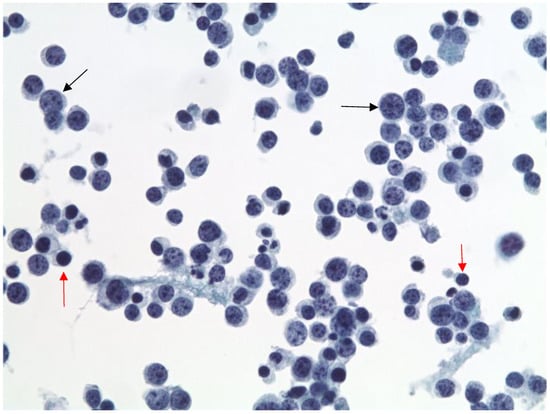
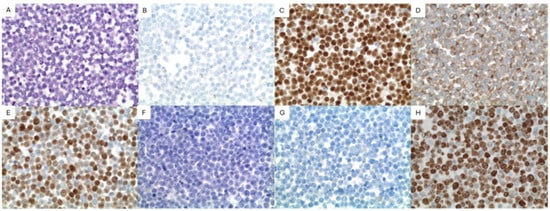
Primary effusion-based lymphomas are uncommon and may pose significant diagnostic challenges. Fluid overload-associated large B-cell lymphoma is a recently recognized entity in the 5th edition of the World Health Organization Classification of Hematolymphoid Tumors and should be included in the differential diagnosis of effusion-based lymphomas, particularly in elderly immunocompetent patients with conditions that predispose to fluid overload. Background and Clinical Significance: We report a case of fluid overload-associated large B-cell lymphoma to add to the limited literature and highlight distinguishing features from other primary effusion lymphomas. Case Presentation: A 77-year-old male with end-stage renal disease on hemodialysis and heart failure with reduced ejection fraction was admitted for respiratory failure and found to have a right-sided pleural effusion. Two pleural fluid specimens examined several weeks apart revealed sheets of large atypical lymphoid cells positive for CD20, Pax-5, CD79a, CD45, MUM1, BCL2, BCL6 (weak) and negative for TTF1, CD68, MOC31, BER EP4, WT1, Calretinin, CD3, CD138, CD30, and cMYC. Human Herpesvirus-8 and Epstein–Barr virus were negative. Staging showed a few mildly fluorodeoxyglucose-avid mediastinal lymph nodes which were benign. Ultimately, the patient was diagnosed with fluid overload-associated large B-cell lymphoma and treated with rituximab, cyclophosphamide, vincristine sulfate, and prednisone, but passed away three months after diagnosis. Conclusions: Fluid overload-associated large B-cell lymphoma is a new and important diagnostic consideration in effusion-based lymphomas. It may be mistaken for other conditions such as primary effusion lymphoma or other diffuse large B-cell lymphomas. The presence of a Human Herpesvirus-8-negative effusion-based lymphoma in an elderly immunocompetent patient without nodal or tissue involvement should prompt consideration of fluid overload-associated large B-cell lymphoma.
Full article

Figure 1
Open AccessCase Report
Primary Indolent Acute Promyelocytic Leukemia
by
Breanne Wolfenbarger, Daley Morera, Brandol Wolfenbarger, Anand Jillella and Mei Zheng
Hematol. Rep. 2026, 18(1), 12; https://doi.org/10.3390/hematolrep18010012 - 27 Jan 2026
Abstract
►▼
Show Figures
Background and Clinical Significance: Acute promyelocytic leukemia (APL) is a rapidly progressive subtype of acute myeloid leukemia defined by PML::RARA fusion and characterized by life-threatening coagulopathy. Because the disease typically follows an aggressive course, immediate treatment is essential once APL is suspected. This
[...] Read more.
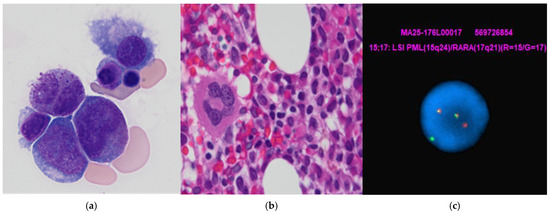
Background and Clinical Significance: Acute promyelocytic leukemia (APL) is a rapidly progressive subtype of acute myeloid leukemia defined by PML::RARA fusion and characterized by life-threatening coagulopathy. Because the disease typically follows an aggressive course, immediate treatment is essential once APL is suspected. This case report describes an atypical de novo presentation marked by indolent progression rather than the expected aggressive trajectory. Case Presentation: A 37-year-old female exhibited gradually declining white blood cell and neutrophil counts over the course of a year, followed by unexplained pancytopenia with severe neutropenia (0.1 × 10⁹/L). Evaluation for nutritional deficiencies and autoimmune disease was unrevealing aside from a positive ANA without clinical features of autoimmunity. Bone-marrow biopsy demonstrated morphologic and flow cytometric findings suggestive of APL, low-level t(15;17), PML::RARA fusion, and concomitant TP53 loss and ETV6 mutation. Despite the indolent clinical presentation and low disease burden, the molecular and cytogenetic findings confirmed the diagnosis of classical APL with TP53 loss and ETV6 mutation. Induction therapy with all-trans-retinoic acid and arsenic trioxide resulted in hematologic remission. Conclusions: This case highlights an unusually indolent form of de novo APL not previously documented in the literature, expanding the recognized clinical spectrum of the disease. The findings emphasize the importance of still considering severe diagnoses, such as APL, when presentations deviate from classical patterns. Atypical clinical trajectories should prompt careful assessment of marrow morphology and immunophenotypic features. Continued characterization of such cases may refine diagnostic criteria and direct individualized approaches to therapy.
Full article

Figure 1

Open AccessCase Report
Primary Bone Lymphoma of the Jaw Masquerading as Infection and Delaying Treatment
by
Emily Hamburger and Anne W. Beaven
Hematol. Rep. 2026, 18(1), 11; https://doi.org/10.3390/hematolrep18010011 - 22 Jan 2026
Abstract
►▼
Show Figures
Background: Diffuse large B cell lymphoma is an aggressive, heterogeneous yet treatable disease. Primary bone lymphoma is a lymphoma involving a single or multiple osseous sites with or without regional nodal involvement. It is exceedingly rare, representing <1% of new non-Hodgkin lymphoma cases
[...] Read more.
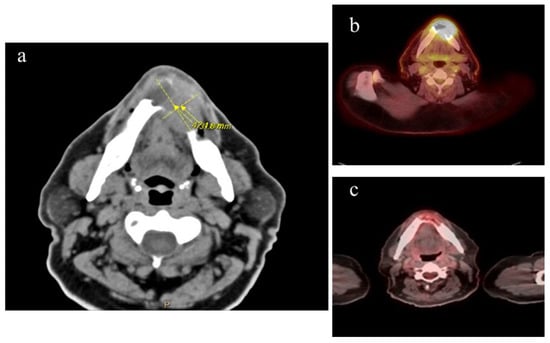
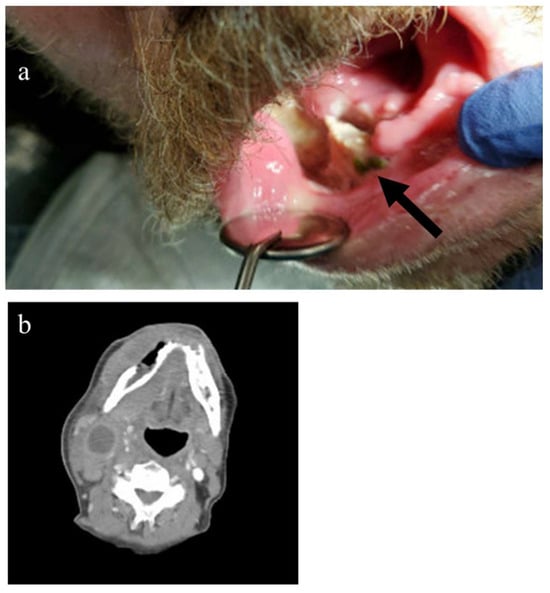
Background: Diffuse large B cell lymphoma is an aggressive, heterogeneous yet treatable disease. Primary bone lymphoma is a lymphoma involving a single or multiple osseous sites with or without regional nodal involvement. It is exceedingly rare, representing <1% of new non-Hodgkin lymphoma cases per year. Most cases of primary bone lymphoma are diffuse large B cell lymphoma. They infrequently involve the craniofacial bones and mandible; its rarity can lead to delays in diagnosis. Case Series Presentation: Two 64-year-old male patients initially presented to local dentists with concerns of tooth pain and numbness. Both underwent extensive dental procedures including extraction and debridement, with an initial diagnosis of osteomyelitis. They were placed on long-term antibiotics. After months without improvement, further testing was pursued, including imaging and repeat biopsies. The patients were finally diagnosed with primary bone diffuse large B cell lymphoma. From the initial treatment of osteomyelitis, a median time of 8.5 months passed before diagnosis of lymphoma. Treatment with cytotoxic chemotherapy was initiated and both patients achieved remission. Conclusions: As in the two cases presented here, the initial point of entry into the medical system may be a visit to the local dentist. When patients present with periodontal complaints, it is imperative to maintain a broad differential, including lymphoma. This is especially crucial when the patient’s clinical course does not respond to initial treatment. This results in delays of diagnosis and initiation of therapy for a treatable cancer.
Full article

Figure 1
Open AccessArticle
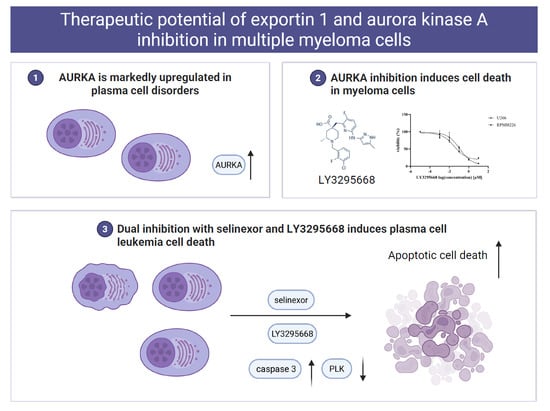
Therapeutic Potential of Exportin 1 and Aurora Kinase A Inhibition in Multiple Myeloma Cells
by
Seiichi Okabe, Yuko Tanaka, Shunsuke Otsuki, Mitsuru Moriyama, Seiichiro Yoshizawa, Akihiko Gotoh and Daigo Akahane
Hematol. Rep. 2026, 18(1), 10; https://doi.org/10.3390/hematolrep18010010 - 9 Jan 2026
Abstract
►▼
Show Figures
Background/Objectives: Aurora kinases (AURKs) are key regulators of mitosis, and their dysregulation contributes to plasma cell disorders, including multiple myeloma (MM) and plasma cell leukemia (PCL). Methods: The expression and prognostic relevance of AURK family members were examined, and the therapeutic potential of
[...] Read more.
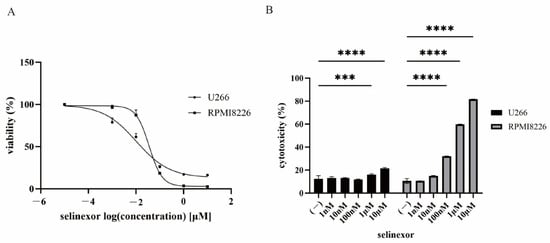
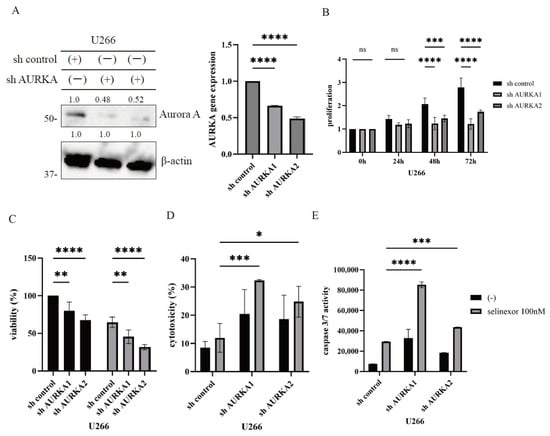
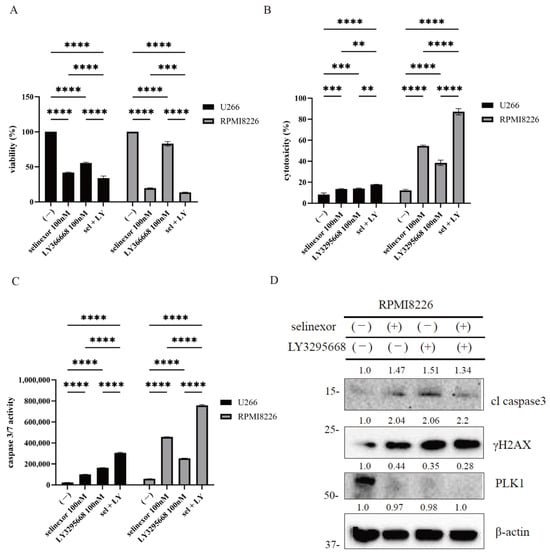
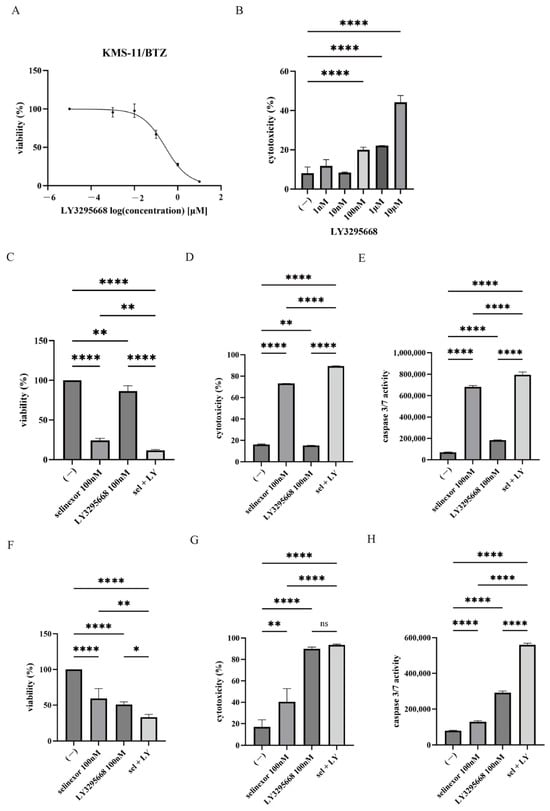
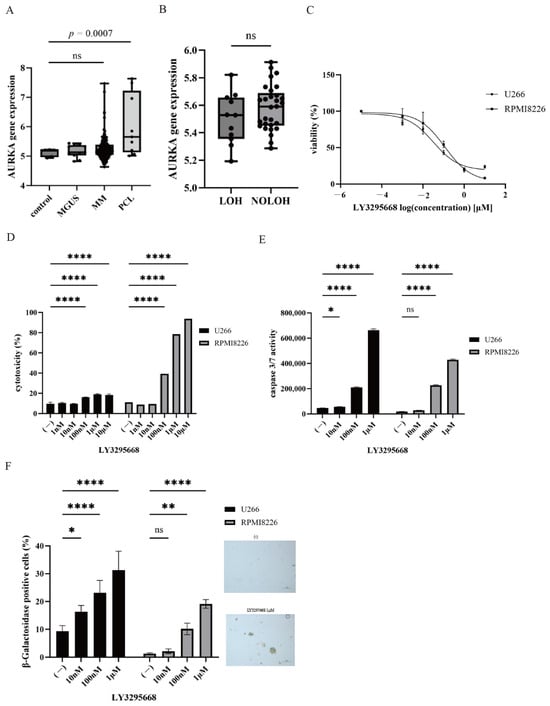
Background/Objectives: Aurora kinases (AURKs) are key regulators of mitosis, and their dysregulation contributes to plasma cell disorders, including multiple myeloma (MM) and plasma cell leukemia (PCL). Methods: The expression and prognostic relevance of AURK family members were examined, and the therapeutic potential of AURKA inhibition was evaluated. Results: Gene expression analysis demonstrated significant upregulation of AURKA in PCL. Treatment of MM cells with the selective AURKA inhibitor LY3295668 induced dose-dependent cytotoxicity, caspase-3/7 activation, and cellular senescence. Similarly, selinexor, a selective exportin-1 inhibitor, elicited dose-dependent cytotoxicity and apoptosis. Combined treatment with LY3295668 and selinexor significantly improved apoptosis compared with either agent alone, and AURKA knockdown further sensitized MM cells to selinexor, thereby increasing apoptosis. In bortezomib-resistant MM cells and primary PCL samples, the combination therapy induced cytotoxicity and caspase-3/7 activation. Conclusions: These findings underscore AURKA expression as a prognostic marker in plasma cell disorders and support the therapeutic potential of combining AURKA inhibition with selinexor for bortezomib-resistant MM and PCL. To explore biomarker-driven strategies for optimizing therapeutic outcomes, future studies are warranted.
Full article

Graphical abstract
Open AccessCase Report
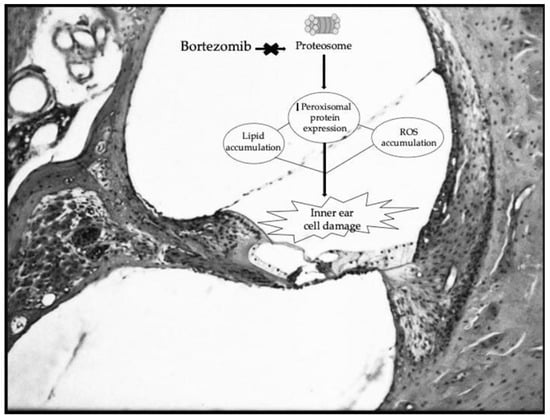
Bortezomib-Induced Sensorineural Hearing Loss May Be Reversible with Intratympanic Dexamethasone
by
Natalia Peláez Casillas, Jose Maria Verdaguer Muñoz, Antonio Rodríguez Valiente, Irene Romera Martínez and Jose Ramón García Berrocal
Hematol. Rep. 2026, 18(1), 9; https://doi.org/10.3390/hematolrep18010009 - 6 Jan 2026
Abstract
►▼
Show Figures
Background: Bortezomib, a proteasome inhibitor used in multiple myeloma (MM), is associated with several adverse effects, most notably peripheral neuropathy. Ototoxicity, however, remains a rare and underrecognized complication. Case presentation: We report the case of a 74-year-old man with MM who
[...] Read more.
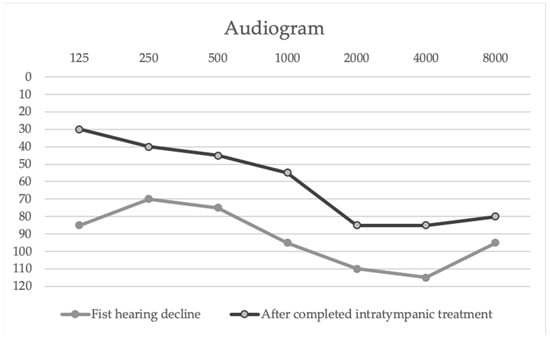
Background: Bortezomib, a proteasome inhibitor used in multiple myeloma (MM), is associated with several adverse effects, most notably peripheral neuropathy. Ototoxicity, however, remains a rare and underrecognized complication. Case presentation: We report the case of a 74-year-old man with MM who developed sudden unilateral sensorineural hearing loss following subcutaneous bortezomib administration. Audiometry confirmed severe right-sided hearing loss. MRI of the internal auditory canal was normal. Given the absence of other ototoxic agents, bortezomib was identified as the likely causative drug. The patient was treated with intratympanic dexamethasone injections, achieving partial hearing recovery. Subsequent chemotherapy re-exposure triggered another hearing decline, which again improved after repeated intratympanic treatment. Conclusions: Bortezomib-related ototoxicity is a rare but potentially reversible adverse event. This case suggests that early intratympanic corticosteroid therapy may mitigate cochlear injury, allowing continuation of chemotherapy for patients responding well to bortezomib.
Full article

Figure 1

Open AccessCase Report
Paraneoplastic Neuro-Ophthalmologic Symptoms as Initial Manifestation of Hodgkin Lymphoma
by
Sophie-Charlott Seidenfaden, Thomas Graversgaard Adams, Peter Kamper, Sanne Jespersen and Martin Bjerregård Pedersen
Hematol. Rep. 2026, 18(1), 8; https://doi.org/10.3390/hematolrep18010008 - 5 Jan 2026
Abstract
Background and Clinical Significance: Patients with Hodgkin lymphoma (HL) often present with lymphadenopathy, biochemical inflammation, and constitutional symptoms, but may experience symptoms from extra-nodal organs. Symptoms are caused by either lymphoma or a paraneoplastic phenomenon but overt central nervous system (CNS) involvement in
[...] Read more.
Background and Clinical Significance: Patients with Hodgkin lymphoma (HL) often present with lymphadenopathy, biochemical inflammation, and constitutional symptoms, but may experience symptoms from extra-nodal organs. Symptoms are caused by either lymphoma or a paraneoplastic phenomenon but overt central nervous system (CNS) involvement in HL is very uncommon. However, in rare cases, paraneoplastic neuro-ophthalmologic manifestations occur. Case Presentation: This case report describes a young female diagnosed with HL initially presenting with visual loss, reduced visual field, impaired balance, and sensory disturbances but no evidence of CNS-lymphoma. After treatment with bleomycin, etoposide, adriamycin, cyclophosphamide, vincristine, procarbazine, and prednisolone (escalated BEACOPP), she experienced full recovery of all neurological and ophthalmological symptoms. She experienced complete remission without any signs of relapse at follow-up after 2.5 years. Paraneoplastic cerebellar degeneration (PCD) related to HL have been described as a rare neurological syndrome, with varying neurological symptoms preceding the diagnosis of HL. PCD is typically associated with anti-Tr antibodies. Despite being negative for anti-Tr antibodies in both serum and cerebrospinal fluid (CSF), the neuro-ophthalmologic symptoms were interpreted as a paraneoplastic phenomenon in HL resembling PCD. The exact pathophysiology in this case is unknown but might be associated with undetected antigens and T-cell-mediated autoimmunity because of the presence of non-malignant T-cells in the CSF. Conclusions: This manuscript describes a case of an atypical presentation of HL with neuro-ophthalmologic symptoms which fully recovered upon anti-lymphoma treatment. Because of the good prognosis, we aim to emphasize the awareness of rare cases of HL initially presenting such manifestations to avoid diagnostic delays.
Full article
Open AccessArticle
Fetal Safety of Intravenous Ferric Carboxymaltose in Pregnancy: A Cardiotocography Study from a Tertiary Care Hospital in Italy
by
Francesca Polese, Chiara Pesce, Giulia De Fusco, Gianni Tidore, Enza Coluccia, Raffaele Battista and Gianluca Gessoni
Hematol. Rep. 2026, 18(1), 7; https://doi.org/10.3390/hematolrep18010007 - 5 Jan 2026
Abstract
Background: Iron-deficient anemia (IDA) in pregnant women is a significant health issue globally. Oral iron supplementation is the primary treatment for IDA during pregnancy. For women who do not respond to or cannot tolerate oral iron treatment, intravenous (IV) iron preparations may offer
[...] Read more.
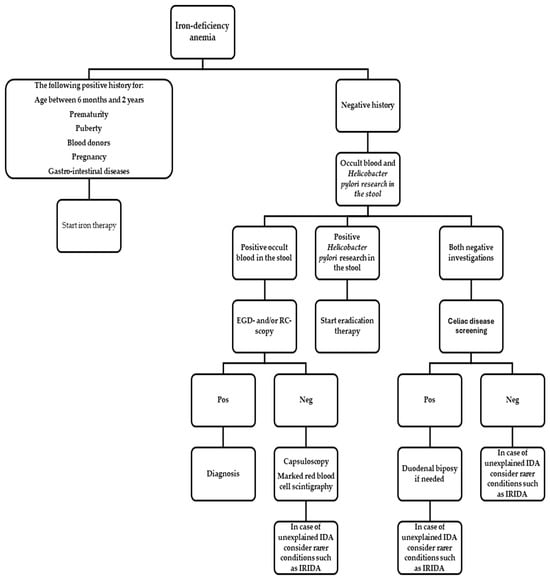
Background: Iron-deficient anemia (IDA) in pregnant women is a significant health issue globally. Oral iron supplementation is the primary treatment for IDA during pregnancy. For women who do not respond to or cannot tolerate oral iron treatment, intravenous (IV) iron preparations may offer a viable therapeutic option in the third trimester of pregnancy. Ferric carboxymaltose (FCM; Ferinject®) is an IV iron preparation that allows rapid administration of high single doses of iron with a favorable safety profile. This study evaluated the potential impact of FCM therapy on fetal well-being by recording cardiotocography (CTG) before, during, and after iron infusions. Materials and Methods: We examined 105 women with IDA in the third trimester of pregnancy. During the initial evaluation, each patient was assessed for complete blood count, iron metabolism, B12, folates, hemoglobinopathies, CRP, kidney and liver function, and glucose levels. Each subject received intravenous ferric carboxymaltose (FCM), 500 mg. The study focused on the maternal and fetal safety of FCM infusion. The primary endpoint for maternal safety was the observation of adverse effects of iron infusion. For fetal safety, the primary endpoint was the assessment of CTG. Results: We considered 105 women, comprising 101 singleton and 4 twin pregnancies. The median hemoglobin (Hb) at initial observation was 95 g/L and 117 g/L post-therapy. Regarding maternal safety, side effects were observed during or after FCM infusion in four subjects; three cases involved local symptoms, while one case included nausea and skin rash. Concerning fetal safety, 100% of the cardiotocography records were deemed “normal” using the Dawes–Redman criteria. Conclusions: In conclusion, FCM proved effective in treating anemia in this clinically complex population of pregnant women in the third trimester and appeared safe in this cohort, though larger prospective studies are warranted.
Full article
(This article belongs to the Special Issue Anaemia in Focus: Challenges and Solutions in Haematology)
►▼
Show Figures

Figure 1
Open AccessReview
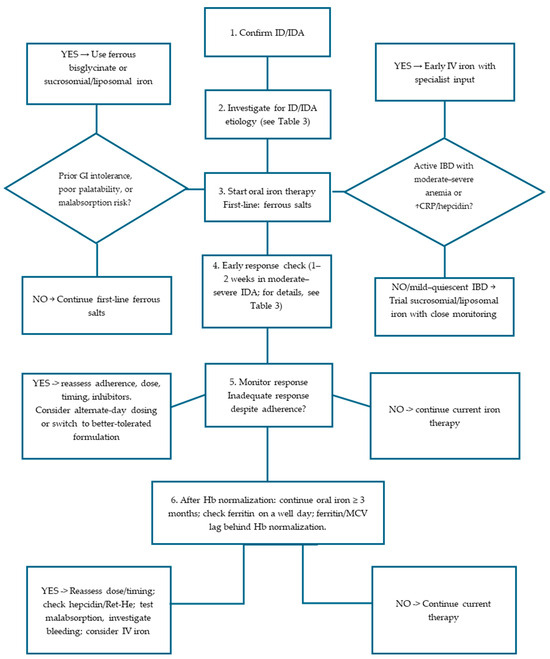
Iron Therapy in Pediatric Iron Deficiency and Iron-Deficiency Anemia: Efficacy, Safety, and Formulation-Specific Trade-Offs—A Narrative Review
by
Guido Leone, Marta Arrabito, Giovanna Russo and Milena La Spina
Hematol. Rep. 2026, 18(1), 6; https://doi.org/10.3390/hematolrep18010006 - 3 Jan 2026
Abstract
Background/Objectives: Iron deficiency (ID) is the most common nutritional disorder in childhood worldwide. It has profound consequences for growth, neurodevelopment, behaviour, and overall health. Despite the long-standing efficacy of oral ferrous salts, their poor gastrointestinal tolerability and adherence challenges have spurred the
[...] Read more.
Background/Objectives: Iron deficiency (ID) is the most common nutritional disorder in childhood worldwide. It has profound consequences for growth, neurodevelopment, behaviour, and overall health. Despite the long-standing efficacy of oral ferrous salts, their poor gastrointestinal tolerability and adherence challenges have spurred the development of alternative formulations and innovative dosing strategies. Methods: We conducted a narrative review of national and international guidelines, pediatric randomized controlled trials, observational and cohort studies, cost-effectiveness analyses, diagnostic method papers, and reviews, with emphasis on diagnostic innovations, therapeutic outcomes, tolerability, and formulation-specific efficacy. Results: Ferrous salts remain the gold standard for efficacy, low cost, and guideline endorsement, but up to 40% of children experience GI intolerance. Therefore, a lower dosage of ferrous salts has been proposed for IDA as still being an efficacious and better-tolerated schedule. Also, alternate-day dosing improves absorption and tolerability and is supported by a recent pediatric RCT. Newer formulations—ferric polymaltose, ferrous bisglycinate, co-processed bisglycinate with alginate (Feralgine™), and vesicular encapsulated forms such as sucrosomial and liposomal ferric pyrophosphate—showed improved tolerability and palatability, supporting adherence with hematologic outcomes comparable to ferrous salts, particularly in children with intolerance, malabsorption, or inflammatory comorbidities. Intravenous iron is effective and safe with modern preparations and is reserved for severe anemia, malabsorption, or oral therapy failure. Conclusions: Oral ferrous salts should remain the first-line therapy in pediatric ID/IDA. Future pediatric trials should prioritize head-to-head comparisons of formulations, hepcidin-guided dosing, and patient-centred outcomes, including neurocognitive trajectories and quality of life.
Full article
(This article belongs to the Special Issue Anaemia in Focus: Challenges and Solutions in Haematology)
►▼
Show Figures

Figure 1
Open AccessReview
Mediastinal Gray Zone Lymphomas: Diagnostic Challenges, Clinicopathologic Overlap, and Emerging Management Strategies
by
Tugba Zorlu, Mert Seyhan, Nigar Abdullayeva, Turgay Ulas and Mehmet Sinan Dal
Hematol. Rep. 2026, 18(1), 5; https://doi.org/10.3390/hematolrep18010005 - 31 Dec 2025
Abstract
►▼
Show Figures
Background: Mediastinal gray zone lymphoma (MGZL) is a rare B-cell lymphoma characterized by overlapping clinicopathologic and molecular features of primary mediastinal B-cell lymphoma (PMBL) and classical Hodgkin lymphoma (CHL). Under current WHO-HEMA5 and International Consensus Classification (ICC) frameworks, MGZL is restricted to EBV-negative
[...] Read more.
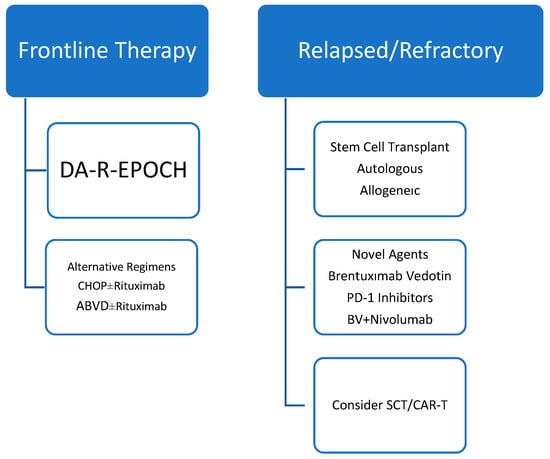
Background: Mediastinal gray zone lymphoma (MGZL) is a rare B-cell lymphoma characterized by overlapping clinicopathologic and molecular features of primary mediastinal B-cell lymphoma (PMBL) and classical Hodgkin lymphoma (CHL). Under current WHO-HEMA5 and International Consensus Classification (ICC) frameworks, MGZL is restricted to EBV-negative lymphomas arising in the mediastinum. Methods: This review summarizes current evidence on epidemiology, clinical presentation, pathology, molecular characteristics, diagnostic challenges, and therapeutic approaches to MGZL, with data derived from retrospective series, limited prospective cohorts, and recent molecular studies. Results: MGZL predominantly affects young adults and commonly presents with bulky mediastinal disease. Diagnosis is challenging due to transitional morphology, pleomorphic Reed–Sternberg-like cells, and variable expression of B-cell and activation markers. Molecular studies demonstrate shared alterations with PMBL and CHL, including 9p24.1 (JAK2/PD-L1/PD-L2) gains, while additional reported features such as HOXA5 hypomethylation and MYC copy number gains support its biological distinctiveness, although evidence remains limited. Frontline treatment commonly involves intensive chemoimmunotherapy regimens such as DA-EPOCH-R; however, outcomes remain inferior to PMBL and CHL, with 5-year overall survival rates of approximately 40–60%. Relapsed or refractory disease frequently requires salvage chemotherapy and autologous stem cell transplantation. Immune-based therapies, including brentuximab vedotin and PD-1 inhibitors, have shown promising activity, particularly in combination. Conclusions: MGZL remains a diagnostically challenging and therapeutically complex lymphoma with inferior outcomes compared with related mediastinal lymphomas. Advances in molecular profiling and immunotherapy offer promising avenues toward more personalized treatment; however, prospective clinical trials and international collaboration are urgently needed to establish evidence-based management strategies for this rare entity.
Full article

Figure 1

Open AccessEditor’s ChoiceReview
Advances in Gene Therapy for Inherited Haemoglobinopathies
by
Anna B. Gaspar and H. Bobby Gaspar
Hematol. Rep. 2026, 18(1), 4; https://doi.org/10.3390/hematolrep18010004 - 27 Dec 2025
Abstract
►▼
Show Figures
Haemoglobinopathies, including β-thalassaemia and sickle cell disease (SCD), are among the most common monogenic disorders worldwide and remain major causes of morbidity and early mortality. Historically, management of these life-altering diseases has relied on supportive treatment and symptom management and, although these treatments
[...] Read more.
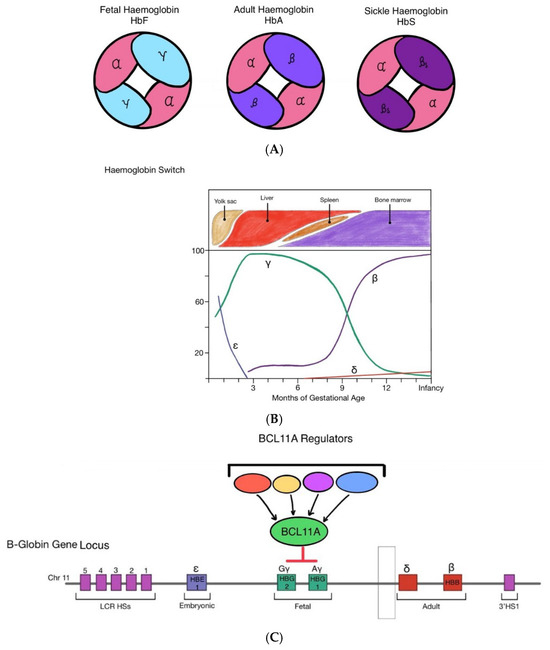
Haemoglobinopathies, including β-thalassaemia and sickle cell disease (SCD), are among the most common monogenic disorders worldwide and remain major causes of morbidity and early mortality. Historically, management of these life-altering diseases has relied on supportive treatment and symptom management and, although these treatments reduce symptoms and ease disease burden, they do not correct the underlying genetic defect. Allogenic haematopoietic stem cell transplantation (HSCT) has been the only established curative option; however, it comes with substantial risks that significantly restrict its applicability. Over the past two decades, haematopoietic stem cell (HSC) gene therapy for haemoglobinopathies has rapidly progressed from experimental proof-of-concept to approved therapies. Lentiviral gene addition approaches have demonstrated durable expression of functional β-like globin transgenes, achieving transfusion independence in β-thalassaemia patients and significant reductions in vaso-occlusive events in SCD patients. Alternative therapeutic approaches to promote HbF expression have proved to be highly successful. Gene silencing strategies targeting BCL11A have been successful clinically and, more recently, gene editing technologies such as CRISPR/Cas9 have enabled precise disruption of regulatory elements controlling γ-globin repression, leading to the approval of the first CRISPR-based therapy for SCD and β-thalassaemia. Emerging base editing technologies promise even more precise genetic modification and are advancing through clinical evaluation. Despite these advances, access to gene therapy remains restricted due to the need for highly specialised manufacturing, toxic myeloablative conditioning regimens, and high treatment costs. Ongoing improvements and adaptations in these areas are essential to ensure that gene therapies fulfil their potential as accessible, curative treatments for patients suffering from haemoglobinopathies worldwide.
Full article

Figure 1

Open AccessCase Report
Precursor Dendritic Cell Proliferation in Multiple Myeloma: A Precursor to Acute Myeloid Leukemia
by
Katarina Reberšek, Saša Anžej Doma, Matevž Škerget and Helena Podgornik
Hematol. Rep. 2026, 18(1), 3; https://doi.org/10.3390/hematolrep18010003 - 25 Dec 2025
Abstract
►▼
Show Figures
Background: Dendritic cells (DCs) are heterogeneous antigen-presenting cells that bridge innate and adaptive immunity. Recent classifications of hematolymphoid neoplasms highlight the complex origins of DC-related neoplasms. DCs have also been associated with the progression of multiple myeloma (MM). This report presents the
[...] Read more.
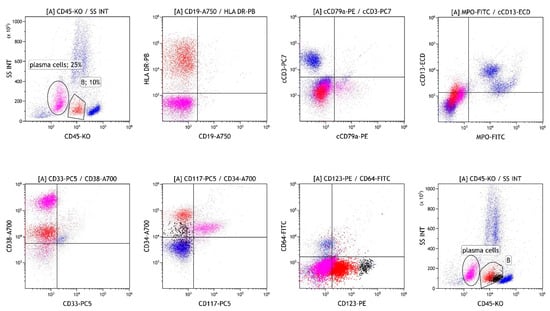
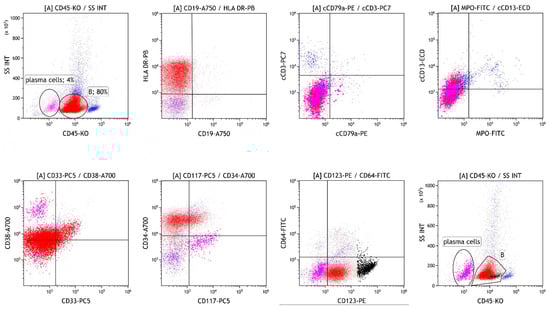
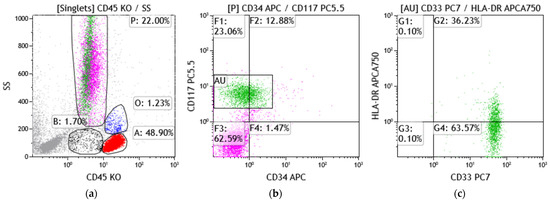
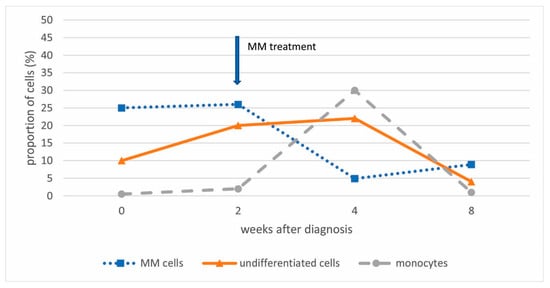
Background: Dendritic cells (DCs) are heterogeneous antigen-presenting cells that bridge innate and adaptive immunity. Recent classifications of hematolymphoid neoplasms highlight the complex origins of DC-related neoplasms. DCs have also been associated with the progression of multiple myeloma (MM). This report presents the case of a patient with MM in whom bone marrow analysis revealed an unusual additional clonal population of immature cells, in addition to plasmacytoid DCs, that later evolved into plasmacytoid dendritic cell proliferation associated with acute myeloid leukemia (pDC-AML). Methods: The bone marrow of a 69-year-old man with neutropenia and thrombocytopenia was examined by morphology, immunohistochemistry, flow cytometry, cytogenetics, fluorescence in situ hybridization (FISH), and next-generation sequencing (NGS). Serial assessments were performed before and during treatment with bortezomib and dexamethasone for MM, and later with daunorubicin/cytarabine for AML. Results: Initial bone marrow analysis revealed coexisting clonal plasma cells with t(11;14) and a population of CD34+/CD123+/CD45RA+ cells lacking lineage markers, in addition to pDCs, suggestive of precursor DCs rather than acute undifferentiated leukemia. Cytogenetic analysis identified a small clone with isolated del(20q), which corresponded in size to the clone of undifferentiated cells and to the clone with pathogenic variants detected by NGS in the BCOR, RUNX1, and SRSF2 genes. Myeloma therapy decreased both MM and undifferentiated cells; however, within four months, pDC-AML evolved with del(20q) and higher variant allele frequencies of the previously detected gene variants. Remission was achieved with standard AML chemotherapy. Conclusions: This case supports evidence that MM-associated immune dysfunction and bone marrow niche alterations may promote secondary myeloid malignancies independently of cytotoxic therapy. It demonstrates the earliest events in pDC-AML evolution. Furthermore, the immature immunophenotype raises the question of appropriate treatment, since a diagnosis of acute undifferentiated leukemia can be established.
Full article

Figure 1
Open AccessCase Report
Durable Response in Histiocytic Sarcoma After Allogeneic Stem Cell Transplantation: A Case Report
by
Stefania Oliva, Jessica Gill, Elia Boccellato, Umberto Mortara, Luca Molinaro, Laura Godio, Elena Sieni, Anna Maria Buccoliero, Irene Dogliotti, Alessandro Busca, Elena Califaretti, Bruno Benedetto and Luisa Giaccone
Hematol. Rep. 2026, 18(1), 2; https://doi.org/10.3390/hematolrep18010002 - 22 Dec 2025
Abstract
►▼
Show Figures
Background and Clinical Significance: Histiocytic sarcoma (HS) is a rare and aggressive form of malignant histiocytosis, often associated with poor prognosis. The diagnosis and management of HS are challenging due to the complexity of its pathogenesis, molecular profile, and the unclear cellular origin
[...] Read more.
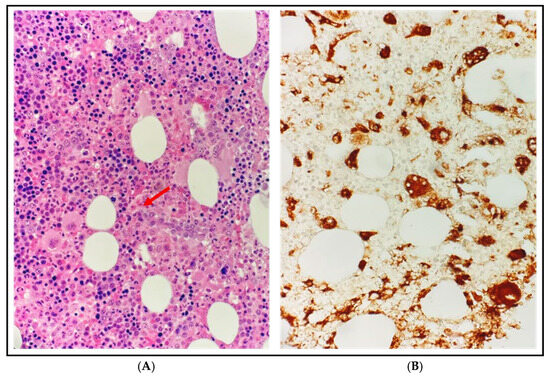
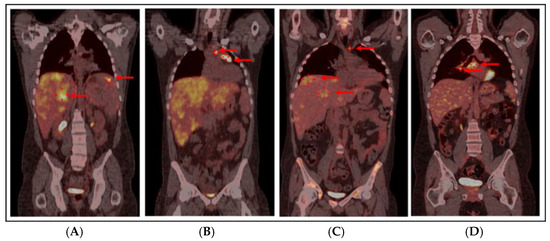
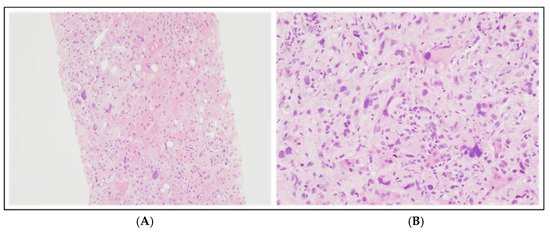
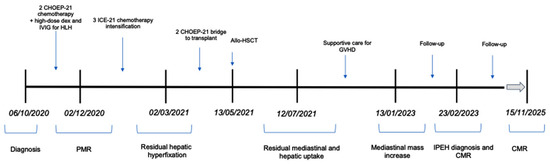
Background and Clinical Significance: Histiocytic sarcoma (HS) is a rare and aggressive form of malignant histiocytosis, often associated with poor prognosis. The diagnosis and management of HS are challenging due to the complexity of its pathogenesis, molecular profile, and the unclear cellular origin of histiocytic neoplasms, compounded by the limited literature on treatment strategies. Case Presentation: We report the case of a young patient with HS localized to the lymph nodes, spleen, and liver, who also presented with hemophagocytic lymphohistiocytosis (HLH) documented on bone marrow biopsy. Initial treatment with CHOEP-21 and ICE-21 chemotherapy resulted in only a partial metabolic response, as evidenced by a Fluorodeoxyglucose-Positron Emission Tomography (FDG-PET)/CT scan. Given the aggressive nature of the disease and the presence of HLH, an allogeneic hematopoietic stem cell transplantation (HSCT) from a matched unrelated donor was performed as consolidation therapy, leading to a progressive complete response without significant toxicity. A suspected relapse at 18 months post-transplant was excluded following a mediastinal lymph node biopsy, which revealed a benign intravascular papillary endothelial hyperplasia (IPEH). Over five years post-diagnosis and more than four years after transplantation, the patient remains in complete remission with full functional recovery. Conclusions: This case highlights the diagnostic and molecular challenges of HS and demonstrates the curative potential of early allogeneic HSCT, even when only partial remission is initially achieved.
Full article

Figure 1
Open AccessCase Report
Fibrin-Associated Large B-Cell Lymphoma of Prosthetic Aortic Valve and Aortic Root Graft
by
Ashish Rajput, Abdulrahim Alabdulsalam, Claribeth Ruano, Sabin J. Bozso, Anthea Peters, Michael C. Moon and Jean Deschênes
Hematol. Rep. 2026, 18(1), 1; https://doi.org/10.3390/hematolrep18010001 - 22 Dec 2025
Abstract
►▼
Show Figures
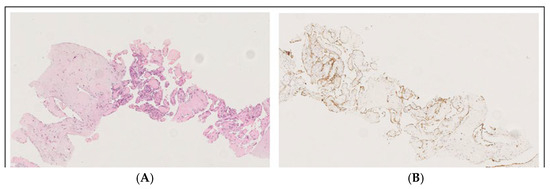
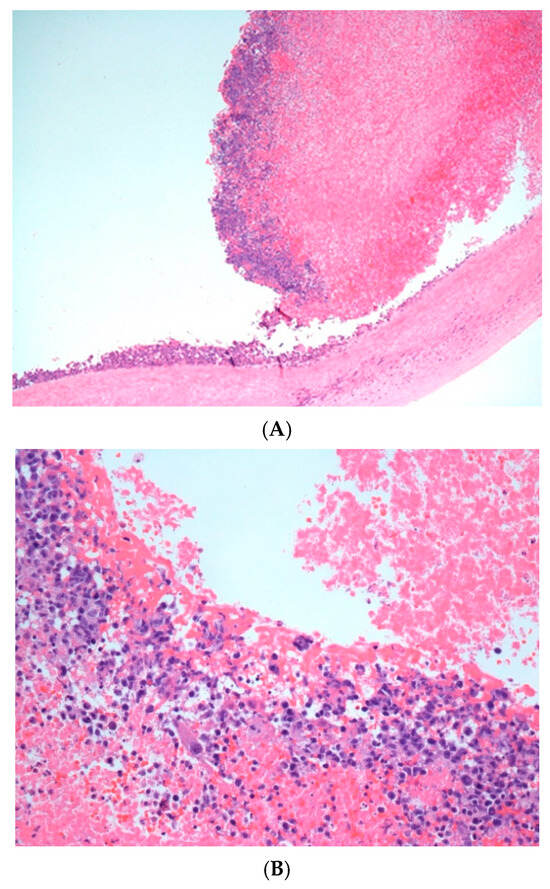
Background and clinical significance: Primary cardiac diffuse large B-cell lymphoma (DLBCL) arising in bioprosthetic valves is exceedingly rare. Most patients present with localized disease often masquerading as suspected thrombi or vegetations. Imaging studies are inconclusive and due to the rarity of the disease,
[...] Read more.
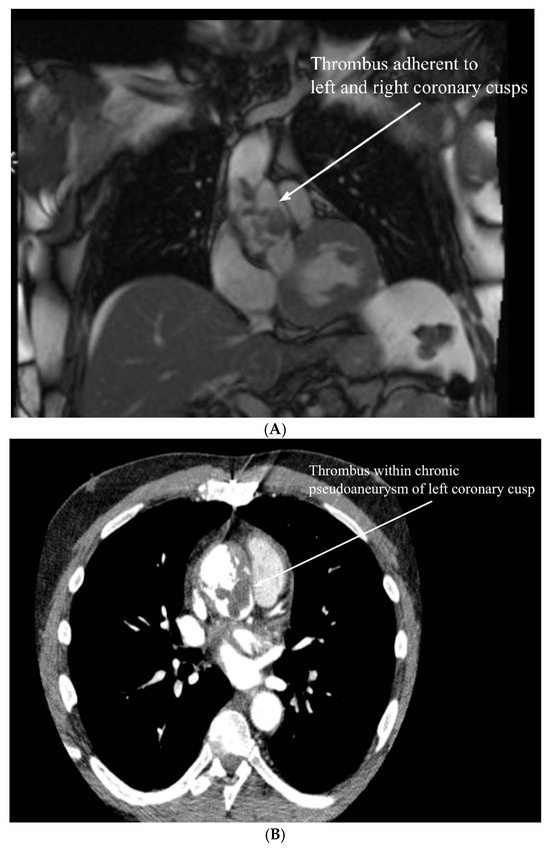
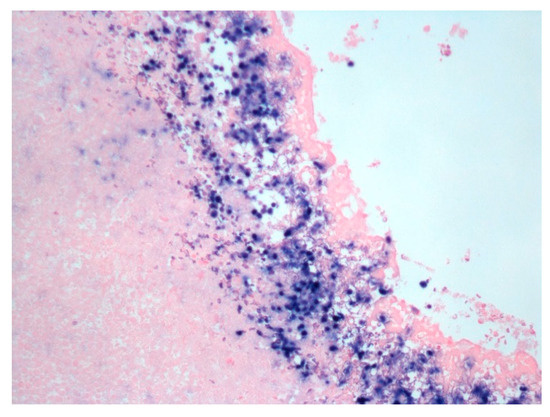
Background and clinical significance: Primary cardiac diffuse large B-cell lymphoma (DLBCL) arising in bioprosthetic valves is exceedingly rare. Most patients present with localized disease often masquerading as suspected thrombi or vegetations. Imaging studies are inconclusive and due to the rarity of the disease, treatment and follow-up data are very limited. Case presentation: We present one such case developing 9 years after aortic valve replacement in an otherwise immunocompetent patient, who presented with minor symptoms despite significant disease burden. This tumor contained Epstein–Barr virus (EBV), was confined to the site of origin, and has behaved non-aggressively after excision with a follow-up of 59 months. Conclusions: This unique disease is classified as Fibrin-associated large B-cell lymphoma (FA-LBCL) in view of its distinct clinical-pathological features. This report also addresses the unique features of this type of lymphoma.
Full article

Figure 1

Open AccessReview
The Use of Single Dose of Rasburicase for the Prophylaxis and Treatment of Tumor Lysis Syndrome in Pediatric Patients: A Narrative Review
by
Anselm Chi-wai Lee
Hematol. Rep. 2025, 17(6), 71; https://doi.org/10.3390/hematolrep17060071 - 18 Dec 2025
Abstract
Background/Objectives: Rasburicase is licensed for the management of tumor lysis syndrome (TLS) at a daily dose of 0.2 mg/kg intravenously for five days. The use of a single-dose treatment is popular in adult oncology but information in pediatric use is limited. Methods
[...] Read more.
Background/Objectives: Rasburicase is licensed for the management of tumor lysis syndrome (TLS) at a daily dose of 0.2 mg/kg intravenously for five days. The use of a single-dose treatment is popular in adult oncology but information in pediatric use is limited. Methods: From a literature search, all case reports and series, and comparative studies in which pediatric oncology patients received a single dose of rasburicase were selected for further analysis. Treatment success was determined by normalization of serum uric acid in the absence of serious complications. Results: Twelve articles with a total of 243 children were included. A fixed-dose regimen was used in 195, while 153 received weight-based dosing. With fixed dosing, successful treatment was seen in 91.8% and 82.9% at rasburicase doses ≥3 mg and 1.5 mg, respectively (p = 0.23). However, there were four mortalities in the lower-dose group. For weight-based dosing, success was observed in 89.2% and 66.7% at doses ≥0.15 mg/kg and <0.15 mg/kg, respectively (p = 0.0029). One child required dialysis in the lower-dose group. Conclusions: Single dose of rasburicase for the prophylaxis and treatment of TLS in pediatric oncology is an appealing approach with potentially less financial impact and drug toxicity. A fixed dose of at least 3 mg or 0.15 mg/kg by body weight is recommended.
Full article
Open AccessBrief Report
Characteristics and Outcomes of Acute Leukemias in Adolescents and Young Adults with Down Syndrome: A Single-Center Experience
by
Marie Nour Karam, Sandra K. Althouse, Madeline G. Andrews, Jenny Chen and Sandeep Batra
Hematol. Rep. 2025, 17(6), 70; https://doi.org/10.3390/hematolrep17060070 - 18 Dec 2025
Abstract
►▼
Show Figures
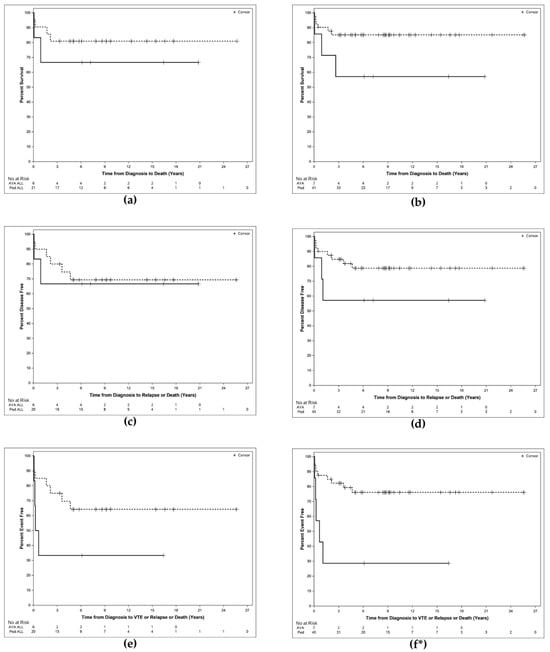
Background/Objectives: Acute leukemias in adolescents and young adults (AYAs) with Down Syndrome (DS) are understudied. Methods: This was a single-center, retrospective cohort study. Medical records for pediatric DS (n = 41) and AYA-DS (n = 7) treated with a pediatric
[...] Read more.
Background/Objectives: Acute leukemias in adolescents and young adults (AYAs) with Down Syndrome (DS) are understudied. Methods: This was a single-center, retrospective cohort study. Medical records for pediatric DS (n = 41) and AYA-DS (n = 7) treated with a pediatric chemotherapy regimen for acute leukemia were evaluated. Results: Two-year event-free survival (EFS) in AYA DS acute leukemia patients was lower than that in their pediatric DS counterparts (28.6% (Confidence Interval (CI) 4.1, 61.2) vs. 84.9% (CI 69.5, 92.9); p = 0.002). Conclusions: Additional research is needed to improve outcomes in AYA DS leukemia.
Full article

Figure 1

Open AccessCase Report
Ibrutinib-Associated Liver Injury in a Patient with Chronic Lymphocytic Leukemia: Clinical Course and Therapeutic Approach
by
Antonio Frolli, Guido Parvis, Martina Bullo, Selene Grano, Giovanni Fornari, Valentina Bonuomo, Daniela Cilloni and Carmen Fava
Hematol. Rep. 2025, 17(6), 69; https://doi.org/10.3390/hematolrep17060069 - 11 Dec 2025
Abstract
►▼
Show Figures
Background: Ibrutinib, a Bruton’s tyrosine kinase inhibitor (BTKi), has revolutionized the treatment of Chronic Lymphocytic Leukemia (CLL), yet hepatotoxicity remains a rare and poorly characterized adverse event. Case Presentation: We report the case of a 54-year-old man with progressive CLL and radiologically confirmed
[...] Read more.
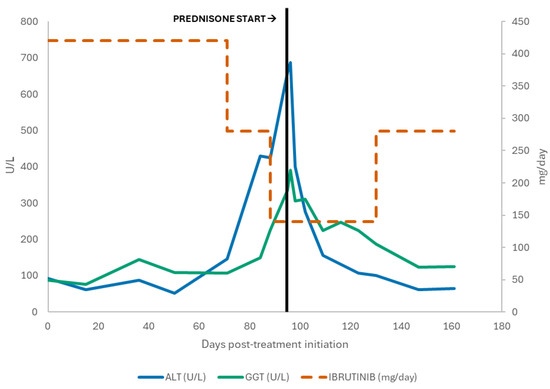
Background: Ibrutinib, a Bruton’s tyrosine kinase inhibitor (BTKi), has revolutionized the treatment of Chronic Lymphocytic Leukemia (CLL), yet hepatotoxicity remains a rare and poorly characterized adverse event. Case Presentation: We report the case of a 54-year-old man with progressive CLL and radiologically confirmed hepatic involvement who developed acute hepatocellular injury during ibrutinib monotherapy. Baseline liver tests showed mild abnormalities attributed to hepatic steatosis and leukemic infiltration. After approximately 10–12 weeks of ibrutinib (420 mg/day), transaminases markedly increased (ALT 660 U/L, AST 326 U/L), while bilirubin and synthetic function remained normal. Viral, autoimmune, and obstructive causes were excluded. Stepwise dose reductions to 140 mg/day provided limited benefit. The addition of prednisone (50 mg/day) led to rapid biochemical improvement. Ibrutinib was successfully re-escalated to 280 mg/day alongside venetoclax initiation, maintaining disease control without recurrence of liver injury. Discussion: The temporal relationship, exclusion of alternative causes, and corticosteroid responsiveness suggest an ibrutinib-induced liver injury, possibly exacerbated by pre-existing hepatic steatosis and leukemic infiltration. Conclusions: This case underscores the multifactorial pathogenesis of BTKi-related hepatotoxicity and highlights the potential role of corticosteroids in management. Prompt recognition, stepwise dose adjustment, and corticosteroid therapy may enable continued treatment and sustained disease control in selected patients.
Full article

Figure 1
Open AccessCase Report
Double Trouble: The First Reported Case of Evans Syndrome Following RSV Vaccination
by
Mohammad Abu-Tineh, Deepika Beereddy, Ilse Ivonne Saldivar Ruiz and Divya Samat
Hematol. Rep. 2025, 17(6), 68; https://doi.org/10.3390/hematolrep17060068 - 1 Dec 2025
Abstract
►▼
Show Figures
Background: Evans syndrome is a rare autoimmune disease characterized by immune thrombocytopenia (ITP), autoimmune hemolytic anemia (AIHA), and autoimmune neutropenia, typically triggered by an episode of immune dysregulation or multiple other factors. We present what appears to be the first reported case of
[...] Read more.
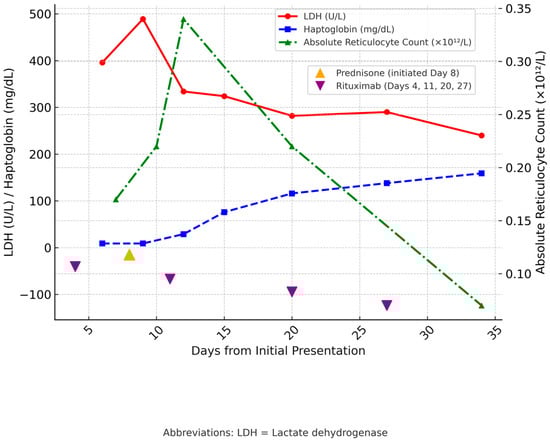
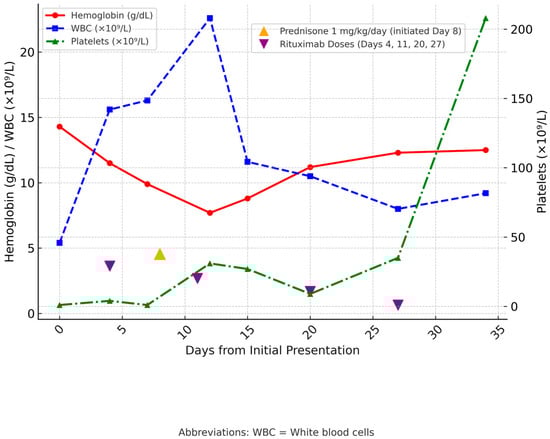
Background: Evans syndrome is a rare autoimmune disease characterized by immune thrombocytopenia (ITP), autoimmune hemolytic anemia (AIHA), and autoimmune neutropenia, typically triggered by an episode of immune dysregulation or multiple other factors. We present what appears to be the first reported case of Evans syndrome developing in a 66-year-old female following respiratory syncytial virus (RSV) vaccination. Case Presentation: A 66-year-old female presented with a petechial rash on her arms, legs, and face. Laboratory tests revealed a platelet count of 1 × 10⁹/L, significantly lower than her historical baseline of >200 × 109/L. On hospital day 4, her hemoglobin declined from 14.3 g/dL to 9.9 g/dL, with laboratory evidence of hemolysis, including elevated bilirubin, low haptoglobin, and increased lactate dehydrogenase (LDH). Bone marrow biopsy revealed megakaryocytic hyperplasia consistent with ITP, along with a small polyclonal B-cell population lacking CD20 expression. Imaging was unremarkable, showing no interval changes aside from stable pre-existing pulmonary nodules and no lymphadenopathy. These findings supported a diagnosis of Evans syndrome. Initial therapy with dexamethasone and intravenous immunoglobulin (IVIG) for presumed ITP was ineffective. Due to refractory thrombocytopenia, the patient initially received one dose of rituximab, followed by one dose of romiplostim. Subsequently, the patient received rituximab infusions every week at a rate of 375 mg/m2 for four doses, as well as prednisone at a dose of 1 mg/kg/day. Within five weeks, her blood count returned to normal. Conclusions: This case raises concern for a potential temporal association between RSV vaccination and the onset of Evans syndrome. It underscores the need for heightened clinical awareness and further investigation into immune-mediated hematologic complications following RSV immunization.
Full article

Figure 1
Open AccessEditor’s ChoiceReview
Clinical and Biological Insights into Myelodysplastic Neoplasms Associated with Deletions of Chromosome 5q Region
by
Ugo Testa, Germana Castelli and Elvira Pelosi
Hematol. Rep. 2025, 17(6), 67; https://doi.org/10.3390/hematolrep17060067 - 29 Nov 2025
Abstract
The only cytogenetic alteration defining a subtype of a myelodysplastic syndrome is represented by the deletion of the long arm of chromosome 5 (del(5q)), now classified as MDS with isolated del(5q). This subtype is associated with a peculiar phenotype mainly dependent on the
[...] Read more.
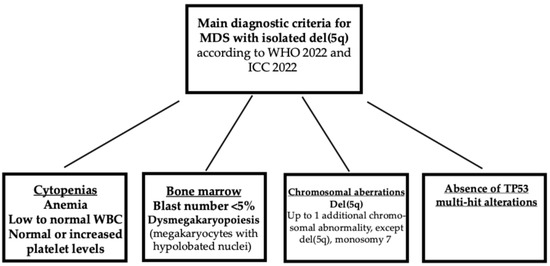
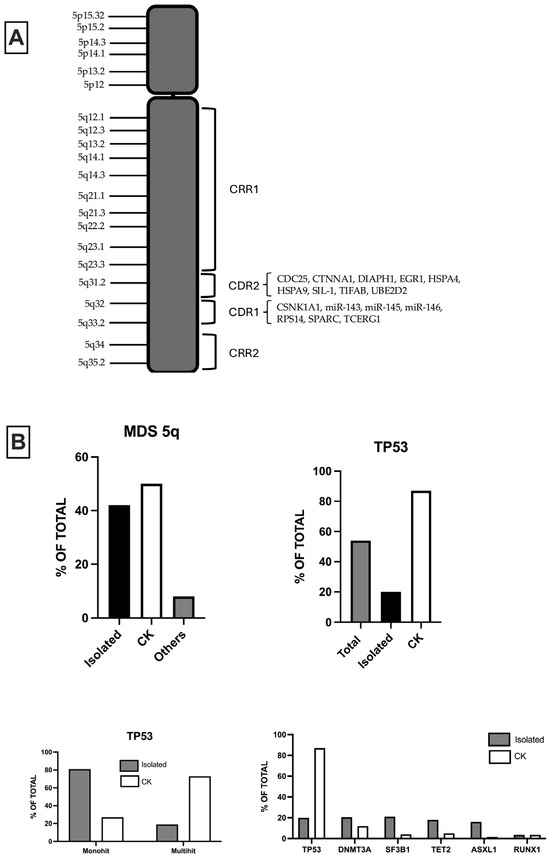
The only cytogenetic alteration defining a subtype of a myelodysplastic syndrome is represented by the deletion of the long arm of chromosome 5 (del(5q)), now classified as MDS with isolated del(5q). This subtype is associated with a peculiar phenotype mainly dependent on the haploinsufficiency of several genes located on the deleted arm of chromosome 5. These patients show a good prognosis and respond to treatment with lenalidomide, but some cases progress to acute myeloid leukemia. Molecular studies have, in part, elucidated the heterogeneity of MDS with isolated del(5q), mainly related to the association with different co-mutations that may affect leukemic transformation and survival. In other MDS patients, del(5q) is combined with other chromosomal abnormalities, giving rise to a condition of complex karyotype, associated with frequent TP53 mutations and with a poor prognosis. Two different molecular pathways seem to be responsible for the generation of MDS with isolated del(5q) or of MDS with del(5q) associated with a complex karyotype.
Full article
(This article belongs to the Special Issue Innovations in Hematologic Oncology: SOHO Italy Perspectives)
►▼
Show Figures

Figure 1
Highly Accessed Articles
Latest Books
E-Mail Alert
News
Topics
Topic in
Biomedicines, Biomolecules, Cancers, Cells, Hematology Reports, IJMS
Advances in Molecular Pathogenesis and Targeted Therapies for Multiple Myeloma
Topic Editors: Chung Hoow Kok, Cindy H. S. Lee, Claudio CerchioneDeadline: 3 August 2026
Topic in
BioMedInformatics, Cancers, Hemato, Hematology Reports
Myeloma and Leukemia—Challenges and Current Treatment Options: 2nd Edition
Topic Editors: Giovanni Martinelli, Claudio CerchioneDeadline: 18 September 2026
Conferences
Special Issues
Special Issue in
Hematology Reports
Bleeding and Thrombotic Complications in Patients with Premalignant Hematologic Conditions: Diagnostic and Therapeutic Challenges
Guest Editors: Vasiliki Gkalea, Despina FotiouDeadline: 20 February 2026
Special Issue in
Hematology Reports
Innovations in Hematologic Oncology: SOHO Italy Perspectives
Guest Editors: Claudio Cerchione, Giovanni Martinelli, Naval Daver, Elias JabbourDeadline: 31 March 2026
Special Issue in
Hematology Reports
Anaemia in Focus: Challenges and Solutions in Haematology
Guest Editor: Efthymia VlachakiDeadline: 30 April 2026
Special Issue in
Hematology Reports
Advancements in Blood Sample Analysis: Innovative Technologies for Hematology
Guest Editor: Ashish RajputDeadline: 31 August 2026