
Journal Description
Biology
Biology
is an international, peer-reviewed, open access journal of biological sciences published semimonthly online by MDPI. The Spanish Society for Nitrogen Fixation (SEFIN) and Federation of European Laboratory Animal Science Associations (FELASA) are affiliated with Biology and their members receive discounts on the article processing charges.
- Open Access— free for readers, with article processing charges (APC) paid by authors or their institutions.
- High Visibility: indexed within Scopus, SCIE (Web of Science), PubMed, PMC, PubAg, CAPlus / SciFinder, and other databases.
- Journal Rank: JCR - Q1 (Biology) / CiteScore - Q1 (General Agricultural and Biological Sciences)
- Rapid Publication: manuscripts are peer-reviewed and a first decision is provided to authors approximately 16.8 days after submission; acceptance to publication is undertaken in 2.9 days (median values for papers published in this journal in the second half of 2025).
- Recognition of Reviewers: reviewers who provide timely, thorough peer-review reports receive vouchers entitling them to a discount on the APC of their next publication in any MDPI journal, in appreciation of the work done.
Impact Factor:
3.5 (2024);
5-Year Impact Factor:
4.0 (2024)
Latest Articles
Age-Related Alterations in Swallowing in Healthy Aged Rodents: A Systematic Review
Biology 2026, 15(11), 835; https://doi.org/10.3390/biology15110835 - 26 May 2026
Abstract
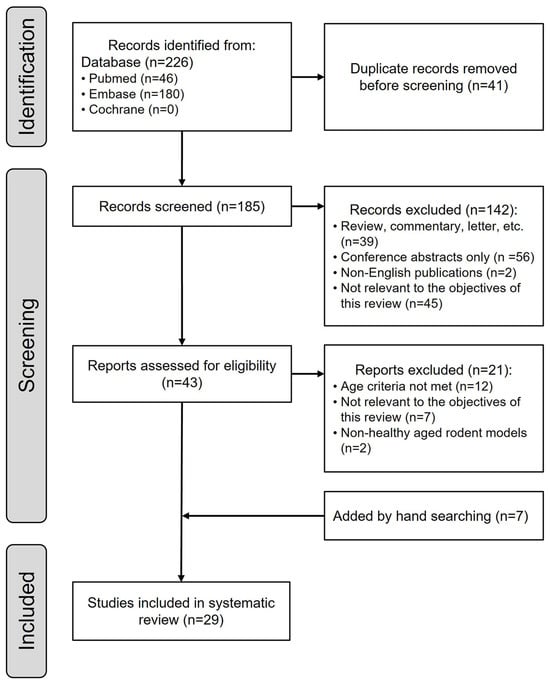
Age-related decline in swallowing function is increasingly recognized as a clinical concern in aging populations. To better understand the biological mechanisms underlying functional and structural changes associated with normal aging, rodent models provide a controlled experimental platform. This review systematically examined age-related changes
[...] Read more.
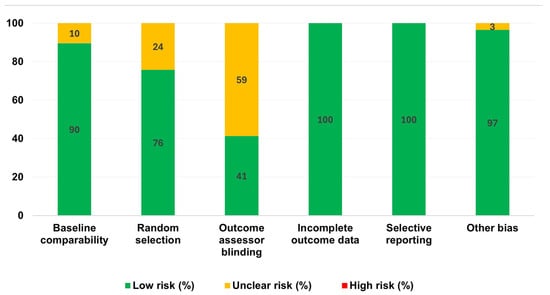
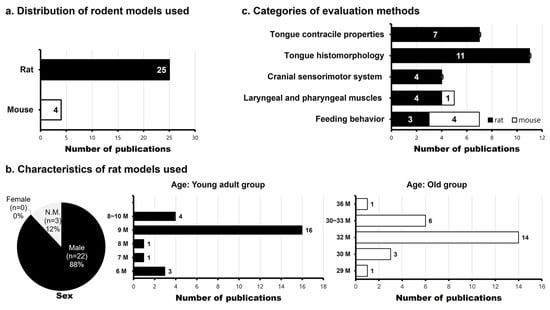
Age-related decline in swallowing function is increasingly recognized as a clinical concern in aging populations. To better understand the biological mechanisms underlying functional and structural changes associated with normal aging, rodent models provide a controlled experimental platform. This review systematically examined age-related changes in swallowing function in healthy rodents, compared with that of young adults. A comprehensive literature search was conducted in PubMed, Embase, and the Cochrane Library. Twenty-nine articles were ultimately included in this review. Age-related alterations in swallowing function in healthy aged rodents were reported in the following categories: contraction properties of tongue muscles, histomorphological and biochemical changes in tongue muscles, swallowing-related cranial sensorimotor system, histological changes in pharyngeal muscles, and swallowing behavioral outcomes. The evidence summarized in this review provides insights into the functional, histological, and behavioral alterations in swallowing in healthy aged rodents compared with those of young adult rodents. These findings enhance the understanding of the biological basis of presbyphagia and support the translational value of rodent models in developing preventive and rehabilitative strategies for age-related dysphagia.
Full article
(This article belongs to the Special Issue Experimental Biology, Life Science and One Health: From Basic to Translational Research)
►
Show Figures
Open AccessArticle
Genome-Wide Identification and Expression Pattern Analysis of the GATA Gene Family Members in Scutellaria baicalensis Georgi Under Carbon Dot Treatment
by
Qingbo Meng, Junbai Ma, Meitong Pan, Lingyang Kong, Qingdong Gao, Weichao Ren, Wei Ma and Xiubo Liu
Biology 2026, 15(11), 834; https://doi.org/10.3390/biology15110834 - 26 May 2026
Abstract
Scutellaria baicalensis Georgi is a crop with significant economic and medicinal value, but no studies have examined the GATA gene family in S. baicalensis or its expression patterns following foliar spray with nanomaterials. In this study, the GATA gene family in S. baicalensis
[...] Read more.
Scutellaria baicalensis Georgi is a crop with significant economic and medicinal value, but no studies have examined the GATA gene family in S. baicalensis or its expression patterns following foliar spray with nanomaterials. In this study, the GATA gene family in S. baicalensis was identified and analyzed using bioinformatics. The results showed that 25 SbGATAs genes were identified, distributed across seven chromosomes, and could be classified into four subfamilies based on phylogenetic analysis. The physicochemical properties of SbGATAs proteins showed differences in the number of amino acids, molecular weight, and isoelectric point, but all were hydrophilic nuclear proteins. Analysis of cis-acting elements in the promoter regions revealed that the SbGATAs gene promoters were enriched for light, hormone response, and stress response elements. In this study, RT-qPCR was used to investigate the expression patterns of the SbGATAs family members in S. baicalensis leaves sprayed with different concentrations of carbon dot solutions. This study employed the RT-qPCR method to elucidate the expression of members of the SbGATAs family in the leaves of S. baicalensis after different treatments. The results showed that at low concentrations, except for SbGATA6, whose expression was upregulated by 2.1 times, the expressions of the other four genes were all downregulated; at high concentrations—except for SbGATA6, whose expression was upregulated by 3.75 times, and SbGATA14, the expression of which was basically the same as that of the control—the expressions of the other three genes were all downregulated. SbGATA6 was the only gene that was significantly upregulated at both concentrations and whose upregulation ratio increased with the increase in concentration, indicating that it may have a wide response to carbon dot treatment and may be involved in physiological regulation at different concentrations.
Full article
(This article belongs to the Special Issue Advances in Plant Genomics and Genome Editing)
Open AccessArticle
Population Genetic Structure and Regional Divergence of the Endangered Freshwater Fish Black Shinner Pseudopungtungia nigra Based on Mitochondrial DNA
by
Kang-Rae Kim and In-Chul Bang
Biology 2026, 15(11), 833; https://doi.org/10.3390/biology15110833 - 26 May 2026
Abstract
Assessing genetic structure is important for conserving endangered freshwater fishes inhabiting fragmented river systems. Pseudopungtungia nigra, a Korean endemic species, occurs in several isolated drainages, but its mitochondrial population structure has not been fully evaluated. In this study, we analyzed mitochondrial cytochrome
[...] Read more.
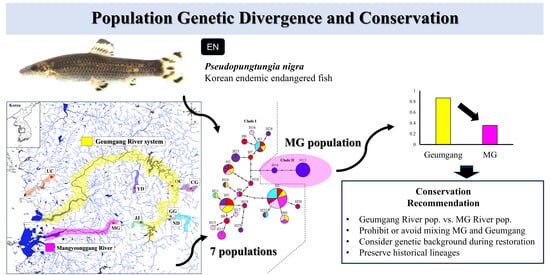
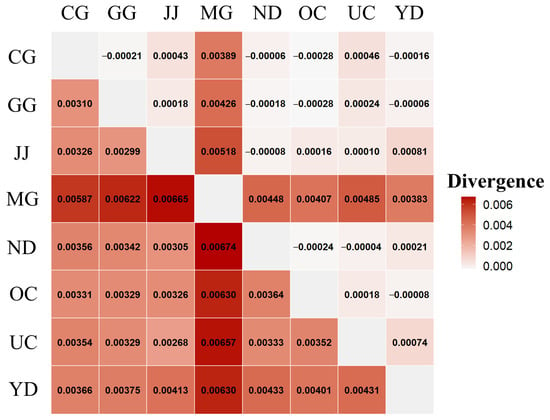
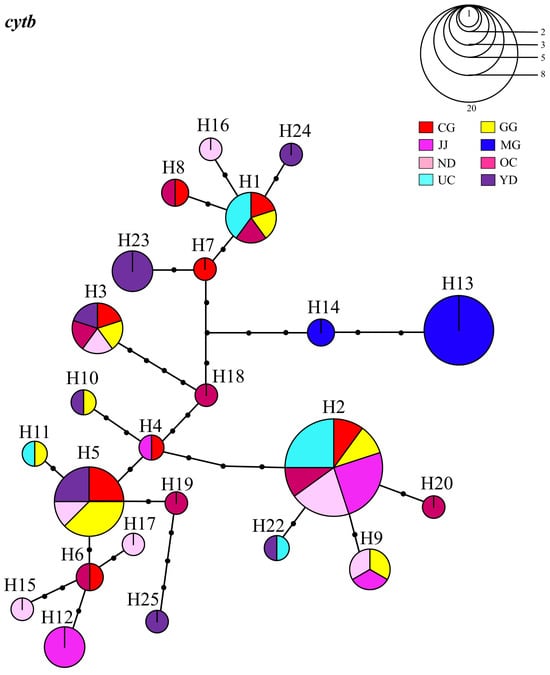
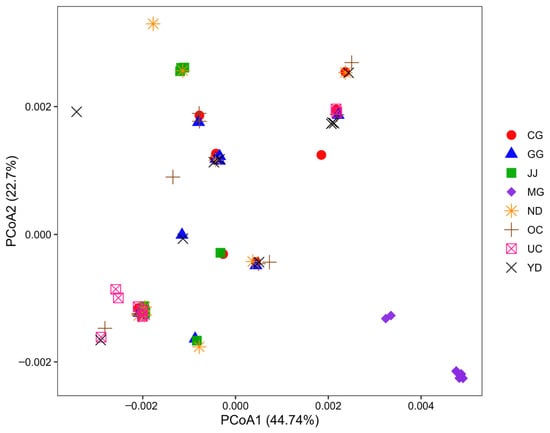
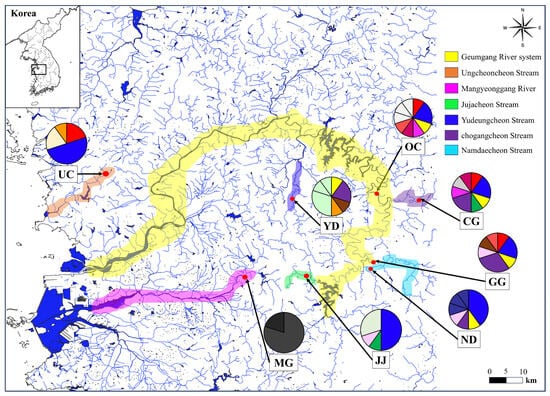
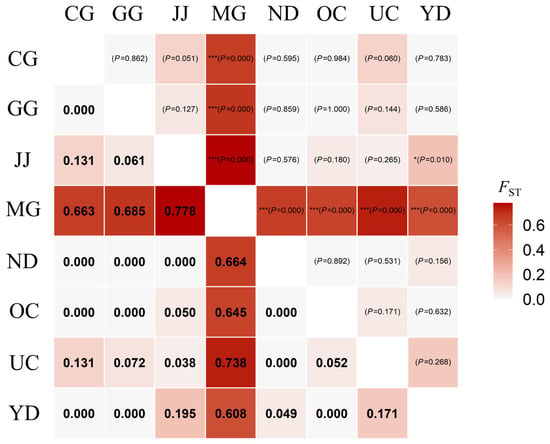
Assessing genetic structure is important for conserving endangered freshwater fishes inhabiting fragmented river systems. Pseudopungtungia nigra, a Korean endemic species, occurs in several isolated drainages, but its mitochondrial population structure has not been fully evaluated. In this study, we analyzed mitochondrial cytochrome b (cytb) sequences from 80 individuals across eight populations to examine genetic diversity, haplotype composition, and population differentiation. A total of 25 haplotypes were detected, indicating relatively high diversity at the species level. However, diversity was uneven among populations: the Mangyeonggang (MG) population contained only two haplotypes, both of which were not found in the other populations, and showed the lowest haplotype and nucleotide diversity among the sampled populations. Multiple analyses, including pairwise differentiation, haplotype network reconstruction, principal coordinates analysis, and AMOVA, consistently identified MG as the most divergent population. The mitochondrial pattern was also concordant with previously reported microsatellite-based structure, supporting a major division between MG and the remaining populations. These findings indicate that P. nigra preserves substantial diversity overall, whereas the MG population showed a restricted and population-specific cytb haplotype composition. This study provides a genetic basis for defining conservation units and for guiding restoration and management strategies in this endangered species.
Full article
(This article belongs to the Special Issue Germplasm Resources and Molecular Breeding for Sustainable Aquatic Species Improvement)
►▼
Show Figures

Graphical abstract
Open AccessReview
Pangenomics for Agricultural Breeding: Construction Strategies, Evidence Integration, and Translational Constraints
by
Jinpeng Shi, Ying Lu, Zhengmei Sheng, Huaijing Liu, Keyu Li, Yuqing Chong, Zhendong Gao, Weidong Deng and Dongwang Wu
Biology 2026, 15(11), 832; https://doi.org/10.3390/biology15110832 (registering DOI) - 25 May 2026
Abstract
►▼
Show Figures
Pangenomics has become an important framework for representing genetic diversity beyond a single linear reference genome. In agricultural species, it improves access to structural variants (SVs), copy number variations (CNVs), presence/absence variations (PAVs), and non-reference regulatory or coding sequences that may contribute to
[...] Read more.
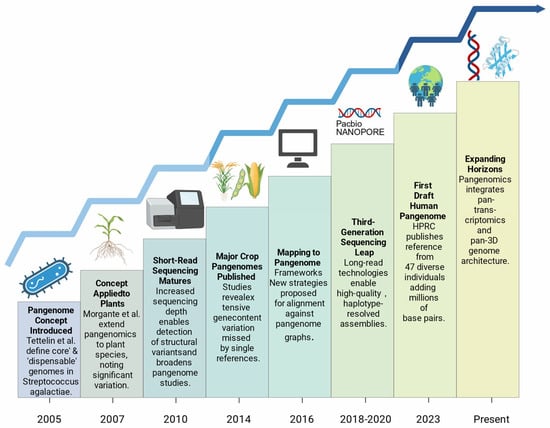
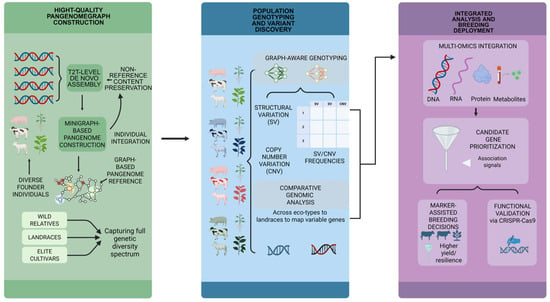
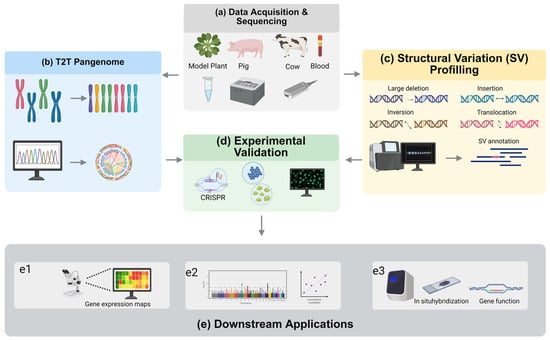
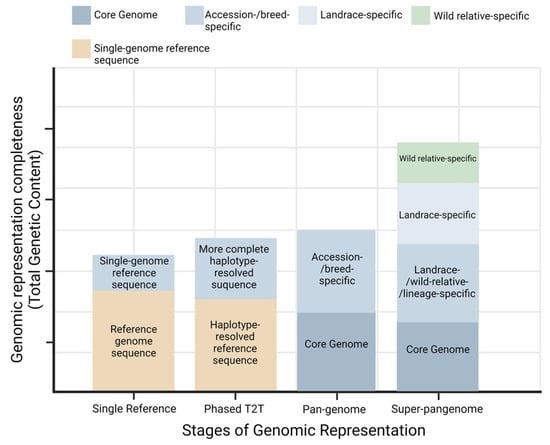
Pangenomics has become an important framework for representing genetic diversity beyond a single linear reference genome. In agricultural species, it improves access to structural variants (SVs), copy number variations (CNVs), presence/absence variations (PAVs), and non-reference regulatory or coding sequences that may contribute to domestication, adaptation, and breeding traits. This review summarizes recent progress in long-read sequencing, telomere-to-telomere (T2T) assembly, and graph-based genome analysis, with emphasis on both livestock and crop systems. We first define the conceptual boundary between pangenome representations and reference-based variant catalogs. We then compare three major technical routes: variant integration, reference-guided iterative graph construction, and reference-free graph construction. Their performance is evaluated in terms of accuracy, scalability, coordinate consistency, reference bias, computational demand, annotation transfer, and suitability for downstream breeding questions. We further discuss how pangenome resources support hidden variant discovery, QTL and GWAS interpretation, environmental adaptation analysis, and multi-omics-based candidate prioritization. Importantly, we highlight unresolved limitations, including graph complexity, pipeline-dependent SV calls, incomplete functional annotation, weak cross-study comparability, and the difficulty of distinguishing causal variants from linked or neutral variation. This review therefore treats pangenome studies as connected but non-equivalent evidence: resource-building studies establish representational breadth, method papers define technical feasibility, and trait-focused studies provide varying levels of biological support. Apparent inconsistencies among studies are interpreted as signals of differences in sampling, genome complexity, validation depth, and graph construction strategy rather than as simple disagreements.
Full article

Figure 1
Open AccessArticle
A Schmidtea nova (Benazzi, 1982)-like Population in SW Romania (Platyhelminthes, Tricladida, Dugesiidae), a Morphological Characterization
by
Anda Felicia Babalean
Biology 2026, 15(11), 831; https://doi.org/10.3390/biology15110831 - 25 May 2026
Abstract
This study has begun as exploratory research on freshwater planarians from southwestern Romania for faunal purposes. Specimens were sampled and processed for standard histology (paraffin wax embedding, horizontal and sagittal serial sections, and Haematoxylin–Eosin staining). The histological analysis provided evidence for a population
[...] Read more.
This study has begun as exploratory research on freshwater planarians from southwestern Romania for faunal purposes. Specimens were sampled and processed for standard histology (paraffin wax embedding, horizontal and sagittal serial sections, and Haematoxylin–Eosin staining). The histological analysis provided evidence for a population belonging to the genus Schmidtea. The morphological and histological characteristics were compared with those of all other Schmidtea species. The histological slides reveal numerous diagnostic characters for Schmidtea nova: the presence of two nipples on the course of the ejaculatory duct; a partly sclerotized ejaculatory duct with a wide lumen; the knee-shaped bending of the distal part of the penis papilla in most specimens; the presence of the parovarium; and the egg-shaped distension of the bursal canal musculature. Unlike typical Schmidtea nova, this population shows a slightly different organization of the atrial space by the presence of a muscular atrial cavity named the atrial tube here. The newly discovered population shows affinities with other Schmidtea species: the presence of cephalic sensory fossae, similar to Schmidtea polychroa, and a potential asexual reproduction mechanism by fission, similar to Schmidtea mediterranea. The functional significance of the atrial tube and the taxonomic status of this population are hypothesized.
Full article
(This article belongs to the Section Zoology)
Open AccessArticle
Differences in Peripheral Blood Gene Expression of Xinjiang Brown Cattle with Varying Somatic Cell Counts
by
Mengjie Yan, Dan Wang, Shengchao Ma, Jiangkun Wang, Lei Xu, Menghua Zhang and Xixia Huang
Biology 2026, 15(11), 830; https://doi.org/10.3390/biology15110830 - 25 May 2026
Abstract
Bovine mastitis remains a major impediment to optimal dairy production. Somatic cell count (SCC) is commonly used as an indicator of mammary gland inflammation, while milk microbiota may also reflect mastitis-related changes. Here, we employed Oxford Nanopore full-length transcript sequencing to delineate the
[...] Read more.
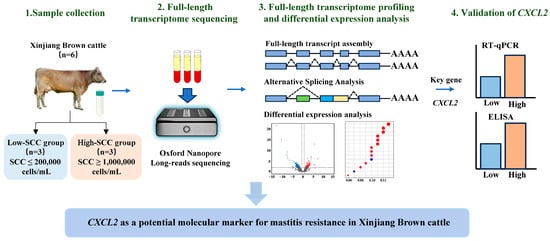
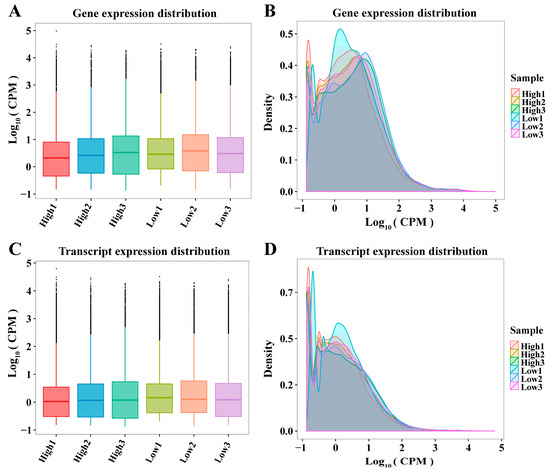
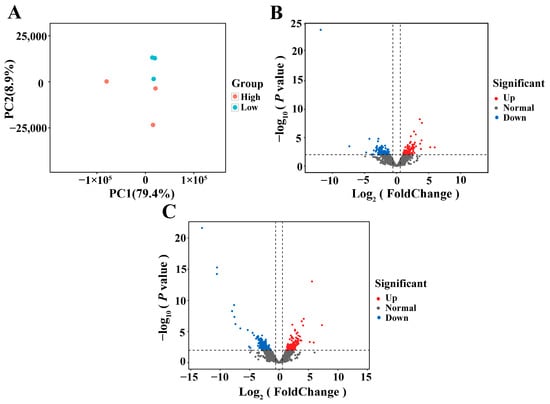
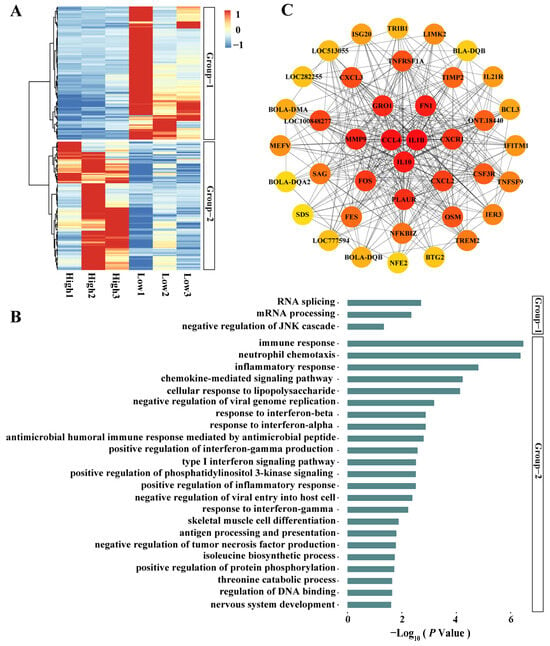
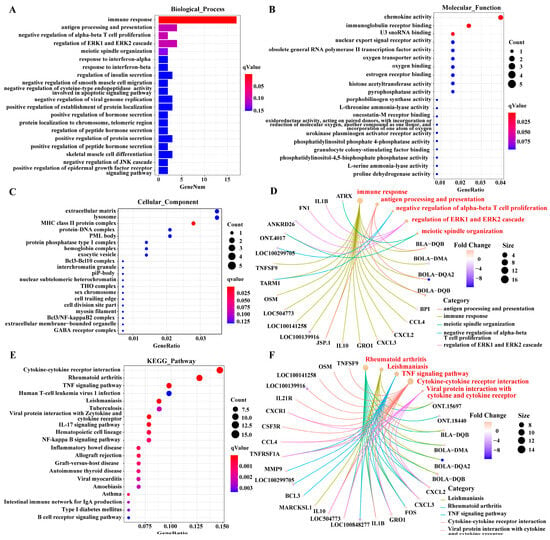
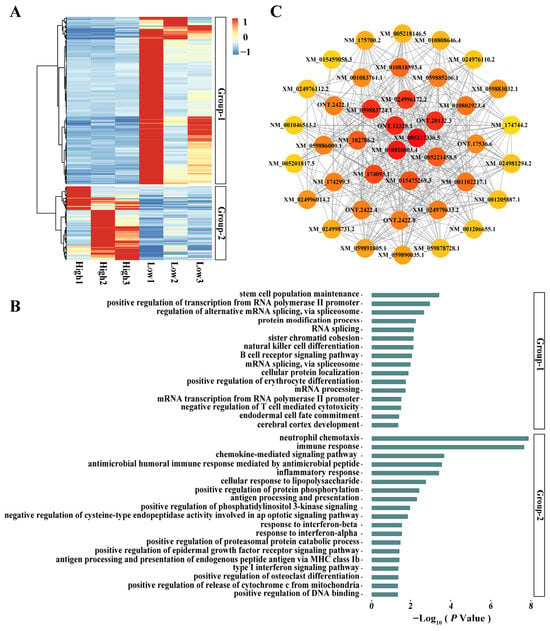
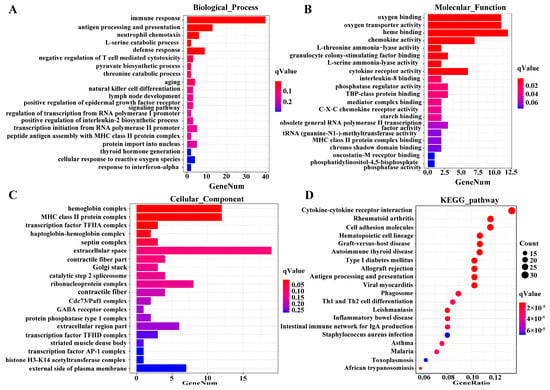
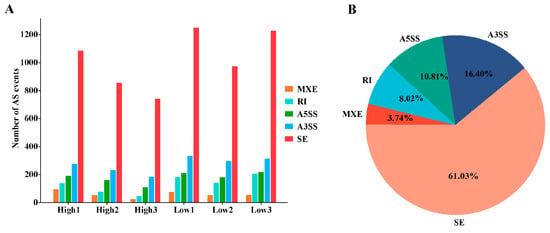
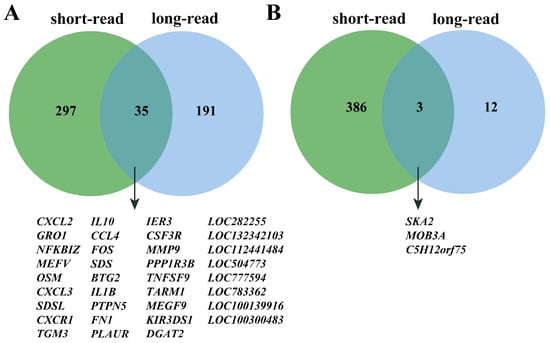
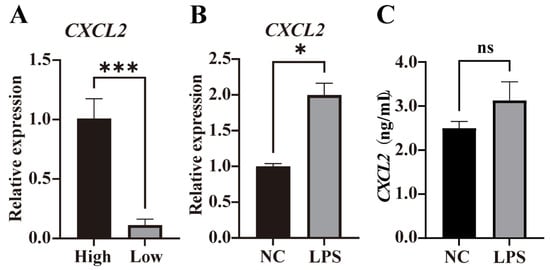
Bovine mastitis remains a major impediment to optimal dairy production. Somatic cell count (SCC) is commonly used as an indicator of mammary gland inflammation, while milk microbiota may also reflect mastitis-related changes. Here, we employed Oxford Nanopore full-length transcript sequencing to delineate the peripheral blood transcriptomic landscape of Xinjiang Brown cattle stratified by high (SCC ≥ 1,000,000 cells mL−1) and low (SCC ≤ 200,000 cells mL−1) SCCs, with the objective of identifying candidate genes underpinning mastitis resistance. We identified 226 differentially expressed genes and 441 differentially expressed transcripts. Genes in the high-SCC group were prominently enriched in immune response pathways and chemokine signalling cascades. Protein–protein interaction network analysis further delineated a core module of ten immune-related genes, including CCL4, IL1B and CXCL2. Integrative analysis with complementary second-generation sequencing data pinpointed CXCL2 as a high-priority candidate. Subsequent RT–qPCR and enzyme-linked immunosorbent assay (ELISA) validation revealed that CXCL2 expression was significantly elevated both in high-SCC individuals and in an LPS-induced bovine mammary epithelial cell inflammation model. Collectively, these findings establish CXCL2 as a putative molecular marker for mastitis resistance breeding and provide a foundational resource for deciphering the molecular mechanisms governing mammary health.
Full article
(This article belongs to the Section Immunology)
►▼
Show Figures

Figure 1

Open AccessArticle
Community Succession and Diversity Variation of Endophytic and Rhizosphere Soil Bacteria Across Gastrodia elata Seed Formation Stages
by
Kaize Shen, Mingjian Xu, Wei Zhou, Hongyin Zhou, Weihua Wang, Yani Su, Haiyan He and Shunqiang Yang
Biology 2026, 15(11), 829; https://doi.org/10.3390/biology15110829 - 25 May 2026
Abstract
►▼
Show Figures
The Gastrodia elata Blume (GE) life cycle is unique, since its successful germination and growth rely on symbiosis with specific fungi (e.g., Armillaria mellea). However, the community succession, tissue specificity and functional potential of endophytic and rhizosphere bacterial communities during
[...] Read more.
The Gastrodia elata Blume (GE) life cycle is unique, since its successful germination and growth rely on symbiosis with specific fungi (e.g., Armillaria mellea). However, the community succession, tissue specificity and functional potential of endophytic and rhizosphere bacterial communities during the seed formation stage of GE remain unclear. Here, we used high-throughput 16S rRNA gene sequencing to systematically explore the composition, diversity, and dynamic succession of bacterial communities across different stages of seed formation and among various tissues. Our results revealed that the endophytic community remained relatively stable across most developmental stages and tissue types (ANOSIM R = 0.4568, p = 0.001), with significant compositional shifts only occurring at the fruiting stage in specific tissues (stems and seeds). In contrast, the rhizosphere soil bacterial community showed stronger developmental succession (ANOSIM R = 0.7037, p = 0.001), with progressive divergence and the strongest segregation observed between the initial planting and fruiting stages. Alpha diversity peaked at the flowering stage for endophytic bacteria (Shannon index) and at the bud formation stage for rhizosphere soil bacteria, with persistent core taxa (Bacteroides in endophytic bacteria, Pseudarthrobacter in rhizosphere soil bacteria) dominating across stages. Functional predictions revealed stable core metabolic pathways, with stage-specific enrichments of glycolysis or gluconeogenesis at late developmental stages. These results provide novel ecological insights into the spatiotemporal dynamics of bacterial communities across different stages of GE seed formation, highlighting the distinct ecological strategies of endophytic and rhizosphere soil bacteria during the reproductive development of the plant.
Full article

Figure 1
Open AccessArticle
Tracing Marine Algal and Terrestrial Plant Inputs During Cenozoic Marine Incursions in the Northern Central Myanmar Basin: A Biomarker Perspective
by
Zengyuan Zhou, Yubo Shi, Tianhao Yan and Xianfeng Wang
Biology 2026, 15(11), 828; https://doi.org/10.3390/biology15110828 - 25 May 2026
Abstract
Marine incursions can profoundly alter biological input and environmental conditions in transitional sedimentary basins, yet their ecological effects remain insufficiently understood in the northern Central Myanmar Basin (CMB). Here, we investigate Upper Cretaceous to Eocene mudrocks from the northern CMB using integrated organic
[...] Read more.
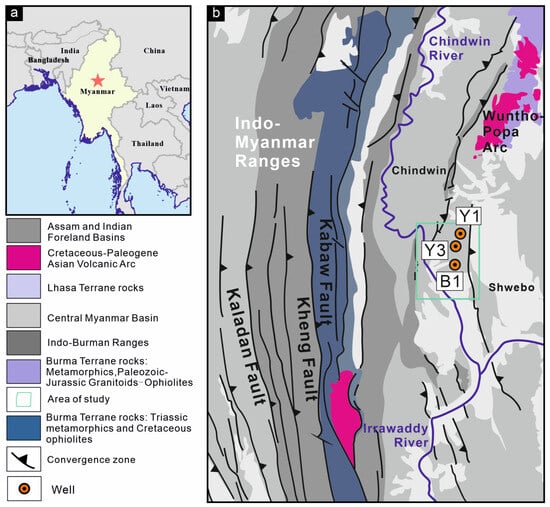
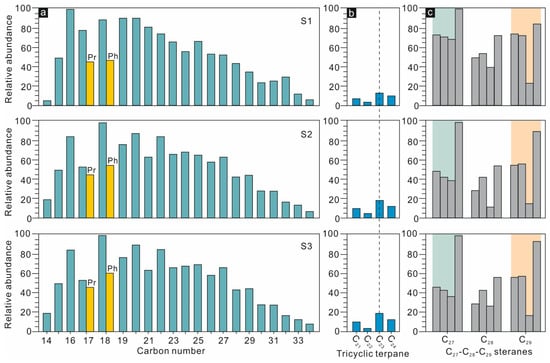
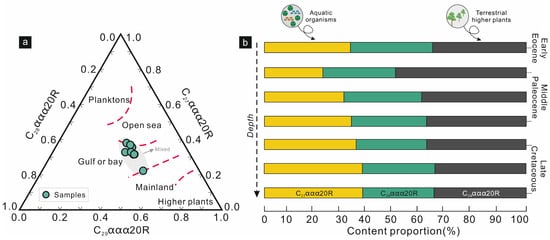
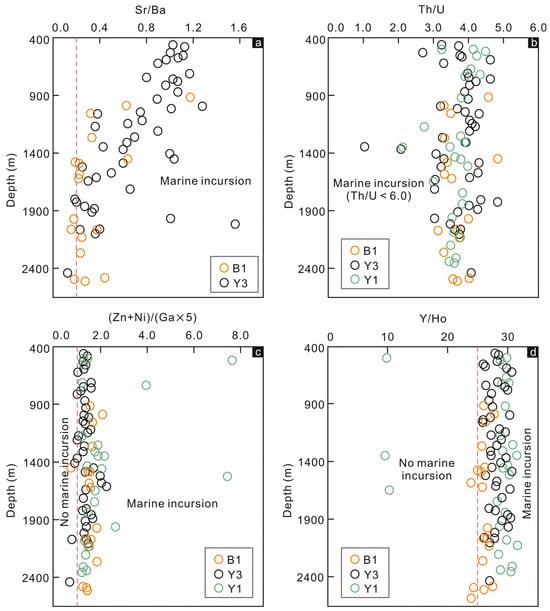
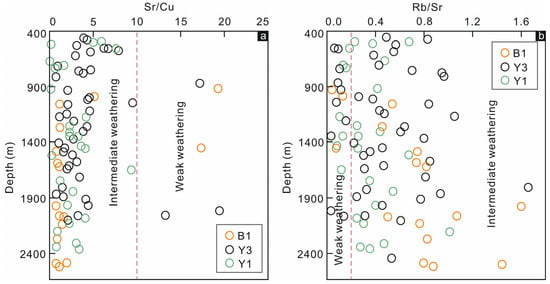
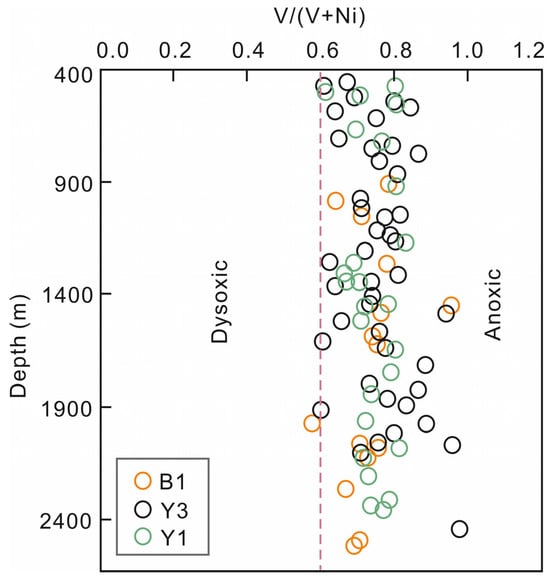
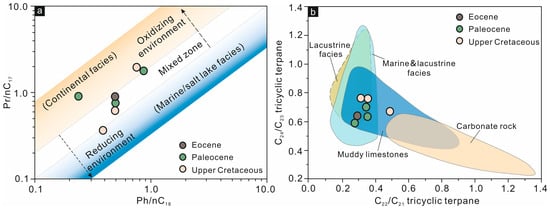
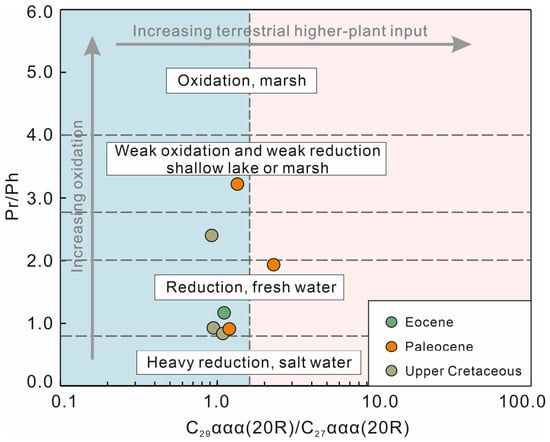
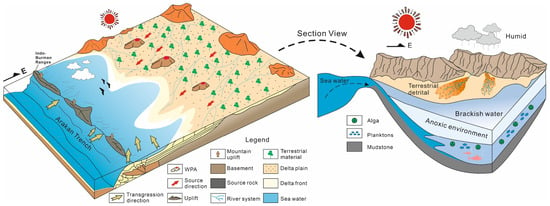
Marine incursions can profoundly alter biological input and environmental conditions in transitional sedimentary basins, yet their ecological effects remain insufficiently understood in the northern Central Myanmar Basin (CMB). Here, we investigate Upper Cretaceous to Eocene mudrocks from the northern CMB using integrated organic biomarker and elemental geochemical analyses to reconstruct biological precursors, depositional environments, and ecosystem responses during seawater incursions. The biomarker assemblages, including n-alkanes, isoprenoids, tricyclic terpanes, and C27–C29 regular steranes, indicate persistent mixed inputs of marine algal organic matter and terrestrial higher-plant debris. In particular, the upward increase in C29 steranes from the Upper Cretaceous to the Eocene suggests a progressive strengthening of terrestrial input through time. Elemental proxies, including Sr/Ba, Th/U, Y/Ho, (Zn + Ni)/(Ga × 5), Sr/Cu, Rb/Sr, and V/(V + Ni), indicate that deposition occurred under marine-influenced, brackish to locally saline, warm–humid, and predominantly weakly reducing to reducing conditions. We interpret these patterns as evidence that marine incursions reorganized habitat conditions and biological input in a near-equatorial transitional ecosystem. The increasing contribution of terrestrial biomass was likely linked to the progressive uplift and exhumation of the Indo-Burman Ranges, which expanded exposed land area and enhanced the supply of land-derived organic matter to the basin. These results provide a biomarker-based perspective on how marine incursions and paleogeographic reorganization jointly shaped ecosystem dynamics and organic-matter preservation in the northern CMB.
Full article
(This article belongs to the Special Issue Young Researchers in Marine and Freshwater Biology)
►▼
Show Figures

Figure 1
Open AccessArticle
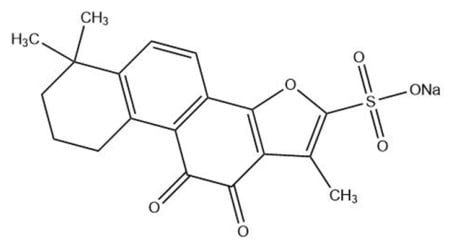
Physiologically Based Pharmacokinetic–Pharmacodynamic-Based Quantification of Exposure–Response for Sodium Tanshinone IIA Sulfonate in Normal and Cerebral Ischemia–Reperfusion Injury Rats
by
Ying Chen, Jinyao Zhang, Yongkang Zhang, Tian Qin, Weifeng Jin, Yifei Wang, Yunxiang Chen, Li Yu and Lijiang Zhang
Biology 2026, 15(11), 827; https://doi.org/10.3390/biology15110827 - 24 May 2026
Abstract
Sodium tanshinone IIA sulfonate (STS) injection is clinically used to protect against cerebral ischemia–reperfusion injury (CIRI). This study aimed to establish physiologically based pharmacokinetic–pharmacodynamic (PBPK–PD) models for normal and CIRI rats and to quantitatively characterize the time–concentration–effect relationship, as well as disease-specific mechanistic
[...] Read more.
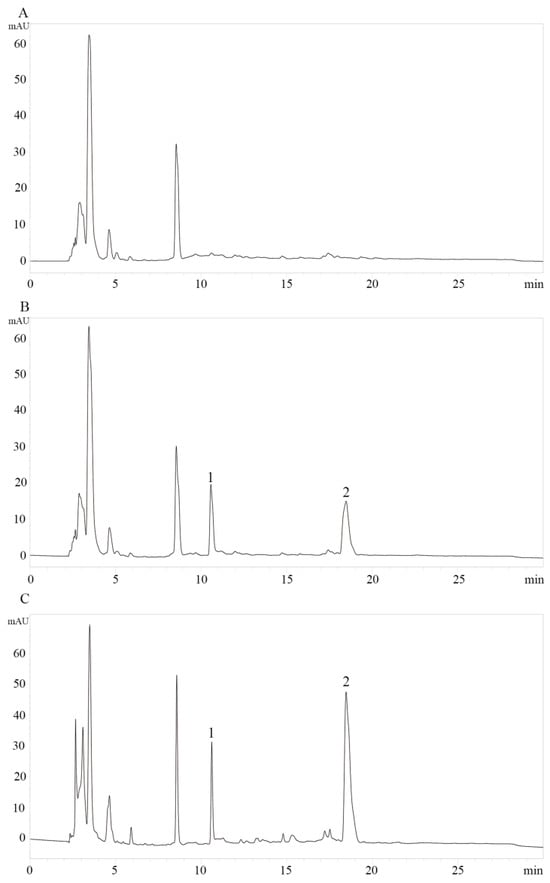
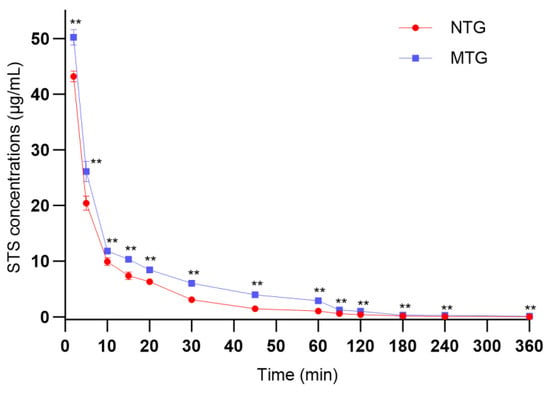
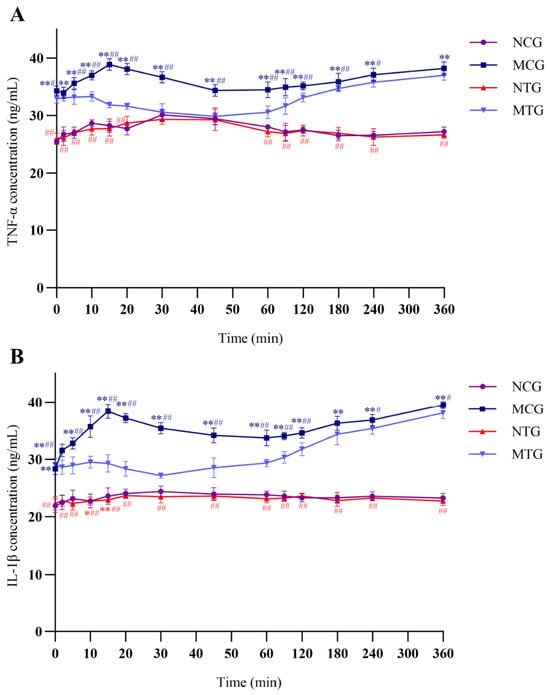
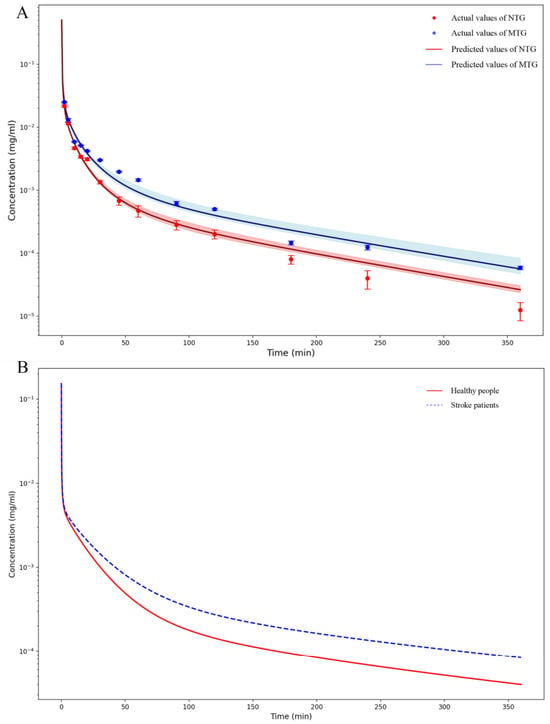
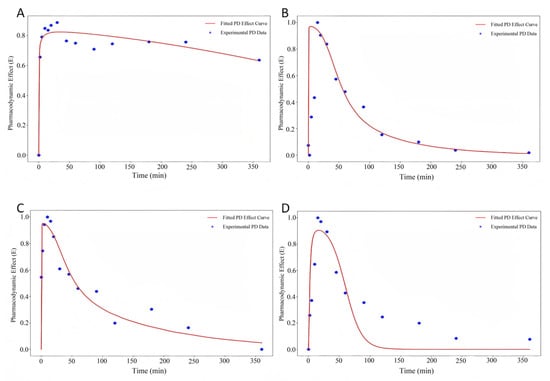
Sodium tanshinone IIA sulfonate (STS) injection is clinically used to protect against cerebral ischemia–reperfusion injury (CIRI). This study aimed to establish physiologically based pharmacokinetic–pharmacodynamic (PBPK–PD) models for normal and CIRI rats and to quantitatively characterize the time–concentration–effect relationship, as well as disease-specific mechanistic differences. A middle cerebral artery occlusion rat model was established. STS was administered via the tail vein, and blood samples were collected at serial time points. High-performance liquid chromatography and enzyme-linked immunosorbent assay were used to quantify plasma STS concentrations and inflammatory markers, respectively, whereas equilibrium dialysis was performed to determine protein binding. PK-Sim and Python were used to establish a PBPK model, which was subsequently extrapolated to humans to construct PBPK–PD models. The results showed that plasma STS concentrations were consistently higher in the model rats than in normal rats. STS significantly reduced inflammatory levels in model rats, with a delayed onset of pharmacological effect. Human PBPK model simulations indicated that STS is rapidly eliminated in healthy individuals, while its elimination is reduced under pathological conditions. This study provides a robust modeling framework and methodological reference for dose optimization and prediction of clinical efficacy of STS in the treatment of CIRI.
Full article
(This article belongs to the Section Medical Biology)
►▼
Show Figures

Figure 1

Open AccessArticle
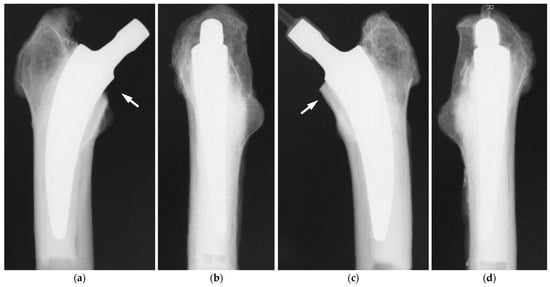
How Femoral Neck Resection Height and Dorr Type Affect the Primary Stability of Cemented Short Stems: An In Vitro Study
by
Daniel Ch. Haspinger, Stefan Budde, Niels Hammer and Johannes Zeichen
Biology 2026, 15(11), 826; https://doi.org/10.3390/biology15110826 - 23 May 2026
Abstract
Implantation of a femoral stem in total hip arthroplasty alters physiological load transfer within the proximal femur. Short-stem designs aim to preserve bone stock and maintain proximal load sharing, yet the influence of femoral neck resection height and its interaction with femoral morphology
[...] Read more.
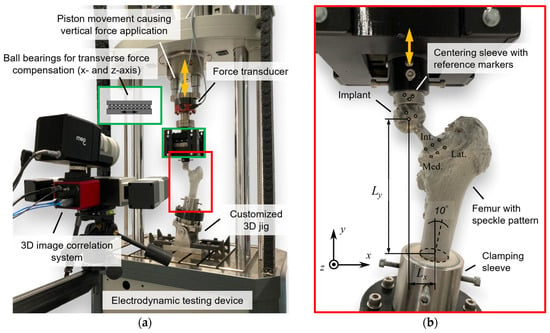
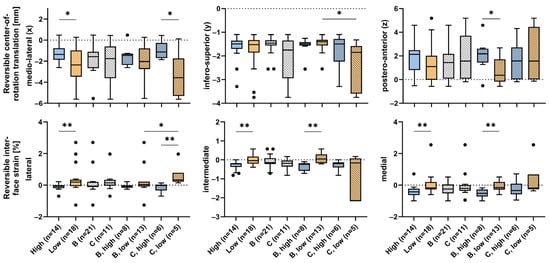
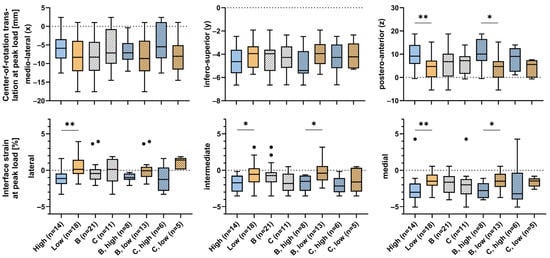
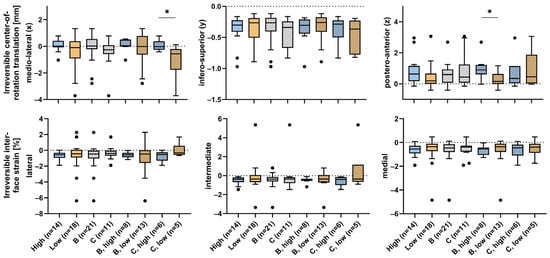
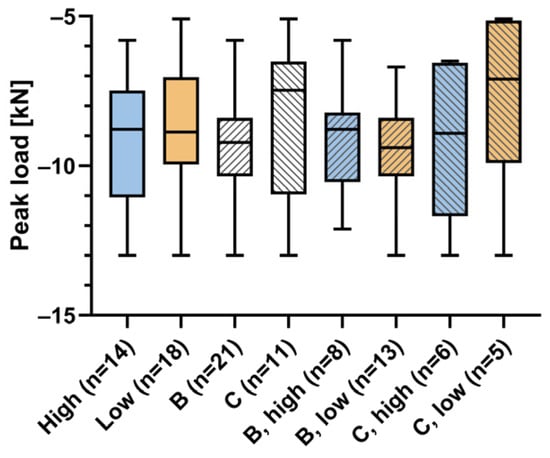
Implantation of a femoral stem in total hip arthroplasty alters physiological load transfer within the proximal femur. Short-stem designs aim to preserve bone stock and maintain proximal load sharing, yet the influence of femoral neck resection height and its interaction with femoral morphology on primary stability remain insufficiently understood. This in vitro biomechanical study investigated these effects using 33 human femora classified as Dorr B or C. In a paired design, a cemented calcar-guided short stem was implanted with either a low (standard) or +5 mm higher femoral neck resection. Specimens underwent cyclic fatigue loading to assess reversible and irreversible micromotion and interface strain, followed by ultimate compression to quantify global fixation strength. Primary stability was assessed by reversible and irreversible translation of the prosthetic head center of rotation and by cortical interface strain measurements using digital image correlation. Overall fixation strength and irreversible deformation remained comparable across resection heights and Dorr types. In contrast, resection height and femoral morphology influenced reversible micromotion and interface strain, with higher resection reducing reversible micromotion, particularly in Dorr C femora and shifting lateral interface strain toward compression. These findings suggest that surgical technique and femoral morphology mainly affect local, reversible bone–cement–implant mechanics rather than global fixation strength.
Full article
(This article belongs to the Special Issue Bone Mechanics: From Cells to Organs to Function)
►▼
Show Figures

Figure 1
Open AccessArticle
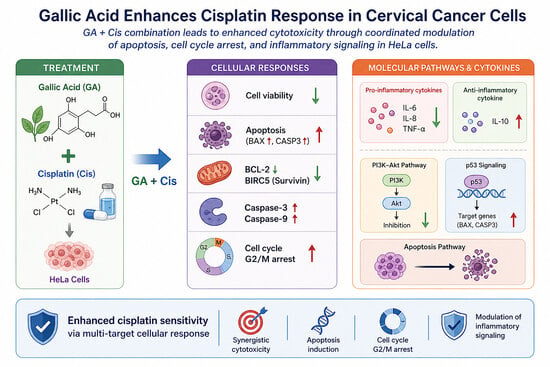
Gallic Acid Potentiates Cisplatin Response in Cervical Cancer Cells Through Coordinated Cellular and Molecular Alterations
by
Elif Ozan, Mehmet Cudi Tuncer and İlhan Özdemir
Biology 2026, 15(11), 825; https://doi.org/10.3390/biology15110825 - 23 May 2026
Abstract
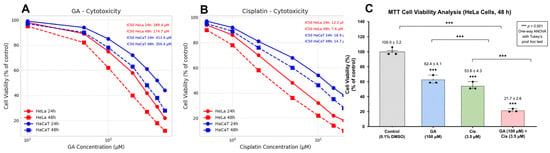
Cisplatin (Cis) resistance and dose-limiting toxicity remain major challenges in the treatment of cervical cancer, necessitating the development of more effective combination strategies. The effects of gallic acid (GA), alone and in combination with Cis, were evaluated in HeLa cervical cancer cells using
[...] Read more.
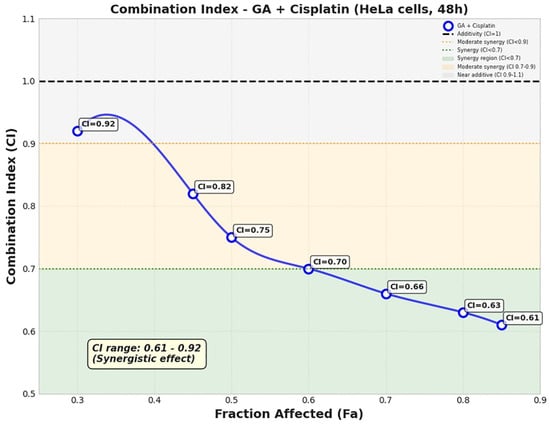
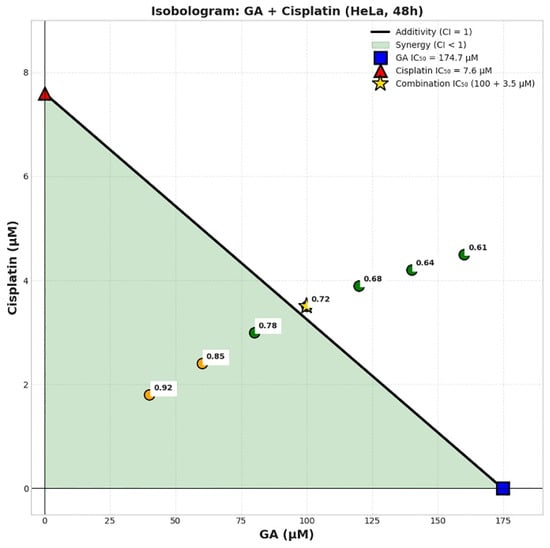
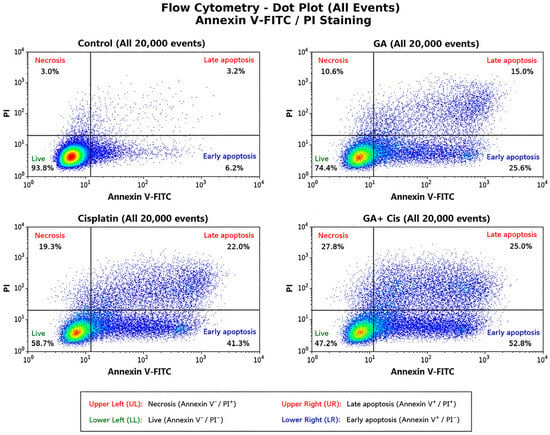
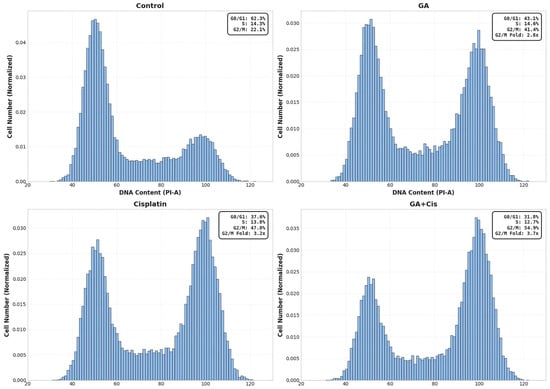
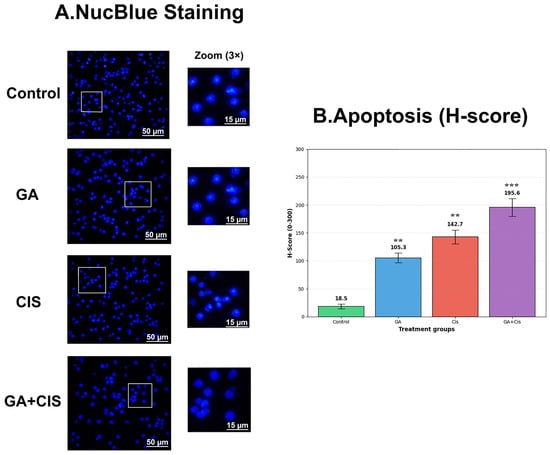
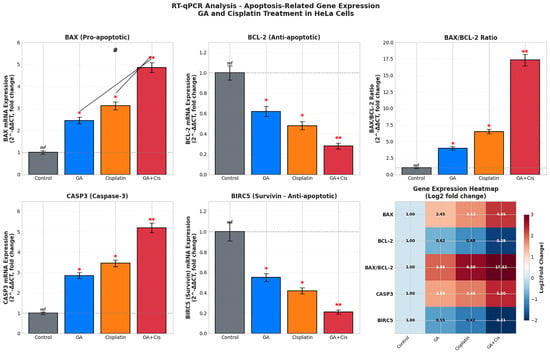
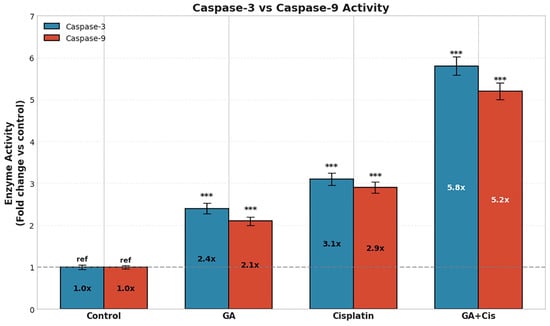
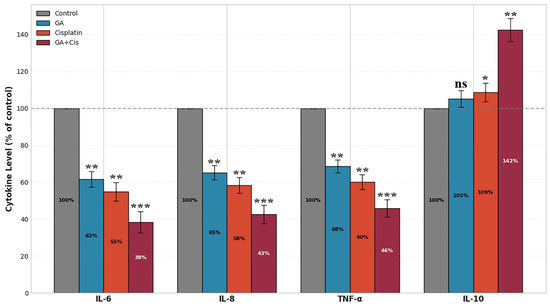
Cisplatin (Cis) resistance and dose-limiting toxicity remain major challenges in the treatment of cervical cancer, necessitating the development of more effective combination strategies. The effects of gallic acid (GA), alone and in combination with Cis, were evaluated in HeLa cervical cancer cells using cell viability, apoptosis, gene expression, caspase activity, and cytokine profiling assays. Drug interactions were assessed using the Chou–Talalay method. The GA+Cis combination was associated with enhanced cytotoxicity compared to single-agent treatments, with combination index (CI) values ranging from 0.61 to 0.92, indicating synergistic interactions. Selectivity index (SI) values exceeding 2 at 48 h suggested preferential cytotoxicity toward cancer cells. The combination treatment significantly increased apoptotic cell populations and was accompanied by elevated caspase-3 and caspase-9 activities. Gene expression analysis revealed increased BAX and CASP3 levels, along with decreased BCL2 and BIRC5 expression, resulting in an increased BAX/BCL2 ratio. In addition, cell cycle analysis indicated accumulation in the G2/M phase, while cytokine profiling demonstrated reduced levels of pro-inflammatory cytokines and increased IL-10 levels under combination treatment conditions. These findings suggest that GA enhances the biological activity of Cis in cervical cancer cells through coordinated modulation of apoptosis, cell cycle dynamics, and inflammatory signaling. However, these results are based on in vitro observations, and further in vivo and mechanistic studies are required to confirm the therapeutic potential of this combination strategy.
Full article
(This article belongs to the Special Issue New Insights in Cancer Genetics—2nd Edition)
►▼
Show Figures

Graphical abstract
Open AccessReview
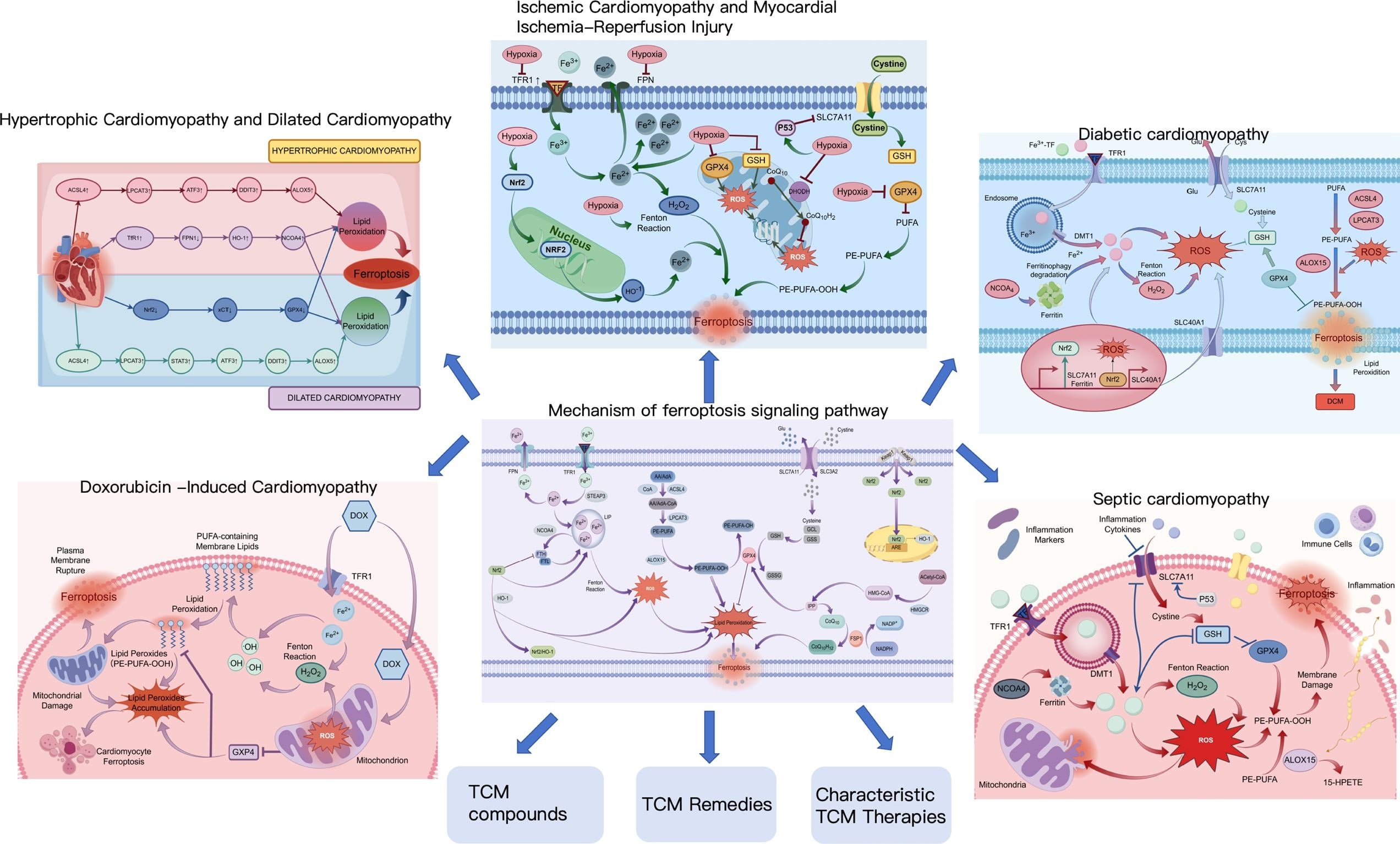
Research Progress on the Role of Traditional Chinese Medicine in Regulating Ferroptosis in Cardiovascular Diseases
by
Pan Li, Zi-Meng Qi, Shi-Chang Li, Jin-Ling Liang, Tian-Yang Xu and Peng Yu
Biology 2026, 15(11), 824; https://doi.org/10.3390/biology15110824 - 23 May 2026
Abstract
Ferroptosis is an iron-dependent form of regulated cell death driven by lipid peroxidation, playing a critical role in the pathogenesis of various cardiomyopathies, including hypertrophic, dilated, diabetic, ischemic, doxorubicin-induced, and septic cardiomyopathy, as well as myocardial ischemia–reperfusion injury. This article provides a comprehensive
[...] Read more.
Ferroptosis is an iron-dependent form of regulated cell death driven by lipid peroxidation, playing a critical role in the pathogenesis of various cardiomyopathies, including hypertrophic, dilated, diabetic, ischemic, doxorubicin-induced, and septic cardiomyopathy, as well as myocardial ischemia–reperfusion injury. This article provides a comprehensive narrative review of the molecular mechanisms of ferroptosis—centered on dysregulation of the GPX4/System Xc− axis, iron metabolism, and lipid metabolism—and its role in cardiovascular diseases, with a specific focus on the cardioprotective effects of Traditional Chinese Medicine (TCM). Through a systematic analysis of recent literature, we highlight active components (e.g., baicalin, ginsenoside Rg3, resveratrol, tanshinone IIA), compound formulations (e.g., Qishen Granule, Zhilong Huoxue Tongyu Capsule), and electroacupuncture therapy, which exert effects via multi-target regulation of ferroptosis-related pathways such as Nrf2/HO-1/GPX4, p53/SLC7A11, and PI3K/AKT. Evidence indicates that TCM interventions effectively alleviate cardiomyocyte ferroptosis by activating the Nrf2 antioxidant pathway to upregulate GPX4/SLC7A11, modulating iron metabolism to reduce labile iron pools, and inhibiting ACSL4/ALOX15-mediated lipid peroxidation, with these effects validated in diverse cardiovascular disease models showing improved cardiac function. Targeting ferroptosis offers a novel therapeutic strategy for cardiovascular diseases, and TCM—with its synergistic multi-component, multi-target, multi-pathway advantages—holds significant potential in this context. Future research should prioritize elucidating complex network mechanisms and advancing clinical translation via high-quality studies to provide new theoretical foundations and drug candidates for cardiovascular disease management.
Full article
(This article belongs to the Section Biochemistry and Molecular Biology)
►▼
Show Figures

Graphical abstract
Open AccessArticle
Comprehensive Evaluation of Vertical Sub-Surface Flow Constructed Wetlands with Aquatic Plants on Water Quality of Raw and Phyto-Remediated Poultry-Aquaculture Wastewater: A Principal Component Analysis
by
Shadrach A. Akadiri, Pius O. O. Dada, Adekunle A. Badejo, Olayemi J. Adeosun, Oluwaseun T. Faloye, Oluwafemi E. Adeyeri, Laemthong Laokhongthavorn and Viroon Kamchoom
Biology 2026, 15(11), 823; https://doi.org/10.3390/biology15110823 - 23 May 2026
Abstract
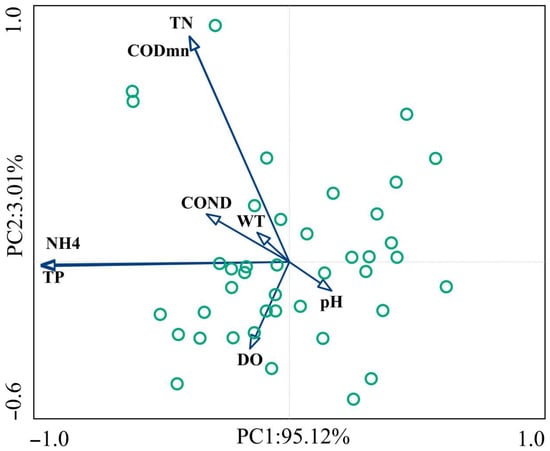
This study investigated the efficiency of macrophyte-based phytoremediation systems using Phragmites karka and Typha latifolia for the treatment of poultry–aquaculture wastewater and its suitability for irrigation reuse. Physicochemical parameters, heavy metals, and water quality indices were analysed using correlation analysis and Principal Component
[...] Read more.
This study investigated the efficiency of macrophyte-based phytoremediation systems using Phragmites karka and Typha latifolia for the treatment of poultry–aquaculture wastewater and its suitability for irrigation reuse. Physicochemical parameters, heavy metals, and water quality indices were analysed using correlation analysis and Principal Component Analysis (PCA). Strong positive correlations were observed among turbidity, nutrients, biochemical oxygen demand (BOD5), and chemical oxygen demand (COD), while dissolved oxygen (DO) showed significant negative relationships, indicating organic pollution-driven oxygen depletion. Heavy metals exhibited strong intercorrelations, suggesting common anthropogenic sources and similar removal pathways. PCA results revealed that the first three principal components (PCs) explained over 95% of the total variance, with positive values recorded from the first PC highlighting organic load, nutrient enrichment, and metal interactions as dominant factors controlling wastewater quality. The negative values of factor loadings obtained in the second and third PCs confirmed the roles of sedimentation, adsorption, microbial activity, and plant uptake in pollutant removal. Water Quality Index (WQI) values decreased drastically from highly polluted levels (>3000) in raw wastewater to <1.0 after 21 days of treatment, indicating excellent water quality. Sodium Absorption Ratio (SAR) also declined significantly, confirming a low sodicity risk. Both macrophytes demonstrated high treatment efficiency, with Typha latifolia showing slightly improved sodium reduction. Overall, the study highlights macrophyte-based systems as sustainable, cost-effective solutions for wastewater treatment and safe agricultural reuse.
Full article
(This article belongs to the Special Issue Heavy Metal Pollution and Bioremediation: Application and Mechanism)
Open AccessArticle
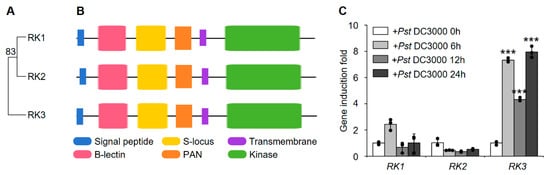
RK3, a G-Type LecRLK, Interacts with FLS2 and BAK1 to Promote flg22-Triggered Immunity
by
Lu Zhang, Zhengdong Yuan, Lingya Yao and Hui Xiao
Biology 2026, 15(11), 822; https://doi.org/10.3390/biology15110822 - 23 May 2026
Abstract
Lectin receptor-like kinases (LecRLKs) are a large subfamily of receptor-like kinases (RLKs), and their N-terminal lectin domain is predicted to reversibly bind to carbohydrates. Within this family, G-type LecRLKs represent a distinct subclass defined by an extracellular S-locus glycoprotein (SLG) domain, which was
[...] Read more.
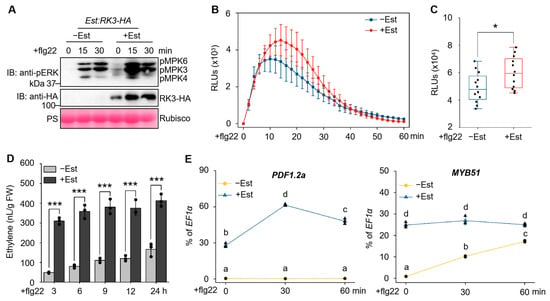
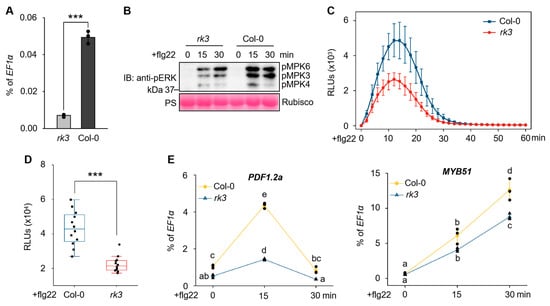
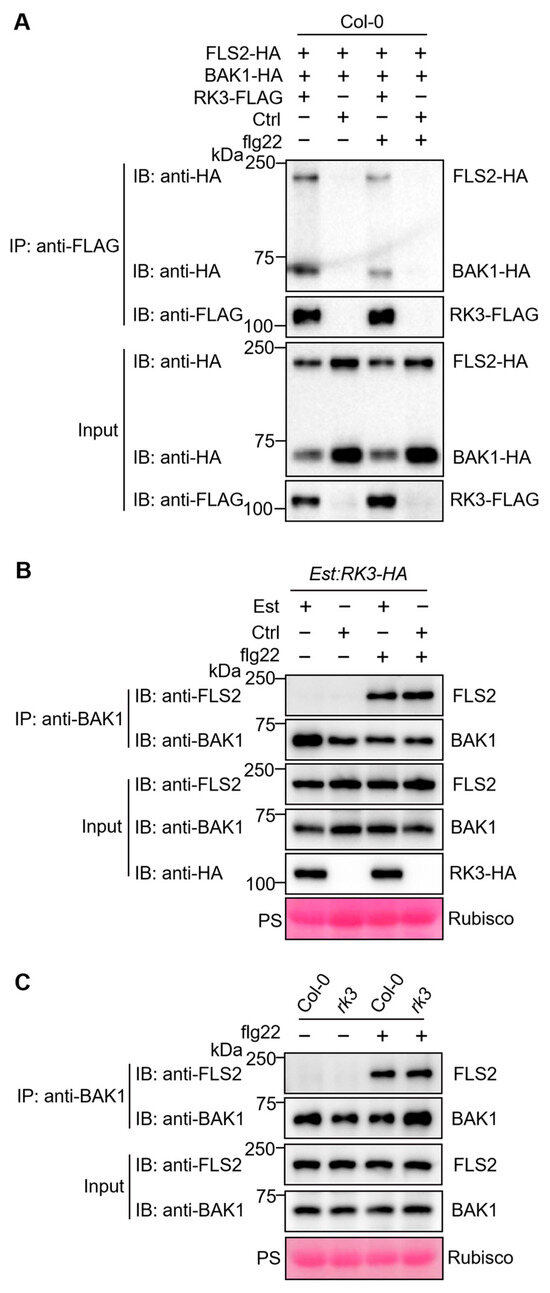
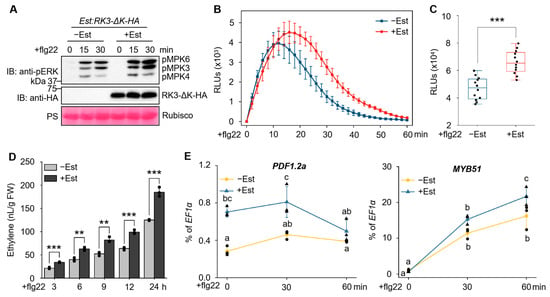
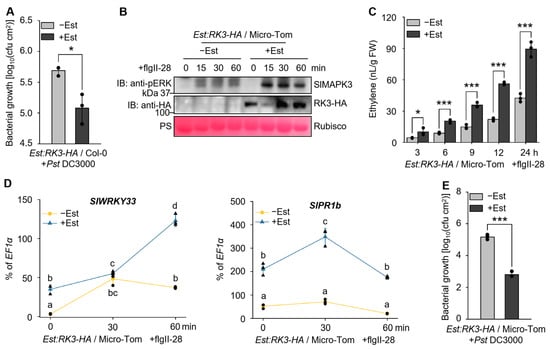
Lectin receptor-like kinases (LecRLKs) are a large subfamily of receptor-like kinases (RLKs), and their N-terminal lectin domain is predicted to reversibly bind to carbohydrates. Within this family, G-type LecRLKs represent a distinct subclass defined by an extracellular S-locus glycoprotein (SLG) domain, which was originally identified for its role in governing self-incompatibility in Brassica species. Emerging evidence suggests that G-type LecRLKs are involved in plant immunity; however, only a small fraction have been functionally characterized, leaving the roles of most family members largely unknown. In this study, we identified RK3 (Receptor Kinase 3) as the most strongly induced gene within the G-type LecRLK clade VI upon infection with Pseudomonas syringae pv. tomato DC3000 (Pst DC3000). Through both gain- and loss-of-function analyses, we demonstrated that RK3 positively regulates flg22-induced immune signaling events, including oxidative burst and mitogen-activated protein kinase (MAPK) activation, as well as downstream responses such as defense gene expression and ethylene production. Remarkably, the immune-enhancing activity of RK3 does not require its kinase domain. Critically, both full-length RK3 and a kinase-deleted variant (RK3-ΔK) constitutively interact with FLS2 (Flagellin-Sensing 2) and BAK1 (BRASSINOSTEROID INSENSITIVE 1-associated receptor kinase 1). This provides direct evidence that RK3 functions primarily as a co-regulatory component within the PRR complex, independent of its kinase activity. Moreover, ectopic expression of RK3 in tomato enhanced resistance to Pst DC3000, highlighting its potential utility in engineering disease resistance in crops. Thus, RK3 reveals a non-canonical, kinase-independent mechanism by which a G-type LecRLK potentiates plant immunity, expanding our understanding of RLK signaling complexity.
Full article
(This article belongs to the Special Issue Advances in Research on Diseases of Plants (2nd Edition))
►▼
Show Figures

Figure 1
Open AccessArticle
Effects of Dietary β-Mannanase Supplementation on Growth Performance, Lipid Fraction Contents, and Physiological Responses in Broiler Chicks
by
Jung-Min Park, Byoung-Ki An, Seok-Hyeon Cho and Chang-Won Kang
Biology 2026, 15(11), 821; https://doi.org/10.3390/biology15110821 - 23 May 2026
Abstract
This experiment was conducted to evaluate the dietary effects of β-mannanase on growth performance, cecal ammonia concentration, lipid fraction contents and physiological responses in broiler chicks. A total of nine hundred 1 d old Ross male broiler chicks were assigned to six groups
[...] Read more.
This experiment was conducted to evaluate the dietary effects of β-mannanase on growth performance, cecal ammonia concentration, lipid fraction contents and physiological responses in broiler chicks. A total of nine hundred 1 d old Ross male broiler chicks were assigned to six groups arranged in a 3 × 2 factorial of three levels of energy and CP [standard energy + standard CP (HEHP), 75 kcal/kg diet reduction in energy + standard CP (REHP), 75 kcal/kg diet reduction in energy + 1% reduction in CP (RERP)], with or without β-mannanase (0 or 0.05%). As dietary energy and CP decreased, growth performance also decreased. The growth and feed conversion ratio in chicks fed diets containing β-mannanase significantly improved. No significant differences were observed in the levels of serum enzymes and the relative weight and length of each fraction of small intestine among groups, except for the liver. The concentration of cecal ammonia in chicks fed diets containing β-mannanase was significantly lower than those of corresponding groups without β-mannanase. The levels of serum and hepatic lipid fractions were not influenced by supplementing β-mannanase to the diets. These results indicated that dietary β-mannanase may improve growth performance and utilization of dietary energy and protein in broiler chicks.
Full article
(This article belongs to the Special Issue Reproductive Physiology and Pathology in Livestock)
Open AccessArticle
Farmed and Wild Macroalgae as a Safe Source of Macro and Trace Elements
by
Tomás Chainho, Rui Cereja, Alícia Pereira, Vera Marques, João C. Silva, Sofia Pessanha, Pedro Reis Costa and António Marques
Biology 2026, 15(11), 820; https://doi.org/10.3390/biology15110820 - 22 May 2026
Abstract
The increasing popularity of macroalgae products highlights their potential as a safe source of essential macro and microelements for consumers. This study characterized wild and farmed macroalgae elemental composition and assessed the presence of biotoxins to identify potential health risks. Wild and farmed
[...] Read more.
The increasing popularity of macroalgae products highlights their potential as a safe source of essential macro and microelements for consumers. This study characterized wild and farmed macroalgae elemental composition and assessed the presence of biotoxins to identify potential health risks. Wild and farmed macroalgae samples were collected throughout 2024–2025, from three aquaculture production sites along the Portuguese coast (Ria de Aveiro, Matosinhos, and Olhão). Samples were freeze-dried, compressed and using a micro-XRF spectrometer, elemental composition was assessed. Macroalgae species factor was the strongest driver of elemental composition, explaining over 80% variation in macro and trace elements. Origin did not showcase statistical significance for elemental composition. Seasonal differences, though relatively small in extent, significantly impacted redox-sensitive elements in macroalgae, namely copper and manganese. All elements stayed below 30% of the recommended dietary recommendations, except iron (ranging from 0.5% to 111.8% of UL%) and Mn (ranging from 0.1% to 101% of UL%). All samples revealed the absence of regulated marine toxins. Only traces of the non-regulated cyclic-imine toxin SPX1 were detected in samples of Fucus vesiculosus. All quantified elements do not represent any risk for human health, strengthening the safety of macroalgae from the Portuguese coast.
Full article
Open AccessArticle
Exercise Alleviates Osteoporosis and Hyperglycemia in Type 1 Diabetes Mellitus Mice via Piezo1-Mediated Mechanotransduction
by
Mengshu Cao, Fang Pang, Yanan Yu, Junzheng Yu, Sainan Ma, Lijun Sun, Xiushan Fan and Liang Tang
Biology 2026, 15(11), 819; https://doi.org/10.3390/biology15110819 - 22 May 2026
Abstract
►▼
Show Figures
Osteoporosis and hyperglycemia are increasingly recognized as dual public health concerns in T1DM. However, the precise molecular mechanisms by which exercise ameliorates these conditions, particularly the contribution of mechanosensitive channels such as Piezo1, remain incompletely elucidated. To explore these mechanisms, T1DM mice were
[...] Read more.
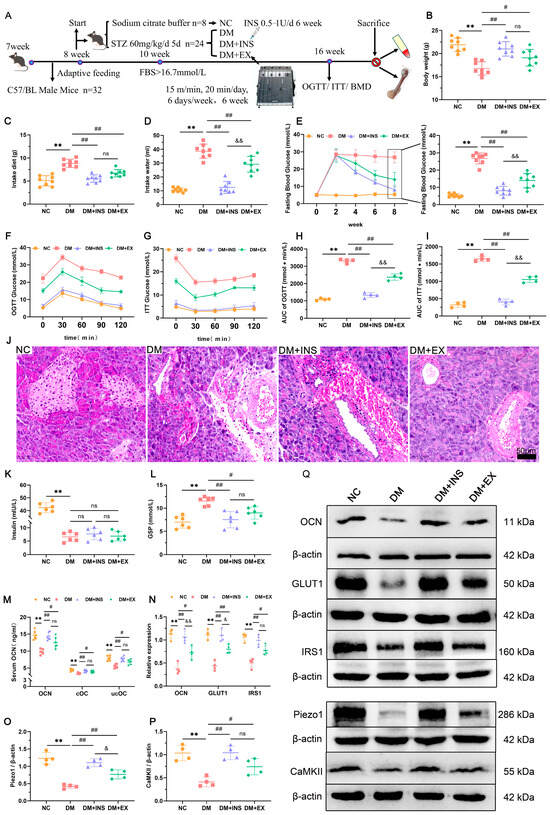
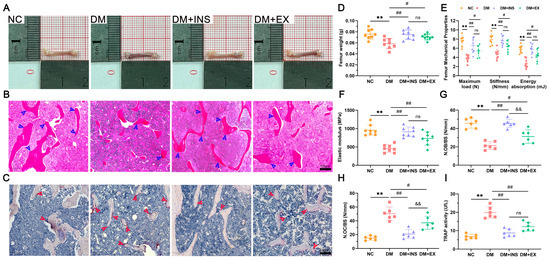
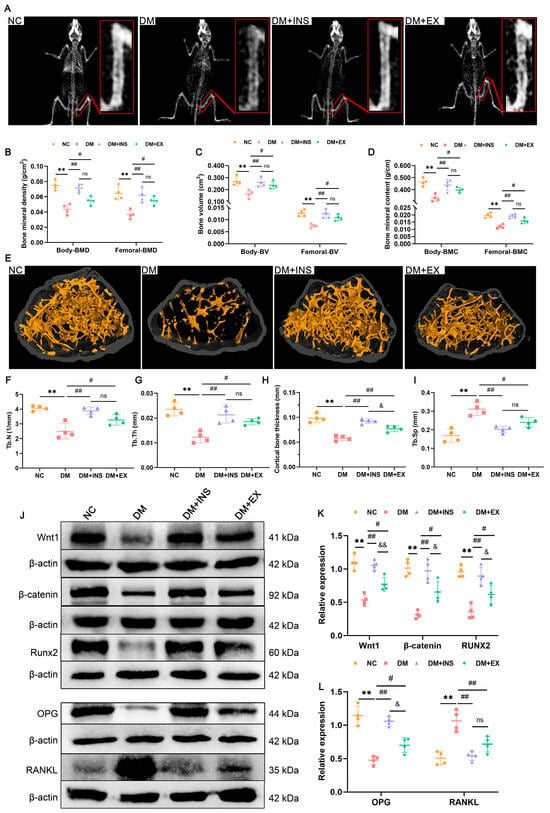
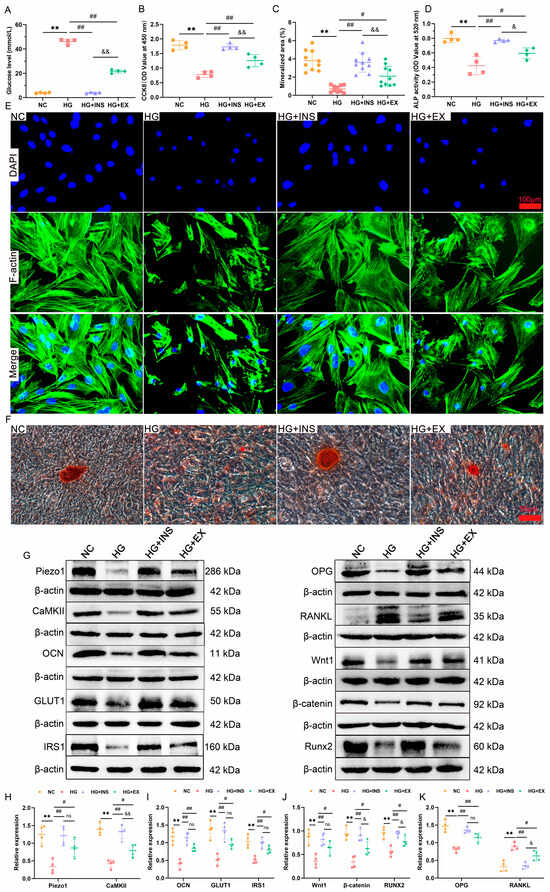
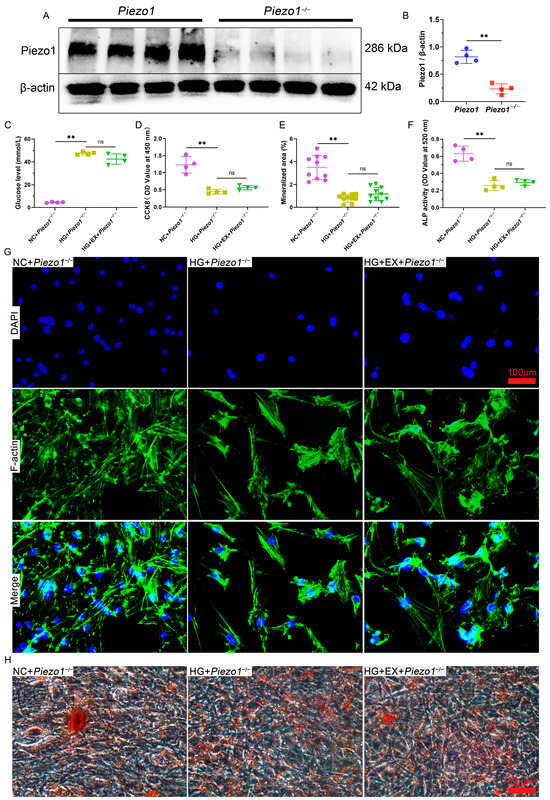
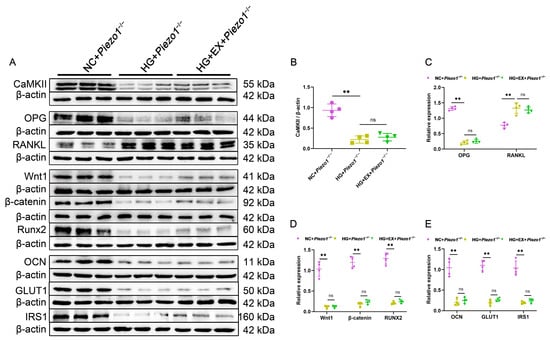
Osteoporosis and hyperglycemia are increasingly recognized as dual public health concerns in T1DM. However, the precise molecular mechanisms by which exercise ameliorates these conditions, particularly the contribution of mechanosensitive channels such as Piezo1, remain incompletely elucidated. To explore these mechanisms, T1DM mice were subjected to a 6-week treadmill training protocol (15 m/min, 20 min/day, 6 days/week) to evaluate the functions of exercise on diabetic osteoporosis and hyperglycemia. Exercise intervention markedly improved bone quality in T1DM mice, alleviating osteoporotic manifestations, as evidenced by enhanced mechanical strength, restored bone microarchitecture, and normalized histomorphology. Concurrently, exercise significantly reduced hyperglycemia. To clarify the role of Piezo1, mechanical stretch was applied to Piezo1-knockout MC3T3-E1 (Piezo1−/−) cells in vitro, mimicking the mechanical stimulation induced by exercise. Consistent with the in vivo results, mechanical stimulation facilitated osteogenic differentiation and glucose metabolism through Piezo1-mediated mechanotransduction. Importantly, these beneficial effects were substantially abrogated in Piezo1−/− cells, highlighting the central role of Piezo1. Collectively, these findings demonstrate that Piezo1-mediated mechanotransduction constitutes a critical factor by which exercise mitigates osteoporosis and hyperglycemia in T1DM mice. This study provides a framework for the development of new therapeutic strategies targeting Piezo1-mediated mechanotransduction for T1DM management.
Full article

Figure 1
Open AccessArticle
Triptolide Reduces Cholesterol Synthesis and Alleviates Neuroinflammation by Inhibiting CD33 in Alzheimer’s Disease Development and Progression
by
Yi Yang, Yue Ma, Pu Wang and Pei-Pei Guan
Biology 2026, 15(11), 818; https://doi.org/10.3390/biology15110818 - 22 May 2026
Abstract
Alzheimer’s disease (AD) is a progressive neurodegenerative disorder, which has recently been found to be closely associated with neuroinflammation. As an anti-inflammatory drug, triptolide (TP), a natural diterpenoid from Tripterygium wilfordii, was selected in the current study for treating PS19 (tauP301S
[...] Read more.
Alzheimer’s disease (AD) is a progressive neurodegenerative disorder, which has recently been found to be closely associated with neuroinflammation. As an anti-inflammatory drug, triptolide (TP), a natural diterpenoid from Tripterygium wilfordii, was selected in the current study for treating PS19 (tauP301S transgenic) mice, tauopathy AD mice. In addition, we have previously found that TP had the ability to reduce the level of cholesterol. However, the roles and mechanisms of TP in the above processes are not clear. To this end, we found that elevated cholesterol in serum and brain tissues upregulated the expression of apolipoprotein E (APOE) and sialic acid-binding Ig-like lectin 3 (CD33), leading to the activation of SH2-containing protein tyrosine phosphatase 1 (SHP-1). The activation of SHP-1 inhibits the signaling pathways of Janus kinase 1 (JAK1) and signal transducer and activator of transcription 6 (STAT6), which results in inhibition of the M2 polarization of microglia, which exacerbates neuroinflammation and cognitive decline in high-cholesterol diet (HCD)-fed mice. Conversely, TP treatment significantly inhibited the hepatic sterol regulatory element-binding protein 2 (SREBP2)/3-hydroxy-3-methylglutaryl-coenzyme A reductase (HMGCR) pathway, which reduced the cholesterol levels in the serum and brain. By depressing the levels of cholesterol, the axis of CD33 and SHP-1 was suppressed, which resulted in restoration of the activity of JAK1 and STAT6 pathways, leading to the transition of microglia from the M1 to the M2 phenotype. Of note, these observations demonstrate that TP alleviates the cognitive impairment of PS19 mice via depressing neuroinflammation. Altogether, our results revealed the mechanisms of TP in treating AD via CD33/SHP-1/JAK1/STAT6 pathways in a cholesterol-dependent manner.
Full article
(This article belongs to the Special Issue Pathophysiological Role of Neuroinflammation in Neurodegenerative Disorders)
Open AccessReview
Genetic Polymorphisms of Vitamin D Receptor and Immune-Metabolic Mechanisms in Recurrent Pregnancy Loss: Narrative Review
by
Gulzhanat Aimagambetova, Rita Nemr, Kuralay Atageldiyeva and Wassim Y. Almawi
Biology 2026, 15(11), 817; https://doi.org/10.3390/biology15110817 - 22 May 2026
Abstract
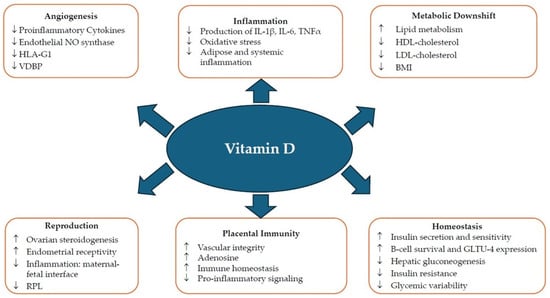
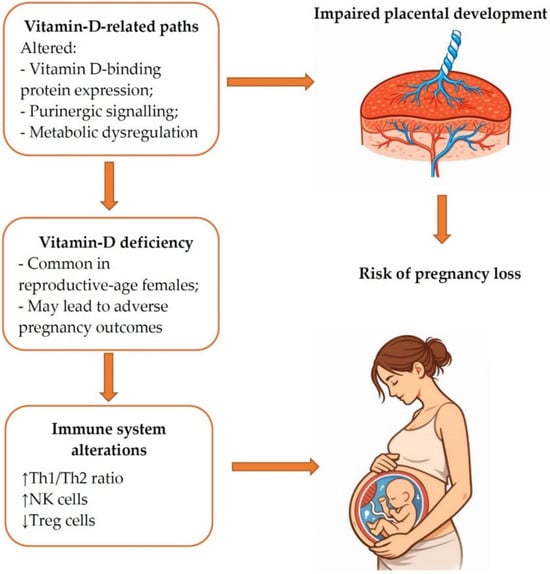
Recurrent pregnancy loss (RPL) is a multifactorial reproductive disorder with important genetic, endocrine, immune, and metabolic determinants. Growing evidence links vitamin D deficiency and vitamin D receptor (VDR) gene polymorphisms to pregnancy complications, including RPL. A narrative review was conducted via
[...] Read more.
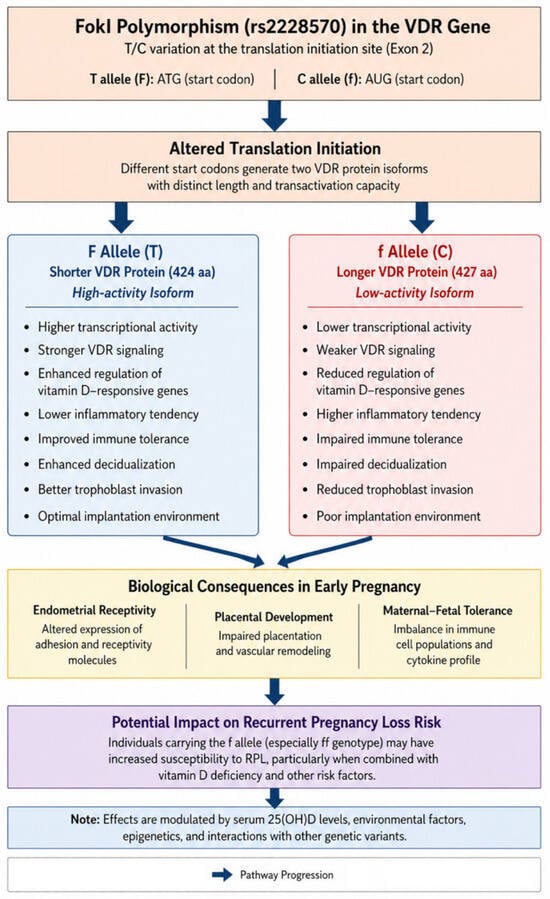
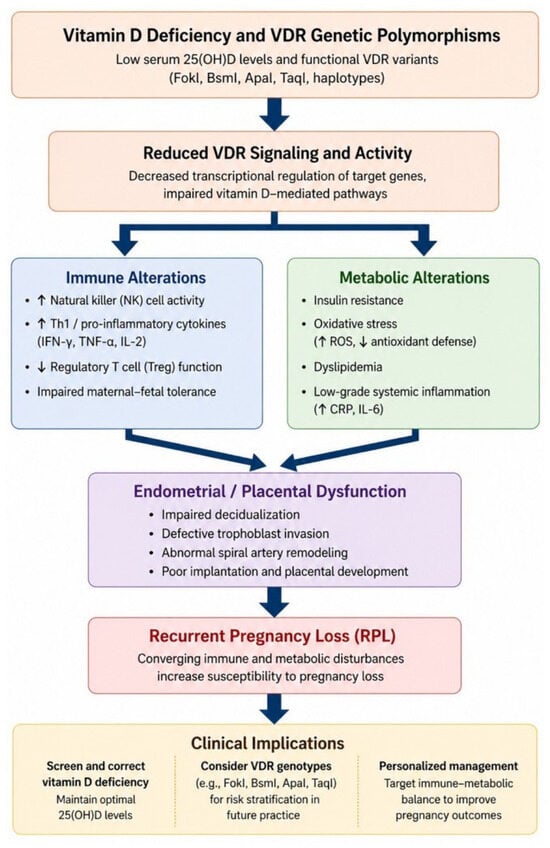
Recurrent pregnancy loss (RPL) is a multifactorial reproductive disorder with important genetic, endocrine, immune, and metabolic determinants. Growing evidence links vitamin D deficiency and vitamin D receptor (VDR) gene polymorphisms to pregnancy complications, including RPL. A narrative review was conducted via a literature search in major databases: PubMed, EMBASE, Scopus, and Web of Science from January 2010 to January 2026, which synthesized observational studies on maternal 25-hydroxyvitamin D [25(OH)D] status and/or VDR polymorphisms in RPL, with predefined eligibility criteria and qualitative risk-of-bias assessment. Most studies focused on FokI (rs2228570) and the 3′ regulatory block BsmI/ApaI/TaqI. FokI is the most extensively studied VDR variant in RPL and showed the most consistent directional association compared with other variants, particularly in Asian and Middle Eastern populations, though the effect varied by study design, ancestry, and covariate adjustment. Contrary to that, investigations of BsmI/ApaI/TaqI loci were not consistent due to ancestry-specific linkage disequilibrium (LD). Genotype and vitamin D interaction effects were scarcely studied, with stratified analyses indicating a more significant genotype effect under vitamin D deficiency. From clinical practice perspectives, VDR polymorphisms may explain why some patients with RPL have a poor response to standard vitamin D supplementation. Women with the FokI f allele polymorphism associated with lower VDR activity require higher vitamin D dosing or earlier immunomodulatory support to achieve adequate endometrial receptivity. VDR variation, particularly FokI, may contribute to RPL susceptibility within an endocrine–immune–metabolic framework. Clinical translation will require standardized RPL definitions, concurrent 25(OH)D assessment, robust control for confounders, and analytical models that account for gene–environment interactions.
Full article
(This article belongs to the Special Issue Pregnancy Health and Complications: Molecular Processes and Mechanisms)
►▼
Show Figures

Figure 1
Open AccessArticle
Effect of Nutrient Enrichment on Alpha and Beta Diversity of Macroinvertebrate Community in a Boreal River of Northern China
by
Xu Sun, Yuening Guo, Xiaochen Wang, Wenfei Li, Changhong Li, Yingbin Lou, Shanshan Cao, Zhongwei Wang, Zhenguo Li and Gang Liu
Biology 2026, 15(10), 816; https://doi.org/10.3390/biology15100816 - 21 May 2026
Abstract
Nutrient enrichment poses a major threat to freshwater ecosystems, yet integrated assessments of its effects on multiple dimensions of biodiversity remain limited. In this study, we investigated the responses of taxonomic, functional, and phylogenetic diversity (alpha and beta) of macroinvertebrate communities along a
[...] Read more.
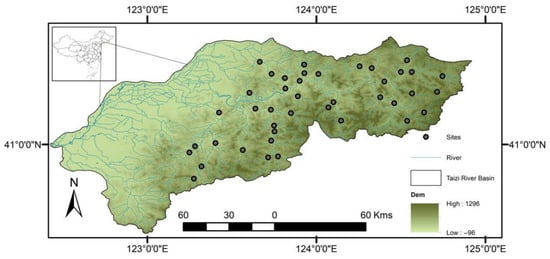
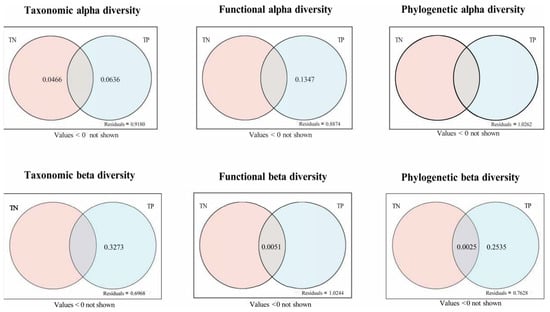
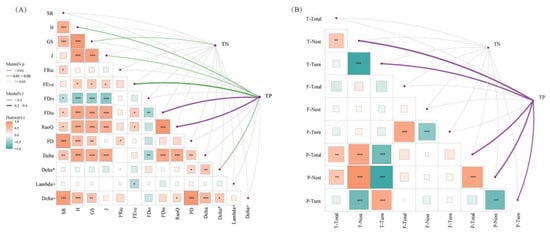
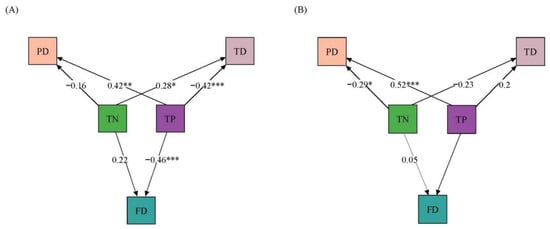
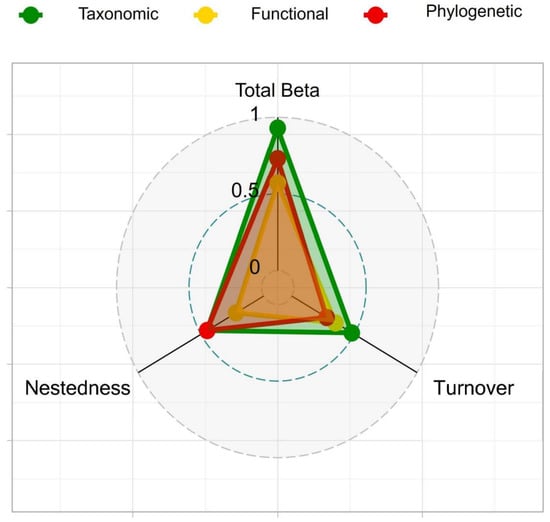
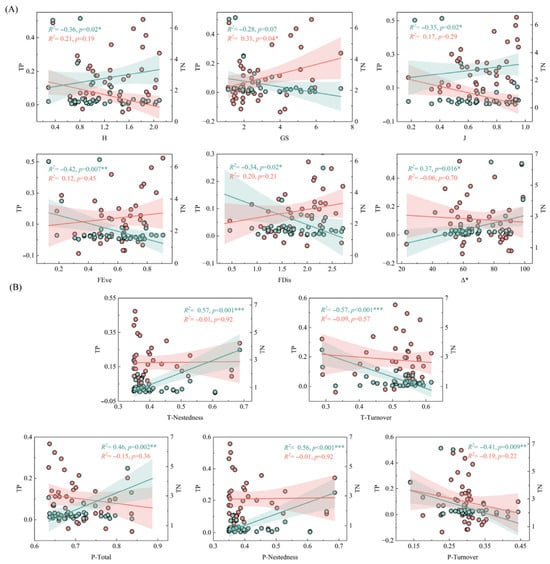
Nutrient enrichment poses a major threat to freshwater ecosystems, yet integrated assessments of its effects on multiple dimensions of biodiversity remain limited. In this study, we investigated the responses of taxonomic, functional, and phylogenetic diversity (alpha and beta) of macroinvertebrate communities along a nutrient gradient in the Taizi River, a boreal river in northern China. The results revealed that macroinvertebrate abundance was 4.51 ind./m2, belonging to three phyla and 68 species. Total phosphorus (TP) was the primary environmental driver, reducing functional evenness and dispersion at the alpha level, thereby promoting functional homogenization. At the beta level, TP increased nestedness and decreased turnover, leading to the loss of endemic species and a community dominated by species with broad ecological tolerance. Structural equation modeling showed that TP exerted stronger effects on functional and phylogenetic diversity than on taxonomic diversity. These findings provide multidimensional insights into nutrient-driven biodiversity loss and suggest that TP should be prioritized in water quality management to prevent functional homogenization and maintain beta diversity turnover. Collectively, these findings inform targeted conservation strategies for nutrient-enriched river ecosystems.
Full article
(This article belongs to the Special Issue Wetland Ecosystems (2nd Edition))
►▼
Show Figures

Figure 1
Journal Menu
► ▼ Journal Menu-
- Biology Home
- Aims & Scope
- Editorial Board
- Reviewer Board
- Topical Advisory Panel
- Instructions for Authors
- Special Issues
- Topics
- Sections & Collections
- Article Processing Charge
- Indexing & Archiving
- Editor’s Choice Articles
- Most Cited & Viewed
- Journal Statistics
- Journal History
- Journal Awards
- Society Collaborations
- Editorial Office
Journal Browser
► ▼ Journal BrowserHighly Accessed Articles
Latest Books
E-Mail Alert
News
Topics
Topic in
Biology, JCM, Diagnostics, Dentistry Journal
Assessment of Craniofacial Morphology: Traditional Methods and Innovative Approaches
Topic Editors: Nikolaos Gkantidis, Carlalberta VernaDeadline: 1 June 2026
Topic in
Animals, Biology, Conservation, Diversity, Ecologies, Forests, Land
Conservation at the Crossroads: Forest Ecology, Wildlife Dynamics, and Emerging Challenges for Ecosystem Resilience
Topic Editors: Yiannis G. Zevgolis, Triantaphyllos Akriotis, Anastasia Christopoulou, Panayiotis G. Dimitrakopoulos, Dimitra-Lida Rammou, Dionisios YoulatosDeadline: 31 July 2026
Topic in
Biology, Biomolecules, Cancers, Cells, IJMS, Pharmaceuticals, Kinases and Phosphatases
Kinases in Cancer and Other Diseases, 2nd Edition
Topic Editors: Jonas Cicenas, Anna M. CzarneckaDeadline: 31 August 2026
Topic in
JoX, Sustainability, Water, Hydrology, Biology, Environments
Sustainable Water Resource Management: Controlling Nutrient and Contaminant Transport in Aquatic Systems
Topic Editors: Taotao Lu, Shuangcheng TangDeadline: 30 October 2026
Special Issues
Special Issue in
Biology
The Biology of Animal Reproduction
Guest Editor: Jingli TaoDeadline: 30 May 2026
Special Issue in
Biology
Genetic Variability within and between Populations
Guest Editor: Sankar SubramanianDeadline: 31 May 2026
Special Issue in
Biology
Studies on Antioxidant Activity of Natural Products from Plants
Guest Editors: Pornsiri Pitchakarn, Piya TemviriyanukulDeadline: 31 May 2026
Special Issue in
Biology
Artificial Intelligence Research for Complex Biological Systems
Guest Editors: Yong Chen, Milana Frenkel-MorgensternDeadline: 31 May 2026
Topical Collections
Topical Collection in
Biology
Crop Improvement Now and Beyond
Collection Editors: Pierre Devaux, Pierre Sourdille
Topical Collection in
Biology
Applied Physics in Cancer Cells
Collection Editors: Jagoba Iturri, José Toca-Herrera
Topical Collection in
Biology
Molecular Mechanisms of Aging
Collection Editors: Serena Dato, Giuseppina Rose, Paolina Crocco