Article

Polycaprolactone/Gelatin/Hyaluronic Acid Electrospun Scaffolds to Mimic Glioblastoma Extracellular Matrix


1
Department of Bioengineering, Faculty of Engineering, Marmara University, 34722 Istanbul, Turkey
2
Center for Nanotechnology & Biomaterials Application and Research, Marmara University, 34722 Istanbul, Turkey
3
Institute of Neurological Sciences, Marmara University, 34722 Istanbul, Turkey
4
Department of Biochemistry, School of Medicine/Genetic and Metabolic Diseases Research and Investigation Center, Marmara University, 34722 Istanbul, Turkey
5
Faculty of Applied Chemistry and Materials Science, University POLITEHNICA of Bucharest, 1-7 Gh. Polizu st, 060042 Bucharest, Romania
6
Academy of Romanian Scientists, 3 Ilfov st. District 3, 050094 Bucharest, Romania
7
Department of Metallurgy and Materials Engineering, Faculty of Technology, Marmara University, 34722 Istanbul, Turkey
*
Authors to whom correspondence should be addressed.
Materials 2020, 13(11), 2661; https://doi.org/10.3390/ma13112661
Submission received: 23 April 2020 / Revised: 30 May 2020 / Accepted: 2 June 2020 / Published: 11 June 2020
(This article belongs to the Special Issue Nanomaterials for Medical Application)

Abstract

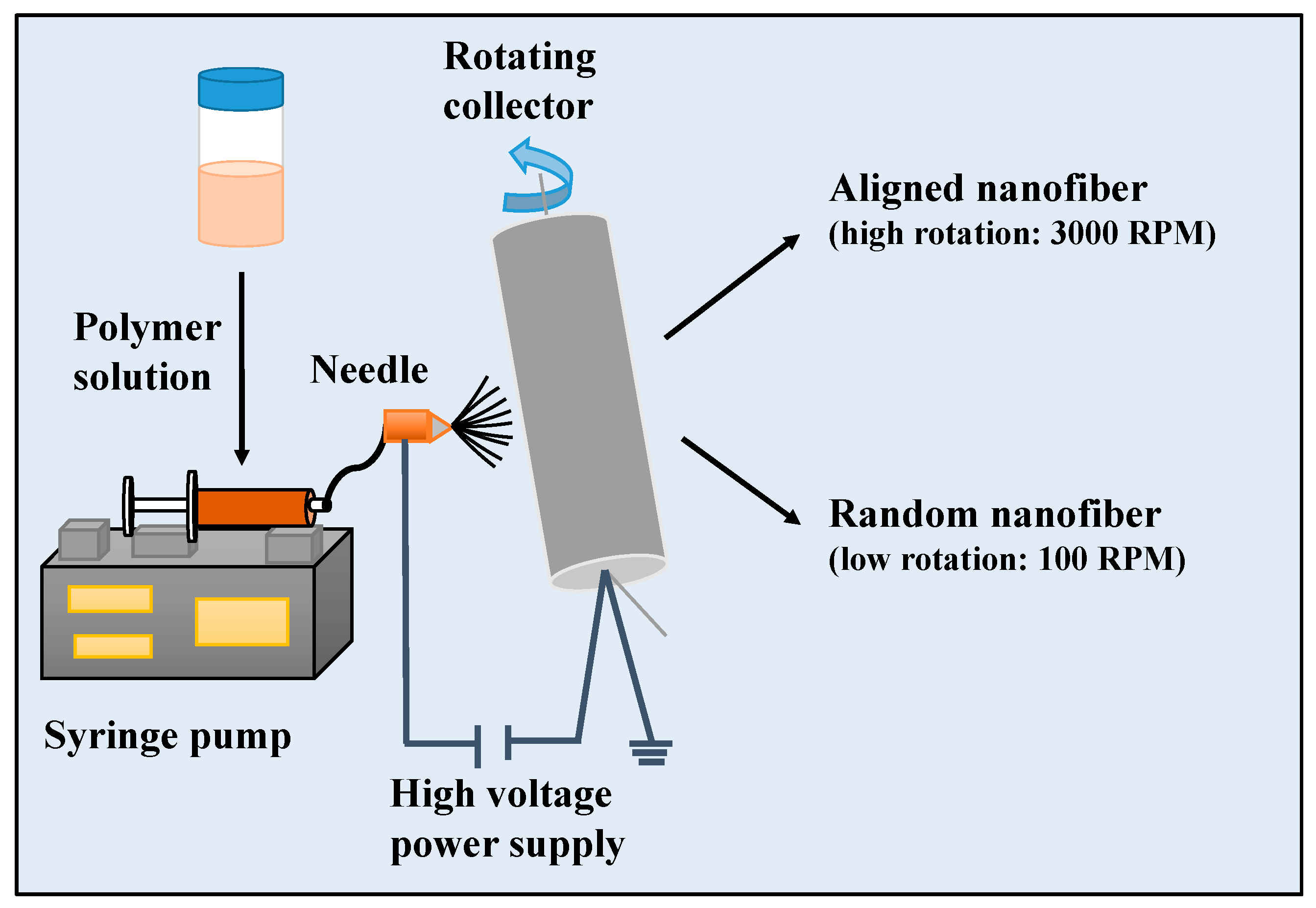
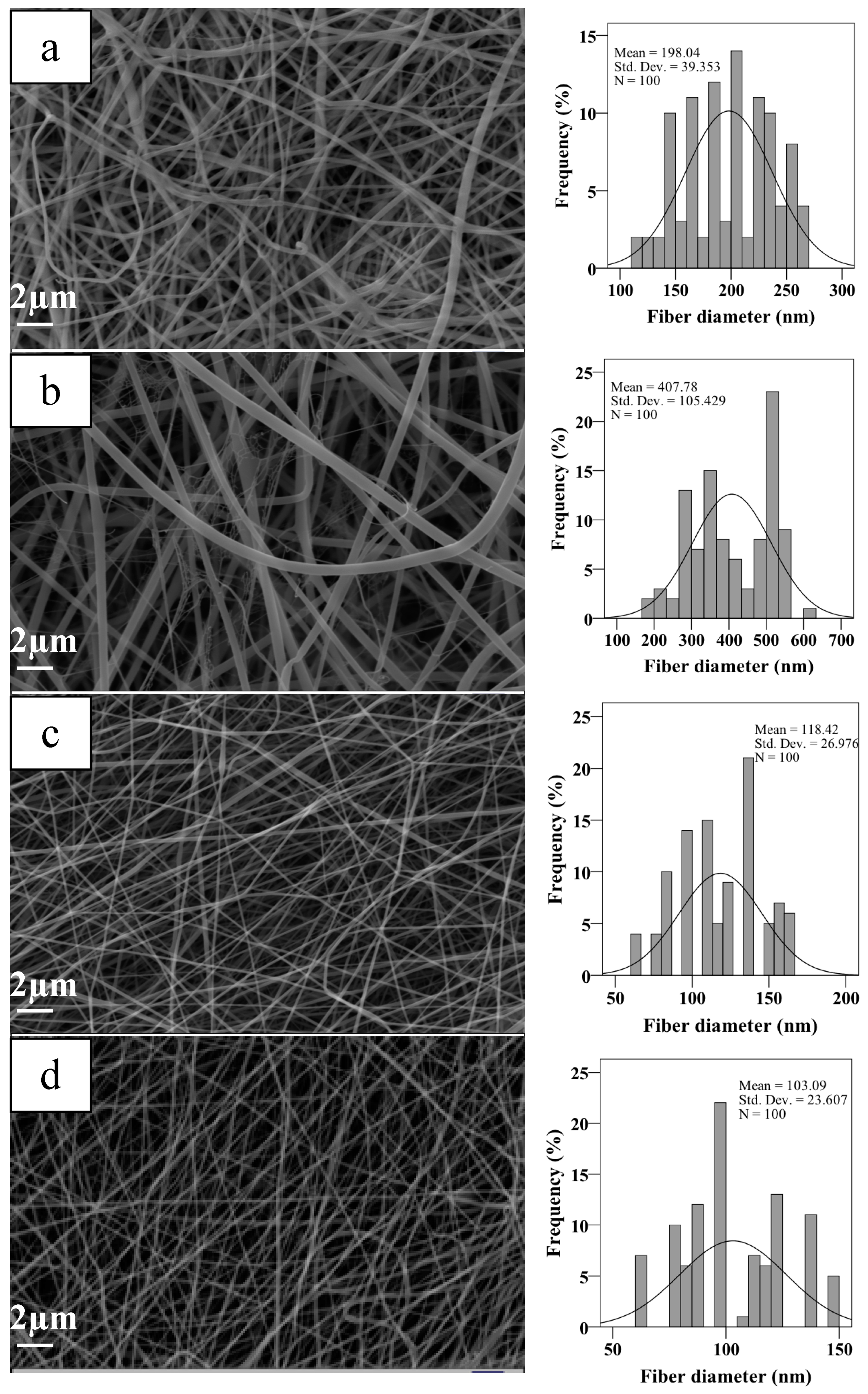
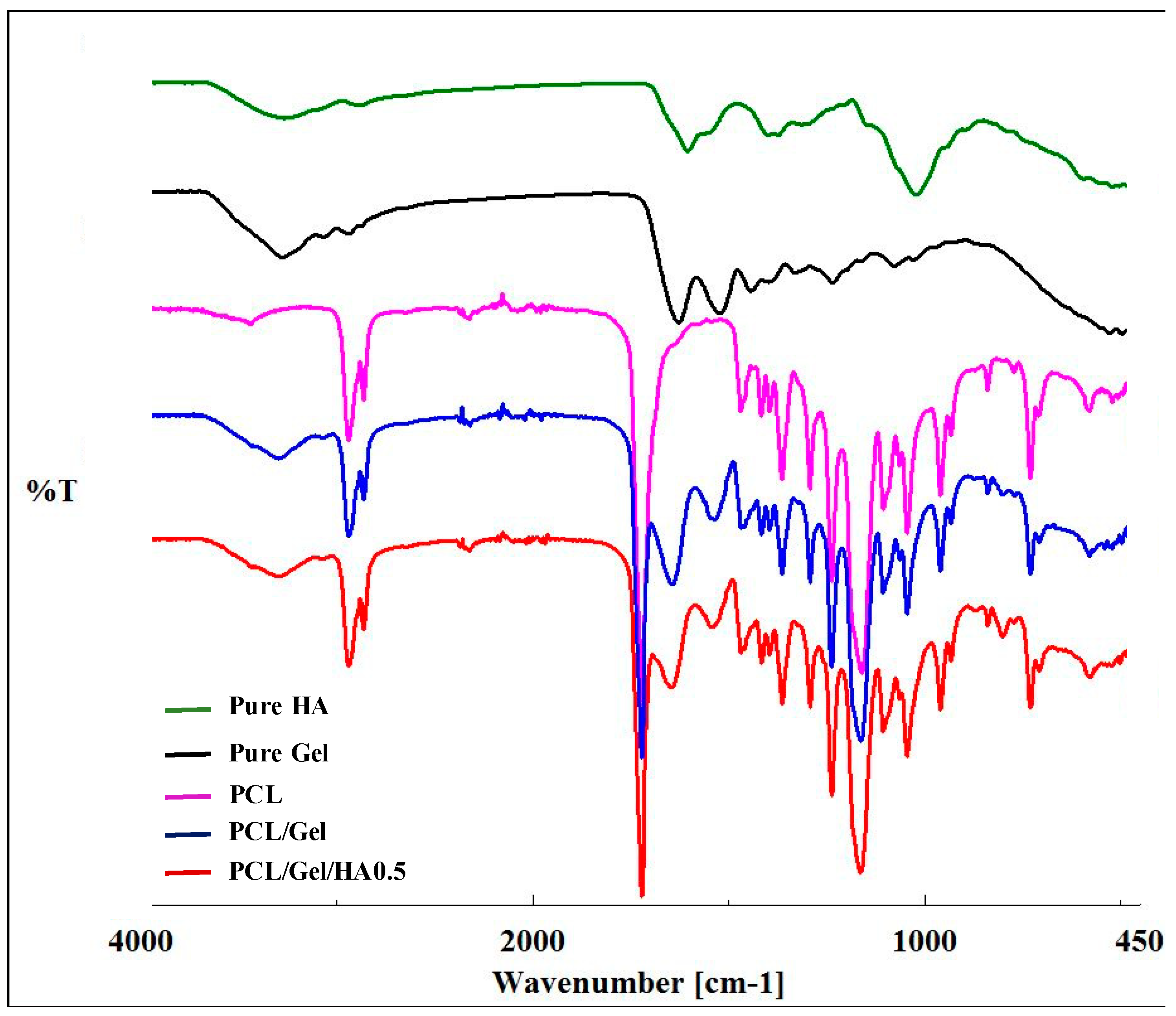
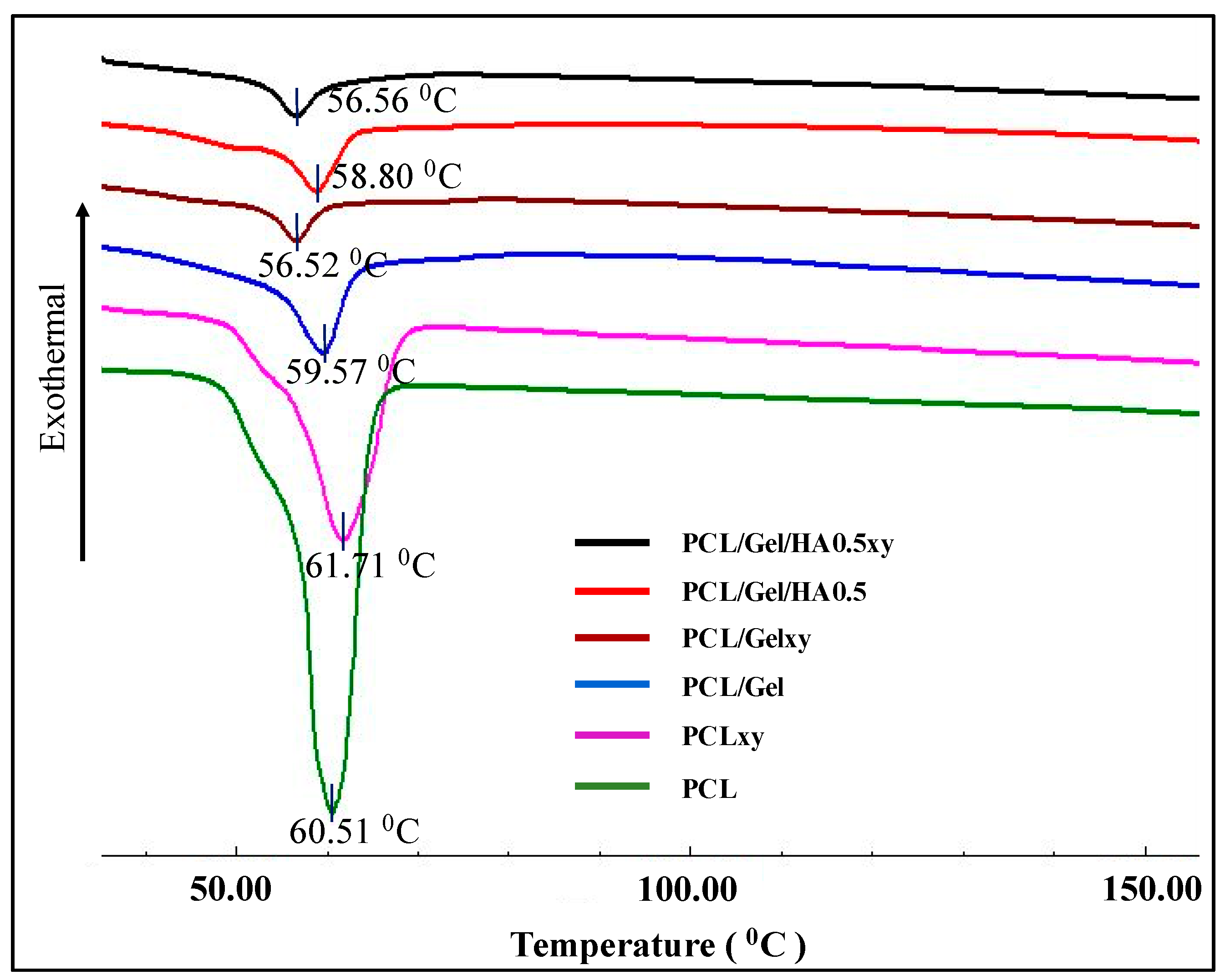
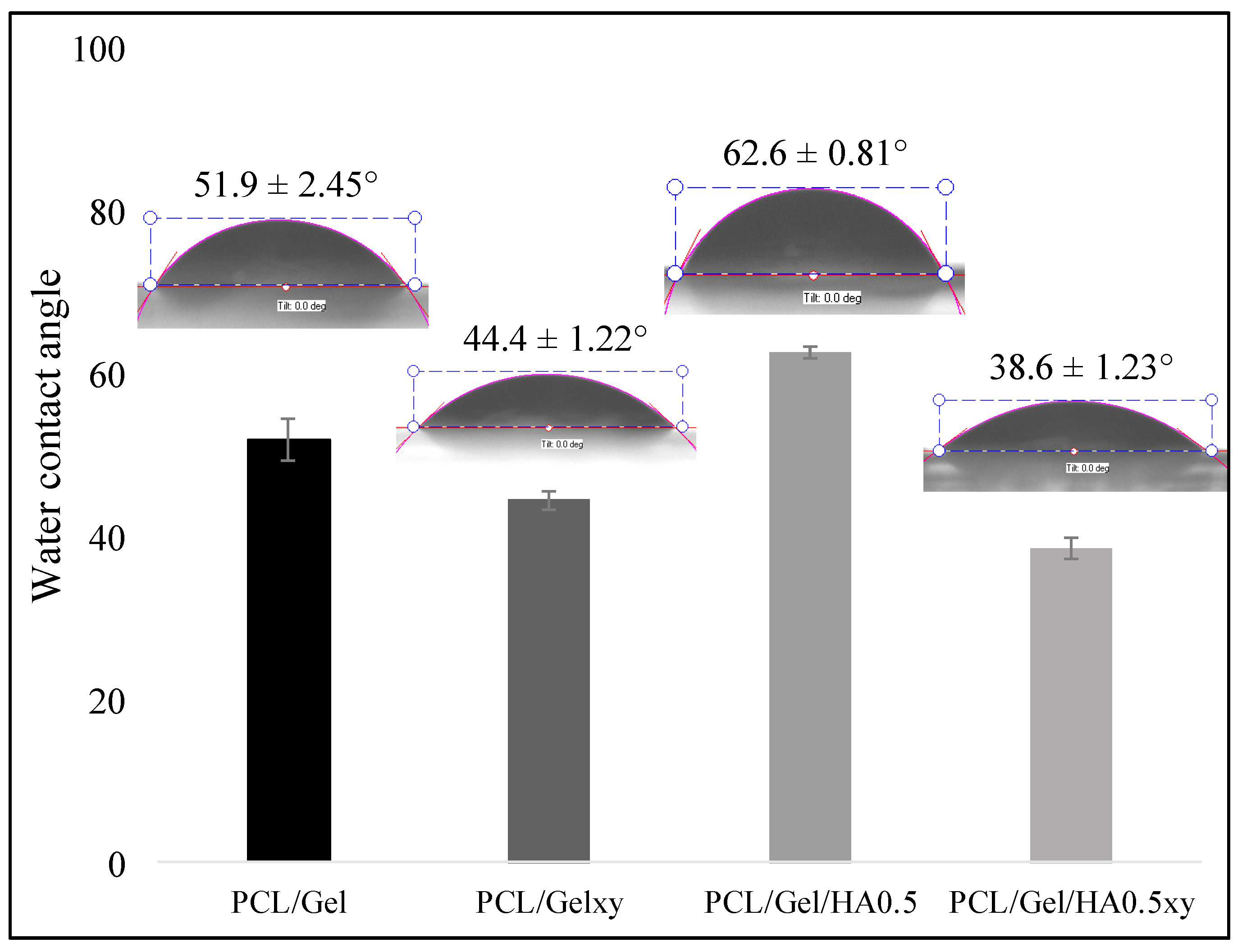
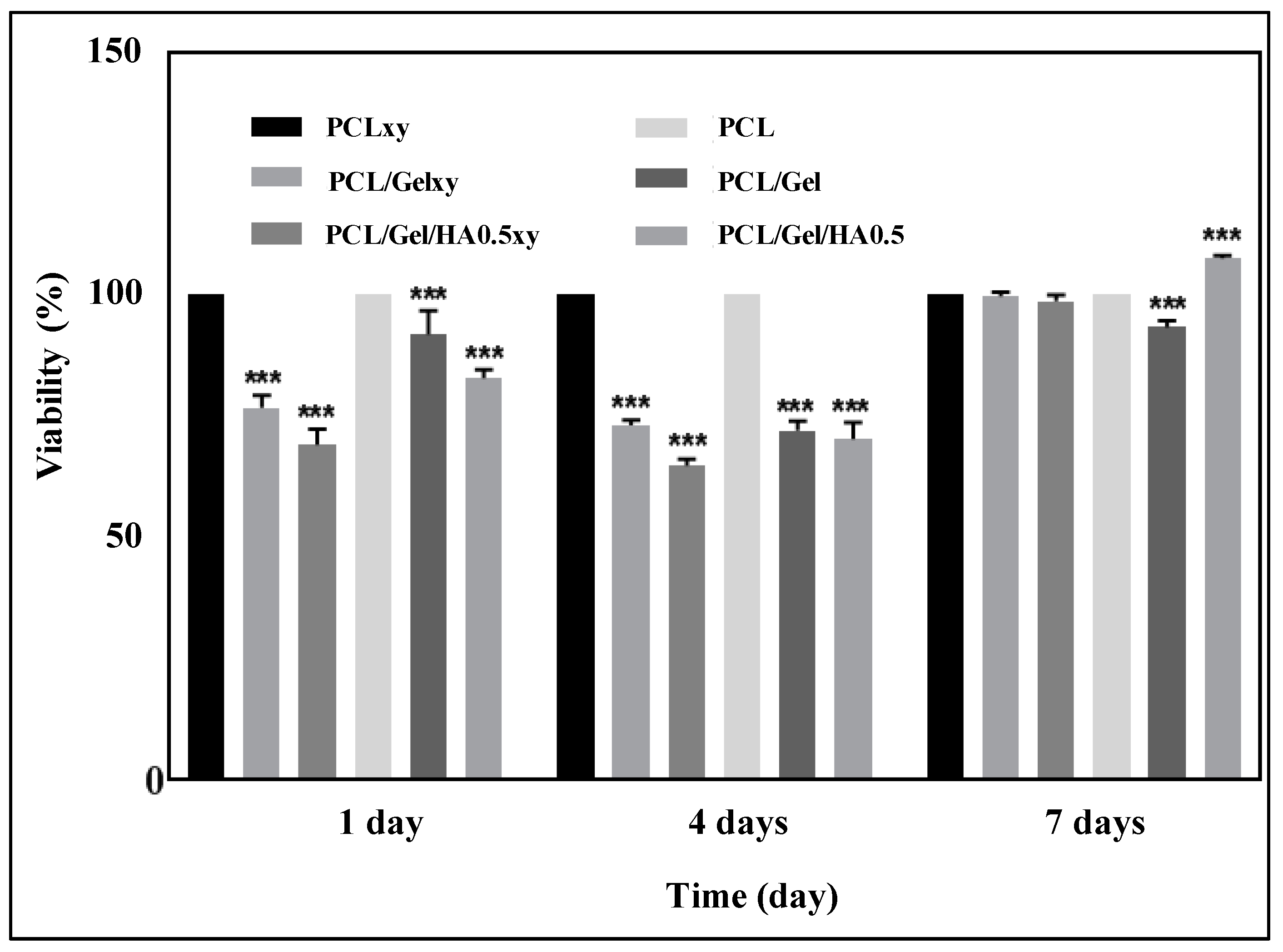
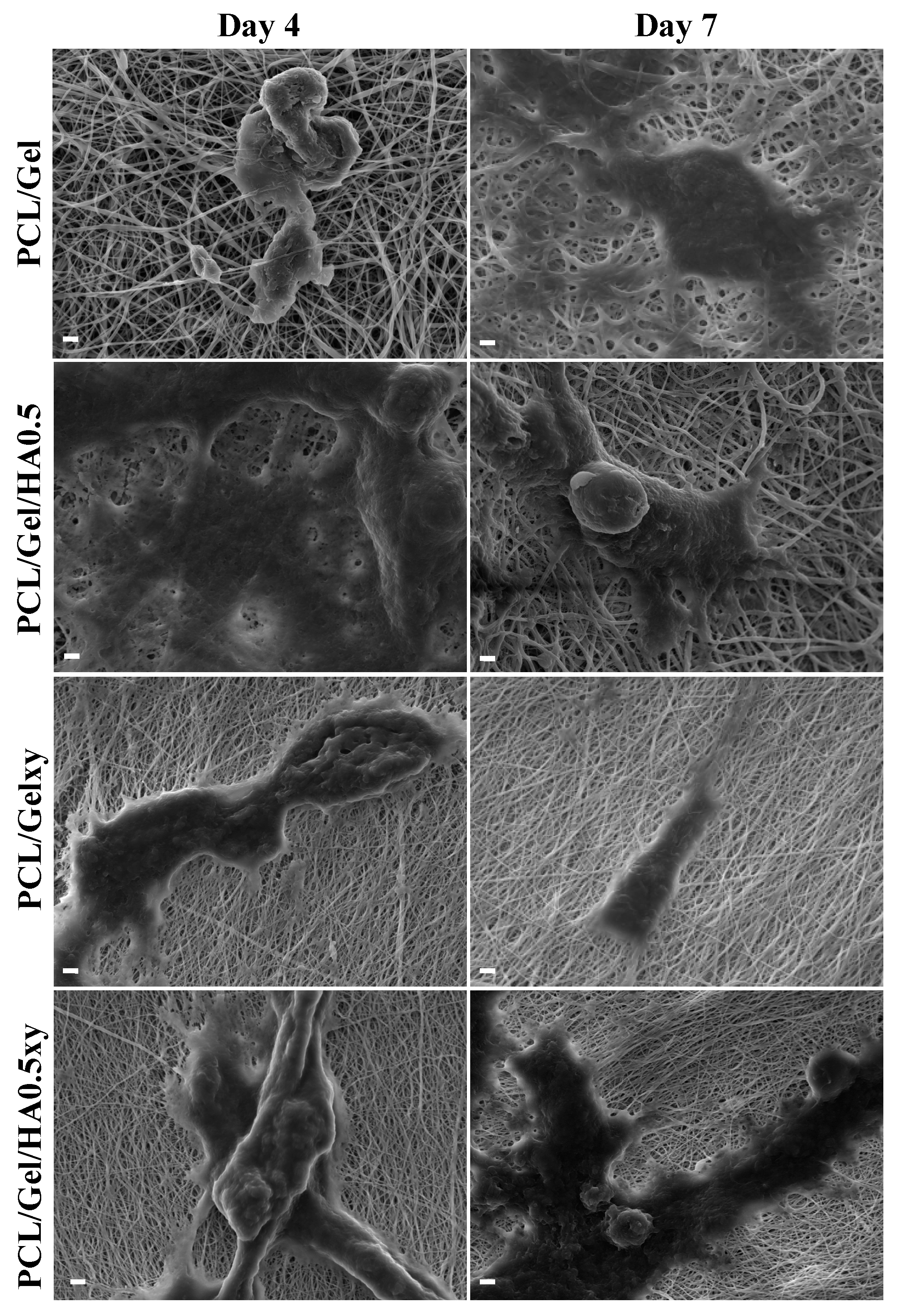
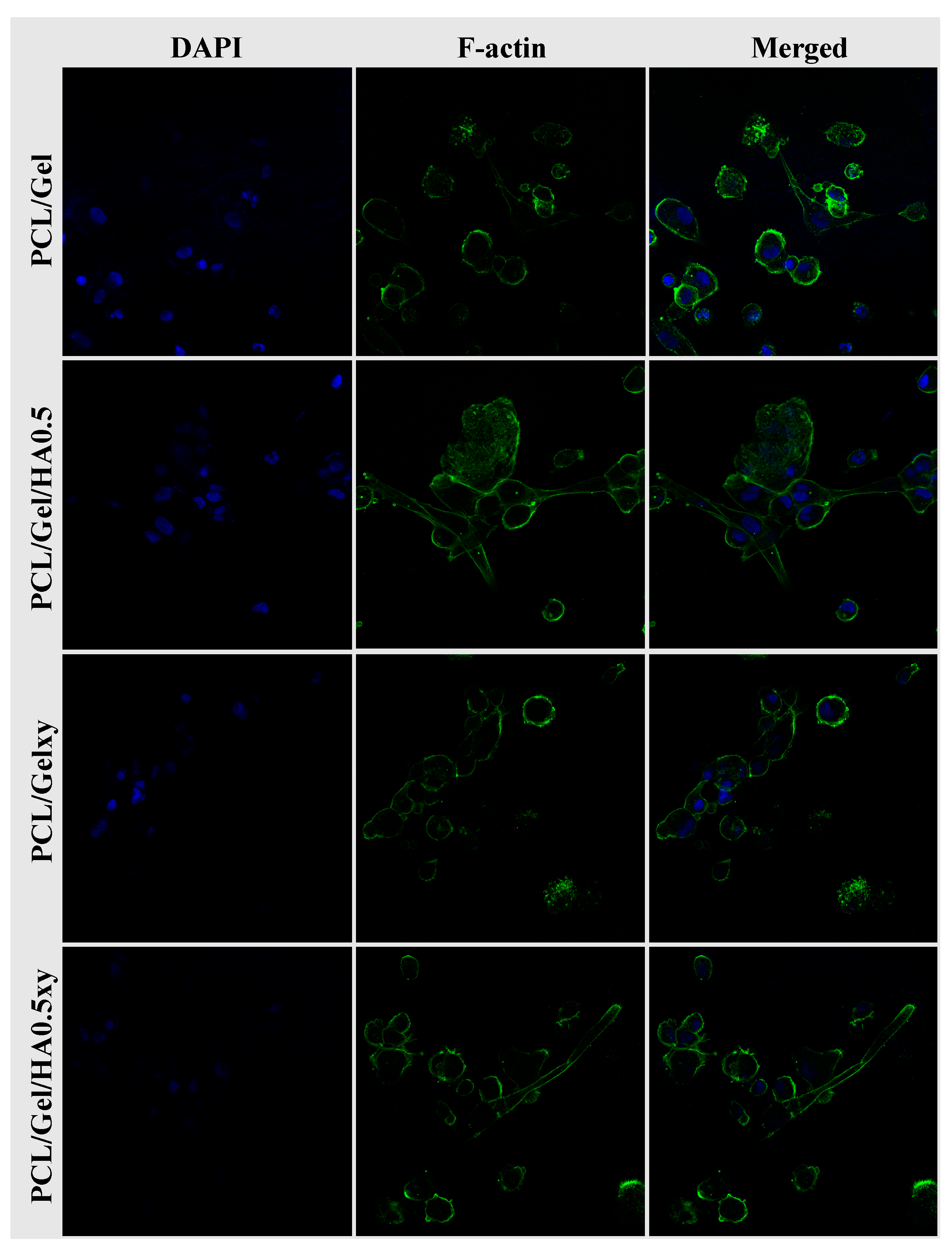
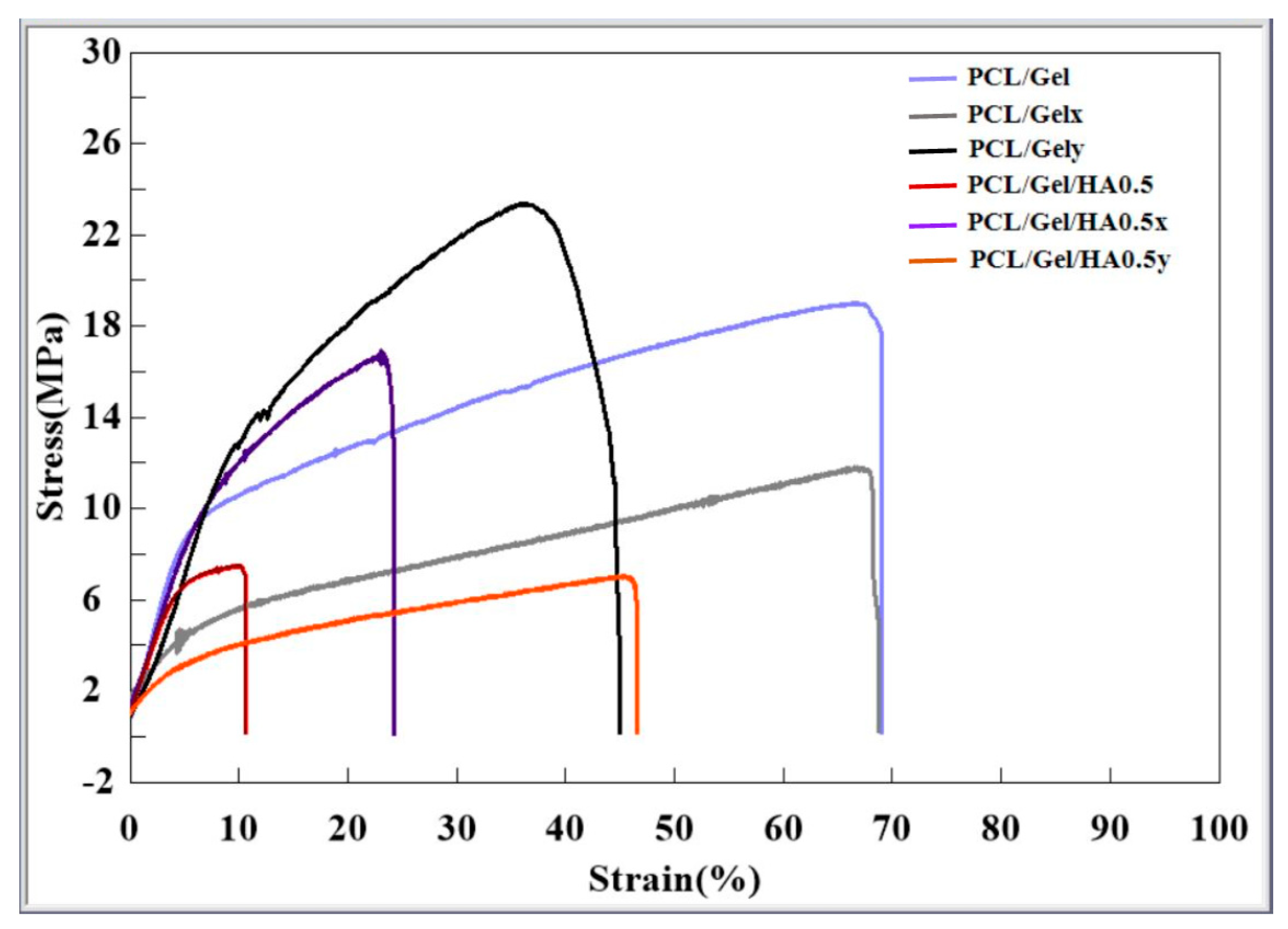
Glioblastoma (GBM), one of the most malignant types of human brain tumor, is resistant to conventional treatments and is associated with poor survival. Since the 3D extracellular matrix (ECM) of GBM microenvironment plays a significant role on the tumor behavior, the engineering of the ECM will help us to get more information on the tumor behavior and to define novel therapeutic strategies. In this study, polycaprolactone (PCL)/gelatin(Gel)/hyaluronic acid(HA) composite scaffolds with aligned and randomly oriented nanofibers were successfully fabricated by electrospinning for mimicking the extracellular matrix of GBM tumor. We investigated the effect of nanotopography and components of fibers on the mechanical, morphological, and hydrophilic properties of electrospun nanofiber as well as their biocompatibility properties. Fourier transform infrared spectroscopy (FTIR) and differential scanning calorimetry (DSC) have been used to investigate possible interactions between components. The mean fiber diameter in the nanofiber matrix was increased with the presence of HA at low collector rotation speed. Moreover, the rotational velocity of the collector affected the fiber diameters as well as their homogenous distribution. Water contact angle measurements confirmed that hyaluronic acid-incorporated aligned nanofibers were more hydrophilic than that of random nanofibers. In addition, PCL/Gel/HA nanofibrous scaffold (7.9 MPa) exhibited a significant decrease in tensile strength compared to PCL/Gel nanofibrous mat (19.2 MPa). In-vitro biocompatibilities of nanofiber scaffolds were tested with glioblastoma cells (U251), and the PCL/Gel/HA scaffolds with random nanofiber showed improved cell adhesion and proliferation. On the other hand, PCL/Gel/HA scaffolds with aligned nanofiber were found suitable for enhancing axon growth and elongation supporting intracellular communication. Based on these results, PCL/Gel/HA composite scaffolds are excellent candidates as a biomimetic matrix for GBM and the study of the tumor.
Keywords: 3D extracellular matrix; glioblastoma tumor model; polycaprolactone; gelatin; hyaluronic acid; nanofiber 3D extracellular matrix; glioblastoma tumor model; polycaprolactone; gelatin; hyaluronic acid; nanofiber