Skip Content
You are currently on the new version of our website. Access the old version .

Environmental and Earth Sciences Proceedings

Environmental and Earth Sciences Proceedings - formerly Environmental Sciences Proceedings - is an open access journal dedicated to publish findings revealed from academic conferences, workshops and similar events in all areas of environmental and earth sciences.
Published items are approved by the conference committee, and original research content is peer reviewed.

All Articles (1,728)

  • Proceeding Paper
  • Open Access

Engineering Sustainable Escape Lighting Systems for Marine Vessels: A Photovoltaic and ATS-Based Approach

  • Luis García Rodríguez,
  • Laura Castro Santos and
  • María Isabel Lamas Galdo

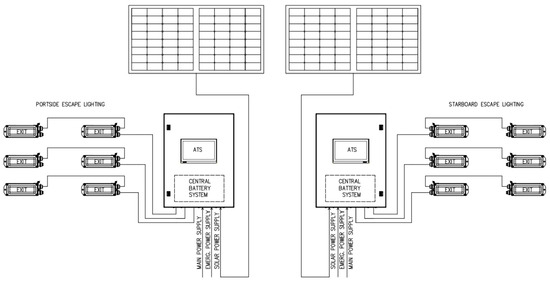
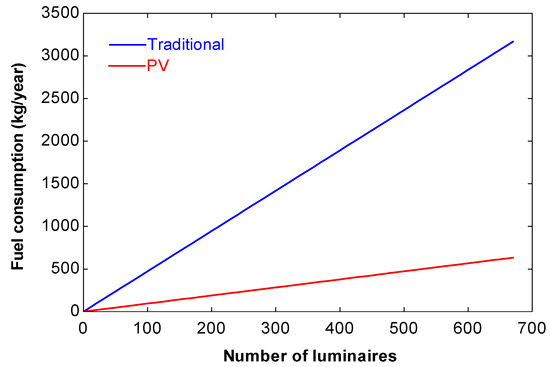
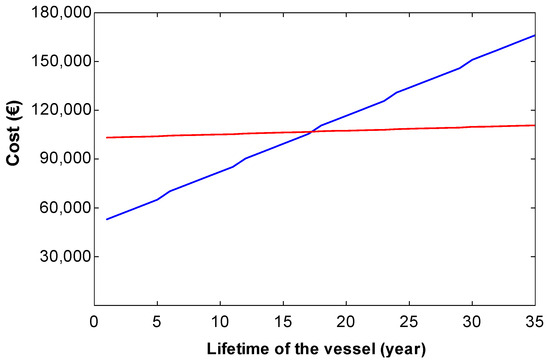
Ships are highly advanced marine structures that incorporate state-of-the-art technologies. Nevertheless, they still depend on outdated systems in certain critical areas, such as escape lighting. Escape lighting systems are vital components of shipboard safety infrastructure. However, conventional systems rely heavily on decentralized battery-powered luminaires and manual testing, leading to high maintenance costs and environmental burdens. This study addresses these challenges through an engineering-driven redesign of escape lighting systems. A novel system architecture was developed, integrating photovoltaic energy sources with centralized battery storage and Automatic Testing Systems (ATSs) compliant with the IEC 62034 standard. The system interfaces with both main and emergency power networks, reducing reliance on fossil fuels and minimizing battery usage. Engineering simulations and operational data indicate a 20% reduction in fuel oil consumption per escape light and a threefold decrease in maintenance costs over a vessel’s lifecycle. For a standard vessel equipped with 350 luminaires, the system demonstrates significant operational efficiency and environmental benefits, including reduced emissions and hazardous waste. This work exemplifies how ocean engineering innovations can enhance vessel safety while promoting sustainability. The integration of renewable energy and automated diagnostics into critical shipboard systems represents a forward-looking approach to marine engineering, aligning with global goals for greener maritime operations. Moreover, the proposed system supports compliance with evolving maritime regulations and offers a scalable solution adaptable to various vessel types and operational profiles.

3 February 2026

Main features of the system.
  • Proceeding Paper
  • Open Access

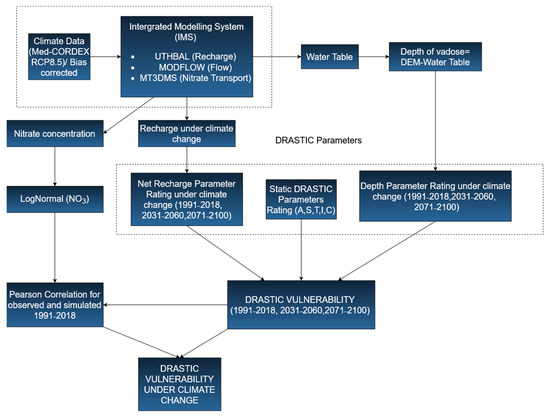
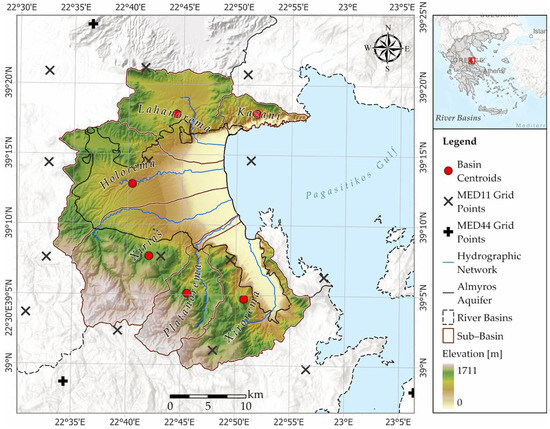
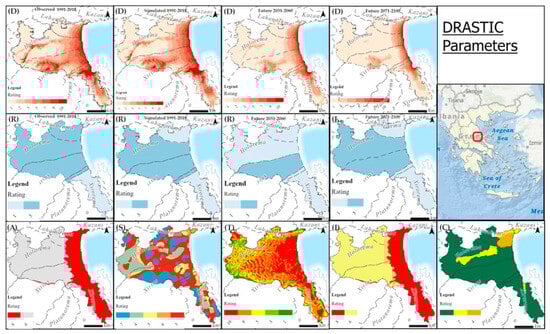
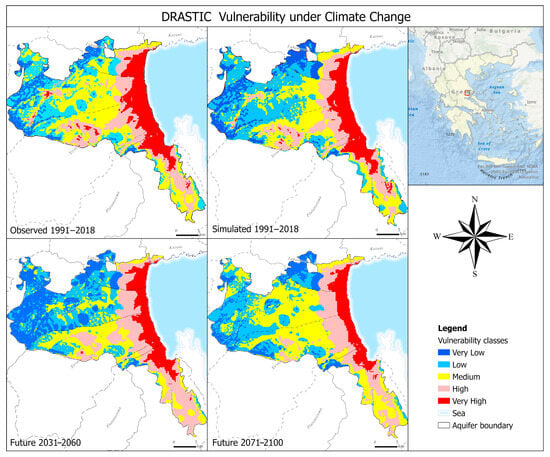
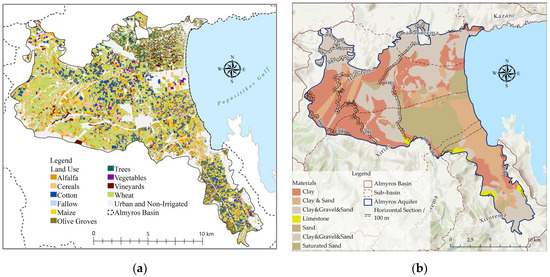
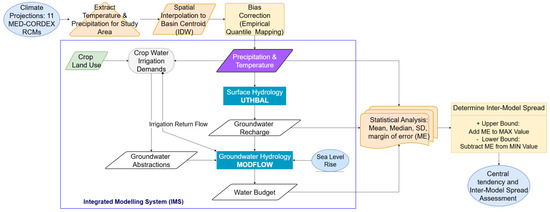
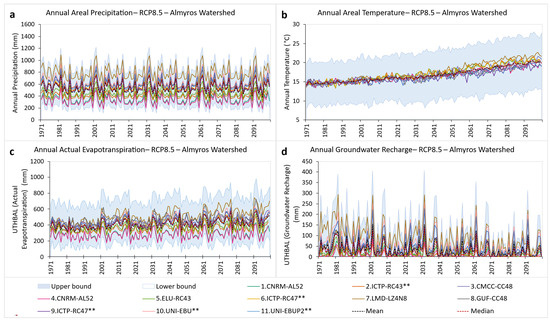
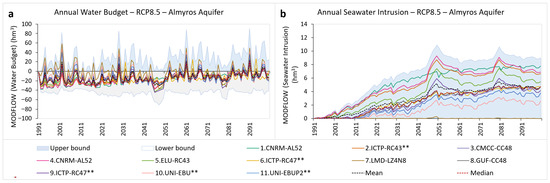
Groundwater in Mediterranean regions is facing increasing threats from climate change and intensive agriculture, necessitating robust vulnerability assessment tools. This study evaluates nitrate pollution vulnerability of the Almyros aquifer (Thessaly, Greece) using the DRASTIC index under the high-emission scenario RCP8.5. Bias-corrected Med-CORDEX climate projections were integrated into a coupled hydrological–hydrogeological modeling framework to simulate recharge, groundwater levels, and nitrate transport. DRASTIC results for the baseline (1991–2018) showed strong agreement with observed nitrate concentrations, while future projections (2031–2060, 2071–2100) revealed shifting vulnerability patterns, particularly in low-lying agricultural areas. The findings highlight climate-driven changes in groundwater vulnerability and support targeted adaptive management strategies.

30 January 2026

  • Conference Report
  • Open Access

The 2nd International Online Conference on Toxics (IOCTO 2025) successfully showcased essential advancements across the entire spectrum of toxicology, from environmental exposure modelling to molecular mechanisms and novel ecotoxicological applications [...]

28 January 2026

  • Proceeding Paper
  • Open Access

Treatment of Raw Mixed Dairy Wastewater Using an Attached-Growth Biological Filter

  • Stefania Patsialou,
  • Iliana Pla and
  • Athanasia G. Tekerlekopoulou
  • + 1 author
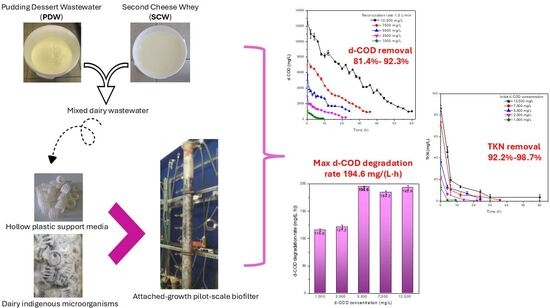
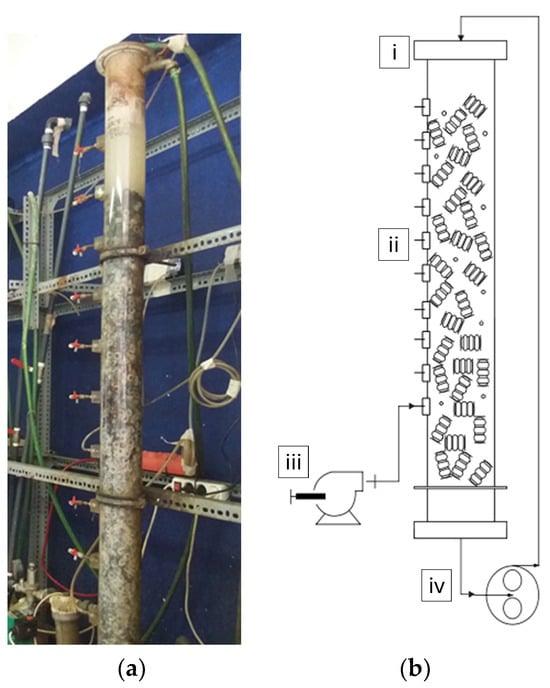
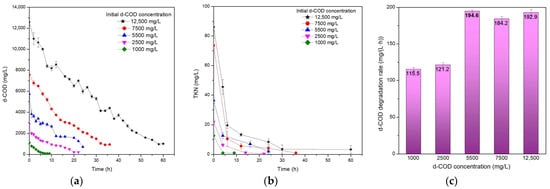
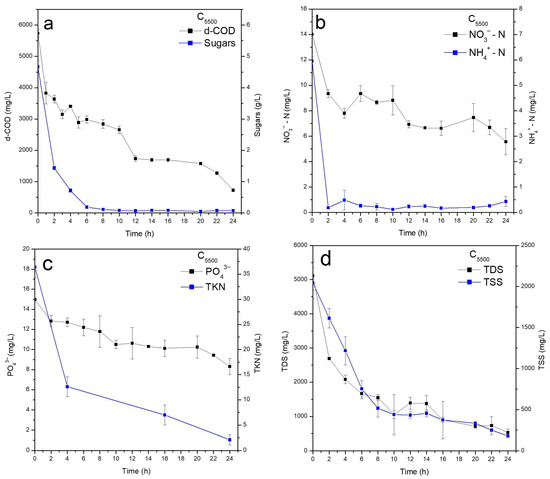
This study investigates the implementation of an attached-growth pilot-scale biofilter for the biological treatment of mixed dairy wastewater derived from real industrial effluents, consisting of equal proportions of raw second cheese whey (SCW) and pudding dessert wastewater (PDW). The biofilter was inoculated with indigenous microorganisms derived from the mixed wastewater stream with initial dissolved Chemical Oxygen Demand (d-COD) concentrations ranged from 1000 to 12,500 mg/L. The removal performance of organic and inorganic components was evaluated at a recirculation rate of 1.0 L/min, resulting in d-COD reductions of up to 92.3% and removal rates reaching 194.6 mg/(L·h). High removal rates were recorded for ammonium (up to 99.9%) and TKN (92.2–98.7%), while nitrate removal varied (29.4–89.3%) and solids removal exceeded 92%. d-COD concentrations of treated effluent consistently met discharge or municipal disposal legislation values, demonstrating the system’s efficiency and stability and proposing it as an ideal solution for wastewater treatment in dairy facilities.

28 January 2026

News & Conferences

Issues

Open for Submission

Editor's Choice

Get Alerted

Add your email address to receive forthcoming issues of this journal.

XFacebookLinkedIn
Environ. Earth Sci. Proc. - ISSN 3042-5743