


Abstract
This study developed and empirically validated a structural model explaining the relationships between doctoral students’ perceptions of the university’s digital entrepreneurial environment and digital infrastructure support, their digital attitudes toward academic entrepreneurship and digital entrepreneurial self-efficacy, and their readiness for academic entrepreneurship. The model was tested using partial least squares structural equation modeling (PLS-SEM) based on data collected from 140 doctoral students at Lviv Polytechnic National University, located in the Lviv region of Ukraine. Perceived digital entrepreneurial self-efficacy emerged as the strongest predictor of academic entrepreneurship readiness, followed by the perceived digital entrepreneurial environment, digital attitude toward academic entrepreneurship, and perceived digital infrastructure support. The findings further reveal that the perceived digital entrepreneurial environment significantly enhances both digital entrepreneurial self-efficacy and digital attitudes, whereas perceived digital infrastructure support is not significantly associated with these psychological constructs. Mediation analysis indicates that digital entrepreneurial self-efficacy is associated with a statistically significant indirect relationship between the perceived digital entrepreneurial environment and academic entrepreneurship readiness, highlighting its relevance to the association between the perceived digital entrepreneurial environment and doctoral students’ self-reported readiness for academic entrepreneurship. The study draws on selected concepts from the Theory of Planned Behavior, Social Cognitive Theory, and Entrepreneurial Ecosystem Theory to explain the relationships between perceived digital university context, individual psychological factors, and doctoral students’ readiness for academic entrepreneurship. Unlike previous studies that primarily examined entrepreneurial intentions, this research focuses on doctoral students’ readiness for academic entrepreneurship and distinguishes between the social and technological dimensions of university digital transformation.
1. Introduction
The transition of the global higher education system toward the digital knowledge economy is taking place through the digital transformation of universities, which has become a strategic prerequisite for enhancing their innovation capacity and global competitiveness [1]. The rapid development of generative artificial intelligence, digital research infrastructures, open science, and international collaboration networks is fundamentally reshaping the nature of academic activities, the processes of knowledge creation and dissemination, and the models of interaction among universities, industry, and society [2,3,4].
Digital transformation has become widespread and pervasive, giving rise to a new paradigm of digital entrepreneurship [5]. The higher education sector is experiencing an unprecedented pace of digital transformation that is fundamentally changing approaches to organizing not only educational but also research activities. Digital technologies create new opportunities for universities by facilitating access to scientific information, promoting inter-university collaboration, enabling remote research cooperation, and supporting the commercialization of research outcomes [6,7]. The effectiveness of digital transformation in higher education depends not only on technological capabilities but also on the availability of appropriate digital infrastructure, the establishment of a supportive digital entrepreneurial ecosystem, and doctoral students’ and researchers’ positive attitudes toward digital technologies, as well as their confidence in their ability and willingness to use digital tools in academic entrepreneurship [8,9].
As increasing importance is attached to the development of a new model of economic growth based on innovation [10], knowledge, and technology [11,12], universities are expected to serve as key institutions for human capital development and knowledge creation. The use of digital technologies substantially enhances the effectiveness of knowledge management by automating knowledge acquisition, analysis, and dissemination processes [13]. One of the principal strategic directions for university transformation under conditions of globalization, digitalization, and integration into the international higher education area is the development of academic entrepreneurship [14], encompassing the processes through which research outcomes are transformed into innovative products and services capable of generating commercial value. Effective academic entrepreneurship strengthens universities’ financial sustainability, enhances their competitiveness, increases their contribution to regional development, and fosters a new generation of entrepreneurially oriented graduates [15].
Despite the growing body of research on university digital transformation and academic entrepreneurship, these phenomena are generally examined in isolation. Considerably less attention has been devoted to understanding how the digital entrepreneurial environment and digital infrastructure support within universities influence doctoral students’ readiness for academic entrepreneurship. Existing publications examine the possibility of accessing higher education in regions affected by conflicts or wars through the strengthening of digital transformation [16,17]. In Ukraine, the issue of the impact of the war on the quality and access to higher education is also being investigated [18,19]. Existing models of academic entrepreneurship primarily focus on undergraduate and graduate students, young entrepreneurs, or university faculty members [20,21,22]. By contrast, doctoral students remain an underrepresented group in the literature, despite occupying a unique position at the intersection of scientific research and the potential commercialization of research outcomes [23,24].
Accordingly, there is a clear research need to investigate the relationships among the perceived digital entrepreneurial environment, perceived digital infrastructure support, digital attitudes toward academic entrepreneurship, digital entrepreneurial self-efficacy, and doctoral students’ readiness for academic entrepreneurship. Examining these interrelationships will provide a deeper understanding of the mechanisms underlying doctoral students’ entrepreneurial engagement and help identify ways to improve university digital services as instruments for fostering innovation. Therefore, the aim of this study is to develop and empirically validate a structural model explaining how doctoral students’ perceptions of the university’s digital entrepreneurial environment and digital infrastructure support, together with their digital attitudes toward academic entrepreneurship and digital entrepreneurial self-efficacy, relate to their readiness for academic entrepreneurship in the context of the digital knowledge economy.
2. Theoretical Framework
2.1. Digital Academic Entrepreneurship and the Digital Transformation of Universities
Entrepreneurial activity is widely recognized as a key driver of contemporary economic and societal development through its contributions to economic growth, job creation, and innovation [25]. Digital technologies continuously accelerate change by transforming organizations from cultural, social, and technological perspectives [26]. The transformation of existing businesses through the development and adoption of new digital technologies has stimulated the emergence and expansion of digital entrepreneurship [27]. According to Davidson and Vaast ([28], p. 2), digital entrepreneurship is defined as “the pursuit of opportunities based on the use of digital media and other information and communication technologies”. Digital technologies have become indispensable in business and are increasingly attracting attention within the context of higher education institutions. Digital technological ecosystems provide platforms for communication and for exchanging products and services with existing and potential customers [29].
Digital transformation has fundamentally changed the ways knowledge is created, accessed, and shared, thereby reshaping the interactions between students and instructors as well as between doctoral students and research supervisors. Moreover, digital transformation has become a critical factor in developing the technical competencies required for academic entrepreneurship [30,31,32]. Academic entrepreneurship plays a pivotal role in fostering innovation and economic growth within higher education institutions. As digital transformation advances, universities are evolving from traditional academic institutions into dynamic hubs of entrepreneurial activity and innovation [33,34]. Contemporary digital technologies have fundamentally transformed the ways universities interact with industry, government, and society, contributing to the emergence of a new research domain—digital academic entrepreneurship [25].
The first attempts to conceptualize digital academic entrepreneurship were made by Rippa and Secundo [35], who argued that digital technologies create exciting opportunities for innovation and may become a dominant source of innovation in academic entrepreneurship. The authors proposed a conceptual framework for digital academic entrepreneurship organized around four fundamental dimensions: the rationale for adopting digital technologies in academic entrepreneurship (why?), the role of digital technologies in enabling new forms of academic entrepreneurship (what?), the stakeholders involved through the adoption of digital technologies to achieve academic entrepreneurship objectives (who?), and the processes activated by digital technologies to support academic entrepreneurship (how?).
This conceptualization was further developed by Secundo, Rippa, and Cerchione [36], who demonstrated the transformative impact of digital transformation on academic entrepreneurship. They argue that digital academic entrepreneurship is characterized by the extensive use of digital technologies to enhance emerging forms of academic entrepreneurship, including the creation of digital university spin-offs and graduate start-ups, the development of entrepreneurial competencies supported by digital platforms, and the expansion of innovation activities beyond regional boundaries. Their study represents one of the first comprehensive and systematic literature reviews examining the disruptive role of digital transformation in academic entrepreneurship.
Subsequent studies [26,30,31] further expanded this initial conceptualization by identifying the structural dimensions of digital academic entrepreneurship and specifying the key competencies required for its development in the context of digital transformation. These studies emphasize that digital transformation is reshaping the traditional understanding of academic entrepreneurship and necessitates the development of new conceptual frameworks.
The digitalization of entrepreneurship underwent a profound transformation in 2020 as a result of the COVID-19 pandemic, which fundamentally altered the ways people think, work, produce, consume, and create new businesses. Higher education institutions were no exception, as they were compelled to redesign interactions between students and faculty and to transform teaching and learning processes, with digital transformation playing a particularly significant role in promoting academic entrepreneurship [26,37]. The COVID-19 pandemic accelerated the rapid evolution and adoption of digital technologies [38], leading to profound changes in the organizational dynamics of higher education institutions. This transformation reinforced the integration of digital technologies with entrepreneurial activities [39], fostering the development of entrepreneurial university cultures [40] and strengthening academic entrepreneurship.
2.2. Academic Entrepreneurship Readiness (AER)
A substantial body of contemporary research has been devoted to the study of entrepreneurial intentions, which are defined by Bird ([41], p. 442) as a conscious “state of mind that directs attention, experience, and action toward a business concept, set the form and direction of organizations at their inception”. Research on entrepreneurial intentions is primarily grounded in the Theory of Planned Behavior [42] and the Entrepreneurial Event Model [43]. Empirical evidence further suggests that the use of digital technologies positively influences the entrepreneurial intentions of academic entrepreneurs [29]. Specifically, studies demonstrate a direct relationship between hard and soft skills and entrepreneurial intentions, as well as an indirect positive effect mediated by the key dimensions of the Theory of Planned Behavior, namely entrepreneurial attitude, subjective norms, and perceived behavioral control [44,45]. Other findings indicate that both entrepreneurial passion and the digital economy exert a significant direct influence on entrepreneurial intentions [46].
Unlike entrepreneurial intentions, which primarily reflect an individual’s psychological willingness to establish a business venture, readiness for academic entrepreneurship represents a broader construct encompassing researchers’ preparedness to establish innovation-based enterprises, commercialize research outcomes, participate in start-up initiatives, and implement entrepreneurial activities grounded in scientific knowledge. Readiness for academic entrepreneurship also incorporates the ability to adapt to the rapidly evolving higher education environment and a commitment to developing innovative ideas that facilitate the commercialization of research results, the creation of entrepreneurial ventures, and the integration of entrepreneurial activities into researchers’ professional development [47].
In this study, academic entrepreneurship readiness is conceptualized as doctoral students’ self-perceived preparedness to engage in entrepreneurial activities based on their academic research, including the perceived preparedness to commercialize research, initiate a research-based venture, mobilize personal capabilities, and commit time and effort to its development. While entrepreneurial intention concerns the willingness or plan to act and self-efficacy concerns perceived capability, academic entrepreneurship readiness represents a broader self-assessment of preparedness to engage in academic entrepreneurship. These constructs are conceptually related but capture different aspects of doctoral students’ entrepreneurial orientation.
Entrepreneurial readiness is shaped by a broad range of sociological, psychological, and managerial factors [48]. Among the key determinants influencing innovation commercialization are the business environment, support organizations, project management practices, team characteristics, as well as industry- and innovation project-specific factors [49]. Other studies indicate that entrepreneurship education has a significant impact on entrepreneurial readiness, both directly and indirectly through perceived relationships and perceived outcomes. The authors demonstrate that these two mediating variables represent important personal resources that enhance students’ strategic capabilities in managing social relationships and responding effectively to challenge-based outcomes [50].
Mirhabibi, Shayan, and Sahraei [51] found that motivation, opportunity recognition, entrepreneurial capabilities, digital learning orientation, and digital education positively influence digital entrepreneurial readiness, with digital mindset serving as a moderating factor. Similarly, Khetarpal, Jain, and Mitra [52] reported that entrepreneurial readiness among doctoral students significantly influences the relationship between entrepreneurial ambitions and entrepreneurship education. Adeniyi [53] examined the mediating role of entrepreneurial self-efficacy in the relationship between entrepreneurship education and start-up readiness, whereas Similea, Turcanu, and Titterton [54] investigated the association between students’ attitudes toward digitalization and their entrepreneurial readiness in Romanian technical and vocational secondary schools.
The review of the existing literature suggests that, in the context of the digital transformation of universities, readiness for academic entrepreneurship is shaped by a combination of external organizational conditions and internal psychological mechanisms. Building upon these findings, the proposed conceptual model integrates both categories of determinants by conceptualizing the perceived digital entrepreneurial environment (PDEE) and perceived digital infrastructure support (PDIS) as external organizational factors, while digital attitudes toward academic entrepreneurship (DAAE) and digital entrepreneurial self-efficacy (DESE) are treated as individual psychological mechanisms that jointly determine doctoral students’ readiness for academic entrepreneurship.
2.3. Digital Attitude Toward Academic Entrepreneurship (DAAE)
Among the factors influencing doctoral students’ readiness for academic entrepreneurship, individual psychological characteristics occupy a particularly important position. These individual psychological factors, particularly attitudes toward entrepreneurship and entrepreneurial self-efficacy, are important for understanding individuals’ readiness for entrepreneurial engagement. In the context of the digital transformation of universities, these constructs acquire new meaning, as they are directly associated with the perception of digital technologies as instruments for creating innovative value and commercializing research outcomes.
According to the Theory of Planned Behavior (TPB) developed by Icek Ajzen [42], individuals’ intentions to perform a particular behavior can be predicted with a high degree of accuracy based on three determinants: attitudes toward the behavior, subjective norms, and perceived behavioral control. Ajzen further argues that perceived behavioral control, although composed of separate components reflecting beliefs about self-efficacy and controllability, can nevertheless be conceptualized as a unified latent construct within a hierarchical factor model [55,56]. In his more recent work, Ajzen [57] emphasizes the application of the Theory of Planned Behavior to predicting and changing human behavior, including behaviors related to the adoption and use of digital technologies.
Within the domain of academic entrepreneurship, a positive attitude toward entrepreneurial activity increases the likelihood that doctoral students will engage in start-up creation, the commercialization of research results, collaboration with industry, and other entrepreneurial initiatives. In the context of digitalization, this construct evolves into digital attitude toward academic entrepreneurship (DAAE), reflecting individuals’ positive perceptions of using digital technologies, platforms, and services to support entrepreneurial activities. Bican and Brem [58] demonstrate the conceptual relationships among digital readiness, digital technologies, digital business models, digital innovation, and digital entrepreneurship. Previous studies further confirm that digital technologies foster positive entrepreneurial attitudes and increase individuals’ willingness to adopt digital solutions as mechanisms for scaling innovation, developing innovative products [59], transforming university innovation ecosystems, and supporting the commercialization of research outcomes [60].
Unlike general entrepreneurial attitudes, digital attitudes toward academic entrepreneurship specifically emphasize the role of digital technologies in transforming the mechanisms through which entrepreneurial value is created [61]. This perspective further highlights the strategic importance of digital solutions in strengthening universities’ innovation activities and entrepreneurial ecosystems [62,63]. Drawing on the foregoing arguments, this study advances the following hypothesis:
H1.
DAAE positively influences AER.
2.4. Digital Entrepreneurial Self-Efficacy (DESE)
Another important psychological determinant is digital entrepreneurial self-efficacy (DESE), which refers to an individual’s confidence in their ability to effectively apply digital competencies to entrepreneurial activities. According to Social Cognitive Theory [64], self-efficacy beliefs operate in conjunction with goals, expected outcomes, and perceived environmental barriers and facilitators to regulate individuals’ motivation, behavior, and well-being. From this perspective, entrepreneurial self-efficacy is regarded as a multidimensional construct comprising beliefs related to both goal attainment and behavioral control. Previous research has also proposed that these two dimensions play distinct roles throughout the different stages of the new venture creation process [65].
Entrepreneurial self-efficacy has been widely employed as a predictor of an individual’s likelihood of becoming an entrepreneur and reflects the strength of one’s belief in the ability to successfully perform the diverse roles and tasks associated with entrepreneurship [66,67]. Within the digital university environment, entrepreneurial self-efficacy is extended by incorporating a digital dimension. Consequently, doctoral students must be confident not only in their general entrepreneurial capabilities but also in their ability to utilize digital technologies to identify entrepreneurial opportunities, develop digital products, manage start-ups, conduct market analysis, collaborate with potential partners, and commercialize the outcomes of their research.
Empirical evidence indicates that self-efficacy has a significant positive effect on digital entrepreneurial intentions. Furthermore, digital entrepreneurship education and entrepreneurial orientation moderate the relationship between ICT self-efficacy and digital entrepreneurial intentions [68]. Other studies indicate that digital self-efficacy and digital competencies can be significant factors in the formation of entrepreneurial intentions [69]. In the context of academic entrepreneurship, research highlights the importance of the university environment, institutional support, collaboration with the business sector, and entrepreneurial education in fostering the readiness of doctoral students for entrepreneurship [70,71]. Practical experience in using digital tools enables doctoral students to adapt more effectively to digitally enabled entrepreneurial models, thereby enhancing their readiness for academic entrepreneurship. In light of the above considerations, the present study formulates the following hypothesis:
H2.
DESE positively influences AER.
2.5. Perceived Digital Entrepreneurial Environment (PDEE)
In the era of rapid technological advancement, the effectiveness of academic entrepreneurship is increasingly determined not only by the individual psychological characteristics of doctoral students and researchers but also by the quality of the digital entrepreneurial environment. In the digital age, entrepreneurship research has increasingly integrated two well-established concepts: the digital ecosystem and the entrepreneurial ecosystem. The integration of these two ecosystems provides a more comprehensive understanding of the interactions among actors and users, including both individual and collective patterns of consumer behavior [72]. The digital entrepreneurial environment is considered a core component of the broader digital entrepreneurial ecosystem, alongside digital infrastructure, users’ digital citizenship, and digital markets [73]. Building upon the concept of digital entrepreneurial ecosystems as a framework for systematically analyzing entrepreneurship in the digital era, Bejjani, Göcke, and Menter [74] emphasize the critical importance of interactions and network relationships within the digital context, rather than focusing solely on individual entrepreneurs. Their work highlights that digital entrepreneurship depends not only on entrepreneurs’ capabilities but also on the availability and accessibility of environmental resources that support entrepreneurial activities.
Empirical evidence indicates that the level of digital technology development is positively associated with the performance of entrepreneurial ecosystems, and that this relationship is further strengthened in countries characterized by supportive cultural norms, high-quality institutions, favorable public policies, accessible resources, and well-developed service sectors [75]. Another study [76] confirms the positive effect of a high-quality entrepreneurial environment on the formation of entrepreneurial intentions while demonstrating that the complexity of the business environment constrains the translation of these intentions into entrepreneurial action. These findings suggest that entrepreneurial development requires the coordinated advancement of educational, institutional, and innovation-related components of the ecosystem.
Digital technological ecosystems, particularly the digital entrepreneurial environment, provide platforms for communication and the exchange of products and services with existing and potential customers. Such ecosystems significantly facilitate the entrepreneurial activities of university start-ups and positively influence academic entrepreneurs’ readiness to adopt and utilize digital tools [29,77]. It can therefore be argued that a supportive digital entrepreneurial environment fosters entrepreneurial activity by creating a social context in which doctoral students gain access to digital entrepreneurial communities, digital innovation platforms, international research and innovation networks, professional mentoring, online hackathons, and knowledge-sharing initiatives [78].
Interaction with the digital entrepreneurial environment enables doctoral students to rapidly disseminate successful practices in academic entrepreneurship, exchange entrepreneurial ideas through digital platforms, establish collaborative relationships with researchers from other universities, improve access to entrepreneurial resources, and identify new opportunities for the commercialization of their research outcomes. Based on these arguments, it is proposed that a more developed digital entrepreneurial environment directly enhances doctoral students’ readiness for academic entrepreneurship. Accordingly, the following hypothesis is proposed:
H3.
PDEE positively influences AER.
In addition to its direct influence on readiness for academic entrepreneurship, the digital entrepreneurial environment is expected to foster doctoral students’ positive attitudes toward the use of digital technologies in entrepreneurial activities. The adoption of advanced digital technologies—including social media, business analytics, the Internet of Things (IoT), big data, 3D printing, cloud computing, cybersecurity solutions, and Massive Open Online Courses (MOOCs)—is reshaping the rationale, processes, and forms of academic entrepreneurship, as well as the range of stakeholders involved.
Digital technologies create unprecedented opportunities for innovation and entrepreneurship and may become a dominant source of innovation in academic entrepreneurship [35]. They also facilitate the development of entrepreneurial processes within university ecosystems by enabling new forms of academic entrepreneurship, such as the establishment of digital university spin-offs and graduate start-ups, the development of entrepreneurial competencies supported by digital platforms, and the expansion of innovation activities beyond regional boundaries [36]. Based on the above theoretical arguments and empirical evidence, the following hypothesis is proposed:
H4.
PDEE positively influences DAAE.
Digital and information and communication technologies have transformed the nature of numerous entrepreneurial processes, resulting in the emergence of new competencies required to facilitate and harmonize the digital transition of entrepreneurship [79,80,81]. A review of the scientific literature confirms that training in the use of business applications is positively associated with entrepreneurs’ attitudes toward technology, readiness for change, and Internet/digital technology usage skills. Furthermore, such training demonstrates a positive relationship with firms’ digital competencies [82]. Digital competencies are increasingly recognized as critical determinants of entrepreneurial success. This is supported by the findings of Azizana and Rahim [83], who identified a strong correlation between digital competencies and entrepreneurial activity, particularly in areas such as digital literacy, information management, and the effective use of social media. Similarly, Bachmann, Rose, Maul, and Hölzle [84] provide empirical evidence of the positive influence of digital competencies on entrepreneurial intentions, encouraging educators and aspiring entrepreneurs to develop digital entrepreneurial capabilities.
These findings underscore the importance of integrating entrepreneurial education and the need to develop digital and entrepreneurial competencies within the training of doctoral students. Such educational initiatives can enhance the readiness of doctoral students to commercialize research outcomes and engage in technology transfer [85,86]. Developing the skills required to utilize digital technologies in entrepreneurial activities—and integrating the corresponding competencies into the university educational environment—takes on particular significance [30]. Such programs are particularly relevant for doctoral students, as they can increase confidence in their own digital capabilities and support their future engagement in academic entrepreneurship.
According to the principles of Bandura’s Social Cognitive Theory [87,88], an individual’s beliefs regarding their own self-efficacy are shaped by four primary sources: the experience of successfully completing tasks, observation of others, social persuasion, and physiological and emotional states. These theoretical premises suggest that the participation of doctoral students in innovative projects—developed based on research findings—along with interaction with entrepreneurs, the opportunity to test research ideas in practice, and feedback from academic supervisors, may help strengthen the students’ confidence in their own entrepreneurial abilities. Therefore, the above arguments provide a theoretical foundation for proposing that the functioning of a perceived digital entrepreneurial environment positively influences doctoral students’ digital entrepreneurial self-efficacy. Accordingly, the following hypothesis is proposed:
H5.
PDEE positively influences DESE.
2.6. Perceived Digital Infrastructure Support (PDIS)
At the same time, the effective functioning of a digital entrepreneurial environment is impossible without adequate digital infrastructure support, which should ensure the availability of digital technologies, the effectiveness of their application, and the quality of educational and research processes [89]. Unlike the digital entrepreneurial environment, which reflects social interactions, entrepreneurial culture, and knowledge exchange among participants within the university ecosystem, digital infrastructure support represents the technological foundation enabling research and innovation activities. Distinguishing between these two dimensions provides a more comprehensive explanation of the factors associated with doctoral students’ readiness for academic entrepreneurship.
Perceived digital infrastructure support plays a critical role across all major university functions, including administration, research, and education [90]. Digital infrastructure encompasses the technological and physical foundations that enable digital transformation and support digital operations in higher education, including network infrastructure, data centers, educational technology platforms, digital devices, and access terminals [91]. By providing the necessary technological foundation, digital infrastructure creates favorable conditions for innovation activities and the development of new value-creation models [92], thereby contributing to the formation of doctoral students’ positive attitudes toward academic entrepreneurship.
A high level of university perceived digital infrastructure support strengthens doctoral students’ confidence in their own digital competencies and enhances their readiness to commercialize research outcomes through engagement in academic entrepreneurship. Therefore, the following hypothesis is proposed:
H6.
PDIS positively influences AER.
Perceived digital infrastructure support creates a positive user experience in interacting with university digital services. Ease of access to digital resources, the effectiveness of digital platforms, and the quality of technical support contribute to the formation of positive attitudes toward the use of digital technologies in research and entrepreneurial activities [93,94]. As noted by Trenerry et al. [95], behavioral intentions and attitudes predict technology adoption through perceived usefulness and perceived ease of use. Similarly, Su and Li [96] confirm the positive influence of perceived ease of use and perceived usefulness on users’ perceptions of the usefulness and interactivity of online entrepreneurship education.
Within the framework of the Unified Theory of Acceptance and Use of Technology (UTAUT), Venkatesh, Morris, Davis, and Davis [97] demonstrate that the availability of organizational and technical support positively affects information technology adoption and users’ intentions to apply such technologies. Their research highlights the critical role of technical support in facilitating the acceptance of digital technologies, leading doctoral students to perceive digital tools as an important enabler of successful commercialization of research outcomes. Based on this assumption, the following hypothesis is proposed in this study:
H7.
PDIS positively influences DAAE.
At the same time, the availability of digital infrastructure enables young researchers to regularly use advanced digital tools in the learning process and research activities. Practical experience with digital platforms, analytical services, cloud technologies, and digital research tools contributes to enhancing confidence in one’s own digital capabilities [83,84]. Therefore, perceived digital infrastructure support represents an important determinant of the development of doctoral students’ digital entrepreneurial self-efficacy, providing the basis for formulating the following hypothesis:
H8.
PDIS positively influences DESE.
The analysis of contemporary scientific literature indicates that the concept of digital academic entrepreneurship is receiving increasing attention among researchers due to the growing role of digital transformation in reshaping university activities, knowledge creation processes, and mechanisms of innovation commercialization. At the same time, existing studies predominantly examine university digital transformation, entrepreneurial ecosystems, individual entrepreneurial characteristics, and academic entrepreneurship as separate research domains. This fragmentation highlights the need for an integrated conceptual approach that would provide a more comprehensive understanding of how digital transformation of universities and doctoral students’ digital psychological factors jointly contribute to the formation of readiness for academic entrepreneurship.
Based on the theoretical foundations discussed above, this study proposes a conceptual model that integrates five latent constructs. University digital transformation is represented through two complementary dimensions: the perceived digital entrepreneurial environment (PDEE) and perceived digital infrastructure support (PDIS). These constructs reflect the organizational and technological conditions that create an enabling context for academic entrepreneurship development. It is assumed that PDEE and PDIS influence academic entrepreneurship readiness (AER) both directly and indirectly through doctoral students’ individual psychological factors, namely their digital attitudes toward academic entrepreneurship (DAAE) and digital entrepreneurial self-efficacy (DESE).
The proposed conceptual framework is based on the assumption that doctoral students’ readiness for academic entrepreneurship emerges as a result of the interaction between external institutional conditions and internal cognitive-motivational factors. Specifically, the availability of a digital entrepreneurial environment and digital infrastructure provides opportunities for accessing digital resources, developing entrepreneurial competencies, and gaining practical experience with digital technologies. At the individual level, positive attitudes toward the application of digital technologies in entrepreneurial activities and confidence in one’s own digital entrepreneurial capabilities serve as psychological mechanisms that facilitate the transformation of these opportunities into entrepreneurial readiness.
To empirically examine the proposed relationships among the identified constructs, the study formulates a set of research hypotheses and applies Partial Least Squares Structural Equation Modeling (PLS-SEM) using the SmartPLS 4 software environment. The empirical validation of the conceptual model is conducted based on survey data collected from doctoral students of Ukrainian higher education institutions, allowing the investigation of the mechanisms underlying the development of academic entrepreneurship readiness within the specific context of digital transformation.
3. Materials and Methods
3.1. Survey and Sampling Technique
The empirical study was conducted through several consecutive stages. At the first stage, based on a comprehensive analysis of contemporary scientific literature, the conceptual model was developed and the research hypotheses were formulated. The choice of a quantitative research approach was determined by the need to empirically validate the theoretically grounded conceptual model, which incorporates five latent constructs and eight hypothesized causal relationships among them (Figure 1).
Figure 1.
Conceptual framework. PDEE (Perceived Digital Entrepreneurial Environment); PDIS (Perceived Digital Infrastructure Support); DAAE (Digital Attitude toward Academic Entrepreneurship); DESE (Digital Entrepreneurial Self-Efficacy); AER (Academic Entrepreneurship Readiness).
At the second stage, the latent constructs were operationalized through the development of a questionnaire consisting of twenty items grouped into five research variables (Appendix A). The proposed model integrates doctoral students’ perceptions of the university’s digital entrepreneurial environment (PDEE) and digital infrastructure support (PDIS) with individual psychological factors, namely digital attitudes toward academic entrepreneurship (DAAE) and digital entrepreneurial self-efficacy (DESE), to examine their relationships with academic entrepreneurship readiness (AER). The questionnaire items were developed by the authors based on the conceptual definitions of the latent constructs and the relevant theoretical and empirical literature discussed in the literature review. The items were not directly adopted or adapted from specific previously validated measurement scales; rather, they were formulated to reflect the specific dimensions of the five constructs examined in this study. Accordingly, the questionnaire represents an author-developed operationalization of the research constructs.
At the third stage, a questionnaire survey was conducted among doctoral students of Ukrainian higher education institutions. All questionnaire items were measured using a seven-point Likert scale, where 1 indicated “strongly disagree” and 7 indicated “strongly agree.” All constructs included in the research model were specified as reflective constructs based on their theoretical conceptualization. This specification assumes that the latent construct accounts for the shared variance among its observed indicators, which are treated as manifestations of the underlying construct. This approach was adopted for the psychological constructs (DAAE, DESE, and AER) and for PDEE and PDIS, which were conceptualized as doctoral students’ perceptions of the support provided by their academic environment and university digital infrastructure, respectively. The reflective specification assumes that differences in these underlying perceptions and psychological characteristics are consistently reflected in responses to their associated indicators.
Following data collection, the measurement model was evaluated by assessing the internal consistency reliability, convergent validity, and discriminant validity of the constructs. At the final stage, the structural model was evaluated, the statistical significance of the causal relationships between latent variables was assessed, the explanatory power of the model was determined, and the formulated research hypotheses were tested.
The data analysis was performed using SmartPLS 4 software. The analysis followed the two-stage procedure proposed by Hair et al. [98], which involves the sequential assessment of the measurement model and the structural model. During the evaluation of the measurement model, the analysis included indicator loadings, Cronbach’s Alpha, Dijkstra–Henseler’s reliability coefficient (rho_A), Composite Reliability (rho_C), Average Variance Extracted (AVE), as well as discriminant validity assessed using the Fornell–Larcker criterion and the Heterotrait–Monotrait Ratio (HTMT).
Subsequently, the structural model was evaluated using the coefficients of determination (R2), predictive relevance indicators (Q2), effect size measures (f2), path coefficients (β), and the bootstrapping procedure to assess the statistical significance of the hypothesized relationships. This analytical approach enabled a comprehensive examination of both the explanatory capacity of the proposed model and the validity of the hypothesized causal relationships among the investigated constructs.
3.2. Measurement Model Specification
The specification of the measurement models was determined based on the theoretical content of the constructs and the nature of the relationships between the latent variables and their indicators. Following the recommendations of Jarvis et al. [99] and MacKenzie et al. [100], the choice between reflective and formative specifications was based on the theoretical conceptualization of the construct, as well as the nature of the relationship between the construct and its indicators.
Academic entrepreneurship readiness (AER) is specified as a reflective construct that conceptualizes readiness as an internal individual predisposition, manifested in doctoral students’ subjectively assessed preparedness to engage in academic entrepreneurship. The four indicators serve as complementary manifestations of this predisposition and reflect the common latent construct of AER through: readiness for commercialization and the creation of a startup based on research findings; possession of the necessary capabilities to engage in academic entrepreneurship; and willingness to invest time and effort into the development of academic entrepreneurship.
Digital attitude toward academic entrepreneurship (DAAE) and digital entrepreneurial self-efficacy (DESE) are specified as reflective psychological constructs, the indicators of which are viewed as manifestations of a common latent characteristic. DAAE indicators reflect the overall positive or negative assessment by doctoral students regarding the use of digital technologies in academic entrepreneurship; this aligns with their attitudes toward the necessity of using such technologies and the perceived attractiveness of digital academic entrepreneurship for enhancing the value and impact of research outcomes. DESE indicators are interpreted as specific manifestations of doctoral students’ general confidence in their own ability to apply digital tools to create startups, commercialize research results through digital technologies, develop digital or technological innovations, and engage with digital entrepreneurial platforms and technologies.
Perceived Digital Entrepreneurial Environment (PDEE) is specified as a reflective construct, as its indicators reflect various facets of doctoral students’ overall perception regarding the favorability of the digital entrepreneurial environment. It is posited that a more positive perception of this environment manifests in higher ratings for support from digital communities, discussions surrounding digital innovations, interaction with role models in the field of digital entrepreneurship, and the exchange of ideas via digital platforms.
Perceived Digital Infrastructure Support (PDIS) is defined as a reflective construct, as it reflects doctoral students’ overall perception of the adequacy of a university’s digital resources and services in facilitating academic entrepreneurship. This perception is reflected in assessments of the accessibility of digital research platforms, the effectiveness of digital services, the adequacy of infrastructure for implementing research projects, and the availability of tools for the commercialization of scientific results.
3.3. Data Collection and Sample
The empirical basis of this study was established through a questionnaire survey of doctoral students enrolled at Ukrainian higher education institutions. The target population comprised students pursuing the third (doctoral) level of higher education who are actively engaged in research across various fields of knowledge and who have the potential to participate in academic entrepreneurship and the commercialization of research outcomes.
Data collection was conducted during May–June 2026. Data were collected using a structured online questionnaire developed on the Google Forms platform. This approach ensured both the efficient collection of responses and the anonymity of participants. The survey link was distributed through the official communication channels of higher education institutions, including research offices and academic communities. To ensure the content validity of the instrument, the questionnaire items were carefully adapted to the specific context of doctoral education in Ukrainian universities. Particular attention was paid to the use of clear and unambiguous terminology and to maintaining consistency between the theoretical definitions of the constructs and their corresponding empirical indicators.
The questionnaire was presented in Ukrainian to ensure accessibility for the target group—Doctor of Philosophy (PhD) candidates. The wording of the items was reviewed for linguistic clarity, conceptual coherence, and alignment with the context of higher education in Ukraine. A formal translation and back-translation procedure were not employed during the preparation of the questionnaire.
Prior to the main survey, the questionnaire was reviewed by colleagues, whose feedback helped assess the clarity, relevance, and appropriateness of the question wording. Additionally, several individuals informally tested the online version of the questionnaire to identify potential difficulties in understanding the questions or completing the form. These preliminary checks allowed for an assessment of the questionnaire’s clarity and usability before it was administered to the target audience. No formal pilot study or systematic cognitive interviews were conducted during the preparation of the questionnaire.
Prior to participation, all potential respondents received information regarding the purpose of the study, the voluntary nature of participation, the confidentiality of their responses, and the use of the collected data exclusively for aggregated scientific analysis. Completion of the questionnaire was considered to constitute informed consent to participate in the study. No personally identifiable information was collected, thereby ensuring compliance with the ethical principles governing social science research.
Upon completion of the data collection process, all returned questionnaires were screened for completeness and logical consistency. Only fully completed questionnaires that met the requirements for subsequent statistical analysis were retained in the final dataset. A total of 142 responses were received; of these, 2 were excluded.
The final sample consisted of N = 140 doctoral students from Lviv Polytechnic National University, located in the Lviv region of Ukraine. In accordance with contemporary methodological guidelines for PLS-SEM, the minimum sample size was determined based on the complexity of the proposed structural model. The conceptual model comprises two exogenous constructs, two mediating constructs, and one endogenous construct, with a maximum of four structural paths directed toward a single endogenous variable. According to the recommendations of Hair et al. [98], the obtained sample size is sufficient to ensure reliable parameter estimation and to perform the bootstrapping procedure required for significance testing.
The G*Power 3.1.9.7 software was used to assess the statistical sensitivity of the sample and its capacity to detect effects of varying magnitudes. The application of this software is based on the methodological approaches described by Faul et al. [101]. The sensitivity analysis focused on a regression model with four predictors. The following parameters were specified for the calculation: Test family—F tests; Statistical test—Linear multiple regression: Fixed model, R2 deviation from zero; Type of power analysis—Sensitivity: Compute required effect size. Input parameters were set as follows: α err prob = 0.05; Power (1 − β err prob) = 0.80; Total sample size = 140; Number of predictors = 4. The calculated minimum total effect size detectable is ƒ2 = 0.088. According to Cohen’s [102] benchmarks—where ƒ2 values of 0.02, 0.15, and 0.35 correspond to small, medium, and large effects, respectively—the obtained value falls between a small and a medium effect, leaning closer to the small end of the spectrum. This result indicates that the sample possesses sufficient sensitivity to detect effects exceeding this calculated threshold; however, the statistical power to detect smaller effects may be below 80%.
To characterize the respondents, a range of socio-demographic and academic variables was collected, including gender, age, year of doctoral study, field of study, and previous participation in research or innovation projects. A summary of the sample characteristics is presented in Table 1.
Table 1.
Demographic profile of respondents.
The selected sample is well aligned with the objectives of this study, as it comprises individuals who are directly engaged in research activities, are at a critical stage of their academic and professional development, and possess the potential to commercialize the outcomes of their research. Including doctoral students from diverse fields of study at Lviv Polytechnic National University ensures sufficient variability in the assessment of the investigated constructs and provides an appropriate empirical basis for testing the proposed structural model using the PLS-SEM approach.
The sample is characterized by a relatively high level of respondents’ academic and entrepreneurial experience, which constitutes an important prerequisite for investigating academic entrepreneurship. Furthermore, a substantial proportion of participants had previous experience using digital services, participating in start-up initiatives, or completing training related to academic entrepreneurship. Such experience indicates an adequate level of familiarity with the subject matter of the study and enhances the credibility and validity of the empirical findings.
Overall, the characteristics of the sample support its suitability for examining the relationships among university digital services, digital psychological characteristics, and doctoral students’ readiness for academic entrepreneurship.
4. Results
4.1. Descriptive Statistical Analysis
Before evaluating the measurement and structural models, a descriptive statistical analysis was conducted for all latent constructs. Descriptive statistics provide an overview of the distribution of respondents’ answers, allowing the assessment of central tendencies, variability, and the overall characteristics of the data prior to structural modeling. Although the Partial Least Squares Structural Equation Modeling (PLS-SEM) approach does not require the data to follow a normal distribution, descriptive statistics serve an important exploratory purpose by facilitating a better understanding of the general response patterns within the sample. For each latent construct, the mean, standard deviation, skewness, and kurtosis were calculated (Table 2).
Table 2.
Descriptive Statistics.
All variables were measured using a seven-point Likert scale, where 1 = “strongly disagree” and 7 = “strongly agree.” The descriptive statistics indicate that the construct DAAE exhibited the highest mean score (Mean = 6.08), suggesting that doctoral students generally hold highly positive attitudes toward the use of digital technologies in academic entrepreneurship. Most respondents agreed that digital solutions represent an important instrument for the commercialization of research outcomes and the development of innovation activities. In contrast, the lowest mean value was observed for AER (Mean = 4.40), indicating that despite their positive attitudes toward digital technologies and relatively high levels of digital competence, doctoral students demonstrate only a moderate level of readiness to establish start-ups or commercialize the results of their own research. The standard deviations range from 0.91 to 1.71, indicating an adequate degree of variability in respondents’ evaluations. The lowest variability was observed for DAAE, reflecting a high level of consensus regarding the positive role of digital technologies in fostering academic entrepreneurship. Conversely, AER exhibited the highest standard deviation, suggesting substantial individual differences in respondents’ readiness to engage in academic entrepreneurship.
The skewness values are negative for all constructs, indicating that responses are concentrated toward the higher end of the Likert scale. The strongest negative skewness was observed for DAAE (Skewness = −1.71), reflecting the clustering of responses around the highest scale values. The remaining constructs exhibit skewness coefficients ranging from −0.30 to −0.76, indicating only slight deviations from a symmetric distribution. Similarly, the kurtosis values fall within the acceptable range for multivariate analysis and structural equation modeling [98]. Only DAAE demonstrates a relatively high kurtosis value (Kurtosis = 6.03), which can be attributed to the concentration of responses near the upper end of the response scale. The remaining constructs display kurtosis values close to zero, indicating distributions that approximate normality.
4.2. Measurement Model Assessment
The measurement model was evaluated in accordance with the guidelines for reflective measurement models proposed by Hair et al. [98] using SmartPLS 4 software [103]. The assessment comprised an examination of indicator reliability (outer loadings), internal consistency reliability (Cronbach’s alpha, Dijkstra–Henseler’s reliability coefficient (rho_A), and Composite Reliability (rho_C)), convergent validity assessed through the Average Variance Extracted (AVE), and discriminant validity evaluated using both the Fornell–Larcker criterion and the Heterotrait–Monotrait ratio (HTMT).
4.2.1. Indicator Reliability
In the first stage of the measurement model assessment, the outer loadings of all measurement indicators were evaluated. According to the recommendations of Hair et al. [98], outer loading values above 0.70 indicate that an indicator makes a satisfactory contribution to explaining its corresponding latent construct. The results demonstrate that all indicators exhibit sufficiently high factor loadings (Table 3).
Table 3.
Outer Loadings.
The lowest loading is 0.708, while the highest reaches 0.954, both exceeding the recommended threshold. Consequently, none of the indicators required removal from the measurement model.
4.2.2. Internal Consistency Reliability and Convergent Validity
To assess internal consistency reliability, three indicators were employed: Cronbach’s alpha, Dijkstra–Henseler’s reliability coefficient (rho_A), and Composite Reliability (rho_C). According to the recommendations of Hair et al. [98], values above 0.70 indicate acceptable reliability, whereas values exceeding 0.95 may suggest excessive intercorrelation among indicators and potential redundancy. All constructs demonstrated a high level of internal consistency. Cronbach’s alpha values ranged from 0.839 to 0.955, while Composite Reliability values ranged from 0.892 to 0.967. Thus, most reliability estimates exceeded the recommended threshold, although some values above 0.95 warrant consideration of potential indicator redundancy (Table 4).
Table 4.
Reliability and Convergent Validity Assessment.
Convergent validity was assessed using the Average Variance Extracted (AVE). Following the guidelines, AVE values should exceed 0.50, indicating that a latent construct explains more than half of the variance of its associated indicators. All constructs achieved AVE values ranging from 0.674 to 0.881, exceeding the recommended threshold across all constructs. The highest values (0.881) were observed for AER and PDIS (Table 4).
4.2.3. Discriminant Validity
Discriminant validity was assessed using two complementary approaches: the Fornell–Larcker criterion (Table 5) and the Heterotrait–Monotrait Ratio (HTMT) (Table 6).
Table 5.
Fornell–Larcker Criterion.
Table 6.
HTMT Matrix.
The square roots of the AVE (diagonal elements) exceed the corresponding inter-construct correlations, thereby confirming adequate discriminant validity in accordance with the Fornell–Larcker criterion.
All HTMT values are below the recommended threshold of 0.90, providing further evidence of satisfactory discriminant validity among all latent constructs.
Overall, the measurement model assessment indicates that the constructs demonstrate acceptable levels of internal consistency reliability and convergent validity, based on the reported reliability coefficients and AVE values. Discriminant validity was further examined using the Fornell–Larcker criterion and the HTMT ratio. The results of these assessments provide a basis for proceeding with the evaluation of the structural model and the testing of the proposed research hypotheses.
4.3. Structural Model Assessment
Following the confirmation of the reliability and validity of the measurement model, the structural model was evaluated using the PLS algorithm and the bootstrapping procedure implemented in SmartPLS 4. In accordance with the recommendations of Hair et al. [98], the assessment of the structural model included an examination of the relationships among the latent constructs and the potential presence of multicollinearity using the Variance Inflation Factor (VIF), the model’s explanatory power (R2), the significance of the structural path coefficients (β, t-statistics, and p-values), the effect size (f2), and the model’s predictive relevance (Q2).
4.3.1. Correlation Analysis
Prior to evaluating the structural model, the correlations among the latent constructs were examined. Correlation analysis provides a preliminary assessment of the strength and direction of the relationships between the investigated variables and enables the detection of potential multicollinearity before conducting the PLS-SEM analysis. According to the recommendations of Hair et al. [98], strong positive correlations are consistent with the theoretically expected relationships among the constructs, whereas correlation coefficients below 0.90 indicate the absence of critical multicollinearity.
Correlation values are already presented in Table 5, “Fornell–Larcker Criterion,” below the main diagonal; since these correspond to the correlation coefficients between latent constructs, they are the values used to analyze the nature and strength of the relationships between them. All correlation coefficients are positive and fall within acceptable ranges. The strongest relationship was observed between DESE and DAAE (r = 0.650). Moderately strong positive correlations were also found between DESE and AER (r = 0.628) and between PDEE and AER (r = 0.608). The weakest positive correlations were identified between PDIS and DAAE (r = 0.216) and between PDIS and DESE (r = 0.179), indicating only weak linear associations between these constructs.
None of the correlation coefficients exceeds 0.70, confirming the absence of multicollinearity concerns and providing further evidence of adequate discriminant validity among the latent constructs. Overall, the results of the correlation analysis are consistent with the proposed conceptual model and support the appropriateness of proceeding with the assessment of the structural relationships using PLS-SEM.
4.3.2. Collinearity Assessment
Before evaluating the structural relationships, potential multicollinearity among the exogenous constructs was assessed using the Variance Inflation Factor (VIF) (Table 7).
Table 7.
Collinearity Statistics (Inner VIF Values).
All VIF values are below the recommended threshold of 3.3, indicating that multicollinearity among the explanatory constructs is unlikely to be a concern. Consequently, the structural path coefficients can be interpreted without substantial concerns about bias associated with multicollinearity.
4.3.3. Coefficient of Determination (R2)
To assess the explanatory power of the proposed model, the coefficients of determination (R2) were examined for all endogenous constructs (Table 8).
Table 8.
Coefficient of Determination.
The coefficients of determination (R2) indicate varying levels of explanatory power across the endogenous constructs. For DAAE, the model explains 22.8% of the variance (R2 = 0.228; adjusted R2 = 0.216), representing a relatively weak level of explanatory power. For DESE, the model accounts for 30.6% of the variance (R2 = 0.306; adjusted R2 = 0.296), indicating a moderate level of explanatory power. The highest coefficient of determination was obtained for AER (R2 = 0.545; adjusted R2 = 0.532), demonstrating a substantial explanatory capacity of the structural model. Thus, 54.5% of the variance in doctoral students’ readiness for academic entrepreneurship is explained by the digital factors incorporated into the proposed model. The small differences between the R2 and adjusted R2 values indicate that the adjustment for model complexity has a limited impact on the estimated explanatory power of the structural model.
4.3.4. Path Coefficients and Hypothesis Testing
To test the proposed research hypotheses, the bootstrapping procedure with 5000 resamples was employed. The significance of the structural relationships was assessed using the path coefficients (β), t-statistics, p-values, and 95% confidence intervals (Table 9).
Table 9.
Structural Path Coefficients.
The results of the structural model evaluation indicate that six of the eight proposed hypotheses were statistically supported. The strongest direct positive association with academic entrepreneurship readiness (AER) was exerted by digital entrepreneurial self-efficacy (DESE) (β = 0.343, p = 0.001), indicating that doctoral students’ confidence in their digital entrepreneurial capabilities was most strongly associated with their self-reported readiness for academic entrepreneurship. Statistically significant positive associations with AER were also identified for the perceived digital entrepreneurial environment (PDEE) (β = 0.228, p = 0.032), digital attitude toward academic entrepreneurship (DAAE) (β = 0.198, p = 0.041), and perceived digital infrastructure support (PDIS) (β = 0.190, p = 0.044). Furthermore, the digital entrepreneurial environment demonstrated statistically significant positive associations with both digital attitude toward academic entrepreneurship (DAAE; β = 0.503, p < 0.001) and digital entrepreneurial self-efficacy (DESE; β = 0.619, p < 0.001).
In contrast, the hypotheses proposing direct associations between perceived digital infrastructure support and digital attitude toward academic entrepreneurship (H7) and digital entrepreneurial self-efficacy (H8) were not supported (p > 0.05). These findings suggest that the mere availability of digital infrastructure within a university cannot be assumed to correspond to more positive attitudes toward academic entrepreneurship or confidence in one’s digital entrepreneurial capabilities. Rather, the results imply that technological resources alone do not automatically translate into entrepreneurial readiness. Instead, a vibrant perceived digital entrepreneurial environment—one that facilitates interaction, knowledge exchange, collaboration, and practical entrepreneurial experience—appears to be the critical mechanism through which universities cultivate entrepreneurial competencies among doctoral students.
Overall, the findings provide empirical support for the proposed conceptual model and demonstrate that the perceived digital entrepreneurial environment and digital entrepreneurial self-efficacy constitute the key determinants of doctoral students’ readiness for academic entrepreneurship. These results underscore the importance of complementing investments in digital infrastructure with initiatives that strengthen entrepreneurial ecosystems and actively engage doctoral students in digitally enabled entrepreneurial activities.
4.3.5. Effect Size (f2)
In addition, the effect size (f2) was calculated to evaluate the practical significance of each structural relationship (Table 10).
Table 10.
Effect Size Assessment.
The effect size (f2) analysis indicates that, according to the interpretation guidelines proposed by Cohen [102], the perceived digital entrepreneurial environment (PDEE) exerts the strongest influence within the structural model. Its effect on digital entrepreneurial self-efficacy (DESE) is large (f2 = 0.395), while its effect on digital attitude toward academic entrepreneurship (DAAE) is moderate (f2 = 0.234). These findings further underscore the pivotal role of the digital entrepreneurial environment in shaping the entrepreneurial potential of doctoral students.
All remaining effects are classified as small, with f2 values ranging from 0.024 to 0.129. Among these, the largest effect is observed for the relationship between DESE and AER (f2 = 0.129), whereas the effects of PDEE, PDIS, and DAAE on AER are relatively modest in practical terms. Furthermore, perceived digital infrastructure support (PDIS) exhibits a negligible effect on digital attitude toward academic entrepreneurship (DAAE) (f2 = 0.003), which is consistent with the hypothesis-testing results indicating the absence of a statistically significant relationship between these constructs.
4.3.6. Out-of-Sample Predictive Power (Q2predict)
To assess the out-of-sample predictive power (Q2predict) of the structural model, the PLSpredict procedure was performed using SmartPLS 4. The results are presented in Table 11.
Table 11.
Out-of-sample Predictive Power.
Since all Q2predict values are greater than zero, the structural model demonstrates adequate predictive performance. The highest Q2predict value was obtained for academic entrepreneurship readiness (AER) (Q2predict = 0.348), indicating the model’s strong predictive performance for doctoral students’ readiness to engage in academic entrepreneurship.
The bootstrapping results confirmed that six of the eight proposed hypotheses were supported, whereas two hypothesized relationships were found to be statistically insignificant (Table 9). Figure 2 presents the final PLS-SEM structural model, including the standardized path coefficients and the coefficients of determination (R2) for the endogenous constructs.
Figure 2.
Results of the PLS-SEM analysis.
The evaluation of the structural model confirms its strong explanatory and predictive power. The absence of multicollinearity, satisfactory coefficients of determination, positive predictive relevance values, and statistically significant structural path coefficients collectively demonstrate the adequacy of the proposed conceptual model.
The findings indicate that digital entrepreneurial self-efficacy and digital attitude toward academic entrepreneurship demonstrate the strongest positive associations with doctoral students’ self-reported readiness for academic entrepreneurship among the examined constructs. The perceived digital entrepreneurial environment and digital infrastructure support are also associated with readiness, both directly and, in some cases, indirectly through individual psychological factors. These findings highlight the relevance of the examined environmental and psychological factors for understanding variations in doctoral students’ self-reported readiness for academic entrepreneurship. They also provide a basis for further examining the indirect relationships within the proposed structural model.
4.4. Mediation Analysis
In addition to testing hypothesized direct relationships, an exploratory mediation analysis was conducted to gain a deeper understanding of the potential mechanisms underlying the associations between the university’s digital environment and doctoral students’ readiness for academic entrepreneurship. Specifically, the analysis examined whether DAAE and DESE could serve as mediators in the relationships involving PDEE, PDIS, and AER. Since these mediated relationships were not formulated as formal hypotheses a priori, this mediation analysis was considered exploratory.
The indirect effects were assessed using the bootstrapping procedure with 5000 resamples. The statistical significance of indirect effects was primarily determined based on 95% percentile bootstrap confidence intervals. An indirect effect was considered statistically significant when its confidence interval did not include zero. In cases where the p-value and confidence interval yielded different conclusions, the confidence interval criterion was used as the primary basis for inference. The type of mediation was determined in accordance with the approach proposed by Zhao, Lynch, and Chen [104] (Table 12).
Table 12.
Results of Mediation Analysis.
The mediation analysis reveals that digital entrepreneurial self-efficacy (DESE) is the only construct demonstrating a consistently statistically significant specific indirect association between the perceived digital entrepreneurial environment (PDEE) and academic entrepreneurship readiness (AER) (β = 0.212; p = 0.004; 95% CI [0.083, 0.364]). This indicates that a favorable perceived digital entrepreneurial environment is positively associated with the readiness of doctoral students for academic entrepreneurship, particularly by strengthening their confidence in their own digital entrepreneurial abilities.
The indirect effect of digital attitude toward academic entrepreneurship (DAAE) in the relationship between PDEE and AER was also positive (β = 0.099; 95% CI [0.008, 0.213]). However, the corresponding p-value was 0.062, indicating a discrepancy between the two statistical criteria. Accordingly, this indirect effect was conservatively classified as not supported. In contrast, neither of the indirect effects of perceived digital infrastructure support (PDIS) on AER, operating through DAAE or DESE, was supported by the percentile bootstrap confidence intervals, as both intervals included zero. The analysis of total indirect effects confirms that the cumulative mediated effect of the digital entrepreneurial environment on readiness for academic entrepreneurship is positive and statistically significant (β = 0.312; p < 0.001; 95% CI [0.192, 0.458]). In contrast, the total indirect effect of PDIS on AER is statistically insignificant (β = −0.062; p = 0.152; 95% CI [−0.146, 0.027]).
Overall, these findings suggest that digital entrepreneurial self-efficacy represents the only consistently supported specific mediating construct in the relationship between the perceived digital entrepreneurial environment and doctoral students’ readiness for academic entrepreneurship. The results also indicate a positive but statistically inconclusive indirect association involving DAAE, given the discrepancy between the bootstrap confidence interval and the p-value. No evidence was found for indirect associations between perceived digital infrastructure support and academic entrepreneurship readiness operates through either of these psychological constructs.
5. Discussion
The purpose of this study was to develop and empirically validate a structural model examining the relationships between doctoral students’ perceptions of the university’s digital entrepreneurial environment and digital infrastructure support, their individual psychological characteristics, and their readiness for academic entrepreneurship. Based on a review of the scientific literature, doctoral students’ readiness for academic entrepreneurship (AER) was defined as the key endogenous construct. According to the formulated hypotheses, AER is associated with four explanatory constructs: perceived digital entrepreneurial environment (PDEE), perceived digital infrastructure support (PDIS), digital attitude toward academic entrepreneurship (DAAE), and digital entrepreneurial self-efficacy (DESE). The proposed research model (Figure 1) was tested using Partial Least Squares Structural Equation Modeling (PLS-SEM). Six of the eight hypothesized relationships between the latent constructs were statistically supported, explaining 54.5% of the variance in doctoral students’ readiness for academic entrepreneurship through the independent variables included in the model.
The findings indicate that digital entrepreneurial self-efficacy (DESE) demonstrates the strongest direct positive association with doctoral students’ readiness for academic entrepreneurship (AER) (β = 0.343, p = 0.001). This finding contributes to the current understanding of university digital transformation by shifting the focus from the technological dimension to the psychological factors underlying the use of digital technologies. As noted by Opizzi, Loi, and Klofsten [105], doctoral students’ decisions to become entrepreneurs represent a complex phenomenon determined by both individual and organizational factors. The obtained results are consistent with the propositions of Social Cognitive Theory, according to which individuals’ self-efficacy is shaped by the environment in which they operate and subsequently influences their behavior. Doctoral students with higher levels of self-efficacy tend to have greater confidence in their own capabilities, demonstrate stronger resilience in overcoming barriers and obstacles, and are more prepared to engage in academic entrepreneurship in order to enhance the effectiveness and societal impact of their research outcomes. This finding is supported by the study of Duong, Ngo, Nguyen, Tran, and Pham [106], who demonstrate that digital entrepreneurship education positively influences digital entrepreneurial intention primarily through strengthening digital entrepreneurial self-efficacy, thereby highlighting confidence in digital entrepreneurial capabilities as the key mechanism driving digital entrepreneurial intention. Likewise, Xin and Ma [107] identify digital entrepreneurial self-efficacy as a key mediating mechanism between gamified online entrepreneurship education and digital entrepreneurial intention. Their findings indicate that (i) gamified online entrepreneurship education has a direct positive effect on digital entrepreneurial intention (β = 0.510, p < 0.005, 95% CI = [0.325, 0.803]); and (ii) digital entrepreneurial self-efficacy mediates the relationship between gamified entrepreneurship education and digital entrepreneurial intention (β = 0.219, p < 0.05, 95% CI = [0.062, 0.420]).
A statistically significant positive association was also identified between doctoral students’ digital attitude toward academic entrepreneurship (DAAE) and their academic entrepreneurship readiness (AER) (β = 0.198, p = 0.041). This finding is consistent with the attitudinal component of the Theory of Planned Behavior (TPB), which recognizes attitudes as an important factor in shaping individuals’ behavioral intentions. The results suggest that doctoral students who perceive digital technologies as valuable tools for the commercialization of research outcomes tend to report a higher level of readiness for academic entrepreneurship. This indicates that positive attitudes toward the use of digital technologies in academic entrepreneurship are associated with a greater willingness to consider and engage in entrepreneurial activities based on research outcomes. These findings are also in line with the study by Goldmann, Schäfer, and Altendorfer [108], who confirmed the criterion validity of the digital mindset construct by demonstrating that all three of its dimensions are positively associated with innovative and entrepreneurial behaviour. Although their study focuses on behavioural outcomes, the present findings extend this line of research by highlighting the relevance of digital attitudes to doctoral students’ readiness for academic entrepreneurship. Solberg, Traavik, and Wong [109] argue that employees’ beliefs regarding technological change, referred to as their “digital mindset,” influence their willingness either to participate in or to resist digital transformation initiatives within organizations. It is also worth noting the study conducted by Mirhabibi, Shayan, and Sahraei [51], among students at Tarbiat Modares University, which demonstrated that motivation, opportunity recognition, entrepreneurial capability, digital learning orientation, and digital education positively influenced digital entrepreneurship readiness, with digital mindset acting as a moderating variable. However, the direct effect of digital resources on digital entrepreneurship readiness was not supported. Similarly, the present study demonstrates that doctoral students’ digital entrepreneurial self-efficacy and digital attitude toward academic entrepreneurship play a more important role than the direct effect of the university’s digital infrastructure, highlighting the importance of developing not only digital resources but also doctoral students’ capability to use them effectively.
Contrary to expectations, the associations of perceived digital infrastructure support (PDIS) with digital attitude toward academic entrepreneurship (DAAE) and digital entrepreneurial self-efficacy (DESE) were not statistically significant (p > 0.05). These findings indicate that the mere availability of digital services and technological resources is not sufficient to foster positive attitudes toward academic entrepreneurship or strengthen doctoral students’ confidence in their entrepreneurial capabilities.
Statistically significant positive direct associations with academic entrepreneurship readiness (AER) were also identified for the perceived digital entrepreneurial environment (PDEE) (β = 0.228, p = 0.032) and perceived digital infrastructure support (PDIS) (β = 0.190, p = 0.044). Nevertheless, these effects were considerably weaker than those of the psychological constructs. Furthermore, the perceived digital entrepreneurial environment was positively and significantly associated with both digital attitude toward academic entrepreneurship (DAAE) (β = 0.503, p < 0.001) and digital entrepreneurial self-efficacy (DESE) (β = 0.619, p < 0.001). These associations highlight the relevance of doctoral students’ perceptions of their digital entrepreneurial environment to the psychological factors examined in relation to their self-reported readiness for academic entrepreneurship. These findings suggest that even a well-developed digital infrastructure at a university does not, by itself, guarantee a high level of academic entrepreneurship. Rather, what appears to be more important is the extent to which doctoral students integrate digital technologies and services into their research and entrepreneurial activities. This conclusion is fully consistent with the contemporary understanding of university digital transformation as an evolutionary process of systemic organizational change involving the transformation of organizational culture, the implementation of data-driven decision-making, and the enhancement of digital competencies among all university stakeholders, rather than merely the adoption of information technologies [110,111]. A similar perspective is advanced by Antonopoulou, Begkos, and Zhu [112], who conceptualize digital transformation as an organizational change process enabled by digital technologies. Likewise, Tyshchuk [113] emphasizes that the digitalization of university activities extends far beyond the technical implementation of digital technologies and requires a comprehensive rethinking of educational content, learning process organization, governance mechanisms, academic culture, and interactions among participants within the higher education ecosystem.
The mediation analysis yielded particularly noteworthy findings. The results indicate that digital entrepreneurial self-efficacy (DESE) is the only construct demonstrating a statistically significant specific indirect association between the perceived digital entrepreneurial environment (PDEE) and academic entrepreneurship readiness (AER) (β = 0.212, p = 0.004, 95% CI [0.083, 0.364]). This finding suggests that a favorable perception of the digital entrepreneurial environment is positively associated with doctoral students’ readiness for academic entrepreneurship through its indirect association with their confidence in their own digital entrepreneurial abilities. Thus, university digital services and the broader digital entrepreneurial environment may be relevant not only as sources of access to digital resources but also in relation to the development of young researchers’ digital entrepreneurial self-efficacy.
The results obtained should be viewed within the broader context of Ukraine’s post-war recovery. Ukrainian higher education institutions face challenges related to limited financial resources, damage to physical infrastructure, and the ongoing digitalization of educational and research processes [114,115,116,117]. Under these conditions, digital services can serve as a key component in the development of universities in Lviv, creating opportunities to sustain scientific collaboration, integrate doctoral students into international academic networks, utilize digital platforms for collaborative work, and facilitate access to startup support programs and knowledge exchange.
From a theoretical perspective, this study makes several important contributions to the existing literature. First, it proposes an integrated PLS-SEM model that simultaneously incorporates the digital entrepreneurial environment, digital infrastructure support, digital attitude toward academic entrepreneurship, digital entrepreneurial self-efficacy, and academic entrepreneurship readiness. Second, it demonstrates that digital entrepreneurial self-efficacy represents the key mechanism through which university digital resources are transformed into doctoral students’ readiness for academic entrepreneurship. Third, the study contributes to contemporary research on academic entrepreneurship by drawing on selected concepts from university digital transformation, Social Cognitive Theory, entrepreneurship education, and the Theory of Planned Behavior to develop an integrated analytical framework for examining doctoral students’ self-reported readiness for academic entrepreneurship.
The findings suggest that university policies aimed at fostering academic entrepreneurship should combine investments in digital infrastructure with the systematic development of doctoral students’ digital competencies [62]. Potential institutional measures may include entrepreneurship education programs, digital mentoring, international collaboration, and doctoral students’ participation in digital innovation ecosystems [36,62,105,118]. Such initiatives may contribute to creating a more supportive environment for academic entrepreneurship and facilitate doctoral students’ engagement with potential research commercialization pathways. However, their effectiveness in enhancing students’ readiness or translating this readiness into actual entrepreneurial activities and commercialization outcomes requires further empirical assessment, preferably through longitudinal studies.
6. Conclusions
This study developed a conceptual model integrating the perceived digital entrepreneurial environment (PDEE), perceived digital infrastructure support (PDIS), digital attitude toward academic entrepreneurship (DAAE), digital entrepreneurial self-efficacy (DESE), and academic entrepreneurship readiness (AER). The proposed model was empirically validated using Partial Least Squares Structural Equation Modeling (PLS-SEM) in the SmartPLS 4 software environment based on survey data collected from doctoral students at Lviv Polytechnic National University, located in the Lviv region of Ukraine. The empirical results provided evidence regarding the measurement and structural models. The measurement model assessment indicated acceptable levels of internal consistency reliability, convergent validity, and discriminant validity for the examined constructs. The structural model explained a proportion of the variance in doctoral students’ self-reported readiness for academic entrepreneurship, reflecting the explanatory contribution of the included constructs within the surveyed sample.
The empirical evaluation of the structural model supported six of the eight proposed hypotheses. The findings revealed that digital entrepreneurial self-efficacy (DESE) demonstrated the strongest direct positive association with academic entrepreneurship readiness (AER), highlighting the relevance of doctoral students’ confidence in their digital competencies to their self-reported entrepreneurial readiness. Statistically significant positive associations were also identified between perceived digital entrepreneurial environment (PDEE), digital attitude toward academic entrepreneurship (DAAE), perceived digital infrastructure support (PDIS), and doctoral students’ readiness for academic entrepreneurship. In addition, perceived digital entrepreneurial environment was positively and significantly associated with both digital attitude toward academic entrepreneurship (DAAE) and digital entrepreneurial self-efficacy (DESE), highlighting its relevance to the psychological factors associated with doctoral students’ readiness for academic entrepreneurship at Lviv Polytechnic National University. By contrast, the hypothesized direct associations of perceived digital infrastructure support with digital attitude and digital entrepreneurial self-efficacy were not statistically supported.
The mediation analysis further indicated a statistically significant indirect association between the perceived digital entrepreneurial environment (PDEE) and academic entrepreneurship readiness (AER) through digital entrepreneurial self-efficacy (DESE), whereas the indirect association through digital attitude toward academic entrepreneurship (DAAE) was inconclusive due to the discrepancy between the p-value and the bootstrap confidence interval.
The findings of this study make several important theoretical contributions. First, the study extends existing models of academic entrepreneurship by integrating the concepts of university digital transformation, digital entrepreneurship, and behavioral theories into a single PLS-SEM framework. Second, the proposed model demonstrates that doctoral students’ digital psychological characteristics—particularly digital entrepreneurial self-efficacy and digital attitudes toward academic entrepreneurship—are associated with their perceptions of the digital resources provided by Lviv Polytechnic National University and their self-reported readiness for academic entrepreneurship. Third, the findings contribute to the growing body of literature on digital transformation in higher education by distinguishing between the social dimension of digital transformation, represented by the perceived digital entrepreneurial environment, and its technological dimension, represented by perceived digital infrastructure support. This distinction provides a more nuanced understanding of how different components of university digitalization are associated with doctoral students’ readiness for academic entrepreneurship.
From a practical perspective, the findings provide valuable implications for managers and administrators of Lviv Polytechnic National University responsible for developing institutional digital development strategies. The results suggest that investments in digital infrastructure alone are unlikely to maximize academic entrepreneurship unless they are accompanied by initiatives aimed at strengthening doctoral students’ digital entrepreneurial self-efficacy and positive digital attitudes. The findings suggest several potential priorities for the university in supporting doctoral students’ readiness for academic entrepreneurship. These may include providing opportunities to gain practical experience in entrepreneurial and innovation-related activities, strengthening doctoral students’ digital entrepreneurial self-efficacy through mentoring and entrepreneurship education, and ensuring sustained access to digital infrastructure and services that support research and innovation.
Despite these contributions, several limitations should be acknowledged. First, the empirical analysis was based on a sample of doctoral students from Lviv Polytechnic National University, located in the Lviv region of Ukraine, which may limit the generalizability of the findings to other geographical contexts and higher education systems. Second, the study employed a cross-sectional research design; therefore, causal relationships should be interpreted with caution, and changes in entrepreneurial readiness over time could not be examined. Third, the proposed model focuses primarily on digital determinants of academic entrepreneurship and does not explicitly incorporate institutional, economic, or socio-cultural factors that may also influence entrepreneurial behavior. Fourthly, all constructs were measured using self-reported questionnaire data, creating the possibility of common method bias and subjective response effects despite the application of validated measurement scales and statistical procedures. Finally, although the questionnaire items were developed based on the conceptual definitions of the constructs and relevant theoretical literature, a documented item-by-item mapping to previously validated measurement scales was not established.
Future research may address these limitations by conducting longitudinal studies capable of capturing the evolution of entrepreneurial readiness throughout doctoral education. Cross-country comparative research would also provide valuable insights into how different institutional and digital ecosystems shape academic entrepreneurship. Furthermore, the proposed model could be expanded by incorporating additional constructs such as university innovation culture, digital leadership, institutional trust, digital maturity of higher education institutions, and the intensity of international research collaboration. Examining these factors may further enhance understanding of the organizational and behavioral mechanisms underlying academic entrepreneurship in digitally transformed universities.
Overall, the findings highlight the relevance of digital services as an enabling component of the university environment in the context of academic entrepreneurship. The results indicate that doctoral students’ perceptions of a supportive digital entrepreneurial environment and digital infrastructure, together with their digital attitudes toward academic entrepreneurship and digital entrepreneurial self-efficacy, are associated with their self-reported readiness for academic entrepreneurship. These findings suggest that developing a supportive digital environment and strengthening doctoral students’ confidence in their ability to engage in digitally enabled entrepreneurial activities may be relevant considerations for higher education institutions seeking to foster academic entrepreneurship within the digital knowledge economy.
Author Contributions
Conceptualization, N.C. and I.D.; methodology, N.C. and I.K.; software, I.K.; validation, I.K.; formal analysis, I.K. and I.D.; investigation, I.K.; resources, N.C.; data curation, N.C. and I.K.; writing—original draft preparation, N.C. and I.K.; writing—review and editing, I.D.; visualization, I.K.; supervision, I.D.; project administration, N.C. and I.D. All authors have read and agreed to the published version of the manuscript.
Funding
This research received no external funding.
Institutional Review Board Statement
The study was conducted in accordance with the Declaration of Helsinki, and approved by the Scientific and Methodological Council of the Institute of Economics and Management of Lviv Polytechnic National University (protocol code 2; 8 September 2026). for studies involving humans.
Informed Consent Statement
Informed consent was obtained from all subjects involved in the study.
Data Availability Statement
The data that support the findings of this study are available from the corresponding author upon reasonable request.
Acknowledgments
In the course of preparing this manuscript, the authors employed Grammarly and AI to refine clarity, grammar, and spelling. The authors accept full responsibility for the content presented in this publication.
Conflicts of Interest
The authors declare no conflicts of interest.
Abbreviations
The following abbreviations are used in this manuscript:
| PDEE | Perceived Digital Entrepreneurial Environment |
| PDIS | Perceived Digital Infrastructure Support |
| DAAE | Digital Attitude toward Academic Entrepreneurship |
| DESE | Digital Entrepreneurial Self-Efficacy |
| AER | Academic Entrepreneurship Readiness |
Appendix A. Measurement Instrument and Questionnaire Items
Since no comprehensive measurement instrument was available for assessing doctoral students’ readiness for academic entrepreneurship in the context of university digital transformation, the questionnaire was developed by adapting measurement items from previously validated studies.
All questionnaire items were measured using a seven-point Likert scale ranging from 1 = strongly disagree to 7 = strongly agree. The measurement instrument consisted of five reflective constructs. The wording of the items was adapted from established entrepreneurship, digital transformation, technology adoption, and self-efficacy literature to fit the context of doctoral students and academic entrepreneurship.
- Block 1. Perceived Digital Entrepreneurial Environment (PDEE)
- I have opportunities to participate in digital scientific or entrepreneurial communities.
- Digital innovation is actively discussed within my academic environment.
- My academic environment encourages interaction with digital entrepreneurial role models.
- Digital platforms facilitate the exchange of entrepreneurial ideas among doctoral students.
- Block 2. Perceived Digital Infrastructure Support (PDIS)
- 5.
- My university provides convenient access to digital research platforms.
- 6.
- My university offers digital services that effectively support my research activities.
- 7.
- The university’s digital infrastructure adequately supports the implementation of my research projects.
- 8.
- My university provides access to digital tools that facilitate innovation and commercialization.
- Block 3. Digital Attitude toward Academic Entrepreneurship (DAAE)
- 9.
- I have a positive attitude toward using digital technologies in academic entrepreneurship.
- 10.
- Digital technologies are essential for successful academic entrepreneurship.
- 11.
- I consider digital academic entrepreneurship to be an attractive career opportunity.
- 12.
- The use of digital technologies increases the value and impact of research outcomes.
- Block 4. Digital Entrepreneurial Self-Efficacy (DESE)
- 13.
- I am confident in my ability to use digital technologies to create an academic start-up.
- 14.
- I can effectively use digital tools to commercialize my research results.
- 15.
- I am capable of developing digital or technology-based innovations from my research.
- 16.
- I am confident in my ability to work with digital entrepreneurial platforms and technologies.
- Block 5. Academic Entrepreneurship Readiness (AER)
- 17.
- I am ready to establish a start-up based on my research results.
- 18.
- I feel prepared to commercialize my research results.
- 19.
- I possess the necessary capabilities to engage in academic entrepreneurship.
- 20.
- I am prepared to invest substantial time and effort in developing a research-based venture.
Table A1.
Measurement Scales and Main Theoretical Source.
References
- Carmo, J.E.S.; Lacerda, D.P.; Klingenberg, C.O.; Piran, F.A.S. Digital transformation in the management of higher education institutions. Sustain. Futures 2025, 9, 100692. [Google Scholar] [CrossRef] [Scilit]
- Batista, J.; Mesquita, A.; Carnaz, G. Generative AI and higher education: Trends, challenges, and future directions from a systematic literature review. Information 2024, 15, 676. [Google Scholar] [CrossRef] [Scilit]
- Marini, G.; Yang, L. Globally Bred Chinese talents returning home: An analysis of a reverse brain-drain flagship policy. Sci. Public Policy 2021, 48, 541–552. [Google Scholar] [CrossRef] [Scilit]
- Hailu, A.T. The role of university–industry linkages in promoting technology transfer: Implementation of triple helix model relations. J. Innov. Entrep. 2024, 13, 25. [Google Scholar] [CrossRef] [Scilit]
- Elia, G.; Margherita, A.; Passiante, G. Digital entrepreneurship ecosystem: How digital technologies and collective intelligence are reshaping the entrepreneurial process. Technol. Forecast. Soc. Change 2020, 150, 119791. [Google Scholar] [CrossRef] [Scilit]
- Chukhray, N.; Shakhovska, N.; Mrykhina, O.; Lisovska, L.; Izonin, I. Stacking machine learning model for the assessment of R&D product’s readiness and method for its cost estimation. Mathematics 2022, 10, 1466. [Google Scholar] [CrossRef] [Scilit]
- Peleshchak, R.; Khudyy, A.; Matviy, I.; Miroshnyk, R.; Bahlai, I.; Halaz, L. Modern trends of communications in higher education: Problems and prospects. CEUR Workshop Proc. 2024, 3723, 266–281. [Google Scholar]
- Farias-Gaytan, S.; Aguaded, I.; Ramirez-Montoya, M.S. Digital transformation and digital literacy in the context of complexity within higher education institutions: A systematic literature review. Humanit. Soc. Sci. Commun. 2023, 10, 386. [Google Scholar] [CrossRef] [Scilit]
- Singun, A. Unveiling the barriers to digital transformation in higher education institutions: A systematic literature review. Discov. Educ. 2025, 4, 37. [Google Scholar] [CrossRef] [Scilit]
- Filipishyna, L.; Patuk, S.; Klenin, O. Strategic management of innovative development of an industrial enterprise. Balt. J. Econ. Stud. 2025, 11, 269–275. [Google Scholar] [CrossRef] [Scilit]
- Aparicio, G.; Iturralde, T.; Rodríguez, A.V. Developments in the knowledge-based economy research field: A bibliometric literature review. Manag. Rev. Q. 2023, 73, 317–352. [Google Scholar] [CrossRef] [Scilit]
- Vveinhardt, J.; Sorochak, O.; Gvozd, M.; Deikus, M. The impact of knowledge management on organisational effectiveness: A conceptual model. Stud. Syst. Decis. Control 2025, 626, 109–128. [Google Scholar] [CrossRef] [Scilit]
- Sorochak, O.; Gvozd, M. Digital revolution in knowledge management: Adaptation of organizations to the new reality. J. Lviv. Polytech. Natl. Univ. Ser. Econ. Manag. Issues 2025, 9, 225–240. [Google Scholar] [CrossRef] [Scilit]
- Bezanilla, M.J.; García-Olalla, A.; Paños-Castro, J.; Arruti, A. Developing the entrepreneurial university: Factors of influence. Sustainability 2020, 12, 842. [Google Scholar] [CrossRef] [Scilit]
- Zhyvko, Z. Academic entrepreneurship as a strategic factor in the transformation of the management paradigm of a modern university. Econ. Soc. 2026, 85, 136. [Google Scholar] [CrossRef] [Scilit]
- Milton, S.; Barakat, S. Higher education as the catalyst of recovery in conflict-affected societies. Glob. Soc. Educ. 2016, 14, 403–421. [Google Scholar] [CrossRef] [Scilit]
- Habib, M. Digital transformation strategy for developing higher education in conflict-affected societies. Soc. Sci. Humanit. Open 2023, 8, 100627. [Google Scholar] [CrossRef] [Scilit]
- Androshchuk, A. Higher education of Ukraine in the conditions of war and digital transformation: State and prospects for development. Eur. Humanit. Stud. State Soc. 2022, 4, 4–19. [Google Scholar] [CrossRef] [Scilit]
- Starostina, A.; Bugrov, V.; Kravchenko, V.; Gatto, G.; Kochkina, N. Entrepreneurial university: Exploring its essence, phases of development, and operating mechanism during wartime in Ukraine. Int. J. Educ. Dev. 2023, 103, 102895. [Google Scholar] [CrossRef] [Scilit]
- Chervona, L.; Bulvinska, O.; Lakusha, N. Development of student entrepreneurship: Analysis of practices in Ukrainian universities. Contin. Prof. Educ. Theory Pract. 2026, 86, 51–63. [Google Scholar] [CrossRef] [Scilit]
- Svydruk, I.; Kotsupei, V. The role of universities in the development of innovative entrepreneurial ecosystems. Econ. Soc. 2025, 80, 67. [Google Scholar] [CrossRef] [Scilit]
- Miller, K.; Alexander, A.; Cunningham, J.A.; Albats, E. Entrepreneurial academics and academic entrepreneurs: A systematic literature review. Int. J. Technol. Manag. 2018, 77, 9–37. [Google Scholar] [CrossRef] [Scilit]
- Bienkowska, D.; Klofsten, M.; Rasmussen, E. PhD students in the entrepreneurial university—Perceived support for academic entrepreneurship. Eur. J. Educ. 2016, 51, 56–72. [Google Scholar] [CrossRef] [Scilit]
- Diamandis, T.; DeMarco, M.; Simon, N.; Lane, B.; Cohen, R.; Seetharam, K.; Nukuna, N.; Batugal, T.; López, J.J. Facilitating graduate student entrepreneurship: Barriers and proposed solutions. Technol. Innov. 2025, 24, 166–174. [Google Scholar] [CrossRef] [Scilit]
- Paliwal, M.; Chatradhi, N.; Tripathy, S.; Jha, S. Growth of digital entrepreneurship in academic literature: A bibliometric analysis. Int. J. Sustain. Dev. Plan. 2023, 18, 1929–1942. [Google Scholar] [CrossRef] [Scilit]
- Garcez, A.; Silva, R.; Franco, M. Digital transformation shaping structural pillars for academic entrepreneurship: A framework proposal and research agenda. Educ. Inf. Technol. 2022, 27, 1159–1182. [Google Scholar] [CrossRef] [Scilit] [PubMed]
- Dong, J.Q. Moving a mountain with a teaspoon: Toward a theory of digital entrepreneurship in the regulatory environment. Technol. Forecast. Soc. Change 2019, 146, 923–930. [Google Scholar] [CrossRef] [Scilit]
- Davidson, E.; Vaast, E. Digital entrepreneurship and its sociomaterial enactment. In Proceedings of the 2010 43rd Hawaii International Conference on System Sciences (HICSS), Koloa, Kauai, HI, USA, 5–8 January 2010; pp. 1–10. [Google Scholar] [CrossRef] [Scilit]
- Oppong, G.Y.S.; Singh, S.; Kujur, F. Potential of digital technologies in academic entrepreneurship—A study. Int. J. Entrep. Behav. Res. 2020, 26, 1449–1476. [Google Scholar] [CrossRef] [Scilit]
- Garcez, A.; Silva, R.; Franco, M. The hard skills bases in digital academic entrepreneurship in relation to digital transformation. Soc. Sci. 2022, 11, 192. [Google Scholar] [CrossRef] [Scilit]
- Garcez, A.; Franco, M.; Silva, R. The soft skills bases in digital academic entrepreneurship in relation to digital transformation. Innov. Manag. Rev. 2023, 20, 393–408. [Google Scholar] [CrossRef] [Scilit]
- Podolchak, N.; Tsygylyk, N.; Chursinova, O.; Dziurakh, Y. Modern world: Methods of soft and hard skills development for the managers to be successful. Adm. Manag. Public 2024, 42, 145–157. [Google Scholar] [CrossRef] [Scilit]
- Hayati, K.; Caniago, I. The role of universities in fostering scalable ventures and innovation: A bibliometric analysis of digital transformation in academic entrepreneurship. Ind. High. Educ. 2026, 40, 1033–1045. [Google Scholar] [CrossRef] [Scilit]
- Attuquayefio, S.; Aboagye-Darko, D.; Okronipa, A.Q. Digital academic entrepreneurship in emerging economies: Antecedents of social media adoption for academic entrepreneurship. Educ. Inf. Technol. 2024, 29, 11765–11791. [Google Scholar] [CrossRef] [Scilit]
- Rippa, P.; Secundo, G. Digital academic entrepreneurship: The potential of digital technologies on academic entrepreneurship. Technol. Forecast. Soc. Change 2019, 146, 900–911. [Google Scholar] [CrossRef] [Scilit]
- Secundo, G.; Rippa, P.; Cerchione, R. Digital academic entrepreneurship: A structured literature review and avenue for a research agenda. Technol. Forecast. Soc. Change 2020, 157, 120118. [Google Scholar] [CrossRef] [Scilit]
- Kisiołek, A.; Karyy, O.; Kobis, P. The impact of the covid-19 pandemic on digital transformation of learning in higher education, based on the experience of higher education institutions in Poland and Ukraine. In Economy 4.0 and the COVID-19 Pandemic: A Review of Research; Hajder, K., Donaj, Ł., Herzog, T., Eds.; Logos Verlag Berlin: Berlin, Germany, 2023; pp. 111–121. [Google Scholar]
- Podolchak, N.; Martyniuk, V.; Tsygylyk, N.; Dziurakh, Y.; Vaskovych, I. Sustainable development and digitalization of human resource management during and after the COVID-19 pandemic. E3S Web Conf. 2024, 558, 01032. [Google Scholar] [CrossRef] [Scilit]
- Stylianidis, E.; Chrysovergis, V.; Toka, E. Chapter 15: From classroom to marketplace: The impact of digital transformation on academic entrepreneurship. In Entrepreneurship and Digital Humanities: How Universities Shape the Future of Labour; Spigarelli, F., Kempton, L., Compagnucci, L., Eds.; Edward Elgar Publishing: Cheltenham, UK, 2024; pp. 209–226. [Google Scholar] [CrossRef] [Scilit]
- Prokhorova, V.; Mrykhina, O.; Koleshchuk, O.; Stepura, T.; Zaitseva, A.; Slastianykova, K. Assessment of digital culture in sustainable university development systems. East.-Eur. J. Enterp. Technol. 2024, 6, 73–87. [Google Scholar] [CrossRef] [Scilit]
- Bird, B. Implementing entrepreneurial ideas: The case for intention. Acad. Manag. Rev. 1988, 13, 442–453. [Google Scholar] [CrossRef] [Scilit] [PubMed]
- Ajzen, I. The theory of planned behaviour. Organ. Behav. Hum. Decis. Processes 1991, 50, 179–211. [Google Scholar] [CrossRef] [Scilit]
- Shapero, A.; Sokol, L. The social dimensions of entrepreneurship. In Encyclopedia of Entrepreneurship; Kent, C.A., Sexton, D.L., Vesper, K.H., Eds.; Prentice-Hall: Englewood Cliffs, NJ, USA, 1982; pp. 72–90. [Google Scholar]
- Garcez, A.; Franco, M.; Silva, R. The influence of the pillars of digital academic entrepreneurship on university students’ entrepreneurial intention. Eur. J. Innov. Manag. 2025, 28, 210–234. [Google Scholar] [CrossRef] [Scilit]
- Prokopenko, O.; Järvis, M.; Bielialov, T.; Omelyanenko, V.; Malheiro, T. The future of entrepreneurship: Bridging the innovation skills gap through digital learning. In Innovations in Industrial Engineering III; Lecture Notes in Mechanical Engineering; Springer: Cham, Switzerland, 2024; pp. 206–230. [Google Scholar] [CrossRef] [Scilit]
- Zhu, H.; Zhu, H. Structural equation modeling of dual drivers: How passion and digital economy shape academic entrepreneurship in China’s GBA. In Proceedings of the 2025 International Conference on Digital Economy and Information Systems (DEIS ‘25); Association for Computing Machinery: New York, NY, USA, 2025; pp. 596–603. [Google Scholar] [CrossRef] [Scilit]
- Helzhynska, T. The readiness of scientific and pedagogical staff for academic entrepreneurship: Scientific and pedagogical discourse. Acad. Stud. Ser. Pedagog. 2025, 1, 19–24. [Google Scholar] [CrossRef] [Scilit] [PubMed]
- Coduras, A.; Saiz-Alvarez, J.M.; Ruiz, J. Measuring readiness for entrepreneurship: An information tool proposal. J. Innov. Knowl. 2016, 1, 99–108. [Google Scholar] [CrossRef] [Scilit]
- Farsi, Y.J. Academic entrepreneurship readiness in university of Tehran. In Iranian Entrepreneurship; Rezaei, S., Dana, L.P., Ramadani, V., Eds.; Springer: Cham, Switzerland, 2017. [Google Scholar] [CrossRef] [Scilit]
- Hasan, M.; Supatminingsih, T.; Tahir, M.I.T.; Ahmad, M.I.S. Entrepreneurship education in higher education: Can we create entrepreneurial readiness through the power of agility in Generation Z students? Int. J. Manag. Educ. 2025, 23, 101264. [Google Scholar] [CrossRef] [Scilit]
- Mirhabibi, A.; Shayan, A.; Sahraei, S. Improving digital entrepreneurship readiness of business students: The moderating roles of digital mindset and digital education. Int. J. Manag. Educ. 2025, 23, 101151. [Google Scholar] [CrossRef] [Scilit]
- Khetarpal, R.; Jain, D.; Mitra, B. The role of entrepreneurship education, entrepreneurial motivation, and entrepreneurial readiness in mapping entrepreneurial intention of youth. Int. J. Manag. Educ. 2025, 23, 101272. [Google Scholar] [CrossRef] [Scilit]
- Adeniyi, A.O. The mediating effects of entrepreneurial self-efficacy in the relationship between entrepreneurship education and start-up readiness. Humanit. Soc. Sci. Commun. 2023, 10, 801, Correction in Humanit. Soc. Sci. Commun. 2024, 11, 152. [Google Scholar] [CrossRef] [Scilit]
- Similea, R.; Turcanu, T.; Titterton, M. Attitudes toward entrepreneurship and digitalization: How they shape high school students’ readiness to start a business. In Proceedings of the 24th RoEduNet Conference: Networking in Education and Research (RoEduNet), Chisinau, Republic of Moldova, 17–20 September 2025; pp. 1–4. [Google Scholar] [CrossRef] [Scilit]
- Ajzen, I. The theory of planned behaviour: Reactions and reflections. Psychol. Health 2011, 26, 1113–1127. [Google Scholar] [CrossRef] [Scilit] [PubMed]
- Ajzen, I. Perceived behavioral control, self-efficacy, locus of control, and the theory of planned behavior. J. Appl. Soc. Psychol. 2002, 32, 665–683. [Google Scholar] [CrossRef] [Scilit]
- Ajzen, I. The theory of planned behavior: Frequently asked questions. Hum. Behav. Emerg. Technol. 2020, 2, 314–324. [Google Scholar] [CrossRef] [Scilit]
- Bican, P.M.; Brem, A. Digital business model, digital transformation, digital entrepreneurship: Is there a sustainable “digital”? Sustainability 2020, 12, 5239. [Google Scholar] [CrossRef] [Scilit]
- Nambisan, S. Digital entrepreneurship: Toward a digital technology perspective of entrepreneurship. Entrep. Theory Pract. 2017, 41, 1029–1055. [Google Scholar] [CrossRef] [Scilit]
- Toniolo, K.; Masiero, E.; Massaro, M.; Bagnoli, C. A grounded theory study for digital academic entrepreneurship. Int. J. Entrep. Behav. Res. 2020, 26, 1567–1587. [Google Scholar] [CrossRef] [Scilit]
- Kraus, S.; Palmer, C.; Kailer, N.; Kallinger, F.L.; Spitzer, J. Digital entrepreneurship: A research agenda on new business models for the twenty-first century. Int. J. Entrep. Behav. Res. 2019, 25, 353–375. [Google Scholar] [CrossRef] [Scilit]
- Shatila, K.; Aránega, A.Y.; Urueña, R.C. The role of digital transformation in shaping academic entrepreneurship. Glob. Econ. Res. 2025, 1, 100002. [Google Scholar] [CrossRef] [Scilit]
- Urbinati, A.; Manelli, L.; Frattini, F.; Bogers, M.L.A.M. The digital transformation of the innovation process: Orchestration mechanisms and future research directions. Innovation 2022, 24, 65–85. [Google Scholar] [CrossRef] [Scilit]
- Bandura, A. Health promotion by social cognitive means. Health Educ. Behav. 2004, 31, 143–164. [Google Scholar] [CrossRef] [Scilit] [PubMed]
- Drnovšek, M.; Wincent, J.; Cardon, M.S. Entrepreneurial self-efficacy and business start-up: Developing a multi-dimensional definition. Int. J. Entrep. Behav. Res. 2010, 16, 329–348. [Google Scholar] [CrossRef] [Scilit]
- Chen, C.C.; Greene, P.G.; Crick, A. Does entrepreneurial self-efficacy distinguish entrepreneurs from managers? J. Bus. Ventur. 1998, 13, 295–316. [Google Scholar] [CrossRef] [Scilit]
- McGee, J.E.; Peterson, M.; Mueller, S.L.; Sequeira, J.M. Entrepreneurial self-efficacy: Refining the measure. Entrep. Theory Pract. 2009, 33, 965–988. [Google Scholar] [CrossRef] [Scilit]
- Nurhayati, D.; Lestari, N.S. Peran digital entrepreneurial learning dan entrepreneurial orientation sebagai moderasi pengaruh ICT self-efficacy terhadap digital entrepreneurial intention mahasiswa. J. Wacana Ekon. 2022, 22, 86–97. [Google Scholar] [CrossRef] [Scilit]
- Ta, H.H.; Layeghi, G.; Delladio, S.; Nguyen, V.H.A.; Caputo, A. Examining the impact of big five personality traits and digital competencies on digital entrepreneurial intention: The mediating role of digital self-efficacy. Int. Entrep. Manag. J. 2025, 21, 112, Correction in Int. Entrep. Manag. J. 2026, 22, 26. [Google Scholar] [CrossRef] [Scilit]
- Muscio, A.; Ramaciotti, L. How does academia influence Ph.D. entrepreneurship? New insights on the entrepreneurial university. Technovation 2019, 82–83, 16–24. [Google Scholar] [CrossRef] [Scilit]
- Delzenne, E.; Slabbinck, H.; Vanderstraeten, J.; Branca, E.; Ismail, R. Nurturing entrepreneurial intention of PhD students across academic disciplines: A multigroup analysis. Int. J. Manag. Educ. 2026, 24, 101325. [Google Scholar] [CrossRef] [Scilit]
- Barna, M.; Bilyk, O.; Lepeyko, T.; Shikovets, K.; Lemeshchenko, N.; Popovychenko, H. Corporate social responsibility of educational innovators in financial management and digital marketing strategies. Financ. Credit. Act. Probl. Theory Pract. 2025, 4, 644–663. [Google Scholar] [CrossRef] [Scilit]
- Sussan, F.; Acs, Z.J. The digital entrepreneurial ecosystem. Small Bus. Econ. 2017, 49, 55–73. [Google Scholar] [CrossRef] [Scilit]
- Bejjani, M.; Göcke, L.; Menter, M. Digital entrepreneurial ecosystems: A systematic literature review. Technol. Forecast. Soc. Change 2023, 189, 122372. [Google Scholar] [CrossRef] [Scilit]
- Zhang, J.; van Gorp, D.; Kievit, H. Digital technology and national entrepreneurship: An ecosystem perspective. J. Technol. Transf. 2023, 48, 1077–1105. [Google Scholar] [CrossRef] [Scilit] [PubMed]
- Lisovska, L.; Bokhonko, I.; Malaniuk, A. Determinants of the formation and implementation of entrepreneurial intentions among students. J. Lviv. Polytech. Natl. Univ. Ser. Econ. Manag. Issues 2026, 10, 17–36. [Google Scholar] [CrossRef] [Scilit]
- Correia, M.P.; Marques, C.S.; Silva, R.; Ramadani, V. Academic entrepreneurship ecosystems: Systematic literature review and future research directions. J. Knowl. Econ. 2024, 15, 17498–17528. [Google Scholar] [CrossRef] [Scilit]
- Miroshnyk, R.; Matviy, I.; Halaz, L.; Bahlai, I. Trends in the development of online platforms for distance learning. In Proceedings of the 17th IEEE International Scientific and Technical Conference on Computer Sciences and Information Technologies (CSIT 2022), Lviv, Ukraine, 10–12 November 2022; pp. 260–264. [Google Scholar] [CrossRef] [Scilit]
- Bartolomé, J.; Garaizar, P.; Larrucea, X. A pragmatic approach for evaluating and accrediting digital competence of digital profiles: A case study of entrepreneurs and remote workers. Technol. Knowl. Learn. 2022, 27, 843–878. [Google Scholar] [CrossRef] [Scilit]
- Veres, O.; Ilchuk, P.; Kots, O.; Levus, Y. Information system for leisure time-management in quarantine conditions. In Proceedings of the 2022 IEEE 17th International Scientific and Technical Conference on Computer Sciences and Information Technologies (CSIT), Lviv, Ukraine, 10–12 September 2022; IEEE: Piscataway, NJ, USA, 2023; pp. 156–159. [Google Scholar] [CrossRef] [Scilit]
- Mrykhina, O.; Didukh, N.; Korytska, O.; Stepura, T. Implementation of digital tools in teaching of interdisciplinary courses in higher educational institutions. In Proceedings of the 2024 IEEE 19th International Conference on Computer Science and Information Technologies (CSIT), Lviv, Ukraine, 16–19 October 2024; IEEE: Piscataway, NJ, USA, 2024; pp. 1–5. [Google Scholar] [CrossRef] [Scilit]
- Drydakis, N. Improving entrepreneurs’ digital skills and firms’ digital competencies through business apps training: A study of small firms. Sustainability 2022, 14, 4417. [Google Scholar] [CrossRef] [Scilit]
- Azizana, F.; Rahim, M.H.L. A bibliometric analysis on entrepreneurial digital competencies. J. Emerg. Econ. Islam. Res. 2024, 12, 3655. [Google Scholar] [CrossRef] [Scilit]
- Bachmann, N.; Rose, R.; Maul, V.; Hölzle, K. What makes for future entrepreneurs? The role of digital competencies for entrepreneurial intention. J. Bus. Res. 2024, 174, 114481. [Google Scholar] [CrossRef] [Scilit]
- Battaglia, D.; Cucino, V.; Paolucci, E.; Piccaluga, A. Fostering the development of the entrepreneurial university: How PhD students create new ventures and are involved in technology transfer activities. Stud. High. Educ. 2022, 47, 1010–1022. [Google Scholar] [CrossRef] [Scilit]
- Rippa, P.; Landi, G.; Cosimato, S.; Turriziani, L.; Gheith, M. Embedding entrepreneurship in doctoral students: The impact of a T-shaped educational approach. Eur. J. Innov. Manag. 2022, 25, 249–270. [Google Scholar] [CrossRef] [Scilit]
- Bandura, A. Social Foundations of Thought and Action: A Social Cognitive Theory; Prentice Hall: Englewood Cliffs, NJ, USA, 1986. [Google Scholar]
- Bandura, A. Self-Efficacy: The Exercise of Control; W. H. Freeman: New York, NY, USA, 1997; 604p. [Google Scholar]
- Leha, Y.; Liashenko, S. Methods and algorithms for assessing the digital infrastructure of higher education institutions. Innov. Technol. Sci. Solut. Ind. 2023, 2, 90–103. [Google Scholar] [CrossRef] [Scilit]
- Angeli, L.; Okur, Ö.; Corradini, C.; Stolin, M.; Huang, Y.; Brazier, F.M.; Marchese, M. Conceptualising resources-aware higher education digital infrastructure through self-hosting: A multi-disciplinary view. In Proceedings of the Eighth Workshop on Computing Within Limits 2022, Online, 21–22 June 2022; Available online: https://computingwithinlimits.org/2022/papers/limits22-final-Angeli.pdf (accessed on 11 August 2026).
- Pei, X.; Li, C. Governing digital transformation in higher education: An integrated analytical framework of influencing factors and interaction effects based on social–ecological systems theory. Systems 2026, 14, 500. [Google Scholar] [CrossRef] [Scilit]
- Ohinok-Kopylchak, S.; Kulyniak, I.; Kohut, M.; Gerlach, I.; Voronko, O. Impact of digital technologies on economic and marketing innovation and competitiveness within VLSI system employment. J. VLSI Circuits Syst. 2025, 7, 1–10. [Google Scholar] [CrossRef] [Scilit]
- Davis, F.D. Perceived usefulness, perceived ease of use, and user acceptance of information technology. Manag. Inf. Syst. Q. 1989, 13, 319–340. [Google Scholar] [CrossRef] [Scilit] [PubMed]
- Ilyas, M.; ud din, A.; Haleem, M.; Ahmad, I. Digital entrepreneurial acceptance: An examination of technology acceptance model and do-it-yourself behavior. J. Innov. Entrep. 2023, 12, 15. [Google Scholar] [CrossRef] [Scilit]
- Trenerry, B.; Chng, S.; Wang, Y.; Suhaila, Z.S.; Lim, S.S.; Lu, H.Y.; Oh, P.H. Preparing workplaces for digital transformation: An integrative review and framework of multi-level factors. Front. Psychol. 2021, 12, 620766. [Google Scholar] [CrossRef] [Scilit] [PubMed]
- Su, Y.; Li, M. Applying technology acceptance model in online entrepreneurship education for new entrepreneurs. Front. Psychol. 2021, 12, 713239. [Google Scholar] [CrossRef] [Scilit] [PubMed]
- Venkatesh, V.; Morris, M.G.; Davis, G.B.; Davis, F.D. User acceptance of information technology: Toward a unified view. Manag. Inf. Syst. Q. 2003, 27, 425–478. [Google Scholar] [CrossRef] [Scilit]
- Hair, J.F.; Hult, G.T.M.; Ringle, C.M.; Sarstedt, M. A Primer on Partial Least Squares Structural Equation Modeling (PLS-SEM), 3rd ed.; SAGE Publications: Thousand Oaks, CA, USA, 2022; 384p. [Google Scholar]
- Jarvis, C.B.; MacKenzie, S.B.; Podsakoff, P.M. A critical review of construct indicators and measurement model misspecification in marketing and consumer research. J. Consum. Res. 2003, 30, 199–218. [Google Scholar] [CrossRef] [Scilit] [PubMed]
- MacKenzie, S.B.; Podsakoff, P.M.; Jarvis, C.B. The problem of measurement model misspecification in behavioral and organizational research and some recommended solutions. J. Appl. Psychol. 2005, 90, 710–730. [Google Scholar] [CrossRef] [Scilit] [PubMed]
- Faul, F.; Erdfelder, E.; Buchner, A.; Lang, A.-G. Statistical power analyses using G*Power 3.1: Tests for correlation and regression analyses. Behav. Res. Methods 2009, 41, 1149–1160. [Google Scholar] [CrossRef] [Scilit] [PubMed]
- Cohen, J. Statistical Power Analysis for the Behavioral Sciences, 2nd ed.; Lawrence Erlbaum Associates: Hillsdale, NJ, USA, 1988. [Google Scholar]
- Ringle, C.M.; Wende, S.; Becker, J.-M. SmartPLS 4; SmartPLS GmbH: Bönningstedt, Germany, 2024; Available online: https://www.smartpls.com (accessed on 21 October 2026).
- Zhao, X.; Lynch, J.G.; Chen, Q. Reconsidering Baron and Kenny: Myths and truths about mediation analysis. J. Consum. Res. 2010, 37, 197–206. [Google Scholar] [CrossRef] [Scilit]
- Opizzi, M.; Loi, M.; Klofsten, M. Academic entrepreneurship through technology transfer: Exploring doctoral students’ motivation, social context, and entrepreneurial decision patterns. J. Technol. Transf. 2026, 51, 2425–2454. [Google Scholar] [CrossRef] [Scilit]
- Duong, C.D.; Ngo, T.V.N.; Nguyen, T.P.T.; Tran, N.M.; Pham, H.T. Digital entrepreneurial education and digital entrepreneurial intention: A moderated mediation model. Soc. Sci. Humanit. Open 2024, 10, 101178. [Google Scholar] [CrossRef] [Scilit]
- Xin, B.; Ma, X. Gamifying online entrepreneurship education and digital entrepreneurial intentions: An empirical study. Entertain. Comput. 2023, 46, 100552. [Google Scholar] [CrossRef] [Scilit]
- Goldmann, P.; Schäfer, B.; Altendorfer, C. Development and validation of the digital mindset scale. J. Bus. Res. 2025, 199, 115554. [Google Scholar] [CrossRef] [Scilit]
- Solberg, E.; Traavik, L.E.M.; Wong, S.I. Digital mindsets: Recognizing and leveraging individual beliefs for digital transformation. Calif. Manag. Rev. 2020, 62, 105–124. [Google Scholar] [CrossRef] [Scilit]
- Gkrimpizi, T.; Peristeras, V.; Magnisalis, I. Defining the meaning and scope of digital transformation in higher education institutions. Adm. Sci. 2024, 14, 48. [Google Scholar] [CrossRef] [Scilit]
- Shparyk, O. Conceptual basis of the digital transformation of education: European and American discourse. Ukr. Educ. J. 2021, 4, 65–76. [Google Scholar] [CrossRef] [Scilit]
- Antonopoulou, K.; Begkos, C.; Zhu, Z. Staying afloat amidst extreme uncertainty: A case study of digital transformation in Higher Education. Technol. Forecast. Soc. Change 2023, 192, 122603. [Google Scholar] [CrossRef] [Scilit]
- Tyshchuk, A. Blended learning as a strategic resource for modernizing the educational process in higher education institutions. Humanisation Educ. Process 2026, 2, 77–87. [Google Scholar] [CrossRef] [Scilit]
- Vasyltsiv, T.; Mulska, O.; Lupak, R.; Biletska, I.; Boiko, V.; Ivaniuk, U. Human potential preservation policy-making in Ukraine in the midst of war: Catalysts for youth re-emigration. Proc. Eng. Sci. 2025, 7, 785–796. [Google Scholar] [CrossRef] [Scilit]
- Sheibut, D.; Smolych, D.; Kostyk, Y.; Rachynska, H.; Lysak, O. Assessing the impact of innovative strategies on entrepreneurial growth and business development. Multidiscip. Sci. J. 2024, 6, e2024ss0703. [Google Scholar] [CrossRef] [Scilit]
- Lisovska, L.; Mrykhina, O.; Terebukh, A.; Kozmuk, N. Modeling of financial results of subjects of the innovation process in the region. Financ. Credit. Act. Probl. Theory Pract. 2022, 3, 122–131. [Google Scholar] [CrossRef] [Scilit]
- Doronina, O.; Yurchyshena, L.; Bondarevska, K.; Vechirko, I.; Kulinich, T. Identifying key risks to the stability of Ukrainian universities during wartime. Probl. Perspect. Manag. 2025, 23, 54–70. [Google Scholar] [CrossRef] [Scilit]
- Shpak, N.; Doroshkevych, K.; Dvulit, Z.; Dzvonyk, R.; Bosak, A. Intelligent systems for assessment and development of personnel: Mentoring study. CEUR Workshop Proc. 2022, 3171, 1488–1498. [Google Scholar]
- Fernández, A.; Gómez, B.; Binjaku, K.; Mece, E.K. Digital transformation initiatives in higher education institutions: A multivocal literature review. Educ. Inf. Technol. 2023, 28, 12351–12382. [Google Scholar] [CrossRef] [Scilit] [PubMed]
- Esteve-Mon, F.M.; Postigo-Fuentes, A.Y.; Castañeda, L. A strategic approach of the crucial elements for the implementation of digital tools and processes in higher education. High. Educ. Q. 2023, 77, 558–573. [Google Scholar] [CrossRef] [Scilit]
- Nambisan, S.; Wright, M.; Feldman, M. The digital transformation of innovation and entrepreneurship: Progress, challenges and key themes. Res. Policy 2019, 48, 103773. [Google Scholar] [CrossRef] [Scilit]
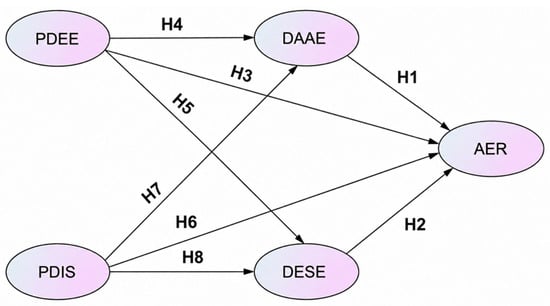
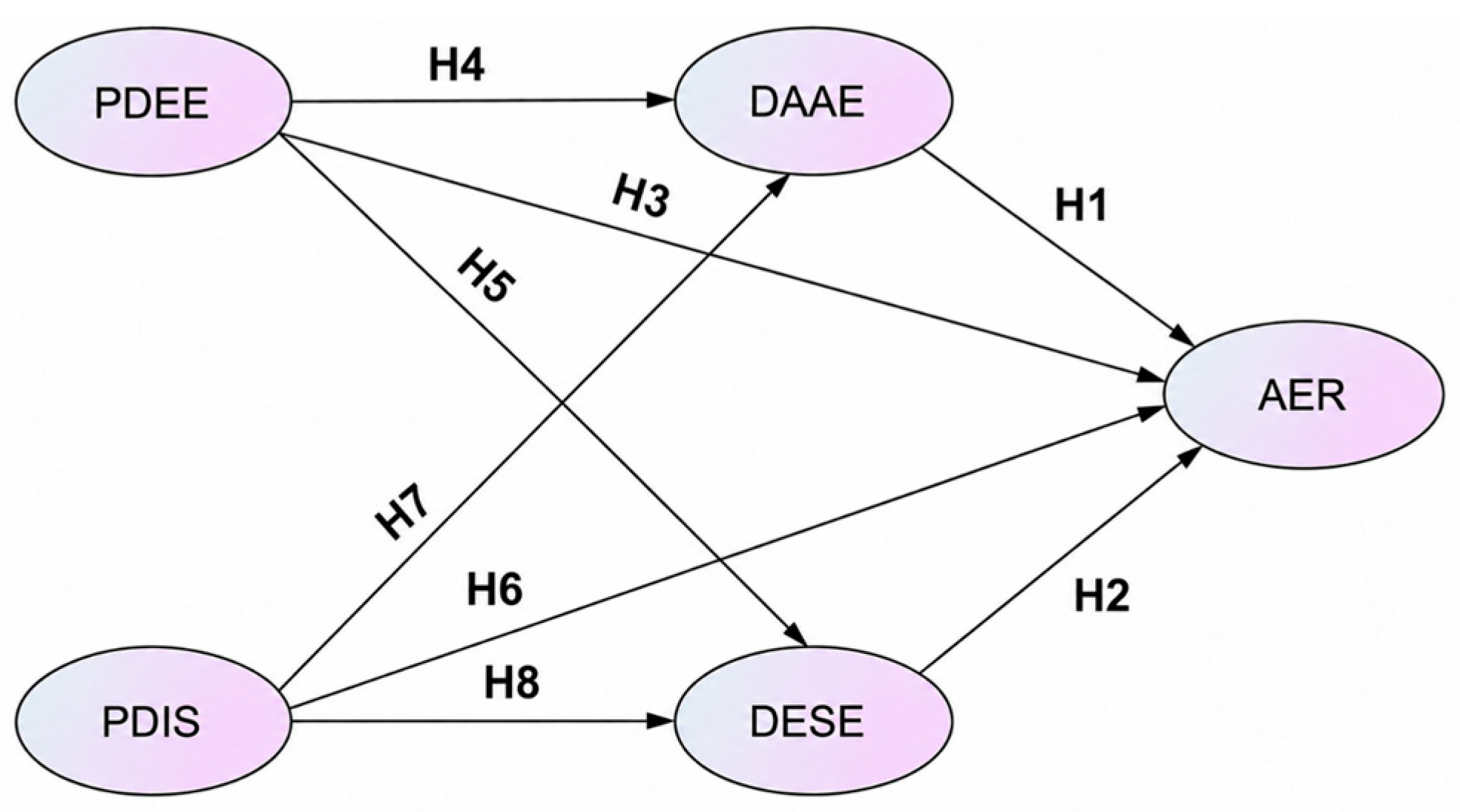
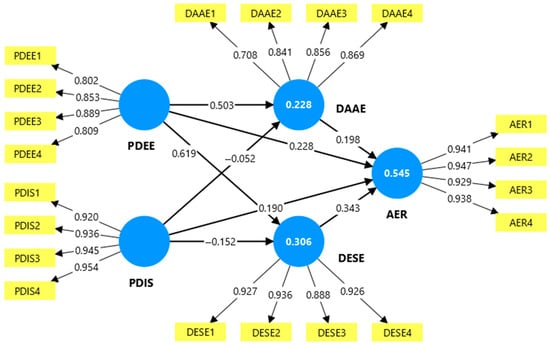
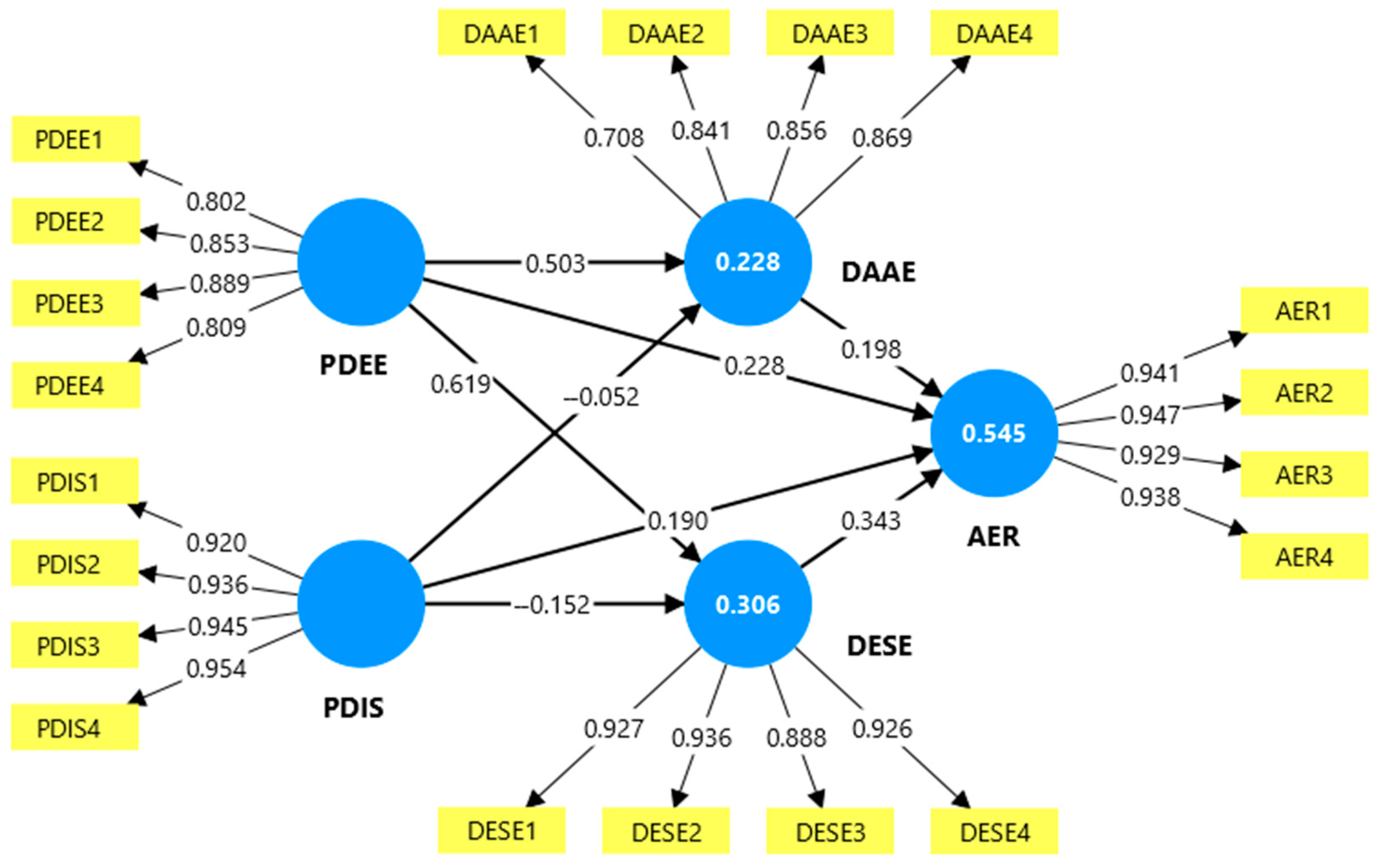

Disclaimer/Publisher’s Note: The statements, opinions and data contained in all publications are solely those of the individual author(s) and contributor(s) and not of MDPI and/or the editor(s). MDPI and/or the editor(s) disclaim responsibility for any injury to people or property resulting from any ideas, methods, instructions or products referred to in the content. |
© 2026 by the authors. Licensee MDPI, Basel, Switzerland. This article is an open access article distributed under the terms and conditions of the Creative Commons Attribution (CC BY) license.