


Abstract
Rapid workforce transformation driven by widespread AI adoption requires online higher education institutions to evolve curriculum design at a greater speed to support diverse learners in acquiring the competencies needed for career transitions in a dynamic job market. This study explores the integration of a flexible online Instructor-Created Content (ICC) tool into course design, using a consistent learning theory framework: Translating Research in Environmental Education (TREE). Using an action research approach, we examined the influence of embedded learning theory constructs on student retention. The pre- and post-test findings show a consistent decline in attrition rates across all courses that were redesigned using applied learning theories. These results suggest that instructional strategy alignment to the TREE framework positively impacts student persistence. The courses with the most dramatic decreases in attrition were Psychology of Learning (PSY/110) (declined from 22.6% to 18.9%) and Mathematics for Early Educators II (MTH/214) (declined from 23.7% to 10.3%). These results underscore the value of maintaining theoretical coherence and consistency in curriculum design by the instructional design teams to support student learning. A human-centered approach, combined with AI-assisted tools, enriches our curriculum development efforts while maintaining efficiency, paving the way for scalable and sustainable learning environments.
1. Introduction
As AI drives rapid workforce changes, online higher education institutions must accelerate updates to curriculum to equip diverse learners with the competencies required for career transitions in a fluid job market [1]. Grounded in established research and theory, curriculum design can help students build meaningful, transferable knowledge that prepares them for success in their academic journeys and careers [2,3,4]. Skills such as content knowledge, analytical thinking, effective problem-solving, emotional intelligence, and teamwork are essential for navigating diverse civic and professional settings [5,6]. Furthermore, when these competencies are guided by a strong theoretical framework in curriculum design, they cultivate critical thinking and facilitate learning experiences that reflect real-world professional environments [7]. Recent college initiatives have prioritized college-to-career readiness to improve student’s social and economic mobility [8,9]. As students transition from higher education into the workforce, they must address the specific competencies that employers have identified as lacking in the current labor market [10,11].
Effective curriculum design in higher education requires more than the aggregation of subject-matter content; it demands a deliberate synthesis of diverse educational theories to construct meaningful learning experiences. These theoretical frameworks provide the underlying assumptions and explanations for how knowledge is acquired, serving as a compass for designers to envision optimal learning environments. By grounding instructional design in seminal educational theory, developers can intentionally cultivate students’ mental models of knowledge, ensuring that learning is both structured and meaningful [3]. However, the mere presence of digital or flexible instructional modalities does not guarantee efficacy. As Greener argues, standardized online spaces often lack the innovation and flexibility required to stimulate imagination and deep engagement [12]. In contrast, when educators strategically apply learning theories to the architecture of instructional materials, they can significantly expand pedagogical potential [13]. High-quality digital learning experiences are characterized by consistency, clear objectives, active engagement, and structured content delivery, all of which are informed by robust pedagogical principles [14]. Conversely, lower-quality digital experiences frequently suffer from philosophical misalignment, resulting in vague objectives and passive, disassociated content exposure that lacks theoretical grounding [15]. Therefore, optimizing digital learning requires that developers explicitly adopt and apply established theories throughout every stage of curriculum development.
This paper seeks to resolve the theory-to-practice implementation gap in consistent course redesign for large, asynchronous online learning environments. To achieve this, we employ an integrated, theory-to-practice-driven architecture comprising three distinct but interconnected components: a robust philosophical framework grounded in established learning theories, a flexible digital web-based and customizable textbook, and an evidence-based design model for continuous course improvement.
This action research was guided by the following questions:
- How does the application of a philosophical design framework, as applied to the ICC web-based textbook and course components in asynchronous online courses, impact student attrition rates in large online classroom settings?
- Can an action research model implement philosophical constructs into course components within large online asynchronous classroom environments?
2. Literature Review
The American Association of Colleges and Universities (AAC&U) surveys employers nationwide to understand employers’ perceptions of how well colleges prepare graduates for careers. Survey results and analyses from 2013 to 2021 found that higher education is under-preparing students to enter the workforce [16]. The gap between employers’ expectations and graduates’ preparedness for entry-level positions necessitates a curriculum that helps students acquire and hone skills and knowledge to increase their success and justify the expense of degrees, as economic conditions are unfavorable for the pursuit thereof [17]. However, current courses only partially reflect the instructional choices necessary to support career preparation upon a student’s exit from higher education. There is a critical need to better prepare undergraduates for the workforce; however, there is insufficient research on effective curriculum strategies to address the curriculum-to-careers skills gap [18].
Online learning can support both student retention and career readiness by addressing the skills gap through engaging instructional design that creates multi-dimensional behavioral, cognitive, and emotional aspects of the student experience [19]. For STEM students, curricula that support identity, a learner’s feeling of competency, and belongingness may impact student persistence in courses and throughout programs [18]. Recent research shows that students’ sense of inclusion and belonging plays an important role in shaping their self-efficacy, and that confidence is a key driver of their persistence and likelihood to stay enrolled: “Perceptions of inclusion and belonging are also strong predictors of self-efficacy, and thus persistence and retention to graduation” [20] (p. 122). The theoretical link between identity, competency, and persistence is associated with institutional systems and culture that drive the perception of belonging and inclusion, which can be integrated into frameworks to support student persistence [21,22,23,24,25]. These frameworks can improve persistence in STEM-oriented, nontraditional adult learners [26].
The pandemic impacted higher education programs, leading to disruptions and closures in K-16 institutions. According to estimates from the United Nations Educational, Scientific and Cultural Organization (UNESCO), nearly 86% of students worldwide participated in online education. In the U.S., 74.7% of students enrolled in post-secondary, degree-granting institutions were taking at least one online course. Online higher education attrition has increased since then, more than traditional, in-person higher education [27]. Dropout from online learning environments has been studied as related to influencing factors on the student [28,29,30,31,32,33], with studies noting that contributors to dropout were complex. Influential contributors to dropout included the following: course quality [34], previous student academic experiences, student satisfaction and motivation [35,36], systemic education characteristics and available support services [37,38,39]. Conversely, students exhibited persistence if basic psychological needs were met [40], and they exhibited higher self-compassion, lower academic stress, and lower negative feelings [41]. At present, most college students represent diverse, non-traditional populations, including first-generation students, individuals working part-time or full-time, and those with caregiving responsibilities [42]. This evolving student profile challenges traditional assumptions about higher education and requires programs to consider curricula and instructional design that incorporate inclusive, flexible, and supportive learning environments [28,42,43]. Flourishing, a state in which a student feels strong both mentally and psychologically—contributes to a sense of purpose and meaning and appears to support student success [42].
Building online asynchronous learning environments that stay true to educational theory is problematic. In fact, many of the tools and products available for online learning often work against the very strategies known to support student learning. These contradictions can create barriers to implementing approaches that are research-informed and aligned with how students actually learn [44]. Addressing the gap between educational theory and practice in online learning remains a significant challenge. This disconnect is especially visible in the frequent misalignment between what employers communicate they need and the outcomes produced by higher education institutions [45]. Many developers of online learning tools emphasize their products’ grounding in research, especially in disciplines where translating content to an online format is complex. This is particularly true in areas where constructivist and positivist paradigms collide, making it harder to design tools that truly support how students learn [46,47]. Some online learning tools do reflect research-based approaches, particularly those grounded in information processing theory. However, this alignment is often more visible in disciplines where translating content to an online format is less complicated [48,49,50]. Information processing frameworks indicate that learning occurs through a series of complex, step-by-step processes. While this algorithmic perspective can be helpful in some contexts, it does not effectively support students in applying or transferring knowledge to new situations, which is an essential skill for real-world readiness [51,52,53]. The divide between employers’ expectations and student preparation makes it clear that instructional frameworks grounded in information processing theory often fall short in developing student transferable skills and applied competencies that satisfy current and fluid workforce demands. This misalignment indicates a necessary shift in how we define and assess student success in higher education [54]. While graduates often show subject-matter expertise, they frequently lack core skills like communication, leadership, and problem-solving—skills employers consistently list in job postings for bachelor’s-level roles [55]. These skills often depend on nuanced human interaction and require learners to integrate and apply knowledge across different situations.
2.1. Theoretical Foundation: The Translating Research in Environmental Education (TREE) Philosophical Framework
The discrete application of learning theories in course design may lead to theoretical incoherence in instruction [56]. Learning theories provide the foundational assumptions and explanations for knowledge and learning, and their use grounds course design in established pedagogy to create intentional environments that develop students’ mental models [3,57]. Fragmentation of learning theories and lack of systematic adaptation to asynchronous course content and technologies (learning management systems, AI and interactive content tools, multimedia learning technologies, virtual reality applications, and simulation platforms) may subvert theoretical coherence [58,59]. This isolation of theories, along with the gaps in systematic application and empirical evidence, limits our understanding of how to translate these theories effectively into large-scale asynchronous learning environments [59].
To move beyond a purely theoretical stance and toward a more iterative, evidence-based approach to instructional improvement, we adopted the EDOCC action research model grounded in the Translating Research in Environmental Education (TREE) philosophical framework. This framework, defined by key constructs found in Kelly et al. (Table 1) [57], provides a shared theoretical anchor for our instructional design. Specifically, the framework integrates six core theoretical constructs: Conceptual Change, which emphasizes how learners reshape and refine their existing knowledge while managing cognitive barriers [60,61,62,63]; Social Constructivism, which posits that student knowledge is co-constructed through dialogue and shared experiences [64]; Metacognition and Affect, which focuses on how learning is influenced by how students monitor their own thinking and manage their emotions during the learning process [65,66,67]; Systemic Functional Linguistics, which focuses on how students use language to navigate various contexts, enabling them to better process and express complex concepts [68,69,70,71]; Academic Self-Concept, where the belief in one’s potential drives persistence [72,73,74]; and Hidden Curriculum, where students pick up cues about learning and knowledge from the way educational spaces are structured and governed [75,76,77].
2.2. Rationale for Research Design: Action Research Within the TREE Framework as a Methodological Approach
Higher education institutions can incorporate action research into curriculum design processes to deepen the understanding of practice and pedagogy while producing knowledge that supports careful consideration of a program’s content [78]. Action research can serve as a collaborative tool for university stakeholders to develop lines of inquiry, better articulate goals, and solve problems that arise in the classroom [79]. The reflective nature of action research enables a thorough examination of complex problems before designing interventions and supports the application of theoretical knowledge to actionable course design strategies [80]. To harness the reflective and collaborative potential of action research within the specific constraints of the online classroom, a structured framework is necessary to bridge the theoretical constructs to course components within the practical constraints and parameters of the asynchronous online classroom [81]. Originally, action research models allowed practitioners to engage in self-inquiry to improve their practices through more critical reflection [82,83]. Course redesign offers opportunities for practitioners to research what works well for the course, and where improvements can be made using integrated action research models and iterative design cycles such as Tomal’s model with six defined stages (defining the problem, collecting data, supporting data analysis and feedback, planning, taking action, and appraisal of the information and follow-up) [84,85].
To translate the reflective and collaborative potential of action research into actionable strategies for the asynchronous online classroom, we designed the EDOCC action research model as our methodological approach because our primary objective was to iteratively improve instructional practice in our online classrooms. We developed the EDOCC to bridge the gap between theoretical ideals and practical constraints, allowing us to align our instructional decisions with the TREE philosophical framework while remaining responsive to empirical classroom data to support immediate student needs [57,86]. This approach supported our research scheme by facilitating a cyclical process of plan, act, observe, and reflect [87], ensuring that the development of the ICC online text was not a static design project but a dynamic, evidence-based refinement process. This iterative design process enables us to reflect on design choices that best serve our students in the online environment, streamline implementation, and continuously refine our instructional strategies to support students’ learning and engagement more effectively.
To ensure the validity and reliability of this study, we employed a strategy of methodological triangulation within the EDOCC action research framework. This involved an implementation fidelity scoring inventory. We acknowledge that there are pragmatic constraints that exist within LMS limitations, fixed scheduling, test timing, and institutional participation policies that prevented full alignment with our theoretical constructs. The importance of these low fidelity scores lies in their ability to contextualize instructional outcomes; a low score indicates deviations from the ideal design and exposes where the design limitations are (intentional or not). The scoring inventory ensured reliability by providing a standardized, systematic method to quantify theoretical alignment and instructional fidelity. This allowed for consistent tracking of design quality across multiple action research cycles. We addressed validity through triangulation and discussion, which led to action research team consensus on changes that supported iterative instructional improvements. We cross-referenced fidelity scores with summative assessment data and course metrics. Using a multi-source approach allowed us to distinguish learning barriers that may have been created by poor design from those caused by external logistical constraints. Our interpretation of these varied data sources is grounded in our theoretical framework; we ensured that our conclusions regarding student success remained valid and contextually appropriate.
The literature exploring the implementation of a practical inventory of an education-research-based “philosophical framework” to guide course development tends to focus on a narrow set of theories that address only one aspect of learning. For example, an “Intrinsic Motivation Inventory” was used to explore post-COVID-19 student sentiment and engagement [88]. Instructors use custom course authoring tools to make intentional curricular choices in course design [88,89]. Meyer & Shanahan [90] developed a discipline-sensitive inventory focused on metacognition to improve course redesign with feedback mechanisms between learners and programs. The importance of incorporating metacognition for effective learning is that students set clear goals, actively check their understanding as they learn, and take time to reflect on their progress to proactively take ownership of their learning [91]. Intentional engagement creates opportunities for independence and strengthens their ability to adapt and grow as learners [91]. When grounded in seminal learning theory, these frameworks can also foster students’ creative thinking and better equip them for the realities of the workplace, where success often depends on their ability to intentionally plan, monitor, and evaluate their own learning processes [92]. By articulating clear learning goals, assessing comprehension in real time, and reflecting on their progress, students cultivate autonomy and strengthen their capacity for adaptive, self-directed learning [91]. Learning theory constructs within such frameworks can enrich student creative development and enhance their employability [92]. Assessing these course improvements with inventories requires a broader set of education theories aligned with both the learning tools and course components to address misalignment that may affect student success.
3. Methods
To bridge the gap between pedagogical theory and practical asynchronous online course design, we integrated three distinct methodological components. The TREE philosophical framework guides how the chosen learning theories are intentionally embedded in course components and content to support novice learners, ensuring instructional choices are logically sound and grounded in seminal learning science. These principles are operationalized through the Instructor-Created Content (ICC) web-based textbook, which provides a multimedia environment that enables curriculum designers to embed theory-aligned components within the course structure. Finally, to verify that the theoretical intent is consistently maintained throughout the design process, we employed the EDOCC model as our overarching research framework. The EDOCC functions as the evaluative mechanism, offering a structured action research model to document the presence, depth, and consistency of theoretical constructs within the redesigned courses. Within this reflective model, we used specific evaluative metrics to systematically assess implementation fidelity. Combined, these three components create a recursive cycle: TREE establishes the learning-theory principles to ensure a philosophical foundation in course design; the ICC web-based textbook operationalizes those principles through scalable, multimedia design that translates abstract concepts through tangible digital resources; and the EDOCC measures implementation fidelity and resulting student outcomes, generating data that informs future refinements to both the philosophical framework application to course components and instructional content. This continuous feedback loop maintains the theoretical intent through improvements based on empirical evidence. By linking learning theories directly to measurable practice in course design, the model establishes a seamless alignment between pedagogical intent and student experience. Together, these three structures ensure that course redesign is philosophically coherent, empirically assessed, and capable of supporting student persistence across diverse asynchronous online learning environments.
We identified seven undergraduate general education courses for revision using the Instructor-Created Content (ICC) tool and action research model: GEN/201 (Foundations for University Success), SCI/163T (Elements of Health and Wellness), SCI/220T (Human Nutrition), ENV/100T (Principles of Environmental Science), PSY/110 (Psychology of Learning), MTH/213 (Mathematics for Elementary Educators I), and MTH/214 (Mathematics for Elementary Educators II). We deliberately designed each course to be unique, tailoring it to the specific needs of enrolled students. The study was conducted with undergraduate students enrolled in revised introductory courses during the 2020–2022 academic years. Participants represented the institution’s typical adult learner profile: a predominantly female (71.1%), racially diverse (60.6% ethnic minorities) group with a mean age of 38. Most participants (78.1%) were employed, and the majority were first-generation students (60.4%) with dependent family members (63.5%), highlighting the non-traditional nature of the student population [93]. The pre-implementation phase included a total sample size of 12,944 students across seven courses. Following curriculum revisions, the post-implementation phase comprised a final sample size of 12,240 students across the same course offerings. Limitations of this quantitative approach include the reliance on aggregated course data, which limits the ability to analyze individual learner trajectories, and potential attrition bias inherent in voluntary post-course survey completion.
Although the content and structure varied, all courses were based on our TREE philosophical framework, using it consistently to guide the instructional design process. Due to the extensive development required to create the ICC and the diverse nature of the courses, the application of the TREE philosophical framework differed in each instance. Table 1 outlines key strategies and design features that demonstrate how the framework was implemented across these various contexts.
Table 1.
Course design processes using the Instructor-Created Content (ICC) feature.
For pragmatic reasons, there was no complete alignment between the course content and the philosophical framework. The limiting factors that impeded the full implementation of our framework include restrictions in the university’s online learning system, class scheduling, test administration timing, and institutional policies about when students and teachers had to be present or participate. To evaluate the degree to which the framework was enacted across courses, we developed a scoring inventory based on action research methodology. This tool measured alignment with our philosophical framework and provided a systematic approach to assess both alignment and implementation fidelity. The Evidence-based Design for Online Custom Content (EDOCC) action research model is our guiding conceptual model. The EDOCC model supports the creation and development of custom-author content within the online platform, leveraging the ICC feature to embed philosophical principles into course design (Figure 1).
Figure 1.
Evidence-based design for custom online content.
3.1. Philosophical Framework Inventory: Levels of TREE Implementation
Once the chosen learning theories derived from the TREE philosophical framework were determined, the next phase in the EDOCC action research model links these learning theories to the specific course components. This connection enables actionable curricular design choices for course construction. The Philosophical Framework Inventory is used to assess the degree to which learning theories are applied to all course components in a particular course. The inventory was designed to pinpoint specific elements within online undergraduate general education courses that could be modified or improved. These identified elements included advisory language, discussion prompts, instructional content, formative learning activities, and summative assessments (refer to Kelly et al. Table 2; Table 3, page 5; Table 4; Table 5, page 6) [4].
Table 2.
Philosophical Framework Inventory applied to the advisory language in MTH/213.
Table 3.
Philosophical Framework Inventory applied to the discussion in MTH/213.
Table 4.
Philosophical Framework Inventory applied to the content resources and formative assessments in MTH/213.
Table 5.
Philosophical Framework Inventory applied to the summative assessments in MTH/213.
We evaluated each course by identifying key features and establishing criteria that reflected the underlying theoretical framework used for assessment. These criteria helped determine how thoroughly the philosophical framework was integrated into the course design. Each feature was scored on a three-point scale: 0 for no alignment with the framework, 1 for partial alignment, and 2 for strong alignment. The total score for a course could range from 0 to 60, where a score of 0 signified no observable integration of the framework, and a score of 60 indicated full and consistent implementation (Figure 1).
The college leadership met with the instructional design team to train them on the guidelines and calibrate their approach to scoring for assessment. Regular meetings allowed calibration sessions until consensus was reached. A rating was applied to each course feature to determine the degree of philosophical framework alignment within each course. We conducted a retrospective analysis of courses offered prior to implementation, using the Philosophical Framework Inventory as the evaluative tool. This information was used to calculate the normalized gains from pre- to post-implementation of the philosophical framework in each course, which showed strong alignment to theoretical constructs for course components [4].
3.2. Sample Course Design in MTH/213
Following the connection of the theoretical construct matrix to the course components, we create the Philosophical Framework Inventory, which is then applied to course development in the next phase of the EDOCC action research model (Figure 1). To highlight this process, MTH/213 is presented as an example. The course MTH/213, Mathematics for Elementary Educators I, is for K-8 preservice teachers and is the first part of a two-part course series that prepares teachers for mathematics instruction. The course guides future educators through algebraic reasoning and problem-solving, and aligns the course learning outcomes (CLOs) with career skills [94]. For the MTH/213 class, a CLO requires students to deconstruct fraction sense, including part-whole relationships and fractional equivalency reasoning around unit rates, proportions, and ratios. This CLO is aligned with the career skill of detail orientation. The CLO that requires students to reflect on and justify their choices is aligned with the decision-making career skill. Finally, the CLO that breaks down fraction understanding, including part-whole relationships and equivalent fractions, is aligned with the career skill of problem-solving.
3.2.1. MTH/213 Advisory Language
The advisory language used in MTH/213 offers instructions, sets expectations and provides context for students regarding the course. This information is incorporated into the course welcome messages, introductory text paragraphs, and assignment directions. Table 2 outlines considerations for designing this advisory language, guided by the Philosophical Framework Inventory.
The advisory language in MTH/213 was systematically aligned with the Philosophical Framework Inventory, as detailed in Table 2. It is important to clarify that this table represents a methodological design audit rather than an analysis of student performance data. The recommendations listed, such as explaining the rationale for interactive simulations under Social Constructivism or using accessible everyday language to support Academic Self-Concept, were not derived from post hoc statistical results. Instead, they were established through a rigorous process of expert scrutiny by an education theorist and course designers. These experts reviewed the course materials to ensure that the advisory text explicitly operationalized each theoretical construct. For instance, the decision to discuss potential cognitive dissonance in the introductory text was validated as a necessary step for Conceptual Change, while the explicit validation of differentiated learning paths in assessment directions was confirmed as a key strategy for addressing the Hidden Curriculum. Thus, Table 2 serves as evidence of theoretical fidelity, and it demonstrates that the instructional language was intentionally crafted, through expert validation, to activate specific philosophical constructs and support a pedagogically sound learning environment.
In the advisory language, multiple components of the Philosophical Framework Inventory are accounted for to enhance student experience and guide the education researcher and college leadership collaboration to ensure higher levels to which the philosophical framework was applied. This example underscores the importance of preparing students for employment within the education sector, with a focus on their readiness to enter and succeed in the broader labor market, drawing attention to the career connection for the preservice teacher (Figure 2).
Figure 2.
An example of advisory language in the MTH/213 course.
3.2.2. MTH/213 Discussion Questions
Discussion questions in MTH/213 facilitated student engagement via social discourse with each other. The discussion questions are used to elicit prior knowledge and prime future learning based on the course learning objectives and skills, bridging connections to the upcoming content for the week. We developed recommendations for designing discussion questions in the course with the Philosophical Framework Inventory; these recommendations are shown in Table 3.
The recommendations in Table 3 were established through prospective theoretical alignment with validation by the education theorist and course designers. For instance, eliciting previous experience under Conceptual Change was confirmed as essential for cognitive restructuring. The facilitation of peer discourse under Social Constructivism was affirmed as critical for knowledge co-construction. The design also explicitly integrated Systemic Functional Linguistics by requiring students to use regular language to describe prior experiences, thereby bridging disciplinary gaps. Furthermore, Academic Self-Concept was supported by encouraging students to share their own experiences, while the Hidden Curriculum was addressed by centering student perception to activate prior knowledge for upcoming learning. Finally, Metacognition and Affect were elicited through structured reflective thinking and open discussion of student affect. The learning environment was intentionally designed to support holistic conceptual change and metacognitive development. In the discussion questions, multiple components of the Philosophical Framework Inventory are accounted for to enhance student experience and guide the education researcher and college leadership collaboration to ensure higher levels of implementation of our philosophical framework (Figure 3).
Figure 3.
An example discussion question in the MTH/213 course.
3.2.3. MTH/213 Content Resources and Formative Assessments
Content resources in MTH/213 were intertwined with formative assessments as the custom authoring tool allowed students to engage with resources and practice in an integrated environment. We developed considerations for designing course content and formative assessments using the Philosophical Framework Inventory (Table 4).
The pedagogical strategies outlined in Table 4 ensured that each instructional feature was designed to support its corresponding philosophical construct. For Conceptual Change, the design incorporated unlimited attempts and scaffolded content to support iterative practice, a strategy validated by experts as essential for resolving misconceptions and facilitating cognitive restructuring. In alignment with Social Constructivism, the course structure mandated microlabs and discussion-based activities to facilitate social discourse, which experts confirmed as critical for the co-construction of knowledge. To address Metacognition and Affect, reflective prompts were integrated into the workflow to elicit both thinking processes and emotional engagement, a structure deemed necessary by theorists to foster self-regulated learning. The Academic Self-Concept strategy of using an uplifting, colloquial tone was intentionally embedded in all instructional materials, with expert validation confirming that accessible language reduces affective barriers for learners. Finally, the Hidden Curriculum approach of removing late penalties for formative work was designed to shift student focus from performance anxiety to mastery, a policy choice supported by educational theory as a means to promote steady engagement and equitable access to learning resources.
The authored content includes multiple simulations and microlabs structured to provide step-by-step conceptual support for learners, and the activity guides readers through using the Equality Explorer tool to perform algebraic operations on an equation (Figure 4 and Figure 5). Microlabs included embedded versions of PhET simulations developed by the University of Colorado Boulder [95]. Specifically, it instructs the preservice teachers to apply the multiplicative identity of 2 (1/2) to both sides of the equation using the division operation. The goal is to divide both sides by 2 and then determine the value of x. The reader is then asked to take a snapshot of the result and report the value of x.
Figure 4.
Early education students apply the multiplicative identity of 2 (1/2) to both sides of the equation using the division operation. This simulation was created by PhET Interactive Simulations at the University of Colorado Boulder and is shared under the Creative Commons Attribution 4.0 International License3.
Figure 5.
Early education students divide both sides by 2 and then determine the value of x. This simulation was created by PhET Interactive Simulations at the University of Colorado Boulder and is shared under the Creative Commons Attribution 4.0 International License3.
Participants in the class apply equation-solving methodologies using various mathematical properties for additive and multiplicative inverses and identities. Participants isolate variables and determine their respective values. Through observation, the commutative properties of addition and multiplication were discerned, illustrating the independence of outcome from the order of operations.
Additionally, the concept of closure within the realm of real numbers was highlighted. While the associative and distributive properties remained unexplored in this iteration, their potential utility in equation-solving endeavors was acknowledged, signaling avenues for future investigation and application. At the end of the readings and immediately following the activity, a metacognitive reflection is incorporated where participants are asked the following questions:
- What patterns are noticeable in the simulation?
- How did the representations change as the information was manipulated?
- What “rules” helped enhance comprehension of applying the properties of real numbers?
3.2.4. MTH/213 Summative Assessment
Summative Assessments in MTH/213 provided opportunities for students to demonstrate their understanding of the CLO. We developed recommendations for designing summative assessments in the course with the Philosophical Framework Inventory; these recommendations are shown in Table 5.
The summative assessment framework detailed in Table 5 was constructed based on prospective theoretical alignment and subjected to rigorous review by education theorists and senior course designers. This expert validation ensured that the evaluation metrics directly reflected the targeted philosophical constructs. For Conceptual Change, the assessment was structured to require the synthesis of diverse formative inputs into a unified final product; experts identified this synthesis requirement as the primary mechanism for verifying deep conceptual integration. In line with Social Constructivism, the use of narrated video presentations was mandated to leverage the ‘audience effect,’ a strategy theorists confirmed as effective for encouraging learners to externalize and refine their internal knowledge structures for social verification. To address Metacognition and Affect, the assessment was redefined as a practical ‘job aid’ devoid of traditional time pressure, a design intervention validated by experts as a means to decouple competence from test anxiety. The Academic Self-Concept component was operationalized by assigning students to ‘authority roles’ within their presentations, a structural choice supported by theory as a critical step in transitioning learners from passive recipients to active knowledge holders. Finally, the Hidden Curriculum principle of transparency was embedded through explicit alignment between assessment criteria and course goals, a methodological decision deemed essential by experts to establish institutional legitimacy and reduce student uncertainty regarding grading expectations.
An example summative assessment that we designed for MTH/213 is shown below.
“As an aspiring educator, you might be teaching the concepts from Weeks 2 and 3 to students. This assignment will give you an opportunity to think about what that situation might look like as you create a resource for a future teacher. The future teacher might be you or someone else.
Review the content, your notes, and your Journal Reflection Questions from Weeks 2 and 3. Your reflection answers will help you complete this assignment.
Identify the ideas that would be important for your future self or another future teacher to remember.
Choose 1 of the following formats to use for the resource you’re creating:
A 10- to 12-slide Microsoft PowerPoint presentation with speaker notes。
A 3-to 4-min video diary。
Create your resource. In your resource:
Identify the topic(s).
- From your perspective, develop the important student learning outcomes for the mathematical concepts from Weeks 2 and 3.
- Include any rules and definitions that are important for students to learn.
- Discuss strategies your future self or another future teacher could consider when developing ideas for teaching the concepts.
- Share parts of your reflections that were meaningful to you and discuss why. For example, you might include observations of your own learning, the use of the learning tools, things that were surprising to you, connections you made, or any other topics that you want your future self or another future teacher to remember.
Submit your assignment” [96].
The course focuses on teaching practical skills with the custom authoring format and the corresponding assessments. The format for introducing math delivers the problems specifically related to practical applications. As the assessments mirror the problems in the quizzes, the thoughtful approach to math-resource design assists the learner in developing the scaffolded knowledge and skills to support problem-solving within the learning environment. This scaffolding thus supports learner acquisition of the knowledge and skills that are foundational to solution generation and reinforces their previous learning [97]. Emphasis on practical application better prepares educators for entering the classroom [24].
3.3. Quantitative Methods
This study used an Institutional Review Board (IRB)-exempt action research design focused on continuous course improvement within the existing instructional environment. This study used anonymized course survey data, with no identifiable student information, to minimize risk to students. We employed the Philosophical Framework Inventory (PFI), which is derived from and aligned with the TREE framework, into measurable indicators of instructional fidelity [4,57]. Quantitative data sources include PFI scores indicating theoretical alignment, the pre-implementation and post-implementation course attrition rates, and results from a student end-of-course survey administered after implementation that measured students’ likelihood of recommending the vendor-supported learning tool based on their learning experience. The Likert scale ranged from 1 (strongly disagree) to 10 (strongly agree). We analyzed anonymized, course-level attrition data to identify patterns in student withdrawal rates. Analysis of PFI and survey results yielded descriptive statistics that were compared across implementation periods to evaluate trends in theoretical implementation quality, student perception, and course persistence.
To ensure the rigor of our quantitative analysis, we relied on three primary data sources: the PFI scores, Learning Management System (LMS) analytics, and summative assessment results. We selected the PFI as our primary validity metric because of the structured, theory-based rubric for measuring design fidelity, which is a dimension that traditional student satisfaction surveys typically overlook. To establish reliability, one education theorist and two members of the instructional design team independently scored a random sample of course materials, achieving high inter-rater agreement. LMS analytics, including submission rates and interaction logs, served as behavioral evidence to triangulate these design scores. The summative assessment scores provided the measure of student learning outcomes. By integrating all of these sources, we ensured that our conclusions regarding the ICC tool’s effectiveness were grounded in consistent, multi-source data aligned with our theoretical framework.
4. Results and Discussion
Pre-implementation and post-implementation attrition data were collected for each of the courses. These results were used to compute adjusted attrition metrics, providing insight into how the redesigned courses influenced student retention and persistence at the individual course level.
4.1. Implementation Fidelity of the Philosophical Framework
This manuscript focuses specifically on the quantitative analysis of implementation fidelity and the validity of the inventory as a measurement tool, presenting data from seven revised courses [4]. Key findings from the Philosophical Framework Inventory show the degree of fidelity for each theoretical construct (Table 6). Table 6 presents the Philosophical Framework Inventory Scores (post-implementation), which measure implementation fidelity for each theoretical construct across the seven revised courses for assessment. These scores quantify the extent to which the specific pedagogical theories were integrated into the course design, ranging from 0 (no evidence of integration into course components) to 10 (strong evidence of integration into course components). The total score (0–60) reflects the overall degree of theoretical alignment in the curriculum structure; to be clear, it is not associated with student performance or enrollment numbers. These scores reveal that implementation fidelity varied by construct (Table 6). Constructs related to learner psychology and self-efficacy, specifically Academic Self-Concept and Metacognition and Affect, were consistently implemented with high fidelity and received higher scores (e.g., MTH/213 scored 10/10 in both), indicating a comprehensive integration of self-regulatory and affective learning strategies. In contrast, the construct of Systemic Functional Linguistics received lower fidelity scores across all seven courses, with a range of 3–6 out of 10 [4]. These data suggest that while course design successfully addressed the affective and cognitive aspects of learning, integrating complex linguistic frameworks required more substantial structural changes that were not fully realized in every course.
Table 6.
Philosophical Framework Inventory scores by theoretical construct (post-implementation) (adapted from Kelly et al. [4], reprinted with permission from Phoenix Scholar. 2023. Jacquelyn Kelly, Jim Bruno, and Susan Hadley).
Furthermore, the ICC web-based textbook had a measurable positive impact on overall alignment of the philosophical framework in all seven courses. The ICC textbook facilitated increased implementation of the philosophical framework in all seven courses as compared to the legacy products. Normalized gains, the percentage of improvement achieved by the new curriculum design relative to the baseline legacy version, ranged from a modest 14.8% (SCI/220T) to a more substantial 42.4% in MTH/213 and MTH/214 (Table 7) [4]. These gains indicate that the customizable, theory-aligned structure of the ICC web-based textbook provided a more effective scaffold for students as compared to the previous static materials. Specifically, the higher gains in the mathematics courses suggest that the ICC web-based textbook design was particularly effective in supporting the integration of Metacognition and Academic Self-Concept, whereas the lower gain in SCI/220T may reflect inherent challenges in adapting Systemic Functional Linguistics alignment to course components in that specific discipline’s content. This quantitative evidence supports the conclusion that the ICC web-based text provides opportunity for a higher degree of alignment with theoretical constructs than previous legacy products (Table 7).
Table 7.
Pre- and post-implementation scores and normalized gains (adapted from Kelly et al. [4], reprinted with permission from Phoenix Scholar. 2023. Jacquelyn Kelly, Jim Bruno, and Susan Hadley).
The variation in scores is not necessarily indicative of ICC failure, but rather reflects intentional pedagogical alignment. For instance, entry-level courses (GEN/201, PSY/110) prioritized Academic Self-Concept (scores of 10) to support student belonging, while mathematics courses (MTH/213, MTH/214) prioritized Conceptual Change and Metacognition to reduce subject-specific anxiety. The lower scores in Systemic Functional Linguistics in entry-level courses reflect a deliberate simplification of technical jargon to improve accessibility, rather than an absence of language-focused design.
4.2. Student Attrition Rates Before and After Philosophical Framework Inventory Application
For the first research question—How does the application of a philosophical design framework, as applied to the ICC web-based textbook and course components in asynchronous online courses, impact student attrition rates in large online classroom settings?—the descriptive data support a positive response to the first research question, indicating that the approach was effective within the scope of our analysis (Table 8). The assessment of the ICC web-based textbook used in online learning, conducted through the Philosophical Framework Inventory, revealed normalized gains in the application of theoretical constructs within the ICC, demonstrating a measurable reduction in student attrition rates as a result of the course redesign. To answer the second research question—Can an action research model implement philosophical constructs into course components within large online asynchronous classroom environments?—we used two months of attrition data (January start date through the end of February) and a pre- and post-implementation of the Philosophical Framework Inventory with the ICC tool to examine student attrition as a key indicator of implementation success. For this study, attrition was measured as the proportion of students who either failed the course or chose to withdraw. Two months of attrition rates were collected for the same time periods across seven asynchronous undergraduate general education courses with the embedded ICC web-based textbook [50,52]. After the ICC web-based textbook deployment, attrition rates decreased across all courses where it was applied (Table 8). The reduced rate for each course is shown in Figure 6. The scoring inventory alignment allows our program to measure differences in student attrition with the adjustment to the online asynchronous classroom environment and philosophical framework. This exploratory design did not allow for testing causality. However, as implementation increased, attrition decreased.
Table 8.
Student attrition rates pre- and post-implementation (adapted from Kelly et al. [4], reprinted with permission from Phoenix Scholar. 2023. Jacquelyn Kelly, Jim Bruno, and Susan Hadley).
Figure 6.
Pre- and post-implementation student attrition rates.
In addition to attrition data, we examined students’ reported likelihood of recommending the online vendor tool (LTR) to others on a 1–10 Likert scale to learn whether the students’ experience was improved. As this question appeared in an optional final course survey, the number of respondents was lower than the total enrollment. In every course except for one, the likelihood of recommendation increased post-implementation (Table 9).
Table 9.
Pre- and post-implementation scores for Philosophical Framework Inventory (adapted from Kelly et al. [4], reprinted with permission from Phoenix Scholar. 2023. Jacquelyn Kelly, Jim Bruno, and Susan Hadley).
The data-driven insights from the scoring allow college leadership to take empirical evidence from the student experience for curricular quality improvement and make the continuous adjustments needed in design through an evaluation model [98]. Such models are used in education programs that require consistent maintenance for current professional alignment to careers [99]. Moreover, consistent and complete theory-informed implementation of course redesign can transform programs to improve student academic performance [100]. Implementing theoretical learning constructs is key for redesigning courses, as it enhances the student experience and teaching practices, both of which better prepare students [100]. Instruction becomes more efficient and targeted as a course evolves with high-quality content aligned to theory and learning objectives. Curricula governance through leadership and researcher review of evidence is the first step of the workflow in the iterative cycle, and guides inquiry to offer valuable insights into student learning preferences and needs supported by education theory (Figure 1). Implementing the philosophical framework enables college leadership to identify learning challenges in the asynchronous online classroom and apply solutions that are grounded in sound educational theory [18,23]. This pedagogical approach renders more effective ways of incorporating and delivering educational content that makes a difference in student experience.
There are limitations to the EDOCC action research model and the use of the TREE philosophical framework applied to the course features. Theoretical frameworks must be applied to whole programs to maintain consistency for maximizing learning outcomes [101]. If each construct related to the course feature is not informed by the TREE philosophical framework, then the resulting course changes may inadequately scaffold knowledge and skills for the learner. This paper does not attempt to explore every dimension of these constructs, and the potential conflict created in the learner when theory is inappropriately related to the course feature [102,103]. The authors strongly recommend that readers carefully choose theories used in the framework that are supportive of their specific learning community’s goals. For example, if the learning community’s goal is to make science more approachable to preservice teachers in the College of General Studies Education programs, the TREE philosophical framework theories would need to be aligned to these specific course components within the design. Adopters would need to consider what outcome measures they have access to for data analysis. Finally, TREE learning theories mapped to the specific course components are aligned to our specific Learning Management System (LMS). Each institute of higher education may have different course components they can change within their LMS.
Student engagement with course curricula designed with these learning theory constructs may vary widely based on individual backgrounds, identities, and personal circumstances [42]. Higher education programs that aim to instill that sense of belonging or emotional well-being in learning communities should seek multiple strategies, as presented in the TREE philosophical framework, to support this differentiation in student populations [42]. Though intentionally and thoughtfully designed course curricula may not be universally effective in reaching every student in the same way, progress in supporting students may be made. Our findings should be interpreted with an understanding of these individual differences and the complex, multifaceted nature of student experiences.
4.3. Limitations
We acknowledge that our study has limitations, as the statistics are more descriptive rather than inferential. We interpret these effects as practice-based signals from an action research cycle rather than as treatment effects. We assume that when more of the TREE philosophical framework is used in the courses, fewer students drop out or fail. However, we have not tested whether the framework caused those improvements. Therefore, these results show a pattern we consider a helpful signal that the changes we have made to the course redesign may be effective in supporting student persistence. Still, these results should not be treated as hard evidence that the redesign directly reduced attrition. Beyond our design constraints, the implementation adherence was heterogeneous across courses (given learning management system limitations, development timeline variability, and course-specific design choices). In terms of our EDOCC action research model and the Philosophical Framework Inventory, we quantify the presence and strength of the TREE philosophical framework constructs aligned to course components. The process and tool do not ensure uniform application of the constructs to course components or their sequencing. Thus, observed effects may reflect course idiosyncrasies rather than the framework itself. Additionally, our measure of student persistence is limited to fail/withdraw data aggregated at the course level. We do not include incompletes, reenrollment, or seasonal trends in attrition dynamics.
Regarding the scoring method and statistics, we have several considerations. Regarding the validity of the scoring process for the philosophical framework inventory, calibration between stakeholders and consensus discussions for inter-rater reliability may introduce bias into the study. When the research team interpreted normalized gain and attrition results, these measures were less precise than absolute or standard metrics. Across courses, sample sizes differ because course enrollment varies. Finally, differences in instructors’ course facilitation practices might influence attrition patterns, which we do not account for in our analysis.
Historically, our data reflected the traditional EDOCC action research model, a design process we found tedious and time-consuming because it required significant effort to infuse learning theoretical constructs into course components. To address these bottlenecks in course development and maximize efficiency in course redesigns, the instructional design team recommends integrating experiential Artificial Intelligence (AI), a human-in-the-loop process, into the workflow. By adopting a human-in-the-loop approach, specifically using ChatGPT-4 Enterprise (https://chatgpt.com/business/) (accessed on 2 March 2026), the instructional design team began directly collaborating with AI tools to streamline curriculum development. This shift allowed us to accelerate the design timeline while rigorously preserving the theoretical integrity of our instructional practices [102]. We established theoretical integrity by creating operational boundaries for the AI through strategic curation of input data. To structure the information environment, we input the TREE philosophical framework, pre-approved course redesign materials that meet ethical compliance, and design instructions into a course-specific AI project. The instructional design team (an education theorist, college leadership, an instructional designer, and two subject matter experts) implemented the human-centered design and checked and validated all output. This change to the EDOCC model process allowed our education team to train AI systems with thoughtful application of context engineering, which is the intentional structuring of the informational environment for the online class to align with educational goals, and ensure curriculum design is appropriate, rigorous, and accurate [104]. Effectively using AI tools in education remains an evolving area of study [105]. Instructional designers, in this case, help AI tools develop content for learning environments by guiding the information they receive and managing inputs to produce targeted deliverables in course design. This precise use of the tool accelerates the course redesign timeline, reduces the likelihood of error-laden content, and enables a more agile and efficient development cycle.
5. Conclusions
To help students thrive in a constantly evolving labor market, educators need to use a research-based approach that combines philosophy and instructional strategy, leveraging emergent technologies effectively for rapid redesign. This framework supports student development of deep conceptual understanding and provides better scaffolding to transfer complex knowledge to career-relevant settings [106,107]. In this study, course revisions that integrated these theory-based approaches saw attrition rates decline across all courses, demonstrating the efficacy of this alignment.
The EDOCC action research conceptual model systematizes this inquiry by measuring aligned theoretical constructs to specific course components, improving outcomes through clear instructional articulation of education frameworks. This shared foundation allows teams to draw on research to meet diverse learner needs, while leadership uses attrition data to evaluate implementation and drive continuous improvement. Furthermore, embedding the TREE philosophical framework’s learning theories into an experiential AI tool serves as a human-centered thought partner in curriculum design. This approach enhances semantic synthesis and speeds up iterative design cycles, ensuring philosophical coherence and flexibility for scalable, sustainable learning environments.
Author Contributions
Conceptualization, J.B., D.G., S.H., J.K., and T.J.O.; methodology, D.G., J.K., and T.J.O.; software, J.B.; validation, D.G. and J.K.; formal analysis, D.G. and J.K.; investigation, D.G. and J.K.; resources, J.B., D.G., S.H., J.K., and T.J.O.; data curation, D.G. and J.K.; writing—review and editing, D.G., J.K., and T.J.O.; visualization, D.G. and J.K.; supervision, J.B., S.H., and J.K.; project administration, J.B., S.H., and J.K.; funding acquisition, none. All authors have read and agreed to the published version of the manuscript.
Funding
This research received no external funding.
Institutional Review Board Statement
This study did not require full IRB approval because it qualifies for exemption under Category 4 (Secondary Research Using Existing Data) as defined by federal regulations. The research involved analysis of existing, de-identified data and posed no risk to participants.
Informed Consent Statement
Not applicable.
Data Availability Statement
The data presented in this study are available on request from the corresponding author due to institutional restrictions on public release of internal analytics.
Acknowledgments
The authors acknowledge the leadership and faculty within the University of Phoenix College of General Studies for their commitment to scalable, evidence based course redesign. Their guidance and support in advancing philosophically and coherent course design better supports learners navigating academic and career transitions. The authors acknowledge using the Grammarly AI tool to identify passive-voice sentences and suggest active-voice alternatives. The authors evaluated the suggestions, and the output was rewritten to maintain scholarly rigor and an original, authentic voice for the final manuscript.
Conflicts of Interest
The authors declare no conflicts of interest.
Abbreviations
The following abbreviations are used in this manuscript:
| AI | Artificial Intelligence |
| AAC&U | American Association of Colleges and Universities |
| CLO | Course Learning Outcome |
| EDOCC | Evidence-based Design for Online Custom Content |
| ICC | Instructor-Created Content |
| LMS | Learning Management System |
| LLMs | Large Language Models |
| STEM | Science, Technology, Engineering and Mathematics |
| TREE | Translating Research in Environmental Education |
| UNESCO | United Nations Educational, Scientific, and Cultural Organization |
References
- World Economic Forum. The Future of Jobs Report 2023; World Economic Forum: Geneva, Switzerland, 2023; Available online: https://www.weforum.org/publications/the-future-of-jobs-report-2023/ (accessed on 6 January 2026).
- Gamby, S.; Bauer, C.F. Beyond “Study Skills”: A Curriculum-Embedded Framework for Metacognitive Development in a College Chemistry Course. Int. J. STEM Educ. 2022, 9, 61. [Google Scholar] [CrossRef] [Scilit] [PubMed]
- Kelly, J.; Edgcomb, A.; Bruno, J.; Gordon, C.; Vahid, F. Theory to practice: Reducing student attrition in online undergraduate math. Int. J. Res. Educ. Sci. 2022, 8, 187–206. [Google Scholar] [CrossRef] [Scilit]
- Kelly, J.; Bruno, J.; Hadley, S. Using a Custom Authoring Online Product to Create (Education) Theory-Informed Online Asynchronous Learning Environments. Phoenix Sch. 2023, 6, 2–10. [Google Scholar]
- Atwell, M.N.; Tucker, A. Portraits of a Graduate: Strengthening Career and College Readiness Through Social and Emotional Skill Development; Collaborative for Academic, Social, Emotional Learning (CASEL): Chicago, IL, USA, 2024; p. 19. Available online: https://casel.org/portraits-of-a-graduate-2024/ (accessed on 23 May 2025).
- Hsu, A.; Malkin, F. Shifting the focus from teaching to learning: Rethinking the role of the teacher educator. Contemp. Issues Educ. Res. 2011, 4, 43–50. [Google Scholar] [CrossRef] [Scilit]
- Savery, J.R.; Duffy, T.M. Problem based learning: An instructional model and its constructivist framework. Educ. Technol. 1995, 35, 31–38. [Google Scholar]
- Vo, D.; Rios-Aguilar, C. Exploring economic and workforce development alignment: A content analysis of California’s community college baccalaureate program applications. Community Coll. Rev. 2025, 53, 61–84. [Google Scholar] [CrossRef] [Scilit]
- D’Amico, M.M.; Turk, J.M.; Hancock, A.; Miller, M.T. Addressing workforce needs and educational opportunity through board action. New Dir. Community Coll. 2022, 2022, 77–90. [Google Scholar] [CrossRef] [Scilit]
- Souppez, J.-B.R. Engineering employability skills: Students, academics, and industry professionals perception. Int. J. Mech. Eng. Educ. 2023, 53, 125–142. [Google Scholar] [CrossRef] [Scilit]
- Torres, W.C.; Leach, L.F.; Glaman, R.; Higham, J.R. Learning beyond the content: A dissertation in practice on workforce skills development at community colleges. Impacting Educ. 2023, 8, 32–43. [Google Scholar]
- Greener, S.L. Plasticity: The online learning environment’s potential to support varied learning styles and approaches. Campus-Wide Inf. Syst. 2010, 27, 254–262. [Google Scholar] [CrossRef] [Scilit]
- Young, F.; Cleveland, B. Affordances, architecture and the action possibilities of learning environments: A critical review of the literature and future directions. Buildings 2022, 12, 76. [Google Scholar] [CrossRef] [Scilit]
- Lewis, E. Best practices for improving the quality of the online course design and learners experience. J. Contin. High. Educ. 2021, 69, 61–70. [Google Scholar] [CrossRef] [Scilit]
- Konstantinidou, A.; Nisiforou, E. Assuring the quality of online learning in higher education: Adaptations in design and implementation. Australas. J. Educ. Technol. 2022, 38, 127–142. [Google Scholar] [CrossRef] [Scilit]
- Hart Research Associates. Fulfilling the American Dream: Liberal Education and the Future of Work; AAC and U: Washington, DC, USA, 2018; pp. 1–21. Available online: https://www.aacu.org/research/fulfilling-the-american-dream-liberal-education-and-the-future-of-work (accessed on 6 April 2026).
- Peersia, K.; Rappa, N.A.; Perry, L.B. Work readiness: Definitions and conceptualisations. High. Educ. Res. Dev. 2024, 43, 1830–1845. [Google Scholar] [CrossRef] [Scilit]
- McCartney, M.; Colon, J. Cornerstone over capstone: The case for structured career development opportunities early in the unmdergraduate biology curriculum as a way to influence science and biology identities. PLoS ONE 2023, 18, e0285176. [Google Scholar] [CrossRef] [Scilit] [PubMed]
- Limbu, Y. Factors associated with student engagement in online learning during COVID-19 pandemic: A systematic review. Online Learn. J. 2025, 29, 293–325. [Google Scholar] [CrossRef] [Scilit]
- Taff, S.D.; Clifton, M. Inclusion and belonging in higher education: A scoping study of contexts, barriers, and facilitators. High. Educ. Stud. 2022, 12, 122. [Google Scholar] [CrossRef] [Scilit]
- Collins, J. Validation in doctoral education: Exploring PhD students’ perceptions of belonging to scaffold doctoral identity work. Int. J. Dr. Stud. 2021, 16, 715–735. [Google Scholar] [CrossRef] [Scilit] [PubMed]
- Viola, J.K. Belonging and global citizenship in a STEM university. Educ. Sci. 2021, 11, 803. [Google Scholar] [CrossRef] [Scilit]
- Dost, G.; Mazzoli Smith, L. Understanding higher education students’ sense of belonging: A qualitative meta-ethnographic analysis. J. Furth. High. Educ. 2023, 47, 822–849. [Google Scholar] [CrossRef] [Scilit]
- Gao, F.; Liu, H.C.Y. Guests in someone else’s house? Sense of belonging among ethnic minority students in a Hong Kong university. Br. Educ. Res. J. 2021, 47, 1004–1020. [Google Scholar] [CrossRef] [Scilit]
- Allen, K.-A.; Kern, M.L.; Rozek, C.S.; McInerney, D.M.; Slavich, G.M. Belonging: A review of conceptual issues, an intgrative framework, and directions for future research. Aust. J. Psychol. 2021, 73, 87–102. [Google Scholar] [CrossRef] [Scilit] [PubMed]
- Verdín, D. The power of interest: Minoritized women’s interest in engineering fosters persistence beliefs beyond belongingness and engineering identity. Int. J. STEM Educ. 2021, 8, 33. [Google Scholar] [CrossRef] [Scilit]
- Grau-Valldosera, J.; Minguillón, J.; Blasco-Moreno, A. Returning after taking a break in online distance higher education: From intention to effective re-enrollment. Interact. Learn. Environ. 2019, 27, 307–323. [Google Scholar] [CrossRef] [Scilit]
- Rahmani, A.M.; Groot, W.; Rahmani, H. Dropout in online higher education: A systematic literature review. Int. J. Educ. Technol. High. Educ. 2024, 21, 19. [Google Scholar] [CrossRef] [Scilit]
- Akpen, C.N.; Asaolu, S.; Atobatele, S.; Okagbue, H.; Sampson, S. Impact of online learning on student’s performance and engagement: A systematic review. Discov. Educ. 2024, 3, 205. [Google Scholar] [CrossRef] [Scilit]
- Kocsis, Á.; Molnár, G. Factors influencing academic performance and dropout rates in higher education. Oxford Rev. Educ. 2025, 51, 414–432. [Google Scholar] [CrossRef] [Scilit]
- Sihare, S.R. Student dropout analysis in higher education and retention by artificial intelligence and machine learning. SN Comput. Sci. 2024, 5, 202. [Google Scholar] [CrossRef] [Scilit]
- Zhang, H.; Dong, J.; Lv, C.; Lin, Y.; Bai, J. Visual analytics of potential dropout behavior patterns in online learning based on counterfactual explanation. J. Vis. 2023, 26, 723–741. [Google Scholar] [CrossRef] [Scilit]
- Zerkouk, M.; Mihoubi, M.; Chikhaoui, B.; Wang, S. Predicting online education dropout: A new machine learning model based on sentiment analysis, socio-demographic, and behavioral data. Int. J. Artif. Intell. Educ. 2025, 35, 2345–2371. [Google Scholar] [CrossRef] [Scilit]
- Perchinunno, P.; Bilancia, M.; Vitale, D. A statistical analysis of factors affecting higher education dropouts. Soc. Indic. Res. 2021, 156, 341–362. [Google Scholar] [CrossRef] [Scilit]
- Nurmalitasari; Awang Long, Z.; Mohd Noor, M.F. The predictive learning analytics for student dropout using data mining technique: A systematic literature review. In Advances in Technology Transfer Through IoT and IT Solutions; Ismail, A., Zulkipli, F.N., Awang Long, Z., Öchsner, A., Eds.; SpringerBriefs in Applied Sciences and Technology; Springer Nature: Cham, Switzerland, 2023; pp. 9–17. [Google Scholar]
- Vo, H.; Ho, H.H. Online learning environment and student engagement: The mediating role of expectancy and task value beliefs. Aust. Educ. Res. 2024, 51, 2183–2207. [Google Scholar] [CrossRef] [Scilit]
- Hart, P.F.; Rodgers, W. Competition, competitiveness, and competitive advantage in higher education institutions: A systematic literature review. Stud. High. Educ. 2024, 49, 2153–2177. [Google Scholar] [CrossRef] [Scilit]
- Ebzeeva, Y.; Dubinina, N.; Dugalich, N.; Levshits, A.; Nakisbaev, D. International rankings on the competitiveness of universities in global educational space. Rev. Online Polít. Gest. Educ. 2022, 26, e022066. [Google Scholar] [CrossRef] [Scilit]
- Kettunen, K.; Alajoutsijärvi, K.; Hunnes, J.A.; Pinheiro, R. Emergence and early institutionalization of competition in higher education: Evidence from Finnish business schools. Tert. Educ. Manag. 2023, 29, 365–389. [Google Scholar] [CrossRef] [Scilit]
- Müller, F.H.; Thomas, A.E.; Carmignola, M.; Dittrich, A.-K.; Eckes, A.; Großmann, N.; Martinek, D.; Wilde, M.; Bieg, S. University students’ basic psychological needs, motivation, and vitality before and during COVID-19: A self-determination theory approach. Front. Psychol. 2021, 12, 775804. [Google Scholar] [CrossRef] [Scilit] [PubMed]
- Faizah, F.; Suminar, D.R.; Yoenanto, N.H. Cultivating growth: A review of flourishing students in higher education. Adolescents 2024, 4, 587–604. [Google Scholar] [CrossRef] [Scilit]
- Jie, Y.; Jiang, Y.; Saunders, T. Exploring college students’ flourishing: The interplay of demographic characteristics, time allocation in daily activities and responsibilities, and sense of belonging. J. Am. Coll. Health 2025, 73, 2174–2190. [Google Scholar] [CrossRef] [Scilit] [PubMed]
- Hoi, V.N.; Le Hang, H. The structure of student engagement in online learning: A bi-factor exploratory structural equation modelling approach. J. Comput. Assist. Learn. 2021, 37, 1141–1153. [Google Scholar] [CrossRef] [Scilit]
- Osler, J.E., II; Wright, M.A. Dynamic neuroscientific systemology: Using tri-squared meta-analysis and innovative instructional design to develop a novel distance education model for the systemic creation of engaging online learning environments. J. Educ. Technol. 2015, 12, 42–55. [Google Scholar] [CrossRef] [Scilit]
- Arun Kumar, B.R. Value-added courses with industry endorsement for bridging curriculum gap in the outcome-based learning: An effective strategy to post-graduate studies. J. Educ. 2022, 202, 463–477. [Google Scholar] [CrossRef] [Scilit]
- Martin Nolan, E. Transcending lockdown: Fostering student imagination through computer-supported collaborative learning and creativity in engineering design courses. Univ. Tor. Q. 2022, 91, 67–87. [Google Scholar] [CrossRef] [Scilit]
- Varadarajan, S. Contradictions and paradoxes in design-centric engineering education: A complex responsive processes perspective. Int. J. Technol. Des. Educ. 2023, 33, 685–716. [Google Scholar] [CrossRef] [Scilit]
- Otto, S.; Bertel, L.B.; Lyngdorf, N.E.R.; Markman, A.O.; Andersen, T.; Ryberg, T. Emerging digital practices supporting student-centered learning environments in higher education: A review of literature and lessons learned from the Covid-19 pandemic. Educ. Inf. Technol. 2024, 29, 1673–1696. [Google Scholar] [CrossRef] [Scilit] [PubMed]
- Contrino, M.F.; Reyes-Millán, M.; Vázquez-Villegas, P.; Membrillo-Hernández, J. Using an adaptive learning tool to improve student performance and satisfaction in online and face-to-face education for a more personalized approach. Smart Learn. Environ. 2024, 11, 6. [Google Scholar] [CrossRef] [Scilit]
- Llanos-Ruiz, D.; Abella-García, V.; Ausín-Villaverde, V. Virtual reality in higher education: A systematic review aligned with the sustainable development goals. Societies 2025, 15, 251. [Google Scholar] [CrossRef] [Scilit]
- Kefalis, C.; Skordoulis, C.; Drigas, A. A systematic review of mind maps, STEM education, algorithmic and procedural learning. Computers 2025, 14, 204. [Google Scholar] [CrossRef] [Scilit]
- Luo, J.; Zheng, C.; Yin, J.; Teo, H.H. Design and assessment of AI-based learning tools in higher education: A systematic review. Int. J. Educ. Technol. High. Educ. 2025, 22, 42. [Google Scholar] [CrossRef] [Scilit]
- Garzón, J.; Patiño, E.; Marulanda, C. Systematic review of artificial intelligence in education: Trends, benefits, and challenges. Multimodal Technol. Interact. 2025, 9, 84. [Google Scholar] [CrossRef] [Scilit]
- WCET. Addressing the Skills Gap and New Opportunities in Higher Education. WCET Frontiers. 2019. Available online: https://wcet.wiche.edu/frontiers/2019/05/31/wes-poised-skills-gap-with-partner-schools/ (accessed on 6 April 2026).
- Ahmad, S. Unemployment rate and the core job skills demanded: Implications for graduates. Bus. Educ. Innov. J. 2024, 16, 42–51. [Google Scholar]
- Putra, F.G.; Sutiarso, S.; Nurhanurawati, N.; Hariri, H.; Caswita, C.; Maulina, D. The DECADE Learning Model: Integrating learning theories in mathematics education. Indones. J. Sci. Math. Educ. 2026, 9, 148–164. [Google Scholar] [CrossRef] [Scilit]
- Kelly, J.; Gielstra, D.; Moorman, L.; Schulze, U.; Cerveny, N.V.; Gielstra, J.; Swihart, R.J.; Ramsey, S.; Oberding, T.J.; Butler, D.R.; et al. Crafting glacial narratives: Virtual exploration of alpine glacial and periglacial features in Preston Park, Glacier National Park, Montana, USA. Glacies 2024, 1, 57–79. [Google Scholar] [CrossRef] [Scilit]
- Kimmons, R.; Graham, C.R.; West, R.E. The PICRAT model for technology integration in teacher preparation. Contemp. Issues Technol. Teach. Educ. 2020, 20, 176–198. [Google Scholar]
- Abgaz, Y. An integrated framework for interactive and inclusive asynchronous online learning at scale: Data literacy in higher education. Educ. Sci. 2026, 16, 639. [Google Scholar] [CrossRef] [Scilit]
- Carey, S. Sources of conceptual change. In Conceptual Development: Piaget’s Legacy; Scholnick, E.K., Nelson, K., Miller, P., Eds.; Lawrence Erlbaum Associates: Mahwah, NJ, USA, 1999; Volume 70, pp. 293–326. [Google Scholar]
- Chi, M.T.H. Three types of conceptual change: Belief revision, mental model transformation, and categorical shift. In International Handbook of Research on Conceptual Change; Vosniadou, S., Ed.; Routledge: New York, NY, USA, 2008. [Google Scholar]
- Chinn, C.A.; Brewer, W.F. The role of anomalous data in knowledge acquisition: A theoretical framework and implications for science education. Rev. Educ. Res. 1993, 63, 1–49. [Google Scholar] [CrossRef]
- Strike, K.A.; Posner, G.J. A revisionist theory of conceptual change. In Philosophy of Science, Cognitive Psychology, and Educational Theory and Practice; SUNY Press: Albany, NY, USA, 1992; pp. 147–176. [Google Scholar]
- Vygotsky, L. Mind and Society: The Development of Higher Psychological Processes; Harvard University Press: Cambridge, MA, USA, 1978. [Google Scholar]
- Dole, J.A.; Sinatra, G.M. Reconceptualizing change in the cognitive construction of knowledge. Educ. Psychol. 1998, 33, 109–128. [Google Scholar] [CrossRef] [Scilit]
- Mayer, R.E. Cognitive, metacognitive, and motivational aspects of problem solving. Instr. Sci. 1998, 26, 49–63. [Google Scholar] [CrossRef] [Scilit]
- Moons, W.G.; Mackie, D.M. Thinking straight while seeing red: The influence of anger on information processing. Pers. Soc. Psychol. Bull. 2007, 33, 706. [Google Scholar] [PubMed]
- Achugar, M.; Schleppegrell, M.; Oteíza, T. Engaging teachers in language analysis: A functional linguistics approach to reflective literacy. Engl. Teach. Pract. Crit. (Univ. Waikato) 2007, 6, 8–24. [Google Scholar]
- Fang, Z. Scientific literacy: A systemic functional linguistics perspective. Sci. Educ. 2005, 89, 335–347. [Google Scholar] [CrossRef] [Scilit]
- Halliday, M.A.K.; Matthiessen, C.M.I.M. An Introduction to Functional Grammar, 2nd ed.; Arnold: London, UK, 1994. [Google Scholar]
- Lemke, J.L. Talking Science: Language, Learning and Values; Ablex: Norwood, NJ, USA, 1990. [Google Scholar]
- Bong, M.; Skaalvik, E.M. Academic self-concept and self-efficacy: How different are they really? Educ. Psychol. Rev. 2003, 15, 1–40. [Google Scholar] [CrossRef] [Scilit]
- Davis, G.M.; Hanzsek-Brill, M.B.; Petzold, M.C.; Robinson, D.H. Students’ sense of belonging: The development of a predictive retention model. J. Scholarsh. Teach. Learn. 2019, 19, 117–127. [Google Scholar] [CrossRef] [Scilit]
- Marsh, H.W.; Shavelson, R. Self-concept: Its multifaceted, hierarchical structure. Educ. Psychol. 1985, 20, 107. [Google Scholar] [CrossRef] [Scilit] [PubMed]
- Cotton, D.; Winter, J.; Bailey, I. Researching the hidden curriculum: Intentional and unintended messages. J. Geogr. High. Educ. 2013, 37, 192–203. [Google Scholar] [CrossRef] [Scilit]
- Giroux, H.A.; Penna, A.N. Social education in the classroom: The dynamics of the hidden curriculum. Theory Res. Soc. Educ. 1979, 7, 21–42. [Google Scholar] [CrossRef] [Scilit]
- Melville, W.; Bartley, A. Constituting identifies that challenge the contemporary discourse: Power, discourse, experience, and emotion. Sci. Educ. 2013, 97, 171–190. [Google Scholar] [CrossRef] [Scilit]
- Vaughan, M.; Burnaford, G. Action research in graduate teacher education: A review of the literature 2000–2015. Educ. Action Res. 2016, 24, 280–299. [Google Scholar] [CrossRef] [Scilit]
- Du, F. A case study of teacher leaders as group leaders: Implications for research and teacher education. Teach. Educ. 2007, 42, 185–208. [Google Scholar] [CrossRef] [Scilit]
- Schmalenbach, C.; Ashouri, C. Design-based research—A framework for participation and action in educational research. Int. Rev. Qual. Res. 2025. online first. [Google Scholar] [CrossRef] [Scilit]
- Nunes, M.B.; McPherson, M. Action research in continuing professional distance education. Comput. Assist. Learn. 2003, 19, 429–437. [Google Scholar] [CrossRef] [Scilit]
- Kemmis, S.; McTaggart, R. The Action Research Reader; Deakin University Press: Geelong, Australia, 1988. [Google Scholar]
- Carr, W.; Kemmis, S. Becoming Critical: Education, Knowledge and Action Research; Falmer Press: London, UK, 1986. [Google Scholar]
- Tomal, D.R. Action Research for Educators; Rowman & Littlefield Education: Lanham, MD, USA, 2010. [Google Scholar]
- Barker, J.; Misawa, M. Redesigning a course using action research to renovate an undergraduate curriculum in architecture. Qual. Rep. 2020, 25, 1841–1853. [Google Scholar] [CrossRef] [Scilit]
- Gielstra, D.; Kelly, J.; Markevich, A.; Butler, D.R.; Hunkins, A.; Gielstra, E.; Cerveny, N.V.; Gielstra, J.; Moll, H.L.; Oberding, T.J.; et al. Exploring zoogeomorphological landscapes: Enhancing learning through virtual field experiences of beaver ponds along the Red Eagle Trail, Glacier National Park, Montana, USA. Wild 2025, 2, 9. [Google Scholar] [CrossRef] [Scilit]
- Kemmis, S.; McTaggart, R. The Action Research Planner; Deakin University Press: Melbourne, Australia, 1988. [Google Scholar]
- Suriagiri, S.; Norlaila; Wahyurudhanto, A.; Dalle, J. Online Vs. In-campus, comparative analysis of intrinsic motivation inventory, student engagement and satisfaction: A way forward for post COVID-19 era. Eur. J. E-Learn. 2022, 20, 588–604. [Google Scholar] [CrossRef] [Scilit]
- Scott, K.A.; Sandell, E.J. Increasing intercultural competency in study abroad marketing classes: Implementing the intercultural development inventory. Mark. Educ. Rev. 2023, 33, 86–96. [Google Scholar] [CrossRef] [Scilit]
- Meyer, J.H.F.; Shanahan, M.P. Developing metalearning capacity in students: Actionable theory and practical lessons learned in first-year economics. Innov. Educ. Teach. Int. 2004, 41, 443–458. [Google Scholar] [CrossRef] [Scilit]
- Chen, X.; Li, X.; Zou, D.; Xie, H.; Wang, F.L. Metacognition research in education: Topic modeling and bibliometrics. Educ. Technol. Res. Dev. 2025, 73, 1399–1427. [Google Scholar] [CrossRef] [Scilit]
- Chou, C.-M.; Shen, T.-C.; Shen, T.-C.; Shen, C.-H. The impact of CIE education integrated with the BIG 6 teaching strategy on students’ innovative motivation, creativity, metacognition, and self-perceived employability. Think. Ski. Creat. 2023, 48, 101287. [Google Scholar] [CrossRef] [Scilit]
- University of Phoenix. 2023 Academic Annual Report; University of Phoenix: Phoenix, AZ, USA, 2023. [Google Scholar]
- Kelly, J.; Gielstra, D.; Oberding, T.J.; Bruno, J.; Hadley, S. Uniting academia and industry to bridge the skills gap: Incorporating industry advisory councils in curriculum-to-careers programmatic mapping in undergraduate environmental science programs. Ind. High. Educ. 2024, 38, 112–123. [Google Scholar] [CrossRef] [Scilit]
- PhET Interactive Simulations. PhET Interactive Simulations; University of Colorado Boulder: Boulder, CO, USA; Available online: https://phet.colorado.edu/ (accessed on 3 September 2026).
- University of Phoenix. Mathematics for Elementary Educators I. Available online: https://www.phoenix.edu/online-courses/mth213.html (accessed on 3 September 2026).
- Belland, B.R.; Walker, A.E.; Olsen, M.W.; Leary, H. A pilot meta-analysis of computer-based scaffolding in STEM education. Educ. Technol. Soc. 2015, 18, 183–197. [Google Scholar]
- Stalmeijer, R.E.; Whittingham, J.R.D.; Bendermacher, G.W.G.; Wolfhagen, I.H.A.P.; Dolmans, D.H.J.M.; Sehlbach, C. Continuous enhancement of educational quality—Fostering a quality culture: AMEE Guide No. 147. Med. Teach. 2023, 45, 6–16. [Google Scholar] [CrossRef] [Scilit] [PubMed]
- Jamieson, S. State of the Science: Quality improvement of medical curricula—How should we approach it? Med. Educ. 2023, 57, 49–56. [Google Scholar] [CrossRef] [Scilit] [PubMed]
- Cho, H.J.; Wang, C.; Bonem, E.M.; Levesque-Bristol, C. How can we support students’ learning experiences in higher education? Campus wide course transformation program systematic review and meta-analysis. Innov. High. Educ. 2022, 47, 223–252. [Google Scholar] [CrossRef] [Scilit]
- Cox, D.; Cleak, H.; Bhathal, A.; Brophy, L. Theoretical frameworks in social work education: A scoping review. Soc. Work Educ. 2021, 40, 18–43. [Google Scholar] [CrossRef] [Scilit]
- Zhao, L.; Zhao, B.; Li, C. Alignment analysis of teaching–learning-assessment within the classroom: How teachers implement project-based learning under the curriculum standards. Discip. Interdscip. Sci. Educ. Res. 2023, 5, 13. [Google Scholar] [CrossRef] [Scilit]
- Lu, H.; Jiang, C.; Guo, F. English Teachers’ Conceptualizations of key competencies in English language teaching and challenges to their implementation. Front. Psychol. 2022, 13, 849099. [Google Scholar] [CrossRef] [Scilit] [PubMed]
- Lee, D.; Arnold, M.; Srivastava, A.; Plastow, K.; Strelan, P.; Ploeckl, F.; Lekkas, D.; Palmer, E. The impact of generative AI on higher education learning and teaching: A study of educators’ perspectives. Comput. Educ. Artif. Intell. 2024, 6, 100221. [Google Scholar] [CrossRef] [Scilit]
- Xia, Q.; Weng, X.; Ouyang, F.; Lin, T.J.; Chiu, T.K.F. A scoping review on how generative artificial intelligence transforms assessment in higher education. Int. J. Educ. Technol. High. Educ. 2024, 21, 40. [Google Scholar] [CrossRef] [Scilit]
- Gilbert, J.K.; Boulter, C.B.; Rutherford, M. Models in explanations, part I: Horses for courses? Int. J. Sci. Educ. 1998, 20, 83–97. [Google Scholar] [CrossRef] [Scilit]
- Yang, J.; Sun, Y.; Lin, R.; Zhu, H. Strategic framework and global trends of national smart education policies. Humanit. Soc. Sci. Commun. 2024, 11, 1183. [Google Scholar] [CrossRef] [Scilit]
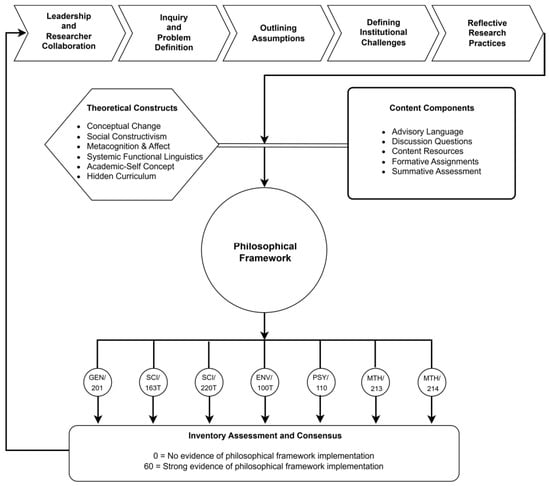
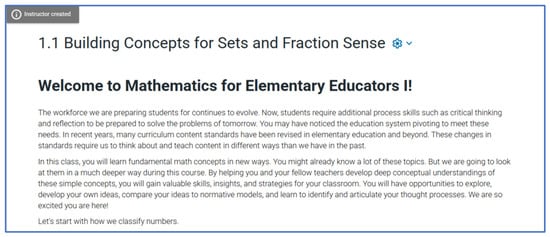
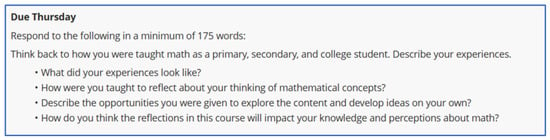
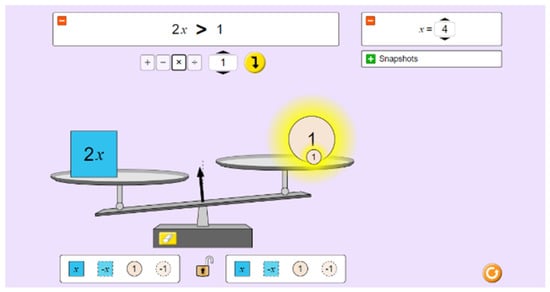
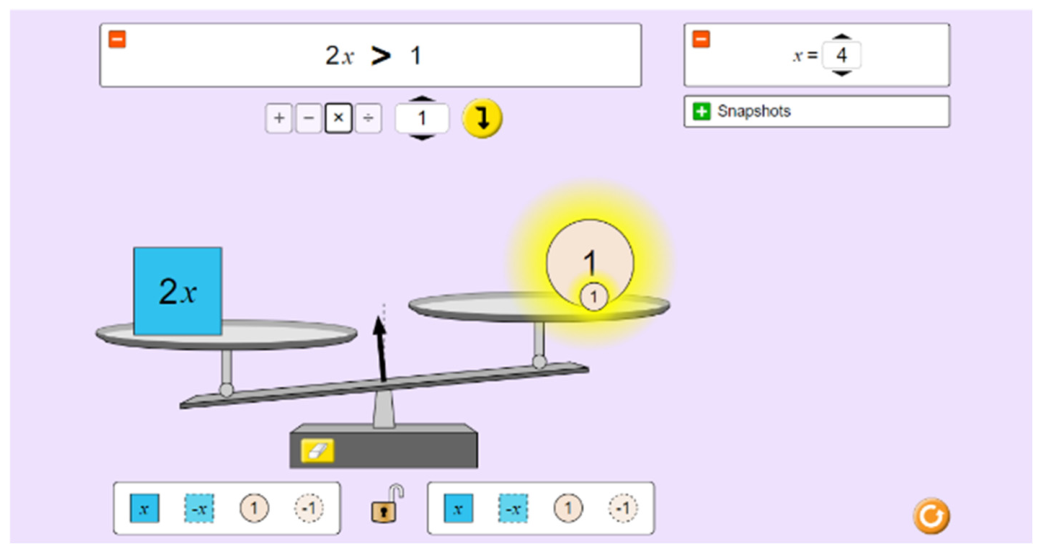
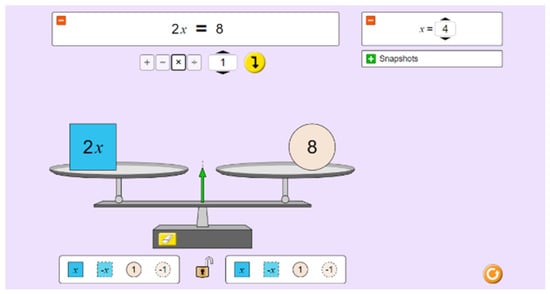
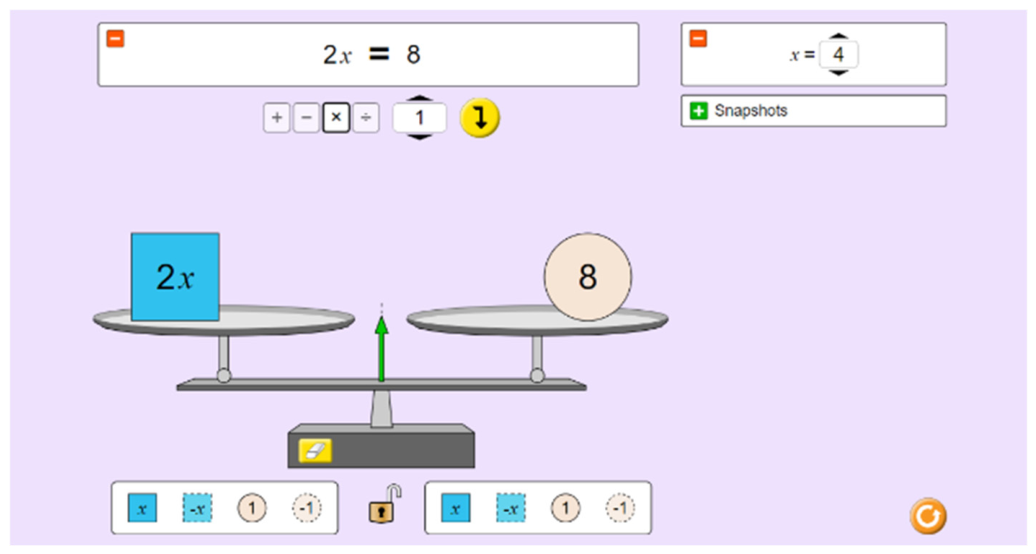
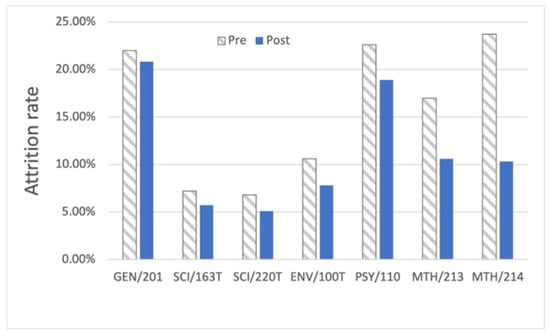
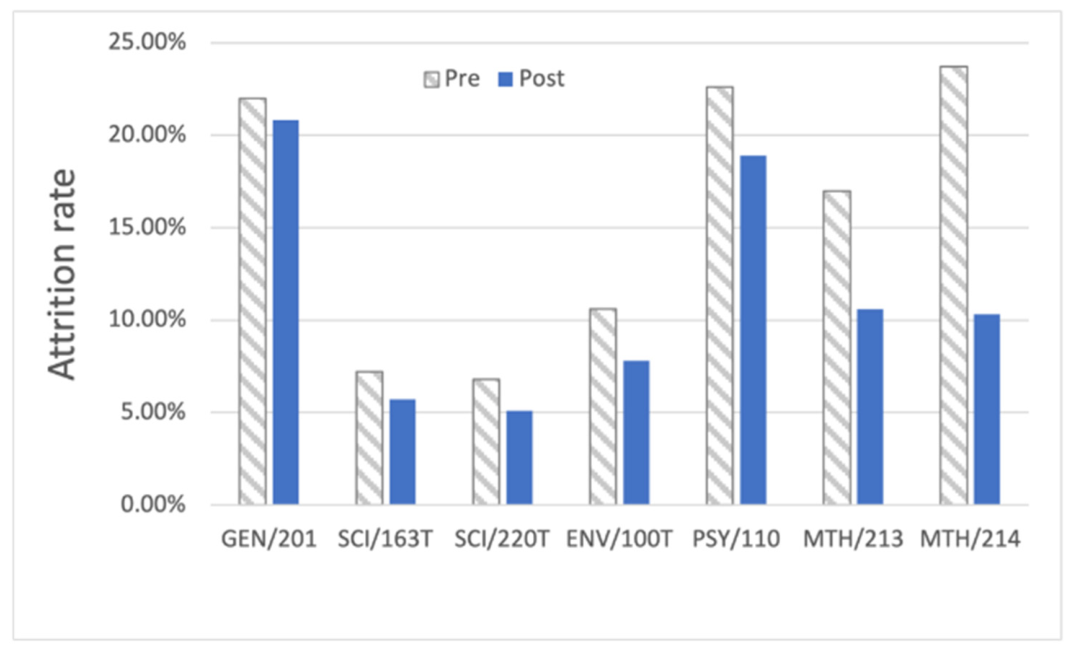

Disclaimer/Publisher’s Note: The statements, opinions and data contained in all publications are solely those of the individual author(s) and contributor(s) and not of MDPI and/or the editor(s). MDPI and/or the editor(s) disclaim responsibility for any injury to people or property resulting from any ideas, methods, instructions or products referred to in the content. |
© 2026 by the authors. Licensee MDPI, Basel, Switzerland. This article is an open access article distributed under the terms and conditions of the Creative Commons Attribution (CC BY) license.