


Abstract
Antimicrobial resistance threatens human and animal health, while the development of new antibacterial agents remains slow. Phage display can identify peptides and antibody fragments for bacterial targeting, antimicrobial engineering, antibiotic potentiation, delivery, and diagnostics. This narrative review examines the evidence needed to connect ligand selection with antibacterial benefit. We distinguish enrichment and phage-associated binding from the activity of the intended soluble or carrier-bound product, and compare functional, microbiological, safety, resistance, and translational endpoints. We propose the Binding-to-Antibiotic Action (B2A) framework as an unvalidated, application-specific guide to evidence requirements, organized around display-related limitations such as avidity, propagation bias, and non-native target presentation. Its five domains cover binding relevance, biological function, antibacterial or antibiotic-related benefit, safety and resistance, and translation. Diagnostic candidates require a parallel pathway based on analytical performance, clinical validity, and decision impact. Representative studies demonstrate enzyme inhibition, targeted antimicrobial peptides, antibiotic delivery, and bacterial detection; however, evidence remains heterogeneous and predominantly preclinical. Sequencing, computational design, and chemical diversification can support discovery but cannot replace experimental validation. The principal opportunity is to connect molecular recognition with measurable therapeutic or diagnostic benefit across human, veterinary, food, aquatic, and environmental settings.
1. Introduction
Antibiotics have transformed human and veterinary medicine by making previously lethal bacterial infections treatable and enabling procedures that depend on effective infection control. Their value is increasingly threatened by antimicrobial resistance, the movement of resistance determinants across human, animal, and environmental compartments, and longstanding gaps in antibacterial development [1,2,3]. Therefore, innovation can no longer depend solely on the discovery of entirely new small molecules. It should also include strategies that reveal vulnerable bacterial targets, restore or potentiate existing antibiotics, improve pathogen selectivity, and provide actionable diagnostic information.
Phage display is a molecular selection technology in which peptides, antibody fragments, or other proteins are displayed on the surface of bacteriophages while the DNA encoding each displayed molecule remains physically linked within the same particle. This genotype–phenotype linkage enables iterative enrichment of binding variants from highly diverse libraries [4,5,6]. Selections can be performed against purified proteins, bacterial cells, and other complex biological targets, allowing the isolation of ligands for both mechanistic and translational applications [7].
The antibacterial potential of phage display has been recognized for more than two decades. Early studies demonstrated that phage-selected peptides could bind bacterial targets and, in some cases, directly inhibit bacterial growth [7,8,9]. The field subsequently expanded towards pathogen-selective peptides, recombinant antibodies, diagnostics, and targeted drug delivery. However, enrichment or phage-associated binding alone does not establish antibacterial function, because selected clones may benefit from multivalent avidity or target-unrelated propagation advantages [10,11].
Recent studies have indicated a shift from affinity selection to functional antimicrobial engineering. Phage-selected targeting peptides have been used to improve bacterial specificity and guide antimicrobial cargo, including targeted delivery against Staphylococcus aureus and hybrid antimicrobial peptides with reported binding to bacterial thymidylate kinase [12,13,14]. Together, these studies suggest that phage display can contribute not only to ligand discovery but also to the engineering of antimicrobial specificity, localization, and therapeutic function.
Phage-associated binding must be distinguished from the behavior of the intended product. Multivalent display can produce avidity that is lost after synthesis of a free ligand, while amplification may enrich clones with propagation advantages unrelated to target recognition [10,11]. Soluble peptides and antibodies therefore require independent validation after removal from the phage. When the phage is retained as a delivery scaffold, validation should instead establish ligand-dependent recognition and function in that final format, using matched scaffold and payload controls. The major contributions of phage display across the antibiotic development pathway are summarized in Figure 1.
Figure 1.
Phage display across the antibacterial development continuum. Conceptual overview of how display-derived ligands contribute to five interconnected functions: Discover, Design, Direct, Rescue, and Diagnose. These functions are complementary rather than sequential. This scheme distinguishes phage display from lytic phage therapy and links each function to a measurable translational outcome. The antibody symbols in the schematic represent phage-display-derived antibody fragments (Fab/scFv).
This review connects the antibacterial applications of phage display through a common problem: demonstrating that a selected interaction contributes to a useful intervention. The representative literature illustrates three recurrent concerns: phage-associated binding may not persist in the intended product format; antibacterial assays and comparators vary between studies; and targeting, killing, delivery, or diagnostic functions often require separate validation. These qualitative observations motivate the proposed B2A framework; they are not estimates of how frequently individual limitations occur across the entire field.
2. Scope and Literature-Search Framework
This critical review examines how phage display can contribute to the discovery, optimization, delivery, and preservation of antibacterial therapy. Rather than treating the technology as a generic affinity-selection method, we focused on studies in which selected peptides, antibodies, protein domains, or engineered phage particles had a credible connection with antibiotic action. Relevant outcomes include direct bacterial inhibition, suppression of resistance mechanisms, restoration of antibiotic susceptibility, pathogen-selective delivery, biofilm disruption, anti-virulence activity, and diagnostic information that can alter the antimicrobial treatment [8,12,15,16].
The literature search covered PubMed/MEDLINE, Web of Science Core Collection, Scopus, ScienceDirect, and CAB Abstracts, with Google Scholar used for citation tracking and recovering older foundational studies. The main search window spanned January 2000 to 24 August 2026, while retaining earlier articles that established essential display platforms. Search combinations included “phage display”, “phage-displayed”, “phage library”, or “biopanning” together with “antibiotic”, “antibacterial”, “antimicrobial resistance”, “biofilm”, “peptide”, “antibody”, “adjuvant”, “targeting”, “delivery”, or “diagnostic”. Conventional lytic phage therapy and phage–antibiotic combinations without a display component were outside the core synthesis; they are mentioned only to distinguish these approaches from display-derived interventions.
The core evidence base comprises primary studies that use phage display to identify ligands against bacterial cells, proteins, toxins, resistance determinants, or biofilms; demonstrate antibacterial, anti-biofilm, anti-adhesion, anti-virulence, or resistance-modifying activity; employ a selected ligand for antibiotic or nanoparticle delivery; develop a treatment-relevant diagnostic; or integrate sequencing and computational methods with antibacterial selection. Studies centered on conventional phage therapy without a display component, viral or cancer targets, or diagnostics with no plausible treatment relevance fell outside the core synthesis.
The review considered the phage platform, display site, library architecture, target format, selection controls, sequencing method, intended ligand format, specificity, bacterial panel, mechanism, antibiotic interaction, safety, resistance, biological matrix, animal model, and translational evidence, where these were reported. Particular attention was given to whether binding was demonstrated on the phage, with the free ligand, or in the final formulated product. These formats cannot be assumed to be interchangeable because avidity and propagation bias can affect the apparent enrichment and binding [11,17,18,19,20].
This narrative review with qualitative synthesis is not a systematic review or meta-analysis. The study designs and reported endpoints differed in terms of target, ligand format, bacterial strain, medium, inoculum, exposure, comparator, and concentration range. Missing endpoints were treated as reporting or evidence gaps, rather than negative experimental findings. Quantitative values are interpretable within their original assay conditions; direct comparisons between studies require compatible methods or explicit adjustments for differences.
Evidence Mapping Used in This Review
Representative studies were described based on the types of evidence they reported, including binding, biological activity, antibiotic relevance, safety, resistance, and translational testing. The evidence map highlights representative therapeutic examples rather than providing an exhaustive inventory of studies. Animal experiments do not establish that all preceding evidence requirements have been met. This descriptive mapping identifies unresolved questions, whereas B2A proposes application-specific evidence requirements for future developments.
Narrative designs may omit relevant studies and are susceptible to selection and publication bias. Heterogeneous assays and incomplete reporting limit comparisons of potency, selectivity, safety, and readiness for use of these compounds. The proposed B2A framework has not been prospectively validated, and its usefulness in predicting successful translations remains to be tested.
3. Phage-Display Platforms Relevant to Antibiotic Discovery
The core of phage display is the physical linkage between a displayed molecule and the DNA sequence that encodes it. This arrangement allows very large molecular libraries to pass through repeated cycles of binding, washing, recovery, amplification and reselection. However, the phage platform is not a passive carrier; it shapes valency, folding, secretion, library size, genetic stability, display efficiency, phage infectivity, and clone recovery, and therefore influences the antibacterial targets and ligands that can be interrogated. Consequently, platform choice is part of the biological design of the experiment. The principal phage-display platforms and their relevance to antibacterial development are summarized in Table 1.
Table 1.
Phage-display platforms and relevance to antibacterial development.
3.1. Filamentous Phages
Filamentous Ff phages, including M13, fd, and f1, remain the dominant platforms for phage display. The minor coat protein pIII is generally preferred for the display of larger proteins and antibody fragments, whereas pVIII is particularly suited to the multivalent presentation of short peptides [21]. In pIII-based phagemid formats, reduced display valency limits avidity effects and favors the selection of ligands according to their intrinsic monovalent affinity. Conversely, multivalent display can enhance the apparent binding of individually weaker ligands and may be useful when repeated interactions with bacterial surfaces are desirable [7,21].
Alternative coat proteins, pVII and pIX, provide additional display configurations and can support dual-display architectures, in which different molecular functions are positioned on distinct regions of the filamentous phage particle [22]. Filamentous phages are released without lysing the production host; however, displayed molecules must generally remain compatible with bacterial secretion, membrane translocation, and virion assembly. Consequently, hydrophobic, toxic, or poorly exported sequences may be depleted or underrepresented, reducing the functional diversity of a library relative to its nominal size [21,23].
M13 systems are particularly well suited to linear or constrained peptide libraries, scFv and Fab antibody fragments, bacterial-surface ligands, targeting domains, and affinity maturation [7,21]. More recently, metagenome-inspired receptor-binding protein libraries were used to engineer M13 variants targeting several Gram-negative bacterial species. A selected variant recognizing Pseudomonas aeruginosa was subsequently conjugated with colistin, producing a targeted antibacterial construct with substantially improved colistin potency against multiple P. aeruginosa strains [24]. Because bactericidal activity was conferred by the antibiotic cargo carried by a non-lytic M13 scaffold, this approach is mechanistically distinct from conventional lytic phage therapy.
3.2. T7, T4, and Lambda Systems
T7 is a lytic double-stranded DNA phage in which foreign sequences are commonly fused to the gp10 capsid protein. As capsid assembly occurs in the cytoplasm, T7 can accommodate proteins that are difficult to secrete through filamentous phage pathways. Different display valencies are available, although amplification-related changes in clone representation remain relevant during the selection process [23,25].
Bacteriophage T4 has a large modular capsid containing non-essential Hoc and Soc proteins, which can support multicomponent display, with the achievable density depending on cargo size and the attachment strategy [26]. Although T4 has been used mainly in vaccine and nanotechnology applications, its capacity for multifunctional display remains relevant to antibacterial design [27].
Lambda display can accommodate relatively large inserts and has been used for cDNA-derived proteins, antigen discovery, and large-scale screenings. Its potential at the antibiotic interface includes the identification of resistance or virulence targets and the display of larger bacterial domains that require a structural context [28,29].
3.3. Library Architecture and Selection Design
Random peptide libraries commonly contain short sequences, whereas longer inserts can explore broader interaction surfaces of proteins. Cysteine-flanked libraries can form disulfide-constrained loops under appropriate redox conditions, and the resulting effects on affinity and stability must be measured [21,30]. Antibody libraries may include scFv, Fab, or VHH formats derived from immune, naïve, or synthetic repertoires. However, the nominal library size does not necessarily reflect functional diversity because sequence bias, stop codons, toxicity, packaging efficiency, and propagation can alter the clone representation [19,23].
Panning against purified targets facilitates mechanistic studies but may expose non-native binding surfaces. Whole-cell panning preserves targets in a more native context but requires careful counterselection against related bacteria, host cells, and experimental components. The bacterial growth state and phenotype can also influence the accessible surface repertoire [11,31].
Subtractive panning is particularly useful when selectivity is prioritized. Alternating positive targets may favor conserved ligands, whereas negative selection reduces off-target binding. Progressing from laboratory targets to clinical isolates and relevant biological matrices may further improve their translational relevance [11,31].
3.4. Next-Generation Phage Display
Traditional phage-display workflows usually sequence only a limited number of final-round clones. Next-generation sequencing can track large numbers of variants across the naïve library and successive selection rounds, revealing enrichment patterns, amplification-associated expansion, family convergence, and diversity loss [19,32]. Importantly, sequence abundance alone does not indicate the binding affinity. In a 2024 study, Sanger-selected candidates failed to show specific binding, whereas NGS revealed extensive library corruption by a dominant clone [32].
NGS is therefore most informative when combined with amplification controls, replicate selections, negative targets, sequence-family analysis, filters for target-unrelated clones, and subsequent validation of soluble candidates [19,32]. Its principal value is not simply exploring more sequences but clarifying how biologically relevant candidates emerge during selection and separating reproducible target-dependent enrichment from library or propagation artifacts [19,32].
4. Discovery of Bacterial Targets and Inhibitory Ligands
Target-based antibacterial discovery seeks molecules that disrupt proteins involved in bacterial survival, cell wall synthesis, resistance, or virulence. Phage display can identify peptide ligands and inhibitory surfaces that complement conventional small-molecule screening, although strong binding to purified proteins does not guarantee activity against native targets in intact bacteria [7].
4.1. Peptidoglycan-Biosynthesis Enzymes
Peptidoglycan biosynthesis is an attractive antibacterial target because it is essential in many bacterial pathogens and absent from mammalian cells. Phage-display-derived peptides against Pseudomonas aeruginosa MurC and MurF inhibit these essential cell-wall enzymes, although they require relatively high concentrations [33,34].
Therefore, these peptides may be more valuable as starting points for chemical or structural optimization than as direct antibiotics. Minimization, cyclization, non-natural residues, and conjugation to bacterial-targeting domains could improve potency, stability, and cellular access.
4.2. Beta-Lactamases and Antibiotic Rescue
Inhibiting beta-lactamases provides a direct strategy for preserving beta-lactam antibiotics [35]. Phage display against TEM-1, followed by peptide-array optimization, produced a short peptide that inhibited TEM-1 and beta-lactamases from other classes [7,15]. A separate study identified a cyclic peptide inhibitor of the L-1 metallo-beta-lactamase of Stenotrophomonas maltophilia [36].
These studies illustrate the principle of antibiotic rescue: a phage-selected ligand need not be strongly bactericidal if it can neutralize a resistance mechanism and restore antibiotic activity. However, translation requires efficacy against clinically relevant enzyme variants and intact resistant bacteria in combination with defined antibiotics [35].
A decrease in MIC indicates increased in vitro activity; however, restoration of clinical susceptibility should be claimed only when an applicable interpretive breakpoint and relevant antibiotic exposure support that conclusion.
4.3. Nucleotide Metabolism and Hybrid Antimicrobials
In 2025, Hu et al. [13] identified heptapeptides by phage display and fused them to WP, a peptide with weak activity against Gram-negative bacteria. The lead hybrid, SWP, showed binding to thymidylate kinase, antibacterial activity against Escherichia coli, and efficacy in a mouse peritonitis model. These findings support further investigation of the hybrid; however, they do not establish a clinically adequate safety margin.
This strategy illustrates how a selected motif can contribute to antimicrobial activity. Nevertheless, establishing a target-dependent mechanism requires evidence of access to intracellular thymidylate kinase and discrimination between enzyme engagement and membrane-mediated killing. Binding to the purified enzyme alone cannot establish whether its inhibition drives antibacterial activity.
5. Precision Antimicrobial Peptides Derived from Phage Display
Antimicrobial peptides (AMPs) can act rapidly against antibiotic-resistant bacteria; however, their clinical development is limited by toxicity, degradation, poor stability in physiological environments, and insufficient pathogen selectivity [37,38]. Phage display can address the selectivity problem by identifying bacterial-binding motifs with intrinsic antimicrobial activity or by coupling recognition and killing as separate functions [7].
5.1. Whole-Cell Selection and Direct Antimicrobial Activity
Whole-cell panning enables the discovery of antibacterial peptides without prior knowledge of the receptor. Subtractive selection against Campylobacter jejuni has identified phage-displayed peptides with strong and relatively selective growth-inhibitory activity [9]. Similarly, EC5, selected against Escherichia coli, was bactericidal against E. coli and Pseudomonas aeruginosa through membrane permeabilization, depolarization, and reduced ATP production [16].
Selection against a single bacterium does not necessarily produce narrow-spectrum peptides. Candidate evaluation should therefore include target and nontarget isolates, representative commensals, and mammalian cell toxicity to distinguish pathogen selectivity from broader membrane-directed activity.
5.2. Targeting Modules for Established Antimicrobial Peptides
In 2024, the Staphylococcus aureus-binding sequence SYWVRAS was linked to Temporin-SHf and further optimized. The lead hybrid SFK2 showed selective antibacterial activity in the tested panel and efficacy in mouse and piglet infection models [39]. These experiments provide evidence in two animal models but do not establish effectiveness in naturally occurring livestock disease.
Appropriate controls should distinguish receptor-mediated targeting from nonspecific effects caused by the charge, hydrophobicity, linker design, or peptide orientation. Although targeted AMPs can reduce off-target antimicrobial exposure, the preservation of the microbiota should be demonstrated experimentally rather than inferred from monoculture selectivity.
5.3. Chemically Diversified and Computationally Optimized Candidates
Phage-selected scaffolds can acquire antimicrobial activity after chemical modification. Bicyclic peptides selected against lipid II were converted into lipopeptides active against Gram-positive and vancomycin-resistant bacteria, with further optimization improving antibacterial activity and reducing hemolysis [14].
Computational approaches can further optimize the potency, selectivity, toxicity, stability, and manufacturability of these compounds. Because improvements in membrane activity may also increase host toxicity, multi-objective optimization followed by experimental validation is essential [38].
5.4. Building Safety into the Screening Workflow
Safety can be incorporated before lead optimization rather than assessed only at the end of development. During biopanning, negative or subtractive selection against mammalian cells, abundant host proteins, representative commensal bacteria, and closely related non-target species can reduce off-target binders. Early soluble-candidate testing should include hemolysis, mammalian-cell cytotoxicity, serum or matrix stability, and—when whole phage or nanoparticle carriers are retained—endotoxin control, innate immune activation, and carrier-related toxicity. Candidates that gain potency through increasing hydrophobicity or cationic charge should be re-evaluated because the same changes can increase host-cell toxicity. These safety filters do not replace formal toxicology but can prevent clearly unsuitable candidates from advancing through the B2A pathway [40,41].
6. Antibiotic Rescue and Potentiation
Phage-display-derived antibiotic enablers can be grouped into four major functional classes: direct antimicrobial action, resistance or permeability modulation, targeted delivery, and treatment-guiding diagnostics (Figure 2).
Figure 2.
Mechanistic classes of phage-display-derived antibiotic enablers. The four principal mechanisms are direct antimicrobial action, resistance or permeability adjuvants, targeted antibiotic delivery, and diagnostics that guide the selection of treatment.
6.1. Mechanistic Classes
Resistance enzyme inhibitors, particularly beta-lactamase-binding peptides, should be evaluated beyond purified enzyme assays. Translation requires the restoration of antibiotic activity in intact resistant bacteria and evidence that the ligand reaches the relevant bacterial compartment, especially the periplasm in Gram-negative organisms [35,42].
Outer-membrane permeabilizers can potentiate antibiotics with limited access to Gram-negative bacteria. Evaluation should separate the potentiator’s own antibacterial effect from its contribution to the combination and measure antibiotic accumulation at the relevant site of action, including the periplasm for some agents. Efflux inhibition likewise requires direct evidence from accumulation or efflux assays; a lower MIC alone does not establish the mechanism [42,43,44]. These are general principles for evaluating proposed display-derived adjuvants and do not necessarily indicate that every class has reached the same stage of development.
Biofilm-directed ligands may target matrix components, biofilm-specific surface phenotypes, or persistent populations. Their activity should be evaluated against established biofilms using viable-cell or eradication endpoints because biomass measurements, such as crystal violet staining alone, do not establish antibacterial activity [45].
6.2. Quantifying Synergy and Evolutionary Durability
A reduction in the MIC after adding a peptide does not demonstrate synergy. Checkerboard analysis should be complemented by time-kill testing, particularly when the interaction depends on the concentration or exposure sequence [46].
Combination studies should distinguish synergy, additivity, indifference, and antagonism and compare the individual components with the combination. Serial passage or experimental evolution can then test whether a combination delays resistance under experimental conditions and identify mechanisms such as altered membrane charge, efflux, proteolysis, or receptor modification, together with their fitness consequences [47,48].
Conceptually, combining a conserved targeting ligand, a membrane-active component, and an antibiotic with an independent intracellular target could increase the evolutionary barrier to resistance; however, this strategy requires prospective experimental validation.
7. Targeted Antibiotic Delivery
Targeted delivery aims to concentrate antibiotics at the site of infection while limiting systemic exposure. Phage-display-derived ligands can provide this specificity by recognizing pathogens or infection-associated structures and directing therapeutic cargo to the relevant sites [7,12].
7.1. Nanoparticle and Peptide-Antibiotic Delivery
Cyclic peptide CARGGLKSC, identified by phage display against Staphylococcus aureus and subsequent in vivo screening, was used to target vancomycin-loaded porous silicon nanoparticles. CARG functionalization increased antibiotic accumulation in infected tissues and improved antibacterial efficacy in mouse infection models [12].
Peptide–drug conjugates provide an alternative that may reduce carrier complexity; however, conjugation must preserve both peptide recognition and antibiotic activity. Cleavable or non-cleavable linkers can control drug release, including designs that respond to pH, redox conditions, or enzymes [49].
Targeting ligands can also be incorporated into liposomes, polymeric, and inorganic nanoparticles, and other carriers. Properties such as size, surface charge, ligand density, and release kinetics influence biodistribution, cellular uptake, and therapeutic performance and should therefore be optimized together with the targeting ligand [50]. In 2026, targeted M13 constructs were combined with copper–protocatechuic acid nanoparticles, with antibacterial effects reported in zebrafish and mouse infection models [51]. This is an example of a non-antibiotic payload and should be distinguished from antibiotic delivery.
7.2. Whole-Phage Carriers and Intracellular Delivery
Phage particles can function as multivalent delivery scaffolds. In 2025, a metagenome-inspired M13 variant targeting Pseudomonas aeruginosa was conjugated with colistin, substantially reducing the amount of antibiotic required for bacterial inhibition [24]. Filamentous phages offer genetic programmability and multivalent surface chemistry; however, immune recognition, systemic clearance, production purity, and translational complexity remain important considerations [52].
Intracellular infections present additional barriers because antibiotics must reach both the infected host cell and the intracellular bacterium. Effective systems therefore require cellular uptake, appropriate intracellular trafficking, and sufficient antibiotic accumulation in the bacterial niche [53].
7.3. Translational Requirements
Successful targeted antibiotic delivery requires conserved receptor expression across clinically or veterinary-relevant isolates and retention of the targeting activity in the intended biological matrix. Formulation or conjugation should be reproducible and scalable, improve bacterial exposure or biodistribution, and maintain acceptable safety for both the targeting ligand and carrier. Importantly, the targeted system should provide greater efficacy or a meaningful reduction in the antibiotic dose compared to the free drug. Potential resistance through receptor loss, along with its associated fitness costs, should also be evaluated [12,24,49,53]. Representative phage-display-derived antibacterial and antibiotic-enabling strategies are summarized in Table 2.
Table 2.
Representative phage-display-derived antibacterial and antibiotic-enabling strategies.
7.4. Comparative Evidence Patterns and Translational Gaps
Table 2 illustrates the progression from biochemical inhibition to cell-based activity and, for selected constructs, animal efficacy. These evidence types should not be treated as a complete readiness ranking: demonstration of an animal effect does not establish adequate pharmacokinetics, resistance durability, or manufacturing feasibility. Potency and selectivity also depend on the tested strains, media, inoculum, exposure, peptide purity, and comparator. The practical gap is therefore the evidence still needed for each intended product, rather than a numerical ranking of heterogeneous candidates.
8. Phage-Display-Derived Diagnostics for Antibiotic Selection
Rapid diagnostics support antimicrobial stewardship when results are timely and linked to effective treatment decisions [54,55]. Phage display can generate peptides and antibody-derived reagents that recognize bacterial surfaces or resistance-associated targets, providing tools for pathogen identification and treatment-guiding diagnosis.
8.1. Diagnostic Functions
Phage-display-derived diagnostics can contribute to several complementary functions at the antibiotic interface of bacteria. These include pathogen identification to determine the infecting organism, detection of defined antimicrobial resistance determinants, phenotypic classification of bacterial states associated with antimicrobial response, and companion diagnostics designed to identify patients or isolates most likely to benefit from a targeted intervention. These functions differ in the type of information they provide, but collectively, they can help shorten the interval between pathogen detection and informed treatment decisions.
Whole-cell biopanning has yielded diagnostic probes against Staphylococcus aureus and Klebsiella pneumoniae. A specific S. aureus-binding phage clone was identified by De Plano et al. [56], whereas the KP peptide TSATKFMMNLSP recognized K. pneumoniae lipopolysaccharide, showed low cross-reactivity with other bacteria, and detected clinical isolates, including resistant strains [57].
At the antibiotic interface, resistance-marker detection may provide rapid treatment information but should complement rather than replace phenotypic susceptibility testing because nucleic-acid- and affinity-based marker assays detect only their intended targets and may not fully predict antimicrobial response [55,58].
8.2. Phage-Seq and Companion Diagnostics
Phage-seq combines VHH phage display, intact cell panning, and high-throughput sequencing to profile bacterial surfaces across multiple genotypes. In Pseudomonas aeruginosa, this approach identified VHHs against native surface structures, including the outer membrane channels of efflux systems OprM, OprJ, and OprN. It also showed that VHHs selected against immobilized purified proteins may fail to recognize the same targets in live cells [59].
Such multiplexed profiling could help compare susceptible and resistant isolates or different bacterial physiological states, although it does not replace conventional susceptibility tests. For narrow-spectrum therapies, companion diagnostics should establish the presence of the pathogen, expression of the therapeutic receptor, and whether receptor recognition predicts the treatment activity.
8.3. Minimum Diagnostic Performance Requirements
Minimum diagnostic performance requirements should encompass analytical sensitivity, a prespecified limit-of-detection method, and reproducibility, together with demonstrated inclusivity across representative target strains and exclusivity against clinically or epidemiologically relevant non-target organisms [54,55]. Performance should also be established in the intended biological matrix rather than being inferred from testing under simplified laboratory conditions. Candidate assays should provide a turnaround time compatible with the decision they are intended to support and should be compared with appropriate reference methods such as culture, PCR, and/or antimicrobial susceptibility testing. Diagnostic sensitivity and specificity should be estimated in the intended population with confidence intervals, and predictive values should be interpreted at relevant disease prevalence rates. Practical implementation further requires evidence of reagent and device stability, suitable storage conditions, acceptable costs, and workflow feasibility. Most importantly, assay performance should be linked to a predefined clinical, veterinary, or antimicrobial stewardship decision because the diagnostic value depends not only on analytical accuracy but also on whether the result leads to appropriate and timely action. The principal diagnostic roles, required validation, and potential limitations of phage-display-derived binders are summarized in Table 3.
Table 3.
Diagnostic roles of phage-display-derived binders at the antibiotic interface.
9. From Binding Enrichment to Antimicrobial Evidence: The B2A Framework
A phage-display clone can be enriched through propagation advantages or binding to experimental components rather than the intended target [10,11,19,32]. Even target-associated binding can reflect avidity or non-native antigen presentation [21,59]. We propose the Binding-to-Antibiotic Action (B2A) framework as a guide to five evidence domains for therapeutic candidates (Figure 3). The domains organize established validation requirements around display-specific failure modes; they are not a validated score or a claim of novel drug development stages. Progression is iterative, and safety and matrix testing should begin early rather than wait for a nominal later gate.
Figure 3.
Proposed Binding-to-Antibiotic Action framework for therapeutic candidates. Evidence domains address binding relevance, biological function, antibacterial or antibiotic-related benefit, safety and resistance, and translation. Gate 1 applies to the intended soluble or carrier-bound format. Tests may proceed in parallel or require a return to earlier domains after redesign. Passing preclinical domains does not establish regulatory approval or readiness for deployment. Diagnostic applications follow the performance pathway summarized in Table 3.
9.1. Gate 1—Binding Relevance
The first gate establishes specific recognition of the intended product format. Free peptides or antibody fragments require reproducible binding after synthesis or recombinant expression, supported by negative controls, concentration dependence, and native target accessibility, where relevant. Products that retain a phage or another multivalent carrier require ligand-dependent recognition with matched untargeted or scrambled ligand controls; loss of monovalent binding does not invalidate a deliberately multivalent construct. The valency and ligand density should be reported. Passing this gate establishes binding under the tested conditions, not antibacterial efficacy [7,60].
9.2. Gate 2—Biological Function
The second gate tests the proposed biological function. Appropriate endpoints may include enzyme inhibition, membrane disruption, effects on adhesion or toxin activity, biofilm modification, and improved immune clearance. Assays must distinguish target-dependent activity from nonspecific physicochemical effects. For delivery-only ligands, a relevant function may be cargo localization or uptake; direct killing by the ligand is not required.
9.3. Gate 3—Antibacterial or Therapeutic Benefit
Third, the gate tests antibacterial or therapeutic benefits with mechanism-appropriate endpoints. Direct antimicrobials require MIC, killing or MBC measurements, regrowth assessment, and a relevant isolate panel. Adjuvants require comparison of each component and the combination, prespecified interaction criteria, and mechanism-linked confirmation. Delivery systems require matched free-payload and untargeted-carrier comparators. Anti-virulence candidates may instead demonstrate toxin neutralization or improved infection outcomes without a lower MIC; claims of antibiotic sparing require direct testing [16,61].
9.4. Gate 4—Safety and Resistance
The fourth gate evaluates safety and evolutionary durability. Studies should assess hemolysis, mammalian-cell cytotoxicity, inflammatory effects, and, where appropriate, effects on beneficial microbiota and organ toxicity. Serial-passage or spontaneous-resistance experiments can estimate resistance propensity under the tested conditions and characterize associated mechanisms, fitness costs, or changes in virulence. Safety testing is particularly important for antimicrobial peptides because potent antibacterial activity may coexist with host-cell toxicity [40,41].
9.5. Gate 5—Translation
The final gate asks whether the activity persists under conditions that approximate the intended use. Candidates should retain efficacy in the relevant biological matrix, demonstrate appropriate stability, pharmacokinetics, and biodistribution, and provide meaningful benefit relative to an appropriate comparator for the intended route and indication. Manufacturing consistency, formulation, storage, regulatory identity, economic feasibility, and compatibility with clinical or veterinary workflows should be considered part of translational evidence rather than downstream considerations [41,62]. The minimum evidence, common false inferences, and candidate classifications associated with each B2A gate are summarized in Table 4.
Table 4.
Binding-to-Antibiotic Action evidence gates.
For topical, food, or environmental applications, exposure, persistence, residue, or ecotoxicity endpoints may be more relevant than systemic pharmacokinetics. Evidence of preclinical feasibility is distinct from regulatory authorization, field effectiveness, and readiness for routine deployment. Diagnostics do not need to demonstrate bacterial killing; their pathway requires analytical validity, clinical or field validity, and evidence that use improves the intended decision (Table 3).
9.6. Technology Limitations Across the B2A Continuum
Phage display also has limitations that should be considered at every B2A gate. At selection, library composition, secretion constraints, infectivity, amplification bias, and target-unrelated binding can distort enrichment. At binding validation, multivalent avidity and non-native target presentation can disappear when the free peptide or antibody fragment is tested. At the functional stage, a ligand may bind without reaching an essential bacterial compartment or without altering a phenotype relevant to infection. At the antibacterial stage, potency can be strain-specific, matrix-sensitive, or dependent on concentrations that are not achievable in vivo. At the safety and resistance stage, membrane-active candidates may show hemolysis or cytotoxicity, while target loss, proteolysis, efflux, or receptor modification can erode efficacy. Finally, translation can fail because of instability, unfavorable pharmacokinetics, immunogenicity, formulation, manufacturing, storage, cost, or workflow constraints. These limitations explain why successful biopanning should be treated as the beginning of validation rather than as evidence of a deployable antimicrobial.
9.7. Commercial and Translational Precedent
Phage display has contributed to the discovery or engineering of approved biologics, including adalimumab, ranibizumab, belimumab, and raxibacumab [63]. Raxibacumab is directly relevant to bacterial disease: it neutralizes anthrax toxin and is used with appropriate antibacterial drugs for the treatment of inhalational anthrax. It should be distinguished from a directly bactericidal peptide or a ligand that restores antibiotic susceptibility. The peptide and antibiotic-rescue examples discussed here remain experimental leads; this selected literature set does not establish a complete global inventory of product approvals. A recent review describes the broader use of phage display in peptide drug discovery [64].
10. One Health and Veterinary Relevance
Antimicrobial resistance is sustained and transmitted across human, animal, food production, and environmental systems. The same phage-display principles can be used to generate narrow-spectrum therapeutics, antibiotic-sparing interventions, farm-level diagnostics, food-pathogen probes, antivirulence antibodies, and environmental surveillance reagents. Potential One Health benefits include reduced unnecessary antibiotic exposure and improved health surveillance. The effects on microbiota or transmission between sectors must be measured rather than inferred from target binding or laboratory selectivity. The potential applications of phage-display-derived technologies across interconnected human, animal, food, aquatic, and environmental settings are illustrated in Figure 4.
Figure 4.
One Health deployment map. Potential applications are shown across human medicine, dairy and livestock production, aquaculture, food safety, and environmental surveillance, with both connected and resource-adapted implementation pathways.
10.1. Bovine Mastitis
Bovine mastitis provides a particularly informative translational setting because any new intervention must balance bacteriological cure, animal welfare, milk quality and residues, discarded milk, antimicrobial stewardship and farm economics. Phage-display-derived reagents can contribute to pathogen-specific diagnosis, anti-virulence therapy, biofilm targeting, targeted intramammary delivery, and the development of pathogen-selective antimicrobial peptides.
Zhang et al. [65] selected four single-chain variable fragments (scFvs) against the LukE and LukD components of Staphylococcus aureus leukocidin ED using phage-display biopanning. These scFvs reduced LukED-mediated killing of bovine neutrophils and mammary epithelial (MAC-T) cells and, in an experimental mouse mastitis model, decreased mammary tissue damage, inflammatory-cell infiltration, and pro-inflammatory cytokine responses. These findings support toxin neutralization as a potential adjunct to conventional antibacterial therapy rather than as a replacement for bacterial clearance.
However, the translation to dairy cattle will require evidence of stability and biological activity in milk, adequate intramammary retention, efficacy against genetically diverse mastitis-associated isolates, and compatibility with existing antimicrobial or supportive treatments. Pharmacokinetics, local immunogenicity, milk withdrawal requirements, and manufacturing consistency should also be considered before clinical application.
10.2. Food-Producing Animals and Food Safety
Hu et al. [66] combined phage-display screening, next-generation sequencing, and rational peptide design to develop a specifically targeted antimicrobial peptide against pathogenic Escherichia coli. The resulting peptide, WK, incorporated an E. coli-binding domain identified by phage display, and was predicted by molecular docking to interact with the fimbrial adhesin FaeG, disrupt bacterial membranes, and show lower activity against the probiotic bacteria included in the study. Its application also improved the preservation of experimentally contaminated yogurt and tomato surfaces, providing a proof of concept in the tested food matrices. A docking result does not establish FaeG as the causal receptor, and recognition cannot be generalized to E. coli strains lacking that adhesin.
Similar workflows can be extended to other foodborne pathogens, including Salmonella enterica, Campylobacter jejuni, Clostridium perfringens, Listeria monocytogenes, and resistant staphylococci. However, specificity cannot be assumed across species or strains; binders must be selected and validated against representative target populations and relevant food matrices. The intended application should also be defined early, because animal therapeutics, food preservatives, carcass or surface decontamination agents, and active packaging technologies have different performance, safety, and regulatory requirements. Recent reviews of phage-display-derived biorecognition elements emphasize this transition from binder discovery toward matrix-specific diagnostic and food-safety validation [67].
A complementary example comes from Xu et al. [67], who integrated phage display with computational peptide design and machine learning to identify specifically targeted antimicrobial peptides against C. perfringens. The optimized peptides damaged bacterial cells, disrupted biofilms, and could self-assemble into nanoparticles, while an engineered gut-targeted delivery system improved outcomes in experimental intestinal infections. This work illustrates how target recognition, antimicrobial design, computational optimization, and delivery engineering can be developed as an integrated platform rather than as independent technologies.
Xu et al. [68] also developed a targeted antimicrobial peptide, P18E6, against methicillin-resistant S. aureus and combined it with a bacterial-entrapping peptide that self-assembled into nanonetworks around the pathogen. The combination enhanced antibacterial activity and reduced systemic MRSA infection in vivo. Veterinary translation will require direct validation against livestock-associated MRSA and mastitis-associated S. aureus lineages, because recognition of receptors expressed by human-associated strains cannot be assumed to extend to animal-adapted populations.
10.3. Aquaculture
Aquaculture is particularly suitable for precision antimicrobial and diagnostic approaches because of intensive production, water-mediated transmission, and antimicrobial exposure, which can facilitate pathogen spread and the selection of antimicrobial resistance [69,70]. Phage-display applications have already been demonstrated for several relevant aquatic pathogens. A workflow combining phage display with a quorum-sensing biosensor identified inhibitory peptides, and cell-penetrating peptide constructs showed protective effects against Aeromonas hydrophila in experimental zebrafish and mouse infection models [71], whereas phage-display-derived affinity probes have been developed for the detection of Vibrio parahaemolyticus and Edwardsiella tarda [72,73].
For V. parahaemolyticus, a specific nonapeptide-derived pVIII fusion probe selected from a landscape phage library was incorporated into a colorimetric assay that achieved a detection limit of 15 CFU/mL and was evaluated in the marine samples reported in that study [72]. For E. tarda, phage-display-derived peptide ligands were incorporated into fluorescence-polarization and quartz-crystal-microbalance assays, enabling sensitive bacterial detection [73]. These studies provide direct evidence that phage-selected recognition elements can function in aquatic pathogen detection rather than representing only theoretical applications.
Nevertheless, the selection conditions should reproduce the environment in which the ligand ultimately operates. For aquaculture applications, this includes relevant salinity, pH, temperature, organic matter, microbial background, and the pathogen’s physiological state. Environmental conditions can substantially influence bacterial physiology and virulence, supporting validation under conditions representative of the intended aquatic system, rather than solely in simplified buffers [74]. Binding measured under purified laboratory conditions may not predict performance in pond water, seawater, intestinal contents, biofilms, or infected tissues.
10.4. Environment and Equitable Deployment
Phage-display-derived probes can also be adapted to capture or pre-concentrate target bacteria from wastewater, livestock effluent, slaughter facilities, soil, and farm water before culture or molecular analysis. Phage-display-derived peptides have been incorporated into magnetic-separation systems for bacterial enrichment, supporting the feasibility of this approach [75]. However, in environmental applications, performance should be evaluated under realistic biofouling, particulate, organic-matter, and microbial-background conditions. Recent reviews have identified food- and water-borne pathogen detection as expanding applications for phage-display-derived peptides, antibodies, and nanobodies [76,77,78].
Finally, a credible One Health strategy should include technologies that are useful outside highly equipped laboratories. Phage-display-derived affinity reagents can be incorporated into portable biosensing systems, including colorimetric and magnetic-enrichment formats [77,78]. The objective should not be maximal technological complexity but sufficient analytical performance to support a predefined action. In this context, the practical value of a diagnostic test is determined by the decision it improves rather than by the sophistication of the platform itself.
11. Next-Generation Convergence and Research Priorities
11.1. Selection Trajectories, Next-Generation Sequencing, and Artificial Intelligence
Sequencing the naïve library and successive rounds of selection can provide substantially more information than sequencing only the final, enriched pool. Longitudinal analysis can identify early enrichment, convergence within sequence families, loss of diversity, initially rare candidates with reproducible target-dependent enrichment, and clones that increase primarily because of propagation or amplification. Because naïve phage libraries may already contain substantial compositional and abundance biases, enrichment should be interpreted relative to baseline frequency and appropriate negative-selection or amplification controls, rather than from final-round abundance alone [79,80].
Sequence trajectories should subsequently be linked to experimentally measured phenotypes. For antibacterial discovery, useful metadata include target affinity, receptor identity, strain coverage, MIC and MBC, killing kinetics, biofilm activity, antibiotic potentiation, hemolysis, cytotoxicity, matrix stability, and resistance frequency. This creates a sequence-to-function dataset rather than a sequence-to-abundance dataset.
Machine learning can identify sequence features associated with enrichment, binding, specificity, antimicrobial activity, or toxicity; however, the antibacterial evidence base remains limited and heterogeneous. Phage-display studies have shown that round-specific abundance information can support machine-learning prediction of antigen-reactive clones and that deep-learning approaches can guide affinity maturation [81,82]. More recently, deep sequencing combined with machine learning recovered functional antibody variants from a phage selection affected by amplification bias and proposed mutations that improved affinity [83]. These are proof-of-concept demonstrations rather than evidence that AI can independently nominate translatable antibacterial agents. Models trained only on final-round abundance may learn selection and propagation artifacts rather than the desired biological phenotype.
Accordingly, antibacterial models should ideally incorporate naïve frequencies, round-specific enrichment, positive and negative selection, amplification controls, soluble or cell-based binding measurements, and functional and safety outcomes. Cross-platform work using massively parallel sequencing and display technologies further demonstrates the potential of computationally guided affinity optimization [84], although antibacterial discovery requires optimization for function rather than binding alone. Therefore, model-generated peptides, antibodies, or nanobodies should enter the B2A framework at Gate 1 as new candidates requiring experimental validation, not as validated antimicrobials.
11.2. Function-First and Chemically Diversified Selections
Future antibacterial selection should incorporate the properties required for the intended product as early as experimentally feasible. Depending on the application, these may include retention of binding or function in serum, milk, intestinal contents, or aquatic matrices; biofilm access; bacterial surface recognition; intracellular entry; enzyme inhibition; potentiation at sub-MIC antibiotic concentrations; low binding to host cells and commensal organisms; and resistance to relevant proteases.
A function-first workflow could begin with enrichment against the molecular or cellular target, followed by counterselection against host cells, commensals, or closely related non-target bacteria. Surviving candidates can then be challenged in the intended biological matrix and screened for a predefined phenotype, such as membrane permeabilization, inhibition of an essential or resistance-associated enzyme, biofilm disruption, restoration of antibiotic susceptibility, or selective bacterial killing. This approach would progressively reduce the common disconnect between high-affinity binding under idealized laboratory conditions and useful antibacterial activity in complex biological environments.
The accessible chemical space should also extend beyond conventional short linear peptides. Disulfide-constrained peptides and chemically cyclized or bicyclic scaffolds can increase conformational constraint, affinity, and proteolytic stability, while genetic-code expansion enables the incorporation of noncanonical amino acids into phage-displayed libraries. Post-translational and post-selection chemical diversification can further introduce stable cyclization chemistries, reactive groups, pharmacophores, lipid anchors, or other modifications that improve function and pharmacological properties [85]. These strategies substantially expand the chemical diversity accessible to phage-display discovery.
However, chemical optimization can alter affinity, selectivity, membrane interactions, toxicity, and mechanism of action. The optimized molecule should therefore be re-characterized rather than assumed to retain the properties of the original phage-displayed hit. Ideally, the dependence on the target interaction that motivated the original selection should remain experimentally traceable throughout optimization.
11.3. Combination-Aware Discovery and Benchmark Datasets
Antibiotic adjuvants are commonly identified as independent compounds and are subsequently tested in combination with existing drugs. For phage-display-derived antibacterial candidates, a complementary future strategy would be to incorporate the intended antibiotic into functional screening and, where technically feasible, into the selection pressure. The design must distinguish the effects on the target organism from those on the bacterial host used for phage amplification. Candidates can then be prioritized because they restore susceptibility, increase intracellular antibiotic access, suppress regrowth, disrupt biofilm-associated tolerance, or enhance killing at antibiotic concentrations that are ineffective alone.
Such candidates should not be classified as synergistic from a single concentration pair. Combination effects depend on the concentrations tested, bacterial strain, growth conditions, endpoint, and mechanism of action. Initial concentration-matrix experiments should therefore be complemented, when appropriate, by time-kill analyses and mechanistic studies, with antagonism assessed as explicitly as synergy [46,61]. Particularly promising combinations should also be evaluated for their ability to suppress the emergence of resistance and retain activity under physiologically relevant conditions.
Progress in computational discovery also depends on the availability of benchmark datasets that retain the experimental context of each sequence. At a minimum, these datasets should report the library architecture, naïve and round-specific sequence counts, positive and negative targets, amplification controls, selection conditions, binding measurements, receptor information, bacterial species and strain, MIC and MBC values, killing kinetics, combination outcomes, toxicity, stability in relevant matrices, and in vivo efficacy when available.
Negative experimental outcomes and unsuccessful selection procedures are particularly important. A model trained predominantly on successful cationic antimicrobial peptides may learn charge, hydrophobicity, or other generic sequence properties rather than target-dependent antibacterial function. Training and evaluation sets should be separated by sequence similarity and, where feasible, selection campaigns or targets to reduce data leakage. External experimental validation is required to assess generalization. Including non-binders, non-selective binders, inactive peptides, toxic candidates, amplification-dominant clones, and failed combinations would make future models substantially more informative and reduce the survivorship bias.
11.4. Core Outcomes and Priority Questions
A proposed set of reporting domains could improve comparisons among studies and reduce the current fragmentation between ligand discovery, microbiology, formulation, and translational testing. At a minimum, antibacterial phage-display studies should consider mechanism-appropriate outcomes across six domains: molecular target engagement; microbiological activity; safety and selectivity; translational stability and pharmacology; in vivo efficacy; and manufacturability.
For therapeutic candidates, the corresponding measurements should include affinity and receptor identity, strain coverage, MIC and MBC, killing kinetics, biofilm activity, resistance frequency, combination effects and antagonism, hemolysis, cytotoxicity, immunogenicity where relevant, microbiome selectivity, stability in the intended biological matrix, pharmacokinetics, infection-model efficacy, manufacturing yield, and projected production cost. Not every early-stage study must measure every endpoint, but the required evidence should increase progressively as the candidate advances through the B2A gates.
Several questions must be prioritized. First, can selections be designed to enrich antibacterial function rather than binding alone? Second, can target recognition be maintained across genetically and phenotypically heterogeneous clinical and veterinary isolates without causing excessive damage to commensal organisms? Third, which phage-display-derived candidates remain active in the biological matrices in which they will actually be used? Fourth, can peptides or antibody fragments reproducibly restore susceptibility to existing antibiotics while limiting resistance emergence? Fifth, can sequencing and machine learning distinguish true functional enrichment from library and propagation biases? Sixth, which chemical modifications improve stability and delivery without changing the target specificity or creating unacceptable toxicity? Finally, can promising candidates be manufactured, formulated, and deployed at a cost compatible with veterinary medicine, food production, aquaculture, and resource-limited One Health settings?
11.5. Phage Display Versus In Silico Antimicrobial-Peptide Discovery
Phage display and bioinformatic AMP prediction solve different parts of the discovery problem and are best viewed as complementary rather than competing technologies. Phage display experimentally couples sequence recovery to binding or selection under defined conditions and can incorporate counterselection against host cells, commensals, or non-target bacteria, which is advantageous when target specificity is central. Its disadvantages include library and propagation bias, dependence on experimentally accessible targets, and substantial wet-laboratory effort. In silico prediction can explore sequence space at much greater scale and rapidly prioritize potency, toxicity, structure, or manufacturability, but performance depends on the quality and domain of the training data, and predictions do not establish receptor engagement, strain coverage, matrix activity, or safety. The practical workflow with the strongest current rationale is therefore iterative: computational methods prioritize or redesign candidates, whereas phage display and subsequent microbiological assays provide experimental selection and validation. Neither approach removes the need for B2A-style functional, safety, resistance, and translational testing [38,64].
Answering these questions would move phage-display antibacterial research from binder discovery toward a reproducible, function-driven, and translationally accountable development pipeline. To improve reproducibility and translational comparability, the proposed reporting recommendations for antibacterial phage-display studies are proposed in Table 5.
Table 5.
Proposed reporting recommendations for translational phage-display antimicrobial studies.
12. Conclusions
Phage display has traditionally been regarded as a platform for isolating peptide and antibody binders; however, its relevance to antibacterial discovery extends well beyond affinity selection. It can help identify vulnerable bacterial targets, generate targeted antimicrobial or anti-virulence molecules, interfere with resistance mechanisms, direct therapeutic cargo to pathogens or infected tissues, and provide diagnostic reagents that support more informed antimicrobial use.
A central challenge is establishing useful activity in the intended product format and application. The selected studies illustrate gaps in functional validation, strain coverage, resistance testing, safety, and translation; however, their heterogeneous designs do not support estimates of how common each gap is across the field. B2A organizes these requirements around display-specific selection bias and format-dependent binding. It is a proposed guide for iterative validation, not a validated predictor of clinical success, nor a substitute for established development and regulatory requirements.
The convergence of phage display with next-generation sequencing, computational and machine-learning approaches, targeted antimicrobial peptide engineering, chemical diversification, and advanced delivery systems is beginning to shift the field from descriptive binder discovery to function-driven antibacterial development. Realizing this potential will require validation in biologically relevant matrices, genetically diverse isolates, rigorous combination studies, standardized reporting, explicit negative controls, and evidence frameworks that distinguish promising binders from genuinely translatable antibacterial candidates.
Phage display is unlikely to replace conventional antibiotic discovery methods. Its more distinctive value may lie in adding molecular precision to antibacterial intervention by identifying actionable targets, enabling pathogen-selective therapeutics, extending the useful life of existing antibiotics through targeted adjuvant strategies, and linking diagnosis more directly to treatment decisions. If these capabilities can be translated reproducibly across human medicine, veterinary medicine, food production, aquaculture, and environmental surveillance, phage display could become an important enabling technology for a more precise and integrated One Health response to antimicrobial resistance.
Author Contributions
Conceptualization, A.V.-M. and S.O.-V.; methodology, A.V.-M., J.M.R.-R. and S.O.-V.; investigation, A.V.-M., J.M.R.-R., J.O.-P., A.O.-J., R.G.-G., J.L.P.-C., N.R.-P., F.P., H.C.-G., M.J.R.-R., J.R.C.-A. and S.O.-V.; writing—original draft preparation, A.V.-M.; writing—review and editing, all authors; visualization, A.V.-M. and S.O.-V.; supervision, A.V.-M.; project administration, A.V.-M. All authors have read and agreed to the published version of the manuscript.
Funding
This research received no external funding.
Institutional Review Board Statement
Not applicable.
Informed Consent Statement
Not applicable.
Data Availability Statement
No new data were created or analyzed in this study. Data sharing is not applicable to this article.
Acknowledgments
The authors acknowledge Benemérita Universidad Autónoma de Puebla for internal institutional support through project VIEP-VIMA-NAT-26-I. During the preparation of this manuscript, the authors used ChatGPT-6 (OpenAI) to assist with language refinement, manuscript organization, and preliminary visualization and graphical design of the conceptual figures (Figure 1, Figure 2, Figure 3 and Figure 4). All scientific content, references, interpretations, terminology, and graphical elements were critically reviewed, corrected, and approved by the authors. The authors take full responsibility for the content of this publication.
Conflicts of Interest
The authors declare no conflicts of interest.
Abbreviations
The following abbreviations are used in this manuscript:
| AMR | Antimicrobial resistance |
| AMP | Antimicrobial peptide |
| B2A | Binding-to-Antibiotic Action |
| MBC | Minimum bactericidal concentration |
| MIC | Minimum inhibitory concentration |
| NGS | Next-generation sequencing |
| PK/PD | Pharmacokinetics/pharmacodynamics |
| scFv | Single-chain variable fragment |
| VHH | Variable domain of heavy-chain-only antibody |
References
- Murray, C.J.L.; Ikuta, K.S.; Sharara, F.; Swetschinski, L.; Aguilar, G.R.; Gray, A.; Han, C.; Bisignano, C.; Rao, P.; Wool, E.; et al. Global burden of bacterial antimicrobial resistance in 2019: A systematic analysis. Lancet 2022, 399, 629–655, Erratum in Lancet 2022, 400, 1102. [Google Scholar] [CrossRef] [Scilit]
- Larsson, D.G.J.; Flach, C.-F. Antibiotic resistance in the environment. Nat. Rev. Microbiol. 2022, 20, 257–269. [Google Scholar] [CrossRef] [Scilit]
- Theuretzbacher, U.; Gottwalt, S.; Beyer, P.; Butler, M.; Czaplewski, L.; Lienhardt, C.; Moja, L.; Paul, M.; Paulin, S.; Rex, J.H.; et al. Analysis of the clinical antibacterial and antituberculosis pipeline. Lancet Infect. Dis. 2019, 19, e40–e50. [Google Scholar] [CrossRef] [Scilit]
- Smith, G.P. Filamentous fusion phage: Novel expression vectors that display cloned antigens on the virion surface. Science 1985, 228, 1315–1317. [Google Scholar] [CrossRef] [Scilit]
- Parmley, S.F.; Smith, G.P. Antibody-selectable filamentous fd phage vectors: Affinity purification of target genes. Gene 1988, 73, 305–318. [Google Scholar] [CrossRef] [Scilit]
- Scott, J.K.; Smith, G.P. Searching for Peptide Ligands with an Epitope Library. Science 1990, 249, 386–390. [Google Scholar] [CrossRef] [Scilit]
- Huang, J.X.; Bishop-Hurley, S.L.; Cooper, M.A. Development of Anti-Infectives Using Phage Display: Biological Agents against Bacteria, Viruses, and Parasites. Antimicrob. Agents Chemother. 2012, 56, 4569–4582. [Google Scholar] [CrossRef] [Scilit]
- Pini, A.; Giuliani, A.; Falciani, C.; Runci, Y.; Ricci, C.; Lelli, B.; Malossi, M.; Neri, P.; Rossolini, G.M.; Bracci, L. Antimicrobial Activity of Novel Dendrimeric Peptides Obtained by Phage Display Selection and Rational Modification. Antimicrob. Agents Chemother. 2005, 49, 2665–2672. [Google Scholar] [CrossRef] [Scilit]
- Bishop-Hurley, S.L.; Rea, P.J.; McSweeney, C.S. Phage-displayed peptides selected for binding to Campylobacter jejuni are antimicrobial. Protein Eng. Des. Sel. 2010, 23, 751–757. [Google Scholar] [CrossRef] [Scilit]
- Vodnik, M.; Zager, U.; Strukelj, B.; Lunder, M. Phage Display: Selecting Straws Instead of a Needle from a Haystack. Molecules 2011, 16, 790–817. [Google Scholar] [CrossRef] [Scilit]
- Bakhshinejad, B.; Zade, H.M.; Shekarabi, H.S.Z.; Neman, S. Phage display biopanning and isolation of target-unrelated peptides: In search of nonspecific binders hidden in a combinatorial library. Amino Acids 2016, 48, 2699–2716. [Google Scholar] [CrossRef] [Scilit]
- Hussain, S.; Joo, J.; Kang, J.; Kim, B.; Braun, G.B.; She, Z.-G.; Kim, D.; Mann, A.P.; Mölder, T.; Teesalu, T.; et al. Antibiotic-loaded nanoparticles targeted to the site of infection enhance antibacterial efficacy. Nat. Biomed. Eng. 2018, 2, 95–103. [Google Scholar] [CrossRef] [Scilit]
- Hu, M.; Li, Y.; Zhao, L.; Cha, S.; Fang, Y.; Xue, C.; Dong, N. Thymidylate Kinase-Targeted Antimicrobial Peptides via Phage Display: A Novel Strategy against Gram-Negative Bacteria. J. Med. Chem. 2025, 68, 5488–5502. [Google Scholar] [CrossRef] [Scilit]
- ‘t Hart, P.; Wood, T.M.; Tehrani, K.H.M.E.; van Harten, R.M.; Śleszyńska, M.; Rebollo, I.R.; Hendrickx, A.P.A.; Willems, R.J.L.; Breukink, E.; Martin, N.I. De novo identification of lipid II binding lipopeptides with antibacterial activity against vancomycin-resistant bacteria. Chem. Sci. 2017, 8, 7991–7997. [Google Scholar] [CrossRef] [Scilit]
- Huang, W.; Beharry, Z.; Zhang, Z.; Palzkill, T. A broad-spectrum peptide inhibitor of -lactamase identified using phage display and peptide arrays. Protein Eng. Des. Sel. 2003, 16, 853–860. [Google Scholar] [CrossRef] [Scilit]
- Rao, S.S.; Mohan, K.V.K.; Atreya, C.D. A Peptide Derived from Phage Display Library Exhibits Antibacterial Activity against E. coli and Pseudomonas aeruginosa. PLoS ONE 2013, 8, e56081. [Google Scholar] [CrossRef] [Scilit]
- Zwick, M.B.; Shen, J.; Scott, J.K. Phage-displayed peptide libraries. Curr. Opin. Biotechnol. 1998, 9, 427–436. [Google Scholar] [CrossRef] [Scilit]
- ‘t Hoen, P.A.C.; Jirka, S.M.; Broeke, B.R.T.; Schultes, E.A.; Aguilera, B.; Pang, K.H.; Heemskerk, H.; Aartsma-Rus, A.; van Ommen, G.J.; Dunnen, J.T.D. Phage display screening without repetitious selection rounds. Anal. Biochem. 2012, 421, 622–631. [Google Scholar] [CrossRef] [Scilit]
- Matochko, W.L.; Li, S.C.; Tang, S.K.; Derda, R. Prospective identification of parasitic sequences in phage display screens. Nucleic Acids Res. 2014, 42, 1784–1798. [Google Scholar] [CrossRef] [Scilit]
- Zade, H.M.; Keshavarz, R.; Shekarabi, H.S.Z.; Bakhshinejad, B. Biased selection of propagation-related TUPs from phage display peptide libraries. Amino Acids 2017, 49, 1293–1308. [Google Scholar] [CrossRef] [Scilit]
- Jaroszewicz, W.; Morcinek-Orłowska, J.; Pierzynowska, K.; Gaffke, L.; Węgrzyn, G. Phage display and other peptide display technologies. FEMS Microbiol. Rev. 2022, 46, fuab052. [Google Scholar] [CrossRef] [Scilit]
- Løset, G.Å.; Sandlie, I. Next generation phage display by use of pVII and pIX as display scaffolds. Methods 2012, 58, 40–46. [Google Scholar] [CrossRef] [Scilit]
- Krumpe, L.R.H.; Atkinson, A.J.; Smythers, G.W.; Kandel, A.; Schumacher, K.M.; McMahon, J.B.; Makowski, L.; Mori, T. T7 lytic phage-displayed peptide libraries exhibit less sequence bias than M13 filamentous phage-displayed peptide libraries. Proteomics 2006, 6, 4210–4222. [Google Scholar] [CrossRef] [Scilit]
- Yang, Y.; Kang, D.; Mihalache, B.; Vexler, S.; Jain, S.; Peng, H.; Annabi, N.; Yang, S.; Chen, A.I. Metagenome-inspired libraries to engineer phage M13 for targeted killing of Gram-negative bacterial species. Nucleic Acids Res. 2025, 53, gkaf984. [Google Scholar] [CrossRef] [Scilit]
- Deng, X.; Wang, L.; You, X.; Dai, P.; Zeng, Y. Advances in the T7 phage display system (Review). Mol. Med. Rep. 2018, 17, 714–720. [Google Scholar] [CrossRef] [Scilit]
- Li, Q.; Shivachandra, S.B.; Zhang, Z.; Rao, V.B. Assembly of the Small Outer Capsid Protein, Soc, on Bacteriophage T4: A Novel System for High Density Display of Multiple Large Anthrax Toxins and Foreign Proteins on Phage Capsid. J. Mol. Biol. 2007, 370, 1006–1019. [Google Scholar] [CrossRef] [Scilit]
- Gamkrelidze, M.; Dąbrowska, K. T4 bacteriophage as a phage display platform. Arch. Microbiol. 2014, 196, 473–479. [Google Scholar] [CrossRef] [Scilit]
- Beghetto, E.; Gargano, N. Lambda-Display: A Powerful Tool for Antigen Discovery. Molecules 2011, 16, 3089–3105. [Google Scholar] [CrossRef] [Scilit]
- Gupta, A.; Onda, M.; Pastan, I.; Adhya, S.; Chaudhary, V.K. High-density Functional Display of Proteins on Bacteriophage Lambda. J. Mol. Biol. 2003, 334, 241–254. [Google Scholar] [CrossRef] [Scilit]
- Deyle, K.; Kong, X.-D.; Heinis, C. Phage Selection of Cyclic Peptides for Application in Research and Drug Development. Acc. Chem. Res. 2017, 50, 1866–1874. [Google Scholar] [CrossRef] [Scilit]
- Stark, Y.; Venet, S.; Schmid, A. Whole cell panning with phage display. In Synthetic Antibodies: Methods and Protocols; Springer: Berlin/Heidelberg, Germany, 2017; pp. 67–91. [Google Scholar] [CrossRef] [Scilit]
- Sell, D.K.; Bakhshinejad, B.; Sinkjaer, A.W.; Dawoodi, I.M.; Wiinholt, M.N.; Sloth, A.B.; Stavnsbjerg, C.; Kjaer, A. Using NGS to Uncover the Corruption of a Peptide Phage Display Selection. Curr. Issues Mol. Biol. 2024, 46, 10590–10605. [Google Scholar] [CrossRef] [Scilit]
- El Zoeiby, A.; Sanschagrin, F.; Darveau, A.; Brisson, J.-R.; Levesque, R.C. Identification of novel inhibitors of Pseudomonas aeruginosa MurC enzyme derived from phage-displayed peptide libraries. J. Antimicrob. Chemother. 2003, 51, 531–543. [Google Scholar] [CrossRef] [Scilit][Green Version]
- Paradis-Bleau, C.; Lloyd, A.; Sanschagrin, F.; Clarke, T.; Blewett, A.; Bugg, T.D.; Levesque, R.C. Phage display-derived inhibitor of the essential cell wall biosynthesis enzyme MurF. BMC Biochem. 2008, 9, 33. [Google Scholar] [CrossRef] [Scilit]
- Bush, K.; Bradford, P.A. β-Lactams and β-Lactamase Inhibitors: An Overview. Cold Spring Harb. Perspect. Med. 2016, 6, a025247. [Google Scholar] [CrossRef] [Scilit]
- Sanschagrin, F.; Levesque, R.C. A specific peptide inhibitor of the class B metallo-β-lactamase L-1 from Stenotrophomonas maltophilia identified using phage display. J. Antimicrob. Chemother. 2005, 55, 252–255. [Google Scholar] [CrossRef] [Scilit]
- Mookherjee, N.; Anderson, M.A.; Haagsman, H.P.; Davidson, D.J. Antimicrobial host defence peptides: Functions and clinical potential. Nat. Rev. Drug Discov. 2020, 19, 311–332. [Google Scholar] [CrossRef] [Scilit]
- Wan, F.; Wong, F.; Collins, J.J.; de la Fuente-Nunez, C. Machine learning for antimicrobial peptide identification and design. Nat. Rev. Bioeng. 2024, 2, 392–407. [Google Scholar] [CrossRef] [Scilit]
- Wang, T.; Tan, P.; Tang, Q.; Zhou, C.; Ding, Y.; Xu, S.; Song, M.; Fu, H.; Zhang, Y.; Zhang, X.; et al. Phage-displayed heptapeptide sequence conjugation significantly improves the specific targeting ability of antimicrobial peptides against Staphylococcus aureus. mLife 2024, 3, 251–268. [Google Scholar] [CrossRef] [Scilit]
- Greco, I.; Molchanova, N.; Holmedal, E.; Jenssen, H.; Hummel, B.D.; Watts, J.L.; Håkansson, J.; Hansen, P.R.; Svenson, J. Correlation between hemolytic activity, cytotoxicity and systemic in vivo toxicity of synthetic antimicrobial peptides. Sci. Rep. 2020, 10, 13206. [Google Scholar] [CrossRef] [Scilit]
- de Oliveira, K.B.S.; Leite, M.L.; Cunha, V.A.; da Cunha, N.B.; Franco, O.L. Challenges and advances in antimicrobial peptide development. Drug Discov. Today 2023, 28, 103629. [Google Scholar] [CrossRef] [Scilit]
- Six, D.A.; Krucker, T.; Leeds, J.A. Advances and challenges in bacterial compound accumulation assays for drug discovery. Curr. Opin. Chem. Biol. 2018, 44, 9–15. [Google Scholar] [CrossRef] [Scilit]
- Klobucar, K.; Brown, E.D. New potentiators of ineffective antibiotics: Targeting the Gram-negative outer membrane to overcome intrinsic resistance. Curr. Opin. Chem. Biol. 2022, 66, 102099. [Google Scholar] [CrossRef] [Scilit]
- Dumont, E.; Vergalli, J.; Conraux, L.; Taillier, C.; Vassort, A.; Pajović, J.; Réfrégiers, M.; Mourez, M.; Pagès, J.-M. Antibiotics and efflux: Combined spectrofluorimetry and mass spectrometry to evaluate the involvement of concentration and efflux activity in antibiotic intracellular accumulation. J. Antimicrob. Chemother. 2019, 74, 58–65. [Google Scholar] [CrossRef] [Scilit]
- Coenye, T. Biofilm antimicrobial susceptibility testing: Where are we and where could we be going? Clin. Microbiol. Rev. 2023, 36, e0002423. [Google Scholar] [CrossRef] [Scilit]
- Brennan-Krohn, T.; Kirby, J.E. When One Drug Is Not Enough. Clin. Lab. Med. 2019, 39, 345–358. [Google Scholar] [CrossRef] [Scilit]
- Nizet, V. Antimicrobial Peptide Resistance Mechanisms of Human Bacterial Pathogens. Curr. Issues Mol. Biol. 2006, 8, 11–26. [Google Scholar] [CrossRef] [Scilit]
- Maron, B.; Rolff, J.; Friedman, J.; Hayouka, Z. Antimicrobial Peptide Combination Can Hinder Resistance Evolution. Microbiol. Spectr. 2022, 10, e0097322. [Google Scholar] [CrossRef] [Scilit]
- Gong, L.; Zhao, H.; Liu, Y.; Wu, H.; Liu, C.; Chang, S.; Chen, L.; Jin, M.; Wang, Q.; Gao, Z.; et al. Research advances in peptide–drug conjugates. Acta Pharm. Sin. B 2023, 13, 3659–3677. [Google Scholar] [CrossRef] [Scilit]
- Mitchell, M.J.; Billingsley, M.M.; Haley, R.M.; Wechsler, M.E.; Peppas, N.A.; Langer, R. Engineering precision nanoparticles for drug delivery. Nat. Rev. Drug Discov. 2021, 20, 101–124. [Google Scholar] [CrossRef] [Scilit]
- Liu, F.; Chen, H.; Huang, Y.; Chen, Y.; Wang, S.; Ji, J.; Jin, Q. Phage-guided rapid enrichment of copper-protocatechuic acid nanoparticles for targeted antibacterial therapy. J. Nanobiotechnol. 2026, 24, 925. [Google Scholar] [CrossRef] [Scilit]
- Henry, K.A.; Arbabi-Ghahroudi, M.; Scott, J.K. Beyond phage display: Non-traditional applications of the filamentous bacteriophage as a vaccine carrier, therapeutic biologic, and bioconjugation scaffold. Front. Microbiol. 2015, 6, 755. [Google Scholar] [CrossRef] [Scilit]
- Wang, C.; Yang, Y.; Cao, Y.; Liu, K.; Shi, H.; Guo, X.; Liu, W.; Hao, R.; Song, H.; Zhao, R. Nanocarriers for the delivery of antibiotics into cells against intracellular bacterial infection. Biomater. Sci. 2023, 11, 432–444. [Google Scholar] [CrossRef] [Scilit]
- Morency-Potvin, P.; Schwartz, D.N.; Weinstein, R.A. Antimicrobial Stewardship: How the Microbiology Laboratory Can Right the Ship. Clin. Microbiol. Rev. 2017, 30, 381–407. [Google Scholar] [CrossRef] [Scilit]
- Shanmugakani, R.K.; Srinivasan, B.; Glesby, M.J.; Westblade, L.F.; Cárdenas, W.B.; Raj, T.; Erickson, D.; Mehta, S. Current state of the art in rapid diagnostics for antimicrobial resistance. Lab Chip 2020, 20, 2607–2625. [Google Scholar] [CrossRef] [Scilit]
- De Plano, L.M.; Carnazza, S.; Messina, G.M.; Rizzo, M.G.; Marletta, G.; Guglielmino, S.P. Specific and selective probes for Staphylococcus aureus from phage-displayed random peptide libraries. Colloids Surf. B Biointerfaces 2017, 157, 473–480. [Google Scholar] [CrossRef] [Scilit]
- Kim, H.; Jang, J.H.; Jung, I.Y.; Cho, J.H. A Novel Peptide as a Specific and Selective Probe for Klebsiella pneumoniae Detection. Biosensors 2022, 12, 153. [Google Scholar] [CrossRef] [Scilit]
- Bard, J.D.; Lee, F. Why Can’t We Just Use PCR? The Role of Genotypic versus Phenotypic Testing for Antimicrobial Resistance Testing. Clin. Microbiol. Newsl. 2018, 40, 87–95. [Google Scholar] [CrossRef] [Scilit]
- Grun, C.N.; Jain, R.; Schniederberend, M.; Shoemaker, C.B.; Nelson, B.; Kazmierczak, B.I. Bacterial cell surface characterization by phage display coupled to high-throughput sequencing. Nat. Commun. 2024, 15, 7502. [Google Scholar] [CrossRef] [Scilit]
- Zhao, H.; Nie, D.; Hu, Y.; Chen, Z.; Hou, Z.; Li, M.; Xue, X. Phage Display-Derived Peptides and Antibodies for Bacterial Infectious Diseases Therapy and Diagnosis. Molecules 2023, 28, 2621. [Google Scholar] [CrossRef] [Scilit]
- Howell, M.; Wenc, A.K.; Donaghy, C.M.; Wasche, D.V.; Abissi, I.; Naing, M.D.; Pierce, S.; Angeles-Boza, A.M. Exploring synergy and its role in antimicrobial peptide biology. In Methods Enzymol; Elsevier: Amsterdam, The Netherlands, 2022; Volume 663, pp. 99–130. [Google Scholar] [CrossRef] [Scilit]
- Luo, X.; Chen, H.; Song, Y.; Qin, Z.; Xu, L.; He, N.; Tan, Y.; Dessie, W. Advancements, challenges and future perspectives on peptide-based drugs: Focus on antimicrobial peptides. Eur. J. Pharm. Sci. 2023, 181, 106363. [Google Scholar] [CrossRef] [Scilit]
- Alfaleh, M.A.; Alsaab, H.O.; Mahmoud, A.B.; Alkayyal, A.A.; Jones, M.L.; Mahler, S.M.; Hashem, A.M. Phage Display Derived Monoclonal Antibodies: From Bench to Bedside. Front. Immunol. 2020, 11, 1986. [Google Scholar] [CrossRef] [Scilit]
- Bakhshinejad, B.; Kajer, A. Phage Display as a Promising Platform for Peptide Drug Discovery. Pharmaceuticals 2026, 19, 1265. [Google Scholar] [CrossRef] [Scilit]
- Zhang, L.; Ye, X.; Jia, Y.; Cheng, M.; Wu, D.; Tohti, K.; Zhu, J. Single-Chain Fragment Variables Targeting Leukocidin ED Can Alleviate the Inflammation of Staphylococcus aureus-Induced Mastitis in Mice. Int. J. Mol. Sci. 2022, 23, 334. [Google Scholar] [CrossRef] [Scilit]
- Hu, M.; Li, Y.; Cha, S.; Zhao, L.; Liu, C.; Sui, M.; Xue, C.; Dong, N. Development of targeted antimicrobial peptides for Escherichia coli: Combining phage display and rational design for food safety application. Food Chem. 2025, 470, 142685. [Google Scholar] [CrossRef] [Scilit]
- Xu, B.; Shaoyong, W.; Wang, L.; Yang, C.; Chen, T.; Jiang, X.; Yan, R.; Jiang, Z.; Zhang, P.; Jin, M.; et al. Gut-targeted nanoparticles deliver specifically targeted antimicrobial peptides against Clostridium perfringens infections. Sci. Adv. 2023, 9, eadf8782. [Google Scholar] [CrossRef] [Scilit]
- Xu, B.; Wang, L.; Yang, C.; Yan, R.; Zhang, P.; Jin, M.; Du, H.; Wang, Y. Specifically targeted antimicrobial peptides synergize with bacterial-entrapping peptide against systemic MRSA infections. J. Adv. Res. 2025, 67, 301–315. [Google Scholar] [CrossRef] [Scilit]
- Caputo, A.; Bondad-Reantaso, M.G.; Karunasagar, I.; Hao, B.; Gaunt, P.; Verner-Jeffreys, D.; Fridman, S.; Dorado-Garcia, A. Antimicrobial resistance in aquaculture: A global analysis of literature and national action plans. Rev. Aquac. 2023, 15, 568–578. [Google Scholar] [CrossRef] [Scilit]
- Bondad-Reantaso, M.G.; MacKinnon, B.; Karunasagar, I.; Fridman, S.; Alday-Sanz, V.; Brun, E.; Le Groumellec, M.; Li, A.; Surachetpong, W.; Karunasagar, I.; et al. Review of alternatives to antibiotic use in aquaculture. Rev. Aquac. 2023, 15, 1421–1451. [Google Scholar] [CrossRef] [Scilit]
- Zhang, L.; Wu, Y.; Yao, Z.; Wang, X.; Chen, J.; Yang, W.; Yao, J.; Lin, Y.; Liu, Z.; Lin, X. A high-throughput screening approach for bacterial quorum sensing inhibitors (QSIs) against Aeromonas hydrophila infection. Aquaculture 2022, 560, 738488. [Google Scholar] [CrossRef] [Scilit]
- Liu, P.; Han, L.; Wang, F.; Li, X.; Petrenko, V.A.; Liu, A. Sensitive colorimetric immunoassay of Vibrio parahaemolyticus based on specific nonapeptide probe screening from a phage display library conjugated with MnO 2 nanosheets with peroxidase-like activity. Nanoscale 2018, 10, 2825–2833. [Google Scholar] [CrossRef] [Scilit]
- Choi, H.; Choi, S.-J. Detection of Edwardsiella tarda by fluorometric or biosensor methods using a peptide ligand. Anal. Biochem. 2012, 421, 152–157. [Google Scholar] [CrossRef] [Scilit]
- Abdella, B.; Shokrak, N.M.; Abozahra, N.A.; Elshamy, Y.M.; Kadira, H.I.; Mohamed, R.A. Aquaculture and Aeromonas hydrophila: A complex interplay of environmental factors and virulence. Aquac. Int. 2024, 32, 7671–7681. [Google Scholar] [CrossRef] [Scilit]
- Morton, J.; Karoonuthaisiri, N.; Stewart, L.; Oplatowska, M.; Elliott, C.; Grant, I. Production and evaluation of the utility of novel phage display-derived peptide ligands to Salmonella spp. for magnetic separation. J. Appl. Microbiol. 2013, 115, 271–281. [Google Scholar] [CrossRef] [Scilit]
- Wu, S.; Sheng, L.; Lu, X.; Ye, Y.; Sun, J.; Ji, J.; Shao, J.; Zhang, Y.; Sun, X. Screening of bio-recognition elements by phage display and their application in the detection of foodborne pathogens. TrAC Trends Anal. Chem. 2024, 171, 117481. [Google Scholar] [CrossRef] [Scilit]
- Wang, M.; Pang, S.; Zhang, H.; Yang, Z.; Liu, A. Phage display based biosensing: Recent advances and challenges. TrAC Trends Anal. Chem. 2024, 173, 117629, Erratum in TrAC Trends Anal. Chem. 2024, 178, 117850. [Google Scholar] [CrossRef] [Scilit]
- Hsu, C.-Y.; Jasim, S.A.; Rodrigues, P.; Rizaev, J.A.; Malathi, H.; Ashraf, A.; Thakur, R.; Arya, R.; Jawad, M.A.; Gabble, B.C. Recent progress on phage display-based biosensing systems for detection of pathogenic bacteria in food and water. Microchem. J. 2025, 208, 112356. [Google Scholar] [CrossRef] [Scilit]
- Thomas, W.D.; Golomb, M.; Smith, G.P. Corruption of phage display libraries by target-unrelated clones: Diagnosis and countermeasures. Anal. Biochem. 2010, 407, 237–240. [Google Scholar] [CrossRef] [Scilit]
- Sloth, A.B.; Bakhshinejad, B.; Jensen, M.; Stavnsbjerg, C.; Liisberg, M.B.; Rossing, M.; Kjaer, A. Analysis of Compositional Bias in a Commercial Phage Display Peptide Library by Next-Generation Sequencing. Viruses 2022, 14, 2402. [Google Scholar] [CrossRef] [Scilit]
- Yoo, D.K.; Lee, S.R.; Jung, Y.; Han, H.; Lee, H.K.; Han, J.; Kim, S.; Chae, J.; Ryu, T.; Chung, J. Machine Learning-Guided Prediction of Antigen-Reactive In Silico Clonotypes Based on Changes in Clonal Abundance through Bio-Panning. Biomolecules 2020, 10, 421. [Google Scholar] [CrossRef] [Scilit]
- Saka, K.; Kakuzaki, T.; Metsugi, S.; Kashiwagi, D.; Yoshida, K.; Wada, M.; Tsunoda, H.; Teramoto, R. Antibody design using LSTM based deep generative model from phage display library for affinity maturation. Sci. Rep. 2021, 11, 5852. [Google Scholar] [CrossRef] [Scilit]
- Kawada, S.; Kurumida, Y.; Ito, T.; Nguyen, T.D.; Nishi, H.; Nakazawa, H.; Saito, Y.; Kameda, T.; Tsuda, K.; Umetsu, M. Discovery and affinity maturation of antibody fragments from an unfavorably enriched phage display selection by deep sequencing and machine learning. J. Biosci. Bioeng. 2025, 140, 51–58. [Google Scholar] [CrossRef] [Scilit]
- Porebski, B.T.; Balmforth, M.; Browne, G.; Riley, A.; Jamali, K.; Fürst, M.J.L.J.; Velic, M.; Buchanan, A.; Minter, R.; Vaughan, T.; et al. Rapid discovery of high-affinity antibodies via massively parallel sequencing, ribosome display and affinity screening. Nat. Biomed. Eng. 2024, 8, 214–232. [Google Scholar] [CrossRef] [Scilit]
- Hampton, J.T.; Liu, W.R. Diversification of Phage-Displayed Peptide Libraries with Noncanonical Amino Acid Mutagenesis and Chemical Modification. Chem. Rev. 2024, 124, 6051–6077. [Google Scholar] [CrossRef] [Scilit]
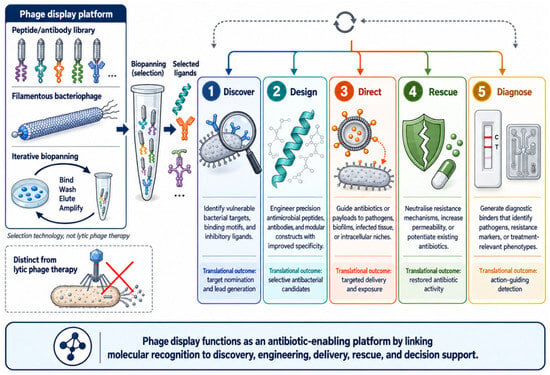
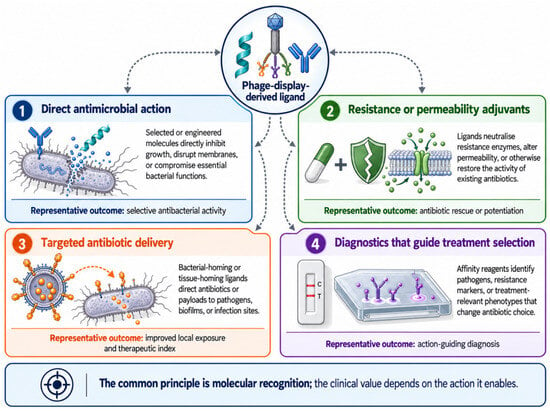
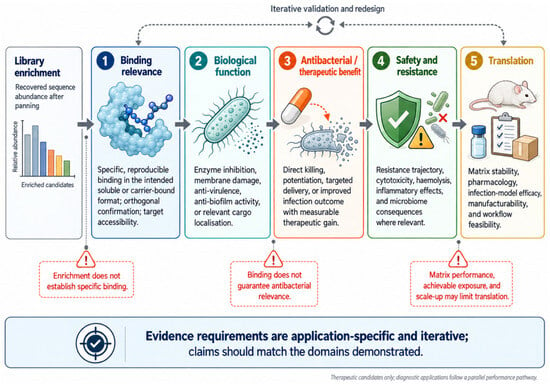
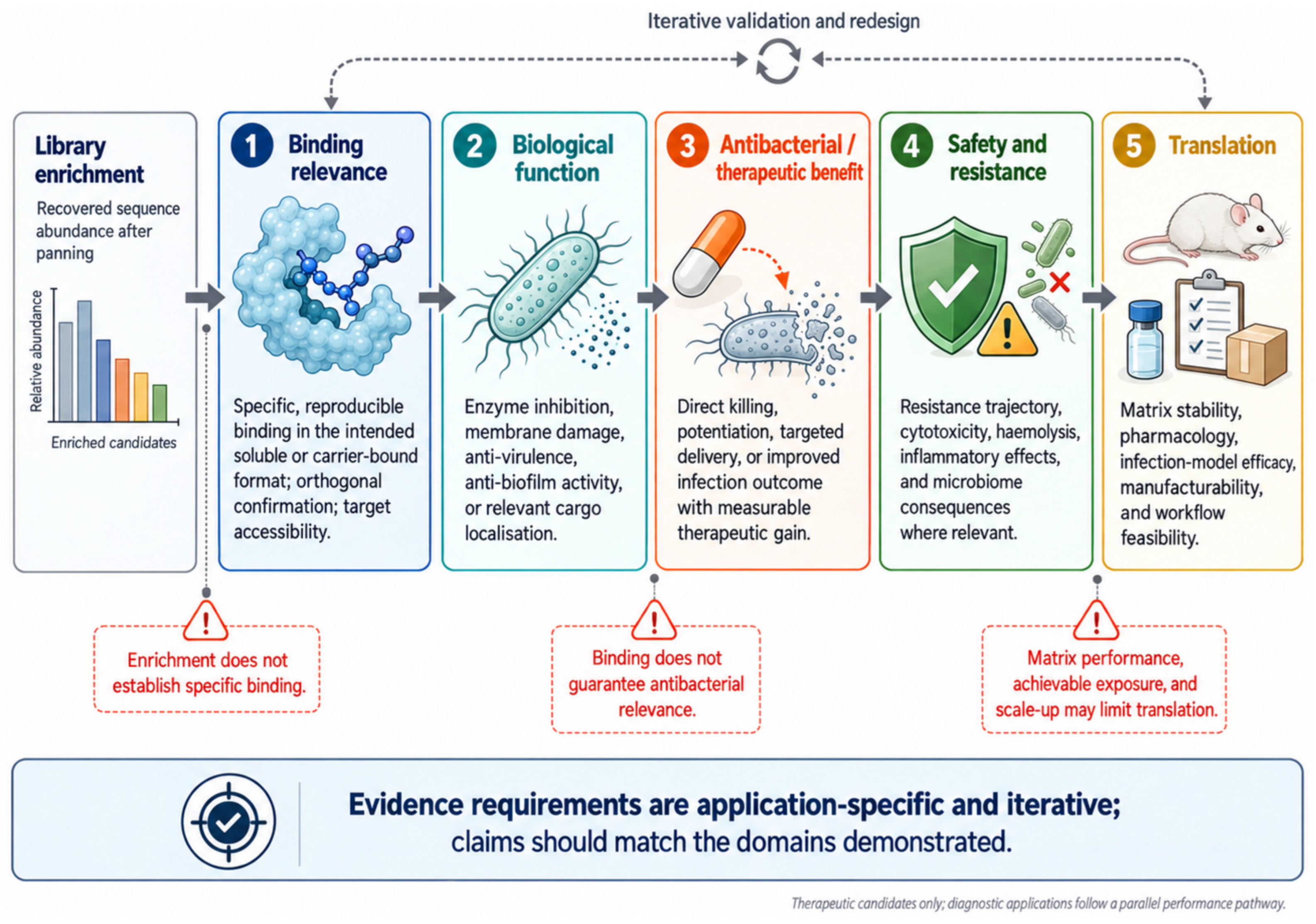
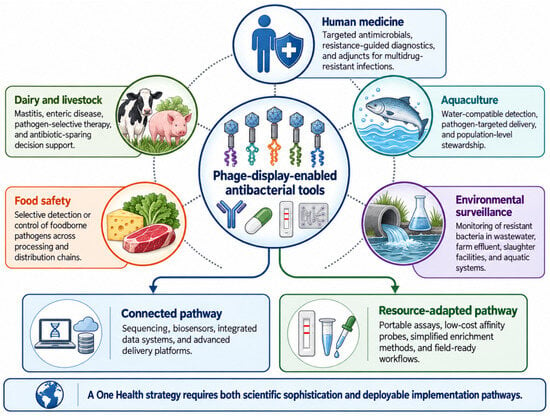
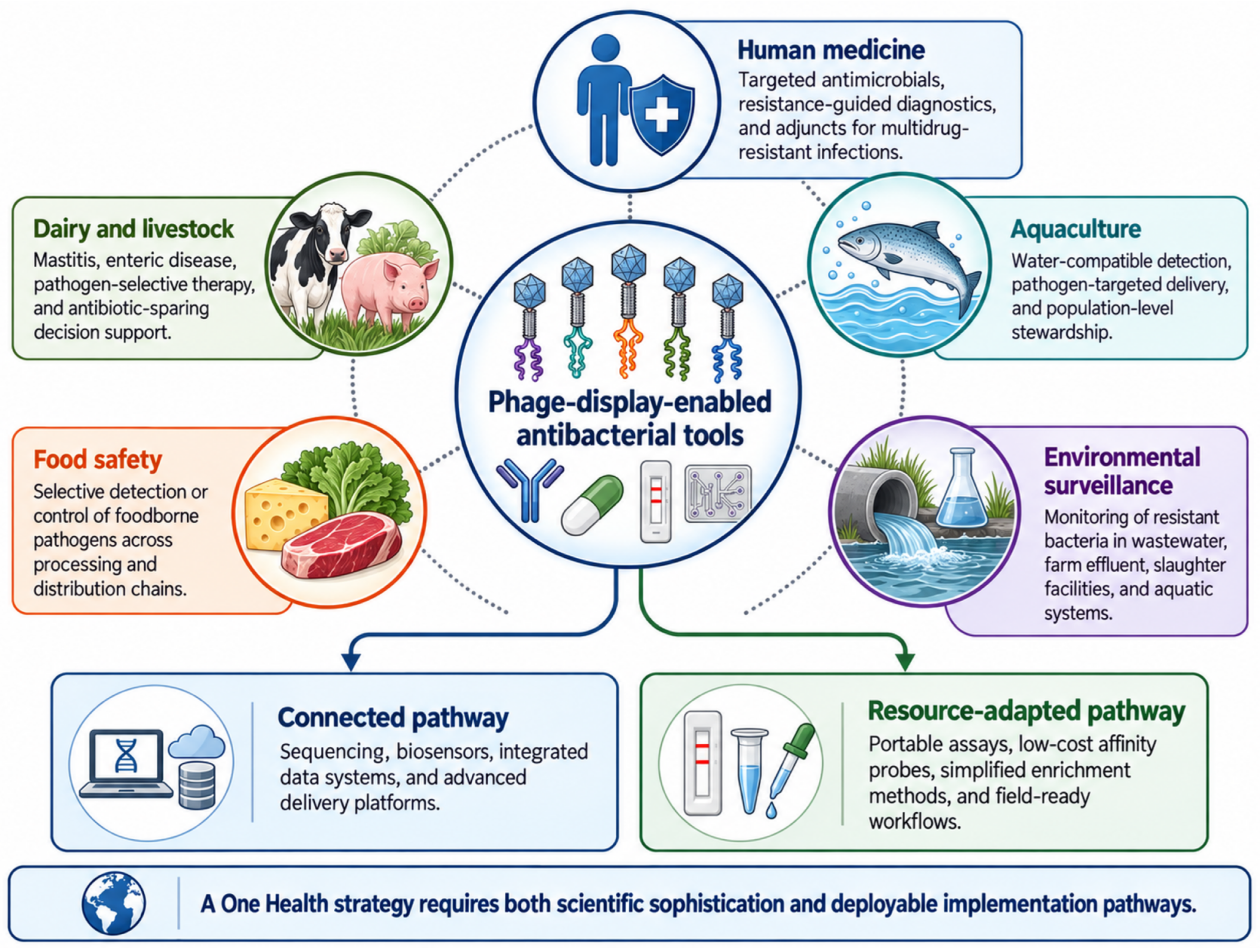

Disclaimer/Publisher’s Note: The statements, opinions and data contained in all publications are solely those of the individual author(s) and contributor(s) and not of MDPI and/or the editor(s). MDPI and/or the editor(s) disclaim responsibility for any injury to people or property resulting from any ideas, methods, instructions or products referred to in the content. |
© 2026 by the authors. Licensee MDPI, Basel, Switzerland. This article is an open access article distributed under the terms and conditions of the Creative Commons Attribution (CC BY) license.