


Abstract
Natural products offer diverse chemical structures and pharmacological activities for therapeutic discovery. Their translation benefits from evidence that connects a reproducible preparation with relevant exposure and a clearly defined biological response. Organoids can strengthen this evidence by providing tissue architecture, cellular diversity, and donor-specific features suited to focused experimental questions. This critical narrative review uses a structured literature search to synthesize representative natural-product studies across tumor, intestinal, hepatic, renal, pulmonary, cortical, retinal, and cardiac platforms. Direct organoid evidence, findings from related three-dimensional models, and prospective applications are distinguished by material, species, derivation, exposure, and endpoint. The selected examples illustrate these distinctions rather than provide a comprehensive evidence map. We propose an exposure-aware conceptual decision framework linking material identity, assay compatibility, exposure plausibility, model fitness, functional activity, and context-specific validation. Six gates guide advance, iterate, or stop/redirect decisions and make the evidence supporting each claim explicit. The framework provides a practical structure for study design and reporting, with prospective evaluation as the next step. Roselle serves as an illustrative botanical example for future organoid testing. Used alongside analytical studies, two-dimensional cultures, animal models, and clinical research, qualified organoids can help move natural-product discovery toward reproducible, tissue-level, and decision-relevant evidence.
1. Introduction
Natural products provide medicines, pharmacological probes, lead compounds, and structural templates for therapeutic development [1,2,3]. Their chemical diversity, complex stereochemistry, and biologically selected molecular architectures expand the range of structures available for drug discovery [2,4]. Building on this diversity, translation benefits from evidence that connects bioactivity to a reproducible preparation, relevant tissue exposure, a credible mechanism, and an appropriate margin of selectivity. These connections turn an initial biological signal into a focused development question.
The breadth of natural-product research calls for evidence standards suited to each material. Purified compounds and semisynthetic analogs can usually be defined by identity, purity, stereochemistry, and concentration. Botanical extracts, traditional preparations, microbial or marine fractions, dietary bioactives, and nutraceutical-like products often contain multiple constituents whose abundance depends on source and processing [5,6]. Genotype or species, geographical origin, harvesting, storage, extraction, and formulation can change their chemical profiles and biological responses [5,7,8]. Authentication, batch-specific characterization, and transparent reporting provide the basis for comparing these preparations reproducibly [5,9].
Model selection helps determine which part of this evidence chain an experiment can address. Two-dimensional (2D) cultures offer speed, scalability, and access for mechanistic experiments; their geometry represents selected spatial and multicellular features, while differentiation and metabolic state depend separately on cell source and culture conditions [10,11]. Animal models integrate absorption, distribution, metabolism, excretion, immune responses, and whole-organism toxicity, with species-specific interpretation needed for human translation [12,13,14]. For natural products, these complementary strengths help relate formulation, route, metabolism, and constituent interactions to the response under study [5,15].
Organoids add tissue-level context to this complementary approach. Adult stem cell, pluripotent stem cell, progenitor cell, and patient tissue-derived organoids reproduce selected architectural, cellular, molecular, or functional features of their tissue of origin [16,17,18,19,20]. Intestinal, hepatic, tumor, renal, pulmonary, neural, retinal, and cardiac platforms can address focused questions about tissue function, injury, or donor variation [19]. Their value follows from demonstrated performance for the intended endpoint. Maturity, cellular composition, polarity, metabolic competence, matrix, and donor variability define that performance; immune, vascular, neural, or linked-system components can be incorporated when required by the question [19,21]. Human derivation provides a biological context, while human response prediction requires validation for the intended use [19].
Bringing material characterization and organoid biology together creates a practical opportunity for natural-product research. The preparation, exposure, and model jointly determine the meaning of a treatment response. Chemical characterization establishes what is tested; exposure assessment establishes what reaches the tissue; model qualification establishes which functions are represented. Interpreting these elements together helps researchers select useful experiments and state claims at the level supported by the evidence.
This review provides a structured synthesis of natural-product testing in organoids and related 3D models, separating direct organoid findings, related-platform evidence, and prospective applications. It links these distinctions to a practical, author-proposed framework for material identity, exposure, model fitness, functional activity, and validation. The framework supports transparent study design and reporting and offers a structure for future prospective evaluation. Roselle (Hibiscus sabdariffa L.) was selected because it is relevant to the authors’ current experimental research interests. Its concise illustrative use in Section 8.8 demonstrates proposed study decisions rather than organoid-validated activity.
Literature Search and Study Selection
This critical narrative review used a structured search of Europe PMC through its public REST API on 31 August 2026. Searches combined title/abstract terms for organoids or related 3D platforms with natural-product terms, followed by additional queries specific to test materials, neural/retinal models, roselle, and cardiac-formulations. Publications were eligible up to 31 August 2026, without a lower date limit. Database coverage and search settings are provided in Table A1. The complete search queries and retrieval counts are provided in Table A2.
Records were merged by database source and identifier, and titles and abstracts were triaged for a named natural-product intervention and a relevant organoid or related platform. Intervention examples required peer-reviewed primary studies in English and accessible full-text methods supporting model identity and the intervention endpoints; reviews, platform methods, and official guidance were used for background or framework principles. Preprints, purely computational predictions, and studies without a relevant intervention–model result were not used as direct intervention evidence. DOI- and title-based checks of the source reference list supplemented the topic searches.
Twelve representative intervention studies were selected to illustrate tissue, material, species, and model distinctions. Full-text methods were checked for each example, including derivation, tissue organization, cell populations, test material, exposure, and endpoints measured in the organoid or related 3D component. Accessible full-text confirmation of model identity was required for inclusion among the intervention examples. This purposive selection supports a critical narrative synthesis rather than a comprehensive inventory or an estimate of evidence prevalence.
Model categories were assigned from reported derivation, organization, and cellular identity. Direct evidence required an intervention result in a stem/progenitor-cell or primary-tissue-derived model with organoid features supported by accessible methods; cell-line aggregates and engineered microtissues were classified as related 3D evidence. Organoid-containing chips and co-cultures were classified by their biological components. Enabling platform studies and proposed uses without intervention testing were labeled prospective. Interpretation was matched to species, preparation, exposure, and endpoint. Table 1 is a conceptual claims scheme rather than a quantitative study-quality score. Statements about research opportunities and evidence gaps are confined to the literature retrieved and included in this review.
Table 1.
Author-proposed conceptual classification of claims for natural-product studies using organoids and related three-dimensional platforms. Categories describe evidence types; they are not a validated quality score or universal model hierarchy.
2. Natural Product Properties That Inform Organoid Research
Organoid study design begins with the material, exposure route, and intended question. Purified compounds, fractions, botanical extracts, and traditional formulations require different degrees of chemical characterization [5,6]. The following subsections identify how these differences affect model choice, dosing, and interpretation; practical reporting requirements are consolidated in Section 6.
2.1. Test Material and Intended Claim
A purified compound can support a constituent-specific hypothesis, whereas an extract or formulation is initially evaluated as the preparation actually tested. Organoid experiments should therefore distinguish a mechanistic probe, a candidate therapeutic lead, and a standardized multicomponent preparation, specifying the tissue function and decision to be examined [2,5,6].
Material categories such as polyphenol or botanical provide a starting description; the preparation, exposure, and endpoint define the experimental claim. Viability, oxidative-stress signals, and pathway markers are most informative when supported by a relevant tissue endpoint and appropriate assay controls [11,22,23]. Combination and mixture interpretation is addressed in Section 6.5.
2.2. Chemical Complexity, Standardization, and Reproducibility
For organoid experiments, material identity must permit comparison across cultures and runs. Purified compounds require identity, purity, stereochemistry where relevant, stability, and batch documentation; extracts additionally require authenticated source material, preparation details, and an appropriate chemical fingerprint [5,6].
Batch-to-batch variability is particularly important for botanical materials [5,8]. Source and processing differences can change the chemical profile, so independent organoid experiments should compare analytically characterized preparations rather than rely on a shared species or commercial name [5,6].
Analytical markers should be selected for identity, exposure, or activity, according to the intended claim. Fingerprinting can establish batch comparability, while fractionation or constituent measurements may be needed to connect an organoid response to particular chemicals. Detailed material reporting and contaminant checks are provided in Section 6.1 [5,6].
2.3. Bioavailability, Metabolism, and Exposure Relevance
Dose selection must distinguish the administered material from the chemical species reaching the target tissue. Human resveratrol and curcumin studies illustrate how absorption and extensive metabolism can limit systemic exposure to parent compounds [24,25]. Such data inform whether an organoid should receive a parent compound, metabolite, or defined transformed fraction.
Nominal concentration may differ from available exposure because of binding, precipitation, degradation, or metabolism [11,22,26]. Organoid geometry and extracellular matrix can add delivery constraints. Experimental measurement and interference controls are described in Section 6.2.
Route determines the relevant compartment: an orally consumed preparation may contact the intestinal lumen before intestinal and hepatic processing, whereas distant tissues receive absorbed constituents and metabolites [15,24,25]. Model selection should match that sequence rather than assume equivalent exposure in every organ.
Access to the target surface is part of this choice. Adding material outside a conventional basal-out intestinal organoid exposes its basolateral compartment rather than reproducing luminal contact; apical-out organoids, microinjection, or derived epithelia can address different access questions [27,28]. Metabolic competence must likewise be demonstrated when hepatic transformation is required [29].
2.4. Safety, Toxicity, and Herb–Drug Interaction Concerns
Natural-product safety questions should be linked to anticipated exposure, duration, and tissue liability. Herbal and dietary supplement-associated liver injury and aristolochic-acid nephropathy illustrate the value of assessing safety alongside activity [30,31]. Qualified organoids can examine specified tissue injury or basal toxicity, while organism-level and clinical studies establish broader benefit–risk.
Herb–drug interaction studies benefit from models with the relevant enzymes, transporters, and exposure sequence. Clinical studies of botanical supplements and echinacea demonstrate product- and enzyme-specific effects that help define appropriate experimental questions [32,33]. Intestinal or hepatic organoids can contribute when the relevant function is qualified; linked systems offer a prospective approach to questions involving both transport and metabolism [29,34].
Comparing a disease model with relevant normal tissue can estimate an in vitro selectivity margin. Section 5.2 and Section 6.2 distinguish this tissue-level comparison from a clinical therapeutic window and describe the exposure and assay controls needed for interpretation.
3. Conventional Preclinical Models: Strengths, Limitations, and Context of Use
Preclinical models are most informative when selected for a defined context of use [11,19]. Rapid fraction screening, intestinal barrier testing, hepatic bioactivation, systemic exposure, and patient-specific tumor response each call for different capabilities [11,19]. Two-dimensional cultures, organoids, microphysiological systems, and animals contribute complementary forms of evidence [19,34]. Combining them around a prespecified question helps make both the experimental decision and the scope of interpretation clear.
3.1. Two-Dimensional Cell Culture: Efficient but Reductionist
Two-dimensional culture remains indispensable for early natural-product research because it is accessible, scalable, compatible with automation, and comparatively easy to manipulate. It supports cytotoxicity and concentration response testing, reporter assays, pathway interrogation, gene-expression analysis, and bioassay guided fractionation. For complex materials, it can also identify gross toxicity, precipitation, solubility limitations, vehicle effects, and assay interference before more resource-intensive experiments are undertaken [11,23].
The architectural limitations of 2D culture concern spatial organization, polarity, extracellular matrix, gradients, mechanics, and multicellular interactions [10]. Cell provenance and differentiation state are separate determinants of performance and must be assessed independently of geometry. A well-qualified monolayer can be more informative for a defined target or metabolic endpoint than an inadequately characterized organoid [11,35].
These strengths make 2D assays useful for early screening and mechanistic follow-up. Qualification should establish the metabolic and functional competence needed for the chosen endpoint. Material and exposure considerations are addressed in Section 2, with the detailed analytical controls consolidated in Section 6 [11,23,35].
3.2. Animal Models: Systemic Evidence and Species-Specific Interpretation
Animal studies integrate pharmacokinetics, repeated exposure, immune and neuroendocrine regulation, behavior, and organ interactions [12,34]. They contribute organism-level evidence when these processes are central to the research question.
Human translation benefits from explicit comparison of species-specific exposure and response. Differences between animal and clinical treatment effects and between murine and human inflammatory responses highlight the importance of comparing metabolite profiles, target engagement, and toxic doses [12,13,14]. A botanical preparation may generate different active metabolites across species; uncommon or interaction-dependent human adverse effects also require clinical evidence. Animal findings are therefore interpreted alongside the human tissue and exposure information relevant to the intended claim [13,14].
The animal model should be selected for the organism-level question and tested with a reproducible preparation and interpretable exposure. Section 2 and Section 6 describe the material and exposure principles shared across cellular, organoid, and animal experiments [5,11].
Replacement, reduction, and refinement support informed candidate selection before animal testing and are reflected in European legislation on animals used for scientific purposes [36]. Human cell- and pathway-based methods can help prioritize candidates, refine doses, and focus mechanistic hypotheses [11,34]. Their contribution to reduced animal use should be assessed through demonstrated performance in a defined decision process [11,36].
3.3. Complementary Models and Fitness for Purpose
Organoids may be derived from human or non-human cells or tissues. Their suitability depends on demonstrated identity, composition, maturity, and function for a specified endpoint, rather than species or three-dimensional structure alone [11,16,20]. Human derivation can provide a relevant genetic and tissue context, but an immature or poorly characterized human organoid may be less informative than a well-qualified alternative for the question being asked [35,37].
In natural-product research, organoids can test whether epithelial activity persists in a multicellular tissue context, whether a preparation causes tissue-specific injury, whether normal and diseased tissues differ in response, or whether ex vivo sensitivity varies across donors [19,38]. Model identity, maturity, exposure route, functional performance, donor sampling, and comparator selection establish the scope of these findings [11,19]. Patient-linked treatment studies provide precedents for context-specific response validation [38]; Section 5.4 discusses their implications for natural-product precision pharmacology.
Each model contributes according to its strengths. A 2D assay can support high-throughput target interrogation, an organoid can address tissue-specific function, and a chip can provide directional exposure or flow. Animal studies address organism-level pharmacokinetics, systemic immunity, behavior, and multi-organ toxicity, while clinical studies establish patient benefit–risk [11,19,23,27,34,35]. Added complexity is useful when it supplies information needed for the decision.
A complementary workflow uses each system to resolve a defined uncertainty. Analytical and cellular studies characterize the preparation and assay; qualified organoids examine selected tissue-level responses; linked systems address a justified transport or metabolism question; and organism-level or clinical studies provide the additional validation required for broader claims [11,34,35].
4. Organoid Platforms for Natural Product Research
Organoid platforms offer distinct opportunities for natural-product testing. This section connects cell source and tissue qualification to the representative intervention evidence. In this review, an organoid is a self-organizing three-dimensional structure derived from stem or progenitor cells or primary tissues that reproduces selected cellular and architectural features of its tissue of origin [16,20]. Sources include adult tissue stem or progenitor cells, human embryonic stem cells, induced pluripotent stem cells, and patient-derived normal or tumor tissues. Patient-derived describes provenance; each model should also specify derivation and species.
Related platforms include cell-line spheroids, engineered tissues, microtissues, and organoid-derived monolayers. Co-cultures, assembloids, and chips are classified by the cellular components and derivation they contain [19,34]. Direct natural-product evidence, related 3D findings, and prospective applications are identified separately so that platform capability and intervention results can be interpreted at their appropriate scope.
Table 1 is an author-proposed conceptual classification synthesized from organoid definitions, material-characterization guidance, and principles of in vitro model qualification [5,6,11,16,20,35]. It organizes the support for a material–model–exposure–endpoint claim and is intended for transparent interpretation and future evaluation. The categories describe evidence types, not a validated grading instrument or an ordinal ranking of model complexity. Each representative intervention is classified by model category; mechanistic and predictive support are assessed separately for the endpoint concerned.
Qualification should connect lineage markers and architecture to a functional assay for the intended endpoint: barrier or transport measures in intestinal systems, metabolite formation in hepatic systems, segment-specific injury or transport in kidney systems, and tissue-appropriate neural or retinal function [27,29,39,40,41,42,43]. Independent cultures or donors should establish baseline and treatment reproducibility. Passage and culture-duration effects should be assessed within the chosen protocol rather than managed through a universal cutoff [11,35,44].
4.1. Intestinal Organoids
Platform identity and qualification. Adult stem cell-derived intestinal organoids can contain absorptive, secretory, and stem or progenitor populations, with composition dependent on source and culture conditions [45]. For a barrier question, lineage markers should be accompanied by an appropriate permeability or transport assay in a configuration with defined apical access. Organoid formation and recovery after injury address different functions. Passage, culture duration, donor or animal source, matrix, and independent culture batches should be reported with the function required for treatment interpretation [27,44].
Direct natural-product evidence. Engeletin was evaluated in mouse colonic organoids within a study that also used epithelial cells and DSS-colitis mice [46]. Organoid experiments examined permeability, apoptosis, mitochondrial function, and pharmacological interference with the AMPK/SIRT1/PGC-1α pathway. These findings support a defined murine epithelial-injury hypothesis. The organoid results are distinguished from the accompanying animal evidence, with species and exposure context specified.
Exposure geometry guides the choice of intestinal platform. In conventional matrix-embedded, basal-out organoids, material added to the surrounding medium predominantly contacts the basolateral surface; microinjection, apical-out organoids, derived monolayers, or perfused formats can provide access suited to luminal activity or mucosal transport [27,28]. The epithelial model can then be qualified for the intended local response, recovery, or permeability endpoint. Standard epithelial organoids represent a selected intestinal compartment. Immune cells, microbiota, vascular transport, enteric neurons, or mechanical features can be added when the proposed mechanism depends on them [28,47,48]. This approach matches model configuration to the tissue question while retaining a clear boundary between epithelial findings and whole-intestine pharmacology.
4.2. Liver Organoids
Platform identity and qualification. Adult ductal or hepatobiliary cultures, hepatocyte-derived organoids, and pluripotent stem cell-derived hepatic organoids differ in lineage composition and maturity [29,49]. A hepatic label therefore requires confirmation of the relevant cell populations and function. Metabolism questions require measured enzyme activity and parent-to-metabolite conversion; canalicular or cholestatic questions require appropriate polarity and transport benchmarks [29].
Direct natural-product evidence. Lycii Radicis Cortex was tested in human iPSC-derived multilineage hepatobiliary organoids containing hepatic stellate cells under TGF-β-induced fibrotic conditions [50]. Reduced matrix accumulation and stellate-cell activation were accompanied by cAMP–PKA-related findings, including inhibitor experiments. This preparation-specific fibrosis response provides a focused hypothesis for further evaluation, with metabolic and broader hepatoprotective claims requiring their corresponding endpoints.
Related 3D evidence. The stilbene stereoisomer study used HepaRG cells in a liver-extracellular-matrix 3D culture [51]. Under the present working definition, it is classified as a hepatic spheroid or microtissue rather than a stem cell- or tissue-derived organoid. The 3D preparation distinguished cis- and trans-stilbene glucoside injury more clearly than the corresponding monolayer and supported mitochondrial involvement. It illustrates the contribution of a related hepatic platform to a defined stereoisomer-toxicity question; clinical Polygonum multiflorum-associated liver injury requires separate validation.
Hepatic qualification should benchmark the functions central to the intended question. Liver organoids differ in adult-like maturation, cytochrome P450 activity, transporter expression, bile-acid handling, immune competence, and metabolic zonation [29,49,52,53]. When bioactivation is central, measuring parent loss and metabolite formation connects the treatment response to the relevant chemical species. Comparison with primary hepatocytes, liver-on-chip systems, in vivo pharmacokinetics, or clinical hepatotoxicity datasets can strengthen interpretation when matched to the intended use.
4.3. Tumor Organoids
Platform identity and qualification. Patient-derived tumor organoids can retain selected histological, genomic, and phenotypic features of the sampled tumor [54,55,56]. Source-tissue comparison, tumor-cell composition, culture selection, passage, and independent donor sampling determine which responses they represent. Tissue provenance provides a basis for testing natural products across patient-derived cultures; clinical response prediction requires separate validation [38,57].
Direct natural-product evidence. Piceamycin and jorunnamycin A were evaluated in patient-derived pancreatic cancer organoids [58,59]. Their organoid components showed compound-specific growth and apoptosis responses. These findings provide a tissue-based foundation for follow-up testing. Mechanistic results from accompanying cell lines or spheroids are identified separately, preserving the preparation, culture, exposure, and endpoint associated with each conclusion.
Platform scope and extension. Many tumor organoids primarily represent epithelial cancer cells, providing a tractable system for tumor-intrinsic responses [54,56]. Immune-dependent, anti-angiogenic, neural, or stromal questions benefit from characterized additional components. Source sampling, establishment success, culture selection, and intratumor heterogeneity determine the representation achieved by each collection [19,38]. Section 5.2 and Section 5.4 address in vitro selectivity and patient-response interpretation.
4.4. Kidney Organoids
Platform identity and qualification. Human pluripotent stem cell-derived kidney organoids can generate podocyte-like and tubular-like populations [39,40]. Lineage markers and single-cell profiling help characterize differentiation and identify off-target populations [41]. Passage or differentiation history, culture duration, and independent batches should be reported alongside the renal function needed for the question. Filtration, clearance, and transport claims each require corresponding functional measurements.
Direct natural-product evidence. Celastrol was evaluated in human iPSC-derived kidney organoids challenged with cisplatin. A tested low concentration reduced injury, whereas higher concentrations were directly toxic [60]. This concentration-dependent response illustrates the value of examining activity and basal toxicity together. The findings support a defined early-stage renal-injury model and motivate further testing of exposure and function for adult renal applications.
Kidney organoids commonly represent developmental renal tissue [39,40,41]. Adult filtration, perfusable vasculature, urine flow, and secretion or reabsorption require additional functional qualification or complementary models. For natural products with uptake-, conjugation-, precipitation-, or metabolism-dependent effects, segment identity and transporter performance help determine the appropriate exposure design. Distinguishing parent compounds from circulating metabolites and integrating renal tubular assays, pharmacokinetic information, clinical chemistry, and in vivo toxicology provides a route toward adult renal safety assessment.
4.5. Lung Organoids
Platform identity and qualification. Airway and alveolar organoids differ in source and lineage composition [61,62]. Identity should distinguish basal, secretory, ciliated, or alveolar epithelial populations as relevant, and function should match the endpoint: epithelial transport, mucus-related behavior, viral entry, or injury recovery. Exposure surface and culture duration are integral to qualification, especially for inhaled versus circulating materials.
Direct natural-product evidence in a murine organoid co-culture. The luteolin study combined primary mouse alveolar type 2 cells with mouse lung fibroblasts; AT1/AT2 markers and alveolar architecture supported the epithelial organoid identity [63]. Luteolin restored ENaC expression in the LPS-challenged organoid component. Sodium-current measurements and STAT3 knockdown experiments were performed in primary-cell assays and should not be presented as organoid-specific functional or causal measurements.
Direct human organoid evidence and prospective applications. Plant-derived flavonoids K-4 and M-4 were tested in human iPSC-derived lung organoids using SARS-CoV-2 spike-pseudotyped virus [64]. The findings support inhibition in the specified pseudovirus assay and provide a basis for subsequent virus- and exposure-specific testing. Clinical antiviral efficacy and complete viral replication require their corresponding evidence. Inflammatory, fibrotic, vascular, and aerosol-delivery questions can be addressed through independently qualified additional components [61,62].
4.6. Brain and Retinal Organoids
Platform identity and qualification. Cortical and retinal organoids are generally derived from pluripotent stem cells and reproduce selected developmental features rather than an entire adult organ [42,43,65]. Neural identity requires regional and lineage characterization, while synaptic markers and electrophysiological or calcium-based function answer different questions. Retinal identity requires appropriate cell populations and spatial organization; mature photoreceptor or visual-function claims require corresponding functional assays [42,43].
Direct natural-product evidence. Tanshinone IIA was tested in human iPSC-derived cortical organoids on a chip under controlled low-oxygen culture, using neuronal differentiation and synaptic-marker endpoints [66]. Resveratrol pretreatment was examined in H9 human embryonic stem cell-derived retinal organoids exposed to ethanol, using proliferation, apoptosis, and early retinal-cell-marker endpoints [67]. These studies demonstrate developmental model-specific responses that can guide follow-up experiments. Adult neurological treatment, preserved vision, and clinically achievable exposure require the appropriate disease, functional, and exposure evidence.
Related developmental 3D evidence and prospective applications. A resveratrol study using a cerebral-organoid protocol reported many treatment endpoints in early embryoid bodies or developing aggregates [68]. These results inform early developmental responses, with mature cortical tissue function assessed separately. Adult neuroprotection, neuroinflammatory activity, and barrier-dependent delivery offer further research directions when the relevant disease phenotype, immune or barrier components, maturity, and function are represented [42,43,69].
4.7. Cardiac Organoids and Cardiac Microtissues
Platform identity and qualification. Self-organizing cardiac organoids, engineered heart tissues, and cardiac microtissues differ in derivation, composition, geometry, and mechanical loading [70,71]. Cardiac lineage markers and spontaneous beating establish selected features, while contractility, calcium handling, conduction, and electrophysiology require endpoint-specific measurement. Engineered tissues remain related platforms rather than interchangeable organoids.
Direct natural-product evidence. In the Shenfu Xiangshao Decoction study, network analysis selected candidate constituents, and quercetin and kaempferol were tested experimentally in doxorubicin-injured human iPSC-derived cardiac organoids [72]. Derivation, cardiac markers, and spontaneous beating support the model classification. Apoptotic, inflammatory, and collagen-associated readouts support constituent-specific hypotheses. Evaluation of the complete decoction and causal testing of network-predicted targets are distinct next steps.
Related platforms and prospective applications. Engineered cardiac tissues and microtissues provide complementary functional benchmarks [70,71]. Natural-product studies can use these platforms to examine protection or liability with explicit reporting of maturity, exposure, basal toxicity, and the injury condition. Adult cardiac benefit–risk and systemic neurohumoral responses are assessed through complementary organism-level and clinical evidence.
4.8. Immune Co-Culture Organoids
Platform identity and qualification. An organoid–immune co-culture is a composite model rather than a distinct organoid lineage. It may combine a qualifying tumor or epithelial organoid with added immune cells, or preserve selected immune populations from the source tissue [56,73,74]. Immune provenance, compatibility, activation, persistence, and contribution to the treatment endpoint must be characterized separately from organoid identity.
Prospective natural-product applications. The cited platform studies establish organoid–immune methods that could support natural-product research [56,73,74]. Testing the same preparation in organoid-only, immune-only, and co-culture conditions can distinguish direct epithelial or tumor activity from immune-mediated target-cell killing. In this synthesis, natural-product immunomodulatory efficacy remains prospective until the material and immune-dependent endpoint are tested in the specified composite model.
Compartment-specific controls make these models informative. Separate treatment of the organoid and immune compartments, followed by co-culture testing, helps identify the source of an effect. Endotoxin testing, matched vehicles, and cytokine controls support interpretation of activation or suppression [35]. Added immune complexity is most useful when it supplies a function central to the proposed mechanism.
4.9. Organoid-on-Chip and Multi-Organ Microphysiological Systems
Platform identity and qualification. Organoid-on-chip and multi-organ systems are engineering configurations that may contain organoids, derived epithelia, cell lines, spheroids, or engineered tissues [34,48,75]. Evidence is assigned according to these named biological components. A chip containing a characterized cortical organoid can support direct organoid intervention findings, as in the tanshinone IIA study [66]. Whole-body pharmacokinetic interpretation calls for additional exposure and scaling evidence.
Prospective linked-system applications. For an orally administered preparation, gut–liver coupling could address absorption and metabolism when the intestinal and hepatic modules have the required functions. Interpretation requires exposure measurements, flow and residence-time reporting, material recovery, and appropriate scaling [75,76]. The single-organ cortical chip example should be distinguished from a metabolically coupled multi-organ natural-product system.
Evidence boundary and opportunity. The representative intervention studies support selected organoid and related-platform responses. Extending natural-product testing to fully integrated organoid-based multi-organ systems is a prospective application for metabolism or organ-interaction questions. Independent qualification of each module and measurement of transferred chemical species would establish the basis for evaluating that added contribution. Table 2 summarizes platform choice and the evidence needed for each intended use.
Table 2.
Fit-for-purpose selection of organoid and organoid-related platforms for natural-product research.
5. Applications in Efficacy, Toxicity, Mechanism Validation, and Precision Pharmacology
Organoids can strengthen natural-product research by linking a treatment response to a defined tissue function, injury process, mechanism, or donor pattern. Building on the platform evidence in Section 4, this section considers the endpoints and comparators needed for each application. Table 3 holds the representative study details; Section 6 consolidates the analytical and reporting methods.
5.1. Efficacy Screening and Functional Phenotyping
Efficacy testing starts with the tissue function expected to change. Tumor growth or regrowth, epithelial recovery, and renal or hepatic injury-associated function answer distinct questions. Viability provides a useful screening signal, while functional or structural endpoints, exposure–response analysis, and an independent assay strengthen a tissue-level activity claim [11,23,35].
High-content imaging can quantify spatial responses, provided acquisition, segmentation, and the biological meaning of the feature are validated. The methodological requirements for imaging, combinations, omics, and AI-assisted analysis are consolidated in Section 6.5.
5.2. Toxicity Assessment and In Vitro Selectivity
A qualified organoid can reveal injury in the cellular compartment it represents, making it useful for exposure-informed tissue-liability testing. Morphology, membrane integrity, apoptosis, and relevant functional endpoints together characterize that response [11,29,35]. Complementary studies address systemic exposure, compensation between organs, and clinical safety.
Testing disease-associated activity alongside basal toxicity in relevant normal tissue provides an in vitro selectivity margin. Clinical therapeutic windows additionally depend on pharmacokinetics, clearance, dose-limiting toxicity, and patient variability [34,48]. An unstressed comparator is especially useful in protection studies because it distinguishes recovery from direct injury that may also lower a stress-marker signal.
5.3. Disease Modeling and Mechanism Validation
Mechanism testing connects a qualified disease or injury phenotype to a target present in the relevant cell population. Selective perturbation asks whether that target contributes to the treatment response; accompanying pathway-marker changes provide supporting context [11,35].
Causal interpretation is strengthened by temporal and concentration ordering, selective perturbation, rescue, and restoration of a claim-linked function. The engeletin study illustrates organoid-level inhibitor experiments [46]; pathway evidence from separate cell or animal assays should be identified as such. For extracts, constituent depletion, fractionation, or recombination may be required to attribute activity to particular components [5,6].
5.4. Patient-Derived Organoids and Precision Pharmacology
Patient-derived organoids enable investigation of heterogeneous ex vivo responses, particularly in oncology. Selected studies have reported concordance between organoid and patient responses to conventional treatments, providing precedents for context-specific functional precision pharmacology [38,54,55,56,57]. Clinical application depends on establishment success, turnaround time, source sampling, culture selection, assay thresholds, and patient-relevant exposure. These features define what needs validation for a new product or organoid system.
For natural products, these cultures provide a platform for comparing ex vivo responses to a defined preparation [58,59]. Replication can establish whether donor-response rankings persist across culture batches and assays. Clinical responder classification additionally requires prespecified thresholds and prospective concordance with patient exposure and outcomes [38,57].
Patient-derived intestinal organoids and cystic-fibrosis functional assays illustrate individualized testing in selected non-cancer settings [77]. Applying such approaches to natural products is a research opportunity for intestinal, hepatic, renal, retinal, or neural models. Here, precision pharmacology denotes investigation of inter-donor variability. Organoid-guided treatment selection would require prospective demonstration of clinical concordance and decision impact.
Table 3.
Representative natural-product intervention studies identified through the structured search and additional source checks and verified against full-text methods. Categories identify the model containing the reported intervention result, rather than a study-quality grade.
6. Methodological Challenges
Reliable interpretation combines traceable preparations, interpretable exposure, qualified models, and reproducible analysis. This section translates the design principles of Section 2, Section 3, Section 4 and Section 5 into practical methods and reporting requirements. Table 4 brings the corresponding checks together for future natural-product studies.
6.1. Natural Product Variability and Chemical Characterization
The material considerations introduced in Section 2.2 should be implemented as traceable preparation and batch records. For mixtures, the identity and proportion of ingredients and their processing history are part of the intervention, rather than ancillary information [5,6,8].
Purified compounds require identity, purity, source, lot, storage, and stability documentation. Extracts additionally require authentication, voucher information where relevant, plant part, preparation and extraction details, yield, concentration basis, and an appropriate chemical fingerprint. Quantitative markers should reflect the purpose of the analysis [5,6].
Chemical characterization should extend to the material present during the experiment. Stock solutions and dosing preparations may differ from the original extract because of oxidation, light-driven isomerization, hydrolysis, precipitation, or selective loss to filters and containers [6,35]. Where feasible, the principal markers or candidate active constituents should be measured in the culture medium at the start and end of exposure. Contaminants, adulterants, residual solvents, pesticides, heavy metals, microbial contamination, and endotoxin should be considered according to source and intended endpoint. Endotoxin testing is particularly important when an extract is claimed to modulate inflammatory signaling [6,35].
6.2. Dose Relevance, Solubility, Stability, and Assay Interference
Exposure reporting should distinguish nominal dose from measured total or freely dissolved concentration where feasible. Binding to medium, matrix, or devices, precipitation, degradation, and metabolism can change the chemical species and amount reaching an organoid [22,26,35]. Measurement of these processes strengthens interpretation; where measurement is unavailable, the reported dose should remain nominal and the exposure uncertainty explicit.
Analytical sampling should capture exposure at relevant times in the complete culture system. Track parent loss and likely active metabolites or degradation products where feasible, and report medium replacement and redosing. Unmeasured concentrations should remain described as nominal, with the resulting uncertainty stated [26,35].
Route-specific compartment access is introduced in Section 2.3. Here, report the exposed surface, dosing schedule, medium changes, vehicle, analytical sampling times, and parent or metabolite concentrations where available. Exploratory ranges should be identified as such when human pharmacokinetic information is absent [11,35].
Solubility and medium stability should be established before biological interpretation. Final vehicle concentration, mixing sequence, filtration, light protection, temperature, pH, osmolality, and visible or microscopic precipitation should be documented. Dimethyl sulphoxide, ethanol, surfactants, and lipid carriers can alter organoid growth, barrier integrity, differentiation, or membrane function; matched vehicle controls are therefore essential at every concentration used. Complex extracts may change medium pH or osmolality directly, producing a non-specific injury or protective phenotype. These variables should be measured rather than assumed to be negligible [5,35].
Assay compatibility checks help separate a biological response from material-related signal effects. Plant extracts, kaempferol, and resveratrol can reduce MTT in cell-free conditions [23], while curcumin has optical and chemical properties relevant to assay design [78]. Extract-only and vehicle controls, appropriate wavelength or spike-recovery checks, and an independent assay support reliable interpretation [11,35]. ROS-associated fluorescence should be linked to structural or functional evidence before assigning a cellular mechanism. Imaging analysis should also account for pigments, particulates, and segmentation effects.
6.3. Organoid Reproducibility and Qualification of Biological Components
Organoid phenotypes vary with donor or cell line, tissue sampling, genotype, passage, differentiation protocol, matrix lot, growth factors, seeding density, size, culture duration, oxygenation, operator, and laboratory [19,43,79]. Establishing identity and baseline performance before dosing makes these sources of variation visible and supports meaningful treatment comparisons.
Quality control should be matched to the context of use. At minimum, studies should confirm tissue and lineage identity, morphology, growth behavior, passage range, and the functional feature required for the proposed claim. Pluripotent stem cell-derived models may additionally require documentation of differentiation efficiency, genomic integrity where relevant, residual pluripotency, and maturity. Tumor organoids should be compared with the source tissue using appropriate histological or molecular features and monitored for culture-driven selection. Mycoplasma and other contamination controls are fundamental. Prespecified acceptance criteria rather than representative images alone are needed to decide whether a culture batch is suitable for experimentation [11,19,35,44].
Replication must distinguish donor-level biological variation from technical variation. Multiple wells or organoids from one donor do not substitute for independent donors, cell lines, differentiations, or culture batches. Technical replicates improve measurement precision, whereas independent biological replicates support generalization. Statistical analyses should avoid treating individual organoids from the same culture as independent experimental units when exposure and derivation are shared. For patient-derived models, donor number, clinical source, treatment history, sampling sites, establishment success, and reasons for exclusion should be reported [11,35,43,44].
Extracellular matrices add biological and analytical uncertainty. Animal-derived matrices vary by lot and can influence diffusion and differentiation; defined matrices may improve control while changing phenotype [19,80]. Report matrix composition, concentration, lot, and geometry, and assess binding or recovery when interpreting exposure [35]. Large organoids may also develop unequal oxygenation and compound penetration, so size and spatial responses should be considered for the intended endpoint [19].
Biological composition should be matched to the intended claim. Standard organoids represent selected tissue compartments; mature vasculature, immune cells, nerves, stroma, microbiota, endocrine inputs, and whole-organ clearance may require additional models. Pluripotent stem cell-derived hepatic, renal, neural, retinal, and cardiac systems often capture developmental features [17,19,39,42,53,71]. An epithelial organoid can be useful for barrier repair, while immune-mediated activity calls for an appropriate immune component. Similarly, adult-specific bioactivation calls for demonstrated metabolic competence. Co-cultures, assembloids, or chips can extend the platform when they supply the particular function needed for interpretation [28,47,48,73,74,75,81,82].
6.4. Reporting, Validation, and Regulatory Interpretation
Transparent reporting should connect material and exposure records to organoid provenance, species, derivation, passage or differentiation history, culture duration, composition, maturity, functional acceptance criteria, and biological versus technical replication. Image analysis, normalization, exclusion rules, and the experimental unit also require specification. Table 4 consolidates these elements [6,11,35,44].
Validation depth should match intended use. Exploratory mechanism work benefits from appropriate controls and orthogonal evidence; screening adds stable performance across runs; predictive or clinical uses call for external benchmarks and purpose-specific validation [11,35]. Human derivation and within-laboratory reproducibility contribute to model qualification, while predictive validity is established against the relevant external outcome.
Organoid and microphysiological studies can contribute to New Approach Methodologies within a defined context of use [34,35,48]. Tissue-level activity and hazard findings provide evidence for that context; clinical efficacy, systemic safety, and regulatory qualification require their corresponding validation. An assay showing no effect should be interpreted within the functions and exposure conditions represented.
6.5. Combinations, Omics, and AI-Assisted Phenotyping
Combination experiments use single-agent comparators, a concentration matrix, a prespecified interaction model, and interpretable exposure for each component. Synergy is assessed relative to the chosen reference model, rather than inferred from a larger effect than either agent alone. For extracts, fractionation, depletion, or recombination can help identify the contributing interaction [5,6,59].
The jorunnamycin A–oxaliplatin study provides a platform-specific example of Bliss analysis in selected pancreatic cancer organoids [59]. Findings from its cells, spheroids, and organoids are interpreted separately. Broader donor sampling and normal-tissue comparisons would extend the scope of the combination hypothesis.
Transcriptomics, proteomics, metabolomics, and single-cell analysis can characterize cell states and generate mechanistic hypotheses [18,41]. Chemical analysis establishes extract composition, while perturbation or rescue tests causal contributions. AI-assisted imaging can support reproducible phenotyping when training data, segmentation features, batch effects, and independent validation are documented. Visual review and a relevant biological endpoint help establish the meaning of a spatial phenotype [11,35,83].
Table 4.
Condensed reporting and methodological checklist for natural-product studies using organoids and related advanced in vitro models.
7. Future Directions
The next stage is to establish where these platforms and evidence standards improve research decisions. Five priorities move beyond operational reporting toward shared benchmarks, measured exposure–response relationships, justified integration, donor-linked validation, and prospective evaluation of the framework.
7.1. Establish Shared Material and Model Benchmarks
A shared panel of chemically characterized preparations and reference compounds would enable comparison across independently generated organoid batches and laboratories. Tissue-specific benchmarks for baseline function, exposure–response behavior, and acceptance criteria could establish a common basis for interpreting performance [6,11,35,44].
7.2. Link Analytical Exposure to Functional Response
Linking measured parent-compound and metabolite concentrations to functional responses would clarify which chemical species drive activity or injury. Recovery and unbound exposure measurements, where feasible, would further strengthen these relationships [26,35,76].
7.3. Demonstrate Added Value of Linked Systems
Linked systems should be evaluated for the additional information they provide, such as a metabolite responsible for downstream activity or toxicity. Comparison with separately qualified modules can establish whether coupling improves the intended decision. Quantitative chip-based pharmacokinetic studies provide a methodological precedent for such evaluation [75,76].
7.4. Build Donor-Linked Validation Cohorts
Donor-linked biobanks and independent cohorts could establish whether response patterns remain stable across repeated testing and relate to clinically annotated outcomes. For patient-response prediction, the key milestone is prospective concordance under interpretable patient exposure, with relevant normal-tissue comparators where appropriate [38,57].
7.5. Prospectively Evaluate Framework Decisions
Prospective evaluation should record advance, iterate, and stop/redirect decisions for prespecified material–model–endpoint cases before outcomes are known. Interlaboratory testing and relevant external outcomes can then assess reproducibility and decision quality. The Liver-Chip benchmark study provides an example of context-specific external evaluation [84]; the proposed framework and its natural-product applications require their own prospective assessment.
8. Proposed Operational Stage-Gated Framework
8.1. Gate 1: Biological Context and Intended Use
This author-proposed conceptual decision framework brings the review’s evidence standards into a practical sequence for study design and reporting [6,11,35]. Figure 1 connects six gates, from the intended biological question to context-specific validation. The gates provide suggested decision questions rather than validated numerical acceptance rules, and prospective evaluation is the next step. Gate 1 establishes the preparation, route, duration, target tissue, anticipated chemical exposure, and decision to be supported. Advance when a focused question and suitable endpoints are defined; iterate by refining an overly broad claim; stop or redirect when the proposed use is biologically incompatible with the available model. At this gate, the claim is a defined research hypothesis.
Figure 1.
Author-proposed conceptual framework with six gates: biological context, material identity, assay compatibility, exposure and model fitness, functional activity and mechanistic support, and generalizability or external validation. Green checkmarks and solid arrows indicate proposed advancement; amber symbols and dashed arrows indicate iteration; red crosses and dotted arrows indicate stopping or redirection. The six gates organize context-specific study decisions, with prospective evaluation proposed as the next step. Completion supports the claim justified by the tested preparation, model, exposure, endpoint, and validation context; the graphic itself is not a validated decision tool.
At every gate, advance means that prespecified criteria for the intended use are met; iterate means that a remediable issue can be addressed; stop/redirect means that the current claim should end or a different question should be pursued. The claim boundary identifies the interpretation supported at that stage. The framework remains conceptual and has not been prospectively validated; its decision performance is a research objective, as outlined in Section 7.5.
8.2. Gate 2: Material Identity and Reproducibility
Gate 2 establishes the identity and comparability of the material. Advance a compound when identity, purity, stability, and batch documentation meet criteria for the intended use. For extracts or formulations, also establish traceable source and preparation, appropriate fingerprints, and relevant contaminant controls [5,6,8]. Iterate to resolve remediable batch differences or characterization gaps. Stop or redirect when irreproducible composition or critical contamination prevents attribution of the response. The claim at this stage concerns the defined preparation; a fingerprint alone does not identify the active constituent or establish efficacy.
8.3. Gate 3: Assay Compatibility and Interference Control
Gate 3 establishes whether the material and assay can be used together reliably. Assess vehicle effects, solubility, precipitation, medium compatibility, and signal interference with appropriate cell-free and orthogonal controls [11,23,35]. Advance when control performance supports endpoint interpretation. Iterate by refining the preparation or selecting an alternative assay when a confound is remediable. Stop or redirect the apparent activity claim when interference or non-specific injury explains the signal. Passing this gate establishes assay interpretability, with biological activity assessed at later gates.
8.4. Gate 4: Exposure Plausibility and Model Fitness
Gate 4 aligns exposure and model function with the intended question. Specify compartment access, duration, and plausible parent or metabolite exposure, supported by analytical measurements where feasible. Establish model identity, composition, maturity, and the relevant function [11,27,35,44]. Advance when the exposure and model performance meet prespecified criteria. Iterate by improving access, exposure characterization, or functional qualification. Stop or redirect when the required biology cannot be represented or the proposed exposure is incompatible with the claim. Interpretation remains specific to the modeled compartment and measured or explicitly nominal exposure.
8.5. Gate 5: Functional Activity, Selectivity, and Mechanistic Support
Gate 5 tests tissue-level activity, selectivity, and mechanistic support. Advance when a reproducible exposure–response is confirmed by independent and claim-linked endpoints. An in vitro selectivity claim also needs basal-toxicity testing and relevant normal-tissue comparators; a mechanistic claim needs temporal ordering, selective perturbation, or rescue in the relevant model [35,46]. Iterate to clarify constituent or pathway attribution, or to strengthen functional confirmation. Stop or redirect an efficacy claim driven only by non-selective injury. Findings support the tested tissue response and, where demonstrated, its causal contributors; clinical efficacy and therapeutic windows require additional evidence.
8.6. Gate 6: Generalizability, Qualification, and External Validation
Gate 6 evaluates the generalizability and qualification needed for the intended decision. Test relevant material batches, independent cultures, donors, or sites; add immune, vascular, or linked modules when they resolve a specified question [56,73,75]. Advance a decision-support or predictive claim when appropriate reproducibility criteria and external benchmarks are met [35,38,57,84]. Iterate to resolve transferable performance differences or obtain the required external evidence. Stop or redirect the broader claim when it falls outside the validated context or external performance is inadequate. Clinical claims require corresponding patient-level validation; qualification remains specific to the use tested.
8.7. Claim Assignment
The framework makes the relationship between evidence and claim explicit at each stage. Claim assignment is specific to the tested preparation, model, exposure, endpoint, and validation context, using Table 1 as a conceptual aid. Completing the gates organizes the evidence supporting a decision; it does not itself certify efficacy, safety, or predictive performance. Prospective evaluation can assess how well this process supports reproducible and useful decisions.
8.8. Roselle: An Illustrative Decision Example
Roselle (Hibiscus sabdariffa L.) was selected for its relevance to the authors’ current research interests. Published preparation-dependent chemistry and antioxidant assay responses illustrate why material identity and assay compatibility matter [85]. The decisions below describe future organoid testing, rather than observed roselle organoid outcomes.
Advance: a traceable preparation with comparable fingerprints, reliable assay controls, and reproducible improvement in a prespecified epithelial function without basal injury would support further tissue-level testing [6,11,35]. Iterate: if lower ROS-associated fluorescence also occurs in extract-only controls, use an independent readout and confirm exposure before interpreting biological activity [23,35].
Stop/redirect: if the apparent benefit disappears after interference and viability controls, or reflects non-selective injury, stop the current efficacy claim. If plausible circulating exposure does not retain the response, a justified local intestinal or metabolite question may be more appropriate than a brain or kidney claim [11,27,35]. Roselle is an illustrative botanical example, not an organoid-validated intervention.
9. Conclusions
Natural-product translation benefits from a clear connection between the tested preparation, relevant exposure, qualified model, functional endpoint, and scientific claim. Organoids can strengthen this connection by adding tissue architecture, cellular interactions, and, in selected settings, donor-specific context. The representative synthesis in this review distinguishes direct organoid findings, related 3D evidence, and prospective applications, helping researchers select platforms and interpret responses at the level supported by each experiment.
The proposed exposure-aware framework brings these elements into six practical gates for study design, interpretation, and reporting. It provides a conceptual basis for advance, iterate, and stop/redirect decisions, with prospective evaluation needed to establish its performance. Shared benchmarks, measured exposure, donor-level replication, and context-specific external validation can strengthen the complementary contributions of organoids, 2D assays, animal studies, and clinical research. Used in this way, organoids can help move natural-product research beyond broad bioactivity toward reproducible, tissue-level, and decision-relevant evidence.
Author Contributions
Conceptualization, H.I.A.M.L.; methodology, R.I.A.M.L.; validation, S.P.; formal analysis, R.I.A.M.L.; investigation, S.V.; resources, H.I.A.M.L.; data curation, S.P.; writing—original draft preparation, H.I.A.M.L.; writing—review and editing, R.I.A.M.L.; visualization, S.P.; supervision, H.I.A.M.L.; project administration, S.V.; funding acquisition, R.I.A.M.L. All authors have read and agreed to the published version of the manuscript.
Funding
This research was also supported by the Malaysian Ministry of Higher Education through an FRGS grant: FRGS/1/2023/SKK15/UCMI/02/1.
Institutional Review Board Statement
Not applicable.
Informed Consent Statement
Not applicable.
Data Availability Statement
The data presented in this study are available in this article.
Conflicts of Interest
The authors declare no conflicts of interest.
Abbreviations
The following abbreviations are used in this manuscript:
| 2D | Two-dimensional |
| 3D | Three-dimensional |
| AI | Artificial intelligence |
| AKT | Protein kinase B |
| AMPK | AMP-activated protein kinase |
| BAX | BCL2-associated X protein |
| BCL-2 | B-cell lymphoma 2 |
| CYP | Cytochrome P450 |
| CYP3A4 | Cytochrome P450 3A4 |
| DSS | Dextran sulfate sodium |
| ERK | Extracellular signal-regulated kinase |
| HRMS | High-resolution mass spectrometry |
| iPSC | Induced pluripotent stem cell |
| JAK | Janus kinase |
| MTT | 3-(4,5-Dimethylthiazol-2-yl)-2,5-diphenyltetrazolium bromide |
| NF-κB | Nuclear factor kappa-light-chain-enhancer of activated B cells |
| PGC-1α | Peroxisome proliferator-activated receptor gamma coactivator 1-alpha |
| PI3K | Phosphoinositide 3-kinase |
| SIRT1 | Sirtuin 1 |
| SNORD3A | Small nucleolar RNA C/D box 3A |
| STAT | Signal transducer and activator of transcription |
| TNF-α | Tumor necrosis factor alpha |
| UPLC-Q-Orbitrap-HRMS | Ultra-performance liquid chromatography–quadrupole Orbitrap high-resolution mass spectrometry |
Appendix A. Reproducible Literature Search Record
Table A1.
Database, coverage, and search settings.
Table A2.
Full search queries and reported record counts.
The six queries returned 769 database records before deduplication and 728 unique source–identifier records. These are retrieval counts, rather than counts of eligible intervention studies. Topic and material terms were used to triage titles and abstracts, followed by purposive selection and full-text method checks. Table 3 contains 12 representative intervention studies, each checked against accessible full text. The selection supports a critical narrative synthesis and does not establish field-wide completeness.
Supplementary checks used DOI queries (DOI:<identifier>) or exact-title queries (TITLE:“<publication title>”) in Europe PMC for the source reference list and additional assay-method sources; official EMA and OECD documents were checked at their issuing organizations. Selection favored examples informative about model identity, tissue question, species, preparation, and exposure/endpoint boundaries. Title/abstract terminology and a single database may miss relevant studies, including papers that describe an organoid only in the methods.
References
- Newman, D.J.; Cragg, G.M. Natural Products as Sources of New Drugs over the Nearly Four Decades from 01/1981 to 09/2019. J. Nat. Prod. 2020, 83, 770–803. [Google Scholar] [CrossRef] [Scilit]
- Atanasov, A.G.; Zotchev, S.B.; Dirsch, V.M.; International Natural Product Sciences Taskforce; Supuran, C.T. Natural products in drug discovery: Advances and opportunities. Nat. Rev. Drug Discov. 2021, 20, 200–216. [Google Scholar] [CrossRef] [Scilit]
- Newman, D.J.; Cragg, G.M. Natural Products as Sources of New Drugs from 1981 to 2014. J. Nat. Prod. 2016, 79, 629–661. [Google Scholar] [CrossRef] [Scilit]
- Rodrigues, T.; Reker, D.; Schneider, P.; Schneider, G. Counting on natural products for drug design. Nat. Chem. 2016, 8, 531–541. [Google Scholar] [CrossRef] [Scilit]
- Heinrich, M.; Appendino, G.; Efferth, T.; Fürst, R.; Izzo, A.A.; Kayser, O.; Pezzuto, J.M.; Viljoen, A. Best practice in research—Overcoming common challenges in phytopharmacological research. J. Ethnopharmacol. 2020, 246, 112230. [Google Scholar] [CrossRef] [Scilit]
- Heinrich, M.; Jalil, B.; Abdel-Tawab, M.; Echeverria, J.; Kulić, Ž.; McGaw, L.J.; Pezzuto, J.M.; Potterat, O.; Wang, J.-B. Best Practice in the chemical characterisation of extracts used in pharmacological and toxicological research-The ConPhyMP-Guidelines. Front. Pharmacol. 2022, 13, 953205. [Google Scholar] [CrossRef] [Scilit]
- Sánchez, M.; González-Burgos, E.; Divakar, P.K.; Gómez-Serranillos, M.P. DNA-Based Authentication and Metabolomics Analysis of Medicinal Plants Samples by DNA Barcoding and Ultra-High-Performance Liquid Chromatography/Triple Quadrupole Mass Spectrometry (UHPLC-MS). Plants 2020, 9, 1601. [Google Scholar] [CrossRef] [Scilit]
- European Medicines Agency. Guideline on Quality of Herbal Medicinal Products/Traditional Herbal Medicinal Products, Revision 3; EMA/HMPC/201116/2005 Rev. 3, 2022. Available online: https://www.ema.europa.eu/en/documents/scientific-guideline/final-guideline-quality-herbal-medicinal-productstraditional-herbal-medicinal-products-revision-3_en.pdf (accessed on 31 August 2026).
- Kashuri, M.; Ikrar, T.; Sutriyo; Mun’im, A.; Yanuar, A. Evidence-based production framework for herbal medicine regulation in Indonesia. Front. Pharmacol. 2025, 16, 1730273. [Google Scholar] [CrossRef] [Scilit]
- Duval, K.; Grover, H.; Han, L.H.; Mou, Y.; Pegoraro, A.F.; Fredberg, J.; Chen, Z. Modeling Physiological Events in 2D vs. 3D Cell Culture. Physiology 2017, 32, 266–277. [Google Scholar] [CrossRef] [Scilit]
- Pamies, D.; Leist, M.; Coecke, S.; Bowe, G.; Allen, D.G.; Gstraunthaler, G.; Bal-Price, A.; Pistollato, F.; de Vries, R.B.M.; Hogberg, H.T.; et al. Guidance document on Good Cell and Tissue Culture Practice 2.0 (GCCP 2.0). ALTEX 2022, 39, 30–70. [Google Scholar] [CrossRef] [Scilit]
- van der Worp, H.B.; Howells, D.W.; Sena, E.S.; Porritt, M.J.; Rewell, S.; O’Collins, V.; Macleod, M.R. Can animal models of disease reliably inform human studies? PLoS Med. 2010, 7, e1000245. [Google Scholar] [CrossRef] [Scilit]
- Seok, J.; Warren, H.S.; Cuenca, A.G.; Mindrinos, M.N.; Baker, H.V.; Xu, W.; Richards, D.R.; McDonald-Smith, G.P.; Gao, H.; Hennessy, L.; et al. Genomic responses in mouse models poorly mimic human inflammatory diseases. Proc. Natl. Acad. Sci. USA 2013, 110, 3507–3512. [Google Scholar] [CrossRef] [Scilit]
- Pound, P.; Ebrahim, S.; Sandercock, P.; Bracken, M.B.; Roberts, I.; Reviewing Animal Trials Systematically (RATS) Group. Where is the evidence that animal research benefits humans? BMJ 2004, 328, 514–517. [Google Scholar] [CrossRef] [Scilit]
- D’Archivio, M.; Filesi, C.; Varì, R.; Scazzocchio, B.; Masella, R. Bioavailability of the polyphenols: Status and controversies. Int. J. Mol. Sci. 2010, 11, 1321–1342. [Google Scholar] [CrossRef] [Scilit]
- Clevers, H. Modeling Development and Disease with Organoids. Cell 2016, 165, 1586–1597. [Google Scholar] [CrossRef]
- Rossi, G.; Manfrin, A.; Lutolf, M.P. Progress and potential in organoid research. Nat. Rev. Genet. 2018, 19, 671–687. [Google Scholar] [CrossRef] [Scilit]
- Bock, C.; Boutros, M.; Camp, J.G.; Clarke, L.; Clevers, H.; Knoblich, J.A.; Liberali, P.; Regev, A.; Rios, A.C.; Stegle, O.; et al. The Organoid Cell Atlas. Nat. Biotechnol. 2021, 39, 13–17. [Google Scholar] [CrossRef] [Scilit]
- Hofer, M.; Lutolf, M.P. Engineering organoids. Nat. Rev. Mater. 2021, 6, 402–420. [Google Scholar] [CrossRef] [Scilit]
- Kim, J.; Koo, B.K.; Knoblich, J.A. Human organoids: Model systems for human biology and medicine. Nat. Rev. Mol. Cell Biol. 2020, 21, 571–584. [Google Scholar] [CrossRef] [Scilit]
- Kim, D.; Youn, J.; Kim, J.; Lee, J.; Yoon, J.; Kim, D.S. From organoid culture to manufacturing: Technologies for reproducible and scalable organoid production. npj Biomed. Innov. 2026, 3, 12. [Google Scholar] [CrossRef] [Scilit]
- Halliwell, B. Cell culture, oxidative stress, and antioxidants: Avoiding pitfalls. Biomed. J. 2014, 37, 99–105. [Google Scholar] [CrossRef] [Scilit]
- Bruggisser, R.; von Daeniken, K.; Jundt, G.; Schaffner, W.; Tullberg-Reinert, H. Interference of plant extracts, phytoestrogens and antioxidants with the MTT tetrazolium assay. Planta Med. 2002, 68, 445–448. [Google Scholar] [CrossRef] [Scilit]
- Walle, T.; Hsieh, F.; DeLegge, M.H.; Oatis, J.E.; Walle, U.K. High absorption but very low bioavailability of oral resveratrol in humans. Drug Metab. Dispos. 2004, 32, 1377–1382. [Google Scholar] [CrossRef] [Scilit]
- Vareed, S.K.; Kakarala, M.; Ruffin, M.T.; Crowell, J.A.; Normolle, D.P.; Djuric, Z.; Brenner, D.E. Pharmacokinetics of curcumin conjugate metabolites in healthy human subjects. Cancer Epidemiol. Biomark. Prev. 2008, 17, 1411–1417. [Google Scholar] [CrossRef] [Scilit]
- Bae, E.; Beil, S.; König, M.; Stolte, S.; Escher, B.I.; Markiewicz, M. Assessing Modes of Toxic Action of Organic Cations in In Vitro Cell-Based Bioassays: The Critical Role of Partitioning to Cells and Medium Components. Chem. Res. Toxicol. 2025, 38, 488–502. [Google Scholar] [CrossRef] [Scilit]
- Co, J.Y.; Margalef-Català, M.; Monack, D.M.; Amieva, M.R. Controlling the polarity of human gastrointestinal organoids to investigate epithelial biology and infectious diseases. Nat. Protoc. 2021, 16, 5171–5192. [Google Scholar] [CrossRef] [Scilit]
- Kakni, P.; López-Iglesias, C.; Truckenmüller, R.; Habibović, P.; Giselbrecht, S. Reversing Epithelial Polarity in Pluripotent Stem Cell-Derived Intestinal Organoids. Front. Bioeng. Biotechnol. 2022, 10, 879024. [Google Scholar] [CrossRef] [Scilit]
- Shinozawa, T.; Kimura, M.; Cai, Y.; Saiki, N.; Yoneyama, Y.; Ouchi, R.; Koike, H.; Maezawa, M.; Zhang, R.-R.; Dunn, A.; et al. High-Fidelity Drug-Induced Liver Injury Screen Using Human Pluripotent Stem Cell-Derived Organoids. Gastroenterology 2021, 160, 831–846.e10. [Google Scholar] [CrossRef] [Scilit]
- Navarro, V.J.; Khan, I.; Björnsson, E.; Seeff, L.B.; Serrano, J.; Hoofnagle, J.H. Liver injury from herbal and dietary supplements. Hepatology 2017, 65, 363–373. [Google Scholar] [CrossRef] [Scilit]
- Debelle, F.D.; Vanherweghem, J.L.; Nortier, J.L. Aristolochic acid nephropathy: A worldwide problem. Kidney Int. 2008, 74, 158–169. [Google Scholar] [CrossRef] [Scilit]
- Gurley, B.J.; Gardner, S.F.; Hubbard, M.A.; Williams, D.K.; Gentry, W.B.; Cui, Y.; Ang, C.Y.W. Clinical assessment of effects of botanical supplementation on cytochrome P450 phenotypes in the elderly: St John’s wort, garlic oil, Panax ginseng and Ginkgo biloba. Drugs Aging 2005, 22, 525–539. [Google Scholar] [CrossRef] [Scilit]
- Gorski, J.C.; Huang, S.M.; Pinto, A.; Hamman, M.A.; Hilligoss, J.K.; Zaheer, N.A.; Desai, M.; Miller, M.; Hall, S.D. The effect of echinacea (Echinacea purpurea root) on cytochrome P450 activity in vivo. Clin. Pharmacol. Ther. 2004, 75, 89–100. [Google Scholar] [CrossRef] [Scilit]
- Ingber, D.E. Human organs-on-chips for disease modelling, drug development and personalized medicine. Nat. Rev. Genet. 2022, 23, 467–491. [Google Scholar] [CrossRef] [Scilit]
- OECD. Guidance Document on Good In Vitro Method Practices (GIVIMP), 2nd ed.; OECD Series on Testing and Assessment; OECD Publishing: Paris, France, 2025. [Google Scholar] [CrossRef] [Scilit]
- European Parliament and Council. Directive 2010/63/EU of 22 September 2010 on the Protection of Animals Used for Scientific Purposes. Off. J. Eur. Union. 2010, L276, 33–79. Available online: https://eur-lex.europa.eu/eli/dir/2010/63/oj (accessed on 31 August 2026).
- Wittich, A.; Krieg, K.; Gribbon, P.; Metzger, J.J.; Prigione, A.; Pless, O. Human organoids: Fit for drug discovery? Stem Cell Rep. 2026, 21, 102898. [Google Scholar] [CrossRef] [Scilit]
- Vlachogiannis, G.; Hedayat, S.; Vatsiou, A.; Jamin, Y.; Fernández-Mateos, J.; Khan, K.; Lampis, A.; Eason, K.; Huntingford, I.; Burke, R.; et al. Patient-derived organoids model treatment response of metastatic gastrointestinal cancers. Science 2018, 359, 920–926. [Google Scholar] [CrossRef] [Scilit]
- Takasato, M.; Er, P.X.; Chiu, H.S.; Maier, B.; Baillie, G.J.; Ferguson, C.; Parton, R.G.; Wolvetang, E.J.; Roost, M.S.; Chuva de Sousa Lopes, S.M.; et al. Kidney organoids from human iPS cells contain multiple lineages and model human nephrogenesis. Nature 2015, 526, 564–568. [Google Scholar] [CrossRef] [Scilit]
- Morizane, R.; Lam, A.Q.; Freedman, B.S.; Kishi, S.; Valerius, M.T.; Bonventre, J.V. Nephron organoids derived from human pluripotent stem cells model kidney development and injury. Nat. Biotechnol. 2015, 33, 1193–1200. [Google Scholar] [CrossRef] [Scilit]
- Wu, H.; Uchimura, K.; Donnelly, E.L.; Kirita, Y.; Morris, S.A.; Humphreys, B.D. Comparative Analysis and Refinement of Human PSC-Derived Kidney Organoid Differentiation with Single-Cell Transcriptomics. Cell Stem Cell 2018, 23, 869–881.e8. [Google Scholar] [CrossRef] [Scilit]
- Capowski, E.E.; Samimi, K.; Mayerl, S.J.; Phillips, M.J.; Pinilla, I.; Howden, S.E.; Saha, J.; Jansen, A.D.; Edwards, K.L.; Jager, L.D.; et al. Reproducibility and staging of 3D human retinal organoids across multiple pluripotent stem cell lines. Development 2019, 146, dev.171686. [Google Scholar] [CrossRef] [Scilit]
- Quadrato, G.; Nguyen, T.; Macosko, E.Z.; Sherwood, J.L.; Min Yang, S.; Berger, D.R.; Maria, N.; Scholvin, J.; Goldman, M.; Kinney, J.P.; et al. Cell diversity and network dynamics in photosensitive human brain organoids. Nature 2017, 545, 48–53. [Google Scholar] [CrossRef] [Scilit]
- VanDussen, K.L.; Karakasheva, T.A.; Mahe, M.M.; Burclaff, J.; Arrieta-Viana, L.F.; Williamson, I.; McCauley, H.A.; García, A.J.; Magness, S.T.; Hamilton, K.E. Guiding Principles: Reporting Elements for Gastrointestinal Organoid Research. Cell. Mol. Gastroenterol. Hepatol. 2026, 20, 101772. [Google Scholar] [CrossRef] [Scilit]
- Sato, T.; Vries, R.G.; Snippert, H.J.; van de Wetering, M.; Barker, N.; Stange, D.E.; Van Es, J.H.; Abo, A.; Kujala, P.; Peters, P.J.; et al. Single Lgr5 stem cells build crypt-villus structures in vitro without a mesenchymal niche. Nature 2009, 459, 262–265. [Google Scholar] [CrossRef] [Scilit]
- Li, J.; Geng, Z.; Yin, L.; Huang, J.; Niu, M.; Zhang, K.; Song, X.; Wang, Y.; Zuo, L.; Hu, J. Engeletin Targets Mitochondrial Dysfunction to Attenuate Oxidative Stress and Experimental Colitis in Intestinal Epithelial Cells Through AMPK/SIRT1/PGC-1α Signaling. Antioxidants 2025, 14, 524. [Google Scholar] [CrossRef] [Scilit]
- Workman, M.J.; Mahe, M.M.; Trisno, S.; Poling, H.M.; Watson, C.L.; Sundaram, N.; Chang, C.-F.; Schiesser, J.; Aubert, P.; Stanley, E.G.; et al. Engineered human pluripotent-stem-cell-derived intestinal tissues with a functional enteric nervous system. Nat. Med. 2017, 23, 49–59. [Google Scholar] [CrossRef] [Scilit]
- Low, L.A.; Mummery, C.; Berridge, B.R.; Austin, C.P.; Tagle, D.A. Organs-on-chips: Into the next decade. Nat. Rev. Drug Discov. 2021, 20, 345–361. [Google Scholar] [CrossRef] [Scilit]
- Fang, H.; Xu, H.; Yu, J.; Cao, H.; Li, L. Human Hepatobiliary Organoids: Recent Advances in Drug Toxicity Verification and Drug Screening. Biomolecules 2024, 14, 794. [Google Scholar] [CrossRef] [Scilit]
- Xu, J.; Sang, X.; He, Y.; Ke, J.; Xu, J.; Liu, T.; Wang, J.; Zhai, H.; Chen, X.; Shi, X.; et al. Lycii radicis cortex alleviates fibrosis in hiPSC-derived multilineage hepatic organoids via the cAMP-PKA pathway. Front. Pharmacol. 2025, 16, 1730255. [Google Scholar] [CrossRef] [Scilit]
- Liu, J.; Li, T.; Li, R.; Wang, J.; Li, P.; Niu, M.; Zhang, L.; Li, C.; Wang, T.; Xiao, X.; et al. Hepatic Organoid-Based High-Content Imaging Boosts Evaluation of Stereoisomerism-Dependent Hepatotoxicity of Stilbenes in Herbal Medicines. Front. Pharmacol. 2022, 13, 862830. [Google Scholar] [CrossRef] [Scilit]
- Li, K.; Cao, R.; Li, M.; Tian, Z.; Fan, H.; Hong, B.; Liu, X. Organoids: From Bench to Bedside Applications. MedComm 2026, 7, e70768. [Google Scholar] [CrossRef] [Scilit]
- Kong, D.; Yu, S.; Heegsma, J.; Blokzijl, T.; Qin, T.; Pan, Y.; Blokzijl, H.; de Meijer, V.E.; Duan, Y.; Faber, K.N.; et al. High-throughput human microfluidic organoid-on-a-chip platform for modeling liver diseases and screening nanotherapeutics. J. Nanobiotechnol. 2026, 24, 583. [Google Scholar] [CrossRef] [Scilit]
- Drost, J.; Clevers, H. Organoids in cancer research. Nat. Rev. Cancer 2018, 18, 407–418. [Google Scholar] [CrossRef] [Scilit]
- Tong, L.; Cui, W.; Zhang, B.; Fonseca, P.; Zhao, Q.; Zhang, P.; Xu, B.; Zhang, Q.; Li, Z.; Seashore-Ludlow, B.; et al. Patient-derived organoids in precision cancer medicine. Med 2024, 5, 1351–1377. [Google Scholar] [CrossRef] [Scilit]
- Neal, J.T.; Li, X.; Zhu, J.; Giangarra, V.; Grzeskowiak, C.L.; Ju, J.; Liu, I.H.; Chiou, S.-H.; Salahudeen, A.A.; Smith, A.R.; et al. Organoid Modeling of the Tumor Immune Microenvironment. Cell 2018, 175, 1972–1988.e16. [Google Scholar] [CrossRef] [Scilit]
- Yao, Y.; Xu, X.; Yang, L.; Zhu, J.; Wan, J.; Shen, L.; Xia, F.; Fu, G.; Deng, Y.; Pan, M.; et al. Patient-Derived Organoids Predict Chemoradiation Responses of Locally Advanced Rectal Cancer. Cell Stem Cell 2020, 26, 17–26.e6. [Google Scholar] [CrossRef] [Scilit]
- Lee, J.H.; Choi, J.H.; Lee, K.M.; Lee, M.W.; Ku, J.L.; Oh, D.C.; Shin, Y.H.; Kim, D.H.; Cho, I.R.; Paik, W.H.; et al. Antiproliferative Activity of Piceamycin by Regulating Alpha-Actinin-4 in Gemcitabine-Resistant Pancreatic Cancer Cells. Biomol. Ther. 2024, 32, 123–135. [Google Scholar] [CrossRef] [Scilit]
- Khine, H.E.E.; Suriya, U.; Rungrotmongkol, T.; Chamni, S.; Lu, Y.; Bénard, A.; Lan, B.; Mukhopadhyay, D.; Chang, D.; Biankin, A.; et al. Jorunnamycin A induces apoptosis in pancreatic ductal adenocarcinoma cells, spheroids, and patient-derived organoids by modulating KRAS-mediated survival pathways. Sci. Rep. 2025, 15, 11376. [Google Scholar] [CrossRef] [Scilit]
- Shen, C.; Wang, Q.; Ye, X.; Zhou, Y.; Xing, H.; Pan, C.; Li, H.; Wu, C.; You, M. Celastrol reduces cisplatin-induced nephrotoxicity by downregulating SNORD3A level in kidney organoids derived from human iPSCs. Front. Pharmacol. 2025, 16, 1464525. [Google Scholar] [CrossRef] [Scilit]
- Sachs, N.; Papaspyropoulos, A.; Zomer-van Ommen, D.D.; Heo, I.; Böttinger, L.; Klay, D.; Weeber, F.; Huelsz-Prince, G.; Iakobachvili, N.; Amatngalim, G.D.; et al. Long-term expanding human airway organoids for disease modeling. EMBO J. 2019, 38, e100300. [Google Scholar] [CrossRef] [Scilit]
- Katsura, H.; Sontake, V.; Tata, A.; Kobayashi, Y.; Edwards, C.E.; Heaton, B.E.; Konkimalla, A.; Asakura, T.; Mikami, Y.; Fritch, E.J.; et al. Human Lung Stem Cell-Based Alveolospheres Provide Insights into SARS-CoV-2-Mediated Interferon Responses and Pneumocyte Dysfunction. Cell Stem Cell 2020, 27, 890–904.e8. [Google Scholar] [CrossRef] [Scilit]
- Chen, L.; Yu, T.; Zhai, Y.; Nie, H.; Li, X.; Ding, Y. Luteolin Enhances Transepithelial Sodium Transport in the Lung Alveolar Model: Integrating Network Pharmacology and Mechanism Study. Int. J. Mol. Sci. 2023, 24, 10122. [Google Scholar] [CrossRef] [Scilit]
- Lee, J.E.; Jeong, S.Y.; Li, Z.; Kim, H.Y.; Kim, H.W.; Yoo, M.J.; Jang, H.J.; Kim, D.K.; Cho, N.; Yoo, H.M.; et al. Development of a screening platform to discover natural products active against SARS-CoV-2 infection using lung organoid models. Biomater. Res. 2023, 27, 18. [Google Scholar] [CrossRef] [Scilit]
- Lancaster, M.A.; Renner, M.; Martin, C.A.; Wenzel, D.; Bicknell, L.S.; Hurles, M.E.; Homfray, T.; Penninger, J.M.; Jackson, A.P.; Knoblich, J.A. Cerebral organoids model human brain development and microcephaly. Nature 2013, 501, 373–379. [Google Scholar] [CrossRef] [Scilit]
- Zhi, Y.; Zhu, Y.; Wang, J.; Zhao, J.; Zhao, Y. Cortical Organoid-on-a-Chip with Physiological Hypoxia for Investigating Tanshinone IIA-Induced Neural Differentiation. Research 2023, 6, 0273. [Google Scholar] [CrossRef] [Scilit]
- Li, H.; Gao, L.; Ye, Z.; Du, J.; Li, W.; Liang, L.; Zeng, Q.; Xi, J.; Yue, W.; Li, Z. Protective effects of resveratrol on the ethanol-induced disruption of retinogenesis in pluripotent stem cell-derived organoids. FEBS Open Bio 2023, 13, 845–866. [Google Scholar] [CrossRef] [Scilit]
- Wang, Y.; Wei, T.; Wang, Q.; Zhang, C.; Li, K.; Deng, J. Resveratrol’s neural protective effects for the injured embryoid body and cerebral organoid. BMC Pharmacol. Toxicol. 2022, 23, 47. [Google Scholar] [CrossRef] [Scilit]
- Ormel, P.R.; Vieira de Sá, R.; van Bodegraven, E.J.; Karst, H.; Harschnitz, O.; Sneeboer, M.A.M.; Johansen, L.E.; Van Dijk, R.E.; Scheefhals, N.; Berdenis van Berlekom, A.; et al. Microglia innately develop within cerebral organoids. Nat. Commun. 2018, 9, 4167. [Google Scholar] [CrossRef] [Scilit]
- Mills, R.J.; Titmarsh, D.M.; Koenig, X.; Parker, B.L.; Ryall, J.G.; Quaife-Ryan, G.A.; Voges, H.K.; Hodson, M.P.; Ferguson, C.; Drowley, L.; et al. Functional screening in human cardiac organoids reveals a metabolic mechanism for cardiomyocyte cell cycle arrest. Proc. Natl. Acad. Sci. USA 2017, 114, E8372–E8381. [Google Scholar] [CrossRef] [Scilit]
- Ronaldson-Bouchard, K.; Ma, S.P.; Yeager, K.; Chen, T.; Song, L.; Sirabella, D.; Morikawa, K.; Teles, D.; Yazawa, M.; Vunjak-Novakovic, G. Advanced maturation of human cardiac tissue grown from pluripotent stem cells. Nature 2018, 556, 239–243. [Google Scholar] [CrossRef] [Scilit]
- Yao, S.; Zhang, H.; Li, M.; Han, S.; Ding, X.; Zhao, X.; Dai, T.; Yang, J.; Wang, D.; Xing, L.; et al. Integrating Network Pharmacology and In Vitro 3D Cardiac Organoid Model Validation to Investigate the Action Mechanism of Shenfu Xiangshao Decoction on Heart Failure. J. Cardiovasc. Pharmacol. 2026, 87, 283–298. [Google Scholar] [CrossRef] [Scilit]
- Dijkstra, K.K.; Cattaneo, C.M.; Weeber, F.; Chalabi, M.; van de Haar, J.; Fanchi, L.F.; Slagter, M.; Van Der Velden, D.L.; Kaing, S.; Kelderman, S.; et al. Generation of Tumor-Reactive T Cells by Co-culture of Peripheral Blood Lymphocytes and Tumor Organoids. Cell 2018, 174, 1586–1598.e12. [Google Scholar] [CrossRef] [Scilit]
- Schnalzger, T.E.; de Groot, M.H.; Zhang, C.; Mosa, M.H.; Michels, B.E.; Röder, J.; Darvishi, T.; Wels, W.S.; Farin, H.F. 3D model for CAR-mediated cytotoxicity using patient-derived colorectal cancer organoids. EMBO J. 2019, 38, e100928. [Google Scholar] [CrossRef] [Scilit]
- Edington, C.D.; Chen, W.L.K.; Geishecker, E.; Kassis, T.; Soenksen, L.R.; Bhushan, B.M.; Freake, D.; Kirschner, J.; Maass, C.; Tsamandouras, N.; et al. Interconnected Microphysiological Systems for Quantitative Biology and Pharmacology Studies. Sci. Rep. 2018, 8, 4530. [Google Scholar] [CrossRef] [Scilit]
- Herland, A.; Maoz, B.M.; Das, D.; Somayaji, M.R.; Prantil-Baun, R.; Novak, R.; Cronce, M.; Huffstater, T.; Jeanty, S.S.F.; Ingram, M.; et al. Quantitative prediction of human pharmacokinetic responses to drugs via fluidically coupled vascularized organ chips. Nat. Biomed. Eng. 2020, 4, 421–436. [Google Scholar] [CrossRef] [Scilit]
- Dekkers, J.F.; Berkers, G.; Kruisselbrink, E.; Vonk, A.; de Jonge, H.R.; Janssens, H.M.; Bronsveld, I.; van de Graaf, E.A.; Nieuwenhuis, E.E.S.; Houwen, R.H.J.; et al. Characterizing responses to CFTR-modulating drugs using rectal organoids derived from subjects with cystic fibrosis. Sci. Transl. Med. 2016, 8, 344ra84. [Google Scholar] [CrossRef] [Scilit]
- Nelson, K.M.; Dahlin, J.L.; Bisson, J.; Graham, J.; Pauli, G.F.; Walters, M.A. The Essential Medicinal Chemistry of Curcumin. J. Med. Chem. 2017, 60, 1620–1637. [Google Scholar] [CrossRef] [Scilit]
- Yang, S.; Hu, H.; Kung, H.; Zou, R.; Dai, Y.; Hu, Y.; Wang, T.; Lv, T.; Yu, J.; Li, F. Organoids: The current status and biomedical applications. MedComm 2023, 4, e274. [Google Scholar] [CrossRef] [Scilit]
- Aisenbrey, E.A.; Murphy, W.L. Synthetic alternatives to Matrigel. Nat. Rev. Mater. 2020, 5, 539–551. [Google Scholar] [CrossRef] [Scilit]
- Hong, C.E.; Lyu, S.Y. Immunomodulatory Natural Products in Cancer Organoid-Immune Co-Cultures: Bridging the Research Gap for Precision Immunotherapy. Int. J. Mol. Sci. 2025, 26, 7247. [Google Scholar] [CrossRef] [Scilit]
- Yang, S.; Zhang, T.; Ge, Y.; Niu, Y.; Chen, M.; Yin, L.; Pu, Y.; Chen, Z.; Gu, Z.; Liang, G. Organ-on-a-chip toxicology. Innovation 2026, 7, 101252. [Google Scholar] [CrossRef] [Scilit]
- Balkhair, O.; Albalushi, H. Artificial Intelligence in Organoid-Based Disease Modeling: A New Frontier in Precision Medicine. Biomimetics 2025, 10, 845. [Google Scholar] [CrossRef] [Scilit]
- Ewart, L.; Apostolou, A.; Briggs, S.A.; Carman, C.V.; Chaff, J.T.; Heng, A.R.; Jadalannagari, S.; Janardhanan, J.; Jang, K.-J.; Joshipura, S.R.; et al. Performance assessment and economic analysis of a human Liver-Chip for predictive toxicology. Commun. Med. 2022, 2, 154. [Google Scholar] [CrossRef] [Scilit]
- Yagi, S.; Uba, A.I.; Sinan, K.I.; Piatti, D.; Sagratini, G.; Caprioli, G.; Eltigani, S.M.; Lazarova, I.; Zengin, G. Comparative Study on the Chemical Profile, Antioxidant Activity, and Enzyme Inhibition Capacity of Red and White Hibiscus sabdariffa Variety Calyces. ACS Omega 2023, 8, 42511–42521. [Google Scholar] [CrossRef] [Scilit]
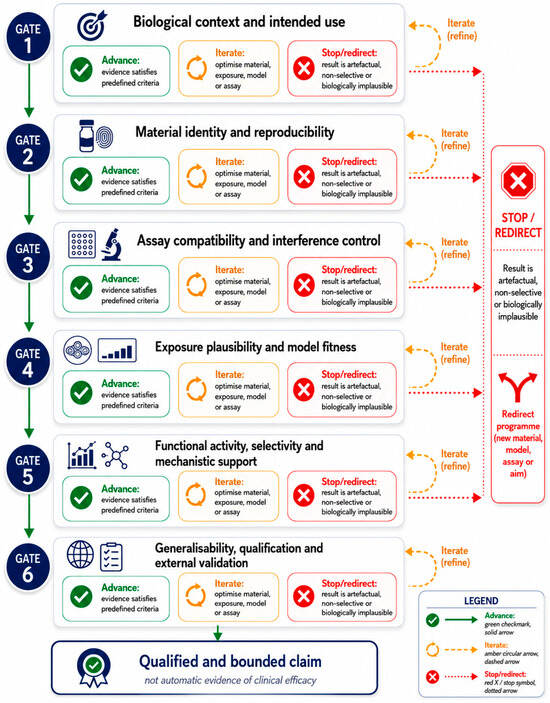
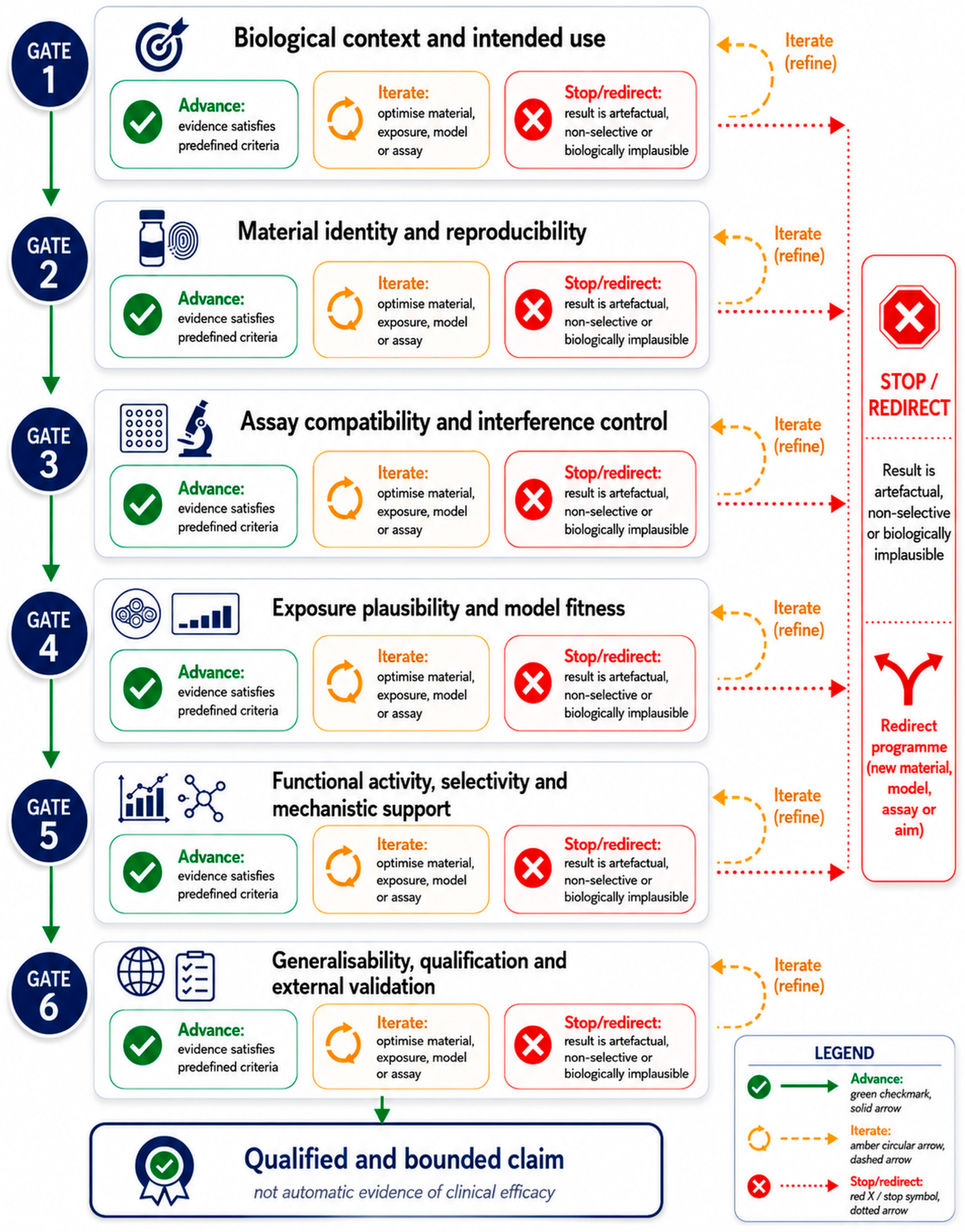

Disclaimer/Publisher’s Note: The statements, opinions and data contained in all publications are solely those of the individual author(s) and contributor(s) and not of MDPI and/or the editor(s). MDPI and/or the editor(s) disclaim responsibility for any injury to people or property resulting from any ideas, methods, instructions or products referred to in the content. |
© 2026 by the authors. Licensee MDPI, Basel, Switzerland. This article is an open access article distributed under the terms and conditions of the Creative Commons Attribution (CC BY) license.