


Abstract
As Artificial Intelligence (AI) becomes increasingly integrated into financial services, its alignment with sustainability goals has given rise to a new domain: Green FinTech. This study investigates the Behavioural Intention (BI) of Greek banking customers to adopt AI chatbots in the context of sustainable digital finance. Building upon the Unified Theory of Acceptance and Use of Technology (UTAUT), the proposed model incorporates additional constructs, i.e., Trust, Digital AI Literacy (DAIL), Environmental Concern (ENC), and Consumer Social Responsibility (CnSR), to examine the behavioural intention (BI) to use AI chatbots in the context of sustainable digital finance. Unlike prior UTAUT-based research, which has mainly examined AI, FinTech, or chatbot adoption separately or in different contexts, the present study develops and empirically tests an extended green-oriented UTAUT model that integrates technological, environmental, and ethical dimensions within a single framework. In this way, the study addresses a geographical, contextual, and model-specific gap in the literature, as research on AI chatbot adoption in Green FinTech remains limited, particularly in the Greek banking context. The target population for this study consists of educated, working-age adults who have already used an AI chatbot for a banking transaction in the context of e-banking services. A structured questionnaire was administered to a sample of 209 users of AI chatbots in the banking context. Using Structural Equation Modelling (SEM) and factor analysis via Principal Component Analysis (PCA) in conjunction with orthogonal rotation (VARIMAX), the results show that Green Performance Expectancy (GPE), Green Effort Expectancy (GEE), Digital AI Literacy (DAIL), and Trust significantly influence Behavioural Intention (BI). Consumer Social Responsibility (CnSR) also has an indirect impact via Green Social Influence (GSI). The study extends UTAUT in the Green FinTech context by integrating sustainability- and AI chatbot usage-related constructs, showing that Green Performance Expectancy and trust are the strongest drivers of bank customers’ behavioural intention to use AI chatbots. The study therefore contributes theoretically by extending UTAUT into a green-oriented framework that captures sustainability-related and ethical drivers of AI chatbot adoption in banking, rather than examining technology-use determinants alone. More specifically, it explains AI chatbot adoption in Green FinTech through a unified framework that combines core UTAUT variables with Trust, Digital AI Literacy, Environmental Concern, and Consumer Social Responsibility in the underexplored context of Greek banking.
Keywords:
Green FinTech; AI adoption; chatbot; UTAUT; trust; digital literacy; sustainability; banking JEL Classification:
M15
1. Introduction
Sustainability and environmental protection actions are of great importance in various areas. Thus, stakeholders, governments, organisations, enterprises, scholars, and consumers are increasingly engaging in sustainability practices [1,2]. Meanwhile, Generative AI is gaining importance in business operations and daily life [3]. These two developments are highly relevant to the financial and banking industries, as their environmental impact has traditionally been high due to the need for writing materials (i.e., paper) and infrastructures (such as servers and data centres) [4]. AI has been increasingly adopted by this industry in a wide range of applications, such as chatbots, machine learning, and predictive data analytics [5]. This convergence raises an essential question regarding the potential for intentionally using AI to support environmental sustainability in the Green Banking context. At the same time, the environmental role of AI cannot be approached as uniformly positive, since AI systems also rely on energy-intensive computational processes and digital infrastructures. Therefore, the use of AI chatbots in banking may be perceived not only as a means of supporting environmentally responsible practices but also as part of a broader technological system with its own environmental footprint. Therefore, the present paper explores the intersection of AI chatbots and banking, focusing on the emerging domain of Green FinTech. Green Fintech combines technological innovation with environmental respect and responds to contemporary global community demands [6]. Environmental consciousness has intensified, leading to a considerable increase in the number of consumers actively seeking financial products and services aligned with their values. The change in consumers’ behaviours has led to a growing market for green financial solutions. This orientation emphasises the necessity for financial institutions to adapt their services to meet the burgeoning demand for environmentally responsible financial practices [7]. As stated by [8], AI can be of significant value in achieving sustainable development goals. In this context, the utilisation of AI chatbots facilitates real-time communication with customers, thereby addressing their queries and aiding issue resolution [9,10,11].
Digital literacy levels across the European Union are generally high, although lower digital skills are still observed in some EU-27 countries [12], and the pace of digital transformation remains uneven across member states [13]. Online banking has become mainstream across Europe [14] with more than 70% of internet users in the EU using online banking services in 2024 [15]. The adoption of AI technologies has become increasingly common across the EU banking sector, particularly in client and transaction profiling, customer support, and AI chatbot-based services [15]. By 2024, approximately 40% of EU banks were already using general-purpose AI (GPAI), primarily in customer-support and internal-process roles, suggesting that AI is now well established in banking, although its sustainability-oriented applications remain less developed [16,17]. In Greece, however, the most recent data from December 2024 show that only 54.2% of individuals used internet banking, significantly below the EU average [18], indicating chances for deeper digitalisation in the Greek banking sector [12]. This has implications for how AI chatbot usage in banking and Green FinTech solutions could be adopted in Greece’s financial sector.
AI chatbots have been recognised as tools that may support greener banking practices by shaping pro-environment attitudes, customer interaction, and sustainable financial behaviour [19,20]. Prior research has examined AI-enabled services in banking and related FinTech contexts primarily through the lenses of technology adoption, customer experience, and behavioural intention. In particular, studies on banking chatbots and robo-advisors have focused on factors such as trust, privacy and information-security concerns, perceived risk, customer engagement, and usage intentions [21,22,23,24,25], while related work in chatbot-related contexts has also examined comparable intention-based determinants [26]. Other studies in banking, green banking, and AI-enabled FinTech contexts have shown performance expectancy, effort expectancy, social influence, and trust as important factors in shaping intentions to adopt technologies such as green banking applications, AI devices, and robo-advisors [27,28,29,30,31,32,33,34]. In addition, digital literacy has been identified as an important enabler of adoption in digital banking and FinTech environments [29,35]. A smaller but growing stream of research has also considered sustainability-related factors, including environmental concern and consumer social responsibility [19,29,32,36,37]. However, to the best of our knowledge, while previous research has explored these dimensions in partial or alternative combinations, their integration within a single framework for examining AI-based FinTech adoption with sustainability factors, especially in the Greek banking context.
Building on the previous findings and the statistical evidence presented, it becomes evident that while the European banking sector has made significant progress in adopting AI, the integration of such technologies into sustainability-oriented banking practices remains limited. This is particularly evident in countries such as Greece, where overall digital adoption still trails the EU average. The intersection of AI chatbots and sustainability through Green FinTech is an emerging and promising field that may support both financial innovation and environmental responsibility. However, to successfully deploy these technologies, a key challenge is the users’ acceptance and behavioural intentions. This means that it is essential for banks to understand how customers perceive and adopt AI chatbots to achieve sustainability goals through technological progress, especially in Greece, where Green FinTech adoption is still in its early stages. According to the above-mentioned findings, there is a necessity to identify and analyse the factors that may affect customers’ behavioural intention (BI) to use AI chatbots for customer services in green banking. Thus, the present paper is oriented towards the exploration of these core factors in the Greek context.
Βy developing and empirically testing an extended UTAUT-based model that integrates technological, environmental, and ethical dimensions, this research explicitly focuses on the intersection of AI chatbots and sustainability-oriented banking practices. Prior studies examined AI adoption, FinTech adoption or banking chatbot adoption separately, or have explored these issues in different contexts (e.g., green banking technologies, AI devices, or robo-advisors) [27,28,29,32,36,38]. The present paper extends the UTAUT framework by integrating Digital AI Literacy (DAIL), Consumer Social Responsibility (CnSR), and Environmental Concern (ENC) into a single model, in a specific combination. Furthermore, the study examines whether these constructs operate as direct or mediating factors in shaping Behavioural Intention (BI) to use AI chatbots in environmentally sustainable banking. In this way, the study encompasses the technological factors influencing the adoption of AI chatbots, as well as the sustainability and ethical aspects of Green FinTech in the banking sector. To the best of our knowledge, this specific extended UTAUT framework for examining AI chatbot adoption in green banking remains limited in the published literature. By applying this model to the Greek banking sector, a context characterised by relatively low digital maturity compared with EU averages, the study addresses a geographical, contextual, and model-specific gap in the current literature.
In consideration of these points and the role of AI chatbots in the field of green Fintech, the present study aims to investigate the extent to which the customer base of Greek banking institutions is familiar with AI chatbots in terms of their application in the context of green Fintech for processing transactions. The objective is to explore the variables/factors that influence the intention to use these technologies (BI). Furthermore, another objective is to investigate the mediating factors (mediators) that influence the intention to use (BI). The target population for this study consists of higher education graduated, working-age adults who have already used an AI chatbot for a banking transaction in the context of e-banking services.
- Main Research Question:
What are the main factors influencing the intention to use AI chatbots in the context of Green FinTech among the customer base of Greek banking institutions?
- Secondary Research Question:
Which factors act as mediators in the intention to use AI chatbots in the context of Green FinTech among the customer base of Greek banking institutions?
2. Theoretical Background
Sustainability—as a philosophy or even a way of working and living—has become increasingly prominent [27,39]. Accordingly, the adoption of practices that promote and integrate sustainable development has become an important area of interest for enterprises and organisations globally. Sustainability encompasses coordinated efforts aiming towards meeting the needs of today, without compromising the delicate balance of the ecosystem [40,41].
In this context, Green Banking emerges as a means of promoting environmental sustainability, although its implementation depends on several external factors, including local legal restrictions, the internal management of banks, and the availability of related resources [42]. This is determined by the objectives and actions of the EU (27) and other global organisations. Although the literature offers several definitions of Green Banking (GB) technology, these do not differ substantially. The concept refers to the provision of innovative products to support activities that are not harmful to the environment; it aims to use bank resources responsibly while prioritising the environment and society [43,44,45,46,47]. GB technology also refers to an ideology driven by the need for sustainable approaches that facilitate the transformation of the industry by applying innovative technologies for the efficient and effective delivery of banking services [48,49].
AI can be of significant value in achieving sustainable development goals [8]. In this regard, AI represents a paradigm shift as it can be used within the scope of promoting sustainability [50,51,52]. Its efficacy in managing and processing big data and large datasets is aligned with the facilitation of attaining sustainable development goals [40]. Researchers such as [53,54] have emphasised that sustainability initiatives, supported by AI and green innovation, have a positive impact across development, economy, and daily procedures. In addition, real-time updates that utilise information and data from diverse sources can enhance the comprehensiveness and timeliness of Environmental, Governance, and Social (EGS) information for investors [5,20,54,55,56].
FinTech involves the use of IT applications to enhance the quality and efficiency of financial services [57,58,59,60,61]. Meanwhile, Green Fintech combines technological innovation with environmental sustainability and responds to contemporary global community demands for more responsible financial practices [6]. In the context of environmental sustainability, actions such as directing funds to sustainable projects and businesses, as well as providing specialised tools for measuring environmental impact, help to minimise the carbon footprint. These actions also facilitate more informed decision-making by interested customers and businesses with respect to the environment [43,62,63].
At the same time, evolving consumer preferences are a significant factor in the financial sector. Environmental consciousness has intensified, leading to a considerable increase in the number of consumers who actively seek financial products and services aligned with their values. This transformation in consumers’ behaviours has led to a growing market for green financial solutions, including green loans and sustainable investments, emphasising the need for financial institutions to adapt their services to meet the increasing demand for environmentally responsible financial practices [7,19].
Moreover, AI utilisation represents significant potential for sustainability, as it can be implemented in order to optimise environmental resource management. Various forms of AI (i.e., big data analytics and chatbots) have been integrated into the operation of the financial sector in both managerial procedures and customer service functions [64]. These technological tools are supported by advanced machine learning algorithms that can be implemented by banks to accurately and reliably leverage and analyse vast quantities of data regarding investment and insurance programmes. This process also results in a reduction of processing times and facilitates workflows and resource allocation [65,66,67,68,69].
The strategic re-orientation towards a customer-centred framework, rather than focusing on products or profit, reflects the increasing importance of customer experience in financial services [70,71]. The implementation of self-service banking technologies, particularly those incorporating AI capabilities, enables financial institutions to strengthen their market position and organisational performance, gaining a significant competitive advantage [72,73,74]. Moreover, incorporating such technologies led to the improvement of transparency, the enhancement of efficiency, the facilitation of data-driven decision-making, and the expansion of access across different financial markets [75].
AI chatbots are described as sophisticated computer programs that utilise textual or vocal communication to engage in dialogue and serve as virtual assistants for users [76,77,78,79]. In banking, AI chatbots facilitate real-time communication with customers by addressing their queries and aiding in the resolution of possible issues, anytime and from any location [9,10,11]. Therefore, the integration of AI chatbots within the financial services sector represents a significant advancement [20].
Furthermore, interactions with customers via chatbots enhance algorithms, thereby ensuring more effective and efficient communication [59,60,61,80,81]. The ability of financial technology to provide users with relevant information enables financial services companies to deliver effective and cost-efficient solutions, as well as personalised products and services [82]. AI chatbots are revolutionising the interaction between financial institutions and their customers by augmenting traditional communication methods (i.e., telephone, email, and human representatives) [83]. Specifically, the use of AI chatbots and robo-advisors facilitates personalised banking experiences, while providing advanced financial advice in a way that may support the Sustainable Development Goals (SDGs) [34].
In addition, AI chatbots enhance environmental sustainability and promote Sustainable Development Goals (SDGs) [34,84,85]. They serve various functions (i.e., paying bills, providing personalised services, answering frequently asked questions from users, providing specialised portfolio investment advice, and reshaping the buying and selling of shares and mutual fund capitalisation) [20,78]. As such, they are evolving into a particularly useful tool for the banking sector [82,86]. Their contributions to sustainability and the environment include reducing carbon footprints, limiting the use of printed materials, reducing waste, and saving energy, while also supporting responsible environmental decision-making [62,87].
3. Theoretical Framework and Hypotheses
3.1. UTAUT and Additional Variables
The UTAUT (Unified Theory of Acceptance and Use of Technology) model has garnered significant attention in the international literature regarding the intention to utilise and adopt AI agents across diverse fields, including customer service [88,89], banking [21,22,23,24,25], education [90,91], tourism [92]. The authors of these studies have explored the extent to which the model’s core variables—Performance Expectancy (PE), Effort Expectancy (EE), Social Influence (SI), and Facilitating Conditions (FC)—impact users’ decisions to engage with AΙ chatbots. Their findings, though derived from research based on the UTAUT model regarding the adoption of AI chatbots in the banking sector, revealed various determinants as well as diverse impact percentages, depending on the context and each study’s population background [25,26,90,92]. In the Green FinTech field, numerous research studies have also employed the UTAUT model as their theoretical framework (e.g., [27,33,93]).
The UTAUT has demonstrated significant empirical validity as a framework for understanding individuals’ intentions to adopt modern technologies, while it has been extensively used by scholars to explore the adoption, acceptance, and utilisation of innovative technologies in accordance with individual behaviours [27,93,94]. According to [95], the UTAUT model is characterised by inherent flexibility and adaptability; thus, it can be applied in various fields of research interest, while it demonstrates a robust explanatory capability.
Due to the aforementioned reasons, the UTAUT model has been identified and selected as the most proper framework for the analysis of the determinants and additional variables examined in the present study, as it is consistent with its scope and context. Specifically, the UTAUT model effectively integrates environmental and social-related factors (i.e., Social Influence (SI)), and it encompasses significant elements such as Digital AI Literacy, Consumer Social Responsibility, Trust, and Environmental Concern, as highlighted by [96,97]. This fact makes the model firmly suitable for investigating the factors that influence the intention to adopt and implement AI chatbots in the context of Green FinTech [98].
Our proposed conceptual model (Figure 1) is developed based on UTAUT, with the inclusion of four more variables within the scope of investigating the main factors influencing the behavioural intention of use of AI chatbots in the Green Fintech frame by the Greek banks’ customers. The proposed model encompasses three of UTAUT’s factors (i.e., Green Performance Expectancy—GPE, Green Effort Expectancy—GEE, and Green Social Influence—GSI) along with four more groups of variables, i.e., (i) Trust, (ii) Digital Literacy in the context of AI (DAIL), (iii) Environmental Concern (ENC), and (iv) Consumer Social Responsibility (CnSR).
Figure 1.
Proposed conceptual model.
Facilitating Conditions (FC), the fourth construct in the UTAUT framework, was not included in this study because the questionnaire contained an initial screening question on prior use of AI chatbots, which determined the final sample. Consequently, all participating bank customers had used their bank’s AI chatbot at least once through e-banking or m-banking, making it reasonable to assume that they had access to the basic facilitating conditions required for such use. In the context of retail banking chatbots, several facilitating conditions (e.g., basic access to digital channels and devices) may therefore function more as background requirements than as key differentiators of behavioural intention.
3.2. Hypotheses Formation
3.2.1. Green Performance Expectancy
The variable described by [95] is characterised as the extent to which a person believes that using the system will support improvements in job performance. The expected performance of a new technological system (AI-based or not) is considered to be a primary determinant that influences the adoption of this technology, while, as a determinant, it follows in ranking the factor of trust establishment [99]. In the specific context of Green Banking, it is reasonably anticipated that customers will derive certain benefits after engaging in a dialogue with the bank’s chatbot and, when this technological tool meets or exceeds their expectations, users are inclined to embrace it [31,100]. Recent research by [32] highlights that expected performance significantly influences the sustained intention to engage with Green Fintech. Additionally, ref. [27] illustrate the impact of expected performance on the intention to utilise Green Banking within Islamic banking institutions. Furthermore, ref. [28] confirm the role of expected returns in driving the adoption of robo-advisors for investment management within the Fintech sector, based on a survey conducted in Hungary. In a study conducted by [29] the mediating role of green expected return on users’ willingness to adopt AI devices in Green Banking was examined, revealing a positive correlation with users’ emotional responses and their motivation to engage with these technologies. Consequently, we propose the following hypothesis:
H1.
Green Performance Expectancy positively affect the intention to use chatbots in the context of green banking.
3.2.2. Green Effort Expectancy
Effort expectancy refers to the extent to which individuals perceive the utilisation of a new technology as challenging or accessible [95]. The international literature presents divergent findings regarding the impact of this factor on the intention to adopt new technologies. Nevertheless, it is found that the effort anticipated by each user in human-chatbot interaction positively affects the intention to use such systems [25,89,90]. Furthermore, when a chatbot is perceived by its potential users as “user-friendly”, the probability of further engagement is increased, a finding that is related to the green banking context as well, significantly impacting the intention to use [26,30,31,32]. Conversely, findings by [27] suggest that the impact of expected effort on engagement with innovative banking technologies is not significant, indicating a need for a deeper examination regarding the way bank customers perceive the ease of use when interacting with chatbots, especially designed to promote environmentally sustainable practices. Therefore, the following hypothesis is proposed:
H2.
The Green Effort Expectancy positively affects the intention to use chatbots in the context of green banking.
3.2.3. Green Social Influence
Social influence refers to the extent to which an individual may be affected by peers, friends, relatives, and the broader social environment in their utilisation of new technologies [95]. This influence emerges as a critical determinant in the adoption of technological innovations, significantly impacting both the initial decision to engage with these technologies and their sustained usage thereafter (e.g., [101,102,103,104]). Research that investigates the intention to adopt chatbots has identified social influence as a vital factor in the initial engagement decision among users lacking prior interaction, as well as among those with some pre-existing familiarity with chatbots (e.g., [25,88,89,92]). In the context of green banking, several studies have corroborated the positive impact of social influence (e.g., [29,31]), although some research has yielded contradictory results (e.g., [27,30,32]). Notably, ref. [26], utilising a combination of the Unified Theory of Acceptance and Use of Technology (UTAUT) and the Theory of Reasoned Action (TRA), found peer influence to be a significant determinant in the intention to use robo-advisors among users in South Korea. Conversely, ref. [27], employing a customised UTAUT model, did not find social influence to be a significant variable affecting the intention to adopt green banking technologies in the United Arab Emirates (UAE). The following hypothesis is posited based on the aforementioned findings:
H3.
Green Social influence positively influences the intention to use chatbots in the context of green banking.
3.2.4. Trust
Trust is conceptualised as “the degree to which a user trusts and is willing to act on the recommendations, actions, and decisions of a system based on AI” [105]. It serves as a pivotal determinant in the adoption and utilisation of emerging technologies, particularly in the realm of AI [33,106,107] Furthermore, trust significantly influences both the initial and continuous intentions to engage with such technologies, as evidenced by studies examining user interactions with chatbots (e.g., [21,108,109,110]). In the banking sector, the role of trust becomes even more essential, as a lack of trust can discourage users from sharing personal information, causing uncertainty about data security and privacy [4,5]. Moreover, research conducted by [34] regarding the adoption of robo-advisors in the banking sector revealed that trust is the most significant predictor, having a positive influence on the intention to use chatbots to get investment advice. Given this evidence, the following hypothesis is proposed:
H4.
Trust has a positive influence on the intention to use chatbots in the context of green banking.
3.2.5. Digital Literacy in the Context of AI
In Green Fintech, digital literacy can be a significant determinant when examining the users’ intention to adopt any innovative technology [111,112] as persons with higher digital competencies tend to adopt more easily such technologies due to the fact that it is easier for them to interact with any technological system, compared with customers of lower digital literacy [113]. Furthermore, digital literacy is considered to be a significant factor that facilitates transactions as well as communication via a chatbot within the context of digital banking, thus integration of chatbots in FinTech requires a certain degree of these skills [35,114]. Also, digital literacy has a great impact on perceptions of performance and perceived effort, which, ultimately, influence the intention to use, as found by [29], who expanded upon UTAUT model, with a strong positive correlation among digital literacy as a mediator and green perceived performance (GPE) and customer emotional responses. Based on these findings, the following hypothesis is proposed:
H5.
Digital literacy positively and significantly mediates the relationship between perceived performance and the intention to use chatbots in the context of green banking.
3.2.6. Environmental Concern
The growing concern for environmental issues has become a salient topic in recent years, particularly as it correlates with overall well-being. This has inspired numerous scholars within international literature to establish connections between environmental concerns and the environmentally friendly attitudes and behaviours exhibited by individuals and organisations [115,116]. Environmental concern, or environmental awareness, encompasses a constellation of beliefs, behaviours, and attitudes that emphasise respect for the environment [117]. Consumers increasingly adopt environmental awareness by recognising the contemporary imperative to honour ecological considerations, which, in turn, motivates them to engage in pro-environmental behaviours and to make purchases of green products [36,118,119]. A pronounced concern for the environment has been shown to contribute to more favourable attitudes towards it, thereby enhancing both purchase and adoption intentions [116,120,121]. Furthermore, individuals who possess a heightened environmental consciousness demonstrate a greater intention to adopt technologies [36], such as chatbots, as a means to promote sustainable banking practices. Based on these observations, the following hypothesis is proposed:
H6.
Environmental concern positively influences the intention to use chatbots in the context of green banking.
3.2.7. Consumer Social Responsibility
According to [122], a socially responsible consumer is defined as an individual who acknowledges the positive or negative implications of their purchasing decisions on the environment and actively demonstrates their environmental consciousness through the products and services they choose, aligning their purchases with what they perceive to have a beneficial (or less detrimental) effect on the environment. In the same frame, ref. [123] outlines a socially responsible consumer by emphasising the dimension of social responsibility as a fundamental duty of each and every person, which leads to the consumer social responsibility (CnSR) as the collective obligation of all individuals to contribute positively to societal welfare. The socially responsible consumer is characterised by a commitment to environmental stewardship, often opting for green products and services [124].
Research indicates that individuals with a heightened sense of social responsibility are more likely to engage with financial services that promote sustainability [32,37], as they seek greater acknowledgement and esteem from their social networks compared to those with lower levels of social responsibility. In this context, the present research is based on the hypothesis that the sense of social responsibility of a person can positively affect his/her intention to use chatbots in Green FinTech, due to the fact that individuals recognise that their engagement with AI chatbots contributes to the advancement of sustainability and the protection of the environment. This leads us to the formulation of the following hypothesis:
H7.
Social responsibility positively influences the intention to use Chatbots in the context of green banking through social influence.
4. Research Methodology
In order to explore the variables/factors and the mediating factors that influence the intention to use AI technologies and their application in the context of green Fintech by Greek banks’ customers, three of the UTAUT constructs were combined with certain additional items to measure Trust, Digital Literacy in the context of AI (DAIL), Environmental Concern (ENC), and Consumer Social Responsibility (CnSR). For this purpose, and on the aforementioned basis, we formed a questionnaire to collect the necessary quantitative data. The questionnaire included a section on the study’s aim, which explicitly stated that the questions should be answered only regarding AI chatbot usage, not any other AI banking services. Also, a description and simple definition of each term used in the questionnaire were included to ensure that participants fully understood its contents.
Before starting the main questionnaire, participants were asked to answer a screening question about whether they had previously used an AI chatbot in the banking context. Only those participants who answered affirmatively to prior use proceeded to the next sections and were included in the final sample. The questionnaire consisted of two distinct sections: one on demographic characteristics and the other on the constructs of the proposed model (Table 1). Each construct (i.e., GPE, GEE, GSI, CnSR, ENC, Trust, DAIL, and BI) comprised of relevant statements, as found in academic literature, in 5-points Likert scale (1 = I totally disagree to 5 = I totally agree). The first four constructs each comprised four items, while the remaining four consisted of three items each, resulting in a total of twenty-eight (28) statements. The statements were based on questionnaires used by previous studies (i.e., [21,32,95,97,124,125,126,127,128]) to ensure the validity and reliability of the measurement tool, while, as mentioned above, each item refers to the AI chatbot use in the green banking context, which was explicitly explained to the participants.
Table 1.
Proposed Model’s Items.
The demographics section included six (6) questions (i.e., main transaction bank, gender, age, yearly income, occupation, and educational level).
The questionnaire was drafted in English, translated into Greek by an assistant professor of English literature, and then reviewed by two independent researchers for consistency with the research aim. Subsequently, a pilot survey was conducted by distributing the questionnaire to an initial sample of 21 customers of Greek banking institutions (not included in the final sample), who were asked to evaluate the ease of understanding the questions and the relevance of the questions to the study’s stated aim. The pilot survey also aimed to assess the validity and reliability of the items and constructs used. The questionnaire was then administered electronically via Google Forms (Google LLC, Mountain View, CA, USA) and distributed to customers of Greek systemic banks. The survey lasted from September 2025 to November 2025. Since all variables were collected through a single anonymous self-report questionnaire, common method bias cannot be fully ruled out. The use of a single instrument and a single measurement occasion may have increased the risk of shared method variance. No repeated measurements with a complementary instrument were feasible, as respondents’ anonymity precluded matching the same individuals across waves; therefore, this issue is acknowledged as a potential limitation.
Ethical and deontological issues were taken seriously into account during the conduct of the research. For this reason, the questionnaire included detailed information stating that no personal data was being collected, that participation was voluntary and non-profitable, that each participant could withdraw at any time without penalty, and that completing the questionnaire automatically constituted informed consent to participate in the study.
The sampling method used was convenience sampling, which involved distributing the questionnaire via email and social media. Although random sampling does not allow for statistical generalisation of the results and might bias the findings, the sample was selected to include participants in a way that, to the extent possible, reflects key characteristics of the target population. This approach strengthened the validity of the study, particularly regarding the transferability of the findings to the Greek context regarding the use of online banking and, by extension, the potential use of AI chatbots to promote environmental awareness. The target population for this study consists of educated, working-age adults who have already used an AI chatbot for a banking transaction in the context of e-banking services, as confirmed by the initial screening question used by the questionnaire. Given the population, the expected profile of the sample was that it would consist mainly of educated participants employed in the public and private sectors (and therefore would use online banking) and would have sufficient digital literacy.
Before collecting the data, G*Power software, version 3.1.9.4 (Heinrich Heine University Düsseldorf, Düsseldorf, Germany) was used to conduct a linear multiple regression test to calculate the minimum sample size for PLS-SEM analysis of the research model [32], resulting in a minimum sample size of 155 participants required for the proposed model. Each distribution was accompanied by an informative message outlining the scope of the study and clarifying that participation was voluntary, an approach that was taken to ensure compliance with ethical standards and the code of conduct. The final sample consisted of 209 participants. The dataset is available in the Supplementary Material.
As shown in Table 2, the distribution of respondents’ main transaction banks was relatively balanced across the four major Greek banks. Piraeus Bank was the most frequently reported (29.7%), followed closely by the National Bank of Greece (28.7%) and Eurobank (27.3%). Alpha Bank accounted for 12.0% of respondents, while a small proportion (2.4%) reported using another bank. In terms of gender, the sample was predominantly female (67.5%), while male respondents accounted for 30.6%. A small fraction of participants (1.9%) selected “other” or preferred not to disclose their gender. With respect to age, the majority of respondents were concentrated in the 35–44 (28.7%) and 45–54 (30.1%) age groups, indicating a mainly middle-aged sample. Younger respondents aged 18–25 and 26–34 represented 15.8% and 14.4% of the sample, respectively. Older age groups were underrepresented, with 9.1% aged 55–64 and 1.9% aged 65 or older.
Table 2.
Frequency table of the sample’s demographics.
Regarding income, the largest proportion of respondents reported an annual income between €10,001 and €20,000 (30.6%), followed by those earning €20,001–30,000 (19.1%). Lower income categories (up to €6000 and €6001–10,000) accounted for 12.0% and 10.5%, respectively. An additional 10.5% reported an income above €30,000, while a notable share of respondents (17.2%) preferred not to disclose their income. In terms of occupation, the sample was primarily composed of civil servants (37.3%) and private-sector employees (35.4%). Self-employed individuals accounted for 13.4%, and respondents who stated that they were students accounted for 9.6%. Smaller proportions were unemployed (2.9%), retired (1.0%), or classified as state employees (0.5%). Finally, with respect to educational level, the sample was highly educated. Nearly half of the respondents held a Master’s degree (47.4%), while 38.8% had completed tertiary education. Respondents with a doctoral degree accounted for 8.6%, and only 5.3% reported secondary education as their highest qualification.
To examine the proposed conceptual research model and its associated hypotheses (refer to Figure 1), structural equation modelling (SEM) employing maximum likelihood estimation was utilised. SEM integrates the features of both measurement and structural models, rendering it an appropriate methodology for investigating the hypothesised structural relationships among multiple independent and dependent variables through the estimation of regression parameters. This approach is primarily utilised when the focus of the study is to validate an established theoretical framework [129]. The statistical objective of this approach is to estimate the model parameters that minimise the discrepancies between the observed sample covariance matrix and the covariance matrix derived from the revised theoretical model, following its validation [130]. The IBM SPSS Amos version 25 software (IBM SPSS Statistics for Windows, version 25.0, IBM Corp., Armonk, NY, USA) was employed to conduct structural equation modelling (SEM) in this study. At this stage, a check was also conducted to verify the completeness and consistency of the selected data, with the aim of determining whether there were any missing values or values that were clearly unexpected in the key variables. No missing values or entries deviating from the system’s expected range of values were identified, and therefore, all answers were retained in the final analysis file.
In measurement, the model facilitates the assessment of latent variables representing constructs of interest. Accordingly, the dimensions for all twenty-eight (28) constructs were initially evaluated through confirmatory factor analysis (CFA), while the constructs were also assessed for reliability and convergent validity. Drawing upon existing literature, convergent validity is evaluated through several recommended criteria, among which two fundamental standards are particularly noteworthy: (1) all indicator factor loading values should exceed 0.4 [130]; (2) composite reliability (CR) should exceed 0.6 [131], when the specific measurement scale is applied. Finally, factor analysis was conducted using principal component analysis (PCA) in conjunction with orthogonal rotation (VARIMAX). This analytic approach aimed to identify any potential common method bias and to assess whether the variance in the data could primarily be attributed to a singular underlying factor [132].
Once the constructs met the necessary measurement standards, the relationships among them were assessed to establish the structural model. This model enables the evaluation of the strength and direction of these relationships. To determine the overall goodness-of-fit, several criteria should be considered: the chi-square/df ratio should be below 5, while the goodness-of-fit index (GFI), comparative fit index (CFI), normed fit index (NFI), incremental fit index (IFI), and Tucker-Lewis index (TLI) should all exceed 0.90. Additionally, the root mean square error of approximation (RMSEA) should be below 0.08 [133,134,135].
To ensure model robustness, Principal Component Analysis (PCA) with VARIMAX rotation was employed as a preliminary exploratory and diagnostic step. This served to assess the factor structure and check for potential common method bias. PCA functions act as a preliminary diagnostic tool, intended to support and refine the formal validation provided by CFA and SEM. While CFA/SEM is used to confirm our theoretical framework, PCA provides the necessary diagnostic groundwork that validates the data structure prior to rigorous structural testing.
5. Results
In this paper, we assessed the internal consistency of our proposed model (i.e., Factor loadings, convergent validity, and reliability) using the collected data. Table 3 presents the standardised factor loadings, descriptive statistics, and reliability and validity indicators for all constructs included in the proposed research model.
Table 3.
Factor loadings, convergent validity, and reliability.
The confirmatory factor analysis (CFA) model comprises 28 items that operationalise eight underlying constructs (refer to Table 3). Specifically, principal component analysis (PCA) accompanied by VARIMAX rotation was utilised to assess the validity of the measurement variables, facilitating the categorisation of items into latent factors and enabling the computation of factor loadings. To evaluate the appropriateness of the data for factor analysis, several diagnostic measures were implemented. Notably, Bartlett’s test of sphericity yielded a chi-square value of 4281.8801 (p < 0.001), indicating significant correlations among the variables within the correlation matrices. Furthermore, the Kaiser-Meyer-Olkin (KMO) measure of sampling adequacy was calculated at 0.892, while the individual measurement of sampling adequacy (MSA) values ranged from 0.808 to 0.947, both of which are deemed satisfactory for the analysis.
The MSA values consistently exceeded the threshold of 0.50 [136], indicating a robust suitability for factor analysis. Furthermore, the factor loading indicators ranged from 0.531 to 0.819 (Table 3), exceeding the established criterion [137], while the composite reliability (CR) values also exceeded the acceptable threshold of 0.6 [131], ranging from 0.672 to 0.930 (Table 3), establishing convergent validity. To assess the reliability of the questionnaire items, Cronbach’s alpha was employed, with the findings demonstrating coefficients ranging from 0.778 to 0.949, surpassing the accepted threshold of 0.7 [136] (Table 3). The statistical test showed that the eight latent factors accounted for 77.30% of the variance in the measurement items.
As stated above, the results demonstrate strong convergent validity and internal consistency across constructs, with the tests conducted showing that all standardised factor loadings exceed the recommended threshold of 0.50, with the majority above 0.70, indicating that the items load satisfactorily on their intended latent constructs. The item means range approximately between 2.83 and 4.12, a fact that suggests a moderate to relatively high agreement among respondents, while standard deviations indicate acceptable variability.
For Green Performance Expectancy (GPE), factor loadings range from 0.699 to 0.796 with the construct exhibiting an Average Variance Extracted (AVE) of 0.565, a value that exceeds the recommended minimum of 0.50, and demonstrates strong reliability, with Composite Reliability (CR) = 0.838 and Cronbach’s α = 0.851. Green Effort Expectancy (GEE) also seems to be robust, with loadings between 0.696 and 0.803, while the AVE value (0.577) confirms adequate convergent validity, and reliability indices are high (CR = 0.844; Cronbach’s α = 0.840). For Green Social Influence (GSI), standardised loadings range from 0.675 to 0.800, and the construct achieves satisfactory convergent validity (AVE = 0.593) while its internal consistency is also strong (CR = 0.853 and Cronbach’s α = 0.847).
Behavioural Intention (BI) is highly explanatory, with loadings between 0.713 and 0.796, which satisfies convergent validity criteria (AVE = 0.591) and very high internal consistency (CR = 0.812; Cronbach’s α = 0.928). Regarding Environmental Concern (ENC), factor loadings range from 0.531 to 0.819, while the construct satisfies convergent validity (AVE = 0.531) and shows acceptable reliability (CR = 0.767; Cronbach’s α = 0.778). The Digital AI Literacy (DAIL) construct has loadings that range between 0.733 and 0.800, with an AVE of 0.587 (CR = 0.810; Cronbach’s α = 0.831), indicating adequate convergent validity. For Consumer Social Responsibility (CnSR), standardised loadings range from 0.651 to 0.753. While the AVE value (0.521) is slightly above the threshold, it still confirms convergent validity, and the construct demonstrates strong reliability (CR = 0.813; Cronbach’s α = 0.857). Finally, Trust (TR) exhibits the strongest performance among all constructs, with loadings consistently above 0.799. The construct shows high convergent validity (AVE = 0.643) and excellent internal consistency (CR = 0.844; Cronbach’s α = 0.949).
Taken together, the results indicate that all constructs satisfy the recommended criteria for convergent validity and reliability, supporting the adequacy of the measurement model and allowing for subsequent hypothesis testing and structural model analysis.
To establish discriminant validity, the Fornell–Larcker criterion was applied. As presented in Table 4, the square root of the Average Variance Extracted (AVE) for each latent construct is greater than its correlation with any other construct in the model. This confirms that each construct represents a distinct dimension within the proposed theoretical framework.
Table 4.
Discriminant Validity (Fornell–Larcker Criterion).
Table 5 presents the goodness-of-fit indices used to assess the adequacy of the proposed structural model. Overall, the results indicate that the model demonstrates a good to very good fit with the observed data. The chi-square to degrees of freedom ratio (χ2/df) is 1.564, which is well below the commonly accepted threshold of 5.00, indicating an acceptable and parsimonious model fit. This suggests that the discrepancy between the observed and model-implied covariance matrices is relatively small.
Table 5.
Evaluation of model goodness-of-fit.
Regarding absolute and incremental fit indices, the Comparative Fit Index (CFI = 0.956), Incremental Fit Index (IFI = 0.957), and Tucker–Lewis Index (TLI = 0.948) all exceed the recommended cutoff value of 0.90, providing strong evidence of a well-specified structural model. These indices indicate that the proposed model fits the data substantially better than a null or independence model.
The Normed Fit Index (NFI = 0.888) and Goodness-of-Fit Index (GFI = 0.863) fall slightly below the conventional threshold of 0.90. However, these values are close to the cutoff and are generally considered acceptable in complex models and in studies with moderate sample sizes, particularly when supported by strong performance on other fit indices.
Finally, the Root Mean Square Error of Approximation (RMSEA) is 0.054, which is well below the recommended upper limit of 0.08, indicating a good fit of the model to the population covariance matrix. The 90% confidence interval for RMSEA [0.046–0.063] lies entirely below the 0.08 threshold, further confirming the robustness and stability of the model fit.
Building on the satisfactory goodness-of-fit results, the analysis proceeded to examine the structural paths and moderating relationships specified in the proposed model. The estimated standardised path coefficients, illustrated in the validated conceptual model, provide empirical evidence regarding the strength, direction, and statistical significance of the hypothesised relationships among constructs. This step enables a more substantive interpretation of how UTAUT-based green adoption drivers (Green Performance Expectancy, Green Effort Expectancy, and Green Social Influence), together with trust-, capability-, and sustainability-related factors (Trust, Digital AI Literacy, Environmental Concern, and Consumer Social Responsibility), jointly shape customers’ behavioural intention to use AI chatbots. Consequently, the validated conceptual model synthesises both the measurement and structural results, offering a coherent and theory-consistent representation of the mechanisms through which cognitive expectations, social norms, trust, and individual capabilities influence AI chatbot adoption in the context of sustainable banking (Table 6, Figure 2). However, as shown in Table 6, two hypothesised paths were not statistically significant. Specifically, Green Social Influence (GSI) had no significant effect on Behavioural Intention (β = 0.111, p = 0.118), and Environmental Concern (ENC) similarly showed no statistically significant relationship (β = 0.033, p = 0.743). These results suggest that, within this sample, social normative behaviour and ecological awareness alone do not directly predict customers’ intention to adopt AI chatbots.
Table 6.
Path coefficients.
Figure 2.
Validated conceptual model. p < 0.1. * p < 0.05. ** p < 0.01. *** p < 0.001. NS: Not significant.
6. Discussion
The results of the present study provide significant observations into the factors that influence the behavioural intention (BI) of Greek banking customers to adopt AI chatbots within the Green FinTech context. Based on an extended UTAUT model, enriched with constructs such as Trust, Digital AI Literacy (DAIL), Environmental Concern (ENC), and Consumer Social Responsibility (CnSR), the findings both confirm and contradict existing literature.
Green Performance Expectancy (GPE) was found to be a strong and statistically significant predictor of behavioural intention (β = 0.427, p < 0.001). This aligns with the findings of [27,28,32,38], who also confirmed the positive effect of Green Performance Expectancy as a key determinant in the case of the adoption of AI-driven financial technologies. Within the Green FinTech context, this construct (GPE) reflects users’ belief that adopting AI chatbots enhances both transactional efficiency and environmental impact. The strength of this relationship emphasises the benefits as perceived by users, who regard these AI chatbots as tools that simplify banking tasks and contribute to achieving sustainability goals. Nevertheless, in the adoption of Green FinTech, environmental benefits may enhance intention to adopt AI chatbots only when they are experienced as part of the perceived usefulness of banking services (i.e., speed, convenience, and customer support) [27,32,38].
Green Effort Expectancy (GEE) was found to have a modest yet statistically significant effect on behavioural intention (β = 0.164, p < 0.05), aligning with findings from [32,38], where ease of use contributes to the intention to adopt AI chatbots. Especially in the context of Green FinTech, simple and easy-to-use chatbots and mobile platforms appear to enhance perceived accessibility, particularly among users less familiar with advanced digital systems. However, the smaller magnitude of GEE’s effect on BI reflects a broader pattern observed in recent literature, as it is widely proposed that the role of effort expectancy shows inconsistency across different contexts. As shown by [27,28] GEE appears to be non-significant regarding the behavioural intention, possibly due to increasing familiarity of users with AI chatbots, as well as due to the low interaction complexity needed. Nevertheless, these differences may reflect variation in contextual and cultural factors studies, as it seems that in less digitally mature settings, GEE remains a relevant variable, particularly as AI chatbots become more deeply integrated into customer-facing services. This finding can be interpreted as an indication that ease-of-use functions as a prerequisite that facilitates adoption, meaning that customers may not adopt AI chatbots for green banking services because they are easy to use, but perceived complexity may still be a barrier to adoption when digital maturity is uneven.
Trust was found to have a statistically significant influence on behavioural intention (β = 0.292, p < 0.001). This result is consistent with previous research by [21,27,29,34,124], who emphasise trust to be a fundamental enabler of AI adoption in financial services. In the context of Green FinTech, trust is a factor that facilitates technology adoption and enhances users’ sense of security regarding data protection and the credibility of sustainability claims related to chatbot use. This finding is particularly relevant in the Greek banking context, where digital transformation is ongoing, and consumer confidence in AI chatbots may still be evolving [12]. This is particularly important in the banking sector, where users evaluate data sensitivity, reliability, and institutional credibility, besides the possible benefits of AI chatbots. Therefore, trust appears to act as a bridge between AI chatbot acceptance and the adoption of sustainability-oriented services.
Contrary to expectations and prior findings in broader FinTech contexts, Green Social Influence (GSI) did not exert a statistically significant effect on behavioural intention (β = 0.111, p = 0.118). This finding suggests that the adoption of AI chatbots is influenced less by peers’ opinions and the broader social environment, and more by users’ individual evaluations of the technology’s usefulness, ease of use, and trustworthiness. A possible explanation is that the use of banking AI chatbots is a relatively private and useful behaviour, unlike other forms of green behaviour that are more socially visible and therefore more likely to be shaped by peer approval and social endorsement. In addition, because AI chatbots used in Green FinTech remain at an early stage of diffusion in the Greek banking context, social norms around their use may not yet be sufficiently established to directly influence intention. This interpretation is consistent with previous studies that reported mixed or context-dependent results regarding the influence of social factors on the adoption of financial technology (FinTech) and green banking [6,28]. Therefore, this finding does not necessarily mean that social influence is insignificant, but rather that its effect may be weaker in emerging, trust-sensitive, and low-visibility financial technologies, compared to more socially visible forms of sustainable consumption.
Environmental Concern (ENC) was also found to be statistically non-significant in influencing behavioural intention (β = 0.033, p = 0.743). These results indicate that ecological awareness, though conceptually relevant, does not directly motivate the adoption of AI chatbots in this specific population. While studies like [36] found a strong positive effect on green product intention, in our case, ENC may influence BI indirectly (possibly through attitudes or emotional engagement), a relationship not modelled in this study but highlighted in [126]. This suggests that general pro-environmental values alone may not be sufficient to motivate the adoption of AI chatbots in the Green FinTech context. A possible explanation is that, although respondents may hold favourable environmental attitudes, these attitudes do not automatically translate into intention to use AI chatbots. In this context, users may evaluate chatbot adoption primarily on functional and risk-related criteria rather than on environmental beliefs. Furthermore, the “green” benefits of AI chatbots may not be apparent to customers in their practical use, thereby weakening the direct behavioural role of environmental concern. Another possible explanation is that respondents may not perceive AI chatbots as purely environmentally beneficial technologies. Although AI chatbots may be associated with paperless and more efficient banking services, some users may also recognise that AI systems rely on energy-intensive infrastructure and computational resources. Since the present study did not directly examine this dimension of perception, the non-significant effect of Environmental Concern should be interpreted with caution.
Digital AI Literacy (DAIL) was found to have a strong and statistically significant effect on Green Performance Expectancy (β = 0.397, p < 0.001). This finding is consistent with [29], who argue that digital competence is important in shaping users’ perceptions of AI technology within sustainability frameworks. In the context of Green FinTech, bank customers who are more familiar with AI chatbots tend to have greater confidence in their use, thus recognising their functional advantages and also appreciating their potential environmental benefits.
Consumer Social Responsibility (CnSR) was found to have a weak mediating effect on Green Social Influence (β = 0.468, p < 0.001), which can be interpreted as a potential for positive behaviour towards AI chatbots as a means to promote environmental concerns. This finding aligns with [32] who found that consumers who exhibit social responsibility are inclined towards continuous use of green Fintech, while they may also influence the attitudes of others within their social environment. Nevertheless, ref. [124] confirmed a direct positive effect of social responsibility on the behavioural intention in the context of green purchase intention, suggesting social responsibility may influence the broader environment of adoption without necessarily being sufficient to trigger individual technology-use decisions. These findings suggest that sustainability-related values and social norms influence consumers’ attitudes toward social responsibility, but do not directly affect AI chatbot usage intention in the context of green banking.
6.1. Theoretical Implications
The present study offers a substantial theoretical contribution to the evolving literature on the adoption of AI chatbots in sustainable financial ecosystems. Specifically, it integrates environmental and ethical constructs: Consumer Social Responsibility (CnSR) and Environmental Concern (ENC) with core UTAUT variables and AI-related dimensions such as Digital AI Literacy (DAIL) and Trust, to develop an extended model for understanding behavioural intention in Green FinTech contexts. It should be noted that integrating the sustainability constructs altered the main concept of the UTAUT framework, adapting the model to a green-oriented context and allowing exploration of the environmentally friendly aspects of customers’ intentions to use AI chatbots. To the best of our knowledge, research combining these factors within a unified structural model remains limited, particularly in studies focusing on bank customers within the green banking domain in Southern Europe and, more specifically, in Greece.
This study is also among the first to test the indirect influence of CnSR via Green Social Influence, a novel path that bridges individual ethics with collective behavioural norms. While previous literature has explored CnSR in broader environmental consumption [32,124] or CnSR in green purchase contexts [124], its role in facilitating peer-based influence in FinTech remains underexamined. Similarly, DAIL’s influence on Performance Expectancy presents a compelling theoretical insight: digital readiness and AI understanding enhance not just technological engagement but also perceptions of environmental utility; a dynamic that has not been sufficiently emphasised in previous UTAUT extensions.
Moreover, this research addresses a significant gap in the literature by focusing on users of AI-driven green banking tools (chatbots), whereas most prior studies have examined the use of banking tools in general. In this regard, the findings expand the applicability of UTAUT in low-adoption, early-diffusion contexts, reinforcing its relevance to technology-centric environments as well as to value-driven adoption scenarios such as sustainability-aligned finance. Finally, while constructs such as Effort Expectancy and Social Influence have been inconsistently confirmed across previous FinTech studies, as reflected in the confirmation of GEE and the rejection of GSI and ENC in the present study, the proposed model integrates specific constructs that are not widely examined as interrelated.
6.2. Managerial and Practical Implications
The findings of this study provide important practical insights into how AI chatbots can support sustainability-driven innovation in the financial sector. As Green FinTech services continue to emerge globally, their successful adoption by banks’ customers depends on user perceptions, trust, and digital literacy, as well as on technological design. The strong predictive power of Green Performance Expectancy (GPE) confirms that consumers are more likely to engage with green banking technologies when they clearly perceive improvements in service effectiveness and environmental outcomes. Therefore, financial institutions may focus on communicating the benefits of AI chatbots in the context of sustainability to enhance customers’ motivation, a proposal that is also mentioned by [29,38]. The positive, though weaker, effect of Green Effort Expectancy (GEE) indicates that ease of use is a non-significant factor when examined in contexts of users who are familiar with AI chatbots, like the Greek banking customers that represented the current study’s sample, a finding also indicated by [28,32]. Trust also emerged as a key driver for adoption, reaffirming its role in reducing psychological barriers to AI technology acceptance, particularly when financial and environmental information is involved.
For banks, these findings imply that strategies to increase customer adoption should focus on designing AI chatbots that primarily emphasise perceived customer value, except for sustainability as a theoretical concept. Since Green Performance Expectancy emerged as the strongest predictor of behavioural intention, banks should demonstrate, in concrete terms, how AI chatbots improve service speed, transactional convenience, responsiveness, and access to sustainability-related information.
Practical actions may include integrating chatbot functions that provide instant support for paperless transactions, green product comparisons, ESG-related financial information, carbon footprint insights, or guidance on sustainable banking choices. To achieve this, banks could provide relevant information through their websites, e-banking apps, and even in physical form (e.g., leaflets) in order to promote AI chatbots as a means to decrease the ecological footprint to specific target groups (e.g., bank customers who are of appropriate age and of such an educational to be able to understand and use AI chatbots in e-banking interactions). Thus, by applying specific digital tools, such as in-app use cases, personalised sustainability dashboards, or paper-saving indicators, banks could encourage their customers to use AI chatbots by fostering a sense of responsibility for green banking and increasing their trust in expected green outcomes. At the same time, the significant role of Green Effort Expectancy (GEE) indicates that customer adoption can be strengthened by minimising interface complexity, offering intuitive conversational design, and simplifying onboarding processes, especially for users with lower digital confidence. Trust is a significant factor in banking and digital transactions; thus, policy interventions should aim to make the practical and verifiable benefits of AI-based green services (e.g., chatbots) more visible to consumers while ensuring that these services are trustworthy, inclusive, and easy to use. Furthermore, as trust significantly influences behavioural intentions, the development of green financial services based on AI chatbots should focus on transparency, explainability, and perceived reliability. Customers are more likely to engage with AI chatbot services when they understand the mechanisms behind recommendations, personal data management, and the validation of sustainability claims.
7. Limitations and Future Research
It must be noted that the population of the present study was defined as Greek working-age bank customers with prior experience using AI chatbots in the e-banking context. This may have influenced the findings regarding intention to adopt AI chatbots in this context, as our sample already had knowledge of the technology’s potential benefits, as indicated by the initial screening question. A further exploration of the subject with a sample that may or may not have prior experience with or intention to use AI chatbots in banking-related interactions would expand our findings, as would a different sampling methodology. Additionally, the geographic focus on Greece may be biased by its unique digital maturity and cultural context. Comparative studies across different European markets could enhance understanding of trust and digital literacy. Furthermore, the model doesn’t examine factors like perceived innovativeness and technology anxiety, thus future research could integrate these factors into the UTAUT framework. In addition, although the present study adopts a sustainability-oriented framing of AI chatbots in the Green FinTech context, it does not directly examine whether users also perceive AI systems as environmentally costly due to their energy consumption and digital infrastructure requirements. Future research could therefore investigate this dimension more explicitly to capture potential tensions between the perceived environmental benefits and costs of AI-based banking services.
8. Conclusions
AI chatbots can transform banking services in an environmentally friendly way through the integration of technological advancements with environmental considerations. The present research investigates the factors that influence users’ behavioural intentions to adopt AI chatbots in the Greek financial sector. By extending the Unified Theory of Acceptance and Use of Technology (UTAUT) framework to integrate environmental and technological dimensions, this study provides a comprehensive behavioural model specifically oriented to the context of sustainable financial AI chatbots’ adoption.
The findings of this study confirm the hypotheses that Green Performance Expectancy (GPE), Green Effort Expectancy (GEE), Digital AI Literacy (DAIL), and Trust (TR) significantly predict adoption intention. Conversely, Green Social Influence (GSI) and Environmental Concern (ENC) were not found to directly influence adoption intention.
Supplementary Materials
The following supporting information can be downloaded at: https://www.mdpi.com/article/10.3390/fintech5020043/s1.
Author Contributions
Conceptualization, P.G. and V.S.; methodology, P.G. and V.S.; validation, P.G., G.A. and K.P.; formal analysis, P.G. and G.A.; investigation, P.G., I.A. and V.S.; resources, P.G., I.A. and V.S.; data curation, P.G. and G.A.; writing—original draft preparation, P.G.; writing—review and editing, I.A., K.P. and V.S.; visualization, P.G.; supervision, V.S.; project administration, P.G. and V.S. All authors have read and agreed to the published version of the manuscript.
Funding
This research received no external funding.
Institutional Review Board Statement
Ethical review and approval were waived for this study, because according to the authors’ University’s Ethics Committee and national legislation (Government Gazette—Issue A, Chapter 279—141/21.7.2022), ethical approval is only needed for research that collects human biological materials or personal data. As the questionnaire responses were anonymous, this requirement did not apply.
Informed Consent Statement
Informed consent was obtained from all subjects involved in the study.
Data Availability Statement
The original contributions presented in this study are included in the Supplementary Material. Further inquiries can be directed to the corresponding author.
Conflicts of Interest
The authors declare no conflict of interest.
References
- Metsiou, A.; Broni, G.; Papachristou, E.; Kiki, M.; Evangelou, P. Business Ethics and Green Taxonomy in an Era that Energy Consumption and Prices Are Defined by a War: An Empirical Study in Western Macedonian Enterprises. In Proceedings of the International Conference on Applied Economics, Brno, Czech Republic, 29 June–1 July 2023; pp. 427–444. [Google Scholar]
- Svensson, G.; Høgevold, N.M.; Petzer, D.; Padin, C.; Ferro, C.; Klopper, H.B.; Sosa Varela, J.C.; Wagner, B. Framing stakeholder considerations and business sustainability efforts: A construct, its dimensions and items. J. Bus. Ind. Mark. 2016, 31, 287–300. [Google Scholar] [CrossRef] [Scilit]
- Shabir, G. AI-Driven Fintech: Revolutionizing Payments and Supply Chain Dynamics. 2024. Available online: https://www.researchgate.net/publication/379957914_FinTech_Futures_AI-Driven_Payments_and_Supply_Chain_Innovations (accessed on 5 March 2025).
- Rehman, A.; Ullah, I.; Afridi, F.-A.; Ullah, Z.; Zeeshan, M.; Hussain, A.; Rahman, H.U. Adoption of green banking practices and environmental performance in Pakistan: A demonstration of structural equation modelling. Environ. Dev. Sustain. 2021, 23, 13200–13220. [Google Scholar] [CrossRef] [Scilit]
- Chen, M.A.; Wu, Q.; Yang, B. How valuable is FinTech innovation? Rev. Financ. Stud. 2019, 32, 2062–2106. [Google Scholar] [CrossRef] [Scilit]
- Nassiry, D. The role of fintech in unlocking green finance. In Handbook of Green Finance; Springer: Berlin/Heidelberg, Germany, 2019; pp. 315–336. [Google Scholar]
- Matos, P. ESG and Responsible Institutional Investing Around the World: A Critical Review; CFA Institute Research Foundation: Charlottesville, VA, USA, 2020. [Google Scholar]
- Siva, K.; Srekanth, S.; Reddy, P.M. AI and fintech synergies in ESG implementation: Innovating sustainable finance for emerging economies. Int. J. Res. Financ. Manag. 2025, 82, 1446–1451. [Google Scholar] [CrossRef] [Scilit]
- Huang, S.Y.B. Asking fintech voice chatbots: Explaining consumer switching intention by status quo bias theory. J. Retail. Consum. Serv. 2026, 88, 104457. [Google Scholar] [CrossRef] [Scilit]
- Lee, K.-W.; Li, C.-Y. It is not merely a Chat: Transforming chatbot affordances into dual identification and loyalty. J. Retail. Consum. Serv. 2023, 74, 103447. [Google Scholar] [CrossRef] [Scilit]
- Li, C.-Y.; Zhang, J.-T. Chatbots or me? Consumers’ switching between human agents and conversational agents. J. Retail. Consum. Serv. 2023, 72, 103264. [Google Scholar] [CrossRef] [Scilit]
- Eurostat. 85% of EU City Residents Have Basic Data Literacy—News Articles—Eurostat. 2025. Available online: https://ec.europa.eu/eurostat/web/products-eurostat-news/w/edn-20250908-1 (accessed on 5 September 2025).
- Eurostat. Towards Digital Decade Targets for Europe—Statistics Explained—Eurostat. 2024. Available online: https://ec.europa.eu/eurostat/statistics-explained/index.php?title=Towards_Digital_Decade_targets_for_Europe#Digital_transformation_of_businesses (accessed on 5 September 2025).
- Eurostat. Digitalisation in Europe—2025 Edition—Interactive Publications—Eurostat. 2025. Available online: https://ec.europa.eu/eurostat/web/interactive-publications/digitalisation-2025?etrans=el (accessed on 5 September 2025).
- European Banking Authority. Special Topic—Artificial Intelligence|European Banking Authority. 2025. Available online: https://www.eba.europa.eu/publications-and-media/publications/special-topic-artificial-intelligence (accessed on 5 September 2025).
- Statista. AI Applications in Banking in Europe 2024|Statista. 2025. Available online: https://www.statista.com/statistics/1608703/europe-banking-sector-ai-applications/ (accessed on 5 September 2025).
- Statista. AI Deployment Approaches in Banking Europe 2024|Statista. 2025. Available online: https://www.statista.com/statistics/1608726/europe-banking-sector-ai-deployment-approaches/ (accessed on 5 September 2025).
- Trading Economics. Greece—Individuals Using the Internet for Internet Banking—2026 Data 2027 Forecast 2010–2025 Historical. 2025. Available online: https://tradingeconomics.com/greece/individuals-using-the-internet-for-internet-banking-eurostat-data.html (accessed on 5 September 2025).
- Chi, N.T.K. The effect of AI chatbots on pro-environment attitude and willingness to pay for environment protection. Sage Open 2024, 14, 21582440231226000. [Google Scholar] [CrossRef] [Scilit]
- Shanmuganathan, M. Behavioural finance in an era of artificial intelligence: Longitudinal case study of robo-advisors in investment decisions. J. Behav. Exp. Financ. 2020, 27, 100297. [Google Scholar] [CrossRef] [Scilit]
- Ng, M.; Coopamootoo, K.P.L.; Toreini, E.; Aitken, M.; Elliot, K.; van Moorsel, A. Simulating the effects of social presence on trust, privacy concerns & usage intentions in automated bots for finance. In Proceedings of the 2020 IEEE European Symposium on Security and Privacy Workshops (EuroS&PW); IEEE: Piscataway, NJ, USA, 2020; pp. 190–199. [Google Scholar]
- Trivedi, J. Examining the customer experience of using banking chatbots and its impact on brand love: The moderating role of perceived risk. J. Internet Commer. 2019, 18, 91–111. [Google Scholar] [CrossRef] [Scilit]
- Hari, H.; Iyer, R.; Sampat, B. Customer brand engagement through chatbots on bank websites–examining the antecedents and consequences. Int. J. Hum. Comput. Interact. 2022, 38, 1212–1227. [Google Scholar] [CrossRef] [Scilit]
- Toh, T.J.; Tay, L.Y. Banking chatbots: A study on technology acceptance among millennials in Malaysia. J. Logist. Inform. Serv. Sci. 2022, 9, 1–15. [Google Scholar]
- Mogaji, E.; Balakrishnan, J.; Nwoba, A.C.; Nguyen, N.P. Emerging-market consumers’ interactions with banking chatbots. Telemat. Inform. 2021, 65, 101711. [Google Scholar] [CrossRef] [Scilit]
- Sitthipon, T.; Siripipatthanakul, S.; Phayaphrom, B.; Siripipattanakul, S.; Limna, P. Determinants of customers’ intention to use healthcare chatbots and apps in bangkok, Thailand. Int. J. Behav. Anal. 2022, 2, 1–15. [Google Scholar]
- Bouteraa, M.; Raja Hisham, R.R.I.; Zainol, Z. Challenges affecting bank consumers’ intention to adopt green banking technology in the UAE: A UTAUT-based mixed-methods approach. J. Islam. Mark. 2023, 14, 2466–2501. [Google Scholar] [CrossRef] [Scilit]
- Molnár, L.; Nagy, S.; Hajdú, N. Factors Influencing the Intention to Use Robo-Advisors: A Hungarian Perspective. Acta Polytech. Hung. 2025, 22, 263–283. [Google Scholar] [CrossRef] [Scilit]
- Mei, H.; Bodog, S.-A.; Badulescu, D. Artificial intelligence adoption in sustainable banking services: The critical role of technological literacy. Sustainability 2024, 16, 8934. [Google Scholar] [CrossRef] [Scilit]
- Iqbal, M.; Nisha, N.; Rifat, A.; Panda, P. Exploring client perceptions and intentions in emerging economies: The case of green banking technology. Int. J. Asian Bus. Inf. Manag. 2018, 9, 14–34. [Google Scholar] [CrossRef] [Scilit]
- Rifat, A.; Nisha, N.; Iqbal, M.; Suviitawat, A. The role of commercial banks in green banking adoption: A Bangladesh perspective. Int. J. Green Econ. 2016, 10, 226–251. [Google Scholar] [CrossRef] [Scilit]
- Lin, R.-R.; Lee, J.-C. How the UTAUT motivates consumers’ continuous use of green FinTech: The moderation effect of consumer social responsibility and long-term orientation. Aslib J. Inf. Manag. 2025, 77, 1052–1078. [Google Scholar] [CrossRef] [Scilit]
- Roh, T.; Park, B.I.; Xiao, S.S. Adoption of AI-Enabled Robo-Advisors in Fintech: Simultaneous Employment of UTAUT and the Theory of Reasoned Action. J. Electron. Commer. Res. 2023, 24, 29–47. [Google Scholar]
- Mohapatra, N.; Shekhar, S.; Singh, R.; Khan, S.; Santos, G.; Carvalho, S. Unveiling the Nexus Between Use of AI-Enabled Robo-Advisors, Behavioural Intention and Sustainable Investment Decisions Using PLS-SEM. Sustainability 2025, 17, 3897. [Google Scholar] [CrossRef] [Scilit]
- Ullah, S.; Kiani, U.S.; Raza, B.; Mustafa, A. Consumers’ intention to adopt m-payment/m-banking: The role of their financial skills and digital literacy. Front. Psychol. 2022, 13, 873708. [Google Scholar] [CrossRef] [Scilit] [PubMed]
- Hudayah, S.; Ramadhani, M.A.; Sary, K.A.; Raharjo, S.; Yudaruddin, R. Green perceived value and green product purchase intention of Gen Z consumers: Moderating role of environmental concern. Environ. Econ. 2023, 14, 87. [Google Scholar] [CrossRef] [Scilit]
- Zarei, A.; Maleki, F. From decision to run: The moderating role of green skepticism. J. Food Prod. Mark. 2018, 24, 96–116. [Google Scholar] [CrossRef] [Scilit]
- Nazmi, A.N.A.; Lye, C.-T.; Tay, L.-Y. Promoting Robo-Advisor Adoption Among B40 in Malaysia Through Advisory Transparency and UTAUT Models. Eng. Technol. Appl. Sci. Res. 2024, 14, 18727–18733. [Google Scholar] [CrossRef] [Scilit]
- Rakshitha, J.; Chaya, R. Driving sustainability: Exploring global green banking initiatives for a greener future. J. Dev. Res. 2023, 16, 89–105. [Google Scholar]
- Vasile, V.; Manta, O. FinTech and AI as Opportunities for a Sustainable Economy. FinTech 2025, 4, 10. [Google Scholar] [CrossRef] [Scilit]
- Northrop, E.; Biru, H.; Lima, S.; Bouye, M.; Song, R. Examining the Alignment Between the Intended Nationally Determined Contributions and Sustainable Development Goals; World Resources Institute: Washington, DC, USA, 2016; pp. 1–55. [Google Scholar]
- Shaumya, K.; Arulrajah, A. The impact of green banking practices on bank’s environmental performance: Evidence from Sri Lanka. J. Financ. Bank Manag. 2017, 5, 77–90. [Google Scholar]
- Mir, A.A.; Bhat, A.A. Green banking and sustainability—A review. Arab. Gulf J. Sci. Res. 2022, 40, 247–263. [Google Scholar] [CrossRef] [Scilit]
- Miroshnichenko, O.S.; Brand, N.A. Banks financing the green economy: A review of current research. Financ. Theory Pract. 2021, 25, 76–95. [Google Scholar] [CrossRef] [Scilit]
- Krueger, P.; Sautner, Z.; Starks, L.T. The importance of climate risks for institutional investors. Rev. Financ. Stud. 2020, 33, 1067–1111. [Google Scholar] [CrossRef] [Scilit]
- Bukhari, S.A.A.; Hashim, F.; Amran, A. Green Banking: A Road Map for Adoption. Int. J. Ethics Syst. 2020, 36, 371–385. [Google Scholar] [CrossRef] [Scilit]
- Bukhari, S.A.A.; Hashim, F.; Amran, A.B.; Hyder, K. Green banking and Islam: Two sides of the same coin. J. Islam. Mark. 2020, 11, 977–1000. [Google Scholar] [CrossRef] [Scilit]
- Ibe-enwo, G.; Igbudu, N.; Garanti, Z.; Popoola, T. Assessing the relevance of green banking practice on bank loyalty: The mediating effect of green image and bank trust. Sustainability 2019, 11, 4651. [Google Scholar] [CrossRef] [Scilit]
- Javeria, A.; Siddiqui, S.H.; Rasheed, R.; Nawaz, M.S. An investigation into the role of leadership commitment on implementation of green banking: Moderating influence of responsible leadership characteristics. Rev. Econ. Dev. Stud. 2019, 5, 245–252. [Google Scholar] [CrossRef] [Scilit]
- Arshad, M.; Kun Yu, C.; Qadir, A.; Ahmad, W.; Rafique, M. The impact of big data analytics on organizational sustainability: The influencing factors of autonomous research and development and absorptive capacity. Int. J. Eng. Bus. Manag. 2022, 14, 18479790221141536. [Google Scholar] [CrossRef] [Scilit]
- Taherdoost, H. Towards artificial intelligence in sustainable environmental development. Artif. Intell. Evol. 2023, 4, 49–54. [Google Scholar] [CrossRef] [Scilit]
- Frank, B. Artificial intelligence-enabled environmental sustainability of products: Marketing benefits and their variation by consumer, location, and product types. J. Clean. Prod. 2021, 285, 125242. [Google Scholar] [CrossRef] [Scilit]
- Abdulmuhsin, A.A.; Hussein, H.D.H.; Ramo, R.M.; Masa’deh, R.; Alkhwaldi, A.F. Artificial Intelligence and Green Innovation. In Generative AI in Creative Industries; Springer: Berlin/Heidelberg, Germany, 2025; pp. 593–604. [Google Scholar]
- Shah, I.A. Financial systems and poverty dynamics: A literature review on the role of institutions and fintech in economic growth. Int. Rev. Appl. Econ. 2025, 40, 195–215. [Google Scholar] [CrossRef] [Scilit]
- Huang, M.-H.; Rust, R.T. Artificial intelligence in service. J. Serv. Res. 2018, 21, 155–172. [Google Scholar] [CrossRef] [Scilit]
- Karolyi, G.A.; Van Nieuwerburgh, S. New methods for the cross-section of returns. Rev. Financ. Stud. 2020, 33, 1879–1890. [Google Scholar] [CrossRef] [Scilit]
- Gai, K.; Qiu, M.; Zhao, H.; Sun, X. Resource management in sustainable cyber-physical systems using heterogeneous cloud computing. IEEE Trans. Sustain. Comput. 2017, 3, 60–72. [Google Scholar] [CrossRef] [Scilit]
- Hanafizadeh, P.; Zare Ravasan, A. An investigation into the factors influencing the outsourcing decision of e-banking services: A multi-perspective framework. J. Glob. Oper. Strateg. Sourc. 2017, 10, 67–89. [Google Scholar] [CrossRef] [Scilit]
- Ashfaq, M.; Tandon, A.; Zhang, Q.; Jabeen, F.; Dhir, A. Doing good for society! How purchasing green technology stimulates consumers toward green behavior: A structural equation modeling–artificial neural network approach. Bus. Strategy Environ. 2023, 32, 1274–1291. [Google Scholar] [CrossRef] [Scilit]
- Garg, P.; Gupta, B.; Chauhan, A.K.; Sivarajah, U.; Gupta, S.; Modgil, S. Measuring the perceived benefits of implementing blockchain technology in the banking sector. Technol. Forecast. Soc. Change 2021, 163, 120407. [Google Scholar] [CrossRef] [Scilit]
- FSB. Financial Stability Implications from Fintech: Supervisory and Regulatory Issues That Merit Authorities’ Attention|Publication|FinDev Gateway. 2017. Available online: https://www.findevgateway.org/paper/2017/06/financial-stability-implications-fintech-supervisory-and-regulatory-issues-merit (accessed on 5 September 2025).
- Nishant, R.; Kennedy, M.; Corbett, J. Artificial intelligence for sustainability: Challenges, opportunities, and a research agenda. Int. J. Inf. Manag. 2020, 53, 102104. [Google Scholar] [CrossRef] [Scilit]
- Chueca Vergara, C.; Ferruz Agudo, L. Fintech and sustainability: Do they affect each other? Sustainability 2021, 13, 7012. [Google Scholar] [CrossRef] [Scilit]
- Olan, F.; Arakpogun, E.O.; Jayawickrama, U.; Suklan, J.; Liu, S. Sustainable supply chain finance and supply networks: The role of artificial intelligence. IEEE Trans. Eng. Manag. 2022, 71, 13296–13311. [Google Scholar] [CrossRef] [Scilit]
- Gomber, P.; Kauffman, R.J.; Parker, C.; Weber, B.W. On the fintech revolution: Interpreting the forces of innovation, disruption, and transformation in financial services. J. Manag. Inf. Syst. 2018, 35, 220–265. [Google Scholar] [CrossRef] [Scilit]
- Easley, D.; O’Hara, M.; Basu, S. From mining to markets: The evolution of Bitcoin transaction fees. J. Financ. Econ. 2019, 134, 91–109. [Google Scholar] [CrossRef] [Scilit]
- Kumar, V.; Rajan, B.; Venkatesan, R.; Lecinski, J. Understanding the role of artificial intelligence in personalized engagement marketing. Calif. Manag. Rev. 2019, 61, 135–155. [Google Scholar] [CrossRef] [Scilit]
- Huang, M.-H.; Rust, R.; Maksimovic, V. The feeling economy: Managing in the next generation of artificial intelligence (AI). Calif. Manag. Rev. 2019, 61, 43–65. [Google Scholar] [CrossRef] [Scilit]
- Du, S.; Xie, C. Paradoxes of artificial intelligence in consumer markets: Ethical challenges and opportunities. J. Bus. Res. 2021, 129, 961–974. [Google Scholar] [CrossRef] [Scilit]
- Lee, I.; Shin, Y.J. Fintech: Ecosystem, business models, investment decisions, and challenges. Bus. Horiz. 2018, 61, 35–46. [Google Scholar] [CrossRef] [Scilit]
- Chen, X.; You, X.; Chang, V. FinTech and commercial banks’ performance in China: A leap forward or survival of the fittest? Technol. Forecast. Soc. Change 2021, 166, 120645. [Google Scholar] [CrossRef] [Scilit]
- Arjun, R.; Kuanr, A.; Suprabha, K.R. Developing banking intelligence in emerging markets: Systematic review and agenda. Int. J. Inf. Manag. Data Insights 2021, 1, 100026. [Google Scholar] [CrossRef] [Scilit]
- Mistry, D. Chatbots in Banking Can Play the Role of Financial Concierge 2018. Available online: https://thefinancialbrand.com/news/artificial-intelligence-banking/banking-ai-chatbot-pfm-personalization-72607 (accessed on 10 September 2025).
- Manser Payne, E.; Peltier, J.W.; Barger, V.A. Mobile banking and AI-enabled mobile banking: The differential effects of technological and non-technological factors on digital natives’ perceptions and behavior. J. Res. Interact. Mark. 2018, 12, 328–346. [Google Scholar] [CrossRef] [Scilit]
- Robins, N.; Tickell, S.; Irwin, W.; Sudmant, A. Financing Climate Action with Positive Social Impact: How Banking Can Support a Just Transition in the UK; Grantham Research Institute on Climate Change and the Environment, LSE: London, UK, 2020. [Google Scholar]
- Luo, X.; Tong, S.; Fang, Z.; Qu, Z. Frontiers: Machines vs. humans: The impact of artificial intelligence chatbot disclosure on customer purchases. Mark. Sci. 2019, 38, 937–947. [Google Scholar] [CrossRef] [Scilit]
- Brandtzaeg, P.B.; Følstad, A. Why people use chatbots. In Proceedings of the International Conference on Internet Science; Springer: Cham, Switzerland, 2017; pp. 377–392. [Google Scholar]
- Bandi, S.; Kothari, A. Artificial intelligence: An asset for the financial sector. Impact Artif. Intell. Organ. Transform. 2022, 259–287. [Google Scholar]
- Ivanovic, M.; Semnic, M. The role of agent technologies in personalized medicine. In Proceedings of the 2018 5th International Conference on Systems and Informatics (ICSAI); IEEE: Piscataway, NJ, USA, 2018; pp. 299–304. [Google Scholar]
- Huang, S.Y.B.; Lee, C.-J. Predicting continuance intention to fintech chatbot. Comput. Hum. Behav. 2022, 129, 107027. [Google Scholar] [CrossRef] [Scilit]
- Sachs, J.D.; Woo, W.T.; Yoshino, N.; Taghizadeh-Hesary, F. Why is green finance important? ADBI Work. Pap. 2019, 917. [Google Scholar] [CrossRef] [Scilit]
- Lui, A.; Lamb, G.W. Artificial intelligence and augmented intelligence collaboration: Regaining trust and confidence in the financial sector. Inf. Commun. Technol. Law 2018, 27, 267–283. [Google Scholar] [CrossRef] [Scilit]
- Park, Y.; Kim, J.; Jiang, Q.; Kim, K.H. Impact of artificial intelligence (AI) chatbot characteristics on customer experience and customer satisfaction. J. Glob. Sch. Mark. Sci. 2024, 34, 439–457. [Google Scholar] [CrossRef] [Scilit]
- Piwowar-Sulej, K.; Iqbal, Q.; Dagar, V.; Singh, S. Employees’ eco-friendly innovative behaviors: Examining the role of individual and situational factors. Eur. Manag. J. 2025, 43, 676–685. [Google Scholar] [CrossRef] [Scilit]
- Piwowar-Sulej, K.; Malik, S.; Shobande, O.A.; Singh, S.; Dagar, V. A contribution to sustainable human resource development in the era of the COVID-19 pandemic. J. Bus. Ethics 2023, 191, 337–355. [Google Scholar] [CrossRef] [Scilit] [PubMed]
- Bhatia, M.S. Green process innovation and operational performance: The role of proactive environment strategy, technological capabilities, and organizational learning. Bus. Strategy Environ. 2021, 30, 2845–2857. [Google Scholar] [CrossRef] [Scilit]
- Bukhari, S.A.A.; Hashim, F.; Amran, A. Pathways towards Green Banking adoption: Moderating role of top management commitment. Int. J. Ethics Syst. 2022, 38, 286–315. [Google Scholar] [CrossRef] [Scilit]
- Balakrishnan, J.; Abed, S.S.; Jones, P. The role of meta-UTAUT factors, perceived anthropomorphism, perceived intelligence, and social self-efficacy in chatbot-based services? Technol. Forecast. Soc. Change 2022, 180, 121692. [Google Scholar] [CrossRef] [Scilit]
- Trapero, H.; Ilao, J.; Lacaza, R. An integrated theory for chatbot use in air travel: Questionnaire development and validation. In Proceedings of the 2020 IEEE Region 10 Conference (TENCON); IEEE: Piscataway, NJ, USA, 2020; pp. 652–657. [Google Scholar]
- Almahri, F.A.J.; Bell, D.; Merhi, M. Understanding student acceptance and use of chatbots in the United Kingdom universities: A structural equation modelling approach. In Proceedings of the 2020 6th International Conference on Information Management (ICIM); IEEE: Piscataway, NJ, USA, 2020; pp. 284–288. [Google Scholar]
- Smutny, P.; Schreiberova, P. Chatbots for learning: A review of educational chatbots for the Facebook Messenger. Comput. Educ. 2020, 151, 103862. [Google Scholar] [CrossRef] [Scilit]
- Melián-González, S.; Gutiérrez-Taño, D.; Bulchand-Gidumal, J. Predicting the intentions to use chatbots for travel and tourism. Curr. Issues Tour. 2021, 24, 192–210. [Google Scholar] [CrossRef] [Scilit]
- Chen, H.; Zhao, X. Use intention of green financial security intelligence service based on UTAUT. Environ. Dev. Sustain. 2023, 25. [Google Scholar] [CrossRef] [Scilit]
- Bouteraa, M.; Hisham, R.R.I.R.; Zainol, Z. Islamic banks customers’ intention to adopt green banking: Extension of UTAUT model. Int. J. Bus. Technol. Manag. 2020, 2, 121–136. [Google Scholar]
- Venkatesh, V.; Morris, M.G.; Davis, G.B.; Davis, F.D. User acceptance of information technology: Toward a unified view. MIS Q. 2003, 27, 425–478. [Google Scholar] [CrossRef] [Scilit]
- Lin, W.C.; Ling, H.F.; Chou, S.-Y. Exploring the Effects of Fintech Perceived Risk on the Usage Intention of Mobile Payment. Soochow J. Econ. Bus. 2023, 107, 1–32. Available online: https://www.proquest.com/docview/3076795887/163AAD147F874FEAPQ/1?sourcetype=Scholarly%20Journals (accessed on 10 September 2025).
- Huang, Y.-C. Integrated concepts of the UTAUT and TPB in virtual reality behavioral intention. J. Retail. Consum. Serv. 2023, 70, 103127. [Google Scholar] [CrossRef] [Scilit]
- Alkhwaldi, A.F.; Alharasis, E.E.; Shehadeh, M.; Abu-AlSondos, I.A.; Oudat, M.S.; Bani Atta, A.A. Towards an understanding of FinTech users’ adoption: Intention and e-loyalty post-COVID-19 from a developing country perspective. Sustainability 2022, 14, 12616. [Google Scholar] [CrossRef] [Scilit]
- Sharma, S.K.; Al-Badi, A.; Rana, N.P.; Al-Azizi, L. Mobile applications in government services (MG-App) from user’s perspectives: A predictive modelling approach. Gov. Inf. Q. 2018, 35, 557–568. [Google Scholar] [CrossRef] [Scilit]
- Iqbal, M.; Nisha, N.; Raza, S.A. Customers’ perceptions of green banking: Examining service quality dimensions in Bangladesh. In Green Business: Concepts, Methodologies, Tools, and Applications; IGI Global: Hershey, PA, USA, 2019; pp. 1071–1090. [Google Scholar]
- Al-Saedi, K.; Al-Emran, M.; Ramayah, T.; Abusham, E. Developing a general extended UTAUT model for m-payment adoption. Technol. Soc. 2020, 62, 101293. [Google Scholar] [CrossRef] [Scilit]
- Flavián, C.; Guinaliu, M.; Lu, Y. Mobile payments adoption–introducing mindfulness to better understand consumer behavior. Int. J. Bank Mark. 2020, 38, 1575–1599. [Google Scholar] [CrossRef] [Scilit]
- Ezeudoka, B.C.; Fan, M. Determinants of behavioral intentions to use an e-pharmacy service: Insights from TAM theory and the moderating influence of technological literacy. Res. Soc. Adm. Pharm. 2024, 20, 605–617. [Google Scholar] [CrossRef] [Scilit]
- Alsyouf, A.; Ishak, A.K.; Lutfi, A.; Alhazmi, F.N.; Al-Okaily, M. The role of personality and top management support in continuance intention to use electronic health record systems among nurses. Int. J. Environ. Res. Public Health 2022, 19, 11125. [Google Scholar] [CrossRef] [Scilit]
- Madsen, M.; Gregor, S. Measuring human-computer trust. In Proceedings of the 11th Australasian Conference on Information Systems; Queensland University of Technology: Brisbane, Australia, 2000; Volume 53, pp. 6–8. [Google Scholar]
- Elbeltagi, I.; Agag, G. E-retailing ethics and its impact on customer satisfaction and repurchase intention: A cultural and commitment-trust theory perspective. Internet Res. 2016, 26, 288–310. [Google Scholar] [CrossRef] [Scilit]
- Bedué, P.; Fritzsche, A. Can we trust AI? An empirical investigation of trust requirements and guide to successful AI adoption. J. Enterp. Inf. Manag. 2022, 35, 530–549. [Google Scholar] [CrossRef] [Scilit]
- Rodíguez Cardona, D.; Janssen, A.; Guhr, N.; Breitner, M.H.; Milde, J. A matter of trust? Examination of chatbot usage in insurance business. In Proceedings of the 54th Hawaii International Conference on System Sciences, Kauai, HI, USA, 5–8 January 2021. [Google Scholar]
- Pillai, R.; Sivathanu, B. Adoption of AI-based chatbots for hospitality and tourism. Int. J. Contemp. Hosp. Manag. 2020, 32, 3199–3226. [Google Scholar] [CrossRef] [Scilit]
- Brachten, F.; Kissmer, T.; Stieglitz, S. The acceptance of chatbots in an enterprise context–a survey study. Int. J. Inf. Manag. 2021, 60, 102375. [Google Scholar] [CrossRef] [Scilit]
- Affandi, Y.; Ridhwan, M.M.; Trinugroho, I.; Adiwibowo, D.H. Digital adoption, business performance, and financial literacy in ultra-micro, micro, and small enterprises in Indonesia. Res. Int. Bus. Financ. 2024, 70, 102376. [Google Scholar] [CrossRef] [Scilit]
- Al-Shami, S.A.; Damayanti, R.; Adil, H.; Farhi, F.; Almamun, A. Financial and digital financial literacy through social media use towards financial inclusion among batik small enterprises in Indonesia. Heliyon 2024, 10, e34902. [Google Scholar] [CrossRef] [Scilit] [PubMed]
- Amnas, M.B.; Selvam, M.; Parayitam, S. FinTech and financial inclusion: Exploring the mediating role of digital financial literacy and the moderating influence of perceived regulatory support. J. Risk Financ. Manag. 2024, 17, 108. [Google Scholar] [CrossRef] [Scilit]
- Moore, A.A.; Ellis, J.R.; Dellavalle, N.; Akerson, M.; Andazola, M.; Campbell, E.G.; DeCamp, M. Patient-facing chatbots: Enhancing healthcare accessibility while navigating digital literacy challenges and isolation risks—A mixed-methods study. Digit. Health 2025, 11, 20552076251337320. [Google Scholar] [CrossRef] [Scilit] [PubMed]
- Troudi, H.; Bouyoucef, D. Predicting purchasing behavior of green food in Algerian context. EuroMed J. Bus. 2020, 15, 1–21. [Google Scholar] [CrossRef] [Scilit]
- Khan, M.N.; Kirmani, M.D. Role of religiosity in purchase of green products by Muslim students: Empirical evidences from India. J. Islam. Mark. 2018, 9, 504–526. [Google Scholar] [CrossRef] [Scilit]
- Boo, S.; Park, E. An examination of green intention: The effect of environmental knowledge and educational experiences on meeting planners’ implementation of green meeting practices. J. Sustain. Tour. 2013, 21, 1129–1147. [Google Scholar] [CrossRef] [Scilit]
- Allen, M.W.; Spialek, M.L. Young Millennials, environmental orientation, food company sustainability, and green word-of-mouth recommendations. J. Food Prod. Mark. 2018, 24, 803–829. [Google Scholar] [CrossRef] [Scilit]
- Zaremohzzabieh, Z.; Ismail, N.; Ahrari, S.; Samah, A.A. The effects of consumer attitude on green purchase intention: A meta-analytic path analysis. J. Bus. Res. 2021, 132, 732–743. [Google Scholar] [CrossRef] [Scilit]
- Tang, Y.; Wang, X.; Lu, P. Chinese consumer attitude and purchase intent towards green products. Asia-Pac. J. Bus. Adm. 2014, 6, 84–96. [Google Scholar] [CrossRef] [Scilit]
- Wang, X.; Zhang, C. Contingent effects of social norms on tourists’ pro-environmental behaviours: The role of Chinese traditionality. J. Sustain. Tour. 2020, 28, 1646–1664. [Google Scholar] [CrossRef] [Scilit]
- Roberts, J.A. Profiling levels of socially responsible consumer behavior: A cluster analytic approach and its implications for marketing. J. Mark. Theory Pract. 1995, 3, 97–117. [Google Scholar] [CrossRef] [Scilit]
- Vitell, S.J. A case for consumer social responsibility (CnSR): Including a selected review of consumer ethics/social responsibility research. J. Bus. Ethics 2015, 130, 767–774. [Google Scholar] [CrossRef] [Scilit]
- Ahmad, W.; Zhang, Q. Green purchase intention: Effects of electronic service quality and customer green psychology. J. Clean. Prod. 2020, 267, 122053. [Google Scholar] [CrossRef] [Scilit]
- Davis, S.L.; Rives, L.M.; Ruiz-de-Maya, S. Personal social responsibility: Scale development and validation. Corp. Soc. Responsib. Environ. Manag. 2021, 28, 763–775. [Google Scholar] [CrossRef] [Scilit]
- Suhartanto, D.; Mohd Suki, N.; Najib, M.; Suhaeni, T.; Kania, R. Young Muslim consumers’ attitude towards green plastic products: The role of environmental concern, knowledge of the environment and religiosity. J. Islam. Mark. 2023, 14, 3168–3185. [Google Scholar] [CrossRef] [Scilit]
- Beckman, K.; Apps, T.; Howard, S.K.; Rogerson, C.; Rogerson, A.; Tondeur, J. The GenAI divide among university students: A call for action. Internet High. Educ. 2025, 67, 101036. [Google Scholar] [CrossRef] [Scilit]
- Thieme, J.; Royne, M.B.; Jha, S.; Levy, M.; Barnes McEntee, W. Factors affecting the relationship between environmental concern and behaviors. Mark. Intell. Plan. 2015, 33, 675–690. [Google Scholar] [CrossRef] [Scilit]
- Hair, J.F., Jr.; Matthews, L.M.; Matthews, R.L.; Sarstedt, M. PLS-SEM or CB-SEM: Updated guidelines on which method to use. Int. J. Multivar. Data Anal. 2017, 1, 107–123. [Google Scholar] [CrossRef] [Scilit]
- Hair, J.F.; Sarstedt, M.; Ringle, C.M.; Mena, J.A. An assessment of the use of partial least squares structural equation modeling in marketing research. J. Acad. Mark. Sci. 2012, 40, 414–433. [Google Scholar] [CrossRef] [Scilit]
- Bagozzi, R.P.; Yi, Y. On the evaluation of structural equation models. J. Acad. Mark. Sci. 1988, 16, 74–94. [Google Scholar] [CrossRef]
- Podsakoff, P.M.; MacKenzie, S.B.; Lee, J.-Y.; Podsakoff, N.P. Common method biases in behavioral research: A critical review of the literature and recommended remedies. J. Appl. Psychol. 2003, 88, 879. [Google Scholar] [CrossRef] [Scilit]
- Bentler, P.M. Comparative fit indexes in structural models. Psychol. Bull. 1990, 107, 238. [Google Scholar] [CrossRef] [Scilit]
- Hu, L.; Bentler, P.M. Cutoff criteria for fit indexes in covariance structure analysis: Conventional criteria versus new alternatives. Struct. Equ. Model. 1999, 6, 1–55. [Google Scholar] [CrossRef] [Scilit]
- Muthén, B.; Muthén, L. Mplus: A General Latent Variable Modeling Program. 2019. Available online: https://www.statmodel.com/download/Mplus-A%20General%20Latent%20Variable%20Modeling%20Program.pdf (accessed on 10 September 2025).
- Anderson, R. Multivariate Data Analysis; Pearson Education: London, UK, 2014. [Google Scholar]
- Fornell, C.; Larcker, D.F. Structural equation models with unobservable variables and measurement error: Algebra and statistics. J. Mark. Res. 1981, 18, 39–50. [Google Scholar] [CrossRef] [Scilit]
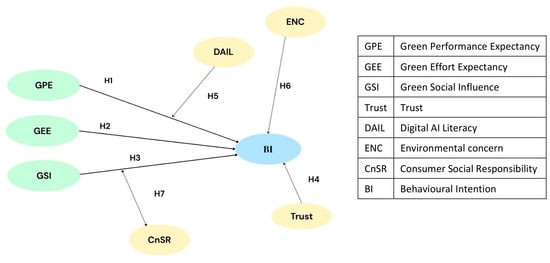
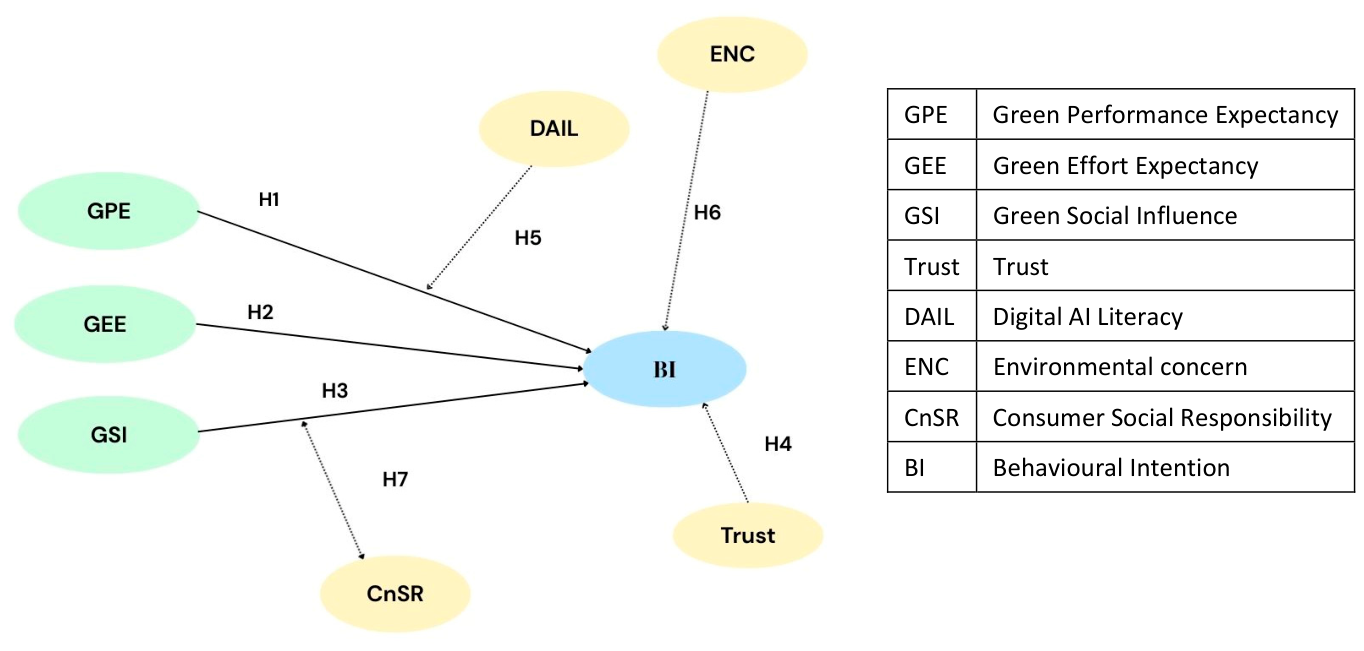
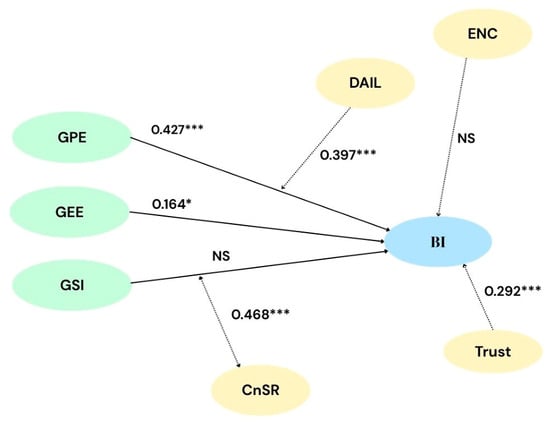
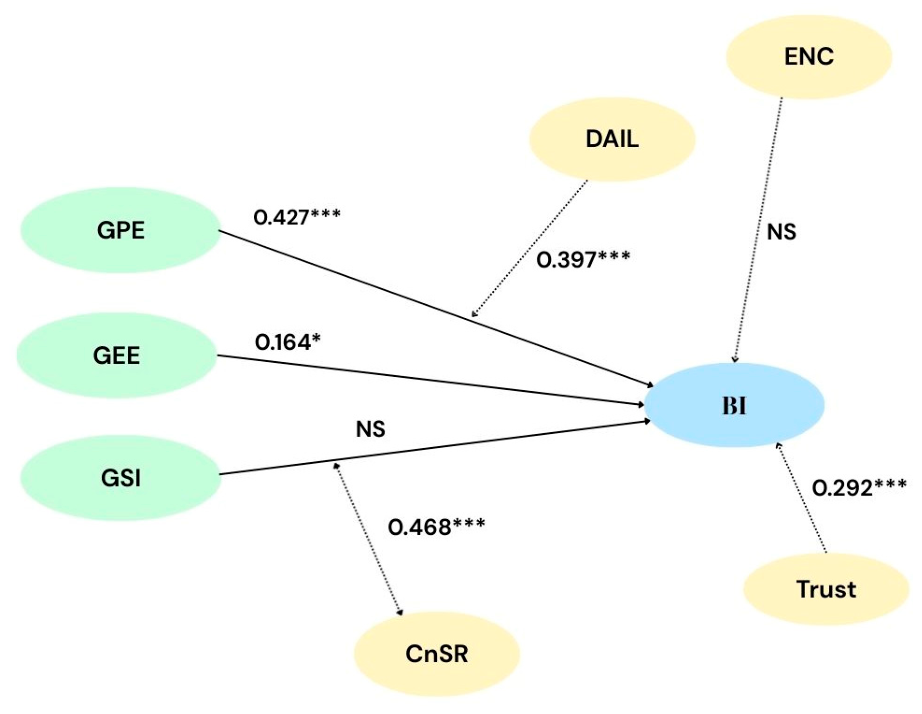

Disclaimer/Publisher’s Note: The statements, opinions and data contained in all publications are solely those of the individual author(s) and contributor(s) and not of MDPI and/or the editor(s). MDPI and/or the editor(s) disclaim responsibility for any injury to people or property resulting from any ideas, methods, instructions or products referred to in the content. |
© 2026 by the authors. Licensee MDPI, Basel, Switzerland. This article is an open access article distributed under the terms and conditions of the Creative Commons Attribution (CC BY) license.