


Abstract
Cannabinoid signaling has attracted increasing interest in diabetes because the endocannabinoid system regulates energy balance, glucose and lipid metabolism, inflammation, and tissue homeostasis. However, its therapeutic relevance remains uncertain. This study combined scientometric mapping with a critical synthesis of mechanistic, pharmacokinetic, and clinical evidence on cannabinoids and diabetes published between 2004 and 2024. A structured search of the Web of Science Core Collection identified 459 original research articles, which were analyzed using Bibliometrix and complementary visualization tools. Scientific production increased markedly after 2016 and became progressively more diversified, with growing prominence of inflammation, oxidative stress, cannabis exposure-related themes, and broader mechanistic and population-level research questions. Mechanistic evidence strongly implicates excessive peripheral CB1 signaling in hepatic lipogenesis, adipose dysfunction, impaired insulin responsiveness, and related metabolic abnormalities, whereas CB2-mediated effects remain context-dependent. Cannabidiol is supported mainly by preclinical evidence of anti-inflammatory, antioxidant, and tissue-protective activity rather than consistent glucose-lowering effects. Clinical translation is further constrained by formulation-dependent oral exposure, extensive first-pass metabolism, food effects, broad tissue distribution, drug-interaction potential, and interindividual variability. Clinical evidence remains limited: brain-penetrant CB1 blockade improved selected metabolic outcomes but was restricted by psychiatric toxicity, while cannabidiol has not demonstrated consistent glycemic efficacy. Overall, cannabinoid research in diabetes shows substantial mechanistic development but limited clinical convergence. Future progress will require compound- and target-specific strategies, peripheral or tissue-selective modulation, standardized formulations, exposure–response characterization, appropriate patient stratification, and clinically meaningful outcome assessment.
1. Introduction
The endocannabinoid system (ECS) comprises the cannabinoid receptors CB1 and CB2, the endogenous lipid mediators anandamide (N-arachidonoylethanolamine) and 2-arachidonoylglycerol, and the enzymes responsible for their synthesis and degradation [1,2]. This signaling network regulates energy intake, glucose and lipid metabolism, immune activity, and inflammatory responses. Because ECS signaling occurs in the central nervous system and in metabolically relevant peripheral tissues, including the liver, adipose tissue, skeletal muscle, pancreatic islets, and immune compartments, it can influence several processes involved in diabetes pathophysiology [3,4,5].
Altered endocannabinoid signaling has been associated with insulin resistance, adipose dysfunction, pancreatic β-cell stress, and chronic low-grade inflammation [3,4,5]. Excessive CB1 activation is particularly linked to increased energy intake, hepatic de novo lipogenesis, adipogenesis, impaired insulin responsiveness, and disturbances in glucose homeostasis [3,4,6]. CB2 has a less uniform role. Although strongly associated with immune regulation, its metabolic effects vary according to tissue, disease stage, experimental model, and pharmacological ligand [3,5,7]. The ECS should therefore be viewed as a spatially organized and context-dependent regulatory network rather than a uniformly directional metabolic pathway.
The first major therapeutic strategy targeting this system involved brain-penetrant CB1 antagonists and inverse agonists. Rimonabant provided clinical proof of concept that CB1 blockade could reduce body weight and improve glycated hemoglobin, insulin resistance, triglycerides, and high-density lipoprotein cholesterol in overweight or obese patients with type 2 diabetes [8]. However, these benefits were accompanied by increased psychiatric adverse events, leading to suspension of its marketing authorization in Europe in 2008 [9]. This experience did not negate the metabolic relevance of CB1 signaling but demonstrated the limitations of brain-penetrant systemic CB1 inverse agonism and redirected research toward peripherally restricted and tissue-selective approaches [10].
Interest has also expanded toward phytocannabinoids, particularly cannabidiol (CBD). Unlike classical CB1 or CB2 agonists, CBD has low affinity for the orthosteric binding sites of these receptors and acts through multiple molecular targets, including ion channels, nuclear receptors, serotonergic pathways, adenosine signaling, and mechanisms involved in endocannabinoid regulation [11,12]. Experimental studies have associated CBD with reduced oxidative stress, inflammatory signaling, and tissue injury in models relevant to diabetic cardiovascular and retinal complications [5,13,14]. These effects, however, do not establish CBD as a glucose-lowering therapy. Evidence for reproducible improvement in glycemic control in humans remains limited, and its potential relevance to diabetes currently rests primarily on preclinical tissue-protective mechanisms [5,15].
Translation is further complicated by cannabinoid pharmacokinetics. Oral CBD exhibits low and formulation-dependent systemic exposure because of poor aqueous solubility, variable gastrointestinal absorption, and extensive presystemic metabolism. Exposure is also influenced by food intake, dose, route of administration, formulation, and drug–drug interactions [16,17,18]. As a result, administered dose may poorly reflect plasma or tissue exposure, complicating pharmacokinetic–pharmacodynamic interpretation. Additional heterogeneity in cannabinoid composition, experimental models, treatment regimens, and outcome measures further limits cross-study comparison.
Scientometric analysis can clarify how this heterogeneous literature has evolved by identifying publication trends, collaboration patterns, citation influence, thematic clustering, and shifts in research priorities [19,20]. However, bibliometric prominence does not establish methodological quality, biological validity, or therapeutic efficacy. Scientometric mapping is therefore most informative when interpreted alongside critical appraisal of the mechanistic, pharmacokinetic, and clinical evidence underlying the observed research trends.
Accordingly, this study combines scientometric mapping of the global literature on cannabinoids and diabetes published between 2004 and 2024 with a critical pharmacological and translational analysis. We aimed to characterize the temporal, geographical, collaborative, and conceptual development of the field; identify its principal mechanistic and therapeutic trajectories; and determine why increasing scientific activity and biological plausibility have not produced consistent clinical translation. By linking the intellectual structure of the literature to the strengths and limitations of the underlying evidence, this review seeks to identify the most plausible directions for future cannabinoid-based interventions in diabetes.
2. Materials and Methods
2.1. Data Source and Search Strategy
A scientometric analysis was conducted using the Web of Science Core Collection (Clarivate Analytics), including the Science Citation Index Expanded (SCI-EXPANDED), Social Sciences Citation Index (SSCI), Emerging Sources Citation Index (ESCI), and Index Chemicus (IC). The search was performed in August 2025 and covered publications from 1 January 2004, to 31 December 2024.
The Web of Science Core Collection was selected because its standardized bibliographic and citation metadata support reproducible analyses of publication trends, citation impact, collaboration patterns, and conceptual relationships.
Three independent searches were conducted using the same Boolean strategy, applied separately to the Title, Abstract, and Author Keywords fields. This approach was adopted to maximize retrieval sensitivity and reduce the likelihood of excluding relevant studies in which diabetes- or cannabinoid-related terms were not consistently reported across all metadata fields. The complete search strategy, document types, study period, and eligibility criteria are summarized in Table 1.
Table 1.
Search strategy and eligibility criteria used for the Web of Science Core Collection analysis.
The search terms were deliberately centered on cannabinoid- and cannabis-related nomenclature (cannabidiol, CBD, phytocannabinoid*, cannabinoid*, cannabis, medical cannabis) rather than receptor- or ligand-specific terms (e.g., CB1, CB2, anandamide, 2-arachidonoylglycerol, rimonabant), because the scientometric mapping was intended to characterize the cannabinoid- and cannabis-centered literature on diabetes rather than the broader endocannabinoid-system literature, which extends into domains not necessarily related to cannabinoid pharmacology or diabetes. Because right-hand truncation of “cannabinoid*” does not retrieve the term “endocannabinoid,” this strategy may not capture studies that discuss endocannabinoid-system signaling without also using cannabinoid- or cannabis-related terminology in the title, abstract, or author keywords; this is acknowledged as a limitation in Section 8. To ensure adequate coverage of endocannabinoid-system biology, the mechanistic synthesis in Section 4 was supplemented with additional targeted searches using receptor- and ligand-specific terms, as described in Section 2.4.
2.2. Study Selection and Data Processing
The three searches initially retrieved a combined total of 938 records. After application of the predefined publication-period and document-type criteria, 629 records remained. Full records and cited references from the three searches were exported from the Web of Science in Plain Text format and imported into RStudio (version 2025.05.1+513).
The exported datasets were subsequently merged, and duplicate records resulting from overlap among the Title, Abstract, and Author Keywords searches were identified and removed using the Bibliometrix package. This procedure resulted in a final dataset of 459 unique original research articles for scientometric analysis.
No additional title/abstract screening for topical relevance to cannabinoids and diabetes was performed beyond the search, filtering, and deduplication steps described above; dataset composition therefore depended entirely on the precision of the Boolean search strategy and the Web of Science document-type classification. This is acknowledged as a limitation in Section 8.
2.3. Scientometric Analysis
Scientometric analyses were performed in R (version 4.3.3) using the Bibliometrix package and its graphical interface, Biblioshiny. These tools were used to import, organize, standardize, and analyze bibliographic metadata retrieved from the Web of Science.
The analyses included annual scientific production, citation indicators, leading journals, authors, institutions, and countries, as well as collaboration and conceptual-structure analyses. Networks of co-authorship, co-citation, bibliographic coupling, and keyword co-occurrence were generated using the normalization procedures implemented in Bibliometrix. Temporal thematic evolution was examined to identify shifts in research priorities across the study period.
Descriptive statistics and bibliometric indicators were calculated using default Bibliometrix parameters unless otherwise specified. Publication trends, thematic evolution, and complementary graphical representations were prepared using OriginPro 6.0 (OriginLab Corporation, Northampton, MA, USA).
2.4. Critical Evidence Synthesis
Scientometric findings provided the framework for a subsequent critical narrative synthesis of the mechanistic, pharmacokinetic, and clinical evidence concerning the endocannabinoid system and cannabinoid-based interventions in diabetes. This component was intended to interpret the biological and translational significance of the identified research patterns rather than to constitute a systematic review.
The synthesis was informed by the principal scientometric themes identified in Section 3 and supplemented by additional targeted searches conducted within the Web of Science Core Collection using receptor-, ligand-, and mechanism-specific terms not included in the primary scientometric query (e.g., CB1, CB2, anandamide, 2-arachidonoylglycerol, rimonabant), together with citation tracking from key retrieved articles, to identify mechanistic studies, human pharmacokinetic investigations, randomized clinical trials, systematic reviews, meta-analyses, and regulatory documents. Priority was given to primary and clinically relevant studies, together with publications required to clarify, contextualize, or challenge the dominant themes identified by the scientometric analysis. Specifically, the prominence of endocannabinoid-system and receptor-signaling terms guided the mechanistic synthesis in Section 4; the increasing representation of inflammation- and oxidative-stress-related themes informed the emphasis on CB2- and cannabidiol-mediated tissue-protective mechanisms in Section 4.3 and Section 4.4; and the presence of rimonabant and clinical-trial-related literature among the most-cited studies directed the clinical evidence synthesis in Section 6.
This integrative approach enabled scientometric patterns to be interpreted in relation to biological plausibility, pharmacological mechanisms, pharmacokinetic constraints, and clinical evidence, thereby identifying major advances, persistent knowledge gaps, and priorities for future investigation.
2.5. Data Availability and Use of Artificial Intelligence
The bibliographic metadata supporting the scientometric analyses were obtained from the Web of Science Core Collection and are subject to Clarivate licensing restrictions. Processed data and analytical outputs are available from the corresponding author upon reasonable request.
During manuscript preparation, the authors used ChatGPT (OpenAI, GPT-5.6 Sol) to assist with English-language editing, sentence-level refinement, and readability improvement. Certain illustrations in this manuscript were) created by the authors using BioRender and was subsequently processed with ChatGPT solely to enhance its visual quality and presentation, without modification of the scientific content or interpretation (applicable to Figures 5 and 6). The tool was not used to generate, analyze, or interpret scientific data, perform scientometric analyses, select or evaluate evidence, or formulate the scientific interpretations or conclusions of the study. All AI-assisted text and the content of Figures were critically reviewed, verified against the primary literature, and edited by the authors, who take full responsibility for the scientific accuracy and final content of the manuscript.
3. Scientometric Landscape of Cannabinoid Research in Diabetes
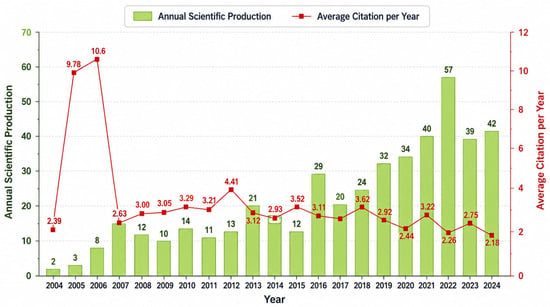
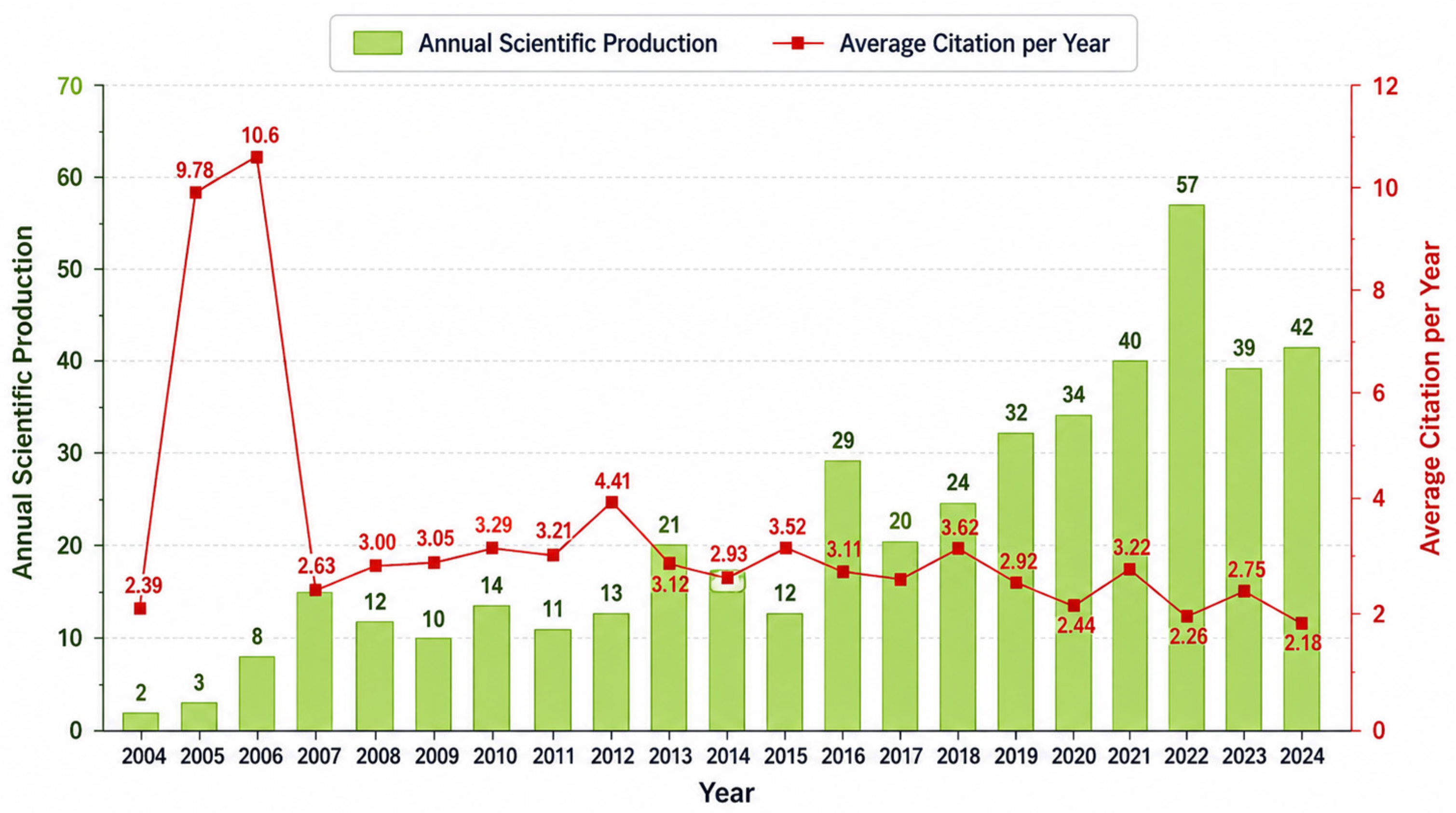
Annual scientific production among the 459 articles retrieved for this review (Section 2.2) increased progressively, with a more pronounced acceleration after 2016, indicating expansion from a relatively restricted topic into a broader multidisciplinary field (Figure 1). Citation patterns were strongly influenced by highly cited early publications, particularly those establishing links among the endocannabinoid system (ECS), obesity, insulin resistance, and metabolic dysfunction. Because citation-based indicators are affected by publication age and citation window, they should be interpreted as measures of scientific influence rather than direct indicators of methodological quality or translational maturity.
Figure 1.
Temporal evolution of scientific publications and citation impact in cannabinoid research related to diabetes (2004–2024).
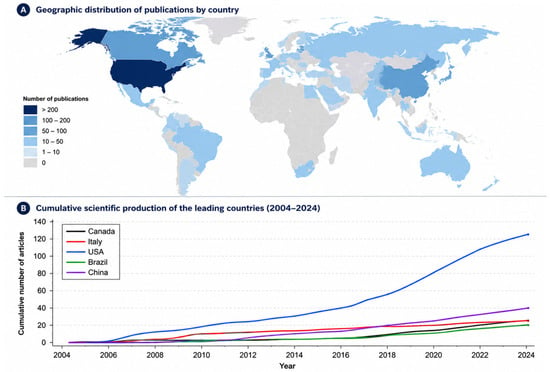
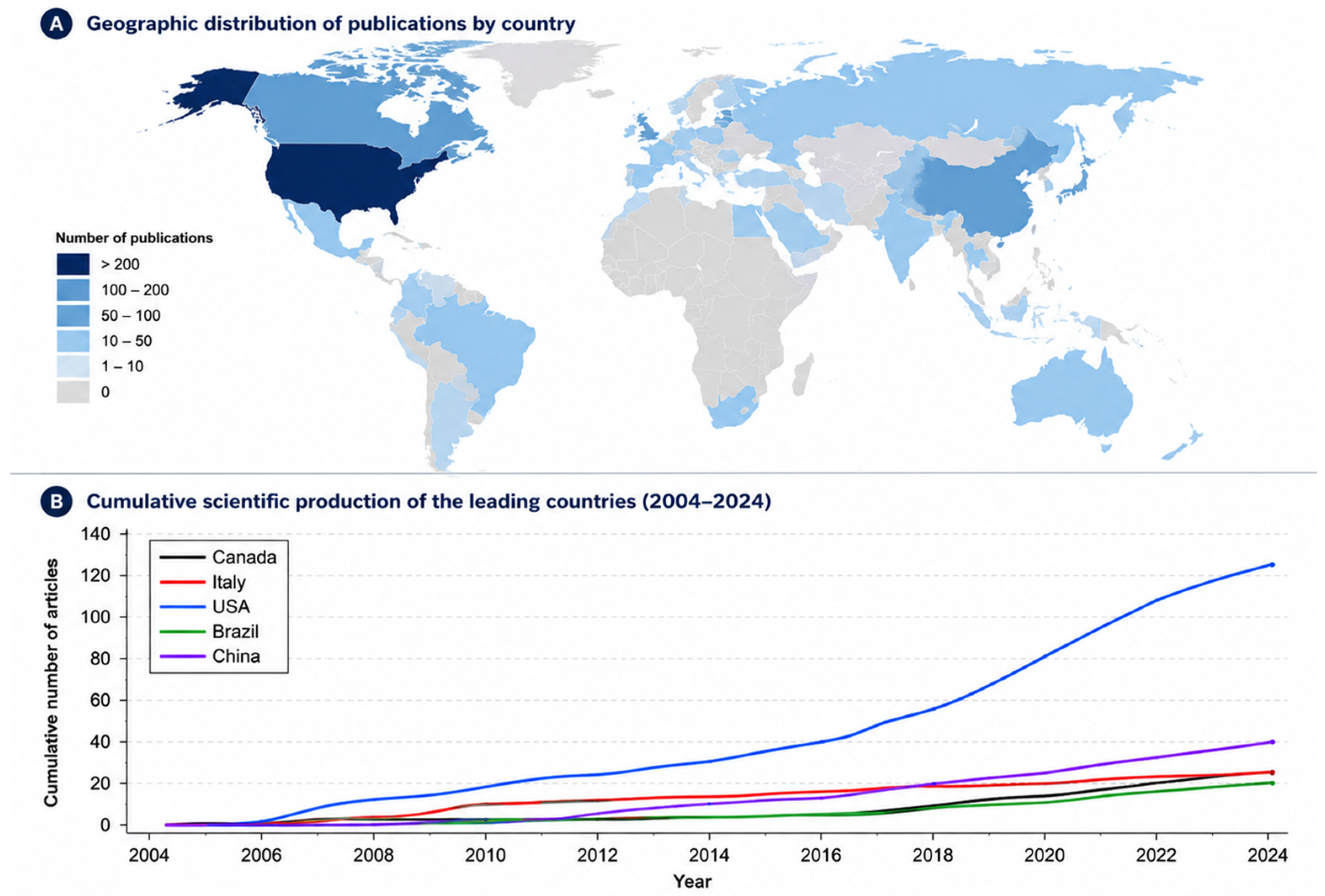
Scientific production was geographically concentrated, with the United States and China among the major contributors to the literature (Figure 2A). The United States maintained a prominent position throughout the study period, whereas China showed substantial growth in research output, particularly in more recent years (Figure 2B). Other countries, including Italy, Canada, and Brazil, also contributed to the expansion of the field. Although differences in research infrastructure, funding, and regulatory environments may contribute to these patterns, their determinants were not examined in the present analysis.
Figure 2.
Global distribution and temporal evolution of scientific publications on cannabinoids in diabetes (2004–2024).
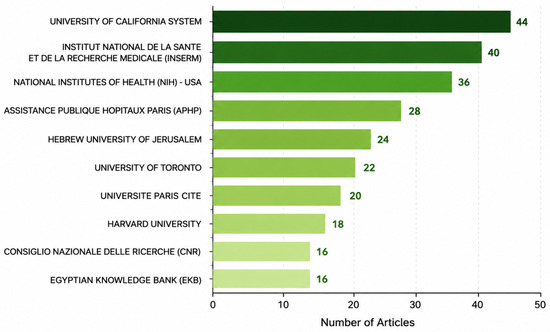
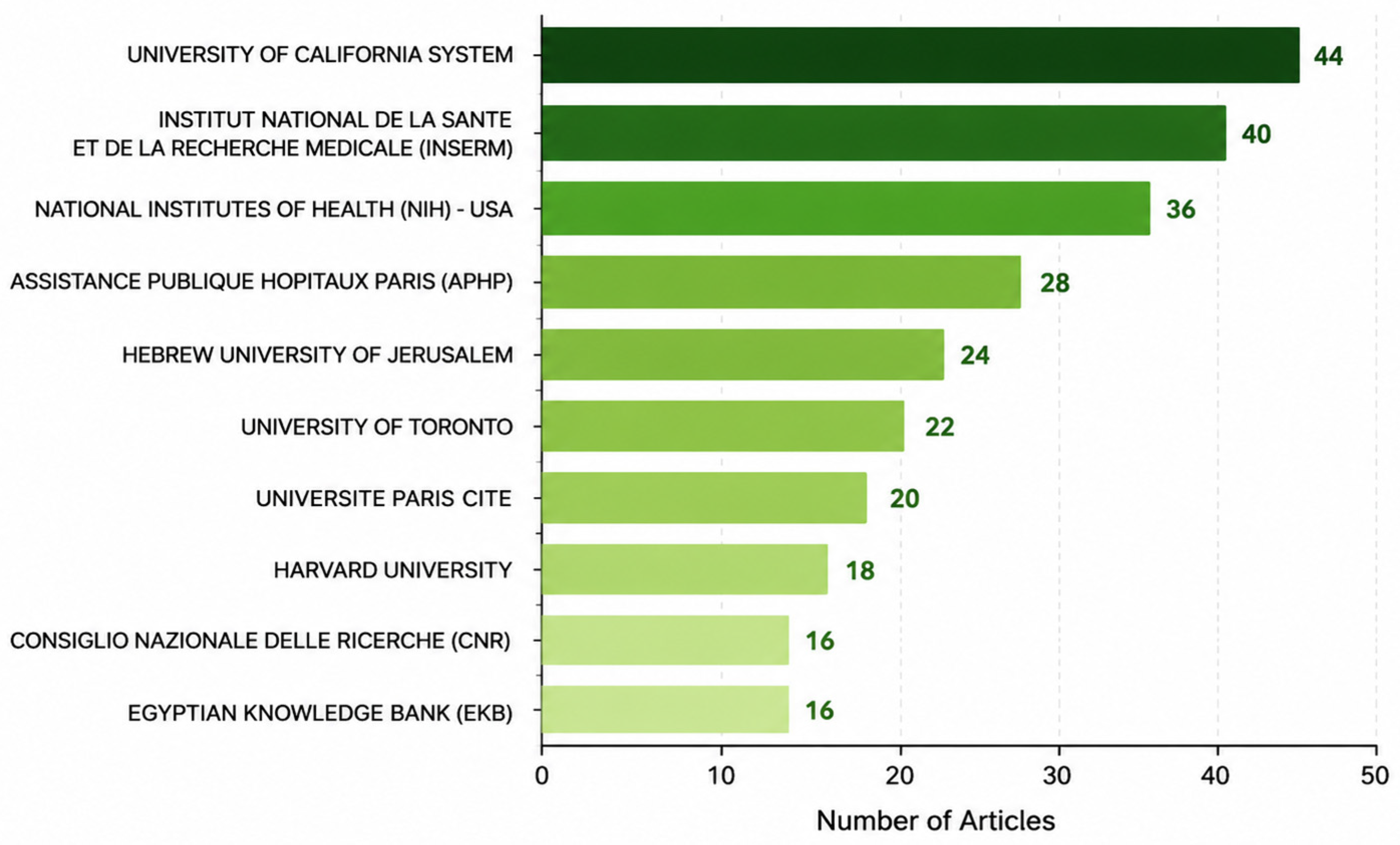
Institutional productivity was similarly concentrated. Large academic and governmental research organizations, including the University of California system, INSERM, and the National Institutes of Health, occupied prominent positions in the dataset (Figure 3). Their contributions reflect the multidisciplinary nature of the field, which spans metabolism, pharmacology, neuroscience, immunology, and clinical research. Institutional productivity, however, represents research activity and should not be interpreted independently as a measure of evidentiary strength.
Figure 3.
Leading research institutions contributing to scientific publications on cannabinoids and diabetes (2004–2024).
The distribution of publications across journals further illustrates this interdisciplinary profile (Table 2). Diabetes showed the highest citation influence among the leading journals, while pharmacological, molecular, and multidisciplinary journals contributed substantially to research on receptor biology, inflammatory signaling, and experimental therapeutics. Differences among publication counts, total citations, and H-index values indicate that productivity and citation influence capture distinct dimensions of the literature.
Table 2.
Leading journals contributing to cannabinoid research in diabetes and their bibliometric impact (2004–2024).
The intellectual structure of the field was strongly influenced by a limited number of highly cited studies that established relationships among ECS signaling obesity, insulin resistance, and metabolic dysfunction (Table 3). Studies of CB1 receptor signaling were particularly influential, reflecting the historical importance of this pathway in metabolic research. The RIO-Diabetes trial also occupied a prominent position by providing clinical proof of concept for the metabolic effects of CB1 blockade while subsequently contributing to recognition of the safety limitations associated with brain-penetrant CB1 inverse agonism.
Table 3.
Most highly cited studies shaping the mechanistic and clinical understanding of cannabinoids in diabetes (2004–2024).
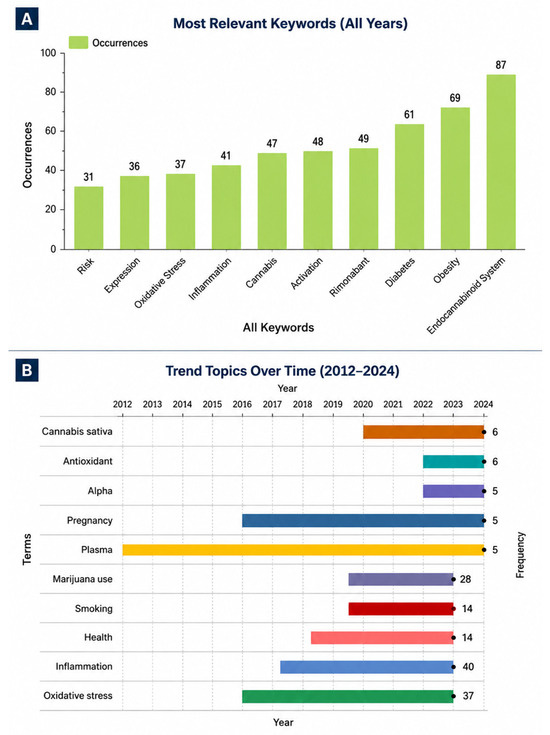
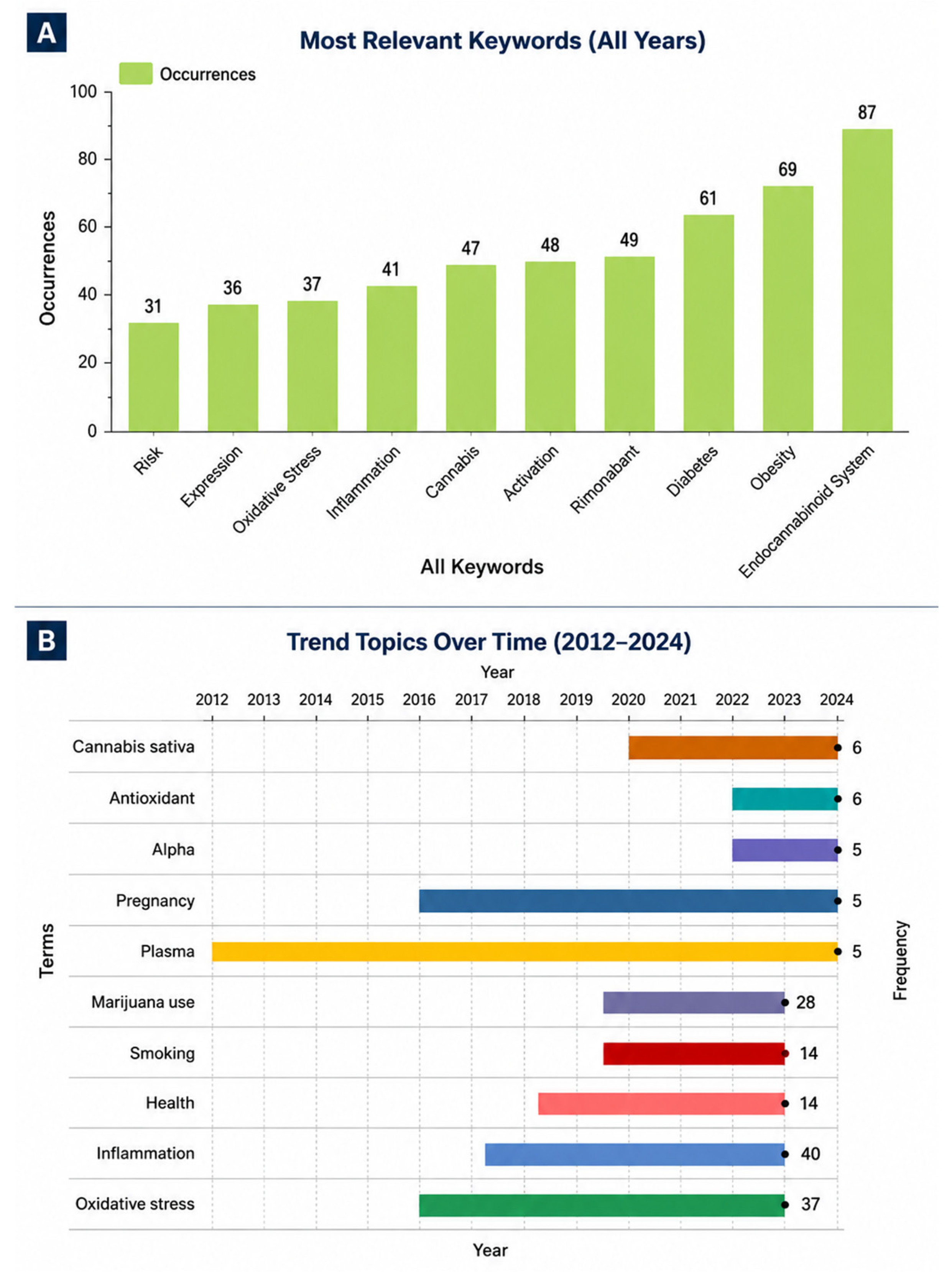
Keyword analysis identified the endocannabinoid system, obesity, diabetes, inflammation, and oxidative stress as major conceptual axes of the literature (Figure 4A). The prominence of metabolic terms reflects the historical development of the field around energy balance, adiposity, and insulin resistance, whereas the increasing representation of inflammation and oxidative stress indicates expansion toward mechanisms involved in diabetes-associated tissue injury.
Figure 4.
Conceptual structure and temporal evolution of research themes in cannabinoid research related to diabetes. (A) Ten most frequently occurring author keywords identified in the Web of Science Core Collection, ranked according to their total number of occurrences. (B) Temporal evolution of selected research topics from 2012 to 2024.
Temporal analysis showed a progressive diversification of research topics, with increasing prominence of inflammation and oxidative stress, together with themes related to cannabis exposure and use, including marijuana use, smoking, and health (Figure 4B). More recent topics included Cannabis sativa and antioxidant-related research, indicating a shift from the earlier metabolic focus toward broader inflammatory, oxidative, and exposure-related questions. The coexistence of mechanistic, biological, and population-level terms illustrates the increasing conceptual heterogeneity of the field.
This thematic diversification should also be interpreted considering the pharmacological heterogeneity of the underlying literature. Purified CBD, THC-containing cannabis preparations, synthetic CB1 ligands, CB2-directed interventions, and modulators of endocannabinoid metabolism differ substantially in molecular targets, pharmacokinetics, safety, and therapeutic rationale and should therefore not be treated as pharmacologically equivalent.
4. Mechanistic Basis of Endocannabinoid Signaling in Diabetes
4.1. Molecular Organization and Tissue-Specific Endocannabinoid Signaling
The endocannabinoid system (ECS) is a locally regulated lipid-signaling network in which ligand synthesis, receptor activation, and enzymatic degradation are dynamically coordinated. Unlike conventional endocrine mediators that are synthesized and stored before release, endocannabinoids are predominantly generated on demand from membrane lipid precursors and act through autocrine, paracrine, or retrograde mechanisms [1,24]. This spatially restricted organization enables ECS signaling to respond to changes in neuronal activity, nutrient availability, metabolic stress, and immune activation [3].
The principal endogenous ligands are anandamide (N-arachidonoylethanolamine) and 2-arachidonoylglycerol (2-AG). Anandamide synthesis commonly involves N-acyl-phosphatidylethanolamine-specific phospholipase D, whereas 2-AG is produced mainly through diacylglycerol lipases α and β. Signal termination is mediated primarily by fatty acid amide hydrolase for anandamide and monoacylglycerol lipase for 2-AG, although additional hydrolytic and oxidative pathways also contribute [1,24,25,26].
CB1 receptors are highly expressed in the central nervous system, particularly in regions involved in appetite, reward, autonomic control, and energy homeostasis, but functionally relevant receptors are also present in peripheral metabolic tissues, including the liver, adipose tissue, skeletal muscle, gastrointestinal tract, pancreatic islets, and cardiovascular system [1,3,24,27,28,29]. CB2 receptors are most abundant in immune and hematopoietic cells, although expression has also been reported in adipose, hepatic, pancreatic, and vascular tissues, particularly under inflammatory or pathological conditions [7,30].
The metabolic consequences of ECS activation depend not only on receptor subtype but also on local ligand concentrations, receptor abundance and coupling efficiency, and the activity of biosynthetic and degradative enzymes. Increased circulating or tissue concentrations of anandamide and 2-AG have been reported in obesity, visceral adiposity, hyperglycemia, and type 2 diabetes, but the magnitude and direction of these changes vary according to metabolic phenotype, sex, diet, disease severity, and biological compartment [22,31]. Visceral and subcutaneous adipose depots, for example, may display distinct endocannabinoid profiles, limiting the extent to which circulating concentrations represent local ECS activity.
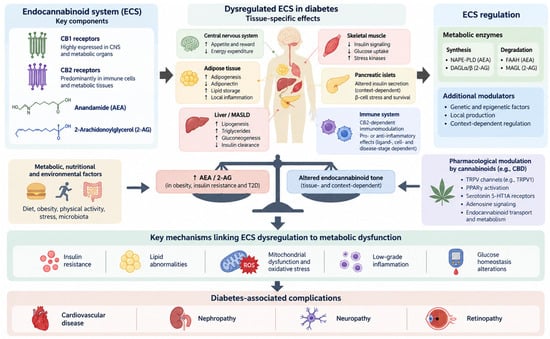
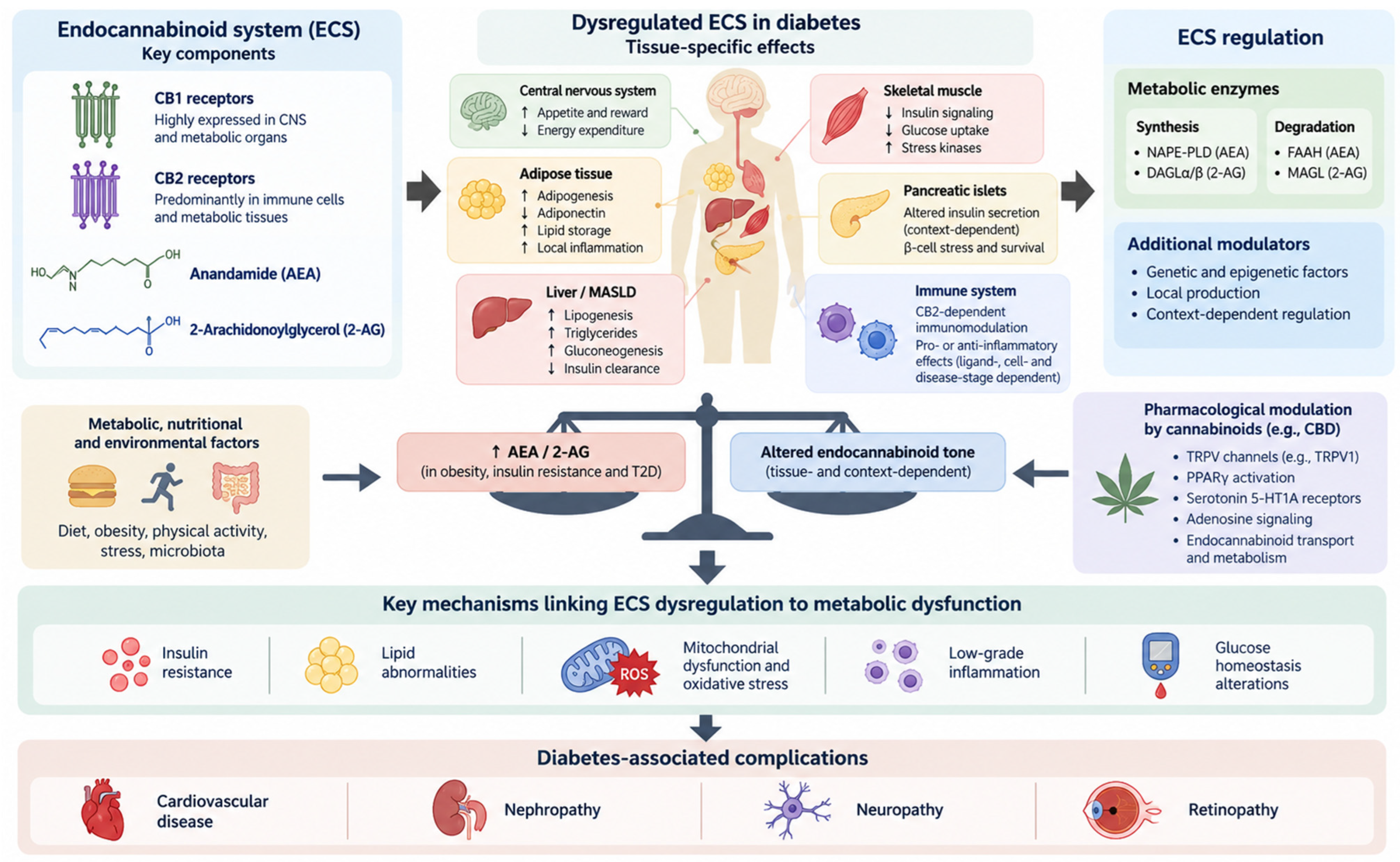
Pancreatic cannabinoid signaling adds further complexity. CB1, CB2, endocannabinoids, and their metabolic enzymes have been detected in pancreatic islets, but their reported distribution among α-, β-, and δ-cells differs across species and experimental approaches [3,29]. Depending on glucose concentration, receptor subtype, and exposure conditions, cannabinoid signaling may influence intracellular calcium, insulin secretion, inflammatory responses, and β-cell survival. The ECS should therefore be regarded as a spatially organized and context-dependent signaling system rather than a pathway with uniform metabolic effects. Its principal tissue-specific mechanisms in diabetes are summarized in Figure 5.
Figure 5.
Tissue-specific mechanisms of endocannabinoid system signaling in diabetes and the multimodal actions of cannabidiol. Created in BioRender. Ramos de Almeida, I. D. F. (2026) https://BioRender.com/4cfotp2. Image quality was subsequently enhanced using ChatGPT (OpenAI), without modification of the scientific content.
4.2. Peripheral CB1 Signaling and Metabolic Dysfunction
Persistent activation of peripheral CB1 receptors contributes to metabolic dysfunction through coordinated effects on lipid storage, insulin responsiveness, mitochondrial function, and interorgan signaling, partly independently of central appetite regulation [3,6,10].
In adipose tissue, CB1 activation promotes adipocyte differentiation and lipid accumulation while reducing adiponectin secretion, thereby favoring inflammatory remodeling and systemic insulin resistance [3,22,27]. Locally produced endocannabinoids from adipocytes and infiltrating immune cells may further reinforce this dysfunctional microenvironment through paracrine signaling.
Hepatic CB1 activation increases lipogenic signaling through sterol regulatory element-binding protein-1c, acetyl-CoA carboxylase-1, and fatty acid synthase, thereby enhancing de novo lipid synthesis and triglyceride accumulation [6]. Hepatic CB1 signaling has also been linked to impaired insulin signaling, altered insulin clearance, and increased glucose production, contributing to the association among obesity, insulin resistance, and metabolic dysfunction-associated steatotic liver disease [3,10,28].
In skeletal muscle, anandamide-dependent CB1 activation can impair insulin signaling through stress-kinase activation and inhibitory phosphorylation of insulin receptor substrate-1 [32]. These findings support adverse adipose–muscle crosstalk, although the quantitative contribution of skeletal-muscle CB1 signaling to whole-body insulin resistance in humans remains less well established than the hepatic and adipose components.
CB1 signaling also affects cellular energy sensing. Cannabinoid stimulation has been reported to inhibit AMP-activated protein kinase in the liver and adipose tissue while increasing its activity in the hypothalamus and heart, illustrating marked organ specificity [33]. In peripheral metabolic tissues, reduced AMPK activity favors lipid storage over fatty-acid oxidation. CB1 activation has additionally been associated with impaired mitochondrial biogenesis, reduced oxidative phosphorylation, and increased reactive oxygen species production [28,34]. Together, these mechanisms provide a coherent basis linking excessive peripheral CB1 signaling to energetic dysfunction and impaired insulin action.
4.3. CB2 Signaling and Context-Dependent Immunometabolic Effects
The high expression of CB2 receptors in macrophages, monocytes, lymphocytes, and other immune-cell populations places this receptor at the interface between endocannabinoid signaling and metabolic inflammation. CB2 activation can influence immune-cell migration, cytokine production, and cellular activation, providing a mechanistic rationale for its investigation in diabetes and diabetes-associated complications [7,30].
Chronic low-grade inflammation contributes to obesity-associated insulin resistance and type 2 diabetes through immune-cell infiltration of adipose tissue, sustained cytokine production, and activation of intracellular stress pathways. Tumor necrosis factor-α, interleukin-1β, interleukin-6, and related mediators interfere with insulin receptor signaling and contribute to adipose dysfunction, hepatic insulin resistance, and pancreatic β-cell stress [35,36].
In several models of inflammatory tissue injury, CB2 stimulation has reduced leukocyte recruitment, nuclear factor-κB activation, oxidative stress, and pro-inflammatory cytokine production. These effects may be relevant to diabetes-associated vascular, renal, neural, and retinal injury [5,7,30,37].
However, CB2 signaling cannot be characterized as uniformly anti-inflammatory or metabolically protective. In diet-induced obesity, CB2 activation has been associated with greater adipose inflammation, hepatic steatosis, and insulin resistance, whereas receptor disruption improved the metabolic phenotype [38]. Other experimental systems have reported beneficial effects, indicating substantial context dependence [7,30,38].
The proposed role of CB2 in pancreatic protection also remains predominantly preclinical. Reduced immune-cell recruitment and oxidative injury could indirectly preserve islet function, but receptor localization and signaling within pancreatic endocrine cells remain incompletely resolved [3,30]. CB2-mediated β-cell protection should therefore be considered context-dependent rather than an established general effect.
4.4. Cannabidiol: Noncanonical Targets and Tissue-Protective Mechanisms
Cannabidiol (CBD) has low affinity for the orthosteric binding sites of CB1 and CB2 and does not act as a conventional agonist at either receptor [12,39]. Its pharmacological actions involve multiple molecular targets, including transient receptor potential channels, peroxisome proliferator-activated receptor-γ (PPARγ), serotonin 5-HT1A receptors, and adenosine-related pathways [11,12,40]. CBD has also been described as a negative allosteric modulator of CB1 under selected experimental conditions, although the clinical relevance of this mechanism remains uncertain [39].
Modulation of transient receptor potential channels, particularly TRPV1, may contribute to the effects of CBD on calcium signaling, nociception, oxidative stress, and inflammation [11,12]. PPARγ activation has been proposed as one pathway through which CBD may influence inflammatory gene expression, lipid metabolism, and cell survival [40]. Adenosine- and serotonin-related mechanisms may further contribute to its vascular, anti-inflammatory, and neurobehavioral actions [11,12].
In experimental diabetes models, CBD has attenuated oxidative and nitrosative stress, endothelial dysfunction, inflammatory signaling, fibrosis, and cell-death pathways [13,14,41]. In streptozotocin-induced diabetic rats, CBD reduced retinal inflammation, neuronal injury, and disruption of the blood–retinal barrier [14]. CBD also attenuated high-glucose-induced endothelial inflammation and reduced oxidative damage, fibrosis, and cell-death signaling in experimental diabetic cardiomyopathy [13,41].
These findings support a potential role for CBD in limiting diabetes-associated tissue injury rather than directly correcting hyperglycemia. In a randomized pilot study in patients with type 2 diabetes, CBD did not consistently improve the principal glycemic or lipid outcomes, whereas tetrahydrocannabivarin produced more favorable changes in selected metabolic variables [15]. Claims of direct antidiabetic efficacy for CBD therefore remain insufficiently supported and should be distinguished from its potential tissue-protective effects.
Overall, the mechanistic literature indicates that cannabinoid signaling in diabetes is highly dependent on receptor subtype, tissue localization, ligand properties, and disease context. Excessive peripheral CB1 signaling shows the most consistent association with metabolic dysfunction, whereas CB2 effects remain context-dependent and CBD acts predominantly through multimodal, noncanonical pathways. This heterogeneity limits the predictability of nonspecific systemic modulation and provides the mechanistic basis for the pharmacokinetic and translational constraints discussed in the following sections.
5. Pharmacokinetic and Metabolic Constraints of Cannabinoids
5.1. Oral Absorption and Formulation-Dependent Exposure
The clinical development of phytocannabinoids is constrained by variable and formulation-dependent pharmacokinetics. Cannabidiol (CBD) and Δ9-tetrahydrocannabinol (THC) are highly lipophilic and poorly water-soluble, which contributes to incomplete and variable oral absorption [16,42,43]. Systemic exposure is further influenced by formulation composition, gastrointestinal conditions, presystemic metabolism, and, under appropriate formulation conditions, intestinal lymphatic transport [43,44].
Oral administration generally produces slower absorption, delayed peak concentrations, and greater interindividual variability than inhaled delivery [16,42,45]. Food intake is a major determinant of exposure: high-fat or high-calorie meals can substantially increase CBD systemic exposure [18,43,44].
Formulation effects are equally important. Oil-based preparations, oral solutions, capsules, self-emulsifying systems, and oromucosal products cannot be assumed to be bioequivalent [16,17,18,43]. Differences in formulation composition and drug solubilization can alter both the rate and extent of absorption. Consequently, pharmacokinetic or therapeutic findings obtained with one formulation should not be directly extrapolated to another.
5.2. Distribution, Metabolism, and Elimination
CBD and THC distribute extensively because of their high lipophilicity and affinity for biological membranes and lipid-rich tissues [16,42,45]. Their large apparent volumes of distribution indicate extensive distribution beyond the vascular compartment [16,42,45]. Highly perfused organs are exposed early, followed by redistribution into less-perfused tissues, including adipose tissue [42,45]. For THC, persistence in adipose tissue has been demonstrated after repeated cannabis exposure and may contribute to prolonged terminal elimination [45,46].
Both compounds undergo extensive intestinal and hepatic metabolism. CBD is metabolized predominantly by CYP2C19 and CYP3A4, with contributions from other CYP enzymes, producing 7-hydroxy-CBD and subsequently 7-carboxy-CBD [16,47,48,49]. THC is metabolized primarily by CYP2C9, with contributions from CYP3A4 and CYP2C19, generating the active metabolite 11-hydroxy-THC and subsequently 11-nor-9-carboxy-THC [42,45,48].
Cannabinoids and their metabolites are eliminated through fecal and urinary routes, with renal excretion of unchanged CBD and THC being limited [16,42,45,49]. Because plasma decline reflects both elimination and redistribution from tissue compartments, terminal half-life may substantially exceed the duration of acute pharmacodynamic effects [42,45].
5.3. Drug–Drug Interactions and Sources of Variability
CBD can inhibit several CYP isoforms and selected UDP-glucuronosyltransferases, although the clinical relevance of these effects depends on exposure, dose, treatment duration, and the characteristics of the co-administered drug [48,50,51]. The best-characterized interaction involves clobazam, for which CBD-mediated CYP2C19 inhibition increases exposure to the active metabolite N-desmethylclobazam [52,53].
Drug-interaction potential is particularly relevant in diabetes because multidrug treatment is common. However, direct clinical interaction studies between cannabinoids and most glucose-lowering agents remain scarce. Potential interactions should therefore be evaluated according to the metabolic pathway and therapeutic index of the co-administered drug rather than inferred solely from the number of concomitant medications.
Additional pharmacokinetic variability arises from physiological factors, concomitant medications, fed or fasting administration, route of administration, formulation, and dosing conditions [16,18,42,43,48]. Product quality introduces an additional source of uncertainty outside regulated pharmaceutical preparations, as commercially available CBD products may contain cannabinoid concentrations that differ from their labeled content [54]. These products should therefore not be assumed to have pharmacokinetic properties equivalent to standardized pharmaceutical formulations.
5.4. Pharmacokinetic–Pharmacodynamic and Translational Implications
Cannabinoid concentration–response relationships are endpoint- and route-dependent. For THC, psychomotor, cognitive, cardiovascular, and subjective effects are influenced by route of administration, prior exposure, and formation of active metabolites [42,45,55]. After oral administration, 11-hydroxy-THC contributes to pharmacological activity; therefore, concentrations of unchanged THC alone may not fully explain pharmacodynamic response [42,45].
For CBD, exposure–response relationships remain incompletely characterized because of its multiple molecular targets, broad tissue distribution, and uncertain contribution of circulating metabolites. No validated plasma concentration currently predicts glycemic or tissue-protective efficacy in diabetes. Moreover, plasma concentrations may not fully represent local exposure at metabolically relevant tissues because CBD distributes extensively beyond the vascular compartment [16,42,45].
These limitations have direct consequences for formulation development. Increasing bioavailability is not inherently beneficial if greater systemic exposure does not improve engagement of the intended target or produces greater exposure in unintended compartments. The relevant objective is therefore reproducible and therapeutically appropriate exposure rather than maximal absorption.
Lipid-based and self-emulsifying formulations can substantially modify oral CBD exposure [44,56]. Other delivery approaches, including nanoparticulate and targeted systems, are under investigation, but improved pharmacokinetic performance alone should not be interpreted as therapeutic superiority. Translational value requires demonstration that altered disposition produces meaningful improvements in target engagement, efficacy, safety, or exposure–response predictability. Future studies should therefore integrate standardized formulations with pharmacokinetic measurements and mechanism-relevant pharmacodynamic outcomes.
6. Therapeutic Evidence and Clinical Limitations of Cannabinoids in Diabetes
6.1. Preclinical Evidence and Model Dependence
Preclinical studies support the involvement of the endocannabinoid system in metabolic regulation and diabetes-associated tissue injury, but their translational relevance is strongly model-dependent. In rodent models of diet-induced obesity, genetic or pharmacological CB1 inhibition reduces hepatic steatosis, insulin resistance, and related metabolic abnormalities [57,58,59,60]. Studies using peripherally restricted CB1 antagonists further indicate that metabolic improvement can occur independently of central CB1 blockade, supporting a direct contribution of peripheral CB1 signaling [57,60].
CBD has been investigated through a different therapeutic rationale. In the non-obese diabetic (NOD) mouse model of autoimmune, type 1-like diabetes, CBD reduced diabetes incidence and pancreatic inflammation [61]—a mechanistically distinct context from the obesity- and insulin resistance-driven pathways described above for peripheral CB1 signaling, which are primarily relevant to type 2 diabetes. In streptozotocin-induced or diet-induced models relevant to type 2 diabetes and its complications, CBD attenuated inflammatory signaling, oxidative stress, and tissue injury in experimental diabetic retinopathy, endothelial injury, and cardiomyopathy [13,14,41]. These findings support potential tissue-protective effects relevant to both major forms of diabetes but do not establish consistent glucose-lowering activity in either.
Interpretation is limited by substantial heterogeneity in species, disease induction, dose, formulation, route, timing, and treatment duration. Streptozotocin-induced diabetes, non-obese diabetic mice (a type 1-like autoimmune model), diet-induced obesity, and genetic models reproduce different components of human metabolic disease, spanning both type 1 and type 2 diabetes phenotypes, and therefore address different experimental questions [62]. Preclinical findings should consequently be regarded as mechanistically informative rather than intrinsically predictive of clinical benefit.
6.2. Clinical Evidence and Therapeutic Limitations
Clinical evidence remains limited. The strongest proof of concept derives from rimonabant, a brain-penetrant CB1 inverse agonist. In the RIO-Diabetes trial, rimonabant reduced body weight and waist circumference and improved glycated hemoglobin, triglycerides, high-density lipoprotein cholesterol, and indices of insulin resistance in overweight or obese patients with type 2 diabetes [8]. However, these benefits were accompanied by increased psychiatric adverse events, including depressive symptoms and anxiety, resulting in an unfavorable benefit–risk profile [8,63].
The rimonabant experience demonstrated that CB1 blockade can produce metabolically relevant effects in humans while also showing the limitations of brain-penetrant systemic inverse agonism. Peripherally restricted CB1 antagonists were subsequently developed to dissociate metabolic efficacy from central adverse effects, but their therapeutic value in diabetes remains to be established clinically [10,57].
Clinical evidence for CBD is considerably weaker. In the principal randomized pilot study in type 2 diabetes, CBD did not significantly improve the principal glycemic outcomes, whereas tetrahydrocannabivarin produced favorable changes in selected metabolic variables [15]. Because this was a small pilot study, neither efficacy nor lack of efficacy should be considered definitive.
Observational studies of cannabis exposure cannot resolve this uncertainty because cannabis use differs fundamentally from controlled administration of a chemically defined cannabinoid and is susceptible to confounding. Such studies may generate epidemiological hypotheses but should not be interpreted as evidence of therapeutic efficacy.
Current clinical evidence therefore provides proof of concept for metabolic effects of CB1 blockade but does not establish a cannabinoid-based treatment for glycemic control or diabetes-associated complications. The principal features of these two chemically defined interventional trials are summarized in Table 4.
Table 4.
Principal human interventional trials of cannabinoid-based interventions with metabolic outcomes in diabetes.
6.3. Safety and Drug–Drug Interactions
Safety profiles differ substantially among cannabinoid-based interventions. For brain-penetrant CB1 inverse agonists, psychiatric adverse effects were the principal limitation to clinical use [8,63]. THC-containing preparations present a different pharmacological profile and can produce acute psychoactive, cognitive, cardiovascular, and subjective effects [42,45,55].
CBD is generally non-intoxicating but is not devoid of adverse effects. Randomized clinical trials and systematic reviews have identified diarrhea, somnolence, reduced appetite, and elevations in hepatic aminotransferases among reported adverse events, with frequency and severity influenced by dose and concomitant therapy [64,65,66]. Much of the higher-dose safety evidence derives from epilepsy populations, limiting direct extrapolation to patients with diabetes.
As discussed in Section 5, CBD can inhibit CYP enzymes and selected glucuronosyltransferases, creating potential for pharmacokinetic drug interactions [48,50,51]. Clinically relevant interactions have been demonstrated with clobazam, while concomitant valproate use has been associated with particular concern regarding liver-enzyme elevations in CBD-treated patients [52,53,64]. This issue is relevant to diabetes because multidrug therapy is common, although direct cannabinoid interaction studies with most glucose-lowering agents remain scarce.
Safety findings obtained with standardized pharmaceutical preparations should not be extrapolated directly to non-standardized cannabis extracts or commercial CBD products with uncertain cannabinoid content [54].
6.4. Experimental–Clinical Gap and Current Therapeutic Positioning
The gap between experimental findings and clinical validation reflects both model limitations and the pharmacological heterogeneity of cannabinoid-based interventions. Preclinical studies can demonstrate receptor-dependent signaling, modulation of inflammation or oxidative stress, and preservation of tissue structure, but these effects do not necessarily translate into improved glycemic control, prevention of diabetic complications, or durable clinical benefit.
This limitation is particularly relevant because purified CBD, THC-containing preparations, cannabis extracts, CB1 antagonists, CB2 ligands, and modulators of endocannabinoid metabolism differ substantially in molecular targets, exposure profiles, tissue distribution, and safety. Treating these interventions as a single therapeutic category can therefore obscure important differences in biological plausibility and translational maturity.
Current evidence provides the clearest proof of concept for CB1-directed metabolic modulation, although the psychiatric toxicity associated with brain-penetrant inverse agonism and the absence of definitive clinical validation for newer peripheral strategies remain major limitations [8,10,57]. CBD occupies a different therapeutic position: available clinical evidence does not support its use as a primary glucose-lowering agent, whereas preclinical studies continue to justify investigation of its potential in selected diabetes-associated tissue complications [13,14,15,41].
Accordingly, cannabinoid-based interventions should currently be regarded as investigational pharmacological strategies rather than established treatments for diabetes. Clinical development should proceed with chemically defined interventions and endpoints that directly reflect the intended mechanism of action.
7. Integrative Discussion: From Scientometric Expansion to Translational Gaps
The scientometric analysis demonstrates substantial growth and diversification of cannabinoid research in diabetes, particularly after 2016. However, this expansion has not been accompanied by comparable convergence in clinical evidence. The field now encompasses metabolic regulation, inflammatory and oxidative mechanisms, cannabis exposure, receptor-directed interventions, and phytocannabinoid pharmacology, yet these lines of investigation differ markedly in biological rationale and translational maturity. Scientometric prominence therefore reflects research activity and conceptual influence rather than therapeutic validation [19,20].
A central challenge is that bibliometric proximity does not imply pharmacological equivalence: compounds and interventions grouped under the broad term “cannabinoids” differ substantially in receptor selectivity, molecular targets, pharmacokinetics, and safety, as detailed in Section 6.4 [2,3]. Evidence should therefore be interpreted according to the specific compound, target, biological context, and intended clinical application rather than through class-level assumptions about the scientometric field as a whole.
The principal translational barrier is the incomplete alignment among molecular target, systemic exposure, tissue engagement, pharmacodynamic effect, and clinically meaningful outcome. The rimonabant experience illustrates this problem clearly: CB1 blockade produced measurable metabolic benefits in humans, but concomitant brain exposure resulted in psychiatric toxicity that precluded a favorable therapeutic profile [8,63]. Conversely, for phytocannabinoids such as CBD, variable absorption, extensive metabolism, broad tissue distribution, and incompletely characterized exposure–response relationships complicate the interpretation of both positive and negative findings [16,18,42,43,44].
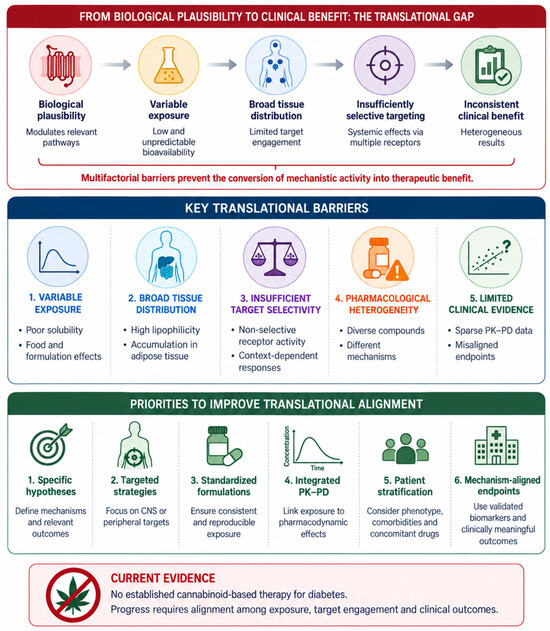
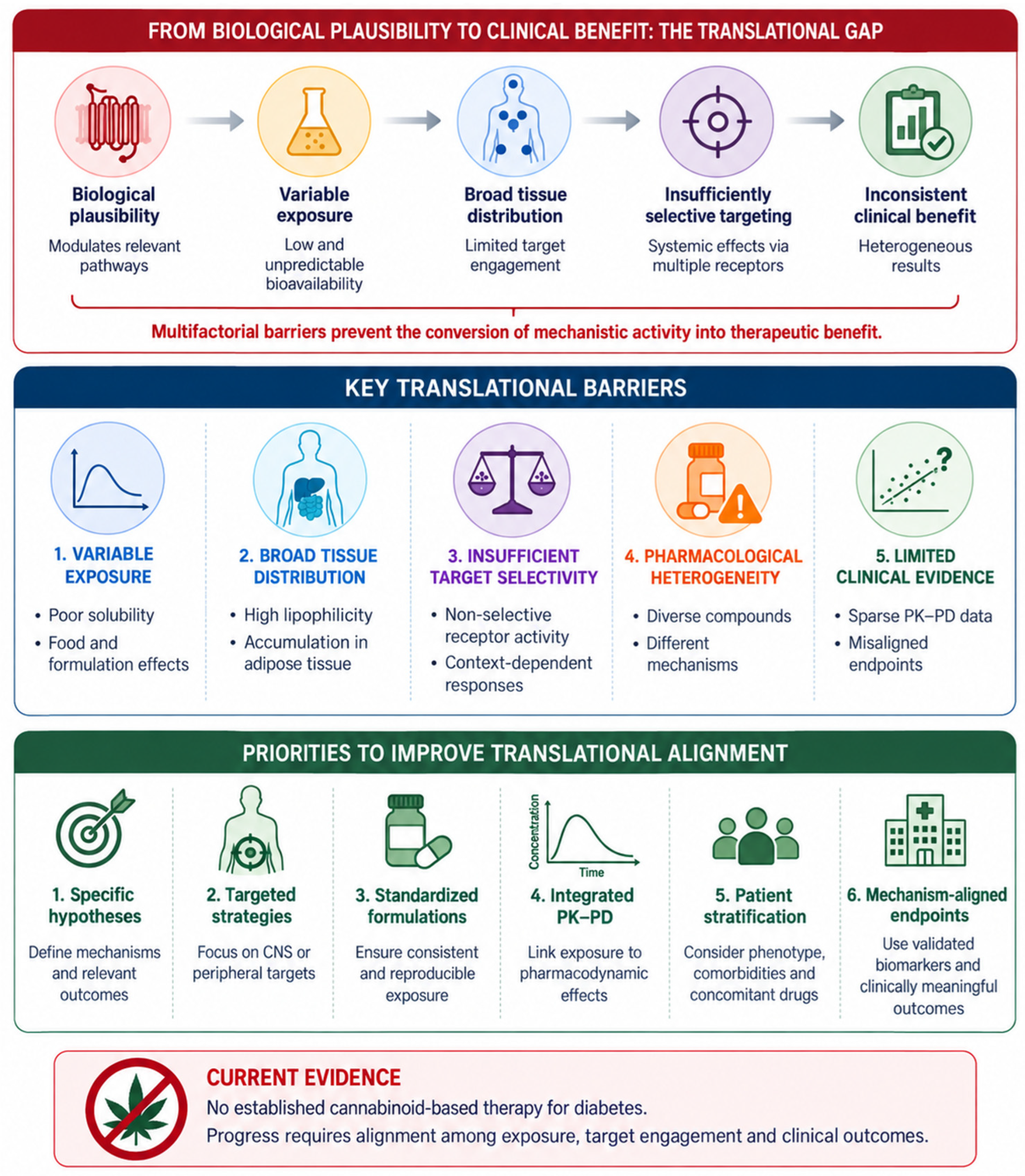
These observations also challenge the assumption that improving systemic bioavailability is sufficient to enhance therapeutic potential. Greater exposure may increase drug concentrations in intended and unintended compartments without improving selectivity or target engagement. The relevant development objective is therefore reproducible exposure at the pharmacologically relevant site, coupled to a measurable biological effect and an outcome appropriate to the proposed indication. The translational barriers connecting these stages are summarized in Figure 6.
Figure 6.
Bridging the gap: Why mechanistic promise has not yet translated into clinical benefit in diabetes. Created in BioRender. Ramos de Almeida, I. D. F. (2026) https://BioRender.com/4cfotp2. Image quality was subsequently enhanced using ChatGPT (OpenAI), without modification of the scientific content.
Future studies should accordingly integrate pharmacokinetic characterization with mechanism-relevant pharmacodynamic measurements and clinically appropriate endpoints. Experimental models should be selected according to the biological question under investigation, and receptor-directed strategies should consider anatomical selectivity when central exposure is unnecessary or undesirable. Likewise, interventions aimed at glycemic control should be evaluated using validated metabolic outcomes, whereas complication-directed approaches should employ organ-specific endpoints capable of demonstrating clinically meaningful tissue protection.
Patient heterogeneity may further influence treatment response and should be considered when biological phenotype, disease stage, concomitant therapy, or metabolic status are likely to modify exposure or pharmacodynamic effects. Overall, progress in this field will depend less on demonstrating additional cannabinoid-related biological activity and more on establishing reproducible links between drug exposure, target engagement, mechanism, and clinical outcome.
8. Study Limitations
Several limitations should be considered when interpreting the present findings. First, the scientometric analysis was based exclusively on the Web of Science Core Collection. Although this database provides standardized citation metadata suitable for science-mapping analyses, studies indexed only in other databases, such as Scopus or PubMed, may not have been captured, which may have influenced estimates of productivity, citation impact, and thematic structure. Second, the scientometric dataset was restricted to original research articles. This criterion improved comparability of the analyzed records but excluded reviews and other publication types that may have contributed substantially to conceptual development and evidence synthesis within the field. Third, the analysis covered publications from 2004 through 2024; therefore, studies published from 2025 onward were not included in the quantitative mapping. Finally, scientometric indicators measure patterns of scientific activity, influence, and conceptual organization rather than methodological quality or clinical validity. For this reason, the quantitative findings were interpreted together with a critical narrative synthesis of mechanistic, pharmacokinetic, and clinical evidence.
Additional limitations relate to the search strategy and to the critical narrative synthesis. First, because the primary search terms were centered on cannabinoid- and cannabis-related nomenclature rather than receptor- or ligand-specific terms, the scientometric dataset may under-represent literature focused narrowly on endocannabinoid-system biology that does not use cannabinoid-related terminology in the title, abstract, or author keywords (Section 2.1). Second, no additional title/abstract screening for topical relevance was performed beyond the search, filtering, and deduplication steps described in Section 2.2; dataset composition therefore depended entirely on the precision of the Boolean search strategy and the Web of Science document-type classification. Third, the critical synthesis of mechanistic, pharmacokinetic, and clinical evidence (Section 2.4) was narrative rather than systematic: study selection was not governed by predefined, reproducible eligibility criteria or a structured quality-appraisal process, and may therefore be subject to selection bias despite efforts to prioritize primary and clinically relevant studies. Finally, the preclinical and clinical literature synthesized in Section 4, Section 5 and Section 6 is considerably heterogeneous with respect to diabetes type (including both autoimmune/type 1 and obesity-associated/type 2 models), species, disease-induction method, cannabinoid preparation, dose, formulation, route of administration, treatment duration, and outcome measures, which limits direct cross-study comparison and constrains the strength of conclusions that can be drawn regarding class-level or compound-specific efficacy.
9. Conclusions
This study integrates scientometric mapping with a critical pharmacological assessment of cannabinoid research in diabetes. The field has expanded substantially and diversified from early emphasis on endocannabinoid signaling and metabolic regulation toward phytocannabinoids, inflammation, oxidative stress, and diabetes-associated complications. However, this scientific expansion has not yet produced comparable clinical convergence.
The available evidence supports a differentiated interpretation of cannabinoid pharmacology. Peripheral CB1 signaling has the strongest mechanistic and translational rationale as a metabolic target relevant primarily to obesity-associated type 2 diabetes, although the clinical experience with brain-penetrant blockade demonstrates the importance of anatomical selectivity. CB2-mediated effects remain context-dependent, while CBD is supported primarily by preclinical evidence of tissue-protective activity, observed in both autoimmune/type 1 and type 2 diabetes models, rather than established glucose-lowering efficacy. Across these approaches, variable exposure, pharmacological heterogeneity, and incomplete alignment between target engagement and clinical outcomes remain major barriers to translation.
Future progress will depend on replacing broad cannabinoid-centered approaches with compound-, target-, and indication-specific strategies supported by standardized formulations, exposure–response characterization, and mechanism-matched clinical endpoints. At present, cannabinoid pharmacology provides promising investigational pathways rather than an established therapeutic strategy for diabetes.
Author Contributions
Conceptualization, I.d.F.R.d.A., R.M.M. and V.A.d.L.; methodology, I.d.F.R.d.A., A.Z., A.K.P.L., S.H.P. and T.P.B., software, I.d.F.R.d.A. and V.A.d.L.; writing—original draft preparation, I.d.F.R.d.A.; writing—review and editing, R.M.M.; supervision, R.M.M. and V.A.d.L. All authors have read and agreed to the published version of the manuscript.
Funding
This research was funded by Coordenação de Aperfeiçoamento de Pessoal de Nível Superior (CAPES), Brazil [Finance Code 001].
Institutional Review Board Statement
Not applicable.
Informed Consent Statement
Not applicable.
Data Availability Statement
Processed data and analytical outputs are available from the corresponding author upon reasonable request.
Acknowledgments
The authors thank Robert Paul Lee for professional English-language editing. During the preparation of this manuscript, the authors used ChatGPT (OpenAI, GPT-5.6 Sol) for language editing and readability improvement and to generate the schematic illustration in Figure 5 and Figure 6 created in BioRender, as described in Section 2.5. The prompt used was: "Analyze these schematic scientific diagrams and enhance their overall visual resolution, color contrast, and layout formatting for academic publication, ensuring strict adherence to the original scientific data”. All AI-assisted content was critically reviewed, edited, and verified by the authors. The authors take full responsibility for the scientific accuracy, integrity, interpretation, and final content of the manuscript.
Conflicts of Interest
The authors declare no conflicts of interest.
Abbreviations
The following abbreviations are used in this manuscript:
| 2-AG | 2-Arachidonoylglycerol |
| 5-HT1A | 5-Hydroxytryptamine (serotonin) receptor 1A |
| AEA | Anandamide (N-arachidonoylethanolamine) |
| AMPK | AMP-activated protein kinase |
| CB1 | Cannabinoid receptor type 1 |
| CB2 | Cannabinoid receptor type 2 |
| CBD | Cannabidiol |
| CNS | Central nervous system |
| CYP | Cytochrome P450 |
| DAGL | Diacylglycerol lipase |
| ECS | Endocannabinoid system |
| ESCI | Emerging Sources Citation Index |
| FAAH | Fatty acid amide hydrolase |
| H-index | Hirsch index |
| IC | Index Chemicus |
| IRS-1 | Insulin receptor substrate-1 |
| MAGL | Monoacylglycerol lipase |
| MASLD | Metabolic dysfunction-associated steatotic liver disease |
| NAPE-PLD | N-acyl-phosphatidylethanolamine-specific phospholipase D |
| NF-κB | Nuclear factor kappa B |
| PK–PD | Pharmacokinetic–pharmacodynamic |
| PPARγ | Peroxisome proliferator-activated receptor gamma |
| RIO | Rimonabant in Obesity (clinical trial program) |
| ROS | Reactive oxygen species |
| SCI-EXPANDED | Science Citation Index Expanded |
| SREBP-1c | Sterol regulatory element-binding protein-1c |
| SSCI | Social Sciences Citation Index |
| T2D | Type 2 diabetes |
| TC | Total citations |
| THC | Δ9-Tetrahydrocannabinol |
| TRPV1 | Transient receptor potential vanilloid 1 |
| UGT | UDP-glucuronosyltransferase |
| Vd | Volume of distribution |
| WoSCC | Web of Science Core Collection |
References
- Lu, H.C.; Mackie, K. An introduction to the endogenous cannabinoid system. Biol. Psychiatry 2016, 79, 516–525. [Google Scholar] [CrossRef] [Scilit] [PubMed]
- Di Marzo, V.; Piscitelli, F. The endocannabinoid system and its modulation by phytocannabinoids. Neurotherapeutics 2015, 12, 692–698. [Google Scholar] [CrossRef] [Scilit] [PubMed]
- Gruden, G.; Barutta, F.; Kunos, G.; Pacher, P. Role of the endocannabinoid system in diabetes and diabetic complications. Br. J. Pharmacol. 2016, 173, 1116–1127. [Google Scholar] [CrossRef] [Scilit] [PubMed]
- Di Marzo, V. The endocannabinoid system in obesity and type 2 diabetes. Diabetologia 2008, 51, 1356–1367. [Google Scholar] [CrossRef] [Scilit] [PubMed]
- Horváth, B.; Mukhopadhyay, P.; Haskó, G.; Pacher, P. The endocannabinoid system and plant-derived cannabinoids in diabetes and diabetic complications. Am. J. Pathol. 2012, 180, 432–442. [Google Scholar] [CrossRef] [Scilit] [PubMed]
- Osei-Hyiaman, D.; DePetrillo, M.; Pacher, P.; Liu, J.; Radaeva, S.; Bátkai, S.; Harvey-White, J.; Mackie, K.; Offertáler, L.; Wang, L.; et al. Endocannabinoid activation at hepatic CB1 receptors stimulates fatty acid synthesis and contributes to diet-induced obesity. J. Clin. Investig. 2005, 115, 1298–1305. [Google Scholar] [CrossRef] [Scilit] [PubMed]
- Turcotte, C.; Blanchet, M.R.; Laviolette, M.; Flamand, N. The CB2 receptor and its role as a regulator of inflammation. Cell. Mol. Life Sci. 2016, 73, 4449–4470. [Google Scholar] [CrossRef] [Scilit] [PubMed]
- Scheen, A.J.; Finer, N.; Hollander, P.; Jensen, M.D.; Van Gaal, L.F.; RIO-Diabetes Study Group. Efficacy and tolerability of rimonabant in overweight or obese patients with type 2 diabetes: A randomised controlled study. Lancet 2006, 368, 1660–1672. [Google Scholar] [CrossRef] [Scilit] [PubMed]
- European Medicines Agency. European Medicines Agency Recommends Suspension of the Marketing Authorisation of Acomplia. 2008. Available online: https://www.ema.europa.eu/en/news/european-medicines-agency-recommends-suspension-marketing-authorisation-acomplia (accessed on 14 August 2025).
- Cinar, R.; Iyer, M.R.; Kunos, G. The therapeutic potential of second and third generation CB1R antagonists. Pharmacol. Ther. 2020, 208, 107477. [Google Scholar] [CrossRef] [Scilit] [PubMed]
- Ibeas Bih, C.; Chen, T.; Nunn, A.V.W.; Bazelot, M.; Dallas, M.; Whalley, B.J. Molecular targets of cannabidiol in neurological disorders. Neurotherapeutics 2015, 12, 699–730. [Google Scholar] [CrossRef] [Scilit] [PubMed]
- McPartland, J.M.; Duncan, M.; Di Marzo, V.; Pertwee, R.G. Are cannabidiol and Δ9-tetrahydrocannabivarin negative modulators of the endocannabinoid system? A systematic review. Br. J. Pharmacol. 2015, 172, 737–753. [Google Scholar] [CrossRef] [Scilit] [PubMed]
- Rajesh, M.; Mukhopadhyay, P.; Bátkai, S.; Patel, V.; Saito, K.; Matsumoto, S.; Kashiwaya, Y.; Horváth, B.; Mukhopadhyay, B.; Becker, L.; et al. Cannabidiol attenuates cardiac dysfunction, oxidative stress, fibrosis, and inflammatory and cell death signaling pathways in diabetic cardiomyopathy. J. Am. Coll. Cardiol. 2010, 56, 2115–2125. [Google Scholar] [CrossRef] [Scilit] [PubMed]
- El-Remessy, A.B.; Al-Shabrawey, M.; Khalifa, Y.; Tsai, N.T.; Caldwell, R.B.; Liou, G.I. Neuroprotective and blood-retinal barrier-preserving effects of cannabidiol in experimental diabetes. Am. J. Pathol. 2006, 168, 235–244. [Google Scholar] [CrossRef] [Scilit] [PubMed]
- Jadoon, K.A.; Ratcliffe, S.H.; Barrett, D.A.; Thomas, E.L.; Stott, C.; Bell, J.D.; O’Sullivan, S.E.; Tan, G.D. Efficacy and safety of cannabidiol and tetrahydrocannabivarin on glycemic and lipid parameters in patients with type 2 diabetes: A randomized, double-blind, placebo-controlled, parallel-group pilot study. Diabetes Care 2016, 39, 1777–1786. [Google Scholar] [CrossRef] [Scilit] [PubMed]
- Millar, S.A.; Stone, N.L.; Yates, A.S.; O’Sullivan, S.E. A systematic review on the pharmacokinetics of cannabidiol in humans. Front. Pharmacol. 2018, 9, 1365. [Google Scholar] [CrossRef] [Scilit] [PubMed]
- Stott, C.G.; White, L.; Wright, S.; Wilbraham, D.; Guy, G.W. A phase I study to assess the effect of food on the single-dose bioavailability of the THC/CBD oromucosal spray. Eur. J. Clin. Pharmacol. 2013, 69, 825–834. [Google Scholar] [CrossRef] [Scilit] [PubMed]
- Crockett, J.; Critchley, D.; Tayo, B.; Berwaerts, J.; Morrison, G. A phase 1, randomized, pharmacokinetic trial of the effect of different meal compositions, whole milk, and alcohol on cannabidiol exposure and safety in healthy subjects. Epilepsia 2020, 61, 267–277. [Google Scholar] [CrossRef] [Scilit] [PubMed]
- Aria, M.; Cuccurullo, C. Bibliometrix: An R-tool for comprehensive science mapping analysis. J. Informetr. 2017, 11, 959–975. [Google Scholar] [CrossRef] [Scilit]
- Donthu, N.; Kumar, S.; Mukherjee, D.; Pandey, N.; Lim, W.M. How to conduct a bibliometric analysis: An overview and guidelines. J. Bus. Res. 2021, 133, 285–296. [Google Scholar] [CrossRef] [Scilit]
- Engeli, S.; Böhnke, J.; Feldpausch, M.; Gorzelniak, K.; Janke, J.; Bátkai, S.; Pacher, P.; Harvey-White, J.; Luft, F.C.; Sharma, A.M.; et al. Activation of the peripheral endocannabinoid system in human obesity. Diabetes 2005, 54, 2838–2843. [Google Scholar] [CrossRef] [Scilit] [PubMed]
- Matias, I.; Gonthier, M.P.; Orlando, P.; Martiadis, V.; De Petrocellis, L.; Cervino, C.; Petrosino, S.; Hoareau, L.; Festy, F.; Pasquali, R.; et al. Regulation, function, and dysregulation of endocannabinoids in models of adipose and β-pancreatic cells and in obesity and hyperglycemia. J. Clin. Endocrinol. Metab. 2006, 91, 3171–3180. [Google Scholar] [CrossRef] [Scilit] [PubMed]
- Côté, M.; Matias, I.; Lemieux, I.; Petrosino, S.; Alméras, N.; Després, J.-P.; Di Marzo, V. Circulating endocannabinoid levels, abdominal adiposity and related cardiometabolic risk factors in obese men. Int. J. Obes. 2007, 31, 692–699. [Google Scholar] [CrossRef] [Scilit] [PubMed]
- Piomelli, D. The molecular logic of endocannabinoid signalling. Nat. Rev. Neurosci. 2003, 4, 873–884. [Google Scholar] [CrossRef] [Scilit] [PubMed]
- Di Marzo, V.; De Petrocellis, L. Why do cannabinoid receptors have more than one endogenous ligand? Philos. Trans. R. Soc. Lond. B Biol. Sci. 2012, 367, 3216–3228. [Google Scholar] [CrossRef] [Scilit] [PubMed]
- Blankman, J.L.; Simon, G.M.; Cravatt, B.F. A comprehensive profile of brain enzymes that hydrolyze the endocannabinoid 2-arachidonoylglycerol. Chem. Biol. 2007, 14, 1347–1356. [Google Scholar] [CrossRef] [Scilit] [PubMed]
- Pagotto, U.; Marsicano, G.; Cota, D.; Lutz, B.; Pasquali, R. The emerging role of the endocannabinoid system in endocrine regulation and energy balance. Endocr. Rev. 2006, 27, 73–100. [Google Scholar] [CrossRef] [Scilit] [PubMed]
- Liu, J.; Zhou, L.; Xiong, K.; Godlewski, G.; Mukhopadhyay, B.; Tam, J.; Yin, S.; Gao, P.; Shan, X.; Pickel, J.; et al. Hepatic cannabinoid receptor-1 mediates diet-induced insulin resistance via inhibition of insulin signaling and clearance in mice. Gastroenterology 2012, 142, 1218–1228.e1. [Google Scholar] [CrossRef] [Scilit] [PubMed]
- Juan-Picó, P.; Fuentes, E.; Bermúdez-Silva, F.J.; Díaz-Molina, F.J.; Ripoll, C.; Rodríguez de Fonseca, F.; Nadal, A. Cannabinoid receptors regulate Ca2+ signals and insulin secretion in pancreatic β-cell. Cell Calcium 2006, 39, 155–162. [Google Scholar] [CrossRef] [Scilit] [PubMed]
- Pacher, P.; Mechoulam, R. Is lipid signaling through cannabinoid 2 receptors part of a protective system? Prog. Lipid Res. 2011, 50, 193–211. [Google Scholar] [CrossRef] [Scilit] [PubMed]
- Annuzzi, G.; Piscitelli, F.; Di Marino, L.; Patti, L.; Giacco, R.; Costabile, G.; Bozzetto, L.; Riccardi, G.; Verde, R.; Petrosino, S.; et al. Differential alterations of the concentrations of endocannabinoids and related lipids in the subcutaneous adipose tissue of obese diabetic patients. Lipids Health Dis. 2010, 9, 43. [Google Scholar] [CrossRef] [Scilit] [PubMed]
- Eckardt, K.; Sell, H.; Taube, A.; Koenen, M.; Platzbecker, B.; Cramer, A.; Horrighs, A.; Lehtonen, M.; Tennagels, N.; Eckel, J. Cannabinoid type 1 receptors in human skeletal muscle cells participate in the negative crosstalk between fat and muscle. Diabetologia 2009, 52, 664–674. [Google Scholar] [CrossRef] [Scilit] [PubMed]
- Kola, B.; Hubina, E.; Tucci, S.A.; Kirkham, T.C.; Garcia, E.A.; Mitchell, S.E.; Williams, L.M.; Hawley, S.A.; Hardie, D.G.; Grossman, A.B.; et al. Cannabinoids and ghrelin have both central and peripheral metabolic and cardiac effects via AMP-activated protein kinase. J. Biol. Chem. 2005, 280, 25196–25201. [Google Scholar] [CrossRef] [Scilit] [PubMed]
- Tedesco, L.; Valerio, A.; Dossena, M.; Cardile, A.; Ragni, M.; Pagano, C.; Pagotto, U.; Carruba, M.O.; Vettor, R.; Nisoli, E. Cannabinoid type 1 receptor blockade promotes mitochondrial biogenesis through endothelial nitric oxide synthase expression in white adipocytes. Diabetes 2008, 57, 2028–2036. [Google Scholar] [CrossRef] [Scilit] [PubMed]
- Donath, M.Y.; Shoelson, S.E. Type 2 diabetes as an inflammatory disease. Nat. Rev. Immunol. 2011, 11, 98–107. [Google Scholar] [CrossRef] [Scilit] [PubMed]
- Gregor, M.F.; Hotamisligil, G.S. Inflammatory mechanisms in obesity. Annu. Rev. Immunol. 2011, 29, 415–445. [Google Scholar] [CrossRef] [Scilit] [PubMed]
- Pacher, P.; Bátkai, S.; Kunos, G. The endocannabinoid system as an emerging target of pharmacotherapy. Pharmacol. Rev. 2006, 58, 389–462. [Google Scholar] [CrossRef] [Scilit] [PubMed]
- Deveaux, V.; Cadoudal, T.; Ichigotani, Y.; Teixeira-Clerc, F.; Louvet, A.; Manin, S.; Nhieu, J.T.V.; Belot, M.P.; Zimmer, A.; Even, P.; et al. Cannabinoid CB2 receptor potentiates obesity-associated inflammation, insulin resistance and hepatic steatosis. PLoS ONE 2009, 4, e5844. [Google Scholar] [CrossRef] [Scilit] [PubMed]
- Laprairie, R.B.; Bagher, A.M.; Kelly, M.E.M.; Denovan-Wright, E.M. Cannabidiol is a negative allosteric modulator of the cannabinoid CB1 receptor. Br. J. Pharmacol. 2015, 172, 4790–4805. [Google Scholar] [CrossRef] [Scilit] [PubMed]
- O’Sullivan, S.E. An update on PPAR activation by cannabinoids. Br. J. Pharmacol. 2016, 173, 1899–1910. [Google Scholar] [CrossRef] [Scilit] [PubMed]
- Rajesh, M.; Mukhopadhyay, P.; Bátkai, S.; Haskó, G.; Liaudet, L.; Huffman, J.W.; Csiszar, A.; Ungvari, Z.; Mackie, K.; Chatterjee, S.; et al. Cannabidiol attenuates high glucose-induced endothelial cell inflammatory response and barrier disruption. Am. J. Physiol. Heart Circ. Physiol. 2007, 293, H610–H619. [Google Scholar] [CrossRef] [Scilit] [PubMed]
- Grotenhermen, F. Pharmacokinetics and pharmacodynamics of cannabinoids. Clin. Pharmacokinet. 2003, 42, 327–360. [Google Scholar] [CrossRef] [Scilit] [PubMed]
- Perucca, E.; Bialer, M. Critical aspects affecting cannabidiol oral bioavailability and metabolic elimination, and related clinical implications. CNS Drugs 2020, 34, 795–800. [Google Scholar] [CrossRef] [Scilit] [PubMed]
- Zgair, A.; Wong, J.C.M.; Lee, J.B.; Mistry, J.; Sivak, O.; Wasan, K.M.; Hennig, I.M.; Barrett, D.A.; Constantinescu, C.S.; Fischer, P.M.; et al. Dietary fats and pharmaceutical lipid excipients increase systemic exposure to orally administered cannabis and cannabis-based medicines. Am. J. Transl. Res. 2016, 8, 3448–3459. [Google Scholar] [PubMed]
- Huestis, M.A. Human cannabinoid pharmacokinetics. Chem. Biodivers. 2007, 4, 1770–1804. [Google Scholar] [CrossRef] [Scilit] [PubMed]
- Johansson, E.; Norén, K.; Sjövall, J.; Halldin, M.M. Determination of Δ1-tetrahydrocannabinol in human fat biopsies from marihuana users by gas chromatography–mass spectrometry. Biomed. Chromatogr. 1989, 3, 35–38. [Google Scholar] [CrossRef] [Scilit] [PubMed]
- Jiang, R.; Yamaori, S.; Takeda, S.; Yamamoto, I.; Watanabe, K. Identification of cytochrome P450 enzymes responsible for metabolism of cannabidiol by human liver microsomes. Life Sci. 2011, 89, 165–170. [Google Scholar] [CrossRef] [Scilit] [PubMed]
- Zendulka, O.; Dovrtělová, G.; Nosková, K.; Turjap, M.; Šulcová, A.; Hanuš, L.; Juřica, J. Cannabinoids and cytochrome P450 interactions. Curr. Drug Metab. 2016, 17, 206–226. [Google Scholar] [CrossRef] [Scilit] [PubMed]
- Ujváry, I.; Hanuš, L. Human metabolites of cannabidiol: A review on their formation, biological activity, and relevance in therapy. Cannabis Cannabinoid Res. 2016, 1, 90–101. [Google Scholar] [CrossRef] [Scilit] [PubMed]
- Nasrin, S.; Watson, C.J.W.; Bardhi, K.; Fort, G.; Chen, G.; Lazarus, P. Inhibition of UDP-glucuronosyltransferase enzymes by major cannabinoids and their metabolites. Drug Metab. Dispos. 2021, 49, 1081–1089. [Google Scholar] [CrossRef] [Scilit] [PubMed]
- Bansal, S.; Maharao, N.; Paine, M.F.; Unadkat, J.D. Predicting the potential for cannabinoids to precipitate pharmacokinetic drug interactions via reversible inhibition or inactivation of major cytochromes P450. Drug Metab. Dispos. 2020, 48, 1008–1017. [Google Scholar] [CrossRef] [Scilit] [PubMed]
- Geffrey, A.L.; Pollack, S.F.; Bruno, P.L.; Thiele, E.A. Drug–drug interaction between clobazam and cannabidiol in children with refractory epilepsy. Epilepsia 2015, 56, 1246–1251. [Google Scholar] [CrossRef] [Scilit] [PubMed]
- Morrison, G.; Crockett, J.; Blakey, G.; Sommerville, K. A phase 1, open-label, pharmacokinetic trial to investigate possible drug–drug interactions between clobazam, stiripentol, or valproate and cannabidiol in healthy subjects. Clin. Pharmacol. Drug Dev. 2019, 8, 1009–1031. [Google Scholar] [CrossRef] [Scilit] [PubMed]
- Gurley, B.J.; Murphy, T.P.; Gul, W.; Walker, L.A.; ElSohly, M. Content versus label claims in cannabidiol (CBD)-containing products obtained from commercial outlets in the state of Mississippi. J. Diet. Suppl. 2020, 17, 599–607. [Google Scholar] [CrossRef] [Scilit] [PubMed]
- Lucas, C.J.; Galettis, P.; Schneider, J. The pharmacokinetics and the pharmacodynamics of cannabinoids. Br. J. Clin. Pharmacol. 2018, 84, 2477–2482. [Google Scholar] [CrossRef] [Scilit] [PubMed]
- Izgelov, D.; Davidson, E.; Barasch, D.; Regev, A.; Domb, A.J.; Hoffman, A. Pharmacokinetic investigation of synthetic cannabidiol oral formulations in healthy volunteers. Eur. J. Pharm. Biopharm. 2020, 154, 108–115. [Google Scholar] [CrossRef] [Scilit] [PubMed]
- Tam, J.; Cinar, R.; Liu, J.; Godlewski, G.; Wesley, D.; Jourdan, T.; Szanda, G.; Mukhopadhyay, B.; Chedester, L.; Liow, J.S.; et al. Peripheral cannabinoid-1 receptor inverse agonism reduces obesity by reversing leptin resistance. Cell Metab. 2012, 16, 167–179. [Google Scholar] [CrossRef] [Scilit] [PubMed]
- Cota, D.; Marsicano, G.; Tschöp, M.; Grübler, Y.; Flachskamm, C.; Schubert, M.; Auer, D.; Yassouridis, A.; Thöne-Reineke, C.; Ortmann, S.; et al. The endogenous cannabinoid system affects energy balance via central orexigenic drive and peripheral lipogenesis. J. Clin. Investig. 2003, 112, 423–431. [Google Scholar] [CrossRef] [PubMed]
- Osei-Hyiaman, D.; Liu, J.; Zhou, L.; Godlewski, G.; Harvey-White, J.; Jeong, W.I.; Bátkai, S.; Marsicano, G.; Lutz, B.; Buettner, C.; et al. Hepatic CB1 receptor is required for development of diet-induced steatosis, dyslipidemia, and insulin and leptin resistance in mice. J. Clin. Investig. 2008, 118, 3160–3169. [Google Scholar] [CrossRef] [Scilit] [PubMed]
- Tam, J.; Vemuri, V.K.; Liu, J.; Bátkai, S.; Mukhopadhyay, B.; Godlewski, G.; Osei-Hyiaman, D.; Ohnuma, S.; Ambudkar, S.V.; Pickel, J.; et al. Peripheral CB1 cannabinoid receptor blockade improves cardiometabolic risk in mouse models of obesity. J. Clin. Investig. 2010, 120, 2953–2966. [Google Scholar] [CrossRef] [Scilit] [PubMed]
- Weiss, L.; Zeira, M.; Reich, S.; Har-Noy, M.; Mechoulam, R.; Slavin, S.; Gallily, R. Cannabidiol lowers incidence of diabetes in non-obese diabetic mice. Autoimmunity 2006, 39, 143–151. [Google Scholar] [CrossRef] [Scilit] [PubMed]
- King, A.J.F. The use of animal models in diabetes research. Br. J. Pharmacol. 2012, 166, 877–894. [Google Scholar] [CrossRef] [Scilit] [PubMed]
- Christensen, R.; Kristensen, P.K.; Bartels, E.M.; Bliddal, H.; Astrup, A. Efficacy and safety of the weight-loss drug rimonabant: A meta-analysis of randomised trials. Lancet 2007, 370, 1706–1713. [Google Scholar] [CrossRef] [Scilit] [PubMed]
- Chesney, E.; Oliver, D.; Green, A.; Sovi, S.; Wilson, J.; Englund, A.; Freeman, T.P.; McGuire, P. Adverse effects of cannabidiol: A systematic review and meta-analysis of randomized clinical trials. Neuropsychopharmacology 2020, 45, 1799–1806. [Google Scholar] [CrossRef] [Scilit] [PubMed]
- Huestis, M.A.; Solimini, R.; Pichini, S.; Pacifici, R.; Carlier, J.; Busardò, F.P. Cannabidiol adverse effects and toxicity. Curr. Neuropharmacol. 2019, 17, 974–989. [Google Scholar] [CrossRef] [Scilit] [PubMed]
- Iffland, K.; Grotenhermen, F. An update on safety and side effects of cannabidiol: A review of clinical data and relevant animal studies. Cannabis Cannabinoid Res. 2017, 2, 139–154. [Google Scholar] [CrossRef] [Scilit] [PubMed]

Disclaimer/Publisher’s Note: The statements, opinions and data contained in all publications are solely those of the individual author(s) and contributor(s) and not of MDPI and/or the editor(s). MDPI and/or the editor(s) disclaim responsibility for any injury to people or property resulting from any ideas, methods, instructions or products referred to in the content. |
© 2026 by the authors. Licensee MDPI, Basel, Switzerland. This article is an open access article distributed under the terms and conditions of the Creative Commons Attribution (CC BY) license.