


Simple Summary
In tropical regions, Cynodon dactylon is widely used in pastoral systems as a forage source. The grass pasture quality can limit beef development and productivity, especially during the dry season. This study evaluated whether the inclusion of coconut oil in a feed supplement could improve productive performance. Different coconut oil concentrations in a feed supplement were tested, and growth, feed intake, rumen fermentation, rumen microorganisms, and gene expression were assessed. The results showed that coconut oil at 200 g/kg supplemented in dry matter produced the best response by promoting greater energy retention, animal growth, changes in the rumen environment associated with more efficient feed use, a reduction in protozoa, and lower abundance of methanogenic archaea. In addition, changes in blood cell gene expression suggested lower intracellular signaling (cAMP-PKA-CREB) associated with a lower stress condition and better energy metabolism regulation. Overall, these findings indicate that coconut oil may be a useful dietary alternative for improving the productive efficiency of grazing calves in tropical systems and contribute to more efficient livestock production.
Abstract
The effect of increasing levels of coconut oil (CO: 0, 100, 200, and 300 g/kg of supplement DM) on productive performance, feed intake, rumen fermentation, microbiota, and gene expression was evaluated in 24 calves (Bos indicus × Bos taurus; 180 ± 10 kg BW) on rotational grazing (Cynodon dactylon) in a completely randomized design (n = 6) for 112 days. Supplement intake (offer–refusal) and forage intake (external marker: chromium) were measured. On day 112, rumen fluid (fermentation profile, protozoa, and metagenomic analysis: 16S rRNA V3-V4) and total blood (DNA microarray: M22k) were collected. Genomic analyses were performed by comparing the control vs. the group with the best productive response. For statistical analysis, SAS PROC GLM (initial weight as a covariate), orthogonal polynomials, the Tukey test, and Spearman correlation were used, considering significant effects (p ≤ 0.05) and trend (p ≤ 0.1). The inclusion of 200 g CO/kg supplement DM showed the best average daily gain (p = 0.018; +0.139 kg/d) with the highest retained energy (p = 0.02; +0.631 Mcal/d) versus the control group. In the rumen, propionate increased (p ≤ 0.05), while protozoa decreased (p < 0.0001) and the methanogenic archaea tended to decrease (Methanobacteriaceae −44%, p = 0.08; Thermoplasmatales −35%, p = 0.06). At the transcriptional level, 19 hub genes were modulated by CO, suggesting a lower intracellular signaling (cAMP-PKA-CREB) associated with a lower stress condition and better energy metabolism regulation. In conclusion, 200 g CO/kg supplement DM is a viable strategy for improving the productive performance of livestock in tropical systems.
1. Introduction
Globally, environmental variations affect extensive grazing systems, compromising the nutritional quality of pastures [1]. This limitation promotes the consumption of forages with low digestibility and increases enteric methane (CH4) production [2]. Under these conditions, strategic supplementation that modifies rumen fermentation profiles and provides energy, protein, and other essential nutrients is an effective strategy when the quantity and quality of forage are insufficient [3].
However, nutrient intake, daily weight gain, and feed conversion of grazing cattle is conditioned by the interaction between supplementation, environmental conditions, and the genetic potential of the animals [4]. This interaction directly influences productive efficiency and the sustainability of the system [5,6]. Evaluating feeding strategies that optimize nutrient utilization and improve fermentation is therefore fundamental in grazing systems [7].
Formulating supplements with agricultural products available in each region is an alternative method of meeting the nutritional requirements of livestock [8] and reducing production cost per kg of weight gain [9]. In this context, Mexico is the world’s eighth largest producer of coconut (Cocos nucifera L.), whose mature endosperm is a source of oils with favorable physicochemical properties compared to other vegetable oils [10]. The inclusion of coconut oil (CO) in ruminant diets increases the energy density of the ration and modifies ruminal fermentation characteristics without compromising animal performance [3,11]. This characteristic is particularly relevant in grazing systems, where enteric CH4 tends to increase under conditions of low forage quality, resulting in limited animal productivity [12].
Coconut oil is composed of medium-chain fatty acids (MCFAs) such as lauric, myristic, and palmitic acids, which, when interacting in the rumen environment, promote hydrogen (H2) utilization, decrease the population of methanogenic protozoa and archaea, limit enteric CH4 production, and promote propionate biosynthesis [13,14]. These effects have been documented in studies that included coconut oil in ruminant diets, observing reductions in CH4 emissions of 27.8%, 19% and 21% at inclusion levels of 17.62 and 20 g CO/kg DM and 200 g/d, respectively, without compromising the productive efficiency [15,16].
Beyond its effects on ruminal fermentation, the chemical composition of coconut oil has been transcriptionally associated with hepatoprotective properties in pigs [17], antioxidant activity in Zebrafish [18], anti-inflammatory activity in rats [19], and as a modulator of fatty acid metabolism [20]. Although the use of omics facilitates the exploration of interactions between productive response, ruminal microbiota, and gene expression under specific nutritional conditions [21], there are no studies that report the interaction between coconut oil and genes in ruminants. Based on those findings, this study aims to evaluate the effect of increasing levels of coconut oil inclusion in an energy–protein supplement on productive performance, consumption, ruminal fermentation, microbiota composition, and differential gene expression in cattle under grazing conditions, establishing as a hypothesis that increasing coconut oil supplementation is associated with a change in the efficiency of energy utilization by the rumen microbiota, an increase in the expression of genes related to fat metabolism, and an increase in the positive effect on the productive response of grazing calves.
2. Materials and Methods
2.1. Study Location
The experimental phase was conducted at the facilities of “El 29” ranch, located on the Cuajinicuilapa-San Nicolas Guerrero Road, Mexico (16°29′03″ north latitude and 98°30′03″ west longitude). The climate is warm sub-humid with summer rains, and the temperature oscillates between 25 and 35 °C in summer [22].
2.2. Supplement Design and Additive Inclusion
An energy–protein supplement with increasing levels of coconut oil inclusion (CO: 0, 100, 200, and 300 g/kg DM) was designed for growing calves (Table 1).
Table 1.
Ingredients and chemical composition of experimental supplements with increasing levels of vegetable oils.
The nutritional contribution of the supplements was adjusted to the calves’ live weight nutritional requirements, based on the recommendations of the National Research Council of Beef Cattle [23]. The fatty acid profile and physicochemical characteristics of the coconut oil used (Icosa®, a crude, unbleached coconut oil) are reported in Table 2.
Table 2.
Fatty acid profile and physicochemical characteristics of coconut oil.
2.3. Animals, Adaptation Period, Evaluation, and Experimental Design
Figure 1 presents a schematic timeline of the experimental design. Twenty-four male calves (Bos indicus × Bos taurus, 180 ± 10 kg live weight) were used in the study. These animals were acquired from producers in Cuajinicuilapa, Guerrero, Mexico. Upon arrival, they were hydrated, housed in a shaded area, and provided with hay (Digitaria decumbens L.; Nutritional value DM: 8.1% CP, 1.99 Mcal ME/Kg, 71.4% NDF, 42.3% ADF, 2.2% EE, 11% Ash, 0.5% Ca and 0.26% P.) ad libitum. A spray bath was applied to control ectoparasites (Bovitraz® 12.5%—Bayer Animal Health/Elanco, Mexico; 800 mL/250 L of water), and received a single intramuscular multivitamin injection (Polivit®—Riverfarma, Mexico, 10 mL/animal).
Figure 1.
Experimental workflow, including the adaptation phase, supplementation period, animal monitoring, final biological sampling, marker administration, and fecal sampling schedule.
Subsequently, the cattle were vaccinated (Biobac® 11-way—Bio Zoo S.A. de C.V., Zapopan, Mexico, 5 mL/animal subcutaneously) and dewormed (Iverfull®—Laboratorio Aranda S.A. de C.V., Mexico, 0.2 mg/kg live weight subcutaneously). The adaptation period, which included animal handling and adaptation to the coconut oil supplement, lasted 26 days. At its conclusion, cattle were assigned to the experimental phase (112 days) in a completely randomized design with four treatments: rotational grazing on Bermuda grass (Cynodon dactylon L.; Nutritional value DM: 11.27% CP, 74.45% NDF, 43.07% ADF, 0.25% Ca, 0.33% P, 3.97% K, and 0.24% Mg) pastures (12 animals per hectare, irrigated every 28 days) with increasing levels of coconut oil inclusion (0, 100, 200, and 300 g/kg DM) in an energy–protein supplement. Animals were weighed on days 0, 28, 56, 84, and 112 to monitor weight change and adjust stocking rates. Average daily gain (ADG) was determined by measuring the difference between the final and initial weight and dividing by the duration of the experiment. Feed conversion ratio (FCR) was calculated as the ratio of total DM intake (supplement intake + total forage intake) to cumulative weight gain over the same period. Supplement intake was determined by the difference between offered and rejected during the experimental phase. Fecal production (FP, g/d) was calculated for each calf to determine (dry matter basis) total forage intake [24].
On day 112 of the experiment (after sampling), chromium oxide (Cr2O3) as an external marker was administered intraruminally as a single dose at 5 g/animal [25]. Fecal samples were collected at 0, 24, 48, and 72 h after marker administration. Chromium concentration in feces was quantified using inductively coupled plasma spectrophotometry with a 1:5 dilution (725-ES, VARIAN®—Agilent Technologies, Santa Clara, CA, USA) [26]. Chromium concentration in fecal samples was modeled using quadratic regression as a function of excretion time according to the following equation:
where C(t) represents the chromium concentration at time (t), b0 is the intercept, b1 is the linear coefficient, and b2 is the quadratic coefficient. The time at which the maximum concentration value is reached was determined using the expression:
This value corresponds to the time at the vertex of the fitted parabola and was used to determine the peak of fecal chromium excretion [24]. The fecal output was estimated from the fecal chromium concentration at the peak of marker excretion. The DM digestibility (%) was calculated using the following equation:
where % DM is the percentage of DM digestibility, DMIF is the DM intake of forage (kg/d), and FP denotes fecal production (kg/d). The equation described by Zinn et al. [27] and modified by Mendoza-Martinez et al. [28] was used to estimate retained energy.
2.4. Sampling and Variables to Be Evaluated
On day 112 of the experimental phase, 50 mL of rumen fluid was obtained using an esophageal tube four hours postprandially. The first volume of fluid was discarded to minimize saliva interference. The rumen fluid was filtered through a double layer of gauze. The pH was measured (ORION® SA 210, Thermo Fisher Scientific, Waltham, MA, USA), and the rumen filtrate was divided for the estimation of volatile fatty acids (VFAs; 10 mL of rumen fluid + 2.5 mL of 25% metaphosphoric acid [29]), protozoan count (10 mL of rumen fluid + 2.5 mL of 10% formaldehyde (Sigma-Aldrich®, St. Louis, MO, USA), and metagenomic analysis of bacteria and archaea (10 mL of rumen fluid in triplicate). The first two samples were stored under refrigeration at 4 °C. The sample for metagenomic analysis was stored in a deep freezer at −80 °C until processing.
The determination of VFAs was performed in the Multipurpose Laboratory of the University Center of the Autonomous University of the State of Mexico-Amecameca, using the gas chromatography technique described by Yoshinaga et al. [30]. A Perkin Elmer® Clarus 580 gas chromatograph (Waltham, MA, USA) was used, with a 30 m × 0.25 mm × 0.25 μm capillary column (Agilent Technologies®, Santa Clara, CA, USA, model HP-FFAP) and nitrogen as the carrier gas.
In the Molecular Ecology Laboratory of the Autonomous Metropolitan University, Xochimilco Unit, direct protozoan counting was performed in a Neubauer chamber (Brand® Bright Line, Wertheim, Germany) with an optical microscope CX23 (Olympus® Corporation, Tokyo, Japan) at 10× magnification using the following equation:
where NPC denotes the number of protozoa counted, VCF is the volume conversion factor (10,000), AC is the area counted: 4 mm2 (1 mm2/quadrant), and DF is the dilution factor (1.25).
2.5. Selection Criteria for the Optimal Level of Supplementation for Molecular Analysis
The group of animals supplemented with 200 g CO/kg of supplement DM was selected for metagenomic analysis and differential gene expression based on the optimal productive response, digestibility, and ruminal fermentation observed. This level optimized daily weight gain, retained energy, and propionate production compared to the inclusion of 100 g CO/kg of supplement DM and did not show the detrimental effects observed with the higher coconut oil inclusion. This design facilitated an exploratory comparison between the control and the treatment associated with the optimal productive response, rather than a complete dose–response microbiome analysis across all coconut oil inclusion levels for the identification of the hub genes and microbiological modulation that underlie these benefits, avoiding interference from less efficient responses.
2.6. Metagenomic Analysis of the Rumen Microbial Community
2.6.1. Obtaining and Quantifying DNA
Metagenomic DNA (ZymoBIOMICS® kit, Catalog #D4300, Zymo Research, Irvine, CA, USA) was extracted from rumen fluid of the experimental groups (four samples per treatment; 0 and 200 g CO/kg of supplement DM). The concentration obtained (between 31 and 51 ng/µL) and its purity (A260/280 between 1.88 and 1.93; A260/230 between 0.88 and 1.61) were determined using a NanoDrop 1000 (Thermo Fisher Scientific, Waltham, MA, USA) [31]. A total of 25 µL aliquots of each DNA sample were sent to ZymoBIOMICS® (Zymo Research, Irvine, CA, USA) for sequencing using the Illumina® MiSeqTM platform (Illumina Inc., San Diego, CA, USA) and analysis by the company’s sequencing service.
2.6.2. Partial Sequencing of the 16S RNA Gene
The analysis was performed using the Quick-16STM NGS library preparation kit (Zymo Research, Irvine, CA, USA). The V3-V4 region of this gene was amplified using specific primers designed by Zymo Research.
2.6.3. Microbiome Analysis
Amplicons with unique sequence variants (ASVs) were inferred from raw reads using the Divisive Amplicon Denoising Algorithm 2 workflow (DADA2 version 1.36.0) [30], which also served to remove chimeric sequences. Taxonomic assignment was performed using Uclust from Qiime v.1.9.1 [32], with a Zymo Research database as a reference. Community composition and alpha diversity index were also performed using Qiime. Beta diversity was evaluated using a distance matrix generated from the rumen microbial community data. Principal coordinate analysis (PCoA) was used to visualize differences in microbial community structure between the control group and the group supplemented with 200 g CO/kg of supplement DM [33]. Differences in beta diversity between treatments were tested using permutational multivariate analysis of variance (PERMANOVA) with 999 permutations [34]. The first two principal coordinate axes were used for graphical representation.
2.7. Gene Expression Analysis
2.7.1. Sampling
On experimental day 112, the blood sample (n = 6 per experimental group) was collected by jugular vein puncture with a syringe (without hemolyzing). Immediately, 500 µL of total blood was added to a 2 mL microtube containing 1 mL of Trizol® (Catalog: 15596026, Thermo Fisher Scientific, Waltham, MA, USA). The tubes containing the samples were homogenized by inversion (7 times) and placed in liquid nitrogen, which was used as a medium for transport to the laboratory where they were stored under ultra-freezing conditions (−70 °C) until total RNA extraction.
2.7.2. RNA Extraction and Differential Gene Expression Analysis
RNA extraction and evaluation were performed following the recommendations of Díaz-Galván et al. [35]. The RNA treated with DNase was run on a 1% agarose gel to evaluate the integrity of the 28S and 18S ribosomal units. The concentration (ng/µL) and quality (A260-280 ratio) of the RNA were measured with a NanoDrop 1000. From the RNA extracted from each experimental unit of the control group and 200 g CO/Kg of supplement DM treatment, two pools of 30,000 ng each were obtained. For transport, each pool was precipitated with one-tenth of the volume of 3M sodium acetate followed by 2.5 volumes of cold absolute ethanol. After 24 h of storage at −70 °C, the pools were centrifuged at 13,000× g for 15 min. Analyses were conducted at the Microarray Unit of the Institute of Physiology at the National Autonomous University of Mexico. Transcriptome analysis was performed using a heterologous mouse microarray chip (M22K) with 23,231 applications. ScanArray 400 software (Packard BioChip Technologies, Billerica, MA, USA) was used for microarray reading and quantification, and genArise software (version 1.50.0) was used to identify genes differentially expressed as a standardized fold-change approach (Z-score ≥ 1.5) by adding coconut oil after a background correction, loess normalization, intensity filter, and replicate filtering (https://bioconductor.org/packages//2.10/bioc/html/genArise.html, accessed on 9 April 2026). The total number of differentially up- and down-expressed genes was analyzed using the DAVID bioinformatics tool (Database for Annotation, Visualization and Integrated Discovery (version 2021, https://davidbioinformatics.nih.gov/list.jsp, accessed on 9 April 2026) to enrich biological processes modulated by the inclusion of coconut oil using an EASE value ≤ 0.05.
2.7.3. Construction of a Functional Enrichment Network
Cytoscape software (version 3.10.3) was used to predict the integration pattern between differentially expressed genes (upregulation and downregulation). This process was enriched with the Search Tool for the Retrieval of Interacting Gene/Proteins (STRING) database (version 12.0, https://string-db.org, accessed on 9 April 2026). The following conditions were used: string protein, Bos indicus, confidence score cutoff of 0.07, and maximum additional interactors of 50. The Molecular Complex Detection (Mcode) extension (excluding Loops) was used with a cutoff point (K-core) of two or more and a maximum depth of 100 to identify the genes with the greatest interaction (hub genes).
2.8. Statistical Analysis
The data for the evaluated variables were analyzed in a completely randomized design using the SAS OnDemand for Academics statistical package (version 9.4, https://welcome.oda.sas.com/, accessed on 9 April 2026) [36]. Data normality was assessed using Proc Univariate Normal, and ANOVA was conducted using PROC GLM. Productive performance, digestibility, and energy retention variables, except for ruminal variables, were adjusted using initial weight as a covariate; means were therefore reported as Lsmeans. The response of the dependent variables to increased coconut oil content was evaluated (p ≤ 0.05) using orthogonal polynomials and the Tukey test, and the relationships among productive, fermentative, protozoal, and microbial variables were evaluated using Spearman’s rank correlation coefficient. Subsequently, a correlation heatmap was generated in R version 4.3.3 to visualize the direction and magnitude of the associations among variables. Only significant correlations were considered for interpretation (p ≤ 0.05).
One-way ANOVA (p ≤ 0.05) was used to compare the means of the Chao, Shannon, and Simpson indices for alpha diversity. The non-parametric Kruskal–Wallis test (p ≤ 0.05) was used to assess relative microbial abundance.
3. Results
All Spearman correlation coefficients (r) and associated p-values (p ≤ 0.05) included in the Heatmap are provided in Supplementary Figure S1.
3.1. Productive Performance
Table 3 presents the changes in the productive performance of grazing cattle supplemented with increasing coconut oil levels. The inclusion of 200 g CO/kg of supplement DM (quadratic effect, p = 0.025) achieved the maximum final weight, which increased by 4.4% compared with the control, representing an additional weight gain of 130 g/d, and the greatest ADG. With the inclusion of 300 g CO/kg of supplement DM, the final weight and ADG decreased by 2.94% and 10.19%, respectively, compared with the values at the 200 g CO/kg of supplement DM level.
Table 3.
Lsmeans for productive performance, digestibility, and retained energy in grazing cattle supplemented with increasing coconut oil levels.
With regard to DMI, daily forage consumption increased linearly (p < 0.001). Accordingly, the addition of coconut oil showed a positive correlation with forage DMI (r = 0.87; p = 0.0002). By contrast, supplement intake showed a quadratic effect (+25.7%) in the group supplemented with 100 g CO/kg of supplement DM compared with the control group. Starting at 200 g CO/kg of supplement DM, supplement intake decreased below the values observed in the control group. Supplement DMI was positively associated with initial weight (r = 0.62; p = 0.031, Supplemental Figure S1) and final weight (r = 0.59; p = 0.041). Additionally, the Tukey test showed two response groups (p ≤ 0.05): the first had lower but equal total DM and forage intake between control group and 100 g CO/kg of supplement DM, while in the second, intake was promoted by CO (200 and 300 g CO/kg of supplement DM) with the same level of response. This effect contrasts with supplement intake, where the inclusion of 100 and 300 g CO/kg of supplement DM showed the greatest and least effect, respectively. Regarding DM digestibility, this increased with 200 g CO/kg of supplement DM. FCR showed no differences between treatments (p > 0.05). However, it showed a negative correlation with ADG (r = −0.63; p = 0.027) and with retained energy (r = −0.63; p = 0.027). Consistently, ADG was positively correlated with final weight (r = 0.87; p = 0.0002).
DM digestibility increased linearly until 300 g CO/kg of supplement DM (p = 0.009). However, it showed a negative correlation with supplement DMI (r = −0.82; p = 0.0011), suggesting that the highest digestibility values occurred when the supplement intake was lower, consistent with a palatability/intake limitation and a greater contribution of the forage to the total digestibility.
Retained energy, as an indicator of energy balance, was higher with supplementation at 200 g CO/kg of supplement DM (quadratic effect, p = 0.002), representing an increase of 0.631 Mcal/d compared with the control. The coconut oil dose was positively correlated with retained energy (r = 0.58; p = 0.048) and with daily weight gain (r = 0.63; p = 0.027) indicating that, within the evaluated range, increasing coconut oil inclusion favored the productive response up to the optimal level of 200 g CO/kg of supplement DM.
3.2. Fermentative Characteristics of the Rumen Microbiota
At the rumen level, coconut oil maintained a higher ruminal pH compared with the control, with the best response observed with the inclusion of 100 g CO/kg of supplement DM (Table 4, p ≤ 0.05). Furthermore, pH was negatively associated with the relative abundance of methanogenic families such as Thermoplasmatales (r = −0.64; p = 0.026) and Methanobacteriaceae (r = −0.60; p = 0.041), which could indicate that, with greater alkalinization of the rumen medium, the relative abundance of archaea was reduced. The total protozoan population was reduced (p ≤ 0.05) via the inclusion of coconut oil. This effect, compared with the control, is explained by the decrease in holotrich protozoa (p = 0.004), whose population was reduced by 53.24% with the inclusion of 200 g CO/kg of supplement DM. By contrast, entodiniomorphs protozoa showed a quadratic effect (p = 0.003), with a decrease of 23.44% with the inclusion of 200 g CO/kg of supplement DM compared to 100 g CO/kg of supplement DM. Although the Tukey test shows similar effects between the control group and the inclusion of 100 and 200 g CO/kg of supplement DM, the greatest defaunation effect was observed with 300 g/kg of supplement DM. The total protozoan population was correlated with entodiniomorphs (r = 0.95; p < 0.00001) and with holotrichs (r = 0.62; p = 0.033) because both groups comprise much of the protozoan load. Consistently, the coconut oil dose was negatively associated with holotrichs (r = −0.82; p = 0.00023) and with total protozoa (r = −0.53; p = 0.07), while forage DMI was negatively correlated with the holotrich population (r = −0.77; p = 0.0031) and with total protozoa (r = −0.52; p = 0.071). These effects indicate that coconut oil supplementation reduces the protozoan population, which favored higher forage consumption.
Table 4.
Ruminal pH, protozoan count, and volatile fatty acids in grazing calves supplemented with coconut oil.
The absolute concentration of VFAs did not show significant differences between treatments (Table 4; p > 0.05). However, total VFAs were negatively associated with the butyrate ratio (r = –0.73; p = 0.007), while they showed a tendency to correlate positively with acetate (r = 0.51; p = 0.090). Regarding percentage representation, the inclusion of coconut oil (100, 200, and 300 g CO/kg of supplement DM) reduced the molar ratio of acetate (Linear effect, p = 0.04) and increased that of propionate (Linear effect, p = 0.03) compared with the control group, with no effect on the butyrate ratio (p > 0.05). The proportion of acetate was negatively correlated with propionate (r = –0.90; p < 0.00001) and butyrate (r = –0.51; p = 0.091). This proves that coconut oil at 200 g optimizes the rumen environment without being “biocidal” to the total fermentative capacity.
3.3. Metagenomic Analysis
3.3.1. Sequence Processing and Alpha Diversity
After quality filtering, the control group without coconut oil supplementation (0 g CO/kg of supplement DM) yielded a higher number of raw reads than the group supplemented with 200 g CO/kg DM (200,618 ± 34,247 vs. 152,528 ± 29,797, respectively). This pattern was maintained throughout the sequence-processing stages. The number of amplicon sequence variants (ASVs) was higher in the control group than in the group with 200 g CO/kg of supplement DM (68,321 ± 12,286 vs. 52,261 ± 9953), as were the number of chimera-free sequences (65,952 ± 11,906 vs. 50,691 ± 9296) and high-quality sequences retained for downstream analysis (60,298 ± 11,270 vs. 46,853 ± 8998).
The diversity analysis and taxonomic assignment were normalized to 20,000 sequences per sample. The Chao and Shannon indices decreased (p ≤ 0.05) 31.2 and 6.6%, respectively, at the inclusion level of 200 g CO/kg of supplement DM compared with the control group (Table 5). This effect indicates that microbial richness and diversity in the rumen were markedly reduced, suggesting a more specialized community. In contrast, the Simpson diversity index showed no differences between treatments (p > 0.05), suggesting that the overall diversity of the rumen microbial community structure was not markedly modified via coconut oil supplementation.
Table 5.
Alpha diversity indices in the microbiota of grazing calves supplemented with coconut oil.
3.3.2. Taxonomic Assignments
Forty-two bacterial families and two methanogenic archaeal families were identified. Bacterial families with a relative abundance ≤ 0.05% were grouped as “other” (Table 6). The inclusion of 200 g CO/kg of supplement DM tended to reduce the relative abundance of Methanobacteriaceae by 44% (p = 0.08) and Thermoplasmatales by 35% (p = 0.06) compared with the control. At the bacterial level, the unclassified Bacteroidales order increased by 23.8% (p = 0.04), while Prevotellaceae tended to decrease by 14% compared with the control group (p = 0.10). The Ruminococcaceae and Lachnospiraceae families decreased by 19.5% (p = 0.06) and 15% (p = 0.04), respectively, compared with the control group, while Fibrobacteraceae and Spirochaetaceae increased by 122% (p = 0.007) and 80.9% (p = 0.07), respectively.
Table 6.
Relative abundance of rumen microbiota in grazing calves supplemented with coconut oil.
Strong positive correlations (r > 0.85; p < 0.001, Figure 2) were observed between Fibrobacteraceae, Spirochaetaceae and unclassified Bacteroidales, suggesting that coconut oil promotes a specific niche of Gram-negative fibrolytic specialists. Additionally, the same correlation (r = 0.90; p < 0.001) was observed between Ruminococcaceae, Lachnospiraceae, and Prevotellaceae. Methanobacteriaceae archaea also showed close associations (r > 0.80; p < 0.01) with major bacterial groups like Ruminococcaceae and Lachnospiraceae and with a lower correlation (r > 0.60; p < 0.05) with unclassified Bacteroidales and Prevotellaceae. These correlations indicate that the combined decline in Methanobacteriaceae, Thermoplasmatales, and Clostridiales may be a secondary effect caused by the loss of their hydrogen-producing bacterial partners (Ruminococcaceae and Lachnospiraceae) which in turn promoted an increase in alternative consortia dominated by Fibrobacteraceae and Spirochaetaceae. The 122% expansion of Fibrobacteraceae likely compensated for the decline in other cellulolytic groups, maintaining forage degradability while simultaneously reducing the methanogenic archaea population. This microbial ‘reshaping’ explains how 200 g CO/kg of supplement DM can improve energetic efficiency without compromising fiber intake.
Figure 2.
Principal coordinate analysis (PCoA) of beta diversity in the rumen microbiota of grazing calves supplemented with coconut oil. The first two axes explained 19.06% and 14.93% of the total variation, respectively. Although partial visual separation was observed between treatments, PERMANOVA did not detect a significant difference in overall community structure (F = 1.07, R2 = 0.151, p = 0.187). CO: coconut oil; DM: dry matter basis.
3.3.3. Beta Diversity
Beta diversity analysis (Figure 2) showed partial visual separation between the control group and the group supplemented with 200 g CO/kg supplement DM in the PCoA plot. The first two axes explained 19.06% and 14.93% of the total variation, respectively. However, PERMANOVA did not detect significant differences in overall microbial community structure between treatments (F = 1.07, R2 = 0.151, p = 0.187). Coconut oil supplementation at 200 g/kg supplement DM therefore did not produce a statistically significant global shift in rumen microbial community structure.
3.4. Gene Expression
Microarray analysis compared the total blood transcriptome of calves supplemented with 200 g CO/kg of supplement DM versus the control calves. The results show 2562 differentially expressed genes (DEGs) out of a total of 22,000 transcripts evaluated with a Z-score ≥ 1.5 (up and down). This finding means that coconut oil modified the expression of 11.64% of the evaluated transcripts; of these, 1420 genes showed downregulation and 1142 genes showed upregulation compared with the control group.
Functional Enrichment Network
STRING enrichment analysis of DEGs (up- and downregulation) in calves that were fed 200 g CO/kg of supplement DM identified 622 DEGs, of which 507 were associated with at least one biological process. Cluster analysis with the Mcode extension identified 19 hub genes (Figure 3) that concentrate 69 interactions, indicating the presence of central regulatory nodes within this network.
Figure 3.
Hub gene interactome of the effect of coconut oil supplementation on grazing calves. Lines indicate functional interactions among genes. Nodes represent hub genes and they are color-coded by KEGG pathway: sky blue, adrenergic signaling in cardiomyocytes; dark blue, cortisol synthesis and secretion; light green, cholinergic synapse; dark green, dilated cardiomyopathy; and pink, insulin secretion). Enrichment was performed using the STRING database.
The functional enrichment network was constructed using Gene Ontology and the Kyoto Encyclopedia of Genes and Genomes (KEGG) signaling pathways. The main hub genes included PRKACA/PRKACB, ADCY1/2/6/7/9, CACNA1C, CACNA1D, CACNA2D1, CACNA1S, CACNB1, AKT3, CREB1, MC2R, MRAP, PIP5K1C, and SYNJ3, whose expression values were used to construct the interactome (Figure 3), and to identify the effect of coconut oil on a cAMP depending on pathway. Among the most significant pathways enriched by hub genes in blood cells are adrenergic signaling in cardiomyocytes (map04261), cortisol synthesis and secretion (map04927), cholinergic synapse (map04725), cardiomyocyte dilation (map05414), and insulin secretion (map04911). Cardiomyocyte signaling is a proxy for general Calcium/cAMP signaling in the blood cells.
Taken together, the results indicate that supplementation with 200 g CO/kg of supplement DM is associated with coordinated gene expressions in pathways linked to cAMP-PKA-CREB signaling, metabolic adaptation to stress response (hypothalamic–pituitary–adrenal axis), and glucose and insulin homeostasis, providing a framework for interpreting the higher average daily gain and metabolic changes observed in grazing calves supplemented with the vegetable oil.
4. Discussion
4.1. Productive Performance
Efficient ruminant growth depends on an adequate energy–protein supply in the diet, which optimizes anabolic processes and body development [37]. CO is a concentrated source of energy, rich in saturated (92%), monounsaturated (6.2%), and polyunsaturated (1.6%) fatty acids [38], which can improve energy balance and efficient use of nutrients when it is included in ruminant diets [39]. In this context, coconut oil supplementation in this study was associated with increased energy retention and improved productive performance at an intermediate dose (200 g CO/kg of supplement DM), which is consistent with the idea that moderate levels of dietary lipids promote muscle anabolism and tissue deposition [40]. This response is likely mediated by the bacterial lipolysis of coconut oil in the rumen, which releases glycerol and promotes the synthesis of propionate, the main gluconeogenic precursor in ruminants [41,42], by increasing the availability of net energy for growth.
The impact of vegetable oils on feed intake and weight gain depends on the type of livestock, the lipid source, and the dosage used [43]. In this study, intermediate inclusion of coconut oil maximized retained energy and was associated with a better productive response, whereas a higher dose did not generate additional benefits in gain or efficiency even though all treatments met the livestock’s nutritional requirements [23]. This pattern coincides with that described by Shi et al. [37], who reported that the inclusion of high levels of coconut oil (8 g/d) in kids reduced DMI and daily weight gain. Taken together, these findings indicate a nonlinear response to lipid inclusion, where increases above the optimum level can modify digestibility without necessarily translating into improvements in productive performance [44].
Under the conditions of this experiment, the increase in DMI was determined by greater forage consumption, but not that of the supplement. The association between FCR, forage intake, and rumen protozoan dynamics indicates that supplementation acted simultaneously on intake and the microbial ecosystem [45]. Ibrahim et al. [46] note that vegetable oils can improve intake by modifying the physical characteristics of the feed and its palatability. However, Machmüller and Kreuzer [47] described how a high proportion of coconut oil (7%) in sheep ration reduced DMI due to a negative effect on feed palatability. In this study, the reduced consumption of the supplement could be explained by the high concentration of coconut oil in its formulation with 30% (300 g CO/kg of supplement DM) and by the way in which it was offered because the animals were grazing and the supplement was provided separately, which affected its acceptance.
The positive correlation between forage intake and dry matter digestibility is consistent with the fact that a higher supply of fermentable fiber favored microbial activity in the rumen and overall diet digestion [48]. Although FCR was similar between treatments, a negative correlation was identified with ADG and retained energy. This behavior is consistent with the increase in retained energy observed in the faster-growing animals with the intermediate inclusion of coconut oil.
The linear increase in DM digestibility, with higher values at the higher CO dose, could be interpreted contradictorily given the lower productive response at that level. Digestibility describes the fraction of feed that is broken down and absorbed, without providing information about its metabolic fate [46]. In high-lipid inclusion scenarios, rumen microorganisms reduce de novo lipogenesis and preferentially use preformed fatty acids for phospholipid synthesis and fat storage [49]. Furthermore, when the duodenal flow of saturated fatty acids, such as stearic acid, is high, their intestinal digestibility can be compromised [50], decreasing their net energy value. Enhanced total tract digestibility therefore does not necessarily imply an equivalent increase in metabolizable energy or net energy for gain when there are limitations in lipid digestion or absorption, or in their utilization efficiency [23]. This set of processes helps explain why an additional increase in apparent DM digestibility at the highest dose did not result in greater weight gain. The calves might be digesting fat, but they are not converting it into muscle; it is possible the animal uses it for maintenance or it is lost as heat rather than being used for ADG.
The results of this study are consistent with those reported by Lebedev et al. [51], who observed that a higher degree of lipid saturation increases amylolytic and lipolytic activity but reduces proteolytic activity in young cattle supplemented with vegetable fats, thus improving digestibility without guaranteeing an improvement in productive efficiency. Similarly, in this experiment, retained energy reached its maximum with the intermediate inclusion of coconut oil and decreased with increasing dosage despite the linear increase in DM digestibility. This dissociation between apparent digestibility and productive response is also consistent with evidence that increasing the saturation of supplemented fat reduces post-ruminal fatty acid digestibility, primarily affecting saturated fatty acids and decreasing the energy available for weight gain [52]. Additionally, reviews on fat supplementation documents that, even when intake and digestibility can be maintained or improved, lipid inclusion alters fermentation and rumen ecology, whose effects limit the efficiency of energy conversion to tissue [53]. Furthermore, in calves, the use of coconut oil as a fat source has been associated with changes in fermentation profile and rumen microbiota composition, confirming that the lipid source not only provides energy but also modifies the metabolic environment that determines the portioning of nutrients [54]. Overall, an excess of free fatty acids can interfere with lipolysis dynamics and subsequent stages of digestion and absorption, reducing the net energy value of the lipid fraction [54]. The above findings support the point that the greatest productive response and efficiency are achieved at a moderate dose and not at the highest levels of coconut oil inclusion.
4.2. Fermentative Characteristics of the Rumen Microbiome
Coconut oil supplementation consistently modified the rumen fermentation environment in grazing calves. In our study, the negative association between pH and relative abundances of acidogenic and methanogenic microbial groups, such as Bacteroidales, Prevotellaceae, Methanobacteriaceae, and Thermoplasmatales versus the control group, suggests the following: (a) with coconut oil, rumen acidification was attenuated, as medium-chain fatty acids reduce the availability of hydrolysable glucose, limit lactic acid production, and promote pH stability [55]; (b) medium chain fatty acids like lauric acid from coconut oil redirected fermentation toward a less acidifying profile with a lower demand for hydrogens for methanogenesis. In a dual independent effect, it is not the pH that decreases methanogens, but the inclusion of coconut oil.
The marked decrease in protozoan counts supports an antiprotozoal effect of coconut oil, which is consistent with the findings reported by Nguyen and Hegarty [15] and Majewska et al. [29]. The observed response suggests a partial defaunation dominated by a reduction in holotrich and entodiniomorph protozoa, which are groups linked to the utilization of rapid fermentable carbohydrates through the capture of soluble substrate and transient energy storage in the form of polysaccharides. According to Van Soest [56], the availability of readily fermentable substrates and the ability of protozoa to synthesize and mobilize reserve polysaccharides determine their access to these substrates and their viability, triggering an adjustment of the microbial ecosystem. In this sense, even though the defaunating effect of CO increased the availability of starch, the pH increased, which could suggest a lower activity of amylolytic bacterial families (lactic acid producers) like Ruminococcaceae and Lachnospiraceae.
The reduction in protozoa is often accompanied by changes in the fermentation pattern, with lower proportions of acetate and methane emissions, and a shift in hydrogen toward propionate formation as an alternative hydrogen sink promoting energy efficiency improves [7,11,57]. As observed in this study, the inverse relationship between acetate and other fatty acids, along with the correlation between total VFAs and butyrate (which remained stable), is indicative of a fermentative shift toward more energy-efficient molecules. In ruminants, propionate is the main gluconeogenic precursor, and its increase is associated with better utilization of metabolizable energy [58] and improved productive performance.
The patterns observed in pH, protozoan population, and VFA profile are consistent with the findings of Nguyen and Hegarty [15], who documented that Brahman calves fed a high-fiber ration with coconut oil (70% oat straw and 4.5% coconut oil) showed significant defaunation, accompanied by a more stable pH. Similarly, the VFA results in our study are comparable to those described by Jordan et al. [59] in Bos indicus × Bos taurus heifers supplemented with coconut oil (70 g/kg DM), where propionate increased along with a decrease in the total protozoan count. Collectively, the evidence indicates that coconut oil acts as a modulator of the rumen ecosystem, exhibiting antiprotozoal effects and causing adjustments in bacterial structure and changes in the VFA profile that favor a more efficient fermentative environment. These results could be associated with lower methanogenic potential.
4.3. Taxonomic Composition and Microbial Consortia
The inclusion of 200 g CO/kg of supplement DM reconfigured the rumen microbiome structure, particularly in consortia associated with hydrogen utilization and methanogenesis. The reduction in Methanobacteriaceae indicates attenuated hydrogen flux to the hydrogenotrophic pathway of methane synthesis, suggesting that coconut oil could have an anti-methanogenic effect. This behavior is consistent with the observed relationship between Methanobacteriaceae, Thermoplasmatales, and fibrolytic families such as Ruminococcaceae and Lachnospiraceae, reflecting the existence of functional consortia where hydrogen-producing bacteria and methanogenic archaea share microhabitats and metabolic fluxes [60].
The simultaneous decrease in Methanobacteriaceae and Thermoplasmatales at doses of 200 g CO/kg of supplement DM indicates that lipid supplementation interrupted the transfer of H2 to formate by reducing the activity of lipid-sensitive microorganisms and decreasing their metabolic activity, probably due to the detergent action of lauric acid on microbial membranes [61] and by the disruption of the archaea–protozoa association, considering that the protozoa population was also reduced in this study [7].
Under grazing conditions, such as those in this study, bacteria with cellulolytic capacity tend to predominate [62]. The presence of Ruminococcaceae, Lachnospiraceae, Fibrobacteraceae, and Spirochaetaceae, which are all involved in the degradation of structural polysaccharides [63], was also noted. However, the response of these families to coconut oil was not uniform: Ruminococcaceae and Lachnospiraceae (Gram-positive bacteria) tended to decrease, whereas Fibrobacteraceae and Spirochaetaceae (Gram-negative bacteria) increased markedly. This is explained by the fact that coconut oil is rich in lauric acid (C12:0), which is highly toxic to Gram-positive bacteria but usually spares Gram-negative bacteria. The positive associations between Fibrobacteraceae, Spirochaetaceae, and Bacteroidales suggest that the fibrolytic community underwent a cooperative rearrangement to sustain fiber degradation in the presence of the lipid supplement [64]. The CO promotes a transition from Gram-positive to Gram-negative fibrolytic dominance, which explains how fiber digestion was maintained.
Fibrobacteraceae and Ruminococcaceae play complementary roles in cellulose hydrolysis [59]. Fibrobacteraceae adheres directly to fibers and produces a periplasmic enzyme for their degradation [65], while Ruminococcaceae releases extracellular enzymes with cellulolytic activity [40]. The association between Fibrobacteraceae and Spirochaetaceae observed in this study coincides with specialized studies describing how spirochetes use the products released by fibrolytic bacteria [66]. Under this framework, coconut oil does not indiscriminately inhibit fibrolytic bacteria but rather induces a functional rearrangement that allows fiber digestion to continue despite the selective pressure exerted on certain taxa.
The reduction in Lachnospiraceae is related to the composition of the diet as this family has been linked to diets with high legume content [41]. In this experiment, soybean meal was the only source of legumes and was kept constant between treatments [23]. The decrease in Lachnospiraceae, along with its positive association with Ruminococcaceae and Prevotellaceae, therefore suggests that coconut oil displaced some of the amylolytic microbiota without compromising fiber digestion or overall nutritional intake.
The increase in propionate described in the fermentation section can be explained by changes in the Prevotellaceae, a family member of the order Bacteroidales. These bacteria participate in the production of propionate from glucose through the succinate-CoA–propionyl-CoA–propionate pathway [41,42]. The simultaneous participation of Prevotellaceae, Ruminococcaceae, Lachnospiraceae, Fibrobacteraceae, and Spirochaetaceae indicates that these groups operate as a functional module capable of channeling both structural and non-structural carbohydrates toward propionate synthesis [67]. The integration of Fibrobacteraceae within this module reinforces the idea that fibrolytic communities not only support fiber digestion but also contribute to supplying precursors for pathways that generate more energy-efficient VFAs [68].
The Prevotellaceae, Bacteroidales, Ruminococcaceae, Lachnospiraceae, Fibrobacteraceae, and Spirochaetaceae families are part of the ruminal core bacteria described in different production systems and under the use of various additives [42,62]. The relative abundances observed in this study are comparable to those reported by McCann et al. [69] in Brahman bulls grazing on Cynodon dactylon, although higher values were recorded in our case, consistent with a high fiber supply and the use of lipid supplements.
Although methane emissions were not directly quantified in this study, the decrease in Methanobacteriaceae and the reorganization of microbial shift (less protozoa/archaea) could suggest the anti-methanogenic potential effect of coconut oil. The close association between Methanobacteriaceae and the main fibrolytic groups, along with the inverse relationship between Methanobacteriaceae and ruminal pH, suggests that the reduction in these methanogenic consortia is accompanied by a more stable fermentative environment with less H2 toward methane [11,57]. Altogether, the evidence indicates (Chao1 and Shannon indices) that supplementation with 200 g CO/kg of supplement DM reorganizes the ruminal microbiome. This response should be interpreted as a restructuring of community composition toward more energy-efficient communities with lower methanogenic potential, aligning the microbial response with the fermentative and productive changes described previously.
Despite the alpha diversity response and the relative abundance results, beta diversity was not significant. However, the partial separation observed in the PCoA suggests that coconut oil supplementation may have contributed to changes in specific microbial groups rather than causing a broad restructuring of the entire rumen bacterial community. Beta diversity should thus be interpreted as a complementary exploratory analysis, while the main biological interpretation is supported by changes in alpha diversity and in the relative abundance of selected microbial families.
4.4. Gene Expression
Functional Enrichment Network
In cattle, stress is defined as an adverse effect of the management system or environmental conditions that triggers biological responses aimed at restoring homeostasis through changes in behavior, neuroendocrine activity, and energy metabolism [61]. In tropical grazing systems, calves are exposed to warm climates with high relative humidity, thereby compromising their thermal balance and activating the heat stress response [5]. This context is associated with episodic surges in tyrosine-derived neurotransmitters and glucocorticoids, creating a state of low- to moderate-intensity metabolic stress that alters nutrient partitioning and reduces energy efficiency [70,71]. The transcriptome observed in steers supplemented with coconut oil suggests that this vegetable oil helped attenuate the state of metabolic stress in the animals [72]. In ruminants, fat supplementation has been proposed as a nutritional strategy to mitigate heat stress by increasing the energy density of the diet with lower heat increment derived from the caloric burden of fermentation in rumen and nutrient metabolism compared with starch diets [73], so the animal does not have to work as hard to dissipate heat and reduce stress gene expression. As observed in other mammals, combining greater usable energy intake and lower metabolic heat reduces the net caloric load and attenuates the activation of the hypothalamic–pituitary–adrenal axis [74]. In support of this mechanism, the DEGs in steers supplemented with coconut oil indicate lower catecholamine and cortisol production, which are responsible for promoting glycogenolysis, proteolysis, lipolysis, and Ca2+ influx in excitable tissues [70,71].
In the blood, medium-chain fatty acids (MCFAs) derived from coconut oil may act as ligands for G-protein-coupled receptors (GPCRs), thereby influencing intracellular signaling pathways involved in metabolic regulation and stress adaptation. However, the effect of MCFAs from CO (200g/kg of supplement DM) on the ruminal microbiota and as a source of glycerol promoted an increase in propionate production. Chromium and calcium propionate have been used for their potential heat stress mitigating effects by reducing metabolic heat production in ruminants and non-ruminants [75,76]. Short-chain fatty acids (SCFAs) have been demonstrated to play a key role in decreasing intracellular cAMP levels and a subsequent reduction in PKA activity (Figure 4C, [74]). Through GPCR-mediated mechanisms, these signaling molecules may modulate endocrine and cellular responses associated with heat stress. The hub gene GNB2 (Z-score = 2.59) encodes the β subunit of G proteins involved in the coupling of cholinergic receptors to second messenger cascades and intracellular signal transduction. For its part, Ca2+ entering through L-type channels (CACNA1D Z-score = 1.81 and CACNA2D1 Z-score = −2.07) acts as a trigger for vesicular fusion and neurotransmitter release at excitable synapses; in this sense, the reducing effect of GNB2 on CACNA1D/CACNA2D1 is consistent with lower excitability in cholinergic neurons (Figure 4A). The above could explain the differential expression of genes involved in signaling and metabolic homeostasis observed in supplemented calves [77,78]. Acetylcholine is a key neurotransmitter in the regulation of attention, memory, vagal tone, gastrointestinal motility, muscle contraction, and peripheral blood flow, so its synaptic release reflects changes in the polarization of the cholinergic system [79,80]. The transcriptomic pattern observed in calves supplemented with coconut oil therefore suggests less activation of the cholinergic axis linked to a reduced stress response, even under conditions of high temperature and humidity. This lower excitability is positive; it means the animal is not in a constant fight-or-flight mode due to the tropical heat. In this regard, PRKACA (Z-score = −2.78) is a hub gene differentially expressed by the coconut oil whose expression is dependent on cAMP and promotes transcription of the CREB gene (Z-score = −2.54). The decrease in acetylcholine release could explain the observed reduction in the differential expression of CHRNA7 (Z-score = −1.77), a gene that encodes the alpha 7 subunit of the nicotinic acetylcholine receptor and promotes adenylate cyclase activity for cAMP formation [81].
Figure 4.
Proposed mechanistic sequence linking coconut oil supplementation (200 g/kg of supplement DM) with rumen microbiota modulation, fermentation, energy metabolism, and gene expression in grazing calves. The upper section summarizes microbiota-related effects, including decreased protozoa and methanogenic archaea, and a bacterial shift involving Fibrobacteraceae, Spirochaetaceae, and Bacteroidales. The above promote propionate production. The lower section represents the possible molecular mechanisms modulated by the medium chain fatty acids and propionate when coconut oil was supplemented. These bioactive compounds increase and reduce the GNB2 and GNAS expression, respectively. The first associated with a lower (A) calcium channel-related signaling and acetylcholine exocytosis, and (B) PRKACA–CREB signaling associated with synaptic plasticity. The second associated with a lower (C) cAMP-PKA-CREB axis related to insulin secretion, adrenergic signaling, and cortisol synthesis and secretion. In contrast, the high expression of GNB2 promoted (D) PI3K–AKT3 pathway associated with glucose homeostasis, inhibition of proapoptotic pathways, and protein synthesis. (E) Ion channel-related signaling involving CACNG1 and KCNMA1, associated with calcium influx, potassium efflux, membrana excitability, and cellular homeostasis. Solid arrows indicate biological process flow, metabolite movement, or signaling progression, whereas dotted arrows indicate increases or decreases effects. Figure created with BioRender Scientific Illustration Software (https://BioRender.com, accessed on 9 April 2026).
The cAMP–PKA–CREB axis acts as an integrating node between neuroendocrine signaling and gene expression [82]. The reduction in cAMP production as a second messenger would decrease the activity of protein kinase A (PKA), the phosphorylation of ion channels, metabolic enzymes, and the CREB transcription factor. The above implies changes in synaptic plasticity, neuronal excitability, energy metabolism, and cell survival (Figure 4B) [83]. A lower expression of CREB, a cyclic AMP (cAMP) response element binding protein associated with gluconeogenesis [84] and thermogenesis [85], suggests the animal is saving energy for growth rather than burning it to fight heat stress.
In small ruminants under hydrothermal stress conditions, methylation of the promoter of the ADY9, PRKACB, and CREB5 genes was observed, suggesting a reduction in cortisol secretion. The decrease in or stabilization of plasma glucocorticoid concentrations would be associated with greater adaptability of the animals to hot conditions [86]. Although this molecule was not measured in this study, genes associated with cortisol production, such as MC2R (Figure 4C, Z-score = −1.77), GNAS (Z-score = −1.94), ADCY 1, 2, 6, 7, 9, PRKACB, and CREB1, decreased compared with the control group. The pituitary adrenocorticotropic hormone receptor (MC2R is a G protein-coupled receptor that, when activated by ACTH, induces adenylate cyclase activity via stimulatory G protein alpha subunit, GNAS) increases the intracellular levels of the second messenger cAMP, which induces PRKACA expression that promotes the production and release of cortisol [87].
Activation of β-adrenergic receptors is the main mechanism for increasing cardiac output under stress conditions through the cAMP–PKA axis [88]. The reduced differential expression of CACNA1D (Z-score = −1.8) and CACNA2D1 (Z-score = −2.1) observed in calves supplemented with coconut oil may indicate lower activation of L-type calcium channel signaling in cardiomyocytes. Under chronic heat stress, increased cardiovascular activity is required to support thermoregulation and tissue perfusion, thereby increasing myocardial metabolic demand. Because medium-chain fatty acids from coconut oil provide a rapidly available energy source, the observed transcriptional changes may reflect reduced cardiac stress and a lower requirement for sustained Ca2+-dependent myocardial activation, thereby supporting physiological adaptation to prolonged thermal challenge [89]. Consistently, PRKACA showed a marked reduction (Z-score = −2.8), suggesting a lower intensity of the effector phase of the β-adrenergic/cAMP–PKA axis in cardiac tissue (Figure 4C) [90].
The overexpression of AKT3 (Figure 4D, Z-score = 2.5) could indicate activation of the PI3K-AKT pathway, which in mammals acts as a central axis of pro-survival signaling and metabolic adaptation. Its activation promotes glucose assimilation, protein synthesis, and the inhibition of pro-apoptotic pathways in muscle and heart [91]. This finding is consistent with that of Novak et al. [92], who associated AKT3 with the growth and tissue structure of Jersey calves. In parallel, the increased expression of CACNG1 (Figure 4E, Z-score = 2.2), which is the gamma subunit of L-type channels, helps stabilize the channel and limit the magnitude of the Ca2+ current during cellular excitation [93]. Taken together, the combination of a more active AKT3 signal with Ca2+ channel regulation reduces the risk of Ca2+ overload without compromising muscle contraction capacity or the animal’s response to energy demands [89]. In this context, the under-expression of CACNA1D/CACNA2D1 and PRKACA could be interpreted as a cardioprotective adjustment that limits β-adrenergic sensitivity, dampens stress-related tachycardia and Ca2+ overload, and promotes cardiac function compatible with the nutrient dispersion toward growth and energy retention [94].
In cattle, reducing heat and handling stress attenuate the activation of the hypothalamic–pituitary–adrenal axis and decreases circulating cortisol concentrations [95]. This reduces hepatic gluconeogenesis and the catabolic mobilization of proteins and lipids, favoring the conservation of body reserves and more efficient use of available glucose through increased peripheral insulin sensitivity [96]. Collectively, these endocrine–metabolic adjustments allow a greater proportion of ingested energy to be allocated to growth and production rather than to the stress response [97].
In this regard, lipid supplementation and heat stress modify circulating insulin concentrations and the partitioning of energy to peripheral tissues [98]. This effect is consistent with the transcription pattern observed in calves supplemented with coconut oil, where the reduction in the differential expression of genes of the cAMP–PKA–CREB axis suggests lower insulin secretion (Figure 4C) [99]. Insulin, a key hormone in the regulation of energy metabolism, tends to increase under stress conditions [100]. The inclusion of coconut oil could attenuate this increase by preventing hyperinsulinemia, which compromises pancreatic function, and by promoting the maintenance of weight and body condition while minimizing the reduction in the rate of weight gain [101]. According to this hypothesis, steers supplemented with coconut oil showed higher DMI and greater daily weight gain compared with the control group, suggesting a lower heat stress load in feedlot systems under tropical conditions [102]. Studies in cattle subjected to chronic heat stress have shown that, after an initial phase of hyperactivation of the cortisol axis, adjustments are made in tissue sensitivity and glucocorticoid secretion itself as an adaptive mechanism [103]. The lower expression of PKA/CREB signaling components, together with changes in steroidogenesis-related genes observed in calves supplemented with coconut oil, is consistent with an adaptive response to chronic heat stress. Although homeostatic synaptic plasticity has been primarily described in neural systems, its central principle of maintaining functional stability through compensatory responses to persistent challenges provides a useful framework for interpreting the observed transcriptional adjustments. Based on these observations, the reduced activation of stress-responsive pathways may indicate lower exposure to elevated, sustained cortisol levels, thereby reducing mobilization of body reserves and favoring greater energy retention under prolonged thermal stress [104,105].
Laporta et al. [106] evaluated the transcriptome of calves exposed to heat stress during the first 41 postnatal days and reported the activation of pathways associated with PI3K/AKT and with cAMP-associated transcriptional modulators such as CREB, supporting the central role of these axes in early heat stress adaptation. Similarly, in this study, overexpression of the PI3K/AKT axis (AKT3; Z-score = +2.5) was observed, while the inclusion of coconut oil was associated with the downregulation of CREB1 (Z-score = −2.5). This pattern could indicate that, under tropical grazing conditions, the additional supply of lipid energy facilitates the continued activation of pro-survival and metabolic adaptation signaling mediated by AKT but reduces the need for sustained CREB activation characteristic of chronic stress states. These findings are consistent with this study’s results in supporting the idea that lipid interventions, combined with attenuation in the cAMP-PKA-CREB pathway, could redirect metabolism toward better energy utilization and a lower metabolic stress load in grazing steers.
5. Conclusions
Coconut oil supplementation in grazing calves showed an optimal response at 200 g/kg of supplement DM, achieving the best productive performance without affecting DM digestibility. At this level, the reduction in protozoa, increase in propionate, and exploratory metagenomic profile could indicate that the rumen ecosystem was reorganized toward a more energy-efficient environment associated with a lower methanogenic potential. Functional enrichment analysis in a heterologous analysis could confirm a transcriptomic shift characterized by the downregulation of the cAMP–PKA–CREB axis, indicating a reduced-stress condition resulting from a readjustment in energy metabolism with dietary inclusion of bioactive medium-chain fatty acids, which favored energy retention and growth efficiency. In practice, coconut oil inclusion (200 g/kg of supplement DM) is a viable, locally sourced strategy to improve the productive performance of cattle in tropical systems.
Supplementary Materials
The following supporting information can be downloaded at: https://www.mdpi.com/article/10.3390/ruminants6020044/s1, Figure S1: Heatmap of Spearman correlations among productive, fermentative, protozoal, and microbial variables in grazing calves supplemented with coconut oil. Positive correlations are shown in warm colors, whereas negative correlations are shown in cool colors. Only significant correlations were considered for interpretation (p ≤ 0.05).
Author Contributions
Conceptualization, U.R.C.-M., A.G.-T. and G.D.M.-M.; methodology, U.R.C.-M., F.X.P.-P., A.G.-T., N.T.-S., P.A.H.-G., M.M.C.-G., M.E.d.l.T.-H. and G.D.M.-M.; software, U.R.C.-M. and A.G.-T.; validation, U.R.C.-M., F.X.P.-P., P.A.H.-G. and G.D.M.-M.; formal analysis, U.R.C.-M., F.X.P.-P., A.G.-T. and P.A.H.-G.; investigation, U.R.C.-M., F.X.P.-P., N.T.-S., P.A.H.-G., I.M.-C., M.M.C.-G. and A.G.-T.; resources, F.X.P.-P., G.D.M.-M., A.G.-T., N.T.-S., P.A.H.-G., M.M.C.-G. and M.E.d.l.T.-H.; data curation, U.R.C.-M., F.X.P.-P., M.E.d.l.T.-H. and P.A.H.-G.; writing—original draft preparation, U.R.C.-M. and A.G.-T.; writing—review and editing, F.X.P.-P., A.G.-T., N.T.-S., P.A.H.-G., I.M.-C., M.M.C.-G., M.E.d.l.T.-H. and G.D.M.-M.; visualization, U.R.C.-M., F.X.P.-P. and A.G.-T.; supervision, P.A.H.-G. and G.D.M.-M.; project administration, F.X.P.-P., A.G.-T., P.A.H.-G. and G.D.M.-M. All authors have read and agreed to the published version of the manuscript.
Funding
This research received no external funding.
Institutional Review Board Statement
The procedures involving the animals were reviewed and approved by the Academic Committee of Ethics, Biosafety and Animal Welfare of the Department of Animal Science at the UAEM Amecameca University Campus, Autonomous University of the State of Mexico, under approval reference 01-2025.
Informed Consent Statement
Not applicable.
Data Availability Statement
The raw data supporting the conclusions of this article will be made available by the authors on request. The massive sequencing information from the metagenomic analysis is located at the National Center for Biotechnology Information (NCBI), assigned to BioProject PRJNA1086969 “Analysis of Ruminal Microbiome in Response to Feed Additives” with accession numbers SRX24135803, SRX24135802, SRX24135801, and SRX24135800 for the control group sequences, and SRX24135807, SRX24135806, SRX24135805, and SRX24135804 for the coconut oil supplementation treatment sequences.
Acknowledgments
We thank the Mexican Secretariat of Science, Humanities, Technology, and Innovation for the scholarship awarded to support the first author’s doctoral studies. We also thank Lorena Chávez, Simón Guzmán, and Jorge Ramírez of the DNA Microarray Unit at the National Laboratory for Technological Support of Genomic Sciences for their microarray analysis. Finally, we thank Hugo César Ramírez Saad, Molecular Ecology Laboratory at the Autonomous Metropolitan University, Xochimilco Campus.
Conflicts of Interest
The authors declare no conflicts of interest.
Abbreviations
The following abbreviations are used in this manuscript:
| CO | Coconut oil |
| VFAs | Volatile fatty acids |
| CH4 | Methane |
| BW | Body weight |
| ADG | Average daily gain |
| DMI | Dry matter intake |
| ASV | Amplicon sequence variants |
| DEG | Differentially expressed genes, |
| KEGG | Kyoto Encyclopedia of Genes and Genomes |
| cAMP | Cyclic adenosine monophosphate |
| PKA | Protein kinase A |
| CREB | cAMP response element-binding protein |
References
- Greenwood, P.L. Review: An overview of beef production from pasture and feedlot globally, as demand for beef and the need for sustainable practices increase. Animal 2021, 15, 100295. [Google Scholar] [CrossRef] [Scilit]
- Eugène, M.; Klumpp, K.; Sauvant, D. Methane mitigating options with forages fed to ruminants. Grass Forage Sci. 2021, 76, 196–204. [Google Scholar] [CrossRef] [Scilit]
- Honan, M.; Feng, X.; Tricarico, J.M.; Kebreab, E. Feed additives as a strategic approach to reduce enteric methane production in cattle: Modes of action, effectiveness and safety. Anim. Prod. Sci. 2021, 62, 1303–1317. [Google Scholar] [CrossRef] [Scilit]
- Dorea, J.R.R.; Gouvea, V.N.; Agostinho Neto, L.R.D.; Da Silva, S.C.; Brink, G.E.; Pires, A.V.; Santos, F.A.P. Beef cattle responses to pre-grazing sward height and low level of energy supplementation on tropical pastures. J. Anim. Sci. 2020, 98, skaa163. [Google Scholar] [CrossRef] [Scilit]
- Su, J.; Xu, F.; Zhang, Y. Grassland biodiversity and ecosystem functions benefit more from cattle than sheep in mixed grazing: A meta-analysis. J. Environ. Manag. 2023, 337, 117769. [Google Scholar] [CrossRef] [Scilit] [PubMed]
- Wilms, L.; Komainda, M.; Hamidi, D.; Riesch, F.; Horn, J.; Isselstein, J. How do grazing beef and dairy cattle respond to virtual fences? A review. J. Anim. Sci. 2024, 102, skae108. [Google Scholar] [CrossRef] [Scilit] [PubMed]
- Peña-Avelino, L.Y.; Alva-Perez, J.; Rosales-Martínez, G.N.; Hern’ández-Contreras, S.; Ceballos-Olvera, I. Estrategias de nutrición y alimentación para reducir las emisiones de metano en rumiantes bajo sistemas pastoriles: Una revisión. Cienc. Vet. Prod. Anim. 2024, 1, 60–73. [Google Scholar] [CrossRef] [Scilit]
- Salami, S.A.; Luciano, G.; O’Grady, M.N.; Biondi, L.; Newbold, C.J.; Kerry, J.P.; Priolo, A. Sustainability of feeding plant by-products: A review of the implications for ruminant meat production. Anim. Feed Sci. Technol. 2019, 251, 37–55. [Google Scholar] [CrossRef] [Scilit]
- Al-Khaza’leh, J.; Obeidat, B. Effects of coconut meal inclusion on growth performance, nutrient utilization, carcass characteristics, and meat quality in Awassi Lambs. Vet. World 2025, 18, 1411–1420. [Google Scholar] [CrossRef] [Scilit] [PubMed]
- Briceño-Islas, G.; Estarrón-Espinosa, M.; Urías-Silvas, J.E. Revalorization of Coconut from Guerrero, Mexico: Isolation and Characterization of Oils and Proteins. ACS Food Sci. Technol. 2023, 3, 648–657. [Google Scholar] [CrossRef] [Scilit]
- Hristov, A.N.; Vander Pol, M.; Agle, M.; Zaman, S.; Schneider, C.; Ndegwa, P.; Vaddella, V.K.; Johnson, K.; Shingfield, K.J.; Karnati, S.K. Effect of lauric acid and coconut oil on ruminal fermentation, digestion, ammonia losses from manure, and milk fatty acid composition in lactating cows. J. Dairy Sci. 2009, 92, 5561–5582. [Google Scholar] [CrossRef] [Scilit] [PubMed]
- Herrero, M.; Thornton, P.K. Livestock and global change: Emerging issues for sustainable food systems. Proc. Natl. Acad. Sci. USA 2013, 110, 20878–20881. [Google Scholar] [CrossRef] [Scilit] [PubMed]
- Hollmann, M.; Beede, D.K. Comparison of effects of dietary coconut oil and animal fat blend on lactational performance of Holstein cows fed a high-starch diet. J. Dairy Sci. 2012, 95, 1484–1499. [Google Scholar] [CrossRef] [Scilit] [PubMed]
- McAllister, T.A.; Cheng, K.J.; Okine, E.K.; Mathison, G.W. Dietary, environmental and microbiological aspects of methane production in ruminants. Can. J. Anim. Sci. 1996, 76, 231–243. [Google Scholar] [CrossRef] [Scilit]
- Nguyen, S.H.; Hegarty, R.S. Effects of defaunation and dietary coconut oil distillate on fermentation, digesta kinetics and methane production of Brahman heifers. J. Anim. Physiol. Anim. Nutr. 2017, 101, 984–993. [Google Scholar] [CrossRef] [Scilit]
- Yanza, Y.R.; Szumacher-Strabel, M.; Jayanegara, A.; Kasenta, A.M.; Gao, M.; Huang, H.; Patra, A.K.; Warzych, E.; Cieslak, A. The effects of dietary medium-chain fatty acids on ruminal methanogenesis and fermentation in vitro and in vivo: A meta-analysis. J. Anim. Physiol. Anim. Nutr. 2021, 105, 874–889. [Google Scholar] [CrossRef] [Scilit]
- Oczkowicz, M.; Pawlina, K.; Bugno-Poniewierska, M.; Świątkiewicz, M. Addition of coconut oil to the diet based on maize dried distilled grains with solubles (DDGS) alters miR-122a expression in the pig liver. J. Anim. Feed Sci. 2017, 26, 326–332. [Google Scholar] [CrossRef] [Scilit]
- Nurdiana, N.; Dian, S.; Dina, D.A.; Claudia, C.; Ni Luh, P.H.M.; Ariani, A.; Takhta, K.; Ihda, D.K. The Effect of Virgin Coconut Oil on IL-6 Gene Expression and Body Length in Stunted Zebrafish (Danio rerio) Larvae. Trop. J. Nat. Prod. Res. 2025, 9, 3839–3844. [Google Scholar] [CrossRef] [Scilit]
- Vitor, R.J.S., 2nd; Tochinai, R.; Sekizawa, S.I.; Kuwahara, M. Positive Behavioral, Morphophysiological, and Gene Expression Effects of the Administration of Virgin Coconut Oil in an Ischemic Stroke Surgical Rat Model. Int. J. Mol. Sci. 2025, 26, 6215. [Google Scholar] [CrossRef] [Scilit] [PubMed]
- Oczkowicz, M.; Pawlina-Tyszko, K.; Swiatkiewicz, M.; Szmatola, T. Feeding pigs with coconut oil affects their adipose miRNA profile. Mol. Biol. Rep. 2022, 49, 6919–6929. [Google Scholar] [CrossRef] [Scilit] [PubMed]
- Du, L.; Li, K.; Chang, T.; An, B.; Liang, M.; Deng, T.; Cao, S.; Du, Y.; Cai, W.; Gao, X.; et al. Integrating genomics and transcriptomics to identify candidate genes for subcutaneous fat deposition in beef cattle. Genomics 2022, 114, 110406. [Google Scholar] [CrossRef] [Scilit] [PubMed]
- INEGI. Anuario Estadístico y Geográfico de Guerrero; INEGI: Aguascalientes, Mexico, 2017. [Google Scholar]
- National Academies of Sciences, Engineering, and Medicine; Division on Earth and Life Studies; Board on Agriculture and Natural Resources; Committee on Nutrient Requirements of Beef Cattle. Nutrient Requirements of Beef Cattle, Eighth Revised ed.; National Academies Press: Washington, DC, USA, 2016. [Google Scholar]
- Silva, S.J.; Correa, L.G.; Mayorga, M.O.; Duran, C.E.; Portilla, P.D.; Diaz, T.F.; Granja-Salcedo, Y.T.; Valencia, E.D. Effect of marker dosage frequency and spot fecal sampling frequency in the prediction accuracy of fecal output using chromic oxide and titanium dioxide in grazing BON steers. Trop. Anim. Health Prod. 2021, 53, 448. [Google Scholar] [CrossRef] [Scilit] [PubMed]
- Fenton, T.W.; Fenton, M. An Improved Procedure for the Determination of Chromic Oxide in Feed and Feces. Can. J. Anim. Sci. 1979, 59, 631–634. [Google Scholar] [CrossRef] [Scilit]
- Williams, C.H.; David, D.J.; Iismaa, O. The determination of chromic oxide in faeces samples by atomic absorption spectrophotometry. J. Agric. Sci. 1962, 59, 381–385. [Google Scholar] [CrossRef] [Scilit]
- Zinn, R.A.; Barreras, A.; Owens, F.N.; Plascencia, A. Performance by feedlot steers and heifers: Daily gain, mature body weight, dry matter intake, and dietary energetics. J. Anim. Sci. 2008, 86, 2680–2689. [Google Scholar] [CrossRef] [Scilit] [PubMed]
- Mendoza-Martínez, G.D.; Hernández-García, P.A.; Plata-Pérez, F.X.; Martínez-García, J.A.; Arcos-García, J.L.; Lee-Rangel, H.A. Nutrición Animal Cuantitativa; Universidad Autónoma Metropolitana: Mexico City, Mexico, 2022. [Google Scholar]
- Majewska, M.P.; Miltko, R.; Bełżecki, G.; Skomiał, J.; Kowalik, B. Supplementation of rapeseed and linseed oils to sheep rations: Effects on ruminal fermentation characteristics and protozoal populations. Czech J. Anim. Sci. 2017, 62, 527–538. [Google Scholar] [CrossRef] [Scilit]
- Yoshinaga, K.; Iida, Y.; Inoue, M.; Ito, T.; Ouchi, M.; Kataoka, H.; Kiso, M.; Saitou, K.; Shigematsu, Y.; Shibuya, T.; et al. Analysis of Fatty Acid Composition by Gas Chromatography Using Hydrogen or Nitrogen as an Alternative Carrier Gas to Helium: A JOCS Collaborative Study. J. Oleo Sci. 2025, 74, 349–360. [Google Scholar] [CrossRef] [Scilit] [PubMed]
- Thermo, S. NanoDrop One User Guide; Thermo Fisher Scientific: Waltham, MA, USA, 2016. [Google Scholar]
- Bolyen, E.; Rideout, J.R.; Dillon, M.R.; Bokulich, N.A.; Abnet, C.C.; Al-Ghalith, G.A.; Alexander, H.; Alm, E.J.; Arumugam, M.; Asnicar, F.; et al. Reproducible, interactive, scalable and extensible microbiome data science using QIIME 2. Nat. Biotechnol. 2019, 37, 852–857. [Google Scholar] [CrossRef] [Scilit] [PubMed]
- Gower, J.C. Some distance properties of latent root and vector methods used in multivariate analysis. Biometrika 1966, 53, 325–338. [Google Scholar] [CrossRef] [Scilit]
- Anderson, M.J. A new method for non-parametric multivariate analysis of variance. Austral Ecol. 2008, 26, 32–46. [Google Scholar] [CrossRef] [Scilit]
- Diaz Galvan, C.; Mendez Olvera, E.T.; Martinez Gomez, D.; Gloria Trujillo, A.; Hernandez Garcia, P.A.; Espinosa Ayala, E.; Palacios Martinez, M.; Lara Bueno, A.; Mendoza Martinez, G.D.; Velazquez Cruz, L.A. Influence of a Polyherbal Mixture in Dairy Calves: Growth Performance and Gene Expression. Front. Vet. Sci. 2020, 7, 623710. [Google Scholar] [CrossRef] [Scilit] [PubMed]
- Inc, S.I. SAS OnDemand for Academics; SAS Institute Inc.: Cary, NC, USA, 2025. [Google Scholar]
- Shi, L.; Zhang, Y.; Wu, L.; Xun, W.; Liu, Q.; Cao, T.; Hou, G.; Zhou, H. Moderate Coconut Oil Supplement Ameliorates Growth Performance and Ruminal Fermentation in Hainan Black Goat Kids. Front. Vet. Sci. 2020, 7, 622259. [Google Scholar] [CrossRef] [Scilit] [PubMed]
- Bhatt, R.S.; Soren, N.M.; Tripathi, M.K.; Karim, S.A. Effects of different levels of coconut oil supplementation on performance, digestibility, rumen fermentation and carcass traits of Malpura lambs. Anim. Feed Sci. Technol. 2011, 164, 29–37. [Google Scholar] [CrossRef] [Scilit]
- Lourenco, M.; Ramos-Morales, E.; Wallace, R.J. The role of microbes in rumen lipolysis and biohydrogenation and their manipulation. Animal 2010, 4, 1008–1023. [Google Scholar] [CrossRef] [Scilit] [PubMed]
- Jenkins, T.C. Lipid metabolism in the rumen. J. Dairy Sci. 1993, 76, 3851–3863. [Google Scholar] [CrossRef] [Scilit] [PubMed]
- Madigan, M.T.; Martinko, J.M.; Dunlap, P.V.; Clark, D.P. Brock Biology of Microorganisms; Pearson Benjamin Cummings: San Francisco, CA, USA, 2009. [Google Scholar]
- Sollinger, A.; Tveit, A.T.; Poulsen, M.; Noel, S.J.; Bengtsson, M.; Bernhardt, J.; Frydendahl Hellwing, A.L.; Lund, P.; Riedel, K.; Schleper, C.; et al. Holistic Assessment of Rumen Microbiome Dynamics through Quantitative Metatranscriptomics Reveals Multifunctional Redundancy during Key Steps of Anaerobic Feed Degradation. mSystems 2018, 3, e00038-18. [Google Scholar] [CrossRef] [Scilit] [PubMed]
- Xin, Y.; Sun, H.; Liu, S.; Lan, B.; Zhao, G.; Yin, S.; Zan, L.; Zhao, C. Effects of vegetable oils on feed intake, nutrient digestibility, ruminal parameters, lactation performance, and milk fatty acid composition in cattle: A meta-analysis. Anim. Feed Sci. Technol. 2025, 323, 116286. [Google Scholar] [CrossRef] [Scilit]
- Debruyne, S.; Ruiz-Gonzalez, A.; Artiles-Ortega, E.; Ampe, B.; Van Den Broeck, W.; De Keyser, E.; Vandaele, L.; Goossens, K.; Fievez, V. Supplementing goat kids with coconut medium chain fatty acids in early life influences growth and rumen papillae development until 4 months after supplementation but effects on in vitro methane emissions and the rumen microbiota are transient. J. Anim. Sci. 2018, 96, 1978–1995. [Google Scholar] [CrossRef] [Scilit] [PubMed]
- Belanche, A.; Palma-Hidalgo, J.M.; Jimenez, E.; Yanez-Ruiz, D.R. Enhancing rumen microbial diversity and its impact on energy and protein metabolism in forage-fed goats. Front. Vet. Sci. 2023, 10, 1272835. [Google Scholar] [CrossRef] [Scilit] [PubMed]
- Ibrahim, N.A.; Alimon, A.R.; Yaakub, H.; Samsudin, A.A.; Candyrine, S.C.L.; Wan Mohamed, W.N.; Md Noh, A.; Fuat, M.A.; Mookiah, S. Effects of vegetable oil supplementation on rumen fermentation and microbial population in ruminant: A review. Trop. Anim. Health Prod. 2021, 53, 422. [Google Scholar] [CrossRef] [Scilit] [PubMed]
- Machmüller, A.; Kreuzer, M. Methane suppression by coconut oil and associated effects on nutrient and energy balance in sheep. Can. J. Anim. Sci. 1999, 79, 65–72. [Google Scholar] [CrossRef] [Scilit]
- Cherdthong, A. Potential use of rumen digesta as ruminant diet—A review. Trop. Anim. Health Prod. 2020, 52, 1–6. [Google Scholar] [CrossRef] [Scilit] [PubMed]
- Demeyer, D.I.; Henderson, C.; Prins, R.A. Relative significance of exogenous and de novo synthesized fatty acids in the formation of rumen microbial lipids in vitro. Appl. Environ. Microbiol. 1978, 35, 24–31. [Google Scholar] [CrossRef] [Scilit] [PubMed]
- Plascencia, A.; Barreras, A.; Valdes-Garcia, Y.; Zinn, R.A. Influence of unsaturated to saturated ratio of fatty acids reaching the duodenum on postruminal digestion of stearic acid in Holstein steers fed a high-fat finishing diet. J. Adv. Vet. Anim. Res. 2021, 8, 465–470. [Google Scholar] [CrossRef] [Scilit] [PubMed]
- Lebedev, S.V.; Gavrish, I.A.; Shejda, E.V.; Miroshnikov, I.S.; Ryazanov, V.A.; Gubajdullina, I.Z.; Makaeva, A.M. Effect of various fats on digestibility of nutrients in diet of calves. IOP Conf. Ser. Earth Environ. Sci. 2019, 341, 012066. [Google Scholar] [CrossRef] [Scilit]
- Avila, C.D.; DePeters, E.J.; Perez-Monti, H.; Taylor, S.J.; Zinn, R.A. Influences of saturation ratio of supplemental dietary fat on digestion and milk yield in dairy cows. J. Dairy Sci. 2000, 83, 1505–1519. [Google Scholar] [CrossRef] [Scilit] [PubMed]
- Palmquist, D.L.; Jenkins, T.C. A 100-Year Review: Fat feeding of dairy cows. J. Dairy Sci. 2017, 100, 10061–10077. [Google Scholar] [CrossRef] [Scilit] [PubMed]
- Hu, F.; Piao, M.; Yang, C.; Diao, Q.; Tu, Y. Effects of Coconut Oil and Palm Oil on Growth, Rumen Microbiota, and Fatty Acid Profile of Suckling Calves. Microorganisms 2023, 11, 655. [Google Scholar] [CrossRef] [Scilit] [PubMed]
- Buccioni, A.; Decandia, M.; Minieri, S.; Molle, G.; Cabiddu, A. Lipid metabolism in the rumen: New insights on lipolysis and biohydrogenation with an emphasis on the role of endogenous plant factors. Anim. Feed Sci. Technol. 2012, 174, 1–25. [Google Scholar] [CrossRef] [Scilit]
- Van Soest, P.J. Nutritional Ecology of the Ruminant; Cornell University Press: Ithaca, NY, USA, 1992. [Google Scholar]
- Hollmann, M.; Powers, W.J.; Fogiel, A.C.; Liesman, J.S.; Bello, N.M.; Beede, D.K. Enteric methane emissions and lactational performance of Holstein cows fed different concentrations of coconut oil. J. Dairy Sci. 2012, 95, 2602–2615. [Google Scholar] [CrossRef] [Scilit] [PubMed]
- Puniya, A.K.; Singh, R.; Kamra, D.N. Rumen Microbiology: From Evolution to Revolution; Springer: New Delhi, India, 2015. [Google Scholar]
- Jordan, E.; Lovett, D.K.; Monahan, F.J.; Callan, J.; Flynn, B.; O’Mara, F.P. Effect of refined coconut oil or copra meal on methane output and on intake and performance of beef heifers. J. Anim. Sci. 2006, 84, 162–170. [Google Scholar] [CrossRef] [Scilit] [PubMed]
- Lyu, Z.; Shao, N.; Akinyemi, T.; Whitman, W.B. Methanogenesis. Curr. Biol. 2018, 28, R727–R732. [Google Scholar] [CrossRef] [Scilit] [PubMed]
- Lambie, S.C.; Kelly, W.J.; Leahy, S.C.; Li, D.; Reilly, K.; McAllister, T.A.; Valle, E.R.; Attwood, G.T.; Altermann, E. The complete genome sequence of the rumen methanogen Methanosarcina barkeri CM1. Stand. Genom. Sci. 2015, 10, 57. [Google Scholar] [CrossRef] [Scilit] [PubMed]
- Henderson, G.; Cox, F.; Ganesh, S.; Jonker, A.; Young, W.; Global Rumen Census Collaborators; Janssen, P.H. Rumen microbial community composition varies with diet and host, but a core microbiome is found across a wide geographical range. Sci. Rep. 2015, 5, 14567. [Google Scholar] [CrossRef] [Scilit] [PubMed]
- Piao, H.; Lachman, M.; Malfatti, S.; Sczyrba, A.; Knierim, B.; Auer, M.; Tringe, S.G.; Mackie, R.I.; Yeoman, C.J.; Hess, M. Temporal dynamics of fibrolytic and methanogenic rumen microorganisms during in situ incubation of switchgrass determined by 16S rRNA gene profiling. Front. Microbiol. 2014, 5, 307. [Google Scholar] [CrossRef] [Scilit] [PubMed]
- Thoetkiattikul, H.; Mhuantong, W.; Laothanachareon, T.; Tangphatsornruang, S.; Pattarajinda, V.; Eurwilaichitr, L.; Champreda, V. Comparative analysis of microbial profiles in cow rumen fed with different dietary fiber by tagged 16S rRNA gene pyrosequencing. Curr. Microbiol. 2013, 67, 130–137. [Google Scholar] [CrossRef] [Scilit] [PubMed]
- Badhan, A.; Low, K.E.; Jones, D.R.; Xing, X.; Milani, M.R.M.; Polo, R.O.; Klassen, L.; Venketachalam, S.; Hahn, M.G.; Abbott, D.W.; et al. Mechanistic insights into the digestion of complex dietary fibre by the rumen microbiota using combinatorial high-resolution glycomics and transcriptomic analyses. Comput. Struct. Biotechnol. J. 2022, 20, 148–164. [Google Scholar] [CrossRef] [Scilit] [PubMed]
- Martinez-Alvaro, M.; Auffret, M.D.; Stewart, R.D.; Dewhurst, R.J.; Duthie, C.A.; Rooke, J.A.; Wallace, R.J.; Shih, B.; Freeman, T.C.; Watson, M.; et al. Identification of Complex Rumen Microbiome Interaction Within Diverse Functional Niches as Mechanisms Affecting the Variation of Methane Emissions in Bovine. Front. Microbiol. 2020, 11, 659. [Google Scholar] [CrossRef] [Scilit] [PubMed]
- Chen, T.; Yu, S.; Li, K.; Huang, K.; Shi, W.; Chen, H.; Hong, Q.; Zhang, Y.; Wang, J.; Yu, Z.; et al. Rumen microbiota inoculation indicates collaborative mechanisms enhancing propionate supply to alleviate weaning stress in lambs. Microbiome 2026, 14, 54. [Google Scholar] [CrossRef] [Scilit] [PubMed]
- Jewell, K.A.; McCormick, C.A.; Odt, C.L.; Weimer, P.J.; Suen, G. Ruminal Bacterial Community Composition in Dairy Cows Is Dynamic over the Course of Two Lactations and Correlates with Feed Efficiency. Appl. Environ. Microbiol. 2015, 81, 4697–4710. [Google Scholar] [CrossRef] [Scilit] [PubMed]
- McCann, J.C.; Wiley, L.M.; Forbes, T.D.; Rouquette, F.M., Jr.; Tedeschi, L.O. Relationship between the rumen microbiome and residual feed intake-efficiency of Brahman bulls stocked on bermudagrass pastures. PLoS ONE 2014, 9, e91864. [Google Scholar] [CrossRef] [Scilit] [PubMed]
- Adeyemo, O.; Heath, E.; Adadevoh, B.K.; Steinbach, J. Plasma cortisol in Bos taurus and Bos indicus heifers in seasonal tropical climate. J. Dairy Sci. 1981, 64, 1586–1592. [Google Scholar] [CrossRef] [Scilit] [PubMed]
- Pascottini, O.B.; Leroy, J.; Opsomer, G. Metabolic Stress in the Transition Period of Dairy Cows: Focusing on the Prepartum Period. Animals 2020, 10, 1419. [Google Scholar] [CrossRef] [Scilit] [PubMed]
- Lee, C.; Hristov, A.N.; Heyler, K.S.; Cassidy, T.W.; Long, M.; Corl, B.A.; Karnati, S.K. Effects of dietary protein concentration and coconut oil supplementation on nitrogen utilization and production in dairy cows. J. Dairy Sci. 2011, 94, 5544–5557. [Google Scholar] [CrossRef] [Scilit] [PubMed]
- Kotsampasi, B.; Karatzia, M.A.; Tsiokos, D.; Chadio, S. Nutritional Strategies to Alleviate Stress and Improve Welfare in Dairy Ruminants. Animals 2024, 14, 2573. [Google Scholar] [CrossRef] [Scilit] [PubMed]
- Wang, J.F.; Fu, S.P.; Li, S.N.; Hu, Z.M.; Xue, W.J.; Li, Z.Q.; Huang, B.X.; Lv, Q.K.; Liu, J.X.; Wang, W. Short-chain fatty acids inhibit growth hormone and prolactin gene transcription via cAMP/PKA/CREB signaling pathway in dairy cow anterior pituitary cells. Int. J. Mol. Sci. 2013, 14, 21474–21488. [Google Scholar] [CrossRef] [Scilit] [PubMed]
- Kausar, R.; Imran, S. Heat Stress Mitigation through Feeding and Nutritional Interventions in Ruminants. In Veterinary Medicine and Science; IntechOpen: London, UK, 2024. [Google Scholar] [CrossRef] [Scilit]
- Zhang, B.; Wen, Y.; Zhang, Z.; Liu, Q.; Wang, Y.; Zhao, C.; Wang, J. Effects of chromium propionate supplementation on production performance, blood parameters, ruminal fermentation indices, and microbial diversity in heat-stressed Holstein dairy cows. Front. Vet. Sci. 2025, 12, 1651670. [Google Scholar] [CrossRef] [Scilit] [PubMed]
- Seyedabadi, M.; Ghahremani, M.H.; Albert, P.R. Biased signaling of G protein coupled receptors (GPCRs): Molecular determinants of GPCR/transducer selectivity and therapeutic potential. Pharmacol. Ther. 2019, 200, 148–178. [Google Scholar] [CrossRef] [Scilit] [PubMed]
- Wang, L.; Zhang, S.; Johnston, L.J.; Levesque, C.L.; Yin, J.; Dong, B. A systematic review and meta-analysis of dietary fat effects on reproductive performance of sows and growth performance of piglets. J. Anim. Sci. Biotechnol. 2022, 13, 12. [Google Scholar] [CrossRef] [Scilit] [PubMed]
- Choudhry, H.; Aggarwal, M.; Pan, P.Y. Mini-review: Synaptojanin 1 and its implications in membrane trafficking. Neurosci. Lett. 2021, 765, 136288. [Google Scholar] [CrossRef] [Scilit] [PubMed]
- Li, H.; Teng, J.; Hibbs, R.E. Structural switch in acetylcholine receptors in developing muscle. Nature 2024, 632, 1174–1180. [Google Scholar] [CrossRef] [Scilit] [PubMed]
- Noviello, C.M.; Gharpure, A.; Mukhtasimova, N.; Cabuco, R.; Baxter, L.; Borek, D.; Sine, S.M.; Hibbs, R.E. Structure and gating mechanism of the alpha7 nicotinic acetylcholine receptor. Cell 2021, 184, 2121–2134.e13. [Google Scholar] [CrossRef] [Scilit] [PubMed]
- Belgacem, Y.H.; Borodinsky, L.N. CREB at the Crossroads of Activity-Dependent Regulation of Nervous System Development and Function. Adv. Exp. Med. Biol. 2017, 1015, 19–39. [Google Scholar] [CrossRef] [Scilit] [PubMed]
- Delghandi, M.P.; Johannessen, M.; Moens, U. The cAMP signalling pathway activates CREB through PKA, p38 and MSK1 in NIH 3T3 cells. Cell Signal 2005, 17, 1343–1351. [Google Scholar] [CrossRef] [Scilit] [PubMed]
- Herzig, S.; Long, F.; Jhala, U.S.; Hedrick, S.; Quinn, R.; Bauer, A.; Rudolph, D.; Schutz, G.; Yoon, C.; Puigserver, P.; et al. CREB regulates hepatic gluconeogenesis through the coactivator PGC-1. Nature 2001, 413, 179–183. [Google Scholar] [CrossRef] [Scilit] [PubMed]
- Xiao, Z.-H.; Duan, H.-W.; Li, L. Brown adipose tissue in ruminants: Development, thermogenic function, and nutritional regulation. Front. Vet. Sci. 2026, 13, 1819034. [Google Scholar] [CrossRef] [Scilit] [PubMed]
- Ren, H.; Jiang, J.; Li, J.; Sun, X.; Chen, C.; Liu, L.; Lv, S.; Qu, M.; Fan, Y.; Zhou, P.; et al. The epigenetic mechanisms of adaption to the hot and humid climate in Hu sheep (Ovis aries). Physiol. Rep. 2024, 12, e16164. [Google Scholar] [CrossRef] [Scilit] [PubMed]
- de Joussineau, C.; Sahut-Barnola, I.; Levy, I.; Saloustros, E.; Val, P.; Stratakis, C.A.; Martinez, A. The cAMP pathway and the control of adrenocortical development and growth. Mol. Cell Endocrinol. 2012, 351, 28–36. [Google Scholar] [CrossRef] [Scilit] [PubMed]
- Xiang, Y.K. Compartmentalization of beta-adrenergic signals in cardiomyocytes. Circ. Res. 2011, 109, 231–244. [Google Scholar] [CrossRef] [Scilit] [PubMed]
- Zaveri, S.; Srivastava, U.; Qu, Y.S.; Chahine, M.; Boutjdir, M. Pathophysiology of Ca(v)1.3 L-type calcium channels in the heart. Front. Physiol. 2023, 14, 1144069. [Google Scholar] [CrossRef] [Scilit] [PubMed]
- Colombe, A.S.; Pidoux, G. Cardiac cAMP-PKA Signaling Compartmentalization in Myocardial Infarction. Cells 2021, 10, 922. [Google Scholar] [CrossRef] [Scilit] [PubMed]
- Manning, B.D.; Toker, A. AKT/PKB Signaling: Navigating the Network. Cell 2017, 169, 381–405. [Google Scholar] [CrossRef] [Scilit] [PubMed]
- Novak, T.E.; Rodriguez-Zas, S.L.; Southey, B.R.; Starkey, J.D.; Stockler, R.M.; Alfaro, G.F.; Moisa, S.J. Jersey steer ruminal papillae histology and nutrigenomics with diet changes. J. Anim. Physiol. Anim. Nutr. 2019, 103, 1694–1707. [Google Scholar] [CrossRef] [Scilit] [PubMed]
- Liu, Y.; Harding, M. L-Type Calcium Channels and Nicotine. In Neuroscience of Nicotine; Academic Press: London, UK, 2019; pp. 375–383. [Google Scholar]
- Striessnig, J. Voltage-gated Ca2+ Channels: Pharmacology, Modulation and Their Role in Human Disease; Springer Nature: Cham, Switzerland, 2023; Volume 279. [Google Scholar]
- Mullakkalparambil Velayudhan, S.; Gunasekaran, I.; Narasingam, B.; Ramajothi, A.; Arulselvam, V.; Dona Mary, E.; Ernest Angelin Shyona, D.; Gajendirane, K.; Ebenezer Binuni, R.; Veerasamy, S. Impacts of heat stress on growth performance and its mitigation in small ruminants. Anim. Front. 2025, 15, 6–20. [Google Scholar] [CrossRef] [Scilit] [PubMed]
- Tada, O.; Tshabuse, P.M.; Mamakoko, M.S.; Mashamaite, P.K. Evaluation of stress hormones on reproductive functions of sheep and goats: A systematic review. Front. Anim. Sci. 2025, 6, 1611896. [Google Scholar] [CrossRef] [Scilit]
- Gupta, S.; Sharma, A.; Joy, A.; Dunshea, F.R.; Chauhan, S.S. The Impact of Heat Stress on Immune Status of Dairy Cattle and Strategies to Ameliorate the Negative Effects. Animals 2022, 13, 107. [Google Scholar] [CrossRef] [Scilit] [PubMed]
- Wheelock, J.B.; Rhoads, R.P.; Vanbaale, M.J.; Sanders, S.R.; Baumgard, L.H. Effects of heat stress on energetic metabolism in lactating Holstein cows. J. Dairy Sci. 2010, 93, 644–655. [Google Scholar] [CrossRef] [Scilit] [PubMed]
- Stozer, A.; Paradiz Leitgeb, E.; Pohorec, V.; Dolensek, J.; Krizancic Bombek, L.; Gosak, M.; Skelin Klemen, M. The Role of cAMP in Beta Cell Stimulus-Secretion and Intercellular Coupling. Cells 2021, 10, 1658. [Google Scholar] [CrossRef] [Scilit] [PubMed]
- Boisclair, Y.R.; Giesy, S.L. International Symposium on Ruminant Physiology: Endocrine adaptations to demanding physiological states in ruminants. J. Dairy Sci. 2025, 108, 7631–7642. [Google Scholar] [CrossRef] [Scilit] [PubMed]
- Morigny, P.; Houssier, M.; Mouisel, E.; Langin, D. Adipocyte lipolysis and insulin resistance. Biochimie 2016, 125, 259–266. [Google Scholar] [CrossRef] [Scilit] [PubMed]
- Belhadj Slimen, I.; Najar, T.; Ghram, A.; Abdrrabba, M. Heat stress effects on livestock: Molecular, cellular and metabolic aspects, a review. J. Anim. Physiol. Anim. Nutr. 2016, 100, 401–412. [Google Scholar] [CrossRef] [Scilit]
- Ellett, M.D.; Rhoads, R.P.; Hanigan, M.D.; Corl, B.A.; Perez-Hernandez, G.; Parsons, C.L.M.; Baumgard, L.H.; Daniels, K.M. Relationships between gastrointestinal permeability, heat stress, and milk production in lactating dairy cows. J. Dairy Sci. 2024, 107, 5190–5203. [Google Scholar] [CrossRef] [Scilit] [PubMed]
- Dubois, C.; Prevarskaya, N.; Vanden Abeele, F. The calcium-signaling toolkit: Updates needed. Biochim. Biophys. Acta 2016, 1863, 1337–1343. [Google Scholar] [CrossRef] [Scilit] [PubMed]
- Frank, C.A. How voltage-gated calcium channels gate forms of homeostatic synaptic plasticity. Front. Cell Neurosci. 2014, 8, 40. [Google Scholar] [CrossRef] [Scilit] [PubMed]
- Laporta, J.; Dado-Senn, B.; Guadagnin, A.R.; Liu, L.; Penagaricano, F. Preweaning heat stress alters liver transcriptome and DNA methylation in dairy calves. J. Dairy Sci. 2025, 108, 4390–4402. [Google Scholar] [CrossRef] [Scilit] [PubMed]
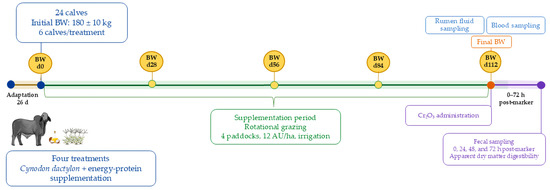
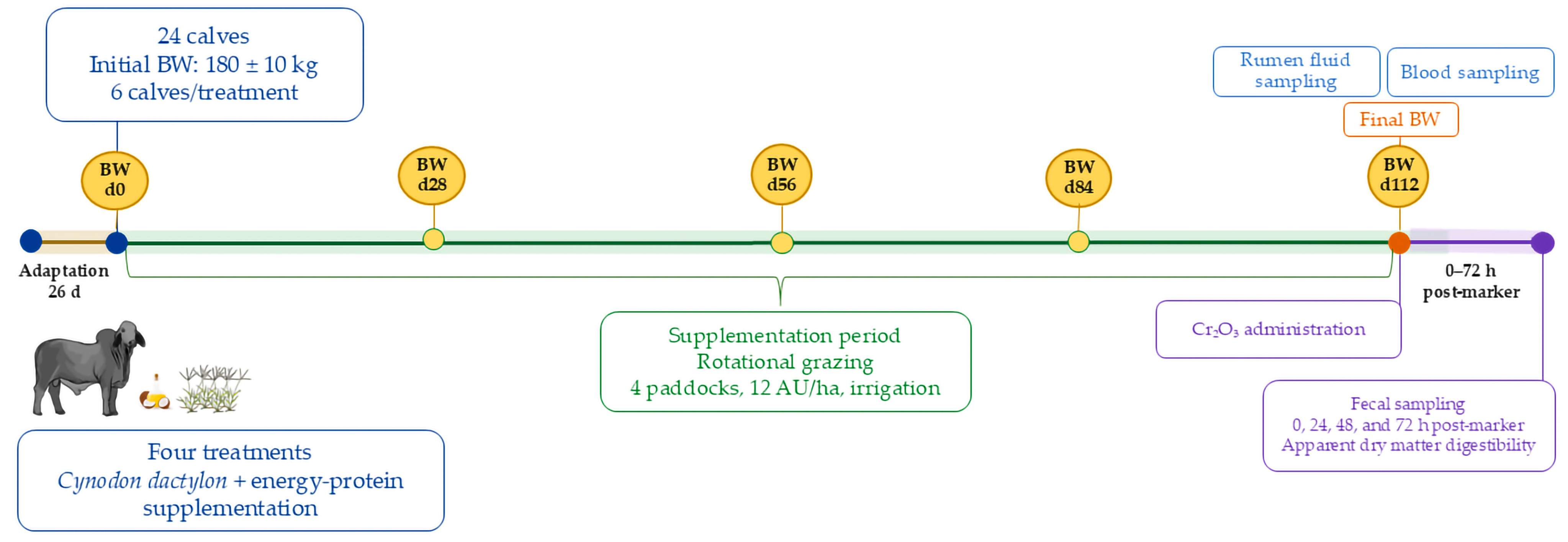
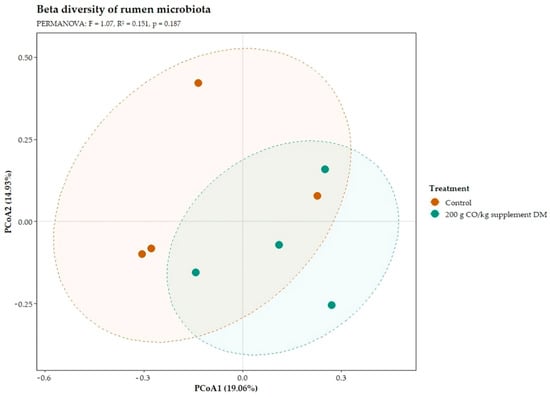
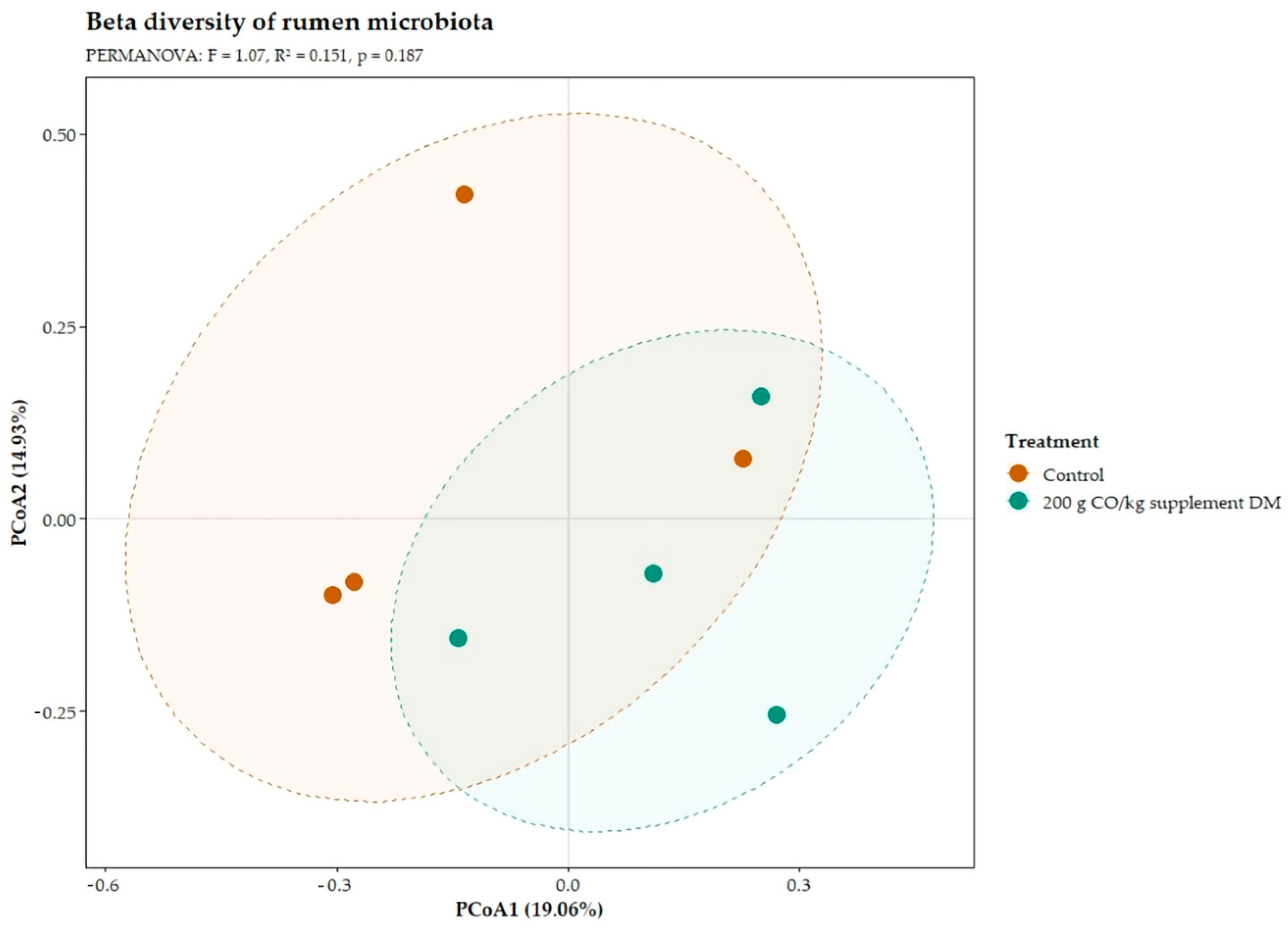
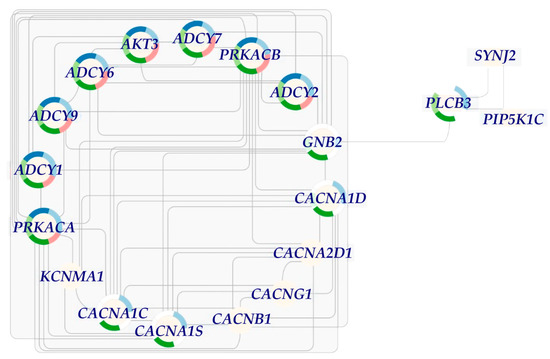
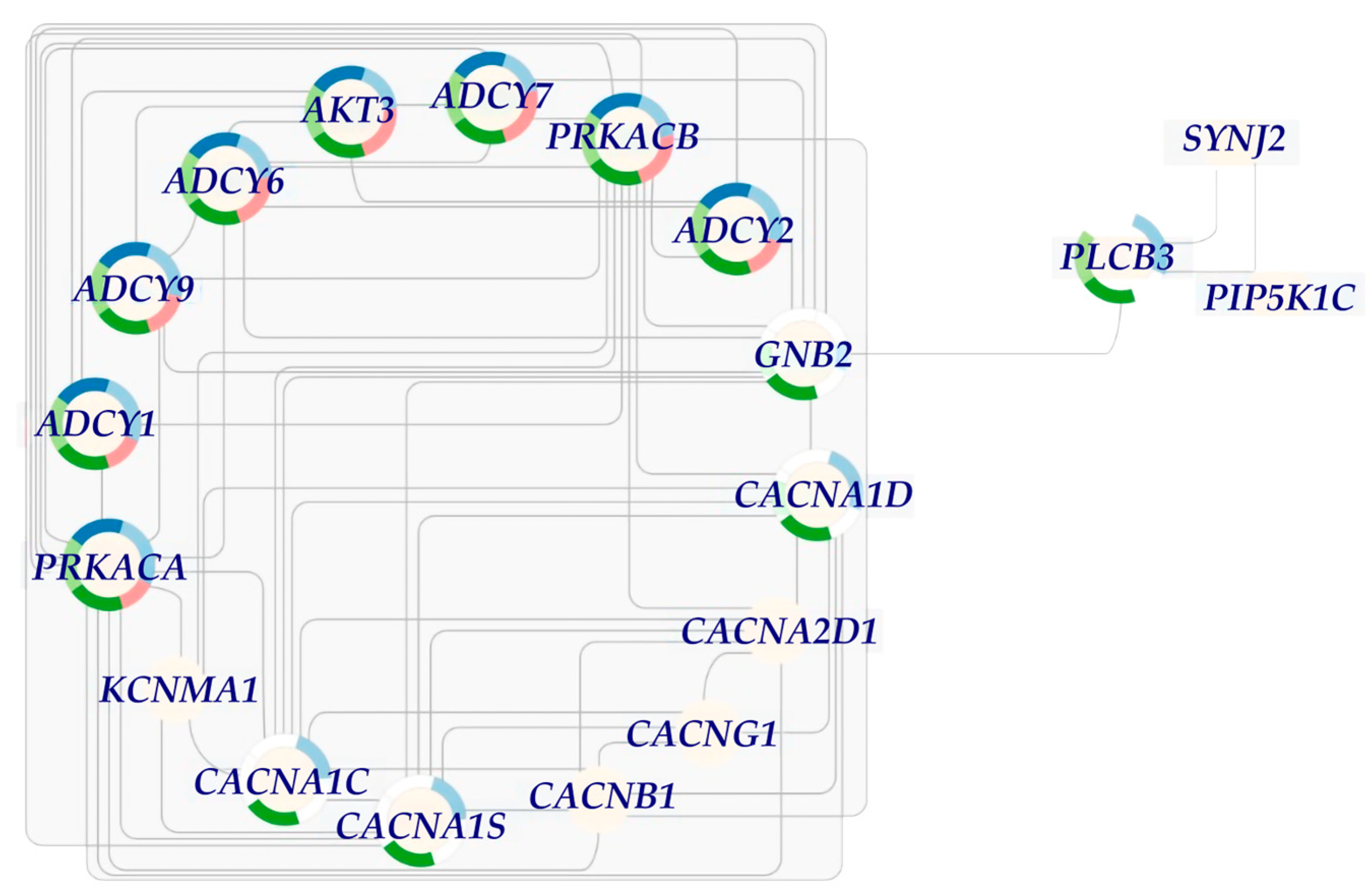
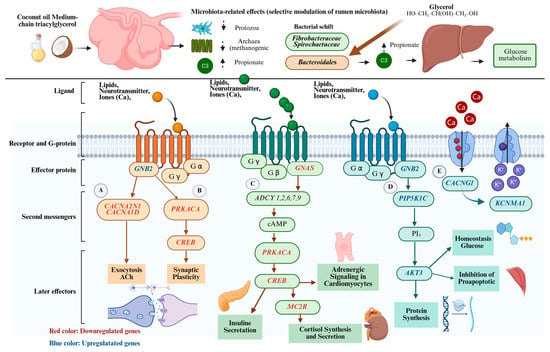
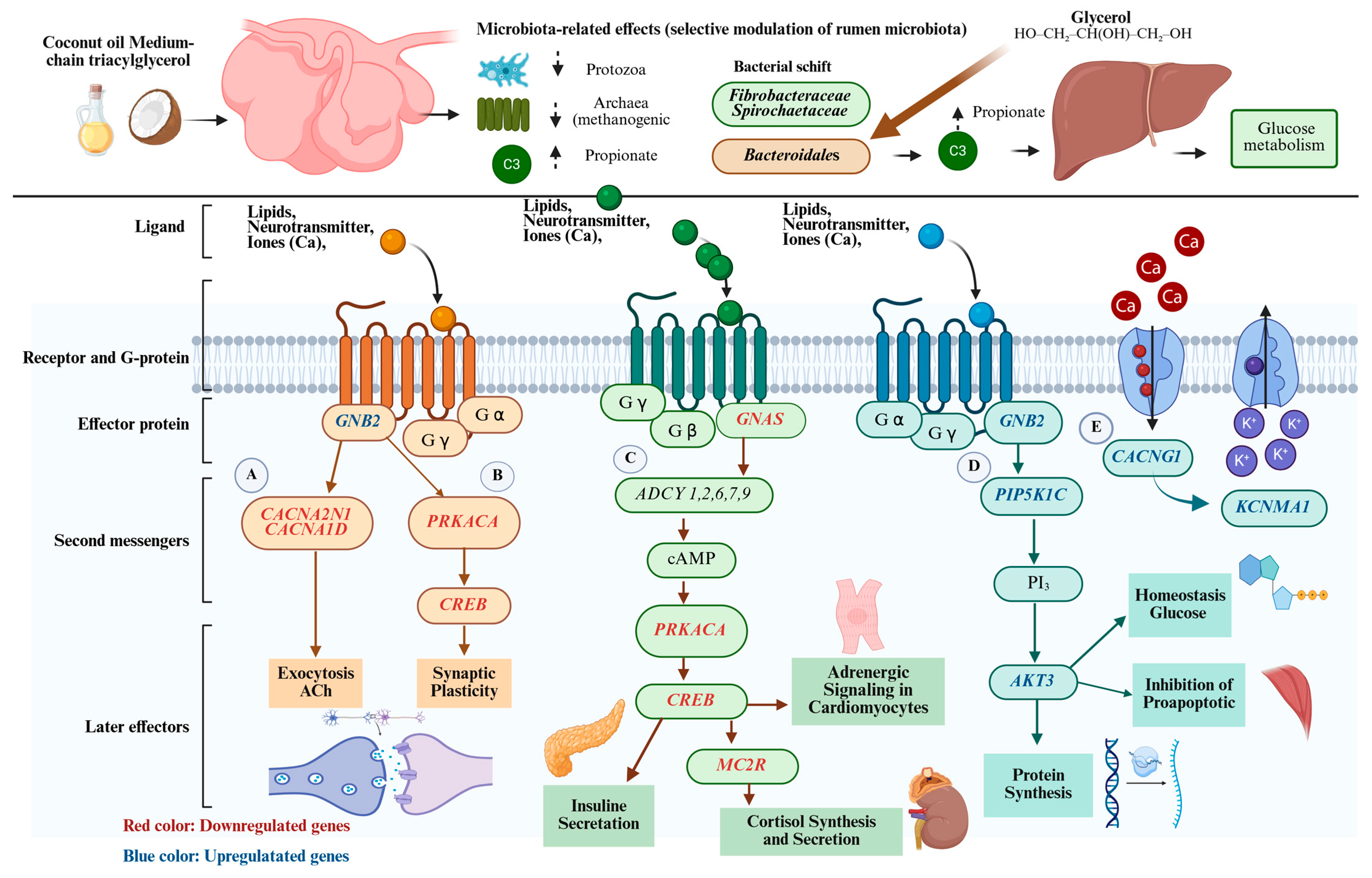

Disclaimer/Publisher’s Note: The statements, opinions and data contained in all publications are solely those of the individual author(s) and contributor(s) and not of MDPI and/or the editor(s). MDPI and/or the editor(s) disclaim responsibility for any injury to people or property resulting from any ideas, methods, instructions or products referred to in the content. |
© 2026 by the authors. Licensee MDPI, Basel, Switzerland. This article is an open access article distributed under the terms and conditions of the Creative Commons Attribution (CC BY) license.