


Abstract
The primary goal in designing classical music concert halls is to create acoustic and spatial conditions that foster deep listener immersion, a phenomenon often termed acoustic envelopment or “spaciousness”. International standards recognize this phenomenon with the parameters of Lateral Energy Fraction and Late Lateral Gain. The present research applies a cross-disciplinary methodology to investigate whether a unified index can be formulated to describe holistically the perception of a listener being immersed in and surrounded by the acoustic sound field within a concert hall, hereafter termed Periichisi. The research question is examined through three specific components: the exploration of the acoustic, psychoacoustic, and possible neurological mechanisms underlying this perceptual condition; the identification of architectural and musical factors that contribute to its formation; and the evaluation of selected acoustic parameters, including G, C80, and BR, in supporting the proposed index. The research methodology uses an ex post facto analysis of psychoacoustic data collected at the AuroLab chamber in the School of Architecture, NTU Athens. To promote objectivity and inclusivity, the dataset comprises 130 participants, intentionally including non-expert listeners without formal musical training. Key contributions include the introduction of the term Periíchisi into the Hellenic technical lexicon and the development of the Periíchisi Index for quantifying listener envelopment. Findings suggest future directions, including EEG-based studies of brain activity during Periíchisi and the strategic optimization of G, C80, and BR to enhance immersive acoustic experiences.
1. Introduction
1.1. Context and Rationale
The design of concert halls historically aims to achieve not only clarity and reverberation, but also a deep sense of spatial immersion for the listener—a sensation typically described as acoustic envelopment or listener envelopment (spatial impression). This immersive quality arises when the listener perceives sound coming from all around, rather than just directly from the stage, which contributes to a more three-dimensional and emotionally engaging musical experience. However, despite advances in architectural acoustics, replicating and optimizing this spatial impression remains a complex challenge.
From an architectural standpoint, achieving high envelopment involves careful consideration of hall geometry, surface materials, meticulous control of reflections, and selective diffusion. Psychoacoustic research has long demonstrated that the early lateral reflections (i.e., reflections arriving shortly after the direct sound) are crucial for creating a strong apparent source width, while late reflections (80–200 ms after the arrival of the direct sound) have a strong influence on spatial impression. In particular, envelopment is closely tied to spaciousness, but the exact definitions and perceptual boundaries remain debated. Some researchers distinguish between apparent source width (ASW)—how “wide” the sound source seems to be—and listener envelopment (LEV)—how much the listener feels “surrounded” by sound. Nevertheless, although LEV-related descriptors Lj (or LGj) are objectively measurable, their role as a fully verified and unified description of the overall perceptual condition remains subject to further research, especially under real-hall conditions. In particular, as A. Gade states, it has not yet been clarified which measurable acoustic parameter (among those currently known) can most effectively and realistically convey the sense of spatiality [1]. To this extend, the precise reason why lateral reflections contribute to auditory envelopment also remain not fully determined. For this reason, and as extensively discussed in Section 1.2, there is a strong need for a more refined index and design strategies [2,3,4,5,6,7,8].
Finally, architectural-acoustic analyses have identified key physical measures that correlate with spatial subjective impressions: parameters like sound strength (G), clarity (C80), bass ratio (BR), inter-aural cross-correlation (IACC), and the distribution of lateral energy in early and late reflections all play a role. For example, Skålevik et al. examined how these parameters vary across concert-hall seating positions and how they relate to listener perception [9].
Given this complex psychoacoustic and architectural background, the present research aims to bridge architectural acoustics with insights from psychoacoustics and neuroscience in order to respond to a critical gap in the field: how to holistically design and measure for immersive auditory experience, with a single unified metric.
The originality of this research is supported by its scale—particularly within the Hellenic context (see Section 2.1)—and by its methodological approach, as it relies on data obtained from real concert halls, without recourse to computational simulations or modelling with assumed absorption coefficients.
1.2. Review of Related Work
Recent research [1,5,10,11,12] in architectural acoustics has developed a variety of methodologies aimed at investigating acoustical envelopment in concert halls. However, few studies have integrated psychoacoustic and neurological perspectives with architectural design. Most existing work relies on digital acoustic models or purely mathematical calculations, rather than reconstructed sound fields derived from physical measurements within actual halls. Furthermore, divergent findings (also primarily based on mathematical calculations or artificially manipulated simulations) suggest the isolated effects of individual acoustic parameters—such as sound strength (G), clarity (C80), and bass ratio (BR)—on the listener’s experience, often without considering their integrated contribution to a holistic psychoacoustical perception.
In this context, Table 1 below provides an overview of key studies that have investigated acoustic envelopment in a rigorous and systematic manner, while Table 2 summarizes their relevant principal contributions to the subject matter. To accommodate new findings, the primary criteria for selecting relevant previous work included methodological rigor, the potential to highlight current research gaps, and the applicability of the results. Particular emphasis was placed on contributions from established authors whose work has achieved significant recognition and enduring influence in both academic research and professional practice.
Table 1.
Key related works | Overview.
Table 2.
Key related works | Summary of Principal Contributions.
To avoid systematic errors, studies addressing broader topics (such as general sound perception in a room or overall audience experience) were excluded, as these fall outside the formal scientific framework of the specific acoustic parameters under consideration. Studies employing unstructured methodologies, random combinations of parameters, experiments lacking a coherent design, or those based entirely on electroacoustic synthesized laboratory stimuli, were also excluded.
From the literature review as a whole, it emerges that
- There are sporadic and very limited findings concerning the mechanisms by which lateral reflections influence auditory perception. More specifically, there is theoretical/mathematical evidence suggesting a relationship between the values of lateral reflections after 80 ms (the LG value) and the sound power G at specific frequencies (e.g., G125). However, there is no thorough or scientifically applied method to determine the influence of sound power (G) in an objective manner or to test it within acoustic design.
- No studies investigate the qualitative causes underlying the perception of spatial impression.
- Specialized correlations between parameters are made, but these are only valid under a set of specific conditions. Spatial impression is not approached as a holistic concept or perception (e.g., orchestra size or type of music, other architectural characteristics than width of hall).
- In general, there is no purely physical experiment, as studies either use synthetic sound fields (acoustic models) or employ artificial HRTFs1. Particularly for the LEV–G relationship, there is no purely physical experiment conducted using real (physical) hall data.
- The LG parameter has only been studied through mathematical formulas and synthetic sound fields (acoustic models), and it has been correlated only with subjective responses, without confirmed experiments under real conditions (i.e., using data from physically measured halls)2.
- No study investigates whether parameters of spatial impression are affected by the size of the orchestra relative to the volume of the hall.
- During the literature review, it was observed that the relevant articles/works focus exclusively on methods for measuring or evaluating the degree of spatial impression, or on identifying the optimal method for this purpose. By contrast, no suggested approaches are presented for applying (architectural) measures to optimize it.
Although it is commonly accepted that a Lateral Energy Fraction (LF) of approximately 0.20 represents the minimum threshold required to elicit a perceptual sense of apparent source width, there is still no conclusive evidence regarding the corresponding role of LG—apart from the fact acoustic envelopment is yielded by late (after 80 ms) arriving sound (see also Note 2). Moreover, the underlying mechanisms3 that give rise to acoustic envelopment remain unclear, as these thresholds address only the scientific/mathematical requirements, without considering the contribution of the spectral content and its interaction with sound strength in a unified framework—in conjunction with the direction of reflections (see Section 4).
1.3. Research Objectives
The main objective of the present work is to investigate and quantify the phenomenon of acoustic envelopment, proposed here to be termed “Periíchisis” in the Hellenic language (See Appendix B), which describes the integrated perceptual outcome of being surrounded by and immersed in the sound field within an enclosed space, extending beyond the interpretation of any single spatial descriptor in isolation.
The study aims to support the assessment of listener envelopment through an integrated perceptual index and to provide acoustic and architectural insights that may inform concert-hall design from the early stages of the design process.
In light of the findings and identified gaps within the literature review, the study seeks to
- Examine the possible neurological mechanisms underlying Periíchisi.
- Identify architectural design strategies that facilitate this immersive experience.
- Develop a unified index for its measurement and quantification of the listener’s envelopment.
- Assess the possible influence of orchestral size and the listener’s emotional response on Periíchisi.
- Explore the role of specific acoustic parameters (G, C80, BR) in eliciting Periíchisi.
2. Materials and Methods
2.1. Overview of Data Acquisition
The work is grounded in an ex post facto (See Appendix A) analysis of data collected from the psychoacoustic evaluation of 130 individuals of varying ages and genders, all of whom were regular attendees of classical music concerts and spoken-word events. To ensure objectivity and inclusivity, the sample was not restricted to expert listeners nor exclusively to individuals with formal musical training. Rejecting the inherent subjectivity associated with semantic differential bipolar rating scales (Semantic Differential—either SDC or SCSDS), the study employs a two-alternative forced-choice (2AFC) method to elicit responses (see analytically Section 2.4). Given the qualitative nature of the present research, the following methodological principles were rigorously applied during data acquisition to secure the objectivity, rigor, and accuracy of the findings.
- i.
- The international literature suggests that statistical models are generally incompatible with qualitative research, as they are not suited to its aims or methodology [19,20,21,22,23]. Detailed description of the limitations is provided in Appendix C. Consequently, following the completion of the psychoacoustic assessment, inferential statistical analysis techniques (e.g., ANOVA, GLM, OLS) were deliberately avoided, and the Law of Comparative Judgement | Thurstone Model | Case V was employed instead (full details discussed in Section 2.4).
- ii.
- According to the department of Psychology of Portland State University [24], in order to eliminate systematic errors and ensure the impartiality of results in experimental research, observational studies, and the analysis of psychological parameters (e.g., structural equation modelling), it is essential first to determine the minimum random sample of participants. In this context, the minimum adequate number of participants (a random sample from the general population) should be at least 100 individuals. This recommendation is based on simulation studies [25], which indicate that in psychometric testing (psychology, psychoacoustics, sociology, behavioral sciences, etc.), samples of fewer than 100 participants can produce falsely negative error rates—that is, deviations from known true values.
- iii.
- In qualitative research, many scholars use the concept of saturation to determine whether the size of a sample is sufficient for the aims of a study [13,26]. According to this principle, a sample may be considered adequate when it is large enough to answer the research questions and fulfil the purpose of the investigation. In particular, saturation is understood as the point at which additional listener responses would be unlikely to produce meaningful changes in the observed perceptual tendencies. As an indictive example applied in the present research, Figure 1 presents the saturation graph for Stimulus No. 7. The stabilization process of the dominant response as the number of participants increased was visible, indicating that further responses were unlikely to substantially alter the overall outcome of the paired comparison.Figure 1. Saturation concept | Stimulus #7| Dominant response stabilization.
- iv.
- As presented in point #1 above, according to the international literature, sample-size adequacy in qualitative research is not determined through a conventional statistical margin of error or uncertainty, but through methodological criteria such as saturation, information power, and sample specificity, all with respect to the aims of the study. A similar caution is reflected in the ISO 12999 series [27,28], where even standardized laboratory measurements do not treat uncertainty as a fixed value. In particular, ISO 12999-1 notes that complete mathematical models for uncertainty evaluation in building acoustics are currently difficult to formulate, while ISO 12999-2 (a relatively recent standard for laboratory sound absorption measurements) states this even more explicitly and links uncertainty to ad hoc estimation, rather than something deterministic.
- v.
- Psychoacoustic metrics like loudness, sharpness, roughness, and fluctuation strength are computed through standardized algorithms (e.g., ISO 532 for loudness), yet single metric values often fail to predict perceptual outcomes such as annoyance or overall sound quality without additional subjective input, limiting their standalone scientific validity, especially in complex acoustic contexts (such as concert halls) [29]. Systematic reviews in soundscape and noise research highlight large variability in computation methods and poor comparability across studies when psychoacoustic parameters are used as sole predictors, which diminishes their reliability for direct perceptual inference [30]. Subjective listening tests reveal that psychoacoustic metrics correlate only partially with human judgments of annoyance or pleasantness, and that the functional relationship between metrics and perception is non-linear and context-dependent, challenging their predictive power [31]. Thus, psychoacoustic metrics are avoided in research contexts where precise human perceptual measurement is essential [32] and the two-alternative forced-choice (2AFC) method (Thurstone Model V) is preferred. Table 3 below provides the summary of the two options.Table 3. Thurstone Model vs. Psychoacoustic Metrics: Suitability Criteria.
Given the above considerations, the overview of the data-acquisition workflow used to generate the dataset pool comprised the following stages:
- i.
- Measurement of the objective acoustic parameters in real concert halls in accordance with the procedures specified in ISO 3382-1 [33];
- ii.
- Indexing and ranking of the concert halls and the individual receiver positions according to the just-noticeable-difference (JND) values, using the relevant thresholds specified in ISO 3382-1 [33], using the data of stage (i) above;
- iii.
- Selection of particular receiver positions of interest, all exhibiting a minimum difference of one JND unit for inclusion in the subsequent psychoacoustic assessment;
- iv.
- Full-sphere physical listening tests were conducted in The AuroLab psychoacoustics chamber at the School of Architecture, National Technical University of Athens, under hemi-anechoic conditions, using the acoustic data obtained from the measured concert halls. The total number of participants was 130.
The methodological details concerning the acquisition of the objective acoustic metrics and the psychoacoustic listening-test data are presented in Section 2.2 and Section 2.3, respectively.
2.2. Objective Metrics Acquisition
As discussed in Section 1.2, similar psychoacoustic studies in this field rely either on digital models of existing halls or on experimental material derived from synthetically generated sound fields or artificial acoustic environments, that is, spaces which have not been physically realized or measured. Against this background, the experimental design adopted in the present study was based on real acoustic fields measured in completed concert halls intended for classical music performance. These acoustic fields were subsequently “transferred” (reconstructed) at full human scale within the laboratory environment of The AuroLab.
The dataset, which was used both for the reconstruction of the acoustic fields and for the subsequent organization of the listening-test material, was derived from a number of concert halls designed and supervised by Timagenis Acoustics-Architects [34]. As a result, an extensive archive of acoustic measurements and impulse responses was already available, comprising the data originally collected during the final commissioning and handover phase of each hall. The only venue for which additional measurements were required was the Athens Concert Hall. This was because the parameters GLL and G [80, ∞] were introduced after the project had been completed, in the context of ISO 3382-1:2009. Consequently, these quantities could not have been measured during the original commissioning stage, since the relevant measurement methodology and instrumentation were not yet available. The concert halls used in the present study are listed below (Figure 2, Figure 3, Figure 4 and Figure 5):
Figure 2.
Athens Concert Hall: (a) auditorium view; (b) dodecahedron setup on stage.
Figure 3.
Cultural and Conference Centre of Crete: (a) auditorium view; (b) dodecahedron setup on stage.
Figure 4.
The New Hellenic National Opera House: (a) auditorium view; (b) dodecahedron setup on stage.
Figure 5.
Nicosia ex. Municipal Theatre: (a) auditorium view; (b) dodecahedron setup on stage.
- Athens Concert Hall | Athens[Christos Lambrakis Hall]
- Cultural and Conference Centre | Heraklion, Crete[Andreas and Maria Kalokairinou Hall]
- The New Hellenic National Opera and National Library | Faliron[Stavros Niarchos Hall]
- New Concert Building of Nicosia | Cyprus, Nicosia ex. Municipal Theatre[Main Hall]
The measurement process was executed in accordance with ISO 3382-1:2009. The recorded parameters for each hall are shown in Table 4 below. The measurements were performed using sine-sweep excitation. Alongside the conventional impulse-response data, the corresponding directionally resolved vector data—namely sound-pressure information as a function of time and direction—were obtained for each measurement position based on the rationale discussed by Timagenis I. and Timagenis T. [35]. Together, these data formed the acoustic fingerprint dataset of each hall.
Table 4.
Acoustic parameters acquired for each hall and their principal perceptual correlates.
Attention was given to the calibration of the measurement chain prior to the in situ measurement campaigns. The reference sound-strength calibration was carried out in accordance with ISO 3382-1:2009, using the diffuse-field method. The calibration was performed in the reverberation chamber (Figure 6) of the Acoustic Research and Simulations Laboratory, at the NTUA School of Architecture.
Figure 6.
NTUA Acoustics Lab | School of Architecture | Reverberation Chamber.
A total of 12 pseudo-random binary sequence measurements were acquired over the octave-band range from 63 Hz to 8 kHz. For each octave band, the equivalent free-field sound exposure level at 10 m from the source, LpE,10, was calculated as follows:
where LpE is the sound pressure level measured in the reverberation chamber, V is the chamber volume, and T is the reverberation time of the chamber for the corresponding octave band. The resulting octave-band calibration values were subsequently used as the reference levels for the calculation of G and the related strength-based parameters for all halls included in the study.
Taken together, the objective measurements served two interconnected purposes. First, they defined the acoustic fingerprint required for the full-scale reconstruction of each hall in AuroLab. Second, they provided the objective basis for selecting and structuring the listening-test material. The listening tests were therefore not assembled around arbitrary or synthetically imposed sound-field variations, but around measured differences between real concert-hall conditions. This allowed the perceptual assessment of acoustic spatial impression to be directly related to documented room-acoustic characteristics, particularly those associated with lateral energy and listener envelopment. The objective metrics relevant to this process are subsequently reported and discussed in the Results section, together with the corresponding psychoacoustic indices used for the interpretation of listeners’ responses.
2.3. Psychoacoustic Data Acquisition
As described in Section 2.1, all psychoacoustic data were collected within the AuroLab experimental facility at the NTUA School of Architecture (Figure 7). The facility was configured with reference to the spatial-reproduction principles set out in ITU-R BS.2159-6 [36], while the advantages and significance of using dedicated psychoacoustic chambers for this type of research have previously been discussed by Timagenis and Timagenis [35].
Figure 7.
NTUA Acoustics Lab | School of Architecture | The AuroLab Psychoacoustics Chamber.
This was of particular methodological importance because the percepts examined in the present study, especially listener envelopment and apparent source width, depend strongly on the spatial distribution, angular extent and temporal structure of reflected sound energy around the listener. Reproduction systems that restrict the reflected field to a limited number of directions may therefore alter the perceptual cues on which these attributes rely. Conventional stereo reproduction, for example, tends to concentrate reflected energy at the loudspeaker positions or along the inter-loudspeaker axis, thereby reducing the lateral and rearward components that contribute to spatial impression. Similarly, headphone-based reproduction, including binaural rendering, may limit the physical interaction between the listener and the reproduced sound field, particularly with respect to externalization, body-related acoustic coupling and dynamic spatial response.
For these reasons, neither conventional stereo nor headphone-based reproduction was considered appropriate for the aims of the present study. The use of AuroLab allowed the listening tests to be conducted under full-scale physical reproduction conditions, preserving the spatial characteristics of the measured concert-hall sound fields to a degree necessary for the perceptual evaluation of listener envelopment and apparent source width. These considerations are consistent with the known perceptual and methodological limitations associated with reduced-direction and headphone-based reproduction [37]. Data acquisition was conducted individually, with one participant examined during each questionnaire cycle. The procedure followed by each participant during the psychoacoustic evaluation was as follows:
- i.
- A brief introduction to the structure and conduct of the test procedure;
- ii.
- A brief explanation of the terms “reverberant”—“non-reverberant”, and “acoustically enveloping”—“non acoustically enveloping”;
- iii.
- Entry into the experimental chamber and positioning of the participant at the listening position;
- iv.
- Instructions on the use and completion of the digital questionnaire administered via digital tablet;
- v.
- Initiation of the psychoacoustic test procedure, with each participant progressing to the next question at their own discretion, in a non-automated interactive mode;
- vi.
- Completion of the psychoacoustic test and exit from the experimental chamber.
Before and after each experimental session, participants were explicitly instructed not to discuss the procedure or exchange impressions with individuals who were scheduled to take part in the experiment, either inside or outside the waiting area. Participants were recruited through an open call announced on the NTUA Helios platform, through social media, and by word of mouth. Registration was carried out via a Google Sheet, where participants selected predefined days and time slots. Physical presence was required, and the minimum age for participation was 18 years. As indicated by the listening-test stimulus material (Table 5) used in the listening tests, participants were essentially asked to answer a single type of question, repeated with different auditory stimuli in each case. The question was: “Select the excerpt that acoustically envelops you more”. This formulation was intentionally simple, allowing participants to focus on one clearly defined perceptual attribute throughout the test. All questions consisted of two auditory stimuli, with the exception of the first question, which included three stimuli.
Table 5.
Listening Test Stimulus Material.
The auditory stimuli used in the listening tests were derived from the measured acoustic fingerprint datasets of the selected concert halls. For each selected receiver position, the acoustic field was documented through the acquisition of vector and energy-related descriptors at the listening position, so that the spatial and energetic characteristics of the original hall condition could be preserved during its reconstruction in AuroLab.
Following the acquisition of the objective acoustic parameters and the corresponding spatially resolved impulse-response data, the available hall conditions and receiver positions were indexed according to the acoustic parameter under investigation in each listening task. Candidate stimuli were selected when the relevant objective difference satisfied the minimum JND criterion, ensuring that each comparison presented to the listeners was based on a measurable acoustic contrast rather than on an arbitrary sound-field variation.
Participants were allowed to listen to each excerpt only once, without the possibility of a second presentation, and were allowed to choose only one preferred stimulus per question, that is to say, a total of 8 psychoacoustical answers per participant4. Between questions, participants were free to take as much time as needed to select their response; therefore, pauses occurred between successive sets of stimuli. Within each pair, a very short pause of approximately 2–3 s was inserted between each individual stimulus, in order to preserve short-term auditory memory. The entire procedure was supervised by I. Timagenis at all times for every participant.
Following the completion of each listening-test cycle, participants were invited to provide brief qualitative comments regarding the perceptual basis of their selections. These comments were not used in the calculation of the Thurstone-scale values and did not form part of the primary psychometric dataset. Instead, they were treated as supplementary qualitative observations, used only to support the interpretation of the listeners’ perceptual responses. All comments were anonymized and grouped thematically according to the perceptual attribute to which they referred, such as rearward spatial impression, warmth, clarity, perceived proximity, or emotional/bodily response. Representative anonymized comments are presented in tabular form in Appendix D to provide additional qualitative context for the interpretation of the psychoacoustic findings.
As previously described, the aim of this study was to investigate perceptual responses to auditory stimuli, rather than to evaluate the effects of such stimuli or to identify potential therapeutic interventions. Consequently, this research did not employ a randomized controlled trial (RCT) or any other interventional methodology that would require formal ethical approval. Nevertheless, ethical considerations were rigorously addressed. Prior to commencing the electronic assessment, participants were required to provide explicit confirmation of their voluntary and informed consent. In instances where consent was not granted, the system automatically terminated the session, thereby ensuring that only data from fully informed participants were included in the analysis. No such cases occurred; all 131 participants provided consent for the anonymous use of their responses. However, of the 131 participants, one requested that the experiment be terminated because they felt uncomfortable inside the chamber due to the hemi-anechoic conditions. The test subject expressed the “feeling of unease and disorientation”.
2.4. Evaluation of the Psychoacoustic Results
For the evaluation of the psychoacoustic results, Thurstone’s Case V model, based on the Law of Comparative Judgment, was applied. As described in the SAGE Encyclopedia of Educational Research, Measurement, and Evaluation [38], one of the earliest methods for collecting psychometric data was Thurstone’s Law of Comparative Judgment (LCJ). The LCJ is a psychometric method rooted in psychophysical scaling.
According to Thurstone [39], the LCJ examines participants’ responses to a set of stimuli through comparative statements, with the aim of arranging the resulting judgments along a unidimensional continuum. The most common approach to data collection within this framework is the method of paired comparisons. Another widely used approach is the rank ordering of a set of stimuli according to a given perceptual attribute. The main advantage of both approaches is that they allow relationships between stimuli to be assessed in cases where such relationships cannot be determined objectively. Reliable results may be obtained through saturation, as discussed in paragraph 2.1.3 earlier, by applying one of the following alternatives [40]:
- A single participant judges multiple pairs of samples repeatedly.This approach is usually applied when the aim is to investigate details related to individual preferences or perceptions (used in the present research).
- Multiple participants judge multiple pairs of samples only once.This approach allows a broad range of perceptual qualities to be examined, but requires a large number of participants in order to ensure saturation.
- Multiple participants judge multiple pairs of samples repeatedly.This approach is used less frequently and is mainly applied when the objective is to determine whether participants change their judgments due to psychophysical influences that are not directly related to the presented samples.
The choice among the above alternatives depends on the aim of the experiment and on the nature of the stimuli under investigation. In this context, and as noted by Böckenholt [41], the model remains an efficient and widely applicable approach in qualitative and perceptual research, as it can capture participants’ judgments with greater precision than conventional rating scales in cases where direct objective assessment is not feasible. For this reason, it is particularly suitable for psychoacoustic research.
At this point, it is crucial to pinpoint that Thurstone’s model should not be confused with Likert-type scales or semantic differential scales. These methods ask participants, or judges, to express their degree of agreement or disagreement with a given statement using response categories such as “strongly agree”, “agree”, “neutral”, “disagree”, or “strongly disagree”. Although such scales can reveal a general tendency in the responses, the perceptual distance between adjacent categories, for example between “strongly agree” and “agree”, is neither normalized nor precisely defined. As a result, they may introduce a greater degree of subjective influence, both from the participants and from the researcher. This limitation is addressed more effectively by the Law of Comparative Judgment, which relies on comparative judgments between stimuli rather than on independently assigned rating categories. According to Thurstone’s model (Case V), σ is constant [42]. Therefore, this psychometric analysis model conforms to the rules of the normal distribution [43].
Due to the properties of the normal distribution5, 68% of the data produced by this model lie within 1 σ of the mean (i.e., within the interval −1 to +1). Additionally, according to Brad and Lewis of the University of Colorado [44], one standard deviation corresponds to the just noticeable difference (JND). From the above facts, it can therefore be inferred that
Evidently, 0.68 units on the Thurstone psychometric scale correspond to the just noticeable difference (JND). In other words, 0.68 psychometric units represent the minimum threshold required for any stimulus to be considered as having an effect on the phenomenon under investigation. Consequently—specifically for the case under study—taking the above into account, it follows that when a psychoacoustic result exceeds 0.68 units on the Thurstone scale6, the auditory parameter under examination has a measurable influence on the perception of spatial hearing.
It should be noted that the above does not pertain to the last question, as this constitutes a placebo question for judging potential influence of prejudice from factors (such as the reputation and/or the architectural prestige of an auditorium) and therefore does not relate to the assessment of spatial perception. The final psychometric results according to Thurstone’s model analysis are presented in the following section (Table 6).
Table 6.
Summary of results.
3. Results
The listening-test results are interpreted below in relation to the acoustic parameter examined in each task, the objective acoustic ranking, the psychoacoustic preference percentages, and the corresponding Thurstone-scale values. The numerical outcomes are then summarized in Table 6.
For Q1, which was used as a ranking and control task for the listening-test procedure, the psychoacoustic ranking showed strong agreement with the objectively measured acoustic parameters. This agreement supports the reliability and validity of the experimental setup and confirms that the listening-test procedure was capable of capturing meaningful perceptual differences between the presented acoustic conditions.
For Q2, the listeners’ preferences followed the condition associated with the highest GLL values, rather than the ranking based only on LF or LFC. This indicates that the perceived listener envelopment was more closely associated with late lateral acoustic energy than with the early lateral descriptors related to apparent source width.
For Q3, the sample with the objectively higher G80 value was preferred. This result indicates that increased sound strength contributes to the elicitation of acoustic spatial impression, supporting the interpretation that perceived envelopment is not governed only by directional reflection patterns, but also by the energetic presence of the sound field.
For Q4 and Q5, the samples with the objectively higher Bass Ratio were preferred, both for symphonic material and for lyrical/musical content. The consistency of these results suggests that warmer low-frequency content contributes positively to the perception of acoustic spatial impression, independently of the specific musical content used in the comparison.
For Q6, the sample with the objectively higher C80 value was preferred. This indicates that clarity also contributes to the elicitation of acoustic spatial impression. The result suggests that listener envelopment should not be understood as a condition opposed to clarity, but rather as an integrated perceptual response in which clarity, strength, warmth, and spatial reflection distribution may act together.
For Q7, where the tested material did not include spectral/musical content, the sample with the greater proportion of reflections arriving from behind the listener was preferred. This result indicates that rearward reflection direction is perceptually relevant even when the stimulus is reduced to a non-musical acoustic condition.
For Q8, the same tendency was observed as in Q7 using musical content. The sample with stronger rearward reflection contribution was again preferred, showing that the perceptual relevance of rear reflections is preserved when spectral and musical content are present. The combined outcomes of Q7 and Q8 therefore support the interpretation that rearward reflections contribute meaningfully to the listener’s perception of being surrounded by sound.
For Q9, which functioned as a personal-preference/bias-control question, the numerical responses were equally distributed between the two presented venue labels. This result, along with the qualitative comments reported in Appendix D, suggests that a venue’s recognizability or perceived prestige may influence listeners’ judgments of acoustic quality.
4. Discussion
As discussed extensively in the present manuscript, based on the current literature, it is maintained that the perceptual phenomenon of acoustic envelopment (spatial impression) is associated with, and arises from, the sum of lateral reflections. The term sum here refers to both early (0–80 ms) and late (80 ms to +∞) reflections that reach the listener from either side after the arrival of the direct sound.
The early lateral reflections are responsible for the “Apparent Source Width” (ASW). The corresponding objective acoustic parameter that describes this effect is the Lateral Energy Fraction (LF).
Late lateral reflections of increased strength (relative to the free-field reference level at the same distance) give rise to the perceptual impression of “Listener Envelopment” (LEV). The objective acoustic parameter that quantifies this is the Late Lateral Gain (LG or GLL).
Evidently, these two acoustic parameters describe spatial impression exclusively through the spatiotemporal quantification of lateral energy. However, such quantification disregards the fluctuation of musical content as well as the psycho-cognitive mechanisms of the human brain that are activated by it. Consequently, they provide a unidimensional approximation of spatial impression—that is, the sense that a listener is surrounded or enveloped by the acoustic field of a classical music concert hall—and are therefore insufficient to characterize it in a fully comprehensive manner.
In view of the foregoing, and taking into consideration
- The theoretical background concerning sound propagation, reflected energy, and spatial impression in symphonic orchestra halls and auditoria, as discussed in the preceding sections;
- the relevant neurophysiological and psycho-cognitive literature concerning human auditory perception and the interpretation of incomplete or spatially ambiguous acoustic information [45,46,47];
- the objective acoustic data and psychoacoustic findings derived from the experimental procedures of the present study and the anonymized post-test qualitative comments provided by participants following the completion of each listening-test cycle,
It is observed that
- The head and the external ear (pinna) modify the incoming acoustic signal, contributing primarily to source localization. The pinnae enhance spatial impression as an acquired anatomical feature, by increasing the strength of the high-frequency components received by the listener. Consequently, individuals do not share the same perception of spatial impression prior to the signal entering the inner ear.
- From the inner ear to the auditory cortex, no neurological mechanism appears to influence—either positively or negatively—the elicitation of spatial impression (Tonotopic Principle).
- The acoustic characteristics of a hall are received by the brain in an unaltered form; that is, the incoming acoustic signal is not modified at any intermediate stage once it enters the inner ear. However, individual psycho-cognitive processes (such as personal experiences, emotions, and attitudes) may influence one’s perception of spatial impression.
- Spatial impression cannot be elicited by a single acoustic attribute; rather, it arises from a combination of at least sound strength (G80), the bass ratio (BR), and the clarity index (C80). Sound strength, in particular, plays a dominant role, as it determines the audibility of the lower frequencies to which human hearing is comparatively less sensitive.
- The above, in turn, also explains why the majority of participants (more than 80—stimuli-dependent) preferred acoustical samples characterized by a “warm” sound—that is, those with an increased proportion of low-frequency content (<250 Hz)—as “acoustically enveloping”. Low-frequency sounds possess very long wavelengths (approximately 1.5–6 m), which can fully develop within a classical music hall and consequently generate strong reflections from the rear of the space.
- In Q3, 89.2% of participants selected the sample with objectively higher G80 as more enveloping, indicating that increased sound strength contributed to the perceived degree of acoustic envelopment. To that extent, further to the inherent G80 values of an auditorium, acoustic envelopment depends on the relationship between orchestra size and hall volume, performance dynamics, and the musical repertoire. Specifically, during the execution of the experiments, participants reported the following:
- i.
- When listening to speech or to musical passages dominated by high-frequency content, acoustic envelopment appeared between sound events (e.g., between successive staccato notes or during the pauses between vowels or notes). The sound strength present during these pauses determined the magnitude of perceived spatial impression. It should also be noted that when the difference between background noise and the received signal fell below approximately 8–10 dB, acoustic envelopment ceased. This underscores the critical need for exceptionally low background noise (~20 dB) in the design of performance and concert halls. Background noise encompasses a wide range of sources, including mechanical and electrical (MEP) services, sounds generated by the audience—such as breathing—and noise intruding from external environments. Based in the signal-to-noise theory [48,49,50], excessive reverberation is also another form of “background” noise in relation to the generation of envelopment, as it can lead to residual orchestral sound that persists immediately following a pause.
- ii.
- For continuous orchestral music, acoustic envelopment is produced due to fluctuation. Therefore, legato passages (instrumental or vocal) rarely trigger the spatial-impression mechanism, in contrast to vocal vibrato, which does. In that context, acoustic envelopment automatically ceases when the sound source itself stops. This emphasizes the role and contribution of the orchestra, as well as the conductor’s importance, in creating envelopment. Consequently, a lackluster performance or an ineffective conductor may prevent the perception of envelopment, even in a hall designed to facilitate it.
For these reasons, the present manuscript supports that
- The excitation of auditory envelopment (spatial perception) has evolutionary, phylogenetic, and psychoacoustic foundations and, more specifically, arises from the generation of a “sense of uncertainty” regarding the exact location of the sound source. In other words, the mechanism of auditory envelopment is activated when the human brain is unable—even momentarily—to determine which incoming sound dominates relative to others received (apart from the direct sound). Why, however, might this occur? That is, what accounts for the brain’s behavior when processing lateral reflections? It is widely recognized that, in the context of ensuring survival and responding to potentially hazardous situations, the human brain possesses a complex system of cognitive appraisal that flexibly guides perception and action under threat. According to this regulatory mechanism, the brain engages in the “filling in” of information when incoming stimuli are incomplete or insufficient for initiating a decision or activating reflexive responses [45]. A characteristic and frequent example of such a case—where the brain effectively “constructs” auditory information—is the well-known phenomenon of tinnitus (see further analysis in [46]). Considering the above, and simultaneously taking into account the Haas effect (representatively analyzed in [47]), the present work proposes that auditory envelopment has its origins in this acquired survival-related mechanism of information completion. In other words, following the same rationale, one may argue that when the brain is unable to determine which of the incoming reflections predominates, this uncertainty is effectively interpreted as an “information deficit”. The brain therefore “completes—or constructs—the missing information”, thereby forming a coherent three-dimensional auditory field and ultimately giving rise to the perceptual experience of auditory envelopment.
- The excitation of auditory envelopment (envelopment perception) is multisensory, cognitive, and associative—rather than exclusively auditory. For this reason, the mere presence of lateral reflections is not sufficient to ensure activation of the spatial-perception mechanism.
- Even when a concert hall or performing-arts venue satisfies all technical criteria for yielding spatial perception, the excitation of auditory envelopment simultaneously requires the presence of appropriate spectral content and an execution style by the orchestra that supports such excitation. Thus, although a hall may exhibit “excellent acoustics”—for example, appropriate reverberation characteristics and high values of G80, LG, LF, BR, and C80—auditory envelopment may nevertheless fail to occur. This can arise, for instance, when the musical ensemble is small in relation to the hall (e.g., a quartet performing on a stage designed for a full orchestra), or when the musical material lacks sufficient low-frequency content, dynamic variation, crescendos, or pauses followed by intensity surges, or when the performance technique does not support these features (e.g., a violin played in extended legato). This also accounts for why the human voice, whether of a single actor or a small group of singers, is practically unable to elicit auditory envelopment.
- As with the other acoustic qualities of an auditorium (with the exception of reverberation), spatial perception is shaped exclusively through the design and compositional process. Consequently, under no circumstances can spatial perception be formed or corrected through the simple addition or subsequent attachment of materials onto or within the structural elements of a completed acoustic shell.
- To maximize auditory envelopment, reflective surfaces should be integrated behind small audience clusters (e.g., ~40 listeners) at a height of at least 1.5 m. If this is not feasible, seat backs from shoulders to head should be constructed from reflective material (e.g., solid, unperforated wood). This is especially critical in central seating areas, where lateral reflections are weaker and late energy is reduced, to ensure rich, rapid reflections from behind the audience. This design strategy is rarely applied in classical music halls, as it remains largely unrecognized in conventional acoustic design.
- In the design of new classical concert halls, the maximum unobstructed hall width should not exceed 20 m. For larger venues accommodating more than 1200 audience members, lateral narrowing should be achieved through the creation of side balconies. These balconies should be arranged in clusters, with seat orientation ensuring reflective surfaces both laterally and behind the listeners.
- Convex surfaces can provide satisfactory diffusion and help eliminate echoes and flutter echoes, but they distribute acoustic energy over a wider area than faceted surfaces, something that leads to the reduction of sound strength. In particular, when their size exceeds 3 m, the energy of frequencies below 114 Hz is weakened, consequently lowering LF and LG values in this range. For this reason, convex surfaces should be avoided behind and beside audience clusters in the design of concert halls.
- The mass of the vertical cladding of a concert hall’s acoustic shell should be at least 120 kg/m2, with full structural rigidity. This not only preserves the balance between low and high frequencies but also controls the late energy of low frequencies (i.e., after 80 ms).
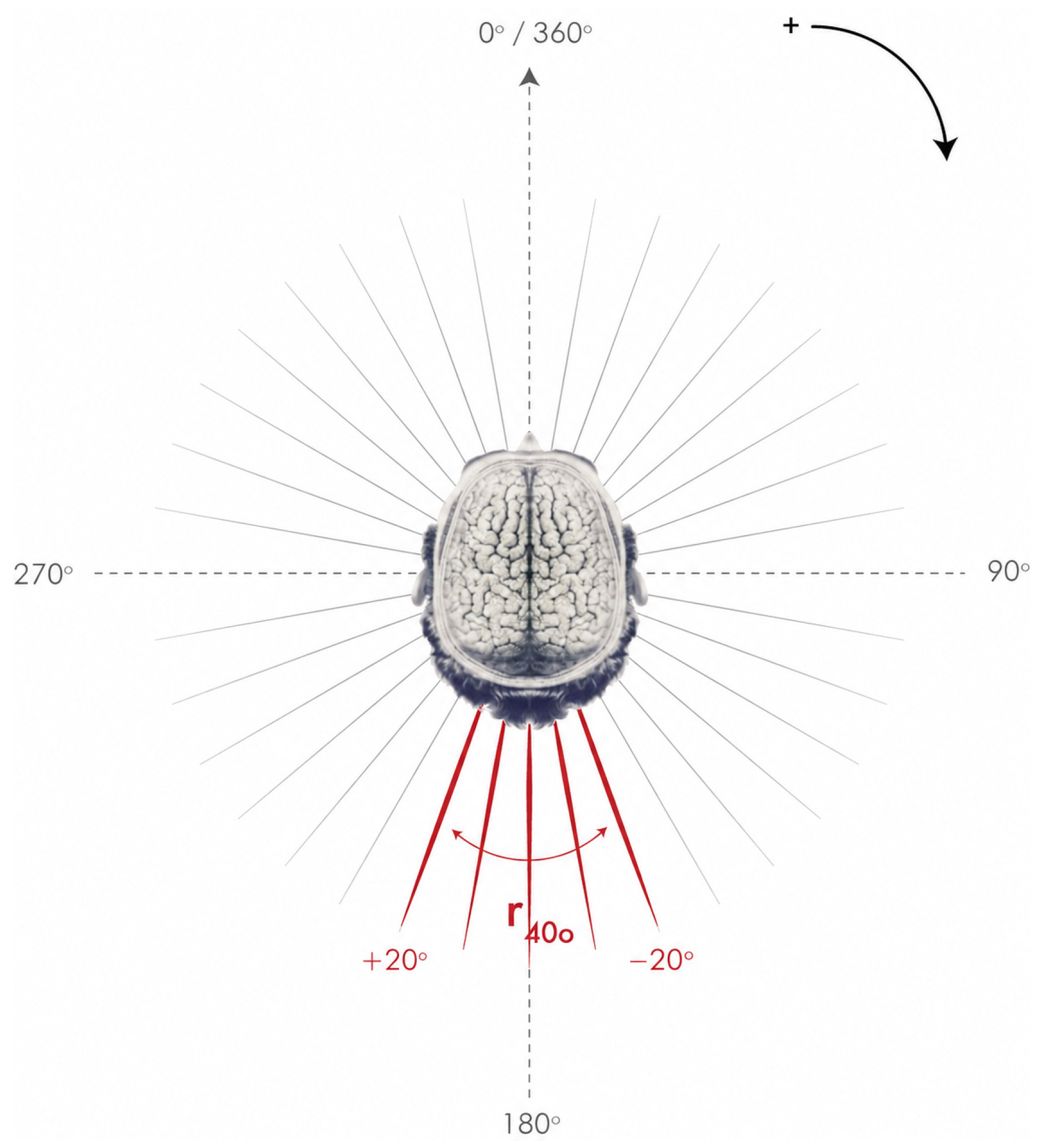
- As demonstrated in [51,52], the human brain exhibits particular sensitivity to the discrimination and analysis of rear reflections—i.e., sounds arriving at the listener within a ±20° axial horizontal and vertical angle12. Building on this finding, and in conjunction with the psychometric results of the experimental procedures conducted in the present study, which indicate the contribution of rear reflections to enhancing auditory envelopment, the present work proposes a new metric for measuring, controlling, and evaluating spatial perception—auditory envelopment—within an enclosed space.
Termed as
The Periichisi Index (Δείκτης Περιήχησης)
And
Expressed as
The Periichisi Index (Δείκτης Περιήχησης)
And
Expressed as
The ratio of late rear acoustic energy (i.e., late reflections arriving at the rear of the listener within a total azimuthal horizontal angle of 40°) to the total late acoustic energy received (i.e., late reflections arriving from all directions at the listener), also demonstrated in Figure 8 below. Here, late energy is defined as the portion of reflections arriving at the listener after 80 ms until the complete decay of the impulse response:
where:
- P.I = Periichisi Index
- Er 40° = Energy arriving from the rear, solid (on-axis), angle (±20° horizontal and vertical)
- E = Energy arriving from the full 360° (surrounding) auditory field of the listener
Figure 8.
Schematic representation of Periichisi Index.
Summarized technical note on the Periichisi Index:
Rear reflections in a room generally travel longer paths before reaching the listener and are subject to greater absorption, particularly at higher frequencies. As a result, the energy of these reflections is predominantly preserved at lower frequencies, which propagate more efficiently. Given that the human ear is less sensitive to low frequencies [53], a higher overall energy level is required for these components to be perceptually significant. Consequently, the Periichisi index is inherently linked both to the low-frequency content of the sound and to the sound strength (G).
5. Conclusions
This study examined the architectural and perceptual conditions that contribute to the perception of a listener being immersed in and surrounded by the acoustic sound field in concert halls, introduced in the present work as Periichisi. By using in-field acoustic measurements from completed concert halls, reconstructed under full-scale listening conditions in AuroLab, and by evaluating listener preferences through paired psychoacoustic comparisons, the study sought to connect objectively measured room-acoustic conditions with the integrated perceptual experience.
The results indicate that Periichisi cannot be sufficiently interpreted through reverberation time or through any single conventional spatial descriptor in isolation. The initial control task based on reverberation confirmed that participants were able to identify meaningful acoustic differences, supporting the reliability of the listening procedure. Subsequent tasks showed that listener-envelopment judgments were influenced by a combination of late lateral and rear reflections, sound strength, clarity, bass ratio, musical content, and low-frequency warmth. In particular, stimuli associated with stronger late energy, improved clarity, enhanced low-frequency support, and stronger rearward reflection contribution were repeatedly linked to higher perceived envelopment. These findings support the interpretation of Periichisi as an integrated perceptual outcome rather than as a response governed by a single acoustic variable.
The study also highlights the importance of using physically measured concert-hall data rather than relying on synthetic or modelled sound fields. The acoustic fingerprints of the selected halls and receiver positions provided a measured basis for selecting the auditory stimuli and for linking listener responses to actual architectural-acoustic conditions. In this respect, the adopted methodology offers a bridge between objective room-acoustic assessment and listener-based psychoacoustic evaluation, while preserving the spatial characteristics of real enclosed performance spaces.
A central contribution of the work is the formulation of the Periichisi Index as a metric focused on the contribution of late rear acoustic energy to the total late acoustic energy arriving at the listener. The proposed index is intended to support the evaluation of the listener’s enveloping experience by emphasizing the directional and temporal characteristics of reflected sound, particularly the role of rear reflections arriving after 80 ms. It therefore provides an additional interpretive tool for the assessment of spatial impression in concert halls, especially where conventional parameters do not fully capture the perceived condition of being surrounded by sound.
From an architectural perspective, the findings underline that listener envelopment is primarily conditioned by the spatial configuration of the concert hall itself and should therefore be addressed from the earliest stages of architectural design. Parameters such as hall width, side and rear reflective surfaces, balcony configuration, seating geometry, diffusion strategy, and the preservation of low-frequency late energy are not secondary acoustic adjustments but architectural design decisions that directly shape the listener’s immersive experience. At the same time, the results do not imply that immersive sound should be pursued independently of visual, functional, musical, or broader architectural requirements. Rather, they suggest that Periichisi may serve as a design-support criterion within the overall architectural-acoustic balance of a concert hall.
Future research is proposed, which may also combine psychoacoustic testing with neurophysiological methods, including EEG-based investigation, to examine more directly the auditory and cognitive mechanisms involved in the perception of acoustic envelopment.
Author Contributions
Conceptualization, I.T.; methodology, I.T.; software, I.T.; validation, I.T.; formal analysis, I.T.; investigation, I.T.; resources, I.T., M.K. and K.K.; data curation, I.T.; writing—original draft preparation, I.T.; writing—review and editing, I.T., G.P., K.K. and M.K.; visualization, I.T.; supervision, G.P., K.K. and M.K.; project administration, M.K., G.P. and K.K. All authors have read and agreed to the published version of the manuscript.
Funding
This research received no external funding.
Institutional Review Board Statement
The research constitutes non-clinical, non-interventional psychoacoustic research conducted through a digital questionnaire exclusively with adult participants (n = 131). Participation was voluntary and subject to informed consent, and the research material used for the purposes of analysis/publication was described as anonymous and non-identifiable. Based on the applicable institutional framework, and, in particular, Greek Law 4521/2018, Article 23(2)(a), mandatory prior submission to the Research Ethics and Deontology Committee applies to funded research projects involving research on humans, human-derived material, personal data, animals, or the natural/cultural environment. Since the present study was included in the standard—non-funded research curriculum of the school, and taking into account its specific characteristics as described above, prior mandatory approval by a Research Ethics and Deontology Committee was not required.
Informed Consent Statement
Informed consent was obtained from all subjects involved in the study. Participants who declined consent were redirected to a landing page indicating that consent was a prerequisite for those who would like to participate in the study. Written informed consent for publication was not required, as the research did not involve any identifiable participants.
Data Availability Statement
The original contributions presented in this study are included in the article. Further inquiries can be directed to the corresponding author.
Acknowledgments
The authors would like to express their sincere gratitude to: Eleni Alexandrou, School of Architecture, NTUA, for her immediate response to the spatial needs of the research and for the personal time she devoted to assisting the arrangement and organization of the space; Athanasios Kotsenos, Laboratory Teaching and Research Staff, School of Architecture, NTUA, for his initiative in providing comprehensive technical support prior to the commencement of the experiments, as well as for dedicating time amidst his daily responsibilities to continuously assist in participant recruitment and experimental scheduling; Georgios Archontakis and Despoina Cheila-Markopoulou, Faculty of Philosophy, UoA, for their invaluable contributions to the integration of the term “Periichisi”; Christos Fotis, NTUA, for his willingness to assist in the methodology of experimental data analysis and for the highly beneficial exchange of ideas; Evangelos Anagnostou, for dedicating time amidst his clinical duties to clarify fundamental aspects of human auditory system neurology and to help organize the related research questions. All figures by Timagenis Ioannis.
Conflicts of Interest
The authors declare no conflicts of interest.
Abbreviations
The following abbreviations are used in this manuscript:
| ACH | Athens Concert Hall |
| HCCC | Heraklion Cultural Centre of Crete |
| NCH | Nicosia Concert Hall (ex. Municipal Theatre) |
| HNOH | Hellenic National Opera House |
Appendix A. Ex Post Facto Analysis; Why
The methodological design of the present work does not employ a simple or generalized measurement and comparison of the association between acoustic and psychoacoustic indicators, as would be the case in correlational research. Nor does the study draw conclusions based on mere proportional distribution of responses—for instance, that if 20% of participants selected option X and 80% selected option Y, then the variable influencing Y is necessarily more significant due to its predominance. Such reasoning would likewise fall within the domain of correlational approaches, which identify relationships but do not establish causation.
As explained in the main body of the article, the research seeks to investigate the relationship between acoustic reflections and perceived spatial impression, using predefined acoustic qualities that are analyzed both objectively and psychoacoustically. This approach aligns with ex post facto research, which explores potential causal relationships retrospectively without manipulation of variables, and therefore allows for inference rather than confirmation of causality. To this extent, the researcher can have a clear understanding of the underlying phenomena, enabling systematic interpretation of the observed associations between acoustic reflections and perceived spatial impression [54].
Given that the rationale for selecting an appropriate methodological framework constitutes a central criterion in the evaluation of the variables under investigation, this appendix provides a comparative overview of the three research designs—illustrated in the figure below: Experimental, Correlational, and Ex Post Facto models. For achieving this, the appendix employs the topic of the research as an illustrative case to demonstrate why the ex post facto design represents the most appropriate and methodologically robust approach for the present study.
Finally, it should be noted that, notwithstanding differences in procedural implementation, all three research designs share five fundamental components: (1) input data, (2) research variables, (3) data collection, (4) data analysis and results, and (5) conclusions.
Figure A1.
The three core research methodologies.
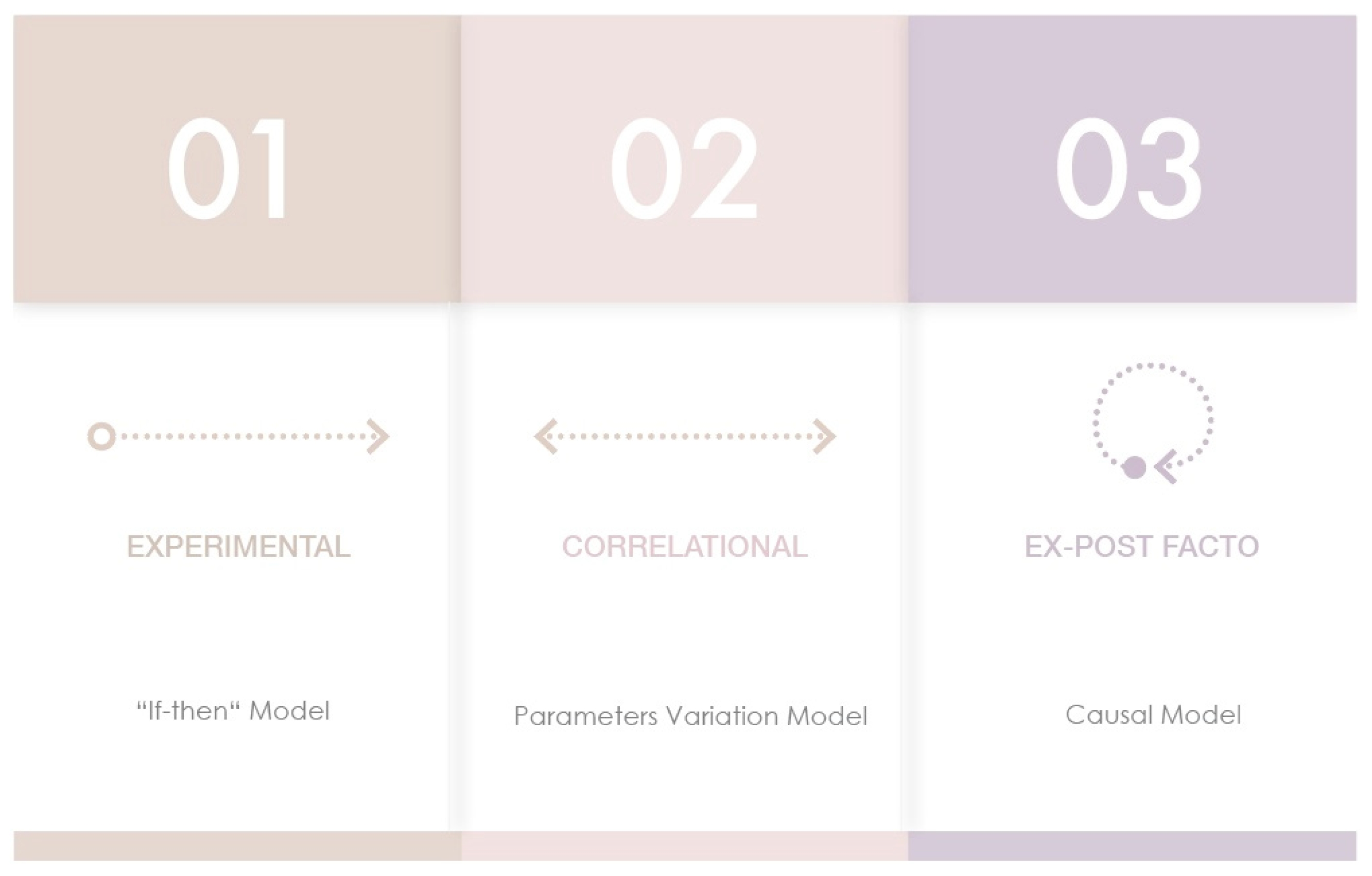
Table A1.
Demonstrating research methods through the investigated phenomenon.
Appendix B. Periíchisis: Rationale and Epistemic Origin
One of the most significant contributions of the present work is the formulation and establishment of the novel technical acoustic term “Periíchisi” (Hellenic: Περιήχηση).
The need to identify a precise term arose during the very first weeks of the research (circa early July 2016) when it became evident that no suitable Hellenic term existed to convey the meaning of the English technical term “Acoustic Envelopment”, which describes the “listener’s perception of being enveloped by the music”.
Naturally, the initial reflexive translation of “Acoustic Envelopment” into Hellenic was “Aκουστικός Eναγκαλισμός” (Acoustic “Embrace”). While this expression successfully communicated the meaning of the foreign term, it presented two notable shortcomings: firstly, it lacked sufficient technical precision; and secondly, it was a periphrastic expression. Consequently, given that one of the fundamental principles of the Hellenic language is the axiomatic requirement for semantically unambiguous words to cover all expressive needs, the search for a more suitable term continued.
During this search, several alternative Hellenic words were identified, both within and outside standard lexicons, e.g., περικάλυψη (covered by the sound), περιτύλιξη (wrapped by the sound), ηχοεμβύθιση (immersed in the sound), ηχηρότητα (sonority). These were immediately rejected as unsuitable or inadequate for the specific purposes under investigation.
By late 2022, with the ongoing guidance of Professor Georgios Archontakis (Philologist and Historian, former Director of the Ionideios Model School of Piraeus) and the support of Professor Dr. Despina Markopoulou-Χeilá (Distinguished Emeritus Professor of Linguistics at the University of Athens), it was concluded that such a specialized concept required the creation of a new term capable of capturing the sensation of Acoustic “Envelopment”. This led to the initial formulation of the word “Periphónessē” (Hellenic: Περιφώνηση), derived from περί (“around”) and φωνέω/φωνώ (“phonē—voice”).
However, as the scientific and conceptual considerations matured just prior to the commencement of the psychoacoustic tests in early 2023, it was noted with Professor Archontakis that the term “Periphónessē” still posed a conceptual limitation. Specifically, the term implied a phenomenon associated only with vocal sound (just the voice-phoneē), ignoring the broader acoustic context in which the phenomenon occurs (including music). In other words, it failed to account for the entirety of the auditory experience.
This linguistic and scientific observation led to the final formulation of the term “Periíchisi” (Hellenic: Περιήχηση), a compound of περί (around) and ήχος (sound), encompassing the full spectrum of auditory perception.
The newly defined technical term is hereby proposed by this very work as the most appropriate Hellenic equivalent of Acoustic Envelopment and Spatial Impression, now formally included among other Hellenic fundamental parameters of acoustics, such as αντήχηση (reverberation), ακουστική ισχύς (sound intensity), διαύγεια της μουσικής (musical clarity), καταληπτότητα του λόγου (speech intelligibility), etc.
Appendix C. Limitations and Risks of Statistical Model Application in Qualitative Research
As extensively documented in the literature (indicatively: [55,56,57,58]), the application of statistical models to qualitative research is subject to several notable limitations:
- Incompatibility with qualitative data: Statistical methods are primarily designed for the analysis of quantitative data that can be measured and expressed numerically. By contrast, qualitative research focuses on non-numerical data, such as observations, analyses of behavior and psychometrics, as well as issues related to the interpretation of phenomena. These forms of data cannot be adequately processed by statistical tools; consequently, such tools are unable to generate meaningful output or provide valid interpretations of qualitative data (non-meaningful output).
- Scientific Agnosticism: Statistical analyses often involve the homogenization of data through standardized mathematical functions, such as means, standard deviations, or deviations from the average, regardless of the specific context in which they are applied—that is, the particular conditions of each scientific discipline. This process results in the loss of rich information inherent in the variations present within qualitative data. Consequently, a rigid statistical approach in qualitative research proves detrimental to the complexity and depth of qualitative findings.
- Meaning and Interpretation: Qualitative research emphasizes the understanding of participants’ meanings and perceptions. Statistical analysis, by contrast, is purely quantitative in nature, often overlooking the underlying reasons behind responses that encompass qualitative insights. Interpreting the findings of qualitative research frequently requires a more nuanced and contextually informed understanding that extends beyond standardized statistical analysis.
- Limited Applicability: Qualitative research aims to explore specialized phenomena in depth. Its primary objective is to understand the causality, uniqueness, and particularities of a single case within a sample. Statistical techniques, in contrast, rely on simplification through the generalization of results, a method that is not congruent with the objectives of qualitative studies.
- Nature of Qualitative Data: The outcomes of qualitative research often encompass complex patterns and dynamic interactions among them. Statistical techniques do not provide guidance for handling non-numerical values or results. The richness of qualitative inquiry lies in its capacity to explore the phenomena that constitute a given context, employing approaches such as thematic analysis or content analysis, with the aim of identifying patterns, behaviors, and underlying causes.
- Elimination of the Researcher’s Experience and Role, and Neglect of the Specific Conditions of Each Study: As explained in Section 2 above, statistical analysis models are based on pre-constructed mathematical routines that can be applied to any study, regardless of its subject matter or field. For obvious reasons, it is understood that when a tool possesses general applicability (mainstream application), it lacks the capacity for in-depth engagement or specialization that may otherwise be provided. Consequently, statistical models are unable to capture the specific conditions of each scientific domain, as well as the applicability perspective of the results, which can only be fully understood by a specialized researcher.
- Suitability of Statistical data: Statistical data analysis is applied when there is a need to assess the reliability of a set of measurement results with a known target value, or when comparing outcomes between independent and dependent variables. That is, it is relevant in cases of simple experimental research and correlational research.
Appendix D. Supplementary Qualitative Observations from Post-Test Participant Comments
Table A2.
Representative anonymized post-test participant comments grouped by perceptual theme.
Notes
| 1 | As consistently documented in the literature [13,14,15,16,17,18], the use of headphones in conjunction with artificial HRTFs is fundamentally limited. Although this approach may appear convenient due to its portability and high levels of acoustic isolation, it is, in practice, unsuitable and ineffective for research on acoustic envelopment and may lead to false-positive results. |
| 2 | In Particular A. Gade [1] highlights that «Therefore, it may be wise to not put too much emphasis on this parameter (LG-Late Lateral Gain) until its value has also been confirmed by experiments in real halls». |
| 3 | That is to say, what causes our brain to yield immersive sound. |
| 4 | Consequently, the primary data (raw results), initially consisted of percentage values derived from the participants’ selections: i.e., for question A, x% selected the first stimulus and y% selected the second stimulus. Same applied for all eight questions. |
| 5 | Because of the symmetry and the “bell-shaped” form of the normal distribution, and given that the normal distribution has a mean of 0 and a standard deviation of 1, the interval [−1, 1] represents one standard deviation from the mean. This implies that 68% of the data fall within this interval. The above is also known as the “Empirical Rule”. |
| 6 | That is, after the final weighting of the experimental results (that have been yielded using Thurstone’s model) and the calculation of the Z-score. |
| 7 | Objective acoustic parameter measurement results. Highest value to lowest. |
| 8 | As per the listening test results. |
| 9 | Thurstone values. Note: The positive or negative signs of the Thurstone values reflect the coding direction and centering of each comparison on the Thurstone scale. They should therefore not be interpreted as indicating that a stimulus was “good” or “bad”, nor as directly equivalent to the raw response percentages. In two-stimulus paired comparisons, the two Thurstone values are complementary and are expected to appear symmetrically around zero, since the alternatives are positioned on opposite sides of the same latent perceptual continuum. For this reason, the interpretation of perceptual relevance was based on the absolute magnitude of the Thurstone-scale result. Values exceeding 0.68 were treated as perceptually meaningful, corresponding to one just-noticeable difference (JND) on the Thurstone scale. Accordingly, when the absolute Thurstone value exceeds this threshold, the associated response percentages are considered sufficiently strong to support a reliable psychoacoustic interpretation. |
| 10 | Q1 was used as a ranking/control step for the entire test procedure, as well as the basis for Q2, which used the same IRs as Q1 but with orchestral content. |
| 11 | Q9 was intentionally included as a placebo/control question to examine whether participants exhibited a non-acoustic preference bias associated with the identity or perceived prestige of a venue rather than with the acoustic characteristics of the stimuli themselves. Unlike the preceding questions, in which the concert halls remained anonymous, Q9 explicitly identified the venues by name. However, the stimuli were deliberately inverted with respect to their original presentation order in the listening series. This design allowed the investigation of whether participants’ responses were influenced by the reputation or recognition of the named halls rather than by the acoustic content of the stimuli. As such, Q9 was not designed to assess acoustic spatial impression, and its result was not interpreted as evidence of a psychoacoustic effect, but rather to identify any potential prejudiced bias during the experience of Periichisi. |
| 12 | Note: All other reflections outside these angles are considered lateral or front reflections, respectively. |
References
- Gade, A.C. Springer Handbook of Acoustics, 2nd ed.; Rossing, T.D., Ed.; Springer: New York, NY, USA, 2014. [Google Scholar]
- Barron, M. The subjective effects of first reflections in concert halls—The need for lateral reflections. J. Sound Vib. 1971, 15, 475–494. [Google Scholar] [CrossRef] [Scilit]
- Barron, M.; Marshall, A.H. Spatial Impression due to Early Lateral Reflections in Concert Halls: The Derivation of a Physical Measure. J. Sound Vib. 1981, 77, 211–232. [Google Scholar] [CrossRef] [Scilit]
- Barron, M. Objective Measures of Spatial Impression in Concert Halls. In Proceedings of the 11th International Congress on Acoustics, Paris, France, 19–27 July 1983; pp. 105–108. [Google Scholar]
- Bradley, J.S.; Soulodre, G.A. Objective measures of listener envelopment. J. Acoust. Soc. Am. 1995, 98, 2590–2597. [Google Scholar] [CrossRef] [Scilit]
- Bradley, J.S.; Reich, R.D.; Norcross, S.G. On the Combined Effects of Early and Late-Arriving Sound on Spatial Impression in Concert Halls. J. Acoust. Soc. Am. 2000, 108, 651–661. [Google Scholar] [CrossRef] [Scilit] [PubMed]
- Griesinger, D.H. The Psychoacoustics of Apparent Source Width, Spaciousness and Envelopment in Performance Spaces. Acta Acust. 1997, 83, 721–731. [Google Scholar]
- Pätynen, J.; Tervo, S.; Robinson, P.W.; Lokki, T. Concert halls with strong lateral reflections enhance musical dynamics. Proc. Natl. Acad. Sci. USA 2014, 11, 4409–4414. [Google Scholar] [CrossRef] [Scilit] [PubMed]
- Skålevik, M. Room Acoustic Parameters and Their Distribution over Concert Hall Seats. Proc. Inst. Acoust. 2008, 30, 1–10. [Google Scholar]
- Lokki, T.; Pätynen, J. Lateral reflections are favourable in concert halls due to binaural loudness. J. Acoust. Soc. Am. 2011, 130, EL345–EL351. [Google Scholar] [CrossRef] [Scilit] [PubMed]
- Beranek, L.L. The sound strength parameter G and its importance in evaluating and planning the acoustics of halls of music. J. Acoust. Soc. Am. 2011, 129, 3020. [Google Scholar] [CrossRef] [Scilit] [PubMed]
- Beranek, L.L. Listener envelopment LEV, strength G and reverberation time RT in concert halls. In Proceedings of the 20th International Congress on Acoustics, Sydney, Australia, 23–27 August 2010. [Google Scholar]
- Han, H. Measuring a dummy head in search of pinna cues. J. Audio Eng. Soc. 1994, 42, 15–37. [Google Scholar]
- Potisk, T. Head-Related Transfer Function; University of Ljubljana-Faculty of Mathematics and Physics: Ljubljana, Slovenia, 2015. [Google Scholar]
- Zhong, X.L.; Xie, B.S. Head-Related Transfer Functions and Virtual Auditory Display. In Soundscape Semiotics—Localisation and Categorisation; InTech: Rijeka, Croatia, 2014. [Google Scholar]
- Algazi, V.R.; Avendano, C.; Duda, R.O. Elevation localization and head-related transfer function analysis at low frequencies. J. Acoust. Soc. Am. 2001, 109, 1110–1122. [Google Scholar] [CrossRef] [Scilit] [PubMed]
- Wenzel, E.M.; Arruda, M.; Kistler, D.J.; Wightman, F.L. Localization using non individualized head-related transfer functions. J. Acoust. Soc. Am. 1993, 94, 111–123. [Google Scholar] [CrossRef] [Scilit] [PubMed]
- Filipanits, F., Jr. Design and Implementation of an Auralization System with a Spectrum-Based Temporal Processing Optimization. Master’s Thesis, University of Miami, Coral Gables, FL, USA, 1994. [Google Scholar]
- Guest, G.; Bunce, A.; Johnson, L. How many interviews are enough? An experiment with data saturation and variability. Field Methods 2006, 18, 59–82. [Google Scholar] [CrossRef] [Scilit]
- Kindsiko, E.; Poltimäe, H. The poor and embarrassing cousin to the gentrified quantitative academics: What determines the sample size in qualitative interview-based organization studies? Forum Qual. Soc. Res. 2019, 20, 24. [Google Scholar]
- Lichtman, M.V. Qualitative Research in Education: A User’s Guide, 2nd ed.; Sage Publications: Thousand Oaks, CA, USA, 2010. [Google Scholar]
- Malterud, K.; Siersma, V.D.; Guassora, A.D. Sample size in qualitative interview studies: Guided by information power. Qual. Health Res. 2016, 26, 1753–1760. [Google Scholar] [CrossRef] [Scilit] [PubMed]
- Van Rijnsoever, F.J. (I can’t get no) Saturation: A simulation and guidelines for sample sizes in qualitative research. PLoS ONE 2017, 12, e0181689. [Google Scholar] [CrossRef] [Scilit] [PubMed]
- Newsom, J.T. Psy 523/623 Structural Equation Modeling: Course Syllabus and Notes; Portland State University, Department of Psychology: Portland, OR, USA, 2023. [Google Scholar]
- Anderson, J.C.; Gerbing, D.W. The effect of sampling error on convergence, improper solutions, and goodness-of-fit indices for maximum likelihood confirmatory factor analysis. Psychometrika 1984, 49, 155–173. [Google Scholar] [CrossRef] [Scilit]
- Sandelowski, M. Sample size in qualitative research. Res. Nurs. Health 1995, 18, 179–183. [Google Scholar] [CrossRef] [Scilit] [PubMed]
- ISO 12999-1:2020; Acoustics—Determination and Application of Measurement Uncertainties in Building Acoustics—Part 1: Sound Insulation. ISO: Geneva, Switzerland, 2020. Available online: https://www.iso.org/standard/73930.html (accessed on 7 September 2026).
- ISO 12999-2:2020; Acoustics—Determination and Application of Measurement Uncertainties in Building Acoustics—Part 2: Sound Absorption. ISO: Geneva, Switzerland, 2020. Available online: https://www.iso.org/standard/68749.html (accessed on 7 September 2026).
- Li, W.; Kang, J.; Lee, J. Acoustic comfort evaluation in urban environments using psychoacoustic metrics. Energies 2023, 16, 611. [Google Scholar]
- Lionello, M.; Aletta, F.; Kang, J. Soundscape research in urban environments: A systematic review of prediction models. Appl. Acoust. 2020, 170, 107479. [Google Scholar] [CrossRef] [Scilit]
- Zwicker, E.; Fastl, H. Psychoacoustics: Facts and Models; Springer: Berlin/Heidelberg, Germany, 2006. [Google Scholar]
- Fiebig, A.; Lerch, M. Evaluating psychoacoustic measures for sound quality research. Z. Audiol. 2011, 7, 1–15. [Google Scholar]
- ISO 3382-1:2009; Acoustics—Measurement of Room Acoustic Parameters—Part 1: Performance Spaces. ISO: Geneva, Switzerland, 2009. Available online: https://www.iso.org/standard/40979.html (accessed on 7 September 2026).
- Timagenis, I.; Timagenis, T.; Timageni, A.; Timagenis, D. The new National Opera House of Hellas: Harmonizing acoustic challenges and practical design guidelines in concert hall development. Archit. Struct. Constr. 2025, 5, 56. [Google Scholar] [CrossRef] [Scilit]
- Timagenis, I.; Timagenis, T. The employment of the first Hellenic human-scale physical acoustic simulator in the design of the Cultural and Conference Center of Crete (CCCC). In Proceedings of “Acoustics 2022”; HELINA: Heraklion, Greece, 2022. [Google Scholar]
- International Telecommunication Union. Multichannel Sound Technology in Home and Broadcasting Applications; Report ITU-R BS.2159-6; International Telecommunication Union: Geneva, Switzerland, 2013. [Google Scholar]
- Katz, B.F.G.; Nicol, R. Binaural spatial reproduction. In Sensory Evaluation of Sound; Zacharov, N., Ed.; CRC Press: Boca Raton, FL, USA, 2018. [Google Scholar]
- Wesolowski, B.C.; Musselwhite, D.J. The SAGE Encyclopedia of Educational Research, Measurement, and Evaluation; SAGE Publications, Inc.: Thousand Oaks, CA, USA, 2018; Volumes 1–4. [Google Scholar]
- Thurstone, L.L. A law of comparative judgement. Psychol. Rev. 1927, 34, 273–286. [Google Scholar] [CrossRef] [Scilit]
- Espinoza, R.; Conners, R. The Law of Comparative Judgement: Theory & Implementation; Louisiana State University: Baton Rouge, LA, USA, 1982. [Google Scholar]
- Böckenholt, U. Hierarchical modeling of paired comparison data. Psychol. Methods 2001, 6, 49–66. [Google Scholar] [CrossRef] [Scilit] [PubMed]
- Pérez-Ortiz, M.; Mikhailiuk, A.; Zerman, E.; Hulusic, V.; Valenzise, G.; Mantiuk, R.K. From pairwise comparisons and rating to a unified quality scale. IEEE Trans. Image Process. 2019, 28, 5353–5367. [Google Scholar] [CrossRef] [Scilit] [PubMed]
- Revelle, W. An Introduction to Psychometric Theory with Applications in R; R Documentation, Package “Psych”; Northwestern University: Evanston, IL, USA, 2024. [Google Scholar]
- Lewis, H.; Brad, A. Assistant Psychology of Perception, Psychology 4165, Laboratory; University of Colorado: Boulder, CO, USA, 2008. [Google Scholar]
- Mobbs, D.; Hagan, C.C.; Dalgleish, T.; Silston, B.; Prévost, C. The ecology of human fear: Survival optimization and the nervous system. Front. Neurosci. 2015, 9, 55. [Google Scholar] [CrossRef] [Scilit] [PubMed]
- Rauschecker, J.P.; May, E.S.; Maudoux, A.; Ploner, M. Frontostriatal gating of tinnitus and chronic pain. Trends Cogn. Sci. 2015, 19, 567–578. [Google Scholar] [CrossRef] [Scilit] [PubMed]
- Litovsky, R.Y.; Colburn, H.S.; Yost, W.A.; Guzman, S.J. The precedence effect. J. Acoust. Soc. Am. 1999, 106, 1633–1654. [Google Scholar] [CrossRef] [Scilit] [PubMed]
- Jeong, C.-H.; Marie, P.; Brunskog, J.; Petersen, C.M. Audience noise in concert halls during musical performances. J. Acoust. Soc. Am. 2012, 131, 2753–2761. [Google Scholar] [CrossRef] [Scilit] [PubMed]
- Beranek, L.L. Concert Halls and Opera Houses: Music, Acoustics, and Architecture, 2nd ed.; Springer: New York, NY, USA, 2004. [Google Scholar]
- Haapaniemi, A.; Lokki, T. Identifying concert halls from source presence vs room presence. J. Acoust. Soc. Am. 2014, 135, EL311–EL317. [Google Scholar] [CrossRef] [Scilit] [PubMed]
- Klump, G. Evolutionary adaptations for auditory communication. In Communication Acoustics; Blauert, J., Ed.; Springer: Berlin/Heidelberg, Germany, 2005. [Google Scholar]
- Blauert, J. Spatial Hearing: The Psychophysics of Human Sound Localization; MIT Press: Cambridge, MA, USA, 1983. [Google Scholar]
- ISO 226:2023; Acoustics—Normal Equal-Loudness-Level Contours. ISO: Geneva, Switzerland, 2023. Available online: https://www.iso.org/standard/83117.html (accessed on 7 September 2026).
- Cohen, L.; Manion, L.; Morrison, K. Ex post facto research. In Research Methods in Education, 8th ed.; Routledge: London, UK, 2018. [Google Scholar]
- Queirós, A.; Faria, D.; Almeida, F. Strengths and limitations of qualitative and quantitative research methods. Eur. J. Educ. Stud. 2017, 3, 369–387. [Google Scholar] [CrossRef]
- Carr, L.T. The strengths and weaknesses of quantitative and qualitative research: What method for nursing? J. Clin. Epidemiol. 1994, 45, 929–940. [Google Scholar] [CrossRef] [Scilit] [PubMed]
- Rahman, M.S. The advantages and disadvantages of using qualitative and quantitative approaches and methods in language “testing and assessment” research: A literature review. J. Educ. Learn. 2016, 6, 102–112. [Google Scholar] [CrossRef] [Scilit]
- University of Copenhagen. Qualitative & Quantitative Methods. Available online: https://betterthesis.dk/research-methods/lesson-1different-approaches-to%20research/strengths-and-limitations (accessed on 1 June 2026).
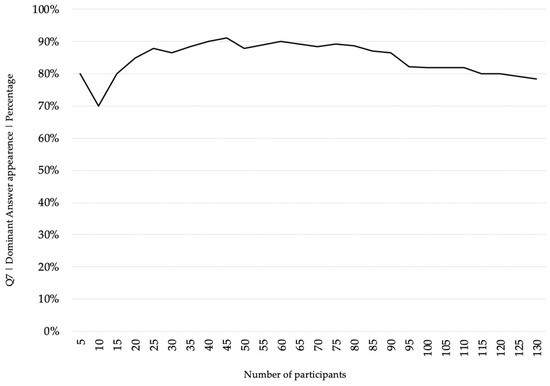
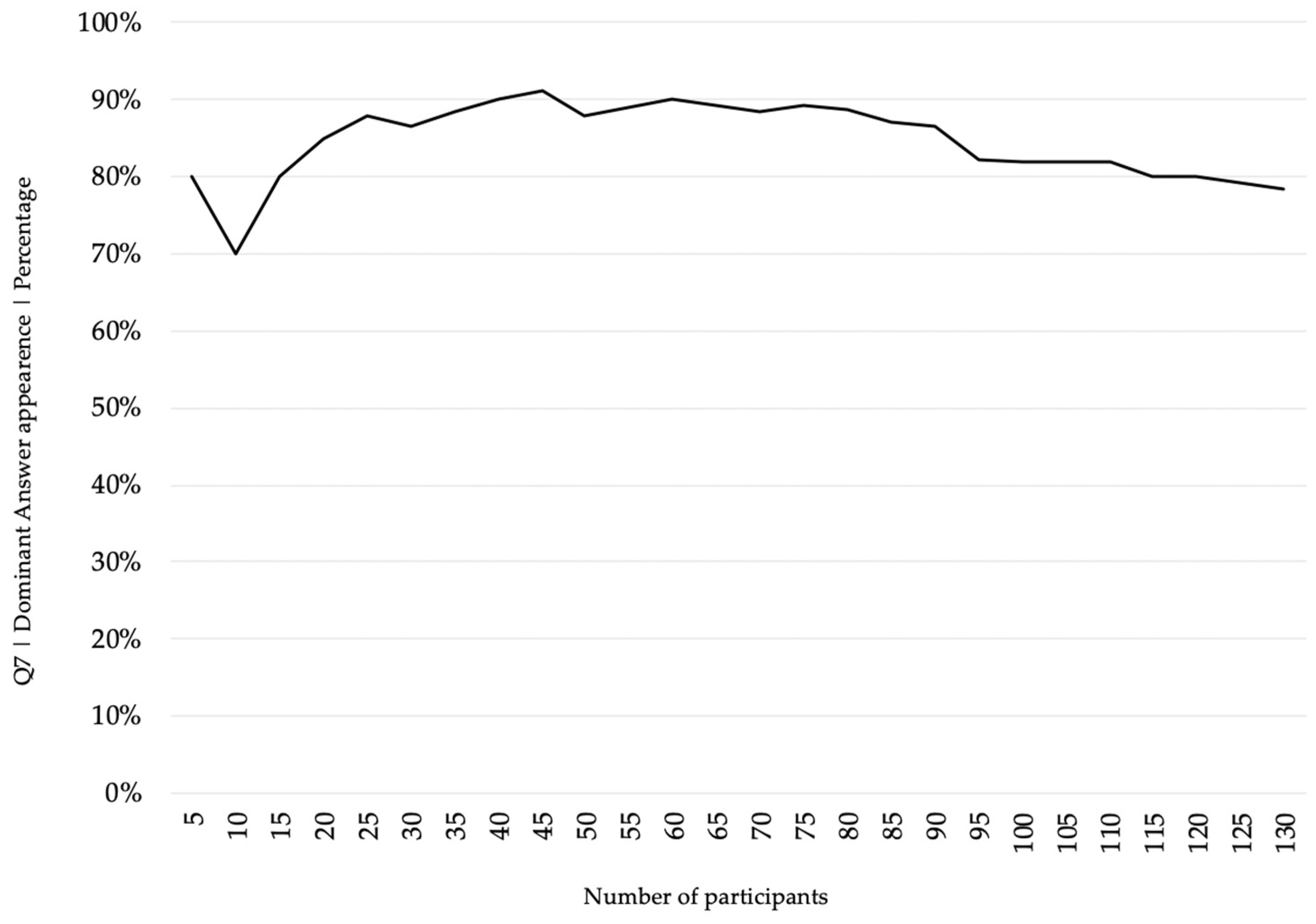
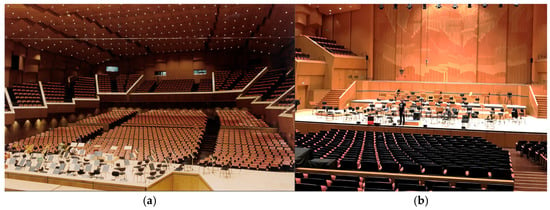
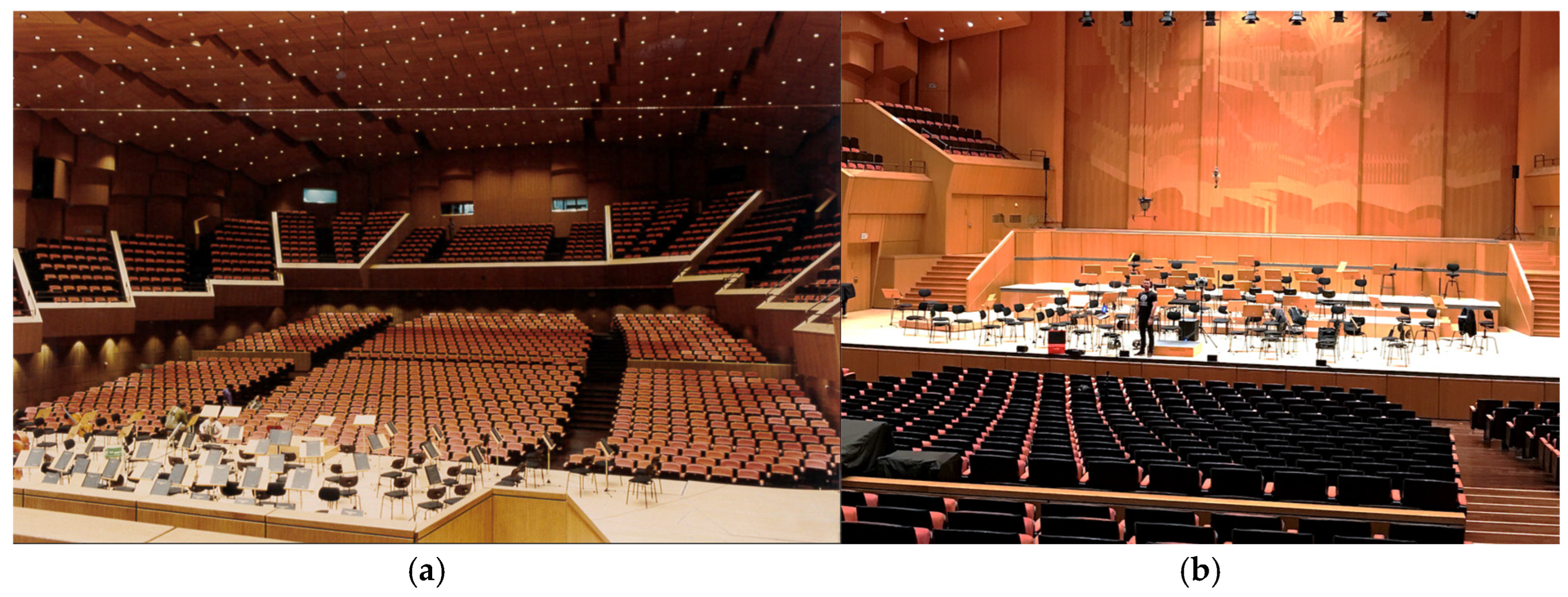
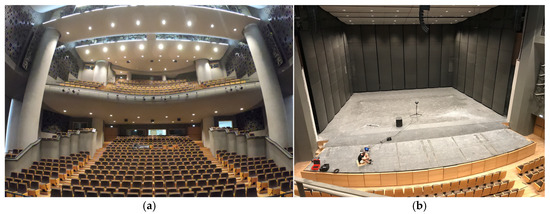
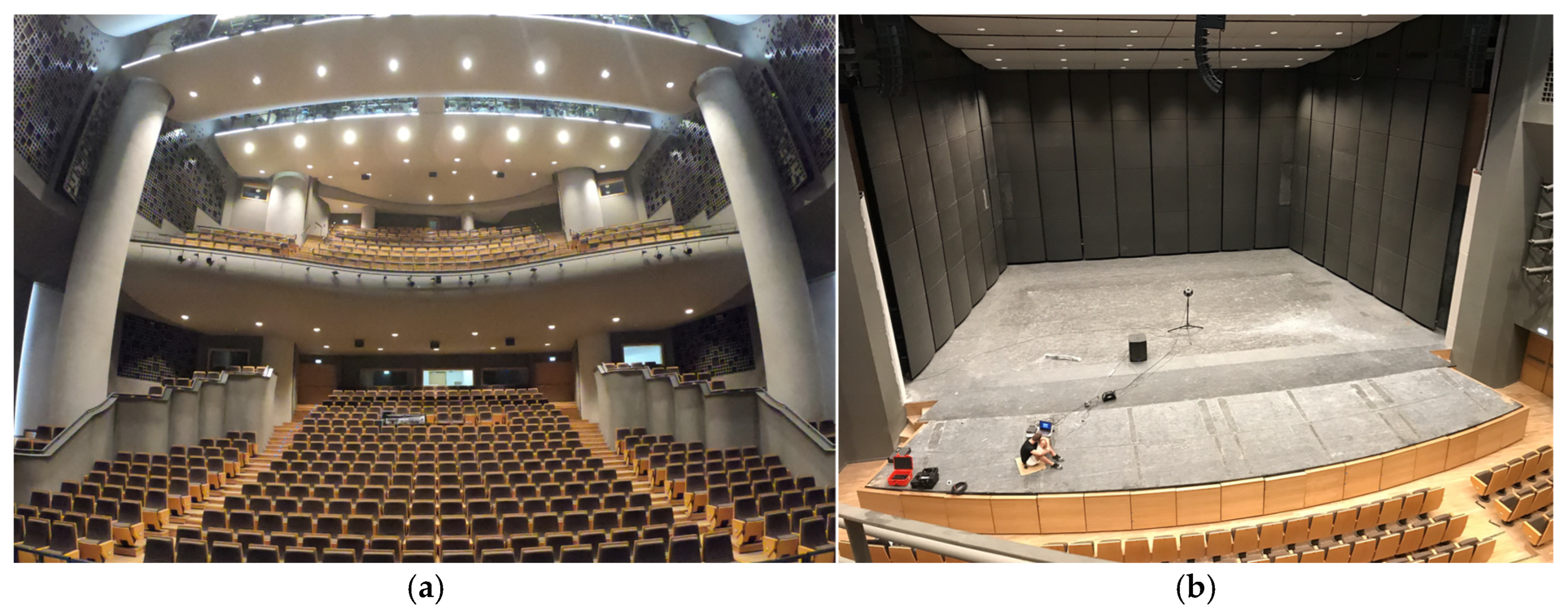
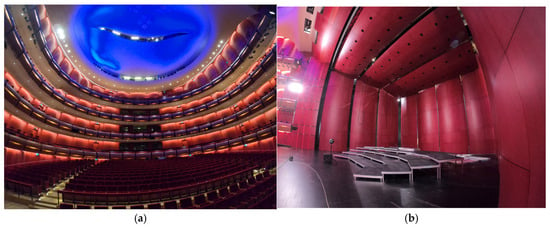
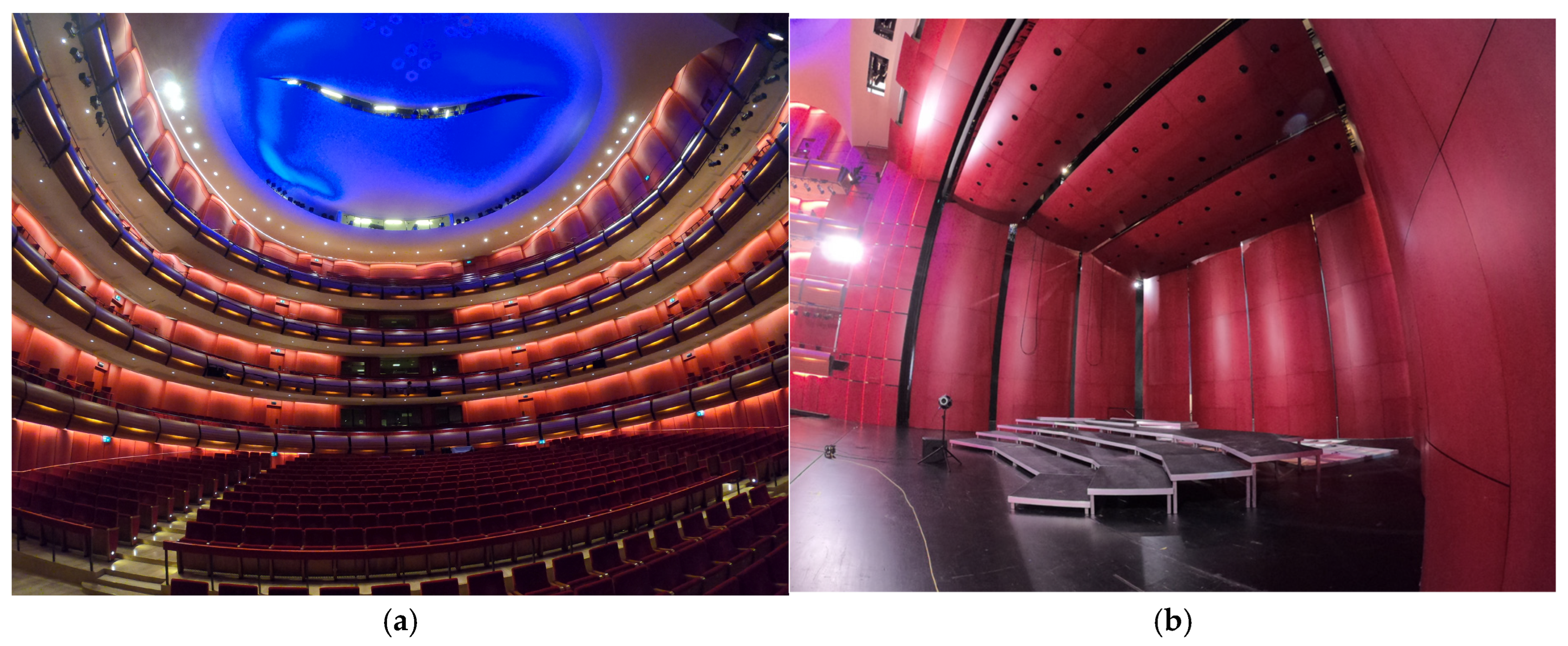
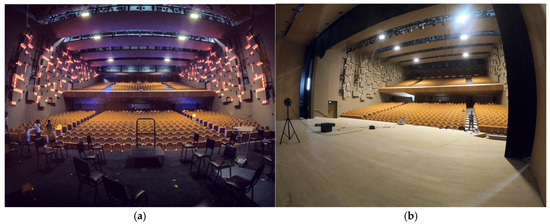
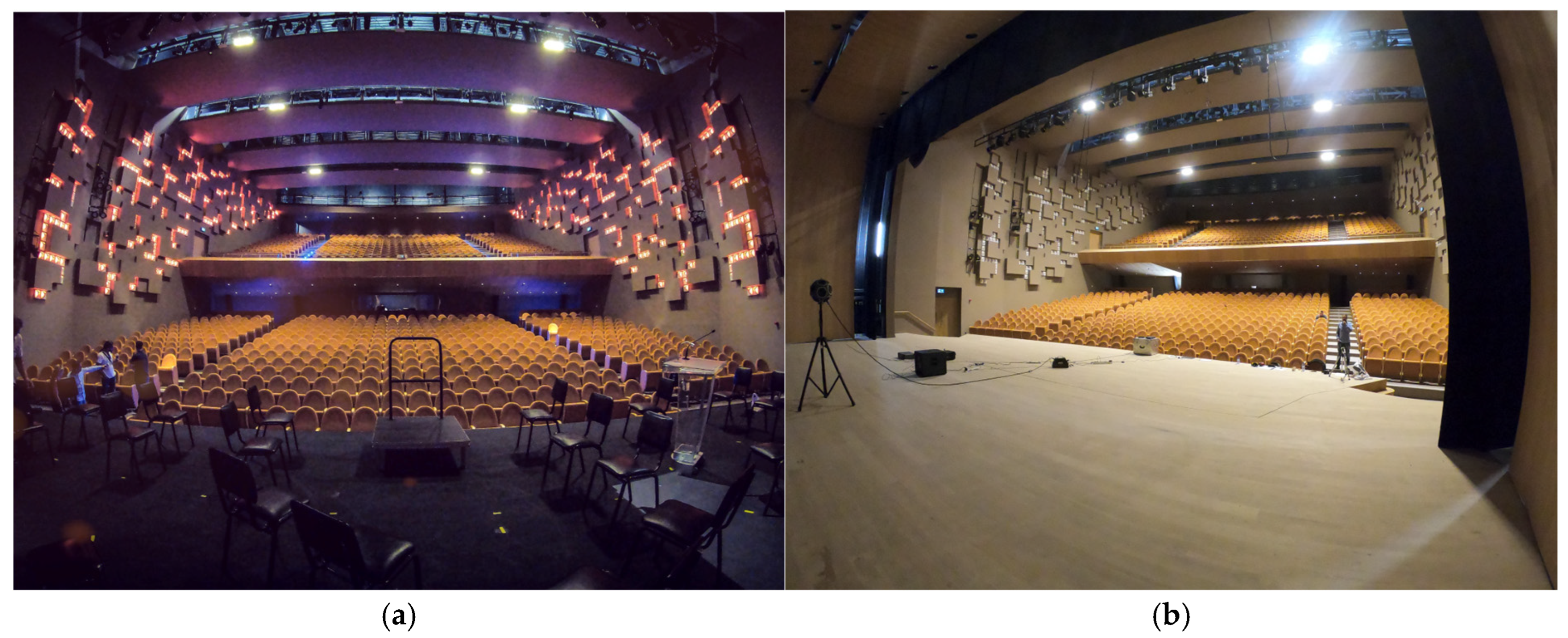
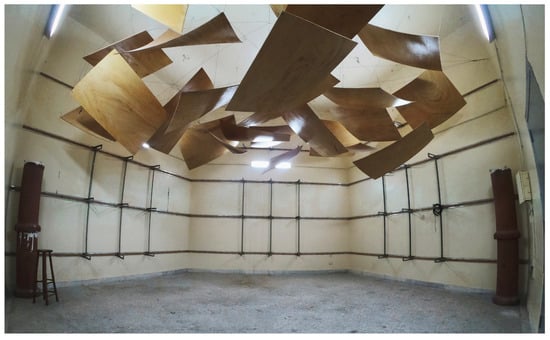
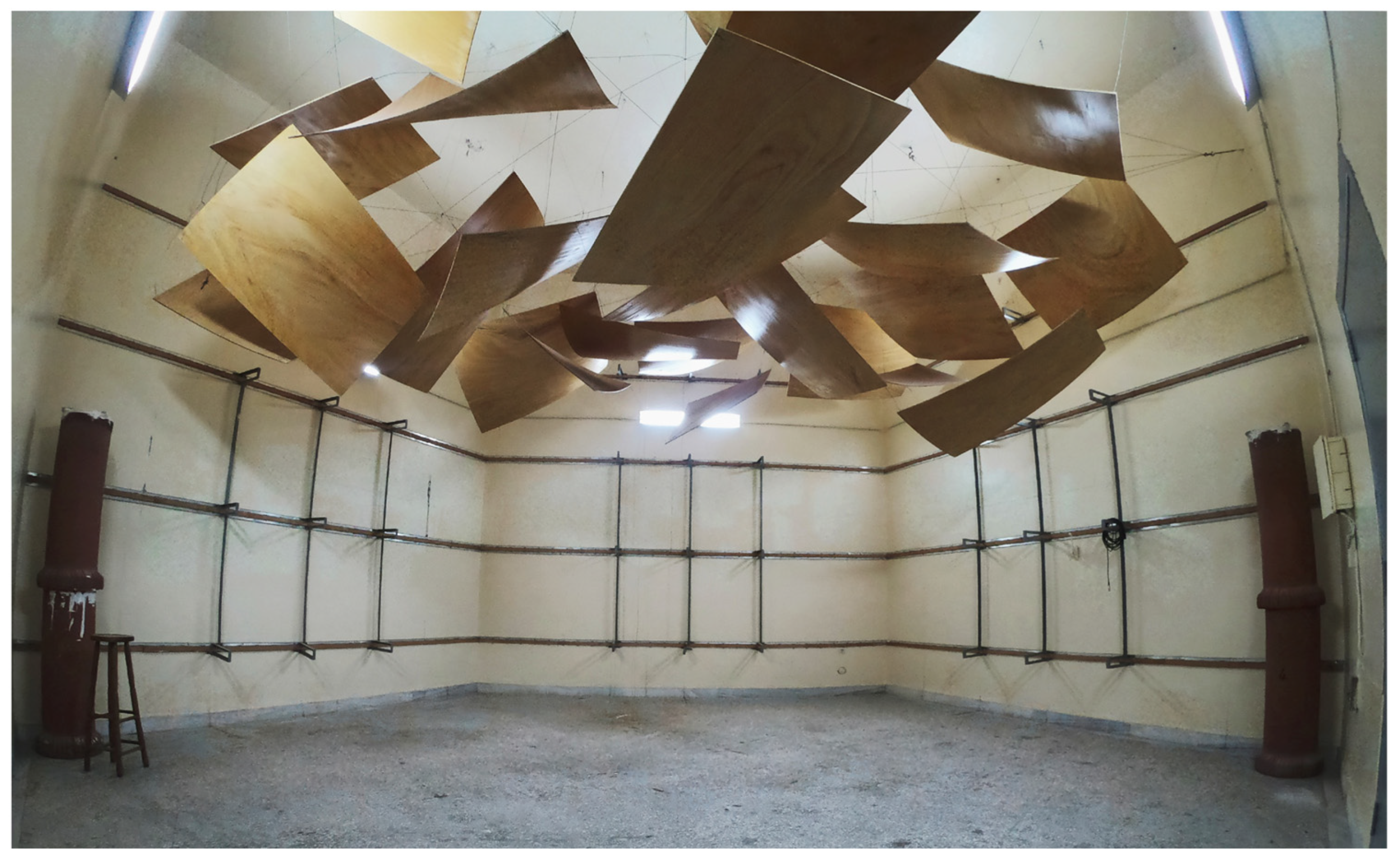
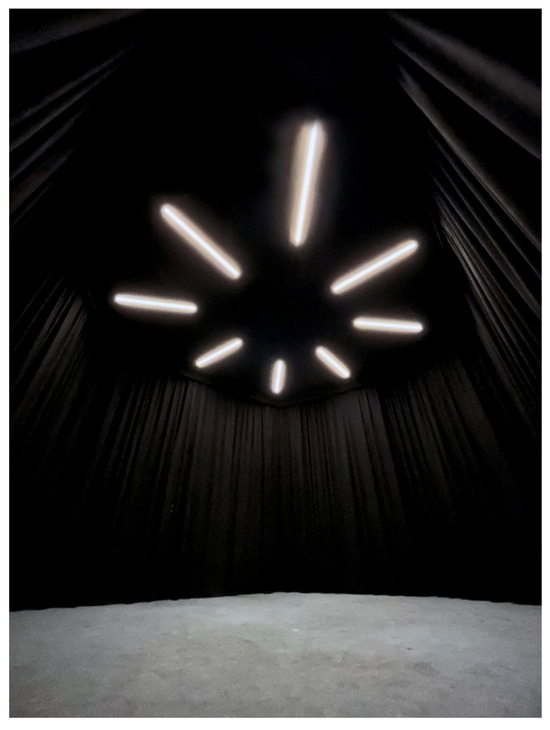
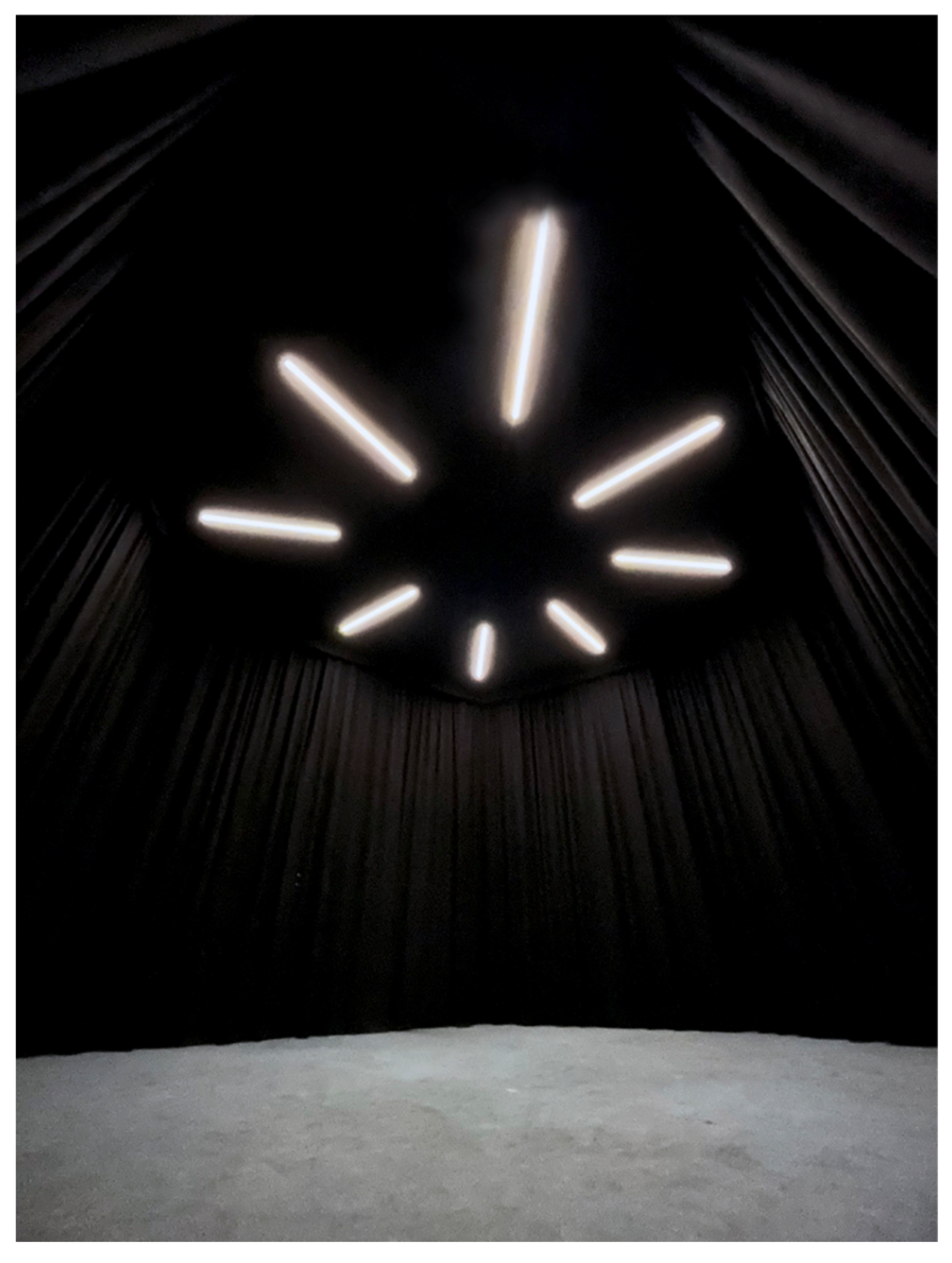

Disclaimer/Publisher’s Note: The statements, opinions and data contained in all publications are solely those of the individual author(s) and contributor(s) and not of MDPI and/or the editor(s). MDPI and/or the editor(s) disclaim responsibility for any injury to people or property resulting from any ideas, methods, instructions or products referred to in the content. |
© 2026 by the authors. Licensee MDPI, Basel, Switzerland. This article is an open access article distributed under the terms and conditions of the Creative Commons Attribution (CC BY) license.