


Abstract
Existing plastic pollution research has focused predominantly on aquatic ecosystems, while the development, thematic evolution, and research performance of terrestrial plastic pollution remain underexplored. To address this gap, this study provides a comprehensive bibliometric and policy analysis of research on terrestrial plastic pollution, drawing on articles published in the Scopus and Web of Science databases from 1989 to 2026. Bibliometric analysis was conducted using the Biblioshiny package in RStudio, complemented by a review of African plastic policy frameworks. The results indicate that the field comprises 7682 publications by 18,797 researchers, generating 301,445 citations, with an average of 39.24 citations per article. Research output increased substantially after 2018, reflecting growing global concern about the environmental impacts of plastic contamination in terrestrial ecosystems. China, India, and the United States were the leading contributors to scientific output and international collaboration, while the Chinese Academy of Sciences was the most productive institution. Matthias C. Rillig was identified as the most prolific author in the field. Keyword and thematic analyses indicate that research on terrestrial plastic pollution has increasingly shifted from visible plastic waste to microplastic soil pollution and the ecological consequences of plastic contamination in terrestrial ecosystems. However, policy analysis reveals a disconnect between scientific evidence and policy responses in Africa, where most frameworks prioritize conventional plastic waste management and circular economy initiatives, giving limited attention to microplastic contamination and risks to terrestrial ecosystems. These findings highlight the need for policy reforms that integrate microplastic monitoring and soil protection into national plastic governance frameworks.
1. Introduction
Plastic pollution is increasingly recognized as a global environmental challenge; however, research and policy attention have historically been dominated by a marine perspective [1,2,3,4]. Emerging evidence indicates that terrestrial ecosystems, such as agroecosystems, are major yet overlooked reservoirs of micro- and nanoplastics, with significant implications for soil health, food security, and sustainable development [5,6]. This imbalance has created a critical gap in understanding the scale, impacts, and governance of land-based plastic pollution.
The persistence of plastics in terrestrial environments stems from their chemical stability, resistance to microbial degradation, and durability-enhancing additives such as plasticizers and stabilizers [7]. As a result, plastics can persist in soils for decades, contributing to long-term accumulation amid rising global production [8,9]. In agricultural systems, plastics enter soils through multiple pathways, including mulch films, irrigation systems, and mismanaged waste streams, making agroecosystems particularly vulnerable to contamination [10,11,12]. Despite these inputs, terrestrial environments remain comparatively understudied, even though they are estimated to receive substantially higher plastic loads than marine systems [2,3].
The impacts of plastics in soils extend beyond their physical presence and pose a systemic threat to ecosystem functioning. Studies show that plastic particles alter soil structure by affecting porosity, aeration, and water retention, which are essential for root development and crop productivity [12]. These physical changes are accompanied by chemical disruptions, including shifts in soil pH, cation exchange capacity, bulk density, and nutrient cycling, particularly in carbon and nitrogen dynamics [13,14]. At the same time, plastics interfere with biological processes by reducing beneficial microbial populations, disrupting soil–plant–microbe interactions, and inhibiting organic matter decomposition [15,16,17,18,19]. These combined effects weaken soil fertility, reduce agricultural productivity, and pose ecotoxicological risks to soil organisms and broader ecosystem stability [20].
Beyond these direct impacts, plastics contribute to the formation of a novel ecological niche, the ‘plastisphere’, which reshapes microbial communities and alters biogeochemical processes [21]. This has broader environmental implications, including increased emissions of greenhouse gases such as carbon dioxide (CO2), methane (CH4), and nitrous oxide (N2O), which are partly linked to the fossil-based origin of plastics [22,23]. Consequently, terrestrial plastic pollution is not only a soil contamination issue but also an indirect driver of climate change and a systemic threat to agroecosystem resilience and sustainability.
The challenge is further intensified by the global importance of agriculture. Approximately 3.83 billion people depend on agri-food systems for their livelihoods [24], increasing pressure to adopt alternative materials such as biodegradable plastics, including polylactic acid (PLA), polyhydroxyalkanoates (PHAs), and poly (butylene adipate-co-terephthalate) (PBAT) [25,26]. While these materials are often promoted as environmentally friendly, evidence indicates that they can also fragment into microplastics and persist under environmental conditions, contributing to similar pollution pathways [27,28]. Moreover, studies report their negative effects on plant growth, including reduced biomass, altered root development, and decreased chlorophyll content [29,30,31]. Embedded additives and variable degradation conditions further complicate their environmental behaviour [26,32].
Despite this growing body of evidence and literature, including bibliometric research on plastic pollution [33,34,35], existing studies largely examined the broader plastic pollution literature [36,37,38,39] in marine and aquatic environments [40,41,42,43,44], with limited attention to the evolution of research on terrestrial systems [2,3,4,5,45]. More importantly, the extent to which emerging scientific priorities in terrestrial plastic pollution align with existing policy responses, particularly in African contexts, remains insufficiently understood [46]. This gap is increasingly important as terrestrial plastic research shifts toward microplastic contamination, soil health, agricultural impacts, and ecosystem functioning [47,48], while policy responses remain largely oriented toward visible plastic waste and conventional waste management [49]. Consequently, it remains unclear how advances in terrestrial plastic pollution research are reflected in policy priorities. This study addresses this gap by integrating bibliometric mapping of terrestrial plastic pollution with an assessment of African policy frameworks, identifying areas of alignment and disconnect between scientific research priorities and policy responses.
Accordingly, the study treats terrestrial plastic pollution as a continuum spanning conventional and biodegradable plastics and their fragmentation into micro- and nanoplastics. This framing captures the evolving scientific focus on these interconnected forms of terrestrial plastic contamination and enables comparison with corresponding policy responses.
Specifically, the study (i) maps global and regional publication trends and identifies leading countries, institutions, and scholars; (ii) examines influential publication outlets and their contributions; (iii) identifies key research themes, emerging trends, and their evolution over time through co-occurrence and thematic evolution analyses; and (iv) evaluates policy responses to terrestrial plastic pollution and governance gaps in African contexts. By linking scientific mapping with policy analysis, the study moves beyond conventional bibliometric assessments to examine whether emerging scientific evidence on terrestrial plastic pollution is reflected in policy responses and to identify research and governance priorities for more effective terrestrial ecosystem management.
2. Methodology
To highlight the main areas of research, concepts, and topics on plastic pollution in the eco-terrestrial environment, within the broader waste management domain, a bibliometric analysis of the literature was conducted using the Biblioshiny R package, complemented with qualitative analysis of countries’ policy documents on plastic pollution, focusing on terrestrial plastic pollution, particularly those addressing agroecosystems.
2.1. Bibliometric Analysis
Bibliometric analysis is a form of scientific communication that helps researchers track the progression of science within a field by identifying trends in research topics across disciplines and understanding how scientists develop knowledge and disseminate findings [50]. As proposed by Prichard [51], the approach applies mathematics, statistics, and bibliographic methods to quantitatively analyze the scholarly literature [52] and has been used successfully by seminal researchers [53,54,55]. The evolution of information technologies and the development of specialized data-analysis software have also made the method gain traction for analyzing large databases that would be too cumbersome and impractical to analyze manually [53,56]. Common bibliometric methods include statistical, citation, and knowledge-sharing analyses. Additionally, knowledge mapping can uncover links between developmental stages and the structure of scientific knowledge, illustrating the evolution of specific fields and helping scholars identify research hotspots, frontiers, and trends [57,58].
Based on the above definition, we employed a scientometric approach to conduct a co-authorship analysis of authors, leading institutions and countries, influential journals, and the most impactful papers on plastic pollution. Our analysis also includes citation and co-citation analyses to map the intellectual structure of plastic pollution research, reveal trends, identify seminal studies, and highlight high-impact research. We also conducted keyword and keyword co-occurrence analyses to identify hot topics and evolving research frontiers in terrestrial plastic pollution over time. Finally, we conducted collaboration and thematic analyses to reveal patterns of scientific collaboration across countries, institutions, and authors, and uncover the subject’s conceptual structure by identifying core research themes, their interrelationships, and their evolution over time.
In parallel, we conducted a qualitative content analysis of African national and international environmental governance documents, regulatory frameworks, and strategic action plans relevant to land-based plastic pollution. We identified policy documents by searching official government and environmental agency websites and African Union repositories, using combinations of terms such as plastic pollution, plastic waste, single-use plastics, solid waste management, microplastics, and circular economy.
Following the purposive sampling approach of Patton [59] and Creswell and Creswell [60], we selected 30 policy frameworks, comprising the African Union continental framework and national frameworks from South Africa, Nigeria, Kenya, Rwanda, Ghana, Egypt, Morocco, Ethiopia, Tanzania, Uganda, Zambia, Zimbabwe, Botswana, Namibia, Senegal, Côte d’Ivoire, Cameroon, Algeria, Mauritius, Tunisia, Benin, Burkina Faso, Mozambique, Madagascar, DR Congo, Togo, Mali, Seychelles, and Djibouti. We purposively selected countries to provide broad geographical representation across African subregions and variation in plastic governance approaches, subject to the availability of nationally significant policy documents.
We included documents that constituted national or continental law, regulation, policy strategy, or an action plan addressing single-use plastics, plastic pollution, plastic or solid-waste management, or circular-economy practices relevant to plastic pollution. We prioritized frameworks that were in force, had national or continental coverage, and were the most comprehensive or significant regulatory instrument relevant to plastic pollution in the jurisdiction. When multiple relevant documents existed, we prioritized the framework with the broader coverage of plastic waste governance. We excluded subnational documents that lacked substantive relevance to plastic or solid-waste governance.
2.2. Search Term and Data Acquisition
For bibliometrics, as stated above, literature data were collected from two academic databases, the Web of Science Core Collection and Scopus, using the search query (“microplastic” OR “nanoplastic” OR “plastic pollution” OR “biodegradable plastic”) AND (“soil” OR “terrestrial” OR “land-based” OR “agroecosystem” OR “agriculture”). Our search terms cover publication documents related to plastic pollution (including biodegradable options) in land-based or agricultural ecosystems, including those that discuss or analyse governance policies, regulations, or management strategies. We conducted the search on 19 May 2026.
We used a broad search strategy of plastic-related terms (conventional plastics, biodegradable plastics, microplastics, and nanoplastics) to capture the evolution and interconnected forms of terrestrial plastic pollution, since conventional and biodegradable plastics can degrade and fragment into micro- and nanoplastics. Hence, restricting the search to microplastics alone could therefore exclude relevant evidence on plastic sources, degradation, transformation, and environmental fate. The terrestrial terms in the search query ensured that the study remained focused on land-based and agricultural ecosystems.
2.3. Search Results
In the first stage, we retrieved and downloaded search results, yielding 3868 records from the Web of Science Core Collection and 7332 from Scopus. In the second step, we standardized the datasets in RStudio. We exported the Web of Science records as TXT files and the Scopus records as BibTeX files; we then converted both to Excel to ensure a uniform working environment. In the third step, we merged the standardized datasets after verifying compatibility of bibliographic field codes and integrating information from both databases. In the final step, we identified and removed duplicate records using bibliographic information, including titles and abstracts. After removing 3518 duplicate records, the final dataset comprised 7682 unique publications on terrestrial plastic pollution. The detailed data processing procedure is presented in Table 1.
Table 1.
Data Processing Steps.
Although this study is a bibliometric analysis and differs from a conventional systematic review, the literature search, study identification, and selection followed the Preferred Reporting Items for Systematic Reviews and Meta-Analyses (PRISMA 2020) guidelines. The PRISMA flow diagram (Figure 1) illustrates the study identification and selection process. No review protocol was registered because the study is a bibliometric analysis. Figure 2 presents an overview of the final dataset.
Figure 1.
PRISMA 2020 Flow Diagram of the Literature Search and Study Selection Process. Plastic Pollution in Eco-Terrestrial Environment [61].
Figure 2.
Overview. Source: Author’s Own Works.
2.4. Data Merging and Duplicate Removal
We imported the Web of Science and Scopus datasets into RStudio using the bibliometrix package. Web of Science records were converted from the plain-text export using convert2df(), while Scopus records were converted from BibTeX format. We then merged the two standardized bibliographic datasets using mergeDbSources(). Duplicate records were identified and removed automatically during merging by setting remove.duplicated = TRUE in mergeDbSources(), based on matching bibliographic metadata across Scopus and Web of Science records. We then exported the merged dataset to Excel for further checking and analysis. This process reduced the initial 11,200 records to 7682 unique publications after removing 3518 duplicates.
3. Performance Analysis
Number of Published Articles and Average Citations
Figure 3 shows the annual publication and citation trends for terrestrial plastic pollution; the two-database search identified 7682 research outputs from 1989 to 2026. Research output remained limited during the first 17 years (1989–2007), with single-digit annual publications, indicating that scholarly attention to terrestrial plastic pollution was still in its early stages. Over the next decade (2008–2017), the number of research articles gradually increased, and the topic gained significant attention across scientific disciplines. This period aligns with a global rise in concern over the accumulation of plastic waste and its environmental implications across ecosystems [62,63].
Figure 3.
Annual Scientific Production and Average Citations. Source: Author’s Own Works.
Since 2018, research on terrestrial plastic pollution has become one of the fastest-growing frontiers in environmental science and waste management; 7411 of 7682 retrieved articles were published during this period, representing 96% of all publications. This rapid growth aligns with growing global concern over microplastic contamination in soils and its impacts on the global food chain and terrestrial biodiversity, as documented in studies [2,64,65]. The surge in scientific output also coincides with the growing integration of plastic pollution mitigation into the Sustainable Development Goals (SDGs), SDG 12 (Responsible Consumption and Production), SDG 14 (Life Below Water), and SDG 15 (Life on Land), which collectively drive global research and policy attention toward sustainable waste management and ecosystem protection.
Publication output on terrestrial plastic pollution continued to increase substantially during the COVID-19 period, when several research fields experienced disruptions. The sustained growth was further supported by advances in microplastic detection and analytical techniques [66,67], increased global policy attention to plastic waste management and pollution governance [68,69], and the broader integration of sustainability and circular economy frameworks into environmental research and policy discussions [70,71].
4. Most Influential Journal and Papers
4.1. Top Journals
Table 2 lists the top 10 most productive journals, each with more than 100 publications on ‘plastic pollution in eco-terrestrial studies’. The top 10 journals account for 38.5% (2957 research articles) of all retrieved publications, as partially shown by Bradford’s law in Figure 4. This indicates that, while these journals have contributed significantly, articles on terrestrial plastic are not limited to a few journals and span a wide range of disciplines and journals. Over the past two decades, 104 journals have published at least 10 articles, and Science of the Total Environment tops the list with 761 articles, followed by the Journal of Hazardous Materials with 717. Together, these two journals have contributed 1478 articles (approximately 20% of the total retrieved publications), reflecting their devoted focus on plastic pollution in terrestrial ecosystems. Various disciplines have showcased their interest in eco-terrestrial plastic pollution; however, environmentally oriented journals dominate the field. Influential journals in the field also include Environmental Pollution (481 publications), Chemosphere (236), Marine Pollution Bulletin (193), Ecotoxicology and Environmental Safety (132), Environmental Research (113), Environmental Science & Technology (110), Journal of Environmental Management (109), and Environmental Science and Pollution Research (105), consistent with prior bibliometric studies on environmental sustainability. Among the top 10 journals, five (50%) are published by Elsevier, making it the dominant publisher. Other publishers include Academic Press (20%), MDPI (10%), the American Chemical Society (10%), and Springer (10%). Three journals are published in the UK and the USA, two in the Netherlands, and one each in Germany and Switzerland. This shows that most of the top ten journals are published in Western countries, and none are from Africa or developing countries.
Table 2.
Top 11 Productive Journals.
Figure 4.
Bradford’s Law. Source: Author’s Own Works.
4.2. Top Globally Cited Articles on Terrestrial Plastic Pollution
Citations assess the scientific impact and quality of publications; highly cited articles generally reflect strong academic contributions. Table 3 presents the 11 most-cited publications on terrestrial plastic pollution since 1989. The 7682 retrieved publications received 301,445 citations, averaging 39.24 citations per article. Nevertheless, 1267 articles, mostly published between 2024 and 2026, had not yet received citations at the time of analysis. In addition, 570 publications had received only a single citation.
Table 3.
Top 10 Most Cited Research.
The 11 most-cited articles collectively received 23,915 citations, representing approximately 8.00% of the total citation count; of these 11 studies, 9 are collaborative efforts. The most influential article on terrestrial Plastic pollution was “Accumulation and fragmentation of plastic debris in global environments” by Barnes et al. [62]. The article demonstrated how plastic debris has become a globally pervasive pollutant across ecosystems, fragmenting into microplastics and posing significant threats to biodiversity and environmental sustainability. It has since become a reference point for many articles and has been cited by 8036 studies. de Souza Machado et al. [64] emerged as one of the most influential contributions to research on terrestrial plastic pollution and helped extend the discussion beyond marine environments, highlighting plastic pollution as a growing threat to soil health, biodiversity, and ecosystem functioning. This argument was reinforced by de Souza Machado et al. [72], who provided experimental evidence that microplastics modify soil properties and influence plant growth, highlighting the potential risks of plastic contamination for terrestrial ecosystems and agricultural productivity. Collectively, these two seminal studies have attracted over 4941 citations, showcasing their foundational role in shaping the rapidly expanding field of research on terrestrial plastic pollution.
Interestingly, 9 of the 11 most-cited articles were published between 2018 and 2021, a period marked by heightened global concern over plastic pollution following China’s 2018 plastic waste import ban, widespread campaigns against single-use plastics [78], increased plastic consumption during the COVID-19 pandemic [79], and emerging evidence of microplastics in human tissues [80]. Furthermore, most of the highly cited studies, including Barnes et al. [62] and de Souza Machado et al. [4,64], are collaborative efforts led by European and American researchers, indicating limited participation from developing countries. This imbalance is noteworthy given the growing concerns over plastic pollution in developing economies, particularly in Africa and other regions where agriculture remains a major contributor to livelihoods and economic activity.
5. Authorship and Collaboration
5.1. Most Productive Authors
Table 4 shows the top productive authors in scientific research on terrestrial plastic pollution. Based on our combined data from the Web of Science and Scopus databases, 18,797 authors have contributed to scholarly work on terrestrial plastic pollution, and only 200 of these papers are single-author. Research on terrestrial plastic pollution has largely been collaborative. More than 610 authors have contributed to at least 10 publications, and Matthias C. Rillig has the most publications, with 86. He is currently affiliated with Free University Berlin, Germany, which is also ranked among the 20 most productive institutions. Other top authors include Geissen, Violette; Jones, Davey L; Flury, Markus; and Yang, Xiaomei, all from top-20-productive institutions and countries. The top 3 leading authors in the field have predominantly focused on the ecological consequences of terrestrial plastic pollution. For example, Matthias C. Rillig’s research has significantly advanced the understanding of how microplastics affect soil biodiversity, ecosystem processes, and overall ecosystem functioning. Geissen, Violette, on the other hand, focuses on the environmental risk assessment of plastic pollution, including soil degradation and land management for sustainable agriculture, while Jones, Davey L., focuses largely on rhizosphere processes, soil science, and contamination.
Table 4.
Top 20 Most Prolific Authors.
In addition, scholars affiliated with Chinese institutions occupied eight of the top twenty author positions (8/20), followed by the Netherlands with four (4/20), and the United States and Germany with three each (3/20). These countries’ prominence contributed to their strong policy and research focus on terrestrial plastic pollution and sustainable agriculture. For example, China’s restrictions on plastic waste and single-use plastics, implemented through the National Development and Reform Commission (NDRC), have been accompanied by substantial investments in environmental research. Similarly, Germany and the Netherlands have emerged as global leaders in plastic recycling technologies, circular economy initiatives, and Extended Producer Responsibility (EPR) schemes, creating a supportive environment for research on terrestrial plastic pollution.
5.2. Productive Countries and Collaboration
Figure 5 and Figure 6 depict the global distribution and collaboration in scientific research on terrestrial plastic pollution. In Figure 5, varying shades indicate research intensity, with darker colours signifying higher concentrations of research in specific countries or regions. The connecting lines in Figure 6 show collaboration among countries, indicating that most articles on terrestrial plastic pollution result from collaborative efforts by authors from multiple countries. Table 5 further shows that of the total 7682 articles retrieved, Chinese authors participated in 6021 articles, followed by India (1264), the USA (1177), Germany (832), Italy (576), the UK (461), Spain (444), South Korea (393), Australia (366), and Canada (278). Few connecting lines in the African region indicate less collaboration with African authors, as shown in Figure 6. China’s participation in publications on terrestrial plastic pollution increased from 10 in 2012 to over 1409 in 2020, then grew to 5252 and 6021 in 2025 and 2026, respectively; a similar pattern is also observed for the United States and most European countries.
Figure 5.
Countries’ Production of Terrestrial Plastic Pollution. Source: Author’s Own Works.
Figure 6.
Country Collaboration Map. Source: Author’s Own Works.
Table 5.
Top 20 Productive Countries.
This pattern reflects developments in policies and regulations on plastic pollution, particularly international cooperation on plastic waste management and research [81]. China’s influence in terrestrial plastic pollution research could be attributed to sustained government investment in environmental and agricultural research through major funding mechanisms, including the National Natural Science Foundation of China (NSFC) and the National Key Research and Development Program of China [82,83]. Similarly, in the USA, the National Science Foundation (NSF), an independent agency of the United States government, has been supporting research on plastic pollution. The European Commission also provides significant funding for publications on plastic pollution; this could help explain the dominance and cooperation among these countries with similar funding patterns.
5.3. Most Productive Institutions and Collaboration
Our data show that 18,797 scholars and 6292 institutions worldwide have researched terrestrial plastic pollution. However, due to space limitations, Table 6 reports only the top 20 institutions. The Chinese Academy of Sciences ranks first with 609 articles, followed by Washington State University and Wageningen University and Research with 163 and 162 publications, respectively. Among the top twenty institutes, Chinese universities dominate, with 15 out of 20; two are from Germany, and one each from the USA, the Netherlands, and France. This pattern is also consistent with the analysis of the top productive countries, indicating that the most influential institutions on terrestrial plastic pollution come from the top 20 most productive countries.
Table 6.
Top 20 Productive Institutions.
Figure 7 further illustrates the network relationships among the institutions; link strength depends on node size, with larger nodes indicating higher collaboration with other institutions. The figure shows that Chinese institutions, including the Chinese Academy of Sciences, China Agricultural University, Northwest A&F University, South China Agricultural University, and Nankai University, form more collaborations with other institutions. Washington State University in the USA has ties with many institutions, including the University of Tennessee, Knoxville, and the University of Tennessee system, while Wageningen University and Research in the Netherlands has strengthened ties with various Chinese universities. While China and the United States collaborate more with other universities, the University of Bayreuth, Germany, on the other hand, collaborates more with research institutes such as the Center National de la Recherche Scientifique (CNRS), France; the Egyptian Knowledge Bank (EKB); the Helmholtz Association, Germany; and the ETH Domain (Swiss Federal Institutes of Technology Domain), Switzerland. Lastly, some institutes in Slovenia (University of Ljubljana) and Italy (University of Naples Federico II and University of Florence) appear to conduct research on terrestrial plastic pollution internally, with less collaboration with other institutes.
Figure 7.
Institution Collaboration Network. Source: Author’s Own Works.
6. Research Hotspot and Thematic Trend Analyses
6.1. Research Hotspot Analysis
Keywords play a key role in bibliometric studies by revealing research patterns, thematic focus areas, and potential knowledge gaps within a field [44,84]. To identify research hotspots and thematic trends in terrestrial plastic pollution, we conducted keyword clustering and word cloud analyses. Our keyword clustering analysis reveals the intellectual structure and thematic groupings of the literature on terrestrial plastic pollution, while the word cloud highlights the most prominent topics based on keyword frequency. For the word cloud analysis, we selected Keyword Plus as the input field and limited the number of displayed words to 50. Figure 8 shows the results. High-frequency keywords represent the major research hotspots within the terrestrial plastic pollution literature.
Figure 8.
Word Cloud Analysis of Terrestrial Plastic Pollution Research. Source: Author’s Own Works.
Excluding repeated singular and plural forms, the 10 most frequent keywords are Microplastic (3587), Soil (2128), Plastic (1744), Polyethylene (1144), Soil Pollution (1096), Biodegradation (1083), Environmental Monitoring (1010), Plastic Waste (955), Pollution (867), and Toxicity (843). The prominence of keywords such as microplastic, soil, soil pollution, and plastic waste indicates that current research primarily focuses on the occurrence, distribution, and ecological impacts of plastic contamination in terrestrial ecosystems. Studies have documented the widespread accumulation of microplastics in agricultural soils and highlighted implications for soil quality and ecosystem functioning [2,34]. The frequency of toxicity-related keywords also reinforces growing concerns about microplastics’ adverse effects on soil organisms, ecosystem functioning, and agricultural productivity. Experimental evidence suggests that microplastics can alter soil physical properties, affect microbial communities, and influence plant growth and nutrient cycling [17,72].
Furthermore, the frequent appearance of polyethylene reflects growing concern about the widespread use of plastic polymers in agricultural mulching, packaging, and consumer products. Its identification as a major source of terrestrial plastic contamination is well documented [85,86]. Lastly, keywords such as biodegradation and environmental monitoring indicate growing research interest in mitigation strategies, waste management approaches, and monitoring technologies for detecting and managing plastic pollution. Recent studies have also emphasized the need for improved monitoring frameworks and the development of biodegradable alternatives to conventional plastics to reduce environmental impacts [65,87]. Overall, the keyword structure suggests that research on terrestrial plastic pollution is increasingly focused on understanding the sources, environmental fate, ecological consequences, and remediation of microplastic contamination in soil ecosystems [88,89].
6.2. Thematic Trend Analyses
Next, we conducted Thematic mapping to examine the conceptual structure and evolution of research on terrestrial plastic pollution. Conventionally, themes are classified by centrality (relevance) and density (development) and grouped into four quadrants: motor themes, niche themes, emerging or declining themes, and basic themes. Motor themes are research topics researchers have focused on consistently over an extended period, while niche themes are specialized topics less connected to the broader field. Emerging or declining themes, by contrast, are topics that are either gaining or losing scholarly attention; basic themes are important to the field but remain underdeveloped. Figure 9 presents the thematic map of research on terrestrial plastic pollution, detailed in Table 7. Since 1989, research on terrestrial plastic pollution has primarily focused on the first (motor themes) and third (emerging or declining themes) quadrants. Specifically, the first and third quadrants each contain two thematic clusters.
Figure 9.
Thematic Map of Terrestrial Plastic Pollution Research. Source: Author’s Own Works.
Table 7.
Interpretation of Research Theme Regarding Terrestrial Plastic Pollution.
Motor Theme Analysis. As shown in Table 7, research on terrestrial plastic pollution encompasses two primary thematic categories.
The first category, “Toxicity”, encompasses topics related to the ecological and biological consequences of microplastic contamination in terrestrial ecosystems. Observably, this thematic cluster can be grouped into three broad research areas. The first, soil microbial communities and ecosystem functioning, focuses on microbial diversity, microbial activity, metabolism, enzyme activity, and nutrient cycling. Research in this area often examines how microplastics alter soil microorganisms and affect key ecosystem processes [12,15]. The second, plant–soil interactions, focuses on plant growth, photosynthesis, crops (e.g., maize), rhizosphere processes, and soil microbiota. Studies within this theme primarily investigate the implications of microplastic contamination for plant performance, agricultural productivity, and food security [72,90]. The third, ecotoxicological responses, focuses on oxidative stress, gene expression, bioavailability, phytotoxicity, and metabolomics; research in this area reflects growing efforts to elucidate the physiological and biochemical mechanisms by which microplastics affect terrestrial organisms [17,91,92].
The second category, “Microplastics”, covers research on the occurrence, distribution, and management of plastic contamination in terrestrial environments. This cluster includes studies of microplastic sources and characteristics, such as plastic waste, polyethylene, polymers, nanoplastics, and soil pollution. The keyword further indicates that a substantial body of literature also addresses agricultural soils, soil health, biodiversity, and ecosystem functioning, highlighting concerns about the accumulation of plastic residues in farming systems [2,92]. Furthermore, keywords such as biodegradation, bioremediation, biodegradable plastics, composting, and biochar indicate growing interest in developing sustainable mitigation and remediation strategies for terrestrial plastic pollution [66,91,92].
Overall, the motor themes indicate that research on terrestrial plastic pollution has progressed from documenting microplastics in soils to understanding their ecological impacts, toxicological effects, and potential remediation pathways.
Emerging or Declining Theme Analysis.
The emerging or declining theme quadrant also comprises two major thematic clusters: Microplastic Pollution and Pollution. The first category, “Microplastic Pollution,” encompasses research on the occurrence and movement of plastic contaminants across environmental compartments. This cluster includes topics such as water pollution, wastewater, sediments, waste management, environmental monitoring, human exposure, and climate change. The associated literature primarily examines the pathways by which microplastics are transported between terrestrial and aquatic environments and their implications for environmental quality and human health [40,77,93]. Keywords such as recycling, wastewater treatment, and waste disposal also reflect growing interest in pollution management and control strategies.
The second category, “Pollution,” focuses on the environmental fate and accumulation of plastic debris. Cluster keywords include sediments, transport, deposition, ingestion, freshwater systems, fish, litter, and organic matter. Studies in this cluster examine the distribution and accumulation of plastic particles across environmental media and their transfer through ecological systems, particularly aquatic food webs [63,94]. Terms such as fate, impacts, and accumulation reflect ongoing efforts to understand the long-term environmental consequences of plastic pollution.
Overall, the themes in this quadrant indicate that research on pollution pathways, environmental transport, and contamination of aquatic systems remains important, but with declining attention compared to studies examining the ecological and toxicological effects of microplastics in soils. This pattern suggests a gradual shift in the field toward understanding the biological consequences of terrestrial plastic pollution and toward developing effective mitigation strategies.
6.3. Thematic Evolution of Terrestrial Plastic Pollution Research
Additionally, we conducted a thematic evolution analysis to examine shifts in research focus over time. Figure 10 presents the thematic evolution of terrestrial plastic pollution research across four periods: 1989–2010, 2011–2015, 2016–2020, and 2021–2026. The first period captures the literature’s formative stage, while the subsequent intervals illustrate the diversification and recent development of research themes. The connecting pathways show continuity, transformation, and the emergence of themes across successive periods.
Figure 10.
Thematic evolution of terrestrial plastic pollution research, 1989–2026.
Figure 10 shows a shift in the scientific focus of terrestrial plastic pollution research. From 1989 to 2010, research focused primarily on biodegradability, biodegradable plastics, biodegradation, and biopolymers, reflecting an early emphasis on plastic degradation and alternative materials. From 2011 to 2015, these themes persisted, but microplastics, plasticulture, polyethylene, and soil temperature also emerged. This period marks a transition from material- and degradation-oriented research to consideration of plastics in terrestrial and agricultural environments.
The transition became more pronounced from 2016 to 2020; microplastics emerged as a prominent theme alongside plastic pollution, mulching, adsorption, heavy metals, and biodegradation. The development and convergence of these themes indicate growing scientific interest in the occurrence, interactions, and environmental behaviour of plastic contaminants. From 2021 to 2026, microplastics remained a dominant theme, while nanoplastics emerged alongside plastic pollution and bioplastics, indicating a further shift toward smaller plastic particles and their potential environmental implications.
Overall, the thematic trajectory shows a progression from biodegradation and alternative plastic materials to microplastic pollution and, more recently, nanoplastic contamination. This evolution suggests that research on terrestrial plastic pollution has become increasingly specialized, extending beyond conventional plastic waste to examine the occurrence, behaviour, and impacts of smaller plastic particles in terrestrial environments.
7. African Plastic Policy Frameworks and Governance Gaps
So far, our bibliometric analysis shows that the leading contributors to research on terrestrial plastic pollution, including countries, institutions, and authors, are predominantly from Asia, North America, and Europe. In contrast, participation by developing countries, particularly African countries, remains relatively limited despite the continent’s heavy reliance on agriculture and growing concerns about food insecurity. This imbalance is significant given growing evidence that microplastic contamination affects agricultural productivity and biodiversity through soil health. Against this background, we examine how African plastic governance frameworks reflect the emerging scientific priorities identified in the bibliometric analysis. We assess whether frameworks traditionally focused on conventional and visible plastic waste have expanded to address emerging concerns related to microplastic contamination, terrestrial and soil pollution, the circular economy, and sustainable management. Table 8 presents the analyzed policy frameworks.
Table 8.
Top 20 Plastic Policies in African Countries.
The selected policy documents in Table 8 underwent qualitative content analysis using a systematic comparison framework based on six predefined dimensions: plastic regulation, microplastic contamination, terrestrial/soil focus, enforcement mechanisms, circular economy, and sustainable management. These dimensions were informed by the major environmental and governance themes identified in the bibliometric analysis. For each dimension, a policy was classified as Addressed if explicit provisions or measures were identified, Partially Addressed if coverage was indirect or limited, and Not Addressed if no relevant provision was identified. We assessed enforcement separately based on the presence and strength of legally binding obligations, penalties, and implementation mechanisms. Applying consistent criteria across the 30 policy documents provides a systematic basis for comparing policy responses and identifying alignment and disconnects with emerging scientific priorities. Table 9 presents the results.
Table 9.
Assessment of African Plastic Policy Frameworks.
Table 9 indicates that African plastic governance focuses more on conventional plastic regulation, the circular economy, and sustainable waste management, though the scope of interventions varies widely across countries. Ghana, Nigeria, Kenya, South Africa, Uganda, Algeria, and Ethiopia adopt relatively broad approaches that combine waste reduction, recycling, producer responsibility, and sustainable waste management. Togo and DR Congo also incorporate recycling and waste-management responsibilities, with Togo providing comparatively extensive provisions for collecting, reusing, recovering, and recycling plastic packaging. Algeria’s recent framework, for example, explicitly incorporates extended producer responsibility (EPR), eco-design, and circular economy principles, while Uganda combines plastic-waste controls with lifecycle producer responsibility, resource efficiency, and take-back arrangements. Ghana similarly integrates plastic reduction, recycling, EPR, research, and circular economy principles into its national plastics policy. By contrast, Rwanda, Morocco, Tanzania, Botswana, Côte d’Ivoire, and Mauritius rely more heavily on bans or restrictions targeting plastic bags and other single-use plastic products. Tunisia, Benin, Burkina Faso, Mozambique, Madagascar, Mali, Seychelles, and Djibouti similarly rely primarily on product-specific restrictions or prohibitions, although some complement these measures with recycling, reuse, or waste-management provisions. These differences suggest a gradual transition in some countries from product-specific controls toward more comprehensive lifecycle approaches to plastic governance.
Enforcement also varies across the reviewed frameworks. Several national laws and regulations, including those of Rwanda, Tanzania, Ethiopia, Senegal, Botswana, Zimbabwe, and Mauritius, as well as Tunisia, Benin, Burkina Faso, Mozambique, Madagascar, DR Congo, Togo, Mali, and Seychelles, contain binding prohibitions enforced through fines, confiscation, imprisonment, license-related sanctions, or designated enforcement institutions. Djibouti also establishes a binding prohibition and assigns implementation responsibilities to designated ministries, but its framework includes comparatively weak enforcement provisions because the reviewed instrument stipulates no specific penalties. At the regional level, however, the African Union framework is non-binding and depends substantially on implementation by member states. Importantly, strong formal enforcement provisions should not be interpreted as evidence of equally effective implementation in practice, because the assessment captures the enforcement mechanisms contained in the policy documents rather than observed compliance outcomes.
Despite these regulatory advances, microplastic contamination and terrestrial soil pollution remain underrepresented in African plastic governance. Ghana is a notable exception, explicitly recognizing micro- and nanoplastics, terrestrial contamination, and risks to soil, groundwater, agriculture, and food webs. Rwanda and Senegal also acknowledge that certain plastics fragment into smaller, persistent particles, while Tunisia indirectly addresses fragmentation through restrictions on oxo-degradable and oxo-fragmentable plastic bags, and Benin recognizes different degradable and fragmentable plastic categories. However, these provisions do not establish comprehensive microplastic regulatory frameworks. In contrast, the reviewed frameworks for Ethiopia, Uganda, Zambia, Zimbabwe, Botswana, Algeria, and Mauritius, as well as Burkina Faso, Mozambique, Madagascar, DR Congo, Togo, Mali, Seychelles, and Djibouti, contain no explicit microplastic provisions. Terrestrial concerns are somewhat more visible: Tanzania recognizes agricultural plastic applications such as mulching and irrigation; Uganda addresses contaminated soil within its broader waste regulations; and Namibia addresses illegal dumping and the rehabilitation of disposal sites. Madagascar explicitly recognizes the adverse impacts of plastic bags on soil, while Benin, Burkina Faso, Mozambique, and Togo provide partial terrestrial coverage through provisions addressing rural environments, dumping, burial, agricultural uses, or broader environmental impacts. Nevertheless, these provisions generally stop short of regulating plastic accumulation, microplastic contamination, or ecological effects in agricultural soils. Overall, policy emphasis remains substantially stronger on plastic products and visible waste than on their environmental fate in terrestrial ecosystems.
To further assess whether these policy priorities align with the scientific evidence identified in the bibliometric analysis, we compare the major research themes with the policy responses observed across the reviewed African frameworks in Table 10, identifying areas of science–policy alignment and disconnect.
Table 10.
Science–Policy Alignment in Terrestrial Plastic Pollution Governance in Africa.
The results indicate stronger science–policy alignment across plastic waste reduction, recycling, the circular economy, and sustainable waste management. Product restrictions in Rwanda, Morocco, Tanzania, Botswana, Côte d’Ivoire, Senegal, and Mauritius, as well as in Tunisia, Benin, Burkina Faso, Mozambique, Madagascar, Mali, Seychelles, and Djibouti, demonstrate substantial policy attention to preventing problematic plastics from entering the environment. Ghana, Uganda, Algeria, Ethiopia, and other broader frameworks increasingly incorporate recycling, EPR, take-back systems, resource efficiency, or circular economy principles. Togo similarly incorporates collection, reuse, recovery, and recycling, while DR Congo combines restrictions on non-biodegradable packaging with recycling and waste-management responsibilities. Thus, the science–policy disconnect identified in this study does not imply an absence of plastic governance in Africa. Instead, it reflects differences in the focus and pace of scientific and regulatory development.
The clearest disconnect concerns microplastic contamination. The bibliometric analysis identifies microplastics as a major and expanding research theme, alongside soil pollution, toxicity, environmental monitoring, and ecological effects. Yet explicit regulatory treatment remains uncommon. Ghana recognizes microplastics and their potential terrestrial and food-web implications, while Rwanda and Senegal acknowledge plastic fragmentation into small, persistent particles. Tunisia also indirectly addresses fragmentation by prohibiting oxo-degradable and oxo-fragmentable plastic bags, while Benin recognizes degradable and fragmentable plastic categories. However, these relatively advanced frameworks do not establish comprehensive microplastic-specific standards, environmental thresholds, or systematic soil-monitoring requirements. In many other countries, including Algeria, Burkina Faso, Mozambique, Madagascar, DR Congo, Togo, Mali, Seychelles, and Djibouti, microplastics remain absent from the regulatory framework, with Algeria being particularly notable despite its recent 2025 waste-law reform. This suggests that regulatory modernization in conventional waste management and circularity has progressed more rapidly than governance of emerging microplastic risks.
A similar disconnect exists in soil and agricultural systems. Tanzania explicitly recognizes plastics used for mulching, greenhouses, reservoirs, and irrigation; Uganda includes provisions addressing contaminated soil; and Namibia addresses land-based dumping and site rehabilitation. Côte d’Ivoire regulates plastic disposal in urban and rural environments but exempts certain agricultural applications, whereas Mauritius’s single-use plastic regulation contains no substantive terrestrial or soil-specific provisions. Madagascar also provides comparatively explicit terrestrial recognition by identifying adverse impacts of plastic bags on soil, while Benin, Burkina Faso, Mozambique, and Togo provide limited terrestrial coverage through provisions concerning rural environments, dumping or burial, agricultural uses, or broader environmental impacts. By contrast, DR Congo, Mali, Seychelles, and Djibouti contain no substantive soil- or terrestrial-specific provisions in the reviewed instruments. These examples show that African policy does not entirely exclude terrestrial environments; instead, it generally addresses them through waste disposal, litter control, contaminated-land management, or product regulation. This contrasts with the scientific literature, which increasingly examines plastic accumulation in soils, soil–plant interactions, agricultural productivity, toxicity, biodiversity, and broader ecosystem functioning.
Overall, country evidence suggests a shift from product-specific and end-of-life waste controls toward more integrated lifecycle governance. Ghana’s national policy, Algeria’s incorporation of eco-design and EPR, Uganda’s lifecycle producer responsibility, Namibia’s circular-economy orientation, and Ethiopia’s EPR and single-use plastic controls illustrate this trend. Togo’s collection, reuse, recovery, and recycling requirements and DR Congo’s recycling and waste-management responsibilities further support this transition, while the predominantly product-specific approaches in Mali, Seychelles, Djibouti, and several other countries show that this transition remains uneven across the continent. However, these advances have not consistently been accompanied by measures addressing the environmental fate and accumulation of plastics in terrestrial ecosystems. Bridging this science–policy gap therefore requires integrating microplastic monitoring, soil protection, agricultural plastic management, ecological risk assessment, and science-based contamination standards into national and regional plastic governance frameworks.
8. Conclusions
The study presents a comprehensive bibliometric and policy analysis of terrestrial plastic pollution research published in Scopus and Web of Science from 1989 to 2026. The analysis includes 7682 publications by 18,797 researchers, affiliated with 6292 institutions across 114 countries, generating 301,445 citations. Research output increased substantially after 2018, reflecting growing scientific concern about plastic contamination in terrestrial ecosystems. Science of the Total Environment, Journal of Hazardous Materials, and Environmental Pollution are the most influential outlets, highlighting the field’s strong environmental and interdisciplinary orientation.
Research productivity remains geographically concentrated, with China, India, and the United States leading global publication output. China is particularly dominant institutionally, accounting for 15 of the 20 most productive institutions, and the Chinese Academy of Sciences ranks first globally. This concentration reflects differences in research investment, laboratory and analytical capacity, environmental research priorities, and established scientific networks. The collaboration analysis similarly reveals strong linkages among China, the United States, and European countries, but comparatively limited collaboration with developing countries, particularly in Africa. Strengthening research capacity and international collaboration in underrepresented regions is therefore important for generating locally relevant evidence on terrestrial plastic pollution.
The field’s intellectual development shows a significant shift from conventional plastic waste to microplastics, soil pollution, biodegradation, environmental monitoring, toxicity, and ecological impacts. Keyword and thematic analyses indicate growing scientific attention to the occurrence, transport, accumulation, and environmental fate of microplastics, as well as their effects on soil properties, biological processes, and agricultural systems. These developments demonstrate that terrestrial plastic pollution is increasingly understood not merely as a waste-management problem but as a broader challenge to soil health, ecosystem functioning, agricultural sustainability, and food security.
However, the policy analysis reveals that regulatory development in Africa has not progressed at the same pace and in the same direction as the scientific evidence. While the reviewed frameworks demonstrate substantial progress in plastic regulation, single-use plastic restrictions, recycling, extended producer responsibility, circular economy, and sustainable waste management, explicit provisions addressing microplastic contamination and terrestrial soil risks remain limited. The science–policy disconnect therefore reflects not an absence of plastic governance, but a difference in the focus and pace of scientific and regulatory development: research increasingly addresses less visible (microplastic) and more complex terrestrial risks, whereas policy remains predominantly oriented toward plastic products, visible waste, recycling, and disposal.
Therefore, bridging this gap requires policy actions that go beyond managing visible plastic waste. First, national environmental agencies can integrate routine microplastic monitoring in agricultural soils and other vulnerable terrestrial environments into existing environmental monitoring systems, supported by standardized sampling and reporting protocols. Second, future updates to plastic and waste regulations should explicitly address agricultural plastics, including collection and take-back requirements for mulch films, irrigation materials, and other farm plastics, through extended producer responsibility schemes. Third, environmental and agricultural authorities can jointly develop soil-protection standards, ecological risk-assessment procedures, and national databases on terrestrial plastic contamination. Where binding plastic regulations already exist, implementation needs stronger resourcing for regulatory institutions, compliance monitoring, inspections, and transparent enforcement indicators. At the regional level, the African Union and regional institutions can facilitate harmonized monitoring standards, technical capacity building, cross-country data sharing, and periodic policy reviews to ensure that emerging scientific evidence is incorporated into plastic governance.
9. Limitations and Future Research
This study limited the bibliometric analysis to Scopus and Web of Science data, which may underrepresent relevant studies indexed elsewhere, particularly those from developing countries. Second, the policy analysis covers a purposively selected sample of 30 African policy frameworks and assesses formal policy provisions rather than their actual implementation and enforcement. Although we use predefined criteria, policy classification also involves some qualitative judgment. Therefore, future research can broaden geographical and regulatory coverage, empirically assess policy implementation and enforcement, and integrate policy analysis with field-based evidence on terrestrial microplastic contamination and agricultural impacts. Longitudinal studies could further examine how emerging scientific evidence is translated into policy reforms over time.
Author Contributions
Conceptualization, R.R. and A.P.; methodology, R.R.; software, R.R.; validation, R.R. and A.P.; formal analysis, R.R.; investigation, R.R.; data curation, R.R.; writing—original draft preparation, R.R.; writing—review and editing, R.R. and A.P.; visualization, R.R. and A.P.; supervision, R.R. and A.P.; project administration, R.R. and A.P.; funding acquisition, A.P. All authors have read and agreed to the published version of the manuscript.
Funding
This research received no external funding.
Data Availability Statement
No new data were created or analyzed in this study. Data sharing is not applicable to this article.
Conflicts of Interest
The authors declare no conflicts of interest.
References
- Horton, A.A.; Svendsen, C.; Williams, R.J.; Spurgeon, D.J.; Lahive, E. Large microplastic particles in sediments of tributaries of the River Thames, UK–Abundance, sources and methods for effective quantification. Mar. Pollut. Bull. 2017, 114, 218–226. [Google Scholar] [CrossRef] [Scilit] [PubMed]
- Rillig, M.C. Microplastic in terrestrial ecosystems and the soil? Environ. Sci. Technol. 2012, 46, 6453–6454. [Google Scholar] [CrossRef] [Scilit] [PubMed]
- Bodor, A.; Feigl, G.; Kolossa, B.; Mészáros, E.; Laczi, K.; Kovács, E.; Perei, K.; Rákhely, G. Soils in distress: The impacts and ecological risks of (micro) plastic pollution in the terrestrial environment. Ecotoxicol. Environ. Saf. 2024, 269, 115807. [Google Scholar] [CrossRef] [Scilit] [PubMed]
- Shafea, L.; Yap, J.; Beriot, N.; Felde, V.J.; Okoffo, E.D.; Enyoh, C.E.; Peth, S. Microplastics in agroecosystems: A review of effects on soil biota and key soil functions. J. Plant Nutr. Soil Sci. 2023, 186, 5–22. [Google Scholar] [CrossRef] [Scilit]
- Ng, E.L.; Lwanga, E.H.; Eldridge, S.M.; Johnston, P.; Hu, H.W.; Geissen, V.; Chen, D. An overview of microplastic and nanoplastic pollution in agroecosystems. Sci. Total Environ. 2018, 627, 1377–1388. [Google Scholar] [CrossRef] [Scilit] [PubMed]
- Zhu, J.; Liu, S.; Wang, H.; Wang, D.; Zhu, Y.; Wang, J.; He, Y.; Zheng, Q.; Zhan, X. Microplastic particles alter wheat rhizosphere soil microbial community composition and function. J. Hazard. Mater. 2022, 436, 129176. [Google Scholar] [CrossRef] [Scilit] [PubMed]
- Pfaendner, R. Restabilization–30 years of research for quality improvement of recycled plastics review. Polym. Degrad. Stab. 2022, 203, 110082. [Google Scholar] [CrossRef] [Scilit]
- MacLeod, M.; Arp, H.P.; Tekman, M.B.; Jahnke, A. The global threat from plastic pollution. Science 2021, 373, 61–65. [Google Scholar] [CrossRef] [Scilit] [PubMed]
- Ritchie, M.W.; Cheslock, A.; Bourdages, M.P.; Hamilton, B.M.; Provencher, J.F.; Allison, J.E.; MacMillan, H.A. Quantifying microplastic ingestion, degradation and excretion in insects using fluorescent plastics. Conserv. Physiol. 2023, 11, coad052. [Google Scholar] [CrossRef] [Scilit] [PubMed]
- Hurley, R.R.; Nizzetto, L. Fate and occurrence of micro (nano) plastics in soils: Knowledge gaps and possible risks. Curr. Opin. Environ. Sci. Health 2018, 1, 6–11. [Google Scholar] [CrossRef] [Scilit]
- Nizzetto, L.; Futter, M.; Langaas, S. Are agricultural soils dumps for microplastics of urban origin? Environ. Sci. Technol. 2016, 50, 10777–10779. [Google Scholar] [CrossRef] [Scilit] [PubMed]
- Rillig, M.C.; Lehmann, A.; de Souza Machado, A.A.; Yang, G. Microplastic effects on plants. New Phytol. 2019, 223, 1066–1070. [Google Scholar] [CrossRef] [Scilit] [PubMed]
- Inubushi, K.; Kakiuchi, Y.; Suzuki, C.; Sato, M.; Ushiwata, S.Y.; Matsushima, M.Y. Effects of biodegradable plastics on soil properties and greenhouse gas production. Soil Sci. Plant Nutr. 2022, 68, 183–188. [Google Scholar] [CrossRef] [Scilit]
- Zhang, S.; Li, M.; Zuo, Z.; Niu, Z. Recent advances in plastic recycling and upgrading under mild conditions. Green Chem. 2023, 25, 6949–6970. [Google Scholar] [CrossRef] [Scilit]
- de Souza Machado, A.A.; Lau, C.W.; Till, J.; Kloas, W.; Lehmann, A.; Becker, R.; Rillig, M.C. Impacts of microplastics on the soil biophysical environment. Environ. Sci. Technol. 2018, 52, 9656–9665. [Google Scholar] [CrossRef] [Scilit] [PubMed]
- Zhu, F.; Zhu, C.; Wang, C.; Gu, C. Occurrence and ecological impacts of microplastics in soil systems: A review. Bull. Environ. Contam. Toxicol. 2019, 102, 741–749. [Google Scholar] [CrossRef] [Scilit] [PubMed]
- Boots, B.; Russell, C.W.; Green, D.S. Effects of microplastics in soil ecosystems: Above and below ground. Environ. Sci. Technol. 2019, 53, 11496–11506. [Google Scholar] [CrossRef] [Scilit] [PubMed]
- Rillig, M.C.; Van der Heijden, M.G.; Berdugo, M.; Liu, Y.R.; Riedo, J.; Sanz-Lazaro, C.; Moreno-Jiménez, E.; Romero, F.; Tedersoo, L.; Delgado-Baquerizo, M. Increasing the number of stressors reduces soil ecosystem services worldwide. Nat. Clim. Change 2023, 13, 478–483. [Google Scholar] [CrossRef] [Scilit] [PubMed]
- Iqbal, J.; Yao, Z.; Görres, C.M.; Khan, S.U.; Zhu, B. Long-term integrated organic-inorganic fertilization balances greenhouse gas emissions and soil properties enhancement in subtropical wheat-maize system. J. Environ. Manag. 2025, 394, 127238. [Google Scholar] [CrossRef] [Scilit] [PubMed]
- Zhao, E.; Xu, Z.; Xiong, X.; Hu, H.; Wu, C. The impact of particle size and photoaging on the leaching of phthalates from plastic waste. J. Clean. Prod. 2022, 367, 133109. [Google Scholar] [CrossRef] [Scilit]
- Xiao, S.; Zhang, Y.; Wu, Y.; Li, J.; Dai, W.; Pang, K.; Liu, Y.; Wu, R. Bacterial community succession and the enrichment of antibiotic resistance genes on microplastics in an oyster farm. Mar. Pollut. Bull. 2023, 194, 115402. [Google Scholar] [CrossRef] [Scilit] [PubMed]
- Gao, Z.; Qian, H.; Cui, T.; Ren, Z.; Wang, X. Comprehensive meta-analysis reveals the impact of non-biodegradable plastic pollution on methane production in anaerobic digestion. Chem. Eng. J. 2024, 484, 149703. [Google Scholar] [CrossRef] [Scilit]
- Li, X.; Zhang, L.; Zhou, L.; Liu, J.; Zhou, M.; Lin, Z.; Luo, M.; Zhang, B.; Xiao, L. Production potential of greenhouse gases affected by microplastics at freshwater and saltwater ecosystems. Atmosphere 2022, 13, 1796. [Google Scholar] [CrossRef] [Scilit]
- Davis, B.; Mane, E.; Gurbuzer, L.Y.; Caivano, G.; Piedrahita, N.; Schneider, K.; Azhar, N.; Benali, M.; Chaudhary, N.; Rivera, R.; et al. Estimating global and country-level employment in agrifood systems. Food Agric. Org. 2023, 203. [Google Scholar] [CrossRef] [Scilit]
- Shruti, V.C.; Kutralam-Muniasamy, G. Bioplastics: Missing link in the era of microplastics. Sci. Total Environ. 2019, 697, 134139. [Google Scholar] [CrossRef] [Scilit] [PubMed]
- Colzi, I.; Renna, L.; Bianchi, E.; Castellani, M.B.; Coppi, A.; Pignattelli, S.; Loppi, S.; Gonnelli, C. Impact of microplastics on growth, photosynthesis and essential elements in Cucurbita pepo L. J. Hazard. Mater. 2022, 423, 127238. [Google Scholar] [CrossRef] [Scilit] [PubMed]
- Kubowicz, S.; Booth, A.M. Biodegradability of plastics: Challenges and misconceptions. Environ. Sci. Technol. 2017, 51, 12058–12060. [Google Scholar] [CrossRef] [Scilit] [PubMed]
- Miri, S.; Saini, R.; Davoodi, S.M.; Pulicharla, R.; Brar, S.K.; Magdouli, S. Biodegradation of microplastics: Better late than never. Chemosphere 2022, 286, 131670. [Google Scholar] [CrossRef] [Scilit] [PubMed]
- Bosker, T.; Bouwman, L.J.; Brun, N.R.; Behrens, P.; Vijver, M.G. Microplastics accumulate on pores in seed capsule and delay germination and root growth of the terrestrial vascular plant Lepidium sativum. Chemosphere 2019, 226, 774–781. [Google Scholar] [CrossRef] [Scilit] [PubMed]
- Liu, R.; Liang, J.; Yang, Y.; Jiang, H.; Tian, X. Effect of polylactic acid microplastics on soil properties, soil microbials and plant growth. Chemosphere 2023, 329, 138504. [Google Scholar] [CrossRef] [Scilit] [PubMed]
- Zantis, L.J.; Adamczyk, S.; Velmala, S.M.; Adamczyk, B.; Vijver, M.G.; Peijnenburg, W.; Bosker, T. Comparing the impact of microplastics derived from a biodegradable and a conventional plastic mulch on plant performance. Sci. Total Environ. 2024, 935, 173265. [Google Scholar] [CrossRef] [Scilit] [PubMed]
- Karlsson, S.; Albertsson, A.C. Biodegradable polymers and environmental interaction. Polym. Eng. Sci. 1998, 38, 1251–1253. [Google Scholar] [CrossRef] [Scilit]
- Zhang, J.; Quoquab, F.; Mohammad, J. Plastic and sustainability: A bibliometric analysis using VOSviewer and CiteSpace. Arab. Gulf J. Sci. Res. 2024, 42, 44–67. [Google Scholar] [CrossRef] [Scilit]
- de Sousa, F.D.B. Management of plastic waste: A bibliometric mapping and analysis. Waste Manag. Res. 2021, 39, 664–678. [Google Scholar] [CrossRef] [Scilit] [PubMed]
- Sorensen, R.M.; Jovanović, B. From nanoplastic to microplastic: A bibliometric analysis on the presence of plastic particles in the environment. Mar. Pollut. Bull. 2021, 163, 111926. [Google Scholar] [CrossRef] [Scilit] [PubMed]
- Rillig, M.C.; Ingraffia, R.; de Souza Machado, A.A. Microplastic incorporation into soil in agroecosystems. Front. Plant Sci. 2017, 8, 1805. [Google Scholar] [CrossRef] [Scilit] [PubMed]
- Piehl, S.; Leibner, A.; Löder, M.G.; Dris, R.; Bogner, C.; Laforsch, C. Identification and quantification of macro-and microplastics on an agricultural farmland. Sci. Rep. 2018, 8, 17950. [Google Scholar] [CrossRef] [Scilit] [PubMed]
- Chae, Y.; An, Y.J. Current research trends on plastic pollution and ecological impacts on the soil ecosystem: A review. Environ. Pollut. 2018, 240, 387–395. [Google Scholar] [CrossRef] [Scilit] [PubMed]
- Wang, C.; Liu, Y.; Chen, W.Q.; Zhu, B.; Qu, S.; Xu, M. Critical review of global plastics stock and flow data. J. Ind. Ecol. 2021, 25, 1300–1317. [Google Scholar] [CrossRef] [Scilit]
- Derraik, J.G. The pollution of the marine environment by plastic debris: A review. Mar. Pollut. Bull. 2002, 44, 842–852. [Google Scholar] [CrossRef] [Scilit] [PubMed]
- Thushari, G.G.; Senevirathna, J.D. Plastic pollution in the marine environment. Heliyon 2020, 6, e04709. [Google Scholar] [CrossRef] [Scilit] [PubMed]
- Oliveira, J.; Belchior, A.; Da Silva, V.D.; Rotter, A.; Petrovski, Ž.; Almeida, P.L.; Lourenço, N.D.; Gaudêncio, S.P. Marine environmental plastic pollution: Mitigation by microorganism degradation and recycling valorization. Front. Mar. Sci. 2020, 7, 567126. [Google Scholar] [CrossRef] [Scilit]
- Kasavan, S.; Yusoff, S.; Fakri, M.F.; Siron, R. Plastic pollution in water ecosystems: A bibliometric analysis from 2000 to 2020. J. Clean. Prod. 2021, 313, 127946. [Google Scholar] [CrossRef] [Scilit]
- Mishra, M.; Sudarsan, D.; Santos, C.A.; da Silva, R.M.; Beja, S.K.; Paul, S.; Bhanja, P.; Sethy, M. Current patterns and trends of microplastic pollution in the marine environment: A bibliometric analysis. Environ. Sci. Pollut. Res. 2024, 31, 22925–22944. [Google Scholar] [CrossRef] [Scilit] [PubMed]
- Vásquez, P.V.; Badillo-Rivera, E.; Barreto-Pio, C.; Pilco-Nuñez, A.; Hinostroza, E.; López-Herrera, J.; Cesaré-Coral, M. Bibliometric analysis and research trends on microplastic pollution in the soil and terrestrial ecosystems. Environ. Res. Eng. Manag. 2024, 80, 70–85. [Google Scholar] [CrossRef] [Scilit]
- Hossain, K.B.; Chen, X.; Ahammed, M.F.; Habib, S.; Tasnim, J.; Wang, J.; Hossain, M.S.; Rani, S.; Ke, H.; Chen, K.; et al. A Global Analysis of Microplastics Research: Mapping Strategic Funding, National Research Capacity, Scientific Priorities, and Policy Frameworks. Mar. Environ. Res. 2026, 220, 108132. [Google Scholar] [CrossRef] [Scilit] [PubMed]
- Zhou, J.; Wen, Y.; Marshall, M.R.; Zhao, J.; Gui, H.; Yang, Y.; Zeng, Z.; Jones, D.L.; Zang, H. Microplastics as an emerging threat to plant and soil health in agroecosystems. Sci. Total Environ. 2021, 787, 147444. [Google Scholar] [CrossRef] [Scilit]
- Kundu, M.C. Microplastics in agricultural soils, their sources, environmental impacts, ecological risks, and mitigation strategies. Discov. Environ. 2026, 4, 347. [Google Scholar] [CrossRef] [Scilit]
- Deme, G.G.; Ewusi-Mensah, D.; Olagbaju, O.A.; Okeke, E.S.; Okoye, C.O.; Odii, E.C.; Ejeromedoghene, O.; Igun, E.; Onyekwere, J.O.; Oderinde, O.K.; et al. Macro problems from microplastics: Toward a sustainable policy framework for managing microplastic waste in Africa. Sci. Total Environ. 2022, 804, 150170. [Google Scholar] [CrossRef] [Scilit] [PubMed]
- Passas, I. Bibliometric analysis: The main steps. Encyclopedia 2024, 4, 1014–1025. [Google Scholar] [CrossRef] [Scilit]
- Pritchard, A.; Wittig, G.R. Bibliometrics; AllM Books: Watford, UK, 1981. [Google Scholar]
- Hood, W.W.; Wilson, C.S. The literature of bibliometrics, scientometrics, and informetrics. Scientometrics 2001, 52, 291–314. [Google Scholar] [CrossRef] [Scilit]
- Donthu, N.; Kumar, S.; Mukherjee, D.; Pandey, N.; Lim, W.M. How to conduct a bibliometric analysis: An overview and guidelines. J. Bus. Res. 2021, 133, 285–296. [Google Scholar] [CrossRef] [Scilit]
- Jain, J.; Walia, N.; Singh, S.; Jain, E. Mapping the field of behavioural biases: A literature review using bibliometric analysis. Manag. Rev. Q. 2022, 72, 823–855. [Google Scholar] [CrossRef] [Scilit]
- Bühren, C.; Meier, F.; Pleßner, M. Ambiguity aversion: Bibliometric analysis and literature review of the last 60 years. Manag. Rev. Q. 2023, 73, 495–525. [Google Scholar] [CrossRef] [Scilit]
- Tenali, N.; Babu, G.R. A systematic literature review and future perspectives for handling big data analytics in COVID-19 diagnosis. New Gener. Comput. 2023, 41, 243–280. [Google Scholar] [CrossRef] [Scilit] [PubMed]
- Börner, K.; Chen, C.; Boyack, K.W. Visualizing knowledge domains. Annu. Rev. Inf. Sci. Technol. 2003, 37, 179–255. [Google Scholar] [CrossRef] [Scilit]
- Xiang, Q.; Hu, Y.; Zheng, J.; Liu, W.; Tao, J. Research hotspots and trends of exercise for sarcopenia: A bibliometric analysis. Front. Public Health 2023, 11, 1106458. [Google Scholar] [CrossRef] [Scilit] [PubMed]
- Patton, M.Q. Qualitative Research & Evaluation Methods: Integrating Theory and Practice; Sage: Thousand Oaks, CA, USA, 2014. [Google Scholar]
- Creswell, J.W.; Creswell, J.D. Research Design: Qualitative, Quantitative, and Mixed Methods Approaches; Sage: Thousand Oaks, CA, USA, 2017. [Google Scholar]
- Page, M.J.; McKenzie, J.E.; Bossuyt, P.M.; Boutron, I.; Hoffmann, T.C.; Mulrow, C.D.; Shamseer, L.; Tetzlaff, J.M.; Akl, E.A.; Brennan, S.E.; et al. The PRISMA 2020 statement: An updated guideline for reporting systematic reviews. BMJ 2021, 372, n71. [Google Scholar]
- Barnes, D.K.; Galgani, F.; Thompson, R.C.; Barlaz, M. Accumulation and fragmentation of plastic debris in global environments. Philos. Trans. R. Soc. B Biol. Sci. 2009, 364, 1985. [Google Scholar] [CrossRef] [Scilit] [PubMed]
- Thompson, R.C.; Swan, S.H.; Moore, C.J.; Vom Saal, F.S. Our plastic age. Philos. Trans. R. Soc. B Biol. Sci. 2009, 364, 1973. [Google Scholar] [CrossRef] [Scilit] [PubMed]
- de Souza Machado, A.A.; Kloas, W.; Zarfl, C.; Hempel, S.; Rillig, M.C. Microplastics as an emerging threat to terrestrial ecosystems. Glob. Change Biol. 2018, 24, 1405–1416. [Google Scholar] [CrossRef] [Scilit] [PubMed]
- Bläsing, M.; Amelung, W. Plastics in soil: Analytical methods and possible sources. Sci. Total Environ. 2018, 612, 422–435. [Google Scholar] [CrossRef] [Scilit] [PubMed]
- Hidalgo-Ruz, V.; Gutow, L.; Thompson, R.C.; Thiel, M. Microplastics in the marine environment: A review of the methods used for identification and quantification. Environ. Sci. Technol. 2012, 46, 3060–3075. [Google Scholar] [CrossRef] [Scilit] [PubMed]
- Cowger, W.; Willis, K.A.; Bullock, S.; Conlon, K.; Emmanuel, J.; Erdle, L.M.; Eriksen, M.; Farrelly, T.A.; Hardesty, B.D.; Kerge, K.; et al. Global producer responsibility for plastic pollution. Sci. Adv. 2024, 10, eadj8275. [Google Scholar] [CrossRef] [Scilit] [PubMed]
- Fletcher, S.; March, A.L.; Roberts, K.; Shirian, Y.; i Canals, L.M.; Cairns, A.; Lefort, P.; Meso, A.; Raine, A.D.; Smagadi, A.; et al. Turning off the Tap: How the World Can End Plastic Pollution and Create a Circular Economy; United Nations Environment Programme: Nairobi, Kenya, 2023. [Google Scholar]
- Xanthos, D.; Walker, T.R. International policies to reduce plastic marine pollution from single-use plastics (plastic bags and microbeads): A review. Mar. Pollut. Bull. 2017, 118, 17–26. [Google Scholar] [CrossRef] [Scilit] [PubMed]
- Geissdoerfer, M.; Savaget, P.; Bocken, N.M.; Hultink, E.J. The Circular Economy—A new sustainability paradigm? J. Clean. Prod. 2017, 143, 757–768. [Google Scholar] [CrossRef] [Scilit]
- Kirchherr, J.; Reike, D.; Hekkert, M. Conceptualizing the circular economy: An analysis of 114 definitions. Resour. Conserv. Recycl. 2017, 127, 221–232. [Google Scholar] [CrossRef] [Scilit]
- de Souza Machado, A.A.; Lau, C.W.; Kloas, W.; Bergmann, J.; Bachelier, J.B.; Faltin, E.; Becker, R.; Görlich, A.S.; Rillig, M.C. Microplastics can change soil properties and affect plant performance. Environ. Sci. Technol. 2019, 53, 6044–6052. [Google Scholar] [CrossRef] [Scilit] [PubMed]
- Li, L.; Luo, Y.; Li, R.; Zhou, Q.; Peijnenburg, W.J.; Yin, N.; Yang, J.; Tu, C.; Zhang, Y. Effective uptake of submicrometre plastics by crop plants via a crack-entry mode. Nat. Sustain. 2020, 3, 929–937. [Google Scholar] [CrossRef] [Scilit]
- Lau, W.W.; Shiran, Y.; Bailey, R.M.; Cook, E.; Stuchtey, M.R.; Koskella, J.; Velis, C.A.; Godfrey, L.; Boucher, J.; Murphy, M.B.; et al. Evaluating scenarios toward zero plastic pollution. Science 2020, 369, 1455–1461. [Google Scholar] [CrossRef] [Scilit] [PubMed]
- Rochman, C.M. Microplastics research—From sink to source. Science 2018, 360, 28–29. [Google Scholar] [CrossRef] [Scilit] [PubMed]
- Corradini, F.; Meza, P.; Eguiluz, R.; Casado, F.; Huerta-Lwanga, E.; Geissen, V. Evidence of microplastic accumulation in agricultural soils from sewage sludge disposal. Sci. Total Environ. 2019, 671, 411–420. [Google Scholar] [CrossRef] [Scilit] [PubMed]
- Zhang, G.S.; Liu, Y.F. The distribution of microplastics in soil aggregate fractions in southwestern China. Sci. Total Environ. 2018, 642, 12–20. [Google Scholar] [CrossRef] [Scilit] [PubMed]
- Norton, M. Tackling the challenge of packaging plastic in the environment. Chem.-A Eur. J. 2020, 26, 7737–7739. [Google Scholar] [CrossRef] [Scilit] [PubMed]
- Shams, M.; Alam, I.; Mahbub, M.S. Plastic pollution during COVID-19: Plastic waste directives and its long-term impact on the environment. Environ. Adv. 2021, 5, 100119. [Google Scholar] [CrossRef] [Scilit] [PubMed]
- Ragusa, A.; Svelato, A.; Santacroce, C.; Catalano, P.; Notarstefano, V.; Carnevali, O.; Papa, F.; Rongioletti, M.C.; Baiocco, F.; Draghi, S.; et al. Plasticenta: First evidence of microplastics in human placenta. Environ. Int. 2021, 146, 106274. [Google Scholar] [CrossRef] [Scilit] [PubMed]
- Huang, Q.; Chen, G.; Wang, Y.; Chen, S.; Xu, L.; Wang, R. Modelling the global impact of China’s ban on plastic waste imports. Resour. Conserv. Recycl. 2020, 154, 104607. [Google Scholar] [CrossRef] [Scilit]
- He, H.; Cai, S.; Chen, S.; Li, Q.; Wan, P.; Ye, R.; Zeng, X.; Yao, B.; Ji, Y.; Cao, T.; et al. Spatial and temporal distribution characteristics and potential sources of microplastic pollution in China’s freshwater environments. Water 2024, 16, 1270. [Google Scholar] [CrossRef] [Scilit]
- Yang, W. National Natural Science Foundation of China: Funding excellent basic research for 30 years. Nature 2016, 537, 7618. [Google Scholar]
- Cobo, M.J.; López-Herrera, A.G.; Herrera-Viedma, E.; Herrera, F. Science mapping software tools: Review, analysis, and cooperative study among tools. J. Am. Soc. Inf. Sci. Technol. 2011, 62, 1382–1402. [Google Scholar] [CrossRef] [Scilit]
- Steinmetz, Z.; Kintzi, A.; Muñoz, K.; Schaumann, G.E. A simple method for the selective quantification of polyethylene, polypropylene, and polystyrene plastic debris in soil by pyrolysis-gas chromatography/mass spectrometry. J. Anal. Appl. Pyrolysis 2020, 147, 104803. [Google Scholar] [CrossRef] [Scilit]
- Huang, D.; Xu, Y.; Lei, F.; Yu, X.; Ouyang, Z.; Chen, Y.; Jia, H.; Guo, X. Degradation of polyethylene plastic in soil and effects on microbial community composition. J. Hazard. Mater. 2021, 416, 126173. [Google Scholar] [CrossRef] [Scilit] [PubMed]
- Zhang, D.; Ng, E.L.; Hu, W.; Wang, H.; Galaviz, P.; Yang, H.; Sun, W.; Li, C.; Ma, X.; Fu, B.; et al. Plastic pollution in croplands threatens long-term food security. Glob. Change Biol. 2020, 26, 3356–3367. [Google Scholar] [CrossRef] [Scilit] [PubMed]
- Rillig, M.C.; Leifheit, E.; Lehmann, J. Microplastic effects on carbon cycling processes in soils. PLoS Biol. 2021, 19, e3001130. [Google Scholar] [CrossRef] [Scilit] [PubMed]
- Wang, K.; Liu, X.; Chadwick, D.R.; Yan, C.; Reay, M.; Ge, T.; Ding, F.; Wang, J.; Qi, R.; Xiao, M.; et al. The agricultural plastic paradox: Feeding more, harming more? Environ. Int. 2025, 198, 109416. [Google Scholar] [CrossRef] [Scilit] [PubMed]
- Qi, Y.; Yang, X.; Pelaez, A.M.; Lwanga, E.H.; Beriot, N.; Gertsen, H.; Garbeva, P.; Geissen, V. Macro-and micro-plastics in soil-plant system: Effects of plastic mulch film residues on wheat (Triticum aestivum) growth. Sci. Total Environ. 2018, 645, 1048–1056. [Google Scholar] [CrossRef] [Scilit] [PubMed]
- Han, J.; Huang, Y.; Meng, J.; Fan, C.; Yang, F.; Tan, H.; Zhang, J. Exposure of earthwor;=m (Eisenia fetida) to rice straw biochar: Ecotoxicity assessments for soil-amended programmes. Sci. Total Environ. 2021, 794, 148802. [Google Scholar] [CrossRef] [Scilit] [PubMed]
- Steinmetz, Z.; Löffler, P.; Eichhöfer, S.; David, J.; Muñoz, K.; Schaumann, G.E. Are agricultural plastic covers a source of plastic debris in soil? A first screening study. Soil 2022, 8, 31–47. [Google Scholar] [CrossRef] [Scilit]
- Scopetani, C.; Pellinen, J.; Selonen, S. Phthalates and other organic chemicals in agricultural soils after use of different types of conventional and biodegradable plastics. Environ. Res. 2024, 255, 119177. [Google Scholar] [CrossRef] [Scilit] [PubMed]
- Browne, M.A. Sources and pathways of microplastics to habitats. In Marine Anthropogenic Litter; Springer: Berlin/Heidelberg, Germany, 2015; pp. 229–244. [Google Scholar]
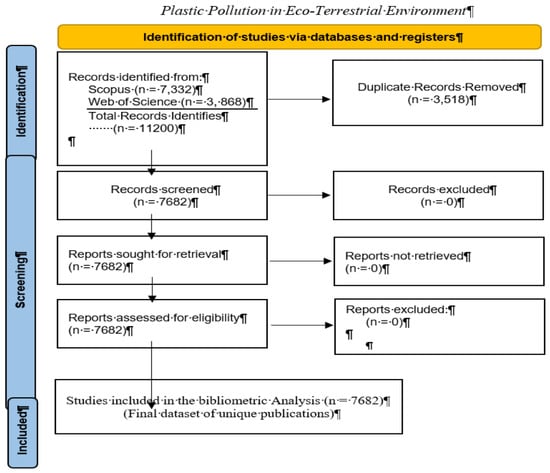
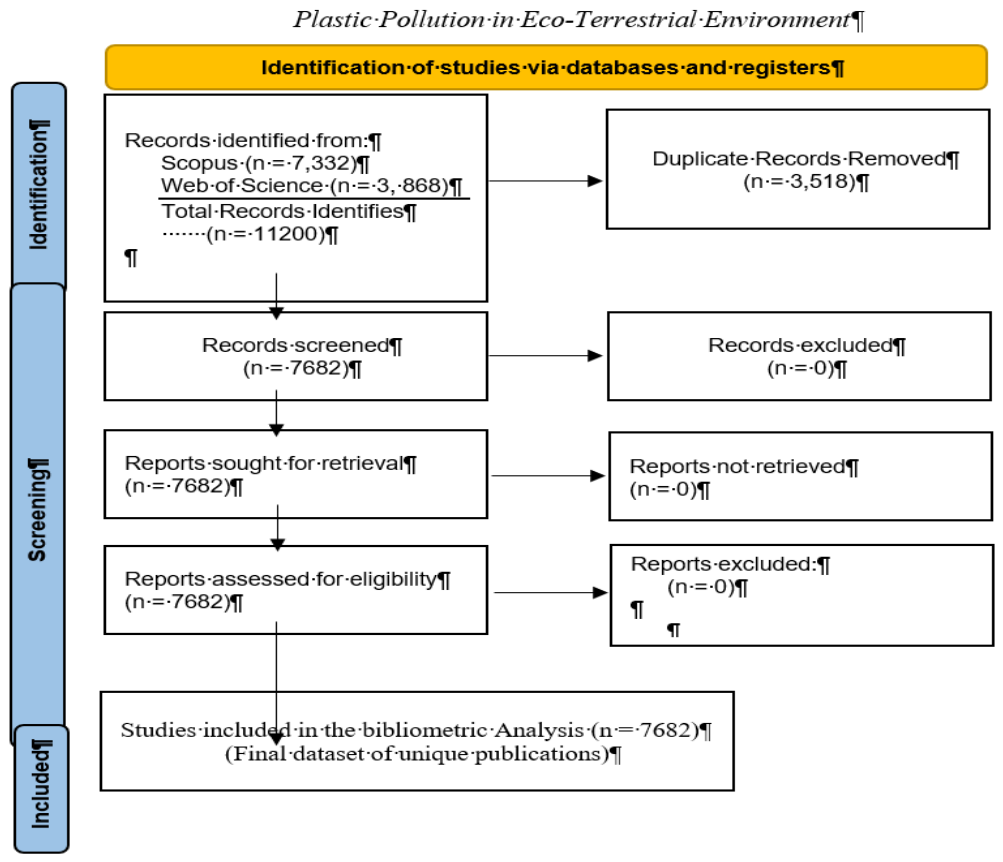
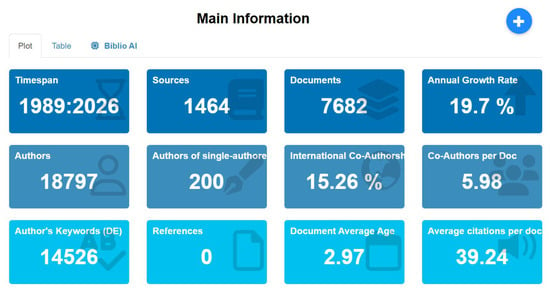
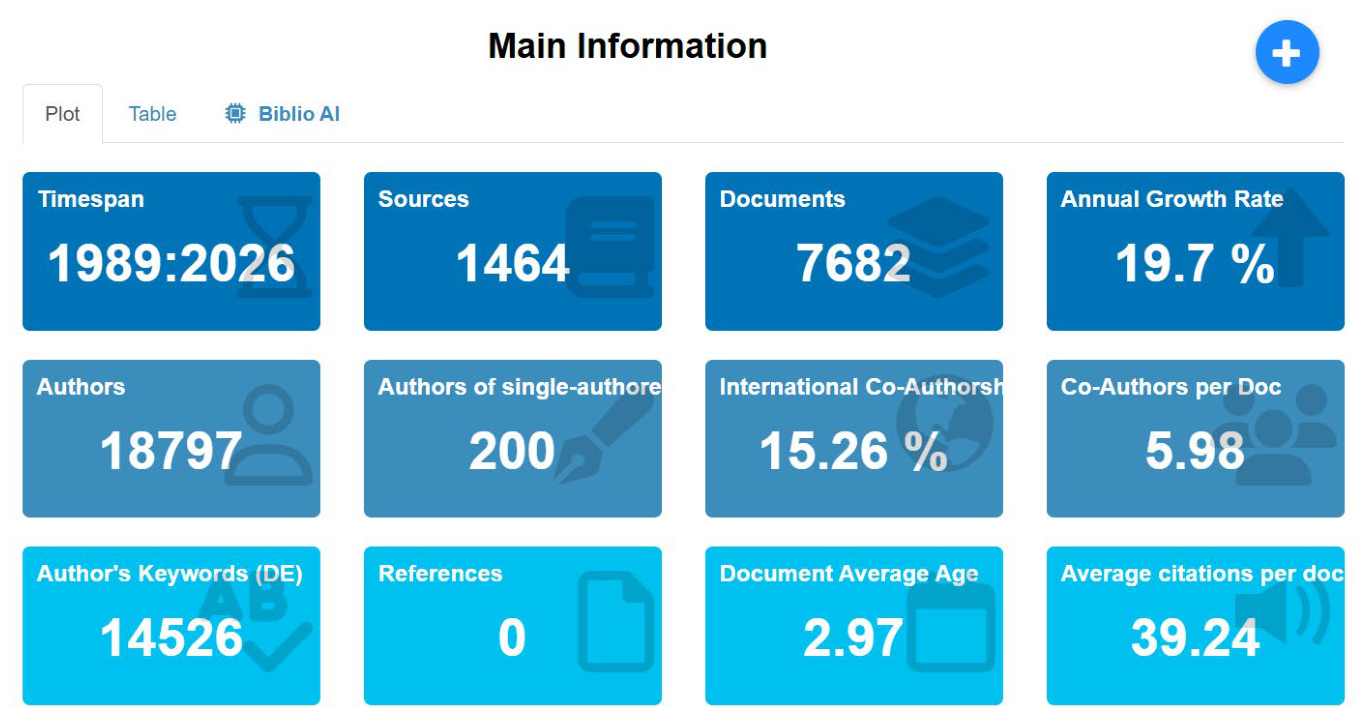
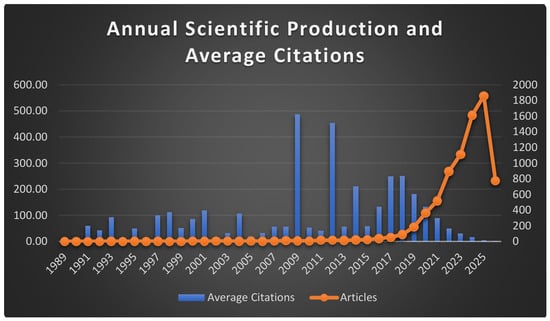
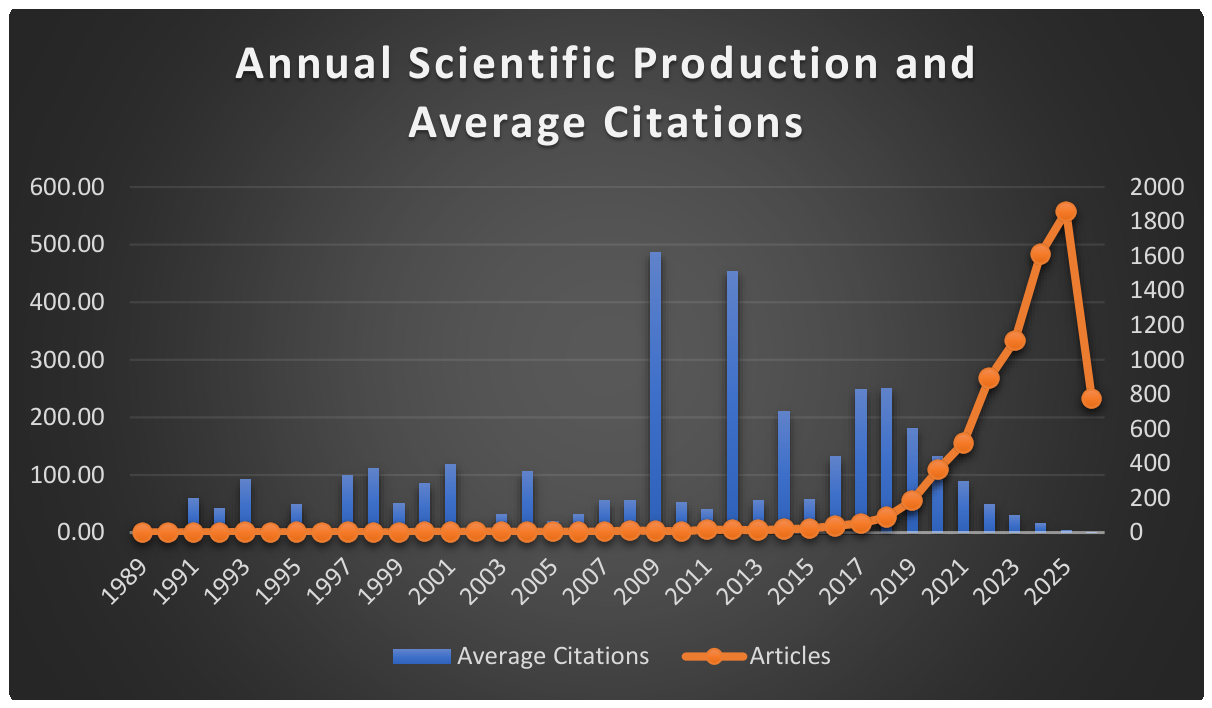
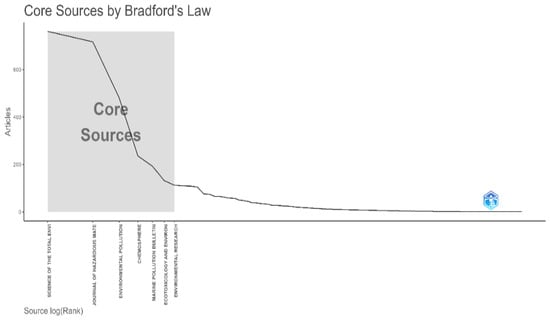
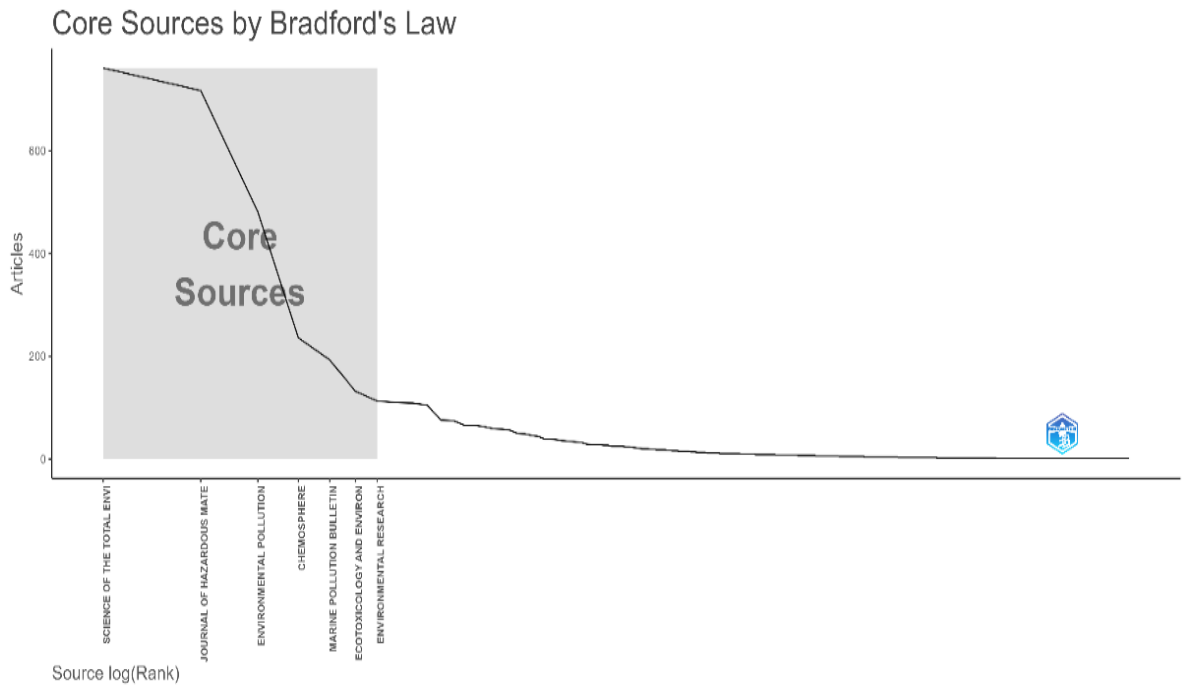
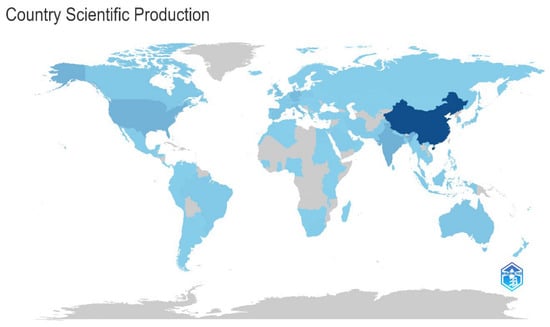
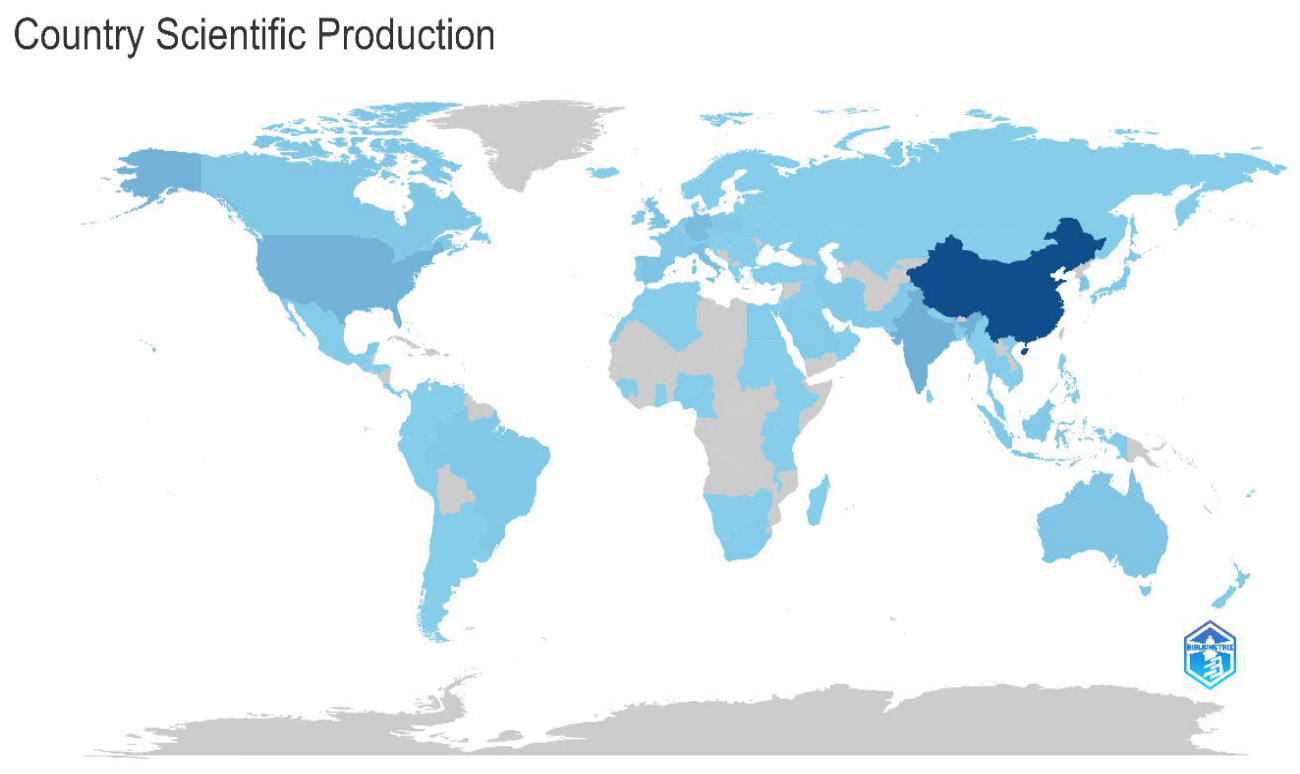
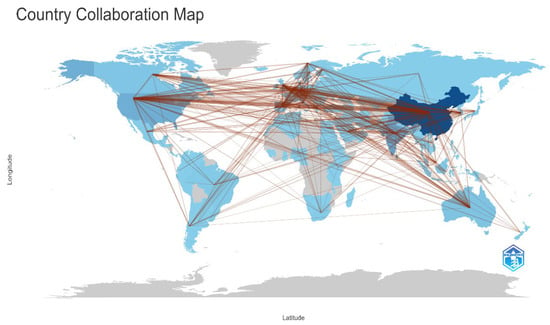
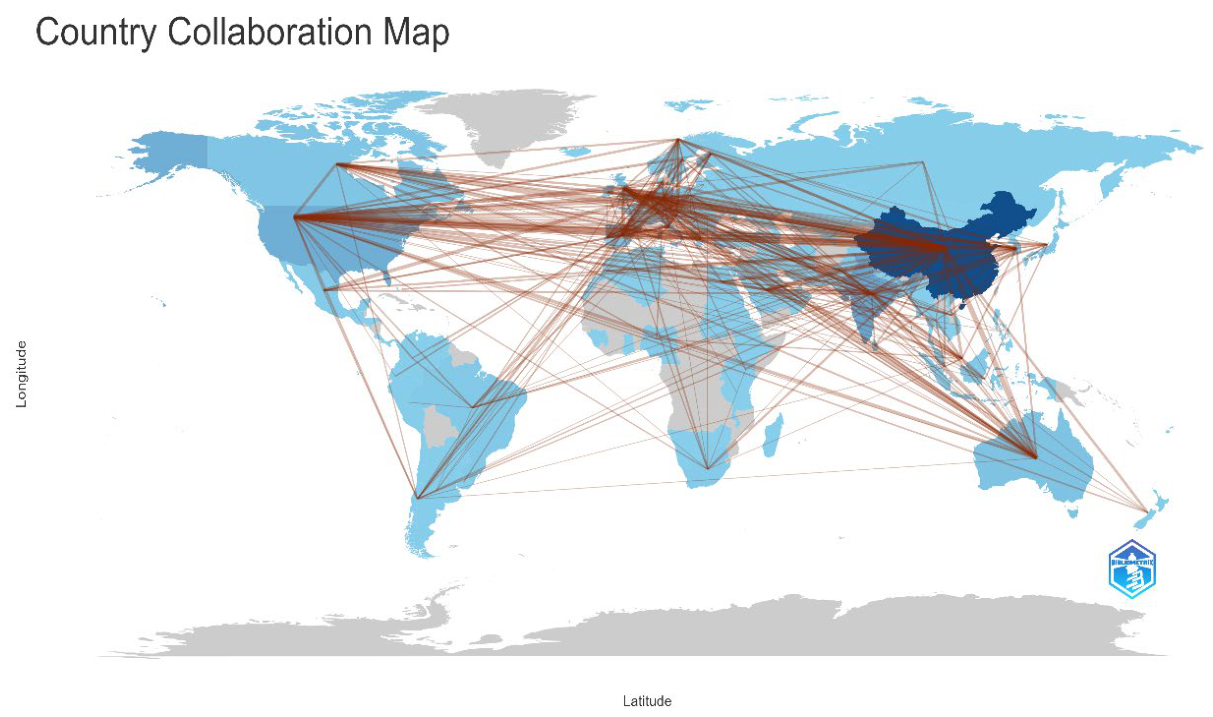
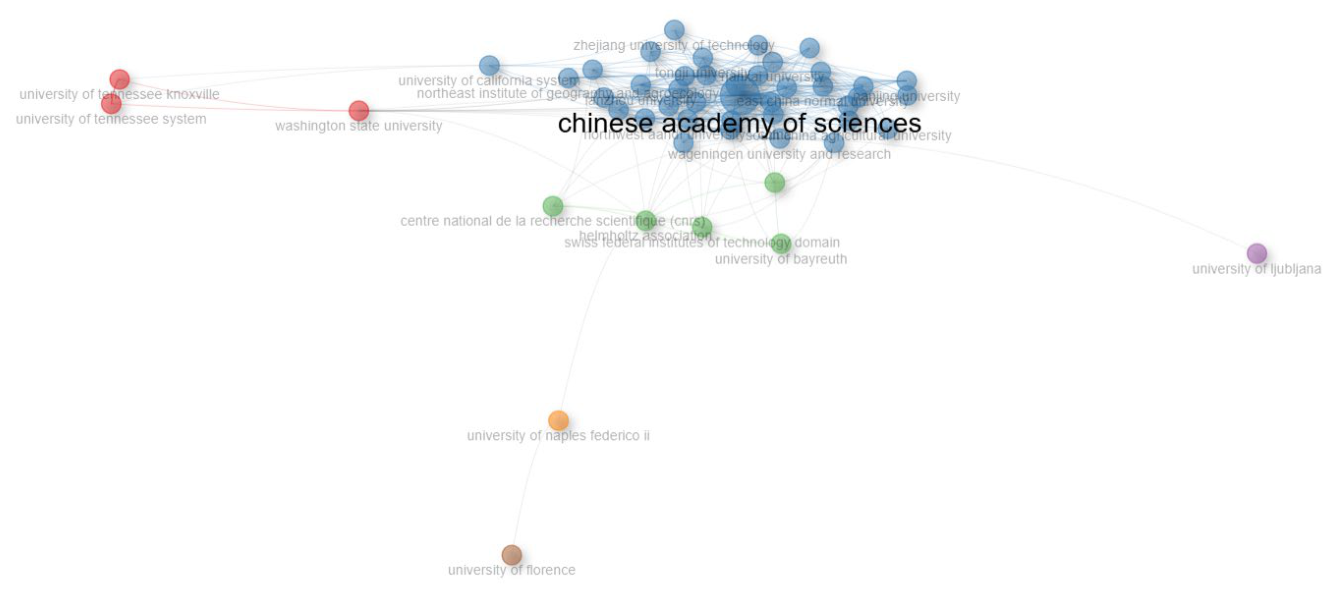
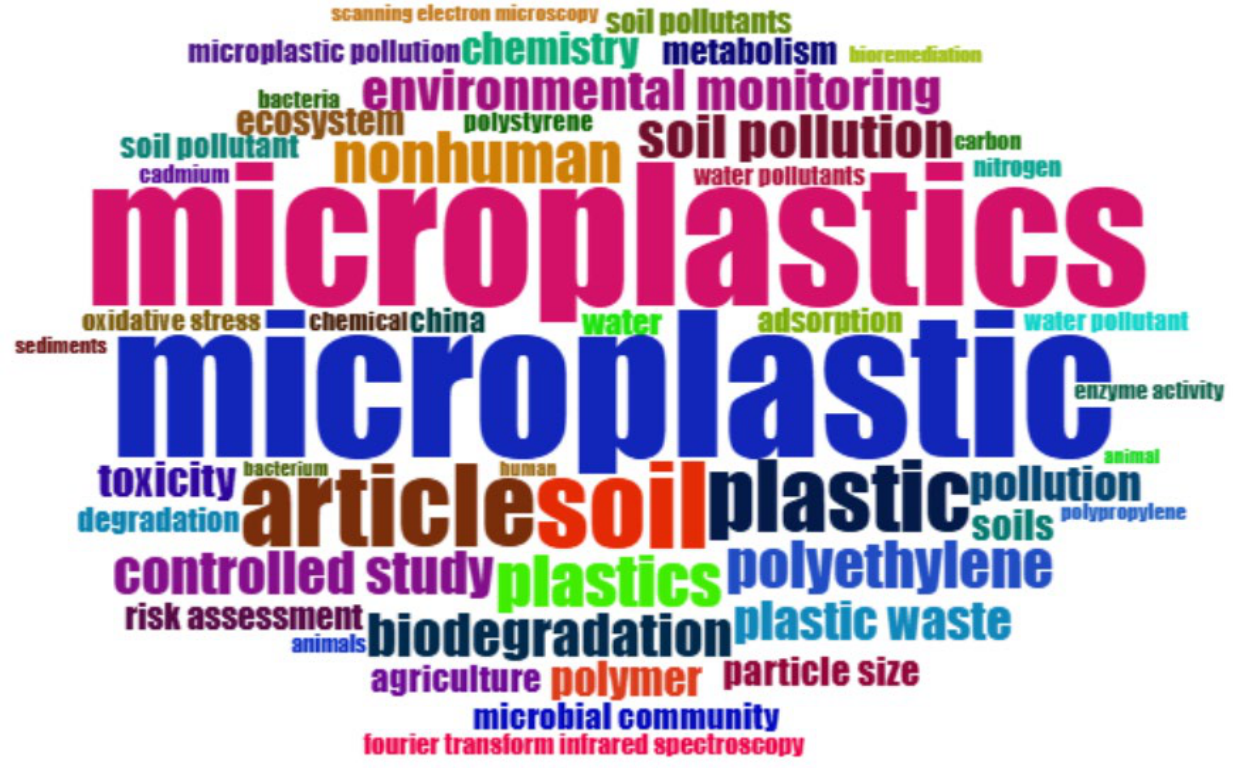
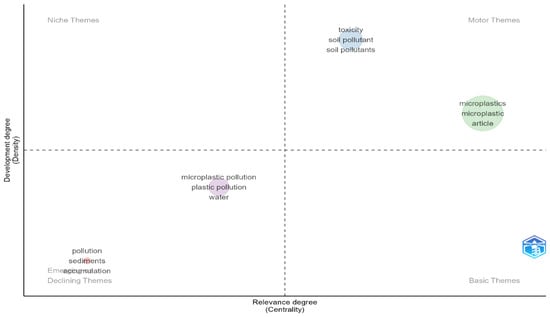
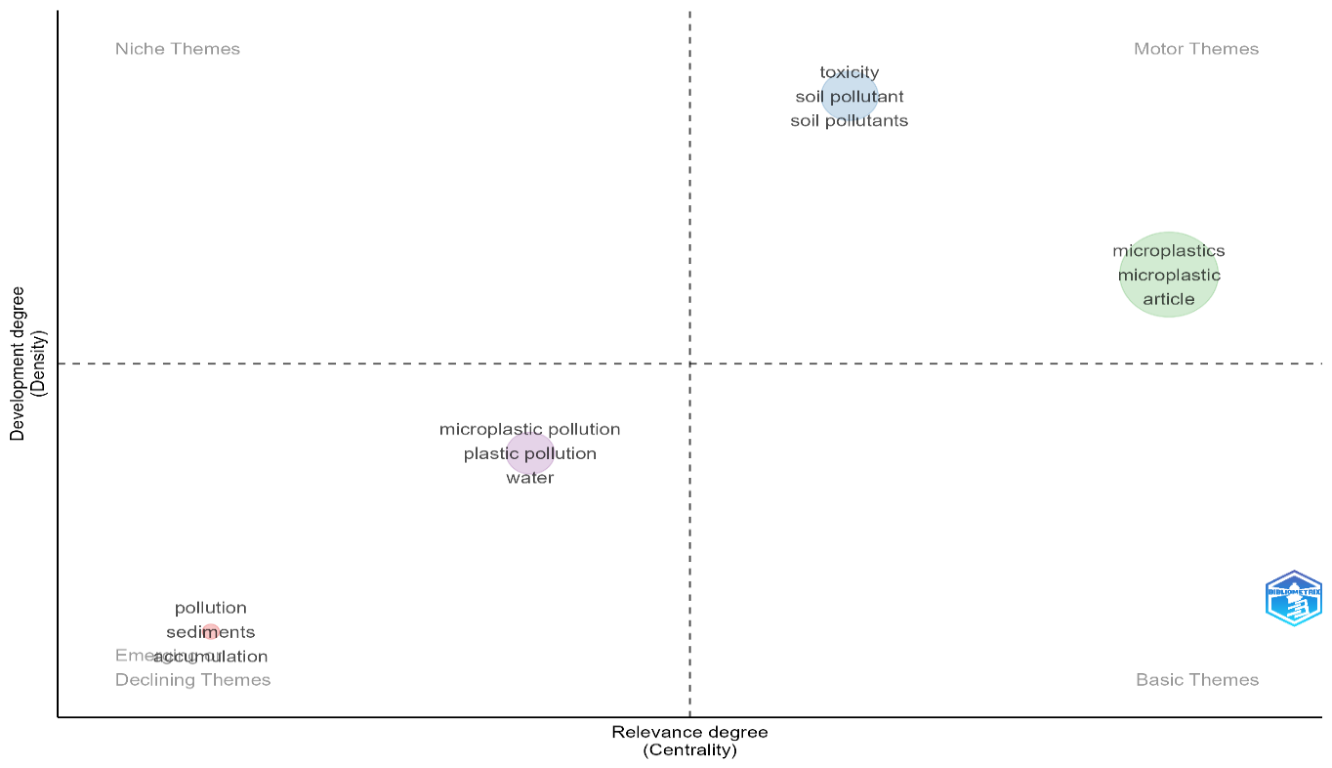
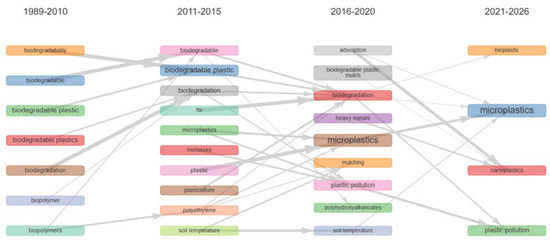
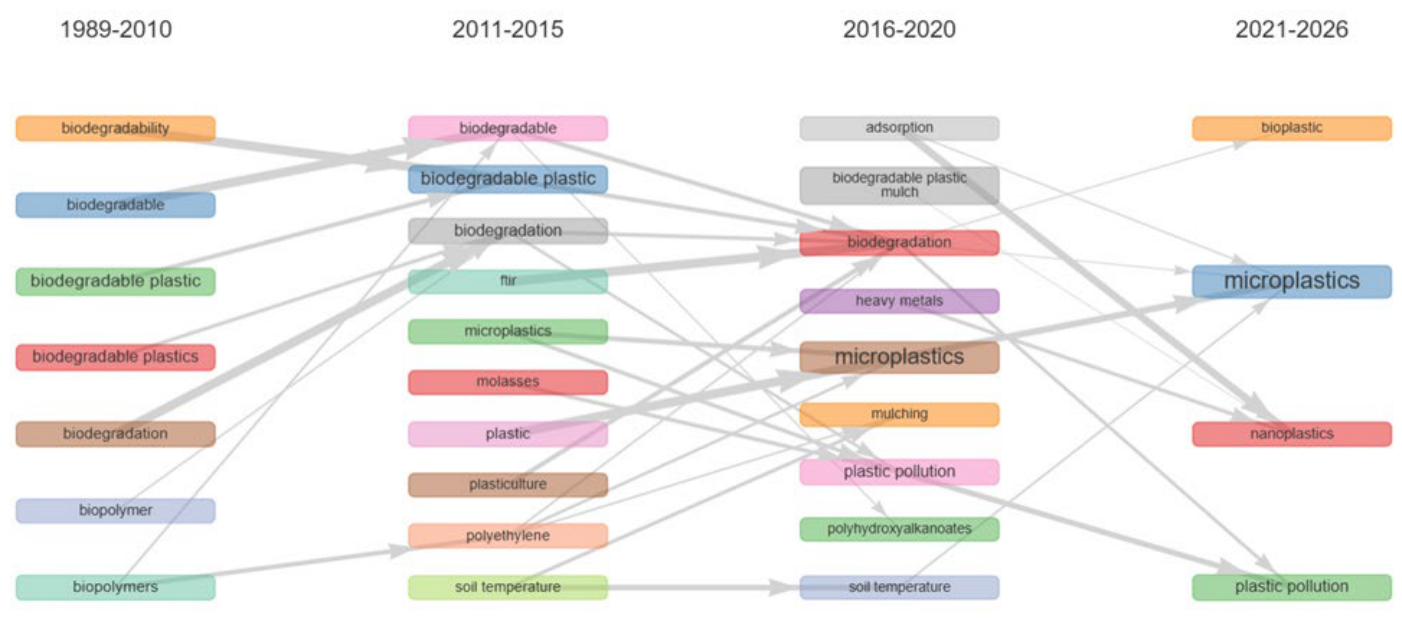

Disclaimer/Publisher’s Note: The statements, opinions and data contained in all publications are solely those of the individual author(s) and contributor(s) and not of MDPI and/or the editor(s). MDPI and/or the editor(s) disclaim responsibility for any injury to people or property resulting from any ideas, methods, instructions or products referred to in the content. |
© 2026 by the authors. Licensee MDPI, Basel, Switzerland. This article is an open access article distributed under the terms and conditions of the Creative Commons Attribution (CC BY) license.