


Abstract
Tropical fruit processing generates substantial quantities of seed-derived by-products that remain underutilized despite their potential as sources of bioactive compounds, proteins, lipids, dietary fiber, and polysaccharides. This critical narrative review evaluates their conversion into functional ingredients by integrating compositional variability, pretreatment and extraction, antinutritional-factor mitigation, structural characterization, food-system performance, storage stability, gastrointestinal behavior, safety, regulatory readiness, and scale-up feasibility. Direct evidence was distinguished from mechanistic support derived from non-target botanical matrices. An exploratory semantic clustering of 100 PubMed records published in 2024–2026 was conducted with Carrot2 to organize application-oriented themes and identify knowledge gaps; its output was interpreted as a thematic aid rather than a quantitative trend analysis. The review also examines biochar production from exhausted or non-food-grade seed biomass as a complementary cascading route, considering feedstock properties, thermochemical conditions, physicochemical quality, safety, application performance, and techno-economic constraints. The main contribution is an evidence-derived multi-stage decision framework linking ingredient validation with residual-biomass valorization. Current evidence supports promising nutritional and technological applications but remains heterogeneous and predominantly laboratory-based, with limited standardized comparisons, in vivo validation, regulatory assessment, and pilot-scale studies. Advancing these materials therefore requires application-specific, safety-oriented, and economically realistic validation within circular bioeconomy systems.
1. Introduction
Global food systems are currently facing increasing pressure driven by population growth, intensified agri-food production, and persistently high levels of food loss and waste. Although these factors are often addressed separately, together they reveal structural limitations of the prevailing linear production model based on producing, consuming, and discarding. This framework not only accelerates the excessive use of resources but also exacerbates the environmental impact associated with inadequate organic waste management. In this context, the circular economy has evolved from being merely a sustainability-related concept to becoming a proposal for reorganizing production systems, aimed at reincorporating agro-industrial by-products into value chains [1].
It is estimated that nearly one-third of the food produced globally is lost or wasted each year, with fruits and vegetables being among the most affected groups. During industrial processing, fractions such as peels, seeds, pulp residues, stems, and leaves may account for up to 60% of the total fruit weight, depending on the species and processing conditions [2]. These fractions should not be regarded as valueless waste, as they frequently contain higher concentrations of bioactive compounds, dietary fiber, and certain macronutrients (such as proteins and lipids) than the edible portions. This highlights that current utilization patterns do not necessarily reflect the actual distribution of bioactive and nutritional components within the fruit [3,4].
In recent years, agro-industrial research has shifted from approaches focused solely on waste management toward strategies aimed at by-product utilization. However, despite the considerable number of studies reporting the recovery of bioactive compounds, their effective application as functional ingredients at an industrial scale remains limited. In our view, the challenge lies not only in extracting compounds of interest, but also in understanding the complexity of plant matrices, ensuring the stability of recovered components, and evaluating their behavior within real food systems. Therefore, valorization should be understood as a comprehensive process that includes compositional analysis, biological validation, technological feasibility, and regulatory compliance [4,5].
Tropical fruits are particularly relevant because their processing generates compositionally diverse residues in regions where valorization infrastructure remains limited. Beyond widely commercialized species such as mango, pineapple, and papaya, there is a significant number of underutilized fruits with high agro-industrial potential. Nevertheless, in many developing regions, existing infrastructure is insufficient to adequately manage the residues generated during processing, thereby increasing environmental impact and limiting potential economic opportunities [6]. In particular, seeds are rich in proteins, lipids, and secondary metabolites, positioning them as promising materials for the development of novel ingredients within circular economy frameworks.
However, for these resources to be effectively incorporated into food and biotechnological applications, optimization of the associated technological processes is required. Techniques such as ultrasound-assisted, microwave-assisted, enzyme-assisted, or supercritical fluid extraction have demonstrated improved recovery yields; nevertheless, their sustainability, economic viability, and scalability must be carefully evaluated. Furthermore, detailed chemical and functional characterization is necessary to relate extract composition to biological activity and performance during processing [3,5].
Seed valorization can improve resource-use efficiency within agri-food systems, but compositional data alone do not establish technological feasibility. Although the scientific literature has extensively documented the presence of bioactive compounds in these materials, integration among compositional, functional, and technological performance data remains limited. Overcoming this fragmentation requires coordinated analytical, technological, and application-oriented research aimed at transforming these by-products into standardized functional ingredients supported by robust scientific evidence [2,7].
Within this context, the valorization of tropical fruit seeds should not be restricted to the recovery of food-grade functional fractions. After extraction or ingredient development, residual seed biomass may still retain a lignocellulosic and carbon-rich structure suitable for thermochemical conversion. Therefore, biochar production represents a complementary route within a cascading valorization strategy, allowing the same biomass stream to be directed first toward functional ingredient recovery and subsequently toward carbon-rich materials with potential applications in soil amendment, contaminant adsorption, and circular bioeconomy systems.
Based on the above, this critical narrative review synthesizes selected evidence on underutilized tropical fruits and their by-products, with particular emphasis on seed fractions. It examines chemical composition, recovery and processing technologies, structural and functional performance, physiological relevance, and the complementary conversion of residual seed biomass into biochar. In addition, the review identifies key knowledge gaps and distinguishes direct evidence obtained from tropical fruit seed matrices from supporting evidence derived from related botanical sources.
2. Underutilized Tropical Fruits: General Overview
The term “underutilization” in the agri-food context should not be interpreted as an inherent deficiency of the resource itself, but rather as a consequence of structural limitations in its integration into consolidated production systems. In practice, numerous tropical fruits and their by-products are not fully exploited not because of a lack of compositional value, but due to constraints related to infrastructure, technological development, market articulation, and industrial standardization. From this perspective, the circular economy allows underutilization to be understood as the gap between the biological potential of a resource and its actual level of technological and industrial exploitation. It is therefore not surprising that several studies have emphasized the need to transition from linear models toward “zero-waste” schemes capable of transforming agri-food by-products into secondary raw materials with higher added value [1,8,9].
Global food-loss estimates illustrate the magnitude of the biomass potentially available for valorization. It is estimated that approximately one-third of the food produced worldwide is lost or wasted along the supply chain, with a considerable proportion corresponding to fruits and vegetables [10]. In the case of tropical fruits, between 40 and 60% of the total fruit weight may become residual biomass during industrial processing [11,12]. In this sense, although the availability of such biomass is substantial, its use in high-value applications remains limited, highlighting a significant untapped potential.
Global tropical-fruit production exceeds 80–100 million tonnes annually [11,13]. However, while species such as mango, papaya, and avocado dominate international trade, numerous secondary or locally important tropical fruits show lower levels of industrial development and limited integration into global markets. In our view, this situation is not solely the result of market dynamics but also reflects a limited generation of applied knowledge aimed at incorporating their by-products into consolidated technological frameworks [13].
In addition, several factors contribute to this scenario. The high perishability of tropical fruits, seasonal availability, limited processing infrastructure in some producing countries, and the compositional variability of biomass complicate standardized processing [14]. Likewise, conventional disposal practices remain common, indicating that the implementation of comprehensive valorization strategies is still limited in many contexts [8,15]. It follows that the current discussion should not focus solely on waste management but rather on the strategic reintegration of these materials into circular production chains.
From a compositional standpoint, by-products derived from tropical fruit processing, including peels, residual pulp, and seeds, constitute complex matrices rich in bioactive compounds, dietary fiber, and macromolecules, whose biological potential has been increasingly documented [16,17]. In several cases, the concentration of these compounds in non-edible fractions may even exceed that found in the edible portion of the fruit [11,18]. Under this perspective, such fractions should not be regarded merely as waste but rather as reservoirs of functional compounds that remain insufficiently exploited.
In this regard, not all residual fractions present the same level of technological interest. While peels and pulps have been more extensively studied for their fiber and bioactive compound content, seeds simultaneously concentrate storage macromolecules such as proteins and lipids together with chemically diverse secondary metabolites. This combination confers a high multifunctional potential per unit of dry mass and broadens the spectrum of possible applications. Seed-derived fractions may represent a relevant proportion of tropical fruit biomass; however, the values reported in the literature are not always directly comparable because they may refer to different anatomical fractions and calculation bases. Table 1 therefore specifies the exact fraction evaluated, the denominator used to express each percentage, and whether the value was obtained from an original experimental study or a review synthesis.
Table 1.
Reported seed fractions of selected tropical fruits.
To provide a national and regional perspective on the potential availability of these seed-derived biomasses, official agricultural production data for 2023 were considered. Mexico produced approximately 2.30 million t of mango, 1.15 million t of papaya, and 2.97 million t of avocado, whereas Nayarit contributed approximately 329,624, 12,755, and 76,587 t of these fruits, respectively [25]. Based on these production volumes and the seed proportions summarized in Table 1, the theoretical seed biomass could reach approximately 342,698 t for mango, 89,587–101,072 t for papaya, and 386,535–535,202 t for avocado at the national level. For Nayarit, the corresponding theoretical estimates would be approximately 49,114 t of mango seeds, 995–1122 t of papaya seeds, and 9956–13,786 t of avocado seeds. These estimates illustrate the potential magnitude of locally available biomass but should not be interpreted as measured industrial waste-generation rates, since they do not account for the proportion of fruit directed to processing, postharvest and commercial losses, seed-recovery efficiency, collection logistics, or seasonal variability.
Furthermore, studies have reported that compounds present in these matrices may exert biologically relevant activities, including antioxidant, anti-inflammatory, and microbiota-modulating effects [2]. Nevertheless, although experimental evidence is steadily increasing, more comprehensive studies are still required to evaluate bioaccessibility, bioavailability, and stability during processing, critical aspects for their effective incorporation into functional foods.
From this standpoint, the biorefinery approach proposes the sequential recovery of multiple fractions from a single biomass source, thereby maximizing economic value while minimizing waste generation [12]. However, despite significant advances at the experimental level, large-scale industrial implementation continues to face challenges related to process standardization, compound stability, and overall economic feasibility [10].
Overall, recent scientific evidence positions underutilized tropical fruits and their by-products as strategic resources within the sustainability agenda of food systems. In our view, the magnitude of the biomass generated, its compositional richness, and the growing development of valorization technologies suggest that the current low level of utilization is primarily associated with structural and technological constraints. Therefore, it is pertinent to further deepen the analysis of specific fractions, particularly seeds, whose bioactive and macromolecular potential makes them promising candidates for the development of functional ingredients and for strengthening more sustainable and resilient food systems.
3. Functional Ingredients from Tropical Fruit Seeds: The Current Situation
In the current context of agro-industrial by-product valorization, tropical fruit seeds are no longer regarded solely as waste materials but have emerged as multicomponent matrices with significant functional potential. This conceptual shift is supported by their ability to concentrate bioactive compounds, dietary fiber, and structural macromolecules such as proteins and lipids, thereby positioning them as biologically active systems with potential application in the development of functional ingredients. However, this compositional richness also introduces a fundamental limitation: a high degree of variability influenced by botanical, environmental, and technological factors, which complicates the establishment of universal criteria for functionality or standardization [24,26,27]. Therefore, their valorization should not be assumed as an intrinsic property, but rather as an attribute conditioned by their compositional consistency, structural stability, and functional performance throughout processing and physiological exposure.
In this regard, assessing the functional potential of seeds requires an integrative approach that goes beyond simple compositional quantification. Although traditionally organized into four domains: composition and yield, content of bioactive compounds, technofunctional properties, and process sensitivity, evidence indicates that these domains are not independent, but strongly interrelated. In other words, the functionality of a given ingredient depends not only on its initial composition, but also on the structural integrity of its components and their behavior under specific processing conditions. This distinction is particularly relevant, as multiple reviews have highlighted that the lack of standardization in pre-treatment, extraction procedures, and analytical conditions significantly limits comparability across studies and, consequently, the extrapolation of findings toward industrial applications [24,27]. This reveals a persistent limitation between experimental characterization and real technological applicability.
Total phenolic content (TPC) is the most frequently reported screening metric, but it provides only a global estimate of phenolic content and does not necessarily reflect bioavailability, stability, or functionality within a complex food matrix. Furthermore, reported values vary substantially depending on methodological factors such as solvent selection, extraction conditions, and sample pre-treatment, introducing considerable variability even within the same species [24,27,28,29,30]. For instance, avocado seeds have been reported to exhibit TPC values ranging from approximately 45 to 180 mg gallic acid equivalents (GAE)/g, illustrating that the observed functional potential is largely influenced by extraction methodology rather than intrinsic composition alone [24]. Moreover, the predominant reliance on TPC as a functional marker tends to oversimplify the phytochemical complexity of seeds, overlooking the contribution of other relevant bioactive compounds such as carotenoids, phytosterols, and secondary metabolites with demonstrated functional properties [24,31,32]. Consequently, functionality assessment based solely on TPC remains insufficient to predict performance in real food systems.
Similarly, dietary fiber has been consistently identified as a major functional component in tropical fruit seeds. While its nutritional benefits are well established, its technological implications are equally significant, as it directly influences water retention, structural organization, and textural properties of formulated products. However, this same structural contribution may become a limitation at elevated incorporation levels, as it increases chemical and structural complexity and may negatively affect sensory acceptability. For example, although papaya seeds contain approximately 18.53% dietary fiber, excessive incorporation has been shown to compromise textural and sensory properties, highlighting that its functional contribution depends on achieving a balance between nutritional enhancement and technological feasibility [33,34]. This behavior underscores that fiber functionality is not inherently beneficial but context-dependent.
In contrast, the protein fraction represents one of the most underestimated components in seed valorization, despite its central role in determining structural functionality in food systems. Unlike phenolic compounds or dietary fiber, whose functionality is primarily associated with bioactive or nutritional benefits, proteins exert a direct structural role through their participation in network formation, governing properties such as texture, water retention, and matrix stability. In this context, seeds such as papaya, with protein contents approaching 27.95%, represent promising sources of functional proteins [33]. However, protein functionality does not depend solely on concentration, but rather on structural state and integrity. Evidence indicates that technological processes such as thermal treatment, oxidation, and interactions with other matrix components may induce denaturation, aggregation, or functional impairment, ultimately compromising their ability to form effective structural networks [35,36,37,38]. Therefore, preserving protein fractions in a structurally functional state emerges as a critical factor in ensuring optimal technofunctional performance, emphasizing that protein quantification alone is insufficient as a predictor of functional behavior.
Likewise, the lipid fraction introduces an additional layer of complexity in seed valorization. Although lipids may contribute positively to nutritional and functional attributes, they also represent a major source of instability due to their susceptibility to oxidation. This phenomenon not only compromises ingredient stability, but may also negatively affect sensory quality and product shelf life [31,39]. Furthermore, lipid content has been shown to directly influence ingredient behavior during processing. For example, elevated lipid levels in extrusion systems may reduce expansion capacity and alter structural integrity, thereby limiting technological applicability [39]. However, this limitation is not absolute, as lipid fractions enriched in monounsaturated fatty acids and endogenous antioxidants may exhibit greater oxidative stability than highly polyunsaturated systems, demonstrating that lipid functionality depends not only on lipid concentration but also on fatty acid composition and antioxidant content [32,39].
Fatty-acid composition is therefore central to the evaluation of lipid-rich seed fractions. Several tropical fruit seeds have been identified as valuable sources of edible oils characterized by high proportions of unsaturated fatty acids, particularly oleic acid (C18:1), linoleic acid (C18:2), and, to a lesser extent, α-linolenic acid (C18:3), which contribute positively to nutritional quality and potential health benefits. For example, passion fruit seed oil has been reported to contain approximately 67–74% linoleic acid and 14–19% oleic acid, while avocado seed-derived lipid fractions are generally enriched in monounsaturated fatty acids, especially oleic acid [23,24]. These lipid profiles are frequently accompanied by the presence of naturally occurring antioxidant compounds, including tocopherols (vitamin E), carotenoids, phenolic compounds, and phytosterols, which contribute to the oxidative protection of the oil matrix. However, the same degree of unsaturation that confers nutritional value also represents a major determinant of oxidative susceptibility. In general, oils rich in polyunsaturated fatty acids exhibit lower oxidative stability than those dominated by monounsaturated fatty acids, making fatty acid composition a critical factor governing shelf life, technological performance, and ingredient reproducibility [31,39,40]. Consequently, characterization of seed-derived ingredients should extend beyond total lipid quantification and include detailed fatty acid profiling, antioxidant composition, and oxidative stability assessment to accurately predict their behavior during processing and storage. Commonly employed indicators such as peroxide value, p-anisidine value, thiobarbituric acid reactive substances (TBARS), and oxidation induction time provide complementary information regarding the progression of lipid oxidation and should be incorporated into routine stability assessments of seed-derived lipid fractions. From a technological and safety perspective, this issue becomes particularly relevant because several processing operations commonly employed during the valorization of tropical fruit seed by-products, including prolonged drying, roasting, thermal treatments, and exposure to oxygen during extraction and storage, may accelerate lipid peroxidation and promote the degradation of endogenous antioxidants such as tocopherols and carotenoids. While these interventions are frequently implemented to improve extraction efficiency, reduce antinutritional compounds, or enhance microbiological safety, they may simultaneously compromise the stability of lipid-rich fractions. Oxidative deterioration may also generate primary and secondary products that reduce the sensory and nutritional quality of lipid-rich ingredients [39,40]. Therefore, the successful development of seed-derived functional ingredients requires balancing antinutritional factor reduction and process intensity with the preservation of lipid integrity and antioxidant retention. Integrating fatty acid composition, oxidative stability indices, antioxidant preservation, and oxidation-derived markers into multi-stage evaluation frameworks would provide a more comprehensive assessment of both functionality and safety, thereby improving the technological feasibility of lipid-rich ingredients derived from underutilized tropical fruit seeds.
Taken together, the evidence shows considerable potential but not uniform functionality across matrices or applications. To avoid conflating compositional enrichment, technological performance, chemical antioxidant assays, and biological effects, these outcomes are reported separately in Table 2 together with the experimental level at which each activity was evaluated. The evidence also shows that seed functionality is neither inherent nor static but depends on the processing context, incorporation level, and intended application. While numerous studies have reported improvements in nutritional and functional profiles following seed incorporation into food matrices, these benefits coexist with important limitations, including oxidative instability, degradation of bioactive compounds, sensory alterations, and compositional variability. This highlights a critical gap in the current literature: most studies focus on compositional characterization prior to incorporation, while limited attention has been given to the dynamic behavior of these components during processing, storage, and application in real systems. Therefore, advancing toward effective seed valorization requires a paradigm shift, moving from static compositional characterization toward a functional evaluation based on structural stability, chemical interactions, and performance under realistic technological conditions. Such an approach is essential to bridge the gap between experimental research and industrial implementation, ultimately enabling more accurate assessment of the technological feasibility and functional reproducibility of tropical fruit seeds as functional food ingredients.
Table 2.
Principal compound classes, food applications, and reported technological and biological outcomes of tropical fruit seed-derived ingredients.
4. A Multi-Stage Evaluation Framework for Functional Ingredients Derived from Tropical Fruit Seeds
In the context of this review, the multi-stage evaluation framework is defined as an evidence-derived decision structure that integrates raw-material variability, pretreatment and extraction, antinutritional and toxicological screening, structural characterization, technological performance in food matrices, stability during processing and storage, gastrointestinal behavior, regulatory readiness, scale-up feasibility, and the final destination of residual biomass. It is not proposed as a formal standard or certification scheme; rather, it organizes the evidence that should be generated before a seed-derived fraction progresses from compositional promise to food application or to a non-food valorization route.
Previous reviews have generally organized the field around the recovery and characterization of bioactive compounds, specific macromolecular fractions, extraction technologies, biological activities, or broad zero-waste and biorefinery strategies [1,2,3,4,5,6,12,14]. The novelty of the present framework lies not in proposing a new analytical technique, but in connecting these previously fragmented dimensions as sequential, application-dependent decision gates. Thus, favorable composition or extraction yield is not considered sufficient evidence of readiness; progression requires confirmation of structural preservation, technological performance in a target food matrix, stability during processing and storage, physiological relevance, safety and regulatory acceptability, and scale-up feasibility. The framework also incorporates a final branching decision between food-grade ingredient development and thermochemical valorization of exhausted or non-food-grade biomass, thereby linking ingredient validation with cascading biochar production.
The practical value of a seed-derived ingredient is determined by more than its initial composition. Its proteins, lipids, polysaccharides, and bioactive compounds must remain sufficiently stable and functional throughout extraction, formulation, processing, storage, and gastrointestinal exposure. For this reason, the presence of potentially valuable compounds should be treated as preliminary evidence, not as proof that the material is ready for use. Each stage of the framework addresses a different question that must be resolved before the ingredient can progress toward application.
The process begins with raw-material selection. Seed composition can vary with species, cultivar, maturity stage, agronomic conditions, geographical origin, and postharvest handling, directly affecting the concentration and structural state of proteins, lipids, dietary fiber, and bioactive compounds [2,13]. This variability is frequently underestimated when results from different studies are compared. Without a consistent description of the starting material, differences attributed to extraction or processing may actually originate from the biomass itself. Studies should therefore document the botanical source, maturity, collection and storage conditions, initial moisture, and baseline composition before evaluating subsequent processing stages.
Within this framework, seed pretreatment constitutes a pivotal stage that directly influences the stability, accessibility, and functional properties of target compounds. Processes such as drying, milling, and particle size reduction have been shown to affect extraction efficiency as well as the stability of phenolic compounds, proteins, and lipids, in addition to modifying the techno-functional properties of derived flours [24,26,47,48]. While these treatments enhance compound accessibility and facilitate downstream processing, they may also induce oxidation, protein denaturation, or thermally driven degradation if improperly controlled. This highlights a recurrent shortcoming in the current literature, where pretreatment conditions are optimized primarily to maximize yield without sufficient consideration of their effects on functional integrity. Therefore, pretreatment strategies should be designed under controlled conditions, including low-temperature drying, reduced oxygen exposure, or non-thermal processing approaches, to safeguard structural stability and preserve biological functionality.
Subsequently, the extraction stage represents one of the most influential determinants in the recovery of functional compounds from seeds. A broad spectrum of extraction technologies is currently available, encompassing conventional solvent-based methods as well as emerging sustainable approaches such as ultrasound-assisted extraction, microwave-assisted extraction, enzyme-assisted extraction, and supercritical fluid extraction [28,29,30,48]. Although these techniques have demonstrated enhanced extraction efficiency and selectivity, a major limitation lies in the predominant emphasis on quantitative yield, often neglecting the structural preservation and functional performance of the recovered compounds. As a result, high extraction efficiency does not necessarily translate into preserved biological activity. Overcoming this limitation requires a more comprehensive optimization strategy that simultaneously evaluates extraction efficiency, structural integrity, and functional performance to ensure that the recovered ingredients retain their intended biological properties.
Although tropical fruit seeds may contain valuable bioactive compounds and functional macromolecules, their suitability for food use cannot be inferred from desirable composition alone. The main antinutritional factors reported in these matrices include phytates, oxalates, tannins, saponins, alkaloids, glucosinolates, isothiocyanates, and enzyme inhibitors. Their relevance is matrix-, dose-, and process-dependent. Phytates and oxalates may reduce mineral bioaccessibility, whereas tannins and enzyme inhibitors can interfere with protein digestion and contribute to astringency. Saponins and glucosinolate-derived compounds may also affect sensory properties, membrane interactions, and safety when concentrated in specific fractions. Nevertheless, some of these constituents may exhibit desirable biological activities at lower exposure levels; therefore, their presence should not be interpreted as an automatic criterion for rejecting a seed-derived ingredient. Evaluation should instead quantify the residual antinutritional burden after processing and relate it to the intended use, degree of incorporation, and anticipated dietary exposure [22,49,50].
Quantitative evidence further supports the relevance of antinutritional compounds in tropical seed matrices. In fresh Hass avocado seeds, condensed tannins, phytates, oxalates, and total alkaloids were reported at 6.04 ± 0.11, 12.92 ± 0.24, 9.03 ± 0.08, and 4.89 ± 0.32 mg/100 g, respectively, on a wet-weight basis [51]. In Brosimum alicastrum, the concentrations varied across the evaluated seed-derived samples. On a dry-weight basis, saponins ranged from 961.10 to 1337.58 mg diosgenin equivalents (DE)/100 g, tannins from 12.67 to 208.66 mg catechin equivalents (CE)/100 g, phytic acid from 1327.88 to 3592.51 mg/100 g, and oxalates from 365.08 to 1431.48 mg CaC2O4/100 g [49]. In defatted papaya seed meal, phytates, glucosinolates, tannins, and isothiocyanate were reported at 3.04%, 10.0%, 6.35%, and 0.03%, respectively [52]. Processing also substantially affected mango kernel flour. Raw flour contained 513.76 ± 6.98 mg/100 g of tannins, 212.63 ± 3.82 mg/100 g of phytic acid, and 38.59 ± 0.59 mg/100 g of oxalates on a dry-weight basis. After combined soaking and heating, these values decreased to 102.74 ± 1.74, 114.98 ± 3.32, and 21.34 ± 0.44 mg/100 g, respectively [53]. These values illustrate that the antinutritional burden is not a fixed attribute of a species but varies according to the anatomical fraction analyzed, the expression basis, the analytical method, and the previous processing history, thereby limiting direct quantitative comparison among studies.
Processing can mitigate antinutritional constraints through leaching, thermal inactivation or degradation, metabolic reactivation, and enzymatic hydrolysis. However, germination and fermentation should not be described as equivalent processes. During germination, controlled seed imbibition restores metabolic activity and increases endogenous hydrolytic activities, including those of phytases, amylases, proteases, and glucosidases. Its outcome depends on the water-to-seed ratio and imbibition time, temperature, relative humidity, germination duration, aeration or light conditions, and the developmental endpoint selected for processing. Fermentation combines endogenous activity with acidification and enzymes produced by the fermenting microbiota. Consequently, studies should report whether fermentation was spontaneous or starter-controlled, the microorganism and inoculum level, previous matrix treatment, substrate moisture or solid-to-liquid ratio, temperature, duration, pH or titratable acidity, and oxygen or agitation conditions [50,54,55]. Because most mechanistic and operational evidence has been obtained from cereals and legumes, these conditions should be considered methodological guidance rather than directly transferable optima for tropical fruit seeds.
Direct evidence from tropical seed matrices confirms that processing responses are compound- and treatment-specific. In Hass avocado seeds, ascorbic acid pretreatment, blanching, and roasting combined with different drying methods influenced and generally reduced condensed tannins, phytates, oxalates, and total alkaloids relative to fresh material [51]. In Myrianthus arboreus, boiling reduced oxalates by 98.67%, fermentation decreased cyanide by 43.48% after 7 days and saponins by 32.92%, whereas another thermal pretreatment reduced condensed tannins by 90.94% [56]. Supporting evidence from legume matrices further indicates that increasing soaking time from 2 to 12 h can reduce phytic acid by approximately 47.4–55.7%, while cooking and boiling may decrease tannins and trypsin inhibitors [50]. Nevertheless, no single treatment produces equivalent reductions across all compounds, and antinutrient mitigation may be accompanied by losses, preservation, or release of desirable phytochemicals. Processing must therefore be optimized against multiple compositional and functional endpoints rather than against the reduction in one selected antinutrient.
From this perspective, antinutrient mitigation should be treated as an application-specific optimization rather than as the complete removal of every undesirable constituent. A treatment is suitable only when it reduces the residual antinutritional and toxicological burden without causing unacceptable losses in bioactive compounds, structural integrity, digestibility, or technofunctional performance. Figure 1 summarizes this balance as a decision point within the proposed framework.
Figure 1.
Processing-mediated mitigation of antinutritional factors in tropical fruit seeds: balancing their reduction with the preservation of functional integrity.
Structural characterization should be selected according to the transformation and functional question being evaluated. Fourier-transform infrared spectroscopy (FTIR) identifies characteristic vibrational bands and changes in molecular interactions, allowing the detection of modifications in protein-associated amide regions and in carbohydrate- or lipid-related functional groups. X-ray diffraction (XRD) distinguishes crystalline and amorphous organization and can reveal changes in starch order, macromolecular packing, or the formation of new structural phases. Differential scanning calorimetry (DSC) quantifies thermal transitions and their associated enthalpies, including protein denaturation, starch gelatinization, lipid melting or crystallization, and glass-transition behavior. In contrast, thermogravimetric analysis (TGA) monitors mass-loss events and degradation ranges, providing information on moisture release, volatile loss, and thermal stability. Scanning electron microscopy (SEM) provides direct evidence of particle morphology, surface disruption, aggregation, and pore development, whereas SEM coupled with energy-dispersive X-ray spectroscopy (EDS) can additionally describe the local elemental composition. For highly porous or carbonaceous fractions, Brunauer–Emmett–Teller (BET) analysis may complement SEM by quantifying accessible surface area and pore distribution [35,57,58,59,60].
These techniques should not be presented as interchangeable analyses or as an obligatory checklist. Rather, their value arises from complementary interpretation and from their relationship with the intended application. The studies proposed involve gasification char, biomass-derived bioplasticizers, polymer–biomass ash composites, and wood-derived porous carbon materials rather than tropical fruit seed food ingredients. They therefore provide methodological examples of how FTIR, XRD, DSC, TGA, SEM, elemental analysis, and surface-area measurements can be integrated to explain structure–property relationships, but they do not constitute direct evidence of food functionality. In tropical fruit seed-derived flours, proteins, starches, oils, or extracts, sample preparation and instrumental conditions should be reported, and structural outputs should be correlated with application-relevant measurements such as solubility, water- and oil-holding capacity, emulsification, foaming, gelation, rheological behavior, oxidative stability, or digestibility. Without this correlation, a spectrum, thermogram, diffraction pattern, or micrograph remains descriptive and cannot independently demonstrate the preservation of functional performance [35,57,58,59,60].
The next test is performance in an actual food matrix. Tropical fruit seed-derived flours have been incorporated into cupcakes, biscuits, cookies, and bread, frequently increasing protein, dietary fiber, phenolic content, or antioxidant capacity [34,41,42,45,46,48]. These improvements, however, were strongly dependent on the incorporation level and were often accompanied by changes in color, texture, volume, structural integrity, or sensory acceptance. An ingredient that improves composition but impairs processing or consumer acceptance cannot be considered technologically successful. Formulation studies should therefore evaluate ingredient–matrix interactions, rheology, processing stability, texture, and sensory quality together rather than reporting nutritional enrichment in isolation.
Furthermore, the stability of functional compounds during food processing represents a major determinant of their final effectiveness. Processing variables such as temperature, pH, oxygen exposure, and water activity have been shown to induce structural modifications in phenolic compounds, proteins, and lipids, thereby reducing their functional properties [33,34,41,45,46,61]. A significant limitation in existing research is the frequent focus on initial composition without adequately assessing structural and functional alterations induced during processing. Consequently, stability assessments under realistic processing conditions are essential to determine whether functional integrity is maintained.
Storage introduces an additional source of variation. Exposure to oxygen, light, and temperature fluctuations can accelerate oxidative degradation and structural deterioration, compromising functional stability and shelf life [47,48,62]. Controlled atmospheres, suitable packaging, and realistic shelf-life testing are therefore necessary to determine whether the ingredient remains functional over time.
Safety and regulatory readiness should be treated as a transversal decision gate rather than as a final confirmation step. For each seed-derived flour, oil, extract, or purified fraction, the assessment should define its identity and specifications, production process, compositional variability, intended uses and use levels, and anticipated dietary exposure. It should also address toxicological evidence, allergenic potential, residual antinutritional factors, microbiological hazards, regulated contaminants, residual extraction solvents or processing aids, and primary and secondary lipid-oxidation products [31,46,63,64,65]. Neither antioxidant capacity nor the traditional consumption of the edible fruit is sufficient to establish the safety of a concentrated seed-derived ingredient. Regulatory status must therefore be established for the specific material, degree of processing, intended use, target population, and jurisdiction. Depending on these factors, the resulting product may require assessment as a novel food, food additive, or another regulated food ingredient [65].
After ingestion, the ingredient faces a different set of conditions that may alter its structure and availability. Simulated digestion models provide an initial way to examine these changes. In vitro digestion systems have been extensively employed to assess the stability and transformation of bioactive compounds during simulated gastrointestinal digestion [66,67,68]. Nevertheless, these models present inherent limitations in replicating the complexity of in vivo physiological conditions. Therefore, integrating advanced digestion models and complementary analytical approaches would improve predictive accuracy regarding physiological behavior.
Finally, bioaccessibility and colonic fermentation assessments provide essential information regarding the actual physiological relevance of seed-derived functional compounds. Interactions with gut microbiota can alter compound structure and generate metabolites with distinct biological activities [69,70,71]. Despite growing evidence, comprehensive understanding of the relationships between structural composition, bioaccessibility, and physiological functionality remains incomplete. Addressing this limitation requires integrative studies combining compositional, structural, and biological evaluation.
The framework is meant to support decisions, not to operate as a checklist in which every measurement has the same importance. A candidate should move forward only when the evidence generated at one stage is sufficient for the intended application. Depending on the result, the material may advance, require reformulation or additional testing, be redirected to another use, or be excluded from food application. For researchers, this approach helps identify where the evidence is incomplete and encourages more comparable experimental designs. For industry, it provides an initial basis for comparing materials and processes in terms of reproducibility, specifications, functionality, safety, regulatory readiness, and feasibility.
Figure 2 was not constructed from a single formal standard. Instead, it represents an evidence-derived synthesis of the analytical, processing, food-functionality, digestion, safety, regulatory, and scale-up requirements discussed throughout this review. Its compositional and technological stages were informed by the recent reviews summarized previously; the safety and regulatory gate follows current guidance and analyses concerning food ingredients derived from agro-industrial by-products; and the industrial transition is supported by recent techno-economic assessments of integrated biomass-valorization processes. Accordingly, the framework should be interpreted as a decision-support structure and not as a certification scheme, regulatory authorization, or universally applicable acceptance standard.
Figure 2.
Evidence-derived multi-stage decision framework for validating tropical fruit seed-derived ingredients and residual biomass valorization.
The final step is to decide where the material should go. Fractions that meet food-grade specifications, safety criteria, and applicable regulatory requirements may continue toward ingredient development. When these conditions are not met, the appropriate response depends on the identified limitation: the material may require reformulation, additional processing, a different non-food application, or exclusion from further use. Exhausted fractions that remain chemically suitable may be considered for biochar production. This final branch strengthens circularity without presenting thermochemical conversion as the automatic destination of every seed residue. Biochar production must still be justified by feedstock quality, contaminant control, application performance, and technical and economic feasibility.
5. Knowledge Gaps and Future Perspectives
Despite the substantial progress achieved in identifying bioactive compounds, dietary fiber, and functional macromolecules in seeds derived from tropical fruits, current evidence indicates that their validation as functional food ingredients remains in a consolidation phase. This limitation does not stem from the absence of compounds with functional potential but rather from the lack of integrated approaches capable of systematically evaluating their behavior throughout the entire transformation chain, from recovery to their physiological fate following ingestion. In most studies, compositional characterization is conducted under controlled experimental conditions that do not adequately reflect real processing, storage, and incorporation scenarios within complex food matrices, thereby restricting the extrapolation of findings toward practical technological applications.
Within this framework, one of the primary challenges lies in the inherent variability of these biological matrices, which manifests at both compositional and structural levels. Factors such as botanical origin, agronomic conditions, maturity stage, and postharvest handling can significantly influence the concentration, distribution, and structural state of functional compounds. This variability introduces a considerable degree of uncertainty that limits reproducibility and complicates the standardization of these materials as functional ingredients. From a methodological standpoint, addressing this challenge requires the establishment of integrated multi-stage evaluation strategies beginning at the raw material level and incorporating advanced chemical and structural characterization tools alongside metabolomics and spectral fingerprinting approaches to generate reproducible functional profiles. Such strategies would not only enhance cross-study comparability but also facilitate the identification of key variables influencing ingredient functionality.
Closely associated with this issue, the structural stability of functional compounds during transformation processes represents another critical aspect that has been insufficiently addressed. Exposure to technological stressors such as thermal treatment, oxidative conditions, and interactions with food matrix components can induce structural alterations that compromise biological functionality. However, most available studies have primarily focused on compound quantification without systematically evaluating structural integrity following processing. Overcoming this limitation requires a shift toward integrative assessment frameworks in which structural characterization is incorporated as a central component of functional evaluation. The systematic application of vibrational spectroscopy, thermal analysis, and advanced microscopy techniques would enable monitoring of processing-induced structural modifications, thereby facilitating the identification of conditions that preserve functional integrity.
Beyond processing stability, the functional relevance of these compounds is also determined by their behavior within the physiological environment following ingestion. Although simulated digestion models have contributed to advancing the understanding of compound bioaccessibility, a substantial gap remains in elucidating their actual bioavailability and interactions within the intestinal environment. Metabolic transformation, microbiota-mediated interactions, and progressive release mechanisms represent dynamic processes that ultimately govern physiological functionality. In this regard, integrating advanced digestion models with structural and metabolomic analyses would provide a more comprehensive understanding of ingredient functionality under physiologically relevant conditions.
From a technological perspective, the effective incorporation of seed-derived functional ingredients into food matrices represents an additional area requiring further development. Interactions between functional compounds and food matrix components may influence their stability, availability, and functional performance, underscoring the importance of developing formulation strategies that preserve structural integrity. Technologies such as encapsulation, colloidal structuring, and rational matrix design represent promising approaches to enhance ingredient stability and functionality. These strategies not only protect functional compounds from environmental stressors but also enable controlled release under physiological conditions, thereby optimizing their functional performance.
Furthermore, the transition from experimental characterization to industrial implementation requires more than demonstrating extraction efficiency at laboratory scale. At minimum, scale-up should evaluate feedstock seasonality and procurement radius, pretreatment and drying requirements, mass and energy balances, water and solvent recovery, equipment capacity, batch-to-batch consistency, co-product and wastewater management, product stability, quality specifications, regulatory costs, consumer acceptance, and the availability and price of the intended market. Techno-economic studies conducted with analogous agro-industrial matrices show that process viability may change substantially with production scale, extraction technology, product portfolio, solvent recovery, and selling price [72,73,74]. A grape-pomace biorefinery analysis, for example, demonstrated the relevance of comparing single-product and cascading scenarios combining seed oil, polyphenols, and biochar [72], whereas recent assessments of pulsed-electric-field extraction and passion-fruit-rind processing show that capital requirements and profitability remain sensitive to scale and process configuration [73,74]. These studies constitute supporting rather than direct evidence for tropical fruit seeds, but they demonstrate why a high laboratory-scale yield cannot be treated as a surrogate for commercial readiness.
Commercialization will therefore depend on the simultaneous convergence of technical, safety, regulatory, economic, and market evidence. A process that is efficient but produces an unstable or poorly accepted ingredient is not commercially viable; likewise, a safe and functional ingredient may remain impractical when feedstock logistics, solvent recovery, or production costs are unfavorable. Supporting evidence from the industrial-scale incorporation of mixed avocado-processing waste into sourdough bread further illustrates that microbial dynamics, processing performance, product quality, sensory characteristics, and bioaccessibility should be verified under real production conditions [75]. Future research should use the multi-stage framework to identify the point at which each candidate pathway loses feasibility and to compare reformulation, alternative food uses, and residual-biomass conversion rather than assuming a single linear route. Figure 3 summarizes these remaining knowledge gaps and the validation priorities required to move from compositional potential to practical implementation.
Figure 3.
Knowledge gaps and future directions for functional validation of tropical fruit seed-derived ingredients.
6. Targeted Literature Retrieval and Exploratory Semantic Clustering
6.1. Search Strategy and Corpus Definition
This section complements the critical narrative review through a targeted literature retrieval and an exploratory semantic clustering of the selected records. The corpus was retrieved on 24 February 2026 from PubMed through the interface integrated into the Carrot2 search-results clustering engine, version 4.8.6. The publication-year filter was limited to records published in 2024 and 2026. The first 100 records returned by the predefined Boolean query constituted the complete corpus used to generate the original clustering output. No thematic exclusion was applied before clustering; instead, relevance was assessed after the semantic map had been generated.
The Boolean expression used was: (“functional ingredients” OR “bioactive compounds” OR nutraceutical) AND (seeds OR “seed-derived” OR “plant seeds” OR “fruit seeds”) AND (“functional food” OR nutraceutical OR pharmaceutical OR biomedical) AND (“delivery systems” OR encapsulation OR nanoencapsulation OR bioavailability OR “controlled release” OR “gut microbiota” OR sustainability OR “food waste valorization”). Broad descriptors related to seeds, delivery systems, intestinal microbiota, and sustainability were intentionally included to capture adjacent compositional, technological, physiological, and valorization-related domains. Consequently, the retrieved corpus contained both directly relevant publications and studies involving related but non-target botanical matrices.
The 100 retrieved records were used exclusively for exploratory semantic organization and were not considered a systematic or quantitatively representative sample of the complete scientific literature. For the subsequent thematic synthesis, full-text information was reviewed according to botanical matrix, seed-derived fraction, extraction or processing approach, intended application, functional outcome, and reported limitations. Direct evidence from tropical fruit seed matrices was prioritized. Earlier publications and studies involving other botanical materials were used only when they provided relevant contextual, mechanistic, or methodological support and were not considered part of the 100-record Carrot2 corpus. Quantitative statements were verified against the cited original experimental studies whenever these were available.
6.2. Clustering Procedure and Relevance Appraisal
Titles and abstracts from all 100 retrieved records were processed using the Lingo algorithm implemented in Carrot2. The algorithm identifies recurring phrases and semantic relationships within the document corpus and assigns descriptive labels to groups of records sharing related textual features [76]. Because individual publications may address more than one topic, a single record could contribute to multiple clusters. The number associated with each cluster therefore represents the records linked to that semantic domain and should not be interpreted as a mutually exclusive frequency.
Given the intentionally broad search expression, the clustering output included domains directly related to tropical fruit seeds and their valorization, as well as clusters centered on cereals, conventional oilseeds, non-fruit seeds, generic seed biology, analytical units, and statistical descriptors. A post-clustering relevance appraisal was consequently conducted to determine which domains were consistent with the scope of this review. A thematic domain was retained when it: first, directly addressed tropical fruit seeds, seed-derived fractions, or fruit-processing residues containing seeds; second, examined extraction, stabilization, food incorporation, physiological functionality, or circular valorization relevant to these materials; or third, provided mechanistic or methodological support that was clearly identified as extrapolated evidence.
Clusters centered exclusively on hemp, rice, cereal β-glucans, bean seeds, non-fruit oilseeds, or generic seed germination without a direct connection to tropical fruit seed valorization were excluded from detailed thematic interpretation. Labels representing primarily analytical units or statistical notation were treated as text-mining artifacts rather than as substantive research domains. These clusters were not removed from the original map after clustering. The complete output was retained in Figure 4 to transparently show the semantic structure generated from the original 100-record corpus.
Figure 4.
Exploratory semantic clustering of the 100-record PubMed corpus using Carrot2.
6.3. Interpretation and Methodological Limitations
The clustering output was interpreted as an exploratory organizational aid rather than as a bibliometric, quantitative, or temporal assessment of the research field. Carrot2 does not evaluate citation networks, publication impact, co-authorship patterns, methodological quality, or evidence maturity. Cluster formation also depends on the search expression, the composition of the retrieved corpus, and the terminology used in titles and abstracts. Consequently, cluster size should not be interpreted as an indicator of scientific importance, evidence quality, or prevalence across the complete literature.
The retained thematic domains were used to organize the application-oriented discussion presented in Section 6.4, Section 6.5, Section 6.6, Section 6.7, Section 6.8 and Section 6.9. Direct evidence was defined as evidence obtained from tropical fruit seeds, seed-derived flours, extracts, oils, macromolecular fractions, or residual seed biomass. Studies involving other botanical materials were considered supporting evidence only when they contributed a relevant mechanism, analytical approach, or technological principle. Such evidence was not used to support species-specific quantitative statements or to imply equivalent performance in tropical fruit seed matrices.
The present work corresponds to a critical narrative review rather than a systematic review or meta-analysis. Accordingly, the Carrot2 analysis was not intended to fulfill PRISMA requirements, evaluate risk of bias, or support pooled quantitative conclusions. Its purpose was limited to identifying semantic relationships within the targeted corpus and assisting the conceptual organization of scope-relevant application domains. The complete clustering output is presented in Figure 4, followed by the critical interpretation of the retained thematic domains.
6.4. Agro-Industrial Waste Valorization as an Integration Platform
Among the scope-relevant clusters, agro-industrial waste valorization was retained because it connects seed-derived fractions with process integration and end-use validation rather than treating compound extraction as an isolated operation. Fermentation of fruit by-products has been described as a potential route for improving their nutritional and functional attributes while reducing the residual burden associated with fruit processing [77]. More application-oriented evidence is provided by the incorporation of avocado waste powder into industrial-scale sourdough ciabatta production, where microbial dynamics, product quality attributes, and phenolic bioaccessibility were evaluated [75]. Because the powder contained peel, seeds, and discarded fruit, this study should be considered evidence from a mixed avocado-processing residue rather than from an isolated seed fraction.
Nevertheless, its inclusion is relevant because it demonstrates that tropical fruit residues can be incorporated into an established production line and evaluated beyond laboratory-scale compositional analysis. Its findings cannot be directly extrapolated to standardized seed ingredients, whose antinutritional load, lipid stability, sensory contribution, and technological performance may differ from those of mixed-residue powders. Therefore, the relevance of this thematic domain lies not in proposing a universal valorization pathway, but in highlighting the need to connect residue composition, processing conditions, product performance, and scale-up feasibility within integrated valorization schemes.
6.5. Extraction Technologies as Determinants of Ingredient Functionality
Extraction technologies were retained as a distinct thematic domain because their influence extends beyond compound recovery yield. Solvent composition, temperature, treatment time, solid-to-liquid ratio, pressure, and energy input can modify selectivity, structural preservation, residual solvent content, and the subsequent functional performance of the recovered ingredient. Current assessments of ultrasound, microwave, enzyme, and supercritical fluid-assisted extraction emphasize that these technologies involve trade-offs among recovery efficiency, environmental burden, scalability, and product quality [29,30,78]. Thus, the most intensive or highest-yielding treatment is not necessarily the most appropriate when structural integrity and food-grade applicability are also considered.
Supporting evidence from adlay seed-hull polysaccharides indicates that extraction method can alter molecular characteristics, physicochemical properties, and the measured prebiotic response [79]. Subsequent thermal processing can further modify polysaccharide structure, digestibility, hypolipidemic activity, and prebiotic potential [80]. However, adlay is a cereal matrix rather than an underutilized tropical fruit seed. These studies are therefore included only to illustrate the methodological principle that extraction and processing conditions can determine macromolecular functionality. Equivalent behavior should not be assumed for tropical fruit seed matrices without direct comparative evidence. For these materials, extraction should be regarded as a functional-design stage whose suitability must be established according to the intended ingredient and application rather than through recovery yield alone.
6.6. Seed-Derived Matrices for Delivery and Stabilization
Delivery and stabilization systems represented one of the most directly relevant application domains identified within the selected literature. Jackfruit waste-derived flours and starch have been evaluated as wall materials for β-carotene microencapsulation, providing direct evidence that tropical fruit residues can act as structurally functional carriers rather than only as sources of extractable compounds [81]. This application is particularly relevant because it links residue composition with a measurable technological function, including the formation of a protective matrix around a sensitive bioactive compound.
More broadly, encapsulation studies indicate that carrier composition and processing conditions determine encapsulation efficiency, protection during storage and gastrointestinal exposure, dispersibility, and controlled release [71]. Nevertheless, successful microencapsulation with one seed-derived matrix does not demonstrate general applicability across species. Protein content, starch organization, fiber composition, interfacial behavior, particle size, and sensory compatibility may substantially influence performance. Seed-derived delivery systems should therefore be presented as a promising but application-specific route that still requires comparison with conventional wall materials, optimization of carrier-to-core ratios, and validation under realistic processing and storage conditions.
6.7. Physiological Functionality and Gut Microbiota Interactions
Microbiota-related functionality was retained as an emerging thematic domain, although its interpretation requires particular caution. In vitro gastrointestinal digestion of Buritirana pulp, shells, and seeds has shown that digestive conditions can modify phenolic bioaccessibility and bioactivity [82]. However, changes observed during gastric and intestinal digestion do not by themselves demonstrate modulation of the gut microbiota. Evidence from uvaia phenolic fractions subjected to gastrointestinal digestion and colonic fermentation [68], together with in vitro studies involving combinations of polyphenols and dietary fiber [70], provides mechanistic support for microbial transformation and the possible generation of fermentation-derived metabolites.
Nevertheless, these studies involve whole-fruit fractions, mixed botanical components, or formulated blends and should not be interpreted as direct confirmation of a prebiotic effect from tropical fruit seed-derived ingredients. Demonstrating such functionality requires standardized colonic-fermentation models, appropriate substrate and blank controls, microbial compositional or functional analyses, metabolite profiling, and subsequent in vivo validation. The current evidence therefore supports a plausible interaction with intestinal microbial metabolism, but not a generalized prebiotic designation for tropical fruit seed ingredients.
6.8. Structural Roles of Proteins, Peptides, and Polysaccharides
Proteins, peptides, and polysaccharides were retained as a thematic domain because these macromolecules can provide both nutritional value and structural functionality. Direct evidence from jackfruit seed protein indicates that extraction and molecular organization influence solubility, water-binding capacity, emulsification, foaming, and other technofunctional properties relevant to food formulation [36]. These responses show that protein concentration alone is insufficient to predict performance since processing-induced changes in conformation, aggregation, and intermolecular interactions can determine whether a protein fraction remains technologically useful.
Evidence from lotus seed-derived calcium-binding peptides [83] further illustrates the technological and biological functions that may be obtained from seed proteins. However, this non-target matrix does not constitute direct evidence from underutilized tropical fruit seeds and is therefore considered supporting examples. Overall, the available evidence supports the structural relevance of seed-derived macromolecules, but their practical use requires matrix-specific structure–function characterization and validation in the intended food system.
6.9. Integrated Interpretation of the Retained Thematic Domains
The thematic domains retained after the relevance appraisal converge on four interrelated directions: the integration of agro-industrial residues into applied valorization schemes, the use of extraction and processing conditions to modulate ingredient functionality, the development of seed-derived delivery and stabilization matrices, and the evaluation of physiological behavior after digestion or microbial fermentation. Proteins, peptides, and polysaccharides provide a structural link among these domains because their molecular state influences processing performance, stabilization capacity, and biological accessibility.
These domains should not be interpreted as quantitative research trends or as a complete representation of the scientific field. They reflect semantic relationships within the 100-record corpus retrieved under the predefined query and the subsequent post-clustering relevance appraisal. Direct evidence is currently strongest for compositional characterization, ingredient recovery, food incorporation, and preliminary technofunctional performance. In contrast, evidence supporting gut microbiota modulation, advanced delivery systems, reproducibility among production batches, and industrial-scale implementation remains comparatively limited. This imbalance reinforces the need to connect compositional data with structural stability, application-specific performance, physiological validation, safety, and scale-up feasibility.
7. Biochar-Based Applications from Residual Tropical Fruit Seed Biomass
The valorization of underutilized tropical fruit seeds should extend beyond the recovery of food-grade functional fractions. Once proteins, lipids, dietary fiber, polysaccharides, and bioactive compounds have been extracted or technologically exploited, a solid residue is commonly generated. Although this remaining biomass may no longer satisfy the safety, stability, sensory, or functional requirements for incorporation into food products, it can still retain a carbon- and lignocellulose-rich structure suitable for thermochemical conversion. Biochar production may therefore represent a complementary pathway within a cascade-based valorization model, allowing the use of seed biomass to continue after the recovery of higher-value constituents [84,85]. Rather than treating the residual fraction as an unavoidable waste stream, this approach considers it a secondary feedstock whose value depends on its composition, processing history, and potential suitability for non-food applications [84,86,87].
The feasibility of this pathway is closely linked to the intrinsic characteristics of the seed matrix and to the transformations imposed during previous valorization stages. Residual lipid content, lignocellulosic composition, moisture, ash fraction, particle size, and extraction conditions may all influence thermal degradation, biochar yield, pore development, surface chemistry, and carbon stability. These variables are especially relevant for tropical fruit seeds, whose composition may differ considerably among species, cultivars, geographical origins, and processing conditions. Evidence from avocado seed residues illustrates this variability. Avocado seeds have been described as carbon- and lignocellulose-rich agro-industrial by-products, while pyrolysis temperature, particle size, and residence time have been shown to affect both biochar yield and the characteristics of the resulting carbonaceous material [85,88]. Residual seed biomass should therefore be regarded as a heterogeneous feedstock that requires characterization after extraction or ingredient-recovery operations rather than as a uniform material with predictable thermochemical behavior.
Biochar production should also not be assumed to be an appropriate endpoint for every residual seed fraction. Its technical relevance depends on whether the material can generate a sufficiently stable carbonaceous product with acceptable levels of contaminants and properties suited to a defined application. This distinction is particularly important because direct research on biochar obtained from underutilized tropical fruit seeds remains scarce compared with the broader literature on fruit residues, food waste, or lignocellulosic by-products. Studies using non-seed fruit biomass may provide useful methodological information for reactor design, process optimization, and cascade biorefinery development. Nevertheless, such evidence should not be interpreted as direct confirmation of the performance of tropical seed-derived biochars [84,86,89]. Clearly separating direct evidence from extrapolations based on related feedstocks is necessary to avoid overgeneralization and to provide a more rigorous basis for the proposed circular valorization framework.
Several thermochemical routes can be considered for converting residual seed biomass into carbon-rich materials, but their suitability depends on the desired product. Slow pyrolysis is generally favored when the main objective is to retain a larger proportion of the feedstock as solid biochar, whereas fast pyrolysis is more commonly designed to maximize liquid bio-oil production [84]. Hydrothermal carbonization may offer an alternative for wet biomass because it can reduce the energy-intensive drying required before conventional pyrolysis [90]. However, the hydrochar generated through this process differs from pyrolytic biochar in its degree of carbonization, oxygen content, surface functionality, porosity, and expected environmental behavior. Consequently, the conversion pathway should be selected according to the moisture and lignocellulosic characteristics of the residual biomass, its remaining lipid fraction, the availability of processing infrastructure, and the intended use of the final product. Applying a single thermochemical strategy to all seed residues would overlook the compositional and structural differences that determine their conversion behavior.
Within each thermochemical route, processing temperature is among the most influential variables because it governs the trade-off between solid yield and the physicochemical characteristics of the resulting biochar. Relatively low pyrolysis temperatures usually preserve a greater proportion of the original solid mass and favor the retention of oxygen-containing surface groups. These characteristics may be advantageous when the material is intended for nutrient retention, ion exchange, or certain soil-related applications. Increasing the pyrolysis temperature generally promotes devolatilization, aromatic condensation, and carbonization, resulting in lower H/C and O/C ratios and, under appropriate conditions, greater surface area and pore development. Such properties may be more relevant for contaminant adsorption, catalytic supports, activated carbon precursors, or material-oriented applications [84,91]. Temperature effects cannot, however, be interpreted independently of residence time, heating rate, particle size, and oxygen availability. Together, these factors influence volatile release, fixed carbon formation, ash concentration, pore structure, and surface functionality [91]. Process optimization should therefore begin with a clearly defined application rather than with the assumption that the most carbonized or porous material will necessarily provide the best overall performance.
Although direct evidence remains limited, available studies involving tropical seed matrices demonstrate the importance of this application-oriented approach. In Persea americana var. Hass seed residues, biochar yield was significantly influenced by particle size, residence time, and pyrolysis temperature. The highest reported yield was obtained at 300 °C using 1 mm particles and a residence time of 1 h, whereas increasing the temperature reduced the solid yield but produced materials with a greater carbon-rich character [85]. Other investigations involving Carica papaya seed-derived biochar and thermally treated mango seed kernel have shown that these residues may serve as precursors for adsorbent materials [89,92]. However, most of this evidence has been generated under laboratory conditions and for narrowly defined applications. These studies should therefore be regarded as proofs of concept rather than as evidence of technological maturity. Processing conditions are not merely operational details; they determine whether a seed-derived biochar has the properties required for soil amendment, contaminant adsorption, energy-related applications, further activation, or integration into composite materials.
Characterization plays a central role in this decision process. Rather than being presented as a routine list of analytical measurements, it should provide the information needed to connect feedstock composition and production conditions with the expected performance of the material. Initial evaluation should include biochar yield, residual moisture, ash content, volatile matter, fixed carbon, pH, electrical conductivity, and elemental composition [93]. These parameters offer an initial indication of carbonization degree, mineral concentration, alkalinity, salinity, and potential stability. Carbon content and atomic H/C and O/C ratios are particularly useful for assessing the progression of carbonization and the relative persistence of the material. In contrast, ash content, pH, and electrical conductivity can help identify potential advantages or limitations for soil-related applications, especially where excessive alkalinity, soluble salts, or mineral accumulation may affect plant growth or soil properties [94]. A biochar that performs satisfactorily in one system may therefore be unsuitable in another, even when both materials are produced from the same seed residue.
A second level of characterization is required when the intended application depends on pore structure, surface reactivity, mineral phases, or thermal stability [89,95]. FTIR can identify oxygen-containing functional groups that contribute to polarity, ion exchange, metal complexation, and interactions with organic contaminants. BET surface area and pore-size distribution are valuable descriptors for adsorption-related applications, but they should not be interpreted in isolation. A high surface area does not necessarily ensure effective contaminant removal when pore accessibility, surface charge, solution pH, competing ions, and chemical functionality are unfavorable. SEM, coupled with EDS, can provide information on morphology, pore development, and the spatial distribution of mineral elements. XRD and Raman spectroscopy can further clarify mineral composition, structural ordering, and the transition from disordered biomass-derived carbon toward increasingly aromatic structures. TGA may also be useful for examining thermal resistance and degradation patterns, particularly when the material is proposed for long-term carbon storage or energy-related uses. The relevance of each technique should ultimately be justified by the decisions it supports rather than by its routine inclusion in a characterization scheme.
The evidence currently available for tropical fruit seed biochars reinforces the need to connect analytical properties with actual performance. In avocado seed biochar, changes in pyrolysis conditions altered yield and carbon-rich characteristics, confirming that this residue can be transformed into a potentially valuable thermochemical product [85]. Nevertheless, a high carbon content or calorific value alone does not establish its suitability as a soil amendment, adsorbent, or long-term carbon-storage material. Such applications require additional information on porosity, surface chemistry, nutrient release or retention, contaminant levels, leaching behavior, and ecotoxicological safety. In the same way, functionalized papaya seed biochar has shown promising capacity for dye adsorption, but the available evidence is mainly based on laboratory experiments using model contaminants [89]. These results demonstrate material potential, but they do not yet provide sufficient information regarding performance in complex effluents, regeneration capacity, operational stability, or disposal after contaminant uptake. A minimum physicochemical characterization should therefore be followed by tests designed specifically for the proposed final use.
The transition from biochar production to practical application is further constrained by safety, process feasibility, and market integration. Carbon content, calorific value, or adsorption capacity cannot by themselves be used to establish whether a biochar is safe or appropriate for environmental or agricultural use. Potentially harmful components must also be evaluated, including heavy metals, polycyclic aromatic hydrocarbons (PAHs), dioxins or furans where relevant, excessive soluble salts, high alkalinity, and residues associated with chemical activation or previous extraction procedures [94]. This consideration is particularly important within a cascade-based system because the residual biomass carries a processing history. Solvents, acids, alkalis, salts, extraction aids, and thermal treatments used during the recovery of functional fractions may modify the composition of the feedstock and, subsequently, the safety profile of the resulting biochar. Seed-derived biochar should therefore be regarded as a candidate material until compliance with recognized quality and safety criteria has been demonstrated, rather than as a ready-to-use product immediately after carbonization.
At the industrial level, producing a suitable biochar is only one component of the valorization challenge. The process must also be reproducible, logistically viable, and economically justified. Tropical fruit seed residues are often generated seasonally and may be distributed across small or geographically dispersed processing facilities. Their moisture, lipid content, fiber composition, particle size, and ash fraction may vary among production batches, affecting storage stability, drying requirements, reactor operation, energy consumption, and final product standardization [96,97]. A cascade strategy could improve the economic use of the raw material by recovering high-value compounds before directing the exhausted residue toward thermochemical conversion. However, this sequence does not inherently guarantee process sustainability. Its feasibility depends on the amount of residual biomass available after extraction, the energy needed for drying and carbonization, solvent recovery, transport distances, reactor capacity, product yield, and the market value of both the recovered ingredients and the resulting biochar. These factors should be considered during process design rather than introduced only after laboratory performance has been demonstrated.
A further limitation is the persistent gap between controlled laboratory experiments and validation under pilot-scale, field, or industrial conditions. Adsorption studies frequently use model dyes or simplified aqueous solutions to compare biochar formulations [89]. Although these systems are useful during early material screening, they do not reproduce the ionic strength, organic matter, competing contaminants, pH fluctuations, and variable flow conditions found in real wastewater. Similarly, assessing a potential soil amendment requires more than measuring pH, carbon content, ash, or surface area. Relevant evaluations should include nutrient interactions, leaching behavior, soil microbial responses, phytotoxicity, crop performance, soil type, application rate, and long-term carbon stability [94,97]. Without these assessments, promising laboratory properties may not translate into agronomic or environmental benefits. The development of tropical fruit seed-derived biochar must therefore progress from isolated production and characterization studies toward application-specific validation under realistic operating conditions.
Collectively, biochar production can be integrated into the proposed multi-stage framework as a final decision route for residual or non-food-grade seed biomass, but it should not be presented as a universal endpoint for every seed fraction. Some components may retain greater value as functional ingredients, whereas other fractions may be more appropriately directed toward thermochemical conversion after their safety, composition, functionality, and economic feasibility have been assessed. This decision-based perspective avoids treating biochar production as a default waste-management solution and instead positions it as one possible component of an integrated cascade valorization strategy. In this context, Table 3 summarizes the minimum feedstock, processing, characterization, safety, performance, and feasibility criteria that should be considered before tropical fruit seed residues are proposed as biochar precursors within circular bioeconomy schemes.
Table 3.
Integrated criteria for evaluating the potential of tropical fruit seed-derived biochars in circular valorization schemes.
Taken together, the criteria summarized in Table 3 should be interpreted as a screening framework for determining whether residual tropical fruit seed biomass is suitable for biochar production, rather than as a substitute for formal certification or regulatory compliance. Final analytical requirements and acceptance thresholds must therefore be defined according to the intended application, applicable legislation, and the relevant certification class or quality standard. Within this context, biochar broadens the circular bioeconomy scope of tropical fruit seeds without displacing their primary value as sources of functional ingredients. Its production should be considered primarily for exhausted or non-food-grade fractions when thermochemical conversion is technically, environmentally, and economically justified and when the resulting material demonstrates adequate physicochemical quality, safety, and application-specific performance. By incorporating this decision point, the proposed multi-stage framework links food-oriented valorization with residual biomass conversion, while acknowledging that direct evidence for tropical fruit seed-derived biochars remains limited and still requires application-specific validation under pilot- and field-scale conditions.
8. Conclusions
Underutilized tropical fruit seeds should be regarded as heterogeneous raw materials whose value cannot be established from composition alone. The evidence reviewed confirms that proteins, lipids, dietary fiber, polysaccharides, and phenolic compounds can provide nutritional, structural, stabilizing and delivery-related functions. However, these benefits depend strongly on botanical origin, pretreatment, extraction conditions, and incorporation level. Processing may improve compound accessibility and reduce antinutritional factors, but it can also promote protein denaturation, lipid oxidation, bioactive compound losses, and unfavorable sensory or rheological changes. High recovery yields, total phenolic content or chemical antioxidant assays should therefore not be interpreted as sufficient evidence of biological efficacy or technological readiness. Regional estimates also indicate a potentially relevant availability of seed biomass, although the quantities that can actually be recovered remain dependent on fruit-processing volumes, seasonality, collection logistics, and recovery efficiency.
The main contribution of this review is an evidence-derived multi-stage decision framework connecting raw-material selection, processing, structural preservation, food-system performance, physiological relevance, safety, regulatory readiness, scale-up feasibility, and residual-biomass destination. Rather than functioning as a universal checklist or certification scheme, the framework identifies where a candidate ingredient can advance, requires reformulation or additional evidence, or should be redirected to a non-food route. The exploratory Carrot2 analysis supported the organization of application-oriented themes, but its output reflects semantic relationships within the selected corpus rather than quantitative trends across the entire field. Overall, the literature remains heterogeneous and predominantly laboratory-based, with limited standardized comparisons among species, application-specific structural validation, in vivo evidence, regulatory assessment, and techno-economic analysis.
Within a cascading valorization strategy, exhausted or non-food-grade seed biomass may be considered for biochar production when feedstock quality, processing history, physicochemical characteristics, contaminants, and application-specific performance have been verified. Biochar should therefore be viewed as a complementary endpoint rather than a universal destination for every residual fraction. Progress toward practical implementation will require coordinated studies integrating batch standardization, structure-function relationships, safety and exposure assessment, pilot-scale processing, life-cycle and techno-economic evaluation, and validation in real food, soil, or wastewater systems. Such integration is essential to move tropical fruit seed valorization from isolated proofs of concept toward reproducible functional ingredients and carbon-based products that are technically credible, safe, and compatible with circular bioeconomy objectives.
Author Contributions
C.E.C.-G. and R.R.G.-E.: conceptualization, methodology, formal analysis and investigation; L.d.C.R.-I. and A.P.-L.: data curation and validation; L.G.-V. and U.M.L.-G.: supervision and visualization; C.E.C.-G. and F.J.B.-B.: Writing—review and editing. All authors have read and agreed to the published version of the manuscript.
Funding
This research received no external funding.
Institutional Review Board Statement
Not applicable.
Informed Consent Statement
Not applicable.
Data Availability Statement
The original contributions presented in this study are included in the article. Further inquiries can be directed to the corresponding authors.
Acknowledgments
Carlos Eduardo Camacho-González thanks SECIHTI-Mexico for the financial support, grant registration number: 934865. During the preparation of this manuscript, the authors used ChatGPT (OpenAI, GPT-5.5 Thinking, accessed in 2026) as auxiliary support for the preliminary conceptual organization of the visual layout of Figure 1 and Figure 3. The authors reviewed and edited all outputs and take full responsibility for the content of this publication.
Conflicts of Interest
The authors declare no conflicts of interest.
Abbreviations
| TPC | Total phenolic content |
| GAE | Gallic acid equivalents |
| TBARS | Thiobarbituric acid reactive substances |
| DE | Diosgenin equivalents |
| CE | Catechin equivalents |
| PUFA | Polyunsaturated fatty acids |
| FTIR | Fourier-transform infrared spectroscopy |
| DSC | Differential scanning calorimetry |
| TGA | Thermogravimetric analysis |
| XRD | X-ray diffraction |
| SEM | Scanning electron microscopy |
| BET | Brunauer–Emmett–Teller |
| EDS | Energy-Dispersive X-ray Spectroscopy |
References
- Mir-Cerdà, A.; Nuñez, O.; Granados, M.; Sentellas, S.; Saurina, J. An overview of the extraction and characterization of bioactive phenolic compounds from agri-food waste within the framework of circular bioeconomy. TrAC Trends Anal. Chem. 2023, 161, 116994. [Google Scholar] [CrossRef] [Scilit]
- Romero-Martínez, M.; Andrade-Pizarro, R.; De Paula, C. Functional compounds in tropical fruit processing by-products and intrinsic factors affecting their composition: A review. Curr. Res. Food Sci. 2025, 10, 101028. [Google Scholar] [CrossRef] [Scilit] [PubMed]
- Khalid, L.; Jabeen, I.; Ahmad, T.; Inam-ur-Raheem, M.; Shahid, A.; Cirillo, T.; Esposito, F. Valorization of fruit and vegetable by-products for protein extraction and their functional applications in food and non-food sectors. Food Bioprod. Process. 2025, 154, 198–215. [Google Scholar] [CrossRef] [Scilit]
- Ahmad, T.; Esposito, F.; Cirillo, T. Valorization of agro-food by-products: Advancing sustainability and sustainable development goals 2030 through functional compounds recovery. Food Biosci. 2024, 62, 105194. [Google Scholar] [CrossRef] [Scilit]
- Mohammadnezhad, P.; Valdés, A.; Álvarez-Rivera, G. Bioactivity of food by-products: An updated insight. Curr. Opin. Food Sci. 2023, 52, 101065. [Google Scholar] [CrossRef] [Scilit]
- Otero-Guzman, N.; Andrade-Pizarro, R. Bioactive compounds from tropical fruit by-products: Extraction, characterization and therapeutic potential. J. Agric. Food Res. 2025, 21, 101983. [Google Scholar] [CrossRef] [Scilit]
- Ali, E.A.; Mohammed, D.M.; El Gawad, F.A.; Orabi, M.A.; Gupta, R.K.; Srivastav, P.P. Valorization of food processing waste byproducts for essential oil production and their application in food system. Waste Manag. Bull. 2025, 3, 100200. [Google Scholar] [CrossRef] [Scilit]
- Pandey, A.K.; Thakur, S.; Mehra, R.; Kaler, R.S.S.; Paul, M.; Kumar, A. Transforming Agri-food waste: Innovative pathways toward a zero-waste circular economy. Food Chem. X 2025, 28, 102604. [Google Scholar] [CrossRef] [Scilit] [PubMed]
- Sarker, A.; Ahmmed, R.; Ahsan, S.M.; Rana, J.; Ghosh, M.K.; Nandi, R. A comprehensive review of food waste valorization for the sustainable management of global food waste. Sustain. Food Technol. 2024, 2, 48–69. [Google Scholar] [CrossRef] [Scilit]
- Pant, M.; Bisen, D.; Kewlani, P.; Srivastav, A.L.; Bhatt, I.D.; Chakma, S. Review of food waste valorization technologies: A sustainable approach to resource recovery and utilization. Biomass Futures 2026, 1, 100001. [Google Scholar] [CrossRef] [Scilit]
- Villacís-Chiriboga, J.; Elst, K.; Van Camp, J.; Vera, E.; Ruales, J. Valorization of byproducts from tropical fruits: Extraction methodologies, applications, environmental, and economic assessment: A review (Part 1: General overview of the byproducts, traditional biorefinery practices, and possible applications). Compr. Rev. Food Sci. Food Saf. 2020, 19, 405–447. [Google Scholar] [CrossRef] [Scilit] [PubMed]
- Villacís-Chiriboga, J.; Vera, E.; Van Camp, J.; Ruales, J.; Elst, K. Valorization of byproducts from tropical fruits: A review, Part 2: Applications, economic, and environmental aspects of biorefinery via supercritical fluid extraction. Compr. Rev. Food Sci. Food Saf. 2021, 20, 2305–2331. [Google Scholar] [CrossRef] [Scilit] [PubMed]
- López-Martínez, L.X.; Enríquez-Valencia, S.A.; González Aguilar, G. Tropical fruits and by-products as a potential source of bioactive polysaccharides. Biotecnia 2021, 23, 125–132. [Google Scholar] [CrossRef] [Scilit]
- Taheri, S.; Hosseini, S.S. Waste not, want not: Comprehensive valorization of fruit and vegetable waste from single-product recovery to zero-waste strategies. Clean. Waste Syst. 2025, 11, 100300. [Google Scholar] [CrossRef] [Scilit]
- Polipalli, K.; Suraboyina, S.; Kashimalla, M.; Polumati, A. A review on value addition of Agricultural Residues by Chemical and Bio-chemical Processes to abate environmental pollution. Green Technol. Sustain. 2025, 3, 100241. [Google Scholar] [CrossRef] [Scilit]
- Usman, I.; Sana, S.; Afzaal, M.; Imran, A.; Jaffar, H.M.; Sukhera, S.; Munir, M.; Asghar, A.; Urugo, M.M. Phytochemicals in plant food waste: Innovative insight and implications. J. Agric. Food Res. 2025, 20, 101779. [Google Scholar] [CrossRef] [Scilit]
- Faulisi, M.V.; Palmeri, R.; Restuccia, C. Multifunctional application of food grade extracts from fruit processing industry wastes: A sustainable approach to food and health preservation. Food Biosci. 2024, 62, 105204. [Google Scholar] [CrossRef] [Scilit]
- Râpă, M.; Darie-Niță, R.N.; Coman, G. Valorization of Fruit and Vegetable Waste into Sustainable and Value-Added Materials. Waste 2024, 2, 258–278. [Google Scholar] [CrossRef] [Scilit]
- Yatnatti, S.; Vijayalakshmi, D.; Chandru, R. Processing and Nutritive Valu e of Mango Seed Kernel Flour. Curr. Res. Nutr. Food Sci. J. 2014, 2, 170–175. [Google Scholar] [CrossRef] [Scilit]
- Angulo-López, J.E.; Flores-Gallegos, A.C.; Torres-León, C.; Ramírez-Guzmán, K.N.; Martínez, G.A.; Aguilar, C.N. Guava (Psidium guajava L.) Fruit and Valorization of Industrialization By-Products. Processes 2021, 9, 1075. [Google Scholar] [CrossRef] [Scilit]
- Kumar, M.; Kapoor, S.; Dhumal, S.; Tkaczewska, J.; Changan, S.; Saurabh, V.; Mekhemar, M.; Radha; Rais, N.; Satankar, V.; et al. Guava (Psidium guajava L.) seed: A low-volume, high-value byproduct for human health and the food industry. Food Chem. 2022, 386, 132694. [Google Scholar] [CrossRef] [Scilit] [PubMed]
- Vinha, A.F.; Costa, A.S.G.; Espírito Santo, L.; Ferreira, D.M.; Sousa, C.; Pinto, E.; Almeida, A.; Oliveira, M.B.P.P. High-Value Compounds in Papaya By-Products (Carica papaya L. var. Formosa and Aliança): Potential Sustainable Use and Exploitation. Plants 2024, 13, 1009. [Google Scholar] [CrossRef] [Scilit] [PubMed]
- Antoniassi, R.; Wilhelm, A.E.; Reis, S.L.R.; Regis, S.A.; Faria-Machado, A.F.; Bizzo, H.R.; Cenci, S.A. Expeller pressing of passion fruit seed oil: Pressing efficiency and quality of oil. Braz. J. Food Technol. 2022, 25, e2021168. [Google Scholar] [CrossRef] [Scilit]
- Nascimento, A.P.S.; Duarte, M.E.M.; Rocha, A.P.T.; Barros, A.N. Valorization of Avocado (Persea americana) Peel and Seed: Functional Potential for Food and Health Applications. Antioxidants 2025, 14, 1032. [Google Scholar] [CrossRef] [Scilit] [PubMed]
- SIAP. Anuario Estadístico de la Producción Agrícola. Cierre Agrícola 2023; SIAP: Chiba, Japan, 2023. [Google Scholar]
- Ronie, M.E.; Abdul Aziz, A.H.; Kobun, R.; Pindi, W.; Roslan, J.; Putra, N.R.; Mamat, H. Unveiling the potential applications of plant by-products in food—A review. Waste Manag. Bull. 2024, 2, 183–203. [Google Scholar] [CrossRef] [Scilit]
- Carvalho, F.; Lahlou, R.A.; Silva, L.R. Exploring Bioactive Compounds from Fruit and Vegetable By-Products with Potential for Food and Nutraceutical Applications. Foods 2025, 14, 3884. [Google Scholar] [CrossRef] [Scilit] [PubMed]
- Palos-Hernández, A.; González-Paramás, A.M.; Santos-Buelga, C. Latest Advances in Green Extraction of Polyphenols from Plants, Foods and Food By-Products. Molecules 2024, 30, 55. [Google Scholar] [CrossRef] [Scilit] [PubMed]
- Shahbaz, M.; Riaz, M.; Momal, U.; Rasool, I.F.U.; Naeem, H.; Raza, N.; Moreno, A.; Khalid, W.; Esatbeyoglu, T. Green solvent extraction and eco-friendly novel techniques of bioactive compounds from plant waste: Applications, future perspective and circular economy. Appl. Food Res. 2025, 5, 101434. [Google Scholar] [CrossRef] [Scilit]
- Díaz-de-Cerio, E.; Trigueros, E. Evaluating the Sustainability of Emerging Extraction Technologies for Valorization of Food Waste: Microwave, Ultrasound, Enzyme-Assisted, and Supercritical Fluid Extraction. Agriculture 2025, 15, 2100. [Google Scholar] [CrossRef] [Scilit]
- Kaseke, T.; Opara, U.L.; Fawole, O.A. Fatty acid composition, bioactive phytochemicals, antioxidant properties and oxidative stability of edible fruit seed oil: Effect of preharvest and processing factors. Heliyon 2020, 6, e04962. [Google Scholar] [CrossRef] [Scilit] [PubMed]
- Choe, U.; Childs, H.; Zeng, M.; Zheng, W.; Zhu, H.; Zhu, L.; Xie, Z.; Gao, B.; Yu, L. Value-Added Utilization of Fruit Seed Oils for Improving Human Health: A Progress Review. ACS Food Sci. Technol. 2023, 3, 528–538. [Google Scholar] [CrossRef] [Scilit]
- Abdel-Hameed, S.M.; Abd Allah, N.A.R.; Hamed, M.M.; Soltan, O.I.A. Papaya fruit by-products as novel food ingredients in cupcakes. Ann. Agric. Sci. 2023, 68, 60–74. [Google Scholar] [CrossRef] [Scilit]
- Jiang, G.; Feng, X.; Zhao, C.; Ameer, K.; Wu, Z. Development of biscuits supplemented with papaya seed and peel: Effects on physicochemical properties, bioactive compounds, in vitro absorption capacities and starch digestibility. J. Food Sci. Technol. 2022, 59, 1341–1352. [Google Scholar] [CrossRef] [Scilit] [PubMed]
- Falsafi, S.R.; Sebastian, J.; Colussi, R.; Ávila do Nascimento, L.; Kemerli-Kalbaran, T.; Yildirim-Yalcin, M.; Adrian Garcia-Galicia, I.; Sahin, S.; Delia Alarcon-Rojo, A. Recent Advances in the Characterization of Food Biomacromolecules: Polysaccharide, Protein, and Lipid. Food Sci. Nutr. 2025, 13, e70523. [Google Scholar] [CrossRef] [Scilit] [PubMed]
- Sontakke, M.; Dash, K.K.; Ali, N.A.; Shams, R.; Béla, K. Extraction of Jackfruit Seed Protein: Structural and Functional Analysis. Food Chem. Adv. 2026, 10, 101245. [Google Scholar] [CrossRef] [Scilit]
- Brishti, F.H.; Ibadullah, W.Z.W.; Hanafi, M.A.; Hajar-Azhari, S.; Arulrajah, B.; Sadia, H.T.; Hossain, M.A.; Yea, C.S.; Hussin, A.S.M.; Ismail-Fitry, M.R.; et al. The multifaceted Sacha Inchi (Plukenetia volubilis L.) protein: From molecular composition to extraction techniques, techno-functional properties, and food applications. Food Chem. 2025, 492, 145533. [Google Scholar] [CrossRef] [Scilit] [PubMed]
- Cavdar Dincturk, H.; Akkuzu, N.; Günal-Köroğlu, D.; Can Karaca, A.; Capanoglu, E. Molecular Insights into Bioactive Interactions Within Protein- and Polysaccharide-Based Colloids: Implications for Stability, Functionality, and Bioavailability. Foods 2025, 15, 112. [Google Scholar] [CrossRef] [Scilit] [PubMed]
- Medina-Rendon, E.A.; Guatemala-Morales, G.M.; Padilla-Camberos, E.; Corona-González, R.I.; Arriola-Guevara, E.; García-Fajardo, J.A. Production of Extrudate Food with Mango By-Products (Mangifera indica): Analysis of Physical, Chemical, and Sensorial Properties. Processes 2021, 9, 1660. [Google Scholar] [CrossRef] [Scilit]
- Haddou, S.; Ezzaitouni, M.; Chileh-Chelh, T.; García-Cervantes, A.M.; Rincón-Cervera, M.Á.; Al-Ferjani, F.; Rodríguez-García, I.M.; Abdelkrim, C.; Guil-Guerrero, J.L. Fatty Acids and Protein Content of Underexplored Tropical Palm Fruits. Plant Foods Hum. Nutr. 2026, 81, 63. [Google Scholar] [CrossRef] [Scilit] [PubMed]
- Van, C.K.; Nguyen, T.H.; Nguyen, T.T.N.H.; Nguyen, P.T.N.; Tran, T.T.; Hoang, Q.B. Comparison of the Effects of Jackfruit Seed Flour and Jackfruit Seed Starch in the Cookie Manufacturing Process. Processes 2023, 11, 3194. [Google Scholar] [CrossRef] [Scilit]
- Nopa, B.; Phithiphrom, A.; Srichan, P.; Sangpimpa, W.; Renaldi, G.; Samakradhamrongthai, R.S. Exploring the effects of jackfruit seed flour, rice flour, and tapioca flour on the development of gluten-free fettuccine: An analysis of physicochemical properties and sensory qualities. Appl. Food Res. 2025, 5, 100824. [Google Scholar] [CrossRef] [Scilit]
- Karaca Çelik, K.E.; Irkin, R.; Çarıkçı, S.; Sipahi, S.; Yakar, S.; Yaman, C.; Öneş, E. Passion Fruit Seeds as a Functional Ingredient in Snack Bars: A Nutritional and Sustainable Approach. Foods 2025, 14, 1857. [Google Scholar] [CrossRef] [Scilit] [PubMed]
- Rotta, E.M.; Giroux, H.J.; Lamothe, S.; Bélanger, D.; Sabik, H.; Visentainer, J.V.; Britten, M. Use of passion fruit seed extract (Passiflora edulis Sims) to prevent lipid oxidation in dairy beverages during storage and simulated digestion. LWT 2020, 123, 109088. [Google Scholar] [CrossRef] [Scilit]
- Jaramillo-De la Garza, J.S.; Rodríguez-Sánchez, D.G.; Hernández-Brenes, C.; Heredia-Olea, E. Development and Consumer Acceptability of Functional Bread Formulations Enriched with Extruded Avocado Seed Flour: Nutritional and Technological Properties. Foods 2025, 14, 4282. [Google Scholar] [CrossRef] [Scilit] [PubMed]
- Tamene, A.; Fufa, D.D.; Bekele, T.; Bultosa, G.; Kumar, A.; Singh, N. Value-addition to composite soft bread wheat cookies using avocado seed and finger millet flours: Assessing the nutritional, techno-functional, and sensory properties. Meas. Food 2025, 20, 100262. [Google Scholar] [CrossRef] [Scilit]
- Bekele, D.W.; Emire, S.A. Effects of pre-drying treatment and particle sizes on physicochemical and structural properties of pumpkin flour. Heliyon 2023, 9, e21609. [Google Scholar] [CrossRef] [Scilit] [PubMed]
- Muñoz-Tebar, N.; Candela-Salvador, L.; Pérez-Álvarez, J.Á.; Lorenzo, J.M.; Fernández-López, J.; Viuda-Martos, M. Date (Phoenix dactylifera L. cv. Medjool) Seed Flour, a Potential Ingredient for the Food Industry: Effect of Particle Size on Its Chemical, Technological, and Functional Properties. Plants 2024, 13, 335. [Google Scholar] [CrossRef] [Scilit] [PubMed]
- Nazir, H.F.; Tapia-Tussell, R.; Nosworthy, M.G.; Sánchez-Velázquez, O.A.; Dowle, A.; Ifie, I.; Hernández-Álvarez, A.J. Nutritional Value, Antinutritional Factors, and Protein Quality of Brosimum alicastrum Seeds: A Sustainable Protein Source. J. Agric. Food Chem. 2025, 73, 23580–23594. [Google Scholar] [CrossRef] [Scilit] [PubMed]
- Samtiya, M.; Aluko, R.E.; Dhewa, T. Plant food anti-nutritional factors and their reduction strategies: An overview. Food Prod. Process. Nutr. 2020, 2, 6. [Google Scholar] [CrossRef] [Scilit]
- Fufa, D.D.; Bekele, T.; Tamene, A.; Bultosa, G. Drying kinetic models, thermodynamics, physicochemical qualities, and bioactive compounds of avocado (Persea americana Mill. Hass variety) seeds dried using various drying methods. Heliyon 2025, 11, e41058. [Google Scholar] [CrossRef] [Scilit] [PubMed]
- Marfo, E.K.; Oke, O.L.; Afolabi, O.A. Chemical composition of papaya (Carica papaya) seeds. Food Chem. 1986, 22, 259–266. [Google Scholar] [CrossRef] [Scilit]
- Sorour, M.A.; Mehanni, A.-H.E.; Hussein, S.M.; Mustafa, M.A. Utilization of Treated Seed Kernel Flours of Some Fruits in Biscuit Manufacture. Eur. J. Nutr. Food Saf. 2022, 14, 1–13. [Google Scholar] [CrossRef] [Scilit]
- Kitessa, D.A. Review on effect of fermentation on physicochemical properties, anti-nutritional factors and sensory properties of cereal-based fermented foods and beverages. Ann. Microbiol. 2024, 74, 32. [Google Scholar] [CrossRef] [Scilit]
- Nkhata, S.G.; Ayua, E.; Kamau, E.H.; Shingiro, J. Fermentation and germination improve nutritional value of cereals and legumes through activation of endogenous enzymes. Food Sci. Nutr. 2018, 6, 2446–2458. [Google Scholar] [CrossRef] [Scilit] [PubMed]
- Foudjin Abaoabo, A.A.; Tene Tambo, S.; Zokou, R.; Nguepi Solefack, E.; Ntongme Mboukap, A.; Kenfack, J.O.; Foffe Kohole, H.A.; Womeni, H.M. Effect of thermal processing and fermentation on the nutritional composition and techno-functional properties of monkey pineapple (Myrianthus arboreus) seeds. Appl. Food Res. 2026, 6, 101608. [Google Scholar] [CrossRef] [Scilit]
- Castillo Santiago, Y.; Pérez, J.F.; Mariano, A.P.; Sphaier, L.A. Characterization for potential uses of char as a byproduct from co-gasification of oil sludge and palm oil waste-biomass. Biomass Convers. Biorefin. 2025, 15, 23285–23303. [Google Scholar] [CrossRef] [Scilit]
- Begum, S.S.; Divakaran, D.; Suyambulingam, I.; Senthamaraikannan, P.; Handayani, M.; Murali, A.; Han, S.S. Comprehensive characterization of bioplasticizer from the Murraya koenigii leaves: From biomass to biomaterial for polymer composite applications. Ind. Crops Prod. 2024, 222, 119950. [Google Scholar] [CrossRef] [Scilit]
- Caban, R.; Gnatowski, A. Structural and Thermal Examinations of Polyamide Modified with Fly Ash from Biomass Combustion. Materials 2023, 16, 5277. [Google Scholar] [CrossRef] [Scilit] [PubMed]
- He, Z.; Tan, Y.; Zhuang, Y.; Liu, W.; Liu, Z. Preparation and characterization of porous carbon-based composite phase change materials based on wood biomass. Thermochim. Acta 2026, 756, 180207. [Google Scholar] [CrossRef] [Scilit]
- Kumar, S.; Keshav; Seluriyal, P.; Sharma, S.; Kumar, V.; Bisht, B.; Joshi, S.; Dobhal, A.; Saikumar, A. Functional and nutritional prospectives of low-fat cookies fortified with jamun pulp, jamun seed, mango kernel powder. Appl. Food Res. 2023, 3, 100340. [Google Scholar] [CrossRef] [Scilit]
- Günal-Köroğlu, D.; Karabulut, G.; Catalkaya, G.; Capanoglu, E. The Effect of Polyphenol-Loaded Electrospun Fibers in Food Systems. Food Bioprocess Technol. 2025, 18, 5094–5116. [Google Scholar] [CrossRef] [Scilit]
- Ahmed, I.; Chatha, S.A.S.; Iftikhar, N.; Farooq, M.F.; Zulfiqar, H.; Ali, S.; Hussain, S.M.; Alshehri, M.A.; Al-Ghanim, K.A.; Ijaz Hussain, A. Nutritional quality of selected commercially available seed oils and effect of storage conditions on their oxidative stability. PLoS ONE 2024, 19, e0308117. [Google Scholar] [CrossRef] [Scilit] [PubMed]
- Precup, G.; Marini, E.; Zakidou, P.; Beneventi, E.; Consuelo, C.; Fernández-Fraguas, C.; Garcia Ruiz, E.; Laganaro, M.; Magani, M.; Mech, A.; et al. Novel foods, food enzymes, and food additives derived from food by-products of plant or animal origin: Principles and overview of the EFSA safety assessment. Front. Nutr. 2024, 11, 1390734. [Google Scholar] [CrossRef] [Scilit] [PubMed]
- Turck, D.; Bohn, T.; Castenmiller, J.; de Henauw, S.; Hirsch-Ernst, K.I.; Maciuk, A.; Mangelsdorf, I.; McArdle, H.J.; Naska, A.; Pentieva, K.; et al. Guidance on the scientific requirements for an application for authorisation of a novel food in the context of Regulation (EU) 2015/2283. EFSA J. 2024, 22, e8961. [Google Scholar] [CrossRef] [Scilit] [PubMed]
- Morais, R.A.; Sousa, H.M.S.; Martins, G.A.D.S. Application of the INFOGEST Protocol to Evaluate the Effects of Simulated In Vitro Gastrointestinal Digestion on Polyphenols and Antioxidant Potential of Four Native Amazonian Fruits. ACS Omega 2025, 10, 59872–59884. [Google Scholar] [CrossRef] [Scilit] [PubMed]
- Ośko, J.; Nasierowska, K.; Grembecka, M. Application of In Vitro Digestion Models in the Evaluation of Dietary Supplements. Foods 2024, 13, 2135. [Google Scholar] [CrossRef] [Scilit] [PubMed]
- de Paulo Farias, D.; de Araújo, F.F.; Villasante, J.; Fogliano, V.; Pastore, G.M. In vitro gastrointestinal digestion and gut microbiota fermentation of phenolic compounds from uvaia. Food Chem. 2025, 477, 143462. [Google Scholar] [CrossRef] [Scilit] [PubMed]
- Hoevenaars, F.P.M.; Scheithauer, T.P.M.; Eveleens Maarse, B.C.; de Oliveira, I.M.; Warnke, I.; Sybesma, W.; Moerland, M.; van den Broek, T.J.; Schuren, F.H.J. Translating in vitro gut microbiota models to human context: Compositional correlations under dietary fiber intervention. Front. Microbiol. 2025, 16, 1708906. [Google Scholar] [CrossRef] [Scilit] [PubMed]
- Whitman, J.A.; Doherty, L.A.; Pantoja-Feliciano de Goodfellow, I.G.; Racicot, K.; Anderson, D.J.; Kensil, K.; Karl, J.P.; Gibson, G.R.; Soares, J.W. In Vitro Fermentation Shows Polyphenol and Fiber Blends Have an Additive Beneficial Effect on Gut Microbiota States. Nutrients 2024, 16, 1159. [Google Scholar] [CrossRef] [Scilit] [PubMed]
- Kalita, P.; Chakrabarti, S.; Bhattacharjee, B.; Paul, S.; Dutta, P.P.; Pachuau, L. Recent progress in improving delivery, bioavailability and bioactivity of polyphenolic compounds through encapsulation: A comprehensive review. Food Chem. 2025, 490, 145087. [Google Scholar] [CrossRef] [Scilit] [PubMed]
- Jin, Q.; O’Keefe, S.F.; Stewart, A.C.; Neilson, A.P.; Kim, Y.-T.; Huang, H. Techno-economic analysis of a grape pomace biorefinery: Production of seed oil, polyphenols, and biochar. Food Bioprod. Process. 2021, 127, 139–151. [Google Scholar] [CrossRef] [Scilit]
- Soltanipour, F.; Donsì, F.; Ferrari, G. Techno-economic evaluation of pulsed electric field technology in polyphenol extraction from red grape pomace. Food Bioprod. Process. 2025, 153, 185–199. [Google Scholar] [CrossRef] [Scilit]
- Pereira, D.T.V.; Zabot, G.L.; Martínez, J. Economic evaluation of a promising strategy for the extraction and concentration of bioactive compounds from passion fruit rinds. Food Bioprod. Process. 2025, 153, 536–545. [Google Scholar] [CrossRef] [Scilit]
- Gaglio, R.; Barbera, M.; Sciurba, L.; D’Amico, A.; Franciosi, E.; Buzzanca, C.; Farina, V.; Di Stefano, V.; Tinebra, I.; Settanni, L. Valorization of avocado (cv. Hass) waste powder in industrial-scale sourdough “ciabatta” bread production: Impact on microbial dynamics, quality attributes, and phenolic bioaccessibility. Food Res. Int. 2026, 228, 118346. [Google Scholar] [CrossRef] [Scilit] [PubMed]
- Stefanowski, J.; Weiss, D. Carrot2 and Language Properties in Web Search Results Clustering. In Advances in Web Intelligence; Springer: Berlin/Heidelberg, Germany, 2003; pp. 240–249. [Google Scholar]
- Kim, D.; Choe, U.; Park, Y.-J. Fermentation of Fruit By-Products as a Tool for Nutritional and Environmental Sustainability. Foods 2026, 15, 578. [Google Scholar] [CrossRef] [Scilit] [PubMed]
- Vardanega, R.; Fuentes, F.S.; Palma, J.; Bugueño-Muñoz, W.; Cerezal-Mezquita, P.; Ruiz-Domínguez, M.C. Valorization of granadilla waste (Passiflora ligularis, Juss.) by sequential green extraction processes based on pressurized fluids to obtain bioactive compounds. J. Supercrit. Fluids 2023, 194, 105833. [Google Scholar] [CrossRef] [Scilit]
- Zhang, X.; Huang, R.; Yang, J.; Shi, X.; Chen, G. Effect of extraction methods on physicochemical and prebiotic properties of adlay (Coix lachryma-jobi L. var. ma-yuen Stapf.) seed hull polysaccharides. Food Chem. 2025, 496, 146638. [Google Scholar] [CrossRef] [Scilit] [PubMed]
- Zhang, Q.; Wan, X.; Sun, J.; Yang, J.; Yin, Y.; Wang, L.; Huang, R.; Hu, Y.; Li, Y.; Chen, G. Effects of seven thermal processes on the structural properties, digestibility, in vitro hypolipidemic activity, and prebiotic potential of adlay polysaccharides. Food Chem. 2026, 498, 146930. [Google Scholar] [CrossRef] [Scilit] [PubMed]
- Pakdeeprom, T.; Nitikornwarakul, C.; Peanparkdee, M. Valorization of jackfruit waste–derived flours and starch as functional wall materials for β-carotene microencapsulation. Int. J. Biol. Macromol. 2025, 328, 147561. [Google Scholar] [CrossRef] [Scilit] [PubMed]
- Morais, R.A.; Polmann, G.; Ferreira, S.R.S.; Block, J.M. In vitro simulated gastrointestinal digestion and its influence on the bioaccessibility and bioactivity of phenolic compounds from Buritirana (Mauritiella armata) pulp, shells, and seeds. Food Res. Int. 2025, 206, 116036. [Google Scholar] [CrossRef] [Scilit] [PubMed]
- Je, J.-Y. Lotus seed (Nelumbo nucifera) protein-derived calcium-binding peptides: Isolation, characterization, and osteogenic effect. Int. J. Biol. Macromol. 2025, 327, 147326. [Google Scholar] [CrossRef] [Scilit] [PubMed]
- Pradhan, S.; Parthasarathy, P.; Mackey, H.R.; Al-Ansari, T.; McKay, G. Food waste biochar: A sustainable solution for agriculture application and soil–water remediation. Carbon Res. 2024, 3, 41. [Google Scholar] [CrossRef] [Scilit]
- Flores-Izquierdo, M.A.; Carrera, C.J.O.; Gaviria-Restrepo, J.; Flores-Espinoza, B.C. Thermochemical conversion of avocado agro-industrial waste: Influence of operating conditions on biochar yield and properties. Bioresour. Technol. Rep. 2025, 32, 102418. [Google Scholar] [CrossRef] [Scilit]
- de Souza Mesquita, L.M.; Contieri, L.S.; Vaz, B.M.C.; Sencadas, V.; Sosa, F.H.B.; Coutinho, J.A.P.; Rostagno, M.A.; Ventura, S.P.M. Valorization of pomegranate waste through green solvent extraction and biochar production: A zero-waste biorefinery approach. Green Chem. 2024, 26, 11695–11712. [Google Scholar] [CrossRef] [Scilit]
- Zhang, A.; Qiu, Y.; Chen, D.; Feng, Y.; Zhang, B. Valorization of fruit waste by biochar production via thermochemical conversion: A mini-review. J. Anal. Appl. Pyrolysis 2024, 182, 106688. [Google Scholar] [CrossRef] [Scilit]
- Malagón-Romero, D.H.; León-Caballero, N.D.; Velasco-Peña, M.A.; Arrubla-Vélez, J.P.; Quintero-Naucil, M.; Aristizábal-Marulanda, V. Pyrolysis of Hass Avocado (Persea americana) Seeds: Kinetic and Economic Analysis of Bio-oil, Gas, and Biochar Production. BioEnergy Res. 2025, 18, 33. [Google Scholar] [CrossRef] [Scilit]
- Cano, F.J.; Sánchez−Albores, R.; Ashok, A.; Escorcia−García, J.; Cruz−Salomón, A.; Reyes−Vallejo, O.; Sebastian, P.J.; Velumani, S. Carica papaya seed− derived functionalized biochar: An environmentally friendly and efficient alternative for dye adsorption. J. Mater. Sci. Mater. Electron. 2025, 36, 663. [Google Scholar] [CrossRef] [Scilit]
- Khan, M.A.; Hameed, B.H.; Siddiqui, M.R.; Alothman, Z.A.; Alsohaimi, I.H. Hydrothermal Conversion of Food Waste to Carbonaceous Solid Fuel—A Review of Recent Developments. Foods 2022, 11, 4036. [Google Scholar] [CrossRef] [Scilit] [PubMed]
- Venkatachalam, C.D.; Sekar, S.; Sengottian, M.; Ravichandran, S.R.; Bhuvaneshwaran, P. A critical review of the production, activation, and morphological characteristic study on functionalized biochar. J. Energy Storage 2023, 67, 107525. [Google Scholar] [CrossRef] [Scilit]
- Saeed, M.U.; Ahmad, M. Thermally treated mango seed kernel as an adsorbent for removal of methylene blue: Surface area and adsorption studies. Water Pract. Technol. 2025, 20, 702–713. [Google Scholar] [CrossRef] [Scilit]
- International Biochar Initiative. Biochar Standards. Standards & Certifications. Available online: https://biochar-international.org/biochar-standards/ (accessed on 27 July 2026).
- Lin, G.; Wang, Y.; Wu, X.; Meng, J.; Ok, Y.S.; Wang, C.-H. Enhancing agricultural productivity with biochar: Evaluating feedstock and quality standards. Bioresour. Technol. Rep. 2025, 29, 102059. [Google Scholar] [CrossRef] [Scilit]
- Amalina, F.; Razak, A.S.A.; Krishnan, S.; Zularisam, A.W.; Nasrullah, M. A comprehensive assessment of the method for producing biochar, its characterization, stability, and potential applications in regenerative economic sustainability—A review. Clean. Mater. 2022, 3, 100045. [Google Scholar] [CrossRef] [Scilit]
- Gamaralalage, D.; Rodgers, S.; Gill, A.; Meredith, W.; Bott, T.; West, H.; Alce, J.; Snape, C.; McKechnie, J. Biowaste to biochar: A techno-economic and life cycle assessment of biochar production from food-waste digestate and its agricultural field application. Biochar 2025, 7, 50. [Google Scholar] [CrossRef] [Scilit] [PubMed]
- Li, J.; Sun, W.; Lichtfouse, E.; Maurer, C.; Liu, H. Life cycle assessment of biochar for sustainable agricultural application: A review. Sci. Total Environ. 2024, 951, 175448. [Google Scholar] [CrossRef] [Scilit] [PubMed]
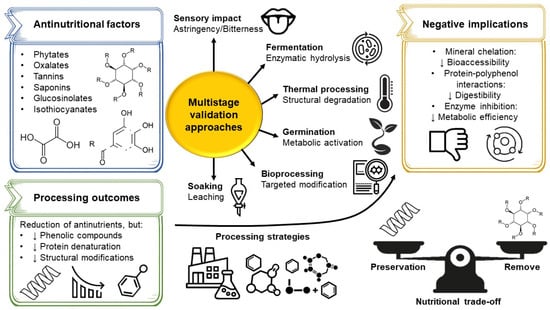
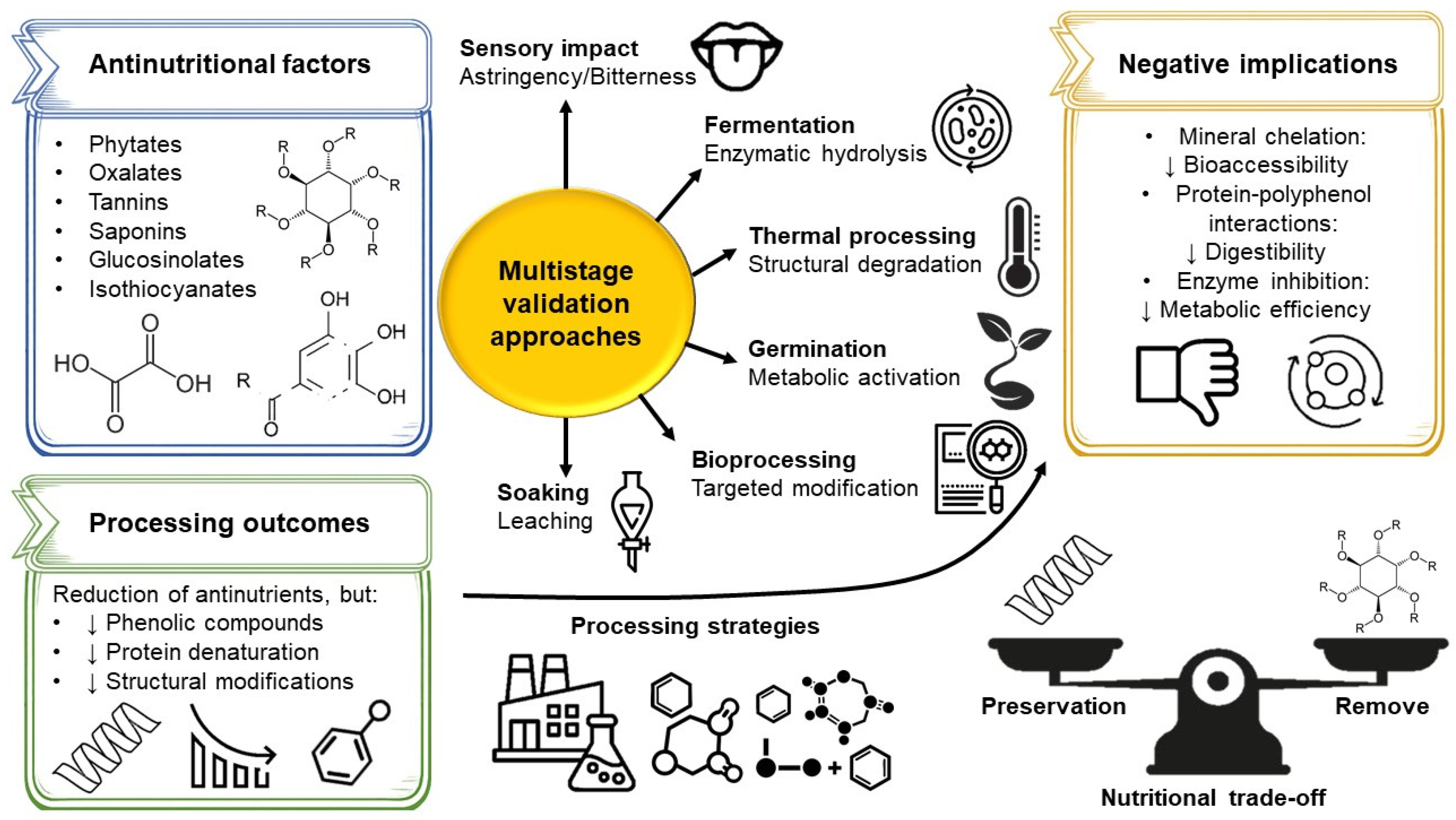
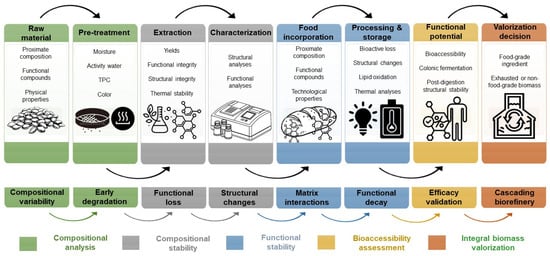
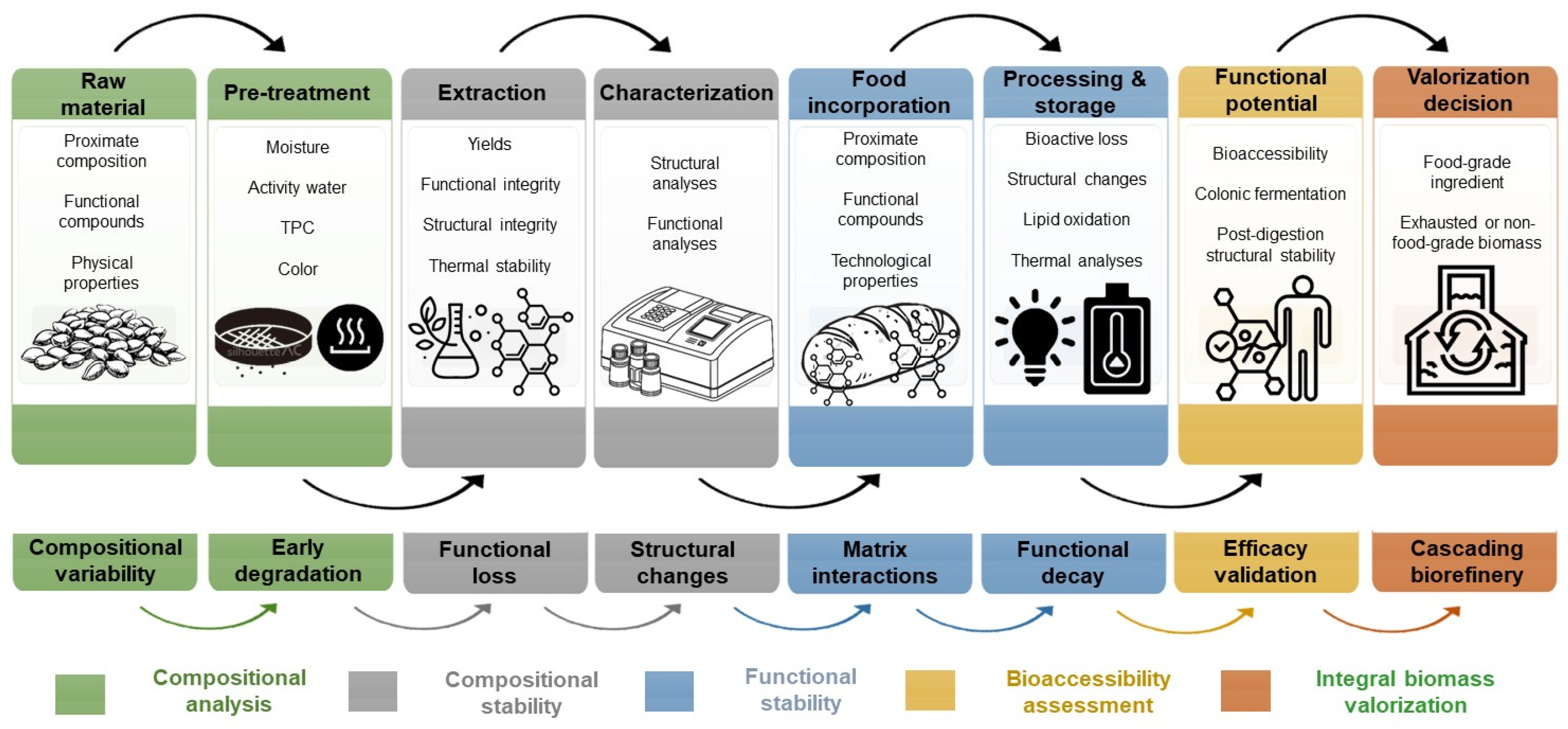
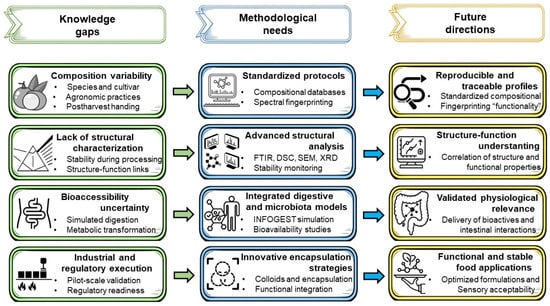
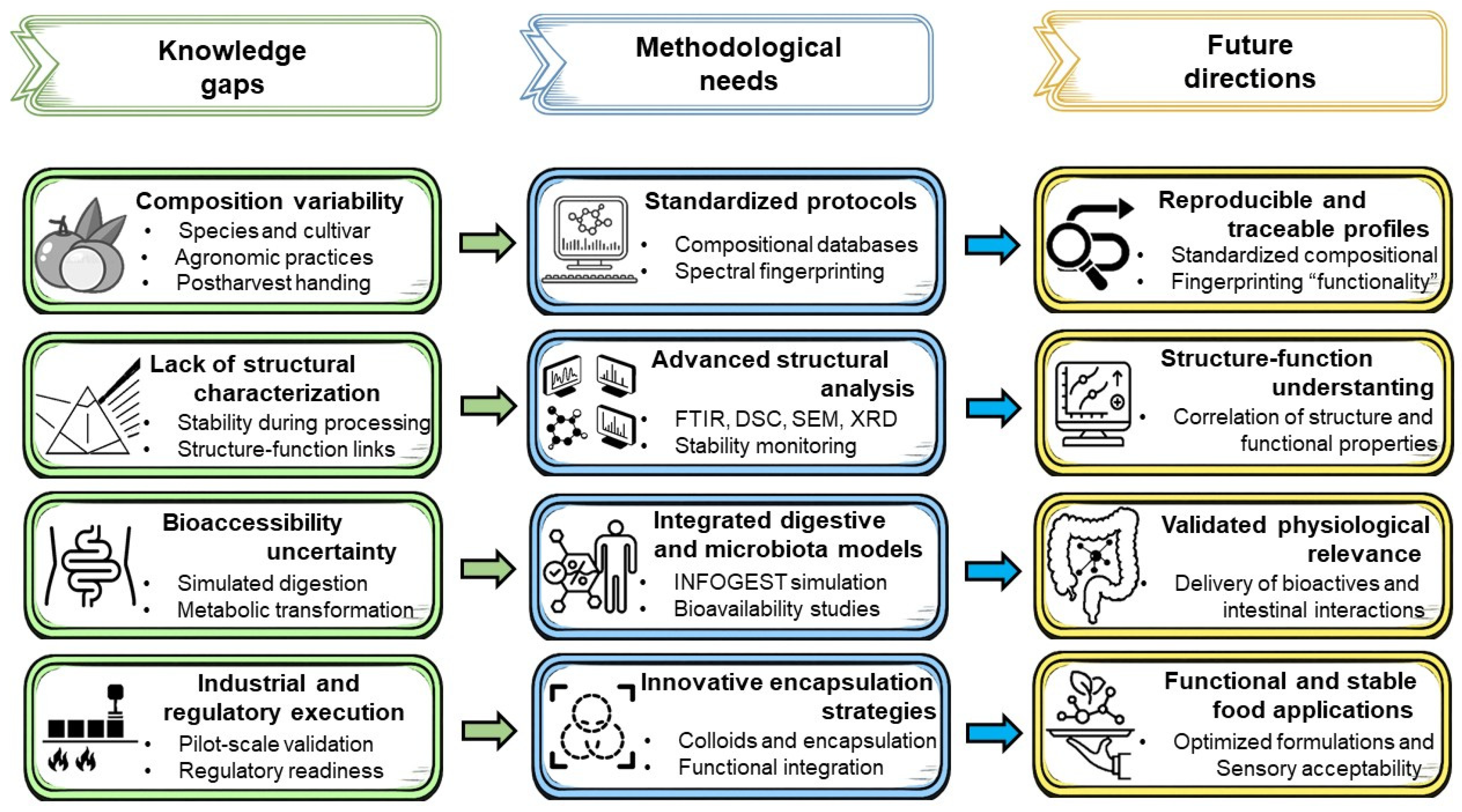
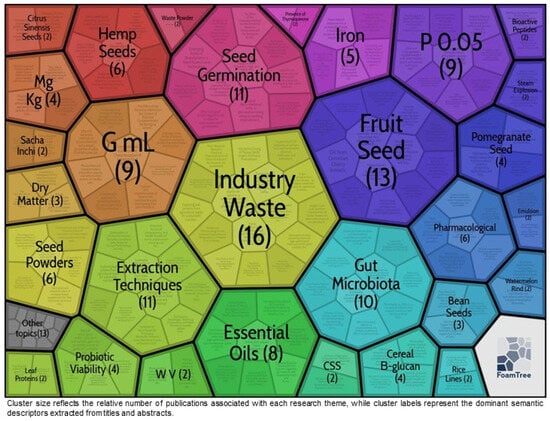
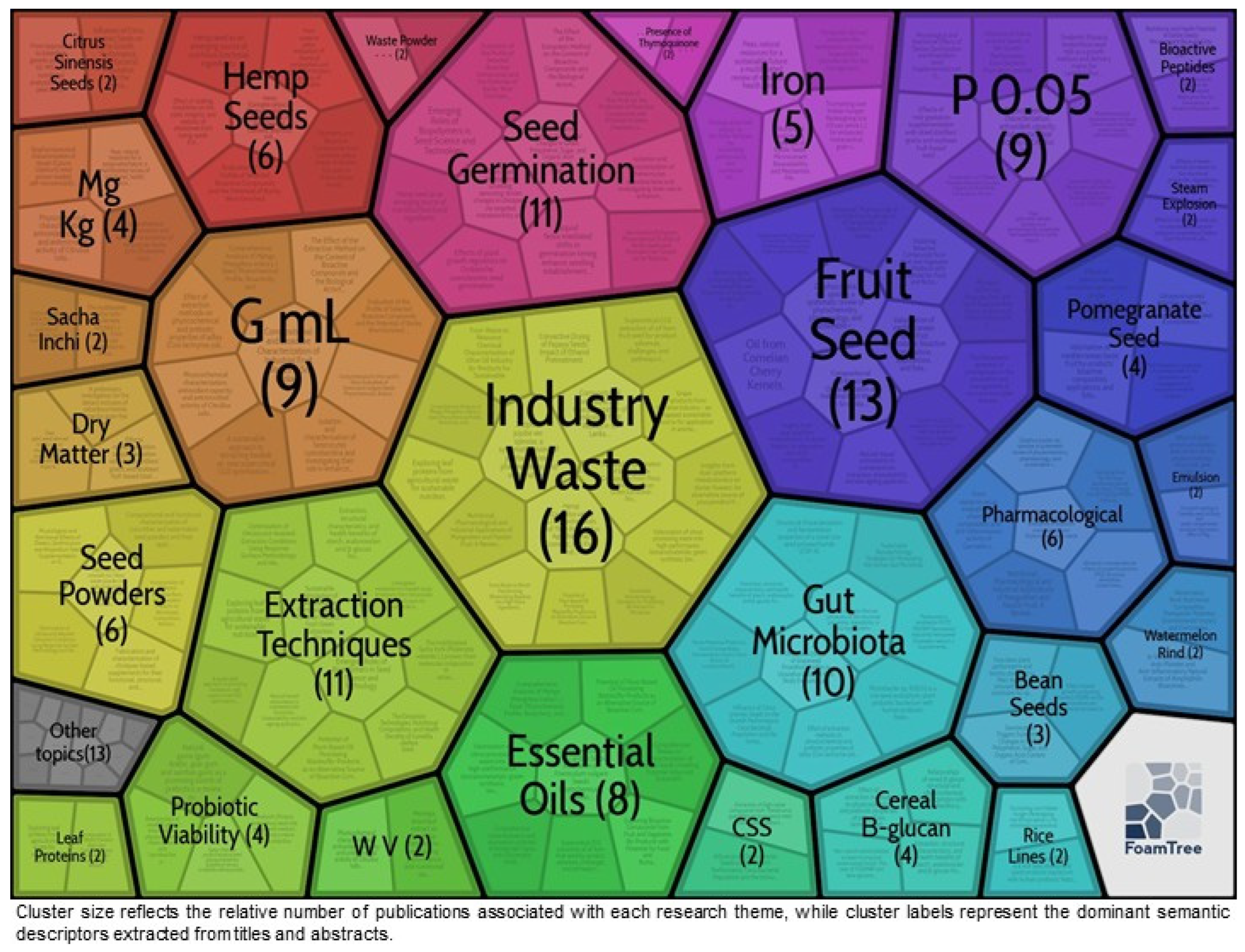

Disclaimer/Publisher’s Note: The statements, opinions and data contained in all publications are solely those of the individual author(s) and contributor(s) and not of MDPI and/or the editor(s). MDPI and/or the editor(s) disclaim responsibility for any injury to people or property resulting from any ideas, methods, instructions or products referred to in the content. |
© 2026 by the authors. Licensee MDPI, Basel, Switzerland. This article is an open access article distributed under the terms and conditions of the Creative Commons Attribution (CC BY) license.