


Abstract
The increasing interest in recycled aggregates as an alternative to natural resources has generated a rapidly expanding body of scientific literature; however, the global evolution, intellectual structure, and emerging research directions of this field require comprehensive assessment. This study analyzes two decades of research on recycled aggregates in concrete through a bibliometric and science-mapping approach. Bibliographic records indexed in Scopus between 2006 and 2025 were retrieved using the search terms “recycled aggregate” and “concrete” and analyzed using Bibliometrix/Biblioshiny 5.5.0 and VOSviewer 1.6.20. A total of 14,044 documents from 1513 sources were identified, showing an annual growth rate of 19.51%, with publications increasing from 74 in 2006 to 2189 in 2025. China emerged as the leading country in scientific production, while Tongji University was the most productive institution. Keyword co-occurrence analysis revealed three major conceptual domains associated with recycled aggregate utilization, mechanical performance and durability, and sustainability and environmental impact. Thematic evolution showed a progressive transition from research focused primarily on compressive strength and technical feasibility toward more integrated approaches involving durability, microstructure, sustainable development, and waste utilization. Recent topics such as machine learning, forecasting, carbon sequestration, and geopolymer concrete indicate an emerging shift toward predictive tools and decarbonization-oriented strategies. Overall, the findings demonstrate that recycled aggregate concrete research has evolved from establishing technical feasibility toward optimizing material performance, environmental benefits, and advanced predictive assessment.
1. Introduction
Concrete is one of the fundamental materials used in the development of infrastructure and buildings, and its production requires large quantities of natural aggregates. The continuous extraction of sand, gravel, and other mineral resources, together with the growing generation of construction and demolition waste (CDW), has increased the environmental pressure associated with the construction sector. In this context, the use of waste materials as secondary raw materials has become a relevant strategy for reducing natural resource consumption, minimizing waste disposal, and advancing toward circular economy models [1,2,3]. The use of recycled aggregates, mainly derived from construction and demolition waste, represents one of the most widely studied alternatives for partially or fully replacing natural aggregates used in concrete production.
Recycled aggregates can be obtained from the processing of demolished concrete and other mineral wastes, allowing previously used materials to be reintegrated into new production cycles. However, their characteristics generally differ from those of natural aggregates due, among other factors, to the presence of adhered mortar, higher porosity, lower density, and greater water absorption [4,5,6]. These characteristics can affect the workability, mechanical strength, and durability of recycled aggregate concrete, particularly when high replacement ratios or aggregates of heterogeneous quality are used [4,5]. The literature also indicates that the quality of the source concrete, the amount of adhered mortar, and the crushing, classification, and treatment processes directly influence the final performance of concrete produced with recycled aggregates [6,7].
In recent years, research has evolved from the basic assessment of mechanical properties toward more comprehensive studies addressing durability, microstructure, aggregate treatment, and environmental performance. Variables such as compressive strength, water absorption, chloride penetration, carbonation, shrinkage, and the behavior of the interfacial transition zone have received particular attention because of their influence on the service life of recycled aggregate concrete [5,8,9]. Likewise, different treatment strategies, the incorporation of supplementary cementitious materials, and aggregate carbonation have shown potential to reduce porosity and improve specific material properties [7,10]. More recently, environmental assessment through life cycle analysis has broadened the discussion to include indicators such as energy consumption, greenhouse gas emissions, and resource depletion, showing that the environmental benefits of recycled aggregate concrete depend on variables such as transportation, processing, mix design, and the functional unit used in the assessment [11].
The growth and diversification of this literature have generated a sufficiently extensive body of knowledge to require tools capable of analyzing not only individual experimental results but also the overall evolution of the research field. In this regard, bibliometric and science mapping studies make it possible to examine patterns of productivity, collaboration, impact, co-citation, term co-occurrence, and thematic evolution. Previous studies have applied these approaches to the analysis of recycled aggregates and recycled aggregate concrete. Sánchez-Roldán et al. [12] analyzed the scientific evolution of the use of recycled aggregates in the construction sector, while Zhang et al. [13] conducted a scientometric analysis of 2180 documents on recycled aggregate concrete published between 2001 and 2021. Similarly, Marvila et al. [3] analyzed 1580 documents related to recycled aggregates, concrete, and sustainable construction published during 2013–2022. These studies confirmed the growth of scientific production and the importance of topics related to mechanical properties, durability, and sustainability.
More recently, Cornejo-Meza et al. [14] conducted a bibliometric analysis of 1624 Scopus-indexed documents covering the period 1983–2025, identifying a transition from early investigations focused on mechanical feasibility toward research addressing durability, environmental assessment, and artificial intelligence-assisted optimization. However, their search strategy combined terminology related to recycled concrete and recycled aggregates with additional requirements concerning supplementary cementitious materials and natural fibers, resulting in a more specifically delimited research dataset. In contrast, the present study employed a broader search strategy based on the terms “recycled aggregate” and “concrete”, without imposing additional requirements related to specific cementitious materials or reinforcement systems. This methodological difference may partly explain the substantially larger dataset of 14,044 documents analyzed in the present investigation, despite its shorter study period (2006–2025). Rather than claiming entirely different research trends, the contribution of this study lies in providing a broader bibliographic perspective and an integrated characterization of scientific production, collaboration networks, intellectual structures, keyword co-occurrence, and thematic evolution. Nevertheless, differences in dataset size do not necessarily indicate greater thematic relevance, as broader retrieval strategies may also incorporate records with varying degrees of correspondence to the research topic. Therefore, the interpretation of these findings must consider the influence of search terminology and dataset composition on the resulting bibliometric patterns.
Therefore, the objective of this study is to analyze the scientific evolution of research on recycled aggregates in concrete during the 2006–2025 period using a bibliometric and science mapping approach based on records indexed in Scopus. Specifically, the study examines the evolution of scientific production, the most relevant sources, authors, institutions, and countries, international collaboration networks, the intellectual structure through co-citation analysis, the conceptual structure through keyword co-occurrence, and the evolution of the main thematic lines. The study aims to provide an integrated overview of two decades of research, identify well-established areas, and recognize emerging trends that may guide future studies related to the performance, durability, sustainability, and decarbonization of recycled aggregate concrete.
2. Materials and Methods
This study was conducted using a quantitative bibliometric and science mapping approach to analyze the evolution of scientific production related to the use of recycled aggregates in concrete over a twenty-year period. The study combined bibliometric performance indicators with network analysis and conceptual structure techniques, enabling the examination of scientific productivity, publication impact, the geographical distribution of research, collaboration networks, and the thematic evolution of the field [15,16].
The unit of analysis consisted of scientific documents indexed in the Scopus database that met the established search and selection criteria. Scopus was selected as the bibliographic source because of its broad multidisciplinary coverage and the availability of the metadata required to conduct analyses of scientific productivity, citation impact, research collaboration, and knowledge mapping. Bibliometric processing and analysis were subsequently performed using Bibliometrix/Biblioshiny, tools specifically designed to support comprehensive and reproducible science mapping analyses [17].
2.1. Search Strategy and Data Collection
The bibliographic search was conducted in the Scopus database on 3 September 2026, using the title, abstract, and keyword fields (TITLE-ABS-KEY). The search query employed was:
(“recycled aggregate” AND “concrete”)
The study period covered 1 January 2006, to 31 December 2025, thereby allowing the analysis of twenty complete years of scientific production. The year 2026 was excluded because, at the time of the search, it represented an incomplete publication year, and its inclusion could have introduced an artificial decline in annual scientific production indicators.
The inclusion criteria comprised documents indexed in Scopus, published between 2006 and 2025, and written in English. No restrictions were applied regarding document type; therefore, the dataset included the different publication categories indexed in Scopus, such as research articles, review articles, conference papers, and other document types. The search strategy was intended to retrieve publications related to recycled aggregates in concrete based on the selected search terms, without imposing additional restrictions associated with specific materials or applications.
After applying the search criteria, a dataset comprising 14,044 bibliographic records was obtained and subsequently analyzed using Bibliometrix/Biblioshiny and VOSviewer. No additional manual screening based on individual titles or abstracts was performed.
2.2. Data Extraction, Cleaning, and Normalization
The selected records were exported from Scopus in BibTeX format, including the metadata available for each document. The retrieved information comprised authors, title, year of publication, source, institutional affiliations, country of origin, abstract, author keywords, indexed keywords, DOI, citation count, cited references, and document type.
The bibliographic records were imported into Bibliometrix/Biblioshiny and VOSviewer for subsequent analysis using the metadata provided by Scopus. No manual modification or systematic disambiguation of author names using unique identifiers was performed. Consequently, author names were processed according to their original bibliographic representation, which may include abbreviated labels shared by different researchers. This limitation was considered when interpreting author-related indicators and co-authorship networks.
2.3. Bibliometric Performance Analysis
The descriptive and scientific performance analyses were conducted using the Bibliometrix package and its graphical interface, Biblioshiny, implemented in the R environment, version 4.6.1.
Initially, the document dataset was characterized using general indicators related to the number of documents, scientific sources, authors, references, keywords, average citations per document, author collaboration, and the annual growth rate of scientific production.
Subsequently, the following indicators were analyzed:
- Annual evolution of scientific production;
- Most productive scientific sources;
- Authors with the highest productivity and impact;
- Most highly cited documents;
- Most productive institutional affiliations;
- Countries with the highest scientific production;
- National and international collaboration patterns;
- Global and local citations within the document dataset.
For the geographical analysis, two complementary indicators were considered. First, country-level scientific production was examined using country frequencies derived from the author-affiliation metadata. The country information was extracted using the metaTagExtraction() function of the Bibliometrix R package (Field = “AU_CO”), and frequencies were calculated from the occurrences of country labels in the resulting field. Accordingly, these values represent country occurrences associated with author affiliations rather than counts of unique publications, as a single document may contribute multiple occurrences. Second, scientific production was analyzed according to the corresponding author’s country, distinguishing between Single-Country Publications (SCP), involving affiliations from only one country, and Multiple-Country Publications (MCP), involving affiliations from more than one country. The MCP ratio was calculated as MCP divided by the total number of publications attributed to each corresponding-author country (SCP + MCP), providing an indicator of international collaboration.
2.4. Network Analysis and Science Mapping
The social, intellectual, and conceptual structures of research on recycled aggregates in concrete were examined using bibliometric network analysis and science mapping techniques implemented through the Bibliometrix R package and its Biblioshiny interface.
The social structure was investigated through co-authorship and international scientific collaboration analyses (Figures 7 and 8). International collaboration was examined at the country level using affiliation metadata extracted from the Scopus records. Country information was available for 13,627 of the 14,044 documents (97.03%), representing 116 countries. Bilateral collaboration frequencies were calculated using full counting, whereby each publication contributed one collaboration to every distinct pair of countries represented among its affiliations. Overall, 3065 documents involved international collaboration, yielding 972 distinct bilateral relationships among 111 countries. These relationships were represented using direct collaboration frequencies without additional normalization. Author co-authorship analysis was conducted to identify collaboration patterns and interconnected groups of researchers.
The conceptual structure was examined through keyword co-occurrence analysis to identify relationships among frequently occurring research terms and characterize the main thematic associations within the field (Figure 9). The intellectual structure was investigated through reference co-citation analysis to identify relationships among publications cited together in the analyzed literature and examine the intellectual foundations of the research field (Figure 10).
Finally, thematic evolution was analyzed across five periods (2006–2011, 2012–2016, 2017–2020, 2021–2024, and 2025), using combined author keywords (DE) and Scopus-indexed keywords (ID) after terminological normalization. The final year (2025) was considered separately to examine the thematic composition at the end of the study period without combining it with preceding years. The relationships between research themes across successive periods were visualized using a Sankey diagram to illustrate thematic continuity and changes over time (Figure 11). However, the selected periods differ in duration, ranging from one to six years, which may influence the number of publications and keyword occurrences within each interval. Consequently, the thematic evolution analysis was interpreted as an exploratory representation of thematic continuity and changes rather than a direct quantitative comparison of research activity across periods.
2.5. Co-Occurrence Analysis and Conceptual Structure
The conceptual structure of the field was examined primarily through keyword co-occurrence analysis using a combined keyword field (All Keywords), integrating author keywords (DE) and Scopus-indexed keywords (ID). The frequency of occurrence and co-occurrence relationships among terms enabled the identification of the main thematic research clusters.
Prior to the analysis, a terminological normalization procedure was applied to improve keyword consistency and reduce fragmentation caused by synonymous expressions, abbreviations, and linguistic variations. A controlled thesaurus comprising 53 normalization mappings was developed to harmonize selected synonymous expressions, singular and plural forms, and abbreviations. Additionally, a general stopword list containing 32 generic, geographical, or non-informative descriptors was applied to reduce terminological noise. Normalization was performed using exact keyword matching, and duplicate terms within individual documents were removed. The procedure was applied to the combined information from author keywords and Scopus-indexed keywords. The original dataset of 14,044 bibliographic records was preserved throughout the preprocessing process.
The resulting co-occurrence networks were represented through visualization maps. Node size indicates the frequency of occurrence of each keyword, whereas links represent co-occurrence relationships between terms. The proximity between nodes reflects their thematic association within the network layout, while different colors distinguish the clusters identified by the clustering algorithm.
Each cluster was subsequently interpreted by considering the most frequent terms, their co-occurrence relationships, and their conceptual connections with other network components. This approach enabled the characterization of the main knowledge domains and research directions developed within the analyzed period.
2.6. Thematic Evolution and Research Trends
To assess the transformation of knowledge throughout the two decades analyzed, thematic mapping, thematic evolution, and trend topic analyses were conducted using Bibliometrix/Biblioshiny in R. Before conducting these analyses, author keywords (DE) and Scopus-indexed keywords (ID) were combined and subjected to a standardized preprocessing procedure to improve terminological consistency and reduce keyword fragmentation. The preprocessing involved converting terms to a consistent format, removing duplicate keywords within individual records, harmonizing synonymous expressions using a controlled thesaurus comprising 53 normalization mappings, and excluding 32 generic or non-informative descriptors through a predefined stopword list. These procedures were applied to the bibliographic dataset of 14,044 Scopus-indexed documents published between 2006 and 2025.
The thematic map enabled the classification of research areas according to their centrality and density, distinguishing four categories: motor themes, basic themes, niche themes, and emerging or declining themes. Thematic evolution was examined by dividing the overall study period into five temporal intervals: 2006–2011, 2012–2016, 2017–2020, 2021–2024, and 2025, with the aim of identifying the continuity, transformation, emergence, and disappearance of the main research themes.
Additionally, the trend topic analysis was performed using the normalized keyword dataset to examine the temporal distribution of research terminology. For this analysis, a minimum document frequency of 20 and a maximum of three terms per median publication year were established. A supplementary visualization-specific list of 22 excluded descriptors was applied to reduce the influence of excessively broad, administrative, or non-discriminative terms. Keyword frequency was represented by bubble size, whereas the median publication year and the interquartile range were used to describe the temporal distribution of each selected term. This approach enabled the identification of established research topics and more recently concentrated thematic areas without interpreting median publication years as the dates of initial topic emergence.
The thesaurus mappings and stopword lists were retained to document the preprocessing decisions and support the reproducibility of the keyword-based analyses.
2.7. Integration and Interpretation of Results
Finally, the results obtained from the different bibliometric indicators and science mapping techniques were analyzed in an integrated manner. The combined analysis of productivity, impact, collaboration, co-citation, co-occurrence, and thematic evolution made it possible to characterize the scientific development of the field from three complementary dimensions: global research trends, knowledge evolution, and the structure of scientific networks.
This strategy enabled the identification of both well-established research lines and emerging topics, as well as potential knowledge gaps that may guide future research related to the use of recycled aggregates in concrete.
Overall, this procedure provided a comprehensive view of the scientific evolution of the field by simultaneously considering its productivity, impact, social structure, intellectual foundations, and thematic development throughout the 2006–2025 period.
ChatGPT (OpenAI) was used as a supplementary tool to support R script development, troubleshooting, and the presentation of bibliometric results. The prompts focused on reviewing computational scripts, resolving coding errors, and interpreting bibliometric indicators and scientific networks. The generated outputs were reviewed, corrected, and verified by the authors against the original data and the results obtained using the specialized bibliometric software.
3. Results
3.1. General Characteristics of Scientific Production
The analyzed bibliographic dataset comprised 14,044 scientific documents published between 2006 and 2025 across 1513 sources. During this period, scientific production showed an annual growth rate of 19.51%, indicating a sustained expansion of academic interest in the study of recycled aggregates in concrete over the past two decades. Table 1 contains scientific production involved 20,815 authors, with an average of 3.9 co-authors per document, while 471 authors contributed to single-authored publications. In addition, the rate of international co-authorship was 21.82%, indicating a relevant level of collaboration among researchers from different countries within the field.
Table 1.
General Characteristics of the Analyzed Bibliographic Dataset. Own elaboration.
From a documentary perspective, the analyzed dataset included 18,381 author keywords and 29,784 bibliographic references, providing a broad basis for the subsequent co-occurrence, co-citation, and bibliographic coupling analyses. The average document age was 5.72 years, indicating a substantial presence of recent literature within the corpus. Likewise, the average of 31.87 citations per document reflects a considerable level of scientific visibility and impact among publications related to the use of recycled aggregates in concrete.
Overall, these indicators show that the field experienced significant growth during the 2006–2025 period, accompanied by broad researcher participation, thematic diversity, and the progressive development of scientific collaboration networks.
3.2. Temporal Evolution of Scientific Production
The annual evolution of scientific production related to recycled aggregates in concrete during the 2006–2025 period shows an overall trend of sustained growth. Scientific output increased from 74 documents in 2006 to 2189 publications in 2025, demonstrating a substantial expansion of scientific interest in this field over the past two decades.
As shown in Figure 1, during the early years of the analyzed period, from 2006 to 2010, scientific production remained relatively limited, with fewer than 200 publications per year. From 2011 onward, a more evident increase began to emerge, reaching 269 documents in that year and 420 publications in 2013. In 2014, a temporary decline in scientific output was observed, followed by a gradual recovery.
Figure 1.
Annual Evolution of Scientific Production on Recycled Aggregates in Concrete during the 2006–2025 Period. Biblioshiny. Own elaboration.
Growth intensified particularly from 2017 onward, when annual production exceeded 500 publications. This trend continued in the following years, reaching 719 documents in 2018 and 823 in 2019, and surpassing 1000 annual publications for the first time in 2020, with 1024 documents. Scientific output subsequently continued to increase, reaching 1250 publications in 2021, 1387 in 2022, 1610 in 2023, and 1856 in 2024. The highest value of the entire period was recorded in 2025, with 2189 publications.
This pattern is consistent with the annual growth rate of 19.51% obtained for the bibliographic dataset and indicates a significant acceleration in scientific activity during the most recent years. The progressive concentration of publications toward the end of the study period suggests the consolidation of recycled aggregate concrete as a relevant research line within contemporary studies on sustainable construction materials.
3.3. Most Relevant Scientific Sources
The analysis of publication sources revealed a marked concentration of documents within a relatively small group of journals specializing in construction materials, civil engineering, and sustainability. As shown in Figure 2, Construction and Building Materials exhibited the highest scientific output within the analyzed dataset, with 1923 documents, substantially exceeding the production of the remaining sources.
Figure 2.
Scientific Sources with the Highest Number of Published Documents on Recycled Aggregates in Concrete during the 2006–2025 Period. Biblioshiny. Own elaboration.
Journal of Building Engineering ranked second, with 577 documents, followed by Materials, with 470 publications, and Lecture Notes in Civil Engineering, with 439 documents. Likewise, Journal of Cleaner Production accounted for 362 publications, highlighting the presence of a source strongly associated with sustainability and cleaner production among the most prominent journals in the field.
Other relevant sources included Journal of Materials in Civil Engineering with 252 documents, Case Studies in Construction Materials with 239, Advanced Materials Research with 210, Materials Today: Proceedings with 207, and Buildings with 205 publications.
The observed distribution indicates that research on recycled aggregates in concrete is primarily concentrated in journals related to construction materials, concrete performance, civil engineering, and sustainability. The substantial difference between Construction and Building Materials and the remaining sources suggests that this journal has played a particularly important role as a platform for disseminating knowledge related to the development, characterization, and application of recycled materials in cementitious systems.
3.4. Author Name Frequencies and Most Cited Documents
The analysis of author name frequencies revealed that Xiao J was the most frequently recorded author label in the bibliographic dataset, appearing in 256 documents, followed by De Brito J with 237 records. Other frequently occurring labels included Wang Y (202), Wang J (198), Zhang Y (191), Li J (160), Wang X (157), Wang C (149), and Li L (147). These frequencies represent the occurrence of author name labels in the Scopus metadata rather than verified publication counts for individual researchers, as abbreviated names may correspond to multiple authors sharing the same surname and initials (Figure 3).
Figure 3.
Most Frequent Author Name Labels in the Scopus Bibliographic Records on Recycled Aggregates in Concrete (2006–2025). Publication counts are based on the author names recorded in the database and may include contributions from different researchers sharing the same surname and initials. Biblioshiny. Own elaboration.
The bibliometric indicators associated with author name labels showed differences between publication frequency and citation-based impact within the analyzed dataset. As presented in Table 2, De Brito J exhibited the highest local h-index (h = 85), followed by Poon CS (h = 80) and Xiao J (h = 68). Although the Xiao J label was associated with the largest number of documents, the De Brito J and Poon CS labels presented higher local h-index values. Nevertheless, these results should be interpreted as descriptive indicators associated with bibliographic name labels rather than verified measures of individual researcher impact.
Table 2.
Bibliometric Indicators Associated with the Most Prominent Author Name Labels in the Scopus Dataset. Own elaboration.
Other author name labels associated with relatively high local h-index values included Li L (h = 53), Wang Y (h = 50), Wang J (h = 48), and Tam VWY (h = 46). These results further illustrate the distribution of citation-based indicators across the bibliographic name labels, subject to the author identification limitations previously described.
The analysis of the documents with the greatest global impact showed that the most influential publications in the field were primarily published in journals specializing in cementitious materials, sustainable construction, and waste valorization. As shown in Figure 4, the document led by Etxeberria M. (2007) received the highest number of global citations, with 1663 citations, followed by Meyer C. (2009), with 1488 citations.
Figure 4.
Documents with the Highest Number of Global Citations in the Literature on Recycled Aggregates in Concrete during the 2006–2025 Period. Biblioshiny. Own elaboration.
Among the remaining documents, Behera M. (2014) stood out with 1183 citations, followed by Akhtar A. (2018) with 1168, Tam VWY (2018) with 1157, Shi C. (2016) with 1147, Silva RV (2014) with 1118, and Xiao J. (2012) with 1117 citations. Likewise, Evangelista L. (2007) received 1002 citations, while Wang B. (2021) reached 977 citations.
Beyond the accumulated number of citations, temporal normalization reveals relevant differences among documents published at different stages of the analyzed period. For example, although the work by Etxeberria M. recorded the highest total number of citations, Wang B. (2021) showed the highest citation rate per year among the ten leading documents, with approximately 162.8 citations per year, followed by Akhtar A. (2018) and Tam VWY (2018), with approximately 129.8 and 128.6 citations per year, respectively. This indicates that some relatively recent studies have been rapidly incorporated into the scientific literature of the field.
Overall, these results show that scientific influence is not concentrated exclusively in older publications; rather, foundational studies coexist with more recent contributions exhibiting high citation rates. This combination reflects both the historical consolidation of knowledge on recycled aggregates and the emergence of new contributions with growing scientific impact.
3.5. Most Productive Institutions and Countries
The institutional analysis revealed a significant concentration of scientific production in Asian universities, particularly in institutions located in China. As shown in Figure 5, Tongji University had the highest scientific output within the analyzed dataset, with 441 documents, followed by Guangxi University with 239 publications and Universidade de Lisboa with 221 documents.
Figure 5.
Institutions with the Highest Scientific Production on Recycled Aggregates in Concrete during the 2006–2025 Period. Biblioshiny. Own elaboration.
Among the other highly productive institutions were Southeast University with 179 documents, The Hong Kong Polytechnic University with 174, Zhejiang University with 161, and Beijing University of Technology and Xi’an University of Architecture and Technology, both with 151 publications. Shenzhen University also recorded 150 documents, while Zhengzhou University accounted for 143. The predominance of institutions located in mainland China, together with the notable contribution of The Hong Kong Polytechnic University, highlights the substantial participation of Chinese research institutions in the scientific development of this field.
Although Hong Kong is a Special Administrative Region of China, it was identified as a distinct geographical category in the country/territory collaboration data generated by Bibliometrix/Biblioshiny. Accordingly, The Hong Kong Polytechnic University was considered individually in the institutional analysis, while Hong Kong was retained as a separate geographical label in the collaboration analysis. This distinction reflects the geographical classification of the bibliographic metadata and does not imply that Hong Kong was considered a separate sovereign country/territory.
At the geographical level, the analysis of country frequencies derived from the bibliographic affiliation metadata revealed a broad international distribution, although with a marked concentration in specific countries. The greater the intensity of the blue color, the greater the scientific output. As shown in Figure 6, China exhibited the highest frequency, with 9338 occurrences, followed by India (3160), the United States (1449), Australia (1154), and Spain (1032). Other countries with notable representation included Iraq, Portugal, Thailand, Italy, the United Kingdom, Brazil, Türkiye, Malaysia, and Iran. These values represent country frequencies generated from the affiliation-related metadata rather than counts of unique publications attributed exclusively to each country/territory.
Figure 6.
Country/territory Frequencies in the Bibliographic Affiliation Metadata of Publications on Recycled Aggregates in Concrete (2006–2025). Values represent country/territory occurrences reported by Bibliometrix/Biblioshiny and should not be interpreted as unique publication counts. Biblioshiny. Own elaboration.
China’s leadership was not limited to publication volume but was also reflected in its accumulated scientific impact. The country/territory-level citation analysis showed that China recorded 113,612 citations, a value considerably higher than that of the other countries. It was followed by Australia with 29,957 citations, India with 28,800, Portugal with 21,530, Spain with 20,830, and Hong Kong with 18,515 citations. The United States recorded 16,495 citations, while Italy, Iran, and the United Kingdom also exceeded 8000 citations.
The comparison between productivity and impact shows that scientific leadership in the field does not depend exclusively on publication volume. While China combines exceptionally high scientific output with the largest number of citations, countries such as Australia and Portugal exhibit considerable scientific influence despite their lower publication volumes. This pattern suggests the coexistence of major centers of scientific production with other research systems that, although generating fewer publications, achieve substantial visibility within the international literature.
To complement the country-frequency analysis, scientific production was examined according to the corresponding author’s country/territory, distinguishing between single-country publications (SCP) and multiple-country publications (MCP). As shown in Table 3, China accounted for the largest number of publications attributed to corresponding authors (3618), followed by India (1395), Australia (459), the United States (403), and Spain (394). However, the proportion of international collaboration varied considerably among countries. Australia exhibited the highest MCP ratio among these five countries (55.3%), followed by Spain (31.0%), the United States (27.8%), China (16.6%), and India (7.5%). These findings indicate that higher publication output does not necessarily correspond to a higher proportion of international collaboration.
Table 3.
Scientific Production and International Collaboration by Corresponding Author’s Country (2006–2025). Own elaboration.
3.6. Scientific Collaboration Networks
International scientific collaboration showed a broad and densely interconnected structure among the countries involved in research on recycled aggregates in concrete. As shown in Figure 7, co-authorship relationships extended across Asia, Europe, Oceania, the Americas, and some regions of Africa, indicating that the field has a clearly international scope, the greater the intensity of the red color, the greater the co-authorship relationships.
Figure 7.
International Scientific Collaboration Network among Countries/Territories in Research on Recycled Aggregates in Concrete during the 2006–2025 Period. Bilateral collaboration frequencies were calculated using full counting and are presented as direct counts without additional normalization. Biblioshiny. Own elaboration.
The Figure 7 contains the analysis of bilateral relationships showed that China country/territory constituted one of the main nodes of international collaboration. The most frequent partnership was observed between China and Australia, with 257 collaborations, followed by China–Hong Kong with 172, China–United States with 160, and China–United Kingdom with 126. Other notable international partnerships included Saudi Arabia–Pakistan with 99 collaborations, Australia–Thailand with 83, Saudi Arabia–Egypt with 66, and United States–Australia with 63.
Within the European context, particularly relevant relationships were identified between Spain and Portugal, with 53 collaborations, and between Spain and Italy, with 47. These results indicate that scientific networks are not organized exclusively around a single country; rather, different regional and interregional hubs contribute to knowledge transfer and the joint development of research on recycled materials.
In addition to international relationships, the co-authorship analysis among researchers revealed a structure composed of several scientific collaboration clusters. As shown in Figure 8, authors such as Xiao J., Zhang Y., Wang J. and Wang Y. occupy central positions within the main research groups.
Figure 8.
Author Collaboration Network in Research on Recycled Aggregates in Concrete during the 2006–2025 Period. The reconstructed co-authorship network was calculated using full counting and association normalization. Biblioshiny. Own elaboration.
Figure 8 explain the network structure revealed differences between individual productivity and position within scientific collaboration links. According to the centrality metrics, Zhang Y showed the highest PageRank value among the leading authors in the network (0.0407), followed by Wang Y (0.0367), Wang X (0.0340), Wang C (0.0324), Wang J (0.0321), and Xiao J (0.0307). This indicates that these researchers not only exhibit high levels of scientific activity but also occupy influential positions within the collaboration structure of the field.
In addition, the betweenness centrality analysis showed that some researchers play a particularly important role in connecting different collaboration groups. Zhang L exhibited the highest betweenness value within the network, followed by Arulrajah A., Wang Y., Zhang Y., and Wang J., suggesting that these authors may act as bridges between scientific communities that would otherwise be less interconnected.
Overall, the observed networks show that the scientific development of research on recycled aggregates in concrete is supported both by major national centers of production and by an increasingly international collaboration structure. The strong participation of China and Australia, together with significant connections among Asia, Europe, the Americas, and the Middle East, reflects the progressive internationalization of the field and the formation of scientific networks capable of integrating different approaches related to materials, concrete performance, and sustainability.
3.7. Keyword Co-Occurrence and Conceptual Structure
The keyword co-occurrence analysis identified four thematic communities within the scientific literature on recycled aggregates in concrete. The network was constructed using the combined author keywords (DE) and Scopus-indexed keywords (ID), following a terminological normalization procedure involving 27 thesaurus equivalences and the exclusion of 12 generic, geographical, or non-informative terms. The resulting conceptual structure reveals interconnected research areas related to recycled aggregates, mechanical performance, durability, cementitious materials, and environmental sustainability.
The network comprises 50 keywords selected according to their connectivity, with node size representing keyword frequency and node color indicating the four thematic communities identified using the Louvain algorithm. Co-occurrence relationships were normalized using association strength. For visualization, 308 links were displayed by retaining connections at or above the 75th percentile of association strength and the strongest connection of one otherwise isolated node. The spatial distribution was generated using the Kamada–Kawai algorithm.
Figure 9 explains in the content the orange community, comprising 24 keywords, was primarily associated with the incorporation of recycled aggregates and the mechanical performance of concrete. Its most representative terms included recycling, compressive strength, aggregate, concrete, recycled aggregate, recycled aggregate concrete, recycled concrete, tensile strength, mechanical properties, reinforced concrete, and natural aggregate. This community reflects a major research area focused on the use of recycled materials as substitutes for conventional aggregates and the evaluation of their influence on the mechanical behavior and structural applications of concrete.
Figure 9.
Keyword Co-Occurrence Network and Thematic Communities in Recycled Aggregate Concrete Research (2006–2025). Biblioshiny. Own elaboration.
The blue community, consisting of 12 keywords, was mainly related to durability and microstructural characterization. Representative terms included recycled concrete aggregate, water absorption, durability, mortar, shrinkage, carbonation, microstructure, scanning electron microscopy, particle size, and carbon dioxide. This community highlights research examining the physical and microstructural characteristics of recycled aggregate concrete, particularly those associated with moisture transport, dimensional stability, and deterioration mechanisms.
The green community, containing five keywords, was associated with concrete mixture design and cementitious materials. Its principal terms were concrete mixtures, fly ash, slags, Portland cement, and mixtures. This community reflects research addressing mixture composition and the incorporation of supplementary cementitious materials in concrete production, including approaches aimed at modifying material performance and reducing dependence on conventional cementitious constituents.
The pink community, comprising nine keywords, was associated with sustainability and the management of construction and demolition waste. Its representative terms included sustainable development, demolition, construction industry, construction and demolition waste, concrete products, environmental impact, sustainability, waste management, and recycled material. This community reflects the environmental dimension of recycled aggregate research, emphasizing waste valorization, resource efficiency, and the incorporation of recycled materials into construction products.
Overall, the conceptual network reveals four complementary and interconnected research areas: recycled aggregates and mechanical performance, durability and microstructural characterization, concrete mixture design and cementitious materials, and environmental sustainability. The Louvain clustering algorithm yielded a modularity value of 0.0833, indicating relatively weak separation between communities. Therefore, these groups should be interpreted as overlapping thematic areas rather than independent research domains. Their interconnections illustrate the multidisciplinary nature of research on recycled aggregates in concrete, where material performance, mixture design, durability, and sustainability are closely related.
3.8. Intellectual Structure Through Co-Citation Analysis
Before interpreting the document co-citation network, the availability of cited-reference information was examined to assess the bibliographic coverage of the dataset. Of the 14,044 documents retrieved from Scopus, 11,745 records (83.63%) contained cited-reference information, whereas 2299 records (16.37%) had no references available in the exported dataset. A direct examination of the cited-reference field (CR) identified 196,861 reference entries, corresponding to an average of 16.76 entries per document with available reference information. After accounting for exact duplicate bibliographic strings across records, 29,784 distinct cited-reference strings were identified. Therefore, this value represents distinct bibliographic entries rather than the total number of reference occurrences. The co-citation network presented in Figure 10 was constructed from the available cited-reference information and should be interpreted considering the incomplete coverage of the CR field and potential inconsistencies in bibliographic formatting.
Figure 10.
Document Co-Citation Network in Research on Recycled Aggregates in Concrete during the 2006–2025 Period. Biblioshiny. Own elaboration.
The co-citation analysis made it possible to identify the intellectual structure underpinning research on recycled aggregates in concrete. The resulting network was organized into three main clusters composed of documents that tend to be cited together and therefore represent closely related conceptual foundations and knowledge domains within the field.
In the Figure 10 explain in the first cluster, comprising 23 documents, was led by the study of Etxeberria et al. (2007), published in Cement and Concrete Research, which exhibited the highest PageRank value in the entire network (0.0484) and a high betweenness centrality (27.03). Other notable studies within this group included those by Xiao et al. (2004), Poon et al. (2003), Evangelista et al. (2007), Katz (2003), and Kou et al. (2012). The central position of these documents indicates that they constitute an important part of the historical knowledge base related to the behavior and use of recycled aggregate concrete.
The second cluster, composed of 18 documents, was associated with later publications that expanded the analysis toward material performance, sustainability, and comprehensive evaluation. Among the studies with the greatest structural relevance were Shi et al. (2015), which showed the highest PageRank value within the group (0.0257), followed by Xiao et al. (2012), Behera et al. (2014), Tam et al. (2018), Guo et al. (2018), and Silva et al. (2014). Within this cluster, Xiao et al. (2012) and Behera et al. (2014) also exhibited high betweenness centrality values, indicating their relevant role in connecting different intellectual lines within the field.
The third cluster, comprising eight documents, was mainly represented by studies by Tam et al. (2004), Juan et al. (2008), and Poon et al. (2004). Although this group was numerically smaller, it contained some of the highest betweenness centrality values in the entire network. In particular, Juan et al. (2008) recorded a betweenness centrality of 37.39, followed by Poon et al. (2004) with 32.71 and Tam et al. (2004) with 31.27. This suggests that these documents play an important bridging role between different knowledge domains.
Overall, the co-citation network shows that the intellectual structure of the field has been built upon a historical core of studies addressing the properties and behavior of recycled aggregate concrete, followed by research aimed at broadening its technical and environmental assessment. The coexistence of highly central documents and others with strong bridging capacity reflects a consolidated scientific structure that remains interconnected through publications linking different stages and research approaches.
3.9. Thematic Evolution and Emerging Topics
The thematic evolution analysis identified changes in the conceptual structure of research on recycled aggregates in concrete between 2006 and 2025. The analysis was conducted using the combined author keywords (DE) and Scopus-indexed keywords (ID) after terminological normalization. Five consecutive periods were considered: 2006–2011, 2012–2016, 2017–2020, 2021–2024, and 2025. The resulting thematic evolution network comprised 24 thematic communities and 72 connections between communities in consecutive periods. Overall, the results indicate the continuity of fundamental research topics related to recycling and mechanical performance, alongside changes in the thematic composition of the field.
During the 2006–2011 period, four thematic communities were identified, represented by compressive strength, concrete, recycled concrete aggregate, and recycling. These themes reflect the importance of material recycling and mechanical performance in the earlier development of the research field. Their coexistence suggests that investigations during this period were strongly associated with the incorporation of recycled aggregates into concrete and the assessment of material properties.
Between 2012 and 2016, five thematic communities were identified, represented by cements, compressive strength, recycled concrete aggregate, recycling, and sustainable development. The continued presence of recycling and compressive strength indicates the persistence of these fundamental research topics. Meanwhile, the identification of communities associated with cements and sustainable development suggests a broader thematic structure encompassing cementitious materials and environmental considerations.
During 2017–2020, the thematic communities were represented by compressive strength, demolition, recycled concrete aggregate, recycling, and water absorption. The presence of water absorption highlights the relevance of physical properties associated with recycled aggregates, while demolition reflects the connection between recycled aggregate research and construction and demolition waste. These results suggest that research during this period encompassed both mechanical performance and material characteristics relevant to durability.
In the 2021–2024 period, five thematic communities were identified, represented by brick, compressive strength, fly ash, recycled aggregate, and recycling. The presence of brick and fly ash indicates the inclusion of research topics associated with alternative construction materials and supplementary cementitious constituents. At the same time, recycled aggregate and compressive strength remained representative themes, reflecting the continued relevance of aggregate substitution and mechanical performance.
Finally, in 2025, the thematic communities were represented by machine learning, recycled aggregate concrete, recycling, carbonation, and compressive strength. The continued identification of recycling and compressive strength indicates their persistence throughout the study period. Meanwhile, the presence of machine learning and carbonation highlights the inclusion of computational approaches and physicochemical processes within the thematic structure of recent research. Although these communities are identified in the final period, their appearance alone does not establish that they are newly emerging topics, since thematic labels depend on the clustering structure within each period.
In the Figure 11 explain the thematic evolution network illustrates the relationships among research communities across consecutive periods. The persistence of recycling and compressive strength as representative labels throughout the five periods indicates their sustained importance in the conceptual organization of the field. In contrast, changes in other community labels reveal variations in the thematic composition of recycled aggregate research, including the identification of water absorption and demolition during 2017–2020, brick and fly ash during 2021–2024, and machine learning and carbonation in 2025.
Figure 11.
Thematic Evolution of Research on Recycled Aggregates in Concrete during the 2006 –2025 Period. Biblioshiny. Own elaboration.
These findings suggest that research on recycled aggregates in concrete has developed beyond its initial emphasis on recycling and mechanical performance to encompass a wider range of material properties, cementitious constituents, environmental considerations, and computational approaches. Nevertheless, the thematic communities should not be interpreted as mutually exclusive research areas, since the evolution analysis identifies relationships based on shared keywords between consecutive periods.
Overall, the results reveal changes in the thematic composition of research on recycled aggregates in concrete, with recycling and compressive strength remaining recurrent themes throughout the study period. Sustainable development was identified as a representative thematic community during 2012–2016, while other periods included themes associated with water absorption, demolition, fly ash, machine learning, and carbonation. However, the presence of these terms in the thematic evolution diagram does not necessarily indicate an increase in their relative prominence over time. Furthermore, the unequal duration of the analyzed periods may influence the number of publications and keyword occurrences within each interval. Therefore, the thematic evolution analysis should be interpreted as an exploratory representation of thematic continuity and changes rather than a direct quantitative comparison of research activity across periods.
The thematic maps presented in Figure 12 provide a complementary perspective on the conceptual structure of recycled aggregate concrete research across the five analyzed periods. These maps position thematic communities according to their centrality and density, reflecting their relationships with other research themes and their internal development, respectively. The classification into motor, basic, niche, and emerging or declining themes provides an exploratory representation of the thematic organization within each period. However, the relative positions of thematic communities should not be interpreted as direct evidence of increasing research prominence over time without considering the corresponding quantitative indicators. Therefore, the thematic maps complement the evolution analysis presented in Figure 11 by illustrating the relative organization of research communities rather than establishing continuous growth trends for individual topics.
Figure 12.
Evolution of the Thematic Structure of Research on Recycled Aggregates in Concrete: (a) 2006–2011, (b) 2012–2016, (c) 2017–2020, (d) 2021–2024, and (e) 2025. Biblioshiny. Own elaboration.
3.10. Trend Topics and Emerging Research Lines
The trend topic analysis identified temporal patterns in the use of keywords within the literature on recycled aggregates in concrete between 2006 and 2025 (Figure 13). Based on the normalized and filtered keyword dataset, the analysis included 39 selected terms, with a minimum frequency of 20 documents and a maximum of three terms per median publication year. The temporal distribution reveals a progressive diversification of research interests, ranging from resource conservation and concrete mixture design to mechanical performance, durability, microstructural characterization, and sustainability-oriented applications.
Figure 13.
Temporal distribution of research topics related to recycled aggregates in concrete based on normalized keywords from Scopus-indexed publications (2006–2025). Biblioshiny. Own elaboration.
Bubble size represents the number of documents associated with each keyword, while horizontal lines indicate the interquartile range of publication years. Bubble positions correspond to the median publication year. The analysis includes terms occurring in at least 20 documents, with a maximum of three terms selected per median year.
During the earlier part of the analyzed period, the selected terms were associated with conservation of natural resources, refuse disposal, water content, and mixture proportioning. Conservation of natural resources exhibited a median publication year of 2009, followed by refuse disposal in 2011 and water content in 2012. Subsequently, computer simulation, masonry materials, and mixture proportioning showed median publication years of 2014, while water/cement ratio, mix proportions, and characterization were centered around 2015. These patterns indicate that earlier research addressed resource management, material composition, and concrete mixture design, providing a foundation for subsequent investigations into recycled aggregate applications.
Between 2016 and 2020, the thematic distribution became increasingly associated with recycled concrete constituents, construction applications, and mechanical performance. Crushed concretes, light weight aggregate, and polymers exhibited median publication years of 2016, followed by ceramic materials, mechanical behaviour, and byproducts in 2017. Asphalt, structural concretes, and roads and streets were centered around 2018, whereas concrete construction, pavements, and splitting tensile strength showed median publication years of 2019. Mechanical properties, concrete products, and concrete testing exhibited median publication years of 2020, with frequencies of 1568, 587, and 495 documents, respectively. These findings reflect the importance of material characterization, mechanical assessment, and practical construction applications within the field.
The highest-frequency terms were concentrated around the median publication years of 2021 and 2022. Recycled aggregate appeared in 3912 documents, followed by recycled aggregate concrete in 3497 and recycled concrete aggregate in 2757, all with median publication years of 2021. Compressive strength was the most frequent term among those selected, appearing in 4952 documents and exhibiting a median publication year of 2022. Tensile strength and durability also showed median publication years of 2022, appearing in 1639 and 1556 documents, respectively. These results indicate that recycled aggregate applications and the evaluation of mechanical and durability-related properties remain central research topics.
More recent temporal concentrations were observed for carbonation, bending strength, and microstructure, which exhibited median publication years of 2023, with frequencies of 574, 550, and 528 documents, respectively. Fiber reinforced concrete, geopolymer concrete, and sustainable construction were centered around 2024, with frequencies of 371, 329, and 286 documents, respectively. Finally, waste utilization, carbon sequestration, and carbon capture and utilization exhibited median publication years of 2025, appearing in 108, 98, and 77 documents, respectively. These patterns suggest increasing attention to resource valorization, alternative cementitious systems, and carbon-related strategies in the more recent literature. Nevertheless, median publication years should not be interpreted as the first appearance of these topics or as direct measures of annual publication growth.
The presence of carbonation and carbon-related terminology is consistent with studies examining the potential of recycled aggregates for CO2 uptake and the improvement of selected material properties [7,10]. Similarly, waste utilization and alternative cementitious systems, including geopolymer concrete, have been discussed as potential approaches to resource efficiency and decarbonization in the construction sector [2,18]. Overall, the coexistence of established topics, particularly compressive strength, recycled aggregate concrete, and durability, with more recent sustainability-oriented terms highlights the broadening scope of recycled aggregate research. This evolution suggests that the field increasingly integrates conventional performance requirements with considerations of microstructure, resource valorization, and environmental impact.
4. Discussion
The bibliometric results show that research on recycled aggregates in concrete has undergone a significant transformation over the past two decades. Beyond the quantitative growth in publications, the evolution of scientific networks, intellectual structure, and thematic patterns reveals the progressive consolidation of a field that was initially focused mainly on demonstrating the technical feasibility of recycled materials and that now incorporates perspectives related to durability, sustainability, waste utilization, and computational tools. This evolution is consistent with previous scientometric analyses that have identified sustained growth in research on recycled aggregate concrete and a progressive thematic diversification toward performance, durability, and sustainability [13]. Likewise, recent reviews indicate that the current development of recycled concrete is increasingly influenced by aggregate quality, durability, environmental impact reduction, and the need to optimize mix design through more advanced approaches [7,9].
The combined interpretation of the results shows that this evolution has not occurred in a linear manner. Some topics, particularly compressive strength, recycling, and recycled concrete aggregates, have maintained a constant presence throughout almost the entire 2006–2025 period. However, new research lines related to microstructural behavior, environmental impact, sustainable development, alternative cementitious materials, and predictive methods have progressively emerged around these core themes. This diversification is consistent with reviews highlighting the growing importance of durability and variables such as water absorption, carbonation, and microstructural behavior in recycled aggregate concrete [5]. Similarly, life cycle assessment has become an increasingly relevant tool for comparing the environmental benefits of concrete produced with natural and recycled aggregates [11], while the development of machine learning models reflects the expansion of the field toward computational methods capable of predicting properties and supporting material optimization [19]. Overall, these changes reflect a transition from a predominantly experimental and mechanical perspective toward an increasingly comprehensive assessment of recycled aggregate concrete.
4.1. Growth and Consolidation of Research on Recycled Aggregates
The temporal evolution of scientific production constitutes one of the clearest indicators of the consolidation of the field. The increase from 74 publications in 2006 to 2189 documents in 2025, together with an annual growth rate of 19.51%, shows that academic interest in recycled aggregates in concrete has intensified considerably over the past two decades. In particular, the acceleration observed after 2017 suggests that the topic has moved beyond an initial exploratory stage and is currently undergoing a phase of scientific expansion and diversification.
This growth can be interpreted within the context of the increasing need to reduce the consumption of natural aggregates and improve the management of waste generated by construction and demolition activities. In this regard, recycled aggregates represent an alternative that directly links concrete technology with the principles of waste valorization and material circularity.
The concentration of publications in recent years is also consistent with the average document age of 5.72 years, indicating that a substantial proportion of the knowledge currently shaping the field comes from relatively recent research. At the same time, the high average of 31.87 citations per document demonstrates the existence of both a consolidated scientific foundation and influential reference studies with sustained impact.
The distribution of publications among the leading sources further supports this interpretation. Construction and Building Materials accounted for 1923 documents, followed by Journal of Building Engineering and Materials. This pattern shows that research on recycled aggregates is strongly embedded within the fields of construction materials and building technology. However, the presence of Journal of Cleaner Production among the leading sources also reflects the expansion of the topic toward approaches related to sustainability, waste valorization, and environmental impact reduction.
The analysis of the most highly cited documents also reveals the coexistence of foundational studies and more recent contributions with high citation rates. Publications such as the study led by Etxeberria in 2007 continue to exert strong influence within the field, while relatively recent documents have rapidly achieved high citation levels. This pattern indicates that knowledge on recycled aggregates simultaneously possesses a stable intellectual foundation and a continuing capacity to incorporate new approaches.
Overall, these patterns support the characterization of research on recycled aggregates in concrete as a consolidated yet still expanding scientific field, marked by increasing publication output, broad international participation, and progressive diversification of research questions. The persistence of traditional topics alongside the emergence of new research lines suggests that the future development of the field will likely be driven less by demonstrating the basic feasibility of recycled aggregates and more by optimizing their performance, reducing their variability, and demonstrating quantifiable environmental benefits under real-world application conditions. Recent investigations reinforce this perspective by highlighting the influence of material variability on the reliability of machine learning models [20], the potential of data-driven methods for concrete performance prediction and mix design optimization [21], and the integration of strength, durability, environmental impact, and cost into multi-objective optimization frameworks for recycled aggregate concrete [22].
4.2. Global Leadership and Scientific Collaboration Networks
The geographical distribution of scientific production showed a marked concentration in specific countries and institutions, with China emerging as the main research hub for recycled aggregates in concrete. This leadership was reflected both in publication volume and accumulated scientific impact, as China recorded the highest research output in the dataset as well as the greatest number of citations. The dominant presence of Chinese universities among the most productive institutions, led by Tongji University, further reinforces this position and suggests the existence of a well-established academic infrastructure focused on recycled materials and concrete technology.
However, scientific leadership in the field is not determined exclusively by publication volume. Countries such as Australia, Portugal, Spain, and Hong Kong showed high citation levels relative to their scientific output, indicating that research influence also depends on the quality, visibility, and connectivity of the studies produced. In this regard, the comparison between productivity and impact reveals two complementary patterns: large scientific systems with high publication output and countries with lower production volumes but particularly influential participation in the international literature.
The institutional structure showed a significant concentration in Asian universities, although European institutions also played a relevant role. The presence of Universidad de Lisboa among the most productive institutions demonstrates that knowledge development on recycled aggregates has an international rather than exclusively regional distribution. This pattern is consistent with the structure observed in the collaboration networks, where scientific links connect Asia, Oceania, Europe, the Americas, and other regions.
The international collaboration analysis showed that China functions as one of the central nodes of the global network, with particularly strong relationships with Australia, Hong Kong, the United States, and the United Kingdom. The China–Australia partnership exhibited the highest frequency of collaboration within the analyzed dataset, suggesting the existence of a stable and sustained scientific relationship between these two research communities. Other relevant regional and interregional links were also identified, including Spain–Portugal, Spain–Italy, and Saudi Arabia–Pakistan, demonstrating the formation of multiple scientific cooperation hubs.
This collaborative structure is particularly important because research on recycled aggregates is influenced by local factors, including the availability and composition of waste materials, the characteristics of natural aggregates, construction practices, and regulatory frameworks. Therefore, international research networks can facilitate the comparison of results obtained under different conditions and contribute to the development of more generalizable evaluation criteria.
At the researcher level, the results also revealed differences between productivity and scientific influence. Xiao J. recorded the highest number of publications, whereas De Brito J. and Poon CS showed the highest h-index values within the corpus. This difference confirms that publication productivity alone does not necessarily constitute a sufficient measure of scientific leadership, as influence also depends on citation impact and the capacity of individual studies to become integrated into the intellectual structure of the field.
The co-authorship networks further showed that researchers such as Zhang Y., Wang Y., Wang J., Wang X., and Xiao J. occupy central positions within different collaboration clusters. The presence of authors with high centrality and betweenness values indicates that certain researchers play an important role in connecting scientific communities, thereby facilitating the circulation of knowledge across different research groups and thematic areas.
Overall, these results show that the field of recycled aggregates in concrete exhibits an increasingly internationalized scientific structure, although leadership remains strongly concentrated in Asia, particularly in China. At the same time, the influence of Australia and several European countries demonstrates that knowledge consolidation depends on a broader network of collaboration and citation. The future evolution of the field will likely be associated with greater integration of these networks, particularly in areas requiring international comparability, such as durability, environmental assessment, standardization of recycled materials, and industrial-scale implementation.
4.3. Evolution of the Intellectual and Conceptual Structure of the Field
The combined analysis of co-citation, keyword co-occurrence, and thematic evolution shows that research on recycled aggregates in concrete has developed an increasingly complex intellectual structure over the past two decades. The results suggest a transition from a knowledge base focused primarily on the characterization of recycled materials and their mechanical behavior toward a more integrated field in which performance, durability, sustainability, and advanced analytical tools converge.
The co-citation network made it possible to identify three main intellectual cores. The first comprised foundational studies associated with the behavior of recycled aggregate concrete, including prominent publications by Etxeberria et al., Xiao et al., Poon et al., Katz, and Kou et al. The high centrality of these documents indicates that they constitute an important part of the historical knowledge base and have served as recurrent references for subsequent research.
A second intellectual core consisted of studies that broadened the analysis toward more comprehensive approaches to performance, durability, and environmental assessment. This group included prominent publications by Shi et al., Behera et al., Tam et al., Guo et al., and Silva et al. The position of these documents within the network suggests a stage of conceptual diversification in which the assessment of recycled concrete began to incorporate variables beyond mechanical strength.
The third intellectual core was represented by documents that played an important bridging role between different research lines. Studies by Juan et al., Poon et al., and Tam et al. exhibited high betweenness centrality values, suggesting that they functioned as bridges between different scientific communities and contributed to integrating distinct perspectives within the field.
This intellectual evolution is consistent with the conceptual structure identified through keyword co-occurrence analysis. The three main clusters reflect an organization of knowledge around: (i) recycling and aggregate replacement, (ii) mechanical performance, durability, and microstructural characterization, and (iii) sustainability, construction and demolition waste, and environmental impact. The high connectivity among these groups demonstrates that the thematic lines have not evolved in isolation but rather through continuous interaction between technical feasibility and environmental performance.
The temporal evolution further supports this interpretation. During the initial periods, terms such as compressive strength, recycling, and recycled concrete aggregates were prominent within the conceptual structure. In subsequent periods, the thematic organization incorporated concepts associated with durability, water absorption, and sustainable development, suggesting a broadening of the research questions addressed within the field. However, the presence of these terms in particular thematic communities should not be interpreted as direct evidence of sustained growth without considering their corresponding frequencies and temporal distributions.
In the most recent years, the identification of terms such as forecasting, machine learning, carbon sequestration, geopolymer concrete, and microstructure suggests a diversification of research interests. This interpretation is consistent with recent developments in computational approaches to concrete characterization. Wang et al. [23] demonstrated the applicability of explainable machine learning methods to multicomponent concrete, combining predictive algorithms with SHAP analysis to investigate the influence and interactions of material variables on compressive strength. Similarly, Feng et al. [24] employed machine learning techniques to predict concrete compressive strength and identify influential mixture parameters, highlighting the potential of data-driven methods to support material design.
The incorporation of predictive approaches into cementitious material development is also illustrated by Liu et al. [25], who combined CatBoost, optimization algorithms, and experimental validation to characterize and optimize alkali-activated materials. Although these investigations do not all address recycled aggregate concrete directly, they provide complementary evidence of how computational methods are being incorporated into concrete and alternative cementitious material research.
Overall, the results reveal a trajectory of scientific maturation characterized by three general stages: an initial phase focused on technical feasibility and mechanical strength, a second stage oriented toward durability and comprehensive performance assessment, and a recent phase in which sustainability, decarbonization, and predictive tools appear within an increasingly diversified research landscape.
This evolution suggests that research on recycled aggregates in concrete is extending beyond the demonstration of technical feasibility. Future scientific challenges include performance optimization, reduction in material variability, quantitative environmental assessment, and the integration of predictive methods capable of supporting the design of recycled materials with greater reliability and applicability. Nevertheless, the identification of these research directions should be distinguished from quantitative evidence of their sustained growth within the analyzed period.
4.4. From Mechanical Assessment to Sustainability and Decarbonization
The thematic evolution identified through the bibliometric analysis suggests that research on recycled aggregates in concrete has expanded from a perspective focused primarily on mechanical performance toward a broader approach incorporating durability, environmental sustainability, and the reduction in impacts associated with construction materials. This transition does not imply that traditional variables such as compressive strength have lost relevance; rather, they are increasingly considered within a more comprehensive framework for material assessment.
During the early stages of the analyzed period, terms such as compressive strength, recycling, and recycled concrete aggregates occupied prominent positions within the conceptual structure. This configuration reflects a stage in which a substantial proportion of research focused on determining whether recycled aggregates could be incorporated into concrete without significantly compromising mechanical performance. Compressive strength therefore served as one of the principal indicators of technical acceptability.
Subsequently, the identification of research themes associated with durability, water absorption, microstructure, and carbonation reflected a broadening of the experimental approach. This development is consistent with the recognition that the feasibility of recycled aggregates cannot be established solely on the basis of mechanical strength, but also depends on properties related to fluid transport, internal structure, matrix–aggregate interactions, and resistance to deterioration mechanisms.
The co-occurrence analysis also showed that concepts related to construction and demolition waste, sustainable development, environmental impact, and waste management form a differentiated thematic cluster connected to the mechanical and technological aspects of concrete. This relationship suggests that sustainability constitutes an important dimension of contemporary research on recycled aggregates. Bai [26] similarly emphasized the integration of sustainable materials, waste valorization, and structural performance as complementary objectives in the development of construction technologies. This broader perspective supports the need to evaluate recycled aggregate concrete beyond isolated mechanical indicators.
The trend topics further support this interpretation. In recent years, terms such as waste utilization and carbon sequestration have appeared within the analyzed research landscape, suggesting interest in approaches related to waste valorization and climate impact mitigation. However, their identification does not independently demonstrate a sustained increase in research activity. In this context, Ige and Kabeya [27] reviewed technological and economic barriers to cement-sector decarbonization, highlighting the complementary roles of clinker substitution, energy efficiency, alternative fuels, and carbon capture, utilization, and storage. These findings demonstrate that environmental improvements in cementitious materials must be considered within broader technological and industrial constraints.
The relevance of carbon mitigation strategies is further supported by Franco and Simo Toukam [28], who evaluated energy transition pathways for cement manufacturing and demonstrated that energy efficiency, alternative fuels, and clinker substitution provide different levels of emission reduction, while deep decarbonization requires addressing emissions associated with limestone calcination. Although these strategies concern cement production rather than recycled aggregate treatment specifically, they provide an important context for understanding the relationship between recycled material utilization and broader decarbonization objectives.
The emergence of geopolymer concrete among recent trends also suggests a convergence between research on recycled aggregates and alternative cementitious systems. This pattern indicates an opportunity to integrate aggregate replacement with the development of cementitious matrices designed to reduce dependence on conventional Portland cement. In this regard, Luhar et al. [29] reviewed strategies for decarbonizing the cement and concrete industry, including supplementary cementitious materials, construction and demolition waste utilization, alternative materials, and carbon management technologies. Their findings support the interpretation that sustainable concrete development requires the integration of material substitution, resource efficiency, and emissions mitigation rather than reliance on a single technological solution.
Nevertheless, the bibliometric results also show that mechanical strength remains one of the central axes of the field. The term compressive strength remained present throughout the thematic analysis and continued to occupy a prominent position in the conceptual structure. This suggests that the incorporation of sustainability considerations does not replace traditional technical criteria but expands the evaluation framework. Consequently, the development of recycled aggregate concrete requires a balance among mechanical performance, durability, and environmental benefits.
Overall, the observed evolution suggests an important conceptual shift: the scientific question is extending from “Can recycled aggregate be used without compromising strength?” toward the more complex issue of “How can recycled aggregate concrete be designed to maintain adequate technical performance while simultaneously reducing resource consumption and environmental impact?” This transformation reflects the diversification of research priorities and highlights the importance of integrating mechanical, durability, and environmental indicators to evaluate the contribution of recycled aggregates to concrete sustainability.
4.5. Emerging Research Fronts and Future Research Directions
The results obtained from the thematic evolution and trend topic analyses show that research on recycled aggregates in concrete is entering a stage characterized by greater integration of computational tools, advanced characterization techniques, and decarbonization-oriented strategies. The recent emergence of terms such as machine learning, forecasting, carbon sequestration, microstructure, and geopolymer concrete indicates that the field is expanding its objectives beyond the conventional assessment of mechanical properties.
Among these research lines, the use of machine learning represents one of the most relevant emerging trends. Its appearance in the most recent periods suggests growing interest in developing models capable of predicting properties such as compressive strength, durability, water absorption, or mechanical behavior based on variables related to mixture composition and the characteristics of recycled aggregates. This approach may be particularly useful in a field characterized by substantial variability in recycled material properties arising from differences in origin, processing, composition, and waste quality.
Complementarily, the presence of forecasting among recent trends indicates an evolution toward tools aimed at anticipating the behavior of recycled concrete and supporting design and optimization processes. These techniques could reduce dependence on extensive experimental campaigns and facilitate the comparison of multiple material combinations, provided that the models are developed from sufficiently large, representative, and standardized datasets.
More specifically, AI-based material design could address recycled aggregate heterogeneity by incorporating variables such as water absorption, density, particle size distribution, adhered mortar content, and replacement ratios into predictive models. Machine learning algorithms, including artificial neural networks and random forests, could establish relationships between these characteristics and concrete performance, allowing mixture proportions to be adjusted according to the properties of different recycled aggregate sources. Furthermore, integrating predictive models with multi-objective optimization techniques could help identify suitable combinations of water-to-binder ratios, recycled aggregate contents, and admixture dosages while balancing mechanical performance, durability, and environmental impact. Uncertainty quantification and sensitivity analysis could also contribute to evaluating the reliability of predictions when aggregate characteristics vary between production batches. These approaches may support more robust mixture designs and improve quality control in practical applications.
The growing presence of terms related to microstructure also indicates that future research will likely explore more deeply the relationship between the internal structure of the material and its macroscopic behavior. Characterization of the interfacial transition zone, porosity, adhered mortar, and moisture transport mechanisms may contribute to a more precise explanation of variations in strength and durability. This integration of microstructural characterization and mechanical performance represents an opportunity to advance toward more robust behavioral models that are less dependent on exclusively empirical results.
Another emerging research front is associated with carbon capture and storage, reflected by the recent appearance of the term carbon sequestration. Within the context of recycled aggregates, accelerated carbonation technologies offer a potential dual benefit involving both material performance improvement and CO2 sequestration. During carbonation, CO2 reacts with carbonatable cementitious phases present in the adhered mortar, promoting the formation of calcium carbonate and potentially contributing to pore refinement, microstructural densification, and reduced water absorption. These modifications may improve the physical quality of recycled aggregates and their suitability for concrete production. Simultaneously, the mineralization process enables the chemical fixation of CO2 in stable carbonate compounds, offering opportunities for carbon utilization and potentially reducing the environmental footprint of construction materials. However, the overall environmental benefits depend on carbonation efficiency, CO2 uptake capacity, and the energy requirements of the treatment process. Therefore, future research should integrate microstructural characterization, CO2 uptake measurements, and life cycle assessment to evaluate the technical and environmental effectiveness of accelerated carbonation treatments for recycled aggregates.
Likewise, the presence of geopolymer concrete suggests a convergence between recycled aggregates and alternative cementitious systems. Combining matrices with reduced dependence on Portland cement with aggregates derived from waste materials may create new opportunities to lower the environmental impact of concrete. However, this integration also introduces challenges related to chemical compatibility, durability, raw material availability, and standardization of design procedures.
Based on the identified patterns, future research should move toward a more integrated evaluation of recycled aggregates by simultaneously considering mechanical performance, durability, material variability, microstructural behavior, and environmental impact. Greater standardization of characterization and classification methods for recycled aggregates will also be necessary, as material heterogeneity remains one of the main barriers to comparing results across studies and transferring laboratory-scale solutions to real-world applications.
Finally, future development of the field should place greater emphasis on industrial scaling and validation under real production conditions. The high level of scientific output observed in recent years demonstrates that experimental knowledge has expanded considerably; however, the technological consolidation of recycled aggregates will depend on their incorporation into specifications, standards, quality control procedures, and production systems capable of ensuring consistent performance.
Overall, the results suggest that the next stage of research will be defined by the convergence of recycled materials, predictive modeling, advanced characterization, alternative cementitious systems, and carbon-reduction strategies. This integration may support the development of more reliable, optimized, and environmentally competitive recycled concrete, thereby expanding its application within construction practices increasingly oriented toward the circular economy and decarbonization.
4.6. Implications, Limitations, and Research Opportunities
The results obtained in this study provide an integrated view of the scientific evolution of research on recycled aggregates in concrete during the 2006–2025 period. From an academic perspective, the bibliometric analysis shows that the field has reached an important level of consolidation, characterized by sustained publication growth, broad international participation, and progressive thematic diversification. This evolution confirms that recycled aggregates are no longer an exclusively experimental topic but have become a multidimensional research area in which mechanical performance, durability, sustainability, waste valorization, and computational tools converge.
From a scientific perspective, one of the main implications of this study is the identification of a thematic transition from approaches centered on mechanical strength and replacement feasibility toward broader research lines related to durability, microstructural behavior, environmental impact, and property prediction. This transformation suggests that future assessments of recycled aggregate concrete should incorporate integrated indicators capable of simultaneously representing technical performance and environmental benefits, avoiding sustainability evaluations based solely on reductions in natural aggregate consumption.
Likewise, the international collaboration structure highlights the need to strengthen comparative studies across regions. The properties of recycled aggregates can vary significantly depending on the origin of the waste, demolition, crushing, classification, and treatment processes, as well as the characteristics of the original materials. For this reason, greater international cooperation may contribute to the development of more standardized characterization protocols and facilitate the comparison of results obtained under different conditions.
Despite the broad scope of the analyzed bibliographic dataset, this study has several limitations. First, the research was based exclusively on documents indexed in Scopus; therefore, publications included only in other databases, such as Web of Science or other specialized sources, were not considered. Consequently, the identified patterns primarily represent the scientific structure captured by Scopus during the analyzed period.
Second, bibliometric analysis depends directly on the quality and consistency of the available metadata. Variations in author names, institutions, keywords, and references may generate fragmentation within the networks. Although the bibliographic records were processed using specialized bibliometric software, inconsistencies inherent to large bibliographic datasets cannot be completely eliminated.
A further limitation concerns the availability and consistency of cited-reference information used in the document co-citation analysis. Of the 14,044 documents included in the dataset, 11,745 records (83.63%) contained cited-reference information, whereas 2299 records (16.37%) had no references available in the exported data. Furthermore, the examination of the cited-reference field identified variations in bibliographic formatting, including differences in author names, journal abbreviations, and DOI representations. In some cases, different bibliographic identifiers were associated with the same publication, indicating incomplete reference standardization. Such inconsistencies may fragment co-citation relationships and influence the identification, relative prominence, and composition of network clusters. Additionally, cited-reference availability varied across publication years, with lower coverage observed in the earlier years of the study. Consequently, the co-citation network presented in Figure 10 should be interpreted as a representation of the intellectual relationships identifiable from the available bibliographic records rather than an exhaustive reconstruction of the field’s intellectual structure.
An additional limitation concerns the ambiguity of author names in the bibliographic records. Since the data were obtained directly from Scopus and processed without systematic author disambiguation using unique identifiers, abbreviated names associated with common surnames and initials may correspond to multiple researchers. This potential aggregation may affect publication counts, citation-based indicators, and co-authorship network measures, including PageRank and betweenness centrality. Consequently, indicators associated with ambiguous author labels should not be interpreted as reliable measures of individual researcher productivity, scientific impact, or network influence without independent verification of author identities.
Another limitation concerns the scope of the search strategy employed in this study. The query (“recycled aggregate” AND “concrete”) was designed to retrieve publications directly addressing the incorporation of recycled aggregates into concrete. However, the use of this specific terminology may have restricted the initial dataset by excluding studies that employed alternative or more specialized expressions. For instance, some investigations focusing on recycled concrete aggregates (RCA), recycled coarse aggregates, recycled fine aggregates, or construction and demolition waste (CDW) may not have been retrieved if their titles, abstracts, or keywords did not contain the terms included in the search equation. Similarly, research addressing waste-based artificial lightweight aggregates, including aggregates manufactured from industrial by-products or processed waste materials, may have been underrepresented because these studies frequently employ terminology associated with artificial aggregate production rather than conventional recycled aggregates. Consequently, certain specialized research areas may not be fully represented in the bibliometric networks, thematic evolution, and emerging research trends identified in this study. Nevertheless, the selected search strategy provided a clearly defined and reproducible dataset focused on the central research topic. Future bibliometric investigations could incorporate broader search equations combining alternative terminology and material-specific keywords to assess the sensitivity of the results and provide a more comprehensive representation of the field.
Furthermore, the absence of document-level relevance screening represents an additional limitation regarding the thematic specificity of the dataset. Although the search strategy was intended to retrieve publications related to recycled aggregates in concrete, it may also have included studies addressing adjacent applications, such as asphalt mixtures, pavement materials, and geotechnical engineering. Consequently, some peripheral research topics may be represented in the bibliometric indicators, collaboration networks, and thematic trends. Therefore, the findings should be interpreted within the scope of the selected search strategy rather than as an exclusively validated dataset focused on cement-based recycled aggregate concrete.
An additional limitation concerns the time required for recently published studies to accumulate citations. Although the analysis was restricted to the 2006–2025 period to avoid the artificial decline associated with an incomplete publication year, the bibliographic data were retrieved on 3 September 2026. Consequently, publications from 2024–2025 may not have accumulated sufficient citations to achieve substantial visibility within citation-based analyses, particularly co-citation networks. This citation lag may lead to an underrepresentation of emerging research areas, such as geopolymer concrete and carbon sequestration, despite their increasing relevance in recent thematic and keyword analyses. Therefore, citation-based indicators should be interpreted alongside temporal and thematic trends to provide a more balanced assessment of emerging research directions.
In addition, citation indicators should be interpreted cautiously because they depend on the exposure time of each publication. Older documents have had more time to accumulate citations, whereas recent studies may show lower total citation counts despite exhibiting strong emerging influence. For this reason, the combined interpretation of total citations, citations per year, co-citation networks, and thematic evolution is more appropriate than relying on a single indicator in isolation.
Based on these limitations, several opportunities for future research can be identified. One research direction involves expanding the analysis by incorporating additional databases and comparing the stability of the resulting bibliometric patterns. A second opportunity lies in developing specialized bibliometric studies by type of recycled aggregate, including construction and demolition waste, glass, rubber, plastics, and ceramic materials, thereby allowing a more detailed assessment of their individual scientific trajectories.
It would also be valuable for future research to integrate experimental information with bibliometric indicators. Combining scientific trends with data on strength, absorption, durability, carbon emissions, costs, and replacement ratios could make it possible to identify not only the most extensively studied materials, but also those with the greatest technical and environmental potential.
Finally, the emerging research lines identified in this study, particularly machine learning, forecasting, carbon sequestration, microstructure, and geopolymer concrete, represent important opportunities for interdisciplinary research. Integrating these areas may contribute to improving predictions of recycled concrete behavior, optimizing mixture designs, understanding microstructural mechanisms, and more rigorously quantifying the environmental benefits associated with the use of recycled materials.
Overall, the identified implications and limitations indicate that research on recycled aggregates in concrete has reached a significant level of maturity while still offering substantial opportunities for further development. Future progress in the field will depend on greater material standardization, stronger integration of technical and environmental performance, expanded international research networks, and the adoption of advanced tools capable of transferring scientific knowledge into larger-scale construction applications.
5. Conclusions
The bibliometric analysis of scientific production on recycled aggregates in concrete during the 2006–2025 period identified a well-established and expanding research field. The analyzed dataset comprised 14,044 documents, with an annual growth rate of 19.51%, increasing from 74 publications in 2006 to 2189 in 2025. This evolution demonstrates a sustained increase in scientific interest in the use of recycled aggregates as an alternative for reducing natural resource consumption and promoting greater circularity within the construction sector.
The scientific structure of the field showed a marked concentration of production among specific authors, institutions, and countries. China emerged as the main center of knowledge generation, while institutions such as Tongji University exhibited high productivity. At the researcher level, Xiao J. stood out in terms of publication volume, whereas De Brito J. and Poon CS showed particularly high influence in terms of bibliometric impact. At the same time, collaboration networks revealed a broadly interconnected international structure, with relevant links among Asia, Oceania, Europe, and the Americas.
From a conceptual perspective, research was organized mainly around three major themes: recycling and aggregate replacement, assessment of mechanical performance and durability, and environmental sustainability associated with waste utilization. Thematic evolution showed that the early stages were strongly focused on demonstrating the technical feasibility of recycled aggregates, particularly through variables such as compressive strength. As the field developed, greater importance was given to aspects related to water absorption, durability, microstructure, construction and demolition waste, and sustainable development, reflecting a transition toward more comprehensive material assessments.
In the most recent years, emerging research lines related to machine learning, forecasting, carbon sequestration, geopolymer concrete, and microstructural analysis were identified. These topics suggest a new stage of scientific development oriented toward the incorporation of predictive tools, alternative cementitious systems, and strategies for reducing environmental impact. In this context, mechanical strength remains a fundamental criterion, but it is increasingly integrated with indicators of durability, sustainability, and microstructural behavior.
Overall, the results show that research on recycled aggregates in concrete has evolved from a stage focused primarily on demonstrating mechanical feasibility toward a multidimensional approach aimed at optimizing both technical and environmental performance. Future research should strengthen the standardization and characterization of recycled aggregates, reduce variability associated with their origin, integrate technical and environmental assessment methodologies, and expand validation under real production conditions. The incorporation of computational tools and decarbonization strategies represents a particularly relevant opportunity to advance toward more reliable and efficient recycled concrete systems that are consistent with the principles of circular economy and sustainability in the construction industry.
Author Contributions
Conceptualization, J.A.A.-O., M.G., J.C.-R. and J.L.A.-V.; methodology, J.A.A.-O., J.L.A.-V. and M.G.; software, J.A.A.-O.; validation, J.V., E.S., I.M., and J.L.A.-V.; investigation, J.V., E.S. and I.M.; resources, M.G., J.C.-R. and J.L.A.-V.; writing—review and editing, J.A.A.-O., M.G., J.C.-R. and J.L.A.-V.; supervision, M.G., J.C.-R. and J.L.A.-V.; project administration, J.A.A.-O. and M.G. All authors have read and agreed to the published version of the manuscript.
Funding
This research received no external funding.
Institutional Review Board Statement
Not applicable.
Informed Consent Statement
Not applicable.
Data Availability Statement
The data supporting the findings of this study were obtained from the Scopus database. The bibliographic records analyzed were exported in BibTeX format and processed using Bibliometrix/Biblioshiny and VOSviewer. Due to database licensing restrictions, the complete Scopus dataset cannot be publicly redistributed. However, the search strategy, study period, inclusion criteria, and analytical procedures are fully described in Section 2 to ensure reproducibility of the study. Additional processed data may be made available by the corresponding author upon reasonable request.
Acknowledgments
The authors acknowledge the academic and institutional support provided during the development of this research. During the preparation of this manuscript, the authors used ChatGPT (GPT-5.6 Sol, OpenAI) for the purposes of manuscript structuring, English translation, scientific writing refinement, R script development and troubleshooting, and interpretation and presentation of bibliometric results. Representative prompts included: “Translate the following text into academic English”, “Improve the scientific writing and clarity of the following paragraph”, “Review and correct the R code for bibliometric analysis”, and “Assist in interpreting the bibliometric results and scientific networks”. The authors have reviewed and edited the output and take full responsibility for the content of this publication.
Conflicts of Interest
The authors declare no conflicts of interest.
References
- Luo, H.; Aguiar, J.; Wan, X.; Wang, Y.; Cunha, S.; Jia, Z. Application of Aggregates from Construction and Demolition Wastes in Concrete: Review. Sustainability 2024, 16, 4277. [Google Scholar] [CrossRef] [Scilit]
- Aslam, M.S.; Huang, B.; Cui, L. A Comprehensive Review on Recycling of Construction Demolition Waste in Concrete. Sustainability 2023, 15, 4932. [Google Scholar] [CrossRef] [Scilit]
- Marvila, M.T.; de Matos, P.R.; Rodriguez, E.D.; Monteiro, S.N.; de Azevedo, A.R.G. Recycled Aggregate: A Viable Solution for Sustainable Concrete Production. Materials 2022, 15, 5276. [Google Scholar] [CrossRef] [Scilit] [PubMed]
- Piccinali, A.; Diotti, A.; Plizzari, G.; Sorlini, S. Impact of Recycled Aggregate on the Mechanical and Environmental Properties of Concrete: A Review. Materials 2022, 15, 1818. [Google Scholar] [CrossRef] [Scilit] [PubMed]
- Guo, H.; Shi, C.; Guan, X.; Zhu, J.; Ding, Y.; Ling, T.C.; Zhang, H.; Wang, Y. Durability of Recycled Aggregate Concrete A Review. Cem. Concr. Compos. 2018, 89, 251–259. [Google Scholar] [CrossRef] [Scilit]
- Muhammad, F.; Harun, M.; Ahmed, A.; Kabir, N.; Khalid, H.R.; Hanif, A. Influence of bonded mortar on recycled aggregate concrete properties: A review. Constr. Build. Mater. 2024, 432, 136564. [Google Scholar] [CrossRef] [Scilit]
- Xiao, J.; Yu, C.; Wang, B.; Liu, H.; Poon, C.S.; de Brito, J.; Xiao, X.; Liu, J.; Shah, S.P. Recycled Aggregate Concrete Design, Application and Challenges. Nat. Rev. Clean Technol. 2026, 2, 67–83. [Google Scholar] [CrossRef] [Scilit]
- Bu, C.; Liu, L.; Lu, X.; Zhu, D.; Sun, Y.; Yu, L.; OuYang, Y.; Cao, X.; Wei, Q. The Durability of Recycled Fine Aggregate Concrete: A Review. Materials 2022, 15, 1110. [Google Scholar] [CrossRef] [Scilit] [PubMed]
- Trivedi, S.S.; Das, B.B.; Barbhuiya, S. Performance of Construction and Demolition Waste as Recycled Aggregates in Concrete-Review. Proc. Inst. Civ. Eng. Constr. Mater. 2025, 178, 20–47. [Google Scholar] [CrossRef] [Scilit]
- Zhang, Z.; Angst, U.; Troian, V.; Guo, B.; Zeng, Q. Durability Performance of Concrete Incorporating Carbonated Recycled Coarse Aggregates: A Review. npj Mater. Sustain. 2025, 3, 27. [Google Scholar] [CrossRef] [Scilit] [PubMed]
- Hasheminezhad, A.; King, D.; Ceylan, H.; Kim, S. Comparative Life Cycle Assessment of Natural and Recycled Aggregate Concrete: A Review. Sci. Total Environ. 2024, 950, 175310. [Google Scholar] [CrossRef] [Scilit] [PubMed]
- Sanchez-Roldan, Z.; Zamorano, M.; Martin-Morales, M. The Use of Recycled Aggregates in the Construction Sector: A Scientific Bibliometric Analysis. Mater. Construcc. 2022, 72, e277. [Google Scholar] [CrossRef] [Scilit]
- Zhang, B.; Ahmad, W.; Ahmad, A.; Aslam, F.; Joyklad, P. A Scientometric Analysis Approach to Analyze the Present Research on Recycled Aggregate Concrete. J. Build. Eng. 2022, 46, 103679. [Google Scholar] [CrossRef] [Scilit]
- Cornejo-Meza, M.; Rubio-Cunishpuma, G.; Escobar-Segovia, K.; Garcia-Troncoso, N. Recycled Aggregate Concrete Research 1983-2025: A Global Bibliometric and Thematic Evolution Analysis for Sustainable Material Design. Buildings 2026, 16, 1898. [Google Scholar] [CrossRef] [Scilit]
- Aria, M.; Cuccurullo, C. bibliometrix: An R-tool for comprehensive science mapping analysis. J. Informetr. 2017, 11, 959–975. [Google Scholar] [CrossRef] [Scilit]
- van Eck, N.J.; Waltman, L. Software survey: VOSviewer, a computer program for bibliometric mapping. Scientometrics 2010, 84, 523–538. [Google Scholar] [CrossRef] [Scilit] [PubMed]
- Aria, M.; Cuccurullo, C.; D’Aniello, L.; Spano, M. Biblioshiny and the SAAS Workflow: An Integrated Framework for Transparent and Reproducible Science Mapping. J. Informetr. 2026, 20, 101837. [Google Scholar] [CrossRef] [Scilit]
- Xie, J.; Wang, J.; Rao, R.; Wang, C.; Fang, C. Effects of Combined Usage of GGBS and Fly Ash on Workability and Mechanical Properties of Alkali Activated Geopolymer Concrete with Recycled Aggregate. Compos. Part B Eng. 2019, 164, 179–190. [Google Scholar] [CrossRef] [Scilit]
- Zhao, Z.; Liu, Y.; Lu, Y.; Ji, C.; Lin, C.; Yao, L.; Pu, Z.; de Brito, J. Prediction of Properties of Recycled Aggregate Concrete Using Machine Learning Models: A Critical Review. J. Build. Eng. 2024, 90, 109516. [Google Scholar] [CrossRef] [Scilit]
- Bahmani, H.; Mostafaei, H.; Santos, P.; Ferrández, D. Concrete Material Variability and Machine Learning Model Performance: A Comprehensive Review. Buildings 2026, 16, 556. [Google Scholar] [CrossRef] [Scilit]
- Hu, K.; Yang, Y.; Wang, Y.; Zhang, J.; Liu, Y. Machine Learning for Concrete Performance Prediction and Intelligent Optimization: A Comprehensive Review. Buildings 2026, 16, 2806. [Google Scholar] [CrossRef] [Scilit]
- Zhao, Z.; Liu, Y.; Lu, Y.; Wu, K.; Meng, Y.; Wang, Z.; de Brito, J. Strength and Durability Prediction and Multi-Objective Mix Design Optimization of Recycled Aggregate Concrete Based on Machine Learning. Case Stud. Constr. Mater. 2026, 24, e06111. [Google Scholar] [CrossRef] [Scilit]
- Wang, J.; Deng, J.; Li, S.; Du, W.; Zhang, Z.; Liu, X. Explainable Machine Learning for Multicomponent Concrete: Predictive Modeling and Feature Interaction Insights. Materials 2025, 18, 4456. [Google Scholar] [CrossRef] [Scilit] [PubMed]
- Nikoopayan Tak, M.S.; Feng, Y.; Mahgoub, M. Advanced Machine Learning Techniques for Predicting Concrete Compressive Strength. Infrastructures 2025, 10, 26. [Google Scholar] [CrossRef] [Scilit]
- Liu, X.; Liu, H.; Wang, Z.; Zang, X.; Ren, J.; Zhao, H. Performance Characterization and Composition Design Using Machine Learning and Optimization for Alkali-Activated Materials. Materials 2024, 17, 3540. [Google Scholar] [CrossRef] [Scilit] [PubMed]
- Bai, J. Advancing Sustainable Concrete Materials and Resilient Structures. Appl. Sci. 2025, 15, 9683. [Google Scholar] [CrossRef] [Scilit]
- Ige, O.E.; Kabeya, M. Decarbonizing the Cement Industry: Technological, Economic, and Policy Barriers to CO2 Mitigation Adoption. Clean Technol. 2025, 7, 85. [Google Scholar] [CrossRef] [Scilit]
- Franco, A.; Simo Toukam, W.M. Energy Transition in the Cement Industry: Decarbonization Pathways and the Role of Hydrogen. Hydrogen 2026, 7, 105. [Google Scholar] [CrossRef] [Scilit]
- Luhar, S.; Ashour, A.; Luhar, I. Decarbonising the Cement and Concrete Industry—A Step Forward to a Sustainable Future. J. Compos. Sci. 2026, 10, 226. [Google Scholar] [CrossRef] [Scilit]
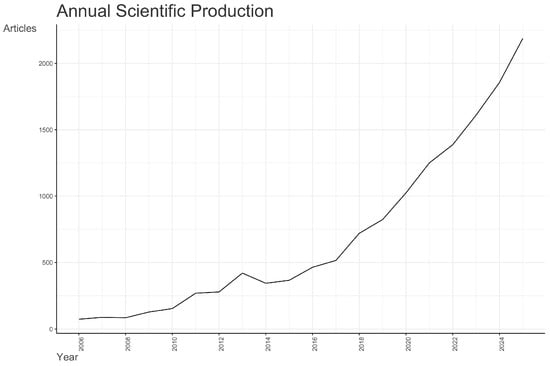
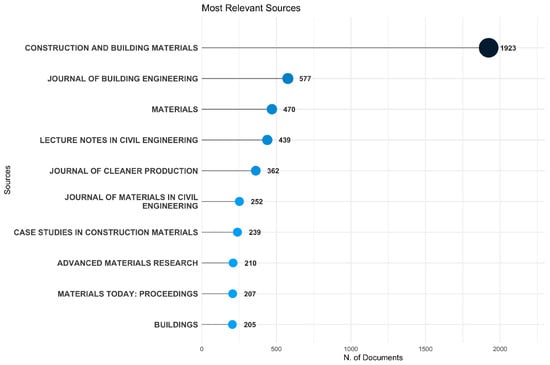
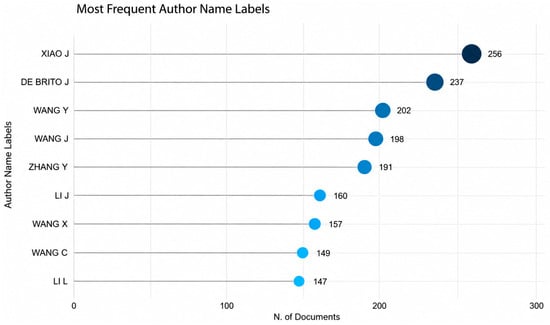
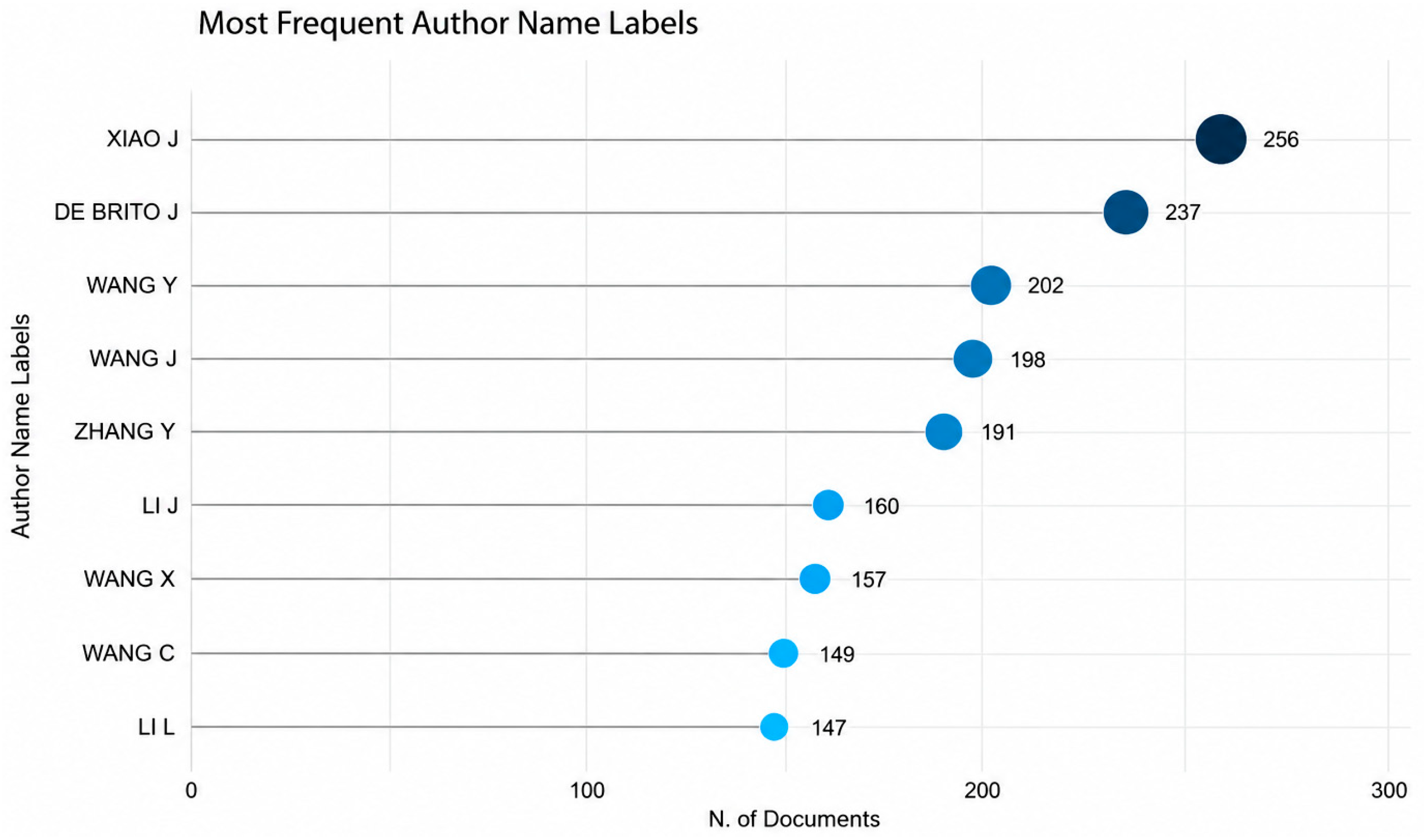
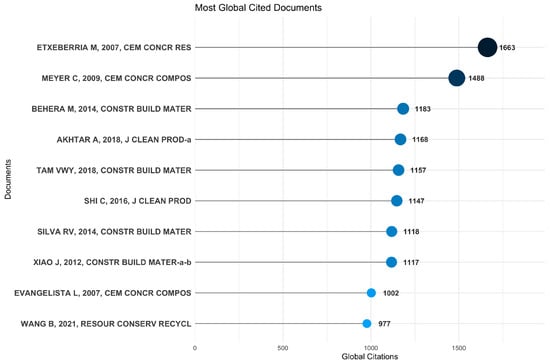
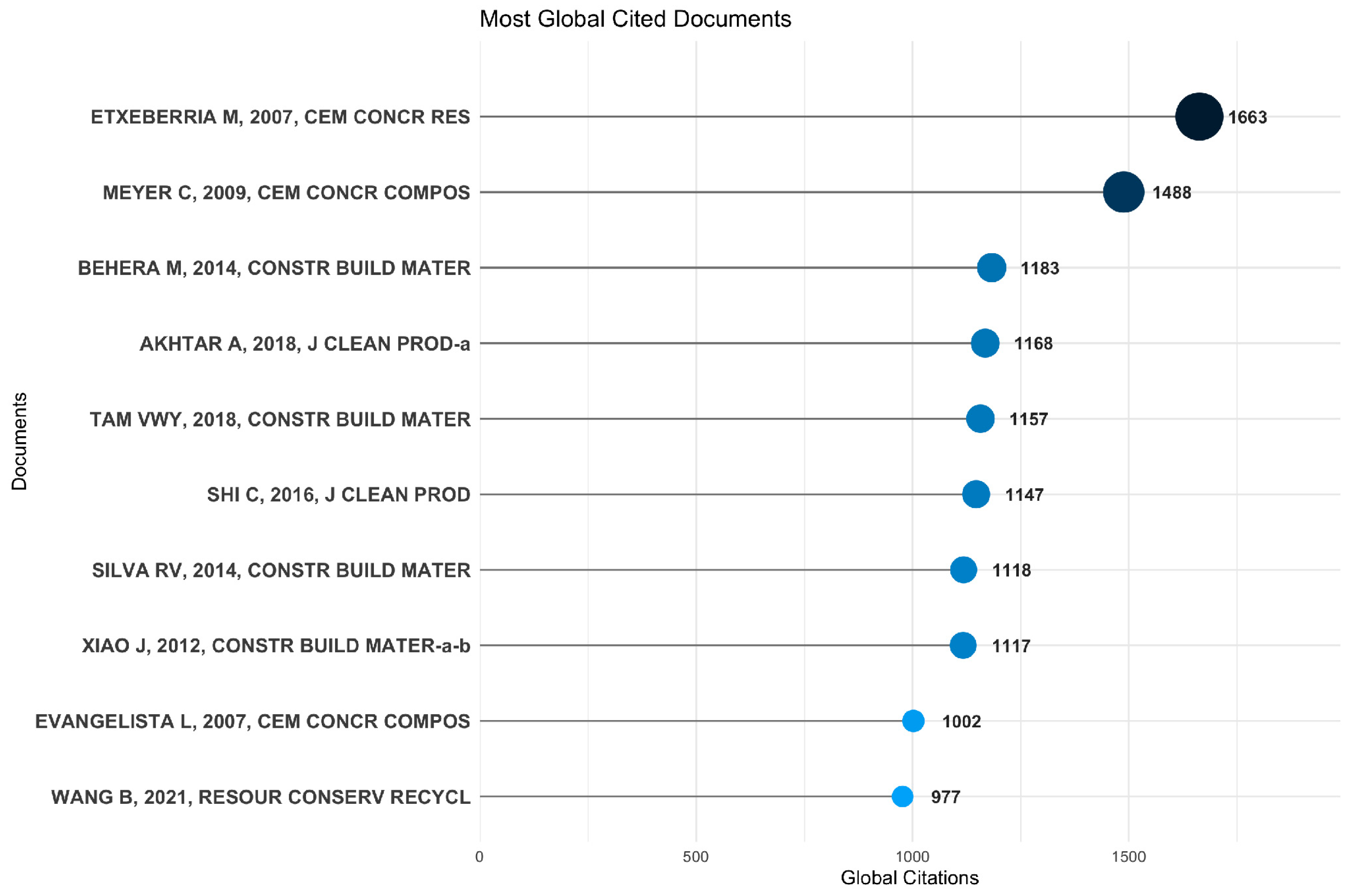
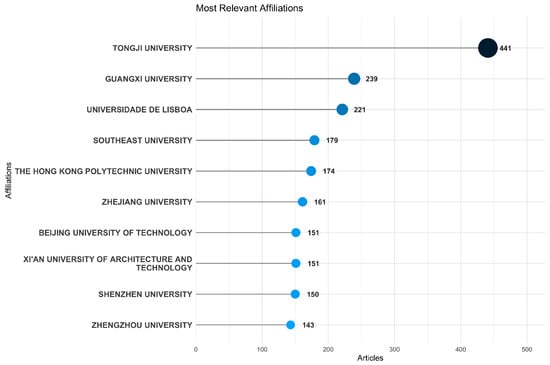
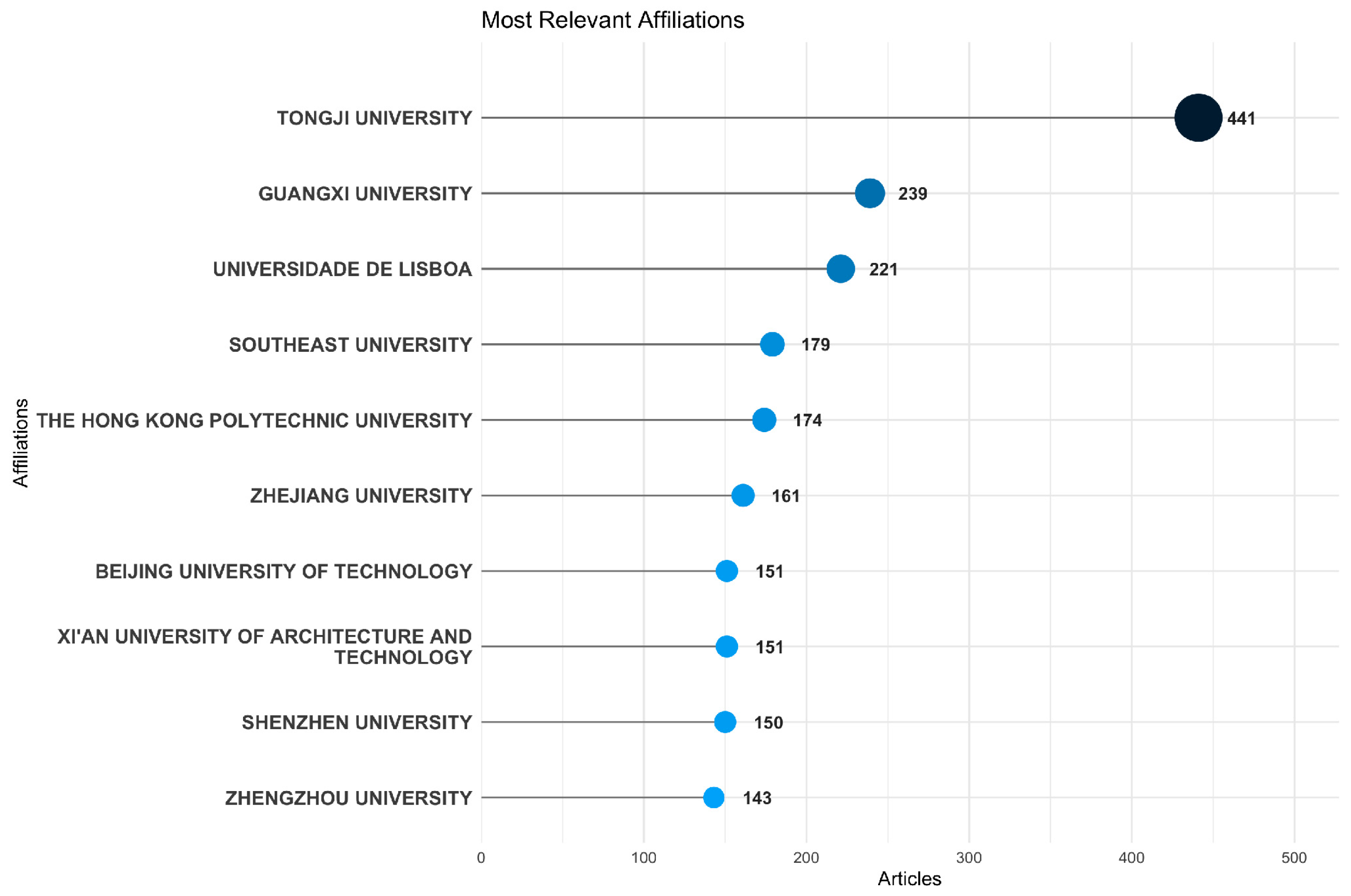
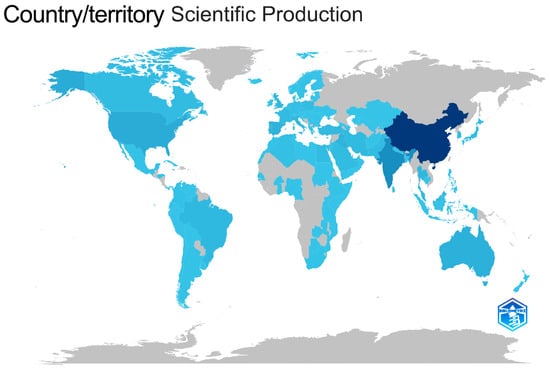
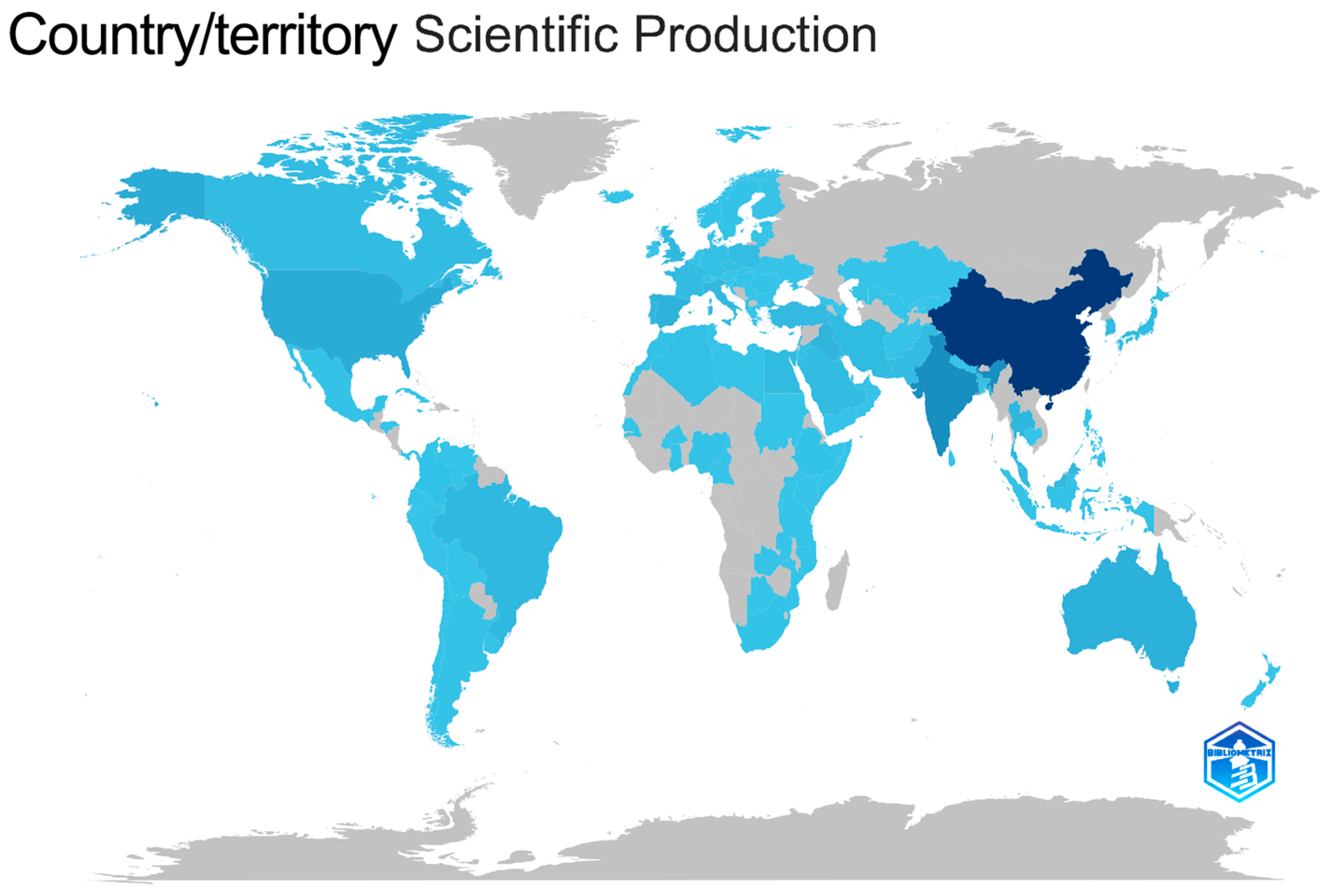
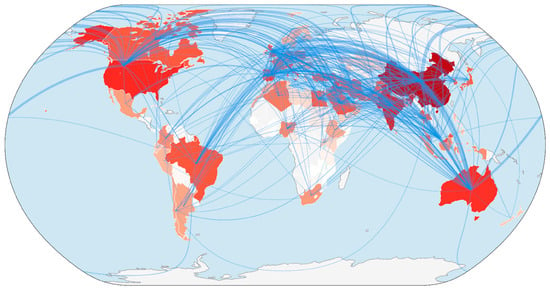
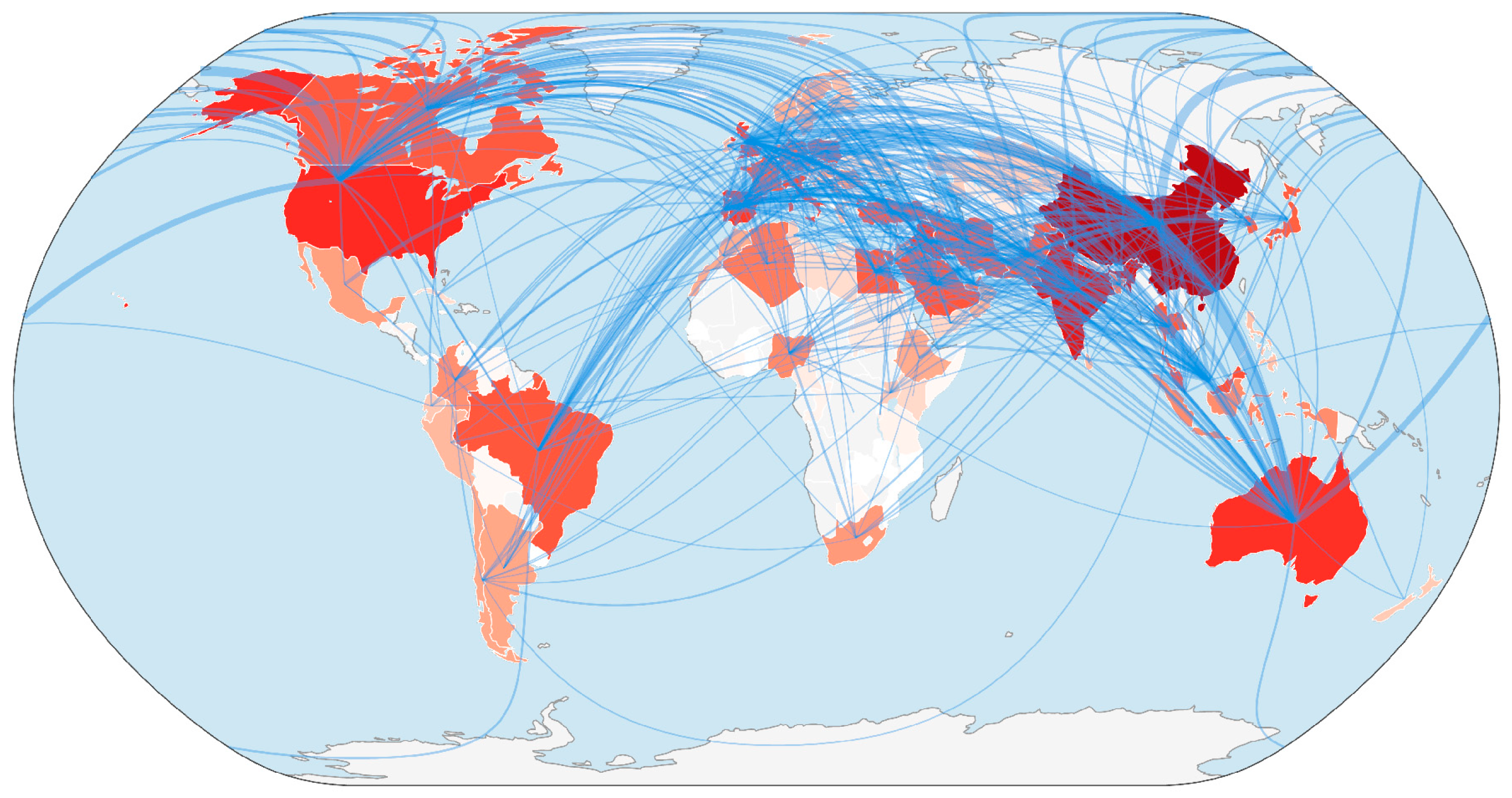
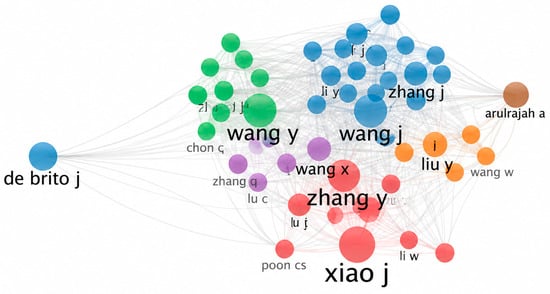
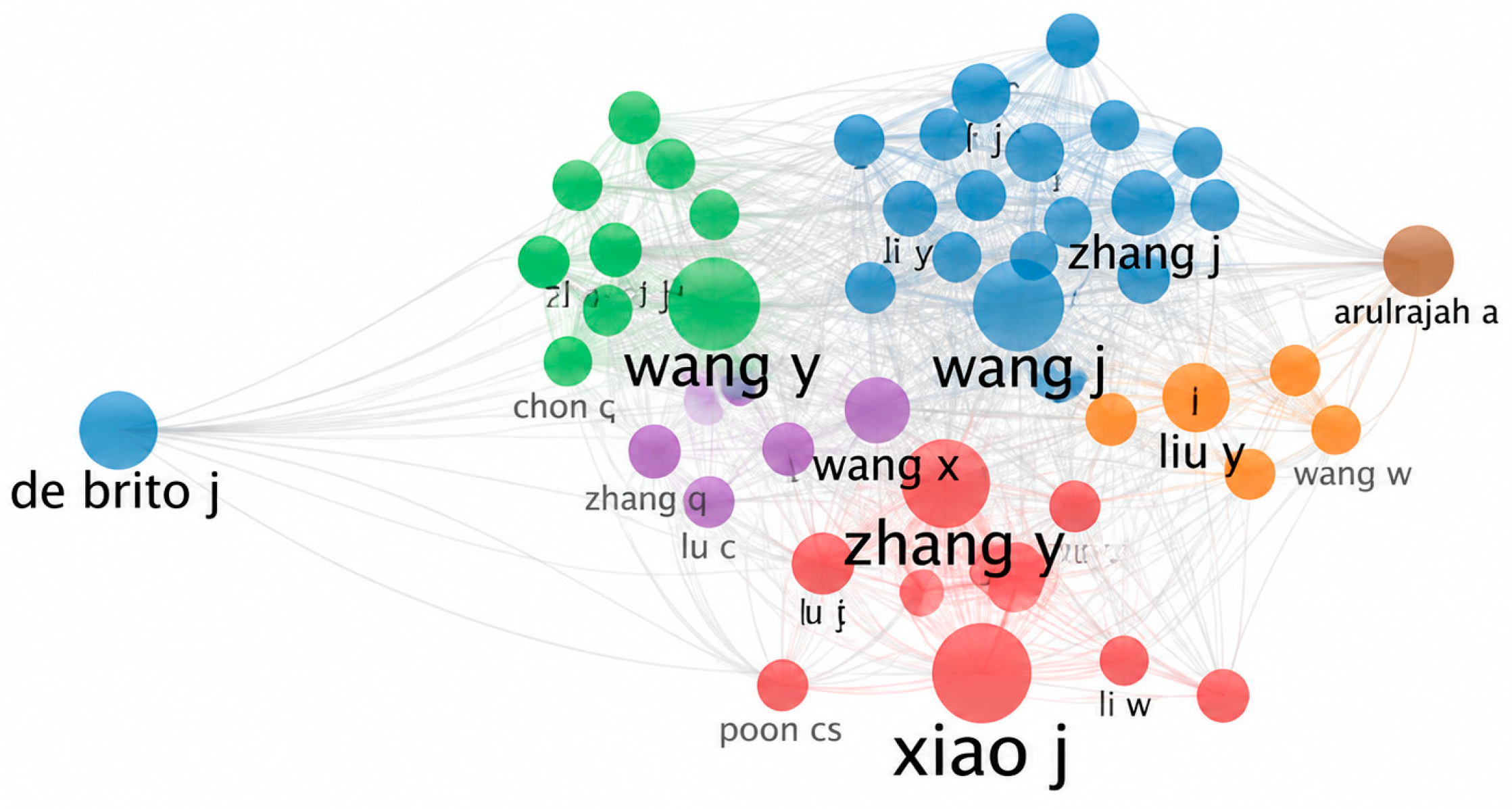
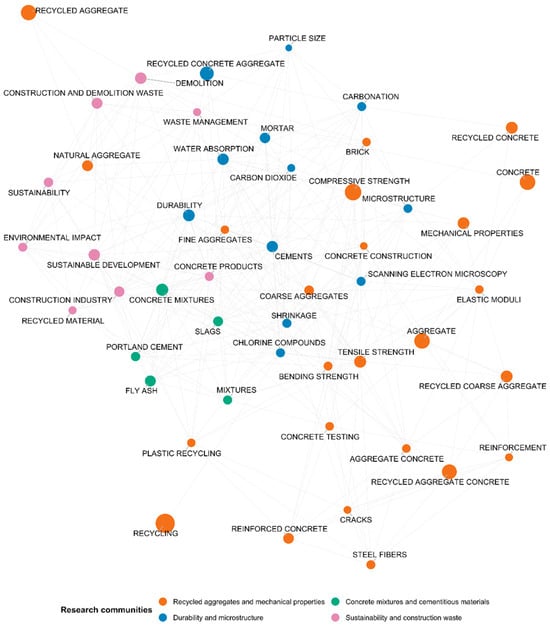
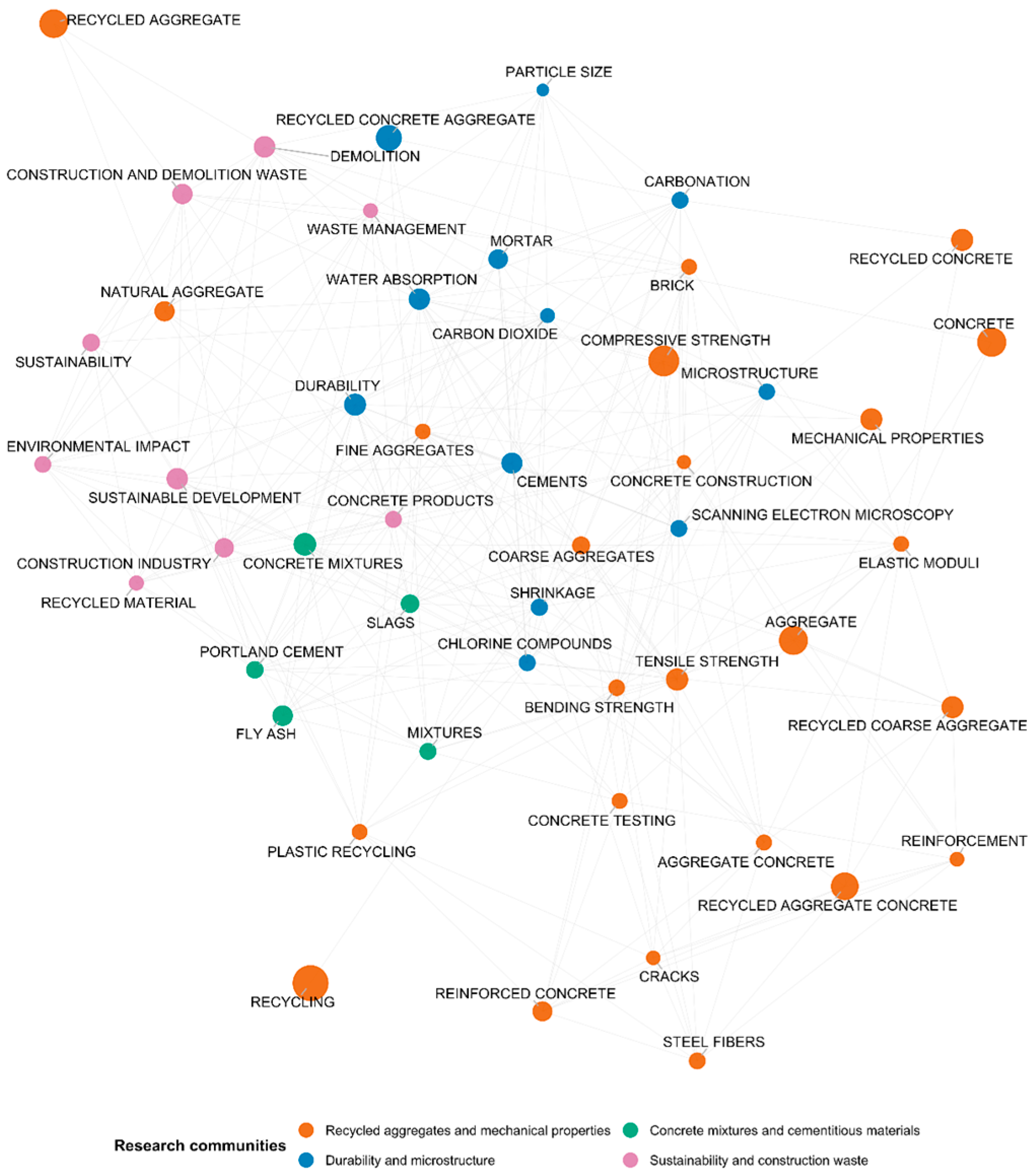
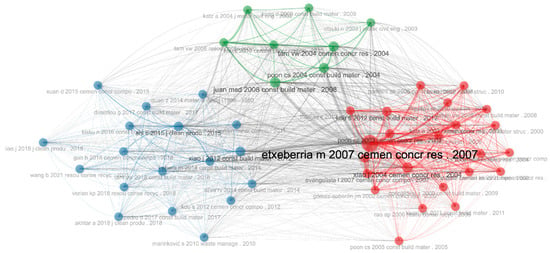
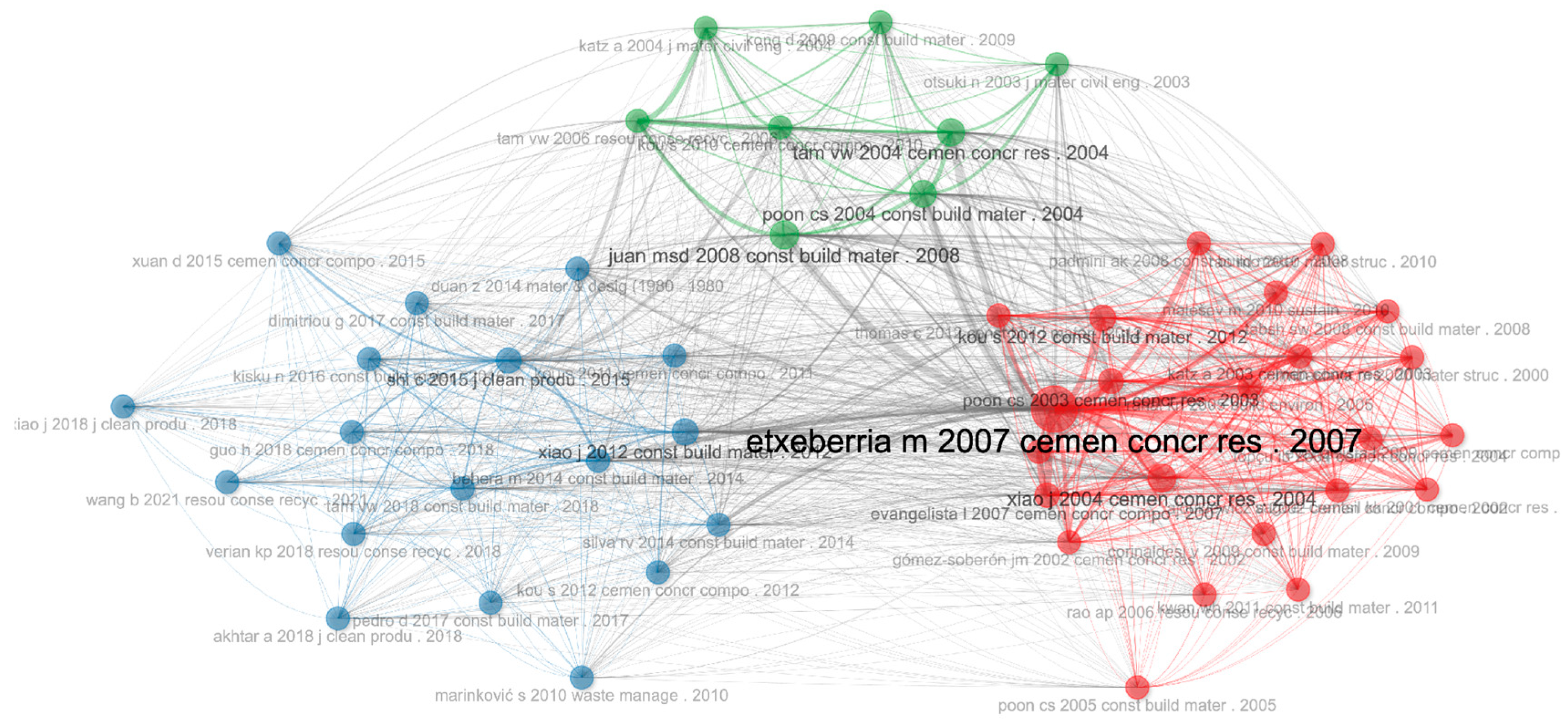
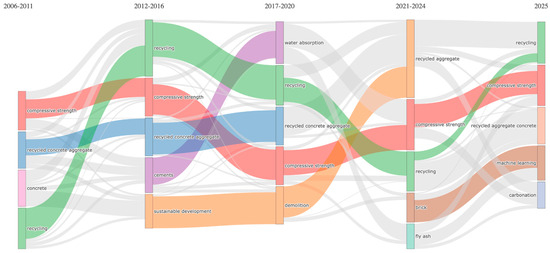
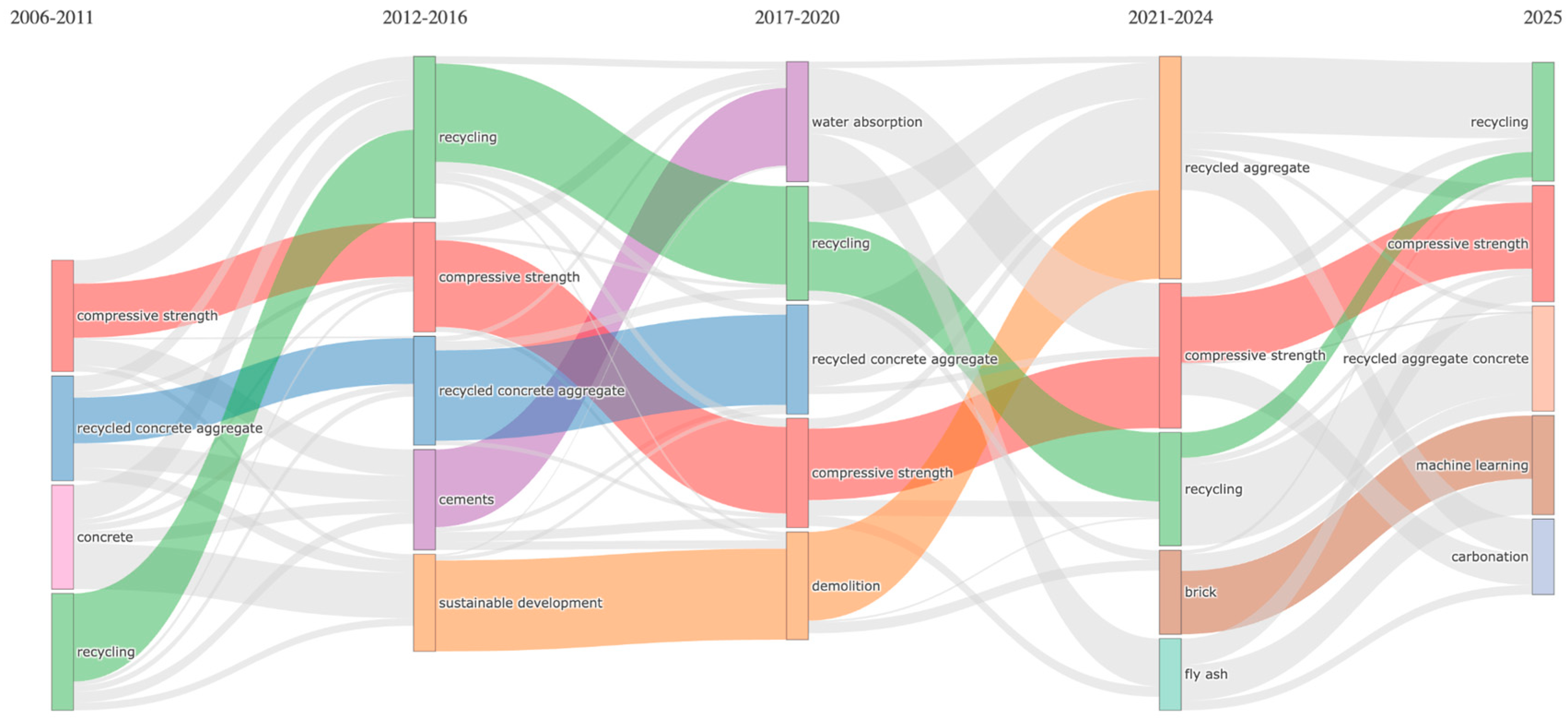
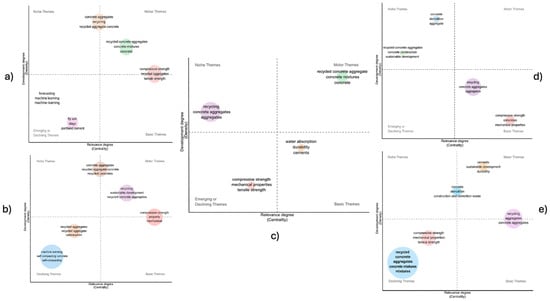
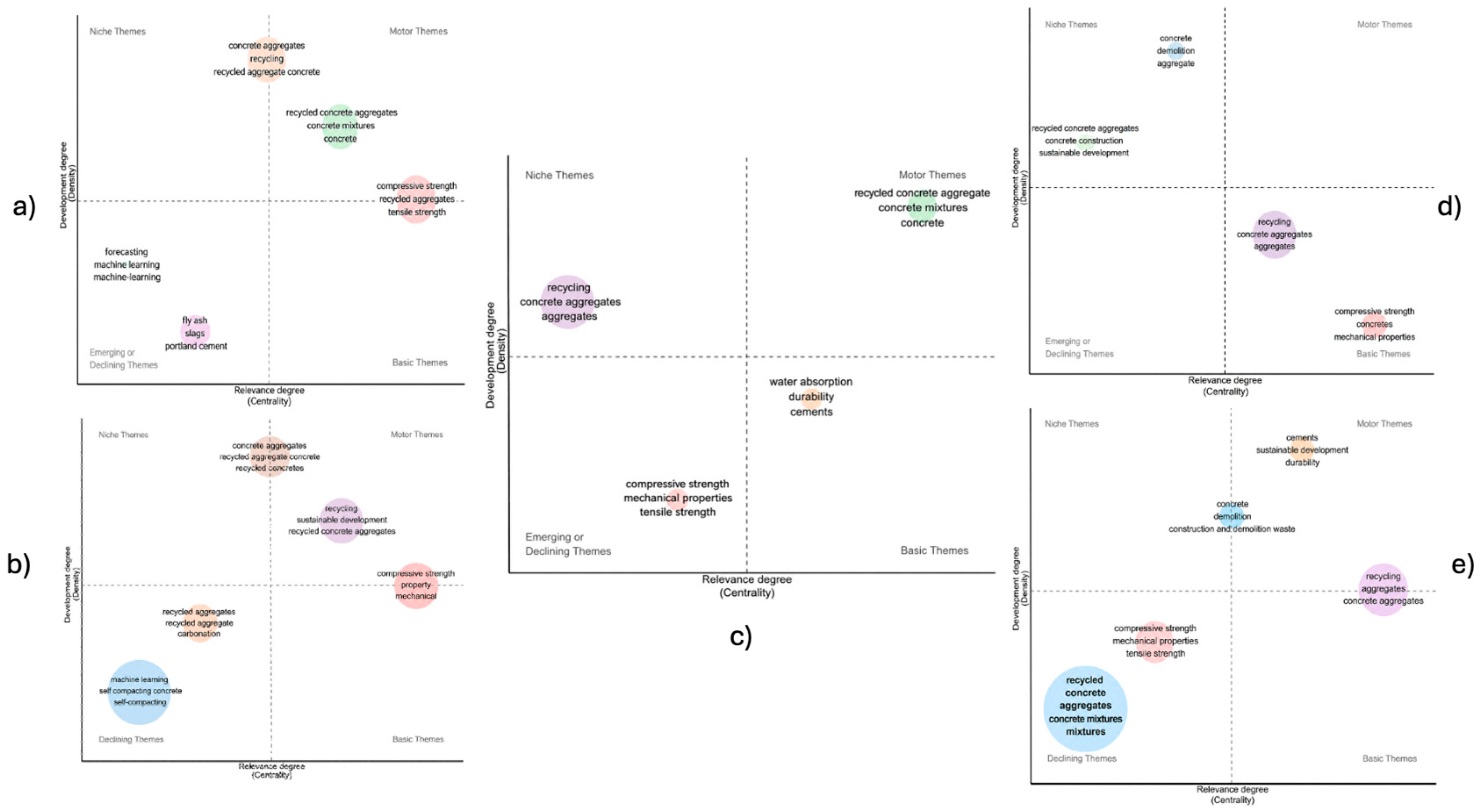
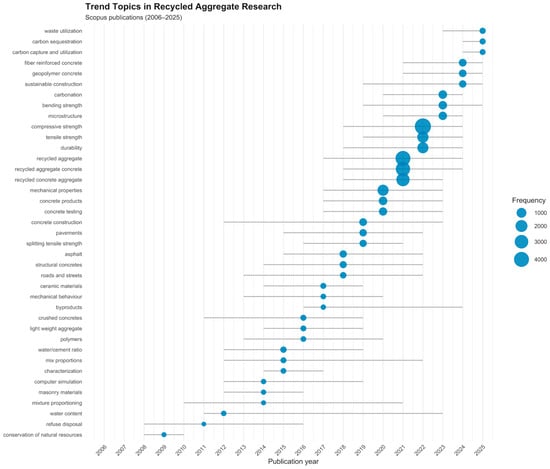
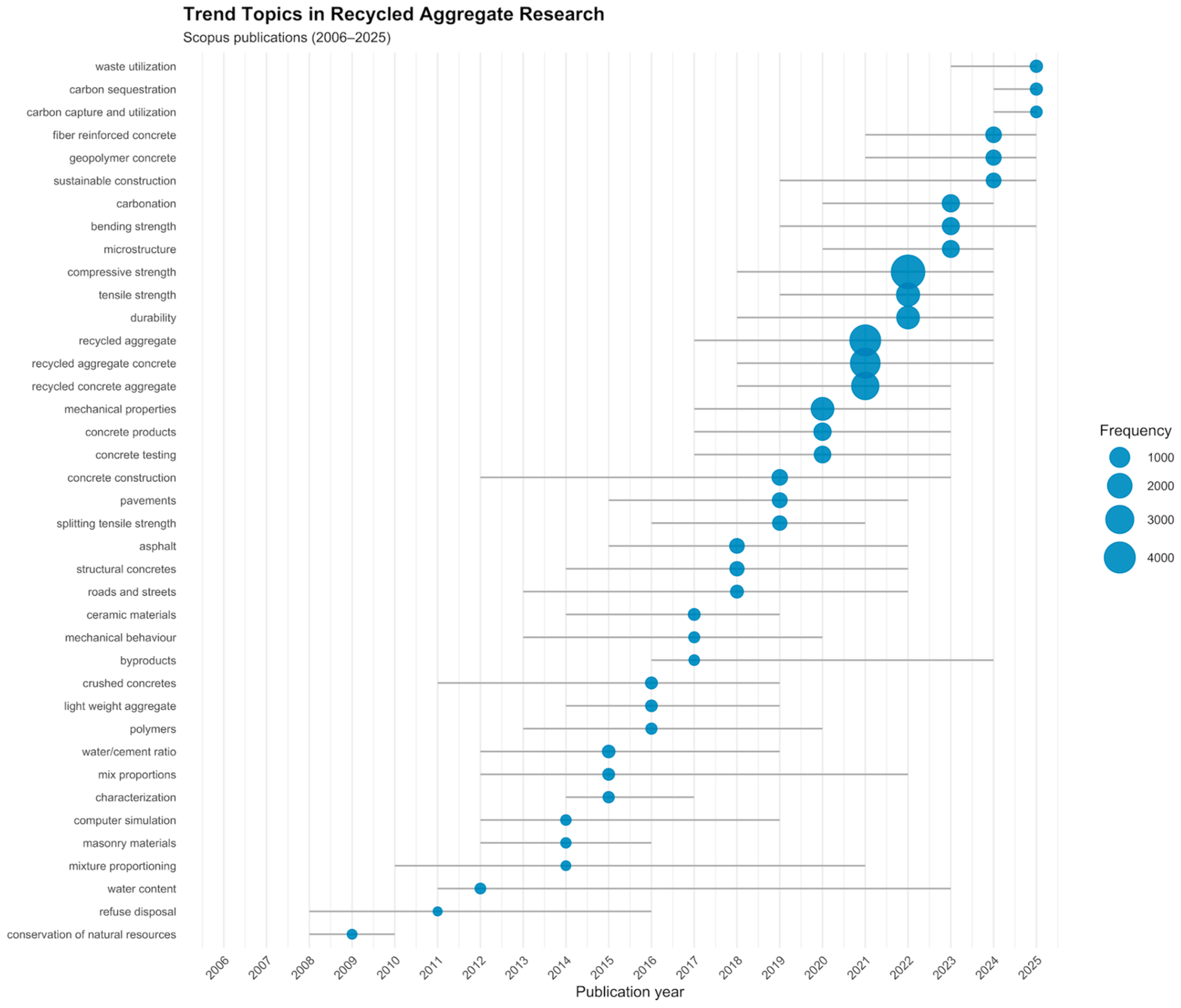

Disclaimer/Publisher’s Note: The statements, opinions and data contained in all publications are solely those of the individual author(s) and contributor(s) and not of MDPI and/or the editor(s). MDPI and/or the editor(s) disclaim responsibility for any injury to people or property resulting from any ideas, methods, instructions or products referred to in the content. |
© 2026 by the authors. Licensee MDPI, Basel, Switzerland. This article is an open access article distributed under the terms and conditions of the Creative Commons Attribution (CC BY) license.