


Abstract
Product–Service System (PSS) modularization is an important strategy for managing complexity, enabling customization, and supporting value creation in dynamic industrial environments. However, the expansion of the literature has produced increasing thematic and methodological diversification, limiting an integrated understanding of the field’s development, capabilities, and remaining gaps. This study systematically reviews research on PSS modularization to examine thematic evolution, methodological capabilities, structural and decision-integration gaps, and intellectual structure. Records retrieved from Scopus and Web of Science were processed through a four-stage protocol comprising identification, screening and deduplication, inclusion, and analysis. The procedure yielded 209 unique publications, including 108 with explicit methodological content for deeper analysis. The findings show a shift from modular architecture and product–service integration toward sustainability, circular economy, digitalization, and Smart PSS. Ten methodological capabilities were identified, with strong representation of product, service, and product–service integration, but limited attention to customer and supplier requirements, cost, flexibility, and decision support. Structural integration has advanced, whereas decision integration remains weak and research communities remain relatively specialized. The study proposes a six-category thematic taxonomy, identifies six research directions, and develops an integrative framework connecting structural, decisional, economic, sustainability-related, and digital capabilities. These contributions support more integrated approaches to future PSS modularization research.
1. Introduction
Product–Service Systems (PSS) have become an increasingly important strategy for creating value in industrial environments characterized by growing technological complexity, heightened sustainability requirements, and increasing demand for customized solutions [1]. Rather than relying exclusively on the provision of physical products, PSS integrate products, services, information, and organizational capabilities into value propositions designed to support customers throughout the solution lifecycle [2]. Although the conceptual foundations of PSS were established more than two decades ago, recent research shows a substantial evolution toward digitalized, connected, and intelligent configurations in which value creation increasingly depends on the dynamic interaction among physical components, services, and digital technologies [3,4,5].
Within this context, modularization has gained strategic relevance as a mechanism for managing the inherent complexity of PSS [6]. Decomposing complex solutions into relatively independent modules can facilitate component reuse, offer customization, reduce development complexity and costs, and improve adaptation to changing customer and market requirements [7,8,9]. While early research on PSS modularization primarily focused on modular architectures and structural decomposition, more recent studies have extended this perspective toward advanced modular architectures capable of supporting dynamic configurations, mass customization, and the integration of increasingly sophisticated services [10,11].
The evolution of PSS modularization research has also become closely associated with the development of digital capabilities [12]. Technologies related to Industry 4.0, the Internet of Things, cyber-physical systems, artificial intelligence, and advanced data analytics have contributed to the transition from conventional PSS toward Smart Product–Service Systems (Smart PSS) [13]. These configurations enable real-time monitoring of product behavior, service adaptation to changing operating conditions, and more sophisticated forms of personalization than those available in earlier generations of PSS [14]. Consequently, digitalization is not merely expanding the technological functionality of PSS but is also changing the conditions under which modular architectures are designed, configured, and managed.
In parallel, sustainability and the circular economy have become increasingly prominent dimensions in contemporary PSS modularization research. Modular architectures can facilitate remanufacturing, technological upgrading, component reuse, disassembly, and product-life extension, thereby supporting both economic and environmental objectives [15]. Evidence from remanufacturing-oriented PSS and circular product development further indicates that modularization can contribute to lifecycle-oriented strategies and the preservation of product and component value over time [16,17]. As a result, modularization is increasingly viewed not only as a design mechanism but also as a potential enabler of circularity, sustainability, lifecycle management, and more adaptable PSS configurations.
Despite these advances, the expansion of the field has been accompanied by increasing thematic and methodological diversification. Current research encompasses modular architecture, solution configuration and personalization, multicriteria optimization, sustainability, servitization, digitalization, and Smart PSS. Although this diversity has substantially broadened the knowledge base, it has also resulted in increasingly specialized streams of research. Consequently, it has become more difficult to determine which methodological capabilities are actually incorporated across existing approaches, how extensively these capabilities are integrated within individual methods, and where persistent gaps remain.
A particularly important issue is that the incorporation of new technological and sustainability-related capabilities has not necessarily been accompanied by equivalent advances in organizational, economic, and decision-oriented integration. Advanced modular architectures increasingly support complex combinations of products and services [9], while other approaches emphasize optimization and configuration mechanisms [18]. However, comparatively few approaches appear to integrate product and service dimensions simultaneously with customer and supplier requirements, economic considerations, flexibility, sustainability, digitalization, and formal decision-support mechanisms within a unified methodological framework [4,19]. This fragmentation is particularly relevant for sustainable PSS because improvements in environmental or digital capabilities alone may be insufficient when they are not connected to the economic, organizational, and decision-making dimensions required for implementation.
Previous research has reviewed PSS modularization and documented the development of methods and approaches in this field [8]. Nevertheless, important questions remain regarding how methodological capabilities are distributed across the literature, the extent to which existing approaches achieve structural and decision integration, and how different research communities and methodological orientations are related to these patterns. Addressing these questions requires moving beyond a descriptive account of publication trends toward an integrative assessment of what existing methods are capable of addressing and which dimensions remain weakly connected.
Recent studies have further emphasized the need for more integrated approaches to Product–Service System design. Zhao et al. [20] identified persistent fragmentation across servitization, digitalization, and sustainability in complex PSS, while Fargnoli and Tronci [21] proposed a customer-oriented methodology connecting PSS requirements, components, and conceptual solution evaluation. Complementary research has highlighted the importance of lifecycle sustainability assessment and the coordination of digital and organizational capabilities [22,23]. Although these contributions advance integrated PSS design, the systematic characterization of capabilities specifically incorporated into modularization methodologies remains an important research issue.
Accordingly, this study aims to analyze the thematic evolution, methodological capabilities, integration gaps, and intellectual structure of research on Product–Service System modularization through a systematic literature review. More specifically, the study examines how research themes have evolved, which capabilities are incorporated into existing methodological approaches, the extent to which these capabilities achieve structural and decision integration, and how methodological specialization is reflected in the intellectual structure of the field.
The study contributes to the literature in three complementary ways. First, it develops a thematic taxonomy that organizes the main research streams in PSS modularization and clarifies their evolution toward sustainability, circular economy, and Smart PSS. Second, it evaluates the methodological capabilities of existing approaches and distinguishes between structural integration and decision integration, thereby identifying areas in which current methods remain fragmented. Third, based on the resulting evidence, the study develops an integrative framework connecting structural, decisional, economic, sustainability-related, and digital capabilities. This framework provides a basis for future research aimed at developing more integrated methodological approaches for the design and management of modular PSS in increasingly complex and sustainability-oriented industrial environments.
2. Materials and Methods
2.1. Research Design
This study was conducted as a systematic literature review aimed at examining the thematic evolution, methodological capabilities, integration gaps, and intellectual structure of research on Product–Service System (PSS) modularization. The review combined systematic evidence identification and screening with descriptive bibliometric analysis, thematic classification, methodological coding, and multivariate analysis.
The review process was structured according to the principles of the PRISMA 2020 framework [24] and comprised four main stages: identification, screening and deduplication, eligibility and inclusion, and analysis. Rather than treating all included publications as methodologically equivalent, the study distinguished between a general bibliographic corpus, used to characterize the thematic evolution of the field, and a methodological subset, used for the detailed analysis of methodological families, capabilities, integration levels, and intellectual structure. This distinction was necessary because not all publications addressing PSS modularization proposed or described an explicit method, model, framework, or design procedure.
The completed PRISMA 2020 checklist is provided as Supplementary Table S1, identifying the corresponding manuscript sections in which the relevant reporting requirements are addressed.
2.2. Systematic Review Protocol
The literature search was independently conducted in Scopus and the Web of Science Core Collection, selected because of their broad coverage of peer-reviewed scientific literature in engineering, management, manufacturing, and sustainability-related fields. The search was conducted on 20 July 2026.
The complete identification, screening, inclusion, and analytical procedure is summarized in Figure 1, which distinguishes the consolidated bibliographic corpus from the methodological subset used in the subsequent capability and integration analyses. The review workflow was designed to enhance transparency, traceability, and reproducibility throughout corpus construction and subsequent analysis.
Figure 1.
PRISMA 2020 flow diagram illustrating the identification, screening, eligibility assessment, and inclusion of publications in the systematic literature review [24].
2.2.1. Identification and Search Strategy
The search strategy was designed to retrieve publications addressing the intersection between modularity or modularization and Product–Service Systems. Equivalent search structures were adapted to the indexing fields available in each database.
The following search strings were applied:
- Scopus: TITLE-ABS-KEY ((“product service system*” OR PSS OR “product-service system*”) AND (modular* OR modularization OR modularisation))
- Web of Science Core Collection: TS = ((“product service system*” OR “product-service system*” OR PSS) AND (modular* OR modularization OR modularisation))
No initial restriction was applied regarding publication year. The database searches retrieved 328 records before screening, deduplication, and eligibility assessment.
2.2.2. Screening, Deduplication, and Eligibility
Records retrieved from Scopus and Web of Science were exported in RIS or BibTeX and consolidated using StArt version 3.4 Beta. Bibliographic metadata were subsequently normalized before duplicate detection. The normalization procedure included title normalization, whitespace removal and capitalization treatment.
Duplicate records were identified primarily through DOI matching. When a DOI was unavailable, records were compared using title, publication year, and complementary bibliographic metadata. Only one record was retained for publications indexed simultaneously in both databases.
For inclusion in the general bibliographic corpus, publications were required to satisfy the following criteria:
- IC1: peer-reviewed scientific articles;
- IC2: direct relevance to Product–Service System modularization;
- IC3: explicit consideration of the interaction between product and service dimensions rather than product modularity alone;
- IC4: availability in English.
Documents were excluded when they met at least one of the following conditions:
- EC1: duplicate records;
- EC2: publications without direct relevance to PSS modularization;
- EC3: studies addressing product modularity exclusively, without integration of a service dimension;
- EC4: editorials, technical notes, conference abstracts, or other document types that did not meet the predefined publication-type criteria.
Following screening, deduplication, and eligibility assessment, a consolidated corpus of 209 unique publications was obtained. Of these, 147 records originated from Web of Science, and 62 from Scopus after duplicates had been removed. The 209 publications constituted the corpus used for bibliographic and thematic analyses.
A second analytical eligibility criterion was then applied to identify publications with explicit methodological content. Studies were included in this methodological subset when they described a method, model, framework, algorithm, or structured procedure applicable to the design, configuration, evaluation, or modularization of PSS. This procedure identified 108 methodological publications. The remaining 101 publications were retained in the general corpus for bibliographic and thematic analyses but were not included in the detailed assessment of methodological capabilities and integration.
2.3. Thematic Classification and Taxonomy Development
The 209 publications in the general corpus were examined to characterize the thematic structure and evolution of research on PSS modularization. Based on recurrent research orientations identified during the systematic analysis, a thematic taxonomy comprising six non-mutually exclusive categories was developed.
The categories were defined as follows:
- Modular architecture and decomposition: studies addressing partitioning rules, interface design, modular architectures, and the decomposition of complex PSS into relatively independent physical or functional modules.
- Configuration and customization: studies focused on the combination or recombination of modules to generate alternative PSS configurations, including mass customization and adaptation to customer or application requirements.
- Decision making and optimization: studies employing mathematical modeling, algorithms, multicriteria decision-making methods, optimization procedures, or scenario analysis to evaluate and select PSS configurations.
- Product–service integration: studies explicitly addressing the integration or coordinated design of tangible product components and intangible service components.
- Sustainability and circular economy: studies incorporating environmental sustainability, lifecycle considerations, remanufacturing, disassembly, recycling, reuse, product-life extension, or circularity principles.
- Smart PSS and digitalization: studies incorporating digital technologies such as the Internet of Things, cyber-physical systems, digital twins, data analytics, artificial intelligence, or intelligent monitoring and reconfiguration.
Because research contributions could address more than one thematic dimension, the categories were treated as non-mutually exclusive. The taxonomy was subsequently used to examine the relative prevalence and temporal evolution of the major research streams in PSS modularization.
2.4. Identification of Methodological Families
The 108 publications containing explicit methodological content were further classified according to the primary purpose and methodological orientation of the proposed approach. This analysis produced six methodological families:
- modular architecture and partitioning;
- configuration and customization;
- customer orientation and value creation;
- decision support and optimization;
- sustainability and circular economy; and
- Smart PSS and digitalization.
This classification differs conceptually from the thematic taxonomy described in Section 2.3. The thematic taxonomy characterizes the research topics addressed across the entire 209-publication corpus, whereas the methodological families classify the dominant methodological orientation of the 108 approaches containing explicit methods, models, frameworks, or procedures.
2.5. Analysis of Methodological Capabilities
To determine what each methodological approach was capable of addressing, a binary methodological-capability matrix was constructed for the 108-publication methodological subset. Each method was assessed according to the presence or absence of ten capabilities:
- product;
- service;
- customer;
- supplier;
- cost;
- flexibility;
- decision support;
- sustainability;
- digitalization; and
- product–service integration.
For each methodological approach, the explicit presence of a capability was coded as 1, whereas its absence was coded as 0. Absolute and relative frequencies were subsequently calculated to determine the prevalence of each capability across the methodological corpus.
The resulting matrix was also used to compare the distribution of capabilities across the six methodological families and to identify dimensions that were systematically underrepresented in existing approaches.
2.6. Assessment of Methodological Integration
The presence of individual capabilities does not necessarily indicate that they are integrated within a coherent methodological approach. Therefore, methodological integration was evaluated separately through two complementary dimensions: structural integration and decision integration.
Structural integration refers to the extent to which a methodological approach jointly incorporates product and service components within a unified PSS architecture. Methods were classified into three levels:
- no evidence of structural integration;
- partial structural integration; and
- complete or probable structural integration.
Classification was based on the joint coding of the product, service, and product–service integration capabilities, verified through a full-text examination of how modules were defined in each approach. No evidence of structural integration was assigned when the approach modularized only one domain (product or service), or when product–service integration was not coded, so that tangible and intangible elements were not represented within the same modular structure. Partial structural integration was assigned when product and service elements were both considered, or product–service integration was coded, but the two domains were modularized separately, sequentially, or in parallel, without hybrid product–service modules or explicitly modeled cross-domain interfaces and dependencies. Complete structural integration was assigned when product, service, and product–service integration were all coded and the approach explicitly defined hybrid product–service modules or modeled product–service interfaces and dependencies within a single architecture (e.g., a common design structure matrix, relationship matrix, or modular graph). Integration was classified as probable when the method description and application case strongly implied this condition but did not fully formalize it.
Decision integration refers to the simultaneous incorporation of capabilities required to support operational and managerial decisions during PSS design and configuration. This dimension considered five capabilities: customer requirements, supplier requirements, cost, flexibility, and formal decision-support mechanisms.
Methods were classified as presenting low, medium, or high decision integration according to the number of these five capabilities explicitly incorporated by each approach: low (none or one capability), medium (two or three capabilities), and high (at least four capabilities, one of which had to be a formal decision-support mechanism). The latter condition ensured that a high level reflected the joint evaluation of stakeholder, economic, and flexibility criteria rather than their mere coexistence.
This two-dimensional assessment allowed the analysis to distinguish between approaches that successfully integrate product and service architectures and those that additionally integrate the economic, stakeholder-related, flexibility, and decision-support dimensions required for implementation.
2.7. Analysis of the Intellectual Structure
To examine whether methodological specialization was also reflected in the intellectual structure of the research field, an author–capability matrix was constructed from the methodological subset. The matrix represented the methodological capabilities associated with the publications of the authors included in the analysis.
Hierarchical clustering was then applied to identify groups of authors with similar methodological profiles. The analysis used Euclidean distance as the dissimilarity metric and Ward’s minimum-variance linkage method. In the author–capability matrix, each cell recorded the number of an author’s methodological publications in which the corresponding capability was identified, so that authors were compared according to both the composition and the intensity of their methodological profiles. Ward’s method was selected because it minimizes within-cluster variance and tends to produce compact, interpretable groups, and the number of clusters (four) was determined by inspecting the largest increases in fusion height in the dendrogram. The resulting groups were used to examine whether particular communities of researchers were predominantly associated with structural, sustainability-related, digital, or decision-oriented capabilities.
Principal component analysis (PCA) was subsequently applied to the author–capability matrix to obtain a lower-dimensional representation of similarities among authors and visualize their relative methodological proximity. Before PCA, the variables were standardized to z-scores (zero mean and unit variance) to prevent capabilities with higher absolute frequencies, such as product and service, from dominating the principal components; capabilities with zero variance among the authors analyzed were excluded from the PCA because they do not contribute to differentiating author profiles. The hierarchical clustering and PCA procedures were performed using Studio 2026.04.0, using the R stats package for hierarchical clustering and principal component analysis (PCA).
Together, these analyses were used to examine whether the methodological fragmentation identified at the level of individual approaches was also reflected in relatively specialized research communities.
3. Results
3.1. Evolution of Research on Product–Service System Modularization
Figure 2 presents the annual evolution of scientific production on Product–Service System (PSS) modularization. Publication activity followed a nonlinear trajectory. Between 2006 and 2016, the field showed relatively limited and irregular output, suggesting an early stage of development. Publication activity increased markedly from 2017 onward, with the highest levels observed between 2017 and 2022. This period corresponds to a phase of consolidation and thematic diversification involving configuration approaches, sustainability, product–service integration, and Smart PSS. A relative decline is observed in the most recent years of the series. However, this pattern should be interpreted cautiously, as the annual trend analysis ends in 2025, the last complete calendar year, and does not include the incomplete publication year 2026.
Figure 2.
Annual evolution of publications on Product–Service System modularization, 2006–2025. The analysis ends in 2025, the last complete calendar year, because the literature search was conducted on 20 July 2026. Publications from the incomplete year 2026 were not represented in the annual trend analysis.
The early literature primarily transferred established principles of modularization to the PSS context. Research during this stage emphasized modular architectures, functional decomposition, and the configuration of integrated product and service offerings. Representative contributions include Lee and Abuali [25], Li et al. [26], Shikata et al. [27], Clemente and Hsuan [11], and Liu and Song [28], which proposed procedures for structuring and organizing product and service components according to modular principles.
The thematic distribution of the 209-document corpus is summarized in Table 1. Product–service integration was the most prevalent thematic category, appearing in 48.3% of the corpus, followed by modular architecture and decomposition at 35.9%. Smart PSS and digitalization accounted for 23.9% of the documents, while sustainability and circular economy represented 23.4%. By contrast, decision-making and optimization appeared in only 4.3% of the corpus. These results reveal a stronger concentration of research on the structural configuration of modular PSS than on formal mechanisms for evaluating and selecting design alternatives.
Table 1.
Thematic taxonomy of research on Product–Service System modularization.
From approximately 2015 onward, methodological approaches became increasingly diversified. Studies began incorporating modular configuration, optimization procedures, and customer-specific requirements. Li et al. [29], Sheng et al. [30,31,32], Fadeyi et al. [33], and Fargnoli et al. [34] illustrate this transition toward more configurable, adaptable, and customer-oriented approaches. Figure 3 presents the evolution of the six thematic categories across the three periods considered.
Figure 3.
Thematic evolution of research on Product–Service System modularization.
Product–service integration remained the dominant research theme across all three periods, although its relative presence decreased from 75.0% in 2006–2012 to 62.1% in 2013–2018 and 39.3% in 2019–2026. Modular architecture and decomposition followed a similar pattern, decreasing from 43.8% in the earliest period to 32.6% in the most recent period.
The most pronounced change concerned Smart PSS and digitalization. This category was absent during 2006–2012, represented 12.1% of publications in 2013–2018, and increased to 31.9% in 2019–2026. Sustainability and circular economy also increased, from 18.8% in the earliest period to 24.4% in the most recent period. These patterns indicate a progressive expansion of PSS modularization research toward digitally enabled and sustainability-oriented configurations.
Studies addressing remanufacturing and lifecycle considerations, including Shokohyar et al. [35] and Li and Found [36], illustrate the growing incorporation of environmental considerations into modular PSS. More recent research has expanded this trajectory through Industry 4.0 technologies, the Internet of Things, cyber-physical systems, data analytics, and digital architectures.
Overall, the thematic evidence indicates a transition from a field primarily centered on modular structure and product–service integration toward a more diversified research landscape in which sustainability, circularity, and digitalization are increasingly prominent. Nevertheless, product–service integration and modular architecture remain the structural foundations of the field.
3.2. Classification of Methodological Approaches in PSS Modularization
The analysis of the 108 publications containing explicit methodological content revealed no single dominant methodological approach. Instead, the identified approaches were grouped into six families according to their primary methodological purpose, as shown in Table 2.
Table 2.
Methodological families for modular Product–Service System design.
The methodological families show a progression from approaches primarily concerned with modular architecture toward methods incorporating customization, customer value, sustainability, digitalization, and analytical decision support. However, each family tends to emphasize particular aspects of the design problem rather than integrating all relevant dimensions simultaneously.
Architecture and partitioning approaches primarily focus on identifying modules, interfaces, and structural relationships. They provide a strong basis for organizing integrated PSS architectures but generally devote less attention to customer-related, sustainability-related, or decision-oriented dimensions [25,26,31,32,43].
Configuration and customization approaches seek to adapt modular PSS alternatives to specific customer requirements and operating contexts [29,30,37]. Their main contribution lies in enhancing flexibility and solution variability.
Customer-oriented approaches explicitly incorporate user requirements, satisfaction, and value creation into PSS design [34,38]. However, supplier requirements, cost considerations, and operational flexibility are less consistently integrated.
Decision-support and optimization approaches employ techniques such as fuzzy logic, Quality Function Deployment, multicriteria decision-making, and optimization algorithms to evaluate or prioritize design alternatives [39,40].
Sustainability-oriented methods expand conventional modularization by incorporating lifecycle, remanufacturing, reuse, and circularity considerations [33,35,36]. Finally, Smart PSS and digitalization approaches integrate Industry 4.0 technologies, connectivity, intelligent systems, and data analytics [5,41,42].
Taken together, the six families demonstrate a broad methodological repertoire, but also considerable specialization. This finding motivated the subsequent assessment of the specific capabilities incorporated across the methodological publications.
3.3. Methodological Capabilities and Integration Levels
The methodological-capability analysis examined which of the ten predefined capabilities were explicitly incorporated across the 108 methodological publications. Table 3 summarizes their distribution.
Table 3.
Methodological capabilities identified in the methodological subset.
Service was the most frequently represented capability, appearing in 68.5% of the methodological publications. Product and product–service integration each appeared in 59.3%. Sustainability and digitalization were considerably less frequent, representing 22.2% and 21.3%, respectively. Supplier and customer capabilities were identified in 16.7% and 15.7% of the publications, while decision support and flexibility were present in only 10.2% and 9.3%. Cost was the least represented capability, appearing in only 1.9% of the methodological subset. These results reveal a highly uneven distribution of methodological capabilities. Existing approaches are strongly concentrated on the structural and functional core of PSS—product, service, and their integration—whereas economic, stakeholder-related, flexibility, and decision-support capabilities remain substantially less represented.
The simultaneous integration of these capabilities was assessed separately. Table 4 presents the observed levels of structural and decision integration.
Table 4.
Structural and decision integration of the methodological approaches.
Partial structural integration was the most frequent condition, accounting for 53.7% of the methodological publications. A further 28.7% exhibited complete or probable structural integration, while 17.6% showed no clear evidence of structural integration.
A substantially different pattern emerged for decision integration. Overall, 88.9% of the publications were classified as presenting low decision integration, only 11.1% reached a medium level, and none achieved a high level. Thus, although structural coordination between products and services has advanced considerably, the simultaneous incorporation of customer, supplier, cost, flexibility, and formal decision-support capabilities remains limited.
The author–capability clustering shown in Figure 4 provides an additional perspective on this methodological specialization.
Figure 4.
Clustering of authors according to predominant methodological capabilities.
One group, including H. Li, W. Song, D. Krause, and C. Rennpferdt, was strongly associated with product, service, and product–service integration capabilities. A second group, including X. Ming, X. Zhang, and T. Sakao, showed stronger associations with digitalization, sustainability, and customer-related capabilities. Other authors exhibited intermediate profiles, although cost, supplier, and decision-support capabilities remained comparatively weak across the clusters.
These patterns indicate that methodological specialization is reflected not only in individual approaches but also in relatively differentiated research communities. Figure 5 further examines these relationships through a principal component representation of the author–capability matrix.
Figure 5.
Author proximity map based on methodological capabilities. Each point represents an author included in the methodological corpus. Positions were obtained through principal component analysis of the author–capability matrix. Node size represents the relative intensity of associated capabilities, while colors identify groups obtained through hierarchical clustering.
Four relatively distinct clusters were observed. Cluster 1, comprising H. Li, W. Song, D. Krause, and C. Rennpferdt, was clearly separated from the remaining authors and displayed a predominantly structural and product–service integration orientation. Cluster 2, represented by X. Ming and X. Zhang, showed a more distinct profile associated with sustainability- and digitalization-related capabilities. By contrast, T. Sakao was positioned within the larger central Cluster 3, together with authors exhibiting more diversified methodological profiles. Cluster 4, comprising S. Lan, Z. Huang, Q. Wang, and S. Cai, formed another clearly differentiated group.
A denser central group showed more balanced methodological profiles. Nevertheless, the overall dispersion of the clusters indicates that the field continues to develop through partially differentiated methodological communities. Figure 6 compares the distribution of methodological capabilities across the six methodological families.
Figure 6.
Distribution of methodological capabilities across methodological families. Values in each cell represent the percentage of methodological publications within each family in which explicit evidence of the corresponding capability was identified. Percentages were calculated relative to the number of publications classified within each methodological family and represent prevalence rather than the intensity, quality, or degree of integration of the capability.
Clear differences emerged among methodological families. Architecture and partitioning approaches showed high coverage of product, service, and product–service integration capabilities but limited incorporation of customer, supplier, and decision-support dimensions. Configuration and customization approaches showed stronger representation of user-related requirements and flexibility but remained weak in economic and organizational integration.
Sustainability and circular-economy approaches were distinguished by their incorporation of environmental and lifecycle capabilities, while Smart PSS and digitalization approaches showed stronger representation of technological and connectivity-related capabilities. However, no methodological family simultaneously covered all ten capabilities. The most persistent gaps concerned cost, flexibility, supplier requirements, and integrated decision support.
3.4. Persistent Methodological Gaps
The combined findings reveal four persistent methodological gaps. First, simultaneous integration across the principal dimensions of modular PSS design remains limited. Product, service, and product–service integration are widely represented, whereas customer, supplier, flexibility, cost, and decision-support capabilities are considerably less frequent.
Second, decision integration represents a particularly pronounced weakness. As shown in Table 4, 88.9% of methodological publications were classified at a low level and none achieved high decision integration. Thus, advances in structural modularization, sustainability, and digitalization have not been matched by comparable integration of multiple decision criteria.
Third, economic considerations remain substantially underrepresented. Cost-related capability was identified in only 1.9% of the methodological publications. This constitutes the least represented capability in the analysis and reveals a considerable gap between methodological development and the economic considerations associated with organizational implementation.
Fourth, stakeholder perspectives remain only partially integrated. Although some approaches incorporate customer requirements and value creation, simultaneous consideration of customers, suppliers, and organizational requirements remains uncommon.
The results further indicate that sustainability and Smart PSS have expanded the functional scope of existing methodologies without necessarily resolving these underlying integration problems. Environmental and digital capabilities frequently appear as extensions to specialized methodological architectures rather than as fully integrated components of unified decision frameworks.
3.5. Future Research Agenda
The systematic review identifies six interconnected research directions that could advance PSS modularization from predominantly specialized methodological approaches toward more integrated, decision-oriented, and operationally applicable frameworks. These directions emerge from the capability distribution, integration assessment, and methodological specialization identified in the 108-publication methodological subset. Rather than proposing additional isolated capabilities, the research agenda emphasizes developing, coordinating, and validating methodological approaches that address multiple dimensions of modular PSS design simultaneously.
3.5.1. Development of Integrated and Cross-Domain Modular Architectures
Future research should develop modularization methodologies that jointly represent product components, service processes, stakeholder requirements, and organizational constraints within coherent system architectures. Although structural integration has progressed, only 28.7% of the analyzed methodological publications demonstrated complete or probable structural integration, indicating substantial opportunities for more comprehensive approaches.
Promising methodological developments include model-based systems engineering, multidomain dependency matrices, and multilayer network representations that explicitly capture interactions among physical components, service activities, and organizational actors. Future studies should examine whether these integrated representations improve interface consistency, requirements traceability, configuration flexibility, and change management across PSS lifecycle stages.
From a Systems Engineering perspective, these challenges suggest approaching modular PSS as integrated sociotechnical systems rather than as combinations of independently designed product and service modules. Systems Engineering and Model-Based Systems Engineering (MBSE) provide promising methodological foundations for linking stakeholder requirements, system functions, structural architectures, interfaces, and lifecycle processes within traceable system representations [44,45]. Applying them to PSS modularization could help identify dependencies between physical components and service processes, support the coordination of multidisciplinary design decisions, and establish more explicit relationships between system-level requirements and modular configurations. Future research should investigate how these approaches can be adapted to the specific characteristics of modular PSS, particularly the coordination of tangible and intangible elements and the incorporation of economic and service-related constraints.
3.5.2. Integration of Multicriteria Decision Support Under Uncertainty
Decision integration represents one of the most significant unresolved challenges. The finding that 88.9% of the analyzed approaches exhibited low decision integration, while none reached the predefined high-integration level, highlights the need for methods that explicitly connect modular architecture design with systematic evaluation and selection processes.
Future research should investigate combinations of multicriteria decision analysis, multi-objective optimization, robust optimization, and uncertainty modeling to evaluate alternative PSS configurations. Such approaches should simultaneously consider customer requirements, supplier constraints, economic feasibility, flexibility, and sustainability performance. Particular attention should be given to identifying trade-offs, examining the robustness of selected configurations, and evaluating how decision-support mechanisms improve the transparency and consistency of modularization decisions.
3.5.3. Incorporation of Lifecycle-Oriented Economic Evaluation
Economic integration requires particular attention because explicit cost-related capabilities were identified in only 1.9% of the methodological publications. Future modularization approaches should move beyond structural feasibility and incorporate lifecycle cost, total cost of ownership, maintenance expenditures, profitability, and the economic consequences of module reuse, replacement, and remanufacturing.
Potential research approaches include lifecycle costing, techno-economic assessment, scenario analysis, and optimization models that jointly evaluate economic and technical performance. These methods could support the selection of modular architectures that balance customization, operational efficiency, circularity, and long-term economic viability. Future empirical studies should determine whether incorporating lifecycle-oriented economic criteria changes configuration decisions and improves their financial performance relative to structurally oriented approaches.
3.5.4. Multi-Stakeholder Requirements Integration and Coordination
Existing methodologies remain comparatively limited in their explicit consideration of stakeholder requirements, with customer and supplier capabilities represented in 15.7% and 16.7% of the methodological publications, respectively. Future research should address not only the identification of stakeholder requirements but also their coordination when interests, priorities, and operational constraints differ.
Relevant research opportunities include participatory requirements engineering, stakeholder-oriented service design, collaborative configuration methods, and multicriteria negotiation frameworks. These approaches could enable the simultaneous representation of customer expectations, supplier capabilities, and organizational objectives. Future studies should assess their effectiveness in improving requirements alignment, resolving conflicting preferences, and supporting feasible modular configurations across organizational boundaries.
An additional research opportunity emerges from Service Science, which offers a complementary perspective for understanding modular PSS as service systems involving interconnected actors, resources, technologies, and value-creation processes [46]. From this perspective, product–service integration should extend beyond the structural combination of physical components and service activities to consider how customers, suppliers, and providers interact and jointly contribute to value creation. This distinction is particularly relevant to servitization, understood as the organizational transition toward more service-oriented value propositions. Future modularization methods could therefore incorporate service-system modeling, service blueprinting, actor–resource relationships, and value co-creation mechanisms alongside conventional architectural decomposition. Such an approach would enable researchers to examine not only whether product and service components are structurally integrated, but also whether modular configurations support effective service delivery, stakeholder coordination, and value creation throughout the PSS lifecycle.
3.5.5. Convergence of Sustainability, Circular Economy, and Digital Capabilities
The increasing prominence of sustainability and Smart PSS creates opportunities to develop modularization methodologies in which environmental and digital capabilities contribute directly to operational and strategic decision-making. Rather than treating these dimensions as separate methodological extensions, future approaches should examine their coordinated application throughout PSS design, configuration, operation, and end-of-life management.
Potential developments include digitally supported lifecycle assessment, digital twins, Internet of Things-enabled monitoring, and data-driven reconfiguration mechanisms integrated with circularity and resource-efficiency criteria. Such approaches could support adaptive modular architectures capable of responding to changing operating conditions while considering environmental and economic consequences. Their evaluation should examine whether digital information improves decision quality, reconfiguration performance, resource efficiency, and lifecycle sustainability outcomes.
3.5.6. Empirical Validation, Methodological Benchmarking, and Cross-Context Generalizability
The systematic review demonstrates substantial diversity in methodological approaches but does not establish their comparative effectiveness in industrial applications. Future research should therefore prioritize empirical validation of integrated modularization frameworks through industrial case studies, comparative experiments, simulation-based evaluations, and applications across different production and service environments.
Particular attention should be given to developing common evaluation criteria that allow integrated approaches to be compared with established modularization methods. Relevant indicators include configuration cost, decision quality, requirements satisfaction, flexibility, lifecycle environmental performance, and implementation feasibility. Reproducible benchmarking procedures and longitudinal assessments would further contribute to determining which combinations of methodological capabilities produce measurable improvements and under what contextual conditions.
An additional opportunity for future research involves assessing the bibliographic robustness of the present findings. Independent replications using expanded database coverage and complementary publisher-platform searches could determine whether the identified thematic taxonomy, methodological capability distributions, and integration gaps remain consistent across broader publication datasets. Such analyses would help distinguish persistent characteristics of PSS modularization research from patterns potentially influenced by the coverage of the selected bibliographic databases.
3.5.7. Integrative Perspective and Research Priorities
These six directions should not be interpreted as independent research streams. Their main value lies in their potential combination within coherent methodological frameworks. Integrated structural architectures provide the foundation for representing complex PSS configurations; stakeholder and economic capabilities define critical requirements and evaluation criteria; decision-support methods enable systematic selection among alternatives; and digital and sustainability-related capabilities expand the information and objectives considered throughout the lifecycle.
Table 5 synthesizes the six research priorities, linking each direction to the empirical gaps identified in the systematic review, potential methodological developments, and corresponding validation criteria. This synthesis provides an evidence-based roadmap for advancing methodological integration in PSS modularization research.
Table 5.
Evidence-based future research priorities for PSS modularization.
The evidence summarized in Table 5 also suggests a prospective methodological development pathway for modular PSS. Such a pathway could comprise five interconnected stages: (1) identification of stakeholder needs, service-system actors, and value-creation relationships; (2) translation of these requirements into system functions, dependencies, and interface specifications through Systems Engineering approaches; (3) development of integrated product–service modular architectures; (4) evaluation and selection of alternative configurations through multicriteria decision methods incorporating economic, flexibility, sustainability, and digital capabilities; and (5) iterative verification and validation of the resulting configurations throughout the PSS lifecycle. This proposed sequence combines the structural emphasis of existing modularization methods with the broader organizational and relational perspectives of Service Science. However, it should be regarded as a preliminary methodological proposition requiring formal specification, implementation, and empirical evaluation rather than as a validated method established by the present review.
From this perspective, future research should prioritize the development of integrated methodologies, followed by systematic empirical validation of their performance across industrial contexts. The research priorities and prospective methodological pathway outlined in this section provide the foundation for the integrative framework developed in Section 4.4. However, the proposed methodological relationships remain to be operationalized and empirically tested. Advancing this agenda would help move PSS modularization research from the identification of specialized capabilities toward the development of coherent, transparent, and empirically supported approaches for complex industrial applications.
3.6. Integrative Synthesis of the Review Findings
The systematic review reveals a progressive transformation of PSS modularization research. Early work concentrated predominantly on modular architecture and basic product–service integration, whereas more recent research increasingly incorporates sustainability, circular economy, digitalization, and Smart PSS.
At the methodological level, six distinct families have contributed to this evolution: modular architecture and partitioning, configuration and customization, customer orientation and value creation, decision support and optimization, sustainability and circular economy, and Smart PSS and digitalization. However, these methodological developments remain strongly specialized.
The capability analysis reinforces this conclusion. Product, service, and product–service integration constitute the dominant methodological core, while customer, supplier, flexibility, cost, and decision support remain comparatively underrepresented. Moreover, the difference between structural and decision integration is particularly pronounced: structural integration is relatively widespread, whereas comprehensive decision integration remains largely absent.
The author-level analyses show that this specialization is also reflected in the intellectual structure of the field, with relatively differentiated research communities concentrating on particular capability combinations.
Overall, the evidence indicates that the principal unresolved challenge in PSS modularization is no longer simply the development of additional specialized capabilities. Rather, it is the integration of existing structural, stakeholder-related, economic, decisional, sustainability-related, and digital capabilities within coherent methodological frameworks. This finding provides the empirical basis for the integrative framework developed and discussed in the following section.
4. Discussion
4.1. Evolution of the Field and Transformation of PSS Modularization
The findings indicate that research on Product–Service System modularization has evolved from approaches primarily concerned with modular architecture and basic product–service integration toward a broader research landscape incorporating digitalization, sustainability, circular economy, personalization, and intelligent service provision. This transformation reflects a progressive expansion of the role attributed to modularization: from a mechanism for decomposing and structuring complex systems to an enabling architecture for configuring, adapting, and managing increasingly sophisticated PSS.
This evolution is consistent with recent studies showing that contemporary modular architectures increasingly support dynamic combinations of products and services rather than static structural decompositions [9]. Likewise, the growing interaction between modularity and servitization suggests that modular design is becoming increasingly relevant for the development of flexible and scalable service-based offerings [4]. The findings therefore indicate that modularization is no longer confined to the structural organization of PSS but is becoming closely connected to broader processes of value creation, service development, and system adaptation.
The increasing prominence of Smart PSS reinforces this transition. The emergence of digital technologies, connectivity, real-time monitoring, data analytics, and intelligent adaptation has expanded the functional scope of modular PSS [12,13,14]. In this context, modularization provides a structural basis that enables products, services, and information flows to be recombined and reconfigured as operating conditions or customer requirements change. Smart PSS therefore represent more than a technological extension of conventional PSS; they also modify the logic through which modular architectures are designed and managed.
A similar transformation can be observed in relation to sustainability and circular economy. The growing incorporation of remanufacturing, technological upgrading, reuse, and product-life extension indicates that modularity is increasingly being used to support lifecycle-oriented strategies [15,17]. This development is particularly relevant for sustainable PSS because modular architectures can facilitate the preservation of component value, adaptation of system functionality, and extension of useful life without requiring complete system replacement.
Taken together, these trends suggest that PSS modularization has entered a more mature phase characterized by the coexistence of structural, digital, environmental, and service-oriented research streams. However, the results also show that thematic expansion has progressed faster than methodological convergence. The field has therefore become richer in capabilities while remaining comparatively fragmented in how those capabilities are combined.
4.2. Methodological Fragmentation and Integration Challenges
One of the central findings of this review is that the diversification of research themes has not been matched by an equivalent increase in methodological integration. The capability analysis shows a clear concentration around product, service, and product–service integration, whereas customer, supplier, cost, flexibility, and decision-support capabilities remain substantially less represented.
This imbalance suggests that the field has been more successful in solving the structural problem of modularization than the decision problem of modularization. Existing methods are relatively well equipped to define modules, organize product and service components, and create integrated architectures. However, they are less capable of simultaneously incorporating economic criteria, stakeholder requirements, flexibility considerations, and formal mechanisms for evaluating competing alternatives.
The distinction between structural and decision integration is therefore theoretically relevant. Structural integration concerns whether product and service components are coordinated within a common architecture, whereas decision integration concerns whether multiple criteria and stakeholder-related variables are considered simultaneously during design and configuration. The findings show that these two dimensions have evolved unevenly. While a substantial proportion of the literature achieves at least partial structural integration, high decision integration was not observed in the methodological subset.
The intellectual-structure analysis provides an additional explanation for this pattern. The identified clusters reveal relatively specialized research communities, with some authors concentrating on modular structure and product–service integration and others focusing on sustainability, digitalization, or value creation. Such specialization has enabled significant advances within individual domains, but it has also limited the transfer and combination of capabilities across research streams.
This interpretation is consistent with the broader evolution of Smart PSS and lifecycle-oriented PSS research. Mauersberger et al. [13] show that the expansion of smart manufacturing PSS has generated increasingly specialized technological configurations, while Dober et al. [3] emphasize the need to integrate design, operation, service, and lifecycle management. Together with the present findings, this evidence suggests that the principal challenge is no longer the absence of methodological capabilities, but their insufficient coordination within unified design and decision frameworks.
Recent studies provide further context for interpreting these integration challenges. Mitake et al. [22] developed a lifecycle-oriented sustainability evaluation framework incorporating economic, environmental, and social indicators, demonstrating advances in comprehensive PSS assessment. Similarly, Fargnoli and Tronci [21] proposed an extended Quality Function Deployment approach that connects customer requirements with product and service elements. These contributions illustrate emerging efforts to bridge previously separated methodological dimensions. However, their advances should be distinguished from the more specific challenge identified in the present review: achieving simultaneous structural and decision integration within PSS modularization methods.
Table 6 summarizes the main research trends that characterize this transition.
Table 6.
Emerging trends in Product–Service System modularization research, 2023–2026.
The trends summarized in Table 6 reinforce the central interpretation of the review: specialization has expanded the methodological repertoire available to PSS researchers, but the next stage of development will require stronger mechanisms for combining these specialized capabilities.
4.3. Implications for PSS Design and Management
The findings have important implications for organizations developing or managing modular PSS. Firms increasingly operate in environments where product–service configurations must simultaneously satisfy requirements related to customization, sustainability, digitalization, flexibility, and economic viability. The methodological evidence reviewed here suggests that few existing approaches support all of these dimensions within a single decision process.
As a consequence, organizations may need to combine multiple tools or methods to address different stages of PSS design and configuration. This fragmentation can increase methodological complexity, reduce traceability across decisions, and make it more difficult to evaluate trade-offs among structural, economic, environmental, and stakeholder-related criteria.
This challenge is especially relevant in advanced servitization contexts. Jovanovic et al. [4] show that the relationship between modularity and firm performance depends on how products, services, and servitization depth are coordinated. Similarly, Osman and Jian [10] demonstrate that service modularity can support new service development when organizational coordination is adequately established. These findings are consistent with the present review in showing that modular structures alone are insufficient; their value depends on the ability to coordinate the actors, criteria, and resources involved in PSS development.
The very limited incorporation of cost-related capabilities is particularly important from a managerial perspective. Economic feasibility is central to the adoption of PSS, yet cost was the least represented methodological capability in the analyzed subset. This disconnect suggests that many methodological proposals remain more developed from a conceptual or design perspective than from an implementation perspective.
Digitalization presents a similar duality. Smart technologies expand the ability to monitor, configure, and adapt PSS, but they do not automatically resolve the underlying problem of decision integration. Data availability and connectivity create value only when organizations possess methodological mechanisms capable of translating information into coordinated design and management decisions.
The main practical implication is therefore that effective modular PSS development requires integration rather than accumulation of capabilities. Organizations need frameworks that connect structural modularization with stakeholder requirements, economic evaluation, flexibility, sustainability, and digital intelligence within coordinated decision processes.
4.4. Toward an Integrative Framework for Modular PSS
The evidence obtained from the review supports an integrative interpretation of the evolution of PSS modularization. Rather than progressing through a simple linear sequence of increasingly sophisticated methods, the field has expanded by adding specialized capabilities around a structural core based on modular architecture and product–service integration.
More recent research has progressively incorporated customization, servitization, sustainability, circular economy, and Smart PSS capabilities [4,9,12,13,14]. However, Table 3 and Table 4 show that these capabilities remain unevenly integrated. The challenge is therefore not primarily to introduce additional isolated dimensions but to connect existing ones within coherent methodological architectures.
From this perspective, modular PSS design can be interpreted as the interaction of three complementary capability layers. The first comprises structural capabilities, represented by modular architecture and product–service integration. These constitute the historical foundation of the field. The second comprises articulation and decision capabilities, including customer and supplier requirements, cost, flexibility, and decision support. These capabilities connect structural design with operational and organizational implementation. The third comprises transversal emerging capabilities, particularly sustainability, circular economy, digitalization, Smart PSS, validation, and lifecycle management.
The proposed framework can also be interpreted through two complementary interdisciplinary perspectives. Systems Engineering provides a methodological foundation for integrating requirements, functions, system architectures, interfaces, and lifecycle processes, whereas Service Science emphasizes interactions among actors, resource integration, service relationships, and value co-creation [44,45,46]. These perspectives are particularly relevant to PSS modularization, as effective product–service integration requires coordinating both technical architectures and the organizational and relational processes through which value propositions are developed and delivered. Within this context, servitization represents a broader organizational transformation toward service-oriented value creation rather than an individual methodological capability. Combining these perspectives offers a promising foundation for developing modularization approaches that connect systems-oriented architectural design with stakeholder coordination, service delivery, and integrated decision-making.
Figure 7 presents the proposed integrative conceptual framework, illustrating how modular architecture and product–service integration can be progressively connected to stakeholder requirements, economic considerations, flexibility, and multicriteria decision-making.
Figure 7.
Integrative conceptual framework for modular Product–Service System (PSS) design and management. The blue, green, purple, and orange boxes represent structural foundations, articulation capabilities, integrated decision-making, and emerging transversal capabilities, respectively. The gray box identifies the main methodological challenge, while the pink box represents the proposed integrated modular PSS outcome. Arrows indicate prospective connections and directional relationships among capabilities, with red arrows emphasizing cross-layer integration toward the proposed outcome. These relationships are conceptual propositions derived from the systematic review rather than empirically validated causal relationships.
Sustainability and circular economy, Smart PSS and digitalization, validation and applicability, and lifecycle management are represented as transversal dimensions that can inform and support the development of integrated modular PSS. The framework also highlights methodological integration as the central challenge, emphasizing the need to coordinate structural, decisional, economic, environmental, and organizational capabilities within coherent design and management approaches. Importantly, the relationships depicted in Figure 7 constitute theoretically informed propositions derived from the synthesis of the review findings rather than an empirically validated methodology. Their operationalization and evaluation therefore represent priorities for future research.
The framework highlights that the evolution of PSS modularization should not be understood simply as the progressive addition of new capabilities. Instead, effective methodological development requires stronger connections among the capabilities already present in the literature.
At the base of the framework are modular architecture and product–service integration, which represent the most established methodological capabilities. These provide the structural foundation for PSS configuration but are insufficient on their own to ensure effective implementation.
A second layer comprises customer requirements, supplier requirements, cost, flexibility, and decision-support mechanisms. Although these capabilities are less frequently represented, they perform an important bridging function between structural design and decision-making. Their weak incorporation helps explain why structural integration is substantially more developed than decision integration.
Sustainability, circular economy, digitalization, and Smart PSS operate as transversal capabilities that affect how PSS are conceived, configured, and managed throughout their lifecycle. Their role is therefore broader than that of isolated thematic extensions. They can modify the criteria used to evaluate configurations, the information available for decision-making, and the mechanisms through which value is created and preserved over time [9,14,15].
The conceptual contribution of the framework lies in repositioning methodological integration as the central challenge for the next stage of PSS modularization research. Earlier stages of the field were primarily characterized by thematic expansion and increasing methodological specialization. The evidence from this review suggests that future progress will depend increasingly on the ability to connect structural, stakeholder-related, economic, environmental, and digital capabilities within coherent and operationally applicable design frameworks.
Beyond synthesizing the findings of the systematic review, the proposed framework provides a conceptual foundation for the future research agenda outlined in Section 3.5. Its three capability layers suggest a prospective methodological development pathway in which structural representations of modular PSS are progressively connected to stakeholder requirements, economic evaluation, multicriteria decision support, and transversal sustainability and digital capabilities. This perspective creates opportunities for developing and testing integrated modularization methods rather than independently extending specialized approaches. Future studies should operationalize the relationships represented in the framework, examine potential dependencies and trade-offs among capabilities, and evaluate whether their coordinated incorporation produces measurable improvements in decision quality, flexibility, economic viability, and lifecycle performance. The framework should therefore be interpreted as a research-guiding conceptual proposal rather than an empirically validated modularization methodology.
Recent research on digital servitization reinforces the importance of this integrative perspective. Weisskopf and Meier [23] highlighted the interdependence of technological, organizational, and sustainability-related capabilities in digitally enabled PSS, while Joshi et al. [47] synthesized industrial applications linking smart manufacturing technologies, servitization, and sustainability outcomes. These developments support the relevance of considering digital and environmental capabilities as interconnected dimensions of PSS design. The framework proposed in this study extends this discussion by explicitly relating these emerging dimensions to structural modularization, stakeholder requirements, economic considerations, and decision integration.
This integrative perspective is also consistent with developments in adjacent advanced-manufacturing domains. Additive manufacturing has been shown to reshape supply-chain and logistics configurations by enabling more distributed, flexible, and demand-responsive production arrangements [48], while hybrid manufacturing technologies can support repair, remanufacturing, and component-life-extension strategies that are directly relevant to circular Product–Service Systems [49]. At the same time, cyber-physical systems provide the connectivity, sensing, and integration infrastructure required for Industry 4.0 environments, strengthening the technological foundations for Smart PSS and data-enabled service provision [50]. Taken together, these developments reinforce the need to view modular PSS not as isolated design architectures but as systems increasingly embedded in digitally connected, lifecycle-oriented, and circular industrial environments. Their effective development therefore requires methodological frameworks capable of integrating manufacturing technologies, service processes, sustainability criteria, and decision-support capabilities within a coherent system architecture.
4.5. Limitations
The findings should be interpreted in light of several limitations. First, the systematic literature search was restricted to Scopus and the Web of Science Core Collection. Although these databases provide broad international coverage of peer-reviewed research, this restriction may have excluded relevant publications available through other bibliographic sources. In particular, complementary searches through publisher platforms such as Emerald and Wiley could help identify studies not retrieved by the original search strategy, although substantial overlap with the selected databases may exist. Consequently, the observed thematic distributions, methodological capability frequencies, and integration levels should be interpreted as findings derived from the analyzed corpus rather than exhaustive characteristics of the entire PSS modularization literature. Future systematic reviews could expand the bibliographic coverage, apply comparable inclusion and classification criteria, and evaluate the robustness of the present findings across alternative datasets.
Second, the thematic and methodological classifications depended on the information explicitly reported in the reviewed publications. Consequently, some methodological capabilities may have been underrepresented when they were present in the underlying approach but insufficiently described by the original authors.
Third, the construction of the thematic taxonomy, methodological families, capability matrix, and integration categories necessarily involved interpretive judgments. Although predefined classification criteria were applied systematically, some degree of subjectivity is inherent in qualitative evidence synthesis and conceptual coding.
An additional limitation concerns the scope of the methodological capability classification. Systems Engineering, Service Science, and servitization were not operationalized as independent coding dimensions in the original review. Consequently, the present analysis does not provide quantitative estimates of their prevalence or direct evidence of their integration within individual modularization methods. Their incorporation into the discussion represents a theoretically informed interpretation of the observed capability gaps and an opportunity for future interdisciplinary research. Subsequent studies could extend the coding framework to examine these perspectives explicitly and assess their contribution to integrated PSS design methodologies.
Fourth, the study examined the presence and integration of methodological capabilities but did not empirically compare the performance of the reviewed methods in industrial applications. The findings therefore support conclusions regarding the structure, distribution, and integration of methodological capabilities, but not regarding the relative effectiveness of individual methods.
Finally, because the review identifies a rapidly evolving body of research on digitalization, Smart PSS, and circularity, the distribution of emerging capabilities may change as the field develops. Future reviews could extend the present analysis longitudinally and examine whether the integration gaps identified here narrow over time.
5. Conclusions
Research on Product–Service System modularization has evolved substantially over the past two decades, moving from approaches primarily focused on modular architecture and functional decomposition toward broader perspectives incorporating sustainability, digitalization, circular economy, and Smart PSS. This evolution reflects a process of conceptual maturation in which the scope of application and the range of capabilities considered in PSS design have progressively expanded.
The findings show that product, service, and product–service integration constitute the dominant methodological core of the literature. By contrast, customer and supplier requirements, cost, flexibility, and decision support remain considerably less represented. This uneven distribution indicates that methodological development has progressed more strongly in structural and functional dimensions than in economic, organizational, and decision-oriented ones.
A central conclusion of the review is that thematic expansion has not been accompanied by an equivalent level of methodological integration. Although many approaches achieve partial or complete structural integration between products and services, decision integration remains markedly limited. This imbalance reveals persistent difficulties in combining multiple criteria, stakeholder requirements, and decision-support mechanisms within unified PSS design processes.
The intellectual-structure analysis further shows that the field is organized around relatively specialized research communities. This specialization has supported significant advances in particular domains, but it has also contributed to the persistence of methodological fragmentation and limited convergence across research streams.
Sustainability and digitalization have emerged as increasingly important dimensions of modular PSS research. However, they are still frequently incorporated as specialized extensions of existing approaches rather than being fully integrated with economic, organizational, and decision-making capabilities. Their future contribution will therefore depend on how effectively they are connected with the broader methodological architecture of PSS design and management.
The principal challenge for the next stage of the field is not simply to develop additional isolated capabilities but to build integrative frameworks that connect structural, stakeholder-related, economic, decisional, environmental, and digital dimensions within coherent and operationally applicable processes. In this sense, methodological integration emerges as the central issue for advancing modular PSS research toward more sustainable, adaptive, and implementable solutions.
The proposed future research agenda translates the identified methodological gaps into six complementary priorities: cross-domain architectural integration, multicriteria decision support, lifecycle economic evaluation, multi-stakeholder coordination, sustainability–digital convergence, and empirical methodological validation. These priorities provide a basis for developing and evaluating future modularization approaches that move beyond isolated capabilities toward more comprehensive and operationally applicable solutions. Their empirical investigation will be essential for determining whether stronger methodological integration improves the design, configuration, and management of modular PSS.
The main contribution of this study is to provide an integrated view of the thematic evolution, methodological capabilities, integration gaps, and intellectual structure of PSS modularization research. The proposed thematic taxonomy, identification of methodological families, capability analysis, and integrative framework together offer a structured basis for guiding future research toward more comprehensive methodological approaches with greater potential for application in complex industrial contexts.
Supplementary Materials
The following supporting information can be downloaded at https://www.mdpi.com/article/10.3390/encyclopedia6120269/s1, Table S1: PRISMA 2020 checklist.
Author Contributions
Conceptualization, L.H.-M.; methodology, D.R.T.-V., A.T.S., L.H.-M. and R.P.-C.; software, G.G.-V. and R.P.-C.; validation, D.R.T.-V., A.T.S. and A.S.-R.; formal analysis, L.H.-M., R.P.-C. and G.G.-V.; investigation, A.S.-R., L.H.-M., R.P.-C., D.R.T.-V. and A.T.S.; resources, G.G.-V. and A.S.-R.; data curation, A.T.S., R.P.-C., L.H.-M. and G.G.-V.; writing—original draft preparation, L.H.-M.; writing—review and editing, A.S.-R.; visualization, D.R.T.-V. and A.T.S.; supervision, G.G.-V.; project administration, A.S.-R. All authors have read and agreed to the published version of the manuscript.
Funding
This research received no external funding.
Institutional Review Board Statement
Not applicable.
Informed Consent Statement
Not applicable.
Data Availability Statement
The original contributions presented in this study are included in the article/Supplementary Materials. Further inquiries can be directed to the corresponding author.
Conflicts of Interest
The authors declare no conflicts of interest.
References
- Sakao, T.; Shimomura, Y. Service engineering: A novel engineering discipline for producers to increase value combining service and product. J. Clean. Prod. 2007, 15, 590–604. [Google Scholar] [CrossRef] [Scilit]
- Tukker, A. Eight types of product-service system: Eight ways to sustainability? Experiences from SusProNet. Bus. Strategy Environ. 2004, 13, 246–260. [Google Scholar] [CrossRef] [Scilit]
- Dober, P.; West, S.; Wiesner, S.A.; Ebel, M. Service lifecycle management in complex product-service systems. IFIP Adv. Inf. Commun. Technol. 2023, 690, 32–46. [Google Scholar] [CrossRef] [Scilit]
- Jovanovic, M.; Bustinza, O.F.; Davies, P.; Parry, G. The interplay of product modularity, service types, and servitization depth on firm performance: A moderated mediation model. Prod. Plan. Control 2024, 35, 2099–2112. [Google Scholar] [CrossRef] [Scilit]
- Salwin, M.; Waszkiewicz, A.E. Designing a Smart Product-Service System to support digital crowdfunding platforms. Sci. Rep. 2026, 16, 9468. [Google Scholar] [CrossRef] [Scilit] [PubMed]
- Aurich, J.C.; Fuchs, C.; Wagenknecht, C. Life cycle oriented design of technical Product-Service Systems. J. Clean. Prod. 2006, 14, 1480–1494. [Google Scholar] [CrossRef] [Scilit]
- Bask, A.; Lipponen, M.; Rajahonka, M.; Tinnilä, M. The concept of modularity: Diffusion from manufacturing to service production. J. Manuf. Technol. Manag. 2010, 21, 355–375. [Google Scholar] [CrossRef] [Scilit]
- Hernández Mastrapa, L.; Pontes Assumpção, M.; Tasé Velázquez, D.R.; Kuhl Gennaro, C.; Dias de Oliveira, E. Product-Service System Modularization: A Systematic Review. In Proceedings on 25th International Joint Conference on Industrial Engineering and Operations Management—IJCIEOM: The Next Generation of Production and Service Systems; Anisic, Z., Lalic, B., Gracanin, D., Eds.; Springer: Cham, Switzerland, 2020; pp. 143–153. [Google Scholar] [CrossRef] [Scilit]
- Rennpferdt, C.; Zuefle, M.; Bagusat, M.; Bender, D.; Krause, D. Development of modular architectures for product–service systems. Sustainability 2023, 15, 14001. [Google Scholar] [CrossRef] [Scilit]
- Osman, O.M.A.; Jian, Z. Does service modularity enhance new service development performance in supply chains: An empirical study. J. Bus. Ind. Mark. 2023, 38, 2772–2792. [Google Scholar] [CrossRef] [Scilit]
- Clemente, D.H.; Hsuan, J. Modularity as Configurational Approach to Smart Sustainable Product-Service Systems. In Sustainable Product-Service Systems: Theories, Concepts and Tools; Kohtamäki, M., Rabetino, R., Parida, V., Sjödin, D., Baines, T., Ziaee Bigdeli, A., Eds.; Palgrave Macmillan: Cham, Switzerland, 2026; pp. 291–313. [Google Scholar] [CrossRef] [Scilit]
- Koustas, S.G.; Reichenstein, T.; Oks, S.J.; Fuchs, J.; Möslein, K.M. Demonstrating industrial smart product-service systems: Industry 4.0 maturity through stakeholder-oriented development and testing. Procedia CIRP 2023, 120, 1268–1273. [Google Scholar] [CrossRef] [Scilit]
- Mauersberger, A.; Alaluss, M.; Beyer, A.; Nölscher, K.A.; Rauscher, A.; Reinhardt, H.; Ihlenfeldt, S. A survey on smart product-service systems in manufacturing. Procedia CIRP 2023, 120, 1504–1509. [Google Scholar] [CrossRef] [Scilit]
- Zhang, X.; Sheng, G.; Chen, L.; Lu, X.; Ming, X.; Qiu, S. A smart system of Mass Personalization Product Service System (MP-PSS) driven by industrial modular configuration. Adv. Eng. Inform. 2024, 62, 102758. [Google Scholar] [CrossRef] [Scilit]
- Tseng, M.-L.; Sujanto, R.Y.; Ardaniah, V.; Bui, T.-D.; Lan, S.; Negash, Y.T.; Tseng, J.-W. Product-service system toward circularity: Hierarchical framework in Indonesia’s home appliance manufacturing industry under uncertainties. Ann. Oper. Res. 2026, 359, 1373–1399. [Google Scholar] [CrossRef] [Scilit]
- Fadeyi, J.A.; Monplaisir, L. Instilling lifecycle costs into modular product development for improved remanufacturing-product service system enterprise. Int. J. Prod. Econ. 2022, 246, 108404. [Google Scholar] [CrossRef] [Scilit]
- Marzolla, R.A.; Zancul, E. Upgradable products for circularity: A bibliometric analysis. Procedia CIRP 2024, 128, 615–620. [Google Scholar] [CrossRef] [Scilit]
- Su, Z.; Hua, Z.; Yang, W. Multi-objective optimization method of product service systems configuration based on customer demand constraint mechanism. J. Adv. Mech. Des. Syst. Manuf. 2024, 18, JAMDSM0079. [Google Scholar] [CrossRef] [Scilit]
- Geum, Y.; Lee, J.; Choi, W.; Woo, M. From data to sustainable innovation: Roadmapping for smart Product-Service Systems (PSS). Serv. Bus. 2026, 20, 6. [Google Scholar] [CrossRef] [Scilit]
- Zhao, Y.; Zhang, L.; Maytorena-Sanchez, E.; Zhang, J. Advancing complex product-service systems (CoPSS) design: An integrative literature review. J. Clean. Prod. 2025, 527, 146690. [Google Scholar] [CrossRef] [Scilit]
- Fargnoli, M.; Tronci, M. From customer needs to circular business solutions: A four-phase QFD method for product-service system conceptualization. J. Clean. Prod. 2026, 548, 147854. [Google Scholar] [CrossRef] [Scilit]
- Mitake, Y.; Sholihah, M.; Nakada, T.; Shimomura, Y. An indicator-based framework for comprehensive sustainability evaluation of product–service systems across life cycle phases. Circ. Econ. Sustain. 2026, 6, 55. [Google Scholar] [CrossRef] [Scilit]
- Weisskopf, S.; Meier, N. Digitally enabled product–service systems and sustainability: A semi-systematic review of IoT, B2B platforms, and digitalization & servitization. J. Sustain. Bus. 2026, 11, 13. [Google Scholar] [CrossRef] [Scilit]
- Page, M.J.; McKenzie, J.E.; Bossuyt, P.M.; Boutron, I.; Hoffmann, T.C.; Mulrow, C.D.; Shamseer, L.; Tetzlaff, J.M.; Akl, E.A.; Brennan, S.E.; et al. The PRISMA 2020 statement: An updated guideline for reporting systematic reviews. BMJ 2021, 372, n71. [Google Scholar] [CrossRef] [Scilit] [PubMed]
- Lee, J.; Abuali, M. Innovative Product Advanced Service Systems (I-PASS): Methodology, tools, and applications for dominant service design. Int. J. Adv. Manuf. Technol. 2011, 52, 1161–1173. [Google Scholar] [CrossRef] [Scilit]
- Li, H.; Ji, Y.; Gu, X.; Qi, G.; Tang, R. Module partition process model and method of integrated service product. Comput. Ind. 2012, 63, 298–308. [Google Scholar] [CrossRef] [Scilit]
- Shikata, N.; Gemba, K.; Uenishi, K. A competitive product development strategy using modular architecture for product and service systems. Int. J. Bus. Syst. Res. 2013, 7, 375–394. [Google Scholar] [CrossRef] [Scilit]
- Liu, L.; Song, W. A Network-Based Modularization Approach for Sustainable Smart PSS. In Smart Product-Service Systems and Sustainable Supply Chains Co-Design; Springer: Singapore, 2026; pp. 83–99. [Google Scholar] [CrossRef] [Scilit]
- Li, H.; Ji, Y.; Chen, L.; Jiao, R.J. Bi-level coordinated configuration optimization for product-service system modular design. IEEE Trans. Syst. Man Cybern. Syst. 2017, 47, 537–554. [Google Scholar] [CrossRef] [Scilit]
- Sheng, Z.; Xu, T.; Song, J. Configuration design of product service system for CNC machine tools. Adv. Mech. Eng. 2015, 7, 971720. [Google Scholar] [CrossRef] [Scilit]
- Sheng, Z.; Li, Y.; Wu, L.; Xie, H. Lifecycle-oriented product modular design of CNC machine tools. Proc. Inst. Mech. Eng. Part C J. Mech. Eng. Sci. 2017, 231, 1981–1994. [Google Scholar] [CrossRef] [Scilit]
- Sheng, Z.; Liu, C.; Song, J.; Xie, H. Module division and configuration modeling of CNC product-service system. Proc. Inst. Mech. Eng. Part C J. Mech. Eng. Sci. 2017, 231, 494–506. [Google Scholar] [CrossRef] [Scilit]
- Fadeyi, J.A.; Monplaisir, L.; Aguwa, C. The integration of core cleaning and product serviceability into product modularization for the creation of an improved remanufacturing-product service system. J. Clean. Prod. 2017, 159, 446–455. [Google Scholar] [CrossRef] [Scilit]
- Fargnoli, M.; Haber, N.; Sakao, T. PSS modularisation: A customer-driven integrated approach. Int. J. Prod. Res. 2019, 57, 4061–4077. [Google Scholar] [CrossRef] [Scilit]
- Shokohyar, S.; Mansour, S.; Karimi, B. A model for integrating services and product EOL management in sustainable product service system (S-PSS). J. Intell. Manuf. 2014, 25, 427–440. [Google Scholar] [CrossRef] [Scilit]
- Li, A.Q.; Found, P. Lean and green supply chain for the product-services system (PSS): The literature review and a conceptual framework. Procedia CIRP 2016, 47, 162–167. [Google Scholar] [CrossRef] [Scilit]
- Feng, Y.X.; Zheng, B.; Tan, J.R.; Wei, Z. An exploratory study of the general requirement representation model for product configuration in mass customization mode. Int. J. Adv. Manuf. Technol. 2009, 40, 785–796. [Google Scholar] [CrossRef] [Scilit]
- Geng, X.; Chu, X. A new importance–performance analysis approach for customer satisfaction evaluation supporting PSS design. Expert Syst. Appl. 2012, 39, 1492–1502. [Google Scholar] [CrossRef] [Scilit]
- Hernández Mastrapa, L.; Pontes de Assumpção, M.R.; Tasé Velázquez, D.R. Modularized Product Service-System Planning and Design Process: A Procedure Proposal. In Proceedings of the POMS International Conference 2019 India—Supply Chain Management in the New Environment of Industry 4.0, Mumbai, India, 13–14 December 2019; pp. 1–9. [Google Scholar]
- Hernández Mastrapa, L. Proposta de um Método para Conceber um Sistema Produto-Serviço Modularizado. Ph.D. Thesis, Universidade Metodista de Piracicaba, Piracicaba, SP, Brazil, 2021. [Google Scholar]
- Salwin, M.; Chmielewski, T.M. Smart Product-Service System for Intelligent Welding System. In Computational Science—ICCS 2025 Workshops; Paszynski, M., Barnard, A.S., Zhang, Y.J., Eds.; Lecture Notes in Computer Science; Springer Nature: Cham, Switzerland, 2025; Volume 15912, pp. 285–304. [Google Scholar] [CrossRef] [Scilit]
- Liu, L.; Song, W. The State of the Art and Challenges in Sustainable Smart PSS Design. In Smart Product-Service Systems and Sustainable Supply Chains Co-Design; Springer: Singapore, 2026; pp. 15–37. [Google Scholar] [CrossRef] [Scilit]
- Li, H.; Wen, X.; Wang, H.; Luo, G.; Evans, S. A methodology for the modular structure planning of product-service systems. Math. Biosci. Eng. 2019, 16, 1489–1524. [Google Scholar] [CrossRef] [Scilit] [PubMed]
- Cederbladh, J.; Suryadevara, J. Towards a unified architecture methodology for product service systems. INCOSE Int. Symp. 2023, 33, 154–168. [Google Scholar] [CrossRef] [Scilit]
- Paliyenko, Y.; Simon, C.; Roth, D.; Kreimeyer, M. Investigating data-driven requirements management for smart PSS development. Proc. Des. Soc. 2025, 5, 2141–2150. [Google Scholar] [CrossRef] [Scilit]
- Böhmann, T.; Leimeister, J.M.; Möslein, K. Service Systems Engineering. Bus. Inf. Syst. Eng. 2014, 6, 73–79. [Google Scholar] [CrossRef] [Scilit]
- Joshi, S.; Sharma, M.; Gunasekaran, A.; Joshi, T. Sustainable smart manufacturing through digital servitization: A systematic literature review using use cases. Int. J. Comput. Integr. Manuf. 2026, 39, 1–38. [Google Scholar] [CrossRef] [Scilit]
- Velázquez, D.R.T.; Simon, A.T.; Helleno, A.L.; Mastrapa, L.H. Implications of additive manufacturing on supply chain and logistics. Ind. J. Manag. Prod. 2020, 11, 1279–1302. [Google Scholar] [CrossRef] [Scilit]
- Velázquez, D.R.T.; Helleno, A.L.; Lima, C.R.C.; Mastrapa, L.H. Implicações das tecnologias híbridas de fabricação nos processos de reparo e remanufatura de peças no contexto da manutenção: Uma revisão sistemática. Exacta 2020, 18, 778–798. [Google Scholar] [CrossRef] [Scilit]
- Matana, G.; Simon, A.T.; Velázquez, D.R.T.; Mastrapa, L.H.; Helleno, A.L. Cyber-Physical Systems as Key Element to Industry 4.0: Characteristics, Applications and Related Technologies. Eng. Manag. J. 2023, 35, 377–404. [Google Scholar] [CrossRef] [Scilit]
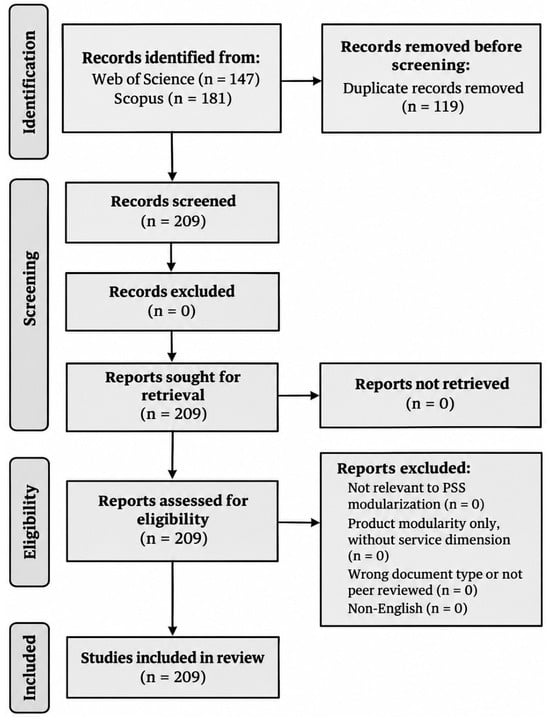
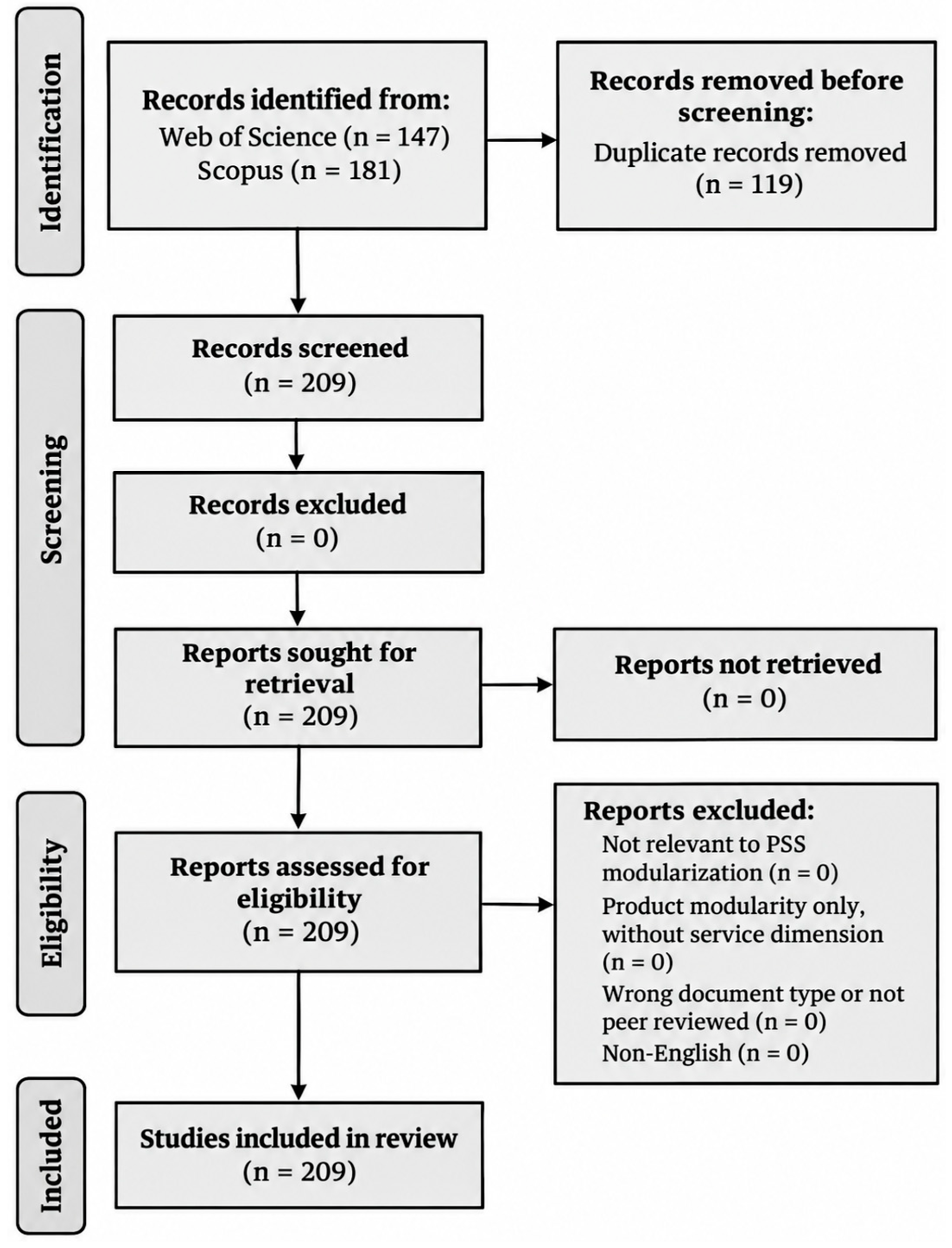
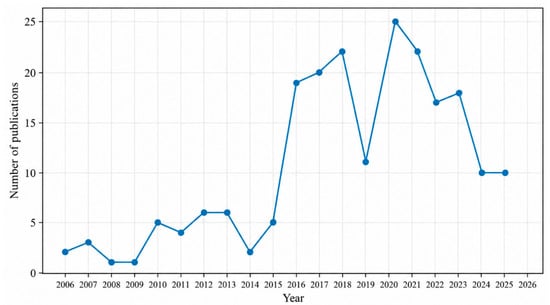
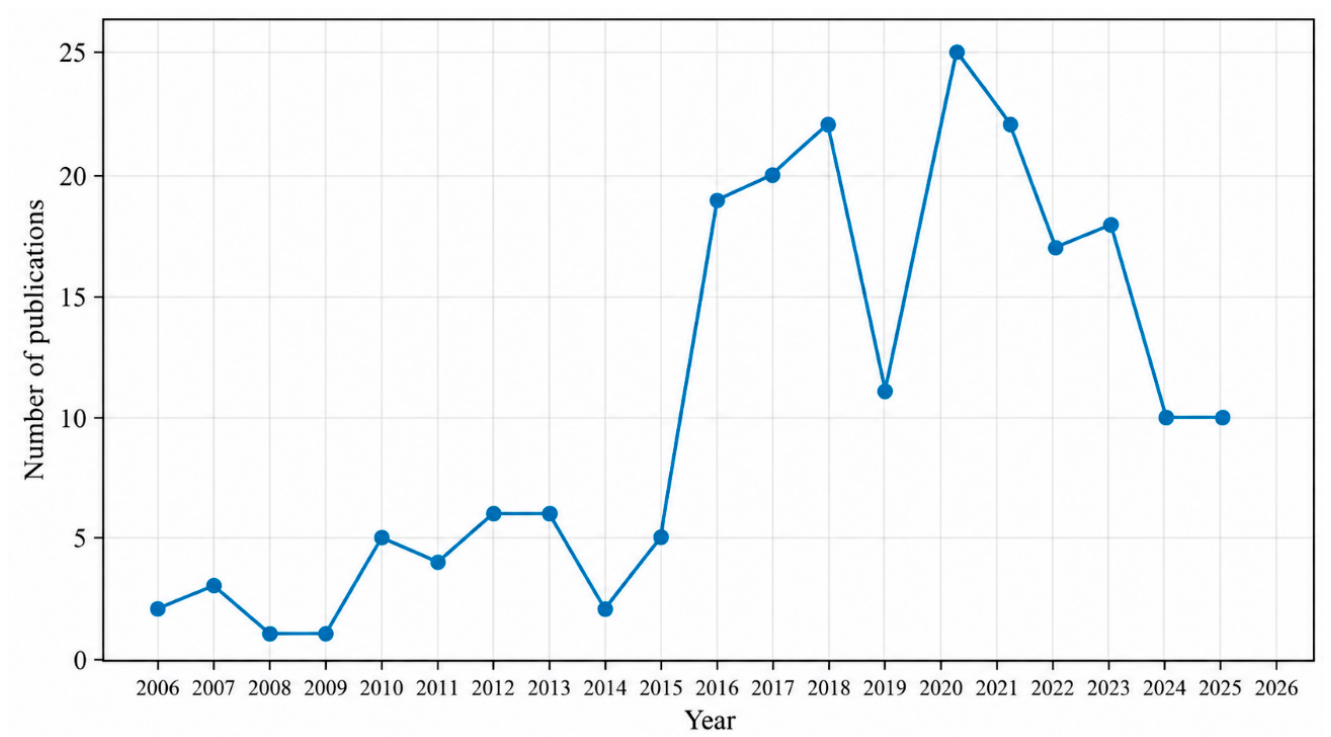
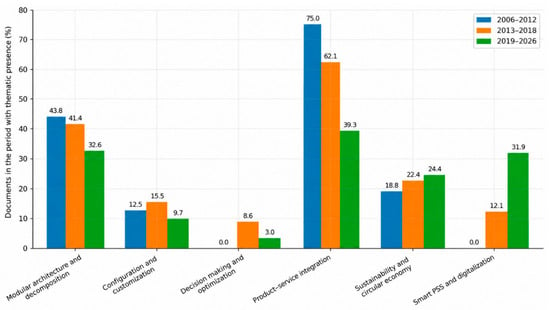
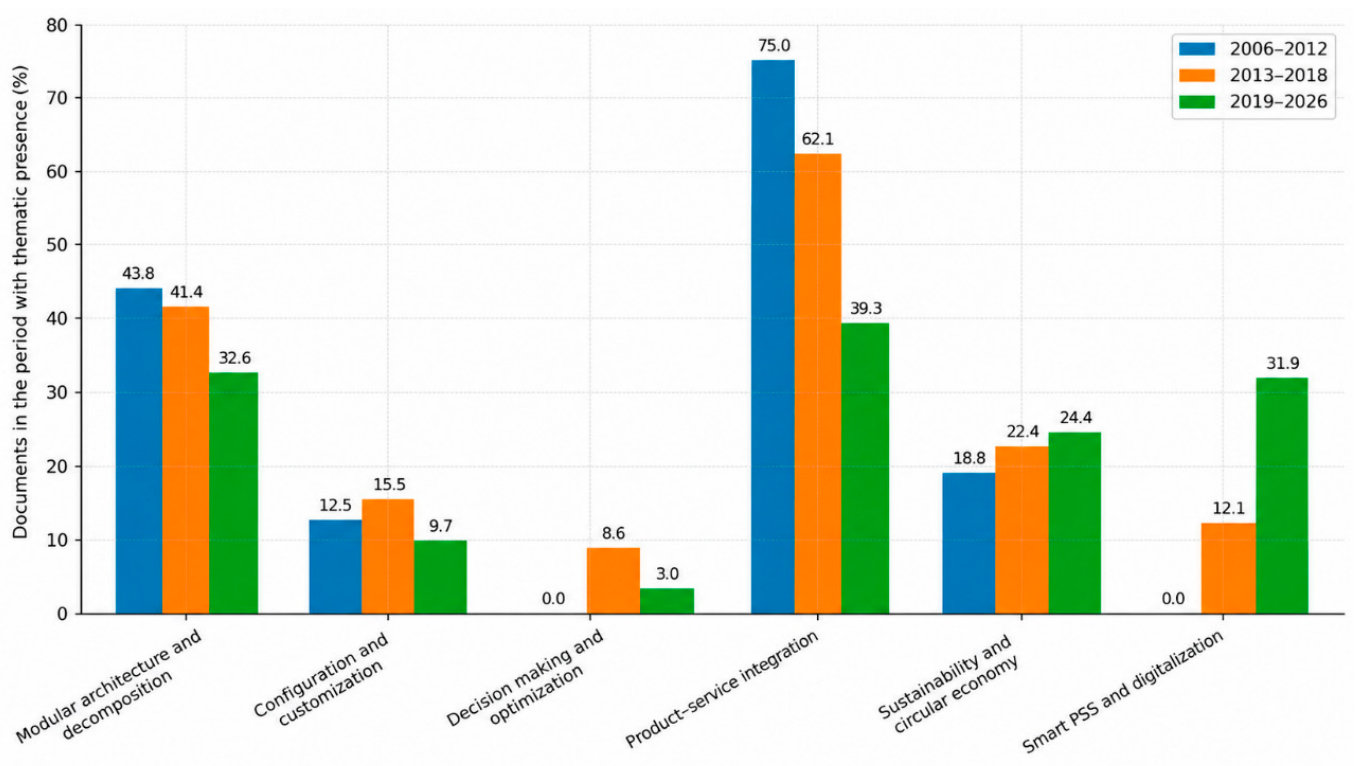
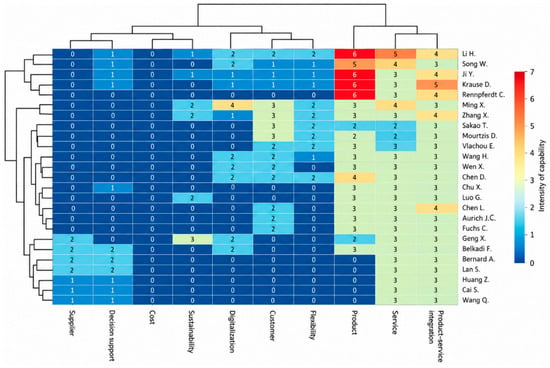
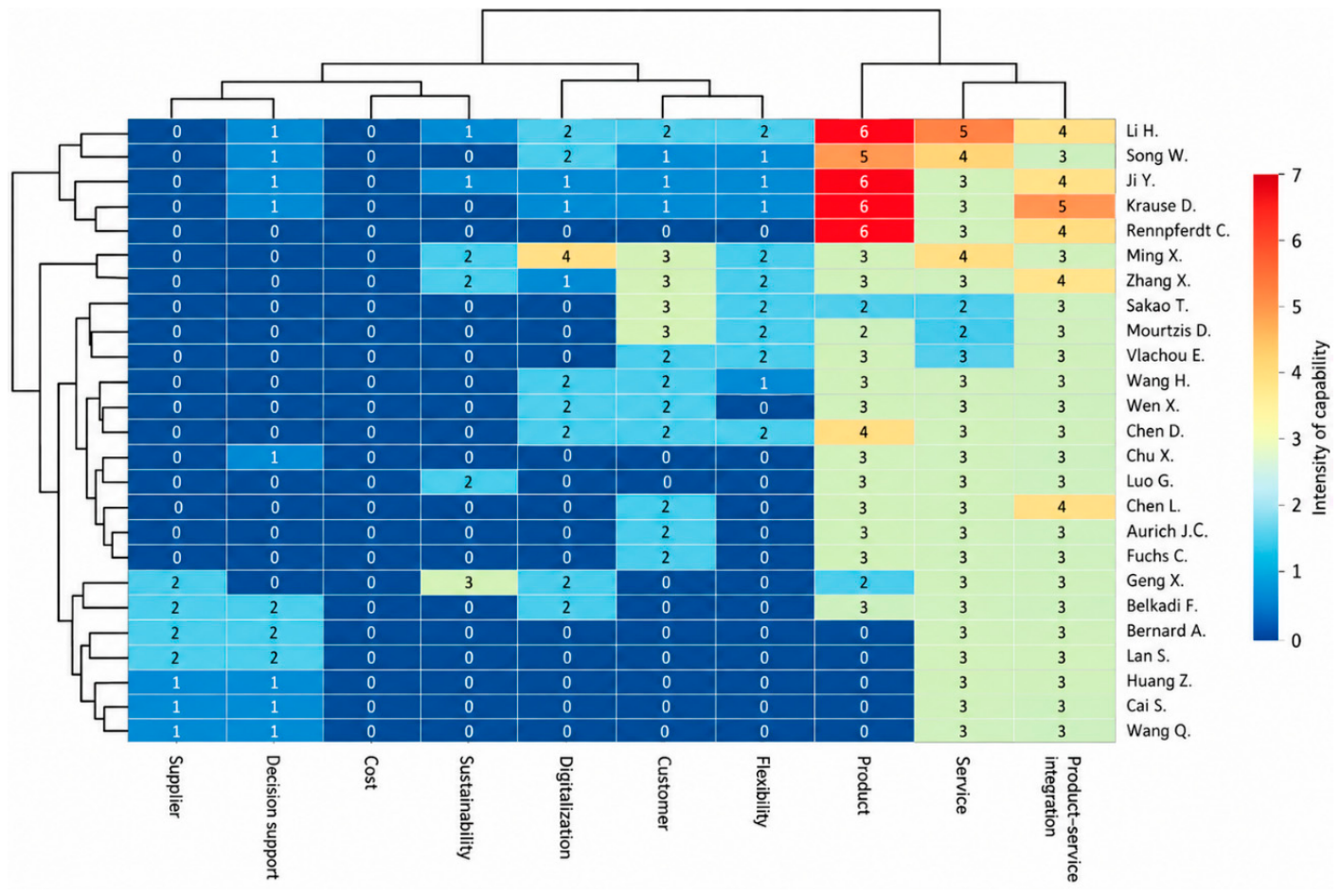
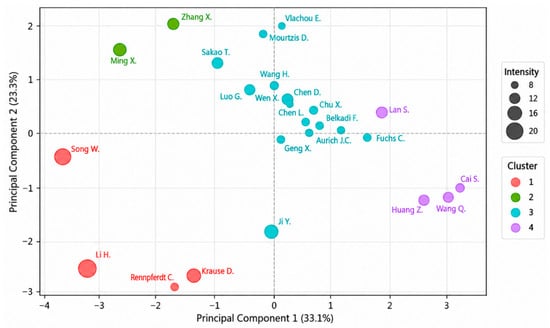
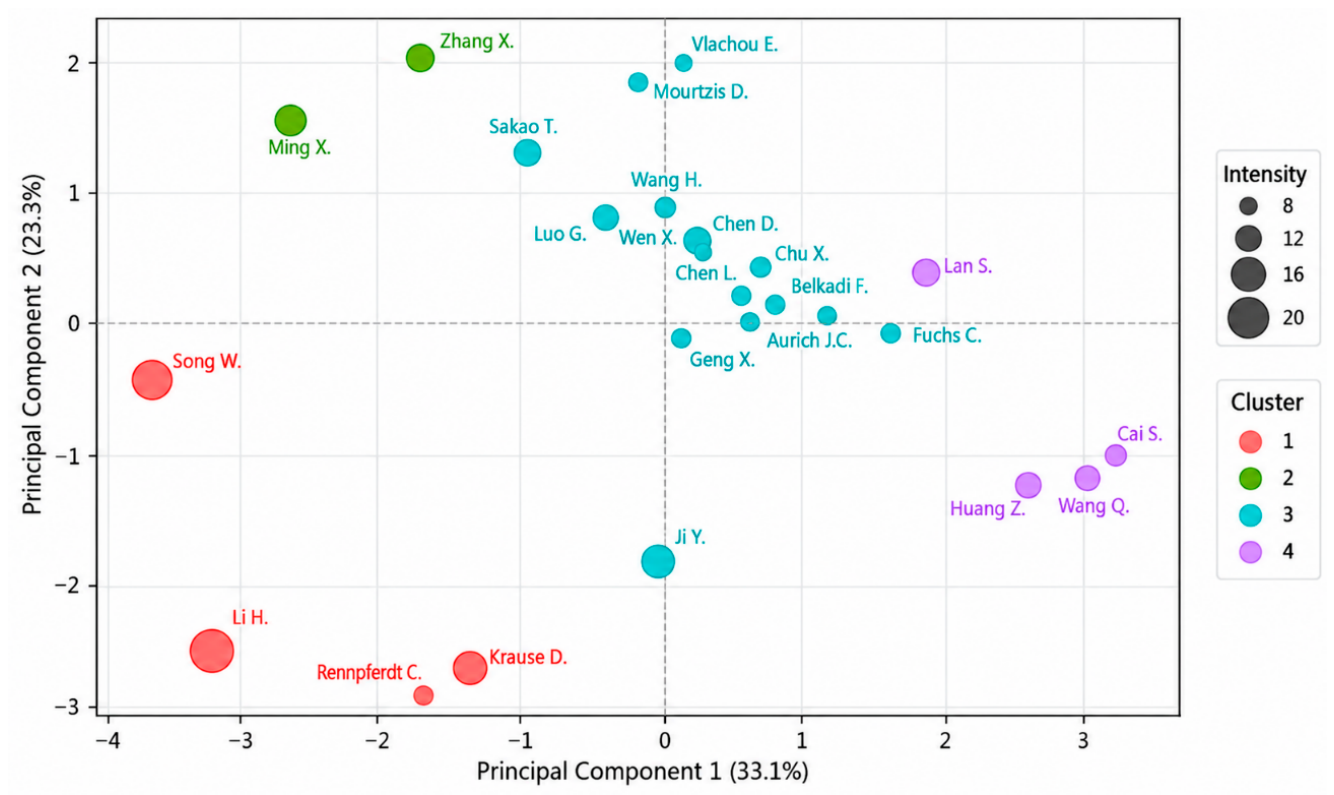
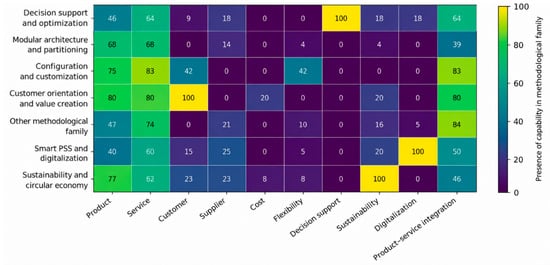
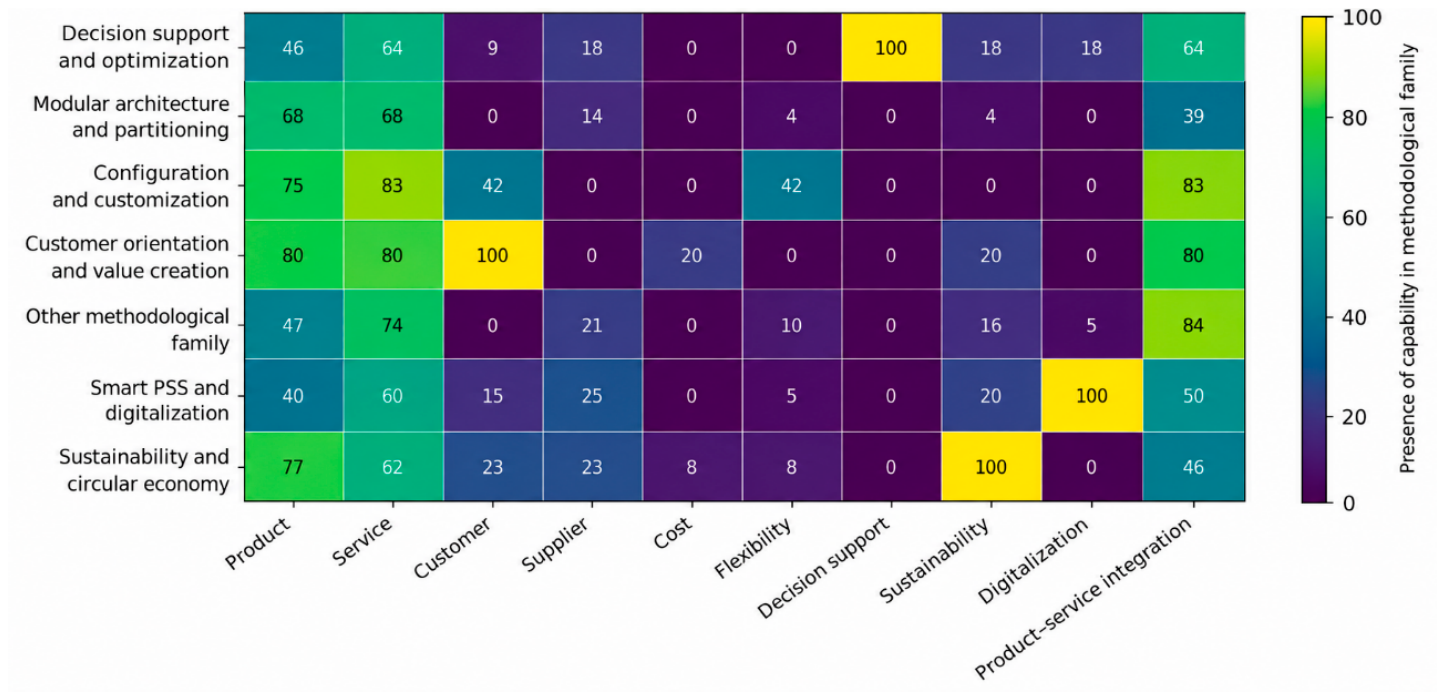
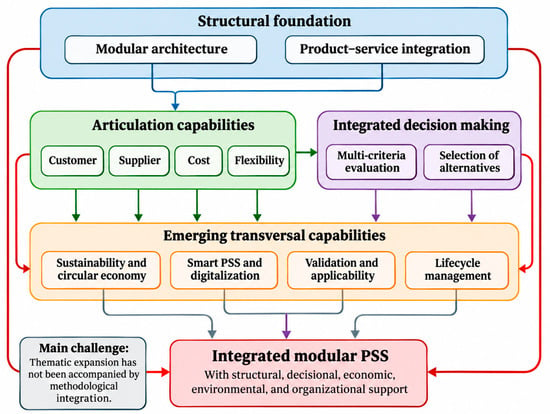
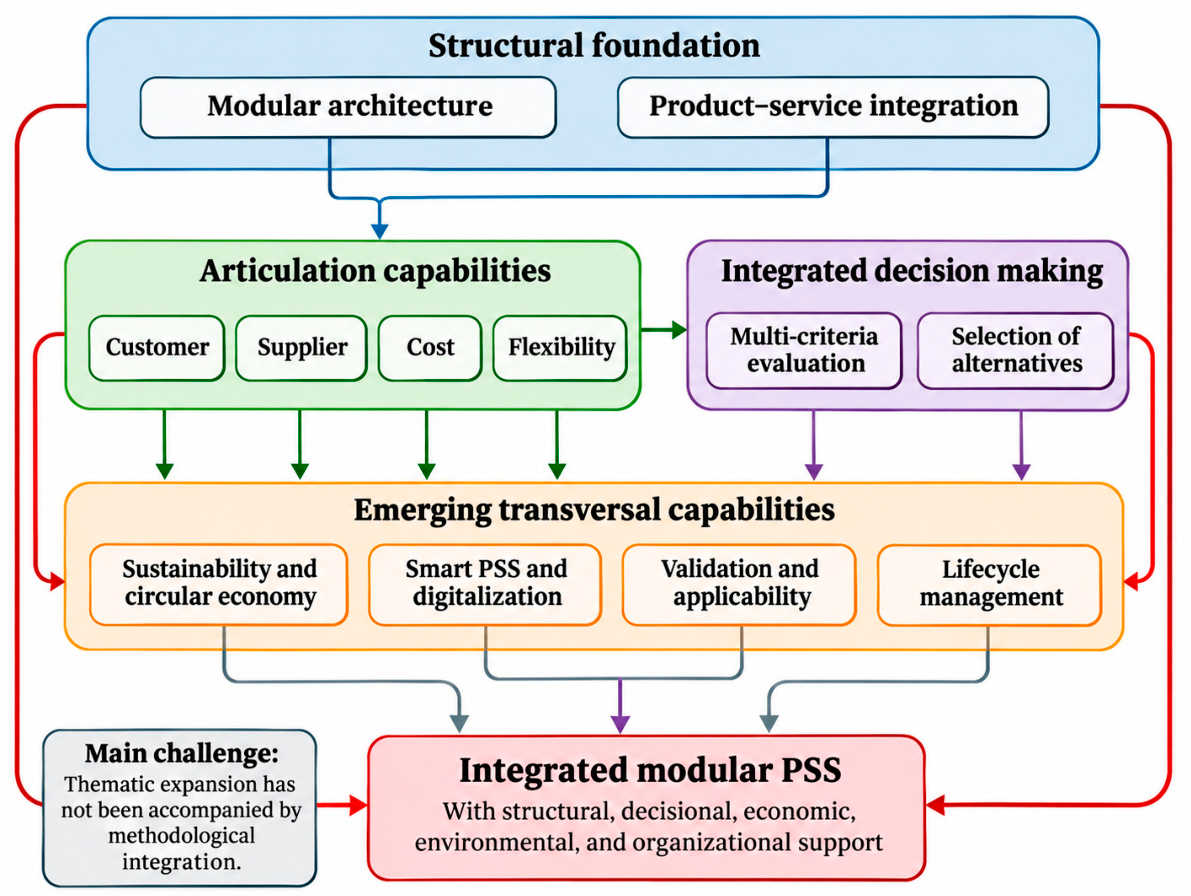

Disclaimer/Publisher’s Note: The statements, opinions and data contained in all publications are solely those of the individual author(s) and contributor(s) and not of MDPI and/or the editor(s). MDPI and/or the editor(s) disclaim responsibility for any injury to people or property resulting from any ideas, methods, instructions or products referred to in the content. |
© 2026 by the authors. Licensee MDPI, Basel, Switzerland. This article is an open access article distributed under the terms and conditions of the Creative Commons Attribution (CC BY) license.