

Journal Description
COVID
COVID
is an international, peer-reviewed, open access journal on the study of coronaviruses, coronavirus-related diseases and global impact, published monthly online by MDPI.
- Open Access— free for readers, with article processing charges (APC) paid by authors or their institutions.
- High Visibility: indexed within ESCI (Web of Science), Scopus, CAPlus / SciFinder, and other databases.
- Journal Rank: CiteScore - Q2 (Immunology and Microbiology (miscellaneous))
- Rapid Publication: manuscripts are peer-reviewed and a first decision is provided to authors approximately 16.5 days after submission; acceptance to publication is undertaken in 2.9 days (median values for papers published in this journal in the second half of 2025).
- Recognition of Reviewers: APC discount vouchers, optional signed peer review, and reviewer names published annually in the journal.
Impact Factor:
1.0 (2024);
5-Year Impact Factor:
1.0 (2024)
Latest Articles
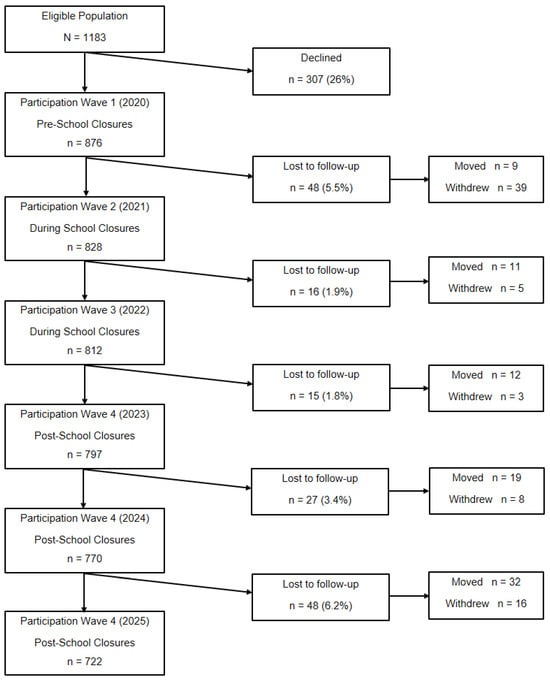
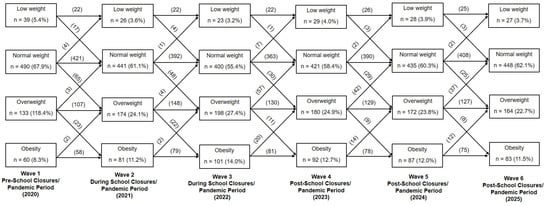
A Longitudinal Cohort Study on Weight Status Pre-, During, and Post-COVID-19 Pandemic in a Sample of Brazilian Children Aged 6 to 11 Years—2020–2025
COVID 2026, 6(4), 63; https://doi.org/10.3390/covid6040063 - 3 Apr 2026
Abstract
Previous studies have suggested that the COVID-19 pandemic exposed children to an increased risk of greater body weight accumulation; however, the evidence found is limited to examining relatively short periods in children from Asian, European, and North American countries and, in most cases,
[...] Read more.
Previous studies have suggested that the COVID-19 pandemic exposed children to an increased risk of greater body weight accumulation; however, the evidence found is limited to examining relatively short periods in children from Asian, European, and North American countries and, in most cases, using cross-sectional designs, while studies with longitudinal designs are scarce. To our knowledge, to date, no study involving Brazilian children has examined temporal trends in body weight during the pandemic period using a longitudinal approach. Objective: To report the weight status of children aged 6 to 11 years pre-, during, and post-school closures in response to restrictions imposed by the COVID-19 pandemic, using a six-year school-based longitudinal cohort design (2020–2025). Method: Weight status was analyzed using the body mass index and diagnostic criteria proposed by IOFT. Initial data collection took place in 2020 (baseline—pre-school closures), in 2021 and 2022 (pandemic period—school closures), and in 2023, 2024, and 2025 (post-pandemic period—after the reopening of schools). Results: The data collected confirmed that restrictions imposed to mitigate the adverse impact of the COVID-19 pandemic, including the full or partial closure of schools, substantially increased children’s weight above what would be expected for their gender and age. After two years of the pandemic period, 23% of children identified in the baseline pre-school closures with normal body weight migrated to overweight, while 34% of overweight children became obese. Data equivalent to the post-pandemic period showed signs of a reduction in the excess body weight accumulated during the pandemic; however, the prevalence rates of overweight and obesity remained significantly higher than pre-school closures. Conclusions: The findings suggest that the harmful effects contributing to the greater accumulation of body weight during the COVID-19 pandemic tended not to reverse spontaneously, even five years after its onset. Therefore, specific actions to prevent, combat, and control overweight and obesity are essential to avoid present and future adverse consequences for children’s health.
Full article
(This article belongs to the Section COVID Public Health and Epidemiology)
►
Show Figures
Open AccessArticle
College Student Influenza and COVID-19 Vaccination Attitudes and Uptake Behavior in the U.S.: Prevalence, Correlates, and Promoting Improvement
by
Robert R. Wright, Macey Bunnell, Given Chatelain, Eve McCulloch, Alexis L. Soelberg and Devon Marrott
COVID 2026, 6(4), 62; https://doi.org/10.3390/covid6040062 - 3 Apr 2026
Abstract
For vaccine-preventable diseases, vaccination uptake is among the best public health behaviors to prevent infection, disease and death. However, public confidence in this behavior has waned in recent years alongside the twin respiratory threats of influenza and COVID-19. Moreover, certain populations, such as
[...] Read more.
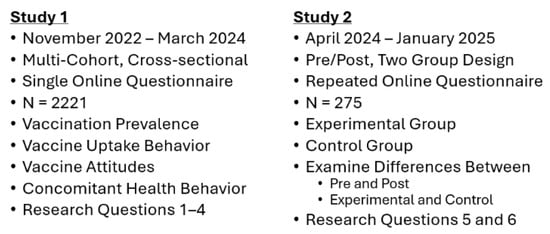
For vaccine-preventable diseases, vaccination uptake is among the best public health behaviors to prevent infection, disease and death. However, public confidence in this behavior has waned in recent years alongside the twin respiratory threats of influenza and COVID-19. Moreover, certain populations, such as emerging adults, may be amenable to vaccination attitude and behavior change as they navigate their path between adolescence and adulthood. The current investigation presents two studies that address influenza and COVID-19 vaccination uptake among emerging adults. First, among more than 2000 emerging adults during the years of 2022–2024, we examined rates of vaccination uptake and attitudes, as well as relationships of vaccine rates with other concomitant health behaviors. Second, we explored the efficacy of a classroom-based vaccination promotion experience in altering both attitudes and behaviors regarding vaccination uptake among 275 emerging adults at college. Results highlighted some health behaviors that are related to influenza uptake but not COVID-19 uptake. Moreover, results from Study 2 demonstrated that attitudes, but not behavior, seem to be most amenable to the classroom-based approach to encourage health behavior change, as a significant increase in positive attitudes toward both influenza and COVID-19 vaccines was observed. These findings are discussed further, considering theoretical and practical applications.
Full article
(This article belongs to the Section COVID Public Health and Epidemiology)
►▼
Show Figures

Figure 1

Open AccessArticle
Knowledge, Attitudes, and Practices Toward Infectious Diseases Among Dental Students and Dentists in the Post-COVID Era: A Cross-Sectional Survey
by
Celalettin Topbaş, Ayfer Atav and Muhsin Ergen
COVID 2026, 6(4), 61; https://doi.org/10.3390/covid6040061 - 31 Mar 2026
Abstract
Objective: Dental professionals are routinely exposed to infectious agents through contact with blood, saliva, and aerosols. This cross-sectional survey aimed to evaluate and compare knowledge, attitudes, and self-reported practices related to infectious diseases among dental students and practicing dentists in the post-COVID era.
[...] Read more.
Objective: Dental professionals are routinely exposed to infectious agents through contact with blood, saliva, and aerosols. This cross-sectional survey aimed to evaluate and compare knowledge, attitudes, and self-reported practices related to infectious diseases among dental students and practicing dentists in the post-COVID era. Methods: This web-based cross-sectional survey was conducted between January and March 2024 at a single dental faculty. Fourth- and fifth-year dental students and practicing dentists were invited to participate. A 30-item questionnaire assessed knowledge of infectious disease transmission and immunological markers (Questions Q1–Q19), as well as attitudes and self-reported practices toward patients with infectious diseases (Q20–Q30). Descriptive statistics were calculated, and comparisons between groups were performed using Pearson’s chi-square or Fisher’s exact tests (α = 0.05). Internal consistency of the questionnaire was acceptable (Cronbach’s alpha: 0.81 for knowledge items and 0.88 for attitude/practice items). Results: A total of 221 dental students and 33 dentists were included in the final analysis. Both groups demonstrated high awareness of respiratory transmission routes for COVID-19 and influenza. In contrast, recognition of bloodborne transmission pathways was limited, with approximately half of participants identifying blood contact and blood-contaminated instruments as potential sources of infection. Significant differences were observed between students and dentists in the interpretation of SARS-CoV-2 IgG antibodies, with dentists more frequently associating IgG positivity with prior infection (p = 0.009) and immunity (p < 0.001). Cautious behavior toward treating patients with infectious diseases was common in both groups, whereas reluctance to provide treatment and lower self-perceived knowledge were more frequently reported among students. Conclusions: Despite adequate awareness of respiratory infection transmission, important deficiencies persist in bloodborne pathogen knowledge, serological interpretation, and confidence in managing infected patients, particularly among dental students. These findings underscore the need for targeted, practice-oriented infection control education that integrates immunological principles and hands-on training to enhance clinical preparedness in the post-COVID era.
Full article
(This article belongs to the Section COVID Public Health and Epidemiology)
Open AccessReview
Spatial Memory and COVID-19: Cognitive Patterns, Assessment Approaches, and Neural Substrates
by
Tania Llana, Sara Garces-Arilla and Marta Mendez
COVID 2026, 6(4), 60; https://doi.org/10.3390/covid6040060 - 28 Mar 2026
Abstract
COVID-19 is increasingly recognized as a multisystemic disease with significant neurocognitive consequences. However, its specific impact on spatial memory, a cognitive domain essential for daily navigation and functional independence, remains insufficiently explored. This narrative review provides a critical synthesis of current evidence regarding
[...] Read more.
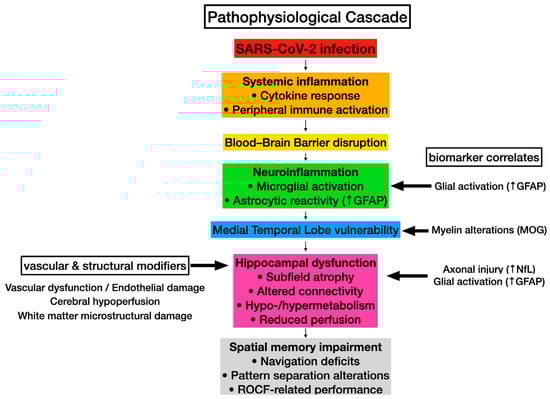
COVID-19 is increasingly recognized as a multisystemic disease with significant neurocognitive consequences. However, its specific impact on spatial memory, a cognitive domain essential for daily navigation and functional independence, remains insufficiently explored. This narrative review provides a critical synthesis of current evidence regarding spatial and visuospatial memory alterations across acute and post-acute phases, and post COVID-19 condition (PCC). Clinical findings, conventional and emerging assessment tools ranging from static tasks to immersive virtual reality environments, as well as potential neurobiological mechanisms, were considered. Results suggested that spatial memory is frequently compromised after COVID-19 disease, with deficits being most pronounced at longer retention intervals and within navigational contexts. Neuroimaging and biomarker data further reveal selective vulnerability in the medial temporal lobe, characterized by hippocampal atrophy, hypoperfusion, and disrupted functional connectivity. Importantly, traditional neuropsychological tools may underestimate these impairments due to limited ecological validity. Therefore, implementing multimodal assessment frameworks that integrate navigational paradigms is essential to enhance diagnostic sensitivity and facilitate the development of targeted rehabilitation strategies for PCC patients.
Full article
(This article belongs to the Special Issue Long COVID: Pathophysiology, Symptoms, Treatment, and Management)
►▼
Show Figures

Figure 1
Open AccessArticle
Anxiety and Depressive Symptoms Among Patients After COVID-19 Infection in Primary Healthcare: ACross-Sectional Study from Sarajevo Canton
by
Elvira Hasanović, Nataša Trifunović, Hasiba Erkočević, Irma Džambo and Zaim Jatić
COVID 2026, 6(4), 59; https://doi.org/10.3390/covid6040059 - 28 Mar 2026
Abstract
Background: The COVID-19 pandemic has been associated with increased psychological distress globally. However, the independent psychological impact of prior COVID-19 infection remains heterogeneous, particularly in primary healthcare populations. This study aimed to examine differences in anxiety and depressive symptoms between individuals with and
[...] Read more.
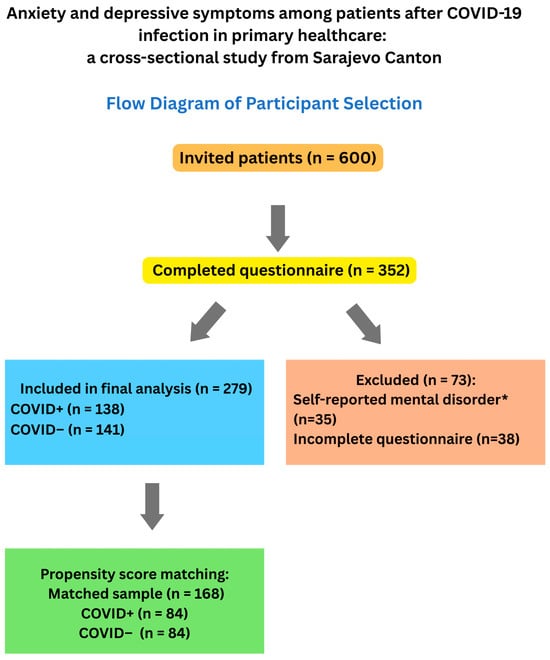
Background: The COVID-19 pandemic has been associated with increased psychological distress globally. However, the independent psychological impact of prior COVID-19 infection remains heterogeneous, particularly in primary healthcare populations. This study aimed to examine differences in anxiety and depressive symptoms between individuals with and without a history of COVID-19 infection in a primary healthcare setting. Methods: A cross-sectional study was conducted in April 2022 in five family medicine practices in the primary health care facility of Sarajevo Canton. A total of 279 participants without previously diagnosed mental disorders completed an online questionnaire. Anxiety and depressive symptoms were assessed using the GAD-7 and PHQ-9 scales. Multivariable regression models were performed, and propensity score matching (1:1 nearest-neighbor matching, caliper = 0.2) was conducted to address baseline imbalance. Results: No statistically significant independent association was detected between prior COVID-19 infection and anxiety or depressive symptoms in multivariable models. Propensity score matching yielded 84 well-balanced pairs. In the matched sample, no significant differences were observed in GAD-7 (p = 0.229) or PHQ-9 scores (p = 0.139), nor in clinically relevant cut-offs. Female sex and chronic disease were independently associated with higher anxiety levels. Conclusions: In this primary healthcare population, we did not observe an independent association between prior COVID-19 infection and anxiety or depressive symptoms after covariate adjustment and propensity score matching. These findings should be interpreted cautiously given the cross-sectional design, possible exposure misclassification, and residual confounding.
Full article
(This article belongs to the Section Long COVID and Post-Acute Sequelae)
►▼
Show Figures

Figure A1
Open AccessArticle
Beyond the Emergency: Nursing Students’ Reflections on the Long-Term Professional and Psychological Impacts of COVID-19 Crisis Learning
by
Alice Yip, Zoe Tsui, Jeff Yip, Ka Man Rachel Yip and Chun Kit Jacky Chan
COVID 2026, 6(4), 58; https://doi.org/10.3390/covid6040058 - 27 Mar 2026
Abstract
The COVID-19 pandemic transformed healthcare education, increasing the shift to digital tools and establishing a hybrid curriculum blending online learning with traditional clinical practice. This study aims to understand how this shift impacts the educational growth and skill building of nursing students. A
[...] Read more.
The COVID-19 pandemic transformed healthcare education, increasing the shift to digital tools and establishing a hybrid curriculum blending online learning with traditional clinical practice. This study aims to understand how this shift impacts the educational growth and skill building of nursing students. A qualitative approach was conducted to understand the experience of Hong Kong nursing students adapting to online learning during the pandemic and beyond. Fifty nursing students were interviewed, and Colaizzi’s phenomenological method revealed key themes in their learning narratives. The analysis revealed four distinct themes characterizing the students’ experiences: (i) Learning on their terms: the mandated shift in healthcare reflecting a lack of agency during the educational transition; (ii) Knowledge without touch: the perceived incompetence of the COVID-19 nursing cohort, highlighting anxieties regarding a lack of hands-on clinical proficiency; (iii) Words left unsaid: The weight of insecurity, indicating a decline in interpersonal skills due to isolation; and (iv) Beyond the perfect algorithm: the unrehearsed art of care, describing the difficulty in translating digital simulations to complex, human-centric patient care. Findings show that while digital progress ensured continuity in education, it also contributed to reduced clinical confidence, weaker communication skills, and shifts in how nursing students approached their learning. Consequently, the post-COVID environment demands that training programs evolve to address these specific deficits. Advancing the existing pandemic-era nursing literature, this study emphasizes the need for diverse, targeted teaching methods to mitigate these gaps. By intentionally bridging theoretical knowledge with hands-on clinical practice, educators can better support student wellbeing and help restore the confidence and competence required of future graduates.
Full article
(This article belongs to the Section COVID Public Health and Epidemiology)
Open AccessCase Report
Neurological Aspects of COVID-19, Post-Acute-COVID and Post-COVID Syndromes: A Case Series of Single-Center Experiences
by
Stanisław Słyk, Jan Kochanowski, Michał Białobrzewski, Katarzyna Stopińska, Viktor Lipko, Patryk Sochań, Joanna Cegielska and Izabela Domitrz
COVID 2026, 6(4), 57; https://doi.org/10.3390/covid6040057 - 27 Mar 2026
Abstract
The neuroinvasive and neurotropic character of coronaviruses is a likely reason for neurological complications which may occur during acute COVID illness and sometimes persist or newly emerge in the post-acute phase. Terminology and temporal classification remain heterogeneous. A retrospective case series was conducted
[...] Read more.
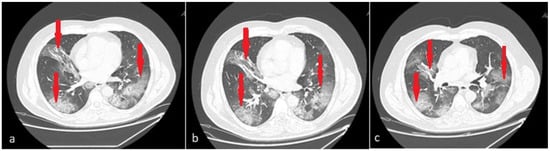
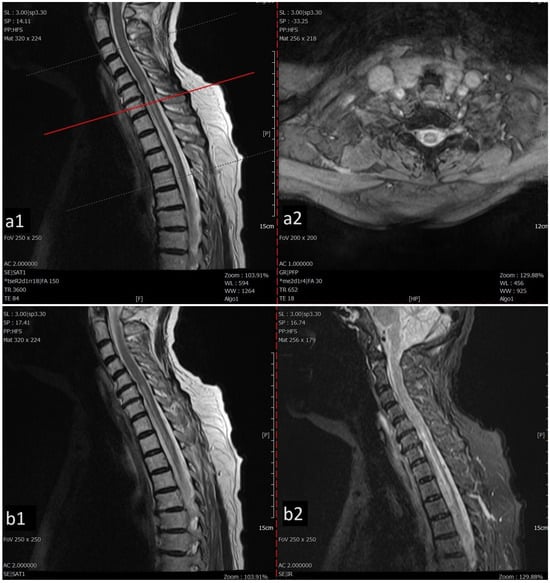
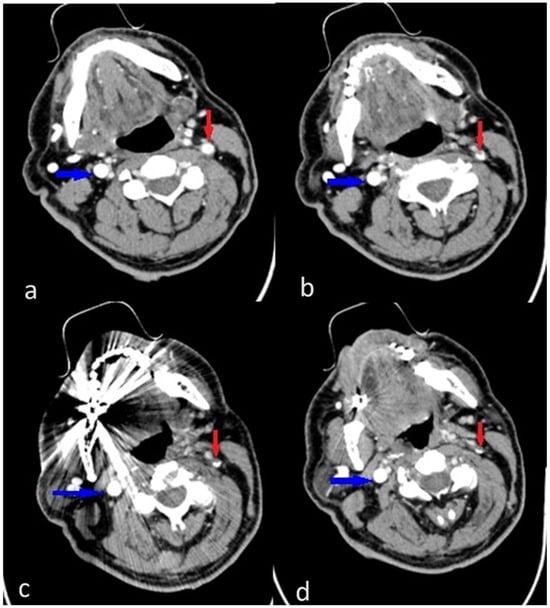
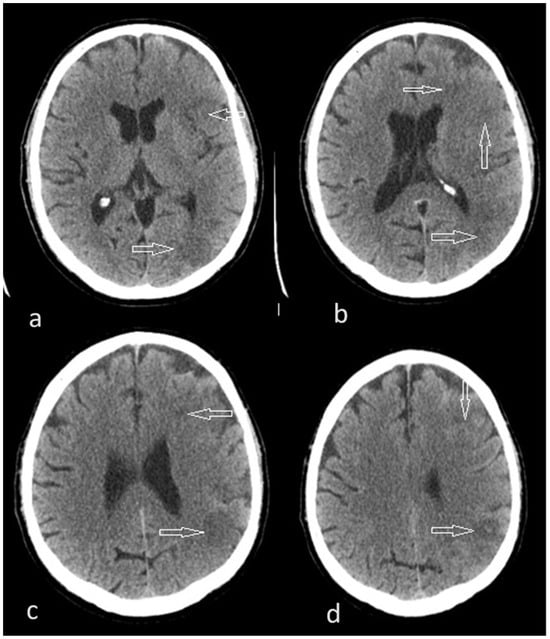
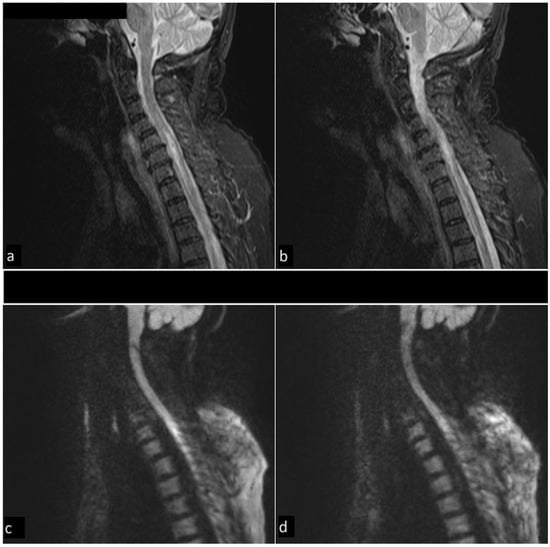
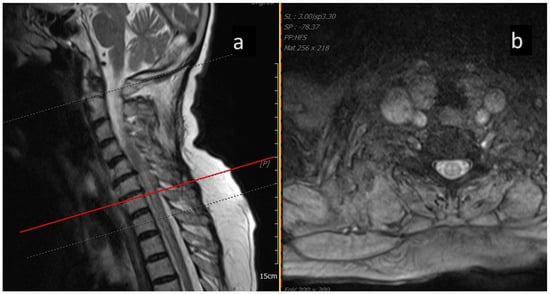
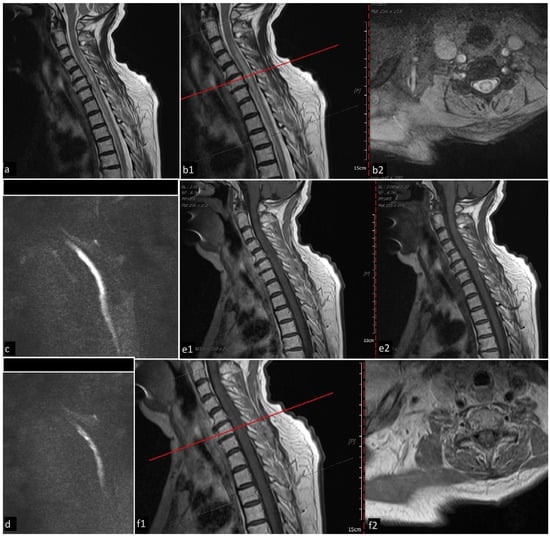
The neuroinvasive and neurotropic character of coronaviruses is a likely reason for neurological complications which may occur during acute COVID illness and sometimes persist or newly emerge in the post-acute phase. Terminology and temporal classification remain heterogeneous. A retrospective case series was conducted in a single center (Department of Neurology, Bielański Hospital, Warsaw, Poland). Medical records from March 2020 to December 2023 were screened. Inclusion criteria: (1) confirmed SARS-CoV-2 infection (polymerase chain reaction or antigen test and radiological findings), (2) new neurological syndrome within acute, post-acute, or post-COVID interval, and (3) diagnostic documentation. Exclusion criteria: alternative established etiology fully explaining the neurological condition. Six cases were selected for detailed analysis due to diagnostic completeness as well as etiological and temporal diversity. Cases included: (1) persistent neurocognitive and sensory symptoms (post-COVID), (2) acute ischemic stroke with internal carotid artery dissection during severe COVID-19, (3) cytotoxic lesion of the corpus callosum (CLOCC) during acute COVID-19, (4) Guillain–Barré syndrome (post-acute), (5) longitudinally extensive transverse myelitis (post-acute), and (6) delayed autoimmune cerebral vasculitis (post-COVID). Neurological presentations ranged from mild persistent symptoms to fatal outcome. Neurological complications span inflammatory, vascular, and autoimmune mechanisms across distinct temporal phases of SARS-CoV-2 infection. Precise temporal classification and systematic diagnostic protocols are essential. Prospective longitudinal studies integrating biomarkers and standardized neuroimaging are required.
Full article
(This article belongs to the Special Issue Exploring Neuropathology in the Post-COVID-19 Era)
►▼
Show Figures

Figure 1

Open AccessArticle
A Study on the Impact of Sunlight, Ultraviolet Radiation, and Temperature Variability on COVID-19 Mortality: Spatiotemporal Evidence from Small Countries and U.S. States and Territories
by
Murat Razi and Manuel Graña
COVID 2026, 6(4), 56; https://doi.org/10.3390/covid6040056 - 26 Mar 2026
Abstract
Objectives: While the previous literature has established that meteorological conditions are associated with COVID-19 mortality fluctuations, the relative effect of each of these highly correlated factors remains unclear. This study aims to conduct a comparative analysis to determine which of three main meteorological
[...] Read more.
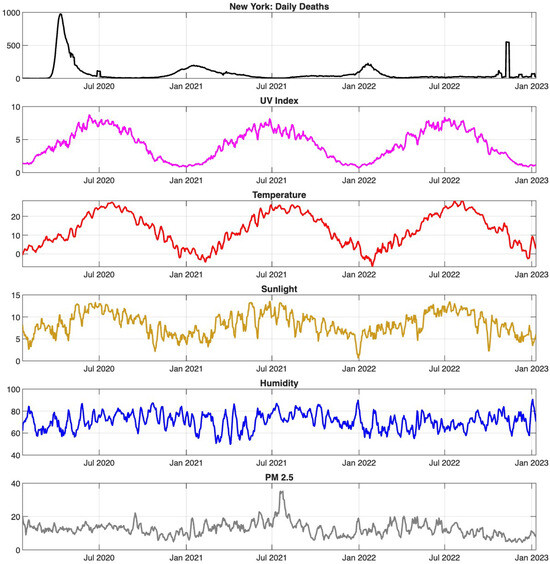
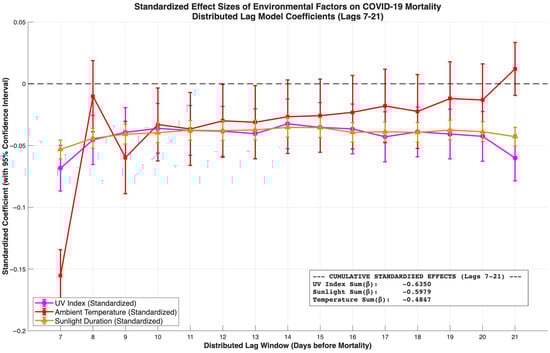
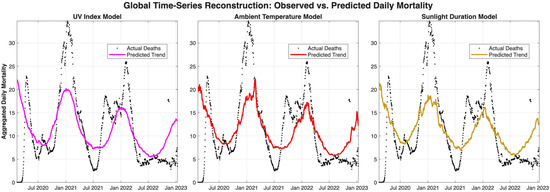
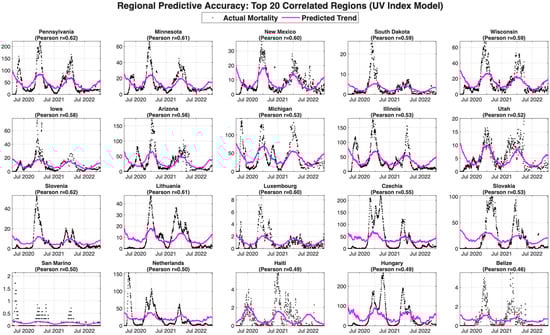
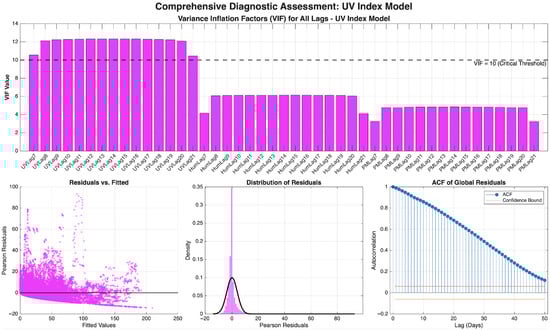
Objectives: While the previous literature has established that meteorological conditions are associated with COVID-19 mortality fluctuations, the relative effect of each of these highly correlated factors remains unclear. This study aims to conduct a comparative analysis to determine which of three main meteorological variables—Ambient Temperature, Ultraviolet (UV) Index, and Sunlight Duration—have the strongest negative association with COVID-19 mortality. The objective is to quantify and rank their impact over a 7-to-21-day biological exposure window. Methods: We conducted retrospective spatiotemporal analyses in the form of panel Poisson Distributed Lag Models (PDLMs) regression using daily data from 21 January 2020 to 10 January 2023, spanning 129 distinct geographical regions worldwide. To ensure a direct and fair comparison of effect sizes, all meteorological and environmental variables were Z-score standardized. We estimated three independent PDLMs—each focusing separately on UV Index, Ambient Temperature, and Sunlight Duration—with lags ranging from 7 to 21 days. These models controlled for overarching time trends and utilized a categorical variable to account for Region Fixed Effects modeling time-invariant regional health and socioeconomic determinants (e.g., obesity, age demographics, healthcare capacity). Furthermore, distributed lags of daily PM2.5 (air pollution) and relative humidity were explicitly included in each model as dynamic confounders. Results: The comparison of PDLM results reveals that the UV Index has the strongest negative association with COVID-19 mortality. A one standard deviation increase in the UV Index corresponds to a massive, highly significant cumulative reduction in deaths observed 1 to 3 weeks later (p < 0.001). Sunlight Duration is the second-strongest protective meteorological factor, whereas Ambient Temperature has the weakest effect. The distributed lags of particulate matter (PM2.5) and relative humidity were found to be statistically insignificant when modeled alongside the meteorological variables. Conclusions: After standardizing variables and controlling for dynamic environmental confounders like air pollution and humidity, the study findings provide robust empirical evidence that meteorological conditions have a strong significant association with COVID-19 mortality fluctuation with a temporal delay, overcoming the confounding effects of merely dry or clear-air conditions.
Full article
(This article belongs to the Section COVID Clinical Manifestations and Management)
►▼
Show Figures

Figure 1
Open AccessArticle
Alcohol Consumption Patterns Among Young Adults in Romania: A Cross-Sectional Study During the COVID-19 Pandemic
by
Andrada Patricia Todor, Raluca Lupusoru, Tudor Voicu Moga, Paul Cosmin Tirla, Anca Claudia Voron, Camelia Gianina Nica, Teofana Bizerea-Moga, Mickael Naassila, Melena Dreinaza, Roxana Sirli and Alina Popescu
COVID 2026, 6(3), 55; https://doi.org/10.3390/covid6030055 - 19 Mar 2026
Abstract
Background: The COVID-19 pandemic significantly altered the daily routines of young adults. This study investigated alcohol consumption patterns and associated factors among young adults in Romania during this period. Method: A cross-sectional study was conducted using an online survey. Participants were asked to
[...] Read more.
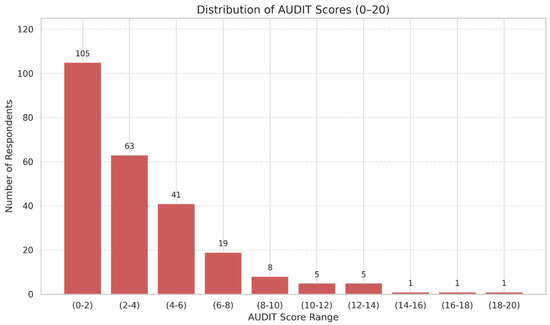
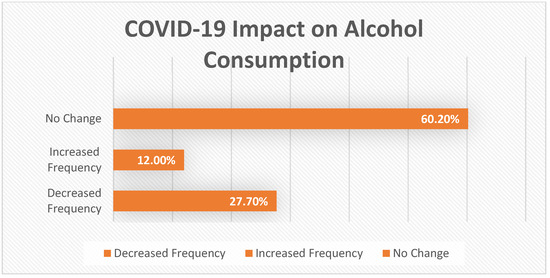
Background: The COVID-19 pandemic significantly altered the daily routines of young adults. This study investigated alcohol consumption patterns and associated factors among young adults in Romania during this period. Method: A cross-sectional study was conducted using an online survey. Participants were asked to retrospectively report their alcohol consumption patterns before and during the COVID-19 pandemic, including the period of university campus closures. A cohort of 249 young adults (68.6% female) participated in an online survey focused on their alcohol consumption patterns, utilizing the standardized AUDIT-C questionnaire and some modified questions to better establish the habit of drinking. Results: In total, 41.7% of the included subjects were in medical school, 10% in IT, and 44% in various areas of work. Most respondents were female, between 20 and 25 years old (65%) and living in urban areas, with wine being the most favorable drink. Regarding AUDIT scores, approximately 90% fall into low-risk drinking or even abstinence, 10% belong to the high-risk group of alcohol consumption, and 3 people have a high score, which suggests drinking abuse and the likelihood of developing alcohol dependence. A comparison of pre- to post-closure drinking among medical students showed statistically significant changes in the typical number of drinks per week (from 11.5 to 9.9) and maximum drinks per day (from 4.9 to 3.3) and a slight increase in typical drinking days per week (from 3 to 3.2), p < 0.05, outlining a decrease in alcohol consumption. Conclusions: The study highlights specific drinking patterns during the pandemic. While some individuals decreased consumption, a significant portion remained at risk for alcohol-related complications, emphasizing the need for targeted screening and prevention programs.
Full article
(This article belongs to the Section COVID Public Health and Epidemiology)
►▼
Show Figures

Figure 1
Open AccessReview
Persistent Viral Reservoirs in Post-COVID Patients: Current Evidence and Clinical Implications
by
Hae-Jin Park, Jung Min Cho, Eun-Mi Ahn and Jaehoon Bae
COVID 2026, 6(3), 54; https://doi.org/10.3390/covid6030054 - 19 Mar 2026
Abstract
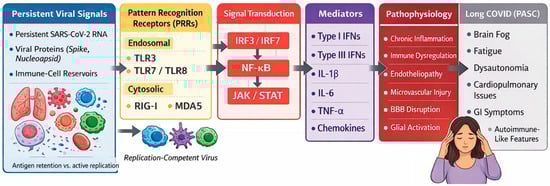
The COVID-19 pandemic has led to an unprecedented global health crisis, with millions recovering from acute infection but experiencing lingering symptoms, collectively referred to as post-acute sequelae of COVID-19 (PASC), or “long COVID.” While the precise mechanisms underlying long COVID remain elusive, one
[...] Read more.
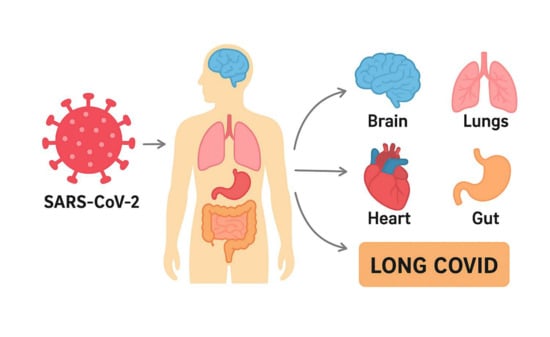
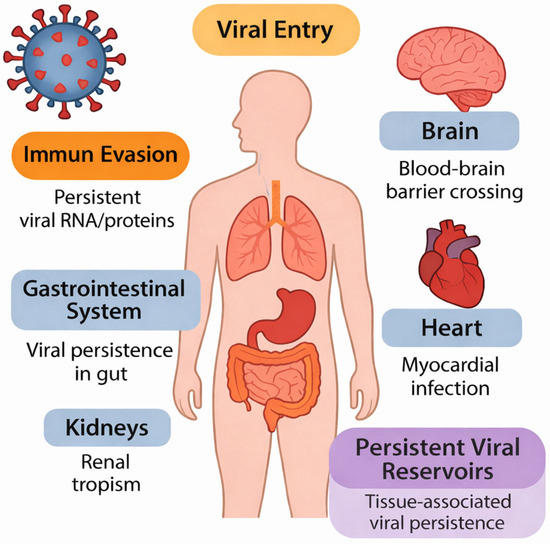
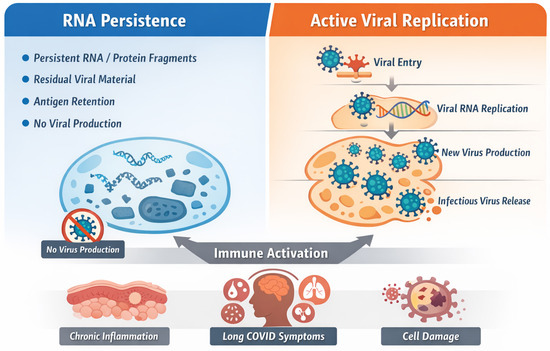
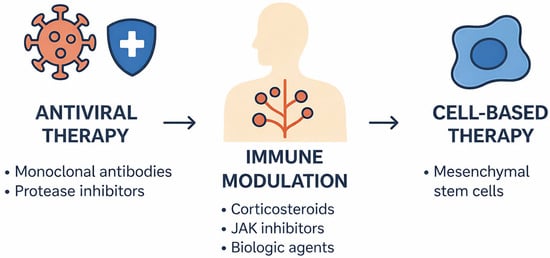
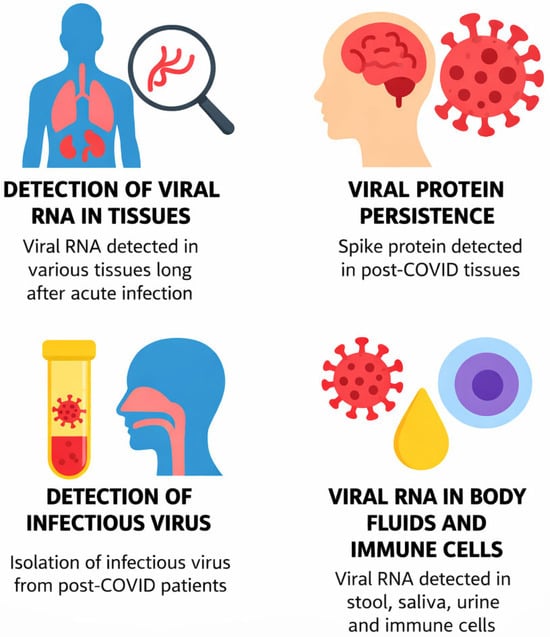
The COVID-19 pandemic has led to an unprecedented global health crisis, with millions recovering from acute infection but experiencing lingering symptoms, collectively referred to as post-acute sequelae of COVID-19 (PASC), or “long COVID.” While the precise mechanisms underlying long COVID remain elusive, one hypothesis gaining traction is the persistence of viral reservoirs in various tissues. Despite evidence of viral RNA and proteins detected in post-acute patients, the concept of viral reservoirs in the context of long COVID remains a subject of debate. This review explores the current scientific evidence for the existence of persistent SARS-CoV-2 in human tissues beyond the acute infection phase, focusing on the molecular mechanisms by which the virus may evade immune surveillance. We examine the role of immune dysregulation, chronic inflammation, and viral persistence in tissues such as the lungs, heart, brain, and gut. Additionally, we explore how these persistent viral elements may be associated with ongoing symptoms in long COVID and discuss the biological plausibility of these links. Finally, we discuss the clinical implications of viral persistence in post-COVID care, potential therapeutic strategies, and the need for further research to resolve the open questions surrounding this phenomenon.
Full article
(This article belongs to the Special Issue Long COVID: Pathophysiology, Symptoms, Treatment, and Management)
►▼
Show Figures

Graphical abstract
Open AccessReview
Overview and Pathophysiology of Long COVID
by
Elisa Perego
COVID 2026, 6(3), 53; https://doi.org/10.3390/covid6030053 - 18 Mar 2026
Abstract
Long COVID is the disease entity triggered and potentially driven by SARS-CoV-2 infection. It is an heterogeneous condition characterized by dozens of different symptoms, signs and sequelae, which can affect all organs and body systems and evolve over the disease course. Clinical manifestations
[...] Read more.
Long COVID is the disease entity triggered and potentially driven by SARS-CoV-2 infection. It is an heterogeneous condition characterized by dozens of different symptoms, signs and sequelae, which can affect all organs and body systems and evolve over the disease course. Clinical manifestations of Long COVID can vary from individual to individual and across the broader patient population. Pathology can range from asymptomatic and subclinical manifestations to fatal outcomes. Over 400 million people worldwide are estimated to suffer, or have suffered, from Long COVID, making the sequelae of SARS-CoV-2 infection one of the greatest public health challenges of the 21st century. This article provides an updated overview of epidemiology, definitions, main concepts and terminology for Long COVID. It also summarizes key evidence of pathology and disease mechanisms in major organs and body systems, such as the immune system, cardiovascular system, endothelium, heart, lungs, central nervous system, peripheral nervous system, gastrointestinal system, hapatobiliary system, pancreas and kidney. Heterogeneity in manifestations, potential risk of death and the degree of disability in several disease subsets call for timely diagnosis of each Long COVID types and a fuller understanding of their pathophysiological underpinnings. Further research is recommended to better understand pathobiology, develop effective clinical trials, and identify treatments and scalable biomarkers.
Full article
(This article belongs to the Special Issue Long COVID: Pathophysiology, Symptoms, Treatment, and Management)
Open AccessArticle
Estimating COVID-19 Epidemiological Dynamics Using Serological Case Data in Maryland
by
Eili Y. Klein, Alexander Tulchinsky, Fardad Haghpanah, Gary Lin, Wilbur H. Chen and Jacky M. Jennings
COVID 2026, 6(3), 52; https://doi.org/10.3390/covid6030052 - 18 Mar 2026
Abstract
In the early stages of the COVID-19 pandemic, uncertainty around the extent of SARS-CoV-2 spread hampered policymakers’ understanding of the epidemic’s extent. Mathematical models, which proved vital for aiding decision-making, relied primarily on reported cases that were unreliable due to significant underdetection and
[...] Read more.
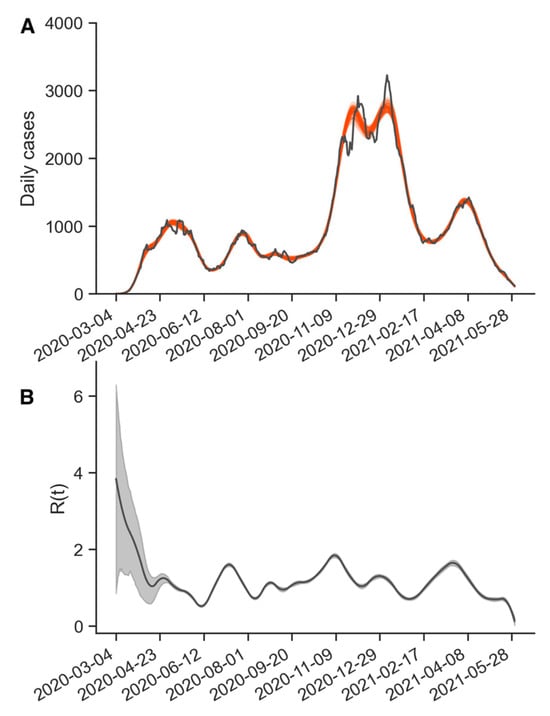
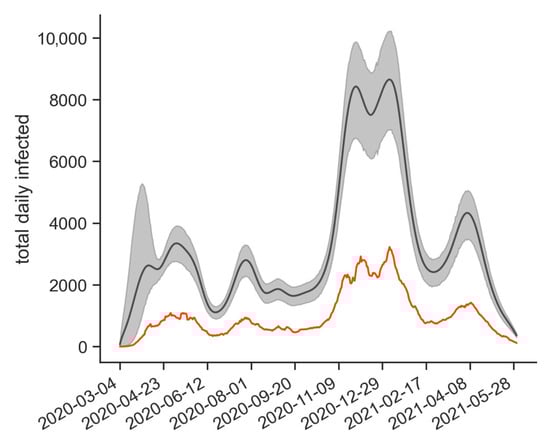
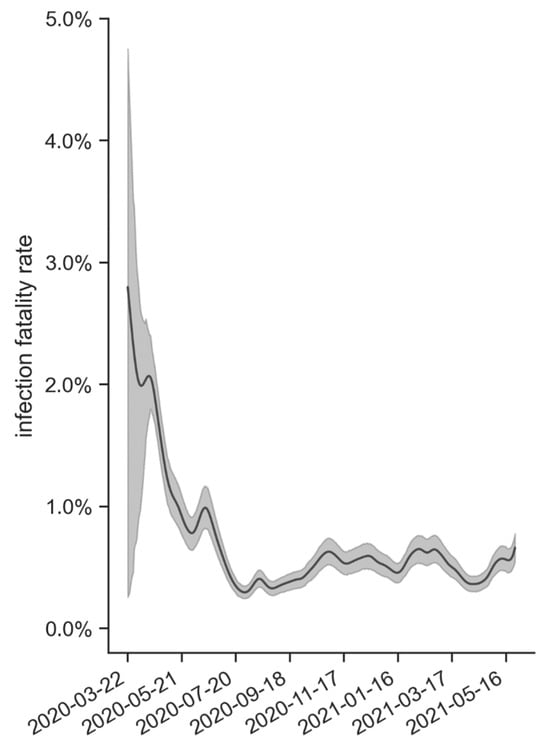
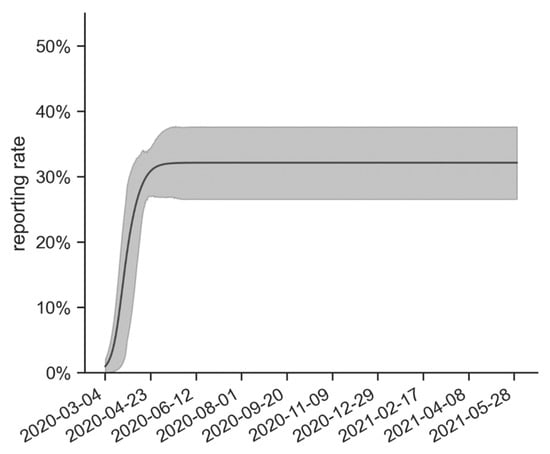
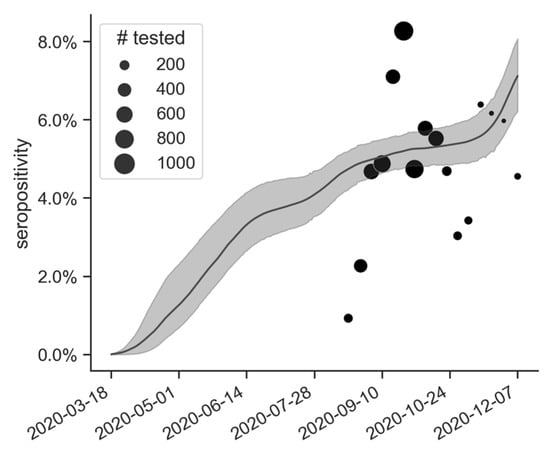
In the early stages of the COVID-19 pandemic, uncertainty around the extent of SARS-CoV-2 spread hampered policymakers’ understanding of the epidemic’s extent. Mathematical models, which proved vital for aiding decision-making, relied primarily on reported cases that were unreliable due to significant underdetection and underreporting. While serological data was used to improve understanding of the epidemiology, it can be costly and difficult to implement without bias. To counter these issues, we integrated serological data from 7229 remnant serum samples collected in 15 Maryland emergency departments (EDs) in Maryland between August and December 2020 into a Bayesian modeling approach to derive an estimate of the incidence of infection and the case fatality rate during the pandemic’s initial wave. We estimated that 5.2% (95% CI, 3.7–7.2%) of the population of Maryland had been infected by late fall 2020. The inferred reporting rate that was estimated started low (<10% in March 2020) and increased to 32% (95% HDI = 26–41%) by the fall, while the estimated infection fatality rate was likely initially higher but fell to 0.51% (95% HDI = 0.43–0.68%) after 1 September 2020. These results demonstrate how existing ED infrastructure can be leveraged to generate less biased, more accurate estimates of the true prevalence of a disease, improving the ability to make decisions and allocate resources under uncertainty.
Full article
(This article belongs to the Special Issue Analysis of Modeling and Statistics for COVID-19, 2nd edition)
►▼
Show Figures

Figure 1
Open AccessArticle
Low Systemic IFN Response and High Viral Load Are Associated with COVID-19 Disease Severity in Unvaccinated Patients in Kenya, 2022–2023
by
Rebeccah M. Ayako, Kirtika Patel, Isaac Ndede, Simeon K. Mining, Jonas Klingström, Johan Nordgren and Marie Larsson
COVID 2026, 6(3), 51; https://doi.org/10.3390/covid6030051 - 17 Mar 2026
Abstract
The clinical severity of COVID-19 is influenced by cellular and humoral immune responses, as well as the dynamics of viral replication. In line with this, the current study examined systemic and mucosal immunity responses alongside viral load in unvaccinated SARS-CoV-2-infected individuals during the
[...] Read more.
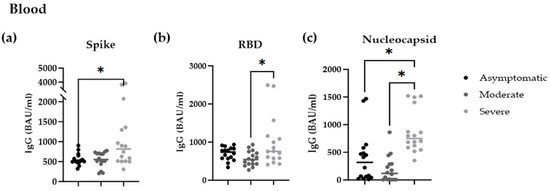
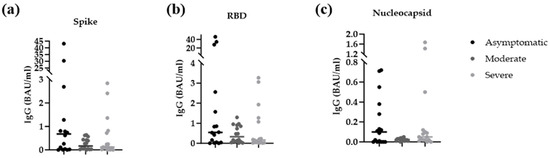
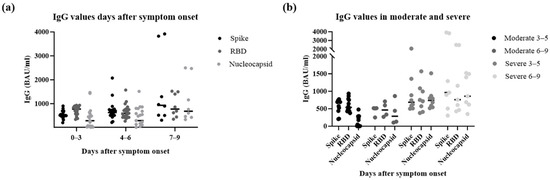
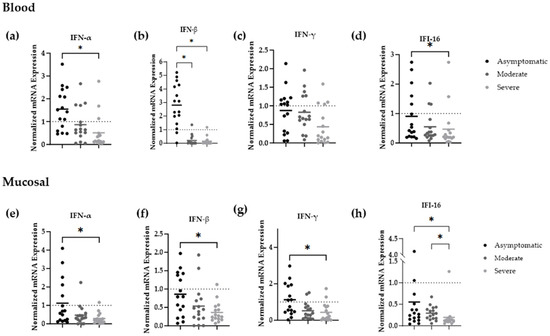
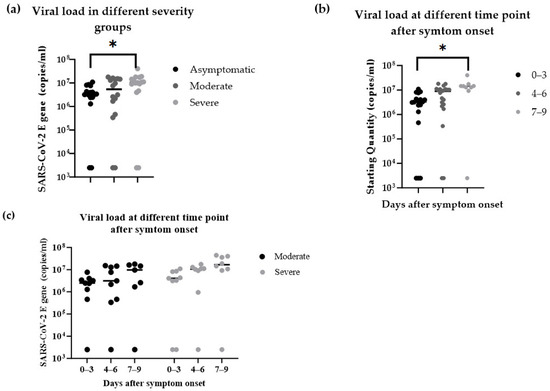
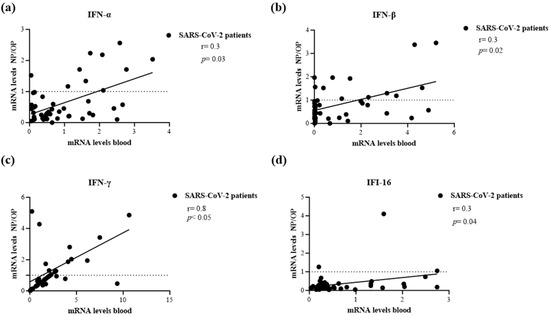
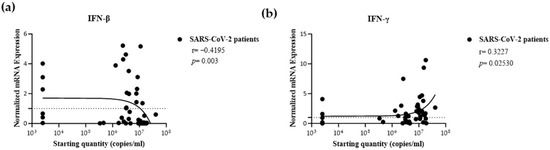
The clinical severity of COVID-19 is influenced by cellular and humoral immune responses, as well as the dynamics of viral replication. In line with this, the current study examined systemic and mucosal immunity responses alongside viral load in unvaccinated SARS-CoV-2-infected individuals during the period of Omicron predominance. Between 2022 and 2023, when Omicron prevalence was at its peak, 48 SARS-CoV-2-positive cases with varied severity were recruited using positive PCR testing, and 48 negative controls were recruited using negative PCR testing at Moi Teaching and Referral Hospital, Kenya. Severe patients showed higher viral loads and systemic anti-spike IgG levels compared to moderate and asymptomatic individuals. Asymptomatic individuals had higher mucosal anti-spike IgG and receptor-binding domain (RBD) levels compared to severe patients. Systemic IFN-α mRNA transcripts were higher in asymptomatic individuals compared to patients with severe COVID-19 and healthy individuals. Severe patients had significantly lower expression of IFN-γ mRNA transcript levels in both blood and mucosa, as well as significantly lower systemic IFI-16 mRNA transcript levels. These findings reflect associations observed in a cross-sectional design and should not be interpreted as causal mechanisms. Suppressed interferon responses, both mucosal and systemic, were associated with severe disease. In conclusion, high systemic IgG and viral loads and low interferon responses were closely linked to severe COVID-19 outcomes.
Full article
(This article belongs to the Section COVID Clinical Manifestations and Management)
►▼
Show Figures

Figure 1

Open AccessArticle
Bibliometric and Descriptive Analysis of SARS-CoV-2 Immune Escape Using Bioinformatics Approaches (2020–2025)
by
Maha Ouarab, Zineb Rhazzar, Nadia Touil and Elmostafa El Fahime
COVID 2026, 6(3), 50; https://doi.org/10.3390/covid6030050 - 16 Mar 2026
Abstract
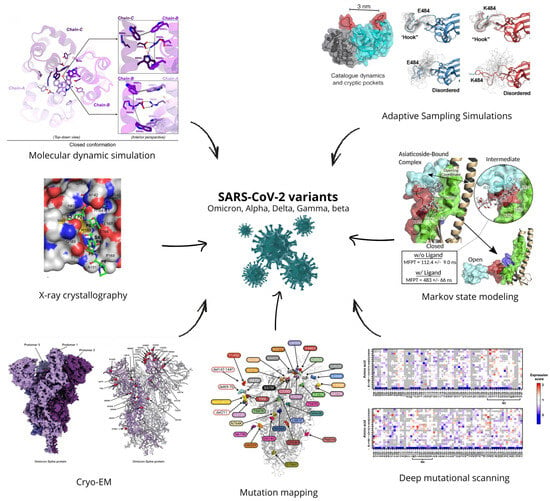
Vaccines worldwide reduce severe coronavirus disease 2019 (COVID-19) consequences; however, viral evolution escapes immunity, raising global concerns about vaccine protection and requiring monitoring. Bioinformatics is crucial for studying vaccine escape, speeding up variant detection, mapping antibody evasion epitopes and ensuring updated vaccines and
[...] Read more.
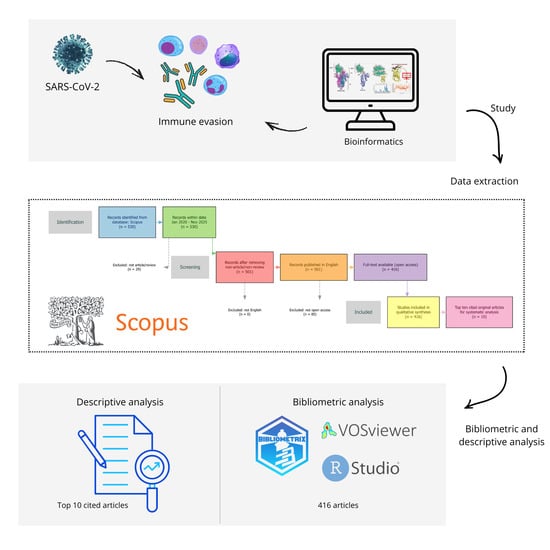
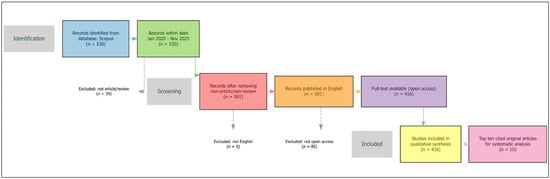
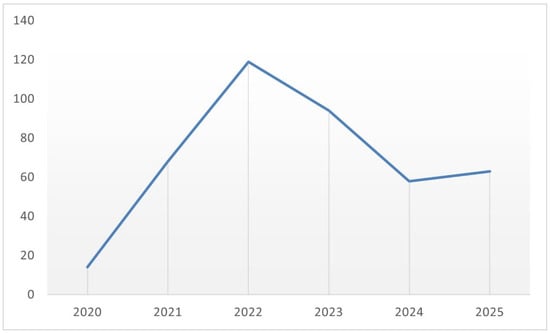
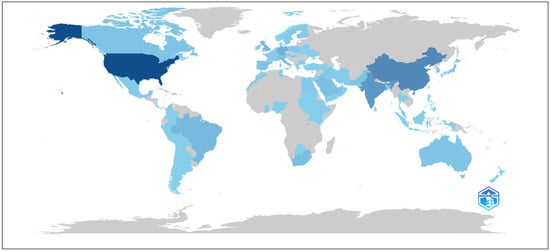
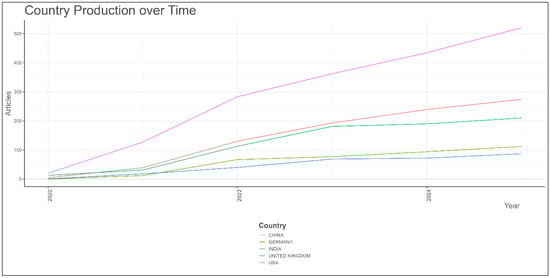
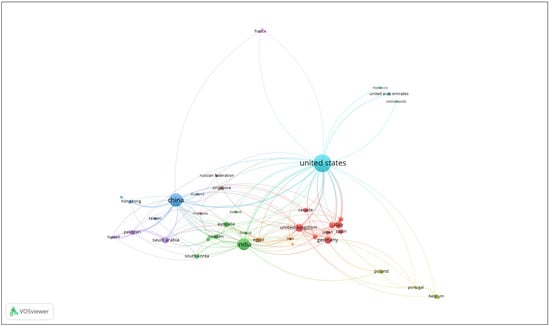
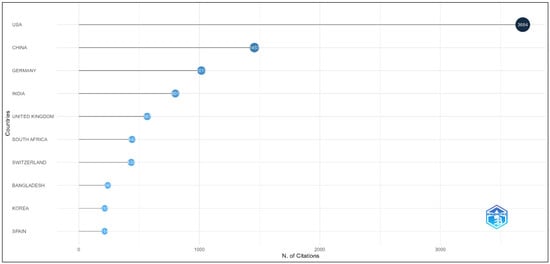
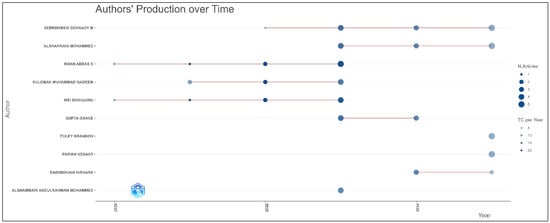
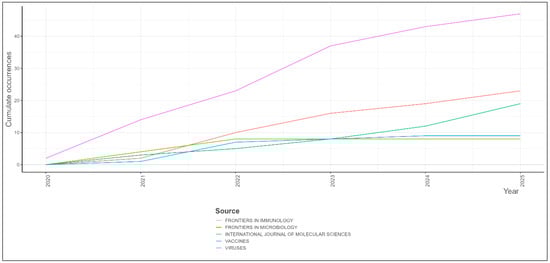
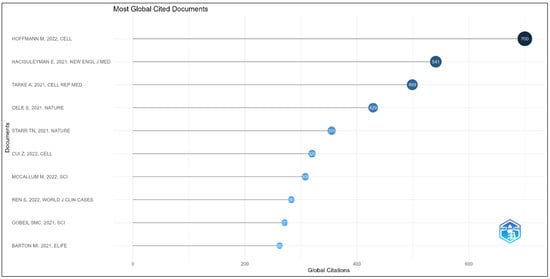
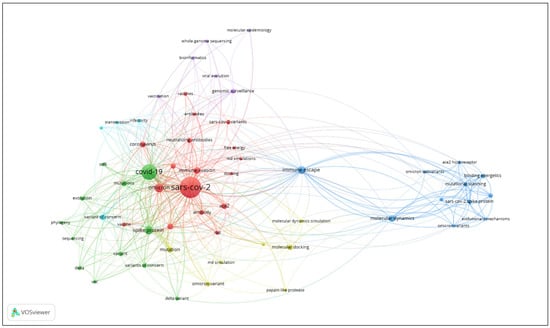
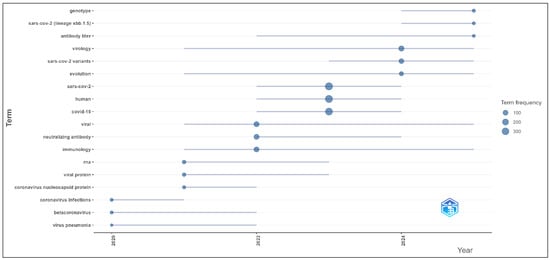
Vaccines worldwide reduce severe coronavirus disease 2019 (COVID-19) consequences; however, viral evolution escapes immunity, raising global concerns about vaccine protection and requiring monitoring. Bioinformatics is crucial for studying vaccine escape, speeding up variant detection, mapping antibody evasion epitopes and ensuring updated vaccines and public health responses. This study combines bibliometric analysis of the Scopus literature (n = 416) on SARS-CoV-2 immune evasion using bioinformatics tools with descriptive analysis of the top ten most highly cited original articles. Our results showed the United States (USA) as the dominant contributor, leading in publication output, citation impact and collaboration networks. The key themes identified were immune evasion, spike protein mutations, and viral evolution, highlighting the structural, functional and immune evasion mechanisms of spike mutations. Leading authors and journals reveal a globally connected research community that is making advances in our understanding of SARS-CoV-2 vaccine evasion, and supporting the development of future treatments and vaccines. The top ten articles showed molecular docking, dynamics simulations, and protein modeling as crucial to studying vaccine escape. In conclusion, global research led mainly by the USA and supported by active contributions has used bioinformatics to elucidate SARS-CoV-2 immune evasion, guiding variant future vaccine and treatment development, variant monitoring, and preparedness for emerging variants.
Full article
(This article belongs to the Section Human or Animal Coronaviruses)
►▼
Show Figures

Graphical abstract
Open AccessArticle
Association Between Homologous and Heterologous COVID-19 Vaccine Regimens and Doses and Mortality in Hemodialysis Patients: A Nationwide Cohort Study from Thailand
by
Pattharawin Pattharanitima, Suthiya Anumas, Manoch Rattanasompattikul, Sukit Raksasuk, Suchai Sritippayawan and Thatsaphan Srithongkul
COVID 2026, 6(3), 49; https://doi.org/10.3390/covid6030049 - 13 Mar 2026
Abstract
Background: During the COVID-19 pandemic, Thailand prioritized hemodialysis patients for vaccination. Due to limited supply, heterologous regimens were used. This study evaluates the mortality rate and risk factors in hemodialysis patients who received heterologous versus homologous vaccine regimens. Methods: We retrospectively reviewed data
[...] Read more.
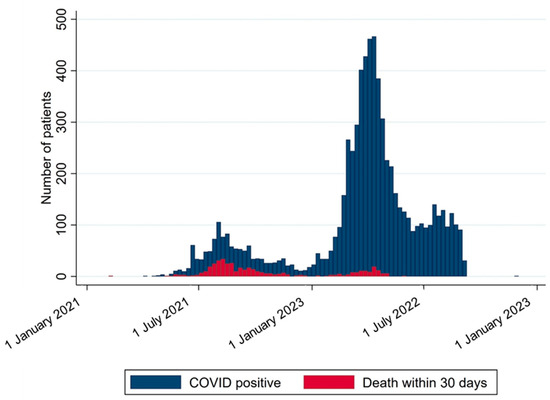
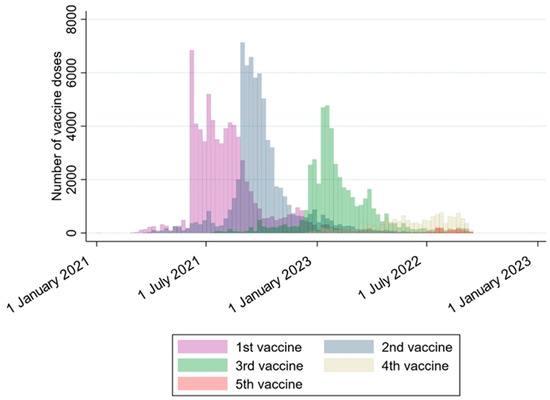
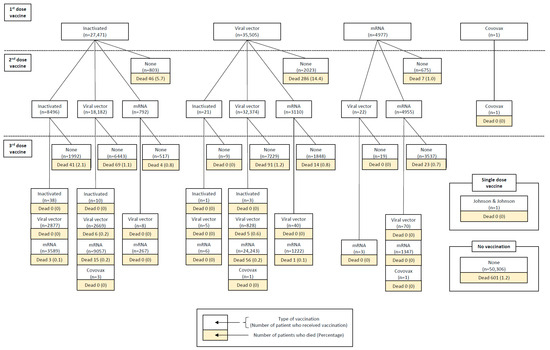
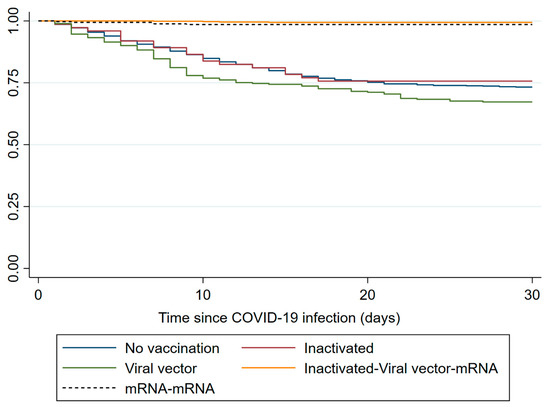
Background: During the COVID-19 pandemic, Thailand prioritized hemodialysis patients for vaccination. Due to limited supply, heterologous regimens were used. This study evaluates the mortality rate and risk factors in hemodialysis patients who received heterologous versus homologous vaccine regimens. Methods: We retrospectively reviewed data of hemodialysis patients in Thailand from January 2021 to December 2022, using data from the Department of Medical Sciences, Ministry of Public Health, and Thailand Renal Replacement Therapy Registry. Mortality was defined as death within 30 days of a positive RT-PCR or rapid antigen test for SARS-CoV-2. Multivariate logistic regression was used to identify mortality risk factors. Results: The associated risks of mortality in hemodialysis patients with COVID-19 were female sex, age ≥ 50 years, diabetes, and BMI ≥ 25.0 kg/m2. Regarding vaccination regimens, the inactivated–Viral vector–mRNA regimen was associated with lower mortality compared with the mRNA–mRNA regimen (OR 0.29, 95% CI 0.08–0.99). In contrast, no vaccination (OR 16.95, 95% CI 7.86–36.54) and single-dose vaccination with inactivated vaccine (OR 17.54, 95% CI 7.01–43.88) or Viral vector vaccine (OR 20.74, 95% CI 9.38–45.86) were associated with markedly higher mortality risk. Conclusion: The inactivated–Viral vector–mRNA vaccine regimen was associated with a decreased mortality risk among this population.
Full article
(This article belongs to the Special Issue COVID and Public Health)
►▼
Show Figures

Figure 1
Open AccessArticle
Ethical Issues Among Medical Professionals During the COVID-19 Pandemic: An Indian Cross-Sectional Study
by
Padmakumar Krishnankutty Nair, Russell F. Dsouza, Ivone Duarte and Rui Nunes
COVID 2026, 6(3), 48; https://doi.org/10.3390/covid6030048 - 13 Mar 2026
Abstract
Introduction: Healthcare institutions and care providers, including medical professionals, were at the forefront of the rapid response to the challenges of the pandemic. As medical professionals across the country actively fought the COVID-19 pandemic, many ethical, social, and legal challenges arose that had
[...] Read more.
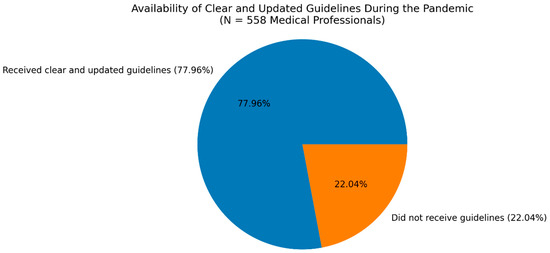
Introduction: Healthcare institutions and care providers, including medical professionals, were at the forefront of the rapid response to the challenges of the pandemic. As medical professionals across the country actively fought the COVID-19 pandemic, many ethical, social, and legal challenges arose that had not been previously encountered. This study was conducted to determine the ethical challenges and dilemmas faced by medical professionals during the COVID-19 pandemic. Materials and Methods: A descriptive cross-sectional questionnaire-based survey was conducted among the registered medical practitioners in the year 2022. The study setting included health care institutions in India where COVID patients were treated. Results: 558 participants took part in this study. The availability of personal protective equipment was sufficient in 519 (93%) of cases, while 39 (7%) of respondents reported insufficient quantities of personal protective equipment. Overall, 318 (56.99%) respondents were comfortable with their duty patterns, and 435 (77.96%) medical professionals received clear-cut and updated guidelines for practicing safely; 534 (95.70%) completed both doses of vaccines available at that time in India. Conclusions: Indian medical professionals experienced substantial ethical, occupational, and psychological challenges during the COVID-19 pandemic, despite the high availability of protective equipment and vaccination coverage. Resource allocation dilemmas, demanding duty patterns, and psychological distress during quarantine underscore the need for stronger institutional support, clear guidelines, and mental health interventions during future public health crises.
Full article
(This article belongs to the Section COVID Public Health and Epidemiology)
►▼
Show Figures

Figure 1
Open AccessArticle
Glucocorticoid Resistance in COVID-19: Endocrine–Inflammatory Associations in a Cross-Sectional Study
by
Malvina Todorova, Victoria Tsvetkova, Milena Atanasova, Adelaida Ruseva and Katya Todorova
COVID 2026, 6(3), 47; https://doi.org/10.3390/covid6030047 - 13 Mar 2026
Abstract
Coronavirus disease 2019 (COVID-19) is associated with systemic inflammation and immune dysregulation, potentially affecting hypothalamic–pituitary–adrenal (HPA) axis function and glucocorticoid signaling. However, the dynamics and clinical relevance of these alterations across different disease phases remain insufficiently defined. In this cross-sectional observational study, 101
[...] Read more.
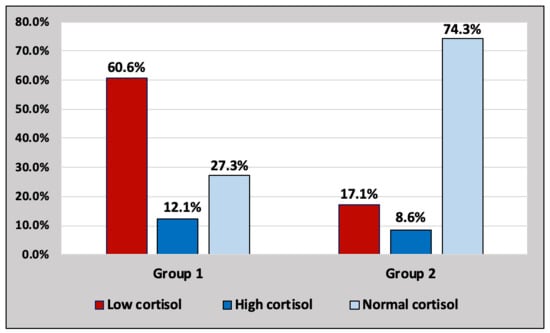
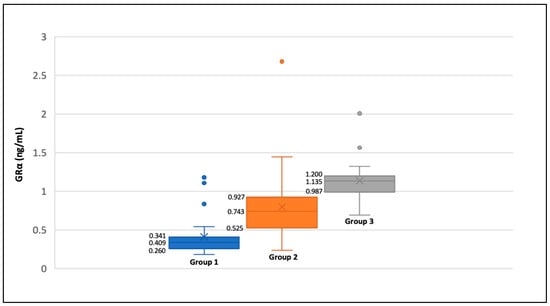
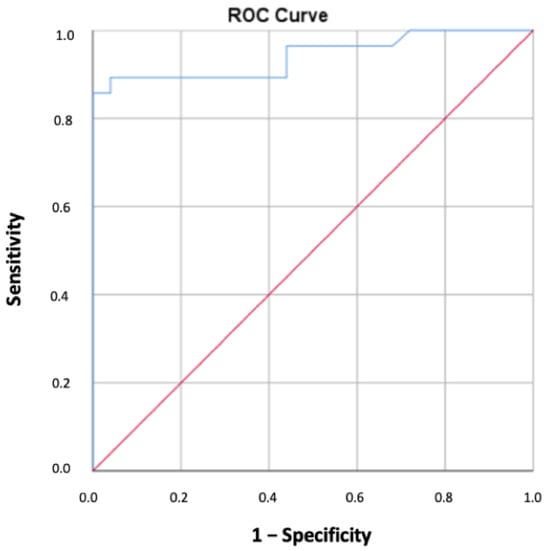
Coronavirus disease 2019 (COVID-19) is associated with systemic inflammation and immune dysregulation, potentially affecting hypothalamic–pituitary–adrenal (HPA) axis function and glucocorticoid signaling. However, the dynamics and clinical relevance of these alterations across different disease phases remain insufficiently defined. In this cross-sectional observational study, 101 participants were divided into three groups: patients with active COVID-19 (n = 33), individuals ≥ 6 months post-COVID-19 (n = 35), and a reference group of healthy individuals (n = 33). Serum cortisol, circulating glucocorticoid receptor alpha (GRα), and selected cytokines were measured. Statistical analysis included parametric and non-parametric tests, multivariable generalized linear models adjusted for age and sex, correlation analysis, and receiver operating characteristic (ROC) analysis. Lower serum cortisol levels were observed in approximately two-thirds of patients during the acute phase. Circulating GRα concentrations demonstrated a significant gradient across groups, with the lowest levels in active infection and partial restoration post-COVID. Active COVID-19 status remained independently associated with reduced GRα levels after adjustment for age and sex. The cytokine profile, including interleukin-17A (IL-17A), tumor necrosis factor-alpha (TNF-α), and interleukin-10 (IL-10), provided a mechanistic context for inflammation-associated modulation of glucocorticoid signaling, most evident during acute infection. Significant correlations between cortisol, GRα, and inflammatory mediators were observed only in this phase. ROC analysis demonstrated a high degree of statistical separation between active COVID-19 and healthy individuals (AUC 0.942; 95% CI: 0.878–1.000). Given the predefined group structure and modest sample size, these findings should be considered exploratory. Overall, the results support the presence of dynamic and potentially reversible immune–endocrine dysregulation during and after SARS-CoV-2 infection. Further validation in larger prospective cohorts is required.
Full article
(This article belongs to the Section COVID Clinical Manifestations and Management)
►▼
Show Figures

Figure 1
Open AccessArticle
Interleukin-6 Gene Polymorphisms (rs1800796, rs1800797, and rs2069845) and Susceptibility to Severe COVID-19 in Southern Brazil
by
Roberto Surek Gonçalves da Silva, Nathalia Marçallo Peixoto Souza, Christiane Mayrhofer Grocoske de Lima, Paula Rothbarth Silva, Ademir Luiz do Prado, Meri Bordignon Nogueira, Indianara Rotta, Gislaine Custódio, Marcel Henrique Marcondes Sari, Geraldo Picheth and Fabiane Gomes de Moraes Rego
COVID 2026, 6(3), 46; https://doi.org/10.3390/covid6030046 - 12 Mar 2026
Abstract
Infection with SARS-CoV-2, the virus responsible for COVID-19, is associated with cytokine storm, an excessive immune response. Interleukin-6, a multifunctional cytokine, is involved in the COVID-19 immune response. Functional polymorphisms in the interleukin-6 gene promoter, namely rs1800796, rs1800797, and rs2069845, may contribute to
[...] Read more.
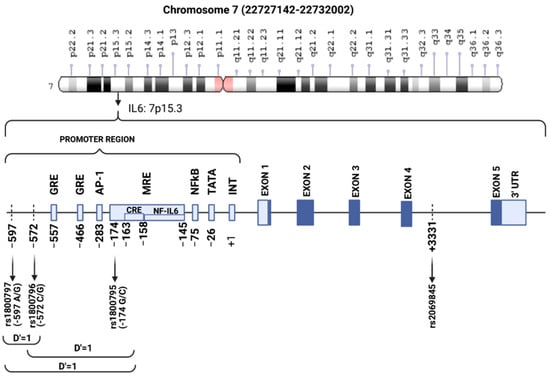
Infection with SARS-CoV-2, the virus responsible for COVID-19, is associated with cytokine storm, an excessive immune response. Interleukin-6, a multifunctional cytokine, is involved in the COVID-19 immune response. Functional polymorphisms in the interleukin-6 gene promoter, namely rs1800796, rs1800797, and rs2069845, may contribute to individual susceptibility to or severity of COVID-19. In this study, 106 healthy SARS-CoV-2-negative individuals (controls) and 106 patients with severe COVID-19 (COVID-19 group), confirmed by qPCR or rapid antigen tests, were genotyped using fluorescent probes for polymorphisms. All participants were from southern Brazil. Groups were matched for sex and body mass index, with a median age of 56–57 years. The COVID-19 group exhibited blood biomarker concentrations consistent with severe disease. No significant differences were detected in genotypic or allelic frequencies between groups, and all polymorphisms conformed to the Hardy–Weinberg equilibrium. The control group minor allelic frequencies for rs1800796 (allele C, 11.3%; 95% CI, 7–16), rs1800797 (allele A, 28.3%; 95% CI, 22–34), and rs2069845 (allele G, 36.8%; 95% CI, 30–50) were similar to those of African, American, and European populations. The polymorphisms investigated were not associated with severe COVID-19 in this cohort.
Full article
(This article belongs to the Section Host Genetics and Susceptibility/Resistance)
►▼
Show Figures

Figure 1
Open AccessArticle
Placental Autophagy Modulation and Ultrastructural Changes in COVID-19 Patients: A Pilot Study Using Immunohistochemistry and Transmission Electron Microscopy
by
Vaidyanathan Gowri, Marwa Al-Riyami, Deepthy Geetha, Shadia Al-Sinawi, Khalfan Al Jabri, Younis Al-Mufargi, Nadia Al-Abri, Adham Al-Rahbi and Srinivasa Rao Sirasanagandla
COVID 2026, 6(3), 45; https://doi.org/10.3390/covid6030045 - 12 Mar 2026
Abstract
Background: Autophagy is a conserved intracellular degradation pathway essential for maintaining cellular homeostasis by recycling damaged organelles and proteins. Dysregulation of autophagy has been implicated in pregnancy-related complications such as preeclampsia and fetal growth restriction, underscoring its importance in maternal and fetal health.
[...] Read more.
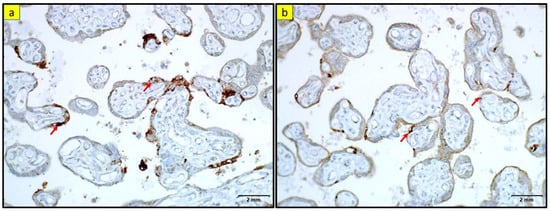
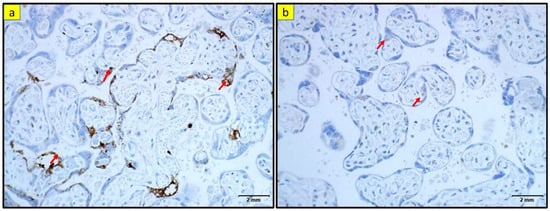
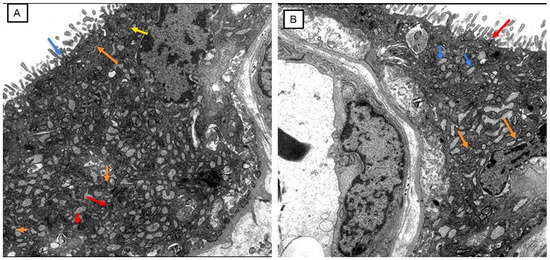
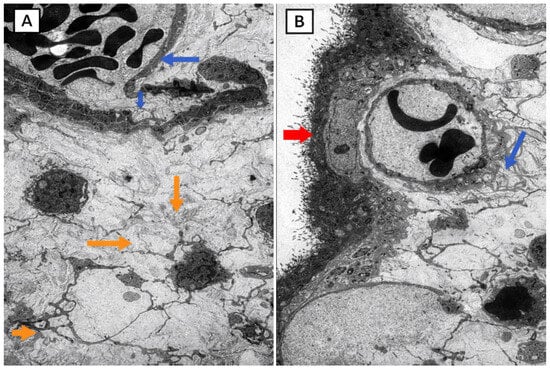
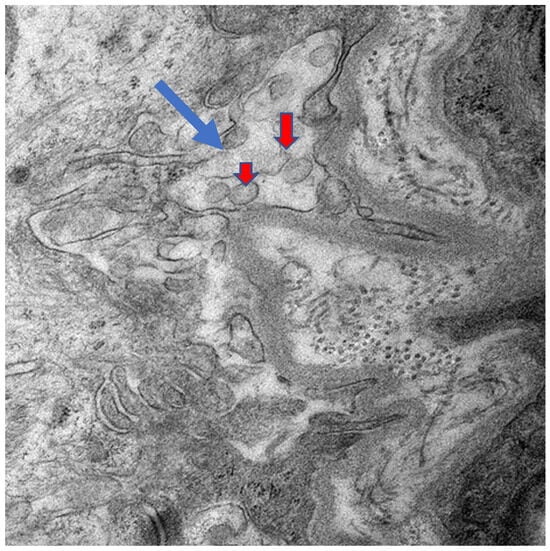
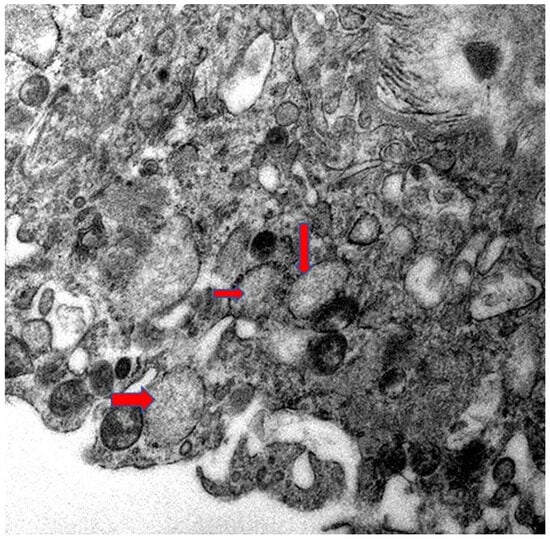
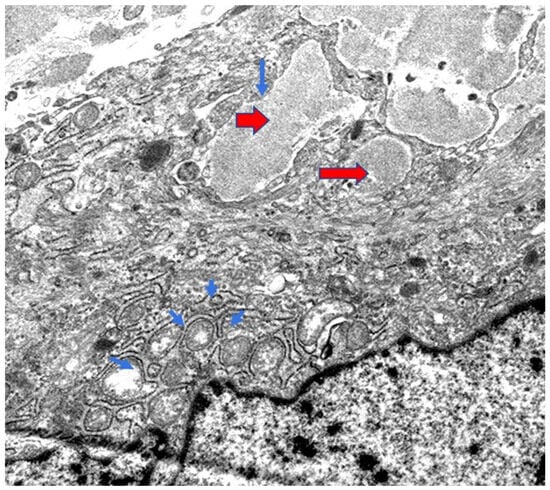
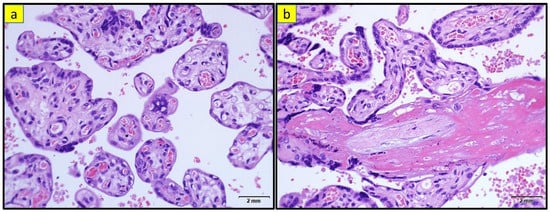
Background: Autophagy is a conserved intracellular degradation pathway essential for maintaining cellular homeostasis by recycling damaged organelles and proteins. Dysregulation of autophagy has been implicated in pregnancy-related complications such as preeclampsia and fetal growth restriction, underscoring its importance in maternal and fetal health. However, the autophagy status in the placental tissue of COVID-19-infected pregnant women remains unknown. Objective: To investigate autophagy activity in term placentas from pregnant women infected with COVID-19 compared to those from uninfected control pregnant women. Methods: In this prospective cross-sectional single-center study, 15 COVID-19-positive and 15 COVID-19-negative term pregnant women who delivered at Sultan Qaboos University Hospital between January 2020 and December 2022 were included. Immediately after delivery, the placental tissue samples were collected and assessed for autophagy activity using immunohistochemistry for LC3B and p62 markers, histopathological examination, and transmission electron microscopy. The proportion and intensity of LC3B and p62 staining were quantified. Statistical analysis was performed using the Mann–Whitney U test. Results: There was a significant reduction in p62 and LC3B expression in both the proportion and intensity in COVID-19 placentas compared to the control group. The proportion of p62 (p = 0.001) and LC3B (U = 46.000, p = 0.003) was significantly reduced in infected placentas. Similarly, intensity levels of both markers showed significant differences (p < 0.05), supporting the evidence of reduced LC3B/p62, suggesting autophagy modulation in COVID-19 patients’ placentas. Additionally, abnormal ultrastructural changes were observed in COVID-19–positive placentas, including mitochondrial injury, endoplasmic reticulum stress, microvillus loss, and basement membrane thickening. Conclusion: The study results from a limited sample size demonstrate a significantly altered autophagy flux in the placental tissues of term pregnant women with COVID-19 infection. These findings highlight the potential impact of COVID-19 infection on placental function and fetal development and underscore the need for further investigation into autophagy-modulating strategies to improve maternal–fetal health.
Full article
(This article belongs to the Section COVID Clinical Manifestations and Management)
►▼
Show Figures

Figure 1
Open AccessCase Report
A Case of Unilateral Choroidal Effusion with Secondary Angle-Closure Due to Severe Panuveitis After Anti-SARS-CoV-2 Vaccination
by
Paulina Bartoszek, Emilie Ates, Pauline Sambon, Lucie Pothen and Alexandra Kozyreff
COVID 2026, 6(3), 44; https://doi.org/10.3390/covid6030044 - 10 Mar 2026
Abstract
An 87-year-old woman was referred to our ophthalmology ward due to decreased visual acuity and intense right orbital pain, which had been present for four weeks. The anamnesis was not contributory, except that she had been vaccinated against severe acute respiratory syndrome coronavirus
[...] Read more.
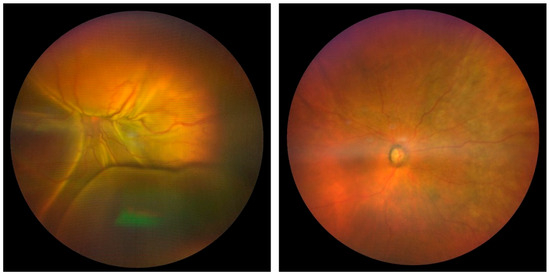
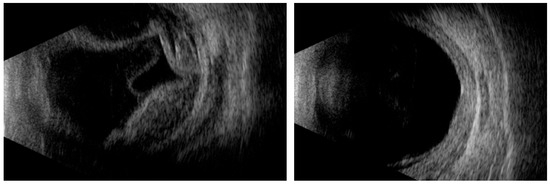
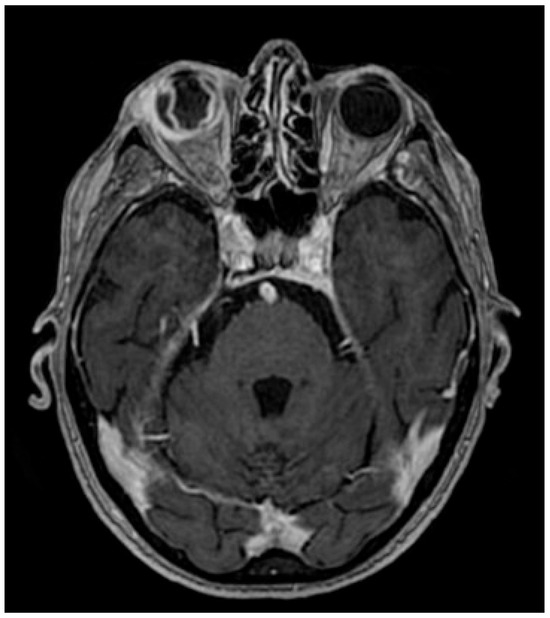
An 87-year-old woman was referred to our ophthalmology ward due to decreased visual acuity and intense right orbital pain, which had been present for four weeks. The anamnesis was not contributory, except that she had been vaccinated against severe acute respiratory syndrome coronavirus 2 (SARS-CoV2) four weeks prior to symptom onset. Her best-corrected visual acuity was hand movements in the right eye and 20/20 in the left eye. Intra-ocular pressure was 34 mmHg and 16 mmHg, respectively. Right eye slit lamp examination revealed palpebral oedema, chemosis, and temporal scleral thickening with conjunctival injection. The cornea was edematous with endothelial precipitates. The anterior chamber was shallow with a closed angle, associated with grade 1+ cells and 1+ flare, according to the SUN grading system. Mild vitreous inflammation was present (grade 0.5+ vitreous cells), and a total choroidal detachment was visible. In the absence of any other plausible cause, unilateral choroidal effusion with secondary angle-closure due to severe panuveitis was considered a possible adverse event following vaccination against SARS-CoV2.
Full article
(This article belongs to the Section COVID Clinical Manifestations and Management)
►▼
Show Figures

Figure 1
Highly Accessed Articles
Latest Books
E-Mail Alert
News
Topics
Special Issues
Special Issue in
COVID
Exploring the Multisystem Features of Long COVID
Guest Editors: Andrea Marino, Emmanuele Venanzi RulloDeadline: 31 May 2026
Special Issue in
COVID
Advances in Coronaviruses Research: Pathogenesis, Immunity, and Antivirals
Guest Editor: Nadine AlvarezDeadline: 31 July 2026
Special Issue in
COVID
Long COVID: Pathophysiology, Symptoms, Treatment, and Management
Guest Editors: Lawrence D. Hayes, Nilihan Sanal HayesDeadline: 31 August 2026
Special Issue in
COVID
Coronaviruses: Variants, Antivirals, and Vaccination
Guest Editor: Cheng-Wen LinDeadline: 30 September 2026