Article

Bibliometric and Descriptive Analysis of SARS-CoV-2 Immune Escape Using Bioinformatics Approaches (2020–2025)


1
Faculty of Medicine and Pharmacy, University Mohammed V of Rabat, Rabat 10100, Morocco
2
Molecular Biology and Functional Genomics Platform, National Center for Scientific and Technical Research (CNRST), Rabat 10102, Morocco
3
Biomedical and Epidemiology Research Unit, Center of Virology, Infectious and Tropical Diseases, Mohammed V Military Teaching Hospital, Rabat 10045, Morocco
4
Mohammed VI Center of Research and Innovation, Mohammed VI University of Sciences and Health, Rabat 10100, Morocco
*
Author to whom correspondence should be addressed.
COVID 2026, 6(3), 50; https://doi.org/10.3390/covid6030050
Submission received: 5 January 2026 / Revised: 2 March 2026 / Accepted: 11 March 2026 / Published: 16 March 2026
(This article belongs to the Section Human or Animal Coronaviruses)

Abstract

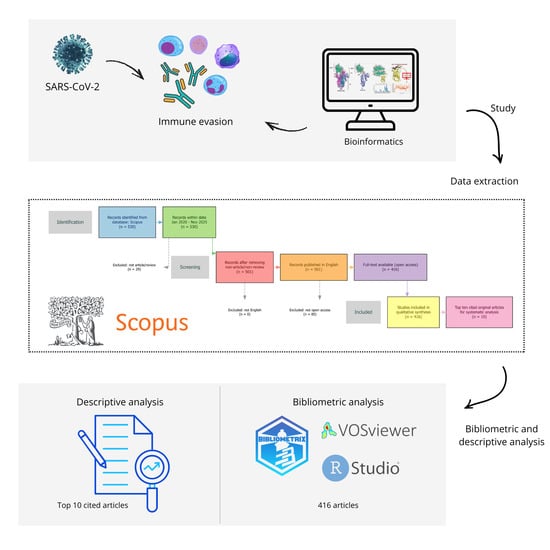
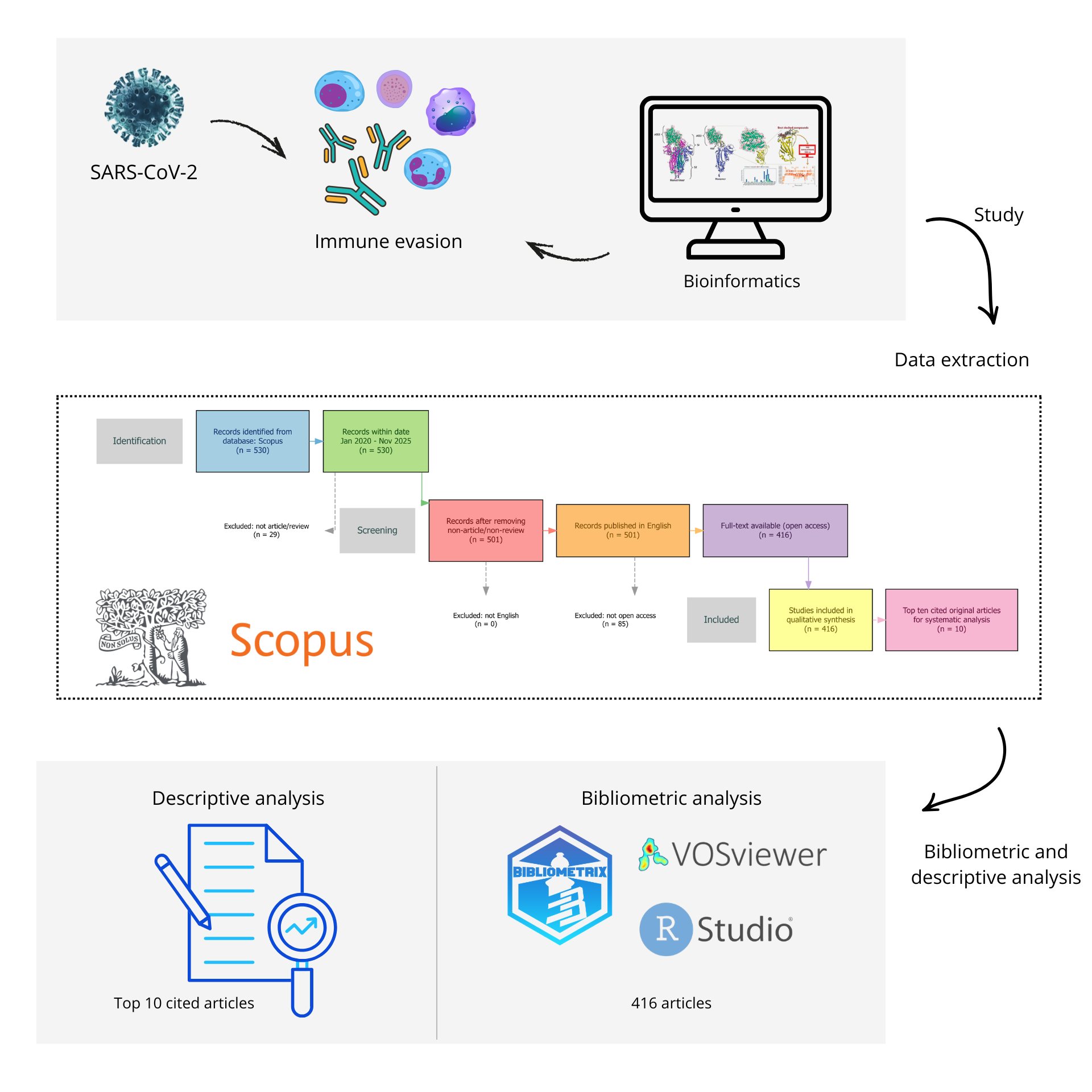
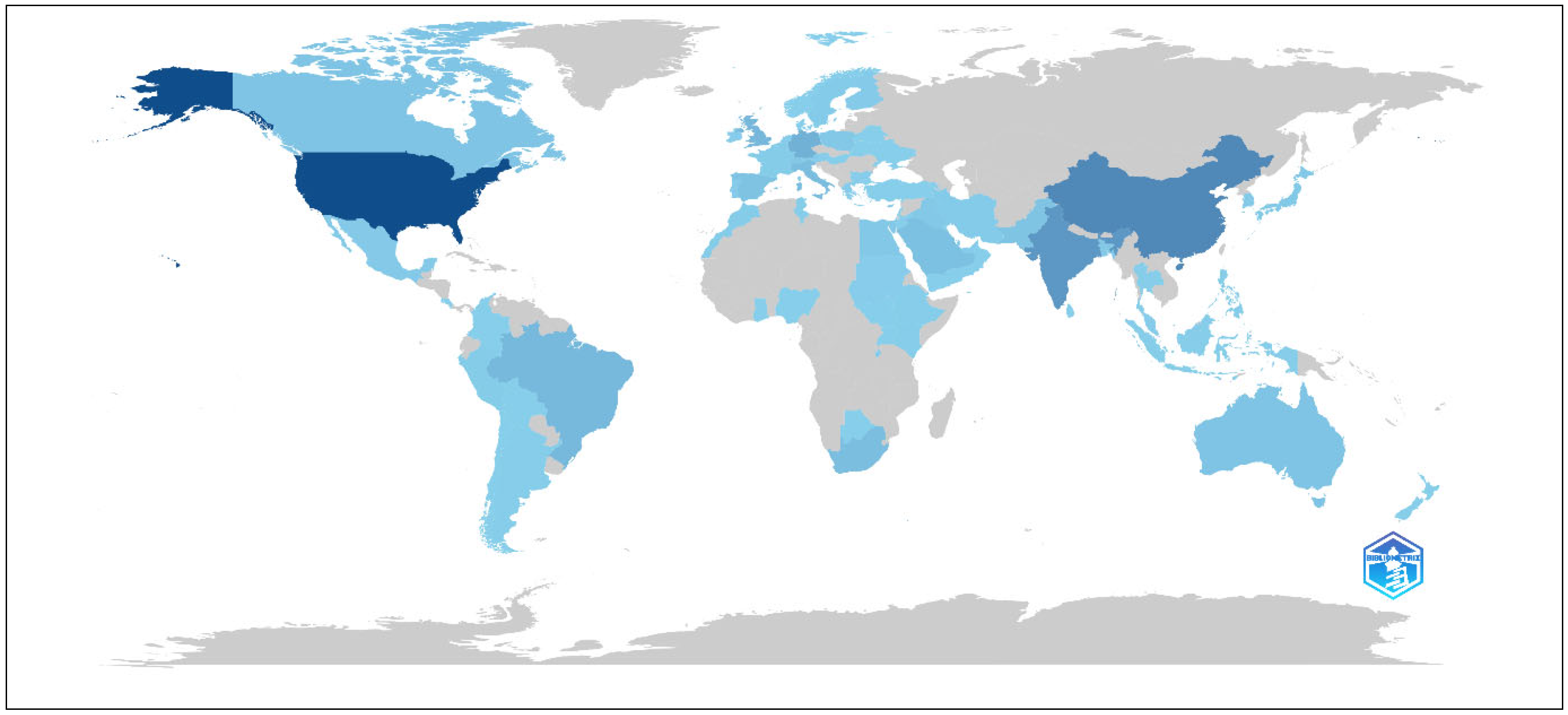
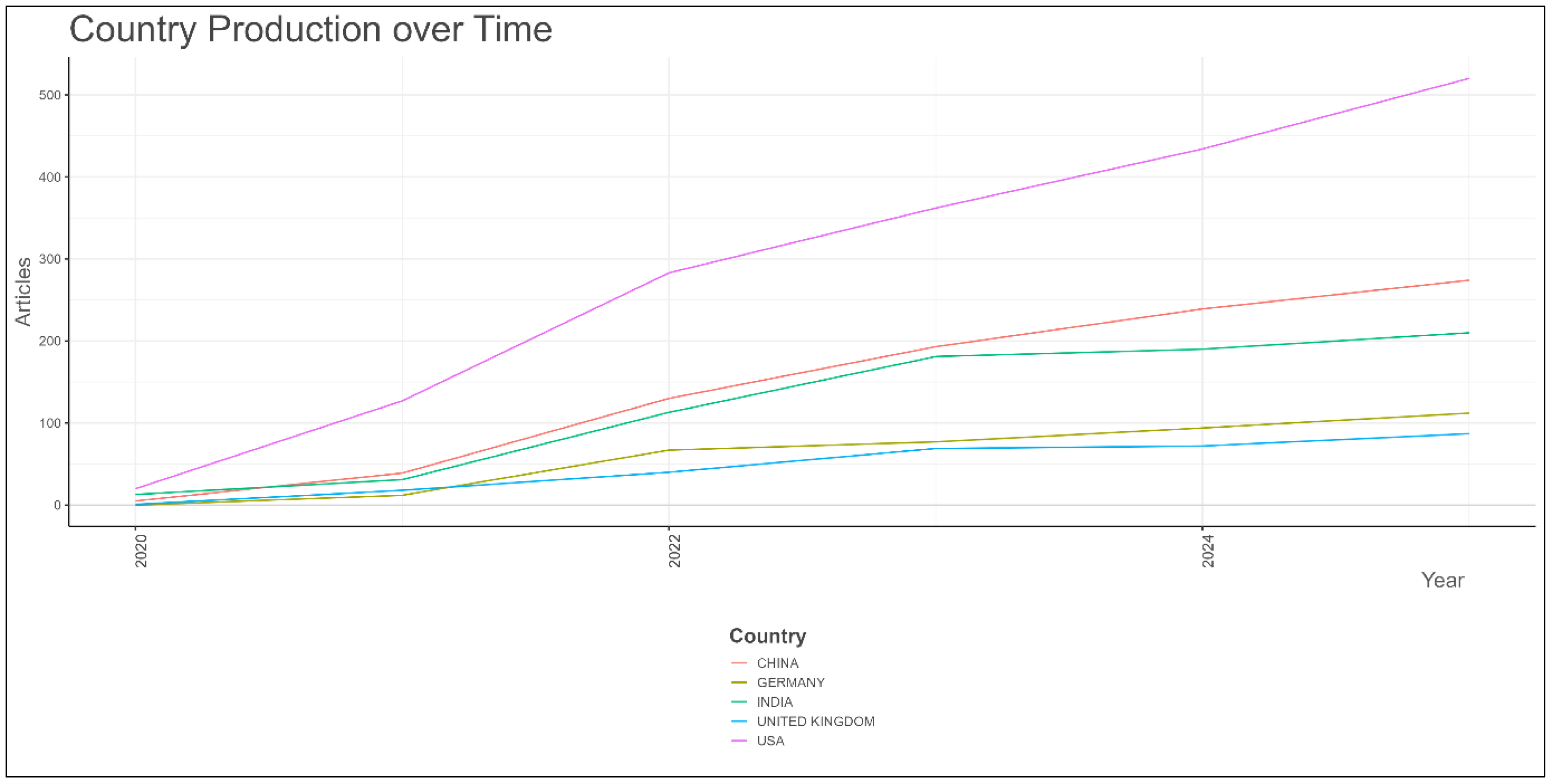
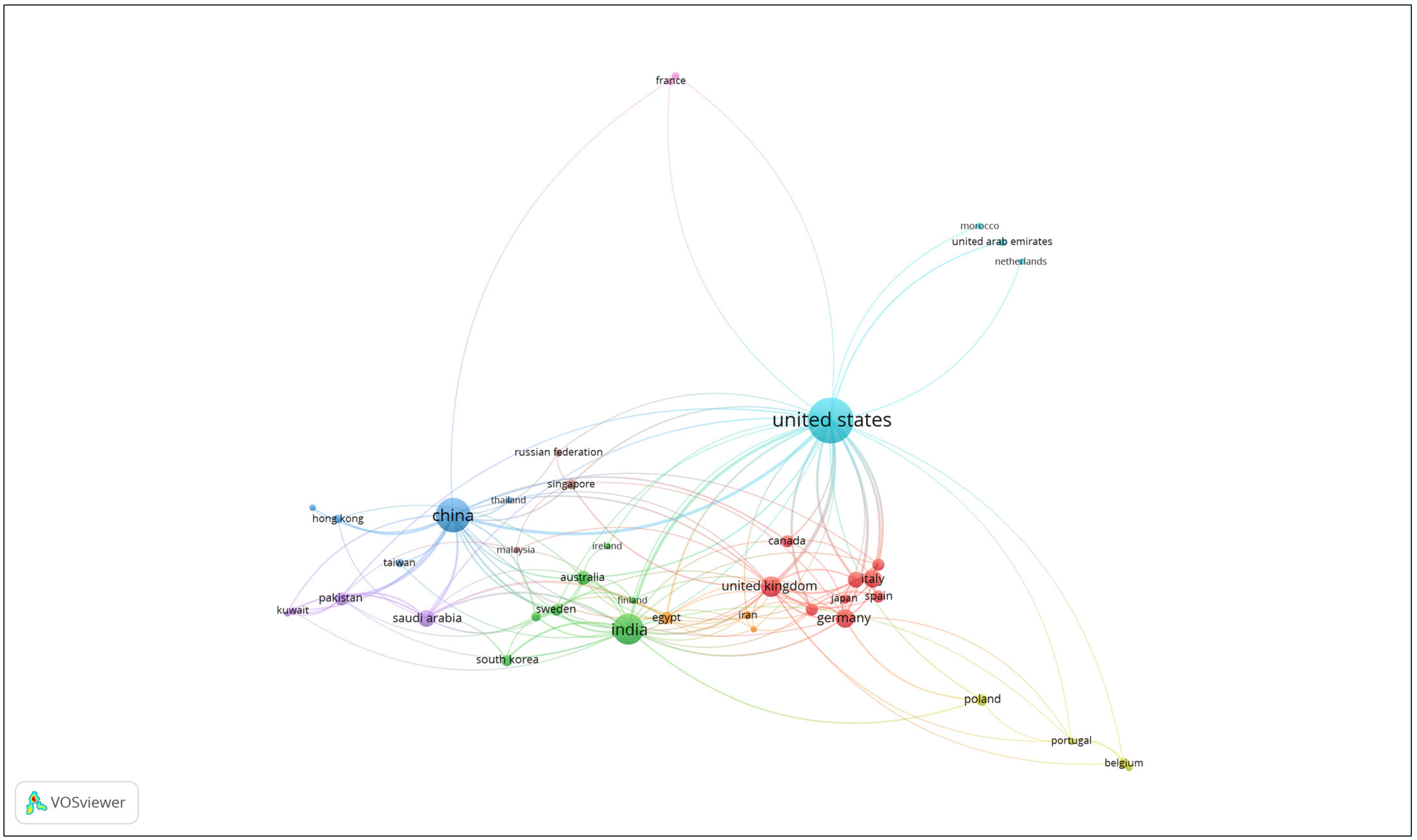
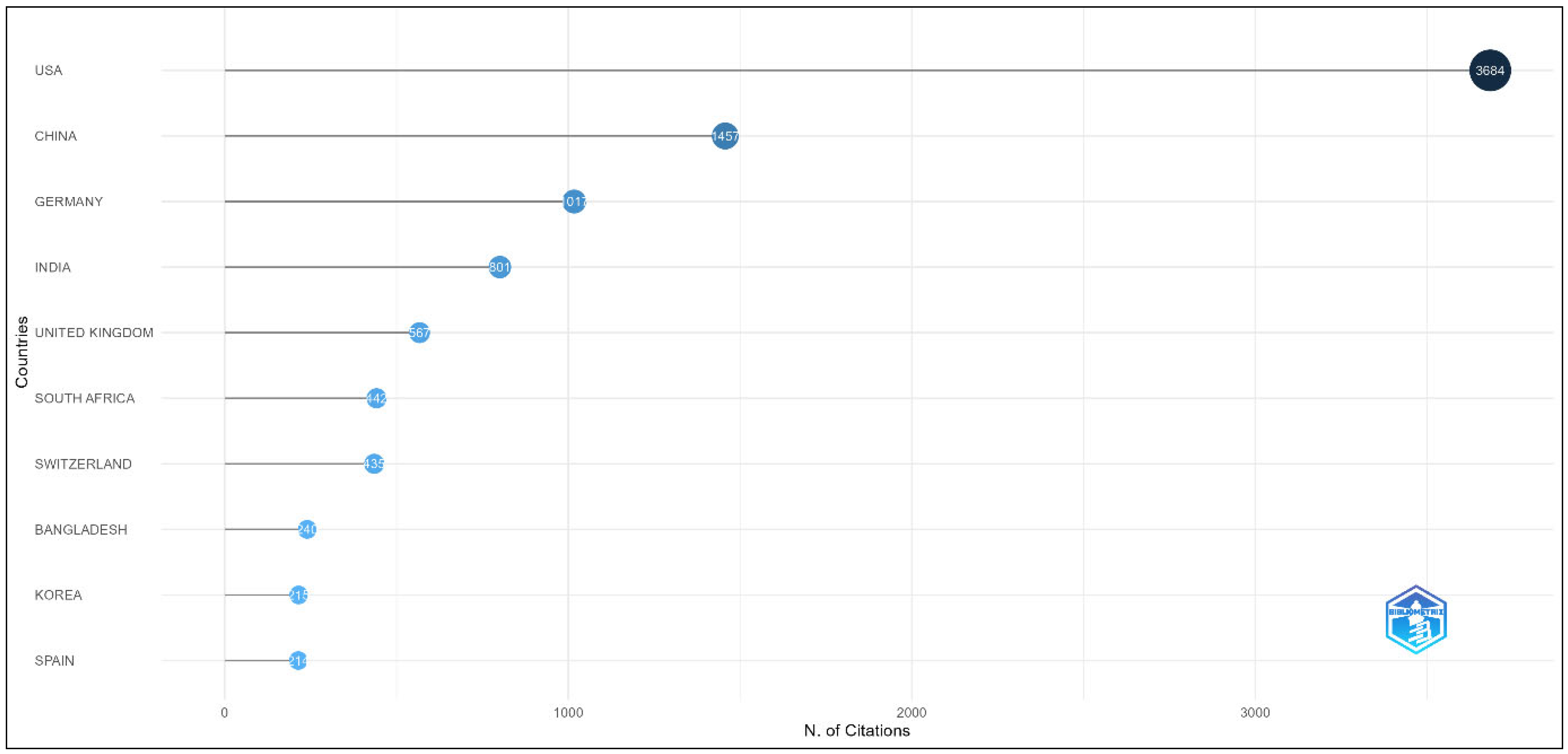
Vaccines worldwide reduce severe coronavirus disease 2019 (COVID-19) consequences; however, viral evolution escapes immunity, raising global concerns about vaccine protection and requiring monitoring. Bioinformatics is crucial for studying vaccine escape, speeding up variant detection, mapping antibody evasion epitopes and ensuring updated vaccines and public health responses. This study combines bibliometric analysis of the Scopus literature (n = 416) on SARS-CoV-2 immune evasion using bioinformatics tools with descriptive analysis of the top ten most highly cited original articles. Our results showed the United States (USA) as the dominant contributor, leading in publication output, citation impact and collaboration networks. The key themes identified were immune evasion, spike protein mutations, and viral evolution, highlighting the structural, functional and immune evasion mechanisms of spike mutations. Leading authors and journals reveal a globally connected research community that is making advances in our understanding of SARS-CoV-2 vaccine evasion, and supporting the development of future treatments and vaccines. The top ten articles showed molecular docking, dynamics simulations, and protein modeling as crucial to studying vaccine escape. In conclusion, global research led mainly by the USA and supported by active contributions has used bioinformatics to elucidate SARS-CoV-2 immune evasion, guiding variant future vaccine and treatment development, variant monitoring, and preparedness for emerging variants.
Keywords: SARS-CoV-2; immune evasion; bioinformatics; bibliometric analysis; COVID-19 SARS-CoV-2; immune evasion; bioinformatics; bibliometric analysis; COVID-19
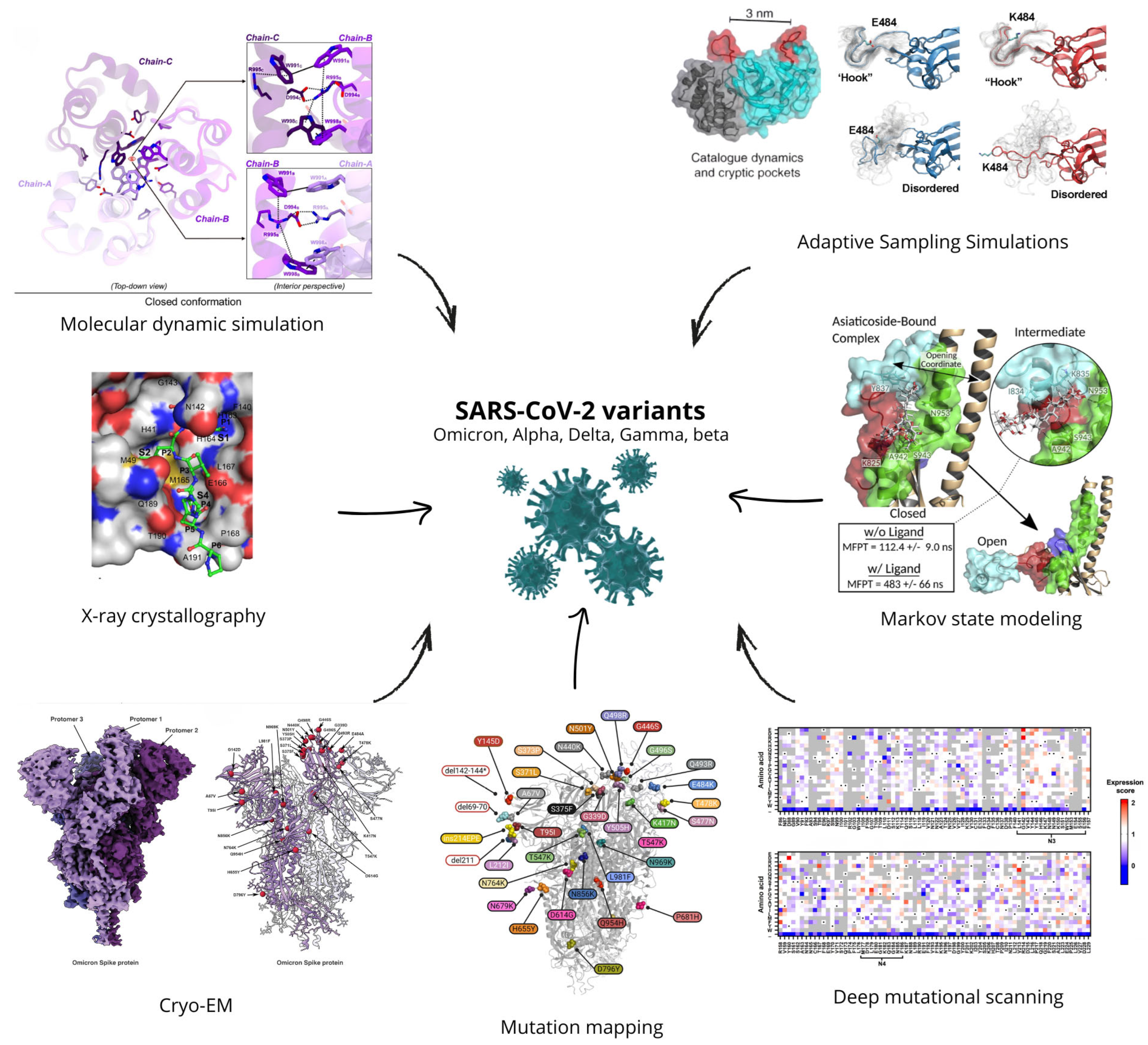
Graphical Abstract