


Abstract
Poly(vinyl alcohol) (PVA) has been widely investigated as a matrix for anti-corrosion coatings because of its continuous film-forming ability, relatively low cost, and the versatility of its hydroxyl groups for chemical modification. However, its high affinity for water remains a major limitation for long-term corrosion protection. Consequently, recent research has increasingly focused on cross-linking, nanostructuring, and functional modification of PVA to improve its resistance to moisture and aggressive environments. This review critically examines recent advances in PVA-based anti-corrosion coatings by integrating coating composition, cross-linking chemistry, micro- and nanostructural features, and electrochemical corrosion-protection mechanisms. Particular attention is given to the effects of glutaraldehyde, boric acid, citric acid, epichlorohydrin, and other multifunctional cross-linkers on network structure, mechanical behavior, water resistance, and barrier properties. The roles of urea, glycerol, inorganic fillers, nanomaterials, corrosion inhibitors, and inhibitor-containing nanocontainers are also evaluated in relation to coating durability and corrosion-protection performance. In addition to describing reported approaches, the review critically compares the influence of substrate, PVA characteristics, cross-linking conditions, nanofiller loading, coating architecture, electrolyte, exposure duration, and electrochemical parameters on the reported performance. Particular emphasis is placed on the relationships between cross-linked network structure, nanofiller dispersion, interfacial adhesion, electrolyte transport, and electrochemical response. The review further considers active inhibition, self-healing strategies, and environmental aspects of PVA-based coatings, while identifying limitations related to moisture sensitivity, long-term durability, and inconsistent reporting of experimental parameters. By integrating composition, cross-linking chemistry, structure–property relationships, and electrochemical evidence, this review provides a critical framework for understanding and designing more durable and environmentally compatible PVA-based anti-corrosion coatings.
1. Introduction
Corrosion is a persistent problem for metallic materials used in transportation, construction, marine facilities, petrochemical processing, and energy-related applications. During service, metal surfaces are frequently exposed to water, oxygen, chloride-containing environments, acidic conditions, and different industrial contaminants. Such exposure promotes electrochemical reactions at the metal surface and gradually leads to material deterioration. Besides shortening the service life of metallic components, corrosion can affect their reliability and safety and is responsible for considerable economic losses worldwide [1]. These consequences continue to drive the search for corrosion protection methods that are both effective and environmentally acceptable. One practical way of limiting corrosion is to apply a protective polymer layer to the metal surface. The coating separates the substrate from the surrounding corrosive environment and restricts direct contact with species involved in electrochemical corrosion processes [2]. Polymeric coatings are also attractive because they are generally lightweight, relatively easy to process and apply, and their properties can be adjusted by changing the coating formulation. Corrosion inhibitors, pigments, nanoparticles, and reinforcing fillers, for example, can be introduced into the polymer matrix to provide additional functions. At the same time, restrictions associated with toxic heavy-metal compounds and volatile organic substances have increased interest in waterborne polymer coatings as alternatives to some conventional corrosion-protection systems [3]. Among water-soluble synthetic polymers, poly(vinyl alcohol) (PVA) has attracted considerable attention as a promising matrix material for advanced protective coatings because of its increased film-forming ability, strong adhesion, flexibility, and environmentally friendly characteristics [4].
The versatility of PVA has led to its extensive application in biomedical materials, packaging films, membranes, hydrogels, wastewater treatment, adhesives, and functional surface coatings [5]. In recent years, growing environmental awareness and increasingly stringent regulations on hazardous coating materials have accelerated research into waterborne PVA-based protective coatings as environmentally benign alternatives to conventional solvent-based systems. In particular, PVA has demonstrated considerable potential as a matrix for anti-corrosion coatings owing to its ability to form compact and continuous films that effectively reduce the penetration of corrosive media toward metallic substrates [6]. Moreover, recent studies have shown that combining polymer matrices with functional modifiers can further enhance coating stability, durability, and overall protective performance under aggressive service conditions [7].
Despite the useful film-forming properties of PVA, its hydrophilic character remains an important drawback when the coating is exposed to humid or corrosive environments for extended periods. The large number of hydroxyl groups present in the polymer facilitates the uptake of water, which may lead to swelling of the coating and easier penetration of dissolved electrolytes. As a result, the barrier effect of unmodified PVA can gradually deteriorate, limiting its ability to provide long-term corrosion protection [8]. Various modification approaches have therefore been investigated to reduce this sensitivity to moisture. Among them, chemical cross-linking and the addition of plasticizers, inorganic fillers, nanomaterials, or corrosion-inhibiting species have received particular attention. Epichlorohydrin has been used as a cross-linking agent in PVA systems, while additives such as urea and glycerol can further influence the structure and mechanical behavior of the resulting films. Depending on the formulation, these modifications can improve water resistance, flexibility, coating stability, and ultimately the protective performance of PVA-based coatings [9].
Within the scope of this review, particular attention is given to the micro- and nanoscale characteristics of PVA-based anti-corrosion coatings, including the organization of cross-linked polymer networks, nanofiller dispersion, and inhibitor-containing nanocontainers. These features are considered in relation to coating morphology, barrier performance, and electrochemical corrosion behavior.
The present review provides an integrated assessment of the composition, cross-linking chemistry, structure–property relationships, and corrosion-protection mechanisms of PVA-based coatings. Particular attention is given to the relationship between cross-linking density, water resistance, interfacial adhesion, electrolyte transport, and electrochemical performance. The review further distinguishes passive barrier protection from active corrosion inhibition and critically evaluates the limitations associated with nanofiller dispersion, coating brittleness, environmental safety, and self-healing claims.
2. Poly(vinyl Alcohol) as a Matrix for Anti-Corrosion Coatings
Poly(vinyl alcohol) (PVA) is a water-soluble, semicrystalline synthetic polymer whose properties are closely related to its molecular structure. Its preparation differs from that of many conventional vinyl polymers because vinyl alcohol is not sufficiently stable to undergo direct polymerization. For this reason, PVA is generally obtained from poly(vinyl acetate) (PVAc) through hydrolysis or alcoholysis, where the acetate groups of the precursor polymer are progressively replaced by hydroxyl groups. The extent of this conversion is particularly important, as the degree of hydrolysis, together with the molecular weight of the polymer, determines many of the characteristics of the final material. Changes in these parameters can affect PVA crystallinity and solubility as well as its mechanical and thermal behavior [10]. The principal route for producing PVA through the hydrolysis of poly(vinyl acetate) is schematically illustrated in Figure 1.
Figure 1.
Schematic representation of the synthesis of poly(vinyl alcohol) from vinyl acetate via poly(vinyl acetate) hydrolysis [10].
The molecular structure of PVA consists mainly of repeating –CH2–CH(OH)– units, with hydroxyl groups distributed along the polymer chain. These –OH groups are capable of forming hydrogen bonds both within individual chains and between neighboring polymer molecules. Such interactions contribute to the organization of semicrystalline regions and strongly affect the overall behavior of the polymer. They are also associated with several useful characteristics of PVA films, including good mechanical strength, flexibility, transparency, adhesion, and film-forming ability. At the same time, the hydroxyl groups provide reactive sites for further chemical modification. PVA can therefore undergo reactions such as cross-linking, grafting, esterification, and etherification, allowing its properties to be adjusted for different functional applications [11].
The properties of PVA are not fixed and depend considerably on parameters such as molecular weight, degree of polymerization, and degree of hydrolysis. In general, increasing the extent of hydrolysis favors stronger intermolecular interactions and higher crystallinity, which can improve the mechanical and chemical stability of the material. Partially hydrolyzed grades, on the other hand, usually show better solubility in water and can be easier to process. The hydrogen-bonded structure of PVA also helps produce relatively compact films with low oxygen permeability, making the polymer attractive as a barrier and protective coating material. Nevertheless, the same hydroxyl groups that contribute to these properties also increase the affinity of PVA for water. Exposure to humid conditions may therefore result in moisture uptake and swelling, followed by a gradual loss of barrier effectiveness. For applications requiring prolonged protection, PVA is consequently often modified or crosslinked to reduce its sensitivity to water and improve the stability of the resulting coating [12,13].
The principal structural characteristics of PVA, including its repeating unit, molecular configuration, hydrogen-bonding interactions, and partially hydrolyzed structure, are presented in Figure 2.
Figure 2.
Schematic representation of PVA-based protective coating: molecular structure and intermolecular hydrogen bonding of PVA, together with the proposed barrier, controlled inhibitor-release, interfacial inhibition, and self-healing mechanisms at the coating/metal interface [14,15]. Red wavy arrows indicate the diffusion of corrosive species, purple arrows indicate inhibitor release and migration toward the coating/metal interface, and the green arrow indicates the role of the hydrogen-bonded PVA network in maintaining coating integrity.
The abundant hydroxyl groups, increased biocompatibility, biodegradability, non-toxicity, and increased film-forming ability of PVA make it one of the most versatile synthetic polymers for biomedical and functional material applications. These characteristics also provide a strong foundation for the development of advanced protective coating systems [16].
The ability of PVA to form coherent films is an important reason for its use in protective coating systems. During drying, evaporation of the solvent allows the polymer chains to approach one another and establish hydrogen-bonding interactions through their hydroxyl groups. This process can produce a continuous and relatively compact layer over the substrate. When the coating is sufficiently uniform, it acts as a physical barrier that limits direct contact between the underlying surface and corrosive species. In particular, the transport of water, oxygen, and dissolved ions through the polymer layer can be restricted, which contributes to the initial protective effect of PVA coatings [17].
The final quality of a PVA coating, however, depends on both the properties of the polymer and the conditions used during its preparation. Parameters such as molecular weight, degree of hydrolysis, film thickness, and drying conditions can influence coating morphology and mechanical stability. The condition of the substrate surface is equally important because adequate interfacial contact is required for satisfactory adhesion. For this reason, surface preparation methods such as mechanical polishing, plasma treatment, or chemical activation may be used before coating deposition. These treatments can modify the surface and increase the availability of sites capable of interacting with the polymer, thereby improving adhesion and reducing the likelihood of defects or local coating failure [18].
Despite its coating-forming capability, neat PVA exhibits relatively poor water resistance because of its hydrophilic nature. Water absorption may weaken intermolecular interactions, leading to coating swelling and gradual deterioration of adhesion under humid environments. Therefore, chemical crosslinking and the incorporation of inorganic fillers, nanoparticles, and functional additives have become common approaches to enhance coating stability while maintaining strong adhesion to metallic substrates [19].
Recent advances in PVA-based coating technology have demonstrated that hybrid coating systems combining PVA with nanomaterials or multifunctional crosslinkers exhibit improved adhesion strength, coating uniformity, and barrier performance compared with unmodified PVA. These modifications not only increase resistance to water permeation but also improve the mechanical robustness and service lifetime of protective coatings operating under aggressive environmental conditions [20].
3. Composition and Modification of PVA-Based Anti-Corrosion Coatings
Crosslinking is one of the most important strategies for improving the performance of poly(vinyl alcohol)-based anti-corrosion coatings. Although PVA contains abundant hydroxyl groups and can form uniform, adherent and transparent layers, its high hydrophilicity and water sensitivity may limit long-term corrosion protection in humid or aggressive environments. Therefore, chemical and physical crosslinking agents are commonly introduced to decrease water uptake, improve dimensional stability, strengthen adhesion to the metal surface and create a denser barrier against corrosive ions such as Cl−, H+ and dissolved oxygen [21].
Glutaraldehyde is commonly employed for the covalent crosslinking of PVA. Its aldehyde groups react with hydroxyl groups along the PVA chains, giving rise to acetal-type linkages between neighboring polymer segments. As these linkages develop, the initially water-sensitive polymer is converted into a more tightly connected network with a lower tendency to swell. This change is particularly relevant to corrosion protection, since reduced swelling makes it more difficult for water and dissolved ionic species to migrate through the coating and reach the underlying metal surface [22]. The effect of glutaraldehyde is not limited to anti-corrosion coatings. Studies involving PVA composite films and membranes have likewise reported greater dimensional stability and mechanical strength after cross-linking, together with better resistance during exposure to aqueous environments [23].
Boric acid modifies PVA through a somewhat different mechanism. Rather than forming the same permanent covalent network associated with glutaraldehyde, it can interact with hydroxyl groups through borate-related linkages and hydrogen bonding. The resulting interactions alter the organization and mobility of the polymer chains and may strengthen the film without completely sacrificing its flexibility. Depending on the formulation and crosslinking conditions, boric acid treatment can also improve the resistance of PVA films to the passage of water and other permeating species. This combination of mechanical stability, flexibility and barrier behavior has made boric-acid-modified PVA of interest for protective coatings. Recent studies have demonstrated the formation of mechanically stable PVA layers with good barrier characteristics, suggesting their potential usefulness in environments where moisture and ionic transport must be limited [24].
Epichlorohydrin represents a different type of PVA modifier and can participate in ether-forming crosslinking reactions with the polymer. Epichlorohydrin-based epoxy materials are already well established in coating technology because of their adhesion to substrates and their resistance to chemical attack. Nevertheless, the use of epichlorohydrin requires careful health and safety consideration because it is classified as a substance reasonably anticipated to be a human carcinogen [25]. Glyoxal, another dialdehyde, can react with the hydroxyl groups of PVA through acetal formation, thereby increasing the degree of interconnection within the polymer network. Its relatively small bifunctional molecules can restrict polymer-chain mobility, reduce free volume, and improve the resistance of PVA films to water or permeating species. However, the extent of these changes depends on the glyoxal concentration, reaction environment, and cross-linking time. Excessive cross-linking may produce an overly rigid network and reduce film flexibility, whereas insufficient cross-linking may provide inadequate water resistance. Therefore, the glyoxal content and processing conditions should be optimized by balancing water resistance, permeability, flexibility, and mechanical stability [26,27].
More recently, reversible PVA–boronic acid interactions have been incorporated into pH-responsive self-healing coatings. In such systems, dynamic bonding can assist the recovery of the coating after local damage, helping to maintain the protective barrier for a longer period [28].
In addition to plasticizers and crosslinking agents, functional additives play a pivotal role in enhancing the physicochemical stability and corrosion protection performance of PVA-based coatings [29]. Among the numerous functional additives investigated, urea, thiourea, organic modifiers, and corrosion inhibitors have received considerable attention owing to their ability to interact with both the polymer matrix and metallic substrates through hydrogen bonding, coordination interactions, or chemical adsorption. Recent studies have demonstrated that the synergistic incorporation of these additives substantially enhances coating durability and prolongs the service life of protected metallic materials [30].
Urea is a relatively simple nitrogen-containing compound that can be introduced into PVA formulations to modify the structure and behavior of the resulting films. Its amide groups are able to interact with the hydroxyl groups of PVA through hydrogen bonding, which can influence polymer-chain organization and contribute to the formation of a more uniform coating. Urea may also assist in distributing inorganic particles throughout the polymer matrix, thereby limiting particle aggregation and reducing local defects in the film. Its effect, however, depends strongly on the amount incorporated. Because urea itself is hydrophilic, a high concentration may increase the affinity of the coating for water and eventually weaken its barrier function during prolonged exposure to humid or corrosive conditions. For this reason, the amount of urea should be considered together with the crosslinking conditions and the overall coating composition. An appropriate formulation can retain the beneficial effects on film flexibility and homogeneity without compromising the resistance of the coating to water and electrolyte penetration [31].
Thiourea differs from urea mainly through the presence of sulfur in its molecular structure, and this feature makes it particularly relevant to corrosion-control systems. Both sulfur and nitrogen atoms can participate in interactions with metal surfaces through their available electron pairs, favoring adsorption or coordination at the metal–coating interface. The surface layer formed through these interactions can reduce the number of sites directly exposed to the corrosive environment and, in turn, hinder the electrochemical processes involved in metal dissolution and cathodic reactions. Electrochemical studies of polymer coatings containing thiourea have reported lower corrosion current densities and higher polarization resistance, particularly in chloride-containing media [32,33]. When incorporated into a PVA matrix, thiourea may provide an additional contribution through interactions with the hydroxyl-rich polymer network. Such interactions can influence film cohesion and interfacial adhesion while the sulfur- and nitrogen-containing groups contribute to corrosion inhibition at the metal surface. Thiourea can therefore play more than one role in PVA-based coatings, acting both as a structural modifier of the polymer film and as an active component involved in corrosion protection [34,35].
Although PVA is frequently described as an environmentally preferable polymer because of its water-based processability and potential biodegradability, these characteristics should not be interpreted as evidence that every PVA-based coating formulation is environmentally benign. The biodegradation of PVA depends on several factors, including molecular weight, degree of hydrolysis, water solubility, material formulation, microbial activity, and environmental conditions. Cross-linking may further reduce water solubility and alter degradation behavior; therefore, conclusions obtained for unmodified PVA cannot automatically be extended to cross-linked or nanocomposite coatings [36].
The environmental and health profile of the complete formulation must also account for cross-linkers, catalysts, corrosion inhibitors, solvents, and nanofillers. In particular, glutaraldehyde is associated with irritant and sensitizing effects, whereas epichlorohydrin requires careful risk management because it is classified as a substance reasonably anticipated to be a human carcinogen. Nanomaterials may introduce additional concerns related to manufacturing exposure, particle release, disposal, and end-of-life treatment. Consequently, terms such as “environmentally friendly”, “green”, “sustainable”, or “biodegradable” should be used only when they are supported by evidence for the complete coating system rather than for PVA alone [25].
A meaningful sustainability assessment should consider raw-material production, coating preparation and curing, occupational exposure, service life, maintenance requirements, and end-of-life management. Improved coating durability may reduce material consumption and maintenance frequency, but replacement of a conventional ingredient is environmentally beneficial only if adequate protective performance and service life are retained. Comparative life-cycle assessment and standardized toxicity and biodegradation testing are therefore needed before broad environmental claims can be made [37].
4. Influence of Cross-Linking on the Performance of PVA-Based Anti-Corrosion Coatings
Chemical crosslinking provides a practical means of addressing some of the limitations associated with unmodified PVA coatings. The hydroxyl groups distributed along the PVA chains can react with multifunctional crosslinking compounds, creating connections between neighboring polymer chains and restricting their mobility. As the network becomes more interconnected, the coating is generally less susceptible to dissolution and swelling when exposed to water. Crosslinking can also improve film cohesion and its ability to remain attached to a metal surface during prolonged exposure to corrosive environments. These changes are particularly important for anti-corrosion applications, where the protective layer must remain continuous while limiting the transport of water, oxygen, and dissolved ions toward the substrate. For this reason, chemical crosslinking is frequently used to improve the durability of PVA-based coatings under humid or chemically aggressive conditions [38,39,40].
Experimental studies indicate that the effect of cross-linking on PVA properties is concentration-dependent rather than strictly monotonic. Increasing the cross-linker content generally increases network density and consequently decreases water uptake and swelling, whereas excessive cross-linking can restrict chain mobility and reduce mechanical flexibility. For example, Rudra et al. [41] reported that increasing the glutaraldehyde concentration from 1 to 6% increased the degree of cross-linking from 2.8 to 34%, while the corresponding water uptake decreased from 515 to 132%. Notably, the reduction in water uptake was most pronounced between 2 and 4% glutaraldehyde, where the degree of cross-linking increased from 5.6 to 32% and water uptake decreased from 292 to 142%, demonstrating a strong dependence of water resistance on network density. In a more recent study, Sainik et al. [42] investigated aldehyde-to-PVA ratios of 0.2–1.0 and reported up to 99% cross-linking for glutaraldehyde at ratios of 0.6–0.8 under 50 °C for 5 min. These results indicate that increasing cross-link density can substantially improve water resistance; however, the optimum level depends on the polymer formulation and cross-linking conditions. Sonjan et al. [43] likewise reported that a PVA/silk sericin film containing 20% (w/w) dimethylurea as crosslinker exhibited favorable mechanical and physical properties, although this system was developed for seed coating rather than metallic corrosion protection. Therefore, the reported values should be regarded as system-specific rather than as a universal optimum for anticorrosion coatings. Overall, an appropriate cross-linking level should balance reduced water uptake and swelling with sufficient chain mobility, mechanical flexibility, adhesion, and resistance to cracking. Electrochemical parameters such as coating resistance, charge-transfer resistance, and corrosion current density should consequently be evaluated together with these physical and mechanical characteristics rather than independently [41,42,43].
Physical crosslinking offers a different approach because the PVA network can be formed without introducing conventional reactive crosslinking agents. In these systems, interactions between polymer chains arise mainly from hydrogen bonding, the formation of crystalline regions, chain entanglement, or structural rearrangements produced by repeated freeze–thaw treatment. Unlike permanent covalent crosslinks, many of these interactions are reversible and do not substantially alter the original chemical structure of PVA. Nevertheless, they can restrict chain mobility and provide greater structural stability when the material is exposed to water [44]. The absence of additional reactive crosslinking chemicals is also advantageous from a processing and environmental perspective. Physical crosslinking is therefore of interest for PVA-based coatings where relatively simple preparation, reduced use of potentially hazardous reagents, and adequate mechanical and water resistance are required [45]. Hybrid crosslinking has recently attracted increasing research interest as an approach to addressing some limitations associated with conventional chemical and physical crosslinking methods. This approach integrates permanent covalent bonds with reversible physical interactions within a single polymer network, enabling simultaneous enhancement of mechanical strength, flexibility, thermal stability, and barrier performance. By combining these complementary mechanisms, hybrid-crosslinked PVA coatings exhibit improved structural integrity and long-term durability while maintaining sufficient elasticity to accommodate mechanical deformation during service. Consequently, hybrid chemical-physical crosslinking has attracted increasing research interest in the development of PVA based anti-corrosion coatings [46,47].
The main crosslinking strategies used in PVA-based anti-corrosion coatings and their effects on coating performance are summarized in Table 1.
Table 1.
Comparative analysis of crosslinking strategies employed in PVA-based anti-corrosion coatings.
A comparison of representative PVA-based anti-corrosion coating systems, including their substrates, PVA characteristics, crosslinking conditions, nanofiller loading, electrochemical evaluation, and reported protection performance, is presented in Table 2.
Table 2.
Comparative analysis of representative PVA-based anticorrosion coatings.
The comparative data presented in Table 2 demonstrate that the corrosion-protection performance of PVA-based coatings depends strongly on coating composition and experimental conditions. Direct comparison of reported protection efficiencies is not straightforward because the investigated systems differ in substrate type, PVA characteristics, cross-linking conditions, nanofiller loading, coating thickness, electrolyte composition, and exposure duration. In addition, several studies do not report important parameters such as PVA molecular weight, degree of hydrolysis, cross-linker concentration, coating thickness, or quantitative EIS data. Therefore, the reported corrosion-protection values should be interpreted in the context of the specific experimental conditions rather than as directly comparable indicators of performance [61,64,65,66,67].
5. Corrosion Protection Mechanisms
The barrier efficiency of PVA coatings is strongly influenced by the compactness of the polymer matrix. Studies have demonstrated that increasing the crystallinity of PVA coating films significantly reduces oxygen permeability. Crystalline domains behave as impermeable regions within the polymer, forcing oxygen molecules to follow longer and more tortuous diffusion pathways. This finding is directly relevant to anti-corrosion coatings because oxygen transport is one of the key factors accelerating cathodic corrosion reactions [68].
The principal protection mechanisms of PVA-based hybrid coatings, including barrier protection, active inhibition, and improved interfacial adhesion, are schematically illustrated in Figure 3.
Figure 3.
Schematic representation of the composition, preparation, and principal protection mechanisms of PVA-based hybrid anti-corrosion coatings [69,70,71].
Passive barrier protection is primarily governed by the continuity, compactness, and transport resistance of the PVA-based coating. Crosslinking can reduce polymer-chain mobility and swelling, whereas well-dispersed nanofillers can increase the tortuosity of diffusion pathways. These structural effects can delay the transport of water, oxygen, chloride ions, and other aggressive species toward the coating–metal interface. The overall protection therefore depends on coating continuity, thickness, adhesion, crosslink density, filler dispersion, and resistance to water uptake [72].
Active corrosion inhibition involves a chemical or electrochemical response that suppresses corrosion after aggressive species reach the coating–metal interface or local coating damage occurs. In polymer-based coatings, this function may be provided by dissolved or immobilized inhibitors, metal-coordinating functional groups, inhibitor-loaded micro- or nanocontainers, and stimuli-responsive components. Released inhibitor molecules may adsorb onto the metal surface, form protective complexes or films, and suppress anodic metal dissolution, cathodic reactions, or both processes. Unlike passive barrier protection, active inhibition requires a functional component capable of responding to electrolyte penetration, changes in local pH, or coating damage. However, the presence of an inhibitor in a coating formulation alone does not demonstrate active protection. Inhibitor release, interaction with the metal surface, and the resulting electrochemical suppression of corrosion should be experimentally verified [73].
The proposed protection mechanisms of PVA-based coatings should be interpreted together with electrochemical measurements. In electrochemical impedance spectroscopy (EIS), effective barrier protection is generally reflected by a high low-frequency impedance modulus, high coating resistance, and increased charge-transfer resistance. These parameters indicate that the coating restricts the transport of water, oxygen, and dissolved ions and limits charge transfer at the coating–metal interface. A decrease in coating capacitance or double-layer capacitance may additionally indicate reduced water uptake and a smaller electrochemically active interfacial area. However, a high initial impedance value alone does not demonstrate long-term protection, because impedance may decrease during prolonged immersion as water penetrates the polymer network or defects develop in the coating. Potentiodynamic polarization measurements provide complementary information. A decrease in corrosion current density indicates a reduction in the overall corrosion rate, while an increase in polarization resistance is associated with greater resistance to electrochemical corrosion reactions. Changes in the anodic and cathodic branches can indicate whether an additive primarily suppresses metal dissolution, reduces the cathodic reaction, or produces mixed-type inhibition. Therefore, mechanistic claims concerning barrier protection or active inhibition should be supported by the combined interpretation of EIS and polarization data rather than by a single electrochemical parameter [60].
The barrier action of an rGO/PVA composite coating and the resulting tortuous transport pathways for water, oxygen, and chloride ions are schematically illustrated in Figure 4.
Figure 4.
Schematic illustration of the corrosion protection mechanism of rGO/PVA composite coatings through barrier effect and tortuous diffusion pathways [59,63].
Metal oxide nanoparticles can further modify this protective behavior when incorporated into the PVA matrix. TiO2, for example, may occupy microvoids and disrupt continuous transport pathways within the polymer film. A well-dispersed nanoparticle phase can consequently make the movement of water, oxygen, and chloride ions through the coating more difficult. This change in the internal structure of the film can improve its integrity and reduce the exposure of the underlying metal to aggressive species. PVA/TiO2 nanocomposite coatings have accordingly shown improved corrosion resistance in chloride-containing environments compared with less effectively modified polymer layers [74].
Although nanofillers can improve the barrier and mechanical properties of polymer coatings, their beneficial effects depend strongly on filler concentration, dispersion, orientation, and interfacial compatibility with the PVA matrix. At concentrations above the optimum level, nanoparticles may agglomerate, increase formulation viscosity, and produce non-uniform regions, voids, or percolating pores within the coating. Such defects can facilitate electrolyte penetration and may offset the expected increase in diffusion-path tortuosity. This concentration-dependent behavior has been demonstrated for graphene derivatives: in a waterborne coating applied to galvanized steel, 0.05 wt.% rGO provided comparatively durable protection, whereas aggregation at 0.10 and 0.15 wt.% produced percolating pores and adversely affected protective performance. Conductive fillers such as graphene and rGO may also promote microgalvanic corrosion if they form an electrically conductive pathway to the metallic substrate; consequently, surface functionalization, controlled loading, and electrical isolation from the metal are important. Similarly, excessive amounts or poor dispersion of silica, TiO2, layered double hydroxides, nanoclays, and carbon nanotubes may increase coating heterogeneity, reduce flexibility, and create stress-concentration sites. Therefore, the incorporation of a nanofiller should not automatically be interpreted as beneficial, and its optimum concentration and dispersion should be verified using morphological, mechanical, permeability, and long-term electrochemical measurements [62,75].
The distinction between extrinsic inhibitor-release mechanisms and intrinsic recovery of the polymer network is schematically presented in Figure 5.
Figure 5.
Stimuli-responsive self-healing anticorrosion coating: damage-triggered protection mechanisms [76,77].
A clear distinction should be made between genuine structural self-healing and controlled inhibitor release. Genuine self-healing involves the partial or complete restoration of the physical continuity of the damaged polymer matrix through reversible bonding, polymer-chain mobility, or the release and polymerization of a healing agent. Such behavior should be demonstrated not only by visual crack closure but also by the recovery of barrier, mechanical, or electrochemical performance. In contrast, inhibitor-loaded nanocontainers or nanofibers may suppress corrosion reactions at an exposed metal surface without physically closing the coating defect. Unless restoration of the polymer network is demonstrated, this behavior is more accurately described as damage-responsive active corrosion inhibition or functional recovery rather than structural self-healing. Self-healing performance should therefore be assessed using quantitative indicators, including the initial scratch width, percentage of crack-area closure, healing time and environmental conditions, recovery of adhesion or mechanical strength, and restoration of electrochemical properties. Relevant electrochemical metrics include the recovery of the low-frequency impedance modulus, coating resistance, charge-transfer resistance, and corrosion current density after damage and healing [78,79].
The main self-healing approaches, representative systems, mechanisms, and experimentally demonstrated corrosion-protection recovery are summarized in Table 3.
Table 3.
Comparative assessment of self-healing approaches in PVA-based and related anti-corrosion coating systems.
PVA-containing core–shell nanofibers provide another approach to incorporating corrosion inhibitors into protective coating systems. In these structures, inhibitor compounds can be stored within the nanofiber and released when changes occur in the surrounding environment. Local variations in pH associated with the onset of corrosion, for example, can act as a trigger for inhibitor release. This makes it possible to deliver the active compound preferentially to regions where the coating has been damaged or corrosion has begun. Once released, the inhibitor can interfere with local electrochemical reactions and help limit further deterioration of the exposed metal surface. Depending on the design of the system, this localized response may also reduce the development of damaged regions and assist in maintaining the continuity of the protective layer. In this way, PVA-based core–shell nanofibers can provide a responsive component within the coating rather than functioning only as part of a passive barrier matrix [80].
The barrier effect is considered the fundamental corrosion protection mechanism of PVA-based coatings because it effectively separates the metallic substrate from aggressive corrosive environments. A dense and continuous polymer network significantly limits the penetration of water, dissolved oxygen, chloride ions, and other corrosive species, thereby suppressing the initiation of electrochemical corrosion reactions. The protective efficiency is strongly influenced by coating compactness, crosslinking density, and structural integrity, all of which determine the long-term stability of the barrier layer [81].
Functional nanofillers can alter the internal structure of PVA coatings in a way that makes the movement of corrosive species more difficult. Two-dimensional materials such as graphene oxide and reduced graphene oxide are particularly useful because their sheet-like geometry creates indirect pathways through the polymer layer. Instead of moving directly toward the metal surface, water, oxygen, and dissolved ions must pass around the dispersed sheets, increasing the effective distance they travel through the coating. When these nanomaterials are adequately distributed within the PVA matrix, the resulting tortuous pathway can slow electrolyte transport and reduce the rate at which aggressive species reach the coating–metal interface [82].
Interactions between PVA chains and inorganic fillers also influence the morphology and stability of the coating. The hydroxyl groups of PVA can participate in hydrogen bonding with suitable functional groups present on the filler surface, helping to establish closer contact between the two phases. This interaction may reduce the formation of microvoids and other discontinuities that could otherwise provide pathways for electrolyte penetration. A more uniform polymer–filler network can also contribute to coating cohesion and adhesion while limiting the development of cracks during exposure. These effects are particularly relevant under humid or saline conditions, where small defects may allow water and ions to accumulate at the metal surface and initiate localized corrosion [83].
The barrier properties of these hybrid systems depend not only on the type of additive but also on how effectively it is incorporated into the PVA network. Crosslinking can be used to improve network stability and restrict the mobility of polymer chains, while appropriate interactions between the matrix and the dispersed phase help maintain a relatively uniform coating structure. A reduction in free volume can limit water uptake and decrease dimensional changes that occur during prolonged exposure to moisture. Through a suitable combination of crosslinking and functional additives, PVA-based coatings can therefore provide a more stable physical barrier against the transport of water, oxygen, and ionic species involved in corrosion processes [84].
The inhibition of water and oxygen diffusion is one of the most important requirements for achieving long-term corrosion protection because both components are directly involved in electrochemical corrosion reactions. Although PVA is intrinsically hydrophilic, its increased film-forming ability and strong intermolecular hydrogen bonding enable the formation of compact coatings with relatively low oxygen permeability. Appropriate cross-linking further decreases the free volume within the polymer matrix, thereby limiting the transport of water molecules and dissolved oxygen through the coating [85].
Two-dimensional nanomaterials can further influence the transport properties of PVA coatings by changing the route followed by permeating species. When graphene sheets or similar plate-like structures are dispersed throughout the polymer matrix, they act as physical obstacles to the movement of water, oxygen, and dissolved ions. These species must therefore pass around the dispersed layers rather than moving along a relatively direct path toward the metal surface. The resulting increase in diffusion distance slows their transport through the coating and delays their arrival at the coating–metal interface. This tortuous-path effect can be particularly useful in humid or salt-containing environments, where prolonged exposure to moisture and ionic species may otherwise accelerate corrosion [86].
Diffusion through PVA coatings is also affected by interactions between the polymer chains and the incorporated additives. Hydrogen bonding with compatible components can restrict local chain movement and contribute to a more closely packed polymer structure. This may reduce the number and size of microvoids through which water and electrolyte species can migrate. As a consequence, moisture uptake and electrolyte transport through the coating can be limited, helping the polymer layer retain its barrier function over longer periods of exposure. The extent of this effect, however, depends on the compatibility of the components and the organization of the resulting polymer network [87].
Recent studies have also demonstrated that combining PVA with layered silicates, graphene derivatives, or vermiculite can reduce gas permeability and improve oxygen-barrier performance, mechanical stability, and resistance to water penetration. These nanostructured systems simultaneously improve oxygen-barrier performance, mechanical stability, and resistance to water penetration, thereby extending the service life of coated metallic substrates exposed to aggressive corrosive media. Such hybrid barrier structures have been investigated as an approach for improving barrier and corrosion-protection performance in environmentally oriented coating systems [88].
Adhesion at the coating–metal interface has a direct influence on the durability of corrosion protection. Once a coating begins to separate from the substrate, water and dissolved ions can enter the interfacial region and create conditions favorable for corrosion beneath the film. PVA can adhere to a range of metallic surfaces because its hydroxyl groups are able to interact with the oxide or hydroxide species normally present on metals. Hydrogen bonding and, in some cases, coordination-type interactions may contribute to this interfacial contact. Maintaining close contact between the PVA layer and the substrate helps limit the formation of interfacial pathways through which corrosive species could reach the metal and initiate localized attack [89].
Crosslinking can modify this behavior by strengthening the internal cohesion of the PVA film and reducing its tendency to swell in the presence of water. Excessive dimensional changes during wetting and drying may generate stresses at the coating–substrate interface and eventually promote debonding. A suitably crosslinked network is less susceptible to these changes and can therefore remain attached to the surface for a longer period under humid or salt-containing conditions. Crosslink density is important in this respect, since an appropriate degree of network formation can restrict crack development without making the coating excessively rigid or brittle [90].
Nanomaterials can provide further structural support when incorporated into the PVA matrix. Graphene derivatives, silica nanoparticles, layered double hydroxides, and nanoclays have all been investigated as reinforcing components in polymer coatings. When adequately dispersed, these fillers can reduce local porosity and influence the way mechanical stresses are distributed through the film and across the coating–metal interface. A more compact interfacial region may consequently be less susceptible to cracking, separation, or penetration by aggressive species. The resulting hybrid PVA coatings can therefore maintain adhesion and barrier function more effectively during prolonged exposure to mechanically or chemically demanding environments [91].
Surface modification of nanoparticles and the use of bio-inspired adhesive components have recently been explored as ways of improving compatibility at the coating–substrate interface. Functional groups introduced onto the particle surface can strengthen interactions with the PVA matrix and may also promote better contact with the underlying metal. In this way, a single additive can contribute to several aspects of coating performance, including adhesion, compactness, and resistance to the penetration of corrosive species. Such approaches are of interest for the development of protective coatings that combine improved durability with reduced environmental impact [92].
Functional additives can also give PVA coatings an active role in corrosion protection. Organic inhibitors, rare-earth compounds, and selected inorganic inhibitors may interact with exposed metal areas and interfere with the anodic and cathodic reactions involved in corrosion. Their effectiveness can be further controlled by incorporating them into carrier structures rather than dispersing them directly throughout the polymer. Graphene-based materials, layered double hydroxides, mesoporous silica, and halloysite nanotubes have all been investigated as reservoirs for corrosion inhibitors. These carriers can release the active species in response to changes associated with coating damage, such as local variations in pH, allowing the inhibitor to act preferentially where corrosion has started [93].
Hybrid PVA coatings combine several protective functions within the same material. The polymer matrix provides the continuous film, while nanofillers can increase the tortuosity of diffusion pathways and crosslinkers can reduce swelling and stabilize the network. Corrosion inhibitors introduce an additional active protection mechanism. When these components are compatible and adequately distributed, the resulting coating can show lower porosity, better adhesion, and greater resistance to electrolyte transport than a simpler PVA film. Graphene derivatives, silica nanoparticles, layered double hydroxides, and nanoclays are especially useful in this type of formulation because they can reinforce the coating structure while also restricting the movement of water and ionic species. An example of this multifunctional approach is the use of PVA-grafted graphene as both a reinforcing phase and a carrier for corrosion inhibitors. Such systems have been designed to store cerium-based inhibitor species and release them when changes occur within the coating environment. At the same time, the graphene component contributes to the barrier effect by increasing the diffusion distance through the polymer layer. Combining these two functions can help maintain protection even after local coating damage and may prolong the effective lifetime of the coating [94].
In addition to nanofiber-based systems, smart anti-corrosion coatings increasingly employ nanocontainers, metal–organic frameworks, microcapsules, and stimuli-responsive polymer networks to achieve controlled inhibitor release. These carrier systems can release corrosion inhibitors in response to environmental changes associated with corrosion, including pH fluctuations, chloride ion accumulation, moisture penetration, or variations in electrochemical potential. Such stimulus-responsive release can reduce premature inhibitor consumption and provide localized corrosion protection [95,96,97,98,99,100,101,102,103].
6. Conclusions
Poly(vinyl alcohol) (PVA) is a promising matrix for anti-corrosion coatings because of its film-forming ability, interfacial adhesion, and compatibility with a wide range of cross-linkers, nanofillers, and corrosion inhibitors. However, the reviewed evidence indicates that unmodified PVA does not provide reliable long-term protection under prolonged exposure to moisture and aggressive electrolytes. Its practical performance therefore depends on controlling the polymer-network structure while achieving an appropriate balance among water resistance, adhesion, mechanical stability, flexibility, and barrier properties.
Chemical, physical, and hybrid cross-linking strategies can substantially reduce the water sensitivity of PVA; however, increasing cross-linking density does not necessarily result in a proportional improvement in corrosion resistance. Excessive cross-linking can restrict polymer-chain mobility and increase brittleness, whereas insufficient cross-linking may promote swelling and compromise barrier stability. Similarly, nanofillers can enhance resistance to electrolyte transport when their loading, dispersion, orientation, and compatibility with the PVA matrix are appropriately controlled. In contrast, filler agglomeration, interfacial defects, and the electrical conductivity of some carbon-based fillers may adversely affect coating protection. Active inhibitor-release systems can complement passive barrier protection, but their contribution should be distinguished from structural self-healing unless defect closure and recovery of coating performance are quantitatively demonstrated.
A key contribution of this review is the integration of PVA composition, cross-linking chemistry, nanostructure, coating architecture, electrochemical response, active inhibition, self-healing approaches, and environmental considerations within a common structure–property–performance framework. The comparative analysis further demonstrates that reported corrosion-protection performance cannot be interpreted independently of substrate type, PVA molecular characteristics, cross-linking conditions, nanofiller loading, coating thickness, electrolyte composition, and exposure duration. This highlights the importance of considering experimental conditions when comparing different PVA-based coating systems and provides a more critical perspective than a purely descriptive assessment of individual formulations.
Future studies should prioritize: establishing quantitative relationships among PVA molecular characteristics, cross-linking density, water uptake, permeability, and electrochemical performance; identifying optimum nanofiller-loading ranges and agglomeration thresholds; adopting standardized experimental protocols and systematically reporting coating composition, thickness, substrate preparation, electrolyte composition, exposure duration, and electrochemical parameters; evaluating structural self-healing and inhibitor release separately using impedance recovery, corrosion-current recovery, crack-closure measurements, repeated damage–healing cycles, and long-term immersion tests; and assessing the toxicity, leaching behavior, life-cycle impact, scalability, and cost of complete coating formulations rather than considering the environmental profile of PVA alone. Laboratory results should also be complemented by salt-spray, cyclic corrosion, accelerated-weathering, and field-exposure tests representative of intended service conditions.
Overall, further progress will depend on translating formulation-level improvements into durable performance under realistic exposure conditions. PVA should therefore be considered a tunable coating matrix rather than an independently sufficient anti-corrosion material. The development of practically viable PVA-based coatings will require an optimized balance among long-term barrier stability, active protection, mechanical integrity, processability, environmental safety, and manufacturing feasibility.
Funding
This research received no external funding.
Institutional Review Board Statement
Not applicable.
Informed Consent Statement
Not applicable.
Data Availability Statement
No new data were created or analyzed in this study. Data sharing is not applicable to this article.
Acknowledgments
Many thanks to Tashkent Scientific Research Institute of Chemical Technology and Termez State University, which closely supports this research.
Conflicts of Interest
The authors declare no conflicts of interest.
References
- Saikia, M.; Dutta, T.; Jadhav, N.; Kalita, D.J. Insights into the development of corrosion protection coatings. Polymers 2025, 17, 1548. [Google Scholar] [CrossRef] [Scilit]
- Verma, C.; Quraishi, M.A. Polyvinyl alcohol (PVA) as a biodegradable polymeric anticorrosive material: A review on present advancements and future directions. Corros. Eng. Sci. Technol. 2022, 57, 796–812. [Google Scholar] [CrossRef] [Scilit]
- Lewicka, K.; Szymanek, I.; Rogacz, D.; Wrzalik, M.; Łagiewka, J.; Nowik-Zając, A.; Zawierucha, I.; Coseri, S.; Puiu, I.; Falfushynska, H.; et al. Current trends of polymer materials’ application in agriculture. Sustainability 2024, 16, 8439. [Google Scholar] [CrossRef] [Scilit]
- Bercea, M. Recent advances in poly (vinyl alcohol)-based hydrogels. Polymers 2024, 16, 2024. [Google Scholar] [CrossRef] [Scilit]
- Halima, N.B. Poly (vinyl alcohol): Review of its promising applications and insights into biodegradation. RSC Adv. 2016, 6, 39823–39832. [Google Scholar] [CrossRef] [Scilit]
- Sharma, S.; Girish, S.; Nayaka, G.P.; Samhitha, S.S.; Pilliadugula, R.; Shivamurthy, B.P.; Gurumurthy, S.C.; Ruiz-Robles, M.A.; Rojas, D.; Surabhi, S. Advanced zinc-polymer composites for marine corrosion protection and self-healing. npj Mater. Degrad. 2025, 9, 150. [Google Scholar] [CrossRef] [Scilit]
- Dilfuza, Y.; Khayit, T.; Rustam, A.; Gulvar, M.; Fayzulla, N.; Aziza, K.; Behzod, A. Antiseptic Functionalization of Healthcare Textile Materials: Comparative Analysis of Antimicrobial Agents, Methods, and Performance—A Review. Fibers 2026, 14, 54. [Google Scholar] [CrossRef] [Scilit]
- Song, W.; Zhao, X.; Jin, Z.; Fan, L.; Ji, X.; Deng, J.; Duan, J. Poly (vinyl alcohol) for multi-functionalized corrosion protection of metals: A review. J. Clean. Prod. 2023, 394, 136390. [Google Scholar] [CrossRef] [Scilit]
- Kiyomov, S.; Djalilov, A.; Karimov, M.; Sottikulov, E. Properties of epoxyurethane polymer and methods of its application as a demulsifier. In Proceedings of the Problems in the Textile and Light Industry in the Context of Integration of Science and Industry and Ways to Solve Them: (PTLICISIWS-2022); AIP Publishing: Melville, NY, USA, 2023; Volume 2789, p. 020001. [Google Scholar] [CrossRef] [Scilit]
- Vu, N.Q.; Le, T.M.; Ngo, A.N.B.; Nguyen, M.H.T.; Liao, Y.-C.; Tran, T.T. Engineering functional PVA: A comprehensive review of chemical modifications and prospective developments. ACS Polym. Au 2025, 6, 33–60. [Google Scholar] [CrossRef] [Scilit]
- Filimon, A.; Dobos, A.M.; Onofrei, M.D.; Serbezeanu, D. Polyvinyl alcohol-based membranes: A review of research progress on design and predictive modeling of properties for targeted application. Polymers 2025, 17, 1016. [Google Scholar] [CrossRef] [Scilit]
- Sharma, P.; Agrawal, P.K.; Singh, V.K.; Chauhan, S.; Bhaskar, J. A comprehensive review on properties of polyvinyl alcohol (PVA) crosslinked with carboxylic acid. J. Mater. Environ. Sci. 2023, 14, 1236–1252. [Google Scholar]
- Saini, T.; Meena, J.; Verma, V.; Saini, S.; Malik, R. Polyvinyl alcohol: Recent advances and applications in sustainable materials. Polym.-Plast. Technol. Mater. 2025, 64, 794–825. [Google Scholar] [CrossRef] [Scilit]
- Aslam, M.; Kalyar, M.A.; Raza, Z.A. Polyvinyl alcohol: A review of research status and use of polyvinyl alcohol based nanocomposites. Polym. Eng. Sci. 2018, 58, 2119–2132. [Google Scholar] [CrossRef] [Scilit]
- Gaaz, T.S. Properties and applications of polyvinyl alcohol, halloysite nanotubes and their nanocomposites. Molecules 2015, 20, 22833–22847. [Google Scholar] [CrossRef] [Scilit]
- Jin, S.G. Production and application of biomaterials based on polyvinyl alcohol (PVA) as wound dressing. Chem. Asian J. 2022, 17, e202200595. [Google Scholar] [CrossRef] [Scilit]
- Shirdel, A.; Zeinali, T. Polyvinyl alcohol-based films for active meat packaging: Preservation mechanisms and applications—A Mini-Review. Food Chem. Adv. 2026, 11, 101333. [Google Scholar] [CrossRef] [Scilit]
- Mastouri, A.; Azadfallah, M.; Gholamiyan, H.; Frigione, M. Heat-treatment effects on wood durability outdoors and performance of polymeric coatings—Adhesion and wood-water interactions. J. Adhes. Sci. Technol. 2026, 40, 1022–1043. [Google Scholar] [CrossRef] [Scilit]
- Fan, Y.; Ren, J.; Cao, Y.; Zou, Y.; Xiao, X.; Liu, F. Recent Advances in Polyvinyl Alcohol–Based Biodegradable Packaging: Preparation, Modification, and Applications in Food Packaging. Compr. Rev. Food Sci. Food Saf. 2025, 24, e70334. [Google Scholar] [CrossRef] [Scilit]
- Zehra, S.; Mobin, M.; Ahmad, R.; Parveen, M.; Khan, B. Advances in nanocomposite coatings for corrosion protection of ferrous and aluminum alloys: Mechanism, performance, and future perspectives. J. Adhes. Sci. Technol. 2026, 40, 971–1007. [Google Scholar] [CrossRef] [Scilit]
- Ramezanzadeh, B.; Vakili, H.; Amini, R. The effects of addition of poly (vinyl) alcohol (PVA) as a green corrosion inhibitor to the phosphate conversion coating on the anti-corrosion and adhesion properties of the epoxy coating on the steel substrate. Appl. Surf. Sci. 2015, 327, 174–181. [Google Scholar] [CrossRef] [Scilit]
- Aladejana, J.T.; Wu, Z.; Li, D.; Guelifack, K.; Wei, W.; Wang, X.A.; Xie, Y. Facile approach for glutaraldehyde cross-linking of PVA/aluminophosphate adhesives for wood-based panels. ACS Sustain. Chem. Eng. 2019, 7, 18524–18533. [Google Scholar] [CrossRef] [Scilit]
- Wang, X.; Huang, Z.; Niu, Z.; Chen, F.; Liu, C. Glutaraldehyde crosslinked high content of amylose/polyvinyl alcohol blend films with potent tensile strength and Young’s modulus. Polymers 2022, 14, 5550. [Google Scholar] [CrossRef] [Scilit]
- Zhang, S.; Wei, D.; Xu, X.; Guan, Y. Transparent, high-strength, and antimicrobial polyvinyl alcohol/boric acid/poly hexamethylene guanidine hydrochloride films. Coatings 2023, 13, 1115. [Google Scholar] [CrossRef] [Scilit]
- Bhatia, L. Glycerol and Its Derivatives (propanediol, Glycerolcarbonate, Epichlorohydrin): Implicit Role in Bioeconomy. In Production of Top 12 Biochemicals Selected by USDOE from Renewable Resources; Elsevier: Amsterdam, The Netherlands, 2022; pp. 317–343. [Google Scholar] [CrossRef] [Scilit]
- National Toxicology Program. 15th Report on Carcinogens. In Report on Carcinogens: Carcinogen Profiles; National Toxicology Program: Durham, NC, USA, 2021; p. roc15. [Google Scholar]
- Zhang, Y.; Zhu, P.C.; Edgren, D. Cross-linking reaction of poly (vinyl alcohol) with glyoxal. J. Polym. Res. 2010, 17, 725–730. [Google Scholar] [CrossRef] [Scilit]
- Dhieb, F.B. Study of the Cross-linking of PVA with Glyoxal in LbL Nanocomposites. Open J. Polym. Chem. 2019, 9, 100–116. [Google Scholar] [CrossRef]
- Yang, J.; Shen, T.; Wei, J.; Chen, C.; Cao, W.; Li, W. PH-responsive intrinsic self-healing coating via in-situ confined solid-liquid transition of hydrogel microdomains. npj Mater. Degrad. 2025, 9, 98. [Google Scholar] [CrossRef] [Scilit]
- Yuldashova, S.G.; Muzaffarova, N.S.; Nomozov, A.K.; Shaymardanova, M.A.; Durmanova, S.S.; Esanov, A.M.; Sharipov, E.I.; Uralov, N.B.; Bozorov, Y.S.; Todjiev, J.N.; et al. Nanocoatings and anti-corrosion strategies: Anti-corrosion solutions in medical devices. Int. J. Corros. Scale Inhib. 2026, 15, 58–88. [Google Scholar] [CrossRef] [Scilit]
- Safarov, A.M.; Turaev, K.K.; Toshkulov, A.X.; Alikulov, R.V.; Djalilov, A.T.; Kiyomov, S.N.; Shukurov, D.K. Synthesis of High Durability Polyurethane Based on Basalt Mineral. Int. J. Eng. Trends Technol. 2024, 72, 160–167. [Google Scholar] [CrossRef] [Scilit]
- Verma, C.; Ebenso, E.E.; Quraishi, M.A.; Hussain, C.M. Recent developments in sustainable corrosion inhibitors: Design, performance and industrial scale applications. Mater. Adv. 2021, 2, 3806–3850. [Google Scholar] [CrossRef] [Scilit]
- Elessawy, N.A.; Gouda, M.H.; Elnouby, M.; Taha, N.A.; Youssef, M.E.; Santos, D.M.F. Polyvinyl alcohol/polyaniline/carboxylated graphene oxide nanocomposites for coating protection of cast iron in simulated seawater. Polymers 2022, 14, 1791. [Google Scholar] [CrossRef] [Scilit]
- Healy, B.; Yu, T.; da Silva Alves, D.; Breslin, C.B. Review of recent developments in the formulation of graphene-based coatings for the corrosion protection of metals and alloys. Corros. Mater. Degrad. 2020, 1, 15. [Google Scholar] [CrossRef] [Scilit]
- Tian, Y.; Han, M.; Gu, D.; Bi, Z.; Gu, N.; Hu, T.; Li, G.; Zhang, N.; Lu, J. PVC dechlorination for facilitating plastic chemical recycling: A systematic literature review of technical advances, modeling and assessment. Sustainability 2024, 16, 8331. [Google Scholar] [CrossRef] [Scilit]
- Islam, S.; Li, J.; Ataur Rahman, M.; Song, J.; Xu, B.; Zheng, J.; Zeng, S.; Song, B.; Nie, B. Precision SNP Genotyping for PVX Resistance Breeding in Potato: A Duplex Tetra-primer ARMS–PCR Approach Targeting the Rx1 and Rx2 Genes. Am. J. Potato Res. 2025, 102, 449–461. [Google Scholar] [CrossRef] [Scilit]
- Alonso-López, O.; López-Ibáñez, S.; Beiras, R. Assessment of toxicity and biodegradability of poly (vinyl alcohol)-based materials in marine water. Polymers 2021, 13, 3742. [Google Scholar] [CrossRef] [Scilit]
- Juhl, M.; Hauschild, M.Z.; Dam-Johansen, K. An eco-strategy for development of more sustainable coatings. Prog. Org. Coat. 2024, 197, 108781. [Google Scholar] [CrossRef] [Scilit]
- Yin, L.; Zhang, S.; Liu, B.; Zheng, Q.; Wang, Z.; Qu, R. Investigation of the photolysis process of benzo (a) anthracene (BaA) on polyvinyl chloride (PVC) and polystyrene (PS) microplastics: Plastics aging effect, transformation products and toxicity assessment. Sci. Total Environ. 2024, 929, 172394. [Google Scholar] [CrossRef] [Scilit]
- Parveen, R.; Yasmeen, F.; Iqbal, M. Development of eco-friendly PVA/iron oxide nano-membranes synthesized via green methods for efficient removal of microbial and chemical contaminants from drinking water. Appl. Water Sci. 2025, 15, 207. [Google Scholar] [CrossRef] [Scilit]
- Rudra, R.; Kumar, V.; Kundu, P.P. Acid catalysed cross-linking of poly vinyl alcohol (PVA) by glutaraldehyde: Effect of crosslink density on the characteristics of PVA membranes used in single chambered microbial fuel cells. RSC Adv. 2015, 5, 83436–83447. [Google Scholar] [CrossRef] [Scilit]
- Sainik, S.K.; Panda, P.K.; Sreekumar, T.V. Fast and energy efficient crosslinking of PVA to make water resistant coating using glutaraldehyde. Int. J. Polym. Anal. Charact. 2025, 30, 834–850. [Google Scholar] [CrossRef] [Scilit]
- Sonjan, S.; Ross, G.M.; Mahasaranon, S.; Sinkangam, B.; Intanon, S.; Ross, S. Biodegradable hydrophilic film of crosslinked PVA/silk sericin for seed coating: The effect of crosslinker loading and polymer concentration. J. Polym. Environ. 2021, 29, 323–334. [Google Scholar] [CrossRef] [Scilit]
- Dawam, M.; El-Sayed, F.M.; Zorainy, M.Y.; Oraby, H.; Gobara, M. Enhancement of PVDF membranes using graphene oxide nanoparticles and polyvinyl alcohol for water purification applications. Sci. Rep. 2025, 15, 39759. [Google Scholar] [CrossRef] [Scilit]
- Guo, C.; Niu, C.; Li, Y.; He, J.; Shi, J.; Wang, Y.; Zhao, K. Regulable preparation of PDA-integrated silk fibroin/polyvinyl alcohol composite hydrogels with interpenetrating network for NIR-triggered drug release. Chem. Eng. Sci. 2025, 320, 122662. [Google Scholar] [CrossRef] [Scilit]
- Gupta, S.; Webster, T.J.; Sinha, A. Evolution of PVA gels prepared without crosslinking agents as a cell adhesive surface. J. Mater. Sci. Mater. Med. 2011, 22, 1763–1772. [Google Scholar] [CrossRef] [Scilit]
- Ezeani, E.O.; Idumah, C.I.; Okoye, I.E.; Ikebudu, C.J. Emerging Progress in Nanotechnological Influence on Polymeric Textile Finishing. Recent Prog. Mater. 2025, 7, 1–68. [Google Scholar] [CrossRef] [Scilit]
- Gîjiu, C.L.; Dinculescu, D.D.; Isopescu, R. Near Azeotropic Ethanol–Water Mixture Pervaporation Through a Polyvinyl Alcohol Membrane: A Parametric Study on Process Efficiency. Polymers 2025, 18, 65. [Google Scholar] [CrossRef] [Scilit]
- Hassan, C.M.; Peppas, N.A. Structure and Applications of Poly (vinyl Alcohol) Hydrogels Produced by Conventional Crosslinking or by Freezing/Thawing Methods. In Biopolymers PVA Hydrogels, Anionic Polymerisation Nanocomposites; Springer Berlin Heidelberg: Berlin, Heidelberg, 2000; pp. 37–65. [Google Scholar] [CrossRef] [Scilit]
- Adelnia, H.; Ensandoost, R.; Moonshi, S.S.; Gavgani, J.N.; Vasafi, E.I.; Ta, H.T. Freeze/thawed polyvinyl alcohol hydrogels: Present, past and future. Eur. Polym. J. 2022, 164, 110974. [Google Scholar] [CrossRef] [Scilit]
- Liang, X.; Zhong, H.-J.; Ding, H.; Yu, B.; Ma, X.; Liu, X.; Chong, C.-M.; He, J. Polyvinyl alcohol (PVA)-based hydrogels: Recent progress in fabrication, properties, and multifunctional applications. Polymers 2024, 16, 2755. [Google Scholar] [CrossRef] [Scilit]
- Górska, A.; Baran, E.; Knapik-Kowalczuk, J.; Szafraniec-Szczęsny, J.; Paluch, M.; Kulinowski, P.; Mendyk, A. Physically cross-linked PVA hydrogels as potential wound dressings: How freezing conditions and formulation composition define cryogel structure and performance. Pharmaceutics 2024, 16, 1388. [Google Scholar] [CrossRef] [Scilit]
- Ferri, L.; Lambertini, L.; Laurenzi, S.; Gabriella, M.; Santonicola Ferri, L. Physical Gelation of Poly (Vinyl Alcohol) Solutions by Freeze-Thawing: Role of Process Parameters on Chemical and Mechanical Properties of Hydrogels. Macromol. Symp. 2025, 414, e70247. [Google Scholar] [CrossRef] [Scilit]
- Wang, Y.; Wang, H.; Su, X. Poly (vinyl alcohol)/laponite/layered double hydroxide/hydroxyapatite nanocomposite hydrogels for stimulus-responsive devices. ACS Appl. Nano Mater. 2024, 7, 2270–2279. [Google Scholar] [CrossRef] [Scilit]
- Eskalen, H.; Kavgacı, M.; Yaykaşlı. Two-dimensional nanomaterials in biodegradable food packaging: Enhancing barrier properties, mechanical strength, and active functionality. Polym. Bull. 2026, 83, 470. [Google Scholar] [CrossRef] [Scilit]
- Wang, X.; Zhong, S.; Yang, Y.; Meng, Q.; Wang, J.; Huang, H.; Wang, J.; Gao, Y.; Cui, X. High-Toughness and High-Transparency Recyclable Poly (vinyl alcohol)-Based Organic–Inorganic Composite Membranes. ACS Sustain. Chem. Eng. 2023, 11, 12065–12074. [Google Scholar] [CrossRef] [Scilit]
- Esmailzadeh, S.; Aliofkhazraei, M.; Sarlak, H. Interpretation of cyclic potentiodynamic polarization test results for study of corrosion behavior of metals: A review. Prot. Met. Phys. Chem. Surf. 2018, 54, 976–989. [Google Scholar] [CrossRef] [Scilit]
- Channa, I.A.; Ashfaq, J.; Gilani, S.J.; Shah, A.A.; Chandio, A.D.; Bin Jumah, M.N. UV blocking and oxygen barrier coatings based on polyvinyl alcohol and zinc oxide nanoparticles for packaging applications. Coatings 2022, 12, 897. [Google Scholar] [CrossRef] [Scilit]
- Hikku, G.S.; Jeyasubramanian, K.; Venugopal, A.; Ghosh, R. Corrosion resistance behaviour of graphene/polyvinyl alcohol nanocomposite coating for aluminium-2219 alloy. J. Alloys Compd. 2017, 716, 259–269. [Google Scholar] [CrossRef] [Scilit]
- Asperti, D. Electrochemical impedance spectroscopy analysis of organic epoxy coatings reinforced with nano clay. Materials 2024, 17, 3028. [Google Scholar] [CrossRef] [Scilit]
- Al-Goul, S.T.; Abdel-Hamid, S.M.S.; Bassyouni, M. Enhanced Corrosion Resistance of Mild Steel in Acidic Media Using PVA-Chitosan-Dopamine Composite Coatings. ChemistrySelect 2024, 9, e202402161. [Google Scholar] [CrossRef] [Scilit]
- Muresan, L.M. Nanocomposite coatings for anti-corrosion properties of metallic substrates. Materials 2023, 16, 5092. [Google Scholar] [CrossRef] [Scilit]
- Li, H.; Xue, C.; Cheng, W.; Gao, L.; Wang, X.; Wei, H.; Nan, H.; Wang, G.; Lin, H. The synergistic effect of polyvinyl alcohol and graphene oxide on the corrosion resistance of waterborne coatings. Prog. Org. Coat. 2021, 160, 106526. [Google Scholar] [CrossRef] [Scilit]
- Abdulhadi, S.; Mohammed, A.; Al-Azzawi, W.K.; Gaaz, T.; Kadhum, A.A.H.; Shaker, L.M.; Al-Amiery, A.A. The Corrosion Inhibition Abilities of PVA and PVP Against the Corrosion of Mild Steel in Hydrochloric Acid. Int. J. Corros. Scale Inhib. 2023, 12, 645–663. [Google Scholar] [CrossRef] [Scilit]
- Lin, Y.; Chen, R.; Zhang, Y.; Lin, Z.; Liu, Q.; Liu, J.; Wang, Y.; Gao, L.; Wang, J. Sandwich-like polyvinyl alcohol (PVA) grafted graphene: A solid-inhibitors container for long term self-healing coatings. Chem. Eng. J. 2020, 383, 123203. [Google Scholar] [CrossRef] [Scilit]
- Wen, J.-G.; Geng, W.; Geng, H.-Z.; Zhao, H.; Jing, L.-C.; Yuan, X.-T.; Tian, Y.; Wang, T.; Ning, Y.-J.; Wu, L. Improvement of corrosion resistance of waterborne polyurethane coatings by covalent and noncovalent grafted graphene oxide nanosheets. ACS Omega 2019, 4, 20265–20274. [Google Scholar] [CrossRef] [Scilit]
- Zhou, Y.; Wang, H.; Zhang, C.; Zhou, Q.; Rodrigues, D.F. Graphene oxide-hybridized waterborne epoxy coating for simultaneous anticorrosive and antibiofilm functions. Front. Mater. 2022, 9, 910152. [Google Scholar] [CrossRef] [Scilit]
- Duan, S.; Liu, J.; Zhang, S.; Wu, X.; Xiang, X.; Li, X.; Wu, Y.; Wang, Y. Effect of ZnO on properties of metakaolin-based geopolymer anticorrosive coating. J. Coat. Technol. Res. 2024, 21, 2171–2181. [Google Scholar] [CrossRef] [Scilit]
- Idris, A.; Muntean, A.; Mesic, B.; Lestelius, M.; Javed, A. Oxygen barrier performance of poly (vinyl alcohol) coating films with different induced crystallinity and model predictions. Coatings 2021, 11, 1253. [Google Scholar] [CrossRef] [Scilit]
- Elessawy, N.A.; Alhamzani, A.G.; Almahmoud, S.A.J.; Hsiao, B.S. Evaluation, optimization study, and life cycle assessment of novel eco-friendly PVA-based nanocomposite hydrogel adsorbents for methylene blue and paracetamol removal. Ecotoxicol. Environ. Saf. 2024, 285, 117123. [Google Scholar] [CrossRef] [Scilit]
- Necolau, M.I.; Pandele, A.M. Recent advances in graphene oxide-based anticorrosive coatings: An overview. Coatings 2020, 10, 1149. [Google Scholar] [CrossRef] [Scilit]
- Lyon, S.B.; Bingham, R.; Mills, D.J. Advances in Corrosion Protection by Organic Coatings: What We Know and What We Would Like to Know. Prog. Org. Coat. 2017, 102, 2–7. [Google Scholar] [CrossRef] [Scilit]
- Zheludkevich, M.L.; Tedim, J.; Ferreira, M.G.S. “Smart” coatings for active corrosion protection based on multi-functional micro and nanocontainers. Electrochimica Acta 2012, 82, 314–323. [Google Scholar] [CrossRef] [Scilit]
- Devikala, S.; Kamaraj, P.; Arthanareeswari, M. Corrosion resistance behavior of PVA/TiO2 composite in 3.5% NaCl. Mater. Today Proc. 2018, 5, 8672–8677. [Google Scholar] [CrossRef] [Scilit]
- Collazo, A. Corrosion resistance of a water-borne resin doped with graphene derivatives applied on galvanized steel. Prog. Org. Coat. 2022, 173, 107220. [Google Scholar] [CrossRef] [Scilit]
- Huang, H. Two-dimensional nanomaterials for anticorrosive polymeric coatings: A review. Ind. Eng. Chem. Res. 2020, 59, 15424–15446. [Google Scholar] [CrossRef] [Scilit]
- Ji, X.; Wang, W.; Duan, J.; Zhao, X.; Wang, L.; Wang, Y.; Zhou, Z.; Li, W.; Hou, B. Developing wide pH-responsive, self-healing, and anti-corrosion epoxy composite coatings based on encapsulating oleic acid/2-mercaptobenzimidazole corrosion inhibitors in chitosan/poly(vinyl alcohol) core-shell nanofibers. Prog. Org. Coat. 2021, 161, 106454. [Google Scholar] [CrossRef] [Scilit]
- Udoh, I.I. Active anticorrosion and self-healing coatings: A review with focus on multi-action smart coating strategies. J. Mater. Sci. Technol. 2022, 116, 224–237. [Google Scholar] [CrossRef] [Scilit]
- Yimyai, T.; Crespy, D.; Rohwerder, M. Corrosion-responsive self-healing coatings. Adv. Mater. 2023, 35, 2300101. [Google Scholar] [CrossRef] [Scilit]
- Panahi, P. A review of the characterization methods for self-healing assessment in polymeric coatings. Prog. Org. Coat. 2024, 186, 108055. [Google Scholar] [CrossRef] [Scilit]
- Parastar, M.; Nazarnezhad, N.; Asadpour, Q. The Effect of OCC Fibers Surface Modification and Polyvinyl Alcohol on the Properties of Test Liner Paper. BioResources 2026, 21, 341. [Google Scholar] [CrossRef] [Scilit]
- Vera Garcia, P.F.; Guerrero Dimas, L.A.; Cedillo Portillo, J.J.; Martínez Anguiano, O.A.; Sáenz Galindo, A.; Narro Cespedes, R.I.; Vazquez, P.A.; Castañeda Facio, A.; Vera Garcia, P.F. PVA Blends and Nanocomposites, Properties and Applications: A Review. In Green-Based Nanocomposite Materials and Applications; Springer: Cham, Switzerland, 2023; pp. 191–206. [Google Scholar] [CrossRef] [Scilit]
- Chaouat, M.; Le Visage, C.; Baille, W.E.; Escoubet, B.; Chaubet, F.; Mateescu, M.A.; Letourneur, D. A novel cross-linked poly (vinyl alcohol)(PVA) for vascular grafts. Adv. Funct. Mater. 2008, 18, 2855–2861. [Google Scholar] [CrossRef] [Scilit]
- Tai, B.C.U.; Du, C.; Gao, S.; Wan, A.C.A. Synthetic Poly (Vinylalcohol)-Based Membranes for Cartilage Surgery and Repair. Biotechnol. J. 2017, 12, 1700134. [Google Scholar] [CrossRef] [Scilit]
- Han, Q.; Wang, R.; Xue, Y.; Camilli, L.; Yu, G.; Luo, B. Optimization strategies for graphene-based protection coatings: A review. Corros. Rev. 2025, 43, 23–59. [Google Scholar] [CrossRef] [Scilit]
- Hussain, A.K. A review on graphene-based polymer composite coatings for the corrosion protection of metals. Corros. Rev. 2019, 37, 343–363. [Google Scholar] [CrossRef] [Scilit]
- Lim, M.; Kim, D.; Seo, J. Enhanced oxygen-barrier and water-resistance properties of poly (vinyl alcohol) blended with poly (acrylic acid) for packaging applications. Polym. Int. 2016, 65, 400–406. [Google Scholar] [CrossRef] [Scilit]
- Kim, J.M.; Lee, M.H.; Ko, J.A.; Kang, D.H.; Bae, H.; Park, H.J. Influence of food with high moisture content on oxygen barrier property of polyvinyl alcohol (PVA)/vermiculite nanocomposite coated multilayer packaging film. J. Food Sci. 2018, 83, 349–357. [Google Scholar] [CrossRef] [Scilit]
- Zhu, H.-W.; Zhang, J.-N.; Su, P.; Liu, T.; He, C.; Feng, D.; Wang, H. Strong adhesion of poly (vinyl alcohol)–glycerol hydrogels onto metal substrates for marine antifouling applications. Soft Matter 2020, 16, 709–717. [Google Scholar] [CrossRef] [Scilit]
- Jiang, J.; Zhang, W.; Yi, X.; Lei, Q.; Liao, Y.; Tan, Y.; Yu, W. Recent progress in properties and application of antibacterial food packaging materials based on polyvinyl alcohol. e-Polymers 2024, 24, 20230097. [Google Scholar] [CrossRef] [Scilit]
- Tavassoli, M.; Bahramian, B.; Abedi-Firoozjah, R.; Jafari, N.; Javdani, H.; Mohajjel Sadeghi, S.; Hadavifar, S.; Majnouni, S.; Ehsani, A.; Roy, S. Comprehensive review on polyvinyl alcohol-based electrospun nanofibers for food packaging: Applications, developments, and future horizon. Food Bioprocess Technol. 2025, 18, 3223–3244. [Google Scholar] [CrossRef] [Scilit]
- Abazari, M.; Badeleh, S.M.; Barkhordari, S.; Ahmed, M.M.; Ameen, M.S.M.; Abdollahi, H. Preparation and characterization of polyvinyl alcohol thin films: Rheological, physicochemical and functional properties. Heliyon 2025, 11, e43604. [Google Scholar] [CrossRef] [Scilit]
- Gattinoni, C.; Michaelides, A. Understanding corrosion inhibition with van der Waals DFT methods: The case of benzotriazole. Faraday Discuss. 2015, 180, 439–458. [Google Scholar] [CrossRef] [Scilit]
- Chen, J.-T.; Fu, Y.-J.; An, Q.-F.; Lo, S.-C.; Zhong, Y.-Z.; Hu, C.-C.; Lee, K.-R.; Lai, J.-Y. Enhancing polymer/graphene oxide gas barrier film properties by introducing new crystals. Carbon 2014, 75, 443–451. [Google Scholar] [CrossRef] [Scilit]
- Uralov, N.B.; Turayev, K.K.; Normurodov, B.A.; Umbarov, I.A.; Kurbonov, F.B.; Bozorov, Y.S. X-RAY fluorescence analysis of mineral composition in Khaudak and Uchkizil groundwaters, Uzbekistan. Phys. Sci. Technol. 2025, 12, 103–114. [Google Scholar] [CrossRef] [Scilit]
- Uralov, N.B.; Turaev, K.K.; Normurodov, B.A.; Norboev, A.J.; Arifdjanova, K. Studying and Comparing the Ability of Iodine in Khaudak Underground Water to Sink in the form of a Compound based on Starch and Diphenylamine. Int. J. Eng. Trends Technol. 2025, 73, 466–478. [Google Scholar] [CrossRef] [Scilit]
- Ibragim, U.; Turayev, K.; Uralov, N.; Abduraxmonov, S.; Musayev, C.; Tursunov, K.; Eshonqulov, K.; Kadirova, N. Investigating the processes and rate of iodide ion and compound oxidation in subterranean hydrothermal waters. BIO Web Conf. 2024, 105, 05019. [Google Scholar] [CrossRef] [Scilit]
- Akhatov, A.A.; Turaev, K.K.; Ashurov, J.M.; Umbarov, I.A.; Tillaev, X.R.; Nomozov, A.K.; Uralov, N.B.; Eshdavlatov, E.A. Synthesis, structure and hirshfeld surface analysis of the complex compound based on Cd(II) salt and o-phenylenediamine. Recent Contrib. Phys. 2024, 91, 101. [Google Scholar] [CrossRef] [Scilit]
- Kh, T.; Kholboeva, A.; Norkulov, F.; Normurodov, B.; Yakubova, D.; Shukurov, D. Research of the physico-chemical properties of antipyrene-antiseptics, which contain nitrogen. Int. J. Eng. Trends Technol. 2023, 71, 348–355. [Google Scholar] [CrossRef] [Scilit]
- Ahatov, A.A.; Turaev, K.K.; Toshkulov, A.K.; Ashurov, J.M.; Tillaev, K.R.; Nomozov, A.K. Synthesis, crystal structure and properties of tris (benzene-1.2-diamine-N, N′)-cadmium naphthalene-1, 5-disulfonate trihydrate complex compound. Indian J. Chem. 2024, 63, 1036–1043. [Google Scholar] [CrossRef] [Scilit]
- Ahatov, A.A. The Synthesis, crystal structure and Hirshfeld surface analysis of the complex compound bis (o-Phenylenediamine-N, N’)-bis (2, 4-dihydroxybenzoato-O)-cadmium (II): Synthesis, crystal structure and Hirshfeld surface analysis of the complex compound bis (o-Phenylenediamine-N, N’)-bis (2, 4-dihydroxybenzoato-O)-cadmium (II). Indian J. Chem. 2025, 64, 591–597. [Google Scholar] [CrossRef] [Scilit]
- Yakubova, D. Functionalization of Cotton Fabrics with a Nitrogen-and Sulfur-Containing Antiseptic Composition: Structural Characterization, Thermal Stability and Antimicrobial Activity. Textiles 2026, 6, 102. [Google Scholar] [CrossRef] [Scilit]
- Tashkulov, A.K.; Turaev, K.K.; Ashurov, J.M.; Ashur O’g’li, A.A.; Khurramovich, B.A.; Ibragimov, A.B.; Xia, C.; Monsur, A.; Hossain, S. Synthesis, Crystal Structure and Hirshfeld Surface Analysis of Bis (Benzene-1, 2-Diamie)-Bis (2, 4-Dihidroxybenzoato)-Nickel,[Ni (C6H8N2)2(C7H5O4)2]. J. Chem. Crystallogr. 2025, 55, 147–155. [Google Scholar] [CrossRef] [Scilit]


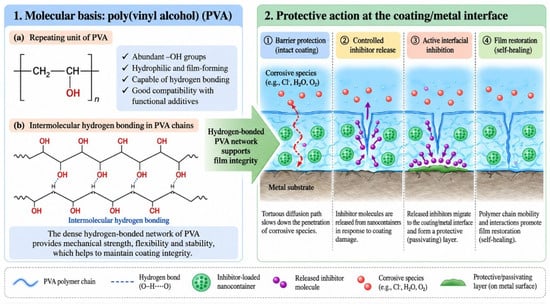
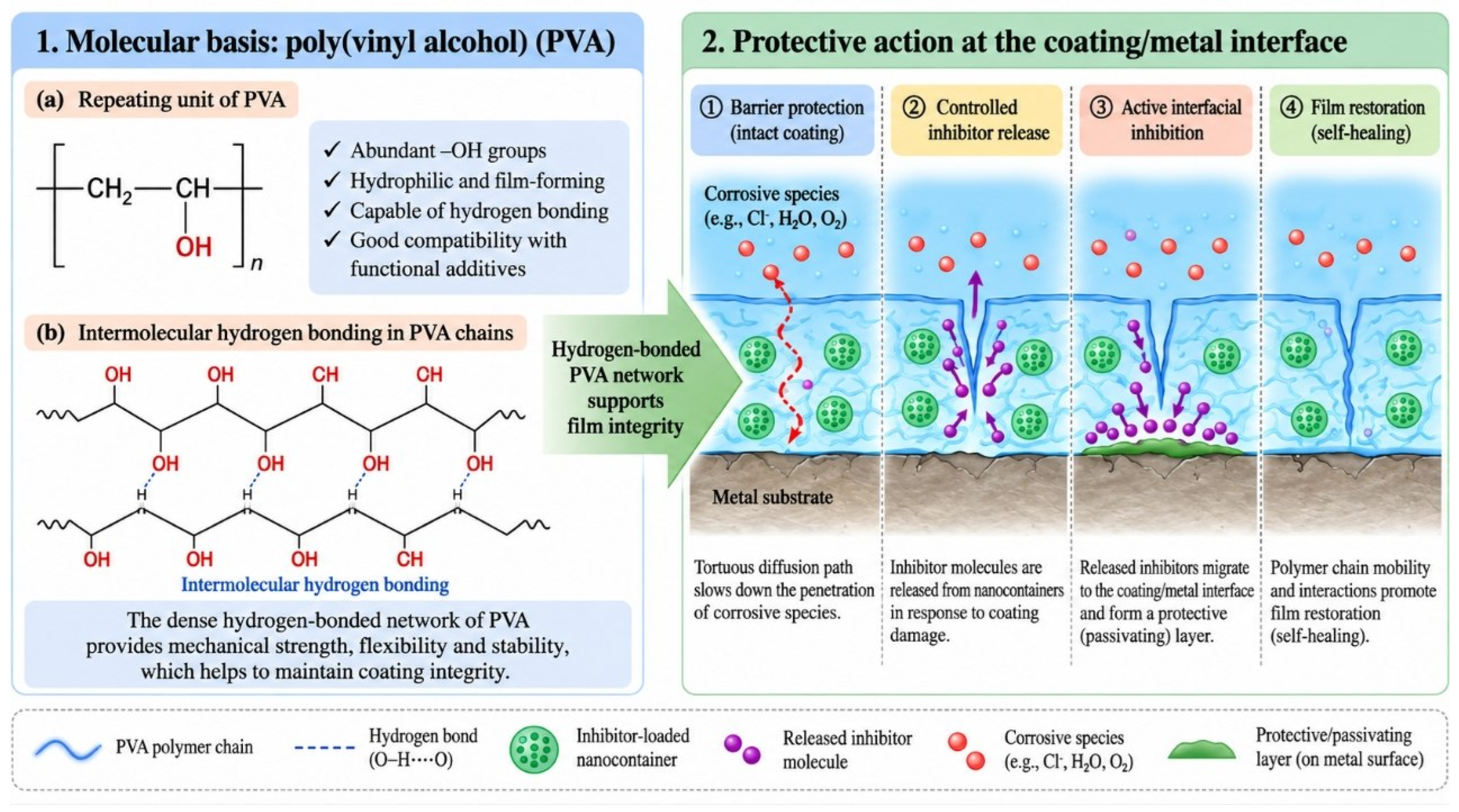
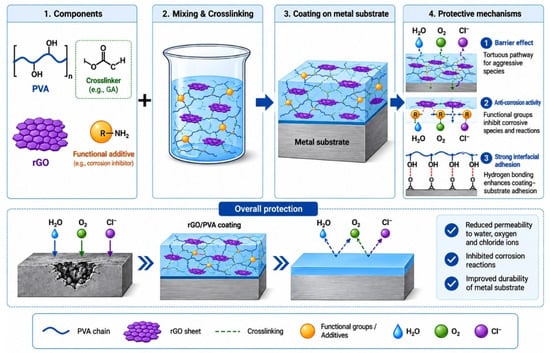
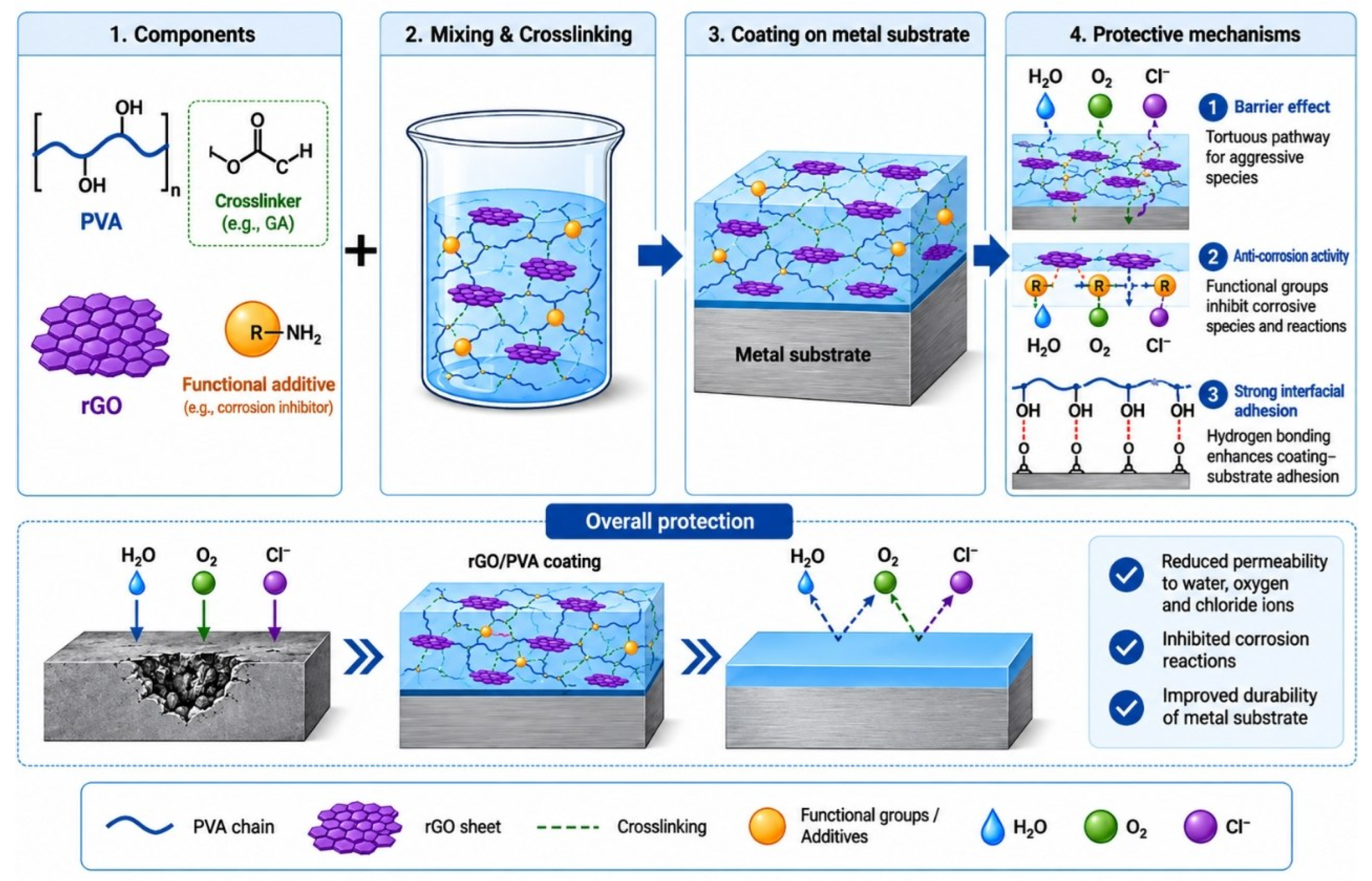
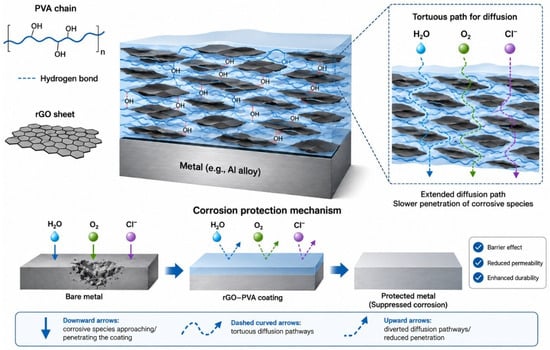
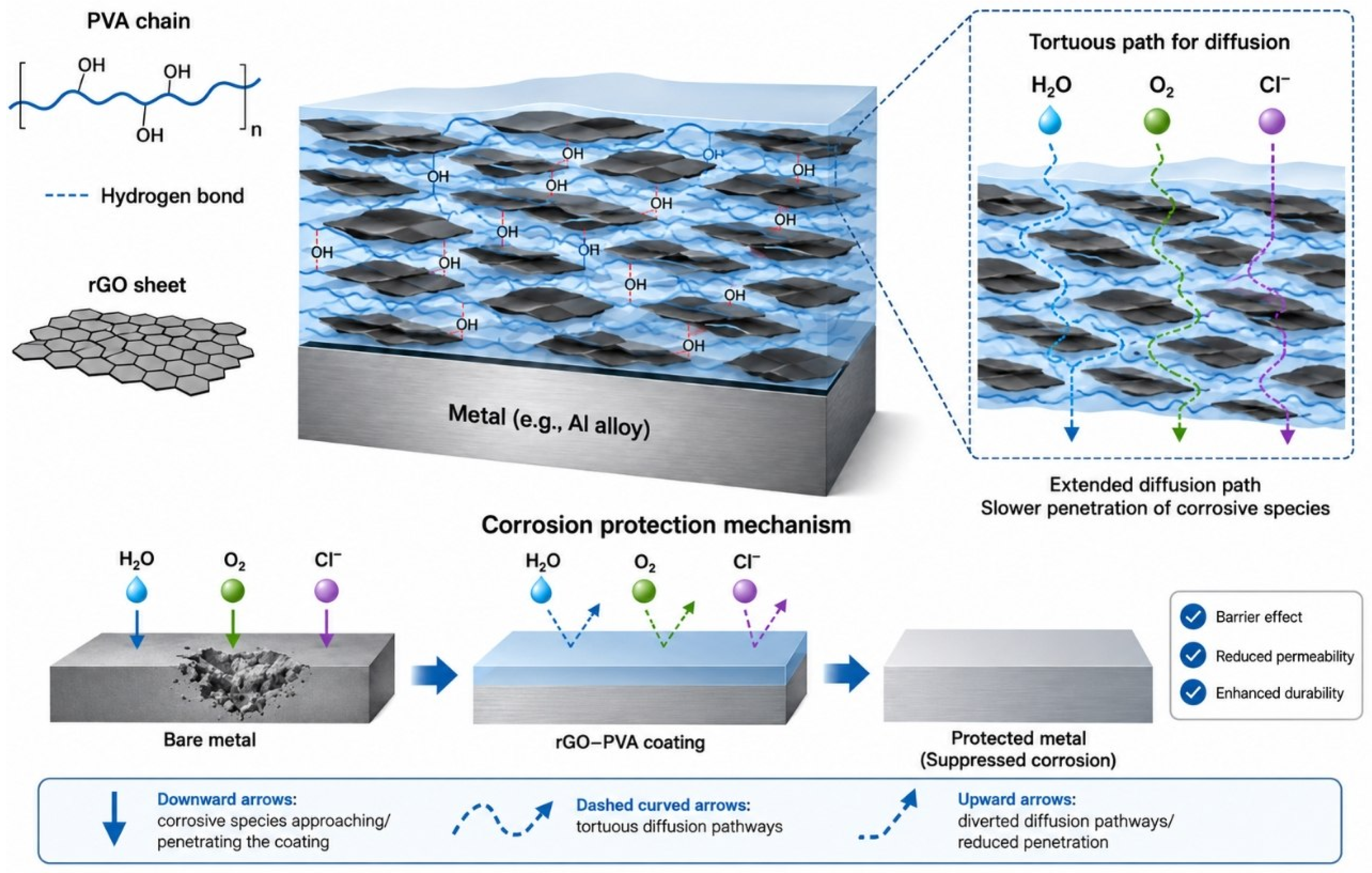
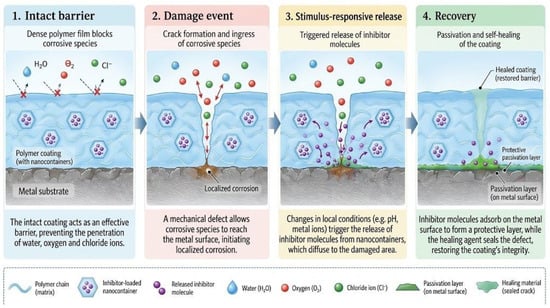
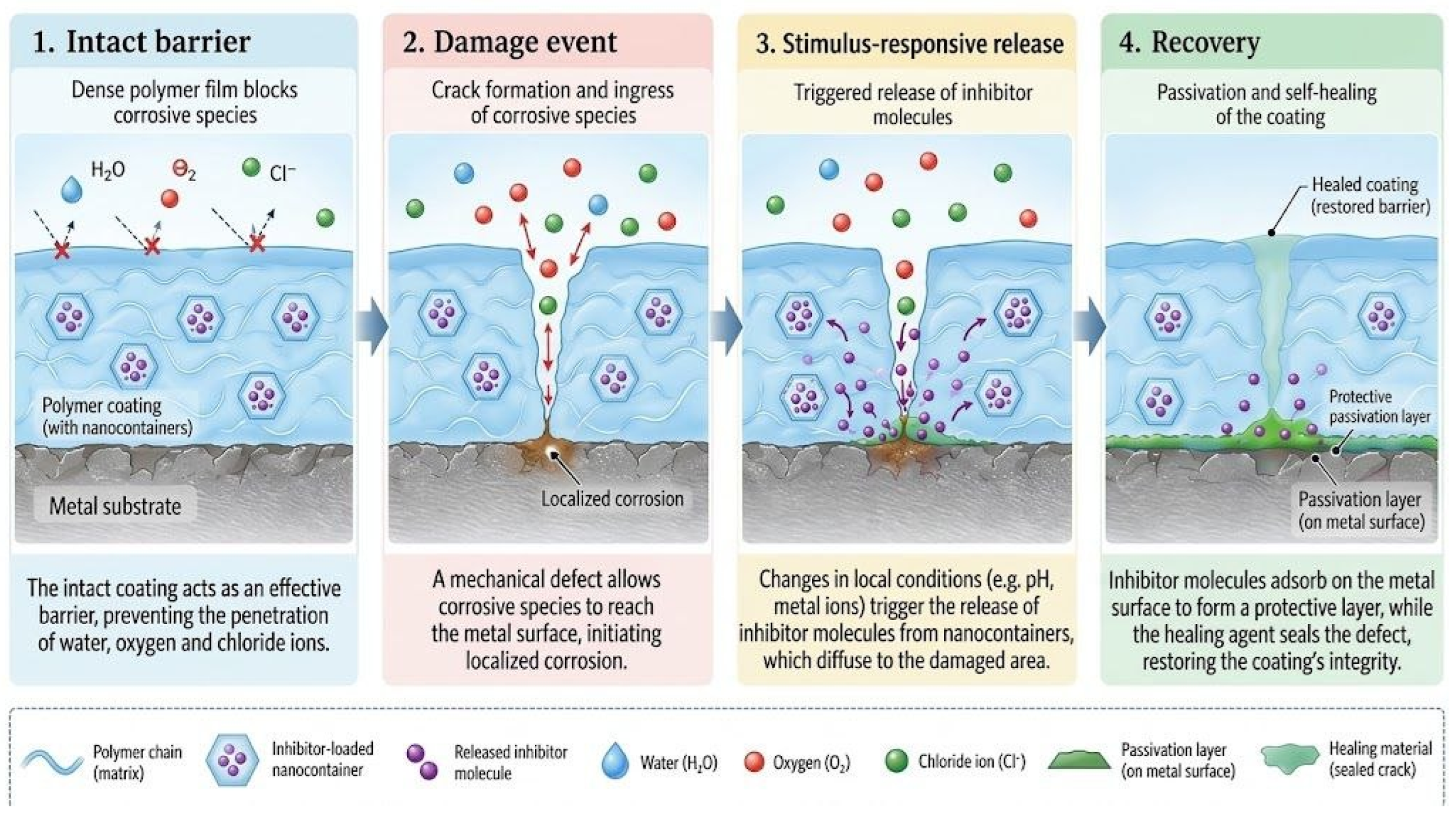

Disclaimer/Publisher’s Note: The statements, opinions and data contained in all publications are solely those of the individual author(s) and contributor(s) and not of MDPI and/or the editor(s). MDPI and/or the editor(s) disclaim responsibility for any injury to people or property resulting from any ideas, methods, instructions or products referred to in the content. |
© 2026 by the authors. Licensee MDPI, Basel, Switzerland. This article is an open access article distributed under the terms and conditions of the Creative Commons Attribution (CC BY) license.