


Abstract
Sports e-textiles have emerged as a key component of wearable technology, enabling real-time physiological monitoring and enhanced athletic performance. However, the integration of conventional batteries into sportswear is constrained by their rigidity, weight, limited flexibility, and safety concerns. Textile-integrated supercapacitors have therefore attracted considerable attention as a promising energy storage solution owing to their lightweight design, rapid charge–discharge capability, long cycle life, and excellent mechanical flexibility. This review critically examines recent advances in supercapacitor-based energy storage for sports e-textiles, with emphasis on electrode materials, textile substrates, fabrication and integration strategies, electrochemical performance, and practical applications in sportswear. Particular attention is given to the effects of textile architecture, flexibility, washability, mechanical durability, sweat resistance, and long-term operational stability on device performance. The review also discusses the major challenges limiting commercial adoption, including durability, scalable manufacturing, user comfort, and environmental sustainability. Finally, future research directions are proposed to accelerate the development of high-performance, sustainable, and commercially viable textile energy storage systems for next-generation intelligent sportswear. This review provides a comprehensive reference for researchers, textile engineers, and wearable technology developers working on advanced energy storage solutions for smart sports apparel.
1. Introduction
Electronic textiles (e-textiles) represent a rapidly advancing field of textile engineering and wearable technology, in which conventional garments are transformed into intelligent systems capable of sensing, processing, and transmitting information. By integrating conductive fibers, sensors, microelectronics, energy storage devices, and wireless communication modules into textile structures, e-textiles enable continuous monitoring of physiological and environmental parameters [1]. While conventional textiles primarily provide protection and comfort, modern e-textiles have expanded their applications to healthcare, sports, medical monitoring, defense, and smart fashion [2]. The adoption of e-textiles has grown particularly rapidly in the sports sector, where continuous monitoring of physiological parameters, e.g., heart rate, body temperature, muscle activity, and fatigue is essential for optimizing athletic performance and preventing injuries [3]. Unlike conventional wearable devices (smartwatches and fitness bands) which monitor only limited body regions, e-textiles can provide distributed, whole-body sensing while maintaining user comfort during physical activity [4]. Consequently, the demand for smart sportswear has increased substantially, particularly for applications involving continuous movement, perspiration, and repeated mechanical deformation [5]. A typical e-textile system consists of textile substrates integrated with sensors, conductive pathways, data processing units, wireless communication modules, and energy storage components, all of which require a reliable and continuous power supply [6]. Although rechargeable batteries remain the most widely used energy source, their rigidity, weight, limited flexibility, and frequent charging requirements restrict their suitability for wearable sports applications [7]. Therefore, sports e-textiles require lightweight, flexible, and mechanically robust energy storage systems capable of maintaining stable performance under repeated bending, stretching, and washing conditions [8].
The demand for flexible energy storage systems in sportswear has increased as these garments are subjected to continuous movement, stretching, and mechanical deformation during physical activity. Such conditions can compromise the performance and reliability of conventional electronic components integrated into textiles [9]. Consequently, wearable systems designed for applications (physiological monitoring, heart rate sensing, and activity tracking) require energy storage devices that are lightweight, flexible, and mechanically compatible with textile substrates [10]. In this context, textile-integrated supercapacitors have emerged as a promising alternative due to their high flexibility, rapid charge–discharge capability, and long cycle life. The main characteristics of supercapacitors include high power density, long cycle life, short charging time, and improved mechanical flexibility [11]. These properties make them suitable for use in sports e-textiles. Since sportswear involve repeated movements, bending, and stretching, an energy storage system that is compatible with the movement is necessary [12]. Various techniques, e.g., weaving of insulating yarns, coating, printing, and layered textile systems, are used to incorporate supercapacitors into textile structures [13]. Through these methods, energy storage elements can be directly incorporated into the fabric structure. This process not only reduces additional weight but also achieves better integration between electronic components and textiles. Recent research has shown that carbon-based materials, graphene, insulating polymers, and nanostructured electrodes can significantly improve the performance of supercapacitors [14]. The importance of supercapacitor integration in sportswear is not limited to energy storage, but also to the comfort, durability, and functionality of the wearer. If an energy storage system is stiff or bulky, it may hinder comfort during physical activity [15]. Similarly, if the system cannot withstand washing, sweating, or continuous stretching, its practical utility will be limited. Therefore, it is important to consider not only electrical performance but also textile properties when designing supercapacitors for e-textiles. The use of supercapacitors in sports e-textiles has several practical advantages. For example, energy storage systems are essential for heart rate monitoring, GPS tracking, and physical motion analysis in running apparel. Similarly, various sensors can be used in gym clothing to measure muscle activity, sweat volume, and physical fatigue. An effective energy storage platform is essential for the continued performance of all these systems.
The main objective of this systematic review is to analyze the current research trends, materials, fabrication methods, and practical applications of supercapacitor-based energy storage in sports e-textiles. This research will provide a comparative review of the materials, structural designs, and performance standards used in different studies. Furthermore, this review will also highlight the challenges that hinder the commercial adoption of supercapacitors in sports clothing. The scope of this review focuses on e-textiles used in sports clothing, especially gym and running clothing. It will cover aspects such as supercapacitors’ materials, integration methods, durability, washability, and elastic performance. Furthermore, this research will also examine how supercapacitor-based e-textiles can be made more durable, comfortable, and commercially viable in the future.
2. Background
E-textiles are a combination of advanced textile engineering, electronics, and wearable technology that transforms clothing from a mere wearable item into a functional, intelligent, and data-generating system. Essentially, e-textiles are textile systems that incorporate conductive fibers, sensors, actuators, microelectronics, and energy storage elements to capture physical, biological, or environmental information [16]. This technology is being used in medical monitoring, sports performance, defensive clothing, and everyday wearable applications [17]. A fundamental understanding of e-textiles requires clarifying the relationship between textile structure and electronic integration. Traditional fabrics are primarily composed of fibers, yarns, and fabric structures, while e-textiles combine these same basic structural elements with electronic functionality [18]. Conductive yarns, conductive coatings, printed electronics, and flexible circuits are used for this integration. E-textiles are generally divided into three types: passive, active, and very smart textiles [19]. Passive e-textiles only sense, active textiles sense and respond, while smart textiles provide automatic responses according to the environment and physical condition [20]. Wearable textiles have become increasingly important in sportswear over the past decade. During exercise and sports, the human body is constantly exposed to movement, temperature changes, perspiration, and physical stress [21]. For this reason, sportswear is no longer just a comfortable garment but has become a performance-enhancing platform. Modern sportswear is being used for physical performance monitoring, heart rate, muscle movement, and sweat analysis [22]. Integrated smart sensors provide real-time physiological feedback [23]. For example, embedded sensors in running apparel can monitor running speed, step count, and body posture. Similarly, muscle activity and body strain monitoring become possible in gym clothing [24]. All of these systems require a continuous supply of energy for their effective performance, which creates the need for flexible energy storage systems.
Textile-based energy storage is a field that focuses on incorporating energy storage directly into clothing. Its main goal is to develop flexible energy storage systems that can maintain their performance even during physical movement [25]. Although traditional batteries can store a lot of energy, their rigidity, weight, and limited flexibility make them less suitable for sportswear e-textiles [26]. In contrast, textile-based energy storage systems integrate into the fabric structure to provide reduced weight, increased comfort, and structural adaptability [27]. Textile-based energy storage uses a variety of approaches, including fiber-shaped batteries, textile supercapacitors, coated conductive fabrics, and yarn-based energy devices [28]. Yarn-based supercapacitors in particular are considered more suitable for sportswear applications because they can be integrated into fabrics through knitting, weaving, and embroidery [29]. Understanding the basic structure of a supercapacitor is important for this review because it is this energy storage device that is considered the most promising in sports e-textiles. A supercapacitor typically consists of two electrodes, each comprising an electroactive material deposited or coated onto a current collector, together with an electrolyte and a separator [30]. Supercapacitors have a higher charge storage capacity than conventional capacitors, while providing a higher power density than batteries [31]. There are two basic types of supercapacitors: electric double-layer capacitors and pseudocapacitors [32]. Electric double-layer capacitors store charge via surface adsorption, while pseudocapacitors also involve electrochemical reactions [33]. The performance of both types depends on the electrode material, surface area, conductivity, and electrolyte compatibility [34].
Various materials have been used for textile supercapacitors, including activated carbon, carbon nanotubes (CNTs), graphene, MXene, conductive polymers, and metal oxides [35]. Graphene-based electrodes are considered suitable for sportswear integration due to their high conductivity and flexibility. In recent years, the development of textile supercapacitors has rapidly increased. Several studies have shown that textile-integrated supercapacitors are not only lightweight but also maintain their performance despite repeated bending, twisting, and stretching [24]. Furthermore, some studies have also evaluated washability and sweat resistance, which are crucial for sportswear applications [27]. Current research suggests that supercapacitor integration is not limited to energy storage alone but also provides multifunctionality. For example, in some smart garments, the energy storage system has been combined with a sensing system so that a single textile structure can store energy and perform physiological monitoring. Although significant progress has been made in research, several challenges remain. For example, further research is needed on the long-term durability, industrial scalability, user comfort, and recyclability of textile supercapacitors. In addition, there is limited research on energy storage placement according to sportswear-specific body zones. This literature background clearly shows that supercapacitor-based energy storage in sportswear e-textiles is a promising but evolving field. Existing studies focus on basic materials, fabrication techniques, and performance metrics, but a comprehensive sportswear-oriented systematic understanding is still limited [25]. This gap highlights the importance of this systematic review. Table 1 provides a summary of current research on supercapacitor integration in sports e-textiles, allowing for a comparative assessment of the materials, fabric types, and energy storage techniques used in different studies. This table helps to clarify which materials and structural methods provide better performance, flexibility, and durability in sportswear. Furthermore, this table also helps to identify important trends and research gaps for future research.
Table 1.
Comparative summary of current research studies on supercapacitor-based energy storage in sports e-textiles, and potential applications in sportswear.
3. Review Methodology
The methodology of this review was designed to identify, collect, and critically analyze published research on supercapacitor-based energy storage systems for sports e-textiles. Relevant studies on sportswear, wearable textiles, supercapacitors, and textile-integrated energy storage were systematically selected according to predefined inclusion and exclusion criteria [36,37]. The objective was not only to compile the existing literature but also to identify technological trends, compare research findings, and highlight knowledge gaps in this rapidly evolving field [38]. A comprehensive literature search was conducted using major scientific databases, including Scopus, Web of Science, ScienceDirect, IEEE, and Google Scholar [39]. These databases were selected because they provide high-quality, peer-reviewed publications in engineering, textile science, materials science, and wearable electronics. Searching multiple databases ensured broad literature coverage and facilitated a comprehensive understanding of developments across related disciplines [40]. A combination of carefully selected keywords was used to maximize the retrieval of relevant publications. The search strategy included studies published between 2000 and 2026, reflecting the rapid advancement of wearable electronics and textile-based supercapacitors during this period. Earlier studies were limited primarily to conventional capacitive systems, whereas significant progress in textile-integrated wearable energy storage has occurred since 2010. To ensure consistency and scientific quality, only peer-reviewed publications written in English were considered. Conference abstracts, incomplete studies, patents, and non-peer-reviewed reports were excluded during the initial screening stage. Clear inclusion and exclusion criteria were established to ensure the selection of studies directly related to supercapacitor-based energy storage in sports e-textiles [36,41]. Eligible studies included research on wearable textiles, smart sportswear, textile-based energy storage systems, conductive yarns, graphene-based electrodes, and textile-integrated supercapacitors. Priority was given to studies investigating structural design, electrochemical performance, flexibility, washability, durability, and wearable integration [42,43,44]. Particular emphasis was placed on sportswear applications, including running apparel, fitness garments, and physiological monitoring systems. Only peer-reviewed journal articles, review papers, and reputable conference proceedings published between 2000 and 2026 were included [45,46]. Studies unrelated to textile-integrated energy storage, including those focused exclusively on conventional batteries, rigid electronic devices, or non-wearable capacitive systems, were excluded [47]. Similarly, purely theoretical studies without relevance to sportswear applications, conference abstracts, editorials, short communications, patents, and non-peer-reviewed publications were omitted because they generally lack comprehensive experimental validation [48,49]. These criteria ensured an objective screening process and maintained a strong focus on the research scope of sports e-textiles [50].
Materials selection and fabrication methods play a fundamental role in the successful integration of supercapacitors into sports e-textiles, as they directly influence electrical performance, flexibility, durability, and wearer comfort [36]. Textile-based supercapacitors require materials that provide high electrical conductivity while preserving the softness, flexibility, and wearability of textile substrates [37]. Conductive yarns, fabricated from metallic fibers or coated with conductive polymers, CNTs, or graphene, represent one of the most widely used approaches [38]. These yarns can be incorporated into textile structures through weaving, knitting, or embroidery while maintaining electrical conductivity under repeated bending and mechanical deformation [39]. The choice of textile substrate is equally important. Polyester, nylon, cotton blends, elastane fabrics, and knitted textiles are commonly employed in sportswear applications because of their favorable mechanical and comfort properties [40]. Polyester fabrics offer excellent durability and moisture resistance, whereas knitted structures provide superior flexibility, stretchability, and breathability, making them particularly suitable for active sportswear [41]. Consequently, substrate selection should be based on the intended operating conditions and performance requirements of the wearable energy storage system [42]. Surface coating techniques are widely used to fabricate textile supercapacitors by depositing conductive materials onto textile substrates to establish electrically conductive pathways [43]. Common approaches include dip coating, spray coating, and layer-by-layer assembly, enabling the deposition of graphene, CNTs, conductive polymers, and metallic nanoparticles [44]. These techniques are attractive because of their scalability and compatibility with large-area textile manufacturing [45].
Printing technologies have also become increasingly important in wearable electronics. Screen printing, inkjet printing, and three-dimensional (3D) printing enable the precise deposition of conductive inks onto textile substrates to produce complex conductive patterns and localized energy storage regions [46,47]. These methods facilitate the fabrication of lightweight, flexible, and aesthetically integrated energy storage devices for sportswear applications [48]. Direct integration through weaving and knitting represents another advanced fabrication strategy. Conductive yarns can be incorporated into woven fabrics through warp and weft structures or into knitted fabrics to produce highly stretchable and mechanically compliant energy storage devices [49]. Knitted textile supercapacitors are particularly attractive for running apparel because they accommodate repeated body movements while maintaining stable electrochemical performance [50]. Figure 1 presents a systematic flow diagram illustrating the overall development process for integrating supercapacitors into sports e-textiles. The workflow covers material selection, textile construction, supercapacitor integration, fabrication techniques, performance evaluation, and final implementation in sportswear. The figure highlights the interrelationship between material selection, textile architecture, fabrication methods, and performance characteristics required to develop lightweight, flexible, and efficient energy storage systems for wearable sports applications.
Figure 1.
Comprehensive flow diagram for supercapacitor-based systems in sports e-textiles, including material selection, textile structure, integration process, fabrication methods, performance testing, and sportswear applications.
4. Performance Results and Discussion
This section will present an analytical and comparative review of the performance of supercapacitor-based energy storage systems in sports e-textiles, systematically describing the results obtained from various research studies. In particular, this section will examine factors, e.g., capacitance performance, textile structures and supercapacitor integration, mechanical properties, comfort-related properties, sweat resistance, durability, and sustainability to understand how effective, comfortable, and practical supercapacitors integrated into sportswear are. Furthermore, the effects of different materials, fabrication techniques, and textile constructions will be compared to clarify the relationship between their electrical, mechanical, and functional behaviors. This section will also critically compare the results of various studies and identify the limitations, technical challenges, and practical issues that affect supercapacitor integration in real sportswear applications.
4.1. Capacitance Performance
The electrochemical performance of textile-based supercapacitors is commonly evaluated using several key metrics, including specific capacitance, equivalent series resistance (ESR), power density, energy density, and cycling stability. Among these, capacitance reflects the charge-storage capability, whereas ESR and power density determine the efficiency and rate of energy delivery, which are critical for wearable sportswear applications. Especially in sports e-textiles, where the energy storage system needs to be light, flexible, and adaptable to physical movement, capacitance reflects not only the energy storage capacity but also the practical efficiency of the system. Capacitance basically represents how much electric charge a supercapacitor can store and how efficiently it can discharge it [51]. Capacitance performance in textile-based supercapacitors is directly related to electrode materials, surface area, conductivity, electrolyte compatibility, and fabrication techniques [52]. Capacitance performance is of great importance in sports e-textiles because sensors, monitoring devices, and communication units in smart clothing require a continuous and stable power supply. Energy storage systems in sportswear not only need to withstand repeated movement but also need to be lightweight and flexible [53]. For this reason, studying the capacitance performance of textile supercapacitors is considered important in the context of sportswear functionality. Several research studies have examined the capacitance behavior of textile-integrated supercapacitors. Zhang and colleagues achieved a large surface area using graphene-based textile electrodes, which resulted in a significant increase in specific capacitance [14]. According to their study, graphene-coated conductive fabrics provided capacitance up to 180–220 F/g, which was more effective than traditional conductive fabrics. Similarly, Jost and colleagues studied the performance of yarn-based textile supercapacitors and reported that conductive yarn structures maintain capacitance retention despite bending and twisting [13]. Capacitance performance depends not only on the electrode material but also on the textile structure. Knitted fabrics have higher porosity and stretchability, which improves electrolyte penetration and increases charge storage capacity [54]. In contrast, woven fabrics provide higher structural stability but sometimes lower electrolyte accessibility may result in lower capacitance. Knitted structures are preferred in sportswear applications because they provide better flexibility during physical movement.
In addition to capacitance, the electrical performance of textile-based supercapacitors is strongly influenced by ESR and power density. ESR represents the total internal resistance of the device, including contributions from the electrode materials, current collectors, electrolyte, separator, and interfacial contact resistance. A low ESR minimizes voltage losses and heat generation during rapid charge–discharge processes, thereby improving power delivery and overall device efficiency. In wearable sportswear applications, where sensors and wireless communication modules require stable and instantaneous power, maintaining a low ESR is particularly important. Power density is another key performance parameter because it describes the rate at which stored energy can be delivered. Unlike batteries, supercapacitors exhibit exceptionally high power densities owing to their rapid charge-transfer kinetics and low internal resistance. This characteristic enables textile-integrated supercapacitors to provide short bursts of power for physiological monitoring, motion sensing, and wireless data transmission during physical activity. However, maximizing power density often requires balancing electrode conductivity, capacitance, and device architecture, as excessive electrode thickness or poor electrical contacts may increase ESR and reduce power performance. A recent study have demonstrated that graphene-based, CNTs-based, and MXene-based electrodes generally exhibit lower ESR due to their high electrical conductivity and interconnected conductive networks [12]. Similarly, optimized textile architectures and improved electrode–current collector interfaces enhance charge transport and reduce resistive losses. Consequently, alongside capacitance and cycling stability, ESR and power density should be considered essential evaluation metrics when designing high-performance textile supercapacitors for wearable sportswear applications.
Cyclic voltammetry (CV), galvanostatic charge–discharge (GCD), and electrochemical impedance spectroscopy (EIS) are widely employed to evaluate the electrochemical performance of textile-based supercapacitors [55]. CV and GCD are commonly used to determine capacitance, rate capability, and cycling stability, whereas EIS provides valuable information on the internal resistance, charge-transfer resistance, ion transport, and overall electrochemical kinetics of the device. Together, these techniques provide a comprehensive assessment of the performance and reliability of textile-based energy storage systems under conditions relevant to wearable sportswear applications. Chen and co-workers reported that conductive polymer-coated textile electrodes exhibited enhanced pseudocapacitive behavior, resulting in improved energy density [56]. However, conductive polymers are susceptible to degradation during prolonged sweat exposure and repeated washing cycles. Consequently, hybrid electrode systems combining conductive polymers with graphene or CNTs have attracted considerable attention because they offer improved electrochemical performance and mechanical stability [57]. Likewise, Li and co-workers demonstrated that CNTs-coated textile electrodes retained more than 90% of their initial capacitance after repeated bending, highlighting their excellent flexibility and durability for wearable sportswear applications [58].
Another important factor affecting the capacitance performance of textile supercapacitors is electrolyte selection. Gel electrolytes are particularly popular in wearable applications because they reduce the risk of leakage and provide better flexibility [59]. PVA-based gel electrolytes are commonly used in sportswear applications because they have better compatibility with soft textile structures. However, electrolyte drying and long-term stability are still research challenges. Comparative evaluation of capacitance performance shows that different materials and fabrication approaches provide different levels of performance. For example, graphene-based systems generally provide higher capacitance, while conductive polymer systems provide greater flexibility. Hybrid materials attempt to combine these two advantages [60]. An important aspect of capacitance performance in sports e-textiles is cycle stability. Sportswear garments are exposed to daily wear, stretching, washing, and perspiration exposure, so it is important to maintain capacitance retention over a long period of time. Several studies have shown that textile-integrated supercapacitors maintain acceptable performance even after 1000–5000 charge–discharge cycles [51]. Figure 2A,B provide a comparative overview of the specific capacitance values obtained according to the materials and textile structures used in different research studies in the form of line and bar charts, respectively. The graph clearly shows that hybrid textile electrodes and graphene-based systems provide higher capacitance, while conductive polymer and gel electrolyte-based systems show relatively lower values. This visual comparison makes it easier to understand the performance trends of different materials, which helps in selecting the appropriate energy storage system for sportswear e-textiles.
Figure 2.
(A) Comparative line graph, and (B) bar graph of specific capacitance of textile-based supercapacitors in different studies [13,14,25,54,56,57,58,59,60].
4.2. Textile Structures and Supercapacitor Integration
The most important aspect of supercapacitor integration in sports e-textiles is the textile structures and integration strategies, as these factors directly affect the performance, flexibility, comfort, and durability of smart garments. In textile-integrated supercapacitors, energy storage elements are directly incorporated into the fabric structure to achieve better mechanical compatibility between the electronic components and the textile matrix [61]. The goal of this integration is not only to store energy but also to create a system that can maintain stable performance during physical movement, stretching, and daily use [62]. Textile structures typically consist of woven, knitted, nonwoven, and yarn-based configurations. The properties of these different structures vary, and each structure provides specific advantages for sportswear applications. Woven fabrics are known for their dimensional stability and strong structure, while knitted fabrics provide greater flexibility and stretchability [63]. Knitted structures are more popular in sportswear garments because they provide a comfortable feel and better motion adaptability during physical movement [64]. The presence of loops in knitted textile structures provides more surface accessibility for electrolyte penetration and conductive pathways. This improves charge transfer efficiency and enhances supercapacitor performance [25]. Knitted substrates have been preferred for textile supercapacitor integration in several studies because they maintain electrical continuity despite repeated deformation [65]. Woven textile structures provide more structural stability in supercapacitor integration. The arrangement of warp and weft yarns provides better alignment of conductive pathways, allowing more controlled electrode positioning [66]. However, woven structures have relatively low flexibility, which limits their use in more stretch-demanding sportswear. Nevertheless, woven fabrics may prove useful for endurance-based garments and compression wear.
Nonwoven textiles are also gaining prominence in recent research because they provide a porous structure, which is suitable for electrolyte diffusion [67]. Nonwoven substrates are lightweight and provide improved air permeability, which allows them to be incorporated into breathable sportswear systems. However, their mechanical strength is sometimes limited, thus requiring reinforcement strategies. Yarn-based integration is considered an advanced approach in sportswear e-textiles. In this technique, conductive yarns or coated fibers are directly incorporated into the fabric structure so that the energy storage system becomes part of the textile architecture [68]. Yarn supercapacitors are not only lightweight but can be incorporated into various textile patterns through knitting, weaving, and embroidery. The advantage of this approach is that the supercapacitor system is not felt as a separate component but becomes a natural part of the textile surface. Silver-coated fibers, CNTs yarns, graphene-coated yarns, and conductive polymers are commonly used for conductive yarn integration [69]. These materials create conductivity in the textile pathways, which improves charge transport. In sportswear applications, conductive yarns can be incorporated into the chest region, shoulder zones, and motion-sensitive areas to achieve localized energy storage. Layered textile structures are also important for supercapacitor integration. Multilayer configurations include a conductive textile layer, electrolyte layer, separator, and protective encapsulation [70]. This layered design improves energy storage performance and provides better mechanical protection in sportswear garments. Layered structures also help to increase stability during sweat exposure and wash cycles.
Textile integration methods include sewing, embroidery, lamination, coating, and printing. Embroidery integration is particularly beneficial in sportswear because conductive patterns can be placed on specific body zones [24]. Similarly, lamination techniques provide moisture protection, while coating methods help create conductive layers on textile surfaces. The choice of integration strategy in sportswear garments depends on the application-specific requirements. In running apparel, greater flexibility and lightweight design are necessary, while in gym garments, durability and stretch tolerance may be more important. Therefore, it is important to strike the right balance between textile structure and supercapacitor integration [61]. A comparative review of textile structures and integration strategies (Figure 3) shows that knitted and yarn-based systems are more promising for sportswear applications, as they provide a better balance between flexibility, comfort, and energy storage performance. However, woven and layered structures may be more effective in terms of durability and structural stability. Future research is moving towards hybrid textile architectures, where optimized sportswear energy systems are being developed by combining different textile structures [62]. The overall review of textile structures and integration strategies shows that supercapacitor performance in sportswear e-textiles depends not only on the material but also on the textile architecture. The appropriate integration approach not only improves electrical efficiency but also enhances comfort, flexibility, and durability. Therefore, multifunctional textile architectures and hybrid integration methods are being given more importance in future research.
Figure 3.
Schematic comparison of supercapacitor integration approaches in different textile structures.
4.3. Mechanical Properties
A key factor in the success of supercapacitor integration in sports e-textiles is the mechanical properties, as sportswear garments are subjected to continuous physical movement, stretching, bending, twisting, compression, and repetitive deformation. If a textile-integrated supercapacitor does not have adequate mechanical stability, its electrical performance may quickly be affected. Therefore, mechanical properties not only indicate material durability but also sportswear compatibility [71]. Textile-based supercapacitors have greater flexibility than traditional rigid energy storage devices, but their actual performance depends on the textile architecture, conductive material distribution, and fabrication techniques [72]. Energy storage systems used in sportswear must be able to withstand deformation during body movements and still maintain electrical continuity. This is why factors, e.g., tensile strength, bending resistance, flexibility, cyclic deformation tolerance, and compression recovery are included in the mechanical evaluation [73]. Mechanical flexibility is a fundamental requirement in sportswear e-textiles. Flexible textile supercapacitors should minimize capacitance loss during repeated bending. Several studies have shown that conductive yarn-based systems provide better performance retention during bending because the conductive pathways are distributed within the textile loops [74]. Knitted structures in particular absorb bending stress better, which reduces cracking in the conductive layer.
Stretchability is also a very important mechanical property in sportswear integration. Sports garments, especially gym wear and running apparel, are subjected to continuous stretching. Therefore, stretchable supercapacitors must maintain the conductive network during elongation [75]. Conductive polymers and CNTs composites provide better adaptability in stretchable textile systems because these materials maintain conductivity during deformation. Microcracks in the electrode layer during mechanical deformation are a common problem. If the conductive coating is brittle, cracks may develop during repeated motion, which affects the charge transfer efficiency [76]. To solve this problem, elastomeric binders and hybrid conductive materials are used, which provide better adhesion to the textile substrate. Graphene-based coatings also help to increase mechanical stability because their layered structure maintains better integrity during deformation [14]. Cyclic bending tests and tensile cycling experiments are used to examine the effects of repeated motion in sportswear. These experiments determine how many deformation cycles affect capacitance retention [77]. In several studies, textile supercapacitors maintained acceptable performance even after 1000 to 5000 bending cycles, which is a positive sign for wearable applications. Compression behavior is also included in the mechanical properties, especially in body-contact regions. Sportswear garments apply pressure to various parts of the body, so energy storage layers must withstand compressive stress [78]. Compression-resistant textile structures provide more stable electrolyte distribution, which improves energy storage efficiency.
Textile architecture has a significant impact on mechanical properties. Knitted structures provide greater stretchability, while woven structures have better dimensional stability [63]. Yarn-based integration systems provide more localized flexibility because the conductive component becomes part of the textile structure. Layered textile assemblies provide better protection but can sometimes increase stiffness [79]. Encapsulation techniques are also used to improve mechanical properties. Encapsulation protects the conductive layer from external mechanical stress, moisture, and abrasion [80]. However, excessive encapsulation can sometimes reduce flexibility, so balanced encapsulation is necessary in sportswear applications. Sportswear-specific mechanical testing also includes body motion simulation. Running motion, arm movement, torso bending, and stretching patterns are simulated to evaluate the reliability of textile supercapacitors [71]. This approach shows how well different textile architectures remain stable during real-world use. A comparative review of different studies shows that knitted and yarn-based structures are more suitable in terms of mechanical performance, as they provide a better combination of flexibility and stretchability. Woven structures offer greater durability but have limited adaptability in some sportswear applications. Hybrid structures are considered more promising in the future because they combine the advantages of different textile architectures [72]. Figure 4 provides a comparative analysis of the mechanical response and tensile stress–strain behavior during supercapacitor integration in different textile structures. The graphs clearly show that knitted and yarn-based structures provide greater stretchability and deformation tolerance, as their looped and fibrous architecture distributes stress better during physical movement [62,65,68]. In contrast, woven structures show better dimensional stability but their elongation capability is relatively limited [66], while nonwoven structures have lower tensile strength despite higher porosity [67]. Furthermore, hybrid textile configurations provide a better mechanical balance, where both flexibility and structural durability can be maintained [70,77]. These results demonstrate that the choice of textile architecture in sportswear e-textiles plays a crucial role in mechanical reliability and long-term supercapacitor performance [71,78].
Figure 4.
Tensile stress–strain curves for textile electrodes in different textile structures. Data were compiled and redrawn from References [71,73,76,79].
Stretch Behavior
Stretch behavior is a critical component of mechanical performance in sportswear e-textiles because sportswear undergoes continuous elongation and recovery during physical activity. Stretchable textile supercapacitors should be able to not only maintain their structural integrity during deformation but also maintain electrical conductivity [73]. Figure 5 shows the capacitance retention of supercapacitor electrodes during cyclic stretching in different textile structures. The graphs show that knitted, yarn-based, and hybrid textile structures maintain relatively good electrochemical stability during stretching cycles, while the capacitance retention in nonwoven structures decreases rapidly. This difference arises due to the textile architecture, conductive pathway continuity, and deformation tolerance [62,68]. Knitted structures perform better in strain distribution due to their loop-based geometry, while yarn-based systems maintain localized charge transport within the conductive fibers [65,69]. In contrast, woven structures show moderate retention due to limited elongation, while fiber displacement and weak inter-fiber contact in nonwoven substrates cause capacitance degradation [66,67].
Figure 5.
Comparative analysis of capacitance retention of supercapacitor electrodes during cyclic stretching in different textile structures. Data were compiled and redrawn from References [62,65,66,67,68,69].
Stretch behavior is related to the textile substrate, conductive coating, and electrode design. Knitted fabrics provide high stretchability due to their looped structure, while woven fabrics have limited elongation [74]. Knitted substrates are preferred in sportswear applications because they provide better adaptability during running and exercise movements. Conductive materials significantly affect stretch performance. CNT-coated yarns, graphene-based fibers, and conductive elastomers have been shown to provide superior results in stretchable electronics [75]. These materials allow conductive pathways to remain intact despite deformation. Stretch-induced resistance change is an important parameter that determines the extent to which electrical performance is affected during elongation. Fatigue behavior during repeated stretching is also important. If the conductive layer cannot withstand repeated stretching, microfractures can occur, which reduces capacitance retention [76]. Therefore, cyclic stretch testing is considered essential in sportswear e-textiles. Studies have shown that some stretchable textile supercapacitors maintain their performance up to 30–50% elongation [77]. Hybrid textile architectures are more promising with respect to stretch behavior because they combine both elasticity and conductivity. Better stretch recovery can be achieved by using elastomeric substrates with conductive yarn integration [78]. This is why stretch behavior is included as a design consideration in sportswear-specific supercapacitor. Figure 6 summarizes the overall capacitance retention performance of various textile structures after cyclic stretching. The results show that the hybrid knitted/woven structure retained approximately 88% capacitance retention, making it the most stable structure for sportswear applications [70,77]. Knitted structures showed approximately 83% retention, while yarn-based systems maintained 75% retention, indicating their improved flexibility and conductive continuity [71,78]. On the other hand, the retention was lower in woven and nonwoven structures, especially the nonwoven textile showed about 50% retention, indicating structural instability during mechanical deformation [72,79]. These results illustrate that the choice of textile architecture is crucial for long-term mechanical reliability and energy storage stability in sportswear e-textiles [80].
Figure 6.
Quantitative comparative performance of capacitance retention (%) after 10,000 stretching cycles in different textile structures. All tests were conducted at 20% strain in air, at room temperature. Data were compiled and redrawn from References [70,71,72,77,78,79,80].
4.4. Comfort Properties
Comfort properties play a crucial role in sports e-textiles because sportswear garments are in direct contact with the human body. Although textile-integrated supercapacitors provide energy storage and sensing capabilities, their success also depends on how comfortable, breathable, and skin-compatible they are for the wearer. Comfort in sportswear applications is not limited to softness or lightweight structure but also includes thermo-physiological balance, tactile perception, moisture management, and sweat interaction [81]. The conductive layers, electrodes, encapsulation materials, and integration methods in e-textiles can affect comfort performance. For example, rigid conductive coatings or thick multilayer assemblies can reduce comfort because they increase fabric stiffness [82]. In contrast, stretchable yarn-based supercapacitors and lightweight conductive coatings provide a better wearing experience. Comfort properties are important in sportswear development because sportswear is subjected to continuous physical activity, perspiration, and prolonged wear conditions [64,83]. In the context of sportswear comfort, thermo-physiological properties, tactile properties, and sweat resistance are considered to be three primary factors. Thermo-physiological comfort affects body temperature and moisture transport, tactile comfort is related to the surface feel and softness of the fabric, while sweat resistance reflects the long-term usability and electrochemical stability of e-textile systems [84]. The combined effect of all these factors has an impact on sportswear acceptance and user satisfaction.
4.4.1. Thermo-Physiological Properties
Thermo-physiological properties are an important aspect of comfort evaluation in sportswear e-textiles because they control the heat and moisture exchange between the body and the textile structure. Sportswear garments experience heat generation and perspiration during physical activity, so textile-integrated supercapacitors must be designed in such a way that they do not hinder breathability, thermal regulation, and moisture transfer [22,85]. Conductive coatings, electrolyte layers, and encapsulation systems in textile supercapacitors can sometimes affect airflow and moisture evaporation. If the conductive layer is too dense, heat retention can increase, which can cause wearer discomfort [86]. Knitted structures generally provide better thermo-physiological performance because their porous geometry improves air circulation and sweat evaporation. Moisture management is an important component of thermo-physiological comfort. Sportswear fabrics should wick sweat away from the body to keep the skin dry. Studies have shown that lightweight conductive yarn integration has a minimal effect on moisture transport, while thick multilayer electrodes sometimes reduce water vapor permeability [87]. This is why breathable conductive coatings and porous substrates are considered more suitable for sportswear e-textiles. Thermal resistance also plays an important role in comfort performance. If a textile-integrated supercapacitor traps heat, thermal discomfort can occur during running or gym activity [88]. Conductive polymers and carbon-based coatings have different thermal conductivities, so material selection affects thermo-physiological behavior. In hybrid textile systems, conductive layers are added to selective zones to maintain overall garment breathability. Sportswear comfort studies use thermal manikin testing, air permeability measurements, and moisture vapor transmission tests to quantify thermo-physiological performance [81]. These experiments show how textile architecture and conductive layer placement affect comfort performance.
Figure 7 shows the thermo-physiological comfort performance of textile-based supercapacitor (TSC) fabrics through various scientific parameters. Figure 7A shows the measurement setup, where the textile structure was placed in contact with the skin and the heat transfer, moisture evaporation, and skin–fabric interaction were evaluated using temperature and humidity sensors [81,88]. Figure 7B shows the surface temperature response of different textile structures, which shows that the knitted TSC fabric maintains a lower temperature, indicating better heat dissipation and ventilation [82,87]. Figure 7C shows the relative humidity at the skin–fabric interface, where conductive knitted and woven fabrics showed better moisture wicking ability, while conventional fabrics had higher humidity retention [85]. Figure 7D shows the moisture vapor transmission rate (MVTR), which shows that porous textile architectures provide better breathability [87]. Figure 7E presents a comparison of thermal resistance, where lower thermal resistance indicates better thermo-physiological comfort because heat is easily dissipated from the body surface [82,88]. Finally, Figure 7F presents the overall thermo-physiological comfort index in the form of a radar plot, which shows a comparative assessment by combining different comfort-related factors [84,88]. Overall, the results show that knitted and hybrid textile structures provide better comfort, airflow, and moisture regulation while maintaining conductive functionality, which are very suitable properties for sportswear e-textiles.
Figure 7.
Comparative assessment of thermo-physiological performance of supercapacitor-based fabrics in sports e-textiles, comparing temperature, humidity, moisture vapor transmission, thermal resistance, and overall comfort index of different textile structures with traditional sportswear fabrics. Data were compiled and redrawn from References [81,82,84,85,87,88].
4.4.2. Tactile Properties
Tactile properties are aspects of textile comfort that relate to fabric surface feel, softness, roughness, friction, and skin interaction. Tactile comfort is very important in sportswear garments because it affects the wearer’s wearing experience and long-term acceptability [82]. If supercapacitor integration makes the textile surface stiff, rough, or bulky, garment discomfort may occur. Tactile performance in textile-integrated supercapacitors is influenced by the conductive coating thickness, encapsulation materials, and textile architecture. Conductive inks and thin-film coatings generally provide better tactile comfort because they affect fabric flexibility less [27,89]. In contrast, thick electrode assemblies or rigid encapsulation can increase surface stiffness. Surface friction is an important factor in tactile comfort. Sportswear garments are in constant motion with the body, so high-friction surfaces can cause irritation or skin discomfort [90]. Studies have shown that knitted conductive fabrics provide greater softness than woven conductive structures because they have a looped yarn arrangement. Softness perception is evaluated by both subjective and objective methods. Instruments (Kawabata Evaluation System and the Fabric Touch Tester) are used to quantify textile hand feel and surface smoothness [27,83]. Thin conductive coatings, flexible binders, and soft encapsulation materials are preferred to maintain tactile comfort in textile-integrated supercapacitors. Tactile comfort is crucial for sportswear acceptance because athletes and gym users prefer garments that are lightweight, smooth, and skin-friendly. This is why tactile optimization is considered an important parameter in wearable electronics design [84].
Figure 8 illustrates the tactile performance of textile-based supercapacitor (TSC) fabrics through various scientific parameters to better understand sportswear comfort and user perception. Figure 8A presents a comparison of the coefficient of friction (CoF), which shows that knitted TSC fabrics have a lower friction coefficient, indicating smoother surface interaction and better comfort [85]. Conventional polyester fabrics exhibit relatively high friction, which may increase the potential for skin irritation during prolonged wear. Figure 8B shows surface roughness (Ra) values, where knitted conductive fabrics exhibited lower roughness, while conventional fabrics and thicker conductive layers exhibited higher roughness [84,89]. Low roughness is considered important for tactile smoothness and skin-friendly contact. Figure 8C shows bending rigidity, which can be used to assess fabric flexibility and drape behavior [82]. The results show that textile-integrated supercapacitor structures, especially knitted configurations, have lower bending rigidity, which makes the fabric feel more flexible. Figure 8D shows the compression thickness response, which represents the fabric softness and cushioning behavior [83]. Conductive knitted structures provide better resilience despite low compression thickness, which improves sportswear comfort [84]. The results show that knitted and woven TSC fabrics perform better in terms of tactile comfort, while rigid conventional fabrics provide comparatively less comfort. This figure illustrates that proper conductive integration and textile architecture play an important role in developing functional sportswear e-textiles while maintaining tactile comfort [81,88].
Figure 8.
Comparative evaluation of tactile properties of supercapacitor-based fabrics in sports e-textiles, in which friction behavior, surface roughness, bending rigidity, and compression response of different textile structures are compared with conventional sportswear fabrics.
4.4.3. Sweat Resistance
Sweat resistance is important for both comfort and durability in sportswear e-textiles because perspiration during physical activity can directly affect conductive layers and electrolyte systems. Sweat contains salts, moisture, and acidic compounds, which can affect the electrochemical stability of conductive pathways [85]. Sweat exposure in textile-integrated supercapacitors can cause degradation, corrosion, and adhesion loss of conductive coatings [86]. Metal-coated yarns in particular can be susceptible to oxidation in a sweat environment. Carbon-based electrodes and conductive polymers provide relatively good sweat resistance because they have high chemical stability. Figure 9 shows the sweating mannequin test setup, which is used to test the sweat resistance and comfort-related performance of sportswear e-textiles. In this setup, a specific fabric test zone is placed on the mannequin surface, where the textile-based supercapacitor fabric is evaluated in contact with the skin [85,87]. A synthetic sweat solution is continuously supplied by a peristaltic pump to simulate real human perspiration, while temperature and humidity sensors record microclimate changes at the fabric–skin interface [81,88]. This setup enables analysis of sweat absorption, evaporation behavior, moisture retention, and conductive layer stability, which are important for understanding long-term comfort and electrochemical reliability in sportswear applications [86,90]. Furthermore, controlled environmental conditions, e.g., ambient temperature, relative humidity, and sweat composition allow for a qualitative assessment of the comparative performance of different textile structures. Artificial sweat testing, humidity exposure experiments, and cyclic perspiration simulations are used for sweat resistance evaluation [87]. These experiments show how well capacitance retention is maintained after repeated sweat exposure. Sweat-resistant encapsulation layers in sportswear applications help to preserve conductive pathways. Moisture-resistant coatings and hydrophobic textile treatments can reduce sweat interaction, while breathable encapsulation protects without compromising comfort [88]. Sweat resistance is not only related to electrochemical stability but also to skin comfort, as excessive moisture accumulation can cause discomfort and irritation.
Figure 9.
Sweating mannequin test setup for sweat resistance evaluation, which shows a mannequin-based experimental system for testing the moisture, heat, and perspiration interaction of textile-based supercapacitor fabrics under controlled conditions.
Figure 10 shows the functional stability and moisture interaction of textile-based supercapacitor fabrics after the sweating test. Figure 10A shows the electrical performance of different textile structures, where capacitance retention and internal resistance (Rs) change are compared after sweat exposure. The results show that knitted and woven TSC fabrics showed higher capacitance retention and lower resistance increase, indicating better electrochemical stability and sweat tolerance [86,87]. In contrast, electrical degradation was observed in conventional fabrics after moisture exposure, with significant increases in resistance in polyester structures [85]. Figure 10B shows a visual observation comparing the moisture spreading pattern on the fabric surface in the dry state and after sweating exposure. Sweat distribution in knitted and woven textile structures appears to be more uniform and controlled, while moisture accumulation in conventional fabrics remains more concentrated [81,88]. These results indicate that conductive textile architecture not only maintains electrical stability but also plays an important role in sweat management and comfort performance [87,90].
Figure 10.
Comparative analysis of the electrical performance and visual sweat interaction of textile-based supercapacitor fabrics after sweating test, showing capacitance retention, internal resistance change, and sweat distribution in different textile structures.
4.5. Durability Comparison
Durability is a key performance indicator in sportswear e-textiles because textile-based supercapacitors have to maintain their functional stability during continuous bending, stretching, sweating, washing, and daily use. If the conductive layers or energy storage components degrade quickly, their practical utility in sportswear applications is reduced. Therefore, durability comparison is considered essential to evaluate the long-term reliability of different textile architectures, conductive materials, and fabrication methods [91]. Durability in textile-integrated supercapacitors is not only related to mechanical stability but also to electrochemical performance retention. Repeated deformation during sportswear garments can affect conductive pathways, which can lead to resistance increase and capacitance loss [92]. Studies have shown that yarn-based and knitted conductive structures provide better durability under repeated stress because the conductive network is distributed within the textile matrix. In contrast, rigid coating-based systems are more prone to cracking and delamination [93]. Durability evaluation includes cyclic loading, abrasion testing, humidity exposure, and repeated motion simulation to replicate sportswear use conditions. Conductive textile systems that maintain capacitance retention even after multiple stress conditions are considered more reliable [94]. Durability in sportswear applications plays an important role not only in performance but also in user confidence and garment lifespan.
Washing Stability
Washing stability is a very important criterion for textile-based supercapacitors because sportswear garments require repeated washing. If conductive layers, electrodes, or electrolyte systems degrade during washing cycles, the functional capability of the garment may be affected [95]. Therefore, the development of washable e-textiles has become an important topic in wearable electronics research. During washing, textile structures are subjected to mechanical agitation, detergent interaction, water immersion, and temperature exposure. These factors can affect the adhesion, yarn conductivity, and electrolyte integrity of conductive coatings [91]. Knitted conductive textiles generally show better washing tolerance because the conductive pathways are protected within the textile loops. In contrast, surface-coated fabrics are more prone to peeling or cracking of the conductive layer [92]. Capacitance retention after multiple washing cycles is considered an important indicator of washing stability. Studies have shown that some textile supercapacitors retain 70–90% of their performance after 20–50 wash cycles, especially those systems that include encapsulation layers or conductive yarn integration [93]. Conductive polymers and carbon-based materials provide better performance in washing resistance because they maintain conductive continuity despite moisture exposure [94]. Sportswear-specific washing stability tests use ISO textile washing protocols, where different wash temperatures, detergent concentrations, and drying conditions are evaluated [95]. These experiments demonstrate the reliability of textile-integrated supercapacitors during real-world use. Future research focuses on washable conductive coatings, flexible encapsulation, and hydrophobic textile treatments to improve performance retention despite repeated laundering.
Table 2 provides a comparative summary of the washing stability of textile-based supercapacitors in different studies, showing textile type, conductive material, washing cycles, and capacitance retention together. This table shows that knitted, yarn-based, and hybrid textile structures maintain better performance even after repeated washing, especially conductive yarn, CNT composite, graphene coating, and conductive polymer-based systems with relatively high capacitance retention [91,92,93,94,95]. Overall, this table shows that material selection, conductive layer adhesion, and protective encapsulation are very important factors for washable sportswear e-textiles.
Table 2.
Comparative review of washing stability of textile-based supercapacitors in different studies.
4.6. Sustainability and Recycling
The development of textile-based supercapacitors is not limited to performance enhancement, but sustainability and circular material design have also become important in modern sportswear e-textiles. With the increasing popularity of wearable electronics, issues, e.g., e-waste, non-recyclable polymers, and conductive material disposal are becoming more prominent. Therefore, the need for sustainable textile-integrated energy storage systems is increasing, so that functional sportswear not only provides high performance but also reduces the environmental footprint [96]. The first step in sustainability in sportswear e-textiles starts with material selection. Recyclable textile substrates, bio-based fibers, and low-toxicity conductive materials are considered more environmentally friendly. For example, cellulose-based fabrics, recycled polyester, and biodegradable conductive polymers are being used in sustainable sportswear development [6,97]. The goal of these materials is to create textile systems that can be easily recycled or safely disposed of at the end of their life. Carbon-based electrodes used in supercapacitor integration are considered to be relatively better in terms of sustainability because CNTs, activated carbon, and graphene derivatives have low toxicity and are recyclable in many cases [93,98]. In contrast, heavy metal-based conductive coatings can sometimes cause environmental contamination. Therefore, future research is moving towards metal-free conductive systems and green electrolytes.
The circular economy approach has become an important concept for sportswear e-textiles. The goal of circular design is to produce textile-based supercapacitors in a way that they can be repaired, reused, or disassembled [99]. Modular textile architectures, detachable conductive layers, and replaceable energy-storage components improve recycling efficiency. This approach not only reduces waste but also increases garment lifespan. Recycling strategies include textile separation, conductive coating recovery, and polymer regeneration. Textile-integrated electronics can be difficult to recycle because conductive materials are strongly integrated with textile fibers [100]. Therefore, future design strategies are favoring mono-material textile systems, reversible coatings, and eco-friendly encapsulation to facilitate end-of-life recycling. Sustainability in sportswear applications is not only an issue of environmental protection but also a part of consumer demand. Modern athletes and fitness users prefer garments that provide sustainability values along with comfort and performance. For this reason, sportswear brands are focusing on recyclable smart textiles and eco-conscious wearable systems.
Figure 11 presents the complete sustainable lifecycle framework of textile-based supercapacitor sportswear, depicting the different stages of the garment through a circular flow. The lifecycle begins with raw material selection, where sustainable fibers, conductive materials, and eco-friendly components are selected [96]. This is followed by the fabrication stage, which involves energy-efficient manufacturing and textile integration, while the sportswear use phase demonstrates the functional performance and energy storage capability of the garment [97]. Washing/use cycles demonstrate durability and repeated usability, which are important for the practical lifespan of sportswear e-textiles [95]. In the end-of-life separation stage, textile and conductive components are separated so that the material can be reused through a recycling process [99]. Finally, the regenerated materials are re-entered into the production cycle, completing the circular economy model, which promotes waste reduction and environmental sustainability [100].
Figure 11.
Sustainability and recycling lifecycle framework for textile-based supercapacitor garments in sportswear e-textiles, from raw material selection to fabrication, use phase, washing cycles, end-of-life separation, recycling process, and regenerated material flow are depicted under a circular economy approach.
5. Real-World Applications in Sportswear
The development of textile-based supercapacitors has enabled the practical use of wearable energy storage systems in the sportswear industry. Modern sportswear is no longer limited to comfort or aesthetics, but is increasingly incorporating intelligent functionalities (sensing, monitoring, and physiological data collection). Thanks to supercapacitor integration in sportswear e-textiles, garments are becoming capable of storing energy themselves, powering sensors, and transmitting data during physical activity [101]. The main goal of real-world applications is to develop wearable systems that provide real-time performance insights to athletes and fitness users. Textile-based supercapacitors are gaining practical importance in gym wear, running apparel, activity monitoring systems, integrated sensors, and sweat–temperature analysis [92,102]. In sportswear garments, the energy storage is located directly within the textile structure, reducing the need for external batteries while maintaining comfort and flexibility.
5.1. Gym Wear
The use of textile-based supercapacitors in gym wear is considered particularly important for fitness monitoring and motion-sensitive garments. During gym activities (weight training, stretching, resistance exercises, and cardio workouts), garments are subject to constant deformation and perspiration. Therefore, energy storage systems that are flexible, lightweight, and stretch-tolerant are needed [103]. Supercapacitor-integrated gym wear can power sensors that perform functions, e.g., posture correction, muscle activity tracking, and repetition counting. For example, conductive textile zones can be added to the chest, shoulder, or arm regions to detect exercise motion [104]. In gym wear, these systems allow data collection without external wearable devices. Embedded supercapacitors in compression garments provide better body contact, which makes signal acquisition more reliable. Conductive yarn-based systems are considered more suitable for gym wear because they maintain stretchability and comfort [105]. In the future, smart gym clothing may be used for personalized workout feedback, fatigue monitoring, and muscle recovery analysis.
5.2. Running Apparel
Running apparel is an important segment of sportswear e-textiles where lightweight energy storage systems are needed. Garments for runners should be breathable, flexible, and low-weight so that movement efficiency is not affected [106]. Textile-based supercapacitors can power embedded sensors and wireless modules in running apparel, which collect distance, speed, cadence, and body motion data. Conductive pathways in running garments are typically integrated in the torso, knee, or calf regions, where movement intensity is high. Supercapacitor-based systems are suitable for short burst power delivery, which is useful in wireless communication or biometric sensing [107]. Integrated energy storage systems in running jackets and smart leggings can support GPS modules or motion sensors. Lightweight textile supercapacitors have the advantage of being less bulky in running applications than rigid batteries. Breathable knitted structures are considered more suitable in sportswear design because they improve heat dissipation and moisture transfer [108].
5.3. Physical Activity Monitoring
Physical activity monitoring is an important application of sportswear e-textiles, where textile-based supercapacitors provide an autonomous power supply to wearable sensing systems. Activity monitoring systems are used to track heart rate, body movement, posture changes, and exercise intensity [109]. Textile-integrated supercapacitors play the role of energy buffering in such systems, where collected data is temporarily stored and transmitted. Wearable garments can be integrated with accelerometers, strain sensors, and pressure sensors to enable complete analysis of physical movement [110]. Fitness tracking garments can be used in the gym, rehabilitation, physiotherapy, and sports performance analysis. During activity monitoring, the energy storage system must be lightweight and flexible so that user comfort is not affected. Conductive textile architectures are considered more suitable for wearable sensing because they can be discreetly integrated within the garment structure [101].
5.4. Sensor Integration
Sensor integration is one of the most important practical applications of sportswear e-textiles. Textile-based supercapacitors serve as a decentralized energy source to power various sensors [92,102]. In sportswear garments, motion sensors, ECG sensors, temperature sensors, strain sensors, and pressure sensors can be integrated into the textile structure. During sensor integration, conductive pathways and energy storage units are strategically placed to maintain sensing accuracy and power efficiency [103]. For example, ECG sensors can be integrated in the chest region and motion sensors in the knee region. Supercapacitor integration provides short-term high-power bursts for these sensors, which can aid in data transmission or signal processing [104]. Sensor-integrated garments can be useful in athlete performance monitoring, rehabilitation tracking, and injury prevention. Flexible conductive yarns and printable electronics facilitate sensor placement, while textile supercapacitors improve system autonomy [105].
5.5. Sweat and Temperature Monitoring
Sweat and temperature monitoring is an important biomedical application in sportswear e-textiles. Sweat composition and skin temperature are considered indicators of physiological condition during physical activity [106]. Textile-based supercapacitors power sensors that can monitor sweat rate, pH level, electrolyte concentration, and body temperature. Sweat-monitoring garments aid in dehydration detection, fatigue assessment, and electrolyte imbalance analysis. Conductive textile layers are integrated into sweat-contact regions to enable direct interaction with body fluids [107]. Temperature sensors can be incorporated into sportswear to detect thermal stress and overheating. Sweat and temperature monitoring in sportswear applications is critical for athlete safety, especially during endurance sports and high-intensity training. Textile-based supercapacitors enable real-time physiological monitoring by providing a continuous energy supply to wearable sensing modules [108].
6. Research Gaps and Future Framework
Although textile-based supercapacitors have made significant progress in sportswear e-textiles, there are still several important gaps between current research and practical applications. Current studies are mostly limited to laboratory-scale demonstrations, where performance metrics (capacitance, flexibility, or washability) are evaluated under controlled conditions. However, in real sportswear environments, factors, e.g., deformation, sweat exposure, temperature fluctuation, and repeated laundering are simultaneously influential, but have rarely been evaluated within an integrated framework [111]. Therefore, there is a clear gap between laboratory performance and real-world durability. A major limitation at the research level is that most studies are based on short-term testing. Many textile-based supercapacitors show better performance in the initial cycles, but limited information is available on the effects of long-term degradation behavior, cyclic fatigue, and multi-environment exposure [112]. Sportswear garments are typically worn for months or years, so future research should focus on long-term lifecycle testing.
Another research gap concerns conductive material compatibility. In textile-integrated supercapacitors, conductive coatings, yarns, and electrolytes do not perform uniformly with different textile substrates. Some systems provide good electrical conductivity but compromise tactile comfort or wash durability, while some materials have limited capacitance despite being sustainable [113]. This discrepancy makes material selection a major challenge, where a balance between electrical efficiency, comfort, and recyclability must be found. The industry gap is also a major obstacle to the development of this sector. The textile industry and the electronics industry still have separate manufacturing ecosystems. Traditional textile manufacturing processes are not designed for large-scale conductive integration, while electronic fabrication methods do not fully support textile flexibility and softness [114]. For this reason, scalable production is still limited, and commercial sportswear brands have not been able to widely adopt fully textile-integrated energy storage systems.
Cost efficiency is a key issue among commercialization challenges. Fabrication of textile-based supercapacitors uses conductive nanomaterials, specialized coating techniques, and encapsulation processes, which increase production costs [115]. Considering the cost-sensitive manufacturing in the sportswear market, technologies that provide low-cost conductive materials and scalable fabrication methods are needed. Although prototype-level devices show promising results, the economic feasibility for mass production is still limited. The lack of reliability and standardization is also a major commercial challenge. Different studies use different testing protocols, which makes performance comparison difficult [116]. For example, standard definitions of wash cycles, humidity exposure, or stretching conditions may differ. Standardized testing protocols are needed in the future framework to evaluate different textile-based supercapacitor systems under a common standard. There are also several issues regarding sustainability. Although textile-based supercapacitors are presented as sustainable wearable systems, the recyclability of conductive nanomaterials and some polymer electrolytes may be limited [117]. There is currently limited research on the end-of-life management of sportswear e-textiles, especially for garments in which textile fibers and conductive components are tightly integrated. Therefore, future research should focus on disassembly-friendly designs, detachable electronics, and recyclable conductive layers.
Accurate assessment of the environmental footprint is also a research gap. Very few studies have performed a full life cycle assessment (LCA) or techno-economic analysis of textile-based supercapacitors [118]. Sustainable innovation in the sportswear industry requires evaluating material extraction, fabrication energy consumption, washing impact, and disposal phase from a holistic perspective. Future frameworks may benefit from incorporating eco-design principles from the early design stage. Multifunctional structures are considered to be more promising in the context of future textile architecture. Next-generation sportswear e-textiles could integrate energy storage, sensing, communication, and comfort management on a single textile platform [119]. Hybrid textile architectures, where conductive yarns, breathable layers, and protective encapsulation are combined, can provide more balanced performance. This approach can not only improve energy storage but also maintain garment comfort and durability. Artificial intelligence and data-driven textile design can also play an important role in the future framework. Smart sportswear systems can provide adaptive performance based on collected physiological data (body temperature regulation or activity-based sensing optimization) [120,121]. For this, textile-integrated supercapacitors can be used as self-powered systems, reducing external battery dependency.
7. Conclusions
This review demonstrates that textile-based supercapacitors are a promising energy storage solution for sports e-textiles, offering superior flexibility, wearability, and seamless integration. Key conclusions are drawn below:
- Knitted and conductive yarn-based textile architectures provide the best overall performance for sportswear applications by combining high stretchability, breathability, mechanical durability, and stable electrical performance under repeated deformation.
- Carbon-based electrode materials, particularly graphene, CNTs, activated carbon, and conductive polymer composites, exhibit excellent electrochemical performance, capacitance retention, and mechanical stability, making them attractive candidates for wearable energy storage.
- Long-term durability remains a critical challenge. Washability, cyclic stretching, sweat resistance, and conductive layer adhesion largely determine the practical reliability of textile supercapacitors for everyday sportswear applications.
- Textile-integrated supercapacitors enable self-powered wearable systems for applications, e.g., physiological monitoring, motion sensing, posture analysis, and wireless communication while reducing dependence on external batteries.
- Sustainable material selection, recyclable textile architectures, eco-friendly fabrication processes, and end-of-life management are essential for minimizing the environmental impact of future wearable electronics.
Despite significant progress, further research is needed to improve large-scale manufacturing, reduce production costs, establish standardized testing protocols, enhance long-term reliability, and accelerate the commercial deployment of textile-based supercapacitors in intelligent sportswear.
Author Contributions
Conceptualization, M.U.F., M.A., M.T.N., N.A., A.F., and H.M.A.A.; introduction, M.U.F., M.A., A.F.; data collection, M.A., A.F., and H.M.A.A.; writing—original draft preparation, M.U.F., M.A., M.T.N., N.A., A.F., and H.M.A.A.; writing—review and editing, M.U.F., M.A., M.T.N., N.A., A.F., and H.M.A.A.; visualization, M.A., M.U.F., and A.F.; revising and improving the research framework and technical analysis of the data, M.U.F., M.A., M.T.N., N.A., A.F., and H.M.A.A. All authors have read and agreed to the published version of the manuscript.
Funding
This research received no external funding.
Institutional Review Board Statement
Not applicable.
Informed Consent Statement
Not applicable.
Data Availability Statement
No new data were created or analyzed in this study. Data sharing is not applicable to this article.
Acknowledgments
During the preparation of this study/draft, the authors are grateful to Scopus, Web of Science, and Google Scholar for providing access to references and the relevant scientific literature. In addition, limited technical support was obtained from digital support tools, such as Adobe Photoshop CC (version 16.0), ChatGPT-Plus 5.4, and Gemini 3 Flash, to streamline the writing process and analytical structure. The authors acknowledge the use of artificial intelligence tools in generating Figure 2, Figure 3, Figure 4, Figure 5, Figure 6, Figure 7 and Figure 8, based on data extracted from the cited literature. All manuscripts and suggestions received from these tools were carefully reviewed by the authors themselves, and necessary edits were made for the final published material.
Conflicts of Interest
Author Musaddaq Azeem is employed by the company Green Energy and EPC Services Ltd., UK. The remaining authors declare that the research was conducted in the absence of any commercial or financial relationships that could be construed as potential conflicts of interest.
References
- Stoppa, M.; Chiolerio, A. Wearable Electronics and Smart Textiles. Sensors 2014, 14, 11957–11992. [Google Scholar] [CrossRef] [Scilit] [PubMed]
- Tao, X. Smart Fibres, Fabrics and Clothing; Woodhead Publishing: Cambridge, UK, 2001; pp. 1–250. [Google Scholar]
- Coyle, S.; Lau, K.T.; Moyna, N.; O’Gorman, D.; Diamond, D.; Di Francesco, F.; Costanzo, D.; Salvo, P.; Trivella, M.G.; De Rossi, D. BIOTEX—Biosensing Textiles for Personalised Healthcare Management. IEEE Trans. Inf. Technol. Biomed. 2010, 14, 364–370. [Google Scholar] [CrossRef] [Scilit] [PubMed]
- Pacelli, M.; Loriga, G.; Taccini, N.; Paradiso, R. Sensing fabrics for monitoring physiological and biomechanical variables: E-textile solutions. In Proceedings of the 2006 3rd IEEE/EMBS International Summer School on Medical Devices and Biosensors, Cambridge, MA, USA, 4–9 September 2006; IEEE: Piscataway, NJ, USA, 2006; pp. 1–4. [Google Scholar]
- Heikenfeld, J.; Jajack, A.; Rogers, J.; Gutruf, P.; Tian, L.; Pan, T.; Li, R.; Khine, M. Wearable Sensors: Modalities, Challenges, and Prospects. Lab Chip 2018, 18, 217–248. [Google Scholar] [CrossRef] [Scilit] [PubMed]
- Azeem, M.; Shahid, M.; Masin, I.; Petru, M. Design and Development of Textile-Based Wearable Sensors for Real-Time Biomedical Monitoring: A Review. J. Text. Inst. 2025, 116, 80–95. [Google Scholar] [CrossRef] [Scilit]
- Wang, X.; Lu, X.; Liu, B.; Chen, D.; Tong, Y.; Shen, G. Flexible Energy-Storage Devices: Design Consideration and Recent Progress. Adv. Mater. 2019, 31, 1801812. [Google Scholar]
- Liu, Y.; Pharr, M.; Salvatore, G.A. Lab-on-Skin: A Review of Flexible and Stretchable Electronics for Wearable Health Monitoring. ACS Nano 2021, 11, 9614–9635. [Google Scholar]
- Li, T.; Li, Y.; Zhang, T. Mechanical Reliability of Flexible and Stretchable Electronics. Mater. Today 2020, 33, 37–52. [Google Scholar]
- Shi, X.; Zuo, Y.; Zhai, P.; Shen, J.; Yang, Y.; Gao, Z.; Liao, M.; Wu, J.; Wang, J.; Xu, X. Energy Storage Technologies for Wearable Electronics. J. Energy Storage 2021, 33, 102078. [Google Scholar]
- Conway, B.E. Electrochemical Supercapacitors: Scientific Fundamentals and Technological Applications; Springer: Boston, MA, USA, 1999; pp. 1–698. [Google Scholar]
- Simon, P.; Gogotsi, Y. Materials for Electrochemical Capacitors. Nat. Mater. 2008, 7, 845–854. [Google Scholar] [CrossRef] [Scilit] [PubMed]
- Jost, K.; Dion, G.; Gogotsi, Y. Textile Energy Storage in Perspective. Energy Environ. Sci. 2014, 7, 873–884. [Google Scholar] [CrossRef] [Scilit]
- Zhang, Y.; Feng, H.; Wu, X.; Wang, L.; Zhang, A.; Xia, T.; Dong, H.; Li, X.; Zhang, L. Progress of Electrochemical Capacitor Electrode Materials: A Review. Chem. Soc. Rev. 2015, 44, 5181–5199. [Google Scholar] [PubMed]
- Huang, Y.; Ip, W.S.; Lau, Y.Y.; Sun, J.; Zeng, J.; Yeung, N.S.; Ng, W.S.; Li, H. Wearable and Comfortable Textile Electronics for Healthcare Applications. Adv. Intell. Syst. 2022, 4, 2100185. [Google Scholar]
- Castano, L.; Flatau, A. Smart Fabric Sensors and E-Textile Technologies: A Review. Smart Mater. Struct. 2014, 23, 053001. [Google Scholar] [CrossRef] [Scilit]
- Axisa, F.; Schmitt, P.M.; Gehin, C.; Delhomme, G.; McAdams, E.; Dittmar, A. Flexible Technologies and Smart Clothing for Citizen Medicine. IEEE Trans. Inf. Technol. Biomed. 2005, 9, 325–336. [Google Scholar] [CrossRef] [Scilit] [PubMed]
- Cherenack, K.; van Pieterson, L. Smart Textiles: Challenges and Opportunities. J. Appl. Phys. 2012, 112, 091301. [Google Scholar] [CrossRef] [Scilit]
- Van Langenhove, L. Smart Textiles for Medicine and Healthcare; Woodhead Publishing: Cambridge, UK, 2007; pp. 1–320. [Google Scholar]
- Mattila, H. Intelligent Textiles and Clothing; Woodhead Publishing: Cambridge, UK, 2006; pp. 1–420. [Google Scholar]
- Dias, T. Electronic Textiles: Smart Fabrics and Wearable Technology; Woodhead Publishing: Cambridge, UK, 2015; pp. 1–380. [Google Scholar]
- Azeem, M.; Hes, L.; Wiener, J.; Noman, M.T.; Ali, A.; Mansoor, T. Comfort Properties of Nano-Filament Polyester Fabrics: Thermo-Physiological Evaluation. Ind. Text. 2018, 69, 315–321. [Google Scholar] [CrossRef] [Scilit]
- Park, S.; Vosguerichian, M.; Bao, Z. A review of fabrication and applications of carbon nanotube film-based flexible electronics. Nanoscale 2013, 5, 1727–1752. [Google Scholar] [CrossRef] [Scilit] [PubMed]
- Xu, G.; Wan, Q.; Deng, W.; Guo, T.; Cheng, J. Smart-sleeve: A wearable textile pressure sensor array for human activity recognition. Sensors 2022, 22, 1702. [Google Scholar] [CrossRef] [Scilit] [PubMed]
- Azeem, M.; Ahmad, Z.; Wiener, J.; Fraz, A.; Siddique, H.F.; Havalka, A. Influence of Weave Design and Yarn Types on Mechanical and Surface Properties of Woven Fabric. Fibres Text. East. Eur. 2018, 26, 42–45. [Google Scholar] [CrossRef] [Scilit]
- Kaempgen, M.; Chan, C.K.; Ma, J.; Cui, Y.; Gruner, G. Printable Thin Film Supercapacitors Using Single-Walled Carbon Nanotubes. Nano Lett. 2009, 9, 1872–1876. [Google Scholar] [CrossRef] [Scilit] [PubMed]
- Azeem, M.; Boughattas, A.; Siddique, H.F.; Havelka, A.; Hussain, S. Comfort Properties of Nano-Filament Polyester Fabrics: Sensory Evaluation. Ind. Text. 2018, 69, 3–10. [Google Scholar] [CrossRef] [Scilit]
- Yu, D.; Goh, K.; Wang, H.; Wei, L.; Jiang, W.; Zhang, Q.; Dai, L.; Chen, Y. Scalable Synthesis of Hierarchical Carbon Nanotube–Graphene Fibres for Capacitive Energy Storage. Adv. Energy Mater. 2018, 8, 1702496. [Google Scholar]
- Pu, X.; Li, L.; Liu, M.; Jiang, C.; Du, C.; Zhao, Z.; Hu, W.; Wang, Z.L. Wearable Power-Textiles by Integrating Fabric Triboelectric Nanogenerators and Fiber-Shaped Dye-Sensitized Solar Cells. Adv. Mater. 2016, 28, 98–105. [Google Scholar] [PubMed]
- Burke, A. Ultracapacitors: Why, How, and Where Is the Technology. J. Power Sources 2000, 91, 37–50. [Google Scholar] [CrossRef] [Scilit]
- Béguin, F.; Frackowiak, E. Supercapacitors: Materials, Systems and Applications; Wiley-VCH: Weinheim, Germany, 2013; pp. 1–560. [Google Scholar]
- Miller, J.R.; Simon, P. Electrochemical Capacitors for Energy Management. Science 2008, 321, 651–652. [Google Scholar] [CrossRef] [Scilit] [PubMed]
- Frackowiak, E.; Béguin, F. Carbon Materials for the Electrochemical Storage of Energy in Capacitors. Carbon 2001, 39, 937–950. [Google Scholar] [CrossRef] [Scilit]
- Conway, B.E. Transition from Supercapacitor to Battery Behavior in Electrochemical Energy Storage. J. Electrochem. Soc. 1991, 138, 1539–1548. [Google Scholar] [CrossRef] [Scilit]
- El-Kady, M.F.; Kaner, R.B. Scalable Fabrication of High-Power Graphene Micro-Supercapacitors for Flexible and On-Chip Energy Storage. Nat. Commun. 2013, 4, 1475. [Google Scholar] [CrossRef] [Scilit] [PubMed]
- Snyder, H. Literature Review as a Research Methodology: An Overview and Guidelines. J. Bus. Res. 2019, 104, 333–339. [Google Scholar] [CrossRef] [Scilit]
- Balram, D.; Lian, K.Y.; Sebastian, N.; Al-Mubaddal, F.S.; Noman, M.T. A sensitive and economical electrochemical platform for detection of food additive tert-butylhydroquinone based on porous Co3O4 nanorods embellished chemically oxidized carbon black. Food Control 2022, 136, 108844. [Google Scholar] [CrossRef] [Scilit]
- Tranfield, D.; Denyer, D.; Smart, P. Towards a Methodology for Developing Evidence-Informed Management Knowledge by Means of Systematic Review. Br. J. Manag. 2003, 14, 207–222. [Google Scholar] [CrossRef] [Scilit]
- Okoli, C. A guide to conducting a standalone systematic literature review. Commun. Assoc. Inf. Syst. 2015, 37, 39. [Google Scholar] [CrossRef] [Scilit]
- Fink, A. Conducting Research Literature Reviews: From the Internet to Paper, 3rd ed.; SAGE Publications: Thousand Oaks, CA, USA, 2010. [Google Scholar]
- Xiao, Y.; Watson, M. Guidance on Conducting a Systematic Literature Review. J. Plan. Educ. Res. 2019, 39, 93–112. [Google Scholar] [CrossRef] [Scilit]
- Mohamed Shaffril, H.A.; Samsuddin, S.F.; Abu Samah, A. The ABC of systematic literature review: The basic methodological guidance for beginners. Qual. Quant. 2021, 55, 1319–1346. [Google Scholar] [CrossRef] [Scilit]
- Denyer, D.; Tranfield, D. Producing a Systematic Review. In The Sage Handbook of Organizational Research Methods; Sage Publications: London, UK, 2009; pp. 671–689. [Google Scholar]
- Petticrew, M.; Roberts, H. Systematic Reviews in the Social Sciences: A Practical Guide; Blackwell Publishing: Oxford, UK, 2006; pp. 1–336. [Google Scholar]
- Hart, C. Doing a Literature Review: Releasing the Research Imagination; Sage Publications: London, UK, 2018; pp. 1–352. [Google Scholar]
- Cooper, H. Research Synthesis and Meta-Analysis; Sage Publications: Thousand Oaks, CA, USA, 2016; pp. 1–280. [Google Scholar]
- Amor, N.; Noman, M.T.; Petru, M. Generative adversarial network-based machine learning framework for mapping and predicting nanostructures distribution in nanoparticulate composites. Appl. Soft Comp. 2026, 196, 115143. [Google Scholar] [CrossRef] [Scilit]
- Liberati, A.; Altman, D.G.; Tetzlaff, J.; Mulrow, C.; Gøtzsche, P.C.; Ioannidis, J.P.A.; Clarke, M.; Devereaux, P.J.; Kleijnen, J.; Moher, D. The PRISMA Statement for Reporting Systematic Reviews and Meta-Analyses. PLoS Med. 2009, 6, e1000097. [Google Scholar] [CrossRef] [Scilit] [PubMed]
- Page, M.J.; McKenzie, J.E.; Bossuyt, P.M.; Boutron, I.; Hoffmann, T.C.; Mulrow, C.D.; Shamseer, L.; Tetzlaff, J.M.; Akl, E.A.; Brennan, S.E. The PRISMA 2020 Statement: An Updated Guideline for Reporting Systematic Reviews. BMJ 2021, 372, n71. [Google Scholar] [CrossRef] [Scilit] [PubMed]
- Noman, M.T.; Amor, N.; Petru, M. Investigating horn power and impact of sonication on TiO2@cotton composites with machine learning and computer vision. Measurement 2025, 252, 117424. [Google Scholar] [CrossRef] [Scilit]
- Zhai, T.; Lu, X.; Wang, H.; Tong, Y.; Li, Y. Flexible Supercapacitors for Wearable Electronics. Adv. Mater. 2014, 26, 5869–5875. [Google Scholar] [CrossRef] [Scilit] [PubMed]
- Conway, B.E.; Pell, W.G. Power Limitations of Electrochemical Capacitors Associated with Resistance and Capacitance Distribution in Porous Electrode Devices. J. Power Sources 2002, 105, 169–181. [Google Scholar] [CrossRef] [Scilit]
- Beidaghi, M.; Wang, C. Micro-Supercapacitors Based on Interdigital Electrodes of Reduced Graphene Oxide and Carbon Nanotube Composites. Adv. Funct. Mater. 2012, 22, 4501–4510. [Google Scholar] [CrossRef] [Scilit]
- Kim, D.; Kim, Y.; Choi, K.; Grunlan, J.C.; Yu, C. Improved Electrochemical Performance of Carbon Nanotube Yarn Supercapacitors by Surface Functionalization. ACS Nano 2010, 4, 513–523. [Google Scholar] [PubMed]
- Augustyn, V.; Simon, P.; Dunn, B. Pseudocapacitive Oxide Materials for High-Rate Electrochemical Energy Storage. Energy Environ. Sci. 2014, 7, 1597–1614. [Google Scholar] [CrossRef] [Scilit]
- Chen, T.; Xue, Y.; Roy, A.K.; Dai, L. Flexible Carbon Nanotube-Based Supercapacitors. ACS Nano 2014, 8, 1039–1046. [Google Scholar] [PubMed]
- Kaempgen, M.; Ma, J.; Gruner, G. Transparent Conductive Carbon Nanotube Films for Flexible Energy Storage. Nano Lett. 2009, 9, 1872–1876. [Google Scholar] [CrossRef] [Scilit] [PubMed]
- Li, L.; Lou, Z.; Han, W.; Chen, D.; Shen, G. Flexible Fiber-Shaped Supercapacitors for Wearable Electronics. Adv. Mater. Technol. 2017, 2, 1600188. [Google Scholar] [CrossRef] [Scilit] [PubMed]
- Wang, K.; Wu, H.; Meng, Y.; Wei, Z. Conducting Polymer Nanowire Arrays for High Performance Supercapacitors. Small 2014, 10, 14–31. [Google Scholar] [CrossRef] [Scilit] [PubMed]
- Xu, P.; Liu, J.; Liu, T.; Li, Z.; Wang, L.; Hu, Y. Hybrid Textile Electrodes for High-Performance Flexible Supercapacitors. J. Mater. Chem. A 2016, 4, 10479–10487. [Google Scholar] [CrossRef] [Scilit]
- Huang, Q.; Zhu, Y. Printing Conductive Nanomaterials for Flexible and Wearable Electronics. Adv. Mater. Technol. 2019, 4, 1800546. [Google Scholar] [CrossRef] [Scilit]
- Seyedin, S.; Romano, M.S.; Razal, J.M. Knitted Wearable Supercapacitors for Smart Textile Applications. Adv. Funct. Mater. 2021, 31, 2007598. [Google Scholar]
- Atalay, O.; Kennon, W.R.; Husain, M.D. Textile-Based Weft Knitted Strain Sensors for Wearable Applications. Sensors 2013, 13, 11114–11127. [Google Scholar] [CrossRef] [Scilit] [PubMed]
- Boughattas, A.; Benltoufa, S.; Azeem, M.; Hes, L.; Fayala, F. Thermo-Physiological Comfort of Brushed Woven Fabrics. Vlak. Text. 2018, 25, 7–12. [Google Scholar]
- Lund, A.; van der Velden, N.M.; Persson, N.K.; Hamedi, M.M.; Müller, C. Electrically Conducting Fibres for E-Textiles: An Open Playground for Conjugated Polymers and Carbon Nanomaterials. Mater. Sci. Eng. R Rep. 2018, 126, 1–29. [Google Scholar] [CrossRef] [Scilit]
- Neves, A.I.S.; Harniman, R.; Naik, M.; Bissett, M.A.; Ahlin, J.; Sousa, B.; Lopes, P.; Almeida, R.; Bernardo, J.; Kittilsen, G.P. Conductive Woven Textiles for Smart Wearable Systems. Adv. Funct. Mater. 2017, 27, 1605587. [Google Scholar]
- Chen, S.; Lou, Z.; Chen, D.; Shen, G. Flexible and Wearable Power Sources for Smart Textiles. Adv. Mater. 2018, 30, 1705400. [Google Scholar]
- Noman, M.T.; Amor, N.; Petru, M.; Azeem, M. Single phase anatase encapsulated-glass fiber reinforced composites for battery management. J. Mater. Sci. 2025, 60, 12766–12781. [Google Scholar] [CrossRef] [Scilit]
- Qu, J.; Zhao, X.; Ma, Y.; Wang, X.; Wang, Z.; Qiu, J. Graphene-Based Conductive Yarns for Flexible Textile Electronics. Carbon 2019, 142, 175–186. [Google Scholar]
- Heo, J.S.; Eom, J.; Kim, Y.H.; Park, S.K. Recent Progress of Textile-Based Wearable Electronics: A Comprehensive Review of Materials, Fabrication, and Applications. Small 2018, 14, 1703034. [Google Scholar] [CrossRef] [Scilit] [PubMed]
- Lipomi, D.J.; Vosgueritchian, M.; Tee, B.C.K.; Hellstrom, S.L.; Lee, J.A.; Fox, C.H.; Bao, Z. Skin-Like Pressure and Strain Sensors Based on Transparent Elastic Films of Carbon Nanotubes. Nat. Nanotechnol. 2011, 6, 788–792. [Google Scholar] [CrossRef] [Scilit] [PubMed]
- Wang, S.; Xu, J.; Wang, W.; Wang, G.J.N.; Rastak, R.; Molina-Lopez, F.; Chung, J.W.; Niu, S.; Feig, V.R.; Lopez, J. Skin Electronics from Scalable Fabrication of an Intrinsically Stretchable Transistor Array. Nature 2018, 555, 83–88. [Google Scholar] [CrossRef] [Scilit] [PubMed]
- Amjadi, M.; Kyung, K.U.; Park, I.; Sitti, M. Stretchable, Skin-Mountable, and Wearable Strain Sensors and Their Potential Applications. Adv. Funct. Mater. 2016, 26, 1678–1698. [Google Scholar] [CrossRef] [Scilit]
- Chortos, A.; Liu, J.; Bao, Z. Pursuing Prosthetic Electronic Skin. Nat. Mater. 2016, 15, 937–950. [Google Scholar] [CrossRef] [Scilit] [PubMed]
- Xu, S.; Zhang, Y.; Jia, L.; Mathewson, K.E.; Jang, K.I.; Kim, J.; Fu, H.; Huang, X.; Chava, P.; Wang, R. Soft Microfluidic Assemblies of Sensors, Circuits, and Radios for the Skin. Science 2014, 344, 70–74. [Google Scholar] [CrossRef] [Scilit] [PubMed]
- Noman, M.T.; Amor, N.; Kontolean, K.J.; Ashraf, M.A.; Petru, M. Polymer-based composites for sorption, energy storage and sensing applications. Seper. Purific. Rev. 2026, 55, 1–14. [Google Scholar] [CrossRef] [Scilit]
- Azeem, M.; Amor, N.; Kashif, M.; Noman, M.T. Advanced Plasma-Modified Textile Polymer Materials for Building Energy Retrofit Technologies. Polymers 2026, 18, 1395. [Google Scholar] [CrossRef] [Scilit] [PubMed]
- Trung, T.Q.; Lee, N.E. Flexible and Stretchable Physical Sensor Integrated Platforms for Wearable Human-Activity Monitoring. Adv. Mater. 2016, 28, 4338–4372. [Google Scholar] [CrossRef] [Scilit] [PubMed]
- Kim, J.; Campbell, A.S.; de Ávila, B.E.F.; Wang, J. Wearable Biosensors for Healthcare Monitoring. Nat. Biotechnol. 2019, 37, 389–406. [Google Scholar] [CrossRef] [Scilit] [PubMed]
- Ray, T.R.; Choi, J.; Bandodkar, A.J.; Krishnan, S.; Gutruf, P.; Tian, L.; Ghaffari, R.; Rogers, J.A. Bio-Integrated Wearable Systems: A Comprehensive Review. Chem. Rev. 2019, 119, 5461–5533. [Google Scholar] [CrossRef] [Scilit] [PubMed]
- Li, Y.; Holcombe, B.V. Mathematical Simulation of Heat and Moisture Transfer in Fibrous Materials. Text. Res. J. 1992, 62, 211–220. [Google Scholar]
- Hes, L.; Dolezal, I. New Method and Equipment for Measuring Thermal Properties of Textiles. Int. J. Cloth. Sci. Technol. 1989, 1, 25–32. [Google Scholar]
- Kawabata, S. The Standardization and Analysis of Hand Evaluation. Text. Mach. Soc. Jpn. 1980, 2, 1–35. [Google Scholar]
- Azeem, M.; Gong, L.; Hes, L.; Masin, M.; Petru, I. Positive Impacts of Plasma Treatment on Comfort Properties of Textile Blends. In Advances in Plasma Treatment of Textile Surfaces; Woodhead Publishing: Cambridge, UK, 2025; pp. 367–385. [Google Scholar]
- Gerhardt, L.C.; Strässle, V.; Lenz, A.; Spencer, N.D.; Derler, S. Influence of Epidermal Hydration on the Friction of Human Skin Against Textiles. J. R. Soc. Interface 2008, 5, 1317–1328. [Google Scholar] [CrossRef] [Scilit] [PubMed]
- Guinovart, T.; Bandodkar, A.J.; Windmiller, J.R.; Andrade, F.J.; Wang, J. A Potentiometric Tattoo Sensor for Monitoring Ammonium in Sweat. Analyst 2013, 138, 7031–7038. [Google Scholar] [CrossRef] [Scilit] [PubMed]
- Boughattas, A.; Benltoufa, S.; Hes, L.; Azeem, M.; Fayala, F. Thermo-Physiological Properties of Woven Structures in Wet State. Ind. Text. 2018, 69, 298–303. [Google Scholar] [CrossRef] [Scilit]
- Havenith, G.; Holmér, I.; Parsons, K. Personal Factors in Thermal Comfort Assessment: Clothing Properties and Metabolic Heat Production. Energy Build. 2002, 34, 581–591. [Google Scholar] [CrossRef] [Scilit]
- Pacelli, M.; Loriga, G.; Taccini, N.; Paradiso, R. Sensing Fabrics for Monitoring Physiological and Biomechanical Variables: E-textile Solutions. Conf. Proc. IEEE Eng. Med. Biol. Soc. 2006, 1, 5358–5361. [Google Scholar]
- Azeem, M.; Carr, C.; Zhang, Z.; Hazlehurst, A. Integrating AI in Textile Characterisation: A Comprehensive Review of Analytical Methods. Int. J. Fash. Des. Technol. Educ. 2026, 1–17. [Google Scholar] [CrossRef] [Scilit]
- Azeem, M.; Boughattas, A.; Wiener, J.; Havelka, A. Mechanism of Liquid Water Transport in Fabrics: A Review. Vlak. Text. 2017, 24, 58–65. [Google Scholar]
- Cakmak, G.; Salaün, F. Durable Conductive Textiles for Wearable Electronics: Washing Stability and Mechanical Reliability. Text. Res. J. 2020, 90, 2210–2225. [Google Scholar]
- Zhang, Y.; Wang, X.; Li, L.; Liu, Z.; Zhao, H. Washable Textile Supercapacitors Based on Carbon Nanotube Networks. ACS Appl. Mater. Interfaces 2018, 10, 34589–34598. [Google Scholar]
- Li, X.; Zang, X.; Li, Z.; Li, X.; Zhu, M.; He, Y.; Wang, K.; Wei, J.; Zhong, J.; Luo, H. Highly Flexible and Washable Graphene-Based Textile Energy Storage Devices. Nano Energy 2017, 40, 653–663. [Google Scholar]
- Pu, X.; Liu, M.; Chen, X.; Sun, J.; Du, C.; Zhang, Y.; Zhai, J.; Hu, W.; Wang, Z.L. Wearable Textile Electronics for Long-Term Durability and Washability. Adv. Mater. 2016, 28, 98–105. [Google Scholar] [PubMed]
- Kirchherr, J.; Reike, D.; Hekkert, M. Conceptualizing the Circular Economy: An Analysis of 114 Definitions. Resour. Conserv. Recycl. 2017, 127, 221–232. [Google Scholar] [CrossRef] [Scilit]
- Noman, M.T.; Amor, N.; Azeem, M.; Hussain, F. Fiber–Matrix interface engineering in polymer composites: Linking surface chemistry to multiscale mechanical performance. Polymers 2026, 18, 1842. [Google Scholar] [CrossRef] [Scilit] [PubMed]
- Fraz, A.; Azeem, M.; Khan, I.A.; Mukhtar, U.; Noman, M.T. Multilayer Recycled Textiles: Sustainable Retrofitting and Thermal Insulation Impact. Processes 2026, 14, 2709. [Google Scholar] [CrossRef] [Scilit]
- Ellen MacArthur Foundation. A New Textiles Economy: Redesigning Fashion’s Future; Ellen MacArthur Foundation Report; Ellen MacArthur Foundation: Cowes, UK, 2017; pp. 1–150. [Google Scholar]
- Niinimäki, K.; Peters, G.; Dahlbo, H.; Perry, P.; Rissanen, T.; Gwilt, A. The Environmental Price of Fast Fashion. Nat. Rev. Earth Environ. 2020, 1, 189–200. [Google Scholar] [CrossRef] [Scilit]
- Noman, M.T.; Azeem, M.; Amor, N.; Fraz, A.; Kashif, M. Bio-Based Hydrophobic Composite Panels for Wall Insulation in Retrofit: A Review. J. Compos. Sci. 2026, 10, 326. [Google Scholar] [CrossRef] [Scilit]
- Amor, N.; Noman, M.T.; Petru, M. Prediction of functional properties of nano TiO2 coated cotton composites by artificial neural network. Sci. Rep. 2021, 11, 12235. [Google Scholar] [CrossRef] [Scilit] [PubMed]
- Seyedin, S.; Razal, J.M.; Innis, P.C.; Wallace, G.G. Wearable Textile Electronics for Gym and Sportswear Applications. Adv. Funct. Mater. 2020, 30, 1904765. [Google Scholar]
- Atalay, O.; Kennon, W.R.; Husain, M.D. Textile-Based Sensors for Sports Monitoring Applications. Sensors 2015, 15, 25565–25584. [Google Scholar]
- Lund, A.; Müller, C.; Hamedi, M.M.; van der Velden, N.M. Conductive Fibers and Yarns for Wearable Electronics. Mater. Today 2018, 21, 594–608. [Google Scholar]
- Abdelkader, M.; Noman, M.T.; Amor, N.; Petru, M.; Mahmood, A. Combined use of modal analysis and machine learning for materials classification. Materials 2021, 14, 4270. [Google Scholar] [CrossRef] [Scilit] [PubMed]
- Bandodkar, A.J.; Jeerapan, I.; Wang, J. Wearable Chemical Sensors: Present Challenges and Future Prospects. ACS Sens. 2016, 1, 464–482. [Google Scholar] [CrossRef] [Scilit]
- Rodrigues, D.; Barbosa, A.I.; Rebelo, R.; Kwon, I.K.; Reis, R.L.; Correlo, V.M. Skin-integrated wearable systems and implantable biosensors: A comprehensive review. Biosensors 2020, 10, 79. [Google Scholar] [CrossRef] [Scilit] [PubMed]
- Vo, D.K.; Trinh, K.T.L. Advances in wearable biosensors for healthcare: Current trends, applications, and future perspectives. Biosensors 2024, 14, 560. [Google Scholar] [CrossRef] [Scilit] [PubMed]
- Alzahrani, A.; Ullah, A. Advanced biomechanical analytics: Wearable technologies for precision health monitoring in sports performance. Digit. Health 2024, 10, 1–18. [Google Scholar] [CrossRef] [Scilit] [PubMed]
- Tao, X. Handbook of Smart Textiles; Springer: Berlin/Heidelberg, Germany, 2015; pp. 1–850. [Google Scholar]
- Angelucci, A.; Cavicchioli, M.; Cintorrino, I.A.; Lauricella, G.; Rossi, C.; Strati, S.; Aliverti, A. Smart textiles and sensorized garments for physiological monitoring: A review of available solutions and techniques. Sensors 2021, 21, 814. [Google Scholar] [CrossRef] [Scilit] [PubMed]
- Ruckdashel, R.R.; Khadse, N.; Park, J.H. Smart E-textiles: Overview of components and outlook. Sensors 2022, 22, 6055. [Google Scholar] [CrossRef] [Scilit] [PubMed]
- Lymberis, A.; Olsson, S. Intelligent biomedical clothing for personal health and disease management: State of the art and future vision. Telemed. e-Health 2003, 9, 379–386. [Google Scholar] [CrossRef] [Scilit] [PubMed]
- Seyedin, S.; Razal, J.M.; Wallace, G.G. Knitted Strain Sensors and Wearable Textile Electronics. Adv. Funct. Mater. 2019, 29, 1808308. [Google Scholar]
- Hou, Z.; Liu, X.; Tian, M.; Zhang, X.; Qu, L.; Fan, T.; Miao, J. Smart fibers and textiles for emerging cloth-based wearable electronics: Materials, fabrications and applications. J. Mater. Chem. A 2023, 11, 17336–17372. [Google Scholar] [CrossRef] [Scilit]
- Niinimäki, K. Sustainable Fashion in a Circular Economy; Aalto University Press: Espoo, Finland, 2018; pp. 1–280. [Google Scholar]
- Hauschild, M.Z.; Rosenbaum, R.K.; Olsen, S.I. Life Cycle Assessment: Theory and Practice; Springer: Berlin/Heidelberg, Germany, 2018; pp. 1–1216. [Google Scholar]
- Xiang, H.; Li, Y.; Liao, Q.; Xia, L.; Wu, X.; Zhou, H.; Li, C.; Fan, X. Recent advances in smart fabric-type wearable electronics toward comfortable wearing. Energies 2024, 17, 2627. [Google Scholar] [CrossRef] [Scilit]
- Tian, Y.; Ding, R.; Yoon, S.S.; Zhang, S.; Yu, J.; Ding, B. Recent advances in next-generation textiles. Adv. Mater. 2025, 37, 2417022. [Google Scholar] [CrossRef] [Scilit] [PubMed]
- Solangi, N.H.; Karri, R.R.; Mubarak, N.M.; Mazari, S.A.; Sharma, B.P. Holistic insights into carbon nanotubes and MXenes as a promising route to bio-sensing applications. Nanoscale 2024, 16, 21216–21263. [Google Scholar] [CrossRef] [Scilit] [PubMed]
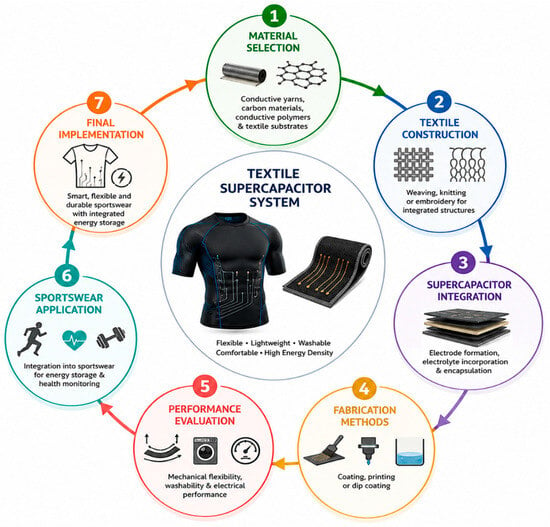
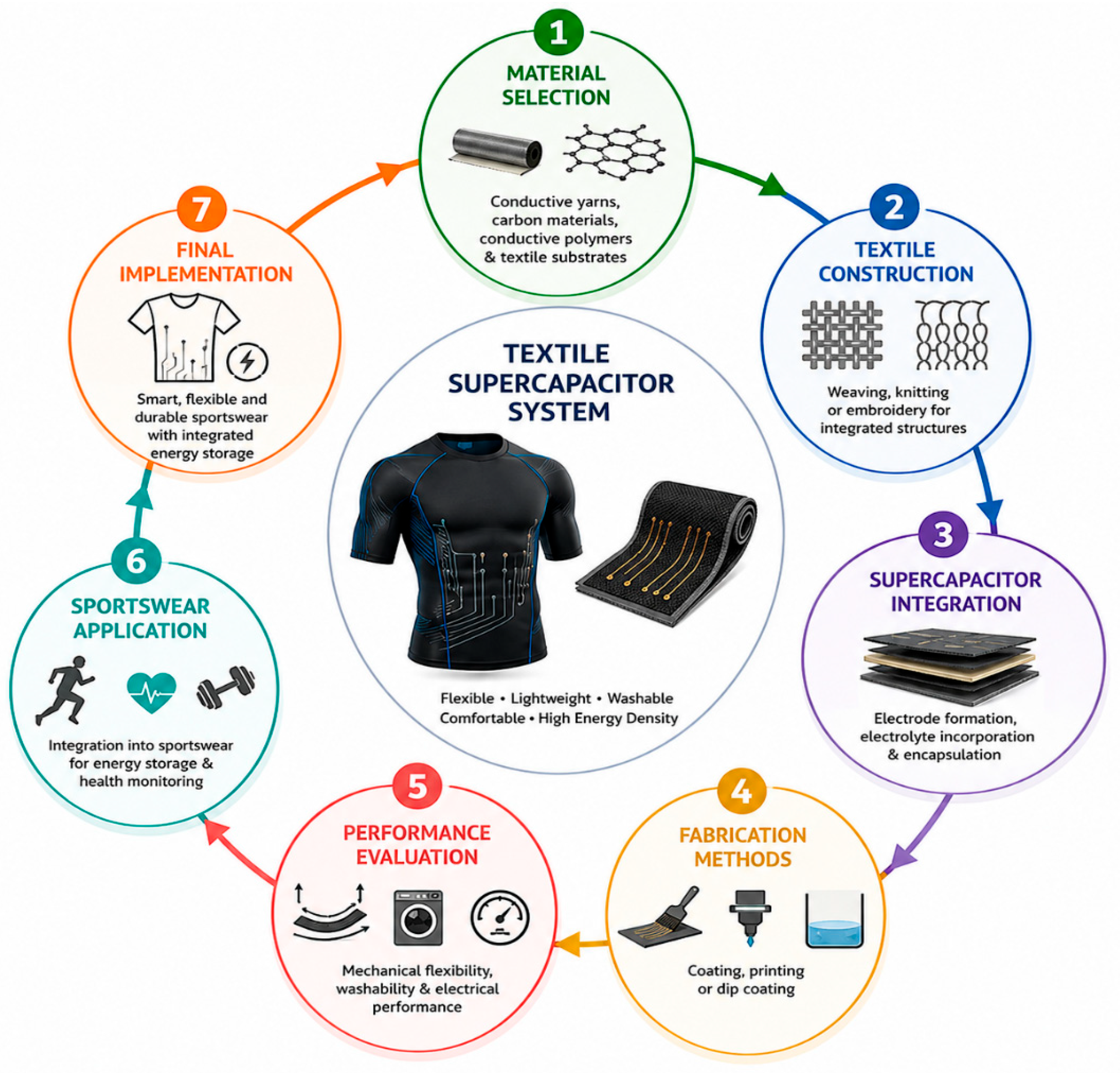
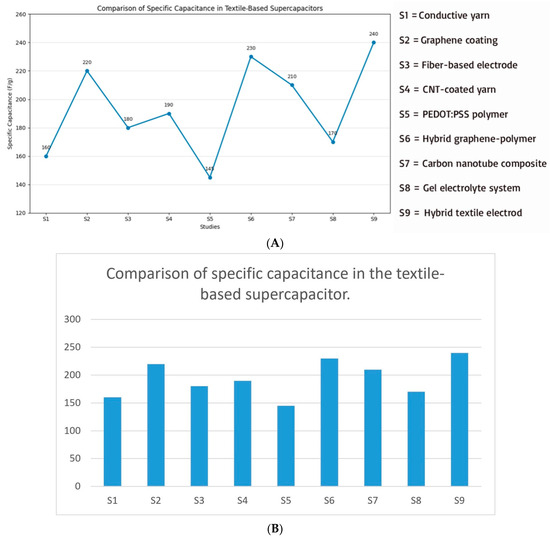
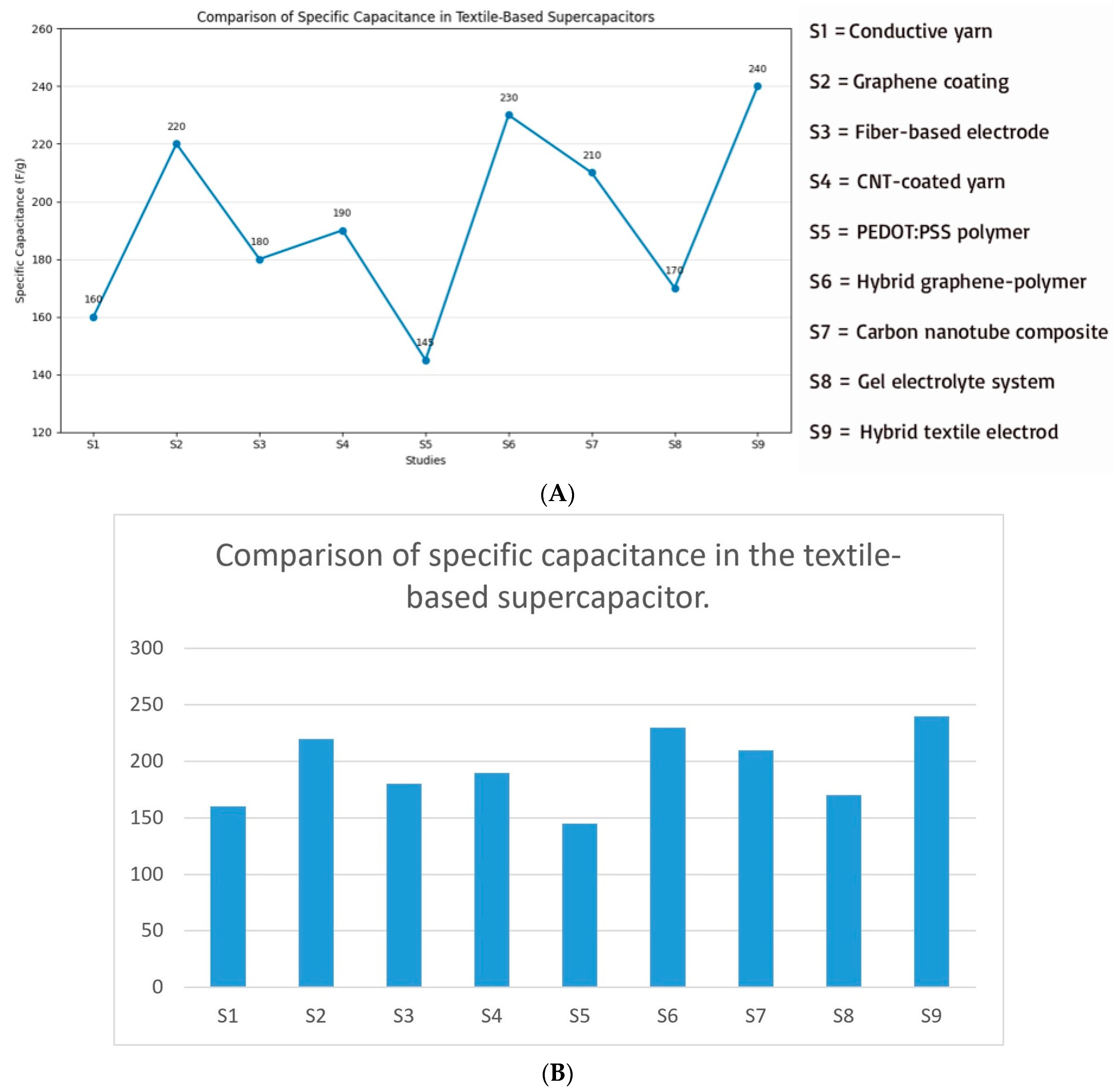
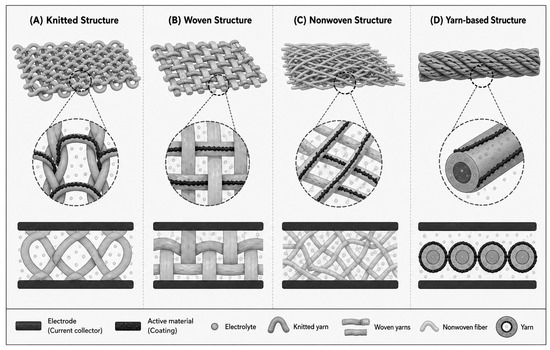
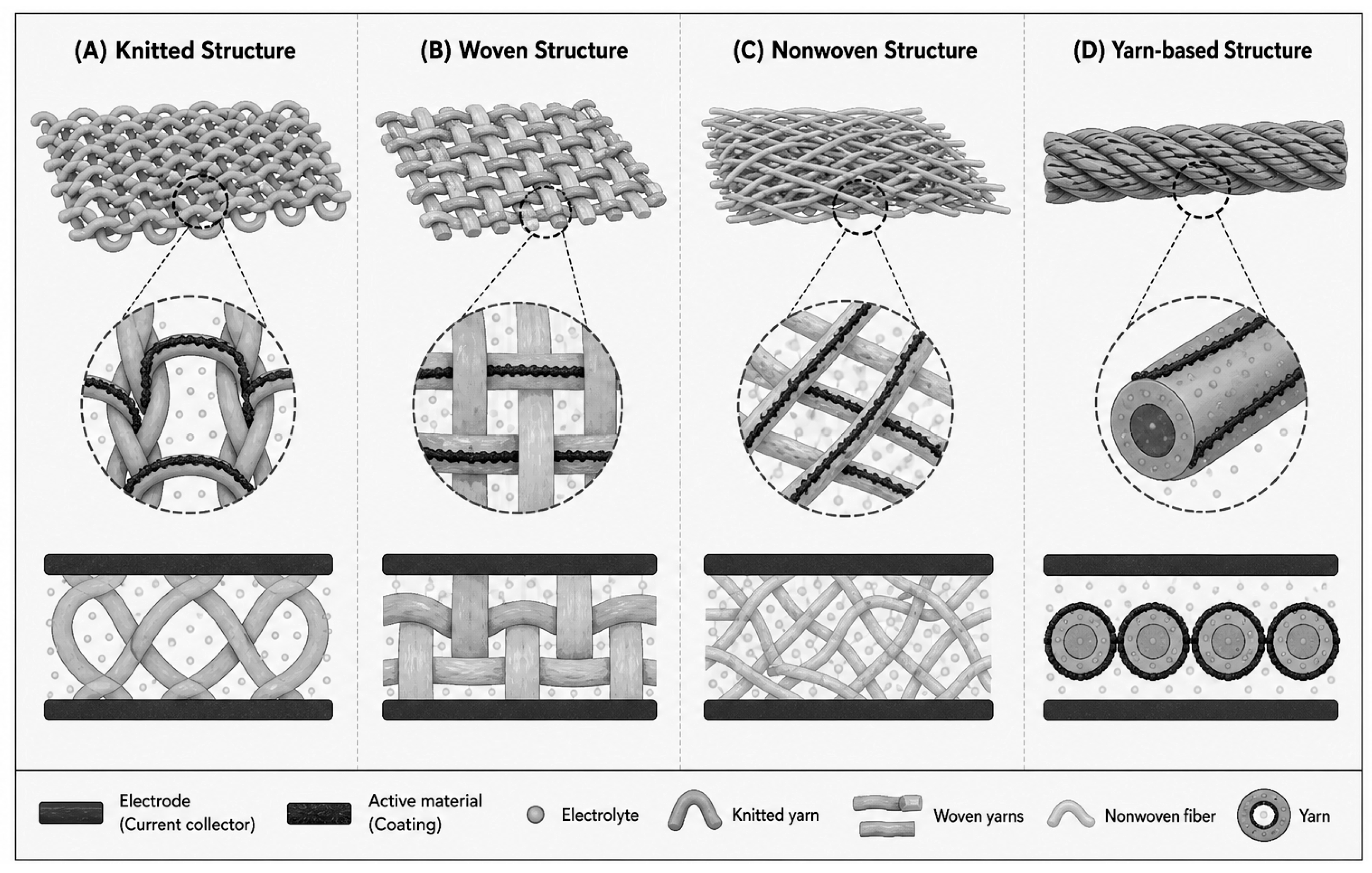
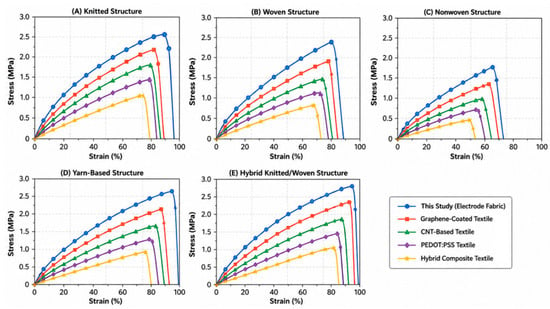
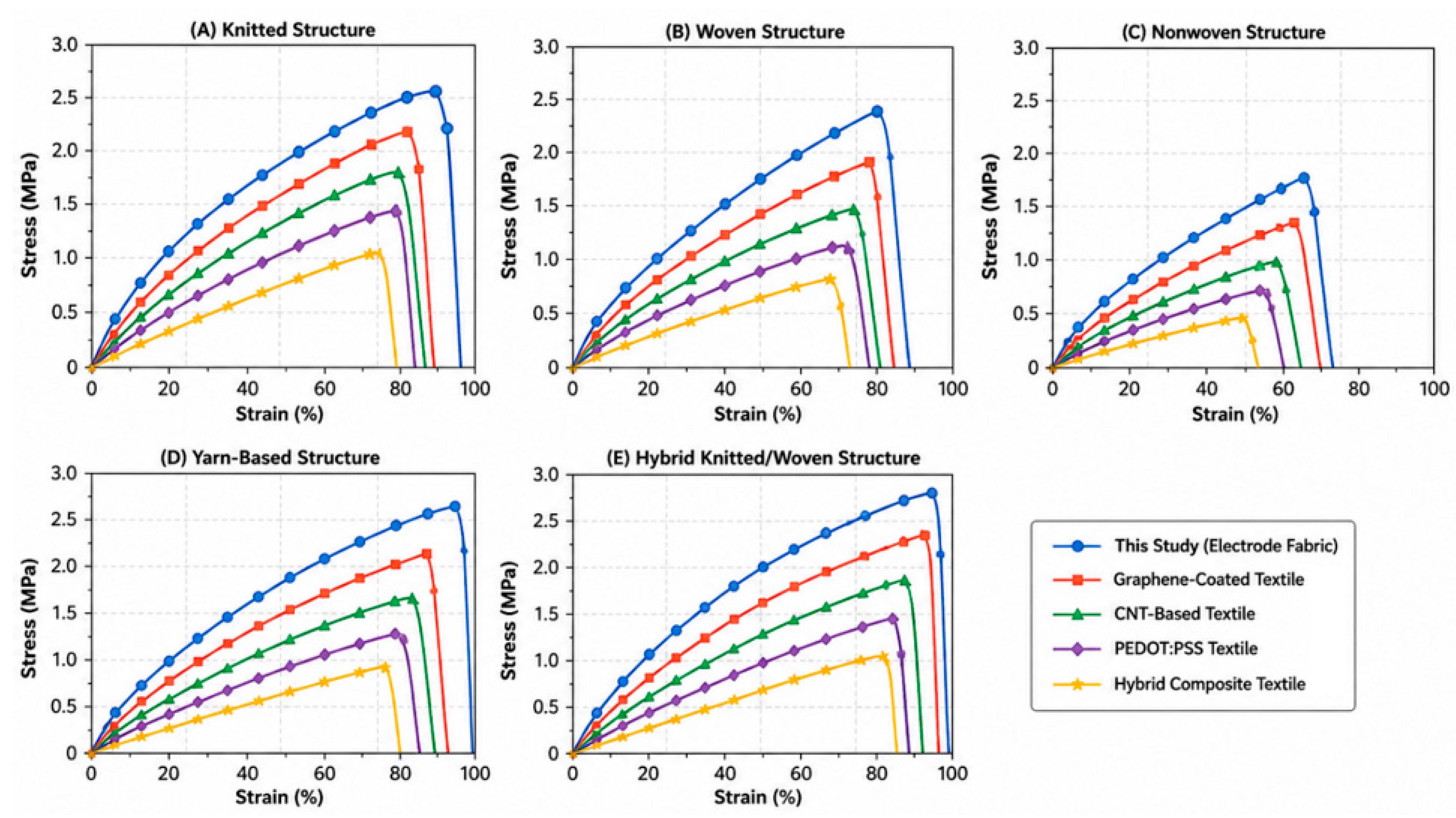
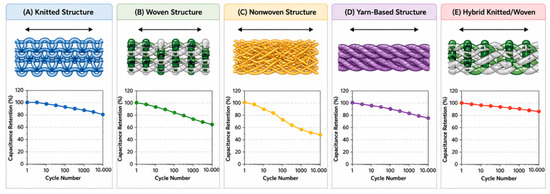
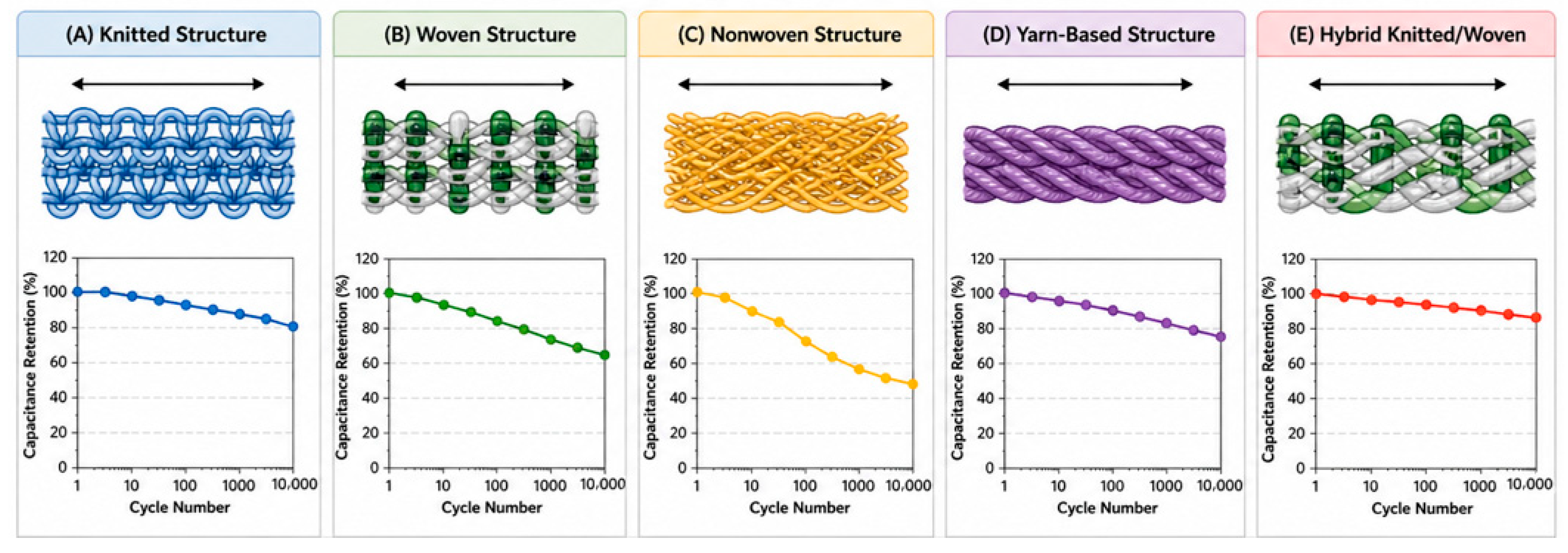
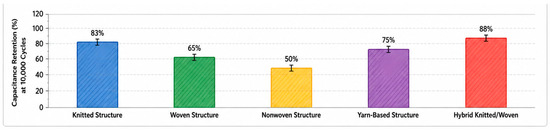
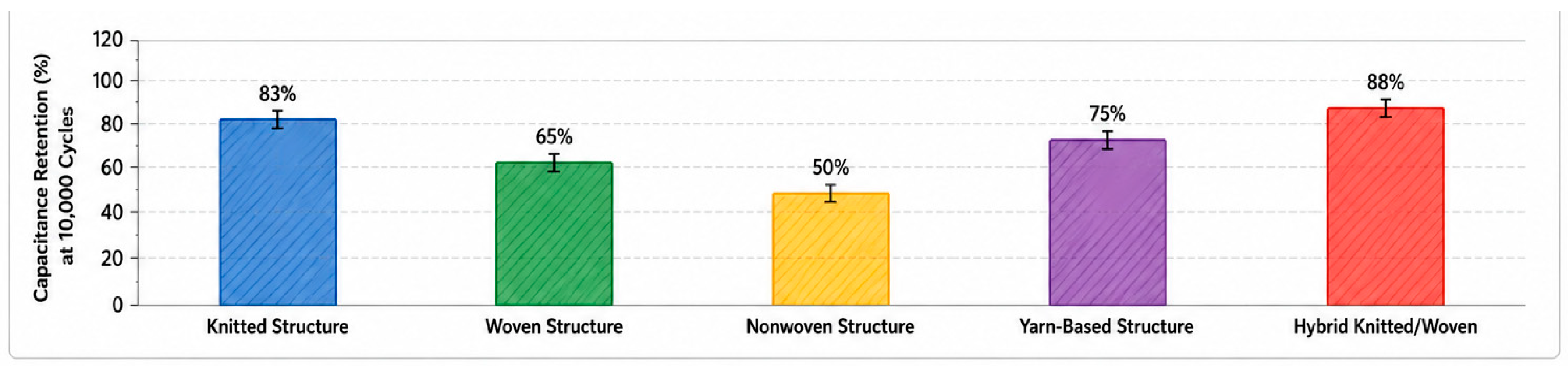
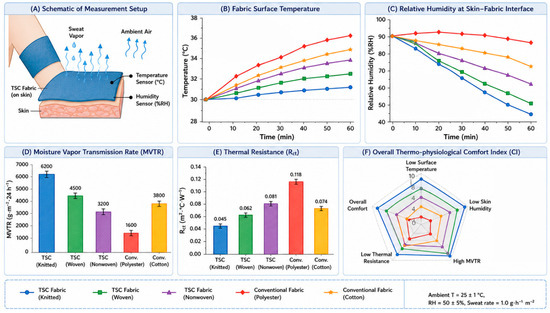
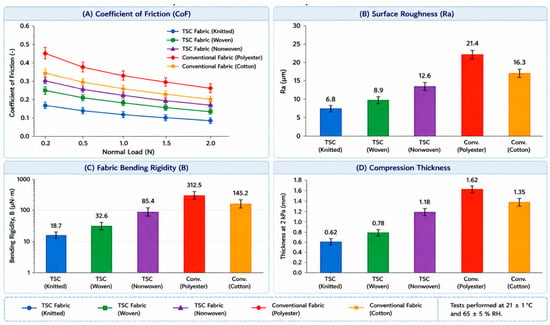
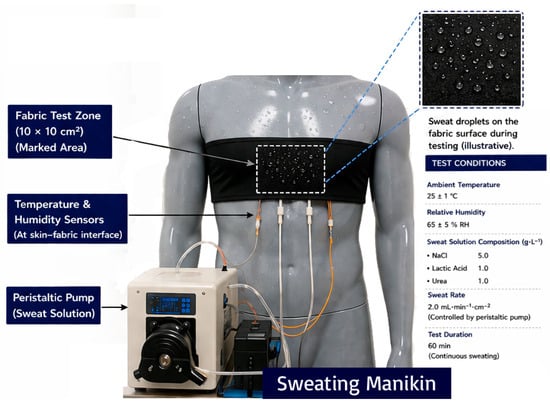
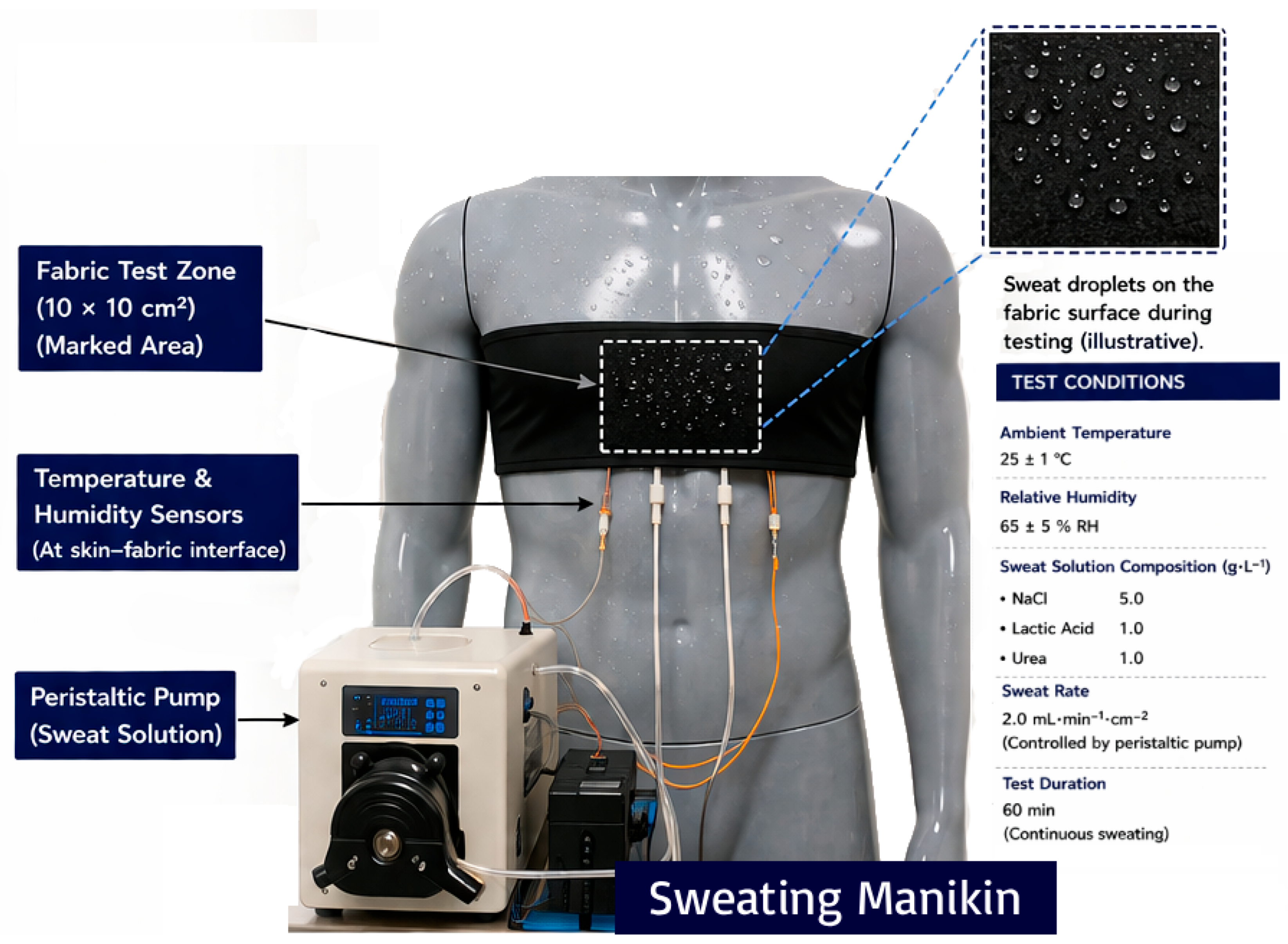
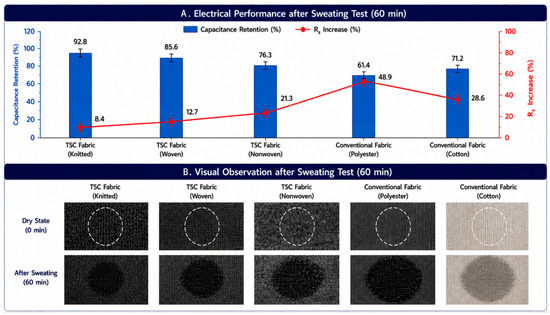
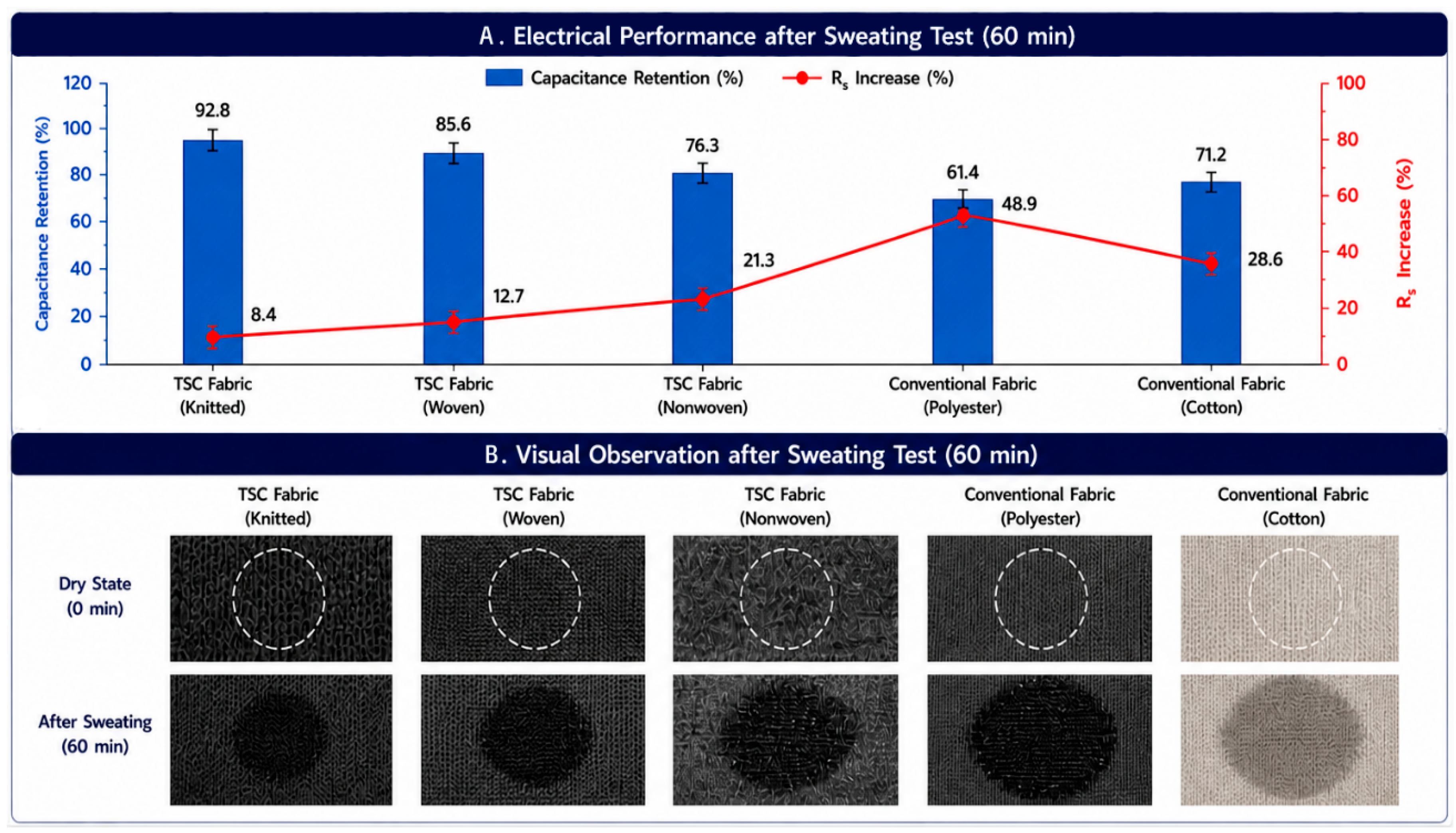
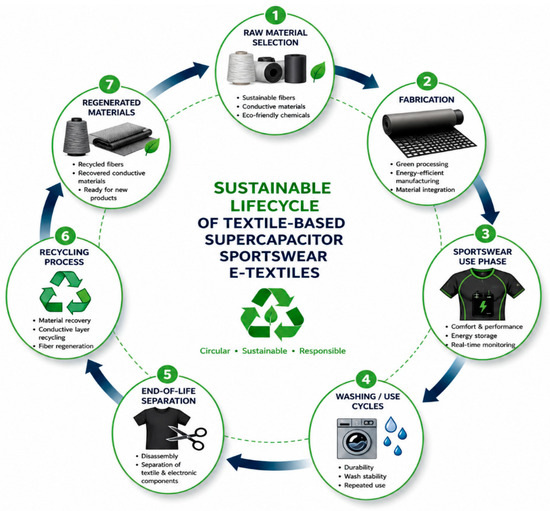
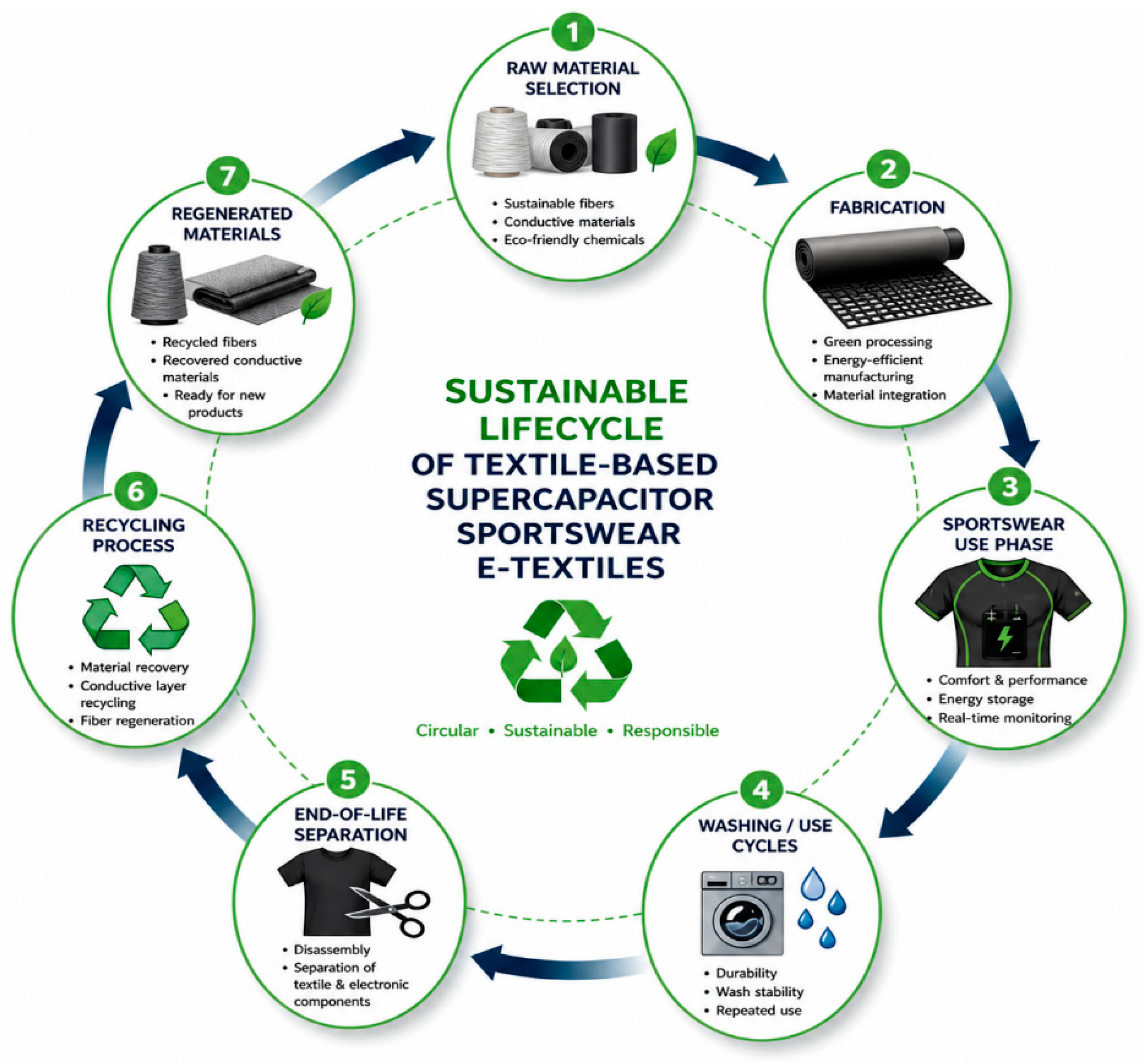

Disclaimer/Publisher’s Note: The statements, opinions and data contained in all publications are solely those of the individual author(s) and contributor(s) and not of MDPI and/or the editor(s). MDPI and/or the editor(s) disclaim responsibility for any injury to people or property resulting from any ideas, methods, instructions or products referred to in the content. |
© 2026 by the authors. Licensee MDPI, Basel, Switzerland. This article is an open access article distributed under the terms and conditions of the Creative Commons Attribution (CC BY) license.