


Abstract
Fused Deposition Modeling (FDM) has emerged as one of the most widely adopted additive manufacturing (AM) technologies, valued for its simplicity, cost-effectiveness, and versatility in fabricating complex geometries. The geometry of the extrusion nozzle plays a critical role in determining melt flow behavior, extrusion stability, and final print quality of thermoplastic materials. When utilizing natural fiber-reinforced thermoplastic composites (NFRCs), understanding and optimizing nozzle geometry becomes increasingly important due to the complex rheological behavior of fiber-filled melts, including challenges such as increased viscosity, shear-thinning effects, and susceptibility to nozzle clogging. The reviewed literature shows that optimized nozzle geometry, supported by computational and statistical tools, can improve the printability and mechanical performance of natural fiber composites, although further advancements are needed to address material variability and complex fiber–matrix interactions. This review paper presents a comprehensive overview of the effects of nozzle geometry on melt flow behavior in FDM, covering computational modeling approaches, experimental characterization studies, and optimization methodologies for enhancing the performance of natural fiber-reinforced composites in additive manufacturing applications. The integration of sustainable materials into FDM processes represents a significant advancement toward environmentally responsible manufacturing while maintaining mechanical performance requirements.
1. Introduction
Additive manufacturing (AM) has revolutionized the production landscape by enabling the fabrication of complex geometries with minimal material waste and reduced lead times compared to traditional subtractive manufacturing methods [1]. Among various AM technologies, Fused Deposition Modeling (FDM), also known as Fused Filament Fabrication (FFF) or Material Extrusion (MEX), has gained significant attention in both industrial and research domains due to its accessibility, relatively low capital investment, and compatibility with a wide range of thermoplastic materials [2,3].
The FDM process involves the continuous extrusion of thermoplastic filaments through a heated nozzle, where the material transitions from a solid to a semi-molten state before being deposited layer by layer onto a build platform. The extruded material then solidifies through cooling, bonding with adjacent layers to form a three-dimensional object [4]. The quality and mechanical properties of FDM-printed parts are influenced by numerous factors, including material selection, processing parameters (temperature, print speed, layer height), tool path design, and critically, the geometric configuration of the extrusion nozzle [5,6].
Natural fiber-reinforced thermoplastic composites have emerged as promising materials for sustainable manufacturing applications, offering several advantages over conventional petroleum-based thermoplastics. These composites combine biodegradable or renewable polymer matrices (such as polylactic acid, polyhydroxyalkanoates, or bio-based polyethylene) with natural fibers derived from plants (hemp, flax, jute, bamboo, kenaf, sisal) or agricultural residues (rice husks, oil palm fibers, wood fibers) [7,8]. The incorporation of natural fiber provides multiple benefits: reduced material cost, lower density, improved specific mechanical properties, enhanced biodegradability, and a smaller carbon footprint compared to synthetic fiber composites [9,10].
However, the integration of natural fibers into FDM feedstock materials introduces significant rheological challenges that directly impact printability and final part quality. Natural fibers alter the melt flow characteristics of the polymer matrix, typically increasing viscosity, enhancing shear-thinning behavior, and creating non-uniform flow patterns [11,12]. These fiber-induced modifications can lead to processing difficulties including nozzle clogging, inconsistent extrusion rates, poor interlayer adhesion, increased porosity, and premature fiber breakage during the extrusion process [8,13].
The nozzle geometry serves as a critical interface between the feedstock material and the deposited extrudate, directly governing the stress fields, temperature distribution, and velocity profiles experienced by the fiber-filled melt during extrusion. Key geometric parameters include nozzle diameter, convergent or divergent angle, land length (parallel section at the nozzle exit), and overall tip shape configuration [14,15]. Optimization of these geometric features can significantly mitigate flow-related challenges, reduce fiber damage, improve surface quality, and enhance the overall printability of natural fiber-reinforced composites [16].
Despite growing interest in sustainable FDM materials and extensive research on process optimization, a comprehensive understanding of how nozzle geometry influences the rheological behavior of natural fiber-reinforced thermoplastic composites remains incomplete. This review addresses this research gap by synthesizing current knowledge on nozzle design principles, melt flow mechanics, computational modeling approaches, experimental characterization techniques, and optimization strategies specifically relevant to fiber-filled composites in FDM applications. The main points of the review are illustrated in Figure 1.
Figure 1.
Main chapters of the paper.
2. Methodology
Figure 2 presents the overall framework of this review paper, illustrating the key topics and their interrelationships in understanding the effect of nozzle geometry on the rheological properties of natural fiber-reinforced composites (NFRC) during Fused Deposition Modeling (FDM). The review begins with an introduction that provides background information on additive manufacturing, the increasing interest in NFRC materials, and the need for nozzle geometry optimization to improve print quality and material performance. The discussion then proceeds to the FDM process, highlighting the fundamental principles of the technology, important processing parameters, and the challenges associated with printing fiber-reinforced materials. Following this, the nozzle geometry section examines various nozzle design parameters, including nozzle diameter, convergent angle, and internal configuration, together with their influence on flow characteristics and fiber orientation. The melt behavior section further explores the rheological behavior of NFRC melts, emphasizing the effects of temperature, shear rate, fiber content, and fiber aspect ratio on extrusion performance.
Figure 2.
Flow chart of methodology.
The review subsequently focuses on the effect of nozzle geometry on NFRC behavior, particularly in terms of pressure drop, shear stress distribution, fiber alignment, and potential fiber breakage during extrusion, all of which directly influence the mechanical properties of printed components. To better understand these phenomena, the role of the Computational Fluid Dynamics (CFD) simulation is discussed, including its applications in predicting nozzle flow behavior and validating experimental observations. Finally, optimization approaches such as Design of Experiments (DoE) and the Taguchi method are presented to identify optimal nozzle configurations. The review concludes by addressing current challenges, research gaps, and future perspectives aimed at developing more efficient nozzle designs and enhancing the printability and performance of sustainable NFRC materials for advanced FDM applications.
Figure 3 depicts the PRISMA 2020-based literature selection process adopted in this review. Relevant studies were systematically identified through major scientific databases, including Scopus, Web of Science, ScienceDirect, and SpringerLink, using predefined keywords related to nozzle geometry, natural fiber-reinforced composites (NFRC), Fused Deposition Modeling (FDM), and rheological behavior. After duplicate records and ineligible publications were removed, the remaining articles were screened based on their titles and abstracts according to established inclusion and exclusion criteria. Subsequently, full-text assessments were conducted to evaluate the relevance of each study to the review objectives, leading to the exclusion of articles that did not focus on nozzle geometry, rheological properties, or natural fiber composites in FDM applications. The final set of eligible studies was then included in the qualitative synthesis, while studies containing sufficient quantitative data were further considered for quantitative analysis where appropriate. This systematic approach ensured a transparent, reproducible, and comprehensive selection of the literature included in the present review.
Figure 3.
Flow diagram for the literature review (PRISMA).
3. Fundamentals of Fused Deposition Modeling
3.1. Process Overview
Fused Deposition Modeling is an extrusion-based additive manufacturing process that constructs three-dimensional objects through sequential deposition of material layers. The fundamental FDM system comprises several main components: a filament feeding mechanism (typically a stepper motor-driven gear assembly), a heated liquefier or hot end where material melting occurs, an extrusion nozzle through which molten material is expelled, and a temperature-controlled platform onto which material is deposited [17].
The manufacturing cycle begins with the filament being fed into the heated liquefier section, where thermal energy raises the material temperature above its glass transition temperature (for amorphous polymers) or melting point (for semi-crystalline polymers). The heated thermoplastic material, in a viscous molten state, is then forced through the constricted nozzle orifice by mechanical pressure generated from the incoming filament, emerging as a continuous extruded strand. As the nozzle traverses the predetermined tool path, the extruded material is deposited onto either the build platform (for the first layer) or previously deposited layers, where it undergoes rapid cooling and solidification [18]. Figure 4 shows the step-by-step of the FDM process.
Figure 4.
Overview of the FDM workflow showing the sequential stages involved in additive manufacturing: (1) computer-aided design (CAD), (2) file preparation and slicing, (3) material loading, (4) filament heating and melting, (5) extrusion and deposition, (6) layer-by-layer building, (7) cooling and solidification, (8) print completion, and (9) post-processing operations.
3.2. Material Phase Transitions
The thermal transitions occurring during FDM processing significantly influence material behavior and final part properties. For semi-crystalline thermoplastics such as polypropylene (PP), polyethylene (PE), and polyamides (PA), the material must be heated above the crystalline melting temperature () to achieve sufficient flowability for extrusion. Amorphous polymers like polylactic acid (PLA), acrylonitrile butadiene styrene (ABS), and polystyrene (PS) require heating above their glass transition temperature () to transition from a rigid glassy state to a viscous rubbery state suitable for extrusion [19].
The cooling and solidification behavior following deposition is equally critical. Rapid cooling can induce thermal gradients, residual stresses, and dimensional distortions (warping), particularly in semi-crystalline materials that undergo volumetric shrinkage during crystallization. The thermal history experienced by the extruded material affects crystallinity development, molecular orientation, and interlayer bonding strength, all of which contribute to the mechanical performance of the printed component [20].
3.3. Processing Parameters and Their Influence
Multiple processing parameters interact to determine the quality of FDM-printed parts. Extrusion temperature directly affects material viscosity, with higher temperatures reducing viscosity and improving flow but potentially causing thermal degradation. Print speed influences the residence time of material in the heated zone and the cooling rate after deposition, affecting interlayer bonding and dimensional accuracy. Layer height and extrusion width determine the geometric resolution and mechanical anisotropy of the printed structure as shown in Figure 5.
Figure 5.
Processing parameters and their effects [21].
For fiber-reinforced composites, these parameter interactions become more complex. The presence of fibers increases the thermal mass of the material and alters heat transfer characteristics. Fiber orientation can be influenced by flow-induced alignment during extrusion, creating directional mechanical properties. The shear stresses generated during extrusion can cause fiber attrition (progressive length reduction through breakage), which degrades reinforcement efficiency [22,23].
3.4. Challenges with Fiber-Filled Composites
The introduction of natural fibers into FDM feedstock materials presents several technical challenges that differ from those encountered with typical thermoplastics. Nozzle clogging represents one of the most prevalent issues, occurring when fiber agglomerates or individual fibers orient perpendicular to the flow direction, creating blockages at the nozzle constriction [8,13]. This phenomenon is magnified by poor fiber dispersion, excessive fiber length, or inadequate fiber–matrix interfacial adhesion.
Uneven flow patterns emerge from the heterogeneous nature of fiber-filled melts, where regions of high fiber concentration exhibit markedly different rheological properties than fiber-depleted regions. This non-uniformity manifests as surface roughness, dimensional inconsistencies, and mechanical property variations within printed parts [24]. The increased viscosity of fiber-filled melts requires higher extrusion pressures, which can lead to filament buckling in the feed system if the material stiffness is insufficient to withstand compressive loading.
Fiber breakage during extrusion reduces the aspect ratio (length-to-diameter ratio) of reinforcing fibers, diminishing their reinforcement efficiency according to the Halpin-Tsai composite mechanics model and Cox shear-lag theory [25]. The extent of fiber damage depends on the shear stress distribution within the nozzle, fiber mechanical properties, and fiber–matrix interfacial strength. Moisture absorption by natural fibers can cause dimensional instability of the filament, bubble formation during extrusion due to water vaporization, and degradation of mechanical properties [26].
4. Nozzle Geometry Design and Its Parameters
4.1. Main Geometric Parameters
The extrusion nozzle in FDM systems can be characterized by several critical geometric dimensions that collectively determine the flow field experienced by the material during extrusion as shown in Figure 6. The nozzle diameter () represents the final orifice through which material exits, typically ranging from 0.2 mm to 1.2 mm in standard FDM applications, with larger diameters (up to 2.0 mm or more) used for large-scale additive (LSAM) systems [27]. Larger nozzle diameters reduce the risk of clogging with fiber-filled materials but decrease geometric resolution and increase layer height.
Figure 6.
Critical geometric dimensions of an FDM nozzle [14,15,27,28,29].
The convergent angle () describes the rate at which the flow channel narrows from the liquefier barrel to the nozzle exit. This angle significantly influences the velocity gradient, shear stress distribution, and pressure drop across the nozzle. Typical convergent angles range from to , with sharper angles (smaller values) creating more localized high-shear regions and gentler angles (larger values) distributing shear more gradually over a longer flow distance [14,28].
The land length () is the cylindrical parallel section at the nozzle exit where the diameter remains constant. This region provides residence time for stress relaxation and temperature equilibration but also contributes to pressure drop and wall shear stress. Land lengths typically range from 0.5 mm to 5 mm depending on nozzle size and application requirements [15].
The entry region from the liquefier barrel into the convergent section can exhibit various geometries, including sharp corner transitions, fileted (rounded) entries, or gradual tapers. The entry geometry affects flow stability and the formation of recirculation zones or stagnation points where material residence time increases, potentially causing thermal degradation [29].
4.2. Types of Nozzle Geometries
Several nozzle geometry categories have been explored for FDM applications, each offering distinct advantages and limitations for fiber-reinforced composite extrusion.
Cylindrical nozzles feature a simple straight-bore geometry with minimal or no convergent section. These designs minimize shear stress and fiber breakage but require higher extrusion pressures and provide less control over flow direction and extrudate shape [30].
Conical nozzles incorporate a single convergent angle leading to the exit orifice, representing the most common geometry in commercial FDM systems. The convergent section accelerates the flow and aligns fibers preferentially in the extrusion direction. The balance between convergence angle steepness and total convergent length determines the shear rate distribution and fiber orientation effects [14].
Tapered nozzles utilize multiple convergent angles or continuously varying convergence rates to create more complex flow fields. Multi-stage convergence can distribute shear stress more evenly, potentially reducing peak shear stress magnitudes and associated fiber damage. These designs offer greater flexibility for optimizing flow behavior but increase manufacturing complexity [31].
Multi-orifice nozzles feature multiple parallel exit channels, enabling simultaneous extrusion of multiple strands or facilitating flow of materials with particularly challenging rheology. For fiber-filled composites, multi-orifice designs can reduce the ratio between filament diameter and fiber length, lowering clogging tendency [32].
Figure 7 shows the technical schematic diagram comparing the four main types of FDM nozzle geometries.
Figure 7.
Type of FDM nozzle geometry.
4.3. Influence on Extrusion Mechanics
The nozzle geometry fundamentally determines the mechanical and thermal environment experienced by the material during extrusion. The pressure drop () across the nozzle follows relationships derived from fluid mechanics, dependent on material viscosity (), volumetric flow rate (), and geometric parameters. For power-law fluids (which approximate many thermoplastic melts), the pressure drop in the convergent section scales with the convergent angle and inversely with the nozzle diameter raised to a power related to the shear-thinning index [33].
The shear rate () distribution governs the local velocity gradients and stress fields that drive flow and potentially damage fibers. In the cylindrical land section, the wall shear rate can be approximated as:
where is the nozzle radius. This relationship demonstrates that shear rate increases dramatically with decreasing nozzle diameter, explaining the heightened fiber breakage risk in small-diameter nozzles [34].
Melt velocity profiles transition from uniform plug flow in the barrel to highly non-uniform profiles in the convergent section, with maximum velocities at the centerline and minimum (near-zero) velocities at the wall. This velocity gradient creates extensional flow components in addition to shear flow, with extensional flow becoming dominant at the nozzle entrance. Extensional flow can be particularly damaging to fibers, as it applies axial tensile stresses along the fiber length [35].
5. Melt Flow Behavior of Thermoplastic Composites
5.1. Rheological Fundamentals
The flow behavior of thermoplastic melts is characterized by their rheological properties, which describe the relationship between applied stress and resulting deformation or flow rate. Pure thermoplastic polymers typically exhibit non-Newtonian flow behavior, specifically pseudoplastic (shear-thinning) behavior where viscosity decreases with increasing shear rate [36]. This behavior arises from the alignment and disentanglement of polymer chains under flow, reducing flow resistance at higher shear rates.
The viscosity () of polymer melts depends strongly on both shear rate () and temperature (). The power-law model provides a simplified description:
where is the consistency index and is the power-law index ( for shear-thinning materials). More sophisticated models such as the Carreau–Yasuda model or Cross model capture the transition between low-shear-rate Newtonian plateau viscosity and high-shear-rate power-law behavior [37].
Temperature dependence of viscosity typically follows an Arrhenius-type relationship or the Williams–Lande–Ferry (WLF) equation for temperatures near the glass transition. Increasing temperature reduces intermolecular interactions and increases molecular mobility, thereby decreasing viscosity. For FDM processing, this temperature sensitivity enables flow through the nozzle while facilitating rapid solidification upon cooling [38]. For instance, PLA-based materials have shown viscosity reductions exceeding 50% when the processing temperature increases from 180 to 220 °C, improving flowability and interlayer adhesion, whereas excessive temperatures may accelerate thermal degradation in natural fiber composites.
5.2. Impact of Fiber Reinforcement
The addition of natural fibers fundamentally alters the rheological behavior of thermoplastic melts through multiple mechanisms. Fibers increase the effective viscosity of the composite melt compared to the neat matrix polymer, with the magnitude of increase depending on fiber volume fraction, aspect ratio, orientation, and fiber–matrix interfacial properties [11,12]. At low fiber concentrations, viscosity increase can be predicted by Einstein’s equation for dilute suspensions, but natural fiber composites typically operate at moderate to high fiber loadings where particle–particle interactions become significant.
Fiber reinforcement enhances shear-thinning behavior, causing the power-law index () to decrease (become more shear-thinning). This enhanced shear-thinning results from flow-induced fiber alignment, which reduces flow resistance as fiber orient parallel to the flow direction at higher shear rates. Carbon fiber-reinforced polyetherimide (PEI) composites demonstrate this effect clearly, with viscosity increasing by 2.5–3 times at 20–30% fiber loading and the shear-thinning effect being enhanced compared to neat PEI [9].
The presence of fibers introduces additional complexity through their influence on elastic properties of the melt. Fiber-filled melts exhibit increased storage modulus () and loss modulus () compared to neat polymers, particularly at low frequencies where fibers have sufficient time to contribute to the viscoelastic response. This elastic contribution affects die swell (extrudate expansion upon exiting the nozzle) and can influence dimensional accuracy of printed parts [39].
Fiber size, aspect ratio, and dispersion quality significantly impact rheological properties. Longer fibers and higher aspect ratios provide greater reinforcement efficiency but also increase viscosity more dramatically and elevate clogging risk. Poor fiber dispersion creates localized regions of high fiber concentration with elevated viscosity, leading to non-uniform flow and potential nozzle blockage [40]. For example, composites containing long fibers or fibers with high aspect ratios have been shown to exhibit 20–60% higher apparent viscosity than neat polymers, increasing extrusion pressure requirements and clogging susceptibility, whereas uniform fiber dispersion promotes stable flow and improved print quality.
5.3. Relationship to Print Defects
The rheological behavior of fiber-reinforced composites directly influences the formation of various print defects that degrade part quality and mechanical performance. Void formation represents one of the most critical defect types, arising from incomplete fusion between adjacent extruded strands or between successive layers. Insufficient melt viscosity reduction (inadequate shear-thinning) can prevent complete flow and coalescence, leaving interfacial gaps. Conversely, excessive viscosity can prevent the extruded strand from conforming to the substrate surface, creating voids beneath the deposited material, as shown in Figure 8.
Figure 8.
Influence of viscosity on extrusion and deposition (a) insufficient viscosity (shear-thinning) leading to poor filament stability and inadequate bonding and (b) excessive viscosity causing void formation due to incomplete material flow [41].
Surface roughness in FDM parts originates from multiple sources including the discrete layer-by-layer construction method, but fiber-induced flow irregularities can exacerbate this issue. Non-uniform flow rates caused by rheological heterogeneity create dimensional variations in the extruded strand, manifesting as surface undulations. Fiber protrusion from the extrudate surface, particularly for poorly wet or inadequately dispersed fibers, contributes additional surface roughness [42].
Poor interlayer bonding strength, a characteristic weakness of FDM-printed parts, becomes more pronounced with fiber-reinforced materials. The increased viscosity of fiber-filled melts reduces the interdiffusion of polymer chains across layer interfaces, which is the primary bonding mechanism in FDM. Additionally, fibers can physically obstruct chain interdiffusion and create stress concentrations at the interface that serve as crack initiation sites under mechanical loading as shown in Figure 9.
Figure 9.
Schematic illustration of how rheological heterogeneity leads to printing defects (a) non-uniform molecular mobility causes viscosity imbalance and flow irregularities and (b) chain diffusion obstruction and trapped voids result in poor interlayer bonding and surface defects [43].
6. Effect of Nozzle Geometry on Natural Fiber-Reinforced Composites
6.1. Melt Homogeneity and Fiber Orientation
Nozzle geometry exerts substantial influence on the spatial distribution and orientation of fibers within the extruded material, which in turn affects mechanical properties of the printed part. The convergent section of the nozzle creates extensional and shear flow fields that align fibers respectively along the flow direction (parallel to the extrusion axis). This flow-induced alignment can be beneficial, as it orients fibers along the primary loading direction in many printed structures, maximizing reinforcement efficiency [22].
However, excessive alignment gradients across the extrudate cross-section create mechanical anisotropy and potential weak interfaces between regions of different fiber orientation. Sharp convergent angles and small nozzle diameters tend to produce more uniform fiber alignment throughout the extrudate cross-section, while gentler convergence allows greater variation in fiber orientation between the center and periphery of the flow channel [44].
The degree of melt homogeneity is the uniformity of fiber distribution throughout the polymer matrix. It is influenced by the residence time distribution and flow patterns within the nozzle. Regions of flow stagnation or recirculation can accumulate fibers, creating local concentration gradients. The land section provides opportunity for fiber redistribution through secondary flows and Brownian motion, potentially improving homogeneity if the residence time is sufficient but not excessive (which could cause thermal degradation) [45]. For instance, poor melt homogeneity caused by fiber agglomeration has been associated with 10–25% reductions in tensile strength and increased extrusion instability, whereas optimized residence times in the nozzle land section can improve fiber distribution and printing consistency without inducing thermal degradation.
6.2. Pressure Drop and Shear Stress Effects
The pressure required to maintain a given flow rate through the nozzle increases substantially with fiber addition, and this pressure drop is sensitive to nozzle geometry. Studies on natural fiber-reinforced composites demonstrate that pressure drop can increase by 50–200% compared to neat polymers at equivalent flow rates, depending on fiber type, loading, and aspect ratio [46]. This increased pressure requirement has practical implications for FDM equipment design, as higher torque motors and stiffer filament materials may be necessary to prevent buckling in the feed system.
Nozzle geometry parameters that minimize pressure drop include larger nozzle diameters, longer gradual convergent sections (smaller convergent angles), and shorter land lengths. However, these geometric choices must be balanced against other performance criteria such as geometric resolution, extrudate dimensional stability, and fiber alignment control [14,16].
The shear stress distribution within the nozzle determines the mechanical loading experienced by fibers, directly influencing the extent of fiber breakage. Wall shear stress peaks in the land section where the velocity gradient is steepest relative to the channel diameter. For natural fibers, which generally possess lower tensile strength than synthetic fibers like carbon or glass, excessive shear stress can cause progressive fiber attrition through repeated stress cycles as material circulates through complex flow patterns [47].
Recent studies investigating nozzle geometry optimization for continuous fiber reinforced composites found that nozzle shape significantly affects tensile strength of printed parts. Transitioning from circular to square nozzle geometry reduced void content by 7–8% and increased ultimate tensile strength by 11–18% across various fiber orientations, demonstrating the substantial impact of geometry on final part performance [9].
6.3. Clogging Mitigation
Nozzle clogging represents the most operationally disruptive challenge when printing natural fiber-reinforced composites. Clogging occurs through several mechanisms: fiber bridging across the nozzle diameter, accumulation of fiber agglomerates that cannot pass through the orifice, and progressive buildup of degraded material or fiber fragments at flow stagnation points [8,13].
Geometric strategies to reduce clogging tendency include increasing nozzle diameter (the most effective but resolution-limiting approach), minimizing flow dead zones through streamlined entry geometry, and optimizing the convergent angle to balance gradual fiber alignment against maintaining sufficient wall shear to prevent fiber deposition. Multi-orifice or slot-shaped nozzles can reduce the ratio of nozzle dimension to fiber length, decreasing the probability of fiber bridging [32].
Land length plays a dual role in clogging behavior. A minimal land length reduces the residence time during which fibers can bridge or accumulate, but it also reduces the thermal equilibration time and may allow greater die swell, causing dimensional inconsistency. Optimal land length thus represents a compromise between these competing effects, typically ranging from 1 to 3 times the nozzle diameter for fiber-filled materials [48].
Material processing conditions interact with nozzle geometry in determining clogging susceptibility. Higher temperatures reduce melt viscosity and increase fiber mobility, potentially allowing fiber agglomerates to break apart and pass through the nozzle. However, excessive temperature can degrade natural fibers and the polymer matrix, creating char particles that promote clogging. The interplay between geometry and processing conditions necessitates integrated optimization approaches [49]. For instance, moderate increases in extrusion temperature have been shown to reduce extrusion pressure by 15–30%, improving flow stability, whereas excessive temperatures (>200–230 °C for many natural fibers) can generate degradation products that increase the likelihood of nozzle blockage. This highlights the need for integrated optimization of nozzle geometry and processing parameters to achieve reliable FDM performance.
7. Simulation and Modeling of Melt Flow in Nozzles
7.1. Computational Fluid Dynamics Approaches
Computational Fluid Dynamics (CFD) has emerged as a powerful tool for investigating melt flow behavior in FDM nozzles, enabling detailed visualization of flow fields that are difficult or impossible to measure experimentally. CFD simulations solve the fundamental conservation equations (mass, momentum, and energy) numerically over a discretized representation of the flow domain [50]. For thermoplastic melt flow, the governing equations must account for non-Newtonian viscosity, temperature-dependent material properties, and potentially viscoelastic effects.
The continuity equation ensures mass conservation:
for incompressible flow, where is the velocity vector. The momentum equation (Navier–Stokes equation for Newtonian fluids, generalized for non-Newtonian behavior) governs the velocity field:
where is density, is pressure, is the stress tensor (dependent on the rheological constitutive model), and is gravitational acceleration. The energy equation accounts for heat transfer:
where is specific heat capacity, is temperature, is thermal conductivity, and represents viscous dissipation (heat generation due to flow) [51].
For fiber-filled melts, additional complexity arises from the multiphase nature of the material. Approaches include treating the composite as an effective single-phase medium with concentration-dependent rheological properties (homogeneous model) or explicitly modeling fiber–matrix interactions using particle tracking or direct numerical simulation methods. The homogeneous approach is computationally efficient and suitable for well-dispersed fiber systems at moderate concentrations, while explicit fiber modeling becomes necessary for capturing fiber orientation evolution and localized concentration effects [52].
7.2. Simulation Software and Tools
Several commercial and open-source software packages are commonly employed for FDM nozzle flow simulations. ANSYS Fluent, 2026 R1 provides comprehensive capabilities for non-Newtonian fluid modeling, heat transfer, and complex geometry handling. Its User-Defined Function (UDF) capability allows implementation of custom rheological models and material property definitions. Recent implementations have incorporated overset mesh methods to simulate nozzle motion during printing, providing more realistic representations of the dynamic printing process [18].
COMSOL Multiphysics, Version 6.4 offers strong multiphysics coupling capabilities, facilitating simultaneous solution of fluid flow, heat transfer, and structural mechanics. This is particularly valuable for FDM simulations where thermal expansion, viscoelastic extrudate deformation, and cooling-induced solidification interact. The software’s parametric modeling capabilities support systematic geometric optimization studies [53].
Polyflow (2026 R1), specialized for polymer processing simulations, provides built-in rheological models for viscoelastic fluids and capabilities for solving highly viscous flow problems that challenge general-purpose CFD solvers. Polyflow excels in steady-state simulations of extrusion processes and includes specific functionality for fiber-filled materials [54].
OpenFOAM (v2606), an open-source CFD framework, offers cost-effective alternatives to commercial packages with extensive customization potential through its modular C++ architecture. Various solvers within OpenFOAM can manage non-Newtonian rheology, multiphase flows, and heat transfer, making it suitable for FDM nozzle simulations with sufficient user expertise [55]. A table of comparison between these four software has been created, as shown in Table 1 below.
Table 1.
CFD software comparison.
7.3. Modeled Parameters and Validation
Key output parameters from nozzle flow simulations include velocity profiles that reveal the spatial distribution of flow speed throughout the nozzle and characterize the transition from plug flow in the barrel to fully developed flow in the land section. The centerline velocity and velocity gradient near the wall determine the shear rate distribution, which governs fiber alignment and breakage potential [56].
Temperature distribution predictions identify regions of potential thermal degradation (overheating) or insufficient melting (cold spots). Temperature non-uniformity across the extrudate cross-section can create differential solidification rates after deposition, inducing residual stress and warping. Viscous dissipation heating in high-shear regions (particularly the land section) can significantly elevate local temperatures above the nominal set point, requiring adjustment of heater control strategies [57].
Pressure gradient predictions enable calculation of the total pressure drop across the nozzle, informing extruder motor torque requirements and identifying regions of maximum pressure that may cause filament buckling. Pressure distribution also influences die swell behavior and extrudate dimensional stability [58].
For fiber-filled materials, additional parameters of interest include fiber orientation distribution (often characterized using orientation tensors), fiber breakage probability based on local stress fields, and spatial variations in fiber concentration due to migration effects. Advanced simulations may couple fiber orientation with rheological properties, as fiber alignment reduces viscosity in the aligned direction [59].
Validation of simulation predictions against experimental measurements is essential to establish model accuracy and build confidence in predictive capabilities. Common validation approaches include comparing predicted pressure drops with capillary rheometry measurements, verifying temperature distributions using infrared thermography or embedded thermocouples, and validating velocity profiles through particle image velocimetry (PIV) in transparent model systems or through careful analysis of fiber orientation in printed parts [60].
8. Experimental Studies and Characterization
8.1. Rheological Characterization Techniques
Experimental characterization of natural fiber-reinforced composite rheology provides essential data for understanding material behavior and validating simulation models. Capillary rheometry represents the most relevant technique for FDM applications, as it simulates the high-shear-rate flow conditions experienced during nozzle extrusion. The instrument forces material through a cylindrical die under controlled pressure or piston speed, measuring the relationship between shear stress and shear rate [61].
For natural fiber composites, capillary rheometry reveals how fiber addition affects viscosity magnitude and shear-thinning behavior. Studies on carbon fiber-reinforced polyamide found viscosity values between 48.80 and 129.39 Pa·s at processing temperatures of 210–250 °C, demonstrating strong temperature dependence and elevated viscosity levels compared to neat polyamide [14]. The apparent shear rate in capillary flow can be calculated from the volumetric flow rate and capillary geometry, while corrections (such as the Bagley correction for entrance effects and Rabinowitsch correction for non-Newtonian behavior) improve accuracy [62].
Rotational rheometry using parallel plate or cone-and-plate geometries characterizes viscoelastic properties through oscillatory shear measurements. Dynamic mechanical analysis in rotational mode measures the storage modulus (, representing elastic response) and loss modulus (, representing viscous dissipation) as functions of frequency and temperature. These measurements reveal relaxation time scales and elastic contributions that affect extrudate swell and shape stability [63].
Extensional rheometry, though less commonly applied due to experimental challenges, provides crucial insights for FDM processing where extensional flow components are significant in the nozzle-convergent section. Filament stretching rheometry or contraction flow analysis characterizes the extensional viscosity, which differs substantially from shear viscosity for polymer melts and fiber-filled systems [64].
8.2. Flow Visualization and Temperature Profiling
Direct visualization of flow patterns within nozzles presents experimental challenges due to opacity and elevated temperatures of thermoplastic melts, but several approaches provide valuable insights. High-speed imaging of extrudate formation and deposition captures the transition from nozzle flow to solidified strand, revealing die swell behavior, surface defects, and flow instabilities. Transparent nozzle models fabricated from glass or high-temperature polymers enable visualization of flow patterns using tracer particles or dye injection, though property matching with actual processing conditions remains challenging [65].
Infrared thermography provides non-invasive measurement of surface temperature distributions on the nozzle exterior and extruded filament. These measurements identify regions of inadequate heating, excessive viscous heating, or non-uniform temperature that may compromise print quality. Advanced thermal cameras with microsecond time resolution can capture the rapid cooling dynamics of deposited material, which governs interlayer bonding windows [66].
Embedded thermocouples or resistance temperature detectors (RTDs) within the nozzle body provide direct measurement of internal temperature distributions, validating simulation predictions and informing temperature control strategy refinement. These measurements typically show temperature drops in the convergent section due to material acceleration (adiabatic cooling) and temperature increases in the land section due to viscous dissipation [67].
8.3. Mechanical Testing of Printed Parts
The ultimate validation of nozzle geometry optimization lies in the mechanical performance of printed parts. Tensile testing according to ASTM D638 standard [68] characterizes the strength, stiffness, and ductility of printed specimens, revealing how nozzle geometry influences fiber orientation and void content. Comparing mechanical properties parallel and perpendicular to the print direction quantifies anisotropy induced by flow alignment [69].
Flexural testing (three-point or four-point bending) assesses bending stiffness and strength, providing additional insights into interlayer bonding quality and fiber reinforcement effectiveness. Impact testing (Charpy or Izod methods) characterizes energy absorption and toughness, important for applications involving dynamic loading or impact resistance requirements [70].
Fractographic analysis using scanning electron microscopy (SEM) examines fracture surfaces to identify failure mechanisms, assess fiber–matrix interfacial adhesion quality, measure actual fiber lengths after processing (quantifying fiber breakage), and characterize void morphology and distribution. These microscopic investigations connect macroscopic mechanical behavior to underlying microstructural features influenced by nozzle geometry and processing conditions [71].
9. Optimization of Nozzle Geometry and Processing Parameters
9.1. Design of Experiments and Statistical Methods
Systematic optimization of nozzle geometry requires structured experimental approaches that efficiently explore the multi-dimensional parameter space while accounting for interactions between variables. Design of Experiments (DOE) methodologies provide statistical frameworks for planning experiments, analyzing results, and identifying optimal configurations [72].
The Taguchi method employs orthogonal arrays to reduce the number of experimental trials required compared to full factorial designs while still capturing main effects and selected interactions. This approach uses signal-to-noise (S/N) ratio analysis to identify parameter settings that optimize mean performance while minimizing variability. For FDM nozzle optimization, typical control factors include convergent angle, nozzle diameter, land length, and processing parameters (temperature, print speed, layer height) [73].
Response Surface Methodology (RSM) develops mathematical models relating design variables to response variables (such as mechanical properties, surface roughness, or extrusion pressure) through polynomial regression. Common RSM designs include central composite designs and Box–Behnken designs. The resulting response surface models enable prediction of performance across the parameter space and identification of optimal settings through mathematical optimization techniques [74].
Genetic Algorithms (GA) and other evolutionary optimization methods provide powerful approaches for complex optimization problems with multiple objectives and constraints. These algorithms mimic biological evolution through selection, crossover, and mutation operations applied to populations of candidate solutions. GA can manage discrete and continuous variables simultaneously, making them well-suited for combined geometric and processing parameter optimization [75].
9.2. Multi-Objective Optimization Criteria
Optimization of nozzle geometry for natural fiber composites typically involves multiple, often competing objectives that must be balanced according to application priorities. Uniform velocity profiles minimize fiber orientation gradients and reduce the likelihood of fiber–fiber collision and agglomeration, promoting consistent mechanical properties throughout the printed part. However, perfectly uniform velocity may not be achievable due to inherent no-slip boundary conditions at walls [76].
Reduced pressure drop lowers extruder motor torque requirements, reduces mechanical loading on the filament (decreasing buckling risk), and generally improves process stability. Geometric features that reduce pressure drop include larger diameters, gentler convergent angles, and shorter land lengths, though these may conflict with other objectives such as geometric resolution or fiber alignment control [77].
Stable fiber orientation creates predictable and consistent mechanical properties, essential for structural applications. While complete fiber alignment parallel to the extrusion direction maximizes strength in that direction, controlled orientation distributions may be desirable for achieving more isotropic or tailored anisotropic properties [78].
Minimized fiber breakage preserves the aspect ratio of reinforcing fibers, maintaining their reinforcement efficiency. Since fiber reinforcement effectiveness increases with aspect ratio (up to a critical length), reducing breakage during extrusion directly improves mechanical properties. Geometric features promoting minimal breakage include lower shear rates (larger diameters, gentler convergence) and shorter residence times (shorter land lengths) [47].
Surface quality objectives require balancing die swell control, extrudate dimensional consistency, and smooth flow without instabilities. Excessive die swell causes dimensional inaccuracy and reduces geometric resolution, while flow instabilities such as melt fracture or sharkskin create unacceptable surface roughness [79].
9.3. Case Studies and Reported Improvements
Recent optimization studies demonstrate substantial performance improvements achievable through systematic nozzle geometry refinement. Research on continuous carbon fiber reinforced ABS composites using finite element simulations revealed that changing the nozzle shape from circular to square reduced inter-filament void content by 7–8% and increased ultimate tensile strength by 11–18% across all tested fiber orientations (0°, 30°, 45°, 60°, 90° relative to loading direction). The square nozzle geometry improved inter-filament and inter-layer bond lengths by 37.2% and 58.2% respectively, reducing the number of observed damage modes [9].
Studies on oil palm fiber-reinforced thermoplastics optimized nozzle geometry parameters including convergent angle, diameter, and land length to improve melt flow characteristics and reduce clogging tendencies. The optimization identified convergent angles between 30 and 45° as optimal for balancing gradual fiber alignment against maintaining adequate wall shear to prevent fiber deposition. Nozzle diameters of 0.8–1.0 mm provided acceptable compromise between clogging resistance and geometric resolution for typical natural fiber lengths of 1–3 mm [80].
Investigations into nozzle temperature distribution and its interaction with geometry revealed that uniform heating throughout the convergent section and land length significantly reduced viscosity gradients and associated flow instabilities. Integration of distributed heating elements or heat pipe technology improved temperature uniformity compared to conventional single-zone heaters, enabling more consistent extrusion of fiber-filled materials [81].
10. Challenges and Future Research Directions
10.1. Modeling Complexity
Current simulation approaches face significant challenges in accurately representing the multi-scale, multi-physics nature of natural fiber-reinforced composite extrusion. Fiber–matrix interactions involve interfacial phenomena at the nanometer to micrometer scale (adhesion, wetting, stress transfer), individual fiber behavior at the micrometer to millimeter scale (orientation, breakage, buckling), and continuum melt flow at the millimeter to centimeter scale (pressure, velocity, temperature fields). Bridging these length scales within computationally tractable models remains an active research challenge [82].
Non-uniform rheology arising from fiber concentration gradients, orientation distributions, and fiber length distributions creates spatial and temporal variations in material properties that are difficult to characterize experimentally and implement in simulations. Most current models employ homogenized rheological properties based on average fiber content, neglecting local heterogeneities that may trigger flow instabilities or clogging [83].
Fiber breakage prediction requires coupling fluid mechanics (stress fields) with solid mechanics (fiber fracture mechanics) and understanding of fiber–matrix interfacial properties. The stochastic nature of fiber strength (following Weibull distributions due to defects) and the progressive nature of breakage (each fiber fragment can subsequently break) create computational complexity that has limited most studies to simplified analytical models rather than fully coupled simulations [84].
10.2. Advanced Nozzle Concepts
Future nozzle designs may incorporate active features that adapt to material behavior or process conditions in real-time. Heated nozzles with independently controlled temperature zones could adjust local heating to compensate for viscous dissipation or preferentially soften regions prone to clogging. Rotating nozzles might reduce fiber breakage through reduced relative motion between the material and wall, while also homogenizing fiber distribution through centrifugal effects [85].
Coated nozzles employing low-friction materials (diamond-like carbon, PTFE, or ceramic coatings) could reduce wall shear stress and fiber abrasion. Preliminary investigations suggest coating durability under the abrasive conditions imposed by fiber-filled melts remains challenging, requiring development of harder, more adherent coating systems [86].
Multi-material coextrusion nozzles enable simultaneous printing of fiber-reinforced core regions surrounded by neat polymer shells, potentially improving surface quality while maintaining internal reinforcement. Static mixing elements integrated into the nozzle could improve fiber dispersion and break up agglomerates, though the additional complexity and pressure drop must be carefully managed [15].
10.3. Integration of Advanced Technologies
Artificial Intelligence (AI) and machine learning techniques offer powerful approaches for optimizing nozzle geometry and processing parameters. Neural networks trained on databases of simulation results or experimental measurements could predict optimal configurations for new material systems more rapidly than traditional optimization methods. Reinforcement learning algorithms could develop adaptive control strategies that adjust process parameters in real time based on sensor feedback [87].
Digital twin technology creates virtual replicas of physical FDM systems that run in parallel with the actual manufacturing process. These digital twins integrate simulation models, sensor data, and historical performance information to predict quality, diagnose problems, and optimize operations. For natural fiber composite printing, digital twins could anticipate clogging events based on pressure sensor trends and recommend preventive actions (temperature adjustments, brief high flow purging) [88].
Real-time monitoring systems incorporating multiple sensor modalities (pressure, temperature, optical, acoustic) provide data streams for process control and quality assurance. Advanced signal processing and pattern recognition algorithms can detect anomalies indicative of impending clogging, inconsistent extrusion, or thermal issues. Closed-loop control systems could automatically adjust processing parameters to maintain consistent extrusion behavior despite material variability or progressive nozzle wear [89].
In situ material modification techniques such as ultrasonic energy application during extrusion may improve fiber dispersion, reduce effective viscosity through temporary microstructure disruption, and enhance fiber–matrix interfacial bonding. Electromagnetic field application could orient conductive or magnetically susceptible fibers, providing additional control over fiber architecture beyond purely flow-induced alignment [90].
11. Research Gap Study
The research gap as shown in Table 2 presents a systematic comparative analysis that demonstrates a clear and significant void in existing literature regarding the optimization of nozzle geometry for natural fiber-reinforced polymer composites (NFRPC) in Fused Deposition Modeling (FDM). Through an analysis of six seminal studies published between 2018 and 2024, the document establishes that no comprehensive investigation has integrated three critical methodological components: (1) Computational Fluid Dynamics (CFD)-based flow simulation, (2) Taguchi optimization methodology, and (3) natural fiber-reinforced thermoplastic composites, specifically oil palm fiber composites, while systematically analyzing effects of nozzle geometry parameters (shape, diameter, and taper angle).
Table 2.
Research gap analysis.
11.1. Systematic Gap Analysis: Six Key Studies
The research gap matrix systematically evaluates six influential studies against six critical parameters essential for comprehensive nozzle optimization research. This analysis reveals distinct patterns of methodological strengths and limitations across the literature.
11.1.1. Study 1: Chacón et al. (2021) [91]—Experimental Investigation of Nozzle Diameter Effects
Chacón and colleagues conducted a purely experimental investigation examining the effect of nozzle diameter (ranging from 0.4 to 1.0 mm) on the mechanical and geometric performance of carbon fiber-reinforced nylon composites manufactured by FDM. Their findings demonstrated that larger nozzle diameters yielded improved mechanical performance (higher tensile strength and elastic modulus) at the cost of reduced dimensional accuracy and increased surface roughness. The study employed scanning electron microscopy to analyze porosity variations and establish correlations between nozzle diameter and microstructural characteristics.
Critical Limitations: The study’s exclusive reliance on experimental methods without computational flow simulation represents a significant constraint. Without CFD analysis, the underlying fluid mechanics governing the observed mechanical property variations remain unexplained. The study examined carbon fiber rather than natural fiber composites, which exhibit fundamentally different rheological behaviors due to moisture content, cellulose structure, and thermal degradation characteristics. Additionally, the absence of systematic optimization methodology (such as Taguchi) limits the ability to identify optimal parameter combinations efficiently. The investigation focused solely on diameter variation without exploring shape or taper angle effects, which are known to significantly influence fiber orientation and pressure distribution.
11.1.2. Study 2: Ahmad et al. (2022) [92]—Taguchi Optimization for Oil Palm Fiber Composites
This pivotal study represents the closest existing research to the proposed topic, applying Taguchi methodology to optimize FDM printing parameters for oil palm fiber-reinforced thermoplastic composites. Using an L9 orthogonal array, the researchers systematically investigated four parameters at three levels: layer thickness (0.2–0.4 mm), build orientation (0–90°), infill density (40–60%), and printing speed (10–30 mm/s). The study successfully identified optimal parameters (0.4 mm layer thickness, flat orientation, 50% infill, 10 mm/s speed) that maximized tensile strength, Young’s modulus, and flexural strength. ANOVA analysis revealed build orientation as the most significant parameter, contributing over 50% to mechanical property variation.
Critical Limitations: Despite its direct relevance to oil palm fiber composites, the study entirely omitted flow simulation analysis. The researchers optimized printing parameters but did not investigate nozzle geometry design itself; the shape, diameter, and taper angle of the nozzle remained fixed throughout all experiments. Without CFD simulation, the study could not examine the fundamental melt flow behavior, fiber orientation evolution, shear rate distribution, or pressure drop characteristics within the nozzle during extrusion. The rheological data from companion studies by Ahmad et al. [97] demonstrated that oil palm fiber/ABS composites exhibit complex non-Newtonian behavior with viscosity increasing significantly with fiber loading, yet this flow behavior was not integrated into the optimization framework. The absence of nozzle geometry investigation represents a fundamental gap, as nozzle design directly determines the fiber orientation state, which in turn governs the anisotropic mechanical properties that the study measured.
11.1.3. Study 3: Schuller et al. (2024) [14]—Mathematical Optimization of Nozzle Shape
Schuller and colleagues presented a sophisticated computational investigation using two constitutive models: a temperature-dependent viscous model and an isothermal viscoelastic model to optimize nozzle contraction angle for minimizing pressure loss. The study employed parametric shape optimization with both simple angle-based (30–90°) and advanced spline-based parametrizations. For the viscous model, optimal contraction angles ranged from 30° (high feed rates) to 56° (low feed rates), while the viscoelastic Giesekus model yielded optimal angles between 51 and 54° with weaker feed rate dependence. The research revealed that spline-based parametrization provided only marginal improvement (0.5–1%) over angle optimization, suggesting manufacturing complexity may not justify the small performance gains.
Critical Limitations: The study’s most significant limitation is the complete absence of fiber reinforcement in the material models. The simulations examined pure polymer melts (PLA) without considering the coupled flow-fiber orientation effects that fundamentally alter rheological behavior in composite systems. Fiber suspensions exhibit particle number effects (Np) that introduce anisotropic viscosity contributions proportional to fiber orientation tensors, dramatically changing pressure drop predictions and optimal geometry. The study employed mathematical optimization algorithms rather than Design of Experiments (DOE) approaches like Taguchi. While mathematically rigorous, this approach lacks the robustness analysis and noise factor consideration inherent to Taguchi methodology, which is specifically designed for manufacturing process optimization where variability is inevitable. The isothermal viscoelastic model neglected melting dynamics and temperature-dependent viscosity evolution, which are critical for natural fiber composites that degrade at elevated temperatures and contain moisture.
11.1.4. Study 4: Kermani et al. (2023) [93]—CFD Prediction of Fiber Orientation
Kermani and colleagues developed a comprehensive CFD model to predict fiber orientation within 3D printed strands in material extrusion additive manufacturing of synthetic fiber composites. The model implemented the Folgar–Tucker orientation evolution equations with fiber–fiber interaction parameters to capture the complex orientation development through the nozzle convergence zone and into the deposited strand. The computational approach examined various nozzle geometries (including diameter and taper angle variations) and their influence on final fiber alignment states. Validation against experimental fiber orientation measurements demonstrated good predictive accuracy for the computational framework.
Critical Limitations: The investigation focused exclusively on synthetic fibers (carbon fiber and glass fiber) rather than natural fibers. This distinction is fundamental because natural fibers exhibit markedly different mechanical properties, aspect ratios, flexibility, and interaction behaviors compared to rigid synthetic fibers. Natural fibers are more prone to breakage during extrusion, contain inherent moisture that affects processing, and have irregular cross-sections that alter packing behavior and fiber–fiber interactions. The fiber–fiber interaction coefficient (CI) in the Folgar–Tucker model, which critically determines orientation predictions, must be experimentally calibrated for each specific fiber–matrix system. Values appropriate for carbon fiber/ABS cannot be directly applied to oil palm fiber/ABS due to different surface characteristics and interfacial properties. The study did not incorporate Taguchi or other systematic DOE methodologies to optimize the multiple interacting parameters (nozzle geometry, fiber loading, processing temperature, feed rate). Consequently, while the model can predict orientation for given conditions, it lacks an integrated optimization framework to efficiently identify optimal nozzle designs.
11.1.5. Study 5: Himika et al. (2024) [9]—Nozzle Geometry Effects on Continuous Fiber Composites
Himika and colleagues investigated the combined effects of nozzle geometry parameters and fiber orientation on the tensile strength of 3D-printed continuous fiber-reinforced composites. The study employed both experimental testing and computational simulation to examine how nozzle shape, diameter, and taper angle influence the mechanical performance of continuously reinforced composite parts. The research demonstrated that nozzle design significantly affects fiber alignment and interlaminar bonding quality in continuous fiber systems.
Critical Limitations: The fundamental limitation is the focus on continuous fiber reinforcement rather than short discontinuous fibers typical of NFRPC. Continuous and short fiber composites exhibit completely different rheological behaviors, fiber orientation mechanisms, and processing requirements. Continuous fibers do not undergo the complex reorientation dynamics governed by Jeffery’s equation and Folgar–Tucker diffusion terms that dominate short fiber suspensions. The interaction coefficient CI is irrelevant for continuous fibers, and the Advani–Tucker orientation tensor formulation is specifically designed for short fiber distributions. Natural fibers were not examined; the study used synthetic continuous fiber tows. The absence of Taguchi methodology prevented systematic multi-parameter optimization accounting for process variability.
11.1.6. Study 6: Wang and Smith (2018) [94]—Fully Coupled Flow-Fiber Orientation Simulation
Wang and Smith developed a sophisticated fully coupled finite element method to simulate the mutually dependent effects between non-Newtonian polymer melt flow and fiber orientation evolution in FDM of short fiber composites. The computational model integrated the Folgar–Tucker orientation equations with the Dinh–Armstrong constitutive model for anisotropic viscosity, implementing a particle number (Np) formulation that captures how fiber orientation influences flow rheology. The research demonstrated that fully coupled solutions differ substantially from weakly coupled approaches, with velocity differences up to 14 mm/s (13.8% of deposition rate) in critical deposition transition zones. Sensitivity analysis revealed that the fiber–fiber interaction coefficient CI dramatically affects predicted structural properties, with variations from CI = 0.001 to 0.01 producing 23% differences in predicted elastic modulus along the deposition direction.
Critical Limitations: Despite its sophisticated computational framework, the study exclusively examined synthetic carbon fiber/ABS composites rather than natural fiber systems. The Newtonian flow assumption, while computationally expedient for coupling stability, neglects the pronounced shear-thinning behavior exhibited by natural fiber composites. The power-law index for oil palm fiber/ABS composites decreases from 0.94 (pure ABS) to 0.76 (7 wt% fiber), indicating substantial non-Newtonian character not captured by constant-viscosity models. The study did not incorporate Taguchi or RSM optimization frameworks to systematically explore the multi-dimensional parameter space (nozzle geometry, processing conditions, fiber loading). While the model can predict performance for specified conditions, it lacks an integrated optimization loop. The investigation focused primarily on validating the coupling methodology and did not conduct comprehensive parametric studies across nozzle shape, diameter, and taper angle variations.
11.2. The Convergent Gap: Why No Single Study Addresses the Complete Problem
The systematic analysis reveals a critical pattern: while individual studies address subsets of the required methodological components, no comprehensive investigation has integrated all three foundational elements simultaneously:
- CFD-based flow simulation capability (studies 3, 4, 5, 6 possess this).
- Natural fiber-reinforced polymer composite materials (only study 2 addresses this).
- Taguchi optimization methodology (only study 2 employs this).
- Complete nozzle geometry parametrization (studies 3, 4, 5, 6 examine this).
This represents a true methodological convergence gap rather than an incremental knowledge deficit. The closest study (Ahmad et al., 2022 [92]) optimized printing parameters for oil palm fiber composites using Taguchi but entirely omitted nozzle geometry design and flow simulation. The most sophisticated simulation studies (Wang & Smith [94], Schuller et al. [14]) examined nozzle effects on flow and fiber orientation but used synthetic fibers or pure polymers without natural fiber materials. The result is that researchers and engineers currently lack validated guidelines for designing optimal nozzles specifically for natural fiber composite extrusion in FDM.
12. Conclusions
The nozzle geometry in Fused Deposition Modeling systems plays a critical and multifaceted role in determining the melt flow behavior, processing success, and final part quality when printing with natural fiber-reinforced thermoplastic composites. This comprehensive review has synthesized the current understanding of the complex interactions between geometric parameters (diameter, convergent angle, land length, entry shape), rheological behavior of fiber-filled melts (viscosity, shear-thinning, viscoelasticity), and resulting phenomena (fiber orientation, fiber breakage, pressure drop, clogging tendency).
The main findings from the reviewed literature demonstrate that nozzle geometry optimization can substantially improve printability and mechanical performance of natural fiber composites. Larger nozzle diameters reduce clogging risk but sacrifice geometric resolution. Convergent angles in the range of 30–45° provide favorable balance between gradual fiber alignment and maintaining adequate wall shear to prevent fiber deposition. Land lengths of 1–3 times the nozzle diameter offer a compromise between stress relaxation and residence time limitation. Recent studies demonstrate mechanical property improvements of 11–18% achievable through systematic geometry optimization [9].
Computational simulation tools, particularly Computational Fluid Dynamics (CFD) approaches implemented in platforms such as ANSYS Fluent, COMSOL Multiphysics, and Polyflow, have emerged as indispensable aids for understanding nozzle flow physics and guiding design optimization. These simulations provide detailed predictions of velocity profiles, temperature distributions, pressure gradients, and fiber orientation evolution that are difficult or impossible to measure experimentally. Validation against rheological characterization data (capillary rheometry, rotational rheometry) and mechanical testing of printed parts establishes confidence in simulation predictions [18,50,53].
Statistical optimization methodologies including Design of Experiments (Taguchi method, Response Surface Methodology) and evolutionary algorithms (Genetic Algorithms) enable systematic exploration of multi-dimensional parameter spaces to identify optimal configurations balancing multiple objectives. The inherent trade-offs between competing objectives (resolution vs. clogging resistance, fiber alignment control vs. breakage minimization) necessitate application-specific prioritization guided by end-use requirements [72,75].
Despite substantial progress, significant challenges remain. Current simulation approaches struggle to accurately represent the multi-scale, multi-physics complexity of fiber-filled composite extrusion, particularly regarding fiber–matrix interactions, fiber breakage prediction, and spatial heterogeneity in rheological properties. Experimental characterization of natural fiber composite rheology remains time-intensive, with substantial variation introduced by fiber type, aspect ratio, surface treatment, and moisture content. Process robustness against material variability represents an ongoing challenge requiring adaptive control strategies [82,83].
Future research directions identified in this review emphasize the development of hybrid nozzle designs incorporating active features (multi-zone heating, coating technologies, dynamic geometry adaptation), integration of advanced computational methods (machine learning for parameter optimization, digital twin technology for real-time process monitoring), and exploration of in situ material modification techniques (ultrasonic processing, electromagnetic field-assisted alignment). These innovations promise to expand the envelope of printable natural fiber composite materials and enhance the reliability and performance of FDM-produced sustainable composites [87,88].
The continued development of natural fiber-reinforced composites for FDM addresses critical sustainability imperatives in manufacturing by utilizing renewable, biodegradable resources while reducing dependence on petroleum-derived materials. As understanding of nozzle geometry effects deepens through combined simulation, experimental characterization, and optimization approaches, FDM technology will become increasingly capable of producing high-performance, environmentally responsible composite components suitable for structural and semi-structural applications across diverse industries.
Author Contributions
Conceptualization, M.N.A. and M.A.A.; methodology, M.N.A.; software, M.A.A.; validation, M.N.A.; formal analysis, M.A.A.; investigation, M.A.A.; resources, M.A.A.; data curation, M.A.A.; writing—original draft preparation, M.A.A.; writing—review and editing, M.N.A., M.S.F.H. and I.T.; visualization, M.N.A.; supervision, M.N.A. and M.R.A.; project administration, M.N.A. All authors have read and agreed to the published version of the manuscript.
Funding
This research received no external funding.
Data Availability Statement
The data supporting the findings of this study are available within the article and from the corresponding author upon reasonable request.
Acknowledgments
The authors would like to thank the Faculty of Industrial and Manufacturing Technology and Engineering, Universiti Teknikal Malaysia Melaka, for their support of this research.
Conflicts of Interest
The authors declare no conflicts of interest.
References
- Mazzanti, V.; Malagutti, L.; Mollica, F. FDM 3D printing of polymers containing natural fillers: A review of their mechanical properties. Polymers 2019, 11, 1094. [Google Scholar] [CrossRef] [Scilit] [PubMed]
- Ismail, K.I.; Yap, T.C.; Ahmed, R. 3D-Printed Fiber-Reinforced Polymer Composites by Fused Deposition Modelling (FDM): Fiber Length and Fiber Implementation Techniques. Polymers 2022, 14, 4659. [Google Scholar] [PubMed]
- Jamal, M.A.; Shah, O.R.; Ghafoor, U.; Qureshi, Y.; Bhutta, M.R. Additive Manufacturing of Continuous Fiber-Reinforced Polymer Composites via Fused Deposition Modelling: A Comprehensive Review. Polymers 2024, 16, 1622. [Google Scholar] [CrossRef] [Scilit] [PubMed]
- Billings, C.; Siddique, R.; Sherwood, B.; Hall, J.; Liu, Y. Additive Manufacturing and Characterization of Sustainable Wood Fiber-Reinforced Green Composites. J. Compos. Sci. 2023, 7, 489. [Google Scholar] [CrossRef] [Scilit]
- Seppala, J.E.; Migler, K.D. Infrared thermography of welding zones produced by polymer extrusion additive manufacturing. Addit. Manuf. 2016, 12, 71–76. [Google Scholar] [CrossRef] [Scilit] [PubMed]
- Turner, N.; Strong, B.; Gold, S.A. A review of melt extrusion additive manufacturing processes: I. Process design and modeling. Rapid Prototyp. J. 2014, 20, 192–204. [Google Scholar] [CrossRef] [Scilit]
- Kennedy, S.M.; Wilson, L.A.; Joemax, A.M.; Rajeev, D.; Jeen, R.R.B.; Balamurugan, S. Natural fiber filaments transforming the future of sustainable 3D printing. MethodsX 2025, 14, 103385. [Google Scholar] [CrossRef] [Scilit] [PubMed]
- Rajendran Royan, N.R.; Leong, J.S.; Chan, W.N.; Tan, J.R.; Shamsuddin, Z.S.B. Current state and challenges of natural fibre-reinforced polymer composites as feeder in fdm-based 3d printing. Polymers 2021, 13, 2289. [Google Scholar] [PubMed]
- Himika, T.A.; Olsen-Kettle, L.; Ruan, D.; Daliri, A. Effects of nozzle geometry and fiber orientation on the tensile strength of 3D printed continuous fiber reinforced composites. Addit. Manuf. 2024, 94, 104490. [Google Scholar] [CrossRef] [Scilit]
- Ajinjeru, C.; Kishore, V.; Lindahl, J.; Sudbury, Z.; Hassen, A.A.; Post, B.; Love, L.; Kunc, V.; Duty, C. The influence of dynamic rheological properties on carbon fiber-reinforced polyetherimide for large-scale extrusion-based additive manufacturing. Int. J. Adv. Manuf. Technol. 2018, 99, 411–418. [Google Scholar] [CrossRef] [Scilit]
- Khalid, N.N.; Radzuan, N.A.; Sulong, A.B.; Foudzi, F.M.; Hasran, A. Rheological Test of Flowability and Diffusion Behavior of Carbon Fibre Reinforced Polyamide. J. Kejuruter. 2023, 35, 215–222. [Google Scholar] [CrossRef] [Scilit] [PubMed]
- Ahmad, M.N.; Ishak, M.R.; Taha, M.M.; Mustapha, F.; Leman, Z. Rheological Properties of Natural Fiber Reinforced Thermoplastic Composite for Fused Deposition Modeling (FDM): A Short Review. J. Adv. Res. Fluid Mech. Therm. Sci. 2022, 98, 157–164. [Google Scholar] [CrossRef] [Scilit]
- Spoerk, M.; Gonzalez-Gutierrez, J.; Sapkota, J.; Schuschnigg, S.; Holzer, C. Effect of the printing bed temperature on the adhesion of parts produced by fused filament fabrication. Plast. Rubber Compos. 2018, 47, 17–24. [Google Scholar] [CrossRef] [Scilit]
- Schuller, T.; Jalaal, M.; Fanzio, P.; Galindo-Rosales, F.J. Optimal shape design of printing nozzles for extrusion-based additive manufacturing. Addit. Manuf. 2024, 84, 104130. [Google Scholar] [CrossRef] [Scilit]
- McCauley, P.J.; Bayles, A.V. Nozzle Innovations That Improve Capacity and Capabilities of Multimaterial Additive Manufacturing. ACS Eng. Au 2024, 4, 368–380. [Google Scholar] [CrossRef] [Scilit] [PubMed]
- Lombardi, L.; Scalzone, A.; Ausilio, C.; Gentile, P.; Tammaro, D. Optimizing nozzle design in extrusion-based 3D bioprinting to minimize mechanical stress and enhance cell viability. Int. J. Bioprint. 2025, 11, 315–327. [Google Scholar] [CrossRef] [Scilit]
- Bellini, A.; Güçeri, S. Mechanical characterization of parts fabricated using fused deposition modeling. Rapid Prototyp. J. 2003, 9, 252–264. [Google Scholar] [CrossRef] [Scilit]
- Galloway, M.; Hin Lam, S.; Amel, H.; Richardson, R.; Kay, R.; Jabbari, M. Implementation of nozzle motion for material extrusion additive manufacturing in Ansys Fluent. Virtual Phys. Prototyp. 2024, 19, e2397816. [Google Scholar] [CrossRef] [Scilit]
- Rodriguez, J.; Thomas, J.; Renaud, J. Mechanical behavior of acrylonitrile butadiene styrene fused deposition materials modeling. Rapid Prototyp. J. 2003, 9, 219–230. [Google Scholar] [CrossRef] [Scilit]
- Sun, Q.; Rizvi, G.M.; Bellehumeur, C.T.; Gu, P. Effect of processing conditions on the bonding quality of FDM polymer filaments. Rapid Prototyp. J. 2008, 14, 72–80. [Google Scholar] [CrossRef] [Scilit]
- Ahn, S.; Montero, M.; Odell, D.; Roundy, S.; Wright, P. Anisotropic material properties of fused deposition modeling ABS. Rapid Prototyp. J. 2002, 8, 248–257. [Google Scholar] [CrossRef] [Scilit]
- Tekinalp, H.L.; Kunc, V.; Velez-Garcia, G.M.; Duty, C.E.; Love, L.J.; Naskar, A.K.; Blue, C.A.; Ozcan, S. Highly oriented carbon fiber–polymer composites via additive manufacturing. Compos. Sci. Technol. 2014, 105, 144–150. [Google Scholar] [CrossRef] [Scilit]
- Ning, F.; Cong, W.; Qiu, J.; Wei, J.; Wang, S. Additive manufacturing of carbon fiber reinforced thermoplastic composites using fused deposition modeling. Compos. Part B Eng. 2015, 80, 369–378. [Google Scholar] [CrossRef] [Scilit]
- Zhong, W.; Li, F.; Zhang, Z.; Song, L.; Li, Z. Short fiber reinforced composites for fused deposition modeling. Mater. Sci. Eng. A 2001, 301, 125–130. [Google Scholar] [CrossRef] [Scilit]
- Cox, H. The Elasticity and Strength of Paper and Other Fibrous Materials. Br. J. Appl. Phys. 2002, 3, 72. [Google Scholar] [CrossRef] [Scilit]
- Stoof, D.; Pickering, K.; Zhang, Y. Fused deposition modelling of natural fibre/polylactic acid composites. J. Compos. Sci. 2017, 1, 8. [Google Scholar] [CrossRef] [Scilit]
- Duty, C.E.; Kunc, V.; Compton, B.; Post, B.; Erdman, D.; Smith, R.; Lind, R.; Lloyd, P.; Love, L. Structure and mechanical behavior of Big Area Additive Manufacturing (BAAM) materials. Rapid Prototyp. J. 2017, 23, 181–189. [Google Scholar] [CrossRef] [Scilit]
- Xue, S.C.; Phan-Thien, N.; Tanner, R.I. Three dimensional numerical simulations of viscoelastic flows through planar contractions. J. Non-Newton. Fluid Mech. 1998, 74, 195–245. [Google Scholar] [CrossRef] [Scilit]
- White, J.L.; Han, M.H. International Polymer Processing; Hanser: Munich, Germany, 1980. [Google Scholar]
- Barone, M.R.; Caulk, D.A. A Model for the Flow of a Chopped Fiber Reinforced Polymer Compound in Compression Molding. J. Appl. Mech. 1986, 53, 361–371. [Google Scholar] [CrossRef] [Scilit]
- Carneiro, O. Design of Extrusion Forming Tools; Smithers Information Limited: Shrewsbury, UK, 2012. [Google Scholar]
- Bellini, A. Fused Deposition of Ceramics: A Comprehensive Experimental, Analytical and Computational Study of Material Behavior, Fabrication Process and Equipment Design; ProQuest LLC.: Ann Arbor, MI, USA, 2002. [Google Scholar]
- Macosko, C.W. Rheology: Principles, Measurements, and Applications; VCH: Vancouver, BC, Canada, 1994. [Google Scholar]
- Tadmor, Z.; Gogos, C.G. Principles of Polymer Processing; Wiley: Hoboken, NJ, USA, 2013. [Google Scholar]
- James, D.F. N1 stresses in extensional flows. J. Non-Newton. Fluid Mech. 2016, 232, 33–42. [Google Scholar] [CrossRef] [Scilit]
- Barnes, H.A.; Hutton, J.F.; Walters, K. An Introduction to Rheology; Elsevier Science: Amsterdam, The Netherlands, 1989. [Google Scholar]
- Carreau, P.J. Rheological Equations from Molecular Network Theories. Trans. Soc. Rheol. 1972, 16, 99–127. [Google Scholar] [CrossRef] [Scilit]
- Ferry, J.D. Viscoelastic Properties of Polymers; Wiley: Hoboken, NJ, USA, 1980. [Google Scholar]
- Tanner, R.I. Engineering Rheology; OUP: Oxford, UK, 2000. [Google Scholar]
- Advani, S.G. Flow and Rheology in Polymer Composites Manufacturing; Elsevier: Amsterdam, The Netherlands, 1994. [Google Scholar]
- Rodriguez, J.F.; Thomas, J.P.; Renaud, J.E. Characterization of the mesostructure of fused-deposition acrylonitrile-butadiene-styrene materials. Rapid Prototyp. J. 2000, 6, 175–186. [Google Scholar] [CrossRef] [Scilit]
- Ahn, D.; Kweon, J.H.; Kwon, S.; Song, J.; Lee, S. Representation of surface roughness in fused deposition modeling. J. Mater. Process Technol. 2009, 209, 5593–5600. [Google Scholar] [CrossRef] [Scilit]
- Shaffer, S.; Yang, K.; Vargas, J.; Di Prima, M.A.; Voit, W. On reducing anisotropy in 3D printed polymers via ionizing radiation. Polymer 2014, 55, 5969–5979. [Google Scholar] [CrossRef] [Scilit]
- Bay, R.S.; Tucker, C., III. Fiber orientation in simple injection moldings. Part I: Theory and numerical methods. Polym. Compos. 1992, 13, 317–331. [Google Scholar] [CrossRef] [Scilit]
- Gupta, M.; Santhanam, N.; Chiang, H.H.; Himasekhar, K.; Tushak, P.; Wang, K.K. Prediction of Fiber Orientation and Mechanical Properties in Short-Fiber Reinforced Injection-Molded Composites. In Computer Aided Design in Composite Material Technology III; Advani, S.G., Blain, W.R., de Wilde, W.P., Gillespie, J.W., Griffin, O.H., Eds.; Springer: Dordrecht, The Netherlands, 1992; pp. 371–382. [Google Scholar]
- Le Moigne, N.; Longerey, M.; Taulemesse, J.M.; Bénézet, J.C.; Bergeret, A. Study of the interface in natural fibres reinforced poly(lactic acid) biocomposites modified by optimized organosilane treatments. Ind. Crop. Prod. 2014, 52, 481–494. [Google Scholar] [CrossRef] [Scilit]
- Fu, S.Y.; Lauke, B.; Mäder, E.; Yue, C.Y.; Hu, X. Tensile properties of short-glass-fiber- and short-carbon-fiber-reinforced polypropylene composites. Compos. Part A Appl. Sci. Manuf. 2000, 31, 1117–1125. [Google Scholar] [CrossRef] [Scilit]
- Carneiro, O.S.; Covas, J.A.; Ferreira, J.A.; Cerqueira, M.F. On-line monitoring of the residence time distribution along a kneading block of a twin-screw extruder. Polym. Test. 2004, 23, 925–937. [Google Scholar] [CrossRef] [Scilit]
- La Mantia, F.P.; Morreale, M. Green composites: A brief review. Compos. Part A Appl. Sci. Manuf. 2011, 42, 579–588. [Google Scholar] [CrossRef] [Scilit]
- Ferziger, J.; Peric, M. (Eds.) Computational Methods for Fluid Dynamics; Springer: Berlin/Heidelberg, Germany, 2002. [Google Scholar]
- Bird, R.B.; Stewart, W.E.; Lightfoot, E.N. Transport Phenomena; Wiley: Hoboken, NJ, USA, 2006. [Google Scholar]
- Lipscomb, G.G.; Denn, M.M.; Hur, D.U.; Boger, D.V. The flow of fiber suspensions in complex geometries. J. Non-Newton. Fluid Mech. 1988, 26, 297–325. [Google Scholar] [CrossRef] [Scilit]
- COMSOL. The CFD Module User’s Guide; COMSOL: Stockholm, Sweden, 2023. [Google Scholar]
- ANSYS, Inc. ANSYS Polyflow in ANSYS Workbench User’s Guide; ANSYS Inc.: Canonsburg, PA, USA, 2020. [Google Scholar]
- OpenCFD Limited. Open∇FOAM The Open Source CFD Toolbox User Guide; OpenCFD Limited: Bracknell, UK, 2004. [Google Scholar]
- McIlhagger, A.; Archer, E.; McIlhagger, R. 3-Manufacturing processes for composite materials and components for aerospace applications. Polym. Compos. Aerosp. Ind. 2015, 53–75. [Google Scholar] [CrossRef] [Scilit]
- Osswald, T.A.; Menges, G. (Eds.) Material Science of Polymers for Engineers. In Material Science of Polymers for Engineers, 3rd ed.; Hanser: Munich, Germany, 2012; pp. I–XIX. [Google Scholar]
- White, J.L.; Berghaus, U. Screw Extrusion: Science and Technology; Hanser: Munich, Germany, 2003. [Google Scholar]
- Advani, S.G.; Tucker, C., III. The Use of Tensors to Describe and Predict Fiber Orientation in Short Fiber Composites. J. Rheol. 1987, 31, 751–784. [Google Scholar] [CrossRef] [Scilit]
- Mackley, M.R.; Marshall, R.T.J.; Smeulders, J.B.A.F.; Zhao, F.D. The rheological characterization of polymeric and colloidal fluids. Chem. Eng. Sci. 1994, 49, 2551–2565. [Google Scholar] [CrossRef] [Scilit]
- Gupta, R.K.; Sridhar, T. Viscoelastic effects in non-Newtonian flows through porous media. Rheol. Acta 1985, 24, 148–151. [Google Scholar] [CrossRef] [Scilit]
- Bagley, E.B. End Corrections in the Capillary Flow of Polyethylene. J. Appl. Phys. 1957, 28, 624–627. [Google Scholar] [CrossRef] [Scilit]
- Richtering, W. Understanding Rheology. Appl. Rheol. 2002, 12, 233. [Google Scholar] [CrossRef] [Scilit]
- McKinley, G.; Sridhar, T. Filament-stretching rheometry of complex fluids. Annu. Rev. Fluid Mech. 2002, 34, 375–415. [Google Scholar] [CrossRef] [Scilit]
- Kirsch, V.; Hermans, M.; Schönberger, J.; Ruoff, I.; Willmann, M.; Reisgen, U.; Reddemann, M.A. Transparent high-pressure nozzles for visualization of nozzle internal and external flow phenomena. Rev. Sci. Instrum. 2019, 90, 033702. [Google Scholar] [CrossRef] [Scilit] [PubMed]
- Wolszczak, P.; Łygas, K.; Paszko, M.; Wach, R. Heat distribution in material during fused deposition modeling. Rapid Prototyp. J. 2018, 24, 615–622. [Google Scholar] [CrossRef] [Scilit]
- Seppala, J.E.; Hoon Han, S.; Hillgartner, K.E.; Davis, C.S.; Migler, K.B. Weld formation during material extrusion additive manufacturing. Soft Matter 2017, 13, 6761–6769. [Google Scholar] [CrossRef] [Scilit] [PubMed]
- ASTM D638-22; Standard Test Method for Tensile Properties of Plastics. ASTM International: West Conshohocken, PA, USA, 2022.
- Test Method for Tensile Properties of Plastics. 2014. Available online: https://www.astm.org/cgi-bin/resolver.cgi?D638-14 (accessed on 28 February 2026).
- ISO. Plastics-Determination of Tensile Properties—Part 1; ISO: Geneva, Switzerland, 2019. [Google Scholar]
- Bledzki, A.K.; Gassan, J. Composites reinforced with cellulose based fibres. Prog. Polym. Sci. 1999, 24, 221–274. [Google Scholar] [CrossRef] [Scilit]
- Montgomery, D.C. Design and Analysis of Experiments; John Wiley & Sons, Incorporated: Hoboken, NJ, USA, 2017. [Google Scholar]
- Ross, P.J. Taguchi Techniques for Quality Engineering: Loss Function, Orthogonal Experiments, Parameter and Tolerance Design; McGraw-Hill: Columbus, OH, USA, 1996. [Google Scholar]
- Myers, R.H.; Montgomery, D.C.; Anderson-Cook, C. Response Surface Methodology: Process and Product Optimization Using Designed Experiments; John Wiley & Sons: Hoboken, NJ, USA, 2016. [Google Scholar]
- Goldberg, D.E. Genetic Algorithms in Search, Optimization, and Machine Learning; Addison-Wesley: Boston, MA, USA, 1989. [Google Scholar]
- Vincent, M.; Agassant, J.F. Experimental study and calculations of short glass fiber orientation in a center gated molded disc. Polym. Compos. 1986, 7, 76–83. [Google Scholar] [CrossRef] [Scilit]
- Cogswell, F.N. Polymer Melt Rheology: A Guide for Industrial Practice; Woodhead Publishing: New Delhi, India, 1981. [Google Scholar]
- Folgar, F.; Tucker, C.L., III. Orientation Behavior of Fibers in Concentrated Suspensions. J. Reinf. Plast. Compos. 1984, 3, 98–119. [Google Scholar] [CrossRef] [Scilit]
- Petrie, C.J.; Denn, M.M. Instabilities in polymer processing. AIChE J. 1976, 22, 209–236. [Google Scholar] [CrossRef] [Scilit]
- Ahmad, M.N.; Ishak, M.R.; Yasir, A.S.H.M. Mechanical, thermal and physical properties of natural fiber reinforced composites for 3D printer-fused deposition modeling: A review. J. Mater. Res. Technol. 2025, 39, 4063–4078. [Google Scholar] [CrossRef] [Scilit]
- Peng, F.; Vogt, B.D.; Cakmak, M. Complex flow and temperature history during melt extrusion in material extrusion additive manufacturing. Addit. Manuf. 2018, 22, 197–206. [Google Scholar] [CrossRef] [Scilit]
- Phelps, J.H.; Tucker, C. An anisotropic rotary diffusion model for fiber orientation in short- and long-fiber thermoplastics. J. Non-Newton. Fluid Mech. 2009, 156, 165–176. [Google Scholar] [CrossRef] [Scilit]
- Durin, A.; de Micheli, P.; Nguyen, H.-C.; David, C.; Valette, R.; Vergnes, B. Comparison between 1D and 3D Approaches for Twin-Screw Extrusion Simulation. Int. Polym. Process. 2014, 29, 641–648. [Google Scholar] [CrossRef] [Scilit]
- Kelly, A.; Tyson, W.R. Tensile properties of fibre-reinforced metals: Copper/tungsten and copper/molybdenum. J. Mech. Phys. Solids 1965, 13, 329–350. [Google Scholar] [CrossRef] [Scilit]
- Heller, B.P.; Smith, D.E.; Jack, D.A. Effects of extrudate swell and nozzle geometry on fiber orientation in Fused Filament Fabrication nozzle flow. Addit. Manuf. 2016, 12, 252–264. [Google Scholar] [CrossRef] [Scilit]
- Venkatesan, K.; Ramanujam, R. Abrasive wear performance of various coatings for cutting tool applications. Mater. Today Proc. 2020, 22, 1308–1313. [Google Scholar]
- Wang, C.; Tan, X.P.; Tor, S.B.; Lim, C.S. Machine learning in additive manufacturing: State-of-the-art and perspectives. Addit. Manuf. 2020, 36, 101538. [Google Scholar] [CrossRef] [Scilit]
- Knapp, G.L.; Mukherjee, T.; Zuback, J.S.; Wei, H.L.; Palmer, T.A.; De, A.; DebRoy, T. Building blocks for a digital twin of additive manufacturing. Acta Mater. 2017, 135, 390–399. [Google Scholar] [CrossRef] [Scilit]
- Tapia, G.; Elwany, A. A Review on Process Monitoring and Control in Metal-Based Additive Manufacturing. J. Manuf. Sci. Eng. 2014, 136, 060801. [Google Scholar] [CrossRef] [Scilit]
- Le Ferrand, H.; Bouville, F.; Niebel, T.P.; Studart, A.R. Magnetically assisted slip casting of bioinspired heterogeneous composites. Nat. Mater. 2015, 14, 1172–1179. [Google Scholar] [CrossRef] [Scilit] [PubMed]
- Chacón, J.M.; Caminero, M.Á.; Núñez, P.J.; García-Plaza, E.; Bécar, J.P. Effect of nozzle diameter on mechanical and geometric performance of 3D printed carbon fibre-reinforced composites manufactured by fused filament fabrication. Rapid Prototyp. J. 2021, 27, 769–784. [Google Scholar] [CrossRef] [Scilit]
- Ahmad, M.N.; Ishak, M.R.; Mohammad Taha, M.; Mustapha, F.; Leman, Z.; Anak Lukista, D.D.; Irianto; Ghazali, I. Application of Taguchi Method to Optimize the Parameter of Fused Deposition Modeling (FDM) Using Oil Palm Fiber Reinforced Thermoplastic Composites. Polymers 2022, 14, 2140. [Google Scholar] [CrossRef] [Scilit] [PubMed]
- Niknafs Kermani, N.; Advani, S.G.; Férec, J. Orientation predictions of fibers within 3D printed strand in material extrusion of polymer composites. Addit. Manuf. 2023, 77, 103781. [Google Scholar] [CrossRef] [Scilit]
- Wang, Z.; Smith, D.E. Rheology effects on predicted fiber orientation and elastic properties in large scale polymer composite additive manufacturing. J. Compos. Sci. 2018, 2, 10. [Google Scholar] [CrossRef] [Scilit]
- Li, H.; Liu, B.; Ge, L.; Chen, Y.; Zheng, H.; Fang, D. Mechanical performances of continuous carbon fiber reinforced PLA composites printed in vacuum. Compos. Part B Eng. 2021, 225, 109277. [Google Scholar] [CrossRef] [Scilit]
- Abdel-Rahim, R.H. Natural Fibers as Reinforcements in Polymer Composites: A Review on Mechanical and Environmental Applications. Rev. Des. Compos. Mater. Av. 2025, 35, 823. [Google Scholar] [CrossRef] [Scilit]
- Zhang, D.; Meng, Z.; Li, Z. New X-band microwave inspection strategies for glass fibre-reinforced polymer composites. Compos. Struct. 2026, 387, 120341. [Google Scholar]
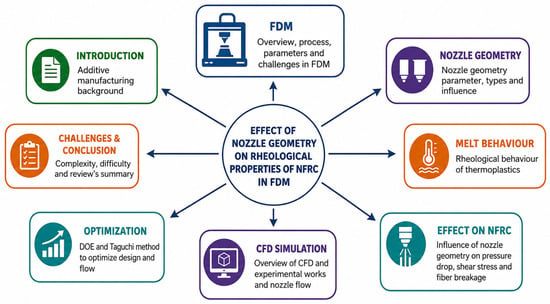
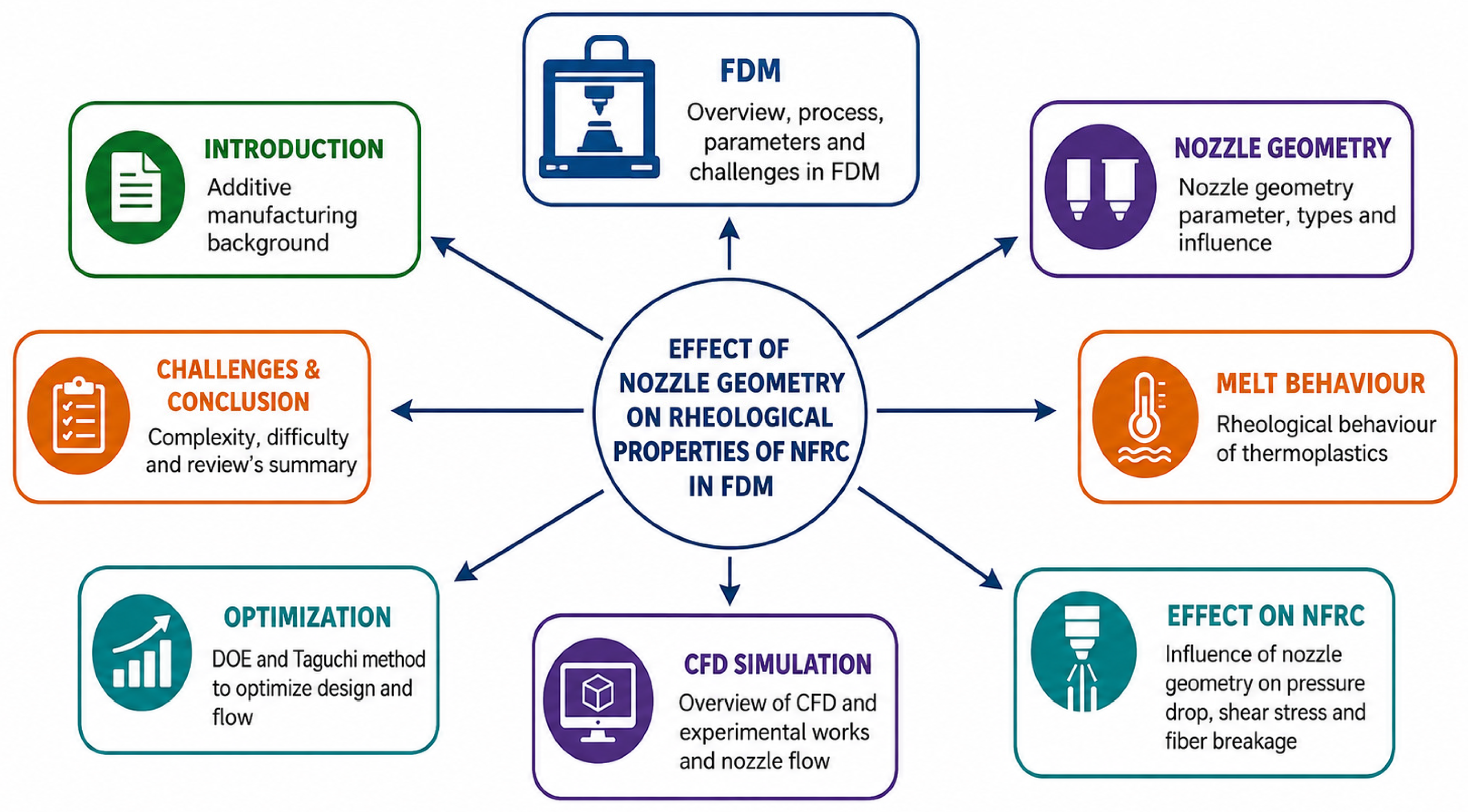
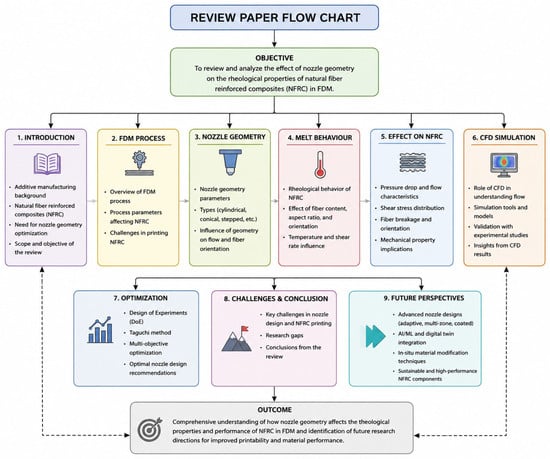
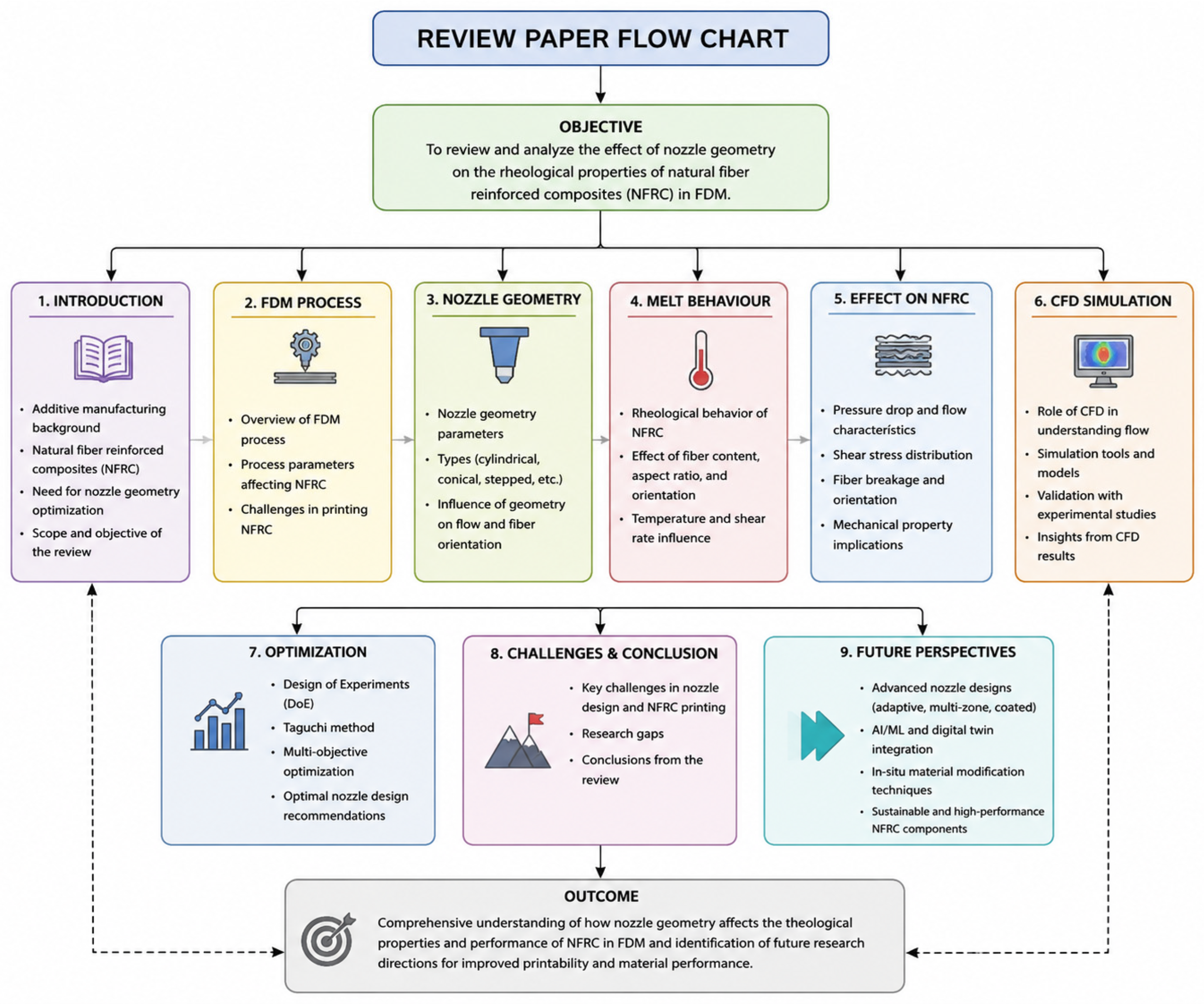
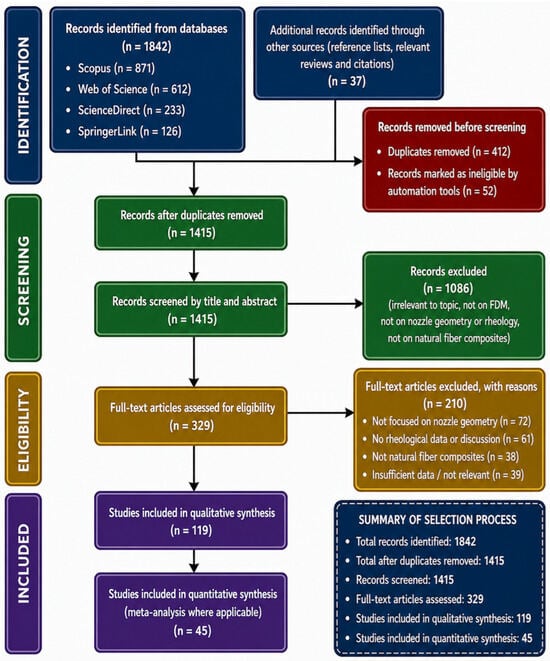
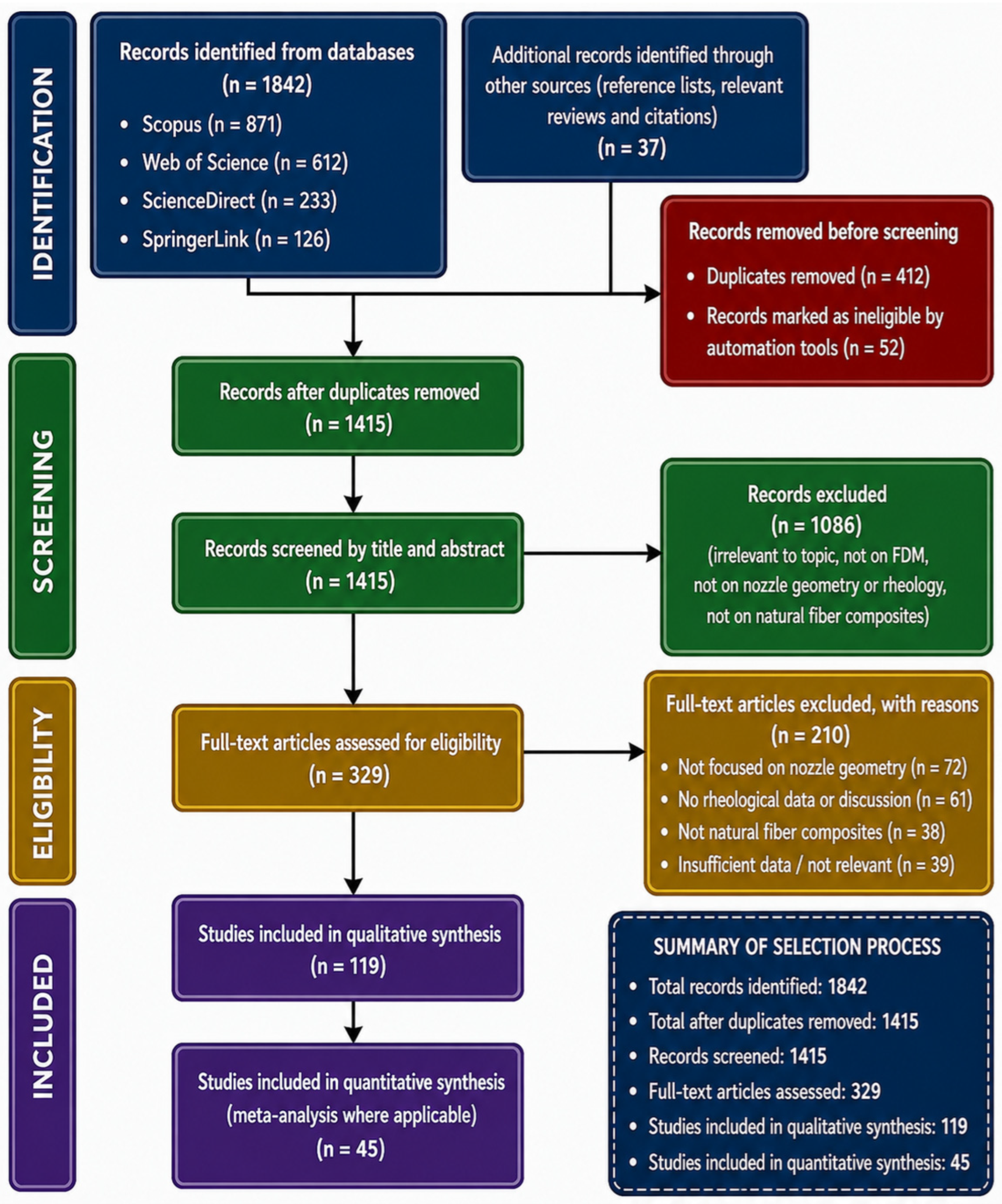
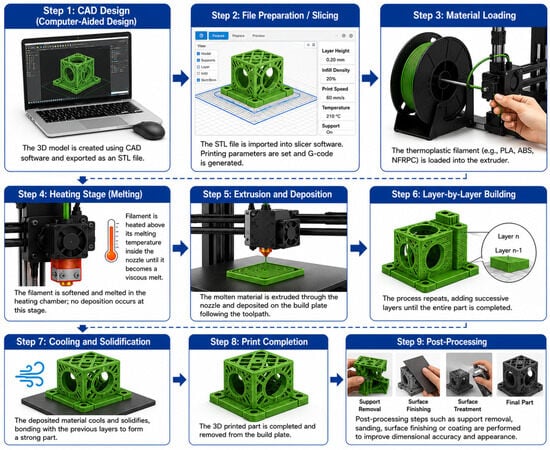
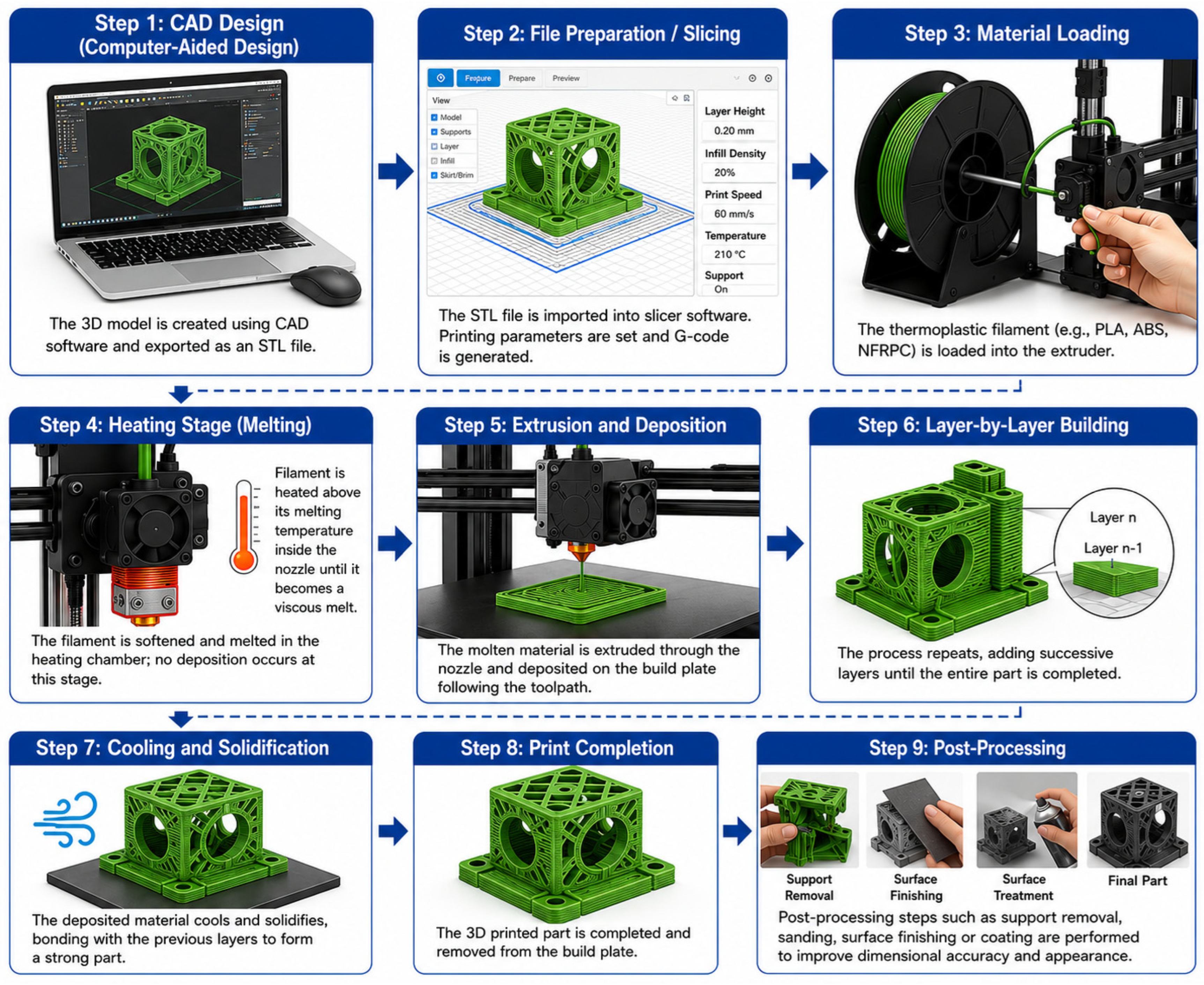
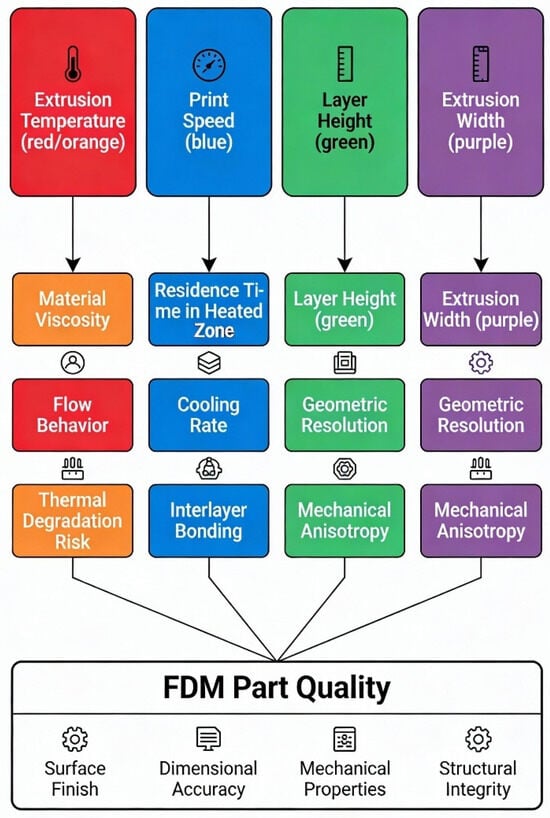
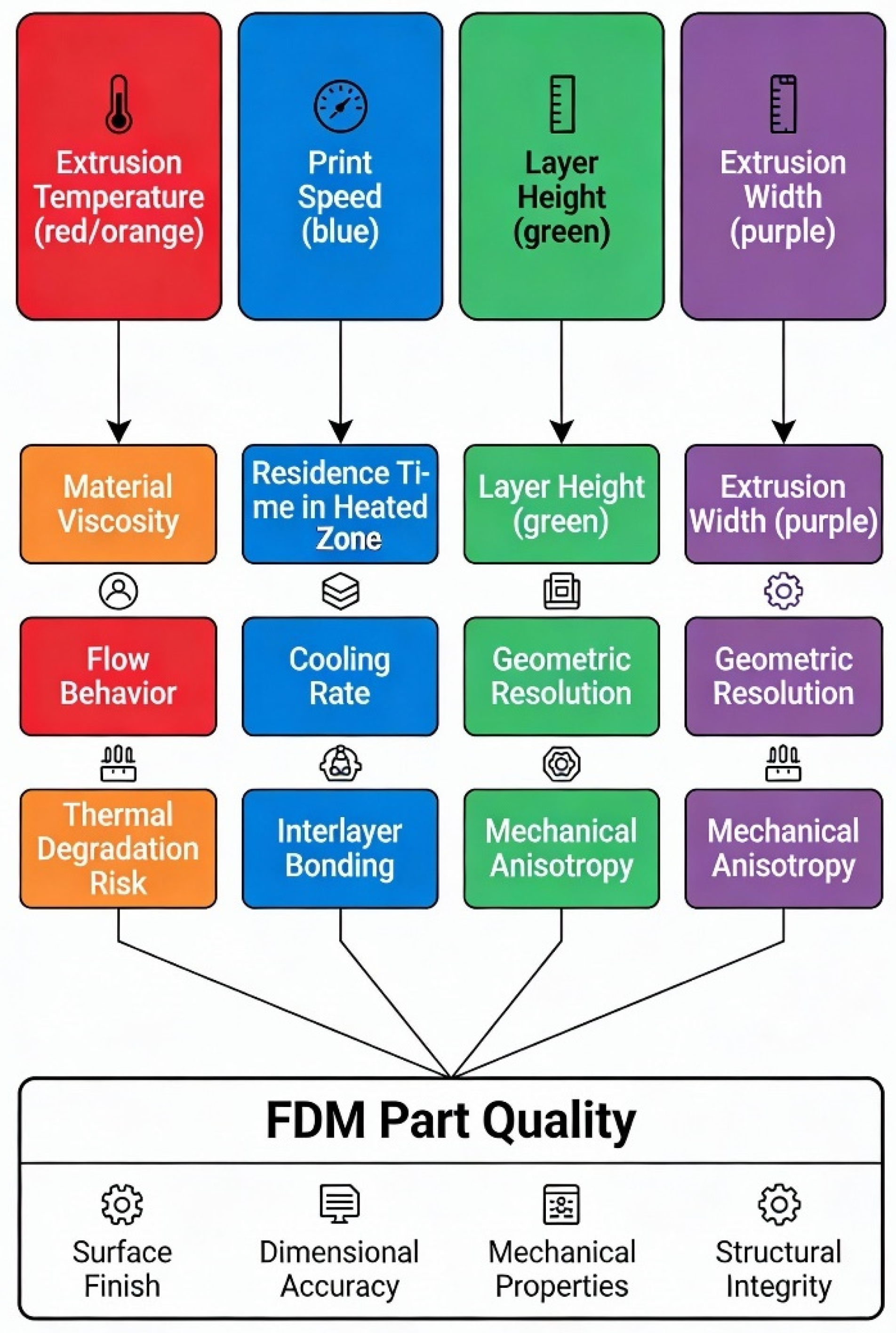
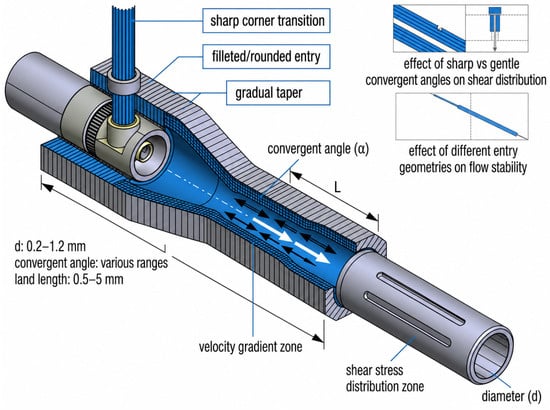
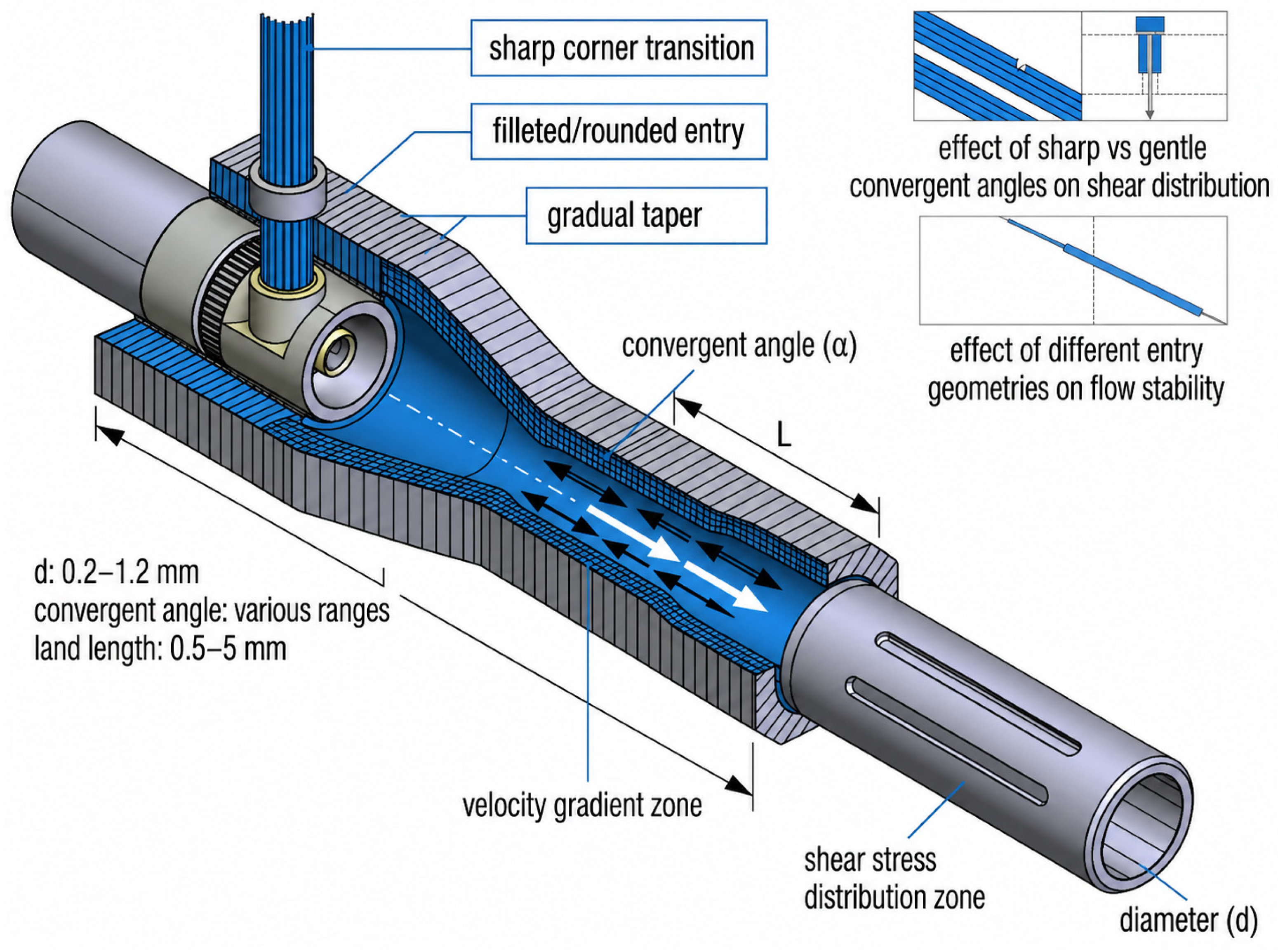
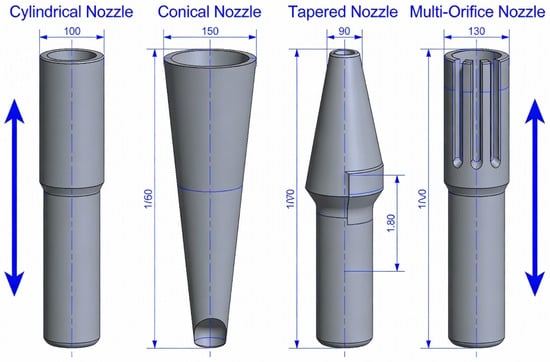
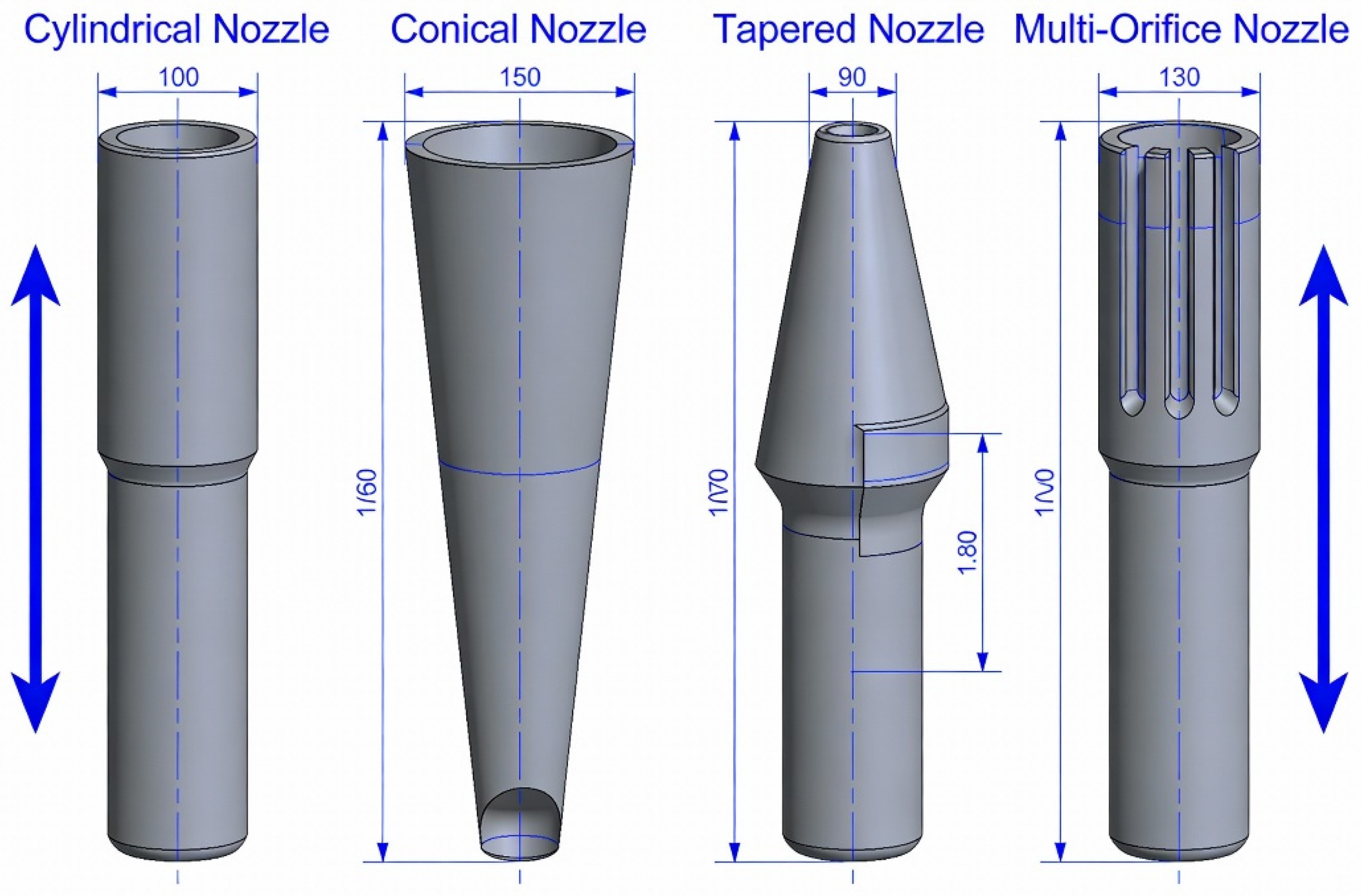
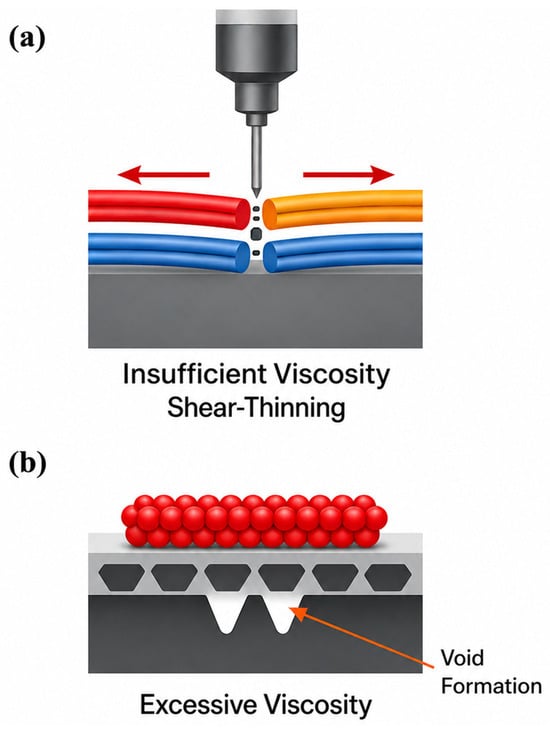
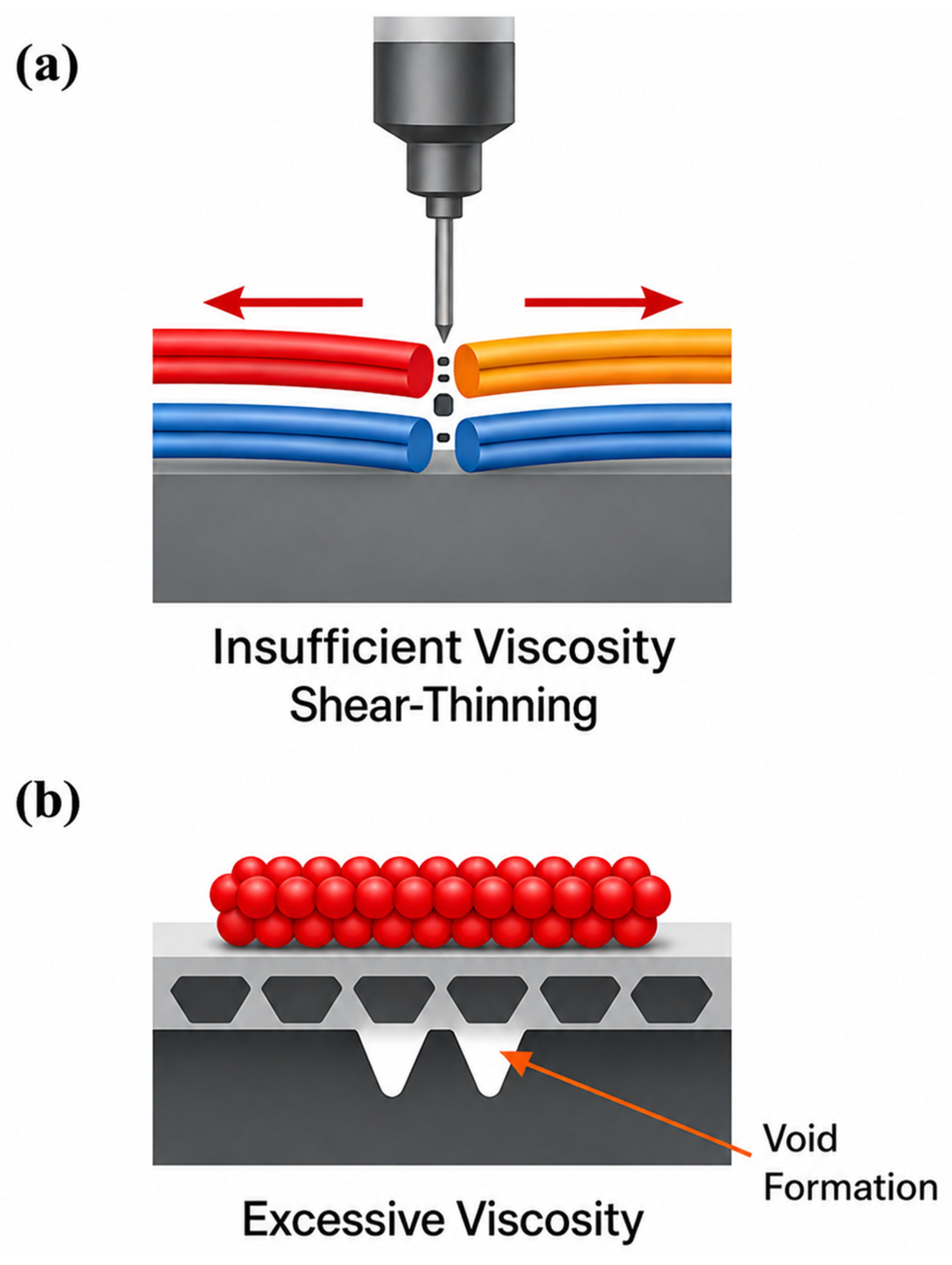
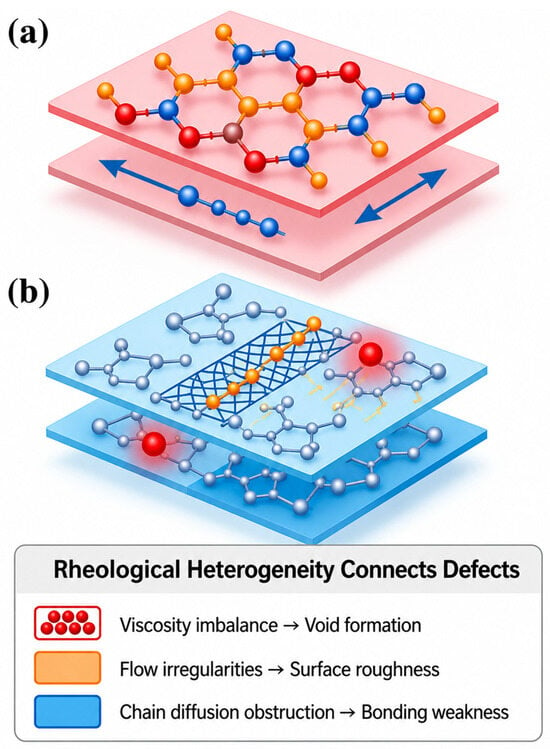
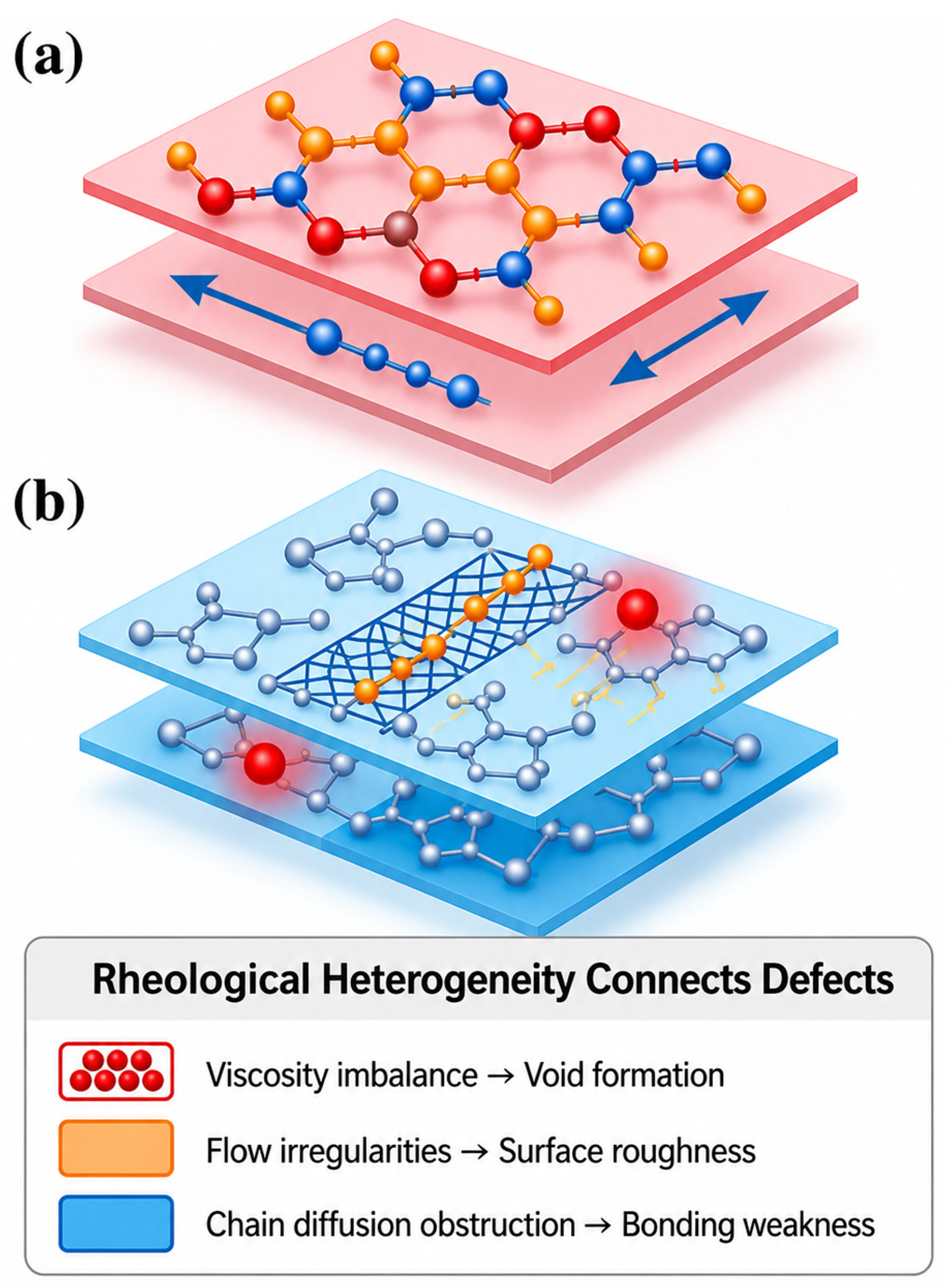

Disclaimer/Publisher’s Note: The statements, opinions and data contained in all publications are solely those of the individual author(s) and contributor(s) and not of MDPI and/or the editor(s). MDPI and/or the editor(s) disclaim responsibility for any injury to people or property resulting from any ideas, methods, instructions or products referred to in the content. |
© 2026 by the authors. Licensee MDPI, Basel, Switzerland. This article is an open access article distributed under the terms and conditions of the Creative Commons Attribution (CC BY) license.