


Abstract
The transition to net-zero energy systems requires operationally grounded decision-making frameworks that integrate technology performance, infrastructure readiness, and policy constraints at local scale. Food transportation represents a high-emission and operationally critical component of regional energy and supply chain systems, particularly in food-producing regions. This study proposes a preliminary Local Area Energy Planning (LAEP) framework to support operational decision-making for the decarbonisation of food transportation, using Lincolnshire, UK, as a case study. The framework evaluates alternative freight transport technologies—battery electric vehicles (BEVs), hydrogen fuel cell electric vehicles (HFCEVs), battery electric road systems (BERS), and conventional internal combustion engine vehicles—across energy efficiency, CO2 emissions, infrastructure requirements, and cost implications. Secondary data from national statistics, regional planning documents, and peer-reviewed literature are analysed using comparative quantitative and qualitative assessment methods. Results indicate that BEVs currently offer the most energy-efficient and cost-effective solution for short-haul and last-mile food logistics, achieving overall efficiencies of approximately 77–82% with zero tailpipe emissions. HFCEVs and BERS present potential long-term operational advantages for heavy-duty and long-haul freight, but remain constrained by high infrastructure investment, energy conversion losses, and system-level costs. The findings highlight the importance of phased technology adoption, renewable energy integration, and infrastructure prioritisation to enable sustainable energy operations in freight transport systems. By embedding technology comparison within a place-based planning framework, this study contributes actionable insights for local authorities, logistics operators, and policymakers seeking to support operational decision-making in sustainable energy systems. The proposed LAEP framework is transferable to other food-producing regions aiming to decarbonise freight transportation while maintaining operational efficiency.
1. Introduction
The decarbonisation of energy-intensive sectors increasingly requires operational decision-making frameworks that integrate technology performance, infrastructure readiness, cost constraints, and policy objectives at local and regional scales. Within energy systems, freight transportation plays a critical operational role, linking production, processing, and distribution while contributing disproportionately to greenhouse gas emissions. Effective decision-making for freight decarbonisation, therefore, demands place-based planning approaches capable of translating national net-zero targets into actionable local strategies that balance energy efficiency, system reliability, and economic feasibility [1,2].
Food production requires high energy demand from energy systems dominated by fossil fuels, including coal, oil, and natural gas, resulting in significant operational and environmental pressures across supply chains. The increasing population and growing demands for food have increased energy consumption. A huge area lands are used for food production, which affects the natural ecosystem, leading to biodiversity; this affects groundwater supplies, rising sea levels, coastal flooding, heat waves, loss of farmland species, tropical diseases such as malaria, and respiratory diseases, etc. [3].
Over the last 30 years, many food retailers and manufacturers have expanded their raw materials and food distribution networks from factories and farms in order to meet the increasing demand of growing population [4,5].
In 2010, global food exports increased by 12%, and the food industry was classified as one of the major CO2 producers in the world, resulting from a wide range of activities, including food manufacturing and food supply chain networks. GHG emissions resulting from food-manufacturing processes are usually affected by different management practices and standards. The food-manufacturing processes involved processing, storing, and transporting different food products. For example, the production of livestock will produce more GHG emissions in comparison with plant-based foods. Whilst the production of red meat produces approximately 150% more GHG emissions when compared to chicken or fish production [6]. Another example would be the production processes of bakery products, which consume more energy and have more GHG emissions when compared to cold chain foods [7]. The global food manufacturing and supply industry typically consists of a wide range of partners, which require businesses to be aware of their emissions and make a conscious effort to work towards reducing emissions and achieving sustainability in the food-manufacturing sector.
Lincolnshire has a reputation for food manufacturing and farming; the county is known for growing 30% and 18% of the nation’s vegetables and poultry, respectively. In 2019, Greater Lincolnshire recorded an overall output of £2 bn in agricultural production, which is approximately 12% of England’s production in total. The food chain in Lincolnshire provides approximately 75,000 jobs in the food sector and 4% of the UK workforce; all this makes the food chain in Lincolnshire a very vital sector, hence the need for sustainability [8].
From an operational perspective, Lincolnshire’s food sector is characterised by high freight intensity, time-sensitive logistics, and reliance on road-based transport for both short-haul and long-haul distribution. These characteristics create specific operational decision challenges, including vehicle technology selection, infrastructure deployment sequencing, energy supply integration, and cost management. Addressing these challenges requires an energy-planning framework that supports decision-making across multiple stakeholders, including local authorities, logistics operators, energy providers, and policymakers.
The global food system accounts for 26% of the world’s emissions [9]. In 2019, the GHG emissions in the UK generated about 455 million tons, which was approximately 3% of the world’s GHG emissions. Out of this, 185 million tons of these emissions resulted from food manufacturing [10]. Greater Lincolnshire accounts for 11% of England’s food production, which is at the heart of the UK’s £234 billion Agri-food sector [11]. Between 2015 and 2016, Lincolnshire County spent £3.3 bn on energy, while 18,200 tonnes of CO2 were emitted. In 2021, CO2 emissions from North Lincolnshire industries and businesses accounted for 91% of the total regional emissions, which is 18 times the national/capital average [10].
The effect of climate change usually varies based on geographic regions, the Lincolnshire coast being among the five most vulnerable sections in the UK, which could result from rising sea levels and storm surges due to climatic changes. Major coastal areas in Lincolnshire are predicted to be underwater by 2050 due to rising sea levels along the regional coast. The county receives £2.5 bn to improve sea and flood barriers in the UK. Lincolnshire uses approximately a quarter of the land in food production; hence, uncontrolled climatic change affecting the County could be a great hit on food security and the economy in general [12].
Climate change caused by greenhouse gas emissions into the atmosphere has become a great threat to the global health and well-being of people and the environment. The Paris Agreement was signed by 195 countries in 2015. The agreement mandates nations of the world to develop policies and strategies that will reduce GHG emissions, bringing global warming to <2 °C and achieving net zero GHG emissions by 2050 [13].
The UK has a plan to reduce GHG emissions in every industrial sector and achieve net zero by 2050. Within this context, Local Area Energy Planning (LAEP) has emerged as a key mechanism for translating national policy targets into operational decisions on infrastructure investment, technology adoption, and energy system transformation at county and city scales. As a result of this, local area planning has begun in every county in the UK to develop a road map towards the decarbonisation of industrial sectors. This local area planning leverages the fact that every local area or council has its own energy needs and network configurations. Lincolnshire Council is committed to clean energy and the UK’s goals by finding effective solutions to meet the goals of 2050. It is reported that CO2 emissions exceeded 70 billion tons in 2020 in the UK from a wide range of activities, such as industrial processes, exports, transportation, agriculture, businesses, food manufacturing, and waste management, etc. Consequently, the UK takes the lead to achieve a 50% reduction in CO2 emissions by 2030 by effectively decarbonising every industrial sector. In order to achieve this, the UK has set a ten-point agenda focusing on how to decarbonise the industrial sectors with the highest emissions; every county in the UK is also working on a clear pathway to decarbonise industrial sectors in order to achieve CO2 reduction and net zero by 2050 [13].
Lincolnshire County Council has started achieving its goals of reducing carbon emissions over the past decade via the carbon management plan (CMP), which aligns with the national carbon reduction plan [10]. Lincolnshire County has itemised a green master plan to become net zero by 2040 by effectively decarbonising every industrial sector. In 2019, Lincolnshire Council’s annual CO2 emission was 12,289 tons, while North Lincolnshire ranked third worst in total per capita of carbon emissions in the UK, resulting from industrial and commercial emissions [3]. Table 1 below shows an estimate of GHGs in the UK.
Table 1.
Estimate of GHG emissions in the UK [10].
The Greater Lincolnshire Enterprise Partnership (GLEP) collaborates on several research projects geared towards the decarbonisation of industrial clusters in Lincolnshire; however, with the knowledge gathered so far, there is limited literature that investigates Local Area Energy Planning in Lincolnshire, focusing on the decarbonisation of the food-manufacturing industrial cluster and food transportation.
To address the identified research gap, this study develops a preliminary Local Area Energy Planning (LAEP) framework to support operational decision-making for the decarbonisation of food transportation in Lincolnshire, UK. The framework evaluates alternative freight transport technologies in terms of energy efficiency, emissions reduction potential, infrastructure requirements, and cost implications within a place-based planning context.
Unlike existing studies that focus primarily on individual technologies or national-scale modelling, this work integrates comparative technology assessment within an operational decision-making framework tailored to local conditions. In doing so, it bridges the gap between technology evaluation and actionable planning guidance for stakeholders.
The key contributions of this study are threefold. First, it develops a sector-specific LAEP framework focused on food transportation, a freight subsector that remains underexplored in existing literature. Second, it integrates multiple decision-relevant criteria, including energy efficiency, emissions intensity, infrastructure readiness, and cost considerations, into a unified planning approach. Third, it provides place-based insights from Lincolnshire that are transferable to other food-producing regions seeking to decarbonise freight systems while maintaining operational efficiency.
The remainder of the paper is structured as follows: Section 2 reviews relevant literature on energy planning and freight decarbonisation. Section 3 presents the methodology and analytical framework. Section 4 discusses energy consumption and emissions in food manufacturing. Section 5 introduces alternative transport technologies. Section 6 presents results and discussion, and Section 7 concludes the study with policy and operational implications.
2. Literature Review
Recent energy research increasingly emphasises the need for decision-support frameworks that integrate technological, economic, and policy dimensions to guide sustainable energy operations. Within this context, Local Area Energy Planning (LAEP) and place-based energy system analysis have emerged as critical tools for operational decision-making, enabling local authorities and stakeholders to assess feasible decarbonisation pathways under real-world constraints. Freight transportation, and particularly food logistics, represents a complex operational subsystem within regional energy systems, yet remains comparatively underrepresented in local energy planning literature [14]. The food industry is one of the fastest-growing sectors in the UK, with a high record of employment when compared to other sectors. Food and Agri-food are the major businesses in Greater Lincolnshire. The Agri-food sector has other industrial partners, such as technology-driven agriculture, distribution, and retailers. Because of the need to meet the global demand for food, food-manufacturing clusters are remarkably involved in food research, enhancing storage and distribution. The UK has chosen to develop the Food Valley ecosystem, which aims at establishing investments and connecting the food industry, food supply chain, technology suppliers, government, and academia [12]. It was reported that in 2019, Greater Lincolnshire grew 30% and 18% of the UK’s vegetables and poultry, respectively, contributing over 12% of England’s agricultural production worth £2 bn in monetary value. Also, it provides the UK’s largest fish-processing cluster on the Humber with 18% of the workforce employed in the Agri-food sector [15]. The food cluster hosts farmers of international firms, professional food processors, traders, and logistics companies. The UK Food Valley cluster is driven by research and innovation with highly skilled competitors. Therefore, research attention has increasingly focused on emissions reduction strategies and operational interventions within food manufacturing and supply chains, particularly where energy use, logistics efficiency, and infrastructure decisions interact. Lopez and Turner [16] focused on creating a road map for the European food and drink sector. The authors focused on analysing challenges and barriers faced with respect to achieving net zero in the food and drink sectors. They proposed alternative fuels to be used in food manufacturing and processing, such as the use of electricity produced from renewable energy for refrigeration, baking, and electrical heating systems. However, cost implications, energy consumption levels, and efficiency of total electric processes in food manufacturing were not analysed.
Ref. [17] explored alternative low-carbon fuels for the food transportation sector, focused on how green hydrogen would be used in vehicles for a long range and high energy capacity. However, there was no analysis of the existing infrastructure, efficiency, and cost of electrolysers or of how to produce large-scale green hydrogen for net zero. While such studies provide valuable insights into individual technologies, many focus primarily on technical feasibility or fuel substitution without explicitly addressing operational decision-making challenges. These include infrastructure deployment sequencing, system-level efficiency trade-offs, cost sensitivity, and alignment with local energy system constraints. As a result, there remains a gap between technology assessment and actionable planning guidance for local stakeholders responsible for implementing decarbonisation strategies.
Samadi et al. [18] explored the Port of Rotterdam, a petrochemical power and steam generation industrial cluster that accounts for 18% of the Netherlands’ total CO2 emissions. Two pathways to sustain the cluster and achieve 98% of CO2 emissions reduction by 2050 were proposed. A biomass and carbon capturing system-based power generation system to power the Port and the feedstock for the petrochemical industry. The technology presented for carbon capture is vital for carbon reuse, which will be helpful in the attempt to attain a net-zero by 2050, and it can also be used during the production of blue hydrogen.
Mirakyan and De Guio [19] presented four key phases in planning, methods adopted, and tools used for these planning-procedure tasks. It also proposed that these methods and tools could be combined to form integrated energy planning. The authors did not consider any industrial sector for a case study, and no attempts to decarbonise, other than adopting renewable energy regional power systems, were proposed. However, their framework does not explicitly address freight transportation or sector-specific operational decisions, highlighting the need for targeted applications of integrated energy planning approaches within high-emission logistics systems.
Roxas and Santiago [20] focused on how renewable energy impacts residents and some of the effectiveness of the energy delivered in off-grid and grid-connected environments in the Philippines. While Moghadam et al. [21] found the lack of an integrated sustainable energy framework and proposed several approaches for adequate planning, the works presented in [19,20,21] did not attempt to decarbonise any industry, but the proposition of renewable energy adoption is worthy of consideration in achieving net zero in food manufacturing and supply chain.
Huang et al. [22] investigated models for Community Energy Planning (CEP). They designed the Community Energy Consumption Data Monitoring and Statistic System (CECMSS) to predict a community’s secondary energy demand. They segmented Community Energy Planning methods into the Community Master Plan (CMP), Community Regulatory Plan (CRP), Community Site Plan (CSP), and Architectural Design (AD) stages.
Denis and Parker [23] addressed the potential of renewable energy, such as biofuels, wind, passive solar design, solar photovoltaic, and solar thermal for the transportation fleet at the regional level. Hettinga et al. [24] implemented a location-specific plan for a multi-stakeholder decision support system in Hague, The Netherlands, by presenting data, models, tools, and a design process that enable local councils to prepare an energy plan for achieving net zero.
Mourmouris and Potolias [25] adopted a multi-criteria decision analysis for rational energy planning. Renewable energy sources like Wind, Solar, Biomass, Geothermal, and small Hydro were tipped for power and heat generation, and a combination of wind power, biomass, and PV systems was found to be optimal by a case study on the island of Thasos, Greece. Multi-criteria decision analysis, stakeholder-driven planning, and comparative assessment methods are increasingly used to support operational decision-making in energy systems. These approaches enable planners to evaluate trade-offs between cost, emissions, efficiency, and infrastructure readiness, particularly under uncertainty. However, their application to freight transportation, especially food logistics within Local Area Energy Planning frameworks, remains limited, despite the sector’s significant contribution to regional energy demand and emissions.
Hiremath et al. [26] proposed an area-based decentralised energy planning (DEP) strategy using a bottom–up (village to district) approach that considers bio-energy systems for electricity. Alderson et al. [27] reported that electricity generation using coal and natural gas contributes greatly to GHG emissions in the UK. They categorised the UK distribution system as ‘Business As Usual’ (BAU), ‘Low Carbon’ (LC), and ‘Deep Green’ (DG) futures, and produced the possible electricity needed for 2050. LC and DG are seen to be effective pathways to meeting the UK’s zero-carbon target.
Devine-Wright [28] reported that decarbonisation of industrial clusters is important and urgent to stop climate change and meet the net-zero carbon target. He pointed out some technologies, such as carbon capture, utilisation, storage, and hydrogen, to accomplish the task of net-zero carbon, and he argued that due to the co-location of similar industries in a cluster, a “place-based approach” is more likely to make industrial decarbonisation successful.
Related studies from emerging economies such as India and China have also examined transport decarbonisation and energy planning. In China, research commonly emphasises large-scale electrification supported by strong policy direction and rapid charging infrastructure deployment, whereas studies in India often highlight cost sensitivity, gradual transition pathways, and constraints arising from infrastructure gaps. Compared to these contexts, the present study offers a place-based perspective tailored to a UK rural–industrial region, where food logistics is a dominant freight activity and renewable energy potential is significant. The contribution of this study lies in embedding technology performance, infrastructure cost, and policy considerations within a Local Area Energy Planning framework focused specifically on food transportation.
Unlike studies that focus on national-scale modelling or single-technology assessments, this research embeds freight technology evaluation within a local, sector-specific energy-planning framework. The place-based perspective highlights how operational constraints, such as infrastructure readiness, vehicle duty cycles, cost structures, and renewable energy availability, influence feasible decarbonisation pathways at the county scale. By focusing on food transportation, this study extends the existing energy-planning literature toward operational decision-making in sustainable energy systems.
Recent studies have increasingly focused on the decarbonisation of freight and logistics systems, with particular attention to electric battery and hydrogen-based heavy-duty vehicles. For example, global and European assessments highlight the energy-efficiency advantages of electric battery freight vehicles for short- and medium-haul transport, while recognising the potential role of hydrogen technologies for long-haul applications under specific conditions. Other studies emphasise the importance of place-based and local energy planning approaches, arguing that regional infrastructure readiness, renewable energy availability, and policy context strongly influence feasible decarbonisation pathways. Despite these advances, limited research has explicitly integrated a freight technology comparison within a Local Area Energy-Planning framework focused on the food transportation sector. This study addresses this gap by embedding technology performance, infrastructure cost, emissions intensity, and policy alignment within a county-scale planning context, thereby extending the existing literature from national-level or technology-specific analyses toward actionable local decision support [17,29,30].
In summary, the existing literature provides substantial insights into low-carbon transport technologies, renewable energy integration, and energy-planning methodologies. However, limited research explicitly connects these strands within an operational decision-making framework tailored to food transportation on a local scale. This study addresses this gap by integrating technology performance, infrastructure cost, emissions intensity, and policy alignment within a Local Area Energy Planning framework, thereby supporting sustainable energy operations and informed decision-making for freight decarbonisation.
3. Methodology
This study adopts a planning-oriented, decision-support methodology designed to inform operational decision-making for the decarbonisation of food transportation within a Local Area Energy-Planning (LAEP) context. The methodology integrates comparative quantitative analysis with qualitative feasibility assessment to evaluate alternative transport technologies under real-world operational, infrastructure, and policy constraints. Secondary data from authoritative national statistics, regional planning documents, and peer-reviewed literature are used to ensure transparency, consistency, and repeatability. The methodological framework is structured to support early-stage operational decision-making by local authorities, logistics operators, and policymakers. Rather than identifying a single optimal solution, the framework evaluates feasible technology pathways by comparing performance metrics relevant to planning decisions, including energy efficiency, emissions intensity, infrastructure requirements, and indicative cost ranges. This approach aligns with the objectives of Local Area Energy Planning, where decisions are shaped by local conditions, investment constraints, and phased implementation strategies. This study adopts a comparative and data-driven methodology to assess alternative technologies for decarbonising food transportation in Lincolnshire. The methodological framework consists of four key stages.
Stage 1: Data collection. Secondary data were collected from national and regional sources, including DEFRA datasets, UK government publications, Lincolnshire County Council reports, renewable and low-carbon energy planning studies, and peer-reviewed literature. The data support operational assessment and include vehicle activity (vehicle kilometres travelled), CO2 emission factors, energy consumption rates, drivetrain efficiency ranges, vehicle duty cycle characteristics, and indicative infrastructure and investment costs relevant to food logistics operations.
Stage 2: Technology screening. A technology set relevant to road-based food logistics was identified as a decision alternative within the planning framework. The screened technologies include battery electric vehicles (BEVs), hydrogen fuel cell electric vehicles (HFCEVs), battery electric road systems (BERS), and conventional internal combustion engine (ICE) vehicles, including hybrid options. The screening criteria include technological maturity, applicability to food logistics duty cycles, infrastructure compatibility, and alignment with national and regional decarbonisation policies [1,24]. To enable consistent comparison across technology options, the following performance metrics are used as decision-support indicators:
- -
- Energy efficiency (source-to-wheel efficiency and energy consumption per 100 km).
- -
- CO2 emission intensity (tailpipe emissions and indicative lifecycle implications).
- -
- Infrastructure requirements (charging, refuelling, or road electrification needs).
- -
- Indicative costs (vehicle cost, energy cost, and infrastructure investment ranges).
- -
- Operational suitability, including range capability, refuelling or charging time, and payload implications.
These metrics reflect the practical considerations faced by decision-makers when evaluating sustainable energy operations in freight transport systems.
Stage 3: Comparative assessment (quantitative). Descriptive quantitative analysis was applied to compare alternative technologies across energy consumption, emissions intensity, efficiency ranges, and indicative costs using harmonised assumptions where possible. The analysis does not aim to identify a mathematically optimal solution, but rather to provide transparent, comparable evidence to inform operational decision-making and early-stage planning.
Stage 4: Feasibility assessment (qualitative). A qualitative feasibility assessment was conducted to evaluate infrastructure readiness, policy alignment, technological maturity, market availability, and implementation barriers. This stage captures non-quantifiable factors that influence real-world decision-making, such as institutional capacity, stakeholder coordination, and investment risk, which are critical to sustainable energy operations at local scale.
It should be noted that this study does not perform numerical optimisation or scenario simulation. Instead, it provides a structured, comparative decision-support framework intended for early-stage Local Area Energy Planning. The framework establishes an evidence base that can inform subsequent optimisation, spatial modelling, and scenario-based analysis as part of future research and policy development. Although applied to Lincolnshire as a case study, the methodological framework is designed to be transferable to other food-producing regions. By relying on widely available secondary data and generic performance metrics, the approach can be adapted to support operational decision-making in diverse local energy systems with similar freight and logistics characteristics.
In this study, the term “preliminary” refers to the development of a planning-oriented framework based on secondary data and comparative assessment methods, without the inclusion of spatial modelling, optimisation algorithms, or stakeholder-validated inputs. The framework is designed to support early-stage decision-making by providing structured, evidence-based comparisons of alternative technologies under representative conditions. Transitioning from a preliminary to a fully operational decision-support tool would require several additional components. These include integration of geographic information system (GIS)-based spatial analysis, incorporation of real-time or high-resolution local data on freight activity and energy demand, application of optimisation or scenario-modelling techniques, and validation through stakeholder engagement with logistics operators and policymakers. These enhancements would enable more precise infrastructure planning, cost optimisation, and technology deployment strategies, thereby strengthening the framework’s applicability for investment and policy decision-making.
4. Energy Consumption and CO2 Emissions in Food Manufacturing
Food manufacturing involves a range of processes: a supply chain of raw materials, processing, production, storage, transportation, and distribution. The supply chain generally refers to the processes through which raw materials from farms end up in our homes. This includes the production process, which involves drying, heating, baking, cooling, packaging, storage, transportation, and distribution [7].
Energy is important in the processing, packaging, distribution, storage, and transportation of food. The food sector is responsible for approximately 18% of the total energy use, which accounts for 176 Mt of CO2 emissions. The general manufacturing process accounts for approximately 13 Mt of CO2 emissions, resulting from an approximate use of 61% of natural gas, 31% of electricity, 6% of petroleum used in the production processes in factories, the consumed energy used to supply electric motors, refrigeration equipment, fuel-fired boilers, direct heating systems, electrical motors, and electrical heating systems [7].
Food Packaging: GHG emissions resulting from food packaging account for 7% of food-related GHG emissions [6]. Food packaging produces approximately 10 Mt of CO2 and 4 Mt of CO2 in landfill sites, which indicates a vital need for sustainable packaging. Packaging food products can have a high impact on the environment if they are not recyclable and are instead disposed of in landfills and incinerators [31].
Food Waste: The food chain accounts for approximately 20 Mt of CO2 emissions, resulting from manufacturing processes, packaging waste, by-products, and household waste. A major part of food waste occurs from untouched food discarded due to excess production, 25% of food waste comes from inedible food by-products, such as potato peels, tea bags, bones, banana skins, etc. Landfill decomposition of food, resulting from the rotting of unused food, amounts to a total of 13 Mt of CO2 [7].
Food Refrigeration: Refrigeration processes in food manufacturing are attributed to high GHG emissions, resulting from the use of refrigerants in manufacturing, transportation, supply chains, and in most production processes. Refrigeration accounts for approximately 29% of GHG emissions of cold chain food production processes because of high energy consumption [7].
Food Transportation: The CO2 emission resulting from food transportation is approximately 29% of emissions from food-manufacturing processes and 16.3% of these emissions resulting from road transportation, which comes from the use of heavy good vehicles (HGVs) and light good vehicles (LGVs) [7]. Also, most fruits, vegetables, and other food items are temperature-controlled during transportation, which results in more vehicle fuel consumption and CO2 emissions. Food travels a long distance to get to our tables; the food industry is currently consuming 30% of the world’s produced energy. In the UK, food transportation is responsible for a total of 19 Mt of CO2 [4,31].
Energy consumption in the food-manufacturing industry varies from one country to another, depending on the products manufactured. This is influenced as a result of inefficiencies in manufacturing processes and technological differences, which can influence the energy consumption levels, financial implications, and CO2 emissions. In the UK, the food industry ranks as the third biggest industrial energy consumer, with respect to high energy consumption and CO2 emissions. In 2019, the UK government’s environmental protection expenditure was £14.4 billion, which was 1.6% of all the government expenditure [6]. From the data provided above and the relative emissions, it is evident that emissions resulting from food transportation rank highest when compared to all other processes in the manufacture and supply of food, hence the focus on food transportation.
5. Alternative Food Transportation Technologies
Most of the food in Lincolnshire is either imported or grown locally away from the population centres and is road transported by mainly fleet vehicles (food waste management trucks, food haulage delivery trucks, finished-product delivery trucks, etc.). Additionally, there is business mileage by staff and members in the process of carrying out their roles. Liquid fuels are predominantly used in food transportation in the UK. In 2019, the HGV energy demand was 6 Mtoe (70 MTWh). The UK government, in transitioning from the use of ICEs, has banned the sale of ICEs, starting with cars and small vans, in order to reach GHG emission reduction targets. To decarbonise the food transport sector, this research compares various technologies in terms of financial and technical benefits, feasibility, strengths, and weaknesses.
UK environmental and transport policies increasingly favour low-emission vehicles through measures such as the phase-out of new conventional ICE vehicles, public funding for charging infrastructure, and emissions reduction commitments. However, limited hydrogen refuelling infrastructure and the high capital requirement of electric road systems remain major constraints to rapid adoption, particularly for freight operators. These policies and infrastructure dynamics reinforce the need for phased implementation aligned with vehicle duty cycles and regional network capability.
5.1. Hydrogen Fuel Cell Electric Vehicles (HFCEVs)
Hydrogen, a clean energy source useful for achieving zero emissions, has a fast-refuelling time and allows for no noise pollution. Green hydrogen produced from electrolysis and renewable energy sources is the only type of hydrogen produced with zero emissions, but it is very expensive to produce and requires large-scale production and adoption of the technology and appropriate infrastructure for its application, and the current unavailability of enough refuelling stations. Hydrogen fuel cell vehicles produce electricity by converting the chemical energy in hydrogen into DC electric power, which drives the electric vehicle [32]. The fuel cell consumes hydrogen from an inbuilt tank to react with oxygen inside the fuel cell, which produces electrical energy, heat, and water. The electrical energy produced can then be used directly to power the FCEV or charge its battery. This process produces zero emissions and pollution, especially when the hydrogen is carbon-free [33]. Hydrogen trains also make use of fuel cell technology by converting the chemical energy in hydrogen stored onboard and converting it to electric energy to power the trains. Hydrogen-powered trains can reach speeds of 140 km/h and endurance levels of about 1000 km [34].
5.2. Battery Electric Vehicles (BEVs)
Battery electric vehicles (BEVs) are powered by electricity stored in a battery and do not have an internal combustion engine, as compared to conventional diesel trucks. The major challenges of BEVs are their charging duration and range. The average range of a typical BEV light good vehicle (LGV) is currently between 200 and 300 km; however, some are now able to deliver more. Also, there are now electric heavy good vehicles (HGVs) that have electrified refrigeration units with reduced energy consumption and emissions, which is very valuable for the vegetables and food cold chain [7]. Electric trucks require regular charging from local electricity networks; however, the source of this electricity, which is usually the national grid, produces some of it using fossil fuels. To achieve net zero, the use of more solar panel charging points and wind turbine charging points will be required. Another challenge is the fact that electric trucks do not have fast charging capabilities and usually require overnight charging from renewables, while the local networks are used as a top-up along the road to get the truck back to its stations for proper charging [17].
5.3. Battery Electric Road Systems (BERS)
The electric road systems rely on electric vehicles to provide longer ranges and smaller battery sizes onboard by connecting the batteries to an ongoing electricity supply along the route to electrify buses and heavy-duty vehicles (HDVs). Pantographs and overhead lines, connections that take electricity from conductor rails in the road can be used to supply electric vehicles [35]. These electric road systems use electricity more efficiently than BEVs [36] and might reduce the demand for alternative fuels that could be more expensive, including FCEVs and synthetic fuels for ICEVs [35,37].
5.4. Hybrid Electric and ICE Vehicles
Lightweight vehicles require less energy to accelerate. BEVs and plug-in hybrid electric vehicles (PHEVs) can recover and use some of the weight-related energy spent on acceleration, which would otherwise be lost during braking to charge their batteries [38]. Because such optimisation has already been driven by fuel efficiency, the potential to reduce emissions by improving vehicle design (light-weighting, aerodynamics, and rolling resistance) for HDVs and light-duty vehicles (LDVs), which is what is needed in food transportation, is anticipated to be smaller than for passenger cars [39].
Natural gas and LPG are used to a limited extent of about 5% in ICEs for transport. Compressed natural gas and LPG are better used in place of gasoline, as they can be stored in a tank in both light and heavy good vehicles. When compared to the identical engine that consumed gasoline, the study in [38] reported that Methane CH4 is up to 28% more efficient. Dual fuel operation with up to roughly 80% CH4 with diesel fuel in compression ignition ICEs has been shown to deliver a CO2 reduction potential of about 20% in the regular diesel vehicles [38]. However, using natural gas in vehicles is an additional risk with respect to global warming and does not help in achieving net zero, as a result of methane emissions into the atmosphere.
It is concluded that battery electric vehicles (BEVs), battery electric road systems (BERS), and hydrogen fuel cell electric vehicles (HFCEVs) are the leading options to be considered for a Green Industrial revolution, which would have potential in fulfilling the decarbonizing roadmap in the UK and accomplish Sustainable Development Goals (Affordable and Clean Energy) in Lincolnshire. Table 2 below presents the advantages and disadvantages of the two leading options proposed to achieve zero emissions, with respect to food transportation in Lincolnshire.
Table 2.
(A) Advantages and disadvantages of proposed technologies [12,17]. (B) Indicative cost and infrastructure comparison of alternative transport technologies.
6. Results and Discussion
This section presents and discusses the results of comparative assessment within an operational decision-making context. The results are interpreted in terms of their implications for sustainable energy operations in food transportation, focusing on technology trade-offs, infrastructure constraints, cost impacts, and implementation feasibility. Rather than identifying a single optimal technology, the analysis highlights decision-relevant insights to support phased adoption strategies within Local Area Energy Planning for Lincolnshire.
6.1. CO2 Emissions Associated with Food Transportation in the UK
From an operational planning perspective, emissions intensity provides a more relevant indicator than absolute emissions, as it reflects the performance of freight vehicles under real-world duty cycles. This study, therefore, interprets emissions results in relation to vehicle kilometres travelled, vehicle class, and operational role within the food logistics system [1]. Food transportation in the UK contributes 8.4% of emissions from road transport and 1.8% of the total CO2 emissions in the UK [4]. DEFRA estimates that CO2 emissions from food road transport in the UK contribute 25% of food miles covered by heavy good vehicles (HGVs), whilst light good vehicles (LGVs) and cars in the UK produce a total of 19 million tons of annual CO2. Total HGV kilometres in 2020 were approximately 16,000 km, with ~13.4 Mt CO2 emissions. Table 3 below presents a comparison among diesel light good vehicles with battery electric and hydrogen fuel cell electric technology, in terms of CO2 emissions, fuel consumption, and fuel price in the UK, for an LGV with a total gross weight of 3500 kg (77,001 bs), and payload (loading capacity) of 1500 kg [31,40,41].
Table 3.
A comparison between Diesel Light Good, Battery Electric, and Hydrogen Fuel Cell Electric Vehicle Technology [31,40,41].
From a decision-making standpoint, the results in Table 3 demonstrate a clear operational advantage for battery electric vehicles in last-mile and short-haul food logistics, where predictable routes and daily return-to-depot operations enable managed charging. Although hydrogen fuel cell electric vehicles offer operational benefits in terms of range and refuelling time, their substantially higher energy and fuel costs present a significant barrier under current market conditions. These findings suggest that technology selection should be differentiated by vehicle class and duty cycle rather than applying a uniform decarbonisation strategy across all freight operations. In addition to total emissions, it is important to consider the contribution of emissions relative to the vehicle population. Although food transportation represents a subset of total road transport activity, it is dominated by heavy good vehicles (HGVs) and light good vehicles (LGVs), which produce disproportionately higher emissions per vehicle compared to passenger cars operating primarily in urban environments. While passenger cars account for the largest share of vehicle numbers in UK cities, freight vehicles—including food transport fleets—contribute a significantly higher share of emissions per kilometre travelled due to vehicle mass, payload requirements, and refrigeration loads. This study, therefore, emphasises emissions intensity (e.g., kg CO2 per kilometre and per vehicle category) rather than absolute vehicle counts, enabling a fair comparison between food transport fleets and urban passenger vehicles.
Figure 1 below illustrates the fuel prices based on the consumption as presented in Table 3. It is evident that for LGV, battery electric vehicles offer a cheaper cost of fuel/Energy consumption in comparison with diesel and hydrogen fuel cell technologies. However, hydrogen fuel cell electric vehicles also stand a chance of being cost competitive with more developed infrastructure, efficiencies, carbon captures, and storage techniques with respect to blue hydrogen production.
Figure 1.
Fuel prices/100 km for light good vehicle operated with diesel, battery electric, and hydrogen fuel cell electric Technology.
Figure 2 shows the efficiency of hydrogen conversion to electricity in vehicles. Electricity is used directly in battery electric vehicles (BEVs) and battery electric road system (BERS) Vehicles using 100 kWh of a renewable energy source, as an example. According to the study by [7,42], BEVs lose approximately 16% of energy in charging and another 16% in electric drive systems and generates 17% energy in regenerative braking systems, resulting in net efficiency of 77–82%, while FCEVs are prone to huge losses of 35–45% in electrolysis and 40–55% in energy conversions, leading to an efficiency of approximately 25–35%. Hydrogen trucks are energy-intensive, in the sense that if 100 kWh of electricity obtained from low-carbon sources is run in a battery electric vehicle, it would end up with approximately 69 kWh at the wheels, and if used in a BERS vehicle, it would end up with about 77 kWh at the wheels, while if the same 100 kWh of electricity is used to generate hydrogen through electrolysis, and hydrogen is compressed, stored, and then transported into the vehicle to run a fuel cell system, it would end up with approximately 23 kWh at the wheels. Figure 3 below shows energy efficiencies for battery electric, battery electric road system, and hydrogen fuel cell electric vehicles. The efficiency comparison highlights a critical system-level decision insight: technologies with higher end-use efficiency reduce upstream energy demand, infrastructure load, and operational cost exposure. In the context of local energy systems, higher efficiency directly translates into reduced pressure on electricity generation capacity and distribution networks. Consequently, battery electric vehicles and battery electric road systems offer operational advantages in regions with limited renewable generation headroom or constrained grid capacity.
Figure 2.
Comparative energy conversion efficiencies from source to wheel for BEVs, HFCEVs, and Battery Electric Road Systems [42].
Figure 3.
Energy efficiencies for Battery Electric, Battery Electric Road System, and Hydrogen Fuel Cell Electric Vehicles.
The lower overall efficiency of hydrogen fuel cell electric vehicles (HFCEVs) compared to battery electric vehicles arises from multiple energy conversion stages along the well-to-wheel pathway. These include electricity-to-hydrogen conversion via electrolysis (typically 65–75% efficient), hydrogen compression, storage and transportation losses (approximately 10–20%), and fuel cell conversion back to electricity within the vehicle (approximately 50–60% efficiency). When combined, these sequential losses result in an overall system efficiency in the range of approximately 25–35%, depending on system configuration and operating conditions. In contrast, BEVs avoid intermediate energy conversion steps, allowing for a greater proportion of the original electrical energy to be delivered to the vehicle drivetrain. This breakdown highlights the importance of considering full energy pathways in technology assessment, as upstream conversion losses significantly influence overall system efficiency and infrastructure requirements.
6.1.1. Driving-Cycle Assumptions for Last-Mile Food Transportation
Last-mile food transportation typically involves frequent stop–start operation, low to medium average speeds, and short delivery distances within urban and peri-urban environments. To reflect these operational characteristics, this study adopts an urban delivery driving profile consistent with the worldwide harmonised light vehicles test cycle (WHLTC) low- and medium-speed phases, which are commonly used to represent city logistics and last-mile delivery operations.
The assumed driving characteristics include an average speed of 20–30 km/h, frequent acceleration and deceleration events, idling during loading and unloading, and daily travel distances below 150 km for light good vehicles (LGVs). These conditions favour electrified transport technologies due to regenerative braking potential and higher drivetrain efficiencies under stop–start operation. The adopted driving-cycle assumptions, therefore, provide a realistic representation of last-mile food transport in Lincolnshire and support a fair comparison between battery electric vehicles, hydrogen fuel cell electric vehicles, and conventional diesel vehicles.
In addition to their high energy efficiency, battery electric vehicles (BEVs) offer several operational advantages in last-mile food logistics. The stop–start nature of urban delivery routes enables effective utilisation of regenerative braking, which improves the overall energy efficiency and reduces energy consumption per kilometre. Furthermore, predictable delivery schedules and depot-based operations allow for controlled charging strategies, minimising range anxiety and improving fleet reliability. BEVs are also particularly suitable for temperature-controlled food transport when integrated with electric refrigeration units, which can operate more efficiently compared to conventional diesel-powered systems. This integration reduces both direct fuel consumption and associated emissions, further strengthening the environmental benefits of electrification in cold-chain logistics.
From an operational perspective, the lower noise levels of BEVs enable extended delivery windows, including early morning and late-night operations in urban areas, thereby improving logistics flexibility. These combined factors reinforce the suitability of BEVs as a near-term solution for last-mile food transportation within Local Area Energy Planning frameworks.
It is important to note that food transportation involves additional energy demand associated with refrigeration systems, which are not explicitly captured in standard vehicle drive cycles. Refrigeration units can significantly increase total energy consumption, particularly for temperature-sensitive goods such as fresh produce, dairy, and frozen products. In conventional diesel vehicles, refrigeration is typically powered by auxiliary engines, whereas in BEVs, refrigeration systems draw energy directly from the battery, thereby affecting overall vehicle range and energy consumption.
Ambient temperature also plays a critical role in determining the performance of battery electric vehicles. Low temperatures can reduce battery efficiency and available capacity, leading to decreased driving range, while high temperatures may increase cooling loads and energy demand. These effects introduce seasonal variability in operational performance, particularly in regions such as the UK, where temperature fluctuations occur throughout the year.
Although this study adopts representative average values for comparative assessment, it is acknowledged that seasonal variations and refrigeration loads may influence real-world energy consumption and emissions. Future work should incorporate detailed modelling of auxiliary loads and temperature-dependent performance to refine the accuracy of operational planning and technology assessment.
6.1.2. Operational Implications for Fleet Deployment
The comparative results indicate that operational suitability varies significantly by transport task. For last-mile and urban food delivery, BEVs are well aligned with operational requirements due to high efficiency, regenerative braking benefits, and compatibility with depot-based charging. For regional and long-haul freight, energy density and refuelling time become more critical, potentially favouring HFCEVs or battery electric road systems in the longer term. These findings support a segmented fleet strategy, in which technology deployment is aligned with route length, payload, and infrastructure availability.
In addition to technology adoption, route optimisation represents a critical enabler for maximising the operational efficiency of electrified freight systems. Optimisation strategies such as dynamic routing, load consolidation, and energy-aware route planning can significantly reduce energy consumption, travel time, and operational costs. For battery electric vehicles in particular, route optimisation can mitigate range limitations by aligning delivery schedules with charging availability and minimising unnecessary detours.
The geographical characteristics of Lincolnshire further influence these considerations. The region is predominantly flat with relatively low elevation variability, which is advantageous for electric vehicle performance, as it reduces energy demand associated with elevation changes. However, the dispersed nature of rural settlements and agricultural production sites can increase travel distances and require careful route planning to maintain efficiency. Incorporating route optimisation within Local Area Energy Planning can therefore enhance the effectiveness of BEV deployment while ensuring reliable and cost-efficient food distribution.
6.2. Infrastructure
Battery electric vehicles (BEVs) have a distinct supply method. This process may be shorter and simpler; all that is needed is a plug with special specifications like a single-phase low-voltage current of 220/400 V 16/32 A [31]. BEVs would take up to 30 min to recharge and up to 12 h for a full recharge with an energy efficiency of 77–82%. The average cost of a Lithium Ion Battery is approximately £20–50 k/100 kWh. However, the number of charging stations that need to be installed across the country and the capacity of power suppliers for these stations are a key challenge for the government and stakeholders involved.
Battery electric road systems (BERS) offers even higher efficiencies than (BEVs), and the advantage of vehicles charging on move, but this technology requires high cost and complex infrastructure, such as overhead catenaries cables would cost up to £5.7 bn to cover 3300 km and £11.4 bn to cover a distance of 8059 km, and £19.3 bn for 15,121 km, which is 97.2% of all HGV kilometres in the UK as of 2020, offering carbon saving of about 13.4 Mt of CO2 [40]. North Lincolnshire is in the process of building a fully functional Green and Blue Hydrogen plant, with the Humber Zero project and the Zero Carbon Humber project in North Lincolnshire. There are huge prospects for hydrogen becoming cost-effective, and Lincolnshire County is working to fulfil the 7th of the 17 Sustainable Development Goals, which is Clean and Affordable Energy.
A typical hydrogen-fuelling station with an average capacity of 1240 kg H2/day requires approximately £1.4 million in infrastructure, while onsite stations that produce hydrogen from electrolysis are estimated to cost approximately £2.3 million for construction and have a storage capacity of 120 kg/day. To promote fuel cell electric vehicles (FCEVs) technology, hydrogen-fuelling stations must be installed as essential infrastructure. Depending on the specific site design configuration, hydrogen station designs can vary but commonly feature bulk storage, compression/pumping, high-pressure buffer storage, a pre-cooling unit, and dispensers. Lincolnshire County can adopt siting dispensers in the already existing gas stations, as other parts of the world, such as the USA, have typically installed hydrogen fuelling stations (HFSs) at existing gas stations [16].
From an energy-planning perspective, infrastructure investment represents a binding constraint on operational decision-making. While BEV charging infrastructure can be incrementally deployed and co-located with renewable generation, battery electric road systems require coordination, corridor-level investment, and long planning horizons. Hydrogen-refuelling infrastructure similarly demands upfront capital investment and secure hydrogen supply chains. These differences highlight the importance of prioritising infrastructure options that align with near-term operational needs while preserving flexibility for future system evolution.
The capacity of local electricity networks represents a critical constraint for large-scale electrification of freight transport. While Lincolnshire has significant renewable energy generation potential, the ability of the existing distribution network to support widespread BEV adoption depends on local grid capacity, network reinforcement requirements, and peak demand management.
In many rural and semi-rural areas, distribution networks were not originally designed to accommodate high-power demand from clustered charging infrastructure, particularly for depot-based fleet charging. As a result, large-scale electrification of light good vehicles (LGVs) and heavy good vehicles (HGVs) may require grid upgrades, transformer capacity expansion, and the implementation of smart charging strategies to manage load profiles.
A phased electrification approach, combined with demand-side management, time-of-use tariffs, and co-location of charging infrastructure with renewable energy and storage systems, can help mitigate grid constraints. However, a detailed grid capacity assessment at the substation and feeder level would be required to fully evaluate the feasibility of large-scale deployment, representing an important area for future research.
6.3. Cost Implications and Impact on the Market
Sustainable food logistics is essential to keep the price of food at affordable levels and to ensure food transportation is cost-effective. In food manufacturing, production and transportation costs are directly related. However, sourcing globally can reduce production costs, but this could be offset by the increased cost of transportation. The cost of food transportation constitutes about 3.5% of the eventual food prices. Hence, it is important to provide sustainable and cost-effective methods for food transportation [34]. From a sustainable energy operations perspective, minimising operational energy cost volatility is critical for food logistics, reinforcing the value of electrified transport solutions coupled with local renewable energy generation and long-term electricity price stability.
The research findings addressed in Section 6.1, Section 6.2 and Section 6.3 above are consistent with previous studies that report higher energy efficiency for battery electric freight vehicles in urban and short-haul contexts, while also highlighting the infrastructure and cost barriers commonly reported for hydrogen-based systems and electric road deployment.
While fuel and energy cost comparisons provide important operational insights, a comprehensive evaluation of transport technologies requires consideration of total cost of ownership (TCO). TCO includes not only energy costs, but also vehicle purchase price, depreciation, maintenance requirements, and operational factors, such as downtime associated with charging or refuelling.
Battery electric vehicles typically have higher upfront costs but benefit from lower maintenance requirements due to fewer moving parts and reduced mechanical wear. In contrast, hydrogen fuel cell electric vehicles currently involve higher capital costs and maintenance complexity due to emerging technology and limited market maturity. Additionally, operational downtime represents an indirect cost factor, particularly for BEVs, where the charging duration may affect fleet utilisation, although this can be mitigated through depot-based overnight charging strategies.
Incorporating TCO considerations into the proposed LAEP framework would enhance its applicability as a decision-support tool. While detailed cost modelling is beyond the scope of this preliminary study, future work should integrate lifecycle cost analysis to support more comprehensive and investment-oriented decision-making.
6.4. Potential of Renewables in Central Lincolnshire
It was reported that 40% of electricity in the UK is generated via renewables. The UK has the potential to scale up its renewable electricity generation with respect to demand in order to achieve the 7th Sustainable Development Goal, which is Affordable and Clean Energy. Earlier assessments, such as the Central Lincolnshire Energy Study [12], identified rural districts, including North Kesteven and West Lindsey, as having 50% of renewable energy, the highest potential for large-scale onshore wind energy. However, recent analyses indicate that the renewable energy potential in Lincolnshire has diversified and grown substantially over the past decade, and the county now supports a broader mix of renewable technologies, including wind, solar photovoltaics (PVs), and biomass, reflecting a significant shift in both installed capacity and deployment strategy [43,44]. According to recent reports, Northeast Lincolnshire and Boston rank among the highest local authorities in the UK in terms of renewable energy capacity per 1000 households, with 41.4 MW and 32.0 MW, respectively. These figures highlight continued reliance on wind energy while also illustrating substantial solar PV adoption. Ground-mounted solar installations in Lincolnshire contribute approximately 6943 MW, representing about 10.6% of the UK’s total solar capacity [43]. This diversification underscores the county’s ability to integrate renewable and low-carbon energy from both public and private sector initiatives [44]. The evolving renewable energy landscape presents significant opportunities for decarbonising local industries, particularly in sectors such as food transportation. By leveraging the region’s wind, solar, and biomass resources, energy strategies can be adapted to support low-carbon logistics solutions, including electrified fleets and renewable-powered distribution systems.
From a Local Area Energy Planning perspective, spatial constraints play a critical role in determining the feasibility of electrified freight solutions. While this study identifies significant renewable energy potential across Lincolnshire, the geographic distribution of these resources relative to logistics hubs and freight corridors introduces additional planning considerations. For instance, large-scale wind and solar installations are often located in rural or coastal areas, whereas food distribution centres and logistics depots may be situated closer to urban demand centres. This spatial mismatch may require grid reinforcement, local energy storage, or dedicated energy routing to support depot-based charging strategies.
In practical terms, the distance between renewable generation sites and freight depots can influence transmission losses, infrastructure investment requirements, and charging reliability. As a result, future development of the proposed LAEP framework should incorporate geographic information system (GIS)-based spatial analysis to map freight corridors, grid capacity, and renewable energy assets. This would enable more precise identification of optimal charging locations and infrastructure deployment strategies, thereby enhancing the operational applicability of the framework.
6.5. Sensitivity Considerations and Study Limitations
The comparative results are sensitive to key operational and economic parameters, including electricity price, hydrogen production cost, battery cost trajectories, infrastructure investment levels, and assumed vehicle duty cycles. Variations in these parameters can shift the relative competitiveness of technologies, particularly for HFCEVs and battery electric road systems.
Uncertainties arise from reliance on secondary data, evolving market prices, technology learning rates, and future policy developments. Despite these limitations, the results provide robust comparative insights and support early-stage decision-making. Future work should extend this study through quantitative scenario simulation, demand forecasting, and spatial mapping to further refine planning recommendations.
The efficiency values reported for battery electric vehicles (BEVs) are based on standardised driving-cycle assumptions and represent typical operating conditions. However, real-world food logistics operations are subject to variability arising from seasonal temperature changes, refrigeration loads, and traffic conditions. In temperature-controlled food transportation, additional energy demand is required to maintain cold chain conditions, particularly during summer months, which may increase overall electricity consumption and reduce effective vehicle efficiency.
Ambient temperature also affects battery performance, with lower temperatures reducing battery efficiency and usable capacity due to increased internal resistance, while higher temperatures may require additional thermal management. Similarly, traffic congestion and idling during loading and unloading operations can alter energy consumption patterns, although regenerative braking in urban conditions may partially offset these effects.
These factors suggest that the reported efficiency range of 77–82% should be interpreted as an indicative benchmark rather than a fixed operational value. In practice, efficiency may vary depending on route characteristics, seasonal conditions, and operational practices. Future work should incorporate sensitivity and scenario-based analysis to quantify these effects more precisely and improve the robustness of decision-support outcomes.
This study relies primarily on secondary data sources, including national statistics, regional reports, and peer-reviewed literature, to ensure consistency and comparability across technology options. However, it is recognised that the absence of primary stakeholder engagement may limit the representation of on-the-ground operational challenges.
In practice, logistics operators face additional constraints that are not fully captured in secondary datasets. These include driver-training requirements for new vehicle technologies, payload limitations associated with battery weight in electric vehicles, operational adjustments for charging schedules, and perceived risks related to technology reliability and resale value. Such factors can influence technology adoption decisions and implementation timelines.
Future development of the proposed LAEP framework should incorporate stakeholder engagement, including interviews, surveys, and collaboration with local fleet operators, policymakers, and energy providers. This would enable the validation of assumptions, identification of operational barriers, and refinement of decision-support criteria to better reflect real-world conditions.
6.6. Practical Challenges and Policy Considerations for EV and HFCEV Adoption
Large-scale deployment of battery electric vehicles (BEVs) and hydrogen fuel cell electric vehicles (HFCEVs) in food logistics raises practical challenges that must be addressed within an implementation roadmap. First, fleet sourcing and supply chain capacity can be managed through phased procurement, fleet aggregation, and prioritisation of high-utilisation routes, supported by long-term purchase agreements and manufacturer partnerships.
Second, high upfront capital costs remain a barrier, especially for small and medium logistics operators. Cost optimisation can be supported through public incentives (purchase grants, tax relief), green finance mechanisms, leasing models, and infrastructure co-investment. Targeted subsidy design can reduce payback-period concerns while enabling early adoption in operationally suitable routes.
Third, operational constraints (range and payload) are critical for HGVs. A phased transition strategy is therefore recommended: BEVs are most suitable for last-mile and short-haul logistics where route predictability enables managed charging, while HFCEVs and battery electric road systems may offer long-haul potential as refuelling and corridor infrastructure matures. Route optimisation, depot charging strategies, and logistics digitalisation can further reduce operational risk.
Fourth, grid dependency and indirect emissions must be considered. Increasing electrification should be coupled with renewable energy integration, smart charging, demand-side management, and time-of-use tariffs to reduce peak-load impacts and lower electricity carbon intensity. Co-location of charging infrastructure with local renewables and storage can further reduce indirect emissions.
Finally, battery performance degradation and end-of-life impacts require lifecycle planning. Thermal management systems and improved battery chemistries mitigate performance losses in extreme temperatures. End-of-life management can be strengthened through circular economy approaches, such as second-life applications, extended producer responsibility, and scaling recycling capacity. While recycling technologies face current cost and energy challenges, regulatory and industrial developments are accelerating the safe recovery of materials and the reduction in environmental burdens.
Overall, the results support a phased decision pathway for food transportation decarbonisation in Lincolnshire. In the short term, battery electric vehicles represent the most viable operational solution for last-mile and short-haul logistics. In the medium to long term, strategic investment in hydrogen infrastructure and electric road systems may enable decarbonisation of heavy-duty and long-haul freight, subject to cost reductions and infrastructure readiness. This phased approach enables continuous emissions reduction while managing operational risk and capital exposure.
7. Conclusions
This study developed a preliminary Local Area Energy Planning (LAEP) framework to support operational decision-making for the decarbonisation of food transportation, using Lincolnshire, UK, as a case study. By embedding comparative technology assessment within a place-based planning context, the framework integrates energy efficiency, emissions intensity, infrastructure requirements, and cost considerations relevant to sustainable energy operations in freight systems.
The results indicate that battery electric vehicles (BEVs) currently offer the most energy-efficient and cost-effective solution for last-mile and short-haul food logistics, achieving source-to-wheel efficiencies of approximately 77–82 with zero tailpipe emissions. BEVs also align well with existing depot-based operations and can be progressively integrated with local renewable energy generation, supporting near-term emissions reduction with manageable infrastructure investment.
Hydrogen fuel cell electric vehicles (HFCEVs) and battery electric road systems (BERS) demonstrate potential advantages for long-haul and heavy-duty freight applications, particularly where extended range, payload capacity, and reduced refuelling time are critical. However, these technologies remain constrained by high infrastructure costs, energy conversion losses, and limited system readiness. Under current conditions, their widespread deployment is more appropriately considered as a medium- to long-term strategy, contingent on cost reductions, infrastructure development, and renewable hydrogen availability.
From an operational decision-making perspective, the findings support a phased and segmented decarbonisation pathway. BEVs can be prioritised for urban, peri-urban, and regional food logistics in the short term, while HFCEVs and BERS may be selectively deployed along high-utilisation freight corridors as part of longer-term infrastructure planning. This approach enables continuous emissions reduction while managing operational risk, capital exposure, and energy system constraints.
Overall, the proposed LAEP framework extends the existing literature by shifting the focus from isolated technology evaluation toward actionable planning guidance for sustainable energy operations. The framework is transferable to other food-producing regions and can serve as a foundation for future work incorporating scenario simulation, spatial modelling, and optimisation-based decision analysis.
Policy and Operational Implications
The findings of this study have direct implications for local and regional policymakers, energy planners, and logistics operators. First, policy support mechanisms should prioritise electrification of last-mile and short-haul food transport, where operational and energy system benefits are most immediate. Second, infrastructure investment strategies should emphasise incremental and flexible deployment, such as depot charging co-located with renewable generation, rather than large-scale, high-risk infrastructure commitments in early transition stages.
Third, operational coordination between transport planning and energy system development is essential. Integrating freight electrification with smart charging, demand-side management, and renewable energy deployment can reduce grid impacts while enhancing system resilience. Finally, local authorities can use the proposed LAEP framework to structure stakeholder engagement, prioritise investment, and align transport decarbonisation strategies with broader regional energy and climate objectives.
Beyond confirming existing findings, this study contributes to a sector-specific, place-based planning framework for decarbonising food transportation, highlighting the importance of aligning technology selection with regional infrastructure, policy, and renewable energy potential. By explicitly addressing operational constraints, infrastructure readiness, and phased implementation pathways, the framework supports informed decision-making and sustainable energy operations in freight transportation systems.
Future research should extend this framework through spatially explicit modelling, scenario-based simulation, and optimisation techniques to further refine infrastructure investment strategies and operational deployment pathways.
Author Contributions
O.B. explored the available literature, developed methodologies, investigated and analysed the data, and presented the results. A.M.A. and A.E. were involved in revising the paper and introducing technical suggestions. I.M.A. supervised the work, developed methodologies, provided guidance to the first author, and contributed to writing and revising the paper. I.M.A. is also acting as a corresponding author and should be contacted if someone wants to request any data from this study. All authors have read and agreed to the published version of the manuscript.
Funding
This research received no external funding.
Institutional Review Board Statement
Not applicable.
Informed Consent Statement
Not applicable.
Data Availability Statement
The original contributions presented in this study are included in the article. Further inquiries can be directed to the corresponding author.
Conflicts of Interest
The authors declare no conflicts of interest.
References
- McKinnon, A. Decarbonizing Logistics: Distributing Goods in a Low Carbon World; Kogan Page Publishers: New York, NY, USA, 2018. [Google Scholar]
- Hall, D.; Lutsey, N. Electric Vehicle Charging Guide for Cities; ICCT: Washington, DC, USA, 2020. [Google Scholar]
- Ritchie, H. Food Production Is Responsible for One-Quarter of the World’s Greenhouse Gas Emissions. Our World in Data. Available online: https://ourworldindata.org/food-ghg-emissions (accessed on 6 February 2026).
- Department for Environment, Food & Rural Affairs. Statistics at DEFRA. Available online: https://www.gov.uk/government/organisations/department-for-environment-food-rural-affairs/about/statistics (accessed on 7 February 2026).
- Rose, D. North Lincolnshire Council Commits to Net Zero by 2030. Available online: https://www.cprenorthernlincs.org.uk/news/north-lincolnshire-council-commits-to-net-zero-by-2030/ (accessed on 7 February 2026).
- Toka, A.; Koh, S.L.; Shi, V.G. Carbon footprint management for food supply chains: An integrated decision support system. In Supply Chain Management for Sustainable Food Networks; John Wiley & Sons: Hoboken, NJ, USA, 2015; pp. 205–231. [Google Scholar] [CrossRef] [Scilit]
- Tassou, S.A.; Kolokotroni, M.; Gowreesunker, B.; Stojceska, V.; Azapagic, A.; Fryer, P.; Bakalis, S. Energy demand and reduction opportunities in the UK food chain. Proc. Inst. Civ. Eng.-Energy 2014, 167, 162–170. [Google Scholar] [CrossRef] [Scilit]
- Local Enterprise Partnership Greater Lincolnshire. UK Food Valley in Spotlight at Lincolnshire Show. Available online: https://www.greaterlincolnshirelep.co.uk/whats-new/uk-food-valley-in-spotlight-at-lincolnshire-show/ (accessed on 6 February 2026).
- Poore, J.; Nemecek, T. Reducing food’s environmental impacts through producers and consumers. Science 2018, 360, 987–992. [Google Scholar] [CrossRef] [Scilit] [PubMed]
- Lincolnshire County Council. Carbon Management Plan. Available online: https://www.lincolnshire.gov.uk/directory-record/64243/carbon-management-plan (accessed on 6 February 2026).
- Agri-Food in Eastern England—An Investment Opportunity 2022. 2021. Available online: https://www.greaterlincolnshirelep.co.uk/assets/documents/Agri-Food_in_Eastern_England_-_An_Investment_Opportunity_2022.pdf (accessed on 7 February 2026).
- Renewable and Low Carbon Energy Study for Central Lincolnshire. 2011. Available online: https://www.n-kesteven.gov.uk/sites/default/files/2023-03/CLC013%20Central_Lincolnshire_Energy_Study%20-%202011.pdf (accessed on 7 February 2026).
- Bashmakov, I.; Nilsson, L.; Acquaye, A.; Bataille, C.; Cullen, J.; de la Rue du Can, S.; Fischedick, M.; Geng, Y.; Tanaka, K.; Cullen, J. Climate Change 2022: Mitigation of Climate Change. Contribution of Working Group III to the Sixth Assessment Report of the Intergovernmental Panel on Climate Change, Chapter 11; Cambridge University Press: Cambridge, UK; New York, NY, USA, 2022; Available online: https://escholarship.org/uc/item/23n103jv (accessed on 8 February 2026).
- Santos, G. Road transport and CO2 emissions: What are the challenges? Transp. Policy 2017, 59, 71–74. [Google Scholar] [CrossRef] [Scilit]
- Central Lincolnshire Local Plan: Climate Change Evidence Base. 2021. Available online: https://www.n-kesteven.gov.uk/sites/default/files/2023-03/CLC007%20Task%20H%20-%20Cost%20Implications.pdf (accessed on 8 February 2026).
- Lopez, R.T.A. Decarbonising the European Food and Drink Manufacturing Sector. Available online: https://www.fooddrinkeurope.eu/decarbonising-the-european-food-and-drink-manufacturing-sector/ (accessed on 8 February 2026).
- Transportenvironment.org. Comparison of Hydrogen and Battery Electric Trucks, Methodology and Underlying Assumptions. Available online: https://www.transportenvironment.org/uploads/files/2020_06_TE_comparison_hydrogen_battery_electric_trucks_methodology.pdf (accessed on 9 February 2026).
- Samadi, S.; Schneider, C.; Lechtenböhmer, S. Deep Decarbonisation Pathways for the Industrial Cluster of the Port of Rotterdam. Available online: https://epub.wupperinst.org/frontdoor/index/index/docId/7036 (accessed on 9 February 2026).
- Mirakyan, A.; De Guio, R. Integrated energy planning in cities and territories: A review of methods and tools. Renew. Sustain. Energy Rev. 2013, 22, 289–297. [Google Scholar] [CrossRef] [Scilit]
- Roxas, F.; Santiago, A. Alternative framework for renewable energy planning in the Philippines. Renew. Sustain. Energy Rev. 2016, 59, 1396–1404. [Google Scholar] [CrossRef] [Scilit]
- Moghadam, S.T.; Delmastro, C.; Corgnati, S.P.; Lombardi, P. Urban energy planning procedure for sustainable development in the built environment: A review of available spatial approaches. J. Clean. Prod. 2017, 165, 811–827. [Google Scholar] [CrossRef] [Scilit]
- Huang, Z.; Yu, H.; Peng, Z.; Zhao, M. Methods and tools for community energy planning: A review. Renew. Sustain. Energy Rev. 2015, 42, 1335–1348. [Google Scholar] [CrossRef] [Scilit]
- Denis, G.S.; Parker, P. Community energy planning in Canada: The role of renewable energy. Renew. Sustain. Energy Rev. 2009, 13, 2088–2095. [Google Scholar] [CrossRef] [Scilit]
- Hettinga, S.; Nijkamp, P.; Scholten, H. A multi-stakeholder decision support system for local neighbourhood energy planning. Energy Policy 2018, 116, 277–288. [Google Scholar] [CrossRef] [Scilit]
- Mourmouris, J.C.; Potolias, C. A multi-criteria methodology for energy planning and developing renewable energy sources at a regional level: A case study Thassos, Greece. Energy Policy 2013, 52, 522–530. [Google Scholar] [CrossRef] [Scilit]
- Hiremath, R.B.; Kumar, B.; Balachandra, P.; Ravindranath, N. Bottom-up approach for decentralised energy planning: Case study of Tumkur district in India. Energy Policy 2010, 38, 862–874. [Google Scholar] [CrossRef] [Scilit]
- Alderson, H.; Cranston, G.R.; Hammond, G.P. Carbon and environmental footprinting of low carbon UK electricity futures to 2050. Energy 2012, 48, 96–107. [Google Scholar] [CrossRef] [Scilit]
- Devine-Wright, P. Decarbonisation of industrial clusters: A place-based research agenda. Energy Res. Soc. Sci. 2022, 91, 102725. [Google Scholar] [CrossRef] [Scilit]
- Bieker, G. A Global Comparison of the Life-Cycle Greenhouse Gas Emissions of Combustion Engine and Electric Passenger Cars. Available online: https://theicct.org/wp-content/uploads/2021/07/Global-Vehicle-LCA-White-Paper-A4-revised-v2.pdf (accessed on 26 March 2026).
- Creutzig, F.; Roy, J.; Lamb, W.F.; Azevedo, I.M.; De Bruin, W.B.; Dalkmann, H.; Edelenbosch, O.Y.; Geels, F.W.; Grubler, A.; Hepburn, C.; et al. Towards demand-side solutions for mitigating climate change. Nat. Clim. Change 2018, 8, 260–263. [Google Scholar] [CrossRef] [Scilit]
- 2019 UK Greenhouse Gas Emissions, Final Figures. 2021. Available online: https://assets.publishing.service.gov.uk/media/60198cd5d3bf7f70bc2e1ee7/2019_Final_greenhouse_gas_emissions_statistical_release.pdf (accessed on 9 February 2026).
- Food and Drink Federation. Achieving Net Zero: A Handbook for the Food and Drink Sector. Available online: https://www.fdf.org.uk/globalassets/resources/publications/guidance/compressed_fdf-net-zero-handbook-final-111021.pdf (accessed on 9 February 2026).
- Taljegard, M.; Göransson, L.; Odenberger, M.; Johnsson, F. Impacts of electric vehicles on the electricity generation portfolio—A Scandinavian–German case study. Appl. Energy 2019, 235, 1637–1650. [Google Scholar] [CrossRef] [Scilit]
- Sharpe, H.B.B. A Meta-Study of Purchase Costs for Zero-Emission Trucks. Available online: https://theicct.org/wp-content/uploads/2022/02/purchase-cost-ze-trucks-feb22-1.pdf (accessed on 9 February 2026).
- Change, O.C. Intergovernmental Panel on Climate Change. World Meteorol. Organ. 2007, 52, 1. [Google Scholar]
- SCALA Group. The Future of HGVs: Electric or Hydrogen? Available online: https://www.scalagroup.co.uk/the-future-of-hgvs-electric-or-hydrogen/ (accessed on 6 February 2026).
- Connolly, D. eRoads: A Comparison Between Oil, Battery Electric Vehicles, and Electric Roads for Danish Road Transport in Terms of Energy, Emissions, and Costs. Available online: https://vbn.aau.dk/en/publications/eroads-a-comparison-between-oil-battery-electric-vehicles-and-ele/ (accessed on 9 February 2026).
- Lewis, A.M.; Kelly, J.C.; Keoleian, G.A. Vehicle lightweighting vs. electrification: Life cycle energy and GHG emissions results for diverse powertrain vehicles. Appl. Energy 2014, 126, 13–20. [Google Scholar] [CrossRef] [Scilit]
- Timmers, V.R.; Achten, P.A. Non-exhaust PM emissions from electric vehicles. Atmos. Environ. 2016, 134, 10–17. [Google Scholar] [CrossRef] [Scilit]
- Hyundai Motor Company. Technical Specifications—Hyundai Europe. Hyundai.com. Available online: https://www.hyundai.news/newsroom/dam/eu/models/20210610_sop_i20_n_and_i20_n_line/hyundai-sop-i20-and-i20-n-line-tech-data.pdf (accessed on 6 February 2026).
- Hyundai Motor Company. Hyundai Motor’s XCIENT Fuel Cell Heavy-Duty Trucks to Hit German Roads. Hyundai.com. Available online: https://www.hyundai.news/eu/articles/press-releases/hyundais-xcient-fuel-cell-heavy-duty-trucks-hit-german-roads.html (accessed on 6 February 2026).
- Cebon, D. Should Lorries Be Powered by Hydrogen? The Centre for Sustainable Road Freight. Available online: https://www.csrf.ac.uk/blog/should-lorries-be-powered-by-hydrogen/ (accessed on 26 March 2026).
- SolarQ. Analysis of Ground-Mounted Solar Photovoltaic Installations in the UK. 2026. Available online: https://static1.squarespace.com/static/66b64cf10e5ed51b580b08b4/t/6970b1cb96e7297eb3e4d6d6/1768993227833/UKGroundBsasedsolarbyCountyandConstituencyJanuary2026rs.pdf (accessed on 18 March 2026).
- N-Kesteven District Council. Central Lincolnshire Local Plan Review Sustainability Appraisal Scoping Report—Updated March 2022. 2022. Available online: https://www.n-kesteven.gov.uk/sites/default/files/2023-03/STA004.1a%20Final%20SA%20Scoping%20Report%20Updated%20March%202022.pdf (accessed on 18 March 2026).
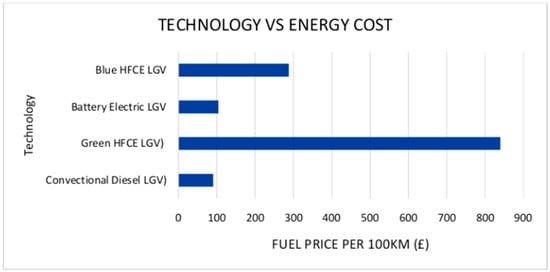
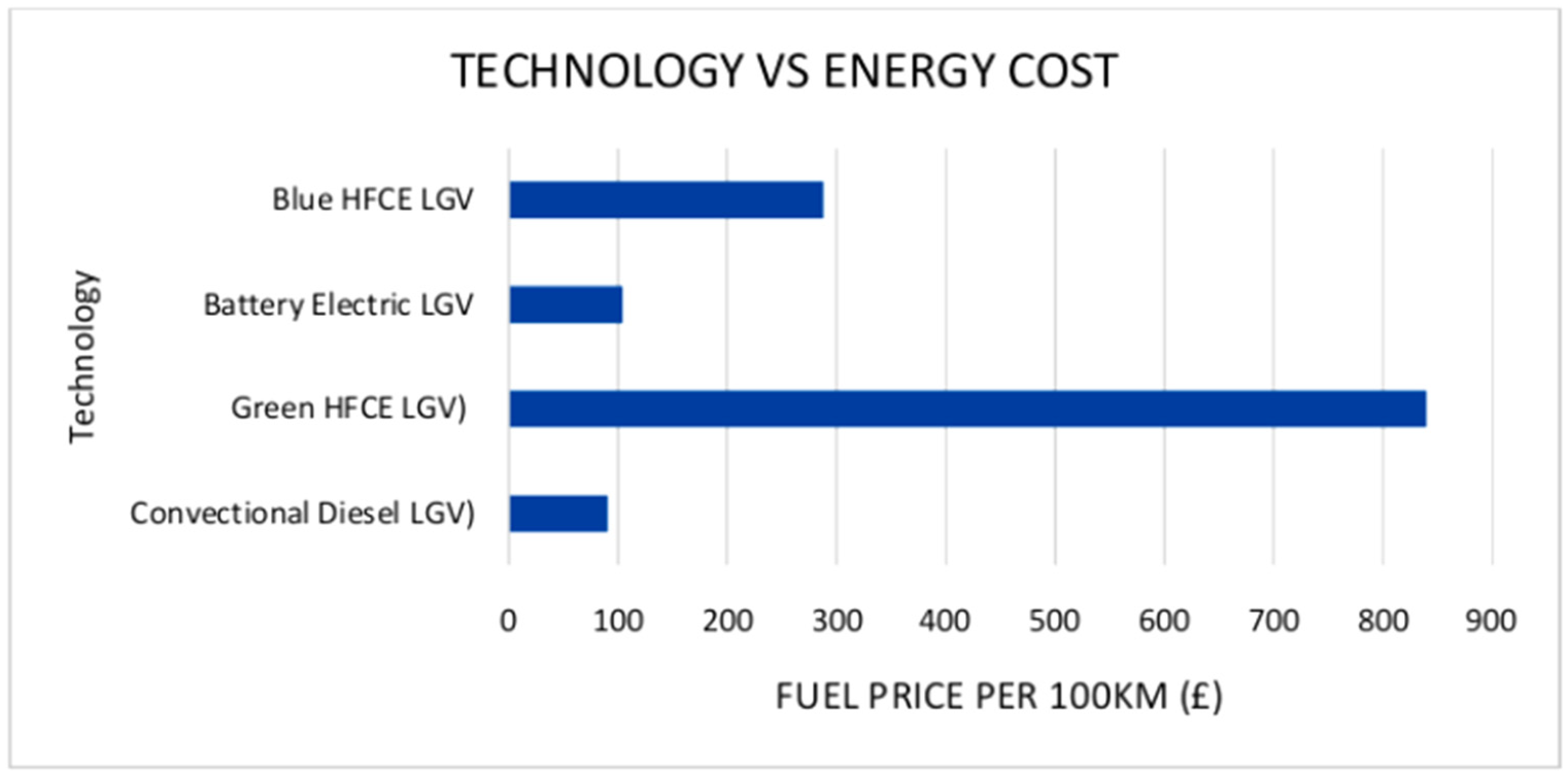
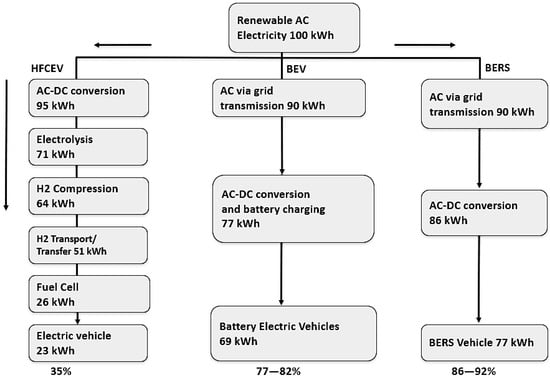
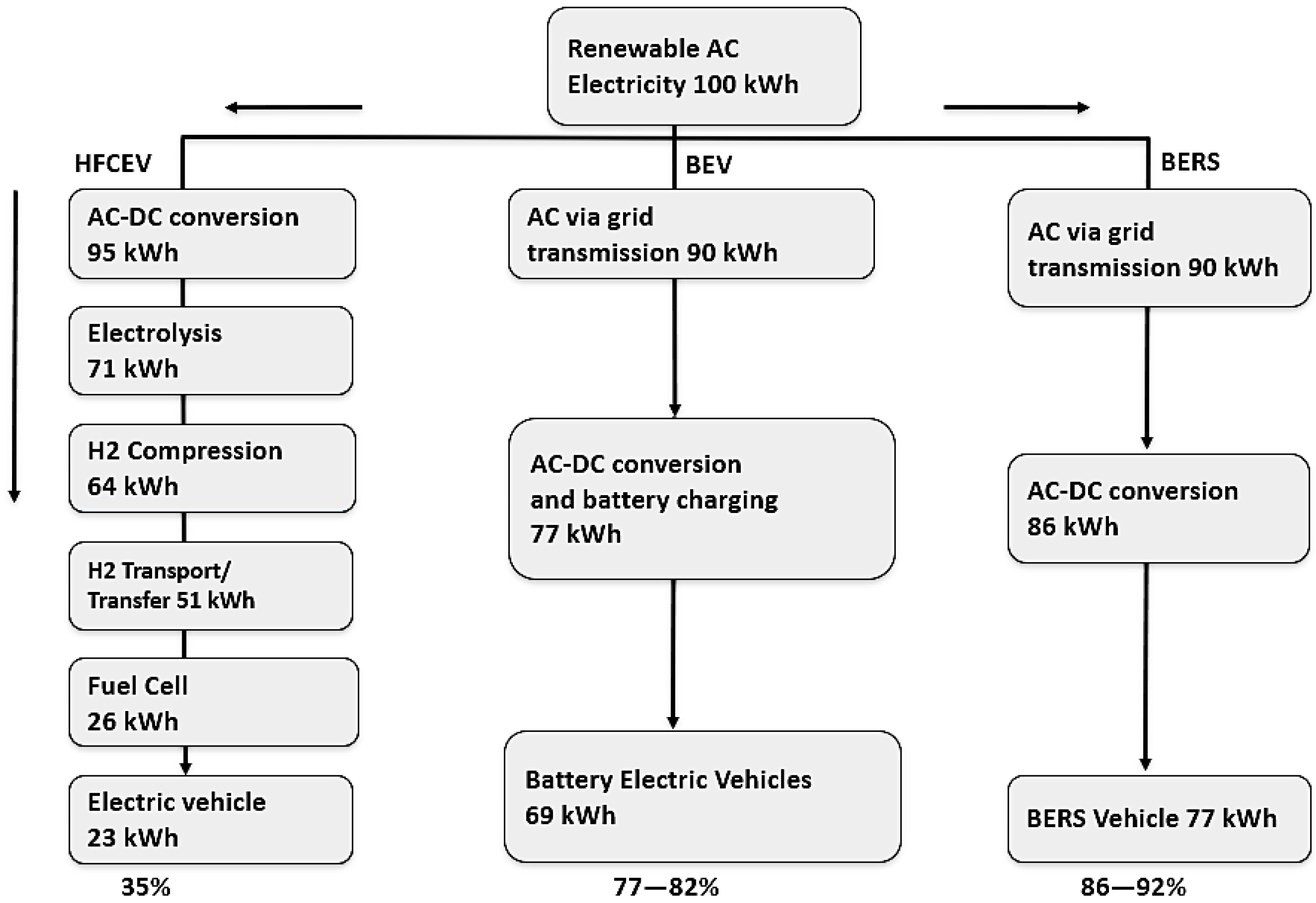
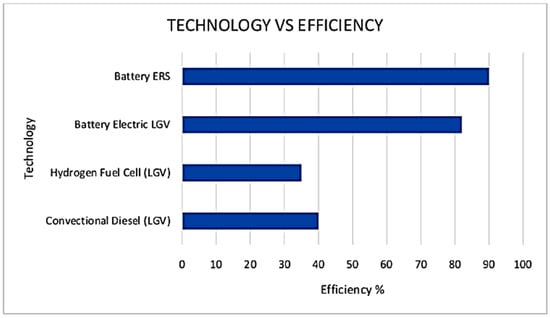
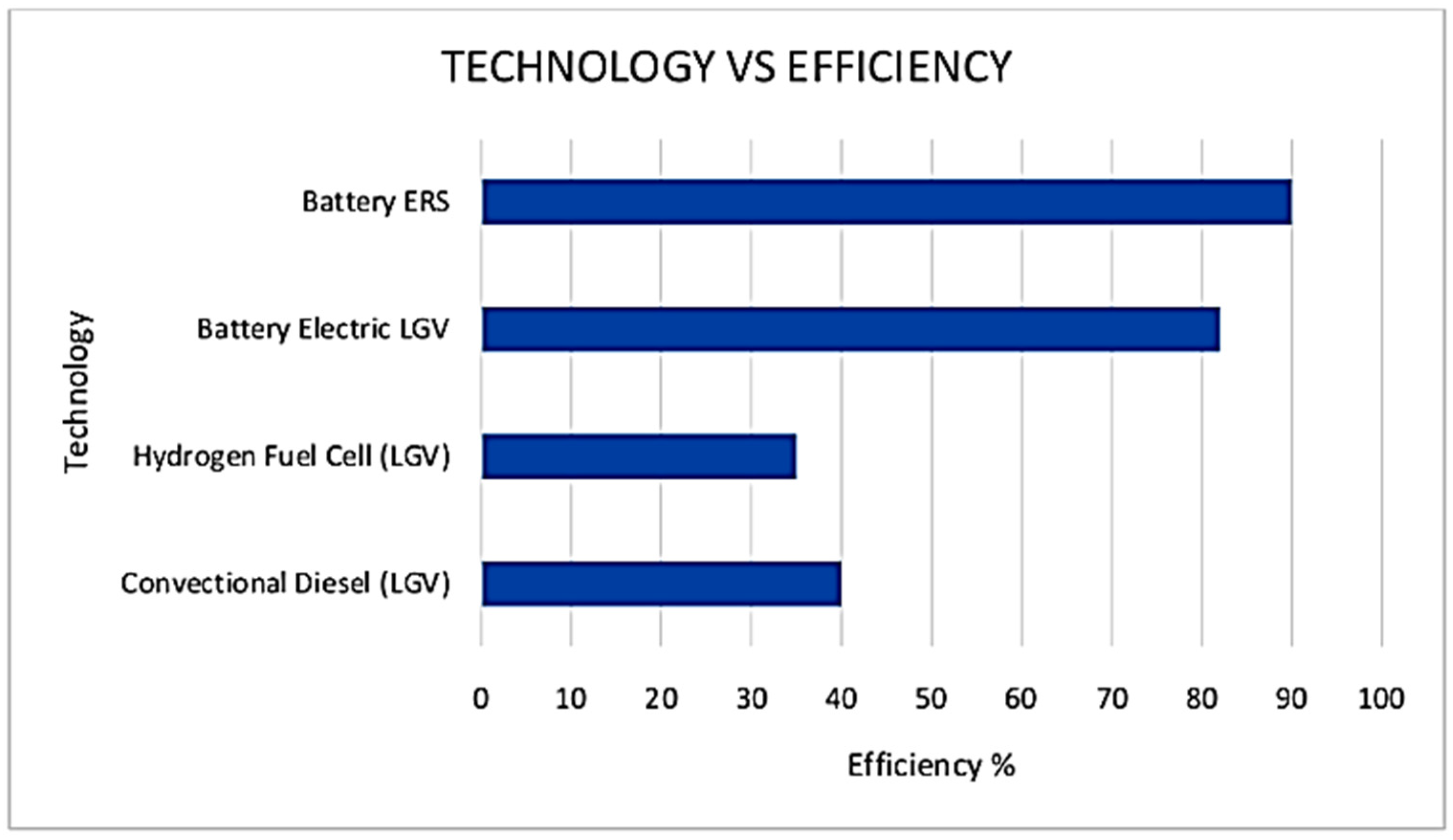

Disclaimer/Publisher’s Note: The statements, opinions and data contained in all publications are solely those of the individual author(s) and contributor(s) and not of MDPI and/or the editor(s). MDPI and/or the editor(s) disclaim responsibility for any injury to people or property resulting from any ideas, methods, instructions or products referred to in the content. |
© 2026 by the authors. Licensee MDPI, Basel, Switzerland. This article is an open access article distributed under the terms and conditions of the Creative Commons Attribution (CC BY) license.