


Abstract
Interventions aimed at improving the psychological well-being of Deaf and Hard-of-Hearing children have been overlooked. This study aimed to develop a targeted picture-book-focused, multi-component psycho-emotional support intervention for Deaf and Hard-of-Hearing children and to evaluate its feasibility and acceptability. A mixed-methods design based on the Successive Approximation Model (SAM) was used. A user-centered picture book was developed and evaluated through a multi-component intervention involving 76 Deaf and Hard-of-Hearing children. Quantitative data were collected at baseline (T0) and one-month follow-up (T1) using the Children’s Loneliness Scale, the General Self-Efficacy Scale, and the Adolescent Mental Resilience Scale. Focus group interviews explored acceptability and appropriateness. Five empowering components were identified, which guided the development of the picture book. The recruitment rate of the study was 92.7% (76/82). A total of 68.4% (52/76) of participants completed the intervention and follow-up. The adherence rate was 92.3% (48/52). Most participants (88.5%, 46/52) reported satisfaction with the intervention. Exploratory changes were observed for loneliness (IQR 41.5 vs. 39.0; 95%CI: 0.275, 0.723) and self-efficacy (IQR 24.0 vs. 25.0; 95%CI: −0.577, −0.027), while resilience showed no significance (IQR 85.0 vs. 87.0; 95%CI: −0.176, 0.435). Most participants rated the picture book as acceptable and were willing to share it. The intervention appears acceptable, feasible, and appropriate, supporting the need for a randomized or implementation study.
1. Introduction
According to the World Hearing Report announced in 2021, approximately 34 million children globally have Deaf and Hard-of-Hearing (DHH) conditions, resulting in an annual economic loss of 1 trillion US dollars [1]. Deaf and Hard-of-Hearing children are more likely to have psychological and emotional problems and mental disorders, regardless of age [2]. Despite increased integration of Deaf and Hard-of-Hearing children into inclusive education, research indicated that these children often exhibited lower psychological resilience compared to their peers without Deaf and Hard-of-Hearing [3]. They reported experiencing more social isolation, feeling lonely, stigmatized and unsupported even within their families [4]. A study in Norway [5] surveyed 106 Deaf and Hard-of-Hearing children and found that they scored approximately twice as high within the clinical range of psychological problems compared to children with normal hearing.
However, interventions aimed at improving the psycho-emotional well-being of Deaf and Hard-of-Hearing children are relatively limited [6]. A preliminary search conducted on PubMed, using terms “((hearing-impaired) or (hearing loss) or (hard of hearing) or Deaf and Hard-of-Hearing or deaf) AND (psychological or mental or emotional or well-being or psychosocial) AND (child* or adolescent)” identified several interventions aiming to improve the psychological well-being of Deaf and Hard-of-Hearing children. A recent systematic review revealed that existing psychosocial interventions have mainly targeted anxiety and depression among Deaf and Hard-of-Hearing children, with common approaches including family support education, emotional intelligence training, cognitive behavioral therapy, self-confidence group training, and play therapy [7]. In contrast, relatively fewer studies have focused on broader psycho-emotional outcomes such as loneliness, resilience, and self-efficacy. The PATHS (Promoting Alternative Thinking Strategies) [8] curriculum was the earliest program designed as a yearlong school-based program tailored for elementary-age Deaf and Hard-of-Hearing children in the USA, and it significantly improved their emotional adjustment and frustration tolerance. Ahmadi et al. [9] developed an assertiveness group training program for 48 Deaf and Hard-of-Hearing children in 2017 and demonstrated its effectiveness in reducing social anxiety. In 2020, Nikta et al. [10] conducted an RCT study among Deaf and Hard-of-Hearing children in Iran and confirmed that a resilience-focused intervention could significantly enhance their psycho-emotional well-being and increase positive behaviors. More recently, Hatamizadeh et al. [11] demonstrated that a six-week group-based resilience intervention improved coping strategy use among Deaf and Hard-of-Hearing adolescents in mainstream school settings. In 2021, Ashori et al. [12] implemented an eight-session, 50 min program on emotion management strategies for Deaf and Hard-of-Hearing students in Iran, and findings suggested that the intervention improved their cognitive emotion regulation. Similarly, a PERMA-based flourishing intervention was conducted among 28 Deaf and Hard-of-Hearing children aged 14–17 years in Iran [13]. Participants in the intervention group (n = 13) received ten group-based sessions focusing on positive emotion, engagement, relationships, meaning, and accomplishment. Results showed significant improvements in their basic psychological needs. However, these interventions were time-consuming and needed extensive professional support, which limited their widespread implementation. Web-based resource platforms for parents, Deaf and Hard-of-Hearing children, and teachers have been explored as supplementary approaches to support children’s social-emotional well-being [14]. Nevertheless, one pilot study in Australia in 2022 showed that only 9.3% (37/398) of eligible students agreed to participate, and 50.9% (58/114) of all participants (37 students, 37 parents and 40 teachers) completed the intervention. This may be because many marginalized Deaf and Hard-of-Hearing children and their families faced obstacles in accessing this complex digital technology [15]. Additionally, these school-based interventions were inaccessible to those in remote areas and to children with limited educational opportunities. Overall, while these studies explored the psycho-emotional well-being of Deaf and Hard-of-Hearing children, most existing interventions face barriers to wide implementation. Thus, accessible, user-centered, and scalable interventions are still needed [6].
Bibliotherapy is a structured therapeutic approach using reading materials to promote psychological well-being [16]. As one type of reading therapy, picture books have become a recognized artistic medium suitable for children’s psychological and emotional healing with their beautiful illustrations and simple storytelling. According to narrative transportation theory, when people immerse themselves in a vivid story, they experience high levels of cognitive and emotional involvement, creating mental representations that can alter their psychological state [17]. A study in China indicated that picture book intervention had positive effects on reducing the stress in children with autism spectrum disorder, and improve their emotional sense of hope and inspiration [18]. For Deaf and Hard-of-Hearing children, picture books could provide an opportunity to deliver knowledge, teach coping skills, express empathy, and empower their resilience; moreover, it also enables them to engage in “listening,” “narrating,” and “interactive sharing” in diverse forms [19]. However, there is a severe lack of picture books suitable for Deaf and Hard-of-Hearing children to read so far.
The user-centered perspective is an approach that prioritizes the users’ needs and desires in the design process [20]. These specific requirements drive the development of products [21], and ultimately improve the user’s comprehension of the product. Tsao [22] employed a user-centered approach to developing a set of medical picture books for preschool children facing a venipuncture and found that reading the materials significantly reduced their distress. With respect to the products for disabled children, a user-centered perspective has been ignored because of their vulnerability. Therefore, to produce meaningful output for Deaf and Hard-of-Hearing children, this study aimed to co-design a psycho-empowering picture book from a user-centered perspective, and then develop this picture-book-focused, multi-component intervention to improve the psycho-emotional well-being of Deaf and Hard-of-Hearing children and evaluate its feasibility and acceptability.
2. Materials and Methods
This was a mixed-methods research conducted between December 2021 and June 2022. Initially, we conducted field observations, collecting diaries and conducting qualitative interviews to comprehensively and deeply understand Deaf and Hard-of-Hearing children’s lives, psychological experiences and related behaviors. Then, a multidisciplinary team worked together to figure out the empowering components and develop the picture book. Finally, a pre–post test was conducted to examine the feasibility of this multi-component picture book intervention, and focus groups were conducted to understand its acceptability, appropriateness and potential generalization.
The development of the picture book followed the Successive Approximation Model (SAM) which used a recursive and iterative rather than a linear process for materials development. It is composed of three parts: preparation, iterative design, and iterative development. From a user-centered perspective, Deaf and Hard-of-Hearing children were involved in the whole process. This study was reported in line with the CONSORT statement: extension to randomised pilot and feasibility trials [23] (Table S1).
2.1. Preparation Phase: Gathering Information
Three researchers used non-participatory observation and semi-structured interviews to gain insight into the daily routines, physical well-being, and psychological status of Deaf and Hard-of-Hearing children, with the assistance of local teachers and instructors. Potential empowering elements were especially noted, such as coping mechanisms, echoed/grateful moments, support systems, and available resources.
2.1.1. Non-Participatory Observation
Upon approval from the specialized school, three researchers entered the classroom and dedicated a cumulative of eight days for non-participatory observation at the school in a southern city of China. These three researchers received a month of sign language training, which mainly covered campus life and research content. In addition, they all had two to three years of research experience in promoting the social participation of Deaf and Hard-of-Hearing children before. The daily lives, emotional displays, and social interaction patterns of Deaf and Hard-of-Hearing children were diligently documented. Every two days, researchers had a one-hour meeting among themselves to exchange insights and compile their observation notes.
2.1.2. Diary Writing and In-Depth Interviews with Deaf and Hard-of-Hearing Children
Children aged 6 to 18 years who were diagnosed with severe hearing loss or deafness, and with the ability of written communication and language comprehension were invited in this study. To collect rich data and understand the real experience of Deaf and Hard-of-Hearing children, course teachers helped researchers screen and determine the participants. A total of 12 children (detailed in Table 1) who consented were initially asked to write a diary on the following topics: (1) my growing up story, (2) self-perception of myself, (3) the most unforgettable experience. Then, face-to-face interviews were conducted after school with these 12 children. A semi-structured interview guide was developed through two rounds of group discussion. The interview questions were crafted to elicit profound insights into (1) their stories with Deaf and Hard-of-Hearing; (2) their perception of themselves; (3) the difficulties or negative emotions they have experienced; (4) their coping techniques or approaches, and especially effective techniques or the most cheerful or moving moments in their lives. All the interviews were conducted in a separate meeting room in the school. The research team consisted of researchers from nursing and public health backgrounds with prior experience in qualitative research involving Deaf and Hard-of-Hearing populations, but none were native sign language users. Researchers had no prior relationships with participants. To address communication barriers, three instructors from the school were purposively invited and received training prior to data collection. The training covered the study aim, procedures, their roles in study, and key considerations for supporting participants’ expression. All instructors had over ten years of experience in special education and were proficient in both spoken and sign language. During data collection, these instructors provided sign language interpretation support in collaboration with the research team. To ensure participants’ comfort and minimize potential bias, the instructors were from the school’s administrative office and were not involved in participants’ routine classroom teaching.
Table 1.
Demographic information of participants in the preparation phrase (N = 12).
Before the interview, the first author distributed a notebook and an iPad, allowing participants to choose their preferred method of responding to the questions. The interviews were mainly conducted in the form of written language with sign language assistance. Only three participants provided the oral information (A02, A07, A10). All supplementary content conveyed through sign language during the interview process was promptly transcribed by the researchers and all texts were reviewed by both instructors and participants for accuracy [24]. Two researchers independently coded the transcripts following the six steps of thematic analysis proposed by Braun & Clarke [25]: (1) familiarization, (2) initial coding, (3) generating themes, (4) reviewing themes, (5) defining themes, and (6) writing the report. After the eighth interview, no substantially new codes or themes were identified, suggesting that sufficient information had been obtained to address the study objectives. To further enhance thematic richness and confirm the robustness of the findings, four additional participants were interviewed. To ensure rigor, coding was conducted inductively and remained open to alternative interpretations throughout the analytic process. Team meetings were held three times every week to resolve disagreements and confirm coding consistency. Audit trails and reflexive notes were documented and kept by the first author throughout the study [25].
2.2. Iterative Design Phase: Design, Prototype, and Review
A multidisciplinary team (MDT) was built to ensure the rigor of the research (Table S2). The MDT consisted of 14 people from different areas including education, medicine, aesthetics and psychology. Subsequently, a one-day meeting was held to generate rapid story prototypes through collaborative brainstorming. Researchers first introduced the purpose of the study and the meeting, then presented the interview findings with observational notes. Everyone was invited to vote on the appropriateness of the results. More than one-third of the people believed that inappropriate results should be removed. Then, five empowering components were proposed by the MDT to better inspire Deaf and Hard-of-Hearing children and to inform the development of the picture book. Consensus on these components was also reached through a voting process. Lastly, the committee roughly developed the book’s title, narrative structure, and apt plotlines. Other than incorporating relevant educational content, rehabilitative techniques, interactive elements, and supportive resources, the book mainly focused on the main features by illustrating the empowering components.
2.3. Iterative Development Phase: Develop, Implement, and Evaluate
2.3.1. Development
After the meeting, a group discussion within the research team was conducted to identify the storyline. The first author took the initiative to draft a script for the picture book. Other members continuously reviewed and provided feedback for revisions during the drafting process. The MDT revised and refined the script. They undertook eight rounds of review, discussion, and editing of the picture book script, including two face-to-face meetings.
Once the script was preliminarily finalized, the illustrator proceeded by visualizing and formatting the picture book. The illustrations were rendered in vibrant, contrasting hues, anchored by a base of dark green and warm red tones to attract readers as suggested by the literature [26], which accorded with the psychological characteristics of Deaf and Hard-of-Hearing children. The visualization process also contributed to the text and picture adjustment. Any disagreements or suggestions were synchronously discussed and solved by group discussion. Then, the visualized version of the book was sent to all MDT members for review. To ensure the appropriateness of the book, three additional 8-year-old Deaf and Hard-of-Hearing children were purposively invited to participate in two additional rounds of review. Finally, a test version of the picture book was developed.
2.3.2. Implementation and Evaluation
Participants
The implementation was conducted in a special primary school and a special technical secondary school in a southern city of China from April to June 2022. Children who (1) were aged 6 to 18 years; (2) were diagnosed with severe or profound hearing loss or deafness; (3) were capable of reading and communicating (through sign languages, typing, or verbally); and (4) had the informed consent signed by their parents were eligible for this study. We targeted a sample size of 50 participants, in line with recommendations for feasibility studies, which often suggest a range of 24 to 50 participants to yield sufficiently precise estimates of feasibility parameters such as recruitment rates, retention, and intervention adherence [27,28].
Procedure
After receiving approval from the two schools, we sent out a recruitment invitation letter with informed consent to the Deaf and Hard-of-Hearing children, who were asked to bring it home for their parents to sign, or send it through WeChat to their parents for electronic signatures. After submitting the informed consent within three days, those children filled out the baseline questionnaire with the help of the researchers in the classroom.
The intervention was a multi-component picture book program consisting of five elements: (1) An initial group reading session in classroom, with each child reading the picture book at least once within 45 min. (2) A 45 min facilitated group discussion to support comprehension and peer interaction. During the group session, participants were divided into seven groups. Each group was assigned at least one researcher and one instructor to help them better understand the book’s content and promote the group discussions. Researchers carefully recorded their thoughts and made observational notes. To promote intervention fidelity, a structured discussion guide developed by the research team was used across all groups (Supplementary Material S2). Example questions included: “Which part of the story impressed you the most and why?” All researchers and instructors received standardized training before group discussion. The training covered study procedures, individual roles, facilitation strategies, and key considerations for supporting participants’ expression and participation. (3) Individual reading of the picture book at least once per week for four consecutive weeks. (4) Weekly WeChat reminders to encourage reading and parent–child discussion. (5) Parental feedback to monitor reading engagement and family discussion. Participants were considered to have completed the weekly intervention if they read the entire picture book at least once during that week. The intervention dose was therefore defined by the number of completed weekly readings rather than reading duration. Every Saturday afternoon and evening, parents received a WeChat reminder encouraging their child to complete one full reading of the picture book during that week and inviting discussion of any storylines, emotions, or experiences the child wished to share. Parent–child discussion was encouraged but was not mandatory or standardized. Parents subsequently provided feedback on reading completion and any discussion that occurred.
With the help of the instructors and researchers, Deaf and Hard-of-Hearing children completed questionnaires at baseline (T0) and one-month follow-up (T1) in the classroom. Semi-structured focus groups were then used to explore children’s perspectives on acceptability, appropriateness, perceived benefits, and generalizability. Each group included 8–9 children. Focus groups followed a semi-structured guide (Table S3) and were facilitated by a trained sign language instructor (moderator) and a trained researcher, with an additional researcher responsible for note-taking. Participants could also record their thoughts in writing. All sessions were audio-recorded and transcribed verbatim. Reflective memos were maintained throughout the study, and findings were validated through member checking to enhance credibility and trustworthiness.
Measurements of Quantitative Data
Primary feasibility outcomes. Consistent with the aim of this feasibility study, the primary outcomes were feasibility indicators: recruitment rate (proportion of screened children enrolled), retention rate (proportion of enrolled children completing the one-month follow-up), adherence (proportion of participants completing at least three of four recommended weekly reading sessions), and participant satisfaction (proportion reporting satisfaction with the intervention) [23]. These were measured using study records, parental reports, and a single satisfaction question. Based on commonly used feasibility benchmarks and a red–amber–green (RAG) progression framework, recruitment ≥ 80%, retention ≥ 80%, adherence ≥ 75%, and satisfaction ≥ 80% were considered indicators that the intervention was feasible and warranted progression to a future definitive study [29,30].
Exploratory psychosocial outcomes. Loneliness, self-efficacy, and resilience were designated as exploratory efficacy outcomes. The Chinese version of the Children’s Loneliness Scale (CLS) [31] was used to measure loneliness. The CLS consists of 24 items on a Likert 5-point scale ranging from “always true” (1 point) to “not true at all” (5 points), with a total score of 16 to 80. Higher scores indicate greater degrees of loneliness and social dissatisfaction. The confirmatory factor analysis indicated that the key fit indices of the model were all above 0.80. The Cronbach’s α coefficient of the scale was 0.92.
Self-efficacy was assessed by the Chinese version of the General Self-Efficacy Scale (GSES) [32]. It comprises 10 items using a 4-point Likert scale for scoring. The total score ranges from 10 to 40, with higher scores indicating greater self-efficacy. The Cronbach’s α coefficient was 0.87, and the split-half reliability was 0.90.
Resilience was measured using The Adolescent Mental Resilience Scale developed by the Chinese scholar Yue-Qin Hu et al. [33]. It has five dimensions including goal focus (five items), interpersonal assistance (six items), family support (six items), emotional control (six items) and positive cognition (four items). This is a 5-point Likert scale ranging from “never” to “always”. Higher scores indicate greater resilience. The reported Cronbach’s α coefficient was 0.83.
2.3.3. Data Analysis
Quantitative data were analyzed using the statistical software SPSS26.0 and JASP 0.96. As this was a feasibility study, analyses were conducted on 52 participants who completed the follow-up assessment. Outliers were retained as they were considered clinically genuine observations. Within the completer sample (N = 52), the overall proportion of missing data was 6.3%, primarily due to occasional incomplete questionnaire items. As the missing responses were sporadic and showed no apparent systematic pattern, the missing-data mechanism was assumed to be Missing at Random (MAR). Multiple imputation by chained equations (MICE) was adopted for missing data. The imputation model included baseline characteristics and outcome variables at each time point. Five imputed datasets were generated with 20 iterations. Pooled estimates were calculated using Rubin’s rules [34]. The Shapiro–Wilk test and Q-Q plots indicated deviations from the normal distribution for the pre–post differences. Therefore, continuous variables were presented using median and interquartile range (IQR), while categorical data were described using rates and proportions. The Wilcoxon Signed Rank Test was used to compare differences at baseline and one-month post-intervention. No adjustment for multiple comparisons was applied because the outcomes were exploratory. Sensitivity analyses using observed data were conducted to assess the robustness of the findings, and yielded consistent patterns of results.
Qualitative data from interviews were transcribed verbatim into NVivo12.0. Given the large sample size of the qualitative evaluation and that the purpose of this process was not to deeply interpret the theme, the template analysis model proposed by Brooks [35], which was a qualitative analysis method making trustworthy observations regarding a large volume of qualitative data, guided the data analysis. Two researchers independently analyzed data: (1) “a priori” themes aligned with interview objectives (Table S4) were established; (2) interview content were summarized by category, with some recordings summarized directly due to time constraints and the analytical nature of the template analysis; (3) weekly team meetings were held to resolve disagreements and iteratively refine the coding template and sub-themes; (4) consensus on themes and sub-themes was reached by all researchers, and the interview data were structured in a template matrix for comprehensive analysis. A coding framework table (Table S5) and an example illustrating the analytic decision-making process (Table S6) have been added to the Supplementary Materials.
3. Results
3.1. Results of Observation and In-Depth Interview
Four main themes emerged from thematic analysis: (1) characteristics of Deaf and Hard-of-Hearing children, (2) staying in their comfort zone to feel safe, (3) psycho-emotional suffering, and (4) perceived motivation. The specific findings and how they were applied to inform the picture book’s development are outlined in Table S7.
3.2. Design and Development of the Picture Book
Five empowering components were extracted according to diary collecting, interview and observation to guide the picture book creation and resonate with children’s emotions, including (1) providing knowledge (Figure 1a): aiming at enhancing Deaf and Hard-of-Hearing children’s health literacy through descriptions of diseases, treatments, and linguistic training in various forms, (2) inspiring courage and fostering motivation (Figure 1b): highlighting the protagonist’s persistence in treatment and rehabilitation to encourage children to face challenges and step out of their comfort zones to improve resilience, (3) cultivating positive emotions (Figure 1c): using positive characters to help Deaf and Hard-of-Hearing children perceive positive emotions and establish resilience, (4) facilitating meaning-making (Figure 1d): using motivation, and describing the inner journey of the protagonist to help children find their self-worth and enhance their sense of self-efficacy, and (5) building a support system (Figure 1e): describing the care of family, friendship, and teacher–student relationships, making children feel that they are not alone. Specific descriptions are presented in Table S7 and the example illustration is in Figure 1.
Figure 1.
Example illustrations of empowering components. (a) Example illustration of component: providing knowledge; (b) example illustration of component: inspiring courage and fostering motivation; (c) example illustration of component: cultivating positive emotions; (d) example illustration of component: facilitating meaning-making; (e) example illustration of component: building support system.
Based on the empowerment components, a 48-page illustrated picture book named “My little ears” was developed. It narrates the growth of a Deaf and Hard-of-Hearing boy from a first-person perspective. From infancy, when he is identified as Deaf and Hard-of-Hearing, the boy and his mother persist together and never give up. The boy learns sign language, undergoes cochlear implantation, and gradually develops both sign and oral language skills through years of persistent practice. With the support of his family, he attends a regular elementary school. Despite facing many challenges at school, he gradually gains confidence in himself with the help of teachers and a kind friend “Shan Shan”, and ultimately develops a strong sense of self-worth. After the story, some knowledge and support resources related to Deaf and Hard-of-Hearing children are provided in the appendix pages.
3.3. The Evaluation of the Picture Book
3.3.1. Feasibility
A total of 82 Deaf and Hard-of-Hearing children were screened, and 76 were enrolled, with a recruitment rate of 92.7% (95%CI: 85.0%, 96.6%) (Figure 2). Of these, 52 completed the follow-up (retention rate: 68.4%, 95%CI: 57.3%, 77.8%) and participated in the qualitative interview. Baseline characteristics were comparable between completers (N = 52) and non-completers (n = 24), with no significant differences observed (Table S8 and Table S9). Reasons for non-completion were primarily due to COVID-19 infection related absence. Of the included 52 participants, their ages ranged from 8 to 18. Most Deaf and Hard-of-Hearing children (71.2%, 37/52) used to wear hearing aids but only 26.9% (14/52) continuously wore it. Half of them reported they could communicate orally (50%, 26/52). More details are shown in Table 2.
Figure 2.
Participant flow diagram in intervention implementation process.
Table 2.
Characteristics of the participants in the evaluation phase (N = 52).
According to parental reports, 92.3% (48/52) of participants completed at least three reading sessions, and 75.0% (39/52) completed all four sessions. Most participants (88.5%, 46/52) reported satisfaction with the picture book intervention.
3.3.2. Acceptability and Appropriateness
Participants shared positive experiences of the picture-book-centered multi-component intervention and described the story as moving, attractive, acceptable, and easy to understand. Through repeated engagement with the story during individual reading, facilitated discussions, and parent–child communication, they gained knowledge and psychological support. Most participants could recall the storyline and recount impressive moments during group discussion. They had immersed themselves in this appealing story to the extent that some children shed tears while reading (Child B03, B10, and B38). Child B16 mentioned: “It is so moving and attractive that I can not help my tears. This evokes my own experience. I was tired of my little ears like the character and I even stupidly threw them away before.” Additionally, twenty-six participants reported gaining useful information from the picture book. A child (B25) who preferred to use spoken language in school, shared: “Practicing speaking every day and follow lip movements while reading along will benefit oral speaking.” Child B45, who was proficient in sign language, stated: “I can understand every detail of the book. It touches me deeply, because the book is right—being unable to speak is not our fault. Just like the boy in the story, I have good friends, and I will study hard to chase my own dreams.” Notably, many children mentioned that the warmth of friendship made them feel supported by their peers and they also gleaned insights into unwavering support and love from their families, teachers and society. “Shan Shan (a very supportive peer) bravely protects the little boy in the book. I am so moved. I feel how wonderful the world is. It also reminds me I have a good friend like Shan Shan.” (Child B50).
3.3.3. Perceived Psycho-Emotional Benefits
Learned to Be Brave and Persevere
Seventeen children mentioned that they learned to face challenges and persevere from the story protagonist who did not give up on adapting to the hearing cochlea. As Child B27 expressed, “Be brave in the face of difficulties and don’t let small things hold you back.” Even those six children who reported regret due to non-adherence to linguistic training indicated gaining confidence in the future. “If I had a second chance (to wear cochlear implant), I would not give up practice easily. However, as the boy in the story said the most important thing is hard work so I believe I can still achieve my dream through my efforts,” shared Child B29. Additionally, the self-challenging spirit of the story protagonist has encouraged children’s morale to face difficulties. As Child B40 noted, “Don’t care what others think. I will talk to others more to make friend and strive to achieve what you want.” Some children thought, “Don’t close yourself off due to imperfections (Child B44).” They learned from the main character who ignored others’ negative opinions and overcame his fears to find his self-worth. This helped children realize that personal growth came from stepping out of their comfort zone. For example, child B05 shared, “Don’t be afraid of failing or listen to ridicule; only by taking steps can you succeed.”
Stimulating Self-Confidence and Expectations
The picture book sparked children’s curiosity about their future. “At first, I wasn’t excited about this book, but after reading it, I felt anticipation and curiosity. Now, I especially want to know what will happen to me when I enter society with a cochlear implant,” child B08 shared. The book also planted seeds of hope, as some children expressed newfound confidence in their future: “I don’t think there’s anything wrong with being Deaf and Hard-of-Hearing, but with hard work, things will get better,” remarked Child B02.
Learned Self-Esteem
The story evoked a sense of self-esteem in children. The little boy in the picture book was a vivid character, struggling with low self-esteem due to discrimination. However, with the support of peers and teachers, he finally proved to be a valuable member of society. The participants found that his journey was inspiring, leading them to fight against what they saw as an “unfair” fate (Children B04, B13). “I will prove to everyone that I am useful,” said Child B11. Similarly, Child B34 shared, “No matter what people say or how much life hurts me, I will work hard and make progress on my own.”
3.3.4. Generalizability
Almost all children reached a consensus that the picture-book-centered intervention should be shared with both Deaf and Hard-of-Hearing children and the general population. “I also hope that typical children can see it, so that they respect Deaf and Hard-of-Hearing people and know the life of us,” (Child B46). In the group discussions, children actively recalled storylines and related them to their own experiences, and several parents voluntarily shared photos of family readings. Children believed the book not only empowered those with Deaf and Hard-of-Hearing but also helped foster understanding and empathy within the broader community. As Child B36 emphasized, “I am willing to recommend this to all people. Because it’s imperative for more people to read this book so as to cultivate respect for the Deaf and Hard-of-Hearing from an early age.” Children thought that picture books as educational material are an affordable and widely accessible way to spread knowledge and empower themselves.
3.3.5. Exploratory Outcomes of the Intervention
The median loneliness score changed from 41.5 (IQR: 36.0–46.8) at baseline to 39.0 (IQR: 32.0–44.8) at follow-up. The exploratory pre–post comparison showed a statistically significant difference in loneliness following the intervention (p = 0.001), with a moderate effect size (r = 0.475, 95%CI: 0.275, 0.723). For self-efficacy, the median score changed from 24.0 (IQR: 21.0–26.0) to 25.0 (IQR: 21.0–28.8). This change was statistically significant (p = 0.041), and was associated with a small effect (r = −0.295, 95%CI: −0.577, −0.027). Although the median resilience score changed from 85.0 (IQR: 79.3–91.8) to 87.0 (IQR: 83.0–93.0), the change was not statistically significant (95%CI: −0.176, 0.435) (Table 3).
Table 3.
Wilcoxon Signed Ranks Test of outcome variables.
4. Discussion
This study designed a psycho-emotionally empowering picture book for Deaf and Hard-of-Hearing children using the SAM from a user-centered perspective. The mixed-methods findings supported the feasibility, acceptability, and generalizability of the picture-book-centered multi-component intervention. The data also provided preliminary signals of potential benefit for Deaf and Hard-of-Hearing children’s psycho-emotional outcomes. Importantly, the development and implementation process incorporated key Deaf cultural considerations, respected diverse Deaf and Hard-of-Hearing identity, and accommodated diverse communication preferences, ensuring cultural sensitivity throughout the study.
4.1. The Fidelity of Developing a Targeted Picture Book Intervention
4.1.1. Guided by the Successive Approximation Model
The SAM enhances the rigor of the study design. Unlike ADDIE’s five sequential steps [36], SAM is an effective and agile framework for instructional design that emphasizes iterative development and continuous improvements [36]. Our study exemplifies the rigorous process of developing a psychosocially empowering picture book based on SAM’s three phases. The research team initiated the process by using creative approaches, such as diary writing, to explore the characteristics, needs, and priorities of Deaf and Hard-of-Hearing children. Regular meetings provided opportunities to review collected information and generate ideas for content development through collaborative brainstorming [37]. Such a promising start helps identify the key elements and resolve problems as early as possible to produce a product [38]. In addition, all design, prototyping, and development rotated iteratively in small steps, which were flexible and supported by frequent group discussions, MDT reviews and prompt feedback. These iterative refinements may have contributed to the relevance and acceptability of the intervention [39].
More importantly, this study employed the collaboration principles inherent in SAM. Our multidisciplinary team comprised experts from nursing, medicine, literature, and aesthetics. To facilitate effective communication and collaboration, we optimized feedback mechanisms through WeChat online groups, emails, phone calls, and in-person meetings. Multidisciplinary collaboration is a key element of SAM. It has been demonstrated its ability to develop meaningful materials while ensuring reliability and feasibility [37].
4.1.2. Employing a User-Centered Design
User-centered design offers a valuable approach for developing products tailored to disabled children. Previously, a study in Japan [40] incorporated the perspectives of stakeholders (patients, family members, and healthcare professionals) to develop a communication picture book for children aged 4–8 years with cancer and verified its feasibility. Chinese scholars developed a disease-targeted picture book for children with allergic purpura using user-centered approach, and their intervention trial showed that children patients improved their psychological resilience and emotional coping ability through reading the book [41]. Most of the existing studies on Deaf and Hard-of-Hearing children predominantly have been conducted from the perspectives of caregivers and teachers, which can’t fully reflect the real feelings of these children and often ignore the diversity of Deaf and Hard-of-Hearing identities and inherent communication preferences rooted in Deaf and Hard-of-Hearing community values.
In this study, we invited sign language teachers for information verification, conducted observations, wrote memos, and collected diaries to augment the study’s credibility. Adopting a user-centered design with multiple data collection approaches and cross-validation strategies, we recognized the diversity of identity orientations among Deaf and Hard-of-Hearing children, including deaf, hard-of-hearing, hearing, and fluid identities. Participants were actively involved in the design process, contributing to the review of storylines and illustrations to enhance the relevance and accessibility of the intervention. In line with these diverse identity orientations, participants were free to communicate using sign language, oral expression, written forms, or any combination thereof, enabling a more authentic understanding of their experiences. All forms of communication were treated with equal respect, regardless of participants’ communication mode or hearing device use. This commitment to inclusivity was also reflected in the intervention materials. The supplementary resources provided at the end of the picture book included information on Deaf and Hard-of-Hearing, sign- and spoken-language learning resources, hearing-device funding opportunities, and diverse educational and employment pathways. These resources were intended to support Deaf and Hard-of-Hearing children and their families without implying that any particular communication approach, rehabilitation strategy, or life trajectory was preferable to another. Such an inclusive and creative user-centered approach may facilitate the co-development of meaningful resources for Deaf and Hard-of-Hearing children and other populations with disabilities [42].
4.2. The Feasibility of This Picture-Book-Centered Multi-Component Intervention
Recruitment, adherence, and satisfaction exceeded the predefined feasibility thresholds (recruitment ≥ 80%, adherence ≥ 75%, and satisfaction ≥ 80%), supporting the preliminary feasibility of the intervention. The recruitment rate reached 92.7%. This indicated that Deaf and Hard-of-Hearing children and their families were very willing to join this multi-component intervention and reflected the accessibility and cultural relevance of the intervention. Furthermore, all participants completed at least two reading sessions, 92.3% completed three sessions, and 88.4% reported satisfaction with the intervention. The relatively high adherence further suggests that the intervention was engaging and manageable within Deaf and Hard-of-Hearing children’s daily routines, while the reported satisfaction reflects its perceived relevance, emotional resonance, and usability from the participants’ perspective. These feasibility signals support the potential for future scaling and adaptation in similar educational contexts.
The retention rate was 68.4% (95%CI: 57.3%, 77.8%). Although it did not reach the predefined target of 80%, it fell within the acceptable range of 60–79% recommended for feasibility studies [29,30]. Most attrition (19/24, 79.2%) resulted from pandemic-related school suspensions rather than withdrawal from the intervention itself. Baseline comparisons between completers and non-completers revealed no significant differences in outcome variables, suggesting that attrition did not introduce substantial systematic bias. Nevertheless, unmeasured differences in intervention engagement, family involvement, or psychosocial status may have influenced continued participation; thus, attrition may have affected both the precision of the estimates and the generalizability of the findings. Importantly, the retention rate was comparable and acceptable in vulnerable population [43,44]. For example, Kishida et al. [14] reported a retention rate of 51.4% (19/37) in their 10-week pre–post intervention for Deaf and Hard-of-Hearing students, even before the pandemic. In addition, a four-week picture book intervention for parents of autistic children reported a retention rate of 72.2% (39/54) during the pandemic [18], which was comparable to the retention rate observed in the present study. Consistent with our findings, a recent American pilot study evaluating a multi-component e-cigarette prevention program for Deaf and Hard-of-Hearing adolescents aged 11 to 18 [45], recorded a retention rate of 73.7% (84/114) during follow-up. Together, these findings suggest that maintaining participant engagement in interventions among vulnerable pediatric populations remains challenging, and the retention observed in the present study was within an acceptable range. Further studies should consider strengthening retention strategies through closer collaboration with schools and families, greater use of remote or hybrid follow-up options, and alternative data-collection approaches when face-to-face activities are disrupted. Based on the predefined progression criteria, recruitment, adherence, and satisfaction met the feasibility thresholds, whereas retention fell below the predefined target but remained within an acceptable range reported in previous feasibility studies. Overall, these findings support the preliminary feasibility of the intervention while highlighting participant retention as an important area for improvement in future studies. Future randomized controlled trials are warranted to further evaluate the intervention after optimizing retention strategies.
4.3. Acceptability and Appropriateness
There are several strengths of this intervention which lead to high acceptability and appropriateness. First, our research highlights the need for specially designed educational materials that cater to Deaf and Hard-of-Hearing children’s language preferences. Simple words and sentences are paired with exquisite illustrations that reflect real-world scenarios, making the story easy to understand. Color–shape associations are also used to capture Deaf and Hard-of-Hearing children’s interest [46]. Combining cute and round character illustrations with the color red may easily evoke warmth and love in their minds. Key design principles include the use of visual aids to enhance semantic understanding, and the provision of emotional support to deepen emotional resonance for Deaf and Hard-of-Hearing children [47]. Beyond visual and emotional design, the book was developed using a culturally affirming approach that recognizes Deaf and Hard-of-Hearing as a cultural and linguistic identity rather than a deficit. The protagonist actively integrates spoken language and sign language, reflecting a bicultural identity that may resonate with diverse identity orientations among Deaf and Hard-of-Hearing children. This representation may foster a sense of recognition, belonging, and self-acceptance, thereby enhancing the book’s resonance and acceptability. Notably, despite the wide availability of reading materials on the market, resources specifically designed for Deaf and Hard-of-Hearing children remain severely limited; thus, Deaf and Hard-of-Hearing children might feel acknowledged by accessing those provided resources and knowledge.
Second, the acceptability and appropriateness of the intervention may also be related to its multi-component design. The combination of group reading, facilitated discussion, repeated engagement with the picture book, and parent–child communication enabled children to interact with the intervention content in multiple ways. All participants actively engaged in the initial group reading and facilitated discussion, which provided opportunities for comprehension, emotional expression, and peer interaction. Weekly reminders and parent–child discussions further extended engagement beyond the classroom and encouraged family participation. Qualitative findings supported this interpretation, as many children were able to recall storylines, relate them to their own experiences, and actively participate in discussions. Several participants described feeling encouraged by themes of friendship, family support, and perseverance, suggesting that the intervention content was perceived as personally meaningful and relevant. In addition, several parents voluntarily shared photographs and feedback regarding family reading activities. Such spontaneous participation indicates that the intervention was well received by families and could be feasibly integrated into daily routines rather than being perceived as an additional burden.
4.4. Generalizability
The participants actively recommended this picture-book-centered multi-component intervention to Deaf and Hard-of-Hearing children and their families. They were deeply moved by the story and valued the opportunities for reflection and discussion provided by the intervention. Many hoped that their peers could also benefit from the combination of story-based learning, peer interaction, and family communication, which they perceived as encouraging and emotionally supportive. Participants also suggested that the intervention could be shared more broadly within Deaf and Hard-of-Hearing communities. From a Deaf cultural perspective, identity-affirming materials may function not only as educational resources but also as opportunities for cultural continuity and community engagement [48]. The combination of reading, discussion, and shared reflection may facilitate communication about lived experiences and identity among Deaf and Hard-of-Hearing children and their families. It is speculated that such interventions may deliver individual psychological benefits and offer tentative support for social inclusion and cultural recognition of Deaf and Hard-of-Hearing populations [49]. However, the extent to which such interventions contribute to broader community-level outcomes requires further investigation. Furthermore, this reading material also has potential value for public outreach. Existing research shows that children with disabilities frequently encounter exclusion and bullying in school [50], alongside various physical and psychological adversities [51]. As they transition into adulthood, challenges such as employment difficulties and stereotypes about Deaf and Hard-of-Hearing individuals contribute to enduring discrimination [52]. Participants believed that such medical picture books can foster greater societal understanding and acceptance of disabled individuals, ultimately reducing the prejudice and discrimination they face [53].
4.5. Exploratory Outcomes of the Intervention
The findings of this study provided preliminary signals of potential benefit of the picture-book-centered multi-component intervention for psychological well-being among Deaf and Hard-of-Hearing children. Specifically, the intervention was associated with an exploratory improvement in self-efficacy. According to Bandura, self-efficacy reflects an individual’s belief in their ability to successfully manage challenges and can be strengthened through vicarious experiences, positive emotions, and supportive family and social environments [54]. Several components of the intervention may partially explain the observed changes. First, the picture book presented an inspiring narrative based on a real-life story. Exposure to a protagonist facing similar challenges may have provided vicarious experiences that enhanced children’s confidence in their ability to overcome difficulties and achieve personal growth. Furthermore, the positive portrayal of a Deaf and Hard-of-Hearing character may have reinforced Deaf and Hard-of-Hearing cultural identity [55] and supported positive psychosocial development among Deaf and Hard-of-Hearing children [56]. In addition, the supportive friendship of “Shan Shan” and collective care in the story helped participants feel warmth, courage, and confidence. These resources may reduce fear and correlate with self-efficacy. Notably, although the majority of children experienced positive emotions after reading the book, six children reported feelings of sadness and regret over their non-adherence to rehabilitation; they were all comforted and affirmed in their identity, and their current use of sign language as a means of communication was both accepted and respected. This also underscores the importance of embedding more psychological safeguarding strategies in future interventions, such as providing timely reassurance, validating diverse identity trajectories, and normalizing emotional ambivalence during group discussions. Second, facilitated peer discussion, repeated reading, and parent–child communication may have encouraged emotional reflection and social support. Previous studies have suggested that psychosocial interventions combining narrative materials, guided discussion, and family involvement can promote emotional engagement, adaptive coping, and positive psychosocial development among children facing adversity [57]. However, we would like to clarify that the observed effect size was small (r = −0.295) and the confidence interval indicated considerable uncertainty (95CI: −0.577, −0.027). To determine the replicability and stability of these preliminary signals, future research should adopt controlled designs, larger cohorts, and extended follow-up periods.
In addition, the findings provided preliminary signals of potential benefit regarding loneliness among Deaf and Hard-of-Hearing children, with a moderate effect size observed (r = 0.475). As no established Minimal Clinically Important Change Score (MCID) has been reported for the Children’s Loneliness Scale, we followed Revicki et al. (2008) [58], who recommended using multiple lines of evidence when an established MCID was unavailable. Thus, several possible explanations may be considered based on our qualitative findings as well as the current literature. Loneliness is a prominent mental state of Deaf and Hard-of-Hearing children [4]. According to Vygotsky’s sociocultural learning theory [59], the development of children’s mental processes is shaped by their interactions within a supportive social environment. First, we hypothesized that the picture book, as the core component of the intervention, illustrated how a protagonist navigates challenges with family, friends, and school support. Such narrative elements may help children reevaluate their relationships and feel more supported, potentially reducing loneliness [60]. Consistent with our qualitative data, over three-quarters of the children reported that several impactful storylines resonated with their own experiences of being surrounded by love and support from their families and teachers, leading them to recall that they also have a robust support system, similar to that of the protagonist. Second, the portrayal of peers in the story might have fostered empathy and a sense of not being alone, which we speculated could mitigate loneliness. Third, consistent with prior research showing a negative correlation between self-efficacy and loneliness (r = 0.51) [61], the intervention’s potential association with changes in self-efficacy might also have contributed to lower loneliness levels. Fourth, the group discussion component of the intervention encouraged peer sharing and emotional expression, which may further strengthen participants’ sense of belonging beyond the narrative content. Finally, parental engagement during the intervention may contribute. Previous research has shown that parental involvement in reading activities amplifies the psycho-emotional benefits for children with special needs [18].
No statistically significant exploratory signals were observed for resilience. This lack of significance may be attributed to several factors. First, participants expressed that this multi-component intervention made them more willing to engage in social connections, suggesting that potential changes in resilience may become more apparent over a longer follow-up period [62]. Secondly, resilience is generally conceptualized as a relatively stable personal resource and a dynamic developmental process rather than a psychological state that can be readily modified in the short term. Consequently, the one-month intervention and follow-up period may have been insufficient to detect meaningful changes in resilience. Evidence suggests that resilience-focused interventions often require longer implementation periods (e.g., five weeks to 3 years) and extended follow-up assessments (over 3 months) before measurable effects emerge [63,64]. Third, a potential ceiling effect at baseline (Median = 85.0) may have restricted further improvement. Lastly, measurement limitations may have influenced the findings, as the scale may not have been fully optimized for Deaf and Hard-of-Hearing children with varying literacy levels. Future studies with higher intervention intensity, longer duration, and more sensitive measures are warranted.
4.6. Limitations
It is important to note the limitations of our study. First, the use of purposive sampling might limit the generalizability of the results, and the single-group pre–post design without a control group was a limitation of this feasibility study. This restricted our ability to establish causal relationships between the intervention and observed psycho-emotional changes. Therefore, the findings were only interpreted as preliminary and exploratory signals of potential benefit. In addition, participants were recruited from special education schools in China. Cultural, educational, and service-system differences may limit the transferability of the findings to other regions, countries, or Deaf and Hard-of-Hearing populations with different linguistic and cultural backgrounds. Second, scales used in this study showed good psychometric properties in the general Chinese children, but they were not developed or validated specifically for Deaf and Hard-of-Hearing children. Language experiences, literacy, communication preferences, and cultural background may affect how Deaf and Hard-of-Hearing children interpret and respond to the items. This could lead to response bias and reduced construct validity. To mitigate this, researchers of this study and sign language teachers provided communication support and clarification when necessary without altering the original meaning of questionnaire items. Nevertheless, future studies should adapt existing scales or develop Deaf and Hard-of-Hearing-specific tools for this population. Third, the intervention was multi-component, including group reading, facilitated discussion, repeated individual reading, parental reminders, and parental feedback. Therefore, the observed signals of changes in loneliness and self-efficacy cannot be attributed solely to the picture book itself. They may reflect synergistic effects of peer interaction, parent involvement, repeated exposure, or a combination of these components. The observed changes may also have been influenced by several confounding factors. These include the Hawthorne effect, as participants may report more positive perceptions because of increased attention from researchers and instructors. Other possible influences include natural changes in the classroom environment, regression to the mean among participants with lower baseline self-efficacy, response bias associated with repeated completion of the same questionnaire, and seasonal variations in peer social interactions. In addition, the one-month follow-up period was relatively short and therefore did not allow evaluation of the sustainability of the observed changes. Future studies with longer follow-up periods are needed. Fourth, participants in our study ranged from 8 to 18 years old, encompassing substantial developmental heterogeneity. Cognitive development, reading ability, emotional regulation, and peer relationships may differ considerably across this age range, potentially influencing how participants engaged with and responded to the intervention. Consequently, the acceptability, relevance, and potential benefits of the intervention may vary across age groups. Future studies should explore age-specific adaptations and outcomes and examine whether intervention responses differ according to developmental stage. Fifth, although we used anonymous written satisfaction questions and involved instructors from the school’s administrative office rather than classroom teachers to facilitate focus groups, the school-based setting and group interview format may still have encouraged more favorable responses, potentially influencing the qualitative findings and satisfaction rating. Although all facilitators received standardized training, differences in facilitation style, communication approach, and interaction with participants may have introduced some variability in intervention delivery. Sixth, although small-to-moderate effect sizes were observed for some exploratory outcomes, their clinical significance remains uncertain. Future randomized controlled studies with larger samples and longer follow-up are needed to determine whether these exploratory changes translate into clinically meaningful benefits. Lastly, although the intervention was designed to support psycho-emotional well-being across diverse Deaf and Hard-of-Hearing experiences, the protagonist’s journey may have unintentionally conveyed a particular adaptation pathway. This could potentially be interpreted as privileging certain communication approaches or educational experiences over others. Future implementations could strengthen the empowerment component by providing more structured opportunities for identity exploration, self-acceptance, and reflection on diverse Deaf and Hard-of-Hearing experiences. Explicit affirming statements at the beginning and end of the picture book, such as “there is no single pathway to well-being or success for Deaf and Hard-of-Hearing children,” may help emphasize the equal value of diverse identities and communication preferences. Additionally, we recommend that future interventions involve Deaf and Hard-of-Hearing facilitators with diverse communication backgrounds and language preferences in group discussions, who may serve as culturally relevant role models and enhance participants’ sense of inclusion and identity affirmation. Future adaptations can also incorporate psychological safeguarding strategies, including preparation for potentially distressing content, timely emotional validation and support during discussions, and follow-up support when needed, to ensure that all participants feel respected, supported, and affirmed regardless of their identity orientation or communication choices.
5. Conclusions
This study indicated that this user-centered picture-book-centered multi-component intervention was feasible and acceptable, with potential relevance for supporting psycho-emotional well-being in Deaf and Hard-of-Hearing children. These findings support the need for future randomized controlled trials to further assess its effectiveness and broaden societal impact across diverse cultural contexts.
Supplementary Materials
The following supporting information can be downloaded at https://www.mdpi.com/article/10.3390/disabilities6040063/s1. Supplementary Material S1: Table S1: CONSORT 2010 checklist of information to include when reporting a pilot or feasibility trial; Table S2: Information of the multidisciplinary team members (N = 14); Table S3: Focus group interview guide; Table S4: Data extraction template in evaluation phase (Priori); Table S5: Selected examples from the coding framework of the qualitative evaluation; Table S6: Analytic decision example; Table S7: Results of the analysis and examples of the design and development of the picture book; Table S8: Comparison of baseline demographic characteristics between completers and non-completers; Table S9: Comparison of baseline outcome scores between completers and non-completers. Supplementary Material S2: Standardized Group Discussion Guide.
Author Contributions
Conceptualization, A.A. and X.L.; Methodology, Y.T. and S.T.; Software, J.Y.; Validation, L.Y. and S.T.; Investigation, J.Y.; Data Curation, J.Y. and L.Y.; Writing—Original Draft Preparation, J.Y.; Writing—Review and Editing, A.A. and X.L.; Visualization, L.Y. and Y.T.; Supervision, S.T. and X.L.; Project Administration, X.L.; Funding Acquisition, Y.T. and X.L. All authors have read and agreed to the published version of the manuscript.
Funding
This study was funded by the Central South University Innovative Program (2024ZZTS0565), the Inclusive Education Program under the World Bank Group (ECS1276903), and China Disabled Persons Federation Program (2023CDPFHS-08). The funders were not involved in the conceptualization, study design, decision to publish, or preparation of the manuscript. The APC was funded by all of these fundings.
Institutional Review Board Statement
The study was conducted in accordance with the Declaration of Helsinki, and approved by the Institutional Review Board of the Xiangya School of Medicine, Central South University (#202111013, 30 November 2021).
Informed Consent Statement
A cartoon-style printed informed consent form was specifically developed to improve accessibility and comprehension for Deaf and Hard-of-Hearing children. The form adopted a green color theme and incorporated child-friendly illustrations, as well as tables, pictures, and bullet-point formats to clearly present the study purpose, procedures, potential risks and benefits, and participants’ rights and responsibilities. In addition, instructors assisted with communication, translation, and explanation throughout the consent process. All children and their parents were well informed. Before any study procedures involving Deaf and Hard-of-Hearing children, participants and their parents were also fully informed that participation was voluntary and that withdrawal from the study at any time would not affect their educational benefits or school-related support.
Data Availability Statement
The data presented in this study are available on request from the corresponding author due to privacy and ethical considerations on protecting vulnerable participants.
Acknowledgments
Gratitude is extended to the World Bank team (Liping Xiao, Tongtao Wang, Sihui Yan, Tianxiu Kang, Tao Su) for management and support. Appreciation goes to the Hunan Disabled Persons’ Federation, Changsha Special Education School, and Hunan Vocational School of Special Education for recruitment assistance. Thanks are also due to Jingcheng Shi from Xiangya School of Public Health’s Department of Epidemiology and Health Statistics for statistical guidance. Additionally, sign language teachers Sisi Peng and Yun Xu are thanked for research guidance. Finally, deepest thanks to all study participants for their research contributions.
Conflicts of Interest
The authors declare no conflicts of interest.
Disability Language/Terminology Positionality Statement
In this study, we worked closely with Deaf and Hard-of-Hearing children, special education teachers, and sign language professionals throughout the development process. The consistent term Deaf and Hard-of-Hearing children adopted throughout this manuscript follows identity-first expression, a widely accepted convention within global Deaf cultural research. Our approach is informed by the social model of disability and a user-centered design philosophy, emphasizing respect for children’s lived experiences, communication preferences, and active participation. We aimed to ensure dignity, inclusivity, and meaningful involvement of the children in all stages of the research.
Abbreviations
The following abbreviations are used in this manuscript:
| SAM | Successive Approximation Model |
| GRAMMS | Good Reporting of A Mixed Methods Study checklist |
| MDT | Multidisciplinary Team |
| CLS | Loneliness and Social Dissatisfaction Scale |
| GSES | General Self-Efficacy Scale |
| IQR | Inter-quarter range |
| MICE | Multivariate Imputation by Chained Equations |
References
- Chadha, S.; Kamenov, K.; Cieza, A. The world report on hearing, 2021. Bull. World Health Organ. 2021, 99, 242–242A. [Google Scholar] [CrossRef] [Scilit] [PubMed]
- Stevenson, J.; Kreppner, J.; Pimperton, H.; Worsfold, S.; Kennedy, C. Emotional and behavioural difficulties in children and adolescents with hearing impairment: A systematic review and meta-analysis. Eur. Child. Adolesc. Psychiatry 2015, 24, 477–496. [Google Scholar] [CrossRef] [Scilit] [PubMed]
- Bizuneh, S.M. Resilience in Deafness, Adolescence and Gender. J. Child. Adolesc. Trauma 2022, 15, 1145–1153. [Google Scholar] [CrossRef] [Scilit] [PubMed]
- Patel, S.R.; Bouldin, E.; Tey, C.S.; Govil, N.; Alfonso, K.P. Social Isolation and Loneliness in the Hearing-Impaired Pediatric Population: A Scoping Review. Laryngoscope 2021, 131, 1869–1875. [Google Scholar] [CrossRef] [Scilit] [PubMed]
- Aanondsen, C.M.; Jozefiak, T.; Lydersen, S.; Heiling, K.; Rimehaug, T. Deaf and hard-of-hearing children and adolescents’ mental health, Quality of Life and communication. BMC Psychiatry 2023, 23, 297. [Google Scholar] [CrossRef] [Scilit] [PubMed]
- Scherer, N.; Bright, T.; Musendo, D.J.; O’Fallon, T.; Kubwimana, C.; Eaton, J.; Kakuma, R.; Smythe, T.; Polack, S. Mental health support for children and adolescents with hearing loss: Scoping review. BJPsych Open 2022, 8, e9. [Google Scholar] [CrossRef] [Scilit]
- Zhang, J.; Zou, M.; Sun, H.; Sun, C.; Zhu, J. Effect of psychological intervention on anxiety or depression in children and adolescents with hearing impairment: A systematic review. Chin. J. Rehabil. Theory Pract. 2023, 29, 1004–1011. (In Chinese) [Google Scholar] [CrossRef]
- Greenberg, M.T.; Kusché, C.A. Preventive intervention for school-age deaf children: The PATHS curriculum. J. Deaf. Stud. Deaf. Educ. 1998, 3, 49–63. [Google Scholar] [CrossRef] [Scilit] [PubMed]
- Ahmadi, H.; Daramadi, P.S.; Asadi-Samani, M.; Givtaj, H.; Sani, M.R.M. Effectiveness of Group Training of Assertiveness on Social Anxiety among Deaf and Hard of Hearing Adolescents. Int. Tinnitus J. 2017, 21, 14–20. [Google Scholar] [CrossRef] [Scilit] [PubMed]
- Hatamizadeh, N.; Adibsereshki, N.; Kazemnejad, A.; Sajedi, F. Randomized trial of a resilience intervention on resilience, behavioral strengths and difficulties of mainstreamed adolescent students with hearing loss. Int. J. Pediatr. Otorhinolaryngol. 2020, 128, 109722. [Google Scholar] [CrossRef] [Scilit] [PubMed]
- Adibsereshki, N.; Hatamizadeh, N.; Kazemnejad, A.; Sajedi, F. The Coping Strategies After a Resilience Intervention Programme: A Randomised Controlled Trial Among Adolescent Students with Hearing Loss. Int. J. Disabil. Dev. Educ. 2025, 72, 864–878. [Google Scholar] [CrossRef] [Scilit]
- Ashori, M.; Najafi, F. Emotion Management: Life Orientation and Emotion Regulation in Female Deaf Students. J. Child. Fam. Stud. 2021, 30, 723–732. [Google Scholar] [CrossRef] [Scilit]
- Siadatian Arani, S.H.; Ashori, M.; Faramarzi, S.; Norouzi, G.; Spencer, L.J. Flourishing Intervention: Basic Psychological Needs Satisfaction in Hard-Of-Hearing Adolescents. Int. J. Disabil. Dev. Educ. 2026, 73, 163–175. [Google Scholar] [CrossRef] [Scilit]
- Kishida, Y.; Brennan-Jones, C.G.; Runions, K.; Vithiatharan, R.; Hancock, K.; Brown, M.; Eikelboom, R.H.; Coffin, J.; Kickett-Tucker, C.; Li, I.W.; et al. Supporting the Social-Emotional Well-Being of Elementary School Students Who Are Deaf and Hard of Hearing: A Pilot Study. Lang. Speech Hear. Serv. Sch. 2022, 53, 1037–1050. [Google Scholar] [CrossRef] [Scilit] [PubMed]
- Jahnel, T.; Dassow, H.H.; Gerhardus, A.; Schüz, B. The digital rainbow: Digital determinants of health inequities. Digit. Health 2022, 8, 20552076221129093. [Google Scholar] [CrossRef] [Scilit] [PubMed]
- Wang, R. Application of Augmented Reality Technology in Children’s Picture Books Based on Educational Psychology. Front. Psychol. 2022, 13, 782958. [Google Scholar] [CrossRef] [Scilit] [PubMed]
- Green, M.C. Transportation into Narrative Worlds. In Entertainment-Education Behind the Scenes: Case Studies for Theory and Practice; Frank, L.B., Falzone, P., Eds.; Springer International Publishing: Cham, Switzerland, 2021; pp. 87–101. [Google Scholar]
- Yang, L.; Ye, J.; Zhu, H.; Tang, Y.; Li, X. Development and evaluation of a family-child reading picture book on reducing autism spectrum disorder caregivers’ psychological stress: A mixed method study. Front. Psychiatry 2024, 15, 1390430. [Google Scholar] [CrossRef] [Scilit] [PubMed]
- Stephens, J.; Yenika-Agbaw, V. Children, Deafness, and Deaf Cultures in Popular Media; University Press of Mississippi: Jackson, MS, USA, 2022. [Google Scholar]
- Mao, J.-Y.; Vredenburg, K.; Smith, P.W.; Carey, T. The state of user-centered design practice. Commun. ACM 2005, 48, 105–109. [Google Scholar] [CrossRef] [Scilit]
- Pratt, A.; Nunes, J. Interactive Design: An Introduction to the Theory and Application of User-Centered Design; Rockport Pub: Beverly, MA, USA, 2012. [Google Scholar]
- Tsao, Y.; Kuo, H.C.; Lee, H.C.; Yiin, S.J. Developing a medical picture book for reducing venipuncture distress in preschool-aged children. Int. J. Nurs. Pract. 2017, 23, 5. [Google Scholar] [CrossRef] [Scilit] [PubMed]
- Eldridge, S.M.; Chan, C.L.; Campbell, M.J.; Bond, C.M.; Hopewell, S.; Thabane, L.; Lancaster, G.A. CONSORT 2010 statement: Extension to randomised pilot and feasibility trials. Pilot. Feasibility Stud. 2016, 2, 64. [Google Scholar] [CrossRef] [Scilit] [PubMed]
- Slegers, K.; Duysburgh, P.; Jacobs, A. Research methods for involving hearing impaired children in IT innovation. In Proceedings of the NordiCHI ‘10: Proceedings of the 6th Nordic Conference on Human-Computer Interaction: Extending Boundaries; Association for Computing Machinery: New York, NY, USA, 2010; pp. 781–784. [Google Scholar]
- Braun, V.; Clarke, V.; Terry, G. Thematic Analysis. In Qualitative Research in Clinical and Health Psychology, 1st ed.; Rohleder, P., Lyons, A.C., Eds.; Bloomsbury Academic: London, UK, 2017. [Google Scholar]
- Na, C.; Kanji, T.; Miki, N.; Katsumi, W. Color-Shape Associations in Deaf and Hearing People. Front. Psychol. 2016, 7, 355. [Google Scholar] [CrossRef] [Scilit] [PubMed]
- Wilson, D.T.; Brown, J.; Farrin, A.J.; Walwyn, R.E.A. A hypothesis test of feasibility for external pilot trials assessing recruitment, follow-up, and adherence rates. Stat. Med. 2021, 40, 4714–4731. [Google Scholar] [CrossRef] [Scilit] [PubMed]
- Sim, J.; Lewis, M. The size of a pilot study for a clinical trial should be calculated in relation to considerations of precision and efficiency. J. Clin. Epidemiol. 2012, 65, 301–308. [Google Scholar] [CrossRef] [Scilit] [PubMed]
- Eldridge, S.M.; Lancaster, G.A.; Campbell, M.J.; Thabane, L.; Hopewell, S.; Coleman, C.L.; Bond, C.M. Defining Feasibility and Pilot Studies in Preparation for Randomised Controlled Trials: Development of a Conceptual Framework. PLoS ONE 2016, 11, e0150205. [Google Scholar] [CrossRef] [Scilit] [PubMed]
- Avery, K.N.; Williamson, P.R.; Gamble, C.; O’Connell Francischetto, E.; Metcalfe, C.; Davidson, P.; Williams, H.; Blazeby, J.M. Informing efficient randomised controlled trials: Exploration of challenges in developing progression criteria for internal pilot studies. BMJ Open 2017, 7, e013537. [Google Scholar] [CrossRef] [Scilit] [PubMed]
- Asher, S.R.; Hymel, S.; Renshaw, P.D. Loneliness in children. Child. Dev. 1984, 55, 1456–1464. [Google Scholar] [CrossRef] [Scilit]
- Schwarzer, R.; Mueller, J.; Greenglass, E. Assessment of perceived general self-efficacy on the internet: Data collection in cyberspace. Anxiety Stress Coping 1999, 12, 145–161. [Google Scholar] [CrossRef] [Scilit]
- Hu, Y.-Q.; Gan, Y.-Q. Development and Psychometric Validity of the Resilience Scale for Chinese Adolescents: Development and Psychometric Validity of the Resilience Scale for Chinese Adolescents. Acta Psychol. Sin. 2008, 40, 902–912. [Google Scholar] [CrossRef] [Scilit]
- White, I.R.; Royston, P.; Wood, A.M. Multiple imputation using chained equations: Issues and guidance for practice. Stat. Med. 2011, 30, 377–399. [Google Scholar] [CrossRef] [Scilit] [PubMed]
- Brooks, J.; Mccluskey, S.; Turley, E.; King, N. The Utility of Template Analysis in Qualitative Psychology Research. Qual. Res. Psychol. 2015, 12, 202–222. [Google Scholar] [CrossRef] [Scilit] [PubMed]
- Allen, M.; Sites, R. Leaving ADDIE for SAM: An Agile Model for Developing the Best Learning Experiences; American Society for Training & Development: Alexandria, VA, USA, 2012. [Google Scholar]
- Jung, H.; Kim, Y.R.; Lee, H.; Shin, Y. Advanced Instructional Design for Successive E-Learning: Based on the Successive Approximation Model (SAM). Int. J. E-Learn. 2019, 18, 191–204. [Google Scholar] [CrossRef] [Scilit]
- Ali, C.; Acquah, S.; Esia-Donkoh, K. A comparative study of SAM and ADDIE models in simulating STEM instruction. Afr. Educ. Res. J. 2021, 9, 852–859. [Google Scholar] [CrossRef] [Scilit]
- Wolverton, C.; Hollier, B.G. Guidelines for Incorporating Active Learning into the Design of Online Management Courses Utilizing the Successive Approximation Model (SAM). Int. J. Educ. Dev. Using. Inf. Commun. Technol. 2022, 18, 264–274. [Google Scholar]
- Yamaji, N.; Kobayashi, K.; Hasegawa, D.; Ota, E. Developing and evaluating a cancer communication picture book for children, families, and health care professionals: A mixed-methods feasibility study. Asia Pac. J. Oncol. Nurs. 2024, 11, 100345. [Google Scholar] [CrossRef] [Scilit] [PubMed]
- Tang, Y.; Chen, W.; Li, J.; Deng, Y.; Liu, S.; Zhou, X.; Xie, J.; Zhan, C.; Li, X. A disease-targeted picture book for children with Henoch-Schonlein purpura nephritis: A quasi-experimental study. J. Ren. Care 2023, 49, 243–252. [Google Scholar] [CrossRef] [Scilit] [PubMed]
- Wilterdink, N. Increasing and Decreasing Inequalities of Power. Hist. Social. Res./Hist. Sozialforschung 2020, 45, 347–374. [Google Scholar] [CrossRef]
- Yu, T.; Chen, J.; Gu, N.Y.; Hay, J.W.; Gong, C.L. Predicting panel attrition in longitudinal HRQoL surveys during the COVID-19 pandemic in the US. Health Qual. Life Outcomes 2022, 20, 104. [Google Scholar] [CrossRef] [Scilit] [PubMed]
- Unger, J.M.; Xiao, H.; LeBlanc, M.; Hershman, D.L.; Blanke, C.D. Cancer Clinical Trial Participation at the 1-Year Anniversary of the Outbreak of the COVID-19 Pandemic. JAMA Netw. Open 2021, 4, e2118433. [Google Scholar] [CrossRef] [Scilit] [PubMed]
- Herrmann, A.K.; Cowgill, B.; Guthmann, D.; Richardson, J.; Cindy Chang, L.; Crespi, C.M.; Glenn, E.; McKee, M.; Berman, B. Developing and Evaluating a School-Based Tobacco and E-Cigarette Prevention Program for Deaf and Hard-of-Hearing Youth. Health Promot. Pract. 2024, 25, 65–76. [Google Scholar] [CrossRef] [Scilit] [PubMed]
- Chen, N.; Tanaka, K.; Matsuyoshi, D.; Watanabe, K. Associations between color and shape in Japanese observers. Psychol. Aesthet. Creat. Arts 2015, 9, 101–110. [Google Scholar] [CrossRef] [Scilit]
- Trussell, J.W.; Easterbrooks, S.R. Effects of Morphographic Instruction on the Morphographic Analysis Skills of Deaf and Hard-of-Hearing Students. J. Deaf. Stud. Deaf. Educ. 2015, 20, 229–241. [Google Scholar] [CrossRef] [Scilit] [PubMed]
- Solomon, A.; Skuttnab-Kangas, T. Deaf Gain: Raising the Stakes for Human Diversity; University of Minnesota Press: Minneapolis, MN, USA, 2014. [Google Scholar]
- Cara, L.C. Understanding Deaf Culture: In Search of Deafhood. Disabil. Stud. Q. 2004, 24. [Google Scholar] [CrossRef] [Scilit]
- Brede, J.; Remington, A.; Kenny, L.; Warren, K.; Pellicano, E. Excluded from school: Autistic students’ experiences of school exclusion and subsequent re-integration into school. Autism Dev. Lang. Impair. 2017, 2, 239694151773751. [Google Scholar] [CrossRef] [Scilit]
- Fellinger, J.; Holzinger, D.; Pollard, R. Mental health of deaf people. Lancet 2012, 379, 1037–1044. [Google Scholar] [CrossRef] [Scilit] [PubMed]
- Botha, M.; Frost, D.M. Extending the Minority Stress Model to Understand Mental Health Problems Experienced by the Autistic Population. Soc. Ment. Health 2020, 10, 20–34. [Google Scholar] [CrossRef] [Scilit]
- Lian, F.; Zhang, Z.; Ma, W.; Wang, M.; Lin, Y. Improving typically developing children’s acceptance toward children with autism via teaching with picture books. Int. J. Dev. Disabil. 2022, 68, 354–364. [Google Scholar] [CrossRef] [Scilit] [PubMed]
- Bandura, A.; Freeman, W.H.; Lightsey, R. Self-Efficacy: The Exercise of Control. J. Cogn. Psychother. 1997, 13, 158–166. [Google Scholar] [CrossRef] [Scilit]
- Lane, H. The Mask of Benevolence: Disabling the Deaf Community; Vintage Books: New York, NY, USA, 1993. [Google Scholar]
- Holcomb, T.K. Development of deaf bicultural identity. Am. Ann. Deaf. 1997, 142, 89–93. [Google Scholar] [CrossRef] [Scilit] [PubMed]
- Sandler, I.N.; Schoenfelder, E.N.; Wolchik, S.A.; MacKinnon, D.P. Long-term impact of prevention programs to promote effective parenting: Lasting effects but uncertain processes. Annu. Rev. Psychol. 2011, 62, 299–329. [Google Scholar] [CrossRef] [Scilit] [PubMed]
- Revicki, D.; Hays, R.D.; Cella, D.; Sloan, J. Recommended methods for determining responsiveness and minimally important differences for patient-reported outcomes. J. Clin. Epidemiol. 2008, 61, 102–109. [Google Scholar] [CrossRef] [Scilit] [PubMed]
- Karpov, Y.V. Development Through the Lifespan: A Neo-Vygotskian Approach; Cambridge University Press: Cambridge, UK, 2003. [Google Scholar]
- Naviaux, A.-F. Correlation Between Perceived Social Support and Loneliness Among Chinese Adolescents: Mediating Effects of Psychological Capital. Psychiatr. Danub. 2019, 31, 421–428. [Google Scholar] [CrossRef] [Scilit] [PubMed]
- Li, C.; Dang, J.; He, S.; Li, H. Shyness and Loneliness: The Multiple Mediating Effects of Self-efficacy. Acta Psychol. Sin. 2013, 45, 1251–1260. [Google Scholar] [CrossRef] [Scilit]
- Southwick, S.M.; Vythilingam, M.; Charney, D.S. The psychobiology of depression and resilience to stress: Implications for prevention and treatment. Annu. Rev. Clin. Psychol. 2005, 1, 255. [Google Scholar] [CrossRef] [Scilit] [PubMed]
- Dray, J.; Bowman, J.; Campbell, E.; Freund, M.; Wolfenden, L.; Hodder, R.K.; McElwaine, K.; Tremain, D.; Bartlem, K.; Bailey, J.; et al. Systematic Review of Universal Resilience-Focused Interventions Targeting Child and Adolescent Mental Health in the School Setting. J. Am. Acad. Child. Adolesc. Psychiatry 2017, 56, 813–824. [Google Scholar] [CrossRef] [Scilit] [PubMed]
- Leppin, A.L.; Bora, P.R.; Tilburt, J.C.; Gionfriddo, M.R.; Zeballos-Palacios, C.; Dulohery, M.M.; Sood, A.; Erwin, P.J.; Brito, J.P.; Boehmer, K.R.; et al. The efficacy of resiliency training programs: A systematic review and meta-analysis of randomized trials. PLoS ONE 2014, 9, e111420. [Google Scholar] [CrossRef] [Scilit] [PubMed]
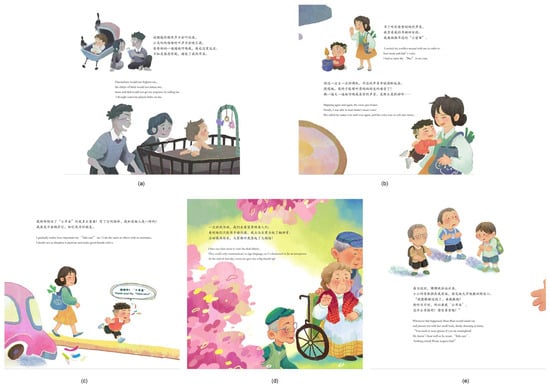
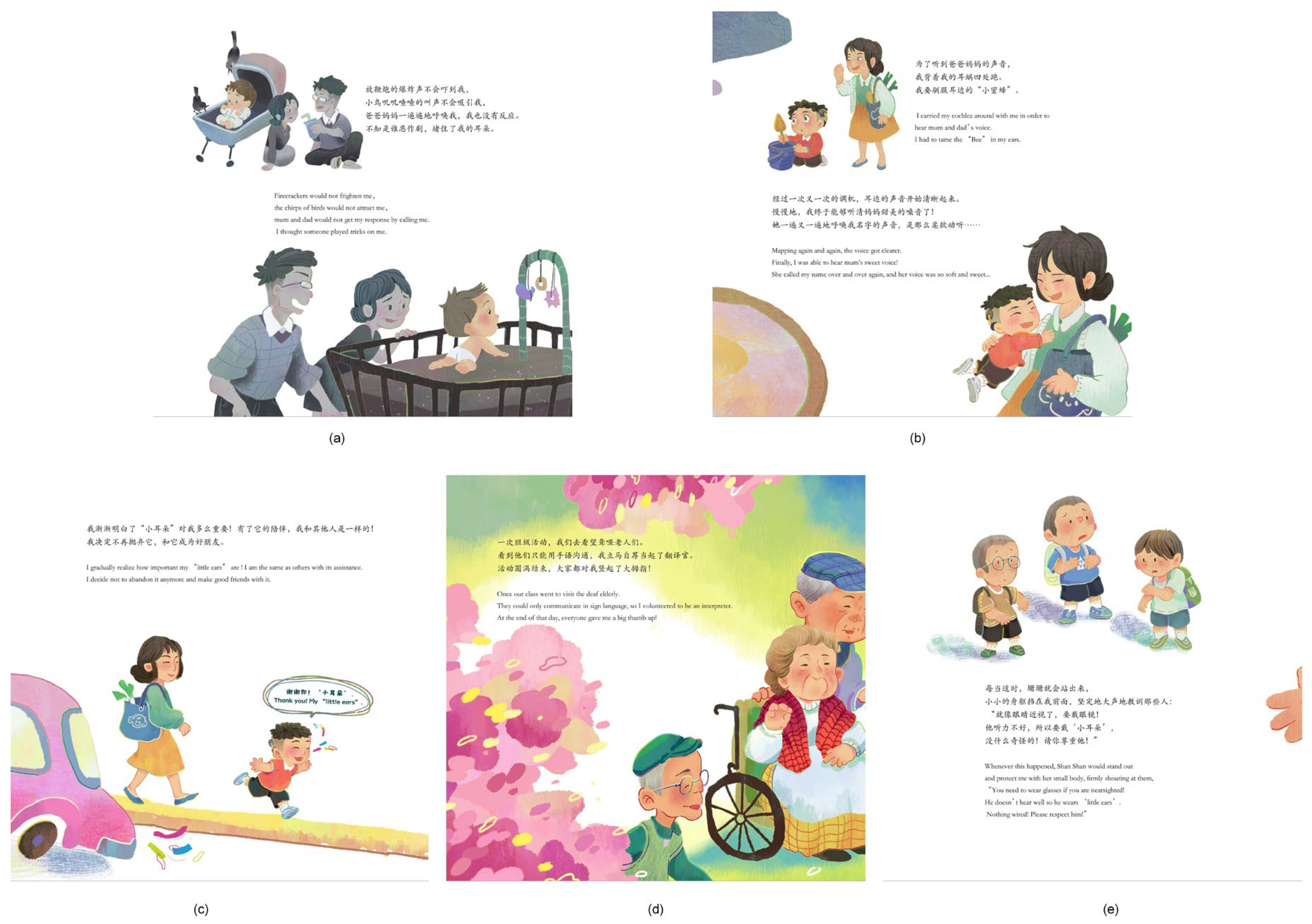
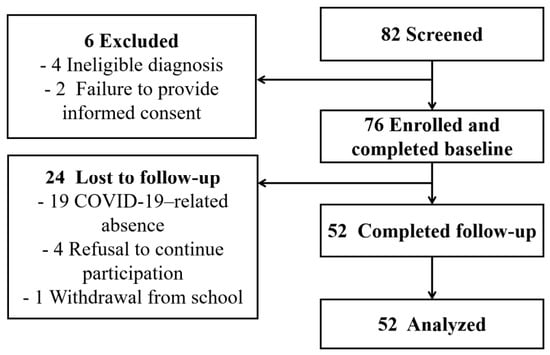
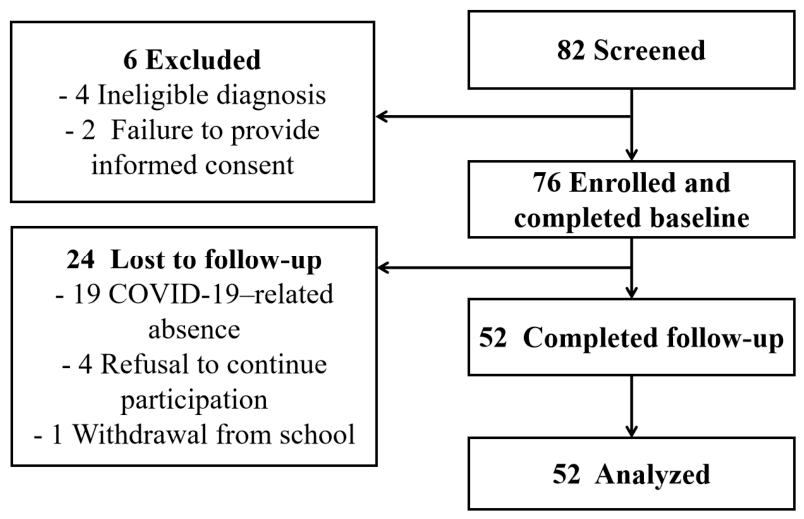

Disclaimer/Publisher’s Note: The statements, opinions and data contained in all publications are solely those of the individual author(s) and contributor(s) and not of MDPI and/or the editor(s). MDPI and/or the editor(s) disclaim responsibility for any injury to people or property resulting from any ideas, methods, instructions or products referred to in the content. |
© 2026 by the authors. Licensee MDPI, Basel, Switzerland. This article is an open access article distributed under the terms and conditions of the Creative Commons Attribution (CC BY) license.