


Abstract
Background/Objectives: Child sexual abuse (CSA) is a serious public health and forensic issue, associated with significant psychological, psychiatric, and social consequences. However, data from forensic psychiatric evaluations regarding victims of this type of abuse are limited, especially in Romania. This study primarily aimed to profile the demographic, clinical, and psychosocial characteristics of minors who were victims of sexual offenses and underwent forensic psychiatric evaluation. Secondary objectives included examining relationships between demographic and clinical variables, describing patterns of victimization, and analyzing the co-occurrence of vulnerability factors. Methods: This study was retrospective, descriptive, and analytical, including 51 minors (under 18 years of age) examined at the Mina Minovici National Institute of Legal Medicine (INML), between 2013 and 2025. Data extracted from forensic psychiatric reports included demographic variables, the type of offense, psychiatric diagnosis, psychological issues, intellectual functioning, family environment, and relationship with the aggressor. Statistical analyses included descriptive statistics, Pearson χ2 and Fisher’s exact tests, binary logistic regression, and nonparametric tests for cumulative vulnerability. Results: The sample was predominantly female (94.1%), with a mean age of 13.75 years. Rape was the most frequent offense (45.1%). Most victims originated from disorganized family environments or were institutionalized (70.6%), and 60% had below-normal intellectual functioning. A psychiatric diagnosis was present in 56.9% of cases, while 70.6% exhibited psychological issues. Within an exploratory logistic regression model that did not reach overall statistical significance (omnibus likelihood ratio test χ2 = 9.31; p = 0.097), the presence of a psychiatric diagnosis showed the strongest individual association with psychological issues (OR = 5.17; 95% CI, 1.22–21.85; p = 0.026). Cases in which the aggressor was not related to the family environment were the most frequent (60.8%), followed by cases involving family members (23.5%). Most subjects displayed multiple co-occurring vulnerability factors. When the cumulative vulnerability score was recalculated to exclude psychological issues (to avoid construction-induced circularity), higher vulnerability remained significantly associated with extrafamilial victimization (Kruskal–Wallis H = 6.93; p = 0.031), but was no longer associated with psychological issues themselves (Mann–Whitney U = 298.0; p = 0.56), indicating that the originally observed association was an artefact of the score’s construction. Conclusions: Minors who are victims of sexual abuse often face multiple overlapping vulnerabilities, including unstable family environments, cognitive impairments, and psychiatric conditions. These factors frequently coexist in victims evaluated in forensic psychiatric settings and are associated with psychological issues and complex victimization profiles. The findings emphasize the importance of comprehensive, multidisciplinary, and victim-centered methods in forensic psychiatric evaluations.
1. Introduction
Child sexual abuse (CSA) is recognized as a prevalent and largely under-reported form of child maltreatment, with significant implications for public health and the criminal justice system [1,2,3]. According to UNICEF, sexual violence against children encompasses any deliberate, unwanted sexual act perpetrated against a minor, including completed or attempted offenses carried out for exploitative purposes, which result in or carry a high likelihood of causing injury, pain, or psychological suffering [4]. A recent global modelling study done in 204 countries estimated that in 2023 about 18.8% of girls and 14.8% of boys had experienced sexual violence before age 18, with country-level estimates ranging from 6.9% to over 40% for girls and 4.2% to nearly 30% for boys [5,6]. A systematic review of national population-based studies found that 6.8% of girls and 3.3% of boys reported lifetime forced sexual intercourse, and about 8.7% of all children reported any contact sexual violence, while 11.4% reported sexual harassment [5]. When online sexual abuse is included, estimated CSA prevalence rises markedly: in one national study, adding nine forms of online sexual abuse increased overall prevalence from 13.5% to 21.7% (girls: 19.8% to 31.6%; boys: 6.2% to 10.8%) [6].
The consequences of CSA are well documented and extend across psychological, psychiatric, and neurobiological domains. An umbrella review of 559 studies (4.1 million participants) found that CSA was associated with six of eight adult psychiatric diagnoses, with odds ratios (ORs) around 2–3 for depression, anxiety, and PTSD, and around 3 for borderline personality disorder and conversion disorder [7] Other meta-analyses reported medium effects for PTSD, depression, suicidality, and sexual risk behaviors (d ≈ 0.3–0.6) [8,9]. Large longitudinal cohorts show CSA linked to higher rates of major depression, anxiety, alcohol and drug dependence, suicidality, and PTSD symptoms into the 30 s and 40 s [10,11]. An updated meta-analysis confirms CSA nearly doubles the odds of suicide attempts (pooled OR ≈ 1.9) [12]. These effects are especially pronounced when the abuse is early-onset, prolonged, severe, or intrafamilial [13,14,15,16,17,18]. Furthermore, chronic exposure to maltreatment can alter neurobiological developmental trajectories, particularly in brain regions involved in stress regulation, emotional processing, and reward learning [19]. Subthreshold trauma symptoms, emotion dysregulation, and persistent negative self-perceptions frequently accompany or follow CSA even in the absence of a formal psychiatric diagnosis [20,21,22,23,24,25].
Research across diverse settings has identified a recurring set of risk factors for CSA victimization. Pre-adolescent and adolescent females constitute the most frequently affected demographic group, and perpetrators are predominantly male individuals known to the victim rather than strangers [26,27,28,29]. Additional vulnerability factors consistently reported in the literature include low educational attainment or school dropout, disorganized family environments, parental psychopathology, and substance use within the family [25,26,27,30,31]. Clinical and medical-legal studies further indicate that maltreatment-associated psychological and psychiatric problems are present in over 50–70% of underage victims [14,32,33,34,35], while many experience compounding adversities such as revictimization, delinquency involvement, and suicidal ideation [18,36,37,38]. Cumulative risk models suggest that the co-occurrence of multiple vulnerability factors increases the likelihood of maltreatment, often reaching a critical threshold around five to six concurrent risk indicators [39,40,41].
From a forensic perspective, CSA cases present substantial evidentiary challenges. Disclosure is frequently delayed by months or years, physical or anogenital findings are absent or inconclusive in the majority of cases, and only a minority of police-reported cases are charged or proceed to trial [42,43]. In this context, expert testimony from forensic psychiatry and psychology often becomes the principal evidentiary instrument: it documents trauma-related symptoms, contributes to the credibility assessment and the evaluation of the developmental adequacy and consistency of the victim’s account, characterizes the psychological consequences of the alleged offense, and assesses decisional capacity where the legal classification of the act depends on it [20,44]. Under Romanian criminal law, sexual offenses against minors are codified separately in Articles 218 (rape of a minor), 219 (sexual assault), 220 (sexual act with a minor), and 221 (corruption of minors), with the applicable provision depending on the victim’s age, the nature of the act, and the relationship to the perpetrator. The investigative and evidentiary pathways differ in practice between intrafamilial cases, where disclosure is typically late, loyalty conflicts limit testimony, and substantiation often depends on indirect indicators including the forensic psychiatric assessment, and extrafamilial cases, where the perpetrator is more often a known acquaintance and the case is more likely to enter the criminal justice system through third-party reporting. In the Romanian legal framework, forensic psychiatric evaluations of minor victims are conducted by commissions comprising two forensic psychiatrists and one legal medicine physician, following a standardized protocol, and address whether a psychiatric diagnosis is present, the decisional capacity of the minor at the time of the alleged offense, and the causal relationship between the traumatic event and the identified psychiatric sequelae.
Several international studies have investigated minors evaluated in forensic or forensic contexts following sexual victimization, revealing high rates of psychiatric symptoms, family dysfunction, cognitive vulnerabilities, and victimization by perpetrators known to the child [32,33,34,35]. These studies emphasize the importance of forensic psychiatric and psychological assessments not only for documenting trauma-related outcomes but also for understanding the complex psychosocial profiles of victims involved in criminal investigations. However, most available data come from non-Romanian populations and diverse forensic systems, while published Romanian forensic psychiatric data on minor victims of sexual offenses remain very limited.
Despite extensive research on child sexual abuse (CSA), most work has centered on offenders rather than on the lived realities and needs of victims, particularly in forensic and medicolegal contexts. Recent reviews stress that detailed victim-focused data are crucial for early detection, tailored assessment, and effective intervention [45,46]. A meta-review of CSA consequences highlights over 50 distinct medical, psychological, sexual, and self-harm problems more common among survivors, but notes limited integration of this knowledge into routine assessment pathways [47]. Reviews of assessment and intervention emphasize poor skills in sensitive assessment, low prosecution rates, and fragmented systemic responses, calling for stronger victim-centered, evidence-based practices [20,48]. Scoping reviews on technology-assisted CSA and CSA in children with disabilities show that victim studies are few, small, and methodologically heterogeneous, despite heightened prevalence and severity in these groups [49,50,51,52]. Disclosure research similarly finds that over a third of children do not disclose even in forensic interviews, with younger, male, and previously non-disclosing victims at greatest risk of remaining undetected [51,52]. The knowledge gap is even more pronounced in Romania, where published data derived from forensic psychiatric assessments of minor victims of sexual offenses remain extremely limited. Understanding the demographic, clinical, and psychosocial profiles of these victims within the specific medicolegal context of forensic evaluation is essential for improving early identification of vulnerable populations, optimizing evaluation protocols, and informing evidence-based interventions.
The contribution of the present study is threefold. First, to our knowledge, it provides the first systematic analysis of forensic psychiatric evaluation data for minor victims of sexual offenses in Romania, addressing a gap in a region of Europe whose forensic psychiatric data remain underrepresented in the international literature despite well-documented differences in family structure, institutional care patterns, and legal procedures. Second, by restricting the sample to minors specifically referred for a medical-legal psychiatric assessment within criminal investigations, the study characterizes a distinct subpopulation, the forensic psychiatric tier of the CSA case pathway, which is rarely separated from broader CSA cohorts in the literature. Third, the cumulative vulnerability analysis provides empirical evidence on the clustering of risk factors within this selected population and, in particular, on the limits of cumulative-risk constructs that include outcome-related components.
Our study aimed to descriptively characterize the demographic, clinical, and psychosocial profiles of minors who were victims of sexual offenses and underwent forensic psychiatric evaluation at the Mina Minovici National Institute of Legal Medicine (INML) in Bucharest, Romania, between January 2013 and December 2025, within the specific medicolegal context of forensic psychiatric referral. Secondary aims included identifying correlations between selected demographic and clinical variables, describing victimization patterns, assessing the coexistence of vulnerability factors, and examining temporal trends within the study sample.
Within this exploratory descriptive framework, the manuscript addresses four research questions. (i) What are the demographic, clinical, psychosocial, and victimization-related characteristics of minors referred for forensic psychiatric evaluation after sexual offenses in Romania between 2013 and 2025? (ii) Are selected demographic and clinical variables associated with the presence of psychological issues within this forensic sample? (iii) Do vulnerability factors co-occur in patterns that distinguish subgroups of victims, particularly with respect to aggressor type? (iv) Are there temporal trends in the characteristics of referred cases across the study period? These four questions correspond, respectively, to Section 3.1, Section 3.2, Section 3.3 and Section 3.4 (descriptive characterization), Section 3.5 (exploratory logistic regression), Section 3.6 (cumulative vulnerability analysis), and Section 3.7 (temporal trends).
Given the limited Romanian forensic data available in this field, the study was primarily designed as an exploratory, descriptive investigation to characterize this forensic population and generate hypotheses for future research, rather than to test predefined causal models. We believe these findings could serve as a preliminary Romanian forensic reference dataset and may aid in shaping future forensic psychiatric assessments, multidisciplinary intervention strategies, and hypothesis-driven research in vulnerable CSA populations. We expect that the results of this study can serve as a preliminary Romanian forensic psychiatric reference dataset against which future cases evaluated at INML and at other Romanian forensic centers can be compared, and that the information provided may inform forensic psychiatric assessment practices, multidisciplinary intervention strategies, and hypothesis-driven research on vulnerable populations affected by CSA.
2. Materials and Methods
2.1. Study Design
This was a retrospective observational study with a primarily descriptive and exploratory design based on archival data from forensic psychiatric reports.
2.2. Setting and Data Source
Data were manually extracted from the written forensic psychiatric reports archived at INML Mina Minovici in Bucharest, Romania (no video recordings were used in this study). Each case was coded by one member of the research team using a predefined data extraction framework based on the standardized structure of Romanian forensic psychiatric evaluations; uncertainties or ambiguities in coding were resolved by consensus with the senior investigators. In Romania, forensic psychiatric evaluations of minor victims of sexual offenses are mandated by the criminal justice system to assess whether a psychiatric diagnosis is present or absent, the decisional capacity of the minor at the time of the alleged offense, as well as the psychological and psychiatric consequences of the traumatic event. Each evaluation is conducted by a commission comprising 2 forensic psychiatrists and 1 forensic pathologist, following a standardized protocol that includes a structured interview with the victim. Along with the clinical assessment, the interview covers the traumatic event, personal history, family environment, peer relationships, school performance, and leisure activities.
The study period (January 2013 to December 2025) was selected to include all electronically archived and retrievable forensic psychiatric reports meeting the inclusion criteria available at INML at the time of data collection. The lower bound of 2013 corresponds to the earliest cases for which the archived records were complete enough to support standardized data extraction; earlier reports were unavailable in retrievable format or had documentation gaps that precluded inclusion and were referring to an older version of the Criminal Code. The upper bound of December 2025 corresponds to the data lock date. The full period was analyzed in the context of a request from the Romanian Ministry of Justice for institutional data to inform the ongoing evaluation of possible amendments to Article 113 of the Romanian Criminal Code, which governs the criminal liability of minors and the associated assessment of decisional capacity.
In accordance with the Romanian Methodological Guidelines for Conducting Forensic Psychiatric Examinations issued by the Superior Council of Legal Medicine, the conclusions formulated by the forensic team may include the presence or absence of a psychiatric diagnostic, the presence or absence of psychological trauma and its impact on the minor as a potential victim of abuse and the determination of a causal relationship between the identified psychological trauma and the alleged abusive act [53].
According to Romanian medico-legal procedural regulations and criminal law provisions concerning sexual offenses against minors, forensic psychiatric expertise may assess the minor’s psychological capacity to understand the nature and consequences of the alleged sexual acts. This assessment can be important in criminal investigations involving adolescents, especially in distinguishing exploitative sexual abuse from situations where the minor shows different levels of psychological and cognitive understanding of the sexual conduct [54].
2.3. Sample
The 2013–2025 period was selected to include all electronically stored and accessible forensic psychiatric reports that met the inclusion criteria and were available at the institution at the time of data collection.
During the study period, a total of 1901 minors (aged <18 years) underwent forensic psychiatric examinations at INML Mina Minovici for various reasons. Of these, 61 were evaluated as victims of violence (Figure 1). The remaining 1840 cases involved minors evaluated as perpetrators and were excluded. Among the 61 victims, 51 were victims of sexual offenses and constituted the final study sample. The other 10 cases involved nonsexual forms of aggression and were excluded from this analysis.
Figure 1.
Flowchart of the initial data gathering.
Forensic psychiatric referral patterns in Romania differ markedly between minors evaluated as offenders and minors evaluated as victims. For minor offenders, forensic psychiatric evaluation is essentially mandatory under Article 113 of the Romanian Criminal Procedure Code, which requires an assessment of decisional capacity before a minor can be held criminally responsible; consequently, virtually every minor charged with a criminal offense undergoes forensic psychiatric examination at INML, which accounts for the 1840 cases of minor offenders examined during the study period. For minor victims, by contrast, forensic psychiatric evaluation is not routine and is requested by the prosecutor or the court only in selected situations: when there are concerns regarding psychiatric status, intellectual functioning, decisional capacity (relevant to consent in certain offense categories involving older adolescents), trauma-related symptoms, or the credibility and developmental adequacy of victim testimony. Many CSA cases in Romania are investigated and adjudicated without a forensic psychiatric evaluation of the victim, and the medico-legal assessment of victims is more commonly limited to the forensic somatic examination. The 51 cases analyzed here therefore represent a clinically and legally selected subgroup rather than the total number of CSA victims examined medico-legally at INML during the study period. This study is part of a broader study regarding the medical legal psychiatric evaluation of minors, coordinated by the National Institute of Legal Medicine (no. 16872/2025).
Inclusion criteria. Cases were included if they met all of the following: (1) the subject was younger than 18 years at the time of the offense; (2) the case involved a confirmed or investigated sexual offense against the minor; and (3) the forensic psychiatric report contained complete data for the primary variables analyzed.
Exclusion criteria. Cases were excluded if (1) the minor was evaluated as an offender rather than a victim; (2) the case involved nonsexual offenses; or (3) the forensic report had incomplete data precluding classification of the offense type or key study variables.
2.4. Variables
The following variables were extracted from each forensic psychiatric report: year of examination; age at the time of the offense (continuous, in years); sex (female, male); primary offense type (sexual act with a minor/corruption of minors, sexual offenses of a minor, rape of a minor, sexual abuse by a paternal figure); secondary offense type, when applicable (deprivation of liberty, attempted murder, assault, sexual assault); presence of a psychiatric diagnosis according to ICD-10 criteria (yes, no) (note: the diagnostic categories observed in the sample comprised intellectual disability (F70–F79), conduct disorder (F91), adjustment and trauma-related disorders (F43), hyperkinetic and attention disorders (F90), and personality development disorders (F60–F61); diagnoses were established by the forensic psychiatric commission based on clinical interview, behavioral observation, available collateral information from referring authorities and treating clinicians where present, and standardized psychological testing, in accordance with the institutional protocol); decisional capacity at the time of the offense (preserved, diminished, absent), defined as the minor’s ability to understand the nature, meaning, consequences, and potential risks of the sexual acts at the time of the alleged offense. This assessment is most relevant in cases involving older adolescents (15–17 years), where the legal classification of certain offenses (notably ‘sexual act with a minor’, Article 220 of the Romanian Penal Code) depends on whether the minor consented in a legally meaningful sense, and in cases involving cognitive impairment at any age, where the minor’s capacity to recognize and resist the abuse is forensically material; substance use (yes, no), with specific substances recorded individually (cannabis, heroin, morphine, cocaine); education level (enrolled in school, school dropout, never educated); family environment, categorized as organized (two-parent household with no documented major instability factors), disorganized (defined in the forensic reports as the presence of major family instability factors, including parental conflict, neglect, domestic violence, substance abuse, inconsistent caregiving, or single-parent family structures with documented additional instability), or institutionalized (under state protection in a residential placement); single-parent households without other documented instability were coded as organized, since monoparental structure alone was not treated as sufficient to define a disorganized environment;; intellectual quotient (IQ) category (below 70, 70–79, 80–89, 90–109, 110–119, 120–140); presence of psychological issues without a formal psychiatric diagnosis (yes, no), this variable referred to clinically documented emtional, behavioural, or trauma-related symptoms described in the forensic reports that did not fulfill ICD-10 diagnostic criteria; relationship with the aggressor (family member, nonfamily member, unknown, unspecified); and assault type (rape vs. other sexual assault). IQ classification was derived from standardized psychological testing performed by the psychologist of the forensic commission during the medico-legal evaluation, in accordance with the institutional protocol. Across the cases for which the instrument was specified, the most frequently used was the Raven Progressive Matrices. Because the study was retrospective and archival, the specific instrument used was not consistently recorded in the report. Consequently, the IQ data should be interpreted as administrative-clinical classifications produced by a multi-instrument testing pipeline rather than as comparable scores from a single standardized administration. Because of the retrospective and archival design, the specific psychometric instruments used were inconsistently documented across reports.
Derived variables. Seven additional variables were computed from the primary data to facilitate subgroup analyses and increase statistical power. Age group was categorized as child (5–11 years), early adolescent (12–14 years), or late adolescent (15–17 years), corresponding to developmental stages commonly used in pediatric, adolescent, and forensic psychological research and to the legal and clinical thresholds most relevant to forensic psychiatric evaluation of victims (developmental presentation of trauma symptoms, age of consent in certain offense categories, and capacity-for-consent thresholds). The intent of these groupings was to detect potential differences between developmental stages rather than to assume homogeneity within them; within-group heterogeneity remains, particularly in the 5–11 years category, and the small cell counts further limit subgroup resolution. IQ (binary) was dichotomized as below normal (IQ < 90, comprising the below 70, 70–79, and 80–89 categories) versus normal or above (IQ ≥ 90). Cumulative vulnerability score (range, 0–5) was calculated by assigning 1 point for each of the following risk factors: disorganized or institutionalized family environment, IQ below 90, presence of a psychiatric diagnosis, presence of psychological issues, and school dropout or absence of formal education. Study period was dichotomized as 2013–2018 versus 2019–2025, rather than multiple smaller periods in order to preserve adequate subgroup sizes for exploratory statistical comparisons, given the limited sample size. Aggressor type (recategorized) merged the unknown and unspecified categories into a single group, yielding 3 categories (family member, nonfamily member, unknown or unspecified). Physical violence was coded as present if any reported offense (primary or secondary) included rape, ill-treatment of a minor, attempted murder, or physical assault. In this context, ill-treatment refers to documented physical aggression or violent coercive behavior recorded in forensic reports related to the sexual offense. Multiple offenses were coded as present when a secondary offense was recorded in addition to the primary offense.
2.5. Statistical Analysis
All statistical analyses were performed in IBM SPSS Statistics (version 31.0; IBM Corp. 2025, Armonk, NY, USA: IBM Corp.). Continuous variables (age) were summarized as mean (SD) with minimum, maximum, median, and interquartile range (IQR). Categorical variables were reported as absolute frequencies and percentages.
Associations between categorical variables were assessed using the Pearson χ2 test for tables with more than 2 rows or columns. For all 2 × 2 tables and for larger tables in which more than 20% of expected cell frequencies were less than 5, the Fisher exact test was used. Effect sizes for 2 × 2 tables were reported as odds ratios (ORs) with 95% CIs.
Binary logistic regression was performed to explore associations between selected variables and the presence of psychological issues, rather than to identify independent causal predictors. The following predictors were entered simultaneously: presence of a psychiatric diagnosis (yes vs. no), family environment (non-organized vs. organized), IQ classification (normal or above vs. below normal), and age group (early adolescent and late adolescent vs. child as reference category). Variables were selected based on three criteria: (i) clinical relevance, as each represents a domain routinely assessed in forensic psychiatric evaluation of minor victims; (ii) prior literature in which each domain has been reported as associated with psychological outcomes in CSA populations; and (iii) availability of data with sufficient cell counts to permit stable estimation in a sample of this size. Variables with extremely sparse distributions (substance use, reported in 5 of 50 cases; sex, with only 3 male cases) were excluded for statistical rather than substantive reasons. All predictors were entered simultaneously with equal weight; no variable selection algorithm or weighting scheme was applied. Results were reported as ORs with 95% CIs and Wald z statistics. Model calibration was assessed using the Hosmer–Lemeshow goodness-of-fit test, and the overall model significance was evaluated with the omnibus likelihood ratio test. Model performance was additionally reported using the Nagelkerke R2 statistic and classification accuracy. A second logistic regression model was fitted to evaluate predictors of psychiatric diagnosis, using family environment, IQ, and age group as covariates.
Given the small sample size and the exploratory nature of the analysis, regression results were treated as hypothesis-generating; in the event that the omnibus likelihood ratio test did not reach statistical significance, individual Wald-level coefficients were not interpreted as confirmatory evidence of independent associations.
For the cumulative vulnerability score, which was not normally distributed, group comparisons were performed using the Mann–Whitney U test (for 2-group comparisons) and the Kruskal–Wallis H test (for 3-group comparisons). Correlations between the vulnerability score and age were assessed using Spearman rank correlation (ρ). The cumulative vulnerability score was created specifically for this exploratory study, based on cumulative risk models outlined in prior child maltreatment research [42,43,44]. The score was not intended as a validated psychometric instrument, but rather as a descriptive measure of co-occurring vulnerability factors within the study sample. Because the original five-component score included psychological issues as one of its components, any direct comparison of that score against psychological issues as an outcome would be structurally circular by construction; subjects in the ‘psychological issues’ group are guaranteed to receive at least one additional score point. To address this, a secondary four-component vulnerability score was computed excluding psychological issues (range 0–4) and was used for all analyses in which psychological issues served as the outcome variable. The original five-component score was retained only as a general descriptor of co-occurring vulnerabilities and for comparisons against variables that are not part of its construction (e.g., aggressor relationship).
All tests were 2-sided, and p < 0.05 was considered statistically significant. Results with p values between 0.05 and 0.10 were reported as trends. Throughout the manuscript, the term “association” is used in a strictly statistical and observational sense, indicating a non-zero relationship between two variables within the sample, with no implication of causality, prediction, or temporal precedence.
Given the exploratory nature of the study and the relatively small sample size, nonsignificant trends were interpreted cautiously and were not considered evidence of reliable associations.
2.6. Data Visualization
Figures were created using Python 3.12 with matplotlib and exported as scalable vector graphics (SVG) files. The sample selection flowchart (Figure 1) was designed manually. The forest plot (Figure 2) was constructed using log-transformed odds ratios and 95% confidence intervals derived from the logistic regression model. Figure 3 was generated programmatically based on the analyzed data. Svg files were then exported as png files, using Affinity Publisher v.2.
Figure 2.
Forest plot for binary logistic variables.
Figure 3.
Cumulative vulnerability score.
2.7. Missing Data
Missing values were identified in 3 variables: decisional capacity (n = 2, including 1 case with no recorded assessment and 1 case involving a 5-year-old victim for whom the evaluation was documented as not applicable); substance use (n = 1); and IQ category (n = 1). These cases were excluded from the respective analyses on a per-variable basis (complete-case analysis). No imputation was performed given the small number of missing observations and the descriptive nature of the study.
2.8. Ethical Considerations
The study was conducted in accordance with the ethical principles of the Declaration of Helsinki. All data were extracted from existing forensic psychiatric reports and were fully anonymized prior to analysis, precluding the identification of individual subjects. Given the retrospective, archival design and the exclusive use of anonymized secondary data, the long time period of the study, and the fact that in forensic reports, personal contact data for the examined persons (including phone and email) are not retained, informed consent from individual participants was waived. The study protocol was reviewed and approved by the Ethics Committee of National Institute of Legal Medicine, Approval No. 16872/2025.
3. Results
The distribution of cases across the study period is presented in Table 1. A marked increase was observed from 2019 onward: the period 2019–2025 accounted for 34 cases (66.7%), while only 17 cases (33.3%) were registered between 2013 and 2018. The mean annual caseload was 2.8 cases per year in the first period and 4.9 cases per year in the second period. The year 2019 had the highest number of evaluations (n = 11; 21.6%), followed by 2020 (n = 8; 15.7%). This temporal pattern may reflect increased reporting rates, legislative changes, or greater institutional awareness rather than a true increase in incidence.
Table 1.
Distribution of forensic psychiatric evaluations of minor victims of sexual abuse by year of examination (n = 51).
3.1. Demographic Characteristics
The sample consisted predominantly of female victims (n = 48; 94.1%), with only 3 male victims (5.9%). The age at the time of the offense ranged from 5 to 17 years, with a mean age of 13.75 years (SD, 2.75; median, 14 years; IQR 12–16 years). When stratified by developmental age group, nearly half of the sample (n = 24; 47.1%) consisted of late adolescents (15–17 years), followed by early adolescents aged 12 to 14 years (n = 18; 35.3%) and children aged 5 to 11 years (n = 9; 17.6%). The most frequently represented individual ages were 16 years (n = 10; 19.6%), 14 years (n = 9; 17.6%), and 15 years (n = 8; 15.7%). The detailed age distribution is shown in Table 2.
Table 2.
Age distribution of minor victims of sexual abuse at the time of the offense (n = 51).
Among the 3 male victims, the mean age was 14.67 years (SD, 3.21; range, 11–17 years), compared with 13.69 years (SD, 2.75; range, 5–17 years) for female victims. Given the very small number of male cases, no statistical comparison by sex was performed.
3.2. Nature of the Sexual Offense
The distribution of primary offenses is presented in Table 3. Rape was the most frequently reported offense (n = 23; 45.1%), followed by sexual act with a minor or corruption of minors (n = 17; 33.3%), sexual assault (n = 8; 15.7%), and sexual abuse by a paternal figure (n = 3; 5.9%). When dichotomized into rape versus other types of sexual assault, the distribution was relatively balanced, with 23 cases of rape (45.1%) and 28 cases of other sexual offenses (54.9%). The three cases of sexual abuse by a paternal figure (5.9%) all involved children below age 14, consistent with the clinical expectation that intrafamilial paternal abuse is more frequent at younger ages; however, the small subgroup precluded meaningful statistical comparison with age category.
Table 3.
Distribution of primary sexual offenses among minor victims (n = 51).
A secondary offense was recorded in 7 cases (13.7%), indicating that a subset of victims experienced multiple forms of victimization. The secondary offenses included physical assault (n = 3), deprivation of liberty (n = 2), attempted murder (n = 1), and sexual assault as an additional charge (n = 1).
An exploratory analysis was performed to examine whether the distribution of assault type differed across developmental age groups (Table 4), where children aged 5 to 11 years showed the highest proportion of rape within their group (5 of 9 [55.6%]), while early adolescents had a lower proportion of rape (6 of 18 [33.3%]) compared with other sexual offenses (12 of 18 [66.7%]). Among late adolescents, the distribution was evenly split (12 of 24 [50.0%] for each category). These differences were not statistically significant (χ2 = 1.64; df = 2; p = 0.44). Physical violence, defined as the presence of any offense involving rape, ill-treatment, attempted murder, or assault across primary and secondary charges, was identified in 26 cases (51.0%).
Table 4.
Cross-tabulation of assault type by developmental age group (n = 51).
3.3. Psychosocial and Clinical Profile
The psychosocial and clinical characteristics of the study sample are summarized in Table 5.
Table 5.
Psychosocial and clinical characteristics of minor victims of sexual abuse (n = 51).
Most victims came from disorganized or single-parent families (n = 30; 58.8%), while 15 (29.4%) came from organized two-parent households. Six victims (11.8%) were institutionalized at the time of the offense. Taken together, more than two-thirds of the sample (70.6%) lived in a non-organized family setting (disorganized or institutionalized), suggesting a potential association between family dysfunction and vulnerability to sexual victimization.
Most victims were enrolled in school at the time of the evaluation (n = 44; 86.3%). Five (9.8%) had dropped out, and 2 (3.9%) had never received formal education.
IQ data were available for 50 of 51 subjects. The largest single category was average IQ (90–109), representing 17 cases (34.0%). However, 30 victims (60.0%) had IQ scores below 90: 11 (22.0%) had intellectual disability (IQ < 70), 9 (18.0%) were in the borderline range (70–79), and 10 (20.0%) fell in the low average range (80–89). Only 3 subjects (6.0%) had IQ scores of 110 or above.
A formal ICD-10 psychiatric diagnosis was established in 29 cases (56.9%). The most frequently identified conditions included adjustment disorder with mixed anxiety and depressive features (F43.23), socialized conduct disorder (F91.2), mild intellectual disability (F70), and attention-deficit/hyperactivity disorder (F90.0).
Psychological issues not meeting the threshold for a formal psychiatric diagnosis were identified in 36 subjects (70.6%). Notably, among the 22 subjects without a psychiatric diagnosis, 12 (54.5%) still presented psychological issues, while 24 of 29 subjects with a psychiatric diagnosis (82.8%) also had concomitant psychological issues. The association between psychiatric diagnosis and psychological issues was statistically significant (Fisher exact test; OR, 4.00; p = 0.036), indicating that subjects with a formal psychiatric diagnosis were 4 times more likely to also present psychological issues.
Substance use data were available for 50 subjects. Drug use was reported in only five cases (10.0%). Among these, cannabis was identified in two cases, heroin in one, morphine in one, and cocaine in one, with some individuals using multiple substances concurrently. Given the low prevalence, substance use did not appear to be a major contributing factor to victimization in this sample.
Exploratory analyses examining whether psychological issues differed according to family environment (Fisher exact test; OR, 0.50; p = 0.50), IQ level (p = 1.00), education level (p = 0.41), or age group (χ2 = 3.64; df = 2; p = 0.16) did not identify statistically significant associations. However, the trend toward a higher proportion of psychological issues among late adolescents (20 of 24 [83.3%]) compared with children (5 of 9 [55.6%]) warrants further investigation in larger samples.
3.4. Decisional Capacity and Aggressor Characteristics
Decisional capacity was assessable in 49 of 51 subjects (2 cases excluded: 1 with missing data and 1 involving a 5-year-old victim for whom capacity evaluation was not applicable). Among the 49 evaluable cases, decisional capacity was preserved in 32 (65.3%), diminished in 5 (10.2%), and absent in 12 (24.5%). When dichotomized as preserved versus impaired (diminished or absent), 17 subjects (34.7%) had some degree of decisional impairment.
The distribution of decisional capacity across age groups and clinical characteristics is presented in Table 6. Late adolescents were more likely to have preserved capacity (19 of 23 [82.6%]) compared with children (4 of 8 [50.0%]) and early adolescents (9 of 18 [50.0%]). This difference approached, but did not reach, statistical significance (χ2 = 5.73; df = 2; p = 0.057).
Table 6.
Decisional capacity (preserved vs. impaired) by age group, IQ, assault type, and psychological issues (n = 49).
A similar trend was observed for IQ: among subjects with normal or above-normal IQ, 83.3% had preserved capacity compared with 56.7% of those with below-normal IQ (Fisher exact test; OR, 0.26; p = 0.068). Although not statistically significant at the 0.05 level, the magnitude of the effect (OR, 0.26) suggests a clinically meaningful association that may reach significance in larger samples.
A statistically significant and counterintuitive association was found between psychological issues and decisional capacity. Subjects with psychological issues were more likely to have preserved capacity (26 of 34 [76.5%]) than those without (6 of 15 [40.0%]; Fisher exact test; OR, 0.21; p = 0.022). No significant association was found between decisional capacity and assault type (rape vs. other sexual offenses; p = 0.23).
The distribution of aggressor relationship is presented in Table 7. In most cases, the aggressor was a nonfamily member known to the victim (n = 31; 60.8%), such as a friend, acquaintance, or romantic partner. Family members were identified as aggressors in 12 cases (23.5%), while in 8 cases (15.7%) the aggressor was unknown or unspecified in the forensic report. When cross-tabulated with assault type, family members were equally likely to be involved in rape (6 of 12 [50.0%]) as in other sexual offenses. Among nonfamily aggressors, the distribution was slightly shifted toward non-rape offenses (18 of 31 [58.1%] vs. 13 of 31 [41.9%]). All 6 institutionalized victims were assaulted by nonfamily members, and no intrafamilial aggression was recorded among institutionalized children.
Table 7.
Distribution of aggressor relationship by assault type (n = 51).
Physical violence was observed in 66.7% of intrafamilial cases and 45.2% of extrafamilial cases; however, this difference was not statistically significant (Fisher exact test; OR, 0.41; p = 0.31), although the direction of the association suggests a trend toward more physical violence in intrafamilial cases.
3.5. Exploratory Logistic Regression Analysis of Factors Associated with Psychological Issues
Binary logistic regression was performed to explore associations between selected variables and the presence of psychological issues among the study sample. The dependent variable was the presence of psychological issues (yes vs. no). Five predictors were entered simultaneously: psychiatric diagnosis (yes vs. no), family environment (non-organized vs. organized), IQ classification (normal or above vs. below normal), and age group (early adolescent and late adolescent vs. child as reference). The analysis included 50 subjects with complete data.
The overall logistic regression model did not reach statistical significance (omnibus likelihood ratio test: χ2 = 9.31; df = 5; p = 0.097). Accordingly, the model as a whole did not provide sufficient evidence to reject the null hypothesis that the entered predictors jointly improve fit over an intercept-only model. Inspection of individual Wald-level coefficients (Table 8, Figure 2) showed that the presence of a psychiatric diagnosis was associated with psychological issues (OR = 5.17; 95% CI, 1.22–21.85; Wald z = 2.23; p = 0.026), while late adolescent age showed a non-significant trend (OR = 3.00; 95% CI, 0.46–19.45; p = 0.25). Family environment, IQ classification, and early adolescent age were not significantly associated with psychological issues within the fitted model.
Table 8.
Exploratory logistic regression analysis of factors associated with psychological issues (n = 50).
Because the omnibus test was not significant, the individual Wald-level result for psychiatric diagnosis should be interpreted with caution and treated as exploratory rather than as evidence of an independent predictor. The very wide confidence intervals (with upper bounds above 19 for two of the three nominally non-trivial estimates) further indicate that the study is under-powered for stable multivariable estimation of this outcome.
The model explained 24.5% of the variance in psychological issues (Nagelkerke R2 = 0.245) and correctly classified 74.0% of cases. The Hosmer–Lemeshow test indicated adequate model calibration (χ2 = 4.50; df = 2; p = 0.61). These calibration and discrimination statistics, however, do not redeem the non-significant omnibus result and are reported for completeness only.
A second logistic regression model was fitted with psychiatric diagnosis as the dependent variable, using family environment, IQ, and age group as predictors. This model was not statistically significant (omnibus test χ2 = 3.19; df = 4; p = 0.53; Nagelkerke R2 = 0.083), and no individual predictor reached significance. However, a trend was observed for institutionalized children, all of whom (6 of 6 [100%]) had a psychiatric diagnosis, compared with 53.3% in disorganized families and 46.7% in organized families (p = 0.069 by χ2 test).
3.6. Cumulative Vulnerability Analysis
Two versions of the cumulative vulnerability score were computed. The original five-component score (range 0–5) summed disorganized or institutionalized family environment, IQ below 90, psychiatric diagnosis, psychological issues, and school dropout or absence of formal education. The mean five-component score was 2.71 (SD, 1.22; median, 3; range 0–5); 2 subjects (3.9%) had a score of 0 and 28 (54.9%) had scores of 3 or higher. The distribution is presented in Table 9 and Figure 3.
Table 9.
Associations between cumulative vulnerability scores and clinical and offense-related variables (n = 51). The original five-component score sums disorganized or institutionalized family environment, IQ below 90, psychiatric diagnosis, psychological issues, and absence of formal education. The four-component score excludes psychological issues to avoid construction-induced circularity when psychological issues serve as the outcome variable.
Because the five-component score includes psychological issues as one of its constituent items, any analysis in which psychological issues serve as the outcome is structurally circular: subjects with psychological issues are guaranteed by construction to score at least one point higher than subjects without. To eliminate this artefact, a four-component score (range 0–4) was computed by excluding psychological issues. The mean four-component score was 2.00 (SD, 1.10; median, 2; range 0–4); 34 subjects (66.7%) had scores of 2 or higher, and 3 subjects (5.9%) had the maximum score of 4. The four-component score was used in all analyses in which psychological issues served as the outcome; the five-component score was retained only as a general descriptor of co-occurring vulnerabilities and for comparisons against variables that are not part of its construction.
With the four-component score, no significant difference in vulnerability scores was found between subjects with versus without psychological issues (median 2.0 vs. 2.0; mean 2.06 vs. 1.87; Mann–Whitney U = 298.0; p = 0.56). This indicates that the previously observed association reflected the construction of the five-component score rather than an independent relationship between vulnerability factors and psychological outcomes. In contrast, a statistically significant difference in four-component vulnerability scores persisted across aggressor relationship categories (Kruskal–Wallis H = 6.93; p = 0.031): victims assaulted by non-family members had the highest median score (3.0; mean 2.29), compared with family member aggressors (median 2.0; mean 1.50) and unknown or unspecified aggressors (median 1.0; mean 1.62). The corresponding result with the five-component score was H = 9.69 (p = 0.008); the persistence of the association after exclusion of the circular component supports the interpretation that minors with greater cumulative vulnerability may be more susceptible to extrafamilial victimization.
No significant associations were found between the four-component vulnerability score and decisional capacity (Mann–Whitney U = 206.0; p = 0.15), assault type (rape vs. other; Mann–Whitney U = 295.0; p = 0.60), or age (Spearman ρ = 0.11; p = 0.46).
3.7. Temporal Trends
When the sample was divided into 2 study periods (2013–2018, n = 17; 2019–2025, n = 34), a significant difference was observed in family environment distribution (χ2 = 6.60; df = 2; p = 0.037): the proportion of victims from non-organized families (disorganized or institutionalized) increased from 58.8% in the earlier period to 76.5% in the later period. A trend toward a shift in aggressor type was also observed (p = 0.074), with a higher proportion of nonfamily aggressors in the recent period.
No significant temporal differences were found for assault type (p = 0.55), psychiatric diagnosis (p = 1.00), psychological issues (p = 1.00), or age group (p = 0.22). Mean age was similar between periods (13.41 vs. 13.91 years). Notably, all 3 male victims were identified in the 2019–2025 period, whereas the earlier period included only female cases. The interpretation of these temporal findings is limited by the unequal distribution of cases across periods and the overall small sample size.
4. Discussion
This study has examined the demographic, clinical, and psychosocial characteristics of 51 minors who were victims of sexual offenses and underwent forensic psychiatric evaluation at the Mina Minovici National Institute of Legal Medicine in Bucharest, Romania, over a 13-year period (2013–2025). To our knowledge, Romanian studies systematically analyzing forensic psychiatric evaluation data in this population remain very limited.
Several observed associations, including those related to age group, intellectual functioning, and decisional capacity, did not reach statistical significance. As a result, these findings should be interpreted cautiously and considered exploratory observations that may generate hypotheses for future research rather than definitive conclusions.
The demographic profile of our sample revealed a marked predominance of female victims (94.1%), consistent with the international literature reporting female proportions between 70% and 98% across diverse settings, including India, Brazil, Turkey, Cameroon, and Tunisia [26,55,56]. A 2020 U.S. national survey confirmed substantially higher lifetime CSA prevalence in girls compared to boys, with rates rising sharply among 17-year-olds [57]. UNICEF data similarly indicate that globally, one in five girls and women compared to one in seven boys and men experience sexual violence during childhood [58]. The mean age in our sample was 13.75 years, with late adolescents (15–17 years) representing the largest subgroup (47.1%). This pattern is consistent with previous studies reporting that older adolescents are frequently represented among CSA victims, possibly reflecting increased social exposure and greater involvement in interpersonal relationships. [59]. National data from the Romanian Authority for the Protection of Children’s Rights and Adoption confirm that females represent the majority of victims and that most reported cases fall within the 14–18 age group [60].
Rape was the most frequently documented offense (45.1%), although the overall distribution between rape and other forms of sexual abuse was relatively balanced. Notably, children aged 5–11 years showed the highest within-group proportion of rape (55.6%), indicating that vulnerability to severe penetrative violence extends across all developmental stages and is not limited to older adolescents. A secondary offense was recorded in 13.7% of cases, reflecting poly-victimization. These proportions are lower than those reported in a Cameroonian hospital-based study where penetrative offenses accounted for 83% of cases [35], a difference that may reflect variations in reporting thresholds, legal definitions, and referral patterns across jurisdictions.
The psychosocial profile observed in this referred forensic psychiatric sample revealed substantial clustering of vulnerability factors. Most referred minors (70.6%) came from disorganized family environments or institutional settings, consistent with previous studies reporting associations between family dysfunction and CSA victimization [61,62,63]. Cognitive vulnerability was also common, with 60% of subjects scoring below normal IQ levels (IQ < 90), and 22% meeting criteria for intellectual disability. These findings are consistent with previous reports describing lower intellectual functioning among vulnerable victim populations [50,64]. All six institutionalized children had a formal psychiatric diagnosis (compared to 53.3% in disorganized families and 46.7% in organized families), a trend (χ2 = 5.34; df = 2; p = 0.069) that, while not reaching significance, underscores the particularly high psychiatric burden among institutionalized minors.
A substantial proportion of the evaluated minors presented formal ICD-10 psychiatric diagnosis, highlighting the significant psychiatric burden with this referred forensic population. An even larger proportion exhibited psychological issues not meeting diagnostic thresholds, including, attentional difficulties, fearfulness, emotional lability and insomnia. An association between psychiatric diagnosis and psychological issues was observed in the bivariate analysis (Fisher exact OR = 4.00; p = 0.036). Within the exploratory multivariable logistic regression model the same direction of effect was apparent (Wald-level OR = 5.17; 95% CI, 1.22–21.85; p = 0.026), but the model as a whole did not reach overall statistical significance (omnibus χ2 = 9.31; df = 2; p = 0.097). The multivariable estimate therefore cannot be interpreted as evidence of an independent predictor and should be regarded as a hypothesis-generating observation only. These findings, observed within a selected forensic psychiatric population, are consistent with large-scale evidence linking CSA to depression, anxiety, PTSD, substance use disorders, and psychosis persisting into adulthood [13,64,65,66]. Victims of CSA frequently present with subthreshold trauma symptoms, including intrusive memories, avoidance, and hyperarousal, that remain distressing and functionally impairing even when they do not meet the full criteria for PTSD [20,21]. Similarly, emotion dysregulation, manifesting as affective instability or emotional numbing [22,23], and persistent negative self-perceptions such as self-blame and shame [24,25], represent common sequelae that may not be captured by standard diagnostic categories.
A notable and counterintuitive finding concerned the relationship between decisional capacity and psychological impact. Subjects with preserved decisional capacity were more likely to present psychological issues (76.5%) than those with impaired capacity (40.0%; OR = 0.21; p = 0.022). One possible explanation for this finding is that minors with preserved decisional capacity may have been more capable of expressing psychological distress during evaluation. However, this interpretation remains speculative and should be investigated in larger studies, as differences in decisional capacity did not reach statistical significance and have only exploratory value. Trends were also observed for age (p = 0.057) and IQ (OR = 0.26; p = 0.068) in relation to decisional capacity, suggesting that developmental maturity and cognitive functioning contribute to the capacity to consent, although these associations require confirmation in larger samples.
The predominance of nonfamily aggressors known to the victim (60.8%) is consistent with the international literature, which consistently identifies acquaintances, neighbors, friends, and romantic partners as the most frequent perpetrators [31,55]. Intrafamilial aggressors accounted for 23.5% of cases, a proportion that may underestimate the true prevalence given the well-documented under-reporting of abuse within family settings. The absence of significant differences in assault severity between intrafamilial and extrafamilial settings indicates that both contexts carry comparable risks for victims. All six institutionalized children were assaulted by nonfamily members, with no intrafamilial aggression recorded, suggesting that the pattern of victimization in institutionalized minors may differ from that observed in family settings.
Multiple co-occurring vulnerability factors frequently clustered within the same individuals: two thirds of the sample displayed at least two of four non-circular vulnerability indicators (disorganized or institutionalized family, IQ below 90, psychiatric diagnosis, and absence of formal schooling). This descriptive clustering is consistent with cumulative risk models from prior child maltreatment research [39,40,41], which propose that the co-occurrence of multiple risk factors increases the probability of maltreatment in a synergistic rather than additive manner. The present cross-sectional, retrospective design, however, cannot test such mechanisms directly.
The cumulative vulnerability analysis required a methodological correction. The original five-component score included psychological issues as one of its constituent items, which made any comparison of the score against psychological issues as an outcome circular by construction. A recomputed four-component score, excluding this component, did not show a significant association with psychological issues (Mann–Whitney U = 298.0; p = 0.56), demonstrating that the originally reported association (p = 0.002) was entirely attributable to the score’s construction. In contrast, the association between the four-component score and extrafamilial victimization remained statistically significant (Kruskal–Wallis H = 6.93; p = 0.031), suggesting that the clustering of vulnerability factors among victims of extrafamilial aggressors is a robust finding rather than a construction artefact. The cumulative vulnerability framework is therefore retained as a descriptive characterization of co-occurring vulnerabilities, with the explicit caveat that its inferential value relative to psychological outcomes is limited.
Temporal analysis revealed a significant increase in the proportion of victims from non-organized family environments between the two study periods (58.8% in 2013–2018 vs. 76.5% in 2019–2025; χ2 = 6.60; df = 2; p = 0.037), alongside a trend toward a higher proportion of nonfamily aggressors in the more recent period (p= 0.074). These shifts may reflect changes in referral patterns, institutional awareness, or evolving socioeconomic conditions affecting family stability. The emergence of male victims exclusively in the 2019–2025 period, while based on only three cases, could reflect broader societal changes in the recognition and reporting of male sexual victimization.
These findings also carry broader implications. The high prevalence of below-normal cognitive functioning in this referred sample (60% with IQ below 90; 22% meeting criteria for intellectual disability) indicates that cognitive vulnerability is a substantial structural feature of the forensic psychiatric tier of the CSA case pathway in Romania, not an incidental finding. The relationship between decisional capacity, cognitive functioning, and psychological impact is best understood as a developmental and capacity-dependent gradient rather than as a simple linear effect; this gradient should inform both forensic interviewing practice and the framing of capacity assessments in court. More broadly, the multidimensional vulnerability profile observed in this sample is consistent with the conceptualization of CSA as a public-health issue situated at the intersection of pediatrics, child psychiatry, child protection, education, and the legal system, in which no single discipline holds sufficient information to manage the case adequately on its own. The multidimensional vulnerability profile seen in this sample highlights the importance of combined multidisciplinary approaches involving forensic psychiatry, child protection services, psychology, pediatrics, social services, and the legal system.
Three categories of systemic response are deemed as potentially useful. Early identification systems should be built around the clusters of vulnerability observed in this sample, institutional placement, family disorganization, cognitive vulnerability, and psychiatric symptoms, rather than around the abuse event in isolation; the cumulative vulnerability framework, while not predictive in the strict statistical sense at this sample size, supports the descriptive value of such clustering as a screening orientation. Multidisciplinary intervention models should formally integrate forensic psychiatry, child protection services, psychology, pediatrics, social services, and the legal system, with explicit information-sharing channels and named professional responsibilities at each step of the case pathway. Prevention strategies should prioritize the populations our findings identify as carrying the heaviest vulnerability load, particularly institutionalized minors (all six of whom in our sample had a formal psychiatric diagnosis and were exclusively victims of extrafamilial aggression) and minors from disorganized family environments.
The findings should be understood in the context of the study population, which consisted solely of minors referred for forensic psychiatric evaluation during criminal investigations. This subgroup likely represents a selected subgroup with greater clinical, psychological, cognitive, or legal complexity compared to the larger population of CSA victims. As a result, the rates of psychiatric diagnoses, psychological issues, cognitive impairments, and family dysfunction observed may not apply to all minors who have experienced sexual victimization.
5. Limitations
The retrospective design and reliance on forensic psychiatric reports may introduce information bias and limit the availability and standardization of certain variables. The relatively small sample size (n = 51) constrained statistical power, as reflected in the wide confidence intervals of the logistic regression estimates and the inability to detect small-to-moderate effect sizes. Additionally, several variables were dichotomized in the analyses (IQ as below 90 vs. ≥90, family environment as organized vs. non-organized, education as enrolled vs. not enrolled). Dichotomization reduces information content and may obscure dose–response patterns; it was retained in the final analyses because the cell counts in the underlying multi-level categories were too small for stable multivariable estimation. Additionally, the documentation of the psychometric instrument used to derive IQ classifications was inconsistent across reports, particularly for the earlier cases in the cohort; therefore, the IQ variable reflects an administrative-clinical classification produced by a multi-instrument testing pipeline rather than scores from a single standardized administration.
The study population consisted exclusively of minors referred for forensic psychiatric evaluation within criminal investigations, representing a highly selected subgroup that may not be representative of all CSA victims. Referral for forensic psychiatric assessment is typically influenced by clinical, psychological, cognitive, behavioral, or legal concerns, which may have led to an increased representation of complex or severe cases in the sample. As a result, the frequencies of psychiatric diagnoses, psychological issues, cognitive difficulties, and family dysfunction observed in this study may not reflect the prevalence of these characteristics among CSA victims in the general population. The selection bias limits the generalizability of the findings. Furthermore, the original five-component cumulative vulnerability score included psychological issues as one of its components, which rendered its comparison against psychological issues as an outcome structurally circular by construction. This was addressed by recomputing a four-component score for analyses with psychological issues as the outcome; the recomputed analysis showed that the original association did not survive removal of the circular component. Several subgroup comparisons and observed trends did not reach statistical significance, partly due to the limited sample size. Therefore, these findings should be viewed as exploratory and hypothesis-generating rather than definitive. Despite these constraints, the study provides the first systematic characterization of forensic psychiatric evaluation data for minor victims of sexual offenses in Romania and identifies several clinically relevant patterns that warrant further investigation in larger, prospective cohorts.
Given the retrospective design, the relatively small sample size, and the selected forensic population, these findings should be viewed as descriptive and exploratory rather than causal or predictive. The observed associations cannot establish temporal or causal relationships and should be confirmed in larger prospective studies.
Future research should pursue four distinct directions. First, larger multicenter prospective studies, ideally pooling data across Romanian and Eastern European forensic psychiatric centers, are needed to overcome the small-N constraint that limits multivariable analysis in the present sample. Second, standardization of forensic psychiatric assessment protocols for minor victims, including consistent psychometric instrument use and structured documentation of clinical findings, is required so that future cross-study comparisons can rest on a common evidentiary base. Third, validation of cumulative vulnerability models in larger cohorts is warranted, with explicit attention to the methodological pitfall demonstrated in our sample (scores incorporating outcome-related components produce artefactual associations with those outcomes) and with consideration of empirically weighted rather than equal-weighted summation schemes. Fourth, longitudinal follow-up of forensic psychiatric cohorts of victims into adulthood is needed to characterize the long-term psychiatric, psychosocial, and forensic trajectories that the present cross-sectional design cannot address.
6. Conclusions
This study offers an overview of the demographic characteristics of minors who became victims of sexual abuse in Romania between 2013 and 2025, highlighting the demographic, clinical, and psychosocial characteristics observed in this forensic sample.
Within this forensic psychiatric sample, adolescent females (aged 12 to 17) represented the largest subgroup of evaluated victims, emphasizing the risks this period poses during their development, especially regarding vulnerability to sexual victimization.
A key result of this study is the identification of multiple overlapping vulnerability factors. Most referred victims in this sample came from disorganized or institutionalized family backgrounds, and many had below-average intellectual abilities. These results highlight that family instability and lower intellectual functioning were frequently observed among the evaluated victims.
The study also identified a high frequency of psychiatric and psychological issues. More than half of the participants had an ICD-10 psychiatric diagnosis (56.9%), and an even larger proportion (70.6%) presented psychological issues not meeting diagnostic thresholds. The exploratory multivariable analysis did not yield a statistically significant model overall, and its individual coefficients are presented as hypothesis-generating observations only.
Another important observation is the high frequency of cases where the aggressors came from outside the family environment, having some form of prior acquaintance with the victim, indicating that many aggressors were individuals known to the victims outside the immediate family environment. However, intrafamilial abuse remains a serious concern, considering that many cases could be unreported.
The cumulative vulnerability analysis indicated that multiple risk factors frequently co-occurred within the same individuals, and that, after correction for construction-induced circularity, this clustering was significantly associated with extrafamilial victimization but not with the presence of psychological issues.
Although several associations did not reach statistical significance, likely due to the limited sample size, consistent trends were observed for age, intellectual functioning, and family environment. An important contribution of this study is the identification of multiple coexisting vulnerability factors. These patterns suggest that larger studies may further clarify their individual contributions.
Author Contributions
Conceptualization, Ș.A., S.H. and D.H.; methodology, Ș.A., S.H., A.D. and A.F. (Alina Frunză); software, Ș.A. and S.H.; formal analysis, Ș.A. and S.H.; investigation, Ș.A., S.H., D.H., A.D., A.F. (Alina Frunză), D.G.A., A.F. (Anna Florescu), C.C., M.D., B.P. and A.M.; data curation, Ș.A., S.H., D.H., A.D., A.F. (Alina Frunză), D.G.A., A.F. (Anna Florescu), C.C., M.D., B.P. and A.M.; writing—original draft preparation, Ș.A.; writing— Ș.A., S.H., D.H., A.D., A.F. (Alina Frunză), D.G.A., A.F. (Anna Florescu), C.C., M.D., B.P. and A.M.; supervision, S.H. All authors have read and agreed to the published version of the manuscript.
Funding
This research received no external funding.
Institutional Review Board Statement
The study was conducted in accordance with the Declaration of Helsinki, and approved by the Ethics Committee of National Institute of Legal Medicine, Approval No. 16872/2026; Approval date: 26 January 2026.
Informed Consent Statement
Given the retrospective, archival design and the exclusive use of anonymized secondary data, the long time period of the study, and the fact that in forensic reports, personal contact data for the examined persons (including phone and email) are not retained, informed consent from individual participants was waived.
Data Availability Statement
Data were extracted from forensic psychiatric reports archived at INML Mina Minovici in Bucharest, Romania, between 2013 and 2025.
Acknowledgments
During the preparation of this study, the authors used [Consensus (Consensus, Inc., San Francisco, CA, USA; accessed February 2026), and Claude Sonnet 3.5 (Anthropic, San Francisco, CA, USA; accessed February 2026)] for the purposes of [identification of additional articles and rechecking statistical analyses]. The authors have reviewed and edited the output and take full responsibility for the content of this publication.
Conflicts of Interest
The authors declare no conflicts of interest.
Abbreviations
The following abbreviations are used in this manuscript:
| CSA | Child sexual abuse |
| OR | Odds Ratio |
| PTSD | Post-Traumatic Stress Disorder |
| INML | National Institute of Legal Medicine |
| IQ | Intellectual Quotient |
| IQR | Interquartile Range |
| SD | Standard Deviation |
| ICD | International Classification of Diseases |
| CI | Confidence Interval |
| UNICEF | United Nations Children’s Fund |
References
- Vizard, E.; Gray, J.; Bentovim, A. The impact of child maltreatment on the mental and physical health of child victims: A review of the evidence. BJPsych Adv. 2022, 28, 60–70. [Google Scholar] [CrossRef] [Scilit]
- Zeanah, C.H.; Humphreys, K.L. Child Abuse and Neglect. J. Am. Acad. Child Adolesc. Psychiatry 2018, 57, 637–644. [Google Scholar] [CrossRef] [Scilit] [PubMed]
- Young, R.F.; Tandon, M. Child Maltreatment: A Review on Prevention, Intervention, and Impact. Child Adolesc. Psychiatr. Clin. N. Am. 2025, 34, 311–323. [Google Scholar] [CrossRef] [Scilit]
- United Nations Children’s Fund. International Classification of Violence Against Children (ICVAC). January 2025. Available online: https://data.unicef.org/resources/international-classification-of-violence-against-children/ (accessed on 28 March 2026).
- Piolanti, A.; Schmid, I.; Fiderer, F.; Ward, C.; Stöckl, H.; Foran, H. Global Prevalence of Sexual Violence Against Children: A Systematic Review and Meta-Analysis. JAMA Pediatr. 2025, 179, 264–272. [Google Scholar] [CrossRef] [Scilit] [PubMed]
- Cagney, J.; Spencer, C.; Flor, L.; Herbert, M.; Khalil, M.; O’Connell, E.; Mullany, E.; Bustreo, F.; Chandan, J.S.; Metheny, N.; et al. Prevalence of sexual violence against children and age at first exposure: A global analysis by location, age, and sex (1990–2023). Lancet 2025, 405, 1817–1836. [Google Scholar] [CrossRef] [Scilit] [PubMed]
- Hailes, H.; Yu, R.; Danese, A.; Fazel, S. Long-term outcomes of childhood sexual abuse: An umbrella review. Lancet Psychiatry 2019, 6, 830–839. [Google Scholar] [CrossRef] [Scilit] [PubMed]
- Paolucci, E.; Genuis, M.; Violato, C. A meta-analysis of the published research on the effects of child sexual abuse. J. Psychol. 2001, 135, 17–36. [Google Scholar] [CrossRef] [Scilit] [PubMed]
- Neumann Debra, A.; Houskamp Beth, M.; Pollock Vicki, E.; John, B. The Long-Term Sequelae of Childhood Sexual Abuse in Women: A Meta-Analytic Review. Child Maltreat. 1996, 1, 6–16. [Google Scholar] [CrossRef] [Scilit]
- Fergusson, D.; McLeod, G.; Horwood, L. Childhood sexual abuse and adult developmental outcomes: Findings from a 30-year longitudinal study in New Zealand. Child Abus. Negl. 2013, 37, 664–674. [Google Scholar] [CrossRef] [Scilit] [PubMed]
- Guiney, H.; Caspi, A.; Ambler, A.; Belsky, J.; Kokaua, J.; Broadbent, J.; Cheyne, K.; Dickson, N.; Hancox, R.J.; Harrington, H.; et al. Childhood sexual abuse and pervasive problems across multiple life domains: Findings from a five-decade study. Dev. Psychopathol. 2024, 36, 219–235. [Google Scholar] [CrossRef] [Scilit] [PubMed]
- Ng, Q.; Yong, B.; Ho, C.; Lim, D.; Yeo, W. Early life sexual abuse is associated with increased suicide attempts: An update meta-analysis. J. Psychiatr. Res. 2018, 99, 129–141. [Google Scholar] [CrossRef] [Scilit] [PubMed]
- Noll, J.G. Child Sexual Abuse as a Unique Risk Factor for the Development of Psychopathology: The Compounded Convergence of Mechanisms. Annu. Rev. Clin. Psychol. 2021, 17, 439–464. [Google Scholar] [CrossRef] [Scilit]
- Alves, A.C.; Leitão, M.; Sani, A.I.; Moreira, D. Impact of Sexual Abuse on Post-Traumatic Stress Disorder in Children and Adolescents: A Systematic Review. Soc. Sci. 2024, 13, 189. [Google Scholar] [CrossRef] [Scilit]
- Boumpa, V.; Papatoukaki, A.; Kourti, A.; Mintzia, S.; Panagouli, E.; Bacopoulou, F.; Psaltopoulou, T.; Spiliopoulou, C.; Tsolia, M.; Sergentanis, T.N.; et al. Sexual abuse and post-traumatic stress disorder in childhood, adolescence and young adulthood: A systematic review and meta-analysis. Eur. Child Adolesc. Psychiatry 2024, 33, 1653–1673. [Google Scholar] [CrossRef] [Scilit]
- Adams, J.; Mrug, S.; Knight, D.C. Characteristics of child physical and sexual abuse as predictors of psychopathology. Child Abus. Negl. 2018, 86, 167–177. [Google Scholar] [CrossRef] [Scilit] [PubMed]
- Ivanov, M.; Platonova, N.; Kozlovskaya, G. Long-term Mental Health Consequences of Child Sexual Abuse. Eur. Psychiatry 2015, 30, 1208. [Google Scholar] [CrossRef] [Scilit]
- Papalia, N.L.; Luebbers, S.; Ogloff, J.R.; Cutajar, M.; Mullen, P.E. The long-term co-occurrence of psychiatric illness and behavioral problems following child sexual abuse. Aust. N. Z. J. Psychiatry 2017, 51, 604–613. [Google Scholar] [CrossRef] [Scilit]
- Teicher, M.H.; Samson, J.A. Annual Research Review: Enduring neurobiological effects of childhood abuse and neglect. J. Child Psychol. Psychiatry 2016, 57, 241–266. [Google Scholar] [CrossRef] [Scilit]
- Khadr, S.; Clarke, V.; Wellings, K.; Villalta, L.; Goddard, A.; Welch, J.; Bewley, S.; Kramer, T.; Viner, R. Mental and sexual health outcomes following sexual assault in adolescents: A prospective cohort study. Lancet Child Adolesc. Health 2018, 2, 654–665. [Google Scholar] [CrossRef] [Scilit] [PubMed]
- MacGregor, K.E.; Villalta, L.; Clarke, V.; Viner, R.; Kramer, T.; Khadr, S.N. A systematic review of short and medium-term mental health outcomes in young people following sexual assault. J. Child Adolesc. Ment. Health 2019, 31, 161–181. [Google Scholar] [CrossRef] [Scilit]
- Villalta, L.; Khadr, S.; Chua, K.-C.; Kramer, T.; Clarke, V.; Viner, R.M.; Stringaris, A.; Smith, P. Complex post-traumatic stress symptoms in female adolescents: The role of emotion dysregulation in impairment and trauma exposure after an acute sexual assault. Eur. J. Psychotraumatol. 2020, 11, 1710400. [Google Scholar] [CrossRef] [Scilit] [PubMed]
- Villalta, L.; Smith, P.; Hickin, N.; Stringaris, A. Emotion regulation difficulties in traumatized youth: A meta-analysis and conceptual review. Eur. Child Adolesc. Psychiatry 2018, 27, 527–544. [Google Scholar] [CrossRef] [Scilit] [PubMed]
- Amado, B.G.; Arce Fernández, R.; Herraiz, A. Psychological injury in victims of child sexual abuse: A meta-analytic review. Psychosoc. Interv. 2015, 24, 49–62. [Google Scholar] [CrossRef] [Scilit]
- Thatavarthi, L.K.; Sireesha, S.; Aparna, M. Assault Profile and Psychiatric Morbidity in Children With Sexual Abuse: A Community Based Cross-Sectional Study From an Urban Law-Enforcement Centre in India. BJPsych Open 2024, 10, S86. [Google Scholar] [CrossRef] [Scilit]
- Demirkaya, S.K.; Küçükköse, M. Demographic and Clinical Characteristics of Sexually Abused Children and Adolescents Referred to Child and Adolescent Psychiatry for Psychiatric Assessment. Bull. Leg. Med. 2017, 22, 14–20. [Google Scholar] [CrossRef] [Scilit]
- Hösükler, E.; Yılmaz, A.; Erkol, Z.Z. Evaluation of Juvenile and Adolescent Sexual Abuse Victims: A Retrospective Study. Turk. Arch. Pediatr. 2022, 57, 68–74. [Google Scholar] [CrossRef] [Scilit]
- Bourgou, S.; Meddouri, S.L.; Ben Hamouda, A.; Ben Mustapha, H.; Charfi, F.; Hamza, M.; Belhadj, A. Enfants victimes de violences sexuelles en consultation de pédopsychiatrie. L’Encéphale 2021, 47, 221–226. [Google Scholar] [CrossRef] [Scilit]
- Turla, A.; Aydın, B.; Sazak Uygul, E.; Zekioğulları Günbeği, M.; Kuloğlu, M.M.; Karabekiroğlu, K. Sexual abuse of children in Turkey: Psychiatric evaluation of 1785 victims. Arch. Neuropsychiatry 2021, 59, 193. [Google Scholar] [CrossRef] [Scilit]
- Tasdemir, I.; Boylu, M.E.; Dogan, M.; Gurhan, A.S. Forensic Psychiatric Evaluations of Juvenile Sexual Offenses and Criminal Responsibility Assessments. J. Adolesc. 2025, 97, 1710–1721. [Google Scholar] [CrossRef] [Scilit]
- Racine, N.; Zhu, J.; Hartwick, C.; Madigan, S. Differences in Demographic, Risk, and Protective Factors in a Clinical Sample of Children who Experienced Sexual Abuse Only vs. Poly-victimization. Front. Psychiatry 2022, 12, 789329. [Google Scholar] [CrossRef] [Scilit]
- Gadhoum, R.; Hamza, M.; Rezgui, H.; Ben Youssef, H.; Ben Hamouda, A.; Daoued, M.; Bourgou, S.; Charfi, F.; Belhadj, A. Study of child and adolescent forensic psychiatry: Procedure and clinical profile Abstract. Eur. Psychiatry 2023, 66, S580. [Google Scholar] [CrossRef] [Scilit]
- Marques, N.M.; Belizario, G.O.; de Almeida Rocca, C.C.; Saffi, F.; de Barros, D.M.; de Pádua Serafim, A. Psychological evaluation of children victims of sexual abuse: Development of a protocol. Heliyon 2020, 6, e03552. [Google Scholar] [CrossRef] [Scilit] [PubMed]
- Zerairia, Y.; Bouakkaz, I.; Bendiab, S.; Aouadi, A.; Saker, L.; Kaious, F.; Sellami, L.; Guehria, F.; Belkhedja, N.; Mellouki, Y. Psychological impact of child sexual abuse: Descriptive study at the forensic medicine department of the Annaba University Hospital. Batna J. Med. Sci. 2025, 12, 9. [Google Scholar] [CrossRef] [Scilit]
- Chiabi, A.; Sama, J.D.; Meten, E.; Tchouamou, A.; Nolna, S.K.; Dongmo, F.N.; Mah, E.; Nguefack, S.; Bella, A.; Mbu, R. The Epidemiological and Clinical Profile of Sexually Abused Children: A Hospital-Based Study. Asploro J. Pediatr. Child Health 2021, 3, 33. [Google Scholar] [CrossRef] [Scilit]
- Papalia, N.; Mann, E.; Ogloff, J.R.P. Child Sexual Abuse and Risk of Revictimization: Impact of Child Demographics, Sexual Abuse Characteristics, and Psychiatric Disorders. Child Maltreat. 2021, 26, 74–86. [Google Scholar] [CrossRef] [Scilit]
- Walker, H.E.; Freud, J.S.; Ellis, R.A.; Fraine, S.M.; Wilson, L.C. The Prevalence of Sexual Revictimization: A Meta-Analytic Review. Trauma Violence Abus. 2019, 20, 67–80. [Google Scholar] [CrossRef] [Scilit]
- Manafe, R.P.; Benu, J.M.Y. Forms and Impacts of Revictimization on Adolescents Sexual Violence Victims. INSAN J. Psikol. Dan Kesehat. Ment. 2024, 9, 157–174. [Google Scholar] [CrossRef] [Scilit]
- Lamela, D.; Figueiredo, B. A Cumulative Risk Model of Child Physical Maltreatment Potential: Findings From a Community-Based Study. J. Interpers. Violence 2018, 33, 1287–1305. [Google Scholar] [CrossRef] [Scilit]
- MacKenzie, M.J.; Kotch, J.B.; Lee, L.C. Toward a cumulative ecological risk model for the etiology of child maltreatment. Child. Youth Serv. Rev. 2011, 33, 1638–1647. [Google Scholar] [CrossRef] [Scilit] [PubMed]
- Begle, A.M.; Dumas, J.E.; Hanson, R.F. Predicting Child Abuse Potential: An Empirical Investigation of Two Theoretical Frameworks. J. Clin. Child Adolesc. Psychol. 2010, 39, 208–219. [Google Scholar] [CrossRef] [Scilit] [PubMed]
- Duron, J. Legal decision-making in child sexual abuse investigations: A mixed-methods study of factors that influence prosecution. Child Abus. Negl. 2018, 79, 302–314. [Google Scholar] [CrossRef] [Scilit] [PubMed]
- Judy, C.; Alan, T.; Patrick, P. The characteristics of reports to the police of child sexual abuse and the likelihood of cases proceeding to prosecution after delays in reporting. Child Abus. Negl. 2017, 74, 49–61. [Google Scholar] [CrossRef] [Scilit]
- Herman, S. Improving Decision Making in Forensic Child Sexual Abuse Evaluations. Law Hum. Behav. 2005, 29, 87–120. [Google Scholar] [CrossRef] [Scilit]
- Responding to Children and Adolescents Who Have Been Sexually Abused. Available online: https://www.who.int/publications/i/item/9789241550147 (accessed on 13 May 2026).
- Violence Against Children|UNICEF. Available online: https://www.unicef.org/protection/violence-against-children (accessed on 13 May 2026).
- Nagtegaal, M.; Boonmann, C. Child Sexual Abuse and Problems Reported by Survivors of CSA: A Meta-Review. J. Child Sex. Abus. 2022, 31, 147–176. [Google Scholar] [CrossRef] [Scilit] [PubMed]
- Lynne, M.; Kathomi, G.; Meaghan, V.; Noel, M.; Janise, M.; Joe, T. Approaches to Assessment and Intervention with Children and Young People who have Experienced Child Sexual Abuse: A Review of Reviews. J. Child Adolesc. Trauma 2025, 18, 279–291. [Google Scholar] [CrossRef] [Scilit]
- Katrin, C.G.; Fegert Jörg, M. Victims of Technology-Assisted Child Sexual Abuse: A Scoping Review. Trauma Violence Abus. 2023, 25, 1335–1348. [Google Scholar] [CrossRef] [Scilit]
- Klebanov, B.; Friedman-Hauser, G.; Lusky-Weisrose, E.; Katz, C. Sexual Abuse of Children With Disabilities: Key Lessons and Future Directions Based on a Scoping Review. Trauma Violence Abus. 2024, 25, 1296–1314. [Google Scholar] [CrossRef] [Scilit] [PubMed]
- Alaggia, R.; Collin-Vézina, D.; Lateef, R. Facilitators and Barriers to Child Sexual Abuse (CSA) Disclosures: A Research Update (2000–2016). Trauma Violence Abus. 2019, 20, 260–283. [Google Scholar] [CrossRef] [Scilit] [PubMed]
- Azzopardi, C.; Eirich, R.; Rash, C.; MacDonald, S.; Madigan, S. A meta-analysis of the prevalence of child sexual abuse disclosure in forensic settings. Child Abus. Negl. 2019, 93, 291–304. [Google Scholar] [CrossRef] [Scilit] [PubMed]
- Norme Metodologice Referitoare la Întocmirea Actelor Medico-Legale Psihiatrice—Consiliul Superior de Medicină Legală. Available online: https://csml.ro/norme-metodologice-referitoare-la-intocmirea-actelor-medico-legale-psihiatrice/ (accessed on 13 May 2026).
- Art. 220. Actul Sexual cu un Minor—Codul Penal. 17 September 2019. Available online: https://coduri.juridice.ro/codul-penal/index.php/2019/09/17/art-220-actul-sexual-cu-un-minor/ (accessed on 13 May 2026).
- Trindade, L.C.; Linhares, S.M.; Vanrell, J.; Godoy, D.; CA Martins, J.; Barbas, S.M. Sexual violence against children and vulnerability. Rev. Assoc. Médica Bras. 2014, 60, 70–74. [Google Scholar] [CrossRef] [Scilit]
- Gewirtz-Meydan, A.; Finkelhor, D. Sexual Abuse and Assault in a Large National Sample of Children and Adolescents. Child Maltreat. 2020, 25, 203–214. [Google Scholar] [CrossRef] [Scilit]
- Kumaravel, K.S.; Subha, S.S.; Anurekha, V.; Kumar, P.; Haripriya, P.R. Sociodemographic and Clinical Characteristics of Child Sexual Abuse Reported to an Urban Public Hospital in Southern India, 2019–2022. Indian Pediatr. 2023, 60, 133–136. [Google Scholar] [CrossRef] [Scilit]
- Arora, A. When Numbers Demand Action: Confronting the Global Scale of Sexual Violence Against Children. UNICEF DATA. 9 October 2024. Available online: https://data.unicef.org/resources/when-numbers-demand-action/ (accessed on 28 March 2026).
- Bladés Pacheco, J.A. Victamological characterization linked to the complaint process on victims of child sexual abuse. Forensic Res. Criminol. Int. J. 2024, 2, 41–44. [Google Scholar] [CrossRef] [Scilit]
- Autoritatea Națională Pentru Protecția Drepturilor Copilului și Adopție. Date Statistice Copii și Adopții. 2025. Available online: https://copii.gov.ro/1/date-statistice-copii-si-adoptii/ (accessed on 28 March 2026).
- Hirschmann, R.; Blumenberg, C.; Soares, P.S.M.; Menezes, A.M.B.; Wehrmeister, F.C.; Gonçalves, H. Relation between child maltreatment and human capital: Results from a population-based birth cohort. Cad. Saúde Pública 2024, 40, e00173623. [Google Scholar] [CrossRef] [Scilit]
- Perdahli Fis, N.; Arman, A.; Kalaca, S.; Berkem, M. Psychiatric evaluation of sexual abuse cases: A clinical representative sample from Turkey. Child. Youth Serv. Rev. 2010, 32, 1285–1290. [Google Scholar] [CrossRef] [Scilit]
- Alşen Güney, S.; Bağ, Ö.; Cevher Binici, N. An Overview of a Hospital-Based Child Advocacy Center’s Experience from Turkey. J. Child Sex. Abus. 2018, 27, 476–489. [Google Scholar] [CrossRef] [Scilit] [PubMed]
- Yang, M.Y.; Maguire-Jack, K. Individual and Cumulative Risks for Child Abuse and Neglect. Fam. Relat. 2018, 67, 287–301. [Google Scholar] [CrossRef] [Scilit]
- Mcleer, S.V.; Dixon, J.F.; Henry, D.; Ruggiero, K.; Escovitz, K.; Niedda, T.; Scholle, R. Psychopathology in Non—Clinically Referred Sexually Abused Children. J. Am. Acad. Child Adolesc. Psychiatry 1998, 37, 1326–1333. [Google Scholar] [CrossRef] [Scilit] [PubMed]
- Cutajar, M.C.; Mullen, P.E.; Ogloff, J.R.P.; Thomas, S.D.; Wells, D.L.; Spataro, J. Psychopathology in a large cohort of sexually abused children followed up to 43 years. Child Abus. Negl. 2010, 34, 813–822. [Google Scholar] [CrossRef] [Scilit]
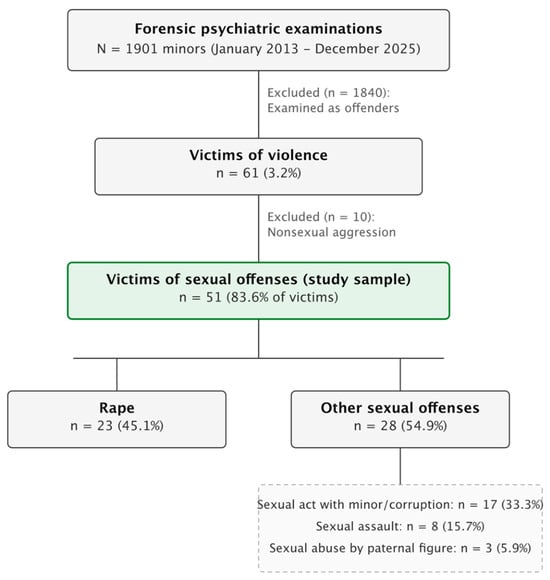
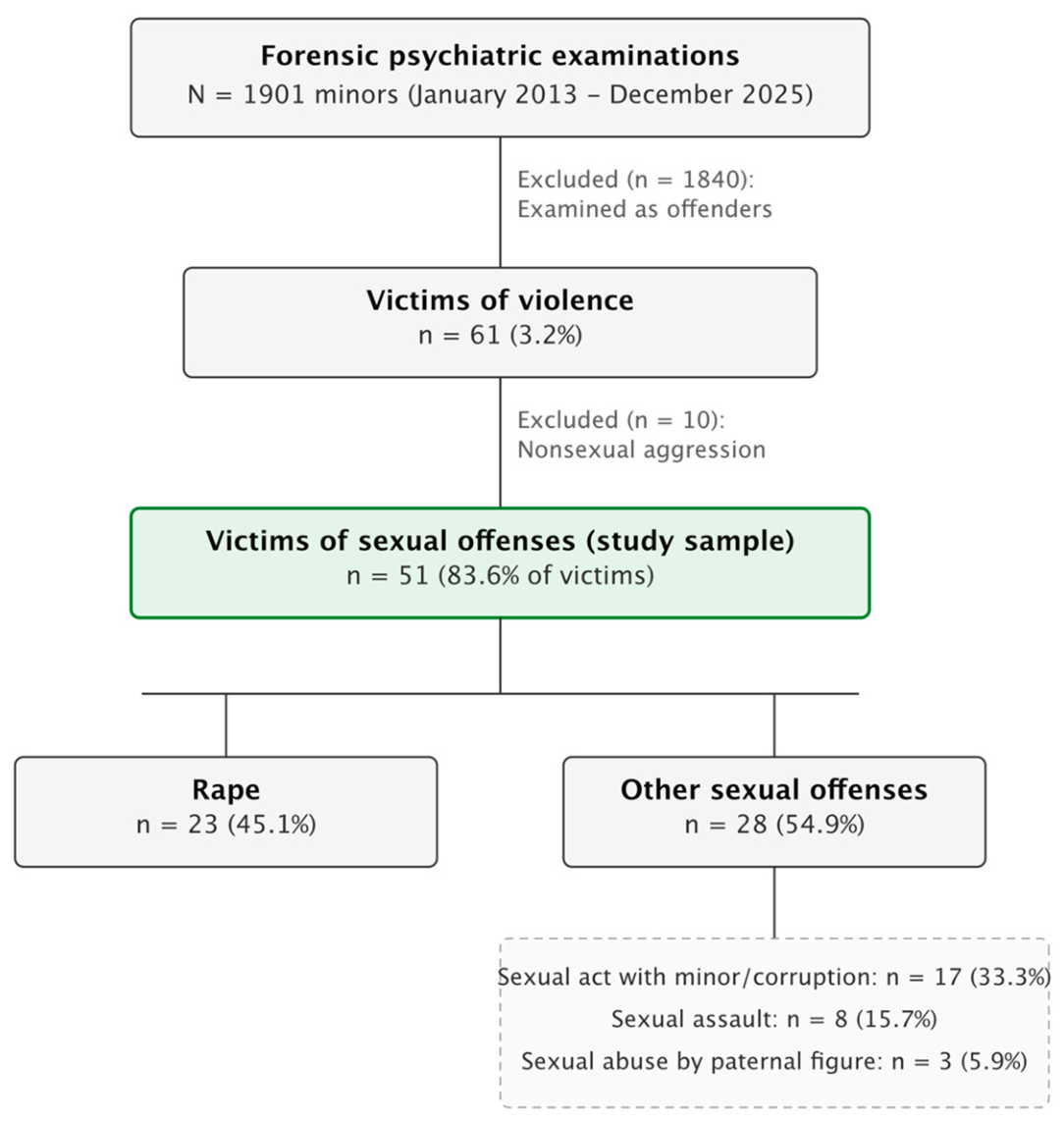
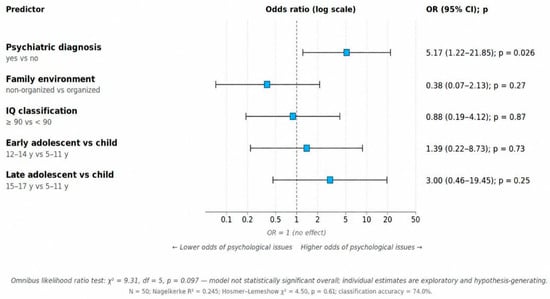
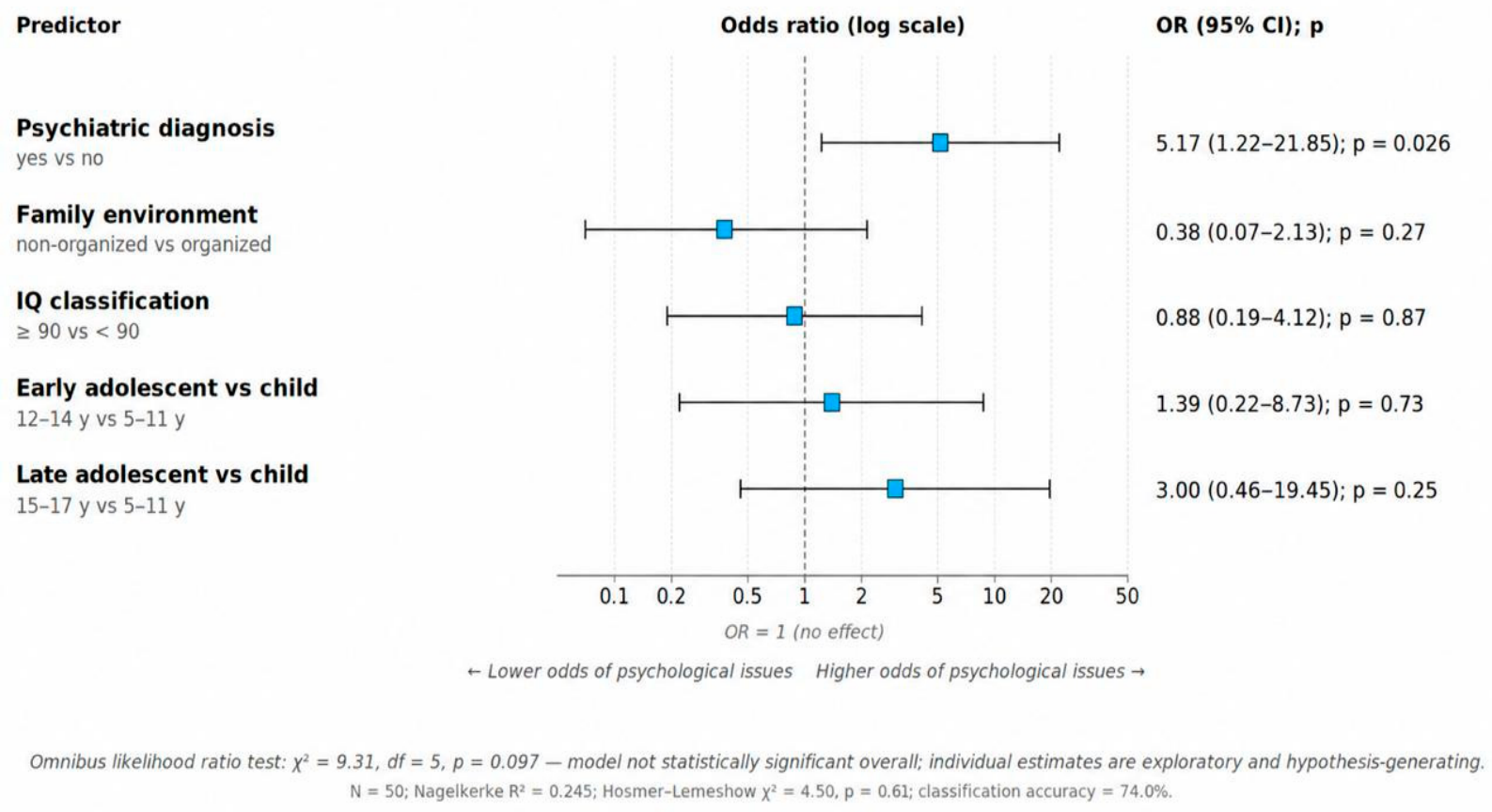
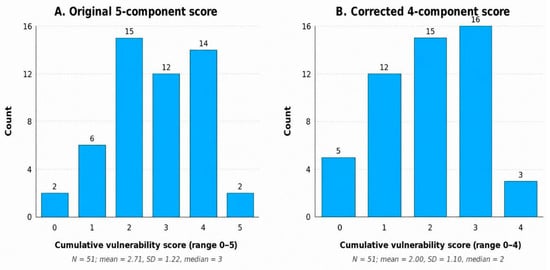
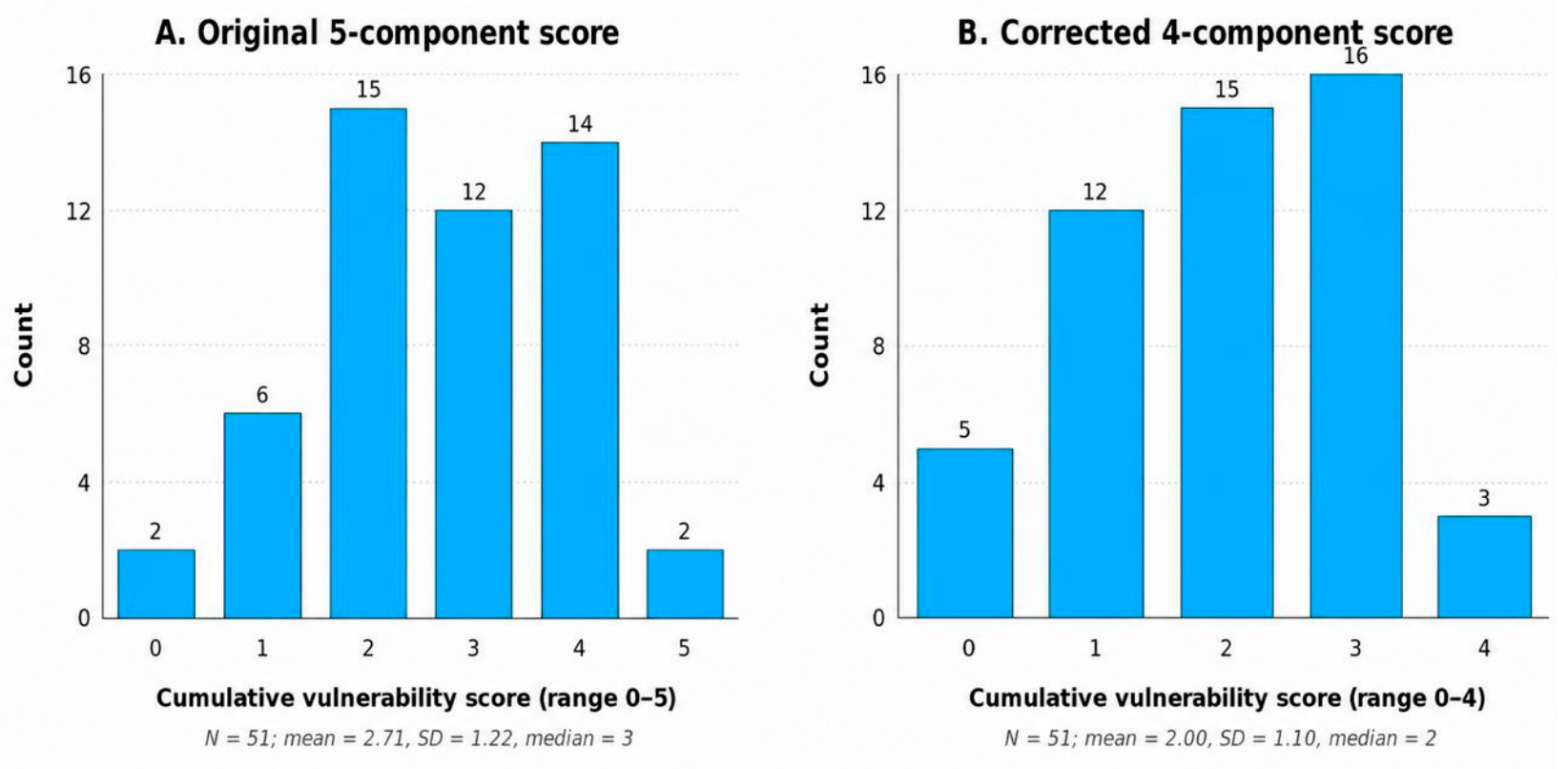

Disclaimer/Publisher’s Note: The statements, opinions and data contained in all publications are solely those of the individual author(s) and contributor(s) and not of MDPI and/or the editor(s). MDPI and/or the editor(s) disclaim responsibility for any injury to people or property resulting from any ideas, methods, instructions or products referred to in the content. |
© 2026 by the authors. Licensee MDPI, Basel, Switzerland. This article is an open access article distributed under the terms and conditions of the Creative Commons Attribution (CC BY) license.