


Abstract
Underground mining environments are complex and hazardous operations where emergencies continue to happen. Underground mine emergencies require rapid, high-stakes decision-making under conditions of uncertainty, stress, and limited visibility. Conventional mine emergency training largely relies on instruction-based approaches which provide insufficient exposure to the cognitive and behavioral demands of real underground emergency situations. There has been an identified need to train miners for knowledge, skills, abilities, and other characteristics (KSAOs). This study proposes an Adaptive Immersive Training Framework (AITF), a cognitively grounded architecture that integrates cognitive task analysis (CTA), KSAOs, and situational awareness assessment for miner self-escape training and readiness. The AITF aligns NIOSH-identified self-escape competencies with immersive training scenarios designed to assess and develop cognitive readiness and decision-making. CTA of historical mine accidents is introduced as a foundational design method for translating accident investigation findings into simulation scenarios and performance metrics. A CTA of 2006 Darby Mine No. 1 explosion is presented as a proof of concept. The proposed framework supports individualized assessment, iterative scenario refinement, and data-driven feedback. The AITF advances miner training toward cognitive preparedness during mine emergencies and provides a foundation for future training systems that leverage digital tools, digital twins, and artificial intelligence for the mines of the future.
1. Introduction
Underground mining operations are complex processes and are among the most hazardous industrial environments where miners constantly face risks of emergencies such as fires, explosions, collapses, and other occupational hazards which can unfold and escalate rapidly [1]. The last century witnessed more than 726 mining disasters, ≥5 fatalities [2], in the US mining industry [3]. Although, significant progress has been made in reducing the frequency of mine fatalities, as the fatality rate decreased by about 50% from 1984 to 2010, due to continuous improvements in technology, training, and regulatory frameworks, nevertheless, the fatality rate in 2021 was still four times the industry average in the United States [4]. Within the first five months of 2006, three incidents in the US mining industry (Sago Mine disaster, West Virginia; Alma No. 1 Mine accident, West Virginia; and Darby No. 1 Mine explosion, Kentucky) resulted in the deaths of 19 underground coal miners [5]. These fatal incidents shook the industry and called for thorough analysis and corrective measures. Investigative analyses of these incidents found that in these three incidents, 80% of the miners survived the initial impact but perished during self-escape effort [6]. The analysis further revealed the lack of training on some critical parameters of self-escape training such as proper usage of self-contained self-rescuers (SCSRs) and escapeway routes [7,8] and further highlighted critical gaps in the training of miners on decision-making, and situational awareness (SA) during emergency response [9,10]. These gaps are critical as these determine the ability of workers to respond effectively, with proper SA and decision-making under stress, to emergencies which can be the difference between survival and disaster. These accidents further stimulated the introduction of the Mine Improvement and Emergency Response Act (MINER Act) in 2006 [11], that requires the mines to have improved training, effectiveness and response time of mine rescue teams. The year 2010 also saw a significantly high count of underground mining fatalities resulting in 48 deaths [12].
Following these incidents in 2006 and 2010, the Office of Mine Safety and Health Research at the National Institute of Occupational Health and Safety (NIOSH) asked for a report examining the essential components of self-escape [10]. The report formally defined self-escape as “the ability of an individual or group of miners to remove themselves from the mine using available resources in the event of a mine escape” and recommended (Recommendation 7) a detailed systematic task analysis to identify the knowledge, skills, abilities, and other personal characteristics (KSAOs), research on modalities, techniques, and protocols for the training of miners on these KSAOs, and evaluation of simulation-, and scenario-based trainings for effective miner self-escape training. The need for a systematic task analysis and the simulation-based scenario training for KSAOs is the primary motive behind this research.
Mine emergency and response preparedness require the training on KSAOs to encompass both technical competencies such as hazard recognition, mine layout understanding, ventilation map reading, and SCSR use, and non-technical competencies such as communication, leadership, teamwork, and decision-making under pressure. Safety and self-escape training in the mining industry continues to rely largely on traditional approaches such as classroom instruction, physical drills, and limited field-based scenario exercises. Over the years, these training approaches have provided valuable procedural knowledge but lack assessment of the critical human related factors, SA, and decision-making under stress and fall short in replicating the cognitive and psychological pressures of real emergencies. Further, these traditional approaches are increasingly becoming impractical due to high costs, operational constraints, and limited effectiveness [13]. There is a need to upgrade and modernize the mining safety and self-escape training infrastructure and approach. Immersive techniques have become standard in many high-risk industries and offer a solution to mine emergency training.
The potential of immersive training approaches in mining has been discussed for more than two decades, ranging from early exploratory work [14,15] to more recent efforts focused on practical implementation of immersive environments for training [16,17,18,19,20,21,22]. In mining, however, most immersive applications have focused more on equipment operations and operator’s efficiency, with comparatively little attention given to mine emergency preparedness and self-escape training. Advancements in simulation-based immersive technologies have renewed interest in overcoming the limitations of traditional training approaches. Effective emergency response depends not only on procedural accuracy but also on SA, rapid decision-making, stress management, and coordinated teamwork. Emergency preparedness training in mining therefore requires systems capable of recreating hazardous conditions such as explosions, fires, roof falls, and smoke propagation, in safe and controlled environments, allowing trainees to repeatedly practice high-risk tasks, evaluate their performance, and build confidence without physical danger. Furthermore, such systems should be able to capture expert decision strategies and underlying cognitive processes, measure specific components of SA and KSAOs, and generate detailed performance data to support structured post-training debriefs and personalized feedback. Immersive technologies, including virtual reality (VR) and augmented reality (AR), now enable increasingly realistic modeling of complex mine systems and the replication of sensory and psychological stressors. A training framework that integrates these technologies with performance assessment and adaptive scenario design offers a comprehensive pathway toward improving mine emergency preparedness and self-escape readiness. The VR Mine developed by NIOSH is perhaps the only VR platform specifically designed for underground mining emergencies that has shown potential for self-escape and mine rescue training [16,17]. Other related efforts have addressed limited-scope tools such as roof fall hazard assessments [20] and smoke scenarios for emergency training [22] but comprehensive immersive frameworks for emergency training remained limited.
This paper proposes a KSA-aligned Adaptive Immersive Training Framework (AITF) for mine rescue and self-escape readiness that synthesizes principles from VR-based learning, SA theory, KSAO modeling, and cognitive task analysis (CTA) methodology. The proposed framework is designed to provide a structured process for analyzing self-escape tasks, identifying cognitive and behavioral training objectives, and translating them into measurable simulation-based learning experiences. By linking human factors research with advanced training technologies, this framework aims to lay a foundation for next-generation miner training for emergency preparedness through enhancing individual self-escape and rescue capabilities.
While simulator-based emergency training has been institutionalized in industries such as nuclear power generation [23,24,25,26], aviation [27,28,29], oil and gas [30,31], etc., mining emergency preparedness remains comparatively fragmented. The AITF proposes a closed-loop architecture linking CTA-derived decision demands to SA metrics and adaptive scenario logic tailored specifically to underground mining emergencies. Its novelty lies not in immersion alone, but in the structured alignment of accident-derived cognitive demands with adaptive training governance for mining contexts.
This paper presents a conceptual framework and architectural blueprint for adaptive immersive training. While elements such as eye-tracking and simulation-based assessments have been implemented in prior related research, the full AITF architecture described herein has not yet been deployed as an integrated system.
This paper is organized as follows. Section 2 presents the conceptual framework that underpins AITF. Section 3 establishes the theoretical and analytical foundations of the framework by introducing CTA as a foundational method for extracting decision-making demands and failure modes from historical mine emergencies, describing the integration of KSAOs into simulation-based training design, and examining SA and performance assessment as critical mechanisms for evaluating training effectiveness. Section 4 presents the AITF, synthesizing immersive technologies, adaptive training logic, and human performance metrics. Section 5 demonstrates the practical implementation of the framework through CTA-driven scenario design using Darby Mine No. 1 incident as a proof-of-concept case study and discusses self-escape competency development and anticipated training outcomes. Section 6 examines the broader implications for mine safety training and policy development. Finally, Section 7 concludes the paper with future research directions and opportunities for integrating emerging digital technologies into next-generation miner training systems.
2. Conceptual Framework
The proposed simulation-based training framework, AITF, for mine rescue and self-escape readiness is grounded in the integration of four complementary constructs (i) VR, (ii) SA, (iii) KSAOs, and (iv) CTA. Together, these elements form an evidence-based conceptual foundation for designing, implementing, and evaluating immersive training that strengthens miners’ cognitive and behavioral readiness for emergency conditions. Figure 1 illustrates the interrelationship between these four pillars, showing how CTA informs the definition of KSAOs, which are then operationalized through VR environments designed to foster and measure SA during task performance.
Figure 1.
Conceptual structure of the simulation-based training framework (AITF) for mine rescue and self-escape readiness. The framework integrates CTA, KSAOs, VR, and SA. Where CTA is to identify critical decision points and cognitive demands; KSAOs are to define measurable training objectives; VR is to create immersive, high-fidelity scenarios for experiential learning; and SA is the key performance outcome. Feedback loops enable adaptive learning and iterative refinement of both trainee competence and instructional design, forming a continuous improvement cycle that enhances preparedness for emergency self-escape and rescue operations.
In this framework, CTA serves as the input process that captures domain-specific cognitive demands, KSAOs define the learning objectives, VR provides the training environment, and SA represents the performance outcome to be measured and improved. Data from simulation runs such as behavioral logs, physiological measures, and eye-tracking and process tracing records feeds back into the system to personalize learning trajectories, forming the basis for an adaptive immersive training model. This closed-loop design supports continuous improvement in both the trainee’s competence and the instructional system itself.
Within the AITF, CTA provides the methodological foundation for extracting the expert knowledge, mental models, and decision heuristics that underpin effective emergency performance. CTA can be an involved task utilizing structured interviews, think-aloud protocols, and incident reconstructions, etc. [32]. Through these, CTA identifies the critical cognitive actions and decision points within self-escape tasks. This information helps define and guide the development of VR training scenarios and the feedback mechanisms. CTA further helps bridging the gap between qualitative expertise and quantitative performance metrics, enabling iterative refinement of both simulation fidelity and instructional design.
Self-escape from an underground mine emergency goes beyond basic survival skills, mental abilities, and physical capacities and requires a particular set of competencies, collectively called the KSAOs, and have been emphasized in the literature [9,10,33]. The AITF is designed to target the KSAOs essential for competent and resilient performance in the context of mine rescue and self-escape readiness. KSAOs provide the foundation for defining measurable learning outcomes that bridge the gap between cognitive task demands and training system design as implemented within the AITF.
VR provides the working and unifying platform for this training framework. VR offers a controlled yet realistic environment for replicating complex, hazardous, or rare events that cannot be safely recreated in the field. In the context of underground mining, VR enables trainees to experience the visual, auditory, and spatial cues associated with emergency scenarios such as low visibility, disorientation, and constrained movement without physical risk. Previous research in aviation, medicine, and process industries demonstrates that immersive simulations enhance decision-making accuracy, reduce training time, and improve long-term skill retention [34,35]. When appropriately designed, VR scenarios facilitate experiential learning cycles that integrate perception, reflection, and adaptation, allowing miners to engage in repetitive, feedback-driven practice of emergency response actions.
Endsley’s three-level model of SA encompassing perception, comprehension, and projection serves as the cognitive foundation of the proposed framework [36,37]. Effective self-escape and rescue operations depend on miners’ ability to (1) perceive environmental cues such as the presence of smoke, gas monitor readings, or airflow direction, (2) comprehend their implications for hazard evolution, and (3) project the likely outcomes of different escape decisions such as best escape route. In immersive simulations, SA can be objectively assessed through performance indicators such as gaze behavior, attention allocation, and decision timing. VR environments also allow controlled manipulation of scenario variables (e.g., visibility, noise, or communication failures), enabling the measurement and enhancement of SA across a range of difficulty levels.
2.1. Role of AI and Digital Twins in Adaptive Immersive Training
Recent advances in artificial intelligence (AI) and digital twin technologies have expanded the potential of simulation-based training systems beyond static scenario-based training delivery. Digital twins provide dynamically updated virtual representations of physical systems, enabling the integration of operational data, environmental conditions, and system states into immersive training environments. In the context of mine emergency preparedness, digital twins can represent ventilation networks, equipment states, and hazard propagation, thereby increasing scenario realism and contextual fidelity.
AI-based methods further enable adaptive scenario control, learner modeling, and intelligent feedback generation. When integrated with CTA-derived task models and KSAO-aligned objectives, AI can support real-time difficulty adjustment, automated performance assessment, and identification of trainee-specific learning needs. In this framework, AI and digital twins do not replace expert knowledge elicitation, rather, they serve as enabling technologies that operationalize human factors insights at scale.
2.2. Underground Mining as a Complex Sociotechnical System
Underground mines are complex sociotechnical systems where the need for training approaches extend beyond individual procedural competence. Underground mining operations share defining characteristics with other high-hazard industries, including nuclear power generation such as tight coupling, nonlinear system interactions, and layered control structures.
Ventilation systems, methane accumulation, roof stability, communication infrastructure, and human movement interact dynamically. Small deviations, such as delayed hazard recognition, sensor malfunction, or ventilation disruption may cascade into catastrophic system states. Like nuclear plant operations, where minor control parameter deviations can propagate across tightly coupled subsystems, mining emergencies often escalate through compounding technical and human factors [38].
Miners frequently operate under incomplete information, sensory degradation (e.g., smoke, dust, noise), time pressure, and competing production demands. Performance therefore depends on adaptive capacity rather than strict procedural adherence. This aligns with resilience engineering [39,40] perspectives that emphasize variability management over error elimination.
Further, system behavior is jointly shaped by miners, section foremen, mine management, regulatory requirements, and organizational culture. Decision authority may shift dynamically during emergencies, particularly when communication infrastructure is compromised during emergencies. As in nuclear control rooms, where operators, shift supervisors, and plant managers may interact within structured hierarchies, mining operations rely more on interdependent control mechanisms during emergencies.
The AITF, given the complex sociotechnical nature of underground operations, therefore, is conceived to embed adaptive scenario design, degraded information cues, and team-based coordination challenges to reflect the system-level realities of emergency response.
2.3. Emergency Performance as a Sociotechnical Phenomenon
Although CTA focuses on individual decision demands, emergency performance in underground mining is inherently sociotechnical. Miner behavior emerges from interactions among human cognition, system design, environmental constraints, supervisory authority, and organizational pressures. In such environments, decision quality is shaped not only by individual SA but also by information degradation (e.g., visibility, lighting, smoke, noise, equipment malfunction), communication breakdowns, production pressure and risk normalization, authority gradients between miners and supervisors, and resource and time constraints. Consistent with sociotechnical systems theory (e.g., Rasmussen’s skill-rule-knowledge framework [41] and high-reliability organization research), the AITF conceptualizes miner performance as adaptive behavior within constrained system states rather than isolated cognitive processing.
Accordingly, CTA within the AITF should capture not only task steps and cues but also contextual modifiers such as information ambiguity, coordination requirements, and supervisory influence. This approach should position training scenarios to reflect the complexity of real-world emergency conditions rather than simplified procedural execution.
3. Theoretical and Analytical Foundation
This section establishes the theoretical and analytical foundations that inform the design of the AITF. It introduces CTA as a systematic method for extracting cognitive demands, decision points, and failure modes from mine emergency scenarios, and discusses how KSAOs can be integrated into simulation-based training through scenario designs. The section further examines SA and performance assessment as essential components for training effectiveness and adaptive learning in immersive environments. Together, these foundations provide the theoretical basis for translating historical accident data and human performance requirements into structured, measurable training interventions.
3.1. Cognitive Task Analysis (CTA) as a Design Lens
One critical aspect of any safety related training program is to ensure that the recipients are trained to recognize the safety hazards and can self-escape. This can be achieved effectively by exposing the recipients to the safety lapses in the past incidents to evaluate their SA and ability to self-escape in similar situations. This can be achieved through a task analysis of past mining emergencies. Task analysis refers to a systematic inquiry into an activity to understand how it is performed. It involves breaking down a task into smaller and more manageable steps or subtasks to understand it completely. There are multiple techniques used for tasks analysis, such as hierarchical task analysis (HTA) and cognitive task analysis (CTA). HTA refers to a systematic procedure to identify the steps or tasks and subtasks associated with a process. It includes subtasks, task hierarchy, and task sequence required to complete a common goal. NIOSH [9] researchers utilized an HTA for the core competency analysis and identified 21 critical task clusters (activities), along with 37 general tasks (competency areas) and 75 subtasks (KSAs) critical to self-escape roles. For example, in a major activity of “Communicating Nonverbally” the HTA found one competency area (nonverbal communication techniques and technologies), and the three KSAs (know tapping codes, use text-based messaging, and know hand and cap lamp signals).
CTA, though very similar to HTA, focuses more on cognitive factors such as decision-making and judgment, memory, attention and attention span, etc., and refers to a set of methods that can be used to identify and understand the mental processes during task operations [42,43]. Though both the HTA and CTA work similarly in breaking down a task into steps; however, the CTA provides advantages in terms of training and expertise development on a task. It is especially useful when comparing the expert performance to the novices and can be used for designing training programs. For these reasons, our model prefers CTA over HTA.
When applied to underground mining, a high-risk complex environment, CTA can systematically uncover the decision-making processes, perceptual cues, and mental models that underlie human performance. When applied to historical mine accident investigations, CTA serves as a bridge between descriptive accident narratives and prescriptive training design. By identifying the cognitive demands and breakdowns that contributed to failures in emergency response or self-escape, CTA reveals the latent training needs that conventional task analyses often overlook.
In this framework, CTA focuses on reconstructing situational contexts, decision sequences, and information flows during critical moments in past mine emergencies. The process begins with a detailed review of investigation reports such as those conducted by the Mine Safety and Health Administration (MSHA), and other relevant information such as rescue operation logs, ventilation plans, and eyewitness testimonies. These information sources are used to map the chain of events and highlight key decision junctures such as when miners recognized hazards, interpreted environmental cues (e.g., smoke, airflow, communication loss), or selected escape routes under uncertainty. Through this reconstruction, it becomes possible to infer the knowledge and perceptual cues that experienced miners relied upon and maybe the misconceptions or attentional lapses that led to errors.
The CTA outputs are organized into three analytical layers:
- Task Decomposition: Breaking down the self-escape or rescue process into discrete cognitive and physical tasks, such as hazard recognition, gas readings interpretation, and use of SCSR.
- Decision Requirements: Identifying critical decision points and the information needed to make them effectively under time pressure.
- Error and Resilience Patterns: Classifying where and how decisions failed, and how adaptive responses or improvisations contributed to survival in some cases.
Keeney et al., [32] applied CTA to self-escape procedures for mining. Their application of CTA is detailed but generic and focuses on general self-escape tasks. The researchers went through a detailed CTA process and investigated four critical roles such as a mining crew member, escape group leader, responsible person, and outby worker during emergencies.
Applying CTA to past accidents such as the 2006 Darby Mine explosion and the Sago Mine disaster provides empirically grounded insights into the mental demands of emergency self-escape. For instance, in both events, survivors’ accounts reveal challenges in orientation loss, ventilation change detection, and team coordination under degraded communication. We think that applying CTA to previous mine incidents will help with high-fidelity scenarios for training purposes as these findings will directly inform the scenario logic and training objectives in the AITF, ensuring that virtual simulations replicate authentic cognitive challenges rather than idealized procedures. By embedding CTA-derived insights into VR modules, the framework promotes the development of situation assessment skills, adaptive decision-making, and resilience under uncertainty, all of which are essential for effective self-escape and mine rescue readiness.
Emergency decision-making is vulnerable to cognitive and motivational biases that may degrade performance under stress. In mining contexts, these may include normalization of deviance (treating anomalous conditions as routine), confirmation bias during ambiguous hazard cues, optimism bias regarding escape feasibility, and authority gradients that inhibit challenge behaviors within crews. CTA within AITF therefore should consider not only task steps and cues, but also potential cognitive distortions influencing interpretation and action. Scenario design may then intentionally introduce ambiguous or conflicting signals to expose such vulnerabilities and support bias-aware debriefing.
3.2. Integration of KSAOs in Simulation-Based Training
Based on the National Research Council’s report [10], NIOSH initiated studies to get an insight into self-escape competency teaching [44], assessment at the mines [33] and training. Based on these documents, the findings are categorized into four broad, interdependent domains, as KSAOs, given in Table 1. The KSAO construct provides a structured taxonomy for identifying the human capabilities essential to a mine emergency response. Building on frameworks developed by NIOSH [9,33] and prior mine rescue studies [6] the relevant KSAOs for self-escape are detailed in Table 1.
Table 1.
Knowledge, Skills, Abilities, Other Characteristics in the context of miner self-escape based on [9,33].
Further, NIOSH identified the nine core self-escape competencies (SECs) for the rank-and-file coal mine workers and discussed [33]. The researchers further elaborated the competency tasks into more detailed sub tasks and made suggestions for training. The present research is focused on designing a training framework to achieve these and other self-escape competencies through an adaptive immersive training system. By aligning training objectives with these KSAOs, the framework ensures that simulation design is outcome-driven and directly linked to measurable competencies. The SECs in the context of AITF are given in Table 2. Although the AITF is designed to include measurements of some of the other traits (Os), the training does not intend to develop any Os. Therefore, the AITF focuses only on KSAs, that can be developed through immersive approaches in a simulated environment. It can be argued that the ability to quickly done an SCSR is best learned and trained in a realistic environment with real equipment, so we will leave this out of the training and recommend using the traditional approaches to training such skills and abilities.
Table 2.
Core self-escape competencies (SECs) for underground coal mine emergencies in the context of training through AITF, adopted from [45].
The CTA findings guide the alignment of these KSAOs with specific cognitive and behavioral requirements observed in historical accident scenarios. For instance, CTAs of the Darby Mine and Sago Mine events highlighted failures in ventilation map interpretation and misjudgment of airflow cues, indicating deficiencies in both knowledge of ventilation principles and SA abilities. A simple CTA of the Darby Mine No. 1 incident is presented in Section 5 of this paper. Similarly, disorientation during smoke-filled evacuations underscores the need for skills in spatial navigation and psychomotor proficiency in deploying rescue devices.
This mapping ensures that every simulated scenario within the AITF targets explicit KSAs, focusing on competency-based learning. Each module can then be designed to emphasize different combinations of KSAs and relevant assessment protocols. KSA integration also provides a framework for performance assessment and adaptive feedback within immersive environments. Trainee performance data, such as navigation efficiency, response time, and cue recognition accuracy, are continuously captured to evaluate the attainment of targeted KSAOs. The feedback from the post-training analysis then adjusts task complexity or scenario intensity, in the future scenarios, to maintain optimal learning conditions. Such adaptive assessments not only reinforce learning outcomes but also enable the development of individualized training profiles, helping instructors identify specific cognitive or behavioral gaps. Over time, these data support the creation of KSAO competency maps across the workforce, informing curriculum updates, refresher courses, and readiness evaluations.
In the AITF, other characteristics (Os), such as stress tolerance, risk perception, fatigue behavior, and individual differences in cognitive processing, are not treated as direct training targets. These characteristics are relatively stable attributes that influence how individuals perceive information, respond to stressors, and perform under emergency conditions. Rather than attempting to modify these traits, the framework incorporates them as moderating variables that shape training adaptation and performance interpretation. The AITF proposes to use these baseline personality assessments and physiological indicators to infer the influence of Os on trainee performance. These measures may inform adaptive logic within the training system, enabling personalization of scenario pacing, information density, and stress exposure.
3.3. Situational Awareness (SA) and Performance Evaluation
SA represents one of the most critical cognitive and non-technical factors contributing towards process safety, decision-making, and performance in high-risk environments such as underground mines. It is one of the major factors in human related errors in major disasters in coal mining and many industries. Human factors, for example, accounted for about 98% of coal mining accidents between 1980 and 2000 in Chinese coal mines [47]. Loss of SA is identified as a contributing factor in mine emergencies and fatalities as hinted in the past mine incident analyses such as the Darby, Sago, and Upper Big Branch disasters as well. The same is generally true for other high-risk industries such as aviation, oil and gas, medicine, etc. Hence, developing and maintaining SA must be a central objective of self-escape and rescue training programs.
Simulation-based environments provide an effective medium for developing SA by replicating the cognitive demands of underground emergencies without associated risk. As previously noted by Endsley [46], SA involves three progressive levels: (1) perception of environmental elements, (2) comprehension of their meaning, and (3) projection of their future status. In the context of miner self-escape, these levels correspond to a miner’s ability to detect environmental cues (e.g., smoke, air velocity, temperature changes), interpret their implications for safety, and anticipate evolving hazards to understand the spread of smoke/contaminants. For the AITF, the SA model adapted for miner self-escape training is presented in Figure 2.
Figure 2.
Endsley’s situational awareness model [46] in the AITF, adapted for underground mine self-escape and rescue. The model illustrates how miners perceive critical environmental cues (Level 1), comprehend those cues (Level 2), and project future mine states to guide decisions (Level 3). Influencing factors including KSAOs, stress, equipment status, and environmental uncertainty affect SA at every level. Decision and action outcomes feed back into training through an adaptive performance-feedback loop.
Within the proposed AITF, SA is measured through a multimodal approach combining:
- ▪
- Behavioral metrics: Response times, navigation efficiency, and sequence adherence in evacuation tasks.
- ▪
- Eye-tracking and gaze analysis: Identification of visual scanning patterns, fixation duration on critical cues (e.g., directional markings, hazard indicators), and shifts in attention during dynamic scenarios.
- ▪
- Physiological measures: Heart rate variability and stress indicators that may influence perceptual and cognitive performance.
- ▪
- Post-scenario assessments: Structured debriefs and SAGAT (Situation Awareness Global Assessment Technique) [36,48] queries to assess recall and comprehension of environmental elements.
This triangulated measurement approach provides a comprehensive profile of how well trainees perceive and interpret their surroundings, make decisions under uncertainty, and sustain attention through the progression of emergency tasks. The AITF is perceived as an adaptive system where future scenarios are adjusted based on the performance assessment. For instance, when eye-tracking data reveals inattentiveness to key environmental cues, the system can provide feedback through visual or auditory prompts, encouraging trainees to redirect attention. This adaptive approach supports incremental development of SA, enabling trainees to progress from basic perception (e.g., recognizing smoke patterns or directional lights) to higher-order comprehension and projection skills (e.g., anticipating how ventilation changes affect escape routes). Over time, repeated exposure to these adaptive scenarios enhances cognitive resilience and situational fluency.
Within the proposed framework, SA serves as both a performance indicator and a training outcome. Performance evaluation is not limited to procedural correctness but extends to how effectively miners maintain SA across complex and evolving scenarios. This dual role of SA provides a robust foundation for evaluating overall readiness and for tailoring individualized training paths. By integrating SA assessment into the performance evaluation process, trainers can identify specific cognitive weaknesses such as tunnel vision, poor cue prioritization, or over-reliance on routine behavior and design targeted interventions. Furthermore, longitudinal tracking of SA metrics allows organizations to monitor improvements over time and quantify the impact of immersive training interventions on operational safety performance.
SA in AITF is conceptualized as distributed over cognition perspectives shared by communication exchanges, mental models, and supervisory direction. Performance evaluation therefore considers not only hazard detection and decision timing but also communication clarity, cross-checking behaviors, and alignment between miner’s actions and supervisory intent.
3.4. Validity Considerations and Limitations of CTA Based on Historical Accident Reports
The CTA conducted in this study relies primarily on historical accident investigation reports. It is understood that these narratives are known to contain limitations such as incomplete documentation, retrospective bias, and survivorship effects. Rather than treating these reports as exhaustive reconstructions of human decision-making, this work adopts and presents CTA as an analytical method to extract representative task demands, decision points, and information constraints associated with mine self-escape and rescue scenarios. Representativeness in this context is defined in terms of decision-context fidelity rather than statistical generalizability. By analyzing multiple incidents and focusing on recurring patterns of cognitive demand such as navigation under degraded visibility, time pressure, and uncertainty, the CTA supports the development of emergency tasks suitable for simulation-based training design.
The scenario design process may need to fill in gaps or make conservative assumption and judgments where accident narratives lack explicit detail on cognitive processes or decision rationale. A proper logging and analysis can then be further utilized to adapt the scenarios by allowing multiple plausible decision pathways rather than enforcing a single “correct” response. The CTA outputs should be intended to inform training scenario design, performance assessment criteria, and feedback mechanisms, rather than to establish causal responsibility or evaluate historical decision correctness.
4. Adaptive Immersive Training Framework (AITF)
The proposed AITF represents the core contribution of this research. The AITF offers a structured, data-driven system for improving miners’ self-escape performance through adaptive, simulation-based learning. Grounded in Kelley’s [49] definition of adaptive training, the AITF modifies the training environment based on learner performance, enabling personalized progression and targeted skill refinement. Adaptive training refers to a learning technique where task difficulty is gradually and continuously adjusted based on trainee’s performance. This approach is better compared with the existing fixed training systems where all the miners receive the same training without regard to their previous level, or mastery of one skill. The framework integrates immersive VR technologies, with real-time performance analytics to build cognitive, procedural, and affective competencies essential for underground emergency response. Figure 3 schematically illustrates the AITF architecture and training flow.
Figure 3.
AITF architecture and training flow.
4.1. Framework Architecture
The AITF leverages immersive VR environments to replicate, as scenarios, realistic mining emergencies such as methane explosions, structural collapses, electrical hazards, or toxic gas releases, without exposing participants to actual risk. These environments can further simulate the physical, perceptual, and psychological stressors characteristic of underground mining, such as low visibility, smoke, auditory distractions, and communication breakdowns. The AITF is structured to simulate degraded information environments and system-level stressors. Scenario parameters may include delayed communication, conflicting cues, partial sensor information, and shifting command directives. By embedding these sociotechnical variables, the framework moves beyond individual cognition toward system-aware adaptive training.
Each scenario-based simulation focuses on competency development, SECs, allowing miners to practice critical self-escape tasks such as identifying safe escapeways, navigating through low-visibility and smoke-filled passages, and coordinating with teammates (Table 2). Scenarios are customized to the trainee’s expertise level, advancing from basic procedural drills to complex decision-making under uncertainty.
As illustrated in Figure 3, the training sequence begins with baseline profiling of the trainees using psychological, knowledge, and technical assessments. Personality traits (e.g., stress tolerance, risk perception), domain knowledge, and psychomotor capabilities in using the equipment or prior experience in handling similar scenarios are assessed to establish individualized training profiles. This builds a personal profile database of the trainees.
Afterwards, the trainee engages in an immersive scenario, in an advanced 4D simulator integrated with eye-tracking and physiological monitors for detailed process tracing. A distinguishing feature of the AITF is the integration of eye-tracking and process tracing tools for cognitive performance assessment. Eye-tracking enables a quantification of visual attention, scanning strategies, and cognitive load, revealing patterns that differentiate novice and expert miners [31,50,51]. Coupled with verbal protocols, post-simulation debriefs, and physiological monitoring (e.g., heart rate), this multimodal data provides a comprehensive understanding of the trainee’s SA [30], communication process [31], and stress response. In the simulator, adaptive logic continuously evaluates real-time performance metrics through process tracing such as reaction times, decision accuracy, communication patterns, and compliance with safety procedures. Based on this assessment, feedback is designed that adjusts scenario parameters such as task complexity, time constraints, and feedback frequency. Training progresses gradually to more involved tasks enabling mastery of operations. These cognitive markers are used to identify performance gaps and tailor corrective feedback for progressive training. For instance, a miner exhibiting tunnel vision during hazard detection scenarios might receive specific visual search exercises, while one displaying delayed decision-making could be assigned scenarios emphasizing time-critical actions. This data-informed adaptivity ensures that each trainee develops both technical proficiency and cognitive resilience under stress.
Real-world conditions can be reproduced using 3D mine models derived from engineering layouts, procedural hazard simulation engines such as smoke dispersion algorithms, and physics-based environmental rendering. High-fidelity realism may incorporate photogrammetry or 360° imagery.
4.2. Integration of CTA and SA
Performance evaluation within the AITF is grounded in SA and competency-based learning. The framework measures the three hierarchical SA levels defined by Endsley [46] as (i) perception of environmental cues, (ii) comprehension of their meaning, and (iii) projection of their future status. SA is measured using performance metrics such as hazard detection accuracy, response time, communication clarity, and following escape protocols, etc. An adaptive feedback mechanism is designed to transform the assessments into interventions focused on competency development. The framework is designed as a graduated outcome-based system benchmarked against required or defined competency milestones. The iterative feedback loop consisting of assessment, adaptation, and retraining ensure progressive skill acquisition and readiness for real-world emergency conditions.
Within the AITF, AI-driven adaptive logic and digital twin representations function as execution layers that translate CTA-derived task structures into responsive training environments. Scenario parameters such as hazard evolution, time pressure, and information availability can be dynamically adjusted based on trainee performance, SA indicators, and KSA proficiency levels. This integration supports individualized training trajectories while maintaining alignment with validated cognitive and operational task demands.
The multi-user team-based training can be implemented where everyone uses individual VR headset treadmill systems in a networked multi-user environment. Roles can be assigned such as leader, navigator, gas monitor, etc. Multi-user implementation would also require safety protocols and can be ensured using a large open VR lab space, supervised sessions, and spatial boundary systems.
4.3. Adaptive Logic and Performance-Driven Progression
A defining feature of the AITF is its rule-based adaptive structure, which links measurable performance indicators to scenario evolution. Rather than presenting fixed emergency simulations, the framework proposes performance-responsive progression governed by predefined criteria aligned with CTA-derived decision demands and other mediating variables.
Adaptation is anchored in observable performance variables, including hazard detection latency, cue integration and prioritization for SA, communication clarity in team contexts, and decision accuracy or alignment with established self-escape protocols under degraded conditions. These indicators function not only as evaluative performance metrics but also as triggers influencing scenario dynamics.
Scenario complexity may increase across three primary dimensions: (1) cue clarity (progressing from explicit hazard signals to ambiguous or conflicting indicators), (2) environmental degradation (e.g., increasing smoke, communication disruption, or infrastructure instability), and (3) coordination demand (from individual decision-making to multi-role team interaction under time pressure). Progression is proposed to occur when performance demonstrates consistent stability across key indicators, whereas repeated delayed recognition, misprioritization, or ineffective coordination may result in controlled regression or targeted reinforcement of specific competencies.
In the future, with system maturity and AI enhancement, the adaptation may be automated. However, adaptive automation should not replace instructional oversight. In the AITF, instructors should retain supervisory control to pause, redirect, or introduce coaching prompts when learning objectives require clarification. This will ensure that adaptive progression remains pedagogically grounded and aligned with competency development goals rather than purely algorithmic escalation.
Through this structured yet flexible logic, the AITF operationalizes adaptation as a measurable and testable mechanism, reinforcing its role as an implementable training architecture rather than a static immersive simulation environment.
5. Operationalizing the AITF
This section integrates the practical implementation of the proposed framework by outlining the methodological approach used to operationalize the AITF and demonstrating the application of CTA-driven scenario design through a case study of the Darby Mine No. 1 incident. This case study is presented as a proof of concept, illustrating how historical accident analyses can be systematically translated into immersive training scenarios for mine self-escape and emergency preparedness.
5.1. Methodological Approach for AITF Implementation
The proposed AITF follows a structured design approach that iteratively integrates theoretical constructs with empirical validation. As explained in Section 2, it includes task analysis, competency mapping, immersive scenario design, and testing and performance evaluation. The process is structured around four interlinked phases: (1) knowledge elicitation through CTA of historical incidents, (2) competency mapping into KSAOs, (3) immersive scenario design using VR environments, and (4) iterative validation through behavioral performance assessment.
Phase-I employs CTA to extract expert cognitive processes and decision strategies from historical mining accidents and field operations. Accident investigation reports from MSHA and NIOSH are analyzed to identify key cognitive demands, perceptual cues, and decision breakdowns during emergency self-escape. These insights are coded into a structured task hierarchy that highlights both procedural and cognitive bottlenecks, forming the foundational data for simulation scenario design. A general process for the CTA involves extracting factual events and decision points from the available investigation material such as investigation reports, voice and communication logs, data sheets, and post-incident interviews. Then every involved task is systematically broken down into smaller steps to further describe factual events, perceptual cues and decision points in each step. This is the primary step in CTA and requires careful deliberation, thoroughness, and judgment. Inclusion of the subject matter experts (SMEs) can help this process further. There are multiple resources available that discuss the CTA procedure in more detail such as [52,53,54,55] and the interested reader is encouraged to refer to these resources for further details.
In Phase-II, the outputs from CTA are mapped onto the KSAOs framework. This step converts qualitative cognitive insights into measurable learning objectives. For instance, knowledge domains include mine layout, emergency communication, and use of SCSRs. Skills are defined in terms of decision-making under uncertainty and navigation in low visibility, while abilities emphasize perceptual accuracy, spatial reasoning, and stress management. The inclusion of other attributes (Os), e.g., motivation, personality traits, and teamwork orientation, etc., allows the framework to capture non-technical competencies crucial for real-world performance, although the AITF is not intended to develop these attributes. Rather, Os are considered as moderating variables influencing adaptive scenario design and performance interpretation. This structured KSAO mapping ensures that the subsequent simulation design directly aligns with measurable training outcomes.
In Phase-III, KSAO-based learning architecture immersive simulation environments are developed within immersive VR platforms. Scenarios replicate emergency conditions such as methane explosions, ventilation failures, or blocked escapeways, allowing trainees to engage in high-stress, decision-rich situations. Each scenario is configured with embedded data collection systems to capture behavioral and cognitive performance, including eye-tracking patterns, decision logs, and physiological indicators such as heart rate and stress response.
Phase-IV involves performance evaluation assessing SA as indicators of cognitive readiness. Data from eye-tracking, physiological sensors, and performance metrics are triangulated to assess the trainee’s decision-making efficiency and adaptability. Post-simulation debriefs and self-assessment pre- and post-surveys complement quantitative data, allowing for a comprehensive understanding of the learning process. These evaluations are iteratively fed back into the framework, refining both the scenario content and the pedagogical design in a continuous improvement cycle.
Variability in SA performance may be interpreted in relation to individual “Os,” allowing instructors to distinguish skill-based deficiencies from stress- or fatigue-related performance effects.
5.2. Multimodal SA Integration and Composite Scoring
To address the multidimensional nature of SA, the AITF proposes to employ a structured multimodal integration approach rather than relying on a single metric. Raw indicators such as behavioral performance markers, time-to-decision, and physiological or eye-tracking measures, need to be first normalized to ensure comparability across measurement scales.
Indicators may then be grouped according to SA Levels 1 (perception), 2 (comprehension), and 3 (projection), consistent with established SA theory [36,46,56,57]. Within each level, weighted aggregation may be performed based on tasks criticality derived from the CTA. This will ensure that indicators associated with high-risk decisions or time-sensitive actions exert proportionally greater influence on the resulting score.
A composite SA index may then be subsequently calculated as a weighted sum of the three level-specific scores as given in Equation 1. Importantly, the composite score should be interpreted alongside level-specific results to preserve diagnostic value and prevent oversimplification. This structured fusion approach provides transparency, repeatability, and alignment with the cognitive demands identified through CTA.
where w1 to w3 represent the weights assigned to SA in three levels, L1 to L3, respectively.
SA_Total = w1(SA_L1) + w2(SA_L2) + w3(SA_L3),
5.3. Eye-Tracking as a Process-Tracing Tool in AITF
Within the AITF, eye-tracking is included as a process-tracing method to capture attentional allocation patterns during emergency decision-making. Eye-tracking is a powerful performance metric that provides insight into how trainees acquire and prioritize visual information. Key metrics include gaze fixation duration and count within predefined Areas of Interest (AOIs), scan path entropy, and saccade amplitude. Prior research across high-risk domains such as aviation, surgery, driving, construction, and nuclear reactor safety has demonstrated the use of eye-tracking as a strong performance assessment and predictor [58,59,60,61,62,63,64,65,66,67]. The author’s prior research into oil-and-gas emergency scenarios [21,30,50,51] and other research [68] has exhibited shorter fixation durations, more structured scan paths, and greater attention to task-relevant cues compared to novices, who often display longer fixations, erratic gaze patterns, and over-attention to irrelevant stimuli.
In the context of mine emergency self-escape training, these metrics can be mapped to SA levels. For example, broad AOI coverage and appropriate cue detection may correspond to SA Level 1 (perception), structured transitions between hazard indicators and escape route markers may reflect SA Level 2 (comprehension), and anticipatory gaze shifts toward potential hazard propagation areas may indicate SA Level 3 (projection).
By integrating these attentional indicators with behavioral and probe-based measures, the AITF should enable identification of cognitive bottlenecks such as tunnel vision, delayed hazard recognition, or inefficient information search strategies. These insights support targeted adaptive feedback without requiring invasive or disruptive assessment procedures.
AITF is designed around a broader CTA-derived taxonomy of cognitive errors observed in emergency response scenarios. In our discussions here, tunnel vision is only presented as an illustrative example. As discussed earlier, CTA, through a systematic decomposition of historical accident narratives and decision pathways, enables identification of recurring SA failures. These cognitive error categories are linked to diagnostic indicators derived from multimodal process tracing. For each error type, the framework may specify predefined interventions such as guided scanning prompts, reflective pauses, scenario branching adjustments, and structured feedback modules. The intervention mapping can form a scalable library, as a scenario library, that can allow the training system to respond dynamically to diverse cognitive deficiencies rather than relying on isolated corrective examples. As such, tunnel vision represents one instance within a structured adaptive architecture rather than a singular intervention strategy.
5.4. CTA-Driven Scenario Design: Darby Mine No. 1 Case Study
We applied CTA to the Darby Mine No. 1 explosion that happened on 20 May 2006. This CTA is based on retrospective analysis using the MSHA report of investigation [8] and the internal review of MSHA’s action [7]. The objective is demonstrated only to show how CTA translates factual accident data into specific training requirements and simulation scenarios within the AITF. Using available investigation materials we reconstructed the event timeline, identified key decision points and perceptual cues, and mapped observed error modes to KSAOs gaps. The resulting CTA tables (Table 3, Table 4 and Table 5) present (a) a condensed event timeline, (b) a structured analysis of cognitive failures and KSAOs implications, and (c) a direct mapping from CTA findings to AITF-ready simulation scenarios respectively. The intent is not forensic re-examination but to illustrate a precise, evidence-based workflow for scenario creation and measurable training objectives within the AITF. Further, it does not add new factual details beyond those source materials. A general process is illustrated in Figure 4.
Table 3.
Condensed timeline for the underground fatal mine accident of Darby Mine on 20 May 2006 (derived from MSHA investigation report [8]).
Table 4.
CTA breakdown of phases into cognitive elements, facts, error modes, and KSAOs gaps.
Table 5.
Sample simulation scenarios.
Figure 4.
A flow chart for CTA of a past mine incident for scenario designing in AITF.
Table 3 presents a condensed version of the timeline for this incident.
The detailed breakdown of cognitive elements, error modes and the KSAOs mapping is given in Table 4.
Beyond immediate decision failures, the Darby incident reflects latent organizational contributors, including seal design assumptions, testing practices, supervisory communication norms, and production pressures. Such factors align with sociotechnical interpretations of high-hazard events, where frontline decisions interact with systemic design and governance conditions. While this paper does not provide a comparative incident analysis, similar cognitive and organizational patterns have been identified in other major U.S. mining disasters, e.g., Sago, Upper Big Branch, suggesting broader relevance of the identified decision vulnerabilities.
A CTA of this incident identified recurrent cognitive failures, hazard recognition lapses, ventilation/vent map miscomprehension, degraded SA under smoke, and team coordination breakdowns. Each of these indicates concrete training targets for the AITF scenario design.
These scenarios are built directly from the CTA findings. Table 5 gives three of the possible scenarios to be implemented in the AITF. Each scenario has key learning objectives and the required VR features along with the adaptive variables and performance metrics for logging, assessment, and debriefing. These scenarios are intentionally kept simple and are produced as samples for demonstration purposes only. These can be adjusted with more objectives, VR features, and adaptive variables.
The metrics listed in Table 5 are measurable with current VR, eye-tracking, and physiological logging systems and align with the AITF performance-assessment module (SA measures, donning time, decision accuracy). Post-scenario debriefs would then use probes (e.g., ask trainees what cues they noticed, why they chose a route) to expose cognitive processes and reinforce corrective strategies. These debriefs complete the AITF adaptive loop by using behavioral data to tailor follow-on training.
The CTA-derived decision nodes identified in the Darby analysis can directly inform AITF scenario branching logic, performance variables and adaptive stressor modulation.
5.5. Self-Escape Competency Development
The ultimate objective of the AITF is to develop self-escape competencies. To develop competencies in self-escape, training must be both comprehensive and realistic. The AITF provides a valuable tool for developing and assessing these competencies. The AITF offers simulated scenarios that mimic real-world mine emergencies, with trainees required to navigate dynamic, unpredictable conditions. Further, it offers performance metrics derived from simulation data (e.g., time to escape, adherence to escape routes, use of personal rescue devices) that allow for objective evaluation of competency. Data such as time, distance, and errors can be visualized and aggregated for debriefing, providing trainers with valuable insights into areas that require improvement [69]. Furthermore, competency development requires repeated exposure to different emergency scenarios. Trainees should be provided with opportunities to perform multiple self-escape exercises, receiving feedback after each session to enhance learning. The use of simulation log data, as noted by Bauerle et al. [69] enables targeted, flexible feedback, which is crucial for reinforcing correct behaviors and addressing errors. Self-escape scenarios should include decision points where miners must choose between different escape routes or safety measures, allowing them to practice decision-making under pressure. These scenarios can be further enhanced with time constraints or the introduction of unexpected variables (e.g., sudden environmental changes and blocked paths) to simulate the uncertainty of real emergencies [69]. The AITF offers repeatable simulations with adjusted decision points for competency development. Furthermore, since many self-escape scenarios involve group coordination, training should include team-based exercises. Simulation systems should allow for collaboration among trainees, where they can practice communication, coordination, and support for one another during the escape process3. Scenarios within the AITF can be developed to promote team-based escape and emergency responses. Through these strategies, the AITF offers miners the necessary skills, decision-making abilities, and confidence to effectively execute self-escape procedures in real-world emergencies, ultimately improving their safety and survival rates.
In addition to individual self-escape competencies, the AITF can support team-based immersive scenarios reflecting the collaborative nature of underground emergency response. Participants may assume distributed roles (e.g., crew member, section leader, communication liaison), requiring coordination under degraded environmental and informational conditions. Performance indicators may include communication clarity and timing, cross-check behaviors, challenge–response interactions, and supervisory prioritization under time pressure. Incorporating team dynamics enhances ecological validity and aligns training objectives with the collective demands of real-world emergency management.
6. Discussion and Implications
This study introduced a simulation-based training framework for mine rescue and self-escape readiness by integrating principles and technology of VR, SA, KSAOs, and CTA. The proposed AITF offers a systematic, CTA-based, and data-informed approach to assess and enhance miners’ decision-making and emergency response capabilities during underground mining emergencies. The AITF represents a transformative step towards the next generation of miner training for self-escape, integrating simulation science, human factors engineering, and mining safety research.
Traditional mine-safety training has relied heavily on regulatory compliance and procedural repetition. While these methods establish foundational awareness and have been useful in routine procedures, they often fail to develop the cognitive adaptability required in dynamic, high-stress scenarios. The AITF addresses this gap through immersive scenario-based simulations that mirror the complexity of real emergencies. Through continuous assessment of performance indicators through process tracing such as eye-tracking, stress response, and decision accuracy, the framework enables iterative learning and measurable competency growth. This transition from prescriptive- to performance-based learning marks a pivotal shift in training philosophy for the mining sector.
Training applications in the AITF are based on immersive training scenarios that closely represent emergency conditions in underground mines. These scenarios are designed using insights from a task analysis process of historical accident data and will replicate key tasks such as decision-making challenges associated with events such as gas explosions, smoke propagation, gas leakages, and/or blocked escapeways. Each simulation will consist of multi-stage tasks requiring perception, decision, and action cycles under dynamic conditions. For example, a miner may be required to:
- Detect an early warning signal (e.g., gas alarm);
- Interpret mine environment data (e.g., gas readings);
- Select an appropriate escape route based on a mine map; and
- Execute evacuation protocols while maintaining communication with team members.
The AITF can be implemented in a controlled VR laboratory environment. The physical mine environment can further be enhanced, for example, by using controlled foam obstacles or haptic cues for simulating debris walking, or omnidirectional, 360-degree VR treadmill systems.
A distinguishing feature of this AITF is the feedback-based scenario fidelity which will vary depending on the trainee’s proficiency level, enabling the AITF to progress from procedural drills to complex, time-critical, and team-based challenges. Integration of eye-tracking and physiological sensors, along with other process tracking methods [30,36,48] during these simulations will generate data to assess attention distribution, cognitive load, and emotional regulation. During training sessions, process tracing data including eye-movement patterns, decision timelines, physiological stress markers, and communication metrics will be collected and analyzed. These analyses will interpret this data to adjust subsequent training content for progressive self-escape competency development.
The effectiveness of the AITF will be evaluated through a combination of quantitative performance metrics and qualitative assessments, benchmarked against pre-training and post-training evaluations. Key performance indicators (KPIs) will include SA scores, decision-making accuracy, response efficiency, and stress cognitive load indicators. Collectively, these metrics will quantify learning gains across cognitive, behavioral, and psychomotor domains, offering a holistic assessment of self-escape competency.
It is anticipated that implementation of the AITF will yield significant improvements in both individual readiness and organizational safety performance. At the individual level, miners trained under the framework are expected to demonstrate higher levels of SA and decision accuracy, improved stress tolerance and confidence during emergencies. Similarly, at the organizational level, adoption of the AITF can support reduced incident rates through enhanced emergency competence and improved safety culture by emphasizing proactive preparedness.
By linking immersive technologies with adaptive learning principles and cognitive assessments, the framework establishes a reproducible model that can be adopted by mine operators, training academies, and regulatory bodies.
The findings and framework presented here carry several policy and implementation implications such as regulatory training programs, miner certification pathways, and workforce development. Regulatory agencies such as MSHA and NIOSH could incorporate adaptive simulation-based modules within Part 48 and mine rescue training curricula to complement classroom and field-based exercises. The SA- and KSAO-based evaluation protocols can be standardized for the benchmarking of cognitive readiness across operations and evidence-based miner certifications. Finally, the integration of immersive training technologies with equipment simulators and other training programs can lead to workforce development in the mining sector.
From a policy perspective, immersive adaptive training may be integrated into structured safety management systems, regulatory oversight, and organizational learning processes. Mining regulators and operators may consider frameworks analogous to peer review and performance benchmarking models employed in other high-hazard sectors to ensure training fidelity, continuous improvement, and accountability.
The mining industry stands at a crucial intersection of technological innovation and workforce evolution. As automation, electrification, and digitalization reshape the mines of the future, traditional safety paradigms must evolve accordingly. The AITF promotes a data-driven culture of preparedness, where training outcomes are continuously monitored, refined, and aligned with both operational needs and human performance insights. This approach not only strengthens self-escape and rescue readiness but also supports the broader vision of intelligent mining systems operations that are safe, adaptive, and resilient.
Validation and Empirical Evaluation Pathways
As a conceptual framework, the AITF requires systematic empirical validation. Future implementation efforts may include controlled pilot studies employing pre- and post-training performance comparisons, repeated-measure designs examining retention over time, and transfer-of-training assessments evaluating performance in non-simulated drills. Organizational-level indicators, such as near-miss reporting quality, procedural adherence during exercises, and communication consistency under stress, may provide additional evidence of training impact. Such evaluation pathways position the AITF as a testable and iteratively refinable model rather than a purely theoretical construct.
7. Conclusions and Future Outlook
Immersive virtual reality mine training platforms, such as those developed by the VR Mine [16,17], have demonstrated the value of scenario-based hazard recognition and procedural training in mining safety. While existing VR systems provide immersive exposure to hazardous environments, the AITF proposes a cognitively structured, diagnostically adaptive training architecture that integrates human factors theory with immersive technologies.
The AITF advances beyond conventional simulator-based training models by introducing a closed-loop cognitive architecture tailored to underground mining emergencies. Its conceptual novelty lies in the systematic linkage of CTA-derived decision demands, explicit KSAs, operationalized SA indicators, and adaptive scenario logic within immersive VR environments.
While high-hazard industries such as nuclear power have long employed simulator-based training (e.g., control room full-scope simulators), the AITF differs in three primary ways. First, it is explicitly grounded in CTA that functions not merely as an analytic tool but as a design lens that directly structures scenario logic and design. Decision points identified through incident-derived CTAs (e.g., Darby Mine No. 1) are encoded into measurable performance nodes within the simulation. Second, SA is operationalized as a measurable construct, incorporating behavioral markers, response timing, communication quality, and process-tracing tools such as eye tracking. Third, the framework incorporates multimodal process-tracing tools such as eye-tracking. Unlike traditional mining self-escape drills, which are typically procedural and static, the AITF proposes adaptive progression based on performance variability, degraded cues, and stress-inducing ambiguity.
The AITF offers a solution to fill the critical training gaps in the existing traditional approaches to prepare miners for underground emergencies. Integrating KSAOs into simulation-based training transforms the conventional training paradigm from rule-based instruction to capability-based development. It ensures that miners are not merely compliant with regulatory standards but are equipped with the cognitive adaptability, teamwork competence, and SA necessary to respond to mining emergencies and self-escape.
Looking forward, the continued integration of AI, machine learning, and digital twin technologies into simulation-based training holds immense promise. These tools can enable predictive modeling of trainee performance, real-time scenario adaptation, and enhanced visualization of underground emergencies. Future extensions could include integration with AI-driven adaptive engines, digital twins of mine operations, and remote multi-user VR systems for collaborative training. Such developments would allow scalable implementation across diverse mining operations and regulatory environments, strengthening preparedness industry-wide.
Future implementations of the AITF may leverage advances in AI and digital twin technologies, and AR to enable continuous updating of training scenarios using operational mine data, enhanced predictive modeling of emergency conditions, and scalable deployment across diverse mining contexts. Scenario parameters such as hazard evolution, time pressure, and information availability can be dynamically adjusted based on trainee performance, SA indicators, and KSAO proficiency levels. Such integration offers a pathway toward intelligent, continuously evolving training systems, supporting individualized training trajectories and capable of supporting the digital transformation of mine safety management.
Author Contributions
Conceptualization, M.A.R., S.G. and S.F.; methodology, M.A.R., S.G. and S.F.; investigation, M.A.R.; resources, S.F.; writing—original draft preparation, M.A.R.; writing—review and editing, M.A.R., S.F. and S.G.; supervision, S.F.; project administration, S.F. and M.A.R.; funding acquisition, S.F. All authors have read and agreed to the published version of the manuscript.
Funding
This research was funded by Center for Disease Control and Prevention (CDC) and the National Institute for Occupational Safety and Health (NIOSH) U60 Program.
Data Availability Statement
The original contributions presented in this study are included in the article. Further inquiries can be directed to the corresponding authors.
Conflicts of Interest
The authors declare no conflict of interest.
Abbreviations
The following abbreviations are used in this manuscript:
| AI | Artificial intelligence |
| AITF | Adaptive Immersive Training Framework |
| CTA | Cognitive task analysis |
| HTA | Hierarchical task analysis |
| KSAOs | Knowledge, skills, abilities, and other characteristics/attributes |
| MSHA | Mine safety and health administration |
| NIOSH | National Institute of Occupational Safety and Health |
| RA | Refuge alternative |
| SA | Situational awareness |
| SAGAT | Situational awareness global assessment technique |
| SCSR | Self-contained self-rescuer |
| SECs | Self-escape competencies |
| SME | Subject matter expert |
| VR/AR | Virtual reality/augmented reality |
References
- Donoghue, A.M. Occupational health hazards in mining: An overview. Occup. Med. 2004, 54, 283–289. [Google Scholar] [CrossRef] [Scilit] [PubMed]
- CDC-NIOSH Mining. Mining Disasters: 1839 to Present. 2025. Available online: https://wwwn.cdc.gov/NIOSH-Mining/MMWC/MineDisasters/Table#:~:text=Mining%20Disasters:%201839%20to%20Present%20Note:%20A,fatalities%20that%20are%20part%20of%20OSHA%20records (accessed on 14 April 2025).
- Stafford, A.; Brown Requist, K.W.; Lotero Lopez, S.; Gordon, J.; Momayez, M.; Lutz, E. Underground Mining Self-Escape and Mine Rescue Practices: An Overview of Current and Historical Trends. Min. Metall. Explor. 2023, 40, 2243–2253. [Google Scholar] [CrossRef] [Scilit]
- NIOSH Mining. Number and Rate of Occupational Mining Fatalities at Underground Mining Locations by Year, 2020–2022. 2024. Available online: https://wwwn.cdc.gov/NIOSH-Mining/MMWC/Fatality/NumberAndRate?StartYear=2020&EndYear=2022&SelectedOperatorType=&SelectedMineType=1# (accessed on 20 December 2024).
- MMWR. Underground Coal Mining Disasters and Fatalities—United States, 1900–2006. Weekly 2009, 57, 1379–1382. [Google Scholar]
- Kowalski-Trakofler, K.M.; Vaught, C.; Brnich, M.J.; Jansky, J.H. A Study of First Moments in Underground Mine Emergency Response. J. Homel. Secur. Emerg. Manag. 2010, 7, 1–31. [Google Scholar] [CrossRef] [Scilit]
- Sickler, R. Internal Review of MSHA’s Actions at the Darby Mine No. 1; Kentucky Darby LLC.: Harlan County, KY, USA, 2007. [Google Scholar]
- Light, T.E.; Herndon, R.C.; Guley, A.R., Jr.; Cook, G.L., Sr.; Odum, M.A., Jr.; Bates, R.M.; Schroeder, M.E.; Campbell, C.D.; Pruitt, M.E. REPORT OF INVESTIGATION: Fatal Underground Coal Mine Explosion, May 20, 2006 Darby Mine No. 1; Kentucky Darby LLC: Harlan County, KY, USA, 2007; ID No. 15-18185. [Google Scholar]
- Hoebbel, C.L.; Bellanca, J.L.; Ryan, M.E.; Brnich, M.J. Advancing Self-Escape Training: A Needs Analysis Based on the National Academy of Sciences Report “Improving Self-Escape from Underground Coal Mines”; U.S. Department of Health and Human Services; Centers for Disease Control and Prevention; National Institute for Occupational Safety and Health: Pittsburgh, PA, USA, 2023; DHHS (NIOSH) Publication No. 2023-134. [Google Scholar] [CrossRef] [Scilit]
- NRC. Improving Self-Escape from Underground Coal Mines, National Research Council; National Academies Press: Washington, DC, USA, 2013. [Google Scholar] [CrossRef] [Scilit]
- Mine Safety and Health Adminstration. MINER ACT. 2006. Available online: https://arlweb.msha.gov/MinerAct/2006mineract.pdf (accessed on 31 December 2024).
- US DOL. Mining Deaths Rise in 2010; US Department of Labor: Washington, DC, USA, 2011. [Google Scholar]
- Gao, Y.; Gonzalez, V.A.; Yiu, T.W. The effectiveness of traditional tools and computer-aided technologies for health and safety training in the construction sector: A systematic review. Comput. Educ. 2019, 138, 101–115. [Google Scholar] [CrossRef] [Scilit]
- Schafrik, S.J.; Karmis, M.; Agioutantis, Z. Methodology of Incident Recreation Using Virtual Reality; Society for Mining, Metallurgy & Exploration: Englewood, CO, USA, 2003. [Google Scholar]
- Kizil, M.S.; Joy, J. What Can Virtual Reality Do for Safety; University of Queensland: St Lucia, QLD, Australia, 2001. [Google Scholar]
- McMlarnon, D.J.; Denby, B. VR-Mine—A Virtual Reality Underground Simulation System (Application to Mine Safety and Training); Society for Mining, Metallurgy & Exploration: Englewood, CO, USA, 1996. [Google Scholar]
- Bellanca, J.L.; Orr, T.J.; Hoebbel, C.; Helfrich, W.; Macdonald, B.; Navoyski, J.; Demich, B.; Mechling, J.J.; Schmidt, P.E.; Chasko, L.L.; et al. Usability of Collaborative VR Mine Rescue Training Platform; Society for Mining, Metallurgy & Exploration: Englewood, CO, USA, 2023. [Google Scholar]
- Hogan, R.A.; Conrad, P.W.; Hart, J.; Rosenthal, S. Improving Mine Health and Safety Training Through the Development of Montana Technological University’s Mine Health and Safety Training Program. In Proceedings of the SME Annual Conference 2023; Society for Mining, Metallurgy & Exploration: Englewood, CO, USA, 2023. [Google Scholar]
- Stothard, P.; Squelch, A.; Stone, R.; Van Wyk, E. Towards sustainable mixed reality simulation for the mining industry. Min. Technol. Trans. Inst. Min. Metall. 2019, 128, 246–254. [Google Scholar] [CrossRef] [Scilit]
- Isleyen, E.; Duzgun, H.S. Use of virtual reality in underground roof fall hazard assessment and risk mitigation. Int. J. Min. Sci. Technol. 2019, 29, 603–607. [Google Scholar] [CrossRef] [Scilit]
- Raza, M.A.; Frimpong, S. A Simulation-Based Training Framework for Mine Rescue and Self-Escape Readiness. In Proceedings of the SME Annual Meeting 2025; Society for Mining, Metallurgy & Exploration: Englewood, CO, USA, 2025. [Google Scholar]
- Xu, Z.; Lu, X.Z.; Guan, H.; Chen, C.; Ren, A.Z. A virtual reality based fire training simulator with smoke hazard assessment capacity. Adv. Eng. Softw. 2014, 68, 1–8. [Google Scholar] [CrossRef] [Scilit]
- Prasad, S.; Delgado, O.L.; Tucker, A.; Palsole, S. Nuclear Reactor Operations Education and Training with Virtual Reality and an Immersive Desktop Application. Nucl. Technol. 2025, 211, 1092–1102. [Google Scholar] [CrossRef] [Scilit]
- Satu, P.; Jari, L.; Hanna, K.; Tomi, P.; Marja, L.; Tuisku-Tuuli, S. Virtual-Reality training solutions for nuclear power plant field operators: A scoping review. Prog. Nucl. Energy 2024, 169, 105104. [Google Scholar] [CrossRef] [Scilit]
- Hagita, K.; Kodama, Y.; Takada, M. Simplified virtual reality training system for radiation shielding and measurement in nuclear engineering. Prog. Nucl. Energy 2020, 118, 103127. [Google Scholar] [CrossRef] [Scilit]
- Masiello, I.; Herault, R.; Mansfeld, M.; Skogqvist, M. Simulation-Based VR Training for the Nuclear Sector—A Pilot Study. Sustainability 2022, 14, 7984. [Google Scholar] [CrossRef] [Scilit]
- Jacobs, J.W.; Prince, C.; Hays, R.T.; Salas, E. A Meta-Analysis of the Flight Simulator Training Research [Internet]. 1990. Report. Available online: https://api.semanticscholar.org/CorpusID:107534141 (accessed on 31 December 2024).
- Hays, R.T.; Jacobs, J.W.; Prince, C.; Salas, E. Flight Simulator Training Effectiveness: A Meta-Analysis. Mil. Psychol. 1992, 4, 63–74. [Google Scholar] [CrossRef] [Scilit]
- Rendy, J.; Milleville-Pennel, I.; Dumas, C.; Lebourque, T. Comparison and validation of an immersive flight simulator using a virtual reality headset versus a professional simulator for novice pilots. Ergonomics 2025, 1–19. [Google Scholar] [CrossRef] [Scilit]
- Raza, M.A.; Salehi, S.; Ghazal, S.; Ybarra, V.T.; Mehdi Naqvi, S.A.; Cokely, E.T.; Teodoriu, C. Situational awareness measurement in a simulation-based training framework for offshore well control operations. J. Loss Prev. Process Ind. 2019, 62, 103921. [Google Scholar] [CrossRef] [Scilit]
- Naqvi, S.A.M.; Raza, M.; Ybarra, V.T.; Salehi, S.; Teodoriu, C. Using content analysis through simulation-based training for offshore drilling operations: Implications for process safety. Process Saf. Environ. Prot. 2019, 121, 290–298. [Google Scholar] [CrossRef] [Scilit]
- Keeney, M.J.; Wiggins, S.; Reynolds, K.D.; Berger, J.L.; Hoebbel, C.L. Cognitive Task Analysis of Miner Preparedness to Self-Escape from Mine Emergencies. J. Organ. Psychol. 2018, 18, 57–78. [Google Scholar] [CrossRef] [Scilit]
- Haas, E.J.; Peters, R.H.; Kosmoski, C.L. Enhancing Mine Workers’ Self-Escape by Integrating Competency Assessment into Training; U.S. Department of Health and Human Services; Centers for Disease Control and Prevention; National Institute for Occupational Safety and Health: Pittsburgh, PA, USA, 2014; DHHS (NIOSH) Publication 2015-188, RI 9699. [Google Scholar]
- Hoffman, H.G.; Rodriguez, R.A.; Gonzalez, M.; Bernardy, M.; Peña, R.; Beck, W.; Patterson, D.R.; Meyer, W.J. Immersive Virtual Reality as an Adjunctive Non-opioid Analgesic for Pre-dominantly Latin American Children with Large Severe Burn Wounds During Burn Wound Cleaning in the Intensive Care Unit: A Pilot Study. Front. Hum. Neurosci. 2019, 13, 262. [Google Scholar] [CrossRef] [Scilit] [PubMed]
- Skip, R.A.; Thomas, K.S.; Brett, T.T. Clinical Virtual Reality: Emerging Opportunities for Psychiatry. Focus 2018, 16, 266–278. [Google Scholar] [CrossRef] [Scilit] [PubMed]
- Endsley, M.R. Situation awareness global assessment technique (SAGAT). In Proceedings of the IEEE 1988 National Aerospace and Electronics Conference, Dayton, OH, USA, 23-27 May 1988; IEEE: Piscataway, NJ, USA, 1988; pp. 789–795. [Google Scholar]
- Endsley, M.R. Toward a Theory of Situation Awareness in Dynamic Systems. Hum. Factors 1995, 37, 32–64. [Google Scholar] [CrossRef] [Scilit]
- Reason, J. The Contribution of Latent Human Failures to the Breakdown of Complex Systems. Philos. Trans. R. Soc. Lond. B Biol. Sci. 1990, 327, 475–484. [Google Scholar] [CrossRef] [Scilit]
- Woods, D.D. Resilience Engineering; CRC Press: Boca Raton, FL, USA, 2006. [Google Scholar] [CrossRef] [Scilit]
- Hollnagel, E. Barriers and Accident Prevention, 1st ed.; Routledge: Oxfordshire, UK, 2004. [Google Scholar] [CrossRef] [Scilit]
- Rasmussen, J. Skills, rules, and knowledge; signals, signs, and symbols, and other distinctions in human performance models. IEEE Trans. Syst. Man Cybern. 1983, SMC-13, 257–266. [Google Scholar] [CrossRef] [Scilit]
- O’HAre, D.; Wiggins, M.; Williams, A.; Wong, W. Cognitive task analyses for decision centred design and training. Ergonomics 1998, 41, 1698–1718. [Google Scholar] [CrossRef] [Scilit]
- Klein, G.; Militello, L. 4. Some guidelines for conducting a cognitive task analysis. In Advances in Human Performance and Cognitive Engineering Research; Emerald Group Publishing Limited: Leeds, UK, 2001; Volume 1, pp. 163–199. [Google Scholar] [CrossRef] [Scilit]
- Peters, R.H.; Kosmoski, C. Are Your Coal Miners Prepared to Self-Escape? Coal Age: Jacksonville, FL, USA, 2013. [Google Scholar]
- Ryan, M.E.; Brnich, M.J.; Hoebbel, C.L. Self-Escape Core Competency Profile: Guidance for Improving Underground Coal Miners’ Self-Escape Competency; U.S. Department of Health and Human Services; Centers for Disease Control and Prevention; National Institute for Occupational Safety and Health: Pittsburgh PA, USA, 2023; DHHS (NIOSH) Publication No. 2023-133 (revised 06/2023), IC 9534. [Google Scholar] [CrossRef] [Scilit]
- Endsley, M.R. Measurement of Situation Awareness in Dynamic Systems. Hum. Factors 1995, 37, 65–84. [Google Scholar] [CrossRef] [Scilit]
- Chen, H.; Qi, H.; Long, R.; Zhang, M. Research on 10-year tendency of China coal mine accidents and the characteristics of human factors. Saf. Sci. 2012, 50, 745–750. [Google Scholar] [CrossRef] [Scilit]
- Endsley, M.R. SAGAT: A methodology for the Measurement of Situation Awareness (NOR DOC 87-83); Northrop Corp: Hawthorne, CA, USA, 1987; pp. 83–87. [Google Scholar]
- Kelley, C.R. What is Adaptive Training? Hum. Factors 1969, 11, 547–556. [Google Scholar] [CrossRef] [Scilit]
- Naqvi, S.A.M.; Raza, M.; Ghazal, S.; Salehi, S.; Kang, Z.; Teodoriu, C. Simulation-based training to enhance process safety in offshore energy operations: Process tracing through eye-tracking. Process Saf. Environ. Prot. 2020, 138, 220–235. [Google Scholar] [CrossRef] [Scilit]
- Raza, M.A.; Kiran, R.; Ghazal, S.; Kang, Z.; Salehi, S.; Cokely, E.; Jeon, J. An Eye Tracking Based Framework for Safety Improvement of Offshore Operations. J. Eye Mov. Res. 2023, 16, 14. [Google Scholar] [CrossRef] [Scilit] [PubMed]
- Militello, L.G.; Hutton, R.J. Applied cognitive task analysis (ACTA): A practitioner’s toolkit for understanding cognitive task demands. Ergonomics 1998, 41, 1618–1641. [Google Scholar] [CrossRef] [Scilit]
- Schraagen, J.M.; Chipman, S.F.; Shalin, V.L. Cognitive Task Analysis; Lawrence Erlbaum Associates Publishers: Mahwah, NJ, USA, 2000. [Google Scholar]
- Crandall, B.; Klein, G.; Hoffman, R.R. Working Minds: A Practitioner’s Guide to Cognitive Task Analysis; Boston Review: Cambridge, MA, USA, 2006. [Google Scholar] [CrossRef] [Scilit]
- Clark, R.E.; Estes, F. Cognitive task analysis for training. Int. J. Educ. Res. 1996, 25, 403–417. [Google Scholar] [CrossRef] [Scilit]
- Endsley, M.R. Designing for Situation Awareness: An Approach to User-Centered Design; CRC Press: Boca Raton, FL, USA, 2016. [Google Scholar]
- Endsley, M.R. Design and evaluation for situation awareness enhancement. In Proceedings of the Human Factors Society Annual Meeting; Sage Publications: Los Angeles, CA, USA, 1988; Volume 32, pp. 97–101. [Google Scholar]
- Sogand, H.; Behzad, E. DDM Measuring the Impacts of Safety Knowledge on Construction Workers’ Attentional Allocation and Hazard Detection Using Remote Eye-Tracking Technology. J. Manag. Eng. 2017, 33, 04017024. [Google Scholar] [CrossRef] [Scilit]
- Liu, P.; Zhang, C.; Arditi, D.; Li, H.; Liang, M. State of eye-tracking technology research to enhance construction safety. J. Saf. Res. 2025, 94, 317–328. [Google Scholar] [CrossRef] [Scilit]
- Wu, S.; Chen, H.; Hou, L.; Zhang, G.; Li, C.-Q. Using Eye-Tracking to Measure Worker Situation Awareness in Augmented Reality. Autom. Constr. 2024, 165, 105582. [Google Scholar] [CrossRef] [Scilit]
- Ha, J.S.; Byon, Y.-J.; Cho, C.-S.; Seong, P.H. Eye-Tracking Studies Based on Attentional-Resource Effectiveness and Insights into Future Research. Nucl. Technol. 2018, 202, 237–246. [Google Scholar] [CrossRef] [Scilit]
- Babu, M.D.; JeevithaShree, D.V.; Prabhakar, G.; Saluja, K.P.S.; Pashilkar, A.; Biswas, P. Estimating Pilots’ Cognitive Load From Ocular Parameters Through Simulation and In-Flight Studies. J. Eye Mov. Res. 2019, 12, 16. [Google Scholar] [CrossRef] [Scilit]
- Kovesdi, C.R.; Rice, B.C.; Bower, G.R.; Spielman, Z.A.; Hill, R.A.; LeBlanc, K.L. Measuring Human Performance in Simulated Nuclear Power Plant Control Rooms Using Eye Tracking; U.S. Department of Energy: Washington, DC, USA, 2015. [Google Scholar] [CrossRef] [Scilit]
- Lefrançois, O.; Matton, N.; Causse, M. Improving Airline Pilots’ Visual Scanning and Manual Flight Performance through Training on Skilled Eye Gaze Strategies. Safety 2021, 7, 70. [Google Scholar] [CrossRef] [Scilit]
- Peysakhovich, V.; Lefrançois, O.; Dehais, F.; Causse, M. The Neuroergonomics of Aircraft Cockpits: The Four Stages of Eye-Tracking Integration to Enhance Flight Safety. Safety 2018, 4, 8. [Google Scholar] [CrossRef] [Scilit]
- Martinez-Marquez, D.; Pingali, S.; Panuwatwanich, K.; Stewart, R.A.; Mohamed, S. Application of Eye Tracking Technology in Aviation, Maritime, and Construction Industries: A Systematic Review. Sensors 2021, 21, 4289. [Google Scholar] [CrossRef] [Scilit] [PubMed]
- Underwood, G.; Chapman, P.; Brocklehurst, N.; Underwood, J.; Crundall, D. Visual attention while driving: Sequences of eye fixations made by experienced and novice drivers. Ergonomics 2003, 46, 629–646. [Google Scholar] [CrossRef] [Scilit]
- Underwood, G. Visual attention and the transition from novice to advanced driver. Ergonomics 2007, 50, 1235–1249. [Google Scholar] [CrossRef] [Scilit]
- Bauerle, T.; Bellanca, J.L.; Brnich, M.; Helfrich, W.J.; Orr, T. Improving Simulation Training Debriefs: Mine Emergency Escape Training Case Study. In Proceedings of the Interservice/Industry Training, Simulation, and Education Conference (I/ITSEC); National Training and Simulation Association (NTSA): Arlington, VA, USA, 2016; pp. 16319–16332. [Google Scholar]
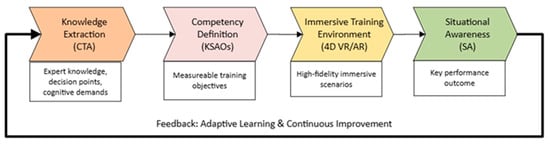
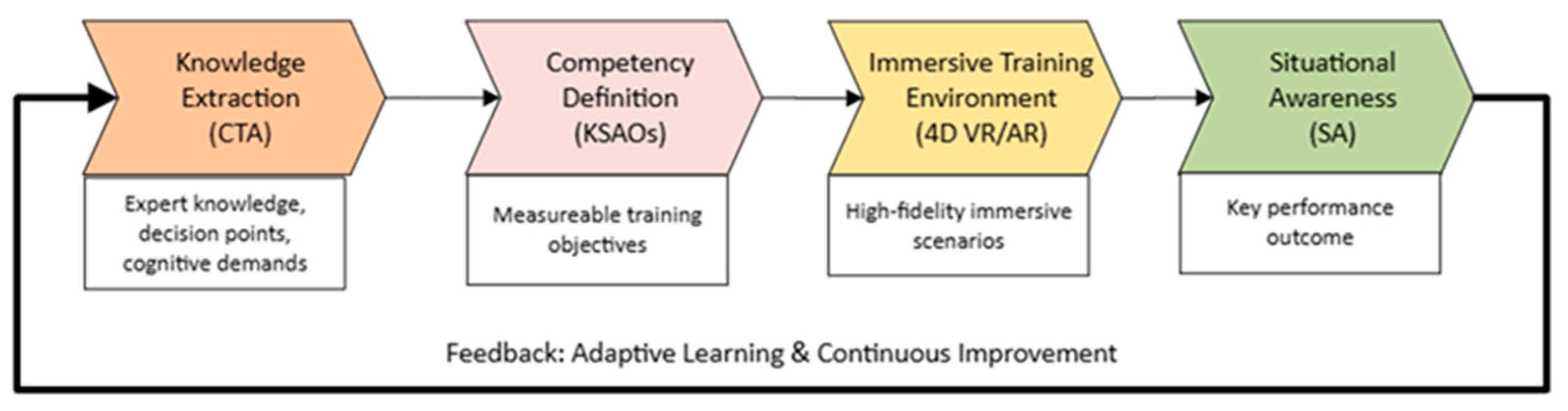
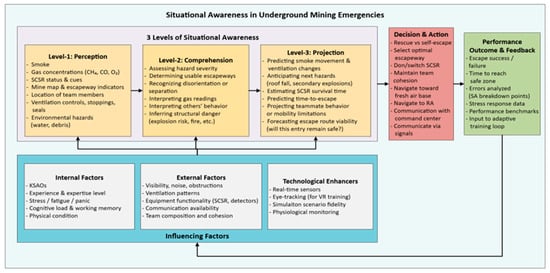
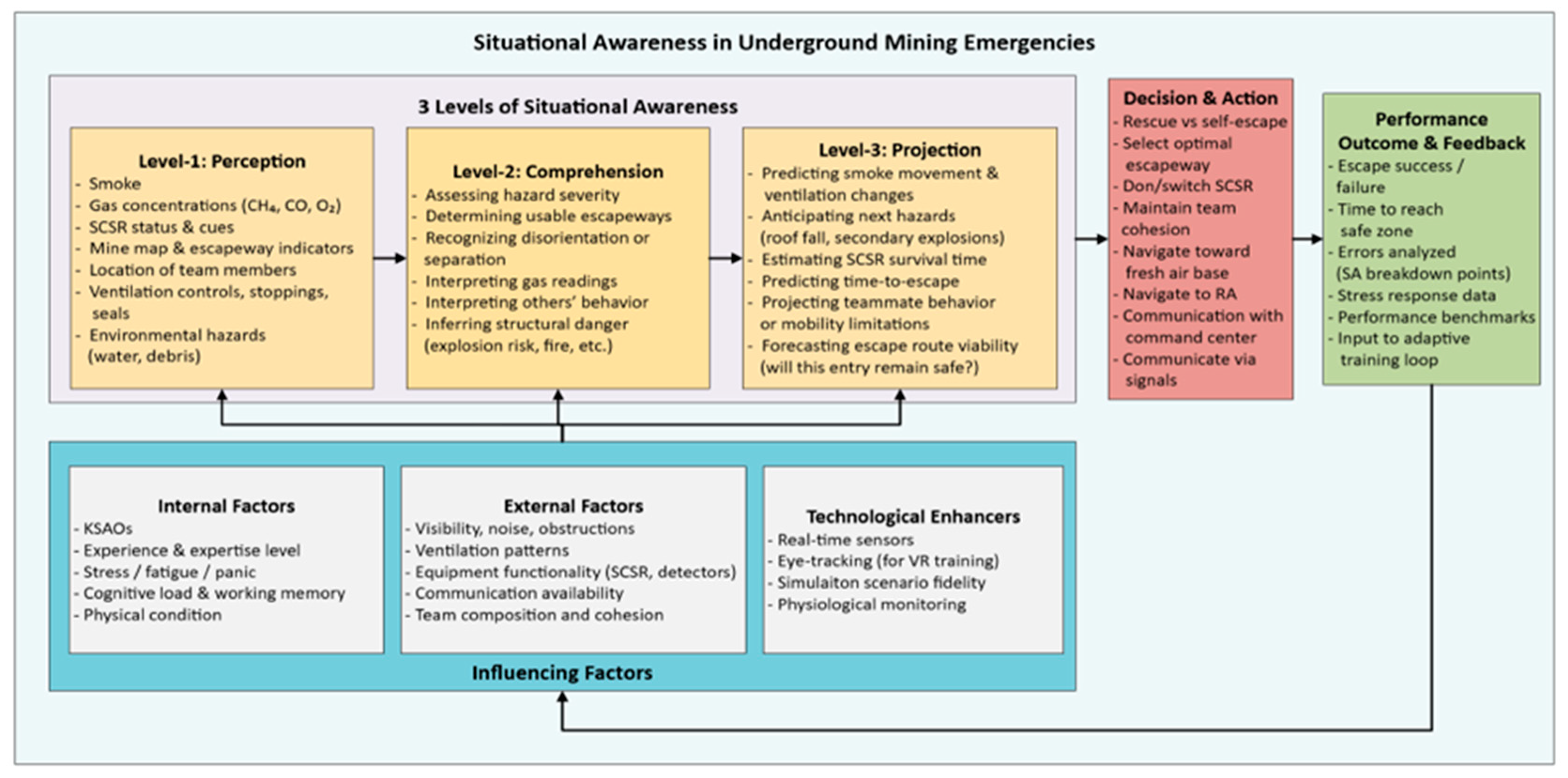
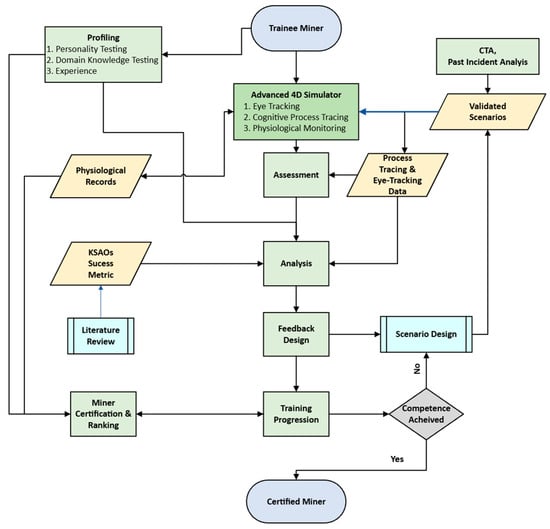
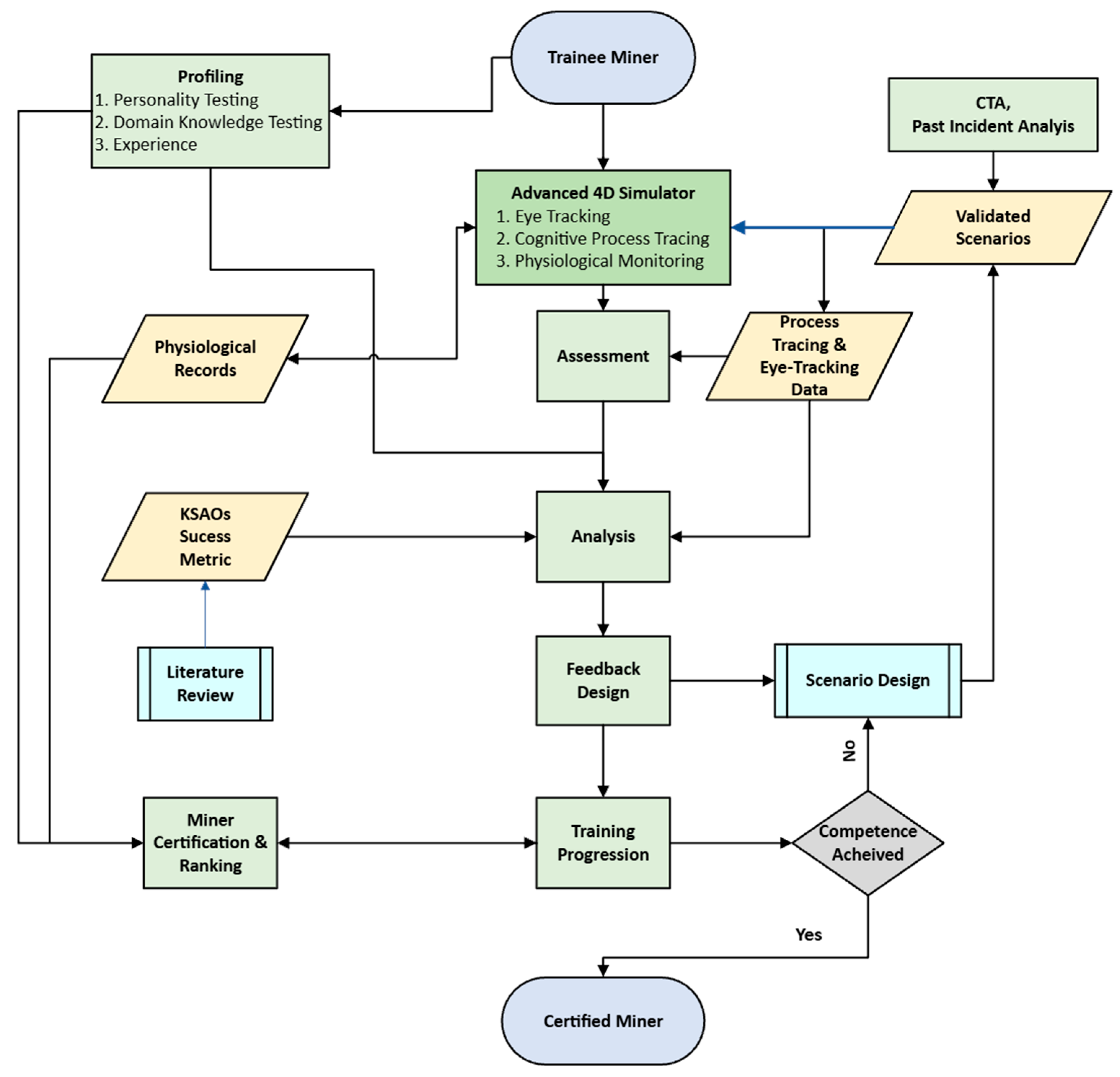
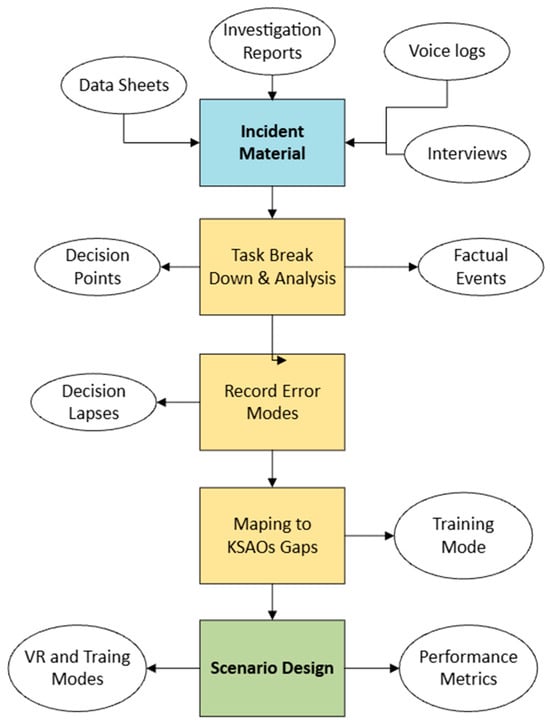
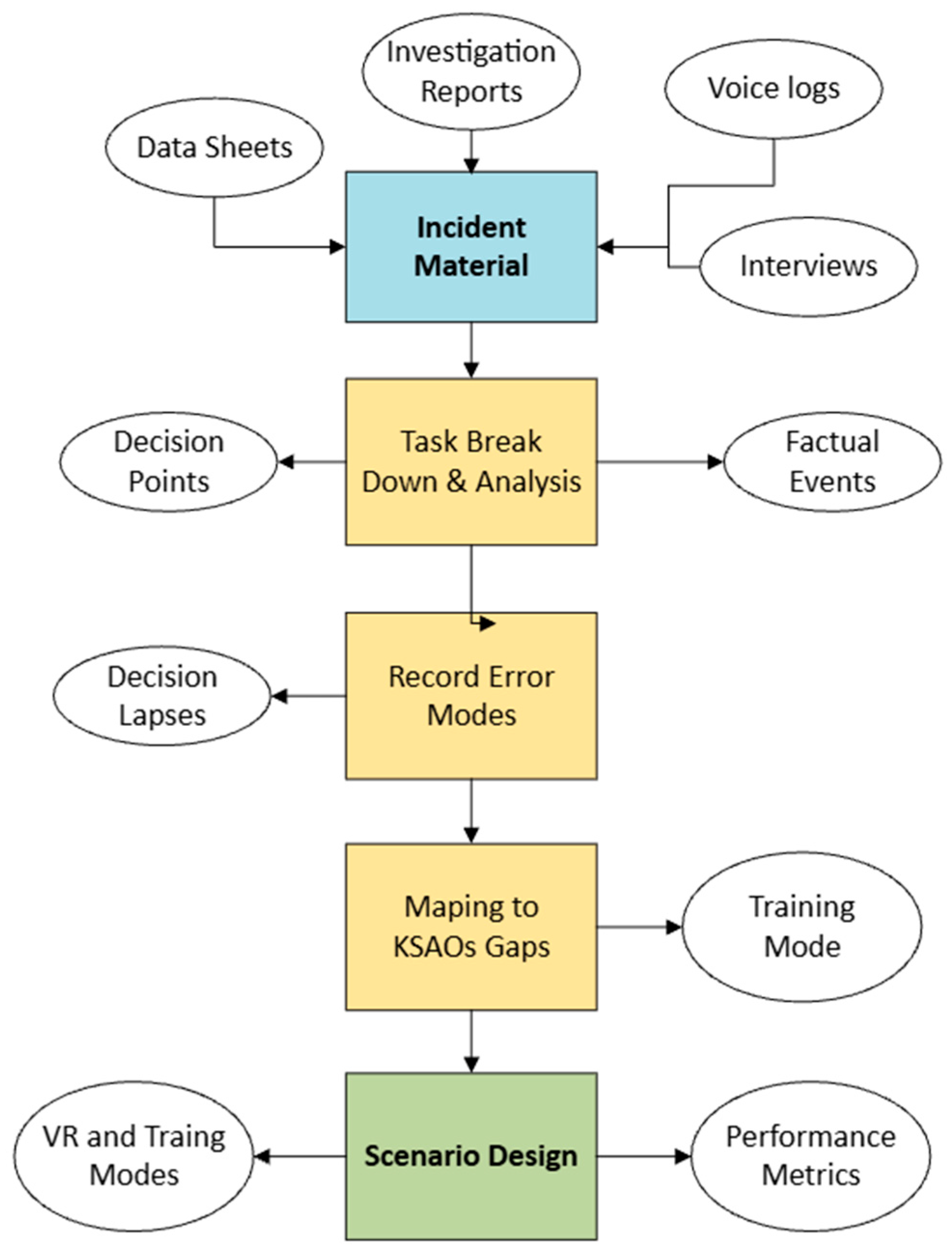

Disclaimer/Publisher’s Note: The statements, opinions and data contained in all publications are solely those of the individual author(s) and contributor(s) and not of MDPI and/or the editor(s). MDPI and/or the editor(s) disclaim responsibility for any injury to people or property resulting from any ideas, methods, instructions or products referred to in the content. |
© 2026 by the authors. Licensee MDPI, Basel, Switzerland. This article is an open access article distributed under the terms and conditions of the Creative Commons Attribution (CC BY) license.