


Abstract
Natural macromolecules and biopolymers are central components in biological, food, pharmaceutical, and materials systems. Pectins, polysaccharides, cellulose, lignin, chitin, chitosan, polyhydroxyalkanoates, proteins, and macromolecular complexes can be recovered from renewable matrices or modified to obtain specific technological functions. Hydrodynamic cavitation is assessed as an intensification platform for the recovery and processing of these fractions. Attention is directed to the relationship between process configuration, molecular structure, and final performance. Extraction yield alone is not considered sufficient to define the technological value of the treatment. Matrix disintegration, mass transfer, dispersion, emulsification, fibrillation, controlled depolymerization, and structural modification are considered. Reactor configuration, operating severity, fraction stability, molecular characterization, rheological properties, colloidal behavior, energy consumption, and scale-up transferability are also evaluated. The available evidence, including representative quantitative and functional descriptors reported in the literature, indicates that hydrodynamic cavitation should not be interpreted as a universally superior technology. Its relevance is stronger when a measurable, reproducible, and functionally meaningful advantage is demonstrated against appropriate controls and alternative technologies.
1. Introduction
Natural macromolecules and biopolymers are relevant to biological, food, pharmaceutical, and material systems because their technological value depends not only on composition, but also on molecular architecture, supramolecular organization, intermolecular interactions, and functional properties. In colloidal and food matrices, protein–polysaccharide interactions and hydrocolloids control stability, phase behavior, viscosity, interfacial properties, gelation, and emulsification [1,2,3]. Protein functionality is similarly structure-dependent and is governed by conformation, aggregation, hydration, gelation, water retention, and rheological response [4,5,6,7]. Other macromolecular classes require different quality descriptors: chitin and chitosan are assessed through molecular weight, degree of deacetylation, charge, solubility, and viscosity [8,9]; cellulose-based fractions, lignin, and polyhydroxyalkanoates require descriptors related to morphology, degree of polymerization, crystallinity, dispersion stability, cell disruption, and polymer integrity [10,11,12,13]; pectins require botanical-source, domain-composition, molecular-weight, degree-of-esterification, viscosity, and gelling descriptors [14,15,16,17,18]; and plant proteins require assessment of extraction route, protein integrity, antinutritional factors, and interactions with polysaccharides, lipids, fibers, and colloidal particles [19,20,21,22,23].
Hydrodynamic cavitation has attracted increasing interest as a physical and physicochemical intensification technology for such systems. The process is based on the formation, growth, and collapse of vapor or gas–vapor cavities in a flowing liquid. Collapse events can generate microjets, pressure waves, shear gradients, local turbulence, interfacial renewal, and intense mixing [24]. These effects can increase matrix accessibility, improve mass transfer, promote disintegration, support dispersion or emulsification, and induce structural modification. The same effects, however, can also cause undesired depolymerization, denaturation, aggregation, oxidation, or loss of functional quality when treatment severity is not controlled.
Previous contributions have discussed hydrodynamic cavitation as a non-thermal technology for food processing, extraction, greener operations, process intensification, plant-biomass valorization, and recovery of high-value ingredients [25,26,27,28,29]. These studies support the technological relevance of hydrodynamic cavitation, but they do not establish a universal advantage across natural macromolecular matrices. The specific need addressed here is different from a general discussion of cavitation-assisted extraction or oxidation. The focus is the macromolecular outcome of the treatment: recovery, preservation, controlled structural modification, functional performance, and application suitability of natural macromolecules and biopolymers.
The central issue is therefore not simply whether cavitation occurs, but whether the induced macromolecular change is useful, measurable, reproducible, and compatible with the intended application. A pectin-rich plant residue, a protein dispersion, a cellulosic suspension, a chitosan solution, a microbial biomass containing intracellular polyesters, and a complex beverage matrix are not equivalent systems. In some cases, the function of cavitation is the release of a target fraction. In others, it is matrix opening, fibrillation, controlled depolymerization, protein modification, emulsification, dispersion, viscosity control, or cell disruption. The most useful operating condition does not necessarily correspond to the most intense cavitation.
For this reason, hydrodynamic cavitation should not be interpreted as automatically sustainable or intrinsically preferable to ultrasound, high-pressure homogenization, enzymes, microwaves, deep eutectic solvents, or conventional processes. Its value depends on comparative evidence, fraction quality, operating severity, energy demand, temperature control, solids handling, downstream separation, and transferability [30,31]. Accordingly, technological value is interpreted through the relationship between reactor-dependent cavitation function, matrix response, molecular structure, functional properties, and final application suitability. Extraction yield is treated as only one descriptor among others, together with molecular weight, molecular-weight distribution, degree of esterification or deacetylation, degree of polymerization, viscosity, solubility, rheology, particle or droplet size, colloidal stability, digestibility, energy consumption, and performance against appropriate alternatives.
2. Scope, Literature Basis, and Critical Assessment Approach
The scope concerns the recovery and functional processing of natural macromolecules and biopolymers by hydrodynamic cavitation. Plant, microbial, food-derived, and biological matrices are considered when the treated or recovered fraction has macromolecular relevance. The systems included are pectins, polysaccharides, cellulose, lignin, chitin, chitosan, polyhydroxyalkanoates, proteins, peptides, hydrocolloids, macromolecular complexes, emulsions, and colloidal systems.
The central focus is the macromolecular outcome of the treatment. Hydrodynamic cavitation is therefore evaluated according to its ability to promote recovery, preservation, controlled structural modification, and functional performance of the obtained fraction. Relevant endpoints include molecular weight, molecular-weight distribution, degree of esterification or deacetylation, degree of polymerization, morphology, crystallinity, solubility, viscosity, rheology, emulsifying behavior, colloidal stability, digestibility, purity, and application suitability.
The objective is to determine when hydrodynamic cavitation provides a meaningful macromolecular processing function rather than only an observable process effect. The assessment is guided by three questions: which function is performed by cavitation; which molecular or structural descriptors indicate preservation, controlled modification, or damage; and which functional or quantitative data support a real technological advantage.
Several terms are used with specific meaning. Natural macromolecules denote high-molecular-weight or structurally organized fractions obtained from natural matrices. Biopolymers denote polymeric materials of biological origin or biological production. Functional processing denotes treatment not only aimed at recovery but also at controlled modification of solubility, viscosity, molecular weight, morphology, interfacial behavior, emulsifying properties, rheology, digestibility, or stability. Nanocellulose denotes cellulose-based nanoscale or nanostructured fractions when morphological or structural evidence supports this classification. Molecular depolymerization denotes reduction in polymer-chain length or molecular-weight distribution; it is considered useful only when controlled, measurable, and compatible with the intended function. IntegroPectin denotes pectin-rich fractions obtained through integral citrus-residue valorization and containing associated bioactive or structural components, rather than conventionally purified pectin. This distinction is relevant because pectin functionality depends on molecular structure, degree of esterification, and final use [14,18].
The evidence base was defined by selecting studies in which hydrodynamic cavitation was applied to natural macromolecules, biopolymers, or macromolecule-containing matrices. Foundational cavitation studies were retained when they clarified cavity formation, reactor operation, or process-intensification mechanisms [24]. Application studies were prioritized when they reported macromolecular descriptors, functional properties, quantitative performance indicators, comparators, energy input, or scale-relevant information. Studies focused only on pollutant degradation or wastewater oxidation were not treated as primary macromolecular evidence, except where they clarified cavitation mechanisms, energy reporting, or transferability limits.
Quantitative information was used when available, but was not combined into a formal meta-analysis because matrices, reactors, operating conditions, and endpoints differ substantially across studies. Reported values for recovery yield, molecular weight, molecular-weight distribution, degree of esterification, degree of deacetylation, degree of polymerization, viscosity, solubility, particle or droplet size, crystallinity, treatment time, number of passes, energy input, process scale, and comparator performance were interpreted as representative descriptors. When numerical values were absent or not comparable, the absence of such data was treated as a reporting limitation rather than compensated by inferred performance.
Hydrodynamic cavitation is not interpreted as automatically superior to ultrasound, high-pressure homogenization, enzymatic processing, microwaves, deep eutectic solvents, or conventional extraction. These technologies are considered as comparators or complementary routes when they clarify whether cavitation provides a distinct advantage in fraction quality, functional performance, energy demand, process integration, or transferability [30,31].
The critical assessment is based on the relationship among macromolecular class, cavitation function, and quality of the obtained fraction. Hydrodynamic cavitation may act as an extraction aid, matrix-opening step, fibrillation tool, depolymerization process, protein-modification method, emulsification route, dispersion strategy, viscosity-control method, or cell-disruption technology. Its significance therefore changes with the matrix, target fraction, operating severity, and intended application.
The evidence domains used for the assessment are summarized in Table 1. The table is intended as an evidence-classification framework rather than as a ranking of macromolecular systems.
Table 1.
Evidence framework for assessing hydrodynamic cavitation in natural macromolecule and biopolymer processing.
The interpretive logic adopted for hydrodynamic cavitation in macromolecular systems is summarized in Figure 1. The framework links reactor-dependent cavitation regime, matrix response, molecular structure, functional properties, and final application suitability.
Figure 1.
Interpretation framework for hydrodynamic cavitation in natural macromolecule processing. Reactor configuration and operating conditions determine the cavitation regime and exposure of the treated matrix. The matrix response must then be connected to macromolecular structure, functional properties, and final application suitability. The colors distinguish process conditions and cavitation exposure (blue), matrix and molecular responses (gray), and functional and application outcomes (green). The scheme emphasizes that extraction yield or apparent physical modification alone is insufficient to demonstrate technological value.
Representative application evidence was selected to cover distinct process functions: release and quality assessment of pectin-rich fractions [32,33], structural and functional changes in protein systems [34,35], and cell disruption or matrix opening in intracellular-biopolymer and lignocellulosic systems [36,37].
Yield is treated as a useful but partial descriptor. An increase in recovered material may indicate improved release of the target fraction, but it may also be associated with uncontrolled depolymerization, oxidation, aggregation, denaturation, impurity release, or loss of functionality. Recovery data are therefore interpreted together with structural descriptors, purity, molecular characteristics, functional properties, energy demand, and comparison with suitable controls or alternative technologies.
A distinction is made between observable modification and technological advantage. A measurable change indicates that hydrodynamic cavitation produced an effect. A technological advantage requires that the effect be useful, reproducible, and superior or complementary to that obtained through appropriate comparators. Transferability is interpreted with the same caution because scale, temperature, residence time, solids loading, recirculation mode, downstream separation, and energy consumption can modify the final outcome.
3. Hydrodynamic Cavitation Fundamentals for Macromolecular Systems
Hydrodynamic cavitation occurs when a flowing liquid passes through a region where the local pressure decreases sufficiently to allow vapor or gas–vapor cavities to form. These cavities grow in the low-pressure region and may collapse when transported into a region of higher pressure [38,39]. The process depends on reactor geometry, pressure recovery, flow rate, temperature, gas content, viscosity, and the physical properties of the treated matrix.
Cavity collapse can generate microjets, pressure waves, velocity gradients, local turbulence, and intense fluid deformation [38,39,40]. In macromolecular systems, these effects can increase matrix accessibility, promote fraction release, improve dispersion, and support controlled structural modification. The same effects can also alter molecular weight, conformation, aggregation state, colloidal organization, and functional performance. Hydrodynamic cavitation should therefore be interpreted as a severity-dependent treatment, not as a uniformly beneficial physical input.
The treated matrix is not a passive medium. Fibers, plant cell walls, cells, protein aggregates, polysaccharide networks, suspended solids, and colloidal particles can influence cavitation inception, cavity growth, and collapse distribution. Gas nuclei and active surfaces affect cavitation onset [41]. In particle-rich or fiber-rich matrices, these features may promote nucleation, but they may also produce non-uniform exposure of the treated material.
Temperature modifies vapor pressure, viscosity, gas solubility, collapse intensity, and target-fraction stability [42]. Moderate heating may improve diffusion, hydration, and mass transfer, whereas uncontrolled heating can confound cavitation-specific effects. Thermal effects should therefore be separated from cavitation effects whenever possible.
Reactor configuration determines how hydraulic energy is converted into cavitation. Venturi devices, orifices, vortex reactors, rotational systems, and hybrid configurations generate different pressure fields, residence times, turbulence levels, and cavitating regions [43,44]. Reactor type should therefore be considered part of the experimental result, not only an apparatus description.
In Venturi devices, cavitation is generated by flow acceleration in the converging section and pressure reduction at the throat. The diverging section controls pressure recovery, cavity development, and collapse behavior [45]. Throat diameter, throat length, divergence angle, and inlet conditions strongly affect the resulting cavitation regime [46,47]. Venturi optimization should not only be interpreted as maximization of cavitation intensity; spatial distribution, regime stability, pressure recovery, and treatment uniformity are equally important when polymer preservation or controlled modification is required [48].
Vortex devices generate cavitation through rotational flow structures and low-pressure regions in the vortex core [49]. Rotational reactors generate cavitation through moving elements, rotor–stator interactions, holes, grooves, or rotating geometries [50]. These configurations can improve mixing, repeated exposure, and treatment distribution, but they also introduce scale dependence, heating, wear, maintenance requirements, and additional mechanical complexity.
Computational fluid dynamics can help interpret the influence of geometry and operating conditions, although numerical results depend on turbulence models, cavitation models, boundary conditions, and assumptions used to describe the flow [51]. Unsteady phenomena, including cavitation-cloud shedding, can further modify exposure of the matrix to active regions [52]. Predictive tools are useful for interpretation and design, but they do not replace experimental characterization of the treated fraction.
The chemical contribution of cavitation also requires controlled interpretation. Under suitable conditions, cavity collapse can generate radical species [53]. This may support controlled physicochemical modification, but it may also contribute to oxidation, depolymerization, or loss of product quality. In macromolecular recovery and functional processing, radical generation is useful only when compatible with the intended function of the treatment.
The cavitation number is often used to describe operating conditions, but it is not sufficient as a stand-alone descriptor [54]. Similar values can correspond to different regimes when geometry, pressure recovery, temperature, gas content, scale, or recirculation mode changes. Treatment time is also insufficient by itself in recirculating systems. Flow rate, treated volume, residence-time distribution, number of passes, and the position of the cavitating region determine the actual exposure of the matrix.
For macromolecules, the useful operating window is defined by the balance between release or modification and damage. Moderate cavitation may promote matrix opening, dispersion, emulsification, fibrillation, or controlled size reduction. Excessive cavitation may instead produce depolymerization, fragmentation, denaturation, irreversible aggregation, or loss of viscosity, gelling capacity, emulsifying performance, or colloidal stability. The most useful condition therefore does not necessarily coincide with the most intense cavitation.
This severity-dependent interpretation changes with the macromolecular system. Pectin-rich fractions require preservation of molecular descriptors linked to viscosity and gelling behavior. Protein systems require control of solubility, aggregation, conformation, and interfacial properties. Cellulose and lignocellulosic fractions require distinction between matrix opening, fibrillation, and damaging fragmentation. Chitosan systems require controlled interpretation of molecular-weight reduction. Emulsions, hydrocolloids, and colloidal systems require assessment of droplet or particle size, interaction strength, rheology, and stability over time.
Correct interpretation also requires separation among cavitation effects, thermal effects, and simple hydraulic or mixing effects. The final outcome may result from local collapse events, bulk heating, shear, turbulence, residence time, or their combination. Comparisons with non-cavitating hydraulic treatment, thermal controls, and suitable alternative technologies are therefore needed when a specific cavitation contribution is claimed.
Reproducibility requires detailed reporting of reactor type, geometry, inlet pressure, pressure drop, flow rate, temperature, treated volume, recirculation mode, treatment time, number of passes, and energy consumption [55]. For macromolecular systems, these data should be reported together with fraction quality, including molecular weight, molecular-weight distribution, structure, solubility, viscosity, rheology, stability, and emulsifying or gelling properties when relevant.
Hydrodynamic cavitation can be useful as a physical and physicochemical treatment platform for macromolecular systems only when reactor conditions are connected to measurable molecular, structural, and functional outcomes. Its value depends on severity control, adequate comparators, and preservation or controlled modification of the target fraction.
4. Recovery of Polysaccharides, Pectins, Cellulose, Chitosan, and Intracellular Biopolymers
Polysaccharides and intracellular biopolymers represent a major application area for hydrodynamic cavitation in natural macromolecule processing. In these systems, cavitation may promote fraction release, matrix opening, morphological modification, controlled molecular-size reduction, fibrillation, or cell disruption. However, the value of the process depends on whether the recovered or modified fraction retains properties compatible with the intended function. Yield, molecular structure, purity, viscosity, morphology, stability, energy demand, and downstream processing must therefore be assessed together.
4.1. Pectins and Pectin-Rich Biopolymers
Pectins are structurally complex plant-cell-wall polysaccharides whose functionality depends on composition, molecular weight, degree of esterification, branching, and domain distribution [14,15,16]. Their technological value is also determined by the relationship between extraction route, molecular structure, and final use [17,18]. Pectin recovery should therefore be evaluated through both recovery efficiency and product quality.
Citrus by-products are particularly relevant sources of pectins and pectin-rich fractions because they contain pectic polysaccharides together with flavonoids, fibers, sugars, aromatic compounds, and other matrix-associated components [56,57]. This composition increases valorization potential and also makes product definition more demanding. The target is not always a conventionally purified pectin; in some cases, the recovered material is a pectin-rich fraction whose functionality depends on both polymer structure and associated compounds.
The processing route directly affects pectin quality [58]. Hydrodynamic cavitation is relevant in this context because it can combine matrix disruption, mass-transfer enhancement, and dispersion. Evidence on citrus-waste-derived pectin-rich biopolymers indicates that short cavitation treatments can improve dispersibility and functionality [32]. Coupling hydrodynamic cavitation with a deep eutectic solvent for sweet lime peel extraction further shows that cavitation can be integrated with alternative solvent systems [33]. In both cases, the critical point is not only enhanced extraction, but preservation or controlled modification of the recovered fraction.
Integral valorization of orange peel at real scale provides a broader process perspective [59]. Cavitation is not used only as an extraction step for a single molecule, but as part of an integrated route producing potentially valorisable aqueous and solid fractions. IntegroPectin further illustrates this distinction because red-orange and bitter-orange fractions contain pectin together with associated functional compounds [60]. Hydrodynamic cavitation has also been proposed as a low-waste route for converting citrus residues into biopolymer-rich products [61]. Such fractions may have technological interest, but their complexity requires composition, stability, reproducibility, and intended use to be documented.
Associated flavonoids and volatile compounds reported in citrus-derived pectin-rich fractions may contribute to antioxidant, aromatic, or functional properties [62,63]. However, they also make the recovered product less comparable with purified commercial pectin. A pectin-rich fraction should therefore be described through polymer descriptors and relevant non-polymeric components when these components influence stability or function.
Structural characterization remains essential. Polysaccharides extracted from apple and pomegranate by-products by hydrodynamic cavitation have been characterized using methods such as NMR, HPSEC, and HPAEC [64]. These techniques connect treatment conditions with molecular structure and fraction composition. Without this connection, extraction yield alone provides weak evidence of technological value.
For pectins and pectin-rich biopolymers, hydrodynamic cavitation is most convincing when release and dispersion are accompanied by molecular and functional characterization. A useful effect is indicated by improved recovery or process integration together with preserved or controlled molecular weight, degree of esterification, viscosity, gelling or stabilizing behavior, and storage stability. A potentially damaging effect is indicated by excessive viscosity loss, uncontrolled depolymerization, unstable composition, or insufficient definition of the recovered fraction.
4.2. Cellulose, Nanocellulose, Lignocellulosic Fractions, and Other Polysaccharides
Cellulose, nanocellulose, lignocellulosic fractions, and soluble polysaccharides require a different interpretation from pectin-rich systems. In these matrices, hydrodynamic cavitation may act as a matrix-opening, fibrillation, dispersion, or depolymerization tool. The useful endpoint is not simply material release, but controlled modification of morphology, accessibility, molecular size, purity, and functional behavior.
Coffee grounds provide a representative example of this dual function. Cavitation in a Venturi tube enabled simultaneous production of caffeic acid and cellulose microfibrils, indicating that the treatment can affect both extractable compounds and the fibrous fraction [65]. Citrus-processing waste has also been used to produce micronized cellulose using water and electricity [66]. These cases show that cavitation can act on the matrix as a whole, but the value of the process must be judged through the properties of the cellulosic product, including morphology, particle size, dispersibility, and suitability for subsequent applications.
Evidence on cellulose recovery from agri-food residues supports the role of cavitational treatments as intensification tools for fibrous fractions [67]. However, recovery should not be interpreted independently from polymer quality. Crystallinity, degree of polymerization, morphology, purity, and downstream processability remain essential descriptors when the recovered product is a macromolecular fraction.
Lignin introduces additional complexity because its structure is heterogeneous and strongly dependent on source and treatment history [68]. Hydrodynamic cavitation may increase lignocellulosic-matrix accessibility and support disintegration [37]. It can also be combined with hydrothermal conditions to promote separation and valorization of biopolymers and extractives [69]. In these systems, cavitation is more appropriately interpreted as a pretreatment or integration step than as a complete valorization route by itself.
The practical distinction between useful matrix opening and polymer damage is central. Useful matrix opening is supported by increased accessibility, improved fibrillation, enhanced separation, preserved or controlled degree of polymerization, stable morphology, and improved processability. Polymer damage is suggested by excessive fragmentation, uncontrolled molecular-weight reduction, loss of crystallinity when crystallinity is required, impaired rheology, reduced mechanical or functional performance, or increased downstream burden.
Soluble cellulose derivatives and other water-soluble polysaccharides require the same controlled interpretation. Degradation of hydroxypropyl methylcellulose by acoustic and hydrodynamic cavitation demonstrates that soluble cellulosic macromolecules can undergo molecular-weight reduction [70]. Cellulose fibrillation represents another function, where the relevant endpoint is morphological transformation rather than extraction or dissolution [71]. Depolymerization of carboxymethyl cellulose by hydrodynamic cavitation combined with UV irradiation and persulfate shows that chemical activation can accelerate polymer transformation [72]. Guar gum depolymerization extends this logic to other soluble polysaccharides [73].
These examples indicate that viscosity reduction or size reduction is not automatically beneficial. Such changes may improve processability when controlled, but they may also indicate chain scission and loss of functional value. Molecular-weight distribution, final viscosity range, morphology, fibril or particle size, crystallinity, dispersion stability, rheological response, and intended application must therefore be evaluated together.
For cellulose, lignocellulosic fractions, and soluble polysaccharides, hydrodynamic cavitation is most useful when the required function is defined before treatment. Matrix opening, fibrillation, viscosity reduction, depolymerization, and separation require different operating windows and different descriptors. A single cavitation condition cannot be assumed to optimize all lignocellulosic or polysaccharide fractions.
4.3. Chitosan, Chitin-Derived Systems, and Chitosan Nanoparticles
Chitin and chitosan are especially sensitive to molecular-weight control, degree of deacetylation, charge, solubility, viscosity, and molecular-weight distribution. Hydrodynamic cavitation should therefore not be evaluated only by the extent of degradation. The relevant question is whether the treatment produces a controlled material change compatible with the intended application.
Hydrodynamic cavitation has been studied for controlled chitosan degradation [74,75]. Molecular-weight reduction and viscosity decrease can improve processability or generate lower-molecular-weight chitosan fractions. However, the same changes can be detrimental when chain length, biological activity, or specific functional properties must be preserved. Kinetic modeling confirms that degradation cannot be described only by treatment duration because pressure, reactor geometry, temperature, polymer concentration, and liquid properties influence the degradation rate [76]. Molecular-weight distribution is therefore more informative than viscosity reduction alone.
The preparation of low-molecular-weight chitosan through hydroxyl radicals generated by hydrodynamic cavitation highlights the chemical contribution of the process [77]. This mechanism can be useful for targeted depolymerization, but it also increases the need to monitor excessive chain scission, functional-group preservation, and final product consistency. Device configuration further affects treatment severity. Impinging-stream and jet cavitation can modify the intensity and distribution of chitosan transformation [78], while prediction of radical yield in cavitation bubble clouds indicates that local reactive conditions may not be captured by global operating parameters alone [79].
Chitosan-based systems are not limited to depolymerization. Hydrodynamic cavitation has been used to intensify emulsion cross-linking for chitosan nanoparticle formation [80] and to prepare size-controllable chitosan–genipin nanoparticles [81]. In these cases, cavitation acts mainly through dispersion, mixing, droplet or particle formation, and control of cross-linking conditions. The relevant descriptors therefore shift from degradation extent to particle size, size distribution, charge, stability, cross-linking degree, and application performance.
The assessment of chitosan and chitin-derived systems requires a balance between transformation and preservation. A useful cavitation effect is indicated by controlled molecular-weight reduction, improved processability, reproducible nanoparticle formation, or stable cross-linked structures. A damaging effect is suggested by excessive viscosity loss, broad molecular-weight distribution, uncontrolled chain scission, loss of functional groups, unstable particles, or insufficient definition of the final material.
4.4. Polyhydroxyalkanoates and Intracellular Biopolymers
Polyhydroxyalkanoates are microbial polyesters stored as intracellular granules and represent an important class of biobased polymers [13]. Their recovery differs from pectin extraction, cellulose fibrillation, or chitosan depolymerization because the first process function is usually cell disruption. Hydrodynamic cavitation is therefore evaluated according to its ability to release the intracellular polymer while limiting polymer damage, impurity release, and downstream chemical demand.
Hydrodynamic cavitation has been applied to the recovery of intracellular polyhydroxyalkanoates [36]. In this context, cell breakage is only one part of the assessment. The recovered polymer should also be evaluated in terms of purity, molecular weight, molecular-weight distribution, residual biomass, solvent or chemical requirement, and compatibility with subsequent purification. High disruption efficiency alone does not demonstrate a useful recovery process if polymer quality or process balance is compromised.
Studies on microbial disruption by cavitation show that cell breakage can be controlled through operating conditions [82]. Broader applications in biochemical engineering and biotechnology further support the use of cavitation for releasing intracellular components [83]. Selective release is particularly important. Disruption of brewer’s yeast by hydrodynamic cavitation has shown that process variables influence the release of cellular components [84]. For polyhydroxyalkanoates, insufficient disruption can reduce polymer recovery, whereas excessive disruption can increase protein, lipid, nucleic-acid, or cell-wall impurities.
Microalgal disruption by hydrodynamic cavitation provides an additional example of cellular-biomass treatment [85]. Such systems highlight the importance of scale, energy efficiency, biomass concentration, and separation strategy. These factors are especially relevant for intracellular biopolymers, where large volumes, diluted suspensions, and complex cell residues can strongly affect process feasibility.
The recovery of polyhydroxyalkanoates by hydrodynamic cavitation should therefore be interpreted as an integrated operation. Cell disruption, polymer release, separation, purification, molecular integrity, energy consumption, and residue management must be considered together. A useful effect is indicated by improved polymer recovery together with preserved molecular weight, adequate purity, reduced chemical demand, and simplified downstream processing. A weak or damaging outcome is indicated by incomplete disruption, excessive impurity release, polymer degradation, poor separation efficiency, or an unfavorable energy and purification balance.
Overall, polysaccharides, pectin-rich fractions, cellulose, chitosan, and intracellular biopolymers show that hydrodynamic cavitation can perform different macromolecular functions. It can release, disperse, fibrillate, depolymerize, disrupt cells, or intensify particle formation. Its value depends on defining the target function before treatment and on demonstrating that the resulting modification is controlled, measurable, and compatible with the intended application.
5. Functional Processing of Proteins and Protein-Rich Macromolecular Systems
Proteins are highly process-sensitive macromolecules. Their functionality depends on solubility, conformation, aggregation, hydration, gelation, interfacial behavior, and rheological properties [4]. Hydrodynamic cavitation should therefore be evaluated according to the specific protein function targeted by the treatment, rather than through extraction yield or apparent dispersion alone.
Cavitation can affect protein systems through mixing, aggregate disruption, interfacial renewal, local shear, temperature increase, and possible physicochemical modification. These effects may improve dispersion, expose functional groups, reduce aggregate size, or modify rheological behavior. They may also promote denaturation, irreversible aggregation, loss of solubility, or deterioration of functional quality. The outcome depends mainly on protein type, pH, ionic strength, concentration, temperature, and treatment severity [21,86].
For protein-rich systems, useful interpretation requires a direct link between structural response and technological function. Improved hydration, dispersion, emulsification, viscosity control, filterability, digestibility, or powder reconstitution is only meaningful when accompanied by descriptors such as solubility, aggregate size, viscosity, gelation behavior, emulsifying properties, rheological response, structural integrity, digestibility, and storage stability. Without this link, protein modification remains an observed effect rather than evidence of technological advantage.
The relative importance of these variables is protein- and matrix-dependent. In dairy systems, hydration state, colloidal organization, viscosity, filterability, and powder reconstitution are usually decisive. In plant–protein systems, extraction history, pH, ionic strength, solubility, aggregation, antinutritional factors, and interactions with fibers or polysaccharides become more critical. In egg white, myofibrillar, gliadin, and peptide systems, gelation behavior, ionic-strength sensitivity, peptide profile, digestibility, and safety-relevant validation require particular caution.
5.1. Milk Proteins and Dairy Macromolecular Systems
Milk proteins provide a relevant model for evaluating hydrodynamic cavitation in concentrated and technologically complex protein systems. Their behavior depends on hydration, colloidal organization, protein–protein interactions, viscosity, temperature history, and process sequence. Even moderate structural changes can affect concentration, membrane filtration, drying, powder rehydration, and final functionality.
Hydrodynamic cavitation has improved rheological and functional properties of milk protein concentrates [34]. It has also been applied to improve instant rehydration of high-protein powders, where the target function is powder wetting, dispersion, and reconstitution rather than extraction [87]. These applications show that cavitation can modify dispersion and supramolecular organization in dairy protein systems, but their value depends on reproducibility and compatibility with the required product function.
Comparisons between hydrodynamic and ultrasonic cavitation on milk protein concentrates show that different cavitation modes cannot be treated as equivalent [88]. Energy distribution, local shear, thermal contribution, and structural impact may differ substantially. Such comparisons are useful only when treatment configuration, energy input, temperature evolution, and protein-quality descriptors are reported together.
Viscosity reduction in concentrated protein solutions is particularly relevant for industrial processing because it can facilitate pumping, concentration, membrane filtration, or drying [89]. However, lower viscosity should not be interpreted automatically as improvement. It may result from improved dispersion, controlled disaggregation, reduced particle interaction, or structural damage. The distinction requires data on solubility, aggregation state, particle organization, molecular or supramolecular structure, and rheological behavior.
Casein systems further show that non-thermal treatment can modify both structure and function [90]. For casein and caseinate-rich systems, compositional data alone are insufficient. Solubility, aggregation state, colloidal organization, rheology, and functional behavior are required to determine whether cavitation preserves, improves, or damages the protein system.
Cavitation may also influence downstream dairy operations. Combined cavitation, temperature control, and nanofiltration of ultrafiltered skim milk indicate that treatment can affect filterability, concentration behavior, and process efficiency [91]. Subsequent work on cavitation-assisted and high-temperature nanofiltration of milk protein concentrate powders confirms that final functionality depends on the whole process sequence, not only on the cavitation step [92]. Broader dairy applications of cavitation and ultrasonication support the same process-specific interpretation [93].
In dairy protein systems, hydrodynamic cavitation is most convincing when it improves a defined technological function, such as rehydration, viscosity control, dispersion, filterability, or powder functionality. A useful effect is indicated by improved processability together with preserved or improved solubility, controlled aggregation, stable rheology, and reproducible reconstitution behavior. A weak or damaging outcome is indicated by viscosity reduction without structural explanation, irreversible aggregation, loss of solubility, uncontrolled heating, or poor stability after processing.
5.2. Soy, Pea, Oat, Faba Bean, and Other Plant Proteins
Plant proteins are central to sustainable ingredients, plant-based formulations, and high-protein food systems [5,19]. Their functionality is often limited by low solubility, aggregation, interactions with fibers and polysaccharides, antinutritional compounds, and extraction constraints [20,21]. For these systems, hydrodynamic cavitation should be evaluated according to protein source, extraction history, medium conditions, and target function because recovery, solubility, emulsification, nutritional quality, and structural preservation do not necessarily improve together.
Soy proteins are among the most studied plant–protein systems. Comparisons between hydrodynamic and ultrasonic cavitation on soy protein isolate show that different cavitation technologies can produce distinct effects on protein functionality [35]. Hydrodynamic cavitation has also been used to intensify protein extraction from soybean-processing materials [94], improve emulsifying properties of soy protein isolate by swirling cavitation [95], modify oxidized soy protein isolate [96], and alter soybean glycinin behavior under different pH conditions [97]. These studies show that cavitation may improve recovery, dispersion, interfacial behavior, or emulsification, but also that the outcome depends strongly on the initial protein state and medium conditions.
For soy systems, the useful endpoint is not only protein release. Increased recovery has limited value if accompanied by excessive aggregation, reduced solubility, uncontrolled oxidation, or loss of technological performance. pH is especially important because it modifies protein charge, solubility, and aggregation state; therefore, the same hydrodynamic severity can produce different outcomes depending on the protein state before treatment [97]. In beverage-oriented soybean matrices, cavitating-jet treatment connects protein conformation with instant solubility, indicating that dispersion and reconstitution may be more relevant endpoints than protein enrichment alone [98].
Pea proteins require similar caution because their functionality depends strongly on extraction route, protein integrity, and processing history [20]. Comparative studies on ultrasonic and hydrodynamic cavitation show effects on recovery and structural integrity of pea proteins [99]. Hydrodynamic cavitation has also been compared with ultrasonication and high-pressure processing for reducing antinutritional factors in pea proteins [100]. This adds a nutritional dimension to the assessment: for food applications, protein recovery and functional improvement should be interpreted together with antinutritional-factor reduction and preservation of protein quality.
Oat hulls, faba beans, apple seeds, and other by-products extend the discussion to less conventional plant–protein matrices. Protein extraction from oat hulls using two hydrodynamic cavitation techniques shows that cavitation can be applied to fibrous by-products, where solids content, fiber–protein interactions, fraction purity, and process scalability are as important as extraction yield [101]. Faba bean proteins further illustrate the need for direct technological comparison because conventional extraction, ultrasound, high-pressure processing, and hydrodynamic cavitation have been compared for protein recovery from this source [102]. Apple seeds and other plant by-products show the potential of cavitation-assisted protein recovery in waste valorization routes, but matrix components such as oils, fibers, phenolics, and carbohydrates can affect extraction and final protein quality [103].
For plant proteins, hydrodynamic cavitation is most promising when linked to a defined function: improved recovery, solubility, emulsification, dispersion, reconstitution, or reduction in undesirable compounds. A useful effect is indicated by increased recovery together with preserved protein integrity, improved solubility, controlled aggregation, better interfacial behavior, or reduced antinutritional factors. A weak or damaging outcome is indicated by recovery increase without purity or functionality data, irreversible aggregation, loss of solubility, uncontrolled oxidation, excessive structural alteration, or absence of comparison with realistic processing alternatives.
5.3. Egg White, Myofibrillar, Gliadin, and Peptide Systems
Protein systems beyond dairy and plant proteins broaden the range of matrices affected by hydrodynamic cavitation. Egg white proteins, myofibrillar proteins, gliadin, and protein hydrolysates differ in solubility, aggregation tendency, pH sensitivity, peptide profile, gelation behavior, and technological function. A single operating condition cannot therefore be transferred directly across these systems.
Egg white proteins have been evaluated through direct comparison between hydrodynamic and acoustic cavitation [104]. The treatment can modify functional, rheological, and structural properties, but this comparison also shows that hydrodynamic cavitation should be assessed as a specific processing route rather than as a direct substitute for ultrasound. The relevant descriptors include solubility, rheology, aggregate state, structural integrity, and functional performance.
Egg white protein hydrolysates introduce a different quality criterion. Hydrodynamic cavitation can affect their functional, nutritional, and structural characteristics [105]. In these systems, peptide size, peptide distribution, solubility, digestibility, and powder behavior become central descriptors of product quality. The influence of cavitation and drying on egg white protein hydrolysate powders further shows that final functionality depends on the process sequence, not only on the cavitation step [106].
Myofibrillar proteins require another interpretation because they are sensitive to ionic strength, aggregation, and gel-network formation. Hydrodynamic cavitation can modify the physicochemical structure and emulsifying properties of tilapia myofibrillar proteins [107]. Treatment under different ionic-strength conditions can also affect gelation and aggregation behavior [108]. These findings indicate that medium composition can be as important as hydrodynamic severity for protein functionality.
Gliadin represents a particularly sensitive case because physical treatment may affect peptide sequences associated with celiac toxicity. Hydrodynamic cavitation can induce changes in wheat gliadin and celiac-toxic peptides [109]. Such changes require cautious interpretation. Peptide modification should not be equated with improved safety or food suitability unless supported by specific biochemical, immunological, or toxicological validation.
These examples confirm that protein-rich systems require function-specific assessment. Cavitation may improve dispersion, solubilization, emulsification, viscosity control, rehydration, gelation, or peptide-profile modification. It may also cause denaturation, aggregation, excessive fragmentation, or loss of functional quality. A useful effect is indicated by improved functionality together with preserved or controlled structure, stable solubility, adequate digestibility, and application-relevant performance. A weak or damaging outcome is indicated by structural alteration without functional validation, uncontrolled aggregation, excessive peptide fragmentation, loss of solubility, or unsupported safety claims.
Class-specific criteria for interpreting hydrodynamic cavitation effects on the main macromolecular systems are summarized in Table 2.
Table 2.
Class-specific practical criteria for hydrodynamic cavitation in natural macromolecule and biopolymer processing.
6. Macromolecular Complexes, Conjugates, Colloids, Emulsions, and Hydrocolloids
Natural macromolecular fractions are often recovered or processed as part of complex systems rather than as isolated components. Proteins, polysaccharides, polyphenols, lipids, fibers, and suspended particles can form complexes, aggregates, interfaces, emulsions, and colloidal networks. In these systems, hydrodynamic cavitation may affect intermolecular association, dispersion state, particle or droplet size, viscosity, interfacial behavior, and rheological response.
These effects are relevant only when they produce stable and functionally meaningful structures. Improved solubility, finer dispersion, lower viscosity, or smaller particle size has limited value without evidence of storage stability, response to pH and ionic strength, temperature tolerance, component compatibility, and application performance.
6.1. Protein–Polysaccharide and Heteroprotein Complexes
Protein–polysaccharide interactions are central to many colloidal and food structures [1,2]. Depending on charge balance, molecular weight, conformation, hydrophobicity, and medium conditions, they can produce soluble complexes, aggregates, coacervates, interfacial films, or networked structures. Their technological value depends on the stability and function of the resulting association, not only on the properties of the individual components.
The technofunctional properties of protein–polysaccharide complexes provide a useful framework for interpreting cavitation-treated systems [110]. Hydrodynamic cavitation can improve dispersion, promote contact between macromolecules, and modify aggregate size. However, the same treatment can also disturb weak interactions, alter protein conformation, or reduce polysaccharide molecular weight. Cavitation may therefore stabilize or destabilize a complex system depending on severity, pH, ionic strength, concentration ratio, and initial aggregation state.
Hydrocolloids add a further level of control because they can stabilize dispersions and emulsions through viscosity enhancement, steric effects, interfacial-film formation, or interaction with proteins [3]. Protein–polysaccharide conjugates may also show stronger emulsifying behavior than the separate components under selected conditions [6]. Maillard-type conjugates confirm that functional performance may depend on newly formed macromolecular associations rather than on simple mixing of ingredients [7].
For protein–polysaccharide systems, smaller particle size or lower viscosity is not sufficient to demonstrate useful complexation. Interpretation requires evidence on solubility, charge, aggregation state, interfacial behavior, rheology, and storage stability. A useful cavitation effect is indicated by improved homogeneity together with stable association and improved functional behavior. A weak or damaging outcome is indicated by transient dispersion, disrupted aggregates, uncontrolled viscosity loss, reduced polysaccharide molecular weight, protein denaturation, or loss of stability during storage.
Heteroprotein systems introduce similar complexity. Mixtures of whey proteins and plant proteins can show synergistic functional properties and broader application potential [111]. Cavitation may influence both protein–protein association and overall dispersion. Assessment should therefore connect treatment conditions with solubility, aggregation, interfacial properties, rheological behavior, and stability of the mixed-protein system.
6.2. Protein–Polyphenol Complexes and Conjugates
Protein–polyphenol complexes are relevant because binding can modify solubility, emulsification, interfacial behavior, oxidative stability, color, astringency, digestibility, and colloidal stability. Their formation depends on protein structure, polyphenol type, concentration ratio, pH, ionic strength, and processing conditions. For cavitation-treated systems, the key issue is not complex formation alone, but whether the resulting association improves a defined functional property.
Hydrodynamic cavitation has been used to fabricate soy protein isolate–polyphenol complexes [112]. Interactions between soy protein isolate and catechin, gradual rutin addition combined with cavitation, and conjugates involving lignan- or stilbene-type polyphenols further show that cavitation can modify both structure and functionality of protein–polyphenol systems [113,114,115]. These studies indicate that cavitation may promote dispersion, contact between components, and interaction between protein and phenolic molecules. However, the benefit depends on controlled association rather than nonspecific aggregation.
Whey-protein-based systems provide a complementary perspective. Processing of whey protein–pectin complexes has been transferred from laboratory batch experiments to a continuous technical-scale process, shifting the assessment from complex formation alone to processability, reproducibility, and transferability [116]. Pickering emulsions stabilized by proanthocyanidin–whey protein isolate complexes further show how macromolecular association can support encapsulation and stability of β-carotene [117]. Whey-protein conjugates with resveratrol and proanthocyanidin-based systems confirm that antioxidant and interfacial effects depend on the final organization of the complex, not only on the presence of the phenolic compound [118,119,120].
For protein–polyphenol complexes, functional data must be linked to interaction chemistry and colloidal structure. Improved emulsion stability, antioxidant capacity, digestibility, or storage behavior is meaningful only when supported by evidence on binding, particle size, aggregation state, secondary structure, interfacial behavior, and stability. A useful cavitation effect is indicated by controlled complexation with improved functionality and stable colloidal organization. A weak or ambiguous outcome is indicated by antioxidant change alone, increased turbidity without structural explanation, uncontrolled aggregation, or lack of stability data.
6.3. Emulsions and Colloidal Structuring by Hydrodynamic Cavitation
Hydrodynamic cavitation can act as an emulsification and homogenization technology when the target is colloidal structuring rather than macromolecule recovery. Droplet breakup and phase distribution are promoted by local shear, turbulence, microjets, pressure fluctuations, and flow instabilities. In these systems, the relevant outputs are droplet-size distribution, interfacial stabilization, rheology, and storage stability rather than yield.
Rapid emulsion formation by hydrodynamic cavitation has been associated with Kelvin–Helmholtz instabilities, indicating that emulsification depends on local flow dynamics and device geometry, not only on nominal treatment intensity [121]. Hydrodynamic cavitation has also been proposed for O/W homogenization and emulsion production in cavitational reactors [122,123]. Vortex devices further show that dense emulsions require quantitative descriptors such as effective viscosity, Sauter mean diameter, and droplet-size distribution rather than visual homogeneity alone [124].
Operating conditions strongly affect emulsion structure. Number of passes, pressure drop, and device scale can modify droplet-size distribution in vortex devices [125]. This point is especially important when proteins, polysaccharides, or hydrocolloids act as stabilizers because these macromolecules influence adsorption, steric stabilization, continuous-phase viscosity, and interfacial-film formation [1,2,3,6]. Cavitation may therefore promote useful structuring, but excessive severity may also disrupt stabilizing networks or damage the macromolecular stabilizer.
Continuous emulsification in vortex devices highlights the transferability issue [126]. A stable laboratory emulsion does not automatically imply stable continuous production. Residence-time distribution, recirculation mode, temperature, scale-up or scale-out strategy, and device control must be considered together with droplet-size distribution, rheology, and storage stability.
For emulsion and colloidal systems, hydrodynamic cavitation is useful only when the generated structure remains stable and functional under application-relevant conditions. A useful effect is indicated by controlled droplet-size reduction, narrow distribution, stable interfacial composition, reproducible rheology, and resistance to phase separation. A weak or transient outcome is indicated by initial droplet-size reduction without storage stability, uncontrolled heating, destabilization of macromolecular stabilizers, or poor reproducibility under continuous operation.
6.4. Hydrocolloids, Polymer Solutions, and Rheological Control
Hydrocolloids and aqueous polymer solutions are highly sensitive to shear, hydration, chain conformation, concentration, and molecular weight. Hydrodynamic cavitation can modify viscosity and flow behavior through dispersion, deaggregation, turbulence, and possible chain scission. The same viscosity reduction can therefore have opposite meanings.
Rheological modification of aqueous polymer solutions by hydrodynamic cavitation shows that the treatment can be used to tune flow properties and processability [127]. This may be useful for pumping, mixing, concentration, or formulation. However, lower viscosity should not be interpreted automatically as improvement. It may indicate better dispersion or reduced aggregation, but it may also indicate depolymerization and loss of functional value.
Rheological control is also relevant to emulsions, suspensions, and plant-based formulations, where proteins, polysaccharides, fibers, and particles affect mouthfeel, phase separation, stability, and storage behavior [22,23]. Cavitation can improve initial dispersion, but final performance must be verified through viscosity, viscoelasticity, particle or droplet size, molecular-weight distribution when relevant, and stability over time.
Complex macromolecular systems therefore require interpretation criteria different from those used for isolated fractions. In these systems, cavitation acts mainly as a structuring, dispersion, complexation, emulsification, or rheological-control tool. Minimum interpretation criteria for these systems are summarized in Table 3.
Table 3.
Interpretation criteria for complex macromolecular, colloidal, emulsion, and hydrocolloid systems treated by hydrodynamic cavitation.
7. Application-Oriented Macromolecular Matrices
Food matrices and beverages are considered here as application-oriented macromolecular systems, not as a general food-processing field. Proteins, polysaccharides, pectins, fibers, hydrocolloids, lipids, enzymes, polyphenols, and colloidal particles often coexist in the same matrix; hydrodynamic cavitation can therefore affect dispersion, homogenization, fraction release, rheology, colloidal stability, enzyme accessibility, and component interactions during one treatment. Changes in turbidity, color, viscosity, enzyme activity, microbial load, antioxidant activity, or apparent physical stability are relevant only when connected to macromolecular or colloidal structure and application performance [128,129].
7.1. Complex Food and Beverage Matrices as Macromolecular Systems
Plant-based beverages are dispersed macromolecular systems containing proteins, fibers, polysaccharides, lipids, insoluble particles, and minor compounds. Their quality depends on particle size, physical stability, viscosity, protein solubility, colloidal behavior, and sensory-relevant structure [22,23]. Almond-based beverages produced by hydrodynamic cavitation provide a direct example of cavitation applied to a plant-based matrix, where the process should be interpreted as construction of a complex dispersion rather than only as extraction of soluble compounds [130]. Peanut milk treated by hydrodynamic cavitation and compared with high-intensity ultrasound further shows the need for technological comparators [131]. Soymilk adds another level of complexity because plant proteins, lipids, colloidal particles, and enzymes respond simultaneously; comparisons between hydrodynamic and ultrasonic cavitation for lipoxygenase inactivation and physicochemical properties therefore require interpretation at the protein–colloidal matrix level [132].
Dairy matrices are also complex colloidal systems. Casein micelles, whey proteins, fat globules, salts, lactose, and enzymes can all contribute to the final response. Continuous hydrodynamic cavitation has been studied for pathogen inactivation in milk [133], and comparisons among high-temperature short-time treatment, hydrodynamic cavitation, and ultrasonication in raw milk include physicochemical properties, microstructure, and microbial or enzymatic inactivation [134]. Additional studies confirm that cavitation can modify physical and functional properties through the combined response of proteins, fat globules, and colloidal components [135]. Cavitation combined with thermal treatment has also been applied to reduce Bacillus coagulans in skim milk concentrate [136], while ice-cream formulations show the relevance of dispersion, fat–protein organization, air incorporation, mix stability, and texture development [137].
Fruit and vegetable juices provide pectin-, fiber-, enzyme-, and particle-containing matrices rather than simple aqueous solutions. Orange juice treated by hydrodynamic cavitation has shown changes in physical properties and stability of bioactive compounds [138]. Tomato juice studies indicate effects on homogenization, physical stability, process conditions, kinetics, and shelf life [139,140]. Sugarcane juice treated by orifice-based hydrodynamic cavitation, including pre-cooled juice supplemented with ascorbic acid, shows changes in physicochemical properties, enzyme activity, bioactive compounds, and microbiological safety [141,142]. Solid and semi-solid plant matrices extend the same logic: hydrodynamic cavitation applied to sorghum flour and apple pomace improved antioxidant activity, suggesting increased accessibility of matrix-bound fractions [143]. These effects should be interpreted through pectins, fibers, suspended particles, enzymes, rheology, particle-size distribution, and stability of the dispersed phase.
Brewing and cereal-based systems are application-oriented macromolecular matrices containing starches, proteins, β-glucans, polyphenols, aroma precursors, enzymes, and colloidal fractions. Hydrodynamic cavitation has been discussed for plant-based beverages, beer production, and other beverage processes [144,145]. Wort boiling provides an example of process integration because cavitation can influence hop α-acid isomerization, wort quality, and energy consumption [146]. Real-scale beer production by controlled hydrodynamic cavitation further shows that transferability, operational robustness, and energy demand can be assessed beyond laboratory scale [147]. Beer produced by hydrodynamic cavitation can retain higher amounts of xanthohumol and other hop prenylflavonoids [148], but this result should be interpreted within a matrix containing proteins, polyphenols, polysaccharides, starch-derived components, and colloidal structures.
Protein and peptide modification in brewing requires particular caution. Hydrodynamic-cavitation-assisted brewing has been reported to reduce gluten in beer produced from barley malts [149], and pilot-scale wort-boiling experiments have examined conversion of the dimethyl sulfide precursor under hydrodynamic cavitation [150]. These findings indicate that cavitation can intensify specific transformations, but protein or peptide modification cannot be equated with safety for sensitive individuals unless supported by specific biochemical and immunological validation. This is particularly important because low-gluten beers can still show variable gluten content and immunogenic epitopes [151]. Beer production from typical, ancient, and health-promoting wheat varieties further confirms that raw-material specificity affects protein behavior, starch-derived components, β-glucans, polysaccharides, colloidal stability, and fermentable-matrix quality [152].
7.2. Application Readiness: Stability, Processing Sequence, and Function Retention
Application-oriented matrices provide useful evidence only when they are interpreted as complex macromolecular systems. Plant-based beverages, milk, juices, beer wort, cereal suspensions, and semi-solid plant matrices differ in pH, solids content, viscosity, enzyme activity, protein fractions, polysaccharides, lipids, fibers, and colloidal organization. A cavitation condition that improves one matrix may therefore be ineffective or damaging in another.
Initial physical improvement is not sufficient. Finer particles, lower turbidity, reduced viscosity, higher antioxidant activity, enzyme inactivation, microbial reduction, or longer shelf life should be connected to particle-size distribution, protein state, pectin or fiber behavior, fat or droplet organization, rheology, phase separation, and storage stability. This requirement is particularly evident in plant-based systems, where physical stability and sensory-relevant structure depend on interactions among proteins, polysaccharides, fibers, lipids, and colloidal particles [22,23].
Matrix-specific quality descriptors are also required. In dairy systems, safety-oriented or homogenization-oriented treatment should be interpreted together with casein structure, whey-protein behavior, fat-globule distribution, rheology, and colloidal stability [134,137]. In juices and plant-derived liquid matrices, pectins, fibers, suspended particles, enzymes, and dispersed phases should be considered together when physical stability or shelf life is improved [139,140]. In brewing and cereal systems, product quality depends on proteins, peptides, starch-derived fractions, β-glucans, polyphenols, and colloidal stability, and process-scale evidence is particularly relevant when energy demand or transferability is claimed [146,147].
Processing sequence is also decisive. Cavitation may precede or accompany heating, cooling, filtration, concentration, drying, fermentation, storage, or reconstitution. The final product may therefore reflect combined effects of cavitation, temperature history, residence time, enzymatic activity, solids loading, downstream separation, and formulation conditions. For this reason, application readiness cannot be inferred from a single endpoint measured immediately after treatment.
Hydrodynamic cavitation is most convincing in application-oriented matrices when it improves a defined macromolecular or colloidal function, such as dispersion, homogenization, rehydration, viscosity control, colloidal stability, process conversion, or energy efficiency, while preserving product quality. A useful effect is indicated by reproducible structure, stable functionality, controlled rheology, application-relevant storage performance, and appropriate comparison with alternative technologies. Weak evidence is indicated by isolated changes in turbidity, color, microbial load, antioxidant activity, or apparent stability without corresponding data on macromolecular structure, colloidal organization, and function retention. Safety-related claims based on protein or peptide modification require particular caution and should not be inferred without specific biochemical or immunological validation [151].
8. Comparison with Alternative and Complementary Technologies
Hydrodynamic cavitation should be evaluated against technologies able to perform similar functions. Its value does not derive simply from being non-thermal, rapid, or solvent-saving, but from its ability to improve recovery, fraction quality, molecular structure, functional properties, energy demand, safety, scalability, and downstream processing under comparable conditions.
Relevant alternatives include ultrasound-assisted processing, high-pressure homogenization, pulsed electric fields, microwaves, enzyme-assisted extraction, subcritical water, and deep eutectic solvents. These technologies are not interchangeable because they act through different dominant mechanisms, including matrix disruption, acoustic cavitation, pressure-driven homogenization, membrane permeabilization, selective heating, enzymatic hydrolysis, or solvent-mediated extraction [153]. Sustainability claims also require explicit criteria: greener extraction cannot only be defined by shorter treatment time or reduced use of conventional organic solvents [154], and energy input, water demand, solvent recovery, process safety, residue management, product quality, and transferability must be considered together [155].
8.1. Cavitational and Mechanical Comparators
Ultrasound is the closest comparator because both ultrasound and hydrodynamic cavitation can generate cavity collapse, microjets, turbulence, and mass-transfer intensification. The difference lies in the mode of cavitation generation. Acoustic cavitation is driven by a sound field, whereas hydrodynamic cavitation is governed by flow, pressure drop, geometry, and pressure recovery. The two processes should therefore not be treated as equivalent.
Ultrasound-assisted extraction has been widely applied to natural products and food matrices [156]. For citrus-peel pectin, ultrasound can improve release and modify the properties of the recovered fraction [157]. Broader pectin-extraction strategies also include ultrasound, microwaves, and enzymes as alternative or complementary routes [58]. Ultrasound has also been used to recover phenolic compounds and associated fractions from citrus residues [158]. These comparisons are useful only when product quality is included because small-molecule extraction and biopolymer recovery require different descriptors.
Combined ultrasound and hydrodynamic cavitation may be useful when the two technologies provide complementary effects [159]. However, increased overall severity is not necessarily advantageous. In macromolecular systems, excessive treatment can promote depolymerization, denaturation, aggregation, oxidation, or loss of colloidal stability. Direct comparative studies are therefore the most informative. Evidence on milk proteins, soy protein isolate, pea proteins, and egg white proteins shows that hydrodynamic and ultrasonic cavitation can produce different structural and functional outcomes [35,88,99,104].
High-pressure homogenization is another direct comparator when the target function is dispersion, droplet breakup, particle-size reduction, disaggregation, viscosity control, or physical stabilization. Both high-pressure homogenization and hydrodynamic cavitation can generate strong velocity gradients, turbulence, and cavitational effects, but their flow fields and energy distributions differ. Modeling of cavitation in high-pressure homogenizers confirms that the phenomenon is complex and requires experimental validation [160]. Direct equivalence between the two technologies should therefore not be assumed.
In macromolecular systems, high-pressure homogenization may be preferable when the primary objective is droplet or particle-size reduction, whereas hydrodynamic cavitation may be preferable when matrix disruption, mass-transfer intensification, recirculating operation, or hydraulic integration is required. Comparative studies on plant proteins that include hydrodynamic cavitation, ultrasound, and high-pressure processing within the same experimental framework are especially valuable because recovery, functional quality, and structural preservation can be assessed together [100,102].
8.2. Thermal, Electrical, Enzymatic, Solvent-Based, and Hybrid Routes
Microwave-assisted extraction and pulsed electric fields differ mechanistically from hydrodynamic cavitation. Microwave-assisted extraction acts mainly through rapid dielectric heating and enhanced solubilization, whereas pulsed electric fields promote membrane permeabilization and release of intracellular or matrix-associated compounds. Their comparison with hydrodynamic cavitation is meaningful only when the target function is clearly defined.
Comparisons among microwave-assisted extraction, ultrasound-assisted extraction, and accelerated solvent extraction for orange-peel polyphenols show that technology choice affects recovery and selectivity [161]. Microwave-assisted extraction has also been applied to industrial bitter-orange waste and broader food-waste valorization [162,163]. For macromolecules, however, thermal history must be interpreted carefully. Heating may facilitate release of pectins or cell-wall-associated fractions, but it can also modify molecular weight, degree of esterification, viscosity, and functional properties.
Pulsed electric fields have been used to improve release of polyphenols and flavonoids from lemon and citrus residues, alone or combined with subcritical water extraction [164,165,166]. They have also been applied to improve pressing and extraction from orange peel and to recover aromatic or bioactive compounds from plant by-products [167,168]. For macromolecular interpretation, these results mainly support the role of pulsed electric fields as pretreatments able to increase cell permeability. Hydrodynamic cavitation differs because it can combine permeability effects with shear, turbulence, dispersion, and matrix disruption.
Enzyme-assisted extraction provides biochemical selectivity. Specific enzymes can degrade cell-wall components, pectins, hemicelluloses, or proteins, thereby increasing accessibility under milder physical conditions. Enzyme-assisted extraction has been applied to citrus peels for recovery of phenolic compounds and essential oils [169,170]. Enzyme- and ultrasound-assisted processes have also been used for non-extractable phenolic compounds from lemon peel [171]. For pectins, proteins, and polysaccharides, enzymatic treatment is advantageous only when hydrolysis is controlled because the same selectivity that improves release may also alter molecular weight, branching, viscosity, gelation, or functional properties.
Subcritical-water processing changes solvent polarity, solubility, and reaction rate under hydrothermal conditions. It has been applied to agri-food by-products, pilot-scale flavonoid extraction from mandarin peel, and kinetic studies on citrus-peel extraction [172,173,174]. Further applications include flavanone extraction from defatted orange peel and sequential recovery of flavanones and sugars [175,176]. For macromolecular fractions, hydrothermal treatment can improve solubilization and matrix opening, but it can also promote hydrolysis, depolymerization, and secondary reactions.
Deep eutectic solvents and natural deep eutectic solvents have been proposed as alternatives to conventional organic solvents because they can improve solubilization, selectivity, and integration into biorefinery schemes. Natural deep eutectic solvents have been discussed for orange-waste valorization within integrated biorefinery approaches [177]. Their combination with ultrasound has been applied to citrus-peel polyphenols, and storage stability of orange by-product extracts obtained with these solvents has also been evaluated [178,179]. Hydrodynamic cavitation can be combined with deep eutectic solvents to intensify pectin extraction [33]. For biopolymers, however, the key issue is whether the solvent-assisted process preserves molecular structure, viscosity, degree of esterification, purity, and functional behavior.
8.3. Function-Based Technology Selection
Technology selection should start from the required process function rather than from a generic preference for one intensification method. Pulsed electric fields may be suitable when cell permeabilization is required with limited mechanical deformation, whereas microwave-assisted processing may be effective when rapid heating of wet matrices is useful [161,162,163,164,165,166,167,168]. Enzymes may be preferable when selective hydrolysis or cell-wall modification is required, while subcritical-water processing is relevant when hydrothermal solubilization and extraction are targeted [169,170,171,172,173,174,175,176]. Deep eutectic solvents may be useful when solvent-mediated extraction or selectivity is central, provided that viscosity, solvent removal, residues, safety, and application compatibility are adequately controlled [177,178,179].
Hydrodynamic cavitation is most relevant when flow-through disintegration, mass-transfer enhancement, dispersion, recirculation integration, or scale-oriented hydraulic processing is required. Its value increases when the same hydraulic treatment can contribute to matrix opening, fraction release, emulsification, dispersion, or process integration. However, it should not be considered automatically superior. Its advantage must be demonstrated against appropriate controls and alternative technologies applied to the same matrix whenever possible. Direct comparisons involving milk proteins, soy protein isolate, pea proteins, egg white proteins, and faba bean proteins are particularly useful because they allow structural preservation and functional performance to be assessed together [35,88,99,100,102,104].
For natural macromolecules and biopolymers, comparison should not rely only on yield, treatment time, or apparent process intensification. Molecular weight, molecular-weight distribution, degree of esterification or deacetylation, viscosity, rheology, solubility, aggregation, particle or droplet size, stability, energy input, temperature rise, downstream processing, and product quality should be considered according to the target fraction. This is especially important for pectins and pectin-rich fractions, where ultrasound, enzymes, microwaves, and solvent-assisted routes may increase recovery but can also alter molecular and functional descriptors [33,58,157].
The final criterion is functional preservation or improvement, not maximum treatment severity. The preferred technology is the one that produces the most useful, stable, reproducible, and well-characterized fraction with acceptable energy demand, operating complexity, downstream burden, and quality loss. Practical comparison criteria for hydrodynamic cavitation and selected alternative or complementary technologies are summarized in Table 4.
Table 4.
Function-based comparison of hydrodynamic cavitation and alternative technologies for natural macromolecule processing.
9. Process Variables, Operating Windows, and Scale-Relevant Criteria
Hydrodynamic cavitation is strongly reactor-dependent. Geometry, pressure recovery, flow rate, residence time, recirculation mode, heat generation, and solids handling not only determine cavitation intensity but also exposure distribution and risk of macromolecular damage. In natural macromolecule processing, reactor design is therefore part of product-quality control.
Device selection should start from matrix properties and target function. A fibrous suspension, protein dispersion, turbid juice, microbial biomass, emulsion, and polymer solution differ in viscosity, suspended solids, thermal sensitivity, colloidal stability, and sensitivity to shear. A configuration suitable for pectin release may not be suitable for protein preservation, cellulose fibrillation, chitosan depolymerization, intracellular biopolymer recovery, or emulsion stabilization.
Industrial implementation also requires operational continuity, energy reporting, thermal control, solids handling, cleanability, downstream compatibility, and reproducible macromolecular quality [180,181].
9.1. Reactor Geometry and Cavitation Regime
The main reactor families include Venturi devices, orifices, vortex devices, rotational reactors, and hybrid systems [43,44]. These configurations generate different pressure fields, velocity gradients, cavitating regions, residence-time distributions, and mixing patterns. Reactor geometry should therefore be reported as a process variable, not only as equipment information.
Venturi devices are widely used because they are simple, continuous, and compatible with recirculation loops. Throat diameter, throat length, converging and diverging sections, and pressure recovery influence cavitation inception, cavity extension, and collapse location [45,46,47]. Geometry optimization can improve efficiency, regime stability, and spatial distribution of cavitation [48]. For macromolecular matrices, however, optimization does not necessarily mean maximum cavitation intensity. Aggressive conditions may increase release or size reduction, but they can also promote polysaccharide depolymerization, protein denaturation, aggregation, or loss of viscosity and functional performance.
Vortex devices are relevant when internal recirculation, strong mixing, and continuous treatment are required [49]. They may be useful for emulsions, dispersions, and particle-containing systems, provided that droplet or particle size, rheology, and storage stability are verified after treatment. Rotational reactors can increase the frequency and distribution of cavitational events through moving elements [50]. Their use, however, introduces mechanical complexity, heating, wear, and maintenance constraints that must be considered during scale-up.
Fixed geometries are robust, but they can become limiting when matrix properties vary. Natural macromolecular feedstocks can change with source, season, ripening stage, hydration, particle size, viscosity, and solids content. Non-conventional and adjustable geometries have been proposed to improve control of the cavitation regime [182,183]. Adjustable throats, variable flow restrictions, or reconfigurable devices may help maintain cavitation within a useful operating window when the objective is release, dispersion, fibrillation, controlled depolymerization, or cell disruption. Their advantage should nevertheless be demonstrated through product quality, functional performance, and process robustness on real matrices, not only through hydraulic flexibility.
Reactor selection should therefore be function-specific. Extraction requires accessibility and mass transfer; fibrillation requires controlled mechanical deformation; protein processing requires limitation of denaturation and aggregation; emulsification requires reproducible droplet-size distribution; intracellular biopolymer recovery requires efficient but selective cell disruption. No reactor configuration can be considered optimal without reference to matrix, target function, and quality descriptors of the recovered or processed fraction.
9.2. Operating Windows, Severity, and Matrix Dependence
The operating window is the range in which hydrodynamic cavitation produces the intended effect without excessive damage to the macromolecular fraction. In these systems, the window can be narrow because pressure, temperature, treatment time, number of passes, and matrix concentration can shift the response from useful modification to degradation.
Pressure and pressure drop are important, but they should not be interpreted alone. Flow rate, geometry, cavitation number, temperature, gas content, viscosity, and matrix composition jointly determine treatment severity [54]. The cavitation number is useful for reporting operating conditions, but it is insufficient as a universal comparison parameter [54]. Similar values can correspond to different regimes when reactor geometry, pressure recovery, vapor pressure, gas content, temperature, and scale differ. It should therefore be reported together with device geometry, flow rate, pressure profile, temperature, treated volume, and recirculation mode.
Exposure must also be defined correctly. In recirculating systems, nominal treatment time does not indicate how many times the material crosses the cavitating region. Treated volume, flow rate, residence-time distribution, and number of passes should be reported together, especially for proteins, pectins, chitosan, emulsions, and hydrocolloids, where repeated exposure can accumulate denaturation, depolymerization, aggregation, viscosity loss, or destabilization.
Temperature is a critical severity variable. It modifies viscosity, vapor pressure, gas solubility, and collapse intensity [42]. It can also directly affect protein conformation, polysaccharide viscosity, pectin stability, emulsion structure, and hydrocolloid rheology. Thermal controls are therefore needed when structural or functional effects are attributed to cavitation.
Matrix dependence is decisive. A condition effective in water or dilute solutions may not be transferable to fiber-rich suspensions, protein dispersions, emulsions, polymer solutions, or microbial biomass. Solids loading, particle size, hydration state, viscosity, pH, ionic strength, gas content, and concentration can change cavitation inception, exposure distribution, clogging tendency, and product response.
Severity should always be defined by function. Pectin recovery requires release with preservation of molecular and gelling descriptors. Chitosan treatment may require controlled molecular-weight reduction. Protein processing requires avoidance of irreversible aggregation and loss of solubility. Emulsification requires droplet-size reduction without damage to macromolecular stabilizers. Cellulose fibrillation requires mechanical modification without uncontrolled fragmentation. Intracellular biopolymer recovery requires cell disruption without unacceptable polymer degradation or impurity release.
The useful operating point is therefore the condition that gives the best product-quality balance, not the highest cavitation intensity. Underprocessing gives incomplete release, poor dispersion, insufficient fibrillation, weak cell disruption, or unstable emulsification. Overprocessing can cause depolymerization, denaturation, aggregation, loss of viscosity, broad molecular-weight distribution, or reduced functional value.
A process–structure comparison for the main macromolecular classes is provided in Table 5. The table links recommended qualitative hydrodynamic-cavitation intensity windows with key process parameters, indicators of beneficial modification, degradation or damage indicators, and representative studies. Because the available studies differ in reactor geometry, pressure recovery, matrix composition, scale, and analytical endpoints, the intensity ranges are expressed qualitatively rather than as universal numerical thresholds.
Table 5.
Comparative process–structure guide for hydrodynamic cavitation in representative macromolecular systems.
This comparison shows that hydrodynamic cavitation cannot be optimized through a single pressure, cavitation-number, or treatment-time criterion. For natural macromolecules and biopolymers, the operating window must be selected according to the target function, the matrix, and the structural or functional descriptors that define product quality.
9.3. Scale-Up, Diagnostics, Energy, and Robustness
Hydrodynamic cavitation is often considered scalable because it can be implemented in flow-through systems. This feature is important, but scale-up still requires control of flow rate, pressure, temperature, energy dissipation, residence-time distribution, solids handling, and fraction quality [30,31]. Industrial implementation requires both process and product evidence. Operational continuity, energy consumption, cleanability, solids handling, thermal control, maintenance requirements, downstream compatibility, and reproducible macromolecular quality must be demonstrated [180,181].
Recirculation can increase exposure gradually and may be useful for controlled treatment. It can also cause overtreatment. A high number of passes may improve release or dispersion at first, but later reduce molecular weight, viscosity, solubility, or colloidal stability. For macromolecular systems, the optimal number of passes must therefore be determined from product-quality descriptors, not only from yield or apparent process intensification.
Process integration is equally important. Cavitation may be preceded by milling, hydration, pH adjustment, enzymatic treatment, moderate heating, or solvent conditioning. It may be followed by filtration, centrifugation, concentration, drying, purification, fermentation, or formulation. Each step can modify molecular structure, purity, rheology, stability, and final functionality of the recovered or processed fraction. For intracellular biopolymers, cell disruption must be integrated with separation and purification. For pectins and polysaccharides, downstream operations must preserve molecular structure and functionality. For proteins, emulsions, and hydrocolloids, maintenance of dispersion state and avoidance of aggregation are critical after treatment.
Computational fluid dynamics can support reactor design by identifying low-pressure zones, high-turbulence regions, pressure recovery, and cavitation-cloud formation. However, cavitation modeling remains strongly dependent on the turbulence model, cavitation model, boundary conditions, and assumptions used to describe the liquid–vapor mixture [51,184,185]. Model selection can substantially affect the predicted regime and its interpretation [186,187]. Numerical prediction should therefore be treated as design support, not as proof of process performance. Process interpretation also requires evidence of actual cavitational transformation and industrial maturity [188,189].
Experimental diagnostics remain difficult because cavitation is local, transient, and often not directly visible in real matrices. Pressure, temperature, acoustic emission, vibration, high-speed imaging, erosion indicators, and indirect chemical probes can provide useful information, but no single measurement describes the whole treatment. Multi-signal monitoring is preferable when the objective is to link reactor behavior with product quality. Targeted controls are also needed because shear, turbulence, residence time, and heating can produce macromolecular outcomes similar to those attributed to cavitation [190].
Scale-up cannot be based only on larger flow rate or larger treated volume. Cavitation regime, energy distribution, residence-time distribution, temperature profile, solids handling, and product quality should be preserved as far as possible. In fiber-rich, protein-rich, cell-containing, or colloidal matrices, scale-up can modify clogging, abrasion, sedimentation, non-uniform exposure, and local overheating. Thermal balance is also scale-dependent, and real matrix temperature must be monitored during scale transfer.
Energy consumption should be evaluated in relation to the function obtained. Specific energy per unit volume is useful, but insufficient when considered alone. For macromolecular systems, energy should also be related to recovered fraction, molecular preservation, viscosity change, dispersion quality, functional improvement, downstream simplification, or process integration. A cavitation process may appear efficient if it rapidly increases yield, but the advantage decreases if the recovered fraction is degraded, purification becomes more difficult, or prolonged recirculation is required.
Minimum engineering reporting should include reactor type and geometry, main dimensions, inlet and downstream pressure, flow rate, treated volume, temperature evolution, treatment time, number of passes, solid-to-liquid ratio, recirculation mode, and energy consumption [55]. For macromolecular matrices, initial concentration, viscosity, solids content, particle size, hydration or pretreatment conditions, and downstream separation should also be reported. Without these data, comparison among studies remains weak because treatments described by the same pressure or duration may differ substantially in cavitation exposure, thermal history, residence-time distribution, dissipated energy, and final product quality.
Transfer of hydrodynamic cavitation to natural macromolecule processing requires joint evaluation of reactor design, operating window, energy use, robustness, scale, diagnostics, and product quality. The technology is most convincing when the hydrodynamic regime is linked to a measurable, stable, and reproducible macromolecular function.
10. Evidence Strength, Reporting Gaps, and Standardization Needs
Evidence quality is uneven across studies on hydrodynamic cavitation applied to natural macromolecules and biopolymers. Some studies report reactor configuration, operating conditions, matrix properties, and product-quality descriptors in sufficient detail. Others rely mainly on yield, treatment time, total content, or comparison with an untreated sample. This variability limits comparison among studies and makes technological value difficult to establish.
For macromolecular systems, a measurable change is not automatically a useful result. Higher recovery may reflect improved release, but also excessive matrix disruption. Lower viscosity may indicate better dispersion, but also depolymerization. Improved apparent stability may result from smaller particles, but also from structural changes that remain insufficiently characterized. Evidence should therefore connect matrix properties, operating conditions, cavitation exposure, and quality of the recovered or processed fraction.
Assessment requires three linked levels: the starting matrix, the cavitation process, and the final macromolecular product or system. Without this connection, hydrodynamic cavitation is documented only as a physical treatment, not as a reproducible processing strategy. Minimum reporting requirements are therefore necessary to distinguish useful macromolecular processing from simple treatment-induced modification.
10.1. Evidence Strength and Attribution of the Cavitation Effect
Evidence is strongest when hydrodynamic cavitation is compared with adequate controls and relevant alternative technologies. An untreated sample is necessary, but often insufficient. Thermal controls, non-cavitating hydraulic or mixing controls, conventional extraction, ultrasound, high-pressure processing, homogenization, enzymatic treatment, or other suitable comparators should be included when they address the same function.
Direct comparisons are especially informative. Studies comparing hydrodynamic cavitation with ultrasonic cavitation or other treatments in milk, soy, pea, and egg white protein systems help distinguish technology-specific effects from general cavitation or mixing effects [35,88,99,104]. Comparisons involving plant proteins and high-pressure processing are also valuable because recovery, structural preservation, and functional quality can be evaluated within the same experimental framework [100,102].
Moderate evidence is obtained when cavitation produces consistent effects, but controls or product-quality descriptors are incomplete. This situation is common when yield or extraction efficiency is reported without sufficient information on molecular weight, molecular-weight distribution, structure, purity, stability, or functional behavior. For pectins and proteins, this limitation is critical because technological value depends on the relationship between structure and function [14,18,21]. For cellulose derivatives and soluble polysaccharides, the same concern applies to morphology, molecular-size reduction, and possible polymer degradation [70,71,72,73].
Evidence is weakest when interpretation is based only on global or indirect endpoints. Yield, total content, turbidity, color, antioxidant activity, microbial reduction, or enzyme inactivation can be useful, but they do not by themselves define macromolecular quality. In juices and plant-based beverages, these endpoints should be connected to pectins, fibers, proteins, colloids, rheology, and storage stability [128,130,131,132]. In brewing systems, interpretation should also consider proteins, polysaccharides, colloidal fractions, associated compounds, and final product quality [144,147,149,151].
Attribution of an observed effect to hydrodynamic cavitation requires specific caution because the treatment can simultaneously generate shear, turbulence, mixing, temperature increase, residence-time effects, and possible localized chemical reactions. Thermal controls are necessary when matrix temperature increases during treatment, especially for proteins, enzymes, emulsions, and dairy matrices, where temperature can directly modify structure, aggregation, activity, and stability [42,132,133,134]. In juices and plant matrices, thermal controls are also needed to distinguish cavitation effects from enzyme inactivation and general physicochemical changes in the matrix [138,139,140,141,142].
Hydraulic, mixing, or shear controls are also important when the observed effect may derive from mechanical dispersion. Particle-size reduction, droplet breakup, viscosity change, or apparent homogenization can be produced by intense agitation or homogenization without a specific cavitation contribution. In emulsified and colloidal systems, comparison with suitable homogenization treatments is therefore required when the effect is attributed to cavitation rather than to shear alone [121,122,123,124,125,126,127,160].
Comparisons with alternative technologies should preferably be performed on the same matrix and with the same target function. Cross-study comparison is weak when matrices, operating conditions, endpoints, and analytical methods differ. Ultrasound, high-pressure processing, microwaves, pulsed electric fields, enzymes, subcritical water, and deep eutectic solvents can perform different roles, including matrix disruption, permeabilization, hydrolysis, heating, solubilization, and solvent-mediated extraction [153,154,155,156]. When cellular pretreatments, enzymatic processes, hydrothermal treatments, or non-conventional solvents are compared, experimental conditions should be as comparable as possible [164,169,172,177].
Evidence strength therefore depends on whether the measured outcome matches the intended function. Chitosan depolymerization, pectin recovery, protein preservation, cellulose fibrillation, emulsion stabilization, and intracellular polymer release require different descriptors. A result is convincing only when the treatment effect is reproducible, functionally useful, and supported by structural or physicochemical data appropriate to the target macromolecular system.
10.2. Product Quality, Safety Boundaries, and Application Claims
Application potential should be distinguished from application validation. A recovered or modified fraction may be promising for foods, materials, cosmetics, pharmaceuticals, or formulations, but the presence of a functional macromolecule does not, by itself, demonstrate suitability, safety, or regulatory acceptability. In food applications, new fractions and new processing routes should also be considered in relation to the novel-food framework [191]. Functional or health-related claims should remain separate from the mere presence of bioactive compounds or natural fractions [192,193].
Composition, stability, digestibility, potential allergenicity, process residues, and microbiological quality should be evaluated when relevant. This is especially important for proteins and peptides, where structural modification cannot be converted into a safety conclusion without specific biochemical, immunological, or toxicological validation [109,149,151]. Plant-by-product fractions require similar caution. Acute toxicity and immunomodulatory assessment of citrus-peel extracts obtained by hydrodynamic cavitation indicates that safety-relevant evidence is needed when recovered fractions are proposed for application-oriented uses [194]. Such evidence does not replace complete validation, but it shows that fraction recovery and suitability for use must be assessed separately.
Complex pectin-rich fractions and biopolymers obtained from by-products should be characterized for purity, composition, reproducibility, and associated compounds [60,61,62]. Flavonoids, volatile compounds, and other matrix-derived molecules may contribute to functionality, but they may also increase batch variability and complicate product definition [63,64]. A pectin-rich fraction is therefore not equivalent to a conventionally purified commercial pectin unless supported by adequate compositional and functional evidence.
The same principle applies to chitosan, cellulose, proteins, nanoparticles, and conjugated systems. Chitosan is widely studied for biomaterials and advanced applications [195], but molecular-weight reduction, improved dispersion, or nanoparticle formation are not sufficient to demonstrate application suitability. Molecular weight, charge, particle size, distribution, stability, residues, and compatibility with the intended use should be evaluated together [74,75,76,77,80,81].
Formulation tests can demonstrate specific functionality, but they should not be generalized beyond the tested system. IntegroPectin used in gluten-free cookies and fruit-by-product extracts used in gluten-free or vegan formulations show that plant-derived fractions can be incorporated into real products [196,197]. These examples support application potential, but they do not establish equivalence among different fractions, processes, or uses. Functional pectin-rich systems also require controlled interpretation. Studies on Citrus IntegroPectin, flavonoid–pectin conjugates, and hydroxytyrosol–pectin conjugates show that associated compounds can modify structure and properties [198,199,200]. Their value depends on fraction composition, reproducibility, stability, and demonstrated function, not on natural origin alone.
Application readiness requires evidence at three connected levels: process definition, fraction quality, and final-use performance. Reactor configuration, operating conditions, temperature evolution, energy input, scale, and separation mode should be linked to composition, purity, structure, molecular weight, molecular-weight distribution, stability, functional properties, compatibility, safety, reproducibility, storage behavior, and downstream robustness.
Pilot-scale and technical-scale studies are especially useful when process performance is connected to product quality. Hydrodynamic and hot-water extraction of Norway spruce bark at pilot scale shows that complex lignocellulosic matrices can yield fractions rich in polyphenols and antimicrobial components [201]. Retrospective analysis of pilot trials on apple by-products further highlights the need to evaluate real matrices under process-relevant conditions [202]. High-solids and fiber-rich matrices require additional attention because hydrodynamic cavitation applied to brewers’ spent grains diluted with wastewater can involve simultaneous disintegration, release, and matrix modification [203]. Solids handling, sedimentation, abrasion, clogging risk, and downstream separation should therefore be considered part of the technological assessment.
Mechanistic control also affects application readiness. Hybrid hydrodynamic and acoustic cavitation processes show that cavitation dynamics can change when multiple mechanisms are combined, which may complicate attribution of the observed effect [204]. Food and beverage applications further support the potential of hydrodynamic cavitation in fluid and dispersed matrices, but scalability or process rapidity must still be interpreted through macromolecular quality, stability, functionality, and downstream suitability [205,206,207].
Reactor geometry can influence product response in real matrices. The use of different orifices to generate cavitational effects in milk shows that device configuration can affect treatment outcome even in complex fluid systems [208]. Application quality should also be assessed after downstream steps such as concentration, drying, storage, or reconstitution because pectins, proteins, emulsions, hydrocolloids, and plant-based dispersions may continue to change after cavitation.
Claims regarding hydrodynamic cavitation should therefore remain proportional to the evidence. The technology is promising when it improves a measurable function and produces an adequately characterized fraction. Yield increase, particle-size reduction, apparent stability, or higher total content is insufficient without product-quality data, safety-relevant information when needed, and comparison with suitable alternatives.
10.3. Minimum Reporting Requirements
Hydrodynamic cavitation should be reported through reactor geometry, inlet and downstream pressure, pressure drop, flow rate, treated volume, recirculation mode, number of passes, temperature evolution, and energy consumption, not only through pressure, treatment time, or cavitation number [54,55]. Similar cavitation-number values can correspond to different regimes across geometries, pressure-recovery conditions, gas contents, temperatures, and scales. Temperature reporting is also essential because heating can contribute to the observed effect and complicate attribution to cavitation [42].
Matrix description is equally important. Solids content, solid-to-liquid ratio, particle size or particle-size distribution, pH, ionic strength, initial viscosity, hydration state, and preparation method should be provided when relevant. A coarse plant suspension, a filtered extract, a dilute protein solution, a protein concentrate, and a fiber-rich slurry cannot be compared without this information.
Product characterization should be specific to the macromolecular class and intended function. For pectins, recovery data should be accompanied by molecular weight, molecular-weight distribution, degree of esterification, monosaccharide composition, branching, viscosity, and gelling or stabilizing behavior when possible [14,15,16,17,18]. For cellulose, nanocellulose, and lignocellulosic fractions, morphology, crystallinity, degree of polymerization, composition, purity, particle or fibril size, and processability should be considered [10,11,12,65,66,67,68]. For chitosan and chitin-derived systems, molecular weight, molecular-weight distribution, degree of deacetylation, viscosity, solubility, charge, and stability should be reported [8,9,74,75,76,77]. For proteins, solubility, aggregation state, secondary structure, particle size, emulsifying properties, gelation, rheology, digestibility, and storage stability are central descriptors [4,21,86,87,88,89]. For emulsions, hydrocolloids, and colloidal systems, droplet or particle size, size distribution, viscosity, viscoelastic behavior, interfacial properties, and stability over time should be reported [1,2,3,6,121,122,123,124,125,126,127].
Energy and sustainability assessment should be linked to the useful function obtained. Specific energy per treated volume is informative, but incomplete for macromolecular systems. Energy may also be expressed relative to useful fraction recovered, molecular preservation, solubility improvement, controlled viscosity reduction, emulsion stability, downstream simplification, or final product quality. Sustainability cannot be inferred automatically from the use of hydrodynamic cavitation; energy demand, water use, solvent or reagent recovery, residues, safety, product quality, downstream processing, and transferability should be evaluated together [154,155].
Scale-up requires evidence on operational continuity, solids handling, regime stability, temperature control, cleanability, maintenance, and reproducibility [30,31,180,181]. Real-scale or technical-scale studies are particularly valuable when they include product-quality data in addition to reactor-operation data [59,147]. However, scale alone does not demonstrate technological value. Industrial relevance requires reproducible macromolecular function, stable operation, acceptable energy demand, and compatibility with downstream processing.
Hydrodynamic cavitation studies on natural macromolecules and biopolymers should report process conditions together with product-quality information. Table 6 summarizes the minimum quantitative and functional information required to interpret the treatment in a reproducible and application-relevant way.
Table 6.
Minimum quantitative and functional reporting checklist for hydrodynamic cavitation studies on natural macromolecules and biopolymers.
11. Future Perspectives
Future development of hydrodynamic cavitation for natural macromolecules should move beyond isolated demonstrations of process intensification. The main priority is the definition of function-specific operating windows in which cavitation improves recovery, accessibility, dispersion, fibrillation, controlled depolymerization, emulsification, or cell disruption without compromising product quality.
Operating conditions should be linked directly to macromolecular descriptors and functional endpoints. Pressure, flow rate, temperature, residence time, number of passes, reactor geometry, and energy input should be interpreted together with molecular weight, molecular-weight distribution, morphology, solubility, viscosity, rheology, aggregation, colloidal stability, and application performance. The most intense cavitation condition is not necessarily the most useful one.
A stronger structure–process–function framework is also needed. Hydrodynamic cavitation can act through shear, turbulence, interfacial renewal, temperature increase, collapse events, and possible localized chemical effects. The dominant contribution should be clarified for each target function in order to distinguish controlled modification from degradation, aggregation, oxidation, or transient dispersion.
Further progress also requires function-based comparison with ultrasound, high-pressure homogenization, pulsed electric fields, enzymes, microwaves, subcritical water, deep eutectic solvents, and conventional processes. Such comparisons should address the same matrix, the same target function, and the same product-quality descriptors.
The defensible potential of hydrodynamic cavitation lies in controlled flow-based processing of complex macromolecular systems. Its future value will depend on reproducible reactor operation, standardized reporting, scale-relevant energy assessment, robust downstream integration, and preservation of molecular structure, functional performance, stability, and application suitability.
12. Conclusions
Hydrodynamic cavitation can support the recovery and functional processing of natural macromolecules and biopolymers, but its value depends on the specific function performed within the process. Cavitation generation alone is not sufficient. The treatment must produce a measurable, reproducible, and application-relevant advantage in release, dispersion, fibrillation, controlled depolymerization, colloidal structuring, emulsification, viscosity control, or cell disruption.
Different macromolecular systems require different assessment criteria. Higher yield, lower viscosity, smaller particles, improved turbidity, or apparent stability may indicate useful processing, but they may also reflect degradation, aggregation, molecular-weight loss, or transient physical modification. The decisive criterion is therefore the connection between reactor operation, macromolecular structure, and functional performance.
Hydrodynamic cavitation should not be treated as a universally superior technology. Its advantage must be demonstrated through appropriate controls, relevant comparators, product-quality descriptors, scale-relevant evidence, and preservation or controlled modification of molecular structure and functional performance.
For natural macromolecules, the optimal condition is not necessarily the most severe one. The useful condition is the one that achieves the intended transformation while preserving structure, stability, and functionality. Hydrodynamic cavitation is therefore best interpreted as an adaptable processing platform whose contribution depends on controlled operation, adequate characterization, and reproducible evidence of application-relevant product quality.
Funding
This research received no external funding.
Data Availability Statement
No new data were created or analyzed in this study. Data sharing is not applicable to this article.
Conflicts of Interest
The author declares no conflicts of interest.
References
- McClements, D.J. Non-Covalent Interactions between Proteins and Polysaccharides. Biotechnol. Adv. 2006, 24, 621–625. [Google Scholar] [CrossRef] [Scilit] [PubMed]
- de Kruif, C.G.; Tuinier, R. Polysaccharide Protein Interactions. Food Hydrocoll. 2001, 15, 555–563. [Google Scholar] [CrossRef] [Scilit]
- Dickinson, E. Hydrocolloids as Emulsifiers and Emulsion Stabilizers. Food Hydrocoll. 2009, 23, 1473–1482. [Google Scholar] [CrossRef] [Scilit]
- Foegeding, E.A.; Davis, J.P. Food Protein Functionality: A Comprehensive Approach. Food Hydrocoll. 2011, 25, 1853–1864. [Google Scholar] [CrossRef] [Scilit]
- Boye, J.; Zare, F.; Pletch, A. Pulse Proteins: Processing, Characterization, Functional Properties and Applications in Food and Feed. Food Res. Int. 2010, 43, 414–431. [Google Scholar] [CrossRef] [Scilit]
- Akhtar, M.; Dickinson, E. Whey Protein–Maltodextrin Conjugates as Emulsifying Agents: An Alternative to Gum Arabic. Food Hydrocoll. 2007, 21, 607–616. [Google Scholar] [CrossRef] [Scilit]
- Kato, A. Industrial Applications of Maillard-Type Protein–Polysaccharide Conjugates. Food Sci. Technol. Res. 2002, 8, 193–199. [Google Scholar] [CrossRef] [Scilit]
- Rinaudo, M. Chitin and Chitosan: Properties and Applications. Prog. Polym. Sci. 2006, 31, 603–632. [Google Scholar] [CrossRef] [Scilit]
- Aranaz, I.; Alcántara, A.R.; Civera, M.C.; Arias, C.; Elorza, B.; Heras Caballero, A.; Acosta, N. Chitosan: An Overview of Its Properties and Applications. Polymers 2021, 13, 3256. [Google Scholar] [CrossRef] [Scilit] [PubMed]
- Klemm, D.; Heublein, B.; Fink, H.-P.; Bohn, A. Cellulose: Fascinating Biopolymer and Sustainable Raw Material. Angew. Chem. Int. Ed. 2005, 44, 3358–3393. [Google Scholar] [CrossRef] [Scilit] [PubMed]
- Moon, R.J.; Martini, A.; Nairn, J.; Simonsen, J.; Youngblood, J. Cellulose Nanomaterials Review: Structure, Properties and Nanocomposites. Chem. Soc. Rev. 2011, 40, 3941–3994. [Google Scholar] [CrossRef] [Scilit] [PubMed]
- Ragauskas, A.J.; Beckham, G.T.; Biddy, M.J.; Chandra, R.; Chen, F.; Davis, M.F.; Davison, B.H.; Dixon, R.A.; Gilna, P.; Keller, M.; et al. Lignin Valorization: Improving Lignin Processing in the Biorefinery. Science 2014, 344, 1246843. [Google Scholar] [CrossRef] [Scilit] [PubMed]
- Sudesh, K.; Abe, H.; Doi, Y. Synthesis, Structure and Properties of Polyhydroxyalkanoates: Biological Polyesters. Prog. Polym. Sci. 2000, 25, 1503–1555. [Google Scholar] [CrossRef] [Scilit]
- Willats, W.G.T.; Knox, J.P.; Mikkelsen, J.D. Pectin: New Insights into an Old Polymer Are Starting to Gel. Trends Food Sci. Technol. 2006, 17, 97–104. [Google Scholar] [CrossRef] [Scilit]
- Mohnen, D. Pectin Structure and Biosynthesis. Curr. Opin. Plant Biol. 2008, 11, 266–277. [Google Scholar] [CrossRef] [Scilit] [PubMed]
- Voragen, A.G.J.; Coenen, G.-J.; Verhoef, R.P.; Schols, H.A. Pectin, a Versatile Polysaccharide Present in Plant Cell Walls. Struct. Chem. 2009, 20, 263–275. [Google Scholar] [CrossRef] [Scilit]
- May, C.D. Industrial Pectins: Sources, Production and Applications. Carbohydr. Polym. 1990, 12, 79–99. [Google Scholar] [CrossRef] [Scilit]
- Christiaens, S.; Van Buggenhout, S.; Houben, K.; Jamsazzadeh Kermani, Z.; Moelants, K.R.N.; Ngouémazong, E.D.; Van Loey, A.M.; Hendrickx, M.E. Process–Structure–Function Relations of Pectin in Food. Crit. Rev. Food Sci. Nutr. 2016, 56, 1021–1042. [Google Scholar] [CrossRef] [Scilit] [PubMed]
- Day, L. Proteins from Land Plants—Potential Resources for Human Nutrition and Food Security. Trends Food Sci. Technol. 2013, 32, 25–42. [Google Scholar] [CrossRef] [Scilit]
- Lam, A.C.Y.; Can Karaca, A.; Tyler, R.T.; Nickerson, M.T. Pea Protein Isolates: Structure, Extraction, and Functionality. Food Rev. Int. 2018, 34, 126–147. [Google Scholar] [CrossRef] [Scilit]
- Akharume, F.U.; Aluko, R.E.; Adedeji, A.A. Modification of Plant Proteins for Improved Functionality: A Review. Compr. Rev. Food Sci. Food Saf. 2021, 20, 198–224. [Google Scholar] [CrossRef] [Scilit] [PubMed]
- McClements, D.J.; Newman, E.; McClements, I.F. Plant-Based Milks: A Review of the Science Underpinning Their Design, Fabrication, and Performance. Compr. Rev. Food Sci. Food Saf. 2019, 18, 2047–2067. [Google Scholar] [CrossRef] [Scilit] [PubMed]
- McClements, D.J.; Grossmann, L. A Brief Review of the Science behind the Design of Healthy and Sustainable Plant-Based Foods. npj Sci. Food 2021, 5, 17. [Google Scholar] [CrossRef] [Scilit] [PubMed]
- Arya, S.S.; More, P.R.; Ladole, M.R.; Pegu, K.; Pandit, A.B. Non-Thermal, Energy Efficient Hydrodynamic Cavitation for Food Processing, Process Intensification and Extraction of Natural Bioactives: A Review. Ultrason. Sonochem. 2023, 98, 106504. [Google Scholar] [CrossRef] [Scilit] [PubMed]
- Panda, D.; Saharan, V.K.; Manickam, S. Controlled Hydrodynamic Cavitation: A Review of Recent Advances and Perspectives for Greener Processing. Processes 2020, 8, 220. [Google Scholar] [CrossRef] [Scilit]
- Carpenter, J.; Badve, M.; Rajoriya, S.; George, S.; Saharan, V.K.; Pandit, A.B. Hydrodynamic Cavitation: An Emerging Technology for the Intensification of Various Chemical and Physical Processes in a Chemical Process Industry. Rev. Chem. Eng. 2017, 33, 433–468. [Google Scholar] [CrossRef] [Scilit]
- Wu, Z.; Ferreira, D.F.; Crudo, D.; Bosco, V.; Stevanato, L.; Costale, A.; Cravotto, G. Plant and Biomass Extraction and Valorisation under Hydrodynamic Cavitation. Processes 2019, 7, 965. [Google Scholar] [CrossRef] [Scilit]
- Manoharan, D.; Radhakrishnan, M.; Tiwari, B.K. Cavitation Technologies for Extraction of High Value Ingredients from Renewable Biomass. TrAC Trends Anal. Chem. 2024, 174, 117682. [Google Scholar] [CrossRef] [Scilit]
- Ciriminna, R.; Scurria, A.; Pagliaro, M. Natural Product Extraction via Hydrodynamic Cavitation. Sustain. Chem. Pharm. 2023, 33, 101083. [Google Scholar] [CrossRef] [Scilit]
- Meneguzzo, F.; Zabini, F. Industrialization of Hydrodynamic Cavitation in Plant Resource Extraction. Curr. Opin. Chem. Eng. 2025, 48, 101140. [Google Scholar] [CrossRef] [Scilit]
- Malkapuram, S.T.; Sonawane, S.H. Intensified Physical and Chemical Processing Using Cavitation: How Far Are We from Commercial Applications of Hydrodynamic Cavitation? Curr. Opin. Chem. Eng. 2025, 49, 101154. [Google Scholar] [CrossRef] [Scilit]
- Chu, J.; Metcalfe, P.; Linford, H.V.; Zhao, S.; Goycoolea, F.M.; Chen, S.; Ye, X.; Holmes, M.; Orfila, C. Short-Time Acoustic and Hydrodynamic Cavitation Improves Dispersibility and Functionality of Pectin-Rich Biopolymers from Citrus Waste. J. Clean. Prod. 2022, 330, 129789. [Google Scholar] [CrossRef] [Scilit] [PubMed]
- Mishra, B.; Pal, S.; Jayakrishnan, U.; Srinath, C.; Roy, S.; Moulik, S.; Kumari, A. Hydrodynamic Cavitation-Assisted Intensified Extraction of Pectin from Sweet Lime Peels Using Deep Eutectic Solvent. Bioresour. Technol. Rep. 2026, 33, 102517. [Google Scholar] [CrossRef] [Scilit]
- Li, K.; Woo, M.W.; Patel, H.; Metzger, L.; Selomulya, C. Improvement of Rheological and Functional Properties of Milk Protein Concentrate by Hydrodynamic Cavitation. J. Food Eng. 2018, 221, 106–113. [Google Scholar] [CrossRef] [Scilit]
- Ren, X.; Li, C.; Yang, F.; Huang, Y.; Huang, C.; Zhang, K.; Yan, L. Comparison of Hydrodynamic and Ultrasonic Cavitation Effects on Soy Protein Isolate Functionality. J. Food Eng. 2020, 265, 109697. [Google Scholar] [CrossRef] [Scilit]
- Yılmaz Nayır, T.; Küçükağa, Y.; Kara, S. Hydrodynamic Cavitation Assisted Recovery of Intracellular Polyhydroxyalkanoates. Bioprocess Biosyst. Eng. 2025, 48, 1575–1586. [Google Scholar] [CrossRef] [Scilit] [PubMed]
- Bimestre, T.A.; Mantovani Júnior, J.A.; Canettieri, E.V.; Tuna, C.E. Hydrodynamic Cavitation for Lignocellulosic Biomass Pretreatment: A Review of Recent Developments and Future Perspectives. Bioresour. Bioprocess. 2022, 9, 7. [Google Scholar] [CrossRef] [Scilit] [PubMed]
- Brennen, C.E. Cavitation and Bubble Dynamics; Oxford University Press: New York, NY, USA, 1995. [Google Scholar] [CrossRef] [Scilit]
- Franc, J.P.; Michel, J.M. Fundamentals of Cavitation; Kluwer Academic Publishers: Dordrecht, The Netherlands, 2004. [Google Scholar] [CrossRef] [Scilit]
- Kanthale, P.M.; Gogate, P.R.; Pandit, A.B.; Wilhelm, A.-M. Dynamics of Cavitational Bubbles and Design of a Hydrodynamic Cavitational Reactor: Cluster Approach. Ultrason. Sonochem. 2005, 12, 441–452. [Google Scholar] [CrossRef] [Scilit] [PubMed]
- Groß, T.F.; Pelz, P.F. Diffusion-Driven Nucleation from Surface Nuclei in Hydrodynamic Cavitation. J. Fluid Mech. 2017, 830, 138–164. [Google Scholar] [CrossRef] [Scilit]
- Ge, M.; Zhang, G.; Petkovšek, M.; Long, K.; Coutier-Delgosha, O. Intensity and Regimes Changing of Hydrodynamic Cavitation Considering Temperature Effects. J. Clean. Prod. 2022, 338, 130470. [Google Scholar] [CrossRef] [Scilit]
- Gogate, P.R.; Pandit, A.B. A Review and Assessment of Hydrodynamic Cavitation as a Technology for the Future. Ultrason. Sonochem. 2005, 12, 21–27. [Google Scholar] [CrossRef] [Scilit] [PubMed]
- Zheng, H.; Zheng, Y.; Zhu, J. Recent Developments in Hydrodynamic Cavitation Reactors: Cavitation Mechanism, Reactor Design, and Applications. Engineering 2022, 19, 180–198. [Google Scholar] [CrossRef] [Scilit]
- Bashir, T.A.; Soni, A.G.; Mahulkar, A.V.; Pandit, A.B. The CFD Driven Optimization of a Modified Venturi for Cavitation Activity. Can. J. Chem. Eng. 2011, 89, 1366–1375. [Google Scholar] [CrossRef] [Scilit]
- Li, M.; Bussonnière, A.; Bronson, M.; Xu, Z.; Liu, Q. Study of Venturi Tube Geometry on the Hydrodynamic Cavitation for the Generation of Microbubbles. Miner. Eng. 2019, 132, 268–274. [Google Scholar] [CrossRef] [Scilit]
- Simpson, A.; Ranade, V.V. Modeling Hydrodynamic Cavitation in Venturi: Influence of Venturi Configuration on Inception and Extent of Cavitation. AIChE J. 2019, 65, 421–433. [Google Scholar] [CrossRef] [Scilit]
- Nadiri, K.; Baradaran, S. Geometric Optimization of Venturi Reactors for Enhanced Hydrodynamic Cavitation Efficiency: From Conventional to Advanced Tandem Configurations. Chem. Eng. J. Adv. 2025, 24, 100844. [Google Scholar] [CrossRef] [Scilit]
- Simpson, A.; Ranade, V.V. Flow Characteristics of Vortex-Based Cavitation Devices: Computational Investigation on Influence of Operating Parameters and Scale. AIChE J. 2019, 65, e16675. [Google Scholar] [CrossRef] [Scilit]
- Zhang, X.; Lin, R.; Zhang, L.; Chen, J.; Li, M.; Wang, Y. Numerical Investigation of Effect of Geometric Parameters on Performance of Rotational Hydrodynamic Cavitation Reactor. Ultrason. Sonochem. 2024, 103, 106790. [Google Scholar] [CrossRef] [Scilit] [PubMed]
- Zeman, R.; Rudolf, P. Optimizing Venturi Nozzle Design for Enhanced Cavitation and Pressure Dynamics: A Comparative Analysis of Turbulence Models for Cavitating Flow Characterization. Eng. Mech. 2024, 30, 326–329. [Google Scholar] [CrossRef] [Scilit]
- Podbevšek, D.; Petkovšek, M.; Ohl, C.-D.; Dular, M. Kelvin–Helmholtz Instability Governs the Cavitation Cloud Shedding in Venturi Microchannel. Int. J. Multiph. Flow 2021, 142, 103700. [Google Scholar] [CrossRef] [Scilit]
- Nöpel, J.-A.; Ayela, F. Experimental Evidences of Radicals Production by Hydrodynamic Cavitation: A Short Review. Comptes Rendus Chim. 2023, 26, 157–166. [Google Scholar] [CrossRef] [Scilit]
- Šarc, A.; Stepišnik-Perdih, T.; Petkovšek, M.; Dular, M. The Issue of Cavitation Number Value in Studies of Water Treatment by Hydrodynamic Cavitation. Ultrason. Sonochem. 2017, 34, 51–59. [Google Scholar] [CrossRef] [Scilit] [PubMed]
- Ranade, V.V.; Bhandari, V.M.; Nagarajan, S.; Sarvothaman, V.P.; Simpson, A.T. Hydrodynamic Cavitation: Devices, Design and Applications; Wiley-VCH: Weinheim, Germany, 2022. [Google Scholar] [CrossRef] [Scilit]
- Andrade, M.A.; Barbosa, C.H.; Shah, M.A.; Ahmad, N.; Vilarinho, F.; Khwaldia, K.; Silva, A.S.; Ramos, F. Citrus By-Products: Valuable Source of Bioactive Compounds for Food Applications. Antioxidants 2023, 12, 38. [Google Scholar] [CrossRef] [Scilit] [PubMed]
- Kaur, S.; Panesar, P.S.; Chopra, H.K. Citrus Processing By-Products: An Overlooked Repository of Bioactive Compounds. Crit. Rev. Food Sci. Nutr. 2023, 63, 67–86. [Google Scholar] [CrossRef] [Scilit] [PubMed]
- Marić, M.; Grassino, A.N.; Zhu, Z.; Barba, F.J.; Brnčić, M.; Rimac Brnčić, S. An Overview of the Traditional and Innovative Approaches for Pectin Extraction from Plant Food Wastes and By-Products: Ultrasound-, Microwaves-, and Enzyme-Assisted Extraction. Trends Food Sci. Technol. 2018, 76, 28–37. [Google Scholar] [CrossRef] [Scilit]
- Meneguzzo, F.; Brunetti, C.; Fidalgo, A.; Ciriminna, R.; Delisi, R.; Albanese, L.; Zabini, F.; Gori, A.; Nascimento, L.B.d.S.; De Carlo, A.; et al. Real-Scale Integral Valorization of Waste Orange Peel via Hydrodynamic Cavitation. Processes 2019, 7, 581. [Google Scholar] [CrossRef] [Scilit]
- Scurria, A.; Sciortino, M.; Garcia, A.R.; Pagliaro, M.; Avellone, G.; Fidalgo, A.; Albanese, L.; Meneguzzo, F.; Ciriminna, R.; Ilharco, L.M. Red Orange and Bitter Orange IntegroPectin: Structure and Main Functional Compounds. Molecules 2022, 27, 3243. [Google Scholar] [CrossRef] [Scilit] [PubMed]
- Ciriminna, R.; Angellotti, G.; Li Petri, G.; Meneguzzo, F.; Riccucci, C.; Di Carlo, G.; Pagliaro, M. Cavitation as a Zero-Waste Circular Economy Process to Convert Citrus Processing Waste into Biopolymers in High Demand. J. Bioresour. Bioprod. 2024, 9, 486–494. [Google Scholar] [CrossRef] [Scilit]
- Scurria, A.; Sciortino, M.; Albanese, L.; Nuzzo, D.; Zabini, F.; Meneguzzo, F.; Alduina, R.V.; Presentato, A.; Pagliaro, M.; Avellone, G.; et al. Flavonoids in Lemon and Grapefruit IntegroPectin. ChemistryOpen 2021, 10, 1055–1058. [Google Scholar] [CrossRef] [Scilit] [PubMed]
- Scurria, A.; Sciortino, M.; Presentato, A.; Lino, C.; Piacenza, E.; Albanese, L.; Zabini, F.; Meneguzzo, F.; Nuzzo, D.; Pagliaro, M.; et al. Volatile Compounds of Lemon and Grapefruit IntegroPectin. Molecules 2021, 26, 51. [Google Scholar] [CrossRef] [Scilit]
- D’Agostino, S.; Cecchi, L.; Khatib, M.; Domizio, P.; Zoccatelli, G.; Civa, V.; Mainente, F.; Breschi, C.; Ugolini, T.; Meneguzzo, F.; et al. 1H-NMR, HPSEC-RID, and HPAEC-PAD Characterization of Polysaccharides Extracted by Hydrodynamic Cavitation from Apple and Pomegranate By-Products for Their Valorization: A Focus on Pectin. Processes 2024, 12, 2113. [Google Scholar] [CrossRef] [Scilit]
- Soyama, H.; Hiromori, K.; Shibasaki-Kitakawa, N. Simultaneous Extraction of Caffeic Acid and Production of Cellulose Microfibrils from Coffee Grounds Using Hydrodynamic Cavitation in a Venturi Tube. Ultrason. Sonochem. 2025, 118, 107370. [Google Scholar] [CrossRef] [Scilit] [PubMed]
- Al Jitan, S.; Scurria, A.; Albanese, L.; Pagliaro, M.; Meneguzzo, F.; Zabini, F.; Al Sakkaf, R.; Yusuf, A.; Palmisano, G.; Ciriminna, R. Micronized Cellulose from Citrus Processing Waste Using Water and Electricity Only. Int. J. Biol. Macromol. 2022, 204, 587–592. [Google Scholar] [CrossRef] [Scilit] [PubMed]
- Verdini, F.; Calcio Gaudino, E.; Grillo, G.; Tabasso, S.; Cravotto, G. Cellulose Recovery from Agri-Food Residues by Effective Cavitational Treatments. Appl. Sci. 2021, 11, 4693. [Google Scholar] [CrossRef] [Scilit]
- Acciardo, E.; Tabasso, S.; Cravotto, G.; Bensaid, S. Process Intensification Strategies for Lignin Valorization. Chem. Eng. Process. Process Intensif. 2022, 171, 108732. [Google Scholar] [CrossRef] [Scilit]
- Ahmed, M.B.; Rudra, S. Hydrodynamic Cavitation-Assisted Hydrothermal Separation: A Pathway for Valorizing Lignocellulosic Biomass into Biopolymers and Extractives. Processes 2025, 13, 2041. [Google Scholar] [CrossRef] [Scilit]
- Zupanc, A.; Petkovšek, M.; Zdovc, B.; Žagar, E.; Zupanc, M. Degradation of Hydroxypropyl Methylcellulose (HPMC) by Acoustic and Hydrodynamic Cavitation. Ultrason. Sonochem. 2024, 109, 107020. [Google Scholar] [CrossRef] [Scilit] [PubMed]
- Redlinger-Pohn, J.D.; Petkovšek, M.; Gordeyeva, K.; Zupanc, M.; Gordeeva, A.; Zhang, Q.; Dular, M.; Söderberg, L.D. Cavitation Fibrillation of Cellulose Fiber. Biomacromolecules 2022, 23, 847–862. [Google Scholar] [CrossRef] [Scilit]
- Prajapat, A.L.; Gogate, P.R. Depolymerization of Carboxymethyl Cellulose Using Hydrodynamic Cavitation Combined with Ultraviolet Irradiation and Potassium Persulfate. Ultrason. Sonochem. 2019, 51, 258–263. [Google Scholar] [CrossRef] [Scilit] [PubMed]
- Prajapat, A.L.; Gogate, P.R. Intensification of Depolymerization of Aqueous Guar Gum Using Hydrodynamic Cavitation. Chem. Eng. Process. Process Intensif. 2015, 93, 1–9. [Google Scholar] [CrossRef] [Scilit]
- Yan, J.; Ai, S.; Yang, F.; Zhang, K. Study on Mechanism of Chitosan Degradation with Hydrodynamic Cavitation. Ultrason. Sonochem. 2020, 64, 105046. [Google Scholar] [CrossRef] [Scilit] [PubMed]
- Huang, Y.; Wu, Y.; Huang, W.; Yang, F.; Ren, X. Degradation of Chitosan by Hydrodynamic Cavitation. Polym. Degrad. Stab. 2013, 98, 37–43. [Google Scholar] [CrossRef] [Scilit]
- Wang, T.; Wang, P.; Zhang, K.; Yang, F.; Huang, Y.; Huang, C. Lumped Kinetic Model for Degradation of Chitosan by Hydrodynamic Cavitation. Arab. J. Chem. 2021, 14, 102939. [Google Scholar] [CrossRef] [Scilit]
- Zupanc, A.; Ortar, J.; Pahovnik, D.; Zabukovec Logar, N.; Stres, B.; Šmid, A.; Zupanc, M.; Petkovšek, M.; Žagar, E. Preparation of Low Molecular Weight Chitosan through Hydroxyl Radicals Generated via Hydrodynamic Cavitation. Ultrason. Sonochem. 2025, 123, 107688. [Google Scholar] [CrossRef] [Scilit] [PubMed]
- Huang, Y.; Wang, P.; Yuan, Y.; Ren, X.; Yang, F. Synergistic Degradation of Chitosan by Impinging Stream and Jet Cavitation. Ultrason. Sonochem. 2015, 27, 592–601. [Google Scholar] [CrossRef] [Scilit] [PubMed]
- Zhang, X.; Cao, Y.; Yang, F.; Huang, Y.; Zhang, K.; Huang, C. The Hydroxyl Radical Yield Prediction of Cavitation Bubble Clouds during the Hydrodynamic Cavitation Process for Chitosan Degradation. New J. Chem. 2022, 46, 16450–16460. [Google Scholar] [CrossRef] [Scilit]
- Zhang, K.; Xu, Y.; Lu, L.; Shi, C.; Huang, Y.; Mao, Z.; Duan, C.; Ren, X.; Guo, Y.; Huang, C. Hydrodynamic Cavitation: A Feasible Approach to Intensify the Emulsion Cross-Linking Process for Chitosan Nanoparticle Synthesis. Ultrason. Sonochem. 2021, 74, 105551. [Google Scholar] [CrossRef] [Scilit] [PubMed]
- Zhang, K.; Zheng, J.; Xu, Y.; Liao, Z.; Huang, Y.; Lu, L. Enhanced Fabrication of Size-Controllable Chitosan–Genipin Nanoparticles Using Orifice-Induced Hydrodynamic Cavitation: Process Optimization and Performance Evaluation. Ultrason. Sonochem. 2024, 106, 106899. [Google Scholar] [CrossRef] [Scilit] [PubMed]
- Save, S.S.; Pandit, A.B.; Joshi, J.B. Microbial Cell Disruption: Role of Cavitation. Chem. Eng. J. Biochem. Eng. J. 1994, 55, B67–B72. [Google Scholar] [CrossRef] [Scilit]
- Gogate, P.R.; Kabadi, A.M. A Review of Applications of Cavitation in Biochemical Engineering/Biotechnology. Biochem. Eng. J. 2009, 44, 60–72. [Google Scholar] [CrossRef] [Scilit]
- Balasundaram, B.; Harrison, S.T.L. Disruption of Brewers’ Yeast by Hydrodynamic Cavitation: Process Variables and Their Influence on Selective Release. Biotechnol. Bioeng. 2006, 94, 303–311. [Google Scholar] [CrossRef] [Scilit] [PubMed]
- Waghmare, A.; Nagula, K.; Pandit, A.; Arya, S. Hydrodynamic Cavitation for Energy Efficient and Scalable Process of Microalgae Cell Disruption. Algal Res. 2019, 40, 101496. [Google Scholar] [CrossRef] [Scilit]
- Kamal, H.; Ali, A.; Manickam, S.; Le, C.F. Impact of Cavitation on the Structure and Functional Quality of Extracted Protein from Food Sources—An Overview. Food Chem. 2023, 407, 135071. [Google Scholar] [CrossRef] [Scilit] [PubMed]
- Pathania, S.; Ho, Q.T.; Hogan, S.A.; McCarthy, N.; Tobin, J.T. Applications of Hydrodynamic Cavitation for Instant Rehydration of High Protein Milk Powders. J. Food Eng. 2018, 225, 18–25. [Google Scholar] [CrossRef] [Scilit]
- Shreyas, H.K.; Adhikari, P.; Yasmeen Shaikh, A.E.; Arya, S.S. Hydrodynamic and Ultrasonic Cavitation Physically Modifies the Milk Protein Concentrates with Improved Functionality. Sustain. Food Technol. 2026, 4, 1004–1020. [Google Scholar] [CrossRef] [Scilit]
- Gregersen, S.B.; Wiking, L.; Bertelsen, K.B.; Tangsanthatkun, J.; Pedersen, B.; Poulsen, K.R.; Andersen, U.; Hammershøj, M. Viscosity Reduction in Concentrated Protein Solutions by Hydrodynamic Cavitation. Int. Dairy J. 2019, 97, 1–4. [Google Scholar] [CrossRef] [Scilit]
- Patil, C.; Sonawane, S.; Bhalerao, P.; Dabade, A. The Effect of Non-Thermal Hydrodynamic Cavitation Process on Structural and Function Properties of Casein Protein. J. Agric. Food Res. 2023, 14, 100899. [Google Scholar] [CrossRef] [Scilit]
- Mishra, A.; Panthi, R.R.; Beckman, S.L.; Vijayaragavan, K.S.; Anand, S.; Metzger, L.E. Effects of Hydrodynamic Cavitation and Temperature on Nanofiltration Performance for Concentrating Ultrafiltered Skim Milk. Int. J. Dairy Technol. 2023, 76, 364–370. [Google Scholar] [CrossRef] [Scilit]
- Mishra, A.; Sunkesula, V.; Hammam, A.R.A.; Metzger, L.E. Effect of Cavitation and High-Temperature Nanofiltration of Ultrafiltered Skim Milk on the Functionality of Milk Protein Concentrate Powder. Dairy 2024, 5, 610–624. [Google Scholar] [CrossRef] [Scilit]
- Sutariya, S.; Sunkesula, V.; Kumar, R.; Shah, K. Emerging Applications of Ultrasonication and Cavitation in Dairy Industry: A Review. Cogent Food Agric. 2018, 4, 1549187. [Google Scholar] [CrossRef] [Scilit]
- Preece, K.E.; Hooshyar, N.; Krijgsman, A.J.; Fryer, P.J.; Zuidam, N.J. Intensification of Protein Extraction from Soybean Processing Materials Using Hydrodynamic Cavitation. Innov. Food Sci. Emerg. Technol. 2017, 41, 47–55. [Google Scholar] [CrossRef] [Scilit]
- Yang, F.; Liu, X.; Ren, X.; Huang, Y.; Huang, C.; Zhang, K. Swirling Cavitation Improves the Emulsifying Properties of Commercial Soy Protein Isolate. Ultrason. Sonochem. 2018, 42, 471–481. [Google Scholar] [CrossRef] [Scilit] [PubMed]
- He, M.; Wu, C.; Li, L.; Zheng, L.; Tian, T.; Jiang, L.; Li, Y.; Teng, F. Effects of Cavitation Jet Treatment on the Structure and Emulsification Properties of Oxidized Soy Protein Isolate. Foods 2021, 10, 2. [Google Scholar] [CrossRef] [Scilit] [PubMed]
- Hou, Y.; Yang, F.; Cao, J.; Huang, Y.; Li, C.; Li, J.; Ren, X. Effects of Hydrodynamic Cavitation at Different pH Values on the Physicochemical Properties and Aggregation Behavior of Soybean Glycinin. LWT 2022, 163, 113615. [Google Scholar] [CrossRef] [Scilit]
- Gong, Q.; Liu, C.; Tian, Y.; Zheng, Y.; Wei, L.; Cheng, T.; Wang, Z.; Guo, Z.; Zhou, L. Effect of Cavitation Jet Technology on Instant Solubility Characteristics of Soymilk Flour: Based on the Change of Protein Conformation in Soymilk. Ultrason. Sonochem. 2023, 96, 106421. [Google Scholar] [CrossRef] [Scilit] [PubMed]
- Tang, J.; Zhu, X.; Dong, G.; Hannon, S.; Santos, H.M.; Sun, D.-W.; Tiwari, B.K. Comparative Studies on Enhancing Pea Protein Extraction Recovery Rates and Structural Integrity Using Ultrasonic and Hydrodynamic Cavitation Technologies. LWT 2024, 200, 116130. [Google Scholar] [CrossRef] [Scilit]
- Dong, G.; Hu, Z.; Tang, J.; Das, R.S.; Sun, D.-W.; Tiwari, B.K. Reducing Anti-Nutritional Factors in Pea Protein Using Advanced Hydrodynamic Cavitation, Ultrasonication, and High-Pressure Processing Technologies. Food Chem. 2025, 488, 144834. [Google Scholar] [CrossRef] [Scilit] [PubMed]
- Tang, J.; Goksen, G.; Islam, M.S.; Ranade, V.; Hannon, S.; Sun, D.-W.; Tiwari, B.K. Large-Scale Protein Extraction from Oat Hulls Using Two Hydrodynamic Cavitation Techniques: A Comparison of Extraction Efficiency and Protein Nutritional Properties. Food Chem. 2025, 471, 142724. [Google Scholar] [CrossRef] [Scilit] [PubMed]
- Das, R.S.; Zhu, X.; Hannon, S.; Mullins, E.; Alves, S.; Garcia-Vaquero, M.; Tiwari, B.K. Exploring Osborne Fractionation and Laboratory/Pilot Scale Technologies (Conventional Extraction, Ultrasound-Assisted Extraction, High-Pressure Processing and Hydrodynamic Cavitation) for Protein Extraction from Faba Bean (Vicia faba L.). Innov. Food Sci. Emerg. Technol. 2023, 89, 103487. [Google Scholar] [CrossRef] [Scilit]
- Mustafa, S.; Bashir, I.; Wani, S.M.; Sofi, S.A.; Amin, T.; Malik, A.R.; Khan, F.; Murtaza, I.; Khan, I.; Ayaz, Q.; et al. Protein Extraction from Apple Seeds for Waste Valorization for Sustainable Food Systems. Sustain. Food Technol. 2026, 4, 637–645. [Google Scholar] [CrossRef] [Scilit]
- Asaithambi, N.; Singha, P.; Singh, S.K. Comparison of the Effect of Hydrodynamic and Acoustic Cavitations on Functional, Rheological and Structural Properties of Egg White Proteins. Innov. Food Sci. Emerg. Technol. 2022, 82, 103166. [Google Scholar] [CrossRef] [Scilit]
- Asaithambi, N.; Singha, P.; Singh, S.K. Influence of Hydrodynamic Cavitation on Functional, Nutritional, and Structural Characteristics of Egg-White Protein Hydrolysates. Food Hydrocoll. Health 2023, 4, 100153. [Google Scholar] [CrossRef] [Scilit]
- Asaithambi, N.; Singha, P.; Singh, S.K. Effect of Hydrodynamic Cavitation and Drying Technique on Moisture Sorption Isotherm and Structural Properties of Egg White Protein Hydrolysate Powder. Food Bioprocess Technol. 2025, 18, 2296–2313. [Google Scholar] [CrossRef] [Scilit]
- Hou, Y.; Guo, Q.; Ren, X.; Yang, F.; Huang, Y.; Huang, C.; Zhang, K. Effects of Hydrodynamic Cavitation on Physicochemical Structure and Emulsifying Properties of Tilapia Myofibrillar Proteins. Front. Nutr. 2023, 10, 1116100. [Google Scholar] [CrossRef] [Scilit] [PubMed]
- Xie, K.; Yang, F.; Ren, X.; Huang, Y.; Wei, F. Insight into the Effects of Hydrodynamic Cavitation at Different Ionic Strengths on Physicochemical and Gel Properties of Myofibrillar Protein from Tilapia (Oreochromis niloticus). Foods 2024, 13, 851. [Google Scholar] [CrossRef] [Scilit] [PubMed]
- Yu, J.; Xie, S.; Yang, D. The Changes Induced by Hydrodynamic Cavitation Treatment in Wheat Gliadin and Celiac-Toxic Peptides. J. Food Sci. Technol. 2024, 61, 1976–1985. [Google Scholar] [CrossRef] [Scilit] [PubMed]
- Schmitt, C.; Sanchez, C.; Desobry-Banon, S.; Hardy, J. Structure and Technofunctional Properties of Protein–Polysaccharide Complexes: A Review. Crit. Rev. Food Sci. Nutr. 1998, 38, 689–753. [Google Scholar] [CrossRef] [Scilit] [PubMed]
- Liu, C.; Wang, R.; Wang, T.; Gu, C.; Zhang, L.; Meng, D.; Pan, M.; Yang, R. The Whey–Plant Protein Heteroprotein Systems with Synergistic Properties and Versatile Applications. J. Agric. Food Chem. 2025, 73, 4440–4454. [Google Scholar] [CrossRef] [Scilit] [PubMed]
- Wei, F.; Ren, X.; Huang, Y.; Hua, N.; Wu, Y.; Yang, F. Hydrodynamic Cavitation Induced Fabrication of Soy Protein Isolate–Polyphenol Complexes: Structural and Functional Properties. Curr. Res. Food Sci. 2025, 10, 100969. [Google Scholar] [CrossRef] [Scilit] [PubMed]
- Xie, H.; Ren, X.; Song, Y.; Yang, F. Effect of Hydrodynamic Cavitation Treatment on the Interaction between Soy Protein Isolate (SPI) and Catechin and Structure and Functional Properties of SPI–Catechin Conjugates. Food Sci. 2024, 45, 202–210. [Google Scholar] [CrossRef]
- Liu, H.; Yang, F.; Li, J.; Ren, X.; Zhang, K. Hydrodynamic Cavitation Combined with Gradient Addition of Rutin Improves the Functional Properties of Soy Protein Isolate. Sci. Technol. Food Ind. 2026, 47, 1–11. [Google Scholar] [CrossRef]
- Hua, N.; Ren, X.; Yang, F.; Huang, Y.; Wei, F.; Yang, L. The Effect of Hydrodynamic Cavitation on the Structural and Functional Properties of Soy Protein Isolate–Lignan/Stilbene Polyphenol Conjugates. Foods 2024, 13, 3609. [Google Scholar] [CrossRef] [Scilit] [PubMed]
- Filla, J.M.; Hinrichs, J. Processing of Whey Protein–Pectin Complexes: Upscaling from Batch Lab Scale Experiments to a Continuous Technical Scale Process. J. Food Eng. 2023, 347, 111437. [Google Scholar] [CrossRef] [Scilit]
- Qin, X.; Di, X.; Li, Y.; Wang, Q.; Harold, C.; Liu, G. Bioactivity of Proanthocyanidin–Whey Protein Isolate Stabilized Pickering Emulsion with Encapsulated β-Carotene. Food Chem. 2025, 493, 145756. [Google Scholar] [CrossRef] [Scilit] [PubMed]
- Manochai, T.; Kamthai, S.; Siriwoharn, T. Comparative Study of Free Radical Grafting and Alkaline Conjugation for Enhanced Resveratrol Incorporation and Whey Protein Functionalities. Foods 2025, 14, 2596. [Google Scholar] [CrossRef] [Scilit] [PubMed]
- Chen, Y.; Huang, F.; Xie, B.; Sun, Z.; McClements, D.J.; Deng, Q. Fabrication and Characterization of Whey Protein Isolates–Lotus Seedpod Proanthocyanin Conjugate: Its Potential Application in Oxidizable Emulsions. Food Chem. 2021, 346, 128680. [Google Scholar] [CrossRef] [Scilit] [PubMed]
- Tang, C.; Tan, B.; Sun, X. Elucidation of Interaction between Whey Proteins and Proanthocyanidins and Its Protective Effects on Proanthocyanidins during In Vitro Digestion and Storage. Molecules 2021, 26, 5468. [Google Scholar] [CrossRef] [Scilit] [PubMed]
- Boček, Ž.; Procházka, J.; Málek, J.; Szymański, P.; Veverka, P. Kelvin–Helmholtz Instability as One of the Key Features for Fast and Efficient Emulsification by Hydrodynamic Cavitation. Ultrason. Sonochem. 2024, 108, 106970. [Google Scholar] [CrossRef] [Scilit] [PubMed]
- Carpenter, J.; Pinjari, D.V.; Saharan, V.K.; Pandit, A.B. Critical Review on Hydrodynamic Cavitation as an Intensifying Homogenizing Technique for Oil-in-Water Emulsification: Theoretical Insight, Current Status, and Future Perspectives. Ind. Eng. Chem. Res. 2022, 61, 10587–10602. [Google Scholar] [CrossRef] [Scilit]
- Ramisetty, K.A.; Pandit, A.B.; Gogate, P.R. Novel Approach of Producing Oil in Water Emulsion Using Hydrodynamic Cavitation Reactor. Ind. Eng. Chem. Res. 2014, 53, 16508–16515. [Google Scholar] [CrossRef] [Scilit]
- Upadhyay, M.; Ravi, A.; Ranade, V.V. Dense Oil in Water Emulsions Using Vortex-Based Hydrodynamic Cavitation: Effective Viscosity, Sauter Mean Diameter, and Droplet Size Distribution. Ind. Eng. Chem. Res. 2024, 63, 4977–4990. [Google Scholar] [CrossRef] [Scilit] [PubMed]
- Thaker, A.H.; Ranade, V.V. Emulsions Using a Vortex-Based Cavitation Device: Influence of Number of Passes, Pressure Drop, and Device Scale on Droplet Size Distributions. Ind. Eng. Chem. Res. 2023, 62, 18837–18851. [Google Scholar] [CrossRef] [Scilit] [PubMed]
- Gode, A.; Kourousis, K.I.; Ranade, V.V. Vortex-Based Cavitation Devices for Continuous Emulsification: Influence of the Device Design, Scale-Up, and Scale-Out. Ind. Eng. Chem. Res. 2026, 65, 8081–8101. [Google Scholar] [CrossRef] [Scilit] [PubMed]
- Fleite, S.N.; Balbi, M.d.P.; Ayude, M.A.; Cassanello, M. Rheological Features of Aqueous Polymer Solutions Tailored by Hydrodynamic Cavitation. Fluids 2025, 10, 169. [Google Scholar] [CrossRef] [Scilit]
- Garcia Bustos, K.A.; Rossetti, C.; Frascarelli, D.; Brunori, G. Hydrodynamic Cavitation as a Promising Technology for Fresh Produce-Based Beverages Processing. Innov. Food Sci. Emerg. Technol. 2024, 96, 103784. [Google Scholar] [CrossRef] [Scilit]
- Domínguez Avila, J.A.; Wall-Medrano, A.; Ruiz-Pardo, C.A.; Montalvo-González, E.; González-Aguilar, G.A. Use of Nonthermal Technologies in the Production of Functional Beverages from Vegetable Ingredients to Preserve Heat-Labile Phytochemicals. J. Food Process. Preserv. 2018, 42, e13506. [Google Scholar] [CrossRef] [Scilit]
- Faraloni, C.; Albanese, L.; Chini Zittelli, G.; Meneguzzo, F.; Tagliavento, L.; Zabini, F. New Route to the Production of Almond Beverages Using Hydrodynamic Cavitation. Foods 2023, 12, 935. [Google Scholar] [CrossRef] [Scilit] [PubMed]
- Salve, A.R.; Pegu, K.; Arya, S.S. Comparative Assessment of High-Intensity Ultrasound and Hydrodynamic Cavitation Processing on Physico-Chemical Properties and Microbial Inactivation of Peanut Milk. Ultrason. Sonochem. 2019, 59, 104728. [Google Scholar] [CrossRef] [Scilit] [PubMed]
- Xie, G.; Luo, J.; Li, F.; Li, D.; Han, Y.; Tao, Y. Comparison between Hydrodynamic and Ultrasound Cavitation on the Inactivation of Lipoxygenase and Physicochemical Properties of Soy Milk. Ultrason. Sonochem. 2023, 101, 106692. [Google Scholar] [CrossRef] [Scilit] [PubMed]
- Sun, X.; Xuan, X.; Ji, L.; Chen, S.; Liu, J.; Zhao, S.; Park, S.; Yoon, J.Y.; Om, A.S. A Novel Continuous Hydrodynamic Cavitation Technology for the Inactivation of Pathogens in Milk. Ultrason. Sonochem. 2021, 71, 105382. [Google Scholar] [CrossRef] [Scilit] [PubMed]
- Pegu, K.; Arya, S.S. Comparative Assessment of HTST, Hydrodynamic Cavitation and Ultrasonication on Physico-Chemical Properties, Microstructure, Microbial and Enzyme Inactivation of Raw Milk. Innov. Food Sci. Emerg. Technol. 2021, 69, 102640. [Google Scholar] [CrossRef] [Scilit]
- Gregersen, S.B.; Wiking, L.; Metto, D.J.; Bertelsen, K.; Pedersen, B.; Poulsen, K.R.; Andersen, U.; Hammershøj, M. Hydrodynamic Cavitation of Raw Milk: Effects on Microbial Inactivation, Physical and Functional Properties. Int. Dairy J. 2020, 109, 104790. [Google Scholar] [CrossRef] [Scilit]
- Sim, J.Y.; Beckman, S.L.; Anand, S.; Martínez-Monteagudo, S.I. Hydrodynamic Cavitation Coupled with Thermal Treatment for Reducing Counts of Bacillus coagulans in Skim Milk Concentrate. J. Food Eng. 2021, 293, 110382. [Google Scholar] [CrossRef] [Scilit]
- Sim, J.Y.; Enteshari, M.; Rathnakumar, K.; Martínez-Monteagudo, S.I. Hydrodynamic Cavitation: Process Opportunities for Ice-Cream Formulations. Innov. Food Sci. Emerg. Technol. 2021, 70, 102675. [Google Scholar] [CrossRef] [Scilit]
- Katariya, P.; Arya, S.S.; Pandit, A.B. Novel, Non-Thermal Hydrodynamic Cavitation of Orange Juice: Effects on Physical Properties and Stability of Bioactive Compounds. Innov. Food Sci. Emerg. Technol. 2020, 62, 102364. [Google Scholar] [CrossRef] [Scilit]
- Hilares, R.T.; dos Santos, J.G.; Shiguematsu, N.B.; Ahmed, M.A.; da Silva, S.S.; dos Santos, J.C. Low-Pressure Homogenization of Tomato Juice Using Hydrodynamic Cavitation Technology: Effects on Physical Properties and Stability of Bioactive Compounds. Ultrason. Sonochem. 2019, 54, 192–197. [Google Scholar] [CrossRef] [Scilit] [PubMed]
- Vigneshwaran, G.; More, P.R.; Arya, S.S. Non-Thermal Hydrodynamic Cavitation Processing of Tomato Juice for Physicochemical, Bioactive, and Enzyme Stability: Effect of Process Conditions, Kinetics, and Shelf-Life Extension. Curr. Res. Food Sci. 2022, 5, 313–324. [Google Scholar] [CrossRef] [Scilit] [PubMed]
- Bhukya, J.; Naik, R.; Mohapatra, D.; Sinha, L.K.; Rao, K.V.R. Orifice-Based Hydrodynamic Cavitation of Sugarcane Juice: Changes in Physico-Chemical Parameters and Microbiological Load. LWT 2021, 150, 111909. [Google Scholar] [CrossRef] [Scilit]
- Bhukya, J.; Mohapatra, D.; Naik, R. Hydrodynamic Cavitation Processing of Ascorbic Acid Treated Precooled Sugarcane Juice for Physiochemical, Bioactive, Enzyme Stability, and Microbial Safety. J. Food Process Eng. 2023, 46, e14209. [Google Scholar] [CrossRef] [Scilit]
- Lohani, U.C.; Muthukumarappan, K.; Meletharayil, G.H. Application of Hydrodynamic Cavitation to Improve Antioxidant Activity in Sorghum Flour and Apple Pomace. Food Bioprod. Process. 2016, 100, 335–343. [Google Scholar] [CrossRef] [Scilit]
- Albanese, L.; Meneguzzo, F. Hydrodynamic Cavitation-Assisted Processing of Vegetable Beverages: Review and the Case of Beer-Brewing. In Production and Management of Beverages; Grumezescu, A.M., Holban, A.M., Eds.; Woodhead Publishing: Cambridge, UK, 2019; pp. 211–257. [Google Scholar] [CrossRef] [Scilit]
- Meneguzzo, F.; Albanese, L.; Zabini, F. Hydrodynamic Cavitation in Beer and Other Beverage Processing. In Innovative Food Processing Technologies; Knoerzer, K., Muthukumarappan, K., Eds.; Elsevier: Cambridge, UK, 2021; pp. 369–394. [Google Scholar] [CrossRef] [Scilit]
- Štěrba, J.; Punčochář, M.; Brányik, T. The Effect of Hydrodynamic Cavitation on Isomerization of Hop Alpha-Acids, Wort Quality and Energy Consumption during Wort Boiling. Food Bioprod. Process. 2024, 144, 214–219. [Google Scholar] [CrossRef] [Scilit]
- Albanese, L.; Ciriminna, R.; Meneguzzo, F.; Pagliaro, M. Beer-Brewing Powered by Controlled Hydrodynamic Cavitation: Theory and Real-Scale Experiments. J. Clean. Prod. 2017, 142, 1457–1470. [Google Scholar] [CrossRef] [Scilit]
- Ciriminna, R.; Albanese, L.; Di Stefano, V.; Delisi, R.; Avellone, G.; Meneguzzo, F.; Pagliaro, M. Beer Produced via Hydrodynamic Cavitation Retains Higher Amounts of Xanthohumol and Other Hops Prenylflavonoids. LWT 2018, 91, 160–167. [Google Scholar] [CrossRef] [Scilit]
- Albanese, L.; Ciriminna, R.; Meneguzzo, F.; Pagliaro, M. Gluten Reduction in Beer by Hydrodynamic Cavitation Assisted Brewing of Barley Malts. LWT 2017, 82, 342–353. [Google Scholar] [CrossRef] [Scilit]
- Meneguzzo, F.; Albanese, L. Intensification of the Dimethyl Sulfide Precursor Conversion Reaction: A Retrospective Analysis of Pilot-Scale Brewer’s Wort Boiling Experiments Using Hydrodynamic Cavitation. Beverages 2025, 11, 22. [Google Scholar] [CrossRef] [Scilit]
- Nye-Wood, M.G.; Byrne, K.; Stockwell, S.; Juhász, A.; Bose, U.; Colgrave, M.L. Low Gluten Beers Contain Variable Gluten and Immunogenic Epitope Content. Foods 2023, 12, 3252. [Google Scholar] [CrossRef] [Scilit] [PubMed]
- Albanese, L.; Ciriminna, R.; Meneguzzo, F.; Pagliaro, M. Innovative Beer-Brewing of Typical, Old and Healthy Wheat Varieties to Boost Their Spreading. J. Clean. Prod. 2018, 171, 297–311. [Google Scholar] [CrossRef] [Scilit]
- More, P.R.; Jambrak, A.R.; Arya, S.S. Green, Environment-Friendly and Sustainable Techniques for Extraction of Food Bioactive Compounds and Waste Valorization. Trends Food Sci. Technol. 2022, 128, 296–315. [Google Scholar] [CrossRef] [Scilit]
- de Souza Mesquita, L.M.; Contieri, L.S.; e Silva, F.A.; Bagini, R.H.; Bragagnolo, F.S.; Strieder, M.M.; Sosa, F.H.B.; Schaeffer, N.; Freire, M.G.; Ventura, S.P.M.; et al. Path2Green: Introducing 12 Green Extraction Principles and a Novel Metric for Assessing Sustainability in Biomass Valorization. Green Chem. 2024, 26, 10087–10106. [Google Scholar] [CrossRef] [Scilit] [PubMed]
- Moreira, M.M.; Morais, S.; Delerue-Matos, C. Environment-Friendly Techniques for Extraction of Bioactive Compounds from Fruits. In Soft Chemistry and Food Fermentation; Grumezescu, A.M., Holban, A.M., Eds.; Academic Press: London, UK, 2017; pp. 21–47. [Google Scholar] [CrossRef] [Scilit]
- Chemat, F.; Rombaut, N.; Sicaire, A.-G.; Meullemiestre, A.; Fabiano-Tixier, A.-S.; Abert-Vian, M. Ultrasound Assisted Extraction of Food and Natural Products. Mechanisms, Techniques, Combinations, Protocols and Applications. A Review. Ultrason. Sonochem. 2017, 34, 540–560. [Google Scholar] [CrossRef] [Scilit] [PubMed]
- Vathsala, V.; Singh, S.P.; Bishnoi, M.; Varghese, E.; Saurabh, V.; Khandelwal, A.; Kaur, C. Ultrasound-Assisted Extraction (UAE) and Characterization of Citrus Peel Pectin: Comparison between Pummelo (Citrus grandis L. Osbeck) and Sweet Lime (Citrus limetta Risso). Sustain. Chem. Pharm. 2024, 37, 101357. [Google Scholar] [CrossRef] [Scilit]
- Papoutsis, K.; Pristijono, P.; Golding, J.B.; Stathopoulos, C.E.; Bowyer, M.C.; Scarlett, C.J.; Vuong, Q.V. Screening the Effect of Four Ultrasound-Assisted Extraction Parameters on Hesperidin and Phenolic Acid Content of Aqueous Citrus Pomace Extracts. Food Biosci. 2018, 21, 20–26. [Google Scholar] [CrossRef] [Scilit]
- Tang, J.; Zhu, X.; Jambrak, A.R.; Sun, D.-W.; Tiwari, B.K. Mechanistic and Synergistic Aspects of Ultrasonics and Hydrodynamic Cavitation for Food Processing. Crit. Rev. Food Sci. Nutr. 2024, 64, 8587–8608. [Google Scholar] [CrossRef] [Scilit] [PubMed]
- Rütten, E.; Leister, N.; Karbstein, H.P.; Håkansson, A. Possibilities and Limits of Modeling Cavitation in High-Pressure Homogenizers—A Validation Study. Chem. Eng. Sci. 2024, 283, 119405. [Google Scholar] [CrossRef] [Scilit]
- Nayak, B.; Dahmoune, F.; Moussi, K.; Remini, H.; Dairi, S.; Aoun, O.; Khodir, M. Comparison of Microwave, Ultrasound and Accelerated-Assisted Solvent Extraction for Recovery of Polyphenols from Citrus sinensis Peels. Food Chem. 2015, 187, 507–516. [Google Scholar] [CrossRef] [Scilit] [PubMed]
- García-Martín, J.F.; Feng, C.-H.; Domínguez-Fernández, N.-M.; Álvarez-Mateos, P. Microwave-Assisted Extraction of Polyphenols from Bitter Orange Industrial Waste and Identification of the Main Compounds. Life 2023, 13, 1864. [Google Scholar] [CrossRef] [Scilit] [PubMed]
- Alvi, T.; Asif, Z.; Khan, M.K.I. Clean Label Extraction of Bioactive Compounds from Food Waste through Microwave-Assisted Extraction Technique—A Review. Food Biosci. 2022, 46, 101580. [Google Scholar] [CrossRef] [Scilit]
- Peiró, S.; Luengo, E.; Segovia, F.; Raso, J.; Almajano, M.P. Improving Polyphenol Extraction from Lemon Residues by Pulsed Electric Fields. Waste Biomass Valorization 2019, 10, 889–897. [Google Scholar] [CrossRef] [Scilit]
- Chatzimitakos, T.; Athanasiadis, V.; Kalompatsios, D.; Mantiniotou, M.; Bozinou, E.; Lalas, S.I. Pulsed Electric Field Applications for the Extraction of Bioactive Compounds from Food Waste and By-Products: A Critical Review. Biomass 2023, 3, 367–401. [Google Scholar] [CrossRef] [Scilit]
- Hwang, H.-J.; Kim, H.-J.; Ko, M.-J.; Chung, M.-S. Recovery of Hesperidin and Narirutin from Waste Citrus unshiu Peel Using Subcritical Water Extraction Aided by Pulsed Electric Field Treatment. Food Sci. Biotechnol. 2021, 30, 217–226. [Google Scholar] [CrossRef] [Scilit] [PubMed]
- Luengo, E.; Álvarez, I.; Raso, J. Improving the Pressing Extraction of Polyphenols of Orange Peel by Pulsed Electric Fields. Innov. Food Sci. Emerg. Technol. 2013, 17, 79–84. [Google Scholar] [CrossRef] [Scilit]
- Carpentieri, S.; Režek Jambrak, A.; Ferrari, G.; Pataro, G. Pulsed Electric Field-Assisted Extraction of Aroma and Bioactive Compounds from Aromatic Plants and Food By-Products. Front. Nutr. 2022, 8, 792203. [Google Scholar] [CrossRef] [Scilit] [PubMed]
- Li, B.B.; Smith, B.; Hossain, M.M. Extraction of Phenolics from Citrus Peels: II. Enzyme-Assisted Extraction Method. Sep. Purif. Technol. 2006, 48, 189–196. [Google Scholar] [CrossRef] [Scilit]
- Chávez-González, M.L.; López-López, L.I.; Rodríguez-Herrera, R.; Contreras-Esquivel, J.C.; Aguilar, C.N. Enzyme-Assisted Extraction of Citrus Essential Oil. Chem. Pap. 2016, 70, 412–417. [Google Scholar] [CrossRef] [Scilit]
- Durmus, N.; Kilic-Akyilmaz, M. Bioactivity of Non-Extractable Phenolics from Lemon Peel Obtained by Enzyme and Ultrasound Assisted Extractions. Food Biosci. 2023, 53, 102571. [Google Scholar] [CrossRef] [Scilit]
- Costa, J.M.; Strieder, M.M.; Saldaña, M.D.A.; Rostagno, M.A.; Forster-Carneiro, T. Recent Advances in the Processing of Agri-Food By-Products by Subcritical Water. Food Bioprocess Technol. 2023, 16, 2705–2724. [Google Scholar] [CrossRef] [Scilit]
- Ko, M.-J.; Kwon, H.-L.; Chung, M.-S. Pilot-Scale Subcritical Water Extraction of Flavonoids from Satsuma Mandarin (Citrus unshiu Markovich) Peel. Innov. Food Sci. Emerg. Technol. 2016, 38, 175–181. [Google Scholar] [CrossRef] [Scilit]
- Kim, D.-S.; Lim, S.-B. Kinetic Study of Subcritical Water Extraction of Flavonoids from Citrus unshiu Peel. Sep. Purif. Technol. 2020, 250, 117259. [Google Scholar] [CrossRef] [Scilit]
- Lachos-Perez, D.; Baseggio, A.M.; Mayanga-Torres, P.C.; Maróstica, M.R.; Rostagno, M.A.; Martínez, J.; Forster-Carneiro, T. Subcritical Water Extraction of Flavanones from Defatted Orange Peel. J. Supercrit. Fluids 2018, 138, 7–16. [Google Scholar] [CrossRef] [Scilit]
- Lachos-Perez, D.; Baseggio, A.M.; Torres-Mayanga, P.C.; Ávila, P.F.; Tompsett, G.A.; Marostica, M.; Goldbeck, R.; Timko, M.T.; Rostagno, M.; Martinez, J.; et al. Sequential Subcritical Water Process Applied to Orange Peel for the Recovery Flavanones and Sugars. J. Supercrit. Fluids 2020, 160, 104789. [Google Scholar] [CrossRef] [Scilit]
- Panić, M.; Andlar, M.; Tišma, M.; Rezić, T.; Šibalić, D.; Cvjetko Bubalo, M.; Radojčić Redovniković, I. Natural Deep Eutectic Solvent as a Unique Solvent for Valorisation of Orange Peel Waste by the Integrated Biorefinery Approach. Waste Manag. 2021, 120, 340–350. [Google Scholar] [CrossRef] [Scilit] [PubMed]
- Ramírez-Sucre, M.O.; Avilés-Betanzos, K.A.; López-Martínez, A.; Rodríguez-Buenfil, I.M. Evaluation of Polyphenol Profile from Citrus Peel Obtained by Natural Deep Eutectic Solvent/Ultrasound Extraction. Processes 2024, 12, 2072. [Google Scholar] [CrossRef] [Scilit]
- Gómez-Urios, C.; Viñas-Ospino, A.; Puchades-Colera, P.; López-Malo, D.; Frígola, A.; Esteve, M.J.; Blesa, J. Sustainable Development and Storage Stability of Orange By-Products Extract Using Natural Deep Eutectic Solvents. Foods 2022, 11, 2457. [Google Scholar] [CrossRef] [Scilit] [PubMed]
- Iyer, G.; Pandit, A.B. Bridging Ingenuity and Utility in Cavitation—A Pioneer’s Predicament. Ind. Eng. Chem. Res. 2024, 63, 12265–12276. [Google Scholar] [CrossRef] [Scilit]
- Galloni, M.G.; Fabbrizio, V.; Giannantonio, R.; Falletta, E.; Bianchi, C.L. Applications and Applicability of the Cavitation Technology. Curr. Opin. Chem. Eng. 2025, 48, 101129. [Google Scholar] [CrossRef] [Scilit]
- Albanese, L. The Venturi Reuleaux Triangle: Advancing Sustainable Process Intensification through Controlled Hydrodynamic Cavitation in Food, Water, and Industrial Applications. Sustainability 2025, 17, 6812. [Google Scholar] [CrossRef] [Scilit]
- Long, X.; Sun, M.; Chen, L.; Li, Q.; Cheng, P. Research on Cavitation and Oscillation Transition Mechanism of Adjustable Cavitation Venturi Tube. J. Hydrodyn. 2025, 37, 680–697. [Google Scholar] [CrossRef] [Scilit]
- Geng, L.; Escaler, X. Assessment of RANS Turbulence Models and Zwart Cavitation Model Empirical Coefficients for the Simulation of Unsteady Cloud Cavitation. Eng. Appl. Comput. Fluid Mech. 2020, 14, 151–167. [Google Scholar] [CrossRef] [Scilit]
- Coutier-Delgosha, O.; Fortes-Patella, R.; Reboud, J.-L. Evaluation of the Turbulence Model Influence on the Numerical Simulations of Unsteady Cavitation. J. Fluids Eng. 2003, 125, 38–45. [Google Scholar] [CrossRef] [Scilit]
- De la Cruz-Ávila, M.; De León-Ruiz, J.E.; Carvajal-Mariscal, I.; Klapp, J. CFD Turbulence Models Assessment for the Cavitation Phenomenon in a Rectangular Profile Venturi Tube. Fluids 2024, 9, 71. [Google Scholar] [CrossRef] [Scilit]
- Charrière, B.; Decaix, J.; Goncalvès, E. A Comparative Study of Cavitation Models in a Venturi Flow. Eur. J. Mech. B Fluids 2015, 49, 287–297. [Google Scholar] [CrossRef] [Scilit]
- Holkar, C.R.; Jadhav, A.J.; Pinjari, D.V.; Pandit, A.B. Cavitationally Driven Transformations: A Technique of Process Intensification. Ind. Eng. Chem. Res. 2019, 58, 5797–5819. [Google Scholar] [CrossRef] [Scilit]
- Sun, X.; Xu, H.; Xuan, X.; Manickam, S.; Boczkaj, G.; Wang, B. Assessing the Industrialization Progress of Hydrodynamic Cavitation Process Intensification Technology: A Review. Curr. Opin. Chem. Eng. 2024, 45, 101037. [Google Scholar] [CrossRef] [Scilit]
- Gogate, P.R. Application of Hydrodynamic Cavitation for Food and Bioprocessing. In Ultrasound Technologies for Food and Bioprocessing; Feng, H., Barbosa-Cánovas, G.V., Weiss, J., Eds.; Springer: New York, NY, USA, 2011; pp. 141–173. [Google Scholar] [CrossRef] [Scilit]
- Ververis, E.; Ackerl, R.; Azzollini, D.; Colombo, P.A.; de Sesmaisons, A.; Dumas, C.; Fernandez-Dumont, A.; Ferreira da Costa, L.; Germini, A.; Goumperis, T.; et al. Novel Foods in the European Union: Scientific Requirements and Challenges of the Risk Assessment Process by the European Food Safety Authority. Food Res. Int. 2020, 137, 109515. [Google Scholar] [CrossRef] [Scilit] [PubMed]
- Vojvodić, S.; Kobiljski, D.; Srđenović Čonić, B.; Torović, L. Landscape of Herbal Food Supplements: Where Do We Stand with Health Claims? Nutrients 2025, 17, 1571. [Google Scholar] [CrossRef] [Scilit] [PubMed]
- Fernandes, F.A.; Carocho, M.; Prieto, M.A.; Barros, L.; Ferreira, I.C.F.R.; Heleno, S.A. Nutraceuticals and Dietary Supplements: Balancing out the Pros and Cons. Food Funct. 2024, 15, 6289–6303. [Google Scholar] [CrossRef] [Scilit] [PubMed]
- Putri, D.D.P.; Maran, G.G.; Kusumastuti, Y.; Susidarti, R.A.; Meiyanto, E.; Ikawati, M. Acute Toxicity Evaluation and Immunomodulatory Potential of Hydrodynamic Cavitation Extract of Citrus Peels. J. Appl. Pharm. Sci. 2022, 12, 136–145. [Google Scholar] [CrossRef] [Scilit]
- Croisier, F.; Jérôme, C. Chitosan-Based Biomaterials for Tissue Engineering. Eur. Polym. J. 2013, 49, 780–792. [Google Scholar] [CrossRef] [Scilit]
- Nuzzo, D.; Scurria, A.; Picone, P.; Guiducci, A.; Pagliaro, M.; Pantaleo, G.; Albanese, L.; Meneguzzo, F.; Ciriminna, R. A Gluten-Free Biscuit Fortified with Lemon IntegroPectin. ChemistrySelect 2022, 7, e202104247. [Google Scholar] [CrossRef] [Scilit]
- Breschi, C.; D’Agostino, S.; Meneguzzo, F.; Zabini, F.; Chini, J.; Lovatti, L.; Tagliavento, L.; Guerrini, L.; Bellumori, M.; Cecchi, L.; et al. Can a Fraction of Flour and Sugar Be Replaced with Fruit By-Product Extracts in a Gluten-Free and Vegan Cookie Recipe? Molecules 2024, 29, 1102. [Google Scholar] [CrossRef] [Scilit] [PubMed]
- Butera, V.; Ciriminna, R.; Valenza, C.; Li Petri, G.; Angellotti, G.; Barone, G.; Meneguzzo, F.; Di Liberto, V.; Bonura, A.; Pagliaro, M. Citrus IntegroPectin: A Computational Insight. Discov. Mol. 2025, 2, 6. [Google Scholar] [CrossRef] [Scilit]
- Di Sano, C.; D’Anna, C.; Li Petri, G.; Angellotti, G.; Meneguzzo, F.; Ciriminna, R.; Pagliaro, M. Citrus Flavonoid–Pectin Conjugates: Towards Broad Scope Therapeutic Agents. Food Hydrocoll. Health 2025, 8, 100246. [Google Scholar] [CrossRef] [Scilit]
- Rubio-Senent, F.; Bermúdez-Oria, A.; Rodríguez-Gutiérrez, G.; Lama-Muñoz, A.; Fernández-Bolaños, J. Structural and Antioxidant Properties of Hydroxytyrosol–Pectin Conjugates: Comparative Analysis of Adsorption and Free Radical Methods and Their Impact on In Vitro Gastrointestinal Process. Food Hydrocoll. 2025, 162, 110954. [Google Scholar] [CrossRef] [Scilit]
- Tienaho, J.; Liimatainen, J.; Myllymäki, L.; Kaipanen, K.; Tagliavento, L.; Ruuttunen, K.; Rudolfsson, M.; Karonen, M.; Marjomäki, V.; Hagerman, A.E.; et al. Pilot-Scale Hydrodynamic Cavitation and Hot-Water Extraction of Norway Spruce Bark Yield Antimicrobial and Polyphenol-Rich Fractions. Sep. Purif. Technol. 2025, 360, 130925. [Google Scholar] [CrossRef] [Scilit]
- Tagliavento, L.; Nardin, T.; Chini, J.; Vighi, N.; Lovatti, L.; Testai, L.; Meneguzzo, F.; Larcher, R.; Zabini, F. Sustainable Exploitation of Apple By-Products: A Retrospective Analysis of Pilot-Scale Extraction Tests Using Hydrodynamic Cavitation. Foods 2025, 14, 1915. [Google Scholar] [CrossRef] [Scilit] [PubMed]
- Montusiewicz, A.; Pasieczna-Patkowska, S.; Lebiocka, M.; Szaja, A.; Szymańska-Chargot, M. Hydrodynamic Cavitation of Brewery Spent Grain Diluted by Wastewater. Chem. Eng. J. 2017, 313, 946–956. [Google Scholar] [CrossRef] [Scilit]
- Wu, P.; Bai, L.; Lin, W.; Wang, X. Mechanism and Dynamics of Hydrodynamic–Acoustic Cavitation (HAC). Ultrason. Sonochem. 2018, 49, 89–96. [Google Scholar] [CrossRef] [Scilit] [PubMed]
- Asaithambi, N.; Singha, P.; Dwivedi, M.; Singh, S.K. Hydrodynamic Cavitation and Its Application in Food and Beverage Industry: A Review. J. Food Process Eng. 2019, 42, e13144. [Google Scholar] [CrossRef] [Scilit]
- Zoglopiti, E.; Roufou, S.S.; Psakis, G.; Okafor, E.T.; Dasenaki, M.; Gatt, R.; Valdramidis, V.P. Unravelling the Hydrodynamic Cavitation Potential in Food Processing: Underlying Mechanisms, Crucial Parameters, and Antimicrobial Efficacy. Food Eng. Rev. 2025, 17, 994–1035. [Google Scholar] [CrossRef] [Scilit]
- Arya, S.S.; Sawant, O.; Sonawane, S.K.; Show, P.L.; Waghmare, A.; Hilares, R.; dos Santos, J.C. Novel, Nonthermal, Energy Efficient, Industrially Scalable Hydrodynamic Cavitation—Applications in Food Processing. Food Rev. Int. 2020, 36, 668–691. [Google Scholar] [CrossRef] [Scilit]
- Pegu, K.; More, P.; Arya, S.S. Application of Different Orifices for Hydrodynamic Cavitational Effects on Deactivation of Escherichia coli and Staphylococcus aureus in Milk. Food Bioprod. Process. 2023, 141, 49–59. [Google Scholar] [CrossRef] [Scilit]
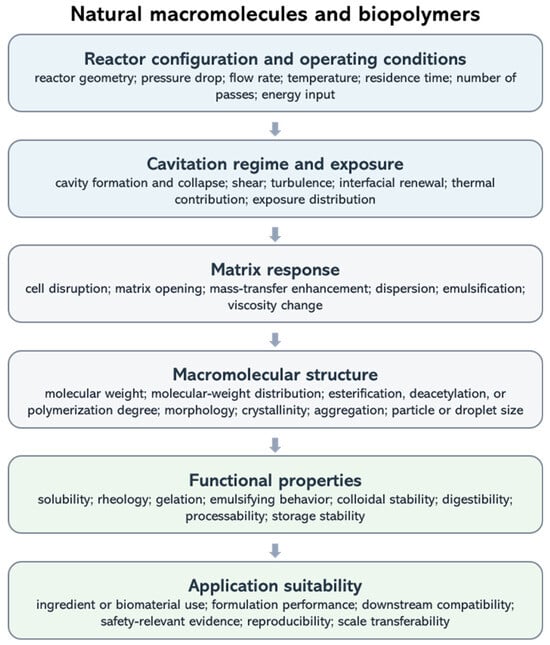
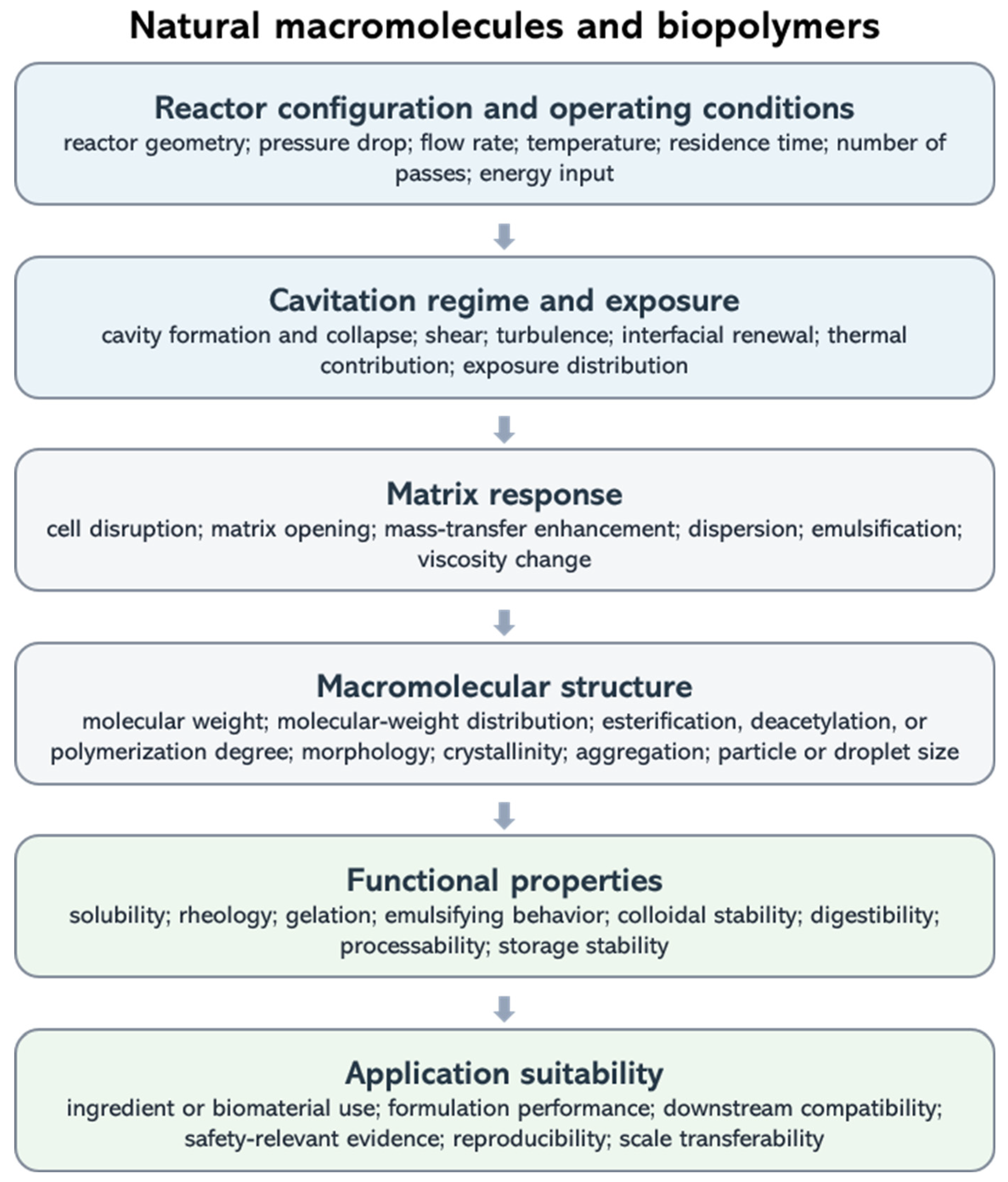

Disclaimer/Publisher’s Note: The statements, opinions and data contained in all publications are solely those of the individual author(s) and contributor(s) and not of MDPI and/or the editor(s). MDPI and/or the editor(s) disclaim responsibility for any injury to people or property resulting from any ideas, methods, instructions or products referred to in the content. |
© 2026 by the author. Licensee MDPI, Basel, Switzerland. This article is an open access article distributed under the terms and conditions of the Creative Commons Attribution (CC BY) license.