


Abstract
Apple pomace is an abundant agro-industrial by-product rich in bioactive compounds. In the present study, amphiphilic bioactives from organic Greek Starking and Granny Smith apple pomace were recovered using a green extraction methodology, in compliance with EU legislations for food-grade solvents utilized in food stuffs, followed by evaporation of these solvents in vacuum conditions by flash rotary evaporation. The green extracts were then evaluated for their content in amphiphilic bioactives, as well as for their antioxidant photoprotective capacities spectrophotometrically, and for anti-inflammatory and potential in vitro antithrombotic activities by inhibiting human platelets’ aggregation. ATR-FTIR analysis revealed the presence of phenolics, carotenoids and polar lipids in these extracts. Thus, the total phenolic content (TPC) and total carotenoid content (TCC) were determined spectrophotometrically, while LC–MS analysis facilitated the characterization of specific polar lipid bioactives and quantified their fatty acid composition. Granny Smith extracts exhibited a higher phenolic content and enhanced anti-inflammatory and anti-platelet activities, likely associated with their polar lipid composition and low balanced ω6/ω3 fatty acid ratio, aligned with anti-inflammatory phenolic bioactives that are present in apple pomace. The observed inhibition of platelet aggregation, particularly via the PAF-related inflammatory pathways, suggests potential cardioprotective applications. Moreover, both extracts demonstrated potent antioxidant capacity by all the three mechanisms of action and UV photoprotective properties, probably due to the presence of both phenolic and carotenoid bioactives, with Starking showing stronger UVB-related activity and Granny Smith enhanced UVA-related protection, which—if combined with the observed potent antioxidant capacity and anti-PAF anti-inflammatory properties—further suggest potential applications in functional photoprotective and anti-aging cosmetic formulations. These findings highlight that apple pomace offers a sustainable source of amphiphilic bioactives suitable for nutraceutical and cosmetic applications.
1. Introduction
Globally, apples are one of the most widely cultivated and processed fruits, with a significant share used for juice, cider, purées, dried snacks, and other derived products. Industrial processing, especially juice extraction, leaves behind large quantities of apple pomace—a mix of peels, pulp, seeds, cores, and stems. Typically, 20–30% of the total fresh weight of apples becomes pomace after juice pressing. For example, producing 1 ton of apple juice can generate approximately 200–300 kg of pomace. According to recent reports, millions of tons of apple pomace are generated each year worldwide, posing both disposal challenges and opportunities for sustainable reuse [1,2]. Apple by-products are increasingly recognized as a valuable source of bioactive compounds, including polyphenols, carotenoids, and polar lipids, each contributing unique health benefits [3,4].
The utilization of apple by-products, such as apple pomace, through green, food-grade extraction methods provides the food, pharmaceutical, and cosmetics industries with valuable opportunities to develop natural products that promote human health while meeting consumers’ growing demand for sustainable and eco-friendly solutions [5,6,7]. Using safe and environmentally friendly techniques and solvents of extraction, and/or innovative methods such as ultrasound- or enzyme-assisted extraction, means that bioactive compounds like polyphenols, dietary fiber, and natural antioxidants can be efficiently recovered [8,9,10,11,12,13,14,15,16,17]. These compounds can be incorporated into foods, nutraceuticals, and cosmetic formulations, imparting beneficial properties such as cardioprotective, skin-protective, antioxidant and antidiabetic effects [3,4,14,15,16]. At the same time, the rational use of agricultural by-products reduces organic waste and supports sustainable development through circular production models that maximize the use of natural resources. Consequently, these practices lead to the creation of innovative, high-value products that combine quality, safety, and environmental responsibility.
Despite increasing interest in apple by-product valorization, and some previous evaluation of amphiphilic extracts from these sources by conventional extraction methods [18], still limited information is available regarding the recovery of amphiphilic bioactives from apple pomace using green extraction approaches and the combined evaluation of their antioxidant, photoprotective, anti-inflammatory, and anti-platelet properties. Furthermore, comparative evaluation between apple cultivars remains underexplored for such green extracts, particularly for widely consumed varieties such as organic cultured Starking and Granny Smith apple cultivars.
Therefore, the aim of the present study was to apply a green extraction methodology based on Tsoupras et al. [15], in compliance with EU regulations for the use of green food-grade solvents for food stuffs [17], in order to recover amphiphilic bioactives from apple pomace of organic Greek Starking and Granny Smith cultivars, combined with bioassays that evaluated the antioxidant, photoprotective, anti-inflammatory and antithrombotic properties of these extracts.
Thus, the extracted amphiphilic bioactives were evaluated for their total phenolic and carotenoid contents, their antioxidant capacity by three distinct assays based on different mechanistical methodologies (ABTS, DPPH and FRAP), and their potential photoprotective activity by spectrophotometric biochemical analyses. Moreover, the utilization of LC-MS-based OMICs analysis facilitated not only the quantification of the fatty acid composition of the polar lipids present in these extracts, but also the present structure–activity relationships of the bioactive polar lipids and phenolics with the inhibitory effects on platelet aggregation induced by either an inflammatory platelet agonist, platelet-activating factor (PAF), or a classic thrombotic platelet agonist, ADP.
This multidimensional approach allows assessment of the potential cardioprotective properties of products containing such a bioactive functional extract, as well as any potential cosmeceutical applications for such a bioactive apple pomace-derived amphiphilic extract, in compliance with EU regulations and UN legislations for sustainability in circular economy design by promoting the utilization of apple-derived agro-industrial residues.
2. Materials and Methods
2.1. Extraction of Bioactive Compounds from Samples of Starking and Granny Smith Apple By-Products
Organic Starking and Granny Smith apples of Greek origin were obtained from local markets and processed shortly after purchase. Apple pomace consisting of peel, pulp, seeds, and cores was produced using a VICKO domestic juicer (Model D-8516A, VICKO, Thessaloniki, Greece). Approximately 30 g of fresh pomace was used per extraction batch in 90 mL of solvent mixture (1/3 w/v). The pomace was subjected to green extraction using food-grade solvents according to a modified method [15] previously described for amphiphilic bioactive recovery, in compliance with EU regulations for green solvents and extractions for food stuff. The solid-to-solvent ratio was controlled to 3 to 1, and extractions were performed in triplicate.
The mixture was filtered using Buchner vacuum filtration to remove solids. The filtrate was transferred to a Rotavapor® R-300 rotary evaporator (purchased from Alfa Analytical Instruments Ltd., the official representative of BUCHI in Greece, Gerakas, Attiki, Greece), where solvent removal was performed under vacuum and reduced pressure, in conditions designed for the solvent and the embedded library in the instrumentation. The evaporation temperature in the water bath of the rotavapor ranged between 35 and 40 °C depending on the solvent composition, the rotation speed was set at 120 rpm, and pressure was adjusted automatically. Solvent was removed until dryness.
The dried extracts were transferred to pre-weighed glass vials, weighed gravimetrically for yield determination, and stored at −20 °C under nitrogen atmosphere until further analysis.
To calculate the extraction yield after the incubation period of the samples for complete evaporation of the solvent, the following formula was applied, based on a gravitational methodology conducted in a four-digit analytical grade:
Extraction yield (%)= (dry sample mass)/(initial sample mass) × 100
The performance of the green extraction methodology was evaluated in comparison with previously reported conventional extraction procedures [18] applied to the same raw material, which serve as a reference control dataset.
2.2. Quantification of Total Phenolic Content (TPC)
According to the method described by Vandorou et al. [18], the total phenolic content (TPC) of the apple by-product extracts was analyzed using the Folin–Ciocalteu reagent. Each sample was mixed with 1 mL of distilled water and 1 mL of Folin–Ciocalteu reagent. After 7 min, 3 mL of 5% (w/v) sodium carbonate (Na2CO3) was added to the mixture. The samples were then incubated in the dark for 2 h. After the addition of each reagent, homogenization was performed using a vortex mixer (IKA, Basel, Switzerland) and during incubation every 30 min.
Extracts were filtered prior to analysis. TPC was determined using the Folin–Ciocalteu method. Calibration curves were constructed using gallic acid (0–200 μg/mL). Absorbance was measured at 765 nm and results expressed as mg gallic acid equivalents per g of dry weighted extract (mg GAE/g DW).
2.3. Quantification of Total Carotenoid Content (TCC)
The total carotenoid content (TCC) of the extracts was determined based on the method of Vandorou et al., 2025 [18]. Each sample was dissolved in 2 mL of hexane, and the absorbance was recorded at 450 nm. β-carotene calibration curves (0–50 μg/mL) were used. Results were expressed as mg β-carotene equivalents per g of dry weighted extract (mg CE/g DW).
Before measurement, each sample was homogenized using a vortex mixer.
2.4. Quantification of Total Antioxidant Activity (TAA)
The total antioxidant activity (TAA) of the apple pomace extracts was assessed using three complementary spectrophotometric assays, based on the DPPH (2,2-diphenyl-1-picrylhydrazyl) (hydrogen atomic transfer mechanism; HAT), ABTS (2,2′-azino-bis(3-ethylbenzothiazoline-6-sulfonic acid)) (single electron transfer mechanism, SET), and FRAP (ferric reducing antioxidant power), as previously described by Xia et al., 2020 [19], with some modifications fully described in Vandorou et al., 2025 [18].
2.4.1. Quantification of TAA by the DPPH Assay
The free radical scavenging activity of the extracts was assessed using the DPPH (2,2-diphenyl-1-picrylhydrazyl) assay. Briefly, each sample was treated with 0.2 mL of ethanol, 0.8 mL of Tris-HCl buffer (pH 7.4) and 1 mL of DPPH solution, with vortexing between each addition for homogenization. After 30 min at room temperature, the absorbance was measured at 517 nm. The inhibition percentage was calculated using the formula:
where A1 is the absorbance of the control and A2 is the absorbance of the sample.
Inhibition (%) = (A1 − A2) × 100/A1
The IC50 value (concentration required to inhibit 50% of DPPH radicals) was determined, and the antioxidant activity was expressed as Trolox equivalent antioxidant capacity (TEAC) = IC50 of Trolox (μg/L)/IC50 of the sample (μg/L).
2.4.2. Quantification of TAA by the ABTS Assay
The ABTS assay was conducted to evaluate the ability of the extracts to scavenge the ABTS•+ radical cation. After adding 2 mL of ABTS solution to each sample and vortexing, the mixtures were incubated in the dark for 7 min. Absorbance was then measured at 734 nm. The results were reported in μmol Trolox equivalents (TE) per gram dry weight (DW), using the formula:
where:
ABTS (μmol TE/g DW) = c × V × t/m
c is the Trolox concentration (μmol/mL) from the standard curve;
V is the sample volume (mL);
t is the dilution factor;
m is the dry weight of the sample (g).
2.4.3. Quantification of TAA by the FRAP Assay
Ferric reducing antioxidant power (FRAP) was assessed by adding 3.0 mL of freshly prepared FRAP reagent to each sample, followed by vortexing. The mixtures were incubated at 37 °C in the dark for 15 min, after which the absorbance was measured at 593 nm. Using Trolox as a standard, the antioxidant capacity was expressed in μmol TE/g DW using the same formula as in the ABTS method.
2.5. Evaluation of Photoprotection Against UVA and UVB Radiation
The photoprotective capacity of the extracts against UVA and UVB radiation was qualitatively assessed by taking a total UV-Vis spectrum. Then, it was checked whether the samples absorbed in the regions of 290 to 320 nm and 320 to 400 nm, which correspond to the UVB and UVA wavelengths, respectively, according to Tsiapali et al., 2025 [20]. Before taking the total spectrum, the samples were homogenized using a vortex.
2.6. Qualitative Structural Analysis by ATR-FTIR Spectroscopy
Attenuated total reflection Fourier transform infrared (ATR-FTIR) spectroscopy was employed to investigate the chemical composition of the apple pomace extracts. The spectra were acquired using a Perkin Elmer Frontier ATR-FTIR spectrometer (PerkinElmer, Waltham, MA, USA), operating within the 4000–600 cm−1 range, in accordance with the methodology outlined by Vordos et al. [21], with some modifications analyzed in Vandorou et al., 2025 [18].
The samples, including standards such as quercetin, catechin, gallic acid, β-carotene, ascorbic acid, and polar lipids derived from soybeans, were dissolved in isopropanol. After applying the sample to the crystal and fixing the plate, the spectra were recorded. The spectrum of isopropanol was also analyzed to correct for solvent interference.
2.7. Quantification of Fatty Acid Content and Structural Elucidation of Polar Lipids by LC-MS Analysis
The LC-MS analyses of both the fatty acids and the polar lipids in the extracts of apple pomace were conducted as previously described by Vandorou et al., 2025 [18]. LC–MS analysis was performed using an Agilent 6545XT Q-TOF system operating in Dual AJS ESI ionization mode. Data acquisition was performed over m/z 50–1100. Compound identification was conducted using the LIPID MAPS database.
Prior to analysis, all the dried lipids were redissolved in 500 µL of a methanol:dichloromethane mixture (2:1 v/v) and then further diluted in the same solvent to achieve a final concentration of 0.5 mg/mL. The samples were centrifuged at 13,000 rpm for 6 min and filtered through Sartorius Minisart syringe filters (0.2 µm, 15 mm PTFE).
Separation was achieved using an Agilent C18 Poroshell 120 column (2.7 µm, 3.0 × 150 mm), accompanied by a pre-column of the same chemistry (2.7 µm, 3.0 × 0.5 mm), and the mobile phases consisted of (A) 2 mM ammonium acetate in water and (B) 2 mM ammonium acetate in 95% acetonitrile. Elution followed a linear profile: 60% B for 1 min, increase to 90% B in 2.5 min, hold at 90% B for 1.5 min, and further increase to 100% B within 5 min. 100% B was maintained for 4 min, then decreased again to 60% B within 0.5 min, and this percentage was maintained for another 5 min before the next injection. The mobile phase flow rate started at 0.3 mL/min for the first 5 min, increased to 0.6 mL/min at 10 min, and remained constant until the end of the analysis. The injection volume was 1 µL. Mass spectrometry was performed in negative ionization mode with a scan range of m/z 50–1100. Operating conditions included a drying gas flow of 9 L/min, temperature of 330 °C, and nebulizer pressure of 35 psi, while for the trap gas, the flow was 10 L/min and the temperature 300 °C. The shifter voltage was 175 V, the desorber voltage was 65 V, and the capillary voltage was 3500 V. The reference masses for monitoring accuracy in the negative ion mode were 1033.988 and 112.9855. The identification of lipid compounds was based on a combined evaluation of search spectra, daughter ions, ionized precursors, and neutral losses. The LC–MS method was validated by comparing the molecular weights (Mr) and retention times (RT) of standard saturated and unsaturated fatty acids, including lauric (C12:0), myristic (C14:0), palmitic (C16:0), stearic (C18:0), oleic (C18:1n-9 cis), linoleic (C18:2n-6 cis), gamma-linolenic (C18:3n-6), alpha-linolenic (C18:3n-3), arachidonic (C20:4n-6), eicosapentaenoic (C20:5n-3), docosapentaenoic (C22:5n-3), and docosahexaenoic acid (C22:6n-3) (Sigma, Ireland) [15]. These standards enabled accurate identification of fatty acids in the lipid extracts by matching their exact mass values. The peak area for each fatty acid was averaged from triplicate samples, and their relative abundances were recorded. However, as the peak area does not directly reflect the absolute concentration, these values should be interpreted with caution.
Identification of free fatty acids (FFAs) and polar lipids—including phospholipids and glycolipids—was accomplished using a combination of survey scans, precursor ion scans, product ion scans, and neutral loss scans. The identities of bioactive polar lipids detected at specific retention times were verified by consulting the LIPID MAPS: Nature Lipidomics Gateway database (www.lipidmaps.org, accessed on 1 July 2025), selecting entries with the smallest delta values, and cross-validating with the LC–MS profiles from saponified polar lipids’ fatty acid analysis [18].
2.8. Quantification of the Anti-Inflammatory and Anti-Platelet Efficacy by the Human Platelet Aggregometry Assay
Bioassays were performed on platelet-rich human plasma (hPRP) from six healthy volunteers in order to evaluate the anti-inflammatory (against PAF) and anti-platelet (against ADP) activities of the by-product extracts against PAF-/ADP-induced platelet aggregation, as previously described by Kosidou et al. 2025 [22]. Blood samples were collected by venipuncture into sodium citrate tubes under sterile conditions. Participants had no history of cardiovascular disease and were not receiving medication affecting platelet function. To minimize dietary interference, participants avoided oat- and soy-based products prior to sampling.
The blood collection from all healthy volunteers followed the Declaration of Helsinki and was formally authorized before the experiments commenced, as the study protocol was approved by the Ethics Committee of the Democritus University of Thrace (protocol code ΔΠΘ/ΕHΔΕ/7690/70; 27 September 2024), and written informed consent was obtained from all participants.
Human PRP (hPRP) assays were prepared using a Chrono-log 490 four-channel strobilometric platelet aggregometer (Chrono-log Corp., Havertown, PA, USA) with AGGRO/LINK®8 software (Version 8, Chrono-log Corp., Havertown, PA, USA). All test components were sourced from Chrono-log, while PAF and BSA were obtained from Sigma Aldrich.
The ability of each extract to inhibit platelet aggregation induced by PAF (anti-inflammatory action) or ADP (antithrombotic action) was expressed as IC50. IC50 represents the concentration (μg) of the extract required to inhibit 50% of platelet aggregation (the lower the IC50 value for an extract, the stronger its anti-inflammatory/antiplatelet efficacy).
2.9. Statistical Analysis
A normal distribution test was performed for all measurements using the Kolmogorov–Smirnov method. In cases where the parameters showed a normal distribution, comparisons were made using analysis of variance (ANOVA). Conversely, for parameters that did not show a normal distribution, the nonparametric Kruskal–Wallis statistical test was applied. Finally, differences were considered statistically significant when the p-value was less than 0.05.
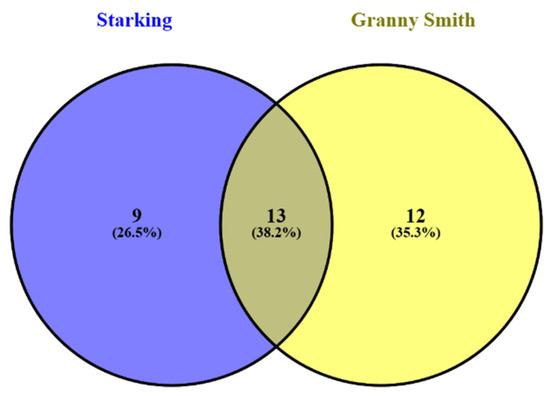
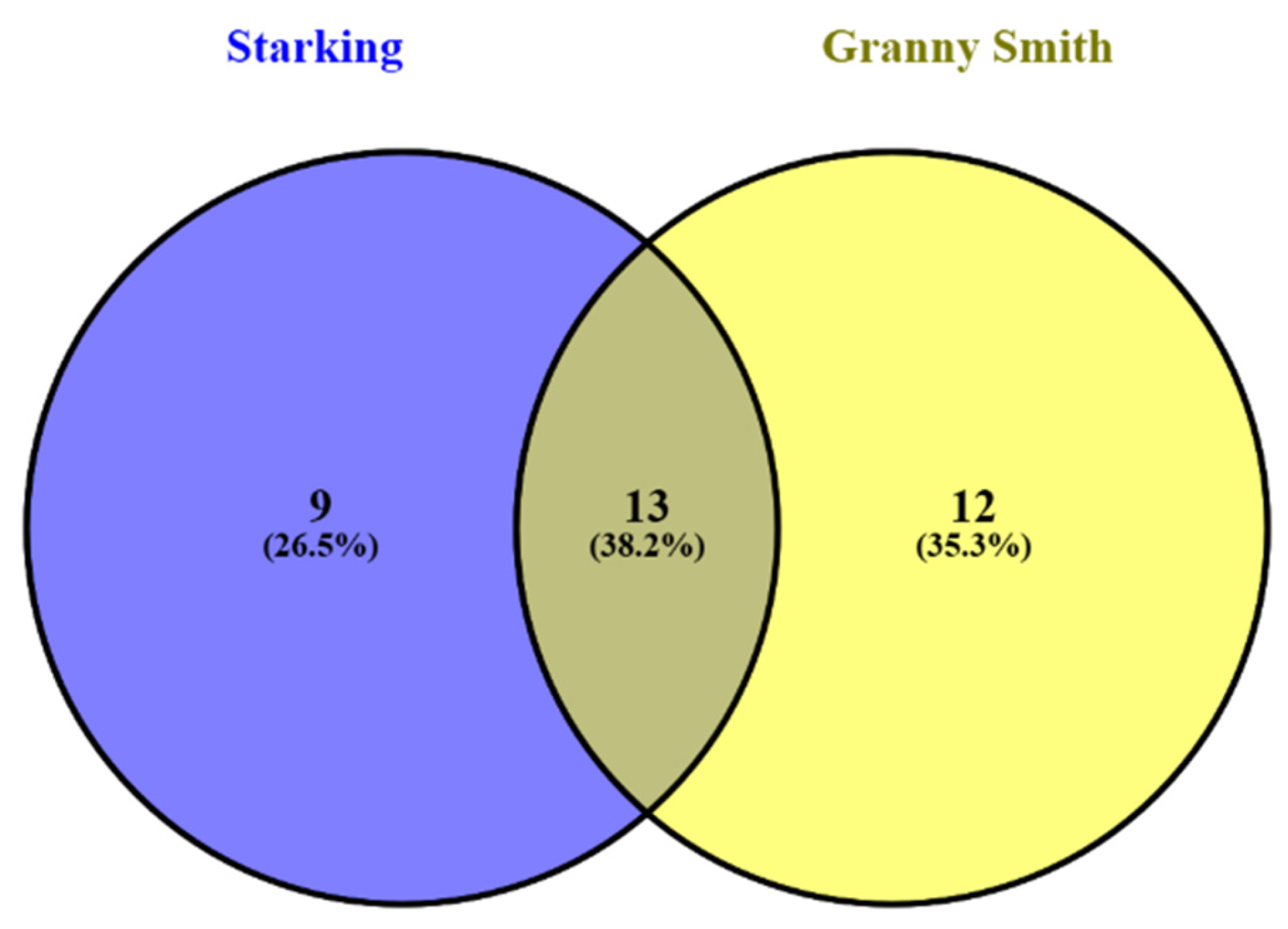
Variations in the number of polar lipids were observed among apple pomace samples from the two varieties. The Venn diagram in Figure 7 illustrates the overlap of 13 lipid peaks identified across the samples from Starking and Granny Smith varieties.
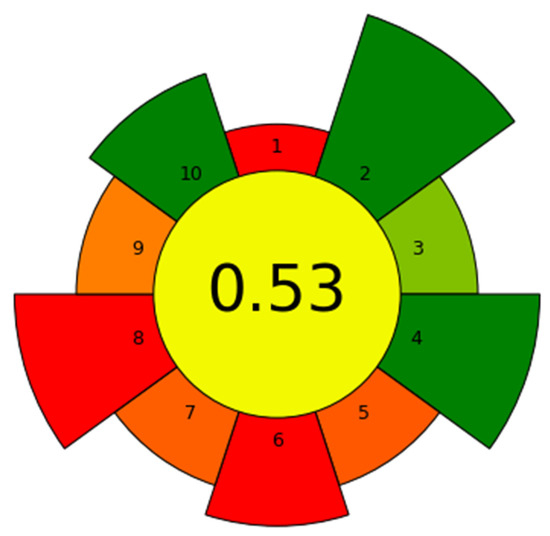
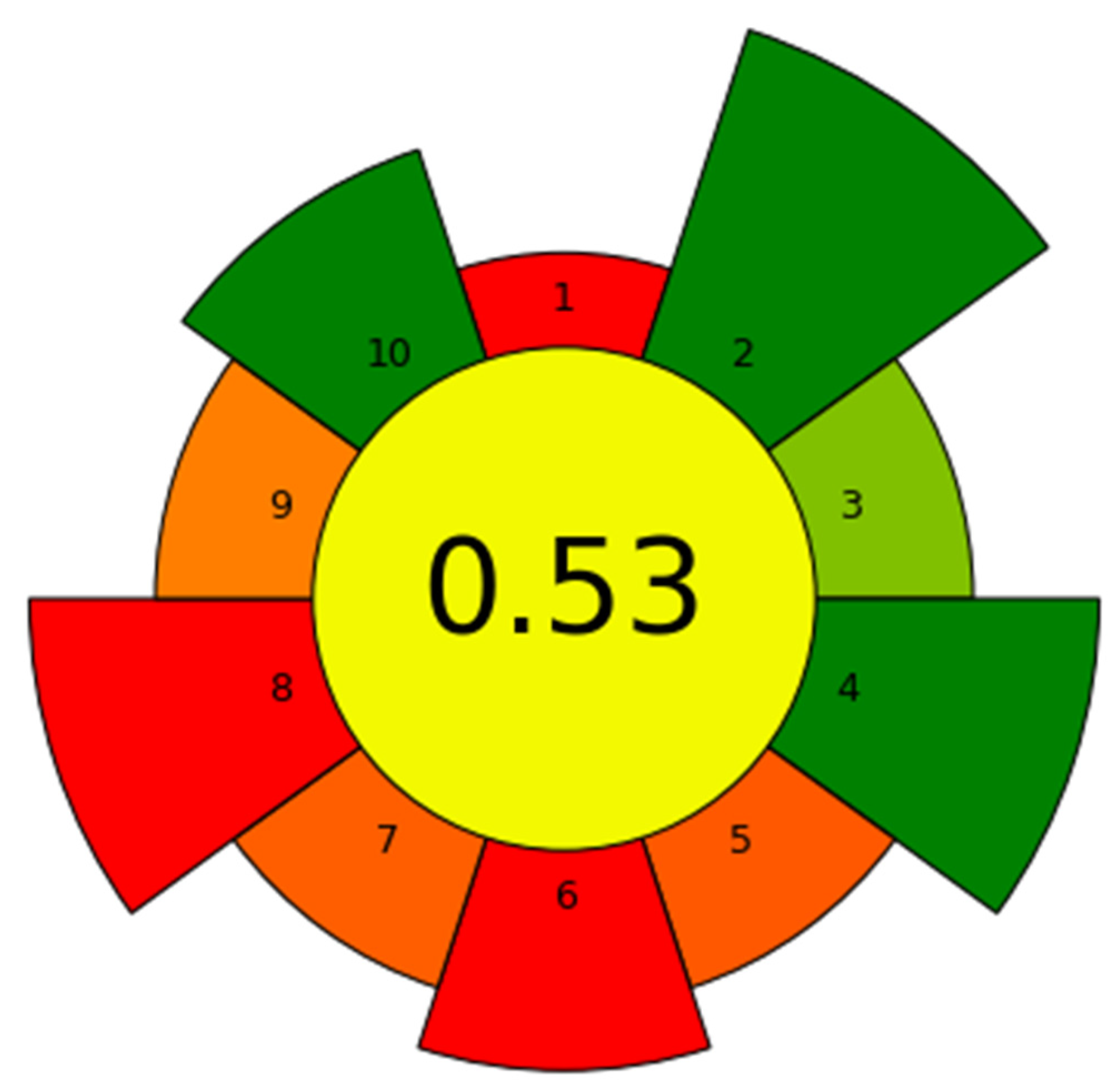
The environmental sustainability of the extraction methodology was assessed using the Analytical GREEnness (AGREE) metric, a comprehensive evaluation tool developed by Pena-Pereira et al. (2020) [23]. This assessment framework is based on the twelve principles of green analytical chemistry and integrates them into a unified scoring system, yielding a quantitative greenness score ranging from 0 (minimum greenness) to 1 (maximum greenness). For the extraction method under investigation, relevant parameters—such as solvent selection, energy consumption, waste generation, and operator and environmental safety considerations—were systematically input into the software. The resulting AGREE score provides a holistic representation of the method’s environmental performance and adherence to green chemistry principles.
3. Results and Discussion
3.1. Extraction Yield of Amphiphilic Compounds from By-Products of Starking and Granny Smith Apples
Table 1 presents the extraction yields for the green extracts derived from Starking and Granny Smith apple pomace. Although the yields were similar, the green extracts of amphiphilic compounds from apple pomaces of both the Granny Smith and Starking apple varieties exhibited similar high extraction efficiencies (10.58% and 10.16%, respectively). Statistical analysis using the Kruskal–Wallis test indicated that such minor differences were not statistically significant, suggesting that the apple variety does not substantially impact the extraction yield. The obtained yields (10.16–10.58%) for the extracted amphiphilic bioactives from apple pomace are also in line with those reported for conventional extraction techniques, demonstrating the effectiveness of the method employed. More specifically, the yield of the total amphiphilic compound (TAC) extraction using the Bligh–Dyer method on Starking apple by-products ranges from 11.1 to 18.7 mg/100 g, with a median value of 12.1% [18]. The yield values of 10.16–10.58 g/100 g are similar to the yield values reported for the Bligh–Dyer method, suggesting that the present extraction approach is efficient even under milder conditions. Moreover, unlike the Bligh–Dyer method, which uses hazardous organic solvents like chloroform and methanol, the current approach offers a safer, more environmentally friendly alternative that can be used in food stuff [17], and with a similar yield performance.
Table 1.
Extraction yield for all amphiphilic compounds expressed as g/100 g sample for by-products.
3.2. Evaluation of Total Phenolic Content (TPC)
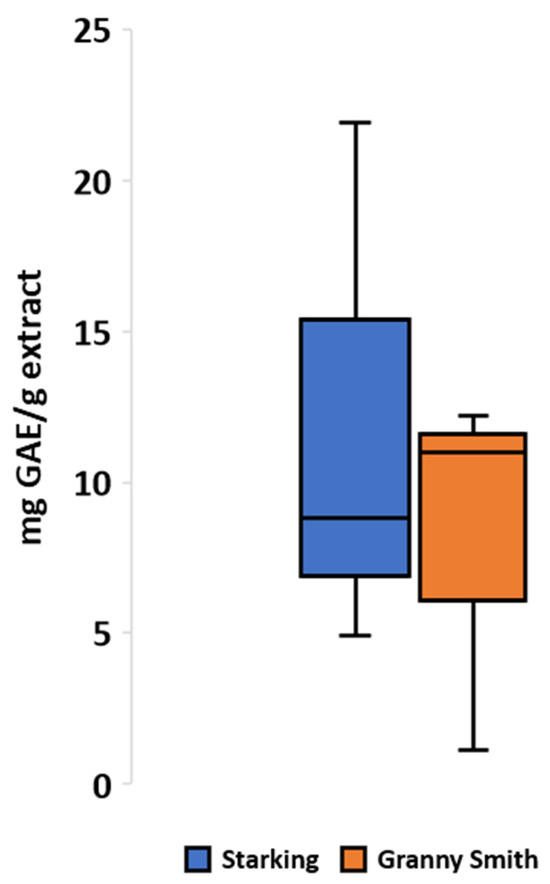
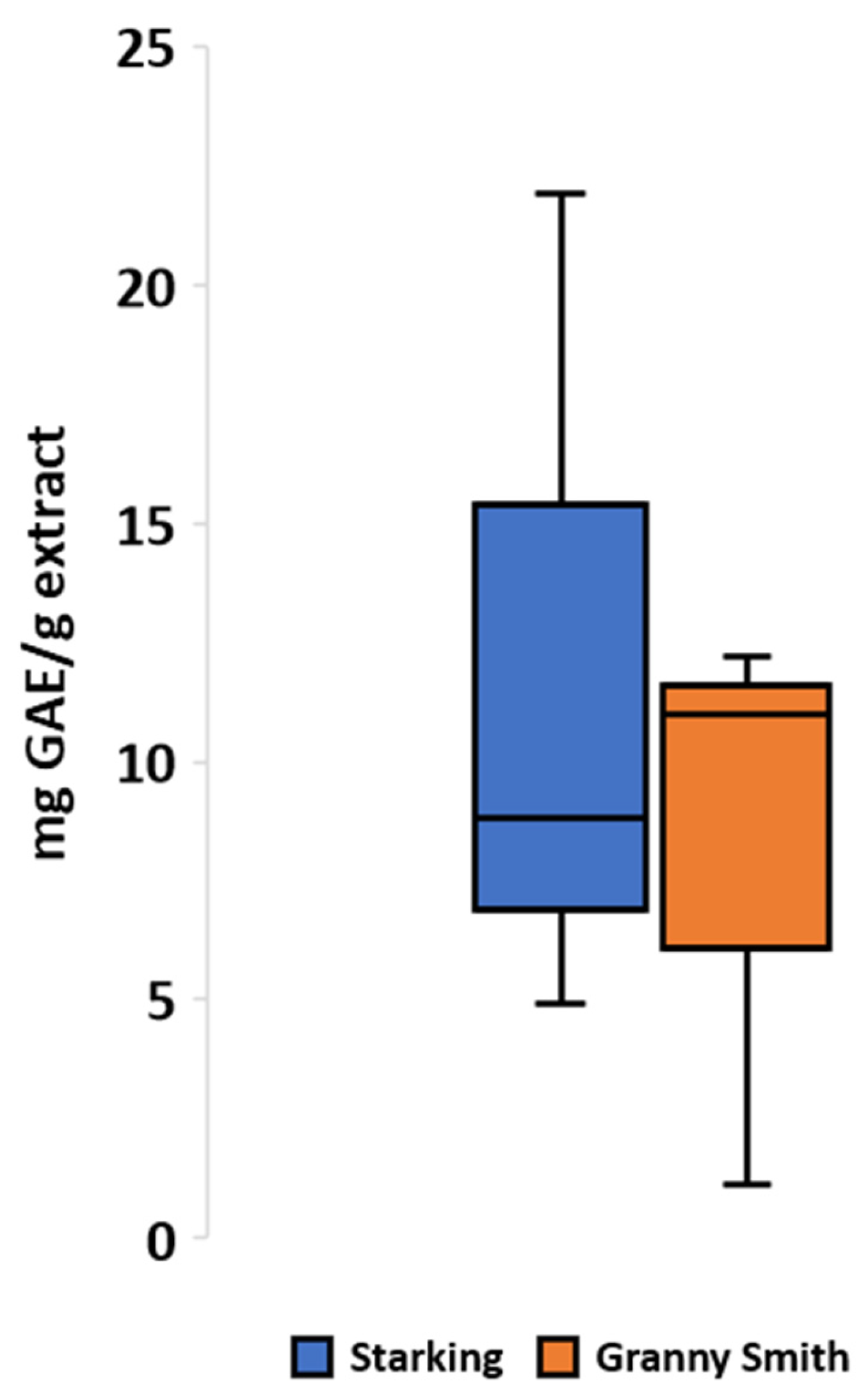
The box plot of Figure 1 illustrates the phenolic content of the green extracts of amphiphilic compounds from Starking and Granny Smith apple pomace, expressed in mg GAE/g extract (Figure 1). For the Starking variety, the samples yielded values of 4.9–21.9 mg GAE/g extract, indicating considerable variability, with an interquartile range (IQR) of 17.02. The median was 8.8 mg, while the mean was 11.9 mg.
Figure 1.
Total phenolic content (mg GAE/g extract) of apple by-products from organic cultured apples of the Starking and Granny Smith varieties.
In contrast, the Granny Smith samples have values of 1.1–12.2 mg GAE/g extract. Here, the median was 11.0 mg, and the mean was 8.1 mg. The Granny Smith variety exhibited lower variability, with an interquartile range of 11.1 mg, and two of the three samples clustering closely around 11–12 mg GAE/g extract.
It is important to note that despite the higher average value of Starking due to the possible extreme value, the median of Granny Smith is higher, indicating that most of its samples have a slightly higher phenolic content. These results align with previous studies reporting higher phenolic concentrations in the Granny Smith variety [24,25].
Despite such slight differences, statistical analysis using the Kruskal–Wallis test revealed no significant difference between the two varieties, suggesting that the apple variety does not substantially influence the phenolic content in the extracts. Therefore, the variety from which the apple by-products originate does not significantly affect their phenolic compound content. When comparing the results with another recent study that used a standard conventional extraction method, such as Bligh–Dyer, with conventional non-green solvents, for the extraction of such amphiphilic bioactive compounds, the median values were similar [18]. Specifically, the previous study showed a median of 13.2 mg GAE/g extract for the amphiphilic extracts of Starking apple by-products [18], while as aforementioned, in the current study, similar median values were derived for the phenolic content of the green extracts too, of 8.8 mg GAE/g extract and 11.0 mg GAE/g extract for Starking and Granny Smith by-products, respectively.
The higher phenolic content observed in extracts from the apple pomace of Granny Smith is consistent with previous reports describing significant cultivar-dependent variability in apple pomace polyphenol composition [3]. Several studies conducted in different apple-producing regions have reported relatively high extractable phenolic levels in apple pomace from Granny Smith compared with other commercial cultivars [3]. For instance, comparative analyses of apple pomace from multiple apple varieties showed that Granny Smith exhibited among the highest extractable phenolic contents and antioxidant-related compounds, highlighting the influence of the cultivar on phytochemical richness [3]. Furthermore, a strong positive correlation between total phenolic content and antioxidant activity has been demonstrated in apple pomace and fruit extracts [3,18], supporting the hypothesis that the elevated phenolic concentration contributes to the enhanced antioxidant and anti-inflammatory activity observed in the present study.
The results show that apple pomace from both these two organic apple cultivars is a rich source of phenolic bioactives; these usually consist of flavanols, dihydrochalcones, quercetin glycosides, and phloridzin, which exhibit strong antioxidant and anti-inflammatory properties, making it a valuable functional ingredient rather than a mere by-product [3]. These compounds effectively scavenge reactive oxygen species (ROS), interrupting free radical chain reactions, such as lipid peroxidation, and DNA damage [3]. When also taking into account that specific apple pomace phenolic compounds like phloretin and quercetin can beneficially affect genes’ expression related to the antioxidant and anti-inflammatory balance of human cells like fibroblasts, indirectly through specific translation factors (i.e., NFkB and Nrf2) [3], and can also directly inhibit specifically the PAF-associated inflammatory pathways by antagonistically binding to the specific receptor (PAF receptor) for this inflammatory mediator, this further indicates a strong anti-inflammatory potential that, along with the antioxidant capacity, can thereby contribute to cellular protection and skin health when applied in cosmeceutical formulations [20]. Beyond their potent antioxidant capacity and anti-inflammatory skin protection, apple pomace phenolics also demonstrate notable anti-inflammatory activity alongside additional health benefits, including cardioprotective and anti-tumor efficacy [3]. Their incorporation into functional foods can enhance both nutritional value and sensory attributes, although optimal dosing is essential to maintain product quality. Moreover, the bioactive phenolic profile of apple pomace underscores its growing importance in the development of health-promoting foods, cosmeceuticals, and advanced cosmeceutical, biomedical and pharmaceutical applications.
3.3. Evaluation of Total Carotenoid Content (TCC)
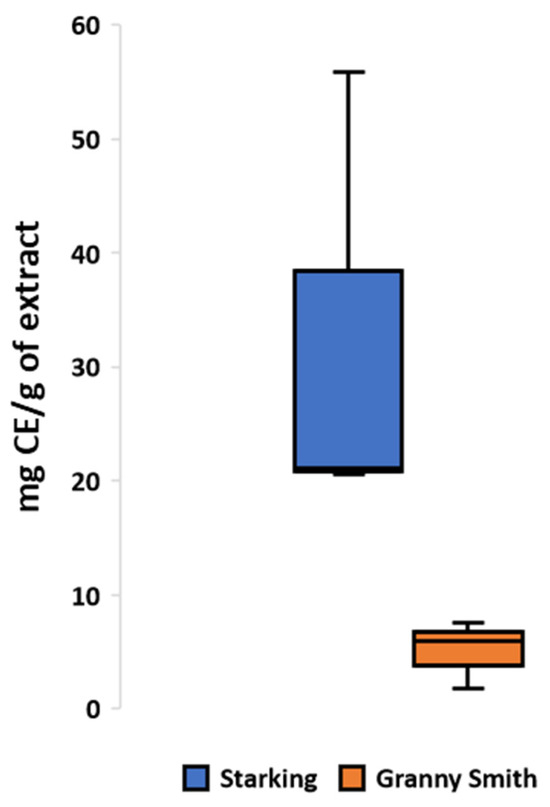
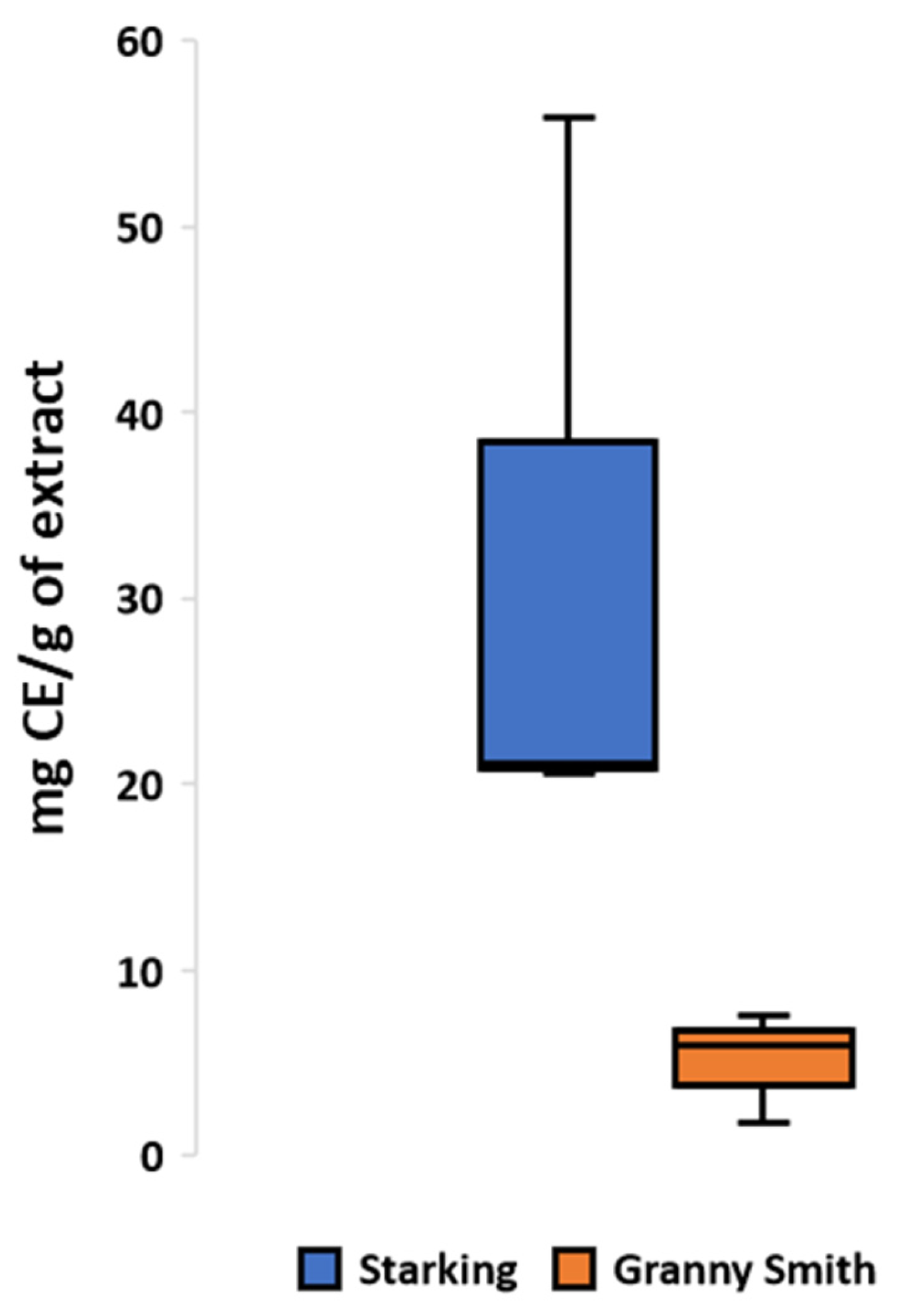
The box plot of Figure 2 illustrates the carotenoid content (expressed in mg CE/g extract) for both the green extracts of amphiphilic compounds from Starking and Granny Smith apple pomaces (Figure 2). In the Starking variety, the samples yielded values of 20.5–55.9 mg CE/g extract, reflecting high variability, with an interquartile range (IQR) of 35.4 mg/g extract. The median carotenoid content was 21.1 mg, while the mean was substantially higher at 32.5 mg, indicating a skewed distribution with a long tail toward higher values.
Figure 2.
Total carotenoid content (mg CE/g extract) of apple by-products from organic cultured apples of the Starking and Granny Smith varieties.
In contrast, the Granny Smith samples exhibited considerably lower and more consistent carotenoid levels: 1.8–7.6 mg CE/g extract. These values produced a median of 5.9 mg, a mean of 5.1 mg, and an IQR of just 5.8 mg, indicating a more uniform distribution and greater sample homogeneity compared to the Starking variety.
The results clearly show that Starking samples contain significantly higher carotenoid levels than Granny Smith. Statistical analysis confirmed this observation: while the medians did not differ significantly, significant differences were detected in the overall range and distribution of carotenoid concentrations between the two varieties.
Carotenoids contribute to fruit coloration, imparting yellow, orange, and red hues [26], which explains the higher carotenoid content in the red-skinned Starking apples compared to the green Granny Smith variety. This pattern is consistent with findings in previous studies. Notably, earlier research using the conventional Bligh–Dyer extraction method with non-green solvents reported much smaller carotenoid concentrations, ranging from 0.7 to 1.4 mg CE/g extract for Starking apple by-products [18]. In comparison, the current study achieved significantly higher carotenoid levels (as aforementioned, 20.5–55.9 mg CE/g extract for the extract from the apple pomace of the Starking variety and 1.8–7.6 mg CE/g for the extract from the apple pomace of the Granny Smith variety, respectively), indicating that the green extraction approach employed here is not only safer for uses in food stuff [17] but also more effective in preserving or enhancing the carotenoid content in the final extracts.
Apple pomace carotenoids efficiently contribute to the overall health benefits of apple pomace extracts [3]. More specifically, the antioxidant efficiency of apple pomace extracts can be substantially enhanced through synergistic interactions between phenolics, carotenoids, and amphiphilic lipid components, enabling protection across both aqueous and lipid phases [3]. Phenolic compounds primarily act as potent radical scavengers and modulators of redox signaling, directly neutralizing reactive oxygen species (ROS) and preventing oxidative damage to biomolecules, including membrane lipids, while also activating endogenous antioxidant pathways (e.g., Nrf2) [3]. In parallel, lipophilic constituents such as carotenoids and polar lipids (rich in unsaturated fatty acids) localize within hydrophobic domains like biological membranes, where they inhibit lipid peroxidation and stabilize the membrane structure [3]. The amphiphilic nature of polar lipids facilitates the formation of interfacial systems (e.g., emulsions or membrane bilayers) that spatially co-localize hydrophilic phenolics and lipophilic antioxidants, thereby promoting complementary and possibly regenerative antioxidant interactions at the water–lipid interface [3]. This cooperative arrangement enhances radical scavenging efficiency by enabling sequential electron or hydrogen transfer mechanisms across phases, improving the overall redox balance and providing more effective protection against oxidative and inflammatory damage in complex biological environments such as cell membranes [3].
When also taking into account that several of the carotenoids present in such extracts from apple pomace can also biochemically act as pro-vitamins of vitamin A, with several health-promoting properties in general, and especially in skin health [27], the above proposed antioxidant and anti-inflammatory synergy of the co-presence of bioactive phenolics with other amphiphilic bioactives like pro-vitamin A carotenoids and polar lipids further suggest that these extracts from apple pomace rich in such amphiphilic bioactives can also be utilized as bioactive ingredients in cosmetic formulations for photoprotection and antioxidant and anti-inflammatory anti-aging skin health efficacy.
3.4. Evaluation of Antioxidant Activity
The antioxidant activities of the green extracts of the amphiphilic bioactives from the apple pomaces of the Starking and Granny Smith apple varieties were evaluated using three different and distinct bioassays, the DPPH, ABTS, and FRAP assays, respectively, while the results of these analyses are summarized in Table 2. FRAP measures the ferric reducing antioxidant activity of the antioxidant bioactives that are present in the extract, while both DPPH and ABTS assays measure free radical scavenging antioxidant activity.
Table 2.
Total antioxidant capacity of green extracts from apple by-products using the DPPH, ABTS and FRAP assays.
Comparative analysis revealed that the Granny Smith variety exhibits significantly stronger antioxidant potential than Starking, consistently showing higher values across all three methods. This difference is particularly notable in the FRAP assay, where Granny Smith’s median value (9.70 μmol TE/g extract) greatly surpassed that of Starking (1.58 μmol TE/g extract), indicating a superior ferric reducing capacity—a key indicator of antioxidant strength in biological systems. Elevated DPPH and ABTS values for Granny Smith further support its enhanced ability to scavenge free radicals. These findings suggest that Granny Smith may possess a more potent or abundant mix of antioxidant compounds, likely influenced by a higher phenolic content, unique varietal phytochemicals, or distinct agronomic conditions.
The antioxidant activity is attributed to synergistic interactions between phenolics, carotenoids, and amphiphilic polar lipids. The amphiphilic nature of the extracts enables radical scavenging in both aqueous and lipid environments, including biological membranes.
3.5. Structural Identifications of Characteristic Functional Groups of Molecular Classes by ATR-FTIR
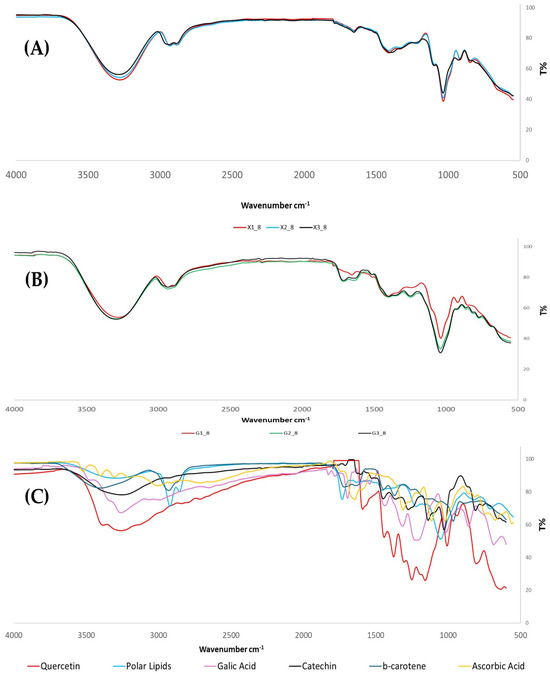
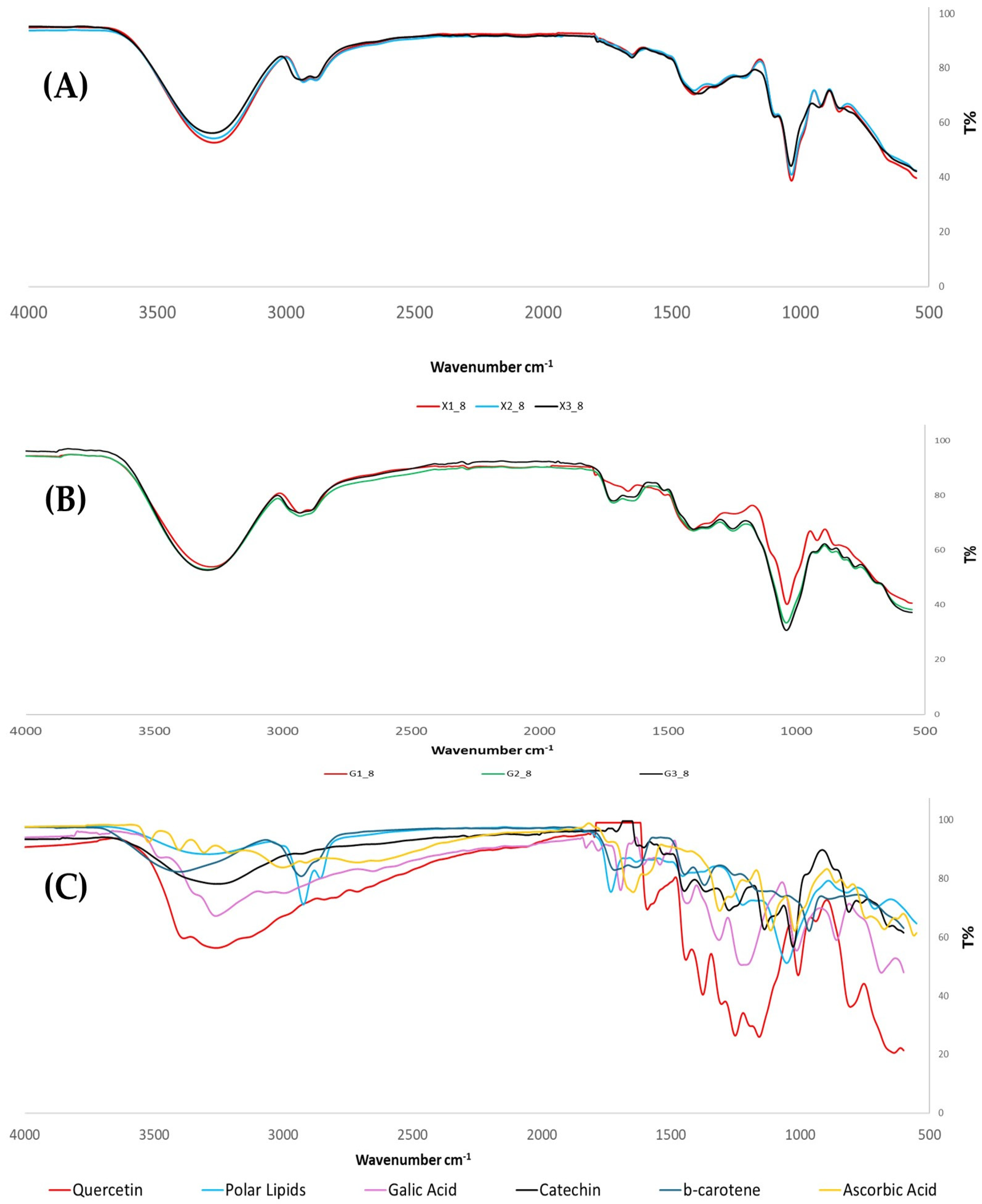
To identify the characteristic functional groups associated with bioactive compounds in the green extracts, standard antioxidant compounds—including β-carotene, phenolic bioactives like the simple phenolic gallic acid, the flavonoids quercetin and catechin, as well as the polyphenol tannin, along with ascorbic acid and soy polar lipids—were used for comparison, as shown in Figure 3 and Table 3. Analysis of the FTIR spectra revealed that specific peak profiles of the amphiphilic compounds present in the extract closely matched those of specific peaks of distinct standards, confirming the presence of key functional groups such as those present in phenolic bioactives, polar lipid chains, and other bioactive-associated bonds such as those present in carotenoids. Both Starking and Granny Smith apple pomace extracts exhibited similar absorption patterns, indicating the presence of comparable functional groups across the two varieties.
Figure 3.
FTIR spectra derived from ATR-FTIR analysis of green extracts from apple pomace of Starking (A) and Granny Smith (B) organic cultivars, in triplicate experiments, and in comparison to similar analysis of the standards of phenolic, carotenoid, ascorbic acid and polar lipid bioactives (C).
Table 3.
Comparison of the main absorption bands and peak assignments of characteristic functional groups in green extracts from apple by-products of Starking and Granny Smith varieties with those of standard reference compounds.
A broad absorption band in the 3500–3200 cm−1 region was observed in both extracts, corresponding to O–H stretching vibrations typical of hydroxyl groups in phenolic compounds.
Peaks within the 2950–2850 cm−1 range were attributed to aliphatic C–H stretching, predominantly from fatty acid chains in phospholipids. Strong absorptions between 1750 and 1700 cm−1 indicated C=O stretching vibrations associated with ester carbonyl groups (from phospholipids), as well as ketone or aldehyde functionalities in phenolic structures. Additionally, bands in the 1600–1500 cm−1 region were assigned to aromatic C=C stretching, while those between 1450 and 1375 cm−1 were linked to CH2 and CH3 bending vibrations. Finally, the peaks observed between 1200 and 1000 cm−1 corresponded to C–O stretching in esters and C–O vibrations characteristic of phenolic groups. Overall, the FTIR analysis confirms that both apple pomace extracts are rich in phenolic compounds and lipids, and that they share a similar functional group composition, regardless of variety.
3.6. Assessment of Protection Against UVA and UVB Radiation
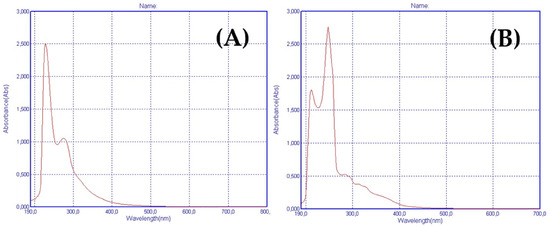
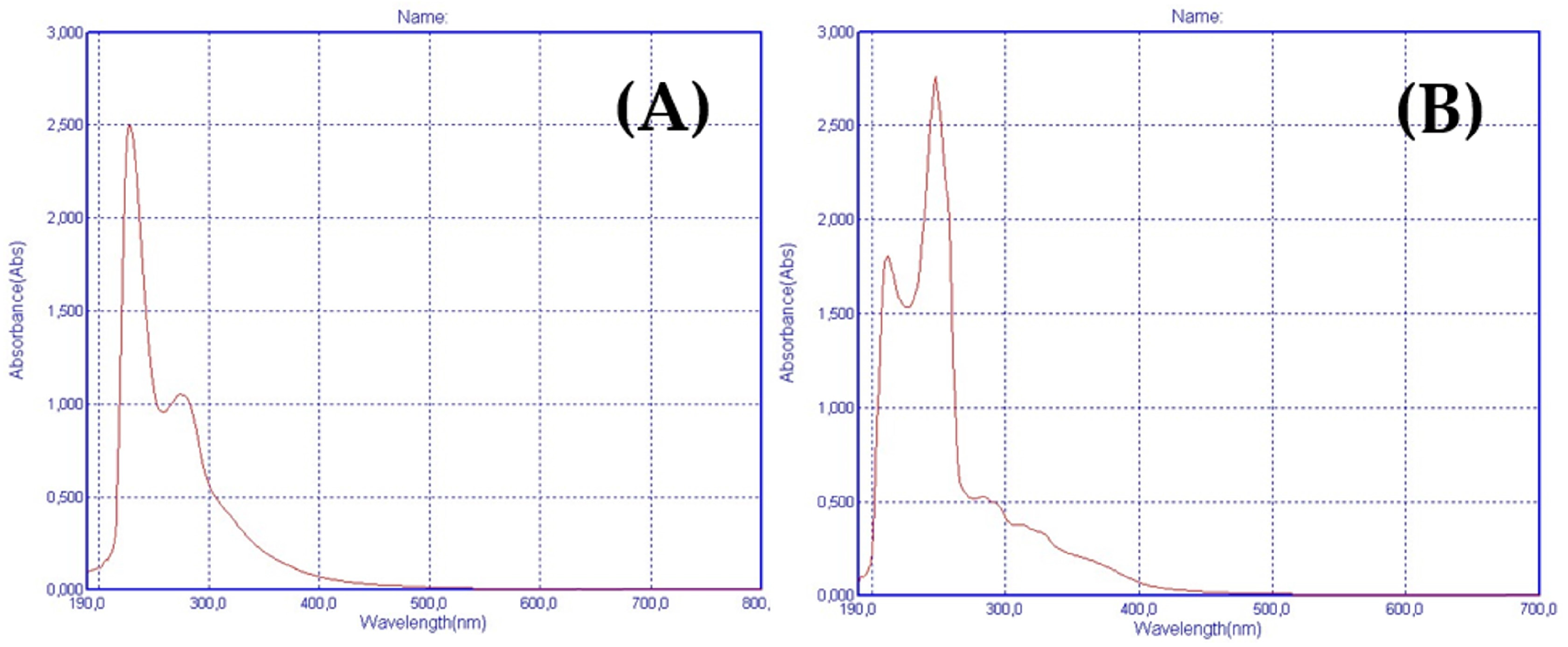
Spectroscopic analysis of the green extracts from Granny Smith (Figure 4A) and Starking (Figure 4B) apple by-products revealed notable absorption in the ultraviolet (UV) region, indicating the presence of bioactive compounds with potential photoprotective properties. In the UVB range (280–320 nm), both extracts demonstrated strong absorption, with the Starking extract showing slightly higher levels. This suggests an enhanced ability to block harmful UVB radiation, which is closely linked to erythema and skin carcinogenesis.
Figure 4.
Full UV-Vis spectrum of green extracts of amphiphilic bioactives from organic cultured Granny Smith (A) and Starking (B) apple by-products.
In the UVA region (320–400 nm), a gradual decline in absorption was observed for both extracts. However, the Granny Smith extract maintained higher absorption, particularly in the 350–400 nm range, indicating superior protection against longer-wavelength UVA rays associated with photoaging and oxidative stress.
Collectively, these findings suggest that both extracts possess promising photoprotective capabilities, with Starking providing stronger UVB protection, while Granny Smith offers broader UVA coverage. The differing absorption profiles are likely due to variations in the composition of phenolic and other bioactive compounds between the two varieties. This distinction highlights their potential for targeted application in natural sunscreen formulations, where specific UV protection profiles are desired.
The photoprotective properties suggest potential cosmetic applications. Starking extracts may be suitable for UVB-protection formulations, whereas Granny Smith extracts may be more appropriate for UVA-protection and anti-photoaging products.
3.7. Fatty Acid Composition of the Green Extracts of Amphiphilic Compounds from the Apple By-Products of the Starking and Granny Smith Varieties
The fatty acid (FA) composition of the amphiphilic-compound-rich green extracts from apple by-products of the organic cultured Granny Smith and Starking apple varieties was analyzed using LC–MS, focusing mainly on esterified FAs in polar lipids, but also detecting any free (non-esterified) ones being coextracted during the partition process with the amphiphilic bioactives, while the outcomes of such a quantification for both cases are summarized in Table 4.
Table 4.
Content of non-esterified and esterified fatty acids in Starking and Granny Smith by-product extracts.
For the fatty acids esterified in polar lipids, chromatographic analysis revealed a profile high in saturated fatty acids (SFAs) and low but considerable amounts of unsaturated fatty acids (UFAs), most of which were monounsaturated fatty acids (MUFAs) and some detectable amounts of polyunsaturated fatty acids (PUFAs) in the PL of the extracts from the by-products of both apple varieties. Specifically, in the Starking variety, SFAs accounted for 97.4% of the total fatty acid composition, while in the Granny Smith variety, this percentage was 95.8%. The dominant fatty acids in both varieties were stearic acid (C18:0) and palmitic acid (C16:0), with contents of 53.5% and 33.2% for Starking and 47.5% and 37.6% for Granny Smith, respectively. Lauric acid (C12:0) was detected at 4.8% and 5.4% for Starking and Granny Smith, respectively, while smaller amounts were detected for myristic acid (C14:0), margaric acid (C17:0) and pentadecyl acid (C15:0). In the PL of the apple pomace from both apple varieties, MUFA accounted for only 2.5–3%, with oleic acid (C18:1) dominating and palmitoleic acid (C16:1) following. Other UFA detected were the PUFAs linoleic acid (C18:2, ω-6) and α-linolenic acid (C18:3, ω-3), both in low but detectable and thus considerable concentrations for bioactivities. The derived ω-6/ω-3 PUFA ratio by these amounts of the PUFA in PL was approximately equal to 1, which indicates a highly favorable anti-inflammatory profile for the PL present in both green extracts from Starking and Granny Smith apple pomaces, since it has been established that the lower the value for this ratio from the 15 value, the better its anti-inflammatory capacity, while, in contrast, the higher the value for this ratio from 15, the higher the inflammatory risk, which is usually encountered in Western or westernized-type societies and diets [28]. The detected non-esterified free fatty acids are usually present in low amounts in such amphiphilic extracts due to being co-carried from the lipophilic phase towards the phase of the more polar solvents, where the amphiphilic compounds migrate during the counter-current distribution process and during partitioning between the two solvent systems. LC-MS chromatographic analysis revealed a profile high in SFA and low in UFA without ω-3 PUFA being detected for these fatty acids too.
When comparing the results with the literature, there is a significant difference in the percentage of unsaturated fatty acids (UFAs) in solidified polar lipids. Specifically, previous studies have shown the total percentage of UFA to be 26.7 ± 0.5%, consisting of 7.3 ± 0.3% MUFA and 19.4 ± 0.7% PUFA [18]. Specifically for the research mentioned, the extraction method used is Bligh and Dyer, which specializes in isolating polar lipids from samples and is not a green method due to the use of conventional solvents such as chloroform, and petroleum ether was used during counter-current distribution. In contrast, based on the results of the present study using green extraction methods, the percentage of esterified UFAs for the extract of Starking variety by-products is 2.7% in total, while for the Granny Smith variety, it is 3.4%. It is worth noting that the extraction conditions between the two studies differ significantly, which may affect the results, as it appears that conventional methods may better extract polar lipids bearing more long-chain unsaturated fatty acids in their molecular structures. Furthermore, another study that performed extraction with more polar solvents approved for use in food showed a wide UFA range of 49.24–68.47%. This may be due to the fact that the variety of apple by-products was different, specifically the apple by-products came from the Jonagold, Dabinett, and Aston Bitter varieties, but also the season and place where the apples were grown differ significantly.
On the other hand, although green extract contains lower amounts of UFA and PUFA than the conventional extracts [18], the omega-6/omega-3 PUFA ratio, which is a classic indicator of anti-inflammatory activity (the lower this ratio, the more omega-3 fatty acids and therefore the more the anti-inflammatory power), is significantly lower in the PL of green extracts (approximately 1) compared to conventional extracts. Omega-3 fatty acids (and therefore anti-inflammatory power) are clearly lower in green extracts (approximately 1) than in conventional extracts (approximately 7–12) [18] or other green extracts that had more polar solvents (3–10) [15]. Such beneficial low values of the omega-6/omega-3 PUFA ratio in the polar lipids of the green extract in this study also provide a kind of explanation from the structures of these lipids (structure–activity relationship), with the high activity that these polar lipids showed in these extracts against the thrombo-inflammatory pathway of platelet activating factor (PAF).
Both extracts exhibited a near 1:1 ω6/ω3 ratio, which is uncommon among agro-industrial by-products and associated with favorable anti-inflammatory properties.
3.8. Anti-Inflammatory and Antithrombotic Activity of Green Extracts from Starking and Granny Smith Apple By-Products
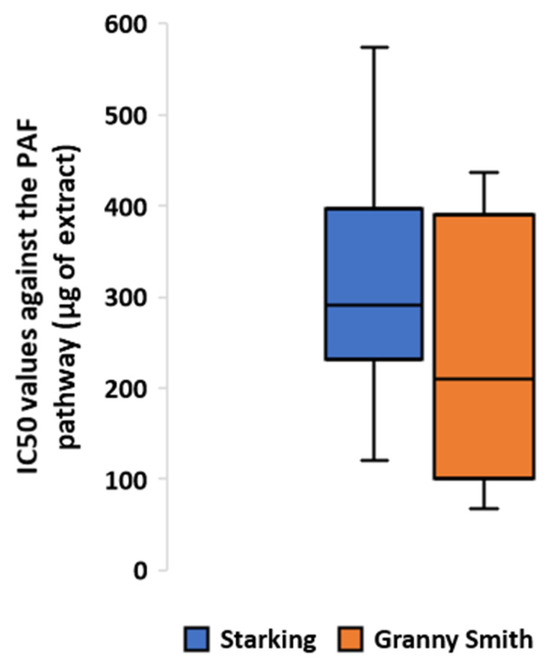
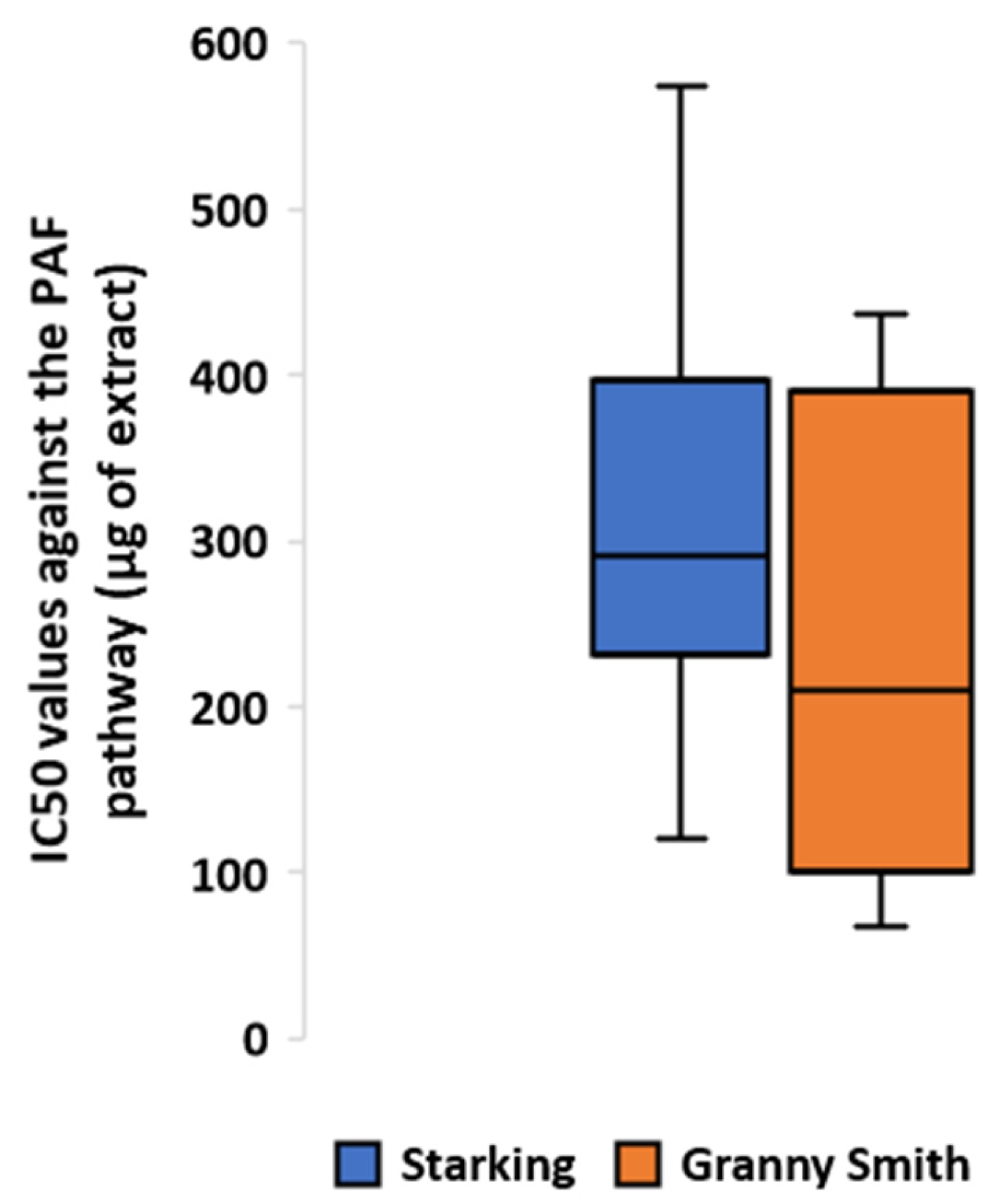
The histogram in Figure 5 shows the IC50 values against the PAF pathway for the green extracts of amphiphilic bioactives from both Starking and Granny Smith apple pomace varieties. Results are expressed as IC50 values, thus in μg of extract present in a specific volume of plasma rich in platelets (250 μL) required to inhibit 50% of PAF-induced maximum reversible platelet aggregation (IC50: half maximum inhibitory concentration). The IC50 values of an extract against the PAF pathway reflect the anti-inflammatory capacity of the sample extract, and therefore the lower the IC50 value, the stronger the anti-PAF anti-inflammatory bioactivities. Specifically, green extracts of amphiphilic bioactives from the Starking apple pomace variety showed IC50 values ranging from 127 to 573 μg in different blood donors’ samples, with a median value of approximately 290 μg and an average of 306 μg. The distribution of values shows relatively large variation in bioactivity depending on the blood sample in which the extract was assessed, with an interquartile range (IQR) of approximately 179 μg. The lower quartile (Q1) is estimated at around 230 μg, while the upper quartile (Q3) is 409 μg, indicating a distribution of values with an upward tail. The presence of particularly high values, such as 573 μg, may affect the mean, making it higher than the median.
Figure 5.
Box plot comparing IC50 values against PAF (anti-inflammatory action).
In contrast, the green extracts of amphiphilic bioactives from the Granny Smith variety have IC50 values ranging from 67 to 429 μg, with a lower median value of approximately 210 μg and an average of 263 μg. The variation in values is greater than those observed in the Starking variety, with an IQR of approximately 306 μg. The lower quartile is estimated at 100 and the upper quartile at 406 μg, while most values are concentrated in the lower range, indicating higher inhibitory capacity. The IC50 value of 67 μg can be considered highly potent, but the remaining values are fairly consistent. When comparing the medians and means of the two varieties, it can be seen that the median is significantly lower in the Granny Smith samples. This finding indicates that Granny Smith has a stronger overall bioactivity against PAF, as most samples require a smaller amount of extract to inhibit platelet aggregation induced by PAF. However, according to statistical analysis using the nonparametric Kruskal–Wallis test, the differences observed between the two varieties are not considered statistically significant. Therefore, the variety from which the by-products originate does not statistically significantly affect the ability to inhibit PAF-induced platelet aggregation, despite indications of Granny Smith’s superiority.
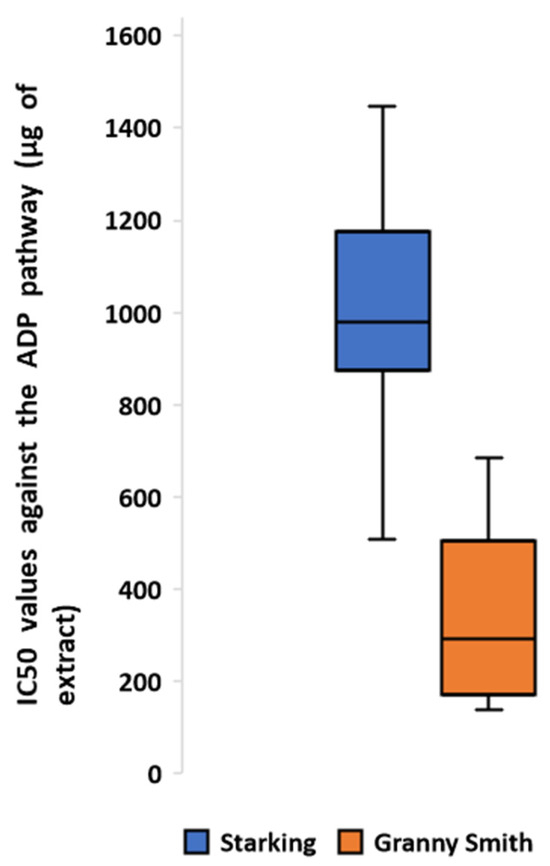
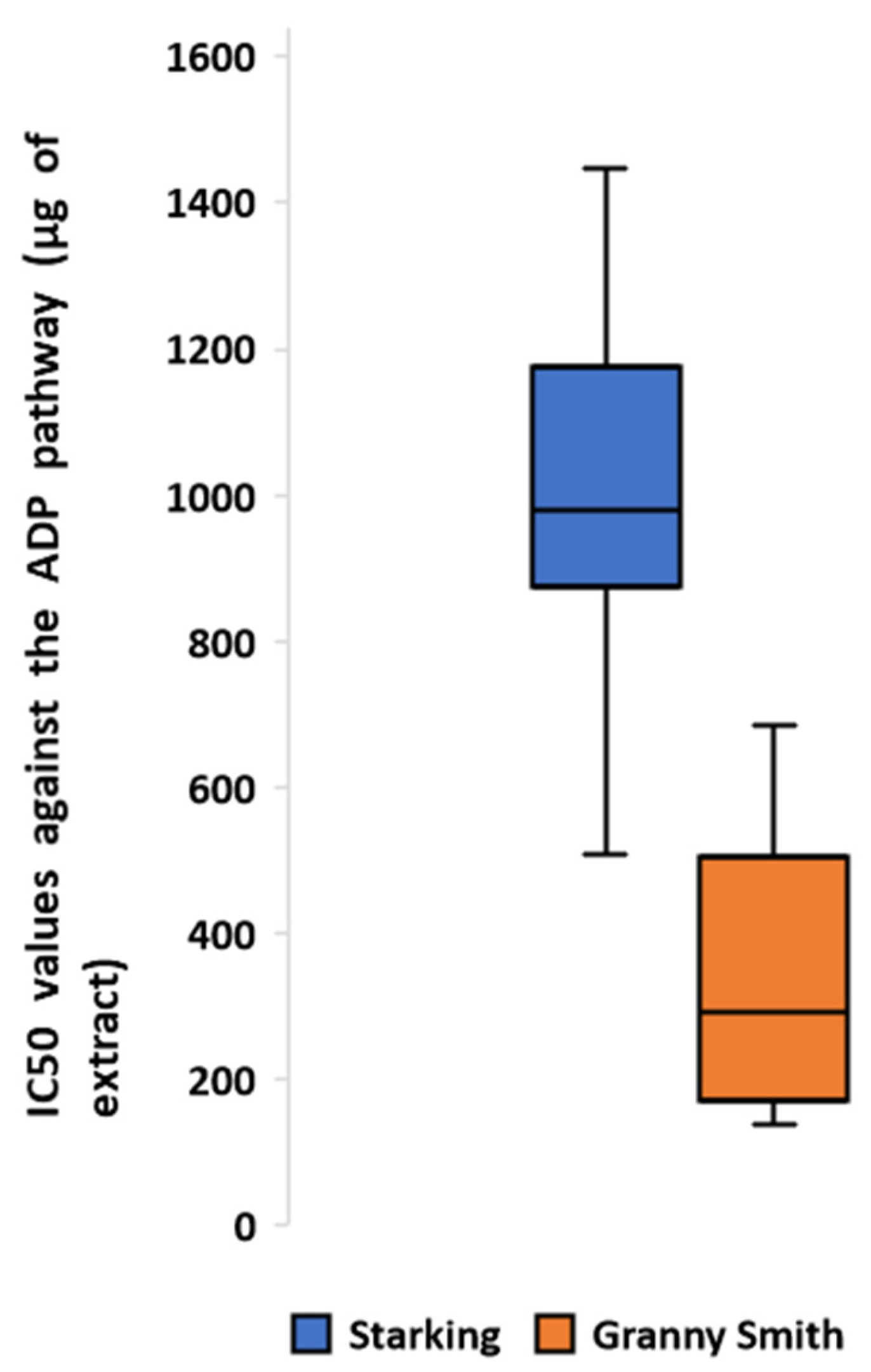
Figure 6 demonstrates the IC50 values against the ADP pathway for the extracts of amphiphilic bioactives from both the by-products of the Starking and Granny Smith varieties (again in μg of extract). Specifically, the Starking variety samples showed IC50 values ranging from approximately 508 to 1638 μg, with a median value close to 980 μg and an average of approximately 1047 μg. The distribution of values shows great variation, with an interquartile range (IQR) of 490 μg and a wide upper tail, which is also reflected in the presence of extreme values such as 1638 μg. The lower quartile (Q1) is close to 865 μg, while the upper quartile (Q3) is around 1355 μg, indicating moderate to low inhibitory activity against the ADP pathway. In contrast, the Granny Smith variety has significantly lower IC50 values, ranging between 137 and 721 μg, with a median value of approximately 346 μg and an average of 405 μg. The IQR is approximately 539 μg, with Q1 at approximately 146 μg and Q3 at 685 μg. The distribution of values is concentrated in the lower range, indicating higher bioactivity. Although some higher values are observed, the overall concentration of the samples supports a consistent inhibitory effect. When comparing the two varieties, it is evident that the Granny Smith samples have significantly lower IC50 values than the Starking samples, indicating stronger bioactivity against ADP-induced platelet aggregation. This is confirmed by the Kruskal–Wallis statistical test, which showed that there is a statistically significant difference between the varieties from which the apple by-products originate in terms of ADP inhibition.
Figure 6.
Box plot comparing IC50 values against ADP (antithrombotic action).
Previous studies have shown better inhibition of PAF and ADP. Specifically, a study that used the Bligh–Dyer method for extraction from Starking apple by-products showed IC50 values ranging between 80 and 260 μg of extract for both, with ADP showing higher values than PAF [18]. This is mainly due to the fact that the Bligh–Dyer method specializes in the isolation of polar lipids with long-chain UFA, which can bind to the PAF and ADP receptors, inhibiting their action. Another study using food-grade solvents again showed better activity for the two thrombo-inflammatory agents [15]. Specifically, Jonagold apple by-products showed the best activity with corresponding IC50 values.
Overall, phenolic bioactives and PL present in the green extracts from both the Starking and Granny Smith apple pomace varieties showed higher specificity against the PAF pathway (lower IC50 values against PAF compared to their IC50 values against ADP) probably due to the structural homology of PL to PAF and thus their ability to act antagonistically against the PAF binding to its receptor [3], which has also been observed for specific bioactive phenolics of apple pomace extracts, like quercetin and phloretin [20]. From both apple pomace varieties, the green extracts from the pomace of Granny Smith apples showed a higher anti-ADP effect compared to that of the Starking apple pomace, indicating that some phenolics and polar lipids present in these extracts tend to potently affect not only the PAF pathway but also that of the ADP/eicosanoid-associated pathway. For the PL, this may be related with their UFA (MUFA and PUFA) content, which, if released by phospholipases A2 in cell membranes, can directly intracellularly affect the pathway of ADP related to COX-2 eicosanoids [3]. It can also be related to the presence of a more phosphatidylinositol (PI) class of phospholipids, such as PIP3, a derivative of them that when released intracellularly from the structure of these phospholipids by a phopsolipase D and phosphorylation can also affect the ADP/Ca+2/eicosanoid-related pathways of platelet aggregation. With respect to the phenolic bioactives that are also present in these extracts, this may be related to their interaction intracellularly with translation factors like NFkB, and especially the Nrf2 that are related to eicosanoid pathways, including that of ADP [3]. Thus, the higher content of Granny Smith in phenolics and PIs seems to contribute to this difference in the bioactivities too. Nevertheless, more mechanistic studies are needed to fully reveal the biochemical pathways involved in both the anti-inflammatory anti-PAF activity and the antiplatelet anti-ADP activities of these green extracts.
3.9. Structural Elucidation of the Bioactive PL Present in the Green Extracts of Both Apple Pomace Varieties
LC–MS was also utilized to identify the structures of bioactive polar lipids present in green extracts derived from apple by-products from the Starking and Granny Smith varieties. The analysis revealed a broad array of polar lipid species, as outlined in Table 5. Particular emphasis was placed on key subclasses within the glycerophospholipid (GP) and glyceroglycolipid (GL) families, including phosphatidylethanolamines (PEs), phosphatidylcholines (PCs), glycerophosphoinositols (PIs), monogalactosyldiacylglycerols (MGDGs), digalactosyldiacylglycerols (DGDGs), and sulfoquinovosyldiacylglycerols (SQDGs) (Table 5). This targeted approach is consistent with earlier findings, which have demonstrated that these subclasses constitute the dominant fraction of polar lipids in apple-derived extracts [18,29,30].
Table 5.
Polar lipids identified by the LC–MS analysis in apple-derived extracts of the Starking and Granny Smith varieties.
In line with the fatty acid composition data, the phospholipid (PhL) and glycolipid (GL) molecular species identified in the apple pomace extracts of both Starking and Granny Smith varieties were predominantly composed of esterified saturated fatty acids (SFAs)—notably palmitic acid (C16:0) and stearic acid (C18:0)—alongside monounsaturated (MUFAs) and polyunsaturated fatty acids (PUFAs), such as oleic acid (C18:1), linoleic acid (C18:2), and linolenic acid (C18:3). As shown in Figure 7, a two-set Venn diagram was constructed to compare the polar lipid molecular species identified in the Starking and Granny Smith apple varieties. The diagram reveals both shared and variety-specific lipids, offering insight into the lipidomic diversity between the two extracts.
Figure 7.
A two-set Venn diagram illustrating the polar lipids shared between the two apple varieties. Only 13 polar lipid molecules were identified as similar between the two apple varieties, while 9 and 12 molecular species were observed only in the Starking and in the Granny smith, respectively, indicating that these are variety-specific lipids, providing an insight into the lipidomic diversity between the apple pomace extracts from the two different apple varieties.
In the main PhL classes identified, including phosphatidylcholine (PC) and phosphatidylethanolamine (PE), both diacyl and alkyl-acyl forms were observed, with the SFA moieties preferentially occupying the sn-1 position of the glycerol backbone, while the UFA components were mainly located at the sn-2 position. This positional distribution is known to significantly affect the biological activity and physical properties of the membrane lipids, such as membrane fluidity and interactions with key enzymes. For example, molecular species such as PC 34:1 (e.g., C16:0/C18:1) and PC 36:0 (C18:0/C18:0) were detected in both apple varieties, highlighting the dominance of palmitic and stearic acid residues. Similarly, PE species such as PE 36:1 show typical combinations of SFA and MUFA in their structure. Glycolipids, including monogalactosyldiacylglycerols (MGDGs) and digalactosyldiacylglycerols (DGDGs), were also present and mainly composed of similar fatty acid residues. Notably, species like MGDG 34:3 (e.g., C16:1/C18:2 or C16:0/C18:3) and DGDG 34:1 (e.g., C16:0/C18:1) illustrate the presence of unsaturated chains in their structures, indicating a balance of saturated and unsaturated fatty acids. Sulfoquinovosyldiacylglycerols (SQDGs) were also identified, with species such as SQDG 34:1 and SQDG 36:1 containing combinations like C16:0/C18:1 or C18:0/C18:1, further confirming this pattern. Interestingly, more phospholipid classes of the PI family were observed in the Granny Smith apple pomace extracts, which may be related to the higher anti-ADP efficacy that these extracts showed in comparison to the Starking apple pomace ones. As aforementioned, this may be related to secondary signaling molecules derived from such interesting PhL, like the PIP3 signaling molecule, which affects the Ca+2 intracellular concentration and the ADP/eicosanoid-related activation and aggregation of platelets [3].
This distribution of esterified fatty acids within the glycerol backbone of apple-derived PhLs and GLs may enhance their bioactivity. Such bioactive molecules can act as natural platelet-activating factor (PAF) antagonists, contributing to anti-inflammatory properties by blocking PAF binding to its receptor and modulating platelet aggregation and thrombo-inflammatory responses [3,4]. Furthermore, their incorporation into cell membranes and lipoproteins following dietary intake can influence lipid signaling pathways, support HDL functionality, and contribute to protection against cardiovascular diseases and tumor progression [3,4].
Granny Smith extracts demonstrated stronger inhibition of ADP-induced platelet aggregation. This enhanced activity may be attributed to the presence of amphiphilic bioactives, including polar lipids and glycolipids, as well as phenolic compounds such as quercetin. Polar lipids derived from plant sources have been reported to inhibit platelet aggregation induced by ADP and platelet-activating factor (PAF), mainly through interference with membrane-mediated signaling pathways [4,15]. In addition, apple-derived phenolics, particularly quercetin and related flavonoids, have been shown to suppress platelet activation, reduce intracellular calcium mobilization, and inhibit ADP-dependent aggregation. Therefore, the observed inhibition of both ADP- and PAF-induced aggregation in the present study suggests that the amphiphilic extracts may exert potentially antithrombotic effects through synergistic action of polar lipids and phenolic constituents.
The comparison between polar lipid structures obtained via green extraction, which was performed for the first time in the present study, and those from Bligh and Dyer extraction [18] reveals notable differences in both polar lipid and fatty acid diversity and molecular complexity. The green extraction method yielded a broader range of lipid species, particularly with a higher prevalence of ether-linked, along with varied acyl chain combinations, including odd-chain and saturated fatty acids—indicative of a more selective or milder extraction preserving labile or complex lipids. In contrast, the Bligh and Dyer method produced a more streamlined profile, with common phospholipids like PC 34:1 and PI 36:2 but fewer structural variants.
3.10. Greenness Evaluation of the Extraction Process
In this study, the environmental performance of the extraction process employed for the recovery of bioactive compounds from apple pomace was systematically evaluated using the Analytical GREEnness (AGREE) tool, a quantitative metric framework proposed by Pena-Pereira et al. (2020) [23] for assessing the sustainability of analytical methodologies. The AGREE tool integrates the twelve principles of green analytical chemistry, providing a holistic assessment that encompasses key parameters such as energy consumption, waste generation, reagent toxicity, and the degree of automation. The resulting greenness score, depicted in Figure 8, was calculated to be 0.53, indicating a moderate level of environmental compliance. This score is primarily influenced by the energy demand of the process (850 W), the sample mass (30 g), and the sample throughput (one sample per hour), which collectively impact the overall environmental efficiency of the method.
Figure 8.
Results of the AGREE analysis for the extraction process (12 importance principles—1: Sample treatment, 2: Sample amount, 3: Device positioning, 4: Sample preparation stages, 5: Automation, miniaturization, 6: Derivatization, 7: Waste, 8: Analysis throughput, 9: Energy consumption, 10: Source of reagents). Principles 11: Toxicity and 12: Operator’s safety). Showed 0 score, meaning no toxicity or safety issues for the operator were observed and that is why they are not shown in the figure. Also, the greener the colour for a principle the greener the compliance, while the more red the color the less the compliance of the method for the specific principle.
4. Conclusions
This study highlights the promising potential of apple pomace from organic Starking and Granny Smith varieties, commonly regarded as agro-industrial waste, as a sustainable source of amphiphilic bioactive compounds with potent antioxidant, anti-inflammatory and antiplatelet activities. Utilizing a green extraction method, the process achieved high yields of phenolics, carotenoids, and polar lipids without the use of toxic solvents, adhering to the principles of green chemistry and environmental sustainability.
Comprehensive chemical and functional analyses demonstrated that these extracts possess significant antioxidant, anti-inflammatory, and antithrombotic activities, with the Granny Smith variety generally exhibiting superior bioactivity. These differences are attributed to varietal distinctions in phenolic composition, lipid profiles, and higher specificity for anti-inflammatory, anti-platelet and antioxidant capacities.
Notably, the presence of multifunctional compounds conferring photoprotective effects, platelet aggregation inhibition, and oxidative stress reduction underlines the therapeutic versatility and commercial potential of these extracts. These properties position apple pomace extracts as valuable candidates for application in functional foods, nutraceuticals, pharmaceuticals, and cosmetic formulations.
In conclusion, the valorization of apple pomace through sustainable extraction and utilization offers a circular economy approach to waste reduction and bioresource development. Future research should focus on optimizing bioavailability and formulation technologies and scaling up extraction processes, to facilitate industrial application and market integration.
Author Contributions
C.P.: software, formal analysis, investigation, data curation, writing—original draft preparation; A.O.: software, formal analysis, writing—review and editing; K.S.: software, formal analysis, data curation; S.K.S.: software, methodology, data curation, resources; A.T.: conceptualization, methodology, software, validation, formal analysis, data curation, investigation, resources, writing—original draft preparation, writing—review and editing, visualization, supervision, project administration. All authors have read and agreed to the published version of the manuscript.
Funding
This research received no external funding.
Institutional Review Board Statement
The anti-inflammatory and antithrombotic properties of shrimp bioactives (natural bioactives) of this study were tested in platelets from healthy volunteers, in accordance with the Declaration of Helsinki, and approved by the Ethics Committee of Democritus University of Thrace (protocol code ΔΠΘ/ΕHΔΕ/7690/70 on 27 September 2024).
Informed Consent Statement
Informed consent was obtained from all healthy blood donors involved in this study.
Data Availability Statement
All data is contained within the article. Any further information concerning raw data (i.e., FT-IR spectra, LC-MS chromatograms and spectra) can be provided by the authors upon request.
Acknowledgments
The authors would like to thank the School of Chemistry of the Faculty of Sciences of the Democritus University of Thrace, the General Hospital of Kavala and the Technological University of the Shannon for their continuous support.
Conflicts of Interest
The authors declare no conflicts of interest.
References
- Putra, N.R.; Rizkiyah, D.N.; Abdul Aziz, A.H.; Che Yunus, M.A.; Veza, I.; Harny, I.; Tirta, A. Waste to Wealth of Apple Pomace Valorization by Past and Current Extraction Processes: A Review. Sustainability 2023, 15, 830. [Google Scholar] [CrossRef] [Scilit]
- Fraterrigo Garofalo, S.; Demichelis, F.; Peletti, V.; Picco, L.; Tommasi, T.; Fino, D. Comparative Study of Polyphenol Extraction Using Physical Techniques and Water as a Solvent: A Sustainable Approach for the Valorization of Apple Pomace. Environ. Sci. Pollut. Res. 2024, 32, 27915–27928. [Google Scholar] [CrossRef] [Scilit] [PubMed]
- Vandorou, M.; Plakidis, C.; Tsompanidou, I.M.; Adamantidi, T.; Panagopoulou, E.A.; Tsoupras, A. A Review on Apple Pomace Bioactives for Natural Functional Food and Cosmetic Products with Therapeutic Health-Promoting Properties. Int. J. Mol. Sci. 2024, 25, 10856. [Google Scholar] [CrossRef] [Scilit] [PubMed]
- Tsoupras, A.; Gkika, D.A.; Markopoulos, T.; Curran, R.; Scallon, C.; Karali, M.; Kyzas, G.Z. Apple Products (Apple Juice and Cider) and By-Products (Apple Pomace): Bioactive Compounds and Biological Properties. In Natural Products in Beverages; Springer: Cham, Switzerland, 2024; pp. 1–42. [Google Scholar] [CrossRef] [Scilit]
- Pando Bedriñana, R.; Rodríguez Madrera, R.; Loureiro Rodríguez, M.D.; López-Benítez, K.; Picinelli Lobo, A. Green Extraction of Bioactive Compounds from Apple Pomace from the Cider Industry. Antioxidants 2024, 13, 1230. [Google Scholar] [CrossRef] [Scilit] [PubMed]
- Chemat, F.; Vian, M.A.; Cravotto, G. Green Extraction of Natural Products: Concept and Principles. Int. J. Mol. Sci. 2012, 13, 8615–8627. [Google Scholar] [CrossRef] [Scilit] [PubMed]
- Martins, R.; Barbosa, A.; Advinha, B.; Sales, H.; Pontes, R.; Nunes, J. Green Extraction Techniques of Bioactive Compounds: A State-of-the-Art Review. Processes 2023, 11, 2255. [Google Scholar] [CrossRef] [Scilit]
- Pollini, L.; Cossignani, L.; Juan, C.; Mañes, J. Extraction of Phenolic Compounds from Fresh Apple Pomace by Different Non-Conventional Techniques. Molecules 2021, 26, 4272. [Google Scholar] [CrossRef] [Scilit] [PubMed]
- He, Y.; Lu, Q.; Liviu, G. Effects of Extraction Processes on the Antioxidant Activity of Apple Polyphenols. CyTA J. Food 2015, 13, 603–606. [Google Scholar] [CrossRef] [Scilit]
- Razola-Díaz Mdel, C.; Aznar-Ramos, M.J.; Guerra-Hernández, E.J.; García-Villanova, B.; Gómez-Caravaca, A.M.; Verardo, V. Establishment of a Sonotrode Ultrasound-Assisted Extraction of Phenolic Compounds from Apple Pomace. Foods 2022, 11, 3809. [Google Scholar] [CrossRef] [Scilit] [PubMed]
- Wijngaard, H.; Brunton, N. The Optimization of Extraction of Antioxidants from Apple Pomace by Pressurized Liquids. J. Agric. Food Chem. 2009, 57, 10625–10631. [Google Scholar] [CrossRef] [Scilit] [PubMed]
- Dranca, F.; Oroian, M. Optimization of Pectin Enzymatic Extraction from Malus Domestica ‘Fălticeni’ Apple Pomace with Celluclast 1.5L. Molecules 2019, 24, 2158. [Google Scholar] [CrossRef] [Scilit] [PubMed]
- Numa, V.; Crampon, C.; Bellon, A.; Mouahid, A.; Badens, E. Valorization of Food Side Streams by Supercritical Fluid Extraction of Compounds of Interest from Apple Pomace. J. Supercrit. Fluids 2023, 202, 106056. [Google Scholar] [CrossRef] [Scilit]
- Arraibi, A.A.; Liberal, Â.; Dias, M.I.; Alves, M.J.; Ferreira, I.C.F.R.; Barros, L.; Barreira, J.C.M. Chemical and Bioactive Characterization of Spanish and Belgian Apple Pomace for Its Potential Use as a Novel Dermocosmetic Formulation. Foods 2021, 10, 1949. [Google Scholar] [CrossRef] [Scilit] [PubMed]
- Tsoupras, A.; Moran, D.; Shiels, K.; Saha, S.K.; Abu-Reidah, I.M.; Thomas, R.H.; Redfern, S. Enrichment of Whole-Grain Breads with Food-Grade Extracted Apple Pomace Bioactives Enhanced Their Anti-Inflammatory, Antithrombotic and Anti-Oxidant Functional Properties. Antioxidants 2024, 13, 225. [Google Scholar] [CrossRef] [Scilit] [PubMed]
- Ciurlă, L.; Enache, I.-M.; Buțerchi, I.; Mihalache, G.; Lipșa, F.D.; Patraș, A. A New Approach to Recover Bioactive Compounds from Apple Pomace: Healthy Jelly Candies. Foods 2025, 14, 39. [Google Scholar] [CrossRef] [Scilit] [PubMed]
- Directive 2009/32/EC of the European Parliament and of the Council of 23 April 2009 on the Approximation of the Laws of the Member States on Extraction Solvents Used in the Production of Foodstuffs and Food Ingredients (Recast) (Text with EEA Relevance)Text with EEA Relevance. 2023. Available online: http://data.europa.eu/eli/dir/2009/32/2023-02-16/eng (accessed on 8 June 2025).
- Vandorou, M.; Plakidis, C.; Tsompanidou, I.M.; Ofrydopoulou, A.; Shiels, K.; Saha, S.K.; Tsoupras, A. In Vitro Antioxidant, Antithrombotic and Anti-Inflammatory Properties of the Amphiphilic Bioactives from Greek Organic Starking Apple Juice and Its By-Products (Apple Pomace). Appl. Sci. 2025, 15, 2807. [Google Scholar] [CrossRef] [Scilit]
- Xiao, F.; Xu, T.; Lu, B.; Liu, R. Guidelines for Antioxidant Assays for Food Components. Food Front. 2020, 1, 60–69. [Google Scholar] [CrossRef] [Scilit]
- Tsiapali, O.I.; Kontaxi, N.-I.; Pavlidis, K.; Ofrydopoulou, A.; Prokopiou, V.; Letsiou, S.; Kosheleva, R.I.; Mitropoulos, A.; Tsoupras, A. Anti-Inflammatory and Antioxidant Properties of Anti-UV Creams Enriched with Natural Extracts from Avocado, Apple, and Kiwi By-Products, with and Without Nanobubbles. Cosmetics 2025, 12, 231. [Google Scholar] [CrossRef] [Scilit]
- Vordos, N.; Giannakopoulos, S.; Vansant, E.F.; Kalaitzis, C.; Nolan, J.W.; Bandekas, D.V.; Karavasilis, I.; Mitropoulos, A.C.; Touloupidis, S. Small-Angle X-Ray Scattering (SAXS) and Nitrogen Porosimetry (NP): Two Novel Techniques for the Evaluation of Urinary Stone Hardness. Int. Urol. Nephrol. 2018, 50, 1779–1785. [Google Scholar] [CrossRef] [Scilit] [PubMed]
- Kosidou, S.; Zannas, Z.; Ofrydopoulou, A.; Lambropoulou, D.A.; Tsoupras, A. Psychotropic and neurodegenerative drugs modulate platelet activity via the PAF pathway. Neurochem. Int. 2025, 191, 106073. [Google Scholar] [CrossRef] [Scilit] [PubMed]
- Pena-Pereira, F.; Wojnowski, W.; Tobiszewski, M. AGREE—Analytical GREEnness Metric Approach and Software. Anal. Chem. 2020, 92, 10076–10082. [Google Scholar] [CrossRef] [Scilit] [PubMed]
- Kalinowska, M.; Bielawska, A.; Lewandowska-Siwkiewicz, H.; Priebe, W.; Lewandowski, W. Apples: Content of Phenolic Compounds vs. Variety, Part of Apple and Cultivation Model, Extraction of Phenolic Compounds, Biological Properties. Plant Physiol. Biochem. 2014, 84, 169–188. [Google Scholar] [CrossRef] [Scilit] [PubMed]
- Montero, L.; Herrero, M.; Ibáñez, E.; Cifuentes, A. Profiling of Phenolic Compounds from Different Apple Varieties Using Comprehensive Two-Dimensional Liquid Chromatography. J. Chromatogr. A 2013, 1313, 275–283. [Google Scholar] [CrossRef] [Scilit] [PubMed]
- Khoo, H.-E.; Prasad, K.N.; Kong, K.-W.; Jiang, Y.; Ismail, A. Carotenoids and Their Isomers: Color Pigments in Fruits and Vegetables. Molecules 2011, 16, 1710–1738. [Google Scholar] [CrossRef] [Scilit] [PubMed]
- Adamantidi, T.; Lafara, M.-P.; Venetikidou, M.; Likartsi, E.; Toganidou, I.; Tsoupras, A. Utilization and Bio-Efficacy of Carotenoids, Vitamin A and Its Vitaminoids in Nutricosmetics, Cosmeceuticals, and Cosmetics’ Applications with Skin-Health Promoting Properties. Appl. Sci. 2025, 15, 1657. [Google Scholar] [CrossRef] [Scilit]
- Simopoulos, A.P. The Importance of the Omega-6/Omega-3 Fatty Acid Ratio in Cardiovascular Disease and Other Chronic Diseases. Exp. Biol. Med. 2008, 233, 674–688. [Google Scholar] [CrossRef] [Scilit]
- Li, C.; Huang, R.; Guo, M.; Ge, Y. Lipidomics reveals the regulatory mechanism of exogenous caffeic acid on glycerophospholipid metabolism in apple fruit. Sci. Hortic. 2024, 329, 112990. [Google Scholar] [CrossRef] [Scilit]
- Wang, S.Y.; Faust, M. Variation in Lipid Composition of Apples in Relation to Watercore. J. Am. Soc. Hortic. Sci. 1992, 117, 829–833. [Google Scholar] [CrossRef] [Scilit]

Disclaimer/Publisher’s Note: The statements, opinions and data contained in all publications are solely those of the individual author(s) and contributor(s) and not of MDPI and/or the editor(s). MDPI and/or the editor(s) disclaim responsibility for any injury to people or property resulting from any ideas, methods, instructions or products referred to in the content. |
© 2026 by the authors. Licensee MDPI, Basel, Switzerland. This article is an open access article distributed under the terms and conditions of the Creative Commons Attribution (CC BY) license.