


Abstract
The global tourism industry is entering a phygital era, prompting renewed examination of the metaverse as an extension rather than a substitute for physical travel. This study investigates how metaverse technology operates across the Phygital Customer Journey within the Thai tourism context. Drawing on in-depth interviews with 12 experts from academic, multimedia development, and policy sectors, the data were analyzed using reflexive thematic analysis. The findings indicate that the metaverse assumes its most structurally significant role during the pre-trip phase. Immersive previews were described as recalibrating perceived risk by enabling advance assessment of accessibility, spatial configuration, and environmental conditions prior to commitment. This staged risk-calibration process operates through three interrelated mechanisms: Sensory Bridging, Psychological Risk Mitigation, and Physical Feasibility Testing, which are particularly relevant for secondary tourism destinations and demographic aging contexts. Building on these patterns, the study advances a four-layer architectural framework as an interpretive synthesis. Within this framework, the metaverse functions as a transactional and coordination layer that integrates booking systems, AI-enabled services, and real-time infrastructural data supported by IoT and Blockchain. The analysis further suggests that the state may assume an enabling role as an Infrastructure Architect through the development of a National Digital Highway and regulatory sandbox arrangements for SMEs. Sustainable adoption depends on hardware-agnostic, mobile-centric accessibility to mitigate digital exclusion. While grounded in Thailand, the framework offers analytical relevance for destinations facing comparable infrastructural and demographic conditions.
1. Introduction
The global tourism industry is facing a pivotal turning point, driven by exponential advances in digital technology and the profound impact of the COVID-19 pandemic, which has fundamentally altered tourists’ behavior. Historically, tourism was defined by the physical mobility of people moving from one location to another for leisure or experience seeking. However, in the present day, the boundaries between the real world and the digital world have begun to blur, ushering in a new paradigm known as smart tourism. This paradigm emphasizes the use of technology to elevate experiences and enhance management efficiency (Buhalis, 2020; Gretzel et al., 2015).
The demands of modern tourists are no longer confined to mere sightseeing. Instead, they seek immersive and meaningful experiences (Neuhofer et al., 2014). Contemporary tourists, often referred to as digital tourists, expect rapid, accurate information and experiences that offer personalization to their specific needs, starting even before the journey begins.
A key technology reshaping the tourism landscape is the metaverse, which represents a synergy of Virtual Reality (VR), Augmented Reality (AR), and Mixed Reality (MR) (Dwivedi et al., 2022). Initially, these technologies were viewed merely as tools for entertainment or marketing; however, they have now proven to be powerful instruments with the potential to extend and enhance real-world tourism experiences (tom Dieck & Jung, 2018).
Past research has frequently focused on using VR to create substitute tourism, particularly during the COVID-19 pandemic, when people were unable to travel (El-Said & Aziz, 2022). However, as the situation returns to normal, academic discourse has shifted toward how these technologies can coexist with and support on-site tourism without compromising the authenticity of the destination (Buhalis & Karatay, 2022).
The concept of phygital (physical + digital) has thus emerged as a key solution to the aforementioned issues. Phygital refers to the seamless integration of experiences in the physical and digital worlds to create a new experience that surpasses the sum of its separated parts (Ballina et al., 2019). In the context of tourism, the metaverse should not be viewed as a world isolated from reality, but rather as a layer superimposed to fulfill what the physical world cannot provide (Chung et al., 2018).
Although there have been numerous studies on AR and VR in tourism, most remain fixated on isolated applications, such as using VR for pre-trip marketing (Jung et al., 2016) or AR for historical tourism (Phithak & Kamollimsakul, 2020). There is a distinct lack of research that takes a systematic, holistic view across the tourist customer journey, covering the pre-trip, during-trip, and post-trip phases (Lemon & Verhoef, 2016). Furthermore, issues regarding infrastructure readiness, technology acceptance among the elderly, and the sustainability of business models remain knowledge gaps requiring in-depth study from the perspectives of experts and practitioners.
This research addresses these gaps by developing a conceptual framework for the phygital tourism journey, grounded in in-depth data from experts across technological, managerial, and policy dimensions. The objective is to explore and analyze the role of metaverse technologies in shaping tourist experiences throughout the entire phygital customer journey. Rather than presupposing equal strategic weight across all phases, the study adopts a holistic analytical structure to systematically examine the pre-trip, during-trip, and post-trip stages. This design enables the identification of where strategic concentration emerges within the journey based on empirical evidence rather than theoretical assumptions. Specifically, this research seeks to answer: What is the strategic role of metaverse technology across the different phases of the phygital customer journey, and how does its integration impact tourist experiences and decision-making within the Thai context?
2. Literature Review
2.1. Phygital Tourism and the Metaverse
The evolution of tourism in the digital age is increasingly characterized by the convergence of the Metaverse and the Phygital concept, forming a symbiotic relationship between technological capability and experiential strategy. While the Metaverse is conceptualized as a virtual environment facilitating interaction via avatars without physical constraints (Dwivedi et al., 2022), its operationalization in tourism relies on a complex structural ecosystem. This structure is effectively elucidated through Jon Radoff’s 7-layer metaverse model, which categorizes components into seven levels: Infrastructure, Human Interface, Decentralization, Spatial Computing, Creator Economy, Discovery, and Experience (Radoff, 2021). However, recent discourse suggests that these layers do not function in isolation; rather, the “Human Interface” and “Experience” levels serve as the primary conduits for integrating core technologies such as VR, AR, and MR to redefine visitor engagement (Buhalis et al., 2023).
Central to this integration is the Phygital framework, which serves as the conceptual bridge ensuring a seamless transition between offline and online realms. Unlike traditional digital applications that may isolate users, the phygital approach focuses on using technology to extend and deepen emotional engagement in physical locations (Ballina et al., 2019). This is particularly evident in heritage tourism, where the application of gamification and AR has been shown to significantly increase satisfaction and engagement without eroding the location’s sense of authenticity (Pasca et al., 2021). Furthermore, research by Sánchez-Amboage et al. (2024) argues that the Metaverse provides the “building blocks”, such as digital twins and blockchain that enable these phygital experiences to be persistent and interoperable across different tourism stages.
The critical value of these technologies extends beyond mere engagement to environmental and cultural preservation. By providing high-fidelity simulated environments, the Metaverse enables sustainable access to fragile cultural heritage sites, effectively minimizing the physical impact of overtourism (El-Said & Aziz, 2022). Nevertheless, this “digital preservation” approach faces critical scrutiny regarding the trade-offs between accessibility and perceived authenticity. Debnath and Srivastava (2025) note that while digital layers can divert footfall from sensitive areas, they also require robust digital governance and a “complementary” rather than “substitutive” approach to preserve the site’s cultural meaning.
Ultimately, the efficacy of the phygital tourism ecosystem depends on robust smart tourism infrastructure. The convergence of technology provides the necessary connectivity and processing power (Gretzel et al., 2020) to deliver real-time, personalized services throughout the travel journey (Koo et al., 2017). This technological substrate allows for what has been termed “never-ending tourism” (Prodinger & Neuhofer, 2023), where the visitor journey is not a discrete physical event but a continuous value co-creation process from virtual pre-planning and onsite navigation to post-trip engagement. In this synthesized view, the Metaverse acts not as an isolated digital realm, but as the core mechanism driving the phygital ecosystem, seamlessly superimposing digital utility onto the physical tourism value chain.
2.2. The Phygital Customer Journey Framework
The phygital customer journey framework is a vital tool for understanding tourist behavior and the touchpoints associated with destinations. The emergence of new technologies has transformed what was once a linear trajectory into a dynamic and seamlessly interconnected cycle. This concept classifies the experience into three main phases: pre-trip, during-trip, and post-trip, as follows:
2.2.1. Pre-Trip Phase
In the pre-trip phase, the primary objective for tourists is to reduce uncertainty through information seeking. Traditionally, this involved 2D media; however, current research highlights a significant shift toward sensory-driven risk mitigation. While Kim et al. (2020) established that VR-enabled “try-before-you-buy” experiences positively influence visit intentions for unfamiliar sites, more recent synthesis by Batat (2024) argues that the effectiveness of these previews depends on the specific sensory dimensions of sight and touch, which provide the highest degree of realism. This builds upon Kamollimsakul’s (2018) earlier findings that 3D 360-degree visualizations provide greater trust and convey more information than static images. Consequently, the metaverse functions as a practical marketing vehicle that generates more precise mental imagery than traditional media, enabling precise route planning and decision-making (Buhalis & Karatay, 2022).
The transition from mere visualization to actual behavioral intent is rooted in the psychological synergy between presence and flow. Bogicevic et al. (2019) define presence as the cognitive state of “being there,” a sensation triggered by technological immersion. When high-quality graphics and acoustic isolation are combined, they facilitate a “flow state”, a deep psychological absorption in the virtual activity where the user disregards external concerns (Wu et al., 2022). Critical analysis suggests that this flow state is not just a byproduct of technology but an essential precursor to satisfaction; Debnath and Srivastava (2025) further posit that this immersive state strengthens the motivational pathway from virtual exploration to actual visitation. This link is empirically supported by Gursoy et al. (2022), who found that pre-trip flow experiences in the metaverse directly correlate with future visit intentions.
Furthermore, translating this psychological engagement into long-term loyalty requires a multidimensional approach to experience design. Beyond informational value, users pursue hedonic and social value (Koo et al., 2017). The ability to interact with objects and customize avatars fosters a sense of psychological ownership (Dwivedi et al., 2022). Recent scholarship by Aktaş et al. (2023) emphasizes that social presence, the feeling of being with others in a digital space, amplifies these interaction-based outcomes, suggesting that the pre-trip phase is as much about social co-creation as it is about site previewing.
2.2.2. During-Trip Phase
Once tourists enter the physical site, technology shifts from a motivational tool to a sensory and interpretive amplifier. Phygital interfaces apply digital overlays onto physical locations, enabling tourists to engage with historical contexts that are no longer visible. For example, digitally restoring ancient ruins creates a bridge of constructive authenticity where the virtual world validates and enriches the physical reality (Bec et al., 2021). Debnath and Srivastava (2025) note that such AR interventions are most effective when they focus on visual and tactile congruence, aligning digital information with the physical site’s real-world cues to maintain the visitor’s perception of a genuine experience.
2.2.3. Post-Trip Phase
The final phase focuses on extending the destination’s life cycle by converting positive impressions into enduring loyalty. Virtual communities and metaverse platforms allow tourists to relive memories vividly (Flavián et al., 2019). This is increasingly achieved through the integration of phygital e-commerce, which allows tourists to continue purchasing local products in a virtual environment long after returning home (Fazri et al., 2025). This cycle creates a never-ending tourism experience, where post-trip interactions in virtual spaces sustain social presence and relationship value, ultimately feeding back into the pre-trip phase for future journeys.
In summary, integrating the metaverse into the customer journey framework addresses physical limitations and creates a unified phygital tourism ecosystem. This synergy connects all three phases into a holistic cycle, generating sustainable value for the industry by ensuring that the digital and physical touchpoints reinforce rather than replace one another.
2.3. Challenges and Ethical Considerations in the Tourism Metaverse
Although the tourism metaverse has often been discussed for its ability to enrich visitor experiences and extend destination engagement, less attention has been given to the broader socio-technical challenges associated with its integration into tourism systems. As immersive technologies increasingly coexist with physical travel, this emerging phygital environment raises complex concerns related to data governance, accessibility, psychological well-being, and environmental responsibility (Dwivedi et al., 2022; Gretzel et al., 2020). These issues are not marginal but may shape user trust, stakeholder acceptance, and the longer-term sustainability of tourism innovation. Examining these dimensions is therefore necessary to situate tourism metaverse development within a more balanced and responsible perspective.
2.3.1. Privacy, Data Security, and Identity Management
Existing studies suggest that the tourism metaverse operates within a dense data ecosystem in which experiential personalization is closely connected to sensitive biometric information. XR-based interactions generate behavioral, physiological, and affective data streams that extend beyond conventional digital tourism analytics, increasing exposure to misuse or identity manipulation (Koohang et al., 2023; Dwivedi et al., 2022). In tourism contexts, such data may support adaptive destination recommendation systems and emotional response modelling, thereby amplifying the implications of potential breaches. These concerns position trust as a central condition for user participation and raise unresolved questions regarding responsibility across platform providers, tourism organizations, and regulatory actors. Privacy and identity management should therefore be viewed not only as technical protections but as underlying factors shaping user acceptance of metaverse tourism experiences.
2.3.2. Digital Inequality and Accessibility Barriers
The literature indicates that the tourism metaverse presents both inclusive opportunities and exclusionary risks, reflecting a persistent paradox in digital tourism transformation. Immersive environments may widen participation for individuals facing mobility or geographical constraints; however, the cost of hardware, bandwidth requirements, and variations in digital literacy may reinforce existing inequalities across regions and social groups (Gretzel et al., 2020; Verma & Chawla, 2025). In addition, accessibility challenges related to interface complexity, sensory demands, and device ergonomics may further restrict participation among older adults and individuals with disabilities. These challenges highlight the need for greater attention to universal and inclusive design principles alongside equitable technological deployment in tourism metaverse development (Pfeiffer, 2023; Ramírez-Saiz et al., 2025).
2.3.3. Psychological Risks
Psychological risks associated with immersive tourism environments extend beyond immediate sensory discomfort and may influence broader experiential processes in metaverse-enabled travel. Evidence suggests that participation can generate both positive and negative mental health outcomes depending on usage patterns, activity types, and individual characteristics. Ud Din and Almogren (2023) note that immersive environments may enhance well-being and accessibility, particularly for individuals with disabilities, while also presenting risks related to overuse, emotional strain, and cognitive fatigue. Immersive experiences may additionally induce cybersickness due to sensory conflicts between visual motion cues and vestibular perception, potentially affecting comfort and engagement (Saredakis et al., 2020). Prolonged immersion has also been associated with altered perceptions of reality and excessive virtual engagement, raising concerns about social isolation and distorted expectations in tourism experiences (Aardema et al., 2010; Di Pomponio & Cerniglia, 2024).
2.3.4. Sustainability and Environmental Implications
Environmental discussions surrounding the tourism metaverse balance potential benefits and unintended consequences. Virtual experiences may reduce certain travel-related emissions by offering alternative forms of destination engagement (El-Said & Aziz, 2022). At the same time, the spatial distribution of digital infrastructure and its associated energy consumption raises concerns about the relocation of environmental burdens across regions, underscoring the need for more sustainable approaches to metaverse development (Bhambri et al., 2025). These considerations highlight the importance of evaluating tourism metaverse initiatives through lifecycle perspectives, with Palak et al. (2023) calling for a rigorous life-cycle assessment to ensure that environmental impacts are not simply shifted from the transport to the energy sector. The rebound effect also warrants attention, as immersive metaverse experiences may reduce uncertainty and strengthen travel confidence, potentially encouraging physical visitation and complicating assessments of overall environmental outcomes (Ye et al., 2024; Buhalis et al., 2026).
Overall, the literature reviewed in this study spans three related areas: phygital tourism and the metaverse, the phygital customer journey framework, and the challenges and ethical questions emerging from tourism metaverse adoption. Although these studies clarify key concepts and risks, less is known about how these issues are viewed by expert communities engaged in metaverse development, academic experts in tourism and technology, policymakers, and tourism entrepreneurs. This study, therefore, draws on expert interviews to examine professional interpretations of current developments and their implications for tourism metaverse practice.
3. Research Methodology
3.1. Research Design
This study employs a qualitative research approach designed to explore and comprehend the complex phenomenon of integrating metaverse technology and the phygital concept into the tourism industry. Data collection was conducted through in-depth expert interviews with 12 participants, comprising academics, technology developers, and entrepreneurs with specialized expertise. The primary rationale for selecting this method is the need for nuanced insights into user experience design, technical barriers, and policy trends, aspects that quantitative research methods may fail to capture comprehensively in their holistic overview and interconnections.
Notably, all experts participating in this study are Thai nationals and operate in Thailand’s tourism and technology sectors. Consequently, the scope of analysis and interpretation is primarily situated within Thailand. This serves as a case study that reflects the perspective of a developing country endowed with high cultural capital, yet facing challenges in adapting to the digital era and addressing technological disparities. Such scoping enables the research to present specific findings that are consistent with the country’s actual social environment and infrastructure. However, the findings from this study reflect the strategic and anticipatory perspectives of professional experts rather than empirical observations of tourists’ actual behavioral patterns in a real-world setting.
3.2. Participants and Sampling Strategy
This study employed a purposive strategy to select 12 key informants. The inclusion criteria required participants to have knowledge, expertise, or direct experience related to metaverse development, extended reality, or tourism industry management. To ensure the data analysis reflected diverse and comprehensive perspectives, the researcher classified the experts into three main groups, as detailed in Table 1, consisting of:
Table 1.
Participant groups, participant codes, positions, and areas of expertise.
- Academic Experts in Tourism & Technology: 6 Individuals, comprising lecturers and doctoral-level researchers specializing in tourism innovation, tourist behavior, and the application of information technology to elevate the service industry.
- Technology & Multimedia Developers: 3 Individuals, consisting of technical experts with experience in backend system development, multimedia technology, and game development for VR/AR systems.
- Policy Makers & Tourism Entrepreneurs: 3 Individuals, comprising entrepreneurs with practical experience in creating creative spaces within the metaverse, and individuals holding roles in professional associations involved in shaping business direction and policy.
The sample size of 12 key informants was determined based on the Information Power principle (Malterud et al., 2016), which states that the more relevant information the sample contains, the fewer participants are needed. Given the highly specific expertise of the participants, comprising prominent academics, developers, and policymakers in Thailand’s metaverse and tourism sectors, the depth of the insights provided sufficient power to address the research questions. Theoretical saturation was not assumed a priori but evaluated during the analytic process. Saturation was approached as the point at which additional interviews did not meaningfully expand the thematic architecture related to the strategic role of the metaverse within the phygital customer journey.
In practical terms, saturation was evaluated through iterative analytic monitoring conducted alongside data collection. After each interview, preliminary coding and analytic memo writing were undertaken to track emerging concepts and thematic convergence. From the eighth interview onward, the emergence of new codes became minimal, with only one or two codes. Although a small number of additional codes appeared in subsequent interviews, these were limited in scope and did not modify the overall thematic structure. By the twelfth interview, no further codes were identified. While minor code-level variation persisted, the central analytic pattern remained stable, with later additions serving mainly to refine existing categories rather than extend the conceptual framework. The progressive stabilization of themes, together with the focused research aim and the participants’ domain-specific expertise, indicated that the dataset had reached sufficient conceptual depth. Consistent with the Information Power principle, saturation was understood in terms of analytic sufficiency and coherence, marking an appropriate point to conclude data collection within the study’s scope.
3.3. Data Collection Instrument and Procedures
The instrument utilized for data collection in this study was a semi-structured interview guide developed by the researcher based on a literature review and the research conceptual framework. Critically, the structure of the guide was specifically designed to align with the three phases of the customer journey (pre-trip, during-trip, and post-trip) and the core characteristics of the phygital experience, ensuring that the collected data comprehensively addressed the dimensions of the established theoretical framework. The content was divided into two sections: part 1 covered the general information of the informants, and part 2 contained key questions covering three main issues, as follows:
- (1)
- Perspectives on the Metaverse in Phygital Tourism: This section included questions regarding the opportunities of metaverse technology for the tourism sector, the anticipated impact on future tourist experiences, and the specific role of the metaverse in augmenting and extending experiences across each phase of the phygital customer journey.
- (2)
- Factors for Desirable Phygital Prototype Development: This section comprises questions concerning the necessary elements for development, functions required to meet user needs, and technologies that should be integrated to ensure a seamless phygital connection and enhance overall efficiency.
- (3)
- Challenges and Policy Guidelines: This section involved questions about obstacles and limitations in development, the role of government and policy support in fostering a sustainable phygital ecosystem, and recommendations for driving guidelines aligned with tourist needs and technological inclusivity.
- Validity Check: This interview guide underwent a content validity check by three experts: an academic in tourism (Ph.D.), an academic in digital technology (Ph.D.), and a linguistics expert (Ph.D.). The Index of Item-Objective Congruence (IOC) was 1.00, indicating that the questions were appropriate and consistent with the research objectives.
- Data Collection Procedures: Data collection was conducted between August and October 2025 using in-depth interviews via online teleconferencing systems (Zoom application or Microsoft Teams). The interviews lasted approximately 30–45 min per person. During the interviews, the researcher made audio recordings and took field notes to capture contextual details and key points in real time.
- Data Processing: Following the interviews, a rigorous multi-stage protocol was established to ensure the transcription accuracy. Generative AI technology, specifically NotebookLM, was utilized strictly as a technical support tool for initial speech-to-text transcription and data compilation. Recognizing the inherent limitations of AI, such as potential inaccuracies in technical terminology or missing linguistic nuances, the researcher conducted an exhaustive human-in-the-loop verification. This validation process involved a verbatim cross-check of the AI-generated transcripts against the original audio recordings to identify and correct discrepancies and ensure the integrity of the content and textual accuracy.
Formal participant transcript validation was not undertaken. In line with reflexive thematic analysis, interpretive validity was not conceptualized as contingent upon participant confirmation, as thematic development involves analytic abstraction beyond participants’ immediate formulations. Credibility was instead supported through systematic audio cross-verification, iterative engagement with the dataset, and reflexive analytic procedures described in Section 3.4. Particular attention was given to culturally specific terminology within the Thai tourism context, including references to “Muang Rong” (secondary tourism destinations), demographic aging, and digital literacy disparities. These expressions were interpreted with reference to tone, contextual usage, and sector-specific meaning to preserve semantic fidelity. Together, these procedures strengthened both linguistic accuracy and analytic rigor throughout the data handling process.
Analytical interpretation, thematic coding, and conceptual synthesis were performed exclusively by the researchers. AI was not involved in the intellectual derivation of themes or the final analysis, thereby ensuring that the study’s scientific contribution remains authentic and researcher-led.
- 4.
- Ethical Considerations: Prior to commencing interviews, the researcher clarified the research objectives and obtained informed consent from all informants. It was clearly stated that participation was voluntary, data would be used solely for academic research purposes, and no personally identifiable information would be disclosed. Ethical review and approval were waived for this study due to get an exemption from the Human Research Ethics Committee, Suranaree University of Technology (Certificate of Ethical Approval No. COE No.90/2568).
3.4. Data Analysis
The qualitative data were analyzed using the six-phase framework of Thematic Analysis proposed by Braun and Clarke (2006). The analytic process followed a reflexive and iterative approach; a hybrid approach of deductive and inductive coding was employed. The visual representation of this systematic thematic analysis process is illustrated in Figure 1, and the specific procedures are detailed as follows:
Figure 1.
Systematic Thematic Analysis Process.
- Familiarizing with the Data: Interviews were initially transcribed using Generative AI technology to assist in data compilation. To ensure data integrity and semantic accuracy, the researcher performed a comprehensive manual verification by cross-checking all transcripts against the original audio files. This step was crucial for correcting technical terminology errors and capturing contextual nuances specific to the Thai tourism landscape, such as tone variations when discussing “Muang Rong” (secondary tourism destinations) and concerns about an aging society. Repeated reading of the verified transcripts enabled sustained immersion in the dataset and supported early reflexive note-taking prior to formal coding.
- Generating Initial Codes: Initial codes were generated through a hybrid process to balance theoretical alignment with novel discovery. Deductive codes were informed by the Phygital Customer Journey framework (e.g., Pre-trip Information Search, Post-trip Loyalty). Conversely, inductive codes were created to capture emerging insights from the experts’ lived experiences that fell outside traditional frameworks, such as Digital Literacy Barriers or Hardware-Agnostic Requirements. Coding was iterative rather than linear, with early interpretations repeatedly revisited and refined in light of subsequent interviews.
- Searching for Themes: The identified codes were organized and clustered into potential themes that reflected significant patterns regarding the role of the metaverse in Thai tourism. While the clustering was informed by the three phases of the Phygital Customer Journey, explicit phase alignment was examined more systematically during the subsequent review stage. For instance, references to limited VR access and reliance on smartphones were initially coded under Hardware and Infrastructure. Through interpretive comparison with deductive journey-phase categories, these accounts were reframed as highlighting the importance of hardware-agnostic development. They were subsequently incorporated into the theme of Technical and Infrastructure Aspects. This analytic movement reframed device constraints as a structural condition shaping participation across phases. Theme inclusion was therefore guided by conceptual coherence rather than numerical recurrence.
- Reviewing Potential Themes: The themes were refined by checking them against the coded extracts and the entire dataset to ensure they accurately represented the participants’ perspectives. Candidate themes were provisionally mapped onto the three journey phases to examine structural coherence. This mapping served as an analytic device rather than a fixed classification, allowing themes to operate within or across phases. This stage emphasized internal coherence within each theme and clear differentiation between themes. Rather than relying on numerical recurrence, themes were retained when they demonstrated conceptual consistency across contexts and contributed to explaining how the metaverse operates within the phygital ecosystem.
- Defining and Naming Themes: Each theme was clearly defined and named to reflect its specific essence and theoretical contribution. Theme names were refined to reflect their explanatory function rather than surface description. For instance, patterns related to reducing uncertainty prior to travel were defined as Psychological Risk Mitigation to clarify their role within pre-trip decision processes. Similarly, technology-related conditions were framed under Infrastructure and Technical Aspects to position them as enabling structures shaping the broader phygital experience. Theme naming prioritized conceptual clarity and analytical coherence over descriptive labeling.
- Producing the Report: The final phase moved from categorization to explanatory synthesis. Vivid extracts were selected to illuminate underlying mechanisms rather than numerical prevalence. Although frequencies are presented for contextual transparency, thematic importance was determined by conceptual coherence, cross-participant convergence, and explanatory relevance within the Thai tourism context. Frequencies functioned as indicators of thematic concentration rather than as measures of analytic significance. Through iterative refinement and constant comparison, the themes were consolidated into the Integrated Metaverse Tourism Strategic Framework.
4. Research Results
Based on the content analysis of interviews with all 12 participants (P1–P12) regarding the first dimension, Perspectives on metaverse in tourism, the findings reveal a structurally differentiated pattern of strategic concentration within the phygital tourism ecosystem. Although the analytical framework systematically examined the pre-trip, during-trip, and post-trip phases, the thematic density and functional emphasis were not evenly distributed. Instead, the empirical evidence demonstrates a clear asymmetry in strategic weight across phases, with the pre-trip stage exhibiting the highest concentration of conceptual codes and functional mechanisms, thereby emerging as the primary strategic anchor within the Thai context.
Accordingly, the results are organized to foreground key themes and their conceptual codes while explicitly indicating their phase-specific and cross-phase relevance. This structure allows the analysis to preserve the holistic journey perspective while making visible the emergent strategic concentration. The detailed synthesis of these themes and their supporting quotes is presented in Table 2, Table 3 and Table 4.
Table 2.
Opportunities of metaverse technology for the tourism sector.
Table 3.
Impact of the metaverse on future tourist experiences.
Table 4.
The role of the metaverse in the tourism process.
The analysis of Table 2 identifies three core opportunities where the metaverse acts as a strategic extension for the Thai tourism industry:
- (1)
- Creation of Novel Accessibility and Exploration Experiences: The primary value lies in the metaverse’s function as a digital twin that dismantles physical and geographical barriers for vulnerable groups (Inclusive Tourism). By facilitating a “try-before-you-buy” mechanism, the technology reduces traveler uncertainty and effectively stimulates motivation for actual physical visitation.
- (2)
- Enhancement of Perceived Experiential Quality: Unlike traditional 2D media, the metaverse fosters a sense of “presence”, the psychological state of “being there”, which facilitates real-time social interaction and emotional engagement. This novelty transforms passive content consumption into an active, immersive experience, adding a new dimension of excitement to the tourist journey.
- (3)
- Business and Marketing Utilities: The metaverse serves as a strategic marketing enabler by opening new revenue streams, such as virtual admission fees and local product merchandising. Furthermore, it functions as a high-fidelity training environment for tourism personnel, ensuring that digital innovation translates into tangible economic support for local communities.
The analysis of Table 3 illustrates how the metaverse reshapes the tourism landscape, balancing its transformative potential with inherent sensory and social limitations:
- (1)
- Transformation of Experience Patterns and Dimensions: The metaverse fundamentally shifts the tourism paradigm by merging physical and digital environments into a hybrid reality. This transformation is achieved through enhanced historical learning and expanded accessibility, creating new perceptual dimensions that allow tourists to engage with destinations in ways that transcend traditional physical boundaries.
- (2)
- Psychological and Perceptual Limitations: A critical consensual finding emphasizes that virtual experiences cannot serve as a complete substitute for the sensory aesthetics and authentic atmosphere of physical locations (nonequivalence to reality). Experts identified that “how” this limitation manifests is through age-related digital divides and varying degrees of realism, which directly influence whether a user perceives the virtual experience as a meaningful connection or merely a technological novelty.
- (3)
- Impact on Motivation and Decision Making: The technology serves as a strategic catalyst for actual visitation by providing high-fidelity inspiration and preparation. The mechanism behind this impact is the generation of vivid mental imagery that supports informed decision-making, ensuring the metaverse functions as a “drive-to-site” tool that strengthens the desire for the real-world journey.
The analysis of Table 4 reveals a clear structural asymmetry in strategic concentration across the travel cycle. While the metaverse exerts influence across all phases, the empirical density and functional intensity of coded segments indicate that its most decisive strategic role emerges in the pre-trip phase.
- (1)
- Pre-Trip Phase: The Strategic Anchor: The metaverse functions as a critical mechanism for uncertainty reduction by utilizing virtual tours and 3D experience simulations to provide potential tourists with clearer mental imagery than traditional 2D media. This “try-before-you-buy” approach facilitates informed decision-making and supports advanced bookings and pre-sales, effectively bridging the gap between initial travel inspiration and the actual physical commitment, thereby constituting the primary stage in which perceived risk is cognitively recalibrated before commitment formation within the phygital customer journey.
- (2)
- During-Trip Phase: Experience Augmentation: In this phase, the technology focuses on enhancing the physical site through Augmented Reality (AR) overlays and in-depth on-site information displays. This integration aims to foster “constructive authenticity,” allowing tourists to grasp deeper historical contexts, such as digitally restoring ancient ruins while receiving real-time destination recommendations that enrich their engagement with the location, thereby reinforcing, rather than initiating, commitment formed during the pre-trip stage.
- (3)
- Post-Trip Phase: Memory Extension and Loyalty: The metaverse sustains the tourism impact through integrated e-commerce for souvenir purchasing and virtual review sharing platforms. This process extends the travel experience beyond the physical visit, transforming positive memories into long-term loyalty and stimulating the community economy through digital interactions even after the tourist has returned home.
Figure 2 illustrates the integrated metaverse tourist journey map, synthesized from the data in Table 2, Table 3 and Table 4 regarding expert perspectives on the metaverse in tourism.
Figure 2.
Integrated Metaverse Tourist Journey Map.
Regarding the second dimension, factors for desirable prototype development, the findings can be summarized and categorized into key themes reflecting the relevant factors. The details of these themes and their supporting quotes are presented in Table 5, Table 6 and Table 7.
Table 5.
Essential elements for desirable metaverse development in tourism.
Table 6.
Required functions in the tourism metaverse to meet tourist needs.
Table 7.
Technologies to be integrated into the metaverse for enhanced efficiency.
The research findings from Table 5 highlight that a successful tourism metaverse prototype must transcend aesthetic appeal to become a functional and reliable digital ecosystem, prioritized through the following dimensions:
- (1)
- Presentation Quality and Content: This component focuses on achieving high-fidelity graphic and experiential realism to serve as the primary catalyst for attracting and engaging users. By integrating content accuracy and trustworthy storytelling, the prototype functions as a digital twin that ensures the virtual simulation is perceived as a reliable reference, thereby fulfilling the need for a realistic pre-trip experience.
- (2)
- User-Centric Design: This theme emphasizes the development of accessible interfaces and intuitive navigation tailored to accommodate diverse target groups, particularly the elderly and individuals with limitations. By focusing on inclusive exploration options and reducing hardware complexity, developers can effectively mitigate digital literacy barriers and address the digital divide, fostering mass adoption through enhanced perceived ease of use.
- (3)
- Infrastructure and Technical Aspects: A robust technical foundation is established through the provision of stable hardware, high-speed internet connectivity, and secure backend systems for data privacy. This is necessary to prevent system latency and ensure transactional security, which addresses the why of maintaining user trust and the presence required for a seamless phygital interaction.
The analysis of Table 6 indicates that the demand for functional utility outweighs mere entertainment, with experts prioritizing a transition from passive viewing to an integrated service ecosystem:
- (1)
- Facilitation and Transaction Functions: Considered the core of the system, these functions integrate intelligent navigation systems and AI-powered guides with a comprehensive booking and payment infrastructure. The primary “why” behind this category is to ensure practical utility and convenience, allowing tourists to complete transactions, ranging from ticket bookings to local e-commerce within a unified, one-stop service environment that reduces process complexity.
- (2)
- Exploration and Learning Functions: These functions focus on immersive knowledge acquisition through 3D location models and interactive virtual tours that present in-depth multimedia displays. By utilizing real-time data integration and environment customization, the technology aims to fulfill the educational needs of tourists, transforming traditional sightseeing into an active learning experience that offers deeper insights into the destination.
- (3)
- Social Engagement and Gamification Functions: These supplementary components foster interaction through social tools like chat and voice systems, combined with gamified reward structures such as quests and points. The objective is to enhance user engagement and provide social value, fostering a sense of achievement and community belonging that encourages repeat use and long-term participation in the virtual space.
Based on Table 7, the technological framework required to drive the tourism metaverse consists of three critical pillars, prioritized by their functional impact on the digital ecosystem:
- (1)
- Data Connectivity and Financial Technologies: The integration of IoT with Blockchain establishes a verified foundation for real-time data exchange and financial integrity. This mechanism is vital for synchronizing live destination updates with secure digital payments, ensuring that the phygital bridge is both contextually accurate and trustworthy for users engaging in virtual commerce.
- (2)
- Smart Technologies and Interaction: Artificial Intelligence (AI) functions as the central engine to evolve the platform into a smart, interactive environment. This integration is required to automate personalized assistance and intelligently interpret user queries, effectively shifting the metaverse from a static visual display to a dynamic service platform that responds to individual tourist preferences.
- (3)
- Mixed Reality Technologies for Immersive Experiences: The deployment of AR, VR, and MR creates a seamless fusion of digital narratives with physical spaces. This technological synergy is implemented to provide immersive layers that transcend conventional storytelling, enabling users to engage with historical and cultural contexts through high-impact sensory experiences that are impossible to achieve via traditional media.
Consequently, the data from Table 5, Table 6 and Table 7 regarding factors for desirable prototype development can be synthesized into a proposed architectural model for tourism metaverse prototype, utilizing a comparative approach with the 7-layer metaverse model based on Jon Radoff’s framework (Radoff, 2021), as illustrated in Figure 3.
Figure 3.
Mapping the Tourism Metaverse Architecture against the Standard Metaverse Model.
Figure 3 compares the proposed architectural structure (left) with the standard 7-layer model (right), demonstrating the consolidation and reprioritization specific to the tourism context. The diagram indicates that this model places the highest priority on realism and data accuracy within layer 4: Experience & presentation, the distinct separation of AI as a pivotal core in layer 2: Intelligence core, and the adjustment of layer 3: Service & function to primarily focus on facilitation and transactions, which differs from the distribution found in the standard model.
Regarding the third dimension, Challenges and Policy Guidelines, the analysis diverges from the Phygital Customer Journey framework used in previous sections. Instead, an inductive approach was primarily employed to generate themes directly from the data. This methodological shift was necessary because systemic challenges, such as digital inequality, infrastructure limitations, and ethical concerns, are pervasive and simultaneously impact the entire ecosystem rather than being confined to specific travel phases. Consequently, the findings are categorized into key themes reflecting these holistic structural and policy-level imperatives. The details of these themes and their supporting quotes are presented in Table 8, Table 9 and Table 10.
Table 8.
Barriers or Limitations in developing and using the metaverse for tourism.
Table 9.
The role of government or policy organizations in support.
Table 10.
Guidelines for driving metaverse development to meet the needs of Thai and international tourists.
The analysis of Table 8 identifies the primary obstacles that must be addressed to ensure the successful implementation and long-term viability of the tourism metaverse:
- (1)
- Technical and Infrastructure Aspects: Hardware limitations and high implementation costs represent the primary technical barriers that act as a critical bottleneck impeding development. These constraints hinder the ability to deliver high-quality, immersive experiences at scale, making it difficult for the industry to adopt the technology without significant financial and technical investment.
- (2)
- User and Social Aspects: Challenges related to digital literacy and varying levels of technology acceptance across different age groups serve as significant social hurdles. These factors influence the rate of adoption, as a lack of digital skills or resistance to new virtual behaviors can prevent the technology from becoming a truly inclusive tool for all tourist demographics.
- (3)
- Development and Sustainability Aspects: Uncertainty regarding the lifecycle of technology popularity and a lack of confidence in virtual trading systems raise concerns about long-term sustainability. These issues reflect a need to build enduring trust and ensure that the metaverse remains a viable, value-driven platform rather than a temporary technological trend.
The analysis of Table 9 underscores the critical role of the state in fostering a conducive environment for metaverse adoption, prioritized as follows:
- (1)
- Budget and Infrastructure Development: The government should take a leading role by providing research funding and developing digital utilities to serve as the industry’s bedrock. This involves direct financial support and state-led infrastructure projects, both necessary to lower entry barriers for local operators and to ensure a stable technical foundation for a nationwide tourism metaverse ecosystem.
- (2)
- Personnel Development and Proactive Policy: This theme emphasizes the implementation of knowledge promotion and specialized training initiatives to ensure workforce readiness. By establishing proactive policies, the government addresses the human capital gap, enabling tourism professionals to effectively manage and deliver sophisticated phygital experiences that meet international standards.
- (3)
- Legislation and Standards: This role functions as a necessary regulatory safeguard by establishing data security and personal data protection laws to mitigate legal risks. While currently viewed as a secondary priority compared to infrastructure, these legal frameworks are essential for building user trust and ensuring the secure management of digital identities and virtual transactions.
The analysis of Table 10 outlines the strategic roadmap for implementation, emphasizing a transition from technological experimentation to sustainable ecosystem integration:
- (1)
- Integration and Sustainable Cooperation: This guideline focuses on constructing an inclusive and accessible system that actively fosters synergy with local communities. By prioritizing a collaborative framework, the objective is to effectively serve the global market while ensuring that the technological benefits are distributed sustainably across local tourism sectors, thereby creating long-term socio-economic value.
- (2)
- Strategic Planning Drive: The implementation approach involves initiating pilot projects through “sandbox” environments and targeting high-potential niche markets. This mechanism allows for the controlled testing of metaverse applications to ensure feasibility before full-scale deployment, enabling the industry to capture specific market segments with precision and optimized resource allocation.
- (3)
- Value Creation and Experience Quality: This theme emphasizes the delivery of realistic, multi-dimensional experiences that surpass the limitations of conventional tourism media. Through the creation of high-fidelity immersive content, the goal is to generate unique emotional and functional value, ensuring that the metaverse serves as a high-quality extension of the destination’s identity rather than just a visual gimmick.
Furthermore, data from Table 8, Table 9 and Table 10 on challenges and policy guidelines can be synthesized into a diagram as shown in Figure 4.
Figure 4.
The Mechanism for Overcoming Technical Barriers through Policy Support and Integration.
5. Discussion
The findings clarify the strategic role of the metaverse within the Thai tourism industry. The study supports earlier research showing that immersive technologies can strengthen presence and visit intention. It also demonstrates that the Phygital Customer Journey functions as a staged process in which perceived risk is adjusted before travel decisions are made. In addition, it introduces Sensory Bridging and Psychological Risk Mitigation to explain how immersive previews reduce uncertainty and encourage physical travel, particularly in contexts where accessibility and infrastructure remain key concerns. In this way, the Phygital Customer Journey is treated not only as an organizing structure but as an explanatory process through which uncertainty is recalibrated prior to travel. Although the research question encompasses the entire customer journey, the empirical evidence indicates that this mechanism is most clearly concentrated in the pre-trip phase. This emphasis reflects a data-driven identification of strategic leverage rather than a narrowing of the study’s scope.
5.1. The Phygital Shift: Redefining Roles and Opportunities in Thai Tourism
The findings regarding the pre-trip phase do not merely support existing digital trends but theoretically expand the traditional Customer Journey in tourism. More specifically, the evidence indicates a staged risk-calibration process embedded within the pre-trip phase of the Phygital Customer Journey. Through immersive simulations of spatial, cultural, and logistical elements, prospective tourists are able to test aspects of the destination in advance. This testing reduces ambiguity regarding accessibility, safety, and experiential authenticity. As ambiguity decreases, perceived risk becomes more manageable, strengthening cognitive confidence and leading to stronger commitment prior to physical travel. By positioning the metaverse as a phygital bridge, the findings indicate a shift from passive information search to active virtual pre-experience, thereby reshaping early-stage decision making.
5.1.1. Theoretical Expansion: From Information Search to Phygital Immersion
Traditionally, digital tourism models view the pre-trip phase as a period of information gathering (Search and Planning). However, the proposed Phygital framework expands this by introducing the concept of “Sensory Bridging.” Unlike 2D media, the metaverse creates a hybrid space where virtual immersion directly influences physical intent. This extends Buhalis’s (2020) vision by demonstrating that the metaverse serves as a High-Fidelity Antecedent to Physical Travel. Within the staged process identified in this study, Sensory Bridging marks the point at which uncertainty begins to decline. By allowing users to explore routes, spatial layouts, and environmental conditions in advance, the metaverse reduces anticipatory uncertainty prior to physical travel. Unlike presence, which refers primarily to perceptual immersion, Sensory Bridging emphasizes the anticipatory alignment between virtual simulation and the practical feasibility of physical travel.
The distinction between virtual replacement and phygital augmentation is critical here. While there are often concerns that virtual experiences might diminish the desire for physical travel, our findings suggest that in the tourism sector, the metaverse acts as an Augmentative layer. This augmentation builds confidence by increasing perceived familiarity with the destination. Rather than replacing travel, immersive preview stabilizes expectations and lowers anticipatory uncertainty, making commitment more likely at an earlier stage. As Expert P6 noted: “The Metaverse isn’t for staying home; it’s the ‘GPS for the soul’ before the body moves. It gives people the confidence to step into a place they’ve never been. It should serve as a space for people to try looking at what is interesting before deciding to travel to the real place.” This account shows how immersive preview functions as a preparatory layer, transforming exploratory curiosity into actionable intention, reinforcing the link among immersion, reduced perceived risk, and pre-trip commitment.
5.1.2. Thai Contextual Novelty: The “Psychological Risk Mitigator”
In the specific context of Thailand, particularly when promoting “Muang Rong” (Secondary tourism destinations), the metaverse emerges as a vital Psychological Risk Mitigator. Its distinctiveness lies in the specific form of uncertainty it addresses. In Thailand, perceived risk is closely associated with fragmented logistics, unclear accessibility conditions, and demographic aging. Accordingly, the metaverse serves as a pre-commitment feasibility-testing mechanism during the pre-trip phase. Whereas global literature often highlights the hedonic value of VR, Thai experts emphasized its functional reliability. Thailand’s tourism infrastructure can be fragmented, making travelers hesitant to visit lesser-known destinations due to concerns about accessibility and facilities. One expert highlighted a specific scenario regarding the “Silver Economy” and inclusive tourism: “For many historical temples in provinces like Ayutthaya, a 2D photo doesn’t show the steepness of the stairs or the slope for a wheelchair. The Metaverse allows a family to test the accessibility for their elderly members first. It removes the fear of the unknown that often stops Thais from traveling to new places.” (Expert P1).
In this setting, uncertainty reduction becomes central. It directly links immersive preview to commitment formation. When spatial and accessibility risks are tested virtually, perceived risk becomes cognitively manageable, enabling hesitant observers to transition into committed visitors. This finding refines existing digital tourism literature, suggesting that in accessibility-sensitive contexts, trust generated through realistic simulation may outweigh gamified excitement. The Thai case clarifies how the type of perceived risk addressed shapes commitment outcomes. This insight may also apply to destinations facing similar infrastructural constraints or aging populations, where physical feasibility remains a central concern. In such contexts, Psychological Risk Mitigation functions as a structural condition within the Phygital Customer Journey rather than a peripheral enhancement.
5.1.3. Phygital Augmentation vs. Virtual Substitution
The research clarifies that the metaverse’s primary value lies in its non-equivalence to reality. Within the staged process identified in this study, this non-equivalence serves a stabilizing role. The virtual layer cannot fully replicate the embodied sensory depth of physical travel, but it preserves the motivational pull of physical travel while still reducing anticipatory uncertainty. Its limitations in reproducing sensory aesthetics, such as the smell of street food or the sacred atmosphere of a temple, prevent full substitution. Instead, it generates “Constructive Authenticity,” in which the digital layer adds interpretive value without replacing physical experience. Constructive Authenticity aligns expectations with feasibility while preserving experiential desire. Through this process, immersive preview calibrates risk without diminishing anticipation. As Expert P2 noted: “Tourists hiking actual trails might rarely encounter elusive wildlife such as wild elephants or gaurs due to the unpredictability of nature. The metaverse helps fill this experiential gap by simulating the environment, allowing visitors to observe these animals closely and safely.” This example demonstrates how phygital augmentation enriches experiential understanding while maintaining the necessity of physical presence. The metaverse functions as a commitment enhancer rather than a substitute within the Phygital Customer Journey.
Taken together, Section 5.1.1, Section 5.1.2 and Section 5.1.3 outline the core explanatory mechanism underlying the Phygital Customer Journey. These findings contribute to the theory in three ways. First, the study confirms that immersive technologies can strengthen visit intention, but clarifies that this effect operates through phase-specific recalibration of perceived risk rather than perceptual presence alone. Second, it extends perceived risk theory by conceptualizing Psychological Risk Mitigation as a pre-commitment feasibility mechanism within the pre-trip phase of the Phygital Customer Journey. Third, it introduces a context-sensitive insight by showing how infrastructural fragmentation and demographic aging shape the functional role of immersive preview in Thailand. In such contexts, architectural realism and transactional continuity become conditions for translating calibrated confidence into behavioral commitment. Together, these contributions reposition the Phygital Customer Journey as an explanatory process rather than a descriptive framework.
5.2. Strategic Factors and Architecture: Implementing a Functional Phygital Ecosystem
The architectural design of a tourism metaverse prototype, as detailed in Table 5 and Table 6, represents a strategic shift from simple visual representation to the creation of a functional service layer within the Phygital Customer Journey. In practical terms, architectural configuration determines whether risk reduction achieved during immersive preview can be sustained beyond initial exploration. If realism, transactional integration, and data reliability are weak, the reduction of perceived risk achieved during exploration may not translate into stable commitment. This research identifies that for the metaverse to become a viable industry tool, its architecture must balance high-fidelity realism with practical operational utilities tailored to the social and technical realities of the destination.
5.2.1. Realism as a Catalyst for Digital Trust and Pre-Trip Commitment
Strong consensus on presentation quality and content confirms that visual realism is the primary driver of trust in the digital layer of the tourism experience. Within this framework, realism functions as a validation layer that stabilizes cognitive confidence. High-fidelity simulation confirms that expectations formed during the immersive preview are accurate, thereby preventing a rebound in perceived risk before booking decisions are made. Within the Phygital framework, the virtual environment does not merely serve as an advertisement but acts as a credible preview that reduces psychological distance between the traveler and the destination. This study finds that when the virtual simulation achieves high fidelity, it effectively validates the traveler’s expectations, thereby facilitating the transition from digital exploration to physical commitment. Expert P10 emphasizes the necessity of this accuracy in maintaining the integrity of the destination image: “Visual integrity is the bridge to physical commitment. If the virtual world is perceived as a mere game rather than an accurate reflection of the destination, the traveler will lack the confidence required to proceed with a physical visit.” This supports the argument that realism is not merely an aesthetic preference but a structural condition for the formation of commitments within the Phygital Customer Journey.
5.2.2. The Evolution from Discovery to Operational Transaction
A significant finding in this study is the prioritization of facilitation and transaction functions, which moves the metaverse beyond its traditional role as a discovery platform and marks the point at which calibrated confidence is translated into behavioral commitment. While previous research often emphasizes the metaverse as a storytelling medium, our data indicates that the technology’s strategic value lies in its ability to handle business operations in ways that reduce decision friction and prevent the re-emergence of perceived risk during the transition from immersive exploration to booking action. This research suggests a transition in which the virtual environment becomes an integrated service ecosystem, enabling a seamless flow between exploration and actual travel arrangements so that the uncertainty reduction achieved during the pre-trip phase is immediately anchored into the transaction without cognitive interruption. Expert P5 provides a clear vision of this operational integration: “A truly effective tourism metaverse must allow a user to walk through a virtual hotel room, verify the facilities, and then booking services should be completed within the metaverse system without linking outside to reduce complexity.”
This operational shift ensures that the metaverse is not an isolated digital experience but a core component of the tourism business model, providing tangible value to both the operator and the consumer by developing systems that enable tourists to seamlessly complete transactions and by evolving the metaverse into a comprehensive Tourism Super App that structurally integrates exploration, validation, and commitment formation within a single Phygital Customer Journey pathway.
5.2.3. Integrated Intelligent Technology Architecture
The research findings indicate that the necessary technology should consist of three main parts: (1) AI to serve as an AI guide or personal assistant that provides recommendations and interacts with tourists, thereby resolving the issue of isolation in the virtual world and reducing decision complexity within the staged risk-calibration process; (2) Experience interface to create immersion and connect the real and virtual worlds by sustaining the continuity between virtual preview and physical expectation; and (3) IoT & Blockchain. IoT pulls real environmental data into the virtual world to ensure up-to-date information. A vivid example given by an expert is that “If it rains in the real location, it should also rain in the metaverse, allowing tourists to prepare for actual conditions” (P4). Blockchain, meanwhile, reinforces security in financial transactions. This aligns with the concepts of Gretzel et al. (2020) and Koo et al. (2017), who state that metaverse success relies on the synergy of AI, IoT, and 5G to process real-time data and deliver services that meet individual needs throughout the value chain. Furthermore, the finding proposing an e-commerce system for purchasing community products after the trip aligns with the concept of the post-trip phase in the literature, in which Pfeiffer (2023) and Ramírez-Saiz et al. (2025) argue that technology helps prolong experiences and sustainably stimulate the community economy. Globally, this architecture can be applied to enhance real-time safety management and deploy virtual assistants at natural sites with unpredictable weather, thereby maintaining calibrated trust even under dynamic environmental uncertainty.
5.3. Challenges and Policy Strategies: Navigating Barriers for Long-Term Sustainability
The transition toward a sustainable tourism metaverse in Thailand faces multidimensional challenges, as shown in Table 8 and Table 9, ranging from technical bottlenecks to the need for proactive state intervention. Within the process identified in this study, these challenges represent potential points of interruption where reduced perceived risk may not translate into stable commitment. This research suggests that sustainability depends not only on technological advancement but on the creation of a supportive ecosystem that balances innovation with social inclusivity and regulatory clarity so that calibrated confidence formed in the virtual layer can be sustained across infrastructural, social, and institutional levels.
5.3.1. Technical Constraints and the Necessity of Hardware-Agnostic Infrastructure
The identified concerns regarding technical and infrastructure aspects align with global discussions on the digital divide, highlighting that high implementation costs and hardware limitations are significant barriers. However, this study identifies a specific strategic requirement for the Thai context, which is the shift toward hardware-agnostic development. This approach ensures that virtual tourism experiences are not limited to high-end equipment but are optimized for the mobile-centric reality of the Thai market. Expert P8 highlights the economic necessity of this strategy for local stakeholders: “We cannot expect every small tourism operator or every local tourist to own expensive VR headsets. To make this sustainable in Thailand, the technology must be accessible through the smartphones that people already have in their pockets. If the entry cost is too high, the metaverse will remain a luxury for the few rather than a tool for the many.” Globally, this hardware-agnostic strategy is highly applicable in developing countries with high smartphone penetration but limited access to high-end VR hardware where minimizing technological barriers is essential for preventing uneven trust formation within the Phygital Customer Journey.
5.3.2. Social Readiness and Democratizing Digital Literacy
The challenges related to user and social aspects underscore the importance of digital literacy and technology acceptance across diverse demographics. In mechanism terms, low digital literacy introduces a secondary layer of perceived risk related to technological competence, potentially offsetting the uncertainty reduction achieved through immersive preview. While the literature often treats literacy as a general barrier, this research focuses on democratizing the metaverse for Thailand’s aging society. The sustainability of the platform relies on its ability to transition from a novelty for younger generations to a useful tool for all age groups. Expert P11 discusses the need for behavioral adaptation and inclusive knowledge promotion: “Sustainability is not just about the software; it is about the people. We must move beyond the hype and focus on training tourism personnel and educating the public. If the elderly feel intimidated by the interface, we lose a massive segment of the Thai tourism market. The system must be as intuitive as a simple messaging app to gain true social acceptance.” Digital literacy thus functions as a mediating condition shaping whether perceived risk declines or resurfaces during user interaction.
5.3.3. The Evolving Role of Government as an Infrastructure Architect
A critical takeaway from the research findings is the demand for a fundamental shift in the government’s role, from a traditional regulator to an active infrastructure architect. At the system level, government intervention shapes the structural environment within which the risk-calibration mechanism operates. Without coordinated standards and shared infrastructure, trust formation remains fragmented across platforms and operators. While theoretical models often call for government funding, this study highlights the need for a national digital utility. This involves creating a sandbox environment and standardized data protocols that enable Thai SMEs to integrate into the metaverse ecosystem without prohibitive costs and ensure consistency in expectation validation and transactional security across the Phygital Customer Journey. Expert P5 emphasizes the urgency of state-led strategic planning: “The government should not just be a donor of research funds, but the architect of the digital highway. We need a national metaverse sandbox where small operators can test their virtual services under a common standard. Without clear policy and shared infrastructure, the Thai metaverse will be fragmented and unable to compete on a global scale.” Internationally, establishing a digital sandbox to reduce entry costs for small operators can serve as a model for a National Digital Commons in the tourism industry.
In summary, the proposed Integrated Metaverse Tourism Strategic Framework reframes the metaverse as a functional phygital ecosystem rather than a marketing extension. By integrating Psychological Risk Mitigation and Physical Feasibility Testing, this model addresses the specific challenges of Thailand’s fragmented logistics and aging society. It redefines the metaverse as an operational service layer that bridges virtual exploration with physical commitment, fostering long-term sustainability as illustrated in Figure 5.
Figure 5.
The Integrated Metaverse Tourism Strategic Framework.
6. Recommendations
The findings of this research lead to several strategic recommendations tailored specifically to the Thai tourism landscape, emphasizing the transition toward a functional phygital ecosystem.
6.1. Managerial and Policy Implications
6.1.1. Thailand-Specific Sandbox Strategy
The public and private sectors should initiate pilot projects within world heritage sites, such as Ayutthaya or Sukhothai provinces, to address the unique logistical challenges found in Thai cultural destinations. These projects should prioritize the historical restoration of the past, using AR and VR to demonstrate cost-effectiveness while attracting niche-market tourists. It is important to note that these recommendations are specifically designed for the Thai context, where historical sites often require digital augmentation to overcome physical preservation limits, and may not be directly applicable to countries with different regulatory or archaeological frameworks.
6.1.2. National Central Platform as Digital Utility
The government should act as an infrastructure architect by establishing a central digital platform to serve as a national utility. This aims to reduce the digital divide and operational costs for small-scale Thai operators, enabling them to integrate their content, such as local hotels and shops, into the Phygital Customer Journey without the need for costly, independent system development.
6.1.3. Inclusive Design for the Thai Aging Society
Developers must prioritize user interfaces that minimize complexity and reduce motion sickness to accommodate the significant demographic shift toward an aging society in Thailand. Designing for the elderly ensures that the phygital bridge remains inclusive, allowing all generations to engage with virtual pre-trip experiences and during-trip augmentations without the constant need for cumbersome wearable devices.
6.1.4. Critical Sustainability and Data Privacy
While the metaverse offers significant benefits, its long-term sustainability in Thailand must be critically evaluated. Stakeholders must address the high energy consumption associated with the large-scale digital infrastructure required to power immersive experiences. Furthermore, as the phygital journey relies on the seamless flow of information between virtual and physical worlds, robust data privacy frameworks must be established to protect user information and maintain trust within the ecosystem.
7. Limitation & Future Research
7.1. Limitation
This study is limited by its reliance on expert interviews within the Thai tourism ecosystem. The findings reflect strategic interpretations rather than direct behavioral evidence from tourists, and the influence of specific phygital features on actual travel decisions has not been empirically tested.
Moreover, the proposed framework remains conceptual in nature. It has not yet been examined through quantitative analysis, experimental validation, or operational indicators such as economic return and environmental performance.
These constraints define the analytical boundary of the study and indicate areas requiring further empirical investigation.
7.2. Future Research
7.2.1. Phygital Impact on Travel Decision-Making
Quantitative research should be conducted to evaluate how specific phygital features, such as psychological risk mitigation and historical reconstruction, influence the actual travel decisions and empirical behavior of Thai tourists, thereby validating the expert-led framework presented in this study. This will provide deeper insights into the effectiveness of the metaverse as a high-fidelity antecedent to physical travel within the Phygital Customer Journey.
7.2.2. Long-Term Economic ROI and Environmental Impact
Future studies should undertake a rigorous analysis of the Economic Return on Investment (ROI) for metaverse applications in community-based tourism sites. The research should also encompass the environmental costs of maintaining high-energy digital twins and the potential for technological obsolescence, ensuring that the metaverse contributes to the long-term resilience and sustainability of the Thai tourism industry.
8. Conclusions
This study addressed the central research question regarding the strategic role of metaverse technology in transforming the phygital customer journey within the Thai tourism context. Our findings emphasize that the metaverse is not a virtual substitute for physical travel but rather a phygital extension that enhances the overall tourist experience and decision-making process. Empirically, convergent expert accounts described how immersive previews reduce ambiguity regarding accessibility, spatial layout, and environmental conditions prior to travel commitment. Building upon these recurring patterns, this study advances a four-layer architectural framework as an interpretive synthesis that organizes the observed mechanisms into a structured model.
At the core of this framework is Layer 1: Infrastructure & Technology, which suggests a potential reconfiguration of the public sector’s role. The government may assume the role of an infrastructure architect, establishing a National Digital Highway and implementing a regulatory sandbox model to create a digital common accessible to SMEs. This foundation powers Layer 2: Intelligence Core, where AI serves as the central engine driving smart, personalized interactions and responsive assistance. Building on this, Layer 3: Service & Function evolves the metaverse beyond its current role as a marketing medium into a functional transaction gateway, seamlessly integrating booking and payment systems into the operational layer. Finally, Layer 4: Experience & Presentation delivers high-fidelity constructive authenticity through graphic realism and content accuracy, supported by an advanced technology stack of XR and Blockchain/IoT that synchronizes real-world environmental data directly into the user experience. These layers represent a conceptual structuring of expert perspectives rather than an empirically validated operational system.
The research highlights a significant potential of the metaverse in Thai tourism through the phygital customer journey framework, particularly during the pre-trip phase. This phase facilitates sensory bridging, a vital mechanism for psychological risk mitigation and physical feasibility testing, which is crucial for promoting secondary tourism destinations and catering to Thailand’s demographic transition into an aging society.
Thailand’s population aged 60 and above is projected to reach 33% by 2040 (Lorthanavanich, 2021), making accessibility and risk reduction paramount concerns for tourism development. In this context, hardware-agnostic and mobile-first design emerge as context-sensitive implications derived from the expert discussions.
Based on the interpretive insights derived from expert discussions, this study advances three context-bound normative propositions for consideration within the Thai tourism ecosystem. First, a Thailand-specific sandbox strategy in UNESCO World Heritage Sites such as Ayutthaya and Sukhothai may serve as a controlled setting for piloting historical restoration models using augmented and virtual reality technologies. Second, the development of a national central platform to serve as digital utility infrastructure, reducing operational barriers for small-scale operators and enabling them to integrate their offerings into the phygital customer journey without prohibitive investment. Third, the adoption of inclusive design principles that minimize interface complexity and reduce motion sickness may enhance accessibility for elderly users and support intergenerational participation.
While this framework was developed within the Thai context, addressing specific challenges such as fragmented tourism logistics and demographic aging, its underlying principles may offer analytical relevance for destinations facing comparable structural conditions by articulating a staged cognitive process in which immersive pre-trip engagement reduces ambiguity, enhances perceived feasibility, and strengthens commitment formation. This relevance is particularly evident in countries with tourism systems characterized by heritage-driven economies, emerging digital infrastructure, and demographic transitions comparable to those in Thailand. Consequently, the framework should be understood as a context-informed strategic lens that supports analytical generalization at the level of process rather than surface-level features and guides adaptive implementation across diverse tourism environments. The strategic positioning of the metaverse as an extension rather than a replacement of physical tourism therefore offers a process-oriented reference point for strengthening destination resilience, promoting inclusive access, and stabilizing trust across the pre-trip, during-trip, and post-trip phases of the phygital customer journey.
Author Contributions
Conceptualization, T.P., S.K. and K.R.; Methodology, T.P. and S.K.; Software, T.P.; Validation, S.K.; Formal analysis, T.P. and S.K.; Investigation, K.R.; Resources, T.P. and S.K.; Data curation, T.P. and S.K.; Writing—original draft preparation, T.P.; Writing—review and editing, S.K.; Visualization, K.R.; Supervision, T.P. and S.K.; Project administration, T.P.; Funding acquisition, T.P. All authors have read and agreed to the published version of the manuscript.
Funding
This research was funded by (i) Suranaree University of Technology (SUT) (ii) Thailand Science Research and Innovation (TSRI), and (iii) National Science, Research and Innovation Fund (NSRF) [Project code: 4774295].
Institutional Review Board Statement
The study was conducted according to the guidelines of the Declaration of Helsinki and Ethical review and approval were waived for this study due to get an exemption from Human Research Ethics Committee, Suranaree University of Technology (COE No.90/2568).
Informed Consent Statement
Informed consent was obtained from all subjects involved in the study.
Data Availability Statement
The original contributions presented in this study are included in the article. Further inquiries can be directed to the corresponding author.
Conflicts of Interest
The authors declare no conflicts of interest.
References
- Aardema, F., O’Connor, K., Côté, S., & Taillon, A. (2010). Virtual reality induces dissociation and lowers sense of presence in objective reality. Cyberpsychology, Behavior, and Social Networking, 13(4), 429–435. [Google Scholar] [CrossRef] [Scilit]
- Aktaş, E., Gürsoy, I. T., & Kurgun, A. (2023). The future of metaverse in the tourism industry: Tool or purpose? International Journal of Contemporary Tourism Research, 7(2), 143–152. [Google Scholar] [CrossRef] [Scilit]
- Ballina, F. J., Valdes, L., & Del Valle, E. (2019). The phygital experience in the smart tourism destination. International Journal of Tourism Cities, 5(4), 656–671. [Google Scholar] [CrossRef] [Scilit]
- Batat, W. (2024). Phygital customer experience in the metaverse: A study of consumer sensory perception of sight, touch, sound, scent, and taste. Journal of Retailing and Consumer Services, 78, 103786. [Google Scholar] [CrossRef] [Scilit]
- Bec, A., Moyle, B., Schaffer, V., & Timms, K. (2021). Virtual reality and mixed reality for second chance tourism. Tourism Management, 83, 104256. [Google Scholar] [CrossRef] [Scilit]
- Bhambri, P., Rana, R., & Kautish, S. (2025). Sustainable digital transformation: Reducing carbon footprint in the metaverse. In Metaverse and sustainability: Business resilience towards sustainable development goals (pp. 105–127). Springer Nature. [Google Scholar]
- Bogicevic, V., Seo, S., Kandampully, J. A., Liu, S. Q., & Rudd, N. A. (2019). Virtual reality presence as a preamble of tourism experience: The role of mental imagery. Tourism Management, 74, 55–64. [Google Scholar] [CrossRef] [Scilit]
- Braun, V., & Clarke, V. (2006). Using thematic analysis in psychology. Qualitative Research in Psychology, 3(2), 77–101. [Google Scholar] [CrossRef] [Scilit]
- Buhalis, D. (2020). Technology in tourism-from information communication technologies to eTourism and smart tourism towards ambient intelligence tourism: A perspective article. Tourism Review, 75(1), 267–272. [Google Scholar] [CrossRef] [Scilit]
- Buhalis, D., & Karatay, N. (2022). Mixed Reality (MR) for generation z in cultural heritage tourism towards metaverse. In Proceedings of the information and communication technologies in tourism 2022 (pp. 16–27). Springer. [Google Scholar]
- Buhalis, D., Leung, D., & Lin, M. (2023). Metaverse as a disruptive technology revolutionising tourism management and marketing. Tourism Management, 97, 104724. [Google Scholar] [CrossRef] [Scilit]
- Buhalis, D., Yin, J., & Xu, F. (2026). Metaverse experiences in hospitality and tourism: Blending virtuality and reality. International Journal of Contemporary Hospitality Management, 38(1), 74–85. [Google Scholar] [CrossRef] [Scilit]
- Chung, N., Lee, H., Kim, J. Y., & Koo, C. (2018). The role of augmented reality for experience-influenced environments: The case of cultural heritage tourism in Korea. Journal of Travel Research, 57(5), 627–643. [Google Scholar] [CrossRef] [Scilit]
- Debnath, C., & Srivastava, A. (2025). Metaverse in tourism and hospitality: A framework-based systematic review. Human Behavior and Emerging Technologies, 2025(1), 6662141. [Google Scholar] [CrossRef] [Scilit]
- Di Pomponio, I., & Cerniglia, L. (2024). Exploring the mental health frontier: Social media, the metaverse and their impact on psychological well-being. Adolescents, 4(2), 226–230. [Google Scholar] [CrossRef] [Scilit]
- Dwivedi, Y. K., Hughes, L., Baabdullah, A. M., Ribeiro-Navarrete, S., Giannakis, M., Al-Debei, M. M., Dennehy, D., Metri, B., Buhalis, D., Cheung, C. M. K., Conboy, K., Doyle, R., Dubey, R., Dutot, V., Felix, R., Goyal, D. P., Gustafsson, A., Hinsch, C., Jebabli, I., … Wamba, S. F. (2022). Metaverse beyond the hype: Multidisciplinary perspectives on emerging challenges, opportunities, and agenda for research, practice and policy. International Journal of Information Management, 66, 102542. [Google Scholar] [CrossRef] [Scilit]
- El-Said, O., & Aziz, H. (2022). Virtual tours a means to an end: An analysis of virtual tours’ role in tourism recovery post COVID-19. Journal of Travel Research, 61(3), 528–548. [Google Scholar] [CrossRef] [Scilit]
- Fazri, A., Novita, R., Khomarudin, A. N., & Nazly, R. (2025). Designing an e-commerce system for local products with web-based map integration using the laravel framework. Jurnal Teknologi dan Open Source, 8(2), 569–581. [Google Scholar]
- Flavián, C., Ibáñez-Sánchez, S., & Orús, C. (2019). The impact of virtual, augmented and mixed reality technologies on the customer experience. Journal of Business Research, 100, 547–560. [Google Scholar] [CrossRef] [Scilit]
- Gretzel, U., Fuchs, M., Baggio, R., Hoepken, W., Law, R., Neidhardt, J., Pesonen, J., Zanker, M., & Xiang, Z. (2020). e-Tourism beyond COVID-19: A call for transformative research. Information Technology & Tourism, 22(2), 187–203. [Google Scholar] [CrossRef] [Scilit]
- Gretzel, U., Sigala, M., Xiang, Z., & Koo, C. (2015). Smart tourism: Foundations and developments. Electronic Markets, 25(3), 179–188. [Google Scholar] [CrossRef] [Scilit]
- Gursoy, D., Malodia, S., & Dhir, A. (2022). The metaverse in the hospitality and tourism industry: An overview of current trends and future research directions. Journal of Hospitality Marketing & Management, 31(5), 527–534. [Google Scholar] [CrossRef] [Scilit]
- Jung, T., tom Dieck, M. C., Lee, H., & Chung, N. (2016). Effects of virtual reality and augmented reality on visitor experiences in museum. In Information and communication technologies in tourism 2016 (pp. 621–635). Springer. [Google Scholar]
- Kamollimsakul, S. (2018). Effect of product presentation formats on Thai online consumers’ performance, preference, and predicted product price. In Proceedings of the 2nd international conference on business and information management (pp. 57–63). ACM. [Google Scholar]
- Kim, M. J., Lee, C. K., & Preis, M. W. (2020). The impact of innovation and gratification on authentic experience, subjective well-being, and behavioral intention in tourism virtual reality: The moderating role of technology readiness. Telematics and Informatics, 49, 101361. [Google Scholar] [CrossRef] [Scilit]
- Koo, C., Park, J., & Lee, J. N. (2017). Smart tourism: Traveler, business, and organizational perspectives. Information and Management, 54(6), 683–686. [Google Scholar] [CrossRef] [Scilit]
- Koohang, A., Nord, J. H., Ooi, K. B., Tan, G. W.-H., Al-Emran, M., Aw, E. C.-X., Baabdullah, A. M., Buhalis, D., Cham, T.-H., Dennis, C., Dutot, V., Dwivedi, Y. K., Hughes, L., Mogaji, E., Pandey, N., Phau, I., Raman, R., Sharma, A., Sigala, M., … Wong, L.-W. (2023). Shaping the metaverse into reality: A holistic multidisciplinary understanding of opportunities, challenges, and future research agenda. Journal of Computer Information Systems, 63(3), 735–765. [Google Scholar] [CrossRef] [Scilit]
- Lemon, K. N., & Verhoef, P. C. (2016). Understanding customer experience throughout the customer journey. Journal of Marketing, 80(6), 69–96. [Google Scholar] [CrossRef] [Scilit]
- Lorthanavanich, D. (2021). Introduction. In D. Lorthanavanich, & O. Komazawa (Eds.), Population ageing in thailand long-term care model: Review of population ageing practices and policies (pp. 1–11). ERIA. ERIA Research Project Report FY2021 No. 06b. [Google Scholar]
- Malterud, K., Siersma, V. D., & Guassora, A. D. (2016). Sample size in qualitative interview studies: Guided by information power. Qualitative Health Research, 26(13), 1753–1760. [Google Scholar] [CrossRef] [Scilit]
- Neuhofer, B., Buhalis, D., & Ladkin, A. (2014). A typology of technology-enhanced tourism experiences. International Journal of Tourism Research, 16(4), 340–350. [Google Scholar] [CrossRef] [Scilit]
- Palak, S., Gulia, P., Gill, N. S., & Chatterjee, J. M. (2023). Metaverse and its impact on climate change. In The future of metaverse in the virtual era and physical world (pp. 211–222). Springer International Publishing. [Google Scholar]
- Pasca, M. G., Renzi, M. F., Di Pietro, L., & Mugion, R. G. (2021). Gamification in tourism and hospitality research in the era of digital platforms: A systematic literature review. Journal of Service Theory and Practice, 31(5), 691–737. [Google Scholar] [CrossRef] [Scilit]
- Pfeiffer, J. (2023). From e-commerce to virtual commerce: The exciting opportunities of virtual shopping. NIM Marketing Intelligence Review, 15(2), 10–17. [Google Scholar] [CrossRef] [Scilit]
- Phithak, T., & Kamollimsakul, S. (2020, January). Korat historical explorer: The augmented reality mobile application to promote historical tourism in Korat. In Proceedings of the 2020 the 3rd international conference on computers in management and business (pp. 283–289). ACM. [Google Scholar]
- Prodinger, B., & Neuhofer, B. (2023). Never-ending tourism: Tourism experience scenarios for 2030. In ENTER22 e-tourism conference (pp. 288–299). Springer Nature. [Google Scholar]
- Radoff, J. (2021). The metaverse value-chain. Available online: https://medium.com/building-the-metaverse/the-metaverse-value-chain-afcf9e09e3a7 (accessed on 11 November 2025).
- Ramírez-Saiz, A., Baquero Larriva, M. T., Jiménez Martín, D., & Alonso, A. (2025). Enhancing urban mobility for all: The role of universal design in supporting social inclusion for older adults and people with disabilities. Urban Science, 9(2), 46. [Google Scholar] [CrossRef] [Scilit]
- Saredakis, D., Szpak, A., Birckhead, B., Keage, H. A. D., Rizzo, A., & Loetscher, T. (2020). Factors associated with virtual reality sickness in head-mounted displays: A systematic review and meta-analysis. Frontiers in Human Neuroscience, 14, 96. [Google Scholar] [CrossRef] [Scilit]
- Sánchez-Amboage, E., Crespo-Pereira, V., Membiela-Pollán, M., & Jesús Faustino, J. P. (2024). Tourism marketing in the metaverse: A systematic literature review, building blocks, and future research directions. PLoS ONE, 19(5), e0300599. [Google Scholar] [CrossRef] [Scilit]
- tom Dieck, M. C., & Jung, T. (2018). A theoretical model of mobile augmented reality acceptance in urban heritage tourism. Current Issues in Tourism, 21(2), 154–174. [Google Scholar] [CrossRef] [Scilit]
- Ud Din, I., & Almogren, A. (2023). Exploring the psychological effects of metaverse on mental health and well-being. Information Technology & Tourism, 25, 367–389. [Google Scholar] [CrossRef] [Scilit]
- Verma, B., & Chawla, U. (2025). Analyzing wearable technology resistance among older adults: Exploring the impact of health consciousness and perceived self-efficacy. Information Discovery and Delivery. [Google Scholar] [CrossRef] [Scilit]
- Wu, Y., Jiang, Q., Liang, H. E., & Ni, S. (2022). What drives users to adopt a digital museum? A case of virtual exhibition hall of National Costume Museum. Sage Open, 12(1), 21582440221082105. [Google Scholar] [CrossRef] [Scilit]
- Ye, D., Cho, D., Liu, F., Xu, Y., Jia, Z., & Chen, J. (2024). Investigating the impact of virtual tourism on travel intention during the post-COVID-19 era: Evidence from China. Universal Access in the Information Society, 23(4), 1507–1523. [Google Scholar] [CrossRef] [Scilit] [PubMed]
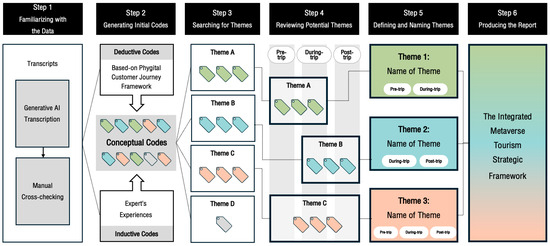
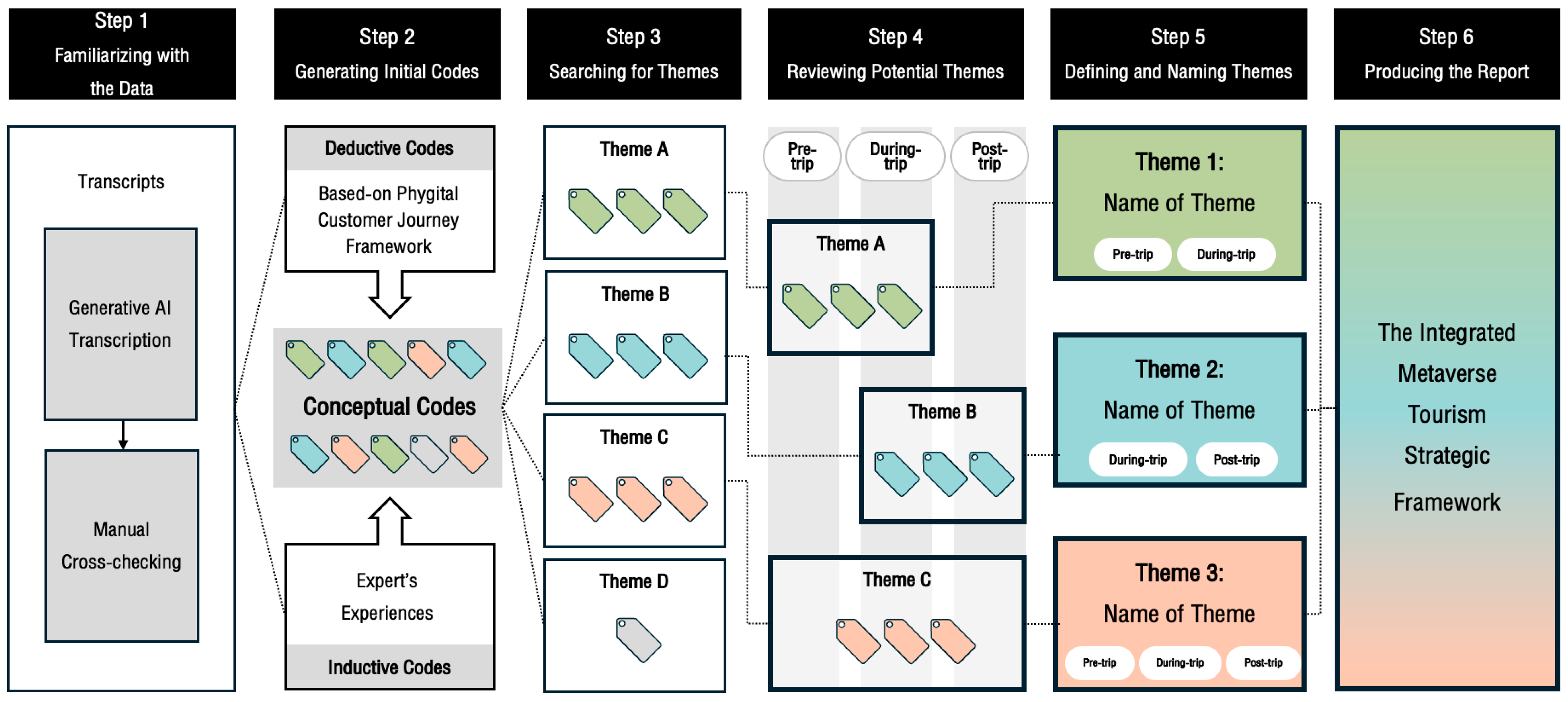
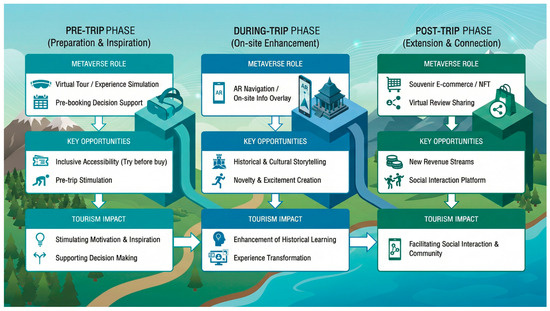
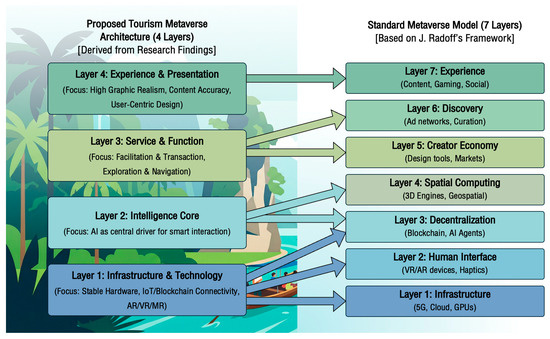
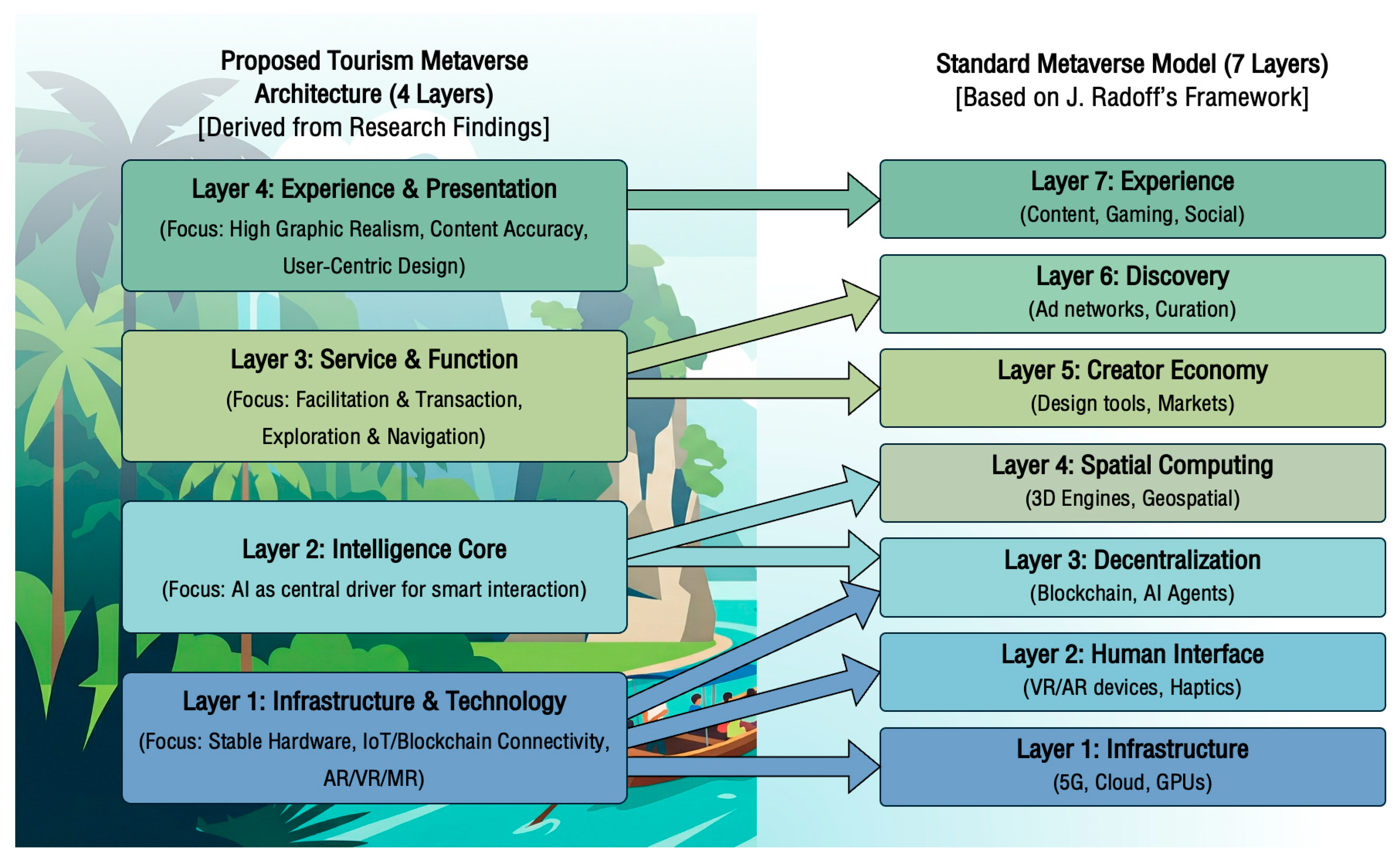
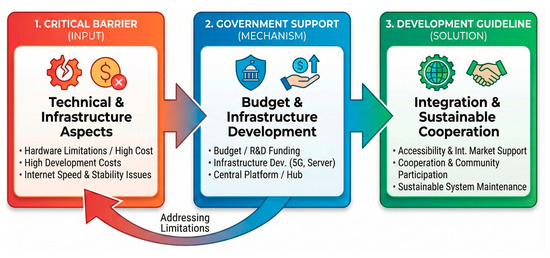
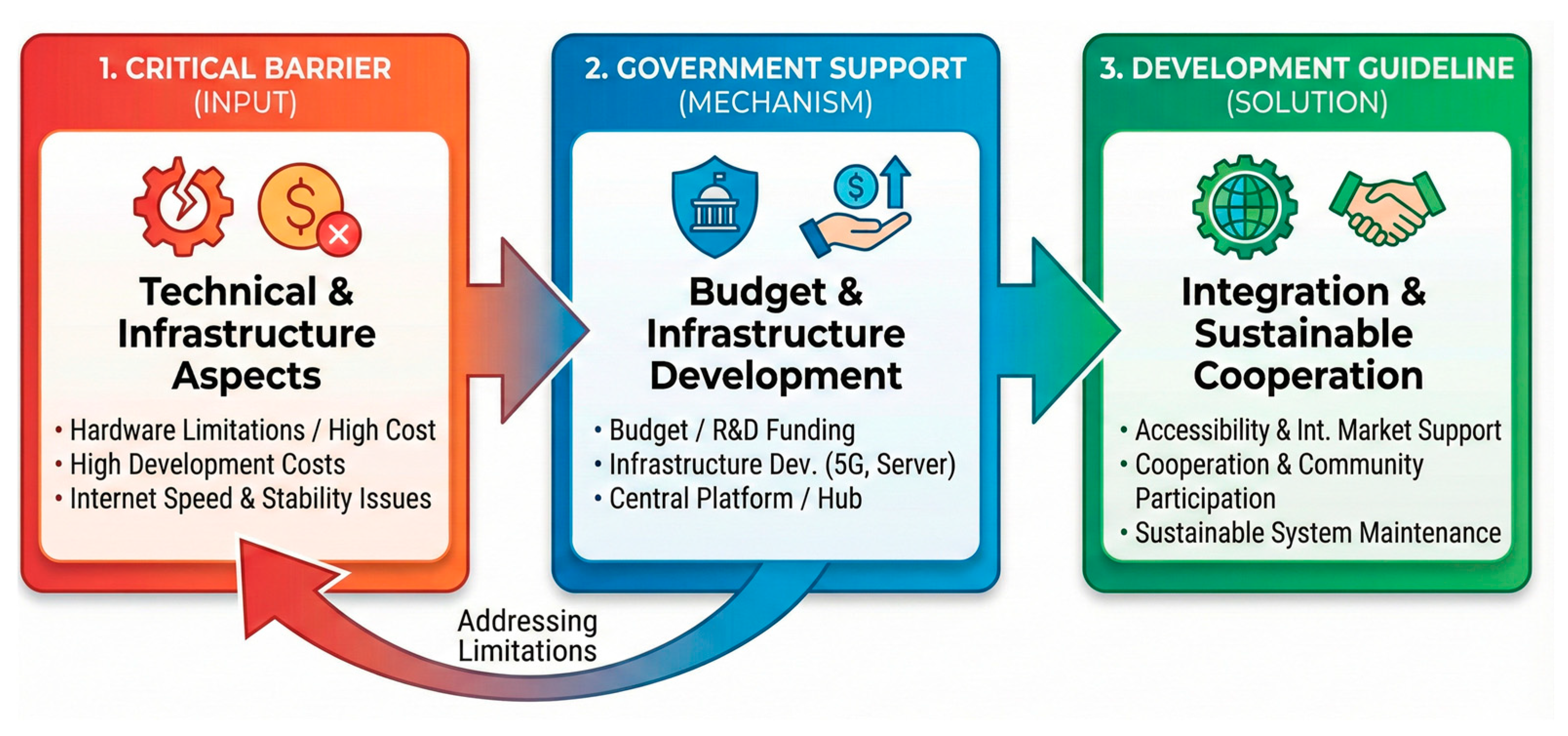
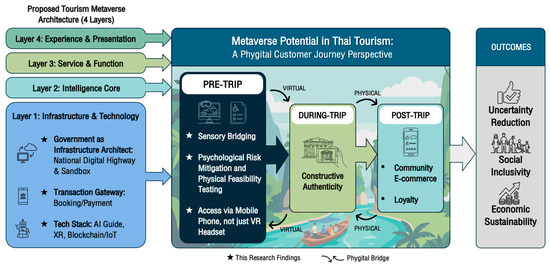
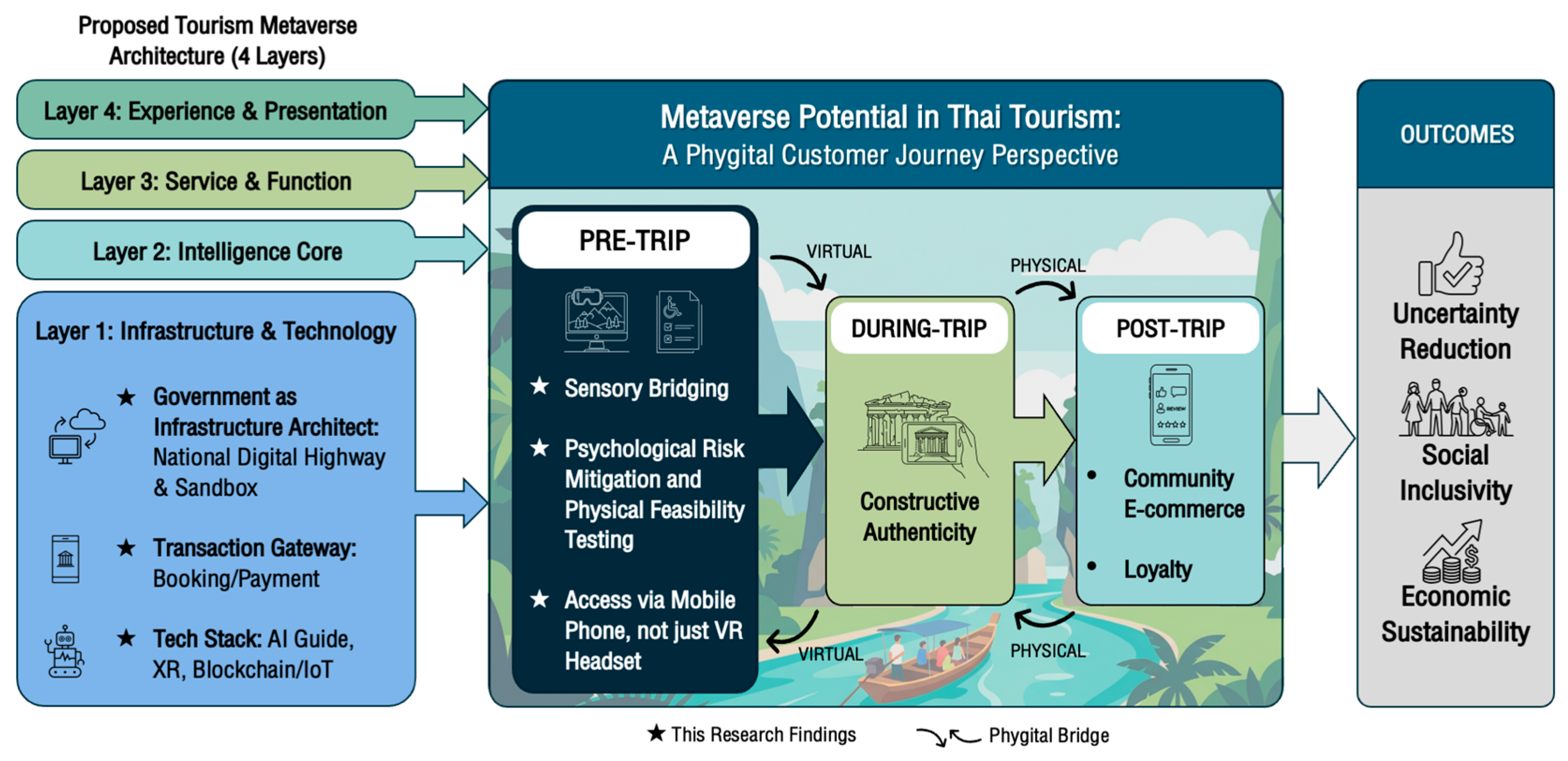

Disclaimer/Publisher’s Note: The statements, opinions and data contained in all publications are solely those of the individual author(s) and contributor(s) and not of MDPI and/or the editor(s). MDPI and/or the editor(s) disclaim responsibility for any injury to people or property resulting from any ideas, methods, instructions or products referred to in the content. |
© 2026 by the authors. Licensee MDPI, Basel, Switzerland. This article is an open access article distributed under the terms and conditions of the Creative Commons Attribution (CC BY) license.