


Abstract
The awareness and participation of local communities play a critical role in the sustainable development of tourism. This study aims to examine, in depth and systematically, the levels of awareness among the local population regarding the natural, cultural, and gastronomic assets of Bingöl Province. The study includes structured questions, photo-based applications, word cloud analysis, and an interactive puzzle technique (word search puzzle) to measure participants’ levels of recognition and awareness of touristic values. The data were collected through face-to-face structured interviews conducted with 25 participants. The findings reveal that while participants exhibited high levels of awareness regarding well-known values such as the Floating Islands, Natural Monument, Haserek Ski Center, Bingöl Honey, Kös Thermal Springs, and the 33 Martyrs’ Monument, their awareness was comparatively limited for lesser known or newly registered values. The correct identification rates of the photographs indicate which local assets are more familiar to the public and which require further promotion efforts. The puzzle technique used within the study enabled participants to learn about touristic and cultural assets in a more effective, interactive, and engaging manner, thereby enhancing their visual and cognitive awareness. Overall, the use of visual materials and interactive methods in the promotion of Bingöl’s touristic and cultural assets is expected to increase public awareness and contribute to the preservation of local cultural heritage. This approach also provides valuable insights for the development of regional tourism strategies and sustainable tourism planning.
1. Introduction
Tourism is one of the sectors that profoundly influences the economic, social, cultural, and environmental structures of regions. Analyzing the potential impacts of tourism is of great importance for identifying the positive or negative changes that may occur within host communities (Demirbulat, 2012, p. 72). Moreover, a comprehensive evaluation of local residents’ perceptions of tourism plays a critical role in ensuring the sustainability of tourism at the region and improving the quality of life of local communities (Özdemir & Kervankıran, 2011, p. 6). In this regard, the economic (e.g., employment generation, increase in the prices of goods and services) (Kozak et al., 2014, p. 78), social (e.g., improvement in living standards, overcrowding), cultural (e.g., growing interest in local culture, changes in behavioral patterns) (Lea, 1988, p. 55), and environmental (e.g., environmental awareness, wildlife protection, pollution) (Gormsen, 1997, p. 53; GhulamRabbany et al., 2013, pp. 120–121; Andraz et al., 2015, p. 257; Kumar et al., 2015, pp. 406–407) impacts of tourism directly shape local residents’ perceptions of tourism. In regions where these perceptions are positive, tourism generates significant individual and social benefits. To ensure the continuity of such positive attitudes, it is crucial to consider local residents’ opinions in the formulation of tourism policies. Beyond service quality and physical infrastructure, understanding residents’ perceptions, attitudes, and behaviors plays a vital role in achieving the desired outcomes in the tourism sector. Indeed, tourism initiatives implemented without the support of local communities are unlikely to succeed, and those developed without considering local residents tend to lose their significance (Alaeddinoğlu, 2008, p. 3).
Local residents’ perceptions of tourism are influenced by internal factors such as participation in the planning process, spatial proximity, economic dependence on tourism, interaction with visitors, level of knowledge, length of stay, and demographic characteristics; at the same time, they are also shaped by external factors including the stage of destination development, the characteristics of incoming tourists, the intensity of contact established with local residents, and seasonal fluctuations. Therefore, it is natural that the expected success of tourism largely depends on how host communities perceive tourism and the extent to which they are involved in the process. Evaluating these factors is of critical importance for understanding the impacts of tourism on host communities (Tovar & Lockwood, 2008, p. 365; Fredline & Faulkner, 2000; Andriotis & Vaughan, 2003).
According to previous studies, various theoretical frameworks have been developed to explain local residents’ perceptions and responses to tourism. Notable examples include R. W. Butler’s (1980) Life Cycle Model, Doxey’s (1975) Irridex Model, Social Exchange Theory, Social Carrying Capacity, and Tourism Carrying Capacity approaches. These theories aim to analyze the social, economic, cultural, and environmental impacts arising in regions where tourism develops, as well as their reflections on the lifestyles, values, belief systems, and environmental interactions of host communities (R. W. Butler, 1980, p. 6; Marzetti & Mosetti, 2005, p. 3; Stockton, 2011, p. 28; Babu & Munjal, 2015, p. 412). Such approaches hold critical importance for tourism planning and management, as understanding local residents’ perceptions, attitudes, and behaviors is essential for developing sustainable tourism strategies, ensuring social acceptance, and supporting regional development. Therefore, success in tourism depends not only on physical infrastructure and service quality but also on the conscious participation of local communities and the effective management of their perceptions.
Bingöl Province is located in the Upper Euphrates section of Türkiye’s Eastern Anatolia Region and falls within the TRB1 Region according to the Statistical Regional Classification (Fırat Development Agency [FKA], 2012, p. 10). Due to its geographical position, Bingöl is connected to neighboring provinces via land and waterways, playing a significant role in domestic tourism and regional development. The province’s diverse natural, cultural, and historical resources constitute one of the main factors contributing to the growth of its tourism potential. In terms of health and thermal tourism, Kös Thermal Springs stand out as one of the leading centers in Bingöl. These springs are frequently visited by both domestic and international tourists and significantly contribute to the concentration of health tourism activities. As for water and nature-based tourism, the Floating Islands Nature Monument, Murat River, and Peri River are prominent with their natural beauty and recreational areas, supporting the development of ecotourism and nature tourism potential. In the context of winter tourism, Haserek Ski Center offers suitable areas for snow tourism in the province’s higher altitudes and serves as a strategic destination due to its contribution to the local economy. Additionally, gastronomy tourism further enhances the diversity of tourism in Bingöl. A prominent instance is Bingöl Honey, which stands out both as a regional brand and as a unique product attracting tourists within the scope of gastronomy tourism (Z. Gürbüz & Gürbüz, 2022, p. 7).
The diversity possessed by Bingöl Province positions it among the provinces with high tourism potential in the Eastern Anatolia Region and serves as an important reference point for the development of sustainable tourism strategies (Şendikici & Karakaya, 2021, pp. 119–120; Derya, 2018). The sustainable utilization of the province’s natural and cultural resources in tourism is of critical importance for both regional development and the socio-economic benefits of local residents (Kement & Öztürk, 2016; Tatlılıoğlu, 2015). Thus, the level of awareness and perceptions of tourism among local residents plays a pivotal role. The sustainability and development of tourism depend not only on the existence of natural and cultural resources but also on the attitudes and approaches of host communities toward tourism (Sihombing et al., 2017, p. 188; Saarinen, 2010, p. 713). Therefore, examining local residents’ tourism awareness in Bingöl is of great significance for shaping tourism policies and enhancing the economic and social benefits that the province can derive from tourism.
Rather than describing the province of Bingöl, this study aims to examine how local residents perceive tourism and the level of tourism awareness they develop in destinations at an early stage of tourism development (Hien et al., 2024; Liu & Li, 2018). R. W. Butler’s (1980) Tourism Area Life Cycle Model and Doxey’s (1975) Irridex framework indicate that, during these initial phases characterized by low tourism intensity, local residents’ attitudes and levels of awareness constitute key determinants of whether a destination will experience sustainable development or face future challenges. However, the literature shows that research on local residents’ perceptions of tourism has largely concentrated on destinations where tourism is already mature and its impacts are clearly evident, whereas destinations in the early stages of tourism development—where tourism pressure is still limited—have received relatively little scholarly attention (Khizindar, 2012; Kim et al., 2013; Akpulat & Üzümcü, 2019; N. Avcı, 2018; Almeida-García et al., 2015; Song et al., 2021; Surla et al., 2025; Godovykh et al., 2025; Kovačić & Barkiđija Sotošek, 2025). The province of Bingöl represents a typical sample of this early development stage, with its limited accommodation capacity, low visitor numbers, and relatively low tourism intensity compared to other regions (Ministry of Culture and Tourism, 2025). In this respect, it offers a theoretically significant observation context for examining how local residents make sense of tourism and position themselves toward it. Within this framework, the main contribution of the study is to fill this gap in the literature by providing empirical evidence from Bingöl on how tourism awareness among local residents is formed in early-stage destinations and by offering an empirical basis for integrating social acceptance into sustainable tourism planning at an early stage.
2. Literature
2.1. The Local Community as Stakeholders in Tourism
In the tourism literature, the concept of stakeholders is defined as actors who can have positive or negative effects, directly or indirectly, on the success of a business or project (Presenza & Cipollina, 2010, p. 19). Freeman’s (1984, p. 55) stakeholder map includes employees, the community, media, competitors, suppliers, business owners, political groups, government, and customers. From a tourism perspective, stakeholders comprise actors such as tourists, businesses, competitors, the local community, employees, and government (Sautter & Leisen, 1999, p. 315). The initiatives of these stakeholders directly influence the success of destinations (Amoako et al., 2021, p. 26). One of the most important stakeholders in tourism is the local community (Malihah & Setiyorini, 2014, p. 2). When a region acquires a tourism destination identity, it becomes crucial to investigate the perceptions and attitudes of the local population towards tourism (Suntikul et al., 2010, p. 449). Studies conducted in different tourism regions indicate that the local community’s views on tourism are often complex and contradictory. For example, in Dambulla, Sri Lanka, the local population initially reacted to tourism activities with protests, but gradually began to perceive tourism positively (Chandralal, 2010). Similarly, research conducted in Mardin, Türkiye, revealed that women were more sensitive to the social impacts of tourism, whereas men tended to emphasize its economic and environmental effects (Toprak, 2015).
The role of the local community is of critical importance for the sustainable development of tourism in Bingöl Province. In the process of integrating the province’s natural, cultural, and historical resources (e.g., Bingöl Honey, Floating Islands, Kös Thermal Springs, Pargasur Waterfall, Haserek Ski Center) into tourism, the perceptions, attitudes, and expectations of the local population should be taken into account. Rural lifestyles, strong social ties, and traditional values in Bingöl are among the factors influencing the local community’s attitudes toward tourism. Therefore, as emphasized in the literature, involving the local population in the tourism planning process and making them functionally active in decision-making mechanisms is essential (Harman, 2014, p. 349). Otherwise, tourism initiatives developed without local support may provide short-term benefits but will not ensure long-term sustainability. Consequently, studies conducted specifically in Bingöl should aim to identify the local community’s perspectives on tourism, analyze their attitudes within the framework of socio-demographic variables, and integrate the findings into tourism policies, thereby contributing to the effective and sustainable utilization of the province’s tourism potential.
2.2. Local Community as a Stakeholder in Tourism and Theoretical Aproaches
Academic studies are conducted to understand the economic, cultural, and social structures of individuals living in a specific geographic area (Yang & Wall, 2009, p. 77). Within the scope of local community perspectives, these studies aim to examine the lifestyles, identities, beliefs and values, as well as the relationships of host populations with their environment (Salha et al., 2020, p. 778). In light of these theories, it can be stated that the local community’s perceptions of tourism in Bingöl constitute a determining factor in the utilization of the province’s natural, cultural, and historical resources within the context of tourism.
The Tourism Life Cycle Model is based on the concept of product life cycles. According to the model, sales are initially very slow, then gain momentum over time, and eventually stabilize before beginning to decline. Destinations where tourism is just emerging often fail to attract a sufficient number of tourists due to the lack of infrastructure such as transportation, accommodation facilities, and entertainment centers. Over time, as these deficiencies are addressed, the number of tourists begins to increase. However, in destinations where tourist carrying capacity is exceeded, a decline in tourist numbers over time has been observed (R. W. Butler, 1980, p. 6). The Life Cycle Model begins with the exploration stage, during which host communities exhibit warm and welcoming behavior toward tourists. Over time, as most activities become oriented toward tourists, the model progresses to the involvement and stagnation stages, where local residents may demonstrate increasingly hostile attitudes (Akpulat & Üzümcü, 2019, p. 449). R. W. Butler’s (1980) Tourism Life Cycle Model explains both the development process of tourism and the responses of host communities throughout this process. According to R. W. Butler’s (1980) Tourism Area Life Cycle Model, the tourism sector in the province of Bingöl is still in the early stages of development. Data from the Ministry of Culture and Tourism for the first eleven months of 2025 (January–November) indicate that the total number of arrivals at accommodation facilities in the province was 51,139, of which only 1970 were international tourists (Ministry of Culture and Tourism, 2025). This situation suggests that the province’s international attractiveness remains limited. Across Bingöl, there are 15 accommodation establishments certified by the Ministry, with a total capacity of 260 rooms and 520 beds (Bingöl Provincial Directorate of Culture and Tourism, 2025a). According to R. W. Butler (1980), a defining characteristic of this stage is the very low number of independently traveling tourists and the insufficiency of accommodation and service facilities to meet their needs. In light of this information, the available data for Bingöl confirm that the province exhibits these characteristics.
One of the theories examining the relationships between tourists and the local community is Geoffrey Doxey’s (1975) Irridex Model, which explains the impacts of tourism on local populations without considering their economic, social, and cultural conditions. The first stage of the model, Euphoria, occurs when tourism has just started in a destination, and the local community is highly pleased with this development. In the Apathy stage, as tourism develops further, negative conditions such as environmental pollution begin to emerge. During the Irritation stage, with the intensification of tourism, the tolerance of the local population starts to decline. The final stage, Antagonism, occurs when tourism reaches its peak and locals, feeling overshadowed by tourists, may display hostile behaviors (Stockton, 2011, p. 28; Babu & Munjal, 2015, p. 412). Doxey’s (1975) Irridex Model demonstrates how local residents’ reactions evolve as tourism activities increase. According to data from the Turkish Statistical Institute (TurkStat), the population of the province of Bingöl in 2025 is 283,276 (Turkish Statistical Institute [TÜİK], 2025). When compared with this population size, the 51,139 facility arrivals and 82,413 overnight stays recorded during the first eleven months of 2025 correspond to only 0.29 overnight stays per capita and an approximate tourist–population ratio of 17.9% (Ministry of Culture and Tourism, 2025; Bingöl Provincial Directorate of Culture and Tourism, 2025a). This relatively low level of tourism intensity is consistent with the Euphoria stage defined in Doxey’s (1975) Irridex Model, indicating that tourism has not yet exerted a significant pressure on local life.
According to Social Exchange Theory, tourism is not merely an economic phenomenon but also a framework through which the effects of tourism on the beliefs, values, and social relations of local residents can be examined. The theory emphasizes that tourism constitutes a social system, accelerates social change, and shapes the attitudes of local communities in accordance with the perceived impacts of tourism. It highlights the notion of “reciprocity” between tourists and host communities. For this reciprocal relationship to be sustained, the rewards must be valuable and continuously increasing (Searle, 2000, p. 139). From the perspective of the province of Bingöl, promoting local handicrafts and integrating region-specific gastronomic values into tourism activities to enhance and support the economic returns of tourism is likely to be positively perceived by the local population. In this context, products such as Bingöl Honey, Çobantaşı Roasted Meat, Guldar Tomato, Sivan Mulberry Molasses, and Yedisu Rooster Dry Beans have been officially registered as geographically indicated products by the Turkish Patent and Trademark Office (Turkish Patent Institute, 2024). In regions such as Bingöl that experience high levels of out-migration, tourism serves as a means of creating employment and supporting regional development, particularly by contributing to the revitalization of rural areas. Tourism models that create employment opportunities for young people and actively involve rural communities—such as agrotourism—are expected to contribute to the region’s development process (Şendikici & Karakaya, 2021, p. 123). Within the framework of Social Exchange Theory, tourism is examined not only in terms of its economic impacts but also with regard to its effects on local residents’ beliefs, values, and social relationships (Searle, 2000). In Bingöl, increases in tourism activities are observed alongside both economic opportunities and processes of social and cultural change. Therefore, the balance between perceived economic benefits and socio-cultural concerns is likely to be a determining factor in shaping local residents’ perceptions of tourism (Çakmakcı & Öztürk, 2019, p. 2).
The concept of tourism carrying capacity is also highly significant in the context of Bingöl. This approach, which refers to the maximum number of tourists a destination can accommodate without harming the local residents’ quality of life or the environment (Marzetti & Mosetti, 2005, p. 3), is particularly relevant given the presence of sensitive ecosystems in the province. In areas with a high tourist density, such as the Floating Islands and the Kös Thermal Springs, daily life may be negatively affected for local residents if social carrying capacity is not taken into account. For this reason, tourism policies in Bingöl need to be designed in line with the Social Carrying Capacity Theory (López-Bonilla & López-Bonilla, 2008, p. 116) in order to enhance the positive impacts of tourism while mitigating its adverse effects.
Although the province of Bingöl possesses tourism potential due to its natural resources (Arıgtekin & Nas, 2021; Kement & Batga, 2016; S. Yıldız & Kaya, 2016; V. Avcı & Esen, 2019; Kement & Öztürk, 2016; Kement et al., 2017; Bozdoğan et al., 2025) and cultural assets (Irmak, 2019; Koç Apuhan & Beyazkaya, 2019; Tuncel, 2025; Butasım, 2020), current data indicate that tourism activities in the province remain limited. For instance, according to November 2025 data, a total of 5608 visitors stayed in Bingöl (domestic: 76; international: 5532), with 8322 overnight stays recorded (domestic: 91; international: 8231). The average length of stay was 1.48 nights, and the occupancy rate was 34.16% (Ministry of Culture and Tourism, 2025). Across the province, there are 15 accommodation establishments certified by the Ministry of Culture and Tourism, with a total capacity of 260 rooms and 520 beds, indicating that the existing tourism infrastructure is still limited in scale (Ministry of Culture and Tourism, 2025). The literature suggests that when tourism intensity is low, local residents generally exhibit positive attitudes toward tourism; however, in the absence of adequate infrastructure and sustainable planning, these attitudes may be negatively affected over time (Doxey, 1975; R. W. Butler, 1980). In this context, tourism planning in Bingöl should be approached in line with the literature, adopting a process- and participation-oriented perspective that takes local residents’ perceptions and expectations into account.
These theoretical frameworks demonstrate that, in the early stages of tourism development, local residents’ attitudes and levels of awareness play a critical role in shaping the future direction of tourism. The literature emphasizes that, particularly in destinations at an early stage of development, local residents’ perceptions of tourism are decisive for both the acceptance and sustainability of tourism (Doxey, 1975; R. W. Butler, 1980). In this context, examining the levels of tourism awareness and perceptions of local residents in a destination such as Bingöl, where tourism is still at an initial stage, constitutes an important area of research.
2.3. Determinants of Local Residents’ Perceptions and Attitudes Toward Tourism
Local residents’ perceptions of tourism development are shaped by both single-variable (internal and external) and dual-variable factors. Participation in tourism planning, proximity to the tourist area, the degree to which the economy depends on tourism, interaction with tourists, tourism-related knowledge, length of residence or stay, socio-demographic characteristics, and the host community’s attitudes toward tourism are among the internal single-variable factors. In contrast, the destination’s stage of tourism development, the tourist-to-resident ratio, tourist typologies, and seasonality are classified as external factors (Faulkner & Tideswell, 1997, pp. 5–6).
The focal point of tourism planning is tourist destinations where local residents and visitors coexist. In tourism planning processes, it is expected that a region’s tourism potential will be maximized. However, for tourism to develop sustainably, the economic, social, and environmental impacts on the region must also be taken into consideration (Yeniasır & Gökbulut, 2018, pp. 1–2). The concept of distance in tourism refers to the separation between tourist-generating and tourist-receiving regions. In this context, distance encompasses not only physical space but also a combination of economic, cultural, and psychological factors that influence tourism decisions (Akova, 2006, p. 103). Tourism and the economy are two interconnected sectors. The existence of a relationship between tourism and economic growth results in mutual positive effects (Bayramoğlu & Arı, 2015, p. 90). Tourism contributes to the development of low-income countries by creating employment opportunities, thereby offering economic advantages; on the other hand, due to its vulnerability to external factors, it also brings various risks (Nissan et al., 2011, p. 1567; Ursache, 2015, p. 131). To fully understand local residents’ perceptions of tourism and tourists, it is essential to identify policies that may hinder tourism development. In the tourism sector, local residents are among the groups most affected by interactions with tourists. This interaction demonstrates that tourism is not merely an economic activity but also a process of cultural exchange and enrichment. Consequently, tourism contributes to the economic, social, and cultural well-being of local communities (Thetsane, 2019, p. 1). As it offers enhanced travel experiences and career opportunities, tourism holds considerable social importance in terms of sustainable tourism, cultural promotion, economic development, and international relations (Uğurlar, 2017, p. 120). Local residents’ knowledge of tourism is also highly significant for the sustainability of tourism and for improving individuals’ quality of life (Özkök & Gümüş, 2009, p. 52). The length of stay of tourists in a destination varies depending on multiple factors. Duration of stay directly affects both the economic performance of destinations and the overall travel experience of tourists (Barros & Machado, 2010, p. 693).
Destinations possess a variety of attractions for tourists. Owing to these characteristics, they represent key settings for economic, cultural, and social activities that influence tourism development (Costa et al., 2019, p. 52). The tourist–resident ratio is defined as the proportion of tourists to the local population. When the number of tourists exceeds that of residents, negative effects may arise on the destination’s sustainability, economy, and social structure (Büyükkuru, 2019, p. 54). Tourist typology refers to the classification of tourists based on their travel motivations, preferences, and expectations, allowing for a deeper understanding of visitor behavior. Through such classifications, businesses can better design market strategies and identify their target audiences. Because the diverse expectations and behaviors of tourists have direct implications for the daily life and cultural fabric of host communities, tourist typology is important not only for tourism enterprises but also for local residents (Grzywacz & Żegleń, 2016, p. 7). Seasonality in tourism, defined as the fluctuation in tourist numbers during certain periods, directly affects both tourism businesses and local communities. Such fluctuations may lead to economic, social, and cultural changes in the lives of local residents (Caponi, 2022, p. 1).
As in any destination, the perceptions of tourism among local residents in the province of Bingöl are shaped by the combined influence of external factors—such as the level of destination development, accessibility, and types of tourism—and internal factors, including levels of tourism-related knowledge and individual attitudes. Local residents’ participation in tourism planning, their proximity to major tourist sites (such as the Floating Islands, Kös Thermal Springs, and Hesarek Ski Center), their dependence on the economic benefits derived from tourism, and their interactions with tourists constitute the primary factors influencing perceptions in Bingöl. In particular, residents living in rural areas tend to exhibit lower levels of participation in tourism due to limited tourism-related knowledge and difficulties in accessing tourism sites. The stages of tourism development in Bingöl can also be considered within the scope of external factors. Tourism in the province is still in the early stages of development; the number of tourists remains relatively low compared to the local population (Ministry of Culture and Tourism, 2025; Bingöl Provincial Directorate of Culture and Tourism, 2025a; Turkish Statistical Institute [TÜİK], 2025), a condition that offers potential opportunities rather than negative impacts. However, the increased demand and mobility toward the Hesarek Ski Center during the winter months, as well as the growing interest in thermal and natural areas during the summer, clearly reveal the presence of seasonality. While these fluctuations provide periodic contributions to local economic activities, they are insufficient for generating stable economic income throughout the year. From the perspective of tourist typology, the majority of visitors to Bingöl are domestic tourists (Ministry of Culture and Tourism, 2025), with dominant expectations centered on nature-based tourism Kement and Öztürk (2016), thermal tourism Arıgtekin and Nas (2021) and winter tourism V. Avcı and Esen (2019). This directly influences the economic and cultural life of the local community. The interaction between tourists and local residents demonstrates that tourism is not merely an economic activity but also a process of cultural exchange and transformation.
Overall, tourism development in Bingöl is influenced by internal factors such as the socio-demographic characteristics of local residents, their economic expectations, and their proximity to tourism sites, as well as external factors including seasonality, tourist typology, and the destination’s stage of development. In this context, ensuring the sustainable development of tourism in Bingöl requires both increasing local residents’ participation in tourism and adopting an approach that enables the effective utilization of existing tourism resources throughout all four seasons.
2.4. The Tourism Potential of Bingöl Province
Studies conducted on the tourism potential of the province of Bingöl reveal that the region possesses considerable capacity, particularly in terms of nature-based and alternative forms of tourism. For instance, Mansuroğlu and Dağ (2016) and Kızıloğlu and Karakaya (2019) emphasize that Bingöl offers significant potential in relation to rural activities (such as fishing and hunting), rural landscapes (including forests, Heart-shaped Lake, and the Pargasur and Çır waterfalls), rural heritage (e.g., King’s Daughter Castle, the Tomb of Sheikh Ahmed, and Isfahan Bey Mosque), and rural life and products (such as Bingöl Honey, Arakonak carpets, and Çobantaşı Roasted Meat). Similarly, S. Yıldız and Kaya (2016) and V. Avcı and Esen (2019) highlight the province’s winter tourism opportunities, particularly the Haserek Ski Center; Kement and Öztürk (2016) and Kement et al. (2017) draw attention to nature-based tourism resources, including the Floating Islands; Z. Gürbüz (2024) and Bozdoğan et al. (2025) emphasize prominent natural attractions such as the Pargasur and Çır waterfalls; and Arıgtekin and Nas (2021) as well as Kement and Batga (2016) underline the potential of thermal tourism resources, notably the Kös Thermal Springs. In addition, Irmak (2019), Koç Apuhan and Beyazkaya (2019), and Tuncel (2025) point to the province’s potential for gastronomic tourism, while Butasım (2020) highlights opportunities in historical and cultural tourism, thereby demonstrating the diversity of Bingöl’s tourism offerings. Nevertheless, there is a strong consensus in the literature that this potential has not been sufficiently utilized. Vural et al. (2019, p. 1082) argue that urban infrastructure problems, inadequate planning to mitigate the impacts of natural hazards (given that Bingöl is located in a first-degree earthquake zone), poorly designed urban vehicle–pedestrian traffic circulation, and irregular urban development constrain tourism growth in the province. Similarly, Mansuroğlu and Dağ (2016, p. 14) note that shortcomings in the protection of natural, cultural, and historical heritage, the local population’s limited experience in the service sector, and insufficient service quality in rural tourism areas hinder the national visibility of Bingöl’s touristic assets. Moreover, Vural (2019, p. 46) emphasizes that transportation and accessibility challenges—stemming from the province’s mountainous topography—along with deficiencies in tourism infrastructure (particularly inadequate accommodation facilities), security concerns, and conservative attitudes toward tourism also play a role in the underutilization of Bingöl’s tourism potential. Studies focusing on local residents’ perceptions of tourism are likewise important for understanding the province’s development process. Tatlılıoğlu (2015) provides evidence that, despite the abundance of natural and tourism resources in Bingöl, local residents generally perceive tourism as an economic opportunity; nevertheless, their participation in tourism-related decision-making processes remains limited. This situation limits the province’s ability to achieve adequate development in both domestic and international tourism and highlights the critical importance of stakeholder participation and community-based tourism approaches for Bingöl (Kılıç & Kılıç, 2019, p. 300). Overall, the literature demonstrates that Bingöl is a destination with high natural, rural, and cultural tourism potential, yet one that has been unable to fully capitalize on this potential due to structural, institutional, and governance-related challenges. Accordingly, Bingöl can be considered a typical emerging tourism destination that requires the more active involvement of local residents as key stakeholders in the tourism development process.
Bingöl Province is located between 41°20′–39°56′ east longitudes and 39°31′–38°28′ north latitudes and, according to 2025 data from the Turkish Statistical Institute (TÜİK), has a population of 284.692. As shown in Figure 1, It is one of the provinces in Eastern Anatolia possessing the most characteristic geographical features of the region. Bingöl is bordered by Muş to the east, Erzincan and Erzurum to the north, Tunceli and Elazığ to the west, and Diyarbakır to the south (Alashan, 2020, p. 158; Geography Map, 2025).
Figure 1.
The Location of Bingöl Province in Türkiye. Source. (Geography Map, 2025).
The province features prominent high mountains such as Genç, Şeytan, Şerafettin, and Sülbüs, deep valleys including those of the Murat and Peri Rivers, extensive plains, the Şerafettin Plateaus, and abundant water resources such as Pargasur and Çır Waterfalls, as well as the Murat and Peri Rivers, presenting a typical geographical profile of the region. The province is dominated by a continental climate, and due to heavy snowfall in the high mountains and the prolonged presence of snow on the ground, it offers potential areas for winter tourism (Z. Gürbüz & Gürbüz, 2022). Bingöl Province, primarily through the Floating Islands Nature Monument, hosts unique natural formations that constitute one of Türkiye’s rare natural wonders. This area, due to its ecological and esthetic values, provides an important field for scientific research while also serving as an attractive destination for tourists (Kement et al., 2017). Other notable natural resources within the provincial boundaries include Kös Thermal Springs, Pargasur and Çır Waterfalls, and Haserek Ski Center, which are intensively visited for therapeutic and recreational purposes. These sites offer visitors a variety of activities such as hiking, camping, picnicking, and winter sports, thereby contributing to the diversification of tourism in the province (Arıgtekin & Nas, 2021; Z. Gürbüz, 2024; V. Avcı & Esen, 2019). Bingöl’s gastronomy potential is also noteworthy; local products such as Bingöl Honey, Çobantaşı Roasted Meat, Guldar Tomato, Yedisu Rooster Beans, and Sivan Mulberry Molasses not only support the province’s cultural heritage but also contribute to gastronomy tourism (Turkish Patent Institute, 2024). In addition, traditional handicrafts such as cacim, felt, and carpets (halçalar), as well as historical structures like Bağlarpınarı Mosque, İsfahan Bey Mosque, Sebeterias Castle, and King’s Daughter Castle, make Bingöl an attractive destination for cultural tourism. Furthermore, natural and cultural sites such as Kalkanlı Village Külahlı Rocks, Buban Chimneys, Zağ, Çiçektepe, and Kübik Caves stand out as elements that strengthen the province’s tourism portfolio, as presented in Table 1 (Butasım, 2010).
Table 1.
The Main Touristic Attractions of Bingöl and Their Locations.
In this context, the role of the local community is key to the sustainable management of Bingöl Province’s natural, cultural, and historical assets. As emphasized in the literature, tourism initiatives cannot succeed and the sustainability of tourism projects will be at risk without the support of the local population (Z. Gürbüz, 2023). Therefore, understanding the province’s tourism potential more effectively, developing tourism strategies, and establishing feasible policies require identifying the local community’s knowledge, interest, and expectations. The aim of this study is to determine the level of tourism awareness among the local population in Bingöl and to contribute to the more effective integration of the province’s natural and cultural resources into tourism.
3. Materials and Methods
The awareness level of a society is a fundamental indicator of its sensitivity and level of consciousness regarding specific issues. This study aims to systematically examine the tourism awareness levels of local residents in Bingöl by analyzing how participants perceive tourism-related values and how they interact with these values, thereby revealing the overall level of local awareness (Yılmaz et al., 2022, p. 102). However, examining the entire local population would pose significant challenges in terms of time and cost; therefore, sampling methods are frequently employed in research. Sampling is a key strategy that strengthens the reliability of a study by enabling the acquisition of the necessary information from a smaller group within a larger population. In this context, the population of the research consists of local residents aged 18 and above living in the province of Bingöl (Başaran, 2017, p. 481; Baltacı, 2018, p. 236).
In this research, a sample of 25 voluntary participants aged 18 and above—representing different age groups, genders, educational backgrounds, and income levels—was selected to collect data on local residents’ tourism awareness. The participants were chosen through purposive sampling among individuals who agreed to take part in the study voluntarily. This sampling method is widely used in qualitative research to obtain in-depth information from participants possessing specific characteristics relevant to the research objectives. The ages of the participants in the sample ranged from 18 to 65, and their educational backgrounds varied from primary school to university graduation. This diversity enabled the assessment of tourism awareness in Bingöl across different demographic profiles. Participants were asked 41 questions pertaining to 41 tourism values of Bingöl, shown photographs representing these assets (Kara Bilgin & Diksoy, 2025, p. 102; Martins & Garcia-Marques, 2025; Ortanderl & Bausch, 2023) and their engagement, visitation, or consumption habits related to the same 41 values were measured. Additionally, all participants were asked to complete a word search puzzle activity, which made the data collection process considerably time-consuming. Throughout the research process, participants were informed in accordance with ethical principles, and their voluntary consent was obtained. Therefore, selecting 25 participants as the sample was deemed sufficient in terms of feasibility and data quality, and provided a reliable data basis aligned with the objectives of the study (Şimşek, 2009, pp. 40–42). As it allows the researcher to collect in-depth and qualitative data from participants with specific characteristics and enables a focused examination of individuals directly related to the research topic rather than relying on random selection, purposive sampling was employed in this study to analyze local residents’ tourism awareness.
During this process, attention was paid to ensuring that the sample represented diverse demographic and socio-economic characteristics. Participants were selected from various age groups (young, middle-aged, elderly) and genders; their educational levels ranged from primary to higher education; their occupations differed; income levels varied; and, importantly, their duration of residence in Bingöl differed. Furthermore, participants were required to possess knowledge or experience regarding Bingöl’s tourism assets, to volunteer for participation, and to be able to respond consistently to verbal questions, photo presentations, and engagement/visitation/consumption activities. Ensuring that the sample represented various socio-economic groups and that interviews were conducted with accessible participants strengthened the effectiveness of the data collection process. In addition, support from local authorities and the community enhanced the feasibility of the research and facilitated participant involvement. In line with these criteria, the selected participants were deemed suitable for evaluating the tourism awareness of Bingöl’s local residents from multiple perspectives (S. Gürbüz & Şahin, 2015, p. 401).
Demographic information collected through surveys, censuses, and statistical analyses, constitutes a dataset in which most characteristics of the population—such as gender, marital status, age, education level, income, occupation, and place of residence—are examined quantitatively or qualitatively (Aksu, 2011, pp. 219–220). In this study, which aims to examine tourism awareness in Bingöl Province, the opinions of the local population were required. The sample consisted of 17 male and 8 female participants. Among the participants, 8 were single, and 17 were married. The ages of the participants ranged from 27 to 55, and their education levels spanned from primary school to postgraduate degrees (* The higher number of participants with bachelor’s and postgraduate degrees in the sample is due to the selection of active individuals capable of evaluating tourism awareness). Income levels ranged between 20,000 and 56,000 ₺, which correspond approximately to 533–1492 Euros, considering the exchange rate of 1 Euro = 37.508 TL as of 2 September 2024, when the analysis was conducted. The average duration of residence in the province for participants employed in the public and private sectors was 19.56 years ( = 19.56), indicating that the local population has been living in the Bingöl region for a considerable period, as shown in Table 2.
Table 2.
Socio-Demographic Characteristics of Participants.
A systematic document analysis was conducted to identify the tourism assets of Bingöl province (Labuschagne, 2003, p. 101). This process was carried out in three stages. In the first stage, the official websites of the Bingöl Provincial Directorate of Culture and Tourism, Bingöl Governorship, and Bingöl Municipality, as well as local newspapers, tourism brochures and magazines, the TRB1 Region Sustainable Action Plan, and previous academic studies were comprehensively reviewed, and sources meeting the screening criteria were selected. In the second stage, each source was examined in detail, and natural, historical, and cultural assets were recorded individually; for example, tangible and intangible tourism elements such as caves, historical mosques, castles, thermal areas, and traditional handicrafts were systematically transferred into a data repository. At this stage, a total of 65 tourism values associated with Bingöl province were identified (Z. Gürbüz & Özcan, 2019, p. 204). In the third stage, considering the aims and scope of the study, the tourism assets were prioritized based on their potential contribution to tourism, degree of uniqueness, redundancy, and accessibility, and as a result, 41 values were selected as the primary focus of the research (Uğur & Sarıoğlu Uğur, 2019, p. 266). Additionally, since one more value was required for the solution of the word search puzzle, and the puzzle contained 23 blank spaces, tourism values with 23-letter names were investigated, and among the suitable options, “Bingöl Arakonak Halçaları” was added, increasing the total number of values to 42 (41 + 1). Through this process, the identified tourism values are intended to be analyzed systematically and coherently within the scope of the research.
In social sciences research, interview techniques are frequently employed to collect detailed information from individuals. In this study, 41 distinct natural, cultural, and historical tourism assets of Bingöl province were identified, and both verbal questions and visual materials were prepared for each asset. The data collection process was conducted within the framework of the structured interview technique. Structured interviews, which consist of pre-designed and predominantly close-ended questions, enabled participants’ responses to be obtained through limited options and allowed the data to be systematically categorized. Each question in the study was designed to prompt participants to guess the name of the relevant tourism asset, correctly identify the photographs, and provide brief responses regarding whether they had visited, consumed, or participated in the associated tourism activity. The visual materials were carefully selected to enhance recognizability and assess participants’ recall levels. This approach enabled the reliable identification of local residents’ awareness levels regarding Bingöl’s tourism assets, and the use of visually supported questions strengthened both the accuracy of the responses and the overall robustness of the research (Dömbekci & Erişen, 2022, pp. 143–145).
Before developing the interview questions aimed at exploring the natural, historical, and cultural assets of Bingöl province, a comprehensive literature review was conducted. Studies addressing themes such as “local residents’ attitudes toward tourism” and “tourism awareness” (Alaeddinoğlu, 2008; Butasım, 2010; İmre, 2020; Tanburacı & Mancı, 2020; Akdoğan & Hiçyorulmaz, 2020) were particularly utilized to identify the key concepts and dimensions of the research. This literature review ensured not only that the interview questions reflected the local context, but also that they aligned with the methodological approaches and thematic structures employed in similar scholarly studies. Accordingly, the interview questions were designed to be grounded in a theoretical framework while also possessing the capacity to effectively assess the tourism potential of Bingöl province in an applied manner. To ensure the validity of the interview questions, the expert consultation technique was employed (Aktepe, 2011, p. 80). In this regard, collaboration was established with academics who possess field experience in Bingöl’s tourism, specialists working in relevant public institutions, and local tourism managers. Draft interview questions were shared with these experts, and both individual meetings and written feedback were collected to evaluate the content validity, clarity, and adequacy of the questions in capturing the intended tourism values. Based on expert evaluations, questions that were repetitive, unclear, or misaligned with the research purpose were removed; new questions were added to address identified gaps; and the overall coherence of the wording was strengthened. Through this process, the interview form was refined to achieve a consistent, purpose-driven, and practically applicable structure.
In this study, a word search puzzle method was employed to present the tourism assets of Bingöl province to participants and to evaluate their retention of the information. Word search puzzles, as individual and cognitively oriented activities, enhance participants’ attention, perception, and ability to establish conceptual connections (Çoban & Polatcan, 2020). Within the scope of the research, 41 concepts representing the tourism assets of Bingöl were identified and adapted to the puzzle format, hidden in various directions—left to right, right to left, top to bottom, bottom to top, and diagonally. Participants were asked to find all the words and, using the remaining letters, decode a hidden concept or place name. This process enabled them to actively recall information and explore conceptual relationships (Tikbaş, 2011, p. 19). For the pilot study, 10 participants were purposively selected from individuals who were not included in the main study sample. The selection process was based on demographic and socio-economic characteristics such as gender, age, education level, marital status, occupation, monthly household income, and length of residence in the province of Bingöl. Participants’ accessibility and voluntary participation were established as the primary prerequisites. This approach aimed to enable the evaluation of the puzzle’s applicability and completion time across individuals with diverse profiles. After determining the puzzle key, a preliminary test was conducted with 10 individuals who were not included in the main study. Following the identification and correction of missing or unclear elements, the final version of the puzzle was completed. Since the puzzle included only the 41 key terms referring to tourism assets, its preparation and administration required considerable time. Participants were provided with a standard-sized puzzle sheet, and the activity was planned to be completed within 30 min. After completing the puzzle, participants evaluated their own performance using the decoded hidden concept. In this research, the structured interview questions, visual materials, and the word search puzzle collectively served as complementary data collection tools, enabling a multifaceted assessment of local residents’ awareness of Bingöl’s tourism assets.
The data collection process was carried out between 1 July 2024 and 31 July 2024. During this phase, each participant was presented with questions regarding 41 tourism values of the province of Bingöl, along with 41 corresponding images, resulting in data being collected across a total of 82 items. The interviews were conducted individually and face-to-face using a structured form, and participants’ responses were systematically recorded. In addition, a word search puzzle was administered to the participants, a method employed to assess their recall abilities and conceptual association skills. Due to this comprehensive approach, the duration of the interviews ranged from 1 to 2 h per participant. Throughout the entire process, informed voluntary consent was obtained, and all ethical principles were strictly observed. The necessary ethics approval for conducting the research was granted by the Ethics Committee for Scientific Research and Publication of the Social and Human Sciences at Bingöl University. The 41 + 1 tourism values included in the interviews, along with the related questions and visual materials, were submitted as part of the ethics approval process (Hepkul, 2014, p. 46).
After the interviews were completed, the data collected from the participants were analyzed in depth and prepared for further processing; at this stage, the methods selected for the systematic recording and evaluation of the data were applied. In the study, two different forms were developed for data analysis: the “Sample Scoring System Used in the Interview Form” and the “Sample Total Score Table of Tourism Assets by Awareness Dimensions.” In the first stage, participant responses were recorded across four columns: Initial recall (R), interview questions (Q), correctly identifying the photographs (PH), and Participation/Visitation/Consumption (PVC). Using 25 rows corresponding to the participants (P1–P25), each participant’s responses were systematically recorded through the tally method—an effective and straightforward data collection technique commonly used in social sciences to systematically record and quantify research data (Güzel & Köksal, 2024, p. 150). Within this method, the first values that came to mind (among 41 items), responses to interview questions, and photograph identifications were coded as “correct/incorrect,” while the participation/visitation/consumption variable was coded as “yes/no.” Correct or “yes” responses were marked with a “✓,” whereas incorrect or “no” responses were marked with an “X.” “Yes” responses were treated as correct, while “no” responses were considered equivalent to incorrect answers.
A total of 25 participants were included in this research. The participants responded within the context of Bingöl’s tourism values across four categories: (1 = R) First recall, (2 = Q) Interview questions, (3 = PH) Accurate photo identification, and (4 = PVC) Participation/visitation/consumption. The responses obtained in the study were systematically recorded using the tally method. The tally method is a technique that enables the reliable collection of data by classifying and quantifying participants’ responses as correct/incorrect or yes/no. This approach ensures that responses within each category are organized systematically and facilitates the creation of a dataset suitable for frequency analysis.
Table 3 illustrates how the scoring system was applied using the tally method. In this table, the responses of Participant P1 across the four categories (R + Q + PH + PVC) were recorded through the tally method for each of the 41 predetermined tourism values, just as for all 25 participants. Correct answers were marked with a check (✓), while incorrect answers were marked with an (X). Table 3 presents the results of the frequency analysis in which correct responses (✓: 1.00) and incorrect responses (X: 0.00) recorded in Table 4 were analyzed. For each tourism value, the scores corresponding to the four categories were summed to calculate the Total Score (TS):
TS = (R) + (Q) + (PH) + (PVC)
Table 3.
A Sample of the Scoring System Utilized in the Interview Form.
Table 4.
Sample Total Score Table for Tourism Values According to Awareness Dimensions.
- V (Value): The 42 (41 + 1) assets included in the table are as follows: Floating Islands, Haserek Ski Resort, Kös Thermal Springs, Bingöl Honey, Monument to the 33 Martyrs, Grand Mosque, Çobantaşı Roast, Genç Bridge, Murat River, Çır Waterfall, Pargasur Waterfall, Mastuva, Tutmaç, Javelin Sport, Kiğı District, Yedisu Rooster Beans, Guldar Tomato, Löl, Felt, Sivan Mulberry Molasses, Heart Lake, Sülbüs Mountain, Isfahan Bey Mosque, Fairy Water, Gömme, Keldoş, Zağ Caves, Cacim, Buban Chimneys, Göynük Stream, King’s Daughter Castle, Şerafettin Mountain, Kale Hill, Selenk Bridge, Kalkanlı Caves, Sebeterias Castle, Çatak Waterfall, Genç Tomb, Çiçektepe Village Cave, Kuba Tomb, Bağlarpınarı Mosque, and Arakonak Halçaları (Carpets).
- R (First Recalled Value): The first question posed to participants was “What comes to mind first when tourism in Bingöl is mentioned?” Participants answered this without having seen the interview questions or photographs. If the answer aligned with one of the 41 identified tourism values, it was recorded as 1.00 point.
- Q (Interview Questions): In the second section, structured questions regarding the 41 tourism values were asked. Each correct response was evaluated as 1.00 point and recorded under the Q column.
- PH (Photograph Identification): In the third section, photographs obtained through document analysis from websites, local newspapers, magazines, and brochures were presented visually. Participants’ correct identifications were evaluated as 1.00 point and recorded under the PH column (Kara Bilgin & Diksoy, 2025, p. 102).
- PVC (Activity Participation/Visitation/Consumption): In the fourth section, participants were asked whether they had actually participated in, visited, or consumed the values for which they had provided correct answers in sections Q and PH. Participants who responded “yes” received 1.00 point, whereas no points were given for “no” responses. For participants who answered incorrectly in sections Q or PH, the correct answer was provided first, and then participation, visitation, or consumption related to that value was asked again. The aim of this section was to determine whether participants had engaged in any actual behavior (participation, visitation, or consumption) toward the 41 tourism values—even if they had not been able to identify or describe them visually. This system enables a structured and systematic evaluation of how participants perceive tourism values across four dimensions: mental recall (R), verbal response (Q), visual recognition (PH), and actual engagement/visitation/consumption (PVC) (Doğan & Üngören, 2012, p. 111; Filiz & Yılmaz, 2017, p. 1810). The findings of the study indicate that local residents’ awareness of tourism values in Bingöl is not limited to cognitive recognition but also encompasses behavioral engagement such as participation, visitation, and consumption. Participants not only provided correct answers regarding the values they knew or had experienced but also demonstrated active involvement for many of these values. The Participation/Visitation/Consumption (PVC) dimension serves as a key indicator of both recognition and experiential engagement with tourism values, offering valuable insights for tourism sustainability and the enhancement of regional benefits.
For example, Participant P1 did not receive any points for the question “What is the first thing that comes to mind regarding tourism in Bingöl?” because the response provided was not among the 41 predefined values (Table 3, Participant P1: Column A). However, the same participant correctly identified another touristic value included in the list, accurately recognized its photograph, and indicated actual participation/visitation or consumption related to that value, thereby receiving a score of 3.00 out of 4. In Table 4, the correct and incorrect responses of all 25 participants for each value are aggregated to generate the final scores. This outcome indicates that Participant P1 has a high level of awareness regarding the natural, cultural, and historical value in question. In this study, the final scores obtained through the tally method (Güzel & Köksal, 2024, p. 150), and subsequently converted into numerical data via frequency analysis reveal the frequency of each value (Akpınar & Özdaş, 2013, p. 107).
Based on the participants’ opinions, the 41 touristic values in Bingöl Province were categorized as (R), (Q), (PH), and (PVC). The findings related to these categories were subjected to frequency analysis in order to conduct numerical evaluations, and the Total Score (TS) for each value was determined according to its repetition frequency. In the following stage, these frequency data were prepared for the word cloud analysis. During this process, the repetition count of each value was visually represented in the word cloud; in other words, highly preferred values (those receiving higher scores or showing greater awareness) appeared larger and more prominent. This method visually presents the perceptual intensity of participants while also preventing potential misinterpretations that may arise when using word cloud analysis alone (Aldemir et al., 2020, p. 978).
In this study, the combined use of structured interview questions, visual materials, and a word search puzzle as diverse data collection tools was intended to establish a unique methodological approach, enhance the reliability of the data, and introduce methodological diversity through the visualization of participants’ perceptual intensity using frequency analysis, word search puzzle outputs, and word cloud techniques. Conducting the study with 25 participants resulted in limitations in representing the entire population of Bingöl; additionally, the comprehensive data collection process based on 41 questions and visuals posed time and cost constraints, preventing the inclusion of a larger participant group. Although participants were selected from different age groups, genders, and educational levels, the socio-cultural diversity of the population could not be fully reflected, and the structured interview technique restricted participants from expressing their opinions entirely freely. Furthermore, the 41 questions and visuals could not encompass all tourism assets of Bingöl province, and the study’s confinement solely to Bingöl limited the generalizability of the findings.
4. Findings and Discussion
The identity of a region is shaped by the lifestyle of its local people. Considering the memory and the future of a society, the local population is a significant actor in sectors such as tourism. The local community consists of individuals who shape the historical, cultural, and social fabric of a region. Moreover, local residents play an important role in the cultural heritage, social structure, environmental awareness, and economy of a given area. Bingöl Province possesses rich natural, cultural, and human resources. The opinions of the local people are of great importance in preserving these values within the geography of Bingöl and in transferring them to future generations. This study aims to examine the tourism awareness of the local population, which is considered one of the most important stakeholders in tourism (Akıncı & Öksüz, 2022, p. 503).
In this study, data were obtained through document analysis and the interview technique. For the document analysis, between 1 June 2024 and 30 June 2024, documents such as the TRB1 Region Sustainable Action Plan of the Fırat Development Agency, region-specific written reports, journals, newspapers, and brochures were reviewed, and efforts were made to identify arguments defined as touristic values related to the natural, cultural, and human resources of Bingöl Province (Armstrong, 2021, p. 2). The data related to the interview technique were collected face-to-face between 1 July 2024 and 31 July 2024, after obtaining ethics committee approval from the relevant institution. Each participant interviewed was assigned alphabetical and numerical codes ranging from P1 to P25 (Participant: P; Interview Order: Number), in accordance with confidentiality principles (Beyenal, 2019, p. 233).
In this study, a total of 41 values contributing to tourism in Bingöl Province were identified. Considering the natural, cultural, and historical characteristics of each value, 41 questions were prepared, and colored photographs corresponding to each value were presented to the participants, who were asked to correctly identify the images. Subsequently, following the responses regarding these values, participants were asked questions related to Active Participation/Visitation/Consumption based on the characteristics of the values. Additionally, participants were asked to provide their initial recall regarding tourism in Bingöl Province, as presented in Table 5.
Table 5.
Total Scores of 41 Values in Bingöl Province.
In this study, the first question (R) posed to participants was “What comes to mind first when tourism in Bingöl Province is mentioned?” Among the 25 participants, 17 responded with Floating Islands, 3 with Kös Hot Springs, and one each with Haserek Ski Center and Bingöl Honey. Three participants provided answers outside of the 41 predefined values, mentioning alternatives such as nature, natural beauties, and natural beauties combined with cultural structures. The second question (Q) aimed to have participants identify the 41 predefined values. As a result of the interviews, 24 of the 25 participants (96%) correctly identified Haserek Ski Center, and 23 participants correctly identified Floating Islands. In the third stage of the study, participants were asked to correctly identify photographs (PH) corresponding to the 41 values. According to the interview results, all participants (100%) correctly recognized the visual material related to Floating Islands, and 23 participants (92%) correctly identified Haserek Ski Center. Based on these findings, it was determined that participants most readily associate Floating Islands Nature Monument, Haserek Ski Center, and Kös Hot Springs with tourism in Bingöl Province. Furthermore, most of the natural, cultural, and historical characteristics of these sites were known and visually recognized. Tatlılıoğlu (2015) similarly noted that Floating Islands Nature Monument, Haserek Ski Center, and Kös Hot Springs are among the foremost touristic values in Bingöl Province. Arıgtekin and Nas (2021), in their study on Bingöl, found that the leading types of tourism in the province are hot spring tourism (41.1%) and nature tourism (27.6%). The data obtained in this study, based on participants’ perspectives, indicate that Floating Islands, Haserek Ski Center, and Kös Hot Springs are the most prominent and significant values in Bingöl’s tourism sector.
As shown in Table 6, participants were asked the question “What comes to mind first when tourism in Bingöl Province is mentioned?” Among the 25 participants, 17 (68%) mentioned Floating Islands Nature Monument, 3 participants each (12%) mentioned Kös Hot Springs, 1 participant each (4%) mentioned Haserek Ski Center and Bingöl Honey, and 3 participants (12%) provided responses outside of the 41 predefined values. Specifically, participants P1 and P25 referred to “natural beauties,” while participant P16 mentioned “natural beauties and cultural structures.” Values such as hot springs and winter tourism are among the prominent natural attractions in a region’s tourism. The findings indicate that Floating Islands, Kös Hot Springs, and Haserek Ski Center are the leading natural values in Bingöl Province, aligning with the perspectives of participants P1, P16, and P25.
Table 6.
Participants’ Initial Recall of Values Associated with Tourism in Bingöl.
The Floating Islands, located in the Solhan District of Bingöl Province, are considered one of the rare natural wonders in the world. The islands have the ability to move under the influence of water currents and winds and were formed entirely through natural processes. Since the formation process has not been fully understood, they constitute an important area of research for scientists. The Floating Islands are among the most frequently visited sites in the province, as they provide visitors with a sense of tranquility through immersion in nature and serve as a significant location for photography (Tatlılıoğlu, 2015, p. 41).
As shown in Table 7, the 41 values contributing to tourism in Bingöl Province were presented to participants based on their natural, cultural, and historical characteristics. Among the 25 participants, 24 (96%) correctly identified Haserek Ski Center, 23 identified the Floating Islands, 22 identified the Thirty-Three Martyrs Monument, 21 identified Kös Hot Springs, and 19 correctly identified both Bingöl Honey and Ulu Mosque. Haserek Ski Center, referred to as the “White Paradise” in Bingöl Province, has become one of the significant ski centers in the Eastern Anatolia Region due to its potential. The ski center attracts winter sports enthusiasts as it offers a long skiing season, three pistes catering to skiers of varying skill levels, modern facilities such as chairlifts, surface lifts, and baby lifts, and a captivating atmosphere with surrounding forests and mountain views (V. Avcı & Esen, 2019).
Table 7.
Number of Correct Responses to Interview Questions.
The “Number of Correct Identifications” in Table 8 indicates how many participants correctly identified each photograph corresponding to the relevant tourism value. This number reflects the participants’ level of visual recognition of the values. In Table 6, the values that first come to mind for participants when thinking of tourism in Bingöl are evaluated, allowing for an examination of the relationship between visual recognition and mental salience.
Table 8.
Number of Correct Identifications of Photographs.
According to Table 8, all participants (100%) correctly identified the photograph of the Floating Islands, while other values such as Haserek Ski Center, Bingöl Honey, and the Thirty-Three Martyrs Monument were also correctly identified at high rates (76–92%). These findings indicate the participants’ level of visual recognition of Bingöl’s tourism values and are consistent with the “Number of Correct Responses” presented in Table 7, allowing for an assessment of the relationship between visual recognition and mental salience. The complete recognition of the Floating Islands, in particular, highlights its central position in the perception of tourism in the province. Located in the Solhan District of Bingöl, the Floating Islands are considered one of the most well-known touristic values of the province (Bulut, 2018, p. 564). This demonstrates that participants are almost fully aware of the characteristics of this value and can correctly identify it visually, showing that Table 7 and Table 8 are mutually supportive. The consistency between Table 7 and Table 8 indicates that participants correctly recognize Bingöl’s tourism values both mentally and visually. While Table 6 presents the mental salience of the values by asking participants “What comes to mind first when tourism in Bingöl Province is mentioned?”, Table 8 shows the number of correct identifications for the photographs of the same values. In both tables, the Floating Islands stand out and are correctly identified, demonstrating that the values which are mentally prominent are also accurately recognized visually, and the data mutually reinforce each other.
Table 9 is presented to demonstrate the importance of visual tools in the process of local residents recognizing values and the effect of visual learning on perception. Regarding the 41 values contributing to tourism in Bingöl Province, participants were first asked questions, and subsequently, they were asked to correctly identify photographs corresponding to these values. The findings indicate that the number of correct photograph identifications (387) was higher than the number of correct responses to the questions (364). This suggests that visual materials are more effective than verbal or written questions in facilitating the recognition and perception of touristic values among the local population (Kalafat, 2023, p. 1). Tourists also take photographs during their travels to preserve their experiences and share them on platforms such as social media or the internet; these photographs play a significant role in shaping individuals’ perceptions of destinations (Harman & Tan, 2018, p. 6).
Table 9.
Visual Identification of the 41 Tourism Values in Bingöl Province and Participants’ Responses to the Corresponding Questions.
Geographical indications, which are considered a guarantee of a product’s identity and quality, also play an important role in international trade. Since geographical indications reflect a country’s rich cultural and natural diversity, numerous products have been registered with geographical indications both worldwide and in Türkiye. Products such as Bingöl Honey, Çobantaşı Roast, Yedisu Rooster Beans, Guldar Tomato, and Sivan Mulberry Molasses have been registered as geographical indications due to their quality, reputation, and other distinctive characteristics, making them strongly associated with Bingöl Province (Tekelioğlu, 2019, p. 49).
Table 10 is presented to demonstrate the level of recognition of geographically indicated products in Bingöl Province by the local population. This table visually shows which products are more widely known among the public and which require further promotion, thereby supporting the analysis of the study. As presented in Table 10, based on the scores obtained from participants’ responses, “Bingöl Honey,” registered in 2022, ranks first among the geographically indicated products. According to the findings, Bingöl Honey is among the top five products in the province—alongside the Floating Islands, Haserek Ski Center, Kös Hot Springs, and the Thirty-Three Martyrs Monument—even though it was registered relatively recently in 2022. Z. Gürbüz et al. (2019) determined that the geographical registration of Bingöl Honey ensures the preservation of its traditional production methods and authenticity, increases consumer confidence in the product, and contributes to the quality of life of the local population. Despite being well known visually, frequently consumed by participants, and among the earliest registered products in the province, Çobantaşı Roast ranks second. Less than half of the participants were fully aware of the characteristics of other geographically indicated products such as Yedisu Rooster Beans, Guldar Tomato, and Sivan Mulberry Molasses. Furthermore, participants’ responses to the photographs of these products—such as “beans,” “molasses,” and “tomato”—indicate that they were unable to provide precise answers due to a lack of knowledge about the regions to which these products belong, namely Yedisu, Sivan, and Guldar.
Table 10.
Total Scores of Geographically Indicated Products in Bingöl Province.
Figure 2 is presented to visually support the findings obtained in Table 5, Table 6, Table 7 and Table 8 and to concretely illustrate the values that participants identified as the most recognizable. The findings from Table 5, Table 7 and Table 8 were evaluated based on participants’ correct responses to questions and their accurate identification of photographs corresponding to the 41 values in Bingöl Province. Across these tables, the five most highly recognized values emerged. Therefore, in Figure 2, photographs of these five values—Floating Islands, Haserek Ski Center, Bingöl Honey, Thirty-Three Martyrs Monument, and Kös Hot Springs—are illustrated to visually substantiate the findings.
Figure 2.
Tourism Values in Bingöl Identified by Participants as the Most Recognizable. Source. Photographs were taken by the author except for the photo of Bingöl Honey (Turkish Patent Institute, 2024).
Word cloud analysis is described as a method for transforming complex textual data into a more comprehensible and visually appealing format. In word cloud analysis, words that appear close to each other in a text are emphasized according to their frequency of occurrence and then visualized. In this study, each natural, cultural, and historical value in Bingöl Province [(R) + (Q) + (PH) + (PVC) = Total Score] was subjected to word cloud analysis based on the total scores they received, as presented in Figure 3 (DePaolo & Wilkinson, 2014, p. 38).
Figure 3.
Word Cloud Analysis of the 41 Values in Bingöl Province.
Table 5 presents the scores obtained by the 41 values in Bingöl Province across different dimensions (R, Q, PH, PVC) as well as their total scores. The word cloud analysis was created based on these total scores. In the evaluation process, the total score of each touristic value was used as the criterion determining its size and prominence within the word cloud. Accordingly, values with higher total scores appear larger and more centrally positioned, whereas those with lower scores are displayed smaller and at the periphery. As a result of the analysis, Floating Islands Nature Monument, which received the highest total score among the 41 tourism-contributing values in Bingöl Province, emerged as the most prominent and frequently repeated value in the word cloud, appearing 86 times. This visualization aims to quickly and visually convey to the target audience which values hold greater significance for tourism. The findings indicate that Floating Islands occupies a central position among the tourism values in Bingöl, which aligns with the results of Kement et al. (2017), who identified it as one of Türkiye’s distinctive tourist attractions and an important destination in terms of ecological sustainability.
Word Hunt Puzzle, which can be described as a journey into the hidden world of words, is a fun mental exercise designed to find words hidden within a jumble of letters. Word search puzzles provide numerous benefits, including helping individuals learn new words, improving attention, reading, and cognitive skills, and offering entertainment. The creation of a word search puzzle involves several stages, such as selecting the topic, creating a word list, drawing the grid, placing the letters, and filling in the empty spaces (Tikbaş, 2011, p. 19). In this study, the word search puzzle was included to measure the local population’s awareness of the touristic and cultural values of Bingöl Province and to support visual and cognitive learning processes. For this purpose, 41 values from Bingöl Province were determined as the word list, as presented in Table 11.
Table 11.
Word Hunt Puzzle for 41 Values in Bingöl Province (Searched Words).
A grid was then drawn, and the letters were placed in multiple directions “right-to-left, left-to-right, top-to-bottom, bottom-to-top, and diagonally”. The final stage of the puzzle involved creating a “clue” or “key,” as presented in Table 12.
Table 12.
41 Outstanding Values in Bingöl Province (Word Hunt Puzzle).
In the puzzle, 23 cells remained empty. As a result of the study, the “Bingöl Arakonak Halçaları (Carpets),” which hold an important place in the province’s cultural heritage, were designated as the key for the word search puzzle, as presented in Table 13.
Table 13.
41 Outstanding Values in Bingöl Province (Word Hunt Puzzle) – Puzzle Key.
Bingöl Arakonak Halçaları (Carpets), traditionally made from sheep’s wool as the primary material, are generally produced in the form of prayer rugs or rectangular mats. These carpets may feature three central medallions or be decorated with motifs divided into squares. Although they come in various color types, the predominant color is brown. It has been determined that more than one hundred different types of carpets exist in the Arakonak town. The reason for selecting “Bingöl Arakonak Halçaları (Carpets)” as the key in the word search puzzle is that, although the artisans who weave these carpets are still alive, this tradition is no longer actively maintained in the region. For all these reasons, without sufficient research and necessary measures in the Arakonak town, the few remaining carpets that are no longer produced today remain only as memories in the minds of the local population (Butasım, 2016, p. 89).
This study aims to examine the tourism awareness of the local population residing in Bingöl Province. In this research, 41 core values in Bingöl were presented to participants through questions and visual materials. However, since some values could not be correctly identified by participants either through the questions or visual aids, a word search puzzle was implemented to enhance awareness. As a result of the application, 23 out of 25 participants returned the completed puzzle, and 21 participants successfully solved the key. In particular, participants’ acknowledgment of insufficient knowledge regarding the “Bingöl Arakonak Halçaları (Carpets)” indicates that the puzzle encouraged the local population to reconsider cultural values and reinforce their existing knowledge. Through this method, participants were engaged both visually and cognitively, showing that the puzzle serves as an effective tool for increasing awareness of cultural heritage.
5. Conclusions and Recommendations
The sustainable development of tourism destinations and the maximization of the positive impacts of tourism on a region are directly related to the local community’s awareness of tourism values. In this context, this study examined the tourism awareness of the local population residing in Bingöl Province. A total of 41 cultural, natural, and historical values reflecting the province’s tourism potential were identified, and participants’ perceptions of these values were measured through interviews using related questions and visual materials with 25 participants.
As a result of the four-stage evaluation, the scores obtained in the study indicate that, when tourism in Bingöl Province is mentioned, the Floating Islands Nature Monument stands out most prominently in the minds of the local population, while other tourism values are recalled with a relatively lower level of awareness. As highlighted in the literature, a destination’s image is often constructed around a few symbolic values, which play a dominant role both in the mental framework of the local community and in the external perception of the destination (Ö. E. Yıldız, 2009; Gün et al., 2019). The prominence of the Floating Islands in Bingöl indicates that the province’s tourism identity is largely shaped around this natural formation. Similarly, in other Anatolian cities, the local population’s perception of tourism is often centered on a single historical, cultural, or natural attraction, while other potential values remain relatively in the background. In this context, the fact that the people of Bingöl primarily perceive tourism through natural formations such as the Floating Islands, Haserek Ski Center, and Kös Hot Springs plays a decisive role in the province’s tourism promotion and branding. Therefore, the findings of the study suggest that, for the development of tourism in Bingöl, it is first necessary to preserve the natural attractions, followed by enhancing the visibility of cultural and historical values so that they are more prominently perceived in the mental map of the local community.
The findings obtained from the correct identification of photographs indicate that, among the tourism values in Bingöl Province, the Floating Islands Nature Monument stands out prominently. This natural formation, which is one of the first symbols that comes to mind for the local population when thinking of Bingöl, is easily recognized due to its distinctive characteristics and is memorably retained through visual materials. These results suggest that if Floating Islands are more effectively highlighted in the province’s tourism strategies, Bingöl has the potential to become one of the region’s key tourism centers, contributing significantly to economic and social development. In contrast, the insufficient recognition of other historical, cultural, and natural values indicates that promotional activities are limited, visual materials are inadequate, and tourism-related educational programs do not play a sufficiently supportive role in this regard. Therefore, enhancing the local community’s awareness of the province’s natural and cultural heritage is of great importance. Considering that individuals develop perceptions of tourism destinations through photographs, videos, and other visual materials (Kara Bilgin & Diksoy, 2025), and that repeated exposure to visual content enhances liking and positive attitudes (Köroğlu & Cebeci, 2019), the strategic use of digital media and social networks is expected not only to increase the visibility of Bingöl’s touristic assets but also to contribute to the strengthening of regional identity, the preservation of cultural heritage, and the development of social awareness.
In the fourth stage of the study (Participation/Visitation/Consumption), the focus was on the extent to which the local population experienced the prominent natural, cultural, and gastronomic values in Bingöl Province. The findings reveal not only how frequently these values are visited or consumed by the local community but also that, for most of the experienced elements, there is insufficient knowledge regarding their origin, production process, or historical background. Particularly in the case of local products, although the residents are highly familiar with, consume, or visit these products, the cultural and touristic significance they represent is perceived with limited awareness. This observation is supported by the literature, which emphasizes that while the local population may experience a destination’s touristic values in everyday life, such experiences are not always fully recognized or appreciated within a tourism context (Türkeri & Akyürek, 2021). In the case of Bingöl, this applies to most elements, ranging from natural and cultural assets to gastronomic products. The limited level of awareness among the local population leads to an incomplete evaluation of the province’s tourism potential (Wambura et al., 2022; Gogitidze et al., 2023). Therefore, it is critical that the values forming the basis of tourism in Bingöl are not only consumed or visited but also firmly embedded in the cognitive and cultural understanding of the local community. Raising awareness of these values among residents will contribute both to reinforcing regional identity and enhancing the province’s tourism image. From this perspective, promotional and informational efforts in Bingöl should aim to transform the elements experienced by the local population into a sense of cultural ownership.
In the literature, various studies have examined local residents’ tourism awareness (Sihombing et al., 2017; Koçkaya, 2025; Gökhan & Duran, 2025). This study differs in that it not only presented the touristic values of a region to participants through question-based and visual materials but also facilitated learning via an interactive puzzle method, such as a word search. The research aimed to determine the local population’s awareness of touristic values in Bingöl Province and to assess the regional tourism potential. The findings reveal that while participants possessed knowledge about certain values, there was a notable lack of information regarding many cultural elements, such as handicrafts, geographically indicated products, and cultural heritage items. For example, prominent values like Floating Islands Nature Monument, Haserek Ski Center, and Kös Hot Springs were highly recognized, whereas cultural elements such as gastronomic products and handicrafts were not sufficiently known. The study highlights that increasing local residents’ tourism awareness is critical not only for regional promotion but also for the implementation of sustainable tourism practices. Participants’ limited knowledge underscores the necessity of active involvement by the local community in preserving and sustainably managing these values (Bansal et al., 2024; Đorđević & Milićević, 2020). The findings provide important implications for tourism strategies: highly recognized touristic values in Bingöl should be prioritized in promotion efforts, while lesser known gastronomic and cultural products should have their awareness raised to offer visitors a more holistic experience. Additionally, organizing guided tours, educational programs, workshops, and cultural events to enhance local awareness would contribute to the sustainability of regional tourism.
This study, based on the case of the province of Bingöl in Türkiye, demonstrates that in destinations at an early stage of tourism development, local residents’ tourism awareness plays a decisive role in shaping the future direction of tourism. The findings indicate that local residents tend to perceive tourism primarily through a limited number of symbolic natural attractions, while values such as cultural heritage, gastronomy, and handicrafts are weakly represented in their mental maps (Waldemar & Dajer, 2024). This situation suggests that, in early-stage destinations, a holistic tourism identity has not yet been fully formed and that, if not properly guided, tourism development may follow a one-dimensional and fragile trajectory (R. W. Butler, 1980; R. Butler, 2025).
In this context, this study goes beyond providing a descriptive account specific to the province of Bingöl and fills an important gap in the literature by revealing how the structure of local residents’ tourism awareness is shaped in early-stage destinations. How local residents perceive touristic values, which elements they emphasize, and which they tend to overlook constitute critical indicators for the success of sustainable tourism planning. Therefore, the findings obtained from the research conducted in Bingöl offer generalizable and strategic insights not only for local policymakers but also for researchers and practitioners seeking to build social acceptance of tourism at an early stage in destinations at a similar level of development.
Although this study has certain limitations, it also offers important directions for future research. In this study, local residents’ tourism awareness was measured using methods such as visual recognition tasks, structured questions, participation in tourism-related activities/consumption/visitation, and a word puzzle. While this approach provides more comprehensive insights compared to traditional scales, it may not fully capture the deeper emotional and experiential dimensions of tourism awareness. Future studies may employ methods such as in-depth interviews, photo elicitation techniques, or participatory mapping to better understand how local residents perceive tourism in their everyday lives. Moreover, longitudinal and comparative studies conducted across different early-stage destinations could more clearly reveal how local residents’ tourism awareness evolves over time and how sustainable tourism awareness develops.
This study was conducted to evaluate the knowledge and perception levels of the local population in Bingöl Province regarding tourism activities. The collected data were analyzed across four dimensions, initial recall (R), verbal perception (Q), visual recognition (PH), and actual engagement/visiting/consumption (PVC), with a total score (TS) calculated for each value. To concretize the research findings, the top five values based on the TS were presented visually, as shown in Figure 1, while awareness levels for all values were illustrated using a word cloud. Additionally, an interactive word search puzzle was employed to engage participants in the recognition and learning process of these values, thereby transforming the activity into an interactive, participatory experience. In summary, the results of the study can be outlined as follows:
- It was determined that the local population has a high level of awareness regarding the touristic values of Bingöl Province, such as Floating Islands, Haserek Ski Center, Kös Hot Springs, Bingöl Honey, and the Thirty-Three Martyrs Monument. However, knowledge about many cultural values, including Castle Hill (where the sunrise is observed), Kiğı Selenk Bridge, Kalkanlı and Çiçektepe Village Caves, King’s Daughter and Sebeterias Castles, Genç and Kuba Tombs, and Bağlarpınar Mosque, was found to be limited or largely absent.
- The number of participants correctly identifying visual materials related to natural, historical, and cultural values was higher than the number of correct answers given to questions about these values. This finding indicates that visual materials are more effective in informing individuals. However, further detailed studies are needed to generalize this conclusion.
- The Floating Islands Nature Monument emerged as the most immediately recalled and visually recognized value in Bingöl Province. The findings indicate that the Floating Islands Nature Monument is one of the most important natural formations in Bingöl and is effectively promoted through visual materials.
- Among the values in Bingöl Province, Haserek Ski Center was the most recognized in terms of its characteristics. This result, as expressed by the local population, suggests that the Ski Center is one of the facilities where its potential is most effectively utilized.
- There are a total of five geographically registered products in Bingöl Province. At the conclusion of this study, Bingöl Honey ranked first among the geographically registered products in the province. This finding indicates that the registered Bingöl Honey has retained its unique characteristics. It is expected that this situation will open new opportunities for “Honey Tourism,” contribute to establishing Bingöl as a city associated with honey as a brand, and support regional development.
Author Contributions
Conceptualization, Z.G. and S.Ç.; methodology, Z.G. and S.Ç.; investigation, Z.G. and S.Ç.; data collection, Z.G. and S.Ç.; data curation, Z.G. and S.Ç.; formal analysis, Z.G. and S.Ç.; resources, Z.G. and S.Ç.; writing—original draft preparation, S.Ç. and Z.G.; writing—review and editing, S.Ç. and Z.G.; visualization, Z.G. and S.Ç. All authors have read and agreed to the published version of the manuscript.
Funding
This research received no external funding.
Institutional Review Board Statement
The study was conducted in accordance with the Declaration of Helsinki, and approved by the Ethics Committee of Bingöl University (protocol code E-79879538-102.01.02.01-174225 and 9 September 2024).
Informed Consent Statement
Informed consent was obtained from all subjects involved in the study.
Data Availability Statement
The original contributions presented in the study are included in the article, further inquiries can be directed to the corresponding author.
Acknowledgments
The success of this article is based on the valuable cooperation and support of the people of Bingöl. Their active participation and assistance during our fieldwork enabled us to carry out the study effectively. We extend our sincere thanks to all the experts who generously shared their time and valuable insights with us during the interviews and the evaluation of tourism resources. Their contributions have enriched our work and played a significant role in its development.
Conflicts of Interest
The authors declare no conflicts of interest.
References
- Akdoğan, H., & Hiçyorulmaz, E. (2020). The Effect of education on creating tourism awareness: Çorum province application. Journal of Turkish Tourism Research, 4(4), 3612–3631. [Google Scholar] [CrossRef] [Scilit]
- Akıncı, Z., & Öksüz, E. N. (2022). Local people’s view on tourism in context of sustainable tourism principles: An importance-performance analysis. Advances in Hospitality and Tourism Research (AHTR), 10(4), 501–529. [Google Scholar] [CrossRef] [Scilit]
- Akova, O. (2006). A study on the perception and attitudes of local people towards the effects of tourism. Journal of Academic Reviews, 1(2), 77–109. [Google Scholar]
- Akpınar, B., & Özdaş, F. (2013). Teachers’ views on value education at primary schools: A qualitative analysis. Fırat University Journal of Social Science, 23(2), 105–113. [Google Scholar]
- Akpulat, A. N., & Üzümcü, P. T. (2019). Local people’s perspective on the effects of tourism in tourist destinations: The case of Çeşme. Journal of Recretaion and Tourism Research/JRTR, 6(4), 448–463. [Google Scholar] [CrossRef] [Scilit]
- Aksu, L. (2011). Population analysis in the world and in Türkiye. Istanbul Journal of Sociological Studies, 25(1), 219–311. [Google Scholar]
- Aktepe, V. (2011). The classroom teachers’ views on computer use in their courses. Ahi Evran University Kirsehir Faculty of Education Journal, 12(3), 75–92. [Google Scholar]
- Alaeddinoğlu, F. (2008). The view of the people in Sivas city towards tourists and tourism. International Journal of Human Sciences, 5(2), 1–23. [Google Scholar]
- Alashan, S. (2020). Wind potential of Bingöl province and the impact of climate change. Journal of Natural Hazards and Environment, 6(1), 157–168. [Google Scholar] [CrossRef] [Scilit]
- Aldemir, T., Işkın, M., & Şengel, Ü. (2020). Popular culture perception of tv food programs and their impact on young people’s education-profession choices. Journal of Social, Humanities and Administrative Sciences, 3(12), 971–986. [Google Scholar] [CrossRef] [Scilit]
- Almeida-García, F., Peláez-Fernández, M. Á., Balbuena-Vazquez, A., & Cortés-Macias, R. (2015). Residents’ perceptions of tourism development in Benalmádena (Spain). Tourism Management, 54, 259–274. [Google Scholar] [CrossRef] [Scilit]
- Amoako, G. K., Obuobisa-Darko, T., & Marfo, S. O. (2021). Stakeholder role in tourism sustainability: The case of kwame nkrumah mausoleum and centre for art and culture in Ghana. International Hospitality Review, 36(1), 25–44. [Google Scholar] [CrossRef] [Scilit]
- Andraz, J. M., Norte, N. M., & Goncalves, H. S. (2015). Effects of tourism on regional asymmetries: Empirical evidence for Portugal. Tourism Management, 50, 257–267. [Google Scholar] [CrossRef] [Scilit]
- Andriotis, K., & Vaughan, D. R. (2003). Urban residents’ attitudes towards tourism development: The case of crete. Journal of Travel Research, 42(2), 172–185. [Google Scholar] [CrossRef] [Scilit]
- Arıgtekin, Ö., & Nas, Z. (2021). A study on the analysis of customer evaluations in thermal tourism companies: The case of Bingol province. Tourism and Recreation (To & Re), 3(2), 140–149. [Google Scholar] [CrossRef] [Scilit]
- Armstrong, C. (2021). Key methods used in qualitative document analysis. Available online: https://ssrn.com/abstract=3996213 (accessed on 2 August 2024).
- Avcı, N. (2018). The effect of tourism on the community residents quality of life: The case of Çeşme. Anatolia: Journal of Tourism Research, 29(2), 164–174. [Google Scholar]
- Avcı, V., & Esen, F. (2019, June 20–22). A new example of winter tourism centers: Hesarek Mountain (Bingöl—Türkiye). 1st Istanbul International Geography Congress, İstanbul, Türkiye. [Google Scholar]
- Babu, V., & Munjal, S. (2015). Oachira panthrandu vilakku: A study of a culturally embedded festival aligned with economic benefits. Worldwide Hospitality and Tourism Themes, 7(4), 403–416. [Google Scholar] [CrossRef] [Scilit]
- Baltacı, A. (2018). A conceptual review of sampling methods and sample size problems in qualitative research. Journal of Bitlis Eren University Institute of Social Sciences, 7(1), 231–274. [Google Scholar]
- Bansal, S. P., Thakur, R., & Sharma, S. (2024). Resident opinions towards impacts of cultural heritage tourism: A case of kullu valley, Himachal Pradesh (India). Turizam, 28(3), 139–153. [Google Scholar] [CrossRef] [Scilit]
- Barros, C. P., & Machado, L. P. (2010). The length of stay in tourism. Annals of Tourism Research, 37(3), 692–706. [Google Scholar] [CrossRef] [Scilit]
- Başaran, Y. K. (2017). Sampling theory in social sciences. The Journal of Academic Social Science, 5(47), 480–495. [Google Scholar] [CrossRef] [Scilit]
- Bayramoğlu, T., & Arı, Y. O. (2015). The relationship between tourism and economic growth in Greece economy: A time series analysis. Computational Methods in Social Sciences, 3(1), 89–93. [Google Scholar]
- Beyenal, S. (2019). The dynamics that affect the home, work and social life of mothers working in public. PESA International Journal of Social Studies, 5(3), 228–240. Available online: https://dergipark.org.tr/tr/pub/pesausad/article/590569?issue_id=50391 (accessed on 28 January 2026).
- Bingöl Provincial Directorate of Culture and Tourism. (2025a). Available online: https://bingol.ktb.gov.tr/ (accessed on 11 January 2026).
- Bingöl Provincial Directorate of Culture and Tourism. (2025b). Available online: https://bingol.ktb.gov.tr/TR-57172/turizm-aktiviteleri.html (accessed on 16 September 2024).
- Bozdoğan, M., Güngör, G., Esen, F., Canpolat, E., & Bayrakdar, C. (2025). Geomorphology of the çıryayla stream and the geotourism potential of the çır waterfall (Bingöl, Türkiye). Geographies, Planning & Tourism Studios, 5(2), 141–158. [Google Scholar] [CrossRef] [Scilit]
- Bulut, İ. (2018, October 3–6). An overall evaluation towards a behavioural development for the conservation and the significance of floating islands in nature school and nature training. International Geography Education Symposium, Nevşehir, Türkiye. [Google Scholar]
- Butasım, N. (2010). Architectural works in Bingöl [Master’s thesis, Yüzüncü Yıl University, Institute of Social Sciences]. [Google Scholar]
- Butasım, N. (2016). Some examples from Bingöl “arakonak” carpets. The Journal of Bingöl Studies, 3(1), 87–98. [Google Scholar]
- Butasım, N. (2020). Bingöl ılıcalar içpınar village tombs. Bingöl Research Journal, 7(1), 43–74. [Google Scholar]
- Butler, R. (2025). Tourism destination development: The tourism area life cycle model. Tourism Geographies, 27(3–4), 599–607. [Google Scholar] [CrossRef] [Scilit]
- Butler, R. W. (1980). The concept of a tourist area cycle of evolution: ımplications for a management of resources. Canadian Geographer, 24(1), 5–12. [Google Scholar] [CrossRef] [Scilit]
- Büyükkuru, M. (2019). A Comparative study on the evaluation of the impacts of tourism by local residents and other stakeholders: A case of nevşehir [Ph.D. thesis, Nevşehir Hacı Bektaş Veli University Institute of Social Sciences]. [Google Scholar]
- Caponi, V. (2022). The economic and environmental effects of seasonality of tourism: A look at solid waste. Ecological Economics, 192, 1–11. [Google Scholar] [CrossRef] [Scilit]
- Chandralal, K. P. L. (2010). Impacts of tourism and community attitude towards tourism: A case study in Sri Lanka. South Asian Journal of Tourism and Heritage, 3(2), 41–49. [Google Scholar]
- Costa, J., Rodrigues, D., & Gomes, J. (2019). Sustainability of tourism destinations and the importance of certification. Worldwide Hospitality and Tourism Themes, 11(6), 677–684. [Google Scholar] [CrossRef] [Scilit]
- Çakmakcı, E., & Öztürk, Ş. (2019). Tourism as a factor of social change. SDU Faculty of Arts and Sciences Journal of Social Sciences, 2(47), 1–17. [Google Scholar]
- Çoban, İ., & Polatcan, F. (2020). Evaluation of puzzle activities in secondary school turkish language textbooks in terms of synonyms vocabulary teaching. International Turkish Literature Culture Education (TEKE) Journal, 9(3), 1151–1166. [Google Scholar] [CrossRef] [Scilit]
- Demirbulat, Ö. G. (2012). A search about the perception of social and cultural impacts of tourism by tourist guides: A sample in Trabzon. Gazi University Faculty of Commerce and Tourism Education Journal, 11(1), 53–75. [Google Scholar]
- DePaolo, C. A., & Wilkinson, K. (2014). Get your head into the clouds: Using word clouds for analyzing qualitative assessment data. TechTrends, 58(3), 38–44. [Google Scholar] [CrossRef] [Scilit]
- Derya, B. (2018). Tourism potential of Bingöl and opportunities for its development [Master’s thesis, Department of Geography, Institute of Social Sciences, Marmara University]. Available online: https://tez.yok.gov.tr/UlusalTezMerkezi/tezSorguSonucYeni.jsp (accessed on 21 September 2024).
- Doğan, H., & Üngören, E. (2012). A research study for perceptions of isparta community about tourism in Isparta. Suleyman Demirel University The Journal of Faculty of Economics and Administrative Sciences, 17(1), 103–122. [Google Scholar]
- Doxey, G. (1975, September 8–11). A Causation theory of visitor- resident ırritants: Methodology and research ınferences. In Travel and Tourism Research Associations Sixth Annual Conference Proceedings (pp. 195–198). TTRA. [Google Scholar]
- Dömbekci, H. A., & Erişen, M. A. (2022). Interwiew technique in qualitative research. Anadolu University Journal of Social Sciences, 22(2), 141–160. [Google Scholar]
- Đorđević, N., & Milićević, S. (2020, October 15–16). Residents’ perceptions of socio-cultural ımpacts of tourism in Vrnjačka Banja, Serbia. In The 3rd ınternational conference on economics and social sciences ınnovative models to revive the global economy. Bucharest University. [Google Scholar] [CrossRef] [Scilit]
- Faulkner, B., & Tideswell, C. (1997). A framework for monitoring community impacts of tourism. Journal of Sustainable Tourism, 5(1), 3–28. [Google Scholar] [CrossRef] [Scilit]
- Filiz, A., & Yılmaz, Ö. D. (2017). Residents’ perception and attitudes towards tourism within the scope of tourism development approaches: Comparative analysis of mazı village-türkbükü. Hitit University Journal of Social Sciences Institute, 10(2), 1799–1824. [Google Scholar] [CrossRef] [Scilit]
- Fırat Development Agency (FKA). (2012). TRB1 region sustainable tourism strategy and action plan. Available online: https://fka.gov.tr/sharepoint/userfiles/Icerik_Dosya_Ekleri/FKA_ARASTIRMA_RAPORLARI/TRB1%20B%C3%96LGES%C4%B0%20S%C3%9CRD%C3%9CR%C3%9CLEB%C4%B0L%C4%B0R%20TUR%C4%B0ZM%20STRATEJ%C4%B0S%C4%B0%20VE%20EYLEM%20PLANI.pdf (accessed on 10 July 2024).
- Fredline, E., & Faulkner, B. (2000). Host community reactions: A cluster analysis. Annals of Tourism Research, 27(3), 763–784. [Google Scholar] [CrossRef] [Scilit]
- Freeman, R. E. (1984). Strategic management: A stakeholder approach. Pitman Publishing. [Google Scholar]
- Geography Map. (2025). Available online: http://cografyaharita.com/turkiye_mulki_idare_haritalari2.html (accessed on 28 August 2025).
- GhulamRabbany, M., Afrin, S., Rahman, A., Islam, F., & Hoque, F. (2013). Environmental effects of tourism. American Journal of Environment, Energy and Power Research, 1(7), 117–130. [Google Scholar]
- Godovykh, M., Fyall, A., & Pizam, A. (2025). Exploring the impacts of tourism on the well-being of local communities. Sustainability, 17, 5849. [Google Scholar] [CrossRef] [Scilit]
- Gogitidze, G., Nadareishvili, N., Harun, R., Arion, I. D., & Muresan, I. C. (2023). Exploring residents’ perceptions towards tourism development—A case study of the adjara mountain area. Sustainability, 15, 492. [Google Scholar] [CrossRef] [Scilit]
- Gormsen, E. (1997). The impact of tourism on coastal areas. GeoJournal, 42(1), 39–54. [Google Scholar] [CrossRef] [Scilit]
- Gökhan, S., & Duran, E. (2025). The awareness of local communities on cultural heritage: The case of birgi. Entrance Journal of Tourism and Business Sciences, 5(1), 23–37. [Google Scholar]
- Grzywacz, R., & Żegleń, P. (2016). Typology of tourists and their satisfaction level. Scientific Review of Physical Culture, 6(1), 5–16. [Google Scholar]
- Gün, S., Durmaz, Y., & Tutcu, A. (2019). The effect of destination image on visitor satisfaction: A research on domestic tourists visiting Mardin. Mukaddime, 10(1), 375–392. [Google Scholar] [CrossRef] [Scilit]
- Gürbüz, S., & Şahin, F. (2015). Social science research methods: Philosophy, method, analysis. Seçkin Publications. [Google Scholar]
- Gürbüz, Z. (2023). Quality of life in tourism: TRB1 region. NEÜ Publications. [Google Scholar]
- Gürbüz, Z. (2024). Tourism potential of Pargasur Waterfall. Journal of Recreation and Tourism Research, 11(2), 18–30. [Google Scholar]
- Gürbüz, Z., Baraç, A., & Arıgtekin, Ö. (2019, October 11–12). A study on ‘Bingöl honey’ ready to be a candidate for geographical indication. In International beekeeping research and sustainable rural development strategies congress (Arı-SKKS2019. Bingöl University. [Google Scholar]
- Gürbüz, Z., & Gürbüz, O. (2022). Values that create resources for tourism: TRB1 region. İKSAD Publications. [Google Scholar]
- Gürbüz, Z., & Özcan, C. C. (2019, September 26–29). The rural tourism potential of Elaziğ province evaluation with swot analysis technique. In International west Asia congress of tourism (Iwact‘19) the book of proceedings (pp. 194–212). Van. [Google Scholar]
- Güzel, B. K., & Köksal, M. (2024). An application of statistical process control techniques on a perfume production line. Journal of Technology and Applied Sciences, 7(2), 145–161. [Google Scholar] [CrossRef] [Scilit]
- Harman, S. (2014). A theoretical review on functions of non-governmental organizatons in the tourism system. Mustafa Kemal University Journal of Graduate School of Social Sciences, 11(26), 343–360. [Google Scholar]
- Harman, S., & Tan, E. (2018). The importance of tourist photos in tourism marketing. Journal of Turkish Tourism Research, 2(3), 1–9. [Google Scholar]
- Hepkul, A. (2014). Exploration of vocational school preference process. Anadolu University Journal of Social Sciences, 14(2), 41–52. [Google Scholar] [CrossRef] [Scilit]
- Hien, D. T., Thuy, D. T., Phan, T. T., & Lien, N. T. (2024). Residents’ perception and support for tourism development: An early-stage perspective applying extended social exchange theory. Pakistan Journal of Life & Social Sciences, 22(2), 4350–4364. [Google Scholar] [CrossRef] [Scilit]
- Irmak, Y. (2019). Bingöl cuisine culture and gastronomy tourism. Bingöl Research Journal, 6(1), 111–144. [Google Scholar]
- İmre, N. (2020). Determining the local public tourism perspective: Example of Kemaliye. Erzincan University Journal of Social Sciences Institute, 13(1), 1–16. [Google Scholar] [CrossRef] [Scilit]
- Kalafat, E. (2023). Determining the recreation area usage preferences through social media data analysis: Case of giresun city [Master’s thesis, Ordu University, Institute of Science, Department of Landscape Architecture]. [Google Scholar]
- Kara Bilgin, F., & Diksoy, İ. (2025). The effect of visual perception on individuals’ determination of tourism destination: Kütahya example. Selçuk University Journal of Social Sciences Institute, 56, 95–114. [Google Scholar] [CrossRef] [Scilit]
- Kement, Ü., & Batga, B. (2016). Evaluation of the firms providing thermal service in Bingöl in terms of tourism and recreativeness. Journal of Tourism and Gastronomy Studies, 4(4), 57–74. [Google Scholar] [CrossRef] [Scilit]
- Kement, Ü., Çavuşoğlu, S., & Başar, B. (2017). Examination of ecological attitude in terms of demographic characteristics: The example of Bingol floating islands. Journal of Recreation and Tourism Research, 4(4), 154–161. [Google Scholar]
- Kement, Ü., & Öztürk, F. (2016). Evaluation of natural and cultural heritage of bingöl province from a tourist perspective. Journal of Recreation and Tourism Research, 3(4), 13–22. [Google Scholar]
- Khizindar, T. M. (2012). Effects of tourism on residents’ quality of life in saudi arabia: An empirical study. Journal of Hospitality Marketing & Management, 21(6), 617–637. [Google Scholar] [CrossRef] [Scilit]
- Kim, K., Uysal, M., & Sirgy, M. J. (2013). How does Tourism in a community impact the quality of life of community residents? Tourism Management, 36, 527–540. [Google Scholar] [CrossRef] [Scilit]
- Kılıç, Ö., & Kılıç, Z. (2019). Evaluation alternative tourism of Bingol (Turkey). International Journal of Scientific and Technological Research, 5(12), 296–300. [Google Scholar] [CrossRef] [Scilit]
- Kızıloğlu, S., & Karakaya, E. (2019). Determination of rural tourism potential of bingol province andrural tourism perceptions of the inhabitants of Bingol city. Journal of Bartin Faculty of Forestry, 21(2), 257–266. [Google Scholar] [CrossRef] [Scilit]
- Koç Apuhan, A., & Beyazkaya, T. (2019). A study on the effects of edible wild plants of Bingöl on gastronomy tourism. Tourism and Recreation, 1(1), 31–37. [Google Scholar]
- Koçkaya, F. A. (2025). Tourism awareness of local people in rural destination regions: The example of Divriği. Tujom, 10(1), 1–26. [Google Scholar] [CrossRef] [Scilit]
- Kovačić, N., & Barkiđija Sotošek, M. (2025). Local residents’ attitudes and perceptions of the impacts of tourism. Zbornik Veleučilišta u Rijeci, 13(1), 19–37. [Google Scholar] [CrossRef] [Scilit]
- Kozak, N., Kozak, M. A., & Kozak, M. (2014). General tourism information: Principles and concepts (15th ed.). Anadolu University Web Offset. [Google Scholar]
- Köroğlu, A. E., & Cebeci, U. (2019). The effect of background changes on the mere exposure effect. Nigde Omer Halisdemir University Social Sciences Institute Journal, 1(2), 118–124. [Google Scholar]
- Kumar, J., Hussain, K., & Kannan, S. (2015, May 14–17). Positive vs. negative economic impacts of tourism development: A review of economic impact studies. Developments of the New Tourism Paradigm in the Asia Pacific Region, Kuala Lumpur, Malaysia. [Google Scholar]
- Labuschagne, A. (2003). Qualitative research--airy fairy or fundamental? The Quali-Tative Report, 8(1), 100–104. [Google Scholar] [CrossRef] [Scilit]
- Lea, J. P. (1988). Tourism and development in the third world (1st ed.). Routledge. [Google Scholar]
- Liu, X., & Li, J. (2018). Host perceptions of tourism impact and stage of destination development in a developing country. Sustainability, 10(7), 2300. [Google Scholar] [CrossRef] [Scilit]
- López-Bonilla, J. M., & López-Bonilla, L. M. (2008). Measuring social carrying capacity: An exploratory study. Tourismos: An International Multidisciplinary Journal of Tourism, 3(1), 116–134. [Google Scholar]
- Malihah, E., & Setiyorini, H. P. D. (2014, October 27–28). Tourism education and edu-tourism development: Sustainable tourism development perspective in education. The 1st International Seminar on Tourism (ISOT)-“Eco-Resort and Destination Sustainability: Planning, Impact, and Development (pp. 1–7), Bandung, Indonesia. [Google Scholar]
- Mansuroğlu, S., & Dağ, V. (2016). Evaluation of landscape potentials of Bingöl province with regard to rural tourism opportunities (using SWOT analysis method). Mediterranean Agricultural Sciences, 29(1), 9–16. [Google Scholar]
- Martins, J., & Garcia-Marques, T. (2025). High-low level features of destination personality: A four-stage validation study. Social Sciences & Humanities Open, 11, 101450. [Google Scholar] [CrossRef] [Scilit]
- Marzetti, S. D., & Mosetti, R. (2005, November 20–23). Social carrying capacity of mass tourist sites: Theoretical and practical issues about its measurement. Natural Resources Management, Fondazione Eni Enrico Mattei (FEEM), Milano, Italy. [Google Scholar]
- Ministry of Culture and Tourism. (2025). Location: Top menu → Tourism → Tourism statistics → ACCOMMODATION STATISTICS → Ministry certified facility accommodation statistics → Monthly bulletins for previous periods. Available online: https://yigm.ktb.gov.tr/TR-394169/2025.html (accessed on 11 January 2026).
- Nissan, E., Galindo, M. A., & Méndez, M. T. (2011). Relationship between tourism and economic growth. The Service Industries Journal, 31(10), 1567–1572. [Google Scholar] [CrossRef] [Scilit]
- Ortanderl, F., & Bausch, T. (2023). Wish you were here? Tourists’ perceptions of nature-based destination photographs. Journal of Destination Marketing & Management, 29, 100799. [Google Scholar] [CrossRef] [Scilit]
- Özdemir, M., & Kervankıran, İ. (2011). Determining the attitudes of local people towards tourism and its effects: A case study from Afyonkarahisar. Marmara Geography Journal, (24), 1–25. [Google Scholar]
- Özkök, F., & Gümüş, F. (2009). Importance of knowledge in sustainable tourism. Journal of Administrative Sciences, 7(1), 51–72. [Google Scholar]
- Presenza, A., & Cipollina, M. (2010). Analysing tourism stakeholders networks. Tourism Review, 65(4), 17–30. [Google Scholar] [CrossRef] [Scilit]
- Saarinen, J. (2010). Local tourism awareness: Community views in katutura and king nehale conservancy, Namibia. Development Southern Africa, 27(5), 713–724. [Google Scholar] [CrossRef] [Scilit]
- Salha, H., Cinnioğlu, H., & Demirkol, C. (2020). Evaluation of local people’s perspective on rural tourism: Sample of Tekirdağ province. Journal of Tourism & Gastronomy Studies, 8(2), 777–787. [Google Scholar] [CrossRef] [Scilit]
- Sautter, E. T., & Leisen, B. (1999). Managing stakeholders a tourism-planning model. Annals of Tourism Research, 26(2), 312–328. [Google Scholar] [CrossRef] [Scilit]
- Searle, M. S. (2000). Is leisure theory needed for leisure studies? Journal of Leisure Research, 32(1), 138–142. [Google Scholar] [CrossRef] [Scilit]
- Sihombing, A., Gunawijaya, J., & Akbar, N. G. (2017). Local tourism awareness and knowledge: Community views in Wanayasa. E-Review of Tourism Research, 14(5/6), 188–213. [Google Scholar]
- Song, H., Zhu, C., & Fong, L. H. N. (2021). Exploring residents’ perceptions and attitudes towards sustainable tourism development in traditional villages: The lens of stakeholder theory. Sustainability, 13(23), 13032. [Google Scholar] [CrossRef] [Scilit]
- Stockton, T. M. D. (2011). An assessment of morro bay residents’ attitudes toward and knowledge about tourism: Setting the foundation for sustainable tourism development [Master’s thesis, Faculty of California Polytechnic State University]. [Google Scholar] [CrossRef] [Scilit]
- Suntikul, W., Bauer, T., & Song, H. (2010). Towards tourism: A laotian perspective. International Journal of Tourism Research, 12(5), 449–461. [Google Scholar] [CrossRef] [Scilit]
- Surla, T., Pivac, T., & Petrović, M. D. (2025). Local perspectives on tourism development in western serbia: Exploring the potential for community-based tourism. Tourism and Hospitality, 6(1), 48. [Google Scholar] [CrossRef] [Scilit]
- Şendikici, P., & Karakaya, E. (2021). The Example of Spa Tourism in the Scope of Tourism Potential of Bingöl Province and Hungary Comparison. International Journal of Contemporary Tourism Research, 5(SI), 116–125. [Google Scholar] [CrossRef] [Scilit]
- Şimşek, H. (2009). Methodical problem ın the researches of educational history. Journal of Faculty of Educational Sciences, 1(42), 33–51. [Google Scholar] [CrossRef] [Scilit]
- Tanburacı, M., & Mancı, A. R. (2020). Residents’ attitudes towards tourism: The case of Şanlıurfa. Journal of Turkish Tourism Research, 4(3), 2924–2944. [Google Scholar] [CrossRef] [Scilit]
- Tatlılıoğlu, K. (2015). An overall assesment on socio-cultural and economic situation of bingol province urbanization and sustainable development process. Journal of Bingol Research, 2(1), 29–54. [Google Scholar]
- Tekelioğlu, Y. (2019). Geographical indications and implementations in Türkiye. Ufuk University Social Sciences Institute Journal, 8(15), 47–75. [Google Scholar]
- Thetsane, R. M. (2019). Local community participation in tourism development: The case of Katse villages in Lesotho. Athens Journal of Tourism, 6(2), 123–140. [Google Scholar] [CrossRef] [Scilit]
- Tikbaş, F. (2011). Functions of puzzles within the scope of culture, education and cultural economy [Master’s thesis, University, Institute of Social Sciences, Department of Turkish Folklore]. [Google Scholar]
- Toprak, L. (2015). People’s perception of the tourism in Mardin. Electronic Journal of Social Sciences, 14(54), 211–218. [Google Scholar] [CrossRef] [Scilit]
- Tovar, C., & Lockwood, M. (2008). Social impacts of tourism: An Australian regional case study. International Journal of Tourism Research, 10(4), 365–378. [Google Scholar] [CrossRef] [Scilit]
- Tuncel, V. (2025). A study on gastronomic products with geographical indication: The case of Bingöl province. Journal of Academic Tourism Analysis, 6(2), 56–67. [Google Scholar] [CrossRef]
- Turkish Patent Institute. (2024). List of geographically indicated products. Available online: https://ci.turkpatent.gov.tr/cografi-isaretler/liste?il=12 (accessed on 25 July 2024).
- Turkish Statistical Institute (TÜİK). (2025). Available online: https://data.tuik.gov.tr/Kategori/GetKategori?p=Nufus-ve-Demografi-109 (accessed on 12 January 2026).
- Türkeri, İ., & Akyürek, S. (2021). The relationship between the residents’ perception of destination image and support to tourism development. Tourism Academic Journal, 8(1), 45–59. [Google Scholar]
- Uğur, U., & Sarıoğlu Uğur, S. (2019). Where should we go on holiday? Destination Se-lection with Analytic Hierarchy Process Method in Tourism. Journal of Turkish Tourism Research, 3(3), 261–270. [Google Scholar]
- Uğurlar, A. (2017). Sustainability in tourism: The importance of indicators as a measurability tool. Journal of Urban Studies (İdealkent), 8(21), 118–140. [Google Scholar]
- Ursache, M. (2015). Tourism–Significant driver shaping a destinations heritage. Procedia-Social and Behavioral Sciences, 188, 130–137. [Google Scholar] [CrossRef] [Scilit]
- Vural, H. (2019). Local public requirements for ecotourism and recreation; Bingöl ılıcalar sample. Batman University Journal of Life Sciences, 9(1), 39–52. [Google Scholar]
- Vural, H., Meral, A., & Doğan, S. (2019). Assessment of urban development and green area planning process by participant swot analysis method: A case of Bingol province. Idealkent, 10(28), 1069–1096. [Google Scholar] [CrossRef] [Scilit]
- Waldemar, C., & Dajer, N. (2024). Natural resources and sustainable tourism: Opportunities in Kroczyce Commune, Poland. Sustainability, 16, 7. [Google Scholar] [CrossRef] [Scilit]
- Wambura, G., Jan, D., & Maceci, N. (2022). Residents’ perception of the impacts of tourism and satisfaction: Evidence from Zanzibar. Journal of the Geographical Association of Tanzania, 42(2), 104–118. [Google Scholar] [CrossRef] [Scilit]
- Yang, L., & Wall, G. (2009). Minorities and tourism: Community perspectives from Yunnan, China. Journal of Tourism and Cultural Change, 7(2), 77–98. [Google Scholar] [CrossRef] [Scilit]
- Yeniasır, M., & Gökbulut, B. (2018). Perception and attitudes of local people on sustainable cultural tourism on the islands: The case of Nicosia. Sustainability, 10(6), 1892. [Google Scholar] [CrossRef] [Scilit]
- Yıldız, Ö. E. (2009). Wine tourism in türkiye—An exemplary product development model in çeşme [Master’s thesis, Dokuz Eylül University Institute of Social Sciences Department of Tourism Management Tourism Management Program]. [Google Scholar]
- Yıldız, S., & Kaya, F. (2016). Evaluation on the winter tourism of Bingöl city from perspective of local stakeholders. Journal of Recreation and Tourism Research, 3(2), 50–59. [Google Scholar]
- Yılmaz, N., Sarı, B., & Özkan, H. (2022). Investigation of individuals thermal tourism awareness. SDU Healthcare Management Journal, 4(2), 97–118. [Google Scholar]
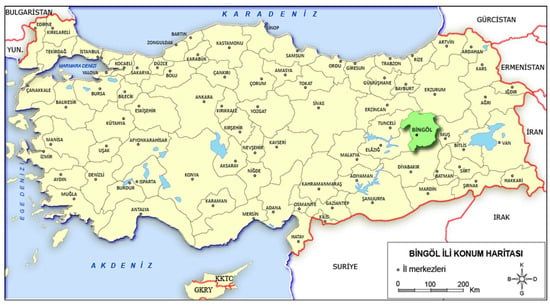
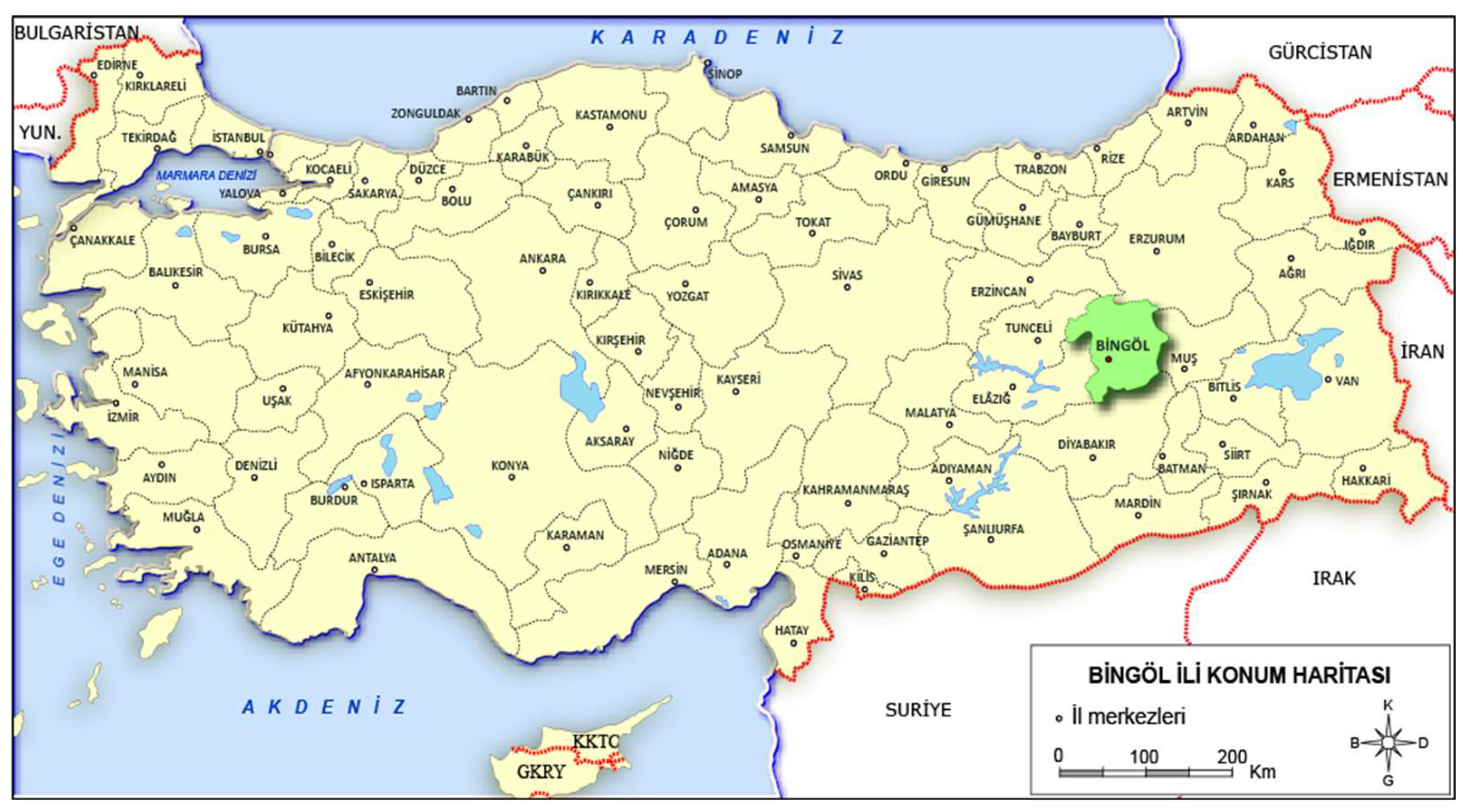
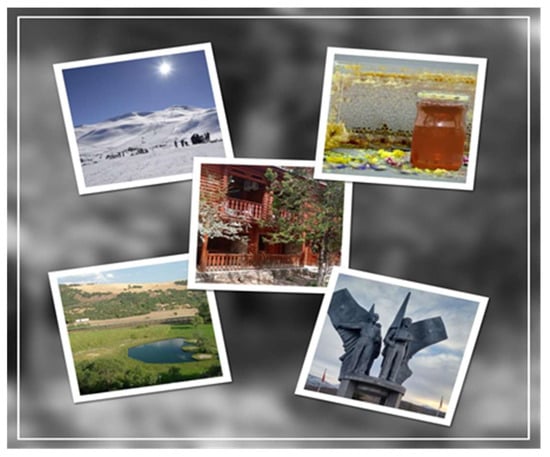
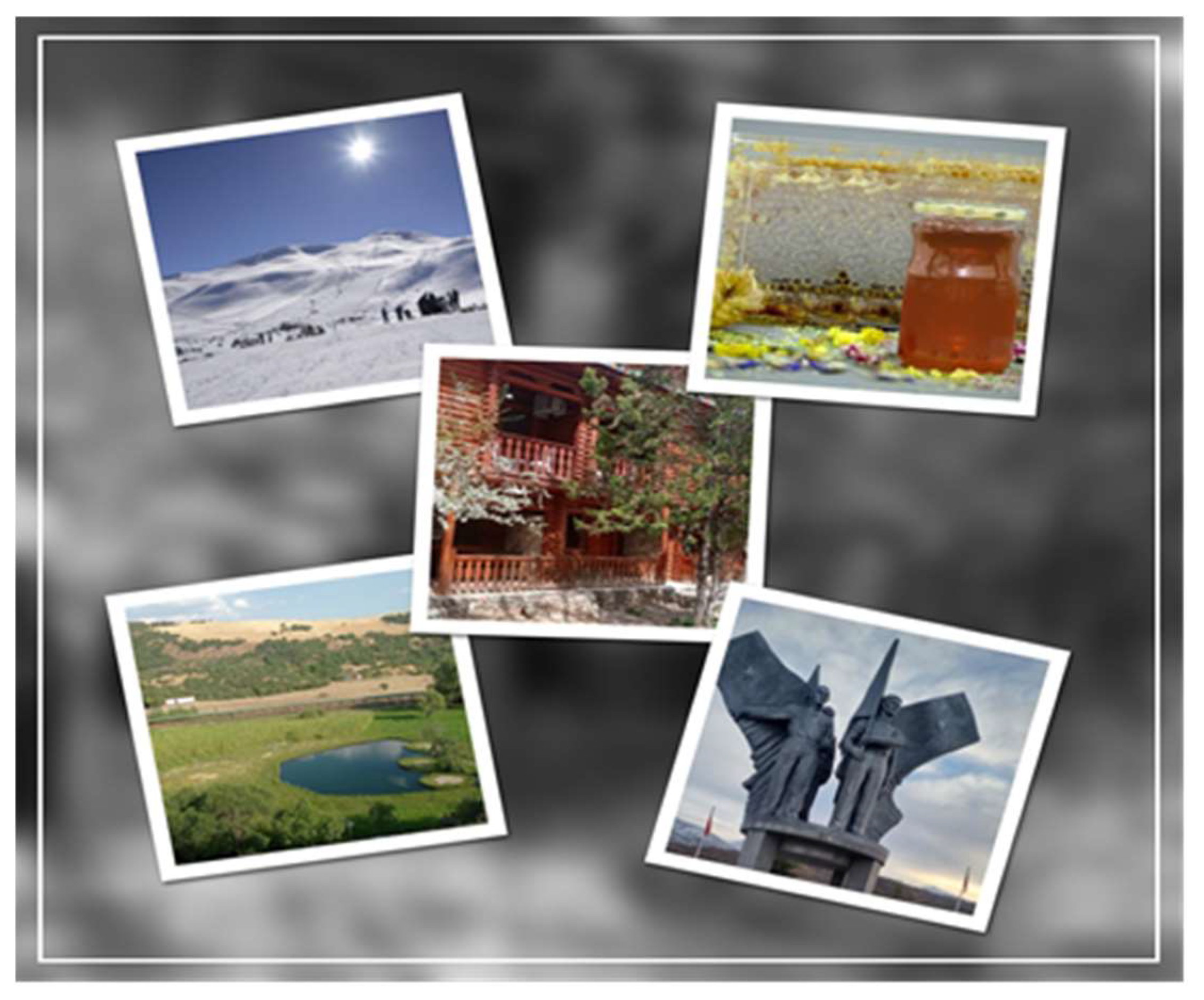
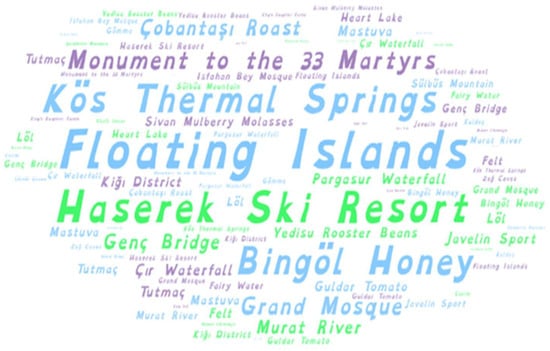
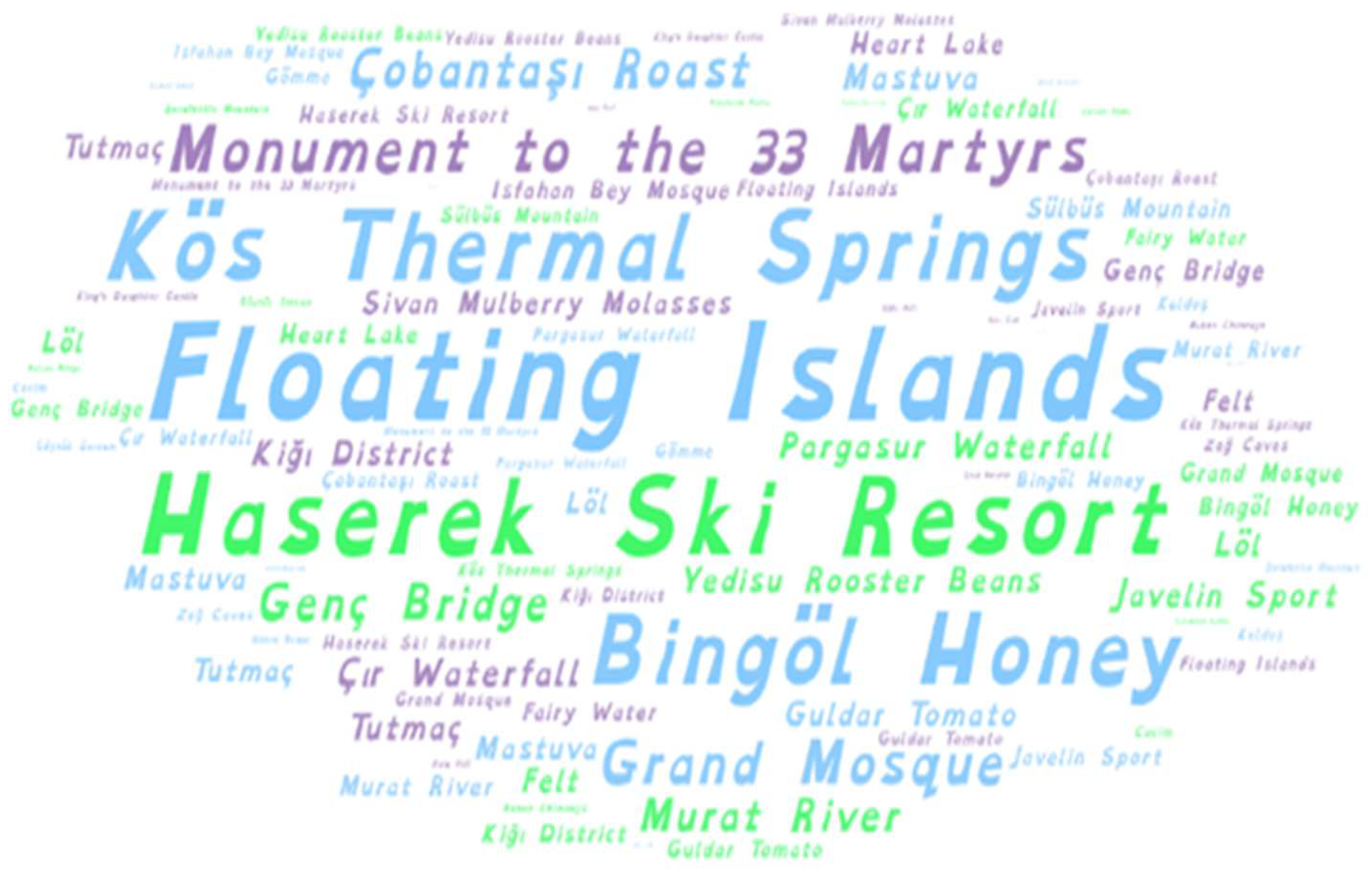

Disclaimer/Publisher’s Note: The statements, opinions and data contained in all publications are solely those of the individual author(s) and contributor(s) and not of MDPI and/or the editor(s). MDPI and/or the editor(s) disclaim responsibility for any injury to people or property resulting from any ideas, methods, instructions or products referred to in the content. |
© 2026 by the authors. Licensee MDPI, Basel, Switzerland. This article is an open access article distributed under the terms and conditions of the Creative Commons Attribution (CC BY) license.