


Abstract
Importance: Evidence regarding the organization of civilian health care systems in active war zones is limited, yet critical for maintaining services for vulnerable populations. Objective: To describe the operational challenges and adaptive strategies implemented by an opioid agonist therapy (OAT) clinic to ensure continuity of care for patients maintained on methadone and buprenorphine during a period of prolonged armed conflict. Design: A descriptive case study of clinical, logistical, and regulatory adaptations following the escalation of conflict in Israel beginning 7 October 2023, through the 12-day Israel-Iran war in June 2025. Setting: A hospital-based ambulatory methadone maintenance treatment (MMT) clinic in the Tel Aviv region. Participants: A vulnerable population of patients with opioid use disorder (OUD) receiving daily or supervised OAT. Exposure(s): National emergency conditions, including mass evacuations, fluctuating missile threats from multiple fronts (Gaza, Lebanon, Yemen), and direct regional strikes in 2024 and 2025. Main Outcome(s) and Measure(s): The primary focus was maintaining treatment continuity through rapid protocol modifications and expanded take-home dose (THD) regulations. Results: The conflict necessitated immediate departures from standard clinical protocols. Key adaptations included the rapid expansion of THD eligibility to mitigate the risks associated with travel to the clinic during active shelling and the reallocation of resources. Regulatory frameworks were iteratively revised as the security situation evolved, shifting from daily supervised dosing to flexible, safety-oriented dispensing models. Conclusions and Relevance: Findings suggest that during national emergencies, decentralizing OAT through expanded THD regulations is essential to prevent treatment interruption and relapse. These adaptive strategies offer a framework for health policy in other conflict-affected regions to protect high-risk populations.
Keywords:
opioid use disorder; methadone; buprenorphine; take-home doses; war; emergency mode; Israel 1. Background
On 7 October 2023, a large-scale assault was launched by terrorist organizations led by Hamas against civilian and military targets in southern Israel, resulting in over 1200 fatalities, more than 9000 injuries, and the abduction of 251 individuals to the Gaza Strip-most of whom were civilians, including children and the elderly [1]. This unprecedented attack was accompanied by the sustained firing of thousands of rockets and missiles from the Gaza Strip over a wide geographic area of Israel. The following day, Hezbollah initiated additional attacks from Lebanon, launching thousands of missiles, rockets, and mortar bombs that targeted not only the Galilee and northern Israel but also extended into central regions, including major urban centers such as Tel Aviv and the outskirts of Jerusalem [2]. These events necessitated the evacuation of approximately 100,000 residents from both northern Israel and the Gaza Envelope, and the rapid allocation of medical resources, including clinics for evacuees receiving methadone or buprenorphine treatment for opioid use disorder (OUD). Patients on opioid agonist therapy (OAT), such as methadone or buprenorphine, depend on daily medication to prevent withdrawal and relapse, making them especially susceptible to the disruptions caused by war. Therefore, clinics in the areas to which the evacuees were displaced accommodated them, sometimes for as long as 18 months, until they could return home and to their original clinics. During their stay at the host clinics, these patients retained the privileges they had at their home clinics but were subject to the host clinic’s rules and regulations. Their physical and emotional needs were tended to as if they were long-standing patients of the host clinic. By the time of Operation Rising Lion (Israel-Iran 12-day War in June 2025) [3,4], which will be discussed in detail in this paper, most of these patients had returned to their home clinics.
This paper aims to describe the operational challenges and adaptive strategies employed intermittently (as needed) by the Adelson Clinic in maintaining continuity of care for a highly vulnerable population of individuals with opioid use disorder during a protracted period of armed conflict. Its focus is on the clinical, logistical, and regulatory measures required to ensure the ongoing provision of medical treatment and counseling support under extreme, rapidly changing conditions. It concludes by reporting patients’ conditions and reactions towards the repeated adjustments of the clinic’s modus operandi during this period.
2. Methods
This is a secondary (re-analysis) study and therefore does not require new IRB approval. The declaration of a state of war required immediate and substantial adaptations to the routine operations of methadone maintenance treatment (MMT) and buprenorphine clinics. In response, the Israeli Ministry of Health implemented a nationwide expansion of take-home dose (THD) regulations, mirroring measures previously adopted during the COVID-19 pandemic [5,6]. However, as the intensity of missile attacks in the Tel Aviv area fluctuated, these regulatory adaptations were repeatedly revised, with THD expansions being intermittently revoked and reinstated in accordance with the evolving security situation.
Between October 2023 and June 2025, several acute escalations in hostilities-including repeated episodic missile and drone launches by the Houthis (from Yemen) [7], direct attacks by Iran in April and October 2024 [8,9], and the 12-day war between Israel and Iran in June 2025 [3,4] imposed ongoing shifts between emergency and routine clinic operations. This dynamic environment required clinics to continually adapt and readapt their protocols to ensure uninterrupted care for patients with OUD.
The Adelson Clinic, established in 1993 within a large tertiary university-affiliated Medical Center in the center of Tel Aviv, serves as both a treatment and a research center for MMT. Accredited by the Commission on Accreditation of Rehabilitation Facilities [10] since 2009, the clinic provides care for up to 330 patients, following criteria similar to U.S. federal regulations for methadone treatment eligibility [11]. Since 2021, its services have expanded to include individuals who have developed OUD secondary to prescription opioid use. The clinic maintains comprehensive policies and protocols for emergency scenarios, including war-related contingencies: regular evacuation drills, maintenance of manual dosing records, and the capacity to operate independent of computerized systems.
At the institutional level, the affiliated hospital implemented immediate comprehensive emergency plans, including drastically reducing inpatient beds and relocating wards to protected underground facilities within four hours of the outbreak of war. While most outpatient activities are suspended during severe conflicts, the Adelson Clinic’s essential services must continue. Therefore, contingency plans are in place to allow quick transfer of clinic operations to protected areas within the hospital or to underground shelters, as needed.
3. Results—Activation of Emergency Mode in a Hospital-Based Addiction Clinic
The following will illustrate how policies and procedures are implemented to adapt to reality. The latest (to date) exacerbation of the security situation in Israel started on the night of 13 June 2025, at 03:00 AM, when the Israeli Air Force attacked nuclear facilities in Iran. Subsequently, Iran launched hundreds of ballistic missiles and drones toward Israel, and a state of emergency was declared in the country.
Accordingly, the Medical Center immediately switched to emergency mode, and within four hours, wards were transferred to protected (underground) spaces. The Adelson Clinic began preparations to provide continued medication-assisted treatment, following a unique action plan developed over years of operation and honed in recent years. Because each security-emergency event requires a unique response and dynamic preparedness, continuous real-time adjustments are made to ensure the continued provision of full medical and psychological care to patients while maintaining their safety and that of staff. This usually requires minimizing physical attendance at the clinic whenever possible and coping with the unexpected challenges that arise along the way.
Following the hospital’s declaration of a state of emergency, the affiliated addiction clinic implemented its emergency protocol. This included transitioning to emergency operational mode, with provisions for manual medication distribution from the building’s underground parking lot, officially designated as a protected shelter space. In anticipation of potential damage to the clinic building, two immediate alternatives were established: 1. Relocation: Temporary operation from a protected room in another building within the hospital. 2. Patient Referral: Referral of patients to one of two other nearby clinics unaffiliated with the hospital.
To maximize patient safety, reduce commuting hazards during frequent missile attacks, and minimize time spent at the clinic, the following measures were implemented: 1. Patients with any take-home privileges (typically achieved gradually as part of contingency management for substance use disorders, e.g., cocaine, cannabis, etc.) received 14 doses (two weeks’ supply) regardless their actual gained “privilege”. 2. Patients without take-home privileges (typically those struggling to discontinue the use of street drugs, or those newly admitted) were provided up to 6 take-home doses. In select cases, based on individual assessment and with the medical director’s approval, up to 14 doses were dispensed to some of these patients, as well. It should be noted that the provision of up to two weeks’ worth of methadone and buprenorphine was authorized by the Israel Ministry of Health.
Logistical preparedness included the following: Advance Preparation of methadone doses and storage in a secure, reinforced-concrete safe room. Although the emergency commenced over a weekend, essential restricted staff (nurses, a counselor, a security guard, and the clinic director) accessed the closed clinic between alarms to prepare and distribute take-home doses for the following days. Inventory Management: A large reserve stock of methadone and buprenorphine was maintained in both the clinic’s safe and the hospital pharmacy. Operational Continuity: Daily printed lists of patients by treatment type were kept by three staff members to mitigate potential computer system failures. Remote access to hospital treatment software was ensured. Equipment Readiness: Medical and routine equipment for immediate use was stored in both the safe room and the area leading to the protected shelter.
Staff Management: The clinic operated with a reduced, essential-only staff on site: Nurses (for the preparation and distribution of medication), a secretary, one or two counselors, a physician, logistical personnel, and security guards. All other staff worked remotely.
Suspension of Routine Activities: Urine toxicology tests (laboratory unavailable), admission and induction of new patients (including buprenorphine initiation), methadone blood level testing, and psychiatric screening of new patients were all put on hold.
Communication with Patients: The treatment team, both onsite and remote, maintained regular telephone contact with patients to provide emotional support, assess personal status, and communicate critical information. Upon resumption of normal operations, all patient encounters were to be transferred to the written and computerized medical records and treatment system.
Ongoing Monitoring and Decision-Making: Throughout the crisis, daily situation assessment meetings were convened, involving the clinic director, head nurse, medical director, and other relevant representatives. Operational decisions were guided by real-time evaluation of the security situation and directives from the Home Front Command, the Ministry of Health, and hospital management, as well as by emerging needs identified during clinic operation.
Real-Time Response to Alarms: During the 12 days of Operation Rising Lion, five security alarms occurred during clinic hours. Only a few patients were present during four of these alarms, as no more than six patients were allowed on site to ensure safe evacuation and avoid overcrowding; patient appointments were limited to 10% of the usual daily attendance. In every instance, both staff and patients adhered strictly to Home Front Command instructions, demonstrating exemplary compliance.
Lessons Learned from Security Alarms: Warning Time: The 10 min warning time (due to missile launches from approximately 1500 km) was sufficient for orderly evacuation to protected areas. Patient Arrival During Alarms: Some patients arrived while everybody was already in the protected space and had to wait on the external balcony. This led to the posting of signage at the clinic entrance, providing clear instructions for accessing the protected shelter via the sidewalk to the building’s parking lot. Safety of Staff Who Were En Route to the Clinic: During alarms, staff in the protected space checked on colleagues on their way to the clinic, ensuring their safety and assisting as needed. Strict Compliance: Adherence to safety instructions was mandatory for all staff, with emphasis on setting a personal example for patients. Any resistance or delay was recognized as a risk to all present. Dosing During Alarms: As staff from other buildings also sheltered in the protected area, it was not feasible to maintain patient privacy or continue treatment during alarms. Treatment was resumed only after the all-clear was given and staff and patients returned to the clinic.
Additional Operational Highlights: Staff Communication: Nearly all staff, including those not physically present, were updated daily regarding clinic operations, fostering a sense of unity and shared purpose. Remote Therapeutic Support: Counselors conducted therapeutic calls from home, maintaining continuity of care, reducing patient anxiety, and supporting relapse prevention during the crisis. Protection of Sensitive Materials: Files, certificates, and other important materials were relocated away from window-exposed areas to mitigate the risk of blast or shockwave damage. Medication Supply Continuity: No reports were received of patients abroad requiring emergency contact with local clinics, and methadone supply remained uninterrupted. However, due to flight suspensions, a warning was issued regarding potential delays in Suboxone supply. Inventory checks confirmed a two-week reserve, and some patients were transitioned to (once monthly) Sublocade® injections to anticipate a possible shortage of Suboxone. The operation ended on 24 June 2025, with the declaration of a ceasefire between the countries, enabling the clinic to start the gradual process of returning to routine functioning.
Returning to Routine: Patients who received take-home doses beyond their usual treatment plan were gradually returned to daily dosing; in the meantime, caregivers maintained proactive phone contact. Resumption of routine activities (urine tests, blood tests for methadone levels, psychiatric screening, induction for buprenorphine treatment, etc.) also resumed gradually. Admission of new patients to the painkiller addiction program was resumed as soon as possible (five patients were waiting to be admitted).
Patients’ condition and reactions: Immediately following Hamas’ assault on Israel (7 October 2023), a high prevalence of anxiety was reported among many patients, with severe anxiety scores observed in those unemployed and those with ongoing substance use [12]. On follow-up (one year later), the anxiety score was reduced. Of the 297 participants in the first and 294 in the second evaluations, 35% and 45.9%, respectively, reported no anxiety, 22.2% and 20.4% reported mild anxiety, 21.9% and 16.3% reported moderate anxiety, and 20.9% and 17.3%, respectively, reported severe anxiety. Anxiety was consistently high among patients who abused substances at both time points and low among patients who did not abuse. The reduction in anxiety scores (one year into the war) likely reflects adaptation to the wartime conditions [13]. Regarding patients’ reactions to repeated THD expansion episodes, most favored the THD expansion [13]. The reasons given in favor were mainly the increased sense of autonomy (91.2%) and the reduced danger of being caught away from a shelter during the frequent missile alarms (89.4%). The reasons given by those who were against include the sense of loneliness (52.4%) and the fear of drug use relapse (52.3%).
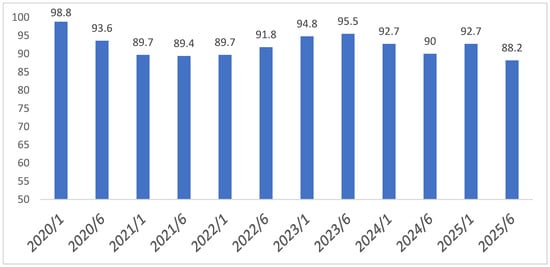
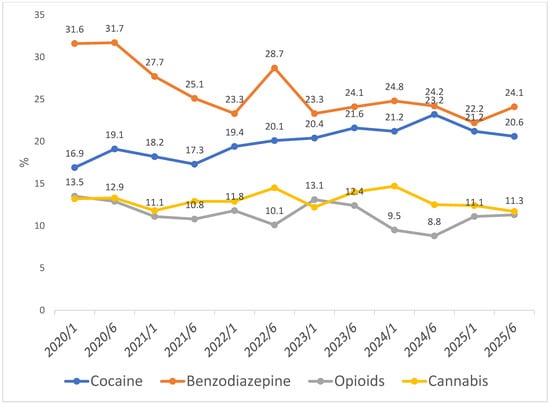
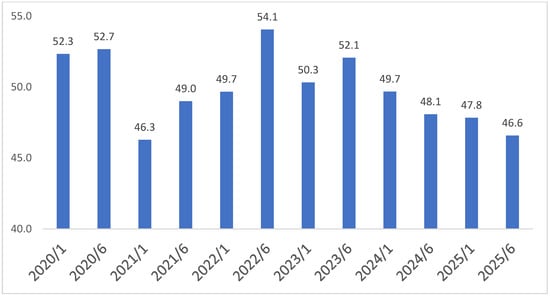
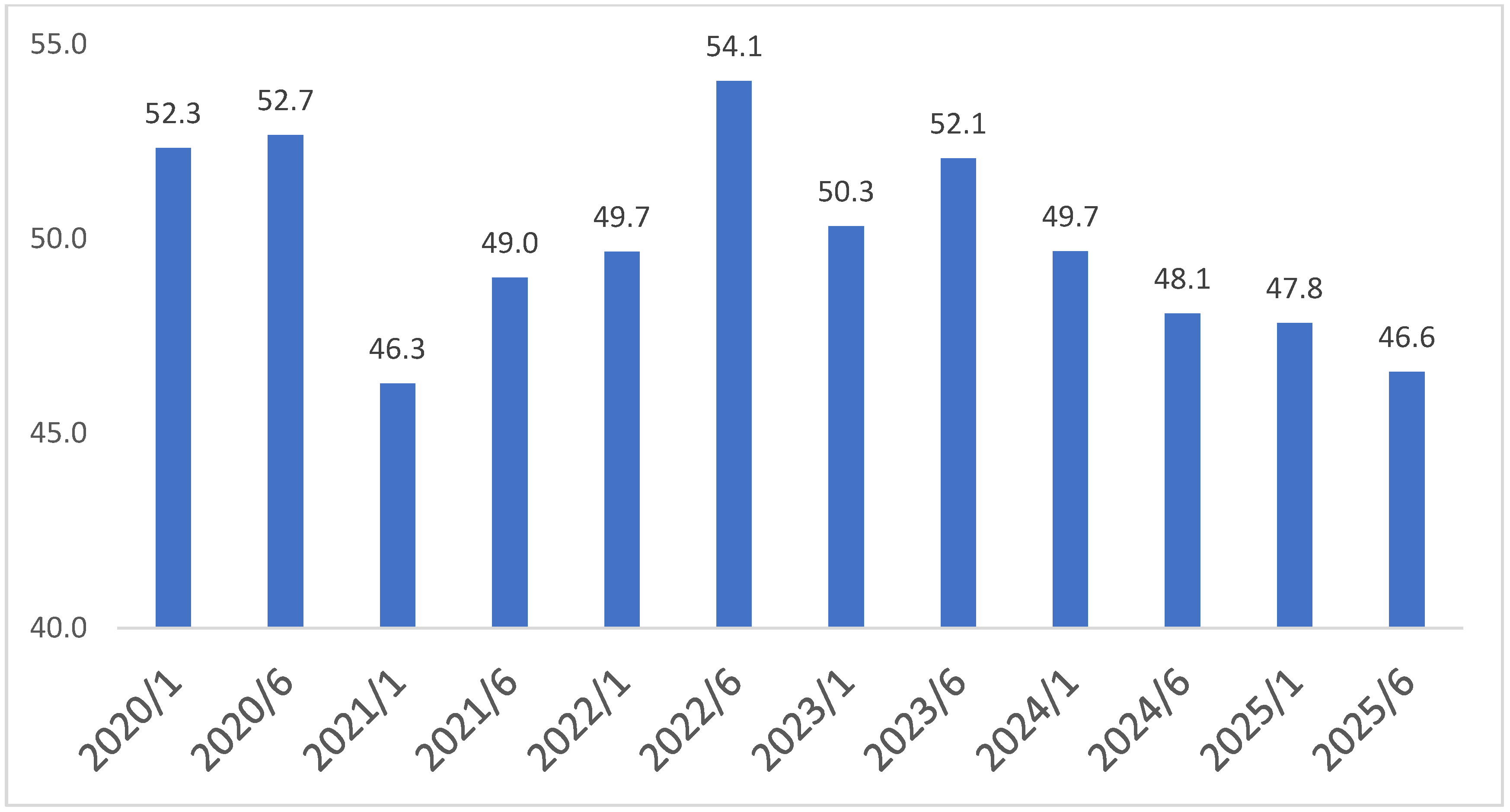
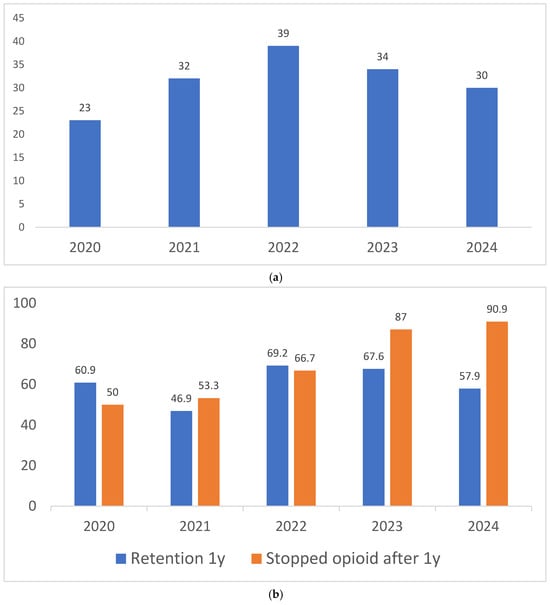
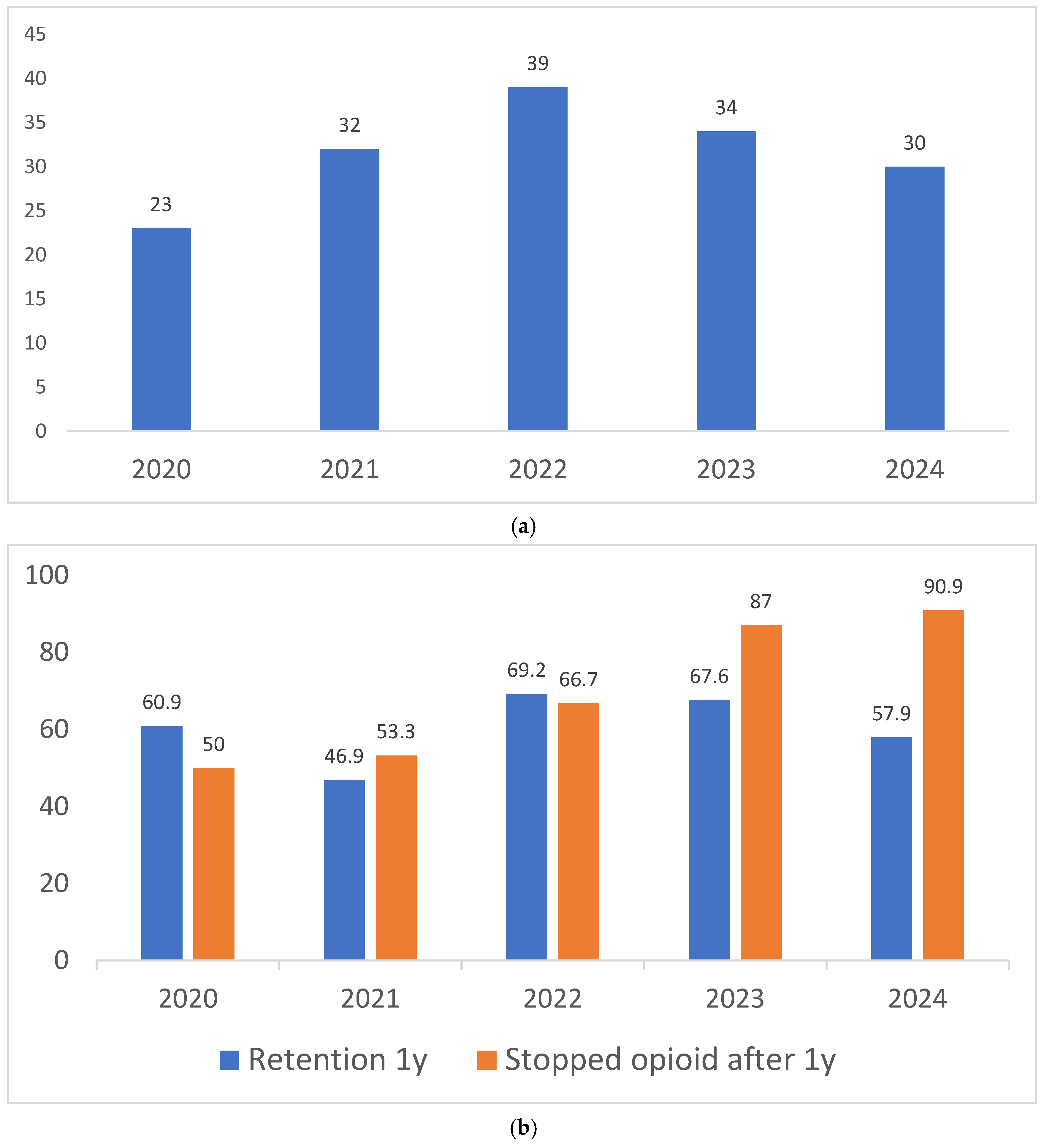
Clinic characteristics during that period: Between 2020 and 2025, which covers both the COVID-19 pandemic and the 7 October 2023 war, the proportion of patients out of the full clinic capacity (Figure 1) showed a slight decrease in total number of patients from 98% to 88% of the full capacity of 330 available (Linear association chi-square 5.9, p = 0.02). Proportion of urine screened substance use (Figure 2) that was calculated as the proportion of patients screened positive out of all current patients in January and June between 2020 and 2025, showed a trend of benzodiazepine decrease (Linear association, chi-square 11.2, p = 0.001) but cocaine increase (Linear association, chi-square 5.1, p = 0.024), with a stable proportion of opioid and cannabis (p = 0.8 for each) over that period. The proportion of working patients (Figure 3) that reflect the regular THD privileges was stable (p = 0.2). The outcomes after one year: retention in treatment, and opioid discontinuation (negative urine after one year) are presented in Figure 4a,b. Of all patients admitted in each year, the proportion of those who stayed at least one year is the retention. For instance, 23 patients were admitted in 2020; of them, 14 (60.9%) stayed at least one year, and of those 14 who stayed, 50% (n = 7) had no opioids in urine after one year. While retention was stable, with small fluctuations (p = 0.4), opioid misuse discontinuation improved substantially (from 50% to 90%; linear association chi-square 6.7, p = 0.01).
Figure 1.
Trend change in proportion of current patients out of full capacity (N = 330) every half year between 2020 and June 2025 (Linear association chi square 5.9, p = 0.02).
Figure 2.
Trend changes in the proportion of current substance use (urine tested positive for cocaine, benzodiazepine, opioids (excluding methadone), cannabis) every half year between 2020 and June 2025. Benzodiazepine (Linear association, chi-square 11.2, p = 0.001); cocaine (Linear association, chi-square 5.1, p = 0.024), opioid, and cannabis (p = 0.8 for each).
Figure 3.
No trend in the proportion of working patients over half-year periods between 2020 and June 2025. Linear association chi-square p = 0.2.
Figure 4.
(a) Number of newly admitted patients, by years of admission. (b) Number of newly admitted patients’ retention (%) after one year, and proportion of those who stopped opioid use after one year (%) by years of admission. Opioid stop: Linear association chi-square 6.7, p = 0.01.
Clinic functioning during the most acute phases of the conflict: Once the hospital had declared a state of emergency, the Adelson Clinic transitioned to its emergency operational mode, including making provisions for manual medication distribution from the building’s protected shelter space in case of a direct missile hit and/or computer shutdown (plan A), or patient referral to one of two other nearby clinics unaffiliated with the hospital (plan B). To maximize patient safety, reduce commuting hazards during frequent missile attacks, and minimize time spent at the clinic, patients with any take-home privileges received 14 doses (two weeks’ supply) regardless of their actual gained “privilege”. Most patients without take-home privileges were provided up to 6 take-home doses. In select cases, up to 14 doses were dispensed to some of these patients, as well. Intensive logistical preparedness was conducted by essential emergency staff, including on weekends when the clinic was closed. Moreover, a large reserve stock of methadone and buprenorphine was maintained in both the clinic’s safe and the hospital pharmacy, and remote access to hospital treatment software was ensured. The clinic continued to operate with a reduced, essential-only staff on site with all other staff working remotely, maintaining regular telephone contact with patients to provide emotional support, assess personal status, and communicate critical information.
The management convened daily situation assessment meetings throughout the 12 days of crisis (Operation Rising Lion); its operational decisions were guided by real-time evaluation of the security situation and directives from the Home Front Command, the Ministry of Health, and hospital management, as well as by emerging needs identified during clinic operation. Five security alarms occurred during clinic hours during these 12 days; the emergency staff and a few patients present on site during the alarms evacuated to the clinic’s designated shelter and resumed activity thereafter. Unsurprisingly, both staff and patients adhered strictly to Home Front Command instructions, demonstrating exemplary compliance.
4. Discussion
Armed conflict and war have been persistent features of human history, with ongoing hostilities affecting populations worldwide. Despite the profound impact of war on public health, the medical literature has paid surprisingly little attention to the critical issue of maintaining continuity of care, especially for vulnerable populations such as individuals with substance use disorders (SUDs), particularly those receiving medications for opioid use disorder (OUD).
While several studies addressed the impact of natural disasters on the continuity of care for OUD patients [14,15,16,17,18] or a massive terror attack (the 9/11 attacks) [19,20], and an assessment of community-level vulnerability and access to medications for OUD was published in 2022 [21], a review of the available literature reveals a notable paucity of research addressing this issue regarding war-related events. A PubMed search uncovered only a single report from the Iran-Iraq war (1980–1988), which examined the cardiac effects of methadone maintenance treatment (MMT) but did not discuss strategies for maintaining treatment continuity [22]. Similarly, studies from the Balkan War (1992–1995) documented increased substance and alcohol use in Bosnia and Herzegovina, as well as the need for post-conflict rehabilitation and reorganization of treatment services [23,24]. However, these publications primarily focused on the aftermath rather than the real-time challenges of ensuring uninterrupted care during active hostilities.
More recently, the ongoing Russia–Ukraine war (2022-present) has highlighted the dire consequences of disrupted OAT programs, particularly in regions occupied by Russian forces where methadone is prohibited [25,26,27,28]. These reports underscore the urgent need for international attention to the difficulty of patients with OUD during times of war.
War is a profoundly traumatic experience, particularly for civilians exposed to repeated attacks and prolonged insecurity [29,30]. In response to such crises, rapid public health interventions are essential. For example, following the 7 October 2023, attacks, our hospital’s psychiatric division launched an emergency mental health service to provide psychological first aid to victims. Subsequently, it extended these services to the broader population in Tel Aviv and its metropolitan area. This intervention was grounded in an integrated approach aimed at fostering introspection, community connectedness, emotional regulation, and the mobilization of available resources to alleviate distress [31]. This initiative built upon previous responses to crises such as the Second Intifada (2000–2004) [32,33] and the heightened alert preceding the Iraq War (2003–2011), during which our hospital developed and implemented unique preparedness plans [34].
Maintaining continuity of OAT during wartime requires not only the uninterrupted supply of medication but also access to psychosocial support and counseling, a cornerstone of comprehensive OUD treatment. This need is magnified in environments dominated by sirens, explosions, and pervasive fear. The experience gained during the COVID-19 pandemic [35], when the Israel Ministry of Health and health authorities in other countries expanded take-home dosing policies for OAT patients [36], demonstrated that flexible treatment approaches can be both feasible and beneficial. These policy changes were generally well received by patients [12,13] and have since been adapted to address the ongoing challenges faced by OUD patients in conflict settings [12].
5. Conclusions
The available evidence highlights both the urgent need and the feasibility of ensuring continuity of care for OUD patients during times of war by flexibly adjusting and readjusting regulations. Future research and policy efforts should prioritize developing and implementing robust, adaptable treatment frameworks that can withstand the disruptions of armed conflict.
Author Contributions
S.S. drafted the manuscript. M.W., Y.A., A.S., M.A. and E.P. revised the manuscript. E.P. prepared the graphs. All authors provided final approval of the version to be published. All authors have read and agreed to the published version of the manuscript.
Funding
Adelson Family Foundation.
Institutional Review Board Statement
Ethical review and approval were waived for this study due to it being a secondary analysis and anonymized data. The original studies cited reporting patients’ data from our clinic have been approved by the Institutional Review Board (Helsinki Committee) of the Tel-Aviv Sourasky Medical Center (TASMC), Israel.
Informed Consent Statement
Informed Consent was waived because the study used anonymized secondary data without personal identifiers.
Data Availability Statement
Data will be provided upon reasonable request.
Conflicts of Interest
The authors declare no conflicts of interest.
References
- Center for Strategies and International Studies (CSIS). Hamas’s October 7 Attack: Visualizing the Data. 19 December 2023. Available online: https://www.csis.org/analysis/hamass-october-7-attack-visualizing-data (accessed on 24 November 2005).
- Center for Strategies and International Studies (CSIS). Escalating to War Between Israel, Hezbollah, and Iran. 4 October 2024. Available online: https://www.csis.org/analysis/escalating-war-between-israel-hezbollah-and-iran (accessed on 23 November 2005).
- Center for Strategies and International Studies (CSIS). What to Know About the Israeli Strike on Iran. 13 June 2025. Available online: https://www.csis.org/analysis/what-know-about-israeli-strike-iran (accessed on 24 November 2025).
- Center for Strategies and International Studies (CSIS). 12-Day War: Now What? 24 June 2025. Available online: https://www.csis.org/podcasts/truth-matter/12-day-war-now-what (accessed on 24 November 2025).
- Sason, A.; Weinstein, M.; Adelson, M.; Schreiber, S.; Peles, E. Satisfaction of patients in methadone maintenance treatment with changing policies during the COVID-19 pandemic. Heroin Addict. Relat. Clin. Probl. 2024, 26, 13. [Google Scholar] [CrossRef] [Scilit]
- Fuller, D.B.; Gryczynski, J.; Schwartz, R.P.; Halsted, C.; Mitchell, S.G.; Whitter, M. State guidance and system changes related to COVID-19: Impact on opioid treatment programs. J. Subst. Use Addict. Treat. 2024, 158, 209214. [Google Scholar] [CrossRef] [Scilit]
- The Wall Street Journal (WSJ). Yemen’s Houthis Say Israel-Iran Cease-Fire Deal Doesn’t Include Them. Available online: https://www.wsj.com/livecoverage/iran-israel-us-latest-news/card/yemen-s-houthis-say-israel-iran-cease-fire-deal-doesn-t-include-them-lRzfEJLr94SuIMRcULJL (accessed on 29 October 2025).
- The BESA Center (The Begin-Sadat Center for Strategic Studies). Operation “True Promise”: Iran’s Missile Attack on Israel. Available online: https://besacenter.org/operation-true-promise-irans-missile-attack-on-israel/ (accessed on 26 June 2025).
- NPR. Iran Carries Out a Massive Missile Attack on Israel, Expanding the Middle East Conflict. Available online: https://www.npr.org/2024/10/01/g-s1-25707/iran-israel-hezbollah-lebanon-attack (accessed on 20 November 2025).
- CARF International. 1999. Available online: https://carf.org/ (accessed on 23 October 2004).
- Peles, E.; Schreiber, S.; Sason, A.; Adelson, M. Similarities and changes between 15- and 24-year survival and retention rates of patients in a large medical-affiliated methadone maintenance treatment (MMT) center. Drug Alcohol Depend. 2018, 185, 112–119. [Google Scholar] [CrossRef] [Scilit]
- Sason, A.; Adelson, M.; Potik, D.; Schreiber, S.; Peles, E. Patients’ anxiety levels and their reactions towards the needed adaptation of policies in methadone maintenance treatment following the October 7th, 2023, Hamas attack. Subst. Abus. Rehabil. 2025, 16, 95–104. [Google Scholar] [CrossRef] [Scilit] [PubMed]
- Ruda, A.; Sason, A.; Adelson, M.; Schreiber, S.; Peles, E. Changes in Anxiety Levels One Year After the October 7th, 2023 Hamas attack in Patients with Opioid Use Disorder Receiving Methadone Maintenance Treatment. Int. J. Ment. Health Addict. 2025. [Google Scholar] [CrossRef] [Scilit]
- Paquette, C.E.; Danns, T.; Bordeaux, M.; Cullins, Z.; Brinkley-Rubinstein, L. Experiences Accessing Health and Social Services during and after Natural Disasters among People Who Use Drugs in Houston, Texas. Int. J. Environ. Res. Public Health 2024, 21, 1169. [Google Scholar] [CrossRef] [Scilit]
- Adalja, A.A.; Watson, M.; Bouri, N.; Minton, K.; Morhard, R.C.; Toner, E.S. Absorbing citywide patient surge during Hurricane Sandy: A case study in accommodating multiple hospital evacuations. Ann. Emerg. Med. 2014, 64, 66–73.e1. [Google Scholar] [CrossRef] [Scilit] [PubMed]
- McClure, B.; Mendoza, S.; Duncan, L.; Rotrosen, J.; Hansen, H. Effects of regulation on methadone and buprenorphine provision in the wake of Hurricane Sandy. J. Urban Health 2014, 91, 999–1008. [Google Scholar] [CrossRef] [Scilit] [PubMed]
- Matusow, H.; Benoit, E.; Elliott, L.; Dunlap, E.; Rosenblum, A. Challenges to Opioid Treatment Programs After Hurricane Sandy: Patient and Provider Perspectives on Preparation, Impact, and Recovery. Subst. Use Misuse 2018, 53, 206–219. [Google Scholar] [CrossRef] [Scilit] [PubMed]
- Dunn, J.A.; Grekin, P.; Darnton, J.B.; Soth, S.; Austin, E.J.; Woolworth, S.; Bhatraju, E.P.; Gojic, A.; Williams, E.C.; Hallgren, K.A.; et al. Disruption of Opioid Treatment Program Services Due to an Extreme Weather Event: An Example of Climate Change Effects on the Health of Persons Who Use Drugs. J. Addict. Med. 2025, 19, 245–247. [Google Scholar] [CrossRef] [Scilit]
- Frank, B.; Dewart, T.; Schmeidler, J.; Demirjian, A. The impact of 9/11 on New York City’s substance abuse treatment programs: A study of program administrators. J. Addict. Dis. 2006, 25, 5–14. [Google Scholar] [CrossRef] [Scilit]
- Wikipedia. Available online: https://en.wikipedia.org/wiki/September_11_attacks (accessed on 20 April 2026).
- Joudrey, P.J.; Kolak, M.; Lin, Q.; Paykin, S.; Anguiano, V., Jr.; Wang, E.A. Assessment of Community-Level Vulnerability and Access to Medications for Opioid Use Disorder. JAMA Netw. Open 2022, 5, e227028. [Google Scholar] [CrossRef] [Scilit] [PubMed]
- Esfahani, M.A.; Vosughi, A.A.; Fatehi, M.H.; Shahsanaee, A.; Teimuri, A. Evaluation of QTc interval in Iranian casualties (Janbazan) of Iran-Iraq war receiving maintenance methadone treatment. J. Res. Med. Sci. 2012, 17, 264–268. [Google Scholar]
- Mehić-Basara, N.; Cerić, I. Treatment of addicts in Bosnia and Herzegovina--constraints and opportunities. Psychiatr. Danub. 2012, 24, S392–S397. [Google Scholar]
- Hasecić, H.; Mehić-Basara, N.; Pokrajac, M.; Marjanović-Cengić, S.; Selman, S.; Ploskić, S.; Ramić, L.; Balić, A.; Grabovica, M.; Havić, E.; et al. Iskustva primjene metadonske terapije u Zavodu za alkoholizam i druge toksikomanije Kantona Sarajevo [Use of methadone therapy at the Institute for Alcoholism and Drug Addiction in the Canton of Sarajevo]. Med. Arh. 2003, 57, 29–32. (In Bosnian) [Google Scholar] [PubMed]
- Bromberg, D.J.; Madden, L.M.; Meteliuk, A.; Ivasiy, R.; de Leon, S.J.G.; Klyucharyov, K.; Altice, F.L. Medications for opioid use disorder during war in Ukraine: Innovations in public and private clinic cooperation. Lancet Reg. Health Eur. 2022, 20, 100490. [Google Scholar] [CrossRef] [Scilit]
- Ivasiy, R.; Galvez de Leon, S.J.; Meteliuk, A.; Fomenko, T.; Pykalo, I.; Bromberg, D.J.; Madden, L.M.; Farnum, S.O.; Islam, Z.; Altice, F.L. Responding to health policy recommendations on managing opioid use disorder during Russia’s invasion of Ukraine: Divergent responses from the frontline to the west. Front. Public Health 2023, 10, 1044677. [Google Scholar] [CrossRef] [Scilit] [PubMed]
- Morozova, O.; Ivanchuk, I.; Gvozdetska, O.; Nesterova, O.; Skala, P.; Kuzin, I.; Dumchev, K. Treatment of opioid use disorder in Ukraine during the first year of the Russia-Ukraine war: Lessons learned from the crisis. Int. J. Drug Policy 2023, 117, 104062. [Google Scholar] [CrossRef] [Scilit]
- Meteliuk, A.; Sazonova, Y.; Goldmann, E.; Xu, S.; Liutyi, V.; Liakh, T.; Spirina, T.; Lekholetova, M.; Islam, Z.; Ompad, D.C. The impact of the 2014 military conflict in the east of Ukraine and the Autonomous Republic of the Crimea among patients receiving opioid agonist therapies. J. Subst. Use Addict. Treat. 2024, 160, 209312. [Google Scholar] [CrossRef] [Scilit]
- Groweiss, Y.; Blank, C.; Hamdan, S.; Neria, Y.; Levi-Belz, Y. The mental health impact of the October 7th terror attack on Jews and Arabs in Israel: A nationwide prospective study. Psychiatry Res. 2024, 337, 115973. [Google Scholar] [CrossRef] [Scilit]
- Schechtman, E.G.; Hay, D.E.; Schwartz, I.; Neria, Y.; Roe, D. The unfolding of psychological distress following the October 7 attack on Israel: The impact of exposure, gender, and event centrality. Psychiatry Res. 2025, 344, 116356. [Google Scholar] [CrossRef] [Scilit]
- Reuveni, I.; Tene, O.; Katz, C.L. The personal and the national: Lessons learned in the aftermath of the October 7 attacks in Israel. Psychiatry Res. 2025, 344, 116332. [Google Scholar] [CrossRef] [Scilit]
- Schreiber, S.; Dolberg, O.T.; Barkai, G.; Peles, E.; Leor, A.; Rapoport, E.; Heinik, J.; Bloch, M. Primary intervention for memory structuring and meaning acquisition (PIMSMA): Study of a mental health first-aid intervention in the ED with injured survivors of suicide bombing attacks. Am. J. Disaster Med. 2007, 2, 307–320. [Google Scholar] [CrossRef] [Scilit] [PubMed]
- Dolberg, O.T.; Barkai, G.; Leor, A.; Rapoport, H.; Bloch, M.; Schreiber, S. Injured civilian survivors of suicide bomb attacks: From partial PTSD to recovery or to traumatization: Where is the turning point? World J. Biol. Psychiatry 2010, 11, 344–351. [Google Scholar] [CrossRef] [Scilit]
- Schreiber, S.; Yoeli, N.; Paz, G.; Barbash, G.I.; Varssano, D.; Fertel, N.; Hassner, A.; Drory, M.; Halpern, P. Hospital preparedness for possible nonconventional casualties: An Israeli experience. Gen. Hosp. Psychiatry 2004, 26, 359–366. [Google Scholar] [CrossRef] [Scilit] [PubMed]
- Baloh, J.; Charton, H.; Curran, G.M. Substance Use Disorder Treatment Programs during a Health Crisis: Response to the COVID-19 Pandemic and Future Implications. Subst. Use Misuse 2023, 58, 1855–1865. [Google Scholar] [CrossRef] [Scilit] [PubMed]
- Meteliuk, A.; Galvez de Leon, S.J.; Madden, L.M.; Pykalo, I.; Fomenko, T.; Filippovych, M.; Farnum, S.O.; Dvoryak, S.; Islam, Z.M.; Altice, F.L. Rapid transitional response to the COVID-19 pandemic by opioid agonist treatment programs in Ukraine. J. Subst. Abus. Treat. 2021, 121, 108164. [Google Scholar] [CrossRef] [Scilit]
Disclaimer/Publisher’s Note: The statements, opinions and data contained in all publications are solely those of the individual author(s) and contributor(s) and not of MDPI and/or the editor(s). MDPI and/or the editor(s) disclaim responsibility for any injury to people or property resulting from any ideas, methods, instructions or products referred to in the content. |
© 2026 by the authors. Licensee MDPI, Basel, Switzerland. This article is an open access article distributed under the terms and conditions of the Creative Commons Attribution (CC BY) license.