


Abstract
Mediterranean-type ecosystems (METs) occur on five continents and represent some of the most climatically constrained yet biologically rich regions on Earth. In these environments, legumes and their nitrogen-fixing rhizobial symbionts—including widely distributed genera such as Rhizobium, Bradyrhizobium, and Ensifer—play a pivotal role in sustaining plant productivity, nutrient cycling, and ecosystem resilience. This review synthesizes current knowledge on the environmental regulation of legume–Rhizobium symbiosis specifically within Mediterranean-type ecosystems, focusing on how nitrogen (N) and phosphorus (P) availability, light conditions, and carbon allocation trade-offs shape symbiotic performance across the five Mediterranean-type regions of the world (California, central Chile, the Cape Region of South Africa, southwestern Australia, and the Mediterranean Basin). By integrating physiological, ecological, and biogeochemical perspectives, we highlight how the shared features of these regions—strong seasonal drought, chronic nutrient limitation (particularly P in southwestern Australia and the Cape Region), recurrent fires, and exceptionally high plant diversity—constrain and, at the same time, favor the ecological success of symbiotic legumes. Throughout the review, we use case studies from key legume genera such as Lupinus in Chile and southwestern Australia, Virgilia and other Cape legumes in South Africa, Acacia in Australian kwongan and woodlands, and Medicago and Cytisus in the Mediterranean Basin and California to illustrate how general principles of legume–Rhizobium ecology manifest under Mediterranean-type climatic and edaphic constraints. Beyond summarizing established mechanisms, we critically examine the limitations of current metagenomic approaches, which often provide descriptive inventories of soil microbial communities without linking microbial composition to functional outcomes. We argue that advancing the field requires integrated, hypothesis-driven research that combines multi-omic tools with plant eco-physiology, soil nutrient dynamics, and temporal replication. Finally, we outline key priorities for future research, including the integration of functional ‘omics’, the study of microbiome interactions beyond rhizobia, the development of predictive models for Mediterranean-type ecosystems under climate change, and the application of symbiotic principles to restoration and agroecological management. By bridging molecular, physiological, and ecosystem perspectives, this review provides a conceptual framework for understanding and enhancing legume–Rhizobium symbiosis across five continents in a rapidly changing world.
1. Introduction
Legume–Rhizobium symbiosis represents one of the most ecologically and biogeochemically significant mutualisms in terrestrial ecosystems, contributing a major proportion of the biologically fixed N that supports plant productivity worldwide. This association is especially important in environments where symbiotic N fixation can determine both plant performance and ecosystem functioning [1,2]. Understanding how environmental factors shape the legume–rhizobium partnership across diverse landscapes is therefore central to both ecological theory and sustainable land management.
Mediterranean-type ecosystems (METs), despite taking their name from the Mediterranean Basin, occur on five continents—in California, central Chile, the Cape Region of South Africa, southwestern Australia, and the Mediterranean itself (Figure 1). These regions share a distinctive climatic pattern of hot, dry summers and mild, wet winters, and together they constitute some of the most biodiverse yet environmentally constrained biomes on Earth. Their global distribution means that understanding plant functioning under Mediterranean conditions has far-reaching implications, extending well beyond a single geographic region and informing ecological and agricultural strategies across multiple continents [3]. These Mediterranean-type regions share recurring ecological challenges such as periodic drought, low and imbalanced soil nutrient availability, and strong seasonality, all of which exert direct physiological constraints on legumes and their symbiotic partners. Numerous studies have demonstrated that nutrient limitation—particularly P scarcity in Australia and South Africa and N limitation in the Mediterranean Basin and California—strongly regulates nodulation and N fixation at both physiological and community scales [4,5,6]. Integrating these biogeographic patterns into a comparative perspective is therefore essential for interpreting symbiotic functioning across continents.
Figure 1.
Visual representation of the global distribution of the five Mediterranean-type regions discussed throughout this review to helping situate the comparative analyses that follow.
Across these five regions, MTEs share a suite of ecological filters that are directly relevant to legume–Rhizobium symbiosis: pronounced summer drought, cool and productive wet seasons, chronically low and imbalanced soil nutrient availability (with extreme P depletion in southwestern Australia and the Cape Floristic Region, and more pronounced N limitation in the Mediterranean Basin and parts of California), and recurrent fire regimes that restructure vegetation and nutrient pools [7,8,9]. These constraints shape not only the distribution and functional diversity of legumes, but also the costs and benefits of maintaining symbiotic N fixation. Moreover, the exceptional floristic richness of MTEs—including diverse lineages such as Lupinus in Chile and southwestern Australia, Virgilia and other Cape legumes in South Africa, Acacia in Australian kwongan and woodlands, and Medicago and Cytisus in the Mediterranean Basin and California, among other species—provides a natural comparative framework for understanding how environmental drivers regulate symbiosis across continents [7,10]. By explicitly grounding the review in these shared ecological characteristics, we aim to synthesize how nutrient constraints, climatic stressors, and biogeographic history jointly shape legume–Rhizobium interactions in Mediterranean-type ecosystems worldwide.
Legume–Rhizobium symbiosis has an ancient evolutionary origin, emerging approximately 60 million years ago within the N-fixing clade of angiosperms, which includes Fabales, Rosales, Fagales, and Cucurbitales. Phylogenomic evidence suggests that the capacity for root-nodule formation evolved once, followed by multiple independent losses and modifications across lineages. Within Fabaceae, the symbiosis diversified into distinct infection strategies—including intracellular infection threads and crack-entry mechanisms—that reflect both plant phylogeny and environmental conditions [1,11]. These evolutionary developments underpin the functional diversity of contemporary rhizobial associations and help explain why symbiotic performance varies across regions, species, and environmental gradients.
A defining feature of Mediterranean-type ecosystems is the chronic limitation of N, a key nutrient for plant growth. However, in southwestern Australia and the Cape Floristic Region, P rather than N is the primary limiting nutrient, with N limitation often emerging secondarily from extreme P scarcity [12]. Legumes have evolved a unique ecological strategy to overcome this constraint: the establishment of symbiotic associations with nitrogen-fixing rhizobia housed within root nodules. Through the conversion of atmospheric dinitrogen (N2) into ammonium, rhizobia provide legumes with an essential nutrient source, enhancing plant growth and contributing to long-term soil fertility [13,14]. This mutualistic association is now recognized as a major biological input of N in terrestrial ecosystems and a cornerstone of sustainable agriculture and ecological restoration across Mediterranean-climate regions worldwide [15,16]. However, in several Mediterranean-type regions—most notably southwestern Australia and the Cape Floristic Region—P rather than N is the primary limiting nutrient, with N limitation often emerging secondarily from strong P constraints on plant and microbial metabolism [4,5].
However, this symbiosis is not without its complexities. Nitrogen fixation is an energetically expensive process that requires substantial carbon (C) investment from the host plant. A significant fraction of photosynthates must be allocated to support nodule formation, maintenance, and nitrogenase activity, creating trade-offs with other vital functions such as shoot growth, reproduction, and defense [17,18]. Legumes dynamically regulate nodulation and symbiotic activity in response to internal C status and external resource availability, adjusting the cost–benefit balance of the association [19,20]. These trade-offs become particularly relevant in Mediterranean-type ecosystems, where multiple stresses—drought, nutrient scarcity, and fluctuating light—co-occur and strongly influence plant performance.
The presence or absence of alternative N sources in the soil further modulates the effectiveness of legume–rhizobia symbiosis. In N-deficient soils, symbiotic legumes typically outperform non-nodulating plants, highlighting the adaptive value of the association [1,15]. However, when mineral N is abundant, legumes often downregulate nodulation and N fixation, a phenomenon known as N feedback inhibition [21,22]. This regulatory mechanism allows plants to avoid unnecessary C expenditure when external N is readily available.
Phosphorus availability also plays a central role in regulating symbiotic N fixation. P deficiency can severely limit nodule initiation and activity, reducing N fixation and impairing plant growth [2,4]. Conversely, adequate P supply enhances nodulation and N fixation efficiency, particularly in P-limited Mediterranean soils [5,23]. Because P is required for ATP production and metabolic fluxes in both partners, its availability directly affects the energetic feasibility of sustaining N fixation.
Light availability adds an additional layer of complexity. Because N fixation depends on photosynthetically derived C, any reduction in light—due to shading, canopy structure, or seasonal radiation patterns—can constrain the plant’s capacity to sustain the symbiosis [6,24,25]. This is particularly relevant in Mediterranean-type ecosystems, where vegetation structure and seasonal dynamics create heterogeneous light environments [26].
Taken together, these factors illustrate that legume–rhizobia symbiosis is not a static trait, but a dynamic process shaped by interacting environmental drivers. The aim of this review is to provide an integrated assessment of how major environmental factors—including nutrient availability, P and N constraints, light regimes, carbon allocation trade-offs, soil microbial interactions and climatic stressors—regulate legume–rhizobium symbiosis across the five Mediterranean-type regions of the world. By comparing these ecosystems on a global scale, we highlight both shared functional patterns and region-specific adaptations that shape symbiotic performance. Moreover, we synthesize insights from physiological studies, ecological field experiments, and emerging multi-omics approaches to identify critical knowledge gaps and propose research priorities for understanding and predicting symbiosis under ongoing climate and land-use changes [27,28,29].
2. Benefits of Bacterial Symbionts for Legumes
Biological nitrogen fixation relies on the nitrogenase enzyme complex—typically molybdenum–iron (MoFe) nitrogenase—which reduces atmospheric N2 to ammonium (NH4+) within specialized root nodules. Effective fixation requires a finely regulated microaerobic environment maintained by leghemoglobin, as well as a substantial supply of photosynthate-derived carbon and ATP from the host plant [13]. Although symbiotic rhizobia perform the majority of N fixation in legumes, free-living and associative diazotrophs in Mediterranean-type soils can also contribute ecologically meaningful, though variable, inputs of biologically fixed N [16,30]. These combined microbial processes underpin the importance of legume-associated N fixation in nutrient-limited environments.
Bacterial symbionts are central to the ecological success of legumes, enhancing plant growth, stress tolerance, and fitness across a wide range of environments. In addition to classical rhizobia forming nodules, a diverse assemblage of plant growth-promoting bacteria (PGPB) inhabits the rhizosphere and endosphere of legumes, contributing to nutrient acquisition, hormonal regulation, and disease suppression [31,32,33]. These interactions can occur intracellularly, such as in nodulated roots, or extracellularly in the rhizosphere, where bacteria influence root architecture, exudation patterns, and soil processes (Figure 2).
Figure 2.
Mechanisms through which plant growth-promoting bacteria (PGPB) enhance plant nutrient acquisition. Schematic representation of bacterial contributions to plant nutrition, including: (1) symbiotic nitrogen fixation by rhizobia; (2) phosphorus solubilization through organic acid and phosphatase activity; (3) micronutrient mobilization via siderophores; (4) hormone-mediated stimulation of root growth; and (5) enhanced nutrient uptake under abiotic stress conditions.
A primary benefit of bacterial symbionts is improved nutrient acquisition. However, in Mediterranean-type ecosystems, this benefit is tightly linked to a substantial C cost as supporting N fixation requires significant photosynthate investment, particularly during the dry season when C availability is most constrained. Symbiotic rhizobia supply biologically fixed N, while many PGPB enhance the availability of P, potassium (K), and micronutrients through solubilization of mineral phosphates, mineral weathering, and decomposition of organic matter [34,35]. By increasing nutrient accessibility in nutrient-poor or degraded soils, these bacteria support higher rates of plant growth, biomass accumulation, and reproductive output [36,37,38]. In Mediterranean agroecosystems where N and P limitations frequently co-occur, such microbial contributions are particularly valuable for sustaining productivity under low-input conditions [15,16,39].
In Mediterranean-type ecosystems, these nutrient-acquisition benefits are particularly evident. For example, Lupinus species in central Chile and southwestern Australia rely heavily on rhizobia and P-solubilizing bacteria to sustain growth on severely nutrient-impoverished soils [8,40]. In the Cape Floristic Region, legumes such as Virgilia divaricata form associations with highly efficient rhizobial strains that enhance N acquisition under co-limitation by P and drought [41]. Similarly, Australian Acacia species in kwongan shrublands depend on microbial partners to access both N and P in some of the most oligotrophic soils on Earth [42]. These examples illustrate how nutrient-acquisition mechanisms are not merely general features of legume–microbe interactions, but key adaptations to the extreme edaphic constraints of Mediterranean-type ecosystems.
In addition to N fixation, bacterial symbionts enhance plant nutrition through several complementary mechanisms. Many PGPB increase the bioavailability of soil P through organic-acid secretion and phosphatase activity, while others mobilize micronutrients such as iron (fe), zinc (Zn), and manganese (Mn) via siderophore production and redox-mediated solubilization [31,33]. Rhizobia can also influence root system architecture through the synthesis of auxins and cytokinins, thereby increasing root surface area and improving access to soil resources. Together, these processes contribute to higher nutrient-acquisition efficiency, particularly in nutrient-poor Mediterranean-type ecosystems.
Beyond supplying fixed N, several rhizobial strains and rhizosphere-associated bacteria also enhance P availability by solubilizing inorganic phosphates and mobilizing P from mineral or organic pools [43]. These mechanisms commonly involve the secretion of low-molecular-weight organic acids that chelate cations bound to phosphate, as well as the production of phosphatases that hydrolyze organic P compounds. Increasing evidence indicates that rhizobia from nutrient-poor Mediterranean-type soils frequently exhibit these traits, contributing to improved P nutrition and supporting symbiotic performance under P-limited conditions [44].
Bacterial symbionts also play a crucial role in enhancing plant tolerance to abiotic stress. Numerous studies have shown that PGPB can mitigate the negative effects of drought, salinity, and temperature extremes by producing extracellular polysaccharides, osmoprotectants, and compatible solutes that stabilize cellular structures and improve water relations [45,46,47,48,49,50]. Some strains synthesize stress-related phytohormones, including abscisic acid (ABA), which modulate stomatal conductance and stress signaling pathways, thereby improving plant performance under water deficits [35]. Others enhance antioxidant capacity by inducing or producing enzymes that detoxify reactive oxygen species, helping to maintain cellular homeostasis during stress episodes [51,52].
Furthermore, the capacity of PGPB to modulate stress-related metabolic pathways underscores their importance in MTEs, where recurrent drought and heat stress are major constraints on legume productivity and frequently co-occur during the summer dry season. In southwestern Australia, for example, Acacia and Lupinus species benefit from rhizobia and other plant growth-promoting bacteria that enhance osmotic adjustment and maintain nodule function under extreme water deficits [8,53]. In the Cape Floristic Region, legumes such as Virgilia rely on microbial partners that improve antioxidant capacity and root hydration during episodic drought [1]. Similar patterns have been documented in the California chaparral and the Mediterranean Basin, where rhizobial associations help maintain physiological performance under high irradiance and prolonged summer dryness. Together, these examples highlight that the stress-ameliorating role of bacterial symbionts is a central component of legume persistence in MTEs.
In addition to these general benefits, many PGPB provide direct protection against abiotic stress, which is especially relevant in MTEs characterized by recurrent drought and heat. Several strains produce osmoprotectants and exopolysaccharides that improve root hydration and soil aggregation under water-deficit conditions, while others synthesize abscisic acid (ABA) or modulate auxin and cytokinin levels, thereby enhancing stomatal regulation and root system plasticity during stress [35,54]. PGPB may also increase antioxidant capacity by inducing or producing enzymes that detoxify reactive oxygen species, helping plants maintain cellular integrity during drought and heat episodes [52,55]. Together, these mechanisms demonstrate that bacterial symbionts do not merely enhance nutrition, but can also substantially mitigate the stresses that limit legume growth and symbiotic efficiency in Mediterranean-type ecosystems.
Disease suppression is another important benefit conferred by bacterial symbionts. Certain rhizosphere and endophytic bacteria produce antimicrobial compounds—such as antibiotics, lytic enzymes, and siderophores—that inhibit the growth of pathogenic fungi and bacteria [32,56,57,58]. In addition, many PGPB can induce systemic resistance in their host plants, priming immune responses and enabling faster and stronger defense reactions upon pathogen attack [45,59,60]. Competition for space and resources in the rhizosphere further limits pathogen establishment, contributing to healthier root systems and reduced disease incidence in both agricultural and natural ecosystems [60,61,62]. Several rhizobial strains are now known to produce antimicrobial compounds that contribute directly to pathogen suppression. These include bacteriocins and antibiotic-like peptides, which inhibit competing bacteria [63]; lytic enzymes such as chitinases and β-1,3-glucanases that degrade fungal cell walls [32]; and high-affinity siderophores, which restrict pathogen proliferation by limiting Fe availability [63,64]. Together, these mechanisms illustrate the multifunctional role of rhizobial symbionts in disease suppression across diverse soil environments.
Beyond protection, bacterial symbionts directly stimulate plant growth through the production of phytohormones such as auxins, cytokinins, and gibberellins, which regulate root development, shoot elongation, and reproductive processes [31]. Siderophore-producing bacteria enhance Fe uptake, promoting chlorophyll synthesis and photosynthetic efficiency—an important function in calcareous Mediterranean soils where Fe availability is often limited [34]. Together, these growth-promoting effects translate into increased biomass, improved yield stability, and better resource-use efficiency [49,50,51].
Collectively, the benefits provided by bacterial symbionts extend beyond individual plants to influence community composition, soil fertility, and ecosystem functioning. By enhancing nutrient cycling, improving stress resilience, and reducing disease pressure, these microorganisms contribute to more sustainable and resilient agroecosystems [55,65,66]. Harnessing their potential—through inoculant development, microbiome management, and integration into climate-smart agricultural practices—represents a promising strategy to reduce reliance on synthetic inputs, restore degraded soils, and support biodiversity conservation in MTEs and other vulnerable regions [16,67].
3. The Cost of Cooperation
Bacterial symbionts contribute significantly to plant health, growth, and resilience. In MTEs, however, the costs of maintaining symbiotic N fixation are amplified by the strong seasonality of C availability. During the hot, dry summer period—when photosynthesis is strongly constrained by water stress and high temperatures—legumes face a pronounced trade-off between allocating C to sustain nodule metabolism and investing in drought tolerance, root maintenance, or reproduction [12,68]. This seasonal imbalance makes the C cost of cooperation particularly acute in MTEs compared with more mesic environments. However, despite the numerous benefits these microorganisms provide, hosting bacterial partners also entails important physiological, metabolic, and ecological costs to the plant.
One of the primary costs is the allocation of resources. Symbiotic associations require substantial energy and C investment from the host plant to support microbial growth, nodule maintenance, and metabolic activity [69,70]. Plants must supply carbohydrates, amino acids, and other nutrients to their symbionts, and this diversion of resources can represent a significant metabolic burden, particularly under nutrient-poor or stressful environmental conditions [8]. Additionally, the physical presence of bacterial symbionts within plant tissues may impose structural and maintenance costs (Figure 3). These resource-allocation costs are further intensified in MTEs where P limitation is chronic, especially in southwestern Australia and the Cape Floristic Region. Low P availability restricts ATP production and metabolic fluxes, increasing the carbon cost of sustaining nitrogenase activity and reducing the plant’s capacity to maintain active nodules during periods of drought or heat stress [40,42]. As a result, the energetic burden of symbiosis is tightly coupled to the extreme edaphic constraints characteristic of MTEs.
Figure 3.
Conceptual overview of the major environmental drivers regulating legume–rhizobium symbiosis in Mediterranean-type ecosystems. The diagram summarizes how nutrient availability (N, P, micronutrients), light regimes, carbon allocation trade-offs, soil microbial interactions, and climatic stressors (heat, drought) interact to shape nodulation and nitrogen fixation.
Beyond resource allocation, bacterial symbionts may compete with their host plants for essential nutrients. In some cases, microorganisms can outcompete the plant for N, P, or other limiting resources, reducing plant growth and fitness [71]. This competitive interaction is especially pronounced in nutrient-limited environments or when microbial abundance is high [72]. Some symbiotic or rhizosphere-associated bacteria may also produce secondary metabolites or allelopathic compounds that inhibit plant growth or suppress neighboring vegetation, further exacerbating resource competition and ecological stress [32,56].
Another potential cost of hosting bacterial symbionts is the increased risk of pathogen transmission and disease. While many symbiotic bacteria are beneficial, they can also act as reservoirs or vectors for harmful microbes, including viruses, fungi, and pathogenic bacteria [60]. The presence of symbionts within plant tissues may compromise structural integrity or interfere with defense signaling, increasing susceptibility to infection and potentially leading to reduced yields, crop losses, and diminished agricultural productivity [59].
In addition to resource allocation, competition, and disease risk, hosting bacterial symbionts may entail broader ecological trade-offs. Symbiotic interactions influence plant–microbe networks, soil microbial communities, and ecosystem functioning, with consequences for biodiversity, nutrient cycling, and ecosystem stability [15,33]. For example, N-fixing bacteria in legume root nodules can enhance soil fertility and promote the growth of neighboring plants, but they may also alter N dynamics in ways that favor certain species over others, potentially reshaping community composition [1]. Similarly, antimicrobial compounds produced by some symbiotic bacteria may suppress soil microbial diversity, influencing decomposition processes and soil health.
Overall, resource allocation, competitive interactions, pathogen risk, and ecological trade-offs impose metabolic, physiological, and ecosystem-level costs on host plants. These costs shape the balance between cooperation and conflict in plant–microbe interactions and influence plant growth, fitness, and ecosystem dynamics, particularly in environmentally constrained regions such as Mediterranean ecosystems. Across MTEs, the costs of cooperation also vary predictably across the seasonal cycle. During the cool, wet winter—when photosynthesis is high and soil moisture is abundant—legumes can sustain relatively high rates of symbiotic N fixation with limited carbon penalties. However, as soils dry and temperatures rise in late spring and summer, maintaining active nodules becomes increasingly costly, and many species downregulate or senesce nodules to conserve C and water [73,74]. In the Californian chaparral and Chilean matorral, annual and perennial legumes show sharp declines in nodule activity as summer drought intensifies, reflecting a strategic shift from N acquisition to drought survival [75,76]. In the Mediterranean Basin, species such as Medicago and Cytisus exhibit similar seasonal patterns, with nodule senescence closely tracking declines in soil moisture and photosynthetic rates [77]. These examples illustrate that the costs of symbiosis in MTEs are not static, but dynamically shaped by the pronounced seasonality that characterizes these ecosystems.
At the molecular level, symbiotic N fixation is initiated when legumes perceive rhizobial Nod factors through LysM-domain receptor kinases, triggering calcium spiking and the activation of early nodulation regulators such as NIN and ENOD genes [16]. These signals guide infection thread formation and coordinated cortical cell divisions that give rise to nodule primordia, processes that have been extensively characterized through transcriptomic and proteomic studies [78]. To maintain optimal nodule number, legumes employ the autoregulation of nodulation (AON) pathway in which root-derived CLE peptides and shoot-acting receptors such as SUNN/NARK/HAR1 regulate systemic feedback [55,79]. Advancements in multi-omics approaches have also clarified the differentiation of intracellular symbiosomes, where rhizobia transition into N-fixing bacteroids [79]. Recent reviews further highlighted how these molecular and developmental processes integrate environmental signals—including nutrient status, hormonal cross-talk, and stress cues—to modulate symbiosis efficiency [80].
4. Nutrient Availability and Rhizobial Symbiosis
The efficiency of rhizobial symbiosis in legumes is strongly shaped by soil nutrient availability, rhizobial strain specificity, and broader environmental conditions. In Mediterranean type ecosystems, nutrient constraints differ markedly among regions, creating distinct selective pressures on legume–Rhizobium symbiosis. Southwestern Australia and the Cape Floristic Region are characterized by some of the most phosphorus impoverished soils on earth, where P limitation strongly constrains nodule formation and nitrogenase activity [10,12]. In contrast, the Mediterranean Basin, California, and central Chile tend to exhibit stronger N limitations, particularly in early successional or fire-affected communities [7,9]. These biogeographic contrasts provide a natural comparative framework for understanding how nutrient availability regulates symbiotic performance across the five Mediterranean type regions. In N-deficient soils, legumes actively engage in symbiotic N fixation, allocating substantial resources to support rhizobial growth and nodule development [1,15,16]. However, when soil N is abundant—such as in fertilized or nitrogen-rich environments—the plant reduces its reliance on symbiotic N fixation. This downregulation, known as N feedback inhibition, reflects the plant’s capacity to modulate nodulation and nitrogenase activity in response to external N availability, thereby optimizing carbon allocation for growth and reproduction [21,22].
Phosphorus is another essential nutrient that plays a pivotal role in regulating legume–rhizobia symbiosis. Phosphorus availability influences nodule formation, N-fixation efficiency, and overall plant performance. Phosphorus deficiency can severely limit nodule initiation and activity, reducing N fixation and impairing plant growth [2,4,16]. Conversely, adequate P supply enhances nodulation and nitrogen fixation, particularly in P-limited ecosystems such as Mediterranean soils [16,17]. These nutrient constraints manifest differently across the five Mediterranean-type regions. In the California chaparral, perennial legumes such as Pickeringia montana and Lathyrus vestitus show strong declines in nodulation and nitrogenase activity under low soil N, particularly following fire events that temporarily alter nutrient pools [75]. In central Chile, shrubs such as Adesmia bedwellii and Adesmia bedwelli rely on highly efficient rhizobial partners to sustain N2 fixation during the winter growing season but exhibit marked reductions in nodule function as soils dry in late spring [73,81]. In the Mediterranean Basin, species such as Genista triacanthos, Spartium junceum, Retama sphaerocarpa and Calicotome villosa display strong sensitivity to P availability, with P additions significantly enhancing nodule biomass and nitrogen fixation in nutrient-poor maquis and garrigue soils [77,82]. These examples illustrate that nutrient limitation shapes symbiotic performance in diverse and region-specific ways across Mediterranean-type ecosystems.
In addition to these P-related mechanisms, other nutrients such as sulfur (S), boron (B), and micronutrients impose further constraints on nodule development and N fixation. Because P is required for ATP production and metabolic fluxes in both partners, its availability directly affects the energetic feasibility of sustaining nitrogen fixation.
Beyond phosphorus, several additional nutrients exert direct biochemical control over symbiotic nitrogen fixation. Molybdenum (Mo) and Fe are indispensable cofactors of the nitrogenase complex, and deficiencies in either element impair nitrogenase assembly and electron transport, sharply reducing N2-fixation rates [2,23]. Sulfur contributes to Fe–S cluster formation and amino-acid metabolism, with S-limitation lowering nodule respiration and nitrogenase turnover [5,24]. Boron plays a key structural role in infection thread development and nodule differentiation, and B deficiency is well documented to inhibit rhizobial entry and decrease nodule efficiency [4]. Field studies in nutrient-poor MTEs similarly demonstrate strong nutrient controls on nodule formation and nitrogen fixation: both P and micronutrient additions significantly enhance nodulation and plant performance in Mediterranean shrubs and forage legumes [6,28]. Collectively, these findings underscore that N-fixing symbioses are highly sensitive to specific nutrient limitations, especially in ecosystems where chronic edaphic stress is the norm.
Beyond N and P, other nutrients—including K, calcium (Ca), magnesium (Mg), S, and micronutrients such as Fe, Mo, and B—play essential roles in symbiotic functioning. These nutrients contribute to nodule development, nitrogenase enzyme activity, and overall plant vigor [45,83]. Deficiencies or imbalances can disrupt symbiosis, reduce N fixation, and impair plant productivity. Maintaining adequate soil fertility and balanced nutrient availability is therefore crucial for optimizing rhizobial symbiosis and maximizing agricultural sustainability.
Taken together, these patterns highlight that nutrient regulation of legume–rhizobium symbiosis in Mediterranean type ecosystems cannot be understood without considering regional biogeography. In the ancient, highly weathered landscapes of southwestern Australia and the Cape Floristic Region, P scarcity is the dominant constraint, shaping both the evolution of legume traits and the efficiency of their microbial partners [8,42]. In contrast, the Mediterranean Basin, California, and central Chile exhibit stronger N limitation, with symbiotic N fixation playing a central role in post fire recovery, early successional dynamics, and winter/spring productivity [9,75]. This biogeographic mosaic underscores the need to interpret symbiotic functioning within the specific climatic and edaphic context of each region.
5. Light Conditions and the Symbiotic Balance
Light is the primary energy source driving photosynthesis, the process through which plants convert solar energy into carbohydrates that fuel growth and metabolic activity. Because N fixation is an energetically demanding process, light availability plays a central role in shaping plant–microbe interactions, particularly in legume–rhizobia symbiosis [83,84]. The symbiotic balance between plants and rhizobia is tightly linked to the plant’s C economy, which is directly influenced by light intensity, quality, and duration.
Under optimal light conditions, plants allocate a substantial portion of photosynthetically derived C to root nodules, supporting rhizobial growth and N fixation [85]. However, under low-light conditions—such as shading, dense canopies, or seasonal reductions in radiation—plants may prioritize C allocation to aboveground tissues, reducing the resources available for symbiotic N fixation [69]. This shift can lead to reduced nodulation, lower nitrogenase activity, and diminished N assimilation.
In MTEs, light availability is strongly shaped by seasonal and structural factors that directly influence the C economy of legumes. During the cool, wet winter—when most growth occurs—light levels are moderate and soils are moist, allowing species such as Acmispon glaber (California), Adesmia microphylla (Chile), and Genista triacanthos (Mediterranean Basin) to sustain active nodulation and nitrogen fixation. However, as summer approaches, high solar irradiance coincides with severe soil moisture deficits, creating a mismatch between light supply and photosynthetic capacity [86]. In the South African fynbos, legumes such as Aspalathus linearis and Cyclopia intermedia experience strong declines in C assimilation under high temperatures despite abundant sunlight, leading to reduced nodule activity [87]. These seasonal dynamics illustrate that light is not merely an energy source, but a driver of carbon allocation trade-offs that are particularly acute in Mediterranean-type ecosystems.
Light heterogeneity is also a defining feature of MTEs. In the Californian chaparral, legumes such as Lupinus albifrons and Pickeringia montana experience strong contrasts between open post-fire environments—where high irradiance boosts early-season C gain—and mature stands, where dense shrub canopies reduce light penetration and limit C allocation to nodules [9,88]. In the Mediterranean Basin, species such as Spartium junceum and Calicotome villosa often establish in open, high-light microsites created by disturbances, enabling rapid early nodulation before summer drought suppresses photosynthesis [89]. In southwestern Australia, legumes like Jacksonia floribunda and Bossiaea aquifolium occupy contrasting light niches within kwongan shrublands, with shaded understory individuals showing reduced nodule biomass and nitrogenase activity [90]. These examples demonstrate that spatial variation in light interacts with seasonal drought to shape the symbiotic balance across MTEs.
Light availability also influences the molecular regulation of symbiosis. Adequate light levels stimulate the expression of nodulation genes and enhance the metabolic activity required for nodule development [90,91]. Conversely, low light can suppress key signaling pathways, reducing the plant’s capacity to sustain effective symbiosis. More specifically, light availability modulates the expression of several key genes involved in nodule initiation and C allocation. For example, increased photosynthetic activity enhances the expression of NIN (Nodule Inception), a central transcription factor required for early nodule organogenesis, as well as ENOD (early nodulin) genes involved in infection thread progression [16]. Light-dependent C assimilation also upregulates nodule metabolic genes such as sucrose synthase (SUS) and phosphoenolpyruvate carboxylase (PEPC), which regulate C flow into bacteroid metabolism and nitrogenase activity [78]. These examples illustrate how light not only fuels the energetic costs of N fixation, but also influences the transcriptional programs that coordinate nodule development (Table 1).
Table 1.
Summary of environmental drivers regulating legume–rhizobium symbiosis in Mediterranean-type ecosystems.
Improving our understanding of how light conditions affect the symbiotic balance will support the development of strategies to enhance nitrogen-fixation efficiency, improve crop productivity, and reduce environmental impacts. Harnessing the potential of legume–rhizobia interactions under diverse light environments holds promise for addressing global challenges related to food security, sustainable agriculture, and climate change resilience.
6. Implications for Agriculture and Ecosystems
Understanding how nutrient availability shapes bacterial symbiosis in legumes has far-reaching implications for agriculture, ecosystem management, and sustainable development. In agricultural systems, optimizing soil fertility and nutrient management can enhance rhizobial symbiosis and promote biological N fixation, reducing dependence on synthetic fertilizers and improving soil health [15,67]. Integrated nutrient management strategies—such as crop rotation, cover cropping, and organic amendments—enhance nutrient cycling, promote microbial diversity, and support more sustainable production systems [92].
Beyond agriculture, the influence of nutrient availability on legume–rhizobia symbiosis extends to natural ecosystems, where legumes play key roles in ecosystem functioning, succession, and biodiversity conservation [10,62]. Understanding the environmental factors that regulate symbiosis can inform restoration efforts, soil rehabilitation, and conservation initiatives aimed at enhancing ecosystem resilience and recovering degraded lands.
Several practical applications illustrate how legume–Rhizobium symbiosis can be leveraged to improve agricultural sustainability and restore degraded Mediterranean-type landscapes. In agroecosystems, the use of legume cover crops such as Vicia sativa and Medicago spp. reduces the need for synthetic N fertilizers while enhancing soil organic matter and microbial activity [93,94]. In rangeland and grassland restoration, native legumes are frequently introduced to accelerate soil nitrogen recovery, improve plant establishment, and foster diverse soil microbial communities, as demonstrated in semi-arid wood pasture systems [39]. In the fynbos and southwestern Australian regions, legumes such as Virgilia divaricata have been successfully used to rehabilitate P-impoverished soils, taking advantage of rhizobial strains adapted to extreme nutrient limitation [4,28]. These examples highlight the practical value of legume–Rhizobium associations for both agricultural improvement and ecological restoration.
Moreover, the ecological consequences of nutrient-dependent symbiosis extend across successional stages and influence broader ecosystem dynamics. Harnessing the N-fixing capacity of legumes offers promising opportunities for soil amelioration [94,95]. Incorporating legumes into crop rotations or intercropping systems can reduce fertilizer inputs, mitigate nutrient runoff, and improve the sustainability of agricultural landscapes [93]. The N fixed by legumes also benefits subsequent crops, improving yields and economic returns for farmers [96].
The ecological implications of legume–rhizobia symbiosis extend to soil health, ecosystem functioning, and biodiversity. By enhancing soil fertility and nutrient cycling, legumes contribute to ecosystem succession, habitat restoration, and soil rehabilitation [97,98]. Legume-based agroforestry systems can increase biodiversity, promote soil C sequestration, and provide multiple ecosystem services such as erosion control, shade, and water regulation [99,100].
Moreover, legume–rhizobia symbiosis supports the diversity and resilience of soil microbial communities, fostering beneficial interactions among soil organisms and enhancing ecosystem stability [59]. Legumes can also promote the abundance of beneficial insects, including pollinators and natural enemies of pests, contributing to pest regulation and ecosystem resilience [101].
Despite these benefits, several challenges must be addressed to maximize the potential of legume–rhizobia symbiosis. Variability in rhizobial strains and their compatibility with different legume species can affect N-fixation efficiency and soil improvement [102]. Effective inoculation requires selecting strains adapted to local soil conditions and host species [103]. Environmental factors such as soil pH, temperature, moisture, and salinity also influence symbiotic establishment and performance, posing challenges in marginal or degraded lands [54]. Climate change may further alter the distribution and abundance of legumes and their symbiotic partners, with consequences for soil fertility and ecosystem resilience [104].
From a greenhouse-gas perspective, enhancing biological nitrogen fixation (BNF) in place of mineral N fertilizers can substantially reduce CO2 emissions associated with fertilizer manufacture and transport. Several studies show that integrating legumes into agricultural systems lowers the energy footprint of cropping and can significantly reduce downstream N2O emissions, provided that N inputs are balanced with plant demand [67,94]. These benefits are particularly relevant in Mediterranean-type ecosystems where low nutrient inputs and strong seasonality create conditions in which legume-based systems can contribute meaningfully to climate-change mitigation.
6.1. Comparative Case Studies Across the Five Mediterranean-Type Regions
Although MTEs all have strong seasonality, recurrent droughts, and chronic nutrient limitations, comparative case studies demonstrate important regional differences in how these constraints shape legume–rhizobium symbiosis. In California chaparral systems, legumes such as Lupinus spp. frequently associate with diverse Bradyrhizobium strains, and nitrogen limitation plays a stronger regulatory role than phosphorus limitation [85]. By contrast, in central Chile, low soil organic matter contents and intense summer drought restrict both rhizobial survival and infection efficiency, leading to highly variable nodulation outcomes across microhabitats. In the Cape Floristic Region of South Africa, extreme phosphorus impoverishment characteristic of fynbos soils strongly limits nodule initiation, and native legumes such as Virgilia rely on rhizobia adapted to exceptionally low-P environments [4,28]. Southwestern Australia exhibits similar chronic P limitations but with distinct rhizobial assemblages and high levels of host specificity. Finally, in the Mediterranean Basin, seasonal drought combined with variable soil fertility creates strong interannual variation in nodulation and N fixation, with legumes showing high plasticity in their symbiotic investment. Taken together, these case studies highlight both the shared ecological pressures of Mediterranean climates and the region-specific adaptations that shape symbiotic performance across continents.
6.2. Agricultural Implications in Mediterranean-Type Regions
Mediterranean-type agricultural systems face chronic nutrient limitations, strong interannual variability in rainfall, and increasing exposure to heatwaves, all of which directly influence the performance of legume–Rhizobium symbiosis. In rainfed cropping systems of the Mediterranean Basin, species such as Vicia faba, Lens culinaris, and Cicer arietinum exhibit strong reductions in nodulation under combined drought and low phosphorus levels, limiting their capacity to supply biologically fixed N to subsequent cereal crops [45,46]. In central Chile, forage legumes such as Trifolium macraei and Medicago polymorpha show high sensitivity to soil moisture deficits during early nodule formation, constraining their contribution to pasture productivity [3,49,87]. In southwestern Australia, pasture legumes such as Biserrula pelecinus and Ornithopus sativus are widely cultivated on extremely P-impoverished soils, where their symbiotic performance depends strongly on rhizobial inoculation and on the availability of P, with marked effects on biomass production and N inputs to the system [105,106]. These examples highlight that optimizing legume–rhizobium symbiosis in Mediterranean agriculture requires coordinated management of water, P, and microbial inoculants.
6.3. Ecosystem-Level Implications for Mediterranean Shrublands and Woodlands
In natural ecosystems, legume–Rhizobium symbiosis plays a central role in nutrient cycling, vegetation dynamics, and post-disturbance recovery. In the Californian chaparral, nitrogen-fixing shrubs such as Acmispon glaber and Lupinus albifrons disproportionately contribute to ecosystem N inputs during early post-fire succession, facilitating the establishment of non-fixing species [88,106]. In the Cape Floristic Region, legumes such as Aspalathus linearis and Cyclopia intermedia enhance soil N pools in nutrient-poor fynbos, but their contribution is strongly constrained by P availability [28].
Legumes are also central to ecological restoration across Mediterranean-type regions. In the Iberian Peninsula, shrubs such as Genista scorpius, Retama sphaerocarpa, Cytisus multiflorus, and Adenocarpus decorticans are widely used in post-fire restoration and erosion control, where their symbiotic N fixation accelerates soil fertility recovery and improves microhabitat conditions for co-occurring species [107,108,109]. These species act as nurse plants, enhancing soil organic matter contents, increasing N availability, and buffering temperature and moisture extremes. In southwestern Australia, restoration programs frequently rely on native legumes such as Acacia pulchella, Bossiaea aquifolium, and Jacksonia floribunda, which establish rapidly on nutrient-poor substrates and contribute to early N accumulation in rehabilitated kwongan and mined landscapes [110,111].
These ecosystem-level functions underscore the importance of legume–Rhizobium symbiosis not only for maintaining productivity and resilience in Mediterranean landscapes, but also for accelerating the recovery of degraded ecosystems under increasing climatic and anthropogenic pressures.
6.4. Synthesis: Linking Agriculture and Ecosystems
Across Mediterranean-type regions, the functioning of legume–Rhizobium symbiosis is shaped by the same core constraints—seasonal drought, nutrient impoverishment, and climatic variability—yet the implications differ between agricultural and natural systems. In agriculture, these constraints limit yield stability and N self-sufficiency, whereas in natural ecosystems, they regulate nutrient cycling, successional trajectories, and resilience to disturbance. Recognizing these shared drivers provides a unified framework for improving legume performance across both managed and wild Mediterranean landscapes.
7. Legumes and Their Symbionts in the Face of Climate Change
Climate change presents unprecedented challenges to global agriculture, with rising temperatures, altered precipitation patterns, and more frequent extreme events threatening food security and ecosystem stability. In this context, legumes and their symbiotic relationship with N-fixing rhizobia offer valuable opportunities to enhance agricultural resilience, mitigate greenhouse gas emissions, and promote sustainable land management [67].
At the same time, climate-induced stressors can also disrupt symbiotic performance, necessitating a closer examination of temperature, drought, and nutrient interactions. However, the net effect of legumes on N2O budgets under climate change is highly context-dependent. High temperatures can reduce rhizobial survival and accelerate nodule senescence, while drought stress often depresses nitrogenase activity and C allocation to nodules [5,111]. Such environmental constraints may diminish the potential climate-mitigation benefits of legume-based systems. As warming intensifies across many Mediterranean-type regions, quantifying temperature thresholds for key rhizobial strains and understanding the interactions among heat stress, drought, and symbiotic performance are emerging research priorities.
7.1. Climate Projections and Expected Pressures on Mediterranean Legumes
Mediterranean-type ecosystems are among the regions most vulnerable to climate change, with projections indicating increased temperatures, reduced winter precipitation, more frequent heatwaves, and longer summer droughts [104,112]. These climatic shifts directly affect the physiological processes underlying legume–Rhizobium symbiosis. Higher temperatures accelerate soil drying, reduce rhizobial survival, and shorten the window for effective nodulation. In the Mediterranean Basin, species such as Cicer arietinum, Vicia faba, and Medicago truncatula are predicted to experience substantial declines in P fixation under future climate scenarios due to combined heat and drought stress [113]. In southwestern Australia, climate projections indicate further intensification of P limitation and reduced winter rainfall, conditions that may constrain the performance of native legumes such as Acacia pulchella and Bossiaea ornata [8] These trends suggest that climate change will exacerbate existing nutrient and water limitations across Mediterranean type regions.
Legumes contribute to climate change mitigation through biological nitrogen fixation, C sequestration, and improvements in soil fertility [15,94]. Legumes help lower the C footprint of agricultural systems and decrease emissions associated with fertilizer production and application [95]. Incorporating legumes into cropping systems improves soil structure, enhances water retention, and reduces erosion, thereby increasing resilience to climate-induced stresses [98,114]. Legumes also promote C sequestration through the accumulation of soil organic matter and the formation of stable soil aggregates [100,115].
However, climate change also poses challenges to legume–rhizobia symbiosis. Rising temperatures, altered precipitation patterns, and elevated atmospheric CO2 levels can influence nodulation, N fixation, and the distribution of both legumes and their symbiotic partners [116]. High temperatures may impair rhizobial survival and nodule function, while drought can reduce nodulation and nitrogenase activity, particularly in water-limited environments typical of Mediterranean regions [45]. Elevated CO2 may enhance photosynthesis and C allocation to nodules, but its effects on N fixation remain variable and context-dependent [85].
7.2. Functional Responses of Legumes and Rhizobia to Climate Driven Stressors
Legume–Rhizobium symbiosis exhibits a range of functional responses to climate-related stressors, including plasticity in nodulation, shifts in carbon allocation, and changes in rhizobial community composition. Heat stress reduces nitrogenase activity in many Mediterranean legumes, including Lupinus angustifolius and Lens culinaris, by impairing oxygen diffusion and damaging nitrogenase proteins. Drought reduces infection thread formation and nodule initiation in species such as Ornithopus compressus and Trifolium subterraneum, limiting their capacity to maintain nitrogen inputs in dry years [87]. Rhizobial communities also respond to climate stress: in the Californian chaparral, warming experiments show shifts toward more heat-tolerant Bradyrhizobium lineages associated with Acmispon and Lupinus species [20,117]. These functional responses highlight both the vulnerability and the adaptive potential of Mediterranean legumes under changing climatic conditions.
To adapt to these challenges, researchers and farmers are exploring strategies to enhance the resistance, resilience and efficiency of legume–rhizobia symbiosis under changing environmental conditions. These include selecting legume cultivars and rhizobial strains adapted to local climates, optimizing inoculation practices, and implementing agroecological approaches that promote biodiversity and ecosystem resilience [95]. Diversified cropping systems—such as cover cropping, intercropping, and agroforestry—can improve soil health, buffer climate extremes, and provide multiple ecosystem services [99,118].
Advances in molecular genetics, genomics, and biotechnology offer opportunities to develop climate-resilient legume varieties and rhizobial strains with enhanced N-fixing capacities and environmental tolerance [103]. Breeding programs targeting traits such as drought tolerance, heat tolerance, and N-fixation efficiency can support the development of climate-smart legume cultivars adapted to future conditions [101].
Agroecological management practices—including conservation agriculture, crop rotation, and organic farming—also play a crucial role in promoting sustainable legume–rhizobia symbiosis and enhancing agricultural resilience to climate change. By improving soil health, reducing greenhouse gas emissions, and supporting ecosystem services, these practices contribute to climate mitigation and adaptation while promoting food security and rural livelihoods.
7.3. Biogeographic Shifts and Symbiotic Resilience Under Climate Change
Climate change is expected to drive biogeographic shifts in legume distributions, with consequences for symbiotic interactions. In the Iberian Peninsula, upslope migration of shrub legumes such as Genista florida and Cytisus scoparius has already been documented in response to warming, potentially exposing them to novel rhizobial communities [67,94,112]. In central Chile, projected reductions in winter rainfall may restrict the distribution of Adesmia species to cooler, moister microsites, altering patterns of N input across the landscape [73]. In South Africa’s fynbos, climate-induced shifts in fire regimes may favor fast growing, early fixing legumes such as Virgilia divaricata, altering successional trajectories and N cycling [82,87]. Despite these challenges, some legumes exhibit traits that may confer resilience, including deep rooting (Lupinus chamissonis), high P use efficiency (Acacia spp.), and flexible nodulation strategies (Medicago spp.). Understanding these biogeographic and functional responses is essential for predicting the future of N cycling in MTEs.
8. Limitations of Current Metagenomic Approaches in Legume–Rhizobium Research
The rapid expansion of metagenomic technologies has transformed our ability to characterize soil microbial communities, revealing extraordinary taxonomic diversity and uncovering previously unknown microbial lineages [118,119]. However, despite their promise, many metagenomic studies applied to legume–Rhizobium systems remain descriptive rather than explanatory, providing inventories of microbial taxa without establishing functional, ecological, or mechanistic links to symbiotic performance. This limitation is particularly problematic in MTEs, where soil microbial communities are highly dynamic and strongly influenced by short-term environmental fluctuations (Figure 4).
Figure 4.
Synthesis of key research gaps and future priorities for understanding legume–rhizobium symbiosis across Mediterranean type ecosystems. Highlighted priorities include integration of multi-omics with field experiments; improved cross continental comparisons; mechanistic understanding of drought–heat interactions; functionally linking microbial composition and soil processes; and application-focused studies for restoration and climate-resilient agriculture.
A central challenge is that metagenomic snapshots capture presence, not activity. Soil microbial communities can shift dramatically following rainfall events, pulses of organic matter deposition, animal deposition, or seasonal transitions [120,121]. These transient changes may dominate metagenomic profiles, obscuring the stable, functionally relevant microbial networks that influence nodulation, N fixation, and plant performance. Without temporal replication or functional assays, it is difficult to distinguish ecologically meaningful patterns from stochastic noise.
Moreover, metagenomic datasets often lack integration with plant physiological measurements, soil nutrient dynamics, or environmental context. As a result, many studies report changes in microbial composition without demonstrating how these changes affect symbiotic efficiency, nutrient acquisition, or plant stress tolerance [122,123]. In legume–Rhizobium research, where the functional outcome—N fixation—is well defined and measurable, purely descriptive metagenomics provides limited insight into the mechanisms that regulate symbiosis.
Another limitation is the frequent absence of functional annotation or validation. The presence of genes associated with N fixation, P solubilization, or stress tolerance does not guarantee that these genes are expressed or that the organisms carrying them are active contributors to symbiosis [124]. Without complementary meta-transcriptomic, metaproteomic, or eco-physiological data, metagenomic predictions remain speculative.
Despite major advances in high-throughput sequencing, metagenomic approaches still face significant limitations when applied to legume–Rhizobium symbiosis. One of the primary challenges is the difficulty of resolving strain-level diversity within rhizobial communities. Many symbiotic genes—such as nod, nif, and fix—are located on plasmids or symbiotic islands that can be horizontally transferred among distantly related taxa, complicating phylogenetic reconstruction and functional inference [124]. As a result, metagenomic datasets often fail to distinguish between closely related strains that differ markedly in symbiotic efficiency or environmental tolerance.
Another limitation is the underrepresentation of soil microhabitats and microscale heterogeneity. Rhizobial populations are highly structured at fine spatial scales, with distinct communities associated with bulk soil, rhizosphere, and nodules [123]. Standard metagenomic sampling frequently overlooks this spatial complexity, leading to incomplete or biased assessments of rhizobial diversity. This issue is particularly relevant in MTEs, where sharp gradients in moisture, temperature, and nutrient availability create strong microhabitat differentiation.
Functional interpretation of metagenomic data also remains challenging. The presence of symbiotic genes does not necessarily indicate active N fixation, as gene expression is strongly regulated by environmental conditions, host identity, and plant developmental stage [125]. Metagenomic datasets therefore provide limited insight into the actual contribution of different rhizobial taxa to nitrogen cycling, especially under fluctuating conditions typical of Mediterranean climates. Integrating meta-transcriptomics, meta-proteomics, and stable isotope tracing is essential to linking genetic potential with realized function.
Technical biases further constrain the utility of metagenomics in legume–Rhizobium research. DNA extraction protocols often underrepresent Gram-positive actinorhizal symbionts and slow-growing Bradyrhizobium species, while short-read sequencing hampers the assembly of large symbiotic plasmids and repetitive genomic regions [126]. Long-read technologies offer promising improvements, but their application remains limited in field-based studies due to their cost, high error rates, and need for high-quality DNA.
Finally, most metagenomic studies rely on reference databases that are heavily biased toward agricultural systems and temperate regions. Native rhizobial lineages from MTEs—such as those associated with Acmispon, Aspalathus, Genista, or Jacksonia—are severely underrepresented, limiting the accuracy of taxonomic assignments and functional predictions [127]. Expanding reference genomes from wild legumes and their symbionts is therefore critical for improving the resolution and ecological relevance of metagenomic analyses.
The ecological interpretation of metagenomic data is often constrained by the heterogeneity of Mediterranean soils, which vary widely in texture, nutrient availability, moisture regimes, and disturbance history [128]. These factors can shape microbial communities independently of plant–microbe interactions, complicating attempts to infer causal relationships between microbiome composition and symbiotic performance.
Taken together, these limitations highlight the need for a more integrated, hypothesis-driven, and functionally oriented use of metagenomics in legume–Rhizobium research. While metagenomics remains a powerful tool, its value depends on careful experimental design, temporal replication, and integration with physiological, biochemical, and ecological measurements. Only through such approaches can we move beyond descriptive inventories and generate meaningful insights into the microbial processes that underpin symbiotic nitrogen fixation in Mediterranean-type ecosystems across the globe.
A practical step toward overcoming these limitations is the integration of metagenomic profiling with measurements of soil enzymatic activities that serve as functional proxies for microbial nutrient cycling. Enzymes such as β-glucosidase, urease, and phosphatases provide direct evidence of microbial C turnover, N mineralization, and P mobilization, thereby linking predicted gene repertoires with realized soil processes. Recent studies highlight that combining metabolic gene inventories with enzyme assays enhances the interpretation of microbiome function and improves the ability to predict plant performance under nutrient-limited or drought-prone Mediterranean-type conditions [33,34]. Thus, incorporating these functional measurements alongside metagenomic analyses is a necessary step toward connecting microbial community composition with ecosystem-level symbiotic outcomes.
9. Future Research Directions
Despite significant advances, key knowledge gaps remain in our understanding of legume–Rhizobium symbiosis under Mediterranean-type climates. Addressing these gaps will be crucial for improving ecosystem resilience and agricultural sustainability across the five continents where these ecosystems occur. Priority areas for future research include the following:
- (i).
- Multiscale integration of symbiotic processes
Future work should link molecular, physiological, ecological, and biogeochemical perspectives to understand how symbiosis responds to interacting stressors such as drought, nutrient limitation, and heat [116]. In Mediterranean-type ecosystems where sharp seasonal transitions and nutrient-poor soils dominate, multiscale approaches are essential for connecting gene expression patterns with whole-plant performance, soil nutrient cycling, and landscape-level N budgets. For example, in the Californian chaparral and Chilean matorral, a key hypothesis is that drought–heat interactions suppress nitrogenase activity through coordinated downregulation of C allocation and nodule metabolism.
- (ii).
- Nutrient stoichiometry under climate change
Shifts in N:P:K ratios, altered precipitation regimes, and soil degradation may influence nodulation, N fixation, and plant performance. Studies integrating nutrient dynamics with plant eco-physiology are needed [2,4]. Particular attention should be given to P-impoverished systems such as the Cape Floristic Region and southwestern Australia, where P limitation strongly constrains symbiotic efficiency and may interact with warming and drought to reshape nutrient cycling. In southwestern Australia and the Cape Floristic Region, we hypothesize that extreme P scarcity constrains rhizobial community composition and selects for high-efficiency symbionts.
- (iii).
- Beyond rhizobia: the legume microbiome
Legumes host diverse microbial consortia beyond rhizobia. Understanding how these communities interact—cooperation, competition, and facilitation—may reveal new pathways for enhancing resilience and nutrient acquisition [33]. In Mediterranean shrublands and grasslands, co-occurring microbes such as mycorrhizal fungi, phosphate-solubilizing bacteria, and endophytes may buffer legumes against drought and low-P stress, yet their functional roles remain poorly characterized. A testable hypothesis is that mycorrhizal–rhizobial facilitation enhances legume drought tolerance in Mediterranean Basin shrublands.
- (iv). Functional ‘omics’ integration
Metagenomics must be complemented with metatranscriptomics, metaproteomics, metabolomics, and stable isotope approaches to identify active pathways and link microbial function to plant performance [119,129]. Integrating these datasets will be particularly important in MTEs, where microbial activity fluctuates rapidly following rainfall pulses and during seasonal drought. In the African fynbos, multi-omics approaches could identify which microbial pathways are activated following winter rainfall pulses.
- (v). Temporal and environmental replication
Microbial communities in Mediterranean soils fluctuate rapidly. Future studies must incorporate temporal sampling, environmental metadata, and experimental manipulations to distinguish transient pulses from stable ecological patterns [120]. Long-term monitoring across multiple Mediterranean-type regions (e.g., California, Chile, Australia, South Africa, and the Mediterranean Basin) will be essential for identifying generalizable drivers of symbiotic performance. A key hypothesis is that short-lived microbial pulses following rainfall events disproportionately influence annual legumes in Chile and California.
- (vi).
- Predictive models for Mediterranean-type ecosystems
Process-based and machine-learning models are needed to forecast symbiotic performance under future climate scenarios across the five global Mediterranean regions [129]. Such models should incorporate soil moisture dynamics, nutrient stoichiometry, rhizobial biogeography, and plant functional traits to predict how symbiosis will respond to warming, altered rainfall, and extreme events. Models could test whether projected increases in heatwaves will reduce symbiotic efficiency more strongly in the Mediterranean Basin than in Australia.
- (vii).
- Agroecological innovations
Research should evaluate how intercropping, agroforestry, cover crops, and soil organic amendments influence symbiotic N fixation and ecosystem services at landscape scales [99,100]. Mediterranean agriculture, dominated by rainfed cereals, olives, and vineyards, offers unique opportunities for integrating legumes into diversified systems that enhance soil fertility, reduce erosion, and improve climate resilience. In Mediterranean agriculture, a testable prediction is that legume cover crops increase soil N stocks more effectively under low-input conditions.
- (viii).
- Restoration and conservation applications
Legume–Rhizobium symbiosis should be integrated into restoration strategies for degraded Mediterranean ecosystems, with an emphasis on selecting native species and locally adapted microbial partners [97]. Shrub legumes such as Genista, Retama, Adenocarpus, Acacia, and Bossiaea can accelerate soil recovery, enhance N inputs, and facilitate the establishment of co-occurring species in post-fire or nutrient-poor landscapes. In South Africa and Australia, we hypothesize that using locally adapted rhizobial inocula accelerates restoration success in nutrient-poor soils.
10. Conclusions
Mediterranean-type ecosystems, which are distributed across five continents, represent some of the most climatically constrained yet biologically rich regions on Earth. Their global extent underscores the broad relevance of understanding how legumes and their N-fixing symbionts function under Mediterranean conditions. Far from being a regional phenomenon, the ecological strategies described in this review apply to landscapes in California, central Chile, South Africa, southwestern Australia, and the Mediterranean Basin, making the insights presented here globally significant.
Across these regions, legumes and their rhizobial partners play a central role in sustaining ecosystem functioning. Through symbiotic N fixation, legumes enhance nutrient cycling and support the productivity and resilience of both natural and agricultural systems [15,94]. Their ability to fix atmospheric N mitigates greenhouse gas emissions and promotes carbon sequestration through increasing soil organic matter contents [97,100]. These contributions are especially critical in Mediterranean-type climates where nutrient-poor soils and strong seasonal drought limit primary productivity.
However, the benefits of legume–Rhizobium symbiosis are accompanied by substantial challenges. Environmental constraints typical of Mediterranean climates—nutrient imbalances, drought, heat stress, and heterogeneous light availability—can limit symbiotic efficiency and alter the cost–benefit balance for the host plant. Addressing these challenges requires coordinated efforts among researchers, land managers, farmers, and policymakers to develop climate-smart strategies that enhance symbiotic performance while maintaining ecosystem integrity.
Taken together, research across the five Mediterranean-type regions clearly shows that legume–Rhizobium symbiosis is shaped by a consistent set of environmental constraints, including nutrient limitation, seasonal drought, and strong carbon-allocation trade-offs. Despite these broad similarities, each region also displays distinct ecological pressures that give rise to unique patterns of nodulation, N fixation, and symbiotic efficiency. Understanding both the shared and region-specific drivers of symbiosis is essential for predicting ecosystem responses to global change.
Looking forward, several research avenues deserve priority. First, future studies should integrate multi-omics tools with long-term field experiments to better link microbial community composition with functional outcomes under Mediterranean climatic regimes. Second, more work is needed to quantify the combined effects of drought, heat, and nutrient imbalance on both host physiology and rhizobial performance. Third, improved cross-regional comparisons—particularly involving underrepresented ecosystems such as Chile and southwestern Australia—would help clarify the extent to which symbiotic responses are generalizable or system-specific. These efforts will be essential for predicting how legume–Rhizobium symbiosis will respond to ongoing climate change and for informing restoration and sustainable-agriculture strategies in Mediterranean-type ecosystems.
Author Contributions
All authors have contributed equally to all parts of the review. All authors have read and agreed to the published version of the manuscript.
Funding
This research received no external funding.
Data Availability Statement
All data used in the study are available on public websites, and the links are provided in the data section of the manuscripts.
Conflicts of Interest
The authors declare no conflicts of interest.
References
- Sprent, J.I.; James, E.K. Legume–rhizobial symbiosis: An anorexis model? New Phytol. 2008, 179, 3–5. [Google Scholar] [CrossRef] [Scilit]
- Vance, C.P. Symbiotic nitrogen fixation and phosphorus acquisition. Plant nutrition in a world of declining renewable resources. Plant Physiol. 2001, 127, 390–397. [Google Scholar] [CrossRef]
- Nardini, A.; Tomasella, M.; Di Bert, S. Bedrock: The hidden water reservoir for trees challenged by drought. Trees 2022, 38, 1–11. [Google Scholar] [CrossRef] [Scilit]
- Valentine, A.J.; Benedito, V.A.; Kang, Y. Legume nitrogen fixation and soil phosphorus acquisition. In Legume Nitrogen Fixation in Soils with Low Phosphorus Availability; Taylor & Francis: Boca Raton, FL, USA, 2017; pp. 1–15. [Google Scholar]
- Yeremko, L.; Czopek, K.; Staniak, M.; Marenych, M.; Hanhur, V. Role of Environmental Factors in Legume-Rhizobium Symbiosis: A Review. Biomolecules 2025, 15, 118. [Google Scholar] [CrossRef] [Scilit]
- Míguez-Montero, M.A.; Valentine, A.; Pérez-Fernández, M.A. Regulatory Effect of Phosphorus and Nitrogen on Nodulation and Plant Performance of Leguminous Shrubs. AoB Plants 2019, 12, plz047. [Google Scholar] [CrossRef] [Scilit]
- Rundel, P.W.; Arroyo, M.T.K.; Cowling, R.M.; Keeley, J.E.; Lamont, B.B.; Vargas, P. Mediterranean biomes: Evolution of their vegetation, floras, and climate. Annu. Rev. Ecol. Evol. Syst. 2016, 47, 383–407. [Google Scholar] [CrossRef] [Scilit]
- Lambers, H.; Brundrett, M.C.; Raven, J.A.; Hopper, S.D. Plant mineral nutrition in ancient landscapes: High plant species diversity on infertile soils is linked to functional diversity for nutritional strategies. Plant Soil 2010, 334, 131–155. [Google Scholar] [CrossRef] [Scilit]
- Keeley, J.E.; Pausas, J.G.; Rundel, P.W.; Bond, W.J.; Bradstock, R.A. Fire as an evolutionary pressure shaping plant traits. Trends Plant Sci. 2011, 16, 406–411. [Google Scholar] [CrossRef] [Scilit] [PubMed]
- Cowling, R.M.; Rundel, P.W.; Lamont, B.B.; Arroyo, M.K.; Arianoutsou, M. Plant diversity in Mediterranean-climate regions. Trends Ecol. Evol. 1996, 11, 362–366. [Google Scholar] [CrossRef] [Scilit] [PubMed]
- Mathesius, U. Humboldt Review: Are legumes different? Origins and consequences of evolving nitrogen fixing symbioses. J. Plant Physiol. 2022, 276, 153765. [Google Scholar] [CrossRef] [Scilit] [PubMed]
- Lamont, B.B. Mineral nutrient relations in Mediterranean regions of California, Chile and Australia. In Ecology and Biogeography of Mediterranean Ecosystems in Chile, California and Australia; Springer: New York, NY, USA, 1995; pp. 211–235, ISBN-13: 978-0387942667. [Google Scholar]
- Udvardi, M.; Poole, P.S. Transport and metabolism in legume–rhizobia symbioses. Annu. Rev. Plant Biol. 2013, 64, 781–805. [Google Scholar] [CrossRef] [Scilit]
- Sprent, J.I. Nodulation in Legumes; Kew Publishing: Richmond, UK, 2001; ISBN 9781842460048. [Google Scholar]
- Foyer, C.H.; Lam, H.M.; Nguyen, H.T.; Siddique, K.H.; Varshney, R.K.; Colmer, T.D.; Cowling, W.; Bramley, H.; Mori, T.A.; Hodgson, J.M.; et al. Neglecting legumes has compromised human health and sustainable food production. Nat. Plants 2016, 2, 16112. [Google Scholar] [CrossRef] [Scilit] [PubMed]
- Ma, Y.; Xiao, C.; Liu, J.; Ren, G. Nutrient-dependent regulation of symbiotic nitrogen fixation in legumes. Hortic. Res. 2024, 12, uhae321. [Google Scholar] [CrossRef] [Scilit]
- Kaschuk, G.; Yin, X.; Hungria, M.; Leffelaar, P.A.; Giller, K.E.; Kuyper, T.W. Photosynthetic adaptation of soybean due to varying effectiveness of N2 fixation by two distinct Bradyrhizobium japonicum strains. Environ. Exp. Bot. 2012, 76, 1–6. [Google Scholar] [CrossRef] [Scilit]
- Pastrana, J.L.; Allen, J.L.; Becket, E.; Vourlitis, G.L. Interactions between nitrogen and carbon availability and carbon quality on soil microbial abundance and activity in semi-arid shrubland soils. Appl. Soil Ecol. 2025, 214, 106360. [Google Scholar] [CrossRef] [Scilit]
- San, R.; Ho, R.; Jimenez Salinas, A. The direct and interactive effects of elevated CO2 and additional nitrate on relative costs and benefits of legume-rhizobia symbiosis. Symbiosis 2021, 84, 209–220. [Google Scholar] [CrossRef] [Scilit]
- Kiers, E.T.; Rousseau, R.A.; West, S.A.; Denison, R.F. Reciprocal rewards stabilize cooperation in the legume–rhizobium mutualism. Science 2011, 333, 880–882. [Google Scholar] [CrossRef] [Scilit] [PubMed]
- Burghardt, L.T. Evolving Together, Evolving Apart: Measuring the Fitness of Rhizobial Bacteria in and out of Symbiosis with Leguminous Plants. New Phytol. 2020, 228, 28–34. [Google Scholar] [CrossRef] [Scilit]
- Salvagiotti, F.; Cassman, K.G.; Specht, J.E.; Walters, D.T.; Weiss, A.; Dobermann, A. Nitrogen uptake, fixation and response to fertilizer in soybeans: A review. Field Crops Res. 2008, 108, 1–13. [Google Scholar] [CrossRef] [Scilit]
- Ma, Y.; Chen, R. Nitrogen and phosphorus signaling during legume–Rhizobium symbiosis. Front. Plant Sci. 2021, 12, 683601. [Google Scholar] [CrossRef] [Scilit]
- Yeremko, F.R.; Witty, J.F. Respiratory/carbon costs of symbiotic nitrogen fixation. Plant Cell Environ. 2005, 28, 31–38. [Google Scholar] [CrossRef] [Scilit]
- Achom, M.; Roy, P.; Lagunas, B.; Picot, E.; Richards, L.; Bonyadi-Pour, R.; Pardal, A.J.; Baxter, L.; Richmond, B.L.; Aschauer, N.; et al. Plant circadian clock control of Medicago truncatula nodulation via regulation of nodule cysteine-rich peptides. J. Exp. Bot. 2022, 73, 2142–2156. [Google Scholar] [CrossRef] [Scilit] [PubMed]
- Pérez-Fernández, M.; De Lara-Del Rey, I.A.; Magadlela, A. Shining a Light on Symbiosis: N-Fixing Bacteria Boost Legume Growth under Varied Light Conditions. Agriculture 2024, 14, 164. [Google Scholar] [CrossRef] [Scilit]
- Van Der Heijden, M.G.A.; Bardgett, R.D.; Van Straalen, N.M. The Unseen Majority: Soil Microbes as Drivers of Plant Diversity and Productivity in Terrestrial Ecosystems. Ecol. Lett. 2008, 11, 296–310. [Google Scholar] [CrossRef] [Scilit]
- Magadlela, A.; Pérez-Fernández, M.A.; Kleinert, A.; Dreyer, L.L.; Valentine, A.J. Source of Inorganic N Affects the Cost of Growth in a Legume Tree Species (Virgilia divaricata) from the Mediterrean-Type Fynbos Ecosystem. J. Plant Ecol. 2016, 9, 752–761. [Google Scholar] [CrossRef] [Scilit]
- Otieno, M.; Steffan-Dewenter, I.; Potts, S.G.; Kinuthia, W.; Kasina, M.J.; Garratt, M.P.D. Enhancing Legume Crop Pollination and Natural Pest Regulation for Improved Food Security in Changing African Landscapes. Glob. Food Secur. 2020, 26, 100394. [Google Scholar] [CrossRef] [Scilit]
- Yates, R.J.; Harrison, R.J.; Loi, A.; Steel, E.J.; Edwards, T.J.; Nutt, B.J.; Porqueddu, C.; Gresta, F.; Howieson, J.G. Sourcing Rhizobium leguminosarum biovar viciae strains from Mediterranean centres of origin to optimize Nitrogen fixation in forage legumes grown on acid soils. Grass Forage Sci. 2021, 76, 33–43. [Google Scholar] [CrossRef] [Scilit]
- Backer, R.; Ilangumaran, J.S.; Lamont, J.; Praslickova, D.; Ricci, E.; Subramanian, S.; Smith, D.L. Plant growth-promoting rhizobacteria: Mechanisms and applications. Front. Plant Sci. 2018, 9, 1473. [Google Scholar] [CrossRef] [Scilit]
- Compant, S.; Duffy, B.; Nowak, J.; Clément, C.; Barka, E.A. Use of plant growth-promoting bacteria for biocontrol of plant diseases. Appl. Environ. Microbiol. 2005, 71, 4951–4959. [Google Scholar] [CrossRef] [Scilit] [PubMed]
- Compant, S.; Samad, A.; Faist, H.; Sessitsch, A. A review on theplant microbiome: Ecology, functions, and emerging trends in microbial application. J. Adv. Res. 2019, 19, 29–37. [Google Scholar] [CrossRef] [Scilit]
- Ahmed, E.; Holmström, S.J.M. Siderophores in environmental research: Roles and applications. Microb. Biotechnol. 2014, 7, 196–208. [Google Scholar] [CrossRef] [Scilit]
- Alwutayd, K.M.; Rawat, A.A.; Sheikh, A.H.; Almeida-Trapp, M.; Veluchamy, A.; Jalal, R.; Karampelias, M.; Froehlich, K.; Alzaed, W.; Tabassum, N.; et al. Microbe-induced drought tolerance by ABA-mediated root architecture and epigenetic reprogramming. Embo Rep. 2023, 24, e56754. [Google Scholar] [CrossRef] [Scilit] [PubMed]
- Bhattacharyya, C.; Banerjee, S.; Acharya, U.; Mitra, A.; Mallick, I.; Haldar, A.; Haldar, S.; Ghosh, A.; Ghosh, A. Evaluation of Plant Growth Promotion Properties and Induction of Antioxidative Defense Mechanism by Tea Rhizobacteria of Darjeeling, India. Sci. Rep. 2020, 10, 15536. [Google Scholar] [CrossRef] [Scilit]
- Vasseur-Coronado, M.; Du Boulois, H.D.; Pertot, I.; Puopolo, G. Selection of Plant Growth Promoting Rhizobacteria Sharing Suitable Features to Be Commercially Developed as Biostimulant Products. Microbiol. Res. 2021, 245, 126672. [Google Scholar] [CrossRef] [Scilit] [PubMed]
- Świątczak, J.; Kalwasińska, A.; Brzezinska, M.S. Plant growth–promoting rhizobacteria: Peribacillus frigoritolerans 2RO30 and Pseudomonas sivasensis 2RO45 for their effect on canola growth under controlled as well as natural conditions. Front. Plant Sci. 2024, 14, 1233237. [Google Scholar] [CrossRef] [Scilit]
- Moreno, G.; Hernández-Esteban, A.; Rolo, V.; Igual, J.M. The Enduring Effects of Sowing Legume-Rich Mixtures on the Soil Microbial Community and Soil Carbon in Semi-Arid Wood Pastures. Plant Soil 2021, 465, 563–582. [Google Scholar] [CrossRef] [Scilit]
- Lambers, H.; Finnegan, P.M.; Laliberté, E.; Pearse, S.J.; Ryan, M.H.; Shane, M.W.; Veneklaas, E.J. Update on phosphorus nutrition in Proteaceae. Phosphorus nutrition of Proteaceae in severely phosphorus-impoverished soils: Are there lessons to be learned for future crops? Plant Physiol. 2011, 156, 1058–1066. [Google Scholar] [CrossRef] [Scilit]
- Allsopp, N.; Stock, W.D. Mycorrhizal status of plants growing in the Cape Floristic Region, South Africa. Plant Soil 1993, 23, 91–104. [Google Scholar]
- Lamont, B.B.; He, T. Fire-Proneness as a prerequisite for the evolution of fire-adapted traits. Trends Plant Sci. 2017, 22, 278–288. [Google Scholar] [CrossRef] [Scilit]
- Ríos-Ruiz, W.F.; Castro-Tuanama, R.; Valdez-Nuñez, R.A.; Torres-Bernal, L.; Jave-Concepción, H.G.; Daza-Pérez, A.C.; Barrera-Lozano, M.; Archentti-Reátegui, F. Co-Inoculation of Phosphate-Solubilizing Bacteria and Rhizobia Increases Phosphorus Availability and Promotes the Development of Forage Legumes. Agronomy 2024, 14, 2493. [Google Scholar] [CrossRef] [Scilit]
- Nascimento, E.; Klepa, M.S.; Olchanheski, L.R.; de Alencar Almeida, M.; Chicora, K.; Prestes, L.; Rodrigues, E.P.; Hungria, M.; da Silva Batista, J.S. Phenotypic and genomic characterization of phosphate-solubilizing rhizobia isolated from native Mimosa and Desmodium in Brazil. Braz. J. Microbiol. 2024, 55, 3321–3334. [Google Scholar] [CrossRef] [Scilit]
- Zahran, H.H. Rhizobium-Legume Symbiosis and Nitrogen Fixation under Severe Conditions and in an Arid Climate. Microbiol. Mol. Biol. Rev. 1999, 63, 968–989. [Google Scholar] [CrossRef] [Scilit]
- Arora, S.; Jha, P.N. Drought-tolerant Enterobacter bugandensis WRS7 induces systemic tolerance in Triticum aestivum L. (wheat) under drought conditions. J. Plant Growth Regul. 2023, 42, 7715–7730. [Google Scholar] [CrossRef] [Scilit]
- Yaghoubian, I.; Modarres-Sanavy, S.A.M.; Smith, D.L. Plant growth promoting microorganisms (PGPM) as an eco-friendly option to mitigate water deficit in soybean (Glycine max L.): Growth, physio-biochemical properties and oil content. Plant Physiol. Biochem. 2022, 191, 55–66. [Google Scholar] [CrossRef] [Scilit] [PubMed]
- Valizadeh-rad, K.; Motesharezadeh, B.; Alikhani, H.A.; Hosseini, S.M.; Zargari, F. Morphophysiological and nutritional responses of canola and wheat to water deficit stress by the application of plant growth-promoting bacteria, nano-silicon, and silicon. J. Plant Growth Regul. 2023, 42, 3615–3631. [Google Scholar] [CrossRef] [Scilit]
- Nikhil, P.T.; Faiz, U.; Mohapatra, S. The drought-tolerant rhizobacterium, Pseudomonas putida AKMP7, suppresses polyamine accumulation under well-watered conditions and diverts putrescine into GABA under water-stress, in Oryza sativa. Environ. Exp. Bot. 2023, 211, 105377. [Google Scholar] [CrossRef] [Scilit]
- Yasmin, H.; Rashid, U.; Hassan, M.N.; Nosheen, A.; Naz, R.; Ilyas, N.; Sajjad, M.; Azmat, A.; Alyemeni, M.N. Volatile organic compounds produced by Pseudomonas pseudoalcaligenes alleviated drought stress by modulating defense system in maize (Zea mays L.). Physiol. Plant. 2021, 172, 896–911. [Google Scholar] [CrossRef] [Scilit]
- Zhang, H.; Kim, M.-S.; Sun, Y.; Dowd, S.E.; Shi, H.; Paré, P.W. Soil Bacteria Confer Plant Salt Tolerance by Tissue-Specific Regulation of the Sodium Transporter HKT1. Mol. Plant-Microbe Interact. 2008, 21, 737–744. [Google Scholar] [CrossRef] [Scilit]
- Alam, P.; Faizan, M.; Arif, Y.; Azzam, M.M.; Hayat, S.; Afzal, S.; Albalawi, T. Reactive oxygen species: Balancing agents in plants. Front. Plant Sci. 2025, 16, 1713590. [Google Scholar] [CrossRef] [Scilit] [PubMed]
- Lamont, B.B.; Pérez-Fernández, M.A. Case study 5: Pioneering research on proteoid root clusters in three mediterranean regions. In The Biology of Mediterranean-Type Ecosystems; Oxford University Press: Oxford, UK, 2018; pp. 80–84. ISBN 978-0-19-873914-2. [Google Scholar]
- Zia, R.; Nawaz, M.S.; Siddique, M.J.; Hakim, S.; Imran, A. Plant survival under drought stress: Implications, adaptive responses, and integrated rhizosphere management strategy for stress mitigation. Microbiol. Res. 2021, 242, 126626. [Google Scholar] [CrossRef] [Scilit] [PubMed]
- Sahu, P.K.; Jayalakshmi, K.; Tilgam, J.; Gupta, A.; Nagaraju, Y.; Kumar, A.; Hamid, S.; Singh, H.V.; Minkina, T.; Rajput, V.D.; et al. ROS Generated from Biotic Stress: Effects on Plants and Alleviation by Endophytic Microbes. Front. Plant Sci. 2022, 13, 1042936. [Google Scholar] [CrossRef] [Scilit]
- Mendes, R.; Garbeva, P.; Raaijmakers, J.M. The rhizosphere microbiome: Significance of plant beneficial, plant pathogenic, and human pathogenic microorganisms. FEMS Microbiol. Rev. 2013, 35, 634–663. [Google Scholar] [CrossRef] [Scilit]
- Alori, E.T.; Glick, B.R.; Babalola, O.O. Microbial Phosphorus Solubilization and Its Potential for Use in Sustainable Agriculture. Front. Microbiol. 2017, 8, 971. [Google Scholar] [CrossRef] [Scilit]
- Ramírez-López, M.; Bautista-Cruz, A.; Toledo-López, A.; Aquino-Bolaños, T. Rhizospheric and Endophytic Plant Growth-Promoting Bacteria Associated with Coffea arabica L. and Coffea canephora Pierre ex Froehner: A Review of Their Agronomic Potential. Microorganisms 2025, 13, 2567. [Google Scholar] [CrossRef] [Scilit]
- Pieterse, C.M.; Zamioudis, C.; Berendsen, R.L.; Weller, D.M.; Van Wees, S.C.; Bakker, P.A. Induced systemic resistance by beneficial microbes. Annu. Rev. Phytopathol. 2014, 52, 347–375. [Google Scholar] [CrossRef] [Scilit]
- Berendsen, R.L.; Pieterse, C.M.; Bakker, P.A. The rhizosphere microbiome and plant health. Trends Plant Sci. 2012, 17, 478–486. [Google Scholar] [CrossRef] [Scilit]
- Priyadarshini, C.; Lal, R.; Yuan, P.; Liu, W.; Adhikari, A.; Bhandari, S.; Xia, Y. Plant disease suppressiveness enhancement via soil health management. Biology 2025, 14, 924. [Google Scholar] [CrossRef] [Scilit]
- Jiang, F.; Zhang, L.; Zhou, J.; George, T.S.; Feng, G. Arbuscular mycorrhizal fungi enhance mineralisation of organic phosphorus by carrying bacteria along their extraradical hyphae. New Phytol. 2021, 230, 304–315. [Google Scholar] [CrossRef] [Scilit]
- Glick, B.R. Plant growth-promoting bacteria: Mechanisms and applications. Scientifica 2012, 2012, 963401. [Google Scholar] [CrossRef] [Scilit]
- Ahmed, S.; Hasan, M.M. Legumes: An Overview. J. Pharm. Pharm. Sci. 2014, 2, 34–38. [Google Scholar]
- Yu, S.-M.; Lo, S.-F.; Ho, T.-H.D. Source–Sink Communication: Regulated by Hormone, Nutrient, and Stress Cross-Signaling. Trends Plant Sci. 2015, 20, 844–857. [Google Scholar] [CrossRef] [Scilit]
- Pawar, V.A.; Pawar, P.R.; Bhosale, A.M.; Chavan, S.V. Effect of Rhizobium on seed germination and growth of plants. J. Acad. Ind. Res. 2014, 3, 84–88. [Google Scholar]
- Abd-Alla, M.H. Enhancing Rhizobium–legume symbiosis and reducing nitrogen fertilizer use are potential options for mitigating climate change. Agriculture 2023, 13, 2092. [Google Scholar] [CrossRef] [Scilit]
- Tenhunen, J.D.; Serra, A.S.; Harley, P.C.; Dougherty, R.L.; Reynolds, J.F. Factors influencing carbon fixation and water use by mediterranean sclerophyll shrubs during summer drought. Oecologia 1990, 82, 381–393. [Google Scholar] [CrossRef] [Scilit] [PubMed]
- Kaschuk, G.; Kuyper, T.W.; Leffelaar, P.A.; Hungaria, M.; Giller, K.E. Are the rates of photosynthesis stimulated by the carbon sink strength of rhizobial and arbuscular mycorrhizal symbioses? Soil Biol. Biochem. 2009, 41, 1233–1244. [Google Scholar] [CrossRef] [Scilit]
- Lemaire, G.; Jeuffroy, M.H.; Gastal, F. Diagnosis tool for plant and crop N status in vegetative stage: Theory and practices for crop N management. Eur. J. Agron. 2008, 28, 614–624. [Google Scholar] [CrossRef] [Scilit]
- Denison, R.F.; Kiers, E.T. Life histories of symbiotic rhizobia and mycorrhizal fungi. Curr. Biol. 2011, 21, R775–R785. [Google Scholar] [CrossRef] [Scilit]
- Kiers, E.T.; Rousseau, R.A.; West, S.A.; Denison, R.F. Host sanctions and the legume-rhizobium mutualism. Nature 2003, 425, 78–81. [Google Scholar] [CrossRef] [Scilit]
- Aronson, J.; Kigel, J.; Shmida, A.; Klein, J. Adaptive phenology of desert and Mediterranean populations of annual plants grown with and without water stress. Oecologia 1992, 89, 17–26. [Google Scholar] [CrossRef] [Scilit]
- Tognetti, R.; Raschi, A.; Jones, M. Seasonal patterns of tissue water relations in three Mediterranean shrubs co-occuring at a natural CO2 spring. Plant Cell Environ. 2000, 23, 1341–1351. [Google Scholar] [CrossRef] [Scilit]
- Rundel, P.W. Nitrogen utilization strategies in Mediterranean-climate shrubs. Oecologia 1982, 55, 409–413. [Google Scholar] [CrossRef] [Scilit]
- Donovan, L.A.; Ehleringer, J.R. Contrasting water-use patterns among size and life-history classes of a semi-arid shrub. Funct. Ecol. 1992, 6, 482–488. [Google Scholar] [CrossRef] [Scilit]
- Sardans, J.; Peñuelas, J. Plant–soil interactions in Mediterranean forest and shrublands: Impacts of climatic change. Plant Soil 2013, 365, 1–33. [Google Scholar] [CrossRef] [Scilit]
- Sinharoy, S.; Tian, C.F.; Montiel, J. Editorial: Plant-rhizobia symbiosis and nitrogen fixation in legumes. Front. Plant Sci. 2024, 15, 1392006. [Google Scholar] [CrossRef] [Scilit]
- Ye, K.; Zheng, J.; Dong, Z.; Wang, S.; Huang, S. Harnessing omics to decode the mechanisms of symbiotic nitrogen fixation. aBIOTECH 2025, 6, 602–617. [Google Scholar] [CrossRef] [Scilit]
- Wang, G.; Li, M. A Comprehensive Study on Nitrogen Fixation and Growth and Development Regulation of Leguminous Plants. Legume Genom. Genet. 2024, 15, 1–12. [Google Scholar] [CrossRef] [Scilit]
- Aronson, J.; Ovalle, C.; Avendaño, J. Early growth rate and nitrogen fixation potential in forty four legume species grown in an acid and a neutral soil from central Chile. For. Ecol. Manag. 1992, 47, 225–244. [Google Scholar] [CrossRef] [Scilit]
- Magadlela, A.; Beukes, C.; Venter, F.; Steenkamp, E.; Valentine, A. Does P deficiency affect nodule bacterial composition and N source utilization in a legume from nutrient-poor Mediterranean-type ecosystems? Soil Biol. Biochem. 2017, 104, 164–174. [Google Scholar] [CrossRef] [Scilit]
- Van Langenhove, L.; Depaepe, T.; Verryckt, L.T.; Vallicrosa, H.; Fuchslueger, L.; Lugli, L.F. Impact of nutrient additions on free-living nitrogen fixation in litter and soil of two French-Guianese lowland tropical forests. J. Geophys. Res. Biogeosci. 2021, 126, e2020JG006023. [Google Scholar] [CrossRef] [Scilit]
- Heath, K.D.; Podoscki, J.C.; Heniff, S.; Klinger, C.R.; Burke, P.V.; Weese, D.J.; Yang, W.H.; Lau, J.A. Light availability and rhizobium variation interactively mediate legume performance. Am. J. Bot. 2020, 107, 229–238. [Google Scholar] [CrossRef] [Scilit]
- Aranjuelo, I.; Arrese-Igor, C.; Molero, G. Nodule performance within a changing environmental context. J. Plant Physiol. 2014, 171, 1076–1090. [Google Scholar] [CrossRef] [Scilit]
- Mooney, H.A.; Dunn, E.L. Convergent evolution of Mediterranean-climate evergreen sclerophyll shrubs. Evolution 1970, 24, 292–303. [Google Scholar] [CrossRef] [Scilit]
- Lotter, D.; Valentine, A.J.; Van Garderen, E.A.; Tadross, M. Physiological responses of a fynbos legume, Aspalathus linearis to drought stress. S. Afr. J. Bot. 2014, 94, 218–223. [Google Scholar] [CrossRef] [Scilit]
- Rundel, P.W.; Parsons, D.J. Nutrient changes in two chaparral shrubs along a fire-induced age gradient. Am. J. Bot. 1980, 67, 51–58. [Google Scholar] [CrossRef] [Scilit]
- Pugnaire, F.I.; Haase, P.; Puigdefábregas, J. Facilitation between higher plant species in a semiarid environment. Ecology 1996, 77, 1420–1426. [Google Scholar] [CrossRef] [Scilit]
- Bell, D.T. Ecological response syndromes in the flora of southwestern Western Australia: Fire resprouters versus reseeders. Bot. Rev. 2001, 67, 417–440. [Google Scholar] [CrossRef] [Scilit]
- Ferguson, B.J.; Mens, C.; Hastwell, A.H.; Zhang, M.; Su, H.; Jones, C.H.; Gresshoff, P.M. The host controls the party. Plant Cell Environ. 2018, 42, 41–51. [Google Scholar] [CrossRef] [Scilit]
- Drinkwater, L.E.; Snapp, S.S. Nutrients in agroecosystems: Rethinking the management paradigm. Adv. Agron. 2007, 92, 163–186. [Google Scholar] [CrossRef] [Scilit]
- Peoples, M.B.; Hauggaard-Nielsen, H.; Huguenin-Elie, O.; Jensen, E.S.; Justes, E.; Williams, M. The contributions of legumes to reducing the environmental risk of agricultural production. In Agroecosystem Diversity: Reconciling Contemporary Agriculture and Environmental Quality; Academic Press: San Diego, CA, USA, 2019; pp. 123–143. [Google Scholar] [CrossRef] [Scilit]
- Jensen, E.S.; Peoples, M.B.; Boddey, R.; Gressho, P.; Hauggaard-Nielsen, H. Legumes for mitigation of climate change and the provision of feedstock for biofuels and biorefineries. A review. Agron. Sustain. Dev. 2011, 32, 329–364. [Google Scholar] [CrossRef] [Scilit]
- Richardson, A.E.; Barea, J.M.; McNeill, A.M.; Prigent-Combaret, C. Acquisition of phosphorus and nitrogen in the rhizosphere and plant growth promotion by microorganisms. Plant Soil 2009, 321, 305–339. [Google Scholar] [CrossRef] [Scilit]
- Toleikiene, M.; Sarunaite, L.; Agrawal, S.K.; Suproniene, S.; Razbadauskiene, K.; Deveikyte, I.; Semaskiene, R.; Kadziuliene, Z. Adaptation of lentil to Northern European agro-climatic conditions: Effect of sowing time and sowing rate on lentil development, productivity and weed suppression. BMC Plant Biol. 2025, 25, 931. [Google Scholar] [CrossRef] [Scilit]
- Mi, W.; Meng, R.; Ren, W.; Yuan, T.; Liu, Y.; Han, H.; Liang, J.; Zhang, J. Artificial restoration improved the complexity of the soil microbial cooccurrence network and the resistance of microbial communities to environmental changes in degraded sandy grassland. Agric. Ecosyst. Environ. 2026, 397, 110069. [Google Scholar] [CrossRef] [Scilit]
- Abhilash, P.C. Restoring the unrestored: Strategies for restoring global land during the UN decade on ecosystem restoration (UN-DER). Land 2021, 10, 201. [Google Scholar] [CrossRef] [Scilit]
- Guo, N.; Sang, C.; Huang, M.; Zhang, R.; Degen, A.A.; Ma, L.; Bai, Y.; Zhang, T.; Wang, W.; Niu, J.; et al. Long-term active restoration of degraded grasslands enhances vegetation resilience by altering the soil seed bank. Agron. Sustain. Dev. 2023, 43, 6. [Google Scholar] [CrossRef] [Scilit]
- Chen, L.; Jiahui, S.; Taogetao, B. Changes in soil organic carbon and nitrogen stocks following revegetation in a semi-arid grassland of North China. J. Environ. Manag. 2023, 346, 118995. [Google Scholar] [CrossRef] [Scilit]
- Gurr, G.M.; Wratten, S.D.; Landis, D.A.; You, M. Habitat management to suppress pest populations: Progress and prospects. Annu. Rev. Entomol. 2017, 62, 91–109. [Google Scholar] [CrossRef] [Scilit]
- Andrews, M.; Andrews, M.E. Specificity in Legume-Rhizobia Symbioses. Int. J. Mol. Sci. 2017, 18, 705. [Google Scholar] [CrossRef] [Scilit]
- Hartmann, A. The Rhizosphere—A one health concept for co-evolution of beneficial microbes and plants towards sustainable agriculture. Plant Soil 2025, 95, 1–11. [Google Scholar] [CrossRef] [Scilit]
- IPCC. Climate Change 2023: Synthesis Report. In Contribution of Working Groups I, II and III to the Sixth Assessment Report of the Intergovernmental Panel on Climate Change; Core Writing Team, Lee, H., Romero, J., Eds.; IPCC: Geneva, Switzerland, 2023; pp. 35–115. [Google Scholar] [CrossRef] [Scilit]
- Loi, A.; Howieson, J.G.; Nutt, B.J.; Carr, S.J. Biserrula pelecinus L.—A second generation of annual pasture legumes and their potential for inclusion in Mediterranean-type farming systems. Aust. J. Exp. Agric. 2005, 45, 289–299. [Google Scholar] [CrossRef] [Scilit]
- Howieson, J.G.; Loi, A.; Carr, S.J. Biserrula pelecinus L.—A legume pasture species with potential for acid, duplex soils which is nodulated by unique root-nodule bacteria. Aust. J. Agric. Res. 1995, 46, 997–10096. [Google Scholar] [CrossRef] [Scilit]
- García Matallana, R.; Lucas-Borja, M.E.; Gómez-Sánchez, M.E.; Mijan Udin, S.M.; Zeman, D.A. Post-fire restoration effectiveness using two soil preparation techniques and different shrubs species in pine forests of South-Eastern Spain. Ecol. Eng. 2022, 178, 105788. [Google Scholar] [CrossRef] [Scilit]
- Gómez-Aparicio, L.; Zamora, R.; Gómez, J.M.; Hódar, J.A.; Castro, J. Applying plant facilitation to forest restoration: A meta-analysis of the use of shrubs as nurse plants. Ecol. Appl. 2004, 14, 1128–1138. [Google Scholar] [CrossRef] [Scilit]
- Pérez-Fernández, M.A.; Calvo-Magro, E.; Rodriguez-Sánchez, J.; Valentine, A. Differential growth costs and nitrogen fixation in Cytisus multiflorus (L′Hér.) Sweet and Cytisus scoparius (L.) Link are mediated by sources of inorganic N. Plant Biol. 2017, 19, 742–748. [Google Scholar] [CrossRef] [Scilit]
- De Oliveira, V.H.; Dobrowolski, M.P.; Duddigan, S.; Tibbet, M. Edaphic legacy of phosphorus fertiliser in the restoration of the biodiverse Kwongan ecosystem in ultra-low P soils. CATENA 2025, 254, 108961. [Google Scholar] [CrossRef] [Scilit]
- Gupta, G.S.; Madheshiya, P.; Mishra, A.K.; Gupta, S.; Mishra, S.; Tiwari, S. Climate Change and Nitrogen-Fixing Legumes: Investigating Stress-Modulated Dynamics of Carbon Fixation and Root Nodulation. Plant Cell Environ. 2026, 49, 2908–2927. [Google Scholar] [CrossRef] [Scilit]
- Guiot, J.; Cramer, W. Climate change: The 2015 Paris Agreement thresholds and Mediterranean basin ecosystems. Science 2016, 354, 465–468. [Google Scholar] [CrossRef] [Scilit]
- Sanz-Sáez, Á; Erice, G.; Aranjuelo, I.; Nogués, S.; Irigoyen, J.J.; Sánchez-Díaz, M. Photosynthetic down-regulation under elevated CO2 exposure can be prevented by nitrogen supply in nodulated alfalfa. J. Plant Physiol. 2010, 167, 1558–1565. [Google Scholar] [CrossRef] [Scilit]
- Ladha, J.K.; Peoples, M.B.; Reddy, P.M.; Biswas, J.C.; Bennett, A.; Jat, M.L.; Krupnik, T.J. Biological Nitrogen Fixation and Prospects for Ecological Intensification in Cereal-Based Cropping Systems. Field Crops Res. 2022, 283, 108541. [Google Scholar] [CrossRef] [Scilit]
- Philippot, L.; Raaijmakers, J.M.; Lemanceau, P.; van der Putten, W.H. Going back to the roots: The microbial ecology of the rhizosphere. Nat. Rev. Microbiol. 2013, 11, 789–799. [Google Scholar] [CrossRef] [Scilit]
- Lüscher, A.; Mueller-Harvey, I.; Soussana, J.F.; Rees, R.M.; Peyraud, J.L. Potential of legume-based grassland-livestock systems in Europe: A review. Grass Forage Sci. 2014, 69, 206–228. [Google Scholar] [CrossRef] [Scilit]
- Ehinger, M.; Mohr, T.; Starcevich, J.B.; Sachs, J.L.; Porter, S.S.; Simms, E.L. Specialization-generalization trade-off in a Bradyrhizobium symbiosis with wild legume hosts. BMC Ecol. 2014, 14, 8. [Google Scholar] [CrossRef] [Scilit]
- Delmont, T.O.; Eren, A.M. Linking pangenomes and metagenomes: The Prochlorococcus metapangenome. PeerJ 2018, 6, e4320. [Google Scholar] [CrossRef] [Scilit]
- Jansson, J.K.; Hofmockel, K.S. Soil microbiomes and climate change. Nat. Rev. Microbiol. 2020, 18, 35–46. [Google Scholar] [CrossRef] [Scilit]
- Placella, S.A.; Brodie, E.L.; Firestone, M.K. Rainfall-induced carbon dioxide pulses result from sequential resuscitation of phylogenetically clustered microbial groups. Proc. Nat. Acad. Sci. USA 2012, 109, 10931–10936. [Google Scholar] [CrossRef] [Scilit] [PubMed]
- Fierer, N. Embracing the unknown: Disentangling the complexities of the soil microbiome. Nat. Rev. Microbiol. 2017, 15, 579–590. [Google Scholar] [CrossRef] [Scilit]
- Prosser, J.I. Dispersing misconceptions and identifying opportunities for the use of ‘omics’ in soil microbial ecology. Nat. Rev. Microbiol. 2015, 13, 439–446. [Google Scholar] [CrossRef] [Scilit] [PubMed]
- Hartman, K.; van der Heijden, M.G.A.; Wittwer, R.A.; Banerjee, S.; Walser, J.C.; Schlaeppi, K. Cropping practices manipulate abundance patterns of root and soil microbiome members paving the way to smart farming. Microbiome 2018, 6, 14, Erratum in Microbiome 2018, 6, 74. https://doi.org/10.1186/s40168-018-0456-x. Erratum in Microbiome 2020, 8, 66. https://doi.org/10.1186/s40168-020-00855-4. [Google Scholar] [CrossRef] [Scilit]
- Louca, S.; Jacques, S.M.S.; Pires, A.P.F.; Leal, J.S.; Srivastava, D.; Parfrey, L.W.; Farjalla, V.F.; Doebeli, M. High taxonomic variability despite stable functional structure across microbial communities. Nat. Ecol. Evol. 2016, 1, 0015. [Google Scholar] [CrossRef] [Scilit]
- Liu, J.; He, H.; Vitali, M.; Visentin, I.; Charnikhova, T.; Haider, I.; Schubert, A.; Ruyter-Spira, C.; Bouwmeester, H.J.; Lovisolo, C.; et al. Osmotic stress represses strigolactone biosynthesis in Lotus japonicus roots: Exploring the interaction between strigolactones and ABA under abiotic stress. Planta 2015, 241, 1435–1451. [Google Scholar] [CrossRef] [Scilit] [PubMed]
- VanInsberghe, D.; Arevalo, P.; Chien, D.; Polz, M.F. How can microbial population genomics inform community ecology? Philos. Trans. R. Soc. B Biol. Sci. 2020, 375, 20190253. [Google Scholar] [CrossRef] [Scilit]
- Wang, L.; Cao, Y.; Wang, E.T.; Qiao, Y.J.; Jiao, S.; Liu, Z.S. Biodiversity and biogeography of rhizobia associated with common bean (Phaseolus vulgaris L.) in Shaanxi Province. Syst. Appl. Microbiol. 2016, 39, 211–219. [Google Scholar] [CrossRef] [Scilit] [PubMed]
- Maestre, F.T.; Castillo-Monroy, A.P.; Bowker, M.A.; Ochoa-Hueso, R.; Gozalo, B.; Gallardo, A.; Rodríguez-Echeverría, S.; Amela, M.; Vell, M.A.; Berdugo, M.; et al. Plant species richness and ecosystem multifunctionality in global drylands. Science 2012, 335, 214–218. [Google Scholar] [CrossRef] [Scilit] [PubMed]
- Peñuelas, J.; Ciais, P.; Canadell, J.G.; Janssens, I.A.; Fernández-Martínez, M.; Carnicer, J.; Obersteiner, M.; Piao, S.; Vautard, R.; Sardans, J. Shifting from a fertilization-dominated to a warming-dominated period. Nat. Ecol. Evol. 2017, 1, 1438–1445. [Google Scholar] [CrossRef] [Scilit] [PubMed]
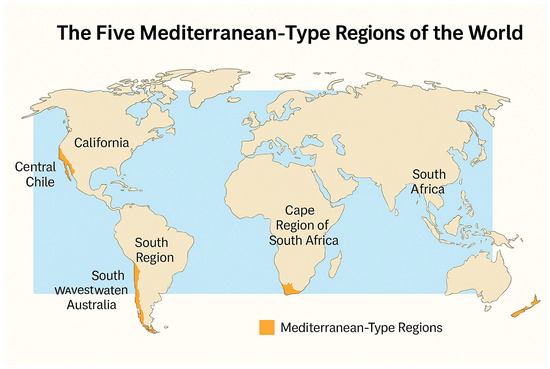
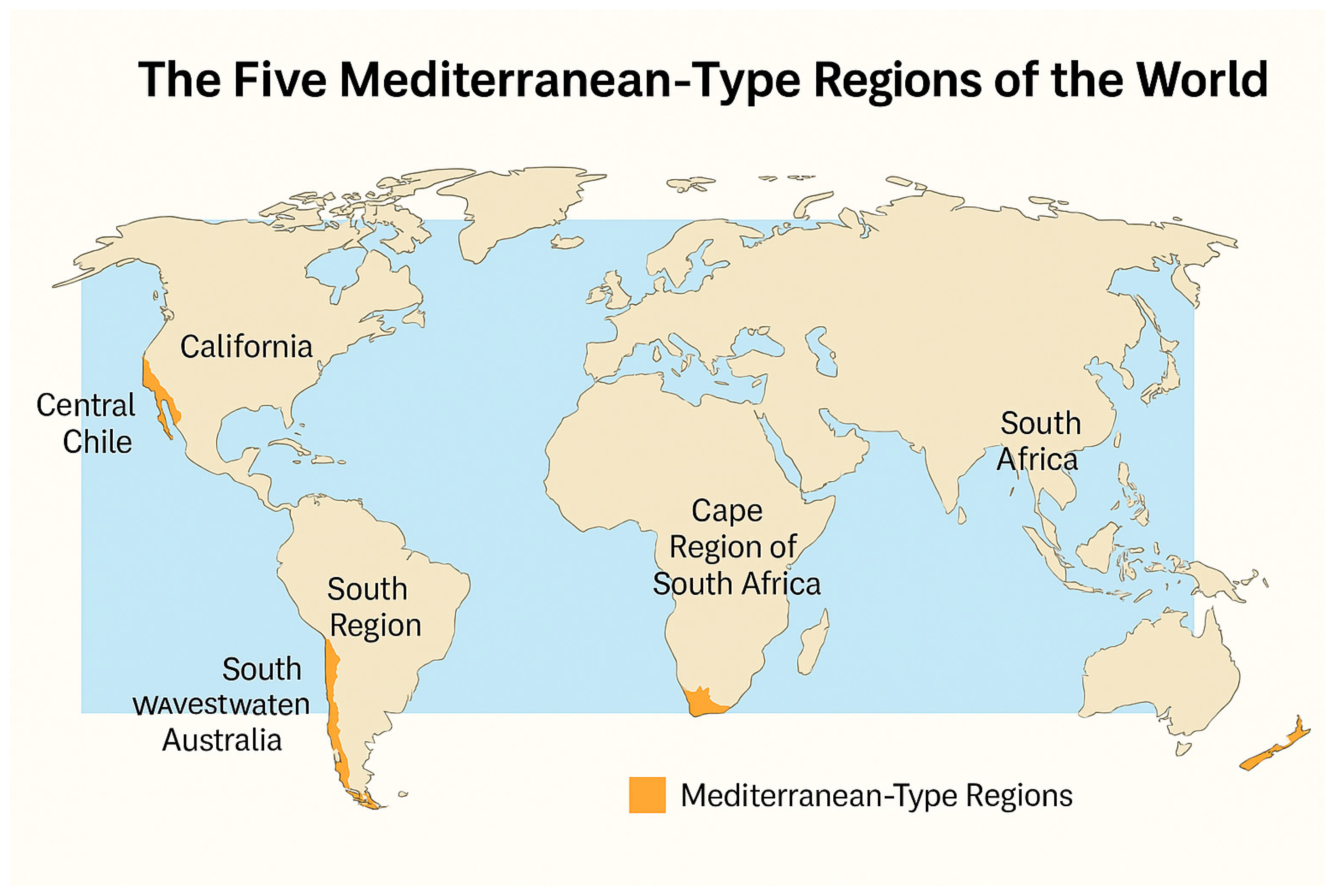
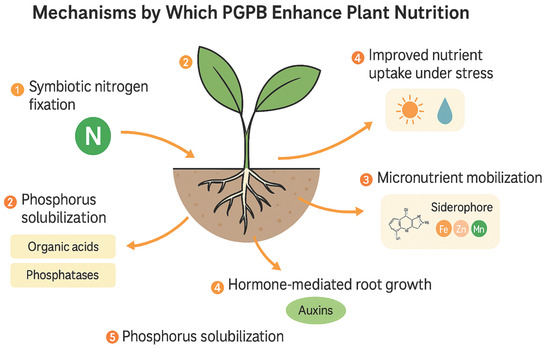
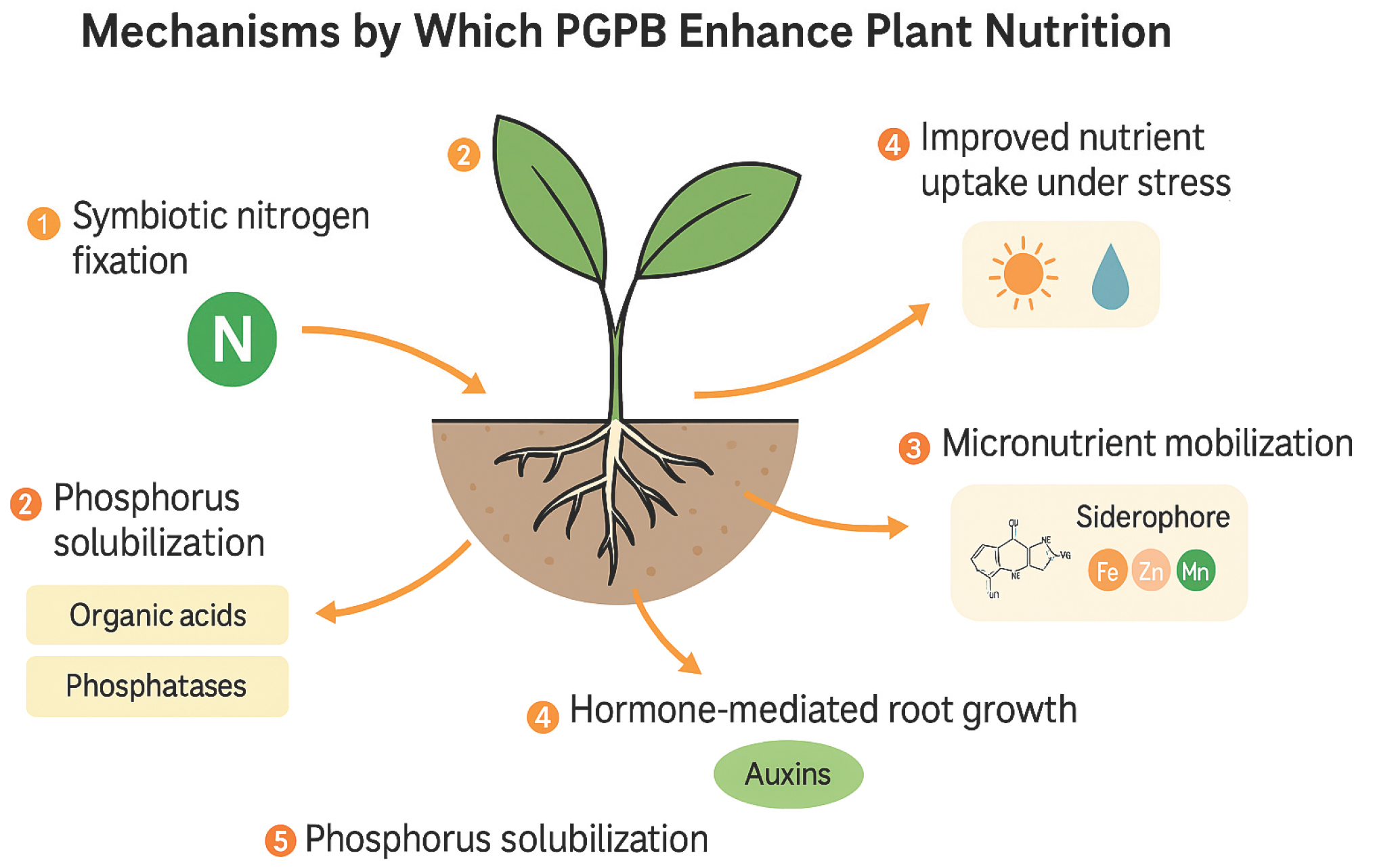
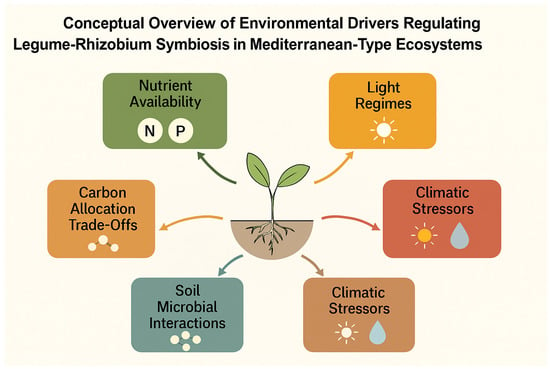
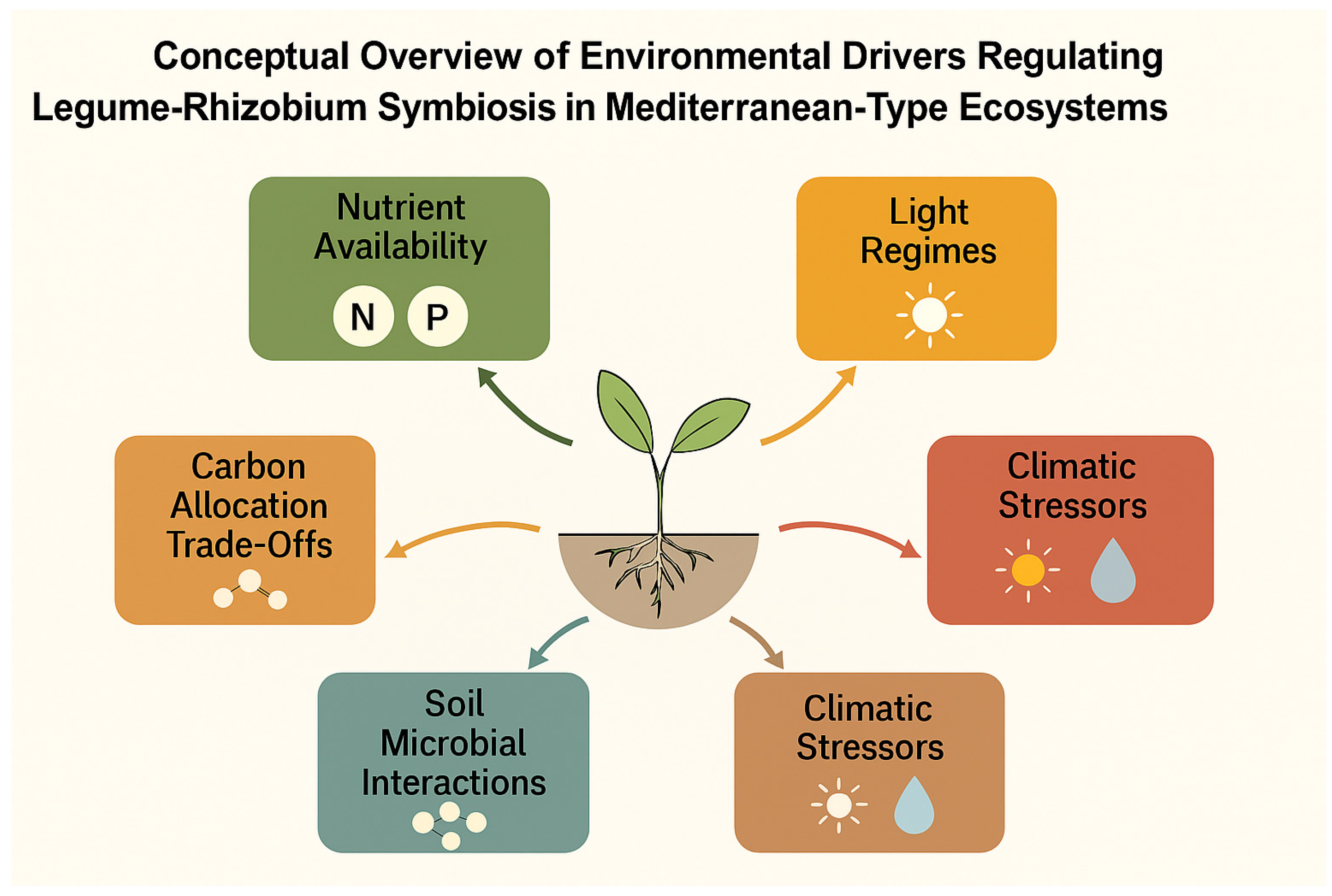
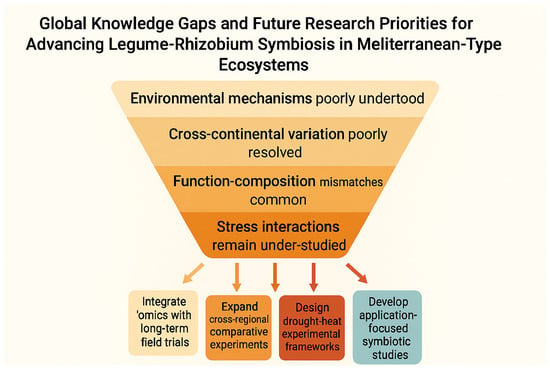
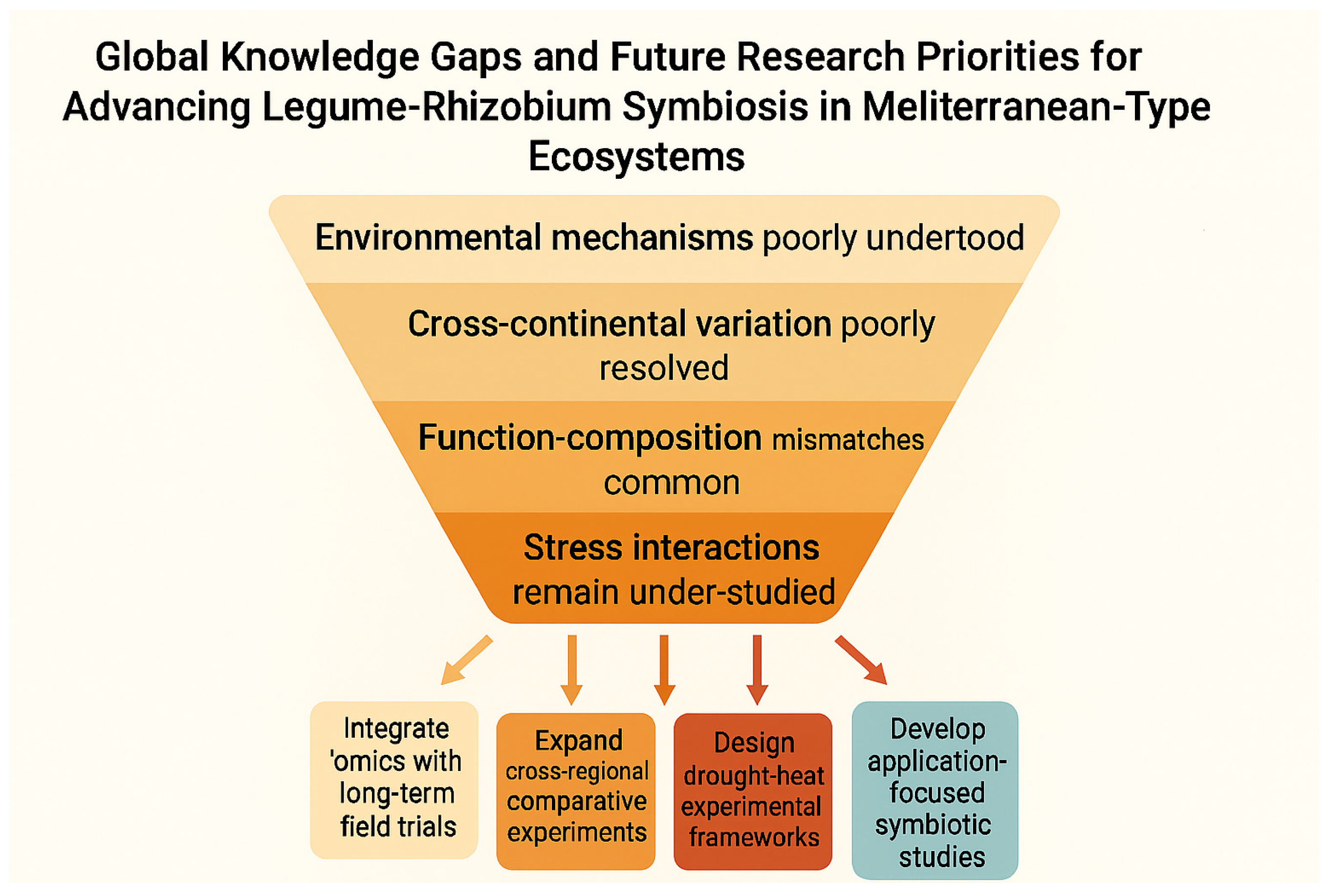

Disclaimer/Publisher’s Note: The statements, opinions and data contained in all publications are solely those of the individual author(s) and contributor(s) and not of MDPI and/or the editor(s). MDPI and/or the editor(s) disclaim responsibility for any injury to people or property resulting from any ideas, methods, instructions or products referred to in the content. |
© 2026 by the authors. Licensee MDPI, Basel, Switzerland. This article is an open access article distributed under the terms and conditions of the Creative Commons Attribution (CC BY) license.