


Abstract
Eutrophication remains a persistent challenge in the Romanian Black Sea coastal zone, driven by excess nutrient inputs from riverine and coastal sources and further intensified by climate change. This study assesses eutrophication dynamics and explores mitigation options using an integrated framework that combines in situ observations, satellite-derived chlorophyll a data, machine learning, and system dynamics modelling. Water samples collected during two field campaigns (2023–2024) were analyzed for nutrient concentrations and linked with chlorophyll a products from the Copernicus Marine Service. Random Forest analysis identified dissolved inorganic nitrogen, phosphate, salinity, and temperature as the most influential predictors of chlorophyll a distribution. A system dynamics model was subsequently used to explore relative ecosystem responses under multiple management scenarios, including nutrient reduction, enhanced zooplankton grazing, and combined interventions. Scenario-based simulations indicate that nutrient reduction alone produces a moderate decrease in chlorophyll a (45% relative to baseline conditions), while restoration of grazing pressure yields a comparable response. The strongest reduction is achieved under the combined scenario, which integrates nutrient reduction with biological control and lowers normalized chlorophyll a levels by approximately two thirds (71%) relative to baseline. In contrast, a bloom-favourable scenario results in a several-fold increase in chlorophyll a of 160%. Spatial analysis highlights persistent eutrophication hotspots near the Danube mouths and urban discharge areas. These results demonstrate that integrated strategies combining nutrient source control with ecological restoration are substantially more effective than single-measure interventions. The proposed framework provides a scenario-based decision-support tool for ecosystem-based management and supports progress toward achieving Good Environmental Status under the Marine Strategy Framework Directive.
1. Introduction
Eutrophication is a complex, multi-phase process initiated by the introduction and excessive accumulation of nutrients—particularly nitrogen and phosphorus—into aquatic systems [1,2,3] fueling rapid algal proliferation and triggering a cascade of ecological effects that begin with an increase in photosynthesis and oxygen production [4,5,6,7]. As algal biomass decomposes, bacterial degradation consumes large amounts of oxygen, creating hypoxic (oxygen-deficient) or anoxic (oxygen-depleted) conditions in bottom waters [8,9,10]. These conditions severely affect biodiversity [2,5,6,11], being further aggravated by reduced light penetration through the water column. In areas with restricted water circulation, hypoxia can result in “dead zones” that are incapable of supporting most benthic and pelagic organisms, favouring oxygen-tolerant phytoplankton and anaerobic bacteria [12,13]. This leads to altered trophic structures, habitat loss, and substantial declines in marine biodiversity [6,14,15,16,17,18].
Nutrients enter the marine environment through river or direct discharges carrying nitrogen and phosphorus from agricultural, industrial and urban activities [13,17,19,20,21,22,23,24,25,26]. Atmospheric nitrogen deposition from fossil fuel combustion and industrial emissions further supplements nutrient loads [25,26,27,28,29].
In the north-western Black Sea, eutrophication is exacerbated by nutrient inflows from the Danube, Dniester, and Dnipro rivers. These rivers transport nutrient loads from diverse human activities, particularly agriculture and urbanization, exerting significant pressure on the marine environment [24]. The Danube River is a major contributor to nutrient inputs in the Black Sea [30,31]. The Black Sea’s semi-enclosed basin makes it highly vulnerable to environmental disturbances [32,33,34,35,36]. Moreover, climate change intensifies eutrophication through rising seawater temperatures, altered precipitation and hydrological patterns, and increased frequency of extreme weather events [13,37,38,39]. Higher temperatures accelerate phytoplankton and bacterial metabolism, leading to faster oxygen depletion during decomposition [40,41,42,43]. Intense rainfall increases nutrient runoff from agricultural and urban sources, while droughts reduce natural dilution capacity [27,44,45,46]. Over time, eutrophication undermines the capacity of marine ecosystems to provide essential services, including biological resources, ecosystem regulation, and cultural values [47]. Recent Black Sea studies indicate high dissolved inorganic nitrogen (DIN) concentrations of 75.77µM and phosphate (PO43−) concentrations of 1.23µM in surface waters near the Danube River mouths [24].
Recent technological advances offer unprecedented opportunities for eutrophication assessment and control. Satellite-based Earth observation, through the Copernicus Sentinel-3 missions and GlobColour products, delivers near-continuous and spatially explicit data on key parameters such as chlorophyll a concentration, water transparency, and sea surface temperature [48,49,50,51,52]. These datasets bridge the gap between local field measurements and basin-wide conditions, allowing the detection of eutrophication hotspots, seasonal dynamics, and long-term trends that cannot be captured by in situ monitoring alone.
At the same time, machine learning (ML) algorithms offer powerful means of analyzing large, complex, and heterogeneous datasets. Techniques such as forest-based regression and classification trees can integrate nutrient concentrations, hydrographic conditions, and remotely sensed variables to identify the dominant drivers of eutrophication. Unlike traditional linear approaches, ML methods capture nonlinear interactions and emergent patterns, thereby improving predictive accuracy and enabling early-warning capabilities [52,53,54].
Complementing these data-driven approaches, system dynamics (SD) models provide a process-oriented framework for understanding ecosystem behaviour [55]. By conceptualizing nutrients and phytoplankton biomass as interconnected stocks and flows, SD models reproduce feedback mechanisms, time delays, and self-regulating processes within coastal ecosystems. These models allow researchers and managers to simulate “what-if” scenarios—such as reductions in nutrient inputs, changes in zooplankton grazing, or combined interventions—offering valuable insights into the likely ecological outcomes of alternative policy and management strategies.
The integration of satellite observations, machine learning, and system dynamics thus represents an intelligent decision-support system (Figure 1). While traditional monitoring, field sampling campaigns, and laboratory analyses (nutrients, pollutants, biomarkers) provide high-accuracy but spatially and temporally limited data, satellites supply near-real-time monitoring, ML transforms complex data into predictive insights, and SD models extend these insights into scenario-based projections. Together, these tools create a robust framework for adaptive, ecosystem-based management, supporting the design of strategies that are both evidence-driven and resilient to the uncertainties of climate change and anthropogenic pressures [56].
Figure 1.
Integrated monitoring framework linking in situ and satellite data with Machine Learning and System Dynamics to generate predictive insights and scenario-based management measures for eutrophication in the Black Sea.
Recent research increasingly integrates machine learning (ML) models with satellite remote sensing to improve the assessment and prediction of water quality and eutrophication dynamics. Such approaches have shown high performance for retrieving key indicators such as chlorophyll a, turbidity, and suspended particulate matter from multispectral and hyperspectral data [57,58]. The combination of ML algorithms—including random forest (RF), support vector regression (SVR), and artificial neural networks (ANNs)—with data from Sentinel-2, Landsat, and MODIS sensors has enabled accurate mapping of eutrophication patterns and early-warning detection of harmful algal blooms [59,60,61]. Further methodological advances, such as ensemble learning and the integration of optical and synthetic aperture radar (SAR) inputs, have improved generalization in optically complex coastal waters [62]. Regionally, similar ML-based approaches using Sentinel-2 imagery have been applied along the Black Sea coast, demonstrating the feasibility of using remote sensing for chlorophyll a estimation and eutrophication assessment in this area [63].
The present study introduces a novel, integrated modelling framework for assessing marine water quality in the Romanian Black Sea coastal zone, combining in situ nutrient measurements, satellite-derived chlorophyll a data, machine learning algorithms, and system dynamics modelling. This integrated approach advances beyond conventional assessments by coupling data-driven prediction with process-based simulation, thereby enabling a comprehensive evaluation of eutrophication dynamics and controlling environmental drivers.
The framework further tests alternative management scenarios—including nutrient reduction, enhanced zooplankton grazing, and combined interventions—to assess their ecological and policy implications. By merging continuous monitoring, predictive analytics, and scenario testing, the study develops an innovative decision-support system tailored for adaptive and ecosystem-based management in coastal marine environments.
The outcomes contribute directly to achieving Good Environmental Status (GES), as defined under the MSFD—the European Union’s main legislative framework for the protection and sustainable use of marine waters. The EU MSFD aims to ensure that Europe’s seas are ecologically diverse, clean, healthy, and productive by requiring Member States to implement ecosystem-based management and to achieve or maintain GES across 11 environmental descriptors [64,65,66,67]. In this context, the study’s approach supports the EU’s commitment to integrated ocean governance. Also, it advances global sustainability objectives, particularly the United Nations Sustainable Development Goal 14 (Life Below Water), which seeks to conserve and sustainably use the oceans, seas, and marine resources.
2. Materials and Methods
2.1. Study Area and Sampling Collection and Analysis
Between 6–11 June 2023 and 29 May–19 June 2024, two expeditions were carried out with a research vessel, during which water samples were taken from a network of 34 stations covering the waters from the Romanian Black Sea coast to the 50–60 m isobath (Figure 2).
Figure 2.
Study area in the north-western Black Sea. (A) Marine Reporting Units (MRUs) highlighting major river basins (Danube, Dniester, Dnipro). (B) Sampling stations along the Romanian waters.
Samples for nutrient data analysis (N = 198) were collected from the water column, from standard depths of 0 m, 10 m, 20 m, 30 m, and 50 m, and analyzed in the Chemical Oceanography and Marine Pollution Department, National Institute for Marine Research and Development “Grigore Antipa”, Romania.
The water samples were taken with Niskin bathometers and stored in properly labelled containers, in darkness and 4 °C.
Spectrophotometric analytical methods quantified the nutrients dissolved in seawater, validated in the laboratory and with reference to the manual “Methods of Seawater Analysis” [68], the detection limits and extended relative uncertainties, k = 2, coverage factor, 95.45% are presented in Table 1.
Table 1.
Detection limits and extended relative uncertainties for nutrients in seawater.
Nitrite (NO2−) was determined directly using the diazotization method, in which nitrite reacts with sulfanilamide in acidic conditions to form a diazonium compound that is subsequently coupled with N-(1-naphthyl)-ethylenediamine dihydrochloride to produce a coloured azo dye measured spectrophotometrically [68]. Nitrate (NO3−) was quantitatively reduced to nitrite using hydrazine sulfate. The resulting nitrite reacted with sulfanilamide in acidic conditions to form a diazonium compound, which was subsequently coupled with N-(1-naphthyl)-ethylenediamine dihydrochloride to produce a coloured azo dye measured spectrophotometrically [68].
Ammonium (NH4+) concentrations were measured using the indophenol blue method, in which ammonia reacts with hypochlorite in an alkaline medium to form monochloramine. In the presence of phenol and catalytic amounts of nitroprusside ions, indophenol blue is produced, and its absorbance was measured spectrophotometrically [68].
Phosphate (PO43−) was determined using the molybdenum blue method. Phosphate ions reacted with ammonium molybdate in acidic conditions to form a phosphomolybdenum complex, which was subsequently reduced to a blue-coloured compound. Absorbance was measured at a wavelength of 885 nm, with colour intensity proportional to phosphate concentration [68].
To complement the local analysis, nutrient discharge data into the Black Sea via the Danube River (with three arms—Chilia, Sulina and Sf.Ghe.) and other point sources (Wastewater treatment plants from the main cities along the coast (Midia, Constanta Nord, Constanta Sud, Eforie Sud, Mangalia) from the Black Sea Commission database were also used (Table 2).
Table 2.
Nutrient discharge data into the Black Sea via the Danube River.
Spatial interpolation of environmental parameters was performed using ArcGIS 10.7 [69] to generate distribution maps across the study area. The interpolation used inverse distance weighting (IDW) to estimate intermediate values between sampling stations, allowing for a continuous spatial representation of the measured variables within a 60 m polygon. Statistical analyses, including correlation, variance, and multivariate tests, were conducted using STATISTICA software 14.0.1 [70].
2.2. Satellite Data
To place the Romanian Black Sea coastal zone within a broader spatial context and to justify the use of satellite-derived chlorophyll a products, global Copernicus Marine Service data were first examined at basin scale (Figure 3).
Figure 3.
Global distribution of mean chlorophyll a concentrations, highlighting semi-enclosed seas characterized by elevated phytoplankton biomass, including the Black Sea. Data source: Copernicus Marine Service (GlobColour), June 2023.
Satellite data on chlorophyll a were accessed from the Copernicus Marine Service (CMEMS) to validate and spatially extend in situ observations [71]. Monthly Level-4 (L4) Bio-Geo-Chemical data from the GlobColour product were downloaded in NETCDF format (1997–ongoing) (Figure 3).
The data were imported into SNAP 11.0.1 (the European Space Agency (ESA) SeNtinel Application Platform) [72], from where chlorophyll a concentrations were extracted for the stations corresponding to the June 2023 expedition (Figure 4).
Figure 4.
Satellite-derived chlorophyll a distribution along the Romanian Black Sea coast (June 2023), processed in SNAP (ESA Sentinel Application Platform).
The satellite-derived datasets were subsequently imported into ArcGIS [69] for spatial analysis and correlation with nutrient parameters, providing the basis for model training and validation.
2.3. Machine Learning Modelling
To explore the relationships between nutrient concentrations, hydrographic conditions, and chlorophyll a, a machine learning model was developed using the Forest-based Classification and Regression algorithm in ArcGIS [69].
The performance of the obtained models was evaluated using the indicators proposed by Stow et al. [73].
- Correlation coefficient (r)
It measures the degree to which predicted (P) and observed (O) values vary together. It has values between −1 and +1. r = 1 indicates a perfectly positive correlation, r = 0 means no correlation, r = −1 shows a perfectly negative correlation. A coefficient close to 1 is desirable, but it does not guarantee that the values are close, only that they evolve similarly.
- 2.
- RMSE—Square Root of Mean Squared Error
- —predicted value;
- —observed value;
- —number of observations.
- 3.
- RI—Reliability Index
- —predicted value;
- —observed value;
- —number of observations.
- 4.
- AE—Average Error
- —predicted value;
- —observed value;
- —mean of predicted values;
- —mean of observed values
- —number of observations.
It shows whether the model underestimates (negative value) or overestimates (positive value) systematically.
- 5.
- PB—Percentage Bias
- —mean of predicted values;
- —mean of observed values.
- 6.
- N − S—Nash-Sutcliffe Efficiency
- —observed value;
- —predicted value;
- —mean of observed values;
- —number of observations.
Compare the model to a simple constant average. N − S = 1 means perfect prediction, N − S = 0 means that the model is equivalent to the average of observations, N − S < 0 means that the model is weaker than a constant assumption.
As this analysis was performed entirely within ArcGIS, no external scripts were generated, and all parameters and configurations are documented to ensure reproducibility.
2.4. System Dynamics Modelling
System dynamics (SD) modelling was applied to develop a simplified conceptual and mathematical representation of coastal eutrophication processes in the Romanian Black Sea coastal area. In this study, SD modelling was implemented using Vensim PLE software 10.4.0 [74] which enables transparent formulation and testing of management scenarios [75].
SD is a quantitative modelling approach designed to simulate the behaviour of complex systems over time through the interaction of stocks, flows, feedbacks, and delays [76,77].
The model focuses on the interaction between dissolved inorganic nutrients—dissolved inorganic nitrogen (DIN) and dissolved inorganic phosphate (PO43−)—and phytoplankton biomass, expressed as chlorophyll a (Chl). The system is represented through a stock-and-flow structure, in which state variables accumulate or decrease in response to external inputs, internal biological processes, and loss mechanisms.
Three main stocks are included:
- (i).
- DIN, comprising nitrate (NO3−), nitrite (NO2−), and ammonium (NH4+);
- (ii).
- PO43−;
- (iii).
- phytoplankton biomass (Chl).
External nutrient inputs are represented by DINin and PO4in fluxes, which account for riverine and coastal anthropogenic nutrient loading. Nutrient outflows (DINout and PO4out) represent aggregated loss processes, including biological uptake by phytoplankton, sedimentation, export, and denitrification. Phytoplankton biomass increases through a growth process (CHLgrowth) and decreases through a decay process (CHLdecay), which integrates natural mortality and zooplankton grazing using a single grazing parameter (GrazingRate).
Phytoplankton growth is regulated by nutrient availability following Liebig’s law of the minimum. Dissolved inorganic nitrogen and phosphate concentrations are evaluated using half-saturation constants (kDIN and kPO4), and the effective growth rate is determined by the minimum of the two nutrient limitation functions. The stoichiometric relationship between nitrogen and phosphorus is constrained using the Redfield ratio (16:1) to ensure ecologically realistic nutrient limitation behaviour.
The model captures two fundamental feedback mechanisms:
- (i).
- positive feedback, whereby increased nutrient availability enhances phytoplankton growth and chlorophyll a concentrations;
- (ii).
- negative feedback, in which elevated chlorophyll a levels intensify grazing pressure and nutrient uptake, leading to a reduction in available DIN and PO4.
Parameter values for phytoplankton growth and zooplankton grazing were selected based on literature reported for the western Black Sea. Phytoplankton growth rates ranged between 0.1 and 1.0 day−1, while grazing rates ranged between 0.10 and 0.69 day−1, consistent with observations reported by Stelmakh et al. [78] These parameter ranges ensure ecological plausibility while allowing the model to simulate contrasting system responses under different nutrient and grazing scenarios.
3. Results
3.1. Monitoring (In Situ Observations)
The spatial distribution of dissolved inorganic nutrients along the Romanian Black Sea coast is shown in Figure 5a,b. Distinct spatial patterns were observed between the northern, central, and southern sectors of the study area.
Figure 5.
(a). Spatial distribution of phosphate (PO4) concentrations in Romanian Black Sea coastal waters during June 2023 (left) and June 2024 (middle), and interannual change (PO4 = 2024–2023) shown in the (right) panel. (b). Spatial distribution of dissolved inorganic nitrogen (DIN) in Romanian Black Sea coastal waters during June 2023 and June 2024, and interannual differences between normalized data (2024–2023). The maps shows absolute DIN (sum of NO3, NO2, NH4) with individual nitrogen compounds illustrated as a bar plot.
In the northern sector, particularly in the vicinity of the Danube mouth (Sf. Gheorghe), nutrient concentrations were consistently elevated. Nitrate (NO3−) was the dominant nitrogen form in this area (Figure 5b), and high concentrations extended over a relatively wide coastal zone. The spatial footprint of elevated nitrate values decreased gradually with increasing distance from the river mouth.
In the central and southern coastal sectors, elevated nutrient concentrations were more spatially localized. In these areas, higher values of ammonium (NH4+) and phosphate (PO43−) were observed (Figure 5a), forming discrete coastal hotspots near major urbanized zones, including Constanța, Eforie, and Mangalia. These hotspots were characterized by strong spatial variability, with pronounced local maxima relative to surrounding waters.
Across the entire study area, nutrient concentrations generally decreased from the coast toward offshore waters. This coast–offshore gradient was consistent for all nutrient forms and was characterized by lower concentrations on the outer shelf compared to nearshore stations.
Overall, the observed nutrient distributions indicate spatially heterogeneous patterns along the Romanian Black Sea coast, with broad zones of elevated concentrations in the northern sector and more localized coastal maxima in the central and southern sectors.
A classification tree was constructed based on nutrient discharge data to group the monitoring stations (“Statia”) using four explanatory variables: nitrate (NO3−), nitrite (NO2−), ammonium (NH4+), and total phosphorus (TP), expressed in kilotons per year (kt yr−1) (Figure 6). The model produced nine branches and ten terminal nodes, grouping stations according to similarities in nutrient load characteristics.
Figure 6.
Classification tree of Romanian Black Sea monitoring stations based on nutrient loads (NO3, NO2, NH4, and TP). Splitting nodes are determined by the most influential predictors, including nitrate (NO3), nitrite (NO2), ammonium (NH4+), and phosphate (PO43−). The figure does not depict concentration values but represents decision boundaries within the model structure.
Nitrate (NO3−) was the primary splitting variable, defining the first and several subsequent branches of the tree. Stations associated with higher NO3− loads, including the Danube arms (Sf. Gheorghe and Chilia), were separated at the initial levels of the classification. Subsequent splits were driven by ammonium (NH4+) and nitrite (NO2−), which further differentiated stations with overlapping nitrate ranges. Total phosphorus (TP) contributed to later splits in the tree, distinguishing stations with lower overall nutrient loads.
Among the coastal stations, Constanța North, Constanța South, and Mangalia clustered within branches characterized by moderate NO3− and NH4+ values. The Eforie Sud station followed multiple classification paths within the tree, reflecting a wider range of NH4+ and TP values. The Midia station was grouped in terminal nodes characterized by comparatively lower TP values and lower overall nutrient loads.
Overall, the classification tree delineates distinct station groupings based on nutrient discharge profiles, with nitrate controlling the primary separation and ammonium, nitrite, and total phosphorus contributing to finer-scale differentiation among coastal sources.
3.2. Machine Learning
Machine learning was applied to model the spatial distribution of chlorophyll a concentration in Romanian Black Sea coastal waters using a Random Forest regression approach. Models were developed based on data collected during the June 2023 field campaign.
The first model included dissolved inorganic nutrients as predictor variables, namely nitrate (NO3−), nitrite (NO2−), ammonium (NH4+), grouped as dissolved inorganic nitrogen (DIN), and phosphate (PO43−). This model achieved an R2 of 0.731 for the training dataset and 0.709 for the validation dataset, with standard errors of 0.059 and 0.209, respectively. Variable importance analysis showed that DIN accounted for 64% of the total importance, while PO43− accounted for 35%.
A second model was developed by including salinity (S) and temperature (T) as additional predictor variables, alongside nutrient concentrations. Salinity and temperature were used exclusively as input predictors and were not analyzed independently. The inclusion of these variables resulted in improved model performance, with an R2 of 0.861 for the training dataset and 0.709 for the validation dataset, and a reduced standard error of 0.046. In this model, salinity accounted for 40% of the total variable importance, followed by nitrate (23%), temperature (22%), and phosphate (15%).
The spatial distribution of predicted chlorophyll a concentrations obtained from the extended model is shown in Figure 7. Higher predicted values were observed in nearshore areas, particularly in the northern sector near the Danube mouth (Sf. Gheorghe arm) and in the vicinity of the Razelm–Sinoe complex (Portița). Lower predicted values were observed toward offshore areas. The spatial pattern was characterized by a general decrease in chlorophyll a concentrations with increasing distance from the coast.
Figure 7.
Spatial distribution of chlorophyll a concentration (satellite data, (left), and model results, (right)) in the Romanian Black Sea area (original data—circles, interpolated using the Kriging method).
Surface chlorophyll a distributions derived from the monthly CMEMS Level 4 product (Figure 7) exhibited spatial patterns that differed from in situ phosphate maxima shown in Figure 5. The predicted chlorophyll a fields displayed broader spatial features compared to localized nutrient concentration peaks.
The model provides a robust and balanced prediction with good correlation, small errors, negligible deviations and stability in the relationship between predictions and measurements (Table 3). The Nash-Sutcliffe efficiency value of 0.68 suggests an efficient model, but one that can be improved by refining the variables or calibrating the algorithm.
Table 3.
Performance indicators of the ML model for chlorophyll a prediction.
3.3. System Dynamics
Before presenting the simulation outcomes, Figure 8 is referenced to recall the conceptual stock–flow structure of the system dynamics model and the feedback mechanisms that underpin the scenario results described in this section. The figure summarizes the interactions between nutrient inputs, phytoplankton growth, and grazing losses that govern chlorophyll a dynamics in the model.
Figure 8.
System dynamics model of eutrophication showing interactions between dissolved inorganic nitrogen (DIN), phosphate (PO4), and chlorophyll a (Chl). The model includes nutrient inflows and outflows, growth and decay processes, nutrient limitation functions, and grazing effects.
System dynamics simulations reveal distinct temporal responses of chlorophyll a to variations in nutrient inputs and grazing pressure under different management scenarios (Figure 9). Under baseline conditions, phytoplankton biomass increases rapidly during the initial phase of the simulation and subsequently stabilizes at a persistently elevated level, indicating a sustained eutrophic state.
Figure 9.
System dynamics simulation of chlorophyll a (Chl) under different management scenarios in the Romanian Black Sea coastal waters.
The system dynamics simulations revealed distinct temporal responses of chlorophyll a to variations in nutrient inputs and grazing pressure (Figure 8). Under baseline conditions, phytoplankton biomass increased rapidly during the initial phase of the simulation, followed by a stabilization period in which chlorophyll a concentrations fluctuated around a dynamic equilibrium.
Reductions in nutrient inputs (DINin and PO4in) led to a clear decrease in chlorophyll a concentrations relative to the baseline scenario. The magnitude of the response increased with the level of nutrient reduction, resulting in lower peak values and reduced equilibrium concentrations. In addition, simulations with lower nutrient inputs exhibited a slower initial increase in phytoplankton biomass compared to baseline conditions.
The simulation scenarios (Table 4) were built around the system dynamic model, by modifying the input values associated with the main nutrients (DIN and PO4), but also the biological parameters that influence the dynamics of phytoplankton biomass, respectively, the growth rate and the consumption rate.
Table 4.
Configuration of Intervention Scenarios Used in System Dynamics Model Simulations.
Reductions in external nutrient inputs (DINin and PO4in) lead to a clear decrease in chlorophyll a concentrations relative to baseline conditions. The magnitude of this response increases with the level of nutrient reduction, resulting in lower peak values and reduced steady-state concentrations. Simulations with reduced nutrient inputs also show a slower initial increase in phytoplankton biomass compared to the baseline scenario (Figure 10).
Figure 10.
Chlorophyll a management scenarios.
Scenarios incorporating enhanced grazing pressure further amplified these effects. Increased grazing consistently led to lower maximum chlorophyll a concentrations and promoted a more rapid stabilization of biomass over time. When nutrient reduction and enhanced grazing were combined, the resulting scenario produced the lowest chlorophyll a levels across all simulations, highlighting the cumulative effect of bottom-up and top-down controls.
To facilitate comparability among management options, chlorophyll a (Chl a) reductions were quantified relative to the Baseline scenario at Day 24, representing a business-as-usual reference condition. Under baseline conditions, Chl-a reached 11.93 µg L−1 at the end of the simulation period.
The moderate nutrient reduction scenario yielded a Chl-a concentration of 11.53 µg L−1, corresponding to a marginal decrease of 0.40 µg L−1 (3.4%) relative to baseline. In contrast, the major nutrient reduction scenario substantially lowered Chl-a to 6.59 µg L−1, representing an absolute reduction of 5.34 µg L−1 (44.7%). Even greater improvements were observed under ecosystem-based approaches: the ZPK restoration scenario reduced Chl-a to 3.81 µg L−1 (68.1% reduction), while the combined nutrient-reduction and grazing scenario produced the strongest response, lowering Chl-a to 3.50 µg L−1, equivalent to a 70.7% reduction relative to baseline.
Overall, the simulations show a clear ranking of scenario effectiveness. Baseline conditions yield the highest chlorophyll a concentrations, nutrient-only and grazing-only scenarios produce intermediate reductions, and the combined nutrient and grazing intervention results in the lowest normalized chlorophyll a levels throughout the simulation period
4. Discussion
4.1. System Dynamics Scenario Analysis and Management Implications
The system dynamics model provides a conceptual framework for exploring eutrophication responses in Romanian Black Sea coastal waters under contrasting pressure scenarios. By focusing on interactions between nutrient inputs, phytoplankton growth, and grazing losses, the model captures relative ecosystem sensitivity rather than reproducing detailed biogeochemical dynamics. Accordingly, the results are interpreted in a comparative, scenario-based sense.
The scenario outcomes indicate that combined nutrient reduction and enhanced biological control are more effective than single-measure interventions. The very limited reduction achieved under the moderate nutrient reduction scenario indicates that incremental load reductions alone are insufficient to reverse eutrophication trends over the considered timescale. Although phytoplankton growth is slightly dampened, Chl a concentrations remain well above levels typically associated with good ecological status, implying negligible ecological benefit from weak management measures.
Stronger nutrient abatement leads to a substantially improved outcome. The major nutrient reduction scenario demonstrates that nutrient load control is a necessary foundation for eutrophication mitigation, as evidenced by the nearly 45% reduction in Chl-a. However, the stabilization of Chl-a at intermediate levels (approximately 6–7 µg L−1) suggests that internal nutrient recycling and reduced grazing pressure constrain further recovery, limiting the effectiveness of nutrient control when applied in isolation. This pattern is consistent with findings from other semi-enclosed seas, where feedback-driven processes strongly influence recovery trajectories. In the Baltic Sea, for example, long-term modelling studies have shown that nutrient reduction alone often leads to slow or incomplete recovery due to internal phosphorus release and weakened trophic regulation [79,80,81,82]. In contrast, the Romanian Black Sea coastal waters exhibit a stronger relative response when nutrient reduction is combined with biological regulation, suggesting that trophic control mechanisms remain sufficiently functional to amplify management interventions [13,25].
Regional contrasts within the Black Sea further support this interpretation. In the north-western Black Sea, areas strongly influenced by Danube inputs are characterized by persistent eutrophication and hypoxia, where internal nutrient recycling limits recovery even under reduced external loads [7,83,84]. The ZPK restoration scenario highlights the critical role of food-web structure and top-down control. By enhancing zooplankton grazing and restoring trophic interactions, this scenario achieves a markedly larger and more stable reduction in phytoplankton biomass than nutrient-only approaches, even in the presence of residual nutrient availability. The Romanian coastal sector appears more responsive to integrated measures, as also indicated by food-web and indicator-based studies emphasizing the role of zooplankton-mediated control [33,85].
The strongest and most robust response is observed in the combined scenario, where nutrient reduction and food-web restoration act synergistically. This integrated approach not only delivers the largest Chl-a reduction (>70%) but also maintains stable low-biomass conditions throughout the simulation, effectively preventing rebound effects that occur under single-measure strategies. Finally, the bloom scenario illustrates the high vulnerability of the system in the absence of management, with rapid and sustained Chl-a escalation. This outcome underscores the risk of delayed or insufficient intervention and highlights the urgency of proactive eutrophication control.
From a management perspective, these comparisons suggest that effective eutrophication control in Romanian Black Sea coastal waters requires integrated, ecosystem-based strategies that combine nutrient source reduction with restoration of biological regulation. The system dynamics approach provides a useful exploratory tool to support such strategies under multiple pressures and changing environmental conditions.
By combining nutrient reduction with restoration of ecological processes, the Romanian case aligns with broader lessons learned across Europe, emphasizing that integrated, multi-tiered approaches are needed to effectively manage eutrophication in coastal ecosystems.
4.2. Role of Biological Control and Top-Down Regulation
The “zooplankton restoration” scenario demonstrates the effectiveness of biological control by progressively decreasing the phytoplankton biomass consumed by zooplankton. The most efficient is the “combined scenario”, which combines the reduction in trophic pressure with the restoration of biological control and leads to a clear decrease in chlorophyll, confirming the potential of an integrated approach in eutrophication management. The model shows (Figure 9) that isolated interventions, such as reducing nutrient intake, can slow down the eutrophication process, but are not sufficient to restore the ecological balance. Scenarios that combine source reduction measures with the restoration of biological control are the most effective in reducing algal biomass.
The “Zooplankton Restoration” measure aims to restore zooplankton’s ecological role as the main consumer of phytoplankton in coastal marine ecosystems. This includes ecological interventions such as restricting overfishing of planktivorous fish, creating marine protected areas and restoring breeding habitats for filter feeders and ensuring the availability of sufficient planktonic resources as food for fish populations [85,86,87]. By reducing trophic pressure on zooplankton and improving habitat conditions, the measure allows the recovery of zooplankton populations, which are essential in the natural control of phytoplankton biomass and serve as a critical food source for higher trophic levels, including fish [39,79]. In this way, the risk of harmful algal blooms is reduced, and the food chain is balanced, supporting the self-purification processes of the marine ecosystem.
The “zooplankton restoration” scenario is based on a top-down control approach, focused on reducing predation by planktivorous fish species such as Engraulis encrasicolus (anchovy) and Sprattus sprattus (sprat), which exert significant grazing pressure on zooplankton in the Black Sea [86,88,89,90]. The modelled intervention assumes a gradual 20% monthly reduction in zooplanktivory pressure, consistent with moderate fishery regulation measures reported in the regional literature [84,91,92]. This parameterisation illustrates how alleviating predation stress can enhance zooplankton biomass recovery and strengthen biological control over phytoplankton dynamics.
At the same time, the results suggest that, under the current conditions, the area does not risk becoming oligotrophic following the application of these measures—chlorophyll is maintained within a functional ecological range. Thus, it is recommended to apply adaptive management, with continuous monitoring, to maintain good ecological status without compromising the natural biological productivity of the coastal marine ecosystem.
4.3. Regional Context and Consistency with MSFD Assessments
At the regional scale, the spatial patterns observed along the Romanian Black Sea coast further support this perspective. The pronounced variability in coastal nutrient concentrations indicates fluctuating inputs, with short-term concentration peaks superimposed on a persistently elevated baseline. Such conditions are characteristic of the northwestern Black Sea, where sustained nutrient enrichment from riverine and urban sources has been documented over recent decades [8,22,25,93,94,95,96,97]. Toward offshore waters, nutrient concentrations exhibit a consistent decreasing trend, reflecting dilution, mixing, and natural attenuation processes. This coast–offshore gradient highlights the persistence of nutrient enrichment in nearshore zones influenced by riverine discharge and urban inputs, while offshore waters are increasingly shaped by advection and mixing processes typical of the northwestern Black Sea circulation regime [83,98].
These spatial patterns are consistent with the most recent integrated assessment of eutrophication in Romanian Black Sea waters conducted in 2024 under the EU Marine Strategy Framework Directive (MSFD). The assessment indicates that nutrient inputs from riverine and coastal sources continue to exert significant pressure on marine ecosystems, with nutrient concentrations remaining elevated in coastal and shelf waters, particularly during warm seasons. The combined influence of climate change and point and diffuse pollution—especially from agricultural activities—has contributed to the expansion of eutrophication impacts to depths of 50–60 m and distances of 8–15 km offshore. To achieve ecological quality objectives, nutrient load reductions of approximately 35% (P, northern sector), 64% (P, southern sector), 72% (N, northern sector), and 37% (N, southern sector) are required [99].
Effective eutrophication management cannot rely solely on reactive measures applied after ecological degradation has occurred. Preventive, integrated policies targeting nutrient source reduction are essential, alongside measures to mitigate existing impacts [100].
A coherent national and regional strategy, supported by effective governance, regulatory frameworks, and appropriate financing mechanisms, is essential for addressing eutrophication pressures. In this context, recent technological advances provide practical tools for translating policy objectives into operational actions.
4.4. Integration of Machine Learning and System Dynamics Approaches
Machine-learning outputs can complement system dynamics modelling by identifying key predictors, nonlinear relationships, and sensitivity ranges derived from observed data [101]. Although machine-learning approaches are well suited to capturing nonlinear relationships among nutrients, hydrographic conditions, and phytoplankton biomass, the absence of long-term time series means that these relationships are interpreted here as short-term, data-driven patterns rather than explicit climate–ecosystem feedbacks [101]. When supported by longer temporal datasets, machine-learning models can capture seasonal and interannual eutrophication dynamics; however, with limited temporal coverage, their primary contribution lies in informing process-based models used for long-term scenario exploration [102].
The reliability of the machine-learning predictions for spatial chlorophyll a distribution is supported by the validation metrics reported for the Random Forest models, which indicate good agreement between observed and predicted values during the study period. These results demonstrate that the models are effective in reproducing relative spatial patterns of phytoplankton biomass under the environmental conditions represented in the dataset, although outputs should be interpreted as comparative spatial estimates rather than absolute or long-term forecasts [103,104]. Feature-importance analysis highlights the dominant role of nutrient availability, with dissolved inorganic nitrogen emerging as the most influential predictor in the nutrient-only model, while the inclusion of hydrographic variables reveals a strong contribution of salinity, followed by nitrate, temperature, and phosphate. This pattern underscores the combined influence of nutrient pressure and physical conditions in shaping phytoplankton distribution in coastal waters [105,106,107].
Uncertainty related to noisy or missing environmental data remains an important consideration. While the Random Forest approach is relatively robust to moderate noise due to ensemble averaging across decision trees [104], data limitations can still propagate uncertainty into predictions. Consequently, model outputs are interpreted within a cautious, exploratory framework rather than as precise forecasts. Machine-learning approaches are therefore not applied here as operational early-warning tools for harmful algal blooms, as such applications require high-frequency and long-term time-series data [9,108]. From a management perspective, ML outputs are most useful for prioritizing pressures and identifying sensitive drivers, while system dynamics modelling provides a complementary, time-explicit framework for exploring long-term eutrophication trajectories under alternative nutrient-loading and climate scenarios [109,110]. Together, this hybrid approach leverages the strengths of both methods while explicitly acknowledging their respective limitations.
4.5. Uncertainty, Data Limitations, and Seasonal Representativeness
Several limitations of the present framework should nevertheless be acknowledged. The machine-learning models were trained on a limited in situ dataset from 2023–2024, restricting their applicability primarily to capturing spatial relationships during the study period rather than supporting long-term prediction or broader temporal extrapolation. In addition, the dataset reflects nutrient conditions observed in May, a transitional period between spring high-flow and early summer stratification along the Romanian Black Sea coast. During this period, nutrient inputs from the Danube River remain substantial, while increasing temperatures stimulate primary production in surface waters. However, nutrient dynamics in the region can vary markedly under different hydrological and seasonal conditions.
During flood periods, elevated river discharge would be expected to increase nutrient concentrations, particularly nitrate and silicate, and to expand the spatial extent of the Danube plume offshore, accompanied by increased turbidity and reduced surface salinity. Conversely, during summer stratification, surface nutrient concentrations would likely decline due to enhanced phytoplankton uptake and limited vertical mixing, while higher temperatures could accelerate remineralization and oxygen consumption in bottom waters, potentially intensifying hypoxia in confined coastal areas. Similar seasonal dynamics have been documented in the northwestern Black Sea [7,83,111,112].
An important limitation of the system dynamics model is the representation of nutrient inputs (DINin and PO4in) as constant over the simulation period. This assumption implies sufficient mixing and homogeneous nutrient distribution and does not explicitly account for short-term, seasonal, or episodic variability in riverine and coastal nutrient loads. As a result, the model does not resolve detailed nitrogen and phosphorus transformation pathways, internal nutrient recycling, or complex food-web interactions. These simplifications are inherent to the system dynamics approach and were adopted to maintain model transparency and tractability.
Despite these limitations, the model is well suited for decision-support applications, as it enables rapid comparison of alternative pressure-reduction scenarios and their relative effects on phytoplankton biomass. The clear differentiation between baseline, nutrient reduction, grazing enhancement, and combined intervention scenarios provides insight into the relative effectiveness of individual versus integrated management measures. In this context, the system dynamics model complements both observational data and machine-learning analyses by offering a synthetic, system-level perspective on eutrophication responses.
Additional sources of uncertainty stem from data resolution and availability. The assumption of constant nutrient inflows may underrepresent short-term variability associated with episodic discharges, rainfall events, or abrupt anthropogenic releases. Moreover, the spatial resolution of satellite-derived chlorophyll a products may underestimate small-scale variability in estuarine and lagoonal environments. Nevertheless, the combined use of in situ observations, machine-learning analysis, and system dynamics modelling reduces methodological bias compared to single-approach studies. Future improvements should focus on incorporating time-varying nutrient inputs, expanding seasonal and interannual datasets, and providing open-access model documentation to enhance reproducibility and predictive realism.
5. Conclusions
This study demonstrated that the integrated use of machine learning and system dynamics modelling, supported by in situ and satellite data, provides a powerful framework for understanding and managing eutrophication in the Romanian Black Sea coastal zone. Both modelling approaches successfully reproduced the relationships between nutrient inputs and chlorophyll concentration, validating their ability to capture key ecosystem dynamics and identify vulnerable areas. This modelling-based approach is particularly valuable in the present context, as direct monitoring at the Chilia arm is not currently feasible due to the ongoing war in Ukraine. By integrating in situ observations with spatial interpolation, the analysis provides continuity in the assessment of nutrient dynamics, ensuring that critical pressure zones can still be identified and evaluated despite monitoring limitations.
Scenario-based simulations show that nutrient reduction alone, although necessary, is insufficient to achieve substantial ecosystem recovery. Moderate nutrient reduction leads to a relative decrease in chlorophyll a of 45% compared to baseline conditions, while scenarios focused exclusively on restoring zooplankton grazing produce a similar magnitude of response. The most effective outcome is obtained under the combined scenario, which integrates nutrient source reduction with enhanced biological control and reduces normalized chlorophyll a levels by roughly two thirds (71%) relative to baseline. These results clearly indicate that multi-measure, ecosystem-based interventions outperform single-pressure mitigation strategies.
To achieve sustainable improvements, priority should be given to modernizing wastewater treatment infrastructure, extending sewage networks in underserved communities, and applying nature-based solutions in agricultural and peri-urban areas, such as constructed wetlands, vegetative buffer strips, and floating macrophyte islands. When integrated into a coherent nutrient management framework, supported by predictive models and early-warning systems, these measures can significantly advance progress toward the objectives of the MSFD and the achievement of GES.
Finally, the study underlines the necessity of local stakeholder involvement and community co-participation. Education and shared responsibility are essential to ensure the success of nutrient reduction policies and to maintain the ecological balance of the Black Sea coastal waters under the compounded pressures of human activities and climate change.
The results show that nutrient reduction alone, although necessary, is insufficient to restore ecological balance. The most effective pathway is a combined strategy that lowers external nutrient inputs while simultaneously reinforcing ecological self-regulation through zooplankton grazing. This dual approach reduces phytoplankton biomass more effectively than isolated measures and maintains chlorophyll concentrations within an ecologically functional range, avoiding the risk of oligotrophy.
From a governance perspective, the findings point to the need for a differentiated, two-tiered management strategy: basin-wide nutrient reduction in the northern sector, where Danube inflows dominate, and targeted local actions in the southern sector, where urban and industrial discharges are most relevant. These recommendations directly support the MSFD, the EU Zero Pollution Action Plan, and the European Green Deal, and provide actionable insights for both national implementation and regional cooperation through the Black Sea Commission.
Author Contributions
Conceptualization, L.L.; methodology, L.L. and E.R.; software, L.L. and E.B.; validation, L.L. and E.R.; formal analysis, L.L. and E.R.; investigation, L.L. and E.R.; resources, L.L. and E.B.; data curation, L.L. and E.R.; writing—original draft preparation, L.L., E.R. and E.B.; writing—review and editing, L.L. and E.B.; visualization, L.L. and E.B.; supervision, L.L. and E.B.; project administration, L.L.; funding acquisition, L.L. All authors have read and agreed to the published version of the manuscript.
Funding
This research was supported by the Nucleu Programme SMART-BLUE 2023–2026, funded by the Ministry of Research, Innovation and Digitization (grant no. 33N/2023, PN23230103), as well as by the GES4SEAS project (Achieving Good Environmental Status for Maintaining Ecosystem Services by Assessing Integrated Impacts of Cumulative Pressures), funded by the European Union under the Horizon Europe programme (grant agreement no. 101059877).
Institutional Review Board Statement
Not applicable.
Informed Consent Statement
Not applicable.
Data Availability Statement
Data are belonging to National Institute for Marine Research and Development “Grigore Antipa”—NIMRD and can be accessed by the requirement to http://www.nodc.ro/data_policy_nimrd.php (accessed on 20 September 2025).
Conflicts of Interest
The authors declare no conflicts of interest.
Abbreviations
The following abbreviations are used in this manuscript:
| MSFD | Marine Strategy Framework Directive |
| SD | System dynamics |
| GES | Good Environmental Status |
| r | Correlation coefficient (r) |
| RMSE | Square root of mean squared error |
| RI | Reliability Index |
| AE | Average Error |
| ML | Machine Learning |
| Chl | chlorophyll a |
| EU | European Union |
| DIN | Dissolved inorganic nitrogen |
| NO3 | Nitrate |
| NO2 | Nitrite |
| NH4 | Ammonium |
| PO4 | Phosphate |
| TP | Total Phosphorus |
| SVR | Support vector regression |
| ANNs | Artificial neural networks |
| SAR | Synthetic aperture radar |
| SNAP | ESA Sentinel Application Platform |
| IDW | Inverse Distance Weighting |
References
- Khan, M.N.; Mohammad, F. Eutrophication: Challenges and Solutions. In Eutrophication: Causes, Consequences and Control; Springer: Dordrecht, The Netherlands, 2014; pp. 1–15. [Google Scholar]
- Conley, D.J.; Paerl, H.W.; Howarth, R.W.; Boesch, D.F.; Seitzinger, S.P.; Havens, K.E.; Lancelot, C.; Likens, G.E. Controlling Eutrophication: Nitrogen and Phosphorus. Science 2009, 323, 1014–1015. [Google Scholar] [CrossRef] [Scilit] [PubMed]
- Moal, M.L.; Gascuel-Odoux, C.; Ménesguen, A.; Souchon, Y.; Étrillard, C.; Levain, A.; Moatar, F.; Pannard, A.; Souchu, P.; Lefebvre, A.; et al. Eutrophication: A New Wine in an Old Bottle? Sci. Total Environ. 2019, 651, 1–11. [Google Scholar] [CrossRef] [Scilit]
- Lan, J.; Liu, P.; Hu, X.; Zhu, S. Harmful Algal Blooms in Eutrophic Marine Environments: Causes, Monitoring, and Treatment. Water 2024, 16, 2525. [Google Scholar] [CrossRef] [Scilit]
- Andersen, J.H.; Schlüter, L.; Ærtebjerg, G. Coastal Eutrophication: Recent Developments in Definitions and Implications for Monitoring Strategies. J. Plankton Res. 2006, 28, 621–628. [Google Scholar] [CrossRef] [Scilit]
- Akinnawo, S.O. Eutrophication: Causes, Consequences, Physical, Chemical and Biological Techniques for Mitigation Strategies. Environ. Chall. 2023, 12, 100733. [Google Scholar] [CrossRef] [Scilit]
- Capet, A.; Beckers, J.M.; Grégoire, M. Drivers, Mechanisms and Long-Term Variability of Seasonal Hypoxia on the Black Sea Northwestern Shelf—Is There Any Recovery after Eutrophication? Biogeosciences 2013, 10, 3943–3962. [Google Scholar] [CrossRef] [Scilit]
- Lazar, L.; Vlas, O.; Pantea, E.; Boicenco, L.; Marin, O.; Abaza, V.; Filimon, A.; Bisinicu, E. Black Sea Eutrophication Comparative Analysis of Intensity between Coastal and Offshore Waters. Sustainability 2024, 16, 5146. [Google Scholar] [CrossRef] [Scilit]
- Heisler, J.; Glibert, P.M.; Burkholder, J.M.; Anderson, D.M.; Cochlan, W.; Dennison, W.C.; Dortch, Q.; Gobler, C.J.; Heil, C.A.; Humphries, E.; et al. Eutrophication and Harmful Algal Blooms: A Scientific Consensus. Harmful Algae 2008, 8, 3–13. [Google Scholar] [CrossRef] [Scilit] [PubMed]
- Litchman, E. Understanding and Predicting Harmful Algal Blooms in a Changing Climate: A Trait-based Framework. Limnol. Oceanogr. Lett. 2023, 8, 229–246. [Google Scholar] [CrossRef] [Scilit]
- Nixon, S.W. Coastal Marine Eutrophication: A Definition, Social Causes, and Future Concerns. Ophelia 1995, 41, 199–219. [Google Scholar] [CrossRef] [Scilit]
- Breitburg, D.; Levin, L.A.; Oschlies, A.; Grégoire, M.; Chavez, F.P.; Conley, D.J.; Garçon, V.; Gilbert, D.; Gutiérrez, D.; Isensee, K.; et al. Declining Oxygen in the Global Ocean and Coastal Waters. Science 2018, 359, eaam7240. [Google Scholar] [CrossRef] [Scilit] [PubMed]
- Ristea, E.; Bisinicu, E.; Lavric, V.; Parvulescu, O.C.; Lazar, L. A Long-Term Perspective of Seasonal Shifts in Nutrient Dynamics and Eutrophication in the Romanian Black Sea Coast. Sustainability 2025, 17, 1090. [Google Scholar] [CrossRef] [Scilit]
- Smetacek, V. Coastal Eutrophication: Causes and Consequences. In Ocean Margin Processes in Global Change; John Wiley: Chichester, UK, 1991; pp. 251–280. [Google Scholar]
- Konovalov, S.K.; Ivanov, L.I.; Murray, J.W.; Eremeeva, L.V. Eutrophication: A Plausible Cause for Changes in Hydrochemical Structure of the Black Sea Anoxic Layer. In Environmental Degradation of the Black Sea: Challenges and Remedies; Springer: Dordrecht, The Netherlands, 1999; pp. 61–74. [Google Scholar]
- Dorgham, M.M. Effects of Eutrophication. In Eutrophication: Causes, Consequences and Control; Springer: Dordrecht, The Netherlands, 2014; Volume 2, pp. 29–44. ISBN 9789400778146. [Google Scholar]
- Devlin, M.; Brodie, J. Nutrients and Eutrophication. In Marine Pollution—Monitoring, Management and Mitigation; Springer: Cham, Switzerland, 2023; pp. 75–100. [Google Scholar]
- Rabalais, N.N.; Turner, R.E.; Díaz, R.J.; Justić, D. Global Change and Eutrophication of Coastal Waters. ICES J. Mar. Sci. 2009, 66, 1528–1537. [Google Scholar] [CrossRef] [Scilit]
- Kalnejais, L.H.; Martin, W.R.; Bothner, M.H. The Release of Dissolved Nutrients and Metals from Coastal Sediments Due to Resuspension. Mar. Chem. 2010, 121, 224–235. [Google Scholar] [CrossRef] [Scilit]
- Moore, R.B.; Johnston, C.M.; Smith, R.A.; Milstead, B. Source and Delivery of Nutrients to Receiving Waters in the Northeastern and Mid-Atlantic Regions of the United States. J. Am. Water Resour. Assoc. 2011, 47, 965–990. [Google Scholar] [CrossRef] [Scilit]
- Raateoja, M.; Kauppila, P. Interaction between the Land and the Sea: Sources and Patterns of Nutrients in the Scattered Coastal Zone of a Eutrophied Sea. Environ. Monit. Assess. 2019, 191, 24. [Google Scholar] [CrossRef] [Scilit]
- Ludwig, W.; Dumont, E.; Meybeck, M.; Heussner, S. River Discharges of Water and Nutrients to the Mediterranean and Black Sea: Major Drivers for Ecosystem Changes during Past and Future Decades? Prog. Oceanogr. 2009, 80, 199–217. [Google Scholar] [CrossRef] [Scilit]
- Bisinicu, E.; Lazar, L. Exploring Mesozooplankton Insights by Assessing the Ecological Status of Black Sea Waters Under the Marine Strategy Framework Directive. Oceans 2024, 5, 923–950. [Google Scholar] [CrossRef] [Scilit]
- Lazar, L.; Boicenco, L.; Moncheva, S. (Eds.) Impact of the Rivers on the Black Sea Ecosystem; CD Press: Constanta, Romania, 2021. [Google Scholar]
- Cociasu, A.; Varga, L.; Lazar, L.; Vasiliu, D. Recent Data Concerning the Evolution of the Eutrophication Level Indicators in Romanian Seawater. J. Environ. Prot. Ecol. 2009, 10, 701–730. [Google Scholar]
- Lazar, L.; Boicenco, L.; Pantea, E.D.; Bisinicu, E. Black Sea Eutrophication Dynamics from Causes to Effects. Cercet. Mar. 2018, 47, 100–117. [Google Scholar]
- Da, F.; Friedrichs, M.A.M.; St-Laurent, P. Impacts of Atmospheric Nitrogen Deposition and Coastal Nitrogen Fluxes on Oxygen Concentrations in Chesapeake Bay. J. Geophys. Res. Ocean. 2018, 123, 5004–5025. [Google Scholar] [CrossRef] [Scilit]
- Zhang, C.-H.; Guo, H.-R.; Huang, H.; Ma, T.-Y.; Song, W.; Chen, C.-J.; Liu, X.-Y. Atmospheric Nitrogen Deposition and Its Responses to Anthropogenic Emissions in a Global Hotspot Region. Atmos. Res. 2021, 248, 105137. [Google Scholar] [CrossRef] [Scilit]
- Bebber, D.P. The Gap between Atmospheric Nitrogen Deposition Experiments and Reality. Sci. Total Environ. 2021, 801, 149774. [Google Scholar] [CrossRef] [Scilit]
- ICPDR. Joint Action Program—Final Implementation Report; International Commission for the Protection of the Danube Rive: Sofia, Bulgaria, 2007. [Google Scholar]
- ICPDR. The Danube River Basin District; International Commission for the Protection of the Danube Rive: Sofia, Bulgaria, 2005. [Google Scholar]
- Zaitsev, Y.P.; Alexandrov, B.G.; Berlinsky, N.A.; Zenetos, A. Seas around Europe: The Black Sea: An Oxygen-Poor Sea. In Europe’s Biodiversity: Biogeographical Regions and Seas; European Environment Agency: Copenhagen, Denmark, 2002. [Google Scholar]
- Bisinicu, E.; Lazǎr, L. Assessing the Black Sea Mesozooplankton Community Following the Nova Kakhovka Dam Breach. J. Mar. Sci. Eng. 2025, 13, 67. [Google Scholar] [CrossRef] [Scilit]
- Bisinicu, E.; Harcota, G.E. Baseline Assessment of Black Sea Food Web Integrity Using a Zooplankton-Based Approach Under the Marine Strategy Framework Directive. J. Mar. Sci. Eng. 2025, 13, 713. [Google Scholar] [CrossRef] [Scilit]
- Ristea, E.; Pârvulescu, O.C.; Lavric, V.; Oros, A. Assessment of Heavy Metal Contamination of Seawater and Sediments Along the Romanian Black Sea Coast: Spatial Distribution and Environmental Implications. Sustainability 2025, 17, 2586. [Google Scholar] [CrossRef] [Scilit]
- Oros, A.; Coatu, V.; Damir, N.; Danilov, D.; Ristea, E. Recent Findings on the Pollution Levels in the Romanian Black Sea Ecosystem: Implications for Achieving Good Environmental Status (GES) Under the Marine Strategy Framework Directive (Directive 2008/56/EC). Sustainability 2024, 16, 9785. [Google Scholar] [CrossRef] [Scilit]
- Lazar, L.; Spanu, A.; Boicenco, L.; Oros, A.; Damir, N.; Bisinicu, E.; Abaza, V.; Filimon, A.; Harcota, G.; Marin, O.; et al. Methodology for Prioritizing Marine Environmental Pressures under Various Management Scenarios in the Black Sea. Front. Mar. Sci. 2024, 11, 1388877. [Google Scholar] [CrossRef] [Scilit]
- Cozzi, S.; Ibáñez, C.; Lazar, L.; Raimbault, P.; Giani, M. Flow Regime and Nutrient-Loading Trends from the Largest South European Watersheds: Implications for the Productivity of Mediterranean and Black Sea’s Coastal Areas. Water 2019, 11, 1. [Google Scholar] [CrossRef] [Scilit]
- Lazar, L.; Boicenco, L.; Pantea, E.; Timofte, F.; Vlas, O.; Bișinicu, E. Modeling Dynamic Processes in the Black Sea Pelagic Habitat—Causal Connections between Abiotic and Biotic Factors in Two Climate Change Scenarios. Sustainability 2024, 16, 1849. [Google Scholar] [CrossRef] [Scilit]
- Zhao, Q.; Liu, S.; Niu, X. Effect of Water Temperature on the Dynamic Behavior of Phytoplankton–Zooplankton Model. Appl. Math. Comput. 2020, 378, 125211. [Google Scholar] [CrossRef] [Scilit]
- Winder, M.; Sommer, U. Phytoplankton Response to a Changing Climate. Hydrobiologia 2012, 698, 5–16. [Google Scholar] [CrossRef] [Scilit]
- Yang, D.; Gao, Z.; Wang, P.; Sun, P. Influence of Seawater Temperature on Phytoplankton Growth in Jiaozhou Bay, China. Chin. J. Oceanol. Limnol. 2004, 22, 166–175. [Google Scholar] [CrossRef] [Scilit]
- Wei, Y.; Ding, D.; Gu, T.; Jiang, T.; Qu, K.; Sun, J.; Cui, Z. Different Responses of Phytoplankton and Zooplankton Communities to Current Changing Coastal Environments. Environ. Res. 2022, 215, 114426. [Google Scholar] [CrossRef] [Scilit]
- Fabian, P.S.; Kwon, H.-H.; Vithanage, M.; Lee, J.-H. Modeling, Challenges, and Strategies for Understanding Impacts of Climate Extremes (Droughts and Floods) on Water Quality in Asia: A Review. Environ. Res. 2023, 225, 115617. [Google Scholar] [CrossRef] [Scilit]
- Sinha, E.; Michalak, A.M.; Balaji, V. Eutrophication Will Increase during the 21st Century as a Result of Precipitation Changes. Science 2017, 357, 405–408. [Google Scholar] [CrossRef] [Scilit] [PubMed]
- Talbot, C.J.; Bennett, E.M.; Cassell, K.; Hanes, D.M.; Minor, E.C.; Paerl, H.; Raymond, P.A.; Vargas, R.; Vidon, P.G.; Wollheim, W.; et al. The Impact of Flooding on Aquatic Ecosystem Services. Biogeochemistry 2018, 141, 439–461. [Google Scholar] [CrossRef] [Scilit]
- Pelletier, M.C.; Ebersole, J.; Mulvaney, K.; Rashleigh, B.; Gutierrez, M.N.; Chintala, M.; Kuhn, A.; Molina, M.; Bagley, M.; Lane, C. Resilience of Aquatic Systems: Review and Management Implications. Aquat. Sci. 2020, 82, 44. [Google Scholar] [CrossRef] [Scilit]
- Papenfus, M.; Schaeffer, B.; Pollard, A.I.; Loftin, K. Exploring the Potential Value of Satellite Remote Sensing to Monitor Chlorophyll-a for US Lakes and Reservoirs. Environ. Monit. Assess. 2020, 192, 808. [Google Scholar] [CrossRef] [Scilit]
- Brando, V.; Santoleri, R.; Colella, S.; Volpe, G.; Di Cicco, A.; Sammartino, M.; González Vilas, L.; Lapucci, C.; Böhm, E.; Zoffoli, M.; et al. Overview of Operational Global and Regional Ocean Colour Essential Ocean Variables Within the Copernicus Marine Service. Remote Sens. 2024, 16, 4588. [Google Scholar] [CrossRef] [Scilit]
- Caballero, I.; Fernández, R.; Escalante, O.M.; Mamán, L.; Navarro, G. New Capabilities of Sentinel-2A/B Satellites Combined with in Situ Data for Monitoring Small Harmful Algal Blooms in Complex Coastal Waters. Sci. Rep. 2020, 10, 8743. [Google Scholar] [CrossRef] [Scilit]
- Giannini, F.; Hunt, B.P.V.; Jacoby, D.; Costa, M. Performance of OLCI Sentinel-3A Satellite in the Northeast Pacific Coastal Waters. Remote Sens. Environ. 2021, 256, 112317. [Google Scholar] [CrossRef] [Scilit]
- Wang, W.; Wang, G.; Li, J.; Chen, J.; Gao, Z.; Fang, L.; Ren, S.; Wang, Q. Remote Sensing Identification and Model-Based Prediction of Harmful Algal Blooms in Inland Waters: Current Insights and Future Perspectives. Water Res. X 2025, 28, 100369. [Google Scholar] [CrossRef] [Scilit]
- Mermer, O.; Zhang, E.; Demir, I. A Comparative Study of Ensemble Machine Learning and Explainable AI for Predicting Harmful Algal Blooms. Big Data Cogn. Comput. 2025, 9, 138. [Google Scholar] [CrossRef] [Scilit]
- Caballero, C.B.; Martins, V.S.; Paulino, R.S.; Butler, E.; Sparks, E.; Lima, T.M.; Novo, E.M.L.M. The Need for Advancing Algal Bloom Forecasting Using Remote Sensing and Modeling: Progress and Future Directions. Ecol. Indic. 2025, 172, 113244. [Google Scholar] [CrossRef] [Scilit]
- Lemaire, G.; Carnohan, S.; Grand, S.; Mazel, V.; Bjerg, P.; McKnight, U. Data-Driven System Dynamics Model for Simulating Water Quantity and Quality in Peri-Urban Streams. Water 2021, 13, 3002. [Google Scholar] [CrossRef] [Scilit]
- Fabolude, G.; Knoble, C.; Vu, A.; Yu, D. Smart Cities, Smart Systems: A Comprehensive Review of System Dynamics Model Applications in Urban Studies in the Big Data Era. Geogr. Sustain. 2025, 6, 100246. [Google Scholar] [CrossRef] [Scilit]
- Deng, Y.; Zhang, Y.; Pan, D.; Yang, S.X.; Gharabaghi, B. Review of Recent Advances in Remote Sensing and Machine Learning Methods for Lake Water Quality Management. Remote Sens. 2024, 16, 4196. [Google Scholar] [CrossRef] [Scilit]
- Mohan, S.; Kumar, B.; Nejadhashemi, A.P. Integration of Machine Learning and Remote Sensing for Water Quality Monitoring and Prediction: A Review. Sustainability 2025, 17, 998. [Google Scholar] [CrossRef] [Scilit]
- Tran, M.D.; Vantrepotte, V.; El Hourany, R.; Jorge, D.S.F.; Kampel, M.; Cardoso dos Santos, J.F.; Oliveira, E.N.; Paranhos, R.; Jamet, C. Combination of Neural Network Models for Estimating Chlorophyll-a over Turbid and Clear Waters (CONNECT). Front. Remote Sens. 2025, 6, 1570827. [Google Scholar] [CrossRef] [Scilit]
- Jeong, B.; Lee, S.; Heo, J.; Lee, J.; Lee, M.-J. Deep Learning-Based Retrieval of Chlorophyll-a in Lakes Using Sentinel-1 and Sentinel-2 Satellite Imagery. Water 2025, 17, 1718. [Google Scholar] [CrossRef] [Scilit]
- Lee, J.; Kwon, D.H.; Jeong, H.; Nam, G.; Hwang, E.; Kim, J.H.; Cho, K.H.; Kim, H.G. Improving Chlorophyll-a Estimation Using Sentinel-2 Data: A Comparative Analysis of Augmented Datasets. GIsci. Remote Sens. 2025, 62, 2496551. [Google Scholar] [CrossRef] [Scilit]
- Wu, Z.; Pang, J.; Li, J.; Wang, Y.; Ruan, J.; Zhang, X.; Yang, L.; Pang, Y.; Gao, Y. A Review of Remote Sensing-Based Water Quality Monitoring in Turbid Coastal Waters. Intell. Mar. Technol. Syst. 2025, 3, 24. [Google Scholar] [CrossRef] [Scilit]
- Uyar, N.; Marangoz, A.M.; Kocabaş, S.; Mutlu, S.; Atabay, H. Detection of Chlorophyll a on the Black Sea Coast with Sentinel-2 Satellite. Int. J. Chem. Technol. 2023, 7, 48–56. [Google Scholar] [CrossRef] [Scilit]
- Crise, A.; Kaberi, H.; Ruiz, J.; Zatsepin, A.; Arashkevich, E.; Giani, M.; Karageorgis, A.P.; Prieto, L.; Pantazi, M.; Gonzalez-Fernandez, D.; et al. A MSFD Complementary Approach for the Assessment of Pressures, Knowledge and Data Gaps in Southern European Seas: The PERSEUS Experience. Mar. Pollut. Bull. 2015, 95, 28–39. [Google Scholar] [CrossRef] [Scilit] [PubMed]
- Borja, Á.; Elliott, M.; Carstensen, J.; Heiskanen, A.-S.; van de Bund, W. Marine Management—Towards an Integrated Implementation of the European Marine Strategy Framework and the Water Framework Directives. Mar. Pollut. Bull. 2010, 60, 2175–2186. [Google Scholar] [CrossRef] [Scilit]
- Bertram, C.; Rehdanz, K. On the Environmental Effectiveness of the EU Marine Strategy Framework Directive. Mar. Policy 2013, 38, 25–40. [Google Scholar] [CrossRef] [Scilit]
- Berg, T.; Fürhaupter, K.; Teixeira, H.; Uusitalo, L.; Zampoukas, N. The Marine Strategy Framework Directive and the Ecosystem-Based Approach—Pitfalls and Solutions. Mar. Pollut. Bull. 2015, 96, 18–28. [Google Scholar] [CrossRef] [Scilit]
- Grasshoff, K.; Kremling, K.; Ehrhardt, M. Methods of Seawater Analysis, 3rd ed.; Wiley-VCH Verlag GmbH: Weinheim, Germany, 1999; ISBN 3527295895. [Google Scholar]
- ESRI. ArcGIS Desktop; Environmental Systems Research Institute: Redlands, CA, USA, 2019. [Google Scholar]
- TIBCO Software, Inc. T.S., Version 14.0.1.25 2023; TIBCO Software, Inc.: Palo Alto, CA, USA, 2023.
- Copernicus Marine Service. Global Ocean Colour (Copernicus-GlobColour), Bio-Geo-Chemical, L4 (Monthly and Interpolated) from Satellite Observations (1997-Ongoing). Available online: https://data.marine.copernicus.eu/product/OCEANCOLOUR_GLO_BGC_L4_MY_009_104/description (accessed on 20 September 2025).
- ESA. SNAP—ESA Sentinel Application Platform v13.0.0 Science Toolbox Exploitation Platform; European Space Agency: Paris, France, 2025. [Google Scholar]
- Stow, C.A.; Jolliff, J.; McGillicuddy, D.J.; Doney, S.C.; Allen, J.I.; Friedrichs, M.A.M.; Rose, K.A.; Wallhead, P. Skill Assessment for Coupled Biological/Physical Models of Marine Systems. J. Mar. Syst. 2009, 76, 4–15. [Google Scholar] [CrossRef] [Scilit] [PubMed]
- Ventana Systems, Inc. Vensim DSS, Version 9.3; Ventana Systems, Inc.: Harvard, MA, USA, 2022. Available online: https://vensim.com (accessed on 19 January 2026).
- Eberlein, R.L.; Peterson, D.W. Understanding Models with VensimTM. Eur. J. Oper. Res. 1992, 59, 216–219. [Google Scholar] [CrossRef] [Scilit]
- Barlas, Y. System Dynamics: Systemic Feedback Modeling for Policy Analysis. In Knowledge for Sustainable Development: An Insight into the Encyclopedia of Life Support Systems; United Nations Educational, Scientific and Cultural Organization: Paris, France, 2009; Volume 2. [Google Scholar]
- Mavrommati, G.; Bithas, K.; Panayiotidis, P. Operationalizing Sustainability in Urban Coastal Systems: A System Dynamics Analysis. Water Res. 2013, 47, 7235–7250. [Google Scholar] [CrossRef] [Scilit]
- Stel’makh, L.V.; Babich, I.I.; Tugrul, S.; Moncheva, S.; Stefanova, K. Phytoplankton Growth Rate and Zooplankton Grazing in the Western Part of the Black Sea in the Autumn Period. Oceanology 2009, 49, 83–92. [Google Scholar] [CrossRef] [Scilit]
- Savchuk, O.P.; Wulff, F. Modeling the Baltic Sea Eutrophication in a Decision Support System. Ambio 2007, 36, 141–148. [Google Scholar] [CrossRef] [Scilit] [PubMed]
- Otto, S.A.; Niiranen, S.; Blenckner, T.; Tomczak, M.T.; Müller-Karulis, B.; Rubene, G.; Möllmann, C. Life Cycle Dynamics of a Key Marine Species Under Multiple Stressors. Front. Mar. Sci. 2020, 7, 296. [Google Scholar] [CrossRef] [Scilit]
- Eilola, K.; Meier, H.E.M.; Almroth, E. On the Dynamics of Oxygen, Phosphorus and Cyanobacteria in the Baltic Sea; A Model Study. J. Mar. Syst. 2009, 75, 163–184. [Google Scholar] [CrossRef] [Scilit]
- Markus Meier, H.E.; Dieterich, C.; Gröger, M. Natural Variability Is a Large Source of Uncertainty in Future Projections of Hypoxia in the Baltic Sea. Commun. Earth Environ. 2021, 2, 50. [Google Scholar] [CrossRef] [Scilit]
- Capet, A.; Stanev, E.V.; Beckers, J.-M.; Murray, J.W.; Grégoire, M. Decline of the Black Sea Oxygen Inventory. Biogeosciences 2016, 13, 1287–1297. [Google Scholar] [CrossRef] [Scilit]
- Oguz, T.; Velikova, V. Abrupt Transition of the Northwestern Black Sea Shelf Ecosystem from a Eutrophic to an Alternative Pristine State. Mar. Ecol. Prog. Ser. 2010, 405, 231–242. [Google Scholar] [CrossRef] [Scilit]
- Akoglu, E.; Salihoglu, B.; Libralato, S.; Oguz, T.; Solidoro, C. An Indicator-Based Evaluation of Black Sea Food Web Dynamics during 1960–2000. J. Mar. Syst. 2014, 134, 113–125. [Google Scholar] [CrossRef] [Scilit]
- Bisinicu, E.; Harcota, G.E.; Lazǎr, L.; Niţǎ, V.; Țotoiu, A.; Ţiganov, G. Fish Abundance and Mesozooplankton Resource: A Study on Sprattus Sprattus (Linnaeus, 1758) (Actinopterygii: Clupeidae) in the Romanian Black Sea Waters. Acta Zool. Bulg. 2024, 76, 002732. [Google Scholar] [CrossRef] [Scilit]
- Salihoglu, B.; Arkin, S.S.; Akoglu, E.; Fach, B.A. Evolution of Future Black Sea Fish Stocks under Changing Environmental and Climatic Conditions. Front. Mar. Sci. 2017, 4, 339. [Google Scholar] [CrossRef] [Scilit]
- Oguz, T. Controls of Multiple Stressors on the Black Sea Fishery. Front. Mar. Sci. 2017, 4, 110. [Google Scholar] [CrossRef] [Scilit]
- Daskalov, G.M. Long-Term Changes in Fish Abundance and Environmental Indices in the Black Sea. Mar. Ecol. Prog. Ser. 2003, 255, 259–270. [Google Scholar] [CrossRef] [Scilit]
- Daskalov, G. Relating Fish Recruitment to Stock Biomass and Physical Environment in the Black Sea Using Generalized Additive Models. Fish. Res. 1999, 41, 1–23. [Google Scholar] [CrossRef] [Scilit]
- Llope, M.; Daskalov, G.M.; Rouyer, T.A.; Mihneva, V.; Chan, K.S.; Grishin, A.N.; Stenseth, N.C.H.R. Overfishing of Top Predators Eroded the Resilience of the Black Sea System Regardless of the Climate and Anthropogenic Conditions. Glob. Change Biol. 2011, 17, 1251–1265. [Google Scholar] [CrossRef] [Scilit]
- Daskalov, G.M.; Grishin, A.N.; Rodionov, S.; Mihneva, V. Trophic Cascades Triggered by Overfishing Reveal Possible Mechanisms of Ecosystem Regime Shifts. Proc. Natl. Acad. Sci. USA 2007, 104, 10518–10523. [Google Scholar] [CrossRef] [Scilit]
- Daskalov, G.M.; Boicenco, L.; Grishin, A.N.; Lazar, L.; Mihneva, V.; Shlyakhov, V.A.; Zengin, M. Architecture of Collapse: Regime Shift and Recovery in an Hierarchically Structured Marine Ecosystem. Glob. Change Biol. 2017, 23, 1486–1498. [Google Scholar] [CrossRef] [Scilit]
- Sorok, Y.I. The Black Sea: Ecology and Oceanography. Biology of Inland Waters; Backhuys Publishers: Leiden, The Netherlands, 2002. [Google Scholar]
- Bișinicu, E.; Lazăr, L.; Timofte, F. Dynamics of Zooplankton along the Romanian Black Sea Coastline: Temporal Variation, Community Structure, and Environmental Drivers. Diversity 2023, 15, 1024. [Google Scholar] [CrossRef] [Scilit]
- Bisinicu, E.; Harcota, G.E.; Lazar, L. Interactions between Environmental Factors and the Mesozooplankton Community from the Romanian Black Sea Waters. Turk. J. Zool. 2023, 47, 202–215. [Google Scholar] [CrossRef] [Scilit]
- Bișinicu, E.; Boicenco, L.; Pantea, E.; Timofte, F.; Lazăr, L.; Vlas, O. Qualitative Model of the Causal Interactions between Phytoplankton, Zooplankton, and Environmental Factors in the Romanian Black Sea. Phycology 2024, 4, 168–189. [Google Scholar] [CrossRef] [Scilit]
- Stanev, E.V.; Peneva, E.; Chtirkova, B. Climate Change and Regional Ocean Water Mass Disappearance: Case of the Black Sea. J. Geophys. Res. Ocean. 2019, 124, 4803–4819. [Google Scholar] [CrossRef] [Scilit]
- Lazăr, L.; Boicenco, L.; Marin, O.; Culcea, O.; Pantea, E.; Bișinicu, E.; Timofte, F.; Abaza, V.; Spînu, A. Black Sea Eutrophication Status—The Integrated Assessment Limitations and Obstacles. Cercet. Mar. 2019, 49, 57–73. [Google Scholar]
- Minh-Thu, P.; The, H.V.; Ben, H.X.; Hieu, N.M.; Phu, L.H.; Dung, L.T.; Ngoc, P.H.; Linh, V.T.T.; Mien, P.T.; Ha, T.T.; et al. Eutrophication Monitoring for Sustainable Development in Nha Trang Marine Protected Area, Vietnam. Sustainability 2025, 17, 5128. [Google Scholar] [CrossRef] [Scilit]
- Reichstein, M.; Camps-Valls, G.; Stevens, B.; Jung, M.; Denzler, J.; Carvalhais, N. Prabhat Deep Learning and Process Understanding for Data-Driven Earth System Science. Nature 2019, 566, 195–204. [Google Scholar] [CrossRef] [Scilit]
- Wang, S.; Huang, S.; Qiu, Y.; Zhang, X.; Wang, C.; Chen, N. Remote Sensing-Driven Machine Learning Models for Spatiotemporal Analysis of Coastal Phytoplankton Blooms under Climate Change Scenarios. Sci. Remote Sens. 2025, 11, 100224. [Google Scholar] [CrossRef] [Scilit]
- Cutler, D.R.; Edwards, T.C.; Beard, K.H.; Cutler, A.; Hess, K.T.; Gibson, J.; Lawler, J.J. Random Forests for Classification in Ecology. Ecology 2007, 88, 2783–2792. [Google Scholar] [CrossRef] [Scilit] [PubMed]
- Breiman, L. Random Forests. Mach. Learn. 2001, 45, 5–32. [Google Scholar] [CrossRef] [Scilit]
- Cloern, J.E. Habitat Connectivity and Ecosystem Productivity: Implications from a Simple Model. Am. Nat. 2007, 169, E21–E33. [Google Scholar] [CrossRef] [PubMed]
- Cloern, J.E. Our Evolving Conceptual Model of the Coastal Eutrophication Problem. Mar. Ecol. Prog. Ser. 2001, 210, 223–253. [Google Scholar] [CrossRef] [Scilit]
- Howarth, R.; Swaney, D.; Billen, G.; Garnier, J.; Hong, B.; Humborg, C.; Johnes, P.; Mörth, C.-M.; Marino, R. Nitrogen Fluxes from the Landscape Are Controlled by Net Anthropogenic Nitrogen Inputs and by Climate. Front. Ecol. Environ. 2012, 10, 37–43. [Google Scholar] [CrossRef] [Scilit]
- Sellner, K.G.; Doucette, G.J.; Kirkpatrick, G.J. Harmful Algal Blooms: Causes, Impacts and Detection. J. Ind. Microbiol. Biotechnol. 2003, 30, 383–406. [Google Scholar] [CrossRef] [Scilit]
- Jakeman, A.J.; Letcher, R.A.; Norton, J.P. Ten Iterative Steps in Development and Evaluation of Environmental Models. Environ. Model. Softw. 2006, 21, 602–614. [Google Scholar] [CrossRef] [Scilit]
- Voinov, A.; Bousquet, F. Modelling with Stakeholders☆. Environ. Model. Softw. 2010, 25, 1268–1281. [Google Scholar] [CrossRef] [Scilit]
- Humborg, C. Primary Productivity Regime and Nutrient Removal in the Danube Estuary. Estuar. Coast. Shelf Sci. 1997, 45, 579–589. [Google Scholar] [CrossRef] [Scilit]
- Teacă, A.; Mureşan, M.; Menabit, S.; Bucse, A.; Begun, T. Assessment of Romanian Circalittoral Soft Bottom Benthic Habitats under Danube River Influence. Reg. Stud. Mar. Sci. 2020, 40, 101523. [Google Scholar] [CrossRef] [Scilit]
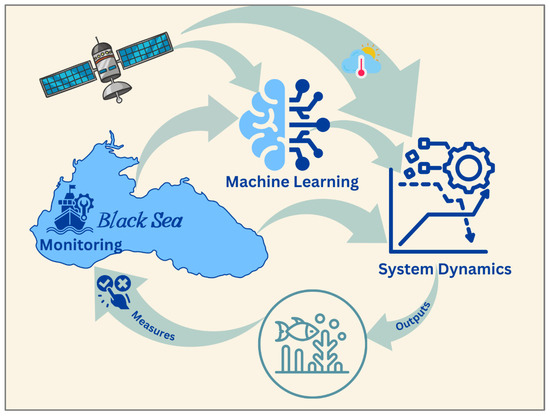
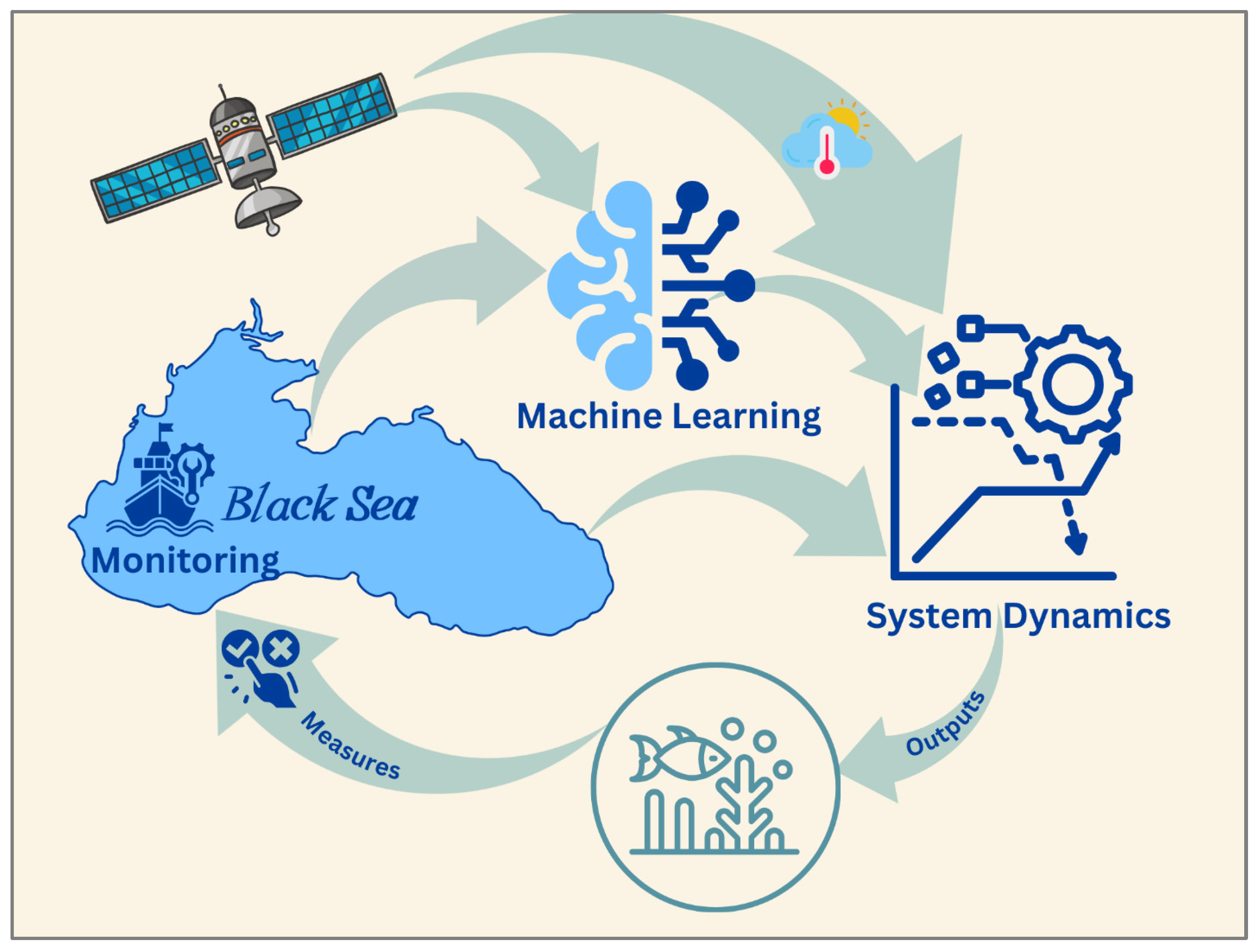
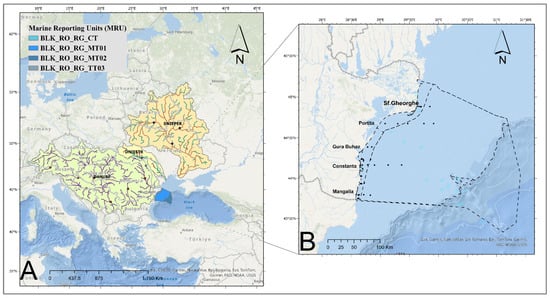
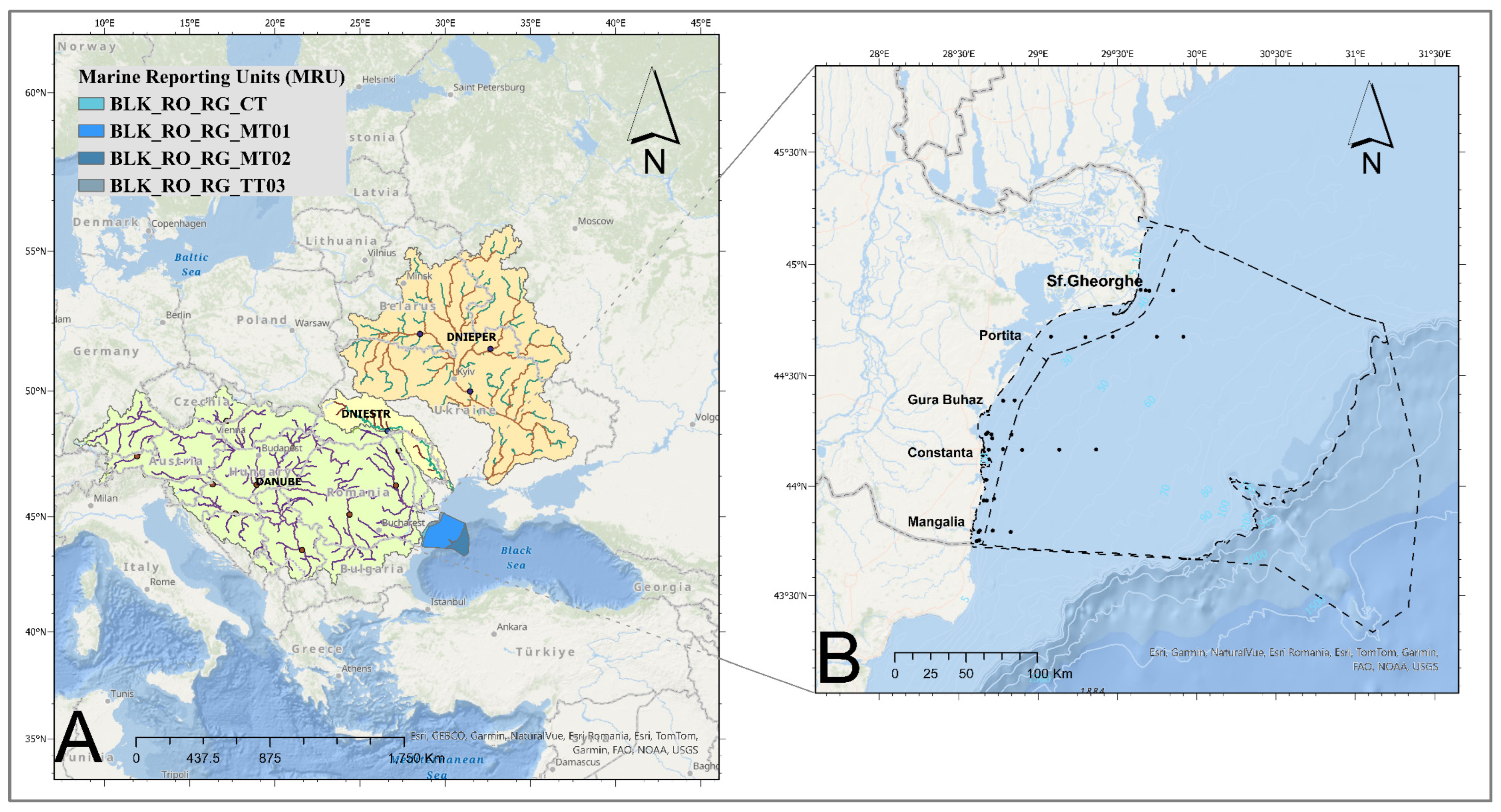
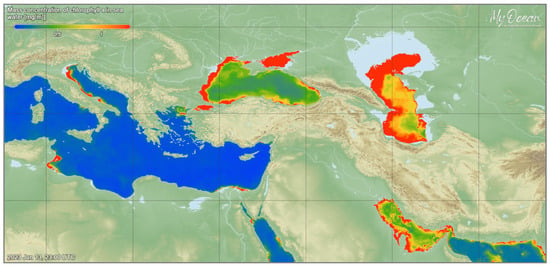
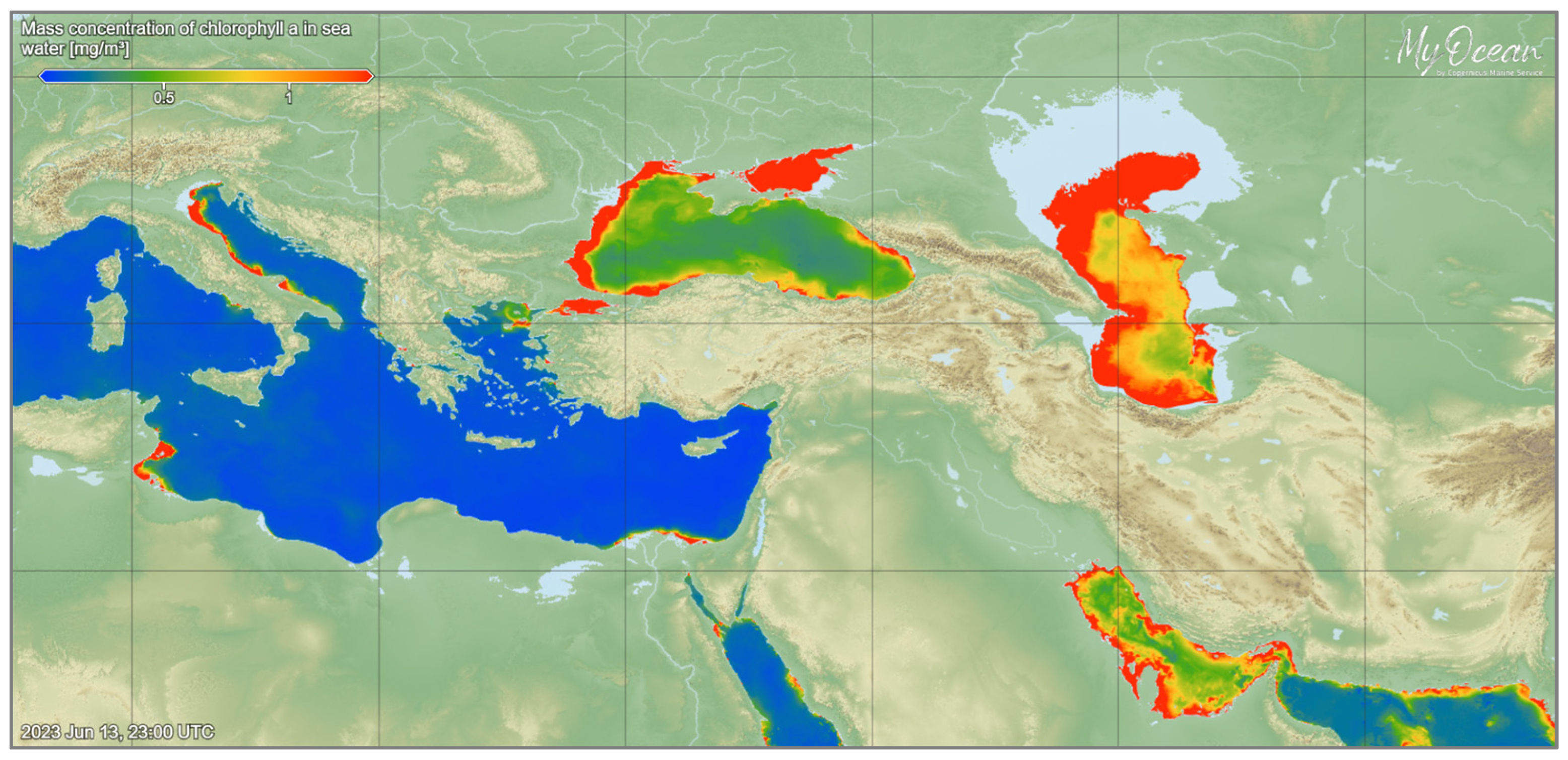
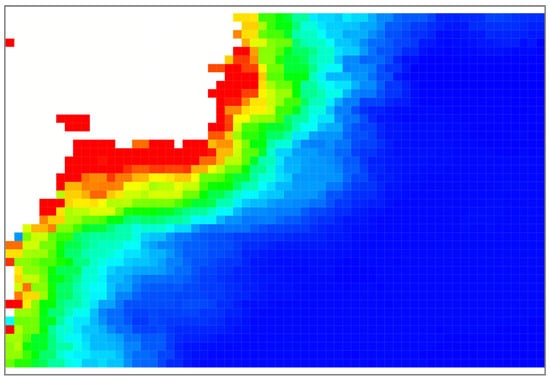
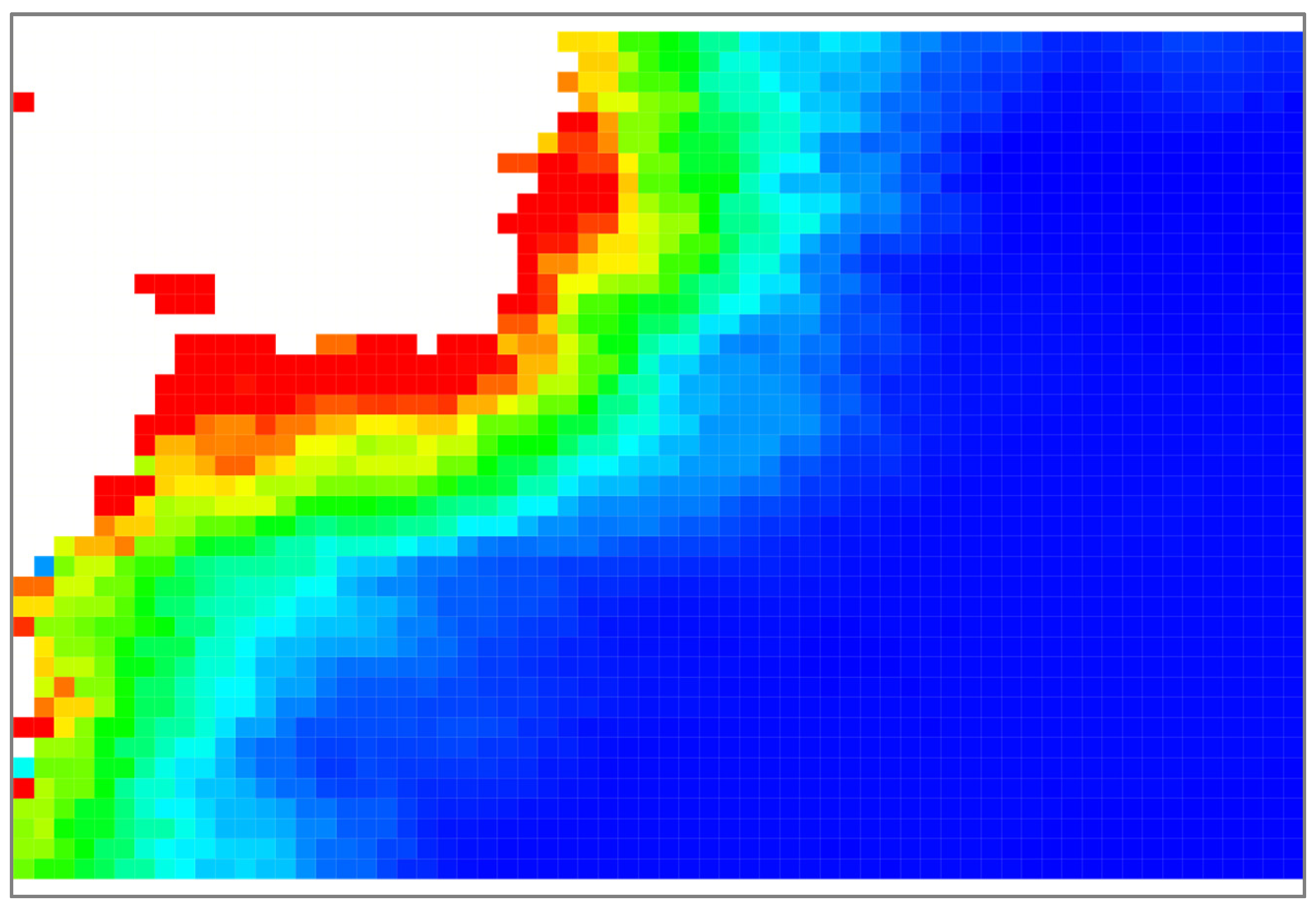
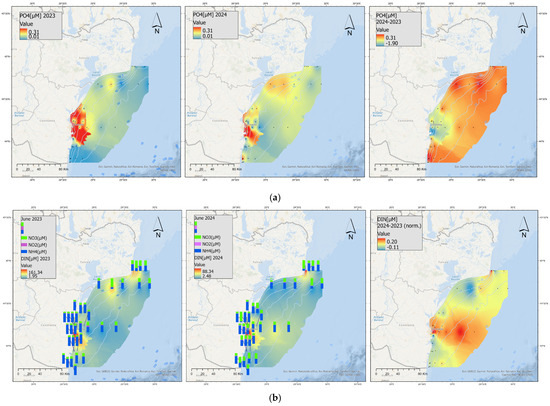
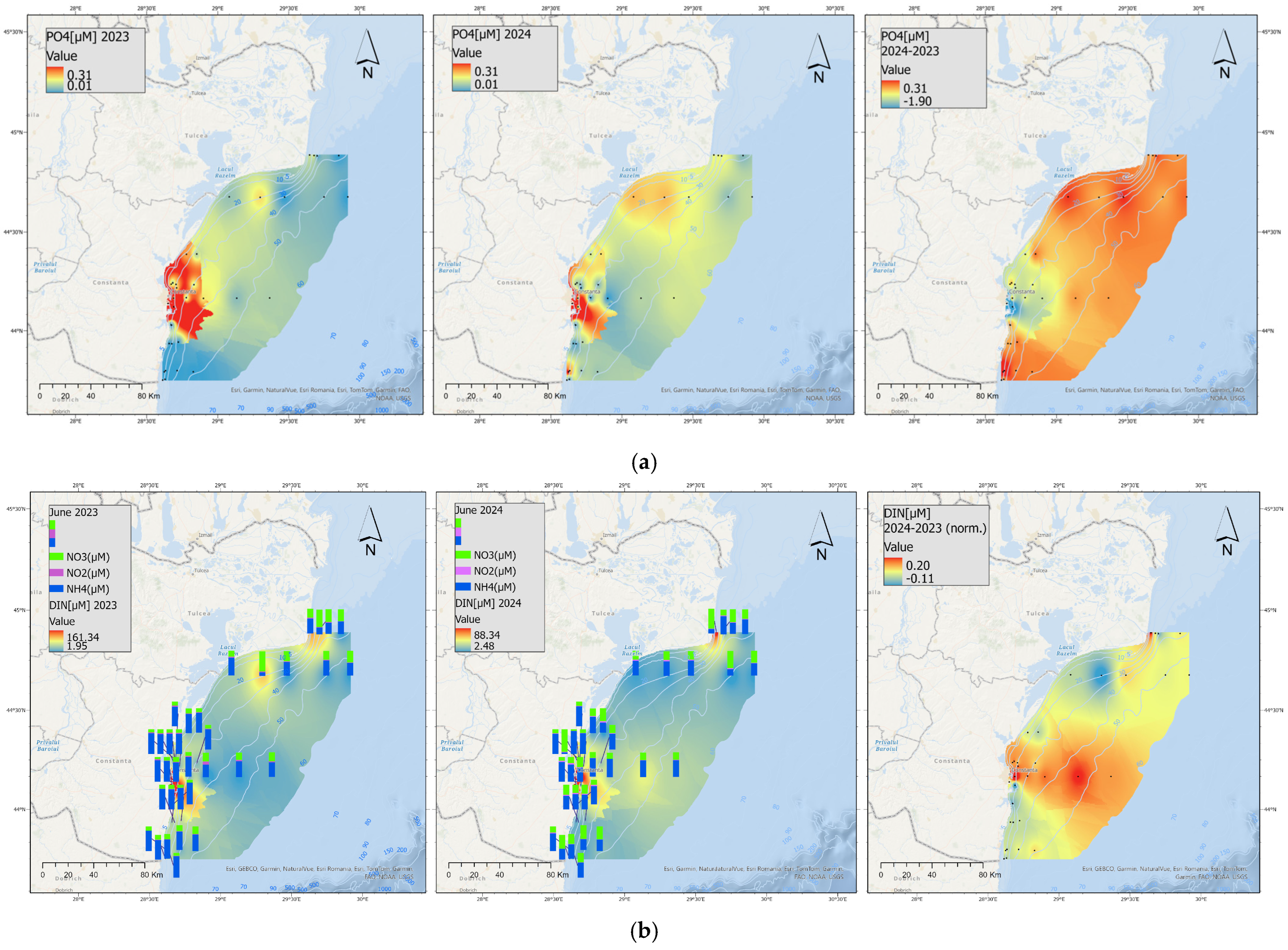
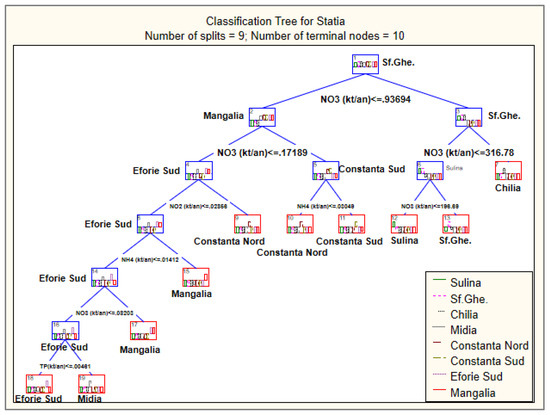
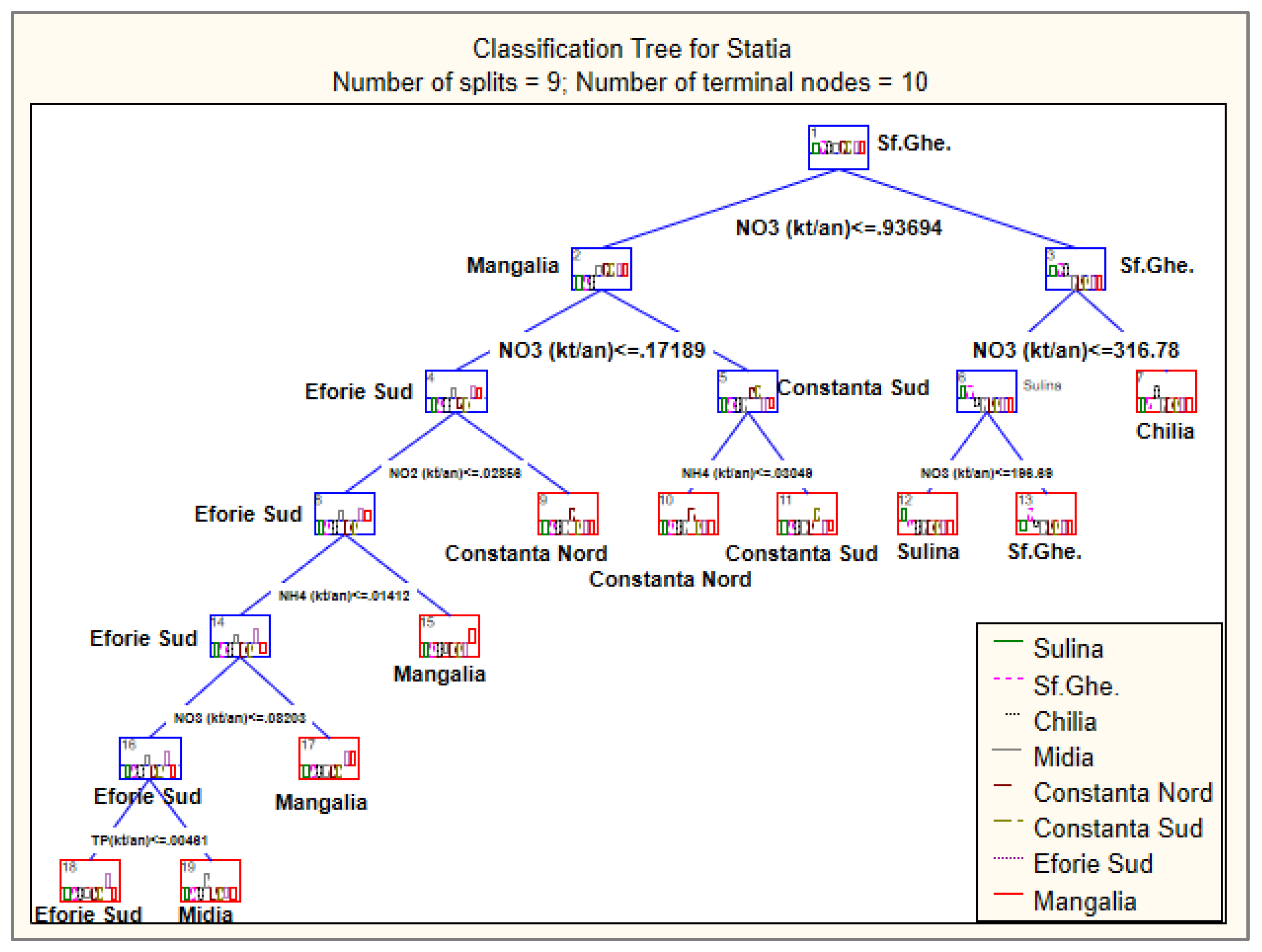
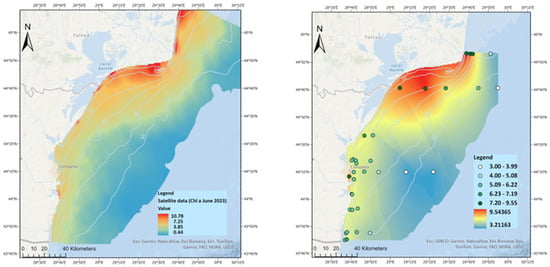
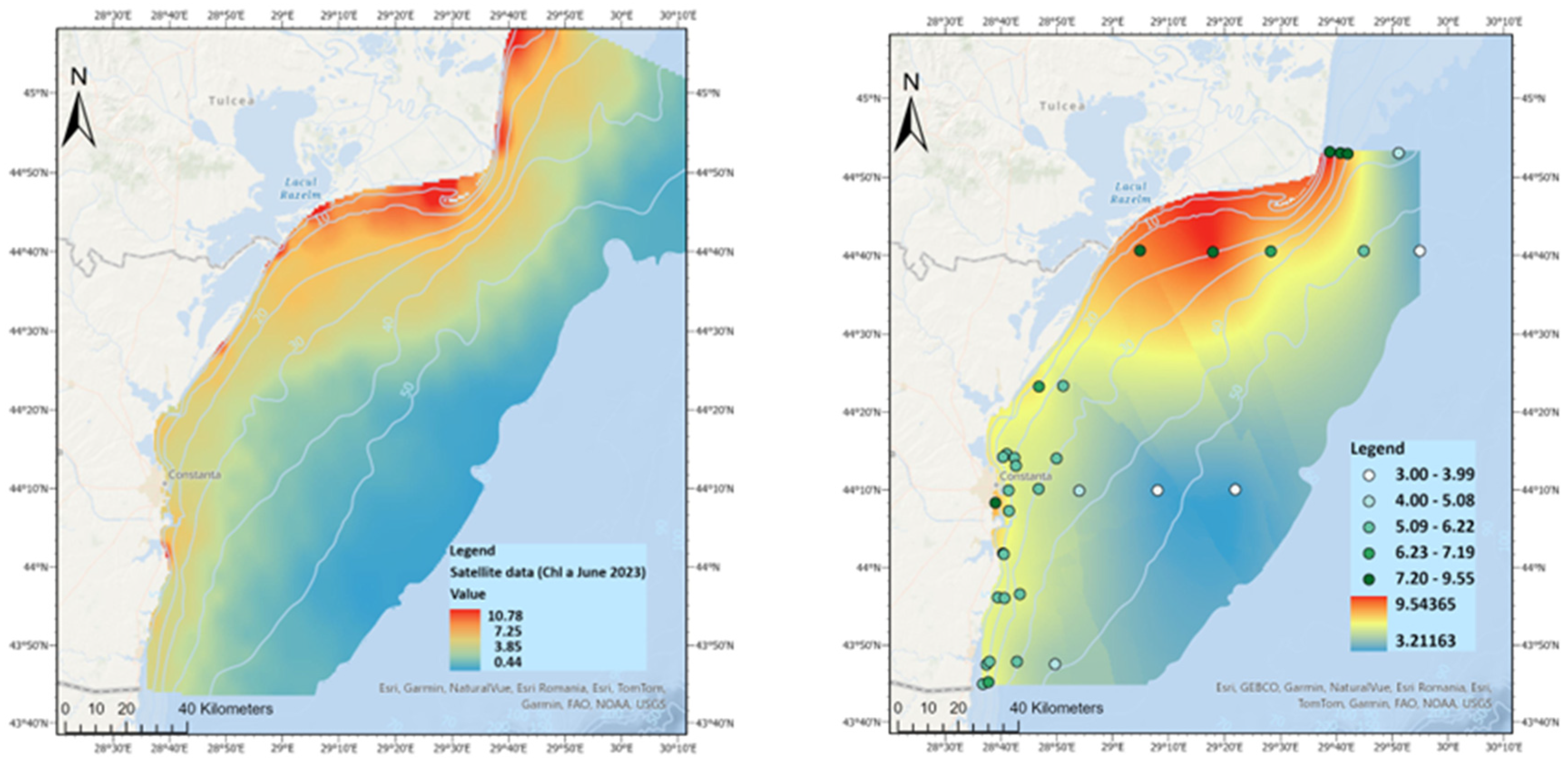
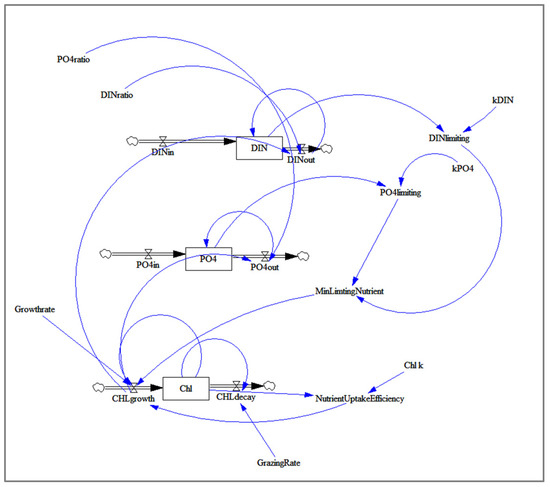
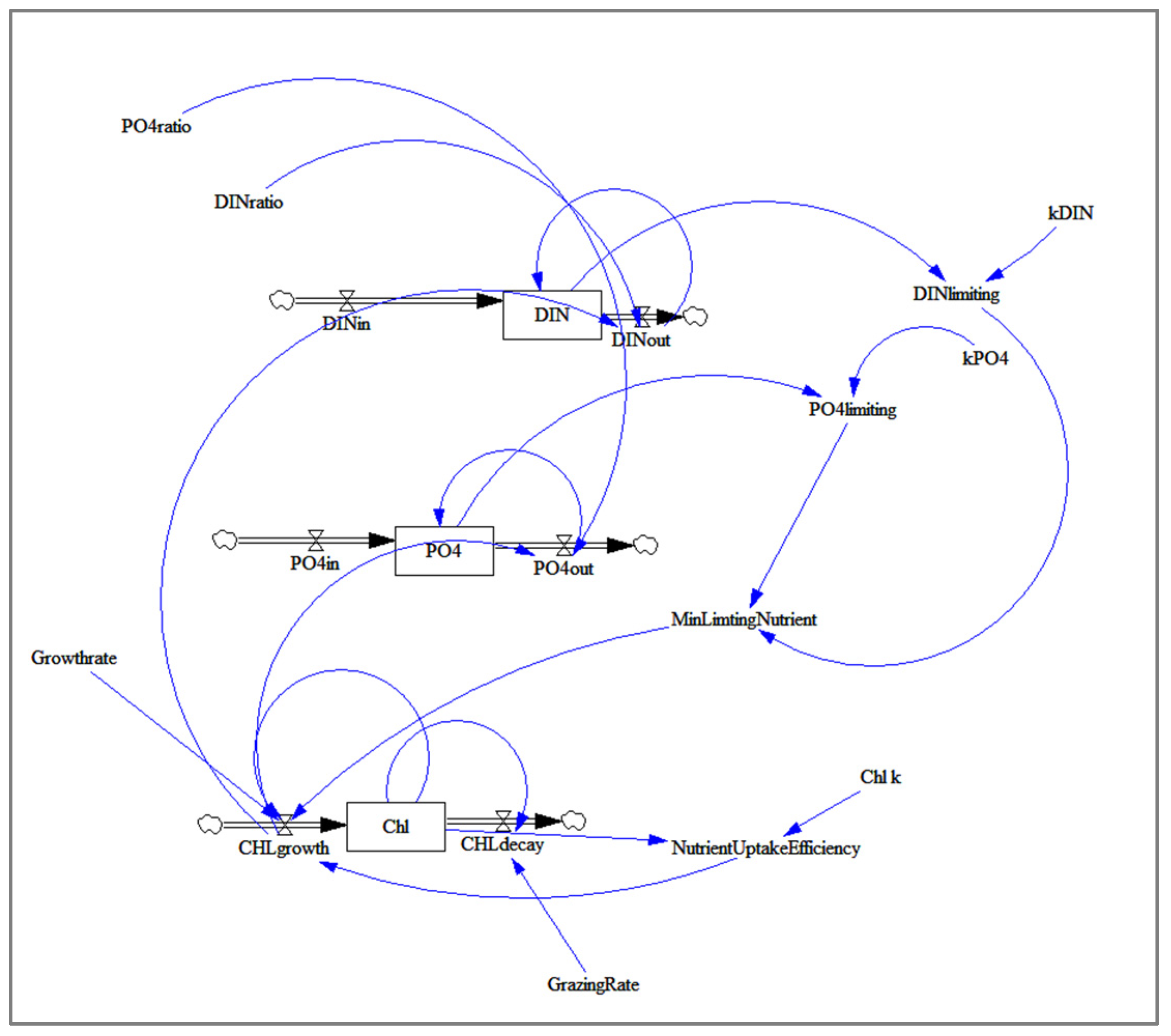
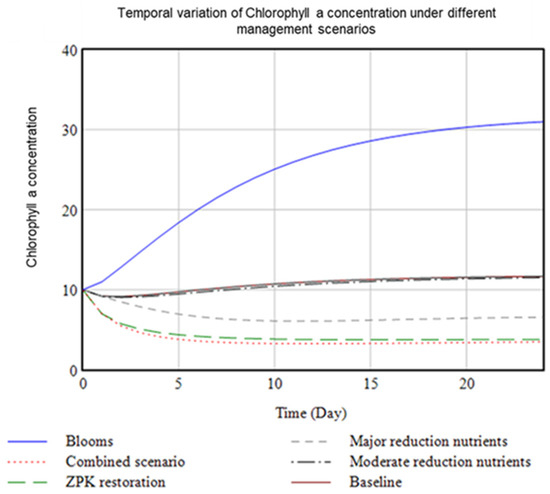
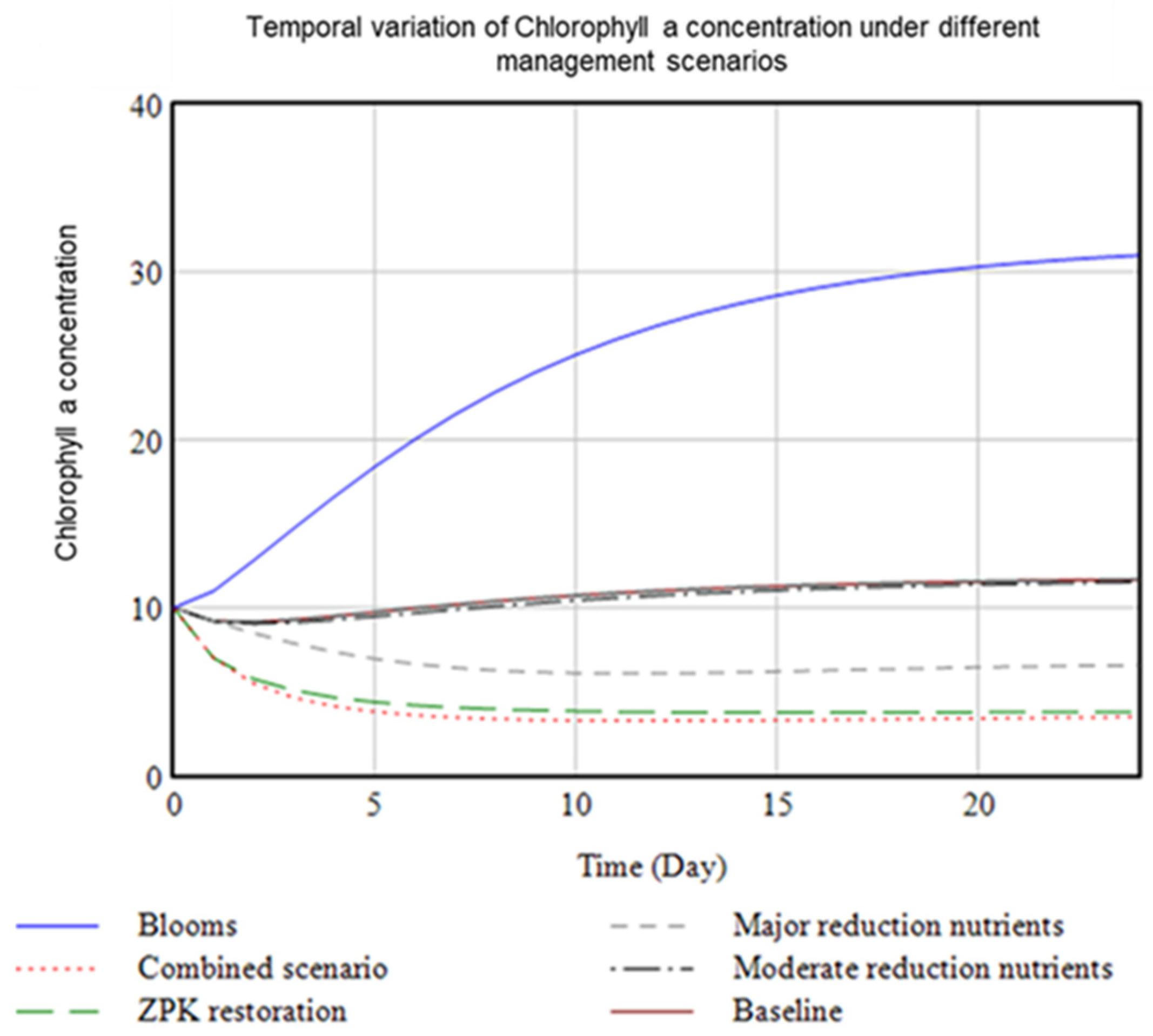
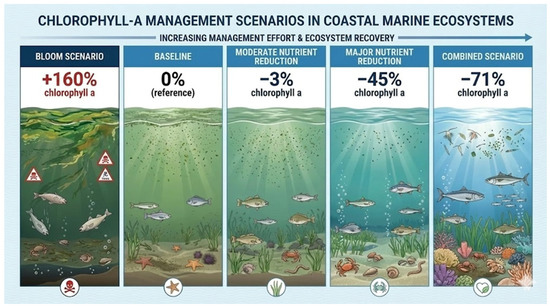
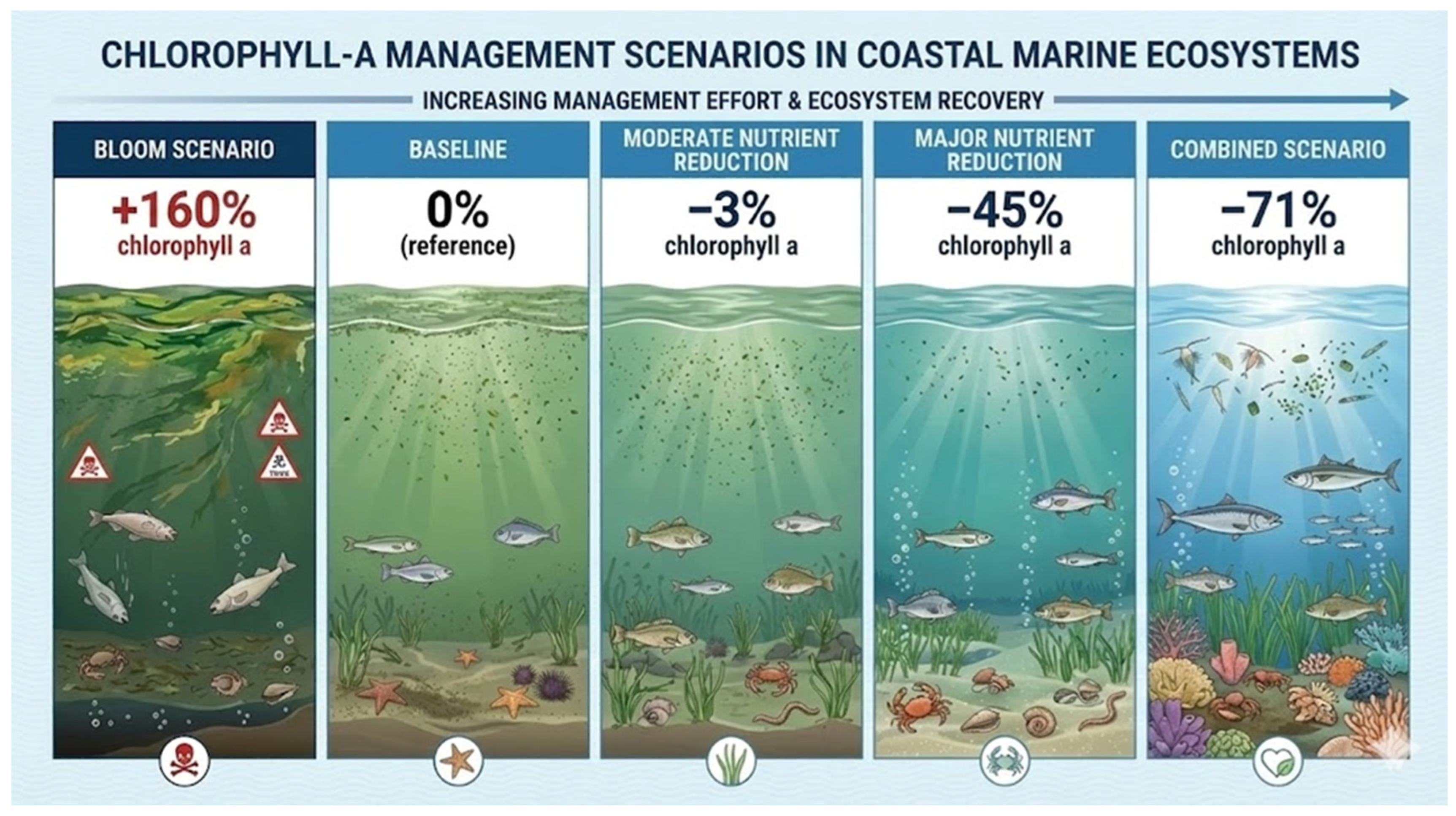

Disclaimer/Publisher’s Note: The statements, opinions and data contained in all publications are solely those of the individual author(s) and contributor(s) and not of MDPI and/or the editor(s). MDPI and/or the editor(s) disclaim responsibility for any injury to people or property resulting from any ideas, methods, instructions or products referred to in the content. |
© 2026 by the authors. Licensee MDPI, Basel, Switzerland. This article is an open access article distributed under the terms and conditions of the Creative Commons Attribution (CC BY) license.