1. Introduction
Nowadays, due to the depletion of fossil energy resources, the increase in pollution, and global warming, renewable energy sources have become one of the most promising solutions for electricity generation [
1,
2]. The use of renewable energy sources (RESs), which are environmentally friendly and inexhaustible, is rapidly expanding worldwide. Among these RESs, wind, solar, biomass, and geothermal energy hold strong potential for large-scale deployment in future power systems [
3]. However, despite their advantages, these resources pose significant challenges to power system stability, especially in microgrids, which must be carefully managed [
4]. The development of microgrids is progressing in many countries due to their benefits in terms of power quality and environmental sustainability [
5].
Since renewable generation depends on weather conditions and the time of day, most renewable sources cannot guarantee continuous and stable electricity production. Moreover, the electrical demand in a microgrid can be partially unpredictable, adding complexity to system control [
6]. To integrate renewable energy sources and mitigate the power fluctuations caused by wind and solar variability, energy storage systems or additional generation units such as fuel cells and batteries are generally required [
7]. The transition toward low-carbon energy systems has accelerated research on the integration of multi-energy resources and advanced energy storage technologies in modern power grids. Recent advances in energy storage and conversion materials have enabled the development of high-performance battery systems and electrochemical devices capable of supporting large-scale renewable energy integrations and improving grid operational flexibility [
8]. Furthermore, innovations in next-generation energy materials and technologies are paving the way for more efficient and sustainable energy infrastructures, promoting electrification and decarbonization of energy systems [
9]. Recent studies also highlight the importance of advanced energy technologies and their integration into intelligent architectures to ensure efficient management of distributed energy resources and improved grid stability under renewable energy variability [
10]. In this context, the development of intelligent control strategies and hybrid systems combining multiple storage technologies emerges as a promising solution for enhancing the resilience, efficiency, and sustainability of the next-generation power grids.
In microgrids integrating decentralized energy sources, frequency regulation becomes complex and requires advanced control strategies to hold the nominal frequency. Efficient control and dynamic performance are crucial aspects of microgrid management. The control structure generally operates on three levels—primary, secondary, and tertiary—as described in [
11]. Load variations can disrupt the balance between generation and demand, causing frequency deviations. To maintain system frequency within specified limits, a secondary control action known as load frequency control (LFC) is implemented. This control acts as an auxiliary mechanism that restores the nominal frequency using the area control error (ACE) signal. For optimal and stable operation, a robust regulation combining LFC with fast-response devices such as energy storage systems (ESSs) is essential. This coordination enhances frequency dynamics and strengthens the overall system stability [
12]. In recent years, several methods have been proposed to address LFC issues. Although modern control techniques offer high potential, the PID controller remains widely used. However, LFC challenges are not limited to robust controller design but also involve efficient parameter optimization to achieve optimal performance [
13]. Therefore, it is essential to improve frequency regulation in microgrids with high renewable energy penetration by adopting robust and adaptive control strategies. Many recent approaches use artificial intelligence (AI) and bio-inspired optimization algorithms to enhance system dynamics and reliability. While most developed techniques are based on PI or PID controllers, several studies have introduced hybrid methods incorporating fuzzy logic and artificial neural networks, providing superior adaptability and robustness [
14]. The system analyzed in this study consists of two-area interconnected microgrids linked via an HVDC line. Each microgrid integrates renewable energy sources (RESs) and a hybrid energy storage system (HESS). An optimal solution for frequency regulation using an optimized fuzzy PID controller was proposed to minimize system fluctuations through advanced algorithms. Furthermore, the fuzzy PID intelligent controller was implemented to reduce frequency deviations in the presence of renewable sources such as photovoltaic (PV) sources, wind turbine (WT), and concentrated solar power (CSP). Also, the LFC loop was coordinated with the hybrid storage system composed of electric vehicles (EVs), redox flow batteries (RFBs), superconducting magnetic energy storage (SMES), and fuel cells (FCs) to mitigate system fluctuations due to renewable energy integration. In addition, the storage system was used to support the power generation in case of overload. Furthermore, an HVDC transmission link was used to allow for an effective power flow path control in case of offshore green power integration. The proposed system has been simulated under different case studies to evaluate the performance and robustness of the control strategy.
2. Interconnected Microgrids Model
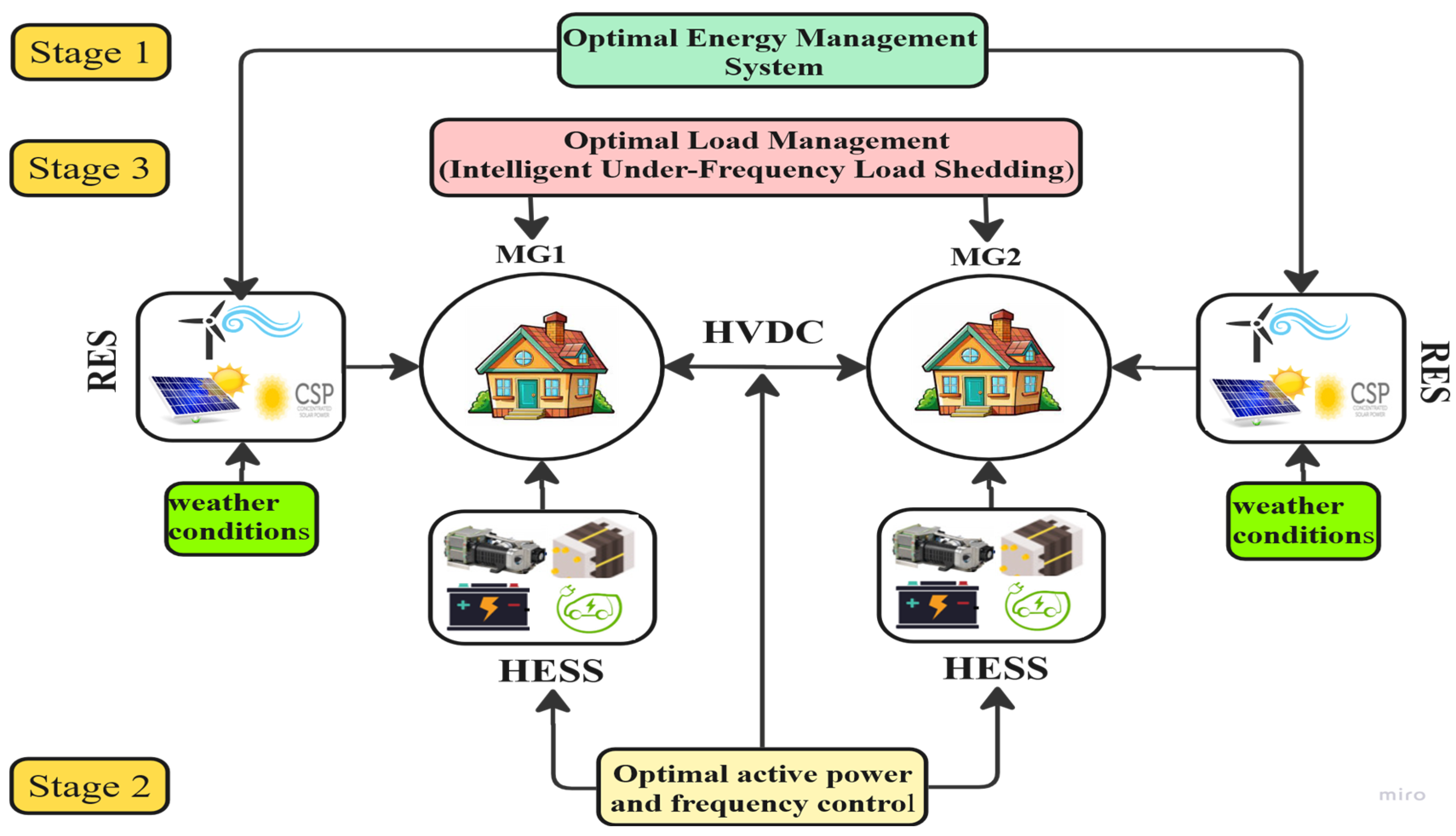
The functional schematic of the studied power system is shown in
Figure 1. The system consists of two interconnected microgrids linked by an HVDC line, integrating renewable energy sources (RESs) and a hybrid energy storage system (HESS). Both microgrids are subject to frequency fluctuations caused by load variations and the intermittent production of renewable sources, mainly due to climate change effects. In this configuration, each microgrid was connected to the other through an interconnection line to ensure the tie-line power control. To maintain system frequency and regulate the power exchange on the interconnection line, a load frequency control (LFC) loop equipped with a fuzzy logic-based PID controller was implemented in each microgrid.
The two interconnected microgrids integrate renewable energy sources (a wind turbine, a concentrated solar power plant, and a photovoltaic generator) and a variable load, as well as a hybrid energy storage system. The latter includes a superconducting magnetic energy storage (SMES) unit for short-term support, redox flow batteries (RFBs) for fast response, a fuel cell (FC) for long-term storage, and an electric vehicle (EV).
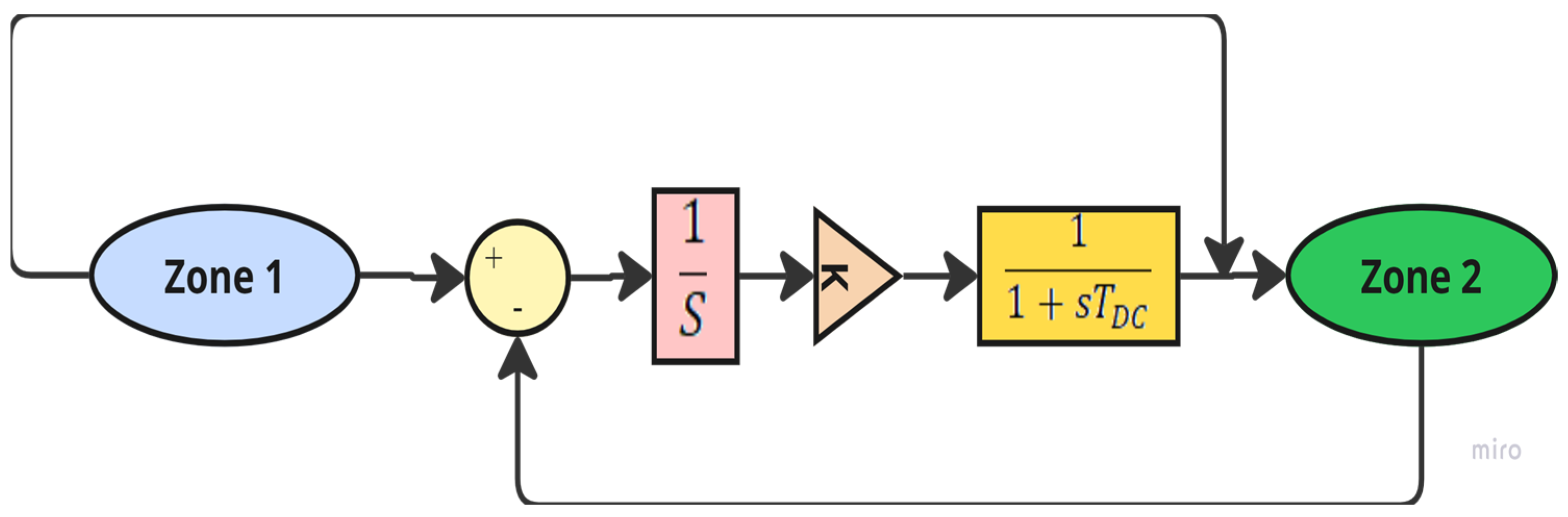
A frequency regulator based on an optimal fuzzy PID controller was installed to ensure frequency regulation through the hybrid energy storage system (HESS). An intelligent power management system (PMS) using fuzzy logic was also implemented to maximize clean energy production and manage active power. Additionally, to ensure smooth interconnection between the microgrids, an HVDC transmission link was used as shown in
Figure 2. All components of the microgrid were modeled using differential equations, while the subsystems were represented by first-order transfer functions. This modeling approach captures the essential dynamics of the system without including overly complex details.
The mathematical model was as follows [
15,
16]:
3. Optimal Frequency Control Strategy
In interconnected but independently controlled microgrids, power generation within each area must be adjusted to maintain the scheduled power exchanges. The system frequency is inversely proportional to the load, which varies continuously, and any change in active power directly affects this frequency. To ensure stability, the quality of electrical generation must meet minimum operational requirements. Frequency regulation is traditionally divided into three levels: primary, secondary (load frequency control, LFC), and tertiary (economic dispatch control, EDC). The main objectives of secondary control (LFC) are to restore the system frequency to its nominal value after a disturbance—such as load variations or fluctuations in renewable energy sources caused by weather conditions [
11,
12].
Energy management (PMS) coordinates conventional sources, renewable energy sources (RESs), energy storage systems (ESSs), and loads to ensure microgrid reliability. The intermittency of PV sources, wind turbines, or CSP requires integrating efficient storage to stabilize frequency and maintain the power–energy balance. The control problem aims to minimize the frequency deviation and active power error while satisfying constraints related to the ESS state of charge and the microgrid’s operational limits.
The proposed strategy enhances operational flexibility and provides reserve capacity during disturbances, thereby reducing the risk of load shedding (UFLS). The intelligent management of the hybrid energy storage system (HESS) ensures supply–demand balancing while enabling fast and stable frequency regulation under climate-induced fluctuations. This work proposes the design of an optimal LFC controller coordinated with an energy storage system for two interconnected microgrids. The proposed methodology combines a fuzzy logic controller and a PID controller for intelligent active power management (PMS). The hybrid energy storage system (HESS) compensates for the fluctuations caused by the intermittency of renewable energy sources (RESs), which result from climatic variations.
4. Fuzzy PID Controller
Today, fuzzy logic control (FLC) is considered one of the most promising methods in industrial automation and process regulation [
15]. Due to its simplicity, robustness, and reliability, fuzzy logic is widely used in many research fields, particularly for addressing various control problems related to the management and operation of electrical networks.
The concept of fuzzy logic was developed at the University of California, Berkeley, by the Iranian professor Lotfi Zadeh as a new control methodology. It provides a mathematical representation of the way humans form concepts and reason about them [
16]. Fuzzy logic is based on simple rules of the form: If a and b, then c. This logic represents a value ranging between 0 and 1.
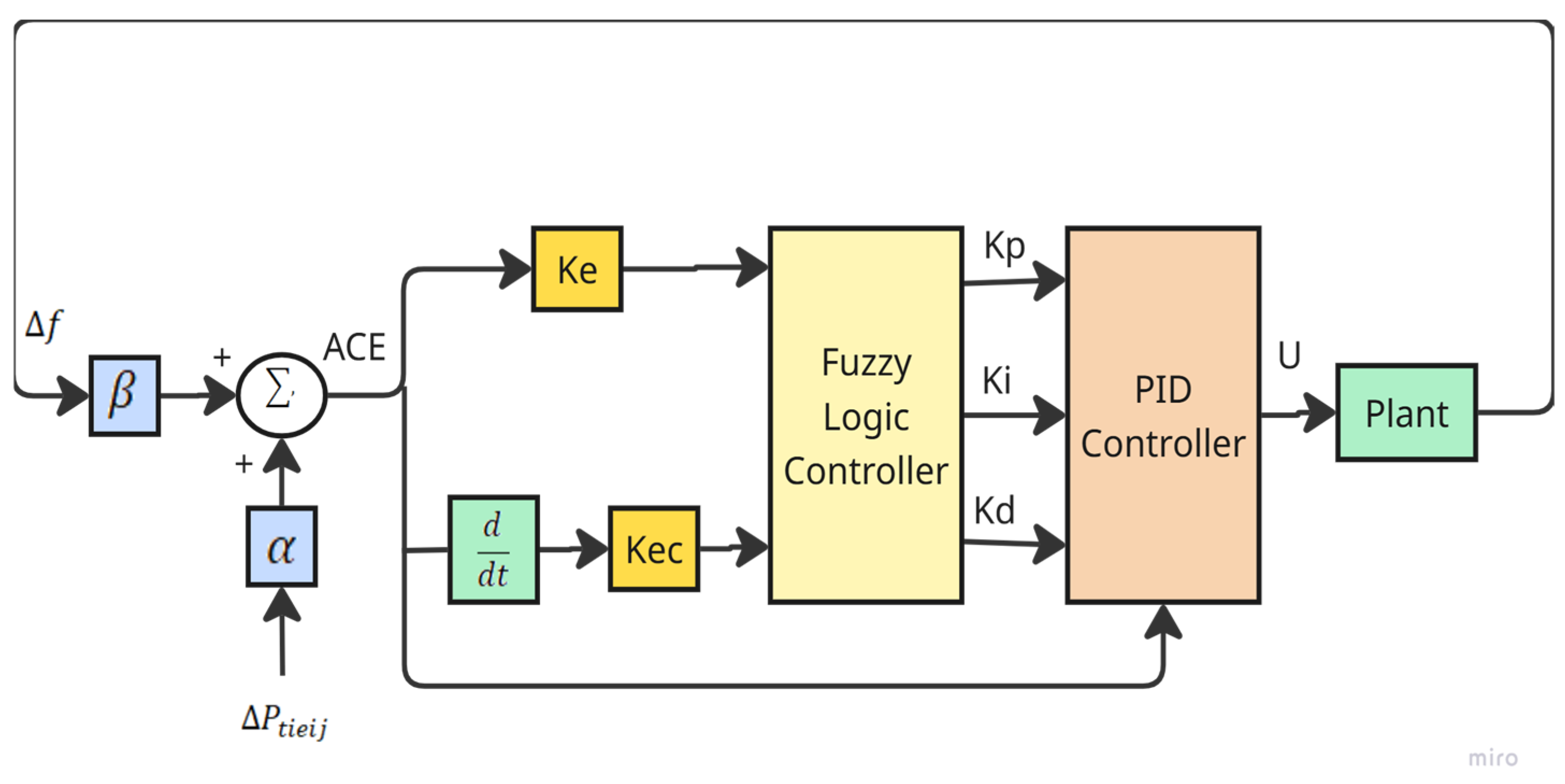
The structure of the fuzzy PID controller is presented, as illustrated in
Figure 3. The system adopts a parallel combination of a fuzzy controller and a PID controller. The fuzzy controller consists of the following four components: a rule base (a set of if–then rules), an inference mechanism, a fuzzification interface, and a defuzzification interface.
Our work focuses on the optimal tuning of PID controller parameters using a fuzzy logic approach. The aim is to design a robust load frequency controller based on a fuzzy PID controller, capable of effectively regulating the system frequency under high penetration of renewable energy sources. For the analysis of load frequency control, the inputs of the fuzzy logic controller are the error (ACE) and the change in error (dACE), while its outputs correspond to the PID parameters. The values of KP, KI, and KD are determined according to the offline rules of the fuzzy controller. The set of linguistic labels corresponding to the input control variables, ACE (Z) and dACE (Z), with a sampling period of 0.01 s, is as follows:
The set of labels corresponding to the linguistic variables of the output control signals is as follows:
Table 1 presents the control rules used in this paper. Triangular membership functions are employed. The two input signals (ACE and dACE) are first converted into fuzzy numbers by the fuzzifier using five membership functions: NB, NS, ZE, PS, and PB. These fuzzy values are then used in the rule table (
Table 1) to determine the fuzzy values of the compensated output signals.
5. Simulation Results
To evaluate the performance of the proposed control method, an interconnected electrical system composed of two microgrids, illustrated in
Figure 1, was considered as the test system. A series of simulations was carried out. The presented scenarios were updated by taking into account load variations in each microgrid area. Several scenarios were analyzed and presented. The simulation was performed in the presence of a 0.1 p.u. step load and dynamic load disturbances. Fuzzy logic was used to optimize the gains of the PID controller in both microgrids.
To verify the effectiveness of the load frequency control (LFC) scheme and the proposed control method, as well as to demonstrate the contribution of the storage system to improving frequency regulation, the interconnected two-microgrid system was simulated under load variations and fluctuations in renewable energy production. The electrical system considered in this work was modeled and simulated with and without RESs.
5.1. Case 1: Frequency Stability Analysis in Presence of Load Disturbance
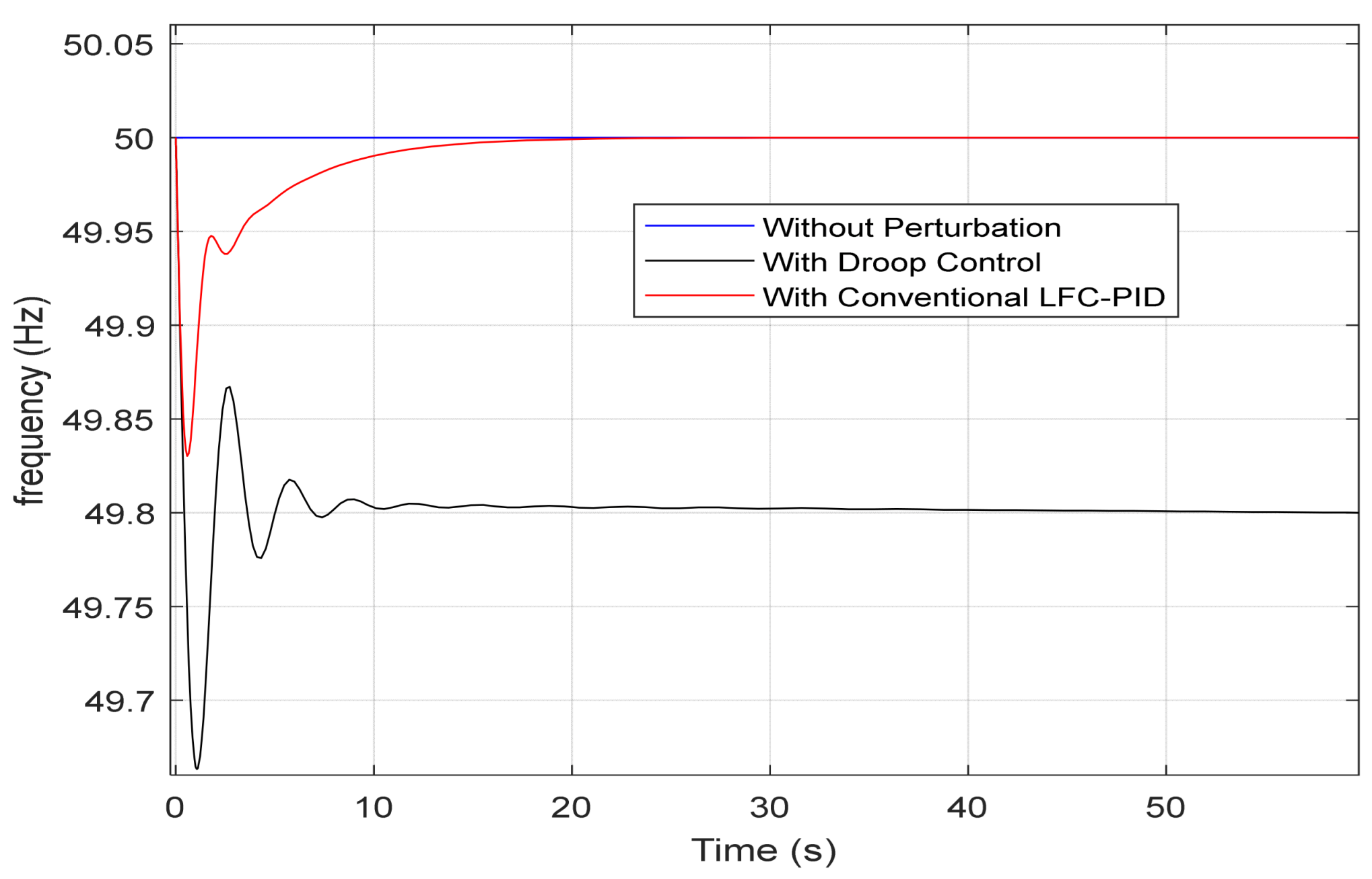
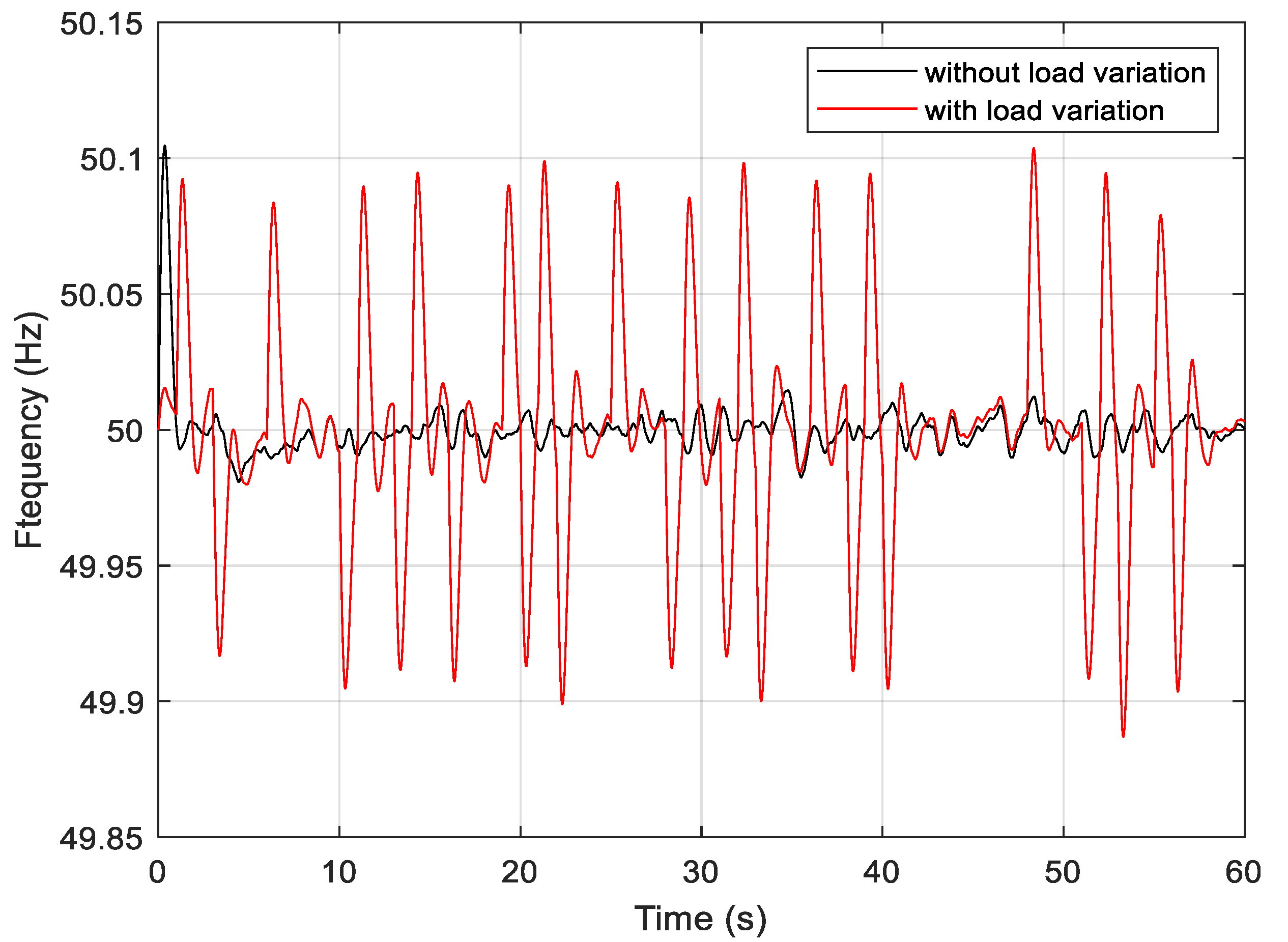
In this part, the electrical system was simulated in case of 0.1 p.u. step load and dynamic load disturbances with primary control and with secondary control using a classical PID controller. The dynamic responses of the system are illustrated in
Figure 4 and
Figure 5.
5.2. Case 2: Contribution of Storage Systems to Enhancing Frequency Control Actions
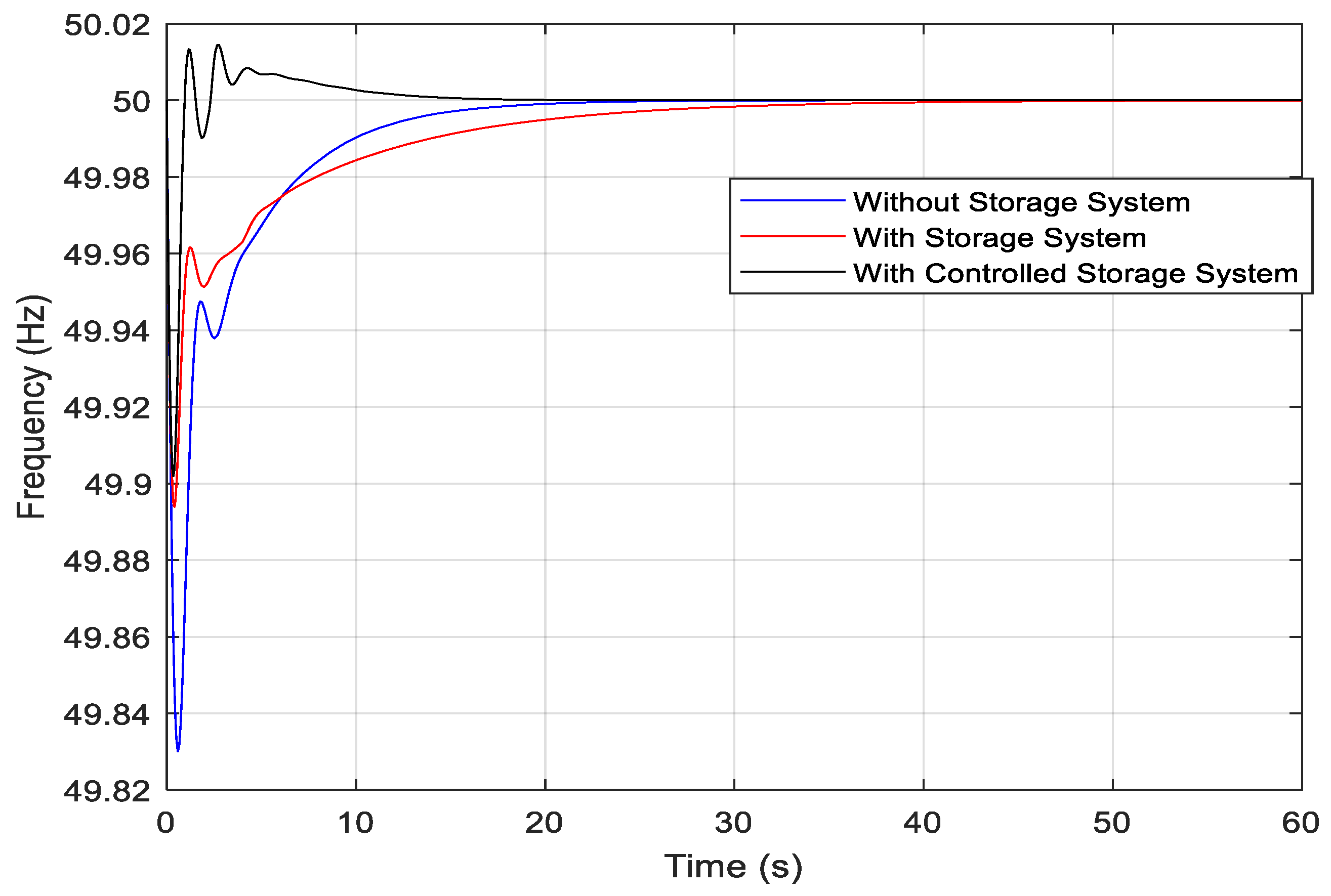
In this part, a hybrid storage system was used to support the frequency regulation loop and reduce the conventional LFC capacity.
Figure 6 presents the frequency variation in the system with and without a storage system. The impact of the controlled storage devices was analyzed with the aim of minimizing frequency deviations in the presence of load variations.
5.3. Case 3: Integration of Renewable Production
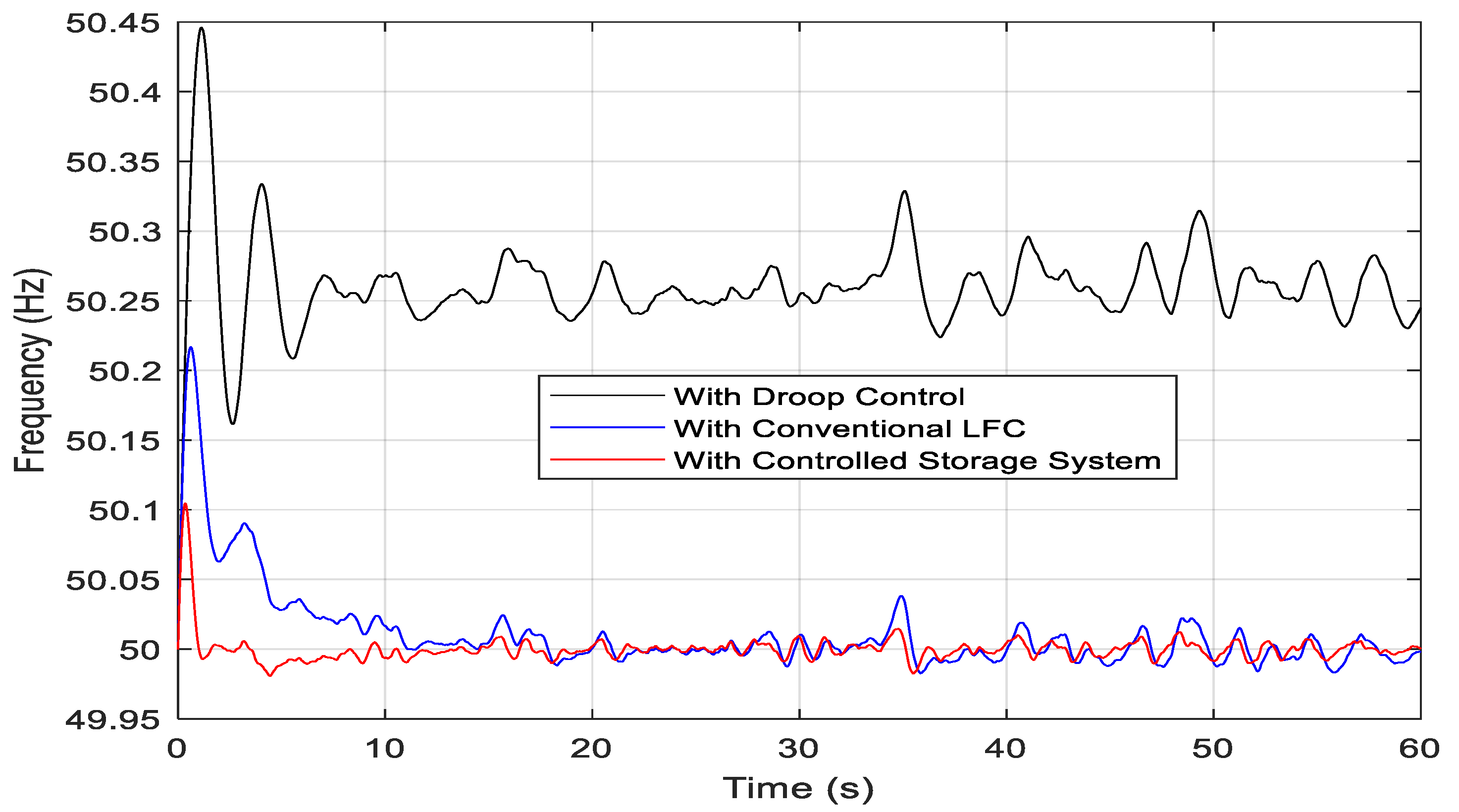
In this part, the frequency stability and control was analyzed in the presence of multi-source green power.
Figure 7 presents the frequency variation in the microgrid with the integration of renewable energy sources for the two microgrids interconnected by a classical HVAC line. The system was simulated and tested for three scenarios: with primary control, with secondary control (LFC), and with the use of a controlled hybrid storage system.
5.4. Case4: Proposed FuzzyPID Controller with HVDC Transmission Link
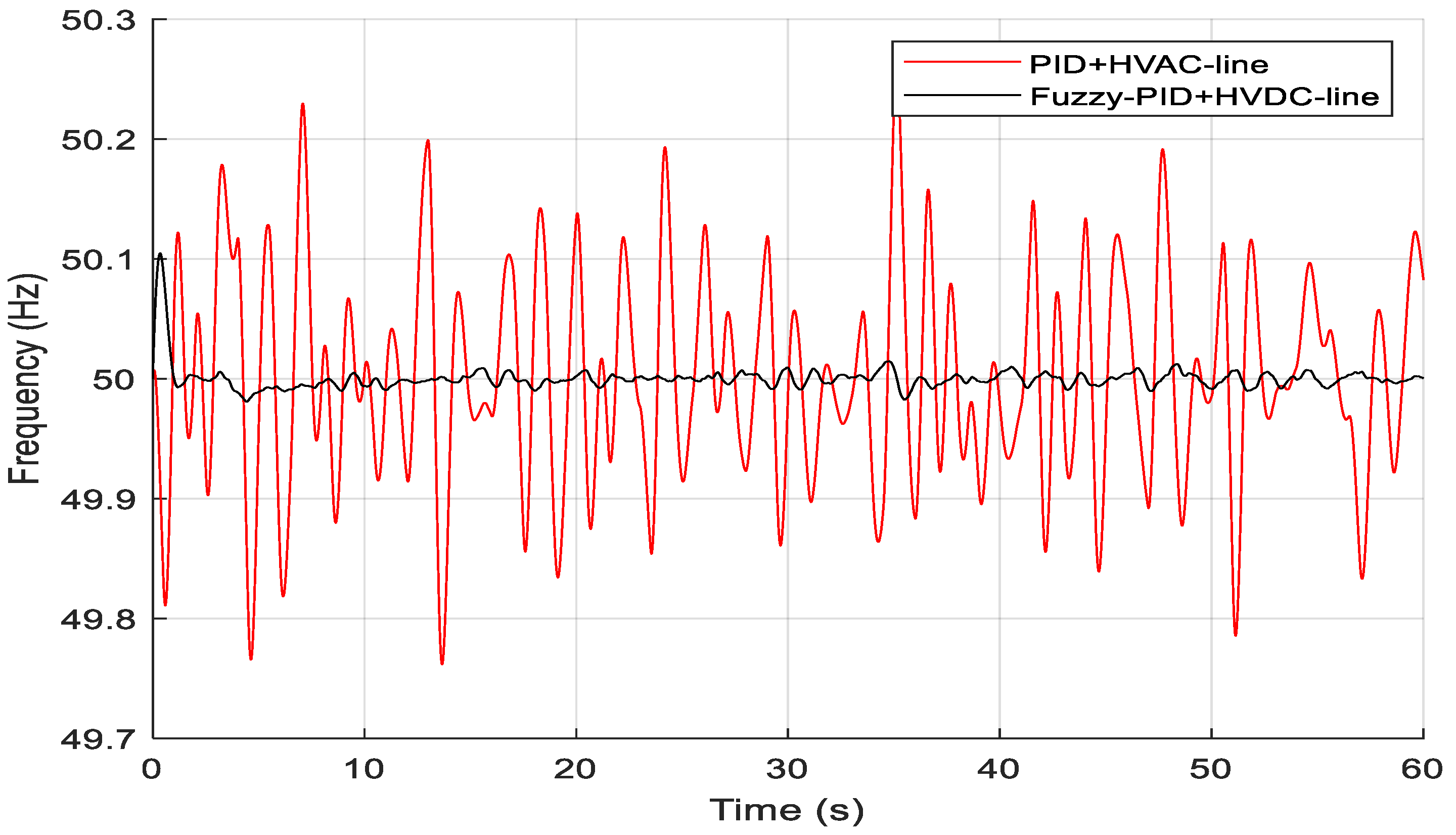
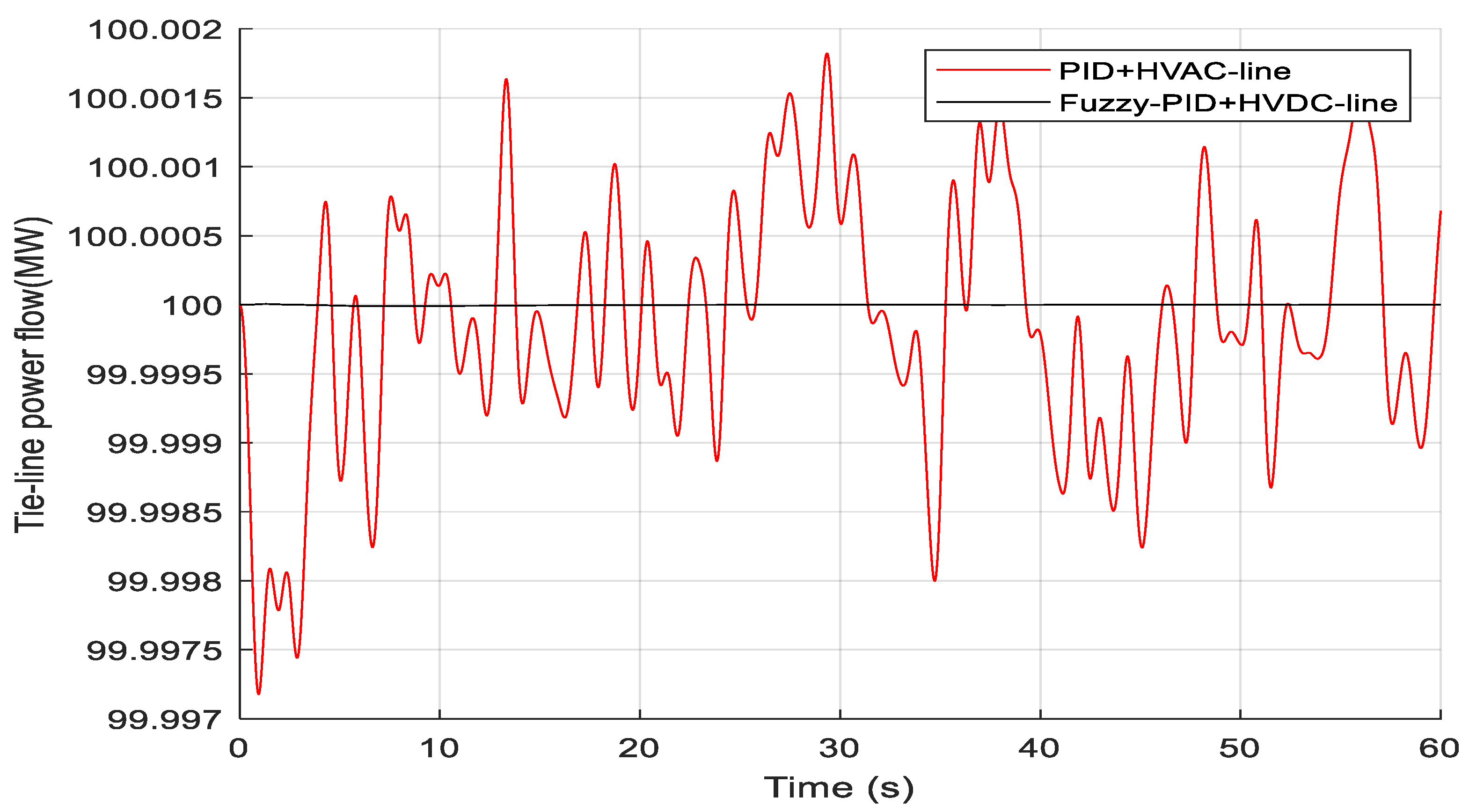
In this case, the two interconnected microgrids were simulated for two scenarios. Both microgrids integrate renewable energy sources and a hybrid storage system and are subjected to the integration of variable loads. In the first scenario, the interconnection of the two microgrids is achieved via an HVAC line, with control provided by a PID controller. In the second scenario, the interconnection is made via an HVDC line, and the control is carried out by an optimal fuzzy PID controller, corresponding to the designed control strategy. The results of these scenarios are presented in
Figure 8 and
Figure 9. This simulation allowed for the testing of the validity of the proposed strategy.
5.5. Case 5: Robustness Analysis
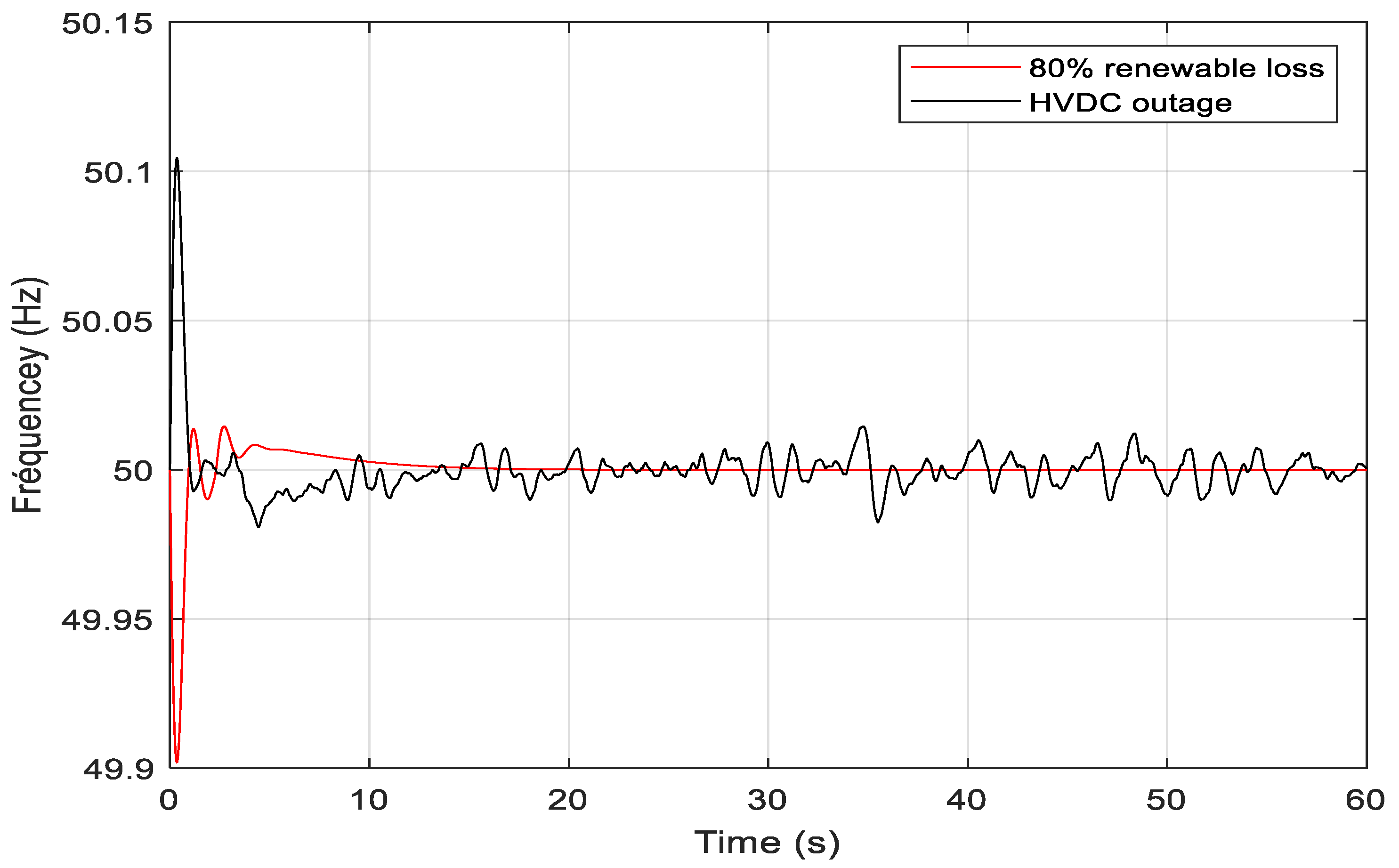
In this scenario, the system was simulated by considering several events, including the loss of 80% of renewable generation and the outage of the HVDC line in order to test the robustness of the control strategy. The results are presented in
Figure 10.
The two interconnected microgrids were analyzed in the presence of renewable energy sources (PV sources, WT, and CSP) and a storage system (SMES, RFB, FC, and EV). In this case, frequency regulation (LFC) was ensured by a storage system in each microgrid area. The results show that the storage system can help the secondary loop of the LFC manage frequency fluctuations in the presence of load variations and renewable energy sources. Moreover, as shown in the figures above, the optimized fuzzy PID controller, combined with the use of the HVDC line, quickly regulates the system frequency to its nominal value and reduces fluctuations. The proposed controller further improves LFC performance compared to conventional LFC. The use of a fuzzy PID controller and the proposed HVDC line allows for more effective mitigation of system frequency fluctuations and power flow on the interconnection line compared to the results obtained with a classical PID controller and an HVAC line under variable load conditions.