


Abstract
Parkinson’s disease is an idiopathic neurodegenerative disorder which is characterized by the degeneration of the neurons of substantia nigra, a part of the midbrain, regulating motor movement. It involves a decrease in the levels of dopamine which consequently hampers movement control. In the literature, natural compounds like flavonoids have been cited to exhibit their potential to terminate the augmentation of such a disorder by penetrating the blood–brain barrier. In this study, 10 phytoconstituents were screened using molecular docking against the dopamine D3 receptor to identify potential inhibitors. The PDB database was employed to extract the target protein of interest, i.e., the dopamine D3 receptor (PDB ID: 3PBL). Both the test drugs and the standard moiety were obtained in their 3D conformation from the PubChem in SDF format, while FlexX software was used for docking purposes. The docking scores of the selected photochemical were hence compared with Levodopa, which was taken as the positive control. The docking studies revealed that Vasicol has the closest docking score (−19.6871 kcal/mol) to that of the standard Levodopa (−23.1188 kcal/mol), proving that it has the best molecular docking result for the dopamine D3 receptor. Also, the low toxicity profile confirmed by the pro Tox-II online server indicated that Vasicol is a potential lead to be a drug candidate for treating Parkinson’s disease.
1. Introduction
Being the second most frequent kind of neurodegeneration [1], Parkinson’s disease is a disorder which is manifested both in motor and non-motor systems [2]. It not only affects adults but also children and teenagers. Early significant loss of dopaminergic neurons in the substantia nigra [3] pars compacta (SNpc) and extensive accumulation of alpha-synuclein (aSyn), an intracellular protein, are hallmarks of Parkinson’s disease (PD).
The causes of Parkinson’s disease are mostly unknown. In recent years, genetic risk factors have been discovered. When compared to the general population or controls, first-degree family members of affected individuals have a 2- to 3-fold greater risk of developing the condition. Slow voluntary movement initiation with an increasing reduction in speed and amplitude of repeating activities, along with muscle rigidity, resting tremor, or postural instability, are some of the symptoms of PD [4].
Molecular Events Underlying PD
With an average age of onset of 50 to 60 years, ageing is the most powerful risk factor for PD. From a pathological perspective, common issues seen in Parkinson’s disease patients, such as depigmentation [2], neuronal demise, and gliosis, impact both the pontine locus coeruleus and substantia nigra pars compacta [5]. By the time PD symptoms appear, the substantia nigra pars compacta has lost 60–70 per cent of its neurons. Treatments for PD range from different drugs to rehabilitation and even surgery, depending on the symptoms and demands of the individuals [6].
2. Method
2.1. Studying Molecular Docking
Being one of the most important tools in structural molecular biology and computer-assisted drug design, ligand–protein docking has the capability to anticipate the most frequently observed binding configuration(s) for a ligand when interacting with a protein of known three-dimensional structure. Efficient exploration of high-dimensional spaces and the utilization of accurate candidate docking ratings are key aspects of successful docking algorithms. Docking can be employed for the virtual screening of extensive compound libraries, result assessment, and the generation of structural hypotheses regarding how ligands inhibit the target, offering invaluable assistance in lead optimization [7].
2.2. Selecting Protein
Since then, Parkinson’s disease has been linked to the degeneration of the brain’s basal ganglia [8,9] and a lack of the neurotransmitter dopamine [10]. The most effective treatment for Parkinson’s disease symptoms is Levodopa [4]. Dopamine receptors are a type of G-protein-coupled receptor found in the brain and spinal cord. D1-like receptors include D1 and D5 receptors, which are involved in adenylate cyclase stimulation, while D2-like receptors include D2, D3, and D4 receptor subtypes, which are involved in adenylate cyclase inhibition.
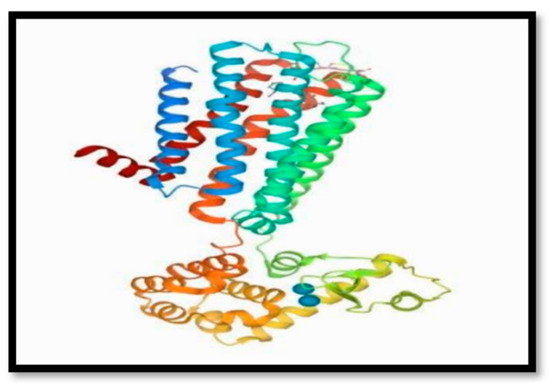
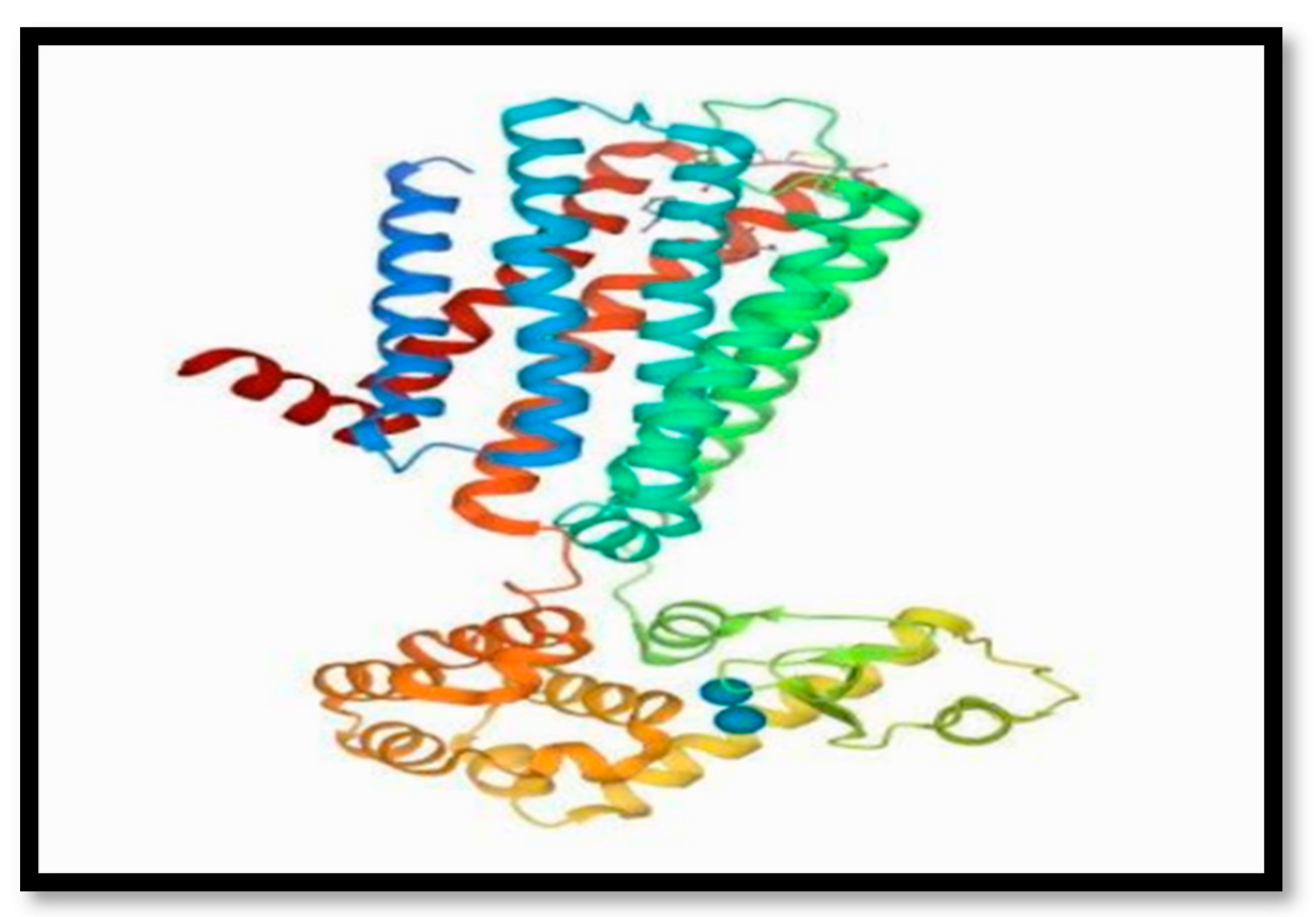
The crystallographic depiction of the human dopamine D3 receptor (D3R) in association with the D2R/D3R-specific antagonist Eticlopride, as shown in Figure 1, offers crucial insights into the ligand binding pocket and the extracellular loops. Two unique conformations of the intracellular loop and the ionic lock’s locked conformation are found on the intracellular side of the receptor. The extracellular expansion of the Eticlopride binding site revealed by docking R-22, a D3R-selective antagonist, includes another pocket of binding for R-22′s aryl amide, which is in contrast to the very homologous D2R and D3R.
Figure 1.
3D 3PBL structure of the human dopamine D3 receptor in complex with Eticlopride.
2.3. Selecting Phytoconstituents
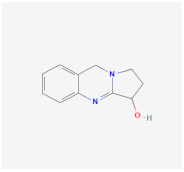
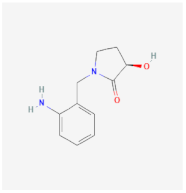
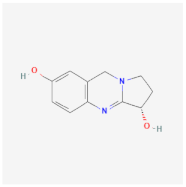
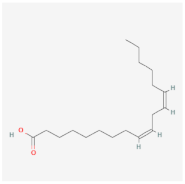
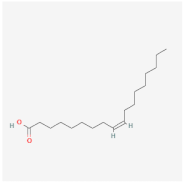
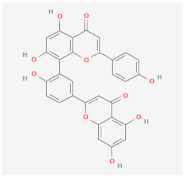
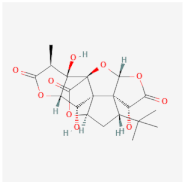
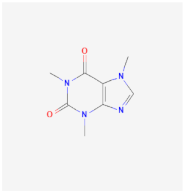
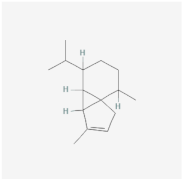
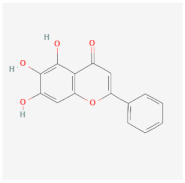
Here, 10 phytoconstituents (Table 1) have been used to study docking scores, and the results are compared with those of Levodopa in the treatment of Parkinson’s disease.
Table 1.
Phytoconstituents used in docking.
2.4. Docking
The FlexX docking software was used to perform a docking investigation of 10 phytoconstituents with 3PBL protein. FlexX, [7] a quick and adaptable virtual screening docking software, makes use of pharmacophore restrictions, chemical series docking, and template docking. Docking allows for the prediction of the best ligand and the identification of the drug–receptor complex with the lowest free energy.
2.5. Comparing the Docking Scores of Levodopa in Contrast to That of the Mentioned Phytoconstituents
The parameters taken into consideration are:
- (a)
- High Match: Low Match;
- (b)
- High Rank: Low Rank;
- (c)
- Score.
3. Results and Discussion
Pictures were taken from the FlexX docking software to compare the results of each of the phytoconstituents with Levodopa. The protein structure, however, was extracted from the RCBS Protein-Data Bank (PDB) with the PDB Id from the literature search. The result shows a comparison between energies obtained after docking Levodopa and Vasicol over 3PBL.
Figure 2.
Levodopa docked on 3PBL receptor.
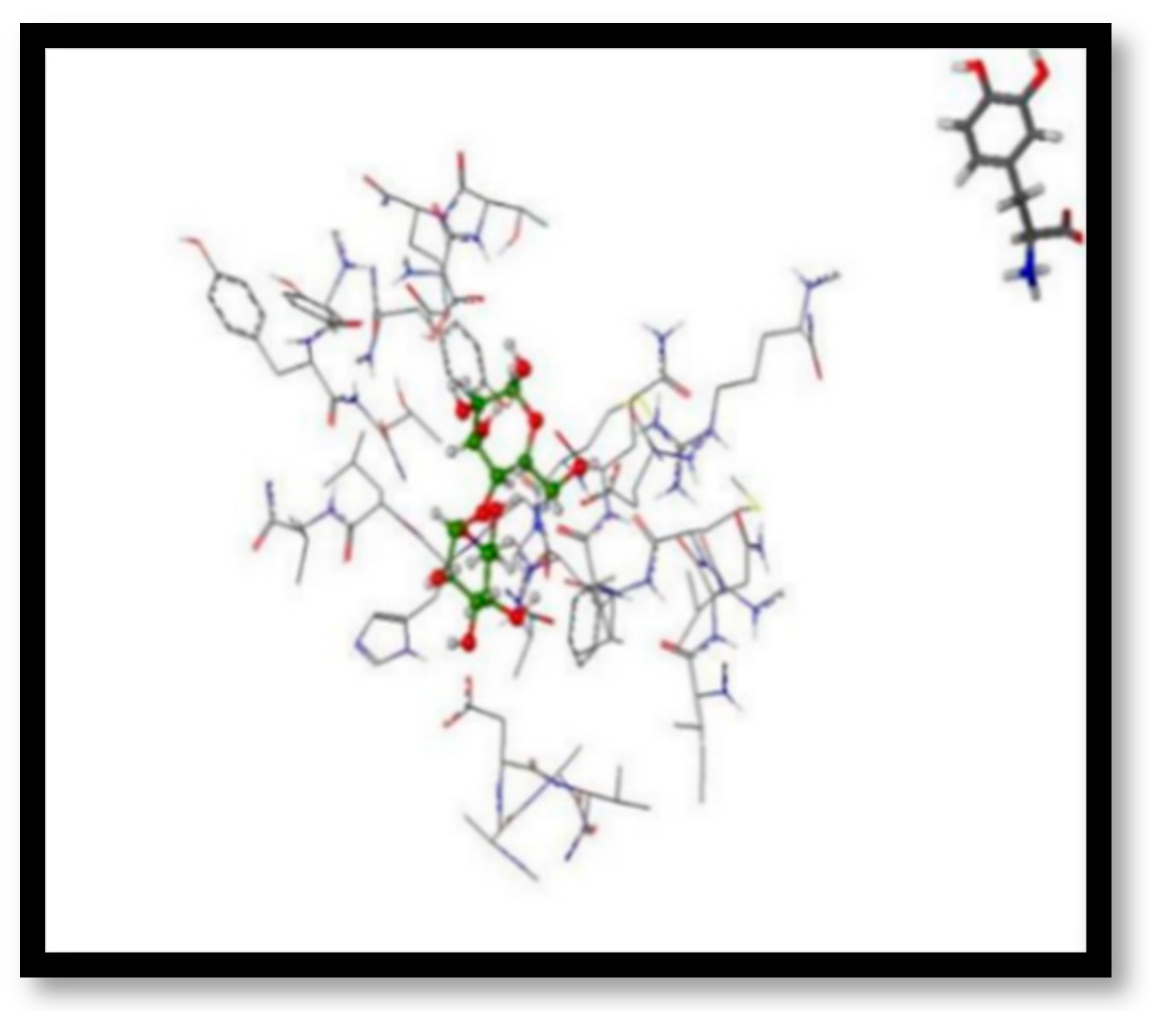
Table 2.
Data from docking Levodopa on 3PBL receptor.
Figure 3.
High-match Levodopa docked on 3PBL receptor.
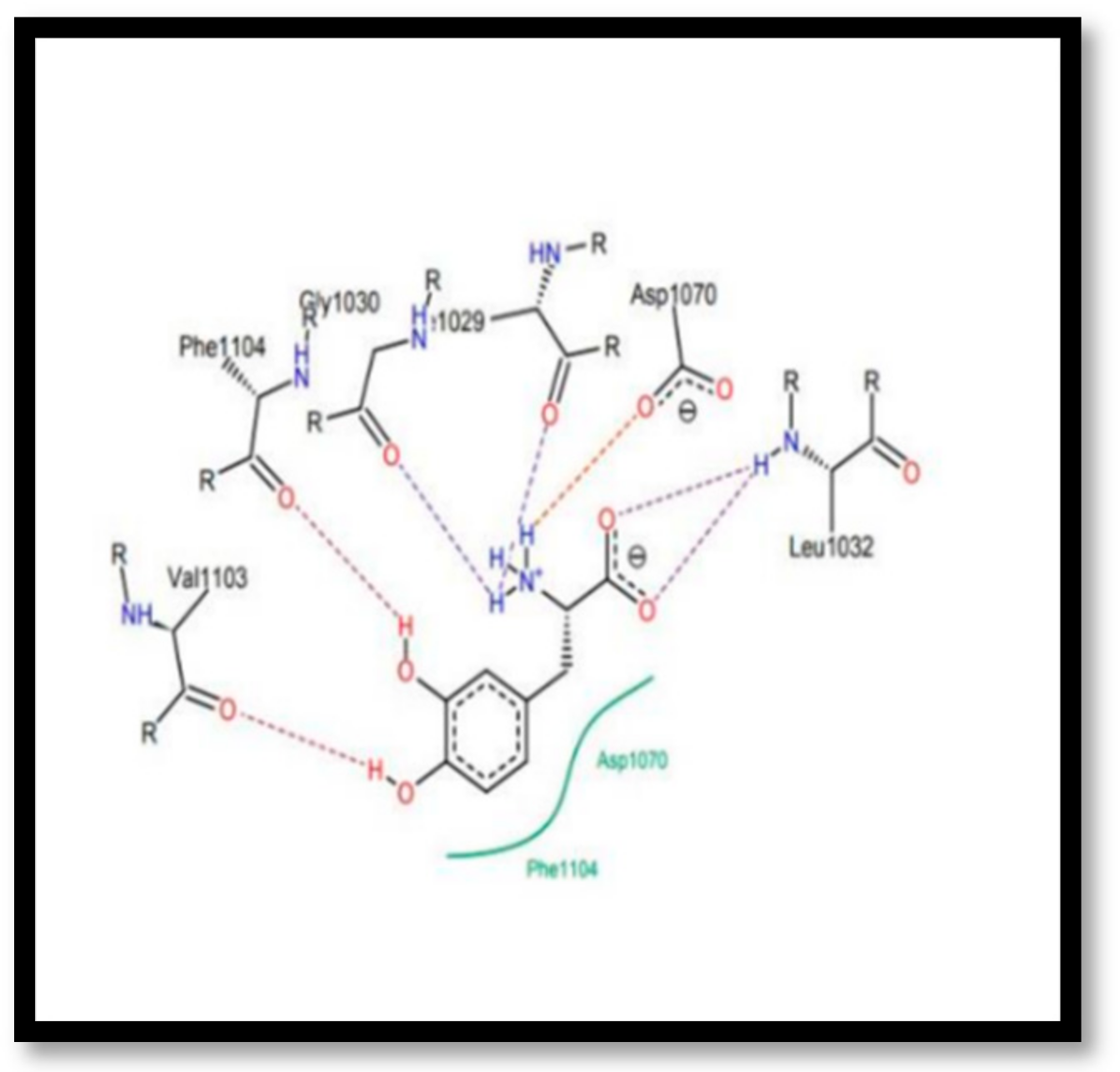
Figure 4.
Low-match Levodopa docked on 3PBL receptor.
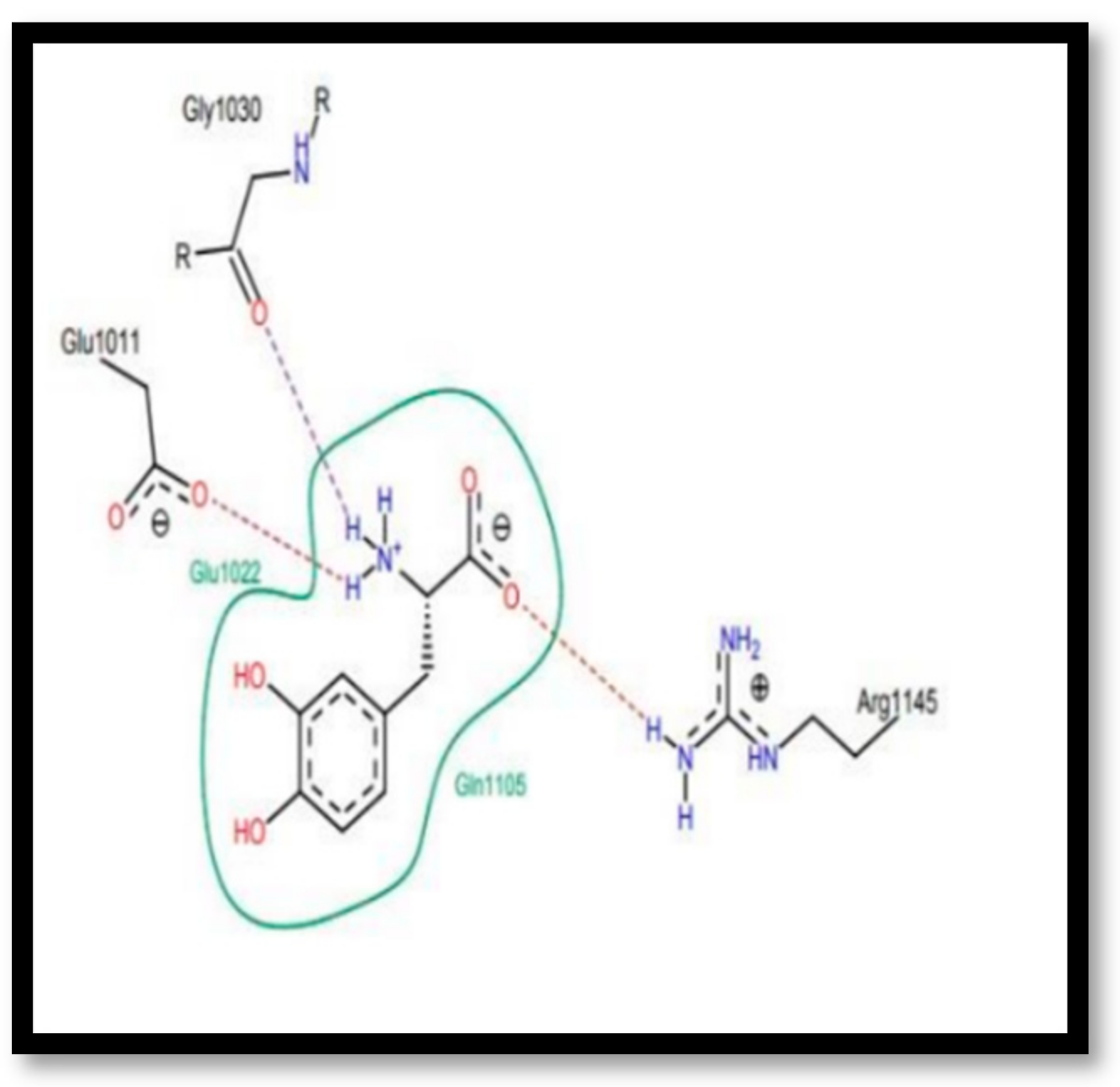
Figure 5.
High-rank Levodopa docked on 3PBL receptor.
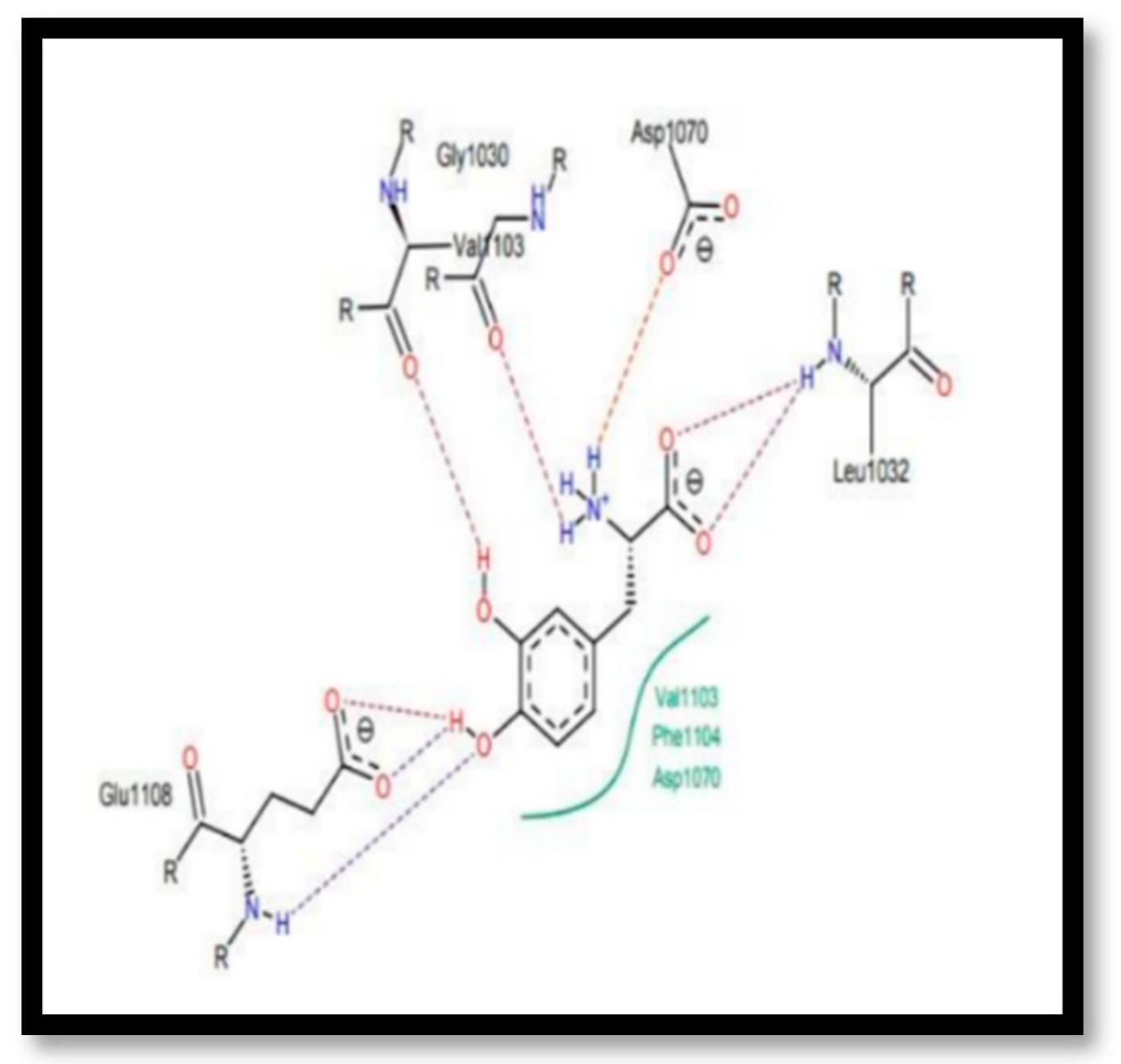
Figure 6.
Low-rank Levodopa docked on 3PBL receptor.
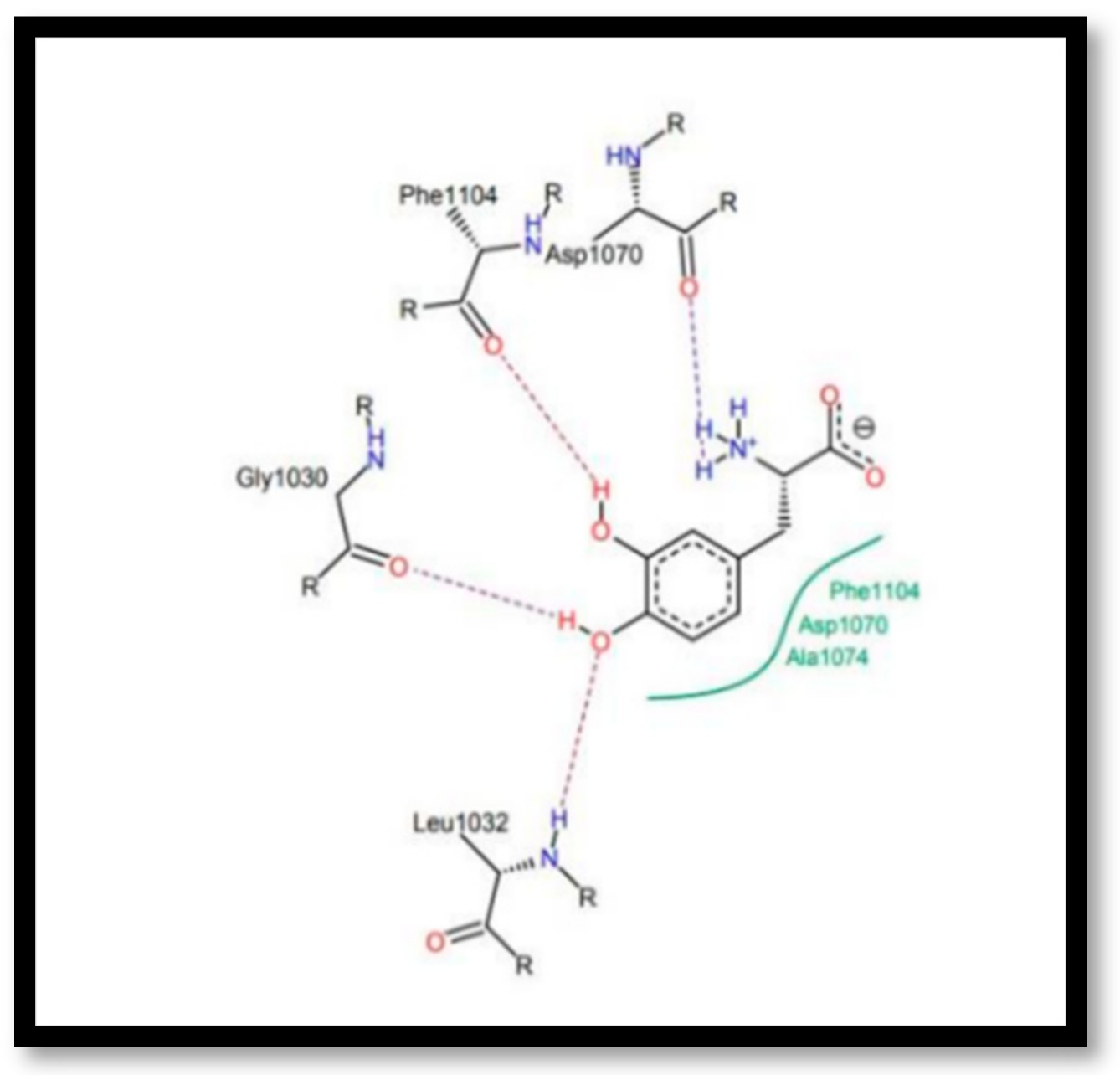
Levodopa is most typically used as a dopamine replacement medication in the treatment of Parkinson’s disease as it is a precursor to dopamine. It works well for controlling the bradykinetic symptoms that accompany Parkinson’s disease.
Figure 7.
Vasicol docked on 3PBL.
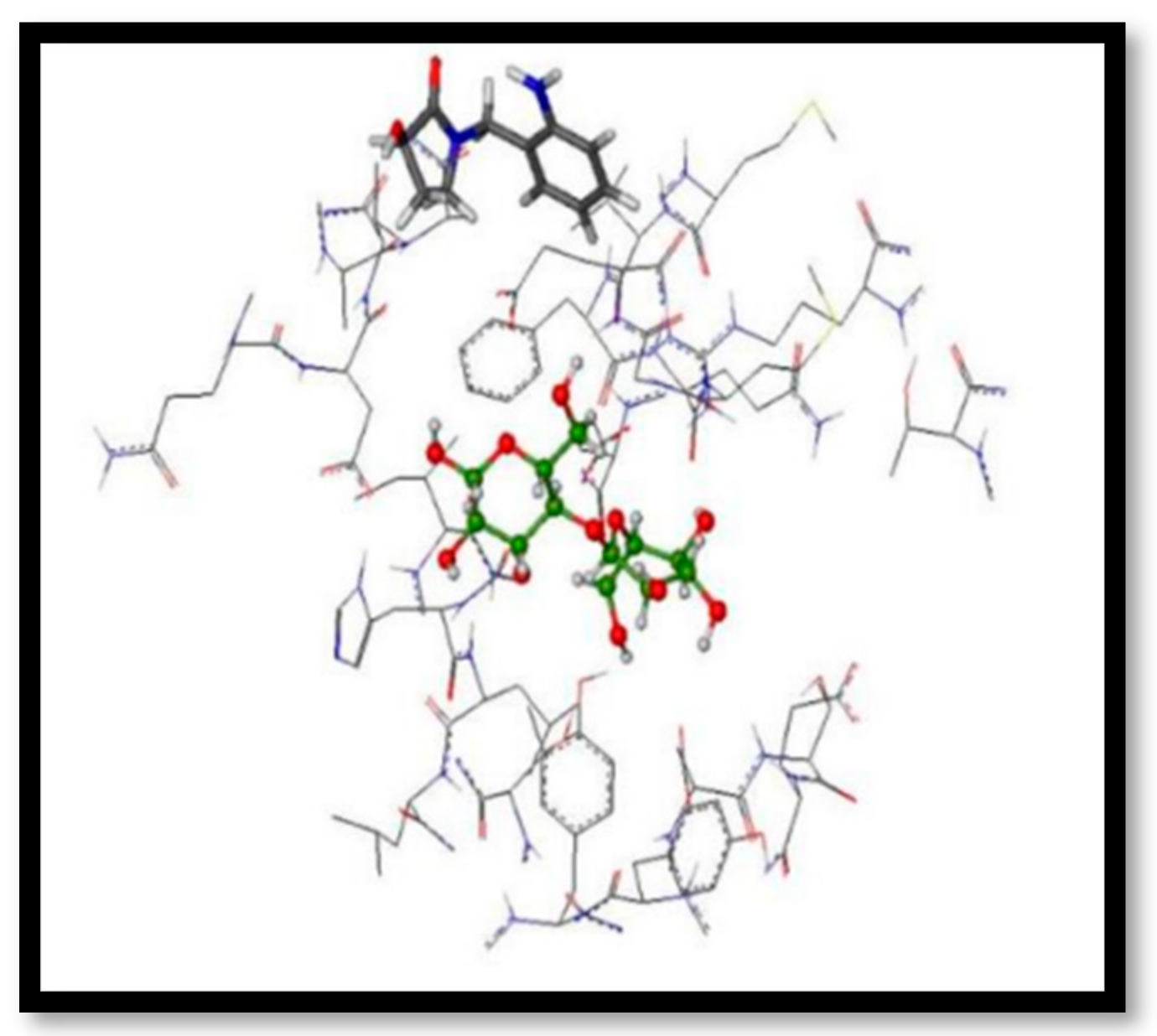
Table 3.
Data on docking of Vasicol on 3PBL.
Figure 8.
High-match Vasicol docked on 3PBL.
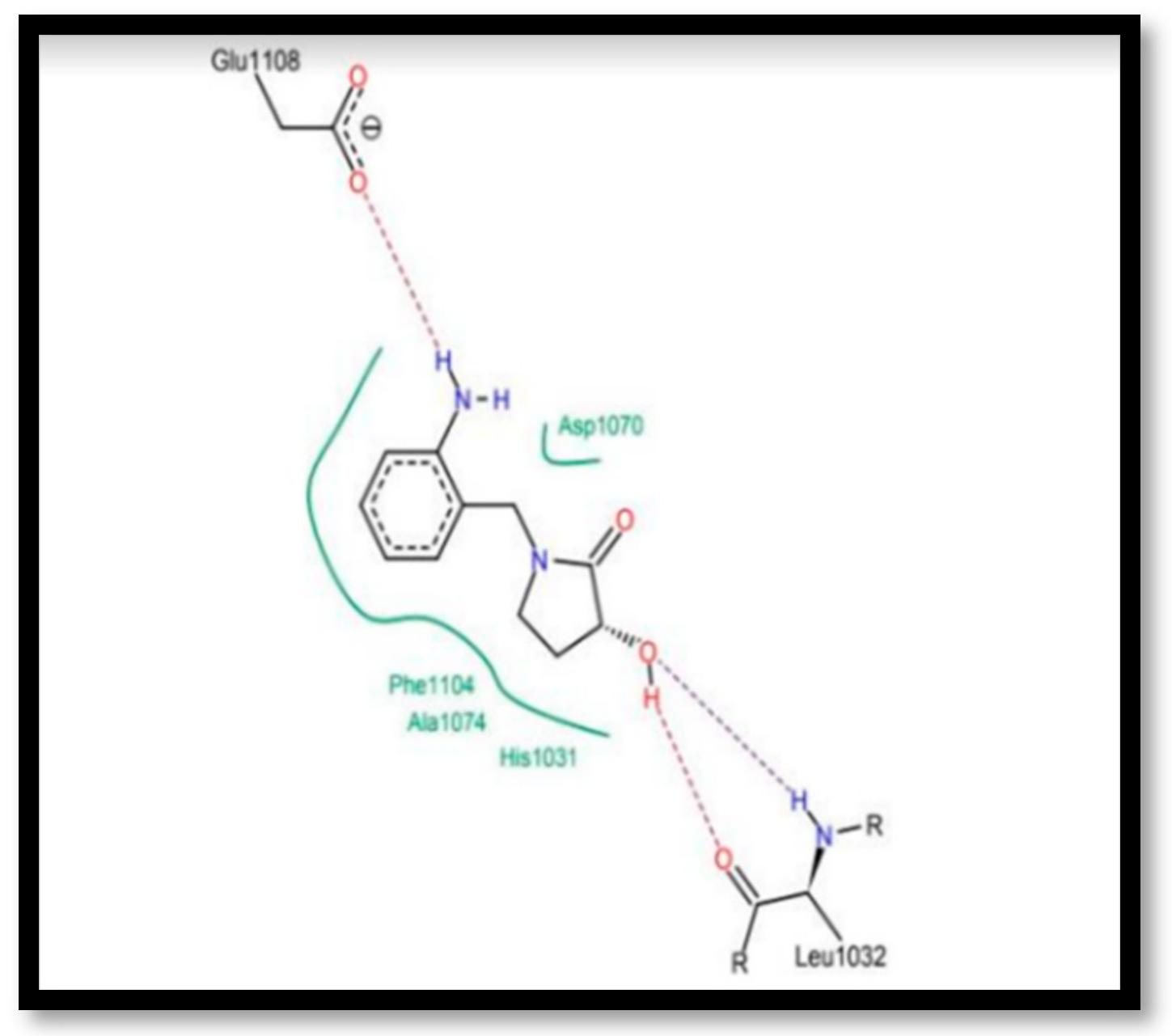
Figure 9.
Low-match Vasicol docked on 3PBL.
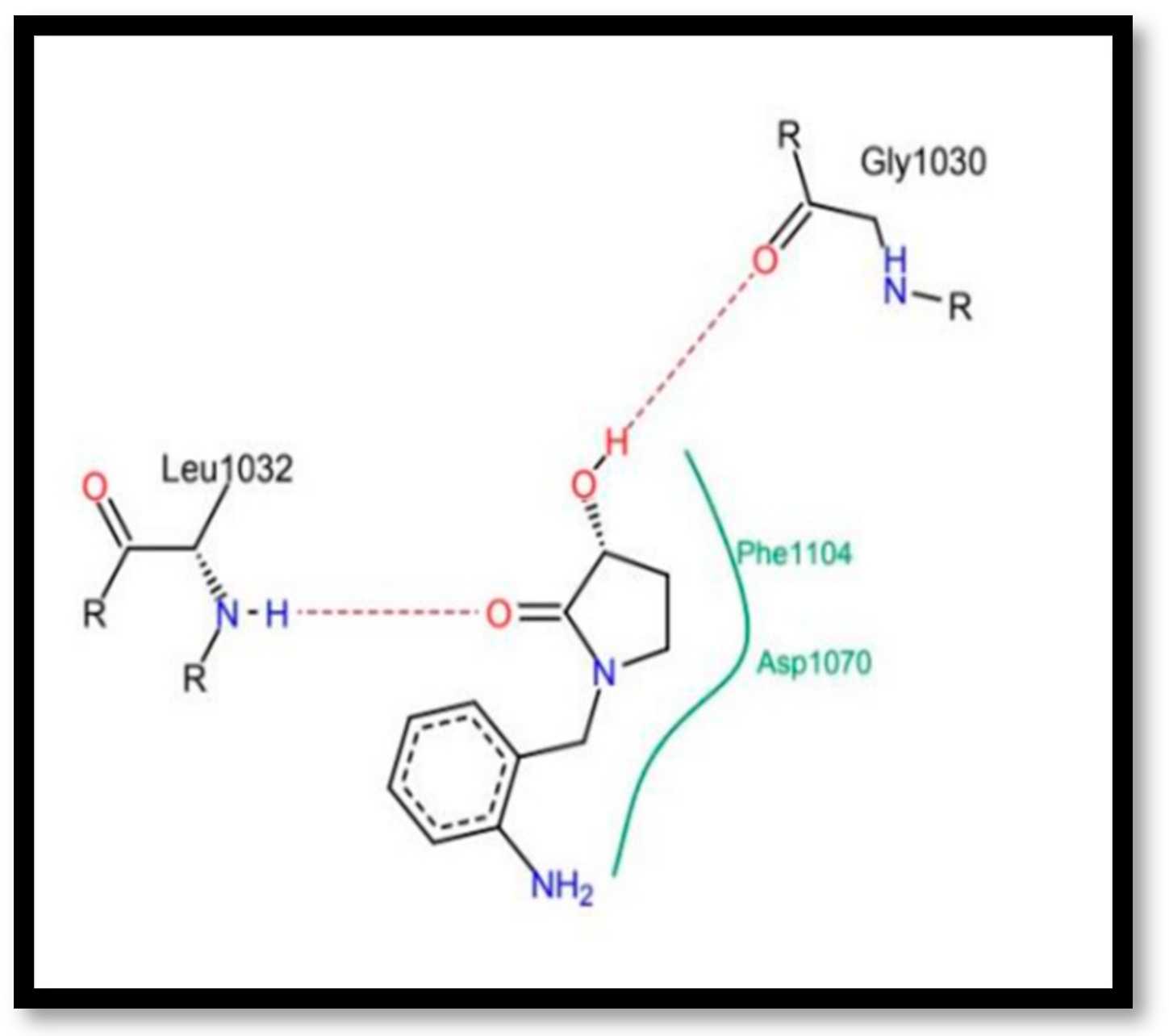
Figure 10.
High-rank Vasicol docked on 3PBL.
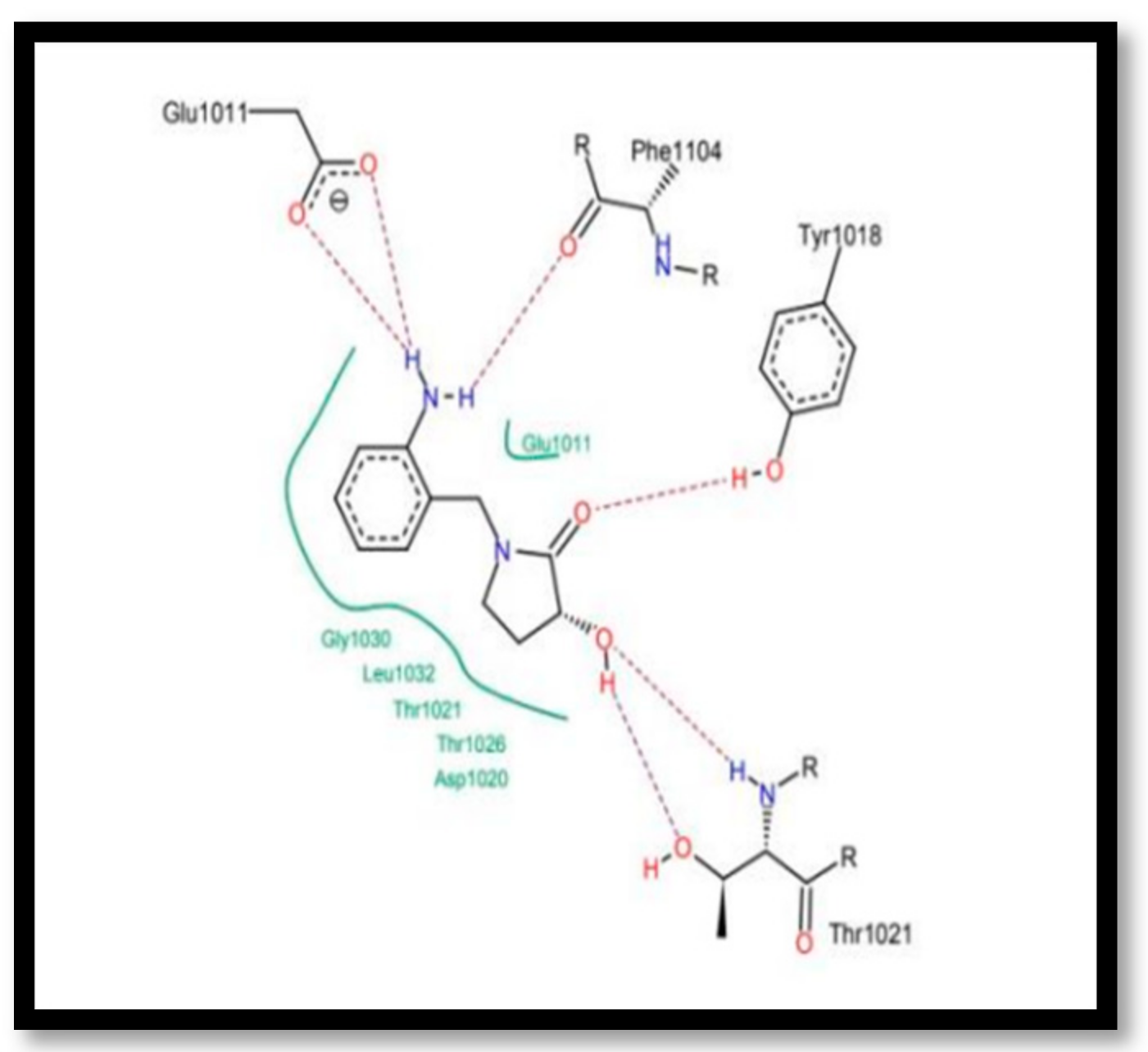
Figure 11.
Low-rank Vasicol docked on 3PBL.
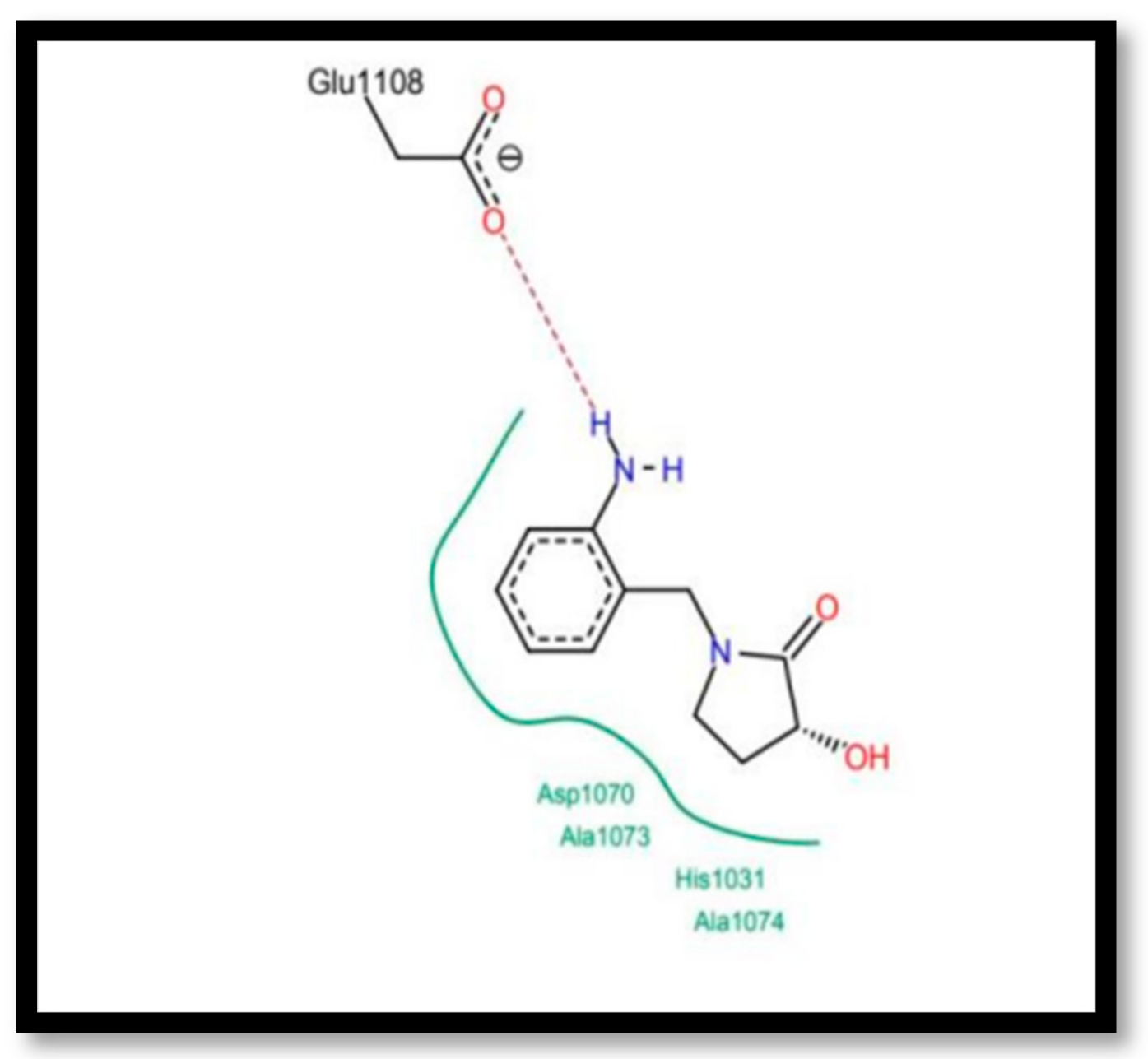
The docking results as exhibited in Table 4 show that all the plant compounds and Levodopa have their energy in negative values, which suggests good binding on the chosen receptor.
Table 4.
Comparison of docking energy in 3PBL.
- Levodopa, however, has the highest energy as compared to the chosen phytoconstituents.
- Vasicol has the closest energy value to that of Levodopa, whereas Oleic Acid has the lowest energy value.
- We also see that Ginkgolide B and Alpha-cubebene shows no binding on the 3PBL receptor.
4. Conclusions
Parkinson’s disease is a movement illness that affects the nervous system [11]. Tremors are common; however, they are also associated with stiffness or slowed movement. Gene therapy, surgery, and drugs like Levodopa are some of the treatments available [12]. However, Levodopa carries certain side effects like dizziness, loss of appetite, diarrhea, dry mouth, etc. To overcome such effects, the replacement of Levodopa with bioactive ingredients is performed to treat Parkinson’s disease.
In this experiment, a d2/d3 receptor protein called 3PBL was selected to be docked with 10 bioactive ingredients, each of which gave a unique result. The results were compared and it was ensured that certain phytoconstituents have similar binding energies to that of Levodopa. Out of the 10, Vasicol showed the closest energy value to that of Levodopa and is therefore capable of replacing Levodopa.
With the advancements in phytochemistry and medicinal chemistry, there is immense scope for the replacement of allopathic medicines with competent bioactive phytoconstituents. The good binding energy suggests a better mechanism and fewer side effects in treating Parkinson’s disease.
Author Contributions
Conceptualization, M.G.; methodology, M.G., P.D. and N.K.; software, M.G.; writing, S.C., supervision, M.G. All authors have read and agreed to the published version of the manuscript.
Funding
This research received no external funding.
Institutional Review Board Statement
Not applicable.
Informed Consent Statement
Not applicable.
Data Availability Statement
Data sharing is not applicable to this article.
Conflicts of Interest
The authors declare no conflicts of interest.
References
- Sherer, T.B.; Chowdhury, S.; Peabody, K.; Brooks, D.W. Overcoming obstacles in Parkinson’s disease. Mov. Disord. 2012, 27, 1606–1611. [Google Scholar] [CrossRef] [Scilit] [PubMed]
- Chou, K.L. Clinical manifestations of Parkinson disease. UpToDate. 2013. Available online: https://www.medilib.ir/uptodate/show/4903 (accessed on 20 June 2023).
- Beitz, J.M. Parkinson’s Disease: A Review. 2014. Available online: https://pubmed.ncbi.nlm.nih.gov/24389262/ (accessed on 20 June 2023).
- Radhakrishnan, D.M.; Goyal, V. Parkinson’s disease: A review. Neurol. India 2018, 66, 26. [Google Scholar]
- Braak, H.; Del Tredici, K.; Rüb, U.; De Vos, R.A.; Steur, E.N.J.; Braak, E. Staging of brain pathology related to sporadic Parkinson’s disease. Neurobiol. Aging 2003, 24, 197–211. [Google Scholar] [CrossRef] [Scilit] [PubMed]
- Garcia-Ruiz, P.J.; Chaudhuri, K.R.; Martinez-Martin, P. Nonmotor symptoms of Parkinson’s disease A review… from the past. J. Neurol. Sci. 2014, 338, 30–33. [Google Scholar] [CrossRef] [Scilit] [PubMed]
- Cross, S.S. Improved FlexX Docking Using FlexS-Determined Base Fragment Placement. J. Chem. Inf. Model. 2005, 45, 993–1001. [Google Scholar] [CrossRef] [Scilit] [PubMed]
- Sveinbjörnsdóttir, S.; Hicks, A.A.; Jónsson, T.; Pétursson, H.; Guðmundsson, G.; Frigge, M.L.; Kong, A.; Gulcher, J.R.; Stefansson, K. Familial aggregation of Parkinson’s disease in Iceland. N. Engl. J. Med. 2000, 343, 1765–1770. [Google Scholar] [CrossRef] [Scilit] [PubMed]
- Savica, R.; Cannon-Albright, L.A.; Pulst, S. Familial aggregation of Parkinson disease in Utah: A population-based analysis using death certificates. Neurol. Genet. 2016, 2. [Google Scholar] [CrossRef] [Scilit] [PubMed]
- Latif, S.; Jahangeer, M.; Razia, D.M.; Ashiq, M.; Ghaffar, A.; Akram, M.; El Allam, A.; Bouyahya, A.; Garipova, L.; Shariati, M.A.; et al. Dopamine in Parkinson’s disease. Clin. Chim. Acta 2021, 522, 114–126. [Google Scholar] [CrossRef] [Scilit] [PubMed]
- Lill, C.M. Genetics of Parkinson’s disease. Mol. Cell. Probes 2016, 30, 386–396. [Google Scholar] [CrossRef] [Scilit] [PubMed]
- Pezzoli, G.; Zini, M. Levodopa in Parkinson’s Disease: From the Past to the Future; Informa UK Ltd.: Colchester, UK, 2010; ISSN 1465-6566. [Google Scholar] [CrossRef] [Scilit]

Disclaimer/Publisher’s Note: The statements, opinions and data contained in all publications are solely those of the individual author(s) and contributor(s) and not of MDPI and/or the editor(s). MDPI and/or the editor(s) disclaim responsibility for any injury to people or property resulting from any ideas, methods, instructions or products referred to in the content. |
© 2023 by the authors. Licensee MDPI, Basel, Switzerland. This article is an open access article distributed under the terms and conditions of the Creative Commons Attribution (CC BY) license (https://creativecommons.org/licenses/by/4.0/).