Systematic Review

Federated Learning in Smart Healthcare, Homes, and Cities (FL-SHHC): A Systematic Literature Review

by
Tom Jackson
*,
Javed Ali Khan
* and
Alexios Mylonas
Cybersecurity and Computing Systems Research Group, Department of Computer Science, University of Hertfordshire, Hatfield AL10 9AB, UK
*
Authors to whom correspondence should be addressed.
Eng 2026, 7(9), 485; https://doi.org/10.3390/eng7090485 (registering DOI)
Submission received: 19 August 2026 / Revised: 10 September 2026 / Accepted: 15 September 2026 / Published: 19 September 2026
(This article belongs to the Special Issue Interdisciplinary Insights in Engineering Research 2026)

Abstract

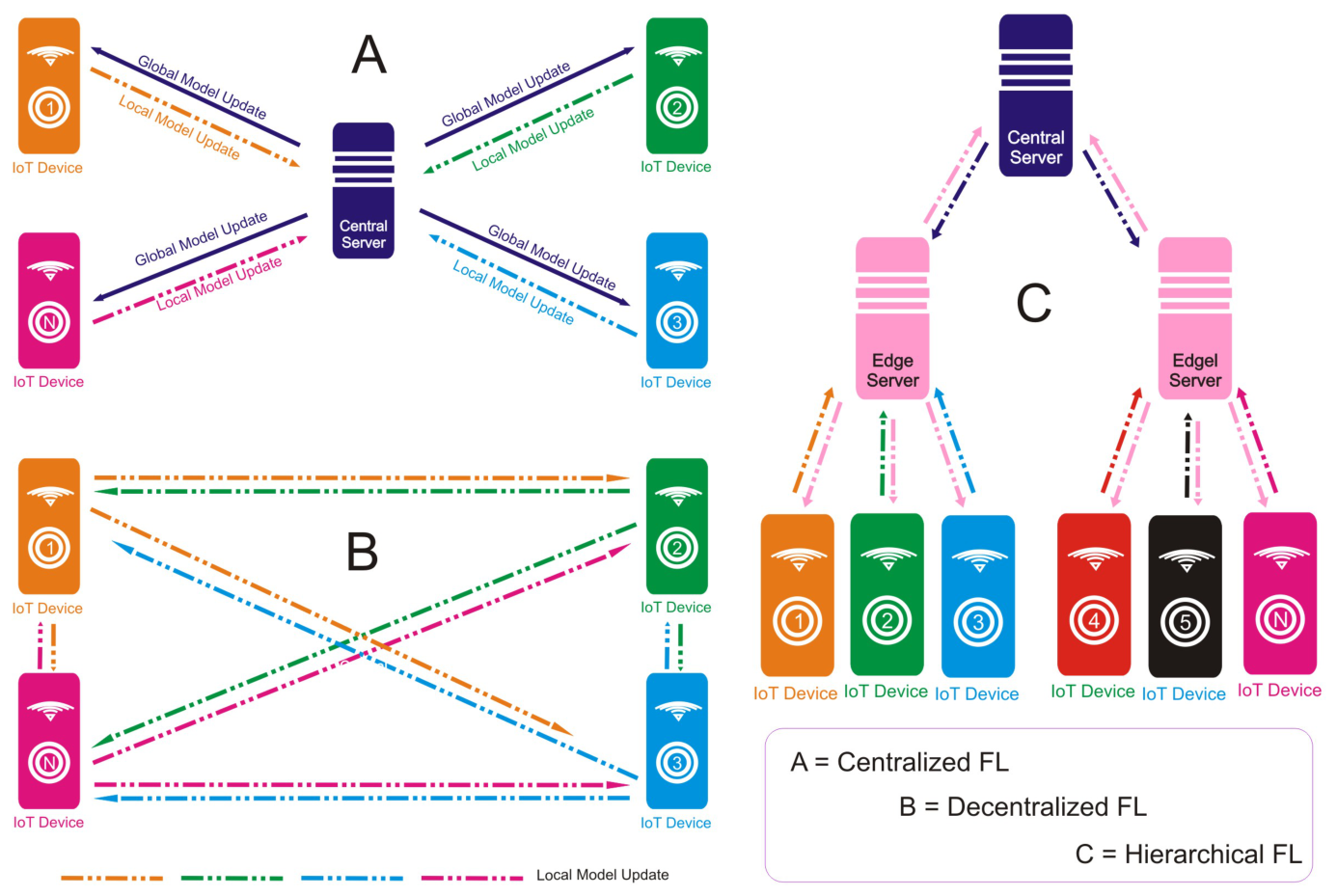
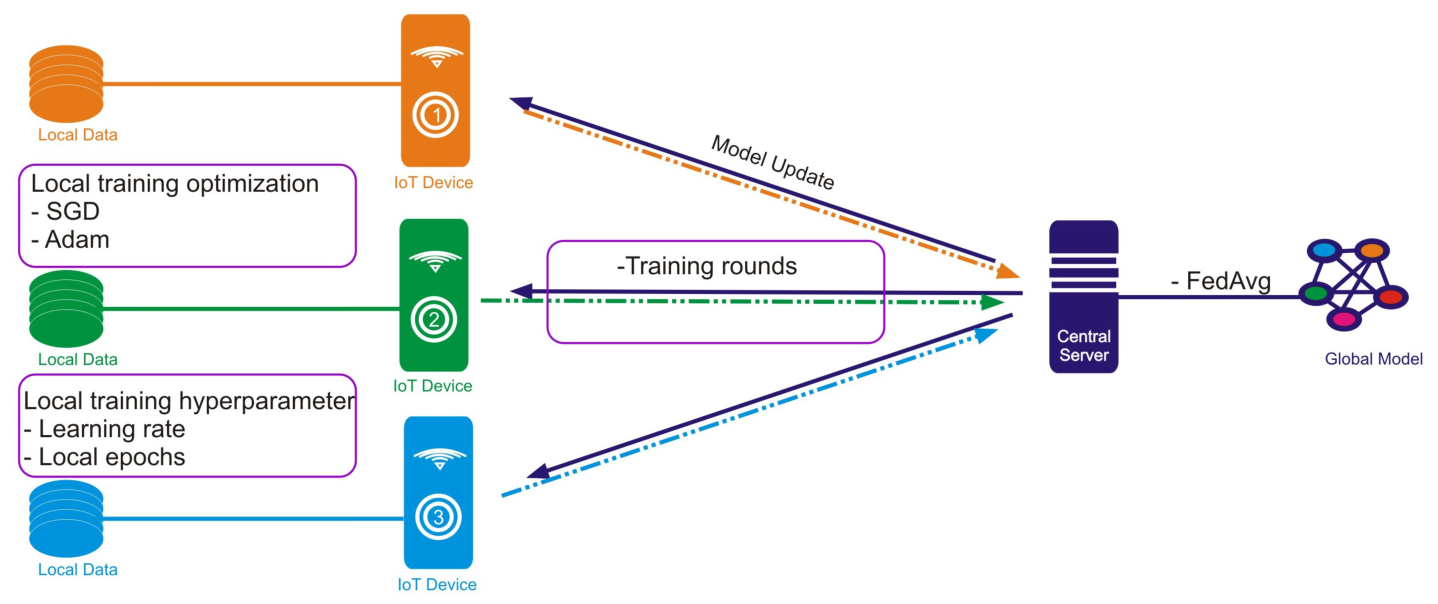
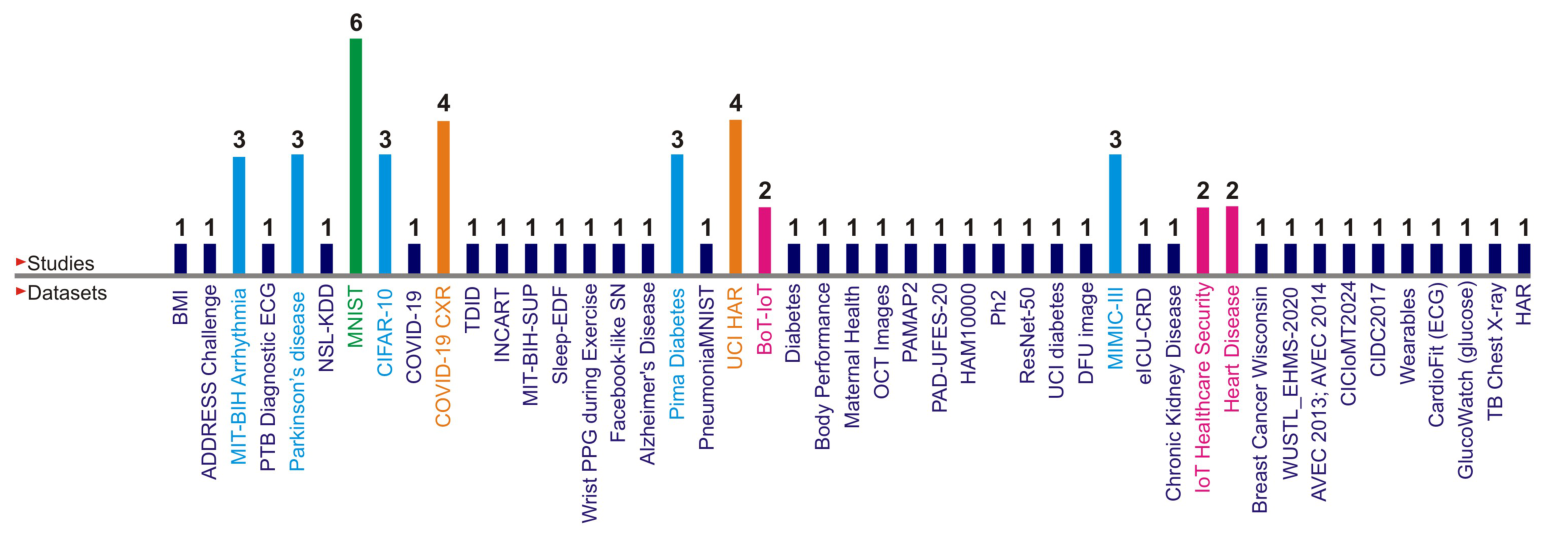
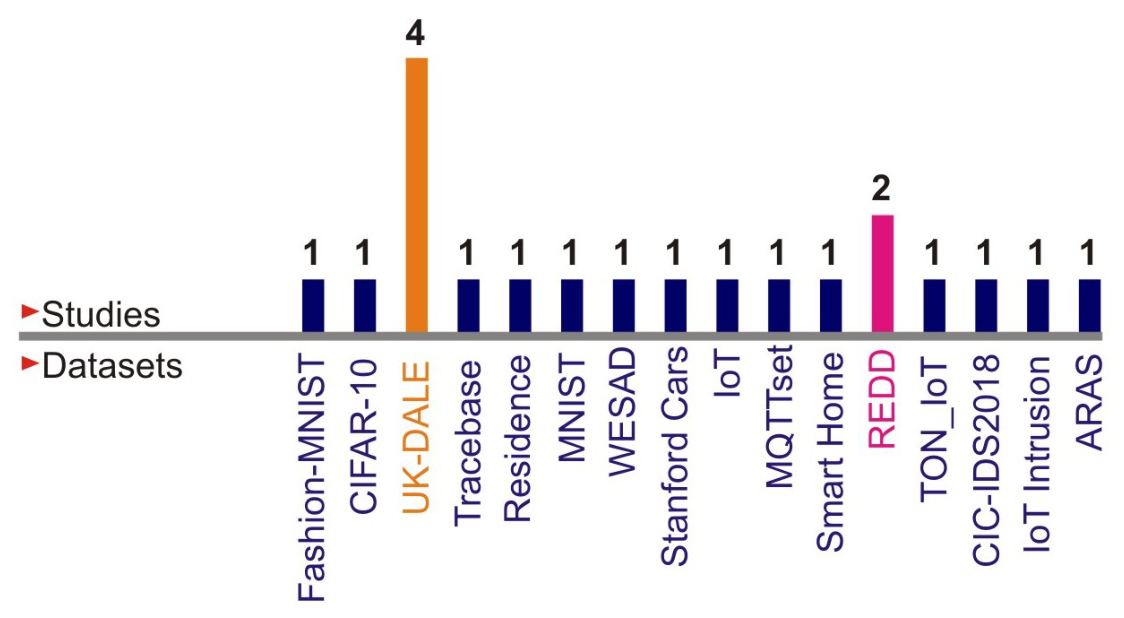
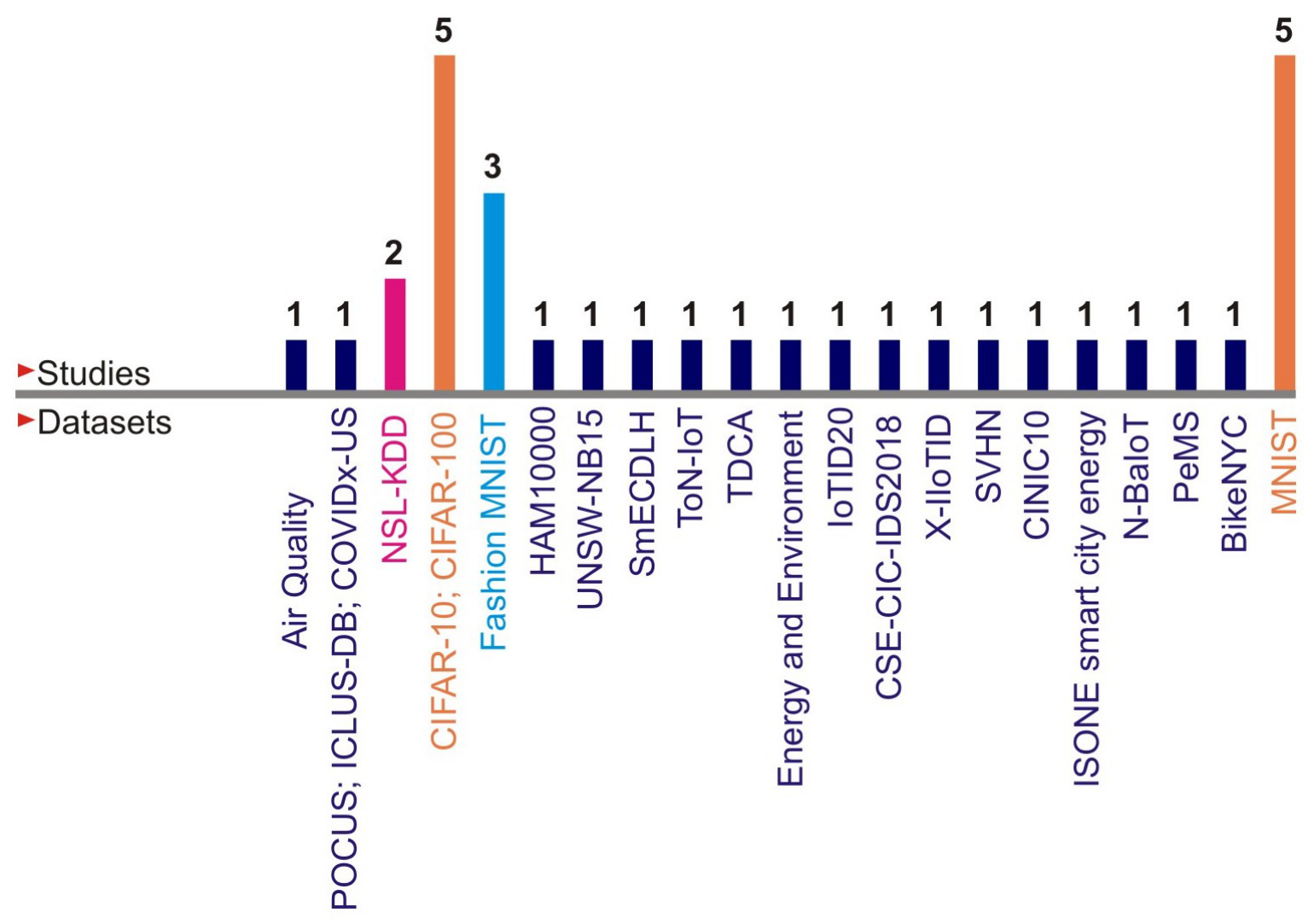
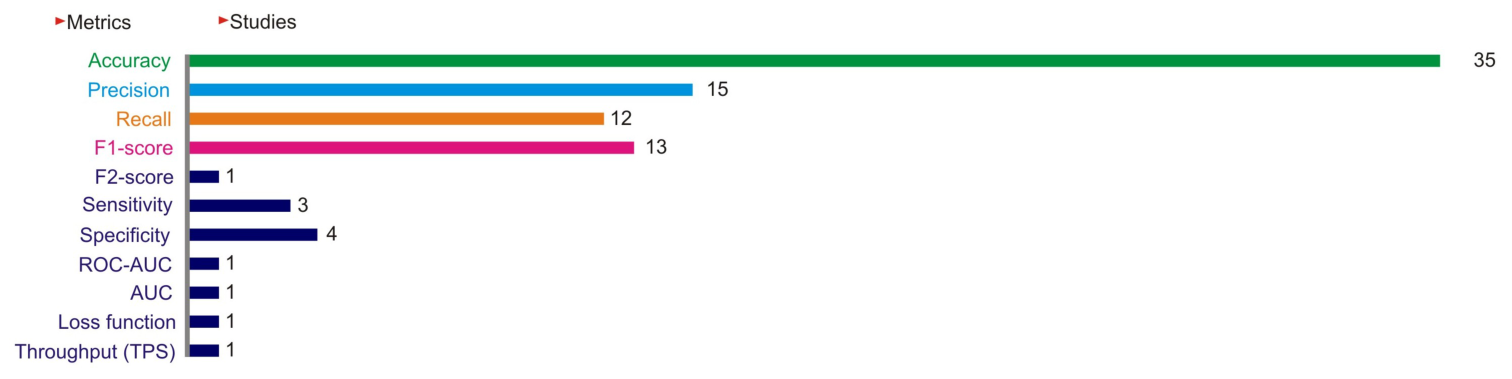
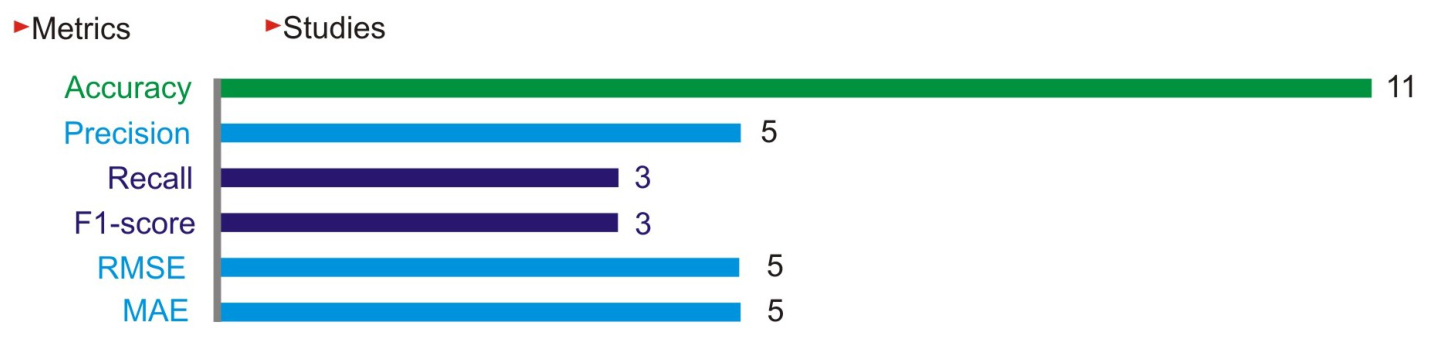
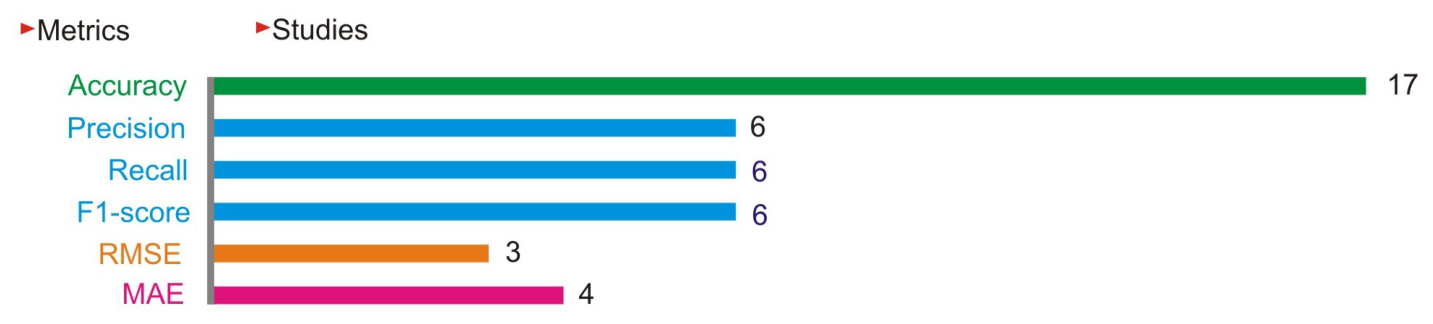
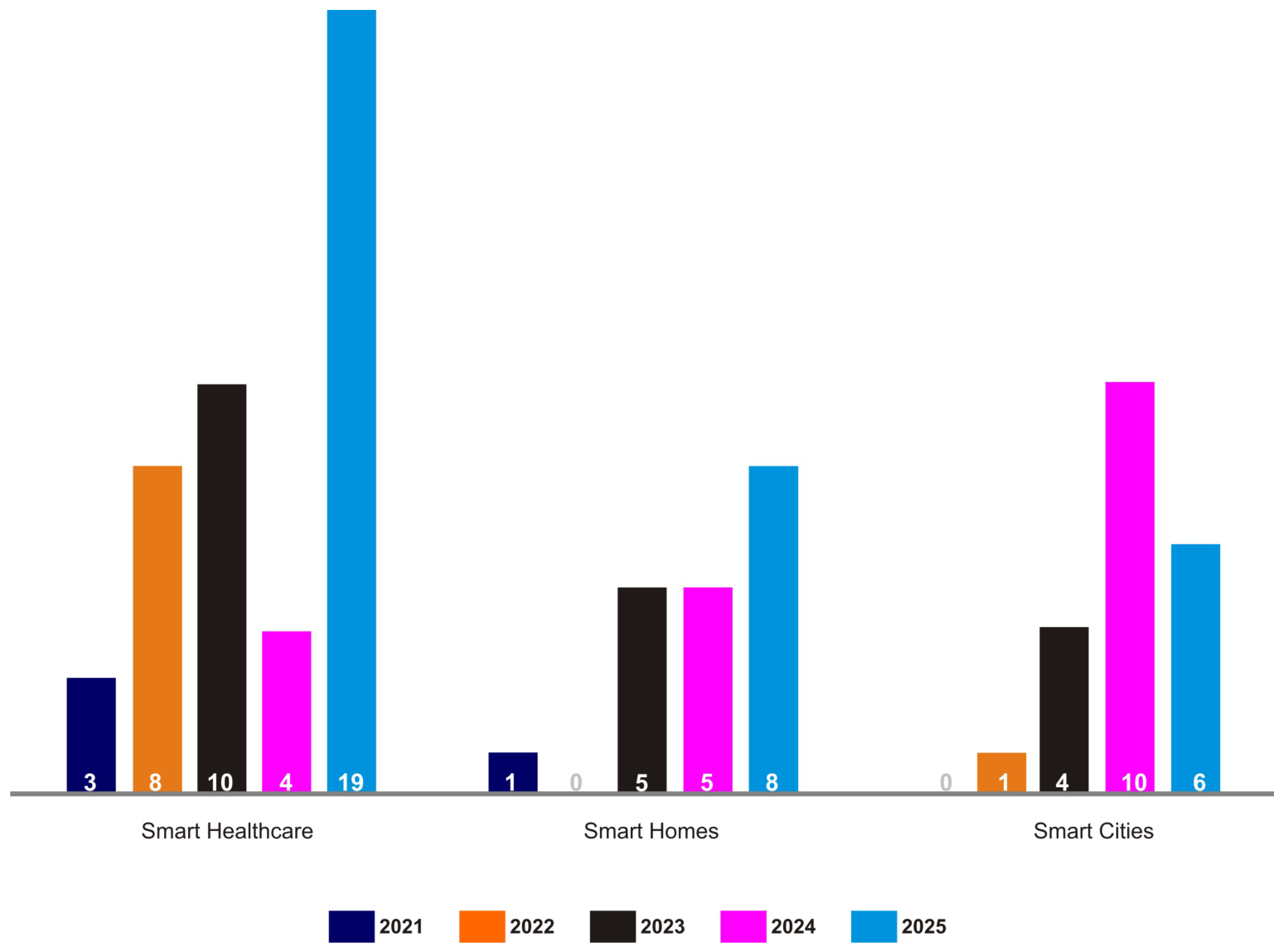
Federated learning (FL) has emerged as an acceptable approach for training machine learning (ML) models across distributed devices while preserving their private data. Recently, Internet of Things (IoTs) has been widely used across three application domains: smart healthcare, homes, and cities (SHHCs). In this study, we present a systematic literature review (SLR) using the PRISMA framework to comprehensively analyze existing research on FL-IoT smart healthcare, homes, and cities (FL-IoT SHHC). We identified and categorized 84 studies into three application domains (smart healthcare, homes, and cities) and critically analyzed them to identify three frequently used FL architectures: centralized, decentralized, and hierarchical FL. Furthermore, we discuss 17 optimization algorithms, seven hyperparameters, 76 datasets, and 13 evaluation metrics. Four explainable AI approaches, five privacy attacks, the limitations of this research, and future directions are also discussed. This SLR not only provides a comprehensive overview of the state of the art in FL-IoT smart healthcare, homes, and cities but also provides a roadmap for researchers and professionals seeking to advance the field and design more robust and resilient FL-IoT systems for user privacy domains.
Keywords: federated learning; Internet of Things; SLR; smart healthcare; smart homes; smart cities federated learning; Internet of Things; SLR; smart healthcare; smart homes; smart cities