


Abstract
This study presents an integrated approach combining environmental risk assessment and experimental performance evaluation for asphalt production plants incorporating reclaimed asphalt pavement (RAP). Unlike previous studies, which focus separately on mechanical performance or environmental impact, our methodology applies a semi-quantitative Environmental Impact Score (EIS), calculated using legal requirements (L), pollutant characteristics (P), and control measure effectiveness (C). The EIS framework is based on ISO 14001 and ISO 31000 principles. The results indicate that significant impacts are mainly associated with high-temperature processes and hazardous materials, while mitigation measures effectively reduce residual risks. The experimental investigation compared conventional asphalt mixtures with mixtures containing 9.71% RAP across different bitumen contents. Key quantitative findings include a 3-point increase in EIS for RAP mixtures due to higher volatile organic compound (VOC) emissions and a 3–8% improvement in Marshall stability and stiffness at lower bitumen contents (3.8–4.2%). The results demonstrate that RAP can enhance mechanical performance while supporting circular economy objectives, provided that environmental risks are actively managed through process control and mitigation measures. This work highlights the novel integration of quantitative environmental scoring with laboratory validation, providing a reproducible framework for sustainable and risk-informed asphalt production.
1. Introduction
Asphalt production is a critical component of modern infrastructure, but it involves significant environmental pressures, including energy consumption, emissions, and waste generation [1]. These environmental pressures have prompted researchers and industry practitioners to explore sustainable alternatives, such as the incorporation of recycled materials, the use of warm-mix asphalt technologies, and the implementation of circular economy principles to reduce the ecological footprint of asphalt production.
In this study, the term “asphalt” refers to the mixture of aggregates and bitumen, whereas “bitumen” refers specifically to the binder. The utilization of reclaimed asphalt materials (RAPs) contributes to circular economy principles by reducing virgin material extraction and landfill disposal [2]. However, the integration of RAP introduces additional environmental risks, such as higher emissions of volatile organic compounds (VOCs) and dust, especially under abnormal operational conditions [3].
1.1. Background and Context
At the global level, the development of road infrastructure is closely linked to economic growth, mobility, and connectivity, but requires large amounts of mineral aggregates and bituminous binders, resulting in significant carbon emissions and waste generation [4]. In this context, the circular economy has emerged as a key strategy in international sustainable development policies promoted by the EU, the United Nations, and other countries [5,6].
The circular economy shifts from a linear to a regenerative model, keeping materials in use for as long as possible and promoting reuse and recycling in road infrastructure [7]. Asphalt recycling exemplifies this closed-loop approach, as RAP contains reusable aggregates and bitumen, contributing to reduced waste and efficient resource use [8,9,10,11]. Globally, road network exceeds 21 million km, consuming vast amounts of aggregates and bitumen, with RAP usage averaging 30% in asphalt layers and reaching 40–50% in advanced projects in the USA, Germany, and the Netherlands [12,13,14].
The use of recycled materials, particularly RAP and recycled concrete aggregates (RCAs), is a key strategy for promoting circular economy principles in road infrastructure [10,15]. However, their high variability in composition, age, contamination, and processing can significantly affect pavement mechanical performance and durability [10]. Regulatory frameworks for recycled material use remain inconsistent across countries, and perceived risks, certification costs, and potential environmental hazards, such as leaching of heavy metals or VOC emissions, limit widespread adoption [16,17,18]. Improper characterization or integration of recycled materials can lead to accelerated degradation, cracking, or reduced load-bearing capacity, particularly in heavily trafficked roads [13,14]. Existing studies tend to address mechanical, environmental, or economic aspects separately, with a limited integration of technical and ecotoxicological risks [18,19,20,21,22].
The circular economy is a regenerative model that keeps products and materials in use for as long as possible, minimizing waste and environmental impact. [23,24,25]. In road infrastructure, this involves recycling, reuse, or recovery of materials, reducing the demand for virgin aggregates and bitumen. Asphalt recycling, using RAP from maintenance or reconstruction, allows multiple reuse cycles with minimal loss of performance [26]. Similarly, construction and demolition wastes, such as concrete, can be processed as recycled aggregates for road foundations.
The waste hierarchy—prevention, reduction, reuse, recycling, energy recovery, and disposal—is a key principle guiding circular approaches in pavement management [5,27]. Extending pavement service life through maintenance, rehabilitation, and recycling reduces resource consumption and postpones full reconstruction [28]. Effective implementation of circular economy principles in road infrastructure requires integrated approaches, technical standards, and clear regulatory frameworks [29].
The scientific literature (Table 1) classifies the wastes used in roads into several major categories, based on their origin and properties.
Table 1.
Use of residual materials in road construction: applications and limitations.
Asphalt production facilities, particularly those using recycled materials, operate under international standards and EU regulations to ensure environmental protection, risk management, and legal compliance. ISO 14001 provides a framework for minimizing emissions, waste, and energy use while improving environmental performance [32,33], and ISO 31000 guides the systematic identification and mitigation of environmental, technological, and occupational risks [34,35]. EU legislation, including the Waste Framework Directive 2008/98/EC [36] and Industrial Emissions Directive 2010/75/EU [37], sets the requirements for waste management, emissions control, and adoption of Best Available Techniques (BATs), while the Landfill Directive 1999/31/EC [38] restricts the disposal of recyclable materials. Compliance with these standards and directives ensures reduced environmental impact, legal certainty, and supports the integration of recycled materials, such as RAP, into road infrastructure, fostering circular economy practices and sustainable construction.
1.2. Benefits and Technical Limitations of Using Waste in Asphalt
Numerous studies have shown that the controlled use of waste can lead to mechanical performance comparable to or even exceeding that of conventional materials. For example, incorporating RAP into asphalt mixtures improves stiffness and resistance to permanent deformation, especially in base and binder layers, due to the presence of aged bitumen with a high elastic modulus [39,40]. In the case of industrial waste, such as metallurgical slags, studies report a significant increase in load-bearing capacity and wear resistance, making them suitable for heavy-traffic roads [41]. The use of certain wastes also contributes to extending the service life of pavement structures. Scrap tire rubber, when used as a bitumen modifier, enhances the fatigue resistance and flexibility of asphalt, reducing the risk of cracking under extreme climatic conditions [42,43]. Recycled concrete aggregates, when used in subbase layers, provide good long-term structural stability, provided that compaction and drainage requirements are met [44,45]. By reusing existing materials, road infrastructure becomes more material-efficient, reducing losses and optimizing resource use. Studies indicate that pavements containing recycled materials achieve a favorable performance-to-material ratio without requiring significant increases in layer thickness [46].
On the other hand, other studies indicate that certain wastes—particularly plastics, rubber, and slags—have limited compatibility with conventional bitumen, leading to phase instability, segregation, and loss of homogeneity in asphalt mixtures [47,48]. To overcome these issues, the literature suggests the use of modified bitumen, chemical additives, and compatibilizing agents, but these solutions increase technological complexity and production costs [49]. Plastic wastes can thermally degrade at typical hot-mix asphalt temperatures (160–180 °C), generating emissions and affecting binder performance, while tire rubber requires higher temperatures and longer mixing times [48]. These factors can accelerate bitumen aging, increase energy consumption, and limit use in conventional asphalt plants [50]. TRB (Transportation Research Board) and NAPA (National Asphalt Pavement Association) studies show that most asphalt plants are optimized for conventional materials, and the use of waste materials requires dedicated dosing systems, RAP fractionation and drying, and advanced process control [51].
High RAP or slag content increases mixture stiffness, affecting fatigue and low-temperature performance and increasing the risk of premature cracking [49,50]. Plastics integrated into asphalt reduce stress–relaxation capacity, which can increase cracking susceptibility, while higher viscosity may complicate workability and compaction [40]. Recycled glass and metallurgical slags may exhibit a poor adhesion to bitumen, promoting stripping and separation in the presence of water [49,52].
The literature identifies certain technically safe maximum thresholds, beyond which major performance risks arise: RAP: 15–30%; RAP > 40% requires specialized technologies; Plastic: 1–10% of binder mass; Rubber: 5–15% of bitumen mass [53,54]. A critical aspect of recycling various wastes in asphalt production is that the subsequent recyclability of asphalt containing, for example, RAP from mixtures with rubber or plastic may create difficulties in further recycling and raises questions about long-term performance [55,56]. According to international comparative analyses, regulations on waste use in asphalt remain conservative, validated calculation models are lacking, and there is still reluctance from road authorities [14,49]. The scientific literature confirms that the use of waste in asphalt is technically feasible, but requires strict control, has compatibility and durability limitations, demands carefully limited addition percentages, and its large-scale implementation requires further regulation and research.
The production of asphalt involves a series of interconnected technological processes (Figure 1), including the storage and heating of aggregates, mixing with bitumen, and handling of recycled materials such as RAP. The introduction of recycled materials or additives may require adjustments in temperature, mixing time, or process control to maintain homogeneity and desired mechanical properties.
Figure 1.
Technological scheme of the asphalt recycling process with RAP.
Modern asphalt plants incorporating RAP are designed to valorize recycled materials obtained from the milling of existing road pavements and reducing the consumption of natural resources [57,58]. The installation includes, in addition to the conventional components (aggregate bins, dryer, mixer, bitumen, and filler silos), dedicated equipment for the handling, dosing, and controlled introduction of RAP. These systems typically consist of separate RAP bins, variable-speed conveyor belts, independent weighing systems, and specialized integration points within the production process (such as a mid-ring, parallel mixer, or combined drum) [59].
The technological flow begins with the feeding granulometrically sorted natural aggregates into pre-dosing bins, while RAP from milled road layers is stored separately to minimize segregation and degradation Its flow rate is carefully controlled, and the automation system adjusts RAP content according to production recipe and taking into account the maximum allowable percentage in accordance with SR EN 13108-1:2016 [60]. Natural aggregates are dried and heated through direct contact with hot gases generated by the burner. When RAP is used, it is not exposed to direct high-temperature heating in order to prevent burning or the degradation of the existing bitumen. Depending on the type of plant, RAP is introduced either into a mid-section of the drum, where it is indirectly heated through thermal transfer from the hot aggregates, or directly into the mixer, where it is heated through contact with the warm aggregates. This technological solution allows partial activation of the aged bitumen in the RAP and helps reduce the amount of new binder required [61].
Gases from drying pass through bag filters, and recovered filler is collected and reused, with automatic adjustment of dosing to maintain gradation [62]. Fresh bitumen is stored in tanks and dosed gravimetrically or volumetrically; RAP reduces the need for new binder, with usage limits set by SR EN 13108-1:2016 [60] (at maximum allowable percentage is 10%). Hot aggregates, filler, and RAP are dosed separately via compartmentalized silos and dedicated weighing systems to ensure mix consistency [63].
In the twin-shaft mixer, components are combined in sequence, with bitumen sprayed after homogenization to ensure uniform distribution and effective binder reactivation, while avoiding overheating [64]. The automation system monitors temperatures, dosed materials, and bitumen use, ensuring traceability of each batch. Asphalt mixtures containing RAP are subject to the same quality requirements as conventional mixtures, in accordance with SR EN 12697-27:2017 and SR EN 13108-21:2016. Strict process control ensures the high performance of the pavement while providing economic and environmental benefits [65].
Alongside these technological operations, asphalt production facilities—especially those handling recycled materials—are exposed to multiple sources of risk that must be carefully managed to ensure environmental safety, process reliability, and worker protection [66]. These risks can be broadly categorized into environmental, technological, and occupational risks.
Environmental risks in asphalt plants include emissions of particulate matter, VOCs, and greenhouse gases, which can impact air quality and contribute to climate change. Wastewater from cleaning processes and runoff from stockpiles may contaminate soil and surface water if not properly managed. Improper handling of reclaimed asphalt or other waste materials can lead to localized pollution and long-term environmental impacts [67].
Technological risks involve potential process failures, equipment malfunctions, and fire hazards. High temperatures used in asphalt production, especially when incorporating materials like rubber or plastics, increase the likelihood of thermal degradation, explosions, or fires. Equipment failures, such as pumps, mixers, and storage silos, can disrupt production and lead to material losses or safety incidents. Proper maintenance, process control, and emergency response planning are essential to mitigate these risks [68].
Occupational risks refer to hazards that can affect workers in asphalt production facilities. These include exposure to high temperatures, hot bitumen, dust, fumes, and heavy machinery. Long-term exposure may result in respiratory issues, skin irritation, or musculoskeletal injuries [69]. Adequate training, use of personal protective equipment (PPE), and strict adherence to safety protocols are critical to ensuring worker safety [70].
Identifying and managing these environmental, technological, and occupational risks is fundamental for the sustainable and safe operation of asphalt production facilities, particularly when incorporating recycled materials into the production process.
Recent research on recycled asphalt materials has predominantly focused on either life cycle-based environmental assessments or on mechanical performance evaluation, with limited integration between these two perspectives. Life Cycle Assessment (LCA) studies have demonstrated the potential environmental benefits of RAP use in terms of reduced greenhouse gas emissions, energy consumption, and depletion of natural resources [71,72,73]. However, such analyses are typically performed under idealized operating conditions and do not explicitly account for site-specific environmental risks, abnormal operational scenarios, or technological failures that may occur during asphalt production. Conversely, a substantial body of literature addresses the mechanical and durability performance of asphalt mixtures containing RAP, emphasizing stiffness, fatigue resistance, and rutting behavior [74,75,76], while largely neglecting the associated environmental and operational risks at the production stage. As a result, existing approaches provide fragmented knowledge that is insufficient for decision-making at the asphalt plant level, where environmental compliance, process safety, and mixture performance must be managed simultaneously. Integrated frameworks that combine environmental risk identification, operational conditions, and material performance evaluation remain scarce in the current literature, particularly in the context of asphalt plants operating under real industrial constraints. This gap limits the practical applicability of both LCA-based and mechanics-based studies for supporting sustainable and risk-aware implementation of RAP in asphalt production.
The objectives of this study are to identify and assess environmental and operational risks in asphalt production with RAP, classify the significance of impacts under normal and abnormal conditions, propose mitigation measures, compare conventional and 9.71% RAP mixtures at different bitumen contents through key physical–mechanical tests, and demonstrate the integration of environmental risk assessment with mixture performance for practical application in asphalt plants using recycled materials.
This study addresses these gaps by identifying and evaluating environmental and operational risks in an asphalt production plant using recovered waste materials. A reproducible, ISO 14001-based environmental risk assessment methodology is proposed, and its results are linked with experimental evaluation of conventional and RAP asphalt mixtures. Key laboratory tests—including Marshall stability, flow, bulk density, air voids, water absorption, and moisture susceptibility—enable a comprehensive assessment of material performance alongside environmental impacts, providing a framework for sustainable asphalt production using secondary raw materials.
2. Methodology for Environmental Aspect and Impact Assessment
The environmental risk assessment methodology applied in this study is based on a semi-quantitative scoring approach, aligned with the principles of ISO 14001 (Environmental Management Systems) and ISO 31000 (Risk Management) [64,66].
2.1. Environmental Impact Score Assessment Methodology
The method enables systematic identification, evaluation, and classification of environmental aspects associated with asphalt production processes that incorporate recovered waste materials, such as RAP. The assessment considers both normal operating conditions (N) and abnormal conditions (A), including accidental spills, equipment failures, fires, and process loss.
Environmental aspects were identified for each process unit, including logistics and transport, raw material and waste storage, asphalt production, laboratory activities, maintenance, utilities, and administrative operations. The identification process accounted for resource consumption (energy, water, and fuels), atmospheric emissions, wastewater generation, waste production, accidental pollution risks, noise, and vibration. Special attention was given to processes involving recovered waste materials, due to their potential to increase emissions, material losses, and soil or water contamination risks.
Each identified environmental aspect was evaluated using three criteria: legal requirements (L), pollutant characteristics (P), and control measures (C). Numerical values were assigned according to predefined scales.
The legal requirements (L) criterion reflects the degree of regulatory applicability, compliance obligations, and the potential risk of legal non-compliance associated with each environmental aspect. The scoring scale ranges from 1 (negligible legal relevance) to 10 (strict regulatory control with high non-compliance risk), as detailed in Table 2.
Table 2.
Scoring framework for legal and regulatory requirements (L).
The pollutant characteristics (P) criterion evaluates the intrinsic hazard, persistence, and potential environmental impact of emissions, effluents, or waste streams generated by the assessed activity. The scale ranges from low-impact, non-hazardous pollutants to highly hazardous substances with long-term environmental effects. Table 3 outlines the scoring framework applied to pollutant characteristics (P) for the comparative environmental risk assessment.
Table 3.
Scoring framework for pollutant characteristics (P).
The control measures (C) criterion assesses the effectiveness, reliability, and adequacy of existing technical, organizational, and procedural controls implemented to prevent or mitigate environmental impacts. Higher scores indicate lower control effectiveness. Table 4 outlines the scoring framework for control measures (C) within the overall environmental risk assessment methodology.
Table 4.
Scoring framework for control measures (C).
The Environmental Impact Score (EIS) for each aspect was calculated as the sum of the three evaluation criteria:
where Li ∈ [1,10], Pi ∈ [1,10], Ci ∈ [1,10]. The EIS can vary between a minimum value of 3 and a maximum value of 30.
EISi = Li + Pi + Ci
Based on the calculated EIS, environmental aspects were classified into two categories: non-significant (NS), if EISi < 20 and significant (S), if EISi ≥ 20.
The EIS threshold defining significant environmental aspects (EIS ≥ 20) was selected as a conservative screening criterion, corresponding to approximately two-thirds of the maximum possible score. This threshold is consistent with ISO 14001-based environmental management practices, where significance levels are defined to support prioritization rather than absolute risk quantification.
The semi-quantitative scoring approach involves expert judgment in assigning L, P, and C scores, which introduces inherent subjectivity. While this approach supports relative prioritization of environmental aspects and ensures transparency, it does not provide an absolute quantification of environmental risk. To ensure objectivity and consistency in scoring, the L, P, and C values (1–10) were assigned by three domain experts, each with over 10 years of experience in asphalt production and environmental assessment. The scoring was guided by predefined criteria for each aspect, as described in Table 2, Table 3 and Table 4, to minimize subjective interpretation. Inter-rater reliability was evaluated using Cronbach’s alpha, resulting in a value of 0.87, indicating high agreement among the experts. This approach ensures that semi-quantitative scoring provides consistent and reproducible results while reflecting expert judgment.
For processes involving recovered waste materials (e.g., RAP), an additional evaluation step was applied to account for increased uncertainty and variability. The EIS was recalculated under abnormal operating conditions by adjusting the pollutant and control parameters as follows:
PA = P + ΔP, where ΔP ∈ {0, 2.5, 5} reflects additional emissions or material losses;
CA = C + ΔC, where ΔC ∈ {0, 2.5, 5} reflects reduced control effectiveness during abnormal conditions.
Abnormal operating conditions were evaluated separately, considering accidental spills, fires, and equipment failures. In such cases, environmental aspects were assumed to have higher impact severity and reduced control efficiency, leading to increased EIS values. Environmental aspects identified as significant under abnormal conditions were prioritized for emergency planning, preventive maintenance, and staff training.
The stepwise increments ΔP and ΔC were deliberately defined as discrete values (0, 2.5, and 5) to represent increasing levels of deviation from normal operating conditions. A value of 0 corresponds to minor disturbances with negligible additional emissions or loss of control, while intermediate (2.5) and maximum (5) increments represent moderate and severe abnormal scenarios, such as partial equipment malfunction or major accidental events. This semi-quantitative approach allows the methodology to capture the increased uncertainty, variability, and reduced process control typically associated with the use of recovered waste materials, without resorting to overly conservative worst-case assumptions.
Uncertainties arise from the semi-quantitative nature of L, P, C scores and ΔP/ΔC increments, as well as from process variability. Consequently, the EIS values should be interpreted as relative indicators of environmental significance rather than precise measures of impact severity.
Aspects classified as significant were further analyzed and addressed through mitigation measures, environmental objectives, and monitoring programs.
The EIS was calculated using a simple additive approach to ensure transparency, reproducibility, and alignment with semi-quantitative environmental aspect assessment practices under ISO 14001. At this screening level, legal requirements, pollutant characteristics, and control measures were considered equally relevant, as the EIS is intended to support the relative ranking and prioritization of environmental aspects under normal and abnormal operating conditions rather than to quantify absolute environmental risk.
Future applications of the methodology may incorporate weighted scoring approaches to reflect sector- or site-specific priorities. In such cases, the EIS may be expressed as (4):
where the weighting coefficients (wL, wP, wC) reflect the relative importance of legal, environmental, and control-related factors. However, these weights are inherently context- and industry-dependent and may introduce subjectivity if not supported by extensive expert elicitation or regulatory guidance. An example could include weighting factors such as wL = 0.35, wP = 0.40, and wC = 0.25; however, no universal weighting scheme can be considered valid across different industrial sectors.
EISi = wL·Li + wP·Pi + wC·Ci
2.2. Application of the Environmental Impact Score Methodology to an Asphalt Production Plant
The proposed methodology was applied to a representative asphalt production plant using RAP as a secondary raw material. The analysis covered key operational processes and activities with potential environmental relevance.
Table 5, Table 6, Table 7, Table 8, Table 9 and Table 10 summarize the environmental aspects and associated impacts of asphalt plant operations using RAP, with significant and non-significant risks to air, soil, water, resources, and waste management identified.
Table 5.
Environmental impacts of logistics and transport operations.
Table 6.
Environmental impacts of raw material and reclaimed waste storage.
Table 7.
Environmental impacts of asphalt production process.
Table 8.
Environmental impacts of laboratory and quality control activities.
Table 9.
Environmental impacts of technical and maintenance activities.
Table 10.
Environmental impacts of administrative and utilities activities.
The analysis highlights that processes with significant risk (S) are mainly those involving air emissions, accidental hydrocarbon spills, hazardous waste, or wastewater. These aspects require operational measures and continuous monitoring in accordance with ISO 14001 standards [64], while processes with non-significant risk (NS) can be managed through standard environmental procedures.
Table 11 presents the main environmental aspects identified for each process in asphalt production, together with the risk factors related to legislation, potential impacts, and existing control measures.
Table 11.
Key environmental risk factors identified for asphalt production processes.
The results indicate that processes involving high-temperature operations and the handling of liquid hydrocarbons represent the most significant environmental risks in asphalt production plants that utilize recovered waste materials. While the incorporation of RAP contributes to resource efficiency and supports circular economy objectives, it also increases emission-related risks during the mixing and drying stages. Wastewater management was identified as the highest-ranked risk, highlighting the need for enhanced treatment capacity and stricter operational controls.
A comparative risk analysis was established between conventional and RAP asphalt. To quantify the influence of waste-derived materials, a comparative risk index was calculated (5):
ΔEIS = EISRAP − EISConventional
Table 12 presents a comparative assessment of the EIS for the asphalt mixing process.
Table 12.
Comparative EIS for conventional and RAP asphalt in the asphalt mixing process.
The observed ΔEIS increase of +3 for RAP asphalt indicates moderately higher environmental risk, primarily due to increased VOC emissions and reduced control efficiency. This increase must be weighed against life cycle benefits such as reduced virgin aggregate extraction and a lower carbon footprint. In practice, this suggests that operational measures such as enhanced emission monitoring, preventive maintenance, and staff training should be prioritized for RAP-containing processes.
The results confirm that asphalt plants incorporating RAP exhibit higher operational environmental risks. However, these risks are controllable and can be significantly reduced through technological upgrades. The methodology demonstrates that environmental sustainability and circular economy practices can coexist with regulatory compliance, provided that risk-based environmental management is applied.
For each stage where the impact was classified as significant, control measures were established. After their implementation, the final scores (Lf, Pf, and Cf) and the corresponding reclassifications are calculated in Table 13.
Table 13.
Environmental impact assessment after implementation of control measures.
Processes involving high-temperature operations and handling of liquid hydrocarbons represent the highest environmental risks. RAP incorporation moderately increases emissions and material losses, but risks remain controllable through targeted operational measures, monitoring, and staff training. The methodology provides a clear framework for prioritizing environmental management actions while supporting circular economy objectives.
It should be noted that the present application of the EIS methodology is specific to the hot mix asphalt production process described above, incorporating RAP. Its applicability to other asphalt production techniques, such as warm mix asphalt or alternative technological variants, has not been evaluated and represents a limitation of this study.
2.3. Comparative Analysis Based on Key Parameters: Conventional vs. RAP Asphalt
To assess the influence of RAP on the performance of asphalt mixtures, a comparative experimental study was conducted between a conventional mixture without recycled material and a mixture containing 9.71% RAP, in accordance with the mix design presented in Table 14.
Table 14.
Mix design of asphalt mixtures with and without RAP.
The RAP content of 9.71% was selected based on the mix design presented in Table 14 in order to maintain the target aggregate gradation and mechanical performance of the asphalt mixture. Various bitumen dosages (3.8–4.6%) were tested, and Marshall specimens were prepared for each combination to identify the mixture achieving the best mechanical performance while complying with technical standards. The optimal combination—bitumen with 9.71% RAP—ensures that the mixture meets or exceeds stability, flow, air voids, and water sensitivity requirements. This RAP content represents the threshold at which the mixture becomes sustainable without compromising safety, while maintaining compliance with regulatory tolerances and enabling effective partial substitution of virgin materials. This proportion complies with the requirements of SR EN 13108-1:2016, which introduces additional constraints when RAP content exceeds 10% by mass for mixtures produced with paving-grade (unmodified) bitumen, including mandatory characterization of the recovered binder and mix formula adjustments. By maintaining the RAP content below this threshold, the mixture avoids these additional requirements while still enabling partial substitution of virgin aggregates and bitumen, allowing the environmental and mechanical effects of RAP incorporation to be evaluated without compromising mixture performance.
Water absorption [67] was determined for cylindrical Marshall specimens prepared according to SR EN 12697-30. Dry specimens (mu) were initially weighed in air, then submerged in water at 20 °C for 1 h and weighed in air (m1) and water (m2) to determine the initial volume, V = (m1 − m2)/ρw [cm3], where ρw—density of water. Specimens were then placed in a vacuum desiccator filled with water at 20 °C. A vacuum range of 15–20 mmHg was applied for 3 h, followed by 2 h at atmospheric pressure. After blotting, specimens were weighed in air (m3) and water (m4) to calculate the final volume, V1 = (m3 − m4)/ρw [cm3]. Water absorption (Am) was calculated as: If V > V1: Am = (m3 − mu)/mu·100 [%]; If V1 > V: Am = {(m3 − mu) − [(m3 − m4) − (m1 − m2)]}/mu·100 [%].
Compressive strength was determined on cylindrical asphalt mixture specimens to evaluate Marshall stability and flow, which are critical for mix design and performance under traffic loads [67]. Specimens were first immersed in a water bath at 60 °C for 30 min, allowing them to reach a temperature in the range of 55–60 °C. After removal, the specimens were lightly blotted to remove excess surface water. Testing was performed 24 h after preparation at a temperature of 50 °C, using a universal testing machine with a capacity of 50–100 kN.
For each bitumen content and mixture type (conventional and RAP), three Marshall specimens were prepared and tested, in accordance with SR EN 12697-34. The reported values represent average results, with observed variability remaining within the limits specified by the applicable standards. No abnormal scatter was observed among replicate specimens, indicating acceptable repeatability of the experimental results.
Marshall stability was recorded as the maximum load at specimen failure (kN). Testing was conducted with specimens placed in the mold at 60 °C. Specimens had a diameter of 100 mm and a height of 63.5 mm, and the force was applied along the specimen’s generator until rupture. Recommended minimum values (STAS 174-1/97) are: 5.0–9.0 kN for fine aggregate asphalt mortars and concretes, 6.5–9.5 kN for coarse asphalt concrete, and 3.5–7.0 kN for open-graded and large-aggregate asphalt concretes.
The flow (fluage) index represents the vertical deformation of the specimen at failure, measured in mm. The piston displacement rate was 50 mm/min.
Table 15 presents a comparative overview of the Marshall properties and physico-mechanical characteristics of conventional asphalt mixtures and those containing 9.71% RAP, in relation to the requirements of SR EN 13108-1 and AND 605-2016 standards.
Table 15.
Comparison of Marshall properties and physico-mechanical characteristics of conventional vs. RAP asphalt mixtures.
Asphalt mixtures containing RAP exhibit slightly higher Marshall stability at lower bitumen contents (3.8–4.2%) due to the stiffness provided by aged bitumen and fine fractions. At higher bitumen contents (4.4–4.6%), stability slightly decreases below that of the conventional mixture due to the excess binder. Marshall Flow shows lower values for RAP asphalt than for conventional asphalt at a bitumen content up to 4.2% in the mixtures. This indicates higher stiffness and better resistance to plastic deformation. However, in the 4.4–4.6% bitumen content range, conventional asphalt performs better in terms of Marshall Flow than RAP asphalt.
The stability/flow (S/I) ratio is higher at lower bitumen contents, reflecting a better balance between stiffness and deformability, but drops below 3.0 at 4.6% bitumen, similar to the conventional mixture. The bulk density of RAP mixtures is slightly higher and air voids are lower, suggesting more efficient compaction; maintaining air voids in the 3–4% range limits permeability and deformation. Water absorption is also lower, highlighting the positive effect of RAP on water resistance and reduced mastic permeability.
The incorporation of 9.71% RAP results in increased mixture stiffness and reduced water absorption. These changes are generally beneficial for pavement performance, as they improve resistance to permanent deformation (rutting) and reduce mastic permeability, which may enhance durability. However, increased stiffness may reduce low-temperature cracking resistance and overall flexibility, representing a trade-off that should be considered in pavement design. This analysis highlights the need to balance mechanical performance and environmental benefits when using recycled asphalt materials. Marshall stability is not compromised, and all properties remain within the limits of SR EN 13108-1 standards. Compared to conventional mixtures, lower bitumen contents are sufficient to achieve similar performance, emphasizing the advantages of using recycled materials. This analysis highlights the need to balance mechanical performance and environmental benefits when using recycled asphalt materials.
While the incorporation of RAP improves stiffness and reduces water absorption, potentially enhancing resistance to permanent deformation, the increased mixture rigidity may adversely affect low-temperature cracking resistance and fatigue performance. These potential impacts on long-term durability were not directly measured, as advanced rheological or fatigue testing was not performed. Therefore, the results presented here should be interpreted as indicative of short-term mechanical behavior, highlighting the need for future studies to assess long-term performance and pavement life.
3. Discussion
The incorporation of waste-derived materials and recycled asphalt into asphalt mixtures has emerged as one of the most promising avenues for developing sustainable road infrastructure. Recent studies consistently show that both non-bituminous recycled materials and RAP can enhance mechanical performance, reduce construction and maintenance costs, and significantly mitigate environmental impacts. These approaches align closely with circular economy principles and address the growing demand for durable, resource-efficient pavement systems. A deeper analysis reveals that increased RAP content can adversely affect fatigue and cracking performance due to the stiffening of aged binders. For example, a recent review [77] found that high RAP levels (>30%) often reduce fatigue resistance and increase susceptibility to fatigue cracking compared to conventional mixtures, despite improvements in stiffness and rutting resistance [78,79,80,81].
Although RAP incorporation reduces environmental impacts and improves stiffness and rutting resistance, the higher rigidity of aged binder can compromise low-temperature cracking resistance or fatigue life, as observed in both laboratory and field studies [82]. These trade-offs should be considered when selecting RAP content, mix design, and rejuvenation strategies [8,83,84,85,86].
The performance of RAP-modified mixtures is also influenced by traffic levels and climatic conditions. Some studies report that stiffness gains from aged binder are more beneficial under warm climates and heavy loads, whereas fatigue and cracking performance may deteriorate in colder climates or under high cyclic traffic [75,77,87].
A wide range of waste materials has been explored for their potential to improve asphalt mixture performance. For example, recycled rubber derived from end-of-life tires has been found to increase dynamic stability, elasticity, energy dissipation capacity, and long-term resistance to deterioration [40]. Metallurgical slag shows mechanical behavior, increasing crack resistance, and can fully replace natural aggregates while achieving performance levels comparable to or exceeding those of traditional mixtures [14].
Recycled plastic materials have been widely studied for their ability to enhance resistance to permanent deformation, particularly under high-temperature loading conditions. Nevertheless, their performance at low temperatures remains variable and strongly dependent on polymer type, particle size, and incorporation method [88]. Similarly, the inclusion of recycled glass has been reported to improve mixture stability and resistance to long-term deformation when appropriately processed and incorporated at optimized contents [45,89].
Among recycling strategies, RAP remains the most extensively implemented and industrially mature solution. Both national and international studies indicate that asphalt mixtures containing up to 30% RAP can exhibit mechanical and durability performance comparable to mixtures produced exclusively with virgin materials [90,91]. Despite the well-established technical, economic, and environmental advantages of RAP utilization, global practice still reflects relatively conservative application levels. Recent international assessments reveal that the average RAP content used worldwide remains approximately 30%, underscoring a substantial gap between research advancements and large-scale implementation [6,8,92].
3.1. Lessons Learned
The reviewed studies clearly demonstrate that waste materials can significantly enhance the performance of asphalt mixtures. Research indicates that the incorporation of steel slag, rubber, plastic waste, RAP, and industrial ashes leads to notable improvements in mechanical behavior, including strength, stiffness, and durability [14,93]. These findings confirm the technical feasibility of waste-based asphalt mixtures and support their increasing consideration in modern pavement engineering.
However, the performance of recycled materials is strongly dependent on appropriate processing and material preparation. Metallurgical slag, in particular, must be crushed, sieved, and properly stabilized to eliminate undesirable volumetric expansion and to ensure adequate compatibility with bituminous binders [94]. Similarly, plastic waste exhibits variable behavior at low temperatures and often requires the use of compatibilizing additives to achieve satisfactory performance within asphalt mixtures [95].
From an environmental and economic perspective, the utilization of waste materials contributes substantially to the reduction of natural resource consumption, energy demand, and greenhouse gas emissions. The partial or full replacement of conventional materials with waste-derived alternatives has also been shown to reduce overall project costs, thereby increasing the attractiveness of these solutions for both public authorities and industry stakeholders [40].
An important lesson derived from the literature is that combining different waste materials within a single asphalt mixture may generate performance synergies that cannot be achieved through the use of a single recycled component. In several cases, waste materials have demonstrated the potential to function as high-performance substitutes for conventional constituents, occasionally surpassing the performance of natural aggregates or virgin binders [96]. Nevertheless, recycled materials do not exhibit uniform behavior, as their properties vary depending on source, composition, and processing method. Consequently, rigorous laboratory testing, detailed material characterization, and strict quality control are essential prior to field implementation to ensure reliable and durable pavement performance [97].
Finally, the absence of clear and harmonized technical standards remains a major barrier to large-scale adoption. The development of well-defined specifications and performance-based regulations would significantly accelerate the safe and efficient integration of waste materials into asphalt mixtures, supporting their transition from experimental applications to routine practice in sustainable road infrastructure [98].
3.2. The Long-Term Impact
In the long term, maintaining a conventional technological process without integrating recycled materials may lead to a range of negative environmental effects, including increased compliance costs, accidental pollution events, operational vulnerability in the event of incidents, and intensified pressure on natural resources [99]. These potential consequences highlight the importance of adopting proactive environmental management strategies and transitioning toward more sustainable production practices.
By contrast, the controlled incorporation of recycled waste into the asphalt manufacturing process can significantly contribute to reducing environmental impacts, provided that appropriate technical and organizational measures are implemented. The valorization of materials such as RAP and other compatible wastes enables a reduction in natural resource consumption and associated emissions, while simultaneously improving overall process efficiency [100].
To mitigate environmental impacts, the implementation of an integrated set of technical, organizational, and preventive measures is recommended. These include installing emission capture filters at the drying stages, optimizing temperatures during RAP processing, ensuring proper management of hazardous substances, analyzing the characteristics of wastes introduced into the technological flow, recirculating process water, performing periodic technical inspections of operating equipment, conducting internal environmental audits, and developing plans for the prevention and control of accidental pollution [101]. These measures support enhanced operational resilience, regulatory compliance, and improved environmental performance, contributing to the development of a production system aligned with circular economy principles and sustainable development.
The incorporation of various waste materials into asphalt production generates durable long-term effects on road infrastructure, the environment, and the overall economic sustainability of pavement systems. The findings reported in the literature [102] consistently confirm that this approach represents one of the most promising directions in the development of sustainable road construction practices. By integrating waste materials into asphalt mixtures, the pavement industry can achieve measurable environmental, technical, and economic benefits over the entire service life of road infrastructure.
From an environmental perspective, the use of waste-modified asphalt contributes directly to emissions reduction during material production. Recent studies indicate that asphalt mixtures incorporating waste materials can significantly reduce emissions of VOC and carbon-related emissions during manufacturing processes [40]. In parallel, the replacement of natural aggregates with metallurgical slag or other industrial by-products substantially decreases the extraction of virgin resources and limits the volume of waste sent to landfills, thereby mitigating pressure on natural ecosystems [14].
Industrial-scale data further support the long-term environmental advantages of recycling practices. Recent reports indicate that the recycling of bituminous materials can result in annual savings of tens of millions of tons of natural aggregates, highlighting the strategic importance of recycling in preserving finite resources [103]. These reductions not only enhance material efficiency but also contribute to improved sustainability performance at the national and international levels.
In addition to environmental benefits, the long-term economic impact of waste utilization in asphalt mixtures is equally significant. The incorporation of recycled asphalt pavement and industrial waste materials has been shown to reduce production costs by approximately USD 10 per ton when compared to conventional asphalt mixtures [104]. Replacing natural aggregates with metallurgical slag represents a cost-effective solution, as procurement costs for virgin aggregates may decrease by up to 50% through the use of recycled alternatives [105].
Over the long term, these practices contribute to a road construction industry that is less dependent on finite natural resources, thereby reducing vulnerability to material shortages and market price fluctuations. The utilization of metallurgical slag and other industrial by-products in asphalt mixtures emerges as a robust, sustainable, and economically advantageous strategy for modern pavement engineering.
The scientific literature confirms that the long-term implementation of waste-derived materials in asphalt mixtures leads to improved pavement performance, reduced construction and maintenance costs, minimized environmental impact, and effective support of circular economy principles [106,107,108]. These findings reinforce the role of waste-based asphalt technologies as key contributors to the future of sustainable road infrastructure.
4. Conclusions
This study presents a novel and structured framework for quantitative environmental risk assessment in asphalt production plants, integrating both conventional asphalt and asphalt mixtures containing RAP. The EIS methodology proves to be a practical and structured tool for environmental risk assessment in asphalt production. Its advantages include the systematic integration of regulatory requirements, pollutant characteristics, and control measure effectiveness, enabling the prioritization of significant risks. However, limitations include its reliance on accurate input data and potential variability in real-world operational conditions. The method is particularly applicable in scenarios where both conventional and RAP-containing asphalt mixtures are produced, supporting informed decision-making for sustainable and compliant operations.
The experimental results confirm that incorporating 9.71% RAP is technically feasible and leads to improvements in key physico-mechanical properties, including increased Marshall stability, reduced water absorption, and improved compaction, while all characteristics remained within standard limits. The environmental risk assessment highlights that RAP utilization can lead to slightly increased operational impacts, particularly during drying and mixing stages, due to intensified emissions and reduced effectiveness of control measures at elevated temperatures.
The comparative analysis confirms that while RAP introduces some additional operational risks, these can be effectively mitigated through targeted technical and organizational measures, while simultaneously reducing the consumption of virgin materials.
The findings emphasize that RAP represents a more sustainable and cost-effective alternative to conventional mixtures, provided that an integrated risk–control–monitoring approach is applied.
For asphalt plant operators, the findings indicate that RAP can be safely integrated into production processes provided that enhanced control measures are applied during high-temperature operations, particularly at drying and mixing stages. Targeted measures, such as temperature optimization, emission control systems, preventive maintenance, and staff training, are essential to mitigate increased environmental risks. For policy makers, the results support the promotion of moderate RAP incorporation levels within existing regulatory frameworks, as a viable pathway toward circular economy objectives without compromising environmental compliance or product performance.
The experimental characterization of RAP-containing mixtures, combined with the comparative EIS analysis before and after control measures, provides a quantitative link between technical performance and environmental impact, demonstrating how RAP use influences both mixture durability and operational environmental risk.
Future research should focus on field-scale validation of the proposed EIS methodology, including long-term environmental monitoring under real operating conditions. Further studies should also investigate higher RAP contents, different mixture types, and varying traffic and climatic conditions to assess long-term durability, fatigue performance, and cracking behavior. The integration of advanced rheological and performance-based testing would further strengthen the applicability of the proposed framework.
Author Contributions
Conceptualization, M.G. and M.-T.C.; methodology, P.M.-Ș.; software, M.S.; validation, M.G., M.P., and M.S.; formal analysis, S.G.Ș.; investigation, S.G.Ș.; resources, E.M.; data curation, P.M.-Ș.; writing—original draft preparation, M.G.; writing—review and editing M.-T.C.; visualization, E.M.; supervision, M.P.; project administration, M.G.; funding acquisition, E.M. All authors have read and agreed to the published version of the manuscript.
Funding
This research received no external funding.
Institutional Review Board Statement
Not applicable.
Informed Consent Statement
Not applicable.
Data Availability Statement
Data are contained within this article.
Acknowledgments
The authors would like to acknowledge the support of the laboratory and technical staff of the Faculty of Engineering of Hunedoara, Romania, for their assistance in experimental work.
Conflicts of Interest
The authors declare no conflicts of interest.
References
- Liu, Y.; Liu, Z.; Zhu, Y.; Zhang, H. A review of sustainability in hot asphalt production: Greenhouse gas emissions and energy consumption. Appl. Sci. 2024, 14, 10246. [Google Scholar] [CrossRef] [Scilit]
- Mohd Satar, K.I.; Hainin, M.R.; Yaacob, H.; Abdul Hassan, N.; Bujang, M.; Abdulrahman, S. Advancing circular economy in road construction: Mechanical performance of second-cycle reclaimed asphalt pavement (R2AP). Clean. Waste Syst. 2025, 10, 100249. [Google Scholar] [CrossRef] [Scilit]
- Wei, M.; Wu, S.; Zhu, L.; Li, N.; Yang, C. Environmental impact on VOCs emission of a recycled asphalt mixture with a high percentage of RAP. Materials 2021, 14, 947. [Google Scholar] [CrossRef] [Scilit] [PubMed]
- Zhao, Y.; Goulias, D.; Peterson, D. Recycled asphalt pavement materials in transport pavement infrastructure: Sustainability analysis and metrics. Sustainability 2021, 13, 8071. [Google Scholar] [CrossRef] [Scilit]
- Awino, F.B.; Apitz, S.E. Solid waste management in the context of the waste hierarchy and circular economy frameworks: An international critical review. Integr. Environ. Assess. Manag. 2024, 20, 9–35. [Google Scholar] [CrossRef] [Scilit]
- Guo, M.; Senaratne, S.; Almeida, L.; Perera, S. Towards circularity in roads infrastructure: A critical review. In Circular Economy for Buildings and Infrastructure; Springer: Cham, Switzerland, 2024; pp. 319–331. [Google Scholar] [CrossRef] [Scilit]
- Liu, X.; Schraven, D.; Ma, W.; de Jong, M.; Hertogh, M. Achieving a framework of the circular economy in urban transport infrastructure projects: A meso-scale perspective. Front. Sustain. 2024, 5, 1475155. [Google Scholar] [CrossRef] [Scilit]
- Tsakoumaki, M.; Plati, C. A critical overview of using reclaimed asphalt pavement (RAP) in road pavement construction. Infrastructures 2024, 9, 128. [Google Scholar] [CrossRef] [Scilit]
- Foster, G.; Garcia, J.C.; Gallo, F.; Gaudillat, P.; Marschinski, R.; Tonini, D. Policy Measures to Promote Reuse and High-Quality Recycling of Construction and Demolition Waste; Publications Office of the European Union: Luxembourg, 2025; Available online: https://publications.jrc.ec.europa.eu/repository/handle/JRC143206 (accessed on 29 September 2025).
- Rahman, M.T.; Mohajerani, A.; Giustozzi, F. Recycling of waste materials for asphalt concrete and bitumen: A review. Materials 2020, 13, 1495. [Google Scholar] [CrossRef] [Scilit]
- Pamu, Y.; Svsndl, P.; Oleti, S.R.; Samala, P.; Nalla, V. Reclaimed asphalt pavement in circular economy of road construction. E3S Web Conf. 2025, 648, 01009. [Google Scholar] [CrossRef] [Scilit]
- Afshin, A.; Behnood, A. Sustainability of asphalt pavements: The role of life cycle assessment (LCA) and emerging technologies. Cleaner Mater. 2025, 18, 100346. [Google Scholar] [CrossRef] [Scilit]
- Hasan, A.; Hasan, U.; Whyte, A.; Al Jassmi, H. Lifecycle analysis of recycled asphalt pavements: Case study scenario analyses of an urban highway section. CivilEng 2022, 3, 242–262. [Google Scholar] [CrossRef] [Scilit]
- Yaro, N.S.A.; Sutanto, M.H.; Baloo, L.; Habib, N.Z.; Usman, A.; Yousafzai, A.K.; Ahmad, A.; Birniwa, A.H.; Jagaba, A.H.; Noor, A. A comprehensive overview of the utilization of recycled waste materials and technologies in asphalt pavements: Towards environmental and sustainable low-carbon roads. Processes 2023, 11, 2095. [Google Scholar] [CrossRef] [Scilit]
- Firoozi, A.A.; Maghami, M.R. Life cycle assessment for sustainable civil infrastructure with standardized functional units and boundaries. Mater. Today Sustain. 2025, 32, 101232. [Google Scholar] [CrossRef] [Scilit]
- Jelušič, P.; Gücek, S.; Žlender, B.; Gürer, C.; Varga, R.; Bračko, T.; Taciroğlu, M.V.; Korkmaz, B.E.; Yarcı, Ş.; Macuh, B. Potential of Using Waste Materials in Flexible Pavement Structures Identified by Optimization Design Approach. Sustainability 2023, 15, 13141. [Google Scholar] [CrossRef] [Scilit]
- Oreto, C.; Russo, F.; Veropalumbo, R.; Viscione, N.; Biancardo, S.A.; Dell’Acqua, G. Life Cycle Assessment of Sustainable Asphalt Pavement Solutions Involving Recycled Aggregates and Polymers. Materials 2021, 14, 3867. [Google Scholar] [CrossRef] [Scilit]
- Santero, N.J.; Masanet, E.; Horvath, A. Life-cycle assessment of pavements. Part I: Critical review. Resour. Conserv. Recycl. 2011, 55, 801–809. [Google Scholar] [CrossRef] [Scilit]
- Carpenter, A.C.; Gardner, K.H.; Fopiano, J.; Benson, C.H.; Edil, T.B. Life cycle based risk assessment of recycled materials in roadway construction. Waste Manag. 2007, 27, 1458–1464. [Google Scholar] [CrossRef] [Scilit]
- Al-Saadi, I.F.; Jasim, A.F.; Tayh, S.A.; Yousif, R.A. A Case Study of Life Cycle Eco-Assessment of Recycled Asphalt Materials in Iraq Using OpenLCA and SimaPro. Eng. Technol. Appl. Sci. Res. 2025, 15, 28569–28575. [Google Scholar] [CrossRef] [Scilit]
- Durdyev, S.; Koc, K.; Tleuken, A.; Budayan, C.; Ekmekcioğlu, Ö.; Karaca, F. Barriers to circular economy implementation in the construction industry: Causal assessment model. Environ. Dev. Sustain. 2023, 27, 4045–4081. [Google Scholar] [CrossRef] [Scilit]
- Manga, V.E.; Forton, O.T.; Read, A.D. Waste management in Cameroon: A new policy perspective? Resour. Conserv. Recycl. 2008, 52, 592–600. [Google Scholar] [CrossRef] [Scilit]
- Geissdoerfer, M.; Savaget, P.; Bocken, N.M.P.; Hultink, E.J. The Circular Economy—A new sustainability paradigm? J. Clean. Prod. 2017, 143, 757–768. [Google Scholar] [CrossRef] [Scilit]
- Kirchherr, J.; Reike, D.; Hekkert, M. Conceptualizing the circular economy: An analysis of 114 definitions. Resour. Conserv. Recycl. 2017, 127, 221–232. [Google Scholar] [CrossRef] [Scilit]
- Shi, J.; Li, Q.; Li, H.; Li, S.; Zhang, J.; Shi, Y. Eco-design for recycled products: Rejuvenating mullite from coal fly ash. Resour. Conserv. Recycl. 2017, 124, 67–73. [Google Scholar] [CrossRef] [Scilit]
- Ghisellini, P.; Cialani, C.; Ulgiati, S. A review on circular economy: The expected transition to a balanced interplay of environmental and economic systems. J. Clean. Prod. 2016, 114, 11–32. [Google Scholar] [CrossRef] [Scilit]
- European Commission. Closing the Loop—An EU Action Plan for the Circular Economy; European Commission: Brussels, Belgium, 2015; Available online: https://eur-lex.europa.eu/resource.html?uri=cellar:8a8ef5e8-99a0-11e5-b3b7-01aa75ed71a1.0012.02/DOC_1&format=PDF (accessed on 8 January 2026).
- Stahel, W.R. The circular economy. Nature 2016, 5317595, 435–438. [Google Scholar] [CrossRef] [Scilit]
- Circular Economy. Available online: https://eur-lex.europa.eu/RO/legal-content/glossary/circular-economy.html#:~:text=Economia%20circulară%20este%20un%20sistem,reducerea%20deșeurilor%20alimentare%20și%20marine (accessed on 20 January 2026).
- Bastidas-Martínez, J.G.; Rondón-Quintana, H.A.; Moreno-Anselmi, L.Á. Recycled Concrete Aggregate in Asphalt Mixtures: A Review. Recycling 2025, 10, 155. [Google Scholar] [CrossRef] [Scilit]
- Mladenovič, A.; Turk, J.; Kovač, J.; Mauko, A.; Cotič, Z. Environmental evaluation of two scenarios for the selection of materials for asphalt wearing courses. J. Clean. Prod. 2015, 87, 683–691. [Google Scholar] [CrossRef] [Scilit]
- ISO 14001; Environmental Management Systems—Requirements with Guidance for Use. International Organization for Standardization ISO: Geneva, Switzerland, 2015.
- Ariza Flores, V.A.; Zavala Ascaño, G. Global Practices in ISO 14001 Implementation Across the Construction Industry. Int. J. Eng. Technol. Trends 2024, 72, 118–126. [Google Scholar] [CrossRef] [Scilit]
- ISO 31000:2018; Risk Management—Guidelines. International Organization for Standardization ISO: Geneva, Switzerland, 2018.
- Dela Cruz, G.S.; Ocampo, A.P. ISO 31000 Risk Management in Practice: Adoption Challenges and Benefits in Qatar’s Leading Construction Firm. Int. J. Multidiscip.: Appl. Bus. Educ. Res. 2025, 6, 4190–4208. [Google Scholar] [CrossRef] [Scilit]
- European Parliament and Council. Directive 2008/98/EC of the European Parliament and of the Council of 19 November 2008 on Waste and Repealing Certain Directives; Official Journal of the European Union: Luxembourg, 2008; Volume L312, pp. 3–30. [Google Scholar]
- European Parliament and Council. Directive 2010/75/EU of the European Parliament and of the Council of 24 November 2010 on Industrial Emissions (Integrated Pollution Prevention and Control); Official Journal of the European Union: Luxembourg, 2010; Volume L334, pp. 17–119. [Google Scholar]
- European Council. Council Directive 1999/31/EC of 26 April 1999 on the Landfill of Waste; Official Journal of the European Union: Luxembourg, 1999; pp. 1–19. [Google Scholar]
- Elmagarhe, A.; Lu, Q.; Alharthai, M.; Alamri, M.; Elnihum, A. Performance of Porous Asphalt Mixtures Containing Recycled Concrete Aggregate and Fly Ash. Materials 2022, 15, 6363. [Google Scholar] [CrossRef] [Scilit]
- Ameur, A.; Ben, V.J.; Baldo, N. A Review on the Use of Plastic Waste as a Modifier of Asphalt Mixtures for Road Constructions. CivilEng 2025, 6, 17. [Google Scholar] [CrossRef] [Scilit]
- Ma, Y.; Zhou, H.; Jiang, X.; Polaczyk, P.; Xiao, R.; Zhang, M.; Huang, B. The utilization of waste plastics in asphalt pavements: A review. Cleaner Mater. 2021, 2, 100031. [Google Scholar] [CrossRef] [Scilit]
- Jamshidi, A.; White, G. Evaluation of Performance and Challenges of Use of Waste Materials in Pavement Construction: A Critical Review. Appl. Sci. 2019, 10, 226. [Google Scholar] [CrossRef] [Scilit]
- Rathore, M.; Zaumanis, M.; Haritonovs, V. Asphalt Recycling Technologies: A Review on Limitations and Benefits. IOP Conf. Ser. Mater. Sci. Eng. 2019, 660, 012046. [Google Scholar] [CrossRef] [Scilit]
- Fort, J.-P. Agencies; Contractors Surveys on Barriers to Higher RAP Usage in Asphalt Mixtures. Available online: https://www.asphaltpavement.org/uploads/documents/EngineeringPubs/SR-229_Barriers_to_Higher_RAP_Usage_NAPA_06-2024.pdf (accessed on 9 January 2026).
- Jamshidi, A.; Kurumisawa, K.; Nawa, T.; Igarashi, T. Performance of pavements incorporating waste glass: The current state of the art. Renew. Sustain. Energy Rev. 2016, 64, 211–236. [Google Scholar] [CrossRef] [Scilit]
- Hashim, S.; Al-Mosawe, H.; Mohammed, H. The Influence of Using Recycled Asphalt Pavement and Crumbed Rubber on Asphalt Pavement: A Review. NUST J. Eng. Sci. 2023, 26, 74–82. [Google Scholar] [CrossRef] [Scilit]
- Setyawan, A.; Nugroho, S.K.; Irsyad, A.M.; Mutaqo, H.F.; Ramadhan, P.; Sumarsono, A.; Pramesti, F.P. The use of Crumb Rubber as Substitute of Fine Aggregate for Hot Asphalt Mixture using Polymer Modified Bitumen. IOP Conf. Ser. Mater. Sci. Eng. 2018, 333, 012093. [Google Scholar] [CrossRef] [Scilit]
- Lu, D.X.; Balasubramaniam, G.; Enfrin, M.; Giustozzi, F. Can RAP from Crumb Rubber-Modified Asphalt Mixtures be Recycled Seamlessly as Standard RAP A Comprehensive Laboratory Study. Int. J. Pavement Res. Technol. 2025. [Google Scholar] [CrossRef] [Scilit]
- Xuan Lu, D.; Giustozzi, F. Recycled plastics as synthetic coarse and fine asphalt aggregate. Int. J. Pavement Eng. 2023, 24, 2068550. [Google Scholar] [CrossRef] [Scilit]
- Tarsi, G.; Tataranni, P.; Sangiorgi, C. The Challenges of Using Reclaimed Asphalt Pavement for New Asphalt Mixtures: A Review. Materials 2020, 13, 4052. [Google Scholar] [CrossRef] [Scilit]
- Moyano-Ayala, H.P.; Dinis-Almeida, M.S.F. Mechanical Performance of Sustainable Asphalt Mixtures Incorporating RAP and Panasqueira Mine. Waste Constr. Mater. 2025, 5, 52. [Google Scholar] [CrossRef] [Scilit]
- Noferini, L. Performances and Durability of Asphalt Mixtures Made with Reclaimed Asphalt Pavement. Ph.D. Thesis, Alma Mater Studiorum—Università di Bologna, Bologna, Italy, 2016. [Google Scholar]
- SR EN 13108-1; Bituminous Mixtures—Part 1: Asphalt Concrete—Specifications. Romanian Standards Association: Bucharest, Romania, 2016.
- LeGuen, L.; Huchet, F.; Tamagny, P. Drying and Heating Modelling of Granular Flow: Application to the Mix-Asphalt Processes. J. Appl. Fluid Mech. 2011, 4, 71–80. [Google Scholar] [CrossRef] [Scilit]
- Wang, C.; Li, J. Application of Bag Filter in Integrated Technology of Dry Desulfurization and Dust Collection. IOP Conf. Ser. Earth Environ. Sci. 2020, 467, 012176. [Google Scholar] [CrossRef] [Scilit]
- Reyes-Ortiz, O.; Berardinelli, E.; Alvarez, A.E.; Carvajal-Muñoz, J.S.; Fuentes, L.G. Evaluation of Hot Mix Asphalt Mixtures with Replacement of Aggregates by Reclaimed Asphalt Pavement (RAP) Material. Procedia Soc. Behav. Sci. 2012, 53, 379–388. [Google Scholar] [CrossRef] [Scilit]
- Al-Rousan, T.; Asi, I.; Al-Hattamleh, O.; Al-Qablan, H. Performance of Asphalt Mixes Containing RAP. Jordan J. Civ. Eng. 2008, 2, 218–227. [Google Scholar]
- Abbas, S. High-RAP Asphalt Mixtures (>40%): Mechanical Performance, Durability, Sustainability, and Emerging Technologies. Sci. J. Eng. Res. 2025, 1, 234–249. [Google Scholar] [CrossRef] [Scilit]
- Ghodrati, A.; Mashaan, N.S.; Paraskeva, T. Incorporating Waste Plastics into Pavement Materials: A Review of Opportunities, Risks, Environmental Implications, and Monitoring Strategies. Appl. Sci. 2025, 15, 8112. [Google Scholar] [CrossRef] [Scilit]
- Mohammed, A.M.F.; Saleh, I.A. A review of environmental emissions from asphalt plants and paving. Mater. Sci. Eng. 2023, 7, 59–66. [Google Scholar] [CrossRef] [Scilit]
- Warguła, Ł.; Kaczmarzyk, P.; Wieczorek, B.; Małozięć, D.; Dziechciarz, A. Assessment of the Hazards Occurring During the Thermal Decomposition and Combustion Process in a Toothed Belt Transmission. Materials 2025, 18, 1637. [Google Scholar] [CrossRef] [Scilit]
- Olsen, R.; Graff, P.; Daae, H.L.; Bryngelsson, I.L.; Molander, P.; Ellingsen, D.G. Occupational Exposure during Asphalt Paving-Comparison of Hot and Warm Mix Asphalt in Field Experiments. Ann. Work Expo. Health 2021, 65, 446–457. [Google Scholar] [CrossRef] [Scilit]
- Glevitzky, M.; Popa, M.; Mucea-Ștef, P.; Popa, D.M. A Risk Management Approach in Occupational Health and Safety Based on the Integration of a Weighted Composite Score. Safety 2025, 11, 103. [Google Scholar] [CrossRef] [Scilit]
- Khan, M.Z.H.; Koting, S.; Katman, H.Y.B.; Ibrahim, M.R.; Babalghaith, A.M.; Asqool, O. Performance of High Content Reclaimed Asphalt Pavement (RAP) in Asphaltic Mix with Crumb Rubber Modifier and Waste Engine Oil as Rejuvenator. Appl. Sci. 2021, 11, 5226. [Google Scholar] [CrossRef] [Scilit]
- Sukhija, M.; Coleri, E. A systematic review on the role of reclaimed asphalt pavement materials: Insights into performance and sustainability. Cleaner Mater. 2025, 16, 100316. [Google Scholar] [CrossRef] [Scilit]
- Pasetto, M.; Baldo, N. Mix design and performance analysis of asphalt concretes with electric arc furnace slag. Constr. Build. Mater. 2021, 25, 3458–3468. [Google Scholar] [CrossRef] [Scilit]
- Moreno-Navarro, F.; Rubio-Gámez, M.C.; Tomás-Fortún, E.; Valor-Hernández, F.; Ramírez-Rodriguez, A. Evaluation of the fatigue macro-cracking behavior of crumb rubber modified bituminous mixes. Mater. Constr. 2014, 64, e027. [Google Scholar] [CrossRef] [Scilit]
- Xiao, F.; Wenbin Zhao, P.E.; Amirkhanian, S.N. Fatigue behavior of rubberized asphalt concrete mixtures containing warm asphalt additives. Constr. Build. Mater. 2019, 23, 3144–3151. [Google Scholar] [CrossRef] [Scilit]
- Ok, B.; Sarici, T.; Talaslioglu, T.; Yildiz, A. Geotechnical properties of recycled construction and demolition materials for filling applications. Transp. Geotech. 2020, 24, 100380. [Google Scholar] [CrossRef] [Scilit]
- Poon, C.S.; Chan, D. Feasible use of recycled concrete aggregates and crushed clay brick as unbound road sub-base. Constr. Build. Mater. 2006, 20, 578–585. [Google Scholar] [CrossRef] [Scilit]
- Ali, Z.K.; Jasim, A.F. A Scenario-Based Case Study Approach to Pavement Rehabilitation Using Life Cycle Analysis of Recycled Asphalt Materials. Eng. Technol. Appl. Sci. Res. 2025, 15, 22072–22080. [Google Scholar] [CrossRef] [Scilit]
- Gołębiowska, J. A Preliminary Life Cycle Assessment–Based Environmental Assessment of Asphalt Mixtures Containing Crumb Rubber and RAP. J. Ecol. Eng. 2025, 26, 104–113. [Google Scholar] [CrossRef] [Scilit]
- Suwarto, F.; Sudibyo, T. Analisis Siklus Hidup pada Campuran Aspal dengan Reclaimed Asphalt Pavement Dengan Metode Life Cycle Asessment. J. Ilm. Silvikultur 2024, 9, 315–326. [Google Scholar] [CrossRef] [Scilit]
- Abdel-Jaber, M.; Al-Shamayleh, R.A.; Ibrahim, R.; Alkhrissat, T.; Alqatamin, A. Mechanical Properties Evaluation of Asphalt Mixtures with Variable Contents of Reclaimed Asphalt Pavement (RAP). Results Eng. 2022, 14, 100463. [Google Scholar] [CrossRef] [Scilit]
- Zhang, J.; Guo, C.; Chen, T.; Zhang, W.; Yao, K.; Fan, C.; Liang, M.; Guo, C.; Yao, Z. Evaluation on the Mechanical Performance of Recycled Asphalt Mixtures Incorporated with High Percentage of RAP and Self-Developed Rejuvenators. Constr. Build. Mater. 2021, 269, 121337. [Google Scholar] [CrossRef] [Scilit]
- Wu, J.; Sun, H.; Wan, L.; Yang, J.; Wang, S. Study on Low-Temperature and Fatigue Performance of High RAP Content Hot Recycled Asphalt Mixture Based on the Degree of Blending (DOB). Polymers 2022, 14, 4520. [Google Scholar] [CrossRef] [Scilit] [PubMed]
- Loprencipe, G.; Moretti, L.; Saltaren Daniel, M. Fatigue Resistance of RAP-Modified Asphalt Mixes Versus Conventional Mixes Using the Indirect Tensile Test: A Systematic Review. Designs 2025, 9, 104. [Google Scholar] [CrossRef] [Scilit]
- Ma, T.; Ding, X.; Zhang, D.; Huang, X.; Chen, J. Experimental study of recycled asphalt concrete modified by high-modulus agent. Constr. Build. Mater. 2016, 128, 128–135. [Google Scholar] [CrossRef] [Scilit]
- Mannan, U.A.; Faisal, H.M.; Hasan, M.M.; Tarefder, R.A. Evaluating the effect of high RAP content on asphalt mixtures and binders fatigue behavior. J. Test. Eval. 2018, 46, 1749–1761. [Google Scholar] [CrossRef] [Scilit]
- Mogawer, W.S.; Austerman, A.; Roque, R.; Underwood, S.; Mohammad, L.; Zou, J. Ageing and rejuvenators: Evaluating their impact on high RAP mixtures fatigue cracking characteristics using advanced mechanistic models and testing methods. Road Mater. Pavement Des. 2015, 16, 1–28. [Google Scholar] [CrossRef] [Scilit]
- Mullapudi, R.S.; Aparna Noojilla, S.L.; Reddy, K.S. Fatigue and healing characteristics of rap mixtures. J. Mat. Civ. Eng. 2020, 32, 04020390. [Google Scholar] [CrossRef] [Scilit]
- Saed, S.A.; Ziari, H.; Kamboozia, N.; Dehaghi, E.A. Rheological and aging performance of reclaimed asphalt binders modified by warm mix additive and recycling agent. Sci. Rep. 2025, 15, 44697. [Google Scholar] [CrossRef] [Scilit]
- Ziari, H.; Aliha, M.; Moniri, A.; Saghafi, Y. Crack resistance of hot mix asphalt containing different percentages of reclaimed asphalt pavement and glass fiber. Constr. Build. Mater. 2020, 230, 117015. [Google Scholar] [CrossRef] [Scilit]
- Singh, D.; Girimath, S.; Ashish, P.K. Performance evaluation of polymer-modified binder containing reclaimed asphalt pavement using multiple stress creep recovery and linear amplitude sweep tests. J. Mater. Civ. Eng. 2018, 30, 04018004. [Google Scholar] [CrossRef] [Scilit]
- Roja, K.L.; Masad, E.; Mogawer, W. Performance and blending evaluation of asphalt mixtures containing reclaimed asphalt pavement. Road. Mater. Pavement Des. 2020, 22, 2441–2457. [Google Scholar] [CrossRef] [Scilit]
- Sun, Y.; Wang, W.; Chen, J. Investigating impacts of warm-mix asphalt technologies and high reclaimed asphalt pavement binder content on rutting and fatigue performance of asphalt binder through MSCR and LAS tests. J. Clean. Prod. 2019, 219, 879–893. [Google Scholar] [CrossRef] [Scilit]
- Nardi, E.; Pérez-Barge, N.; Toraldo, E. Valorisation of lignin-rich industrial byproduct into half-warm mix reclaimed asphalt with enhanced performance. Constr. Build. Mater. 2022, 315, 125770. [Google Scholar] [CrossRef] [Scilit]
- Andrews, K.; Dernayka, S.; Amin Mir, M.; Ali Khasawneh, M. Review of the utilization of plastic waste in asphalt pavements in hot climate conditions—KSA as a case study. Mater. Today Proc. 2023, in press. [Google Scholar] [CrossRef] [Scilit]
- Sabbrojjaman, M.; Liu, Y.; Tafsirojjaman, T. A comparative review on the utilisation of recycled waste glass, ceramic and rubber as fine aggregate on high performance concrete: Mechanical and durability properties. Dev. Built Environ. 2024, 17, 100371. [Google Scholar] [CrossRef] [Scilit]
- Reclaimed Asphalt Pavement in Asphalt Mixtures: State of the Practice. Available online: https://highways.dot.gov/media/841 (accessed on 2 January 2026).
- Santana, E.K.G.d.S.B.; Nunes de Paula, J. A literature review based on the potential of use of RAP (Reclaimed Asphalt Pavement) in the base and subbase layers of flexible pavements. Soils Rocks 2025, 48, e2025010224. [Google Scholar] [CrossRef] [Scilit]
- Guo, Q.; Zhang, L.; Li, L.; Liu, Z.; Zheng, S.; Li, S. Application of Solid Waste in Asphalt and Asphalt Mixtures from 2000 to 2024: A Review. Int. J. Pavement Res. Technol. 2026, 13. [Google Scholar] [CrossRef] [Scilit]
- RAP Benefits for Pavement Owners 2024. Available online: https://www.asphaltpavement.org/uploads/documents/Sustainability/SUST-001_RAP_Benefits_for_Pavement_Owners_NAPA_6-2025.pdf (accessed on 4 January 2026).
- Choudhary, A.; Kumar, B.; Gupta, A. Utilization of solid waste materials as alternative fillers in asphalt mixes: A review. Constr. Build. Mater. 2020, 234, 117271. [Google Scholar] [CrossRef] [Scilit]
- Wu, X.; Jusli, E.; Anggraini, V.; Jaya, R.P.; Zhang, X. Performance and environmental impacts of waste plastic-modified asphalt pavement: A comprehensive review. Clean. Mater. 2025, 18, 100357. [Google Scholar] [CrossRef] [Scilit]
- Lee, S.-Y.; Kim, K.-W.; Yun, Y.-M.; Le, T.H.M. Evaluation of eco-friendly asphalt mixtures incorporating waste plastic aggregates and additives: Magnesium, fly ash, and steel slag. Case Stud. Constr. Mater. 2024, 20, e02756. [Google Scholar] [CrossRef] [Scilit]
- Qu, F.; Yang, Z.; Liu, Z. Characterization of Reclaimed Asphalt Pavement Material Properties for Hot In-Place Recycling. Materials 2025, 18, 970. [Google Scholar] [CrossRef] [Scilit]
- Malik, M.D.; Chen, Y.; Mu, J.; Dong, R. Sustainable Cold Mix Asphalt: A Comprehensive Review of Mechanical Innovations, Circular Economy Integration, Field Performance, and Decarbonization Pathways. Materials 2025, 18, 5452. [Google Scholar] [CrossRef] [Scilit] [PubMed]
- Jena, M.C.; Mishra, S.K.; Moharana, H.S. Environmental Impact of Conventional Manufacturing, Green Manufacturing Initiatives to Mitigate the Impact and Enhancing Sustainability. Environ. Claims J. 2024, 36, 485–504. [Google Scholar] [CrossRef] [Scilit]
- Chen, X.; Li, Q.; Sesay, T.; You, Q.; Chineche, E.B. Valorization of recycled wastes in pavement preventive maintenance: A review on reclaimed asphalt pavement and recycled waste tire. Heliyon 2024, 10, e27776. [Google Scholar] [CrossRef] [Scilit]
- Wang, T.; Zhao, X.; Zheng, L.; Mao, C.; Wang, L.; Falchetto, A.C.; Guo, D. Hot In-Place Recycled Asphalt Mixtures: RAP Analysis, Compaction Characteristics and Field Evaluation. Sustainability 2024, 16, 1064. [Google Scholar] [CrossRef] [Scilit]
- Mantalovas, K.; Graziano, F.; Teresi, R.; Mangano, M.C.; Sarà, G.; Celauro, C. Life Cycle Assessment of Asphalt Mixtures Incorporating Secondary Raw Materials Under a Circular Economy Perspective. Sustainability 2025, 17, 10869. [Google Scholar] [CrossRef] [Scilit]
- Calderón-Ramírez, J.; Sepúlveda-Valdez, D.; García, L.; Lomeli-Banda, M.A.; Salazar-Briones, C.; Montoya-Alcaraz, M. Recycled Plastics in Asphalt Mixtures: A Systematic Review of Mechanical Performance, Environmental Impact and Practical Implementation. Appl. Sci. 2025, 15, 9901. [Google Scholar] [CrossRef] [Scilit]
- Prabhanjan, N.; Kumar, K.R. Utilization of waste materials in asphalt mix: A systematic scientometric review for industrial waste. AIP Conf. Proc. 2025, 3325, 060001. [Google Scholar] [CrossRef] [Scilit]
- Loureiro, C.D.A.; Moura, C.F.N.; Rodrigues, M.; Martinho, F.C.G.; Silva, H.M.R.D.; Oliveira, J.R.M. Steel Slag and Recycled Concrete Aggregates: Replacing Quarries to Supply Sustainable Materials for the Asphalt Paving Industry. Sustainability 2022, 14, 5022. [Google Scholar] [CrossRef] [Scilit]
- Al-Tameemi, A.F.; Al-Fayyadh, Z.T.; Al-Mosawe, H.; Wang, Y.; Moyet, A. Sustainable Asphalt Mixtures Comprising Steel Slag Filler and SBS-Modified Binder: An Experimental Investigation. Civ. Eng. J. 2025, 11, 1318–1330. [Google Scholar] [CrossRef] [Scilit]
- Daniel, O.; Olumide, O.; Oluwasegun, A.; Yusuf, B. RSM based modelling and optimization of Marshall properties of steel-slag and lime-modified asphalt mixtures. Res. Eng. Struct. Mater. 2024, 10, 1065–1084. [Google Scholar] [CrossRef] [Scilit]
- Neves, J.; Crucho, J. Performance Evaluation of Steel Slag Asphalt Mixtures for Sustainable Road Pavement Rehabilitation. Appl. Sci. 2023, 13, 5716. [Google Scholar] [CrossRef] [Scilit]
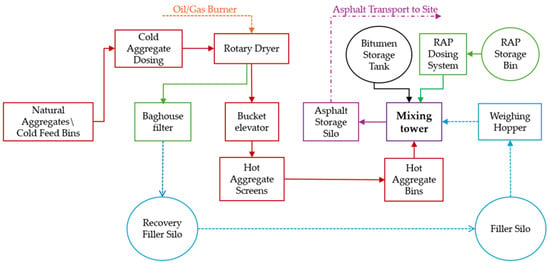

Disclaimer/Publisher’s Note: The statements, opinions and data contained in all publications are solely those of the individual author(s) and contributor(s) and not of MDPI and/or the editor(s). MDPI and/or the editor(s) disclaim responsibility for any injury to people or property resulting from any ideas, methods, instructions or products referred to in the content. |
© 2026 by the authors. Licensee MDPI, Basel, Switzerland. This article is an open access article distributed under the terms and conditions of the Creative Commons Attribution (CC BY) license.