


Abstract
Amid accelerating climate change, natural resource depletion, and rising consumer demand for sustainable, health-promoting products, circular agriculture has emerged as a strategic pathway for reconciling agricultural productivity with environmental and social sustainability; however, empirical evidence on how circular production, health-product innovation, and experiential tourism can be jointly evaluated within a single model remains limited. This study aims to propose a multidimensional value assessment framework for circular agriculture through a case study of the Tam Dao Mushroom Cooperative (TDMC) in Phu Tho Province, Vietnam, centered on the cooperative’s Cordyceps militaris-based production system, nanotechnology-enabled health-product processing, most notably the Nano Cordy Milk functional beverage and Science, Technology, Engineering, and Mathematics (STEM)-oriented experiential tourism activities, comprising guided production tours, hands-on cultivation and processing demonstrations, and on-site product tastings offered to school and university groups, domestic and international tourists, and visiting farmers and cooperatives. The research integrates a case study approach with the Fuzzy Analytic Hierarchy Process (Fuzzy-AHP) to determine the priority weights of value dimensions based on the evaluations of seven experts. The findings identify five key dimensions of value generated by the circular agricultural model: economic value, environmental value, social value, educational value, and tourism value. The Fuzzy-AHP results indicate that economic value has the highest priority weight (Best Non-fuzzy Performance, BNP = 0.4050), followed by environmental value (0.2715), social value (0.1307), educational value (0.1313), and tourism value (0.0621). The study demonstrates that the circular agriculture model not only generates economic benefits but also simultaneously creates significant environmental, social, educational, and tourism values. These findings contribute to the theoretical foundation for assessing the multidimensional value of circular agriculture while providing practical references and policy implications for the sustainable development of circular agricultural models.
1. Introduction
1.1. Research Background
Against the backdrop of climate change, natural resource depletion, and the growing imperative for sustainable development, the circular economy has emerged as a strategic approach to restructuring the agricultural sector. Unlike the traditional linear production model, circular agriculture emphasizes efficient resource utilization, the reuse of agricultural by-products, and waste minimization throughout the entire agricultural value chain [1]. At the same time, increasing consumer demand for health-promoting products has created new opportunities for agricultural producers to develop value-added products through advanced processing technologies and technological innovation.
In parallel with this trend, agritourism and experiential tourism have increasingly been recognized as effective approaches to diversifying farm income, enhancing product value, and strengthening the connection between consumers and agricultural production [2]. The integration of circular agriculture, health products, and experiential tourism not only improves economic performance but also generates environmental, social, and educational benefits [3]. In this context, the Tam Dao Mushroom Cooperative (TDMC) represents a noteworthy case of an integrated circular agricultural model. The cooperative has established a production system based on circular principles while simultaneously developing products derived from Cordyceps militaris and organizing agricultural experiential activities [4]. This integrated approach has created a multidimensional value model that merits further academic investigation and analysis.
Despite this growing interest, existing studies present limitations that constrain their usefulness for cooperatives seeking to design integrated development models. Research on the circular economy in agriculture has predominantly examined material and resource flows in isolation; studies on multifunctional agriculture have emphasized social and landscape functions without linking them to value-added product development; and agritourism research has largely treated tourism as a supplementary income stream rather than as an integrated component of a production system that also generates health products. Consequently, no existing framework simultaneously describes how circular production, health-product innovation, and experiential tourism interact to generate value, nor quantifies the relative contribution of each resulting value dimension. This study is necessary because agricultural cooperatives that are simultaneously pursuing circular production, product diversification, and tourism development—such as the TDMC—currently lack an evidence base for prioritizing investment across these activities. The scientific novelty of this study lies in combining an in-depth qualitative case study with the Fuzzy Analytic Hierarchy Process (Fuzzy-AHP) to produce a jointly qualitative and quantitative account of how circular agriculture, health-product development, and experiential tourism generate five distinct forms of value. The scientific question that remains unanswered, and that this study addresses, is: through what mechanisms do circular agricultural production, value-added health-product processing, and experiential tourism jointly generate economic, environmental, social, educational, and tourism value, and what is the relative importance of each value dimension as perceived by domain experts?
1.2. Research Objectives
This study aims to analyze the circular agricultural model integrated with health product development and experiential tourism at the TDMC. Specifically, it seeks to elucidate the mechanisms through which multidimensional value is created by integrating agricultural production, value-added processing, product development, and experiential services.
The specific objectives of the study are as follows:
- To analyze the structure and operational mechanism of the circular agricultural model implemented by the TDMC.
- To examine the role of value-added processing and health product development in enhancing the added value of agricultural products.
- To investigate the integration of agricultural production with experiential tourism within the proposed model.
- To evaluate the multidimensional values generated by the model, including economic, environmental, social, educational, and tourism values.
- To determine the relative importance of these multidimensional value dimensions using the Fuzzy Analytic Hierarchy Process (Fuzzy-AHP).
2. Theoretical Framework and Research Methodology
2.1. Circular Economy and Circular Agriculture
The circular economy is an economic model that promotes the efficient use of resources, extends product life cycles, and minimizes waste generation through reuse, recycling, and resource recovery. Unlike the traditional linear economic model characterized by the sequence of “take–make–consume–dispose”, the circular economy seeks to preserve the value of materials, energy, and products for as long as possible while minimizing waste generation throughout the production and consumption system [5].
According to the Ellen MacArthur Foundation [5], the circular economy is founded on three fundamental principles: (i) eliminating waste and pollution at the design stage; (ii) extending the life cycle of products and materials through reuse, repair, remanufacturing, and recycling; and (iii) regenerating natural ecosystems. Collectively, these principles facilitate the transition toward more resource-efficient production and consumption systems, reduce environmental pressures, and promote sustainable development.
Within the agricultural sector, the concept of the circular economy is operationalized through circular agriculture, in which agricultural by-products and waste generated from one production process are reutilized as inputs for another, thereby creating closed-loop material and energy cycles within the agricultural production system [1]. This approach aims to minimize waste, improve resource-use efficiency, and maximize value creation across the entire agricultural value chain.
Circular agriculture is increasingly recognized as a key strategy for accelerating the transition toward green and sustainable agricultural systems. In addition to mitigating environmental impacts, this model enhances value creation by utilizing agricultural by-products, developing value-added processed products, and diversifying income sources through complementary activities such as experiential education and agritourism. Consequently, circular agriculture generates not only environmental benefits but also significant economic and social value, thereby strengthening the competitiveness and long-term sustainability of agricultural enterprises and cooperatives.
2.2. Health Products in the Agricultural Value Chain
Growing consumer awareness of nutrition and health has substantially increased demand for products that provide health-promoting benefits. Consequently, modern agriculture is evolving beyond its traditional role of supplying food to encompass the development of products that contribute to improved health and quality of life. This trend has fostered the emergence of knowledge-based agricultural value chains driven by technological innovation, in which product value is generated not only from agricultural raw materials but also from value-added processing and product innovation [6].
The concept of functional foods refers to food products that provide health benefits beyond basic nutritional functions. According to Temple [7], functional foods are products capable of improving or supporting physiological functions, promoting health, and reducing disease risk when consumed as part of a regular diet. With continuing advances in nutritional science and biotechnology, functional foods have become one of the fastest-growing segments of the global food industry.
Within agricultural value chains, value-added processing plays a pivotal role in transforming raw agricultural materials into high-value products. Bigliardi and Galati [8] argue that product innovation and advances in processing technologies constitute major drivers of the functional food industry. Technologies such as bioactive compound extraction, fermentation, activity-preserving drying techniques, and nanotechnology enable the preservation or enhancement of beneficial bioactive components while improving their bioavailability. These technological innovations significantly increase both the functional value and the commercial value of agricultural products.
Recent studies indicate that naturally derived health products are experiencing rapid market growth because they simultaneously address consumer demands for nutrition, health promotion, and sustainable consumption. Yuan et al. [6] argue that functional foods have become one of the most dynamic segments of the modern food industry, serving as an important bridge between agricultural production, scientific innovation, technological development, and consumer markets. The expansion of this product category not only creates greater economic value for agricultural products but also facilitates the transition from conventional agriculture toward knowledge-based and innovation-driven agricultural systems.
From the perspective of multifunctional agricultural development, health products represent the outcome of integrating biological resources, processing technologies, and market demand. Accordingly, the development of health products not only enhances the added value of agricultural products but also creates opportunities to expand educational activities, strengthen regional branding, and promote experiential tourism associated with distinctive local products.
2.3. Experiential Agritourism and Green Tourism
Over the past few decades, changes in tourists’ preferences and travel behavior have led to increasing interest in experience-based forms of tourism. According to Pine and Gilmore [9], experiences constitute a new source of value beyond goods and services, whereby consumers do not merely purchase products but actively participate in the value creation process through interaction and direct engagement. Building on this perspective, experiential tourism refers to a form of tourism that emphasizes tourists’ active participation in local cultural, productive, and community activities, thereby generating meaningful, personalized, emotionally engaging, and memorable experiences.
Alongside this trend, green tourism has emerged as an important development paradigm for the tourism industry in response to the growing demand for sustainable development and climate change mitigation. According to the United Nations Environment Programme (UNEP) and the World Tourism Organization (UNWTO) [10], green tourism seeks to minimize adverse environmental impacts, promote the efficient use of natural resources, conserve biodiversity, and enhance stakeholders’ responsibility for sustainable development. This approach encourages effective waste management, greenhouse gas emission reduction, the adoption of renewable energy, and greater environmental awareness among tourists.
Within this context, agritourism is widely recognized as a specific form of green tourism that builds upon agricultural resources, including farms, agricultural production areas, traditional craft villages, farming and livestock activities, and distinctive local products. Phillip et al. [11] define agritourism as a tourism activity that enables visitors to observe, learn about, and directly participate in agricultural production at farms or agricultural enterprises. Their conceptualization emphasizes direct interaction between tourists and agricultural activities, considering the authenticity of the experience and the degree of visitor involvement in agricultural production as the defining characteristics of agritourism. However, this perspective primarily focuses on working farms and the level of tourist participation, without fully capturing the broader forms of contemporary agritourism associated with cultural heritage preservation, experiential education, innovation, and sustainable rural development. Consequently, subsequent studies have expanded the concept of agritourism to encompass a more comprehensive framework integrating economic, cultural, educational, and environmental values within tourists’ experiences. Beyond generating additional income for farmers and agricultural enterprises, agritourism also enhances product value, strengthens regional branding, and promotes sustainable rural development [12].
A distinguishing characteristic of contemporary agritourism is the transition from passive sightseeing to interactive and educational experiences. Rather than serving merely as observers, tourists actively participate in farming, harvesting, processing, and product utilization activities, thereby gaining a deeper understanding of agricultural production systems, sustainable consumption practices, and environmental conservation. The integration of agricultural production, hands-on experiences, and environmental education facilitates the development of high-value tourism products while creating opportunities for agricultural enterprises to diversify their revenue streams and expand market access.
From the perspective of sustainable development, the integration of experiential tourism, green tourism, and agritourism represents a promising pathway for maximizing the utilization of local resources, enhancing the value of agricultural products, and fostering rural economic development. Such an integrated model generates not only economic benefits but also significant social, educational, and environmental value by connecting agricultural production, sustainable consumption, resource conservation, and meaningful tourist experiences.
2.4. Literature Review and Research Gap
2.4.1. Studies on Agritourism and Value Creation
Agritourism has been widely recognized as an important strategy for diversifying agricultural activities and increasing income in rural areas. It is generally defined as a form of tourism closely associated with agricultural production, in which visitors are provided with opportunities to observe, learn about, or directly participate in farming activities at agricultural enterprises and farms [11]. The development of agritourism not only generates supplementary income for farming households but also contributes to the promotion of local agricultural products and the preservation of rural cultural heritage.
Subsequent studies have demonstrated that agritourism has gradually evolved from conventional sightseeing activities toward experience-oriented tourism, where visitors actively engage in agricultural production, processing, and community life. Barbieri [12] argues that agritourism simultaneously generates economic, social, and environmental value, thereby enhancing the competitiveness of rural regions. Similarly, Broccardo et al. [2] emphasize that agritourism creates value through the integration of agricultural production, experiential services, and local branding, enabling agricultural enterprises to develop more diversified and sustainable business models.
2.4.2. Studies on the Circular Economy in Agriculture
The circular economy has emerged as one of the most influential paradigms for sustainable agricultural development because of its potential to improve resource-use efficiency and minimize waste generation. According to Geissdoerfer et al. [13], the circular economy aims to preserve the value of resources, materials, and energy within the economic system for as long as possible through reuse, recycling, and resource recovery.
Within the agricultural sector, numerous studies have demonstrated that the adoption of circular economy principles facilitates the utilization of agricultural by-products, reduces environmental emissions, and improves production efficiency. Kirchherr et al. [14] conceptualize the circular economy as an economic system designed to simultaneously achieve economic prosperity, environmental sustainability, and social well-being. From this perspective, integrating circular economy principles into rural experiential tourism models has the potential to enhance public awareness of sustainable development while strengthening the sustainability of agricultural production systems.
2.4.3. Studies on Health Products and Value-Added Processing in Agriculture
With the growing consumer preference for health-oriented products, foods with enhanced functional and nutritional value have become increasingly important within agricultural value chains. Temple [7] defines functional foods as food products that provide health benefits beyond basic nutrition by improving physiological functions, promoting health, and enhancing consumers’ quality of life.
A substantial body of research has highlighted the critical role of value-added processing in increasing the economic value of agricultural products. Bigliardi and Galati [8] argue that product innovation and advanced processing technologies are key drivers in transforming agricultural raw materials into high-value products. In recent years, naturally derived health products including functional foods, herbal products, and biotechnology-based products have emerged as one of the most promising sectors of high-value agriculture due to their ability to satisfy increasing consumer demand for health, nutrition, and sustainable consumption.
2.4.4. Studies on Multifunctional Agriculture and Sustainable Development
Over the past few decades, agriculture has gradually evolved beyond its traditional role of food production and is increasingly recognized as a multifunctional sector capable of generating economic, social, environmental, and cultural value simultaneously. Wilson [15] argues that the transition from productivist agriculture to multifunctional agriculture reflects the broader shift toward sustainable agricultural development, in which agricultural production is integrated with environmental protection, community development, and improvements in rural quality of life.
Similarly, Renting et al. [16] contend that multifunctional agriculture extends beyond the production of tangible agricultural commodities by providing ecosystem services, conserving rural landscapes, preserving local cultural identity, and creating opportunities for tourism, education, and experiential activities. The diversification of agricultural functions not only broadens income sources for agricultural producers but also strengthens linkages between agriculture and other sectors of the rural economy.
In the context of sustainable development, many contemporary agricultural models have integrated agricultural production with value-added processing, the development of distinctive local products, experiential tourism, and community education in order to enhance value creation and improve competitiveness. This integrated approach is consistent with the concept of multifunctional agriculture, in which value is generated not only through agricultural products themselves but also through complementary services, visitor experiences, and the broader social and environmental benefits associated with agricultural production.
2.4.5. Research Gap
The existing literature suggests that the multidimensional value of circular agriculture can be examined from several complementary theoretical perspectives, including the circular economy, multifunctional agriculture, agricultural value chains, and agritourism [11,14,16]. Studies on the circular economy in agriculture have primarily emphasized resource efficiency, the reuse of agricultural by-products, waste reduction, and improvements in the environmental performance of agricultural production systems [13]. Meanwhile, research on multifunctional agriculture argues that agriculture generates not only tangible products but also contributes to natural resource management, landscape conservation, community development, and the socioeconomic vitality of rural areas [15,16]. Similarly, studies on agritourism and experiential tourism have highlighted their potential to increase farmers’ income, promote local agricultural products, and generate educational, cultural, and experiential value for visitors [11].
Despite these important contributions, the existing literature has generally examined these dimensions in isolation. Research on circular agriculture has predominantly focused on material flows, agricultural by-products, waste management, and environmental performance [14]. Studies on multifunctional agriculture have mainly emphasized its social functions, landscape conservation, and contributions to rural development [15,16]. In contrast, agritourism research has largely regarded tourism as either an income diversification strategy or a complementary service associated with agricultural production [11]. Consequently, there remains a significant research gap concerning the mechanisms through which circular agriculture, value-added processing, health product development, and experiential tourism can be integrated into a unified agricultural production and business model capable of generating multiple forms of value simultaneously.
More recent studies confirm that this fragmentation persists even in current scholarship. Surveying agritourism operators in Sicily, Ingrassia et al. [17] found that circular-economy practices are being adopted primarily as environmental or reputational measures within tourism operations themselves, rather than as part of an integrated production-to-tourism value chain that also incorporates value-added product development. Similarly, a 2024 cross-country analysis of circular-economy applications in the tourism sector [3] found that documented circular initiatives concentrate mainly on energy, water, and waste management within tourism infrastructure, with case studies rarely extending circularity back into the underlying agricultural production system or forward into product commercialization. These recent contributions therefore reinforce, rather than close, the gap identified above: as of 2023–2024, the literature continues to treat circular agricultural production and agritourism largely as parallel rather than integrated phenomena, and neither is systematically linked to health-product value-added processing within a single, quantitatively evaluated model. This persistent gap is precisely what the present study addresses. A parallel 2025 case study of a tourism enterprise integrating pesticide-free farming with resort operations similarly finds that empirical, business-level models linking agricultural practice directly to health-related outcomes within a tourism setting remain scarce [18]; however, that study addresses environmental and public-health co-benefits of farming practices within hospitality operations, and, like the agritourism and circular-economy studies discussed above, it does not extend circularity into value-added health-product commercialization or quantify the relative weight of the resulting value dimensions—the specific gap this study targets. It also distinguishes the analysis of the TDMC from single-domain circular-economy or agritourism studies: whereas prior work has assessed circularity within tourism operations or within agricultural production separately, the present framework quantifies, using Fuzzy-AHP, how a single production system spanning circular agriculture, health-product processing, and experiential tourism distributes value across five dimensions simultaneously.
From a methodological perspective, most existing studies have been limited to describing the benefits of circular agriculture or qualitatively assessing its sustainability dimensions. Comparatively little attention has been paid to quantitatively evaluating the relative contributions of different value dimensions, including economic, environmental, social, educational, and tourism value [19]. Furthermore, empirical evidence regarding integrated circular agricultural models that combine health product development and experiential tourism remains scarce, particularly within the context of agricultural cooperatives in Vietnam. To address these research gaps, this research adopts the TDMC as a case study to examine the operational mechanisms of a circular agricultural model integrating value-added processing, health product development, and experiential tourism. Furthermore, the study employs the Fuzzy Analytic Hierarchy Process (Fuzzy-AHP) to quantify the relative contributions of five multidimensional value categories: economic value, environmental value, social value, educational value, and tourism value. By combining an in-depth case study with a quantitative multi-criteria decision-making approach, this research contributes to the literature by enriching empirical evidence on multifunctional circular agriculture and proposing a multidimensional value assessment framework for integrated circular agricultural models. The findings also provide practical implications for the development and replication of similar models within agricultural cooperatives in Vietnam.
To the best of the authors’ knowledge, no previous study has proposed an integrated framework that simultaneously evaluates the economic, environmental, social, educational, and tourism values generated by a circular agricultural model combining health product development and experiential tourism.
2.5. Research Conceptual Framework
The research framework is derived from the integration of relevant theoretical approaches. The circular economy explains the closing of resource loops, the reuse of by-products, and the reduction in environmental impacts in agricultural production [13,20]. The agricultural value chain approach explains the transformation of raw materials and the linking of production, processing, and distribution activities with the market to maintain and enhance product value [16]. Multifunctional agriculture theory highlights that agriculture not only produces food but also performs functions related to resource conservation, livelihood generation, community development, education, and service provision in rural areas [15,16]. Meanwhile, the experience economy theory and agritourism explain how customers engage in the production, learning, and consumption processes to co-create meaningful experiences and value [11].
On the foundation of circular production, value-added processing plays a key role in transforming agricultural raw materials into health products with higher technological content, functionality, and commercial value. Technological innovation and processing methods can help preserve or enhance the functional ingredients of raw materials while simultaneously creating product differentiation in the market [8]. Health products serve both as a revenue source and as core content for sightseeing activities, production process showcases, product experiences, health education, and cooperative brand promotion [2,11].
The relationships among components within the framework are established along an interconnected and feedback-driven value-creation chain. Circular agricultural production supplies raw materials and by-products for processing activities; value-added processing transforms these resources into health products with higher degrees of differentiation and commercial value; these health products are subsequently integrated into sightseeing, learning, experiential, and consumption activities at the destination [2,8]. Conversely, experiential tourism activities contribute to expanding market access, enhancing brand recognition, promoting direct sales, and providing customer feedback to drive product improvement [2]. Consequently, these components do not exist in isolation but form an ecosystem in which production, processing, product development, and experiential tourism mutually reinforce one another throughout the value-creation process.
The circular economy and circular agriculture literature [1,5,13,14] motivates the economic and environmental value dimensions, since resource-efficiency gains (waste reduction, by-product reuse) are conventionally evaluated in both economic and environmental terms. The literature on health products and value-added processing [6,7,8] motivates treating health-product commercialization as a driver of economic value rather than a separate dimension. The agritourism and experiential-tourism literature [9,11,12] motivates the tourism value dimension, while the multifunctional agriculture literature [15,16] motivates the social and educational value dimensions, which capture the non-market community and knowledge-transfer functions that this literature identifies as core, but frequently unmeasured, outputs of diversified farming systems. The causal logic linking the four model components (circular agriculture, value-added processing, health-product development, and experiential tourism) to these five value dimensions is as follows: circular agriculture generates environmental value directly, through waste and input reduction, and supplies the physical inputs from which value-added processing generates economic value; the resulting health products, in turn, become both a revenue stream (economic value) and educational/experiential content (educational and tourism value) once integrated into farm-visit programming; social value is generated across all four components jointly, through employment and community engagement rather than through any single component [13,16,20].
Educational value reflects the ability to impart knowledge regarding agricultural production, health, biotechnology, and sustainable consumption; whereas tourism value demonstrates the capacity to create experiences, enhance destination attractiveness, and promote local signature products [2,11]. Rather than being treated as an independent value group, health products serve as a central component that simultaneously contributes to the model’s economic, social, educational, and tourism values.
The research framework is presented in Figure 1, comprising three content layers: theoretical foundations, operational components, and five groups of output values. This structure enables the framework to be utilized not only for describing the Tam Dao Mushroom Cooperative but also as an analytical basis for other integrated circular agriculture models combining production, processing, health products, and experiential tourism. The transferability of the framework lies in these components and their underlying theoretical relationships, rather than in the unique characteristics of the specific case study.
Figure 1.
Conceptual framework for multidimensional value creation in the circular agricultural model.
Building upon this research framework, the Fuzzy Analytic Hierarchy Process (Fuzzy-AHP) method is used to determine the relative importance weights of the five value groups generated by the model. Fuzzy-AHP is particularly suitable for multi-criteria decision-making problems involving expert evaluations that are linguistic, uncertain, or difficult to express with absolute precision [21]. The relationships among the components in the framework represent theoretically derived mechanisms clarified through the case study; Fuzzy-AHP is strictly employed to quantify the relative weights of the five value groups, rather than to statistically test causal relationships among the model’s components.
2.6. Research Methodology
2.6.1. Case Study Method
The present study adopts a case study approach to provide an in-depth analysis of a circular agricultural model integrating health product development and experiential tourism at the TDMC in Phu Tho Province, Vietnam. According to Yin [22], the case study method is particularly appropriate for investigating contemporary phenomena within their real-world contexts, as it enables researchers to gain a comprehensive understanding of the interactions between the phenomenon under investigation and its surrounding economic, social, and environmental conditions.
The TDMC was selected as the case study because of its distinctive characteristics and innovative development model. The cooperative has successfully established a high-tech production system for Cordyceps militaris while simultaneously developing a biological circular system based on the utilization of agricultural by-products. In addition, it has diversified its business activities through the development of health-related products and experiential tourism services. Consequently, the cooperative represents a typical example of multifunctional agriculture, integrating agricultural production, value-added processing, service provision, and visitor experiences in accordance with the principles of green agriculture and the circular economy.
Through this case study, the research aims to examine the operational structure of the circular agricultural model, the mechanisms through which health products create added value, and the role of experiential tourism in enhancing the cooperative’s economic, social, and environmental performance.
The TDMC was purposively selected, rather than randomly sampled, because it constitutes what Yin [22] terms a revelatory and information-rich case: at the time of data collection it was, to the authors’ knowledge, the only agricultural cooperative in northern Vietnam that had simultaneously institutionalized a closed-loop mulberry–silkworm–Cordyceps–hydroponic production cycle, a diversified line of value-added health products, and a structured experiential-tourism programme within a single organization. This co-occurrence of the three phenomena under investigation makes the case well suited to an in-depth, exploratory analysis of how multidimensional value is generated when circular agriculture, health-product innovation, and tourism are integrated, rather than merely documenting that it occurs. Consistent with case study logic, the study does not claim statistical generalization to all agricultural cooperatives; instead, it pursues analytic generalization [22], using the TDMC to refine and empirically illustrate a multidimensional value assessment framework that is intended to be transferable, in structure and logic, to other cooperatives that combine circular production with health-product development and agritourism, subject to the boundary conditions discussed in Section 4.3. A single-case design, rather than a multi-case comparative design, was chosen because the research objective at this stage is to develop and empirically illustrate the multidimensional value assessment framework itself, identifying the value dimensions and the mechanisms that generate them, rather than to compare how the framework performs across heterogeneous organizational settings. Yin [22] argues that a single case is the appropriate design when the case is revelatory or critical for the phenomenon under study, as is the case here given the scarcity, at the time of data collection, of other Vietnamese cooperatives combining all three components (circular production, health-product development, and structured experiential tourism) within one organization; a comparative multi-case design would have required relaxing this combined selection criterion and would therefore have diluted the in-depth focus on the value-generation mechanisms that the study seeks to uncover. Applying the resulting framework across multiple cooperatives is identified as a direction for future research in Section 4.4.
2.6.2. Data Collection
This research employs a combination of secondary and primary data to ensure the comprehensiveness, objectivity, and reliability of the research findings. The integration of multiple data sources enables a comprehensive understanding of the establishment, operation, and value creation mechanisms of the circular agricultural model implemented by the TDMC. Furthermore, these data provide the empirical foundation for evaluating the model’s multidimensional value through the Fuzzy Analytic Hierarchy Process (Fuzzy-AHP).
Secondary data were collected from official documents provided by the TDMC, including reports describing the production model, operational reports, documents related to the One Commune One Product (OCOP) evaluation and classification program, research projects concerning health product development—such as the Nano Cordy Milk project—materials on experiential tourism activities, communication and promotional documents, and other technical reports. In addition, an extensive review of the national and international academic literature on circular agriculture, the circular economy, health products, experiential tourism, multifunctional agriculture, and sustainable development was conducted to establish the theoretical foundation, synthesize previous research, and develop the conceptual framework of the study.
Primary data were collected through semi-structured interviews with the cooperative’s management board, senior managers, and individuals directly involved in operating the circular agricultural model. The interviews focused on the establishment and development of the cooperative, the operational mechanisms of the circular production system, value-added processing activities, health product development, the organization of experiential tourism, as well as the opportunities, challenges, and future development strategies of the cooperative. A total of eight semi-structured interviews were conducted between April and June 2026 with the cooperative’s chairperson, deputy director, production manager, and heads of the health-product processing and tourism units, selected because they held direct decision-making or operational responsibility for at least one of the four components of the model (circular production, value-added processing, health-product development, or experiential tourism). Interviews lasted approximately 45–70 min each, were conducted on-site at the cooperative, and were audio-recorded with participants’ consent and subsequently transcribed verbatim for thematic coding; two interviews for which recording was not possible were documented through detailed field notes taken during and immediately after the session.
In addition, expert data were collected to support the Fuzzy-AHP analysis. Seven experts (n = 7) were selected using purposive sampling, following the criterion that panel members must hold at least five years of professional experience in one of the study’s five value dimensions and direct familiarity with the TDMC or comparable circular agricultural cooperatives; the panel comprised two university researchers specializing in circular agriculture and the circular economy, one OCOP product-evaluation officer, one specialist in health-product/food-technology innovation, one agritourism practitioner, one rural-development policy officer, and one representative of the cooperative’s management board, so as to ensure that each of the five value dimensions was directly represented by at least one domain expert. Experts were selected using purposive sampling, including cooperative managers, specialists in circular agriculture, OCOP product development, health product innovation, agritourism, and rural development. These experts evaluated the relative importance of the proposed value dimensions by completing pairwise comparison questionnaires, administered individually (in person or online) rather than in a group setting to reduce anchoring and social-desirability effects; no formal group consensus-building procedure was applied prior to the Fuzzy-AHP analysis. The survey results were subsequently used to construct the fuzzy pairwise comparison matrix and determine the relative weights of the multidimensional value categories incorporated into the analytical framework.
The integration of documentary evidence, interview data, and expert assessments strengthens the credibility and robustness of the research findings through data triangulation, thereby enhancing the validity and reliability of the study.
2.6.3. Data Analysis Methods
This research employs a combination of qualitative and quantitative analytical methods to examine the operational structure, value creation mechanisms, and relative contributions of the key components of the circular agricultural model integrating health product development and experiential tourism at the TDMC.
First, document analysis was conducted to systematically examine information related to the establishment and development of the cooperative, its production structure, the biological circular system, value-added processing activities, health product development, and the organization of experiential tourism. The analysis of secondary documents enabled the identification of the core components of the proposed model and provided the theoretical and empirical basis for developing the study’s conceptual framework.
Second, content analysis was applied to both documentary evidence and data obtained from the semi-structured interviews. Through a systematic process of coding and thematic categorization, the study identified key themes associated with circular agriculture, value-added processing, health product development, experiential tourism, and the multidimensional values generated by the model. The findings from the content analysis facilitated a comprehensive understanding of the operational mechanisms and the interrelationships among the principal components of the integrated agricultural model. The coding process was conducted manually in a structured coding matrix rather than with dedicated qualitative data analysis software, given the moderate volume of data (eight interview transcripts). Coding proceeded in two stages: first, an initial round of open coding in which two members of the research team independently coded the interview transcripts and field notes line by line to identify recurring concepts; second, the independently generated codes were compared, discrepancies were discussed and reconciled, and the reconciled codes were grouped into the categories reported in Section 3.1.3. This double-coding and reconciliation step was used as a practical check on coding consistency in place of a formal inter-coder reliability statistic. Coding continued until no new themes emerged from additional transcripts and documents, indicating that thematic saturation had been reached within the scope of the eight interviews and the secondary documentary material reviewed.
Furthermore, comparative analysis was employed to compare the operational practices of the TDMC with existing theories and previous empirical studies on the circular economy, multifunctional agriculture, health product development, and agritourism. This comparative approach enabled the identification of similarities, distinctive characteristics, and context-specific features of the model within the broader framework of sustainable agricultural development in Vietnam.
Building upon the findings of the case study, the Fuzzy Analytic Hierarchy Process (Fuzzy-AHP) was subsequently applied to evaluate the relative importance of the multidimensional value dimensions generated by the proposed model. The evaluation criteria were developed based on the conceptual framework and the results of the expert interviews, comprising five principal value categories: economic value, environmental value, social value, educational value, and tourism value. Experts assessed the relative importance of these criteria using pairwise comparison questionnaires. The resulting judgments were converted into Triangular Fuzzy Numbers (TFNs) and processed using the Fuzzy-AHP methodology to determine the priority weights of each multidimensional value category.
Finally, a case study synthesis was conducted to integrate the qualitative findings with the quantitative results obtained from the Fuzzy-AHP analysis, thereby providing a comprehensive understanding of the TDMC model. This integrated analytical approach not only explains the operational mechanisms of the circular agricultural model but also quantifies the relative contributions of the economic, environmental, social, educational, and tourism value dimensions. Consequently, it provides a comprehensive explanation of the nature of a multidimensional circular agricultural model integrating health product development and experiential tourism.
2.6.4. Development of the Multidimensional Value Evaluation Criteria
Based on the proposed conceptual framework, the literature review, and expert consultations, the analysis develops a comprehensive evaluation criteria system for assessing the multidimensional value generated by the circular agricultural model implemented by the TDMC. The purpose of establishing this evaluation system is to comprehensively capture the multiple dimensions of value created through the integration of circular agriculture, value-added processing, health product development, and experiential tourism. In this study, health products are regarded as a value-generating component resulting from value-added processing and product commercialization. Therefore, they are not treated as an independent value dimension but are primarily reflected in the economic, educational, and tourism value categories.
The evaluation criteria are organized into a hierarchical structure, consisting of one overall objective, the assessment of the multidimensional value of the circular agricultural model and five first-level criteria: (i) economic value, (ii) environmental value, (iii) social value, (iv) educational value, and (v) tourism value. These five value dimensions were selected based on the literature on multifunctional agriculture, the circular economy, sustainable development, and experiential tourism, while also reflecting the practical characteristics of the TDMC model.
The specific evaluation criteria were identified through document analysis, semi-structured interviews, and expert consultations. For the economic value dimension, the criteria focus on the model’s capacity to increase product value and diversify income sources. The environmental value dimension evaluates the efficient utilization of agricultural by-products, waste reduction, and resource conservation. The social value dimension assesses the model’s contribution to employment creation and the enhancement of community awareness. The educational value dimension examines the model’s role in experiential learning activities and the dissemination of agricultural knowledge. Finally, the tourism value dimension reflects the model’s ability to develop innovative tourism products and enrich visitors’ overall experience. All the criteria were shown in Table 1.
Table 1.
Hierarchical structure of the multidimensional value evaluation criteria.
The hierarchical evaluation criteria developed in this research constitute the basis for constructing the pairwise comparison matrix and implementing the subsequent Fuzzy-AHP analysis.
2.6.5. Fuzzy Analytic Hierarchy Process (Fuzzy-AHP) Method
The present study employs the Fuzzy Analytic Hierarchy Process (Fuzzy-AHP) to evaluate the relative importance of the multidimensional value categories generated by the circular agricultural model implemented by the TDMC. The Fuzzy-AHP method integrates the Analytic Hierarchy Process (AHP) proposed by Saaty [23] with Fuzzy Set Theory introduced by Zadeh [24], thereby enabling the incorporation of uncertainty and subjectivity inherent in expert judgments during the decision-making process.
Rationale for Applying the Fuzzy-AHP Method
In studies concerning sustainable development, multifunctional agriculture, and agritourism, evaluating the relative importance of multiple value dimensions is inherently challenging because the assessment criteria are multidimensional and largely depend on experts’ subjective judgments. Consequently, Multi-Criteria Decision-Making (MCDM) methods have been widely adopted to facilitate decision-making in situations involving multiple and often conflicting evaluation criteria.
Among MCDM approaches, the Analytic Hierarchy Process (AHP) developed by Saaty [23] is one of the most widely used methodologies. AHP enables a complex decision problem to be decomposed into a hierarchical structure consisting of an overall goal, evaluation criteria, and sub-criteria. The relative importance of each element is subsequently determined through pairwise comparisons. Owing to its ability to transform qualitative judgments into quantitative priority weights, AHP has been extensively applied in the fields of resource management, agriculture, environmental management, and tourism.
Despite its advantages, the conventional AHP method assumes that expert judgments can be expressed using precise numerical values. In practice, however, expert opinions are often characterized by ambiguity and uncertainty and cannot always be represented accurately by crisp numbers. To address this limitation, Fuzzy Set Theory, proposed by Zadeh [24], has been integrated with AHP to accommodate linguistic assessments and the vagueness inherent in human decision-making.
Building upon this foundation, the Fuzzy Analytic Hierarchy Process (Fuzzy-AHP) was developed by combining the strengths of classical AHP with fuzzy set theory. Buckley [21] was among the first researchers to introduce Triangular Fuzzy Numbers (TFNs) into the AHP framework to better represent uncertainty in expert evaluations. Subsequently, Chang [25] further refined the methodology by proposing the Extent Analysis Method, thereby significantly expanding the applicability of Fuzzy-AHP in multi-criteria decision-making research.
In the fields of agriculture and sustainable development, Fuzzy-AHP has been widely employed to determine the relative priorities of economic, environmental, and social criteria when evaluating agricultural production systems or formulating sustainable development strategies [26]. The method is particularly appropriate for studies involving expert participation and evaluation criteria that cannot be adequately quantified using purely objective numerical data.
In the present study, the Fuzzy-AHP method is applied to assess the relative importance of the multidimensional value categories generated by the circular agricultural model of the TDMC. Based on expert judgments, priority weights are calculated for five value dimensions: (i) economic value, (ii) environmental value, (iii) social value, (iv) educational value, and (v) tourism value. The resulting priority weights provide quantitative evidence regarding the relative contribution of each value dimension to the overall performance of the model. Furthermore, the findings strengthen the empirical basis for evaluating the effectiveness of circular agricultural models integrating health product development and experiential tourism.
Fuzzy-AHP Implementation Procedure
The implementation of the Fuzzy Analytic Hierarchy Process (Fuzzy-AHP) in this study comprises four sequential steps.
First, a hierarchical evaluation structure is established based on the proposed analytical framework. The hierarchy consists of the overall evaluation objective, the primary evaluation criteria, and their corresponding sub-criteria.
Second, expert judgments are collected through a pairwise comparison questionnaire to assess the relative importance of the multidimensional value criteria.
Third, the linguistic assessments provided by the experts are converted into Triangular Fuzzy Numbers (TFNs) to construct the fuzzy pairwise comparison matrices.
Finally, the individual expert judgments are aggregated, and the priority weights of the evaluation criteria are calculated using the Extent Analysis Method proposed by Chang [24].
In this study, the participating experts evaluated the relative importance of five multidimensional value categories, namely economic value, environmental value, social value, educational value, and tourism value. The Fuzzy-AHP analysis generated the priority weights for each value dimension, thereby quantifying their relative contributions to the circular agricultural model integrating health product development and experiential tourism.
The integration of the case study approach with the Fuzzy-AHP method enables both an in-depth understanding of the operational characteristics of the TDMC and a quantitative assessment of the multidimensional value generated by the model. This integrated methodological approach provides a robust basis for proposing strategic recommendations for the replication and further development of similar circular agricultural models within the context of green transformation and sustainable agricultural development.
To address the uncertainty inherent in expert judgments, the analysis employs a linguistic evaluation scale represented by Triangular Fuzzy Numbers (TFNs). The linguistic terms are converted into fuzzy numerical values following the approach proposed by Buckley [21], which has been widely adopted in Fuzzy-AHP studies. The detailed specifications are summarized in Table 2.
Table 2.
Linguistic scale and triangular fuzzy numbers used in the study.
During the pairwise comparison process, if criterion i is judged to be more important than criterion j according to a given linguistic judgment, the comparison value aij is assigned the corresponding triangular fuzzy number presented in Table 2. Conversely, the reciprocal comparison value aji is represented by the corresponding reciprocal fuzzy number. The use of triangular fuzzy numbers enables the model to capture the uncertainty and variability inherent in expert judgments when evaluating the relative importance of different value dimensions.
2.6.6. Consistency Assessment of Expert Judgments
To determine the relative contributions of the multidimensional value categories generated by the circular agricultural model at the TDMC, this study employed the Fuzzy Analytic Hierarchy Process (Fuzzy-AHP) based on the evaluations of seven experts with extensive experience in circular agriculture, rural development, cooperative management, economics, and agritourism. The experts conducted pairwise comparisons of the five value dimensions using the triangular fuzzy linguistic scale established for this study (Table 3).
Table 3.
Profiles of experts participating in the Fuzzy-AHP evaluation.
Before calculating the priority weights, the consistency of the pairwise comparison matrix was examined to ensure that the experts’ judgments were logically coherent and free from significant inconsistencies. Following the standard Saaty procedure, the Consistency Index was computed as CI (Consistency Index) = (λmax − n)/(n − 1), where n = 5 is the number of value dimensions compared, and the Consistency Ratio was then obtained as CR = CI/RI, using the Random Index (RI) value corresponding to a 5 × 5 comparison matrix. Because the consistency test in Saaty’s original formulation applies to crisp (non-fuzzy) pairwise comparison matrices, each expert’s triangular fuzzy judgment (l, m, u) was first defuzzified to a single crisp value using the mean of the three components, (l + m + u)/3, yielding one 5 × 5 crisp matrix per expert; the seven experts’ crisp matrices were then aggregated element-by-element using the geometric mean to form a single group comparison matrix. The principal eigenvalue (λmax) of this aggregated crisp matrix was then computed using the standard AHP procedure (normalizing the matrix, deriving the priority vector, and computing the weighted-sum vector), following Saaty [26]. The results indicate that the maximum eigenvalue of the comparison matrix was λmax = 5.21, with a CI = 0.05. Given a Random Index (RI) = 1.12, the resulting Consistency Ratio (CR) = CI/RI = 0.05/1.12 = 0.046.
According to the criterion proposed by Saaty [23], a pairwise comparison matrix is considered sufficiently consistent when the CR is less than 0.10. In the findings, the calculated CR value of 0.046 is substantially below the acceptable threshold, indicating a high level of agreement among the experts and satisfactory consistency in their judgments. Consequently, the survey data satisfy the methodological requirements for subsequent weight estimation using the Fuzzy-AHP approach.
These findings confirm that the derived weights of the multidimensional value categories are scientifically reliable and provide an objective representation of expert perceptions regarding the relative contributions of each value dimension within the circular agricultural model implemented by the TDMC. The satisfactory consistency level of the expert judgments enhances the reliability of the subsequent Fuzzy-AHP analysis and provides a robust quantitative basis for evaluating the relative importance of the multidimensional value categories generated by the integrated circular agricultural model.
3. Results
3.1. Case Background: The Tam Dao Mushroom Cooperative
3.1.1. Establishment and Development
The TDMC was established with the strategic objective of developing high-tech agricultural products that capitalize on the ecological advantages of the Tam Dao region, Phu Tho Province. Since its establishment, the cooperative has focused on research, cultivation, and commercialization of Cordyceps militaris products while continuously promoting the application of advanced technologies to improve product quality and enhance market competitiveness [4].
To improve resource-use efficiency and increase value creation, the cooperative has progressively developed a circular agricultural model based on an integrated mulberry–silkworm–Cordyceps–hydroponic vegetable production chain. Within this production system, silkworm pupae serve as the cultivation substrate for Cordyceps militaris, while post-production residues are further processed into microbial bio-products for hydroponic vegetable cultivation. This integrated approach minimizes waste generation and establishes a relatively closed-loop production system [4].
In addition to its production activities, the cooperative actively participates in the One Commune One Product (OCOP) Program, scientific research projects, and innovation initiatives to develop high-value-added products, thereby promoting green agriculture and sustainable agricultural development [27].
3.1.2. Key Products
The cooperative’s flagship product is Cordyceps militaris, cultivated under controlled environmental conditions using advanced production technologies. Building upon this core product, the cooperative has developed a diversified portfolio of health-related products, including fresh Cordyceps militaris, freeze-dried Cordyceps militaris, Cordyceps tea, instant nutritional powder, Cordyceps-infused honey, and other dietary supplements [4].
Notably, the cooperative has conducted research and development on Nano Cordy Milk, an innovative product that combines the bioactive compounds of Cordyceps militaris with nanotechnology to enhance bioavailability and expand its target consumer market. The development of these value-added products has not only diversified the cooperative’s product portfolio but has also significantly increased value creation throughout its agricultural value chain [4].
3.1.3. Contribution to Local Development
The TDMC plays a significant role in promoting rural economic development through employment generation, production linkages, and the enhancement of local resource value. Its circular production model contributes to more efficient resource utilization, waste reduction, and the advancement of green agriculture, aligning closely with Vietnam’s national strategy for promoting the circular economy within the agricultural sector [4].
Beyond its economic contributions, the cooperative actively promotes knowledge dissemination and innovation through scientific research, OCOP product development, and technology transfer. Furthermore, by integrating agricultural production with educational visits and experiential tourism activities, the cooperative has strengthened local branding, enhanced public awareness of circular agriculture, and expanded opportunities for agritourism development based on the distinctive characteristics of the Tam Dao region [4,28].
3.2. Structure of the Circular Agricultural Model and Its Multidimensional Value Creation
The circular agricultural model developed by the TDMC is designed as an integrated value creation system comprising four interdependent components: circular agriculture, value-added processing, health product development, and experiential tourism. These components are interconnected through dynamic flows of materials, knowledge, and value, collectively forming an integrated ecosystem that supports sustainable agricultural development.
Within this system, circular agriculture functions as the core production platform by ensuring efficient resource utilization through the recycling of agricultural by-products and the establishment of a closed-loop biological production cycle. Based on this foundation, value-added processing applies advanced technologies to transform agricultural raw materials into high-value health products with enhanced commercial potential. Simultaneously, the production and processing processes themselves constitute valuable experiential resources that enable visitors to observe, learn, and actively participate in agricultural activities.
Rather than functioning as isolated elements, the four components interact synergistically throughout the value creation process. Circular agriculture supplies raw materials for value-added processing; value-added processing generates innovative health products; these products subsequently enrich experiential tourism activities as both educational content and commercial offerings. In return, experiential tourism strengthens brand recognition, broadens market access, and enhances the overall value generated across the integrated agricultural value chain. Table 4 provides the field-based evidence and analytical interpretation of this integrated model.
Table 4.
Field-based evidence and analytical interpretation of the integrated circular agricultural model.
The evidence presented in Table 4 indicates that the four components are not independent activities but are interconnected through material, product, knowledge, and experiential flows. Based on these field-based findings and their analytical interpretation, the integrated circular agricultural model and its five multidimensional value dimensions are synthesized in Figure 2.
Figure 2.
Integrated value ecosystem of the circular agricultural model incorporating health products and experiential tourism at the TDMC. Source: Compiled by the research team based on the production and business processes of the TDMC.
Through the integration of these components, the model generates multidimensional value, encompassing economic value (increased revenue and product value addition), environmental value (waste reduction and efficient resource utilization), social value (employment creation and community engagement), and educational and tourism value (enhancing public awareness, providing experiential learning opportunities, and promoting the local destination). Overall, the model represents a multifunctional agricultural development approach that integrates agricultural production, value-added processing, service provision, and experiential activities to achieve sustainable development.
3.3. Health Products Within the Circular Agricultural Model
One of the key components contributing to the value creation of the TDMC is the development of health products based on the cultivation of Cordyceps militaris and the application of advanced value-added processing technologies. Rather than limiting its activities to the supply of raw agricultural materials, the cooperative has progressively established an integrated value chain encompassing production, processing, and commercialization of health-related products. This integrated approach has significantly enhanced both the economic value and market competitiveness of its products.
3.3.1. Cordyceps militaris: The Core Product of the Model
Cordyceps militaris is the flagship product and serves as the cornerstone of the cooperative’s integrated production ecosystem. It is cultivated under strictly controlled environmental conditions to ensure consistent product quality and high concentrations of bioactive compounds. Beyond being the cooperative’s primary commercial product, Cordyceps militaris also provides the foundation for developing a wide range of health products, educational activities, and experiential tourism programs within the multifunctional agricultural model [4].
Selecting Cordyceps militaris as the core product aligns well with the growing consumer demand for natural products that promote health and support disease prevention. Moreover, its high economic value provides favorable conditions for developing a diverse portfolio of value-added processed products.
3.3.2. Nano Cordy Milk: A Representative Value-Added Product
Building upon the extraction and utilization of bioactive compounds from Cordyceps militaris, the cooperative has developed Nano Cordy Milk as an innovative product to diversify its product portfolio and expand market opportunities. The application of nanotechnology during processing enhances product solubility, bioavailability, and overall functional value while differentiating it from conventional Cordyceps products available in the market [4].
Nano Cordy Milk exemplifies the cooperative’s strategic transition from primary agricultural production toward the development of high-value-added processed products. Through continuous research and innovation, the cooperative has not only improved its economic performance but has also expanded its access to new market segments, particularly health-conscious consumers seeking nutritional and functional food products.
3.3.3. Other Value-Added Products
In addition to Cordyceps militaris and Nano Cordy Milk, the cooperative has developed a diversified range of products, including freeze-dried Cordyceps militaris, Cordyceps tea, instant nutritional powder, Cordyceps-infused honey, dietary supplements, and organic microbial fertilizers produced from by-products generated during the Cordyceps militaris production process [4]. Product diversification extends the agricultural value chain, mitigates market risks, and enables more efficient utilization of available production resources.
These products are marketed not only through conventional commercial distribution channels but are also integrated into experiential tourism activities as souvenirs, product samples, and OCOP-certified specialty products representing the local region. This integration strengthens the linkage between agricultural production, product marketing, and tourism services, thereby enhancing the overall value created by the circular agricultural model. The integration of these value-added products into experiential tourism activities creates important synergies between production, consumption, education, and destination marketing, thereby reinforcing the cooperative’s multidimensional value creation strategy.
3.3.4. The Role of Value-Added Processing in Enhancing Product Value
The findings indicate that value-added processing serves as a critical bridge between agricultural production and the consumer market. Through the application of advanced processing technologies, including freeze-drying, nanotechnology, and other modern processing techniques, the cooperative has successfully transformed Cordyceps militaris into a diverse range of high-value products with extended shelf life, improved functionality, and broader market applications [4,27].
Value-added processing has not only increased the cooperative’s revenue and profitability but has also facilitated the development of distinctive products that support experiential tourism and strengthen local branding. Consequently, product value is generated not only through agricultural production itself but also through its integration with service provision, education, and tourism within the cooperative’s multifunctional agricultural model.
3.4. Experiential Tourism Within the Circular Agricultural Model
Experiential tourism constitutes a key component that connects agricultural production with consumers and the wider community. At the TDMC, experiential tourism has been developed based on the strengths of its circular agricultural model, high-tech Cordyceps militaris production system, and portfolio of health products. Through guided visits and hands-on learning activities, the cooperative not only generates additional service revenue but also promotes its products while enhancing public awareness of green agriculture and the circular economy [4].
3.4.1. Visitor Segments
The cooperative’s experiential tourism programs are designed to serve diverse visitor groups. First, primary and secondary school students represent an important target group for experiential learning and STEM education programs. By observing and participating in agricultural production activities, students gain direct exposure to scientific, technological, and environmental knowledge through practical learning experiences. Second, university and college students constitute a promising visitor segment for academic learning, research, and professional training in agriculture, biotechnology, food science, and tourism management. Third, domestic and international tourists participate in sightseeing, experiential activities, and the purchase of locally branded specialty products. This visitor group contributes significantly to market expansion and enhances the cooperative’s brand recognition. Fourth, farmers, agricultural cooperatives, and agricultural organizations participate in study visits and knowledge-sharing activities to learn about the circular agricultural model and explore opportunities for replicating similar practices in their own local contexts.
3.4.2. Experiential Activities
The experiential tourism activities are carefully designed to reflect the cooperative’s entire agricultural value chain. The first activity involves guided tours of the production system, including Cordyceps militaris cultivation facilities, processing workshops, the biological circular production system, and product exhibition areas. These visits enable participants to gain a comprehensive understanding of both the production process and the operational mechanisms of the integrated circular agricultural model. In addition, visitors are offered opportunities to participate directly in selected production activities, such as observing cultivation procedures, learning about product management practices, and exploring the applications of biotechnology and circular economy principles in agricultural production. For school and university students, the cooperative organizes STEM education programs that combine scientific knowledge with practical field experiences. These programs contribute to enhancing participants’ understanding of innovation, environmentally responsible production, and sustainable development.
Visitors are also invited to experience and sample the cooperative’s products, including Cordyceps militaris, Nano Cordy Milk, and other health-related products. These activities not only serve as an effective product promotion strategy but also strengthen consumer confidence through direct product experience. Overall, experiential tourism at the TDMC extends well beyond conventional farm visits. It has evolved into an integral value-generating component of the cooperative’s multifunctional agricultural model. By linking agricultural production, education, consumption, and product promotion, experiential tourism enhances economic performance, generates broader social value, and contributes to the long-term sustainability of the integrated circular agriculture system.
The findings suggest that experiential tourism functions not merely as an auxiliary service but as a strategic mechanism for multidimensional value creation. By integrating agricultural production, health product development, environmental education, and destination marketing, the cooperative has established a synergistic system in which tourism reinforces both economic performance and the broader environmental, social, and educational objectives of the circular agricultural model.
3.5. Multidimensional Value Created by the Circular Agricultural Model
The findings demonstrate that the TDMC generates value not only through agricultural production but also by establishing a multidimensional value ecosystem through the integration of circular agriculture, value-added processing, health product development, and experiential tourism. This integrated approach simultaneously creates economic, environmental, social, educational, and tourism value, aligning closely with the principles of multifunctional agriculture and the circular economy within the context of the ongoing green transition.
3.5.1. Economic Value
Economic value represents the most immediate and observable outcome of the model. Rather than relying solely on revenue generated from agricultural production, the cooperative has developed multiple income streams through Cordyceps militaris cultivation, value-added processing of health products, the commercialization of OCOP-certified products, and experiential tourism services [4].
The diversification of revenue sources enhances the cooperative’s resilience by reducing market risks and increasing its capacity to respond to fluctuations in consumer demand. Furthermore, value-added processing has substantially increased product value compared with the sale of raw agricultural materials. Products such as freeze-dried Cordyceps militaris, Cordyceps tea, Cordyceps-infused honey, and Nano Cordy Milk illustrate the cooperative’s ability to extend the agricultural value chain and expand market opportunities [27]. Moreover, integrating health products into experiential tourism activities creates direct promotional opportunities that strengthen brand recognition and facilitate access to new customer segments. This integration provides a solid foundation for improving business performance and supporting the cooperative’s long-term sustainable development.
3.5.2. Environmental Value
One of the most distinctive features of the model is its capacity to utilize and recycle agricultural by-products throughout the production process. Through the integrated mulberry–silkworm–Cordyceps–hydroponic vegetable production chain, various agricultural residues are reused as production inputs in subsequent stages, thereby establishing a relatively closed-loop biological production system [4]. The reuse of by-products reduces waste generation while decreasing the demand for new production inputs. In addition, the model enhances the efficiency of land, water, and agricultural resource utilization by promoting the recycling and circulation of materials throughout the production system. Consequently, the cooperative has progressively implemented the fundamental principles of the circular economy in agriculture, reducing environmental pressures while promoting environmentally sustainable production practices that support local ecosystem conservation.
3.5.3. Social Value
In addition to its economic and environmental contributions, the model generates substantial social value for the local community. The cooperative’s production, processing, and service activities create stable employment opportunities while strengthening production linkages among farming households participating in the agricultural value chain [4]. Through educational visits, training programs, and communication activities, the cooperative also raises public awareness of circular agriculture, environmentally responsible production, and sustainable consumption. These initiatives encourage innovative thinking and motivate local communities to adopt environmentally friendly production models capable of generating higher value-added products. Furthermore, the development of health products based on locally sourced raw materials enhances the reputation and market value of regional agricultural products, thereby supporting rural modernization and sustainable rural development.
3.5.4. Educational Value
Educational value is generated through experiential learning activities closely integrated with the cooperative’s actual production processes. Participants include school pupils, university students, researchers, and community members interested in high-tech agriculture, the circular economy, and health product development. By directly observing and participating in production activities, learners acquire interdisciplinary knowledge encompassing biology, food technology, environmental science, and production management. The cooperative’s STEM education programs effectively bridge theoretical knowledge and practical application, thereby enhancing learning outcomes while fostering creativity and innovation in agricultural development. In addition, the cooperative functions as a knowledge-sharing platform where agricultural cooperatives, enterprises, and farmers can exchange experiences and learn about the practical implementation of circular agricultural models, thereby facilitating the wider adoption of sustainable agricultural practices.
3.5.5. Tourism Value
The integration of experiential tourism into the production system has created a distinctive tourism product based on high-tech agriculture and circular economy principles. Unlike conventional sightseeing activities, visitors are provided with opportunities to explore the Cordyceps militaris production process, participate in practical activities, and experience health products developed within the cooperative’s integrated production system. The combination of agricultural experiences, STEM education, and the presentation of local specialty products significantly enhances visitors’ perceived value by providing highly interactive and educational experiences. This integrated approach increases the attractiveness of the destination while encouraging longer visitor stays.
Moreover, experiential tourism supports the promotion of both the cooperative’s brand and the regional identity, strengthening the connection between producers and consumers. As a result, tourism has evolved beyond a supplementary service to become an integral value-generating component of the cooperative’s production–processing–experience ecosystem. Overall, the findings demonstrate that the model successfully creates multidimensional value through the integration of circular agriculture, value-added processing, health product development, and experiential tourism. This integrated approach provides a practical foundation for developing multifunctional agricultural systems that support sustainable development while offering valuable insights for agricultural cooperatives and local governments seeking to promote green transformation and sustainable rural economic development.
Collectively, these findings suggest that the TDMC has developed an integrated circular agriculture system capable of simultaneously generating economic, environmental, social, educational, and tourism value. Rather than functioning as isolated outcomes, these dimensions reinforce one another through synergistic interactions among circular resource management, value-added processing, health product innovation, and experiential tourism. This integrated value creation mechanism extends the conventional understanding of circular agriculture by demonstrating how multifunctional agricultural systems can simultaneously enhance competitiveness, sustainability, and rural development.
3.6. Evaluation of Multidimensional Value Using the Fuzzy-AHP Method
3.6.1. Weighting Results of the Multidimensional Value Categories Using the Fuzzy-AHP Method
Following confirmation of the consistency of the pairwise comparison matrix, the Fuzzy-AHP procedure was conducted in three sequential stages: (i) calculating the Fuzzy Synthetic Extent (r), (ii) deriving the Fuzzy Weights (w), and (iii) performing defuzzification to obtain the final priority weights expressed as the Best Non-fuzzy Performance (BNP) values. All the results were shown in Table 5.
Table 5.
Priority weights of the multidimensional value categories based on the Fuzzy-AHP method.
The Fuzzy-AHP results indicate that, following the aggregation and defuzzification processes, economic value received the highest priority weight (BNP = 0.4050), accounting for approximately 40.5% of the total weight across all value categories. This finding suggests that economic value is perceived by the expert panel as the most influential component of the TDMC’s circular agricultural model. The result reflects the model’s strong capacity to generate economic benefits through value-added product development, market expansion, product diversification, and increased income for the cooperative.
Environmental value ranked second with a BNP of 0.2715, representing approximately 27.15% of the total weight. The relatively high priority assigned to this dimension demonstrates the experts’ recognition of the model’s effectiveness in promoting resource recycling, by-product utilization, waste reduction, and resource-use efficiency in accordance with circular economy principles. Although environmental value does not generate direct financial returns comparable to economic value, it constitutes a fundamental pillar supporting the long-term sustainability of the model.
The Educational and Social value categories ranked third and fourth, with normalized BNP values of 0.1313 and 0.1307, respectively. The negligible difference between these two dimensions indicates that experts consider both to play complementary roles in supporting the model’s overall development. Social value is generated through employment creation, income enhancement, strengthened collaboration among agricultural producers, and community development. In contrast, educational value is created through experiential learning activities, technology transfer, and the dissemination of knowledge related to circular agriculture, thereby increasing awareness of sustainable agricultural development among students, researchers, farmers, and local communities.
Tourism value received the lowest priority weight (BNP = 0.0621), accounting for only 6.21% of the total weight. This result reflects the current developmental stage of experiential tourism at the cooperative, where tourism activities primarily serve to promote products, strengthen the cooperative’s brand, and communicate the circular agricultural model rather than generate substantial revenue. Nevertheless, considering the cooperative’s distinctive agricultural products, attractive production environment, and the growing demand for agritourism, this value dimension possesses considerable potential for future expansion. The relative weight assigned to each of the five value dimensions by the expert panel, obtained from the Fuzzy-AHP analysis reported in Section 3.6, is summarized in the radar chart in Figure 3.
Figure 3.
Priority weights of the multidimensional value categories based on the Fuzzy-AHP analysis. Source: Calculation results of the research team.
Overall, the Fuzzy-AHP analysis demonstrates that the circular agricultural model implemented by the TDMC simultaneously generates multiple dimensions of value. Among these, economic and environmental value constitute the two dominant pillars, together accounting for nearly 70% of the total priority weight. This finding reflects the cooperative’s strategic orientation toward simultaneously enhancing business performance and environmental sustainability while progressively strengthening its social, educational, and tourism contributions to establish a comprehensive multifunctional agricultural model.
The weighting results reveal that the multidimensional value generated by the integrated circular agricultural model is characterized by a clear hierarchy. While economic and environmental value constitute the model’s primary drivers, social, educational, and tourism value function as complementary dimensions that enhance the model’s long-term sustainability and multifunctionality. These findings suggest that the value creation mechanism extends beyond conventional agricultural production by integrating economic performance with environmental stewardship, knowledge dissemination, and experiential services within a unified circular economy framework.
3.6.2. Discussion of the Fuzzy-AHP Findings
The quantitative findings obtained from the Fuzzy-AHP analysis are consistent with the qualitative findings presented in Section 3.5, confirming that the value structure of the circular agricultural model implemented by the TDMC is inherently multidimensional, although the relative contributions of individual value dimensions differ.
The highest ranking assigned to economic value accurately reflects the current operational characteristics of the cooperative, where the cultivation, value-added processing, and commercialization of Cordyceps militaris-based products constitute the primary sources of value creation. This finding suggests that the development of circular agriculture should not only pursue environmental objectives but also ensure sufficient economic viability to sustain and expand the production system.
Meanwhile, environmental value ranks second with a relatively high weight, reaffirming the importance of circular principles in minimizing waste generation, improving resource-use efficiency, and enhancing the long-term sustainability of agricultural production systems. This result indicates that environmental benefits have evolved into an integral component of value creation rather than merely a by-product of agricultural production.
Although social value and educational value receive comparatively lower weights, they nevertheless make meaningful contributions through human resource development, community engagement, knowledge transfer, and the dissemination of awareness regarding circular agriculture. Tourism value, while currently serving primarily as a supporting component, is expected to become increasingly significant as the cooperative continues to invest in experiential tourism infrastructure, strengthen linkages with regional tourism destinations, and diversify its agricultural tourism products.
Overall, the integration of qualitative case study findings with the quantitative Fuzzy-AHP analysis demonstrates that the circular agricultural model of the TDMC simultaneously generates economic, environmental, social, educational, and tourism value. By combining case study methodology with Fuzzy-AHP, this research quantifies the relative contribution of each value dimension, thereby providing a robust empirical basis for promoting multi-value circular agriculture within the broader context of circular economy implementation and green transition in Vietnam.
4. Discussion
4.1. Characteristics of the TDMC Circular Agricultural Model
The findings indicate that the TDMC represents more than a conventional circular agricultural production model. Instead, it has evolved into a multifunctional integrated system in which agricultural production, value-added processing, education, tourism, and community development are interconnected to maximize overall value creation. This integrated structure distinguishes the model from many existing circular agriculture initiatives.
First, the model extends beyond primary agricultural production. Rather than focusing solely on production volume, the cooperative seeks to optimize the entire value chain by applying advanced technologies to Cordyceps militaris cultivation, quality management, and resource utilization. Production inputs and by-products are systematically recycled according to circular economy principles, thereby reducing waste generation while improving resource efficiency.
Second, the cooperative performs value-added processing not merely to increase economic returns but also to develop a diversified portfolio of high-value health products targeting different market segments. Value-added processing enhances commercial value while simultaneously strengthening product branding, expanding market opportunities, and improving the cooperative’s competitive advantage.
Third, experiential tourism is not developed as an independent service activity. Instead, farm visits, production demonstrations, STEM educational programs, cultivation exhibitions, and product promotion activities are fully integrated into the production and processing system. Consequently, tourism functions primarily as a communication, educational, and branding mechanism rather than solely as a direct revenue-generating activity.
More importantly, these activities do not operate independently but constitute an interconnected value system in which economic value serves as the driving force, environmental value provides the foundation for sustainability, and social, educational, and tourism values broaden the model’s impact on local communities. The Fuzzy-AHP results further support this structure, showing that economic and environmental values together account for nearly 70% of the total weight, whereas the remaining dimensions reinforce the overall effectiveness of the integrated system.
From a theoretical perspective, the TDMC can be conceptualized as a multi-value circular agricultural model, in which material flows, knowledge flows, and service systems are integrated to simultaneously generate multiple forms of value rather than focusing exclusively on economic profit. This perspective extends the conventional understanding of circular agriculture, which has traditionally emphasized resource efficiency and waste reduction.
4.2. Comparison with Other Circular Agricultural Models
Compared with circular agricultural models reported in both the domestic and international literature, the TDMC shares several common operational principles. First, similar to many circular agriculture systems, it seeks to optimize material flows through resource recycling, by-product utilization, and waste minimization, thereby improving overall resource-use efficiency. Furthermore, the model pursues sustainable development by simultaneously achieving economic performance and environmental protection.
Nevertheless, the distinctive feature of the TDMC lies in its multidimensional value creation mechanism. Whereas most existing circular agriculture studies primarily evaluate performance using economic and environmental indicators, the present study demonstrates that the model also generates measurable social, educational, and tourism value, whose relative contributions can be quantified using the Fuzzy-AHP approach. Integrating experiential education, knowledge transfer, and agricultural tourism into the production value chain substantially expands the model’s influence beyond conventional agricultural production.
Another important distinction is that this study moves beyond describing circular material flows and instead conceptualizes the cooperative as an integrated value system. The quantitative findings reveal that the five value dimensions contribute unequally to the overall system: economic value functions as the primary driver, environmental value serves as the sustainability foundation, while social, educational, and tourism values enhance community welfare and strengthen the model’s adaptive capacity. This perspective broadens the analytical framework of circular agriculture from a focus on resource circulation toward a more comprehensive framework of value circulation, thereby providing additional empirical evidence supporting the emerging concept of multi-value agriculture.
To situate these findings within a broader international context, several parallel developments in circular agriculture across the European Union illustrate comparable trajectories, albeit through different entry points. In the Netherlands, research on recoupling livestock and feed production shows that aligning herd size with locally available feed reduces reliance on imported feed, lowers ammonia and greenhouse gas emissions, and raises nitrogen-use efficiency, illustrating how minimizing feed-related material losses can anchor a national circular agriculture strategy [29]. In Denmark, mature biogas technology has been shown to function as an “engine” for a circular bio-economy, cascading agricultural residues such as manure, straw, and beet tops into recovered nutrients, renewable energy, and higher-value bio-products (e.g., protein, wax, and furfural) before final use for energy generation [30]. A related pattern is observed in Italy, where economic assessments of upgrading biogas plants to biomethane using agri-food by-products indicate that circularity becomes economically viable mainly when energy crops are replaced by vegetable-processing waste and manure and when supported by feed-in incentives, a conclusion consistent with evidence from Poland’s biomethane sector regarding the central role of investment costs and policy support in enabling by-product valorization [31,32]. In Sweden, studies on recycled nutrient fertilizers further show that certification and quality-assurance schemes for treated sewage sludge and digestate can accelerate the safe reuse of agricultural by-products as fertilizer inputs, thereby expanding the market for recycled nutrients while addressing consumer and regulatory concerns over contaminants [33]. Taken together, these international cases reinforce the argument that reducing input losses, valorizing by-products through cascading technologies, and establishing supportive policy and market instruments are common levers of circular agriculture across diverse institutional settings. Compared with these EU experiences, which are driven mainly by livestock-feed recoupling and biogas or fertilizer-recovery infrastructure at farm or regional scale, the TDMC model illustrates an alternative pathway in which circularity is achieved primarily through the cascading reuse of mulberry, silkworm, and Cordyceps by-products within a single vertically integrated cooperative, with value creation further extended into health-product commercialization and experiential tourism rather than energy or fertilizer markets alone. This comparison suggests that while the specific mechanisms of circularity are shaped by the dominant agricultural structure of each context (large-scale livestock systems in the Netherlands and Denmark, agri-food processing in Italy and Poland, and smallholder cooperative production in Vietnam), the underlying logic of minimizing losses and re-circulating value remains consistent across settings.
4.3. Model Applicability and Replication Potential
The findings indicate that the TDMC model has considerable potential for replication among agricultural cooperatives and agribusiness enterprises pursuing circular economy-oriented development. However, the successful replication of the model depends on the simultaneous fulfillment of both necessary and sufficient conditions.
The necessary conditions include the establishment of a relatively integrated production chain capable of connecting agricultural production, value-added processing, and product commercialization. In addition, implementing organizations should possess adequate managerial capacity, access to scientific knowledge and technological innovations, and a clear understanding of the role of the circular economy in promoting sustainable development. Furthermore, active participation from key stakeholders including local authorities, research institutions, business enterprises, and local communities is essential for maintaining and continuously improving the model.
The sufficient conditions involve the ability to integrate multiple value dimensions within a single production system. Achieving this objective requires not only investments in technology and production infrastructure but also the development of comprehensive strategies for product innovation, brand building, experiential education, and tourism development tailored to local conditions. Creating synergies among these value dimensions can significantly enhance the overall effectiveness of the model while strengthening its resilience to market fluctuations.
Despite its substantial potential, scaling up the model remains subject to several constraints. First, considerable initial investment is required for advanced technologies, production equipment, and infrastructure supporting circular agricultural systems. Second, the managerial capacity of many agricultural cooperatives remains limited, particularly regarding the integration of multiple functions such as production, value-added processing, education, and tourism. Furthermore, market demand for value-added agricultural products has yet to become sufficiently stable, while policy frameworks supporting circular agriculture and multi-value agricultural development are still evolving. In addition, transforming producers’ perceptions and establishing collaborative networks among stakeholders throughout the agricultural value chain remain important challenges that must be addressed.
These findings suggest that replicating the TDMC model should not be interpreted as mechanically reproducing its existing structure. Instead, the fundamental principles of circular agriculture and multi-value development should be adapted flexibly according to the resource endowments, product advantages, and socio-economic conditions of individual localities. This represents an important policy implication for accelerating Vietnam’s transition toward green, circular, and sustainable agricultural development.
4.4. Methodological Limitations
Two methodological limitations should be acknowledged. First, the Fuzzy-AHP results reflect the relative importance that the expert panel attributes to each value dimension, based on their professional judgment and experience; they are not a direct, independently measured indicator of the actual magnitude or performance of economic, environmental, social, educational, or tourism outcomes generated by the model. Interpretation of the priority weights should therefore distinguish clearly between expert perception of importance and empirical evidence of realized impact, and the qualitative case study findings presented in Section 3 should be read as a complementary, rather than confirmatory, source of evidence for the weights obtained. Second, because the expert panel was relatively small (n = 7), consistent with common practice in Fuzzy-AHP applications involving highly specialized, hard-to-recruit expertise, the priority weights may be sensitive to the composition of the panel. A formal sensitivity analysis was beyond the scope of the present study; however, an indicative check in which each expert’s judgments were sequentially removed one at a time (leave-one-out) showed that the ranking of the top two dimensions (economic and environmental value) remained stable, while the ordering of social, educational, and tourism value showed some sensitivity to individual panel members, an observation that should be treated as a caution regarding these three lower-weighted dimensions rather than a threat to the study’s principal conclusions. Future studies could strengthen this evidence base by enlarging the expert panel, incorporating formal consensus-building procedures such as Delphi rounds, and triangulating Fuzzy-AHP weights with quantitative performance indicators (e.g., revenue by product line, measured waste-reduction rates, or pre/post visitor learning assessments) once such data become available.
5. Conclusions
This research developed a multidimensional value assessment framework for circular agriculture through an in-depth case study of the TDMC. By integrating qualitative case study analysis with the Fuzzy-AHP method, the research not only identified the various value dimensions generated by the model but also quantified the relative importance of each dimension within the overall value system. The findings demonstrate that the model simultaneously creates five principal categories of value: economic, environmental, social, educational, and tourism value.
The Fuzzy-AHP results reveal that economic value contributes the largest proportion, with a normalized BNP weight of 0.4050, followed by environmental value (0.2715), educational value (0.1313), social value (0.1307), and tourism value (0.0621). These findings indicate that although economic performance remains the primary driving force behind the model, environmental, social, educational, and tourism values have become increasingly important components that enhance the sustainability and adaptive capacity of circular agriculture. Furthermore, the quantitative findings are consistent with the qualitative analysis of agricultural production, value-added processing, health product development, and experiential tourism activities implemented by the TDMC.
Theoretically, this framework addresses a key conceptual gap. While the existing literature on circular and multifunctional agriculture evaluates economic, environmental, and social outcomes in isolation, this framework integrates health-product innovation and experiential tourism as core value-generating components. By combining a qualitative case-based description of how value is generated with a Fuzzy-AHP-based quantification of the relative importance experts assign to each value dimension, the framework offers other researchers a transferable structure, comprising five value dimensions and an associated multi-criteria evaluation procedure, for assessing the outcomes of similarly diversified circular agricultural models, rather than a set of findings specific only to the TDMC. Future studies could apply or adapt this framework to other cooperatives that combine circular production with health-product development and agritourism, thereby testing and refining its transferability across different institutional and cultural settings.
From a practical perspective, the findings provide valuable evidence for agricultural cooperatives, agribusiness enterprises, and policymakers in designing and implementing circular agricultural models that emphasize multidimensional value creation. The Fuzzy-AHP results suggest that, in addition to maintaining economic performance, stakeholders should strengthen investments in environmental improvement, community engagement, experiential education, and agricultural tourism to maximize the overall value generated by circular agricultural systems. Moreover, the proposed evaluation framework may serve as a practical tool for assessing, monitoring, and comparing the performance of circular agricultural models across different regions.
Despite these contributions, the present study has several limitations. First, the research focuses on a single representative case (the TDMC), and therefore the generalizability of the findings to other production systems or ecological regions requires further validation. Second, the value weights were derived from the assessments of seven experts. Although the consistency test confirmed that the comparison matrix satisfied the acceptable consistency threshold (CR < 0.10), expanding both the size and diversity of the expert panel would further improve the reliability and representativeness of the findings. Third, the study quantifies only the relative contributions of the identified value dimensions and does not investigate how these values evolve over time or under different developmental conditions.
Future research should extend the proposed framework to a broader range of agricultural cooperatives, enterprises, and circular agricultural models operating across different ecological regions to evaluate its robustness and general applicability. Furthermore, future studies may combine the Fuzzy-AHP approach with other multi-criteria decision-making techniques, such as Fuzzy-ANP, DEMATEL, or Structural Equation Modeling (SEM), to examine the interactions among different value dimensions in greater depth. Another promising research direction involves developing quantitative indicator systems capable of monitoring the dynamic evolution of multidimensional values over time, thereby providing stronger empirical evidence for evaluating policies promoting circular agriculture and green transformation within the broader framework of sustainable development.
Author Contributions
Conceptualization, N.T.V.A. and H.T.T.; methodology, H.T.T. and T.T.T.; software, T.T.T.; validation, N.T.H., M.T.D. and D.N.V.K.; formal analysis, H.T.T.; investigation, M.T.D., D.N.V.K. and N.Q.H.; resources, N.Q.H.; data curation, M.T.D. and N.H.B.; writing—original draft preparation, N.T.H. and T.T.T.; writing—review and editing, N.T.V.A. and N.B.C.; visualization, T.T.T. and N.H.B.; supervision, N.T.V.A. and H.T.T.; project administration, N.T.V.A.; funding acquisition, N.T.V.A. All authors have read and agreed to the published version of the manuscript.
Funding
This research received no external funding.
Institutional Review Board Statement
Ethical review and approval were waived for this study due to this study has obtained exemption approval from the Faculty of Business Administration, University of Labour and Social Affairs (ULSA). This study did not involve any medical, clinical, psychological, or behavioral interventions involving human participants. Furthermore, no sensitive personal information was collected. Provided with questionnaire, participants were responding all Before the to comprehensive information regarding the purpose of the study, the voluntary nature of their participation, their right to decline or withdraw at any time without consequence, and the confidentiality and anonymity of all collected information. Participants’ voluntary completion of the questionnaire was considered to constitute their informed consent to participate in the study. According to the regulations and common academic practices governing research in economics, management, and the social sciences at our institution, non-interventional studies involving questionnaires or in-depth interviews that present no more than minimal risk to participants are generally exempt from formal review and approval by an Institutional Review Board (IRB) or Research Ethics Committee.
Informed Consent Statement
Informed consent was obtained from all subjects involved in the study.
Data Availability Statement
The data presented in this study are available on request from the corresponding author due to the privacy.
Acknowledgments
The authors declare that the generative artificial intelligence (AI) tool [Gemini 3.6 Flash, Grammarly] was used exclusively for language editing, grammatical improvement and creating Figure 1 and Figure 2. The use of AI did not influence the scientific content, study design, data analysis, data interpretation, results, or conclusions of the manuscript. Full responsibility for the content remains with the authors.
Conflicts of Interest
Author Nguyen Quoc Huy was employed by the company Tam Dao Mushroom Cooperative. The remaining authors declare that the research was conducted in the absence of any commercial or financial relationships that could be construed as a potential conflict of interest”.
Abbreviations
The following abbreviations are used in this manuscript:
| TDMC | Tam Dao Mushroom Cooperative |
| OCOP | One Commune One Product |
| AHP | Analytic Hierarchy Process |
| Fuzzy-AHP | Fuzzy Analytic Hierarchy Process |
| TFN | Triangular Fuzzy Number |
| MCDM | Multi-Criteria Decision-Making |
| BNP | Best Non-fuzzy Performance |
| CI | Consistency Index |
| CR | Consistency Ratio |
| RI | Random Index |
| STEM | Science, Technology, Engineering, and Mathematics |
References
- FAO. Sustainable Food and Agriculture; Food and Agriculture Organization of the United Nations, 2024. Available online: https://www.fao.org/sustainability/ (accessed on 15 June 2026).
- Broccardo, L.; Culasso, F.; Truant, E. Unlocking Value Creation Using an Agritourism Business Model. Sustainability 2017, 9, 1618. [Google Scholar] [CrossRef] [Scilit]
- Li, K.; Cipolletta, G.; Andreola, C.; Eusebi, A.L.; Kulaga, B.; Cardinali, S.; Fatone, F. Circular Economy and Sustainability in the Tourism Industry: Critical Analysis of Integrated Solutions and Good Practices in European and Chinese Case Studies. Environ. Dev. Sustain. 2024, 26, 16461–16482. [Google Scholar] [CrossRef] [Scilit]
- Tam Dao Mushroom Cooperative. Innovation Project Proposal: Circular Agriculture Integrated with Experiential Tourism in Tam Dao—A Mulberry–Silkworm–Cordyceps–Hydroponic Vegetable Production Model Utilizing Biological Solutions Derived from Post-Harvest Cordyceps By-Products; Internal Document; Tam Dao Mushroom Cooperative: Hop Chau Commune, Vietnam, 2026. [Google Scholar]
- Ellen MacArthur Foundation. What Is the Meaning of a Circular Economy and What Are the Main Principles? 2024. Available online: https://www.ellenmacarthurfoundation.org/topics/circular-economy-introduction/overview (accessed on 30 June 2026).
- Yuan, X.; Zhong, M.; Huang, X.; Hussain, Z.; Ren, M.; Xie, X. Industrial Production of Functional Foods for Human Health and Sustainability. Foods 2024, 13, 3546. [Google Scholar] [CrossRef] [Scilit] [PubMed]
- Temple, N.J. A Rational Definition for Functional Foods: A Perspective. Front. Nutr. 2022, 9, 957516. [Google Scholar] [CrossRef] [Scilit] [PubMed]
- Bigliardi, B.; Galati, F. Innovation Trends in the Food Industry: The Case of Functional Foods. Trends Food Sci. Technol. 2013, 31, 118–129. [Google Scholar] [CrossRef] [Scilit]
- Pine, B.J.; Gilmore, J.H. The Experience Economy: Work Is Theatre and Every Business a Stage; Harvard Business School Press: Boston, MA, USA, 1999. [Google Scholar]
- United Nations Environment Programme (UNEP); World Tourism Organization (UNWTO). Making Tourism More Sustainable: A Guide for Policy Makers; World Tourism Organization: Madrid, Spain, 2005. [Google Scholar]
- Phillip, S.; Hunter, C.; Blackstock, K. A Typology for Defining Agritourism. Tour. Manag. 2010, 31, 754–758. [Google Scholar] [CrossRef] [Scilit]
- Barbieri, C. Assessing the Sustainability of Agritourism in the US: A Comparison Between Agritourism and Other Farm Entrepreneurial Ventures. J. Sustain. Tour. 2013, 21, 252–270. [Google Scholar] [CrossRef] [Scilit]
- Geissdoerfer, M.; Savaget, P.; Bocken, N.M.P.; Hultink, E.J. The Circular Economy: A New Sustainability Paradigm? J. Clean. Prod. 2017, 143, 757–768. [Google Scholar] [CrossRef] [Scilit]
- Kirchherr, J.; Reike, D.; Hekkert, M. Conceptualizing the Circular Economy: An Analysis of 114 Definitions. Resour. Conserv. Recycl. 2017, 127, 221–232. [Google Scholar] [CrossRef] [Scilit]
- Wilson, G.A. From “Weak” to “Strong” Multifunctionality: Conceptualising Farm-Level Multifunctional Transitional Pathways. J. Rural Stud. 2008, 24, 367–383. [Google Scholar] [CrossRef] [Scilit]
- Renting, H.; Rossing, W.A.H.; Groot, J.C.J.; Van der Ploeg, J.D.; Laurent, C.; Perraud, D.; Stobbelaar, D.J.; Van Ittersum, M.K. Exploring Multifunctional Agriculture: A Review of Conceptual Approaches and Prospects for an Integrative Transitional Framework. J. Environ. Manag. 2009, 90, S112–S123. [Google Scholar] [CrossRef] [Scilit] [PubMed]
- Ingrassia, M.; Bacarella, S.; Bellia, C.; Columba, P.; Adamo, M.M.; Altamore, L.; Chironi, S. Circular Economy and Agritourism: A Sustainable Behavioral Model for Tourists and Farmers in the Post-COVID Era. Front. Sustain. Food Syst. 2023, 7, 1174623. [Google Scholar] [CrossRef] [Scilit]
- Petelos, E.; Antonaki, D.; Angelaki, E.; Lemonakis, C.; Garefalakis, A. Enhancing Public Health and SDG 3 Through Sustainable Agriculture and Tourism. Sustainability 2025, 17, 6253. [Google Scholar] [CrossRef] [Scilit]
- Guerrero-Villegas, W.; Rosero-Rosero, M.; Layana-Bajana, E.M.; Villares-Villafuerte, H. Circular Agriculture Models: A Systematic Review of Academic Contributions. Sustainability 2025, 17, 7146. [Google Scholar] [CrossRef] [Scilit]
- Velasco-Muñoz, J.F.; Mendoza, J.M.F.; Aznar-Sánchez, J.A.; Gallego-Schmid, A. Circular economy implementation in the agricultural sector: Definition, strategies and indicators. Resour. Conserv. Recycl. 2021, 170, 105618. [Google Scholar] [CrossRef] [Scilit]
- Buckley, J.J. Fuzzy Hierarchical Analysis. Fuzzy Sets Syst. 1985, 17, 233–247. [Google Scholar] [CrossRef] [Scilit]
- Yin, R.K. Case Study Research and Applications: Design and Methods, 6th ed.; Sage Publications: Thousand Oaks, CA, USA, 2018. [Google Scholar]
- Saaty, T.L. The Analytic Hierarchy Process; McGraw-Hill: New York, NY, USA, 1980. [Google Scholar]
- Zadeh, L.A. Fuzzy Sets. Inf. Control 1965, 8, 338–353. [Google Scholar] [CrossRef] [Scilit]
- Chang, D.-Y. Applications of the Extent Analysis Method on Fuzzy AHP. Eur. J. Oper. Res. 1996, 95, 649–655. [Google Scholar] [CrossRef] [Scilit]
- Durmuş, A.; İskender, A. Fuzzy AHP and Fuzzy TOPSIS Methods for Fruit Tree Selection: The Case of İzmir. Yuz. Yıl Univ. J. Agric. Sci. 2026, 36, 1606278. [Google Scholar] [CrossRef] [Scilit]
- Tam Dao Mushroom Cooperative. Research Proposal: Research and Application of Science and Technology for Producing Nano Cordyceps and Functional Food Products: Nano Cordy Milk Combined with Experiential Tam Dao Tourism; Internal Document; Tam Dao Mushroom Cooperative: Hop Chau Commune, Vietnam, 2023. [Google Scholar]
- Tam Dao Mushroom Cooperative. Report on Production, Business Performance, and OCOP Product Development; Internal Document; Tam Dao Mushroom Cooperative: Hop Chau Commune, Vietnam, 2026. [Google Scholar]
- van Selm, B.; Hijbeek, R.; van Ittersum, M.K.; van Hal, O.; van Middelaar, C.E.; de Boer, I.J.M. Recoupling Livestock and Feed Production in the Netherlands to Reduce Environmental Impacts. Sci. Total Environ. 2023, 899, 165540. [Google Scholar] [CrossRef] [Scilit] [PubMed]
- Lybæk, R.; Kjær, T. Biogas Technology as an “Engine” for Facilitating Circular Bio-Economy in Denmark—The Case of Lolland & Falster Municipalities Within Region Zealand. Front. Energy Res. 2021, 9, 695685. [Google Scholar] [CrossRef] [Scilit]
- Bentivoglio, D.; Chiaraluce, G.; Finco, A. Economic Assessment for Vegetable Waste Valorization through the Biogas-Biomethane Chain in Italy with a Circular Economy Approach. Front. Sustain. Food Syst. 2022, 6, 1035357. [Google Scholar] [CrossRef] [Scilit]
- Piechota, G.; Igliński, B. Biomethane in Poland—Current Status, Potential, Perspective and Development. Energies 2021, 14, 1517. [Google Scholar] [CrossRef] [Scilit]
- Cordeiro, C.M.; Sindhøj, E. Situating the Discourse of Recycled Nutrient Fertilizers in Circular Economy Principles for Sustainable Agriculture. Front. Sustain. 2024, 5, 1465752. [Google Scholar] [CrossRef] [Scilit]
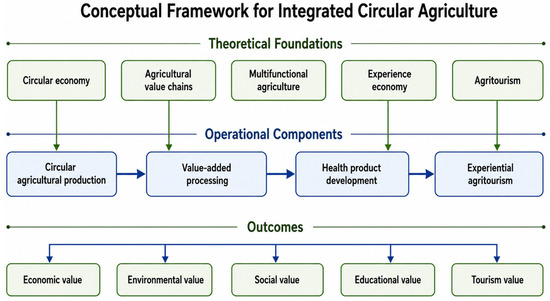
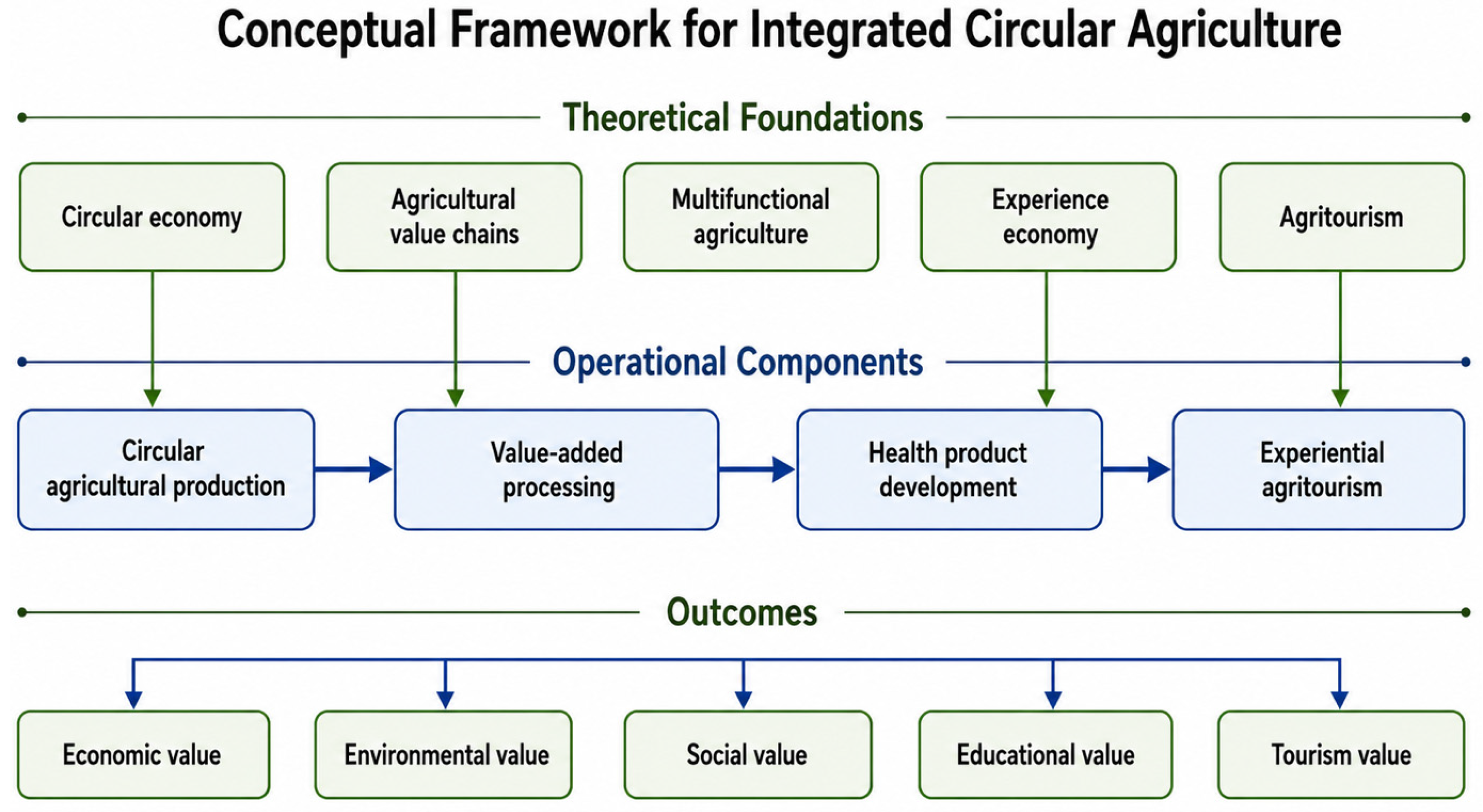
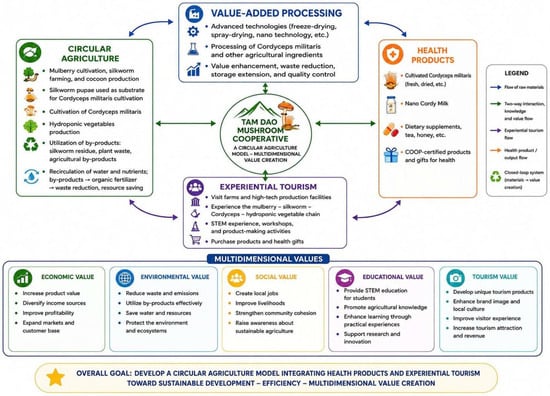
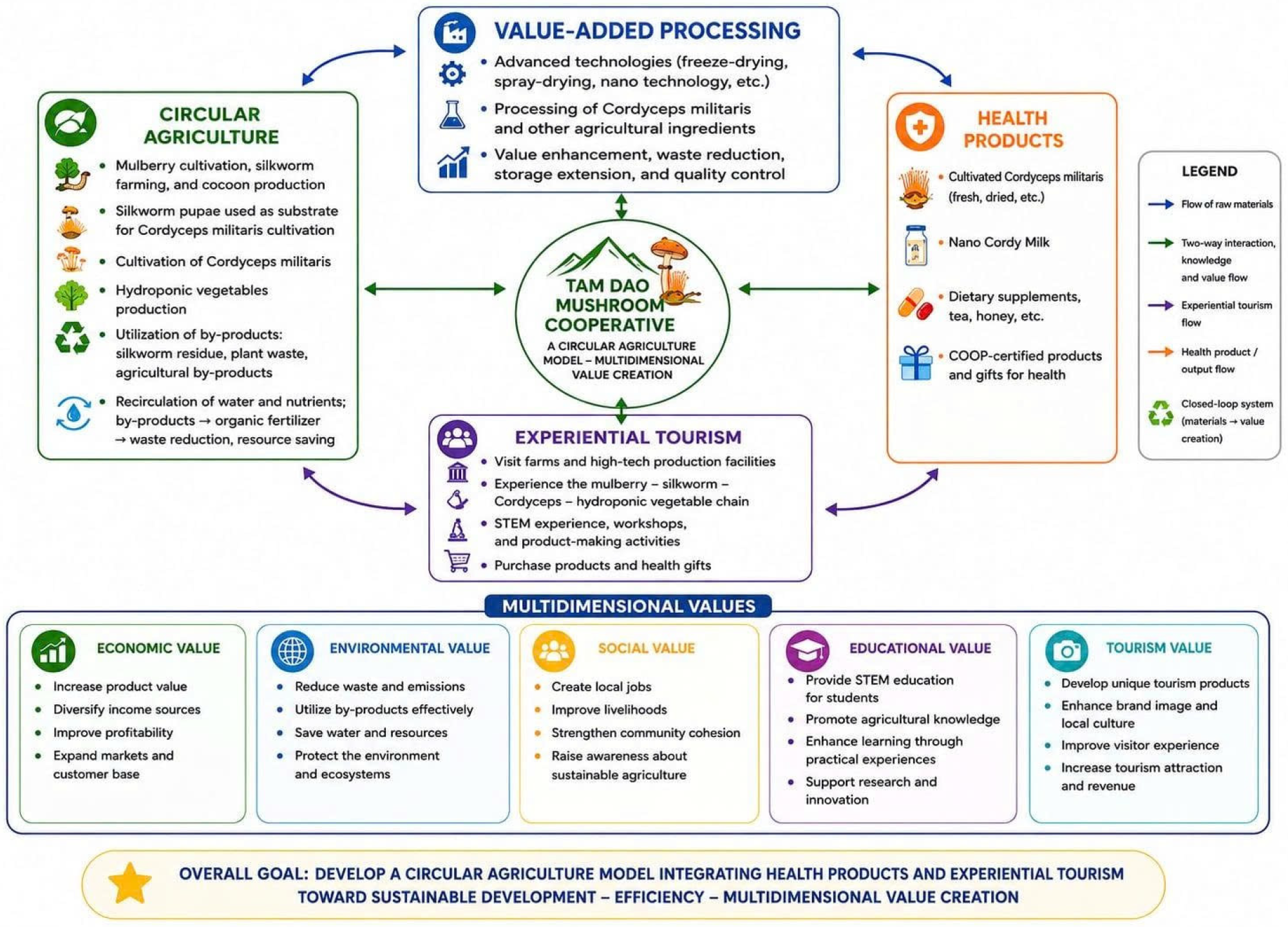
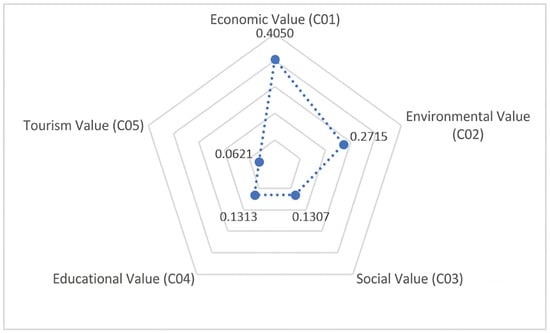
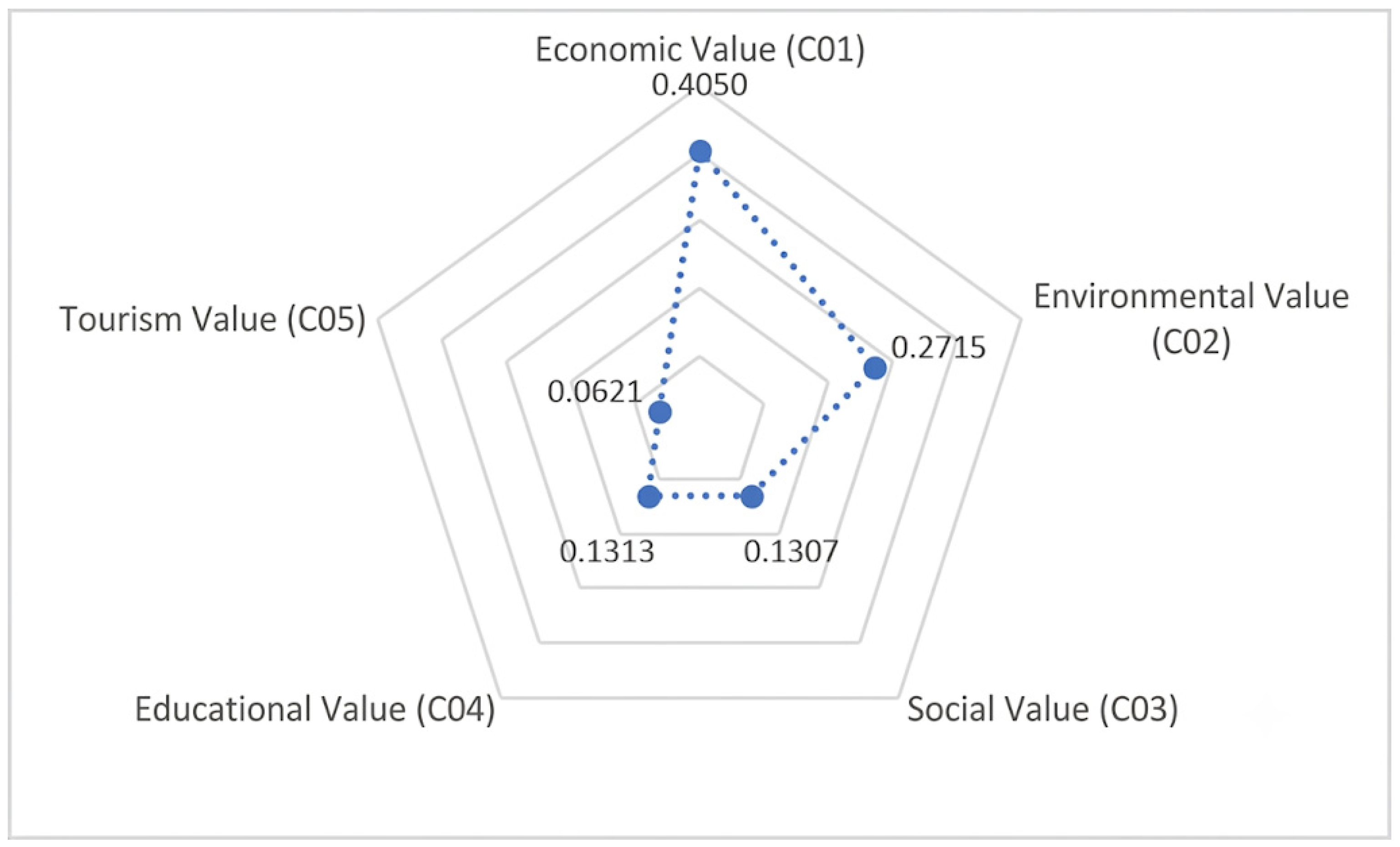

Disclaimer/Publisher’s Note: The statements, opinions and data contained in all publications are solely those of the individual author(s) and contributor(s) and not of MDPI and/or the editor(s). MDPI and/or the editor(s) disclaim responsibility for any injury to people or property resulting from any ideas, methods, instructions or products referred to in the content. |
© 2026 by the authors. Licensee MDPI, Basel, Switzerland. This article is an open access article distributed under the terms and conditions of the Creative Commons Attribution (CC BY) license.