


Abstract
Adaptive cruise control (ACC) is a key component of advanced driver assistance systems, as it maintains a safe distance from preceding vehicles by regulating speed and spacing. However, vehicle dynamics, measurement uncertainty, and traffic variability pose significant challenges for conventional control methods. In this context, fuzzy logic (FL) has been widely explored for its ability to handle uncertainty and incorporate expert knowledge via linguistic rules. This article presents a systematic literature review on the application of FL in ACC systems, proposing a functional taxonomy based on the role of the fuzzy system within the control architecture. Following the Preferred Reporting Items for Systematic Reviews and Meta-Analyses (PRISMA) methodology, 103 initial records were identified, of which 87 studies were included in the final analysis. Four main categories are defined: Direct Fuzzy Control/Learning-Based, Fuzzy Supervisory Decision Control, Fuzzy Adaptive Robust Control, and Fuzzy Model-Based Control. Results indicate that Direct Fuzzy Control/Learning-Based and Fuzzy Supervisory Decision Control dominate the literature, accounting for 35.6% and 28%, respectively, while Fuzzy Adaptive Robust Control and Fuzzy Model-Based Control represent 20.7% and 14.9%. Mamdani-type systems predominate (78.16%), followed by Takagi-Sugeno (T–S) systems (17.24%), while type-2 fuzzy systems remain limited (4.60%) due to higher computational complexity. Recent trends highlight growing interest in adaptive and robust FL-based strategies.
1. Introduction
In recent years, advanced driver assistance systems (ADASs) have become increasingly important in the automotive industry due to their ability to enhance safety, comfort, and efficiency while driving. Among these systems, ACC has established itself as one of the most relevant technologies, as it automatically maintains a desired speed and a safe distance from the vehicle ahead. Unlike conventional cruise control (CC), ACC dynamically adjusts the vehicle’s speed based on traffic conditions, helping to reduce driver workload and minimize the risk of rear-end collisions. Because of these characteristics, ACC has become a key component in the development of assisted-driving functions and strategies for more advanced levels of vehicle automation. In this scenario, ACC seeks to address critical road-safety issues, such as reducing rear-end collisions and mitigating risks associated with limited human reaction time. These systems also improve driving comfort by automating repetitive tasks, such as continuously adjusting speed and following distance, helping reduce driver fatigue during long journeys. Similarly, the incorporation of advanced control strategies compensates for potential human errors and improves traffic stability, promoting safer and more efficient driving.
Despite its benefits, the ACC system design presents several challenges due to the dynamic, highly variable nature of the driving environment. Factors such as variations in driver behavior, traffic conditions, vehicle model uncertainties, and external disturbances directly influence system performance. The following describes various control approaches proposed in the literature for ACC system design to address these challenges. In early research, classical control techniques based on Proportional-Integral-Derivative (PID) controllers and conventional linear strategies were employed due to their simplicity and ease of implementation [1,2,3,4]. Subsequently, more advanced methods based on modern control theory were introduced, such as linear quadratic regulators (LQR), sliding mode control, and model predictive control (MPC). These approaches enable more effective handling of the limitations of classical control methods, providing systematic tools for designing controllers that account for multiple system variables and specific performance criteria. In particular, LQR allows the optimization of control laws by minimizing a cost function that balances control effort and system performance [5,6]. Sliding mode control, on the other hand, is characterized by its robustness against external disturbances and parametric uncertainties, making it an attractive alternative for applications in dynamic and variable environments [7,8]. Finally, MPC has gained considerable attention in ACC applications due to its ability to anticipate future system behavior using a dynamic model, and to explicitly incorporate physical and operational constraints such as speed limits, acceleration, and distance between vehicles [9,10]. In recent years, methods based on machine learning [11], including artificial neural networks [12], as well as bio-inspired optimization algorithms [13,14,15], have been explored, seeking to improve ACC performance through adaptation, learning and optimization capabilities of the controller’s behavior in complex driving environments. In this context, fuzzy control has emerged as an attractive alternative for the design of ACC systems. Unlike approaches based solely on precise mathematical models, fuzzy control allows the incorporation of heuristic knowledge and human experience through linguistic rules, which is especially useful in driving environments characterized by uncertainty, nonlinearity, and varying traffic conditions. Thanks to its ability to represent incremental information in a manner familiar to human thought, FL is a powerful tool for integrating intelligence [16]. Due to these characteristics, fuzzy controllers have been widely used in ACC applications to regulate vehicle speed and maintain a safe distance from the vehicle ahead, providing a suitable balance among safety, comfort, and dynamic performance.
Although modern commercial ACC systems implemented by automotive manufacturers incorporate advanced driver assistance functionalities, the internal control architectures employed in industrial platforms are often proprietary and not fully disclosed. Consequently, direct evidence regarding the use of fuzzy logic in commercial ACC implementations remains limited in the academic literature. Nevertheless, several industrial trends—including adaptive longitudinal regulation, multi-objective comfort and safety management, and decision-oriented driving assistance—share conceptual similarities with fuzzy-based intelligent control approaches discussed in this review. This gap between academic fuzzy-control research and industrial deployment highlights the importance of further validation in real vehicular environments and technology-transfer-oriented developments.
Several review studies related to intelligent transportation systems, ACC strategies, and fuzzy-control applications have been reported in the literature. However, most existing works focus primarily on general ADAS technologies [17], conventional ACC architectures [18], or isolated fuzzy-control implementations without providing a structured functional analysis of the role of FL within ACC systems [19]. In this context, this article offers a comprehensive review of fuzzy-control methods applied to ACC, organizing existing contributions through a taxonomic structure that identifies the main research directions within the field. Specifically, the analyzed works are classified according to the role played by FL within the control architecture. The article’s contributions are described as follows:
- Systematic literature review. This work presents a systematic review of ACC strategies based on FL published over the last decade. The article selection process followed the PRISMA methodology, enabling the identification, filtering, and structured analysis of the most relevant studies in the field.
- Proposal of a functional taxonomy. A taxonomy is proposed to classify FL contributions within ACC control architectures. The analyzed works are organized into four main categories: Fuzzy Model-Based Control, Direct Fuzzy Control/Learning-Based, Fuzzy Adaptive Robust Control, and Fuzzy Supervisory Decision Control, providing insight into how FL contributes at different levels of the control system.
- Bibliometric and qualitative analysis of research trends. A detailed analysis of the selected studies is carried out to identify dominant trends, types of fuzzy systems employed (Mamdani, T–S, and type-2 FL), as well as the most common control configurations in ACC applications.
- Identification of challenges and future research directions. This article discusses the main limitations in the current literature, including the lack of extensive experimental validation, the need to integrate learning and optimization methods with fuzzy control, and the challenges of interpretability and robustness in real traffic scenarios.
This organization facilitates understanding of prevailing trends in the literature, allows comparison of the most representative approaches, and highlights areas that still offer research opportunities. It provides a structured overview of the state of the art and serves as a reference for the development of future fuzzy control strategies in driver assistance applications. The research is structured as follows: Section 2 presents the mathematical formulation of the ACC, longitudinal dynamics, ACC operation, and the structure of the FL. Section 3 describes the methodology used to identify recent state-of-the-art work on fuzzy control structures for ACC. Section 4 introduces the taxonomies presented in the research, details the review of the works found in the literature, and relates them to the presented taxonomies. The comparative discussion of the reviewed works is provided in Section 5, while possible future research directions are described in Section 6. Finally, Section 7 concludes the findings of the literature review.
2. Theoretical Background
The CC represents one of the earliest developments aimed at partial driving automation. Since their initial mechanical implementations in the 1950s, these systems have been designed solely to maintain a constant throttle position, without incorporating sophisticated feedback mechanisms or adaptive strategies to handle dynamic environmental conditions. With the gradual incorporation of proportional and PID-based control approaches, CC systems improved speed regulation, fuel efficiency, and driver comfort during long trips. However, their limitations—particularly under disturbances such as steep slopes, load variations, or highly dynamic environments—highlighted the need for more robust and adaptive control strategies [20].
ACC incorporates spacing regulation with respect to a preceding vehicle. As illustrated in Figure 1, the system simultaneously controls the host vehicle speed and the inter-vehicle distance using sensor information, establishing a dynamic car-following relationship. In this context, the primary objective of ACC is to maintain a safe distance from the preceding vehicle while preserving traffic flow stability and passenger comfort. To describe the car-following behavior, the spacing error and relative velocity are defined in Equations (1) and (2), respectively.
where d represents the actual inter-vehicle distance, is the spacing error, denotes the relative velocity, is the speed of the preceding vehicle, and is the speed of the host vehicle. The parameter corresponds to the time headway, while denotes the minimum safe distance [21].
Figure 1.
Adaptive control cruise operation.
Although the constant time-headway policy remains one of the most widely adopted spacing strategies in ACC systems because of its simplicity, interpretability, and ease of implementation, its performance may degrade under highly dynamic or congested traffic conditions. In particular, fixed headway policies may produce conservative responses in dense traffic scenarios or insufficient adaptability under rapidly changing driving conditions. Consequently, recent studies have explored adaptive spacing policies, variable time-headway formulations, and learning-based car-following models capable of adjusting the desired inter-vehicle distance according to traffic density, vehicle states, environmental conditions, and driver behavior [22,23]. Nevertheless, the constant time-headway policy continues to be widely adopted as a reference benchmark for the analysis and validation of ACC control strategies due to its balance between safety, string stability, and computational simplicity.
To obtain a more realistic representation of vehicle behavior, the longitudinal dynamics of the host vehicle must explicitly consider the traction and resistive forces acting on the system. Figure 2 illustrates the longitudinal dynamic model considered in this work, while the force balance governing the vehicle motion is described by Equation (3). According to Newton’s second law, the traction force generated by the powertrain, denoted by , acts in the direction of motion, whereas the rolling resistance force , aerodynamic drag force , and gravitational component oppose the movement. Consequently, the longitudinal vehicle dynamics can be expressed as
Figure 2.
Longitudinal dynamic model of the host vehicle considered in the ACC formulation.
The resistive forces appearing in Equation (3) are modeled through Equations (4)–(6). In this formulation, the rolling resistance is associated with tire-road interaction losses, the aerodynamic term represents drag effects generated by air flow, and the gravitational component accounts for road slope disturbances
where is the rolling resistance coefficient, is the road slope angle, is the aerodynamic drag coefficient, is the air density, A is the frontal area of the vehicle, is the host vehicle velocity, and is the wind velocity. By substituting Equations (4)–(6) into Equation (3), the complete traction-force formulation is obtained in Equation (7).
Equation (7) provides a more representative description of vehicle longitudinal behavior under realistic operating conditions, where nonlinear effects, aerodynamic disturbances, slope variations, and actuator limitations directly influence ACC performance [24]. In particular, aerodynamic drag introduces velocity-dependent nonlinearities, while slope disturbances and actuator dynamics directly affect transient vehicle behavior, tracking performance, and passenger comfort. Moreover, uncertainties associated with road conditions, external disturbances, sensor measurements, and driver interactions complicate the derivation of accurate analytical models under realistic driving scenarios. These characteristics motivate the adoption of intelligent and adaptive control strategies capable of maintaining robustness, stability, and satisfactory longitudinal regulation under uncertain and dynamically varying operating conditions.
For control-design purposes, the longitudinal dynamic model derived from Equation (3) can be reformulated in the state-space representation defined in Equation (8), where the spacing error, relative velocity, and host vehicle acceleration are selected as the state variables
where represents the spacing error, denotes the relative velocity between the host and preceding vehicles, and corresponds to the longitudinal acceleration of the host vehicle. Unlike simplified ACC formulations based exclusively on distance and velocity regulation, the inclusion of acceleration dynamics allows the model to capture transient vehicle behavior and actuator-response limitations more realistically.
Using the force balance introduced in Equation (3), the ACC dynamics can be expressed in the state-space form shown in Equation (9), which incorporates actuator dynamics, nonlinear aerodynamic effects, and external disturbances
where represents the actuator time constant associated with the powertrain dynamics. Equation (9) captures acceleration transients, actuator-response effects, nonlinear aerodynamic behavior, and environmental disturbances, providing a more realistic framework for ACC analysis and controller development. Its nonlinear and coupled structure also motivates the use of advanced ACC strategies based on robust control, MPC, observer-based estimation, and fuzzy model-based approaches such as T–S systems, where local linear representations or uncertainty-aware control structures facilitate stability analysis, adaptive decision-making, and real-time implementation under varying traffic conditions.
The integration of the car-following formulation presented in Equations (1) and (2) with the longitudinal dynamic model described by Equation (9) establishes a suitable theoretical foundation for the analysis and design of FL-based ACC systems. Recent literature has emphasized the importance of adaptive and intelligent approaches capable of adjusting vehicle behavior according to traffic conditions, driver characteristics, safety requirements, passenger comfort, energy efficiency, and traffic-flow stability [22,23]. Consequently, current research trends increasingly focus on combining dynamic modeling, state estimation, optimization, and intelligent decision-making strategies for the development of more robust and context-aware ACC systems.
FL enables the representation of linguistic rules; that is, it allows the transformation of qualitative variables into quantitative ones. In this approach, an IF–THEN rule can be modeled through a fuzzy implication S, where the antecedent A belongs to the universe of discourse X and the consequent B to the universe Y. The membership function of this implication is defined as shown in Equation (10), commonly using the minimum operator to represent the logical relationship between fuzzy sets [25].
Based on this definition, the inference process allows obtaining the output fuzzy set from an input set , by applying the so-called inference rule. This procedure combines the membership degree of the input with the fuzzy implication using maximum and minimum operators, as described in Equation (11).
When a system contains multiple linguistic rules, the corresponding implications are combined using the maximum operator, as shown in Equation (12).
Finally, when the inputs of the controller are measured values (crisp), they are interpreted as fuzzy sets, which simplifies the inference rule, as shown in Equation (13) [25,26].
From a control design perspective, this interaction introduces a closed-loop structure in which the system must process longitudinal errors and generate corrective actions in real time [27]. In practical ACC implementations, the fuzzy inference process described in Equations (10)–(13) can be interpreted using variables such as distance error and relative velocity as controller inputs, while the output corresponds to throttle or braking actions required to maintain a safe inter-vehicle distance. In this framework, the fuzzification stage transforms sensor measurements into linguistic variables, the inference mechanism evaluates the control rules, and the defuzzification stage generates a continuous longitudinal control action. This general structure is representative of many fuzzy ACC strategies reported in the reviewed literature.
Building upon this conventional fuzzy-control formulation, more advanced approaches have evolved toward architectures capable of handling uncertainty and nonlinear dynamics more systematically. In particular, T–S systems constitute a fundamental model-oriented fuzzy framework, since they approximate nonlinear systems through convex combinations of local linear models. Unlike purely heuristic Mamdani-based controllers, each fuzzy rule in a T–S system incorporates an explicit mathematical representation of the system in its consequent, facilitating controller analysis, stability evaluation, and integration with advanced control methodologies. A typical formulation can be expressed as shown in Equation (14).
where represents the firing strength of rule i, while defines the associated local model. This structure not only enables efficient real-time implementation but also facilitates the use of stability analysis and robust control tools.
On the other hand, type-2 fuzzy systems extend the classical type-1 framework by incorporating uncertainty in the membership functions through intervals, as shown in Equation (15).
This formulation introduces the so-called Footprint of Uncertainty, which provides enhanced generalization in dynamic, uncertain environments such as ACC systems. Unlike type-1 fuzzy logic, type-2 systems require an additional type-reduction process before defuzzification to obtain a crisp output from a higher-order fuzzy set. Although this procedure improves system robustness under uncertainty, it entails a significant increase in computational burden, representing a major challenge for real-time implementation [28].
The integration of type-2 systems and T–S models provides a powerful framework for designing robust and adaptive fuzzy controllers that handle uncertainty, nonlinearity, and variability in the driving environment. This type of architecture highlights that the ACC problem is not limited to maintaining a constant speed but rather involves continuously regulating the state between vehicles under varying conditions. The nonlinear nature of this interaction, along with measurement and driver-behavior uncertainties, has motivated the exploration of intelligent control approaches. In particular, FL, introduced by Lotfi A. Zadeh, provides a suitable framework for modeling expert knowledge through linguistic rules and membership functions, enabling the management of complex systems without requiring strictly precise mathematical models [29]. This capability is especially relevant in ACC applications, where safety, stability, and comfort must be simultaneously satisfied under dynamically changing conditions [30].
3. Materials and Methods
The literature analysis was conducted through a systematic review aimed at identifying and classifying the use of FL in ACC systems. Priority was given to recent studies that reported validation through simulation, comparative analysis with conventional control strategies, or implementation in experimental environments, such as hardware-in-the-loop (HIL) platforms, robotic prototypes, or real vehicles. This criterion ensured not only the relevance of the analyzed literature but also the inclusion of contributions with sufficient technical evidence regarding performance, robustness, and applicability to ACC systems.
Additionally, studies related to speed control or tracking in analogous domains were considered, provided that the proposed control structures were transferable to the ACC context. This includes works on longitudinal systems, vehicle-following control, and dynamically equivalent platforms employing comparable FL-based strategies. This criterion broadens the scope of the analysis toward relevant methodological approaches while maintaining functional consistency with the objectives of longitudinal control in ACC systems.
Table 1 presents the search strategy employed, including the consulted databases, the search string, as well as the inclusion and exclusion criteria, and the language considered. The search was conducted in the Scopus and Web of Science databases due to their extensive coverage in engineering and intelligent systems. The search string was designed to comprehensively capture works related to ACC and FL, including hybrid variants, learning-based approaches, and optimization techniques.
Table 1.
Search strategy, including search string, inclusion and exclusion criteria, and language.
The article selection process followed the PRISMA approach, as shown in Figure 3. PRISMA was selected because it provides a transparent, structured, and reproducible framework for systematic literature reviews, facilitating rigorous identification, screening, eligibility assessment, and inclusion of studies while reducing selection bias and improving traceability throughout the review process. The identification phase yielded 103 records. Subsequently, during the screening stage, duplicates and studies that did not meet the formal criteria were removed, resulting in 91 eligible studies. In particular, articles without a DOI were excluded to ensure traceability, verifiability, and permanent access to the analyzed sources, which are essential aspects in systematic reviews. This criterion ensures the bibliographic quality of the corpus by excluding documents whose editorial validation or availability cannot be consistently verified. After full-text assessment, an additional 4 articles were excluded for not explicitly addressing fuzzy logic in the context of ACC, resulting in a total of 87 articles included in the analysis.
Figure 3.
PRISMA methodology.
The selection and classification process was carried out by four independent reviewers, who evaluated the articles based on the established criteria. In cases of disagreement, a joint discussion was conducted until consensus was reached, ensuring the consistency and reproducibility of the review process.
For each selected article, a set of key variables was extracted to support comparative analysis and classification within the proposed taxonomy. These variables include: type of fuzzy controller (Mamdani, T–S, type-2), functional role of fuzzy logic within the system (direct control, modeling, adaptation, or supervision), input variables used (spacing error, relative velocity, acceleration), type of validation (simulation, virtual environment, HIL, or real implementation), complementary techniques employed (MPC, sliding mode, machine learning, or metaheuristic optimization), and reported performance metrics (tracking error, comfort, stability, or energy consumption).
Additionally, a technology readiness level (TRL) analysis was incorporated to evaluate the proximity of each proposal to real-world implementation. To this end, criteria consistent with the state of the art in vehicular control systems were defined: TRL 2 corresponds to conceptual validation in idealized simulations; TRL 3 to simulations with more realistic dynamic models or comparisons with other controllers; TRL 4 to validation in high-fidelity simulation environments or HIL setups; TRL 5 to implementation in experimental prototypes or robotic platforms; and TRL 6 to validation in real vehicles or representative driving scenarios. Table 2 summarizes these criteria, considering the level of model realism, the presence of hardware, the inclusion of disturbances, and interaction with driving environments.
Table 2.
Criteria for Technology Readiness Level (TRL) classification in ACC systems based on fuzzy logic.
The TRL assignment for each article was performed discretely, assigning a single level per study based on the highest level of validation achieved, in accordance with the criteria defined in Table 2. In this regard, intermediate classifications or ranges were not considered in order to maintain consistency with the established rubric. The evaluation relied exclusively on observable indicators, such as the type of platform used (simulation, HIL, prototype, or real vehicle), the presence of physical sensors and actuators, and the inclusion of disturbances or dynamic environmental conditions. Finally, all articles were reassessed under this unified rubric, ensuring consistency in TRL assignment across the different analyzed taxonomies and establishing a solid comparative basis for evaluating the technological maturity of the proposed approaches.
This methodological structure not only enabled a systematic organization of the literature but also established a robust comparative framework linking the type of fuzzy approach, its functional role within the ACC system, and its level of technological maturity, thereby facilitating a critical analysis of the current state of the field. Figure 4 presents the keyword co-occurrence network generated from the selected articles. This visualization highlights the main thematic clusters within the field, emphasizing terms such as adaptive cruise control, fuzzy control, model predictive control, and longitudinal control. Furthermore, the presence of hybrid approaches and computational intelligence techniques reveals a clear trend toward integrated architectures, where fuzzy logic interacts with advanced control and learning methods.
Figure 4.
Keyword co-occurrence network.
4. Functional Taxonomy of Fuzzy Logic in ACC
This section presents a functional taxonomy of the use of FL in ACC systems, enabling classification of its role within the control architecture, ranging from regulation to decision-making. As illustrated in Figure 5, FL can assume different roles: acting as the main controller, being embedded within dynamic models, adapting parameters under uncertainty, or functioning as a supervisory decision layer. This classification provides a structured framework for analyzing the state of the art, comparing existing approaches, and understanding the evolution of FL toward more intelligent control architectures.
Figure 5.
Functional taxonomy of fuzzy-based adaptive cruise control.
To ensure consistency and reproducibility in the classification of the analyzed studies, each category is defined by the functional role that FL plays within the ACC control loop, considering both its interactions with the system dynamics and the nature of the variable it generates. In this sense, FL may contribute through system modeling, direct generation of control actions, adaptation of internal parameters, or decision-making at the supervisory level. This criterion establishes clear boundaries between categories, avoiding ambiguities in approaches where FL performs multiple functions within the architecture.
First, Fuzzy Model-Based Control (T1) encompasses approaches that use FL to represent system dynamics or the driving environment explicitly. In this category, the output of the fuzzy system corresponds to an internal model of the system, state estimations, or uncertainty approximations that describe the longitudinal behavior of the vehicle. In this context, T–S models play a fundamental role, as they allow nonlinear systems to be approximated through a convex combination of local linear models. This representation facilitates integration with classical control techniques, such as optimal control or MPC, while preserving the ability to capture nonlinear behaviors. In ACC systems, this approach is particularly relevant for modeling vehicle-following dynamics and supporting estimation processes within more complex control architectures.
On the other hand, Direct Fuzzy Control (T2) encompasses approaches in which FL acts directly as the core of the controller. In this case, the output of the fuzzy system corresponds to the control signal applied to the system, such as acceleration or braking, generated from linguistic rules that process variables such as spacing error, relative velocity, or speed error. This type of control enables the replacement or complement of classical strategies such as PID or LQR, providing an effective alternative for nonlinear systems where accurate modeling is difficult. Learning-based approaches, such as neuro-fuzzy systems or Adaptive Neuro-Fuzzy Inference System (ANFIS), are also included in this category, provided that FL maintains the role of directly generating the control action within the main loop.
Fuzzy Adaptive Robust Control (T3) represents approaches in which FL is integrated as an adaptation mechanism within robust controllers. In this category, the output of the fuzzy system does not correspond to the final control signal, but rather to internal controller variables, such as gains, adjustable parameters, uncertainty estimations, or modifications in cost functions. In this context, FL acts on the control structure to improve performance under disturbances, unmodeled dynamics, or parametric variations, and is commonly integrated with techniques such as sliding mode control, MPC, or advanced PID controllers. This approach enhances the robustness and adaptability of ACC systems without fully replacing the underlying control architecture.
Finally, Fuzzy Supervisory Decision Control (T4) corresponds to the highest level of abstraction in the ACC architecture, where FL serves as a supervisory and decision-making mechanism. In this category, the output of the fuzzy system consists of high-level decisions, such as the selection of driving modes, dynamic adjustment of control objectives, or evaluation of safety and risk conditions. Unlike the previous categories, FL does not directly interact with system dynamics or with the immediate generation of the control signal, but instead coordinates the overall system behavior based on the interpretation of the driving environment. This approach enables the integration of multiple criteria such as safety, comfort, and efficiency within hierarchical control architectures. From a holistic perspective, this taxonomy reveals a clear transition in the use of fuzzy logic within ACC systems, evolving from approaches focused on direct regulation toward hierarchical, decision-oriented architectures. This transition is reflected in a shift in the role of FL from direct generation of control actions to modeling, adaptation, and monitoring, demonstrating its progressive integration into more complex and structured control architectures.
It is important to note that the proposed four-category taxonomy was conceived as a functional analytical framework based on the dominant control objectives and methodological characteristics identified across the reviewed ACC studies, rather than as a strictly rigid or mutually exclusive classification. The categorization was established according to the primary role played by FL within each control architecture: model-based integration, direct control or learning behavior, adaptive/robust compensation, and supervisory decision-making. Although some studies exhibit overlapping characteristics, each work was classified according to its predominant control strategy and principal functional contribution.
4.1. Fuzzy Model-Based Control
A natural evolution in the use of FL in ACC involves employing structured fuzzy models as approximators of complex nonlinear dynamics, integrating them into optimal or robust control frameworks. In this context, T–S fuzzy models enable transforming nonlinear systems into convex combinations of linear submodels, thereby enabling the use of analytical tools based on linear matrix inequalities (LMIs) for controller design with formal stability guarantees.
In vehicular applications, refs. [31,32] represent the fundamental pattern of this category, where T–S models are used to reformulate the longitudinal tracking problem as a stabilization or robust predictive control problem. In these approaches, the nonlinear vehicle dynamics are approximated through fuzzy interpolation, enabling the incorporation of physical constraints, actuator saturation, and disturbances within the control problem. This framework reflects a clear transition from the heuristic use of FL toward its integration as a formal modeling tool within advanced control architectures.
Figure 6 illustrates this conceptualization, where FL does not act as a direct generator of the control action, but rather as a mechanism that constructs a structured representation of the system upon which optimal control laws are designed. In this context, T–S models facilitate the formulation of optimal controllers capable of handling nonlinear dynamics, uncertainty, and multiple objectives such as tracking performance, comfort, energy efficiency, and safety. Despite the strong mathematical foundation of these approaches, most reported validations remain limited to simulation environments, placing many of these contributions at intermediate technological maturity levels.
Figure 6.
Conceptual representation of fuzzy model-based control, where fuzzy models approximate the system dynamics.
A second pattern within this taxonomy corresponds to the integration of fuzzy models as approximators of uncertainties within robust control strategies. In this context, refs. [33,34] use FL to capture unmodeled dynamics and mitigate inherent effects of robust schemes such as chattering in SMC. Similarly, ref. [35] incorporates fuzzy systems within an Adaptive Fuzzy Dynamic Programming framework to approximate unknown functions in optimal control problems. In all these cases, FL does not directly define the control action but enhances the representation of the system or the optimization problem, enabling greater robustness against disturbances and nonlinearities. However, validation remains confined to simulation (TRL-3).
As these models incorporate a higher level of detail, some studies explicitly integrate energy and propulsion dynamics into the control framework. In [36], FL is used to model the interaction between energy subsystems in a hybrid electric vehicle within an ACC scheme, simultaneously considering variables such as velocity, road gradient, and energy efficiency. This type of integration extends Fuzzy Model-Based Control to systems with multiple coupled subsystems, although validation remains limited to simulation (TRL-3).
An emerging direction within this category shifts intelligence toward the internal model of the controller itself. In [37], a neuro-fuzzy scheme is used to approximate optimal cost functions and predict environmental dynamics without explicitly solving the Hamilton–Jacobi–Bellman (HJB) equation. In contrast, ref. [38] proposes approximating explicit MPC laws using hierarchical piecewise-affine fuzzy systems, significantly reducing computational cost and enabling FPGA implementation. These approaches reflect an important conceptual shift, in which FL is used not only to model the physical system but also to model the control problem itself. However, validation remains predominantly simulation-based, placing these approaches at TRL-3.
Complementarily, some studies extend fuzzy modeling toward safety and resilience contexts. In [39], type-2 FL is used as a compensator against deviations caused by cyber-attacks, employing the dynamic model as a reference to detect anomalies. Although this approach includes experimental validation on robotic platforms, the scale of the system limits its generalization, maintaining it at TRL-3.
Finally, a relevant extension is to incorporate communication and infrastructure factors into the control model. In [40], FL is integrated into a speed guidance scheme for signalized intersections, where a Smith predictor compensates for communication delays in vehicular systems. In this case, FL contributes to constructing the operational model of the system by considering environmental and traffic information, representing an evolution toward more complex cooperative architectures. Validation in advanced simulation environments places this approach at TRL-4.
The works grouped under Fuzzy Model-Based Control reveal a transition from the heuristic use of FL toward its integration as a structural component of system modeling. Their main strength lies in enabling the application of formal control techniques (LMIs, MPC, optimal control) to nonlinear systems through fuzzy approximations. However, they also present recurrent limitations, such as high mathematical complexity, reliance on accurate models, and a strong reliance on simulated environments for validation. Consequently, despite their theoretical sophistication, most of these approaches remain at early technological maturity levels, with limited transition toward real-vehicle implementation. To facilitate comparison among the different approaches, Table 3 summarizes representative studies employing Fuzzy Model-Based Control strategies, highlighting their main operation, fuzzy contribution, and associated challenges.
Table 3.
Summary of fuzzy model-based control approaches, indicating the application operation, fuzzy contribution, and main challenges.
4.2. Direct Fuzzy Control/Learning-Based
Within this taxonomy, FL acts as the core of the longitudinal control loop, directly generating the control action from variables associated with vehicle-following behavior, such as spacing error, relative velocity, speed error, or combinations of these. In general, the studies in this category favor heuristic architectures that avoid strict mathematical models and instead rely on linguistic rules to generate acceleration, braking, or throttle commands. This orientation largely explains the high prevalence of this category in the literature, as it offers a relatively simple and flexible implementation in the presence of nonlinearities and operational variations.
In applications validated in virtual environments, refs. [44,45,46,47,48,49,50,51,52,53,54,55] share a common pattern: FL constitutes the main longitudinal decision block and is predominantly validated through simulations in MATLAB/Simulink, Simscape Driveline, or equivalent environments. In these works, the main strength lies in the controller’s ability to maintain speed or safe distance without relying on an accurate vehicle model. In contrast, the main limitation remains the restriction to idealized scenarios, which often lack sensor noise, driver uncertainty, complex multi-vehicle interactions, or validation on physical platforms. Under the rubric adopted in this work, this group is predominantly classified as TRL 3. In this context, refs. [44,45] clearly represent the use of FL as a direct generator of acceleration and braking commands, while refs. [46,47,48,49,50,51,52,53,54,55] reinforce the trend of using FL as a primary alternative to PID, LQR, MPC, or hybrid variants in CC, ACC, and longitudinal coordination problems.
Figure 7 illustrates the conceptualization of this taxonomy, where the fuzzy system receives variables from the longitudinal problem and directly generates the control action. This dominant behavior is particularly observed in studies focused on speed or distance tracking, where FL fully replaces conventional regulators in producing the control signal. In this sense, refs. [56,57] present representative ACC and Stop & GO architectures in which FL directly transforms tracking variables into acceleration or braking actions, while [55] extends this logic toward a unified framework that integrates ACC, CC, and AEB within a single fuzzy decision block for longitudinal control.
Figure 7.
Conceptual representation of direct fuzzy control, where the fuzzy inference system generates the control action.
A second trend within this category involves direct approaches enhanced by learning or hybrid structures, in which FL continues to generate the control action but is complemented by mechanisms for adaptation or generalization. In this direction, refs. [58,59,60] demonstrate how ANFIS, shallow neural networks, or neuro-fuzzy schemes can improve the performance of direct control through data-driven training or offline generalization. Although these approaches increase adaptability compared to purely heuristic controllers, the evidence remains largely simulation-based, suggesting that the observed progress reflects a functional improvement in the direct control block rather than a significant advancement in technological maturity. Similarly, refs. [19,61,62,63] reinforce the literature’s interest in comparing FL with other control strategies and highlighting its ability to handle uncertainty without relying on strict modeling; however, these studies also remain predominantly within simulated validation environments.
A third pattern emerges in longitudinal or tracking applications where FL maintains its role as the primary regulator but is extended to more specific scenarios. For example, ref. [64] applies a fuzzy scheme to high-speed trajectory tracking, ref. [51] uses it to coordinate groups of connected vehicles, and [65] transfers this logic to speed control in electric bicycles. Although these studies do not always correspond to strict automotive ACC applications, they preserve the characteristic functional structure of this category: FL operates as a direct generator of the control signal based on dynamic tracking or regulation variables. This justifies their inclusion as analogous systems transferable to ACC, while also highlighting that part of the literature classified under direct fuzzy control/learning-based relies on related longitudinal domains rather than full validation on road vehicles.
From an experimental perspective, this category reveals a significant gap between the abundance of simulation-based proposals and the relatively limited number of physical validations. Nevertheless, some works move toward platforms closer to real-world deployment. In [66], a Fuzzy PD + I controller was validated in real time on a robotic prototype based on Arduino UNO, placing it at TRL 5. Similarly, ref. [65] incorporates a physical prototype with real sensors in an electric bicycle, and [67] implements a vision-based ACC scheme on an experimental platform, demonstrating basic tracking and collision avoidance capabilities; in both cases, the experimental evidence supports their classification as TRL 5. Likewise, ref. [68] integrates a HIL environment with real steering and pedal inputs, coupled with a virtual vehicle dynamics model, thereby justifying its classification as TRL 4. At a more advanced level, refs. [69,70] stand out for validating direct fuzzy control on complete physical platforms, including a scale autonomous vehicle and an experimental car with integrated ADAS functionalities, respectively, placing these proposals at TRL 6.
From a comparative perspective, the works grouped under this taxonomy exhibit consistent advantages in terms of interpretability, ease of implementation, and the ability to capture heuristic knowledge without relying on precise models. However, they also share recurrent limitations: a predominance of single-leader vehicle scenarios, limited incorporation of sensor noise and delays, a low prevalence of complex multi-vehicle experiments, and a strong dependence on manual tuning of rules and membership functions. Consequently, although direct fuzzy control/learning-based remains the most prominent category in the literature, its overall technological maturity is still concentrated at intermediate levels, with an incomplete transition toward robust validation in real vehicular environments.
In addition, these limitations also affect scalability and stability in complex traffic conditions. As observed throughout the reviewed studies, most approaches remain focused on single-vehicle longitudinal regulation under relatively controlled environments, whereas dense traffic interactions, cooperative multi-vehicle coordination, and large-scale traffic dynamics remain comparatively underexplored. In such scenarios, maintaining stability, robustness, and consistent decision-making becomes increasingly challenging due to the larger number of interacting variables, uncertain driver behaviors, and communication constraints. These observations suggest that future research should increasingly integrate fuzzy reasoning with formal stability analysis, distributed control strategies, and cooperative ADAS architectures capable of operating reliably in realistic traffic environments. A general summary of works employing direct fuzzy control is presented in Table 4, highlighting the application domain, the main contribution of the fuzzy approach, and the associated challenges.
Table 4.
Summary of direct fuzzy control approaches, indicating the application operation, fuzzy contribution, and main challenges.
4.3. Fuzzy Adaptive Robust Control
Within this taxonomy, FL does not directly generate the longitudinal control action; instead, it serves as a mechanism for adaptation, compensation, or parametric adjustment within preexisting robust control architectures. In general, the works grouped under Fuzzy Adaptive Robust Control share a common objective: to improve stability, reduce sensitivity to model uncertainties, and enhance the system’s response to disturbances, without fully replacing the main controller. In this sense, the defining functional characteristic of this category is that the output of the fuzzy system corresponds to gains, internal parameters, approximations of nonlinear terms, or weighting factors, rather than the final acceleration or braking signal.
Within robust control approaches for the longitudinal dynamics of autonomous vehicles, a dominant approach involves integrating FL with sliding mode control. Figure 8 illustrates the conceptualization of this taxonomy, exemplifying an architecture in which FL adjusts the parameters of the robust controller online. In this context, refs. [74,75,76,77] exhibit a common pattern: FL is employed to mitigate classical limitations of sliding mode control, particularly chattering and sensitivity to uncertainties, through gain adjustment, approximation of nonlinear components, or modification of sliding surfaces. In these works, the combination of structural robustness and fuzzy adaptation improves tracking performance and smooths system response. However, validation remains predominantly simulation-based, and most of these approaches are therefore classified at TRL-3, even when they incorporate stability analysis or more advanced formulations.
Figure 8.
Conceptual representation of fuzzy adaptive control with online parameter tuning.
A second widely represented trend within this category corresponds to the integration of FL with MPC. Unlike Direct Fuzzy Control, where FL directly produces the control action, in these approaches, the fuzzy system modifies internal parameters of the predictive controller in real time, particularly weighting factors associated with safety, comfort, stability, or energy efficiency. This pattern is consistently observed in refs. [21,78,79,80,81]. In all these cases, FL introduces adaptive capability into the multi-objective trade-off of MPC, allowing the controller to adjust its behavior under different traffic scenarios, vehicle cut-ins, leader disturbances, or changes in operating conditions. This line is particularly relevant because it reflects the transition of FL from a direct heuristic role toward an intelligent tuning mechanism within more complex optimization-based architectures. However, except for [81], which incorporates Driver HIL experiments and thus reaches TRL-4, the experimental evidence of the remaining works is limited to co-simulation or high-fidelity simulation, remaining at TRL-3.
Another relevant research direction within Fuzzy Adaptive Robust Control focuses on the parametric adaptation of conventional controllers. In this group, FL is used to dynamically adjust gains in PID structures or parameters associated with mechanical subsystems and coupling effects, while preserving the classical architecture of the main controller. This behavior is observed in refs. [82,83,84,85]. In these works, FL does not replace the underlying regulator but automates its recalibration in response to variations in mass, inertia, power, operating conditions, or interactions between coupled subsystems. This direction is methodologically important, as it brings FL closer to industrial scenarios where performance improvements are sought without abandoning well-established control structures. Nevertheless, most of these proposals remain at the simulation level and therefore at TRL-3, except for [85], which uses a physical test bench with DC motors and real hardware to achieve TRL-5.
From a broader perspective, there are also approaches in which FL plays an adaptive role within optimization or learning processes. In [86], the fuzzy system adjusts internal parameters of the Multi-Verse Optimizer to improve convergence in the tuning of fuzzy controllers, while in [87], FL is integrated with Q-learning to accelerate learning and approximate human driving behavior in vehicle-following tasks. Although these works do not act directly on the longitudinal control signal, they fit functionally within this taxonomy because FL modifies internal mechanisms that determine the adaptive behavior of the system. However, both remain at TRL-3 due to the absence of physical validation.
Complementarily, some studies extend this adaptive logic to cooperative or resilience-oriented contexts under external disturbances. In [88], FL adjusts parameters of a longitudinal controller to compensate for information loss under DoS attacks in vehicular platooning schemes. In contrast, ref. [89] employs T–S fuzzy models to approximate the nonlinear behavior of human-driven vehicles within a robust predictive control problem formulated using linear matrix inequalities. Although these works differ in formulation, they share the same functional contribution: FL is used to absorb uncertainty and enhance system robustness under non-ideal traffic or communication conditions. This direction reinforces the role of Fuzzy Adaptive Robust Control as a category focused not only on nominal performance but also on adaptability under complex dynamic conditions.
Overall, the studies grouped under this taxonomy reveal a clear evolution of FL from direct control schemes toward architectures where its primary contribution lies in adapting, compensating, or reconfiguring robust controllers. The main strength of this category is its ability to integrate heuristic knowledge with advanced structures such as MPC, sliding mode control, optimization, and learning, thereby enhancing system resilience against uncertainties, disturbances, and parametric variations. However, it also presents recurrent limitations, including high computational complexity, dependence on multi-layered design frameworks, limited hardware validation, and a predominance of simulation-based results. Consequently, although Fuzzy Adaptive Robust Control represents one of the most promising directions in recent literature, its overall technological maturity remains largely concentrated at TRL-3 and TRL-4, with relatively few studies progressing toward experimental platforms closer to real-world implementation. Table 5 summarizes representative studies on fuzzy adaptive robust control, indicating the application domain, the contribution of the fuzzy approach, and the main associated challenges.
Table 5.
Summary of fuzzy adaptive robust control approaches, indicating the application operation, fuzzy contribution, and main challenges.
4.4. Fuzzy Supervisory Decision Control
Several studies have shifted the role of FL from low-level control toward decision-making within hierarchical ACC architectures, as illustrated in Figure 9. In this taxonomy, FL does not act as a direct generator of the longitudinal control action, but rather as a context interpretation mechanism that reconfigures the behavior of the underlying controller.
Figure 9.
Conceptual representation of fuzzy supervisory decision control adjusting controller parameters.
Across multiple studies [91,92,93,94,95,96,97,98], a consistent pattern emerges in which FL is used to: (i) select vehicle operating modes (acceleration, following, or braking), (ii) dynamically adjust weights within cost functions in multi-objective MPC schemes, or (iii) supervise safety conditions that trigger switching mechanisms. In these approaches, FL acts as a cognitive layer that models driving intent and prioritizes objectives such as safety, comfort, or energy efficiency, rather than directly intervening in system dynamics.
In general, these architectures exhibit a clear functional separation between decision and action: while the base controller generates the control signal, FL redefines its meaning according to the operational context. This shift reflects a transition from dynamics-based control toward interpretation-oriented control, approaching behavioral reasoning frameworks.
Although some proposals incorporate hybrid structures in which FL partially participates at lower control levels, their classification within this taxonomy is based on the predominant supervisory and decision-making role at the higher level.
A further evolution within this taxonomy is observed in works that integrate FL into energy management and operational interpretation of the vehicle [24,99,100,101,102,103,104]. In these approaches, FL no longer intervenes in longitudinal dynamics but instead acts as a mediator between the control action and its physical execution, managing energy distribution, consumption, and component degradation.
In particular, FL is used to adjust power allocation in hybrid systems, coordinate the operation of energy subsystems, or modify economic weights in cost functions in predictive control schemes. This pattern reflects a functional extension in which FL does not alter the vehicle trajectory but determines how the computed action should be physically realized, incorporating energy-efficiency criteria. From a functional perspective, these works establish FL as an intermediary between dynamic performance and energy cost, shifting its role from regulation toward operational system management.
Within this same functional shift, some studies extend the role of FL toward human–machine interaction and user comfort modeling [105,106]. In these approaches, fuzzy inference evaluates driver behavior patterns or physiological indicators, enabling modulation of the level of automation or adjustment of the longitudinal response based on ergonomic criteria. In this way, FL moves beyond coordinating system variables to explicitly incorporating human factors into the decision loop.
A cross-analysis of these approaches shows that FL evolves from generating actions to interpreting their meaning—whether energetic, ergonomic, or operational—establishing a structural separation between decision and execution within ACC. However, despite this increased functional sophistication, validation remains predominantly limited to simulation environments without multi-vehicle interaction or significant sensor uncertainty, which restricts its integration as an operational component within ADAS architectures and justifies its predominant classification at TRL-3.
A more advanced direction shifts FL toward the evaluation of operational safety [107,108]. In these works, FL does not intervene in action generation or behavior planning, but rather in the construction of continuous risk metrics based on variables such as relative distance, relative velocity, and braking capability. Unlike previous approaches, in which FL adjusts control objectives or modes, here it serves as a certifier of longitudinal performance. These systems reach higher validation levels, including experimental testing on real vehicles, corresponding to TRL-5. However, the architecture remains partially open, as risk evaluation does not directly feed back into the control law, maintaining the gap between perception and action.
An even more advanced extension is to incorporate FL into anticipatory planning of vehicular behavior [109]. In this approach, fuzzy inference determines a safe reference velocity based on future environmental information, such as road curvature, while a conventional controller executes the control action. This scheme shifts FL to a higher decision level, where it not only interprets the context but also anticipates system behavior.
Validation through high-fidelity simulators and experimental platforms equipped with real sensor positions, these proposals at TRL-6 highlight a progression toward more integrated architectures in which FL begins to bridge the gap between perception, decision, and action.
Finally, some works apply FL as a supervisory mechanism in electric propulsion systems, where it manages transitions between operating modes and optimizes torque distribution based on efficiency maps [110]. In these cases, FL acts as an energy decision layer that does not directly intervene in the longitudinal dynamics of ACC, but influences the overall system efficiency, achieving experimental validation levels corresponding to TRL-5.
Table 6 summarizes representative studies within this taxonomy, highlighting the supervisory functions of FL, their contributions, and the main limitations in terms of validation and integration into real systems.
Table 6.
Summary of fuzzy supervisory decision control approaches, indicating the application operation, fuzzy contribution, and main challenges.
5. Discussion
This section analyzes the predominant taxonomies in the literature, highlighting trends toward specific approaches and contrasting them with less explored categories. Figure 10 shows the percentage distribution of each taxonomy employed by the studies analyzed in this work. The bars represent the frequency of each category, ordered from highest to lowest, while the cumulative line shows the cumulative percentage of contributions. As observed, a small number of categories concentrate the majority of reported studies, revealing a clear preference within the scientific community for certain approaches.
Figure 10.
Distribution of the articles in the state of the art according to the identified fuzzy control taxonomies, showing the number of publications and the cumulative percentage of contributions. The red dotted line represents the cumulative percentage.
The taxonomies identified as Direct fuzzy control/learning-based and Fuzzy Supervisory Decision Control account for the largest share of contributions, jointly representing of the studies reported in the literature. This behavior reflects not only a methodological preference but also a structural trend in the development of ACC systems, where rule-based and decision-oriented approaches enable more direct and flexible implementation under environmental uncertainty. In particular, the predominance of Direct fuzzy control/learning-based can be attributed to its ability to generate control actions without requiring an accurate mathematical model of the system, thereby reducing design complexity and facilitating its adoption in practical scenarios. Meanwhile, the growth of Fuzzy Supervisory Decision Control suggests an evolution toward hierarchical architectures, in which FL is used to integrate multiple objectives such as safety, comfort, and efficiency, aligning with the development of more autonomous driving systems.
In contrast, the taxonomies Fuzzy Adaptive Robust Control and Fuzzy Model-Based Control exhibit a lower proportion of contributions, jointly accounting for of the reported studies. This lower presence does not necessarily indicate reduced relevance, but rather reflects the increased complexity associated with their implementation and validation. In the case of Fuzzy Model-Based Control, the requirement for representative system models limits its applicability in real-world scenarios, where vehicle and environmental dynamics are highly variable. Similarly, Fuzzy Adaptive Robust Control approaches involve the design and integration of more complex control structures, thereby increasing computational cost and complicating experimental validation. Nevertheless, these categories represent strategic research directions, as they enable improvements in stability, robustness, and generalization capability of ACC systems.
Complementarily, Figure 11 presents a heatmap illustrating the relationship between the considered fuzzy control taxonomies and the types of fuzzy systems employed in the literature. The color intensity represents the number of studies reported for each combination. In general, Mamdani-type fuzzy systems show the highest presence across all analyzed taxonomies, particularly in Direct fuzzy control/learning-based with 23 contributions, followed by Fuzzy Supervisory Decision Control with 19 and Fuzzy Adaptive Robust Control with 15. This predominance can be explained by the structural simplicity of Mamdani systems and their ability to represent expert knowledge through interpretable linguistic rules, facilitating their implementation in real-time control applications.
Figure 11.
Distribution of fuzzy system types within the identified fuzzy control taxonomies.
On the other hand, Figure 12 shows the temporal distribution of studies reported in the literature according to the considered taxonomies over the last decade. In general, the Direct fuzzy control/learning-based category exhibits a consistent presence over time, confirming its role as a foundational approach in the development of ACC systems. However, from 2020 onward, a progressive diversification of the studied taxonomies can be observed, reflected in the increasing number of works integrating adaptive, robust, and supervisory approaches. This shift suggests a transition in research priorities: while earlier studies focused on the direct generation of control actions under relatively simple schemes, more recent contributions address more complex challenges related to uncertainty, environmental variability, and system-level decision-making. In particular, the growth of adaptive and supervisory approaches indicates a shift from purely reactive control toward more sophisticated architectures capable of adjusting their behavior in real time and coordinating multiple objectives, such as safety, comfort, and energy efficiency.
Figure 12.
Annual distribution of the reviewed articles according to the considered fuzzy control taxonomies during the period 2016–2026.
In particular, Fuzzy Adaptive Robust Control approaches show a notable increase in recent years, especially since 2021, suggesting a growing interest in strategies that integrate adaptation and robustness mechanisms to address more demanding operating conditions. Similarly, the Fuzzy Supervisory Decision Control category exhibits sustained and increasing participation, which can be associated with the incorporation of decision layers into more complex control architectures. This trend indicates a transition from schemes focused solely on regulation toward approaches that integrate supervisory and decision-making capabilities, in line with the evolution of ACC systems toward functionalities closer to automated driving.
On the other hand, T–S systems exhibit a lower but consistent presence, with 6 contributions in both Direct Fuzzy Control/Learning-Based and Fuzzy Supervisory Decision Control taxonomies. These approaches are primarily used in scenarios that require tighter integration with mathematical models, particularly within adaptive or robust control frameworks. In contrast, type-2 fuzzy systems remain significantly underrepresented in the state of the art, with only a few contributions identified in Direct Fuzzy Control/Learning-Based and Fuzzy Adaptive Robust Control, and no reported presence within Fuzzy Model-Based Control or Fuzzy Supervisory Decision Control categories. Traditionally, this limited adoption has been associated with the higher computational complexity introduced by type-reduction procedures and extended inference operations. However, considering the capabilities of modern high-performance embedded and automotive computing platforms, computational burden alone may no longer represent the dominant limiting factor. An additional and important consideration is that, in many practical ACC scenarios, the performance improvements achieved by type-2 fuzzy systems are not always sufficiently significant to justify the increased design complexity, parameterization effort, and implementation cost when compared with well-tuned type-1 fuzzy controllers. Nevertheless, the suitability of type-2 approaches remains strongly dependent on the characteristics of the controlled process, particularly in environments with high uncertainty, nonlinear dynamics, or strong external disturbances, where their enhanced uncertainty-handling capabilities may yield greater benefits.
Overall, these results indicate that, although traditional approaches based on Mamdani systems continue to dominate the literature, there is a gradual transition toward more complex architectures that integrate adaptation, robustness, and decision-making. This evolution confirms that FL is shifting from a role centered on direct regulation toward its integration across multiple levels within advanced ACC systems.
Table 7 summarizes the main characteristics of selected studies in terms of control taxonomy, type of fuzzy system, membership functions, number of rules, and implementation platform. First, it can be observed that triangular and trapezoidal membership functions are the most commonly used, either individually or in combination. This trend can be explained by their computational simplicity and ease of implementation, particularly in simulation environments and real-time control applications. On the other hand, Gaussian functions mainly appear in T–S systems, where their smoothness and continuity are well-suited for functional approximations and more structured mathematical formulations.
Table 7.
Summary of representative studies according to taxonomy, fuzzy system type, rules, and implementation.
Regarding fuzzy rules, considerable variability is observed across studies, ranging from as few as 5 to more than 60. This variability is typically associated with the complexity of the controlled system, the number of input and output variables considered, and the desired level of granularity in representing expert knowledge. However, several studies converge toward configurations with approximately 25 or 49 rules, suggesting the use of symmetric partitions in the universes of discourse of input or output variables. Finally, the vast majority of studies rely primarily on simulation-based validation, using tools such as MATLAB/Simulink, CarSim, TruckSim, or specialized simulation environments. In contrast, only a limited number of studies report experimental validation, highlighting a gap between the methodological development of fuzzy controllers and their implementation on real physical platforms. This aspect represents a significant opportunity for future research focused on experimental validation and technology transfer of these control strategies.
The predominance of Mamdani fuzzy systems can be mainly attributed to their ease of implementation, interpretability, and capability to incorporate expert knowledge through linguistic rules, which is particularly attractive in control applications where accurate mathematical models are not available. In contrast, T–S systems require a more structured rule formulation and, in many cases, a stronger reliance on mathematical models or approximations, which may limit their adoption in knowledge-based approaches. Type-2 fuzzy systems, although offering theoretical advantages for handling uncertainty and variability in membership functions, involve higher computational and design complexity, which still restricts their practical application compared to classical FL formulations.
From the quantitative distribution of the reviewed literature, Direct Fuzzy Control/Learning-Based approaches represent the largest category, accounting for 35.6% of the analyzed studies, followed by Fuzzy Supervisory Decision Control with 28%. In contrast, Fuzzy Adaptive Robust Control and Fuzzy Model-Based Control represent 20.7% and 14.9%, respectively. These results reveal a clear predominance of heuristic and directly implemented fuzzy-control strategies in ACC research, while more mathematically structured, robustness-oriented, and model-dependent approaches remain comparatively less explored. This distribution also suggests that the field continues to prioritize practical implementation and adaptive decision-making capabilities over formalized model-driven control formulations.
Design of a Multi-Layer ACC Architecture Based on the Integration of the Fuzzy Taxonomies
Based on the functional analysis developed in this review, it is possible to propose a theoretical ACC architecture in which taxonomies are not treated as independent approaches, but as complementary components within an integrated hierarchical system. Rather than competing with each other, the different fuzzy control categories can be interpreted as functional layers operating at different levels of abstraction within the system, enabling greater robustness, adaptability, and decision-making capability.
In this context, a multilayer architecture is proposed in which each taxonomy fulfills a specific role. At the lowest level, Direct Fuzzy Control/Learning-Based acts as the main longitudinal regulator, directly generating acceleration and braking actions under nominal vehicle-following conditions. This layer provides a fast, interpretable response with low dependence on precise mathematical models, making it suitable for stable driving scenarios.
At an intermediate level, Fuzzy Adaptive Robust Control introduces adaptation and compensation mechanisms to address system uncertainties, including load variations, road slopes, sensor noise, and changes in the dynamics of the preceding vehicle. In this case, fuzzy logic does not directly generate the control action, but instead adjusts internal controller parameters—such as gains, weights, or disturbance estimations—in order to maintain system performance and stability under non-ideal conditions.
Complementarily, Fuzzy Model-Based Control can be incorporated as a dynamic representation layer, providing approximate models of the longitudinal behavior of the vehicle and its environment. This level enables the capture of nonlinearities and enhances the predictive capability of the system, facilitating integration with advanced strategies such as MPC and multi-objective optimization.
At the highest level, Fuzzy Supervisory Decision Control serves as a cognitive layer that interprets the driving context and selects the most appropriate operating mode. This layer supervises the overall system behavior, adjusts priorities among safety, comfort, and energy efficiency, and coordinates the activation or modification of lower layers according to environmental, traffic, and operational conditions. In this way, fuzzy logic transcends its traditional role as a regulator and becomes a system-level decision-making mechanism.
Under this architecture, ACC is no longer a monolithic longitudinal control scheme, but rather a scenario-oriented hierarchical system in which each taxonomy contributes in a differentiated manner. In normal driving conditions, direct control dominates the system response; in the presence of uncertainty, the adaptive layer enhances robustness; in complex scenarios, fuzzy supervision redefines objectives and operating modes; while the model-based layer continuously provides a coherent representation of system dynamics.
This functional integration suggests that the design of ACC systems based on fuzzy logic should not focus on selecting a single strategy, but rather on structurally combining multiple approaches. Consequently, future developments should move toward integrated architectures capable of closing the gap between perception, decision, and action, consolidating fuzzy logic as a key component within advanced ADAS systems.
6. Future Research Directions
Under this architecture, ACC is no longer a monolithic longitudinal control scheme, but rather a scenario-oriented hierarchical system in which each taxonomy contributes in a differentiated manner. In normal driving conditions, direct control dominates the system response; in the presence of uncertainty, the adaptive layer enhances robustness; in complex scenarios, fuzzy supervision redefines objectives and operating modes; while the model-based layer continuously provides a coherent representation of system dynamics based on the functional taxonomy and the technology readiness level (TRL) analysis, several research gaps and opportunities can be identified for each category.
Future research in Fuzzy Model-Based Control (T1) should focus on bridging the gap between model-based fuzzy representations and their deployment in real-world environments. Although T–S models facilitate integration with MPC and optimal control techniques, their validation remains predominantly simulation-based. Therefore, it is necessary to develop experimentally validated hybrid architectures, including HIL schemes and vehicle-in-the-loop testing. In addition, the integration of data-driven identification techniques with fuzzy modeling may significantly enhance robustness under real traffic conditions, where uncertainties and variability are inherent.
In the case of Direct Fuzzy Control/Learning-Based (T2), despite being the most widespread category in the literature, its design still relies heavily on heuristic rules. This limitation highlights the need for automated rule-generation methods, supported by reinforcement learning or neuro-fuzzy systems, to reduce dependence on manual tuning. Furthermore, scalability toward multi-vehicle scenarios and cooperative environments remains a critical challenge, as most current implementations are restricted to single-vehicle configurations. The extension of these approaches to connected and autonomous driving environments is still largely unexplored and represents a key direction for future research.
For Fuzzy Adaptive Robust Control (T3), the main challenge lies in ensuring stability under uncertainty without compromising real-time feasibility. Addressing this issue requires integrating fuzzy adaptation mechanisms with formal robustness frameworks, such as Lyapunov-based methods or input-to-state stability (ISS). At the same time, reducing computational complexity is essential to enable implementation in embedded systems, where resource constraints impose strict limitations on real-time performance.
Fuzzy Supervisory Decision Control (T4) reflects a shift toward decision-making and system-level coordination. However, most existing developments are evaluated under deterministic simulation environments, limiting their applicability in real scenarios. Future work should focus on closing the perception–decision–action loop by integrating real sensor data, V2X communication, and multi-agent interaction. Moreover, incorporating human-in-the-loop models and uncertainty-aware decision-making frameworks is a crucial step toward reliable deployment in ADAS systems.
Across all taxonomies, a persistent limitation is the lack of validation beyond simulation environments, which restricts the transition of proposed approaches toward real-world deployment. Future research should therefore emphasize experimental validation on real vehicles, while ensuring robustness under uncertainty, noise, and dynamic traffic conditions. In parallel, it is essential to integrate fuzzy control strategies with perception systems, including cameras, LiDAR, and sensor fusion frameworks, to enable operation in realistic environments. Addressing real-time implementation constraints is also critical, particularly for embedded platforms with limited computational resources. Finally, improving the explainability of fuzzy decision-making in safety-critical scenarios remains a key challenge, as it directly impacts the reliability, transparency, and acceptance of these systems. The integration of these directions highlights that the main current challenge no longer lies in the design of control strategies, but in the effective integration of fuzzy logic within complete ADAS system architectures.
Although FL offers important advantages for handling nonlinearities, uncertainty, and human-centered driving behavior, industrial automotive implementations still predominantly rely on classical controllers such as PI, PID, MPC, and, more recently, AI-based approaches. This tendency is partly associated with the stronger analytical guarantees, standardized validation procedures, and easier certification processes provided by conventional control frameworks. Consequently, the future role of fuzzy logic in ACC systems will likely depend not only on control performance improvements, but also on its effective integration, explainability, and validation within complete real-world ADAS architectures.
7. Conclusions
The main contribution of this review is the development of a functional taxonomy for FL-based ACC systems, organized according to the dominant role of FL within the control architecture: model-based control, direct/learning-based control, adaptive robust control, and supervisory decision-making. In addition to structuring the literature, the study provides a critical cross-analysis of architectural trends, fuzzy-system types, technological maturity, implementation limitations, and emerging research directions. The review also emphasizes the persistent gap between simulation-oriented academic studies and real-world industrial deployment, while identifying opportunities for integrating FL into complete ADAS frameworks.
The results show that most reported contributions are concentrated in Direct Fuzzy Control/Learning-Based and Fuzzy Supervisory Decision Control approaches, which together account for approximately 64% of the reviewed studies. This predominance suggests that current research mainly favors heuristic and decision-oriented strategies over approaches relying on explicit mathematical formulations. Consequently, the evolution of FL-based ACC reflects not only increasing architectural complexity, but also a transition toward higher-level behavioral interpretation and intelligent decision-making capabilities.
From a temporal perspective, the literature reveals a clear evolution in research trends, particularly after 2020. Earlier studies focused mainly on direct fuzzy controllers, whereas more recent works increasingly explore adaptive and robust architectures integrating FL with advanced techniques such as MPC and optimization methods. In particular, the growing presence of Fuzzy Adaptive Robust Control approaches indicates an increasing interest in combining fuzzy reasoning with formal adaptation and robustness mechanisms to improve performance under uncertain, nonlinear, and dynamically varying driving conditions.
The analysis of fuzzy system types reveals a strong preference for Mamdani-based architectures across all taxonomies, mainly due to their high interpretability and ease of incorporating expert knowledge through linguistic rules. However, this predominance should be interpreted within the context of academic ACC literature rather than as direct evidence of industrial adoption. Mamdani-based approaches are particularly common in simulation-oriented and heuristic research studies, whereas T–S systems are more frequently associated with adaptive and model-based strategies because their mathematical structure facilitates integration with analytical and safety-oriented control methods such as PI, PID, MPC, and robust control frameworks. Consequently, T–S systems are often considered more suitable for practical industrial and automotive implementations requiring stability analysis and real-time execution. Similarly, type-2 fuzzy systems remain considerably less explored despite their theoretical advantages in uncertainty handling. Although this has traditionally been attributed to their higher computational complexity, modern embedded hardware reduces this limitation. In many practical ACC scenarios, however, the performance improvements achieved by type-2 fuzzy systems may not always justify the increased design complexity and implementation effort compared with well-tuned type-1 controllers. Nevertheless, type-2 approaches may still provide advantages in highly uncertain or strongly nonlinear environments.
The results highlight a significant gap between methodological development and experimental implementation. Most reported studies rely on simulation platforms such as MATLAB/Simulink, CarSim, or TruckSim, while only a limited number of works present validation on hardware or real vehicles. This situation indicates that, although FL has evolved toward more complex roles in decision-making and behavioral coordination, this evolution has not been accompanied by a corresponding increase in technological maturity. As a result, current research has reached a point where the main challenge no longer lies in designing new control strategies, but in integrating them into complete ADAS system architectures. Therefore, future research should focus on bridging the gap between simulation and real-world application by promoting experimental validation, integrating with perception systems, and exploring underrepresented taxonomies, such as model-based fuzzy control and advanced fuzzy system formulations, to consolidate FL as an operational component within autonomous driving systems. Another important observation derived from this review is that a significant portion of the analyzed studies remains limited to simulation-based validation or to analogous longitudinal-control platforms rather than full automotive ACC implementations. Although these studies contribute valuable methodological insights and transferable control strategies, the transition toward robust real-vehicle validation is still limited. This reveals an important research gap between theoretical fuzzy-control developments and large-scale industrial deployment in commercial automotive systems. In general terms, the primary limitation of current research does not lie in the lack of intelligent control strategies, but rather in the absence of integrated validation within complete ADAS architectures. Future progress will depend on closing the gap between fuzzy-logic-based decision-making and its implementation in real-world environments, transforming fuzzy logic from a design tool into an operational component of autonomous driving systems.
Author Contributions
Conceptualization, E.V.-I. and J.R.G.-M.; methodology, J.R.G.-M., Z.E.S.-F. and M.I.C.-O.; software, E.V.-I., J.R.R.-R. and C.T.M.-R.; validation, E.E.C.-M., J.R.R.-R. and Z.E.S.-F.; formal analysis, J.R.G.-M.; investigation, E.V.-I., M.I.C.-O. and C.T.M.-R.; data curation, E.E.C.-M.; writing—original draft preparation, E.V.-I., J.R.R.-R. and J.R.G.-M.; writing—review and editing, E.E.C.-M., Z.E.S.-F., M.I.C.-O. and C.T.M.-R.; visualization, E.V.-I., J.R.R.-R. and J.R.G.-M.; supervision, E.E.C.-M., Z.E.S.-F., M.I.C.-O. and C.T.M.-R.; project administration, E.E.C.-M., M.I.C.-O. and J.R.G.-M.; funding acquisition, E.E.C.-M., M.I.C.-O. and J.R.G.-M. All authors have read and agreed to the published version of the manuscript.
Funding
This research received no external funding.
Data Availability Statement
Data sharing is not applicable.
Acknowledgments
The authors would like to acknowledge the financial support provided by SECIHTI through scholarships granted to the first and third authors (CVU Author 1: 2202952, CVU Author 3: 2202960). The authors also express their gratitude to Universidad Veracruzana for the resources and infrastructure provided to carry out this research. Additionally, Grammarly Desktop (Version 1.164.0) was used to assist in the grammatical revision of the manuscript.
Conflicts of Interest
The authors declare no potential conflicts of interest.
Abbreviations
The following abbreviations are used in this manuscript:
| ACC | Adaptive Cruise Control |
| CC | Control Cruise |
| FL | Fuzzy Logic |
| PID | Proportional-Integral-Derivative |
| HIL | Hardware-in-the-loop |
| MPC | Model Predictive Control |
| T–S | Takagi–Sugeno |
| LQR | Linear Quadratic Regulators |
| FMPC | Fuzzy Model Predictive Control |
| ADAS | Advanced Driver Assistance Systems |
| DWMPC | Dynamic Weight Model Predictive Control |
| ANFIS | Adaptive Neuro-Fuzzy Inference System |
| TRL | Technology Readiness Levels |
| CACC | Cooperative Adaptive Cruise Control |
| FPID | Fuzzy-PID |
| SOC | State of Charge |
| GA | Genetic Algorithms |
| BLDC | Brushless DC Motor |
| PDCA | Plan-Do-Check-Act |
| MVO | Multi-Verse Optimizer |
| PSO | Particle Swarm Optimization |
| LMIs | Linear Matrix Inequalities |
| SMC | Sliding Mode Control |
| STSMC | Super-Twisting Sliding Mode Control |
| EV | Electric Vehicle |
| AEB | Automatic Emergency Braking |
| CAS | Collision Avoidance System |
| ABS | Anti-lock Braking System |
| HWFET | Highway Fuel Economy Test |
| FTP | Federal Test Procedure |
| RCAS | Rear-end Collision Avoidance System |
| ALKA | Active Lane Keeping Assist |
| IT2 FL | Interval Type-2 Fuzzy Logic |
References
- Lee, M.H.; Park, H.G.; Lee, S.H.; Yoon, K.S.; Lee, K.S. An adaptive cruise control system for autonomous vehicles. Int. J. Precis. Eng. Manuf. 2013, 14, 373–380. [Google Scholar] [CrossRef] [Scilit]
- Saputro, J.S.; Wibisono, M.S.W.K.; Hariyono, J.; Anwar, M.; Warindi. Design of an Adaptive Cruise Control System using PID Control Method on Electric Vehicle Prototypes. In Proceedings of the 2023 International Conference on Advanced Mechatronics, Intelligent Manufacture and Industrial Automation (ICAMIMIA); IEEE: Piscataway, NJ, USA, 2023; pp. 599–605. [Google Scholar]
- Kabasakal, B.; Üçüncü, M. The design and simulation of adaptive cruise control system. Int. J. Automot. Sci. Technol. 2022, 6, 242–256. [Google Scholar] [CrossRef] [Scilit]
- Turan, A. PID controller design with a new method based on proportional gain for cruise control system. J. Radiat. Res. Appl. Sci. 2024, 17, 100810. [Google Scholar] [CrossRef] [Scilit]
- Miraç, B.; Yıldıran, U. Adaptive Cruise Control of an Autonomous Electric Bus: Real-Time Implementation of LQR and PID Controllers with Feedforward Compensation. In Proceedings of the 2025 IEEE 4th International Conference on Computing and Machine Intelligence (ICMI); IEEE: Piscataway, NJ, USA, 2025; pp. 1–5. [Google Scholar]
- Zhu, Z.; Bei, S.; Li, B.; Liu, G.; Tang, H.; Zhu, Y.; Gao, C. Research on robust control of intelligent vehicle adaptive cruise. World Electr. Veh. J. 2023, 14, 268. [Google Scholar] [CrossRef] [Scilit]
- Sheykhi, S.; Gholizade-Narm, H. Providing robust-adaptive fractional-order sliding mode control in hybrid adaptive cruise control systems in the presence of model uncertainties and external disturbances. Int. J. Dyn. Control 2022, 10, 1955–1967. [Google Scholar] [CrossRef] [Scilit]
- Ganji, B.; Kouzani, A.Z.; Khoo, S.Y.; Shams-Zahraei, M. Adaptive cruise control of a HEV using sliding mode control. Expert Syst. Appl. 2014, 41, 607–615. [Google Scholar] [CrossRef] [Scilit]
- Al-Gabalawy, M.; Hosny, N.S.; Aborisha, A.h.S. Model predictive control for a basic adaptive cruise control: M. Al-Gabalawy et al. Int. J. Dyn. Control 2021, 9, 1132–1143. [Google Scholar] [CrossRef] [Scilit]
- Alizadehghobadi, S.; Ehsani, R. Robust Invariant Set Design for Reliable Stopping in Adaptive Cruise Control via Model Predictive Control. IEEE Access 2025, 13, 81096–81104. [Google Scholar] [CrossRef] [Scilit]
- Bravetti, F.; Borriello, L.; Testa, A.; Andruccioli, M.; Olaiya, K.; Girau, R. A comparative analysis of machine learning and PID controllers for implementing adaptive cruise control in autonomous vehicles. In Proceedings of the 2025 IEEE International Conference on Smart Computing (SMARTCOMP); IEEE: Piscataway, NJ, USA, 2025; pp. 378–383. [Google Scholar]
- Apostolakis, T.; Ampountolas, K. Physics-inspired neural networks for parameter learning of adaptive cruise control systems. IEEE Trans. Veh. Technol. 2024, 73, 14291–14301. [Google Scholar] [CrossRef] [Scilit]
- Chaturvedi, S.; Kumar, N. Design and implementation of an optimized PID controller for the adaptive cruise control system. IETE J. Res. 2023, 69, 7084–7091. [Google Scholar] [CrossRef] [Scilit]
- Heybetli, F.; Danayiyen, Y.; Taşdemir, A.B.; Şenyiğit, Ş. Comparative analysis of metaheuristic algorithms in PID-based vehicle cruise control systems. Electrica 2025, 25, 1–16. [Google Scholar] [CrossRef] [Scilit]
- Saravanan, G.; Pazhanimuthu, C.; Sathish Kumar, D.; Lalitha, B.; Senthilkumar, M.; Kannan, E. Red panda optimization algorithm-based PID controller design for automobile cruise control system. In Proceedings of the 2024 International Conference on Smart Systems for Electrical, Electronics, Communication and Computer Engineering (ICSSEECC); IEEE: Piscataway, NJ, USA, 2024; pp. 33–37. [Google Scholar]
- Dumitrescu, C.; Ciotirnae, P.; Vizitiu, C. Fuzzy logic for intelligent control system using soft computing applications. Sensors 2021, 21, 2617. [Google Scholar] [CrossRef] [Scilit]
- Neumann, T. Analysis of advanced driver-assistance systems for safe and comfortable driving of motor vehicles. Sensors 2024, 24, 6223. [Google Scholar] [CrossRef] [Scilit] [PubMed]
- Shaout, A.; Gangireddy, A.R.; Motwakel, A. Adaptive Fuzzy Cruise Control System to Maintain Safe Distance and Set Speed. Int. J. Comput. Sci. Eng. (IJCSE) 2019, 8, 15–23. [Google Scholar]
- Gorial, I.I. Evaluation of Cruise Control Systems: A Comparative Study of Fuzzy Logic, Linear, and Nonlinear Controllers. Tikrit J. Eng. Sci. 2025, 32, 1–18. [Google Scholar] [CrossRef] [Scilit]
- Shaout, A.; Jarrah, M.A. Cruise control technology review. Comput. Electr. Eng. 1997, 23, 259–271. [Google Scholar] [CrossRef] [Scilit]
- Mehraban, Z.; Zadeh, A.Y.; Khayyam, H.; Mallipeddi, R.; Jamali, A. Fuzzy adaptive cruise control with model predictive control responding to dynamic traffic conditions for automated driving. Eng. Appl. Artif. Intell. 2024, 136, 109008. [Google Scholar] [CrossRef] [Scilit]
- Pan, C.; Huang, A.; Chen, L.; Cai, Y.; Chen, L.; Liang, J.; Zhou, W. A review of the development trend of adaptive cruise control for ecological driving. Proc. Inst. Mech. Eng. Part D J. Automob. Eng. 2022, 236, 1931–1948. [Google Scholar] [CrossRef] [Scilit]
- Vasebi, S.; Hayeri, Y.M.; Saghiri, A.M. A literature review of energy optimal adaptive cruise control algorithms. IEEE Access 2023, 11, 13636–13646. [Google Scholar] [CrossRef] [Scilit]
- Phan, D.; Amani, A.M.; Mola, M.; Rezaei, A.A.; Fayyazi, M.; Jalili, M.; Ba Pham, D.; Langari, R.; Khayyam, H. Cascade adaptive mpc with type 2 fuzzy system for safety and energy management in autonomous vehicles: A sustainable approach for future of transportation. Sustainability 2021, 13, 10113. [Google Scholar] [CrossRef] [Scilit]
- Kickert, W.; Mamdani, E. Analysis of a fuzzy logic controller. In Readings in Fuzzy Sets for Intelligent Systems; Dubois, D., Prade, H., Yager, R.R., Eds.; Morgan Kaufmann: San Francisco, CA, USA, 1993; pp. 290–297. [Google Scholar] [CrossRef] [Scilit]
- Zadeh, L.A. Fuzzy logic. Computer 1988, 21, 83–93. [Google Scholar] [CrossRef] [Scilit]
- He, Y.; Ciuffo, B.; Zhou, Q.; Makridis, M.; Mattas, K.; Li, J.; Li, Z.; Yan, F.; Xu, H. Adaptive cruise control strategies implemented on experimental vehicles: A review. IFAC-PapersOnLine 2019, 52, 21–27. [Google Scholar] [CrossRef] [Scilit]
- Mendel, J.M. Explainable Uncertain Rule-Based Fuzzy Systems; Springer: Cham, Switzerland, 2024. [Google Scholar]
- Zadeh, L.A. Fuzzy sets. Inf. Control 1965, 8, 338–353. [Google Scholar] [CrossRef] [Scilit]
- Bifulco, G.N.; Pariota, L.; Simonelli, F.; Di Pace, R. Development and testing of a fully adaptive cruise control system. Transp. Res. Part C Emerg. Technol. 2013, 29, 156–170. [Google Scholar] [CrossRef] [Scilit]
- Gao, Z.; Yan, W.; Li, H. Design of the time-gap-dependent robust headway control algorithm for ACC vehicles. Int. J. Veh. Des. 2016, 70, 325–340. [Google Scholar] [CrossRef] [Scilit]
- Zhang, C.; Wei, X.; Wang, Z.; Zhang, H.; Guo, X. TS Fuzzy-Model-Based Adaptive Cruise Control for Longitudinal Car-Following Considering Vehicle Lateral Stability; OAE Publishing Inc.: Alhambra, CA, USA, 2023. [Google Scholar]
- Elouardi, E.; Mouhib, O.; Bentaleb, A.; Ouardi, B.E.; Lassioui, A.; Fadil, H.E. Cruise control system of electric vehicle powered by pmsm motor using ts fuzzy approach. In Proceedings of the International Symposium on Automatic Control and Emerging Technologies; Springer: Singapore, 2023; pp. 726–735. [Google Scholar]
- Someswari, T.; Tiwari, A.K.; Nagraj, R. Dynamic cruise control system for effective navigation system. Int. J. Electr. Comput. Eng. 2020, 10, 4645–4654. [Google Scholar] [CrossRef] [Scilit]
- Wang, Y.; Bai, W.; Zhang, W.; Chen, S.; Zhao, Y. Optimal course tracking control of USV with input dead zone based on adaptive fuzzy dynamic programing. Proc. Inst. Mech. Eng. Part I J. Syst. Control Eng. 2024. [Google Scholar] [CrossRef] [Scilit]
- Xiang, D.T.K.; Aparow, V.R. Adaptive cruise control of hybrid electric vehicle using fuzzy logic based parallel coupling model. IET Conf. Proc. 2022, 2022, 440–446. [Google Scholar] [CrossRef] [Scilit]
- Lin, Y.C.; Nguyen, H.L.T.; Wang, C.H. Adaptive neuro-fuzzy predictive control for design of adaptive cruise control system. In Proceedings of the 2017 IEEE 14th International Conference on Networking, Sensing and Control (ICNSC); IEEE: Piscataway, NJ, USA, 2017; pp. 767–772. [Google Scholar]
- Gersnoviez, A.; Brox, M.; Baturone, I. Hierarchical fuzzy controllers for explicit MPC control laws: Adaptive cruise control example. In Proceedings of the IEEE International Conference on Fuzzy Systems; IEEE: Piscataway, NJ, USA, 2020; Volume 2020, pp. 1–7. [Google Scholar] [CrossRef] [Scilit]
- Gunasekaran, P.; Sundaramoorthy, S.; Pulikesi, N.P. Fault data injection attack on car-following model and mitigation based on interval type-2 fuzzy logic controller. IET Cyber-Phys. Syst. Theory Appl. 2019, 4, 128–138. [Google Scholar] [CrossRef] [Scilit]
- Dai, R.; Zhao, B.; Liu, X. Vehicle Speed Guidance Strategy at Signalized Intersections Considering Communication Delay under the Vehicle-to-Infrastructure Cooperation System. In Proceedings of the 2024 IEEE 2nd International Conference on Sensors, Electronics and Computer Engineering, ICSECE 2024; IEEE: Piscataway, NJ, USA, 2024; pp. 1474–1478. [Google Scholar] [CrossRef] [Scilit]
- Wang, J.; Zhang, Q.; Chen, Z.; Xu, Y.; Liu, Z. Optimal Guaranteed-Cost Composite Nonlinear Feedback Cruise Control for Heavy-Haul Trains. IEEE Access 2025, 13, 184503–184517. [Google Scholar] [CrossRef] [Scilit]
- Wang, X.; Zhao, Y.; Tang, T. Fuzzy constrained predictive optimal control of high speed train with actuator dynamics. Discret. Dyn. Nat. Soc. 2016, 2016, 5704743. [Google Scholar] [CrossRef] [Scilit]
- Zhu, H.Y.; Wu, H.N.; Wang, J.W. Fuzzy control with guaranteed cost for nonlinear coupled parabolic PDE-ODE systems via PDE static output feedback and ODE state feedback. IEEE Trans. Fuzzy Syst. 2017, 26, 1844–1853. [Google Scholar] [CrossRef] [Scilit]
- Sharma, V.; Sengupta, S.; Ghosh, S. Enhanced adaptive cruise control strategies considering front and rear vehicles. SAE Int. J. Veh. Dyn. Stab. NVH 2025, 9, 121–150. [Google Scholar] [CrossRef] [Scilit]
- Mahmood, A.; Almaged, M.; Alnema, Y.H.S.; Noaman, M.N. Adaptive cruise control of a simscape driveline vehicle model using fuzzy logic controller. J. Eur. Des Syst. Autom. 2023, 56, 743–749. [Google Scholar] [CrossRef] [Scilit]
- Khan, K.; Sheikh, S.; Malik, F.; Mir, T.; Mushtaq, M.; Hussain, S. Comparative analysis of various controllers for cruise control of an electrical vehicle drive. Int. J. Power Energy Syst. 2022, 42, 1–10. [Google Scholar] [CrossRef] [Scilit]
- Biswas, M.N.U. Design and Simulation of the Adaptive Cruise Control System of an Autonomous Vehicle Moving in a Heavily Trafficked Street. Ph.D. Thesis, Khulna University of Engineering & Technology, Khulna, Bangladesh, 2024. [Google Scholar]
- Charan, V.S.S.; Lekshmi, R. Fuzzy Based Adaptive Cruise Control System for On-Road Vehicles. In Emerging Electronics and Automation, Volume 1; Lecture Notes in Electrical Engineering; Springer: Singapore, 2026; Volume 1455, pp. 325–337. [Google Scholar] [CrossRef] [Scilit]
- Asere, H.; Lei, C.; Jia, R. Cruise control design using fuzzy logic controller. In Proceedings of the 2015 IEEE International Conference on Systems, Man, and Cybernetics; IEEE: Piscataway, NJ, USA, 2016; pp. 2210–2215. [Google Scholar]
- Meng, Y.; Mo, H.; Zhao, X.; Le, F. Cruise control for autonomous vehicles based on interval type-2 fuzzy logic. In Proceedings of the 2021 IEEE 1st International Conference on Digital Twins and Parallel Intelligence (DTPI); IEEE: Piscataway, NJ, USA, 2021; pp. 250–253. [Google Scholar]
- Wu, L.; Cheng, Q.; Zhou, H.; Han, C.; Liu, L.; Sun, D. Fuzzy Cruise Control for Connected Vehicles Based on Vehicle Networking. In Proceedings of the 2019 Chinese Automation Congress (CAC); IEEE: Piscataway, NJ, USA, 2019; pp. 1773–1777. [Google Scholar]
- Swetha, K.; Sireesha, K. An Adaptive Cruise Control System for on-Road Vehicles—A Simulation Study. In Proceedings of the 2024 3rd International Conference on Electrical, Electronics, Information and Communication Technologies, ICEEICT 2024; IEEE: Piscataway, NJ, USA, 2024; pp. 1–7. [Google Scholar] [CrossRef] [Scilit]
- Munyaneza, O.; Munyazikwiye, B.B.; Karimi, H.R. Speed control design for a vehicle system using fuzzy logic and PID controller. In Proceedings of the 2015 International Conference on Fuzzy Theory and Its Applications (iFUZZY); IEEE: Piscataway, NJ, USA, 2016; pp. 56–61. [Google Scholar]
- Dawood, Y.S.; Mahmood, A.K.; Ibrahim, M.A. Comparison of PID, GA and fuzzy logic controllers for cruise control system. Int. J. Com. Dig. Sys 2018, 7, 311–319. [Google Scholar]
- Shaout, A.; Ahmad, S.; Osborn, D. Comparison of Fuzzy Logic Control and Model Predictive Control for a Smart Adaptive Cruise Control Vehicle System. Jordan J. Electr. Eng. 2024, 10, 27. [Google Scholar] [CrossRef] [Scilit]
- Chen, X.w.; Zhang, J.g.; Liu, Y.j. Research on the intelligent control and simulation of automobile cruise system based on fuzzy system. Math. Probl. Eng. 2016, 2016, 9760653. [Google Scholar] [CrossRef] [Scilit]
- Wang, H.B.; Sun, X.W.; You, J. Research on hierarchical control of Automobile Adaptive Cruise system based on the mode switching. In Proceedings of the 28th Chinese Control and Decision Conference, CCDC 2016; IEEE: Piscataway, NJ, USA, 2016; pp. 2733–2738. [Google Scholar] [CrossRef] [Scilit]
- Nivedhitha, G.; Karthikeyan, P.; Chandrakala, K.V. Adaptive Cruise Control System in Transportation Systems using Artificial Neural Network based Fuzzy Inference System. In Proceedings of the 2025 International Conference on Intelligent Computing and Control Systems (ICICCS); IEEE: Piscataway, NJ, USA, 2025; pp. 64–69. [Google Scholar]
- Thorushe, M.; Patil, N.; Gadgune, S. Neuro Fuzzy Controller Based Cruise Control of Electric Vehicle. In Proceedings of the 2023 IEEE Engineering Informatics; IEEE: Piscataway, NJ, USA, 2023; pp. 1–5. [Google Scholar]
- Choi, K.H.; Chang, H.J. Improvement of Adaptive Cruise Control System Performance on Sloped Roads Based on Adaptive Neuro-Fuzzy Inference System. IEEE Access 2025, 13, 60519–60531. [Google Scholar] [CrossRef] [Scilit]
- Al-Saoudi, A.F.; Al-Aubidy, K.M.; Al-Mahasneh, A.J. Comparison of PID, fuzzy logic, ANFIS and model predictive controllers for cruise control system. In Proceedings of the 2024 21st International Multi-Conference on Systems, Signals & Devices (SSD); IEEE: Piscataway, NJ, USA, 2024; pp. 263–265. [Google Scholar]
- Mahmood, A.; Al-bayati, K.Y.; Szabolcsi, R. Comparison between genetic algorithms of proportional–integral–derivative and linear quadratic regulator controllers, and fuzzy logic controllers for cruise control system. World Electr. Veh. J. 2024, 15, 351. [Google Scholar] [CrossRef] [Scilit]
- Branco, C.T.N.M.; Santos, R.C. PDCA-Guided Development of Fuzzy Logic Controller for Autonomous Vehicle Cruise Control and Collision Avoidance. In Proceedings of the SAE Brasil 2024 Congress; SAE Technical Paper; SAE International: Warrendale, PA, USA, 2024; pp. 1–10. [Google Scholar]
- Huang, G.; Yuan, X.; Shi, K.; Liu, Z.; Wu, X. Adaptivity-enhanced path tracking system for autonomous vehicles at high speeds. IEEE Trans. Intell. Veh. 2020, 5, 626–634. [Google Scholar] [CrossRef] [Scilit]
- Uyar, O.; Çunkaş, M.; Karaca, H. Enhanced intelligent control with adaptive system for electrically assisted bicycle. Eng. Sci. Technol. Int. J. 2022, 30, 101047. [Google Scholar] [CrossRef] [Scilit]
- Prabhakar, G.; Selvaperumal, S.; Nedumal Pugazhenthi, P. Fuzzy PD plus I control-based adaptive cruise control system in simulation and real-time environment. IETE J. Res. 2019, 65, 69–79. [Google Scholar] [CrossRef] [Scilit]
- Basjaruddin, N.C.; Saefudin, D.; Andriani, N. Hardware Simulation of Camera-Based Adaptive Cruise Control Using Fuzzy Logic Control. Autom. Control Comput. Sci. 2021, 55, 501–509. [Google Scholar] [CrossRef] [Scilit]
- Chen, S.L.; Cheng, C.Y.; Hu, J.S.; Jiang, J.F.; Chang, T.K.; Wei, H.Y. Strategy and evaluation of vehicle collision avoidance control via hardware-in-the-loop platform. Appl. Sci. 2016, 6, 327. [Google Scholar] [CrossRef] [Scilit]
- Alomari, K.; Sundermann, S.; Goehring, D.; Rojas, R. Design and Experimental Analysis of an Adaptive Cruise Control. In Robotics, Computer Vision and Intelligent Systems; Communications in Computer and Information Science; Springer: Cham, Switzerland, 2022; Volume 1667, pp. 76–97. [Google Scholar] [CrossRef] [Scilit]
- Basjaruddin, N.C.; Margana, D.B.; Kuspriyanto, R.R. Hardware simulation of advanced driver assistance systems based on fuzzy logic. Int. Rev. Model. Simul. 2018, 11, 24–31. [Google Scholar] [CrossRef] [Scilit]
- Pradhan, R.; Majhi, S.K.; Pradhan, J.K.; Pati, B.B. Performance evaluation of PID controller for an automobile cruise control system using ant lion optimizer. Eng. J. 2017, 21, 347–361. [Google Scholar] [CrossRef] [Scilit]
- Wang, P.; Huang, Z.; Zhou, F.; Chen, B.; Wu, Y.; Liu, Y.; Li, F.; Peng, J. Comfort-aware cooperative cruise control of multiple high-speed trains: An artificial potential field approach. IFAC-PapersOnLine 2020, 53, 15223–15228. [Google Scholar] [CrossRef] [Scilit]
- Zhang, L.; Cui, S.M. Simulation analysis of adaptive cruise prediction control. In Proceedings of the IOP Conference Series: Materials Science and Engineering; IOP Publishing: Bristol, UK, 2017; Volume 231, p. 012143. [Google Scholar]
- Bala, J.A.; Sadiq, T.; Aibinu, A.M.; Folorunso, T.A. A fuzzy super twisting sliding mode control scheme for velocity regulation in autonomous vehicles. In Proceedings of the 2021 1st International Conference on Multidisciplinary Engineering and Applied Science (ICMEAS); IEEE: Piscataway, NJ, USA, 2021; pp. 1–7. [Google Scholar]
- Alika, R.; Mellouli, E.M.; Tissir, E.H. A modified sliding mode controller based on fuzzy logic to control the longitudinal dynamics of the autonomous vehicle. Results Eng. 2024, 22, 102120. [Google Scholar] [CrossRef] [Scilit]
- Guo, J.; Li, W.; Wang, J.; Luo, Y.; Li, K. Safe and energy-efficient car-following control strategy for intelligent electric vehicles considering regenerative braking. IEEE Trans. Intell. Transp. Syst. 2021, 23, 7070–7081. [Google Scholar] [CrossRef] [Scilit]
- Yao, J.; Bai, H.; Lang, Y.; Ren, Q. Bio-Inspired Fuzzy Sliding Mode Based Cruise Control of USV with Model Uncertainty. In Proceedings of the 2024 IEEE International Conference on Robotics and Biomimetics (ROBIO); IEEE: Piscataway, NJ, USA, 2024; pp. 1746–1751. [Google Scholar]
- Guo, J.; Wang, Y.; Chu, L.; Bai, C.; Hou, Z.; Zhao, D. Adaptive cruise system based on fuzzy MPC and machine learning state observer. Sensors 2023, 23, 5722. [Google Scholar] [CrossRef] [Scilit]
- Xue, P.; Yan, Y.; Wang, H.; Sun, P.; Sun, X.; Liu, Y.; Wang, X.; Pi, D. A real-time dynamic adjustment cooperative adaptive cruise control method based on fuzzy-robust MPC. IEEE Trans. Intell. Veh. 2024, 10, 1974–1988. [Google Scholar] [CrossRef] [Scilit]
- Xu, Z.; Li, J.; Xiao, F.; Zhang, X.; Song, S.; Wang, D.; Qi, C.; Wang, J.; Peng, S. Energy-saving model predictive cruise control combined with vehicle driving cycles. Int. J. Automot. Technol. 2022, 23, 439–450. [Google Scholar] [CrossRef] [Scilit]
- Liu, H.; Jiao, X. Adaptive cruise control strategy based on fuzzy variable weight model predictive control. Asian J. Control 2026, 28, 905–921. [Google Scholar] [CrossRef] [Scilit]
- Rastaghi, A.; Mohammadian, M.; Zare, A.; Sharifi, R.; Shahabi, M. Versatile Cruise Control with Fuzzy Logic: A Comparative Analysis of Industry-Ready Approaches with Fuel Consumption Considerations. In Proceedings of the 2024 14th Smart Grid Conference (SGC); IEEE: Piscataway, NJ, USA, 2024; pp. 1–6. [Google Scholar]
- El Koudia, Y.; Jarou, T.; Bakir, M.; Abdouni, J.; Nasri, E. Vehicle Longitudinal Control for Adaptive Cruise Systems: Enhancing Performance with Adaptive PID and Fuzzy Logic Controllers with Expert Systems. Int. Rev. Autom. Control 2024, 17, 192–202. [Google Scholar] [CrossRef] [Scilit]
- Basile, G.; Lui, D.G.; Petrillo, A.; Santini, S. ACC Fuzzy-Based Control Architecture for Multi-body High-Speed Trains with Active Inter-cars Couplers. In Dependable Computing–EDCC 2022 Workshops; Communications in Computer and Information Science; Springer: Cham, Switzerland, 2022; Volume 1656, pp. 126–138. [Google Scholar] [CrossRef] [Scilit]
- Aksjonov, A.; Nedoma, P.; Vodovozov, V.; Raud, Z.; Petlenkov, E. Speed control of electric vehicle propulsion with autotuning at changeable driving modes and road conditions. In Proceedings of the 2019 IEEE International Conference on Mechatronics (ICM); IEEE: Piscataway, NJ, USA, 2019; Volume 1, pp. 584–589. [Google Scholar]
- Amézquita, L.; Castillo, O.; Soria, J.; Cortes-Antonio, P. A fuzzy variant of the multi-verse optimizer for optimal design of fuzzy controllers. In Proceedings of the International Conference on Intelligent and Fuzzy Systems; Springer: Cham, Switzerland, 2021; pp. 537–545. [Google Scholar]
- Zhang, T.; Shi, J.; Xin, J.; Zheng, N. Human-like adaptive cruise control system based on fuzzy reinforcement learning. In Proceedings of the 2022 6th CAA International Conference on Vehicular Control and Intelligence (CVCI); IEEE: Piscataway, NJ, USA, 2022; pp. 1–6. [Google Scholar]
- Han, Q.; Cheng, G.; Tang, Z.; Liu, C. A Secure Parameter Self-Tuning Control Scheme for Vehicle Platoons Under DoS Attacks. In Proceedings of the 2023 IEEE 13th International Conference on CYBER Technology in Automation, Control, and Intelligent Systems (CYBER); IEEE: Piscataway, NJ, USA, 2023; pp. 187–192. [Google Scholar]
- Li, Y.; Liu, C.; Zheng, F. Robust fuzzy model predictive control for connected and automated vehicles in mixed platoons using a bidirectional vehicle dynamics strategy. Expert Syst. Appl. 2025, 267, 126057. [Google Scholar] [CrossRef] [Scilit]
- Korukundo, P.; Hajiarbabi, M. Approximating Steering Control for Level 3 Autonomous Driving on Highways Using Fuzzy-PID. In Proceedings of the 2025 6th International Conference on Data Intelligence and Cognitive Informatics (ICDICI); IEEE: Piscataway, NJ, USA, 2025; pp. 263–268. [Google Scholar]
- Yang, M.; Tian, J. Longitudinal and Lateral Stability Control Strategies for ACC Systems of Differential Steering Electric Vehicles. Electronics 2023, 12, 4178. [Google Scholar] [CrossRef] [Scilit]
- Wang, S.; Zhang, B.; Yuan, Y.; Liu, Z. A Dynamic Weight Multi-Objective Model Predictive Controller for Adaptive Cruise Control System. Autom. Časopis Autom. Mjer. Elektron. Računarstvo Komun. 2023, 64, 919–932. [Google Scholar] [CrossRef] [Scilit]
- Samani, B.; Shamekhi, A.H. Multi-objective adaptive cruise controller design using nonlinear predictive controller with the objective function with variable weights determined by fuzzy logic controller. Proc. Inst. Mech. Eng. Part D J. Automob. Eng. 2022, 236, 142–154. [Google Scholar] [CrossRef] [Scilit]
- Mo, H.; Meng, Y.; Wang, F.Y.; Wu, D. Interval type-2 fuzzy hierarchical adaptive cruise following-control for intelligent vehicles. IEEE/CAA J. Autom. Sin. 2022, 9, 1658–1672. [Google Scholar] [CrossRef] [Scilit]
- Asanov, A.; Demyanov, D.; Myshkina, I.Y. Comparative Analysis of Fuzzy Controllers in a Truck Cruise Control System. In Proceedings of the International Scientific and Practical Conference on Information Technologies and Intelligent Decision Making Systems; Springer: Cham, Switzerland, 2023; pp. 68–79. [Google Scholar]
- Barreno, F.; Santos, M.; Romana, M.G. A novel adaptive vehicle speed recommender fuzzy system for autonomous vehicles on conventional two-lane roads. Expert Syst. 2024, 41, e13046. [Google Scholar] [CrossRef] [Scilit]
- Chen, Q.; Gan, L.; Jiang, Z.; Xu, Z.; Zhang, X. Study on multi-objective adaptive cruise control of intelligent vehicle based on multi-mode switching. Proc. Inst. Mech. Eng. Part D J. Automob. Eng. 2024, 238, 4505–4517. [Google Scholar] [CrossRef] [Scilit]
- Sowjanya, P. Computer aided software integrated automated safety system. Int. J. Comput. Aided Eng. Technol. 2019, 11, 561–577. [Google Scholar] [CrossRef] [Scilit]
- Yousefi Zadeh, A.; Khayyam, H.; Mallipeddi, R.; Jamali, A. Integrated Intelligent Control Systems for Eco and Safe Driving in Autonomous Vehicles. IEEE Trans. Intell. Transp. Syst. 2024, 25, 19444–19456. [Google Scholar] [CrossRef] [Scilit]
- Zhang, Z.; Tang, J.; Zhang, J.; Li, T.; Chen, H. Research on Online Energy Management Strategy for Hybrid Energy Storage Electric Vehicles Under Adaptive Cruising Conditions. Sustainability 2025, 17, 3232. [Google Scholar] [CrossRef] [Scilit]
- Mao, J.; Yang, L.; Hu, Y.; Liu, K.; Du, J. Research on vehicle adaptive cruise control method based on fuzzy model predictive control. Machines 2021, 9, 160. [Google Scholar] [CrossRef] [Scilit]
- Pan, C.; Zhang, C.; Wang, J.; Liu, Q. Adaptive cruise control strategy for electric vehicles considering battery degradation characteristics. Appl. Sci. 2023, 13, 4553. [Google Scholar] [CrossRef] [Scilit]
- Nie, Z.; Jia, Y.; Wang, W.; Outbib, R. Eco-Co-Optimization strategy for connected and automated fuel cell hybrid vehicles in dynamic urban traffic settings. Energy Convers. Manag. 2022, 263, 115690. [Google Scholar] [CrossRef] [Scilit]
- Jia, C.; Liu, W.; He, H.; Chau, K. Superior energy management for fuel cell vehicles guided by improved DDPG algorithm: Integrating driving intention speed prediction and health-aware control. Appl. Energy 2025, 394, 126195. [Google Scholar] [CrossRef] [Scilit]
- PAPis, M.; JAstrzebski, D.; Kopyt, A.; Matyjewski, M.; Mirosław, M. Driver reliability and behavior study based on a car simulator station tests in ACC system scenarios. Eksploat. Niezawodność–Maint. Reliab. 2019, 21, 511–521. [Google Scholar] [CrossRef] [Scilit]
- Yang, Z.; Fu, W.H.; Zhang, Z.; Zhang, J.; Wang, L. Comfort optimization of adaptive cruise control based on heart rate variability and fuzzy control. In Proceedings of the Journal of Physics: Conference Series; IOP Publishing: Bristol, UK, 2021; Volume 2010, p. 012176. [Google Scholar]
- Mattas, K.; Makridis, M.; Botzoris, G.; Kriston, A.; Minarini, F.; Papadopoulos, B.; Re, F.; Rognelund, G.; Ciuffo, B. Fuzzy Surrogate Safety Metrics for real-time assessment of rear-end collision risk. A study based on empirical observations. Accid. Anal. Prev. 2020, 148, 105794. [Google Scholar] [CrossRef] [Scilit] [PubMed]
- Donà, R.; Mattas, K.; Vass, S.; Ciuffo, B. Experimental investigation of the multianticipation mechanism in commercial SAE level 2 automated driving vehicles and associated safety impact. Accid. Anal. Prev. 2024, 208, 107784. [Google Scholar] [CrossRef] [Scilit]
- Öztürk, B.; Sezer, V. A new speed planning method based on predictive curvature calculation for autonomous driving. Turk. J. Electr. Eng. Comput. Sci. 2022, 30, 1555–1570. [Google Scholar] [CrossRef] [Scilit]
- Zhao, J.; Hua, M.; Liu, T. Research on a sliding mode vector control system based on collaborative optimization of an axial flux permanent magnet synchronous motor for an electric vehicle. Energies 2018, 11, 3116. [Google Scholar] [CrossRef] [Scilit]
- Gulzar, M.M.; Sharif, B.; Sibtain, D.; Akbar, L.; Akhtar, A. Modelling and controller design of automotive cruise control system using hybrid model predictive controller. In Proceedings of the 2019 15th International Conference on Emerging Technologies (ICET); IEEE: Piscataway, NJ, USA, 2019; pp. 1–5. [Google Scholar]
- Ricotta, C.; Arulmohan, S.; Khzym, S.; Trandinh, W.; Emadi, A. Co-Operative Adaptive Cruise Control Design for the McMaster EcoCAR Cadillac Lyriq. In Proceedings of the IEEE/AIAA Transportation Electrification Conference and Electric Aircraft Technologies Symposium (ITEC+EATS); IEEE: Piscataway, NJ, USA, 2025; pp. 1–6. [Google Scholar] [CrossRef] [Scilit]
- Wei, W.; Li, L.; Li, Q.; Zhang, S.; Fan, C.; Liang, L. Dynamic Weight Model Predictive Control for Longitudinal Adaptive Cruise Systems in Electric Vehicles. Appl. Sci. 2025, 15, 6715. [Google Scholar] [CrossRef] [Scilit]
- Wu, J.; Mo, S.; Gan, H.; Wang, G. A Variable Weight Model Predictive for Basic Adaptive Cruise Control System. In Proceedings of the 2022 IEEE 10th Joint International Information Technology and Artificial Intelligence Conference (ITAIC); IEEE: Piscataway, NJ, USA, 2022; Volume 10, pp. 1599–1603. [Google Scholar]
- Zhu, W.; Yin, Y.; Xu, Z.; Wei, Y.; Zeng, S. Multi-Objective Cooperative Control of Vehicle Platoon Based on Fuzzy MPC. In Proceedings of the 2025 IEEE International Conference on Industrial Technology (ICIT); IEEE: Piscataway, NJ, USA, 2025; pp. 1–6. [Google Scholar]
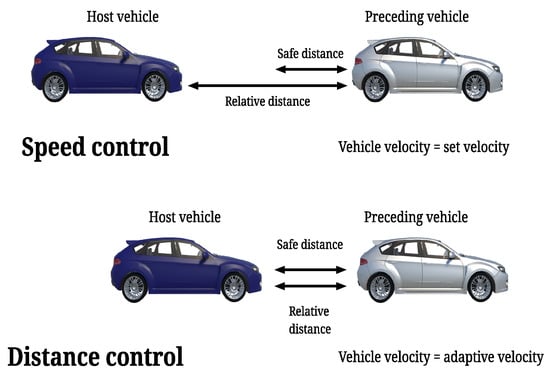
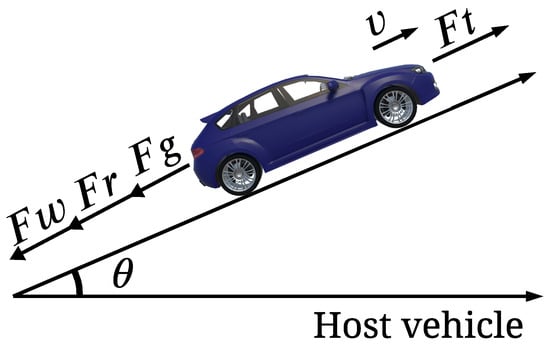
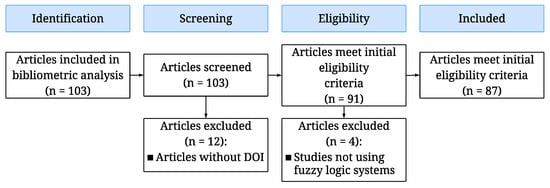
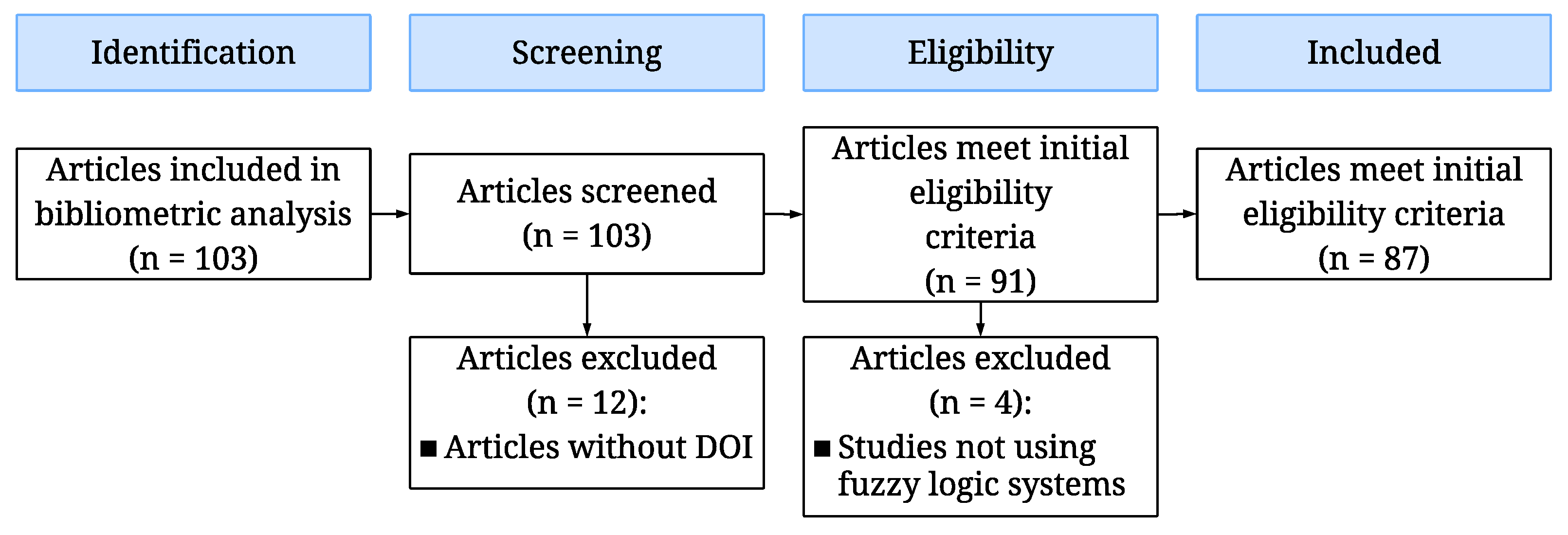
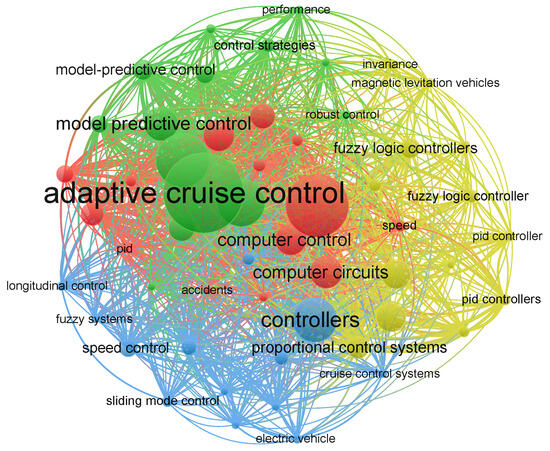
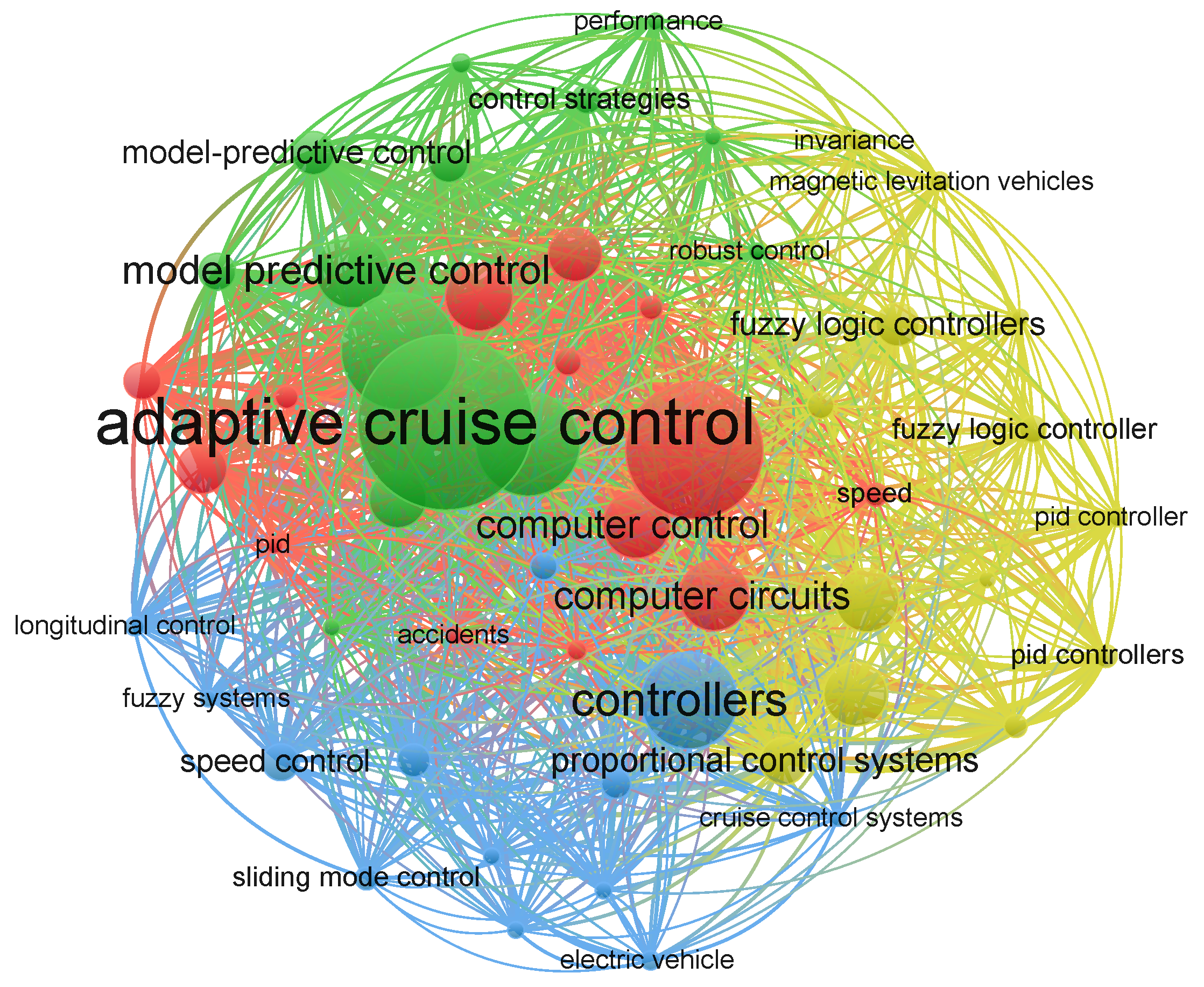
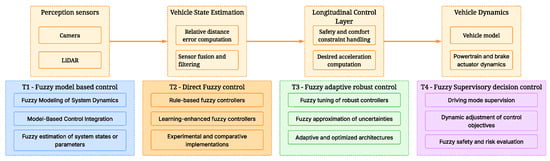
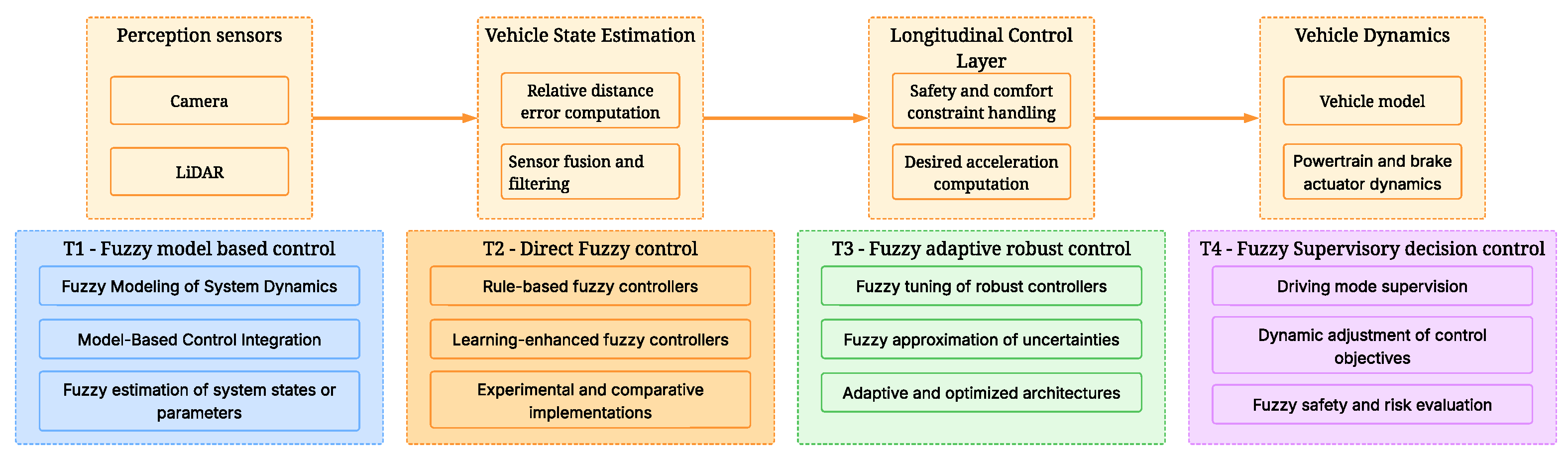
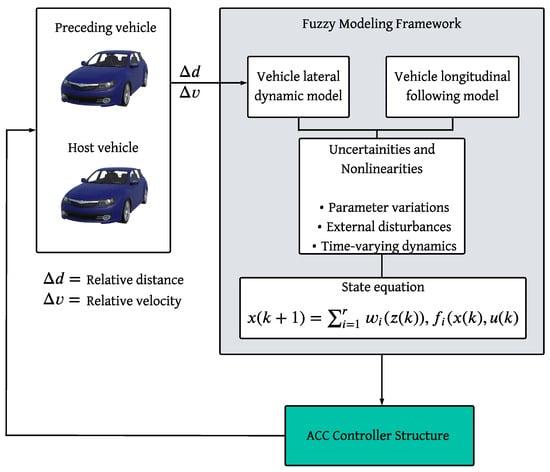
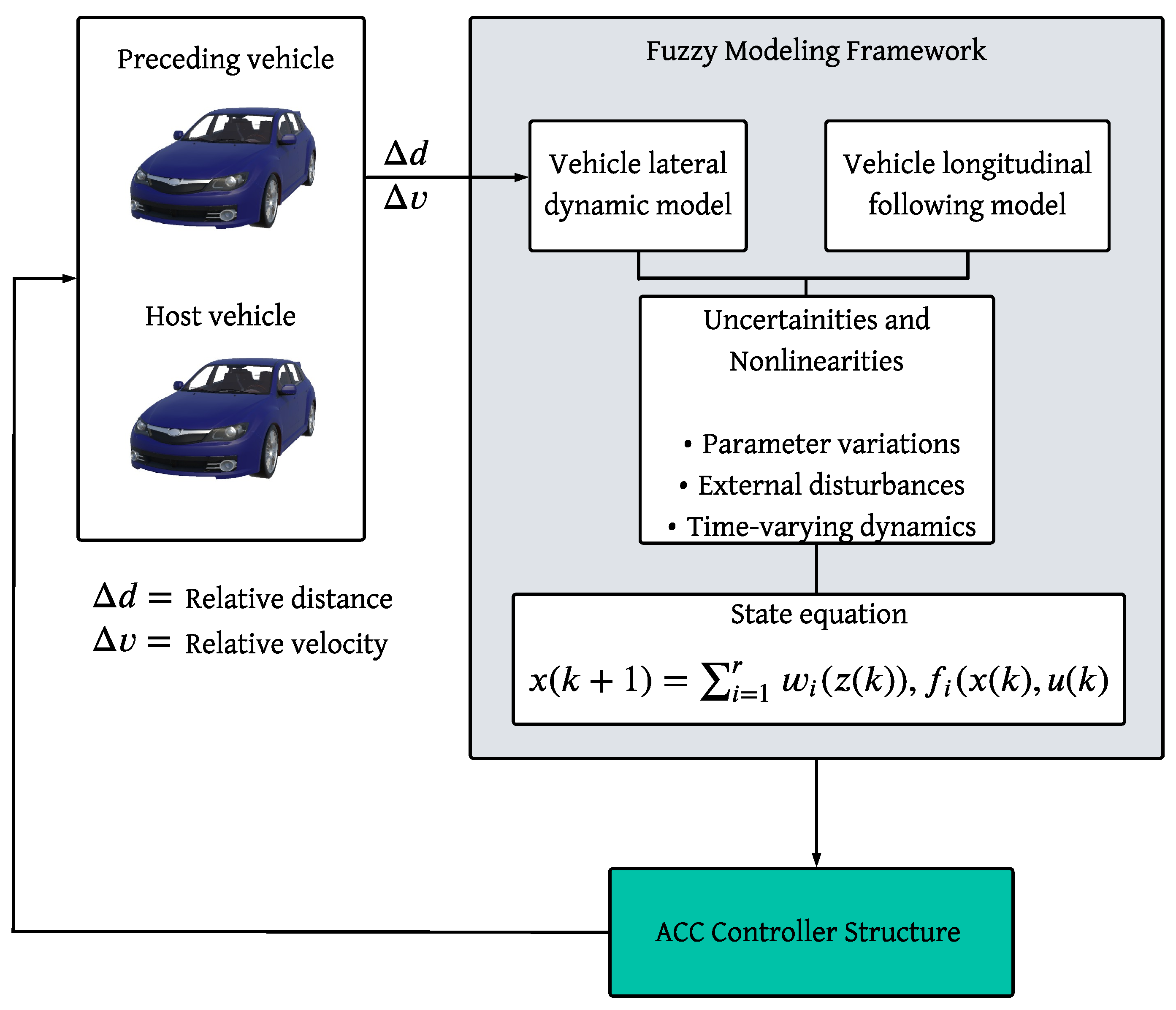
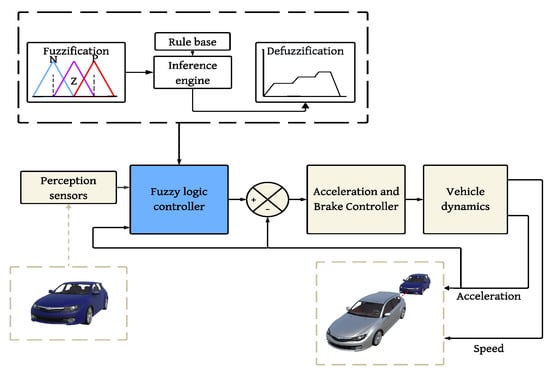
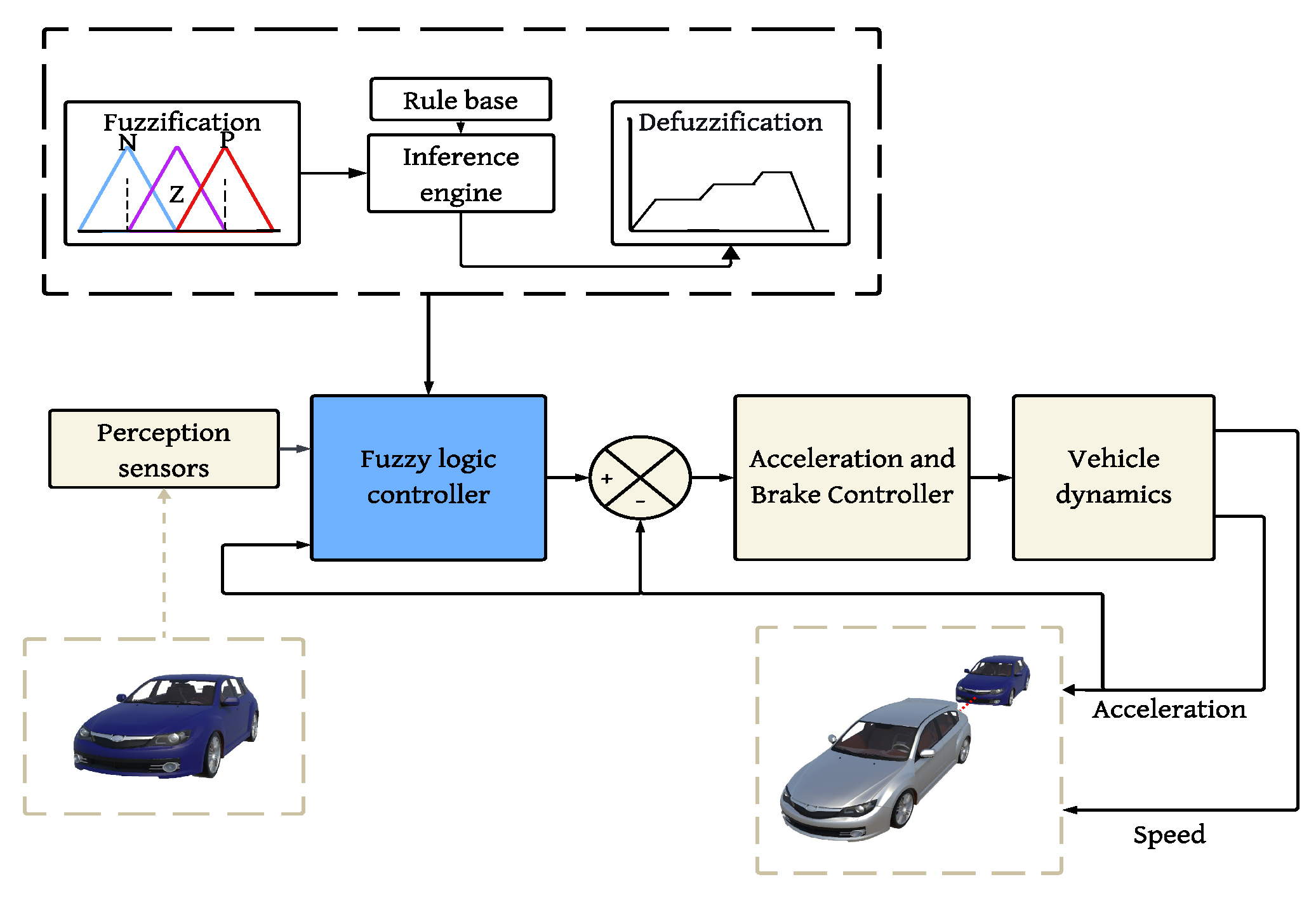
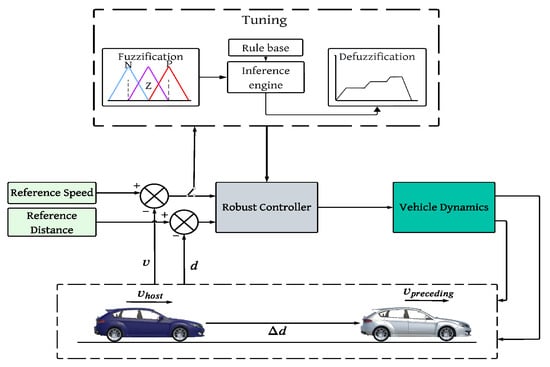
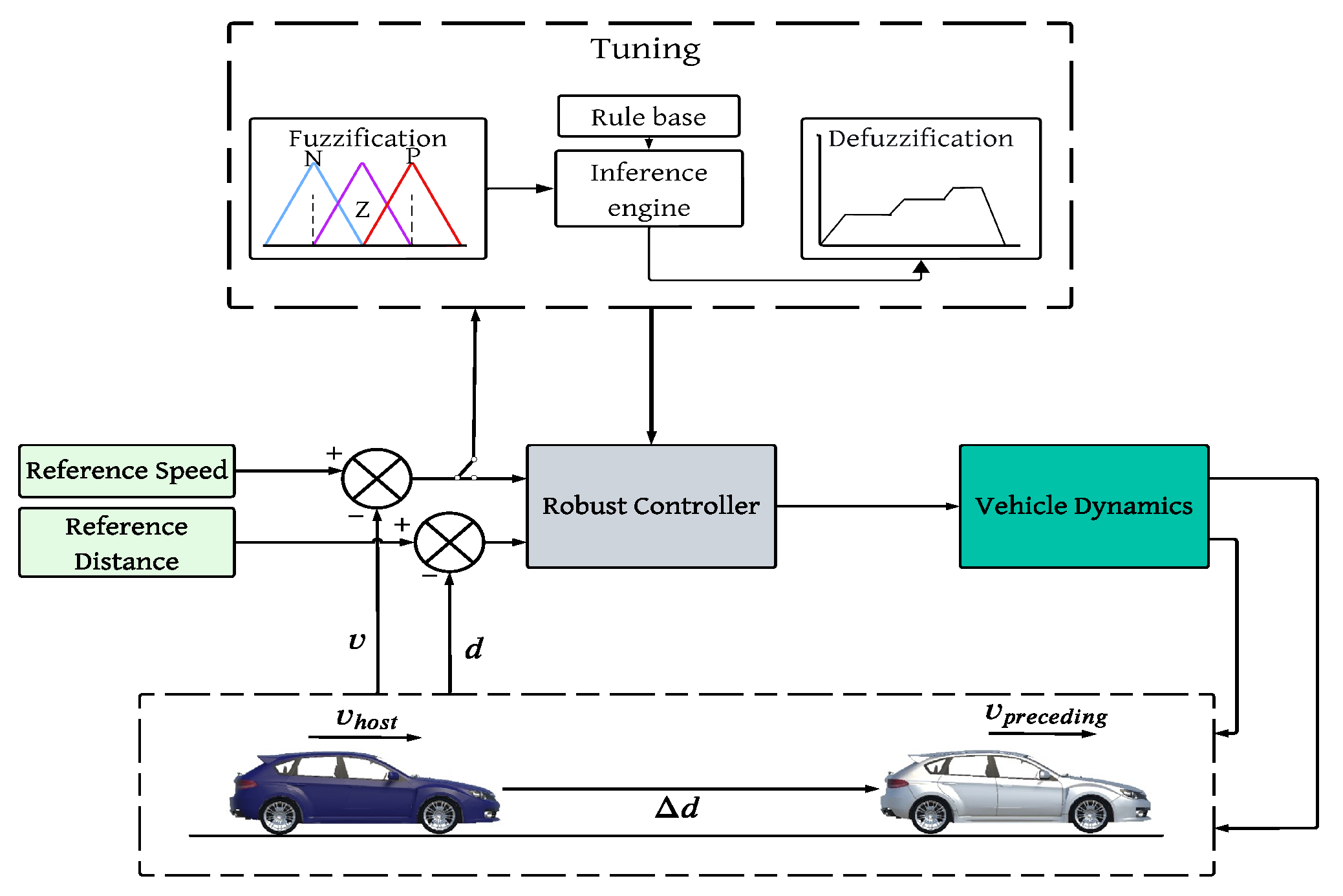
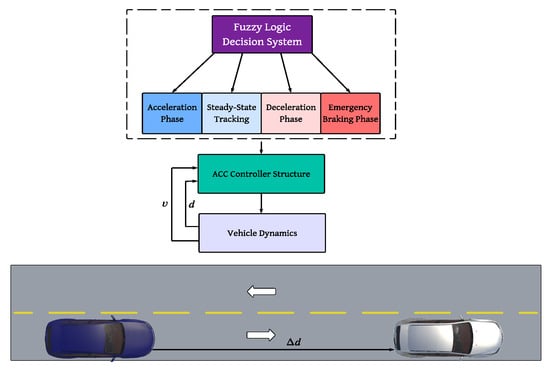
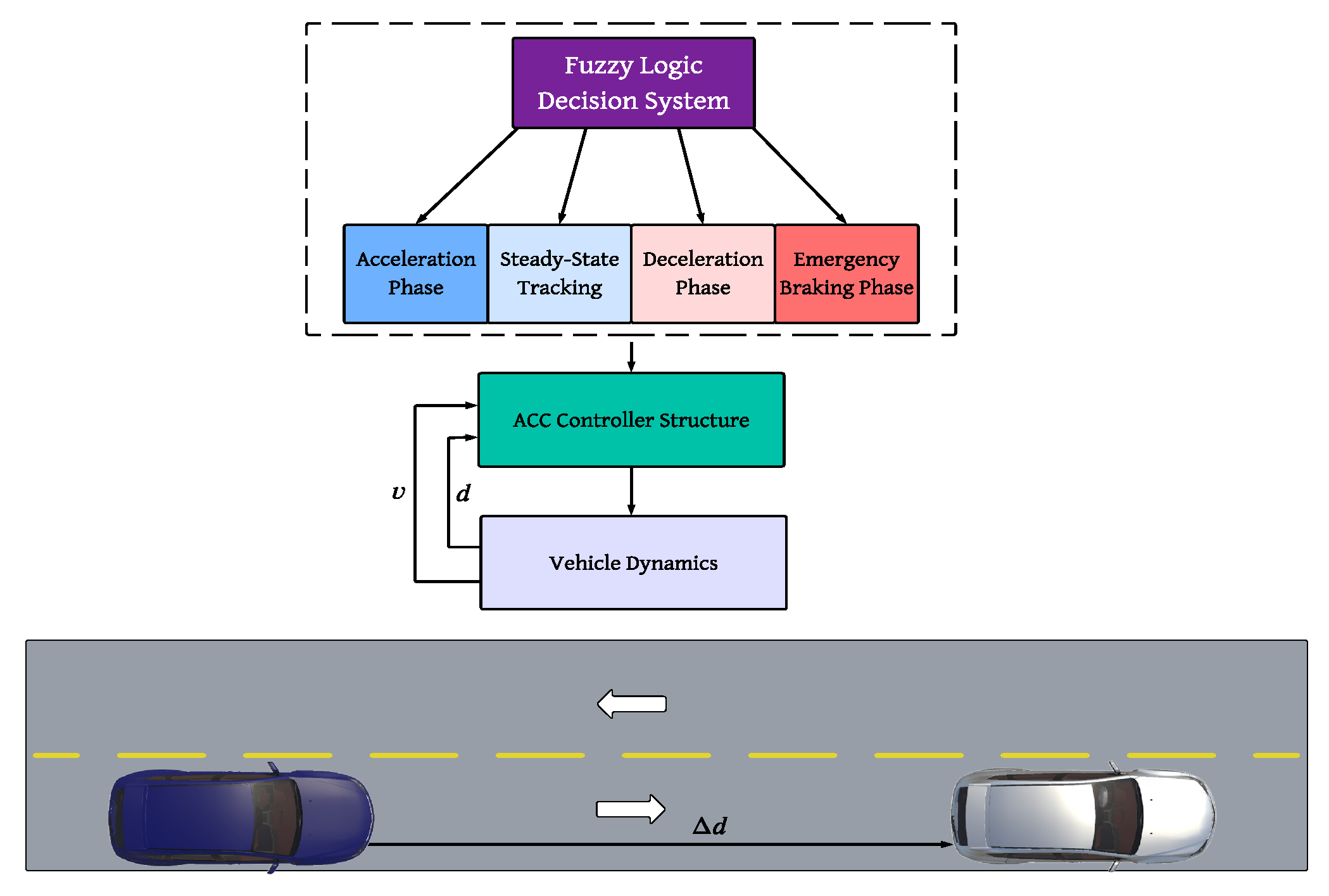
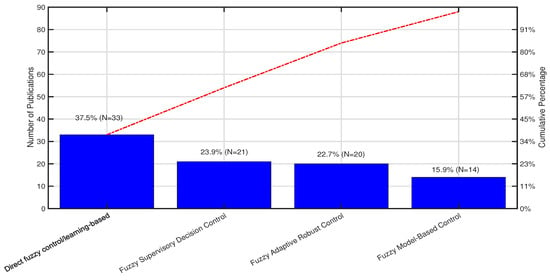
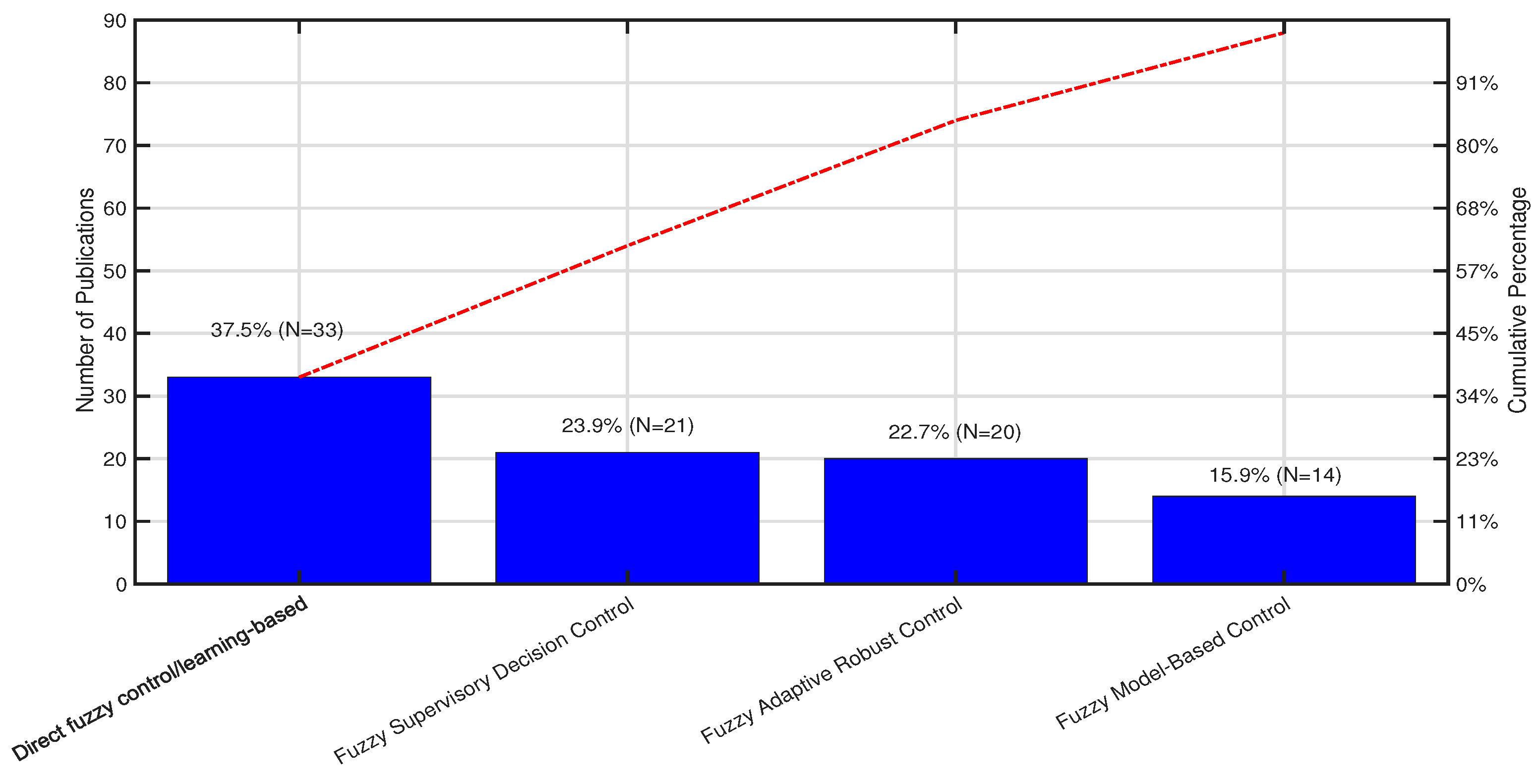
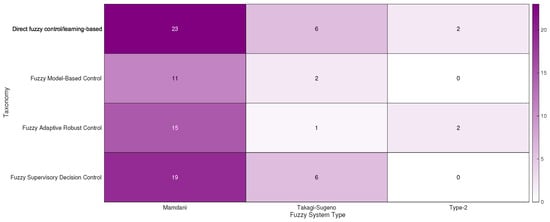
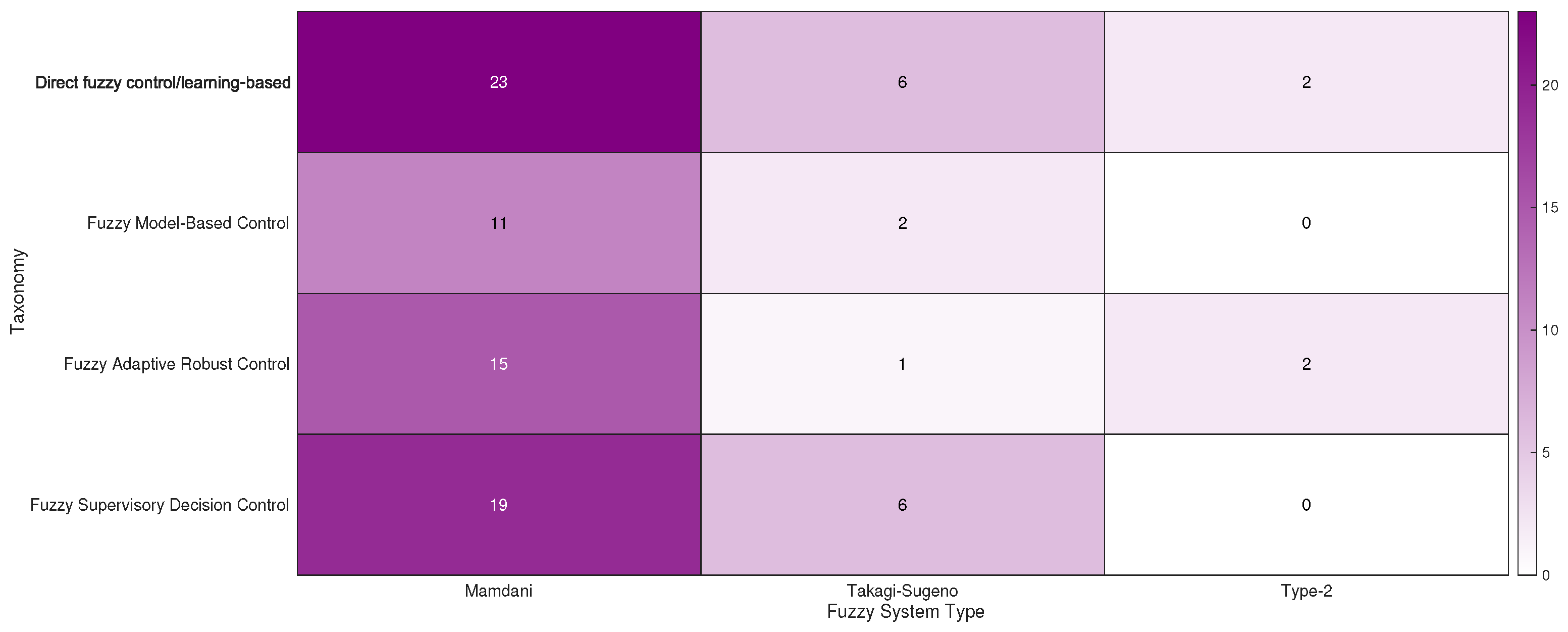
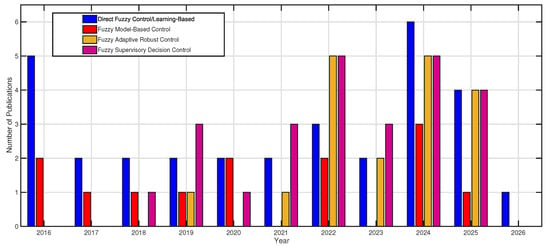
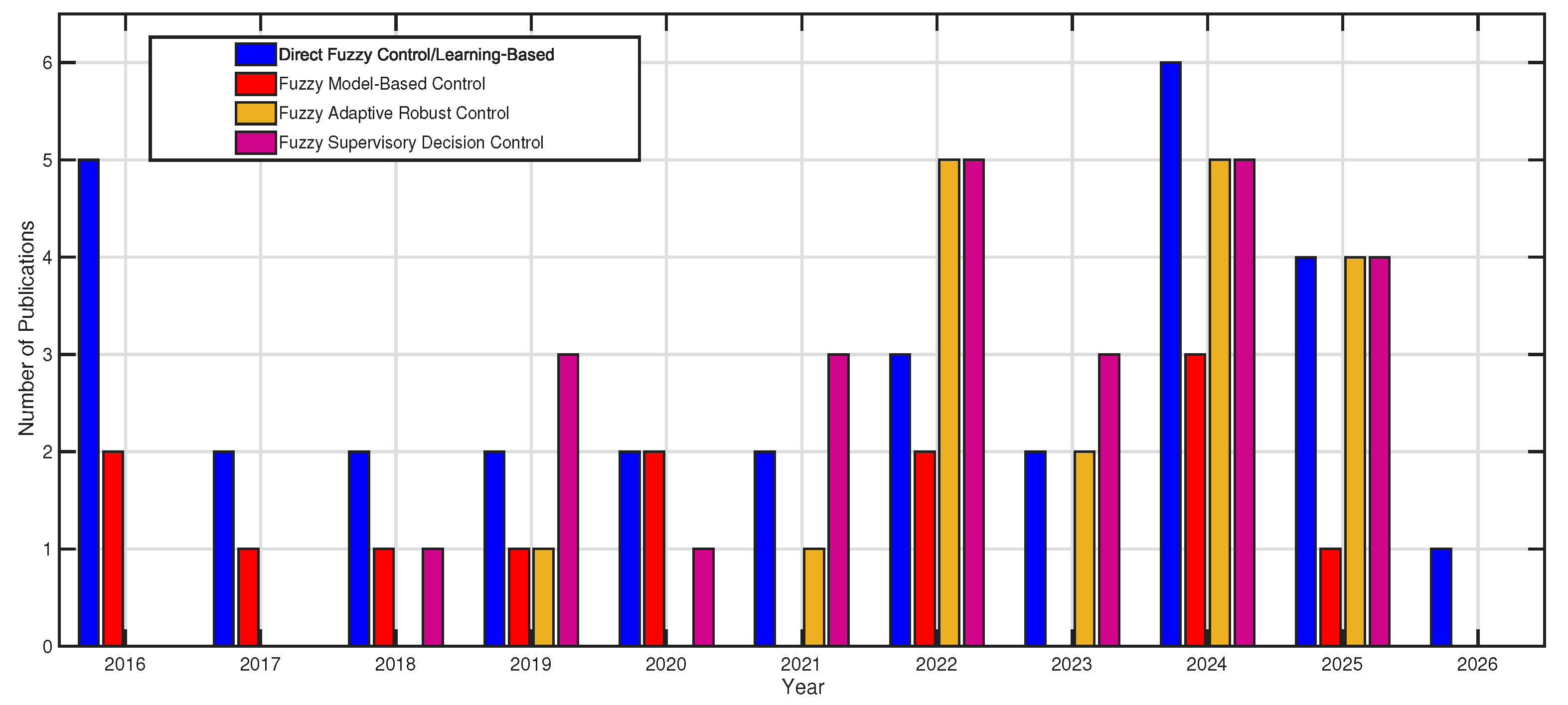

Disclaimer/Publisher’s Note: The statements, opinions and data contained in all publications are solely those of the individual author(s) and contributor(s) and not of MDPI and/or the editor(s). MDPI and/or the editor(s) disclaim responsibility for any injury to people or property resulting from any ideas, methods, instructions or products referred to in the content. |
© 2026 by the authors. Licensee MDPI, Basel, Switzerland. This article is an open access article distributed under the terms and conditions of the Creative Commons Attribution (CC BY) license.