


Abstract
Background. Behavioral procrastination has traditionally been considered a self-regulatory and psychological phenomenon; however, growing evidence suggests that chronic procrastination may also contribute to adverse physical health outcomes through persistent stress exposure, unhealthy lifestyle behaviors, and impaired long-term behavioral regulation. Nevertheless, its relationship with insulin resistance and visceral adiposity phenotypes remains poorly understood. Objective. To evaluate the association between behavioral procrastination and multiple validated surrogate indices of insulin resistance and visceral adiposity in a large occupational cohort of Spanish workers. Methods. A cross-sectional study was conducted among 92,184 Spanish workers aged 18–69 years who underwent standardized occupational health examinations between January 2021 and December 2024. Behavioral procrastination was assessed using a nine-item Spanish adaptation of the Pure Procrastination Scale (PPS-9) that has not been formally validated in the Spanish population; participants were classified into four operational, non-clinical categories. These categories were based on an unvalidated 9-item Spanish adaptation and operational, non-clinical cutoffs and should therefore not be interpreted as validated clinical levels of procrastination. Differences in the prevalence of adverse metabolic phenotypes across operational PPS-9 categories were assessed using Pearson’s chi-square test. Multivariable linear regression models with heteroscedasticity-consistent (HC3) robust standard errors were used to evaluate adjusted associations between operational PPS-9 categories and continuous insulin resistance and visceral adiposity phenotypes, with the very low/absent PPS-9 category as the reference group. Sex-stratified and sensitivity analyses were also performed. Results. The unadjusted prevalence of adverse metabolic phenotypes differed significantly across operational PPS-9 categories (all Pearson’s chi-square p < 0.001). In fully adjusted models, compared with participants in the very low/absent procrastination category, those in the very high/chronic category showed higher METS-IR (adjusted difference 19.478; 95% CI 19.193–19.763), LAP (47.504; 95% CI 45.518–49.490), VAI (4.174; 95% CI 3.813–4.534), METS-VF (1.310; 95% CI 1.290–1.330), and TyG index (0.230; 95% CI 0.203–0.257), together with lower SPISE (−3.725; 95% CI −3.775 to −3.674). Sex-stratified analyses showed adverse associations in both men and women, although their magnitude varied by metabolic phenotype. Sensitivity analyses excluding participants with diabetes mellitus yielded consistent findings. Sequential adjustment substantially attenuated some associations, particularly for the TyG index (70.6%) and VAI (50.7%), indicating that demographic and lifestyle factors accounted for a substantial proportion of the observed between-category differences, although residual associations remained after adjustment. Conclusions. Higher operational PPS-9 categories were associated with adverse insulin resistance and visceral adiposity phenotypes; however, substantial attenuation after demographic and lifestyle adjustment indicates that an important proportion of the observed differences is accounted for by covariate structure. Because the exposure was derived from an unvalidated 9-item Spanish adaptation of the PPS using operational, non-clinical cutoffs, these categories should not be interpreted as established clinical levels of procrastination. Given this measurement limitation, the cross-sectional design, and the marked age differences across categories, the findings should be interpreted cautiously and should not be considered evidence of an independent or causal metabolic effect of procrastination.
1. Introduction
Insulin resistance and visceral adiposity are currently recognized as central pathophysiological drivers of cardiometabolic disease and constitute key determinants in the development of type 2 diabetes mellitus, metabolic syndrome, non-alcoholic fatty liver disease, and atherosclerotic cardiovascular disease [1,2]. Beyond generalized obesity, the progressive accumulation of dysfunctional visceral adipose tissue promotes a complex network of metabolic, inflammatory, endocrine, and vascular abnormalities that substantially increase long-term cardiovascular risk [3]. In recent years, increasing attention has been directed toward the identification of behavioral and psychosocial determinants that may contribute to the early development of insulin resistance phenotypes before overt cardiometabolic disease becomes clinically established [4].
Although classical cardiometabolic risk models have traditionally focused on obesity, dyslipidemia, hypertension, smoking, sedentary behavior, and dietary patterns, growing evidence suggests that psychological and behavioral self-regulation processes may also play a relevant role in metabolic health [5]. Chronic stress exposure, maladaptive coping strategies, emotional dysregulation, impaired executive functioning, and deficient behavioral organization have all been associated with adverse cardiometabolic outcomes through neuroendocrine, inflammatory, and behavioral pathways [6,7].
Within this context, procrastination has emerged as an increasingly important construct in behavioral medicine research. Procrastination is commonly defined as the voluntary and unnecessary delay of intended actions despite anticipating negative consequences [8]. Rather than representing simple poor time management, contemporary theoretical models conceptualize procrastination as a complex form of self-regulatory dysfunction involving impaired emotional regulation, avoidance behaviors, impulsivity, stress vulnerability, and difficulties in prioritizing long-term goals over short-term mood repair [9,10].
Traditionally investigated in academic and psychological settings, procrastination has increasingly been associated with broader health-related consequences. Individuals with elevated procrastination levels tend to report lower engagement in preventive health behaviors, poorer medication adherence, reduced physical activity, unhealthy dietary patterns, sleep disturbances, increased sedentary behavior, smoking, and greater psychological distress [11,12,13,14]. Several studies have also linked chronic procrastination to stress-related physiological dysregulation, impaired self-care, and poorer overall physical health [15,16].
Recent longitudinal evidence has further strengthened the hypothesis that procrastination may contribute to future adverse health outcomes. Johansson et al. demonstrated that procrastination was prospectively associated with worse physical health, disabling pain, poor sleep quality, loneliness, and depressive symptoms among university students [17]. Similarly, Sirois proposed that procrastination may function as a chronic stress-related vulnerability factor capable of influencing long-term cardiovascular health through repeated behavioral and emotional dysregulation [18].
Despite these observations, the relationship between procrastination and objectively measured insulin resistance or visceral adiposity dysfunction remains largely unexplored. This limitation is particularly relevant because insulin resistance often precedes clinically overt metabolic syndrome and cardiovascular disease by several years and may therefore represent an earlier and potentially more sensitive marker of cardiometabolic vulnerability [19]. Furthermore, contemporary metabolic medicine has increasingly emphasized the importance of surrogate indices capable of capturing early metabolic dysfunction and visceral adiposity-related abnormalities beyond traditional anthropometric measures alone [20].
Among these markers, the triglyceride–glucose (TyG) index and its derived phenotypes, including TyG-BMI and TyG-waist, have emerged as reliable and clinically useful surrogate indicators of insulin resistance [21,22]. Similarly, indices such as the lipid accumulation product (LAP), visceral adiposity index (VAI), metabolic score for insulin resistance (METS-IR), and single-point insulin sensitivity estimator (SPISE) provide complementary information regarding adipose tissue dysfunction, lipid metabolism, and cardiometabolic risk [23,24,25]. These parameters have shown strong associations with diabetes, hypertension, subclinical atherosclerosis, hepatic steatosis, and cardiovascular disease in multiple populations [26,27].
From a mechanistic perspective, several pathways could potentially explain a relationship between procrastination and insulin resistance phenotypes. Chronic procrastination is frequently accompanied by prolonged psychological stress, repeated anticipatory anxiety, guilt, emotional exhaustion, and maladaptive coping behaviors [28]. Sustained activation of the hypothalamic–pituitary–adrenal axis and sympathetic nervous system may contribute to cortisol dysregulation, systemic inflammation, endothelial dysfunction, impaired glucose homeostasis, and visceral fat accumulation [29,30]. In parallel, procrastination-related lifestyle behaviors—including reduced physical activity, unhealthy eating patterns, sleep disruption, and increased sedentary time—may further amplify insulin resistance and adipose tissue dysfunction [31,32].
Importantly, visceral adiposity itself is no longer considered a passive energy reservoir but rather a metabolically active endocrine organ capable of producing pro-inflammatory cytokines, adipokines, oxidative stress mediators, and neurohormonal alterations involved in cardiometabolic disease progression [33]. Consequently, behavioral factors capable of promoting visceral adiposity dysfunction may have broader implications than previously recognized.
Occupational populations may represent a particularly relevant setting in which to investigate these associations. Modern work environments are frequently characterized by chronic stress exposure, sedentary behavior, irregular schedules, poor sleep hygiene, and unhealthy lifestyle patterns, all of which may interact with behavioral self-regulation processes and cardiometabolic risk [34]. Furthermore, large occupational cohorts provide an opportunity to evaluate these relationships using extensive anthropometric, biochemical, and lifestyle-related data under relatively standardized clinical conditions.
Therefore, the present study aimed to evaluate the association between behavioral procrastination, visceral adiposity dysfunction, and insulin resistance phenotypes in a large occupational cohort of Spanish workers. Specifically, we investigated the relationship between procrastination levels and multiple validated surrogate markers of insulin resistance and visceral adiposity, including TyG index, TyG-derived phenotypes, METS-IR, SPISE, LAP, and VAI, while additionally exploring potential dose–response relationships and sex-specific patterns.
Although previous studies using this occupational cohort have examined cardiometabolic risk factors and surrogate markers of insulin resistance and adiposity, no previous analysis has specifically evaluated behavioral procrastination in relation to a comprehensive panel of insulin resistance and visceral adiposity phenotypes. The present study therefore addresses this distinct research question while also examining dose–response relationships and sex-specific patterns.
2. Methods
2.1. Study Design and Population
A multicenter cross-sectional observational study was conducted using data from routine occupational health examinations performed between January 2021 and December 2024 in different Spanish regions. The study population consisted of active workers undergoing standardized workplace medical assessments as part of preventive occupational health surveillance programs.
The initial database included 94,327 workers aged 18–69 years. Participants with missing information on behavioral procrastination, anthropometric measurements, fasting biochemical parameters, or key lifestyle covariates required for the analyses were excluded. A total of 2143 participants had incomplete information in one or more of these required variables and were excluded, resulting in a final analytical sample of 92,184 workers. A detailed breakdown of the 2143 exclusions according to each individual missing variable was not retained in the source dataset available for the present study and could therefore not be reliably reconstructed. More granular information may have existed in original site-level clinical or data-management records, but these records were not available in a sufficiently complete and harmonized form for retrospective reconstruction (Figure 1).
Figure 1.
Flow diagram of participant selection.
The methodological design followed current recommendations for observational epidemiological studies and transparent reporting of cross-sectional research [35,36]. All data were anonymized before analysis, and the study was conducted in accordance with the ethical principles of biomedical research involving human participants [37].
2.2. Ethical Considerations
All participants received information about the occupational health examination and provided informed consent for the use of anonymized clinical data for research purposes. Personal identifiers were removed before statistical analysis. Data processing complied with European and Spanish regulations on personal data protection and confidentiality.
2.3. Assessment of Behavioral Procrastination
Behavioral procrastination was assessed using a nine-item Spanish version of the Pure Procrastination Scale (PPS-9). The questionnaire comprises nine statements assessing procrastination-related behaviors, including postponement of decisions (items 1, 4, and 9), delay in task initiation (items 2, 5, and 8), and failure to meet deadlines (items 3, 6, and 7). Each item is rated on a five-point Likert scale ranging from 1 (“completely disagree”) to 5 (“completely agree”). The total PPS-9 score is calculated as the sum of the nine items and ranges from 9 to 45, with higher scores indicating greater behavioral procrastination.
For descriptive analyses, participants were classified into four operational categories according to their total PPS-9 score: very low/absent procrastination (9–17 points), moderate procrastination (18–26 points), high procrastination (27–35 points), and very high/chronic procrastination (36–45 points). These categories were used as descriptive groupings and should not be interpreted as clinically validated or diagnostic cut-off points. The nine-item Spanish version used in the present study has not been formally validated in the Spanish population. Accordingly, the four PPS-9 categories were used as the exposure variable in the subsequent multivariable analyses, with the very low/absent procrastination category serving as the reference group.
For the present reproducibility-focused reanalysis, the available analytical dataset retained the PPS-9 exposure as the four predefined operational categories described above. Participant-level continuous PPS-9 total scores and individual item responses were not retained in the analytical dataset available for this revision. Therefore, all analyses in the revised manuscript use the categorical PPS-9 exposure, and no analysis requiring participant-level continuous PPS-9 scores is presented.
2.4. Anthropometric and Clinical Assessment
Anthropometric measurements were obtained by trained occupational health professionals using standardized procedures. Body weight was measured with calibrated electronic scales, and height was measured using a stadiometer, with participants wearing light clothing and no shoes. Body mass index (BMI) was calculated as weight in kilograms divided by height in meters squared.
Waist circumference was measured using a non-elastic tape at the midpoint between the lower costal margin and the iliac crest, with the participant standing and after normal expiration. Waist-to-height ratio was calculated as waist circumference divided by height, both expressed in centimeters. These anthropometric indicators were included because central adiposity is a stronger marker of cardiometabolic dysfunction than BMI alone [38,39].
Blood pressure was measured after at least five minutes of seated rest using validated automatic devices. When two measurements were available, the mean value was used for analysis. Elevated blood pressure was defined according to current European recommendations for cardiovascular prevention and hypertension assessment [40].
2.5. Biochemical Measurements
Venous blood samples were obtained after overnight fasting. Biochemical analyses included fasting plasma glucose, triglycerides, total cholesterol, HDL-cholesterol, and LDL-cholesterol. Laboratory determinations were performed in certified laboratories using standardized automated methods and internal quality-control procedures.
All lipid and glucose values are expressed in mg/dL. These parameters were used both as individual cardiometabolic variables and to calculate surrogate indices of insulin resistance, visceral adiposity, and lipid-metabolic dysfunction.
2.6. Insulin Resistance and Visceral Adiposity Phenotypes
The main metabolic outcomes were surrogate indices reflecting insulin resistance and visceral adiposity dysfunction. These were selected because direct insulin-based methods such as the hyperinsulinemic–euglycemic clamp are not feasible in large occupational cohorts, whereas fasting lipid–glucose and anthropometric indices have shown acceptable performance for population-level risk stratification [41,42].
The following indices were calculated:
TyG index
TyG index was calculated as:
ln [fasting triglycerides (mg/dL) × fasting glucose (mg/dL)/2]
The TyG index was considered the principal surrogate marker of insulin resistance because of its simplicity, reproducibility, and strong association with cardiometabolic outcomes [43,44,45].
TyG-BMI
TyG-BMI was calculated as:
TyG index × BMI
This combined marker integrates lipid–glucose dysfunction and general adiposity burden [46].
TyG-waist
TyG-waist was calculated as:
TyG index × waist circumference
This index was included to capture the combined effect of insulin resistance and abdominal adiposity [47].
TyG-WtHR [48]
TyG-WtHR was calculated as:
TyG index × waist-to-height ratio
This parameter was used as an additional marker integrating lipid–glucose metabolism and central adiposity relative to body size.
Triglyceride-to-HDL cholesterol ratio: TG/HDL-C ratio was calculated as triglycerides divided by HDL-cholesterol. This ratio was included as a simple marker of atherogenic dyslipidemia and insulin resistance-related lipid dysfunction [49].
The Lipid Accumulation Product (LAP) was calculated using sex-specific equations [50]:
For men: (waist circumference [cm] − 65) × triglycerides [mmol/L]
For women: (waist circumference [cm] − 58) × triglycerides [mmol/L]
The Visceral Adiposity index (VAI) was calculated using sex-specific equations. For men: VAI = [WC/(39.68 + 1.88 × BMI)] × (TG/1.03) × (1.31/HDL-C). For women: VAI = [WC/(36.58 + 1.89 × BMI)] × (TG/0.81) × (1.52/HDL-C), where WC is expressed in cm, BMI in kg/m2, and TG and HDL-C in mmol/L. VAI was included as an indirect marker of visceral adipose tissue dysfunction and cardiometabolic risk [51].
The Body Roundness Index (BRI) was calculated as: BRI = 364.2 − 365.5 × √[1 − ((WC/2π)2/(0.5 × height)2)], where WC and height are expressed in the same units. The BRI was used as a geometric marker of body shape and central adiposity [52].
A Body Shape Index (ABSI) was calculated as: ABSI = WC/(BMI^(2/3) × height^(1/2)), where WC and height are expressed in meters and BMI in kg/m2. ABSI was included to evaluate body shape-related cardiometabolic risk independently of BMI [53].
The Clínica Universidad de Navarra–Body Adiposity Estimator (CUN-BAE) was calculated as: body fat percentage = −44.988 + (0.503 × age) + (10.689 × sex) + (3.172 × BMI) − (0.026 × BMI2) + (0.181 × BMI × sex) − (0.020 × BMI × age) − (0.005 × BMI2 × sex) + (0.00021 × BMI2 × age), where age is expressed in years and sex is coded as 0 for men and 1 for women [54].
METS-IR was calculated as: METS-IR = {ln[(2 × fasting glucose) + triglycerides] × BMI}/ln(HDL-C), where fasting glucose, triglycerides, and HDL-C are expressed in mg/dL and BMI in kg/m2. Higher METS-IR values indicate greater insulin resistance [55]. SPISE was calculated as: SPISE = [600 × HDL-C^0.185]/[TG^0.2 × BMI^1.338], where HDL-C and triglycerides are expressed in mg/dL and BMI in kg/m2. Lower SPISE values indicate lower insulin sensitivity [55].
For categorical analyses, elevated insulin resistance phenotypes were defined using sex-specific and cohort-based upper quartiles when universally accepted clinical cut-offs were not available. For SPISE, lower quartile values were considered indicative of reduced insulin sensitivity.
2.7. Lifestyle and Sociodemographic Variables
Information on smoking status, physical activity, dietary habits, educational level, and occupational characteristics was collected during the occupational health interview.
Smoking status was categorized as current smoker, former smoker, or never smoker. Physical activity was classified according to regular participation in moderate or vigorous exercise during leisure time. The assessment was conducted using the short version of the International Physical Activity Questionnaire (IPAQ), a validated instrument for population studies [56].
Dietary habits were assessed using standardized occupational health questionnaires and classified as either healthy or unhealthy dietary patterns according to routine preventive medicine criteria. Adherence to the Mediterranean diet was evaluated using the 14-item Mediterranean Diet Adherence Screener (MEDAS), originally developed and validated within the PREDIMED framework [57]. Each item was scored dichotomously (0 or 1), resulting in a total score ranging from 0 to 14. Participants with a score of ≥9 were considered adherent to the Mediterranean diet, in accordance with previous epidemiological studies [58].
Educational level was classified into primary, secondary, and university education. Age and sex were included as core demographic variables in all adjusted analyses.
Information on diagnosed psychiatric disorders, including depression, anxiety disorders, and attention-deficit/hyperactivity disorder (ADHD), as well as data on psychotropic medication use, was not collected as part of the occupational health dataset and therefore could not be included as covariates in the analyses.
2.8. Statistical Analysis
Continuous variables are expressed as mean ± standard deviation (SD), whereas categorical variables are presented as absolute frequencies and percentages. Normality was assessed using the Kolmogorov–Smirnov test. Comparisons between procrastination categories were performed using one-way analysis of variance (ANOVA) for continuous variables and chi-square tests for categorical variables.
Behavioral procrastination was analyzed exclusively as a categorical exposure according to the four PPS-9 categories available in the analytical dataset, with the very low/absent procrastination category serving as the reference group in multivariable analyses. The prevalence of adverse insulin resistance and visceral adiposity phenotypes was calculated for each procrastination category and reported with 95% binomial confidence intervals (Wilson method). Differences in prevalence across procrastination categories were evaluated using Pearson’s chi-square test. These analyses were descriptive and unadjusted; multivariable adjusted associations with continuous metabolic phenotypes were evaluated separately using the linear regression models described below.
Multivariable linear regression models were used to evaluate the association between procrastination category and continuous insulin resistance and visceral adiposity phenotypes, using the very low/absent procrastination category as the reference group. Standardized beta coefficients (β) and adjusted mean changes with 95% confidence intervals (95% CI) were estimated after adjustment for demographic, lifestyle, and clinical covariates. Age, sex, smoking status, physical activity, dietary habits, and educational level were included as covariates in the fully adjusted models. Additional adjustment for body mass index was performed only in models evaluating non–BMI-derived indices in order to minimize mathematical collinearity and overadjustment [59]. Regression diagnostics were performed to assess model assumptions. Multicollinearity was evaluated using variance inflation factors (VIFs), with no evidence of problematic collinearity (all VIFs < 5). Residual diagnostics indicated some degree of heteroscedasticity, particularly for adiposity-related outcomes, and departures from normality were more pronounced for LAP and VAI. Therefore, heteroscedasticity-consistent (HC3) robust standard errors were used for all multivariable linear regression models reported. The adjusted mean differences correspond to the fitted regression coefficient estimates, whereas all reported 95% confidence intervals and p-values were calculated using the HC3 robust covariance estimator. This approach was applied to every listed outcome, including the TyG index model additionally adjusted for BMI. Because the association between age and several metabolic outcomes was not strictly linear, age was modeled using both linear and quadratic terms in the multivariable analyses.
To further assess the potential influence of the marked demographic and lifestyle differences across procrastination categories, sequentially adjusted models were examined. The first model included age (modeled using linear and quadratic terms) and sex; the second additionally included smoking status, physical activity, dietary habits, and educational level; and the fully adjusted model additionally included BMI when appropriate. Changes in the magnitude of the procrastination coefficients across models were examined to assess the degree of confounding by demographic and lifestyle factors. Because the distribution of procrastination categories showed limited overlap across age groups, an additional sensitivity analysis was conducted among participants aged 40–49 years, the age stratum in which all four procrastination categories were sufficiently represented.
Sex-stratified analyses were also conducted to explore potential sex-related differences in the association between behavioral procrastination and metabolic dysfunction phenotypes. Sensitivity analyses excluding participants with previously diagnosed diabetes mellitus were also performed to assess the robustness of the observed associations.
All statistical analyses were performed using SPSS Statistics version 30.0 (IBM Corp., Armonk, NY, USA). Statistical significance was established at a two-sided p-value < 0.05.
3. Results
3.1. Study Population
The final study population included 92,184 active workers. According to behavioral procrastination category, 18,829 participants (20.4%) were classified as having very low/absent procrastination, 41,122 (44.6%) as moderate procrastination, 26,818 (29.1%) as high procrastination, and 5415 (5.9%) as very high/chronic procrastination.
A progressive worsening of the global cardiometabolic profile was observed across increasing procrastination categories. Participants with higher procrastination scores were older and exhibited substantially higher levels of adiposity, abdominal obesity, and adverse lifestyle-related behaviors.
The main demographic, anthropometric, lifestyle-related, and cardiometabolic characteristics of the study population according to behavioral procrastination category are summarized in Table 1.
Table 1.
Baseline demographic, anthropometric, lifestyle, and metabolic characteristics according to behavioral procrastination category.
Participants with higher behavioral procrastination levels exhibited progressively older age, greater general and central adiposity, lower physical activity, poorer dietary habits, and a markedly less favorable cardiometabolic profile compared with individuals reporting very low procrastination levels.
Mean age increased progressively from 33.0 years in participants with very low procrastination to 56.4 years among those with very high/chronic procrastination. Similarly, body mass index rose from 22.3 ± 1.8 kg/m2 to 31.0 ± 4.6 kg/m2 across the same categories (p < 0.001). Waist circumference and waist-to-height ratio also demonstrated a clear dose-dependent increase.
Lifestyle-related variables showed marked differences between groups. Individuals with higher procrastination levels more frequently reported smoking, lower physical activity levels, poorer dietary habits, and substantially higher obesity prevalence. Obesity prevalence increased from virtually absent levels in the very low procrastination group to 62.0% among participants with very high/chronic procrastination (p < 0.001).
3.2. Insulin Resistance and Visceral Adiposity Phenotypes
All evaluated surrogate markers of insulin resistance and visceral adiposity worsened progressively across increasing procrastination categories.
Table 2 presents the distribution of insulin resistance and visceral adiposity indices according to behavioral procrastination category.
Table 2.
Insulin resistance and visceral adiposity phenotypes according to behavioral procrastination category.
All evaluated insulin resistance and visceral adiposity markers differed significantly across procrastination categories, with the largest gradients observed for METS-IR, TyG-waist, LAP, VAI, and METS-VF.
The TyG index increased steadily from 8.00 ± 0.46 in participants with very low procrastination to 8.75 ± 0.57 in those with very high/chronic procrastination (p < 0.001). Similarly, TyG-BMI increased from 178.5 ± 19.2 to 271.7 ± 46.0, whereas TyG-waist increased from 602.0 ± 74.3 to 803.7 ± 132.2.
Comparable gradients were observed for all additional insulin resistance and adiposity-related indices. METS-IR progressively increased from 30.6 ± 3.1 in the very low procrastination group to 47.2 ± 8.1 in the very high/chronic procrastination group. In contrast, SPISE values progressively decreased across increasing procrastination categories, indicating worsening estimated insulin sensitivity.
Markers of visceral adiposity dysfunction also demonstrated substantial deterioration. Mean LAP values increased more than fourfold between the lowest and highest procrastination groups, whereas VAI values increased from 3.25 ± 2.22 to 10.25 ± 9.44. Similar dose-dependent increases were observed for AVI, BRI, CUN-BAE, and METS-VF.
3.3. Prevalence of Adverse Insulin Resistance Phenotypes
The prevalence of adverse insulin resistance and visceral adiposity phenotypes progressively increased across behavioral procrastination categories, as illustrated in Figure 2.
Figure 2.
Prevalence of selected adverse insulin resistance and visceral adiposity phenotypes according to behavioral procrastination category. Bars represent observed prevalence (%) and error bars indicate 95% binomial confidence intervals calculated using the Wilson method. Differences in prevalence across procrastination categories were evaluated using Pearson’s chi-square test and were statistically significant for all four phenotypes (all p < 0.001). These analyses are descriptive and unadjusted. Adverse phenotypes were defined using cohort-specific upper quartiles for the TyG index, METS-IR, and METS-VF, whereas low SPISE was defined using the lowest cohort quartile. TyG: triglyceride–glucose index; METS-IR: metabolic score for insulin resistance; SPISE: single-point insulin sensitivity estimator; METS-VF: metabolic score for visceral fat.
The unadjusted prevalence of the selected adverse metabolic phenotypes differed significantly across behavioral procrastination categories (Pearson’s chi-square test, all p < 0.001). Higher procrastination categories showed progressively greater observed prevalence of elevated TyG index, elevated METS-IR, elevated METS-VF, and low SPISE.
Participants with very high/chronic procrastination exhibited the highest unadjusted prevalence of the four adverse metabolic phenotypes displayed in Figure 2. The prevalence of elevated TyG index increased from 8.2% in the very low/absent procrastination category to 55.6% in the very high/chronic category. Similarly, the prevalence of elevated METS-IR increased from 0.1% to 74.9%, elevated METS-VF from 0.4% to 78.0%, and low SPISE from 0.2% to 72.0%.
Comparable patterns were observed for TyG-BMI, TyG-waist, TyG-WtHR, low SPISE, elevated LAP, elevated VAI, and elevated BRI.
Table 3 summarizes the prevalence of adverse insulin resistance and visceral adiposity phenotypes across behavioral procrastination categories.
Table 3.
Prevalence of adverse insulin resistance and visceral adiposity phenotypes according to behavioral procrastination category.
The unadjusted prevalence of all adverse insulin resistance and visceral adiposity phenotypes differed significantly across procrastination categories (all Pearson’s chi-square p < 0.001), with progressively higher observed prevalence across increasing procrastination categories. The largest absolute differences between the very low/absent and very high/chronic categories were observed for METS-VF, METS-IR, low SPISE, and TyG-BMI.
These descriptive findings were based on unadjusted prevalence comparisons and should therefore be interpreted separately from the adjusted multivariable associations presented in the following section.
3.4. Association Between Behavioral Procrastination and Insulin Resistance Phenotypes
Multivariable linear regression analyses evaluating the association between behavioral procrastination categories and continuous insulin resistance and visceral adiposity indices are presented in Table 4.
Table 4.
Multivariable linear regression analyses between PPS-9 score and insulin resistance/visceral adiposity indices.
After multivariable adjustment, behavioral procrastination category remained significantly associated with the evaluated insulin resistance and visceral adiposity phenotypes. Compared with participants in the very low/absent procrastination category, those in the very high/chronic category showed substantially higher adjusted METS-IR (adjusted difference 19.478; 95% CI 19.193–19.763), LAP (47.504; 95% CI 45.518–49.490), VAI (4.174; 95% CI 3.813–4.534), METS-VF (1.310; 95% CI 1.290–1.330), and TyG index (0.230; 95% CI 0.203–0.257), together with lower SPISE (−3.725; 95% CI −3.775 to −3.674).
Clear progressive gradients across procrastination categories were observed for METS-IR, SPISE, LAP, and METS-VF. For TyG index and VAI, however, the adjusted estimates in the moderate procrastination category did not follow a strictly monotonic pattern, whereas substantially adverse associations were evident in the high and very high/chronic categories.
Sequential adjustment indicated that demographic and lifestyle factors explained part, but not all, of the observed associations. Comparing the very high/chronic with the very low/absent procrastination category, the magnitude of the association was attenuated by 70.6% for the TyG index, 50.7% for VAI, 25.2% for LAP, 17.1% for SPISE, 11.1% for METS-IR, and 3.2% for METS-VF after sequential adjustment. Despite this attenuation, the associations remained statistically significant in the fully adjusted models.
Because procrastination categories showed substantial differences in age distribution, an additional sensitivity analysis was performed among participants aged 40–49 years (n = 27,153), comprising 3618 participants in the very low/absent category, 12,572 in the moderate category, 10,261 in the high category, and 702 in the very high/chronic category. Within this restricted age range, very high/chronic procrastination remained associated with higher TyG index (adjusted difference 0.254; 95% CI 0.195–0.312; CI width, 0.117), METS-IR (21.690; 95% CI 21.051–22.330; CI width, 1.279), LAP (60.828; 95% CI 55.529–66.127; CI width, 10.598), VAI (5.917; 95% CI 4.924–6.909; CI width, 1.985), and METS-VF (1.389; 95% CI 1.353–1.424; CI width, 0.071), together with lower SPISE (−3.779; 95% CI −3.871 to −3.687; CI width, 0.184), compared with the very low/absent procrastination category.
3.5. Sex-Stratified Analyses
Sex-stratified multivariable linear regression analyses evaluating the association between behavioral procrastination and continuous insulin resistance/visceral adiposity indices are presented in Table 5.
Table 5.
Sex-stratified multivariable associations between very high/chronic versus very low/absent procrastination and insulin resistance/visceral adiposity phenotypes.
Sex-stratified analyses showed that very high/chronic procrastination was associated with an adverse metabolic profile in both men and women compared with very low/absent procrastination. The magnitude of the adjusted differences was greater in women for METS-IR, SPISE, and METS-VF, whereas larger differences were observed in men for LAP and VAI. The association with the TyG index was of similar magnitude in both sexes. These findings indicate that the association between behavioral procrastination and metabolic dysfunction is present in both sexes, although its magnitude and pattern vary by metabolic phenotype.
3.6. Sensitivity Analyses
Sensitivity analyses performed after excluding participants with previously diagnosed diabetes mellitus are presented in Table 6.
Table 6.
Sensitivity analyses excluding participants with diabetes mellitus: multivariable associations between behavioral procrastination category and insulin resistance/visceral adiposity phenotypes.
Sensitivity analyses excluding participants with diabetes mellitus yielded results consistent with those of the primary analyses. Compared with the very low/absent procrastination category, participants with very high/chronic procrastination showed higher adjusted METS-IR (19.262; 95% CI 18.978–19.546), LAP (46.433; 95% CI 44.489–48.377), VAI (3.978; 95% CI 3.627–4.329), METS-VF (1.307; 95% CI 1.287–1.328), and TyG index (0.204; 95% CI 0.177–0.231), together with lower SPISE (−3.721; 95% CI −3.772 to −3.671). These findings indicate that the observed associations were not driven by participants with established diabetes mellitus.
4. Discussion
The present study identified a robust association between behavioral procrastination and adverse insulin resistance and visceral adiposity phenotypes in a large occupational cohort of more than 92,000 Spanish workers. Higher procrastination categories were consistently associated with less favorable metabolic profiles across the evaluated surrogate indices, including TyG-derived phenotypes, METS-IR, SPISE, LAP, VAI, and METS-VF. These associations persisted after adjustment for major demographic and lifestyle-related covariates; however, given the cross-sectional design, they should be interpreted as associative rather than causal and do not establish the temporal direction of the relationship.
Beyond the coexistence of unhealthy lifestyle behaviors, our findings show that higher procrastination categories were associated with a broader pattern of adverse metabolic characteristics, including insulin resistance and visceral adiposity dysfunction. The consistency of the associations across multiple complementary metabolic phenotypes supports further investigation of the relationship between behavioral self-regulation and metabolic health; however, the cross-sectional design does not establish whether procrastination precedes or contributes to adverse cardiometabolic changes.
4.1. Behavioral Procrastination and Metabolic Dysfunction
Our findings extend previous research on procrastination, which has largely focused on psychological distress, academic performance, subjective health outcomes, and adverse health behaviors [60,61,62], by demonstrating associations with objectively assessed insulin resistance and visceral adiposity phenotypes.
Our results are consistent with previous evidence linking procrastination with physiological health, stress, and health-related behaviors. Flett et al. described procrastination as a vulnerability factor associated with persistent stress activation and maladaptive coping responses [60]. Similarly, Tice and Baumeister observed associations between procrastination and subsequent stress burden, sleep quality, and health-related functioning [61]. These findings provide potential behavioral and neuroendocrine explanations for the associations observed in our study, although the present cross-sectional data cannot establish whether these mechanisms contribute causally to metabolic dysfunction.
The strongest associations were observed for composite phenotypes integrating insulin resistance and visceral adiposity, particularly METS-IR, METS-VF, LAP, and SPISE. These indices capture broader metabolic dysfunction and have shown predictive value for diabetes, hepatic steatosis, subclinical atherosclerosis, and cardiovascular events [63,64,65].
TyG-derived phenotypes also differed across procrastination categories. Given their established utility as low-cost markers of insulin resistance and cardiometabolic risk in large epidemiological cohorts [66,67], these findings further support an association between procrastination and metabolic dysfunction, without establishing temporal or causal direction.
4.2. Potential Biological and Behavioral Mechanisms
Several interrelated mechanisms may underlie the observed association between procrastination and metabolic dysfunction; however, these mechanisms cannot be established from the present cross-sectional data. Chronic psychological stress likely represents one of the central pathways. Procrastination is frequently accompanied by persistent anticipatory anxiety, emotional tension, guilt, perceived loss of control, and repeated stress-related cognitive activation [68]. Sustained activation of the hypothalamic–pituitary–adrenal axis may promote cortisol dysregulation, visceral fat deposition, endothelial dysfunction, oxidative stress, and impaired insulin signaling [69,70].
Experimental and epidemiological studies have shown that chronic stress exposure contributes directly to visceral adiposity accumulation and metabolic syndrome development through alterations in glucocorticoid activity, inflammatory signaling, autonomic balance, and appetite regulation [71]. Visceral adipose tissue itself further amplifies this process through secretion of pro-inflammatory cytokines, adipokines, and neurohormonal mediators that worsen insulin sensitivity and systemic metabolic homeostasis [72].
Behavioral factors may also contribute to the observed associations. Participants with higher procrastination levels had lower physical activity, poorer dietary habits, and higher smoking prevalence, consistent with previous reports linking procrastination to unhealthy lifestyle patterns [73,74,75]. Sleep-related behaviors may also be relevant, as bedtime procrastination has been associated with delayed sleep onset, shorter sleep duration, and poorer sleep quality [76], while sleep restriction and circadian misalignment are established correlates of insulin resistance and adiposity [77]. However, the potential mediating role of these behaviors cannot be established from the present cross-sectional data.
4.3. Visceral Adiposity as a Central Phenotype
One of the most notable findings of the present study is the strong association between procrastination and markers of visceral adiposity dysfunction. Compared with isolated glycemic or lipid markers, indices such as METS-VF, LAP, VAI, and TyG-waist demonstrated steeper dose–response gradients and larger adjusted effect sizes.
Visceral adiposity is an important component of cardiometabolic risk and has been associated with insulin resistance, endothelial dysfunction, hepatic steatosis, systemic inflammation, and atherogenic dyslipidemia [78,79]. This may provide a potential context for previous observational associations between procrastination and adverse cardiovascular and health outcomes [80,81]. However, whether visceral adiposity or insulin resistance represents an intermediate pathway linking procrastination with cardiometabolic disease cannot be determined from the present cross-sectional data.
4.4. Sex-Related Differences
Although the association between procrastination and metabolic dysfunction was observed in both sexes, some metabolic phenotypes demonstrated stronger relative associations among women. However, these findings should be interpreted cautiously and should not be considered evidence of greater metabolic vulnerability in women. Men exhibited a higher absolute cardiometabolic burden and were more frequently represented in the highest procrastination category, highlighting the distinction between relative effect estimates and absolute metabolic risk.
Several factors may contribute to the observed sex-related differences, including baseline metabolic risk, age, adiposity and fat distribution, hypothalamic–pituitary–adrenal axis responsiveness, inflammatory and autonomic regulation, and health-related behaviors [82,83,84]. However, these findings should be considered hypothesis-generating, as the present cross-sectional study was not designed to determine the mechanisms underlying sex differences and residual confounding cannot be excluded. Further studies are needed to determine whether the observed patterns reflect biological susceptibility, behavioral factors, or their interaction.
4.5. Clinical and Occupational Health Implications
The present findings may be relevant to occupational health, as workplace environments frequently involve stress, sedentary behavior, time pressure, sleep disruption, and limited opportunities for healthy lifestyle behaviors [85]. In this context, procrastination may represent a behavioral marker associated with broader metabolic vulnerability.
The association between procrastination and insulin resistance is of potential interest because insulin resistance may precede overt cardiometabolic disease. However, the cross-sectional design of the present study does not establish the temporal or causal direction of this association. Psychological stress, emotional dysregulation, physical inactivity, sedentary behavior, unhealthy dietary habits, sleep disruption, and smoking may represent explanatory or confounding factors in the association between procrastination and metabolic dysfunction. The present data cannot determine whether these factors mediate the observed association or whether procrastination precedes metabolic alterations. Accordingly, the potential clinical or preventive relevance of these findings requires confirmation in prospective and interventional studies.
From an occupational health perspective, procrastination may warrant further investigation as a potential behavioral marker of cardiometabolic vulnerability. However, its value for cardiometabolic risk stratification and the potential metabolic benefits of interventions targeting procrastination or related behavioral factors require evaluation in prospective and interventional studies [86,87].
4.6. Strengths and Limitations
The principal strengths of this study include its very large sample size, standardized occupational health data collected under relatively homogeneous clinical conditions, and the simultaneous evaluation of multiple complementary surrogate markers of insulin resistance and visceral adiposity. The consistency of the findings across metabolic phenotypes and sensitivity analyses further supports the robustness of the observed associations.
Differences in age and lifestyle characteristics across procrastination categories represent an important source of potential confounding. Participants in the very high/chronic category were, on average, more than two decades older than those in the very low/absent category. Consistent with this marked imbalance, sequential adjustment substantially attenuated several associations, particularly for the TyG index (70.6%) and VAI (50.7%), indicating that demographic and lifestyle characteristics accounted for a substantial proportion of the observed between-category differences for these phenotypes. Although residual associations remained after multivariable adjustment and in the sensitivity analysis restricted to participants aged 40–49 years, the limited overlap in age distributions across procrastination categories prevents complete separation of the effects of age and procrastination. Therefore, the remaining associations should not be interpreted as evidence of an independent causal effect of procrastination, and residual confounding by lifestyle, psychosocial, clinical, or other unmeasured factors cannot be excluded.
First, the cross-sectional design precludes causal inference and does not establish temporal direction. Importantly, reverse causality is at least as plausible as the direction examined in the present study: metabolic dysfunction and related fatigue, reduced motivation, emotional distress, or behavioral disengagement may contribute to higher reported procrastination. Thus, the present data cannot determine whether procrastination precedes metabolic dysfunction, metabolic dysfunction contributes to reported procrastination, or both reflect shared underlying determinants. Accordingly, formal mediation analyses were not performed because the temporal ordering of procrastination, potential behavioral mediators, and metabolic outcomes cannot be established.
Second, procrastination was assessed using a self-report questionnaire, which may be subject to reporting bias and social desirability effects. In addition, the nine-item Spanish version of the Pure Procrastination Scale (PPS-9) used in this study has not been formally validated in the Spanish population, and the score categories applied in the descriptive analyses do not represent clinically validated cut-off points. Although these categories were used only as operational groupings, this should be considered when interpreting categorical comparisons.
Third, information on psychiatric comorbidities, including depression, anxiety disorders, and attention-deficit/hyperactivity disorder (ADHD), and on psychotropic medication use was not collected in the occupational health dataset and therefore could not be included in the multivariable models. This represents a potential source of residual confounding, as psychiatric disorders may be associated with procrastination, while some psychotropic medications may influence body weight, appetite, glucose metabolism, and other cardiometabolic parameters. Consequently, their potential influence on the observed associations cannot be excluded.
Fourth, although leisure-time physical activity was included as a covariate in the multivariable models, specific information on occupational physical activity or the physical demands of participants’ jobs was not available. Therefore, potential differences between sedentary and physically demanding occupations could not be accounted for and may have contributed to residual confounding. Residual confounding related to sleep quality, socioeconomic variables, occupational stress burden, dietary composition, and other unmeasured behavioral or occupational factors may also persist despite multivariable adjustment. In addition, although the total number of participants excluded because of incomplete data was known, a reliable variable-specific breakdown of missingness could not be reconstructed from the records available for the present study. More granular information may have existed in original site-level clinical or data-management records, but these were not available in a sufficiently complete and harmonized form for retrospective reconstruction. Therefore, we could not determine whether missingness was concentrated in particular variables or participant subgroups, and differential exclusion and associated selection bias cannot be excluded.
Finally, although surrogate indices of insulin resistance and visceral adiposity have demonstrated good epidemiological validity, direct assessment using hyperinsulinemic–euglycemic clamp techniques or imaging-based visceral fat quantification was not available in this occupational cohort.
4.7. Future Directions
Future longitudinal studies are needed to clarify the temporal relationship between procrastination and metabolic dysfunction and to assess potential causal associations. Prospective investigations evaluating whether elevated procrastination predicts incident diabetes mellitus, metabolic syndrome, hepatic steatosis, or cardiovascular disease would be particularly valuable.
In addition, mechanistic studies integrating inflammatory biomarkers, cortisol dynamics, autonomic function, sleep assessment, and behavioral phenotyping may help elucidate the biological pathways linking chronic procrastination to metabolic dysfunction.
Interventional studies evaluating whether reducing procrastination behaviors improves cardiometabolic outcomes may also represent an important area of future research, particularly in occupational health settings characterized by high stress exposure and sedentary lifestyles.
5. Conclusions
In this large cross-sectional occupational cohort, higher operational PPS-9 categories were associated with less favorable insulin resistance and visceral adiposity phenotypes. Because these categories derive from an unvalidated 9-item Spanish adaptation of the PPS using operational, non-clinical cutoffs, they should not be interpreted as established or clinically validated levels of procrastination. However, the substantial age differences across PPS-9 categories and the marked attenuation observed after demographic and lifestyle adjustment, particularly for the TyG index and VAI, indicate that an important proportion of these between-category differences is accounted for by covariate structure. Residual associations persisted after multivariable adjustment and in an age-restricted sensitivity analysis, but the cross-sectional design precludes causal or directional inference. These findings therefore support an association between the operational PPS-9 categories and cardiometabolic phenotype rather than an independent metabolic effect of procrastination itself.
Author Contributions
Conceptualization and study design were carried out by M.S.-C., P.J.T.L., and Á.A.L.-G. Methodological planning was developed by Á.A.L.-G., J.I.R.-M., and M.S.P.D. Statistical analyses were conducted by Á.A.L.-G. and L.R.C. Data acquisition and investigation were performed by M.S.-C., L.R.C. and J.I.R.-M., whereas M.S.P.D. coordinated database management and data verification. Manuscript drafting was primarily undertaken by M.S.-C., P.J.T.L. and Á.A.L.-G. Figures and graphical representation of the results were prepared by L.R.C. and Á.A.L.-G. Scientific supervision and critical revision of the manuscript were provided by P.J.T.L. and J.I.R.-M. Overall project coordination and administration were supervised by P.J.T.L. All authors have read and agreed to the published version of the manuscript.
Funding
This research received no external funding.
Institutional Review Board Statement
The study was conducted in accordance with the Declaration of Helsinki and approved by the Institutional Review Board of the Balearic Islands Research Ethics Committee (protocol code IB 4383/20 PI and approval date on 6 October 2020). Participant confidentiality and data security were rigorously safeguarded throughout the study. Prior to statistical analysis, all personal identifiers were permanently removed and the database was fully anonymised to ensure that individual participants could not be identified at any stage of the investigation. Data handling procedures complied with the ethical and legal requirements established by the Spanish Organic Law 3/2018 on Personal Data Protection and Guarantee of Digital Rights, as well as with the provisions of the European Union General Data Protection Regulation (GDPR; Regulation EU 2016/679).
Informed Consent Statement
Informed consent was obtained from all participants involved in the study for the use of their anonymized clinical data for research purposes.
Data Availability Statement
Access to the data may be granted by the corresponding author upon reasonable scientific request and following evaluation of ethical, legal, and data protection considerations in accordance with current institutional and European regulations.
Conflicts of Interest
The authors declare no conflicts of interest.
References
- Vicente-Herrero, M.T.; Egea-Sancho, M.; Ramírez Iñiguez de la Torre, M.V.; López-González, A.A. Relación de los índices de adiposidad visceral (VAI) y adiposidad disfuncional (DAI) con las escalas de riesgo de resistencia a la insulina y prediabetes. Acad. J. Health Sci. 2024, 39, 25–31. [Google Scholar] [CrossRef]
- Neeland, I.J.; Ross, R.; Després, J.P.; Matsuzawa, Y.; Yamashita, S.; Shai, I.; Seidell, J.; Magni, P.; Santos, R.D.; Arsenault, B.; et al. Visceral and ectopic fat, atherosclerosis, and cardiometabolic disease: A position statement. Lancet Diabetes Endocrinol. 2019, 7, 715–725. [Google Scholar] [CrossRef] [Scilit] [PubMed]
- Vicente-Herrero, M.T.; Egea-Sancho, M.; Ramírez-Iñiguez, M.V.; López González, Á.A. Relación de los índices de adiposidad visceral (VAI) y disfuncional (DAI) con riesgo de enfermedad de hígado graso no alcohólico. Acad. J. Health Sci. 2024, 39, 130–136. [Google Scholar] [CrossRef]
- Stefan, N. Causes, consequences, and treatment of metabolically unhealthy fat distribution. Lancet Diabetes Endocrinol. 2020, 8, 616–627. [Google Scholar] [CrossRef] [Scilit] [PubMed]
- Hackett, R.A.; Steptoe, A. Psychosocial Factors in Diabetes and Cardiovascular Risk. Curr. Cardiol. Rep. 2016, 18, 95. [Google Scholar] [CrossRef] [Scilit] [PubMed] [PubMed Central]
- Vaccarino, V.; Bremner, J.D. Stress and cardiovascular disease: An update. Nat. Rev. Cardiol. 2024, 21, 603–616. [Google Scholar] [CrossRef] [Scilit] [PubMed] [PubMed Central]
- Martino, G.; Catalano, A.; Bellone, F.; Russo, G.T.; Vicario, C.M.; Lasco, A.; Quattropani, M.C.; Morabito, N. As Time Goes by: Anxiety Negatively Affects the Perceived Quality of Life in Patients With Type 2 Diabetes of Long Duration. Front Psychol. 2019, 10, 1779. [Google Scholar] [CrossRef] [Scilit] [PubMed] [PubMed Central]
- Steel, P. The nature of procrastination: A meta-analytic and theoretical review of quintessential self-regulatory failure. Psychol. Bull. 2007, 133, 65–94. [Google Scholar] [CrossRef] [Scilit] [PubMed]
- Sirois, F.; Pychyl, T. Procrastination and the Priority of Short-Term Mood Regulation: Consequences for Future Self. Soc. Personal. Psychol. Compass 2013, 7, 115–127. [Google Scholar] [CrossRef] [Scilit]
- Rozental, A.; Carlbring, P. Understanding and Treating Procrastination: A Review of a Common Self-Regulatory Failure. Psychology 2014, 5, 1488–1502. [Google Scholar] [CrossRef]
- Kroese, F.M.; de Ridder, D.T. Health behaviour procrastination: A novel reasoned route towards self-regulatory failure. Health Psychol. Rev. 2016, 10, 313–325. [Google Scholar] [CrossRef] [Scilit] [PubMed]
- Li, X.; Buxton, O.M.; Kim, Y.; Haneuse, S.; Kawachi, I. Do procrastinators get worse sleep? Cross-sectional study of US adolescents and young adults. SSM Popul. Health 2019, 10, 100518. [Google Scholar] [CrossRef] [Scilit] [PubMed] [PubMed Central]
- Sirois, F.M.; Melia-Gordon, M.L.; Pychyl, T.A. “I’ll look after my health, later”: Procrastination and health. Pers. Individ. Differ. 2007, 43, 15–26. [Google Scholar] [CrossRef] [Scilit]
- Johansson, F.; Rozental, A.; Edlund, K.; Côté, P.; Sundberg, T.; Onell, C.; Rudman, A.; Skillgate, E. Associations Between Procrastination and Subsequent Health Outcomes Among University Students in Sweden. JAMA Netw. Open 2023, 6, e2249346. [Google Scholar] [CrossRef] [Scilit] [PubMed] [PubMed Central]
- Sirois, F.M. Is procrastination a vulnerability factor for hypertension and cardiovascular disease? Testing an extension of the procrastination-health model. J. Behav. Med. 2015, 38, 578–589. [Google Scholar] [CrossRef] [Scilit] [PubMed]
- Sirois, F.M. Procrastination and stress: Exploring the role of self-compassion. Self Identity 2014, 13, 128–145. [Google Scholar] [CrossRef] [Scilit]
- Åsberg, K.; Löf, M.; Bendtsen, M. Effects of a single session low-threshold digital intervention for procrastination behaviors among university students (Focus): Findings from a randomized controlled trial. Internet Interv. 2024, 36, 100741. [Google Scholar] [CrossRef] [Scilit] [PubMed] [PubMed Central]
- Sirois, F.M. Procrastination and Stress: A Conceptual Review of Why Context Matters. Int. J. Environ. Res. Public Health 2023, 20, 5031. [Google Scholar] [CrossRef] [Scilit] [PubMed] [PubMed Central]
- Gallegos, A.R.; López, P.J.T.; Manent, J.I.R.; del Amo Río, A.; Campayo, I.C.; Samuelsson, M.G.; González, Á.A.L. Insulin resistance risk assessed by TyG, METS-IR, and SPISE-IR scores and its association with sociodemographic and lifestyle factors in a large cohort of mechanics. Acad. J. Health Sci. 2025, 40, 78–90. [Google Scholar] [CrossRef]
- Piché, M.E.; Tchernof, A.; Després, J.P. Obesity Phenotypes, Diabetes, and Cardiovascular Diseases. Circ. Res. 2020, 126, 1477–1500, Erratum in Circ. Res. 2020, 127, e107. https://doi.org/10.1161/RES.0000000000000421. [Google Scholar] [CrossRef] [Scilit] [PubMed]
- Aguiló Juanola, M.C.; López-González, A.A.; Tomás-Gil, P.; Paublini, H.; Tárraga-López, P.J.; Ramírez-Manent, J.I. Influ-ence of tobacco consumption on the values of different insulin resistance risk scales and non-alcoholic fatty liver disease and hepatic fibrosis scales in 418,343 Spanish people. Acad. J. Health Sci. 2024, 39, 9–15. [Google Scholar] [CrossRef]
- Er, L.-K.; Wu, S.; Chou, H.-H.; Hsu, L.-A.; Teng, M.-S.; Sun, Y.-C.; Ko, Y.-L. Triglyceride Glucose-Body Mass Index Is a Simple and Clinically Useful Surrogate Marker for Insulin Resistance in Nondiabetic Individuals. PLoS ONE 2016, 11, e0149731. [Google Scholar] [CrossRef] [Scilit] [PubMed] [PubMed Central]
- Bello-Chavolla, O.Y.; Almeda-Valdes, P.; Gomez-Velasco, D.; Viveros-Ruiz, T.; Cruz-Bautista, I.; Romo-Romo, A.; Sánchez-Lázaro, D.; Meza-Oviedo, D.; Vargas-Vázquez, A.; Campos, O.A.; et al. METS-IR, a novel score to evaluate insulin sensitivity, is predictive of visceral adiposity and incident type 2 diabetes. Eur. J. Endocrinol. 2018, 178, 533–544. [Google Scholar] [CrossRef] [Scilit] [PubMed]
- Paulmichl, K.; Hatunic, M.; Højlund, K.; Jotic, A.; Krebs, M.; Mitrakou, A.; Porcellati, F.; Tura, A.; Bergsten, P.; Forslund, A.; et al. Modification and Validation of the Triglyceride-to-HDL Cholesterol Ratio as a Surrogate of Insulin Sensitivity in White Juveniles and Adults without Diabetes Mellitus: The Single Point Insulin Sensitivity Estimator (SPISE). Clin. Chem. 2016, 62, 1211–1219. [Google Scholar] [CrossRef] [Scilit] [PubMed]
- Yeh, W.C.; Tsao, Y.C.; Li, W.C.; Tzeng, I.S.; Chen, L.S.; Chen, J.Y. Elevated triglyceride-to-HDL cholesterol ratio is an indicator for insulin resistance in middle-aged and elderly Taiwanese population: A cross-sectional study. Lipids Health Dis. 2019, 18, 176. [Google Scholar] [CrossRef] [Scilit] [PubMed] [PubMed Central]
- Zhong, H.; Shao, Y.; Guo, G.; Zhan, Y.; Liu, B.; Shao, M.; Li, L.M. Association between the triglyceride-glucose index and arterial stiffness: A meta-analysis. Medicine 2023, 102, e33194. [Google Scholar] [CrossRef] [Scilit] [PubMed] [PubMed Central]
- Cabanillas-Lazo, M.; Quispe-Vicuña, C.; Pascual-Guevara, M.; Cruzalegui-Bazán, C.; Duran-Pecho, A.; Paz-Ibarra, J.; Velásquez-Rimachi, V. Diagnostic accuracy of triglyceride to glucose index and triglyceride/high-density lipoprotein index for insulin resistance among children and adolescents: A systematic review. PLoS ONE 2025, 20, e0326179. [Google Scholar] [CrossRef] [Scilit] [PubMed] [PubMed Central]
- Beutel, M.E.; Klein, E.M.; Aufenanger, S.; Brähler, E.; Dreier, M.; Müller, K.W.; Quiring, O.; Reinecke, L.; Schmutzer, G.; Stark, B.; et al. Procrastination, Distress and Life Satisfaction across the Age Range—A German Representative Community Study. PLoS ONE 2016, 11, e0148054. [Google Scholar] [CrossRef] [Scilit] [PubMed] [PubMed Central]
- Masenga, S.K.; Kabwe, L.S.; Chakulya, M.; Kirabo, A. Mechanisms of Oxidative Stress in Metabolic Syndrome. Int. J. Mol. Sci. 2023, 24, 7898. [Google Scholar] [CrossRef] [Scilit] [PubMed] [PubMed Central]
- Ramírez-Manent, J.I.; López-González, Á.A.; Martínez-Almoyna Rifá, E.; Paublini Oliveira, H.; Martorell Sánchez, C.; Tárraga López, P.J. Association between sociodemographic variables, healthy habits and stress with insulin resistance risk scales. Acad. J. Health Sci. 2025, 40, 107–116. [Google Scholar] [CrossRef]
- Ramírez Gallegos, A.; Valiente Pizà, A.G.; García Pertegaz, P.; Coll Campayo, I.; García Samuelsson, M.; Busquets Cortés, C. Multimetric assessment of obesity in manual workers: The impact of age, smoking, diet, and physical activity. Acad. J. Health Sci. 2025, 40, 91–104. [Google Scholar] [CrossRef]
- Holden, C.L.; Rollins, P.; Gonzalez, M. Does how you treat yourself affect your health? The relationship between health-promoting behaviors and self-compassion among a community sample. J. Health Psychol. 2021, 26, 2330–2341. [Google Scholar] [CrossRef] [Scilit] [PubMed]
- Neeland, I.J.; Lim, S.; Tchernof, A.; Gastaldelli, A.; Rangaswami, J.; Ndumele, C.E.; Powell-Wiley, T.M.; Després, J.-P. Metabolic syndrome. Nat. Rev. Dis. Primers 2024, 10, 77. [Google Scholar] [CrossRef] [Scilit] [PubMed]
- Virtanen, M.; Lallukka, T.; Elovainio, M.; Steptoe, A.; Kivimäki, M. Effectiveness of workplace interventions for health promotion. Lancet Public Health 2025, 10, e512–e530. [Google Scholar] [CrossRef] [Scilit] [PubMed] [PubMed Central]
- Skrivankova, V.W.; Richmond, R.C.; Woolf, B.A.R.; Davies, N.M.; Swanson, S.A.; VanderWeele, T.J.; Timpson, N.J.; Higgins, J.P.T.; Dimou, N.; Langenberg, C.; et al. Strengthening the reporting of observational studies in epidemiology using mendelian randomisation (STROBE-MR): Explanation and elaboration. BMJ 2021, 375, n2233. [Google Scholar] [CrossRef] [Scilit] [PubMed] [PubMed Central]
- Cuschieri, S. The STROBE guidelines. Saudi J. Anaesth. 2019, 13, S31–S34. [Google Scholar] [CrossRef] [Scilit] [PubMed] [PubMed Central]
- World Medical Association. World Medical Association Declaration of Helsinki: Ethical Principles for Medical Research Involving Human Participants. JAMA 2025, 333, 71–74. [Google Scholar] [CrossRef] [Scilit] [PubMed]
- Ross, R.; Neeland, I.J.; Yamashita, S.; Shai, I.; Seidell, J.; Magni, P.; Santos, R.D.; Arsenault, B.; Cuevas, A.; Hu, F.B.; et al. Waist circumference as a vital sign in clinical practice: A Consensus Statement from the IAS and ICCR Working Group on Visceral Obesity. Nat. Rev. Endocrinol. 2020, 16, 177–189. [Google Scholar] [CrossRef] [Scilit] [PubMed] [PubMed Central]
- Garrido Sepúlveda, L.; Vicente-Herrero, M.T.; Garrido, J.A.; López-González, A.A. Prevalencia de los índices de adiposidad corporal (BAI) y volumen abdominal (AVI). Según características metabólicas y factores de riesgo. Acad. J. Health Sci. 2024, 39, 93–100. [Google Scholar] [CrossRef]
- Visseren, F.L.J.; Mach, F.; Smulders, Y.M.; Carballo, D.; Koskinas, K.C.; Bäck, M.; Benetos, A.; Biffi, A.; Boavida, J.-M.; Capodanno, D.; et al. 2021 ESC Guidelines on cardiovascular disease prevention in clinical practice. Eur. J. Prev. Cardiol. 2022, 29, 5–115. [Google Scholar] [CrossRef] [Scilit] [PubMed]
- Wallace, T.M.; Levy, J.C.; Matthews, D.R. Use and abuse of HOMA modeling. Diabetes Care 2004, 27, 1487–1495. [Google Scholar] [CrossRef] [Scilit] [PubMed]
- Muniyappa, R.; Lee, S.; Chen, H.; Quon, M.J. Current approaches for assessing insulin sensitivity and resistance in vivo: Advantages, limitations, and appropriate usage. Am. J. Physiol. Endocrinol. Metab. 2008, 294, E15–E26. [Google Scholar] [CrossRef] [Scilit] [PubMed]
- Joshi, H.; Shah, K.; Patel, P.; Prajapati, J.; Parmar, M.; Doshi, D.; Chaurushia, S. Novel indexes for diagnosing metabolic syndrome in apparently healthy Gujarati Asian Indians: A cross-sectional study. QJM 2016, 109, 717–722. [Google Scholar] [CrossRef] [Scilit] [PubMed]
- Tai, S.; Fu, L.; Zhang, N.; Yang, R.; Zhou, Y.; Xing, Z.; Wang, Y.; Zhou, S. Association of the cumulative triglyceride-glucose index with major adverse cardiovascular events in patients with type 2 diabetes. Cardiovasc. Diabetol. 2022, 21, 161. [Google Scholar] [CrossRef] [Scilit] [PubMed] [PubMed Central]
- Yu, X.; Wang, L.; Zhang, W.; Ming, J.; Jia, A.; Xu, S.; Li, Q.; Ji, Q. Fasting triglycerides and glucose index is more suitable for the identification of metabolically unhealthy individuals in the Chinese adult population: A nationwide study. J. Diabetes Investig. 2019, 10, 1050–1058. [Google Scholar] [CrossRef] [Scilit] [PubMed] [PubMed Central]
- Lim, J.; Kim, J.; Koo, S.H.; Kwon, G.C. Comparison of triglyceride glucose index, and related parameters to predict insulin resistance in Korean adults: An analysis of the 2007–2010 Korean National Health and Nutrition Examination Survey. PLoS ONE 2019, 14, e0212963. [Google Scholar] [CrossRef] [Scilit] [PubMed] [PubMed Central]
- Manzanero, R.Z.; López-González, A.A.; Tomás-Gil, P.; Paublini, H.; Martínez-Jover, A.; Ramírez-Manent, J.I. Determination of cardiometabolic risk scales in 7.962 hotel receptionists. Acad. J. Health Sci. 2024, 39, 113–122. [Google Scholar] [CrossRef]
- Kałużna, M.; Czlapka-Matyasik, M.; Kompf, P.; Moczko, J.; Wachowiak-Ochmańska, K.; Janicki, A.; Samarzewska, K.; Ruchała, M.; Ziemnicka, K. Lipid ratios and obesity indices are effective predictors of metabolic syndrome in women with polycystic ovary syndrome. Ther. Adv. Endocrinol. Metab. 2022, 13, 20420188211066699. [Google Scholar] [CrossRef] [Scilit] [PubMed] [PubMed Central]
- Giannini, C.; Santoro, N.; Caprio, S.; Kim, G.; Lartaud, D.; Shaw, M.; Pierpont, B.; Weiss, R. The triglyceride-to-HDL cholesterol ratio: Association with insulin resistance in obese youths of different ethnic backgrounds. Diabetes Care 2011, 34, 1869–1874. [Google Scholar] [CrossRef] [Scilit] [PubMed] [PubMed Central]
- Recatalá Gimeno, M.J.; Pérez Lema, M. Determination of the risk of fatty liver and hepatic fibrosis in the working population of the Balearic Islands. Acad. J. Health Sci. 2024, 39, 65–73. [Google Scholar] [CrossRef]
- Lv, C.; Huo, R. Association between visceral adiposity index, lipid accumulation product and type 2 diabetes mellitus in US adults with hypertension: A cross-sectional analysis of NHANES from 2005 to 2018. BMC Endocr. Disord. 2024, 24, 216. [Google Scholar] [CrossRef] [Scilit] [PubMed] [PubMed Central]
- Wei, C.; Zhang, G. Association between body roundness index (BRI) and gallstones: Results of the 2017–2020 national health and nutrition examination survey (NHANES). BMC Gastroenterol. 2024, 24, 192. [Google Scholar] [CrossRef] [Scilit] [PubMed] [PubMed Central]
- Ku, H.C.; Cheng, E.; Cheng, C.F. A body shape index (ABSI) but not body mass index (BMI) is associated with prostate cancer-specific mortality: Evidence from the US NHANES database. Prostate 2024, 84, 797–806. [Google Scholar] [CrossRef] [Scilit] [PubMed]
- Mestre-Font, M.; Busquets-Cortés, C.; Ramírez-Manent, J.I.; Tomás-Gil, P.; Paublini, H.; López-González, A.A. Influence of sociodemographic variables and healthy habits on the values of overweight and obesity scales in 386,924 Spanish workers. Acad. J. Health Sci. 2024, 39, 27–35. [Google Scholar] [CrossRef]
- Fan, J.; Gao, S.T.; Wang, L.J.; Qian, Z.L.; Zhou, Z.Q.; Liu, X.Z. Association of Three Simple Insulin Resistance Indexes with Prehypertension in Normoglycemic Subjects. Metab. Syndr. Relat. Disord. 2019, 17, 374–379. [Google Scholar] [CrossRef] [Scilit] [PubMed]
- Bassett, D.R., Jr. International physical activity questionnaire: 12-country reliability and validity. Med. Sci. Sports Exerc. 2003, 35, 1396. [Google Scholar] [CrossRef] [Scilit] [PubMed]
- Martínez-González, M.A.; García-Arellano, A.; Toledo, E.; Salas-Salvadó, J.; Buil-Cosiales, P.; Corella, D.; Covas, M.I.; Schröder, H.; Arós, F.; Gómez-Gracia, E.; et al. A 14-item Mediterranean diet assessment tool and obesity indexes among high-risk subjects: The PREDIMED trial. PLoS ONE 2012, 7, e43134. [Google Scholar] [CrossRef] [Scilit] [PubMed]
- Schröder, H.; Fitó, M.; Estruch, R.; Martínez-González, M.A.; Corella, D.; Salas-Salvadó, J.; Lamuela-Raventós, R.; Ros, E.; Salaverría, I.; Fiol, M.; et al. A short screener is valid for assessing Mediterranean diet adherence among older Spanish men and women. J. Nutr. 2011, 141, 1140–1145. [Google Scholar] [CrossRef] [Scilit] [PubMed]
- Zou, G.; Smith, E.; Jairath, V. A nonparametric approach to confidence intervals for concordance index and difference between correlated indices. J. Biopharm. Stat. 2022, 32, 740–767. [Google Scholar] [CrossRef] [Scilit] [PubMed]
- Flett, G.L.; Blankstein, K.R.; Martin, T.R. Procrastination, negative self-evaluation, and stress in depression and anxiety. In Procrastination and Task Avoidance; Ferrari, J.R., Johnson, J.L., McCown, W.G., Eds.; Springer: Boston, MA, USA, 1995; pp. 137–167. [Google Scholar]
- Tice, D.M.; Baumeister, R.F. Longitudinal study of procrastination, performance, stress, and health: The costs and benefits of dawdling. Psychol. Sci. 1997, 8, 454–458. [Google Scholar] [CrossRef] [Scilit]
- Åsberg, K.; Bendtsen, M. Evaluating the effectiveness of a brief digital procrastination intervention targeting university students in Sweden: Study protocol for the Focus randomised controlled trial. BMJ Open 2023, 13, e072506. [Google Scholar] [CrossRef] [Scilit] [PubMed] [PubMed Central]
- Duan, M.; Zhao, X.; Li, S.; Miao, G.; Bai, L.; Zhang, Q.; Yang, W.; Zhao, X. Metabolic score for insulin resistance (METS-IR) predicts all-cause and cardiovascular mortality in the general population: Evidence from NHANES 2001-2018. Cardiovasc. Diabetol. 2024, 23, 243. [Google Scholar] [CrossRef] [Scilit] [PubMed] [PubMed Central]
- Guerrero-Romero, F.; Villalobos-Molina, R.; Jiménez-Flores, J.R.; Simental-Mendia, L.E.; Méndez-Cruz, R.; Murguía-Romero, M.; Rodríguez-Morán, M. Fasting Triglycerides and Glucose Index as a Diagnostic Test for Insulin Resistance in Young Adults. Arch. Med. Res. 2016, 47, 382–387. [Google Scholar] [CrossRef] [Scilit] [PubMed]
- Park, B.; Jung, D.H.; Lee, H.S.; Lee, Y.J. Triglyceride to HDL-Cholesterol Ratio and the Incident Risk of Ischemic Heart Disease Among Koreans Without Diabetes: A Longitudinal Study Using National Health Insurance Data. Front. Cardiovasc. Med. 2021, 8, 716698. [Google Scholar] [CrossRef] [Scilit] [PubMed] [PubMed Central]
- Sastre-Alzamora, T.; Tomás-Gil, P.; Paublini, H.; Pallarés, L.; Ramírez-Manent, J.I.; López-González, A.A. Relationship between heart age and insulin resistance risk scales in 139634 Spanish workers. Acad. J. Health Sci. 2024, 39, 16–22. [Google Scholar] [CrossRef]
- Dang, K.; Wang, X.; Hu, J.; Zhang, Y.; Cheng, L.; Qi, X.; Liu, L.; Ming, Z.; Tao, X.; Li, Y. The association between triglyceride-glucose index and its combination with obesity indicators and cardiovascular disease: NHANES 2003-2018. Cardiovasc. Diabetol. 2024, 23, 8. [Google Scholar] [CrossRef] [Scilit] [PubMed] [PubMed Central]
- Pychyl, T.A.; Sirois, F.M. Procrastination, emotion regulation, and well-being. In Procrastination, Health, and Well-Being; Sirois, F.M., Pychyl, T.A., Eds.; Academic Press: London, UK, 2016; pp. 163–188. [Google Scholar]
- Tan, M.Y.; Zhang, Y.J.; Zhu, S.X.; Wu, S.; Zhang, P.; Gao, M. The prognostic significance of stress hyperglycemia ratio in evaluating all-cause and cardiovascular mortality risk among individuals across stages 0-3 of cardiovascular-kidney-metabolic syndrome: Evidence from two cohort studies. Cardiovasc. Diabetol. 2025, 24, 137. [Google Scholar] [CrossRef] [Scilit] [PubMed] [PubMed Central]
- Cohen, S.; Gianaros, P.J.; Manuck, S.B. A Stage Model of Stress and Disease. Perspect. Psychol. Sci. 2016, 11, 456–463. [Google Scholar] [CrossRef] [Scilit] [PubMed] [PubMed Central]
- Vanaelst, B.; Michels, N.; Clays, E.; Herrmann, D.; Huybrechts, I.; Sioen, I.; Vyncke, K.; De Henauw, S. The association between childhood stress and body composition, and the role of stress-related lifestyle factors--cross-sectional findings from the baseline ChiBSD survey. Int. J. Behav. Med. 2014, 21, 292–301. [Google Scholar] [CrossRef] [Scilit] [PubMed]
- Després, J.P. Body fat distribution and risk of cardiovascular disease: An update. Circulation 2012, 126, 1301–1313. [Google Scholar] [CrossRef] [Scilit] [PubMed]
- Sirois, F.M. Out of sight, out of time? A meta-analytic investigation of procrastination and time perspective. Eur. J. Pers. 2014, 28, 511–520. [Google Scholar] [CrossRef] [Scilit]
- Rebetez, M.M.L.; Rochat, L.; Barsics, C.; Van der Linden, M. Procrastination as a Self-Regulation Failure: The Role of Impulsivity and Intrusive Thoughts. Psychol. Rep. 2018, 121, 26–41. [Google Scholar] [CrossRef] [Scilit] [PubMed]
- Wagner, D.D.; Heatherton, T.F. Self-regulatory depletion increases emotional reactivity in the amygdala. Soc. Cogn. Affect. Neurosci. 2013, 8, 410–417. [Google Scholar] [CrossRef] [Scilit] [PubMed] [PubMed Central]
- Kühnel, J.; Syrek, C.J.; Dreher, A. Why Don’t You Go to Bed on Time? A Daily Diary Study on the Relationships between Chronotype, Self-Control Resources and the Phenomenon of Bedtime Procrastination. Front. Psychol. 2018, 9, 77. [Google Scholar] [CrossRef] [Scilit] [PubMed] [PubMed Central]
- Medic, G.; Wille, M.; Hemels, M.E. Short- and long-term health consequences of sleep disruption. Nat. Sci. Sleep 2017, 9, 151–161. [Google Scholar] [CrossRef] [Scilit] [PubMed] [PubMed Central]
- Neeland, I.J.; Poirier, P.; Després, J.P. Cardiovascular and Metabolic Heterogeneity of Obesity: Clinical Challenges and Implications for Management. Circulation 2018, 137, 1391–1406. [Google Scholar] [CrossRef] [Scilit] [PubMed] [PubMed Central]
- Lecoutre, S.; Rebière, C.; Maqdasy, S.; Lambert, M.; Dussaud, S.; Abatan, J.B.; Dugail, I.; Gautier, E.L.; Clément, K.; Marcelin, G. Enhancing adipose tissue plasticity: Progenitor cell roles in metabolic health. Nat. Rev. Endocrinol. 2025, 21, 272–288. [Google Scholar] [CrossRef] [Scilit] [PubMed]
- Sirois, F.M. A self-regulation resource model of self-compassion and health behavior intentions in emerging adults. Prev. Med. Rep. 2015, 2, 218–222. [Google Scholar] [CrossRef] [Scilit] [PubMed] [PubMed Central]
- Patel, D.A.; Graupmann, V.; Ferrari, J.R. Reactance, Decisional Procrastination, and Hesitation: A Latent Class Analysis of Clutter Behavior. Int. J. Environ. Res. Public Health 2023, 20, 2061. [Google Scholar] [CrossRef] [Scilit] [PubMed] [PubMed Central]
- Boehringer, A.; Tost, H.; Haddad, L.; Lederbogen, F.; Wüst, S.; Schwarz, E.; Meyer-Lindenberg, A. Neural Correlates of the Cortisol Awakening Response in Humans. Neuropsychopharmacology 2015, 40, 2278–2285. [Google Scholar] [CrossRef] [Scilit] [PubMed] [PubMed Central]
- Mestre-Font, M.; Busquets-Cortés, C.; Ramírez-Manent, J.I.; Tomás-Gil, P.; Paublini, H.; López-González, A.A. Influence of sociodemographic variables and healthy habits on the values of type 2 diabetes risk scales. Acad. J. Health Sci. 2024, 39, 99–106. [Google Scholar] [CrossRef]
- Del Pino, M.J.; Matud, M.P. Stress, mental symptoms and well-being in students: A gender analysis. Front. Psychol. 2024, 15, 1492324. [Google Scholar] [CrossRef] [Scilit] [PubMed] [PubMed Central]
- Kivimäki, M.; Kawachi, I. Work Stress as a Risk Factor for Cardiovascular Disease. Curr. Cardiol. Rep. 2015, 17, 630. [Google Scholar] [CrossRef] [Scilit] [PubMed] [PubMed Central]
- Rozental, A.; Forsström, D.; Lindner, P.; Nilsson, S.; Mårtensson, L.; Rizzo, A.; Andersson, G.; Carlbring, P. Treating Procrastination Using Cognitive Behavior Therapy: A Pragmatic Randomized Controlled Trial Comparing Treatment Delivered via the Internet or in Groups. Behav. Ther. 2018, 49, 180–197. [Google Scholar] [CrossRef] [Scilit] [PubMed]
- Ghattas, A.H.S.; El-Ashry, A.M. Perceived academic anxiety and procrastination Among emergency nursing students: The mediating role of cognitive emotion regulation. BMC Nurs. 2024, 23, 670. [Google Scholar] [CrossRef] [Scilit] [PubMed] [PubMed Central]
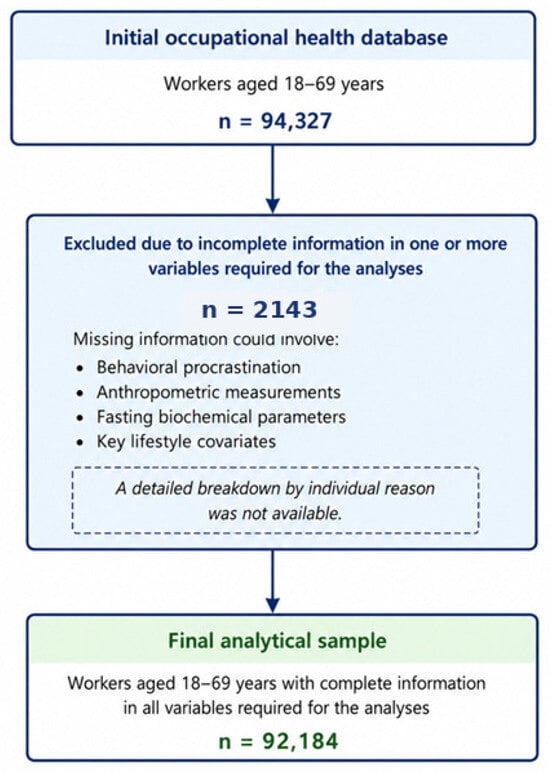
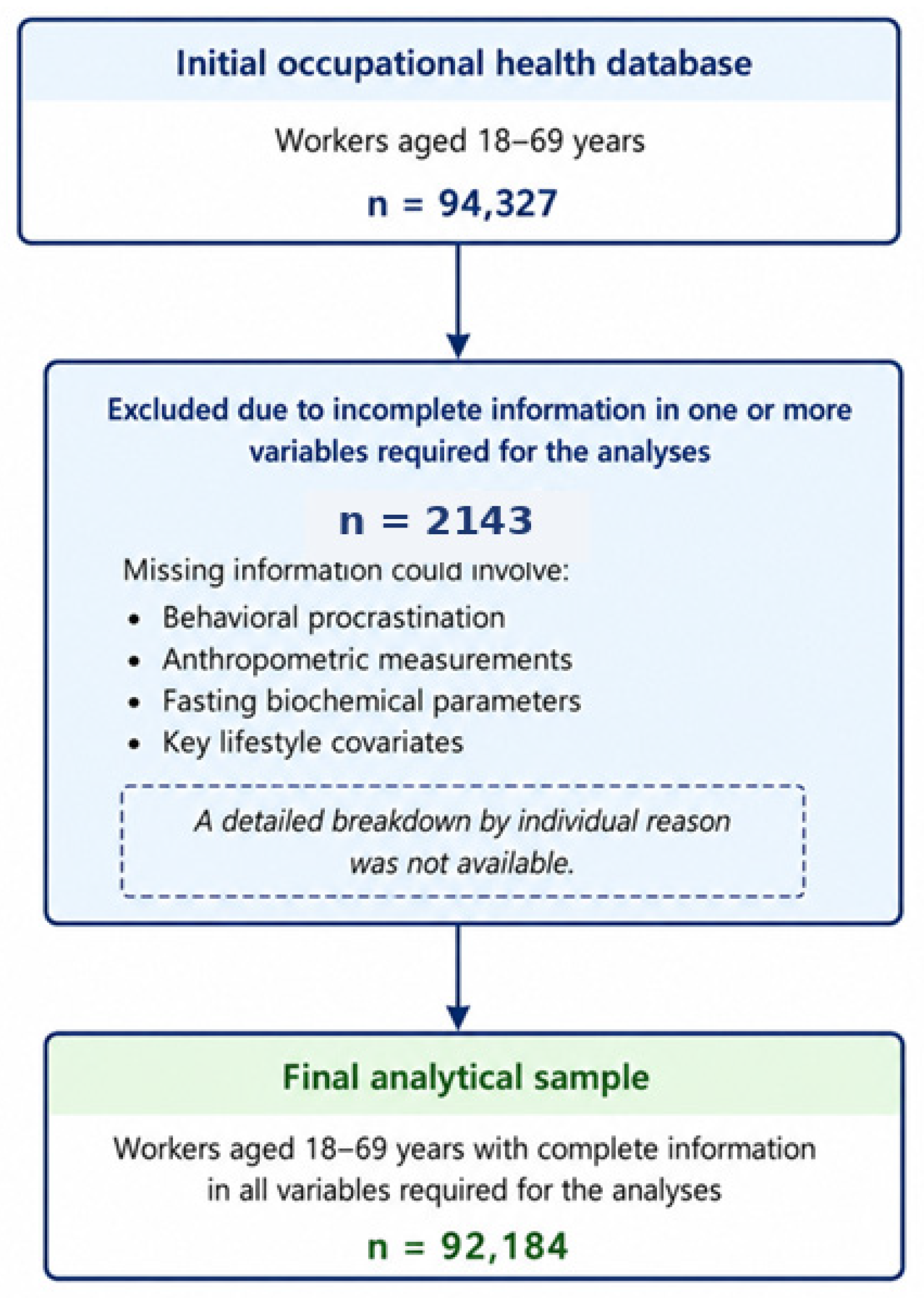
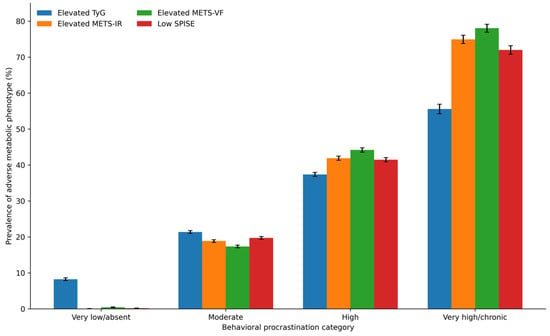
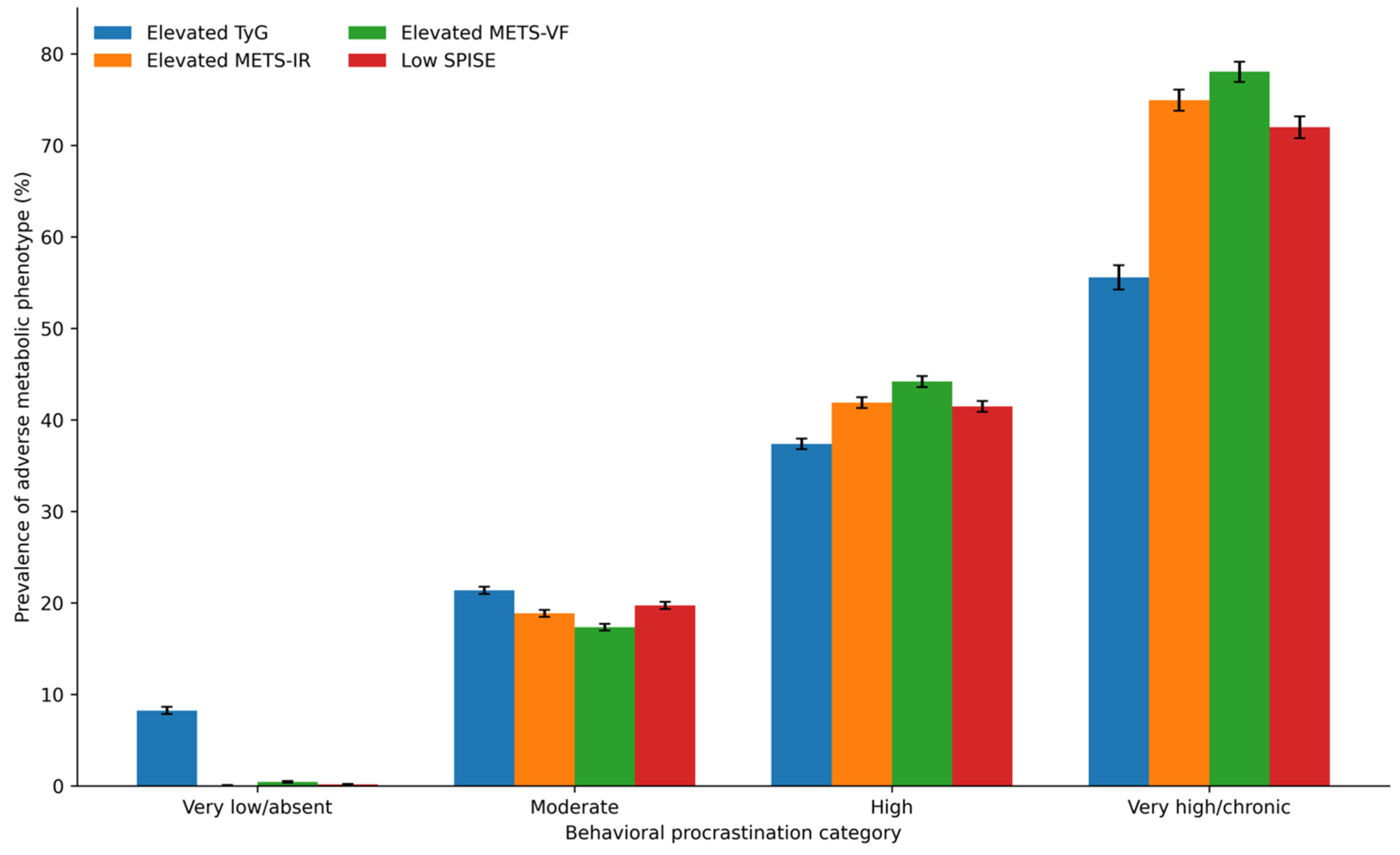

Disclaimer/Publisher’s Note: The statements, opinions and data contained in all publications are solely those of the individual author(s) and contributor(s) and not of MDPI and/or the editor(s). MDPI and/or the editor(s) disclaim responsibility for any injury to people or property resulting from any ideas, methods, instructions or products referred to in the content. |
© 2026 by the authors. Licensee MDPI, Basel, Switzerland. This article is an open access article distributed under the terms and conditions of the Creative Commons Attribution (CC BY) license.