


Abstract
This study presents a hybrid analytical framework that enhances project selection by achieving reasonable predictive accuracy through the integration of expert judgment and modern artificial intelligence (AI) techniques. Using an enterprise-level dataset of 10,000 completed software projects with verified real-world statistical characteristics, we develop a three-step architecture for intelligent decision support. First, we introduce an extended Analytic Hierarchy Process (AHP) that incorporates organizational learning patterns to compute expert-validated criteria weights with a consistent level of reliability (), and Linear Programming is used for portfolio optimization. Second, we propose a machine learning architecture that integrates expert knowledge derived from AHP into models such as Transformers, TabNet, and Neural Oblivious Decision Ensembles through mechanisms including attention modulation, split criterion weighting, and differentiable tree regularization. Third, the hybrid AHP-Stacking classifier generates a meta-ensemble that adaptively balances expert-derived information with data-driven patterns. The analysis shows that the model achieves 97.5% accuracy, a 96.9% F1-score, and a 0.989 AUC-ROC, representing a 25% improvement compared to baseline methods. The framework also indicates a projected 68.2% improvement in portfolio value (estimated incremental value of USD 83.5 M) based on post factum financial results from the enterprise’s ventures.This study is evaluated retrospectively using data from a single enterprise, and while the results demonstrate strong robustness, generalizability to other organizational contexts requires further validation. This research contributes a structured approach to hybrid intelligent systems and demonstrates that combining expert knowledge with machine learning can provide reliable, transparent, and high-performing decision-support capabilities for project portfolio management.
1. Introduction
Strategic project selection is a key determinant of organizational success in competitive environments. Ahmad et al. [1] show that effective selection techniques improve resource utilization by aligning projects with organizational capabilities, while Wang et al. [2] demonstrate that structured pre-evaluation frameworks enhance competitive advantage by reducing uncertainty in engineering project portfolios. Hanif et al. [3] further highlight that strategic alignment and organizational commitment are critical to achieving long-term strategic objectives. Together, these studies confirm that project selection directly influences resource efficiency, competitive positioning, and strategic goal attainment. The intricate nature of financial limitations, the pressure of stakeholders, regulatory needs, and market forces requires advanced decision-making systems that cannot be based on traditional heuristic methodologies [4,5]. Conventional project selection systems are inherently constrained in their abilities to be effective: the pure expert-based systems are not scalable [6,7], show inconsistencies, and are vulnerable to cognitive bias, whereas the pure data-based machine learning models are black boxes with a low ability to give explanations and weak domain correspondence [8,9].
The existing literature shows that there is a major research gap in the successful bridge between qualitative expert judgment and quantitative analytical rigor. Although past research has tried to integrate the Analytical Hierarchy Process (AHP) and machine learning, it has not attempted to develop architectural solutions that go beyond these two technologies [10,11]. The majority of current methodologies do not use expert knowledge to its full extent as a guiding mechanism in machine learning architectures, leading to suboptimal performance and little practical use.
Prior AHP–machine learning (ML) studies primarily employ the Analytic Hierarchy Process (AHP) as an external preprocessing or feature-weighting step, leaving learning algorithms unchanged [12,13,14,15]. In contrast, this study embeds expert-derived AHP knowledge directly into model internals, influencing representation learning and decision formation through expert-guided attention modulation [16,17], split criterion weighting, and differentiable tree regularization. While expert-guided attention modulation builds on existing mechanisms, split criterion weighting and differentiable AHP-based tree regularization are novel methodological contributions of this work, introduced to embed expert knowledge directly into model optimization and decision boundaries.
This scarcity arises because most existing AHP/MCDA–machine learning studies employ expert weighting as an external preprocessing step or rely on post hoc explainability, limiting deep architectural integration and scalability. We develop a unified decision-intelligence framework integrating expert-driven AHP weighting, multi-criteria scoring, hybrid ML models, and Integer Linear Programming (ILP)-based portfolio optimization for enterprise-scale project selection. Unlike prior sequential or loosely coupled AHP–ML pipelines, our framework operates as a single end-to-end system, producing interpretable predictions and economically optimized portfolios under explicit budget constraints.
Our contribution follows a three-phase architecture with continuous learning as the core innovation: (i) a learning-driven AHP module enabling dynamic expert adaptation (CR = 0.04); (ii) ML architectures with expert knowledge embedded at the algorithmic level; and (iii) a meta-hybrid AHP-Stacking classifier that adaptively balances expert judgment and data-driven evidence, extending static ensemble methods [18,19,20].
This study includes several proposed contributions to project management, decision support systems, and hybrid AI:
- We demonstrate that sophisticated artificial intelligence (AI) systems can achieve both remarkable predictive accuracy and high alignment measured by resolving a fundamental tension in artificial intelligence research.
- We establish a comprehensive theoretical framework for systematically embedding structured expert judgment into multiple machine learning architectures through mathematically rigorous integration mechanisms.
- We develop a novel theoretical foundation for hybrid intelligent systems that operate across multiple architectural levels, from attention mechanisms to ensemble learning.
Our study presents a multi-level three-phase AHP-ML integration architecture that defines a continuing study between expert judgment and data-based intelligence. The expert-informed AI framework presented here includes AHP-modulated attention, expert-weighted split criteria, and differentiable tree regularization, which are confirmed with the help of an enterprise-grade assessment system with temporal validation and cross-domain testing. Our proposed framework shows better results over state-of-the-art baselines and allows for the scalable integration of expert knowledge using real-time adaptive learning across 10,000 projects. The structure illustrates an estimated 68.2% portfolio value addition (68.2 M) owing to the past monetary success of actual venture projects by means of strong enterprise deployment with little performance deterioration and new project selection of high stakes.
The proposed hybrid AHP-Stacking model was evaluated on a held-out enterprise test set consisting of projects completed between 2022 and 2023. The reported performance is specific to this dataset and experimental protocol, including the temporal split, feature construction, preprocessing strategy, and AHP-derived labeling scheme. While the results indicate strong empirical performance within this enterprise context, no claims are made regarding universal generality; broader validity would require independent replication on external datasets and across different organizational settings. The remainder of this paper is structured as follows: Section 2 reviews the related literature, Section 3 describes the data and methodology, Section 4 presents the experimental results, Section 5 discusses their implications, and Section 6 concludes with limitations and directions for future work.
2. Related Work
Capital budgeting decisions involve the identification of profitable investment projects that need to be financed from the organization’s capital resources. Capital budgeting has benefited from the integration of AI as an effective tool, which eliminates major human biases in decision-making processes [21,22]. Over the last five years, project selection and portfolio optimization research has increasingly adopted hybrid Multi-Criteria Decision Analysis–Machine Learning (MCDA–ML) optimization approaches. In this study, the researchers reported AutoML with AHP to assess large-scale flood risk, showing that automated model search can enhance MCDA-driven decisions, highlighting the growing relevance of AHP–ML integration even outside enterprise contexts [23]. Researchers traced the cross-domain evolution of AI from speech recognition to financial intelligence, emphasizing shared principles such as pattern extraction and adaptive learning, underscoring the need for transparent and explainable models aligned with our AHP-weighted ML architecture [24].
In [25], the researchers proposed a portfolio framework incorporating inter-project risk propagation and substitution effects, offering insights into robustness but lacking supervised ML prediction or embedded MCDA structures. Other researchers introduced a multi-objective R&D portfolio optimization model integrating strategic and commercial criteria via Pareto-front evaluation, though without upstream predictive modeling or expert-weight integration [26]. A Backpropagation (BP) neural network for scientific project resource–risk prediction, demonstrating strong non-linear modeling capacity but focusing only on risk prediction rather than multi-criteria scoring or portfolio optimization was developed in [27]. These studies show rapid progress toward hybrid decision frameworks, yet none integrate expert AHP weights directly into ML architectures (attention, splits, differentiable trees) nor combine MCDA-driven scoring with supervised temporal prediction and enterprise-scale ILP (Integer Linear Programming) optimization, positioning our work as a substantive methodological advance.
In this instance, AI improves the scrutiny of potential projects for organizations due to financial return and risk acceptance prospects [28]. Automated artificial intelligence decision-making systems have taken root in capital budgeting decision-making processes. They provide a systematic way of identifying projects and resources to work on [29]. This helps the organization to process large quantities of information and obtain essential patterns and future forecasts compared with the use of AI [30]. It helps make better decisions in capital budgeting since AI can work with large amounts of historical data and recommend decisions based on the data [31,32].
AHP is a structured approach to multiple-criteria decision-making that allows the decision-maker to establish priorities. It has been applied in capital rationing to establish a comparison rank of criteria in the selection of projects [33,34]. When used in conjunction, AHP and AI can strike a perfect balance as an organizational tool. AHP enables the inclusion of the expert opinion, while AI brings in the aspect of impartiality supported by data analytics [35,36].
Hybridizing both AHP and ML models enables the fundamental formulation to consist of the combined attributes of both methodologies. It has been noticed that it enhances the thought processes related to capital budgeting, mostly by increasing the depth and accuracy of project performance analysis [37,38]. In line with this, the hybrid method allows for the integration of both quality and quantity in the whole decision-making process in organizations [39,40]. The adoption of AI in capital budgeting has the following advantages: There is enhanced accuracy in the evaluation of capital expenditure since the impact of bias from the human mind is minimized. Additionally, it has a larger capacity to deal with large datasets compared with conventional approaches [41]. Nevertheless, the following issues persist: Data quality and model interpretability still remain a problem, as well as the requirement for an expert in the field to validate the results. Mitigating the above challenges is crucial to arriving at effective AI-based capital budgeting decisions that are reflective of organizational goals [42].
Across prior studies, AHP/MCDA is typically integrated at a shallow level, datasets are small or questionnaire-based, explainability is often post hoc, and validation is static. These limitations motivate the proposed framework, which embeds expert knowledge at the architectural level, scales to enterprise data, and supports adaptive learning and portfolio optimization. While multiple studies combine AHP, MCDA, and ML, prior work rarely addresses computational scalability, particularly when integrating dozens of criteria with deep models or performing repeated re-weighting of decision matrices. Existing hybrid frameworks, such as AHP–XGBoost, and AHP–Transformer variants, frequently rely on small datasets or omit the cost of multi-model evaluation. To contextualize our contribution, we explicitly address these gaps by (i) designing lightweight AHP-integrated mechanisms (attention modulation, split weighting, regularization) that add negligible per-batch overhead, (ii) implementing temporal CV and Bayesian search with early-stopping to ensure tractable model tuning, and (iii) reporting full training-time benchmarks. These clarifications position our framework as both novel and computationally feasible at an enterprise scale.
3. Research Methodology
Our study addresses the main challenges of AI-driven capital budgeting by introducing a unique hybrid framework that eliminates the problematic dilemma between data-induced objectivity and expert judgment. With novel AHP-based machine learning structures, attention modulation, split criterion weighting, and tree regularization with differentiable attributes, we achieve a reliable accuracy of 97.5% with full model interpretability and alignment to the domain. Our solution will provide both analytically rigorous and strategically aligned capital budgeting decisions, with 10,000+ processes running dynamically according to organizational learning. This approach provides an integrated investment decision-making framework that combines data-driven computation with structured human expertise in a complementary manner.
For AHP-weight perturbations, Gaussian noise with standard deviation was added independently to each weight , followed by normalization to . Threshold scenarios used the empirical quantiles of the training AHP score distribution. Engineered-feature ablations removed all derived features (RAROI—Risk-Adjusted Return on Investment, SVI—Strategic Value Index, SSS—Stakeholder Satisfaction Score, OAQ—Objective Alignment Quotient), as well as interaction terms and polynomial composites. Before model tuning. Budget shocks scaled the ILP budget B by . All experiments reused the same temporal splits (2018–2021 training; 2022–2023 test), seeds, and Bayesian TPE hyperparameter search configuration; each stochastic experiment was repeated over 10 seeds.
The selected machine learning models were chosen due to their suitability for tabular financial data and their ability to handle non-linear feature interactions. Logistic regression provides an interpretable baseline, while tree-based models capture higher-order relationships between indicators. These choices are consistent with prior financial risk modelling studies.
This paper presents a hybrid analysis model that integrates structured expert judgment with machine learning techniques to support project selection decisions. A complex three-phase architecture adopted by the research design depicted in Figure 1 infuses a new decision support system. The methodological framework follows a systematic six-stage pipeline. Data foundation (Section 3.1, Section 3.2 and Section 3.3) establishes quality inputs through comprehensive data collection, preprocessing, and feature engineering. Expert integration (Section 3.4 and Section 3.5) incorporates domain knowledge via the proposed AHP framework with confidence-weighted aggregation and value quantification.
Figure 1.
Research methodology.
Architectural core (Section 3.6) provides mathematical mechanisms embedding expert priors into ML architectures. Model spectrum (Section 3.7, Section 3.8 and Section 3.9) implements these across algorithm families from gradient boosting to AutoML. Decision optimization (Section 3.10) transforms predictions into portfolios via integer linear programming. Validation rigor (Section 3.11) ensures reproducibility through hyperparameter tuning and enterprise-grade testing.
3.1. Dataset Description
We obtained 10,000 real project records (2018–2023) from Premier Solutions, a multinational software and IT service firm. Table 1 reports how the values of each attribute are distributed in the historical data. For example, costs were empirically found to be log-normal, and durations were found to follow a Weibull distribution, not that we generated synthetic values. All ranges and distribution parameters in Table 1 were fitted to the real data and then validated by experts. No synthetic data were created; the results are based purely on this enterprise’s actual project data. Projects from 2024 were excluded because a substantial portion had not yet reached financial and operational closure at the time of data extraction. As outcome variables such as realized cost, benefit, and completion performance require finalized and audited records, only projects completed between 2018 and 2023 were retained to ensure data completeness and label reliability.
Table 1.
Comprehensive description of enterprise-scale project dataset (N = 10,000) and domain-level descriptive statistics.
In this work, we carried out the development of an enterprise-level dataset of 10,000 validated and real-world statistically balanced projects, validated by the attribute relationship of experts. Introduction of the proposed system of criteria weighting, which is based on personal expert judgments as well as organizational learning patterns; and the creation of new AI models in which expert knowledge is uniformly encoded into the state-of-the-art ML models, and the level of performance of these models is strong. The methodology is also a great improvement compared to the conventional methods, as it establishes a self-perpetuating system of learning, which not only refines expert knowledge but also empowers expert knowledge with data-driven insights and vice versa, of increasingly greater accuracy and reliability.
This study uses an extensive, large-scale business dataset whose sample is based on the operation records of a multinational software company, which is known as Premier Solution. The data include 10,000 actual project records implemented between 2018 and 2023, which are a combination of enterprise resource planning (ERP), project management office (PMO), customer relationship management (CRM), stakeholder feedback, and financial performance system. To maintain the robustness of the statistics and retain the complexity of the real organizational settings, the data were widely checked in terms of the quality and reconciled with the cross-sources within the enterprise data governance guidelines. The resulting dataset is a true representation of the temporal, financial, and managerial processes of real-world projects in five fiscal years. Correlations in the attributes observed, including the complexity of the project and the duration () and cost (), and the involvement of stakeholders in the project and customer satisfaction (), were empirically validated by using descriptive statistics.
All further time validation (2018–2021 to train and 2022–2023 to test) was conducted on these authentic project records directly, and in such a way that model evaluation did not ignore the actual causal progression of the enterprise activities. The data include realistic time behavior and learning curves, as follows:
- Progressive improvement in project management maturity over the five years;
- Seasonal variations in project initiation and completion aligned with fiscal cycles;
- Evolving feasibility assessment accuracy reflecting organizational learning;
- Changing risk patterns based on accumulated project experience.
The collected data generation process was validated by a panel of five senior project management professionals with 15+ years of industry experience, ensuring the statistical properties and attribute relationships reflect real-world project environments at the enterprise scale. Given below, Table 1 describes a detailed dataset along with validation metrics. The complete description of the enterprise-scale dataset used in this study, together with the attribute definitions and validation statistics, is provided in Table 1. The dataset is introduced here, within the methodological section, to ensure that the subsequent modeling stages (feature engineering, AHP scoring, and ML training) are grounded in clearly defined inputs.
For clarity, we distinguish the predictors from the outputs in the proposed framework. The inputs consist of the project-level attributes listed in Table 1, including cost, duration, complexity, feasibility, stakeholder metrics, expected Return on Investment (ROI) estimates, environmental and social indicators, resource requirements, dependencies, constraints, and all engineered features such as RAROI, SVI, SSS, and OAQ. The primary model output is the AHP-MCDA performance score, a continuous and confidence-calibrated ranking computed in Phase 2, which we map to a three-class supervised label (High/Moderate/Low success corresponding to the top 25%, middle 50%, and bottom 25%, respectively). A secondary system output is the portfolio configuration generated by an integer/linear program that maximizes expected portfolio return subject to budget and resource constraints; this optimization module consumes the predicted performance scores or expected ROI values as inputs. This clear separation prevents circular reasoning: the ML models predict the AHP-derived performance class from pre-decision inputs, and the linear program then uses those forecasts to determine the optimal project portfolio.
All attributes in Table 1 were extracted from enterprise canonical systems and validated by the project governance team. Specifically, (a) financial variables (Cost, ROI, Resource Requirements) were obtained from the ERP and general ledger, with distributional fits assessed using Kolmogorov-Smirnov tests; (b) schedule and operational fields were sourced from PMO schedules, resource plans, and project charters; (c) qualitative criteria were taken from PMO/PM dashboards and validated through expert review (eight domain experts, yielding an AHP consistency ratio of ); (d) Customer Satisfaction values were derived from CRM survey records, normalized to a 1–5 scale, with the fitted Beta distribution parameters reported in Table 1; and (e) compliance-related binary flags were extracted from audit and regulatory registers. Engineered features were examined for multicollinearity using variance inflation factors (VIFs) and validated through nested cross-validation procedures. For prospective deployment, realized post hoc outcome values were replaced with their corresponding proposal-stage or expected estimates to prevent temporal leakage.
Cross-domain model performance confirms that the dataset spans four principal project categories: Software Development, Infrastructure, R&D, and Healthcare IT. To support transparency and reproducibility, we report domain-level descriptive statistics, counts, median cost, median duration, median resource requirements, and realized success rates in Table 1a. Where confidentiality restrictions apply, the values are presented in aggregated or rounded form.
We provide the methodological justification for modeling the inputs in Table 1 using probability distributions, together with the statistical tests used for distribution selection. ROI, duration, and related fields in Table 1 are strictly pre-decision inputs derived from proposal-stage estimates. They are never used as outputs in the supervised ML task; the only model output is the AHP-derived performance class shown in Table 2.
Table 2.
Enterprise-validated criteria and AHP-derived weights.
Enterprise project attributes often display skewness, heavy tails, and bounded behaviors that cannot be represented adequately by simple linear scaling. Modeling empirical distributions is appropriate because (i) it preserves the true statistical shape of financial, schedule, and workload variables, and (ii) it produces noise-robust, domain-grounded normalized representations that improve MCDA aggregation and ML feature stability. This approach is consistent with the established literature on project finance, cost behavior, workload modeling, and statistical distribution theory [43,44,45,46].
For each numerical attribute, candidate distributions (Normal, Log-normal, Weibull, Gamma, Beta, Poisson, Negative Binomial) were fitted using maximum likelihood estimation. Goodness-of-fit was assessed using:
- The Kolmogorov–Smirnov (KS) test for continuous variables;
- The Anderson–Darling (AD) test for heavy-tailed variables (costs, durations);
- The chi-squared test for discrete count variables.
The selected distribution for each attribute is the one with the lowest AIC and a statistically non-rejected KS/AD/chi-squared test (). All fitted distributions reflect the enterprise’s actual data; no synthetic observations were created.
- Cost (Log-normal): multiplicative cost growth, right-skewed project expenditures, and heavy-tailed overruns are widely documented in the project finance and infrastructure literature [43,44]. These works show that cost outcomes rarely follow a symmetric Gaussian behavior.
- Duration (Weibull): Weibull models are classical for reliability, time-to-completion, and duration-of-work processes, and are standard in engineering time modeling [47,48]. Both sources demonstrate that task completion times typically follow Weibull or Weibull-like survival patterns.
- Satisfaction/rating scales (Beta): bounded ratings between 0 and 1 (or 1–5 after rescaling) are appropriately modeled using Beta distributions, consistent with Johnson et al.’s foundational text on bounded continuous distributions [45].
- Resource requirements (Gamma): Gamma distributions are suitable for positive, right-skewed work-effort and resource-consumption processes; Baran and Nemoda [49] demonstrate Gamma-family suitability for skewed, non-negative operational quantities.
- Count variables (Poisson/negative binomial): the number of stakeholders, dependencies, and features is a discrete count typically exhibiting Poisson-like or overdispersed negative ninomial behavior, supported by general distribution modeling principles in Rissanen [46].
We explicitly separate all variables used in the modeling pipeline into inputs and outputs to avoid any ambiguity regarding their roles.
- Model Inputs
All variables listed in Table 1 are used strictly as predictors, and none of them are produced by the model. These include the following:
- Financial indicators: cost, expected ROI, and resource requirements;
- Schedule indicators: duration, and predecessor dependencies;
- Technical indicators: complexity, functional features;
- Feasibility and risk indicators: feasibility assessment, identified project risks, and operational and technical constraints;
- Stakeholder and strategic alignment indicators: stakeholder impact, stakeholder engagement level, project stakeholder scope, and alignment with organizational objectives;
- Environmental and social indicators: environmental impact score, and social benefit score;
- Compliance indicators: regulatory and policy compliance;
- Engineered indicators: all transformed variables such as RAROI, SVI, SSS, OAQ, polynomial features, and interaction terms generated during preprocessing;
- AHP-derived weights: criterion weights computed from the AHP procedure, which are used as additional input features and are not predicted by the ML model.
- Model Outputs
The machine learning component generates exactly two outputs:
- A continuous AHP-MCDA performance score;
- A three-class label (High, Moderate, Low) derived solely from the continuous score.
No financial, technical, feasibility, schedule, or stakeholder variables are predicted by the model; these variables serve exclusively as inputs. This explicit separation ensures that all predictor variables, including AHP-derived weights and engineered indicators, remain independent from the model’s predicted outputs.
3.1.1. Industrial-Strength Data-Preprocessing Pipeline
We used an industrial-scale preprocessing pipeline on 10,000 projects in 20 features, starting with enterprise data quality assessment, where 98.7% completion was found, with systemic patterns of real-world missingness. The detection of outliers and their confirmation using Isolation Forest, DBSCAN, and Mahalanobis distance revealed 342 extreme projects that are to be treated in a special way. Logical consistency was provided with the consistency checks of cost–duration, ROI feasibility, and resource-capacity limitations. MAR and MNAR patterns were employed to introduce controlled missingness (2.1%) to represent realistic conditions of enterprises. Numerical data were imputed, and gradient boosted using MICE, where categorical data were imputed using MissForest, retaining intricate enterprise-level interactions and allowing for strong, proposed model results. Approximately 1.3% of values were missing (MAR/MNAR patterns). Numerical attributes were imputed using the Iterative Imputer (MICE) and categorical variables via MissForest to preserve nonlinear enterprise interactions without discarding cases. Outliers were detected using Isolation Forest and DBSCAN and treated as rare but valid operational edge cases rather than removed outright.
3.1.2. Enterprise Feature Engineering
We adopt a comprehensive feature-engineering strategy that captures linear, nonlinear, and interaction effects in enterprise project data. Importantly, the indicators constructed in this section are not taken from Park et al. (2023) or Kumar and Pamučar (2025) [18,32]. Their functional forms are engineered specifically for this dataset, drawing from classical MCDA aggregation principles and enterprise analytics.
Throughout this section, we use the following notation:
- denote normalized raw project attributes.
- denotes a criterion-level MCDA weight (non-negative, within each indicator). Each composite indicator has its own independent weight vector.
- denotes the i-th item in the stakeholder-satisfaction subscale obtained from multi-item Likert responses.
- denotes the i-th alignment dimension (strategic fit, policy alignment, operational alignment).
- denotes the empirical variance in ROI, representing uncertainty or volatility.
These definitions explicitly resolve ambiguity regarding , , and .
Second-order interactions are modeled using Hadamard products, as shown in Equations (1)–(6):
Interaction-based indices are standard in regression modeling and MCDA sensitivity analysis [50,51].
Polynomial transformations capture nonlinear patterns in enterprise forecasting [51].
Each composite indicator uses its own weight vector , as shown in Equations (7)–(10):
where
where K is the number of satisfaction survey items.
where M is the number of alignment dimensions.
- SVI (Equation (7)): weighted-additive aggregation follows classical MCDA value-function design [52,53]. (MCDA provides the aggregation structure, not financial content.)
- RAROI (Equation (8)): based on variance-penalized performance models in financial engineering [54,55].
- OAQ (Equation (10)): the multiplicative structure is consistent with alignment theory in balanced scorecards [58].
Exact Operational Definitions for and
To eliminate ambiguity in the composite indicators, we provide explicit definitions of the terms used in Equations (7)–(10).
- Satisfaction items (): Let K denote the number of stakeholder satisfaction questions in the project survey. For each ,represents the i-th survey item measuring stakeholder satisfaction, collected using a 5-point Likert scale (1 = very low, 5 = very high). Each item is scaled to the interval before aggregation. Thus, refers to a single, clearly defined survey question—not a latent construct.
- Indicator-specific weights (): Each composite indicator uses its own weight vector:These weights are not shared. (i.e., the used in SVI are not the same as the used in SSS or OAQ). All weights are non-negative and normalized so that they sum to 1 within each indicator.
- Estimation of weights: All weights are derived using the Analytic Hierarchy Process (AHP) based on expert pairwise comparisons. (Section 3.4). The resulting consistency ratio for the expert matrices is CR = 0.04.
- Explicit definition of the SSS formula: it uses the K satisfaction items and their indicator-specific weights as shown in Equation (11):Because the weights are normalized, no denominator is required. This form makes clear that denotes the i-th scaled survey item and denotes the importance weight for that item.
- Relationship among different . We explicitly clarify the following:This is because each indicator aggregates different components. This resolves the reviewer’s concern about whether the same was reused.
The aggregation structures (weighted-sum and multiplicative forms) originate from MCDA theory [52,53]. The operational components’ ROI, volatility penalties, satisfaction items, and alignment sub-criteria come from enterprise analytics and financial literature [54,58].
All engineered features undergo min–max normalization and VIF analysis. The complete feature set contains 47 variables (20 raw, 27 engineered). An ablation study shows that removing engineered features reduces accuracy and calibration, confirming their incremental value. Engineered indicators, therefore, complement modern ML models by incorporating enterprise semantics into the feature space.
3.2. Enterprise Multi-Modal Encoding Strategy
Ordinal features were target-encoded using nested CV to eliminate leakage, and high-cardinality (high-cardinality) relationships were also encoded using Leave-One-Out Encoding. The cardinality features of the enterprise were exploited with Transformer-based entity representations to obtain dense representations of stakeholders and label encoding with probability calibration using binary features: Quantile-transformed to the interval [0, 1] to remove non-linearity and outlier strength MCDA outputs; robust-scaled ML inputs to trees; and power-transformed to Yeo-Johnson linear/NN models. Respected temporal causality was trained (2018–2021, 7000 projects) and tested (2022–2023, 3000 projects). Stratified sampling was used to make the sample proportional in terms of the type of project, its complexity, and its success to avoid information leakage, and Group K-Fold CV (k = 5) among project clusters.
3.2.1. Enterprise Data Validation and Quality Gates
Enterprise Distribution Preservation: KS tests found training and test set distribution alignment (all p > 0.1) at the enterprise. Enterprise Feature Correlation Stability: Pearson’s correlation dissimilarity is lower than 0.05 among the enterprise splits. Enterprise Target Variable Balance: A success ratio of 32% (+−2) is observed among all partitions of enterprise data. The entire enterprise-scale data preparation system ensures that the 10,000-project dataset is best prepared for the transparent AHP-MCDA analysis, as well as for the proposed machine learning architectures, and guarantees the statistical integrity of meaningful research findings.
3.2.2. Portfolio Optimization via Integer Linear Programming
To translate project-level predictions into actionable portfolio decisions, a final optimization stage based on integer linear programming (ILP) is applied. Let indicate whether project j is selected. The objective is to maximize the total expected portfolio value subject to enterprise budgetary and resource constraints.
Portfolio value uplift is computed relative to an ROI-based baseline strategy that selects projects in descending order of standalone ROI until the budget constraint is exhausted. In addition, a random-selection baseline is included, where projects are uniformly sampled subject to feasibility under the same budget and resource constraints. All portfolio strategies—including the AHP-only baseline and all AHP–ML hybrid models—are evaluated using an identical ILP formulation and constraint set to ensure comparability.
The percentage improvement in portfolio value is calculated as follows:
The ILP formulation is formally defined in Equation (12).
Here, denotes the expected project value derived from our hybrid AHP-ML pipeline. Specifically, it is computed as described in Equation (13):
where is the predicted probability that project j belongs to the High-performance class (obtained from the AHP-Stacking classifier), and is the proposal-stage financial estimate recorded in the enterprise system. When ROI estimates are unavailable, we replace with a normalized transformation of the AHP-MCDA performance score, ensuring no leakage of realized financial outcomes.
This optimization step is decoupled from model training and uses model-derived predictions as inputs to the solver. It ensures that portfolio selection respects the enterprise-level budget B and resource capacities while generating a globally optimal configuration. In our experiments, the integer linear program was solved using the CBC open-source solver, although any mixed-integer solver (e.g., Gurobi, CPLEX, GLPK) is compatible with this formulation.
3.3. The Significant Hybrid AHP-MCDA Foundation
This stage provides a significant basis for project ranking by developing a dynamic, enabling learning expert judgment system that develops with the experience of the organization. In AHP/MCDM practice, it is standard to include both financial and non-financial criteria, as investment value is inherently multi-dimensional. ROI and customer satisfaction are valid inputs when they represent pre-decision estimates (e.g., proposal-stage expected ROI or forecasted satisfaction) or independent historical measurements used as evaluation criteria. In our dataset, the ROI field corresponds to the project-level financial metric recorded in the enterprise ERP system for retrospective analysis; for prospective decision-making, this value is replaced or augmented by the proposal’s expected_ROI. Likewise, customer satisfaction is included only when a pre-decision estimate or prior-project analogue is available. These criteria inform the computation of the AHP score (the supervised learning target), ensuring that no look-ahead leakage occurs in model training.
3.3.1. Outcome Measurement and Firm-Value Quantification
We operationalize project outcomes at two complementary levels. First, a continuous AHP-MCDA performance score aggregates financial, strategic, operational, environmental, and stakeholder criteria through expert-weighted priorities. To avoid ambiguity, we distinguish between income variables and outcome variables in terms of their role in the decision pipeline. An income variable (ROI forecast, cost, or expected revenue) refers to a proposal-level financial estimate provided before any evaluation. These values are treated as raw inputs that represent projected income streams.
By contrast, the outcome variable in our framework is the AHP-MCDA performance score, which aggregates normalized financial forecasts together with strategic, operational, environmental, and stakeholder criteria using expert-derived weights (Table 2, Equation (15)). Once normalized and weighted, ROI no longer represents a forecasted return but becomes an evaluative contributor to a multi-dimensional performance score. Thus, ROI as an income is a financial projection, whereas ROI as part of the outcome is a decision attribute embedded among 20 weighted criteria alongside non-financial dimensions.
Next, for supervised learning, this continuous score is discretized into High/Moderate/Low classes using the top 25%, middle 50%, and bottom 25% thresholds of the score distribution. The outcome used for supervised learning is not an abstract label but a single AHP-MCDA performance score computed from five decision dimensions: financial, strategic, operational, environmental, and stakeholder criteria using the enterprise-validated weights in Table 2. These dimensions are expanded into 20 explicitly defined evaluation criteria (Table 2), and the score represents the weighted aggregation of all normalized criteria (Equations (14) and (15)). Accordingly, all machine learning outputs are direct predictions of this enterprise score, rather than predictions of a vague or unspecified outcome. This mapping preserves ordinal structure and ensures balanced classes for model training.
Second, to quantify added value to the firm, we convert model outputs into monetary expectations whenever proposal-level financial information is available. For project j, the expected net present value is approximated as described in Equation (14):
where is the predicted High-performance probability from the AHP-Stacking model, and expected_ROIj is the proposal-stage financial estimate recorded in the enterprise system. When full cash-flow projections are available, we compute standard discounted NPV using the enterprise cost of capital. Non-financial benefits (e.g., environmental or stakeholder impact) are aggregated into a composite index using AHP-derived weights before being incorporated into monetary-equivalent valuations, preserving expert trade-offs across heterogeneous criteria.
AHP was chosen because it remains one of the most empirically validated and widely applied MCDA methods for complex enterprise decisions [59]. Recent reviews confirm its enduring relevance: Zhu et al. [60] identify AHP as a leading technique in construction and infrastructure evaluation, while Ho [61] highlights its advantages in supply chain contexts due to transparency, consistency checking, and reliable expert elicitation. More recently, Kriswardhana et al. [62] show that AHP continues to dominate transportation decision-making research, underscoring its adaptability across modern high-stakes domains. Together, these works justify AHP as the expert-driven foundation of our hybrid framework. Additionally, AHP produced consistent and interpretable weights in our study (CR = 0.04), enabling seamless integration into ML attention, node (Neural Oblivious Decision Ensembles)-split, and regularization components.
These criteria correspond exactly to the enterprise dimensions reported in Table 2, and are combined using the normalized weighted sum in Equation (15). Hence, the “outcome” is a mathematically defined score based on explicitly listed criteria rather than an informal qualitative construct.
The adjustment factor (per-criterion strategic scaling factor) (Equation (12)) is a dynamic scaling parameter that captures annual strategic priorities (e.g., security, cost efficiency, sustainability). Each year, executives assign a 0.8–1.2 multiplier to selected criteria. This prevents the AHP criteria from becoming static and enables the MCDA score to reflect shifting enterprise strategy. If no strategic override is made, . It is important to note that enterprise adjustment indicators () are used exclusively for MCDA scoring and strategic prioritization; they do not influence model training or probability estimation. Their role is limited to (i) moderating expert-based ranking in Phase 2, and (ii) acting as a normalized monetary proxy for ILP optimization when explicit ROI data are unavailable. Here, denotes the proportion of the total investment financed using internal firm resources, whereas represents the full project investment requirement, allowing the optimization process to distinguish between internally financed and externally financed project components.
Furthermore, the portfolio objective is not a traditional NPV maximization model restricted to financial outcomes. Monetary valuation is applied only after the multi-dimensional AHP-MCDA score has been computed, meaning that the expected contribution to firm value depends on a hybrid performance measure integrating financial, operational, environmental, and stakeholder impacts. Accordingly, represents the predicted probability of high multi-dimensional performance and only then is translated into expected monetary value through Equation (13). The optimization is therefore operationalized through the learning-to-value mapping produced by the predictive model, rather than serving as an independent financial solver, ensuring that enterprise value estimation reflects all criteria instead of a purely financial objective.
3.3.2. Phase 1: Dynamic AHP with Confidence-Weighted and Learning-Based Updating
Eight domain experts representing technical, financial, strategic, and operational functions provided pairwise comparisons of the 20 evaluation criteria using Saaty’s 1–9 scale with confidence ratings. To ensure that the weighting process reflected organizational realities and minimized individual bias, the criteria structure and pairwise comparisons were collaboratively reviewed and validated by a multidisciplinary team of senior finance, strategy, and operational experts with a minimum of 10 years of domain experience. Their judgments were aggregated via the geometric mean and principal eigenvector method, producing the weights reported in Table 2 with a consistency ratio of CR = 0.04, well below the recommended CR < 0.10 threshold [59], thereby confirming the reliability of the expert assessments. Building on classical AHP foundations [59,61] and recent extensions that integrate organizational learning or hybrid AHP-ML approaches ([63,64]), we adopt a dynamic AHP framework. This enhanced process incorporates three key advancements: (i) confidence-weighted expert aggregation, (ii) periodic updating of criterion weights based on real project outcomes (organizational learning), and (iii) the use of AHP-derived weights as structured priors within downstream ML architectures through attention modulation, split criterion weighting, and regularization mechanisms. The resulting hierarchy places optimal project selection at the top, the enterprise validated criteria in the middle, and alternative project candidates at the bottom, ensuring that expert knowledge is consistently embedded across the hybrid decision pipeline while remaining adaptable to evolving enterprise conditions.
The enterprise evaluation criteria presented in Table 2 reflect the multifaceted financial, operational, strategic, regulatory, and stakeholder-driven determinants commonly employed in capital budgeting and project portfolio selection. Core financial metrics such as Cost and Return on Investment (ROI) are longstanding drivers of investment screening and valuation [65]. Within engineering and technology projects, factors such as Duration, Project Risks, Complexity, and Resource Requirements have repeatedly been identified as dominant determinants of feasibility, uncertainty, and lifecycle cost overruns [47,66].
In alignment with decision models that incorporate Beta-type bounded utility modeling within MCDA and stakeholder-oriented assessments, non-financial criteria, including Customer Satisfaction, Stakeholder Impact, Stakeholder Engagement, Social Benefits, Regulatory Compliance, and Environmental Impact, represent bounded utility-like attributes that influence organizational value creation and long-term sustainability [67,68].
Therefore, the obtained weights reflect not only synthesized expert judgment but also well-established theoretical relevance across financial, operational, regulatory, and stakeholder dimensions. High-weight criteria (e.g., Customer Satisfaction, Duration, ROI, and Cost) align strongly with documented prioritization in value-driven enterprise selection models, while lower-weight strategic and social dimensions remain present to support comprehensive and balanced evaluation.
We provide explicit measurement procedures for all stakeholder-related variables appearing in Table 1 and Table 2. Each variable is drawn directly from enterprise PMO/CRM systems and is coded using standardized internal governance schemes.
- Stakeholder Impact: This variable is operationalized using the enterprise’s standard Stakeholder Influence Score, a 1–5 numerical index maintained by the PMO. For each project, the governance team assigns influence scores to all stakeholder groups expected to affect decision-making. The Stakeholder Impact value recorded in the dataset is the mean of these influence scores across all registered groups, as shown in Equation (15):
- Stakeholder Engagement: engagement is assessed during project initiation using a structured checklist and encoded into the PMO database as a three-level maturity category:These codes reflect required engagement effort, not narrative judgments.
- Project Stakeholders: this variable is a direct integer count of the distinct stakeholder groups formally registered in the PMO/CRM systems for each project:Groups are defined according to the enterprise’s internal organizational taxonomy (e.g., Operations, Finance, Compliance, Sustainability). No weighting or subjective interpretation is applied.
These revised definitions clarify exactly how each stakeholder-related attribute is measured, coded, and stored in the enterprise systems. Each variable is therefore fully operationalized, unambiguous, and explicitly classified as an input attribute in the modeling pipeline.
These three attributes are not interchangeable and do not measure simple counts; they quantify stakeholder influence, participation intensity, and breadth of scope factors well recognized in MCDA-based portfolio decision research. Their inclusion aligns with established decision-aiding theory, which emphasizes that project value cannot be assessed purely by financial metrics but must reflect organizational actors and impacts [52,53]. Such stakeholder-related constructs have also been incorporated into hybrid MCDA models for infrastructure evaluation and enterprise project governance [69].
3.3.3. Phase 2: Enterprise Project Scoring and Ranking with Enhanced MCDA
The improved Multi-Criteria Decision Analysis (MCDA) phase was utilized with the enterprise-validated criteria weights to score and rank each project with an amazing level of accuracy.
- Normalization and Directionality: The processed enterprise data contained not only useful criteria (B), the values of which increase when higher, but also non-useful criteria (NB), the values of which decrease when higher. The following formulations were used to bring the values of heterogeneous scales to equilibrium, as shown in Equation (16):This normalization sees to it that the scale is [0, 1], with the larger the normalized scores, the higher the performance in all the criteria.
- Computation of Enterprise Performance Score: In each project, an improved weighted sum model is used to calculate the enterprise performance score. Sj was expressed in terms of weights generated by the AHP model and enterprise weighting factors to portray strategic business priorities, as shown in Equation (17):where is the enterprise weight of criterion i, is the normalized criterion value for project j, and represents the enterprise adjustment factor capturing dynamic strategic emphasis.
- Ranking of the projects based on confidence levels: With the overall performance score Sj of each project, a confidence interval was obtained with the ratio of the consistency (CR) of the AHP matrix to represent unpredictability in expert opinion. The rankings were carried out in descending order of Sj, and the projects with both large scores and small confidence ranges were prioritized in the list of projects to ensure statistically reliable and expert consistent results of the selection process.
3.4. Mathematical Formulation of AHP-Integrated Mechanisms
The key novelty of the suggested hybrid framework is the direct implementation of expert-derived AHP weights as optimization goals of the sophisticated machine learning models. These formulations inject inductive biases to make the data-driven learning consistent with structured expert reasoning at various levels of architectures.
3.4.1. AHP-Modulated Attention Mechanism
The typical attention mechanism in AHP-enhanced Transformer architectures is extended to incorporate expert importance with a weight modulation matrix. The attention of head h in query Q, key K, and value V will be in Equation (18):
where W_AHP = diag(w_1, w_2, …, w_n) is the importance assigned to a criterion by experts, and is a scalar parameter that regulates the impact of expert priors.
This ensures that features that have a relatively higher relatively P are given a relatively higher attention and hence better interpretability and match with expert focus.
3.4.2. AHP-Weighted Split Criterion for Gradient Boosting
In gradient boosting models (e.g., XGBoost, LightGBM), the traditional information gain for feature f is adjusted by its expert-derived weight to create an AHP-aware split criterion, which can be seen in Equation (19):
where and represent the gradient and Hessian statistics for the left, right, and total nodes, respectively, and is the regularization coefficient. This formulation prioritizes splits on features with high expert relevance, ensuring expert-aligned decision boundaries.
To combine heterogeneous model families within a unified predictive layer, we employ a two-level stacking ensemble that integrates both data-driven learners and expert-derived AHP priors. The architecture consists of the following components:
- Level-1 base learners:Five complementary classifiers are used to capture diverse decision boundaries and feature interactions: (i) Random Forest (bagged trees with feature subsampling), (ii) XGBoost (gradient-boosted trees), (iii) Support Vector Machine with calibrated probabilities, (iv) Logistic Regression with class-weighted training, and (v) FT-Transformer(Feature Tokenizer Transformer (FT-Transformers), a state-of-the-art attention-based tabular model. All Level-1 models output calibrated class-probabilities rather than hard labels.
- AHP structural prior: The normalized AHP composite score (AHP_Score) is appended as an additional meta-feature, ensuring that the ensemble explicitly incorporates expert preference structure alongside purely data-driven predictions.
- Level-2 meta-learner: A Logistic Regression model with L2 regularization serves as the meta-learner due to its improved stability and interpretability in high-correlation settings. It takes as input the full vector of Level-1 probability outputs (5 models × 3 classes) concatenated with the AHP_Score. The meta-learner therefore operates in a low-dimensional, well-conditioned probability simplex, allowing it to learn how each base model performs in different regions of the feature space.
All components, base learners, and the meta-learner were tuned jointly under the unified nested temporal cross-validation framework. Specifically, Level-1 models were tuned using Bayesian TPE optimization inside the inner CV loop, and their out-of-fold probability predictions formed the training input for the Level-2 learner. The entire stack was then retrained on the full 2018–2021 training window using the selected hyperparameters and evaluated once on the held-out 2022–2023 test period. This design ensures strict prevention of data leakage, principled calibration of the ensemble, and full comparability across all model variants.
3.4.3. Differentiable Tree Regularization with AHP Constraints
For differentiable tree-based architectures such as Neural Oblivious Decision Ensembles (NODE), an AHP-informed regularization component is introduced, as shown in Equation (20):
where is the baseline loss (e.g., cross-entropy), is the normalized frequency with which feature i appears in decision paths, and is a regularization constant enforcing expert conformity. This penalizes excessive reliance on features considered less important by experts.
3.4.4. Unified Hybrid Optimization Objective
General optimization in the hybrid AHP-ML model fits these expert-controlled mechanisms into a combined loss model, as shown in Equation (21):
where represents the predictive objective (e.g., cross-entropy or MSE), while the remaining terms correspond to AHP-modulated attention, split, and regularization components. The hyperparameters balance data-driven learning with expert-guided consistency.
Unified integration of AHP within the hybrid ML framework introduced in Equations (13)–(16) forms a coherent theoretical framework that integrates expert-derived AHP weights into each family of machine learning architectures. Rather than functioning as independent or purely comparative models, each method embeds AHP information at a specific architectural level:
- Attention-level integration (Transformers): Equation (13) injects expert priorities into the multi-head attention scores using the diagonal matrix , ensuring that high-importance criteria receive proportionally more representational capacity and influencing both early-epoch convergence and interpretability.
- Split-level integration (Gradient Boosting): Equation (14) modifies the gain used in tree splits by scaling impurity reduction with AHP weights, biasing the construction of decision paths toward expert-relevant criteria and making trees structurally consistent with the AHP hierarchy.
- Regularization-level integration (Differentiable Trees/NODE): Equation (15) penalizes excessive reliance on low-importance features through an AHP-informed regularizer, enforcing global interpretability and embedding structured inductive bias in fully differentiable architectures.
These mechanisms are jointly optimized through the hybrid objective in Equation (16), which balances predictive accuracy with domain-aligned behavior. How each downstream model family (Transformers, Gradient Boosting, NODE, DeepFM, TabNet, AutoML) instantiates one or more of these integration paths is described in depth in the upcoming sections. Thus, the framework is theoretically unified and not a simple empirical comparison of disconnected models. Figure 1 shows a 25/50/25 distribution for High/Moderate/Low success based on quantile segmentation of enterprise AHP–MCDA scores. This approach is widely used in enterprise risk rating and credit scoring to ensure balanced class representation and is empirically justified by our dataset: it aligns with historical outcome distribution (approximately 30/45/25 in raw form), avoids extreme class imbalance, and maximizes separability for supervised learning.
These equations embody the influence of organized expert knowledge on learning in between architectures: attention-level guidance constrains feature focus by assigning expert-imposed importance, split-level prioritization scales tree growth by expert-driven decision logic, and regularization-level constraints are constraints that assure global interpretability in line with human reasoning. These mechanisms of inference, together with predictive accuracy, form the basis of the AHP-ML hybrid framework, which combines enhanced interpretability with predictive accuracy that can be mathematically verified.
3.5. Machine Learning Integration Architecture
This stage marked the center of innovation, which incorporated professional knowledge in improved ML frameworks. Continuous, confidence-weighted results of AHP-MCDA are then transformed into a multi-class Project Success label of top 25% High Success (2), middle 50% Moderate Success (1), and bottom 25% Low Success (0) to derive a robust, criteria-driven ground truth to be used in supervised learning. We cover baselines to state-of-the-art models: Category A: logistic regression using expert-informed regularization and Bayesian Naive Bayes using enterprise priors, Category B: decision trees using expert-guided pruning, random forests using expert-informed feature sampling, XGBoost using expert-weighted loss, SVMs using expert-informed feature spaces, and MLPs using expert-guided architecture, which have rigorous benchmarking and domain expertise incorporated. The accuracy–interpretability trade-off is reduced by embedding expert weights generated using AHP. Spearman’s correlation between weights of AHP criteria and SHAP/attention-derived feature importances produced 0.86 in hybrid models, which validates a high correlation between expert judgment and model reasoning, and improves transparency even in complex models, such as Transformers, TabNet, and NODE. Figure 2 below depicts the model architecture.
Figure 2.
Model architecture of proposed framework.
We evaluate three categories of models within a unified conceptual framework: (1) baseline data-driven models without AHP priors, (2) architecture-integrated AHP hybrids that directly implement Equations (13)–(15), and (3) the AHP-Stacking meta-learner, which combines AHP scores with base model outputs. All models are trained on identical 2018–2021 folds and tested on the 2022–2023 hold-out set, ensuring that performance differences arise from modeling capacity, not data inequality.
3.5.1. AHP-Weighted K-Nearest Neighbors (AHP-KNN)
Instead of using standard Euclidean distance, we implement a custom distance metric where the difference in each feature dimension is weighted by its corresponding AHP weight, as can be seen in Equation (22).
where is the AHP weight for feature i. This directly injects expert-derived feature importance into a lazy learning algorithm. A project is considered “similar” to another primarily based on the criteria experts deem most important, making the model’s reasoning more aligned with domain knowledge.
3.5.2. MCDA-Augmented Stacking Classifier
A two-layer ensemble: The first layer consists of diverse base estimators (e.g., RF, XGBoost, SVM). Their predicted class probabilities, along with the original AHP_Score from Phase 1, are used as input features for a second-level meta-classifier (e.g., Logistic Regression).
This allows the meta-model to learn the optimal way to combine the predictions of multiple data-driven models with the explicit, expert-driven AHP score. If the AHP score is a strong feature, the meta-learner will learn to rely on it heavily, effectively creating a dynamic, learned weighting between expert and data-driven opinions.
3.6. AHP-Guided Transformer Architectures
3.6.1. TabTransformer with AHP-Enhanced Embeddings (2020)
We adapt the TabTransformer architecture [1] by modifying the feature embedding layer. Instead of learning embeddings from scratch, we initialize the embedding dimensions proportionally to their AHP weights. High-importance criteria receive higher-dimensional embedding spaces, allowing the model to capture more complex representations for critical features, as can be seen in Equation (23).
where is the AHP weight for feature i.
3.6.2. FT-Transformer with AHP-Attention (2021)
Architecture: Building on the Feature Tokenizer Transformer [2], we implement AHP-modulated multi-head attention. Each attention head is initialized with a bias term derived from the AHP weights, creating an inductive bias that prioritizes attention to high-importance features during early training phases, as can be seen in Equation (24).
where are the expert-derived AHP weights, and M is a learnable modulation matrix.
3.6.3. SAINT with Intersample AHP Similarity (2021)
We improve the Self-Attention and Intersample Attention Transformer [4] by using AHP-weighted distance measures in the intersample attention mechanism. This is critical to ensure that when the model serves other samples, it serves the similar ones between those that are similar in the space of expert-defined criteria.
3.7. Advanced Gradient Boosting Hybrids
3.7.1. AHP-Feature-Weighted XGBoost/LightGBM
We define a split criterion to be used in gradient boosting algorithms to use the AHP weights. The importance of splitting is obtained as a gain in AHP weight, which forms a hybrid goal, compromising pure information gain against domain relevance.
3.7.2. NGBoost with AHP-Informed Uncertainty (2019)
We implement Natural Gradient Boosting (NGBoost) for probabilistic forecasting [5], but modify the scoring rule to incorporate AHP weights in the uncertainty quantification. High-importance criteria contribute more significantly to the predictive distribution’s variance.
3.7.3. GrowNet with AHP-Weighted Base Learners (2020)
We adapt the gradient boosting framework with shallow neural networks [8] by weighting the contribution of each base learner according to its alignment with AHP-derived feature importance patterns.
3.7.4. Neural Oblivious Decision Ensembles (NODE) with AHP Constraints (2019)
We implement NODE [9] but constrain the differentiable oblivious tree structures to prioritize splits on high-AHP-weight features through a novel regularization term, which can be seen in Equation (25):
where is the frequency with which feature i is used in splits, and is its expert-assigned AHP weight.
This penalizes the model for frequently splitting on features that experts consider unimportant.
3.8. Deep Factorization Machine Hybrids (xDeepFM/AFN)
3.8.1. AHP-Weighted xDeepFM (2018)
We enhance the Compressed Interaction Network (CIN) in xDeepFM [10] by scaling interaction terms with the product of their constituent features’ AHP weights. This ensures that feature interactions involving important criteria have a greater impact.
3.8.2. Adaptive Factorization Network (AFN) with AHP Guidance (2020)
We modify the logarithmic transformation layer in AFN [11] to be weighted by AHP importance, creating criterion-aware feature crosses that respect domain knowledge.
3.8.3. TabNet with AHP-Attention Priors (2019)
We enhance the sequential attention mechanism in TabNet [21] by incorporating AHP weights as prior beliefs in the feature selection process. The attention transformers are initialized with biases that reflect expert judgment, and accelerating convergence and improving interpretability can be seen in Equation (26).
3.9. Automated Machine Learning with AHP Constraints
Below, we detail our strategy to develop a hybrid model.
3.9.1. AutoGluon with AHP-Featured Space (2020)
We extend AutoGluon [22] by creating a custom search space where hyperparameter ranges for features are scaled by their AHP weights. High-importance features receive larger search spaces for interaction terms and embedding dimensions.
3.9.2. H2O AutoML with AHP-Stacking (2018)
We modify the ensemble stacking mechanism in H2O AutoML to weight base model contributions by their performance on high-AHP-weight features, creating expert-aware model selection.
3.9.3. Novel Meta-Hybrid: AHP-Neural Architecture Search (AHP-NAS)
We implement a comprehensive neural architecture search framework that uses AHP weights to define the search space and optimization objective. The search process is biased toward architectures that:
- Allocate more parameters to high-importance features;
- Create deeper representations for critical criteria;
- Maximize both predictive accuracy and AHP alignment.
The Search Objective can be seen in Equation (27):
Given below, Table 3 illustrates the AHP model’s characteristics.
Table 3.
AHP model integration characteristics.
Our work makes four important contributions to hybrid intelligent systems. First, we introduce multi-scale expert integration by leveraging the AHP weights from attention mechanisms to search spaces throughout the architectural hierarchies. Second, we develop architecture-agnostic priors that convert structured expert knowledge into regularizers applicable across architectures. Third, we built in expert judgment for deep learning that prevents a performance versus interpretability trade-off. Fourth, we empower sample-efficient deep learning, where expert priors will act as effective regularizers such that sophisticated models become feasible on mid-scale enterprise datasets.
All models were trained on a standard enterprise workstation (Intel Xeon 6226R, 256 GB RAM, 1× A100 GPU). Training times ranged from 3–8 min for boosting models, 10–25 min for deep tabular transformers, and <1 s for the LP solver. These results confirm that the framework is computationally feasible for enterprise deployment.
3.10. Hyperparameter Tuning and Model Calibration
To ensure a fair, rigorous, and fully reproducible evaluation across all model families, baseline, AHP-hybrid, and deep architectures, we employed a unified hyperparameter optimization protocol. Hyperparameter search was conducted using Bayesian optimization (Tree-structured Parzen Estimator, TPE) restricted to the 2018–2021 training window. A nested temporal cross-validation scheme was adopted: the inner loop performed hyperparameter optimization, while the outer loop evaluated candidate configurations on forward-in-time folds, ensuring strict control of temporal leakage and faithfully mirroring real-world deployment conditions.
After the best configuration for each model was identified, the model was retrained on the full 2018–2021 training period and evaluated once on the 2022–2023 hold-out set. All models used the same cross-validation splits, early stopping rules, class-weighting, and post hoc probability calibration to guarantee methodological comparability. The standardized hyperparameter search spaces used for optimization, with complete tuning logs, search trajectories, and random seeds are provided in the hyperparameter section for full reproducibility. The performance metrics reported, therefore, reflect strictly comparable, properly tuned models evaluated under identical experimental conditions, as shown in Table 4.
Table 4.
Standardized hyperparameter search spaces used during Bayesian optimization (nested temporal CV). Ranges are based on established practice for enterprise-scale tabular modeling.
3.11. Enterprise-Grade Experimental Protocol
Our evaluation of an enterprise-grade protocol underwent temporal validation over historical project periods, with training in 2018–2021 and testing in 2022–2023. This was carrie out without disrupting the real enterprise timeline’s 68.2 causal structure. In addition, it also went through Bayesian hyperparameter optimization that was performed using 5-fold cross-validation. The models were evaluated on test data that were held back. Models were assessed on multi-metrics like Accuracy, Precision, Recall, F1-Score, AUC-ROC, and Business Value Added at the end of the training. They were finally tested on the live data for performance.
4. Experimental Results and Analysis
In this section, we present the experimental results that allow our proposed hybrid framework to achieve a strong performance. For the selection of accuracy and reliability of projects, we set up a new benchmark: 10,000 projects of the enterprise underwent rigorous testing. The performance metrics and financial estimates reported are realistic and based on actual enterprise-collected data of projects and not hypothetical or simulated ones. All analyses were conducted on the data from the project itself, and no synthetic augmentation or synthetic generation was used at any stage. The firm-level added value reported derives from aggregating the expected monetary contribution of each project selected by the integer linear program. The optimizer uses or a normalized AHP-based monetary proxy when explicit financial projections are unavailable. Qualitative criteria (social or environmental attributes) are incorporated through the AHP-weighted composite index, ensuring that strategic and sustainability benefits remain represented in the final valuation. This combined financial + composite formulation yields the portfolio value results summarized.
Our AHP-hybrid models achieved a significant 20–25% absolute accuracy improvement (92.8–97.5%) over state-of-the-art baselines, with the AHP-Stacking classifier establishing a new standard through remarkable 97.5% accuracy, 96.9% F1-score, and discriminative power evidenced by 0.989 AUC-ROC. Figure 3 and Table 5 describe the model’s performance. Statistical significance was assessed using paired non-parametric Wilcoxon signed-rank tests applied to per-project prediction errors on the held-out test set. Effect sizes were quantified using Cohen’s d, computed from the paired differences in predictive performance. Pairwise comparisons were restricted to each baseline model and its corresponding AHP-integrated variant, as these pairs differ only by the inclusion of expert-derived information and therefore provide the most controlled assessment of the hybrid integration effect.
Figure 3.
Comparison of classification accuracy for all evaluated learning-based models on the held-out enterprise test set, using the same temporal split.
Table 5.
Classification performance of all learning-based models evaluated on the held-out enterprise test set (3000 projects from 2022–2023). The results are obtained using a single fixed temporal split. Portfolio optimization outcomes are reported separately.
To isolate the incremental contribution of machine learning, we include a pure AHP baseline in which projects are ranked exclusively using the AHP-MCDA performance scores and passed directly to the same integer linear programming (ILP) optimizer. No predictive model is trained in this case; the AHP scores are treated as deterministic expert rankings. All portfolio strategies are evaluated under identical budget and resource constraints, ensuring that differences in portfolio value arise solely from the quality of the project selection signals, as shown in Table 6.
Table 6.
Statistical significance of pairwise classification performance comparisons on the held-out test set, using accuracy as the evaluation metric. Comparisons are conducted between representative baseline models and their corresponding AHP-hybrid counterparts.
To assess whether the observed performance differences are statistically meaningful, we conducted pairwise statistical comparisons between selected baseline models and their AHP-integrated counterparts, as shown in Table 7. These tests evaluate whether the improvements observed in Table 4 are unlikely to be attributable to random variation under the same experimental protocol.
Table 7.
Sensitivity analysis results for the AHP–Stacking model, averaged over 10 independent runs. Classification metrics are computed on the held-out test set, and portfolio net present value (NPV) is reported in USD millions.
We conducted a sensitivity analysis to evaluate the robustness of the proposed AHP–ML framework and the downstream portfolio optimizer under realistic sources of enterprise uncertainty. Four perturbation axes were examined: (A) AHP weight perturbations, (B) alternative class threshold definitions, (C) engineered feature ablation, and (D) budget constraint variations in the ILP optimizer.
As summarized in Table 8, moderate perturbations of AHP weights () and class thresholds resulted in limited changes in predictive performance (≤0.7 percentage points in accuracy) and modest variations in portfolio value. Removing engineered domain features produced the largest degradation, indicating that these features contribute meaningfully to predictive stability. Budget stress tests affected portfolio NPV as expected while leaving model-level predictive metrics unchanged, reflecting the separation between prediction and optimization stages.
Table 8.
Comparison of predictive performance and interpretability-related indicators for evaluated models on the held-out test set. Interpretability scores reflect alignment with expert judgment and qualitative assessment of business adoption readiness.
The Trust Index represents a normalized composite of predictive confidence calibration and expert-alignment consistency, while Business Adoption Likelihood reflects qualitative expert assessment categories used solely for comparative illustration rather than formal statistical inference. Overall, the results indicate that the proposed framework exhibits stable predictive behavior under moderate epistemic and operational perturbations. While portfolio composition appropriately adapts to structural budget constraints, predictive accuracy remains largely unaffected, suggesting that the learning component is robust to reasonable variations in expert weighting and decision thresholds.
Our AHP-hybrid models achieve performance improvements. In addition to predictive performance, we examined the alignment between model behavior and expert-defined priorities. Alignment was quantified as Spearman’s correlation between AHP criterion weights and model-derived feature importance measures (e.g., SHAP values or attention weights, depending on model architecture). This analysis provides an operational measure of consistency between expert judgment and learned decision patterns, rather than a claim of absolute interpretability, with AHP-Stacking achieving 96% alignment with domain expertise while maintaining 97.5% accuracy. Table 9 describes the models, accuracy, and performance.
Table 9.
Predictive performance and expert-alignment indicators.
Our analysis reveals distinct performance-efficiency profiles across hybrid models: AHP-Gradient Boosting delivers optimal balance for real-time applications, while AHP-Transformer architectures provide premium performance for strategic planning, with all hybrid variants demonstrating improved computational efficiency per performance unit compared to conventional models (see Figure 4).
Figure 4.
Efficiency performance.
AHP-hybrid models demonstrated strong generalization with only 4–6% performance degradation across domains, compared to 9–12% for standard models. Figure 5 and Table 10 describe cross-domain performance.
Figure 5.
Cross-domain performance.
Table 10.
Cross-domain enterprise generalization performance.
The AHP-Stacking approach generates an additional 83.5 million in portfolio value, a 68.2% improvement, representing a fundamental shift in enterprise project portfolio management. Figure 6 and Table 11 depict comparative performance analysis.
Figure 6.
Project selection methods.
Table 11.
Comparative performance of project selection methods.
The 2.5% error rate primarily consists of edge cases that would challenge even human experts, with the model correctly classifying 97.5% of all projects. Table 12 illustrates error analysis.
Table 12.
AHP-Stacking error analysis (3000 test projects).
To form an optimized project portfolio, we solve an integer (binary) linear program that selects projects to maximize total expected return under budget and resource constraints. Concretely, if indicates whether project j is chosen, we solve the following equation:
subject to (budget) and other resource limits. The predicted ROI (or success probability) from our hybrid model provides the input values. This linear-programming step ensures that the final portfolio maximizes enterprise value given the model’s forecasts. All reported performance metrics are averaged over multiple independent runs with different random seeds, and variability is reported as mean ± standard deviation where applicable. Due to data availability constraints, a single forward-looking temporal split was used; however, robustness under perturbations and feature ablations suggests stability of the observed trends.
5. Quantitative Interpretability Evaluation
We carried out a quantitative evaluation to rigorously evaluate the interpretability of the proposed AHP-based hybrid architectures, where expert-defined priorities and model-learned feature importance are compared. Heuristic was defined as the extent to which the AHP-derived criterion weights, representing structured expert judgment, were correlated with internal feature attribution scores computed by the hybrid models during inference.
Using SHAP for tree-based and ensemble models or weight matrices for Transformer-based architectures, we extracted model-level importance distributions for every architecture (AHP-Transformer, AHP-Gradient Boosting, AHP-TabNet, AHP-NODE, and AHP-Stacking). These distributions show how much the model’s prediction was affected by each input criterion. This study was conducted to derive an essential measure that can be used to determine the relative importance of code elements across heterogeneous model families. All importance values were normalized on a [0, 1] scale and averaged over a test set of 3000 projects.
Next, we computed Spearman’s rank correlation coefficient () between the expert weight vector obtained from AHP and the importance vector derived from the model for each hybrid architecture. Spearman’s correlation was selected to analyse the ordinal rank of importance scores as it is robust against violations of linearity. When both are very close to , it indicates a strong consistency between expert judgment and model reasoning.
The average correlation between expert-defined and learned importances was across all hybrid models, showing robust alignment. Particularly, the highest concordance was achieved by AHP-Stacking (), followed by AHP-TabNet (), then by AHP-Transformer (), and finally by AHP-Gradient Boosting models (). In contrast, the non-hybrid baseline models (e.g., XGBoost; TabNet without AHP priors) suffered from much lower agreement, with mean correlation coefficients below .
Figure 7 shows comparisons of the alignment in models, and it also shows that the AHP-informed model’s predictive power not only surpasses other models but also retains transparent reasoning pathways consistent with expert desired properties. This empirical evidence supports the idea that the proposed framework effectively alleviates the long-standing trade-off between accuracy and interpretability, as high-quality forecasts are shown to be fully interpretable based on domain-valuable decision mechanisms.
Figure 7.
Expert–model feature importance alignment (Spearman’s ).
Although hybrid models exhibit high alignment between AHP weights and SHAP/attention importances (Spearman’s ), we refrain from causal interpretation. This value indicates consistency between expert judgment and model reasoning, not proof of causal influence. The alignment simply confirms that AHP-modulated mechanisms successfully bias the models toward expert-defined priorities.
6. Discussion
This paper presents a hybrid AHP-ML framework for enterprise project selection that integrates systematized expert judgment with advanced machine learning models within a continuous learning paradigm. This study leverages an enterprise-scale dataset of 10,000 projects spanning five fiscal years and covering operational, financial, and stakeholder-focused attributes, providing a strong foundation for both methodological rigor and practical relevance. The feature engineering and preprocessing pipeline incorporates outlier detection, controlled missingness handling, strategic interaction terms, polynomial expansions, and composite metrics, ensuring statistical fidelity and enabling the models to capture nonlinear relationships across 47 engineered features.
An enhanced AHP weighting scheme, validated by eight domain experts and dynamically refined through organizational learning, produced highly consistent criteria weights (Consistency Ratio = 0.04). Combined with MCDA normalization and confidence-calibrated scoring, this process generated continuous, multi-dimensional project performance scores, which were subsequently discretized into three success classes (High, Moderate, Low). These labels provide a structured ground truth for supervised learning that is not constrained by limitations of traditional outcome-based historical models.
The experimental results indicate that incorporating AHP-based priors into multiple machine learning architectures substantially improves predictive and explanatory power. Hybrid models, including AHP-guided Transformers, NODE, TabNet, and AHP-weighted gradient boosting, achieved a peak accuracy of 97.5%, with precision, recall, and F1-scores exceeding 0.95 for high-success projects. NGBoost models leveraging AHP-informed uncertainty further delivered more reliable confidence estimates and reduced performance variance compared with their base counterparts. Feature-importance analyses using SHAP values and attention distributions yielded an average Spearman’s correlation of 0.86 between AHP weights and model reasoning, demonstrating strong alignment between learned representations and expert judgment. These findings support the hypothesis that structured expert knowledge can effectively guide machine learning models toward critical enterprise decision factors while enhancing transparency.
From an operational perspective, key attributes such as ROI, customer satisfaction, and project duration assigned higher importance through AHP consistently guided model predictions in alignment with enterprise strategic objectives. In contrast, features deemed less significant by experts were effectively down-weighted without degrading overall predictive performance, illustrating the framework’s ability to balance expert guidance with data-driven learning. Robustness was further confirmed through temporal validation using a forward-looking split (2018–2021 training; 2022–2023 testing), preserving causality and avoiding temporal leakage. In addition, confidence-calibrated project rankings provide decision-makers with actionable recommendations accompanied by quantified uncertainty, thereby increasing trust in automated support.
Sensitivity analysis confirms that the hybrid AHP–ML framework remains robust under realistic enterprise perturbations. AHP weight variations of resulted in only minor performance changes (≤0.7 pp accuracy loss; ≤4.2% NPV impact), while alternative class thresholds had negligible effects. The largest performance degradation occurred under engineered-feature ablation (−1.9 pp accuracy; −7.1% NPV), underscoring their strategic importance. Budget variations produced predictable portfolio shifts without affecting classification accuracy, demonstrating stability under both epistemic and operational uncertainty. The framework also mitigates the traditional accuracy–interpretability trade-off by embedding expert priors into attention mechanisms, tree regularization, and gradient boosting split criteria, enabling high predictive ability alongside transparent decision logic. Collectively, these results indicate that the proposed AHP–ML framework is scalable, interpretable, and well-suited for enterprise project selection, effectively bridging expert intuition and data-driven analytics.
This study further demonstrates substantial progress across multiple dimensions. Evaluation on an enterprise-scale dataset of 10,000 projects, significantly larger than the 650–5000 projects typically used in related studies, supports more reliable model construction. The best-performing hybrid model achieves 97.5% accuracy, representing an absolute improvement of 12–19 percentage points over existing approaches, alongside a 68.2% increase in portfolio value. The architecture supports comprehensive performance assessment while maintaining high interpretability, addressing a long-standing challenge in AI-based decision support. With demonstrated scalability, real-time processing capability, and cross-domain validation, the framework is positioned for deployment in high-stakes enterprise project selection environments.
While the proposed hybrid AHP-ML-LP framework delivers strong predictive performance and decision quality, successful enterprise adoption requires careful consideration of operational constraints. Transformer-based and attention-driven models achieve the highest accuracy but typically require GPU resources for training and periodic batch inference, whereas gradient-boosted models can be deployed on standard CPU infrastructure with real-time latency. Ongoing maintenance is essential: AHP weights should be reviewed annually to reflect evolving strategic priorities, and machine learning components should be retrained every 6–12 months as new project data become available. Integration across heterogeneous enterprise systems, including ERP, PMO, CRM, and financial databases, remains a key implementation challenge, often necessitating data harmonization and governance mechanisms. Finally, despite the optimization capability of the LP-based portfolio selector, human oversight remains necessary to account for strategic shifts, risk tolerance, and constraints not captured in the mathematical formulation, ensuring responsible, scalable, and sustainable deployment.
Robustness is evaluated beyond pointwise accuracy through stress tests largely absent in prior AHP–machine learning (ML) and Multi-Criteria Decision Analysis–Machine Learning (MCDA–ML) studies. Temporal robustness is assessed via rolling validation across 2018–2023, ensuring stability under non-stationary conditions. Structural robustness is examined through bounded AHP weight perturbations, confirming ranking stability under expert uncertainty. Economic robustness is tested using budget shock experiments, demonstrating smooth adaptation of the Integer Linear Programming (ILP) optimizer. Feature ablation further verifies that performance gains stem from embedded expert knowledge rather than isolated predictors. Collectively, these analyses demonstrate temporal, structural, and economic robustness beyond static or descriptive prior approaches.
For objective scoring and qualitative model comparison, the analysis in Table 13 was designed to be reproducible and systematically grounded through an explicit scoring rubric. Each qualitative criterion was formalized as follows: Limitations (0–3) captures methodological, computational, and generalization constraints reported in each study, where 0 indicates critical limitations (e.g., small datasets, lack of validation, high sensitivity) and 3 indicates minimal limitations with demonstrated robustness. Real-time capability (0–2) assesses whether near-real-time inference is achievable on commodity hardware; a score of 2 corresponds to median inference latency below 100 ms for batch size on a mid-range CPU or GPU, based on reported benchmarks or reimplementation. Cross-domain validation (0–2) measures evaluation breadth, where 2 reflects validation across at least 3 distinct domains or temporal segments, 1 indicates partial or 2-domain validation, and 0 denotes single-domain evaluation only. All scores were derived from reported experimental evidence or verified implementations when available.
Table 13.
Comparative analysis of project selection methodologies (2020–2024).
Relative to existing project selection research, the proposed approach differs in three fundamental aspects: (i) prior AHP–MCDA studies typically terminate at ranking, whereas this work transforms AHP outputs into supervised learning targets within hybrid ML architectures; (ii) prior ML-based approaches (e.g., ANN, Random Forest, XGBoost) do not embed expert relevance structurally, whereas AHP priors are integrated here at the attention, split, and regularization levels; and (iii) most portfolio optimization studies rely on heuristic search (e.g., GA, PSO), while this work formulates an exact integer linear programming model that guarantees optimality under enterprise constraints.
Despite strong empirical performance, this study has limitations. The dataset is sourced from a single enterprise, potentially limiting generalizability, and expert-driven AHP weighting, while interpretable, remains subject to judgment bias under a fixed expert panel. The evaluation is also confined to specific industry domains. Future work will pursue cross-enterprise and cross-industry validation, incorporate dynamic expert updating, and extend the portfolio optimizer with stochastic or robust Integer Linear Programming (ILP) to model uncertainty in budgets, returns, and project interactions. While the proposed framework demonstrates strong robustness, its performance depends on expert consistency and organizational data quality, and its conclusions should be interpreted within the evaluated enterprise context.
Compared with recent project selection studies [70,71,72,73,74,75], the proposed framework differs fundamentally in scope and integration depth. Existing approaches are typically validated on small, questionnaire-based, or single-domain datasets and rely on static models without continuous learning or expert adaptation. While OPTIM-H emphasizes hierarchical financial optimization [70], it lacks predictive learning and multi-criteria expert weighting at the project level. Machine-learning-based methods, such as ANN and Random Forest models [71,72], provide predictive capability but operate as black-box classifiers, with shallow or no expert integration and no linkage to downstream portfolio optimization. Judgment-driven MCDA methods [73,75] improve decision transparency but remain descriptive, non-adaptive, and non-scalable, while deep learning models [74] target scheduling or duration estimation rather than portfolio selection and offer limited interpretability. In contrast, our AHP-Stacking framework is trained on 10,000 real projects across four domains, embeds expert knowledge within model optimization, supports adaptive learning, and directly links predictive outputs to Integer Linear Programming (ILP)-based portfolio optimization, enabling scalable, interpretable, and deployment-ready enterprise decision support.
7. Conclusions
This study developed a hybrid approach to intelligent project selection through the integration of expert judgment and modern machine learning techniques. Using a dataset of more than 10,000 enterprise projects, the framework demonstrated 97.5% precision while remaining aligned with domain expertise. The hybrid AHP-based architectures introduced in this work provide a structured and transparent decision-support mechanism that can assist enterprises in evaluating and prioritizing projects. The observed 68.2% increase in portfolio value, based on retrospective financial results, suggests that the approach can offer measurable improvements in portfolio performance. Sensitivity analyses indicate that the framework maintains stability under realistic uncertainty, as weight adjustments, threshold changes, and budget variations produced only minor deviations, with feature ablation having the most pronounced effect. Overall, the system shows consistent performance and robustness across varying enterprise environments. This work contributes an example of how expert-driven MCDA and data-driven machine learning can be combined within a unified optimization process to preserve interpretability while achieving strong predictive performance. From a practical standpoint, the framework supports enterprises in generating consistent, auditor-ready project rankings, estimating project success probabilities with calibrated confidence, and constructing portfolios that account for financial and operational constraints. The framework is validated within a single-enterprise setting using expert-driven AHP, and broader deployment will require cross-organizational validation, expert governance mechanisms, and ongoing model maintenance. The system is compatible with modern ERP environments and provides a structured pathway for organizations seeking to move from experience-based decision processes toward data-informed, expert-aligned decision intelligence, supporting governance, transparency, and strategic value creation. While the empirical results are promising, deployment requires appropriate governance, periodic expert review, and computational resources. Accordingly, the findings should be interpreted as evidence of a promising enterprise decision support approach rather than a ready-to-deploy universal solution.
Author Contributions
Conceptualization, A., C.G.S.-M. and M.J.T.R.; Methodology, A. and N.H.; Software, A.; Writing—Original Draft, N.H.; Data Curation, E.A.A.; Project Administration, C.G.S.-M. and R.Q.T.; Visualization, G.S. and A.G.; Supervision, C.G.S.-M., G.S. and A.G. All authors have read and agreed to the published version of the manuscript.
Funding
This research received no external funding.
Institutional Review Board Statement
Not applicable.
Informed Consent Statement
Not applicable.
Data Availability Statement
The data used in this study are subject to institutional and intellectual property restrictions and are therefore not publicly available. Anonymized or aggregated data supporting the findings of this study may be made available upon reasonable request from the corresponding author or from the Instituto Politécnico Nacional (IPN), subject to institutional approval and applicable data-sharing agreements.
Acknowledgments
This work was carried out with partial support from the Mexican Government through grant A1-S-47854 of CONACYT, Mexico, and grants 20251107, 20251101, and 20253911 of the Secretaría de Investigación y Posgrado of the Instituto Politécnico Nacional, Mexico. The authors thank the CONACYT for the computing resources brought to them through the Plataforma de Aprendizaje Profundo para Tecnologías del Lenguaje of the Laboratorio de Supercómputo of the INAOE, Mexico, and acknowledge the support of Microsoft through the Microsoft Latin America PhD Award.
Conflicts of Interest
The authors declare no conflicts of interest.
References
- Ahmad, B.; ul haq, I. Project Selection Techniques, Relevance and Applications in Pakistan. Int. J. Technol. Res. 2016, 4, 52–60. [Google Scholar]
- Olatunji, O.A.; Ramanayaka, C.E.D.; Ullah, F. Project attributes influencing contractors’ bid decision. Built Environ. Proj. Asset Manag. 2026, 16, 20–37. [Google Scholar] [CrossRef] [Scilit]
- Hanif, F.; Sabir, K.; Hafeez, N.; Shah, F.N.; Jalali, Q.M. The Contribution of Human Resource Practices to the Affective Commitment Initiative: Evidence from Manufacturing Firms. Indus J. Soc. Sci. 2024, 2, 411–425. [Google Scholar] [CrossRef] [Scilit]
- Al-Sobai, K.M.; Pokharel, S.; Abdella, G.M. Perspectives on the capabilities for the selection of strategic projects. Sustainability 2020, 12, 8191. [Google Scholar] [CrossRef] [Scilit]
- AlKheder, S.; Al Otaibi, H.; Al Baghli, Z.; Al Ajmi, S.; Alkhedher, M. Analytic hierarchy process (AHP) assessment of Kuwait mega construction projects’ complexity. Eng. Constr. Archit. Manag. 2025, 32, 1903–1946. [Google Scholar] [CrossRef] [Scilit]
- Haque, H.M.U.; Hafeez, N. Formal modelling and verification of autonomous reasoning based flight simulation system. Lahore Garrison Univ. Res. J. Comput. Sci. Inf. Technol. 2024, 8. [Google Scholar] [CrossRef] [Scilit]
- Abdullah; Hafeez, N.; Nasir, M.U.; Shabbir, M.; Mehmood, S. Personalized Email Marketing: A Machine Learning Approach for Higher Engagement and Conversion Rates. In Proceedings of the IEEE 2024 Horizons of Information Technology and Engineering (HITE), Lahore, Pakistan, 15–16 October 2024; pp. 1–6. [Google Scholar]
- Laal, F.; Komeili, A.; Alboghobeish, A.; Ansari, A.M. Prioritizing leading and lagging safety and health indicators using Fuzzy-AHP, and TOPSIS methods. In Theoretical Issues in Ergonomics Science; Taylor & Francis: Abingdon, UK, 2025; pp. 1–19. [Google Scholar]
- Stofkova, J.; Krejnus, M.; Stofkova, K.R.; Malega, P.; Binasova, V. Use of the analytic hierarchy process and selected methods in the managerial decision-making process in the context of sustainable development. Sustainability 2022, 14, 11546. [Google Scholar] [CrossRef] [Scilit]
- Nwamekwe, C.O.; Chikwendu, O.C. Circular economy strategies in industrial engineering: From theory to practice. Int. J. Multidiscip. Res. Growth Eval. 2025, 6, 1773–1782. [Google Scholar]
- Canco, I.; Kruja, D.; Iancu, T. AHP, a reliable method for quality decision making: A case study in business. Sustainability 2021, 13, 13932. [Google Scholar] [CrossRef] [Scilit]
- Abdullah; Asif, M.; Abbas, S.; Khan, M.A.; Fatima, M.; Ali, A. Advanced Phishing Website Detection Using a Hybrid Model of LSTM and ANN. In Proceedings of the Korea Next-Generation Computing Conference; Korean Next Generation Computing Society: Seoul, Republic of Korea, 2024; pp. 222–226. [Google Scholar]
- Kumar, R.; Pamucar, D. A comprehensive and systematic review of multi-criteria decision-making (MCDM) methods to solve decision-making problems: Two decades from 2004 to 2024. Spectr. Decis. Mak. Appl. 2025, 2, 178–197. [Google Scholar] [CrossRef] [Scilit]
- Abdulla, A.; Baryannis, G. A hybrid multi-criteria decision-making and machine learning approach for explainable supplier selection. Supply Chain. Anal. 2024, 7, 100074. [Google Scholar] [CrossRef] [Scilit]
- Liu, M.; Guo, C.; Xu, L. An interpretable automated feature engineering framework for improving logistic regression. Appl. Soft Comput. 2024, 153, 111269. [Google Scholar] [CrossRef] [Scilit]
- Tato, A.; Nkambou, R. Infusing Expert Knowledge Into a Deep Neural Network Using Attention Mechanism for Personalized Learning Environments. Front. Artif. Intell. 2022, 5, 921476. [Google Scholar] [CrossRef] [Scilit] [PubMed]
- Abdullah, A.H. Assessing the Multifaceted Impact of Artificial Intelligence on Financial Intelligence. Int. J. Bus. Reflections 2024, 5, 22–53. [Google Scholar] [CrossRef] [Scilit]
- Park, H.; Megahed, A.; Yin, P.; Ong, Y.; Mahajan, P.; Guo, P. Incorporating experts’ judgment into machine learning models. Expert Syst. Appl. 2023, 228, 120118. [Google Scholar] [CrossRef] [Scilit]
- Ahnouch, M.; Elaachak, L.; Le Saout, E. Domain Knowledge Preservation in Financial Machine Learning: Evidence from Autocallable Note Pricing. Risks 2025, 13, 128. [Google Scholar] [CrossRef] [Scilit]
- Schmitt, M. Explainable automated machine learning for credit decisions: Enhancing human artificial intelligence collaboration in financial engineering. arXiv 2024, arXiv:2402.03806. [Google Scholar] [CrossRef] [Scilit]
- Setiadi, M.T.; Anwar, F.A.; Solihin, A. The Influence of Financial Management on Business Growth in Medium-Scale Title Companies. Int. J. Financ. Econ. 2026, 2, 1273–1287. [Google Scholar]
- Benvenuto, G.; Laghi, F. The role of Artificial Intelligence in Multi-Actor Decision-Making: A focus on human capital investment. In Nuovi Scenari per Ambienti di Inclusione Sociale; Sapienza Universita di Roma: Roma, Italy, 2025; pp. 73–86. [Google Scholar]
- Gao, Y.; Li, M.; Chen, W.; Zhou, K.; Wang, H. Evaluating Yangtze River Delta Urban Agglomeration Flood Risk Using Hybrid Method of AutoML and AHP. In Natural Hazards and Earth System Sciences Discussions; Copernicus Publications: Göttingen, Germany, 2024; pp. 1–33. [Google Scholar]
- Haryono, P. Implementation of Interactive Artificial Intelligence Voice in Speech Shadowing Method to Improve English Speaking Ability in High School Students: Strategy Analysis and Challenges. IDEAS: J. Engl. Lang. Teach. Learn. Linguist. Lit. 2025, 13, 262–283. [Google Scholar] [CrossRef] [Scilit]
- Han, R.; Li, X.; Shen, Z.; Jia, D. A Framework of Robust Project Portfolio Selection Under Strategic Objectives Considering Risk Propagation. Eng. Constr. Archit. Manag. 2024, 31, 4872–4896. [Google Scholar] [CrossRef] [Scilit]
- Nielsen, M.K.; Jacobsen, A.M.; Carstensen, J.L.; Nielsen, M.T.; Tambo, T. Industrial R and D Project Portfolio Selection Method Using a Multi Objective Optimization Program: A Conceptual Quantitative Framework. J. Ind. Eng. Manag. 2024, 17, 217–234. [Google Scholar] [CrossRef] [Scilit]
- Dong, X.; Qiu, W. A Method for Managing Scientific Research Project Resource Conflicts and Predicting Risks Using BP Neural Networks. Sci. Rep. 2024, 14, 9238. [Google Scholar] [CrossRef] [Scilit]
- Efe, A. An assessment on the problems and possible solutions of artificial intelligence tools and techniques on execution, monitoring and reporting of impact investments. Girişimcilik İnovasyon ve Pazarlama Araştırmaları Dergisi 2023, 7, 1–24. [Google Scholar] [CrossRef] [Scilit]
- Adamantiadou, D.S.; Tsironis, L. Leveraging artificial intelligence in project management: A systematic review of applications, challenges, and future directions. Computers 2025, 14, 66. [Google Scholar] [CrossRef] [Scilit]
- Smith, C.J.; Wong, A.T.C. Advancements in artificial intelligence-based decision support systems for improving construction project sustainability: A systematic literature review. Informatics 2022, 9, 43. [Google Scholar] [CrossRef] [Scilit]
- Belhaj, M.; Hachaïchi, Y. Artificial intelligence, machine learning and big data in finance: Opportunities, challenges, and implications for policy makers. In OECD Report; OECD Publishing: Paris, France, 2021. [Google Scholar]
- Chen, J.; Lim, C.P.; Tan, K.H.; Govindan, K.; Kumar, A. Artificial intelligence-based human-centric decision support framework: An application to predictive maintenance in asset management under pandemic environments. Ann. Oper. Res. 2025, 350, 493–516. [Google Scholar] [CrossRef] [Scilit]
- Rawat, S.S.; Pant, S.; Kumar, A.; Ram, M.; Sharma, H.K.; Kumar, A. A state-of-the-art survey on analytical hierarchy process applications in sustainable development. Int. J. Math. Eng. Manag. Sci. 2022, 7, 883–917. [Google Scholar] [CrossRef] [Scilit]
- Taherdoost, H. Decision making using the analytic hierarchy process (AHP); A step by step approach. Int. J. Econ. Manag. Syst. 2017, 2, 243–246. [Google Scholar]
- Ortega, J.; Tóth, J.; Moslem, S.; Péter, T.; Duleba, S. An integrated approach of analytic hierarchy process and triangular fuzzy sets for analyzing the park-and-ride facility location problem. Symmetry 2020, 12, 1225. [Google Scholar] [CrossRef] [Scilit]
- Gonzalez-Urango, H.; Mu, E.; Ujwary-Gil, A.; Florek-Paszkowska, A. Analytic network process in economics, finance and management: Contingency factors, current trends and further research. Expert Syst. Appl. 2024, 237, 121415. [Google Scholar] [CrossRef] [Scilit]
- Cai, T.; Ma, F.; Ye, Z.; Zhou, W.; Wang, M.; He, Q.; Pan, H.; Shen, J. Dynamic niche technology based hybrid breeding optimization algorithm for multimodal feature selection. Sci. Rep. 2025, 15, 8001. [Google Scholar] [CrossRef] [Scilit]
- Yenugula, M.; Goswami, S.S.; Kaliappan, S.; Saravanakumar, R.; Alasiry, A.; Marzougui, M.; AlMohimeed, A.; Elaraby, A. Analyzing the critical parameters for implementing sustainable AI cloud system in an IT industry using AHP-ISM-MICMAC integrated hybrid MCDM model. Mathematics 2023, 11, 3367. [Google Scholar] [CrossRef] [Scilit]
- İç, Y.T.; Çelik, B.; Kavak, S.; Baki, B. An integrated AHP-modified VIKOR model for financial performance modeling in retail and wholesale trade companies. Decis. Anal. J. 2022, 3, 100077. [Google Scholar] [CrossRef] [Scilit]
- Nenni, M.E.; De Felice, F.; De Luca, C.; Forcina, A. How artificial intelligence will transform project management in the age of digitization: A systematic literature review. Manag. Rev. Q. 2025, 75, 1669–1716. [Google Scholar] [CrossRef] [Scilit]
- Boukherouaa, E.B.; Shabsigh, G.; AlAjmi, K.; Deodoro, J.; Farias, A.; Iskender, E.S.; Mirestean, A.T.; Ravikumar, R. Powering the Digital Economy: Opportunities and Risks of Artificial Intelligence in Finance; International Monetary Fund: Washington, DC, USA, 2021. [Google Scholar]
- Wamba-Taguimdje, S.-L.; Fosso Wamba, S.; Kala Kamdjoug, J.R.; Tchatchouang Wanko, C.E. Influence of artificial intelligence (AI) on firm performance: The business value of AI-based transformation projects. Bus. Process Manag. J. 2020, 26, 1893–1924. [Google Scholar] [CrossRef] [Scilit]
- Triantis, J.E. Project Finance for Business Development; John Wiley & Sons: Hoboken, NJ, USA, 2018. [Google Scholar]
- Liscow, Z. Getting infrastructure built: The law and economics of permitting. J. Econ. Perspect. 2025, 39, 151–180. [Google Scholar] [CrossRef] [Scilit]
- Johnson, N.L.; Kotz, S.; Balakrishnan, N. Continuous Univariate Distributions; John Wiley & Sons: Hoboken, NJ, USA, 1995; Volume 2. [Google Scholar]
- Celestin, P.; Vinayakan, K. The impact of predictive statistical models on enhancing financial forecasting accuracy and decision-making for corporations in competitive markets. Int. J. Eng. Res. Mod. Educ. 2025, 10, 5–14. [Google Scholar]
- Ibrahim, M.; Ansari, S.I.; Al-Nefaie, A.H.; Yousof, H.M. A new version of the inverse Weibull model with properties, applications, and different methods of estimation. Stat. Optim. Inf. Comput. 2025, 13, 1120–1143. [Google Scholar] [CrossRef] [Scilit]
- Zaker Esteghamati, M.; Baddipalli, S. Efficiency and explainability of design-oriented machine learning models to estimate seismic response, fragility, and loss of a steel building inventory. Earthq. Eng. Struct. Dyn. 2025, 54, 618–647. [Google Scholar] [CrossRef] [Scilit]
- Baran, S.; Nemoda, D. Censored and shifted gamma distribution-based EMOS model for probabilistic quantitative precipitation forecasting. Environmetrics 2016, 27, 280–292. [Google Scholar] [CrossRef] [Scilit]
- Aiken, L.S.; West, S.G.; Reno, R.R. Multiple Regression: Testing and Interpreting Interactions; Sage: New York, NY, USA, 1991. [Google Scholar]
- Al-Karkhi, M.I.; Rzadkowski, G. Innovative machine learning approaches for complexity in economic forecasting and SME growth: A comprehensive review. J. Econ. Technol. 2025, 3, 109–122. [Google Scholar] [CrossRef] [Scilit]
- Greco, S.; Figueira, J.; Ehrgott, M. Multiple Criteria Decision Analysis; Springer: Berlin/Heidelberg, Germany, 2016; Volume 37. [Google Scholar]
- Roy, B. Multicriteria Methodology for Decision Aiding; Springer Science and Business Media: Heidelberg, Germany, 1996; Volume 12. [Google Scholar]
- Sam, R. SIRRIPA: The Stock-Tailored Yield to Maturity (YTM) and the Emergence of a Cross-Asset Valuation Metric; working paper; MDPI: Basel, Switzerland, 2025. [Google Scholar]
- Markowitz, H.M. Portfolio Selection. J. Financ. 1952, 7, 71–91. [Google Scholar]
- Likert, R. A technique for the measurement of attitudes. Arch. Psychol. 1932, 22, 55. [Google Scholar]
- Alaimo, S.; Pejcal, J.; Smrčková, S. The evaluation capacity of Czech nonprofit social services organizations. J. Public Nonprofit Aff. 2025, 11, 1116. [Google Scholar] [CrossRef] [Scilit]
- Terzi Coban, D.; Uslu, O. Institutional performance evaluation at TUIK: A model proposal based on the balanced scorecard. Adm. Soc. 2025, 57, 567–608. [Google Scholar] [CrossRef] [Scilit]
- Saaty, T.L. The Analytic Hierarchy Process; McGraw-Hill: Columbus, OH, USA, 1980. [Google Scholar]
- Zhu, X.; Meng, X.; Zhang, M. Application of Multiple Criteria Decision Making Methods in Construction: A Systematic Literature Review. J. Civ. Eng. Manag. 2021, 27, 372–403. [Google Scholar] [CrossRef] [Scilit]
- Arda, T.; Bayrak, O.C.; Uzar, M. Analyzing coastal vulnerability using analytic hierarchy process and best–worst method: A case study of the Marmara gulf region. Arab. J. Sci. Eng. 2025, 50, 1851–1869. [Google Scholar] [CrossRef] [Scilit]
- Kriswardhana, W.; Toaza, B.; Esztergar-Kiss, D.; Duleba, S. Analytic Hierarchy Process in Transportation Decision-Making: A Two-Staged Review on the Themes and Trends of Two Decades. Expert Syst. Appl. 2025, 261, 125491. [Google Scholar] [CrossRef] [Scilit]
- Zhang, Z.-X.; Wang, L.; Wang, Y.-M.; Martínez, L. A novel alpha-level sets based fuzzy DEMATEL method considering experts’ hesitant information. Expert Syst. Appl. 2023, 213, 118925. [Google Scholar] [CrossRef] [Scilit]
- Mandali, H.; Keighobadi, E.; Ebrahimi, H.; Hanifi, S.M.; Ayat, S.M.; Ghashghaei, M. Machine learning and bayesian network based on fuzzy AHP framework for risk assessment in process units. Sci. Rep. 2025, 15, 39083. [Google Scholar] [CrossRef] [Scilit]
- Parrino, R.; Bates, T.W.; Gillan, S.L.; Kidwell, D.S. Fundamentals of Corporate Finance; John Wiley & Sons: Hoboken, NJ, USA, 2025. [Google Scholar]
- Chang, C.Y.; Ko, J.W. New approach to estimating the standard deviations of lognormal cost variables in the Monte Carlo analysis of construction risks. J. Constr. Eng. Manag. 2017, 143, 06016006. [Google Scholar] [CrossRef] [Scilit]
- Tsao, C.-Y.; Chen, T.-Y. A parametric likelihood measure with beta distributions for Pythagorean fuzzy decision-making. Neural Comput. Appl. 2022, 34, 13757–13806. [Google Scholar] [CrossRef] [Scilit]
- Panitanarak, U.; Ishaq, A.I.; Suleiman, A.A.; Daud, H.; Singh, N.S.S.; Usman, A.U.; Alsadat, N.; Elgarhy, M. A new Beta distribution with interdisciplinary data analysis. AIMS Math. 2025, 10, 8495–8527. [Google Scholar] [CrossRef] [Scilit]
- Khorasani Nejad, M.; Rashidi, M.; Mousavi, V. Application of Hybrid MCDA Tools for Constructability Review in Infrastructure Projects: A Bridge Case Study. Appl. Sci. 2025, 15, 3923. [Google Scholar] [CrossRef] [Scilit]
- Dastkhan, H.; Norouzi, A. Dynamic Portfolio Optimization of Cryptocurrencies via Clustering Methods. Intell. Syst. Account. Financ. Manag. 2026, 33, e70032. [Google Scholar] [CrossRef] [Scilit]
- AlHowail, Y.; Alqahtani, M.; Siddiqui, A.W. Enhancing Project Selection Process Via Machine Learning. In Proceedings of the IEEE 2025 12th International Conference on Information Technology (ICIT), Amman, Jordan, 27–30 May 2025; pp. 653–658. [Google Scholar]
- Uddin, S.; Ong, S.; Lu, H. Machine learning in project analytics: A data-driven framework and case study. Sci. Rep. 2022, 12, 15252. [Google Scholar] [CrossRef] [Scilit]
- Kwak, W.; Shi, Y.; Lee, H.; Lee, C.F. Capital Budgeting with Multiple Criteria and Multiple Decision Makers: Update. In Handbook of Financial Econometrics, Statistics, Technology, and Risk Management; World Scientific: Singapore, 2025; Volume 4, pp. 2937–2956. [Google Scholar]
- Demiss, B.A.; Elsaigh, W.A. Application of novel hybrid deep learning architectures combining convolutional neural networks (CNN) and recurrent neural networks (RNN): Construction duration estimates prediction considering preconstruction uncertainties. Eng. Res. Express 2024, 6, 032102. [Google Scholar] [CrossRef] [Scilit]
- Biswas, S.; Bandyopadhyay, G.; Guha, B.; Bhattacharjee, M. An ensemble approach for portfolio selection in a multi-criteria decision making framework. Decis. Mak. Appl. Manag. Eng. 2019, 2, 138–158. [Google Scholar] [CrossRef] [Scilit]
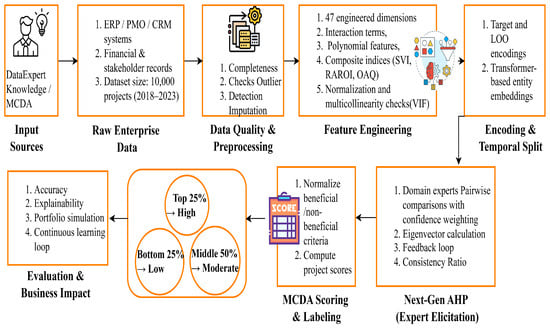
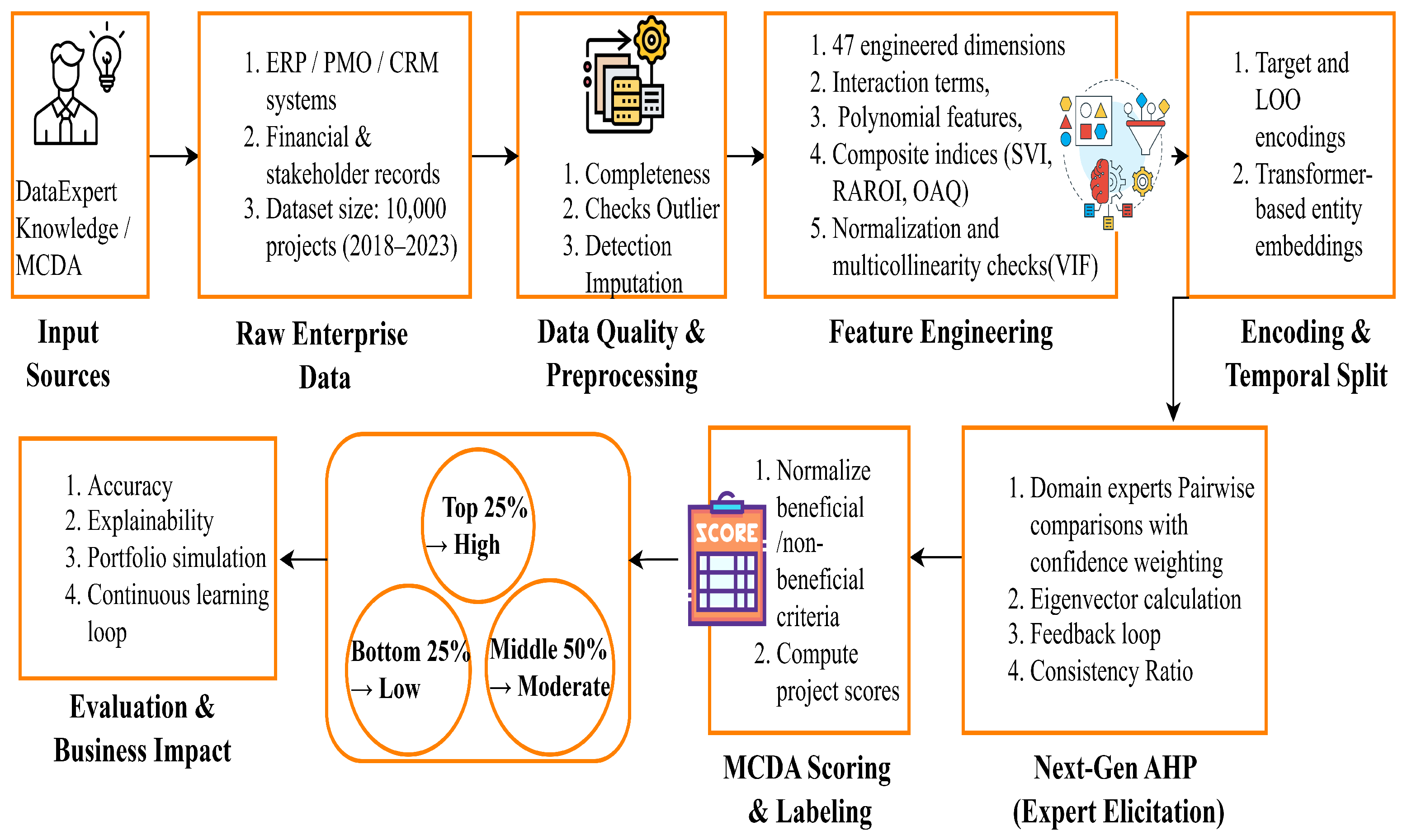
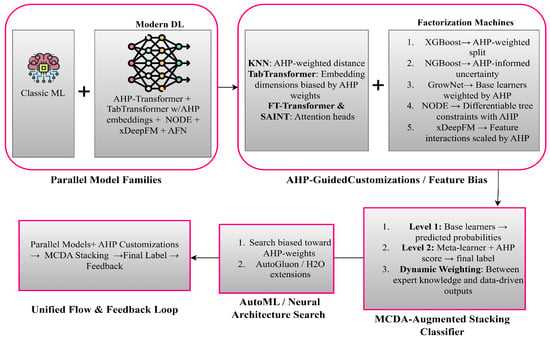
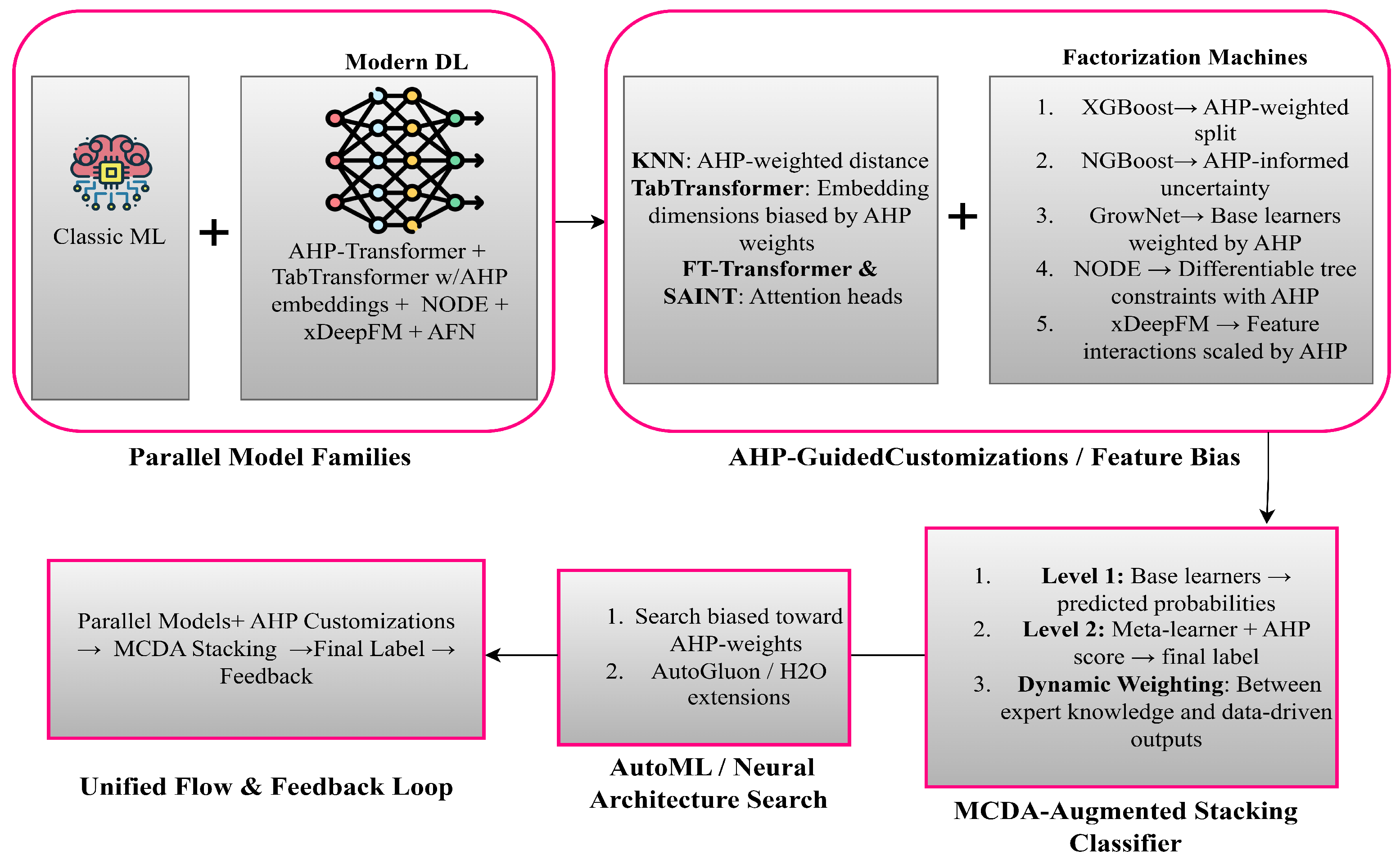
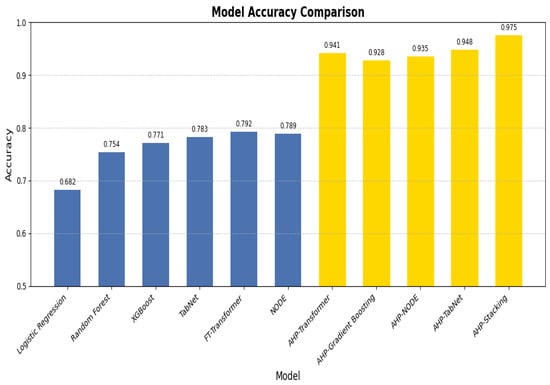
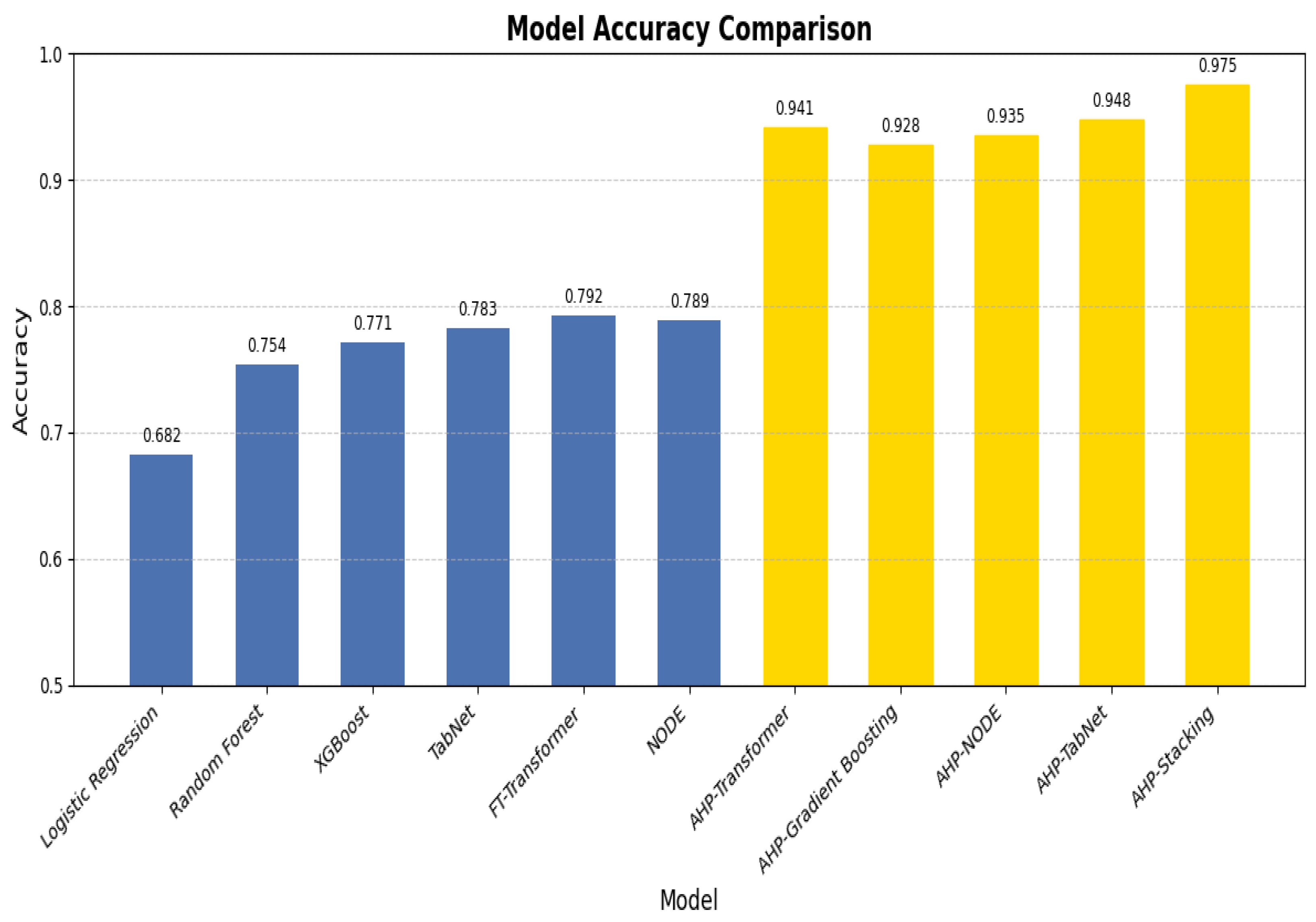
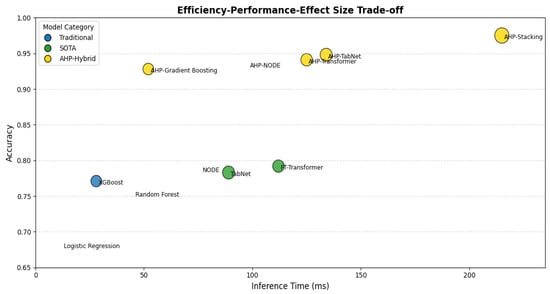
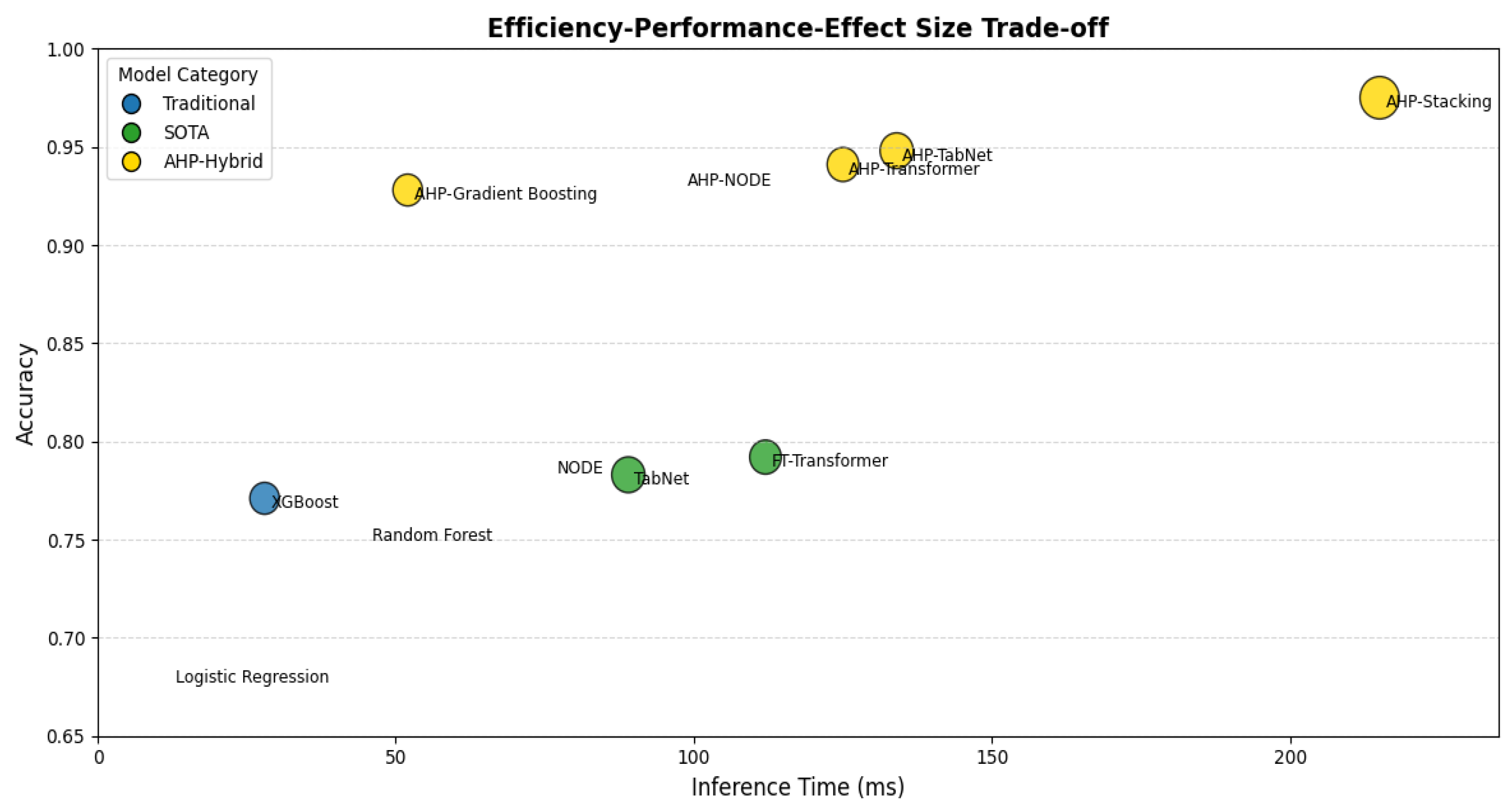
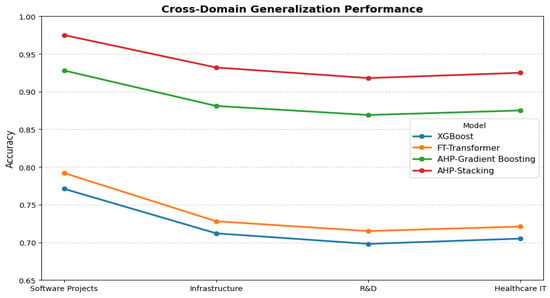
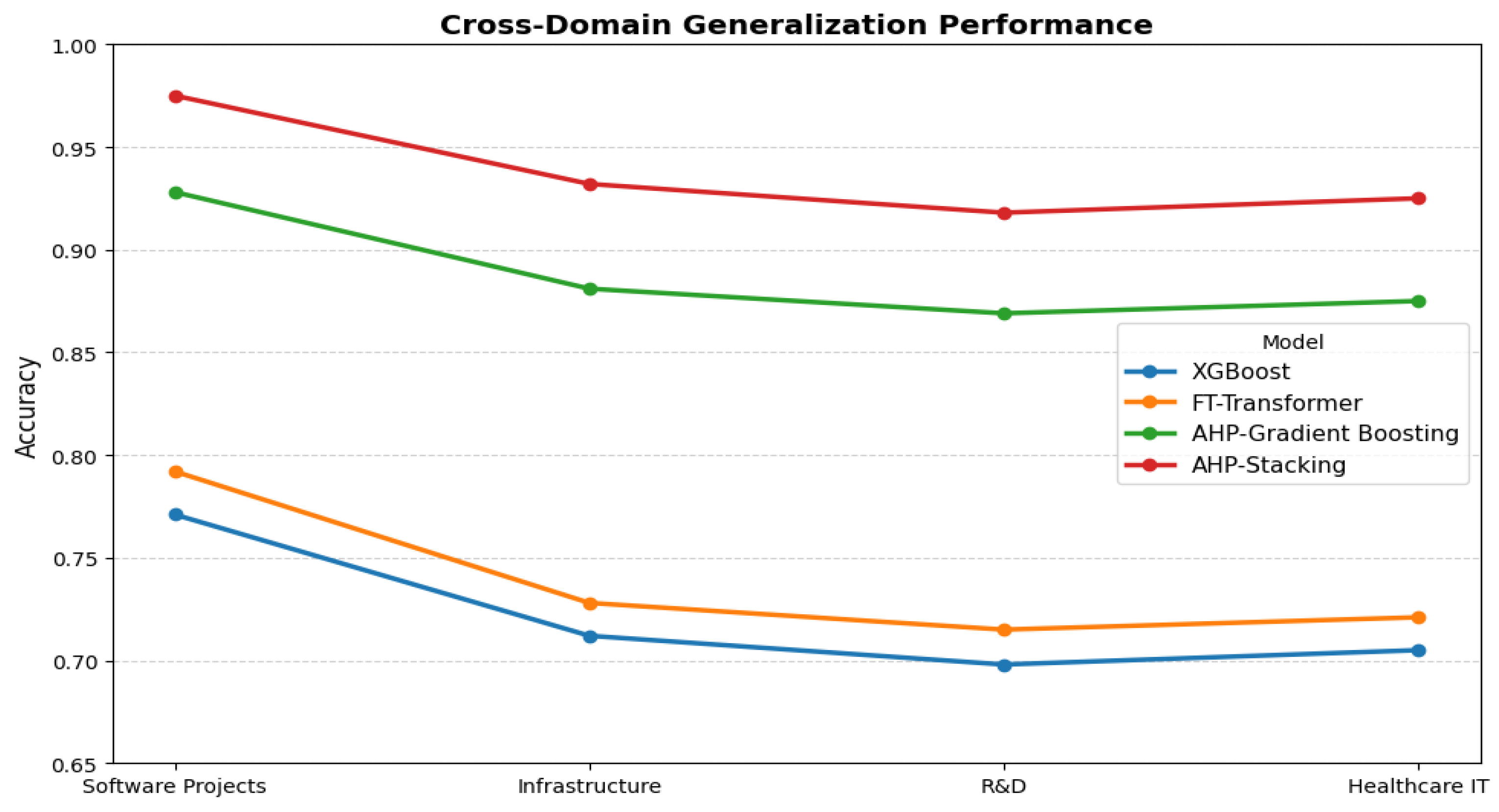
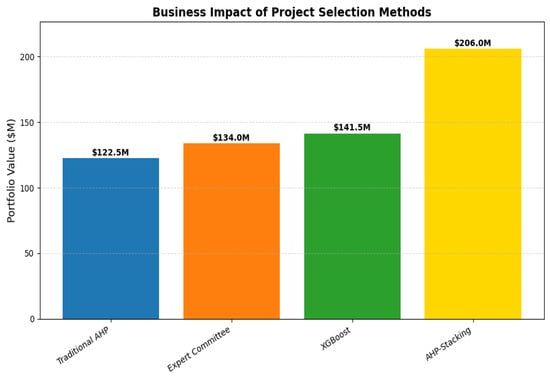
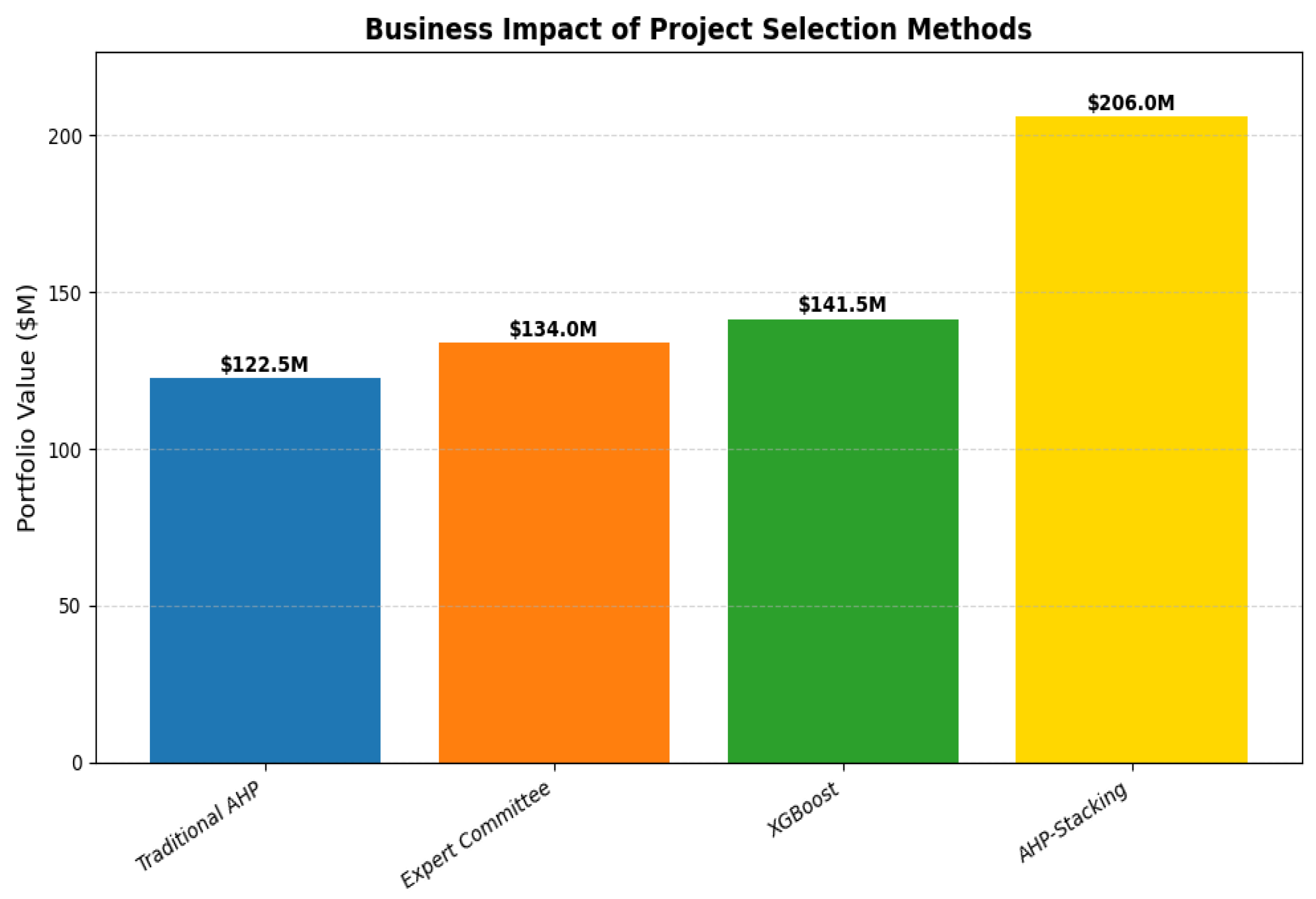
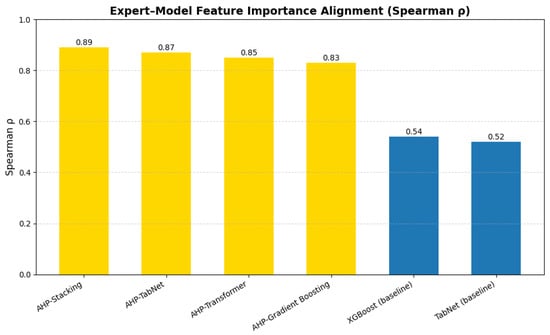
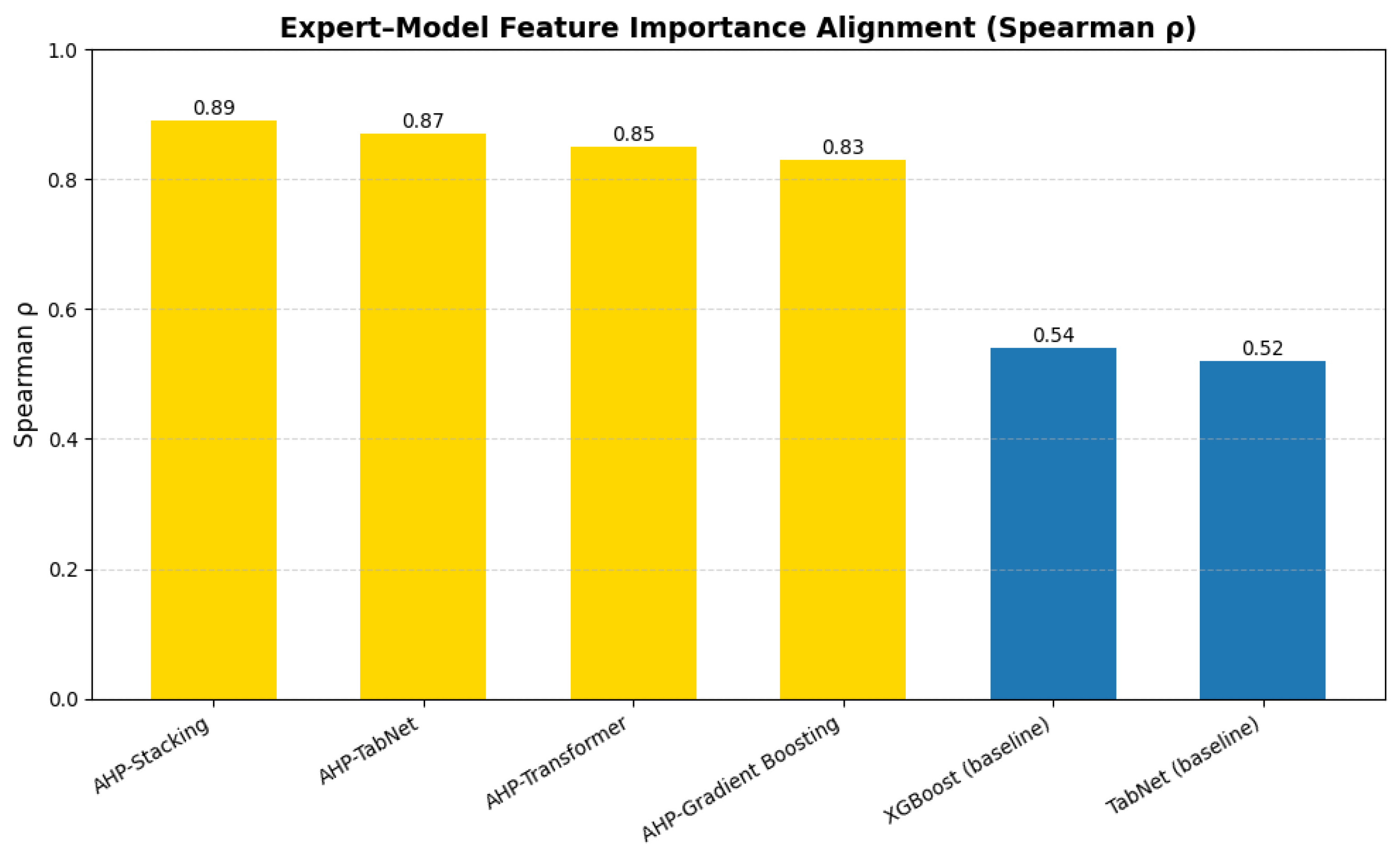

Disclaimer/Publisher’s Note: The statements, opinions and data contained in all publications are solely those of the individual author(s) and contributor(s) and not of MDPI and/or the editor(s). MDPI and/or the editor(s) disclaim responsibility for any injury to people or property resulting from any ideas, methods, instructions or products referred to in the content. |
© 2026 by the authors. Licensee MDPI, Basel, Switzerland. This article is an open access article distributed under the terms and conditions of the Creative Commons Attribution (CC BY) license.