


Abstract
The wine industry generates large quantities of grape pomace (GP), a lignocellulosic by-product rich in fibers, polyphenols, lipids, and minerals. Improper management and disposal of GP can lead to significant environmental impacts, whereas its valorization creates significant opportunities within a circular economy framework. This review examines the conversion of GP from an agro-industrial residue into functional materials for water and wastewater treatment. Recent advances in GP characterization, thermochemical conversion into biochars, development of hybrid silica- and biopolymer-based composites, and the use of polyphenol-rich extracts for green synthesis of nanomaterials are critically reviewed. GP-derived materials have exhibited high removal efficiencies for dyes, heavy metals, and emerging contaminants, while hybrid systems improve stability, selectivity, and catalytic performance. Despite promising laboratory-scale results, major challenges remain regarding regeneration efficiency, long-term stability, and scalability, which currently limit the competitiveness of GP-derived materials compared to commercial adsorbents. Furthermore, the lack of comprehensive life cycle assessment and techno-economic analysis hinders the validation of their environmental and economic viability, underscoring the need for integrated assessments to guide sustainable implementation. Overall, GP is positioned as a second-generation residue with strong potential for cascading valorization strategies that integrate high-value compound recovery with environmental applications, supporting the development of sustainable water purification technologies.
1. Introduction
In 2023, global grape production reached nearly 72 million tons, encompassing both table grapes and those destined for processing [1]. The grapes are predominantly used in the production of wine, sparkling wine, and juice. This industry generates substantial quantities of grape pomace (GP), comprising skins, seeds, and stems, which accounts for approximately 20–30% of the total grape mass processed [1]. For instance, considering that Brazil processed 1.8 million tons of grapes in 2024 [2], it generated between 360 and 540 thousand tons of GP that required some treatment and disposal [3]. Improper disposal may lead to soil and water contamination, posing significant health risks to both aquatic ecosystems and human populations [4].
In response to these environmental concerns, alternative uses of GP have been increasingly explored. These include the extraction of organic acids and polyphenols, as well the production of grape seed oil and other high-value ingredients with applications in the food, cosmetics, pharmaceutical, and chemical industries [5]. Furthermore, GP has been used for water purification. Studies have demonstrated the efficacy of GP as a biosorbent for the removal of contaminants like heavy metals and dyes from wastewater [6,7]. Beyond biosorption, the transformation of GP into functional nanomaterials offers a sustainable approach to water purification. These nanomaterials can be engineered to target specific contaminants, enhancing the efficiency of water treatment processes [8].
This article reviews the valorization of grape pomace as a sustainable feedstock for water and wastewater purification, covering its physicochemical characteristics, transformation routes from raw grape pomace to thermally processed materials (biochar and activated carbon), as well as hybrid and functionalized systems designed for enhanced adsorption and catalytic performance. Notably, key textural properties frequently associated with high removal efficiency—such as increased specific surface area—are not intrinsic to raw grape pomace but are induced by thermal or chemical processing. Accordingly, this review moves beyond a descriptive overview by providing a critical comparison of grape pomace valorization pathways, emphasizing the trade-offs between material performance, processing intensity, environmental sustainability, technological maturity, and scalability within circular economy frameworks, including considerations related to life cycle assessment.
While several reviews have addressed the valorization of grape pomace for various applications [1,5,8], the present work distinguishes itself by providing a critical, comparative analysis of the different valorization pathways specifically for water treatment. Unlike previous studies that often focus on isolated aspects, this review systematically integrates material preparation, structure–property relationships, and performance evaluation, while explicitly addressing the trade-offs between processing intensity, environmental impact, and technological maturity within a circular economy framework. Furthermore, it offers a comprehensive assessment of the current limitations and research needs, including regeneration, scalability, and life cycle considerations, thereby guiding future efforts toward sustainable implementation.
2. Characterization of Grape Pomace
The chemical composition of GP is highly variable and depends on the grape variety, winemaking process, and analytical methodology. Reported values for macronutrients (fiber, protein, and lipids), polyphenols, and minerals exhibit substantial variability across the literature, reflecting both biological diversity and differences in extraction or quantification protocols. Table 1 consolidates proximate composition data from multiple studies, including recent compilations [1,9,10,11,12,13,14]. This integrated overview highlights the nutritional richness of GP—particularly its high dietary fiber and polyphenolic content—and underscores the importance of considering compositional variability when designing valorization strategies.
Table 1.
Composition of grape pomace.
The main components of GP are fibers, polyphenolic compounds, colorants, and minerals [11,15]. Dietary fiber remains the predominant fraction, accounting for approximately 20–30% of the biomass, and includes cellulose, hemicellulose, and pectin. The high content of both insoluble and soluble fibers has been consistently reported across varieties [13,16] and their combination with polyphenols enhances nutritional value, making GP an attractive option for the food industry [1].
Phenolic compounds typically represent 5–10% of the dry mass, with stilbenes, flavonols, anthocyanins, and proanthocyanidins being among the most abundant bioactives. These molecules possess well-recognized antioxidant and anti-inflammatory properties [1,8]. Anthocyanins are responsible for the characteristic red–purple color of grape skins and contribute both to antioxidant potential and to applications as natural dyes [1].
The lipid fraction, mainly concentrated in the seeds, varies between 2% and 13% [20] and includes fatty acids, tocopherols, tocotrienols, and phytosterols [15,16]. Similarly, total carbohydrates typically represent 40–64% of the biomass and encompass both structural polysaccharides and residual sugars [13,16].
Regarding minerals, potassium and calcium are the most abundant, followed by magnesium and iron, with ranges depending on grape variety and winemaking process [11,15]. These minerals are recognized as health-promoting compounds and underscore the nutritional value of GP as a functional ingredient.
3. Applications of Grape Pomace
From a bioeconomy perspective, agro-industrial residues can be classified into different generations. First-generation residues are associated with edible biomass derived directly from food and feed crops and their by-products, rich in sugars, starch, or oils, and traditionally used for “conventional” biofuels and food ingredients. Second-generation residues mainly comprise non-edible lignocellulosic matrices, such as straws, bagasse, peels, husks, and forest residues, which form the primary feedstock base for advanced bioproducts and are widely recognized for their higher sustainability compared to food-based resources. Third-generation residues are linked to algal biomass and CO2-based processes, offering high productivities and independence from agricultural land, although these value chains remain at a more emerging technological stage [21,22,23,24,25,26,27,28].
In this context, grape pomace is a typical second-generation residue, consisting of skins, seeds, and stems generated during winemaking. GP is rich in fibers, polyphenols, and mineral fractions (Table 1), which underpin its potential as a lignocellulosic feedstock for high-value material development. Its composition aligns with the broader group of lignocellulosic agricultural wastes currently explored for second-generation biorefinery routes and functional materials [22,29,30,31,32,33]. Extending this generational framework to the materials derived from GP, its valorization pathways can be conceptually organized into three streams of increasing processing complexity, as illustrated in Figure 1. The figure classifies GP-based functional materials into first-, second-, and third-generation categories based on the required transformation steps—from direct use to thermal processing and advanced chemical synthesis.
Figure 1.
Classification of grape pomace valorization pathways into three generations of functional materials. Note: Figure enhanced via AI (Gemini 3 Pro, February 2026). Final content author-validated.
Figure 1 illustrates how grape pomace, as a second-generation lignocellulosic residue, can be converted into three main classes of functional materials through distinct valorization pathways of increasing processing complexity. Following this framework, this section systematically examines these material classes and their applications in water treatment. First, Section 3.1 focuses on GP-derived carbonaceous materials, detailing their preparation routes (Section 3.1.1), the relationships between their structure, properties, and adsorption mechanisms (Section 3.1.2), and the development of hybrid and functionalized systems for enhanced performance (Section 3.1.3). The effectiveness of these materials is then evaluated by contaminant class, with subsections dedicated to heavy metals (Section Heavy Metals’ Removal) and emerging pollutants (Section Emerging Pollutants’ Removal), followed by practical considerations for real-world implementation, including regeneration and sustainability trade-offs (Section 3.1.5). Subsequently, Section 3.2 explores polyphenol-derived functional materials, which leverage the bioactive compounds inherent to GP for applications beyond conventional adsorption. Finally, Section 3.3 provides a comparative and critical assessment of the various valorization pathways, integrating performance metrics with processing intensity, environmental implications, and technological readiness to guide material selection for specific applications.
3.1. GP-Derived Carbonaceous Materials for Aqueous Remediation
3.1.1. Material Classes and Preparation Routes
Grape pomace can be converted into carbonaceous adsorbents through various thermochemical routes, each yielding materials with distinct properties. The primary classes of GP-derived carbonaceous materials include biochars, activated carbons, and modified or functionalized carbons. These materials are produced via pyrolysis, chemical activation, physical activation, or combinations thereof, with processing conditions determining the final physicochemical characteristics.
Pyrolysis is the fundamental conversion route, involving the thermal decomposition of GP under an inert atmosphere (typically N2). Temperatures ranging from 300 to 900 °C produce biochars with varying degrees of carbonization, porosity development, and surface functionality. Slow pyrolysis (400–500 °C) tends to preserve oxygen-containing surface groups beneficial for metal complexation [6], while higher temperatures (700–900 °C) promote greater aromaticity and porosity [7]. The residence time and heating rate also influence the product properties.
Chemical activation involves impregnating GP with activating agents—such as H3PO4, KOH, or ZnCl2—prior to pyrolysis. This approach typically yields materials with significantly enhanced surface areas and pore volumes due to the combined effects of chemical etching and thermal decomposition [34,35]. The activating agent type, concentration, and impregnation ratio critically affect pore development and surface chemistry.
Physical (thermal) activation uses oxidizing gases (steam, CO2) at high temperatures (typically 800–1000 °C) to further develop porosity in pre-carbonized materials [36]. This method can produce activated carbons with well-developed microporosity without the use of chemical reagents, though it often requires higher energy input.
Microwave-assisted activation has emerged as an energy-efficient alternative, combining chemical impregnation with rapid microwave heating. Mechati et al. [37] demonstrated that grape stalk-derived carbons activated under microwave radiation (400 W, 3 min) achieved surface areas of 483 m2 g−1, with significantly shorter processing times compared to conventional heating.
The selection of preparation route depends on the intended application, balancing desired properties (surface area, pore structure, surface chemistry) against processing costs and environmental considerations. Figure 2 provides an integrated overview of the valorization workflow, from raw GP preparation through transformation to final application.
Figure 2.
Comprehensive schematic representation of the grape pomace valorization workflow, detailing the preparation stages, transformation into adsorbent, and application conditions for the removal of aqueous contaminants.
3.1.2. Structure–Property–Mechanism Relationships
The adsorption performance of GP-derived carbonaceous materials is intrinsically linked to their physicochemical structure, which in turn depends on the preparation route and conditions employed (Section 3.1.1). Understanding these structure–property–mechanism relationships is essential for rational material design and optimization for specific contaminant removal [1].
Three structural parameters primarily govern adsorption behavior: specific surface area, pore size distribution, and surface chemistry [38,39]. Specific surface area, typically measured by the BET method, directly influences the availability of adsorption sites. As shown in Table 2, surface areas of GP-derived materials range widely—from as low as 0.25 m2 g−1 for mildly pyrolyzed GP [40] to over 1200 m2 g−1 for chemically activated carbons [41]. However, high surface area alone does not guarantee superior performance; the accessibility of pores to target contaminants and the nature of surface interactions are equally critical [38,39].
Pore size distribution determines which contaminants can access the internal adsorption sites. According to IUPAC classification, pores are categorized as micropores (<2 nm), mesopores (2–50 nm), and macropores (>50 nm) [39]. Microporous materials are particularly effective for small molecules such as metal ions and small organic compounds, while mesopores facilitate diffusion and accommodate larger pollutants including dyes [39]. The combination of micro- and mesoporosity—observed in many activated carbons [37,42]—provides both high surface area and favorable kinetics. For instance, Portinho et al. [42] demonstrated that pyrolyzed grape stalks (650 °C) developed significant microporosity (1099 m2 g−1), enabling efficient caffeine removal.
Surface chemistry plays an equally decisive role through the presence and distribution of functional groups. Oxygen-containing groups—including carboxyl (-COOH), hydroxyl (-OH), carbonyl (C=O), and lactone—are introduced or modified during pyrolysis and activation processes [39]. These groups participate in multiple adsorption mechanisms simultaneously—ion exchange with metal cations, surface complexation of heavy metals, hydrogen bonding with polar organic pollutants, and pH-dependent electrostatic interactions [1,8,43]. Additionally, the carbonaceous backbone provides hydrophobic regions and delocalized π-electrons that enable π-π stacking interactions with aromatic compounds, which is particularly relevant for dye and pharmaceutical removal [4,8,43].
The interplay of these structural features gives rise to distinct adsorption mechanisms, which often concurrently [38]. Electrostatic interactions occur between charged adsorbent surfaces and ionic contaminants, with the surface charge of GP-derived carbons varying according to solution pH due to protonation/deprotonation of functional groups. At pH values above the point of zero charge (PZC), the surface becomes negatively charged, favoring cation adsorption; below the PZC, positive charge develops, enhancing anion uptake. This pH-dependent behavior explains the optimal removal efficiencies frequently observed at specific pH ranges in studies with GP-derived adsorbents [7].
Ion exchange involves the replacement of exchangeable cations—such as H+ from carboxyl groups—by metal ions in solution [38]. This mechanism is particularly relevant for heavy metal removal and is characterized by stoichiometric release of exchanged ions during the adsorption process. Surface complexation refers to the formation of inner- or outer-sphere complexes between metal ions and oxygen-containing functional groups [38]. This mechanism typically exhibits high binding strength and can demonstrate selectivity for specific metals depending on the coordination environment provided by the surface functional groups.
π-π interactions occur between the aromatic rings of the carbonaceous matrix and aromatic contaminants—including dyes, pharmaceuticals, and pesticides [4,8,44]. The electron-rich nature of graphitic domains facilitates stacking with electron-deficient aromatic systems, as demonstrated in studies with GP-derived materials for dye removal [8,45]. Hydrophobic interactions drive adsorption of non-polar organic compounds onto hydrophobic carbon surfaces, which is particularly relevant for emerging pollutants with limited water solubility. Pore filling becomes significant when contaminant molecular dimensions closely match pore sizes, allowing confinement within micropores [39].
Kinetic and equilibrium studies provide further insight into these mechanisms. GP-derived adsorbents frequently follow pseudo-second-order kinetic models [6,7,37], indicating chemisorption as the rate-controlling step—consistent with the importance of surface functional groups and specific chemical interactions. Equilibrium data often fit Langmuir (monolayer adsorption on homogeneous sites) or Freundlich (heterogeneous surfaces with multilayer adsorption) models, reflecting the distribution and nature of adsorption sites [1,6,38]. Table 2 summarizes representative examples of GP-derived carbon adsorbents, illustrating how variations in precursor, activation method, and resulting properties translate into pollutant removal performance across different contaminant classes. The specific applications for heavy metals and emerging pollutants are examined in detail in Sections Heavy Metals’ Removal and Emerging Pollutants’ Removal, respectively.
Table 2.
Summary of grape pomace-derived carbon adsorbents for pollutant removal.
3.1.3. Hybrid and Functionalized Systems
While pristine biochars and activated carbons derived from GP offer effective adsorption capacity, hybrid systems integrating GP-derived carbon with inorganic or polymeric phases can significantly enhance selectivity, stability, and introduce additional functionalities [43,45]. These composite materials combine the high surface area and aromatic character of carbonaceous GP with the tailored properties of silica, metal oxides, or biopolymers, resulting in synergistic performance that exceeds the sum of individual components [45,51].
Silica–carbon hybrids represent a well-explored class of GP-based composite materials. Benvenuti et al. [43] developed a hybrid silica material incorporating grape stalk through a sol–gel route, achieving a surface area of approximately 450 m2 g−1 and 92% removal efficiency for the cationic dye Basic Blue 41, with a maximum adsorption capacity of 205.3 mg g−1. The silica matrix provided enhanced thermal and mechanical stability, effectively overcoming common limitations of raw biomass, such as mass loss after regeneration and low structural resistance [43]. Kinetic experiments followed pseudo-second-order models, indicating chemisorption, while equilibrium data fitted the Freundlich model, reflecting heterogeneous adsorption sites. In a subsequent study, Benvenuti et al. [45] embedded finely milled GP residues in sol–gel silica, achieving 92% Crystal Violet removal under optimized conditions—outperforming both raw GP biochar and pure silica. The improvement was attributed to combined effects: electrostatic attraction between the cationic dye and negatively charged silica surfaces, and π-π stacking interactions with aromatic moieties from GP-derived carbon [45].
Ternary composites incorporating biopolymers further expand the functionality of GP-based materials. Chitosan–silica–GP systems couple the amine groups of chitosan—which provide strong affinity for anionic species and some cationic dyes—with the structural stability of silica and the aromatic-rich GP phase [51,52]. As illustrated in Figure 3, these materials achieve multimodal adsorption through three simultaneous mechanisms: (i) electrostatic attraction promoted by the silica surface, (ii) chemical complexation enabled by chitosan amine groups, and (iii) hydrophobic and π-π interactions contributed by GP-derived carbon [51,52].
Figure 3.
Ternary composite representation and adsorption mechanisms: (A) Structural scheme of silica functionalization with grape biochar and chitosan; (B) Three-dimensional illustration of the solid–liquid interface demonstrating the multimodal removal of Crystal Violet (CV) dye through electrostatic attractions, π–π interactions involving phenyl rings, and chemical complexation. Note: Figure enhanced via AI (Gemini 3 Pro, February 2026). Final content author-validated.
Rajendiran et al. [52] demonstrated that such ternary configurations achieve adsorption capacities significantly higher than the sum of their individual components, confirming the synergistic effects arising from the complementary functionalities of each constituent.
Catalytically active hybrid systems extend the application scope beyond adsorption toward contaminant degradation. GP-derived silica–carbon composites functionalized with transition metals—particularly iron (Fe) and copper (Cu)—can activate hydrogen peroxide (H2O2) or persulfate (S2O82−) to generate highly reactive radicals (•OH or •SO4−) capable of mineralizing recalcitrant organic pollutants [53,54,55]. As shown in Figure 4, these systems bridge adsorption and advanced oxidation processes (AOPs), exploiting GP’s renewable origin while adding catalytic sites for contaminant breakdown.
Figure 4.
Schematic representation of GP-derived silica-carbon composites as heterogeneous catalysts for Advanced Oxidation Processes. The numbered sequence illustrates: ➀ transport of oxidants (H2O2 in blue, S2O82− in yellow) through the porous support to Fe/Cu metal sites (red/orange spheres); ➁ activation at metal sites; ➂ generation of hydroxyl (•OH, red) and sulfate (•SO4−, orange) radicals; ➃ radical attack on emerging contaminant molecules (pharmaceuticals, dyes, represented as green aromatic structures); and ➄ complete mineralization to CO2 and H2O. Note: Figure enhanced via AI (Gemini 3 Pro, February 2026). Final content author-validated.
The metal sites immobilized on the composite surface facilitate electron transfer reactions that decompose oxidants into radicals, which then attack pollutant molecules non-selectively, converting them to CO2, H2O, and inorganic ions [53]. This dual functionality—simultaneous adsorption and degradation—is particularly advantageous for treating complex wastewater matrices where contaminants may be present at varying concentrations and in mixtures [54].
Despite their enhanced performance, critical considerations for hybrid systems must be acknowledged. While hybrid and functionalized materials demonstrate clear advantages in stability, selectivity, and catalytic activity, these improvements are frequently achieved through synthesis routes with increased processing intensity [43,45]. Sol–gel methods, chemical activation, metal immobilization, and the use of organic solvents or acid/base catalysts add complexity and environmental burden, partially offsetting the sustainability benefits associated with using GP as a bio-based precursor [8]. This trade-off between functional performance and environmental impact becomes particularly relevant when considering scalability and real-world implementation. Moreover, while many studies report superior adsorption efficiencies in single-solute or model systems, the practical benefits of hybridization should be critically validated under realistic wastewater conditions involving complex matrices and competing contaminants [8,54]. Future development should prioritize greener functionalization strategies—such as solvent-free sol–gel approaches, bio-based crosslinkers, or in situ mineralization with benign precursors—to reconcile enhanced functionality with the sustainability goals of circular economy-oriented GP valorization [8].
3.1.4. Performance by Contaminant Class
Heavy Metals’ Removal
GP-derived adsorbents have been extensively studied for removing toxic metals from aqueous matrices due to their high surface reactivity and abundance of oxygen-containing functional groups [7,34,35,36,46,47,48]. Significant attention has been directed toward divalent and hexavalent species such as Pb2+, Cu2+, and Cr6+, which pose severe risks to human health and ecosystems.
Silva et al. [7] demonstrated that thermochemically modified GP (pyrolysis at 700–900 °C) exhibited adsorption capacities exceeding 40 mg g−1 for Cu2+, surpassing several commercial activated carbons tested under similar conditions. The authors attributed this enhanced performance to carboxyl and hydroxyl groups introduced during pyrolysis, which facilitated ion exchange and surface complexation. The adsorption process was spontaneous and endothermic, reaching equilibrium within 60 min and following pseudo-second-order kinetics, consistent with chemisorption as the dominant mechanism.
Jin et al. [34] investigated Pb2+ removal using GP biochars produced under different conditions. Pyrolysis at 500 °C yielded a material with 3.35 m2 g−1 surface area and 71.7% Pb2+ removal, while alkali pretreatment followed by pyrolysis at 700 °C increased surface area to 485 m2 g−1 but resulted in slightly lower removal (66.5%). This counterintuitive finding underscores that surface chemistry—particularly the availability of oxygen functional groups—can be more critical than surface area alone for metal adsorption [34].
Comparative studies of GP with other agricultural residues highlight its competitive performance. Melia et al. [46] found that raw, milled GP (1.6 m2 g−1) achieved 92–98% Cd2+ removal, outperforming wheat, barley, and flax residues under identical conditions. The authors attributed this efficiency to the native polyphenolic content of GP, which provides multiple binding sites for metal complexation [46]. Similarly, Ungureanu et al. [47] reported 80–100% Pb2+ removal using grape marc, while Li et al. [48] demonstrated 88–94% removal for both Cd2+ and Pb2+ using grape vine shoot biochars pyrolyzed at 300–600 °C. Optimal performance was observed at 600 °C, correlating with increased surface area (155 m2 g−1) and enhanced aromaticity [48].
The influence of the activation method on metal removal is evident from comparative studies. Sardella et al. [36] showed that steam-activated GP and grape stalks (500 °C pyrolysis, 120 min) achieved 99% removal for both Cd2+ and Pb2+, with surface areas of 266 and 300 m2 g−1, respectively. Gimenez et al. [35] further demonstrated that physical activation (500 °C, steam) of grape stalks yielded 90% Pb2+ removal, while chemical activation with H3PO4 produced higher surface area (968 m2 g−1) but lower removal efficiency (60–65%). This contrast illustrates the importance of preserving favorable surface chemistry—particularly oxygen-containing groups—during activation, rather than maximizing surface area at the expense of functionality [35].
For oxyanionic species such as Cr6+, surface functionalization strategies have proven effective. Antonić et al. [11] evaluated raw and modified GP adsorbents for Cr6+ uptake, demonstrating that introduction of sulfonic groups (–SO3H) significantly improved selectivity toward chromate anions. However, the study also emphasized a trade-off: chemical modification enhanced specific interactions but reduced total surface area, limiting maximum adsorption capacity—a consideration relevant for process optimization [11].
The sequestration of heavy metals by GP-derived materials occurs through multiple mechanisms that often operate simultaneously, as illustrated in Figure 5.
Figure 5.
Schematic representation of grape pomace valorization and heavy metal removal mechanisms. (Top) Valorization workflow from raw GP to functionalized adsorbent. (Middle) Four key sequestration mechanisms: ion exchange, surface complexation, electrostatic attraction, and precipitation. (Bottom) Comparison between simplified synthetic solutions and complex real wastewater matrices, highlighting the analytical challenges for practical applications. Note: Figure enhanced via AI (Gemini 3 Pro, February 2026). Final content author-validated.
At circumneutral pH, electrostatic attraction between cationic metals and negatively charged surfaces predominates, while ion exchange contributes through the displacement of protons from carboxyl and hydroxyl groups. Surface complexation—particularly inner-sphere complexation with oxygen functional groups—provides stronger binding and greater selectivity [7,34]. At elevated pH, precipitation of metal hydroxides on the adsorbent surface can further contribute to removal, though this mechanism is highly dependent on solution chemistry [1].
Despite these promising results, most studies have been conducted using single-metal synthetic solutions, which do not capture the complexity of real wastewater matrices [8]. In multi-metal systems or industrial effluents, competitive adsorption and synergistic effects can significantly alter removal efficiency—an aspect that remains underexplored in the GP literature. These practical considerations, along with regeneration performance and long-term stability, are discussed in Section 3.1.5.
Overall, Figure 5 summarizes the central concept of GP valorization explored in this review, highlighting the progression from waste management to the development of multifunctional materials aligned with circular economy and sustainable water treatment strategies. In water and wastewater treatment, besides metals, there is another line of pollutants that deserves attention. Due to the properties of biosorbents, they have been investigated for removal of emerging pollutants.
Emerging Pollutants’ Removal
Emerging pollutants (EPs)—including pharmaceuticals, personal care products, pesticides, and industrial chemicals—have become a global concern due to their persistence, bioaccumulation potential, and risks to human health and aquatic organisms, even at trace concentrations [56]. Conventional wastewater treatment technologies are often inefficient at removing these contaminants, driving interest in alternative approaches such as adsorption onto functional materials [57]. In this context, GP-derived carbonaceous adsorbents have demonstrated significant potential for EP removal, as summarized in Table 2 [8,40,41,42,49,50].
Pharmaceuticals are among the most extensively studied classes of emerging pollutants using GP-based materials. Onat et al. [41] produced high-surface-area activated carbon (1290.5 m2 g−1) from grape marc-vinasse mixtures via thermal activation at 800 °C, achieving 55% tetracycline and 60% ciprofloxacin removal. The authors attributed the adsorption to π-π interactions between the aromatic rings of the pharmaceuticals and the graphitic domains of the carbonaceous matrix, complemented by hydrogen bonding with surface oxygen groups [41].
Sağlam et al. [50] investigated waste grape marc pyrolyzed at 300, 500, and 700 °C for tetracycline removal. Interestingly, the material pyrolyzed at 300 °C—despite its low surface area (4.25 m2 g−1)—achieved the highest removal efficiency (92–96%), while higher pyrolysis temperatures (500–700 °C) resulted in lower removal (48–88%) despite increased surface area (44.23 m2 g−1). This counterintuitive finding demonstrates that surface chemistry can outweigh surface area for pharmaceutical adsorption: the lower-temperature biochar retained oxygen-containing functional groups that participate in specific interactions with tetracycline molecules, whereas higher temperatures led to functional group loss despite porosity development [50].
Pesticides have also been targeted using GP-derived adsorbents. Yoon et al. [44] evaluated GP biochar produced at a mild pyrolysis temperature (150 °C) for the removal of the fungicide cymoxanil, while Benkhemkhem et al. [49] reported 99% removal of 2-mercaptobenzothiazole using H3PO4-activated GP carbon pyrolyzed at 650 °C. The high efficiency was attributed to the developed porous structure and sulfur-containing groups on the activated carbon surface, which provided affinity for the target molecule [49].
Caffeine—a widely detected stimulant in aquatic environments—was investigated by Portinho et al. [42] using grape stalk-derived adsorbents. The study compared H3PO4 treatment alone with pyrolysis at 650 °C, finding that pyrolysis dramatically increased the surface area (from 4.21 to 1099.86 m2 g−1) and improved removal efficiency from 85.1% to 96.4%. The combination of microporosity and oxygen functional groups enabled effective caffeine adsorption through pore filling and hydrogen bonding mechanisms [42].
Dyes continue to be extensively studied with GP-derived materials, serving as model compounds for understanding adsorption behavior. Colodel et al. [6] demonstrated 87% methylene blue removal using slow-pyrolysis biochar (400–500 °C, 150–200 m2 g−1), with adsorption following pseudo-second-order kinetics and Langmuir isotherm models. Mechati et al. [37] achieved 92% removal (175.4 mg g−1 capacity) for methylene blue using microwave-activated grape stalk carbon (483 m2 g−1), highlighting the potential of energy-efficient activation methods. Baroi et al. [8] reported 79% Rhodamine B removal using a GP–clay composite biochar (250 m2 g−1), demonstrating the versatility of hybrid approaches for dye remediation.
The relationship between pyrolysis temperature and EP removal efficiency is not monotonic and appears to be contaminant-dependent. While some studies report enhanced removal at higher temperatures due to increased surface area and porosity [41,42], others demonstrate that lower temperatures preserve surface functional groups that are critical for specific interactions with polar or ionizable pharmaceuticals [50]. This complexity underscores the need for tailored material design based on target contaminant chemistry rather than one-size-fits-all processing conditions [8].
Despite these promising laboratory results, several limitations must be acknowledged. Most studies employ synthetic single-solute systems under idealized conditions, which do not capture the complexity of real wastewater matrices, where competing organic species, inorganic ions, and variable pH can significantly reduce adsorption efficiency [8,57]. The impact of matrix effects on EP removal by GP-derived materials remains underexplored, representing a critical gap for practical implementation. Furthermore, while adsorption effectively transfers contaminants from the liquid to the solid phase, it does not destroy them, raising questions about spent adsorbent disposal and the potential for secondary pollution [57]. These practical considerations, along with strategies for adsorbent regeneration and integration with degradation processes, are discussed in Section 3.1.5.
3.1.5. Practical Considerations: Real Wastewater, Regeneration, and Sustainability Trade-Offs
While the preceding sections demonstrate the considerable potential of GP-derived materials for contaminant removal under laboratory conditions, practical implementation requires a critical evaluation of their performance in real wastewater matrices, their regenerability and long-term stability, and the sustainability trade-offs inherent to different valorization pathways.
The vast majority of studies on GP-based adsorbents have used synthetic solutions with single contaminants under controlled conditions [6,7,36,37,38,39,40,41,42,43,44,45,46,47,48]. While essential for establishing fundamental adsorption mechanisms and maximum capacities, such simplified systems do not capture the complexity of real wastewater matrices, where multiple contaminants coexist alongside dissolved organic matter, inorganic ions, and variable pH [8,57]. Only a limited number of investigations have evaluated GP-derived materials in real or complex wastewater matrices. Nayak et al. [58] compared grape pomace activated carbon (GPAC) and exhausted grape pomace (EGP) for the treatment of real wine wastewaters, revealing superior performance for GPAC (84.3% removal) compared to EGP (48.5% removal) under identical conditions, demonstrating that GP-derived carbons can maintain their effectiveness even in the presence of other constituents typically found in winery effluents [58]. Mkilima et al. [59] explored bio-functionalized GP adsorbents integrated with UV-LED disinfection in municipal wastewater treatment plants, achieving high efficacy for lead (95.2%), fluoride (94.4%), and nitrate (94.8%) removal, suggesting that GP materials can be effectively incorporated into existing treatment infrastructure [60]. Zhang and Huang [60] investigated Zr4+-loaded GP for fluoride removal from real groundwater, systematically assessing the influence of common interfering ions (Cl−, NO3−, SO42−, CO32−); even in the presence of competing ions—where traditional adsorbents typically fail—the modified GP biosorbent maintained >90% fluoride removal efficiency, highlighting the potential of surface functionalization to enhance selectivity in complex matrices [60]. These studies, while limited in number, provide encouraging evidence that GP-derived materials can perform effectively under realistic conditions, although systematic investigations across diverse wastewater types remain scarce and represent a critical priority for future research [8,57].
The regeneration capacity of adsorbents is fundamental to their economic and environmental viability, as it enables multiple use cycles, reduces waste generation, and minimizes the need for continuous production of fresh material [61,62]. The regeneration process reverses the adsorption equilibrium, transitioning from adsorption to desorption through appropriate elution methods [61]. Various regeneration strategies have been proposed for carbonaceous adsorbents, including chemical (acid, base, or solvent washing), biological, thermal, advanced oxidative, ultrasound-assisted, and electrochemical methods [63], each presenting trade-offs between desorption efficiency, material integrity, operational complexity, and cost [61,62]. For GP-derived materials, regeneration studies remain limited. Silva et al. [7] investigated desorption of Cu2+-loaded grape bagasse chars using mineral acids, reporting low recovery rates (45–57%)—significantly lower than the initial adsorption efficiency. This limitation reflects the strong chemisorption mechanisms (ion exchange and surface complexation) that confer high removal capacity but inherently complicate desorption [7]. In comparison, commercial activated carbons—typically derived from non-renewable precursors such as coal or coconut shells—often exhibit higher regeneration efficiencies (frequently exceeding 90% over multiple cycles) and greater structural stability under repeated use [7]. However, these materials come with higher production costs and environmental footprints associated with their extraction and processing. For GP-derived adsorbents to become competitive, future research must focus on tailoring surface chemistry to facilitate desorption without compromising structural integrity and on optimizing regeneration protocols that balance efficiency with material preservation. Such improvements are essential to close the performance gap with commercial alternatives and enable sustainable, cost-effective applications. Similar challenges have been reported for other GP-based adsorbents, where the very functional groups that enable efficient uptake also bind contaminants too strongly for facile regeneration [64,65]. Gkika et al. [62] emphasize that the adsorption–desorption–regeneration pathway is essential for circular economy integration of waste-derived adsorbents, yet many studies report only initial adsorption performance without assessing stability and durability over multiple cycles [46]. For GP materials specifically, multi-cycle adsorption–desorption experiments remain exceptionally rare, representing a critical knowledge gap [7]. The choice of desorption agent must balance effectiveness against material preservation: aggressive chemical agents (strong acids, organic solvents) may achieve high desorption rates but can degrade the adsorbent structure, reducing capacity in subsequent cycles [61], while thermal regeneration can restore porosity but is energy-intensive and may alter surface chemistry [65]. Developing regeneration protocols tailored to GP-derived materials—preserving both structure and functionality—is essential for practical feasibility [62].
A recurring theme throughout this review is that improvements in material performance are frequently accompanied by increased processing intensity and environmental burden—a critical trade-off when selecting valorization routes for specific applications [8]. Raw GP biosorbents require minimal processing (drying, grinding) and thus have low embedded energy and chemical inputs, but their adsorption capacity is intrinsically limited by the native biomass structure, and they may suffer from poor mechanical stability, leaching of organic matter, and difficulty in regeneration [35,66]. Thermally processed materials (biochars, activated carbons) achieve substantially enhanced porosity and surface area through pyrolysis and/or activation, but these performance gains come at the cost of energy consumption (typical pyrolysis temperatures: 400–900 °C) and, in the case of chemical activation, reagent use (H3PO4, KOH, ZnCl2) and associated environmental impacts [34,35,36]. Life cycle assessment principles suggest that these inputs must be weighed against the improved adsorption capacity and potential for multiple use cycles [67,68]. Hybrid and functionalized systems offer the highest levels of selectivity, stability, and catalytic functionality but entail even greater processing complexity—sol–gel synthesis, metal immobilization, organic solvents, acid/base catalysts—which may partially offset the sustainability advantages of using GP as a bio-based precursor [43,45,53]. From a circular economy perspective, the environmental burden of synthesis must be justified by significant performance enhancements, extended material lifetime, or the ability to target contaminants that cannot be removed by simpler materials [8,54].
Addressing these practical considerations requires focused research efforts in several directions. First, systematic evaluation in real wastewater matrices should move beyond single-solute synthetic systems to assess performance in complex effluents, with attention to matrix effects, competitive adsorption, and long-term stability under realistic operating conditions [8,57]. Second, standardized regeneration protocols should be developed, with multi-cycle adsorption–desorption experiments becoming routine and systematic optimization of desorption conditions to balance efficiency against material preservation [7,62]. Third, integrated treatment configurations combining adsorption with advanced oxidation processes (AOPs) in hybrid systems offer potential for simultaneous contaminant removal and degradation, addressing the limitation that adsorption merely transfers pollutants rather than destroying them [53,57]. Fourth, greener functionalization strategies—including solvent-free synthesis routes, bio-based crosslinkers, and in situ mineralization methods—can reconcile enhanced functionality with sustainability goals [8]. Finally, rigorous techno-economic and life cycle assessments are essential to compare GP valorization routes with conventional adsorbents and waste management practices, providing the quantitative basis for informed decision-making [67,68,69]. These priorities, if systematically addressed, will enable the transition of GP-derived materials from promising laboratory-scale concepts to practically viable components of sustainable water treatment systems.
3.2. Polyphenol-Derived Functional Materials
GP is exceptionally rich in polyphenolic compounds—catechins, quercetin, anthocyanins, and gallic acid (see Table 1 for compositional ranges). These compounds have been explored not only for food and cosmetic applications but also for the development of functional materials relevant to water treatment, as discussed below. Beyond their recognized antioxidant, antimicrobial, and UV-protective properties, valorizing these bioactives from GP offers a strategic alternative to conventional sources, aligning material development with bioeconomy and circularity principles. Selective extraction methods—ranging from traditional solvent-based approaches to greener assisted techniques such as ultrasound and pressurized hot water—enable the incorporation of polyphenols into functional polymeric, hybrid, or nanostructured systems.
Quercetin-rich extracts obtained from GP have been incorporated into biodegradable films to create antimicrobial packaging materials. These films inhibit microbial growth by releasing phenolics in a controlled manner and can simultaneously delay oxidation processes in packaged food, thus extending shelf life [70]. The antioxidant and antimicrobial activities derive from the polyphenols’ ability to scavenge free radicals and disrupt microbial cell membranes.
Another relevant application involves UV-protective coatings. Anthocyanin-rich fractions from GP have been used to functionalize cellulose-based or biopolymer films, creating materials capable of filtering harmful UV radiation while remaining transparent in the visible range. Such coatings have potential not only in food packaging but also in personal care products such as sunscreens and protective textiles [1].
Polyphenols from GP can also serve as natural reducing and stabilizing agents in the green synthesis of metal nanoparticles, such as AgNPs and AuNPs. In these reactions, the hydroxyl and carbonyl groups of the phenolic compounds reduce metal ions to their metallic state while simultaneously capping the nanoparticle surface to prevent aggregation. The resulting nanomaterials exhibit significant antimicrobial activity against E. coli and S. aureus and catalytic properties for dye degradation in water [71,72] highlighting their potential for water remediation. Importantly, the exhausted GP biomass remaining after nanoparticle synthesis can be repurposed as an adsorbent for pollutants, exemplifying a dual-life valorization strategy [70].
As presented in Table 3, several studies have explored the valorization of GP polyphenols in the fabrication of functional materials with antioxidant, antimicrobial, UV-protective, or biomedical properties. Additionally, Table 3 summarizes representative examples, highlighting extraction methods, resulting material types, and performance metrics.
Table 3.
Representative examples of polyphenol-derived materials from grape pomace.
From a critical perspective, while these advances highlight the versatility of GP-derived polyphenols, several issues remain to be addressed before large-scale application. First, extraction methods still frequently rely on ethanol or acetone; although these solvents are relatively benign, their recovery and reuse are crucial for sustainable process design. Greener alternatives such as pressurized water, microwave-assisted extraction, or solvent-free extraction are promising but require optimization for industrial scale-up. Second, the phenolic composition of GP is highly variable depending on grape cultivar, winemaking process, and storage conditions, which directly affects reproducibility in material performance. Third, while antimicrobial and antioxidant functions are well established in simplified systems, validation in real food matrices or complex wastewater environments is still limited, particularly for water treatment applications. Finally, dual-life strategies—such as using GP extracts for nanoparticle synthesis and subsequently reusing the exhausted biomass as an adsorbent—represent promising cascades of valorization, but they require robust techno-economic and life cycle assessments to confirm their environmental benefits.
3.3. Comparative and Critical Assessment of Grape Pomace Valorization Pathways
To provide an integrated perspective on the diverse GP valorization strategies discussed in the previous sections, a comparative qualitative assessment was performed, focusing on key parameters related to material performance, processing requirements, environmental implications, and technological maturity. Technological maturity was evaluated using the Technology Readiness Level (TRL) framework, which classifies technologies according to their stage of development, ranging from early laboratory validation (TRL 1–3) to pilot-scale demonstration and industrial implementation (TRL 7–9) [74,75].
As summarized in Table 4, grape pomace valorization pathways exhibit pronounced differences in terms of performance enhancement, processing intensity, and practical applicability. Raw grape pomace-based materials are associated with minimal processing requirements and low environmental burden, but their functional performance remains intrinsically limited by the native biomass structure. In contrast, thermally processed materials, such as biochar and activated carbon, achieve substantially improved adsorption capacity through processing-induced porosity, albeit at the expense of higher energy demand. Hybrid and functionalized systems generally provide the highest levels of selectivity and stability; however, they also entail increased synthetic complexity, reagent consumption, and potential environmental impacts. This comparative overview highlights that improvements in material performance are frequently accompanied by increased processing intensity and environmental burden, underscoring the importance of balanced decision-making when selecting grape pomace valorization routes. Consequently, Table 4 serves as a decision-support framework that contextualizes literature-reported performances within broader sustainability and scalability considerations, thereby bridging material development with application-oriented and life cycle-based assessments.
Table 4.
Comparative qualitative assessment of grape pomace valorization pathways for environmental applications.
Taken together, these comparisons indicate that no single grape pomace valorization route can be considered universally optimal. Instead, the selection of an appropriate strategy depends on the intended application and requires a balanced consideration of performance gains, processing intensity, environmental implications, and technological readiness. This integrated perspective provides the basis for the life cycle and sustainability considerations discussed in the following section.
4. Sustainability and Life Cycle Assessment of Grape Pomace Valorization
The sustainable management of GP is a relevant topic within the framework of the circular economy and Life Cycle Assessment (LCA). Table 5 summarizes various strategies for the valorization of grape pomace, emphasizing their alignment with circular economy principles. Each approach contributes to sustainability by reducing waste and generating added value, either through the production of biofertilizers, bioactive compounds, functional ingredients, or nanomaterials.
Table 5.
Sustainability Benefits of Grape Pomace Valorization.
The applications summarized in Table 5 are discussed in greater detail below, highlighting their sustainability aspects. The use of GP as a raw material for vermicomposting enables its transformation into a nutrient-rich organic fertilizer. Perra et al. [5] demonstrated that even exhausted GP—following polyphenol extraction—can still be efficiently composted. This process not only improves soil structure and fertility but also reduces the need for synthetic fertilizers and the associated greenhouse gas emissions. Economically, it helps wineries reduce waste disposal costs and potentially produce valuable inputs for in-house agricultural use or external sales.
GP is a well-documented source of polyphenols with antioxidant, antimicrobial, and cardioprotective properties. Lopes et al. [33] and Bochoidze et al. [80] highlighted the potential of GP from the Vinhão grape variety for the development of functional food and cosmetic ingredients. This upcycling approach transforms waste into high-value inputs, supporting sustainability goals. From an environmental perspective, replacing synthetic antioxidants with natural compounds derived from GP can decrease chemical loads in ecosystems.
Fermentation processes using fungi or other microorganisms can convert GP into nutraceuticals or dietary supplements. Sodhi et al. [81] demonstrated the microbial conversion of GP into functional products with potential applications in human health. These biotechnological methods generally operate under mild conditions—low temperature and energy requirements—and generate minimal waste. From an economic standpoint, microbial valorization expands the portfolio of GP-derived products with commercial viability.
GP extracts have also been used in the green synthesis of metal nanoparticles, such as gold nanoparticles (AuNPs), avoiding the use of toxic reducing agents. Gubitosa et al. [70] reported a method to synthesize AuNPs using GP washing water as both a reducing and stabilizing agent. This approach aligns with green chemistry principles by eliminating hazardous reagents and valorizing waste streams. The resulting nanoparticles have potential applications in cosmetics, sensors, pharmaceuticals, and water treatment technologies.
Even after polyphenol extraction, GP can be composted effectively. Perra et al. [5] showed that particle size reduction and prior extraction steps enhance the compostability of the residue. This practice closes the usage loop of GP, ensuring full biomass reutilization. In agricultural contexts, the resulting compost enhances soil biostability and humic acid content, contributing to long-term soil health.
This integrated approach reinforces the view that grape pomace is not merely an agricultural waste but a multifunctional resource. The sequential application of multiple valorization strategies—such as extracting high-value compounds followed by composting the exhausted material—proves particularly effective in achieving zero-waste objectives, generating economic value, and mitigating environmental impacts. Although these valorization routes present clear sustainability benefits, a systematic assessment is required to compare their overall environmental performance.
4.1. Framing the Life Cycle Assessment (LCA)
The sustainability assessment of grape pomace and associated winery by-products demands a rigorous methodological framework capable of capturing environmental, economic, and social trade-offs across the entire valorization chain. In this context, Life Cycle Assessment (LCA) emerges as a well-established tool to quantify impacts from cradle-to-gate or cradle-to-grave, allowing comparison between valorization routes and conventional waste management strategies [82]. The adoption of ISO 14040/14044 methodological guidelines [83,84] is essential to ensure transparency, reproducibility, and comparability between studies, particularly when different functional units, system boundaries, and allocation criteria are applied [85,86].
Recent literature reinforces the relevance of LCA for decision-making in circular bioeconomy processes derived from the wine industry. A comprehensive LCA applied to the valorization of grape stems for animal feed production demonstrated that alkaline hydrolysis significantly increases environmental impacts compared to non-hydrolyzed processes, mainly due to higher NaOH consumption and electricity demand, whereas the final feed production stage dilutes such differences when integrated into complete diets for dairy systems [87]. This finding emphasizes the necessity of evaluating the entire value chain—including upstream energy inputs, reagent logistics, and downstream system integration—rather than focusing exclusively on isolated unit operations.
For grape pomace, LCA serves not only as an emissions balance approach, but also as a comparative platform to evaluate alternative bioproducts such as biochar, polyphenol extracts, seed oil, biogas, and feed ingredients. When combined with economic indicators, this framework allows identification of scenarios where environmental benefits coexist with financial feasibility—fundamental conditions for industrial adoption and scalability. Furthermore, the expansion of LCA-based evaluations within oenological residue management aligns with global directives concerning low-carbon value chains, waste prevention, and resource efficiency [67,68].
Thus, framing LCA as a central axis of sustainability assessment for grape pomace valorization enables a unified basis for comparison, hotspot identification, and future optimization strategies. In the next section, we establish a structured LCA framework defining functional units, boundaries, and inventory parameters for integration into the proposed sustainability dataset.
4.2. Life Cycle Assessment Framework
Building on the rationale established in Section 4.1, the Life Cycle Assessment applied to grape pomace valorization requires a systematic definition of scope, boundaries, inventory flows, and reference metrics to ensure comparability among transformation routes. The proposed framework adopts a cradle-to-gate configuration, beginning at biomass generation during winemaking and extending through transportation, preprocessing, conversion, product recovery and final outlet or reuse. Upstream agricultural burdens may be excluded under consequential modeling—when GP is treated strictly as residue—or allocated proportionally to grape mass or economic value in attributional studies, depending on the goal of analysis [69].
Central to the method is the selection of functional units (FUs) [69]. Because GP can be converted into multiple co-products (biochar, extracts, oil, succinic acid, adsorbents), a single FU is insufficient to capture performance across applications. Therefore, multiple reference units may be adopted simultaneously: 1 kg of dry GP for route comparison, 1 kg of biochar or 1 kg of polyphenol extract for product-specific benchmarking, and 1 kg of contaminant removed when evaluating adsorption-based water treatment systems. When biorefinery integration is considered, economic units such as € per kg of succinic acid (MSP) enable coupling of LCA with techno-economic indicators [67].
The Life Cycle Inventory (LCI) must meticulously quantify all mass and energy flows associated with drying, milling, extraction, carbonization, activation, or fermentation processes. Key contributors to impact categories such as Global Warming Potential (GWP), Acidification Potential (AP), Eutrophication Potential (EP), and Cumulative Energy Demand (CED) typically include transportation logistics, reagent consumption (e.g., HCl, H2SO4, NaOH, and ethanol), and the carbon footprint of steam and electricity requirements. Finally, the Life Cycle Impact Assessment (LCIA) should utilize established midpoint (e.g., ReCiPe, ILCD, TRACI) or endpoint damage indicators (Human Health, Ecosystems, Resources), ensuring full alignment with ISO 14040/14044 principles [83,84]. This structured approach allows for the identification of the most sustainable pathways while mitigating the risk of burden-shifting between different environmental compartments [83,84].
Despite the recognized importance of LCA for evaluating the sustainability of biomass valorization, comprehensive LCA studies specifically addressing grape pomace-based materials for water treatment remain scarce. Most existing assessments focus on polyphenol extraction [68,69] or bioenergy production [67], leaving a critical gap in understanding the full environmental implications of producing adsorbents and hybrid materials from GP. Future research should prioritize cradle-to-grave LCA that includes not only the production phase but also the use phase (e.g., adsorption performance, regeneration cycles) and end-of-life management, to enable robust comparisons with conventional materials and guide process optimization.
The overall framework for the circular valorization of GP is summarized in Figure 6.
Figure 6.
Schematic illustrating the circular bioeconomy of grape pomace. The diagram details valorization routes through pyrolysis and extraction, applications in water treatment, and the return of spent biomass as bio-fertilizer, emphasizing LCA and circularity. Note: Figure enhanced via AI (Gemini 3 Pro, February 2026). Final content author-validated.
5. Comparative Perspective and Research Gaps
The valorization of agro-industrial residues for environmental remediation is a rapidly expanding field, with numerous candidates vying for research and commercial attention. To objectively assess the strategic potential of grape pomace, a systematic comparison with other well-established residues is essential. This section positions GP within the competitive landscape of biomass-derived adsorbents and functional materials, highlighting its unique advantages, inherent limitations, and optimal application niches compared to prominent alternatives such as sugarcane bagasse, rice husk, coconut shell, and olive pomace.
5.1. Compositional and Performance Benchmarking
The efficacy of a lignocellulosic residue as a precursor for adsorbents is intrinsically linked to its physicochemical composition. As detailed in Section 2, GP is distinguished by its dual richness in structural fibers (cellulose, hemicellulose) and a high concentration of polyphenolic compounds (Table 1). This combination is less pronounced in many other residues. For instance, while sugarcane bagasse and rice husk offer high silica and cellulose content favorable for producing mechanically stable carbons with high surface area, they generally possess lower levels of native polyphenols [22,32]. Coconut shell is renowned for producing high-quality, high-surface-area activated carbon due to its dense, high-lignin structure, but it lacks the diverse bioactive fraction of GP [88].
In adsorption applications, GP-derived biochars often exhibit superior affinity for certain pollutants due to synergistic mechanisms: the carbonaceous backbone provides porosity and surface area, while surface-bound polyphenolic groups enable specific interactions via complexation, π-π stacking, and hydrogen bonding. The preparation routes that yield such beneficial properties are detailed in Section 3.1.1, while the underlying mechanisms are discussed in Section 3.1.2. For example, in the removal of cationic dyes and certain heavy metals (e.g., Cu2+, Pb2+), GP-based materials frequently match or exceed the capacities of those derived from more conventional feedstocks, as evidenced by the data compiled in Table 2 [6,7]. However, for applications demanding ultra-high surface area (>1500 m2 g−1) or exceptional mechanical hardness—critical in certain gas-phase or catalytic applications—specialized materials from coconut shell or specific wood-based activated carbons may retain an advantage.
5.2. Versatility and Multi-Product Valorization Potential
Grape pomace is recognized as a highly versatile agro-industrial residue due to its complex composition and wide range of potential applications. Compared to more traditional residues, GP shows promise because of its dual valorization potential: the recovery of bioactive compounds for nutraceutical and cosmetic industries, and subsequent use of the exhausted matrix in environmental applications [5,71].
A key competitive edge for GP lies in its suitability for cascading biorefinery approaches. Unlike residues with a more homogeneous composition, GP allows for the sequential extraction of high-value compounds followed by the utilization of the exhausted matrix (Figure 1). Polyphenol extracts can be channeled into nutraceutical, cosmetic, or functional material synthesis (Section 3.2, Table 3), generating revenue streams that offset processing costs. The residual biomass can then be converted into biochar for water treatment or soil amendment. This multi-product strategy enhances overall economics and resource efficiency, a pathway that is less straightforward for residues like rice husk, where silica extraction is the primary valorization route beside carbonization.
Olive pomace shares some similarities with GP, being rich in both fibers and phenolics. However, its typically higher lipid and moisture content can complicate processing and require different pre-treatment strategies. The comparative maturity of valorization technologies also varies geographically; olive waste streams have been intensively studied in Mediterranean regions, whereas GP valorization, particularly from Vitis vinifera L. varieties, represents a growing but equally promising field with regional economic significance [1,30].
5.3. Sustainability and Limitations
From a life-cycle perspective (Section 4), the sustainability of any biomass valorization chain depends on local availability, collection logistics, and processing energy. GP scores high on localized abundance within winemaking regions, minimizing transport emissions and ensuring a steady, low-cost supply for local industries—a principle of the circular bioeconomy. In contrast, the widespread use of sugarcane bagasse is often tied to large-scale biorefineries adjacent to mills, and rice husk availability is seasonal and geographically linked to rice paddies.
Nevertheless, important research gaps still hinder the large-scale deployment of GP–based technologies. Most studies remain limited to batch adsorption experiments conducted under laboratory conditions, with a notable lack of pilot-scale or continuous-flow investigations capable of validating material performance under realistic operational environments. In parallel, the regeneration capacity and long-term stability of GP-derived adsorbents are frequently underexplored [7], even though high removal efficiencies—often exceeding 90%—are widely reported in the literature [6,37,45]. These efficiencies commonly arise from strong chemisorption mechanisms between GP functional groups and target pollutants, which inherently complicate desorption and reuse. As a result, effective regeneration often requires aggressive chemical agents, such as strong acids or organic solvents, or high-temperature thermal treatments, which can compromise structural integrity and significantly increase operational costs [7,65]. From a circular economy perspective, the limited regenerability of GP-based materials directly affects life cycle assessment (LCA) outcomes by increasing the environmental burden associated with the continuous production of fresh adsorbents and the management of exhausted biomass [67,68]. Moreover, systematic LCA and techno-economic analyses remain scarce [89,90], restricting robust comparisons with conventional materials, including commercial activated carbons and synthetic adsorbents. While chemical activation and functionalization strategies can substantially enhance adsorption performance, many reported methods rely on hazardous reagents, underscoring the urgent need for greener synthesis and regeneration protocols aligned with industrial safety requirements and circular economy principles [72]. In particular, the regeneration efficiency and long-term stability of GP-derived adsorbents currently lag behind those of commercial activated carbons, which typically maintain high adsorption capacity over multiple cycles [7]. This limitation, combined with the lack of large-scale production data and standardized testing protocols, hinders their immediate replacement of conventional materials in industrial applications. Addressing these gaps through targeted research on material durability and process scalability is therefore critical for advancing GP-based technologies toward practical deployment. Future research should therefore prioritize standardized multi-cycle adsorption–desorption tests, multiscale performance validation, and integrated techno-economic and environmental assessments to determine the true viability of GP-derived materials beyond proof-of-concept studies [68,69]. Addressing these challenges will be essential to enable the transition of grape pomace from an abundant agro-industrial residue into a reliable feedstock for sustainable, high-value environmental technologies.
5.4. Strategic Positioning and Future Pathways
GP should not be viewed as a universal replacement for all existing biomass-derived sorbents but rather as a specialized, high-value feedstock for targeted applications. Its strategic positioning is strongest in contexts where:
- Multi-functionality is desired: applications leveraging both adsorption and inherent antioxidant/antimicrobial properties (e.g., in active packaging or reactive filtration media).
- Circular economy incentives are strong: winery regions seeking integrated waste-to-resource solutions to improve their environmental footprint and create new revenue streams.
- Performance-specific niches exist: the removal of pollutants that interact favorably with phenolic surface chemistries, such as specific dyes, pharmaceuticals, or metal ions.
Future research and development should therefore focus not merely on proving GP’s efficacy but on optimizing its value chain. This includes: developing cost-effective, green pre-treatment and activation methods tailored to GP’s specific composition; designing hybrid materials that maximize its unique properties (Section 3.1.2); and conducting rigorous comparative LCAs and techno-economic analyses against incumbent materials for well-defined applications. By addressing these gaps, GP can transition from a promising laboratory material to a cornerstone of sustainable, regionally integrated water treatment and material production systems, solidifying its role in the transition toward a circular bioeconomy.
6. Conclusions
This review consolidates the considerable potential of GP—a major by-product of the wine industry—as a strategic raw material for developing sustainable functional materials for water purification. The chemical richness of GP—characterized by significant proportions of dietary fibers, diverse polyphenolic compounds, lipids, and minerals—provides a versatile basis for a wide spectrum of valorization pathways. These range from the direct production of carbonaceous adsorbents (biochars and activated carbons) to the creation of advanced hybrid composites and the green synthesis of polyphenol-derived nanomaterials.
The compiled data clearly demonstrate that GP-derived materials exhibit high efficacy in sequestering various aqueous pollutants, including cationic dyes, heavy metals (e.g., Cu2+, Pb2+, Cd2+), and emerging contaminants, such as pharmaceuticals and pesticides. Furthermore, the valorization of the inherent polyphenols in GP unlocks pathways for creating antimicrobial films and functional coatings, extending the application scope beyond adsorption. The integration of GP into hybrid systems with silica or biopolymers like chitosan significantly enhances material stability and selectivity and introduces multifunctional capabilities, including catalytic activity for advanced oxidation processes. Furthermore, the valorization of GP’s inherent polyphenols unlocks pathways for creating antimicrobial films, UV-protective coatings, and metallic nanoparticles, extending the application scope beyond adsorption into active and functional material domains.
Despite these promising laboratory-scale results, this analysis identifies critical challenges for large-scale implementation. The field is currently limited by a predominance of batch studies using synthetic effluents, with a lack of pilot-scale and continuous-flow validations under realistic wastewater matrices. Long-term stability, regeneration capacity, and the reuse of these adsorbents over multiple cycles remain underexplored, directly impacting their practical feasibility. Moreover, while the sustainability narrative is strong, it is rarely quantitatively proven through Life Cycle Assessments (LCAs) following standardized frameworks (e.g., ISO 14040/44). Detailed techno-economic analyses are necessary to compare GP valorization routes with conventional waste management and established commercial sorbents. Additionally, many functionalization routes still rely on hazardous reagents, which may compromise the ecological credentials of using an agro-industrial residue.
The unique potential of GP lies in its cascade valorization: the sequential extraction of high-value polyphenols, followed by the conversion of the exhausted biomass into materials for water treatment or soil amendments. This biorefinery approach is central to a true circular economy model, maximizing resource efficiency and creating multiple value streams. By systematically addressing the identified gaps, GP can consolidate its position as a pillar in the transition toward sustainable and integrated water treatment technologies.
Author Contributions
Conceptualization, F.M.Z., T.B., and D.M.; methodology, F.M.Z.; investigation, F.M.Z.; data curation, T.B. and D.M.; writing—original draft preparation, F.M.Z., T.B., and D.M.; writing—review and editing, F.M.Z., T.B., and D.M.; visualization, F.M.Z.; supervision, T.B. and D.M.; project administration, F.M.Z. All authors have read and agreed to the published version of the manuscript.
Funding
This research received no external funding.
Institutional Review Board Statement
Not applicable.
Informed Consent Statement
Not applicable.
Data Availability Statement
No new data were created or analyzed in this study. Data sharing is not applicable to this article.
Acknowledgments
Conflicts of Interest
The authors declare no conflict of interest.
Abbreviations
| AgNPs | Silver Nanoparticles |
| AP | Acidification Potential |
| AuNPs | Gold Nanoparticles |
| BET | Brunauer–Emmett–Teller |
| CED | Cumulative Energy Demand |
| EP | Emerging Pollutants |
| EutP | Eutrophication Potential |
| GAE | Gallic Acid Equivalent |
| GP | Grape Pomace |
| GWP | Global Warming Potential |
| HPLC | High-Performance Liquid Chromatography |
| ISO | International Organization for Standardization |
| LCA | Life Cycle Assessment |
| PLA | Polylactic Acid |
| TRL | Technology Readiness Level |
References
- Karastergiou, A.; Gancel, A.L.; Jourdes, M.; Teissedre, P.L. Valorization of Grape Pomace: A Review of Phenolic Composition, Bioactivity, and Therapeutic Potential. Antioxidants 2024, 13, 1131. [Google Scholar] [CrossRef] [Scilit] [PubMed]
- IBGE Instituto Brasileiro de Geografia e Estatística. Available online: https://agenciadenoticias.ibge.gov.br/en/agencia-press-room/2185-news-agency/releases-en/42206-em-novembro-ibge-preve-safra-de-294-3-milhoes-de-toneladas-para-2024-e-de-314-8-milhoes-de-toneladas-para-2026 (accessed on 26 May 2025).
- Estado do Rio Grande do Sul; Secretaria da Agricultura; Pecuária, P. Sustentável e Irrigação Dados Uvas e Vinhos—SISDEVIN. Available online: https://www.agricultura.rs.gov.br/dados-uvas-vinhos (accessed on 19 August 2025).
- Zanini, M.; Silvestre, W.P.; Baldasso, C.; Tessaro, I.C. Valorization of Wastes Generated in Organic Grape Processing. Braz. Arch. Biol. Technol. 2024, 67, e24230183. [Google Scholar] [CrossRef] [Scilit]
- Perra, M.; Cuena-Lombraña, A.; Bacchetta, G.; Manca, M.L.; Manconi, M.; Maroun, R.G.; Muntoni, A.; Tuberoso, C.I.G.; Gil, K.A.; De Gioannis, G. Combining Different Approaches for Grape Pomace Valorization: Polyphenols Extraction and Composting of the Exhausted Biomass. Sustainability 2022, 14, 10690. [Google Scholar] [CrossRef] [Scilit]
- Colodel, C.; Canteli, A.M.D.; de Mello Castanho Amboni, R.D.; de Oliveira Petkowicz, C.L. Use of White Grape Pomace for Removal of Cationic Dyes from Aqueous Solution: Kinetic, Isotherm and Thermodynamic Characterization. Biomass Convers. Biorefin. 2025, 15, 28269–28290. [Google Scholar] [CrossRef] [Scilit]
- da Silva, C.M.S.; da Boit Martinello, K.; Lütke, S.F.; Godinho, M.; Perondi, D.; Silva, L.F.O.; Dotto, G.L. Pyrolysis of Grape Bagasse to Produce Char for Cu(II) Adsorption: A Circular Economy Perspective. Biomass Convers. Biorefin. 2024, 14, 3947–3964. [Google Scholar] [CrossRef] [Scilit]
- Baroi, A.M.; Sieniawska, E.; Świątek, Ł.; Fierascu, I. Grape Waste Materials—An Attractive Source for Developing Nanomaterials with Versatile Applications. Nanomaterials 2023, 13, 836. [Google Scholar] [CrossRef] [Scilit]
- Tseng, A.; Zhao, Y. Wine Grape Pomace as Antioxidant Dietary Fibre for Enhancing Nutritional Value and Improving Storability of Yogurt and Salad Dressing. Food Chem. 2013, 138, 356–365. [Google Scholar] [CrossRef] [Scilit]
- Maier, T.; Schieber, A.; Kammerer, D.R.; Carle, R. Residues of Grape (Vitis vinifera L.) Seed Oil Production as a Valuable Source of Phenolic Antioxidants. Food Chem. 2009, 112, 551–559. [Google Scholar] [CrossRef] [Scilit]
- Antonić, B.; Jančíková, S.; Dordević, D.; Tremlová, B. Grape Pomace Valorization: A Systematic Review and Meta-Analysis. Foods 2020, 9, 1627. [Google Scholar] [CrossRef] [Scilit]
- Rockenbach, I.I.; Lessa, G.; Rodrigues, E.; Kuskoski, E.M.; Fett, R. Influência Do Solvente No Conteúdo Total de Polifenóis, Antocianinas e Atividade Antioxidante de Extratos de Bagaço de Uva (Vitis vinifera) Variedades Tannat e Ancelota Solvent Influence on Total Polyphenol Content, Anthocyanins, and Antioxidant Activity. Food Sci. Technol. 2008, 28, 238–244. [Google Scholar] [CrossRef] [Scilit]
- Bender, A.B.B.; Speroni, C.S.; Moro, K.I.B.; Morisso, F.D.P.; dos Santos, D.R.; da Silva, L.P.; Penna, N.G. Effects of Micronization on Dietary Fiber Composition, Physicochemical Properties, Phenolic Compounds, and Antioxidant Capacity of Grape Pomace and Its Dietary Fiber Concentrate. Lwt 2020, 117, 108652. [Google Scholar] [CrossRef] [Scilit]
- Cilli, L.P.; Contini, L.R.F.; Sinnecker, P.; Lopes, P.S.; Andreo, M.A.; Neiva, C.R.P.; Nascimento, M.S.; Yoshida, C.M.P.; Venturini, A.C. Effects of Grape Pomace Flour on Quality Parameters of Salmon Burger. J. Food Process. Preserv. 2020, 44, e14329. [Google Scholar] [CrossRef] [Scilit]
- Beres, C.; Costa, G.N.S.; Cabezudo, I.; da Silva-James, N.K.; Teles, A.S.C.; Cruz, A.P.G.; Mellinger-Silva, C.; Tonon, R.V.; Cabral, L.M.C.; Freitas, S.P. Towards Integral Utilization of Grape Pomace from Winemaking Process: A Review. Waste Manage. 2017, 68, 581–594. [Google Scholar] [CrossRef] [Scilit]
- Mohamed Ahmed, I.A.; Özcan, M.M.; Al Juhaimi, F.; Babiker, E.F.E.; Ghafoor, K.; Banjanin, T.; Osman, M.A.; Gassem, M.A.; Alqah, H.A.S. Chemical Composition, Bioactive Compounds, Mineral Contents, and Fatty Acid Composition of Pomace Powder of Different Grape Varieties. J. Food Process. Preserv. 2020, 44, e14539. [Google Scholar] [CrossRef] [Scilit]
- Theagarajan, R.; Malur Narayanaswamy, L.; Dutta, S.; Moses, J.A.; Chinnaswamy, A. Valorisation of Grape Pomace (Cv. Muscat) for Development of Functional Cookies. Int. J. Food Sci. Technol. 2019, 54, 1299–1305. [Google Scholar] [CrossRef] [Scilit]
- Rondeau, P.; Gambier, F.; Jolibert, F.; Brosse, N. Compositions and Chemical Variability of Grape Pomaces from French Vineyard. Ind. Crops Prod. 2013, 43, 251–254. [Google Scholar] [CrossRef] [Scilit]
- Andjelkovic, M.; Radovanovic, B.; Andjelkovic-Milenkovic, A.; Radovanovic, V.; Zarubica, A.; Stojkovic, N.; Nikolic, V. The Determination of Bioactive Ingredients of Grape Pomace (Vranac Variety) for Potential Use in Food and Pharmaceutical Industries. Adv. Technol. 2015, 4, 32–36. [Google Scholar] [CrossRef] [Scilit]
- Górnaś, P.; Rudzińska, M.; Grygier, A.; Lācis, G. Diversity of Oil Yield, Fatty Acids, Tocopherols, Tocotrienols, and Sterols in the Seeds of 19 Interspecific Grapes Crosses. J. Sci. Food Agric. 2019, 99, 2078–2087. [Google Scholar] [CrossRef] [Scilit]
- Fagundes, V.D.; Freitag, J.F.; Simon, V.; Colla, L.M. Enzymatic Hydrolysis of Food Waste for Bioethanol Production. Rev. Bras. Cien. Amb. 2024, 59, e1978. [Google Scholar] [CrossRef] [Scilit]
- Segers, B.; Nimmegeers, P.; Spiller, M.; Tofani, G.; Jasiukaitytė-Grojzdek, E.; Dace, E.; Kikas, T.; Marchetti, J.M.; Rajić, M.; Yildiz, G.; et al. Lignocellulosic Biomass Valorisation: A Review of Feedstocks, Processes and Potential Value Chains and Their Implications for the Decision-Making Process. RSC Sustain. 2024, 2, 3730–3749. [Google Scholar] [CrossRef] [Scilit]
- Faria, D.J.; de Carvalho, A.P.A.; Conte-Junior, C.A. Fermentation of Biomass and Residues from Brazilian Agriculture for 2G Bioethanol Production. ACS Omega 2024, 9, 40298–40314. [Google Scholar] [CrossRef] [Scilit] [PubMed]
- Khandelwal, A.; Chhabra, M.; Lens, P.N.L. Integration of Third Generation Biofuels with Bio-Electrochemical Systems: Current Status and Future Perspective. Front. Plant Sci. 2023, 14, 1081108. [Google Scholar] [CrossRef] [Scilit]
- Sulis, D.B.; Lavoine, N.; Sederoff, H.; Jiang, X.; Marques, B.M.; Lan, K.; Cofre-Vega, C.; Barrangou, R.; Wang, J.P. Advances in Lignocellulosic Feedstocks for Bioenergy and Bioproducts. Nat. Commun. 2025, 16, 1244. [Google Scholar] [CrossRef] [Scilit]
- Fairoz Basha, M.; Shrikanya Rao, K.V.L. A Review on Third-Generation Biofuels from Marine Diatoms. GSC Biol. Pharm. Sci. 2023, 24, 373–379. [Google Scholar] [CrossRef] [Scilit]
- Kowalski, Z.; Kulczycka, J.; Verhé, R.; Desender, L.; De Clercq, G.; Makara, A.; Generowicz, N.; Harazin, P. Second-Generation Biofuel Production from the Organic Fraction of Municipal Solid Waste. Front. Energy Res. 2022, 10, 919415. [Google Scholar] [CrossRef] [Scilit]
- Ezhumalai, G.; Arun, M.; Manavalan, A.; Rajkumar, R.; Heese, K. A Holistic Approach to Circular Bioeconomy Through the Sustainable Utilization of Microalgal Biomass for Biofuel and Other Value-Added Products. Microb. Ecol. 2024, 87, 61. [Google Scholar] [CrossRef] [Scilit]
- Vatieri, C.; Cirillo, T.; Esposito, F. Waste to Worth: Bioplastic Synthesis from Lignocellulosic Food Waste in the Age of the Circular Bioeconomy. Front. Sustain. Food Syst. 2025, 9, 1698348. [Google Scholar] [CrossRef] [Scilit]
- Blasi, F.; Trovarelli, V.; Mangiapelo, L.; Ianni, F.; Cossignani, L. Grape Pomace for Feed Enrichment to Improve the Quality of Animal-Based Foods. Foods 2024, 13, 3541. [Google Scholar] [CrossRef] [Scilit]
- Pandey, A.K.; Thakur, S.; Mehra, R.; Kaler, R.S.S.; Paul, M.; Kumar, A. Transforming Agri-Food Waste: Innovative Pathways toward a Zero-Waste Circular Economy. Food Chem. X 2025, 28, 102604. [Google Scholar] [CrossRef] [Scilit] [PubMed]
- Bukhari, I.; Haq, F.; Kiran, M.; Aziz, T.; Mehmood, S.; Haroon, M. Lignocellulosic Biomass as a Renewable Resource: Driving Second-Generation Biofuel Innovation from Agricultural Waste. Biomass Bioenergy 2025, 201, 108133. [Google Scholar] [CrossRef] [Scilit]
- Lopes, J.d.C.; Madureira, J.; Margaça, F.M.A.; Verde, S.C. Grape Pomace: A Review of Its Bioactive Phenolic Compounds, Health Benefits, and Applications. Molecules 2025, 30, 362. [Google Scholar] [CrossRef] [Scilit] [PubMed]
- Jin, Q.; Wang, Z.; Feng, Y.; Kim, Y.T.; Stewart, A.C.; O’Keefe, S.F.; Neilson, A.P.; He, Z.; Huang, H. Grape Pomace and Its Secondary Waste Management: Biochar Production for a Broad Range of Lead (Pb) Removal from Water. Environ. Res. 2020, 186, 109442. [Google Scholar] [CrossRef] [Scilit]
- Gimenez, M.; Sardella, F.; Deiana, C.; Sapag, K. Influence of the Activation Method of Agro-Industrial Wastes in the Removal of Lead. Desalination Water Treat. 2018, 108, 223–234. [Google Scholar] [CrossRef] [Scilit]
- Sardella, F.; Gimenez, M.; Navas, C.; Morandi, C.; Deiana, C.; Sapag, K. Conversion of Viticultural Industry Wastes into Actived Carbons for Removal of Lead and Cadmium. J. Environ. Chem. Eng. 2015, 3, 253–269. [Google Scholar] [CrossRef] [Scilit]
- Mechati, F.; Bouchelta, C.; Medjram, M.S.; Benrabaa, R.; Ammouchi, N. Effect of Hard and Soft Structure of Different Biomasses on the Porosity Development of Activated Carbon Prepared under N2/Microwave Radiations. J. Environ. Chem. Eng. 2015, 3, 1928–1938. [Google Scholar] [CrossRef] [Scilit]
- Zhu, H.; Chen, S.; Luo, Y. Adsorption Mechanisms of Hydrogels for Heavy Metal and Organic Dyes Removal: A Short Review. J. Agric. Food Res. 2023, 12, 100552. [Google Scholar] [CrossRef] [Scilit]
- Ismail, I.S.; Singh, G.; Smith, P.; Kim, S.; Yang, J.H.; Joseph, S.; Yusup, S.; Singh, M.; Bansal, V.; Talapaneni, S.N.; et al. Oxygen Functionalized Porous Activated Biocarbons with High Surface Area Derived from Grape Marc for Enhanced Capture of CO2 at Elevated-Pressure. Carbon N. Y. 2020, 160, 113–124. [Google Scholar] [CrossRef] [Scilit]
- Yoon, J.Y.; Kim, J.E.; Song, H.J.; Oh, K.B.; Jo, J.W.; Yang, Y.H.; Lee, S.H.; Kang, G.; Kim, H.J.; Choi, Y.K. Assessment of Adsorptive Behaviors and Properties of Grape Pomace-Derived Biochar as Adsorbent for Removal of Cymoxanil Pesticide. Environ. Technol. Innov. 2021, 21, 101242. [Google Scholar] [CrossRef] [Scilit]
- Onat, B.; Türk, F.N.; Arslanoğlu, H. Synthesis of High Porous Carbon from Grape Marc-Vinasse Mixture: Investigation on Tetracycline and Ciprofloxacin Removal Performance and Adsorption Mechanisms. Biomass Convers. Biorefin. 2024, 14, 10733–10745. [Google Scholar] [CrossRef] [Scilit]
- Portinho, R.; Zanella, O.; Féris, L.A. Grape Stalk Application for Caffeine Removal through Adsorption. J. Environ. Manag. 2017, 202, 178–187. [Google Scholar] [CrossRef] [Scilit]
- Benvenuti, J.; Giraldi Fisch, A.; Zimnoch Dos Santos, J.H.; Gutterres, M. Hybrid Sol–Gel Silica Adsorbent Material Based on Grape Stalk Applied to Cationic Dye Removal. Environ. Prog. Sustain. Energy 2020, 39, e13398. [Google Scholar] [CrossRef] [Scilit]
- Zhao, G.; Zhu, H. Cation–π Interactions in Graphene-Containing Systems for Water Treatment and Beyond. Adv. Mater. 2020, 32, 1905756. [Google Scholar] [CrossRef] [Scilit]
- Benvenuti, J.; Capeletti, L.B.; Gutterres, M.; dos Santos, J.H.Z. Hybrid Sol–Gel Silica Adsorbent Materials Synthesized by Molecular Imprinting for Tannin Removal. J. Solgel Sci. Technol. 2018, 85, 446–457. [Google Scholar] [CrossRef] [Scilit]
- Melia, P.M.; Busquets, R.; Ray, S.; Cundy, A.B. Agricultural Wastes from Wheat, Barley, Flax and Grape for the Efficient Removal of Cd from Contaminated Water. RSC Adv. 2018, 8, 40378–40386. [Google Scholar] [CrossRef] [Scilit]
- Ungureanu, G.; Patras, A.; Cara, I.G.; Sturza, R.; Ghendov-Mosanu, A. Innovative Recovery of Winemaking Waste for Effective Lead Removal from Wastewater. Agronomy 2022, 12, 604. [Google Scholar] [CrossRef] [Scilit]
- Li, H.Y.; Yao, D.H.; Feng, Q.J.; Zeng, H.B.; Liang, J.M.; Zhou, Z.; Tian, Y.; Zhou, N.; Lu, X.Y. Adsorption of Cd(Ii) and Pb(Ii) on Biochars Derived from Grape Vine Shoots. Desalination Water Treat. 2018, 118, 195–204. [Google Scholar] [CrossRef] [Scilit]
- Benkhemkhem, K.N.; Bourahla, S.; Belayachi, H.; Nemchi, F.; Belhakem, M. Study of the Adsorption Isotherm of 2-Mercaptobenzothiazole by Activated Carbon Based on Grape Marc: Linear and Non-Linear Method. J. Dispers. Sci. Technol. 2025, 46, 1797–1809. [Google Scholar] [CrossRef] [Scilit]
- Sağlam, S.; Türk, F.N.; Arslanoğlu, H. Tetracycline (TC) Removal from Wastewater with Activated Carbon (AC) Obtained from Waste Grape Marc: Activated Carbon Characterization and Adsorption Mechanism. Environ. Sci. Pollut. Res. 2024, 31, 33904–33923. [Google Scholar] [CrossRef] [Scilit]
- Gul, K.; Sohni, S.; Waqar, M.; Ahmad, F.; Norulaini, N.A.N.; AK, M.O. Functionalization of Magnetic Chitosan with Graphene Oxide for Removal of Cationic and Anionic Dyes from Aqueous Solution. Carbohydr. Polym. 2016, 152, 520–531. [Google Scholar] [CrossRef] [Scilit]
- Rajendiran, R.; Patchaiyappan, A.; Harisingh, S.; Balla, P.; Paari, A.; Ponnala, B.; Perupogu, V.; Lassi, U.; Seelam, P.K. Synergistic Effects of Graphene Oxide Grafted Chitosan & Decorated MnO2 Nanorods Composite Materials Application in Efficient Removal of Toxic Industrial Dyes. J. Water Process Eng. 2022, 47, 102704. [Google Scholar] [CrossRef] [Scilit]
- Yu, J.; Feng, H.; Tang, L.; Pang, Y.; Zeng, G.; Lu, Y.; Dong, H.; Wang, J.; Liu, Y.; Feng, C.; et al. Metal-Free Carbon Materials for Persulfate-Based Advanced Oxidation Process: Microstructure, Property and Tailoring. Prog. Mater. Sci. 2020, 111, 100654. [Google Scholar] [CrossRef] [Scilit]
- Gabur, G.D.; Dumitrașcu, A.I.; Teodosiu, C.; Cotea, V.V.; Gabur, I. Alternative Biosorbents Based on Grape Pomace: Reducing Heavy Metals and Pesticides. Toxics 2025, 13, 408. [Google Scholar] [CrossRef] [Scilit]
- Khdary, N.H.; El-Ads, E.H.; Galal, A.; Fallatah, A.O.; Alzahrain, S.D.; Alotaibi, M.F.; Alotaibi, M.J. Atomic-Scale Engineering of Fe-Cu Nanoparticles on Amine-Functionalized Silica: CNT-Driven Synergy for Ultra-Efficient Hydrogen Evolution. RSC Adv. 2025, 15, 33252–33263. [Google Scholar] [CrossRef] [Scilit]
- Sandoval, M.A.; Calzadilla, W.; Vidal, J.; Brillas, E.; Salazar-González, R. Contaminants of Emerging Concern: Occurrence, Analytical Techniques, and Removal with Electrochemical Advanced Oxidation Processes with Special Emphasis in Latin America. Environ. Pollut. 2024, 345, 123397. [Google Scholar] [CrossRef] [Scilit]
- Almeida-Naranjo, C.E.; Tejedor, J.; Villamar-Ayala, C.A.; Vizuete, G. Transforming Waste into Solutions: Raw and Modified Bioadsorbents for Emerging Contaminant Removal. J. Environ. Chem. Eng. 2025, 13, 116720. [Google Scholar] [CrossRef] [Scilit]
- Nayak, A.; Bhushan, B.; Rodriguez-Turienzo, L. Recovery of Polyphenols onto Porous Carbons Developed from Exhausted Grape Pomace: A Sustainable Approach for the Treatment of Wine Wastewaters. Water Res. 2018, 145, 741–756. [Google Scholar] [CrossRef] [Scilit] [PubMed]
- Mkilima, T.; Sabitov, Y.; Shakhmov, Z.; Abilmazhenov, T.; Tlegenov, A.; Jumabayev, A.; Turashev, A.; Kaliyeva, Z.; Utepbergenova, L. Exploring the Potential of Biofunctionalized Agricultural Waste Adsorbents Integrated with UV-LED Disinfection for Enhanced Wastewater Treatment. Case Stud. Chem. Environ. Eng. 2024, 9, 100691. [Google Scholar] [CrossRef] [Scilit]
- Zhang, Y.; Huang, K. Grape Pomace as a Biosorbent for Fluoride Removal from Groundwater. RSC Adv. 2019, 9, 7767–7776. [Google Scholar] [CrossRef] [Scilit] [PubMed]
- Belzile, N.; Chen, Y.-W. Re-Utilization of Drinking Water Treatment Residuals (DWTR): A Review Focused on the Adsorption of Inorganic and Organic Contaminants in Wastewater and Soil. Environ. Sci. 2024, 10, 1019–1033. [Google Scholar] [CrossRef] [Scilit]
- Gkika, D.A.; Tolkou, A.K.; Katsoyiannis, I.A.; Kyzas, G.Z. The Adsorption-Desorption-Regeneration Pathway to a Circular Economy: The Role of Waste-Derived Adsorbents on Chromium Removal. Sep. Purif. Technol. 2025, 368, 132996. [Google Scholar] [CrossRef] [Scilit]
- El-Gawad, H.A.; Kadry, G.; Zahran, H.A.; Hussein, M.H. Chromium Disarmament from Veritable Tanneries Sewer Water Utilizing Carbonic Rice Straw as a Sorbent: Optimization and Carbonic Rice Straw Characteristics. Water Air Soil Pollut. 2023, 234, 659. [Google Scholar] [CrossRef] [Scilit]
- Marques, C.; Güne, S.; Vilela, A.; Gomes, R. Life-Cycle Assessment in Agri-Food Systems and the Wine Industry—A Circular Economy Perspective. Foods 2025, 14, 1553. [Google Scholar] [CrossRef] [Scilit]
- Mella, B.; Benvenuti, J.; Oliveira, R.F.; Gutterres, M. Preparation and Characterization of Activated Carbon Produced from Tannery Solid Waste Applied for Tannery Wastewater Treatment. Environ. Sci. Pollut. Res. 2019, 26, 6811–6817. [Google Scholar] [CrossRef] [Scilit]
- Sayğılı, H.; Sayğılı, G.A.; Güzel, F. Using Grape Pulp as a New Alternative Biosorbent for Removal of a Model Basic Dye. Asia-Pac. J. Chem. Eng. 2013, 9, 214–225. [Google Scholar] [CrossRef] [Scilit]
- Ioannidou, S.M.; Filippi, K.; Kookos, I.K.; Koutinas, A. Bioresource Technology Techno-Economic Evaluation and Life Cycle Assessment of a Biorefinery Using Winery Waste Streams for the Production of Succinic Acid And. Bioresour. Technol. 2022, 348, 126295. [Google Scholar] [CrossRef] [Scilit] [PubMed]
- Croxatto Vega, G.; Sohn, J.; Voogt, J.; Birkved, M.; Olsen, S.I.; Nilsson, A.E. Insights from Combining Techno-Economic and Life Cycle Assessment—A Case Study of Polyphenol Extraction from Red Wine Pomace. Resour. Conserv. Recycl. 2021, 167, 105318. [Google Scholar] [CrossRef] [Scilit]
- Arias, A.; Costa, C.E.; Teresa, M.; Feijoo, G.; Domingues, L. Environmental and Techno-Economic Assessment on the Valorization of Vine-Side Streams to Produce Resveratrol. J. Clean. Prod. 2023, 429, 139622. [Google Scholar] [CrossRef] [Scilit]
- Gubitosa, J.; Rizzi, V.; Laurenzana, A.; Scavone, F.; Frediani, E.; Fibbi, G.; Fanelli, F.; Sibillano, T.; Giannini, C.; Fini, P.; et al. The “End Life” of the Grape Pomace Waste Become the New Beginning: The Development of a Virtuous Cycle for the Green Synthesis of Gold Nanoparticles and Removal of Emerging Contaminants from Water. Antioxidants 2022, 11, 994. [Google Scholar] [CrossRef] [Scilit]
- Gabur, G.-D.; Teodosiu, C.; Fighir, D.; Cotea, V.V.; Gabur, I. From Waste to Value in Circular Economy: Valorizing Grape Pomace Waste through Vermicomposting. Agriculture 2024, 14, 1529. [Google Scholar] [CrossRef] [Scilit]
- Wang, C.; You, Y.; Huang, W.; Zhan, J. The High-Value and Sustainable Utilization of Grape Pomace: A Review. Food Chem. X 2024, 24, 101845. [Google Scholar] [CrossRef] [Scilit]
- Almanza-oliveros, A.; Bautista-hern, I.; Castro-l, C.; Aguilar-z, P.; Meza-carranco, Z.; Rojas, R.; Michel, M.R.; Cristian, G.; Martínez-Ávila, G. Grape Pomace—Advances in Its Bioactivity, Health Benefits, and Food Applications. Foods 2024, 13, 580. [Google Scholar] [CrossRef] [Scilit] [PubMed]
- White, R.; Marzano, M.; Fesenko, E.; Inman, A.; Jones, G.; Agstner, B.; Mumford, R. Technology Development for the Early Detection of Plant Pests: A Framework for Assessing Technology Readiness Levels (TRLs) in Environmental Science. Sci. J. Plant Dis. Prot. 2022, 129, 1249–1261. [Google Scholar] [CrossRef] [Scilit] [PubMed]
- Yfanti, S.; Sakkas, N. Technology Readiness Levels (TRLs) in the Era of Co-Creation. Appl. Syst. Innov. 2024, 7, 32. [Google Scholar] [CrossRef] [Scilit]
- Güzel, F.; Sayğili, H. Adsorptive Efficacy Analysis of Novel Carbonaceous Sorbent Derived from Grape Industrial Processing Wastes towards Tetracycline in Aqueous Solution. J. Taiwan Inst. Chem. Eng. 2016, 60, 236–240. [Google Scholar] [CrossRef] [Scilit]
- Petrović, J.T.; Stojanović, M.D.; Milojković, J.V.; Petrović, M.S.; Šoštarić, T.D.; Laušević, M.D.; Mihajlović, M.L. Alkali Modified Hydrochar of Grape Pomace as a Perspective Adsorbent of Pb2+ from Aqueous Solution. J. Environ. Manag. 2016, 182, 292–300. [Google Scholar] [CrossRef] [Scilit] [PubMed]
- Prola, L.D.T.; Machado, F.M.; Bergmann, C.P.; de Souza, F.E.; Gally, C.R.; Lima, E.C.; Adebayo, M.A.; Dias, S.L.P.; Calvete, T. Adsorption of Direct Blue 53 Dye from Aqueous Solutions by Multi-Walled Carbon Nanotubes and Activated Carbon. J. Environ. Manag. 2013, 130, 166–175. [Google Scholar] [CrossRef] [Scilit]
- Kyzas, G.Z.; Matis, K.A. Nanoadsorbents for Pollutants Removal: A Review. J. Mol. Liq. 2015, 203, 159–168. [Google Scholar] [CrossRef] [Scilit]
- Bochoidze, I. Grape Processing for Sustainable Development. Environ. Res. Eng. Manag. 2024, 80, 5–7. [Google Scholar] [CrossRef] [Scilit]
- Sodhi, G.K.; Kaur, G.; George, N.; Walia, H.K.; Sillu, D.; Rath, S.K.; Saxena, S.; Rios-Solis, L.; Dwibedi, V. Waste to Wealth: Microbial-Based Valorization of Grape Pomace for Nutraceutical, Cosmetic, and Therapeutic Applications to Promote Circular Economy. Process Saf. Environ. Prot. 2024, 188, 1464–1478. [Google Scholar] [CrossRef] [Scilit]
- Devesa-Rey, R.; Vecino, X.; Varela-Alende, J.L.; Barral, M.T.; Cruz, J.M.; Moldes, A.B. Valorization of Winery Waste vs. the Costs of Not Recycling. Waste Manag. 2011, 31, 2327–2335. [Google Scholar] [CrossRef] [Scilit]
- ISO 14044:2006; Environmental Management—Life Cycle Assessment—Requirements and Guidelines. International Organization for Standardization: Geneva, Switzerland, 2006.
- ISO 14040:2006; Environmental Management—Life Cycle Assessment—Principles and Framework. International Organization for Standardization: Geneva, Switzerland, 2006.
- Voccia, D.; Milvanni, G.; Leni, G.; Lamastra, L. Life Cycle Assessment and Circular Economy Evaluation of Extraction Techniques: Energy Analysis of Antioxidant Recovery from Wine Residues. Energies 2025, 18, 4851. [Google Scholar] [CrossRef] [Scilit]
- Ramos, J.S.; Ferreira, A.F. Techno-Economic Analysis and Life Cycle Assessment of Olive and Wine Industry Co-Products Valorisation. Renew. Sustain. Energy Rev. 2022, 155, 111929. [Google Scholar] [CrossRef] [Scilit]
- Dilek, F.B.; San Martin, D.; Gutierrez, M.; Ibarruri, J.; Iñarra, B.; Yetis, U. Assessing Environmental and Economic Sustainability: Valorizing Grape Stems for Animal Feed Production. ACS Sustain. Chem. Eng. 2024, 12, 18028–18042. [Google Scholar] [CrossRef] [Scilit] [PubMed]
- Kumar, V.; Sharma, N.; Panneerselvam, B.; Dasarahally Huligowda, L.K.; Umesh, M.; Gupta, M.; Muzammil, K.; Zahrani, Y.; Malmutheibi, M. Lignocellulosic Biomass for Biochar Production: A Green Initiative on Biowaste Conversion for Pharmaceutical and Other Emerging Pollutant Removal. Chemosphere 2024, 360, 142312. [Google Scholar] [CrossRef] [Scilit]
- Dwyer, K.; Hosseinian, F.; Rod, M. The Market Potential of Grape Waste Alternatives. J. Food Res. 2014, 3, 91. [Google Scholar] [CrossRef] [Scilit]
- Vukušić, J.L.; Millenautzki, T.; Reichert, L.; Saaid, A.M.; Müller, L.; Clavijo, L.; Hof, J.; Mösche, M.; Barbe, S. Conversion of Problematic Winery Waste into Valuable Substrate for Baker’s Yeast Production and Solid Biofuel: A Circular Economy Approach. Food Technol. Biotechnol. 2023, 61, 430–438. [Google Scholar] [CrossRef] [Scilit]
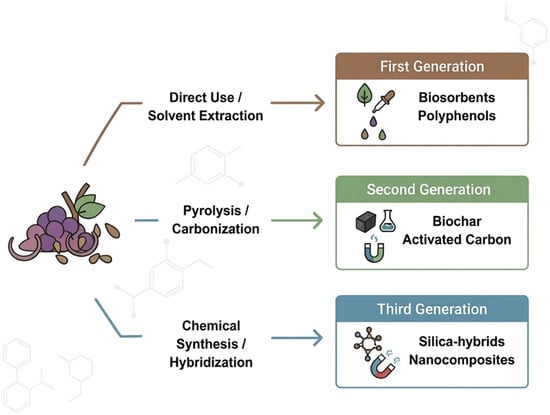
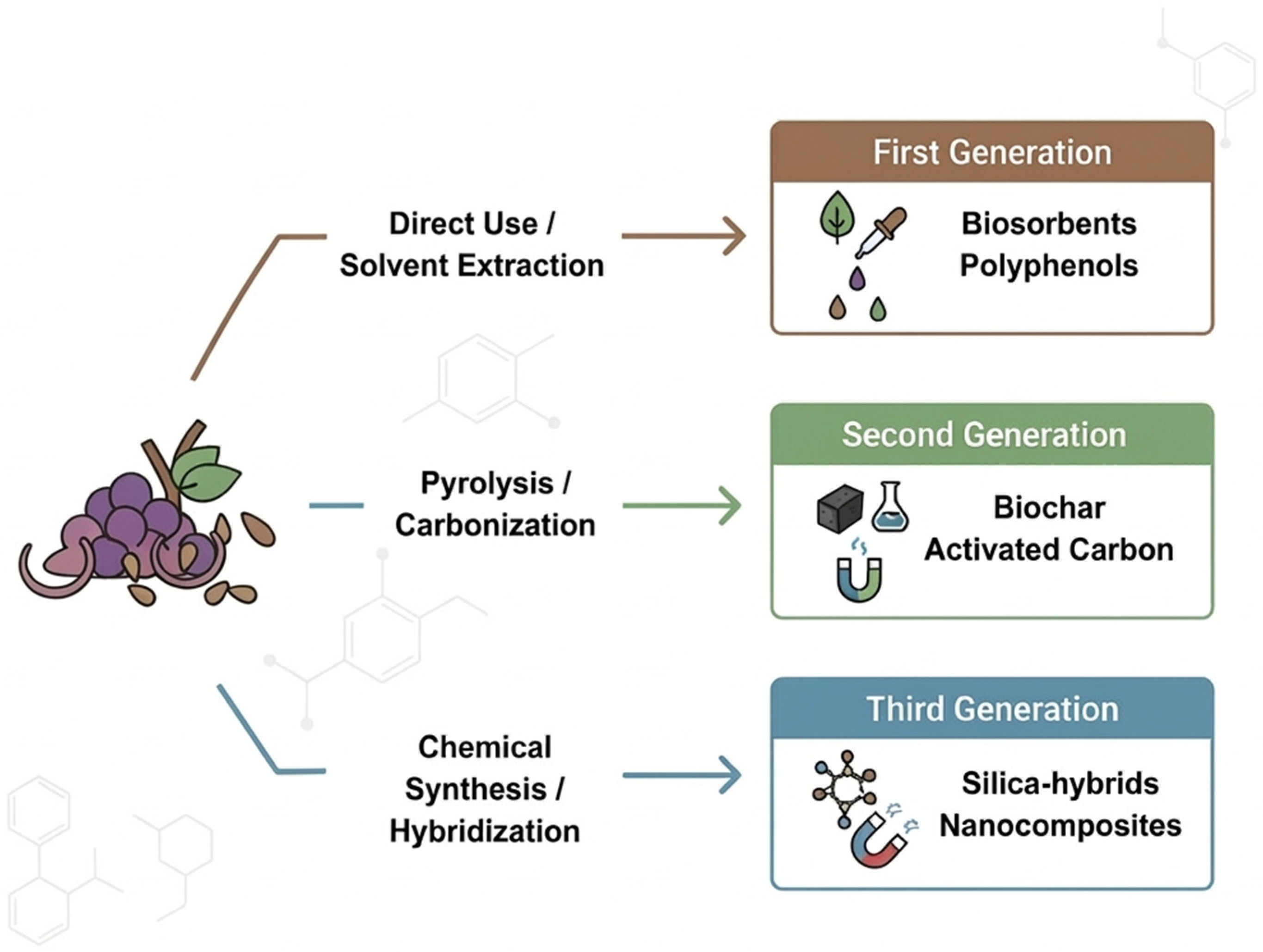
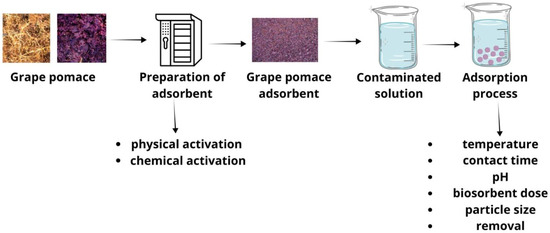
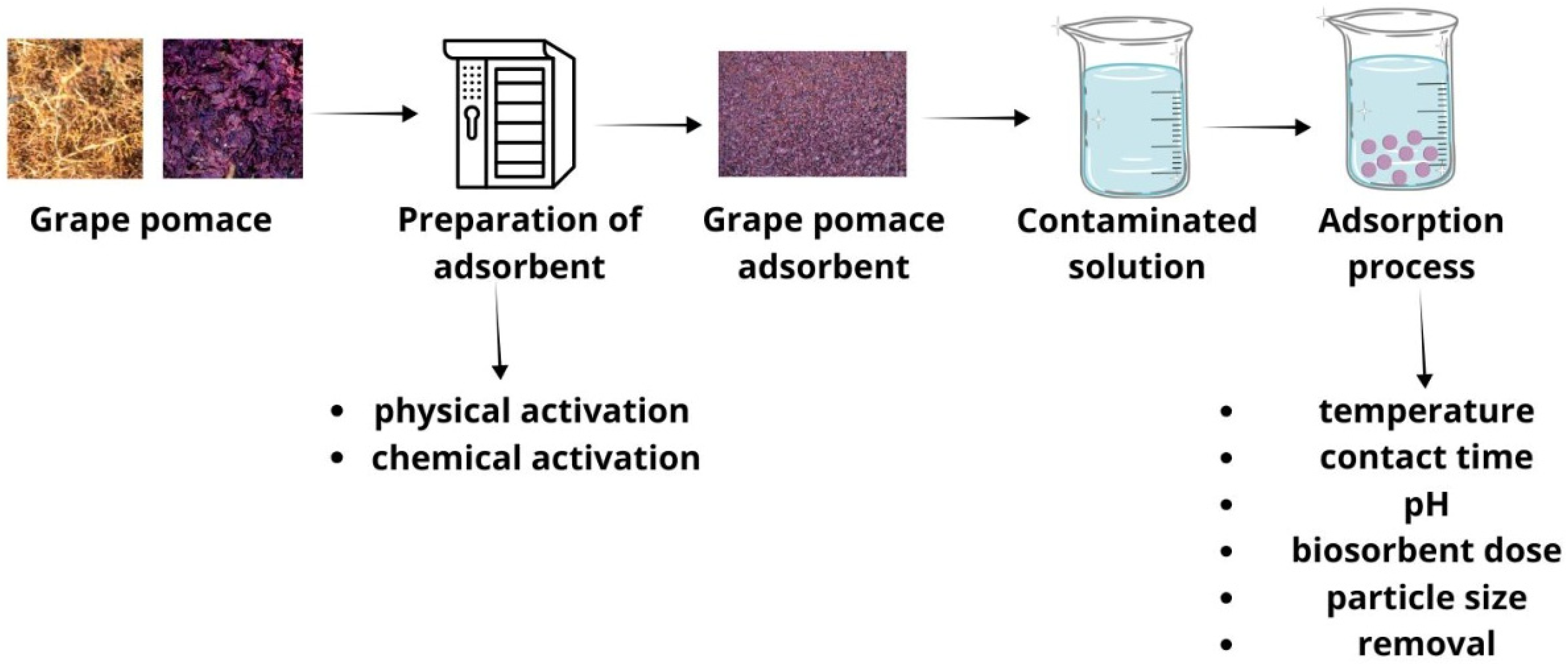
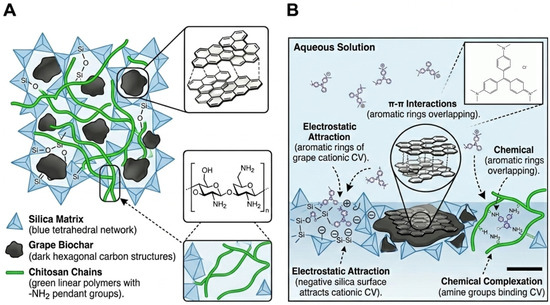
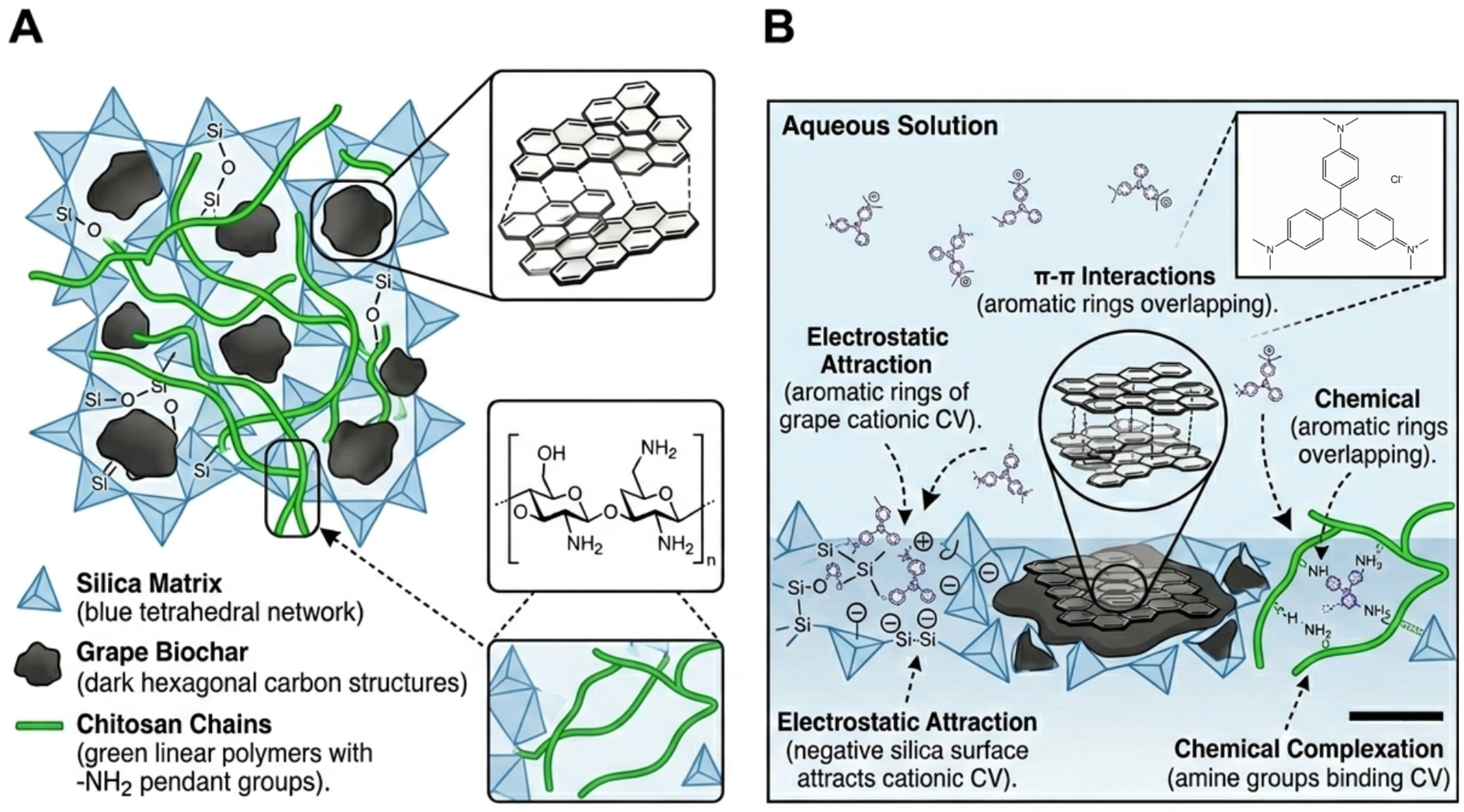
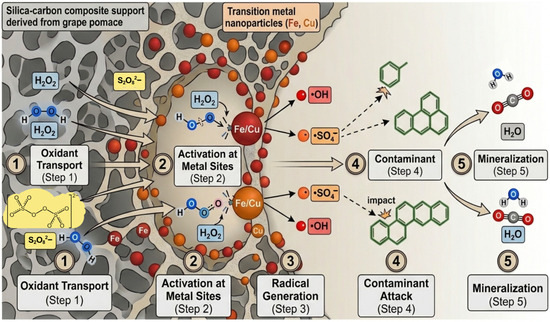
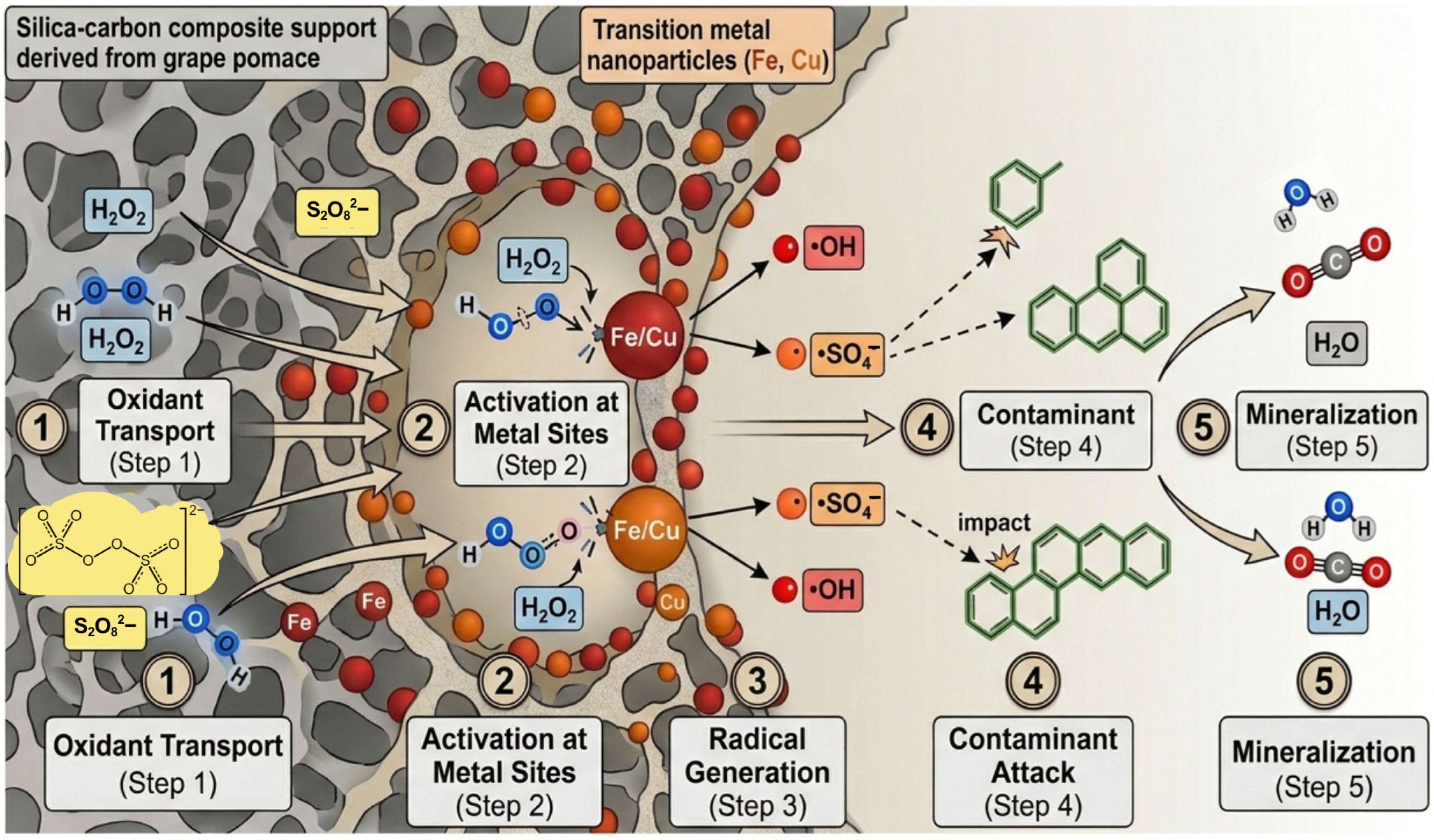
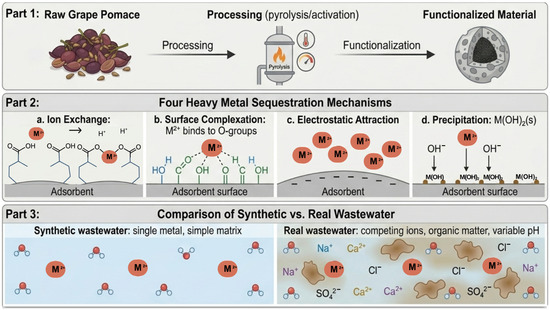
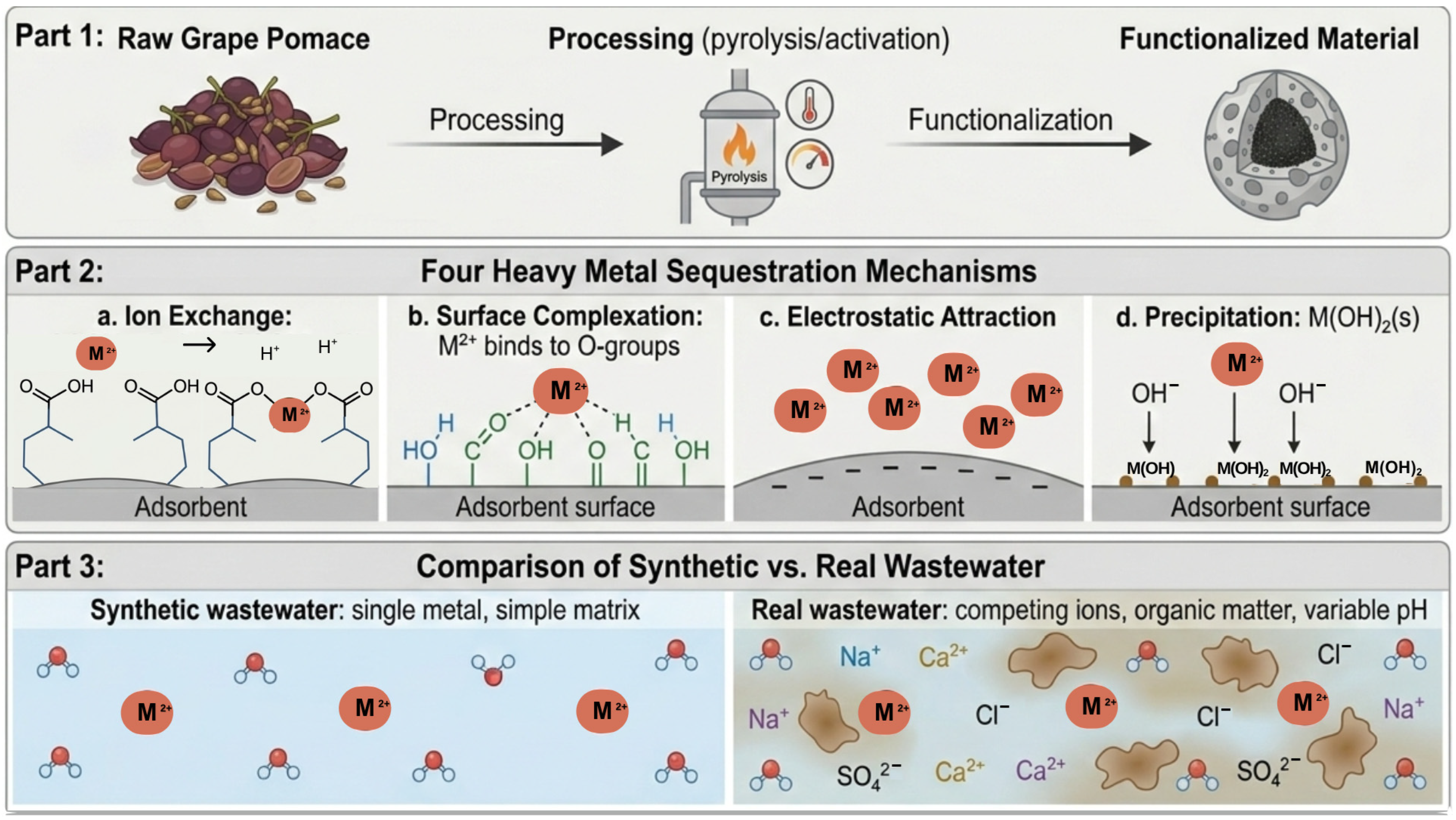
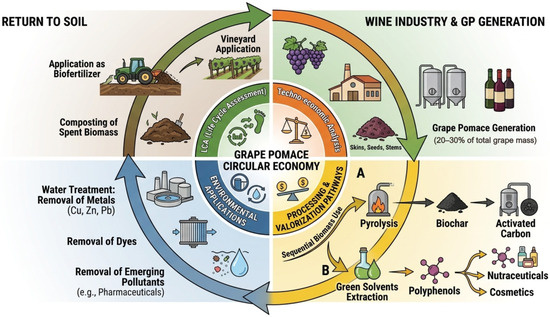
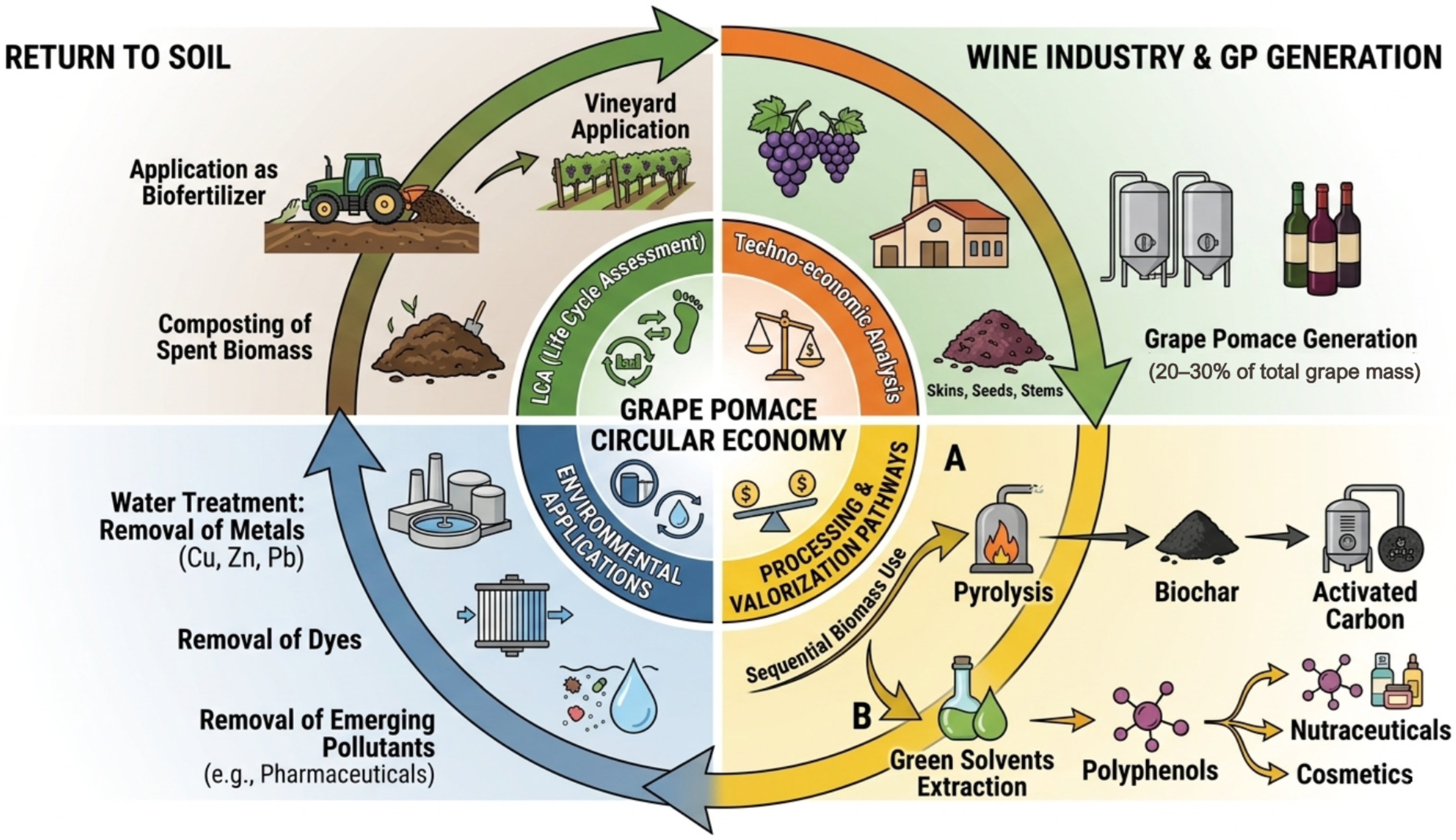

Disclaimer/Publisher’s Note: The statements, opinions and data contained in all publications are solely those of the individual author(s) and contributor(s) and not of MDPI and/or the editor(s). MDPI and/or the editor(s) disclaim responsibility for any injury to people or property resulting from any ideas, methods, instructions or products referred to in the content. |
© 2026 by the authors. Licensee MDPI, Basel, Switzerland. This article is an open access article distributed under the terms and conditions of the Creative Commons Attribution (CC BY) license.