


Highlights
What are the main findings?
- Transition to Accessibility: Urban transport is shifting from engineering-based efficiency toward a holistic socio-technical paradigm centered on sustainability, accessibility and socio-spatial justice.
- The Paradox of Digitalization: Emerging technologies like AI and digital twins enable operational optimization but risk, in some cases, exacerbating social–spatial inequalities and creating “transport mirages.”
What are the implications of the main findings?
- Justice-Oriented Policy: To prevent digital divide and spatial inequalities, mobility innovations like Mobility-as-a-Service (MaaS) must be guided by deliberate, inclusive and equitable mechanisms and human-centered design.
Abstract
Urban transport is increasingly shifting from an efficiency-oriented approach toward accessibility-based and socio-spatial justice paradigms. This paper aims to synthesize current trends and emerging directions in transport and mobility, with a particular emphasis on sustainability and equity. While existing state-of-the-art reviews have extensively documented the technical evolution of smart mobility systems and decarbonization in transport infrastructures, this study introduces an integrated perspective that connects transport and mobility transitions with the concept of socio-spatial justice. The study employs a systematic literature review grounded in the Knowledge Development Process–Constructivist (ProKnow-C) model, and structured through thematic analysis around three axes: digitalization; integrated mobility platforms; and socio-spatial justice. The bibliographic database for this analysis is composed of 88 publications. The research suggests that the field is undergoing a gradual shift from a predominantly technical transport and mobility engineering toward a socio-technical approach increasingly shaped by sustainability and social equity. The transition toward low-carbon infrastructures and accessibility-driven mobility models, supported by digital technologies and Mobility-as-a-Service platforms, presents significant opportunities to fulfill global climate objectives (SDG 13), promote sustainable urban development (SDG 11) and strengthen socio-spatial justice (SDGs 10, 11). However, evidence also indicates that technological innovation alone cannot guarantee equitable opportunities in urban transport transitions. In this context, public participation becomes essential to prevent greenwashing and the so-called “transport mirage,” while ensuring that equity and justice are embedded in transport and mobility planning.
1. Introduction
Transport systems are undergoing a great transformation under the combined pressures of climate change, rapid urbanization and persistent socio-spatial inequalities [1,2]. Transport remains a major contributor to greenhouse gas emissions while it simultaneously aims to provide access to opportunities, health, education and other services, positioning it at the center of contemporary sustainability transitions [3]. These dual roles require a shift from traditional transport engineering paradigms, focused on efficiency, toward broader objectives of sustainability, accessibility and socio-spatial justice [4,5]. This perspective is deeply embedded within the United Nations Sustainable Development Goals (SDGs), which position transport as a critical lever for reducing inequalities while fostering sustainable urban development. It is therefore directly aligned with the ambition to ensure access to safe, affordable, accessible and sustainable transport systems for all (SDG 11.2), together with the integration of low-carbon strategies into planning and policy frameworks (SDG 13.2) and the elimination of inequalities in access to opportunities (SDG 10.2) [6]. Linking transport infrastructures to mobility systems is increasingly understood as a socio-technical process where technical innovation and environmental concerns are inseparable from social consequences. However, despite the potential that mobility systems may have, in some cases, they can intensify existing inequalities, particularly among low-income populations, peripheral urban areas and other vulnerable social groups [7]. This may occur because digitalization can either eliminate or widen the existing spatial mismatch depending on its implementation [8]. Therefore, the concept of socio-spatial justice emphasizes the need to address not only the technical and environmental sustainability of transport infrastructure, but also the fair distribution of mobility and social benefits [9,10]. Consequently, current transitions in transport and mobility engineering must be critically examined through both technological and ethical perspectives, ensuring that innovation contributes to more inclusive and equitable mobility systems rather than reinforcing potential disparities [11]. This requires repositioning transport transitions as a socio-technical challenge in which infrastructures, technology, governance and social equity co-evolve [12].
This paper presents a state-of-the-art review, applying the Knowledge Development Process–Constructivist model (ProKnow-C) for structured article selection, to synthesize the main trends and emerging directions in transport engineering and mobility transitions, with a particular focus on socio-spatial justice. The review distinguishes between transport transitions and mobility transitions as different but interrelated dimensions of urban change. Transport transitions refer to infrastructure transitions, including low-carbon transport systems [13], while mobility transitions comprise user-centered, socio-technical changes in how mobility is accessed, experienced and governed [13,14]. This review adopts a thematic approach, enabling the integration of diverse aspects of the literature and the identification of key conceptual and practical developments. This approach reflects the growing need for interdisciplinary knowledge production and collaboration (SDG 17.16), particularly in addressing complex socio-technical challenges such as transport transitions. Building on this distinction, this review considers three interrelated dimensions: digitalization, Mobility-as-a-Service (MaaS), and socio-spatial justice. First, digitalization is examined as a systemic enabler of mobility transformation, supporting real-time data integration, system optimization, and platform-based coordination. However, simultaneously, it raises concerns regarding digital inclusion, governance asymmetries and algorithmic transparency that need to be avoided (SDGs 10 and 16). Second, MaaS is analyzed as a key solution reshaping mobility through platform integration, with ambiguous implications for accessibility, affordability and exclusion, being directly linked to SDGs 10.3 and 11.2. Third, socio-spatial justice is addressed by looking at participatory governance and inclusive planning approaches, aligned with broader goals of inclusive and equitable urban development (SDG 11.3). These three dimensions are further shaped by socio-political narratives and city branding, which influence which neighborhoods receive innovation and which remain marginalized. Secondary themes, such as sustainable city branding and human-centered design, are not intended to represent separate research axes. Instead, they provide important contextual, governance, and methodological perspectives that help determine whether digital mobility solutions can genuinely contribute to socio-spatial equity or, conversely, create what we describe as a “transport mirage.” In this sense, the core contribution of the paper lies in connecting technological tools with their broader socio-political and governance dimensions, allowing us to critically examine whether advances in digital mobility translate into more equitable and just outcomes for people and communities.
The present analysis reveals that although significant advances have been made in areas such as intelligent transport systems and integrated mobility services, these innovations are not inherently equitable. In many cases, digital and technological innovations risk reinforcing existing inequalities, particularly where access to services depends on digital literacy, affordability or geographic location. Similarly, infrastructure investments and urban mobility strategies may contribute to uneven spatial outcomes if not guided by distributive justice principles. These tensions highlight a persistent gap between technological progress and socially inclusive opportunities.
To capture these dynamics, this paper conceptualizes the risk of the so-called “transport mirage”, where technological advancement and digital integration mask persistent accessibility inequalities. It also engages with emerging evidence on “green gentrification”, where sustainability-oriented urban redevelopment may produce unintended effects. These concepts underscore the need to critically question the distributive consequences of mobility transitions [15]. Hence, this review is structured around three research questions:
- RQ1: How does digitalization reshape urban mobility systems, and what are its implications for the digital divide and transport equity?
- RQ2: How does MaaS shape accessibility for vulnerable populations, and under what conditions does it contribute to either inclusion or exclusion?
- RQ3: What governance and participatory mechanisms are required to ensure equitable mobility transitions?
While existing state-of-the-art reviews in transport engineering have extensively documented the technical evolution of smart mobility and decarbonization strategies, this paper introduces a novel perspective that bridges the gap between infrastructure engineering and socio-spatial justice. Unlike traditional reviews that treat technical efficiency and social equity as parallel or secondary concerns, this study synthesizes the recent literature from 2020 to 2026. By explicitly linking infrastructure and mobility transitions with human-centered design (HCD) and city branding narratives, this analysis offers a critical, systemic perspective on how mobility transitions can be engineered for the equitable redistribution of urban opportunities, thereby providing a direct roadmap for aligning transport innovation with the pursuit of socio-spatial justice.
This paper is structured as follows. Section 2 outlines the research methodology for the state-of-the-art review. Section 3 establishes the foundations of transport transitions, including shifts toward accessibility-based paradigms, sustainability transitions and socio-spatial justice perspectives. The discussion related to RQ1 is presented in Section 4 and examines digitalization as a key driver of change in urban mobility systems. Section 5 explores the development of MaaS and its implications for justice and accessibility, addressing RQ2. Section 6 discusses the role of sustainable city branding (SCB) and HCD in shaping mobility narratives and practices. In this review, SCB is not considered a separate research axis; rather, it is included only to contextualize how transport developments are framed within urban governance policies. Section 7 identifies emerging directions and future research needs, including ethical artificial intelligence, justice-oriented design strategies and climate resilience (SDGs 9.5 and 13.3). Finally, Section 8 concludes the review by summarizing key insights and reflecting on pathways toward more sustainable and socio-spatially just mobility systems in alignment with the SDGs.
2. Research Methodology
2.1. Definition of Research Axes and Search Strategy
This state-of-the-art study adopts a systematic literature review approach inspired by the Knowledge Development Process–Constructivist (ProKnow-C) model. This methodology was selected because it enables a structured, transparent and reproducible process for identifying, selecting and analyzing relevant scientific contributions.
The review process was organized into three main stages: (i) definition of research axes and search strategy; (ii) construction and refinement of the bibliographic portfolio; and (iii) bibliometric and qualitative content analysis of the selected literature.
The literature search was structured around three complementary research axes reflecting the thematic focus of this review on transport transitions and socio-spatial justice. The first axis addresses digitalization and data-driven intelligent infrastructure. The second focuses on MaaS and integrated transport platforms, and the third addresses socio-spatial justice, accessibility and equity in mobility. Keywords associated with each axis were identified through exploratory readings of the recent literature and by analyzing recurring terminology in high-impact journals in transport engineering, urban planning and sustainability studies. These keywords were combined using Boolean operators to ensure that the search captured studies at the intersection of technological innovation, sustainability transitions and social equity (Table 1).
Table 1.
Search strategy adopted for the systematic literature review.
The bibliographic search was conducted in the scientific databases Scopus, Web of Science and ScienceDirect, selected for their extensive coverage of the peer-reviewed literature in transport engineering, urban systems and sustainability research. Only peer-reviewed journal articles and books written in English were considered. The temporal scope covered publications from 2020 to 2026, reflecting the period in which digital mobility platforms, MaaS models and justice-oriented transport research have significantly expanded.
The search strategy was designed to capture studies addressing the transformation of transport systems through digitalization, integrated mobility services, infrastructure innovation and socio-spatial equity outcomes. Generalized Boolean expressions combining these dimensions were applied across databases to ensure consistency and reproducibility of the search process (Table 1). Boolean string #1 yielded 216 documents; however, the retrieved literature did not adequately address the third dimension. Consequently, a second Boolean string (#2) was considered to capture this dimension more effectively.
2.2. Construction and Refinement of the Bibliographic Portfolio
All records identified from the databases were exported to the reference management software Zotero 9.0.6, which was used to organize the dataset and remove duplicates. The article selection process was systematically governed by the ProKnow-C methodology to ensure an unbiased portfolio construction, consisting in four stages.
In Stage 1—raw dataset generation, the Boolean search across Scopus, Web of Science, and ScienceDirect resulted in 268 publications. In Stage 2—removal of duplicates, after removing duplicate entries across databases, a dataset of 262 publications was obtained for systematic screening. In Stage 3—title/abstract/keywords screening, a first screening stage was conducted based on titles, abstracts, and keywords. Moreover, publications not directly related to transport systems, mobility transitions, digitalization, infrastructure, or socio-spatial justice were excluded. Only journal articles, books and book chapters were considered. This filtering process retained the most aligned candidates, resulting in 123 publications. In Stage 4—full-text critical analysis, the second screening stage consisted of a full-text review of the selected studies to confirm their relevance and ensure they met the defined inclusion and exclusion criteria. Studies were retained only if they provided relevant theoretical or empirical insights that contributed to the analytical depth of the review and directly addressed the core research questions (RQ1–RQ3). This process resulted in a final bibliographic database of 83 publications. To ensure methodological rigor and consistency with the PRISMA 2020 and ProKnow-C guidelines, both authors independently conducted the title, abstract, and full-text screening stages (Stages 3 and 4). Any disagreements regarding the eligibility of a study were discussed jointly and resolved through consensus, with reference to the predefined inclusion and exclusion criteria. Studies were included if they met the following criteria: (i) they were peer-reviewed journal articles or book chapters published between 2020 and 2026; (ii) they explicitly addressed at least two of the three primary research axes: digitalization, Mobility-as-a-Service (MaaS), and socio-spatial justice; and (iii) they provided an original theoretical or empirical contribution to the understanding of transport transitions. In addition to this bibliographic portfolio, 5 institutional reports and policy documents were consulted and cited to provide contextual grounding. These sources were not included in the bibliometric analysis but supported the interpretation of results and the discussion of policy implications.
A PRISMA 2020 Flow Diagram of the construction of the bibliographic portfolio is presented in Figure 1.
Figure 1.
PRISMA 2020 Flow Diagram.
2.3. Bibliometric Analysis
Once the final bibliographic portfolio was established, the selected studies were analyzed using bibliometric mapping. A descriptive bibliometric analysis was conducted to identify general research trends and disciplinary distribution, based on keyword co-occurrence patterns. Bibliometric mapping was conducted using VOSviewer 1.6.21 (Figure 2) on authors and keywords extracted from the core portfolio of 83 publications. To refine the keyword dataset prior to mapping, standard text cleaning and synonym merging were performed via a custom thesaurus file (e.g., merging “MaaS” and “mobility-as-a-service”). The keyword co-occurrence matrix was created using full counting, applying a minimum occurrence threshold of 2 occurrences per keyword.
Figure 2.
VOSviewer bibliometric mapping.
In the VOSviewer map, the spatial distance between terms reflects their relative thematic proximity, based on how frequently they occur together. However, these visual distances should not be understood as evidence of direct causal relationships or strict theoretical dependencies. Rather, terms that appear closer together indicate stronger thematic or disciplinary connections. Similarly, the proximity of clusters suggests areas of overlapping research and co-disciplinary engagement, rather than direct or deterministic relationships.
With these considerations in mind, the VOSviewer map highlights a clear branching of themes and a growing degree of fragmentation within current urban mobility research. Although the field is increasingly rich in data and technological developments, the analysis also points to a noticeable gap between the technical drivers of digitalization and the social and justice dimensions of urban mobility. This separation suggests that technological advances are not always being examined alongside their implications for equity, inclusion, and the lived experiences of different groups of urban users.
In Figure 2, the dark blue cluster, dominated by transportation and equity, represents the established academic foundation of the field. However, its relative distance from the technological nodes suggests that traditional sustainability frameworks have not yet fully assimilated the impacts of digital disruption. The light blue cluster acts as a bridge between high-level policy and physical infrastructure. Dominated by sustainability, urban planning and resilience, it functions as a “gravitational center” connecting to nearly all other clusters. While sustainability shows strong links to transportation (blue) and big data (green), its connections to the social justice nodes (red) are comparatively weak. This pattern suggests that sustainability in current urban mobility research is more often framed through environmental and economic perspectives than through a social equity point of view. Although urban planning appears as a mediating node, its spatial distance from micromobility and travel behavior (violet) indicates the presence of a persistent planning lag. Located at the upper periphery, the violet cluster focuses on mode choice, travel behavior, and micromobility. Despite a weak connection to the green cluster through artificial intelligence, it remains largely disconnected from the justice-oriented red cluster. This reinforces the idea that individual mobility choices are predominantly examined through behavioral frameworks rather than through considerations of social equity. The green and yellow clusters represent the cutting edge of the field, where concepts such as artificial intelligence, big data and MaaS are tightly interconnected. This reflects a robust but somewhat self-referential body of literature primarily concerned with efficiency, optimization and technological performance. In contrast, the red cluster highlights a concentrated focus on transport justice and social exclusion. Although internally cohesive, it remains peripherally positioned, with limited integration into the core digital innovation clusters as identified by [4]. The presence of the structural topic modeling node suggests that while these social concerns are being systematically categorized, they are not yet fully embedded within the dominant smart city or big data discourse.
Overall, the analysis reveals that while urban planning and sustainability (light blue) attempt to unify the field, they currently lack strong pathways to translate digital innovation (green) into socio-spatial justice outcomes (red). Table 2 summarizes the described VOSviewer bibliometric clusters, linking each cluster to the corresponding discussion section in the paper.
Table 2.
Summary of VOSviewer bibliometric clusters and paper discussion sections.
3. Changing Patterns in Transport Engineering
3.1. From Mobility to Accessibility Paradigms
In transport planning, there is a growing recognition that transport engineering needs to move beyond simply maximizing network capacity. However, evidence from transport planning practice suggests that a gap remains between this goal and how transport projects are actually planned [16]. Although many metropolitan areas recognize accessibility as an important goal, current guidelines, traffic impact assessments and travel demand models continue to rely mostly on measures such as traffic indicators, travel-time reduction, and level of service [17]. As a result, the shift toward an accessibility-oriented approach should not be viewed as a completed transition; rather, it is an ongoing process, shaped by urban policy, environmental sustainability and digital innovation.
In the past, transport planning focused almost entirely on metrics like travel speed, network capacity and cutting down congestion [17]. While these metrics remain relevant, they are increasingly considered insufficient for addressing contemporary urban challenges, including climate change, social inequality and spatial fragmentation. Within this evolving context, the concept of Mobility-as-a-Service (MaaS) has emerged as a key enabler of the mobility-to-accessibility transition [14]. Moreover, advancements in digital technologies, mostly urban digital twins and data-driven infrastructure systems, are reshaping how accessibility is conceptualized and operationalized. Digital twin frameworks enable real-time simulation and optimization of urban systems, supporting more responsive and integrated transport management and land-use planning [18,19].
The accessibility paradigm is also strongly aligned with sustainability, climate adaptation and urban transformation goals [3]. As cities face increasing pressure to reduce greenhouse gas emissions and enhance resilience to climate-related disruptions, transport systems are expected to deliver broader societal value beyond mobility efficiency alone [3]. In this regard, accessibility provides a more comprehensive and equity-sensitive measure of transport system performance, capturing the distribution of opportunities across different population groups and spatial contexts.
The transition toward an accessibility-centered approach is shaped not only by technical considerations in transport engineering but also by broader urban governance and the growing role of digital mobility services.
As illustrated in Figure 3, city branding strategies and digital platforms such as MaaS can help align transport investments more closely with wider urban sustainability goals [14].
Figure 3.
SCB and MaaS as accessibility drivers.
At the governance level, SCB provides a strategy through which cities communicate their ambitions and priorities. By presenting a city as “green,” “smart,” or “15 min accessible,” municipal authorities can build political support for moving beyond car-oriented measures and placing greater emphasis on multimodal accessibility. Founded in proximity-based urban planning, the 15 min city model puts this idea into practice by reshaping urban spaces so that essential daily activities, including work, education, healthcare, and recreation, can be reached within a 15 min walk or cycling trip [20]. While the model can promote active mobility and contribute to decarbonization, its success also depends on addressing issues of distributive justice and recognizing the influence of local topographies and spatial characteristics [21]. Without careful consideration of existing inequalities, proximity-based planning may unintentionally reinforce spatial segregation or contribute to gentrification, particularly in peripheral and underserved neighborhoods [22]. However, branding alone remains largely symbolic unless it is supported by focused policies and implementation mechanisms [23]. At the operational level, MaaS may integrate mobility and accessibility objectives into everyday travel options [24]. By bringing together public transport, shared micromobility and demand-responsive services within a single digital interface, MaaS can make a wider range of travel choices more visible and accessible to users [14,25]. In this sense, MaaS can serve as a practical link between urban sustainability ambitions and the way people experience and use the transport system in their daily lives [26]. The result of this tool depends on policy and system alignments. When SCB and MaaS are structurally aligned with the accessibility objectives, the transport network delivers equitable access and spatial inclusion, ensuring that digital and physical mobility enhancements directly serve user needs. However, when SCB and MaaS are not aligned with the accessibility needs and are used primarily as marketing tools, they may create a “transport mirage” or a form of greenwashing [14]. In such cases, environmental and social sustainability is emphasized in public discourse, while little meaningful improvement is made to the spatial or social accessibility of the transport system. Additionally, organizational changes in public transport governance should also reinforce this transition. Recent studies highlight the development of more agile, inclusive and sustainability-oriented transport organizations capable of adapting to complex urban demands [27]. These shifts reflect a broader reorientation of transport policy towards user-centric and system-integrated approaches, where improving access to urban opportunities becomes the primary objective rather than merely increasing physical mobility.
3.2. Sustainability Transitions in Transport
The transition towards sustainable urban transport systems is increasingly understood as a socio-technical transformation, in which technological innovation, institutional structures, and user practices co-evolve [1,12]. Rather than being driven exclusively by technological upgrades, sustainability transitions in transport require reconfiguration of mobility systems, involving multiple layers of governance [23]. This demand is reinforced by international guidelines such as the Sustainable Development Goals, particularly SDG 11, which calls for sustainable, inclusive and safe urban mobility systems [6]. In the context of transport and mobility transitions, this perspective highlights the need for sustainable solutions involving:
- Modal shifts toward public transport, shared mobility and micromobility [1,28];
- Integration of renewable energy systems in transport infrastructures [29];
- Decarbonization across lifecycle stages, including construction, operation and maintenance [30].
This transition requires systems thinking, an approach to problem-solving that aims to understand complex phenomena as interconnected and codependent components within a larger whole [31]. As transport systems are increasingly recognized as interrelated with land use, digital infrastructures and social practices, this interdependence necessitates systems thinking. In modern urban planning, systems thinking is increasingly operationalized through digital twin technologies, which create virtual replicas of physical infrastructure to perform multi-scenario optimization across environmental, demand, and structural parameters [18,19,32]. This perspective recognizes that infrastructure: (i) interacts dynamically with human behavior, environmental processes and governance systems [33,34]; (ii) operates across multiple temporal and spatial scales, requiring adaptive and flexible design [14,35]; (iii) is increasingly mediated by digital technologies, such as AI and digital twins, which enable real-time monitoring and scenario simulation [36,37].
Moreover, as urban transport systems are increasingly exposed to disruptions such as climate-related extreme events, infrastructure failures and socio-economic shocks [14], resilience thinking emphasizes the importance of designing transport networks that are not only efficient but also resilient, adaptive and capable of maintaining functionality under stress [38,39]. Ultimately, resilience and sustainability are deeply codependent: both demand built-in redundancy, operational flexibility, and adaptive capacity to ensure that transport systems maintain continuous, equitable functionality under stress [17]. However, translating high-level sustainability goals into operational reality requires adaptive governance structures capable of navigating complex socio-technical dynamics [40]. By fostering organizational agility and policy integration, such governance innovations allow cities to reconcile environmental decarbonization with social equity, ensuring that mobility systems remain resilient under evolving urban demands [41].
3.3. Socio-Spatial Justice in Transport Networks and Mobility Systems
As discussed, transport networks and mobility systems are not neutral; they actively shape the distribution of opportunities, resources and well-being across urban populations [42]. As such, there is a strong need for socio-spatial justice. The concept of spatial justice is examined in depth by Dadashpoor and Dehgha [5], who identify seven underlying categories of social justice: participation, power and governance, diversity and plurality, equality, access, equity and fairness. Within this characterization, particular emphasis is placed on equity, access and participation as key dimensions for addressing socio-spatial inequalities in urban systems to move beyond efficiency-oriented paradigms. However, it is recognized that transport systems can reproduce or even amplify existing socio-spatial inequalities [43]. Disparities in access to public transport, green mobility options and essential services disproportionately affect low-income groups, peripheral urban residents and elderly populations [11,44]. Therefore, transport justice should be placed at an intersection of mobility, social equity and sustainable urban development, representing a fundamental and new dimension in socio-spatial justice [9].
Inclusive transport planning processes can improve both system performance and social acceptance of mobility innovations, particularly when addressing the needs of underrepresented groups, through citizen engagement and participatory, user-centered approaches [45,46]. Similarly, digital mobility platforms, mobility credits and inclusive MaaS are being redesigned from an inclusivity perspective [14], as their actual benefits are not automatically distributed evenly across populations without deliberate governance interventions [8,47]. Another important concept is transport poverty, which refers to situations where citizens face limited access to affordable, reliable and adequate mobility options [48]. However, it is demonstrated through empirical evidence from living labs that financial incentives alone are often insufficient to shift everyday mobility choices [49]. Closely linked to income inequality are spatial exclusion and car dependency; these phenomena often manifest in peripheral urban areas where public transport services are infrequent, unreliable or poorly connected to employment centers [50]. Ultimately, this lack of access to an efficient public transport network severely reduces social equity mobility solutions for vulnerable populations [15,51]. This challenge is particularly evident in rapidly urbanizing cities and metropolitan peripheries, where urban expansion has outpaced the provision of integrated transport infrastructure. Studies on urban accessibility inequalities demonstrate that even within well-developed metropolitan systems, accessibility levels can vary significantly depending on spatial location and service availability, especially during disruptive events or network failures [39,51]. These structural inequalities emphasize the importance of integrating land-use planning with transport policy to reduce systemic spatial imbalances [52].
The urgency of addressing these imbalances is further emphasized by the rapid deployment of new mobility technologies. Although digitalization, shared mobility and electric transport are widely championed as sustainability solutions, their benefits do not automatically reach all urban residents, as technology cannot solve spatial inequality without deliberate, inclusive governance [53]. Without targeted regulation, services like shared micromobility and digital platforms often end up concentrated in central, high-income neighborhoods, potentially widening existing spatial inequalities [54,55]. Moreover, the algorithms and AI tools used to optimize these networks could reinforce historical accessibility biases if the data and governance model rely on non-inclusive criteria [56]. Addressing these technological gaps is crucial, especially since modern urban resilience and climate adaptation strategies increasingly acknowledge that marginalized populations are the most affected by both transport disruptions and environmental risks [2,57].
4. Digitalization as the Catalyst for Urban Transitions
4.1. Role of Digital Technologies in Mobility Systems
The integration of digital infrastructures, such as sensor networks and connected devices, establishes a continuous link between physical transport systems and their digital management platforms. This connectivity enables the real-time monitoring, prediction and optimization of transport operations in complex urban environments, essential for the identification of abnormal situations in operations, maintenance and management [58,59,60,61,62]. Beyond real-time monitoring, the growing use of machine learning and data-driven approaches allows transport systems to move from reactive management towards more predictive forms of operation, particularly in areas such as demand forecasting, traffic management, shared mobility, and infrastructure maintenance [63,64]. These capabilities can be particularly valuable for resilience, as they enable emerging problems to be detected earlier and operational responses to be adjusted as conditions change [14].
Additionally, by generating virtual replicas of urban transport networks, digital twins allow planners to simulate demand, test policy scenarios, and evaluate environmental impacts proactively, ensuring that resilience strategies are built on evidence-based insights [18,19,32,37] and anticipating the potential consequences of disruptions before they occur [17]. This creates opportunities to integrate resilience considerations into transport planning rather than addressing them only after failures or disruptions have occurred [65]. In this sense, digital twins and related data-driven technologies can support a more proactive approach to transport governance, in which decisions concerning infrastructure investment, maintenance, service provision, and emergency response are increasingly informed by real-time evidence and scenario-based analysis [66].
4.2. Intelligent Transport Systems
Urban mobility is being rapidly transformed by the triad of intelligent transport systems (ITSs), artificial intelligence (AI) and big data analytics. While ITS technologies improve baseline efficiency through adaptive signal control and real-time traffic management, AI-driven models take this a step further by predicting congestion and optimizing multimodal flows [67,68]. Big data supports these tools by mapping travel patterns and demand fluctuations at an unprecedented scale. By applying machine learning to these huge datasets, cities can execute highly responsive planning [69]. These developments extend beyond operational efficiency and constitute the technological backbone of integrated digital mobility ecosystems such as MaaS platforms, in which real-time data flows and algorithmic coordination actively shape accessibility outcomes and mobility decision-making.
Nevertheless, integrating automated, AI-based optimization tools into transport infrastructures, such as roads and railways, introduces critical challenges regarding algorithmic bias and transparency, particularly when these systems dictate accessibility outcomes for diverse social groups [70].
4.3. Digital Divide and Justice Implications
Despite the operational benefits of digital mobility, as previously mentioned, serious concerns remain regarding transport equity. Access to digital services is highly uneven, placing marginalized groups, particularly those lacking internet access, digital literacy, or disposable income, at severe risk of exclusion [71]. As mobility services become increasingly dependent on digital platforms for journey planning, booking, payment, and real-time information, digital access is becoming an important condition for accessing transport itself. This digital divide therefore risks creating a divided transport network: a high-quality and highly efficient system for digitally connected citizens, alongside a less flexible and potentially less reliable alternative for those who cannot fully participate in digital mobility services [8,72]. Such inequalities may be particularly pronounced among older people, low-income households, peripheral communities, and other groups already experiencing limited transport accessibility, as evidenced in studies examining digital literacy and app-based service dependency across diverse urban and demographic settings [8,71].
Moreover, digitalization does not simply reproduce existing inequalities; it can also introduce new forms of exclusion through the way data are collected, processed, and used to make mobility decisions. If digital platforms and algorithmic systems are based on incomplete or geographically biased datasets, they may prioritize areas and user groups that generate greater volumes of digital data while overlooking less visible populations and peripheral neighborhoods [9,11]. Algorithmic decision-making can therefore reinforce existing spatial and social biases in areas such as service allocation, pricing, demand prediction, and infrastructure investment. There is a risk that efficiency-oriented algorithms prioritize commercially attractive trips or densely populated areas, potentially reducing services in locations where mobility needs are high but demand is more difficult to capture digitally [53].
For this reason, transport digitalization should not be assessed solely in terms of operational efficiency or technological performance. Issues like affordability, accessibility, digital literacy, data representativeness, transparency and accountability need to be incorporated into the design and governance of digital mobility systems [71]. Ensuring that data and algorithms adequately represent diverse populations is particularly important if digital innovation is to contribute to socio-spatial equity rather than deepen existing inequalities. A genuinely inclusive digital mobility transition therefore requires maintaining accessible non-digital alternatives and treating digital inclusion as an integral component of transport equity rather than as a separate technological issue [9].
5. Socio-Spatial Justice in Digital Mobility Systems: Mobility-as-a-Service (MaaS)
5.1. MaaS as an Extension of Digital Mobility Systems
Early MaaS developments focused primarily on efficiency and convenience. However, as digital mobility systems have matured, MaaS has increasingly been positioned within broader sustainability and system integration agendas [13,73]. Currently, building on digital infrastructures, ITS, and data-driven optimization processes, urban mobility is increasingly being reorganized through integrated digital ecosystems. Within this evolving context, MaaS emerges as a direct application of the digital mobility paradigm. Rather than representing an isolated innovation, MaaS translates underlying digital infrastructures, such as sensor networks, AI-based prediction models and big data analytics, into user-facing platforms that integrate multiple transport services into a single mobility interface [25]. As a result, mobility is no longer primarily shaped by physical infrastructure alone, but increasingly mediated through digital platforms that structure how, when and under what conditions mobility is accessed. This transformation places socio-spatial justice at the center of MaaS analysis [14]. Since access to mobility is increasingly shaped by digital systems and algorithmic decision-making, questions of inclusion, affordability and spatial equity become inseparable from the technological systems [71,74]. Accordingly, MaaS should be understood as a socio-technical extension of digital mobility systems, where infrastructure, data and governance converge to shape differentiated mobility outcomes across urban populations [14]. MaaS implementations have demonstrated that they can influence travel behavior and enhance multimodal integration when supported by appropriate institutional and digital infrastructures [75]. However, its scalability remains constrained by fragmentation in governance structures and uneven development of digital transport infrastructures [24,40].
5.2. Multimodal Accessibility, Affordability, Digital Exclusion and Spatial Inequalities
A key feature of MaaS is its ability to operationalize the digital integration of transport modes. By linking public transport, shared mobility, ride-hailing, cycling and micromobility services through a unified digital interface [54,55,76], MaaS reduces friction in multimodal travel and increases system interoperability [14]. This integration is only possible because of digital infrastructures, particularly real-time data exchange, AI-based optimization and platform connectivity. Theoretically, such integration improves accessibility by expanding the number of feasible mobility options available to users without requiring private car ownership [77,78]. However, the efficiency of this integration depends heavily on the conditions previously identified: interoperable data systems, algorithmic transparency and coordinated governance frameworks. Without these, MaaS risks reproducing fragmentation at a digital level rather than resolving it at a system level [72].
While MaaS is often linked to improved accessibility, its relationship with affordability becomes more complicated when viewed through a digital systems perspective [40]. In MaaS environments, accessibility is no longer defined purely by physical distance or availability, but is also shaped by algorithmic systems, pricing models and platform governance structures [14]. As a result, access to transport is increasingly mediated by digital infrastructures that determine service availability, price fluctuations and even user eligibility [40]. Subscription models and dynamic pricing can improve system efficiency, but they may also create new forms of exclusion if they are not properly regulated [47,79]. In this sense, the same digital optimization processes that enhance overall system performance can also lead to uneven accessibility outcomes when applied through MaaS platforms, and efficiency gains are not automatically translated into greater equity.
Moreover, because MaaS relies heavily on smartphones, internet connectivity and digital payment systems, citizens who lack access to these resources face structural barriers to participation [8,72,80]. Such forms of exclusion are not only technological but also spatially reinforced. MaaS services tend to concentrate in digitally advanced, high-density urban areas, while peripheral and rural regions are often less well integrated into platform-based mobility systems [51,81], reinforcing spatial inequalities between well-connected urban centers and peripheral communities that remain underserved. This pattern highlights that digital mobility systems do not distribute benefits evenly; instead, they tend to reflect and, in some cases, expand existing socio-spatial inequalities.
5.3. MaaS and Socio-Spatial Mobility Justice
MaaS is frequently designed exclusively as a technological tool; however, its socio-spatial impact is far from inevitable. Rather than being inherently equitable or exclusionary, MaaS depends on how underlying digital infrastructures, algorithms and governance frameworks are designed and regulated. At its core, MaaS operates at the intersection of public transport governance and private platform control, requiring coordination across actors with divergent objectives. This tension introduces challenges including data ownership, interoperability standards, pricing regulation and accountability in algorithmic decision-making. As mobility systems become increasingly platform-mediated, public authorities often lose direct control over critical aspects of transport provision [82,83].
The implications for mobility justice are also diverse. While MaaS offers a pathway toward seamless, multimodal integration, it simultaneously risks inequalities when digital access, affordability and spatial coverage are unevenly distributed. From a socio-spatial justice perspective, the effectiveness of MaaS cannot be measured by technical efficiency alone; it must be judged by its capacity to fix structural disparities. Achieving a socially beneficial transition requires universal digital access, transparent algorithmic governance, equitable pricing models and strong public oversight of platform-based mobility services.
6. Sustainable City Branding and Human-Centered Design
6.1. Branding Narratives, the Transport Mirage and Green Gentrification
Socio-political narratives surrounding innovation, such as SCB, are frequently used by municipalities to frame the adoption of transport initiatives and guide the transition toward sustainable urban futures. These narratives communicate a vision of green innovation and mobility equity, and when cities position themselves through “smart” or “green” narratives, they influence policy agendas and attract critical investment [23]. The impact on policy can be seen by political support for environmental and mobility initiatives aligned with the city’s sustainable identity [23].
However, a clear disconnection often arises between high-visibility technological promotion and the technical developments in transport engineering. SCB carries the risk of the so-called concept “transport mirage”, where high-visibility projects mask deep-seated accessibility gaps, as well as “green gentrification,” whereby areas become more attractive through sustainability-driven interventions, leading to rising property values that may displace marginalized residents and reinforce socio-spatial inequalities [15,23]. To counter this, policy measures must move beyond surface-level image management to focus on equitable investment, prioritizing mobility infrastructure in underserved neighborhoods [11], and affordability protections, ensuring that low-income groups can benefit from digital and green transitions [84].
6.2. User Experience and Participatory Design Approaches
The focus on user experience (UX) is critical in ensuring that sustainable mobility solutions are inclusive and accessible to all residents, including those from marginalized communities. For instance, the design of transport services, digital platforms like MaaS, and public spaces should prioritize: (i) affordability, ensuring that sustainable mobility options are accessible to low-income and vulnerable groups; (ii) physical accessibility, designing for all users, including those with disabilities, children, and the elderly; and (iii) cultural inclusivity [10,11,12]. In this context, UX goes beyond basic functionality; it includes how users interact with infrastructure and services on a daily basis, how they feel about the system, and how it supports their quality of life [85]. Reconciling transport systems with human-centered urban environments requires treating streets not merely as movement corridors, but as public spaces [42]. Studies [17,22,86] demonstrate that integrating participatory methods into transport infrastructure planning advances HCD by directly engaging users in decision-making and design. This process enhances accessibility, spatial proximity, and social inclusion while strengthening community cohesion. Design takes HCD a step further by actively involving users in the decision-making processes and design stages of urban mobility systems, strengthening social cohesion, enhancing accessibility, proximity, inclusion and spatial planning. This approach seeks to empower communities by giving them a direct voice in shaping the infrastructure that affects their daily lives [34] and to ensure that designs reflect the priorities and concerns of those who are most affected by them [87]. Participatory design enhances the legitimacy of urban projects, helping to foster trust and social cohesion [35]. However, while participatory design holds great potential, challenges remain in ensuring that all voices are truly heard, especially those of more marginalized groups who may face barriers to participation [51].
7. Emerging Directions and Future Research
The transition toward sustainable and equitable urban mobility systems requires not only the application of existing knowledge but also the exploration of emerging directions and the identification of gaps in current research. As cities confront increasingly complex mobility challenges, ethical AI, data governance, justice-oriented design strategies, climate resilience integration and interdisciplinary research emerge as key areas of focus [1,2,11,35]. These research advances will shape the future of sustainable urban mobility, ensuring that equity, environmental sustainability and social justice are core principles in developing and deploying next-generation mobility solutions.
The role of AI in urban mobility is expanding rapidly [21,35,40]. However, its integration in urban mobility systems raises significant ethical and governance challenges, particularly around data privacy, algorithmic fairness and accountability [35,40,43]. Ethical AI involves ensuring that algorithms used in mobility systems are transparent, unbiased and accountable. The use of big data for traffic optimization and route planning must not only be efficient but also respect individuals’ privacy rights. Consequently, data governance is essential in regulating how data are collected, stored and shared, especially as mobility systems become increasingly reliant on real-time data and machine learning. Ethical concerns around AI’s potential to reinforce existing inequalities must be addressed through inclusive data practices and algorithmic auditing to ensure equitable outcomes.
Justice-oriented design in transport networks and infrastructure is emerging as a central focus for creating mobility systems that are equitable, inclusive and responsive to social needs [8,11]. As cities around the world increasingly adopt smart mobility technologies, it is critical to design solutions that actively eliminate structural inequalities. Justice-oriented design strategies involve ensuring that marginalized communities, such as those facing poverty, disability, gender-based mobility issues and racial discrimination, have equal access to mobility resources and decision-making processes [22,74]. Research has emphasized the need for co-design approaches, where affected communities are directly involved in the creation and implementation of transportation systems [86]. Moreover, by framing mobility as a social justice issue, future research will examine how design choices in infrastructure, policy and technology can prevent the marginalization of vulnerable groups.
The integration of climate resilience into urban mobility planning is becoming increasingly urgent, particularly in cities prone to extreme weather events, rising sea levels and other climate-induced disruptions [14,17]. Urban mobility systems must be designed not only to reduce carbon emissions but also to adapt to the changing climate, ensuring that mobility remains reliable and accessible even in the face of environmental challenges [14].
The challenges posed by urban mobility transitions are complex and multifaceted, requiring interdisciplinary research that draws on multiple fields, including transportation engineering, urban planning, environmental science, sociology, economics and political science. These challenges cannot be fully addressed through a single discipline; rather, they demand collaborative, cross-sector approaches that integrate technological solutions with social, economic and political considerations. First, research should understand how intelligent transportation systems and AI-based routing can improve network efficiency without reinforcing existing spatial inequalities [56,59,67]. Moreover, it is necessary to explore how transport engineering models can incorporate principles of spatial justice and equity when designing and evaluating AI-enabled mobility systems [4,11,56]. Secondly, advanced studies are needed to implement market-driven innovation into inclusive governance. As is known, MaaS offers opportunities to integrate different modes of transport and provide more seamless travel through digital platforms [14]. However, future research should pay greater attention to how pricing and subscription models, and other market mechanisms, affect access for lower-income and price-sensitive users [11]. This calls for research that brings together market models, transport economics and public policy to identify governance mechanisms capable of encouraging innovation while protecting accessibility and affordability. Finally, it is also important to understand how SCB can positively contribute to everyday mobility. While branding can help cities communicate ambitions around smart, low-carbon, and accessible transport, these narratives may lead to a “transport mirage” when they are not supported by tangible improvements in accessibility [23]. Thus, future interdisciplinary research will need to address these questions on how to balance technological advancements with societal impacts, focusing on co-benefits (e.g., sustainability, equity) while minimizing trade-offs (e.g., privacy loss, increased social exclusion). Such research will help cities understand how innovative urban mobility systems can function within complex socio-technical environments, where technological, social and environmental factors are all interlinked.
8. Conclusions
This review has mapped the thoughtful transformation of transport engineering from a purely technical discipline to a complex socio-technical system. The transition toward accessibility-driven models, supported by digitalization and MaaS, offers unprecedented opportunities to meet global climate targets (SDG 13) and foster sustainable communities (SDG 11). However, the evidence suggests that technological innovation alone is not a guarantee of equitable urban development.
By synthesizing the literature, this paper delivers critical interdisciplinary insights that directly answer the three identified research questions:
- RQ1—Technological Dualism and Spatial Equity: Digital tools such as digital twins and AI-driven intelligent transportation systems exhibit an inherent dualism [18,59,88]. While they maximize network throughput and operational efficiency [67,88], unconstrained algorithmic optimization may concentrate services along high-demand corridors, generating spatial service deserts in peripheral areas. To optimize transport efficiency without deepening spatial inequalities, mobility governance must consider spatial justice aspects directly in algorithmic architectures [8,11].
- RQ2—Platform Governance vs. Market Integration: Digital platform integration through MaaS reduces multimodal transaction costs and expands travel choices [14]. However, when guided predominantly by market mechanisms, they may create financial barriers for low-income consumers [11]. Reconciling market-driven innovation with public interest requires adaptive governance [12,23] necessary to guarantee socio-spatial justice in transport and mobility transitions.
- RQ3—Governance and Participating Mechanisms: SCB provides political legitimacy for mobility investments. Yet, when decoupled from real needs, it can lead to a “transport mirage” and other risks triggering green gentrification [23]. To transform discursive policy goals into equity and accessibility, municipal governance must operationalize HCD and co-creation strategies, ensuring that marginalized, digitally vulnerable, and low-income populations directly shape service design and transit policy.
Ultimately, achieving socio-spatial justice in transport and mobility transitions requires a just change in strategy where technical efficiency is secondary to the fair distribution of benefits. Future research must continue to explore the ethics and the institutional shifts necessary to decentralize urban decision-making, ensuring that the smart cities of tomorrow are inclusive by design, not just by brand.
Author Contributions
Conceptualization, C.V. and L.V.; methodology, C.V. and L.V.; formal analysis, C.V. and L.V.; investigation, C.V. and L.V.; writing—original draft preparation, C.V.; writing—review and editing, L.V.; C.V. and L.V.; funding acquisition, C.V. All authors have read and agreed to the published version of the manuscript.
Funding
This work was financially supported by UID/04708/2025 and https://doi.org/10.54499/UID/04708/2025, of the CONSTRUCT—Instituto de I&D em Estruturas e Construções—funded by Fundação para a Ciência e a Tecnologia, I.P./MECI through national funds.
Data Availability Statement
No new data were created or analyzed in this study. Data sharing is not applicable to this article.
Conflicts of Interest
The authors declare no conflicts of interest.
Abbreviations
The following abbreviations are used in this manuscript:
| SDG | Sustainable Development Goals |
| MaaS | Mobility-as-a-Service |
| ITS | Intelligent Transportation Systems |
| AI | Artificial Intelligence |
| HCD | Human-Centered Design |
| SCB | Sustainable City Branding |
| UX | User Experience |
References
- Jelti, F.; Allouhi, A.; Tabet Aoul, K.A. Transition Paths towards a Sustainable Transportation System: A Literature Review. Sustainability 2023, 15, 15457. [Google Scholar] [CrossRef] [Scilit]
- Ji, T.; Yao, Y.; Dou, Y.; Deng, S.; Yu, S.; Zhu, Y.; Liao, H. The Impact of Climate Change on Urban Transportation Resilience to Compound Extreme Events. Sustainability 2022, 14, 3880. [Google Scholar] [CrossRef] [Scilit]
- European Commission. Sustainable and Smart Mobility Strategy: Putting European Transport on Track for the Future; Office of the European Union: Brussels, Belgium, 2021; Available online: https://eur-lex.europa.eu/legal-content/EN/TXT/?uri=celex:52020DC0789 (accessed on 5 June 2026).
- Amorim, J.D.M.; de Abreu e Silva, J.; Gonçalves, J.M. Equity and Spatial Justice Perspectives in Transportation. Urban Sci. 2025, 9, 163. [Google Scholar] [CrossRef] [Scilit]
- Dadashpoor, H.; Dehghan, R. Defining spatial justice: A review. Habitat Int. 2025, 160, 103387. [Google Scholar] [CrossRef] [Scilit]
- UN. 17 Sustainable Development Goals. Available online: https://sdgs.un.org/goals (accessed on 5 June 2026).
- Anwar, M.M.; Hashim, M.; Aziz, A.; Stocco, A.; Abdo, H.G.; Almohamad, H.; Al Dughairi, A.A.; Al-Mutiry, M. Urban Green Spaces Distribution and Disparities in Congested Populated Areas: A Geographical Assessment from Pakistan. Sustainability 2023, 15, 8059. [Google Scholar] [CrossRef] [Scilit]
- Delaere, H.; Basu, S.; Macharis, C.; Keseru, I. Barriers and opportunities for developing, implementing and operating inclusive digital mobility services. Eur. Transp. Res. Rev. 2024, 16, 67. [Google Scholar] [CrossRef] [Scilit]
- Liu, Q.; Zhe, T. Mapping the evolution of transport justice research: A structural topic modelling approach. Transp. Policy 2026, 175, 103898. [Google Scholar] [CrossRef] [Scilit]
- Liu, S.; Qi, J.; Yang, Y.; Huo, W.; Li, J.; Chang, Y.; Peng, Y. Deconstructing urban green justice and well-being: A multi-group structural equation modeling analysis based on the activity space perspective. Front. Public Health 2025, 13, 1670454. [Google Scholar] [CrossRef] [Scilit] [PubMed]
- Bang, H.; Dave, A.; Tzortzoglou, F.N.; Wang, S.; Malikopoulos, A.A. On Mobility Equity and the Promise of Emerging Transportation Systems. IEEE Trans. Intell. Transp. Syst. 2025, 26, 10623–10637. [Google Scholar] [CrossRef] [Scilit]
- Mitieka, D.; Luke, R.; Twinomurinzi, H.; Mageto, J. Mapping the Institutional and Socio-Political Barriers to Smart Mobility Adoption: A TISM-MICMAC Approach. Smart Cities 2025, 8, 182. [Google Scholar] [CrossRef] [Scilit]
- Arias-Molinares, D.; García-Palomares, J.C. The Ws of MaaS: Understanding mobility as a service fromaliterature review. IATSS Res. 2020, 44, 253–263. [Google Scholar] [CrossRef] [Scilit]
- Vale, C.; Vale, L. Sustainable Mobility-as-a-Service: Integrating Spatial–Temporal Proximity and Environmental Performance in Transport Disruption Management. Sustainability 2025, 17, 10686. [Google Scholar] [CrossRef] [Scilit]
- Cáceres-Merino, J.; Coloma, J.F.; García, M.; Monzon, A. The Unsustainable Proximity Paradox in Medium-Sized Cities: A Qualitative Study on User Perceptions of Mobility Policies. Land 2025, 14, 944. [Google Scholar] [CrossRef] [Scilit]
- Butler, L.; Yigitcanlar, T.; Paz, A. Smart Urban Mobility Innovations: A Comprehensive Review and Evaluation. IEEE Access 2020, 8, 196034–196049. [Google Scholar] [CrossRef] [Scilit]
- Yang, L.; van Dam, K.H.; Zhang, L. Developing Goals and Indicators for the Design of Sustainable and Integrated Transport Infrastructure and Urban Spaces. Sustainability 2020, 12, 9677. [Google Scholar] [CrossRef] [Scilit]
- Abdeen, F.N.; Sepasgozar, S.M.E.; Shirowzhan, S.; Lee, C.L. A user-driven design approach towards developing a citizen-centric digital twin for maintaining urban infrastructure. Smart Sustain. Built Environ. 2025, 1–25. [Google Scholar] [CrossRef] [Scilit]
- Alvi, M.; Dutta, H.; Minerva, R.; Crespi, N.; Raza, S.M.; Herath, M. Global perspectives on digital twin smart cities: Innovations, challenges, and pathways to a sustainable urban future. Sustain. Cities Soc. 2025, 126, 106356. [Google Scholar] [CrossRef] [Scilit]
- Moreno, C. Droit de Cité. De La ‘Ville-Monde’ a La ‘Ville Du Quart de L’heure; Observatoire: Paris, France, 2020. [Google Scholar]
- Omwamba, J.; Puntel, S.; Rotaris, L.; Longo, G. Evaluating last-mile access in the 15-minute city. Discov. Cities 2025, 2, 90. [Google Scholar] [CrossRef] [Scilit]
- Arias-Molinares, D.; Geurs, K.; Grigolon, A.; Ulak, B.; Duran-Rodas, D.; McCormick, B.; Baguet, J.; van Vessem, C.; Adjeroud, H.; Dörrzapf, L.; et al. Exploring the 15-Minute City concept for the urban outskirts: A systematic literature review. Eur. Transp. Res. Rev. 2025, 17, 50. [Google Scholar] [CrossRef] [Scilit] [PubMed]
- Vale, C.; Vale, L. Integrating Sustainable City Branding and Transport Planning: From Framework to Roadmap for Urban Sustainability. Future Transp. 2025, 5, 172. [Google Scholar] [CrossRef] [Scilit]
- Karlsson, I.C.M.; Mukhtar-Landgren, D.; Smith, G.; Koglin, T.; Kronsell, A.; Lund, E.; Sarasini, S.; Sochor, J. Development and implementation of Mobility-as-a-Service—A qualitative study of barriers and enabling factors. Transp. Res. Part A Policy Pract. 2020, 131, 283–295. [Google Scholar] [CrossRef] [Scilit]
- Wong, Y.Z.; Hensher, D.A.; Mulley, C. Mobility as a service (MaaS): Charting a future context. Transp. Res. Part A Policy Pract. 2020, 131, 5–19. [Google Scholar] [CrossRef] [Scilit]
- Cruz, C.O.; Sarmento, J.M. ‘Mobility as a Service’ Platforms: A Critical Path towards Increasing the Sustainability of Transportation Systems. Sustainability 2020, 12, 6368. [Google Scholar] [CrossRef] [Scilit]
- Abdulrahman, M.A.S.A.S.; Dweiri, F.T. Development of an Agile and Sustainable Framework for Resilient and Inclusive Public Transport Organizations. Sustainability 2025, 17, 4652. [Google Scholar] [CrossRef] [Scilit]
- Marques, D.L.; Coelho, M.C. A Literature Review of Emerging Research Needs for Micromobility—Integration through a Life Cycle Thinking Approach. Future Transp. 2022, 2, 135–164. [Google Scholar] [CrossRef] [Scilit]
- Koirala, B.; Bendiek-Laranjo, A.; Biéron, M.; Chen, Y.; Humbert, G.; Hunhevicz, J.; Mutschler, R.; Obrist, M.; Romano, E.; Vulic, N.; et al. Ten questions concerning the design of urban energy systems. Build. Environ. 2025, 283, 113348. [Google Scholar] [CrossRef] [Scilit]
- Sharma, J.; Chander, T.; Khan, S.A.; Gupta, A.; Tripathy, D.B. Chapter 12—Green engineering as solution for sustainable transportation and infrastructure. In Advances in Green Engineering for Sustainable Industrial Developments; Tripathy, D.B., Gupta, A., Ghosal, A., Eds.; Elsevier: Amsterdam, The Netherlands, 2026; pp. 289–326. [Google Scholar] [CrossRef] [Scilit]
- Guy, I.; Bozorg, S.; Glaze, S. Systems Thinking in Transport Safety: Cross Modal Safety Change Programme; TRL Limited: Wokingham, UK; Great Britain. Department for Transport: London, UK, 2025.
- Jiang, F.; Ma, L.; Broyd, T.; Chen, W.; Luo, H. Digital twin enabled sustainable urban road planning. Sustain. Cities Soc. 2022, 78, 103645. [Google Scholar] [CrossRef] [Scilit]
- Kapucu, N.; Ge, Y.; Rott, E.; Isgandar, H. Urban resilience: Multidimensional perspectives, challenges and prospects for future research. Urban Gov. 2024, 4, 162–179. [Google Scholar] [CrossRef] [Scilit]
- Zeng, X.; Yu, Y.; Yang, S.; Lv, Y.; Sarker, M.N. Urban Resilience for Urban Sustainability: Concepts, Dimensions, and Perspectives. Sustainability 2022, 14, 2481. [Google Scholar] [CrossRef] [Scilit]
- Arif, I.; Ullah, F.; Qayyum, S.; Jafari, M. Towards a Temporal City: Time of Day as a Structural Dimension of Urban Accessibility. Smart Cities 2026, 9, 67. [Google Scholar] [CrossRef] [Scilit]
- Loia, F.; Perillo, C.; Gravili, G. Unleashing the power of digital twin and big data as a new frontier for smart mobility: An ecosystem perspective. Big Data Res. 2026, 43, 100576. [Google Scholar] [CrossRef] [Scilit]
- Peldon, D.; Banihashemi, S.; LeNguyen, K.; Derrible, S. Navigating urban complexity: The transformative role of digital twins in smart city development. Sustain. Cities Soc. 2024, 111, 105583. [Google Scholar] [CrossRef] [Scilit]
- Cui, X.; Li, B.; Zhang, S.; Ji, Z.; Wang, S.; Luo, R.; Ren, Y.; Xiao, Y. Resilience-based restoration sequence optimization of disrupted transportation networks: A novel matheuristic approach. Transp. Res. Part D Transp. Environ. 2025, 145, 104834. [Google Scholar] [CrossRef] [Scilit]
- Zhang, L.; Chen, T.; Liu, Z.; Yu, B.; Wang, Y. Analysis of multi-modal public transportation system performance under metro disruptions: A dynamic resilience assessment framework. Transp. Res. Part A Policy Pract. 2024, 183, 104077. [Google Scholar] [CrossRef] [Scilit]
- Pangbourne, K.; Mladenović, M.N.; Stead, D.; Milakis, D. Questioning mobility as a service: Unanticipated implications for society and governance. Transp. Res. Part A Policy Pract. 2020, 131, 35–49. [Google Scholar] [CrossRef] [Scilit]
- Burger, K. Towards equitable, smart, and sustainable urban mobility: Governance archetypes and their relations. Transp. Res. Part D Transp. Environ. 2025, 145, 104797. [Google Scholar] [CrossRef] [Scilit]
- Yang, L.; Majumdar, A.; van Dam, K.H.; Zhang, L. Theories and practices for reconciling transport, public space, and people—A review. Proc. Inst. Civ. Eng.-Munic. Eng. 2022, 175, 187–203. [Google Scholar] [CrossRef] [Scilit]
- Suel, E.; Lynch, C.; Wood, M.; Murat, T.; Casey, G.; Dennett, A. Measuring transport-associated urban inequalities: Where are we and where do we go from here? Transp. Rev. 2024, 44, 1235–1257. [Google Scholar] [CrossRef] [Scilit]
- Davidich, Y.; Galkin, A. Towards gender-responsive transport planning: A case study of suburban passenger travel. J. Urban Mobil. 2025, 7, 100099. [Google Scholar] [CrossRef] [Scilit]
- Lampkin, S.R.; Barr, S.; Williamson, D.B.; Dawkins, L.C. Engaging publics in the transition to smart mobilities. GeoJournal 2023, 88, 4953–4970. [Google Scholar] [CrossRef] [Scilit]
- Navarro-Ávalos, F.; Nichols, A.; Jehle, U.; Büttner, B.; Durán-Rodas, D. EmPATHs—A serious board game to raise awareness and empathy towards vulnerable-to-exclusion groups in mobility. J. Transp. Health 2024, 38, 101879. [Google Scholar] [CrossRef] [Scilit]
- He, Y.; Huang, D.; Liu, Z.; Liu, R. Mobility credits in MaaS: Modelling user heterogeneity and credit-driven Behaviour. Transp. A Transp. Sci. 2025, 1–37. [Google Scholar] [CrossRef] [Scilit]
- Verhorst, T.; Fu, X.; van Lierop, D. Definitions matter: Investigating indicators for transport poverty using different measurement tools. Eur. Transp. Res. Rev. 2023, 15, 21. [Google Scholar] [CrossRef] [Scilit]
- Sjöman, M.; Ringenson, T.; Kramers, A. Exploring everyday mobility in a living lab based on economic interventions. Eur. Transp. Res. Rev. 2020, 12, 5. [Google Scholar] [CrossRef] [Scilit]
- van Dülmen, C.; Šimon, M.; Klärner, A. Transport poverty meets car dependency: A GPS tracking study of socially disadvantaged groups in European rural peripheries. J. Transp. Geogr. 2022, 101, 103351. [Google Scholar] [CrossRef] [Scilit]
- Nalin, A.; Fulman, N.; Wilke, E.C.; Ludwig, C.; Zipf, A.; Lantieri, C.; Vignali, V.; Simone, A. Evaluation of accessibility disparities in urban areas during disruptive events based on transit real data. Commun. Transp. Res. 2025, 5, 100160. [Google Scholar] [CrossRef] [Scilit]
- Soria-Lara, J.A.; Aguilera-Benavente, F.; Arranz-López, A. Integrating land use and transport practice through spatial metrics. Transp. Res. Part A Policy Pract. 2016, 91, 330–345. [Google Scholar] [CrossRef] [Scilit]
- Durand, A.; Zijlstra, T.; van Oort, N.; Hoogendoorn-Lanser, S.; Hoogendoorn, S. Access denied? Digital inequality in transport services. Transp. Rev. 2022, 42, 32–57. [Google Scholar] [CrossRef] [Scilit]
- Kim, M.; Zo, H. Impact of shared micro-mobility on local economy: Market sales and regional disparities. Transp. Res. Part A Policy Pract. 2026, 206, 104917. [Google Scholar] [CrossRef] [Scilit]
- Le Boennec, R.; Salladarré, F. Investigating the use of privately-owned micromobility modes for commuting in four European countries. J. Clean. Prod. 2023, 431, 139760. [Google Scholar] [CrossRef] [Scilit]
- Sanchez, T.W.; Brenman, M.; Ye, X. The Ethical Concerns of Artificial Intelligence in Urban Planning. J. Am. Plan. Assoc. 2025, 91, 294–307. [Google Scholar] [CrossRef] [Scilit]
- Chang, C.M.; Hossain, A. A Climate Adaptation Asset Risk Management Approach for Resilient Roadway Infrastructure. Infrastructures 2024, 9, 226. [Google Scholar] [CrossRef] [Scilit]
- Guedes, A.; Silva, R.; Ribeiro, D.; Vale, C.; Mosleh, A.; Montenegro, P.; Meixedo, A. Detection of Wheel Polygonization Based on Wayside Monitoring and Artificial Intelligence. Sensors 2023, 23, 2188. [Google Scholar] [CrossRef] [Scilit] [PubMed]
- Veres, M.; Moussa, M. Deep Learning for Intelligent Transportation Systems: A Survey of Emerging Trends. IEEE Trans. Intell. Transp. Syst. 2020, 21, 3152–3168. [Google Scholar] [CrossRef] [Scilit]
- Mohammadi, M.; Mosleh, A.; Vale, C.; Ribeiro, D.; Montenegro, P.; Meixedo, A. An Unsupervised Learning Approach for Wayside Train Wheel Flat Detection. Sensors 2023, 23, 1910. [Google Scholar] [CrossRef] [Scilit] [PubMed]
- Mohammadi, M.; Mosleh, A.; Vale, C.; Ribeiro, D.; Montenegro, P.; Meixedo, A. Smart railways: AI-based track-side monitoring for wheel flat identification. Proc. Inst. Mech. Eng. Part F J. Rail Rapid Transit 2025, 239, 272–289. [Google Scholar] [CrossRef] [Scilit]
- Silva, R.; Guedes, A.; Ribeiro, D.; Vale, C.; Meixedo, A.; Mosleh, A.; Montenegro, P. Early Identification of Unbalanced Freight Traffic Loads Based on Wayside Monitoring and Artificial Intelligence. Sensors 2023, 23, 1544. [Google Scholar] [CrossRef] [Scilit] [PubMed]
- Elwy, F.; Aburukba, R.; Al-Ali, A.R.; Al Nabulsi, A.; Tarek, A.; Ayub, A.; Elsayeh, M. Data-Driven Safe Deliveries: The Synergy of IoT and Machine Learning in Shared Mobility. Future Internet 2023, 15, 333. [Google Scholar] [CrossRef] [Scilit]
- Teusch, J.; Gremmel, J.N.; Koetsier, C.; Johora, F.T.; Sester, M.; Woisetschläger, D.M.; Müller, J.P. A Systematic Literature Review on Machine Learning in Shared Mobility. IEEE Open J. Intell. Transp. Syst. 2023, 4, 870–899. [Google Scholar] [CrossRef] [Scilit]
- Sayed, K.; Abokhalil, A.G.; Aref, M.; Almalki, M.M.; Mossa, M.A. Digital twin–enabled urban systems for sustainable and resilient futures: A global urban science perspective. Sustain. Futur. 2026, 11, 101902. [Google Scholar] [CrossRef] [Scilit]
- Wu, D.; Zheng, A.; Yu, W.; Cao, H.; Ling, Q.; Liu, J.; Zhou, D. Digital Twin Technology in Transportation Infrastructure: A Comprehensive Survey of Current Applications, Challenges, and Future Directions. Appl. Sci. 2025, 15, 1911. [Google Scholar] [CrossRef] [Scilit]
- Gheorghe, C.; Soica, A. Revolutionizing Urban Mobility: A Systematic Review of AI, IoT, and Predictive Analytics in Adaptive Traffic Control Systems for Road Networks. Electronics 2025, 14, 719. [Google Scholar] [CrossRef] [Scilit]
- Mutambik, I. IoT-Enabled Adaptive Traffic Management: A Multiagent Framework for Urban Mobility Optimisation. Sensors 2025, 25, 4126. [Google Scholar] [CrossRef] [Scilit] [PubMed]
- Ho, E.; Schneider, M.; Somanath, S.; Yu, Y.; Thuvander, L. Sentiment and semantic analysis: Urban quality inference using machine learning algorithms. iScience 2024, 27, 110192. [Google Scholar] [CrossRef] [Scilit] [PubMed]
- Almulhim, A.I. Integrating Artificial Intelligence into Smart Infrastructure Management for Sustainable Urban Planning. Technologies 2025, 13, 481. [Google Scholar] [CrossRef] [Scilit]
- Sourbati, M.; Behrendt, F. Smart mobility, age and data justice. New Media Soc. 2021, 23, 1398–1414. [Google Scholar] [CrossRef] [Scilit]
- Belen-Saglam, R.; Yuan, H.; Heering, M.S.; Ashraf, R.; Li, S. A Systematic Literature Review on Cyber Security and Privacy Risks in MaaS (Mobility-as-a-Service) Systems. Information 2025, 16, 514. [Google Scholar] [CrossRef] [Scilit]
- Jittrapirom, P.; Marchau, V.; van der Heijden, R.; Meurs, H. Future implementation of mobility as a service (MaaS): Results of an international Delphi study. Travel Behav. Soc. 2020, 21, 281–294. [Google Scholar] [CrossRef] [Scilit]
- Martinez, L.; Garritsen, K.; Baguet, J.; Grigolon, A.; Münzel, K.; Keserü, I.; Geurs, K. Digital kiosks and inclusivity: A novel perspective on mobility hubs. Eur. Transp. Res. Rev. 2024, 16, 53. [Google Scholar] [CrossRef] [Scilit]
- Aba, A.; Esztergár-Kiss, D. A mobility pilot development process experimented through a MaaS pilot in Budapest. Travel Behav. Soc. 2024, 37, 100846. [Google Scholar] [CrossRef] [Scilit]
- Gorrini, A.; Choubassi, R.; Messa, F.; Saleh, W.; Ababio-Donkor, A.; Leva, M.C.; D’arcy, L.; Fabbri, F.; Laniado, D.; Aragón, P. Unveiling women’s needs and expectations as users of bike sharing services: The h2020 diamond project. Sustainability 2021, 13, 5241. [Google Scholar] [CrossRef] [Scilit]
- Kim, H.; Lee, K.; Joh, C.-H.; Kim, J.; Moon, S.; Lee, C.; Lee, S.; Lee, J.; Lim, H. Spatial experience on tourism through MaaS (Mobility as a Service): Applying for a conjoint model of portfolio choice. Inf. Process. Manag. 2023, 60, 103263. [Google Scholar] [CrossRef] [Scilit]
- Leffler, D.; Burghout, W.; Cats, O.; Jenelius, E. An adaptive route choice model for integrated fixed and flexible transit systems. Transp. B Transp. Dyn. 2024, 12, 2303047. [Google Scholar] [CrossRef] [Scilit]
- Hauslbauer, A.L.; Verse, B.; Guenther, E.; Petzoldt, T. Access over ownership: Barriers and psychological motives for adopting mobility as a service (MaaS) from the perspective of users and non-users. Transp. Res. Interdiscip. Perspect. 2024, 23, 101005. [Google Scholar] [CrossRef] [Scilit]
- Mark, L.; Holec, K.; Escher, T. Socio-spatial justice through public participation? A mixed-methods analysis of distributive justice in a consultative transport planning process in Germany. Case Stud. Transp. Policy 2025, 20, 101467. [Google Scholar] [CrossRef] [Scilit]
- Poltimäe, H.; Rehema, M.; Raun, J.; Poom, A. In search of sustainable and inclusive mobility solutions for rural areas. Eur. Transp. Res. Rev. 2022, 14, 13. [Google Scholar] [CrossRef] [Scilit] [PubMed]
- Mulley, C.; Nelson, J. How Mobility as a Service Impacts Public Transport Business Models. In International Transport Forum Discussion Papers; No. 2020/17; OECD Publishing: Paris, France, 2020. [Google Scholar]
- Zhao, R.; Edelenbos, J.; de Jong, M. Between branding and being: How are inclusive city branding and inclusive city practices related? J. Place Manag. Dev. 2025, 18, 20–39. [Google Scholar] [CrossRef] [Scilit]
- Jnr, B.A. Developing green urban mobility policies for sustainable public transportation in local communities: A Norwegian perspective. J. Place Manag. Dev. 2024, 17, 136–155. [Google Scholar] [CrossRef] [Scilit]
- Shamsuddoha, M.; Kashem, M.A.; Nasir, T. A Review of Transportation 5.0: Advancing Sustainable Mobility Through Intelligent Technology and Renewable Energy. Future Transp. 2025, 5, 8. [Google Scholar] [CrossRef] [Scilit]
- Yang, L.; Zhang, L.; Philippopoulos-Mihalopoulos, A.; Chappin, E.J.L.; van Dam, K.H. Integrating agent-based modeling, serious gaming, and co-design for planning transport infrastructure and public spaces. URBAN Des. Int. 2021, 26, 67–81. [Google Scholar] [CrossRef] [Scilit]
- Huang, Y.; Cao, S.; Peng, L.; Chen, Y.; Zeng, B.; Lin, D.; Fu, E.; Li, X. Promoting green mobility for urban park visits through explainable machine learning and policy simulation. Sustain. Cities Soc. 2026, 143, 107366. [Google Scholar] [CrossRef] [Scilit]
- Lukic Vujadinovic, V.; Damnjanovic, A.; Cakic, A.; Petkovic, D.R.; Prelevic, M.; Pantovic, V.; Stojanovic, M.; Vidojevic, D.; Vranjes, D.; Bodolo, I. AI-Driven Approach for Enhancing Sustainability in Urban Public Transportation. Sustainability 2024, 16, 7763. [Google Scholar] [CrossRef] [Scilit]
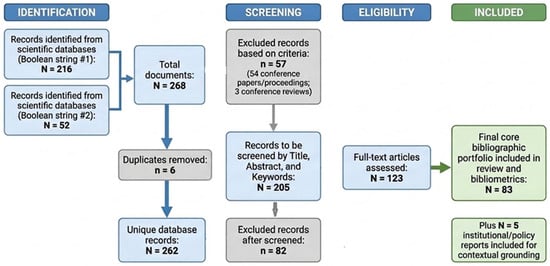
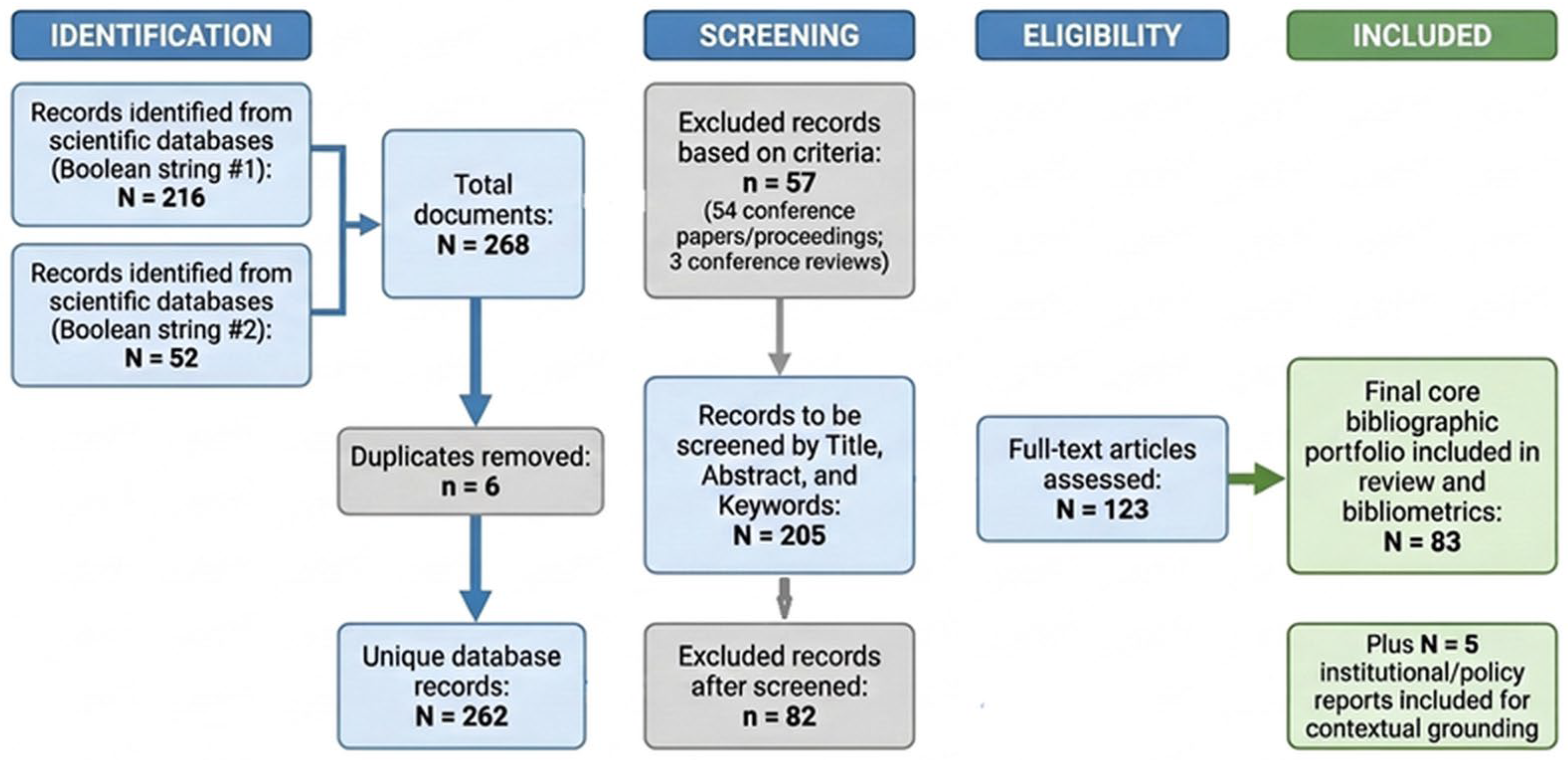
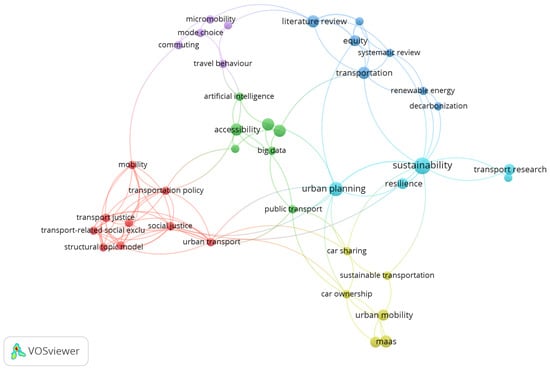
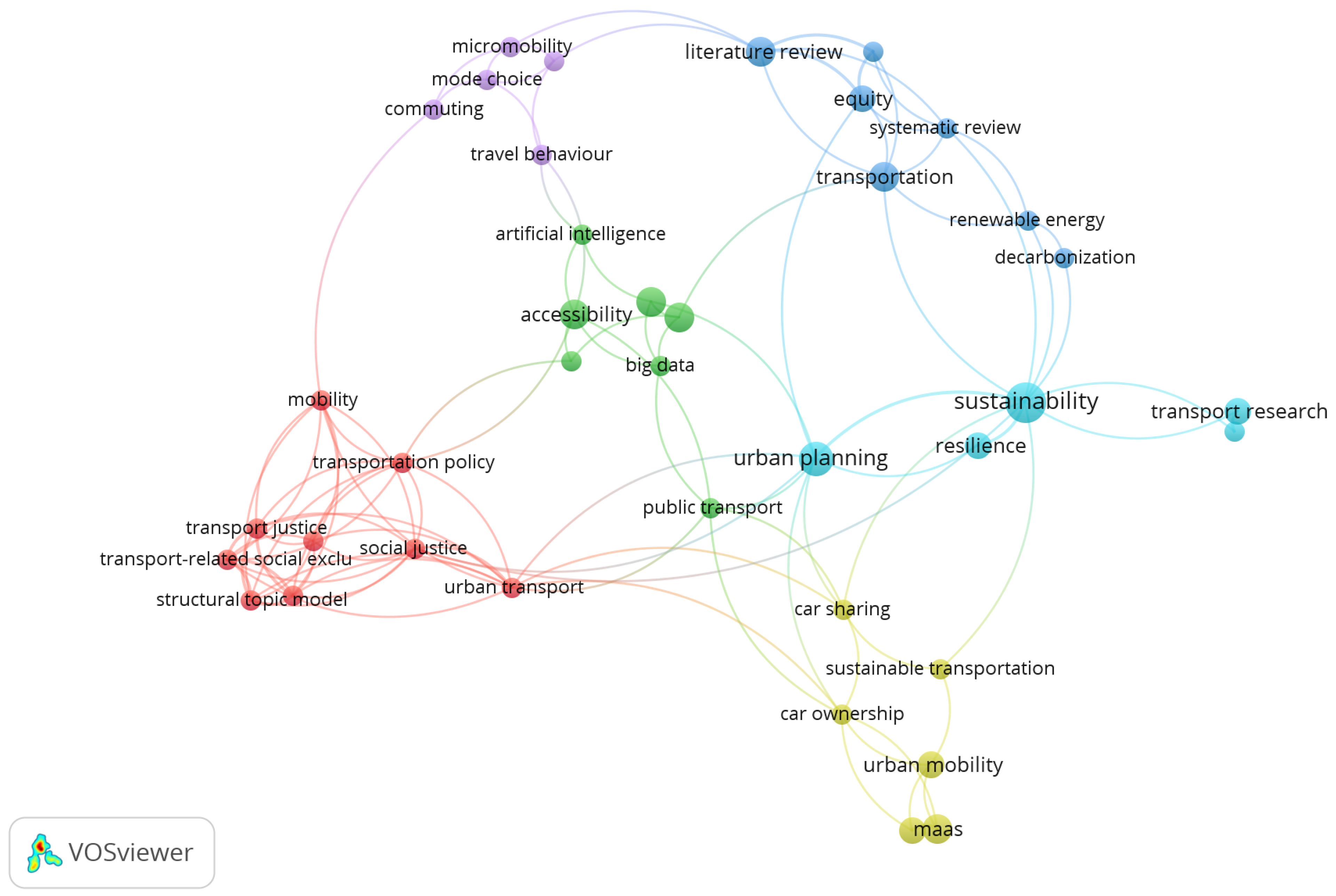
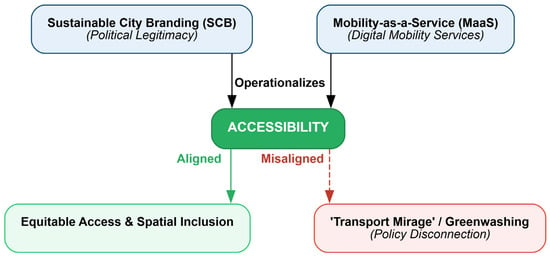
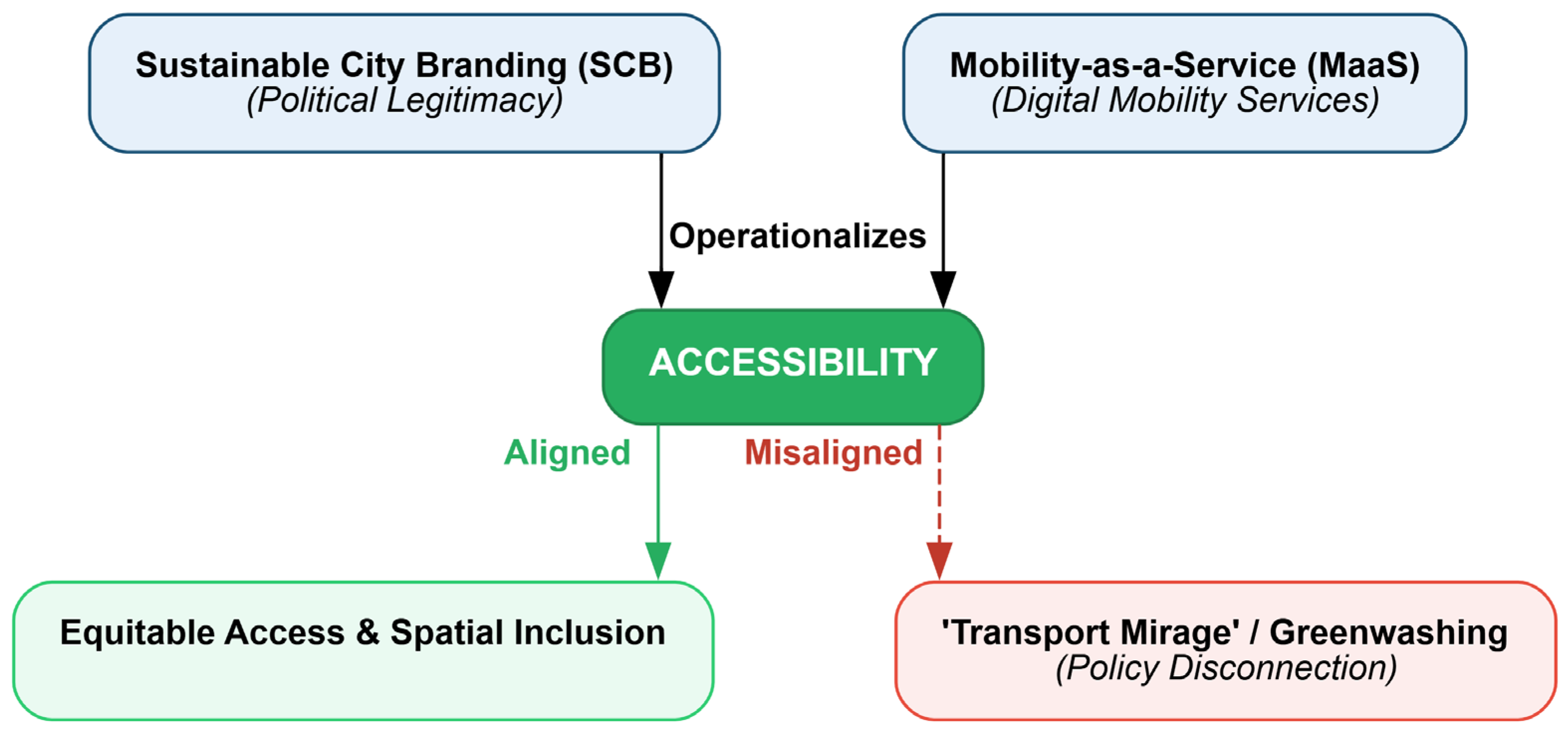

Disclaimer/Publisher’s Note: The statements, opinions and data contained in all publications are solely those of the individual author(s) and contributor(s) and not of MDPI and/or the editor(s). MDPI and/or the editor(s) disclaim responsibility for any injury to people or property resulting from any ideas, methods, instructions or products referred to in the content. |
© 2026 by the authors. Licensee MDPI, Basel, Switzerland. This article is an open access article distributed under the terms and conditions of the Creative Commons Attribution (CC BY) license.