Article

Effects of Violin Back Arch Height Variations on Auditory Perception

1
Faculty of Electrical and Computer Engineering, Dresden University of Technology (TUD), 01069 Dresden, Germany
2
Faculty of Applied Arts, Westsächsische Hochschule Zwickau (WHZ), 08056 Zwickau, Germany
*
Author to whom correspondence should be addressed.
Acoustics 2025, 7(2), 27; https://doi.org/10.3390/acoustics7020027

Submission received: 3 March 2025 / Revised: 22 April 2025 / Accepted: 6 May 2025 / Published: 14 May 2025

Abstract

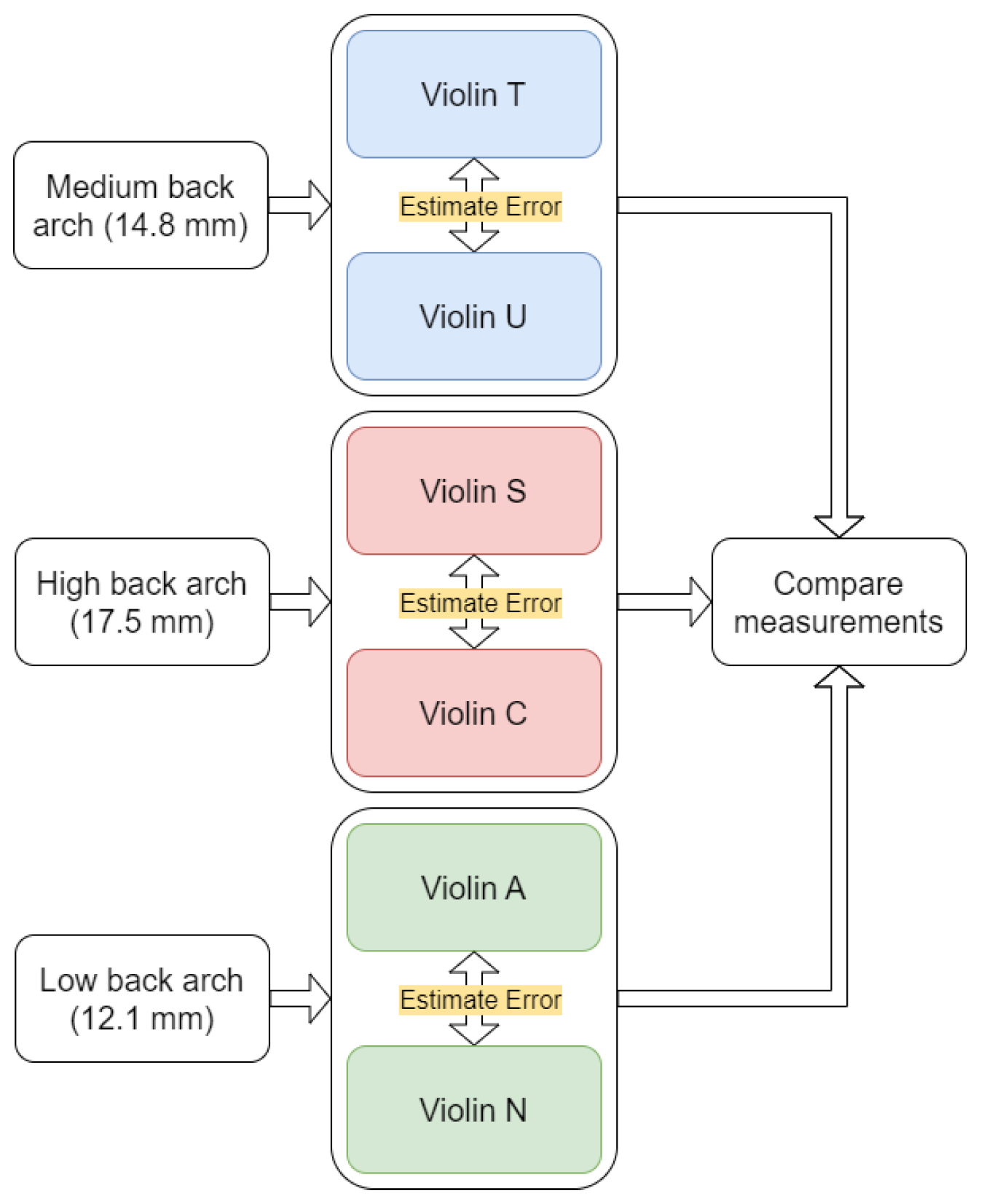
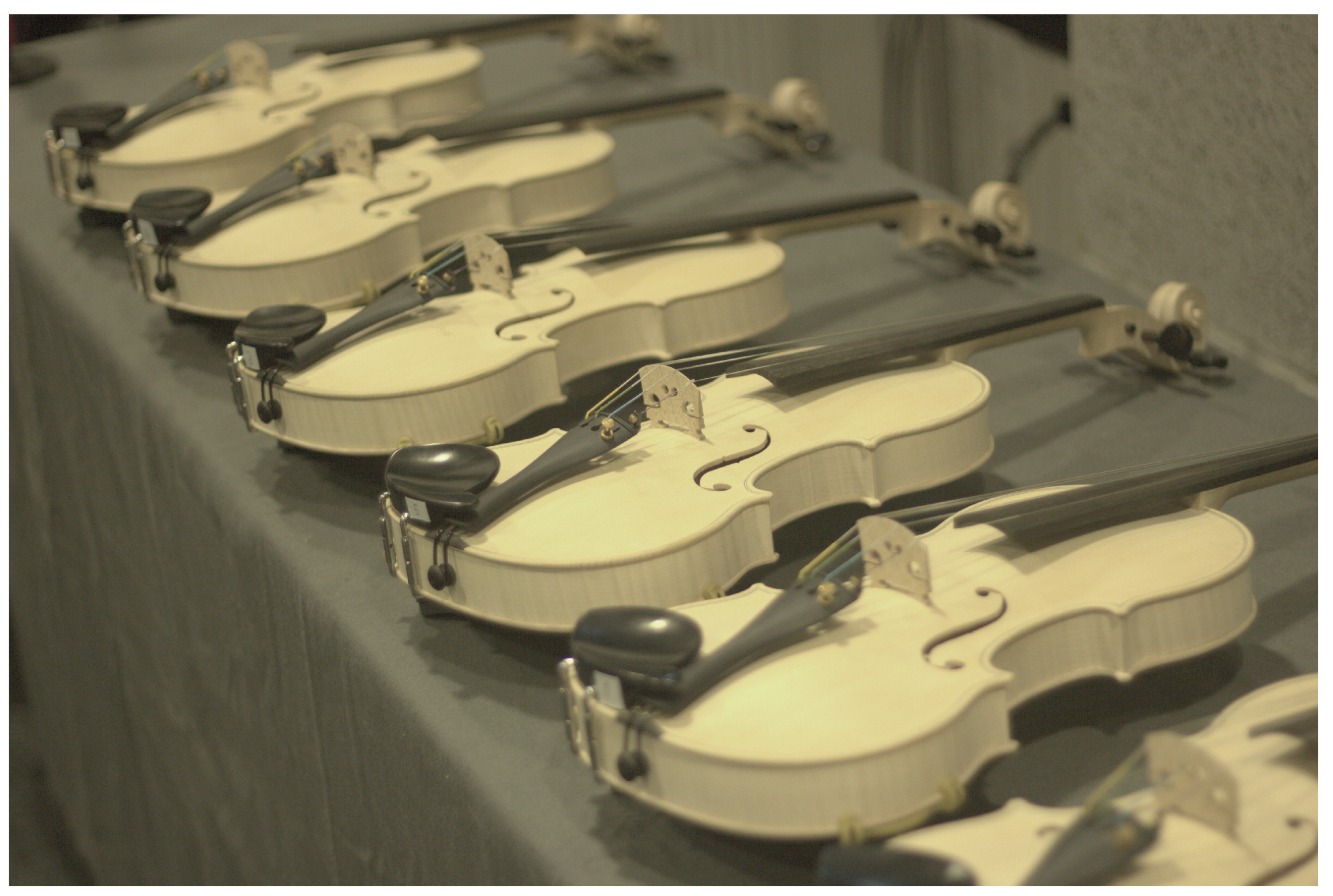
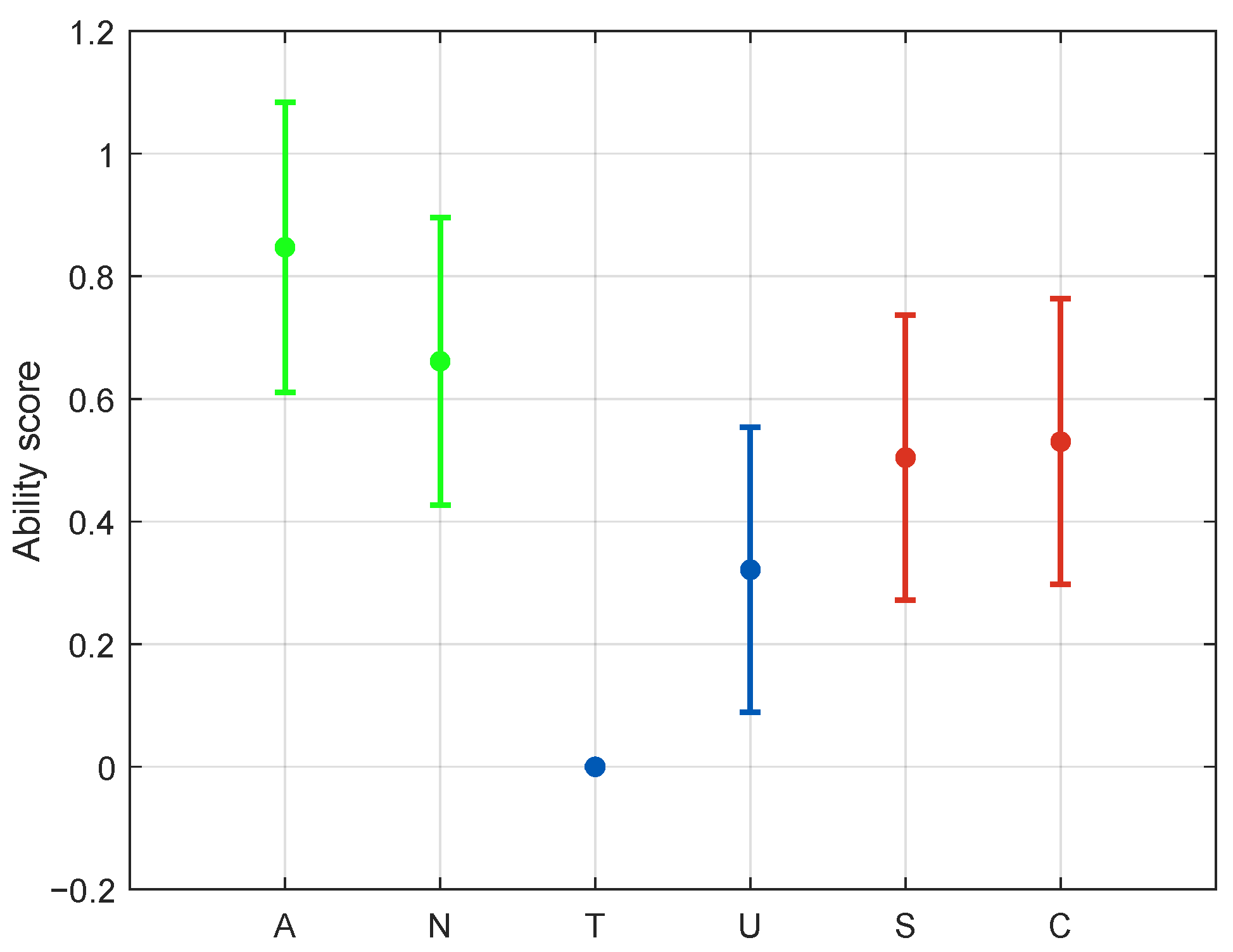
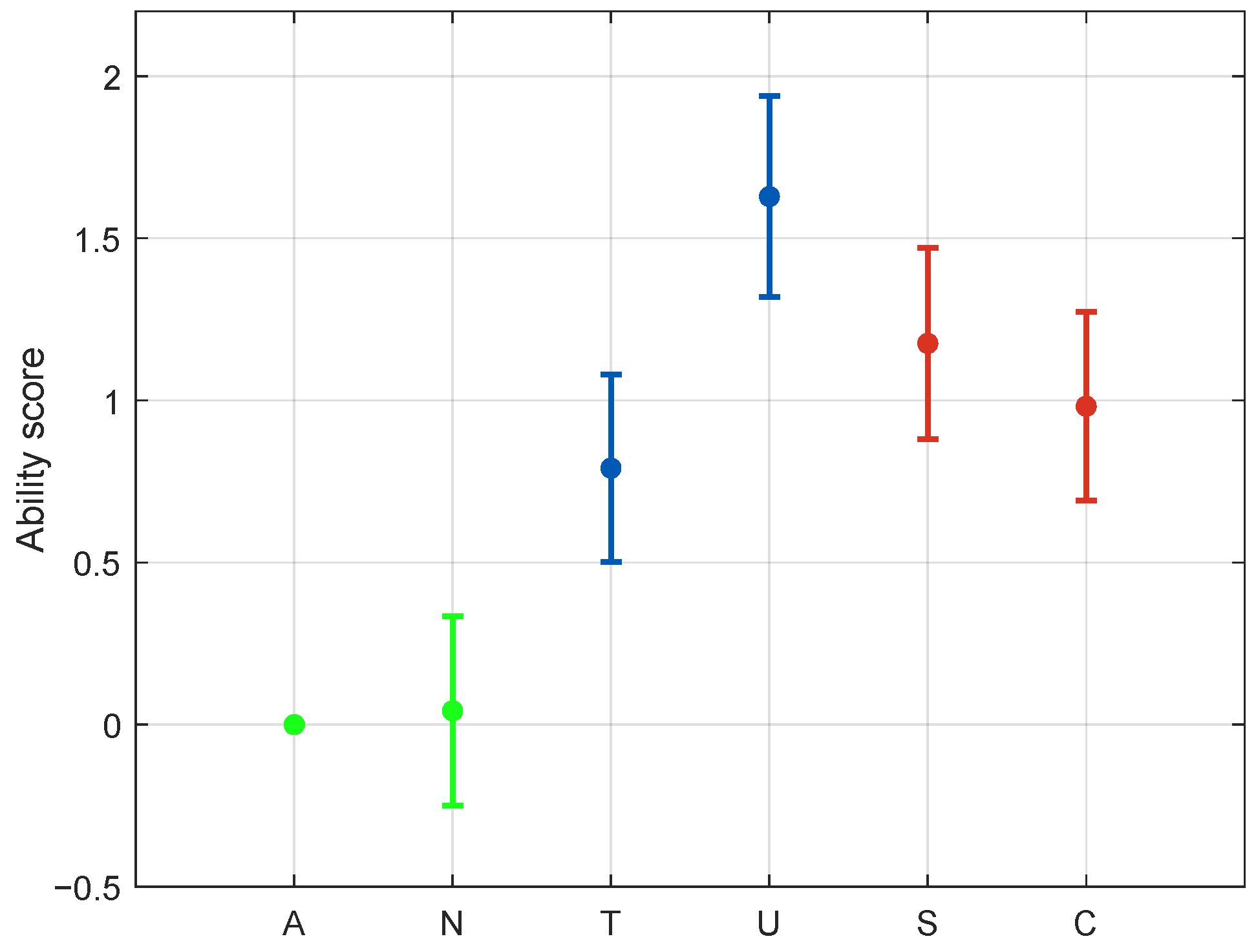
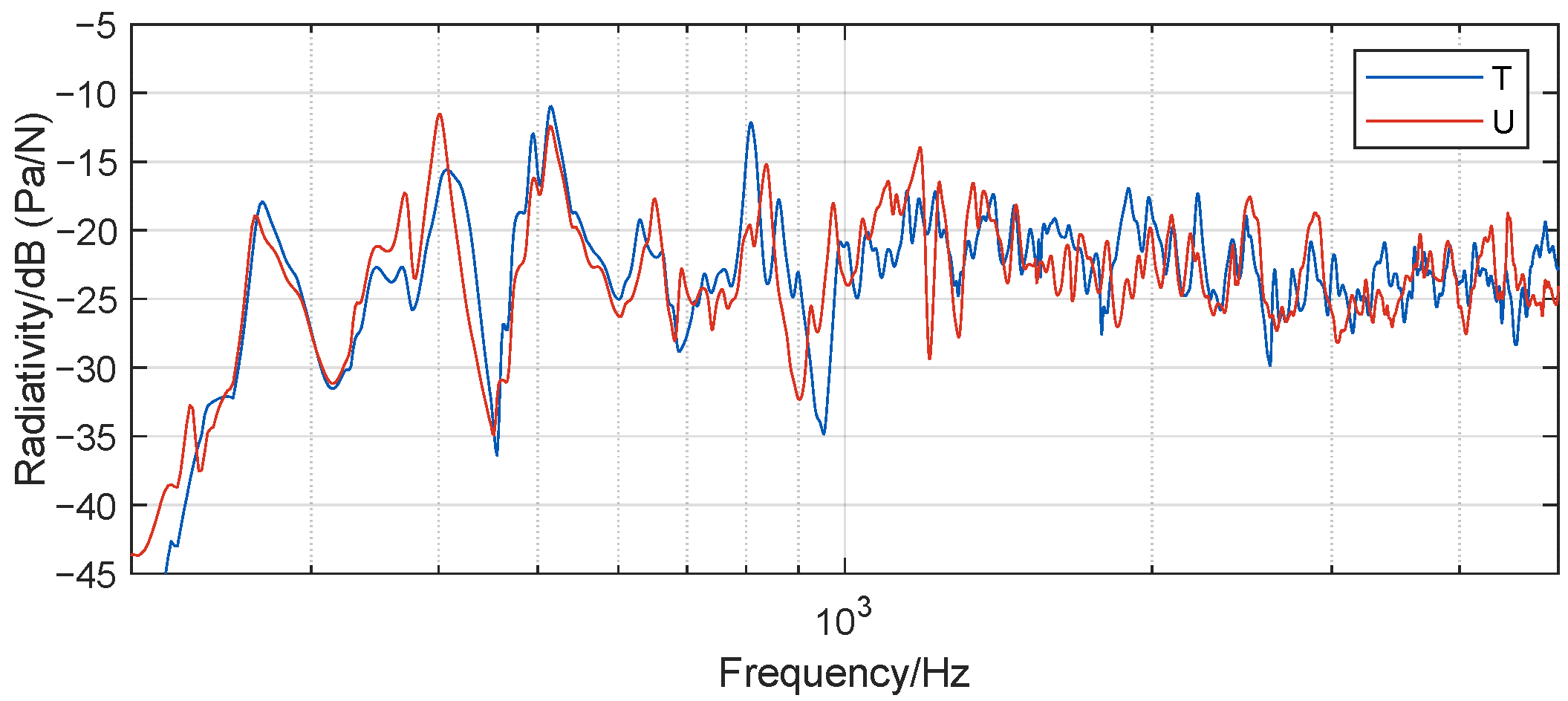
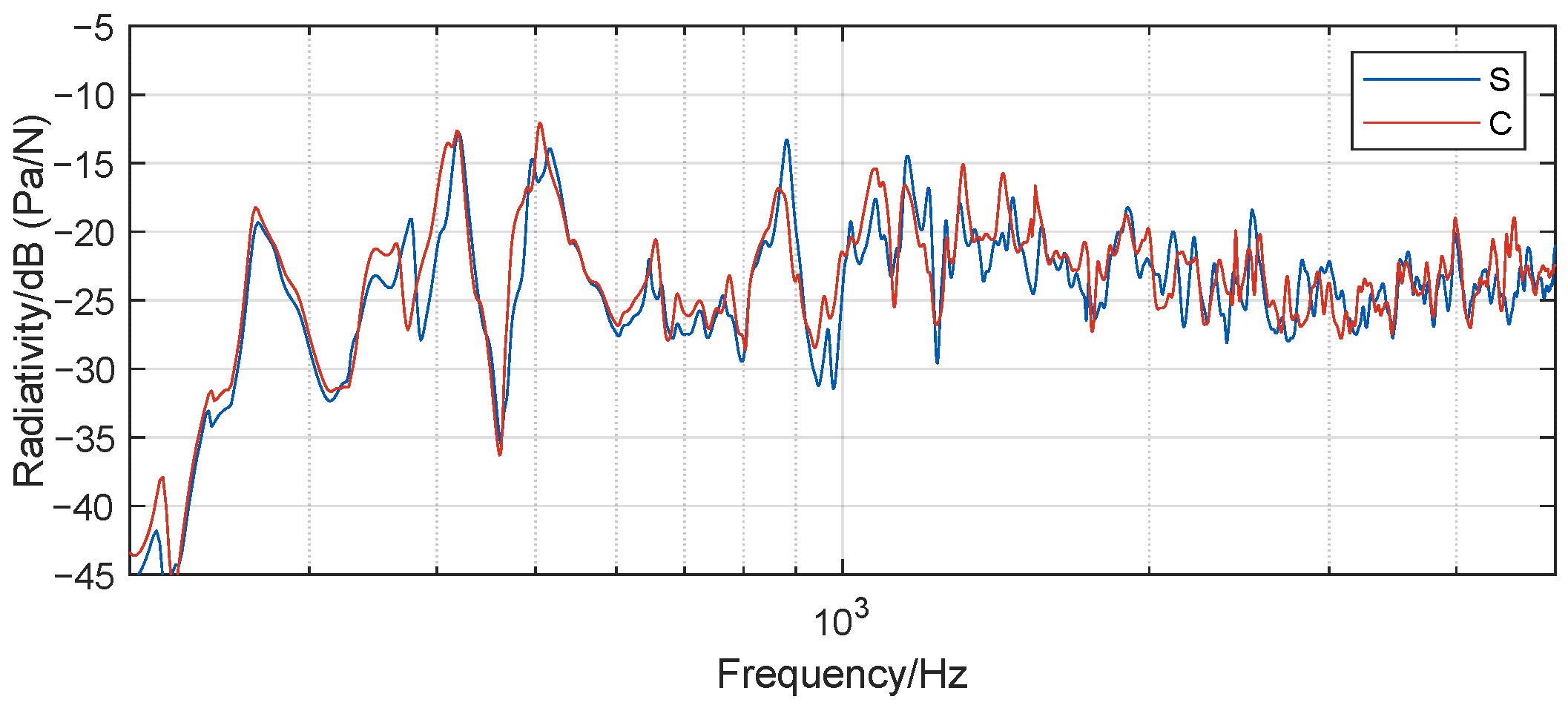
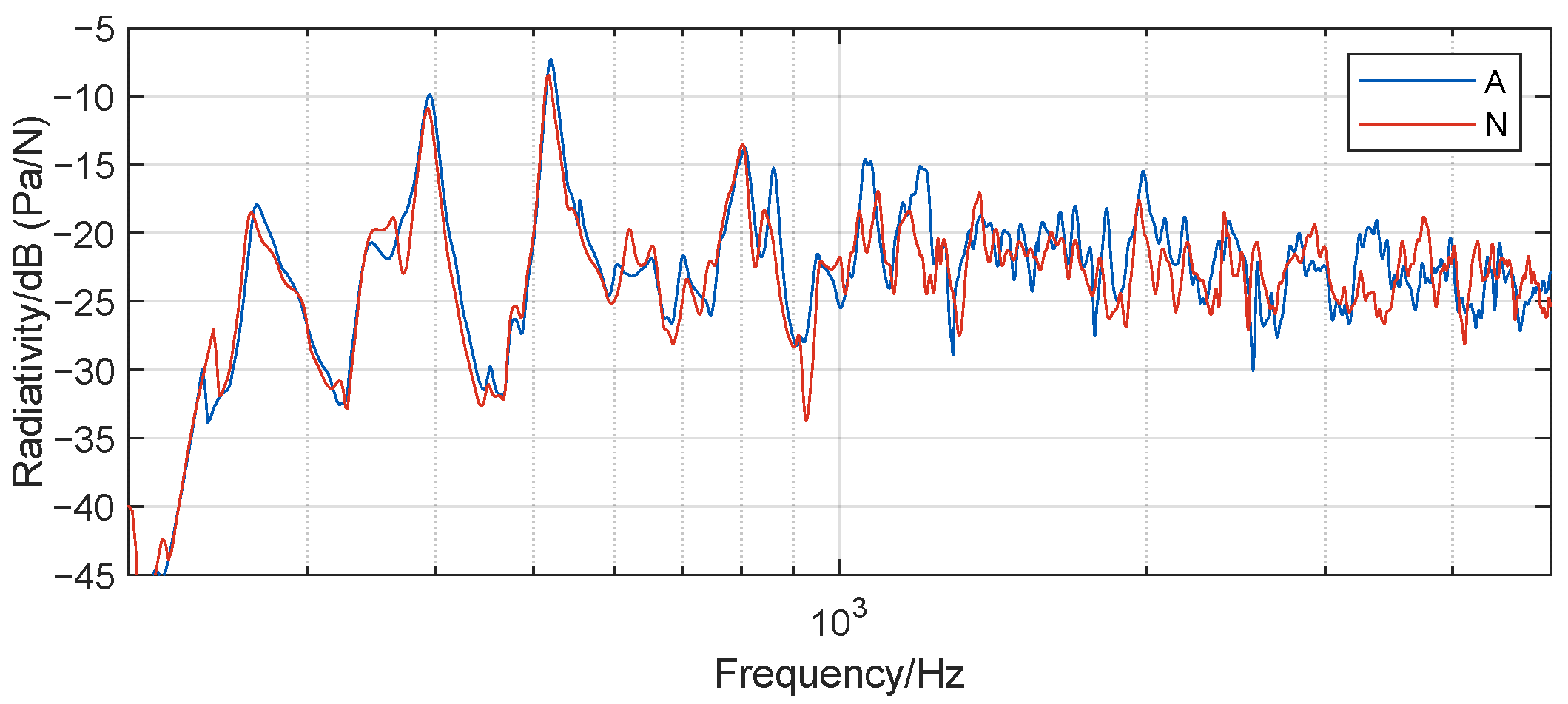
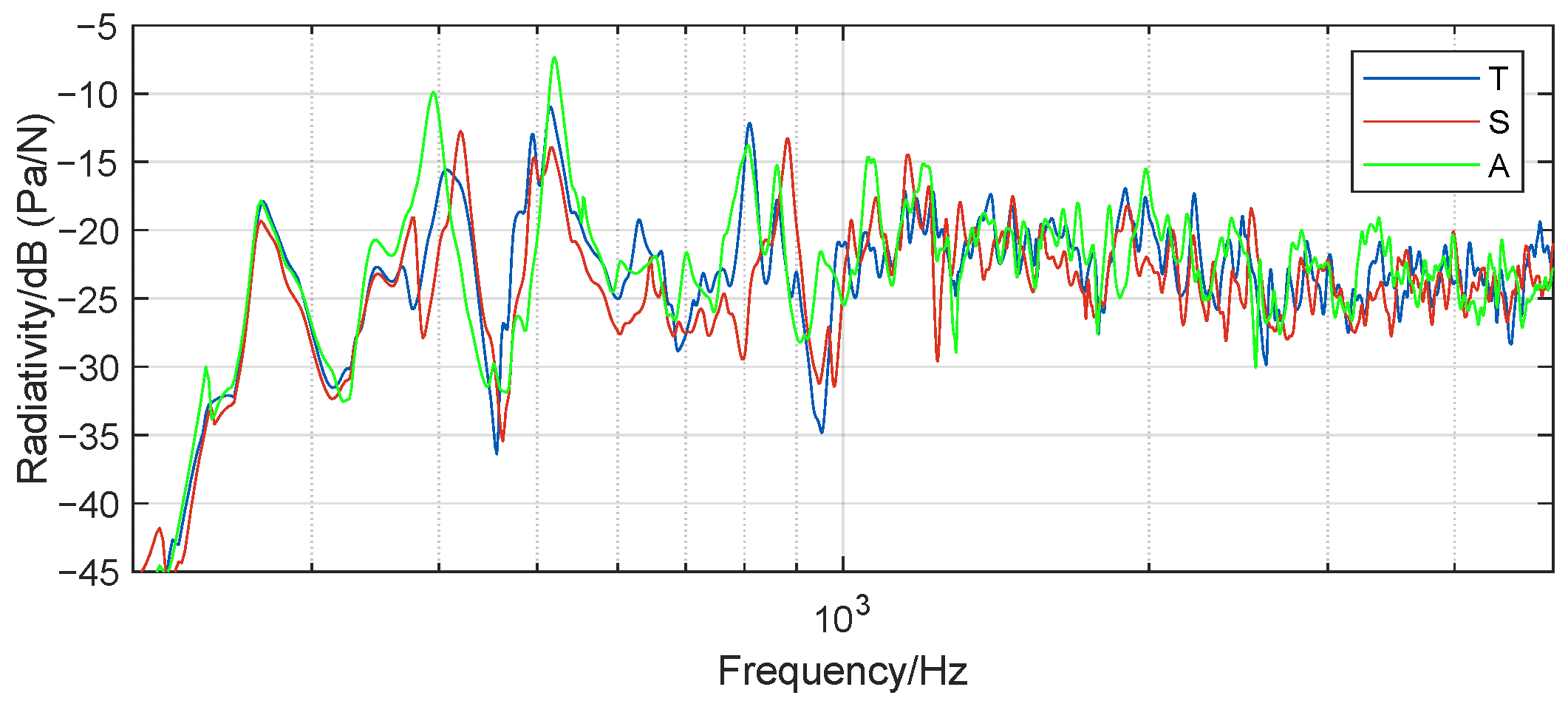
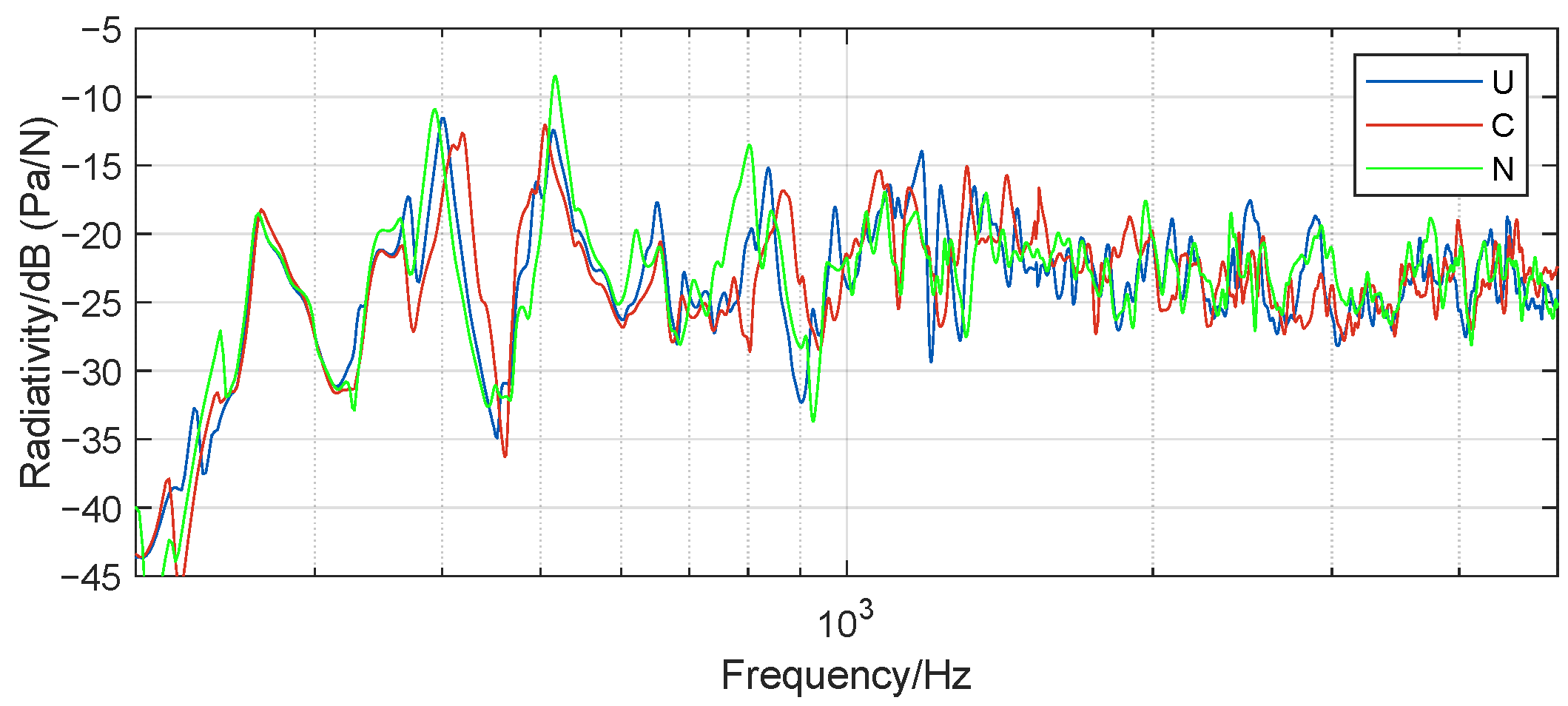
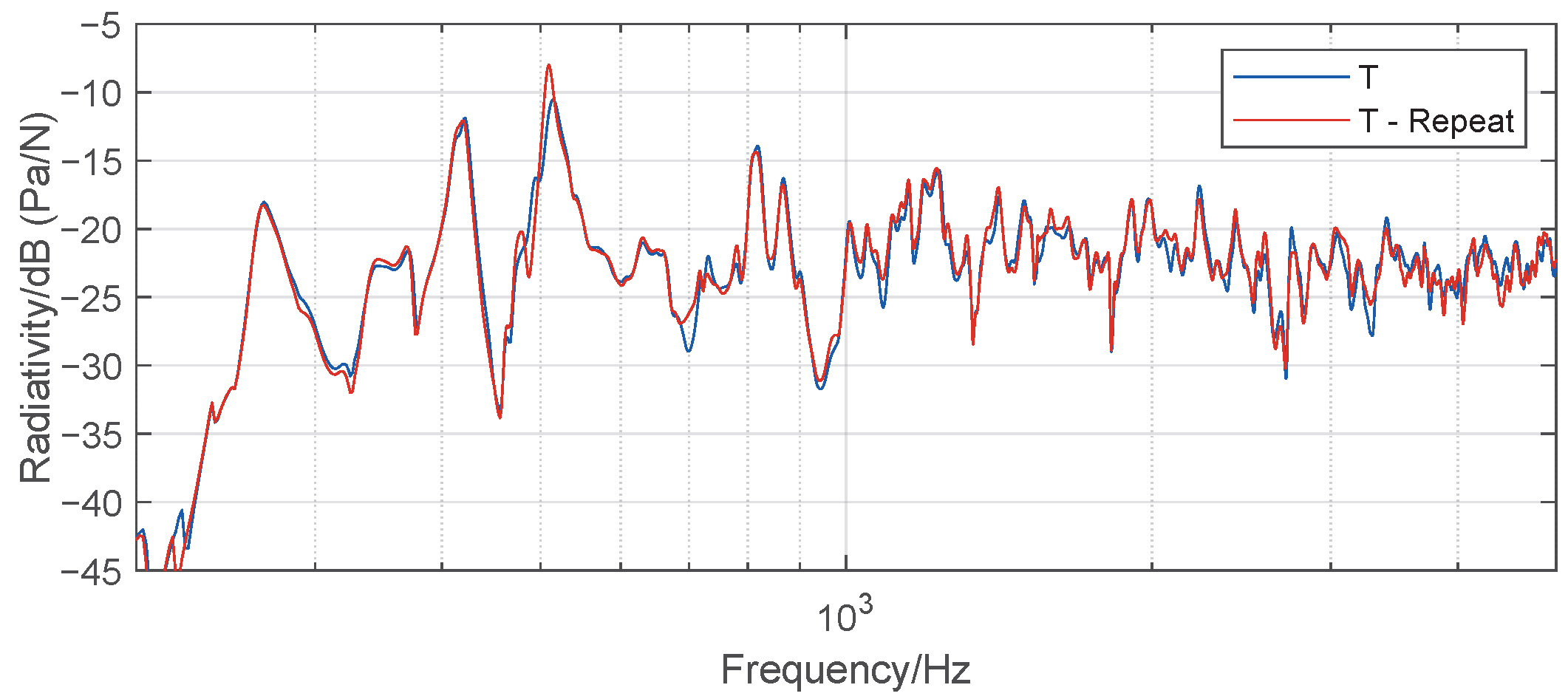
One of the quintessential goals of musical instrument acoustics is to improve the perceived sound produced by, e.g., a violin. To achieve this, the connections between physical (mechanical and geometrical) properties and perceived sound output need to be understood. In this article, a single facet of this complex problem will be discussed using experimental results obtained for six violins of varying back arch height. This is the first investigation of its kind to focus on back arch height. It may serve to inform instrument makers and researchers alike about the variation in sound that can be achieved by varying this parameter. The test instruments were constructed using state-of-the-art methodology to best represent the theoretical case of changing back arch height on a single instrument. Three values of back arch height (12.1, 14.8 and 17.5 mm) were investigated. The subsequent perceptual tests consisted of a free sorting task in the playing situation and three two-alternative forced choice listening tests. The descriptors “round” and “warm” were found to be linked to back arch height. The trend was non-linear, meaning that both low- and high-arch height instruments were rated as possessing more of these descriptors than their medium-arch height counterparts. Additional results were obtained using stimuli created by hybrid synthesis. However, these could not be linked to those using real playing or recordings. The results of this study serve to inform violin makers about the relative importance of back arch height and its specific influence on sound output. The discussion of the applied methodology and interpretation of results may serve to inform researchers about important new directions in the field of musical instrument acoustics.
Keywords: acoustics; violin; perception; back; arch height; hybrid synthesis; listening tests acoustics; violin; perception; back; arch height; hybrid synthesis; listening tests