


Abstract
Polyurethane (PU) is a highly versatile class of polymer utilised in many industries, including the aerospace sector. In conjunction with its superior mechanical properties, chemical resistance, and durability, it can be highly flammable depending on its form. This poses a risk aboard aircraft, which contain numerous fire hazards and cramped cabin spaces, proving an obstacle for the evacuation of passengers in an emergency. Flame-retardant additives have proven to enhance the thermal properties of polyurethane, but their toxicity and tendency to degrade mechanical performance make them unappealing. This review addresses three main topics: (1) the basic synthesis and structure of PU and modification through additives; (2) types of PU, their properties, and applications in the aerospace industry; and (3) evaluation methodologies for characterising PU performance, studying mechanical properties and thermal degradation. Several key challenges remain, including understanding the long-term durability of modified PU, optimising between fire performance and mechanical properties, improving the sustainability of PU throughout its lifetime, and validating numerical simulation as a viable testing method. This review aims to guide future research on modified PU technology to achieve safer, high-performing, and sustainable solutions for the aerospace industry and beyond.
1. Introduction
Polyurethane (PU) is a highly versatile class of polymers that is employed in crucial sectors such as the automotive, construction, and consumer industries. It exists in multiple forms, including foam, coatings, elastomers, and adhesives. PU’s popularity can be attributed to its superior mechanical properties, chemical resistance, and resilience [1]. The annual growth rate is 8% and is projected to reach a market size of approximately 120 billion USD by 2030 [2]. PU foam (PUF) for seating is favoured for its comfortable cushioning and ability to reform after compression, and PU panelling provides strong insulation against the cold exterior atmosphere.
Aircraft are composed of numerous components that present fire hazards, ranging from the fuel powering the engines to the electrical systems operating onboard. Additionally, there has been an increase in the use of Lithium-ion (Li-ion) batteries, which are known to spontaneously combust [3]. While forms of PU are non-flammable, such as cured elastomers, PUF is considered flammable due to factors such as its porous nature [4]. This can exacerbate the overall fire risk in emergency situations. Therefore, non-flammable interior materials can slow the spread of fire, buying valuable extra time for passenger evacuation.
Passenger safety remains the foremost priority within the aerospace industry, as reflected in the mission statements of regulatory authorities such as the Federal Aviation Administration (FAA) [5]. Any technological advancement that enhances passenger safety, particularly in fire scenarios, is considered valuable. One effective approach to reducing the fire risk posed by cabin materials is to increase their fire resistance using flame-retardant additives (FRAs). These additives, incorporated in small percentages, can significantly improve fire performance without altering the base material’s mechanical or functional properties. This method is often preferable to replace entire materials, as it reduces the need for requalification and avoids disruption to the manufacturing processes.
While the aerospace sector has established itself as one of the safest transportation industries, it is also among the largest contributors to global greenhouse gas emissions. Between 2013 and 2019, CO2 emissions from aviation increased by approximately 33% [6]. Although most of these emissions result from jet fuel combustion, onboard fires also contribute to environmental damage through the release of toxic gases and particulate matter. When considering increasing global pressure on the aviation industry to adopt sustainable practices, the materials and additives used to enhance fire safety must also reflect environmental responsibility.
While there are numerous studies investigating the effects of FRAs in PU, both thermally and mechanically, there are few that analyse them in the context of the aerospace sector. The aircraft environment presents unique challenges, especially with the sheer number of ignition sources. Aircraft design is highly sensitive to weight requirements, and a change in the mass of components can have a compounding effect on aerodynamic and propulsion performance. Weakening mechanical properties through additives similarly has negative effects, such as fragile internal walls and uncomfortable seat cushioning. As well as property optimisation, diverse testing methods are an emerging concept, with limited research into the synergistic benefits of combined techniques. There have been promising results regarding the collaboration between physical and numerical characterisation methods to gain a deeper insight into the performance of modified PU during combustion. Again, this is yet to be applied to an aerospace context.
This review synthesises current knowledge on FR PU, focusing on the relationship between chemical composition, additive modification, mechanical behaviour, fire performance, and its application in aircraft. Through this holistic approach, PU materials will become safer, higher-performing, and sustainable.
2. Background
PU was first synthesised by Dr Bayer to optimise the reaction between hydroxyl (-OH) and isocyanate groups and became commercially available in the 1950s [7]. During the thermal decomposition of PU, chemical bonds will progressively rupture as a function of temperature [8]. The main asphyxiants produced during PU combustion are carbon monoxide (CO) and hydrogen cyanide, which is a highly toxic and flammable gas [9]. This risk is exacerbated in enclosed settings, such as aircraft cabins, where restricted ventilation accelerates smoke accumulation and slows evacuation.
There have been extensive studies on the fire behaviour of PU in various forms. Thermogravimetric analysis (TGA) coupled with Fourier transform infrared (FTIR) and mass spectroscopy (MS) reveals that PU, in forms such as rigid foam, undergoes staged thermal degradation [10] with high temperatures and smoke production [11]. FPUF is particularly dangerous as it easily spreads fire through self-propagation from melting [12]. Although polyol-derived char provides a partial thermal barrier, it is ineffective at preventing continued ignition and heat penetration.
Current commercial aircraft operate using jet fuel, which is derived from petroleum sources [13] and is extremely flammable [14]. The fuel tanks are housed in the wings, fuselage and tail, depending on the aircraft model. In the event of a crash, the exterior structure of the plane is likely to be compromised, exposing the fuel in the tanks to open air. The impact can cause the fuel to combust. On-board fire was responsible for the fourth highest number of passenger fatalities in 2005 on Boeing aircraft [15]. In addition to fuel fire, electrical faults from fly-by-wire systems and the increasing use of Li-ion batteries contribute to the fire risk [16]. If the fire reaches the cabin, the flammable materials contained within will likely ignite. This is dangerous to the passengers on board and makes evacuation more difficult. General practice in the commercial aviation industry is to maximise the number of passengers on board to generate the most revenue [17]. This has led to cramped cabin space, which also contributes to the challenge of evacuating in the case of an emergency.
Traditionally, the fire testing of aircraft cabin components has been conducted using burn tests to mimic real-world fire scenarios. These tests are destructive and test the component in isolation, which increases costs when repeat testing is required and limits the accuracy of the test results. Numerical simulation is steadily growing in use and can closely compare with the behaviour of fire spread in the natural environment. Small-scale modelling has previously been conducted with the simulation of fire behaviour in a single row of cabin seating [18]. However, there is significant potential to expand this research by applying similar approaches to larger, more complex scenarios, including full cabin environments and other areas of the aircraft interior.
A challenge with numerical modelling is effectively simulating random factors that influence fire behaviour, such as airflow and material interaction. The growth of the fire and the amount of smoke produced can be the difference between a successful evacuation and mass fatalities. Human behaviour during emergencies has a similar impact on evacuation time as logic gives way to panic. Modelling of this behaviour has been studied in a civil construction context to assist in the improvement of building layouts and evacuation plans, even before the 9/11 terrorist attacks on the World Trade Centre [19]. However, the layout of an aircraft cabin creates unique challenges and obstacles for evacuation during an emergency. This combined approach enhances the reliability of FR PU formulation and supports the development of safer, more resilient aircraft.
3. Materials
3.1. Matrix
PU is fundamentally a combination of polyols and isocyanates with short-chain polymers, or oligomers [20]. It is an exothermic reaction that occurs between the hydroxyl group of the polyol and the isocyanate group and forms a urethane linkage [21]. Its structure cannot be represented by a simple chemical diagram and is instead regarded as a class of polymers [20]. Any polymers with a urethane repeat unit are classified as PU, regardless of other incorporated structures. The isocyanate group can react with other functional groups, such as amines and carboxylic acids, which gives a large range of PUs with different physiochemical properties [21]. In Figure 1 below is the simple chemical structure of urethane.
Figure 1.
The chemical structure of a urethane unit [20].
The types of polyols, isocyanates, and chain extenders used, their relative composition, and the method of manufacturing determine the properties of PU. Therefore, its matrix can look very different depending on its application. The amount of cross-linking that occurs between the polyol and the isocyanate determines if the produced PU is thermoplastic or thermoset [21]. Thermoset PUs are the most common and are thermally stable, caused by dense cross-linking.
3.1.1. Polyols
A polyol is any polymer backbone containing two or more hydroxyl groups. The two most common polyols are polyether-based and polyester-based, with each having its own advantages [21]. Other polyols include polycarbonate, acrylic, and polybutadiene, but these are less widely used due to cost and other factors. Polyether is used when high viscosity and flexibility are required, while polyester is used in applications requiring flame retardance and strength. In Figure 2 below is the chemical structure of polyester and polyether.
Figure 2.
The chemical structure of a polyester linkage [22].
While polyester has a relatively simple chemical structure, polyether is more complicated. There are three main types of polyether: poly(arylene ether), poly(aryl alkyl ether), and poly(alkyl ether) [22]. They can be represented by the chemical drawings in Figure 3 below.
Figure 3.
Polyether structure: (a) general polyether, (b) poly(arylene ether), (c) poly(aryl alkyl ether), and (d) poly(alkyl ether) [22].
Poly(arylene ether) contains further subtypes to differentiate linkages and bridges. Table 1 displays the different polyols with their relative advantages and disadvantages.
Table 1.
A comparison of polyols and their properties.
Polyols can also be customised with additives to enhance their properties, such as their flame retardance. Ding et al. [27] synthesised a novel castor oil-based polyol to enhance the flame retardance of PUF. Initially, an amide was synthesised from castor oil and other chemicals, then epoxied with acids, and finally, additional chemicals were synthesised to result in a novel polyether-based polyol. The foam product created from this polyol showed improved flame-retardance compared to the base PUF due to the promotion of a protective char layer.
3.1.2. Isocyanates
Isocyanates are the functional group -NCO [28] and are characterised as highly reactive and versatile, reacting well with molecules containing active hydrogens [23]. The two prominent isocyanates are toluene diisocyanate (TDI), mainly used in flexible foams and coatings, and methylene diphenyl diisocyanate (MDI), mainly used for rigid foams and adhesives. These are both aromatic isocyanates with rigid rings in their structures, which supports the formation of stiff and thermoset PUs. There are also aliphatic and cycloaliphatic isocyanates, which all have different structures. Aliphatic isocyanates, such as hexamethylene diisocyanate (HDI) and isophorone diisocyanate (IPDI), contain an alkyl chain and are used for coatings. In Figure 4 below are the chemical structures of TDI and MDI, which both contain rings.
Figure 4.
The chemical structure of (a) TDI and (b) MDI [23].
MDI has an additional ring and is symmetrical in structure. Below in Table 2 are the types of isocyanates and a comparison of their properties.
Table 2.
A comparison of isocyanates and their properties.
Current research is moving away from using traditional isocyanates to create PU due to environmental concerns. The primary method of production for MDI and TDI uses the ‘phosgene route’ [29]. Phosgene is a gas compound synthesised from CO and chlorine gas and is commonly used in polymerisation [30]. However, it is highly toxic and can cause damage to the skin, eyes, nose, throat, and lungs. Attempts in research to create these isocyanates via an alternative route are not promising for large-scale production [29]. There has been some advancement in using organically derived compounds to produce bio-based diisocyanates, such as lignin, with good yield.
The favoured approach is producing isocyanate-free PUs, or non-isocyanate polyurethane (NIPU), to bypass the risks associated with isocyanate [31]. The basic reaction pathway for NIPU foams, for example, is the aminolysis of cyclic carbonate with a diamine via a catalyst and can involve a blowing agent [32]. Although they are more environmentally friendly than traditional PUFs, they generally have lower mechanical strength, which poses a challenge for widespread industry adoption. Amezúa-Arranz et al. [33] devised a novel synthesis route for NIPU foams from cyclic carbonates and diamines with a sodium bicarbonate (SBC) foaming agent. Changing the size of the SBC molecule and the amount added to the mixture allowed for customisation of the resulting foam density and cellular structure. The mechanical strength of the foam products was not assessed, which suggests the current research is focused on the feasibility of producing NIPU foams.
3.1.3. Chain Extenders
Chain extenders, usually short-chain diols or diamines, space the diisocyanates in PU [23]. This bonded segment is known as the “hard segment”, and the chain extender has a significant effect on the resulting PU’s strength due to hydrogen bonding. They can also increase the molecular weight, functionality, or the soft/rigid segment ratio [21]. The end of the isocyanate is connected to the soft polyol segment. The inhomogeneous mixture formed when these two segments combine is what influences the resulting PU’s structure. The most common chain extender used in industrially produced PUF is water, with the reaction between the isocyanate and water creating the urea hard segment [23]. Table 3 below lists some common chain extenders and their chemical structure. The most common functional groups are hydroxyls and amines due to the presence of hydrogens for bonding.
Table 3.
The structure and properties of common chain extenders.
3.2. Additives
The additives in PU can be tailored to meet the needs of different applications. This can be in the form of chain extenders or catalysts in the manufacturing process. Other additives, such as interfacing agents, can assist the bonding between PU and fillers or toughening agents [28]. In the manufacturing of flexible PUF (FPUF), surfactants are an important part of the process, determining the foam’s structure and properties [38]. Silicone surfactants are the most common and consist of a polydimethylsiloxane backbone grafted with side chains. Although the function of the surfactant is not known in detail, it is believed to promote the generation of bubbles by lowering surface tension, emulsify incompatible polyurethane components, and control the stability of the cell polymer surfaces. Table 4 below outlines the types of additives used in PU manufacturing.
Table 4.
The additives in polyurethane foam manufacturing.
Catalysts promote the reaction rate between the isocyanate and the hydroxyl, reduce reaction temperatures, and improve polymerisation efficiency. There are two types: organotin compounds and amines. The former interacts directly with the -NCO and -OH groups, while the latter promotes reactions between -NCO and H2O.
3.3. Flame-Retardant Additives
Additives, or fillers, can improve the fire-resistance of PU by incorporating them into the backbone of the polymer during manufacturing. The thermal degradation of PU occurs in stages [21]. The first stage contains four main reactions and is the degradation of the urethane linkage into hydroxyls and isocyanates, or depolymerisation. The second and third stages are the production of alkenes, typically amines, and carbon dioxide. The fourth stage is dependent on the transesterification type, which is the conversion of an ester to a new ester by exchanging its functional group with an alcohol. This degradation can be slowed down or disrupted through FR additives (FRAs). There are several types, with some more harmful to the environment than others. In Table 5 below are the types of FRAs, common examples, and their FR mechanism.
Table 5.
FR Additives and Examples.
Additives can be covalently or non-covalently bonded, determined by the functional groups present. Non-covalent bonds provide weaker fire protection, so more additives are needed for adequate retardance. Unfortunately, additives are generally incompatible with PU, which affects its properties. The mechanical performance is particularly negatively impacted.
3.3.1. Halogen-Based
Halogens have been traditionally used as FRAs. Halogen radicals attach themselves to hydroxyl and hydrogen radicals generated from ignition [59]. This reduces the heat produced during combustion. They are most effective in brominated or chlorinated forms, or a combination of both [60]. The basic mechanism of fire-retardance is the bonding of the halogen to a carbon in the PU chain. However, halogenated flame retardants (HFRs) produce harmful chemicals when exposed to fire, which are detrimental to the environment [67]. Although research is moving away from halogens and investigating more environmentally friendly options, brominated compounds still dominate the commercial FR industry at 38% of the market [68].
3.3.2. Phosphorous-Based
Phosphorous compounds can be incorporated into PUF by blending them with the PU components or by reacting them with the polymer chain [60]. They primarily influence the reactions that take place in the condensed phase of combustion in three steps: dehydration or char formation, creating a heat sink, and creating a thin protective barrier. The main issue with phosphorous-based flame retardants is scorch generation or thermal stability. Phosphorous FRs can be divided into organic, inorganic, and halogenated [61]. This wide range and flexibility make them an attractive compound to replace HFRs. Organophosphates break down when heated to produce phosphoric acid, which induces the charring of the base material and creates an insulating barrier [69]. The two major types are chlorinated aliphatic compounds and aromatic diphosphates. Organophosphates have been found to leach into the environment and have toxic side effects in organisms, which is not promising for future use [70].
3.3.3. Nitrogen-Based
Traditional nitrogen-based FRs showed poor compatibility with the PUF matrix, a reduction in the foam’s mechanical properties, and leaching over time [21]. More recently, phosphorous compounds have been incorporated with nitrogen compounds to combat these problems. Nitrogen-based FRs form a char layer which suppresses smoke production during combustion. A common nitrogen–phosphorous additive is APP. Cheng et al. [71] added microcapsules of APP surrounded by a polyurea shell into rigid PUF (RPUF) to improve its flame retardancy. Cone calorimetry testing revealed a 39.4% decrease in the peak heat release rate (pHHR) and a 33.9% decrease in the total smoke production (TSP) compared to the control sample. Encapsulating the APP performed better than the unaltered APP for maximum compressive strength, which addressed the issue of additives worsening mechanical performance.
3.3.4. Carbon-Based
Carbon-based FRs are becoming increasingly popular due to being environmentally friendly [21]. Common carbon compound FRs, such as graphene, EG, and carbon nanotubes (CNTs), form great char layers. Leaching, which was of significant concern with HFRs, is less of an issue due to their natural occurrence. Graphene oxide has excellent hydrophilic properties and ease of dispersion in water [66]. Acuña et al. [72] prepared RPUF and incorporated varying amounts of EG into the mixture via the in situ method. The addition of EG decreased the pHHR, TSP, total heat release (THR), and mass loss for all modified samples during cone calorimeter testing due to char layer formation. However, with increasing contents of EG came decreasing compressive strength, which is a common finding in other studies into improving flame retardance through additives.
3.3.5. Others
Silicones are an attractive FRA as they generate minimal smoke upon fire exposure [60]. Siloxane, a common silicon-based compound, contains alternating silicon and oxygen atoms and has high thermal stability. Silicon can be used as an additive or incorporated into the backbone of PU. Improved characteristics include a lowering of the pHHR, which was demonstrated with a clay–silicate nanocomposite. Natural polymers such as chitosan and alginates (AG) are commonly combined with carbon compounds as they can create a solution that is easy to apply to foam samples [21]. Li et al. [73] dip-coated FPUF in a phosphorylated chitosan and (3-piperazinylpropyl) methyldimethoxysilane (GP-108) solution to test its FR abilities. This additive produced a 32% reduction in the pHHR compared to the control sample by forming a stable char layer. This was catalysed by the phosphoric acid in the chitosan, and the addition of GP-108 generated a phosphorous-nitrogen–silicon synergistic char layer. This char layer protected the inner foam from further degradation from the flames [73].
3.4. Flame-Retardant Mechanism
3.4.1. Free Radical Bonding
HFRs take place in the gas phase and act by interfering with the radical chain mechanism during combustion [74]. High-energy hydroxyl and hydrogen radicals formed during combustion are removed by the halogen released from the FRA. Rather than the free radical species reacting with oxygen and the decomposition gases, the halogen competes with and replaces the active chain carriers [62]. The halogen radical slows the rate of energy production, resulting in flame extinguishment.
3.4.2. Endothermic Decomposition
Metal hydrates, which are inorganic filler FRs, undergo endothermic decomposition and release water vapour upon heating [75]. The heat absorption during thermal decomposition and the addition of water production combine to cool the material [76]. The water vapour also dilutes the combustible gases produced. A glass layer is created on the surface of the material, which provides protection against further combustion [77]. A common inorganic metallic filler FR is aluminium trihydroxide (ATH), popular for its twofold FR action and cost effectiveness [78]. However, adequate flame retardance is observed at high filler contents, with 60% doping common. This negatively affects the mechanical properties of the material. ATH is therefore usually combined with other FRs to limit its impact, such as APP, antimony trioxide, zinc borate, and layered double hydroxides [79]. Common endothermically decomposing mineral fillers also include magnesium hydroxide, magnesium carbonate, and mixed magnesium/calcium carbonates and hydroxides [80].
3.4.3. Intumescent Flame Retardants
With the world becoming more environmentally conscious and the introduction of widespread bans on HFRs, more ecologically friendly FRs are in development. Intumescent flame retardants (IFRs) are becoming popular due to their high effectiveness, minimal smoke production, and low toxicity [81]. Intumescence is the characteristic of a substance that makes it swell when exposed to heat, forming an insulating barrier [82]. There are three main components to IFRs: an acid source, a carbonising source, and a foaming source [59]. The carbonaceous layer is created from the disintegration of the acid source, producing a strong inorganic acid [83]. The blowing agent degradation is triggered, and non-flammable gases are released, which may contribute to the carbonaceous layer. The protected substance will dehydrate, further increasing flame retardancy with the release of water vapour. Dehydration frequency is determined by the abundance of carbon atoms in the carbonaceous layer, and the quality of the layer is determined by the proportion of reactive hydroxyl groups. Figure 5 below is a visualisation of the intumescent process when a PUF sample is subjected to heat.
Figure 5.
The IFR mechanism to protect PU foam when exposed to flames.
Inflammable gases and water vapour are released, dehydrating the foam. The insulating char layer prevents oxygen from reaching the foam beneath and limits heat transfer, inhibiting further combustion. Compounds such as APP and EG are both IFRs. As discussed above, these insulating barriers, or char layers, effectively protect the internal PU from the flames.
3.4.4. Quantitative Comparison
Each additive operates via a different mechanism to increase the FR performance of PU. Direct comparison of this performance across different studies is inherently challenging, as key metrics, such as limiting oxygen index (LOI), pHRR, THR, and char yield, are strongly influenced by factors including additive loading, PU formulation, synergistic effects, and testing conditions [84]. In Table 6 below is a quantitative comparison of key performance metrics represented as a relative range.
Table 6.
The quantitative analysis of FRAs operating via different mechanisms.
Across all metrics, the formation of a robust char layer provides the most effective barrier against further combustion, positively affecting all thermal properties. The carbonaceous char provides insulation from the flame source, which may result in smouldering. This smouldering, however, can contribute to smoke production and is dangerous to aircraft passengers [94]. Comparatively, nitrogen-based additives provide good smoke suppression. This highlights the importance of combining additive classes to leverage their complementary effects and create a comprehensive FR formulation.
4. Application of Polyurethane
4.1. Overview
PU can come in many states, from rigid to flexible and elastic. The components used and the method of manufacturing greatly influence the properties of the final product. These properties include mechanical, thermal, and chemical. Mechanical properties of a material include fatigue, hardness, strength, and ductility. As PU is a polymer, which is an anisotropic material, its mechanical properties vary in different directions [95]. Thermal properties of a material include specific heat, conductivity, expansion, and melting point. Polymer properties can also be categorised into intrinsic, processing, and product [96]. Intrinsic properties relate to the chemical composition and structure, processing properties relate to polymer formation, and product properties relate to the polymer as a whole. PU can be divided into two general categories: foams and coatings, adhesives, sealants, and elastomers (CASE) [97]. Table 7 summarises the types of PU within these categories, their general properties, and common uses.
Table 7.
The types of polyurethane foam, properties, and uses.
As previously mentioned, PU can also be categorised as thermoset or thermoplastic [97]. Most PUs are thermoset, PUF being a common example, and some CASEs are thermoplastics, such as elastomers. As PU is so customisable, it is difficult to confine PU products into strict categories. Elastomers, for example, can also be thermoset when manufactured to have dense cross-linking. Thermosets are significantly harder to recycle due to their dense cross-linking and cannot be reformed through melting [109].
4.1.1. Polyurethane Foams
- Flexible Polyurethane Foams
FPUF is a highly porous foam that is most used as cushioning [98]. FPUFs are generally open-cell, which contributes to their flexibility. Important mechanical properties for FPUF are its high fatigue strength and elasticity, and low stiffness. The flexibility of FPUF is determined by the ratio between the soft polyol segment and the hard urea segment. It is also determined by the degree of cross-linking between the polyol and the diisocyanate. Highly cross-linked FPUFs are chemically resistant but have weaker tensile properties.
FPUF is highly flammable due to its open-cell structure. This contributes to its low LOI [110], which is the minimum amount of oxygen required in an oxygen–nitrogen mixture to sustain flaming combustion [111] and makes it susceptible to ignition. The choice of polyol has a significant effect on the flammable properties of the foam [99]. Polyether, for example, has high thermal instability and flammability [23].
It is known that foam samples with higher proportions of additives have reduced mechanical properties. Kabir et al. [112] attempted to maximise the performance of IFRs in PU composites by optimising the percentages of additives. The foam’s tensile strength was tested to gauge the alteration of mechanical properties. The additives used in the study included EG, APP, fibreglass (FG), and vermiculite (VMT). The study discovered that VMT, which is a naturally occurring mineral that undergoes expansion when heated [113], had a negative impact on the tensile strength and flexibility of the PU composite. This was counteracted with FG, which allowed the sample to retain its structure, rather than becoming molten.
- Rigid Polyurethane Foams
RPUF is a porous foam that is most used as an insulation material [98] due to its high strength, low thermal conductivity, and high chemical resistivity [101]. RPUF can be both closed and open-celled. Closed-cell foam contains isolated bubbles of gas interspersed throughout the material, whereas the bubbles in open-cell foam are interconnected and allow fluid to pass through. The rigidity of RPUF occurs due to the stiffness of the cell walls under mechanical stress [100].
The mechanical properties are primarily affected by the temperature at which the foam is manufactured and tested, as this determines its density [114]. Density is also closely correlated to the size and shape of the cells, with smaller cells producing more rigid foams. The type of polyol used can also affect the physical and mechanical properties of RPUF [98]. Both petroleum-based and bio-based polyols can be used to synthesise foam; however, they contain different hydroxyl groups. Petroleum-based polyols usually contain a primary hydroxyl group, which elicits a faster reaction than the secondary hydroxyl groups from bio-based polyols. Often, RPUF is manufactured from a mixture of primary and secondary hydroxyl group polyols.
Several studies have shown the improvement of FRAs on the thermal properties of FPUF. Thirumal et al. [115] analysed the effect of EG on RPUF. It was found that the LOI increased linearly with increased EG. This was through the reaction of EG with sulphuric acid present in the foam, which formed CO2, sulphur dioxide, and H2O gases. This diluted the oxygen percentage and hence increased the LOI. Another factor in the increase in the LOI was the formation of char, which also displayed a linear relationship, indicating a strong correlation between the char yield and fire resistance. The char layer acted as a thermal barrier around the unburnt material. Chen et al. [116] studied the flame-resistant performance of PUF coated with an AG/clay aerogel solution, an environmentally friendly additive compound. During thermal testing, it was found that TTI values increased with increasing clay content and coating thickness, with an ignition delay of up to 10 s for thickly coated samples. Comparatively, the control sample ignited after one second. The treatment of the foam samples also broadened the HRR curves and lowered the PHRR value. Similarly, the TSP was drastically reduced by the aerogel coating.
4.1.2. Coatings and Elastomers
PU can be applied to the surface of structures as a coating for protective purposes. PU coatings can be divided into single or two-component (2K) products [102]. The 2K coatings, which are stored as two separate components and are combined upon application, have the widest application and are used in the automotive, aerospace, manufacturing, and furniture industries. PU coatings are favoured for their excellent adhesion, high gloss, and resistance to chemicals, water, UV, and abrasion. Elastomers are defined as a material that rapidly returns to their initial shape after undergoing extreme deformation when subjected to a load [117]. They are known for having excellent impact-resistance, demonstrating large deformation, great shock absorption, and a high strength-to-weight ratio [107]. Elastomers can be both a thermoset, which manifests as rubber, and a hard thermoplastic.
- Thermoplastics
Thermoplastic polyurethane (TPU) is a class of melt-processable polymer, which is engineered to soften when heated so its shape can be manipulated [118]. The properties of TPU are strongly correlated to their morphology and can be customised by altering the molecular architecture, type of hard segment, length and content of the hard segment, length of the soft segment, and the hard/soft segment ratio [119]. TPUs are known for their high flexibility and durability [120]. The hard segments self-assemble into ordered domains and are dispersed throughout the soft segments, which causes microphase separation. By changing the hard/soft segment ratio, TPU’s physical properties can range from soft rubbers to hard plastic. TPUs can be used as coatings and as elastomers [121]. Aerospace-grade TPUs are typically low-temperature, flexible, biocompatible, and have high optical clarity.
- Polyurethane Ionomers
TPU can be softened by incorporating low-molecular-weight plasticisers [122]. However, their tacky consistency and processing challenges limit their use in TPU applications. Plasticiser leaching and migration decrease the TPU’s mechanical and thermal properties, as well as being an environmental concern. Ionic species can be incorporated instead into a TPU structure to soften it. Polyurethane ionomers (PUI) are named as such for the presence of ionic groups in the polyurethane backbone [98]. These cationic and anionic segments are formed by the reaction between low molecular weight compounds and ion-forming functional groups [123]. Anionomer-forming functional groups are typically carboxylic or sulphonic groups, while cationomer-forming functional groups are ammonium groups. Ionomers can enhance the mechanical properties of TPU, such as the tensile strength, elastic modulus and the elongation at break [124].
- Shape Memory Polyurethane
PUs can also exhibit the shape memory effect (SME), called shape memory polyurethanes (SMPUs), which is the ability of PU to conform to and hold a given shape [124]. The SMPU can revert to its natural shape after heating above a switch temperature, which is governed by the glass transition temperature (Tg). The reversible phase, made up of the soft segments, is responsible for this temperature. The frozen phase, made up of the hard segments, prevents molecular chain slippage and is responsible for shape memorisation. Introducing ionomers in SMPUs has been shown to change the glass transition temperature and enhance the crystallisation of hard segments, resulting in better SMEs. Ionomers can be incorporated by either ionic diols or ionic groups containing diisocyanate during preparation [98].
- Water-Based Polyurethane
PU is naturally hydrophobic, and due to the sensitivity of diisocyanate to water, it cannot be used as a solvent during fabrication [124]. Volatile organic compounds have traditionally been used as solvents, but due to environmental concerns, this use has declined [125]. Alternatively, hydrophilic segments can be incorporated into PU to form a polyurethane dispersion (PUD), which is a colloidal system of hydrophobic PU distributed in an aqueous phase. These hydrophilic segments act as emulsifiers without the need for additional emulsifiers [124]. WPUs can be used as coatings in textile, timber, and metallic applications [126]. An advantage of waterborne polyurethanes (WPUs) is the independence of the solution’s viscosity from the molecular weight of the dispersed polymer. PUIs can also act as WPUs and be used as surfactants with finer particle sizes than other WPUs. The dual hydrophilic and hydrophobic nature of PUI allows the formation of micelles, with an important waterborne PUI being urethane–acrylic polymers synthesised from PU anionomers [123].
4.1.3. Adhesives and Sealants
Adhesives and sealants have similar chemistry, defined by the method of application and treatment [106]. An adhesive is a substance capable of firmly and permanently adhering surfaces together, whereas a sealant can attach to surfaces and cover the gap between them. PU sealants have good adhesion, flexibility, and abrasion resistance. PUDs can also be in an adhesive form and bond through cure by chemical reaction or drying evaporation [34]. Some adhesives and sealants also have a Tg, making them a form of TPU. The Tg should be greater than the upper use case temperature; however, significantly higher Tg lowers the peel strength. Resins operate above the Tg, and using below the Tg causes brittleness.
- Polyurethane Binders and Membranes
PU binders are commonly used in the construction industry to improve the properties of concrete, preferred for their superior strength, corrosion and chemical resistance, high elongation, and impact resistance [127]. It is also used in asphalt pavement to improve its temperature sensitivity and rheological properties [128]. Polyurethane membranes are commercially used as waterproof coatings for structures such as roofs and balconies, and in more advanced applications such as gas separation [129]. PU is favoured for the ability to modify its gas transport properties, which are gas permeability and selectivity, by changing parameters like the hard-to-soft segment ratio and molecular weight.
4.2. Use of Polyurethane in Aircraft
4.2.1. Cushioning Technology
- Seating Technology
Aircraft seats fundamentally consist of an internal structure, padding, and a fabric cover. The padding is commonly FPUF due to its softness and structural integrity. The foam can compress when subjected to a force, such as a person sitting on it, but maintains some structural rigidity for comfort. Importantly, it holds its shape and can be compressed repeatedly, withstanding many flights. In Figure 6 below is the cross-section of an economy seat cover [130].
Figure 6.
An economy seat and cross-section of fabric cover to show internal composition [116].
FPUF can be made cheaply in large quantities and is lightweight, an important consideration for airlines [131]. Aircraft design is highly optimised for strength to withstand loads and low weight to reduce fuel consumption, which is simultaneously a cost-saving and environmental measure.
Some research has investigated alternatives to FPUF for more sustainable aircraft seat cushioning, as most PU is not recycled [132]. Kokorikou et al. [133] proposed and tested a novel aircraft economy seat by replacing the FPUF of the backrest and seat pan with polyester 3D spacer and suspension fabrics, respectively. The seat was tested for comfort through a survey from participants, which concluded that it was of equal comfort to a commercial aircraft seat. While the novel seat design was 30% lighter than current aircraft seats and made of recyclable polyester, the study did not include a seat cover that could be easily cleaned or perform durability testing. FPUF will likely be the cushioning material for aircraft seats for the foreseeable future.
- Carpet Cushioning
FPUF is commonly recycled by grinding it up and combining it with binders to use as carpet underlay [134]. The mixture is typically a 9:1 ratio of foam to binder, with the solution compressed and steamed to create the final product [135]. The appearance is like slab stock foam and has similar properties, which can be customised through the type of shredded foam waste used. Carpet backings are primarily for comfort when walking over them [136].
4.2.2. Composite Sandwiches
Composite sandwich structures are used extensively on aircraft, including in the radome (radar dome), aerodynamic fairings, engine covers, and some control surfaces [137]. The structure consists of two rigid composite face sheets and a lightweight, porous core [138]. It is the core foam that can be made of PU, among other materials. Composite sandwich structures are employed in the aerospace industry for their flexural strength, rigidity, impact toughness, compression strength, shear strength, durability, and insulation. PUF is favoured as a core material for its light weight, low density, and good thermal and sound insulation properties. There have been several studies into the improvement of PU mechanical properties through fillers for use in sandwich cores. Mahfuz et al. [139] doped PUF with titanium oxide nanoparticles to modify the flexural performance of the sandwich core material. A significant improvement in flexural strength and stiffness was observed compared to the neat sample. This approach can be taken to improve other properties of core material, such as fire retardance.
4.2.3. Surface Coatings
Aircraft operate in harsh environmental conditions and are subject to extreme temperature fluctuations, UV radiation, and precipitation. While aircraft skin, whether it be made from aluminium alloy or composites, can withstand immense stress during flight, it is at risk of degrading. Aluminium alloys undergo localised corrosion, including pitting, galvanic corrosion, and intergranular corrosion [140]. Polymeric materials, such as PU, are used as coatings to protect the aircraft body due to their good electrical, thermal, and mechanical properties [141]. Additives such as UV stabilisers, corrosion inhibitors, and colouring agents can be added to the polymer backbone to customise the coating for both functionality and aesthetics [142].
- Corrosion Resistance
While traditional PU coating is effective at protecting the aircraft exterior from weathering, it does experience degradation itself, which negatively impacts aerodynamic performance [142]. It is also an expensive maintenance process to strip and reapply the coating. Additives have been explored to prolong the service life of PU coatings, such as tantalum nitride [143], oligosiloxane [144], and modified titanium nitride [141]. All displayed improved corrosion resistance compared to the unmodified PU coating.
- De-Icing
As aircraft climb in altitude, the surrounding air temperature decreases significantly, reaching temperatures as low as −55 °C [145]. The aircraft’s exposure to sub-zero temperatures leaves the exterior structure prone to ice formation. Airlines employ a variety of methods to control the ice formation on the aircraft surface, such as de-icing fluid and heating through bleed air systems [146]. Recently, coating technology that prevents the accretion of ice on the surface of the leading edge of wings has been developed. Przybyszewski et al. [147] modified the PU coating with nanosilica and three-functional spherosilicates and tested the coating on an airfoil in an icing wind tunnel, demonstrating a 65% reduction in ice accretion compared to the neat coating. The technology functions by increasing the slipperiness of the aircraft surface, similarly demonstrated by Song and Benmeddour [148] with their novel slippery PU coating.
4.3. Sustainable Polyurethane Market
The fire-retardancy enhancement of PU has been explored since the 1950s, when it was observed that cushioning in domestic furniture contributed to the spread of household fires [149]. Traditionally, this fire risk has been commercially reduced using chlorinated, brominated, and phosphorous FRAs [60]. However, numerous studies have emerged on the harmful impacts of these FRAs on the environment and human health, and they are now considered global contaminants [150]. Alternatively, bio-based FRs have been shown to improve fire resistance and reduce toxic substance emissions. Natural polymers such as lignin, chitosan, and AG can slow the release of volatile gases through char formation and water vapour [151,152,153]. These FR polymers can also improve the mechanical properties of PU, such as compression strength [154]. Despite these advantages, large-scale adoption of biomass-derived FRAs is yet to occur [67].
In addition to bio-based FRAs, attention is shifting to sourcing sustainable materials for PU synthesis. PU is traditionally produced from non-renewable sources such as petroleum [155]. Recently, alternative materials, such as waste cooking oil, lignin oil, and vegetable oil, have been successfully used as a feedstock to obtain polyols for the manufacturing of various PU products [156,157,158,159]. This aligns with circular economy principles, which are having an increasing influence over the design and manufacturing of PU, with the entire life cycle of the material considered [155]. Frameworks such as the life cycle assessment (LCA) evaluate and quantify the environmental sustainability of PU production [160]. LCA studies recognise the added benefit of bio-based PU for lowering greenhouse gas emissions, with environmental performance dependent on feedstock and formulation. In Figure 7 below is the sustainable life cycle of PU.
Figure 7.
The sustainable circular economy of PU and the stages of its life cycle.
PU has also gained attention for its potential in waste management and environmental protection. PUF, traditionally viewed as non-recyclable, has been used for carpet underlay, as mentioned above [134]. Recent uses have shifted towards cleaning oil spills from ocean water due to its excellent absorbency [161]. This demonstrates PU’s evolution from a single-use product into a versatile engineering resource capable of meeting diverse mechanical, environmental, and economic demands. These broad and evolving applications further highlight the need for reliable and standardised evaluation methods to ensure that both conventional and modified PU, particularly formulations incorporating polymers or FRs, can achieve the required performance in varied service environments.
5. Methodology
The combination of fabrication processes, experimental testing, and numerical simulation provides a comprehensive foundation for developing FR PU materials that meet safety and durability standards for the aerospace industry [162]. Post-fabrication assessments, including tensile and fatigue testing, validate that the samples modified with sparing amounts of FRAs do not affect the long-term durability of PU [112] and, in some instances, can improve its mechanical properties [163]. Computational analysis, such as computational fluid dynamics (CFD) and egress modelling, can predict thermal gradients, degradation kinetics, flame spread, and smoke release, capturing the combined effect of the modified thermal behaviour, aircraft environment, and human psychology on emergency evacuation. These tools can improve the accuracy of performance predictions by simulating emissions and evaluating environmental impact, guide mixture optimisation, and support product life cycle assessments.
5.1. Fire-Performance Assessment Techniques
When evaluating the fire resistance of PU, cone calorimetry conforming to American Society for Testing and Materials (ASTM) E1354 is recommended as the primary evaluation technique of the thermal behaviour of a material [164]. This method reliably and consistently measures ignition and combustion behaviour and exothermic rates in a controlled environment. Supplementary methods such as TGA can provide a deeper understanding of the PU’s thermal decomposition.
Table 8 summarises the key experimental techniques used to evaluate FR PU, with each method providing different insights into the material’s thermal and combustion behaviour. These techniques should be used in combination for a comprehensive assessment of the PU’s fire characteristics.
Table 8.
A comparative overview of fire-performance evaluation methods for PU.
5.2. Fabrication
There are multiple methods to add FR components into PUF: through a coating applied to the foam’s surface (conformal coating), through coating the foam several times (layer-by-layer), through incorporating it directly into its chemical structure during fabrication (in situ), amongst others [172]. The first method requires extensive chemical knowledge, as it must be understood how the additive will bond to the main structure and what changes to the foam’s properties, if any, will occur. The other methods are easier to implement, chemistry-wise, as these are post-processing steps. Generally, a mixture of two or more FR compounds will be added to the foam to negate detrimental effects such as smoke release.
5.2.1. Conformal Coatings
The conformal coating process is a method to incorporate another component into the foam after it has been produced. This method involves combining the additives into a liquid mixture and painting it over the foam sample or submerging the sample in a bath of the mixture, also called ‘dip coating’. The mixture can be left on the surface to protect the internal foam, or the sample can be squeezed to distribute it. Both methods were done by Lee et al. [173] to infuse a PUF block with silicone rubber and coat it with a TPU/CNT conductive mixture for pressure sensing, highlighting the different functions additives can fill. The coating process can be rather complex and time-consuming, depending on the desired additive distribution within the sample. Cho et al. [174] submerged a PUF sample in a dopamine solution to enhance its flame retardance. The sample was compressed multiple times and aggressively spun for several days, including intermittent shaking. The foam was then rinsed and submerged in water for several more days with mild stirring. The foam was finally air- and vacuum-dried for the last few days. This lengthy process ensured an even distribution of the solution throughout the foam and the removal of unbonded dopamine compounds.
5.2.2. Layer-by-Layer
Layer-by-layer (LbL) is like the conformal coating method, with the sample submerged in a solution. Each submersion deposits a thin layer of the mixture on the surface of the sample. The method works on the principle of electrostatic forces to create a single layer of the compound by dipping the sample in cationic and anionic baths [175]. The molecules bond together through attraction to produce a super-molecular structure on the surface. Due to repulsive forces between the surface of the sample and the solution, there are limitations on the amount of adsorption that occurs, which prevents oversaturating the foam. The sample initially undergoes an activation process to charge the surface and is then dipped in a bath of positively charged solution, where the foam is squeezed several times. The sample is then rinsed in a water bath to remove excess solution. The sample is submerged in the negatively charged bath and squeezed again before undergoing another rinse. A single layer has now been deposited on the surface of the foam. This procedure is repeated for the desired number of layers. Figure 8 below shows the iterative process of the LbL method.
Figure 8.
The process of the LbL method: the foam sample is dipped and rinsed in oppositely charged baths to create insulating layers.
LbL is an advantageous method to use for incorporating FRAs into FPUF, as the exterior layers can interfere with the combustion process and protect the material within, and it is ideal for large-scale manufacturing due to layer thickness and composition control. Importantly for a seating context, the LbL method is more likely to preserve the mechanical properties of FPUF compared to other methods.
Kim et al. [65] used the LbL method to deposit FRAs on the surface of an FPUF sample. A cationic CNF and polyethylenimine solution was prepared, and the sample was submerged. The foam was squeezed several times before being left for a few minutes to soak. The excess solution was squeezed out before the foam was rinsed thoroughly in distilled water several times. Excess water was removed through an automatic wringer. The sample was then submerged in an anionic polyacrylic acid solution, and the above procedure was repeated. Once all layers were adhered, the foam was dried for several days in an oven. From the scanning electron microscopy (SEM) images taken of the samples, the surface appeared smooth and featureless. This is ideal from the perspective of passenger comfort, as this process will not alter the surface morphology of the foam. TGA was used to determine the mass of the samples and found a mass fraction increase of 3.2%. As PUF is porous, this translates to a small increase in weight, on the order of a few grams. This is an important consideration for airlines, which prioritise minimising excess payload.
5.2.3. In Situ Incorporation
In situ incorporation is the inclusion of the additive in the foam manufacturing process. The additive will be initially combined with the polyol, and then the catalyst, surfactant and the chain extender before the mixture is vigorously combined with the isocyanate [176]. The amount and point within the process at which the component is added are crucial to achieve the desired final product. The component’s equivalent weight, rather than its molecular weight, is used to calculate the correct amount [38]. The equivalent weight is the molecular weight divided by the functionality of the component. Stoichiometry is the key to achieving an ideal result, and equivalence negates the different functionalities of the components. It also minimises the likelihood of errors occurring during stoichiometric calculations. Below in Figure 9 is the in situ process for manufacturing FPUF with FRAs.
Figure 9.
In situ incorporation of FRAs: the polyol is mixed with the secondary components before being combined with the isocyanate.
In situ incorporation can also be the process of instigating a reaction on the surface of the foam substrate, increasing the adhesion and durability compared to the LbL method [172]. The method is advantageous as the deposition time, temperature, and pH conditions can all be controlled to adjust the coating thickness. However, this comes with the drawback of being a time-consuming process and is not viable for large-scale production.
5.2.4. Other Methods
There are several other methods that are emerging to incorporate FRAs. The pad-dry-cure method is commonly used to apply chemicals to fabric [177]. The sample is passed through a padding machine with rotating bowls, where the bowl rotation can be controlled as the sample soaks in the bath. The sample is then squeezed through rollers to remove excess solution and ensure even distribution. The sample is then dried to remove excess water and thermally cured to bond the treatment to the fabric fibres.
Polyelectrolyte-assisted deposition is a similar technique to LbL but allows a rapid manufacturing process [172]. Rather than alternating the substrate between oppositely charged baths to deposit each layer, two polymers with opposite charges are combined in a neutral solution, forming an insoluble compound. The substrate is added to the solution, and the compound is left to settle onto the surface.
Sol–gel technology is another surface coater and acts as a thermal insulator to provide flame resistance [172]. The name derives from sol, which is a colloidal solution or small particles suspended in a solution medium, and gel, which is a porous solid network surrounding a liquid phase [178]. The sol gradually converts to a gelatinous state. This method is common for nanomaterials and can be applied to foam by spin coating, dip coating, and spray coating. The limiting factor of the sol–gel method is that its structures can only act in the condensed phase, but it can be overcome by combining them with reactive compounds [172]. Bellayer et al. [179] reduced the peak HRR by 60% using the sol–gel method on FPUF samples.
5.3. Characterisation
Mechanical testing analyses the behaviour of a material under mechanical stress. This is a critical assessment to determine if the mechanical properties of the PU samples have been dramatically altered after FR treatment. There are several ways to mechanically characterise a material, with the most common being tensile, compression, and fatigue testing. Tensile and compression testing occur in the axial direction and subject a force on a sample to determine the point of failure [180]. Fatigue testing subjects the sample to repeated loading to measure the time to failure [181]. Performing these tests in conjunction with thermal characterisation, combustion testing, and microstructure analysis provides a deeper understanding of the interaction between FR mechanisms and material durability.
5.3.1. Tensile and Compressive Testing
In tensile testing, a specimen is cut into a specific shape, depending on the standard for that material, and secured into a tensile testing machine [182]. The machine applies a constant uniaxial force on the sample, measured by a load cell. The machine crosshead moves at a constant speed, and the sample elongates (elastic deformation). The sample will eventually become permanently misshapen (plastic deformation) and finally break. A typical shape used for testing is a dogbone shape, as this provides two end sections for clamping and ensures the middle section is the weakest point, as shown in Figure 10.
Figure 10.
The dogbone specimen used for tensile testing. The gauge length is the effective length of the test section and is the thinnest part of the sample [183].
The standard used for slab, bonded, and moulded urethane foams is ASTM D3574-17 [183]. Test E specifically outlines the tensile testing procedure, with a typical load cell of 1 kN and a head speed of 500 mm/min. As the specimen is pulled, the stress and strain are recorded to determine mechanical properties such as the Young’s modulus, yield strength, and ultimate tensile strength. Stress is a function of the force applied and the cross-sectional area of the specimen, while strain is a function of the specimen’s length. The mechanical properties of polymer foams are density-dependent [184], and a first approximation can be made using the formula.
where E* is the foam modulus, ρ* is the foam density, and n is the density exponent, which is usually 2 for open-cell foams. From the equation, it can be discerned that denser foams have a higher modulus. As previously mentioned, small amounts of FR compounds can improve the mechanical properties of FPUF, as shown by Chen et al. [185] with a novel nitrogen–phosphorous mixture.
Compression testing is like tensile testing, with the force applied in the opposite direction. The same machine can be used, with the clamps replaced by anvils [186]. The crosshead moves towards the stationary grip and ‘squashes’ the sample. Rather than a dogbone shape, cuboids are used. Compression testing determines the compressive properties, such as the compression modulus and compression yield strength. A similar stress–strain curve to tensile testing is generated. Indentation force deflection (IFD) is a common compression test for foam and measures the load required for different percentage deflections [187]. The support factor, or pushback factor, is the ratio between 65% and 25% IFD. A higher support factor indicates a better cushioning quality.
5.3.2. Fatigue Testing
Fatigue testing subjects the sample to cyclic loading to observe the degradation of the foam over time [184]. The long-term fatigue performance can be affected by factors such as loading type, stress/strain ratio, stress/strain amplitude under tensile and torsion, frequency, and temperature. S-N curves are the most common way to visualise the fatigue resistance of a material. This curve maps the stress or strain against the number of cycles to failure and can predict the material’s lifetime. The standard for fatigue testing of FPUFs is ASTM D3574-11 [187].
Imran et al. [188] tested the mechanical properties of FPUF after enhancement with alumina particles. The alumina particles were added to the foam samples through in situ incorporation at different weight fractions. The foam was characterised mechanically via tensile testing according to ASTM D3574 [183]. The crosshead travelled at 10 m/min until the foam fractured. It was found that the mechanical performance of the samples increased with weight fraction until 30 wt%, where it decreased beyond that. A decrease in the modulus was also observed beyond this point, and failure was abrupt due to the brittleness of the alumina. This study demonstrated that despite the ability to increase the mechanical properties of a material through additives, there is a saturation point due to the disruption of bonding in the base material.
5.3.3. Combustion Behaviour
Thermal testing analyses the behaviour of a material when subjected to extreme temperatures. The foam’s performance during this testing determines the effectiveness of the FRAs. A common method to thermally characterise a sample and its fire behaviour is cone calorimetry. A cone calorimeter measures the release of heat from a sample under controlled thermal conditions [189], and the furnace is shaped like a cone. The operating principle is to measure the decreasing oxygen concentration in the gases produced during combustion of the sample when subjected to heat flux [190]. Samples are typically a square of 100 mm length, according to ASTM E1354, and the heat flux ranges between 10 and 100 kW/m2. Cone calorimetry is a good way to measure parameters such as HRR, TSP, mass loss rate, combustion gas concentration, ignitability, heat of combustion, soot production [189], and TTI [190]. In Figure 11 below is a cone calorimeter test of an FPUF specimen coated with MXene, chitosan, and phytic acid [191].
Figure 11.
A numerical and experimental visualisation for 35 kW/m2 cone calorimeter testing of PU foams sample at (a) t = 3.75 s, (b) t = 10.0 s, (c) t = 20.0 s, and (d) t = 100 s [191].
For cabin and cargo materials in aircraft, the vertical Bunsen burner test (VBBT) is another thermal test method to determine the resistance of materials to flame [192]. The test is specified in FAR 25.853 and FAR 25.855 by the FAA and measures three parameters: flame time, drip flame time, and burn length. The specimen is held vertically in the test chamber and is exposed to a Bunsen burner beneath for set periods or an ignition time, measured in seconds. The specimen is a piece cut from a fabricated part to emulate real-world conditions as closely as possible. Flame time is the time the specimen continues to burn after the flame has ceased. Drip flame time is the time any separated material from the main specimen continues to burn after falling. Burn length is the vertical length of the specimen that shows fire damage, which includes partial consumption, charring, or embrittlement. Areas excluded are those that are warped, sooted, stained, or discoloured.
The VBBT has been surpassed by the Next Generation (NexGen) Fire Test, also created by the FAA. The upgrade includes a redesign of the burner to have greater control over the fuel and air flow rates [193]. The Sonic burner is based on the older Park burner previously used by the FAA but replaces the electric motor with pressurised air to power the fuel pump and blower fan [194]. The flame emerges from a cone shape, like the cone calorimeter, and is fuelled with Jet-A to mimic real-world fire scenarios [193]. The burner is gun-shaped and can be mounted vertically or horizontally, depending on the test being performed [194]. It is fitted with several thermocouples whose temperatures are measured frequently to ensure steady-state conditions. When testing cabin materials, the fabric and padding assembly of an aircraft seat is used in both horizontal and vertical mounting positions [67]. The parameters recorded are like the VBBT, such as burn length, and include mass loss. The results must be verified by repeat testing, which requires multiple seat mock-ups to be prepared.
5.3.4. Thermal Behaviour
TGA is another method to analyse the thermal behaviour of a material, specifically the thermal stability and decomposition rate of a material when heated [195]. TGA measures the mass change when a material is subjected to a specific temperature and atmospheric conditions over a period. During the test, the sample is heated from a minimum temperature to a maximum temperature at increasing heating rates, and the mass of the sample is recorded. Different heating rates should be used throughout the test to resolve pyrolysis parameters, recommended by the International Confederation for Thermal Analysis and Calorimetry [196]. Pyrolysis is a thermochemical conversion of fuels to products, such as char and gas, when heated in the absence of oxygen [197]. Ha and Jeon [198] conducted TGA on PUF insulation material to observe the pyrolysis effects when heated. The purge gas used was nitrogen, which is consistent with similar studies [199]. It was found that the pyrolysis reaction occurs at higher temperatures, which can be attributed to insufficient heat transfer to the sample as the heating rate increases. The rate of weight loss with respect to temperature was graphed for each heating rate, with two peaks visible. The first peak was the decomposition of the foam sample into the polyol and gaseous isocyanate components, and the second peak was the decomposition of the polyol into combustion gases and residue.
5.3.5. Microstructure
Morphology mapping is the process of characterising the surface of a material through imaging techniques. This assessment determines the level of bonding that has occurred between the additives and the foam specimen, which is a sound indicator for flame retardance. A common surface characterisation method is SEM. Rather than using light, which is required for optical microscopy (OM), SEM uses electrons to generate a magnified image. These electrons are supplied by an electron gun, which travel through a column lined with condenser lenses and deflection coils [200]. The lenses concentrate the beam while the charged coil changes the beam’s direction. The beam enters a pressure-controlled chamber containing the sample, which is typically a few centimetres in dimension, and is deflected into detectors. The detected electrons are used to generate a digital image of the sample at very high magnifications, up to 1,000,000 times for newer models. Depth of penetration is determined by the acceleration voltage of the beam, with the interior of the sample revealed at higher voltages (15–30 kV).
SEM can be performed after FR treatment to determine the amount of bonding occurring between the additives and the foam sample, and after thermal testing to observe the reaction of the additives to heat. SEM can also be used to observe the quality of the char layer produced after combustion. Dong et al. [201] created a novel FRA blend of DOPO immobilised titanium dioxide nanoparticles and captured the char residue created by differing concentrations of the additive in FPUF samples, which can be seen below in Figure 12. The gradual improvement of the char structure can be easily seen, with the 10 wt% sample creating a compact and continuous layer for enhanced fire protection.
Figure 12.
SEM images of char residues of (a) neat FPUF, (b) 1 wt%, (c) 5 wt%, and (d) 10 wt% [201].
SEM can reveal the shape of various FRAs after combustion reactions. CNF is a distinct structure and can be easily observed in SEM images, as shown by Saha et al. [202]. At lower magnification (1500×), the CNFs were elliptical in appearance. At higher magnification (30,000×), individual tube-like fibres could be observed integrated into the foam cell struts. Suhailuddin et al. [203] used EG as an FRA in FPUF foam samples and characterised its expansion after heating. The graphite specimens were described as “worm-like” and expanded 100 times when exposed to 200 °C. These structures extinguished the flames during testing and protected the internal foam from burning.
There are several other methods of mapping the surface morphology of specimens. OM, previously mentioned, is a traditional method of microscopy and can reveal the surface of an object at a lower magnification than SEM. It cannot observe the internal structure of a specimen and does not provide the required magnification to distinguish all additive compounds, such as CNF. Computed tomography (CT) can reveal the internal structure of a sample by using radiographs to map cross-sections and create a three-dimensional model [204]. Kosmela et al. [205] used microCT, in conjunction with SEM, to measure the pore size of PUF modified with sea biomass. MicroCT is advantageous as it is a non-destructive test and allows observations of the internal structure without damaging the sample.
5.3.6. Comparison of Techniques
There are numerous testing methods to characterise the fire properties of PU. Cone calorimetry and TGA are seen as the benchmark tests to perform for a general profile of combustion and pyrolysis performance. Despite the wide range of parameters cone calorimetry can test for, there are some limitations on its accuracy when applied to an aerospace context. The inaccuracy of results for under-ventilated conditions [165] prevents the testing of emergency scenarios on an aircraft when airflow is restricted [206]. As this technique is for bench-scale only, the analysis does not reflect the behaviour of PU in a large environment such as an aircraft cabin. For a comprehensive assessment of fire performance, supplementary techniques must be used. TGA is excellent for precise analysis of the composition of PU but is limited in its scope [168,169]. Combining TGA with FTIR and MS can reveal the chemical composition in even greater detail, but the complicated setup and analysis required create a barrier for its use [168].
Along with combustion behaviour, smoke optical density and composition are critical parameters for passenger survival in a fire scenario on board, as previously mentioned [94]. From Table 8, the smoke density chamber and steady state tube furnace tests cover these parameters. While the smoke density chamber technique is excellent at assessing smoke toxicity and visibility, it is not representative of real fire scenarios [166]. Alternatively, the steady state tube furnace technique addresses this shortcoming [167].
While these techniques create a detailed fire performance profile of PU, they provide little indication of how it will interact with other cabin materials in an uncontrolled environment. The VBBT and its replacement, the NexGen flame test, provide an aircraft-specific analysis of PU in fire conditions [67,170,171]. These tests assess PU within the aircraft seat assembly, which gives an accurate representation of fire spread in the cabin. However, these tests are not repeatable due to the nature of the testing apparatus and the test environment, which are uncontrolled.
It is evident that to gain a comprehensive profile of PU performance under fire conditions, multiple techniques must be utilised. This includes both bench-scale and full-scale tests to assess aircraft materials in both controlled and real-world scenarios for an accurate representation of improvements from FRAs.
5.4. Computational Analysis
Traditional methods used to test the flammability of materials involve physical testing, such as the NexGen Fire Test. This captures the randomness of the natural environment, such as air pressure and wind conditions, but has many limitations. Realistic testing scenarios involve large mock-ups, such as a fully furnished aircraft interior, which is costly and requires a large testing facility. As flammability testing is a destructive test method, many instances of the components are required, which can be expensive. Rapid testing of different fire scenarios is difficult to do, as the burnt material must be replaced before commencing the next test. An alternative test method is simulating the fire event via a numerical model. In this method, the area only needs to be created once and can be used infinitely for different fire scenarios. This allows for rapid iterations of test conditions and reduces cost. Numerical modelling software is steadily improving, with the capability to simulate the environment with great accuracy.
Simulation of this kind numerically solves the Navier–Stokes equations for incompressible flow in turbulent conditions. Currently, there is no analytical method to solve turbulent flow [207], so a deterministic approach must be taken. There are three main computational methods to model turbulent fluid behaviour: large eddy simulation (LES), Reynolds-averaged Navier–Stokes (RANS), and direct numerical simulation (DNS) [208]. Each method resolves a different scale of turbulent flow. The RANS method is more computationally efficient than LES and therefore less accurate [208]. DNS attempts to resolve all turbulence scales, making it an unideal method for fluid simulations [207]. There are several numerical modelling software packages that use various methods for simulation.
5.4.1. Fire Dynamics Simulator
Fire Dynamics Simulator 4.0 (FDS) is a CFD software which models fire-driven fluid flow [209]. The software solves the Navier–Stokes equations for low Mach numbers and thermally driven flow, emphasising smoke and heat transfer. FDS solves the velocity and pressure variables by predicting the behaviour of the fluid using its initial and boundary conditions. Along with the Navier–Stokes equations, FDS also has a pyrolysis calculator to evaluate the fire’s flow properties. LES is the default numerical method to model fire behaviour, but DNS is possible [209]. There are many features of FDS on which to model a system, with the Combustion Model being highly relevant. This model computes a mixing-controlled chemical reaction of three lumped species: air, fuel, and products. Solid surfaces in the model are assigned thermal boundary conditions and information on the material’s burning behaviour. This can be collected from existing data or generated by conducting physical burn tests of a material.
Previous studies have modelled the spread of fire through an aircraft cabin using FDS. Loewenthal et al. [18] supplemented their experimental work with simulations and used FDS to model fire spread through a single row of seats in the economy cabin of an A320 aircraft. Figure 13 below shows the fire spread from an ignited seat through a cabin with no ventilation and demonstrates how quickly smoke builds.
Figure 13.
The wall temperature at combustion and at various time intervals from ignition: (a) t = 0 s, (b) t = 10 s, (c) t = 30 s, (d) t = 60 s, (e) t = 90 s, and (f) t = 90 s, with flame and smoke removed [18].
The simulation used PyroSim, which is a graphical interface of FDS. A computer-aided design (CAD) model of the test area was directly imported. The fidelity of the model was up to the discretion of the designer, with geometries being as basic or as detailed as required. A more detailed model allows for a more accurate simulation of real-world conditions; however, it is more time-consuming to construct. The designer chose rectangular shapes for the seat components, including the cushion section, for simplicity and to match the experimental samples. The walls and armrests were labelled as adiabatic, with only the properties of the PUF input. The inclusion of additional cabin materials would have increased the accuracy of the model, as it has been shown that material interaction greatly influences fire behaviour [67]. FDS evaluates the pyrolysis of PU as a solid fuel. The boundary conditions on either side of the aircraft were set to atmospheric to simulate openings from a damaged fuselage. Ventilation of 20 cfm was used to align with regulations proposed by the National Research Council (US) Committee. The ignition source was five cylindrical objects with a surface temperature of 1000 °C placed on one of the seats. This is the standard ignition particle in FDS, but it may not be a realistic representation of one that would occur in a crash.
5.4.2. ANSYS Modelling
ANSYS 2024 R2 is a simulation software that performs finite element analysis (FEA) and models the change in a system over time due to an external input. There are many products supplied within ANSYS, but its fluid dynamics package is contained within FLUENT. ANSYS uses its own language, ANSYS Parametric Design Language (APDL), which presents a hurdle for new users. ANSYS FLUENT uses the same principles as FDS to numerically model scenarios, such as LES, and additionally offers the RANS and the DNS methods.
ANSYS has been found to provide a greater representation of real-world fire development when compared to FDS, as discussed by Król et al. [210] in their experimental and numerical study of fire spread in a furnished room. The greater accuracy of ANSYS is credited to the ability to customise parameters, such as boundary conditions and ignition sources, which is less flexible in FDS. Similarly, Salamonowicz et al. [211] compared FDS and ANSYS for the simulation of flammable gas release in an industrial context. This study concluded that FDS presented a lower accuracy of mapping the outflow of gas close to the ignition source when compared to the ANSYS simulation. However, due to FDS’s use of the LES method for turbulence resolution, the gas flow further from the ignition source showed greater accuracy to real-world conditions than ANSYS’s RANS method. As mentioned above, the LES method is more computationally efficient than the RANS method, which reduces the simulation time. However, as found by Pachera et al. [212] when numerically modelling convection in a square cavity, the RANS method in ANSYS FLUENT showed close agreement with the experimental data. Significant modifications to the boundaries of the cavity in the FDS model were required to produce similar results, which is in alignment with the literature [210].
5.4.3. Molecular Dynamics
An alternative to CFD and FEA is molecular dynamics simulation (MDS), which numerically models a system at the atomic level using statistical thermodynamics [213]. Classical or Newtonian mechanics are used for simulation, although a quantum mechanical model would provide greater accuracy. This choice is due to current computing capabilities, and a classical approach has been found to be sufficient for most fluids. The method uses various microcanonical ensembles of thermodynamic variables, such as pressure, temperature, and volume, to model the system. The particle number and energy remain constant as it is a closed system. MDS is most used in a biology context to model the dynamic properties of macromolecules [214].
MDS can also be used to analyse the molecular-level interactions between FRAs and fire. Liu et al. [215] studied the extinguishing mechanism of novel silica aerogel-based firefighting foam using the Amsterdam Modelling Suite. The chemical structures of each component of the foam were individually constructed and then assembled in the correct ratio. An additional compression step was conducted to achieve the desired foam density. During the simulation, the temperature was increased incrementally to model fire growth and maintained at the chosen maximum temperature for the remainder of the simulation to observe the pyrolysis process. This was done using the Nosé–Hoover thermostat, a deterministic algorithm for constant temperature MDS, which was utilised for similar studies [216]. To reduce the timescale of the simulation, elevated temperatures can be used to accelerate the reaction rate and have been found not to alter the results [217]. The data gathered during the simulation include the reaction pathways of each molecule and its mass fraction at each temperature phase [215]. This allowed the observation of bond cleavages at elevated temperatures and the creation of new molecules. The ReaxFF computational tool, which is a bond-order-based reactive force field commonly used for MDS [217], described the bond formation and breakage.
MDS can be used in conjunction with CFD to compensate for some of the shortcomings experienced when modelling fire behaviour. Importantly, CFD lacks an in-depth understanding of the chemical mechanisms of thermal decomposition, not accounting for the formation of char or the release of volatile gases [218]. ReaxFF can be utilised to model the pyrolysis breakdown of PU, as demonstrated in a study by Chen et al. [219] investigating the combustion of the polymer polyethylene (PE). The study simulated the atomic configurations of pure PE and PE filled with 25 wt% ATH. Figure 14 below outlines the methodology the study follows to enhance the CFD simulations of combustion testing of PE using the MDS results.
Figure 14.
Multi-scale modelling framework incorporating the MDS with CFD [219].
Notably, the MDS successfully showed the pyrolysis process for the filled sample, and the increased formation of water molecules caused by ATH’s FR properties. This resulted in the reduced production of volatile gases and HRR when simulating cone calorimetry testing, which is aligned with real-world results. This study demonstrates the advantages of combining computational tools to increase the validity of combustion simulation results of filled polymers.
5.4.4. Human Behaviour Simulation
There are multiple factors that influence the safe evacuation of passengers during a fire emergency on an aircraft. Along with the flammability of cabin materials and the speed of fire detection from sensing systems, the panic-induced behaviour of passengers has a significant effect. It is a well-known phenomenon that logical thinking gives way to an individualistic mindset of self-preservation during pressurised situations, which often reduces the efficiency of evacuation. This has been studied in the context of high-rise buildings to assess evacuation procedures and improve building layouts. To analyse the effect of human behaviour during evacuation, computational models have been developed. There are three main categories of models: coarse network, fine network, and continuous [220]. In the coarse network model, the infrastructure is represented by nodes and arcs, which shortens simulation time. However, this model is no longer used in modern modelling software, as it is often too simplistic [221]. In the fine network model, the area is divided into a uniform grid of cells, with a cell only containing a single occupant at any one time. Movement is simulated as steps between cells and allows improved tracking of the occupants’ location. Continuous models use a coordinate system to simulate movement and recalculate position after each step. While this provides greater fidelity, it also increases simulation time.
There are numerous human behaviour simulation software available, with popular models including STEPS, Pathfinder, and FD + Evac [220]. However, these models are usually bespoke for a specific purpose and are non-transferable [222]. Cao [223] developed a novel version of the pedestrian dynamics model, or the social force model, based on the literature. This model uses force equations to influence movement, such as boundary interactive force and evacuee interactive force. The model considers the nuances of competitiveness versus cooperative egress to create an improved simulation of occupants evacuating a single-exit room. The study concluded that the two opposing behavioural models significantly varied in evacuation time and highlighted the need to combine them for a more realistic result. Similarly, Barnes et al. [222] concluded that factors such as age, sex, ability, and groupings significantly altered evacuation time during simulations due to differences in walking speed. The study stressed the importance of including a wide representation of the population to improve the accuracy of the predicted evacuation time.
The layout of an aircraft is vastly different to a floor of a building and will therefore require a unique model to simulate passenger evacuation. The main discrepancies are the seats (which pose as an obstacle), the evacuation pathway (one or two narrow aisles, depending on the aircraft model), and the exits (much smaller than the typical doorway). Due to the accessibility of air travel, a variety of human characteristics must be considered.
6. Outlook and Summary
This review presents an overview of PU as a diverse polymeric material, outlining its chemical composition, performance-enhancing additives, aircraft applications, structural characteristics, and evaluation methodologies. The complex molecular architecture of PU, along with its highly customisable properties, makes it a cornerstone of many industries, including aerospace. However, its flammability poses a challenge and requires the development of advanced FR solutions to improve safety while maintaining PU’s superior properties.
This study analyses a holistic approach to characterise PU modified through FRAs with a focus on sustainability, incorporating both numerical simulation and physical testing to create a full performance profile. The potential for environmentally friendly additives to enhance the properties of PU and its production from bio-based sources showcases its adaptability in an ever-changing market. These fire performance improvements are intended to extend the available evacuation time during fire emergencies, thereby enhancing passenger survival rates. By incorporating FRAs into existing PU materials, manufacturers can enhance fire safety while avoiding the high costs and long lead times associated with certifying new materials. This represents a high-impact, low-barrier intervention within the broader context of aircraft fire safety.
Sustainable FR additives such as APP, EG, and CNTs effectively enhance fire resistance by promoting char formation, endothermic decomposition, and volatile gas dilution. The performance improvement is dependent on the additive type, dosage, PU composition, and testing conditions. It has been found that combining FR additives gives the best results and enhances both thermal and mechanical properties. Evaluation methodologies such as combustion and mechanical testing, and microscopic characterisation have highlighted the relationship between material structure and properties and their importance for performance optimisation. These insights solidify PU as a high-performance, fire-safe, and environmentally conscious material suitable for modern aerospace applications.
Future research should explore the development of sustainable PU formulations. Incorporating bio-based materials into PU synthesis and advancing recycling pathways can reduce environmental impacts while maintaining and improving its diverse properties. Combining experimental research with numerical simulation, molecular dynamics modelling, and egress behaviour can fast-track the design of PU formulations customised for different aircraft applications and operating conditions. Standardisation of testing methods and long-term monitoring will assist the progression of experimental prototypes to commercial applications. Challenging areas include understanding the durability of PU modified with novel and sustainable additives, optimising formulations for sustained mechanical performance, and validating numerical modelling as a testing method. Addressing these gaps will support the development of new PU technologies with improved mechanical and thermal performance, sustainability, and cost-effectiveness, for a safer aerospace industry and beyond.
Author Contributions
Supervision, I.I.K.; resources, A.F.H.; writing—original draft, A.F.H.; writing—review and editing, J.Z. All authors have read and agreed to the published version of the manuscript.
Funding
This research received no external funding.
Institutional Review Board Statement
Not applicable.
Informed Consent Statement
Not applicable.
Data Availability Statement
The original contributions presented in the study are included in the article; further inquiries can be directed to the corresponding author.
Conflicts of Interest
The authors declare no conflicts of interest.
Abbreviations
The following abbreviations are used in this manuscript:
| AG | Alginates |
| AI | Artificial Intelligence |
| APP | Ammonium Polyphosphate |
| ASTM | American Society for Testing and Materials |
| ATH | Aluminium Trihydroxide |
| CASE | Coatings, Adhesives, Sealants, and Elastomers |
| CFD | Computational Fluid Dynamics |
| CNF | Carbon Nanofibre |
| CNTs | Carbon Nanotubes |
| CO | Carbon Monoxide |
| CO2 | Carbon Dioxide |
| CT | Computed Tomography |
| DNS | Direct Numerical Simulation |
| EG | Expandable Graphite |
| EM | Electromagnetic |
| FAA | Federal Aviation Administration |
| FBGs | Fibre Bragg Gratings |
| FDS | Fire Dynamics Simulator |
| FEA | Finite Element Analysis |
| FPUF | Flexible Polyurethane Foam |
| FR | Flame-retardant |
| FRAs | Flame-retardant Additives |
| FTIR | Fourier Transform Infrared |
| HDI | Hexamethylene Diisocyanate |
| HFRs | Halogenated Flame Retardants |
| IFD | Indentation force deflection |
| IFRs | Intumescent Flame Retardants |
| IPDP | Isophorone Diisocyanate |
| LbL | Layer-by-Layer |
| LCA | Life Cycle Assessment |
| LES | Large Eddy Simulation |
| Li-ion | Lithium-ion |
| LOI | Limiting Oxygen Index |
| MDI | Methylene Diphenyl Diisocyanate |
| MS | Mass Spectroscopy |
| N | Nitrogen |
| NIPU | Non-isocyanate Polyurethane |
| OM | Optical Microscopy |
| P | Phosphorous |
| PE | Polyethylene |
| PHHR | Peak Heat Release Rate |
| PU | Polyurethane |
| PUD | Polyurethane Dispersion |
| PUF | Polyurethane Foam |
| PUI | Polyurethane Ionomers |
| RAM | Radar-absorbent Material |
| RANS | Reynolds-averaged Navier–Stokes |
| RPUF | Rigid Polyurethane Foam |
| SBC | Sodium Bicarbonate |
| SEM | Scanning Electron Microscopy |
| SME | Shape Memory Effect |
| SMPUs | Shape Memory Polyurethanes |
| TDI | Toluene Diisocyanate |
| TGA | Thermogravimetric Analysis |
| TPU | Thermoplastic Polyurethane |
| TSP | Total Smoke Production |
| TTI | Time to Ignition |
| UV | Ultraviolet |
| VBBT | Vertical Bunsen Burner Test |
| WPUs | Waterborne Polyurethanes |
References
- Thomas, S.; Datta, J.; Haponiuk, J.T.; Reghunadhan, A. Chapter 1—Polyurethanes: Structure, Properties, Synthesis, Characterization, and Applications. In Polyurethane Polymers; Elsevier: Amsterdam, The Netherlands, 2017; pp. 1–16. [Google Scholar]
- Research, G.V. Polyurethane Market Size, Share & Growth Report, 2030. Polyurethane Market (2025–2030). Available online: https://www.grandviewresearch.com/industry-analysis/polyurethane-pu-market (accessed on 23 February 2026).
- Fu, Y.; Lu, S.; Shi, L.; Cheng, X.; Zhang, H. Ignition and combustion characteristics of lithium ion batteries under low atmospheric pressure. Energy 2018, 161, 38–45. [Google Scholar] [CrossRef] [Scilit]
- Lefebvre, J.; Le Bras, M.; Bastin, B.; Paleja, R.; Delobel, R. Flexible Polyurethane Foams: Flammability. J. Fire Sci. 2003, 21, 343–367. [Google Scholar] [CrossRef] [Scilit]
- About FAA|Federal Aviation Administration. Available online: https://www.faa.gov/about (accessed on 10 July 2025).
- Gangi, F.; Mustilli, M.; Daniele, L.M.; Coscia, M. The sustainable development of the aerospace industry: Drivers and impact of corporate environmental responsibility. Bus. Strat. Environ. 2022, 31, 218–235. [Google Scholar] [CrossRef] [Scilit]
- De Souza, F.M.; Kahol, P.K.; Gupta, R.K. Introduction to Polyurethane Chemistry. In ACS Symposium Series; Gupta, R.K., Kahol, P.K., Eds.; American Chemical Society: Washington, DC, USA, 2021; Volume 1380, pp. 1–24. [Google Scholar] [CrossRef] [Scilit]
- McKenna, S.T.; Hull, T.R. The fire toxicity of polyurethane foams. Fire Sci. Rev. 2016, 5, 3. [Google Scholar] [CrossRef] [Scilit]
- Das, S. Chapter 20—Toxic gases. In Toxicology Cases for the Clinical and Forensic Laboratory; Academic Press: Cambridge, MA, USA, 2020; pp. 387–396. [Google Scholar] [CrossRef] [Scilit]
- Jiao, L.; Xiao, H.; Wang, Q.; Sun, J. Thermal degradation characteristics of rigid polyurethane foam and the volatile products analysis with TG-FTIR-MS. Polym. Degrad. Stab. 2013, 98, 2687–2696. [Google Scholar] [CrossRef] [Scilit]
- Boult, M.A.; Gamadia, R.K.; Napier, D.H. Thermal degradation of polyurethane foams. In I.Chem.E. Symposium Series; Institution of Chemical Engineers: London, UK, 1972; Volume 33, pp. 56–63. Available online: https://www.icheme.org/media/10609/iv-paper-10.pdf (accessed on 27 April 2026).
- Denecker, C.; Liggat, J.J.; Snape, C.E. Relationship between the thermal degradation chemistry and flammability of commercial flexible polyurethane foams. J. Appl. Polym. Sci. 2006, 100, 3024–3033. [Google Scholar] [CrossRef] [Scilit]
- Chemical and Physical Information. In Toxicological Profile for JP-5, JP-8, and JET A Fuels; Agency for Toxic Substances and Disease Registry (US): Atlanta, GA, USA, 2017. Available online: https://www.ncbi.nlm.nih.gov/books/NBK592027/ (accessed on 19 November 2025).
- DOT/FAA/AR-98/26; A Review of the Flammability Hazard of Jet A Fuel Vapor in Civil Transport Aircraft Fuel Tanks. Federal Aviation Administration: Washington, DC, USA, 1998.
- Cox, J.M.; Moxon, M.; Weeks, R.M.H. Smoke, Fire and Fumes in Transport Aircraft: Past History, Current Risks and Recommended Mitigations, 5th ed.; Royal Aeronautical Society: London, UK, 2018; Available online: https://www.aerosociety.com/media/9215/safita_part-1_v5.pdf (accessed on 10 December 2025).
- AC 120-80B; Firefighting of General and High-Energy In-Flight Fires. Federal Aviation Administration: Washington, DC, USA, 2023. Available online: https://www.faa.gov/documentLibrary/media/Advisory_Circular/AC_120-80B_Ed_Upd_(3-19-25).pdf (accessed on 10 December 2025).
- Porta, J.; Saco-Ledo, G.; Cabañas, M.D. The ergonomics of airplane seats: The problem with economy class. Int. J. Ind. Ergon. 2019, 69, 90–95. [Google Scholar] [CrossRef] [Scilit]
- Loewenthal, O.; Doley, P.; Wang, C.; Yeoh, G.H.; Kabir, I.I. Investigating Intumescent Flame-Retardant Additives in Polyurethane Foam to Improve the Flame Resistance and Sustainability of Aircraft Cabin Materials. Fire 2024, 7, 351. [Google Scholar] [CrossRef] [Scilit]
- Fahy, R.; Proulx, G. Human Behavior in The World Trade Center Evacuation. Fire Saf. Sci. 1997, 5, 713–724. [Google Scholar] [CrossRef] [Scilit]
- Sonnenschein, M.F. Introduction. In Polyurethanes: Science, Technology, Markets, and Trends, 1st ed.; Wiley Series on Polymer Engineering and Technology Series; John Wiley and Sons, Incorporated: Hoboken, NJ, USA, 2014; pp. 34–41. [Google Scholar] [CrossRef] [Scilit]
- Yadav, A.; De Souza, F.M.; Dawsey, T.; Gupta, R.K. Recent Advancements in Flame-Retardant Polyurethane Foams: A Review. Ind. Eng. Chem. Res. 2022, 61, 15046–15065. [Google Scholar] [CrossRef] [Scilit]
- Jayakannan, M.; Ramakrishnan, S. Recent Developments in Polyether Synthesis. Macromol. Rapid Commun. 2001, 22, 1463. [Google Scholar] [CrossRef] [Scilit]
- Sonnenschein, M.F. Polyurethane Building Blocks. In Polyurethanes: Science, Technology, Markets, and Trends, 1st ed.; Wiley Series on Polymer Engineering and Technology Series; John Wiley and Sons, Incorporated: Hoboken, NJ, USA, 2014; pp. 42–103. [Google Scholar] [CrossRef] [Scilit]
- Mouren, A.; Avérous, L. Sustainable cycloaliphatic polyurethanes: From synthesis to applications. Chem. Soc. Rev. 2023, 52, 277–317. [Google Scholar] [CrossRef] [Scilit]
- Saleh, S.; Yunus, N.Z.M.; Ahmad, K.; Ali, N. Improving the strength of weak soil using polyurethane grouts: A review. Constr. Build. Mater. 2019, 202, 738–752. [Google Scholar] [CrossRef] [Scilit]
- Das, A.; Mahanwar, P. A brief discussion on advances in polyurethane applications. Adv. Ind. Eng. Polym. Res. 2020, 3, 93–101. [Google Scholar] [CrossRef] [Scilit]
- Ding, H.; Huang, K.; Li, S.; Xu, L.; Xia, J.; Li, M. Synthesis of a novel phosphorus and nitrogen-containing bio-based polyol and its application in flame retardant polyurethane foam. J. Anal. Appl. Pyrolysis 2017, 128, 102–113. [Google Scholar] [CrossRef] [Scilit]
- Zhang, J.; Yeoh, G.H.; Kabir, I.I. Polyurethane Materials for Fire Retardancy: Synthesis, Structure, Properties, and Applications. Fire 2025, 8, 64. [Google Scholar] [CrossRef] [Scilit]
- Vargas, J.A.M.; Mandrekar, K.S.; Echemendía, R.; Burtoloso, A.C.B. Innovations in isocyanate synthesis for a sustainable future. Org. Biomol. Chem. 2025, 23, 487–505. [Google Scholar] [CrossRef] [Scilit]
- Gad, S.C. Phosgene. In Encyclopedia of Toxicology; Academic Press: Cambridge, MA, USA, 2014; pp. 904–906. [Google Scholar] [CrossRef] [Scilit]
- Singh, P.; Kour, M.; Varshney, G.; Kaur, R. Non-isocyanate polyurethane (NIPU) Foams: Overcoming challenges and embracing sustainability. Polymer 2025, 333, 128658. [Google Scholar] [CrossRef] [Scilit]
- El Khezraji, S.; Youcef, H.B.; Belachemi, L.; Manchado, M.A.L.; Verdejo, R.; Lahcini, M. Recent Progress of Non-Isocyanate Polyurethane Foam and Their Challenges. Polymers 2023, 15, 254. [Google Scholar] [CrossRef] [Scilit] [PubMed]
- Amezúa-Arranz, C.; Santiago-Calvo, M.; Rodríguez-Pérez, M.-Á. A new synthesis route to produce isocyanate-free polyurethane foams. Eur. Polym. J. 2023, 197, 112366. [Google Scholar] [CrossRef] [Scilit]
- Segura, D.M.; Nurse, A.D.; McCourt, A.; Phelps, R.; Segura, A. Chapter 3 Chemistry of polyurethane adhesives and sealants. In Handbook of Adhesives and Sealants; Elsevier: Amsterdam, The Netherlands, 2005; Volume 1, pp. 101–162. [Google Scholar] [CrossRef] [Scilit]
- Touchet, T.J.; Cosgriff-Hernandez, E.M. Hierarchal structure–property relationships of segmented polyurethanes. In Advances in Polyurethane Biomaterials; Elsevier: Amsterdam, The Netherlands, 2016; pp. 3–22. [Google Scholar] [CrossRef] [Scilit]
- Xu, Q.; Guo, Z.; Huang, Q.; Yuan, C. Effect of chain extender content on tribological properties of polyurethane under water-lubrication. J. Appl. Polym. Sci. 2023, 140, e54388. [Google Scholar] [CrossRef] [Scilit]
- Fink, J.K. Poly(urethane)s. In Reactive Polymers Fundamentals and Applications; Elsevier: Amsterdam, The Netherlands, 2013; pp. 49–93. [Google Scholar] [CrossRef] [Scilit]
- Sonnenschein, M.F. Polyurethane Flexible Foams: Chemistry and Fabrication. In Polyurethanes: Science, Technology, Markets, and Trends, 1st ed.; Wiley Series on Polymer Engineering and Technology Series; John Wiley and Sons, Incorporated: Hoboken, NJ, USA, 2014; pp. 185–207. [Google Scholar] [CrossRef] [Scilit]
- Başkır, S.; Cankaya, A.O.; Tekay, E.; Erenay, B.; Garipcan, B.; Kocatürk, Ö. Shape memory polyurethane synthesis using glycerol as chain extender for biomedical applications. Polym. Int. 2025, 74, 336–345. [Google Scholar] [CrossRef] [Scilit]
- Zhao, Y.; Chen, K.; Luo, Y. Isophorone Diisocyanate and Trimethylolpropane in-situ Prepared Hydroxyl-Terminated Block Copolymer Binder with Excellent Mechanical Properties. Polym. Sci. Ser. B 2022, 64, 382–392. [Google Scholar] [CrossRef] [Scilit]
- Wagh, S.G.; Sahani, M.H.; Soni, H.P. Tuning physical properties of polyurethane hard segments through extender chain length variation and doping of pentaerythritol and their effect on in vitro protein adsorption. J. Appl. Polym. Sci. 2024, 141, e54982. [Google Scholar] [CrossRef] [Scilit]
- Yeap, P.I.; Yuhana, N.Y.; Fariz, S.; Otoh, M.Z. Temperature on the Mechanical, Thermal and Barrier Property of Polyurethane. IOP Conf. Ser. Mater. Sci. Eng. 2020, 943, 012017. [Google Scholar] [CrossRef] [Scilit]
- Luo, S.-G.; Tan, H.-M.; Zhang, J.-G.; Wu, Y.-J.; Pei, F.-K.; Meng, X.-H. Catalytic mechanisms of triphenyl bismuth, dibutyltin dilaurate, and their combination in polyurethane-forming reaction. J. Appl. Polym. Sci. 1997, 65, 1217–1225. [Google Scholar] [CrossRef]
- Sabzi, M.; Mirabedini, S.M.; Zohuriaan-Mehr, J.; Atai, M. Surface modification of TiO2 nano-particles with silane coupling agent and investigation of its effect on the properties of polyurethane composite coating. Prog. Org. Coat. 2009, 65, 222–228. [Google Scholar] [CrossRef] [Scilit]
- Zhang, X.D.; Macosko, C.W.; Davis, H.T.; Nikolov, A.D.; Wasan, D.T. Role of Silicone Surfactant in Flexible Polyurethane Foam. J. Colloid. Interface Sci. 1999, 215, 270–279. [Google Scholar] [CrossRef] [Scilit]
- Kamińska, K.; Barczewski, M.; Kurańska, M.; Malewska, E.; Polaczek, K.; Prociak, A. The Effect of a Chemical Foaming Agent and the Isocyanate Index on the Properties of Open-Cell Polyurethane Foams. Materials 2022, 15, 6087. [Google Scholar] [CrossRef] [Scilit]
- House, D.W.; Scott, R.V.; Gattuso, M.J. A New Replacement for Chlorofluorocarbons in MDI-Based Polyurethane Foams. J. Cell. Plast. 1991, 27, 540–559. [Google Scholar] [CrossRef] [Scilit]
- Fishback, T.L.; Reichel, C.J. Hydrofluorocarbons and Hydrofluorocarbon Ethers as Blowing Agents for Rigid Insulating Urethane Foams. J. Cell. Plast. 1994, 30, 84–89. [Google Scholar] [CrossRef] [Scilit]
- Fleurent, H.; Thijs, S. The Use of Pentanes as Blowing Agent in Rigid Polyurethane Foam. J. Cell. Plast. 1995, 31, 580–599. [Google Scholar] [CrossRef] [Scilit]
- Xu, C.-A.; Lu, M.; Wu, K.; Shi, J. Effects of Polyether and Polyester Polyols on the Hydrophobicity and Surface Properties of Polyurethane/Polysiloxane Elastomers. Macromol. Res. 2020, 28, 1032–1039. [Google Scholar] [CrossRef] [Scilit]
- Clauss, M.; Andrews, S.M.; Botkin, J.H.; Macena, L. Antioxidant Systems for Stabilization of Flexible Polyurethane Slabstock Foams. J. Cell. Plast. 1997, 33, 457–476. [Google Scholar] [CrossRef] [Scilit]
- Huang, G.; Yao, C.; Huang, M.; Zhou, J.; Hao, X.; Ma, X.; He, S.; Liu, H.; Liu, W.; Zhu, C. Colorless, Transparent, and High-Performance Polyurethane with Intrinsic Ultraviolet Resistance and Its Anti-UV Mechanism. ACS Appl. Mater. Interfaces 2023, 15, 18300–18310. [Google Scholar] [CrossRef] [Scilit]
- Dave, V.J.; Patel, H.S. Synthesis and characterization of interpenetrating polymer networks from transesterified castor oil based polyurethane and polystyrene. J. Saudi Chem. Soc. 2017, 21, 18–24. [Google Scholar] [CrossRef] [Scilit]
- Rivera-Armenta, J.L.; Heinze, T.; Mendoza-Martínez, A.M. New polyurethane foams modified with cellulose derivatives. Eur. Polym. J. 2004, 40, 2803–2812. [Google Scholar] [CrossRef] [Scilit]
- Mawardi; Syam, B.; Wirjosentono, B.; Dharma, D.S. Manufacture of polymeric foam and polyurethane composites with fiberglass boosters. J. Phys. Conf. Ser. 2018, 1116, 042021. [Google Scholar] [CrossRef] [Scilit]
- Wang, W.; Pan, H.; Yu, B.; Pan, Y.; Song, L.; Liew, K.M.; Hu, Y. Fabrication of carbon black coated flexible polyurethane foam for significantly improved fire safety. RSC Adv. 2015, 5, 55870–55878. [Google Scholar] [CrossRef] [Scilit]
- Torró, A.M.; Fernández-García, J.C.; Orgilés-Barceló, A.C.; Martín-Martínez, J.M. Characterization of polyurethanes containing different silicas. Int. J. Adhes. Adhes. 2001, 21, 1–9. [Google Scholar] [CrossRef] [Scilit]
- Ekpe, O.D.; Choo, G.; Barceló, D.; Oh, J.-E. Chapter One—Introduction of emerging halogenated flame retardants in the environment. In Comprehensive Analytical Chemisrty; Elsevier: Amsterdam, The Netherlands, 2020; Volume 88, pp. 1–39. [Google Scholar] [CrossRef] [Scilit]
- Nabipour, H.; Hu, Y. Chapter 1—Introduction to flame retardants for polymeric materials. In Bio-Based Flame-retardant Technology for Polymeric Materials; Elsevier: Amsterdam, The Netherlands, 2022; pp. 1–27. [Google Scholar] [CrossRef] [Scilit]
- Singh, H.; Jain, A.K. Ignition, combustion, toxicity, and fire retardancy of polyurethane foams: A comprehensive review. J. Appl. Polym. Sci. 2009, 111, 1115–1143. [Google Scholar] [CrossRef] [Scilit]
- van der Veen, I.; de Boer, J. Phosphorus flame retardants: Properties, production, environmental occurrence, toxicity and analysis. Chemosphere 2012, 88, 1119–1153. [Google Scholar] [CrossRef] [Scilit]
- Green, J. Mechanisms for Flame Retardancy and Smoke suppression—A Review. J. Fire Sci. 1996, 14, 426–442. [Google Scholar] [CrossRef] [Scilit]
- Horacek, H.; Grabner, R. Advantages of flame retardants based on nitrogen compounds. Polym. Degrad. Stab. 1996, 54, 205–215. [Google Scholar] [CrossRef] [Scilit]
- Kim, H.-H.; Sim, M.-J.; Lee, J.-C.; Cha, S.-H. The effects of chemical structure for phosphorus-nitrogen flame retardants on flame retardant mechanisms. J. Mater. Sci. 2023, 58, 6850–6864. [Google Scholar] [CrossRef] [Scilit]
- Kim, Y.S.; Davis, R.; Cain, A.A.; Grunlan, J.C. Development of layer-by-layer assembled carbon nanofiber-filled coatings to reduce polyurethane foam flammability. Polymer 2011, 52, 2847–2855. [Google Scholar] [CrossRef] [Scilit]
- Yeoh, G.H.; Cordeiro, I.M.D.C.; Wang, W.; Wang, C.; Yuen, A.C.Y.; Chen, T.B.Y.; Vargas, J.B.; Mao, G.; Garbe, U.; Chua, H.T. Carbon-based Flame Retardants for Polymers: A Bottom-up Review. Adv. Mater. 2024, 36, 2403835. [Google Scholar] [CrossRef] [Scilit]
- Morgan, A.B. Revisiting flexible polyurethane foam flammability in furniture and bedding in the United States. Fire Mater. 2021, 45, 68–80. [Google Scholar] [CrossRef] [Scilit]
- Silva, N.G.S.; Zanini, N.C.; De Souza, A.G.; Barbosa, R.F.S.; Rosa, D.S.; Mulinari, D.R. Halogen-Based Flame Retardants in Polyurethanes. In ACS Symposium Series; Gupta, R.K., Ed.; American Chemical Society: Washington, DC, USA, 2021; Volume 1399, pp. 141–171. [Google Scholar] [CrossRef] [Scilit]
- Shen, J.; Liang, J.; Lin, X.; Lin, H.; Yu, J.; Wang, S. The Flame-Retardant Mechanisms and Preparation of Polymer Composites and Their Potential Application in Construction Engineering. Polymers 2022, 14, 82. [Google Scholar] [CrossRef] [Scilit] [PubMed]
- Greaves, A.K.; Letcher, R.J. A Review of Organophosphate Esters in the Environment from Biological Effects to Distribution and Fate. Bull. Environ. Contam. Toxicol. 2017, 98, 2–7. [Google Scholar] [CrossRef] [Scilit]
- Cheng, J.; Niu, S.; Ma, D.; Zhou, Y.; Zhang, F.; Qu, W.; Wang, D.; Li, S.; Zhang, X.; Chen, X. Effects of ammonium polyphosphate microencapsulated on flame retardant and mechanical properties of the rigid polyurethane foam. J. Appl. Polym. Sci. 2020, 137, 49591. [Google Scholar] [CrossRef] [Scilit]
- Acuña, P.; Santiago-Calvo, M.; Villafañe, F.; Rodríguez-Perez, M.A.; Rosas, J.; Wang, D. Impact of expandable graphite on flame retardancy and mechanical properties of rigid polyurethane foam. Polym. Compos. 2018, 40, E1705–E1715. [Google Scholar] [CrossRef] [Scilit]
- Li, P.; Liu, H.; Xu, Y.-J.; Wang, D.-Y.; Liu, Y.; Zhu, P. Flame-retardant and antibacterial flexible polyurethane foams with high resilience based on a P/N/Si-containing system. J. Mater. Sci. Technol. 2024, 182, 141–151. [Google Scholar] [CrossRef] [Scilit]
- Zaikov, G.E.; Lomakin, S.M. Ecological issue of polymer flame retardancy. J. Appl. Polym. Sci. 2002, 86, 2449–2462. [Google Scholar] [CrossRef] [Scilit]
- Patel, R.; Chaudhary, M.L.; Patel, Y.N.; Chaudhari, K.; Gupta, R.K. Fire-Resistant Coatings: Advances in Flame-Retardant Technologies, Sustainable Approaches, and Industrial Implementation. Polymers 2025, 17, 1814. [Google Scholar] [CrossRef] [Scilit]
- Basnayake, A.P.; Hidalgo, J.P.; Heitzmann, M.T. A flammability study of aluminium hydroxide (ATH) and ammonium polyphosphate (APP) used with hemp/epoxy composites. Constr. Build. Mater. 2021, 304, 124540. [Google Scholar] [CrossRef] [Scilit]
- Zielonka, P.; Duda, S.; Lesiuk, G.; Błażejewski, W.; Wiśniewska, M.; Warycha, J.; Stabla, P.; Smolnicki, M.; Babiarczuk, B. The Effect of Flame Retardant—Aluminum Trihydroxide on Mixed Mode I/II Fracture Toughness of Epoxy Resin. Polymers 2022, 14, 4386. [Google Scholar] [CrossRef] [Scilit]
- Murphy, J. Modifying Specific Properties: Flammability—Flame Retardants. In Additives for Plastics Handbook, 2nd ed.; Elsevier BV: Amsterdam, The Netherlands, 2001; pp. 115–140. [Google Scholar] [CrossRef] [Scilit]
- Zhu, K.; Yang, Y.; Lin, C.; Wang, Q.; Ye, D.; Jiang, H.; Wu, K. Effect of Compounded Aluminum Hydroxide Flame Retardants on the Flammability and Smoke Suppression Performance of Asphalt Binders. ACS Omega 2024, 9, 2803–2814. [Google Scholar] [CrossRef] [Scilit] [PubMed]
- Hull, T.R.; Witkowski, A.; Hollingbery, L. Fire retardant action of mineral fillers. Polym. Degrad. Stab. 2011, 96, 1462–1469. [Google Scholar] [CrossRef] [Scilit]
- Fu, S.; Song, P.; Liu, X. Thermal and flame retardancy properties of thermoplastics/natural fiber biocomposites. In Advanced High Strength Natural Fibre Composites in Construction; Elsevier: Amsterdam, The Netherlands, 2017; pp. 479–508. [Google Scholar] [CrossRef] [Scilit]
- Camino, G.; Lomakin, S. 1-Introduction: Polymer combustion, condensed phase pyrolysis and smoke formation. In Fire Retardant Materials; Woodhead Publishing: Cambridge, UK, 2001; pp. 1–30. [Google Scholar] [CrossRef] [Scilit]
- Nazrun, T.; Hassan, M.K.; Hasnat, M.R.; Hossain, M.D.; Ahmed, B.; Saha, S. A Comprehensive Review on Intumescent Coatings: Formulation, Manufacturing Methods, Research Development, and Issues. Fire 2025, 8, 155. [Google Scholar] [CrossRef] [Scilit]
- Vangrevelynghe, M.; Le Nouvel, L.; Pesenti, C.; Sonnier, R.; Ferry, L.; Gesta, E.; Lagrève, C. A method to quantitatively assess the modes-of-action of flame-retardants. Polym. Degrad. Stab. 2022, 195, 109767. [Google Scholar] [CrossRef] [Scilit]
- Wang, Y.; Zhang, Y.; Liu, B.; Zhao, Q.; Qi, Y.; Wang, Y.; Sun, Z.; Liu, B.; Zhang, N.; Hu, W.; et al. A novel phosphorus-containing lignin-based flame retardant and its application in polyurethane. Compos. Commun. 2020, 21, 100382. [Google Scholar] [CrossRef] [Scilit]
- Zhang, Y.M.; Zhao, Q.; Li, L.; Yan, R.; Zhang, J.; Duan, J.C.; Liu, B.J.; Sun, Z.Y.; Zhang, M.Y.; Hu, W.; et al. Synthesis of a lignin-based phosphorus-containing flame retardant and its application in polyurethane. RSC Adv. 2018, 8, 32252–32261. [Google Scholar] [CrossRef] [Scilit]
- Meng, D.; Tan, H.; Liu, D.; Lv, X.; Kang, J.; Zhang, F.; Wang, Z.; Wang, Y.; Liu, C. Tuning nitrogen structures in hyperbranched flame retardants for balanced flame retardancy, smoke suppression, and durability in flexible polyurethane foam. Polym. Degrad. Stab. 2026, 248, 112072. [Google Scholar] [CrossRef] [Scilit]
- Arastehnejad, N.; Sulaiman, M.R.; Gupta, R.K. Nitrogen-Based Ecofriendly Flame Retardants for Polyurethane Foams. In ACS Symposium Series; Gupta, R.K., Kahol, P.K., Eds.; American Chemical Society: Washington, DC, USA, 2021; Volume 1380, pp. 167–185. [Google Scholar] [CrossRef] [Scilit]
- Lorenzetti, A.; Dittrich, B.; Schartel, B.; Roso, M.; Modesti, M. Expandable graphite in polyurethane foams: The effect of expansion volume and intercalants on flame retardancy. J. Appl. Polym. Sci. 2017, 134, 45173. [Google Scholar] [CrossRef] [Scilit]
- Chen, Y.; Luo, Y.; Guo, X.; Chen, L.; Xu, T.; Jia, D. Structure and Flame-Retardant Actions of Rigid Polyurethane Foams with Expandable Graphite. Polymers 2019, 11, 686. [Google Scholar] [CrossRef] [Scilit] [PubMed]
- Thirumal, M.; Khastgir, D.; Singha, N.K.; Manjunath, B.S.; Naik, Y.P. Effect of a Nanoclay on the Mechanical, Thermal and Flame Retardant Properties of Rigid Polyurethane Foam. J. Macromol. Sci. Part A 2009, 46, 704–712. [Google Scholar] [CrossRef] [Scilit]
- Salasinska, K.; Borucka, M.; Leszczyńska, M.; Zatorski, W.; Celiński, M.; Gajek, A.; Ryszkowska, J. Analysis of flammability and smoke emission of rigid polyurethane foams modified with nanoparticles and halogen-free fire retardants. J. Therm. Anal. Calorim. 2017, 130, 131–141. [Google Scholar] [CrossRef] [Scilit]
- Aydoğan, B.; Usta, N. Cone calorimeter evaluation on fire resistance of rigid polyurethane foams filled with nanoclay/intumescent flame retardant materials. Res. Eng. Struct. Mater. 2018, 4, 71–77. [Google Scholar] [CrossRef] [Scilit]
- Chaturvedi, A.K.; Sanders, D.C. Aircraft Fires, Smoke Toxicity, and Survival. Aviat. Space Environ. Med. 1996, 67, 275–278. [Google Scholar]
- Tanzi, M.C.; Farè, S.; Candiani, G. Chapter 2—Mechanical Properties of Materials. In Foundations of Biomaterials Engineering; Academic Press: Cambridge, MA, USA, 2019; pp. 105–136. [Google Scholar] [CrossRef] [Scilit]
- Sarasini, F. 4-Thermoplastic biopolymer matrices for biocomposites. In Biocomposites for High-Performance Applications; Woodhead Publishing: Cambridge, UK, 2017; pp. 81–123. [Google Scholar] [CrossRef] [Scilit]
- Magnin, A.; Pollet, E.; Phalip, V.; Avérous, L. Evaluation of biological degradation of polyurethanes. Biotechnol. Adv. 2020, 39, 107457. [Google Scholar] [CrossRef] [Scilit] [PubMed]
- Akindoyo, J.O.; Beg, M.D.H.; Ghazali, S.; Islam, M.R.; Jeyaratnam, N.; Yuvaraj, A.R. Polyurethane types, synthesis and applications—A review. RSC Adv. 2016, 6, 114453–114482. [Google Scholar] [CrossRef] [Scilit]
- Lefebvre, J.; Bastin, B.; Le Bras, M.; Duquesne, S.; Ritter, C.; Paleja, R.; Poutch, F. Flame spread of flexible polyurethane foam: Comprehensive study. Polym. Test. 2004, 23, 281–290. [Google Scholar] [CrossRef] [Scilit]
- Ebnesajjad, S. Fluoropolymer Foams. In Fluoroplastics; Elsevier: Amsterdam, The Netherlands, 2015; pp. 412–431. [Google Scholar] [CrossRef] [Scilit]
- Ju, J.; Yang, N.; Zhang, Y.; Yu, L.; Ma, G.; Wu, W. Enhancing the Fatigue Properties of Rigid Polyurethane Foam by Dissipating the Mechanical Energy of Rubber Powder. Polymers 2025, 17, 705. [Google Scholar] [CrossRef] [Scilit] [PubMed]
- Janik, H.; Sienkiewicz, M.; Kucinska-Lipka, J. 9-Polyurethanes. In Handbook of Thermoset Plastics, 3rd ed.; William Andrew Publishing: Norwich, NY, USA, 2014; pp. 253–295. [Google Scholar] [CrossRef] [Scilit]
- Sastri, V.R. 10-Three-Dimensional Printing, Wearables, Medical Textiles, Adhesives, and Coatings. In Plastics in Medical Devices, 3rd ed.; Plastics Design Library; William Andrew Publishing: Norwich, NY, USA, 2022; pp. 381–421. [Google Scholar] [CrossRef] [Scilit]
- Emblem, A.; Hardwidge, M. 16-Adhesives for packaging. In Packaging Technology; Woodhead Publishing: Cambridge, UK, 2012; pp. 381–394. [Google Scholar] [CrossRef] [Scilit]
- Martin-Martínez, J.M. 21-Bonding in the shoe industry. In Adhesive Bonding, 2nd ed.; Welding and Other Joining Technologies; Woodhead Publishing: Cambridge, UK, 2021; pp. 667–717. [Google Scholar] [CrossRef] [Scilit]
- Mhaske, S.T.; Chugh, K.W.; Mahajan, U.R.; Mohanty, J. Polymers for Adhesives and Sealants. In Specialty Polymers, 1st ed.; CRC Press: Boca Raton, FL, USA, 2022; pp. 279–293. [Google Scholar] [CrossRef] [Scilit]
- Fan, J.; Chen, A. Studying a Flexible Polyurethane Elastomer with Improved Impact-Resistant Performance. Polymers 2019, 11, 467. [Google Scholar] [CrossRef] [Scilit]
- Tarodiya, R.; Levy, A. Surface erosion due to particle-surface interactions—A review. Powder Technol. 2021, 387, 527–559. [Google Scholar] [CrossRef] [Scilit]
- Madbouly, S.A. Novel recycling processes for thermoset polyurethane foams. Curr. Opin. Green Sustain. Chem. 2023, 42, 100835. [Google Scholar] [CrossRef] [Scilit]
- Chen, M.; Yuan, Y.; Wang, W.; Xu, L. Recent Advances in Flame-Retardant Flexible Polyurethane Foams. Fire 2025, 8, 90. [Google Scholar] [CrossRef] [Scilit]
- Schinazi, G.; Price, E.J.; Schiraldi, D.A. Fire testing methods of bio-based flame-retardant polymeric materials. In Bio-Based Flame-retardant Technology for Polymeric Materials; Elsevier: Amsterdam, The Netherlands, 2022; pp. 61–95. [Google Scholar] [CrossRef] [Scilit]
- Kabir, I.I.; Baena, J.C.; Wang, W.; Wang, C.; Oliver, S.; Nazir, M.T.; Khalid, A.; Fu, Y.; Yuen, A.C.Y.; Yeoh, G.H. Optimisation of Additives to Maximise Performance of Expandable Graphite-Based Intumescent-Flame-Retardant Polyurethane Composites. Molecules 2023, 28, 5100. [Google Scholar] [CrossRef] [Scilit] [PubMed]
- Rashad, A.M. Vermiculite as a construction material—A short guide for Civil Engineer. Constr. Build. Mater. 2016, 125, 53–62. [Google Scholar] [CrossRef] [Scilit]
- Dukarska, D.; Mirski, R. Current Trends in the Use of Biomass in the Manufacture of Rigid Polyurethane Foams: A Review. J. Compos. Sci. 2024, 8, 286. [Google Scholar] [CrossRef] [Scilit]
- Thirumal, M.; Khastgir, D.; Singha, N.K.; Manjunath, B.S.; Naik, Y.P. Effect of expandable graphite on the properties of intumescent flame-retardant polyurethane foam. J. Appl. Polym. Sci. 2008, 110, 2586–2594. [Google Scholar] [CrossRef] [Scilit]
- Chen, H.-B.; Shen, P.; Chen, M.-J.; Zhao, H.-B.; Schiraldi, D.A. Highly Efficient Flame Retardant Polyurethane Foam with Alginate/Clay Aerogel Coating. ACS Appl. Mater. Interfaces 2016, 8, 32557–32564. [Google Scholar] [CrossRef] [Scilit]
- Yang, L.; Ou, Z.; Jiang, G. Research Progress of Elastomer Materials and Application of Elastomers in Drilling Fluid. Polymers 2023, 15, 918. [Google Scholar] [CrossRef] [Scilit]
- Francis, L.F. Chapter 3—Melt Processes. In Materals Processing; Academic Press: Cambridge, MA, USA, 2016; pp. 105–249. [Google Scholar] [CrossRef] [Scilit]
- Bonab, V.S.; Manas-Zloczower, I. Revisiting thermoplastic polyurethane, from composition to morphology and properties. J. Polym. Sci. Part B Polym. Phys. 2017, 55, 1553–1564. [Google Scholar] [CrossRef] [Scilit]
- Yao, Y.; Xiao, M.; Liu, W. A Short Review on Self-Healing Thermoplastic Polyurethanes. Macromol. Chem. Phys. 2021, 222, 2100002. [Google Scholar] [CrossRef] [Scilit]
- Shin, E.J.; Prasad, C.; Choi, H.Y. Recent advances in thermoplastic polyurethane-based composites, properties, synthesis and its applications. J. Ind. Eng. Chem. 2025, 156, 150–191. [Google Scholar] [CrossRef] [Scilit]
- Zander, Z.K.; Wang, F.; Becker, M.L.; Weiss, R.A. Ionomers for Tunable Softening of Thermoplastic Polyurethane. Macromolecules 2016, 49, 926–934. [Google Scholar] [CrossRef] [Scilit]
- Król, P.; Król, B. Structures, properties and applications of the polyurethane ionomers. J. Mater. Sci. 2020, 55, 73–87. [Google Scholar] [CrossRef] [Scilit]
- Jaudouin, O.; Robin, J.; Lopez-Cuesta, J.; Perrin, D.; Imbert, C. Ionomer-based polyurethanes: A comparative study of properties and applications. Polym. Int. 2012, 61, 495–510. [Google Scholar] [CrossRef] [Scilit]
- Si, P.; Zhao, B. Water-based polyurethanes for sustainable advanced manufacture. Can. J. Chem. Eng. 2021, 99, 1851–1869. [Google Scholar] [CrossRef] [Scilit]
- Chundawat, T.S.; Verma, N.; Vaya, D. Development in Synthesis and Coating Applications of Polyurethane. J. Chil. Chem. Soc. 2021, 66, 5142–5148. [Google Scholar] [CrossRef] [Scilit]
- Mistry, M.; Prajapati, V.; Dholakiya, B.Z. Redefining Construction: An In-Depth Review of Sustainable Polyurethane Applications. J. Polym. Environ. 2024, 32, 3448–3489. [Google Scholar] [CrossRef] [Scilit]
- Cong, L.; Yang, F.; Guo, G.; Ren, M.; Shi, J.; Tan, L. The use of polyurethane for asphalt pavement engineering applications: A state-of-the-art review. Constr. Build. Mater. 2019, 225, 1012–1025. [Google Scholar] [CrossRef] [Scilit]
- Hong, T.; Li, Y.; Wang, S.; Li, Y.; Jing, X. Polyurethane-based gas separation membranes: A review and perspectives. Sep. Purif. Technol. 2022, 301, 122067. [Google Scholar] [CrossRef] [Scilit]
- Jordeva, S.; Anusheva, H.; Golomeova-Longurova, S.; Zhezhova, S.; Dimitrijeva-Kuzmanoska, V.; Mojsov, K.; Kertakova, M. A cut marker for aircraft seat cover. Tekst. Ind. 2021, 69, 40–47. [Google Scholar] [CrossRef] [Scilit]
- Tempelman, E. Lightweight Materials, Lightweight Design? In Materials Experience; Elsevier: Amsterdam, The Netherlands, 2014; pp. 247–258. [Google Scholar] [CrossRef] [Scilit]
- Kemona, A.; Piotrowska, M. Polyurethane Recycling and Disposal: Methods and Prospects. Polymers 2020, 12, 1752. [Google Scholar] [CrossRef] [Scilit]
- Kokorikou, A.; Vink, P.; De Pauw, I.C.; Braca, A. Exploring the design of a lightweight, sustainable and comfortable aircraft seat. Work 2016, 54, 941–954. [Google Scholar] [CrossRef] [Scilit]
- Nettles, J.A.; Alfarhan, S.; Pascoe, C.A.; Westover, C.; Madsen, M.D.; Sintas, J.I.; Subbiah, A.; Long, T.E.; Jin, K. Functional Upcycling of Polyurethane Thermosets into Value-Added Thermoplastics via Small-Molecule Carbamate-Assisted Decross-Linking Extrusion. JACS Au 2024, 4, 3058–3069. [Google Scholar] [CrossRef] [Scilit] [PubMed]
- Zia, K.M.; Bhatti, H.N.; Bhatti, I.A. Methods for polyurethane and polyurethane composites, recycling and recovery: A review. React. Funct. Polym. 2007, 67, 675–692. [Google Scholar] [CrossRef] [Scilit]
- Blanpain, P.R.J.; Scott, R.L.; Graalmann, O.; Smith, J.A. Applications in the Carpet Industry. In Polymer Dispersions and Their Industrial Applications; Wiley: Hoboken, NJ, USA, 2002. [Google Scholar] [CrossRef] [Scilit]
- Kafalı, H.; Tunca, E. Investigation of the mechanical properties of polyurethane foam-filled FDM-printed honeycomb core sandwich composites for aircraft. Aeronaut. J. 2024, 128, 577–597. [Google Scholar] [CrossRef] [Scilit]
- Junaedi, H.; Khan, T.; Sebaey, T. Characteristics of Carbon-Fiber-Reinforced Polymer Face Sheet and Glass-Fiber-Reinforced Rigid Polyurethane Foam Sandwich Structures under Flexural and Compression Tests. Materials 2023, 16, 5101. [Google Scholar] [CrossRef] [Scilit]
- Mahfuz, H.; Islam, M.S.; Rangari, V.K.; Saha, M.C.; Jeelani, S. Response of sandwich composites with nanophased cores under flexural loading. Compos. Part B Eng. 2004, 35, 543–550. [Google Scholar] [CrossRef] [Scilit]
- Burleigh, T. Corrosion of Aluminum and Its Alloys. In Handbook of Aluminum; CRC Press: Socorro, NM, USA, 2003. [Google Scholar] [CrossRef] [Scilit]
- Xavier, J.R.; N, J. Effects of incorporation of silanized titanium nitride on the electrochemical and mechanical properties of polyurethane in aircraft coating. J. Polym. Res. 2022, 29, 305. [Google Scholar] [CrossRef] [Scilit]
- Duan, Y. The influence of coating materials on aircraft performance. Sci. Technol. Eng. Chem. Environ. Prot. 2025, 1. [Google Scholar] [CrossRef] [Scilit]
- Xavier, J.R.; Vinodhini, S.P. Advanced nanocomposite coating for aluminium alloy with enhanced corrosion resistance, flame retardancy, and mechanical strength in aircraft manufacturing industries. Colloids Surf. Physicochem. Eng. Asp. 2024, 698, 134543. [Google Scholar] [CrossRef] [Scilit]
- Soucek, M.D.; Ni, H. Nanostructured polyurethane ceramer coatings for aircraft. J. Coat. Technol. 2002, 74, 125–134. [Google Scholar] [CrossRef] [Scilit]
- National Research Council (US) Committee on Air Quality in Passenger Cabins of Commercial Aircraft. In The Airliner Cabin Environment and the Health of Passengers and Crew; National Academies Press: Washington, DC, USA, 2002; p. 10238. [CrossRef] [Scilit]
- National Aviation Academy. How Does Aircraft Deicing Work? Available online: https://www.naa.edu/aircraft-deicing/ (accessed on 4 March 2026).
- Przybyszewski, B.; Kozera, R.; Krawczyk, Z.D.; Boczkowska, A.; Dolatabadi, A.; Amer, A.; Sztorch, B.; Przekop, R.E. A Wind. Tunnel Experimental Study of Icing on NACA0012 Aircraft Airfoil with Silicon Compounds Modified Polyurethane Coatings. Materials 2021, 14, 5687. [Google Scholar] [CrossRef] [Scilit] [PubMed]
- Song, N.; Benmeddour, A. Erosion Resistant Hydrophobic Coatings for Passive Ice Protection of Aircraft. Appl. Sci. 2022, 12, 9589. [Google Scholar] [CrossRef] [Scilit]
- Levchik, S. Current commercial reactive and polymeric flame retardants in polyurethane foams. J. Fire Sci. 2025, 43, 115–124. [Google Scholar] [CrossRef] [Scilit]
- Shaw, S. Halogenated Flame Retardants: Do the Fire Safety Benefits Justify the Risks? Rev. Environ. Health 2010, 25, 261–305. [Google Scholar] [CrossRef] [Scilit] [PubMed]
- Li, X.; Liu, C.; An, X.; Niu, L.; Feng, J.; Liu, Z. Bio-Based Alkali Lignin Cooperative Systems for Improving the Flame Retardant and Mechanical Properties of Rigid Polyurethane Foam. Polymers 2023, 15, 4709. [Google Scholar] [CrossRef] [Scilit]
- Malucelli, G. Flame-Retardant Systems Based on Chitosan and Its Derivatives: State of the Art and Perspectives. Molecules 2020, 25, 4046. [Google Scholar] [CrossRef] [Scilit]
- Wang, S.; Chen, Y.; Zhang, J.; Wang, T.; Niu, Y.; Wang, J. Enhanced flame retardancy of polyurethane foam with alginate-based flame-retardant coating. Int. J. Biol. Macromol. 2025, 289, 138968. [Google Scholar] [CrossRef] [Scilit]
- Wang, S.; Wang, X.; Wang, X.; Li, H.; Sun, J.; Sun, W.; Yao, Y.; Gu, X.; Zhang, S. Surface coated rigid polyurethane foam with durable flame retardancy and improved mechanical property. Chem. Eng. J. 2020, 385, 123755. [Google Scholar] [CrossRef] [Scilit]
- Piotrowska, A.; Paciorek-Sadowska, J.; Łazarska, M.; Borowicz, M.; Isbrandt, M. Current progress in synthesis of polyurethane materials based on raw materials of non-petrochemical origin. Eur. Polym. J. 2025, 234, 114028. [Google Scholar] [CrossRef] [Scilit]
- Cappello, M.; Filippi, S.; Rossi, D.; Cinelli, P.; Anguillesi, I.; Camodeca, C.; Orlandini, E.; Polacco, G.; Seggiani, M. Waste-Cooking-Oil-Derived Polyols to Produce New Sustainable Rigid Polyurethane Foams. Sustainability 2024, 16, 9456. [Google Scholar] [CrossRef] [Scilit]
- Polaczek, K.; Kurańska, M.; Prociak, A. Open-cell bio-polyurethane foams based on bio-polyols from used cooking oil. J. Clean. Prod. 2022, 359, 132107. [Google Scholar] [CrossRef] [Scilit]
- Sternberg, J.; Pilla, S.; Brandner, D.G.; Dreiling, R.J.; Ringsby, A.; Kruger, J.S.; Beckham, G.T. From Petroleum to Biobased Crude: A Thermoplastic Polyurethane from Lignin-Oil Without Isocyanates. Available online: https://par.nsf.gov/servlets/purl/10354766 (accessed on 11 March 2026).
- Maulana, S.; Wibowo, E.S.; Mardawati, E.; Iswanto, A.H.; Papadopoulos, A.; Lubis, M.A.R. Eco-Friendly and High-Performance Bio-Polyurethane Adhesives from Vegetable Oils: A Review. Polymers 2024, 16, 1613. [Google Scholar] [CrossRef] [Scilit] [PubMed]
- Jayalath, P.; Ananthakrishnan, K.; Jeong, S.; Shibu, R.P.; Zhang, M.; Kumar, D.; Yoo, C.G.; Shamshina, J.L.; Therasme, O. Bio-Based Polyurethane Materials: Technical, Environmental, and Economic Insights. Processes 2025, 13, 1591. [Google Scholar] [CrossRef] [Scilit]
- Olivito, F.; Algieri, V.; Jiritano, A.; Tallarida, M.A.; Costanzo, P.; Maiuolo, L.; De Nino, A. Bio-Based Polyurethane Foams for the Removal of Petroleum-Derived Pollutants: Sorption in Batch and in Continuous-Flow. Polymers 2023, 15, 1785. [Google Scholar] [CrossRef] [Scilit] [PubMed]
- Pan, D.; Jia, D.; Yuan, Y.; Pan, Y.; Wang, W.; Xu, L. Flame-Retardant Polyurea Coatings: Mechanisms, Strategies, and Multifunctional Enhancements. Fire 2025, 8, 334. [Google Scholar] [CrossRef] [Scilit]
- Li, X.; Xu, K.; Wu, J.; Pan, Y.-T.; Li, X.; He, J.; Yang, R. Current states and future challenges of multifunctional flame-retardant polyurethane coatings. RSC Appl. Interfaces 2025, 2, 1527–1536. [Google Scholar] [CrossRef] [Scilit]
- ASTM E1354; Standard Test Method for Heat and Visible Smoke Release Rates for Materials and Products Using an Oxygen Consumption Calorimeter. ASTM International: West Conshohocken, PA, USA, 2014.
- Bray, R.J.; Tretsiakova-McNally, S.; Zhang, J. The Controlled Atmosphere Cone Calorimeter: A Literature Review. Fire Technol. 2023, 59, 2203–2245. [Google Scholar] [CrossRef] [Scilit]
- Kosutova, K.; Osvaldova, L.M.; Fatriasari, W.; Lee, S.H.; Friedrichova, R.; Ruzicka, M.; Sevcik, L. Smoke optical density and transmittance of a polyurethane foam surface treated with aluminum and mineral felt. J. Therm. Anal. Calorim. 2025, 150, 11531–11540. [Google Scholar] [CrossRef] [Scilit]
- Stec, A.A.; Hull, T.R.; Lebek, K. Characterisation of the steady state tube furnace (ISO TS 19700) for fire toxicity assessment. Polym. Degrad. Stab. 2008, 93, 2058–2065. [Google Scholar] [CrossRef] [Scilit]
- Ng, H.M.; Saidi, N.M.; Omar, F.S.; Ramesh, K.; Ramesh, S.; Bashir, S. Thermogravimetric Analysis of Polymers. In Encyclopedia of Polymer Science and Technology, 3rd ed; Mark, H.F., Ed.; Wiley: Hoboken, NJ, USA, 2018; pp. 1–29. [Google Scholar] [CrossRef] [Scilit]
- Jomaa, G.; Goblet, P.; Coquelet, C.; Morlot, V. Kinetic modeling of polyurethane pyrolysis using non-isothermal thermogravimetric analysis. Thermochim. Acta 2015, 612, 10–18. [Google Scholar] [CrossRef] [Scilit]
- Lyon, R.E. 21: Flammability Requirements for Aircraft Cabin Materials. In Advances in Fire Retadrant Materials; CRC Press: Boca Raton, FL, USA, 2008. [Google Scholar]
- Ogabi, R.; Manescau, B.; Chetehouna, K.; Obame, E.; Senave, S. The impact of equivalence ratio on the fire characteristics of Kerosene/air flame produced by NexGen burner for aeronautic application. Case Stud. Therm. Eng. 2024, 54, 104004. [Google Scholar] [CrossRef] [Scilit]
- Shen, C.; Shao, R.; Wang, W.; Wu, X.; Zhou, B.; Zhao, L.; Siddique, A.; Xu, Z. Progress of flame retardant research on flexible polyurethane foam. Eur. Polym. J. 2024, 220, 113478. [Google Scholar] [CrossRef] [Scilit]
- Lee, J.; Kim, J.; Shin, Y.; Jung, I. Ultra-robust wide-range pressure sensor with fast response based on polyurethane foam doubly coated with conformal silicone rubber and CNT/TPU nanocomposites islands. Compos. Part B Eng. 2019, 177, 107364. [Google Scholar] [CrossRef] [Scilit]
- Cho, J.H.; Vasagar, V.; Shanmuganathan, K.; Jones, A.R.; Nazarenko, S.; Ellison, C.J. Bioinspired Catecholic Flame Retardant Nanocoating for Flexible Polyurethane Foams. Chem. Mater. 2015, 27, 6784–6790. [Google Scholar] [CrossRef] [Scilit]
- Liu, Q.; Gao, S.; Zhao, Y.; Tao, W.; Yu, X.; Zhi, M. Review of layer-by-layer self-assembly technology for fire protection of flexible polyurethane foam. J. Mater. Sci. 2021, 56, 9605–9643. [Google Scholar] [CrossRef] [Scilit]
- Bernal, M.M.; Lopez-Manchado, M.A.; Verdejo, R. In situ Foaming Evolution of Flexible Polyurethane Foam Nanocomposites. Macromol. Chem. Phys. 2011, 212, 971–979. [Google Scholar] [CrossRef] [Scilit]
- Choudhury, A.K.R. 1-Introduction to finishing. In Principles of Textile Finishing; Woodhead Publishing: Cambridge, UK, 2017; pp. 1–19. [Google Scholar] [CrossRef] [Scilit]
- Kumar, D.S.; Kumar, B.J.; Mahesh, H.M. Chapter 3—Quantum Nanostructures (QDs): An Overview. In Synthesis of Inorganic Nanomaterials; Woodhead Publishing: Cambridge, UK, 2018; pp. 59–88. [Google Scholar] [CrossRef] [Scilit]
- Bellayer, S.; Jimenez, M.; Prieur, B.; Dewailly, B.; Ramgobin, A.; Sarazin, J.; Revel, B.; Tricot, G.; Bourbigot, S. Fire retardant sol-gel coated polyurethane foam: Mechanism of action. Polym. Degrad. Stab. 2018, 147, 159–167. [Google Scholar] [CrossRef] [Scilit]
- Saba, N.; Jawaid, M.; Sultan, M.T.H. 1-An overview of mechanical and physical testing of composite materials. In Mechanical and Physical Testing of Biocomposites, Fibre-Reinforced Composites and Hybrid Composites; Woodhead Publishing: Cambridge, UK, 2019; pp. 1–12. [Google Scholar] [CrossRef] [Scilit]
- Mouritz, A.P. 5-Mechanical and durability testing of aerospace materials. In Introduction to Aerospace Materials; Woodhead Publishing: Cambridge, UK, 2012; pp. 91–127. [Google Scholar] [CrossRef] [Scilit]
- Chawla, K.K. Mechanical Properties: Tensile Properties. In Encyclopedia of Condensed Matter Physics; Elsevier: Amsterdam, The Netherlands, 2005; pp. 312–318. [Google Scholar] [CrossRef] [Scilit]
- ASTM D3574-17; Standard Test Method for Flexible Cellular Materials – Slab, Bonded, and Molded Urethane Foams. ASTM International: West Conshohocken, PA, USA, 2014.
- Zhang, J.; Hirschberg, V.; Rodrigue, D. Mechanical Fatigue of Polymer Foams—A Review. Polym. Rev. 2023, 63, 866–894. [Google Scholar] [CrossRef] [Scilit]
- Chen, M.-J.; Shao, Z.-B.; Wang, X.-L.; Chen, L.; Wang, Y.-Z. Halogen-Free Flame-Retardant Flexible Polyurethane Foam with a Novel Nitrogen–Phosphorus Flame Retardant. Ind. Eng. Chem. Res. 2012, 51, 9769–9776. [Google Scholar] [CrossRef] [Scilit]
- Shrivastava, A. Plastic Properties and Testing. In Introduction to Plastics Engineering; Elsevier: Amsterdam, The Netherlands, 2018; pp. 49–110. [Google Scholar] [CrossRef] [Scilit]
- Demirel, S.; Tuna, B.E. Evaluation of the cyclic fatigue performance of polyurethane foam in different density and category. Polym. Test. 2019, 76, 146–153. [Google Scholar] [CrossRef] [Scilit]
- Imran, M.; Bandyopadhyay, A.K.; Gandhi, T.K.S.; Rahaman, A.; Chandan, M.R. Mechanical property enhancement of flexible polyurethane foam using alumina particles. Mater. Today Proc. 2021, 45, 4040–4044. [Google Scholar] [CrossRef] [Scilit]
- Wypych, G. 14-Testing Methods in Filled Systems. In Handbook of Fillers, 4th ed.; ChemTec Publishing: Toronto, OR, Canada, 2016; pp. 627–664. [Google Scholar] [CrossRef] [Scilit]
- Yang, X.; Zhang, W. Chapter 11—Flame Retardancy of Wood-Polymeric Composites. In Polymer-Based Multifunctional Nanocomposites and Their Applications; Elsevier: Amsterdam, The Netherlands, 2019; pp. 285–317. [Google Scholar] [CrossRef] [Scilit]
- Lin, B.; Yuen, A.C.Y.; Chen, T.B.Y.; Yu, B.; Yang, W.; Zhang, J.; Yao, Y.; Wu, S.; Wang, C.H.; Yeoh, G.H. Experimental and numerical perspective on the fire performance of MXene/Chitosan/Phytic acid coated flexible polyurethane foam. Sci. Rep. 2021, 11, 4684. [Google Scholar] [CrossRef] [Scilit]
- Federal Aviation Administration. Chapter 1 Vertical Bunsen Burner Test for Cabin and Cargo Compartment Materials. 2018. Available online: https://www.fire.tc.faa.gov/pdf/handbook/00-12_Ch1-0218.pdf (accessed on 28 November 2025).
- Kao, Y.-H.; Tambe, S.B.; Ochs, R.; Summer, S.; Jeng, S.-M. Experimental study of the burner for FAA fire test: NexGen burner. Fire Mater. 2017, 41, 898–907. [Google Scholar] [CrossRef] [Scilit]
- Chen, Y.; Chen, L.; Wang, Y.; Bao, W.; Huang, Z. The Air Influence Study on Flame Characteristics of the Sonic Oil Burner Used for Aviation Fire Test. In Proceedings of the 2019 9th International Conference on Fire Science and Fire Protection Engineering (ICFSFPE), Chengdu, China, 18–20 October 2019; pp. 1–5. [Google Scholar] [CrossRef] [Scilit]
- Singh, M.K.; Singh, A. Chapter 10—Thermogravimetric analyzer. In Characterization of Polymers and Fibres, in Textile Institute; Woodhead Publishing: Cambridge, UK, 2022; pp. 223–240. [Google Scholar] [CrossRef] [Scilit]
- Vyazovkin, S.; Burnham, A.K.; Criado, J.M.; Pérez-Maqueda, L.A.; Popescu, C.; Sbirrazzuoli, N. ICTAC Kinetics Committee recommendations for performing kinetic computations on thermal analysis data. Thermochim. Acta 2011, 520, 1–19. [Google Scholar] [CrossRef] [Scilit]
- Biswas, P.; Mandal, S.; Das, T.; Dey, S.; Ghorai, M.; Bhattacharya, S.; Ghosh, A.; Nongdam, P.; Kumar, V.; Al-Tawaha, A.R.; et al. Chapter 3—Generation of biofuels from rice straw and its future perspectives. In Green Approach to Alternative Fuel for a Sustainable Future; Elsevier: Amsterdam, The Netherlands, 2023; pp. 25–33. [Google Scholar] [CrossRef] [Scilit]
- Ha, Y.; Jeon, J. Thermogravimetric analysis and pyrolysis characterization of expanded–polystyrene and polyurethane–foam insulation materials. Case Stud. Therm. Eng. 2024, 54, 104002. [Google Scholar] [CrossRef] [Scilit]
- Garrido, M.A.; Font, R. Pyrolysis and combustion study of flexible polyurethane foam. J. Anal. Appl. Pyrolysis 2015, 113, 202–215. [Google Scholar] [CrossRef] [Scilit]
- Mohammed, A.; Abdullah, A. Scanning Electron Microscopy (SEM): A Review. In Proceedings of the 2018 International Conference on Hydraulics and Pneumatics, Băile Govora, Romania, 7–9 November 2018; Available online: https://fluidas.ro/hervex/proceedings2018/77-85.pdf (accessed on 3 December 2025).
- Dong, Q.; Chen, K.; Jin, X.; Sun, S.; Tian, Y.; Wang, F.; Liu, P.; Yang, M. Investigation of Flame Retardant Flexible Polyurethane Foams Containing DOPO Immobilized Titanium Dioxide Nanoparticles. Polymers 2019, 11, 75. [Google Scholar] [CrossRef] [Scilit]
- Saha, M.C.; Kabir, M.E.; Jeelani, S. Enhancement in thermal and mechanical properties of polyurethane foam infused with nanoparticles. Mater. Sci. Eng. A 2008, 479, 213–222. [Google Scholar] [CrossRef] [Scilit]
- Suhailuddin, S.H.; Aprajith, K.; Sanjay, B.; Shabeeruddin, S.H.; Begum, S.S. Development and characterization of flame retardant property in flexible polyurethane foam. Mater. Today Proc. 2022, 59, 819–826. [Google Scholar] [CrossRef] [Scilit]
- Stock, S.R. Introduction. In MicroComputed Tomography: Methodology and Applications, 2nd ed.; CRC Press: Boca Raton, FL, USA, 2019. [Google Scholar] [CrossRef] [Scilit]
- Kosmela, P.; Suchorzewski, J.; Formela, K.; Kazimierski, P.; Haponiuk, J.T.; Piszczyk, Ł. Microstructure–Property Relationship of Polyurethane Foams Modified with Baltic Sea Biomass: Microcomputed Tomography vs. Scanning Electron Microscopy. Materials 2020, 13, 5734. [Google Scholar] [CrossRef] [Scilit]
- 120-80A; In-Flight Fires. Federal Aviation Administration: Washington, DC, USA, 2014.
- Moin, P.; Mahesh, K. Direct Numerical Simulation: A Tool in Turbulence Research. Annu. Rev. Fluid. Mech. 1998, 30, 539–578. [Google Scholar] [CrossRef] [Scilit]
- Lü, X.; Lu, T.; Yang, T.; Salonen, H.; Dai, Z.; Droege, P.; Chen, H. Improving the Energy Efficiency of Buildings Based on Fluid Dynamics Models: A Critical Review. Energies 2021, 14, 5384. [Google Scholar] [CrossRef] [Scilit]
- McGrattan, K.B.; Forney, G.P. Fire Dynamics Simulator (Version 4): User’s Guide; NIST SP 1019; National Institute of Standards and Technology: Gaithersburg, MD, USA, 2004. [Google Scholar] [CrossRef] [Scilit]
- Król, M.; Król, A. An Experimental and Numerical Study on Fire Spread in a Furnished Room. Buildings 2022, 12, 2189. [Google Scholar] [CrossRef] [Scilit]
- Salamonowicz, Z.; Krauze, A.; Majder-Lopatka, M.; Dmochowska, A.; Piechota-Polanczyk, A.; Polanczyk, A. Numerical Reconstruction of Hazardous Zones after the Release of Flammable Gases during Industrial Processes. Processes 2021, 9, 307. [Google Scholar] [CrossRef] [Scilit]
- Pachera, M.; Brunello, P.; Castelli, M.R. Comparison between RANS and LES Approaches to the Simulation of Natural Convection in a Differentially Heated Square Cavity. 2014. Available online: https://www.research.unipd.it/handle/11577/3179902 (accessed on 5 December 2025).
- Binder, K.; Horbach, J.; Kob, W.; Paul, W.; Varnik, F. Molecular dynamics simulations. J. Phys. Condens. Matter 2004, 16, S429–S453. [Google Scholar] [CrossRef] [Scilit]
- Hospital, A.; Goñi, J.R.; Orozco, M.; Gelpí, J.L. Molecular dynamics simulations: Advances and applications. Adv. Appl. Bioinforma. Chem. 2015, 8, 37–47. [Google Scholar] [CrossRef] [Scilit]
- Liu, C.; Yuen, A.C.Y.; Zhu, G.; Yan, B.; Zhang, Y.; Jiang, L. Development of a silica aerogel-based fluorine-free foam with ReaxFF molecular dynamics insights on thermal degradation and fire extinguishing mechanisms. Fuel 2025, 407, 137602. [Google Scholar] [CrossRef] [Scilit]
- De Cachinho Cordeiro, I.M.; Chen, T.B.Y.; Yuen, A.C.Y.; Wang, C.; Chan, Q.N.; Zhang, J.; Yeoh, G.H. Pyrolysis and combustion characterisation of HDPE/APP composites via molecular dynamics and CFD simulations. J. Anal. Appl. Pyrolysis 2022, 163, 105499. [Google Scholar] [CrossRef] [Scilit]
- Xing, H.; Lu, S.; Tao, J.; Zhou, Y.; Zhao, J.; Zhang, H. Insight into C6F12O fire suppression mechanism on coaxial n-heptane flame: Combined experimental and ReaxFF molecular dynamics simulation. Process Saf. Environ. Prot. 2025, 200, 107383. [Google Scholar] [CrossRef] [Scilit]
- Yuen, A.C.Y.; Chen, T.B.Y.; Li, A.; Cordeiro, I.M.D.C.; Liu, L.; Liu, H.; Lo, A.L.P.; Chan, Q.N.; Yeoh, G.H. Evaluating the fire risk associated with cladding panels: An overview of fire incidents, policies, and future perspective in fire standards. Fire Mater. 2021, 45, 663–689. [Google Scholar] [CrossRef] [Scilit]
- Chen, T.B.Y.; Cordeiro, I.M.D.C.; Yuen, A.C.Y.; Yang, W.; Chan, Q.N.; Zhang, J.; Cheung, S.C.P.; Yeoh, G.H. An Investigation towards Coupling Molecular Dynamics with Computational Fluid Dynamics for Modelling Polymer Pyrolysis. Molecules 2022, 27, 292. [Google Scholar] [CrossRef] [Scilit] [PubMed]
- Ronchi, E.; Nilsson, D. Fire evacuation in high-rise buildings: A review of human behaviour and modelling research. Fire Sci. Rev. 2013, 2, 7. [Google Scholar] [CrossRef] [Scilit]
- Ronchi, E.; Kinsey, M. Evacuation models of the future: Insights from an online survey on user’s experiences and needs. In Proceedings of the Advanced Research Workshop: Evacuation and Human Behaviour in Emergency Situations; Universidad de Cantabria: Santander, Spain, 2011; pp. 145–155. Available online: https://lucris.lub.lu.se/ws/portalfiles/portal/5642023/4173224.pdf (accessed on 8 December 2025).
- Barnes, B.; Dunn, S.; Pearson, C.; Wilkinson, S. Improving human behaviour in macroscale city evacuation agent-based simulation. Int. J. Disaster Risk Reduct. 2021, 60, 102289. [Google Scholar] [CrossRef] [Scilit]
- Cao, R. Development of a Dynamical Egress Behavioural Model under Building Fire Emergency. UNSW Syd. 2022. [Google Scholar] [CrossRef]
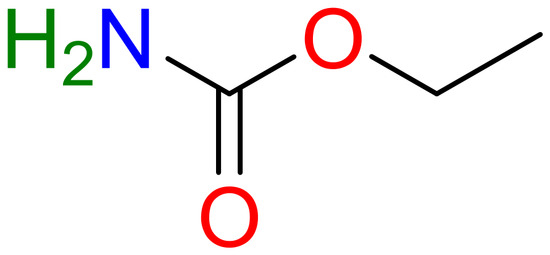
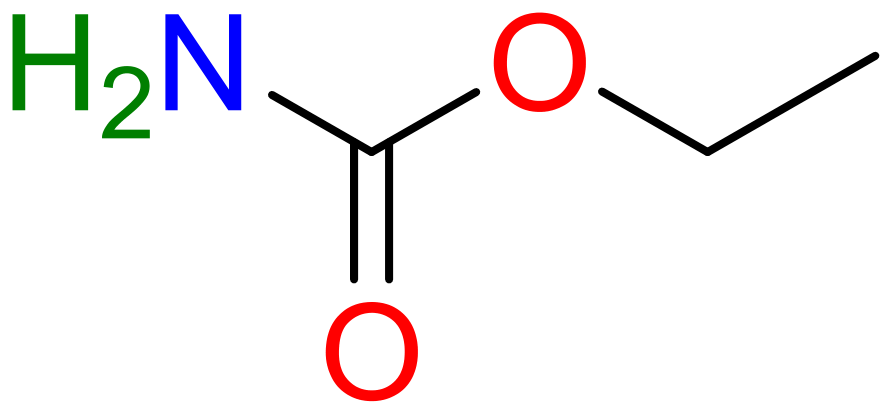
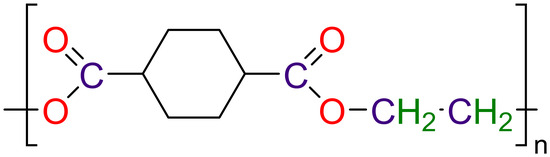
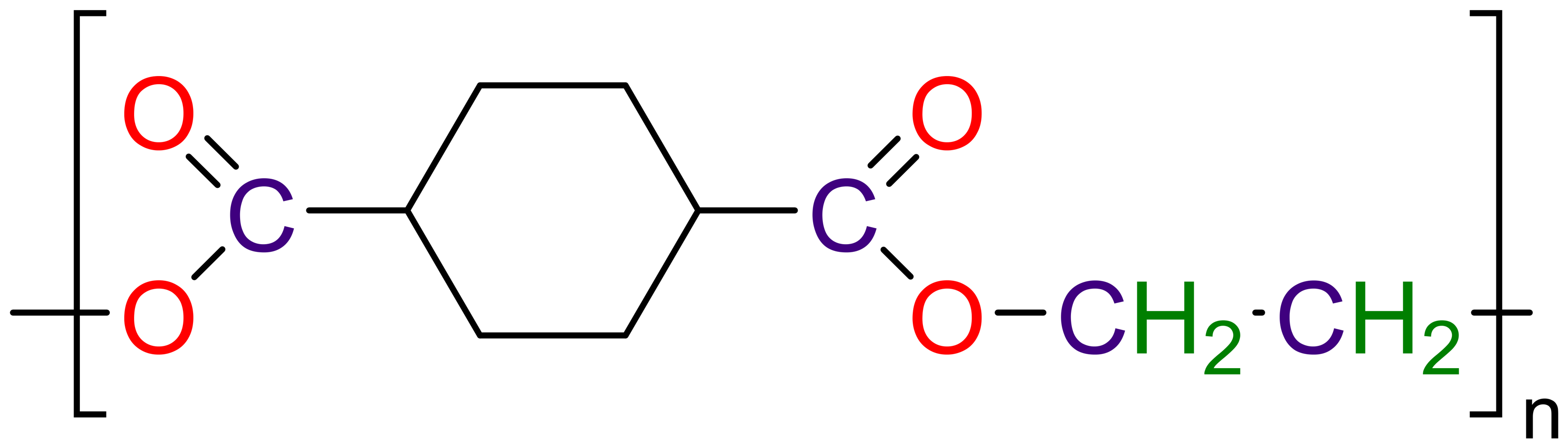
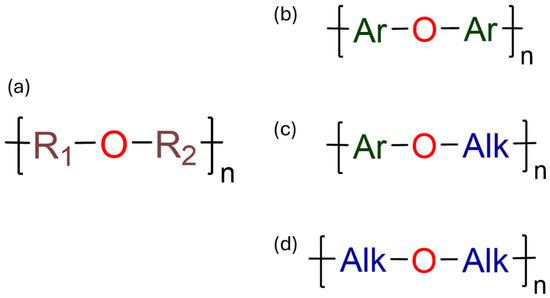
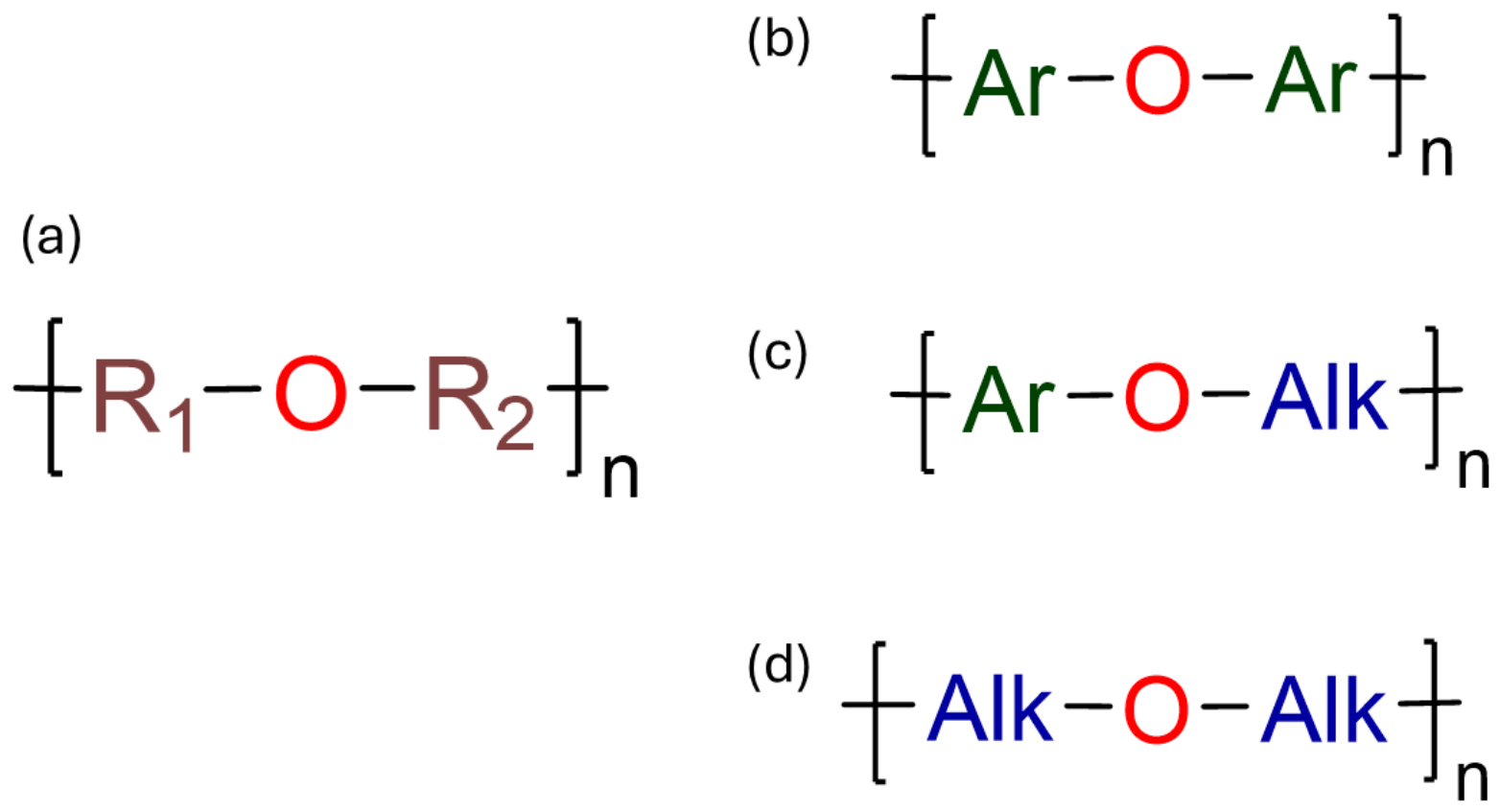
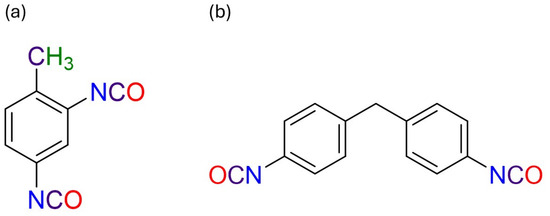
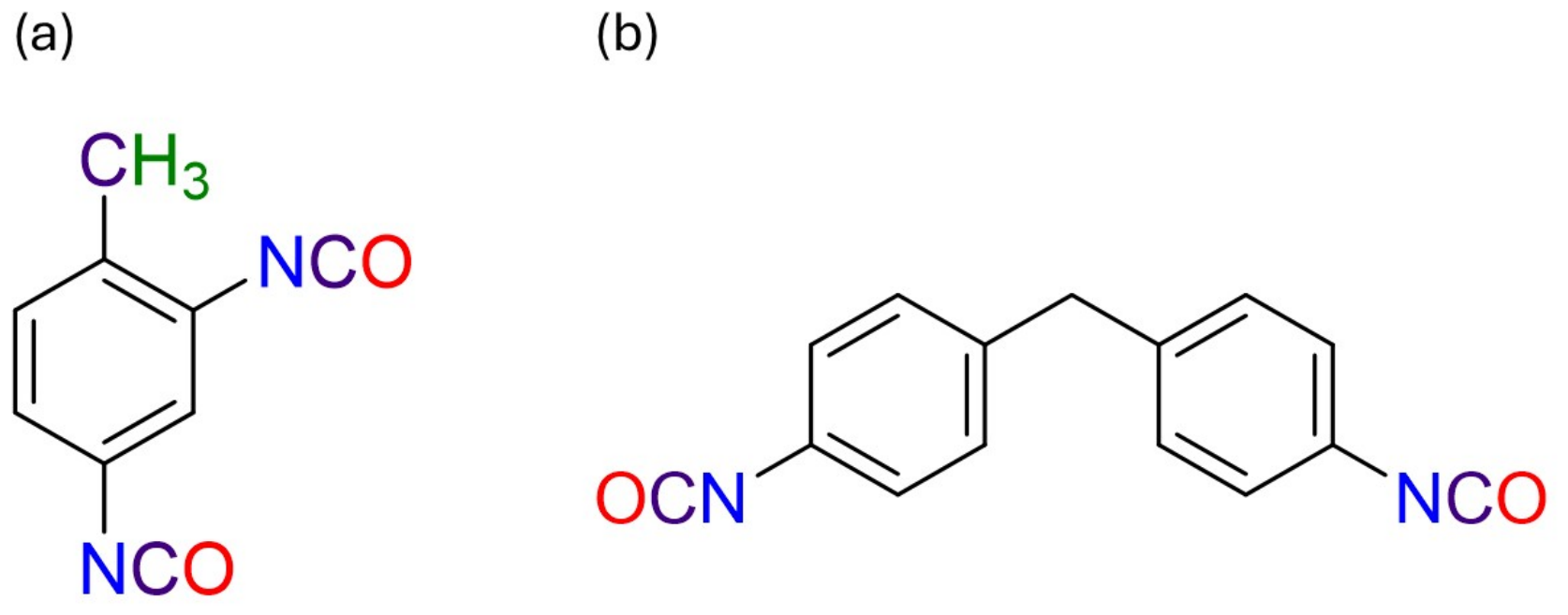
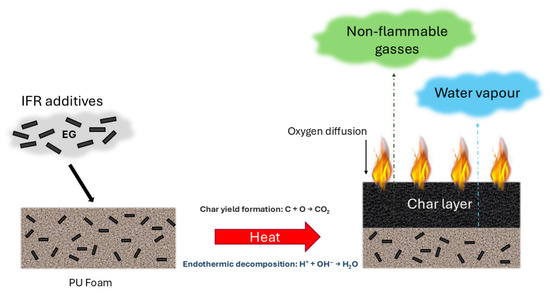
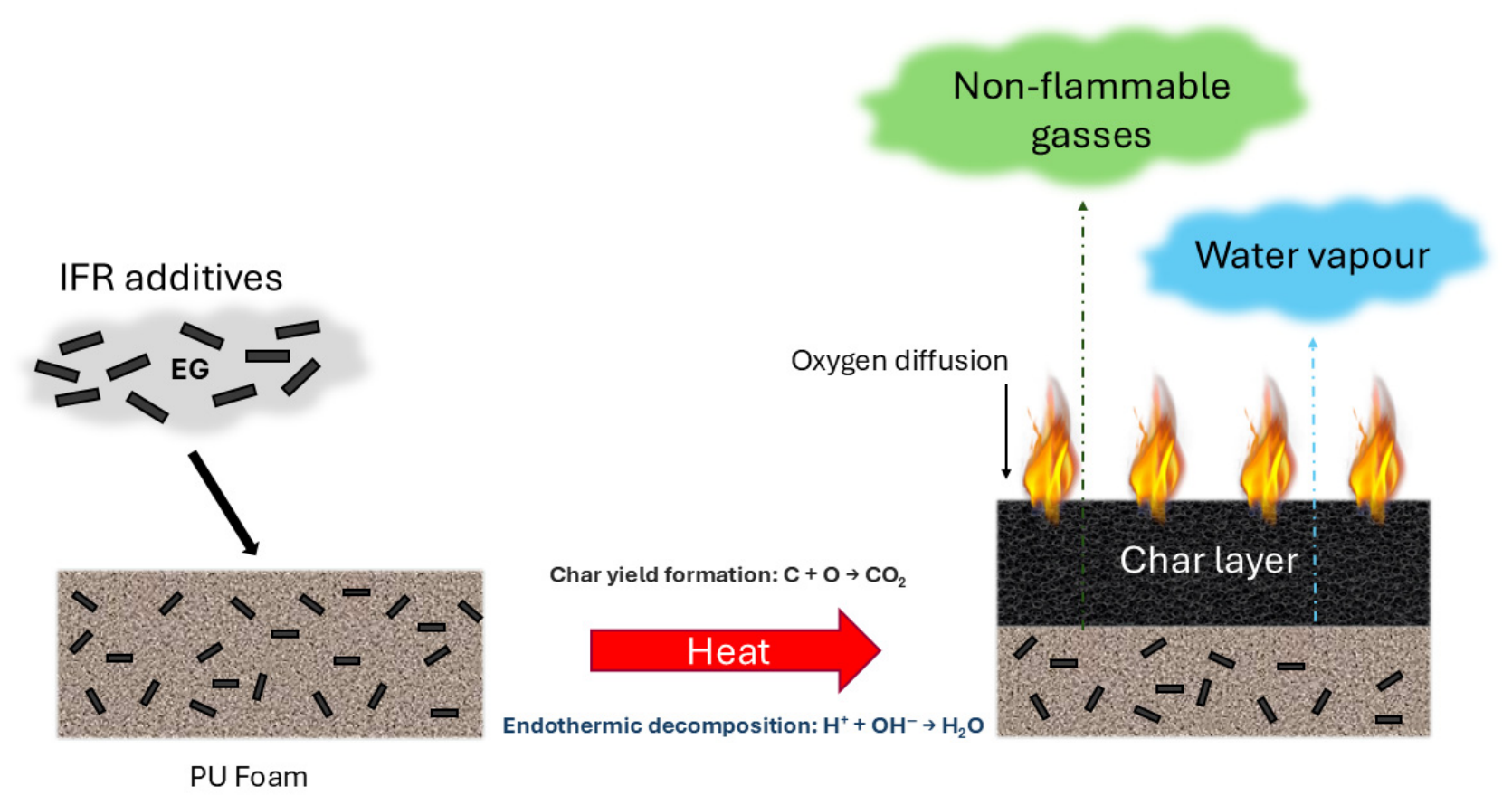
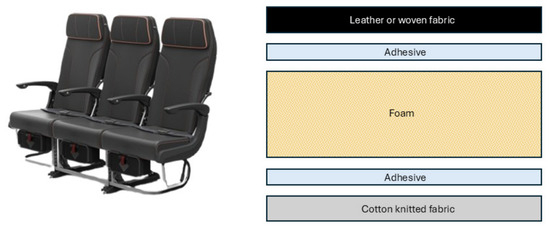
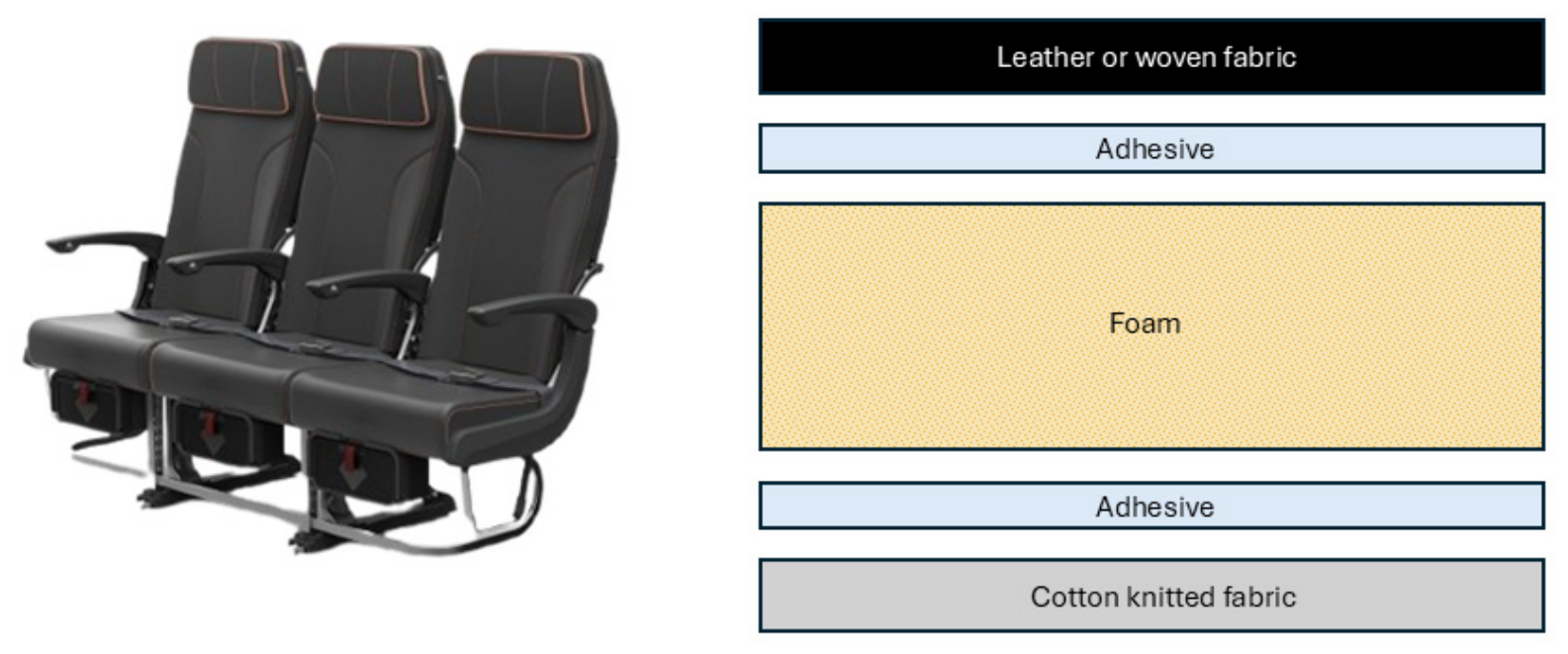
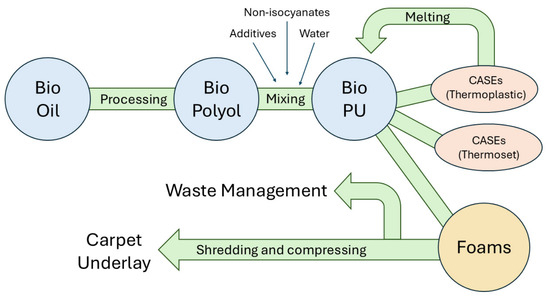
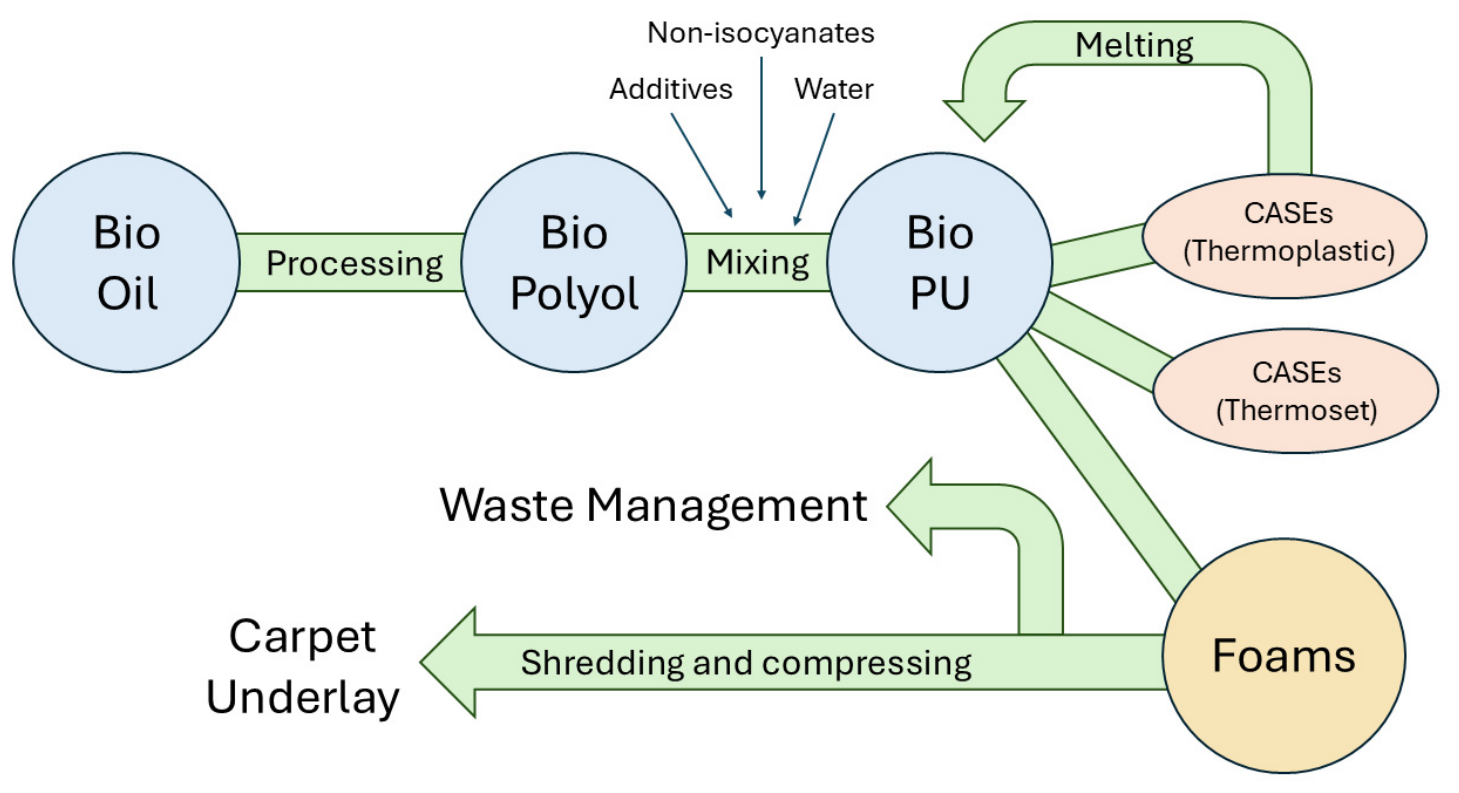
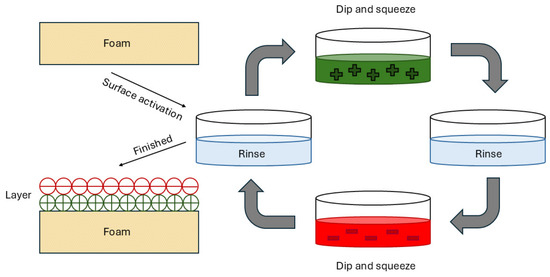
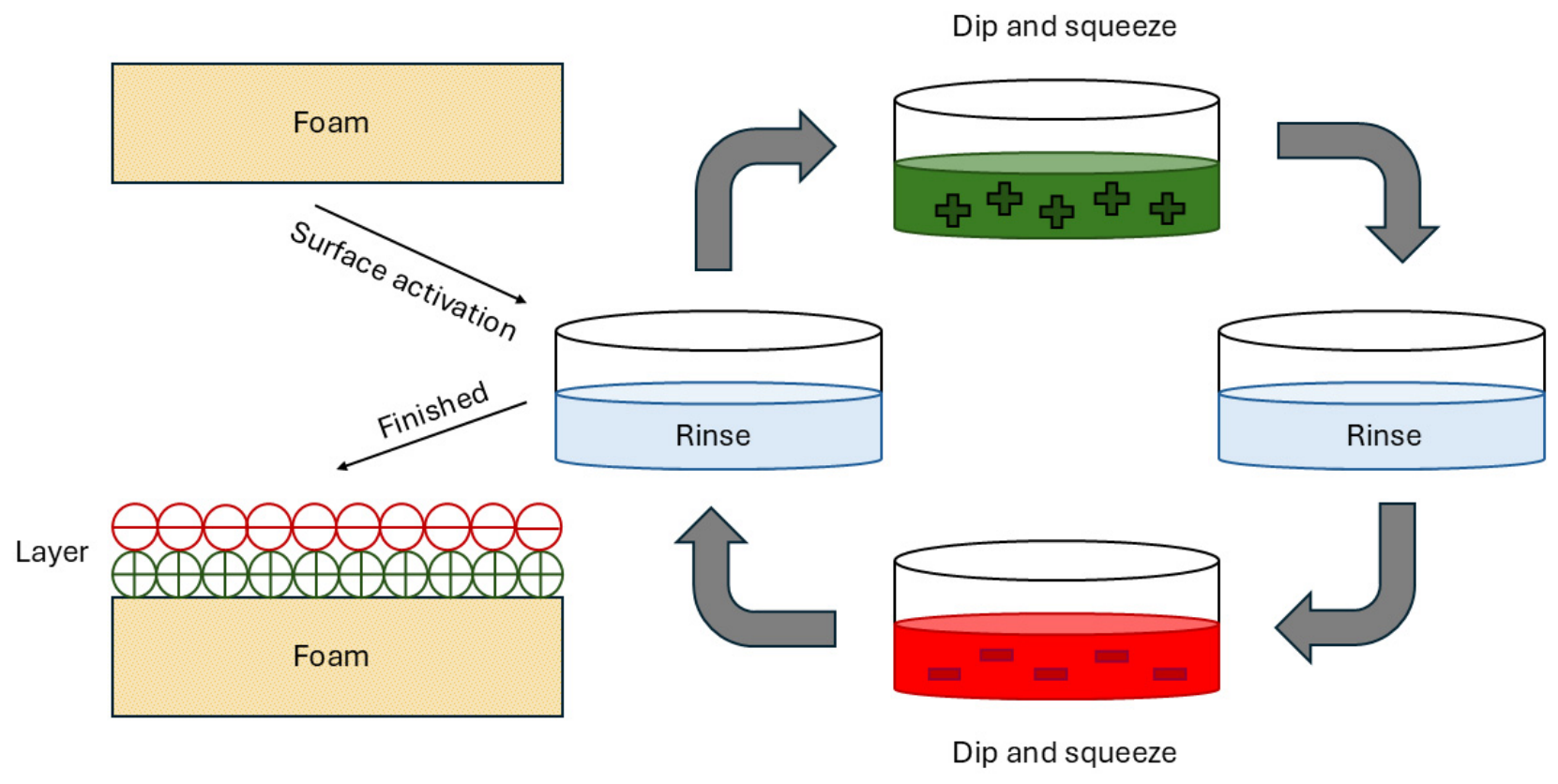
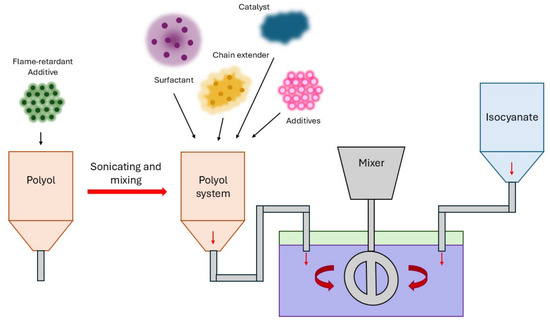
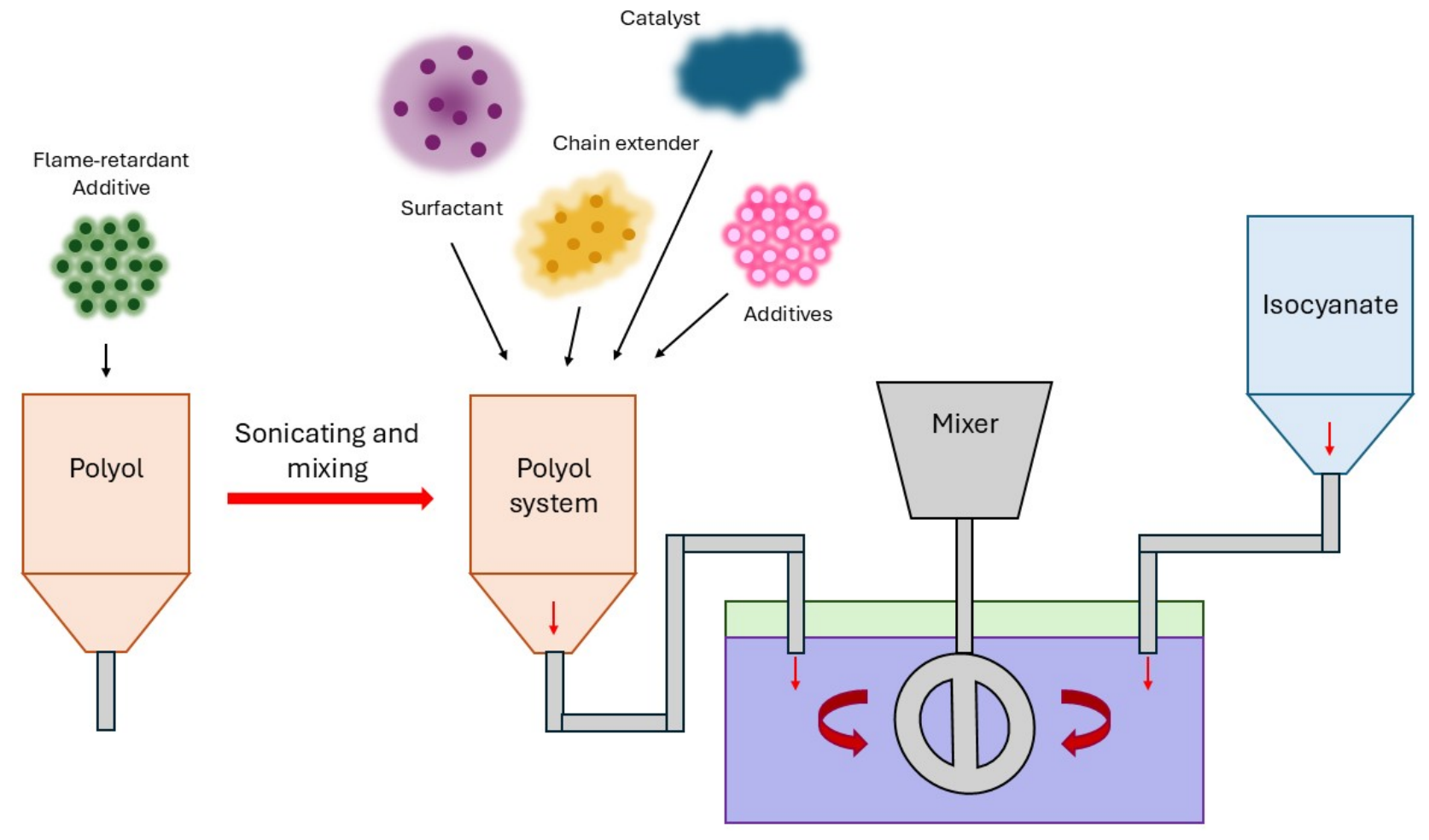
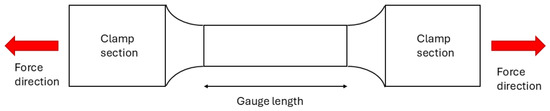
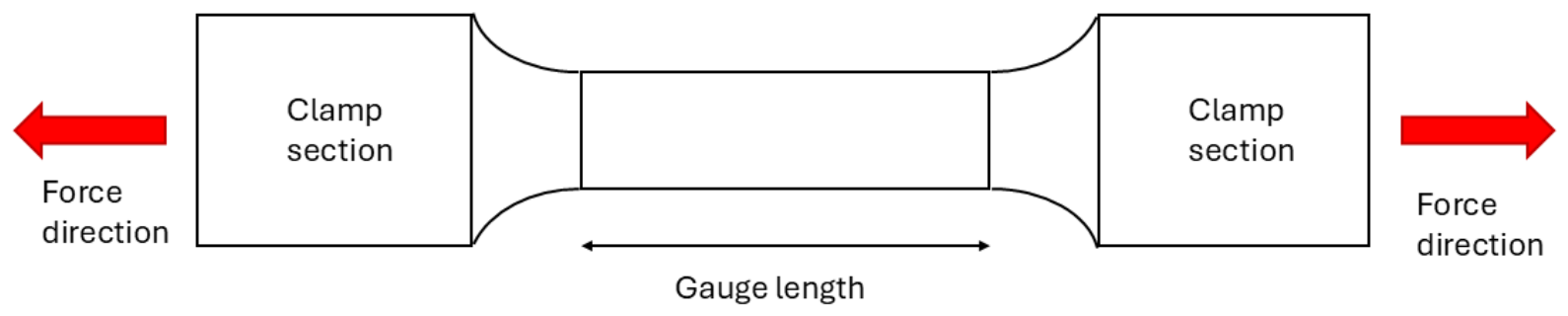
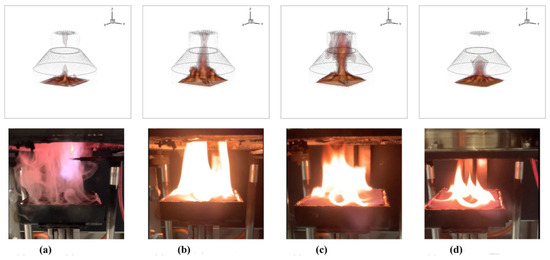
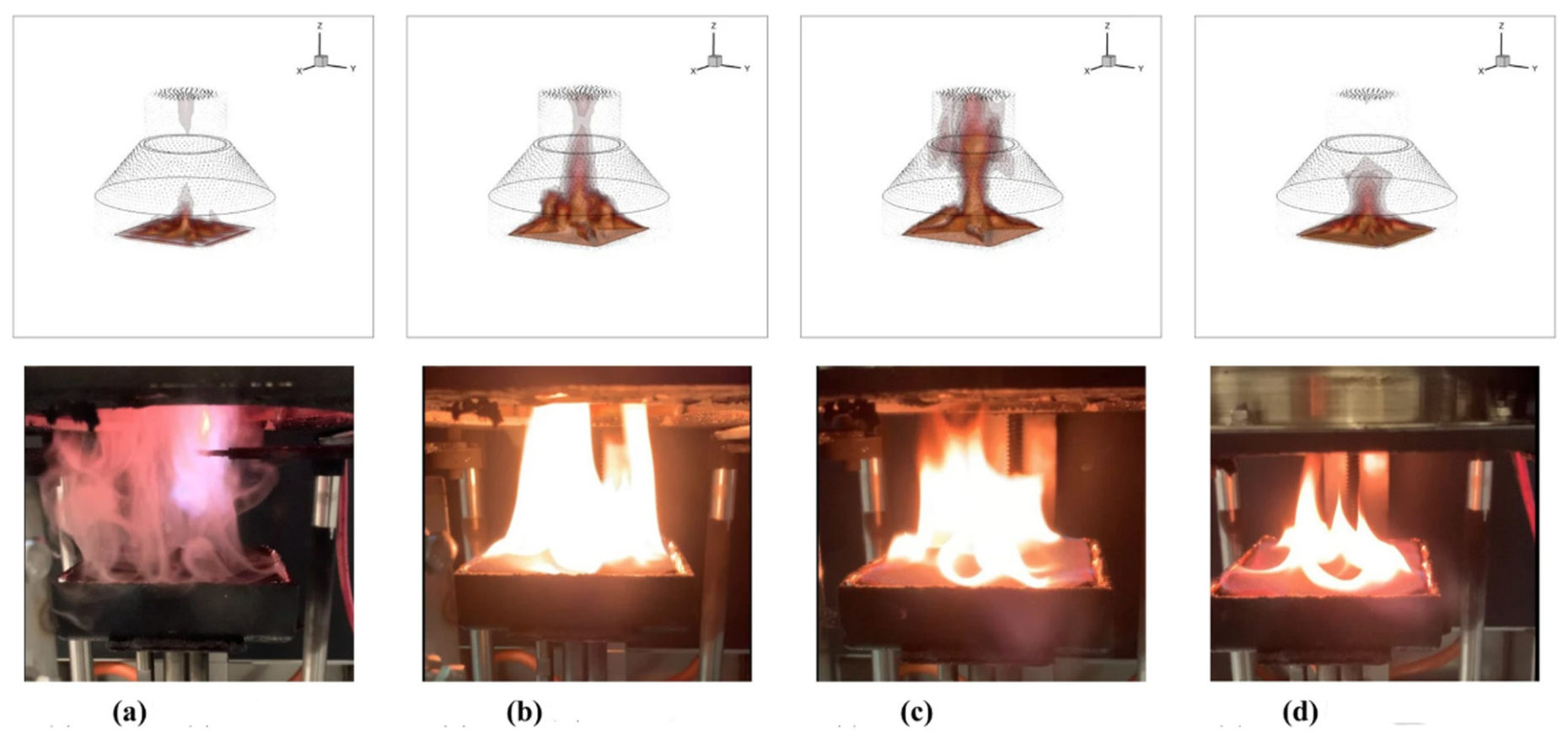
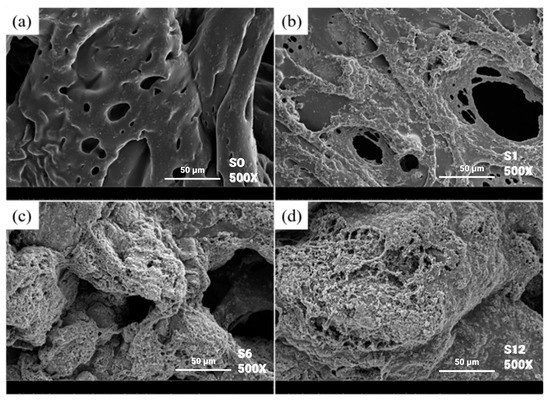
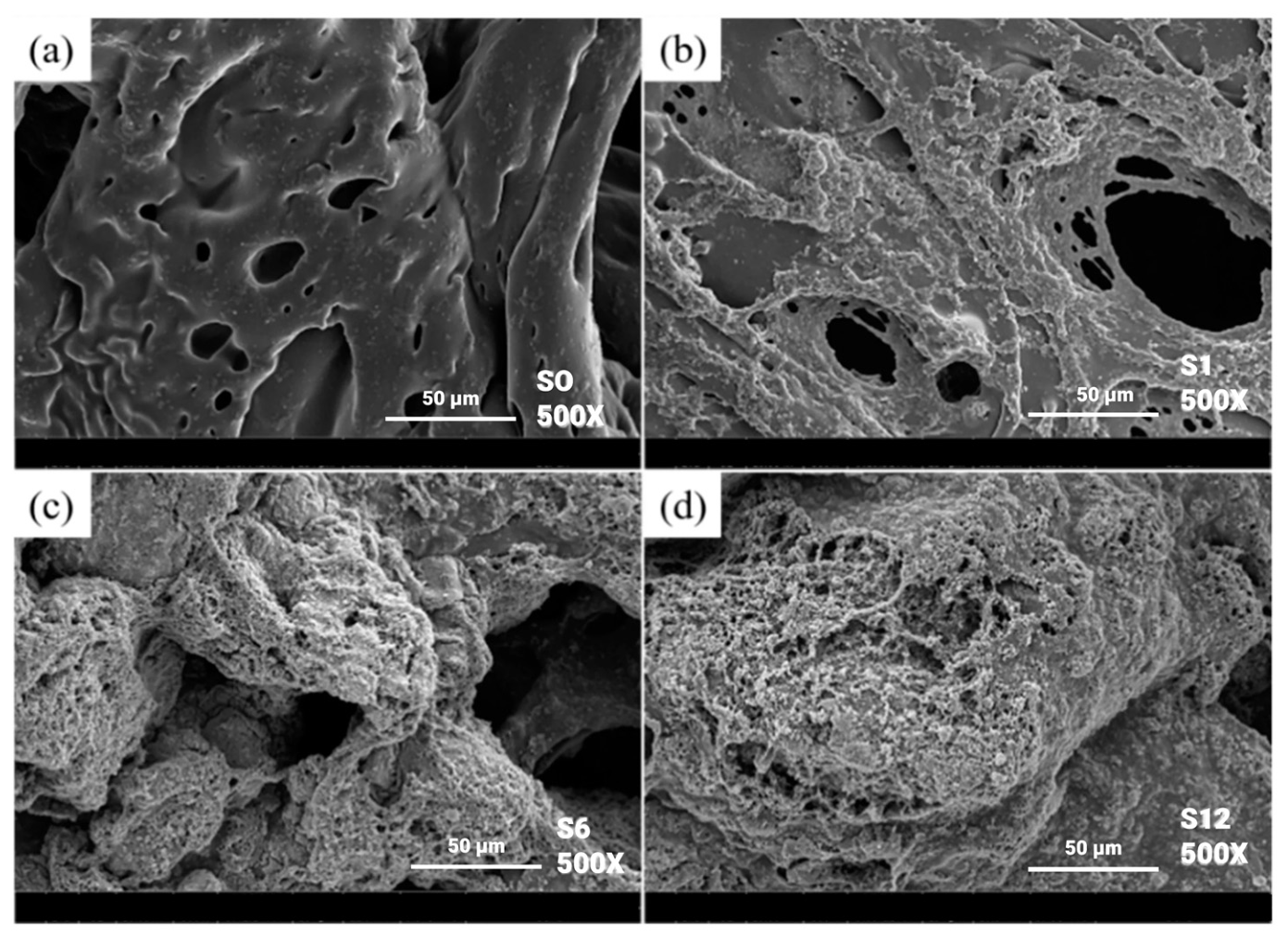
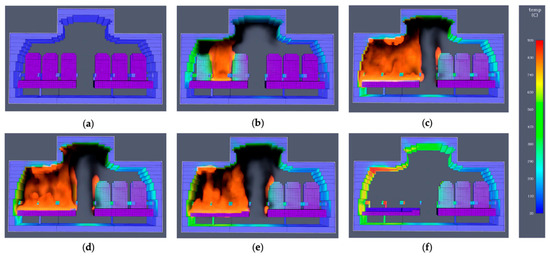
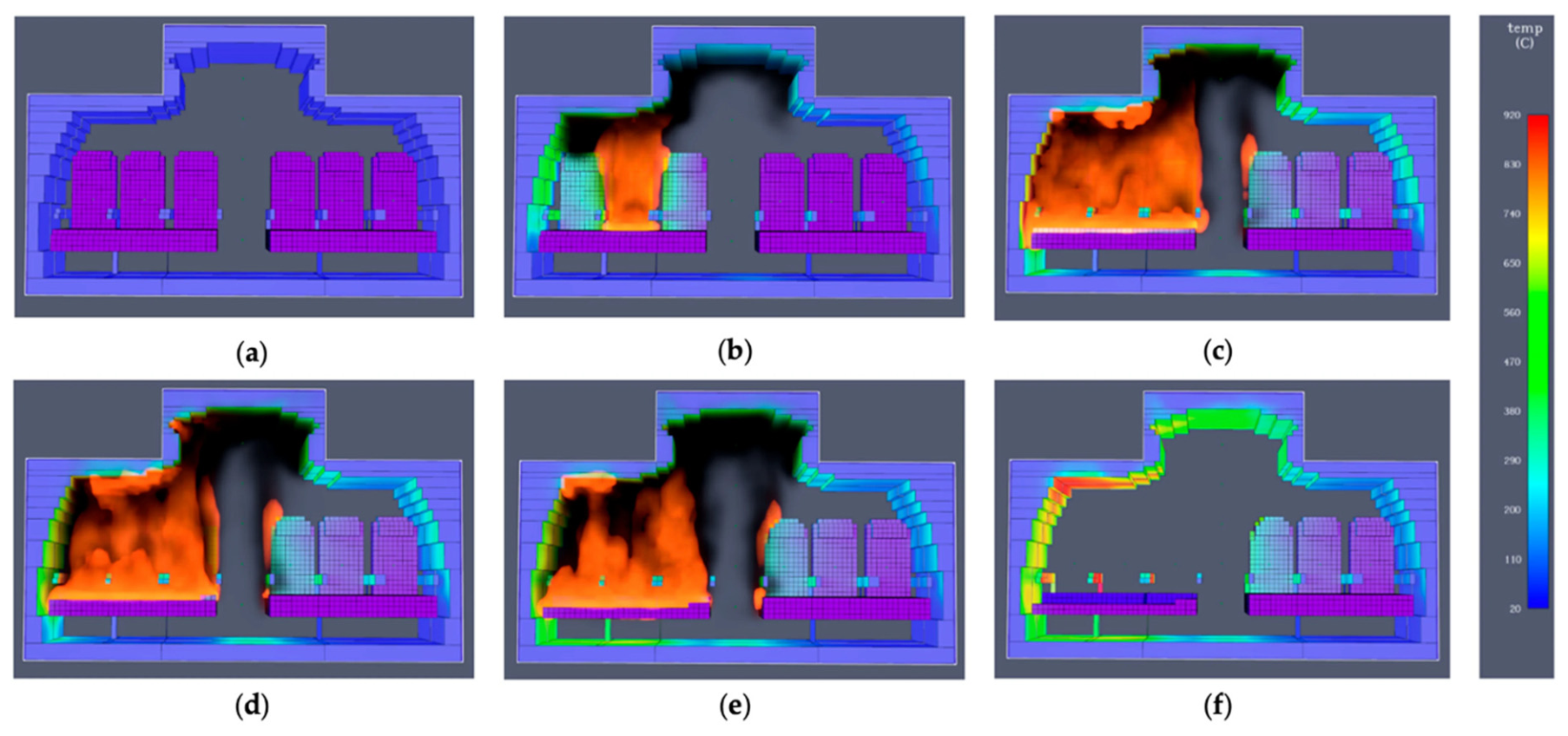
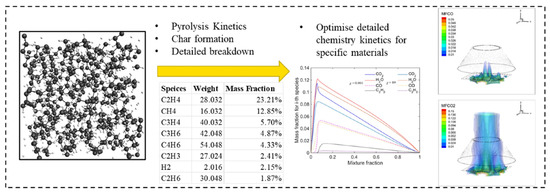
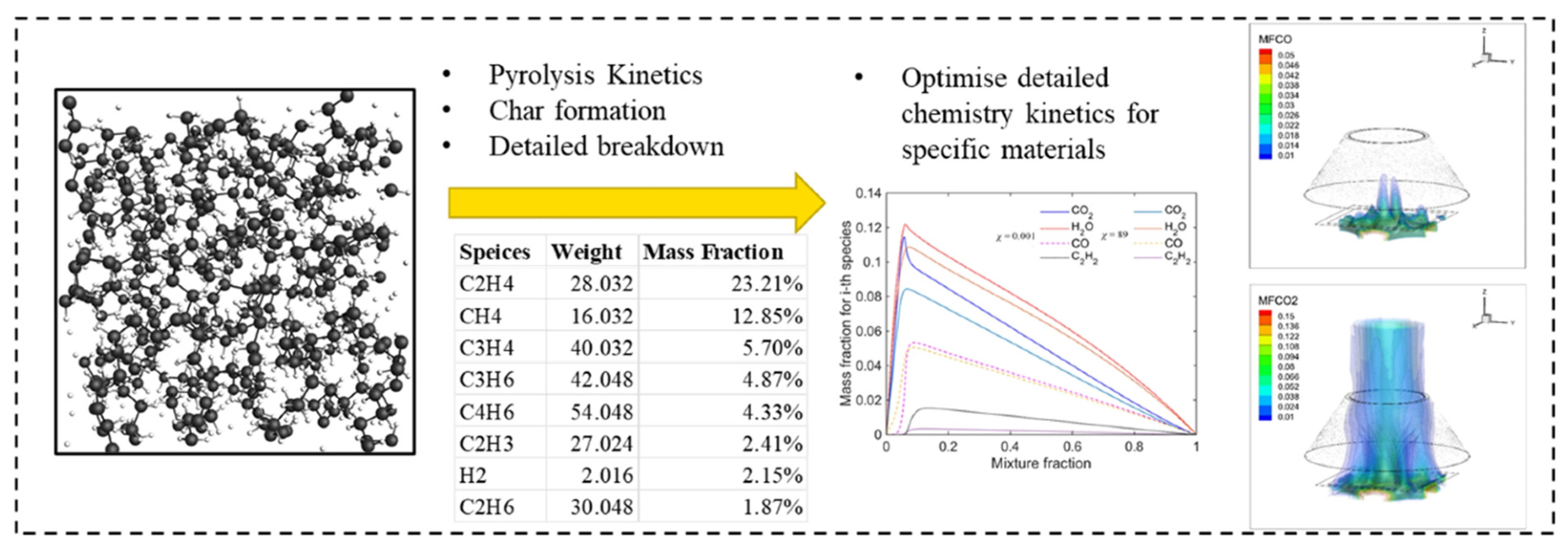

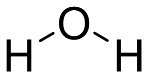

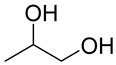


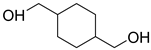

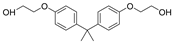
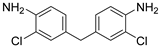
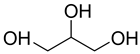
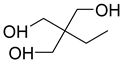

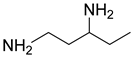

Disclaimer/Publisher’s Note: The statements, opinions and data contained in all publications are solely those of the individual author(s) and contributor(s) and not of MDPI and/or the editor(s). MDPI and/or the editor(s) disclaim responsibility for any injury to people or property resulting from any ideas, methods, instructions or products referred to in the content. |
© 2026 by the authors. Licensee MDPI, Basel, Switzerland. This article is an open access article distributed under the terms and conditions of the Creative Commons Attribution (CC BY) license.